Stars & Constellations
99 images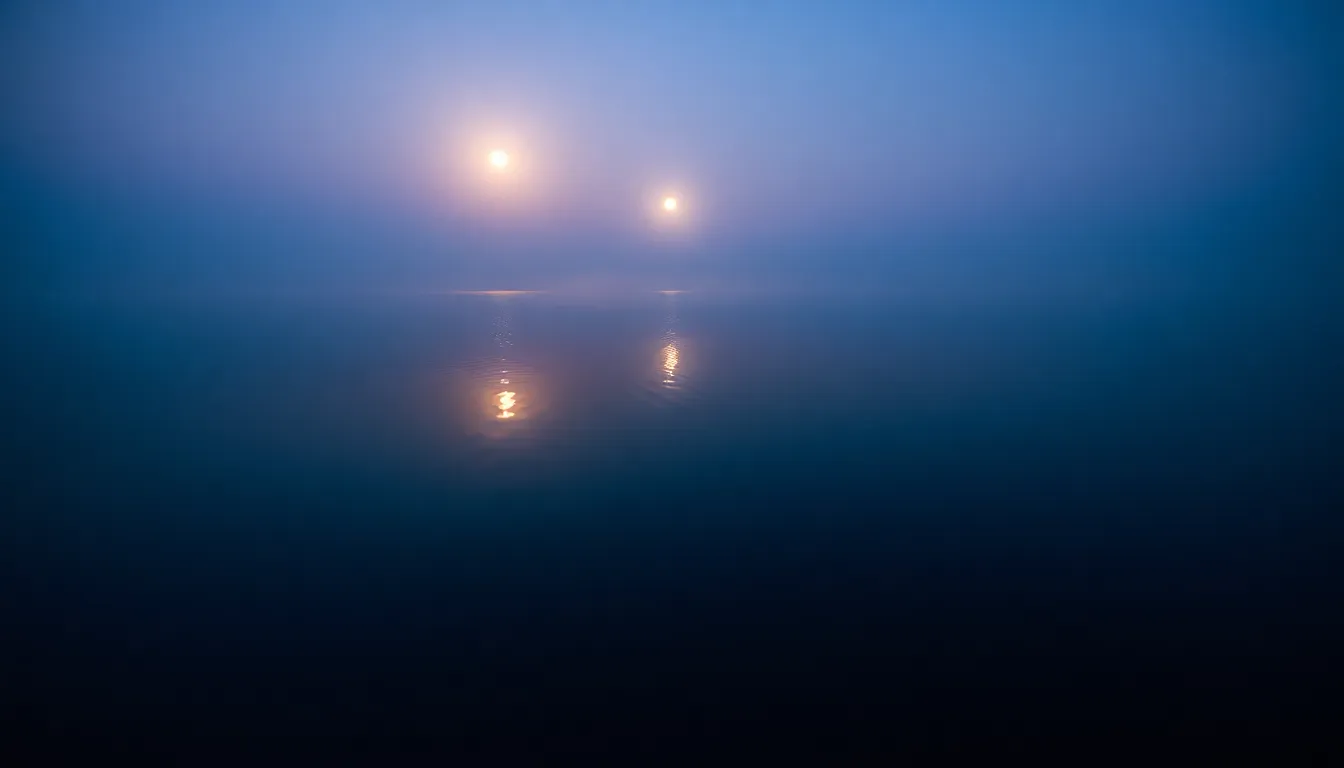
Hasselblad X2D 100C, 90mm f/2.5 medium format, capturing an ethereal scene of a celestial body rising above a serene lake, reflecting its light. The natural lighting is during twilight, casting a soft glow over the scene. The depth of field is hyperfocal at f/8, ensuring the stars and reflections in the lake are all in sharp focus. The color palette features calming violets and blues with the warm golden tones of the celestial body. The composition employs a symmetrical layout with the reflection mirroring the sky, while the texture of the lake's surface is enhanced by gentle ripples.
16:9

Fujifilm GFX 100S, 110mm f/2 macro, focusing on a detailed, illuminated globe with constellations marked on it. The studio lighting consists of a softbox above creating even light distribution, while small LED lights highlight specific constellations. The depth of field is shallow at f/2, beautifully isolating the globe against a blurred dark background. The color palette is warm with golden hues from the lights contrasted by the deep navy of the night sky. The composition centers on the globe, with a subtle symmetry and texture detailing the globe's surface and stars, adding depth to the image.
1:1
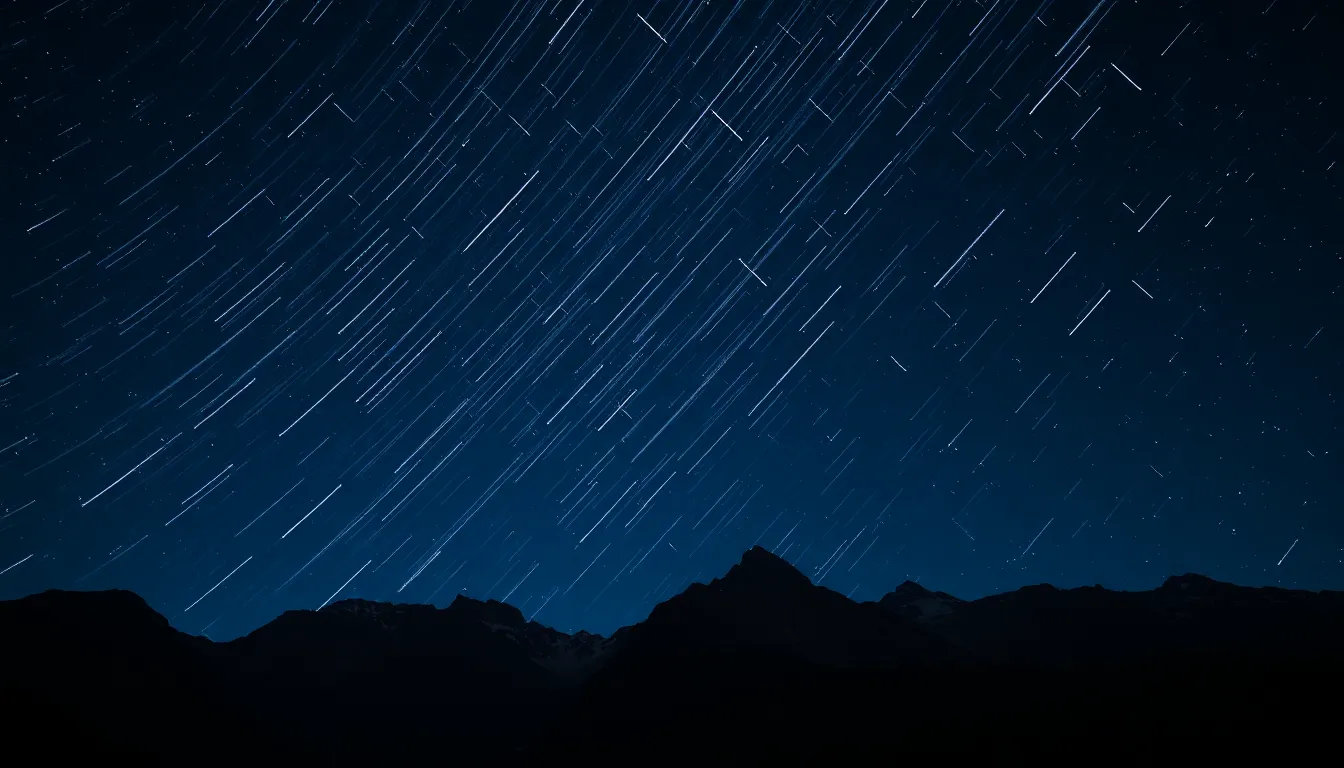
Nikon Z9, 70-200mm f/2.8 telephoto at 135mm, capturing a stunning time-lapse of a starry sky with a meteor shower. The long exposure showcases streaks of shooting stars against a dark canvas, while the foreground features rugged mountain silhouettes. The lighting is natural, with the deep night sky offering a contrast to the shimmering lights of meteors. The depth of field remains hyperfocal, keeping both the mountains and stars sharp at f/8. The color palette is composed of dark blues and blacks, with bright white trails, creating an awe-inspiring celestial spectacle. The composition employs a low angle to emphasize the grandeur of both the meteors and the mountain range.
16:9
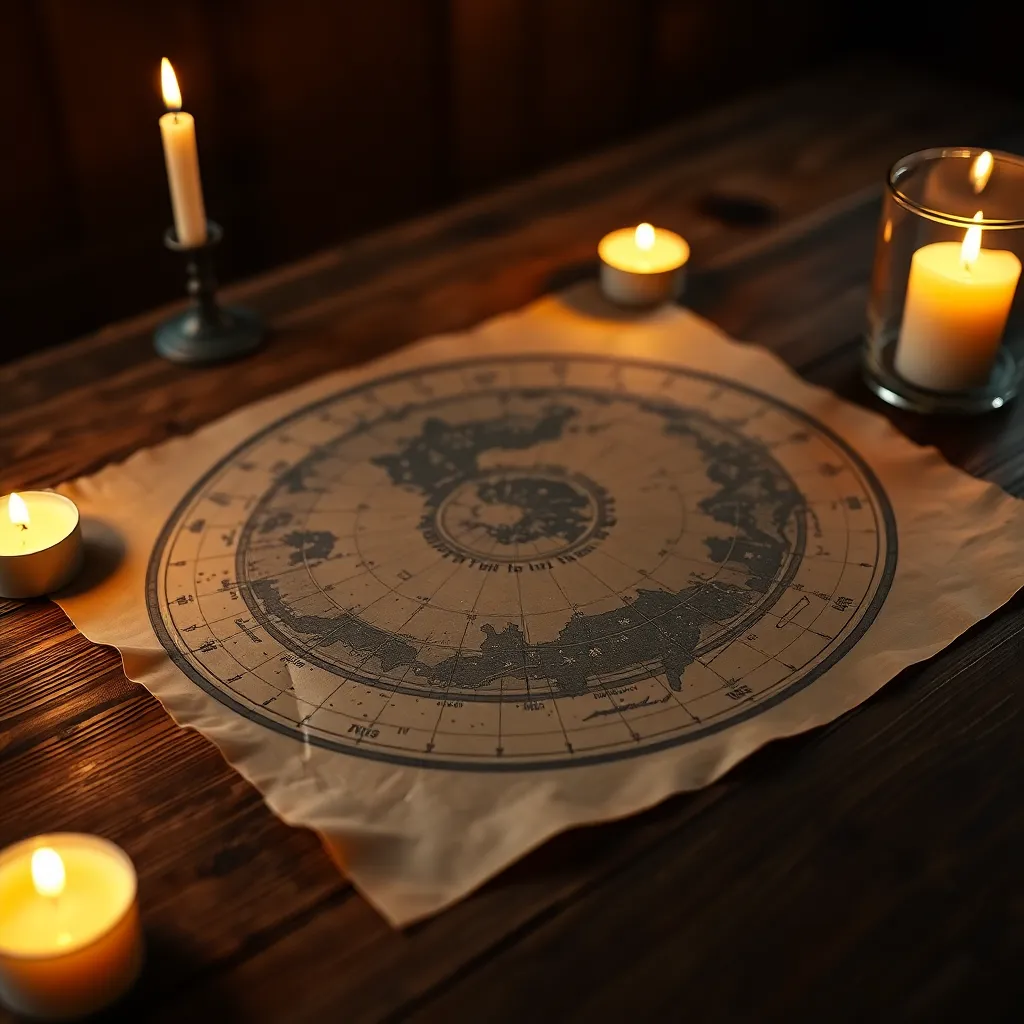
shot on Sony A7R V with 85mm f/1.4 GM lens, capturing a close-up of a star chart spread across a rustic wooden table. Soft candlelight creates warm shadows and highlights across the parchment, revealing delicate constellations. The depth of field is shallow at f/1.4, beautifully blurring the table surface while keeping the star chart crisp. The color palette consists of warm amber and rich browns, enhanced by the soft flickering light. The centered composition focuses on the star chart as the hero, with visible texture from the wood grain and paper surface enriching the image.
1:1
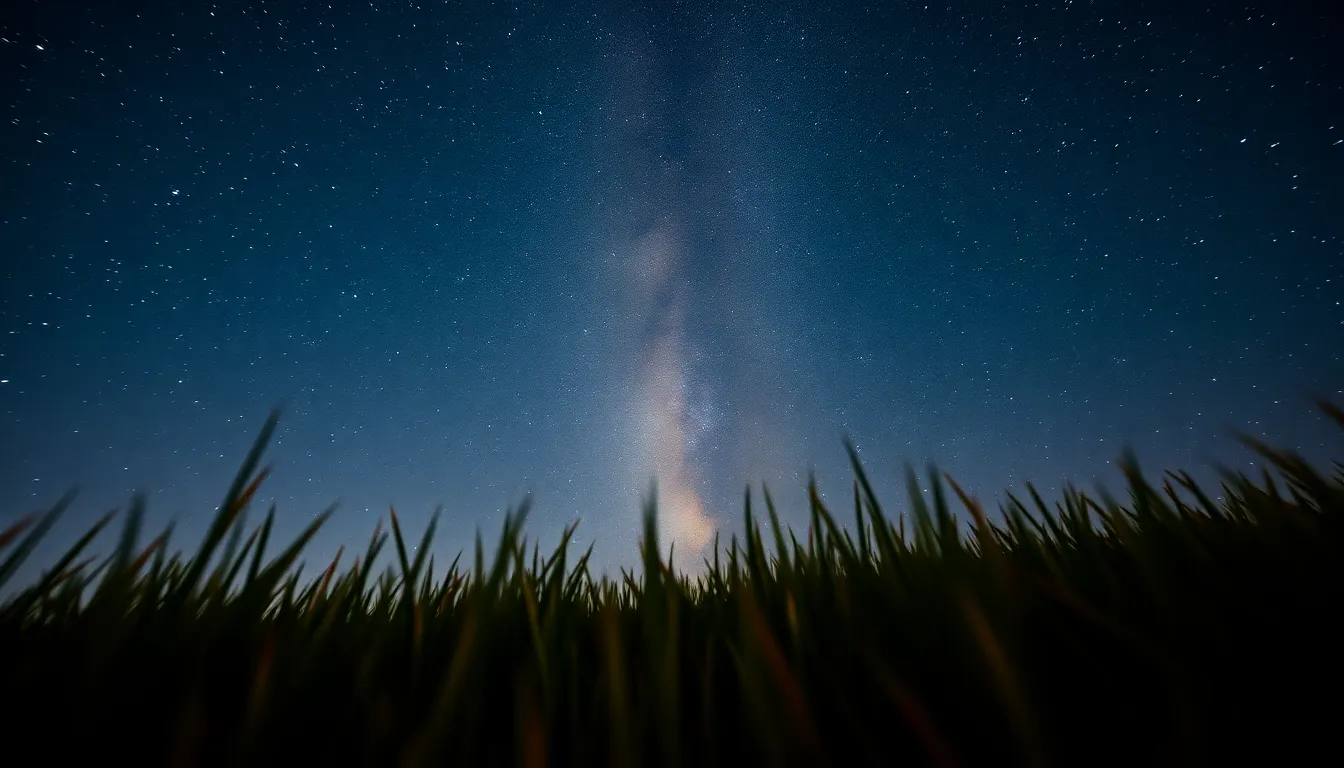
captured with Canon EOS R5, 24-70mm f/2.8L at 35mm, during a clear night sky with thousands of stars visible. The Milky Way stretches overhead, illuminated by subtle moonlight creating gentle contrasts. A shallow depth of field at f/2.8 blurs the foreground grass, while the stars remain incredibly sharp and vivid. The color palette features deep blues and purples with twinkling white and yellow star highlights, adhering to a cinematic teal and orange grading. The composition utilizes leading lines from the grass, guiding the eye towards the celestial spectacle above, with a rich texture of the grass visible in the foreground.
16:9

captured with Leica Q3, 28mm f/1.7 Summilux, presenting a vibrant constellation map displayed on the ceiling of a planetarium. The scene is dramatically lit with colorful LED lights illuminating various stars and constellations, creating an immersive experience. Shallow depth of field at f/1.7 draws focus to a child gazing up in awe, with soft bokeh of stars in the background. The color palette is a vivid mix of blues, yellows, and pinks, evoking a sense of wonder and exploration. The composition captures the child's expression and the grandeur of the starry ceiling perfectly within the frame.
3:4

shot on Fujifilm GFX 100S, 110mm f/2 macro, featuring a detailed close-up of a celestial globe displaying constellations, set against a softly lit dark backdrop. Warm tungsten desk lamp casts a gentle directional light onto the globe, highlighting its textured surface and intricate details of the constellations. The depth of field is shallow at f/2, bringing the globe into sharp focus while softly blurring the background. The overall color palette is warm and inviting, with hints of gold and deep navy blue. The composition centers the globe, emphasizing its beauty and intriguing design.
1:1
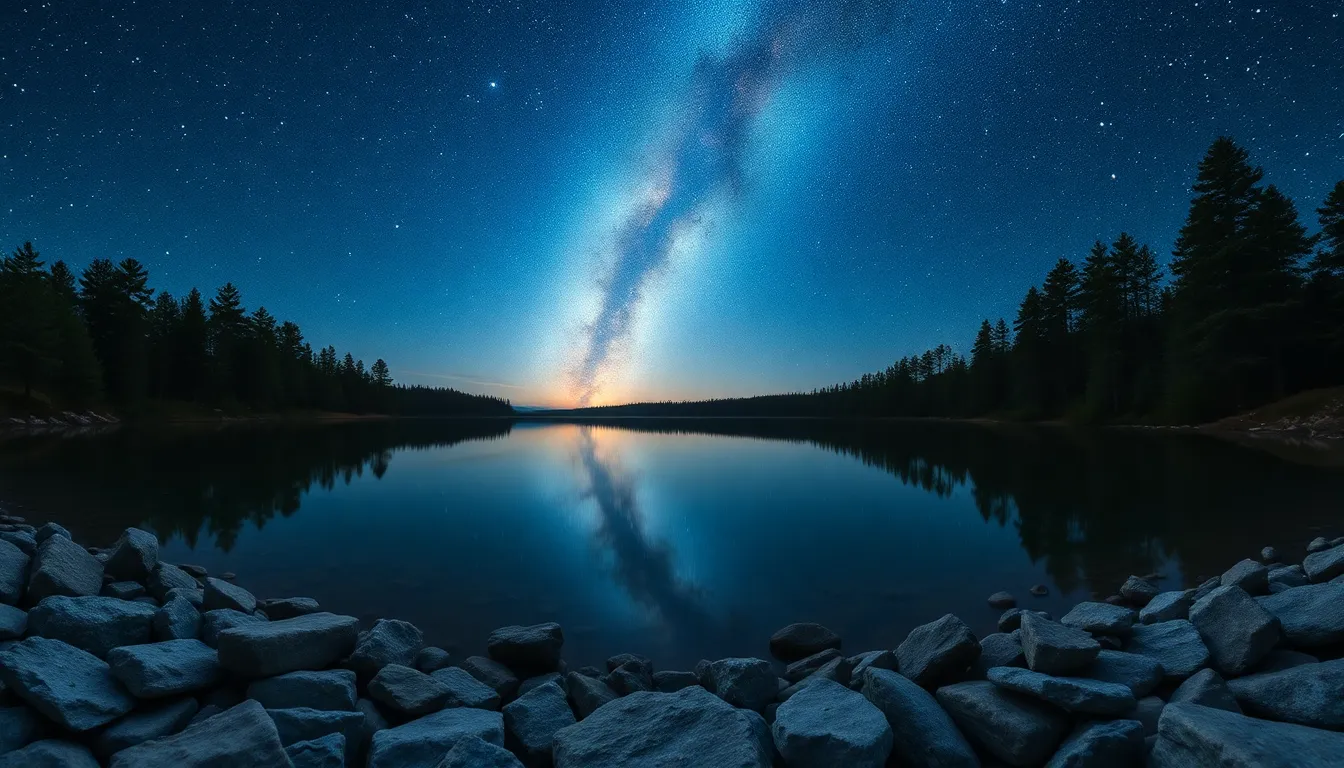
captured with Canon EOS R5, 24-70mm f/2.8L at 35mm, depicting a panoramic view of a starry night over a serene lake surrounded by pine trees. The scene features a vibrant reflection of the stars and the Milky Way mirrored on the calm lake water. Overcast diffused daylight creates a soft blue hue throughout the scene, enhancing the star visibility. This image is taken with hyperfocal distance, ensuring tack-sharp focus from the foreground rocks to the distant trees. The composition utilizes leading lines of the shoreline to draw the viewer's eye toward the horizon.
16:9
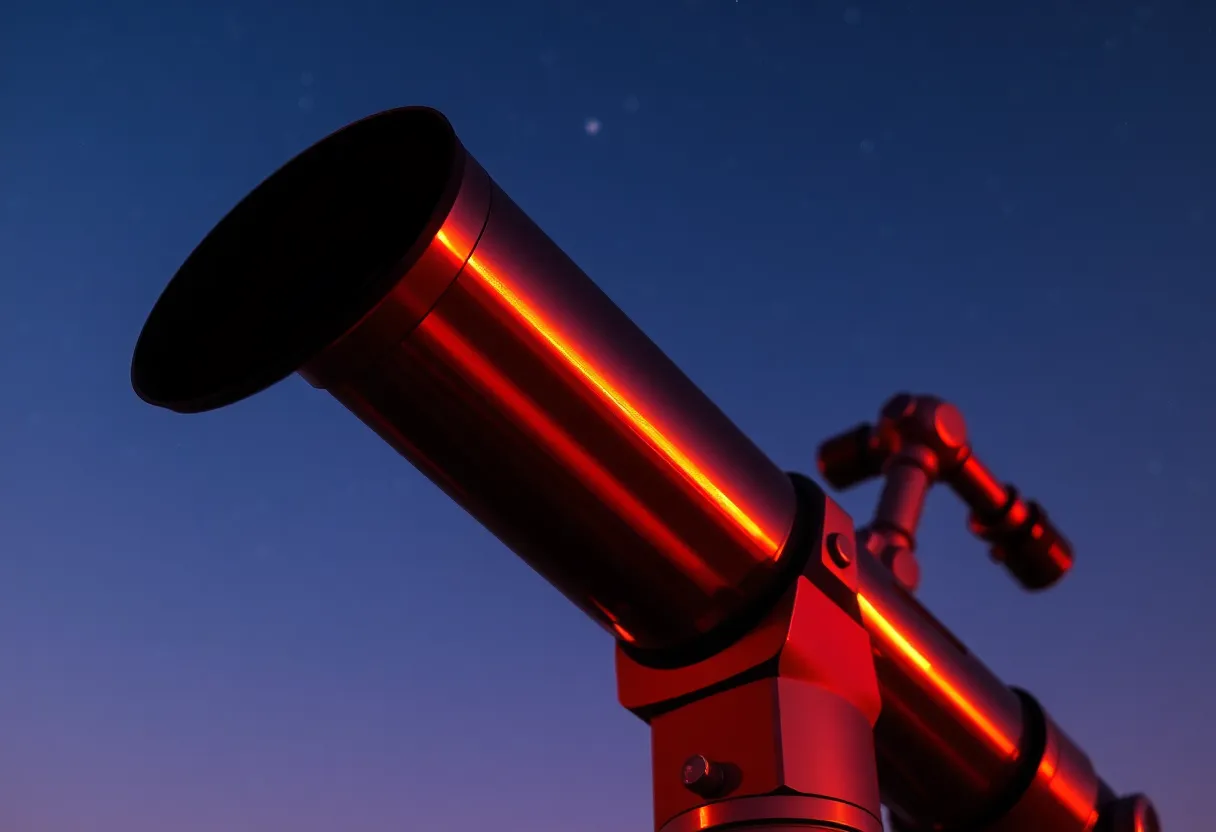
shot on Sony A7R V with 85mm f/1.4 GM lens, showcasing a stunning close-up of a telescope aimed at the stars during twilight. The telescope's metallic surface reflects warm colors from the setting sun, creating a warm contrast against the deepening blues of the night sky. The depth of field is shallow at f/1.4, isolating the telescope and allowing soft bokeh of stars in the background. The color palette features brilliant oranges, purples, and deep blues. The composition centers the telescope in the frame, guiding the viewer's focus upward into the cosmos.
3:2
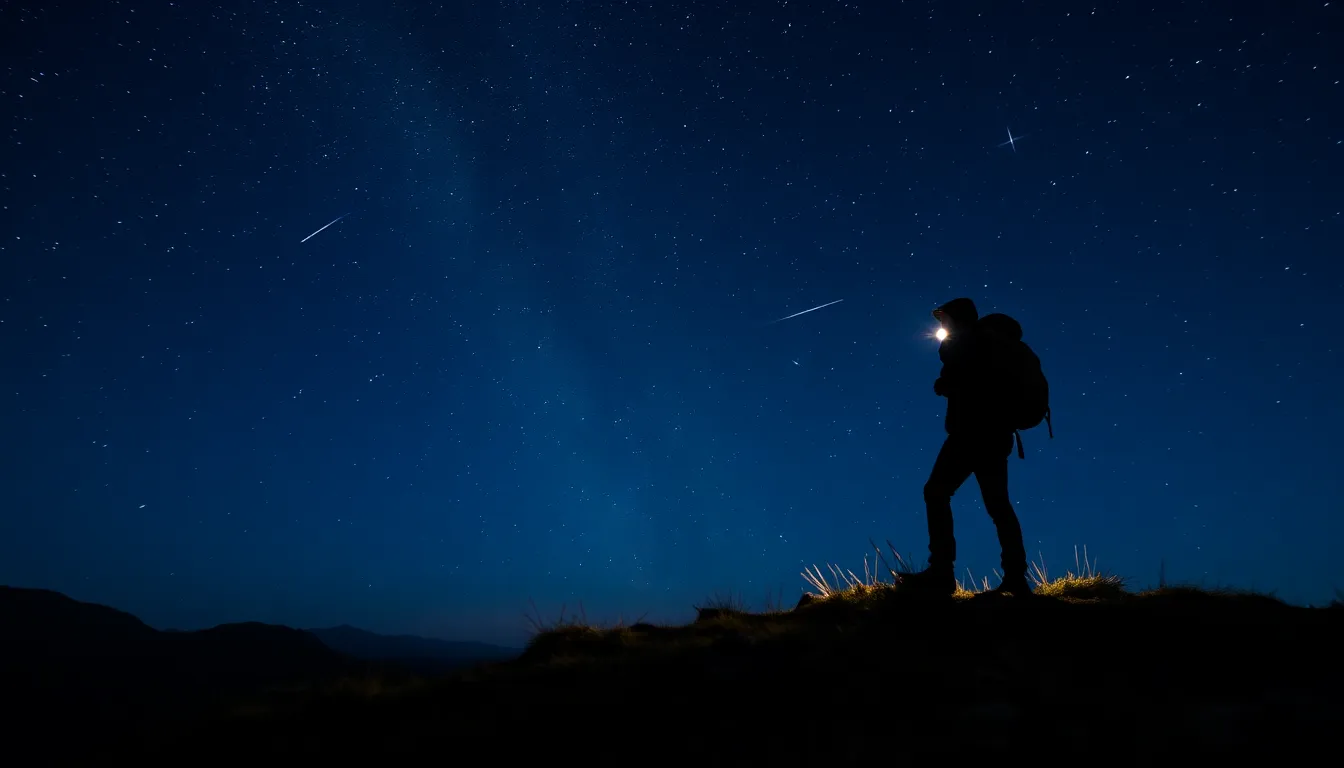
captured with Nikon Z9, 70-200mm f/2.8 telephoto at 135mm, under a clear night sky highlighting the Milky Way. The scene features twinkling stars against a deep blue backdrop, with a shooting star streaking across the frame. Shallow depth of field at f/2.8 focuses on a silhouette of a hiker in the foreground, softly illuminated by their headlamp. The colors are rich, emphasizing deep blues and purples along with warm whites of the stars, while the composition follows the rule of thirds, drawing the eye towards the horizon. Texture includes the rugged terrain of the mountain with scattered rocks and grass.
16:9

Fujifilm GFX 100S, 110mm f/2 macro, capturing the intricate details of a star map held by a hand, set against a night sky backdrop filled with stars. Warm tungsten light emanates from a vintage lamp, highlighting the textured paper of the star map. The depth of field is shallow with a creamy bokeh of stars beyond, focusing on the map's illustrations. The color science reflects the nostalgic feel of the scene with warm, muted tones. The composition utilizes the rule of thirds, with the hand and map positioned at a power point, and the star-filled sky creating a dynamic backdrop. Textures include the rough paper of the star map and the soft glow of the lamp.
3:4
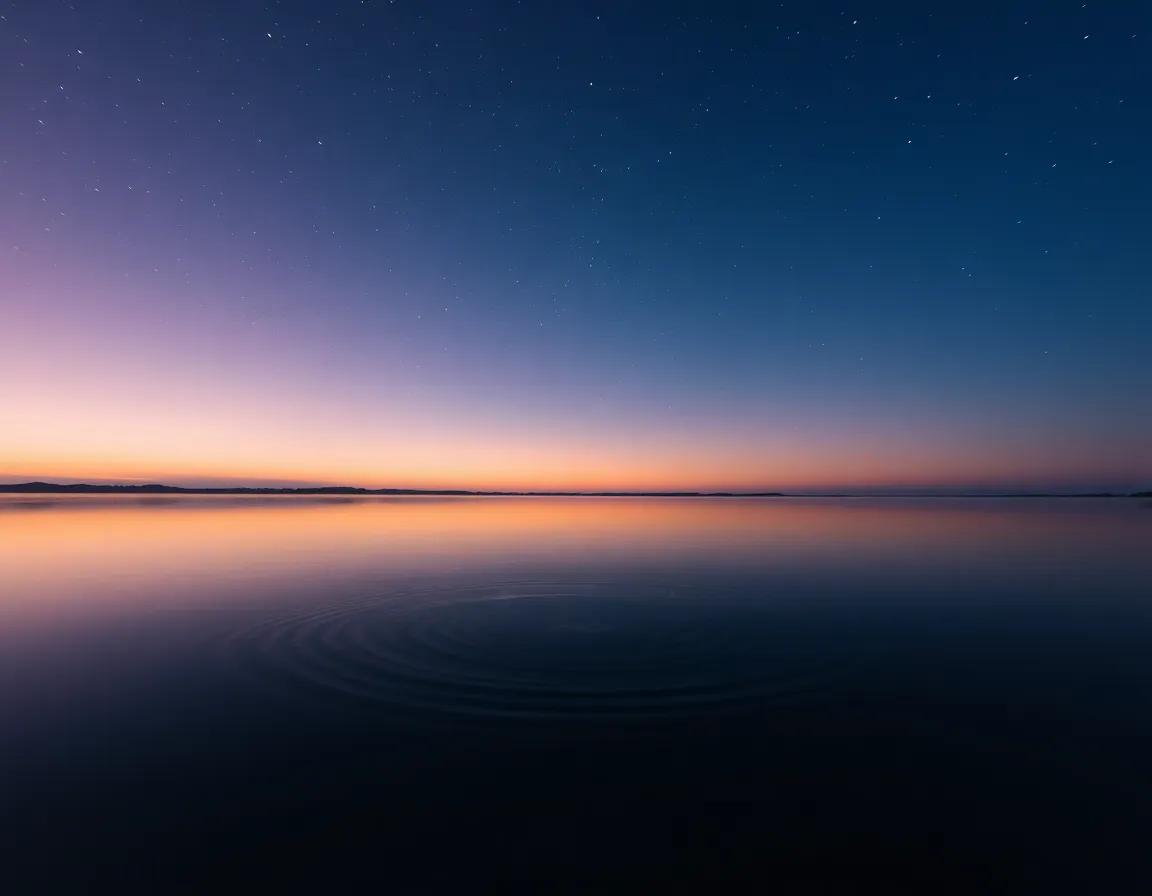
Hasselblad X2D 100C, 90mm f/2.5 medium format, featuring a close-up of a star-filled sky reflected in a tranquil lake at dawn. The first light of day creates a pastel color palette with soft pinks and oranges blending into deep blue twilight. The depth of field is shallow at f/2.5, emphasizing the shimmering stars while the lake mirrors them in delicate ripples. A centered composition captures both the sky and its reflection, creating a symmetrical feel. Textures include the glassy surface of the water and the flecks of stars above, enhancing the serene atmosphere.
4:3
Nikon Z9, 70-200mm f/2.8 telephoto at 135mm, capturing a wide view of the night sky over a remote desert landscape with countless stars twinkling above. The scene is lit by moonlight, casting a soft glow on the sand dunes. The depth of field is set to shallow at f/2.8, creating creamy bokeh from the foreground grass. The color palette features rich blacks and sparkling whites, with tonal variation from moonlit sand. The composition uses leading lines from the dunes to draw the eye toward the stars overhead, enhancing the sense of vastness. Textured details include the smoothness of the sand and the celestial shimmer of the star field.
16:9
shot on Sony A7R V with 85mm f/1.4 GM lens, capturing an intricate design of constellations projected onto the walls of a cozy observatory. Soft, golden hour sunlight filters in through windows, adding warmth to the scene. The focus is selective on the constellation patterns while the background gently blurs into a warm bokeh. The color palette includes soft yellows and warm browns, creating an inviting atmosphere. A centered symmetrical composition places the observer beneath the constellations, evoking a sense of wonder. Textures include the warmth of wooden beams and the delicate projection of star patterns on the walls.
3:2
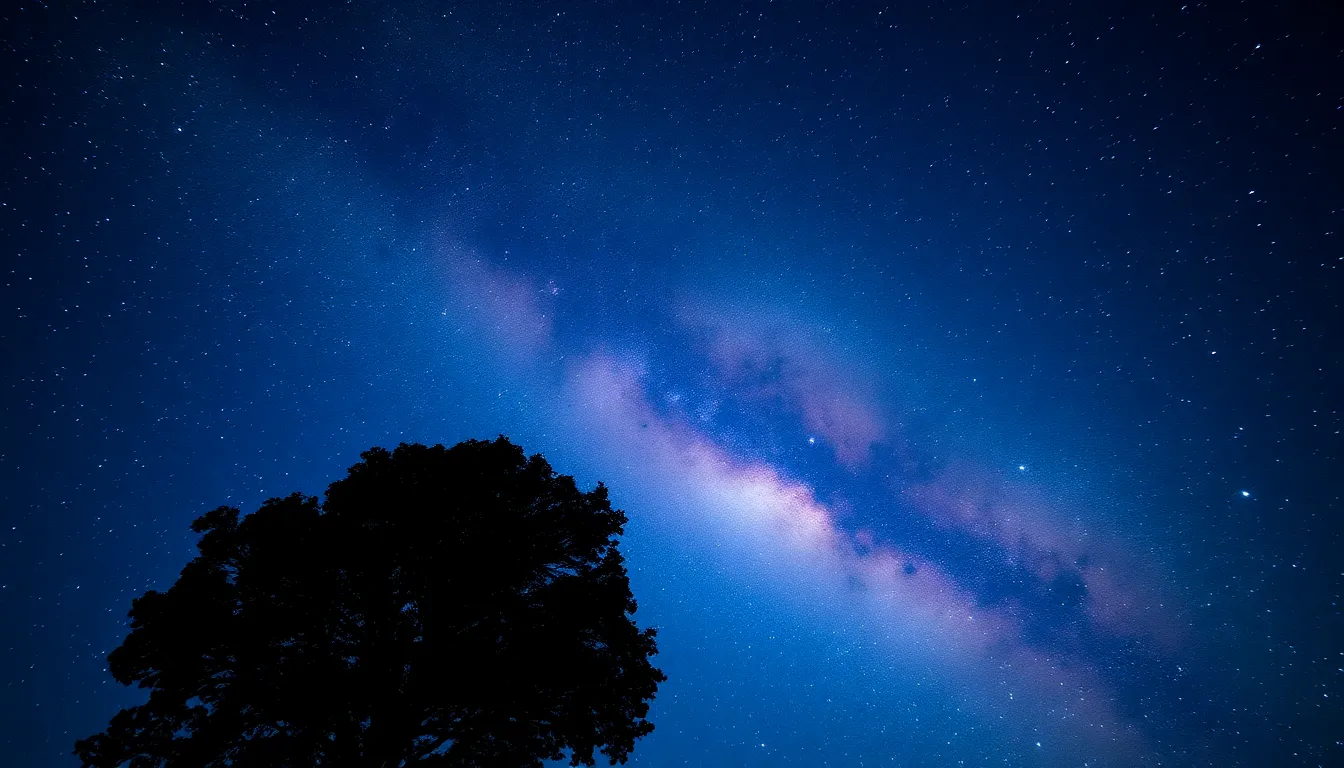
captured with Canon EOS R5, 24-70mm f/2.8L at 35mm, under a clear night sky illuminated by bright stars and constellations. The Milky Way arcs majestically across the frame, lit by a soft glow from the brilliant stars. Hyperfocal distance ensures everything from the foreground to infinity is tack-sharp at f/8. The color palette features deep blues and purples with vibrant white stars accentuating the cosmic scene. A rule of thirds composition places a silhouette of a tree at the left power point, creating depth and focus on the celestial display. Texture details include the rough bark of the tree and the subtle twinkling of starlight.
16:9
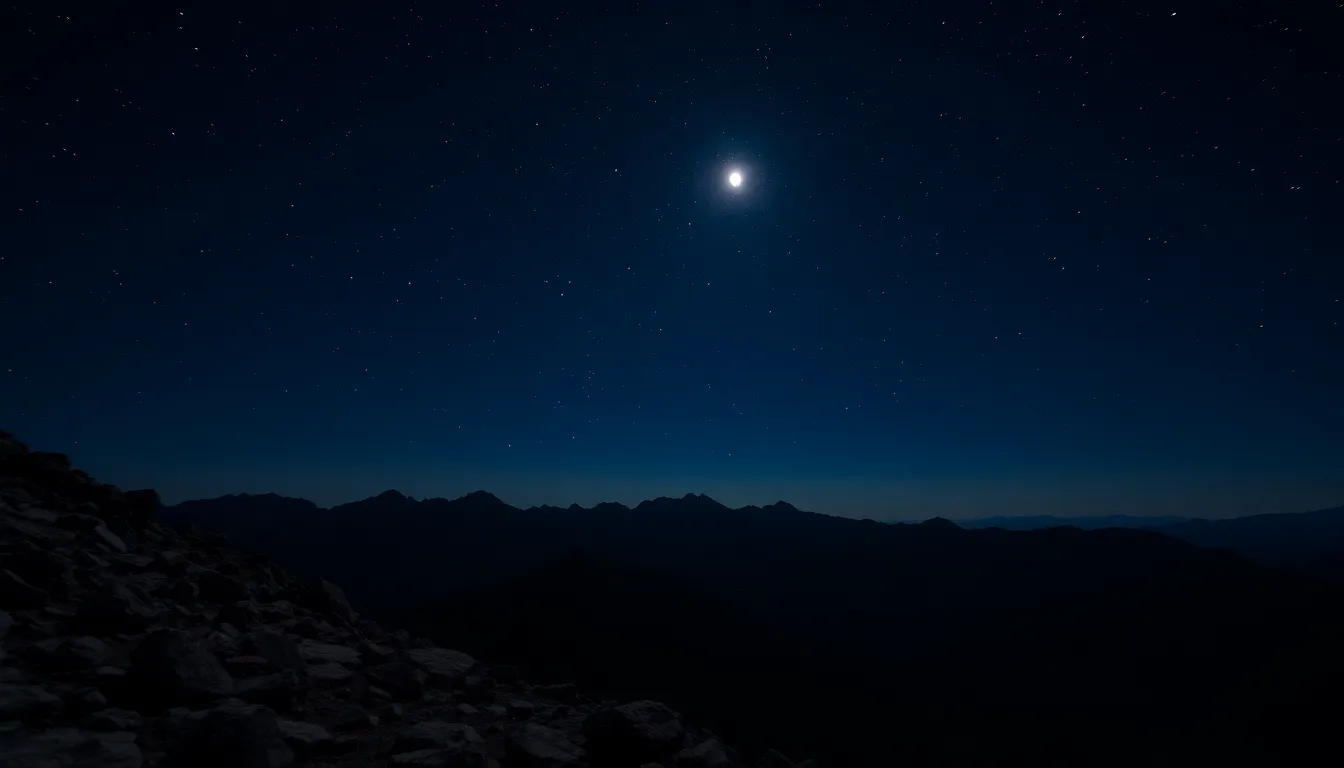
captured with Leica Q3, 28mm f/1.7 Summilux, depicting a stunning starry night above a rugged mountain landscape. The scene is illuminated by moonlight, casting gentle shadows on the rocky terrain. The depth of field is shallow at f/1.7, creating a beautiful bokeh effect with out-of-focus stars twinkling in the background. The rich color palette includes deep blacks and silvery whites, capturing the mystery of a clear sky filled with stars. The composition follows the rule of thirds, placing the mountains in the lower third to emphasize the expansive sky.
16:9
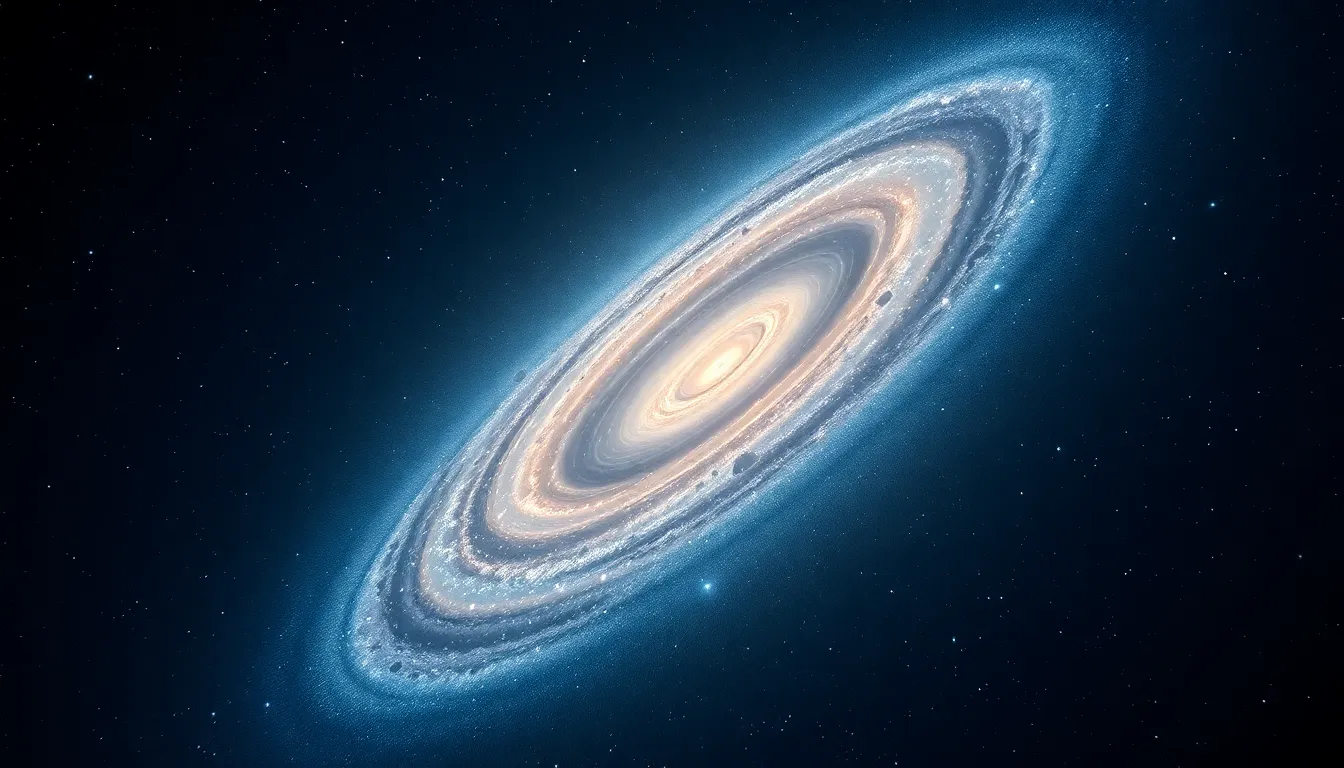
shot on Hasselblad X2D 100C, 90mm f/2.5 medium format, capturing a panoramic view of the Andromeda Galaxy set against the night sky. The scene is illuminated by starlight, revealing the galaxy's spiral arms with stunning clarity. Using hyperfocal distance at f/8 to maintain sharpness throughout the vastness. The color palette is a blend of cool blues and whites, highlighting the galaxy's shimmering stars. The composition follows a centered symmetrical style, enhancing the awe of the Andromeda Galaxy’s beautiful structure.
16:9
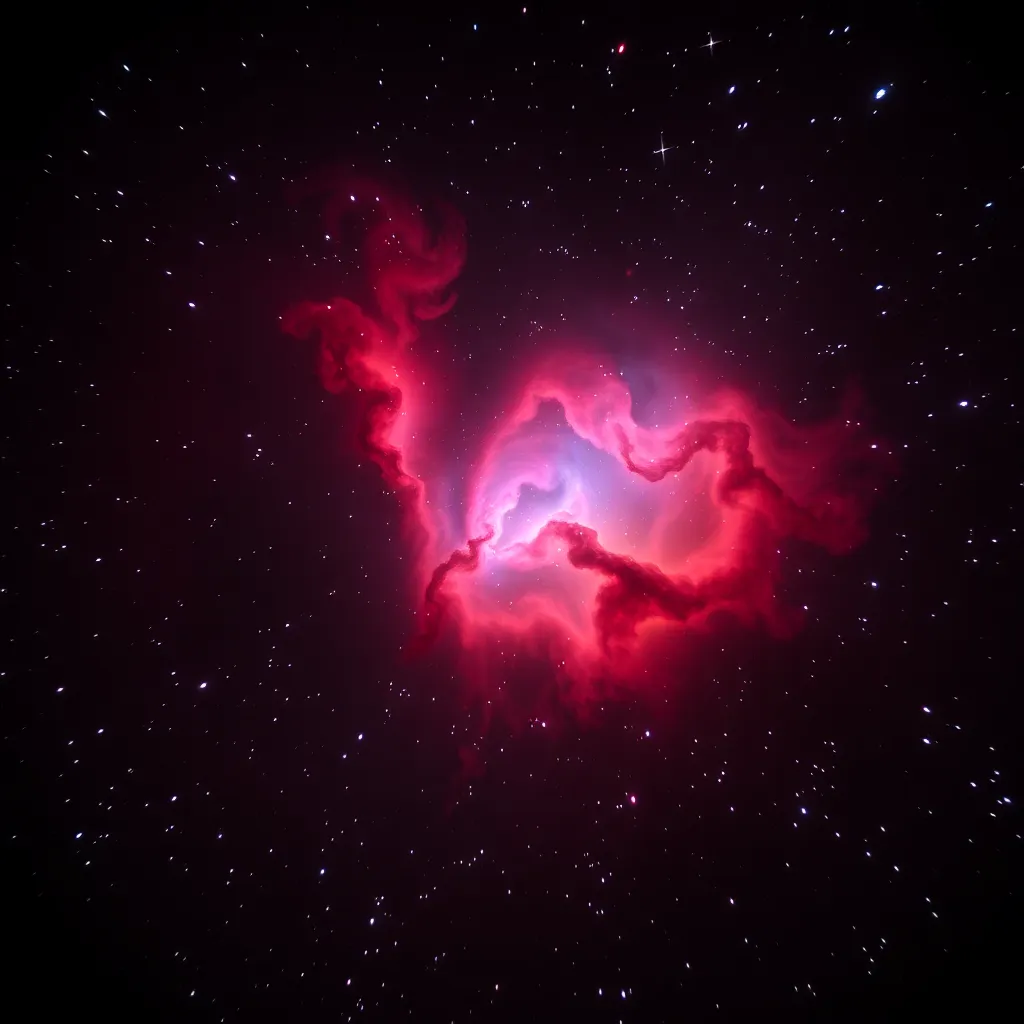
Fujifilm GFX 100S, 110mm f/2 macro, showcasing a detailed close-up of the Orion Nebula through a telescope. The lighting is soft and focused, emulating the glow of distant stars within the nebula. The depth of field is shallow at f/2, beautifully isolating the swirling colors and textures of gas and dust against the dark universe. The color palette features vibrant reds, pinks, and blues, enhancing the nebula's ethereal nature. The composition places the nebula slightly off-center, creating a dynamic balance with the surrounding star field.
1:1
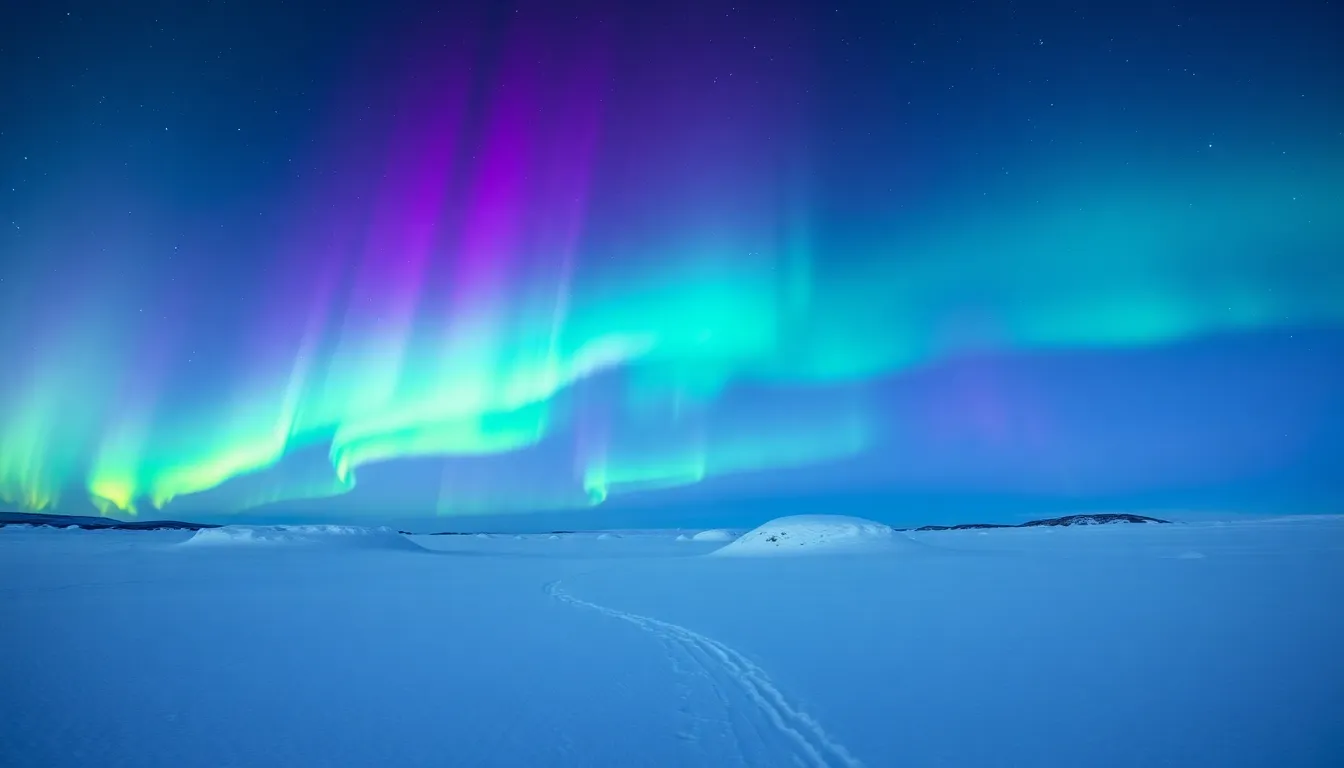
captured with Canon EOS R5, 24-70mm f/2.8L at 35mm, featuring a stunning view of the Northern Lights dancing in vibrant greens and purples across the Arctic sky. Shot during a cold winter night, the snow-covered landscape reflects the ethereal light show above. The lighting is natural, showcasing the aurora's glow against the dark sky. Hyperfocal distance at f/8 to keep the foreground details of the snowy landscape crisp and sharp. The color palette highlights the vivid greens and purples of the aurora against the cool tones of the snow. The composition utilizes leading lines from the snow drifts to draw focus to the lights above.
16:9
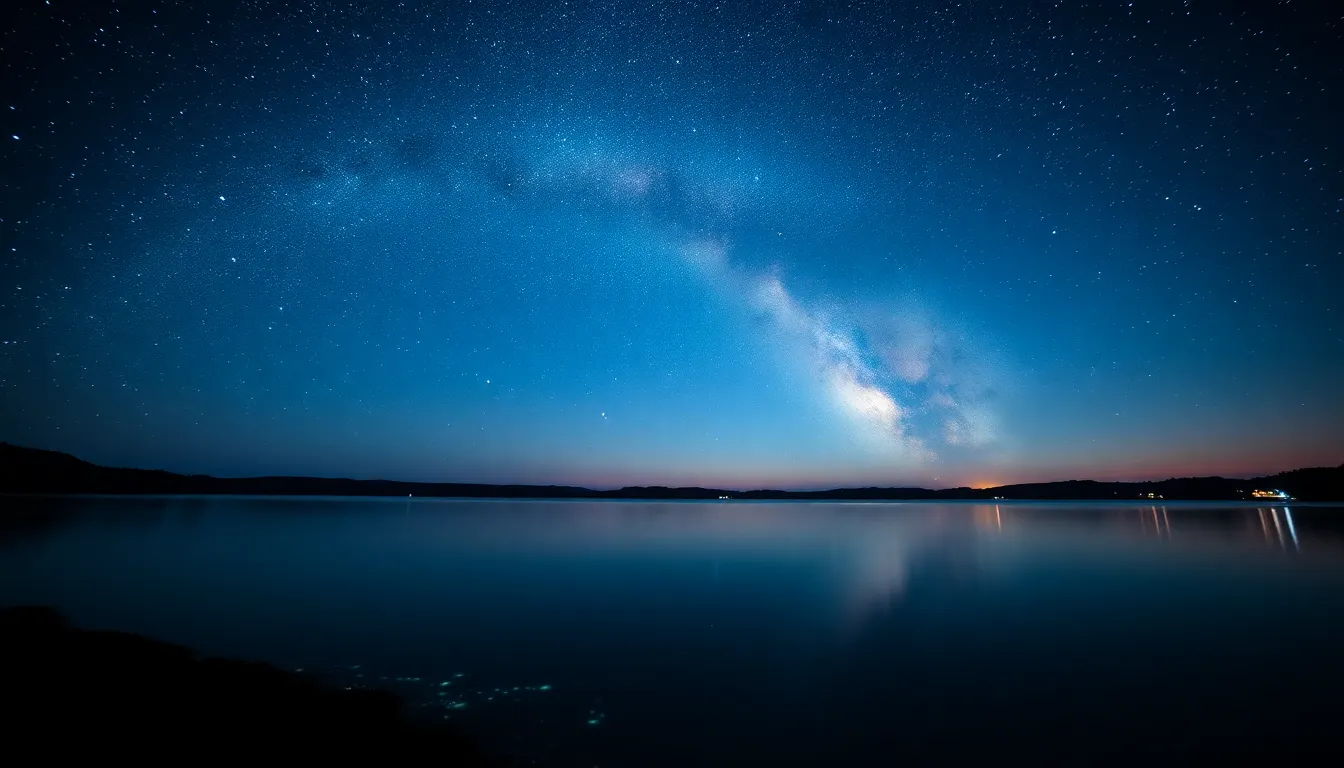
shot on Nikon Z9, 70-200mm f/2.8 telephoto at 135mm, capturing the Milky Way arching over a serene lake at dusk. The scene features vivid stars against a deep blue sky, with reflections on the water adding depth. Natural darkness with hints of bioluminescent algae glowing near the shoreline creates an enchanting effect. Shallow depth of field at f/2.8, focusing on the stars while the lake is softly blurred. The color palette is rich in deep blues and purples, highlighting the celestial beauty. Composition follows the rule of thirds, with the Milky Way placed along the upper third, leading the viewer's eye across the scene.
16:9
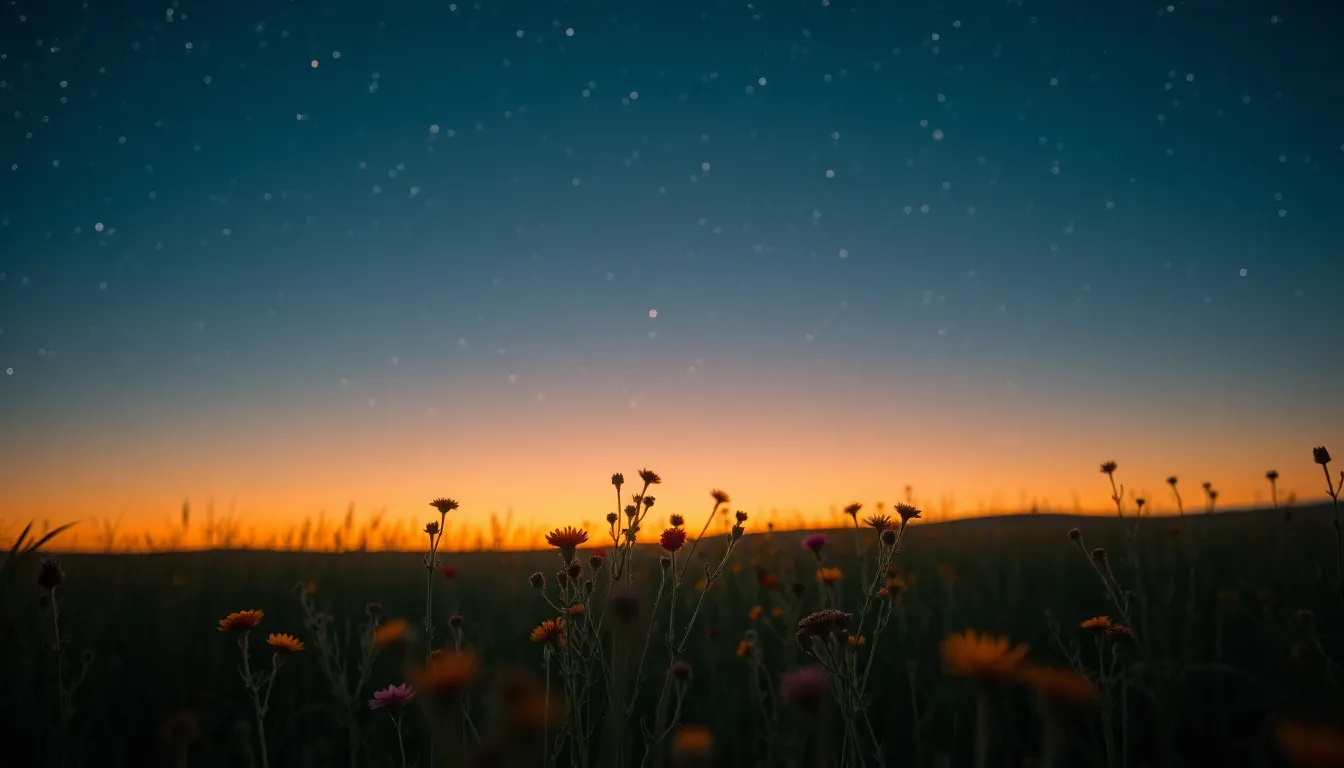
Fujifilm GFX 100S, 110mm f/2 macro, beautifully depicting a night sky filled with constellations over a field of wildflowers under soft twilight. The scene is lit by the fading orange glow of sunset transitioning into deep blue, creating a rich gradient in the sky. The depth of field is shallow at f/2, allowing the wildflowers in the foreground to be sharply in focus while blurring the stars above into a soft, dreamy bokeh. The color palette showcases natural muted tones, with earthy colors of the flowers contrasting with the vibrant celestial backdrop. The composition adheres to the rule of thirds with the horizon placed low in the frame, emphasizing the expansive sky above and the delicate details of the flowers.
16:9
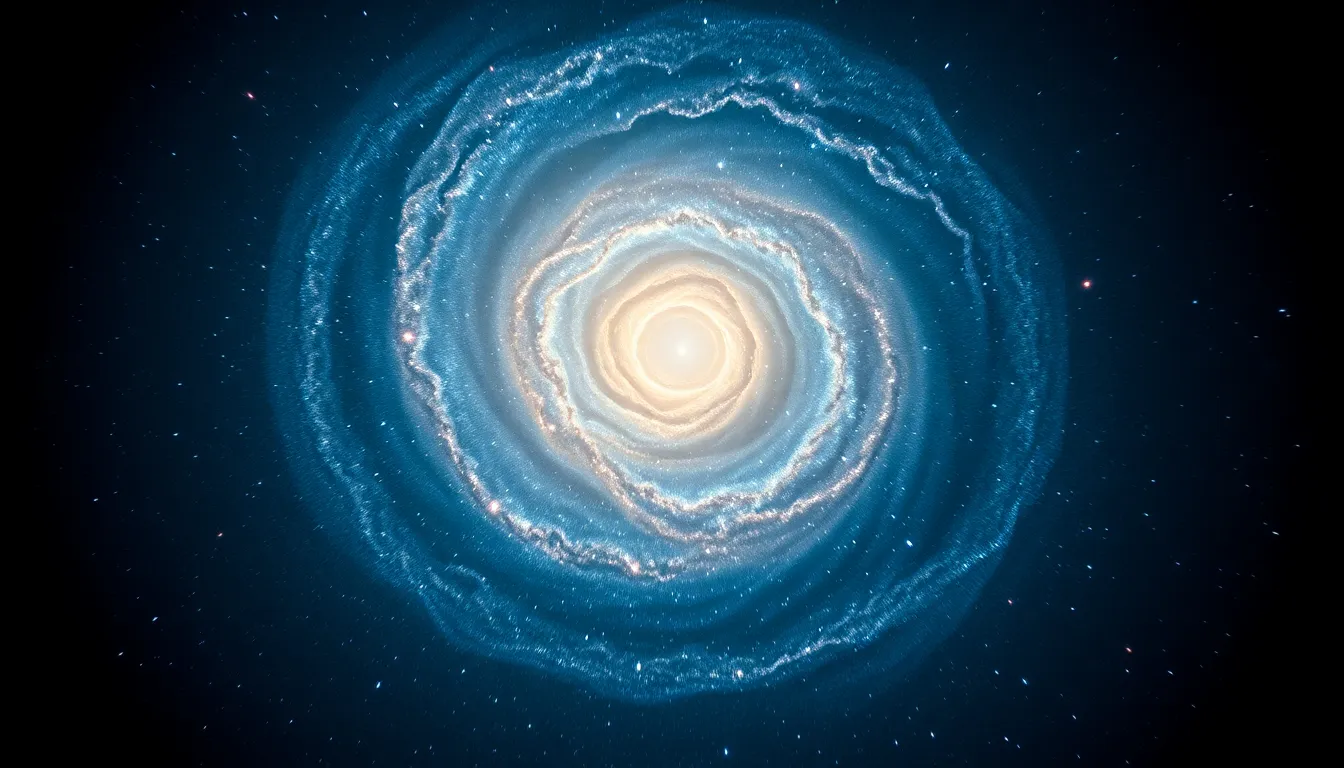
Hasselblad X2D 100C, 90mm f/2.5 medium format, focusing on a close-up of the Andromeda Galaxy as it appears through a telescope. The scene is illuminated using soft artificial light to bring out the galaxy's details without overexposing. The depth of field is shallow at f/2.5, bringing the intricate swirl of cosmic colors into sharp focus while rendering the surrounding void into a soft gradient. The color science reflects the Fujifilm Velvia-inspired saturated colors, showcasing vibrant blues, whites, and subtle pinks. The composition is centered with the galaxy dominating the frame, inviting viewers to explore its depths. The texture of swirling gas and stars adds dimension to this captivating celestial view.
16:9
Nikon Z9, 70-200mm f/2.8 telephoto at 135mm, capturing a majestic view of the Orion constellation rising over a mountain range during twilight. The scene is bathed in the dusky light of sunset, transitioning to the deep blue of twilight, with stars beginning to twinkle. A narrow depth of field at f/2.8 selectively focuses on the constellation, blurring the mountain landscape into soft hues of purple and gray. The color grading resembles the cinematic teal and orange palette, enhancing the dramatic contrast. The composition uses leading lines created by the mountain silhouettes to draw the viewer’s eye towards Orion. Textures include the ruggedness of the mountains against the smooth, vast sky.
16:9
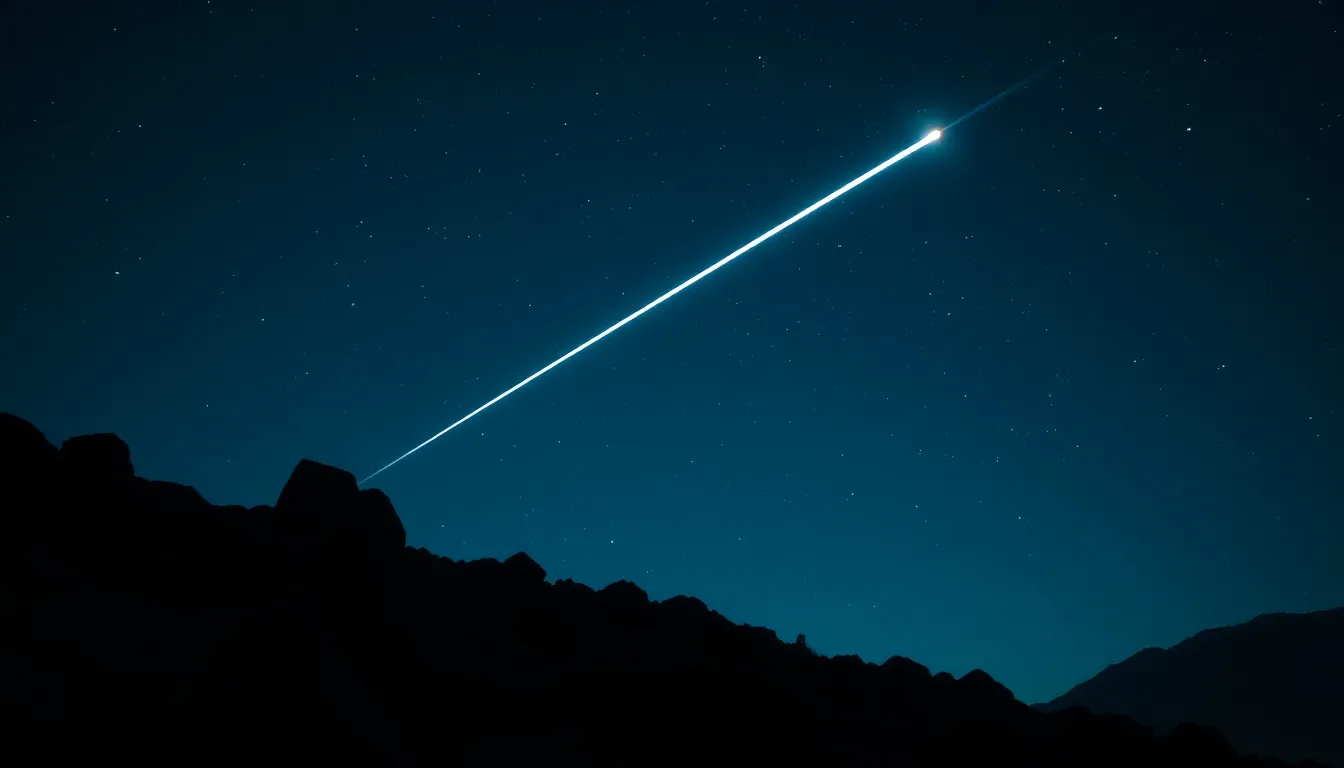
shot on Sony A7R V with 85mm f/1.4 GM lens, portraying a brilliant shooting star streaking across a clear night sky. The scene is lit by natural moonlight, casting a soft glow on nearby rocky terrain. The depth of field is shallow at f/1.4, emphasizing the shooting star while blurring the distant stars into a creamy bokeh. The color palette combines deep navy blues with sparkling whites and a hint of green from the Milky Way below. The composition centers the shooting star using a dynamic diagonal line across the frame, giving a sense of motion and excitement. Texture details highlight the rough rocky surfaces below, contrasting against the smoothness of the night sky.
16:9
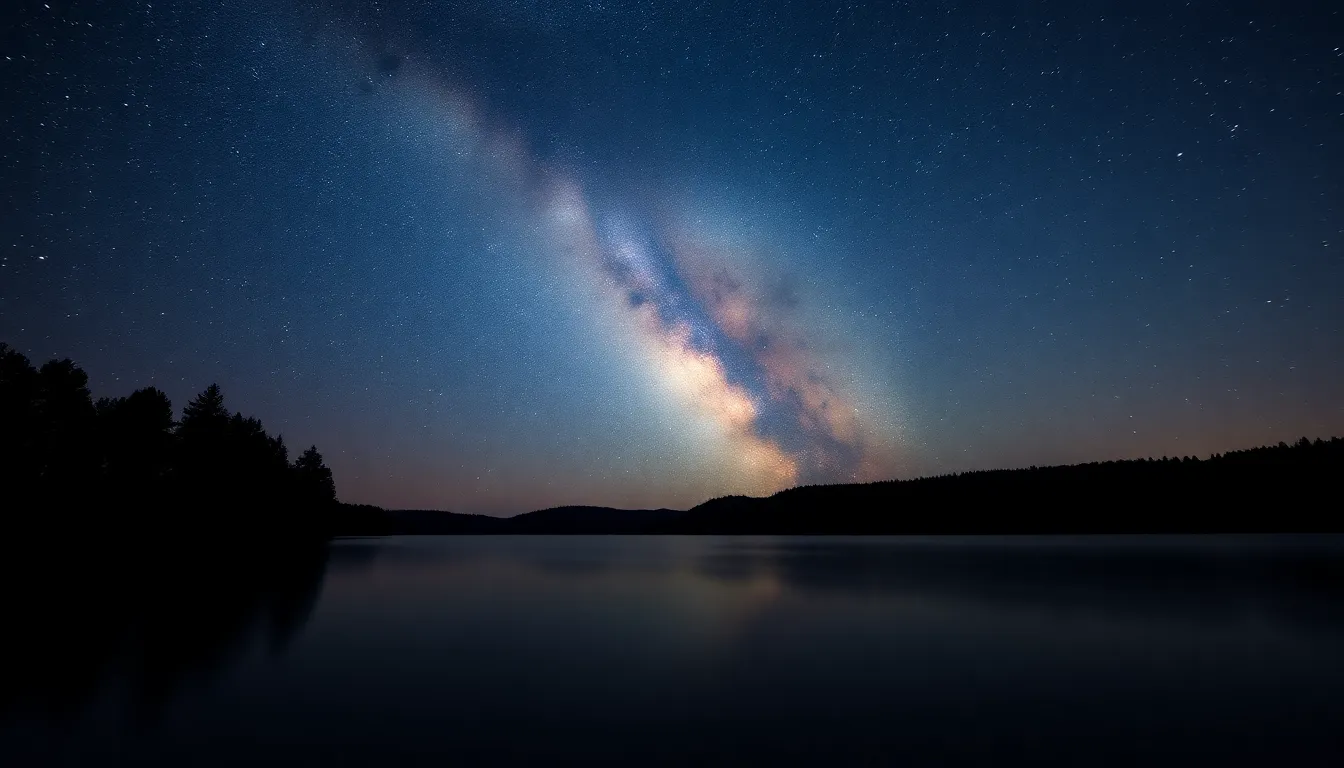
captured with Canon EOS R5, 24-70mm f/2.8L at 24mm, showcasing the Milky Way stretching across a starry night sky over a tranquil lake. The scene is illuminated by soft moonlight reflecting off the water, creating a luminous path. The depth of field is set to hyperfocal distance at f/8, ensuring a crisp foreground of silhouetted trees and a sharp background of the star-filled sky. The color palette features rich dark blues and purples with speckles of bright white stars. The composition uses the rule of thirds to position the horizon line at the lower third of the frame, enhancing the sky's grandeur. The texture of the calm water is smooth, with subtle ripples catching the moonlight.
16:9
Hasselblad X2D 100C, 90mm f/2.5 medium format, capturing an expansive night sky above a tranquil lake. A bright comet streaks across the star-filled heavens, leaving a luminous tail that reflects on the water's surface. The scene is bathed in ethereal blue tones with hints of silver, creating a calming atmosphere. The composition employs symmetry, with the horizon centered, mirroring the celestial display in both sky and water. Textures of the calm lake surface and surrounding trees enhance the serene and majestic mood of the scene.
16:9
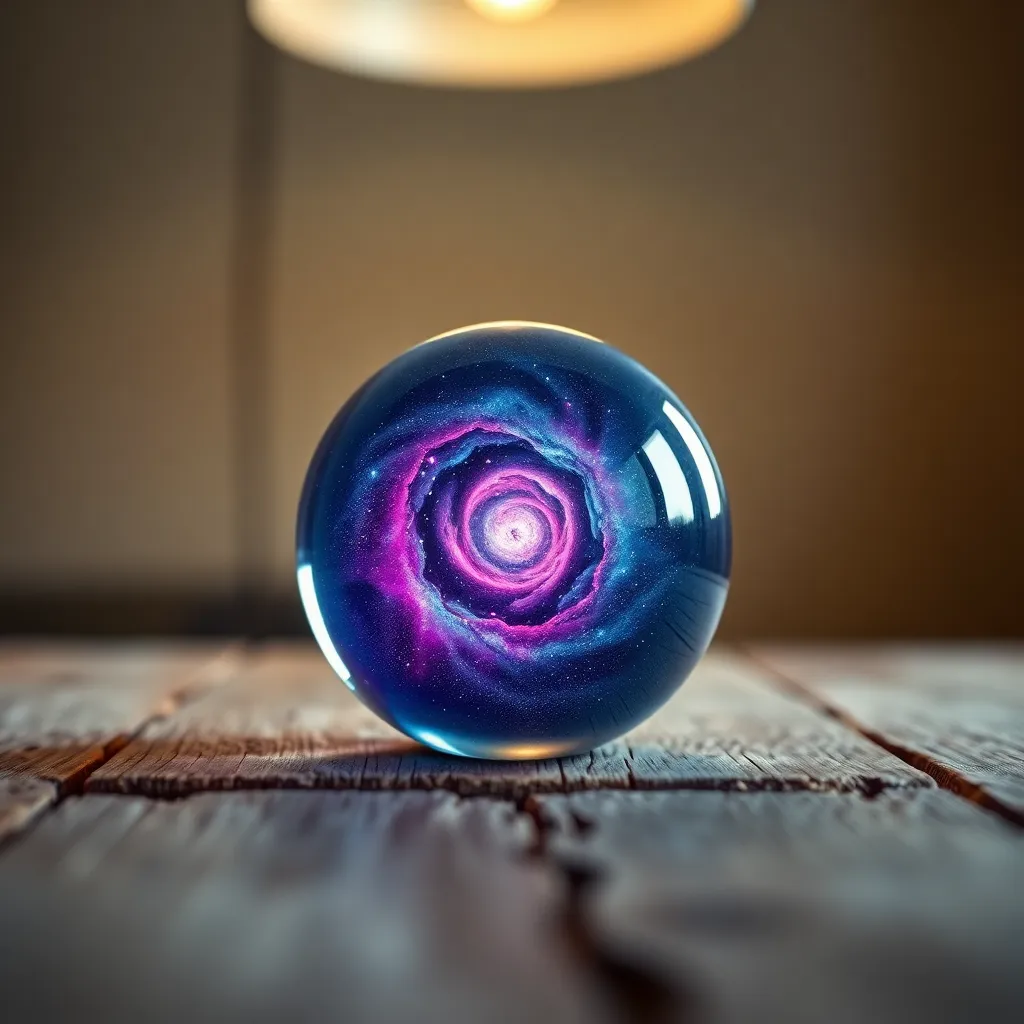
Fujifilm GFX 100S, 110mm f/2 macro, focused on a glass orb placed on a weathered wooden tabletop. Inside the orb, a miniature galaxy swirls with vibrant colors—deep purples, blues, and shimmering silvers. The soft light from an overhead lamp creates a magical atmosphere, casting reflections and soft highlights on the orb's surface. Using shallow depth of field, the background melts away into creamy bokeh while the orb remains sharply in focus. This composition creates an intriguing juxtaposition of natural textures and cosmic elements.
1:1
Nikon Z9, 70-200mm f/2.8 telephoto at 135mm, capturing a stunning view of a starlit desert landscape. Under a new moon, thousands of stars illuminate the scene, revealing the unique textures of the sand dunes. The atmosphere is serene with a soft gradient of colors transitioning from deep indigo to hints of burnt orange at the horizon. Hyperfocal distance ensures clarity from the foreground dunes to the distant starry sky. The composition draws the eye in a leading line from the foreground to the horizon, showcasing the vastness of space above.
16:9
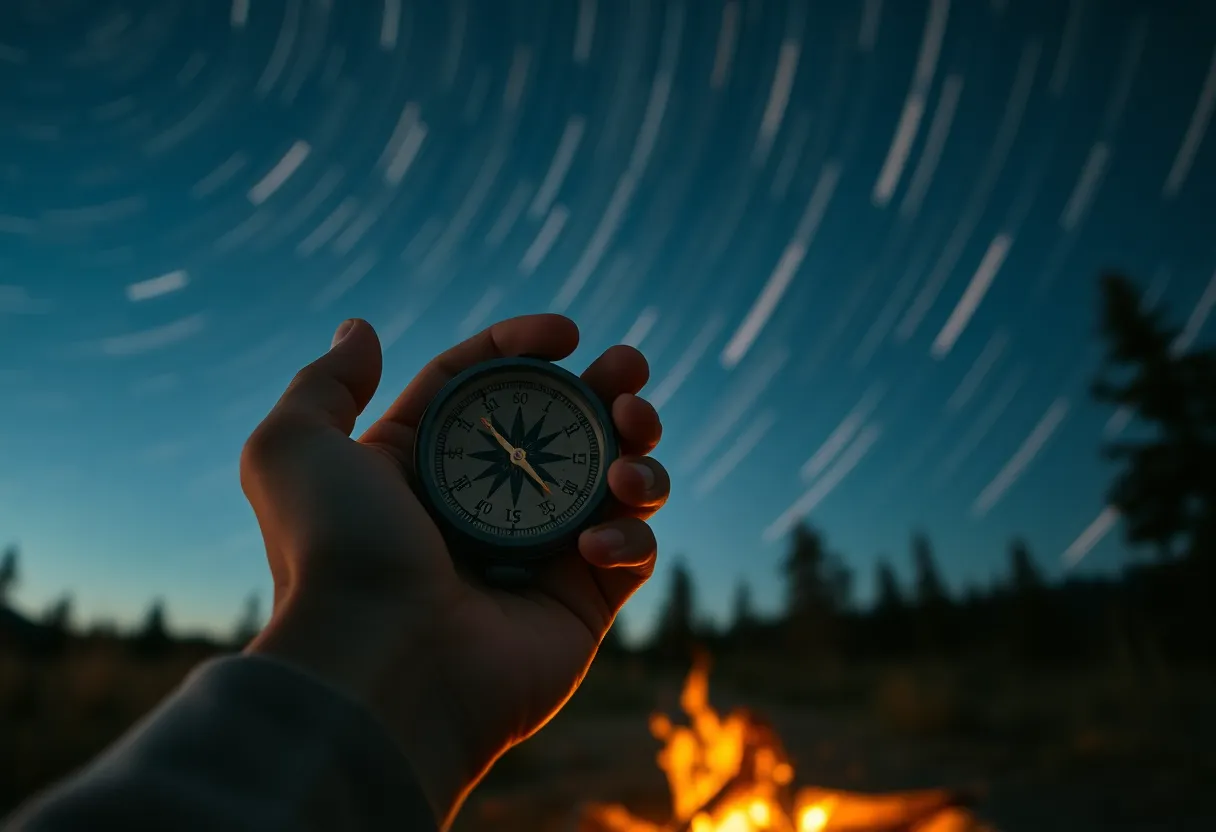
shot on Sony A7R V with 85mm f/1.4 GM lens during dusk, capturing a close-up of a hand holding a vintage compass against a backdrop of star trails. The compass glimmers in soft golden light from a nearby campfire, while the star trails swirl in the background, creating a sense of motion and adventure. The color palette features warm tones, with the firelight contrasting against the crisp blues of the twilight sky. Shallow depth of field emphasizes the hand and compass, with a creamy bokeh effect in the trailing stars, inviting exploration and curiosity.
3:2
captured with Canon EOS R5, 24-70mm f/2.8L at 35mm, under a clear night sky illuminated by thousands of stars. The Milky Way stretches majestically across the scene, revealing its intricate dust lanes. The foreground features a silhouetted mountain range, adding depth and dimension. Natural muted tones enhance the celestial palette, with deep blues and whites against the dark sky. The composition follows the rule of thirds, placing the horizon line in the lower third, while the stars dominate the upper two-thirds. Textures of the rocky terrain offer surface detail against the softness of the sky.
16:9
captured with Leica Q3, 28mm f/1.7 Summilux, presenting a dynamic view of the Andromeda Galaxy against a pitch-black sky. The image is lit by the raw light of countless stars scattered throughout the thick darkness. Focusing on the galaxy at f/1.7 creates a beautifully blurred backdrop of cosmic dust. The color palette features deep blue, vibrant whites, and hints of pink, enhancing the galactic beauty. The composition employs a centered symmetrical layout, with the galaxy dominating the frame, showcasing its majestic spiral structure.
16:9
shot on Sony A7R V with 85mm f/1.4 GM lens, capturing the vibrant colors of the Northern Lights dancing across a starry night sky. The scene is set in a remote arctic landscape during winter, with snow-covered ground reflecting the greens and purples of the aurora. Using a shallow depth of field at f/1.4, the foreground features icy terrain with small clumps of grass. The color grading draws inspiration from Kodak Portra 400, enhancing skin tones while retaining the luminous quality of the aurora. The composition employs leading lines from the snowy terrain drawing the eye toward the sky.
16:9
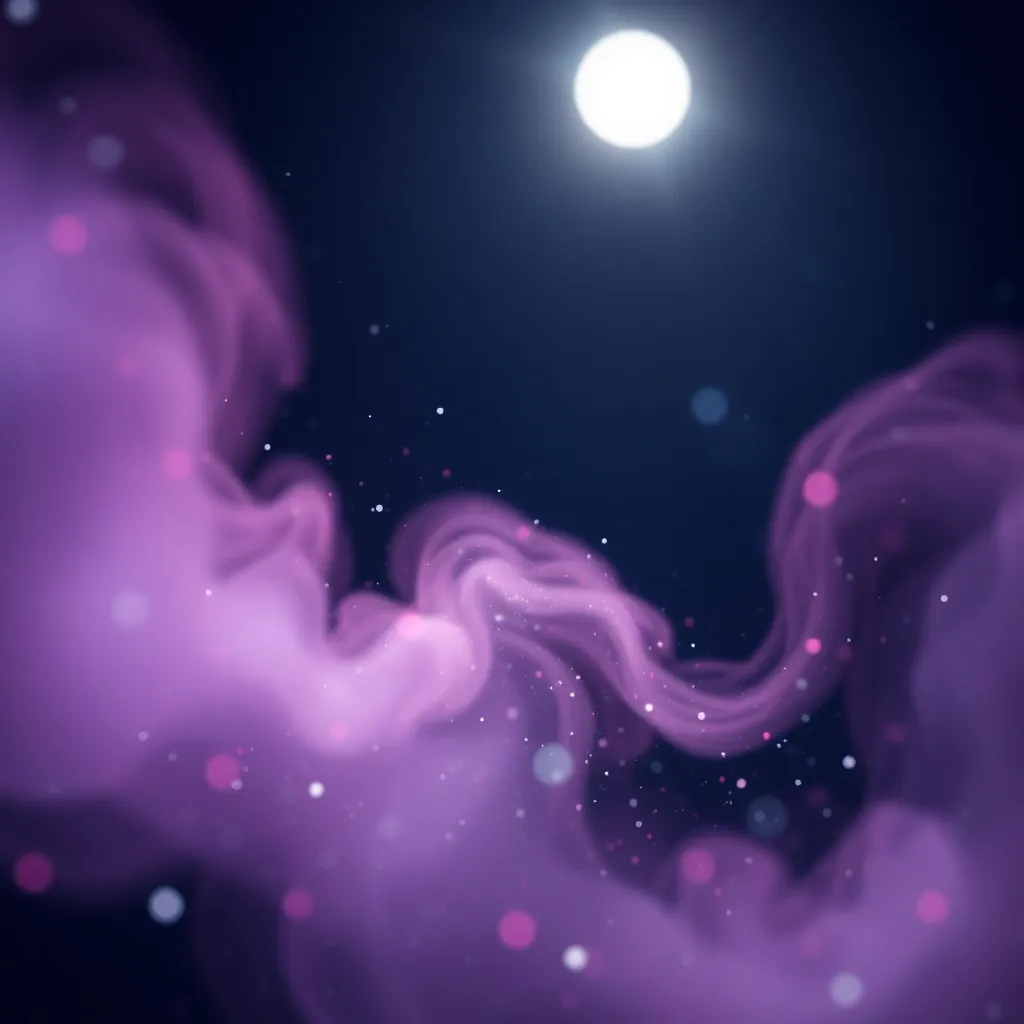
photographed with Fujifilm GFX 100S, 110mm f/2 macro, showcasing a close-up view of twinkling stars in the night sky. The scene is illuminated by natural moonlight that creates a soft glow around the stars. Using a shallow depth of field at f/2, the foreground captures delicate nebula-like clouds of stardust, swirling with vibrant colors. The color palette features soft purples, pinks, and whites, reflecting the beauty of the cosmos. The centered composition emphasizes the intricate details in the stardust, inviting the viewer into the celestial world.
1:1
captured with Canon EOS R5, 24-70mm f/2.8L at 35mm, featuring an expansive shot of the Orion constellation displayed vividly in the night sky. Overcast diffused daylight enhances the stars' visibility, creating a mystical atmosphere. Hyperfocal distance ensures sharp focus from foreground rocks to infinity. The color palette consists of rich blues with hints of turquoise, emphasizing the contrast of the stars. The rule of thirds places Orion off-center, with rugged terrain in the foreground providing texture and interest in the composition.
16:9
shot on Nikon Z9, 70-200mm f/2.8 telephoto at 135mm, capturing a breathtaking view of the Milky Way arching across a clear night sky. Golden hour twilight reflects on a tranquil lake below, enhancing the celestial bodies' brightness. Shallow depth of field at f/2.8 for a soft, blurred foreground of silhouettes of trees, creating depth. The scene features a deep blue and purple color palette with bright white stars. The composition is framed to include the lake in the foreground leading toward the stars above, capturing a sense of wonder. The water's surface reflects the starlight, adding texture and movement.
16:9
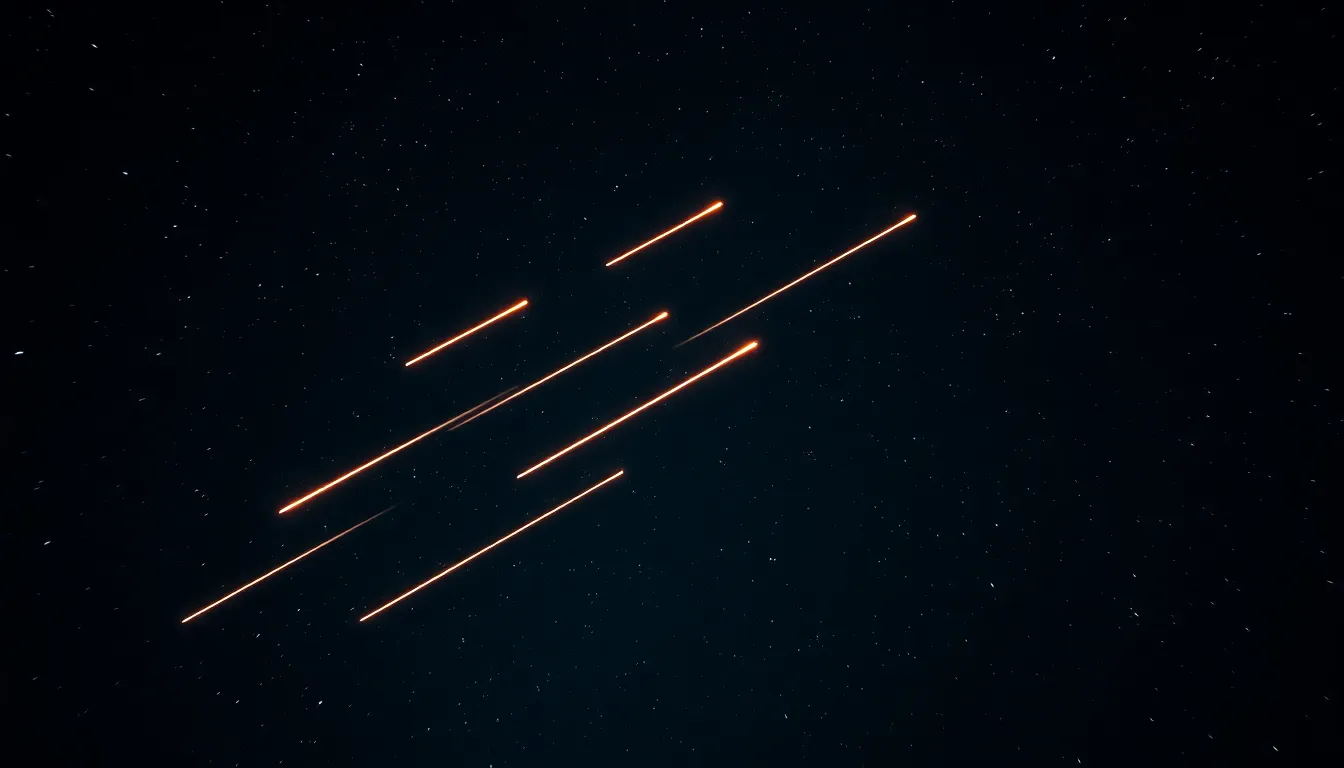
captured with Fujifilm GFX 100S, 110mm f/2 macro, featuring intricate details of a meteor shower streaking across a starry sky. The lighting is provided by ambient starlight, emphasizing the brightness of the meteors against the dark backdrop. With a shallow depth of field at f/2, the meteors are sharply defined while the stars create a soft sparkling effect in the background. The color palette leans towards cinematic teal and orange color grading, adding a vibrant touch. The composition captures multiple meteors in a diagonal line across the frame, creating an energetic flow.
16:9
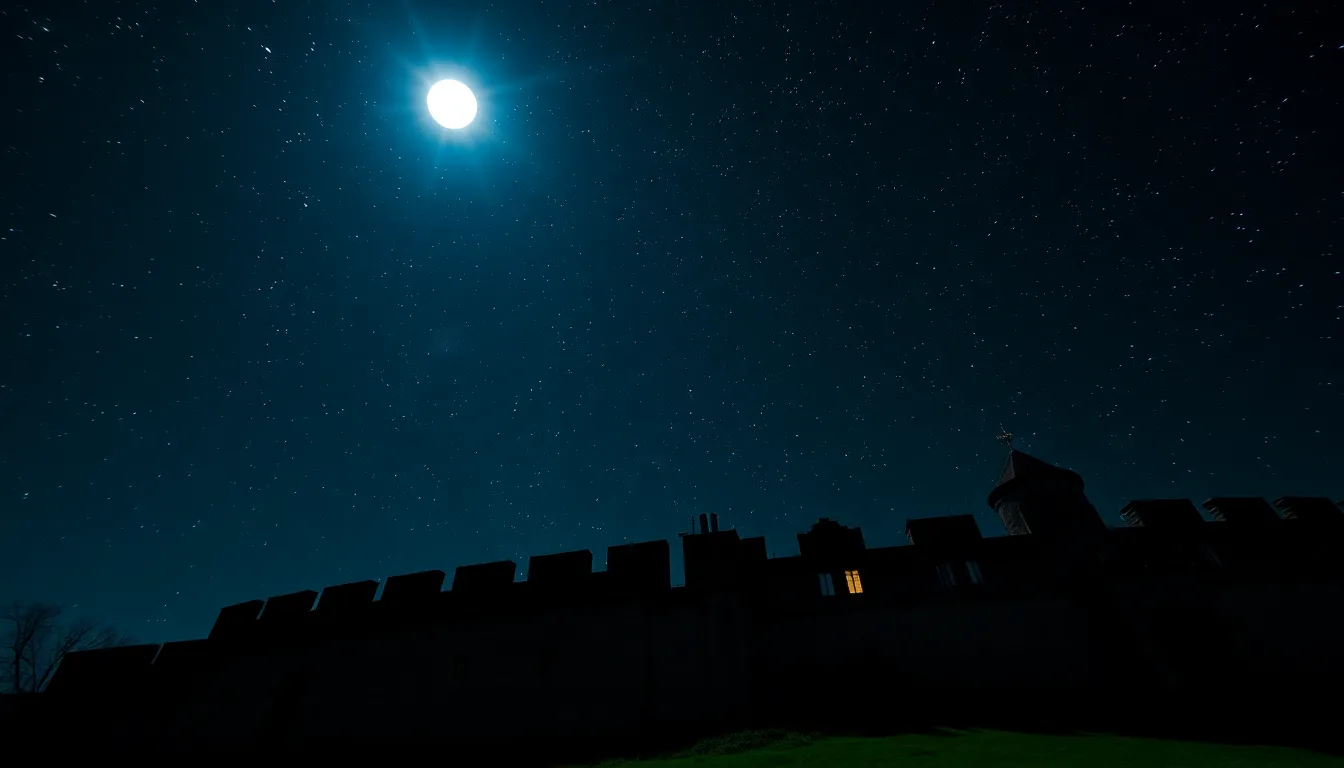
shot using Hasselblad X2D 100C, 90mm f/2.5 medium format, featuring a panoramic view of the night sky cluttered with constellations over an ancient stone castle. The scene is lit by cool moonlight, casting dramatic shadows across the castle walls. At f/2.5, the depth of field blurs the stars into a dreamy backdrop while keeping the castle in sharp focus. The color palette is a mix of deep blacks and silvery whites, evoking a mysterious and enchanting feel. The composition uses the castle to frame the constellations above, enhancing the sense of storytelling within the image.
16:9
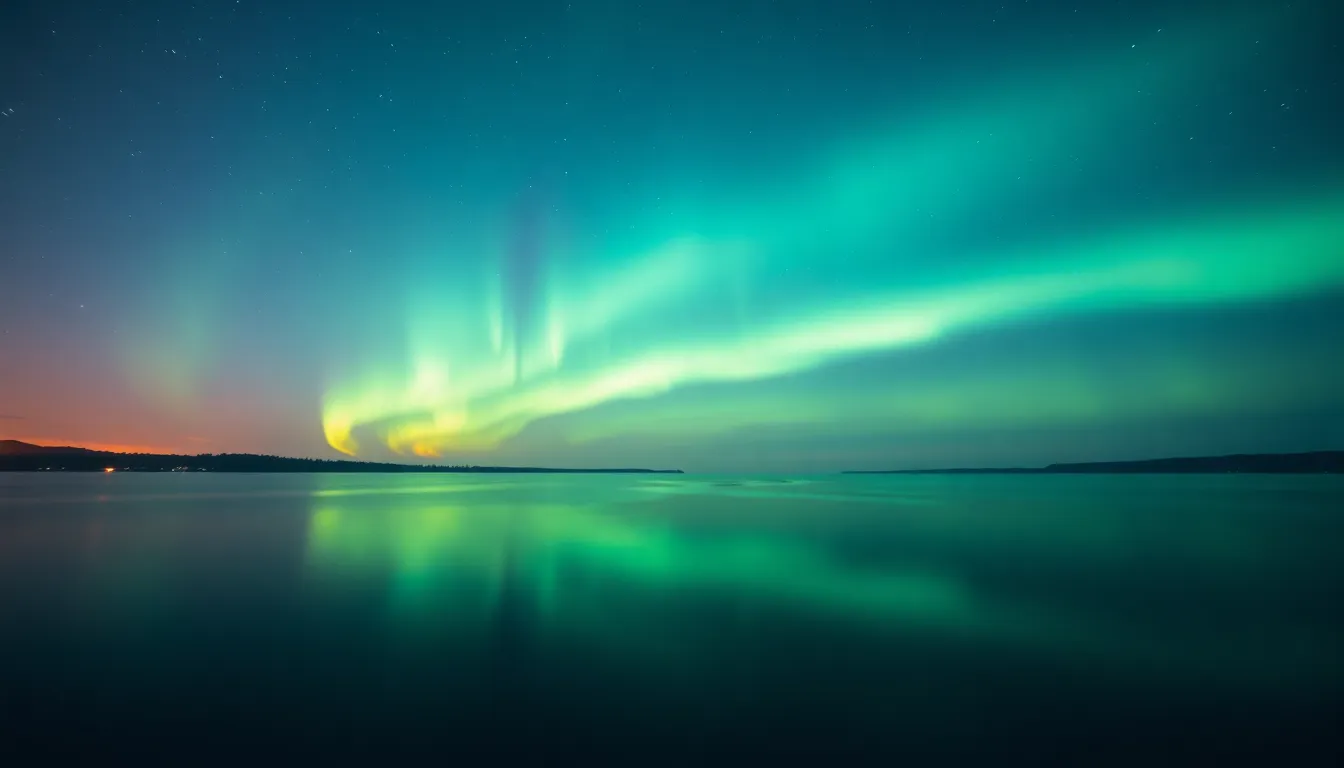
captured with Canon EOS R5, 24-70mm f/2.8L at 35mm, showcasing a stunning aurora borealis illuminating the night sky above a tranquil lake. The scene is enveloped in overcast diffused daylight, which softens the colors of the aurora. With a hyperfocal distance set at f/8, everything from the shimmering reflections on the lake to the vivid aurora fills the frame. The color grading features deep blues and rich greens inspired by Fujifilm Velvia, enhancing the natural beauty. The composition prominently features the lake, creating a mirror effect that doubles the impact of the aurora above.
16:9
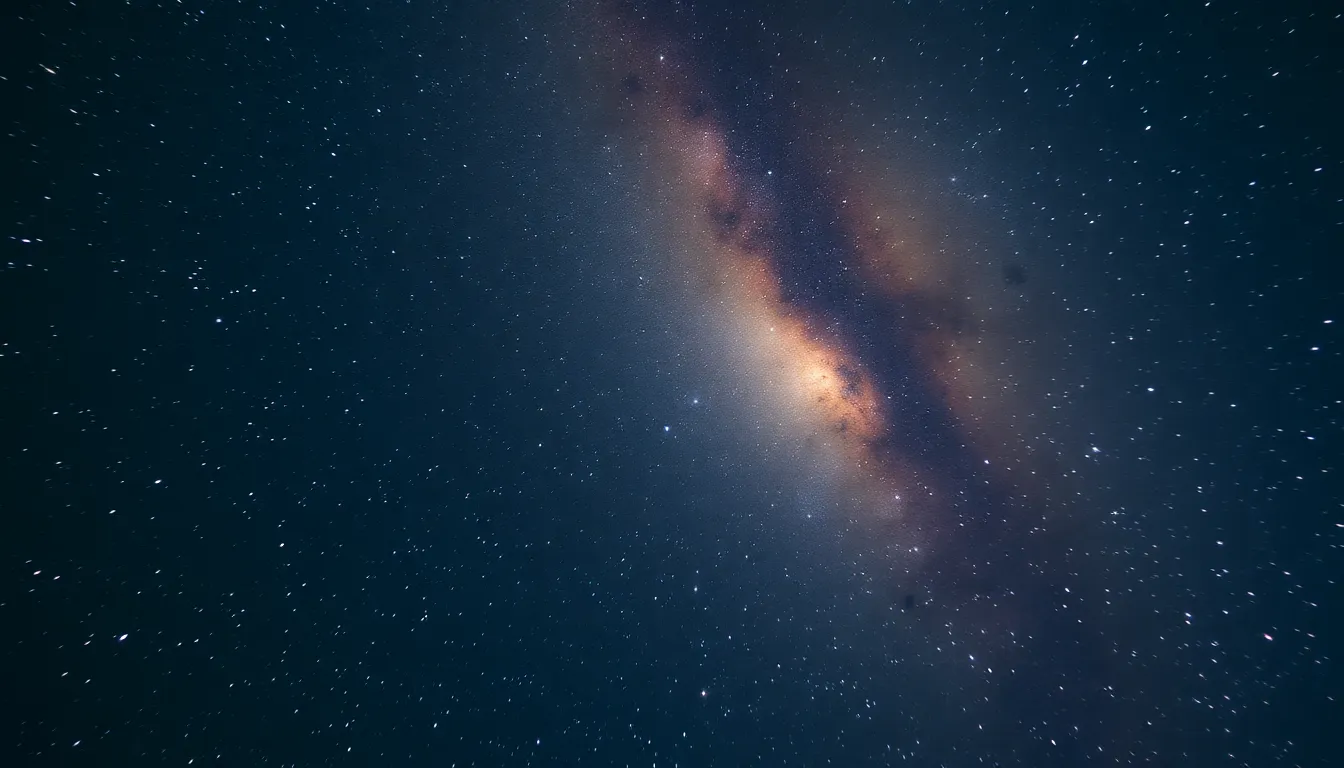
shot on Sony A7R V with 85mm f/1.4 GM lens, featuring a wide shot of the Andromeda galaxy against a star-studded sky, captured during a clear evening. The scene is illuminated by soft, ambient starlight, providing a dreamy atmosphere. The depth of field is shallow at f/1.4, allowing for the galaxy to stand out sharply against the softly blurred background of stars. The color palette is a natural mix of muted tones with desaturated earth colors, enhancing the cosmic experience. The composition aligns the galaxy to the right power point, with tiny stars creating a leading line toward it.
16:9
captured with Nikon Z9, 70-200mm f/2.8 telephoto at 100mm, during a clear night sky, with soft moonlight illuminating the foreground. The stars are twinkling brightly against a deep blue backdrop, with a shallow depth of field at f/2.8 creating a soft bokeh effect in the foreground. The image features a Fujifilm Velvia-inspired saturated color palette that enhances the cool tones of the night sky and the warm hues of the earth below. The composition follows the rule of thirds, placing the Milky Way beautifully in the upper two-thirds of the frame, while the textured rocky terrain leads into the scene.
16:9
Hasselblad X2D 100C, 90mm f/2.5 medium format capturing the Andromeda galaxy framed by a clear night sky, using a three-point studio setup with soft box lighting to enhance celestial details, selective focus on Andromeda while allowing the surrounding stars to softly blur into painterly bokeh, natural muted tones with desaturated colors giving a dreamy effect, composition centered on Andromeda with a slight Dutch angle for dynamic tension, highlighting the smooth contours of the galaxy against the dark sky.
16:9
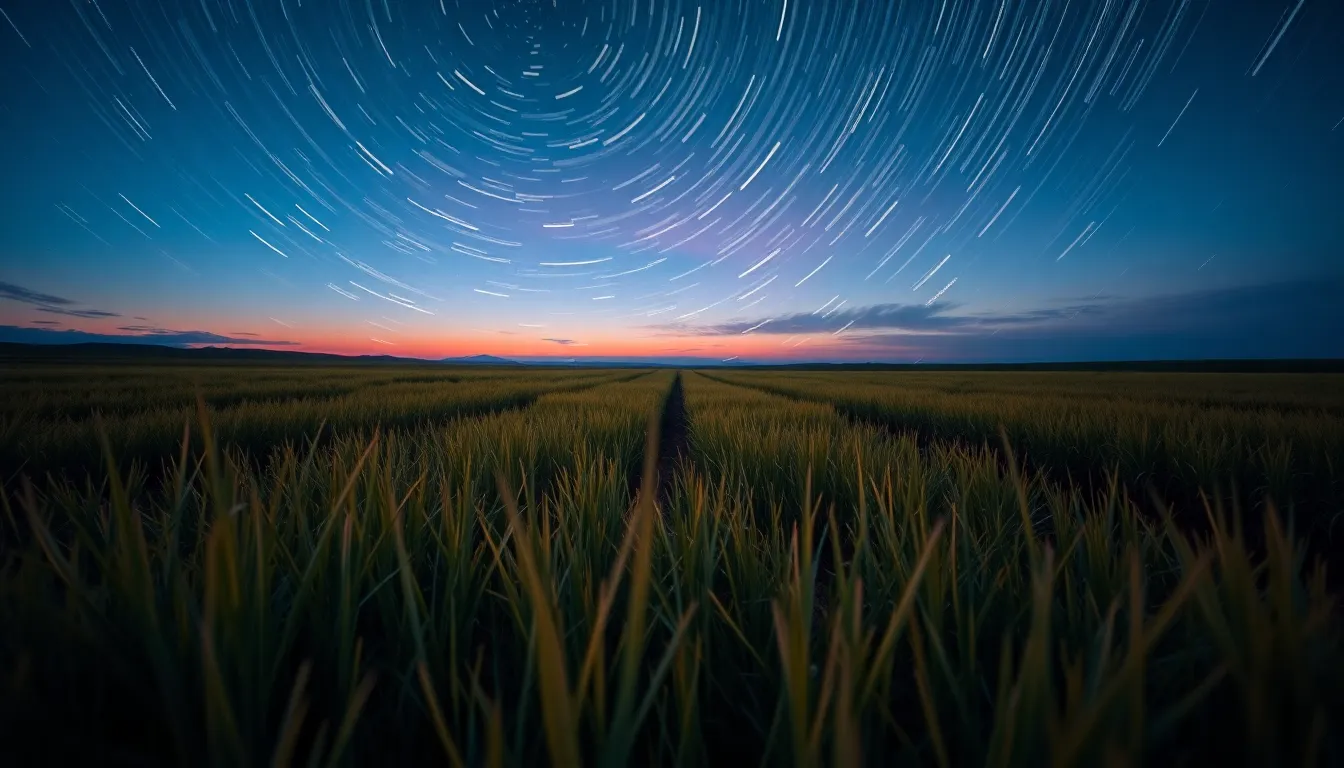
Fujifilm GFX 100S, 110mm f/2 macro revealing details of star trails, captured during a long exposure in an open field, vibrant twilight sky transitioning from deep blues to purples, hyperfocal distance ensuring a sharp focus on the star trails with a soft blur on the foreground grass, cinematic teal and orange color grading to enhance the celestial effect, composition circles around a central point where the stars rotate, emphasizing the texture of the grassy foreground.
16:9
Nikon Z9, 70-200mm f/2.8 telephoto at 135mm capturing a meteor shower in a rural area, dramatic nighttime lighting from shooting stars flooding the sky, hyperfocal distance ensuring sharp details from foreground grass to the twinkling stars, Kodak Portra 400 color palette with warm skin tones of the illuminated grassy foreground, composition using a wide landscape format to capture the expansive night sky filled with meteors streaming across, showcasing the texture of grass blades catching the light.
16:9
shot on Sony A7R V with 85mm f/1.4 GM lens, capturing the Orion constellation framed by trees in a serene forest, natural golden hour backlighting creating a warm glow, shallow depth of field at f/1.4 with soft bokeh of foliage, natural muted tones with desaturated earth colors, composition features the constellation prominently within the rule of thirds, emphasizing the contrast between the stars and silhouetted tree branches.
3:4
captured with Canon EOS R5, 24-70mm f/2.8L at 35mm under a clear night sky with vibrant stars, shallow depth of field focusing on the Milky Way, Fujifilm Velvia-inspired saturated colors with deep blues and rich blacks, composition centered on the Milky Way with leading lines of a rocky outcrop directing the eye, showcasing textures of the jagged rocks enhanced by soft moonlight glimmering on their surfaces.
16:9
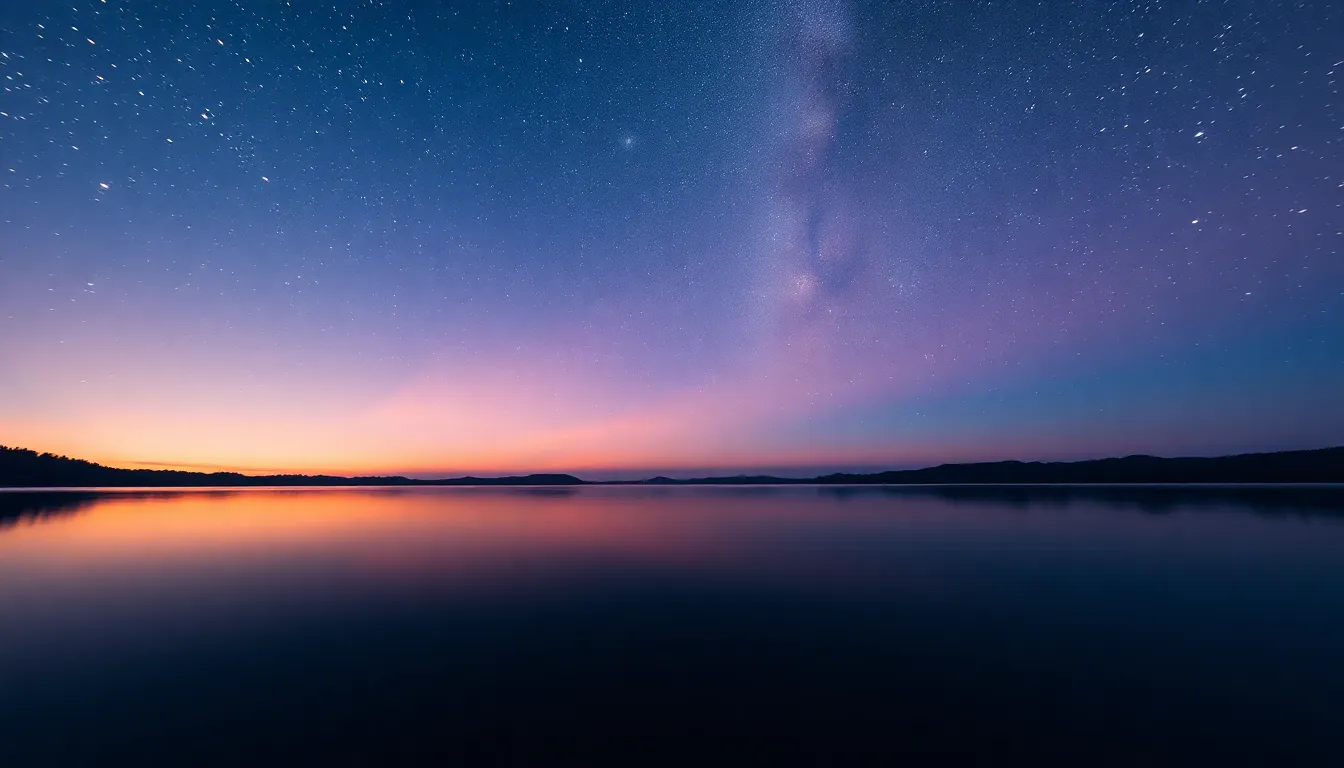
Fujifilm GFX 100S, 110mm f/2 macro, depicting a detailed view of a night sky filled with stars over a tranquil lake reflecting the cosmos, captured at dawn when the sky begins to transition from dark blue to soft pink, with natural light enhancing the colors, hyperfocal distance bringing everything from the lake to the stars in sharp focus at f/8, Fujifilm Velvia-inspired saturated colors adding vibrancy to the scene, and the composition centered with the lake as a mirror to the sky, showcasing the smooth textures of the water.
16:9
Hasselblad X2D 100C, 90mm f/2.5 medium format, capturing a close-up of a celestial globe adorned with constellations, backlit by soft ambient light that enhances the intricate details, shallow depth of field at f/2.5 blurring the edges, creating a dreamy atmosphere, natural muted tones with desaturated earth colors emphasizing the globe’s vintage feel, centered symmetrical composition showcasing the globe's detailed engraving and the soft sheen of its surface.
1:1
captured with Canon EOS R5, 24-70mm f/2.8L at 35mm during twilight, featuring a panoramic view of a mountain range under a starry sky, enhanced by the first hints of dawn light creeping over the peaks, hyperfocal distance at f/8 providing sharpness from foreground to infinity, natural muted tones with desaturated earth colors showcasing the mountains and fading sky, leading lines of the mountain ridges drawing the viewer's eye towards the horizon, with rough textures of rocky surfaces and soft grass in the foreground.
16:9
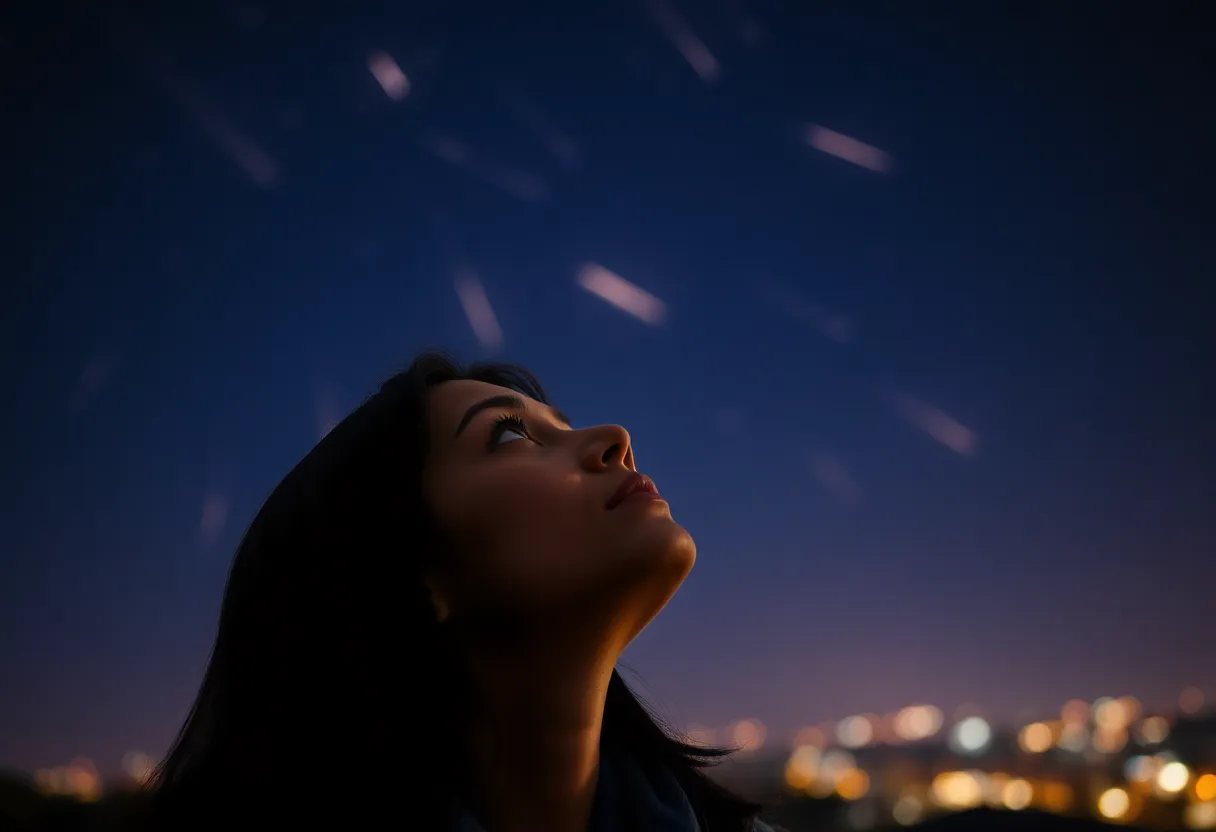
shot on Sony A7R V with 85mm f/1.4 GM lens, taken during a meteor shower where shooting stars streak across the night, illuminated by a combination of natural starlight and distant city glow, selective focus on a person gazing up in wonder, background fading into bokeh with soft trails of meteors, warm skin tones with lifted shadows creating an inviting atmosphere, rule of thirds composition placing the figure at the bottom right, with a deep blue and purple color palette enhancing the mystical feeling.
3:2
captured with Nikon Z9, 70-200mm f/2.8 telephoto at 135mm, during a clear night with a star-filled sky, using natural moonlight providing soft illumination on the foreground, shallow depth of field at f/2.8 creating a dreamy effect with stars twinkling in the background, cinematic teal and orange color grading emphasizing the cool night and warm highlights, centered symmetrical composition focusing on a lone tree silhouetted against the Milky Way, with rich textures of the tree bark and the subtle twinkle of stars creating a magical atmosphere.
16:9
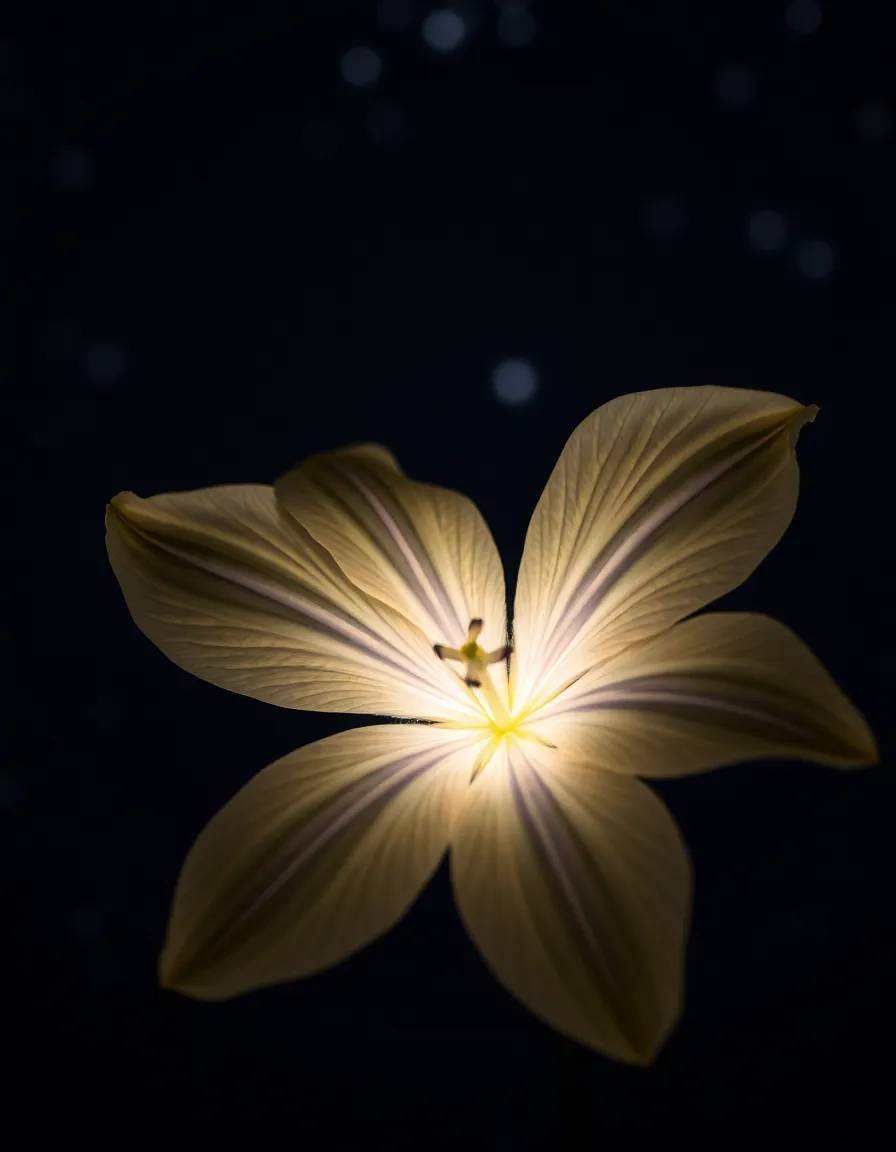
Shot on Fujifilm GFX 100S, 110mm f/2 macro lens, this image focuses on a beautifully detailed starflower illuminated against a dark night sky filled with stars. The lighting highlights the delicate petals with natural moonlight, creating a soft, ethereal glow. The shallow depth of field at f/2 blurs the starry background, drawing attention to the intricate textures of each petal. The color palette plays with soft pastel hues against the dark expanse of space, creating a dreamy atmosphere. The composition centers the flower, surrounded by twinkling stars, blending nature and the cosmos harmoniously. The texture of the flower's petals is enhanced by the soft illumination, adding depth and detail.
3:4
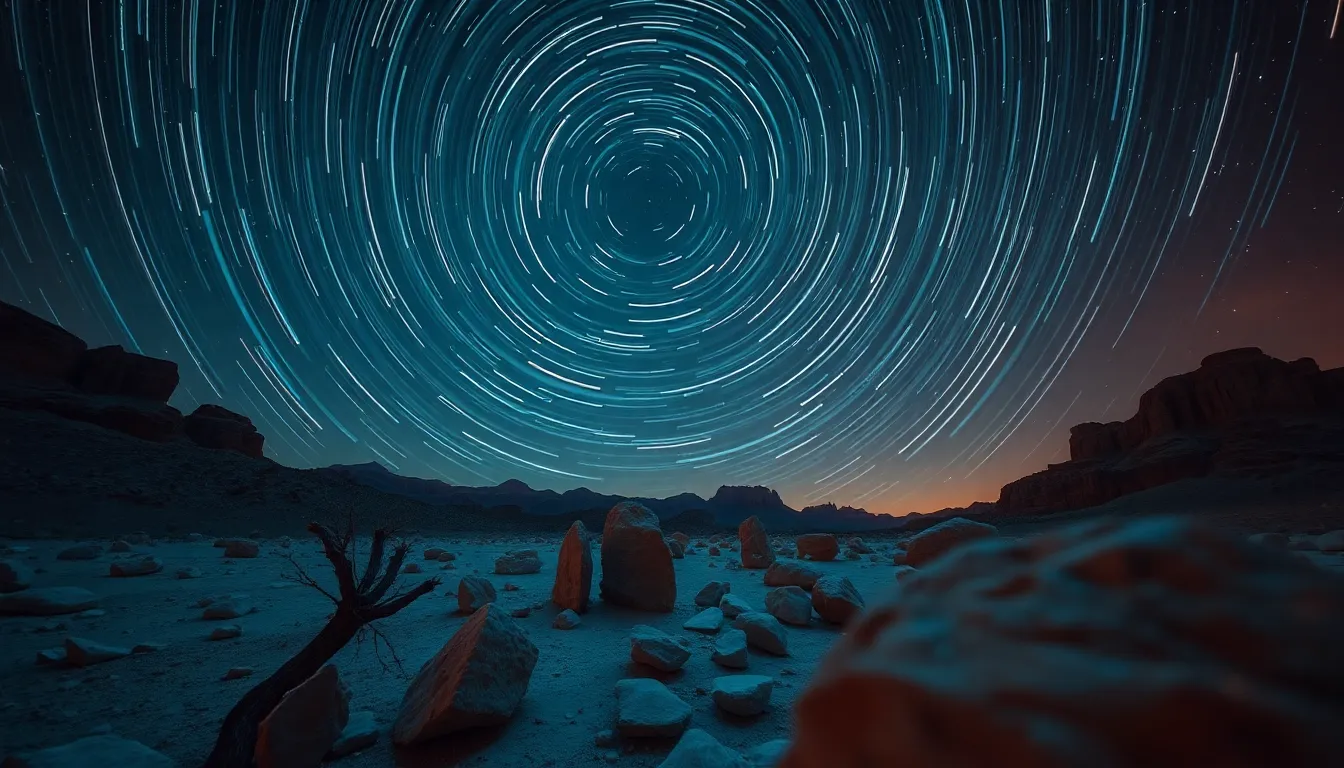
Using a Hasselblad X2D 100C, 90mm f/2.5 medium format lens, this image captures a stunning time-lapse of star trails encircling the North Star, set against a rugged desert landscape. The lighting consists of ambient starlight, creating dramatic contrasts and highlights. A standard hyperfocal depth of field maintains sharpness from the foreground rocks to the stars above. The cinematic teal and orange color grading enriches the scene, adding to its dramatic effect. The composition employs leading lines of desert rocks drawing the eye toward the swirling stars, producing a sense of movement. The rough texture of the rocks juxtaposes the smooth, flowing trails of light.
16:9
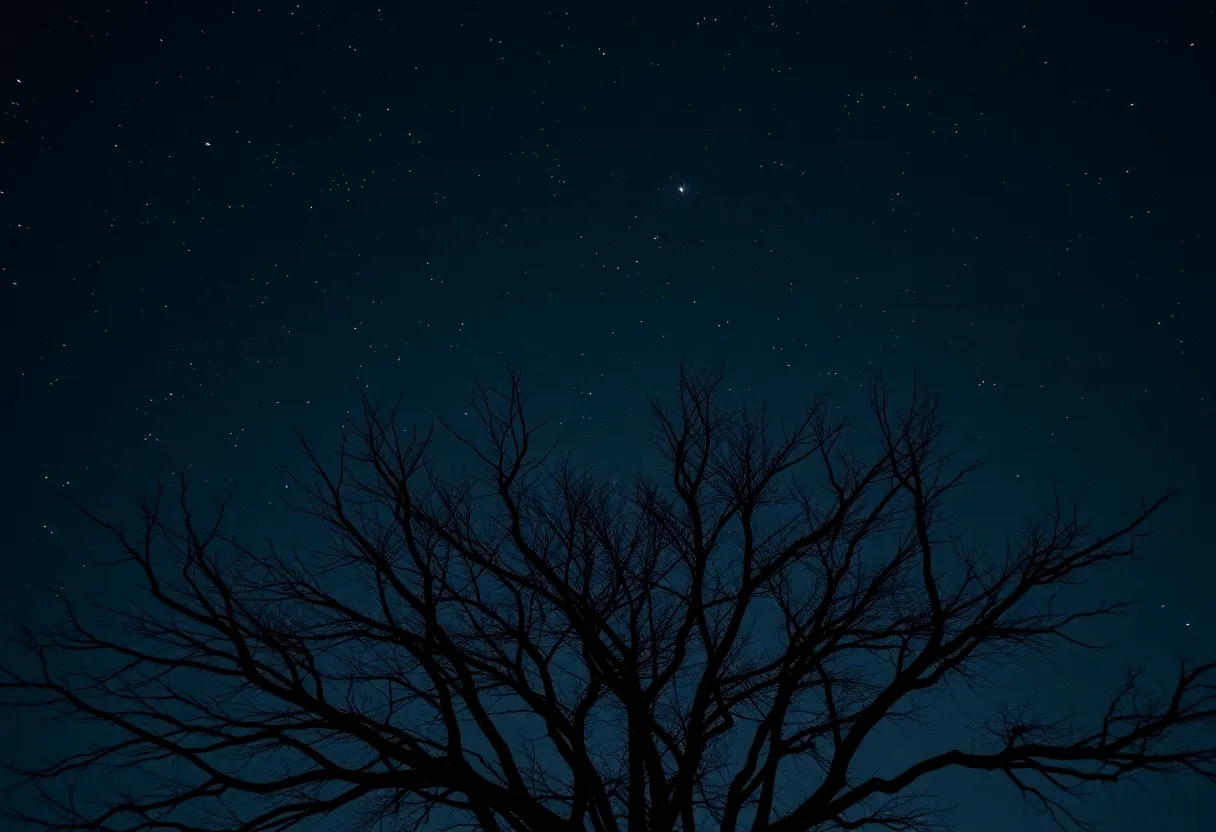
Captured with Canon EOS R5, 24-70mm f/2.8L at 35mm, this image depicts a breathtaking view of Orion's Belt shimmering in a clear winter night sky. The lighting showcases the natural glow of the stars contrasted against the deep black canvas of space. A hyperfocal depth of field ensures everything from the foreground silhouette of a barren tree to the stars remains sharp. The color science embraces a natural muted tone with desaturated earth colors, creating a calm atmosphere. The composition centers around the celestial alignment, creating a balanced and harmonious scene filled with wonder. The texture of the tree's branches adds a stark contrast to the cosmic display.
3:2
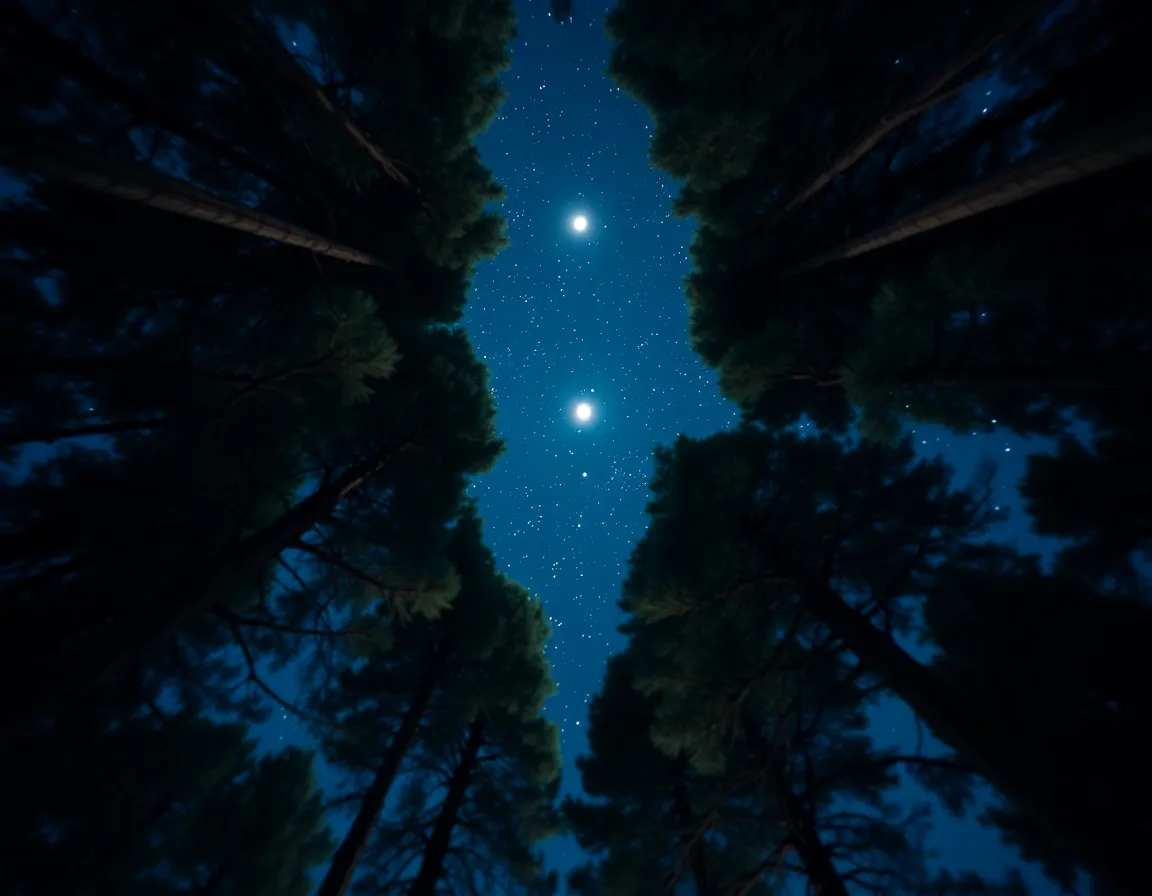
Shot on Sony A7R V with 85mm f/1.4 GM lens, this close-up captures a star-filled night sky framed by tall pine trees. The lighting features soft moonlight filtering through the branches, creating ethereal highlights. With a shallow depth of field at f/1.4, the stars glimmer with creamy bokeh. The color palette consists of cool nighttime blues and silvery whites. The centered symmetrical composition draws the eye directly towards the heart of the cosmos creating a serene and contemplative mood. The texture of the tree bark contrasts with the smoothness of the starry sky, enhancing visual intrigue.
4:3
Captured with Nikon Z9, 70-200mm f/2.8 telephoto at 135mm, this breathtaking image showcases the Milky Way arching across a clear night sky. The lighting features natural starlight illuminating the foreground silhouette of a mountain range. A shallow depth of field at f/2.8 highlights the distant stars while the mountains remain crisply defined. The scene is color-graded with deep blues and rich purples, enhancing the celestial atmosphere. Composition follows the rule of thirds, with the Milky Way positioned off-center, creating visual interest. The texture of the rocky mountain surface contrasts against the twinkling stars above, adding depth and dimension.
16:9
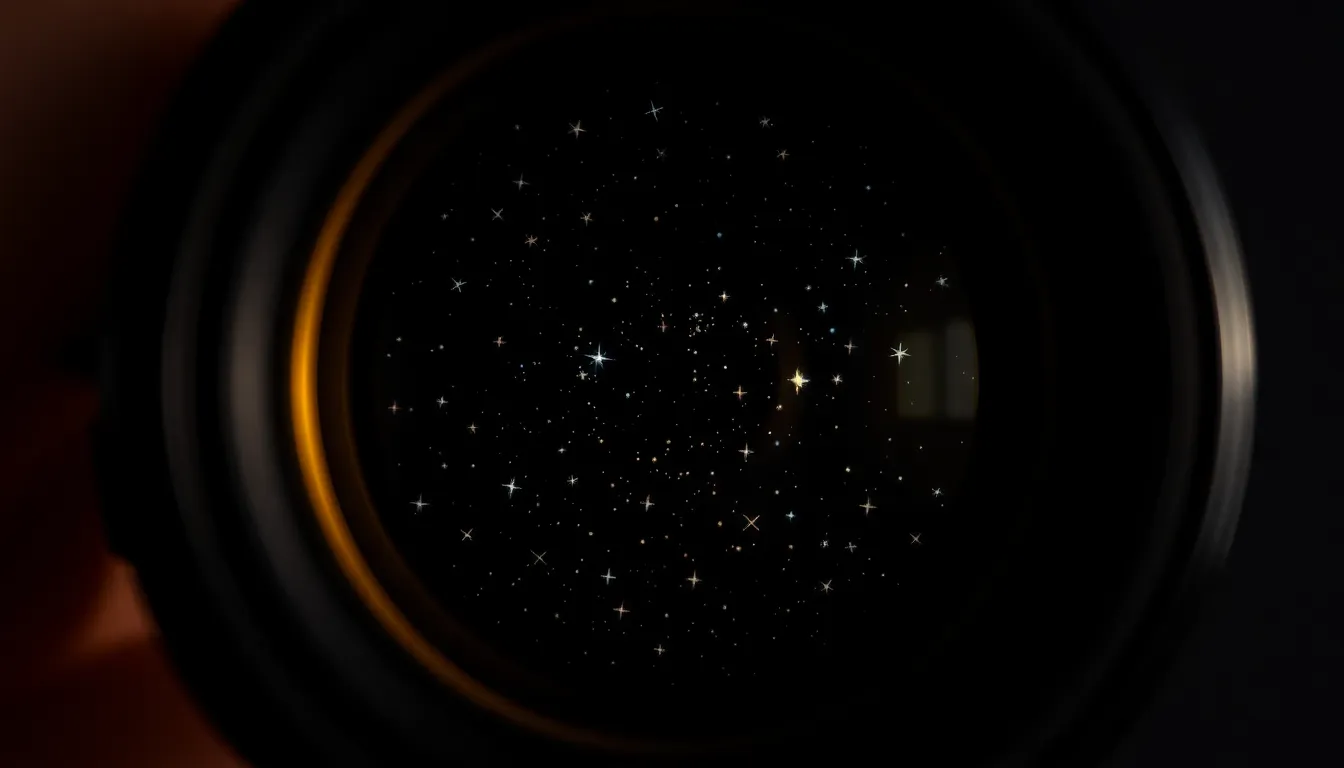
Fujifilm GFX 100S, 110mm f/2 macro captures an intimate scene of a miniaturized world under a telescope lens, revealing detailed star patterns mapped onto the glass. The lighting consists of soft studio light with a subtle edge light to create dimension. Using a hyperfocal distance at f/8, the entire scene remains tack-sharp from the lens to the twinkling stars. The color palette is inspired by Kodak Portra 400, presenting warm skin tones and earthy hues. The composition uses a centered symmetrical arrangement, drawing focus to the intricate star patterns reflected on the glass surface, highlighting both the texture of the glass and the cosmic imagery.
16:9
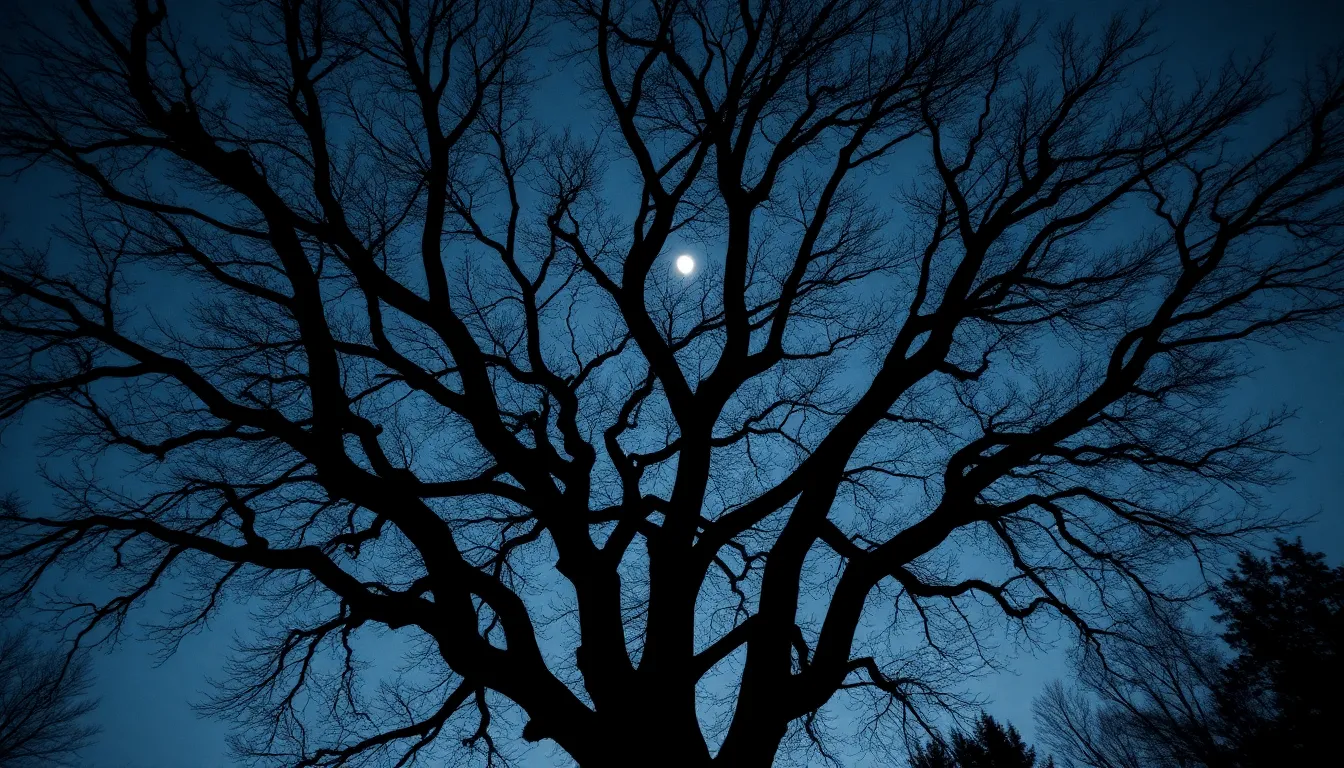
Hasselblad X2D 100C, 90mm f/2.5 medium format captures a surreal image of constellations visible through the branches of a silhouette tree on a clear night. The cool moonlight illuminates the tree, providing ethereal backlighting that enhances its shape. Using a shallow depth of field at f/2.5, stars twinkle in soft bokeh, while the tree details remain crisp. The color palette boasts muted tones with desaturated blues and silvery whites. The composition creates a symmetrical silhouette effect, inviting the viewer to gaze up at the constellations through the branches, emphasizing both texture and shape.
16:9
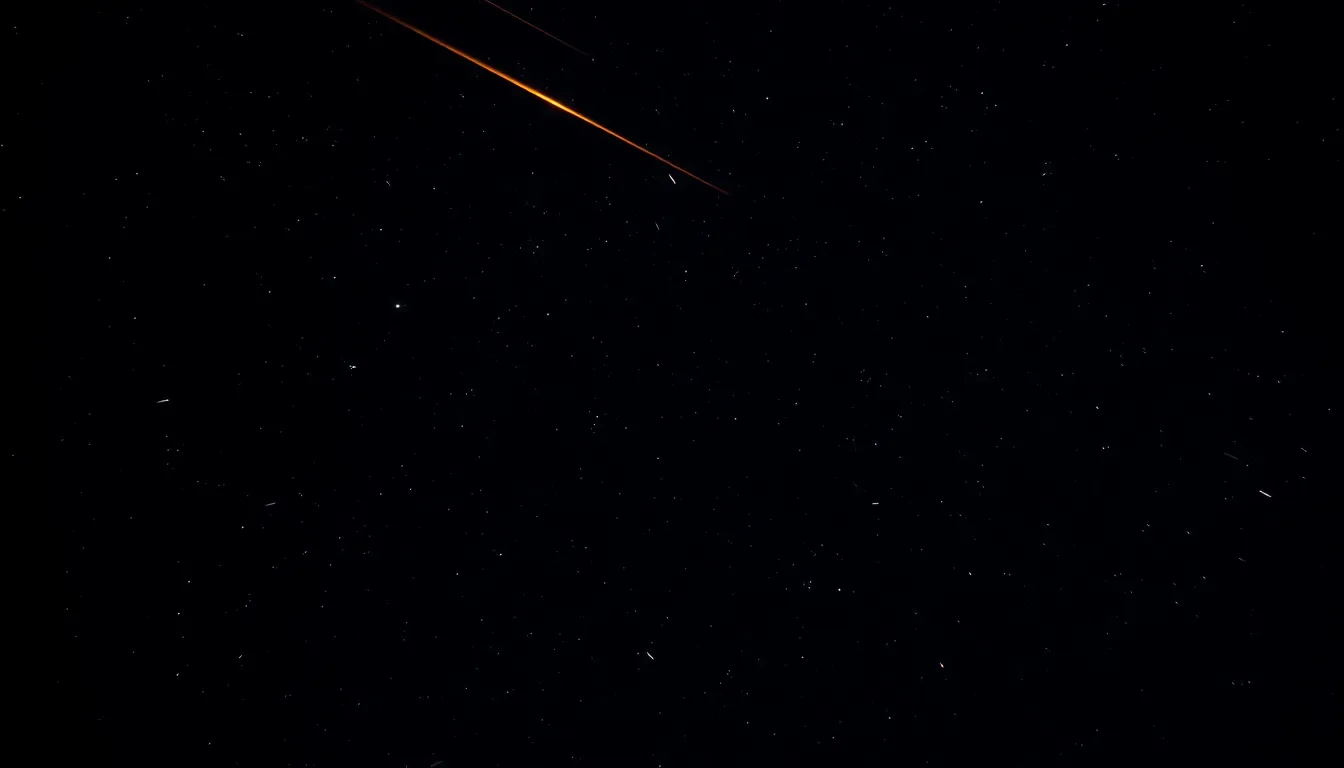
Nikon Z9, 70-200mm f/2.8 telephoto at 200mm captures a close-up of a stunning meteor shower streaking across a dark sky. The scene is illuminated by soft, natural starlight and the fleeting glows of meteors. Using a shallow depth of field at f/2.8, the stars are delicately blurred, emphasizing the sharpness of the bright meteors above. The color palette consists of a range of blacks and brilliant whites with hints of fiery orange from the meteors. The composition centers on the meteors, framed against the expansive night sky, capturing the dynamic movement and textures of the celestial event.
16:9
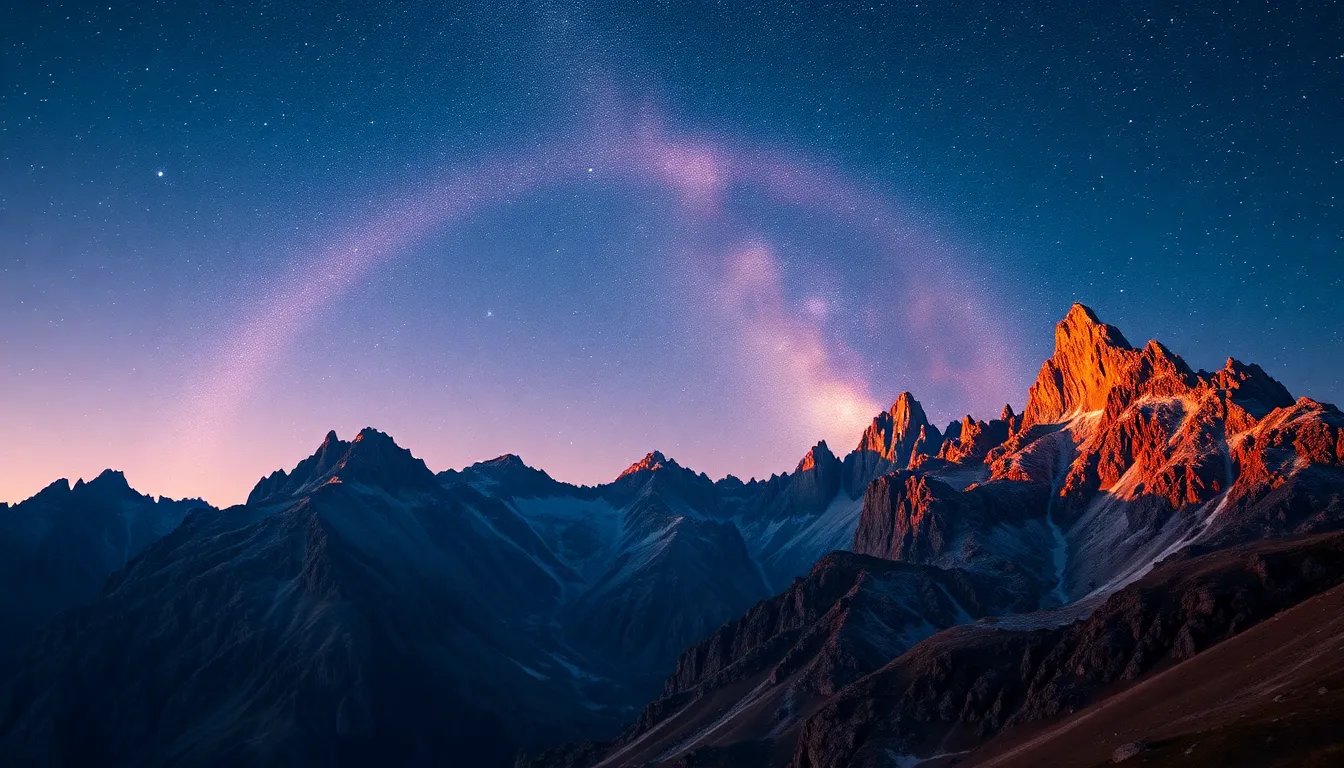
Shot on Sony A7R V with 85mm f/1.4 GM lens, this image captures the exquisite detail of the Milky Way arching over a rugged mountain range during the twilight hour. Utilizing natural lighting, the last rays of the sun cast a warm glow on the peaks while the sky deepens into a rich indigo. The hyperfocal distance ensures clarity from foreground to infinity at f/8. Color grading is inspired by cinematic teal and orange tones, enhancing the drama of the scene. The composition uses leading lines formed by the mountains to draw the eye towards the vibrant galaxy, showcasing rocky textures with intricate details.
16:9
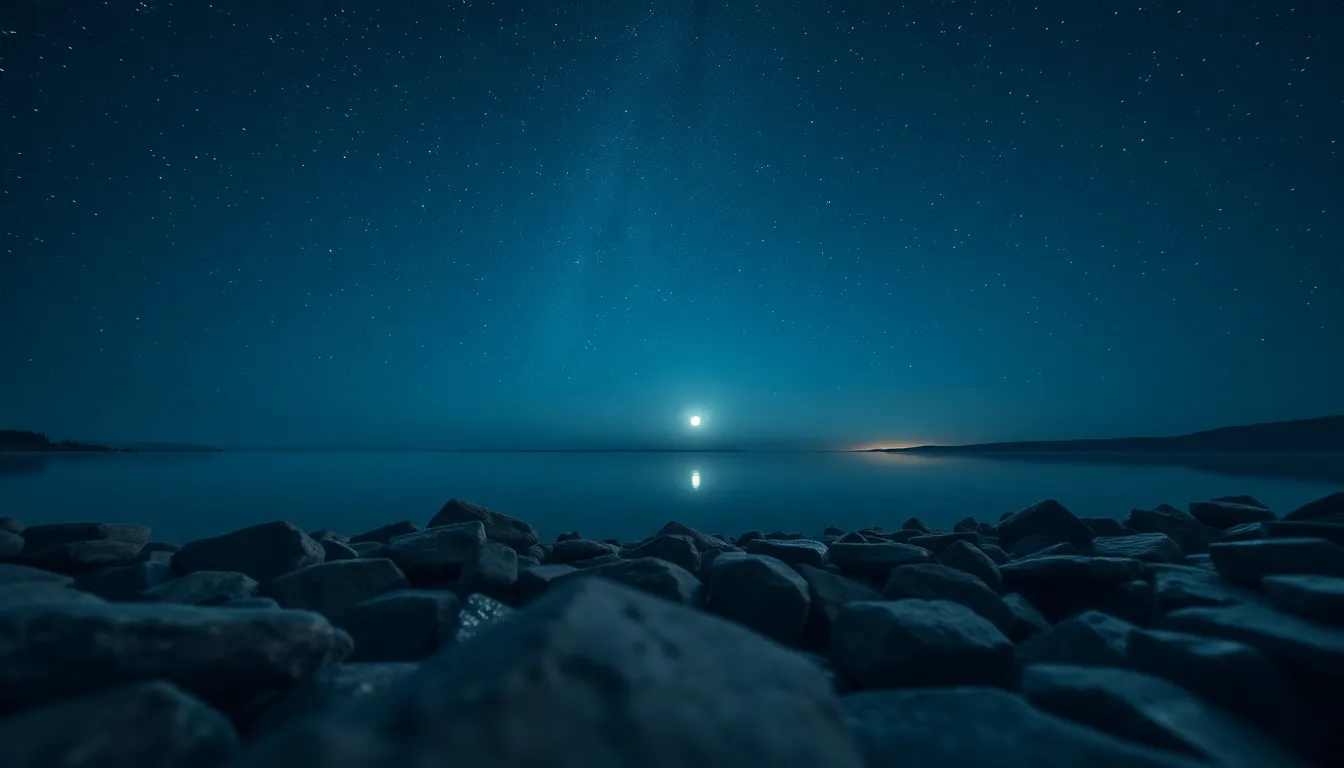
Captured with Canon EOS R5, 24-70mm f/2.8L at 24mm, this breathtaking scene features a mesmerizing starry sky over a tranquil lake. The lighting includes natural moonlight reflecting off the water surface, enhancing the celestial beauty. Using a shallow depth of field at f/2.8, the foreground rocks are in sharp focus while the stars shimmer in creamy bokeh above. The color palette leans towards deep blues and soft whites, creating a serene atmosphere. Composition follows the rule of thirds with the horizon placed low, drawing attention to the stars and their reflection in the lake's calm surface, highlighting the texture of wet stones.
16:9
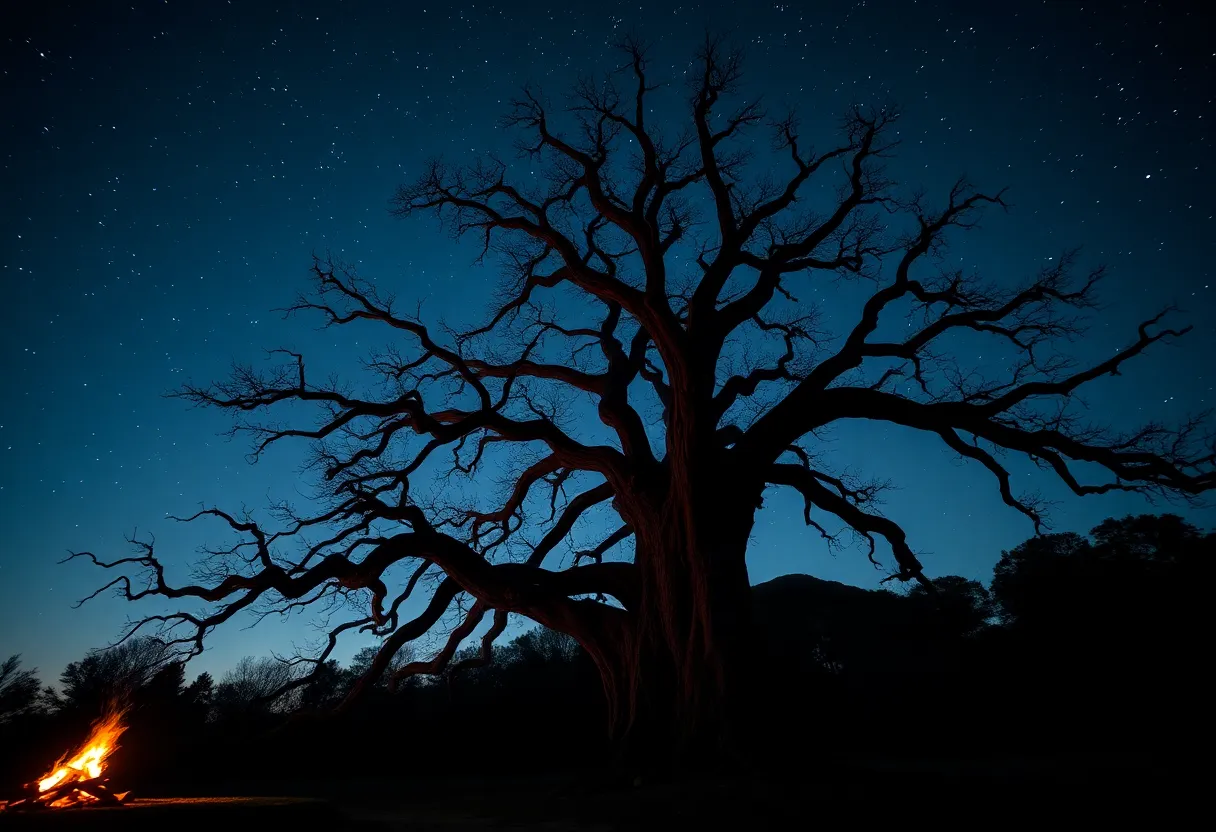
Shot using Leica Q3, 28mm f/1.7 Summilux, this composition features a silhouette of an ancient tree under a canopy of twinkling stars. The scene is captured under clear skies at dusk, with the tree's branches creating intricate patterns against the starlit background. A warm glow from a nearby campfire adds subtle illumination, creating a cozy atmosphere. The texture of the tree’s bark is detailed and raw, while the starry sky showcases rich blacks and brilliant whites, employing a natural muted tone for a timeless feel. The composition utilizes a centered symmetrical layout to emphasize the majestic tree.
3:2
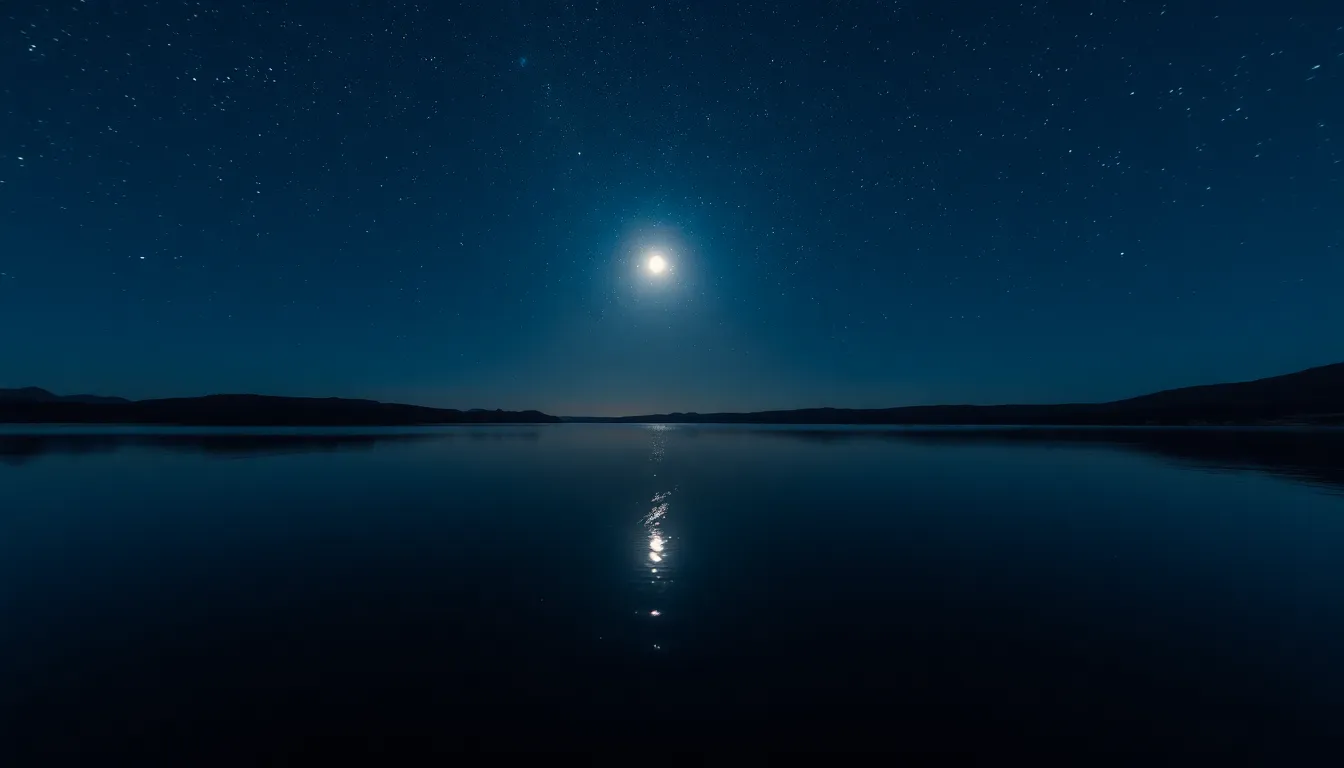
Captured using Fujifilm GFX 100S, 110mm f/2 macro, this image presents a detailed view of a star-filled sky reflected in a calm lake at night. The scene is illuminated by moonlight, creating a magical atmosphere with soft ripples across the water surface. The shallow depth of field at f/2 accentuates the stars and their reflections, while the surrounding landscape remains softly blurred. The color palette consists of deep blues with silver highlights, and the composition features a symmetrical layout, enhancing the tranquil feel of the scene.
16:9
Captured with Nikon Z9, 70-200mm f/2.8 telephoto at 135mm, this panoramic view features a stunning sunset illuminating a desert landscape, where constellations gradually emerge in the twilight sky. The layered atmosphere creates beautiful gradients of orange, pink, and purple, softening the rocky terrain below. Utilizing hyperfocal distance at f/8 provides sharp focus from the foreground cactus to the distant mountains. The composition employs the rule of thirds, with the horizon line placed in the lower third, enhancing the expansive feel of the desert.
16:9
Shot on Sony A7R V with 85mm f/1.4 GM lens, this close-up depicts a luminous nebula in vivid detail, showcasing its swirling colors and textures with a shallow depth of field at f/1.4. Backlighting from the surrounding stars highlights the translucent gas and dust, which are rendered in rich reds and blues. The image uses a cinematic teal and orange color grading to enhance the ethereal quality of the nebula. The composition centers the nebula against a dark, star-speckled backdrop, allowing its colors and textures to captivate the viewer.
1:1
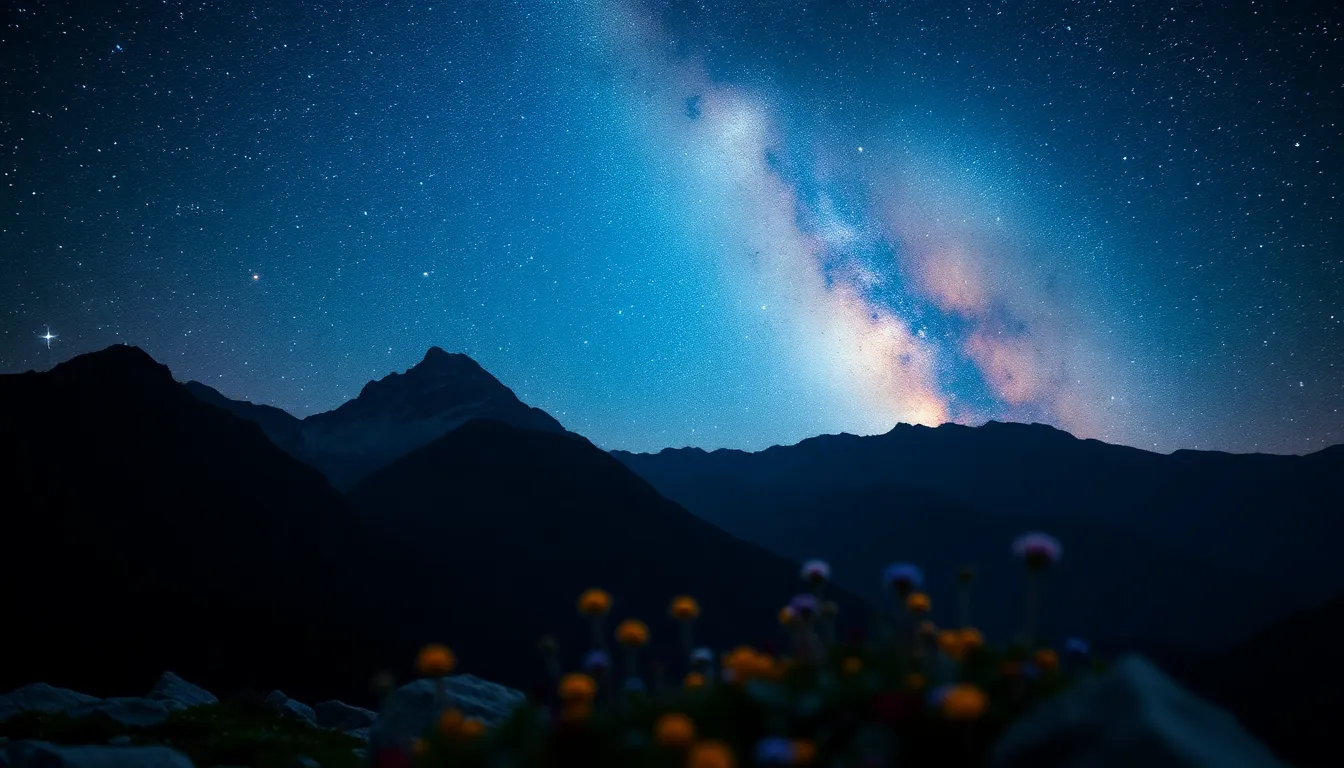
Captured with Canon EOS R5, 24-70mm f/2.8L at 16mm during a clear summer night, this scene showcases the Milky Way arching over a serene mountain range. The rich, dark sky is illuminated with vibrant stars, creating a stunning contrast against the silhouetted peaks. The shot features a shallow depth of field at f/2.8, with soft bokeh highlighting the foreground wildflowers. The color palette emphasizes deep blues and purples, enriched with hints of teal and orange. The composition employs leading lines from the mountains drawing the viewer's eye toward the galactic core, while the textures of the rocky foreground add depth.
16:9
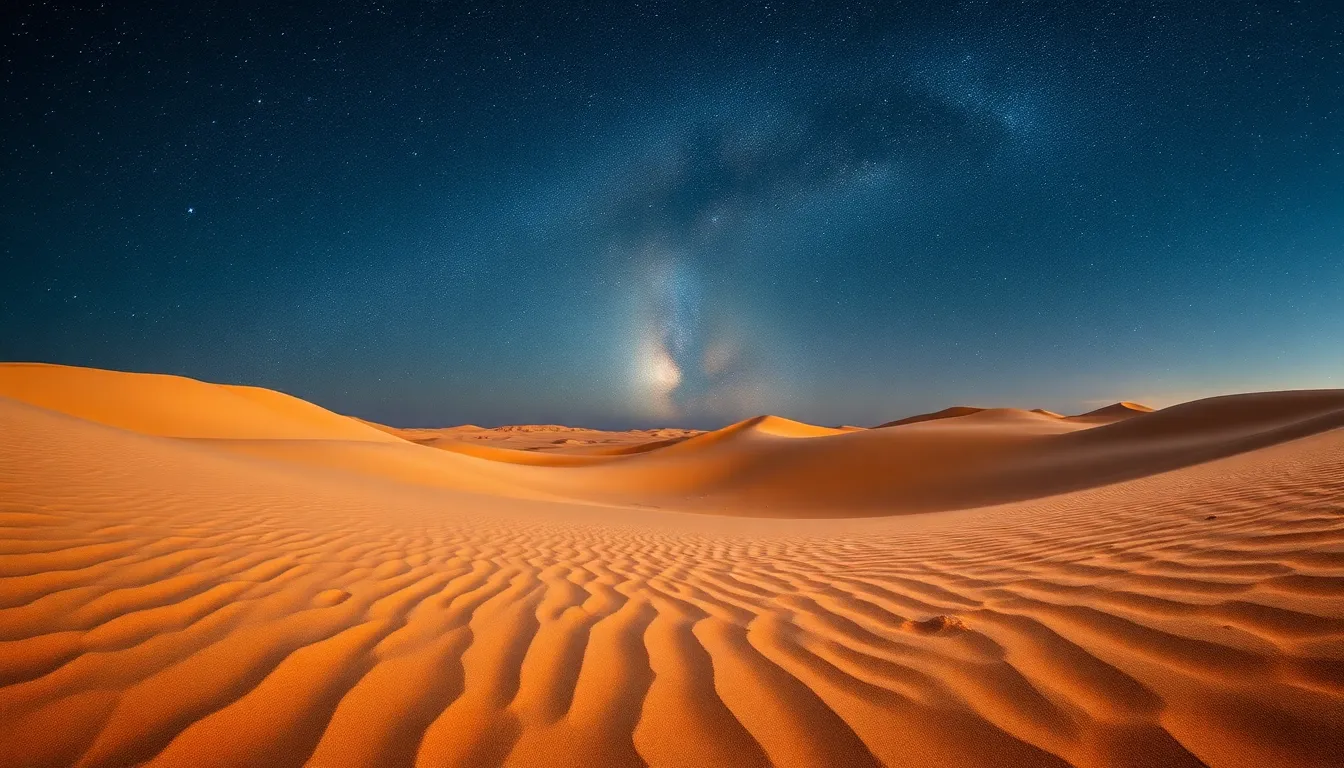
captured with Leica Q3, 28mm f/1.7 Summilux, this breathtaking image depicts a panoramic view of a desert landscape under a starry sky. The foreground showcases textured sand dunes, with visible ripples and patterns illuminated by moonlight. The Milky Way stretches majestically across the sky, filled with a multitude of stars, creating a stunning contrast against the dark desert. The image uses a hyperfocal distance at f/8, ensuring clarity from foreground to infinity. The color palette features deep blues and sandy tans, enhancing the rugged beauty of the desert night.
16:9

shot on Fujifilm GFX 100S, 110mm f/2 macro, this close-up image captures the intricate details of a celestial map illustration, illuminated by soft, warm studio lighting. The design features constellations and star charts elegantly printed on aged parchment, with visible textures and fine lines. The composition centers on a specific constellation, using a shallow depth of field at f/2 for a beautifully blurred background that highlights the fine details of the map. The color palette is vintage, with muted earth tones and soft gold accents, creating a nostalgic and scholarly mood.
1:1
captured with Canon EOS R5, 24-70mm f/2.8L at 35mm, this image showcases a vibrant aurora borealis dancing across the sky above a frozen lake. The cool hues of blue and green from the aurora contrast against the starry night, where countless stars twinkle brightly. The composition incorporates a reflection of the aurora in the icy lake, with ice crystals on the surface capturing the light. The image is shot at a hyperfocal distance of f/8, ensuring both the foreground and background remain sharp. The colors are vivid and saturated, resembling a painterly landscape, creating a magical atmosphere.
16:9
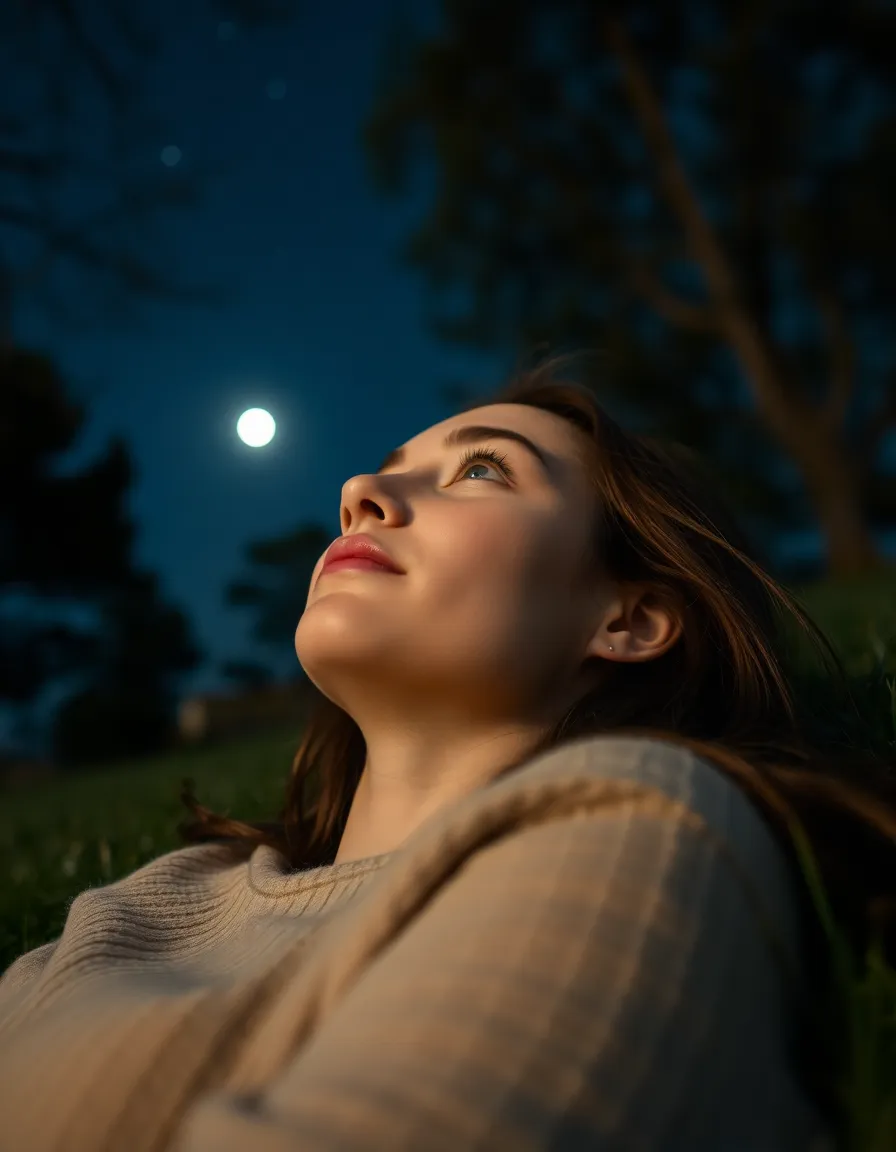
shot on Sony A7R V with 85mm f/1.4 GM lens, focusing on a close-up of a person lying on the grass, staring up at a clear night sky filled with constellations. The subject, a young woman dressed in a soft cotton sweater, has a serene expression on her face as she gazes upwards. The lighting features gentle moonlight filtering through tree branches, creating a soft, dappled glow on her face. The composition is centered on her face, with the starry sky providing a stunning backdrop, captured with a shallow depth of field at f/1.4, producing creamy bokeh. The colors are rich and warm, enhancing the intimate mood of the scene.
3:4
captured with Nikon Z9, 70-200mm f/2.8 telephoto at 135mm, showcasing an expansive night sky filled with twinkling stars. The scene is illuminated by a soft ambient glow from a nearby town, highlighting the silhouettes of rolling hills. The Milky Way spans across the sky, with bright stars and distant galaxies appearing in sharp detail. The image is composed using leading lines of the hills leading towards the horizon, with a shallow depth of field at f/2.8 creating a dreamy background bokeh. The color palette consists of deep blues and purples with brilliant white star points, capturing the beauty of a starry night sky.
16:9
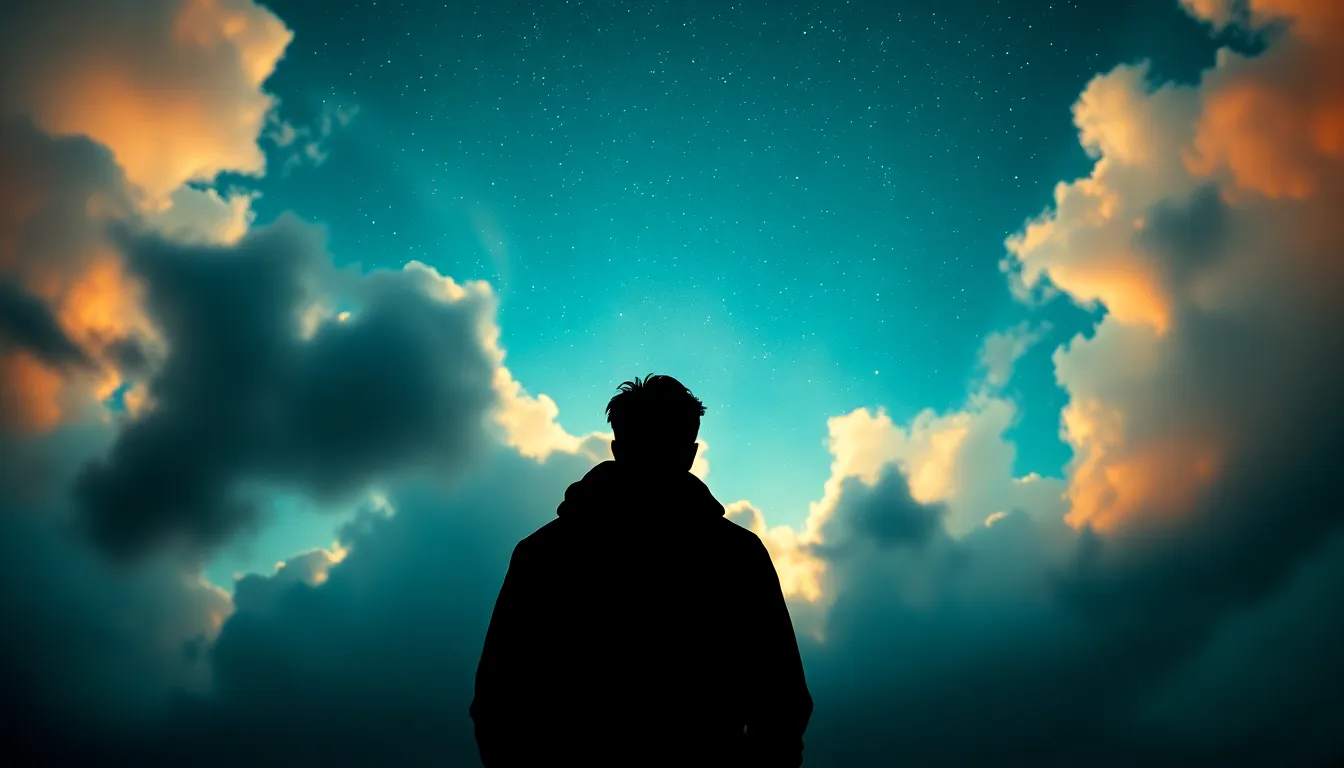
captured with Canon EOS R5, 24-70mm f/2.8L at 35mm; dramatic lighting with storm clouds partially obscuring stars; shallow depth of field at f/2.8 focusing on a silhouette of a person gazing at the sky; cinematic teal and orange color grading enhancing the mood; centered symmetrical composition showcasing the contrast between the silhouette and the celestial scene.
16:9
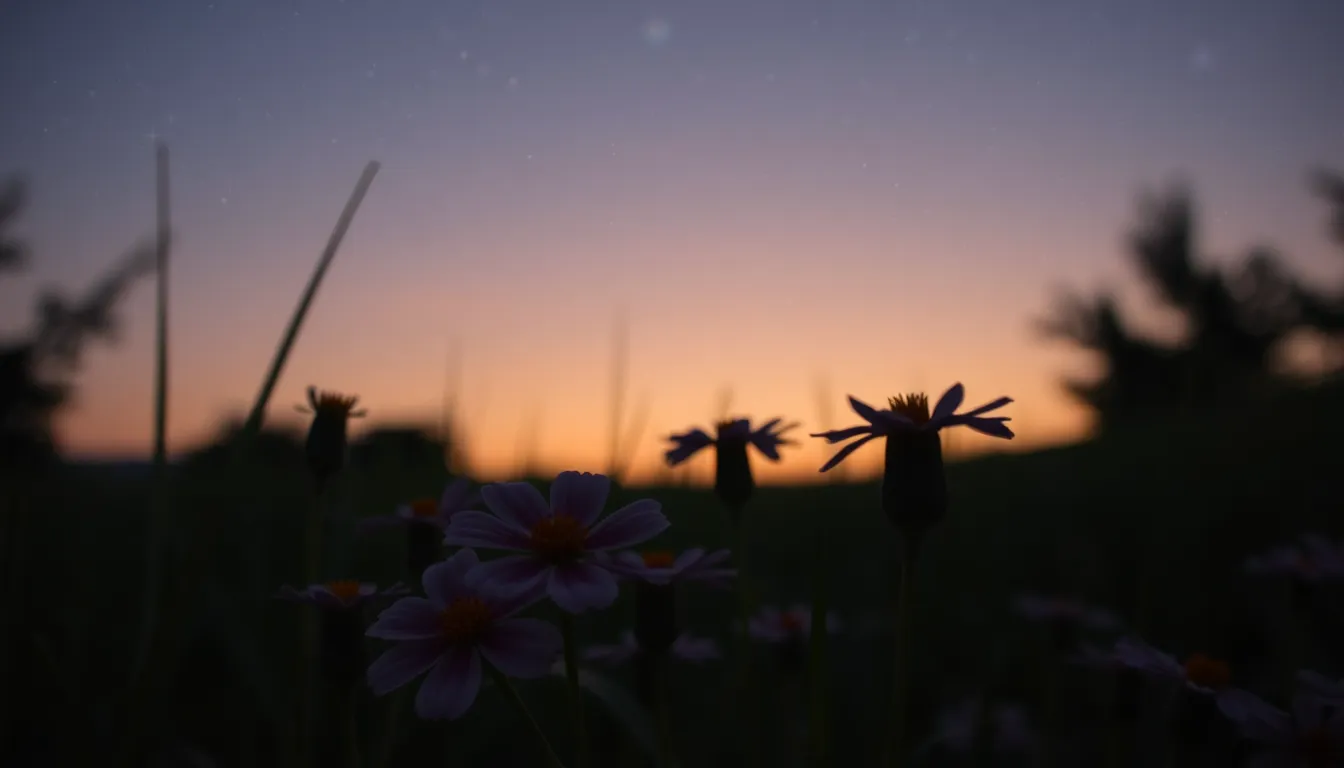
shot on Fujifilm GFX 100S, 110mm f/2 macro; natural ambient light during twilight with stars beginning to appear; hyperfocal distance keeping both the foreground flowers and stars in sharp focus; warm Kodak Portra 400 color palette creates a dreamy ambiance; composition utilizing foreground framing with flowers leading into the twinkling stars above.
16:9

captured with Hasselblad X2D 100C, 90mm f/2.5 medium format; atmospheric lighting with soft moonlight filtering through clouds; selective focus on constellation patterns with the background melting into soft painterly bokeh; saturated colors inspired by Fujifilm Velvia highlighting the vividness of the stars; composition emphasizing leading lines formed by the constellations against the clouded sky.
16:9
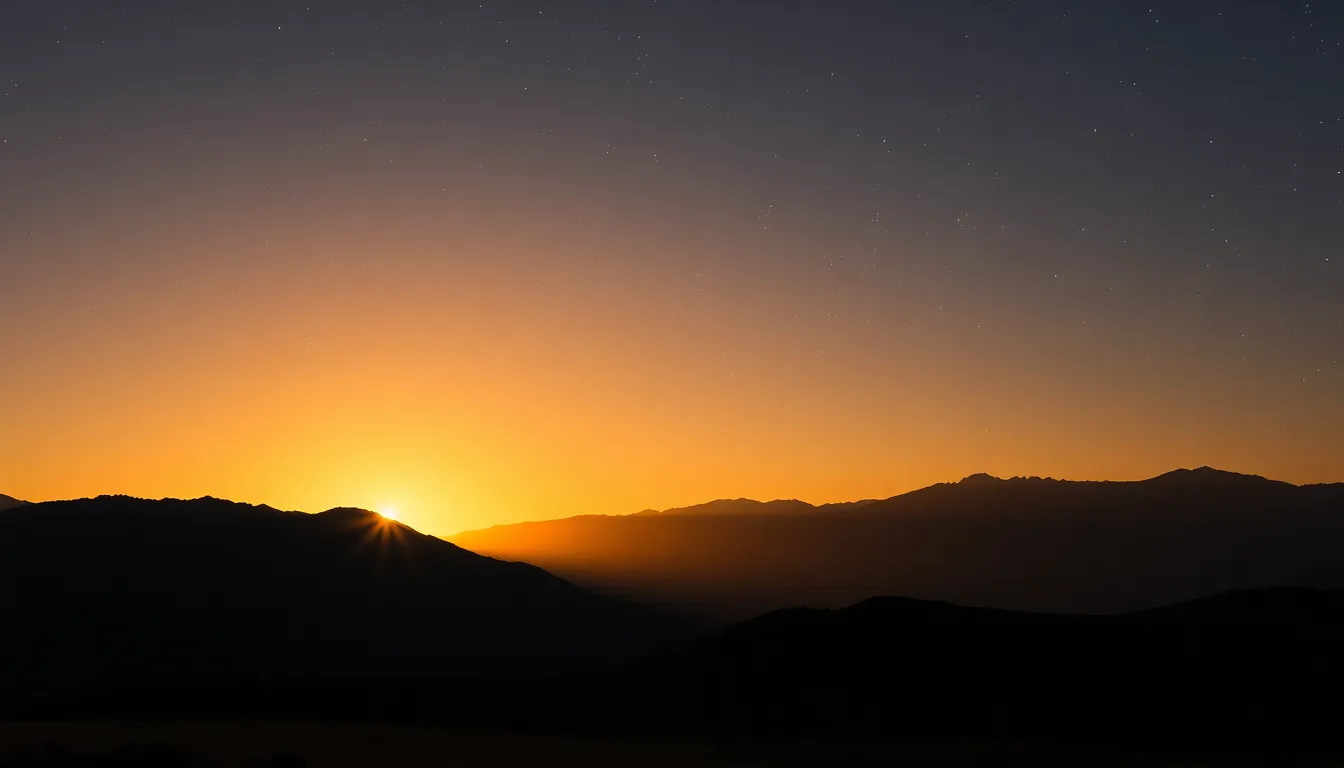
shot on Sony A7R V with 85mm f/1.4 GM lens; warm golden hour backlighting illuminating distant mountain silhouettes; shallow depth of field at f/1.4 with stars twinkling softly in focus; natural muted tones with desaturated earth colors; composition utilizing the rule of thirds with mountains creating a strong foreground lead-in to the starry sky above.
16:9
captured with Nikon Z9, 70-200mm f/2.8 telephoto at 135mm; natural lighting with clear night sky; hyperfocal distance with stars sharply focused; deep blue and purple hues complementing the luminous stars; composition centered on the Milky Way arching across the sky; smooth desert sand foreground revealing fine texture and shadows from the starlight.
16:9
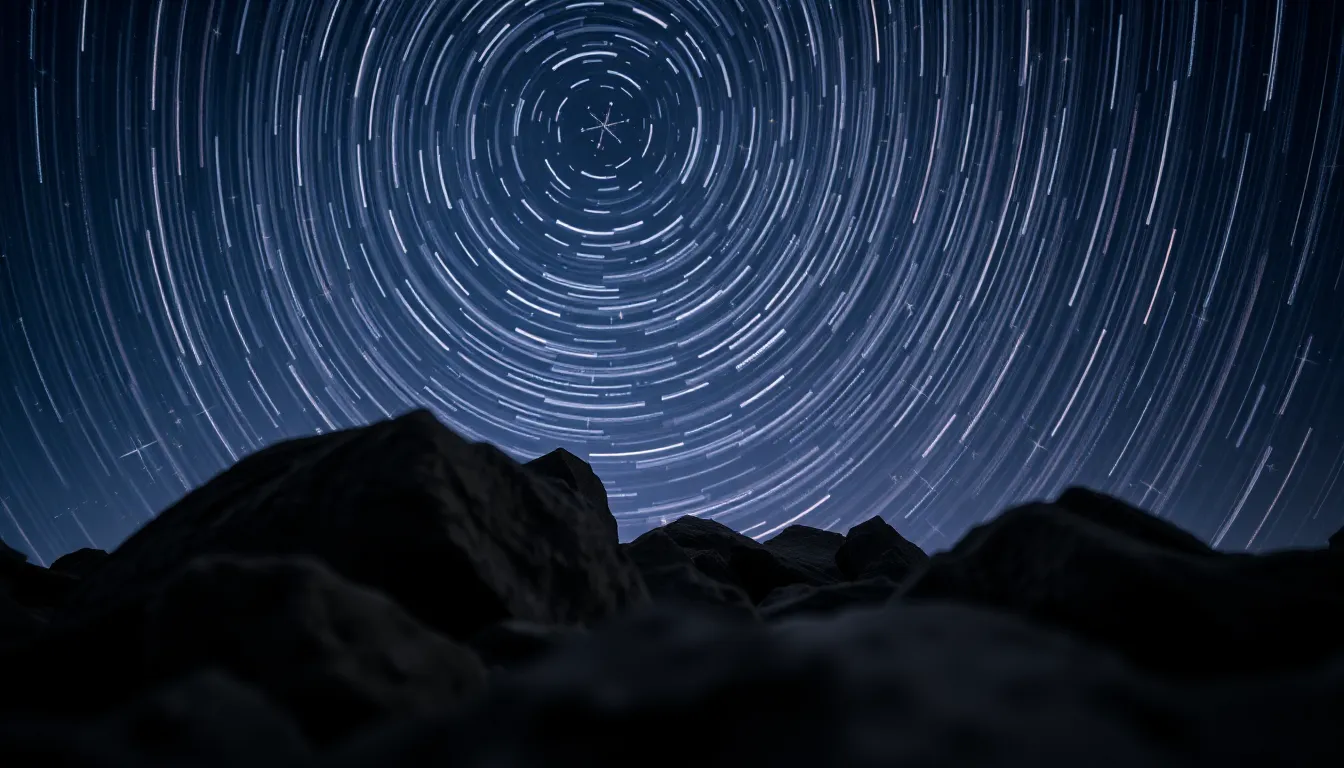
a close-up of detailed star trails over a rocky outcrop, shot on Leica Q3, 28mm f/1.7 Summilux. The vibrant streaks of stars create a circular motion around the North Star, captured in a long exposure. The lighting is dark with bright spots of starlight creating a dramatic contrast. A shallow depth of field at f/1.7 draws focus to the textured rocks in the foreground, while the star trails form a mesmerizing backdrop, imbuing the scene with dynamic movement.
16:9
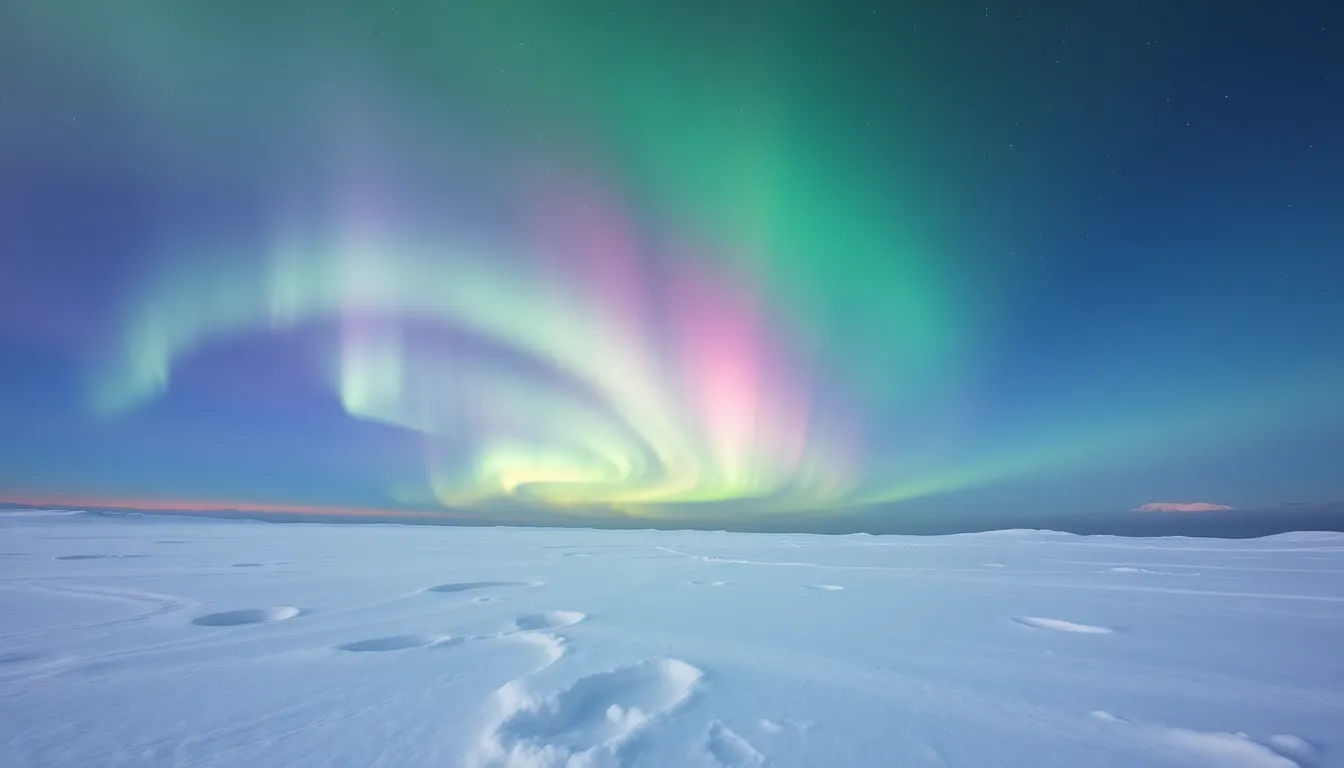
an awe-inspiring view of the Northern Lights dancing over a snowy landscape, captured with Hasselblad X2D 100C, 90mm f/2.5 medium format. The vibrant greens and purples of the aurora contrast against the pristine white snow below. Natural diffused sunlight at dawn provides a soft, pastel color palette, and a hyperfocal depth of field keeps everything in sharp focus. The composition uses rule of thirds, placing the horizon line low to showcase the spectacular sky above and the textured snow below.
16:9
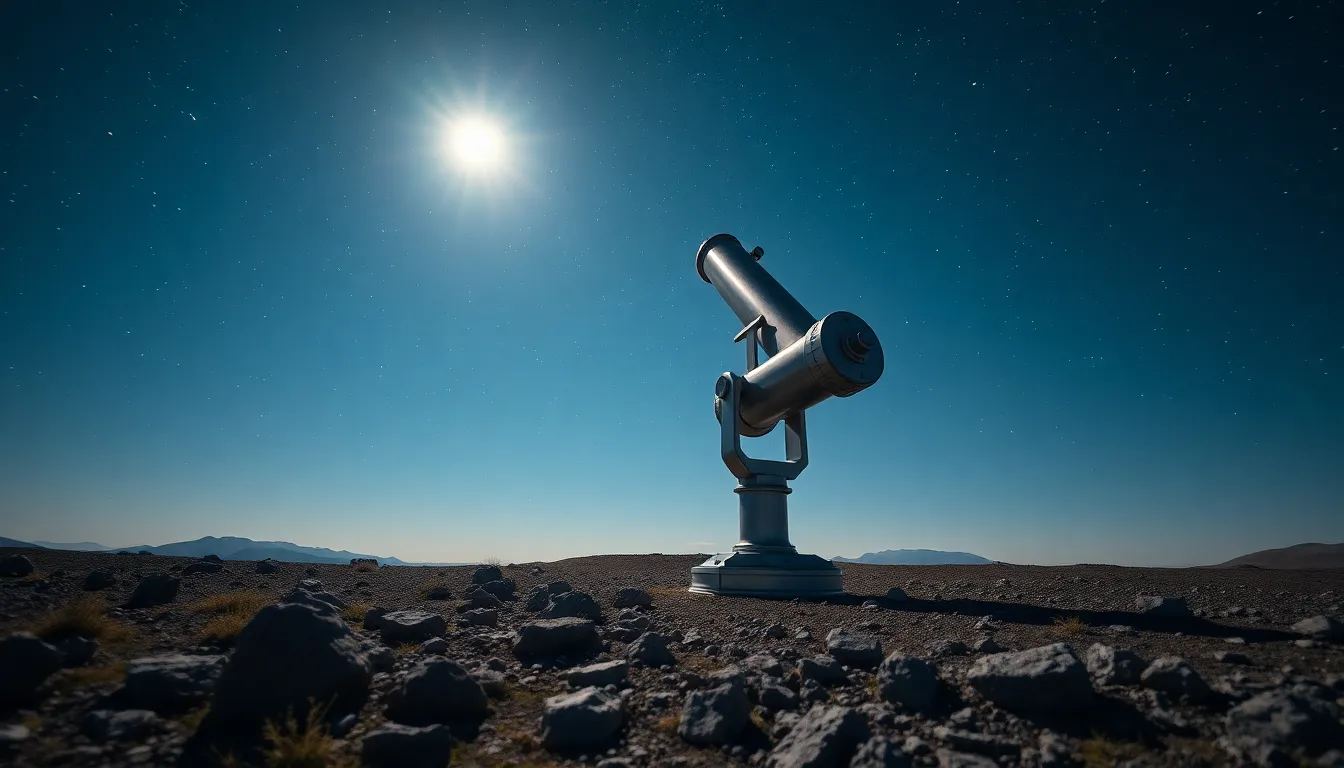
a surreal landscape depicting a giant telescope under a starry sky, shot on Fujifilm GFX 100S, 110mm f/2 macro. The scene is bathed in soft silver moonlight, highlighting the telescopes' polished metal and the rocky terrain. A shallow depth of field at f/2 creates delicate bokeh out of the background stars, enhancing the subject's prominence. The color palette features muted tones with hints of warm earth colors, while the composition is centered on the telescope, evoking a sense of exploration and wonder.
16:9
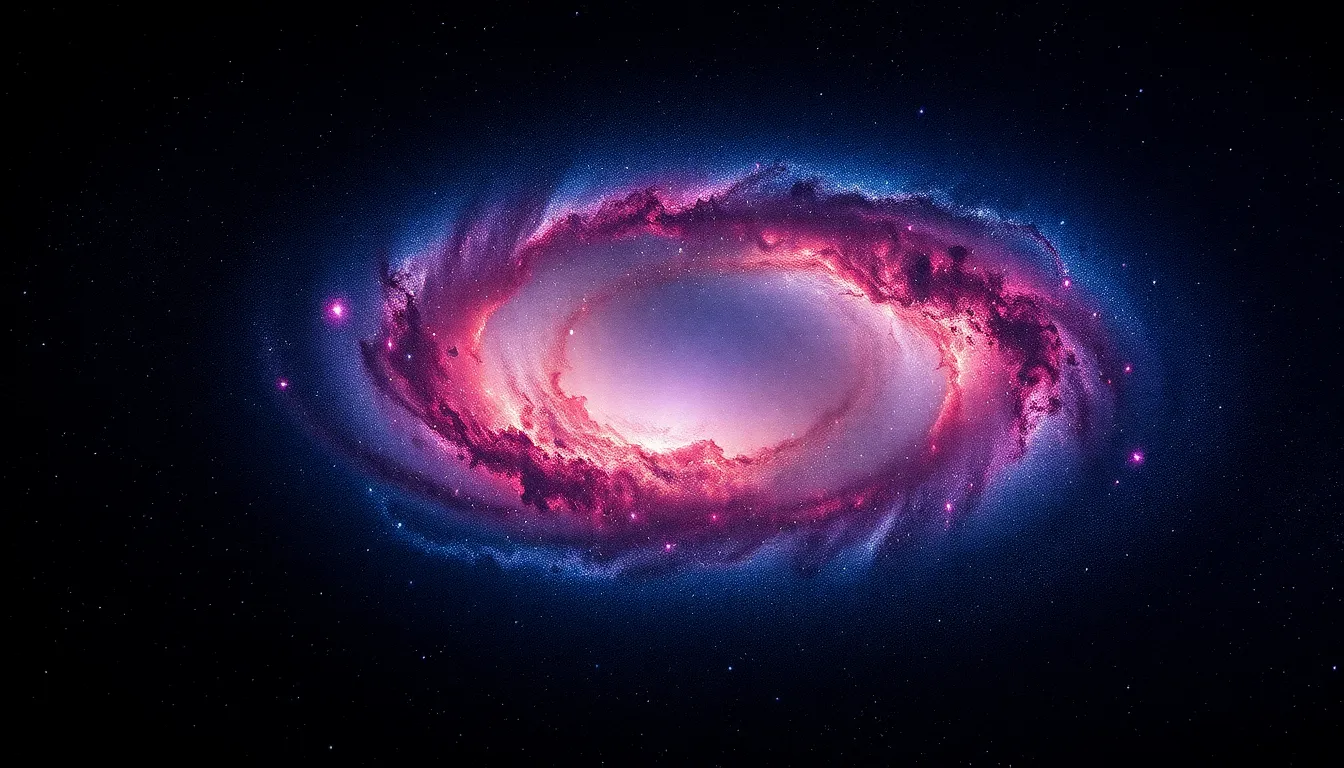
an artistic representation of the Andromeda Galaxy, captured with Canon EOS R5, 24-70mm f/2.8L at 35mm. The composition uses a deep black backdrop to emphasize the vibrant swirling colors of the galaxy, with nebulae painted in pinks and blues. The lighting is dramatic with high contrast, creating a cinematic feel. A hyperfocal distance at f/8 sharpens the entire scene, while the texture of cosmic dust and star clusters enriches the visual experience.
16:9
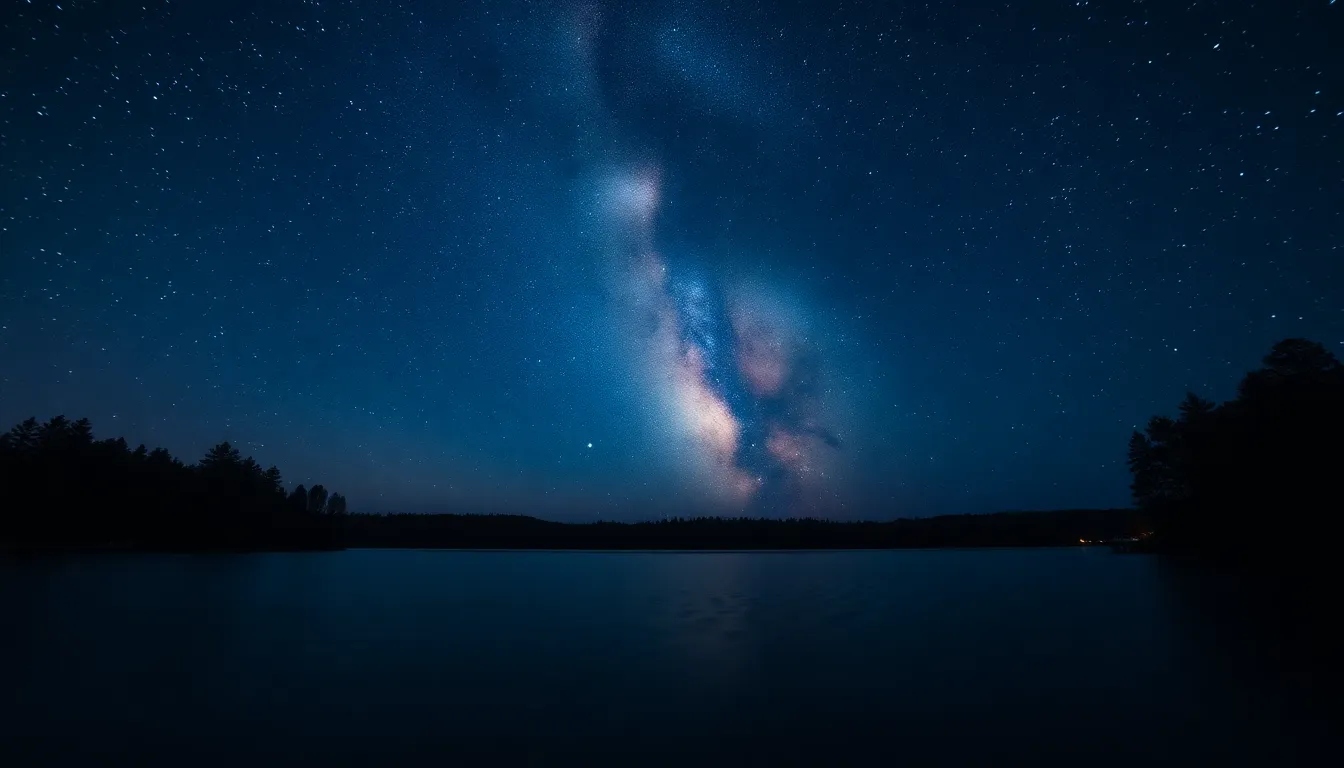
a breathtaking view of a star-filled night sky over a serene lake, shot on Nikon Z9, 70-200mm f/2.8 telephoto at 135mm. The scene is illuminated by moonlight reflecting off the water, creating glimmering patterns. A wide aperture of f/2.8 provides a shallow depth of field, highlighting the rich blues and purples of the Milky Way, while soft bokeh envelops the foreground trees. The composition features a leading line of the lake drawing the viewer's eye upward towards the constellation-drenched sky, with the texture of the water's surface captured in fine detail.
16:9
captured with Hasselblad X2D 100C, 90mm f/2.5 medium format, depicting an astronomical observatory surrounded by a dramatic starry sky. The scene captures the observatory roof opening, revealing telescope equipment pointed at the stars. Natural twilight lighting casts a soft blue hue across the observatory, while warm lights inside suggest activity and observation. Selective focus highlights the telescope with a blurred backdrop of stars, showcasing the beauty of exploration and wonder. The composition uses symmetrical balance to emphasize the observatory structure against the universe beyond.
16:9
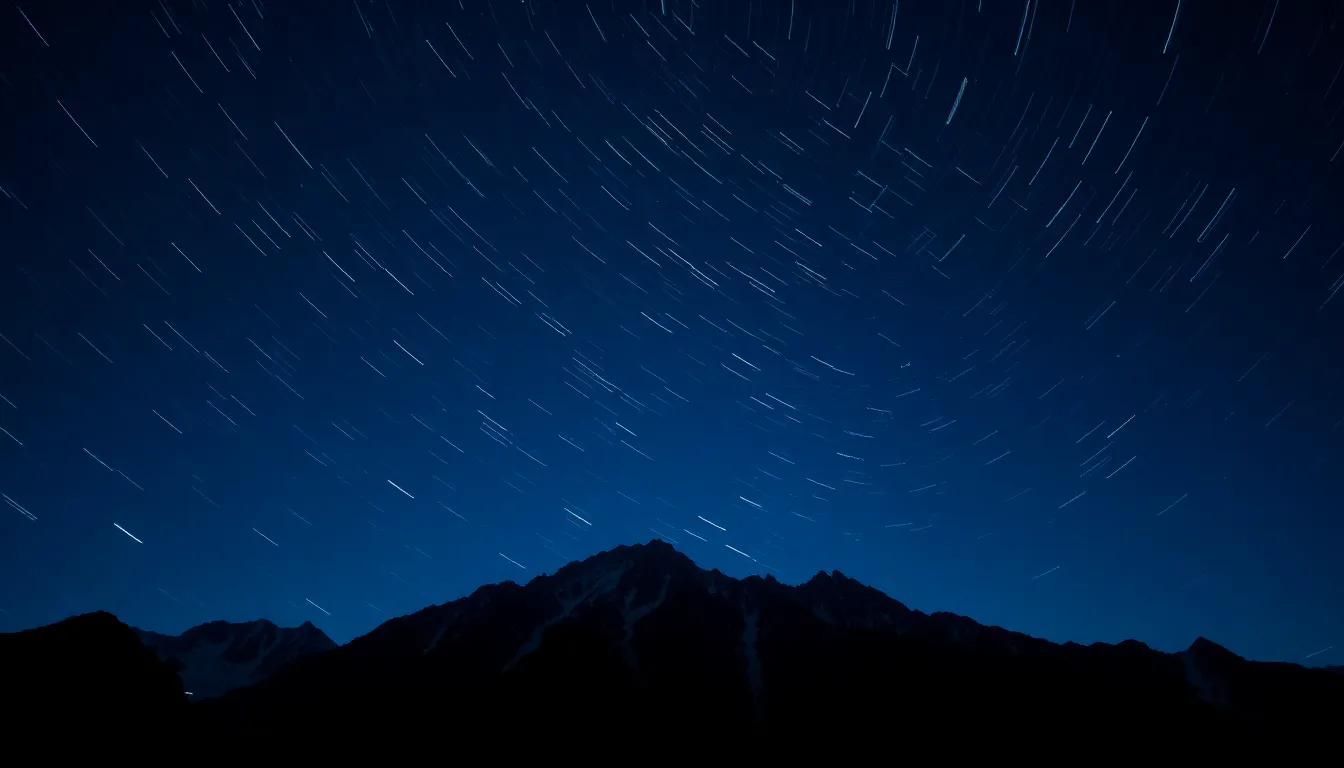
shot on Fujifilm GFX 100S, 110mm f/2 macro, showcasing a time-lapse effect of stars moving across the night sky over a mountain range. The scene is captured under clear conditions, with bright stars creating streaks across the dark blue sky as the Earth's rotation is illustrated. The slight motion blur adds a dynamic feel, while the rich color palette includes deep azure and bright whites. Leading lines formed by the mountain peaks draw the eye upwards, creating a sense of grandeur and vastness captured in a panoramic view.
16:9
captured with Canon EOS R5, 24-70mm f/2.8L at 35mm, depicting a close-up view of constellations in a dark sky, filled with soft light from a nearby campfire. The warm glow from the fire casts flickering shadows, creating a cozy atmosphere. Shallow depth of field at f/2.8 isolates the stars, turning them into tiny pinpricks of light against the deep indigo background. The color palette features warm yellows and rich blues, while the foreground textures of the rocky campsite add detail and depth, creating a nostalgic feel.
16:9
shot on Sony A7R V with 85mm f/1.4 GM lens, capturing the Milky Way arching majestically over a desert landscape. The scene is bathed in soft, warm light from a setting sun casting long shadows across the sand dunes. Hyperfocal distance keeps everything from foreground to infinity sharp at f/8, with vibrant colors influenced by a cinematic teal and orange grading. The composition centers the Milky Way across the top third of the frame, creating a dynamic contrast between the textured sands and the vastness of space above.
16:9
captured with Nikon Z9, 70-200mm f/2.8 telephoto at 135mm, featuring a starry night sky over a tranquil lake. The scene is illuminated by the soft glow of moonlight reflecting off the water's surface, creating a serene atmosphere. Shallow depth of field at f/2.8 highlights the stars, with creamy bokeh from the lake's ripples. The color palette consists of deep blues and silvers, enhancing the tranquil mood. Rule of thirds composition places the horizon in the lower third, allowing the expansive sky to dominate the frame, while the surface of the lake reflects the celestial scene.
16:9
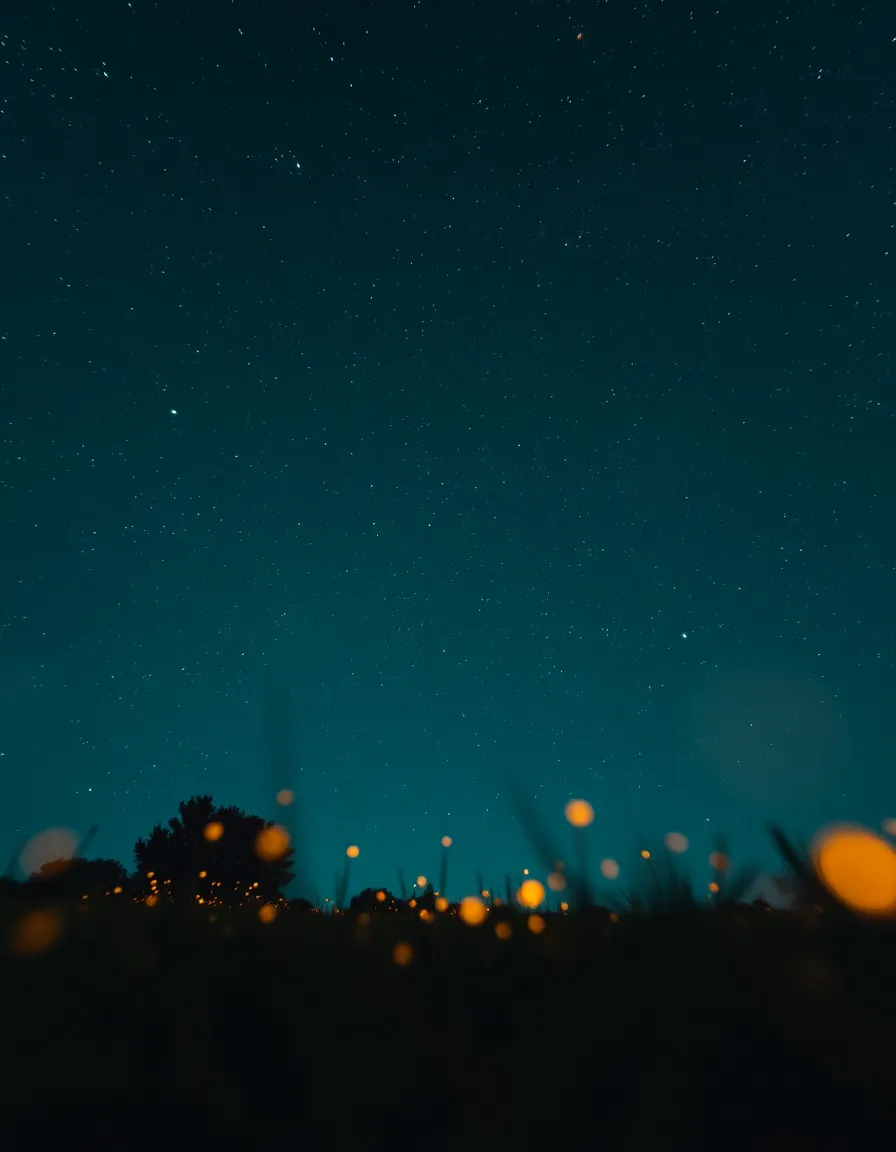
Fujifilm GFX 100S, 110mm f/2 macro, capturing a detailed view of constellations etched in the night sky with twinkling stars, practical lighting from fireflies creating a magical effect in the foreground, shallow depth of field at f/2 blurring the earth and enhancing the starry details above, cinematic teal and orange color grading emphasizing the dreamlike quality, composition positioned low to the ground, with fireflies framing the base of the frame while the sky stretches out above.
3:4
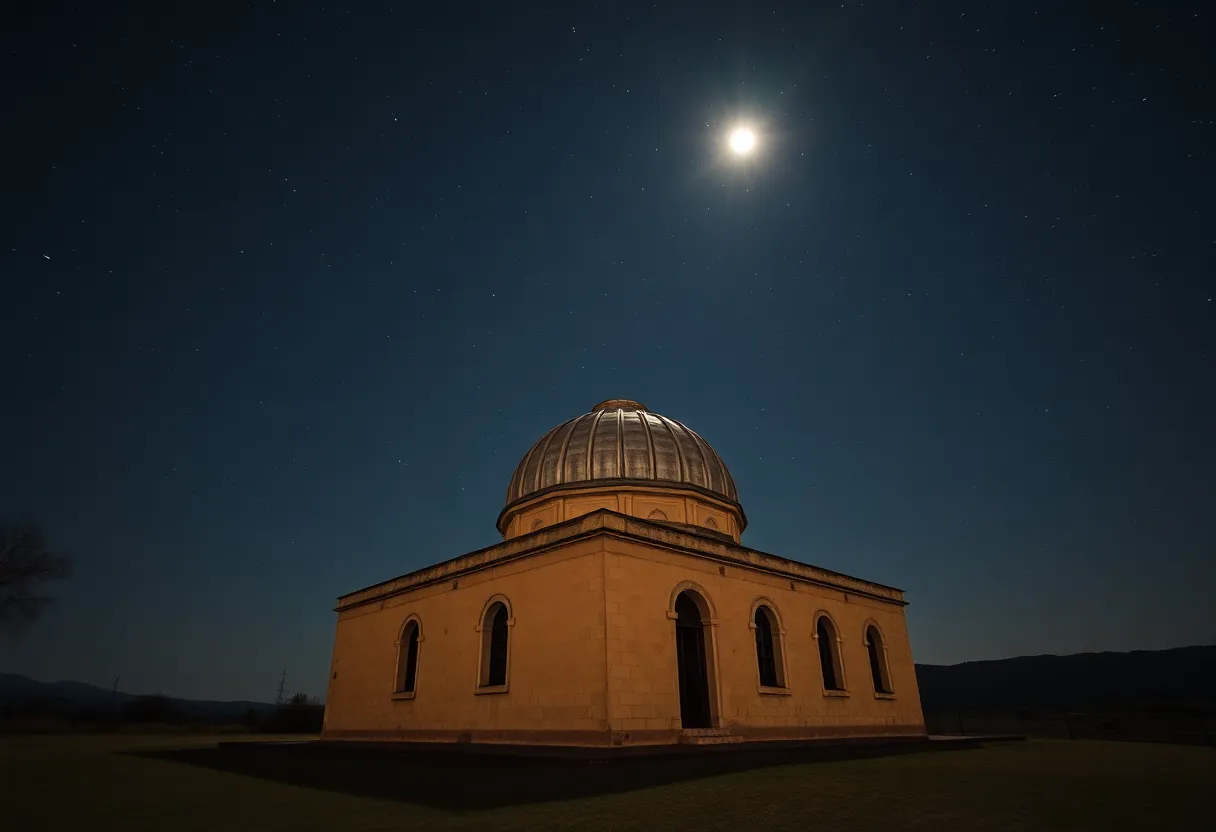
Hasselblad X2D 100C, 90mm f/2.5 medium format, showcasing a night view of an old observatory under a star-filled sky, illuminated by soft moonlight creating a serene ambiance, selective focus on the observatory with a shallow depth of field at f/2.5 making the sky appear as a soft canvas of stars, natural muted tones with desaturated earth colors enhancing the age and beauty of the building, symmetrical composition highlighting the grandeur of the observatory with stars radiating outward.
3:2
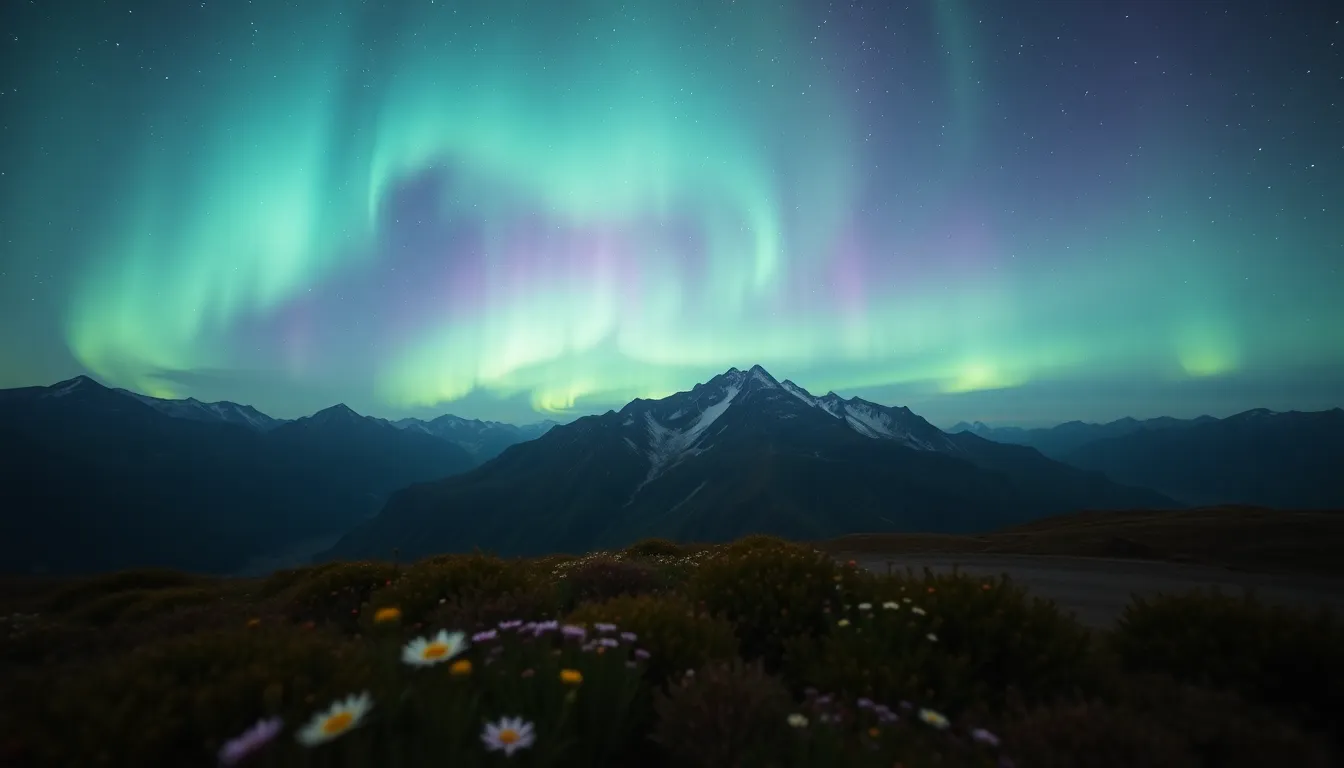
captured with Canon EOS R5, 24-70mm f/2.8L at 35mm, panoramic view of a mountain landscape under a swirling aurora borealis, natural diffuse daylight mixed with soft greens and purples from the aurora, hyperfocal distance ensuring everything from the foreground flowers to the distant stars is sharply in focus at f/8, natural muted tones with desaturated earth colors enhancing the scene's peacefulness, composition featuring leading lines from the mountains drawing the eye toward the captivating sky.
16:9
shot on Sony A7R V with 85mm f/1.4 GM lens, featuring a close-up of a bright constellation on a warm summer night, vibrant natural lighting from a nearby bonfire casting soft highlights, selective focus on the stars with a shallow depth of field at f/1.4 resulting in a dreamy bokeh, Kodak Portra 400 color palette enhancing the warm skin tones and glowing starry accents, composition utilizing the rule of thirds to position the constellation beautifully against a dark backdrop.
1:1
captured with Nikon Z9, 70-200mm f/2.8 telephoto at 135mm, under a clear night sky illuminated by a brilliant Milky Way, shallow depth of field at f/2.8 creating creamy bokeh of distant stars, cinematic teal and orange color grading enhancing the ethereal mood, composition featuring the Milky Way arching across the frame with silhouetted trees at the bottom, texture of the night sky revealing intricate star details and nebulae formations.
16:9
captured with Hasselblad X2D 100C, 90mm f/2.5 medium format, showcasing a captivating northern lights display swirling over a snowy landscape. The lighting is from the vibrant auroras, casting a magical glow on the snow. Using a hyperfocal distance technique at f/8 ensures everything from the foreground snowflakes to the dancing lights are sharp. The color science resembles Kodak Portra 400 with warm greens and soft whites. The composition utilizes leading lines of snow drifts to draw the viewer's eye towards the horizon where the lights dance.
16:9
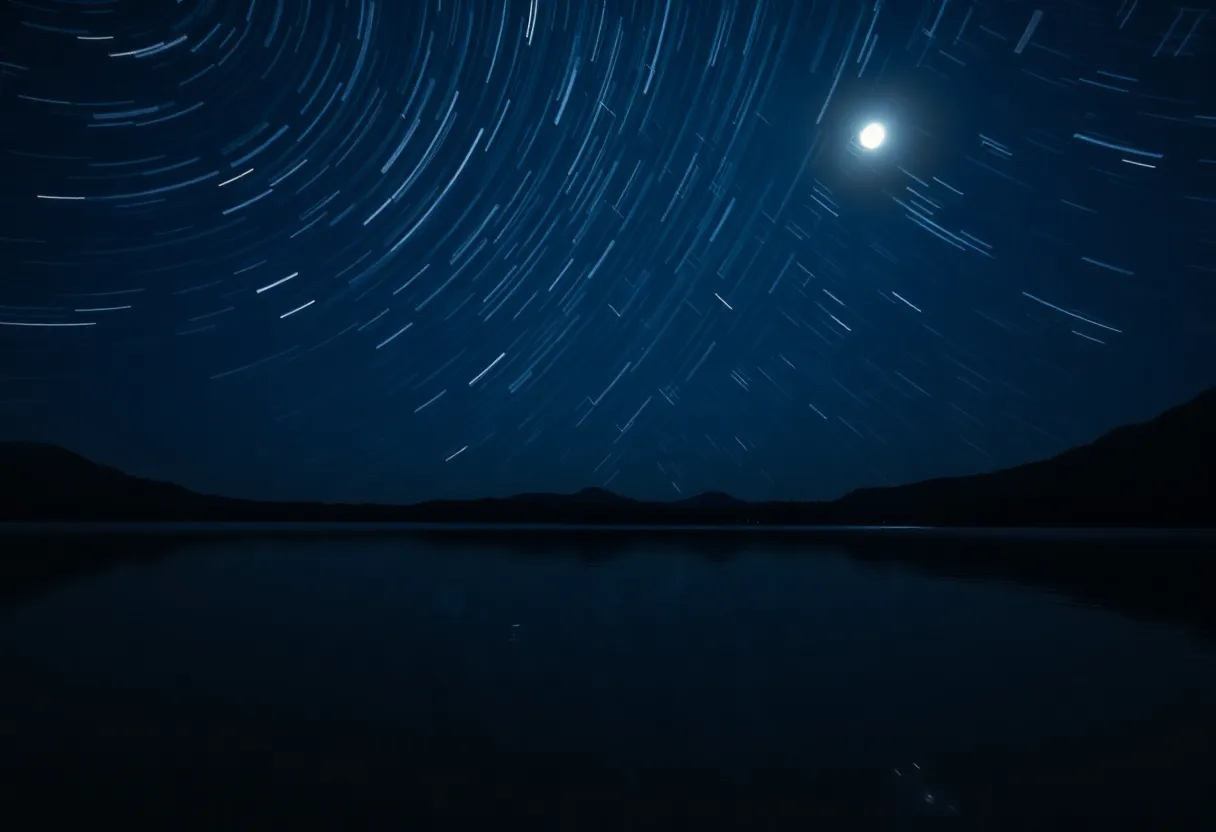
shot on Fujifilm GFX 100S, 110mm f/2 macro, focusing on a close-up of star trails over a tranquil lake. The lighting is ambient moonlight reflecting off the water's surface, creating soft ripples of light. Using a shallow depth of field at f/2 adds a dreamy quality to the foreground while the star trails remain in crisp detail. The color palette comprises dark blues and silvers, enhancing the serene and mystical feel of the image. Rule of thirds placement allows the reflection of the star trails to occupy a significant portion of the lower third.
3:2
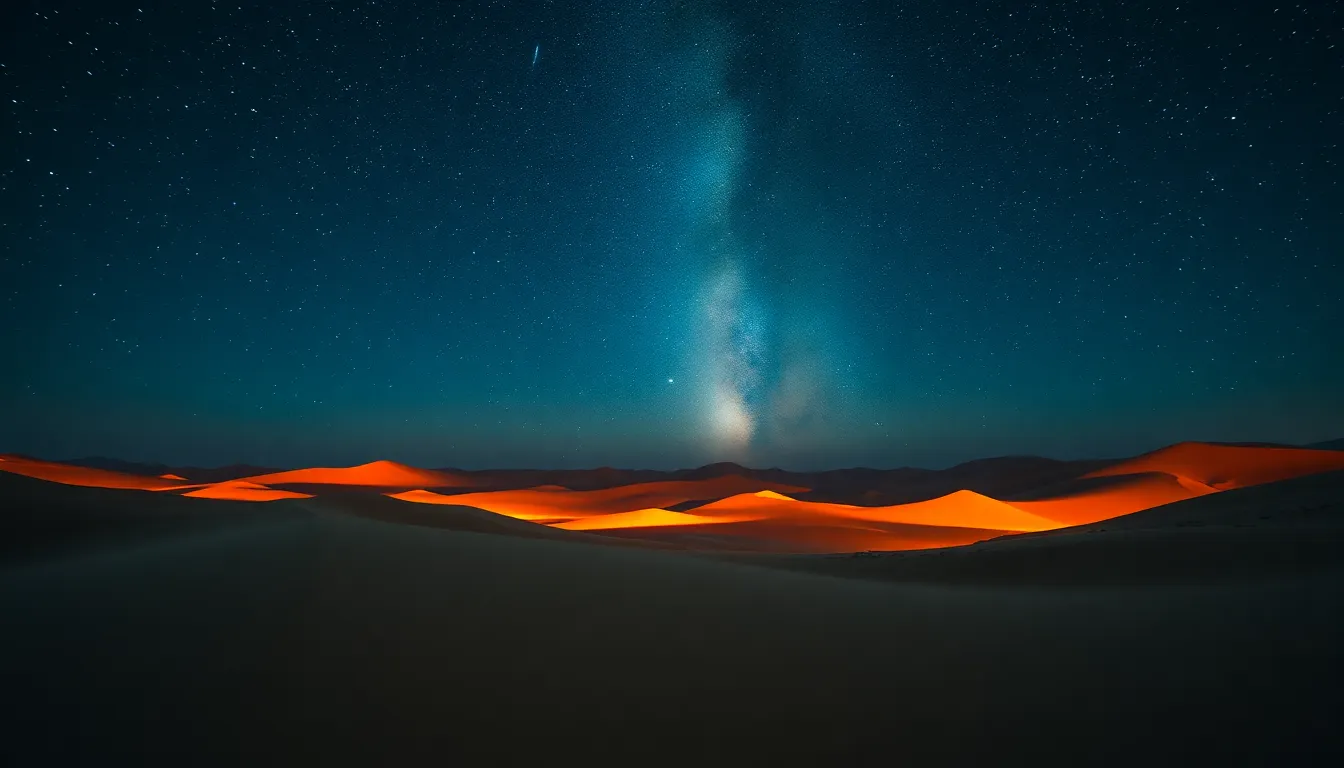
captured with Canon EOS R5, 24-70mm f/2.8L at 35mm, presenting a panoramic view of a desert landscape under a starry sky with shooting stars. The lighting is provided by the celestial bodies, creating dramatic contrasts between the illuminated sand dunes and the dark sky. The scene is shot at f/4 creating a wide depth of field that captures the entire landscape. The color palette is cinematic teal and orange, enhancing the cosmic feel of the scene. Leading lines of the dunes guide the viewer's eye toward the vibrant constellation above.
16:9
shot on Sony A7R V with 85mm f/1.4 GM lens, featuring an ethereal night scene where constellations like Orion and Ursa Major are brightly visible in the night sky. The lighting comes from a full moon, casting a soft, silver glow over an open field of wildflowers. Using a hyperfocal distance technique at f/8 ensures that both the foreground flowers and stars are in sharp focus. The scene presents a natural muted tone with desaturated earth colors. A centered symmetrical composition emphasizes the tranquil beauty of the constellations above the wildflower field.
3:2
captured with Nikon Z9, 70-200mm f/2.8 telephoto at 135mm, under a clear starry night sky with minimal light pollution. The Milky Way arches gracefully above rugged mountain silhouettes, lit by the soft glow of distant stars. Shallow depth of field at f/2.8 creates creamy bokeh in the foreground, emphasizing the sharpness of the stars. The scene exhibits deep blues and purples inspired by a Fujifilm Velvia palette. A rule of thirds composition places the Milky Way off-center, creating a sense of vastness. Textured mountain surfaces are silhouetted against the starlit sky, enhancing the overall depth.
16:9
Fujifilm GFX 100S, 110mm f/2 macro, showcasing a detailed close-up of a star chart with delicate astrological symbols and constellations. The scene uses warm tungsten lighting, casting gentle reflections on the glossy paper of the star chart, while soft shadows add depth. The color science leans towards natural muted tones, creating a vintage feel reminiscent of old astronomy books. The composition highlights the intricate details of the chart, with a centered focus on a prominent constellation. The texture of the paper is evident, with visible fibers and slight creases adding character to the image.
1:1
Hasselblad X2D 100C, 90mm f/2.5 medium format, capturing a stunning panoramic view of a desert landscape under a starry night sky. The scene features the silhouettes of cacti and rocky formations against a backdrop of scattered stars and the Milky Way, illuminated by soft ambient moonlight. The color palette reflects natural muted tones with desaturated earth colors, enhancing the tranquility of the scene. The composition employs a centered symmetrical structure with leading lines from the cacti drawing the eye to the horizon where the sky meets the land. The texture of the rocky surfaces is sharply detailed, contrasting with the smooth sky above.
16:9
Nikon Z9, 70-200mm f/2.8 telephoto at 135mm, capturing a time-lapse star trail photograph depicting the motion of stars around Polaris. The scene utilizes natural twilight lighting, transitioning from deep blue to black as the stars create circular trails against the night sky. The color grading is inspired by Fujifilm Velvia, emphasizing vibrant blues and contrasting darkness. The composition centers on Polaris, with radial lines leading the eye toward the North Star, enhancing the feeling of celestial motion. The texture of the Earth below is highlighted with grass and rocks, providing an engaging foreground.
16:9
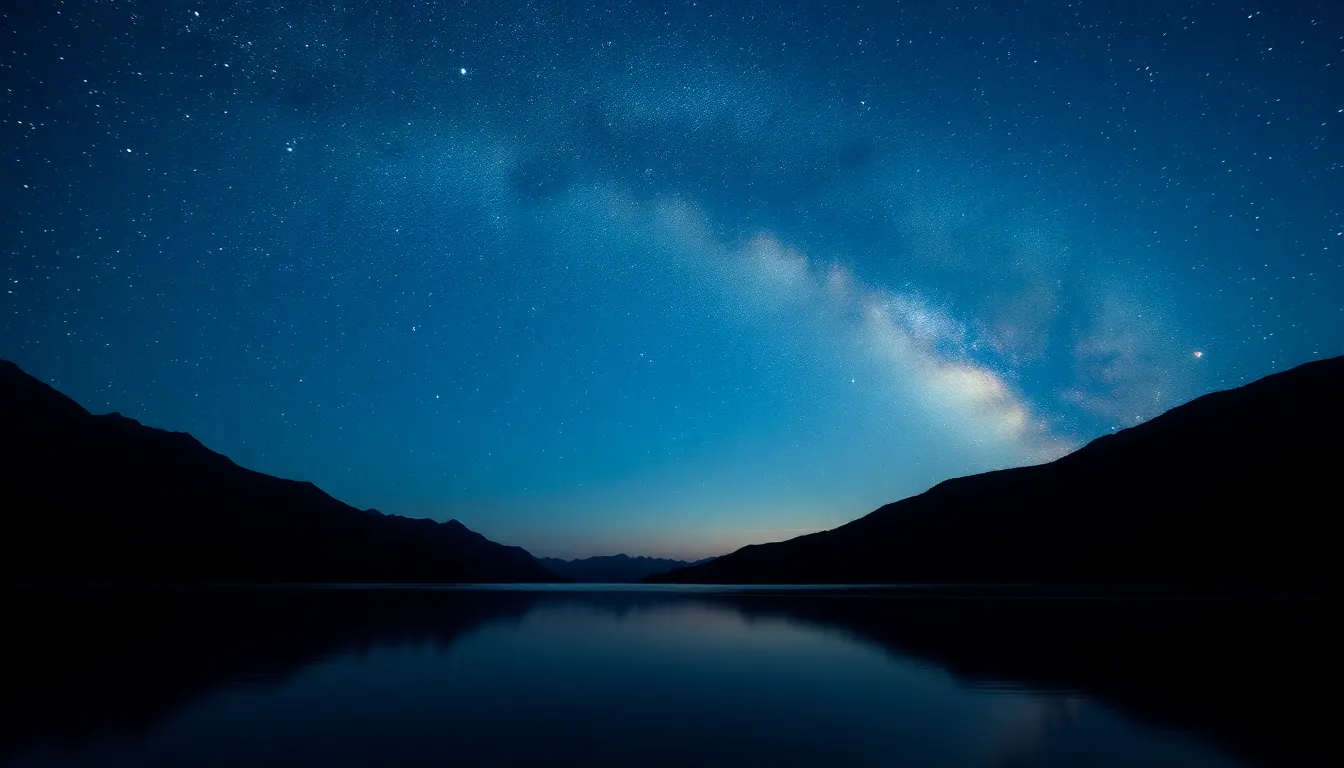
captured with Canon EOS R5, 24-70mm f/2.8L at 16mm, deep blue twilight sky filled with stars and the Milky Way arching across, illuminated by soft moonlight. The foreground features silhouetted mountains with a smooth lake reflecting the starry sky, using a hyperfocal distance for clarity from the foreground to infinity. The color palette showcases rich blues and whites of stars contrasted against the dark silhouette of the mountains, with a leading lines composition from the lake's edge drawing the eye upwards. The surface of the water appears glassy, with subtle ripples enhancing the effect of the star reflections.
16:9