Space Stations
85 images
Fujifilm GFX 100S, 110mm f/2 macro, capturing a detailed view of a space station's exterior panel covered in frost and ice crystals, giving a sense of coldness in the vacuum of space. The intricate textures of the frozen surfaces shimmer under soft sunlight, creating a stunning visual contrast with the dark backdrop of space. The macro perspective allows for hyper-detailed rendering of the icy patterns and the space station's metallic surface. The composition features a centered focus on the panel, allowing the viewer to appreciate the minute details. The color palette consists of cool whites and blues, evoking the chill of outer space.
16:9
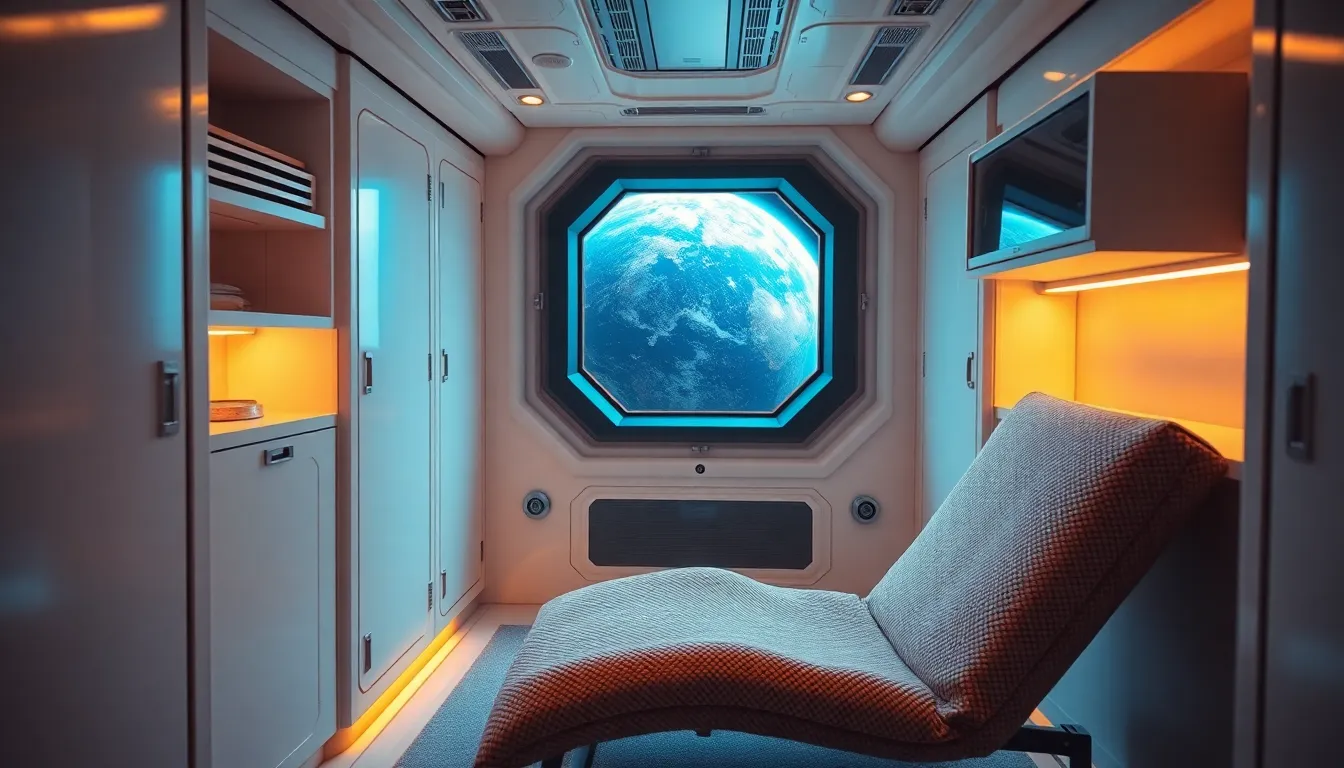
Hasselblad X2D 100C, 90mm f/2.5 medium format, presenting an interior shot of a space station living quarter bathed in warm hues from an ambient light source. The walls are equipped with sleek storage compartments and a large window revealing the Earth below. The scene conveys a sense of comfort with a subtle color palette of soft whites and gentle earth tones. The shallow depth of field highlights details like the fabric texture of a lounging chair, while the planetary view remains softly blurred. A centered composition invites the viewer into this intimate and serene space.
16:9
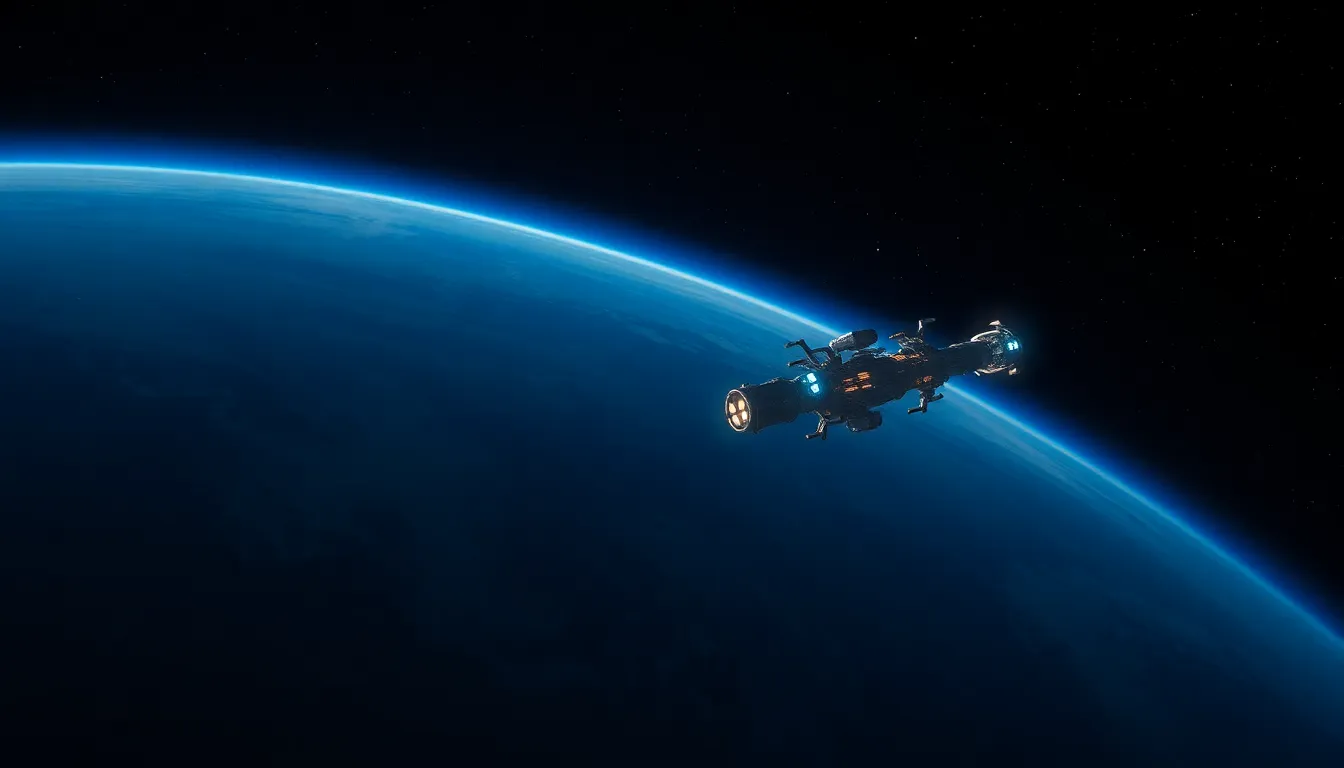
Nikon Z9, 70-200mm f/2.8 telephoto at 135mm, showcasing a panoramic view of a distant space station orbiting a planet during twilight. The deep blues of the planet's atmosphere transition into starry indigo as stars begin to twinkle. The space station is illuminated by an array of lights, which reflect off the station’s metallic surfaces, creating a striking contrast with the deep space background. A hyperfocal depth of field keeps everything sharp from the foreground to infinity, capturing the vastness of the scene. The composition employs leading lines from the planet’s curvature guiding the viewer’s gaze toward the station.
16:9

shot on Sony A7R V with 85mm f/1.4 GM lens, depicting astronauts performing a spacewalk outside a beautifully lit space station. The scene captures the astronauts’ intricate suits with visible texturing and reflective surfaces. The golden hour sunlight casts a warm glow, accentuating the textures of the suits against the dark void of space. The background features a vivid nebula with swirling colors of purple and orange. A shallow depth of field at f/1.4 isolates the astronauts, with the space station and nebula softly blurred. The composition is framed to include both the spacewalk and the station, creating a sense of connection and scale.
16:9
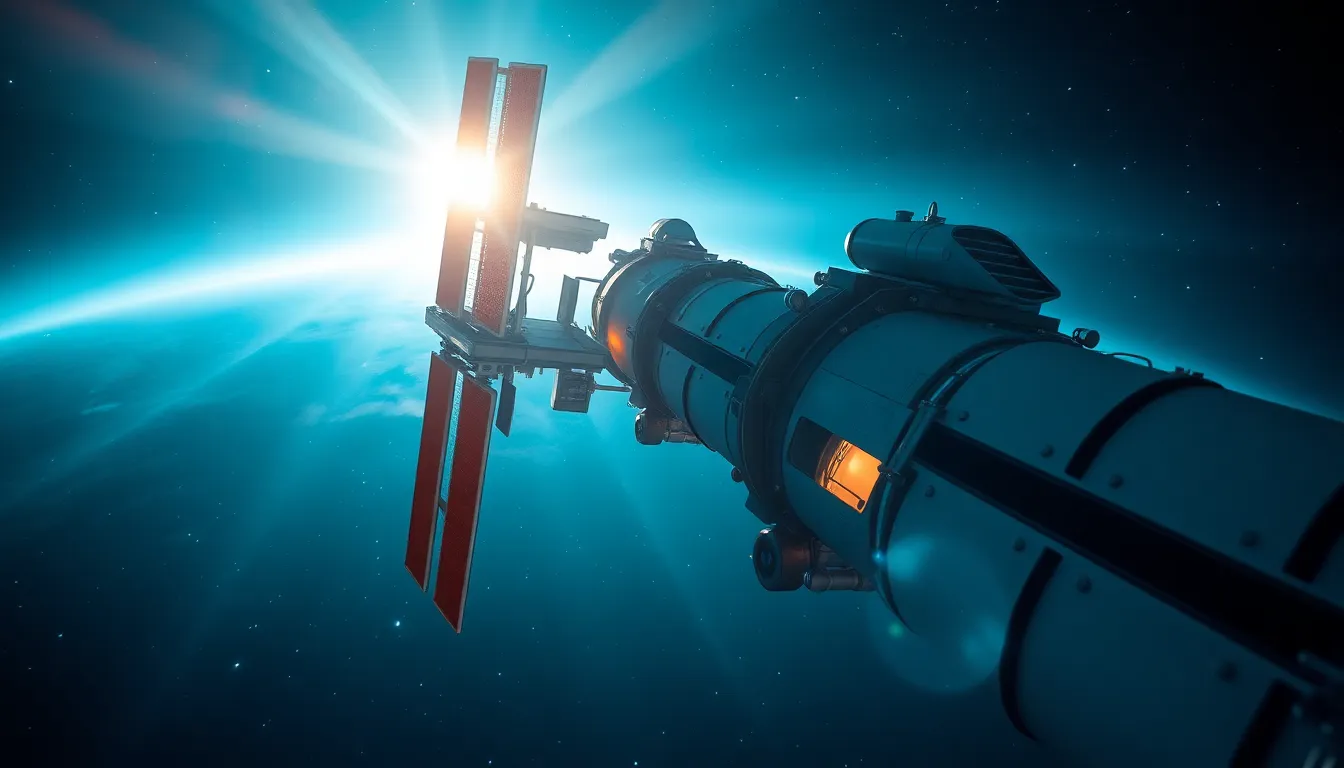
captured with Canon EOS R5, 24-70mm f/2.8L at 35mm, featuring soft diffused daylight filtering through the large observation windows of a futuristic space station. The foreground shows a sleek, modern console with intricate control panels, while the wide view highlights Earth’s curvature and vibrant blue oceans beyond. The color palette incorporates deep space blacks with luminous blues and greens, creating a stunning contrast. A shallow depth of field at f/2.8 focuses on the console, while the planet in the background fades into a soft bokeh. The composition uses the rule of thirds, positioning the console on the left side of the frame, inviting the eye towards the vastness of space.
16:9
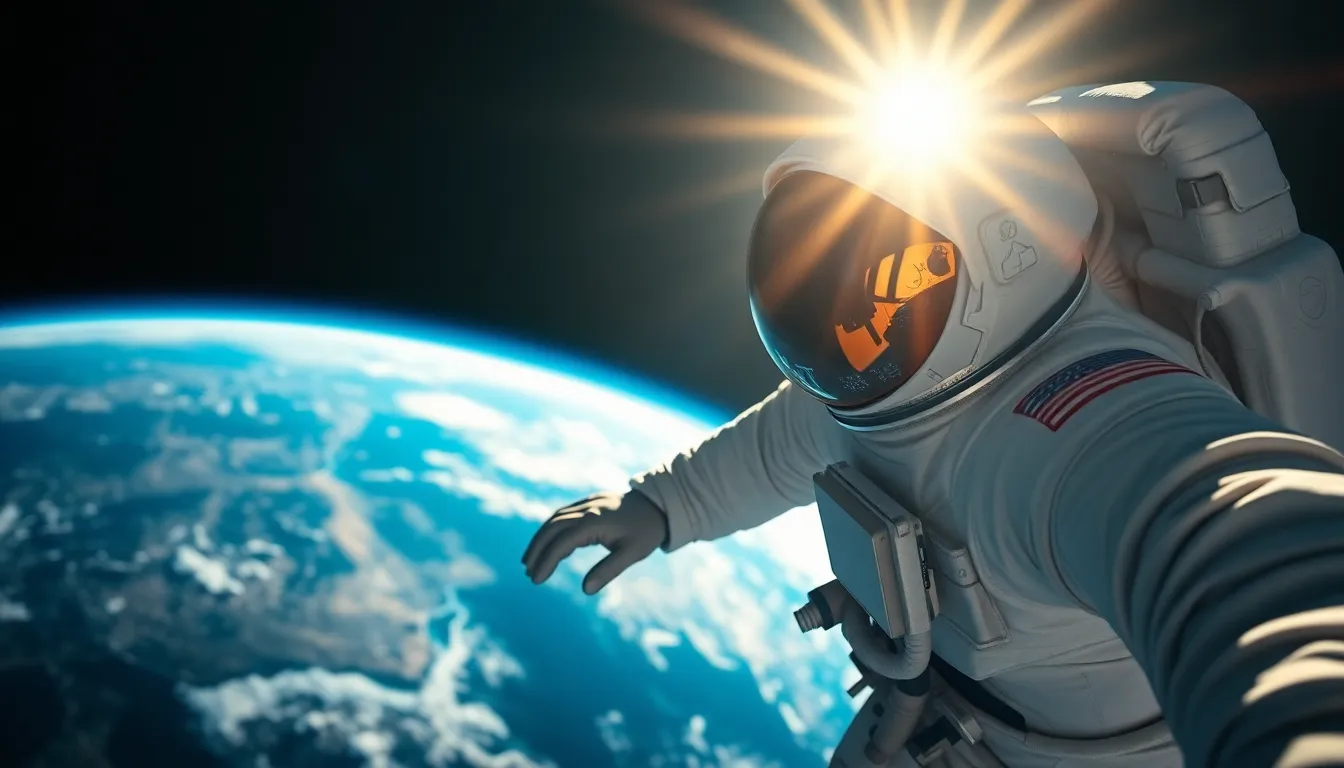
captured with Leica Q3, 28mm f/1.7 Summilux, portraying an astronaut performing a spacewalk with the Earth as a stunning backdrop. The lighting is natural, with sunlight reflecting off the suit, creating bright highlights and sharp shadows. The image utilizes a shallow depth of field, focusing on the astronaut with the Earth fading into soft bokeh. The vibrant color grading includes deep blues and greens of Earth contrasting against the stark white and silver of the suit. The composition uses the rule of thirds, placing the astronaut off-center to emphasize the vastness of space.
16:9
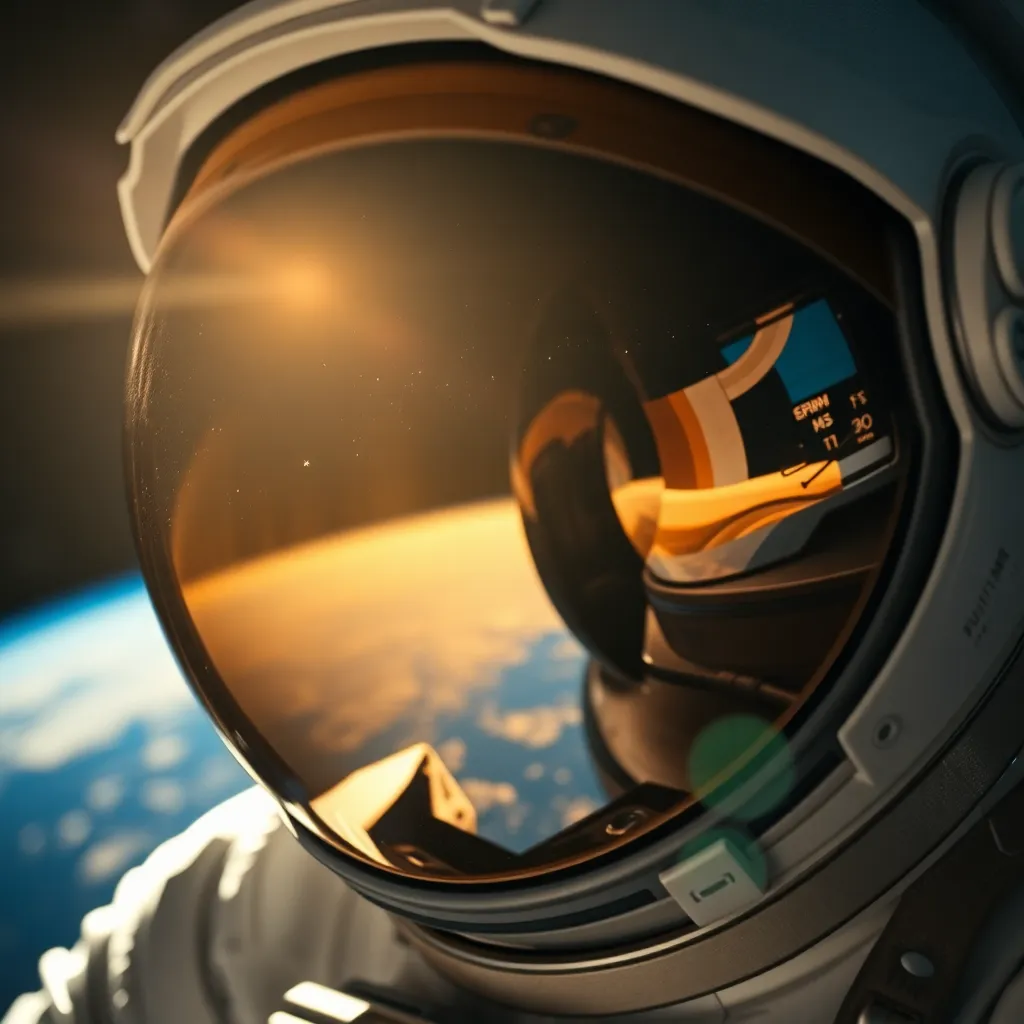
shot on Fujifilm GFX 100S, 110mm f/2 macro, capturing intricate details of space station modules bathed in golden hour sunlight streaming through windows. The image features a shallow depth of field, making the foreground modules pop against a softly blurred background. The color palette is inspired by Kodak Portra 400 with warm, inviting skin tones and creamy highlights, creating a warm atmosphere. The composition employs a centered symmetrical layout, drawing attention to the harmonious design of the station's sections.
16:9
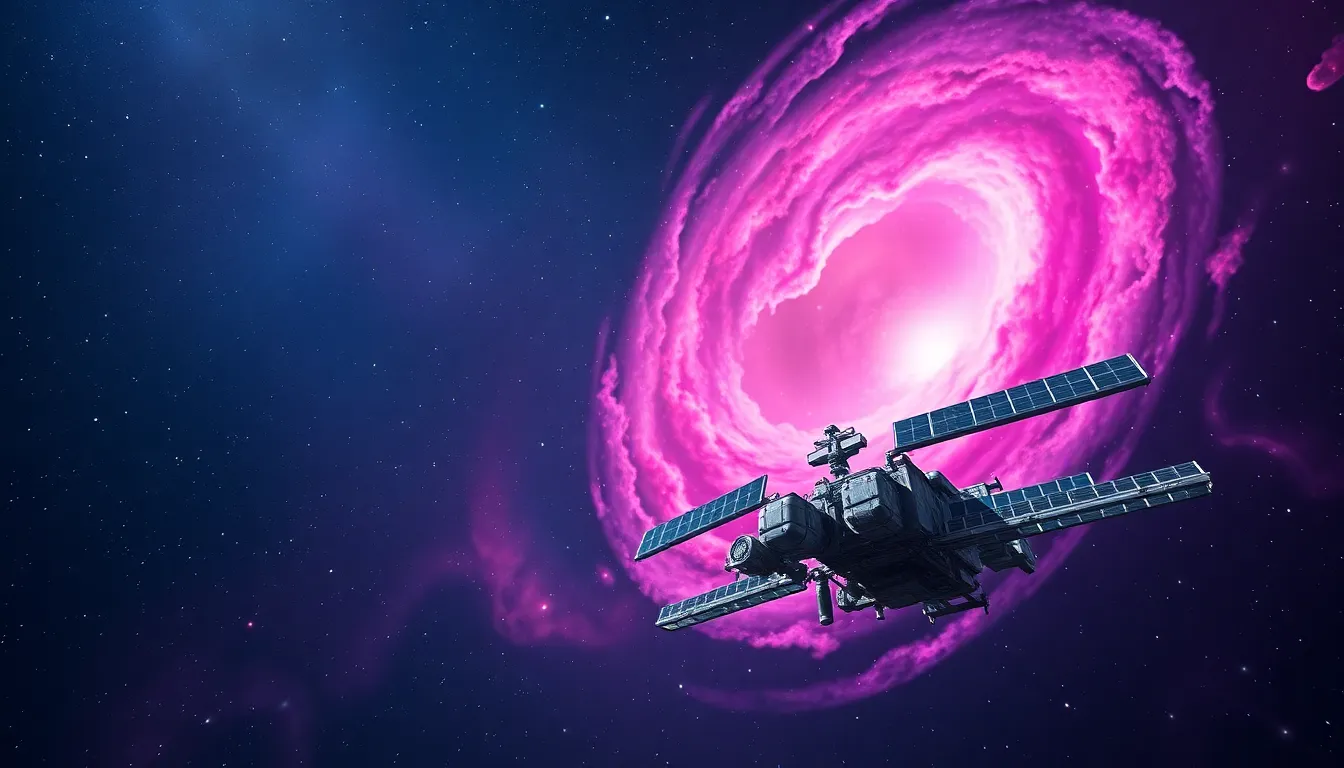
captured with Nikon Z9, 70-200mm f/2.8 telephoto at 135mm during a night scene, the space station glows against a backdrop of the star-filled universe. The subtle twinkling of stars creates a magical bokeh effect. Using a natural muted tone palette with rich navy blues and soft whites, the composition centers on the station while the stars frame the scene. Textures include the sleek surface of the station contrasted against the rugged, celestial backdrop of space.
16:9
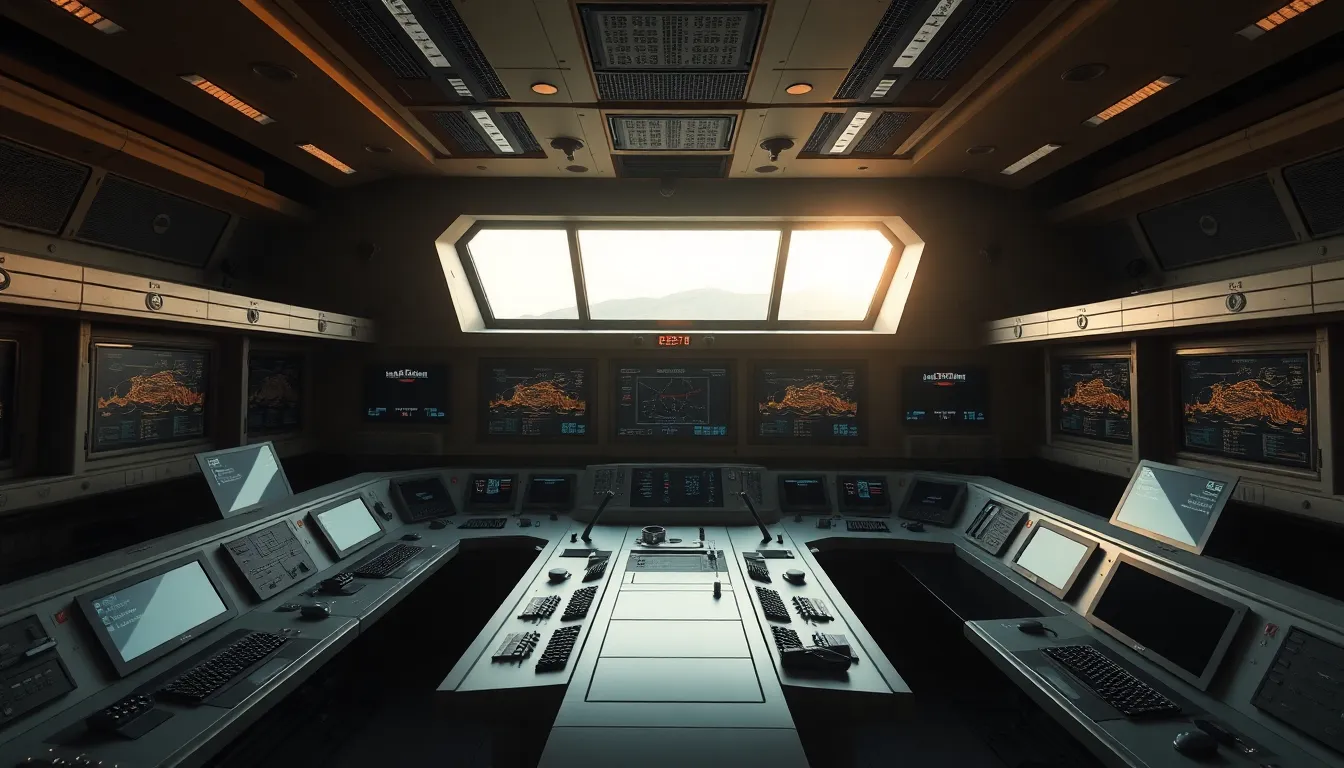
shot on Sony A7R V with 85mm f/1.4 GM lens, utilizing dramatic, high-contrast lighting from a series of LED panels illuminating the sleek, metallic interiors of the space station. The image features a hyperfocal distance for a sharp focus on equipment arrangements, while the background subtly fades into shadow. The color grading reflects a cinematic look with rich blues and saturated blacks, and its composition features diagonal lines leading the eye through various scientific instruments, highlighting their intricate details.
16:9
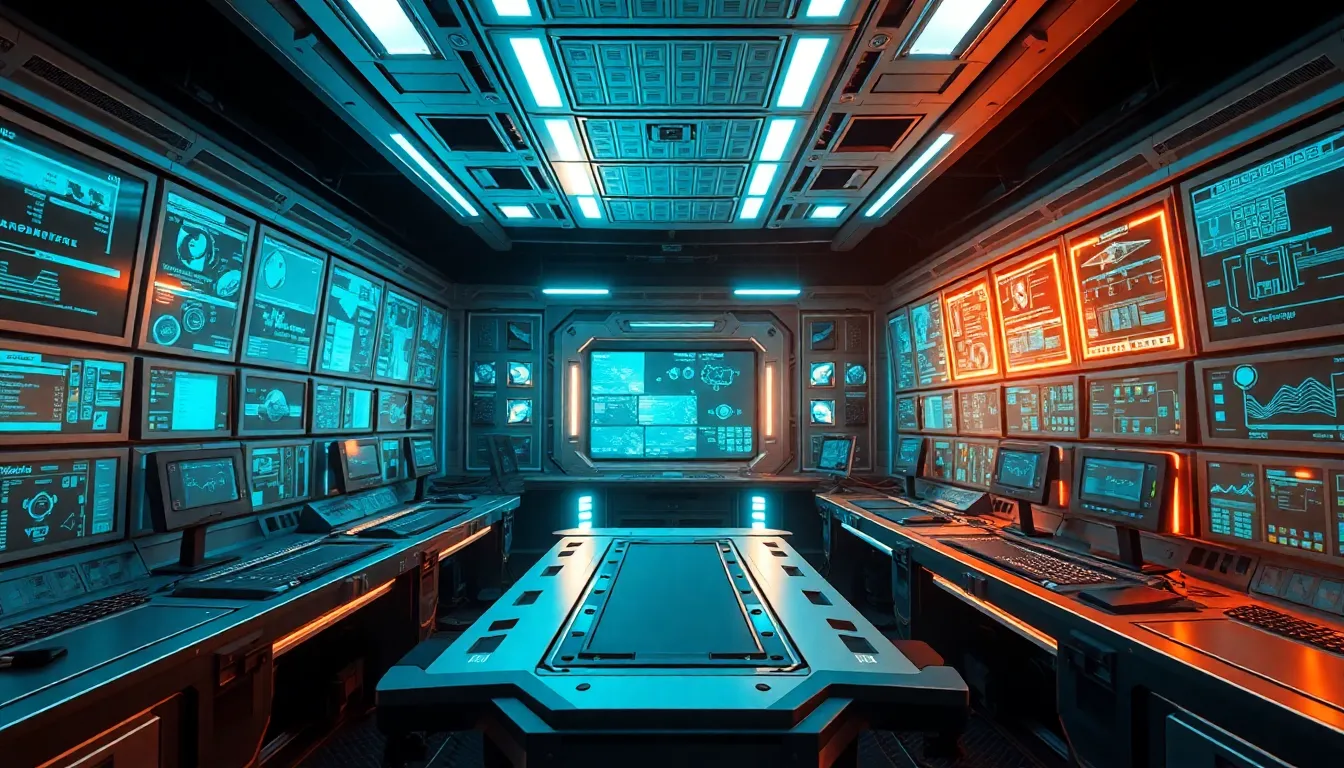
captured with Canon EOS R5, 24-70mm f/2.8L at 35mm, illuminated by soft, diffused daylight streaming through a large observation window. The image features a shallow depth of field at f/2.8, creating a soft focus on the foreground with the space station's equipment in the background melting into bokeh. Utilizing a cool color palette with hints of teal and deep space blacks, the composition follows the rule of thirds, placing the astronaut's focused face to the right. Textures include the smooth metallic surfaces of the equipment and the fabric of the astronaut's suit, accentuating realism.
16:9

captured with Fujifilm GFX 100S, 110mm f/2 macro, focusing on a detailed hub and docking mechanism of a space station with intricate mechanical components. Soft diffused lighting casts even illumination without harsh shadows, capturing the polished textures of metal and the fine details of the machinery. The depth of field is shallow at f/2, isolating the docking mechanism against a softly blurred background. The color palette is natural with muted metallic tones, highlighting the precision engineering and complex design.
16:9
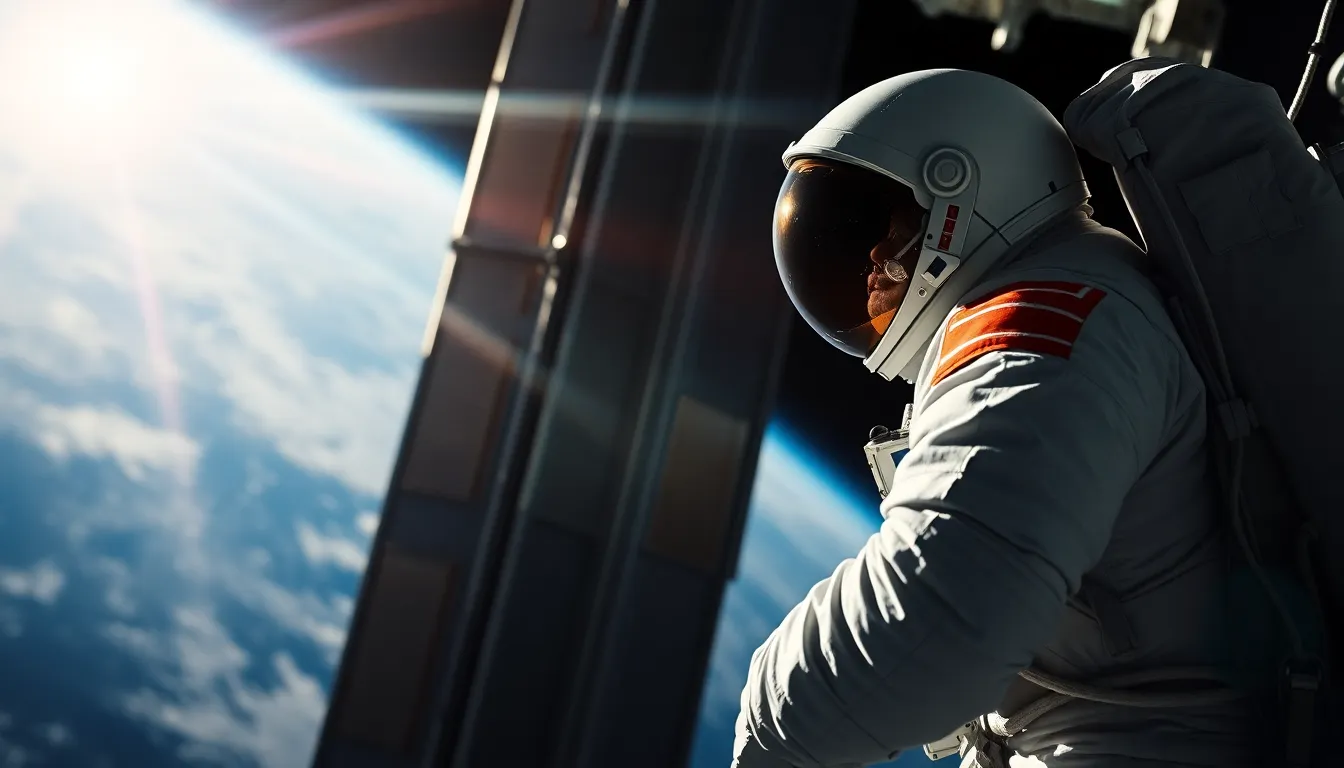
shot on Hasselblad X2D 100C, 90mm f/2.5 medium format, featuring an astronaut conducting repairs outside a space station during the day. The lighting consists of harsh sunlight creating stark contrasts and deep shadows on the station's surface. Deep focus at f/8 ensures sharpness from the foreground to the background, capturing the intricate details of the astronaut's suit and the metallic textures of the space station. The rule of thirds composition places the astronaut to the right, allowing the vastness of space to dominate.
16:9
captured with Nikon Z9, 70-200mm f/2.8 telephoto at 135mm, showcasing an exterior view of a space station against a backdrop of swirling nebulae and stars. The lighting is a combination of natural starlight and the soft glow from the station. The composition features leading lines created by the station's solar panels, drawing the viewer's eye towards the vivid colors of the nebula. The color palette resembles Fujifilm Velvia-inspired saturated colors, with bright pinks, deep blues, and vibrant purples.
16:9
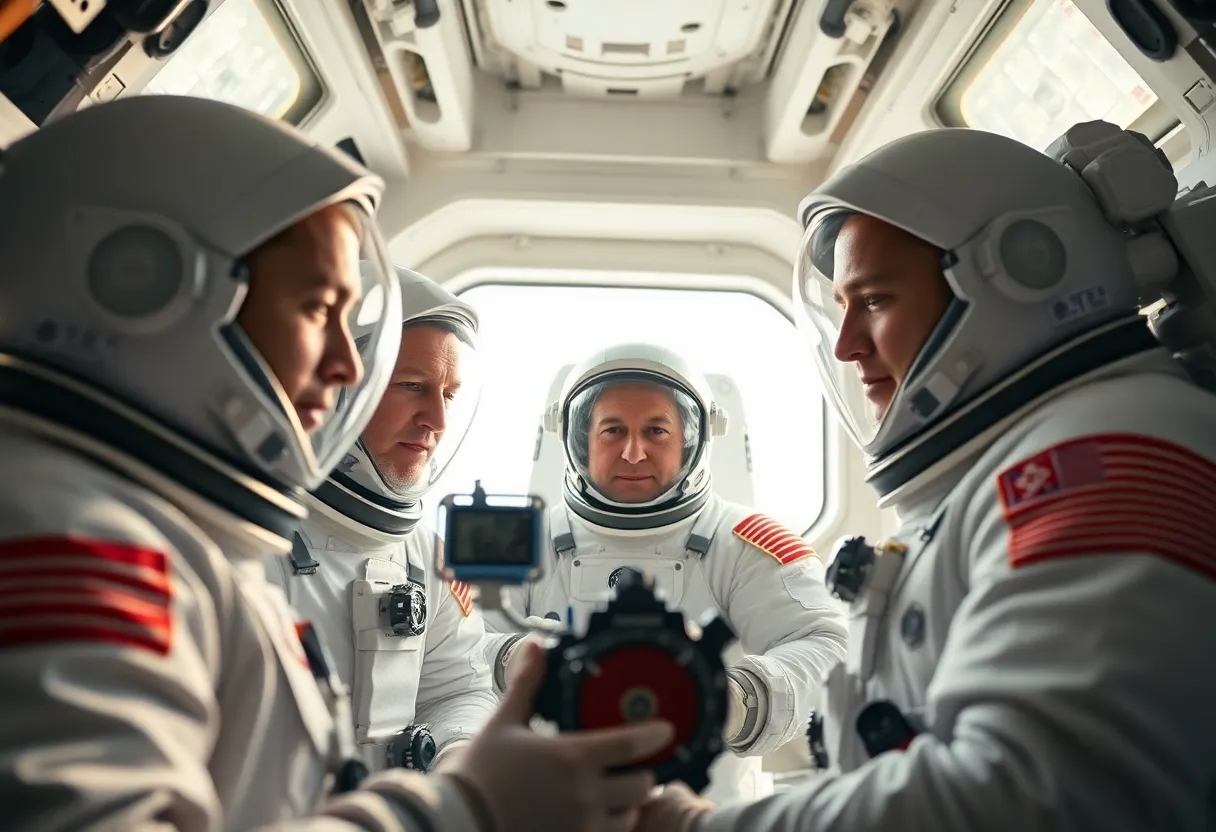
shot on Sony A7R V with 85mm f/1.4 GM lens, showcasing a docking bay of a space station during sunset, with golden hour backlighting casting warm rim light on the spacecraft. The depth of field is shallow at f/1.4, resulting in creamy bokeh of distant stars and planets, while the color palette features vibrant, warm hues juxtaposed with deep space blues. The centered composition includes a meticulously detailed spacecraft docked at the bay, emphasizing the intricate design and textures of the metallic surfaces.
16:9
captured with Canon EOS R5, 24-70mm f/2.8L at 35mm, featuring overcast diffused daylight through floor-to-ceiling windows illuminating a futuristic space station interior with sleek metallic surfaces. Shallow depth of field at f/2.8 creates a soft bokeh of control panels in the background, and the color palette exhibits natural muted tones with desaturated earth colors. The composition follows the rule of thirds, showcasing an astronaut in a reflective helmet, gazing out at Earth through the window, wearing a modern suit with visible fabric texture.
16:9
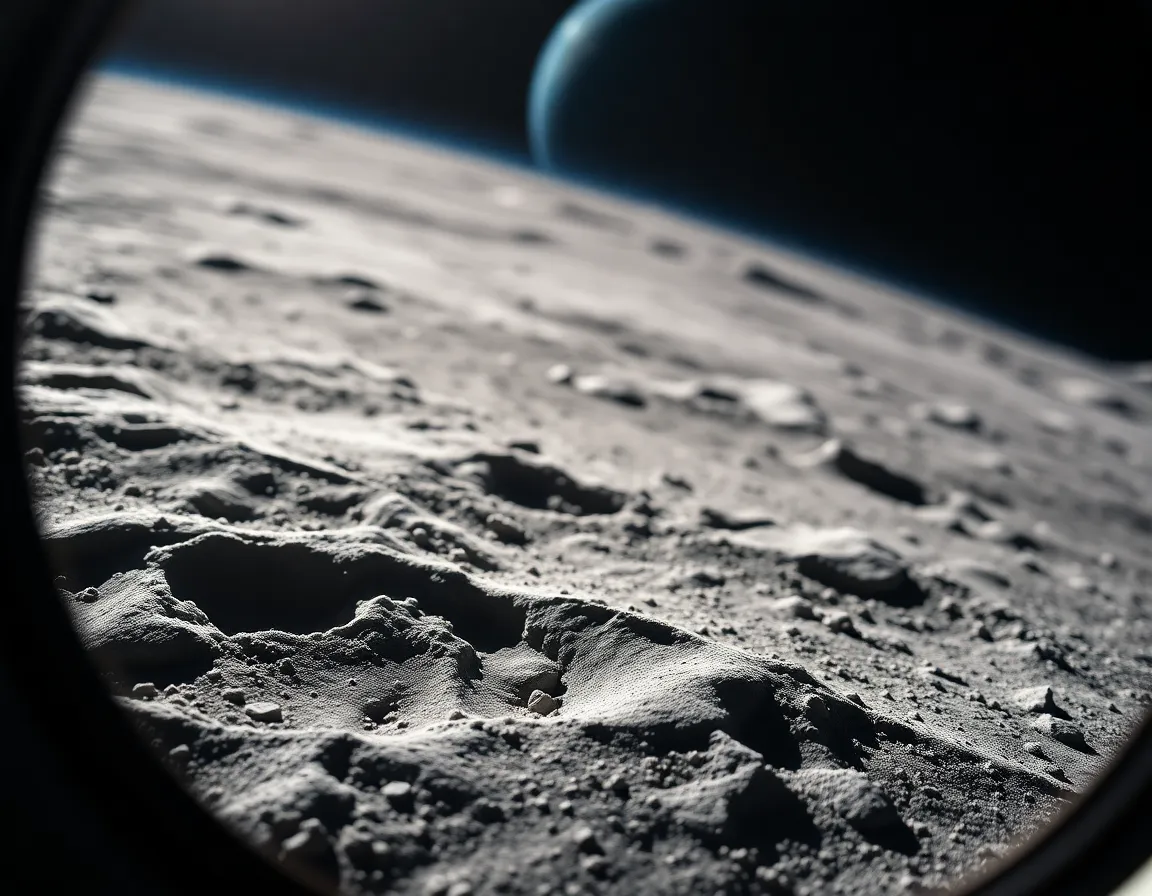
Fujifilm GFX 100S, 110mm f/2 macro, featuring an astronaut's footprint on the lunar surface as seen from a space station's viewport. The natural lighting casts soft shadows, enhancing the texture of the lunar regolith. The color palette consists of muted greys and blacks, with the Earth visible in the background, adding a sense of scale. A selective focus directs attention to the footprint while the Earth melts into a soft painterly bokeh in the distance, creating a striking composition.
4:3
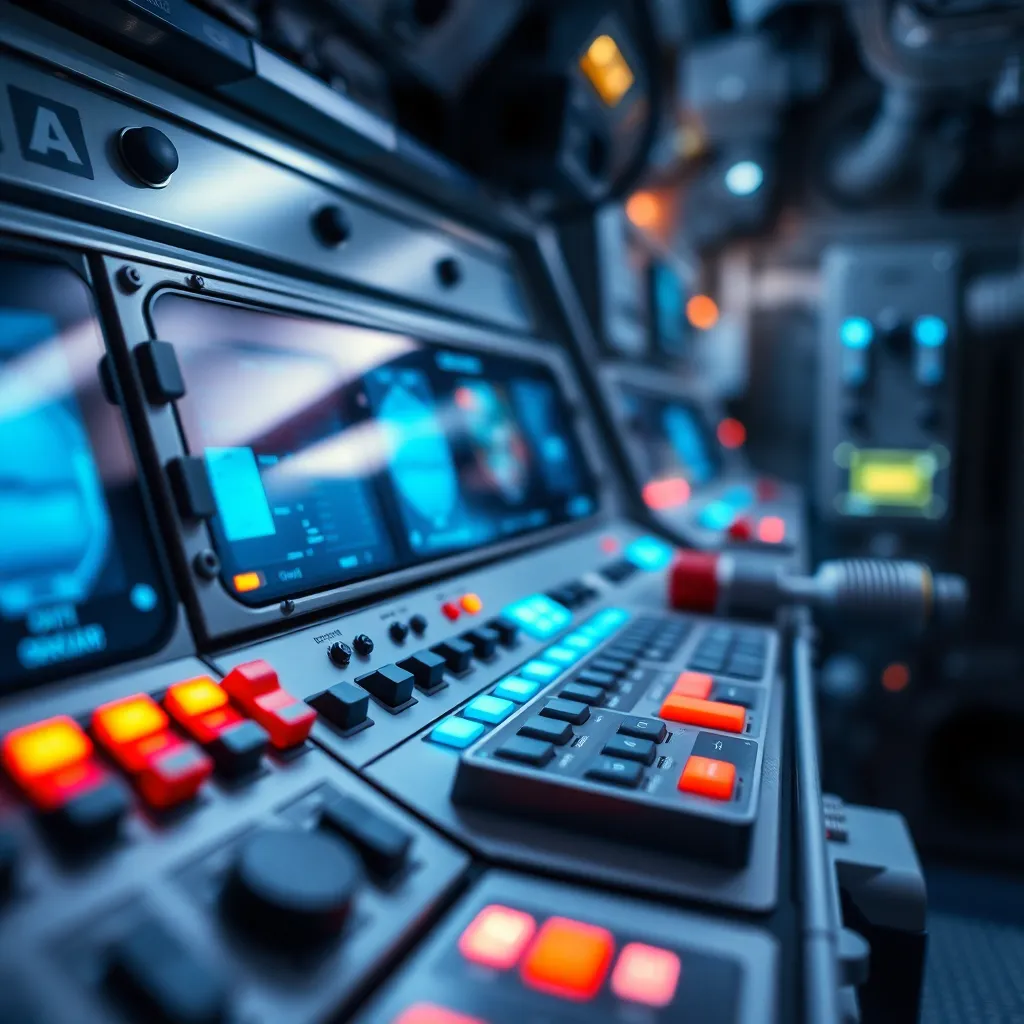
Hasselblad X2D 100C, 90mm f/2.5 medium format lens, capturing the intricate technology onboard a space station with a close-up of a control panel. The studio lighting setup includes a key softbox at 45°, providing a subtle sheen on the panel while ensuring the details are sharp and vibrant. The color palette focuses on metallic greys and blues, with illuminated buttons adding splashes of color. A macro focus highlights the textures of the materials, creating a sense of depth and intimacy in the composition.
1:1
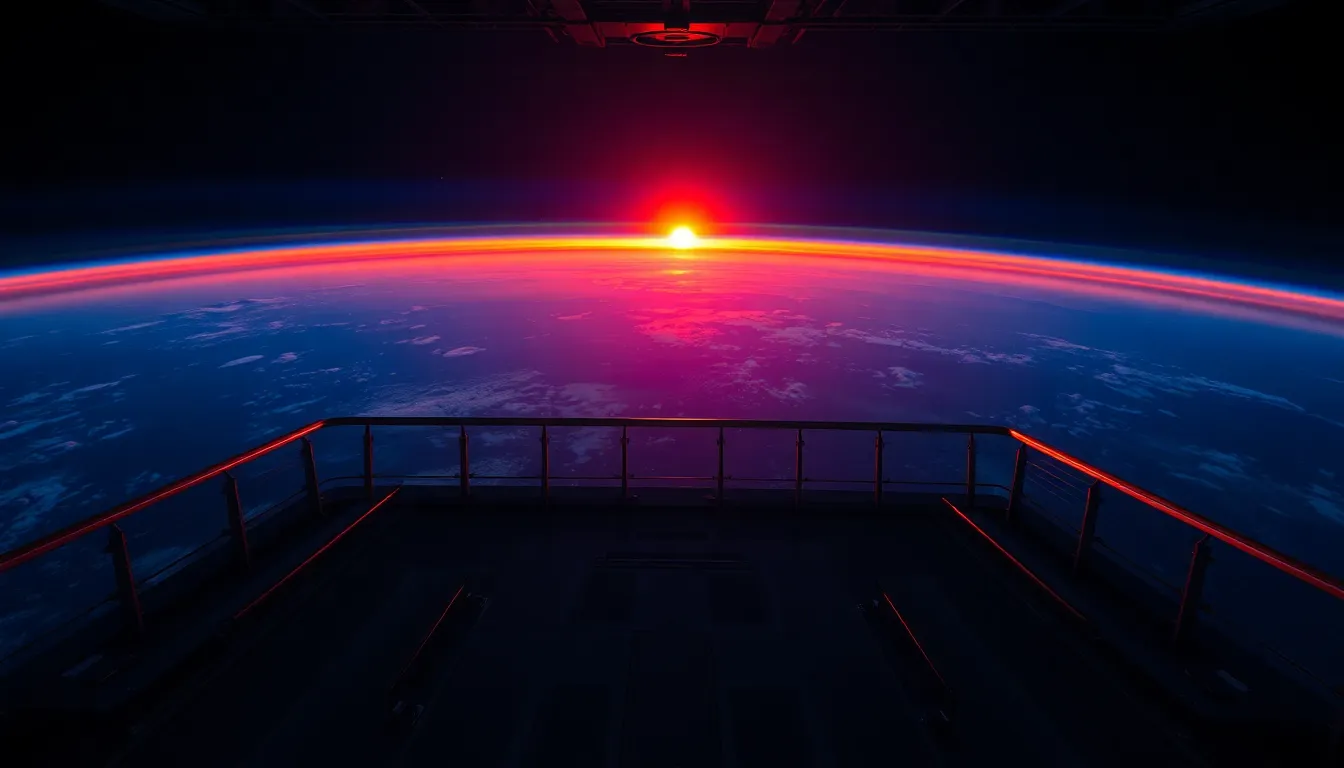
Nikon Z9, 70-200mm f/2.8 telephoto at 135mm, capturing the breathtaking view of Earth from the observation deck of a space station during twilight. The scene features hyperfocal distance, ensuring everything from the deck to the distant horizon is in sharp focus. The color palette highlights deep blues of the Earth, contrasted with brilliant oranges and purples of the setting sun. The composition employs a centered symmetrical layout, showcasing the curvature of Earth and the station’s sleek architecture.
16:9
shot on Sony A7R V with 85mm f/1.4 GM lens, showcasing a crew inside the space station module, bathed in soft natural light filtering through large windows. The focus is on the astronauts engaged in a scientific experiment, with a shallow depth of field at f/1.4, softly blurring the background to emphasize their expressions. The color palette combines warm muted tones with bright whites and secondary colors from the equipment. The rule of thirds is applied, placing the astronauts at key intersections in the frame, creating dynamic balance.
3:2
captured with Canon EOS R5, 24-70mm f/2.8L at 35mm, featuring dramatic lighting from a distant star illuminating the space station against the dark canvas of the universe. The scene showcases a shallow depth of field at f/2.8, with the station crisply focused while the stars blur into soft points of light. The color palette includes deep blacks, shimmering silvers of metal, and hints of blue from the station’s lights. A leading lines composition draws the eye towards the station, with intricate details of its structure reflecting starlight.
16:9

Exploration robots working on the exterior of a space station, captured with a Leica Q3, 28mm f/1.7 Summilux. The scene is illuminated by artificial lighting from the station, creating intriguing shadows and highlights on the robots' metallic surfaces. Shallow depth of field isolates the robots, with a painterly bokeh of stars and space in the background. The color science leans towards natural muted tones, emphasizing the steel and carbon textures of the robots. The composition showcases the robots performing tasks, framed by the station's structural elements, adding context to their function in space.
16:9
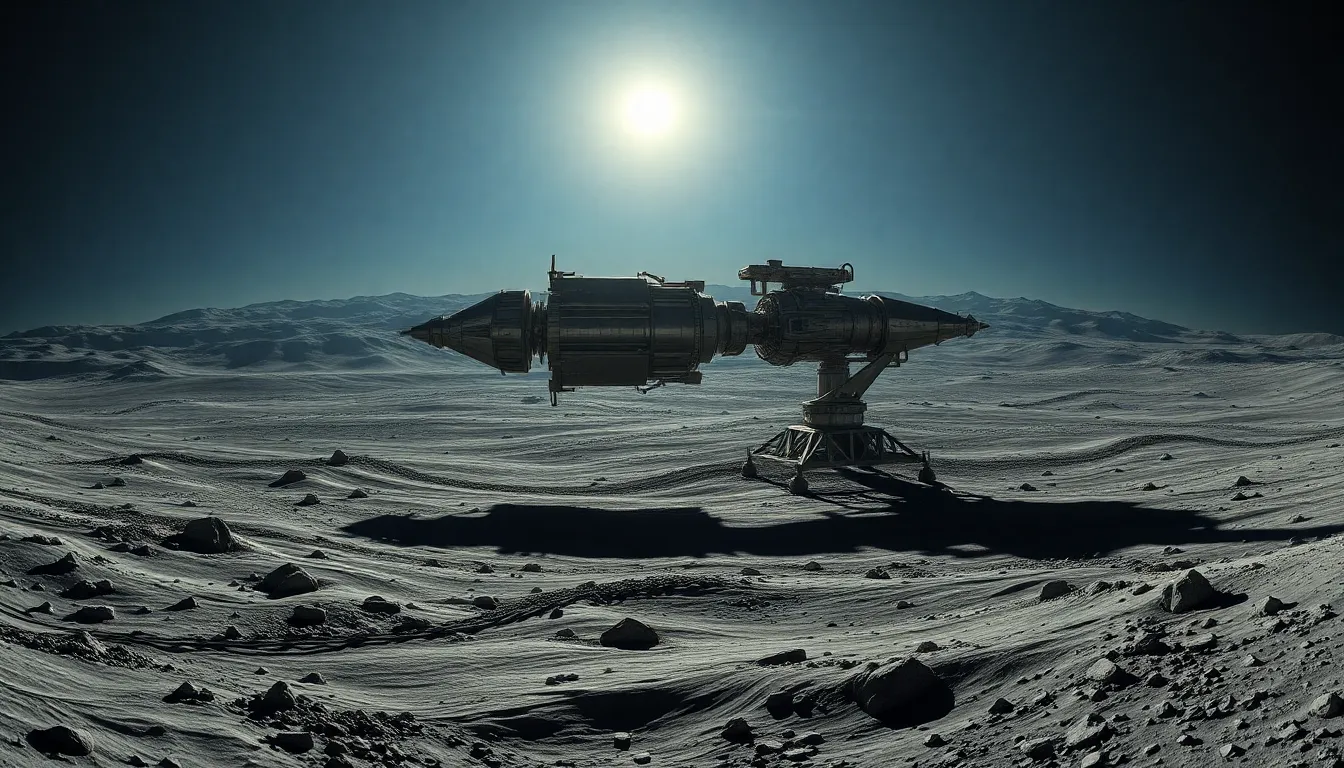
A panoramic view of a massive space station docking at a lunar outpost, captured with a Hasselblad X2D 100C, 90mm f/2.5 medium format. The scene is illuminated by the soft glow of a distant Earthrise, casting a gentle light over the metallic structures. The image is hyperfocal, keeping all elements from the lunar surface to the station in sharp focus. The color palette combines muted greys of the lunar surface with the vibrant blues and greens of Earth. Compositionally, the wide format utilizes leading lines of the lunar terrain to guide the eye toward the space station, creating a harmonious balance of elements in the frame. Textures show the rugged lunar regolith contrasted with smooth metallic surfaces.
16:9
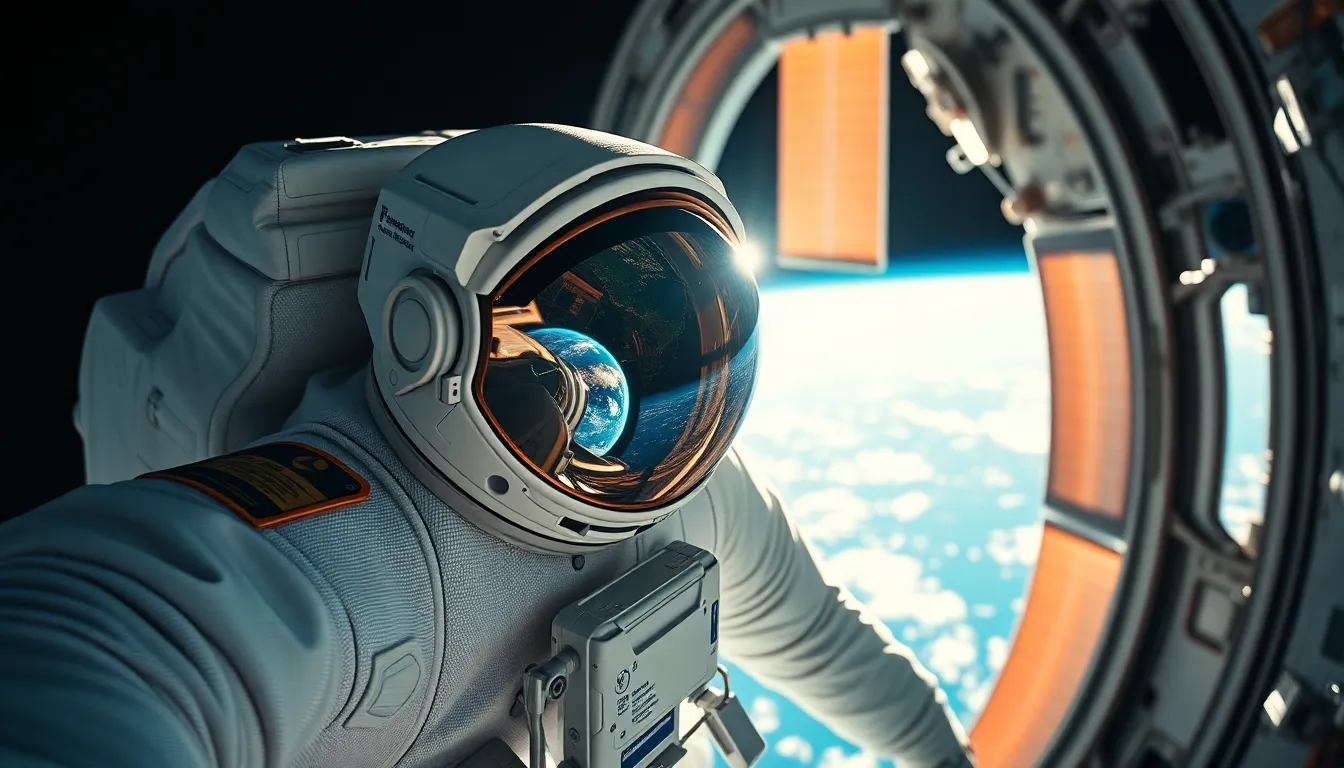
An astronaut performing a spacewalk outside a rotating space station, captured with a Fujifilm GFX 100S, 110mm f/2 macro. The scene is under harsh sunlight, producing stark contrasts between light and shadow on the astronaut's suit. Selective focus emphasizes the astronaut’s helmet, highlighting the detailed reflection of Earth below. The colors are vibrant, influenced by cinematic teal and orange grading. The composition captures the action with leading lines created by the station's structure, enhancing the sense of motion and depth. Textures include detailed fabric and reflective surfaces.
16:9
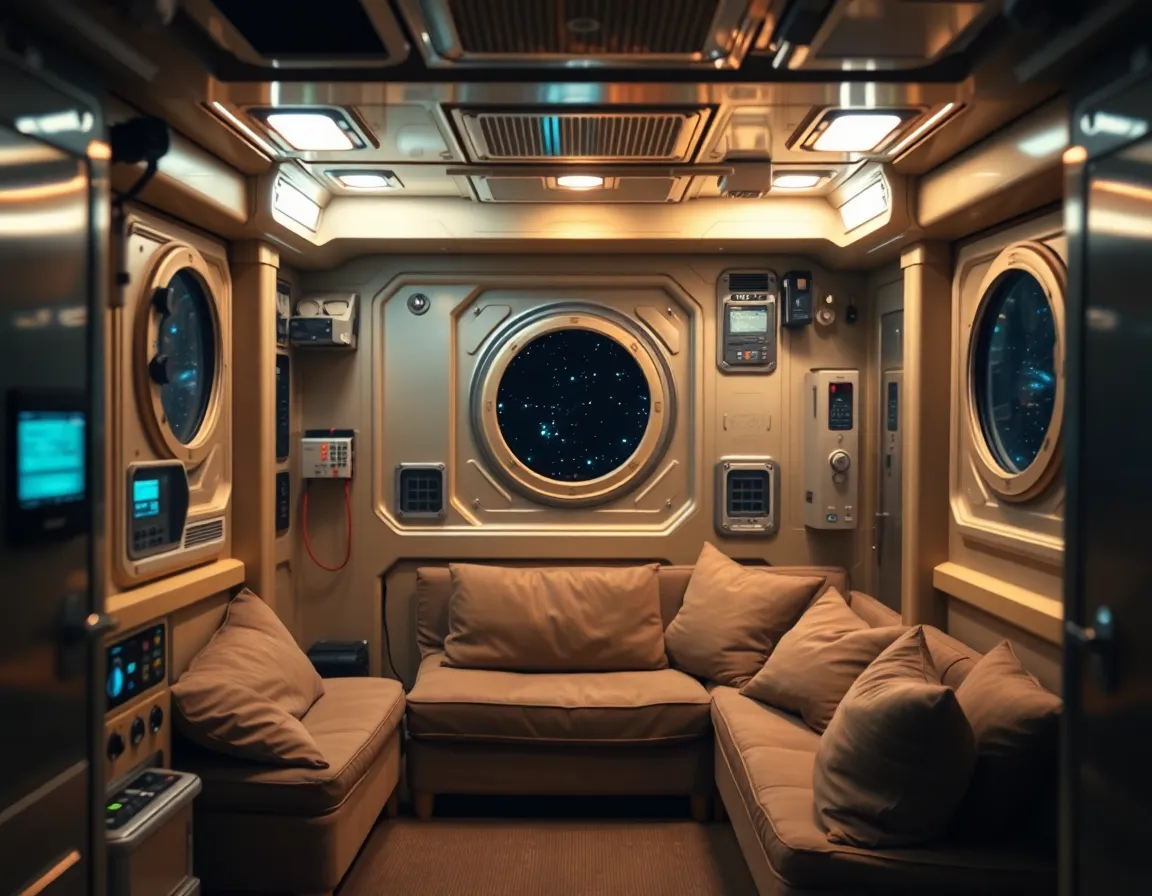
Interior of a space station habitat module, captured with a Canon EOS R5, 24-70mm f/2.8L at 35mm. The scene is lit by practical LED lights casting a soft glow over the living area, with visible reflections on stainless steel surfaces. The image features a hyperfocal depth of field, keeping every detail sharp from foreground to infinity. The color palette is warm, combining natural muted tones with hints of vibrant blues and greens from the control panels. The composition centers on a cozy seating area, with textures of fabric and metal contrasting against a backdrop of small porthole windows showcasing the cosmic view outside.
4:3
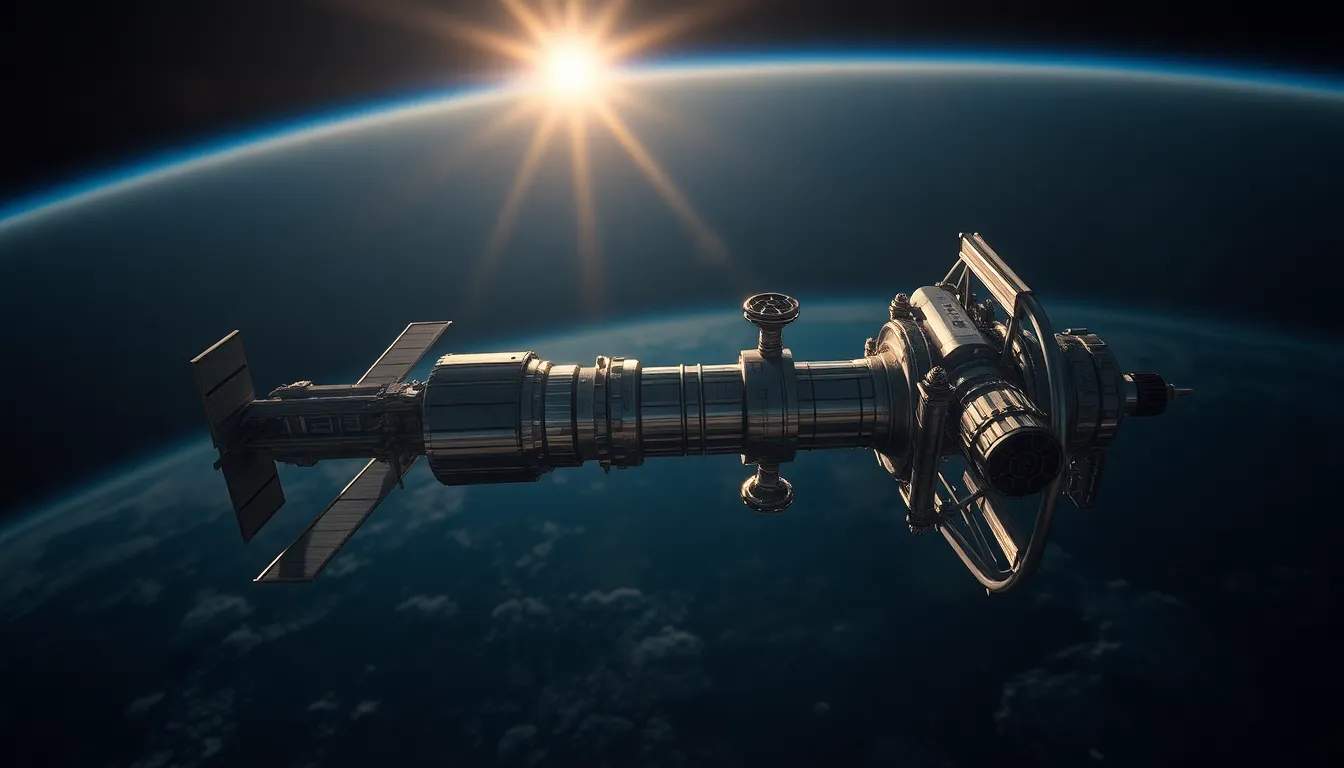
A stunning view of a futuristic space station orbiting Earth, captured with a Nikon Z9, 70-200mm f/2.8 telephoto at 135mm. The station is illuminated by the soft light of a distant sun, creating ethereal highlights and shadows across its metallic surface. The image uses shallow depth of field to bring focus to the intricate details of the station, while the background features a deep blue color palette of Earth and space. The composition follows the rule of thirds, with the space station positioned at the left power point, showcasing its grandeur against the dark backdrop of space. Textures exhibit brushed metal and glass reflections.
16:9
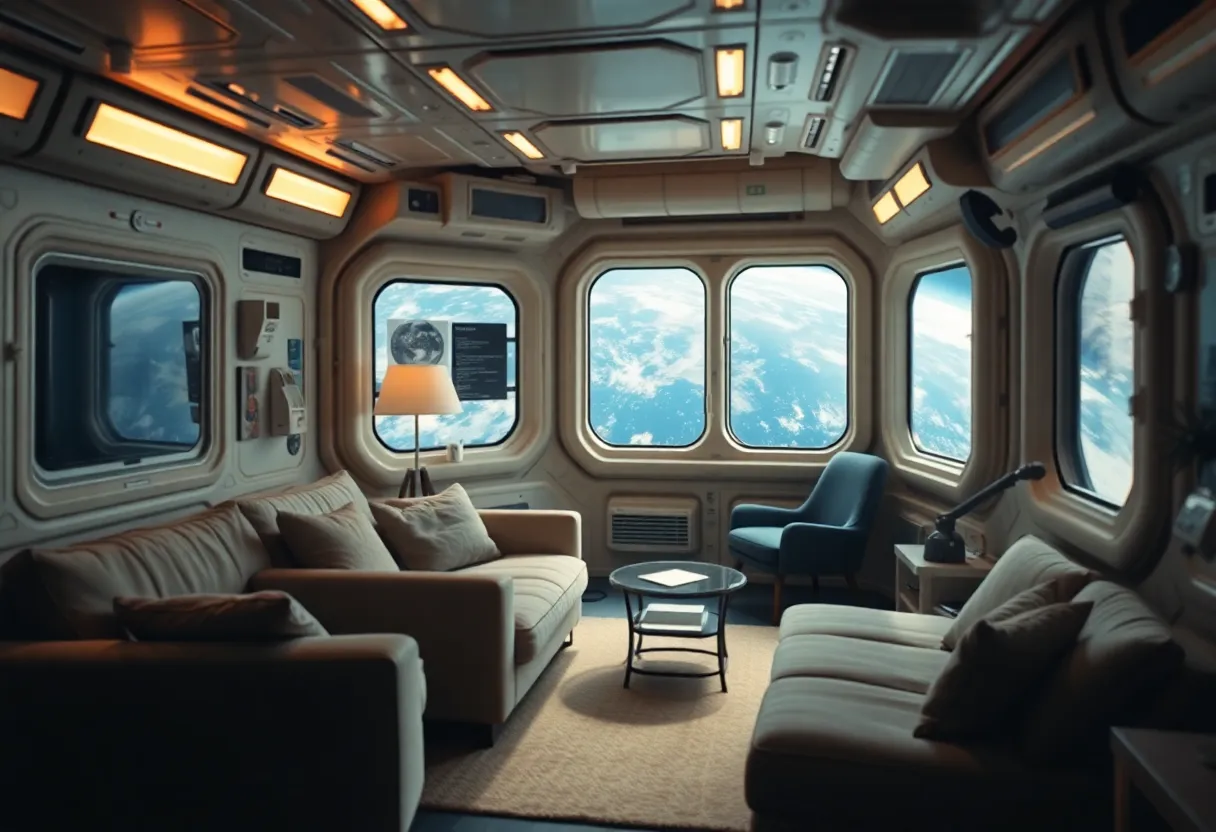
shot on Leica Q3, 28mm f/1.7 Summilux, depicting the interior of a space station habitat designed for astronauts, featuring a cozy living area with floating furniture and large windows showing planet Earth. The lighting consists of soft, warm overhead lights mixed with natural daylight filtering through the windows. A shallow depth of field at f/2.8 separates the foreground details of comfortable furniture from the background view of Earth. The color palette is muted with earth tones and soft whites, creating a homely atmosphere. The composition uses the rule of thirds, with the window and Earth creating visual interest to the right.
3:2
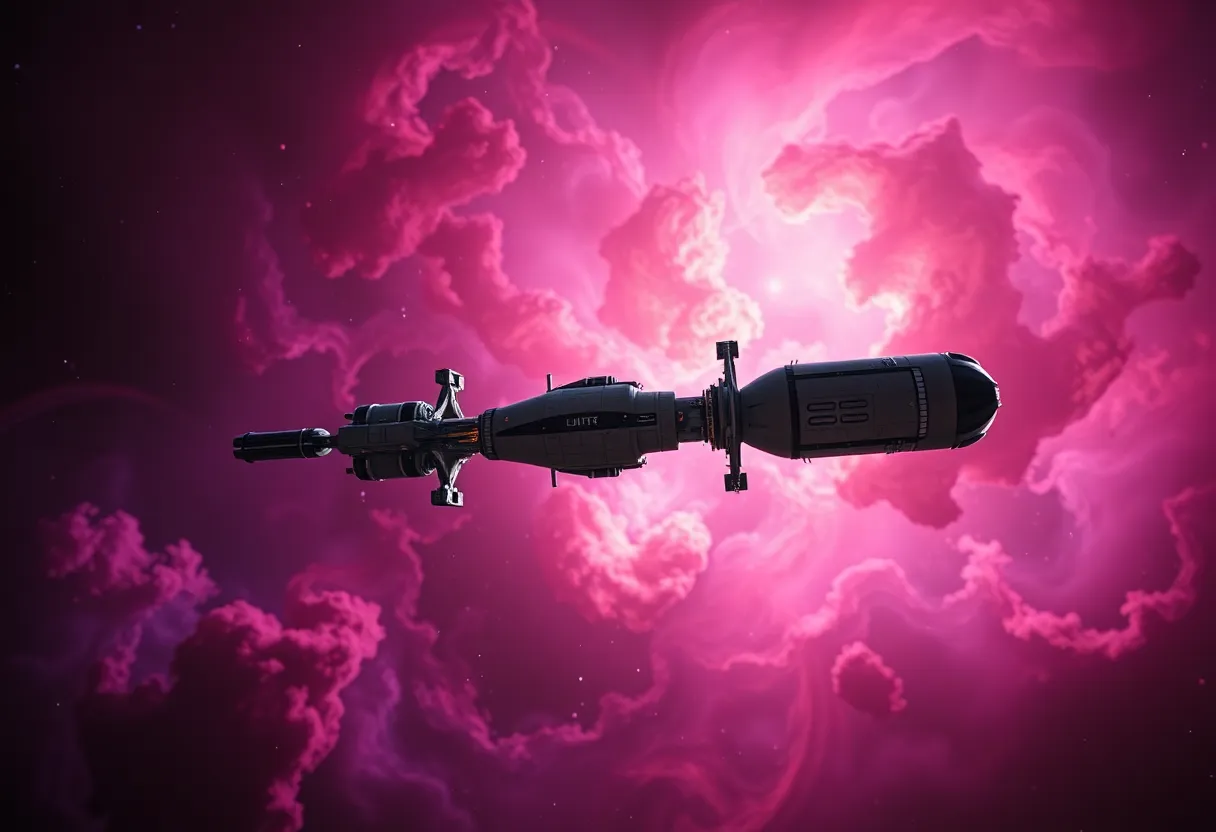
captured with Hasselblad X2D 100C, 90mm f/2.5 medium format, depicting an imposing space station silhouette against a fiery sunset backdrop. The lighting captures the dramatic colors of the sunset filtering through, casting warm hues over the station. The depth of field is focused on the space station at f/4, creating a clear view while the sunset blurs softly in the background. The color palette transitions smoothly from deep oranges to purples, embodying a natural muted tone. A centered symmetrical composition accentuates the grandeur of the scene, with textures of the station's metallic surfaces contrasting against the vibrant sky.
16:9
shot on Fujifilm GFX 100S, 110mm f/2 macro, capturing a close-up of an astronaut's helmet visor reflecting the distant stars and the Earth below, during a spacewalk. The lighting is from a nearby sun illuminating the visor, giving it a sparkling quality. The depth of field is shallow at f/2, creating a creamy bokeh effect in the background, while the intricate details of the visor and astronaut suit are sharply in focus. The color science is inspired by Kodak Portra 400, giving warm skin tones and lifelike colors, while the composition highlights the helmet off-center, drawing focus to the reflection.
1:1
captured with Canon EOS R5, 24-70mm f/2.8L at 35mm, illustrating astronauts inside a bustling space station lab, engaging in scientific experiments. The lighting is provided by bright LED panels overhead, creating a high-tech ambiance with cool tones. A hyperfocal distance gives a sharp focus from the foreground to the background, displaying the intricate equipment and floating items in zero gravity. The color palette is natural with muted tones, showcasing the metallic textures of the lab. Compositionally, the astronauts are framed in a dynamic diagonal line, emphasizing movement and collaboration.
16:9
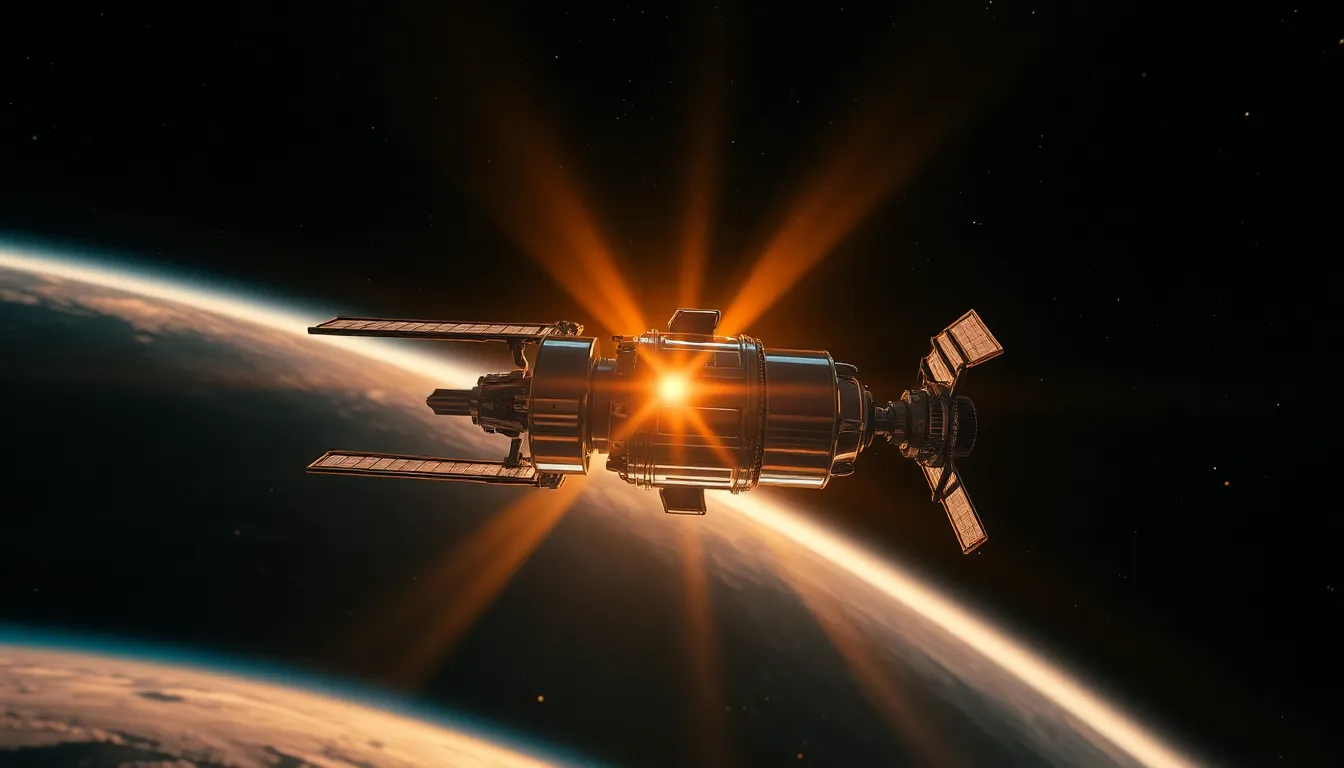
shot on Nikon Z9, 70-200mm f/2.8 telephoto at 135mm, showcasing a futuristic space station orbiting Earth during dawn, illuminated by rays of sunlight breaking through the darkness of space. The scene features a shallow depth of field at f/2.8, with the station crisp against a softly blurred starfield. Color grading echoes a cinematic teal and orange palette, enhancing the contrast between the warm golden light and the cool blacks of space. Compositionally, the space station is positioned along the rule of thirds, creating a dynamic visual flow. The metal surfaces exhibit a sleek, reflective quality, capturing celestial glimmers.
16:9
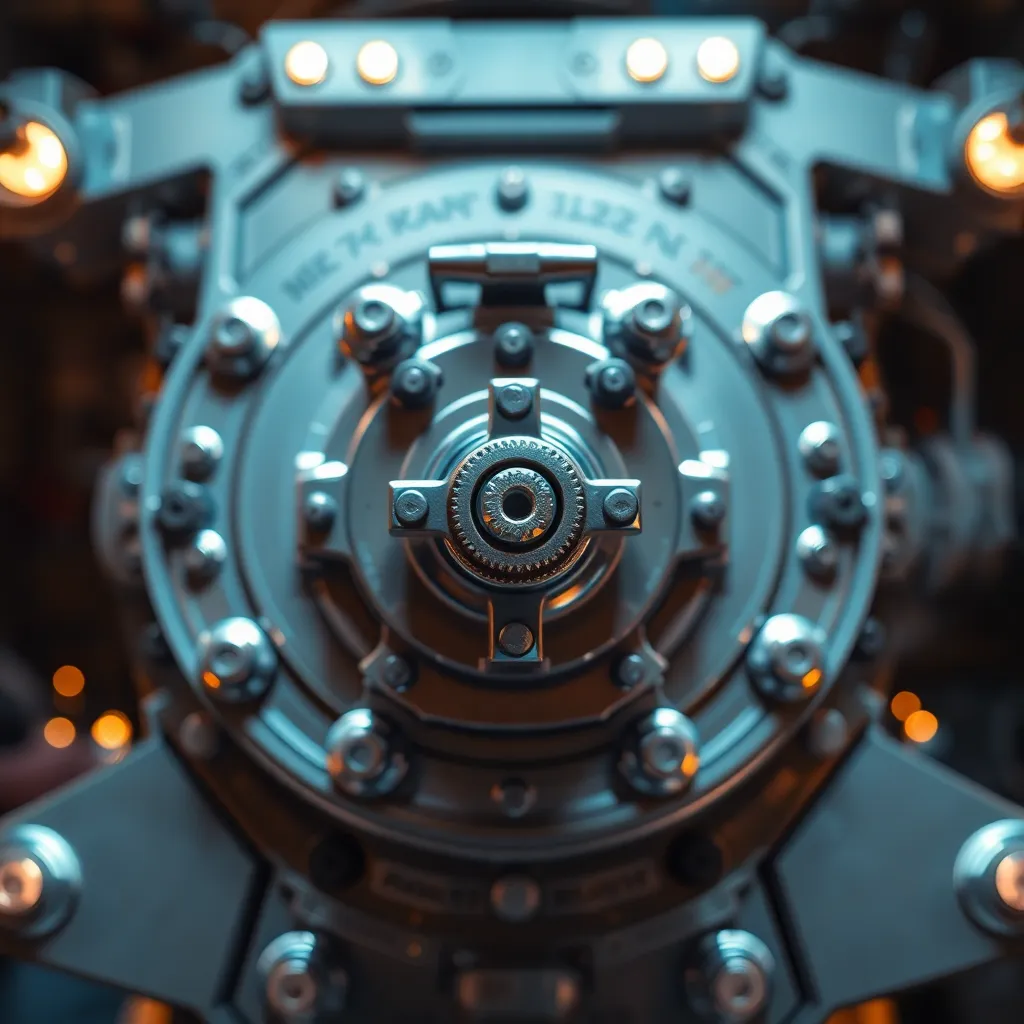
Fujifilm GFX 100S, 110mm f/2 macro, illuminated by warm tungsten lights creating a cozy ambiance, selective focus highlighting a close-up of a space station's docking mechanism, natural muted tones with desaturated metallic textures, rule of thirds with the mechanism placed at one power point, showcasing intricate engineering detailing with visible bolts and surfaces.
1:1
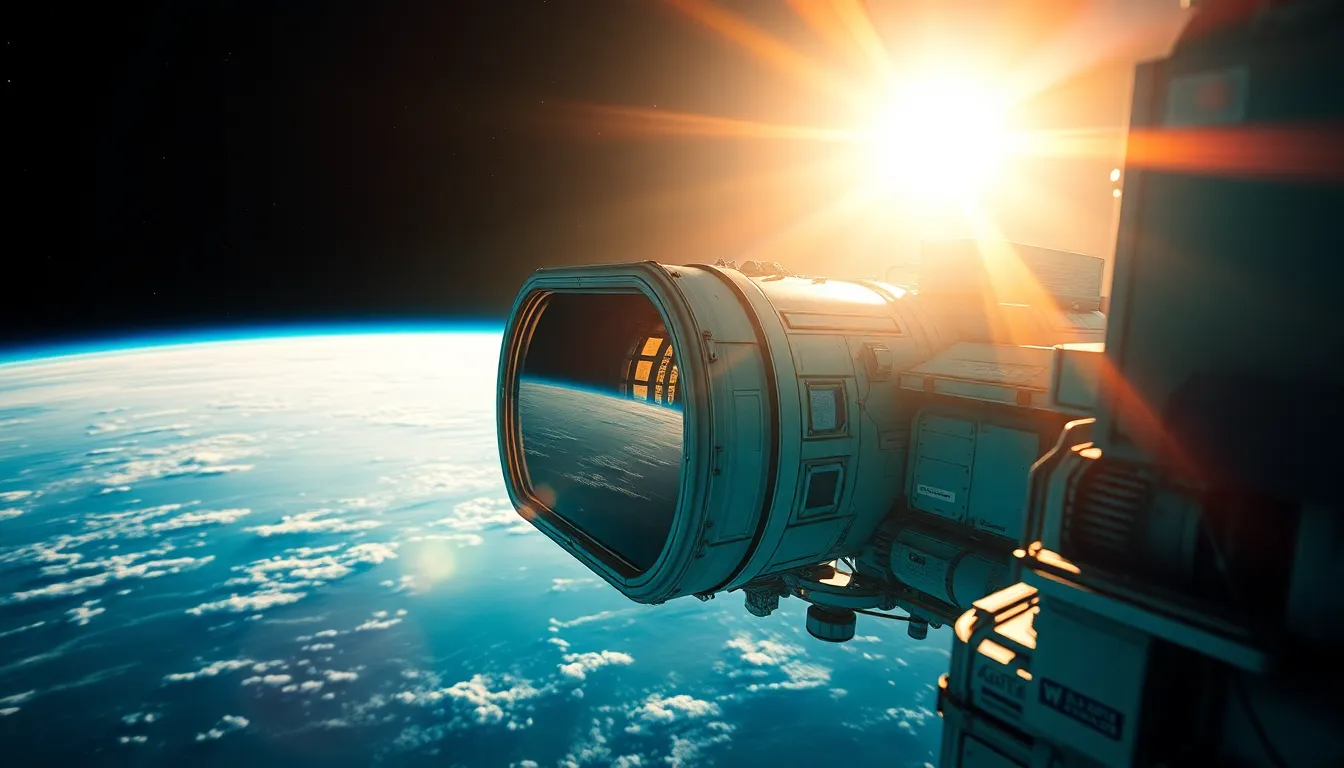
Hasselblad X2D 100C, 90mm f/2.5 medium format, illuminated by soft ambient light from control panels, hyperfocal focus across the entire cockpit showing intricate details of equipment, natural muted tones with earthy colors reflecting a realistic interior, dynamic Dutch angle composition emphasizes movement and activity in the cockpit, showcasing textured surfaces of control panels and sleek glass displays.
4:3
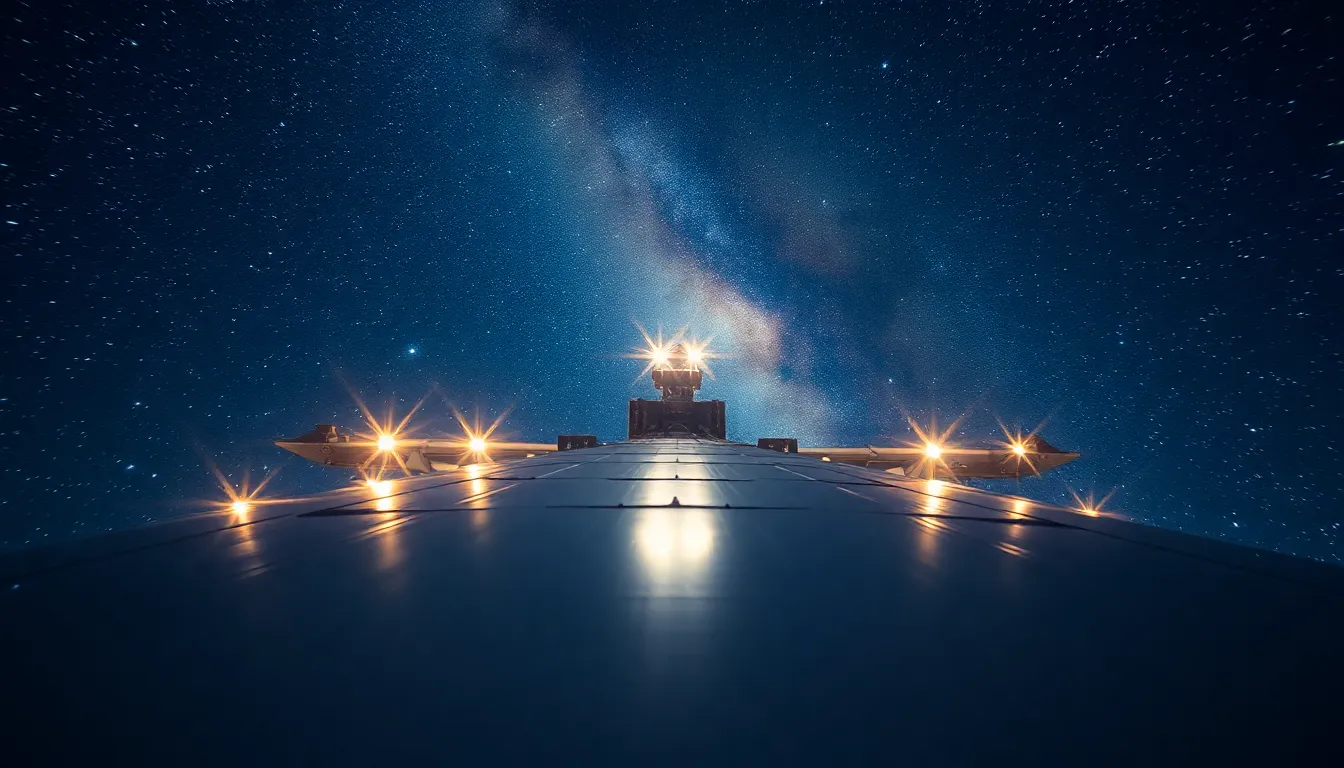
Nikon Z9, 70-200mm f/2.8 telephoto at 135mm, captured under the ethereal glow of the Milky Way, shallow depth of field at f/2.8 creating a dreamy background of cosmic dust, Fujifilm Velvia-inspired saturated colors with deep blues and radiant whites, leading lines of the space station guidance lights drawing the eye toward the center, showcasing the smooth aluminum surface against the star-filled void.
16:9
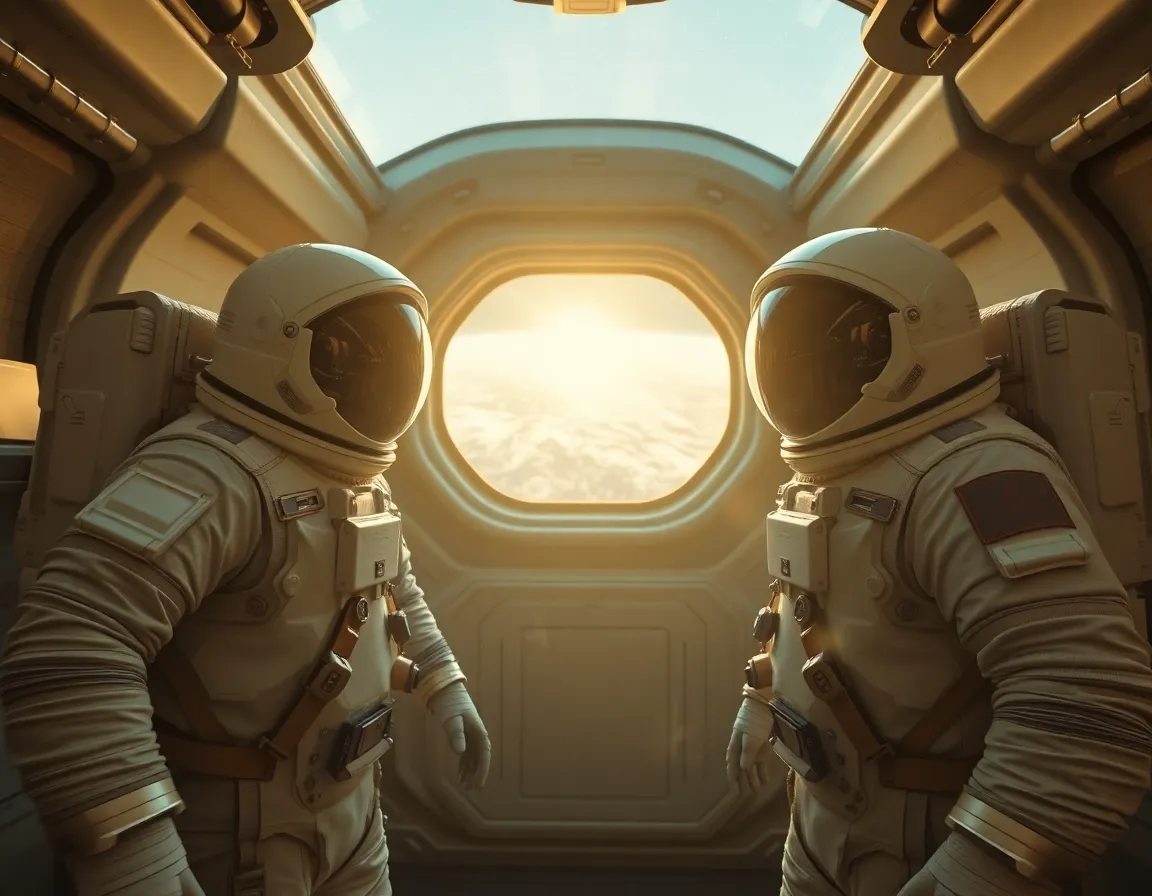
shot on Sony A7R V with 85mm f/1.4 GM lens, illuminated by warm sunlight breaking through a glass window, hyperfocal distance ensuring sharpness from foreground to infinity, natural muted tones with desaturated earth colors providing a realistic feel, centered symmetrical composition featuring astronauts in a shared habitat area, showcasing practical surfaces like textured metal and soft fabric of their suits.
4:3
captured with Canon EOS R5, 24-70mm f/2.8L at 35mm, featuring dramatic low-angle lighting from distant stars casting cool blue shadows, shallow depth of field at f/2.8 creating a soft bokeh of starlight, cinematic teal and orange color grading enhancing the ethereal atmosphere, rule of thirds composition with the space station positioned at the left power point, metal surfaces of the station reflecting light with detailed rivets and panels visible.
16:9
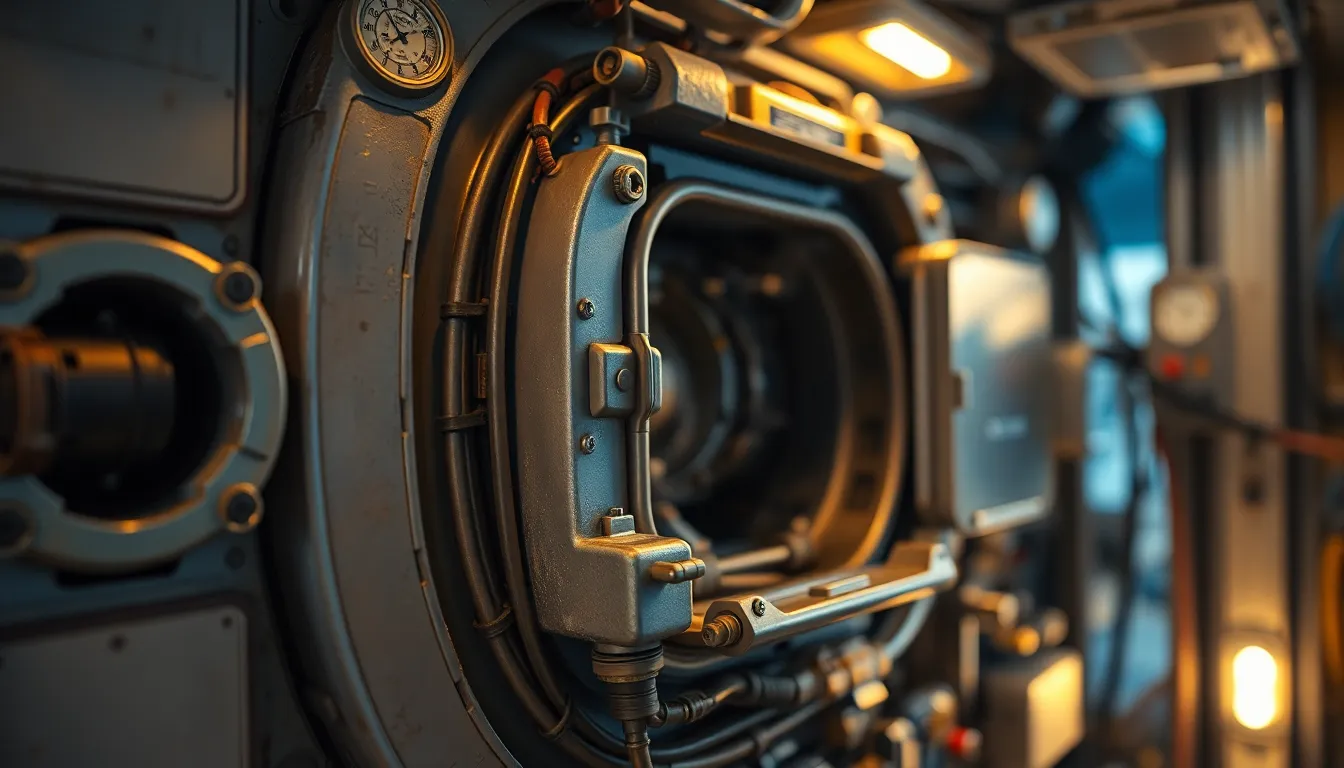
Fujifilm GFX 100S, 110mm f/2 macro capturing the captivating details of a space station module with visible wear and tear. The lighting is warm tungsten from small overhead lights, casting soft shadows and highlighting the textures of the metal and wires. A shallow depth of field at f/2 isolates the intricate components while the background dissolves into a gentle blur. The color palette includes industrial greys and earthy tones, emphasizing the module's functionality. Compositionally, the image focuses closely on the module's details, creating an intimate perspective of life in space.
16:9
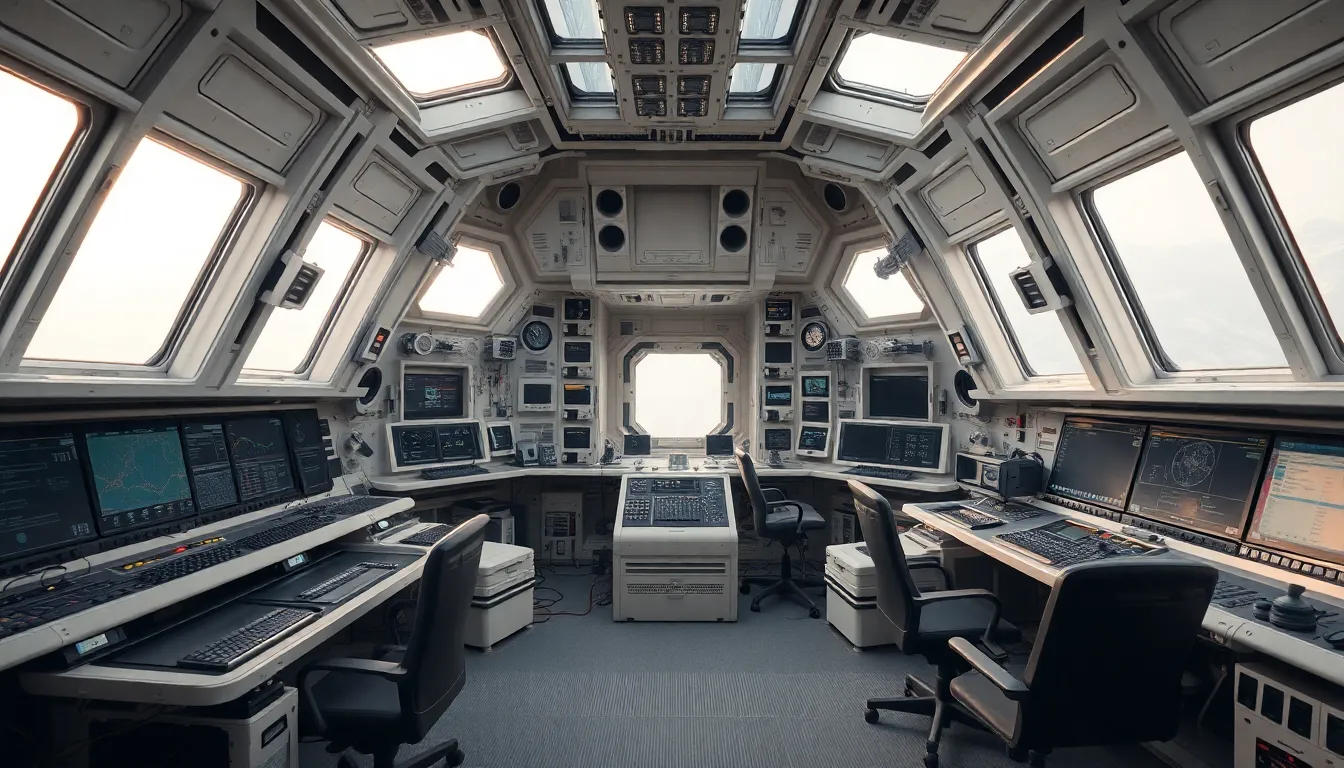
Hasselblad X2D 100C, 90mm f/2.5 medium format capturing an intricate control room inside a modern space station. The scene is illuminated by soft diffused daylight from large windows, creating a serene atmosphere. A hyperfocal distance at f/8 gives a sharp focus on all elements, showcasing the sleek technology and detailed interfaces. The color palette is natural with muted tones and a touch of metallic finish, enhancing the high-tech feel. Composition follows a centered symmetrical approach, allowing the viewer to absorb the full scope of the control room.
16:9
Nikon Z9, 70-200mm f/2.8 telephoto at 135mm capturing an astronaut conducting a spacewalk against the backdrop of the Milky Way. The lighting is a combination of ambient starlight and the station's work lights creating a dramatic effect, highlighting the suit's details. The use of a shallow depth of field at f/2.8 brings the astronaut into sharp focus while the galaxy swirls into a soft bokeh. The color scheme features deep blacks and shimmering whites with hints of purple from the galaxy. The composition features the astronaut on the right, with the vastness of space providing a sense of scale.
16:9
shot on Sony A7R V with 85mm f/1.4 GM lens, showcasing the exterior of a futuristic space station orbiting a distant planet. The station is illuminated by ambient starlight, with a focus on the metallic surface reflecting the vibrant colors of the nebula nearby. Utilizing f/1.4 for a shallow depth of field, the station's sharp details contrast against a beautifully blurred cosmic background. The color palette leans towards cinematic teal and orange, accentuating the space environment. Compositionally, the station is framed to the left in the rule of thirds, with leading lines of cosmic dust drawing the viewer's eye into the scene.
16:9
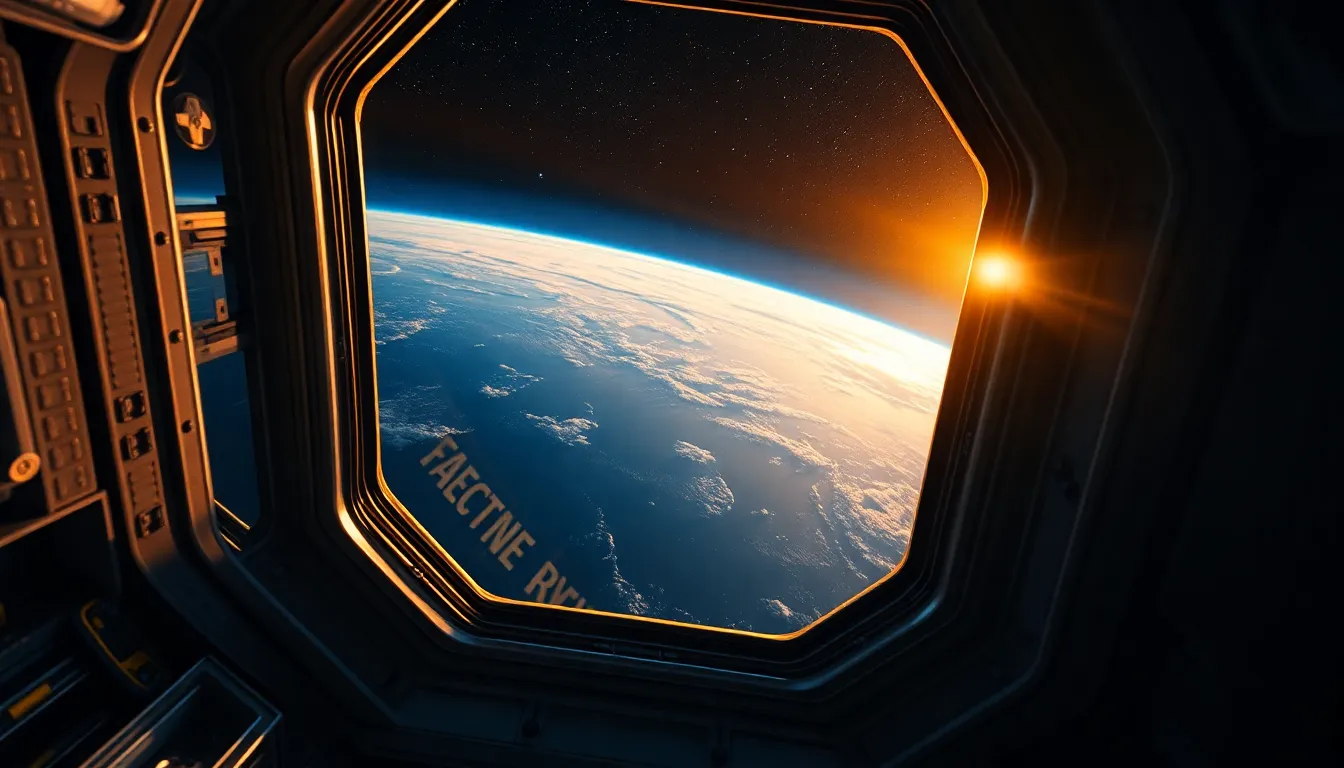
captured with Canon EOS R5, 24-70mm f/2.8L at 35mm under a stunning view of Earth from a space station window, golden hour sunlight pouring in and creating a warm glow on the interior. The scene features a wide-angle view showcasing the curvature of the Earth, with a shallow depth of field at f/2.8 making the foreground details of the station sharp against a dreamy background of stars. The color palette includes deep blues and greens of Earth, contrasted by the metallic greys of the station. Compositionally, leading lines from the window frame draw the eye towards the horizon, with visible reflections on the glass surface showing intricate details.
16:9
Hasselblad X2D 100C, 90mm f/2.5 medium format, capturing a breathtaking vista of a space station viewed from the window of a nearby spacecraft. The scene is illuminated by the bright sunlight reflecting off the metallic surfaces of the station, creating a high-contrast image. The depth of field is hyperfocal at f/8, ensuring clarity from the spacecraft's window to the space station. The color palette features vibrant colors with a focus on steel grays and brilliant whites, emphasizing the sleek design of the station against the deep black of space. The composition highlights the window framing the station, adding depth and context to the experience of space travel.
16:9
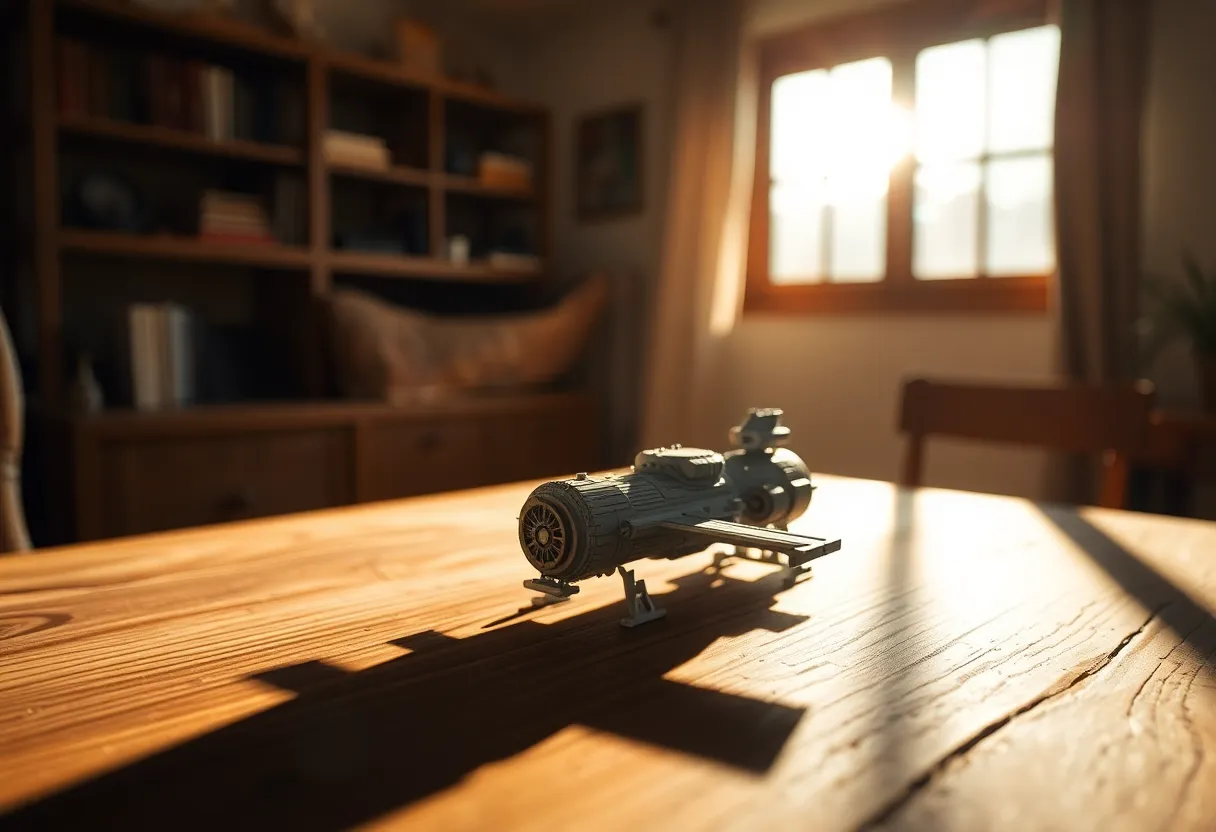
Fujifilm GFX 100S, 110mm f/2 macro, focusing on a detailed model of a space station resting on a wooden desk. The warm natural light streaming through a nearby window casts soft shadows, creating an inviting atmosphere. The shallow depth of field at f/2 accentuates the model's intricate details, with the background softly blurred to a creamy bokeh. The color palette features natural muted earth tones, with the refined craftsmanship of the model contrasting against the desk's weathered oak texture. The composition employs a centered symmetrical framing, inviting the viewer to appreciate the beauty of the design.
3:2
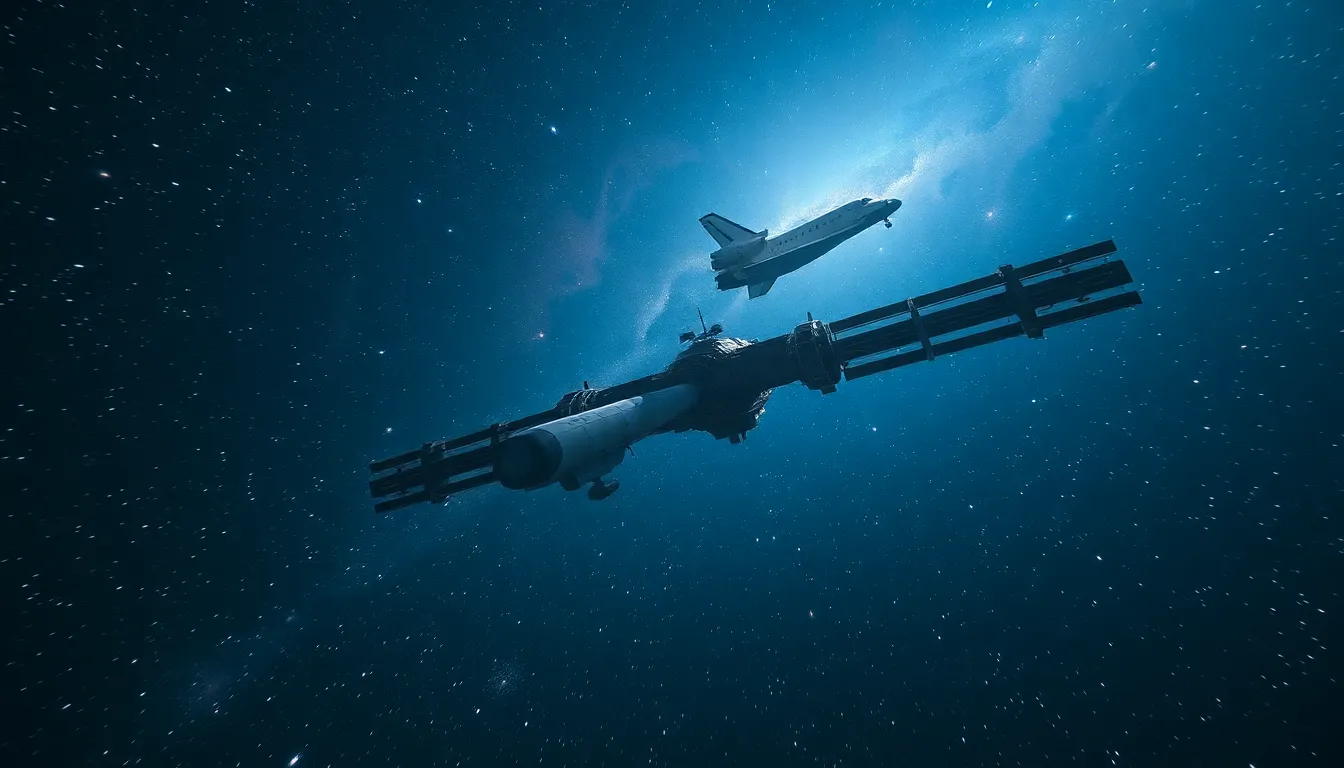
Nikon Z9, 70-200mm f/2.8 telephoto at 135mm, captures an awe-inspiring view of a massive space station docking with a shuttle against the backdrop of a star-filled galaxy. The scene is illuminated by the ethereal glow of distant stars, providing a deep, dramatic lighting effect. The hyperfocal distance at f/8 ensures everything from the station to the distant stars remains crisp and clear. The color palette utilizes Fujifilm Velvia-inspired saturated colors with deep blues and glowing whites, enhancing the cosmic feel. The composition is wide and panoramic, emphasizing the majestic scale of the station and shuttle set against the vastness of space.
16:9
shot on Sony A7R V with 85mm f/1.4 GM lens, depicting the interior of a high-tech space station laboratory. The scene is illuminated by soft, diffused LED lights providing a cool, clinical atmosphere. The depth of field is shallow at f/1.4, softly blurring the background equipment while keeping the scientist's focused expression sharp. The color palette features natural muted tones with desaturated blue and silver hues, enhancing the futuristic feel. The composition centers the scientist at the foreground with laboratory equipment arranged in a balanced manner around them, guided by leading lines of the table edges.
4:3
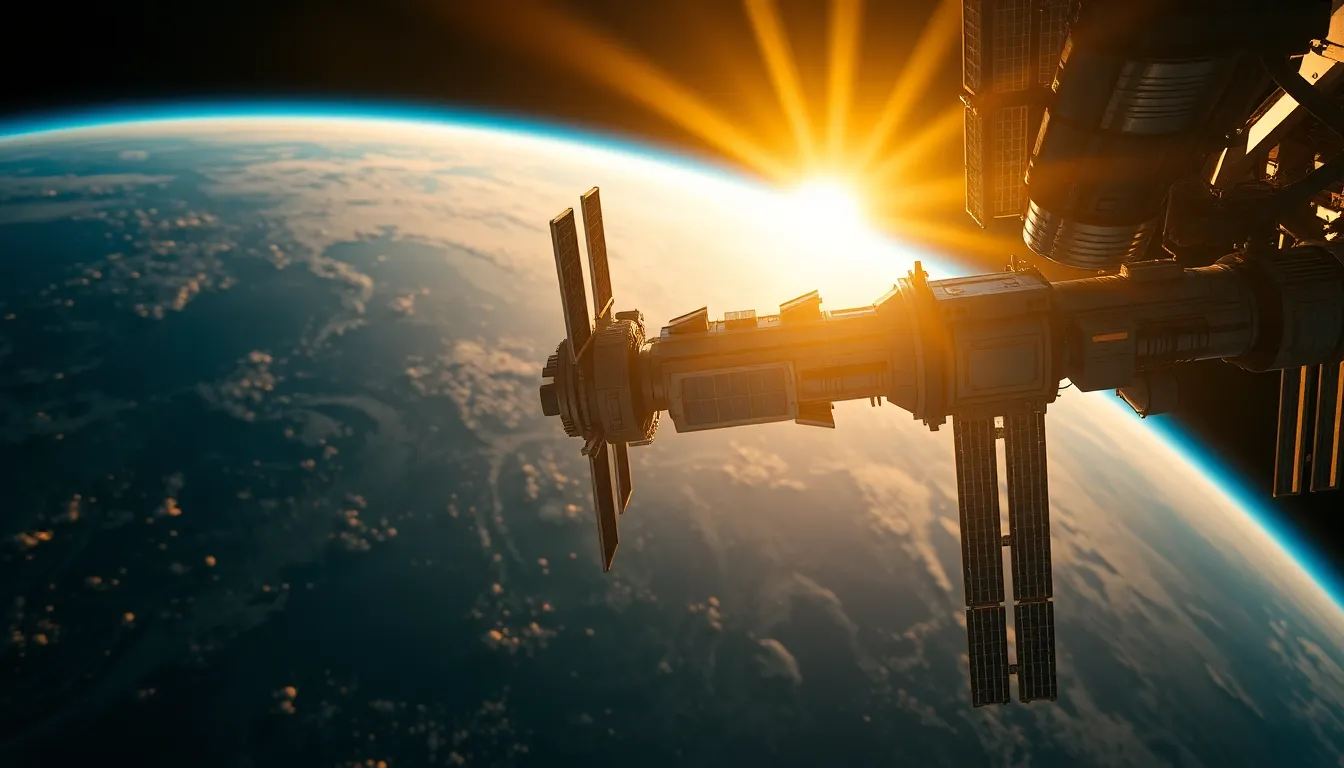
captured with Canon EOS R5, 24-70mm f/2.8L at 35mm, showcasing a futuristic space station orbiting Earth during dawn. The scene is illuminated by the soft golden rays of the rising sun, casting a warm glow on the metallic surfaces of the station. The image features a shallow depth of field at f/2.8, emphasizing the intricate panels and solar arrays in the foreground while the Earth fades softly into the background. The color palette mimics a cinematic teal and orange grading, enhancing the vibrant colors of the planet below. The composition follows the rule of thirds, with the space station elegantly positioned in the upper right quadrant, creating a dynamic balance against the curvature of Earth.
16:9
captured with Hasselblad X2D 100C, 90mm f/2.5 medium format, illustrating a breathtaking view of a space station silhouetted against the vastness of a starry night. The dark, velvety backdrop is filled with countless stars and vibrant nebulae, creating a dreamy cosmic canvas. The composition highlights the station centered within the frame, with slight distortions suggesting the curvature of space. Deep blues and purples enhance the ethereal quality, while textures of the station's structure are beautifully visible. A tilt-shift miniature effect adds a unique perspective, making the station appear monumental against the starry sky.
16:9
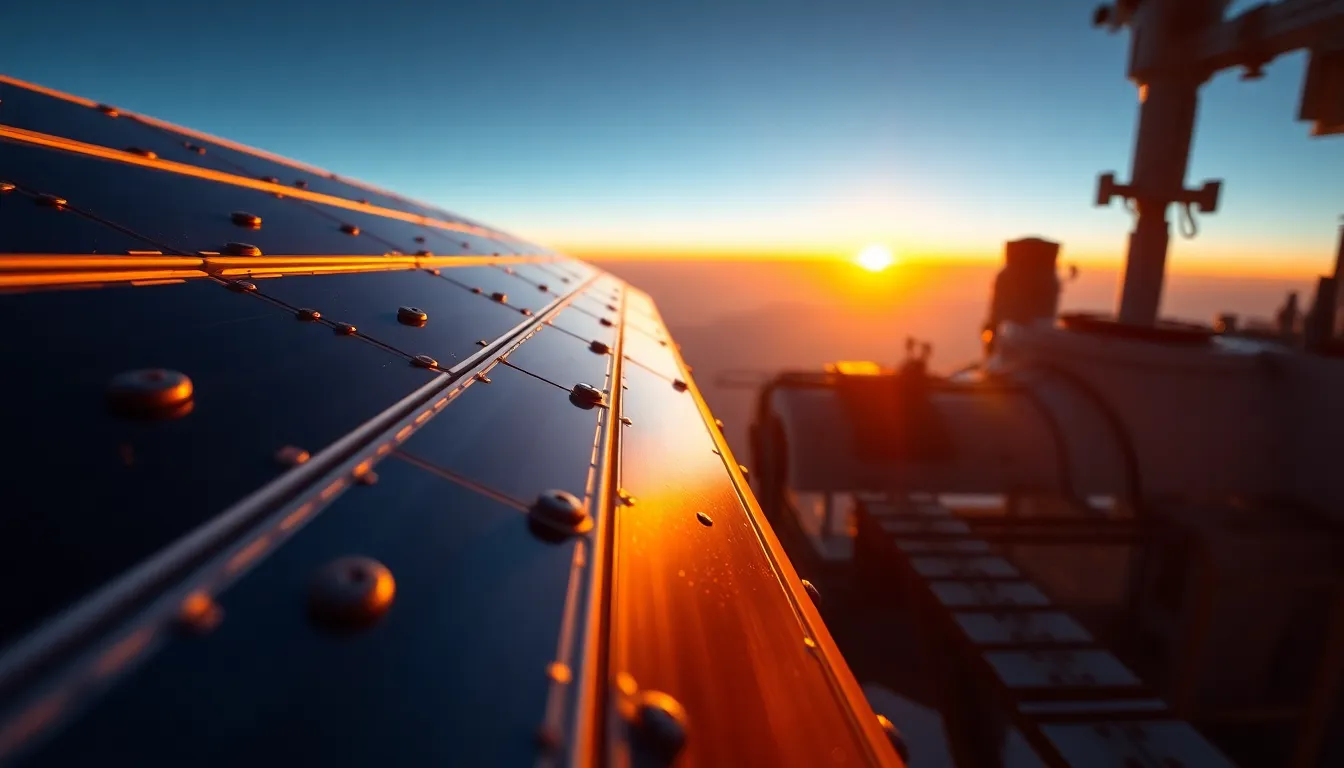
shot on Fujifilm GFX 100S, 110mm f/2 macro, showcasing intricate details of a space station's exterior with solar panels and docking ports illuminated by the golden hour light. The warm rim light accentuates the metallic textures and visible rivets, while soft shadows create depth and dimension. The shallow depth of field at f/2 isolates the space station against a bokeh-filled sky, which shifts from deep blues at the top to warm oranges near the horizon. Composition using leading lines invites the viewer's gaze along the solar panels toward the station’s docking port.
16:9
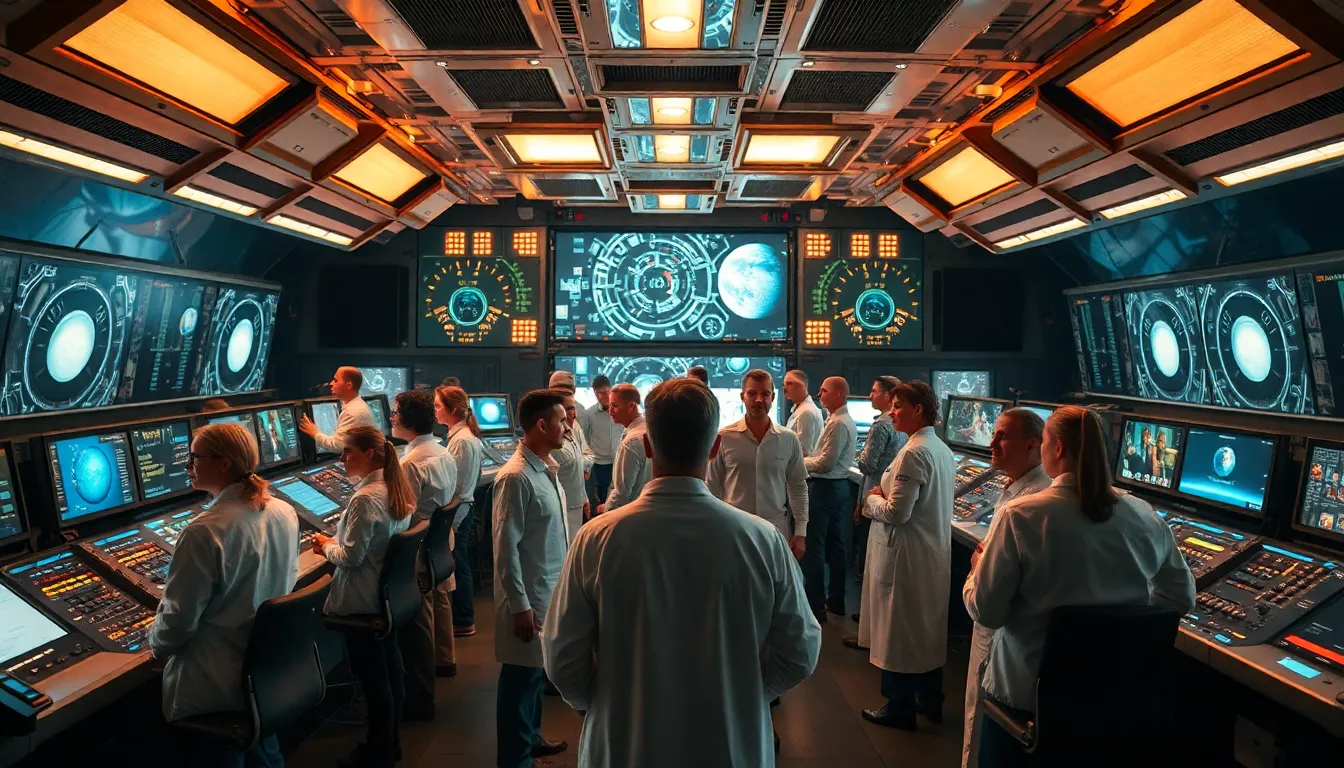
captured with Canon EOS R5, 24-70mm f/2.8L at 35mm, revealing the interior of a space station control room bustling with scientists and engineers. Warm tungsten lighting from overhead fixtures casts inviting pools of light on sleek control panels, creating a sense of teamwork and innovation. The scene is shot at f/8 for hyperfocal clarity, with all elements from the consoles to the people in sharp focus. The scene showcases natural skin tones with subtle warm hues enhancing the collaborative energy. Composition follows leading lines drawn by the control panels directing the eye towards the engaged team.
16:9
shot on Sony A7R V with 85mm f/1.4 GM lens, depicting astronauts conducting a spacewalk outside a bustling space station. Overcast diffused daylight filters from the station's solar panels, casting soft shadows on their suits. The scene is captured with a shallow depth of field at f/1.4, emphasizing the focused expressions on the astronauts' faces while the station's exterior blurs into a painterly bokeh. Natural muted tones highlight the authenticity of the moment, with textures of the suits showcasing intricate stitching and wear. The image follows the rule of thirds, placing the astronauts off-center against the vast universe.
16:9
captured with Nikon Z9, 70-200mm f/2.8 telephoto at 135mm, showcasing a futuristic space station orbiting Earth. Dramatic backlighting from the glowing planet below creates vibrant blue hues, with the station's metallic surfaces reflecting soft highlights. Shallow depth of field at f/2.8 emphasizes the station's intricate design while blurring the distant stars into a soft bokeh. The cinematic teal and orange color grading accentuates the contrast between the cold space and warm lights. Centered symmetrical composition highlights the station's architectural elegance against the cosmic backdrop, with textures of brushed metal and glass defined in detail.
16:9
captured with Hasselblad X2D 100C, 90mm f/2.5 medium format, presenting a striking view of a space station docked alongside a gigantic spacecraft, illuminated by the soft light of distant stars and the faint glow of a nearby planet’s atmosphere. A hyperfocal distance is utilized, rendering the entire scene from the station to the spacecraft in sharp clarity. The color palette consists of muted earth tones with hints of iridescent colors reflecting off the surfaces. The composition features a dynamic Dutch angle to evoke tension, while the textures reveal the rugged surfaces of the spacecraft contrasted with the polished finish of the space station.
16:9
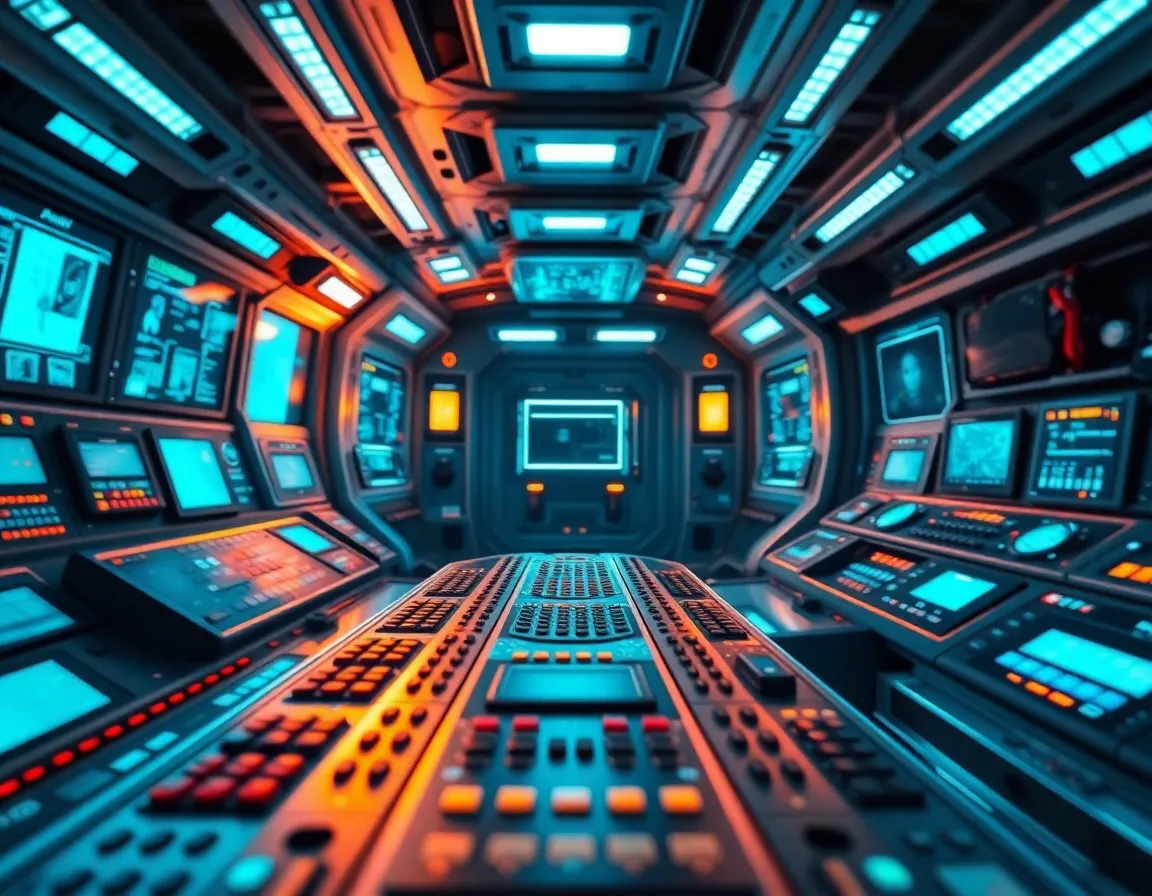
shot on Fujifilm GFX 100S, 110mm f/2 macro, featuring a detailed interior of a futuristic space station's control room, illuminated by cool blue LED lights. The depth of field is shallow, focusing on the intricate control panels while the background softly blurs into a painterly bokeh effect. The color grading embraces a cinematic teal and orange palette, emphasizing the technological aesthetic. The composition uses a centered symmetrical approach to enhance the organized chaos of buttons and screens, while the textures show sleek plastics and polished metal surfaces reflecting the surrounding lights.
4:3
captured with Canon EOS R5, 24-70mm f/2.8L at 35mm, showcasing a panoramic view of a futuristic space station orbiting Earth, bathed in the soft illumination of ambient sunlight. The scene is composed with hyperfocal distance, keeping everything from the station to Earth in tack-sharp focus at f/8. The color science highlights natural muted tones, reflecting the beauty of our planet against the dark vastness of space. Compositionally, the image follows leading lines of the station's solar panels drawing the eye to the vibrant blue and green of Earth below. The surface of the station is detailed, showcasing reflective panels and textured metal work, emphasizing the craftsmanship of space architecture.
16:9
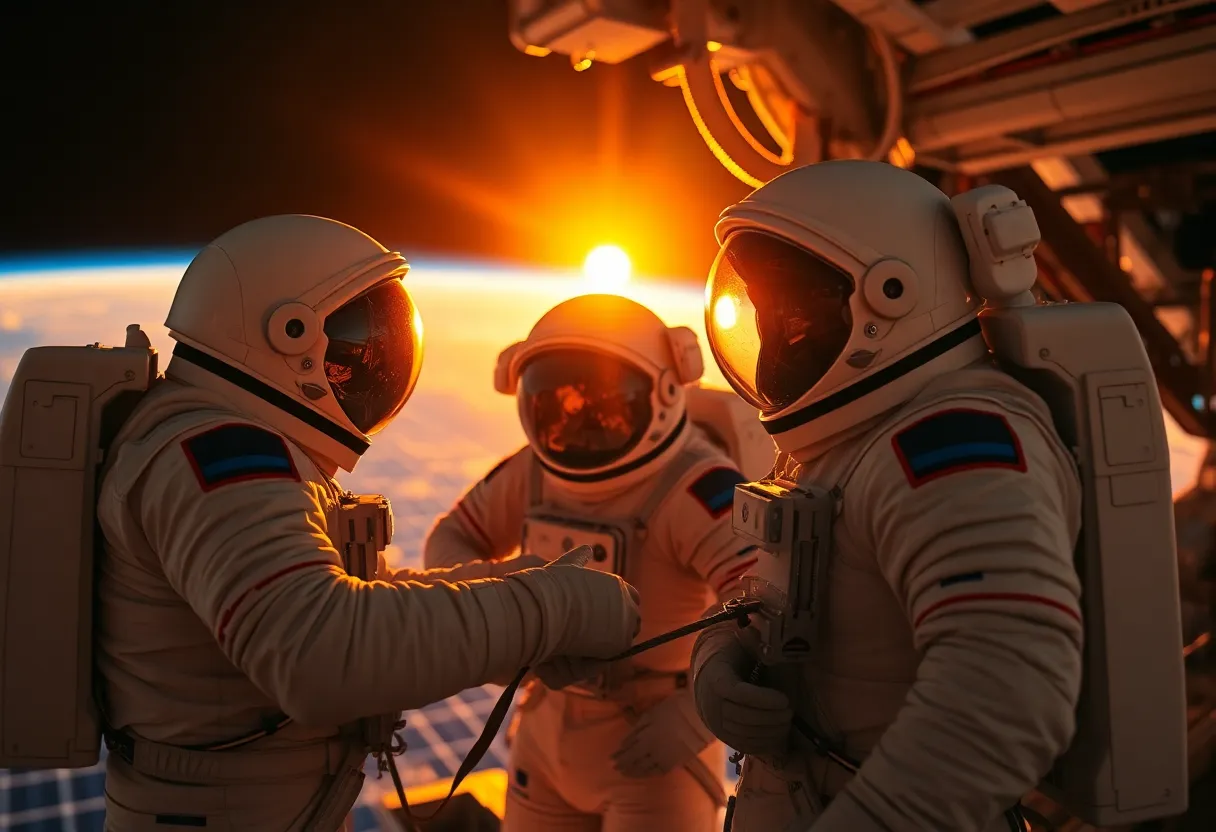
shot on Sony A7R V with 85mm f/1.4 GM lens, featuring a close-up of astronauts performing repairs outside a space station during the mesmerizing glow of sunrise. Natural light provides soft illumination with warm rim light creating a halo effect around the astronauts' helmets. Shallow depth of field at f/1.4 keeps the focus sharply on the astronauts while the station's structure fades softly into a creamy bokeh background of colorful solar panels. The image embodies a palette of warm oranges and cool blues, showcasing the contrast of their suits against the warming space. The composition adheres to the rule of thirds, with the figures positioned at the left power point, enhancing the dramatic narrative.
3:2
captured with Nikon Z9, 70-200mm f/2.8 telephoto at 135mm, illuminated by the ethereal glow of distant stars and the soft light of a nearby nebula, creating a moody atmosphere. Shallow depth of field at f/2.8 isolates the space station against a star-speckled backdrop. The color palette features deep blues and purples with hints of luminous teal. The composition utilizes leading lines of solar panels drawing the viewer's eye toward the station's sleek structure, which reflects the light. The metallic surface shows intricate details with a brushed finish, while the station's modules display varying textures from glass to metal.
16:9
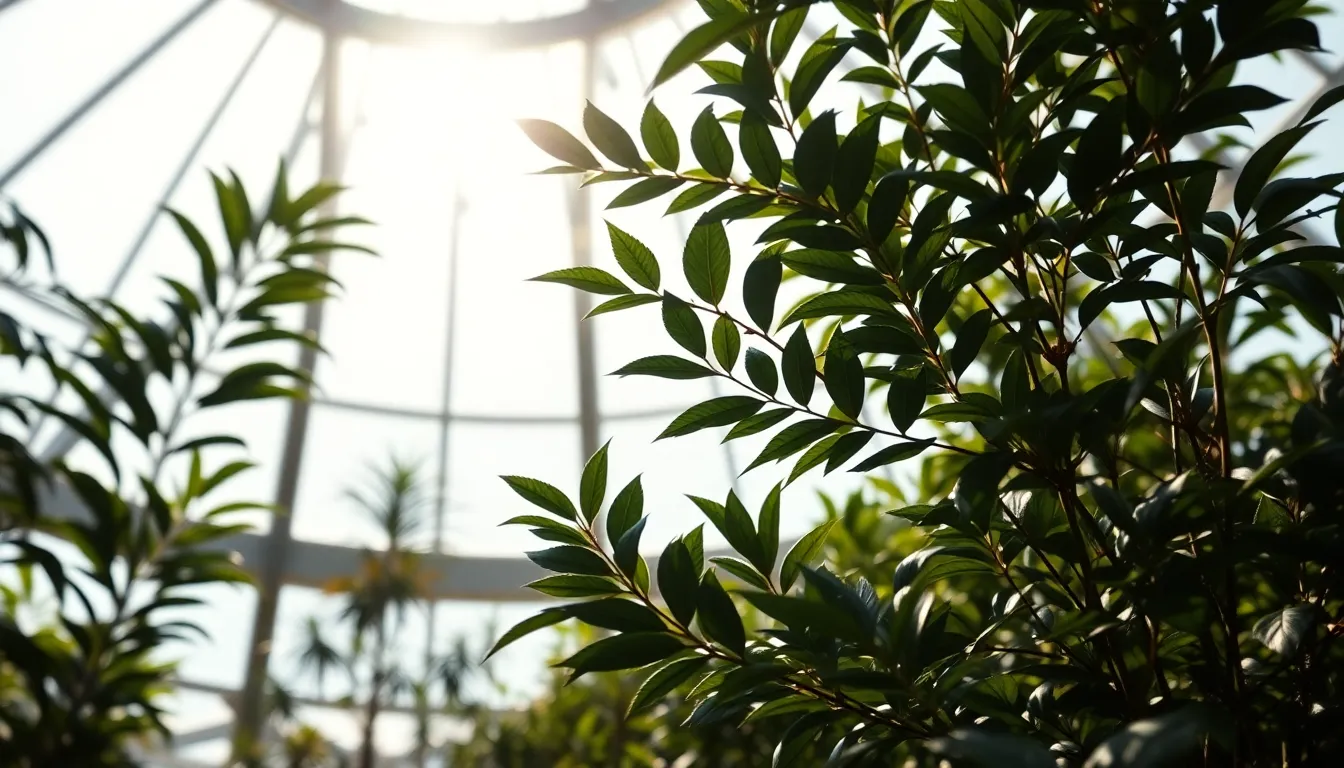
Fujifilm GFX 100S, 110mm f/2 macro, with soft diffused daylight passing through the observation dome, creating an ethereal glow in the scene, hyperfocal distance ensuring foliage within the station's greenhouse is tack-sharp, natural muted tones with desaturated earth colors highlighting the plant life, composition focusing on the lush greenery framed by the dome, with visible textures of leaves and the glass reflecting soft highlights.
16:9
Hasselblad X2D 100C, 90mm f/2.5 medium format, illuminated with a dramatic backlight from the sun rising over Earth, shallow depth of field at f/2.5 focusing on the space station's habitat module, cinematic teal and orange color grading amplifying the contrast between the warm lights of the station and the cool colors of the cosmos, composition using foreground framing to encapsulate the entire habitat module in a breathtaking celestial panorama, with detailed textures of the module's exterior revealing wear and signs of space travel.
16:9
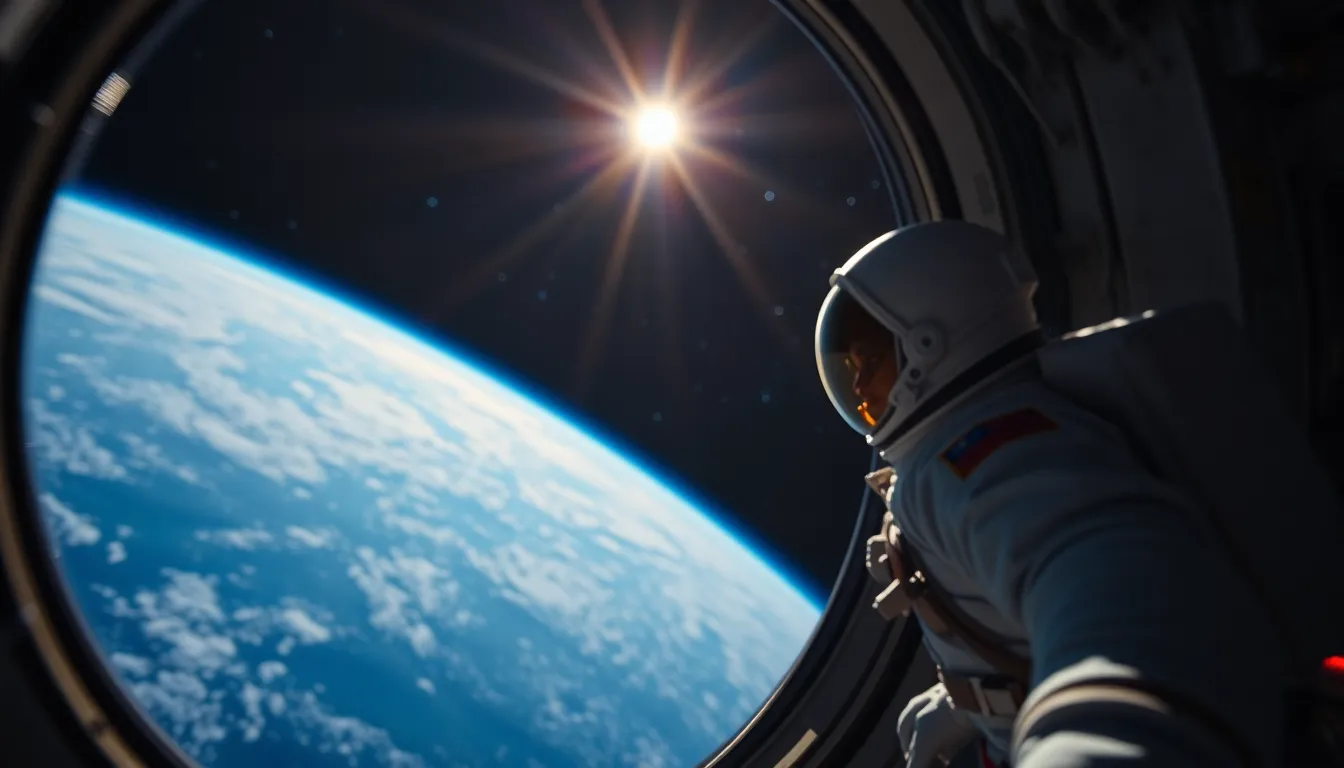
Nikon Z9, 70-200mm f/2.8 telephoto at 135mm, with vivid natural lighting breaking through a viewport, selective focus on an astronaut working outside the space station, with creamy circular bokeh of distant stars, Fujifilm Velvia-inspired saturated colors emphasizing the vibrant blues of Earth below and the rich black of space, composition framed with leading lines created by the station's structure directing eyes towards the astronaut's activities, with detailed textures of the astronaut's suit visible against the backdrop.
16:9
shot on Sony A7R V with 85mm f/1.4 GM lens, utilizing soft ambient lighting from a nearby sunlit window, hyperfocal distance ensuring sharpness from foreground to infinity, natural muted tones with desaturated earth colors highlighting the station's command center, centered symmetrical composition capturing the sleek control panels and digital interfaces, with textures of brushed metal and glass reflecting the ambient light.
16:9
captured with Canon EOS R5, 24-70mm f/2.8L at 35mm, featuring dramatic overhead lighting simulating solar glare, shallow depth of field at f/2.8 creating a soft focus on the space station's metallic surface, Kodak Portra 400 color palette emphasizing warm metallic tones and cool blues of space, rule of thirds composition positioning the space station off-center against a starry backdrop, with detailed textures of the docking ports and solar panels shimmering in the light.
16:9
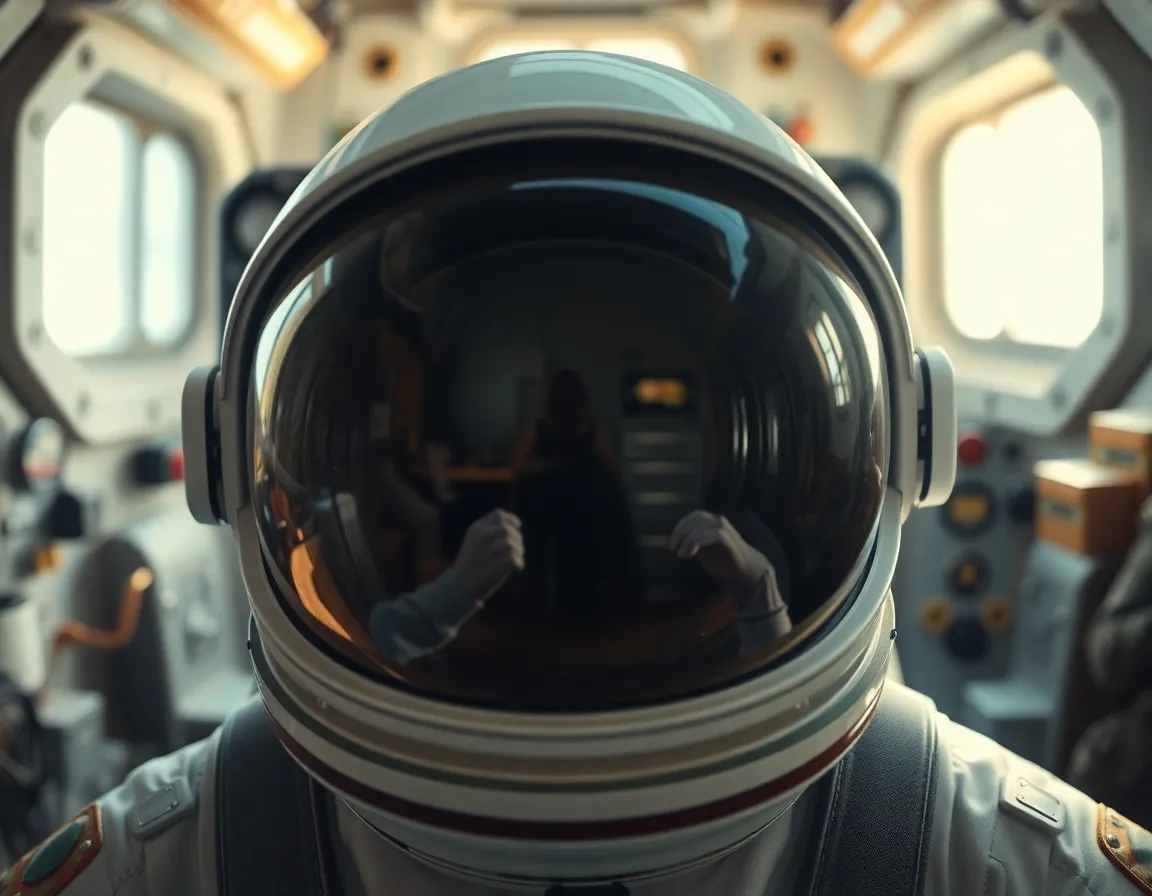
Fujifilm GFX 100S, 110mm f/2 macro, showcasing a detailed view of an astronaut's helmet reflecting a space station interior. The scene is illuminated by soft diffused daylight coming through the station's windows, creating a serene and contemplative mood. The depth of field at f/2 allows for a selective focus on the helmet, with the station's interior softly blurred in the background. The color palette is natural and muted, with earthy tones from the equipment. The composition utilizes a rule of thirds layout, placing the helmet at a strategic point, while textures of the helmet's surface and reflections create intrigue.
4:3
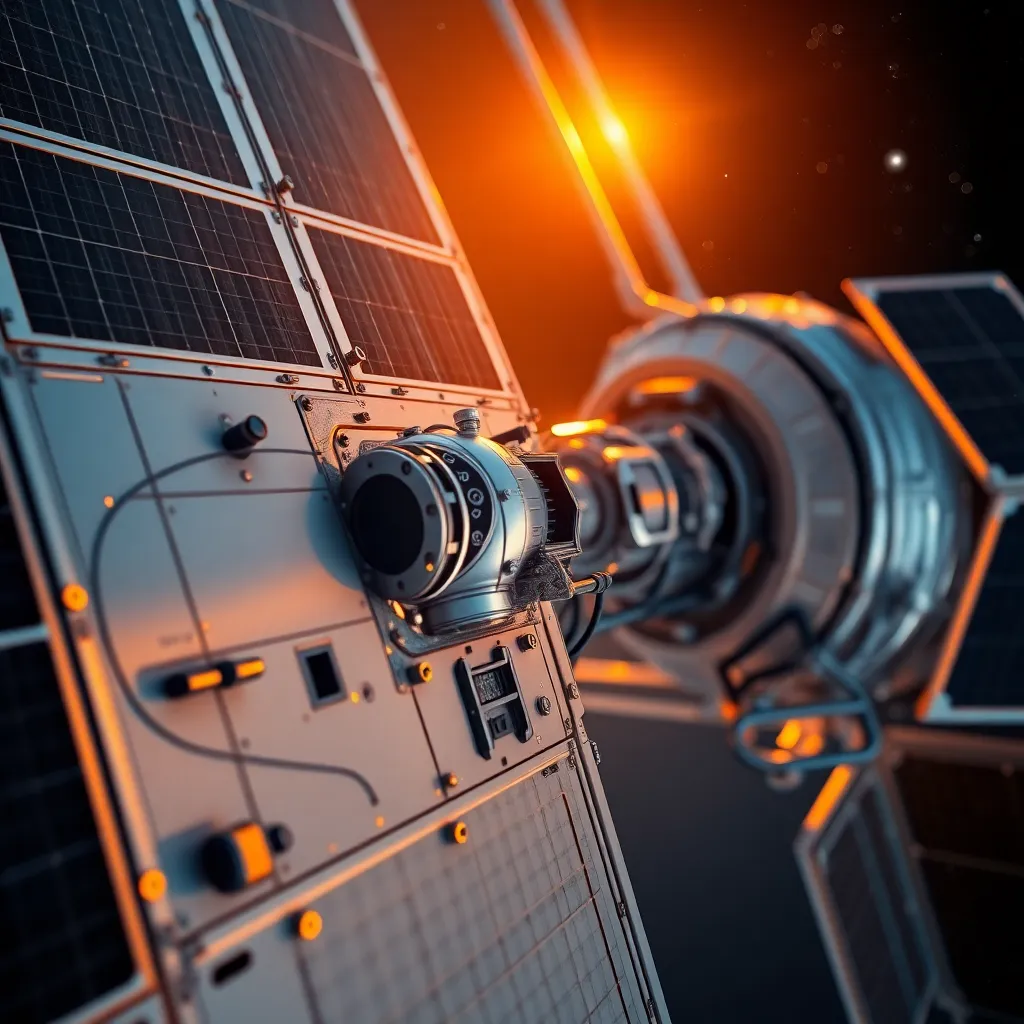
Hasselblad X2D 100C, 90mm f/2.5 medium format, featuring a close-up of a space station's exterior, showcasing intricate details of its solar arrays and docking ports during sunset. The scene uses golden hour backlighting to create warm rim light around the edges of the metallic surfaces, enhancing the textures and reflections. A shallow depth of field at f/2.5 beautifully blurs the background stars, bringing emphasis to the detailed craftsmanship of the station. The composition utilizes a centered symmetrical layout, emphasizing the engineering precision involved in its construction. The textures highlight the contrast between smooth metal and patterned solar panels.
1:1
Nikon Z9, 70-200mm f/2.8 telephoto at 135mm, capturing a panoramic view of a space station docked with a cargo ship against the backdrop of a starry sky. The scene is illuminated by distant stars and the faint glow of a nearby galaxy, creating a surreal and expansive atmosphere. The depth of field is hyperfocal at f/8, ensuring a sharp view from the station to the infinite cosmos. A leading lines composition draws the viewer's eye from the space station to the distant celestial bodies. The textures of the station and ship showcase a mix of rugged metal and glass, reflecting the ethereal starlight.
16:9
shot on Sony A7R V with 85mm f/1.4 GM lens, depicting an astronaut inside a space station module. The scene is lit with practical overhead lights that create a warm glow, contrasting against the cold, metallic environment. A shallow depth of field at f/1.4 isolates the astronaut's face, capturing a moment of focused concentration as they work on a control panel. The color palette features muted grays and whites with pops of color from the control lights. The composition centers the astronaut within the frame, with elements of the control panel leading the eye toward the subject, emphasizing isolation in space.
3:2
captured with Canon EOS R5, 24-70mm f/2.8L at 35mm, showcasing a futuristic space station orbiting Earth during twilight. The scene is illuminated by soft ambient light reflecting off the station's metallic surfaces, highlighting intricate details of solar panels and docking ports. Depth of field is set to f/8, ensuring sharp focus across the entire scene against a fading blue to orange gradient in the sky. The composition adheres to the rule of thirds, positioning the space station slightly off-center. Textures of the station's surface feature brushed aluminum and glass elements, adding a sleek, technological feel.
16:9
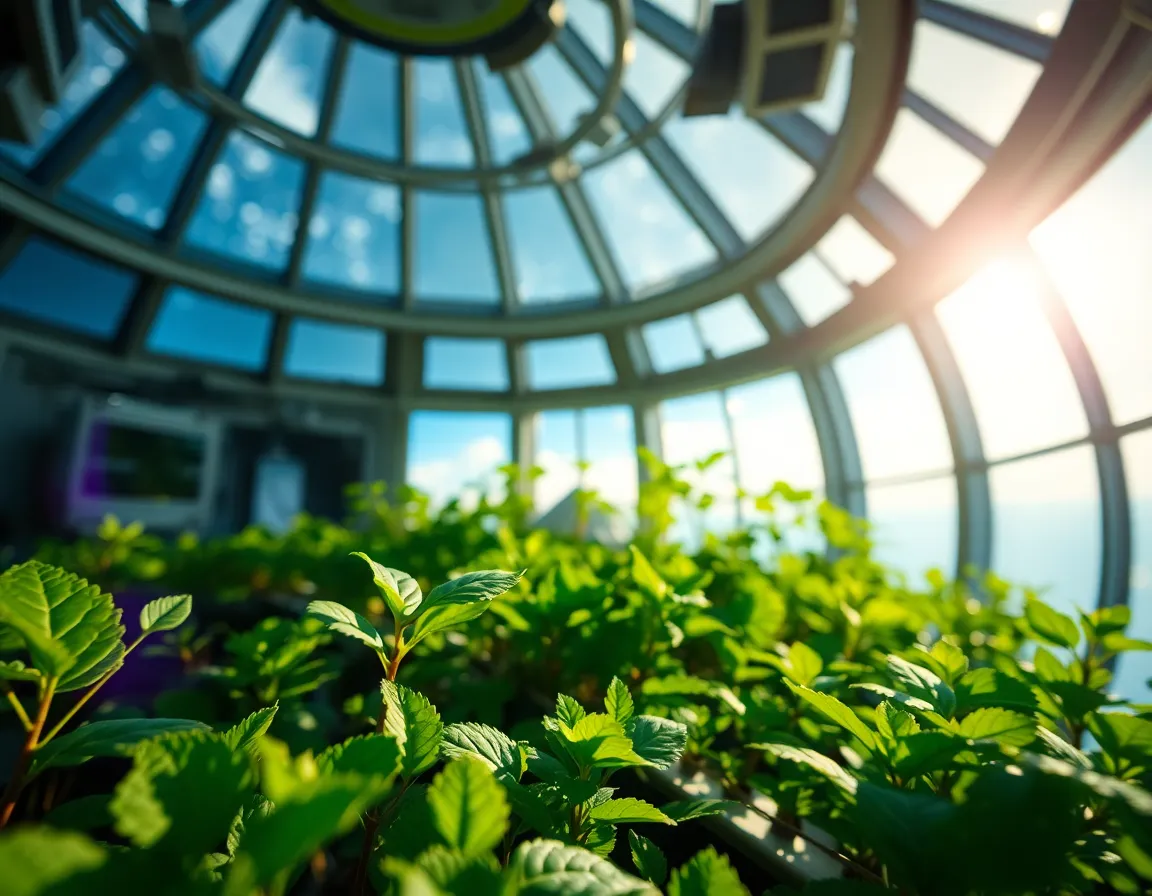
Fujifilm GFX 100S, 110mm f/2 macro, dappled sunlight filtering through an observation dome, shallow depth of field with soft painterly bokeh in the background, Fujifilm Velvia-inspired saturated colors with deep blues and rich greens, dynamic composition featuring a lush hydroponic garden inside the space station, textures of vibrant plants contrasting with refined steel and glass materials.
4:3
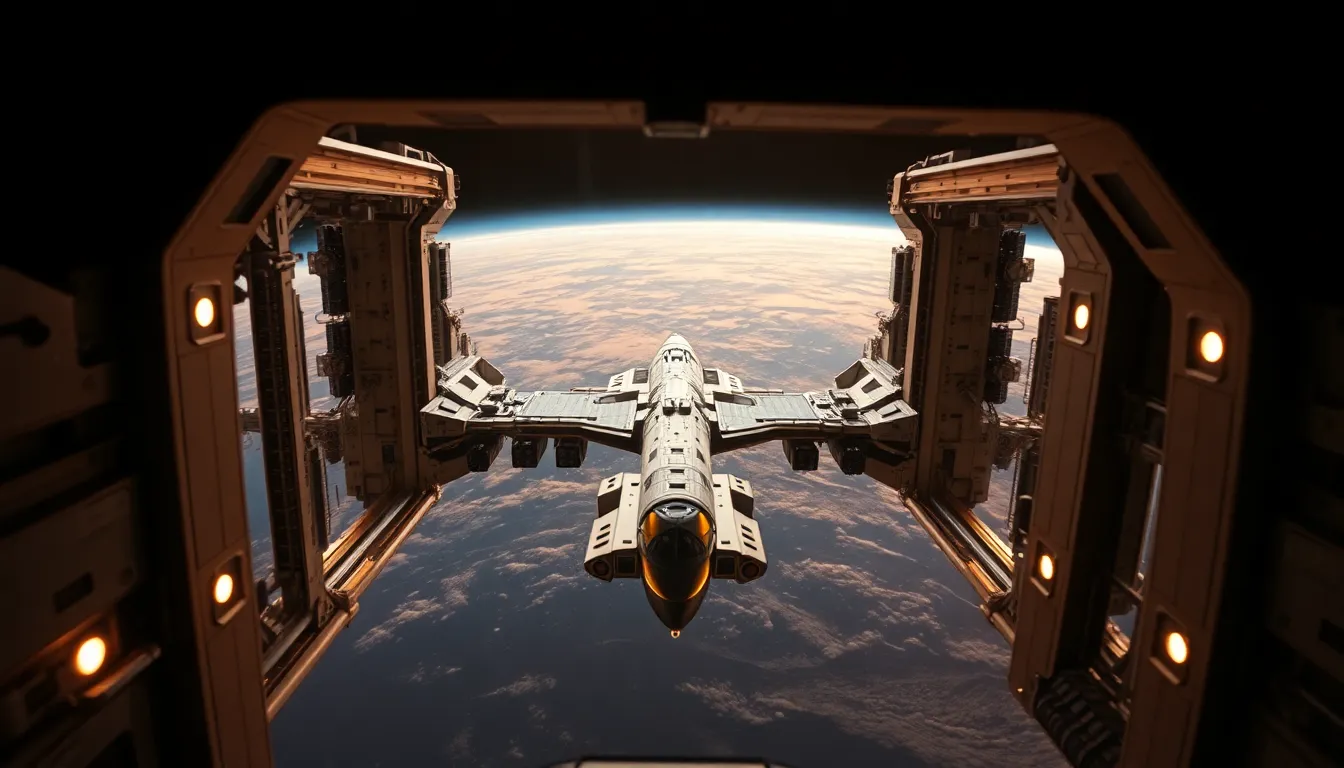
Hasselblad X2D 100C, 90mm f/2.5 medium format, warm tungsten light creating a cozy environment, hyperfocal distance ensuring sharpness from foreground to infinity at f/8, natural colors with subtle hints of orange and yellow, foreground framing of the space station's docking bay with spacecraft approaching, capturing the sleek design and intricate details of the station's structure.
16:9
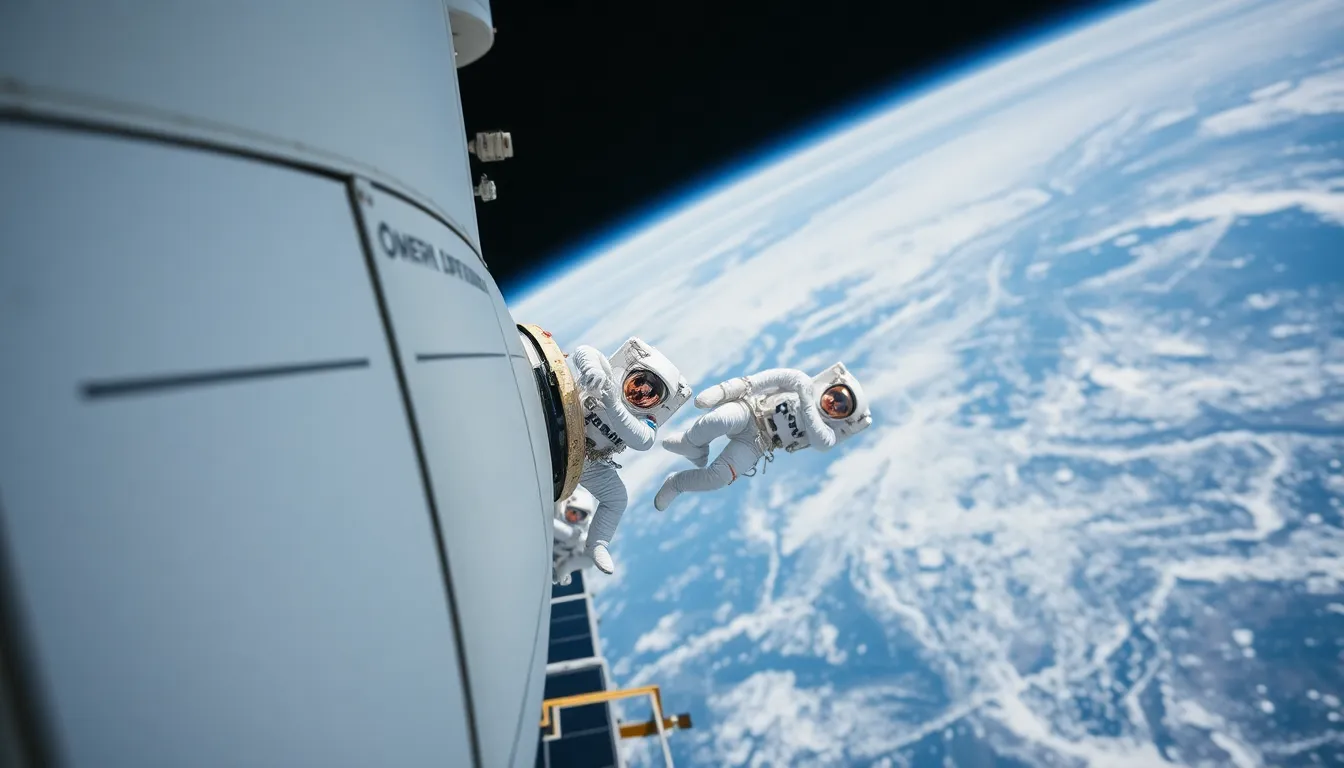
Nikon Z9, 70-200mm f/2.8 telephoto at 135mm, overcast diffused daylight creating soft shadows throughout the scene, selective focus on a small group of astronauts conducting a spacewalk, natural muted tones with desaturated earth colors, leading lines from the space station's exterior drawing the eye to the astronauts working, detailed textures of their suits contrasting with the smooth surface of the station.
16:9
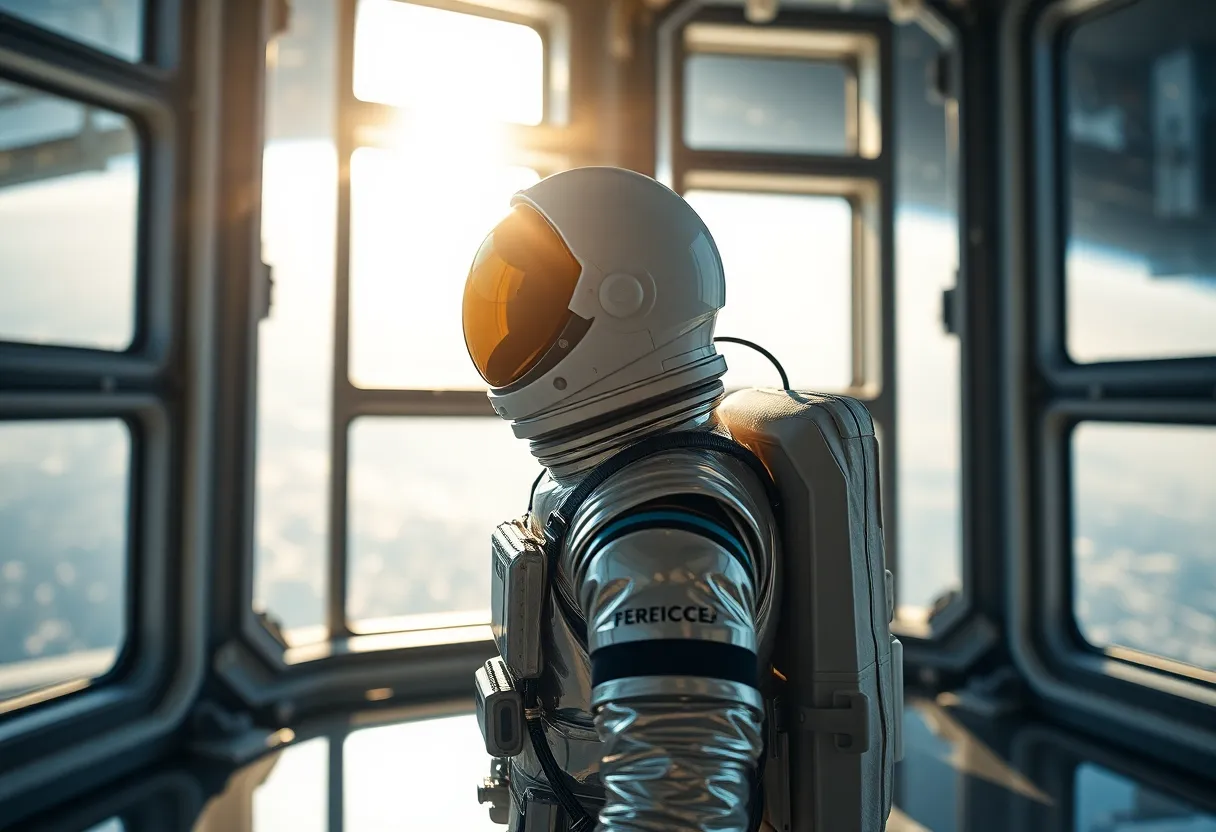
shot on Sony A7R V with 85mm f/1.4 GM lens, natural sunlight streaming through large windows, shallow depth of field at f/1.4 with creamy bokeh highlighting the interior, warm tones reminiscent of Kodak Portra 400 film, rule of thirds with a human astronaut in a reflective suit gazing out into space, reflections of cosmic wonders shimmering on the glass surfaces of the space station.
3:2
captured with Canon EOS R5, 24-70mm f/2.8L at 35mm, illuminated by ethereal blue LED lights creating a sci-fi ambiance, hyperfocal distance with everything tack-sharp at f/8, cinematic teal and orange color grading, centered symmetrical composition featuring a futuristic control room filled with intricate panels and screens, metallic surfaces reflecting the glow of the lights and providing a sense of advanced technology.
16:9

Fujifilm GFX 100S, 110mm f/2 macro, detailing a technician working on a space station's solar panel under bright daylight. The image captures the texture of the solar panel, highlighting its reflective surfaces and the technician's focused expression. Using natural muted tones featuring desaturated earth colors, the scene conveys a sense of dedication and precision. Composition emphasizes the technician in the foreground working on the panel, with leading lines guiding the viewer's eye through the technical details of the station. Skin detail reveals natural texture and subtle expressions.
16:9
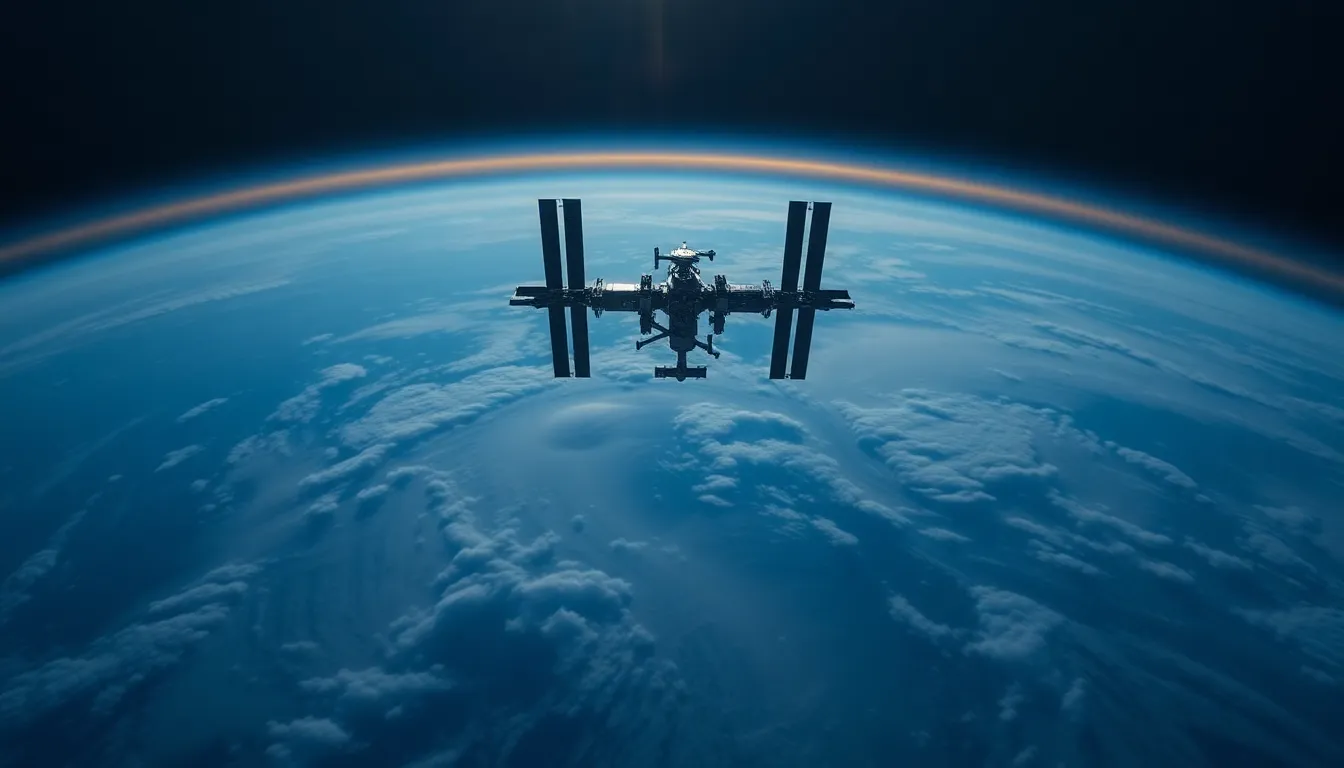
Hasselblad X2D 100C, 90mm f/2.5 medium format, showcasing an aerial view of a space station orbiting above Earth at dawn. Overcast diffused daylight creates a soft, serene atmosphere. The hyperfocal distance keeps the station and the planet in sharp focus, with subtle color grading highlighting the warm hues of dawn against the deep blue of space. The composition captures the vastness of space with the station positioned slightly off-center, emphasizing its orbit. Textures detail the station's surface and the swirling clouds of Earth below.
16:9
Nikon Z9, 70-200mm f/2.8 telephoto at 135mm, captured during twilight with glowing lights illuminating the exterior of a space station against the darkening sky. Using a cinematic teal and orange color grading, the scene captures the transition from day to night as the station comes alive. Selective focus on the glowing thrusters creates a dramatic effect while the background fades into rich twilight tones. The composition uses leading lines from the station's structure drawing the eye towards its illuminated edges. Textures include the rugged surface of the station's exterior with reflections of the surrounding space.
16:9
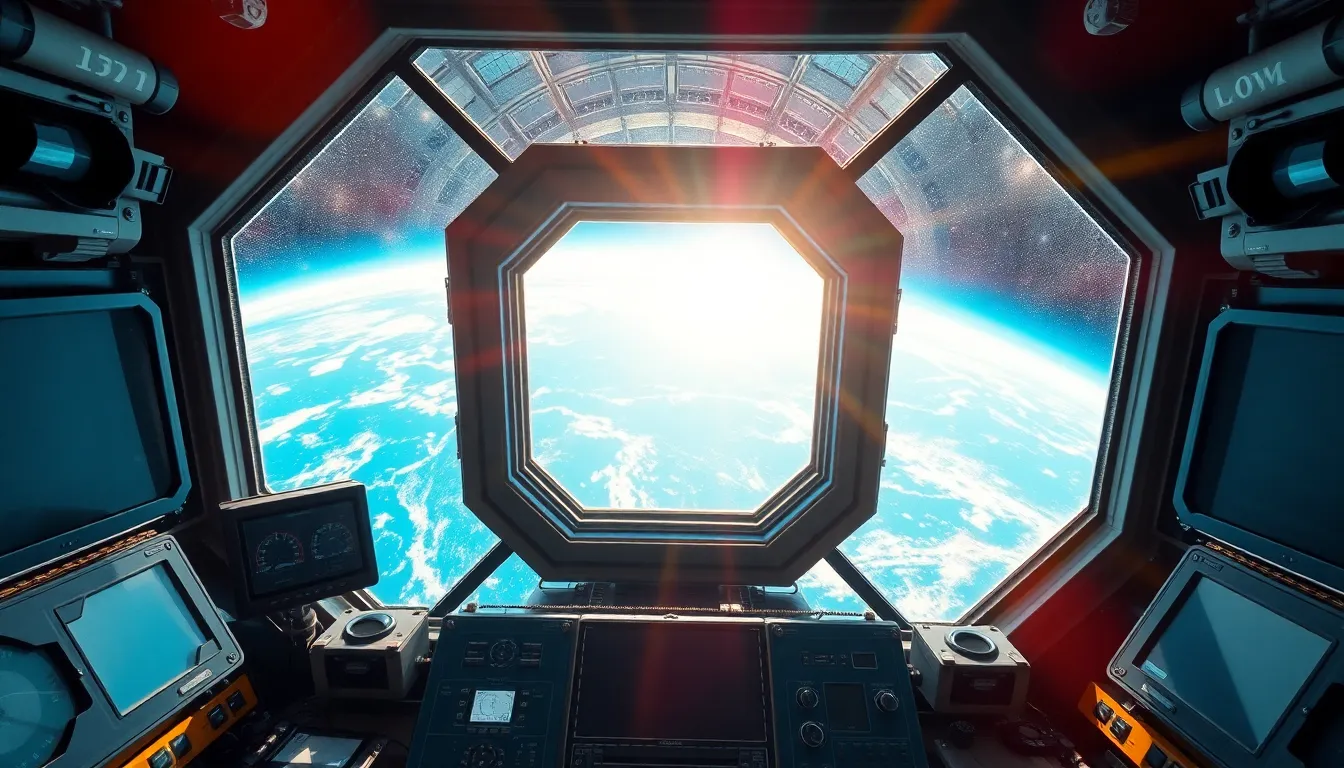
shot on Sony A7R V with 85mm f/1.4 GM lens, under natural sunlight filtering through the large observation window, creating a warm glow inside the space station. Hyperfocal distance ensures everything from the foreground instruments to the distant Earth view is in crisp focus. The color palette features vibrant blues and greens from Earth, contrasting with the warm tones inside. A centered composition places the window as the focal point, with instruments and equipment framing the bottom of the frame. Surface details highlight the textures of the control panels and glass.
16:9
captured with Canon EOS R5, 24-70mm f/2.8L at 35mm, illuminated by cool white LED lights accentuating the metallic surfaces of the space station. Shallow depth of field at f/2.8 creates a soft, blurred backdrop emphasizing the station's details. The scene is bathed in a neutral color palette, reflecting the high-tech environment. Composition adheres to the rule of thirds, with the space station positioned at the right power point against a dark, starry background. Textures of brushed aluminum and glass are sharply defined, enhancing realism.
16:9

Fujifilm GFX 100S, 110mm f/2 macro, using dramatic studio lighting with sharp highlights to capture the fine details of a model of a space station, hyperfocal distance ensuring all elements are in focus, cinematic teal and orange color grading adding a modern flair, composition with a centered symmetrical layout showcasing the elaborate structure and components of the model.
16:9
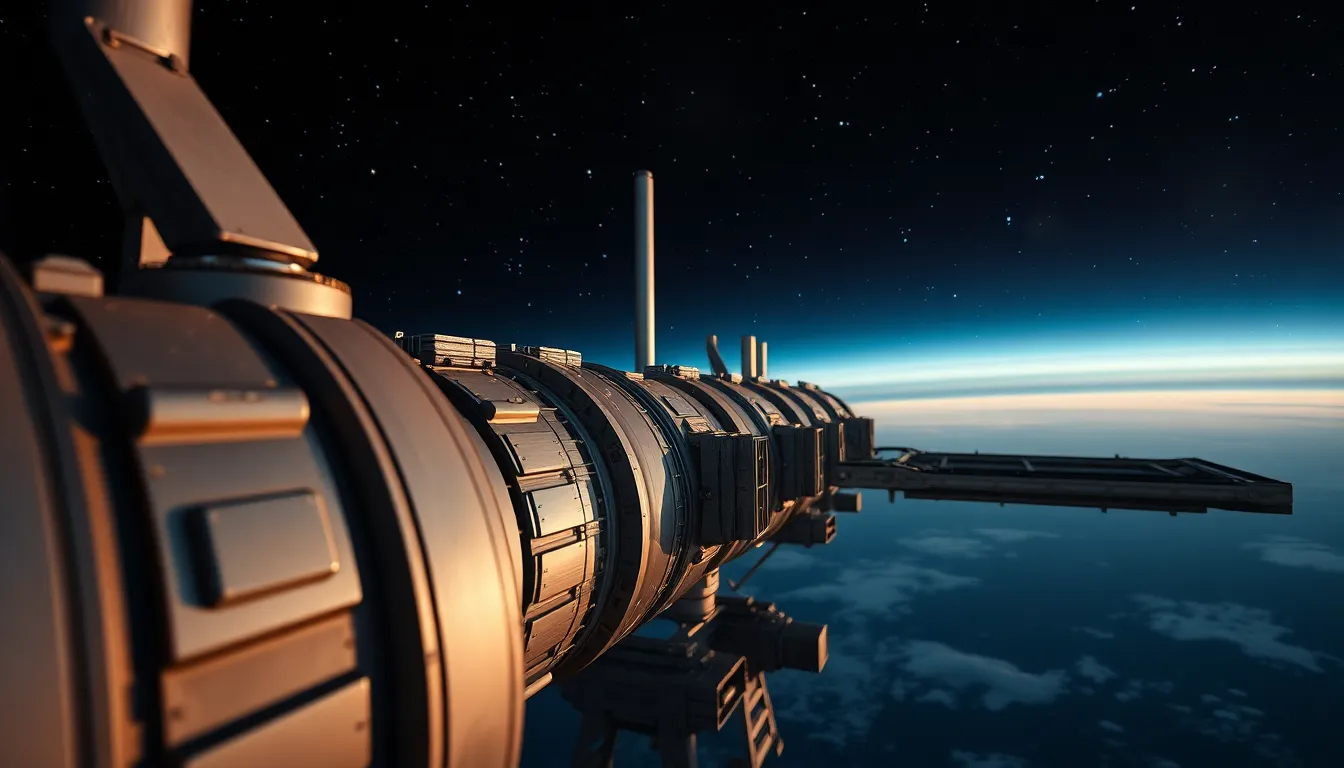
Hasselblad X2D 100C, 90mm f/2.5 medium format, captured during dawn with subtle diffused daylight casting soft shadows, shallow depth of field at f/2.5 focusing on the intricate details of docking ports at a space station, natural muted tones with desaturated earth colors enhancing the metallic textures of the station, rule of thirds composition placing the docking ports at a power point, surrounded by an expansive starry sky.
16:9
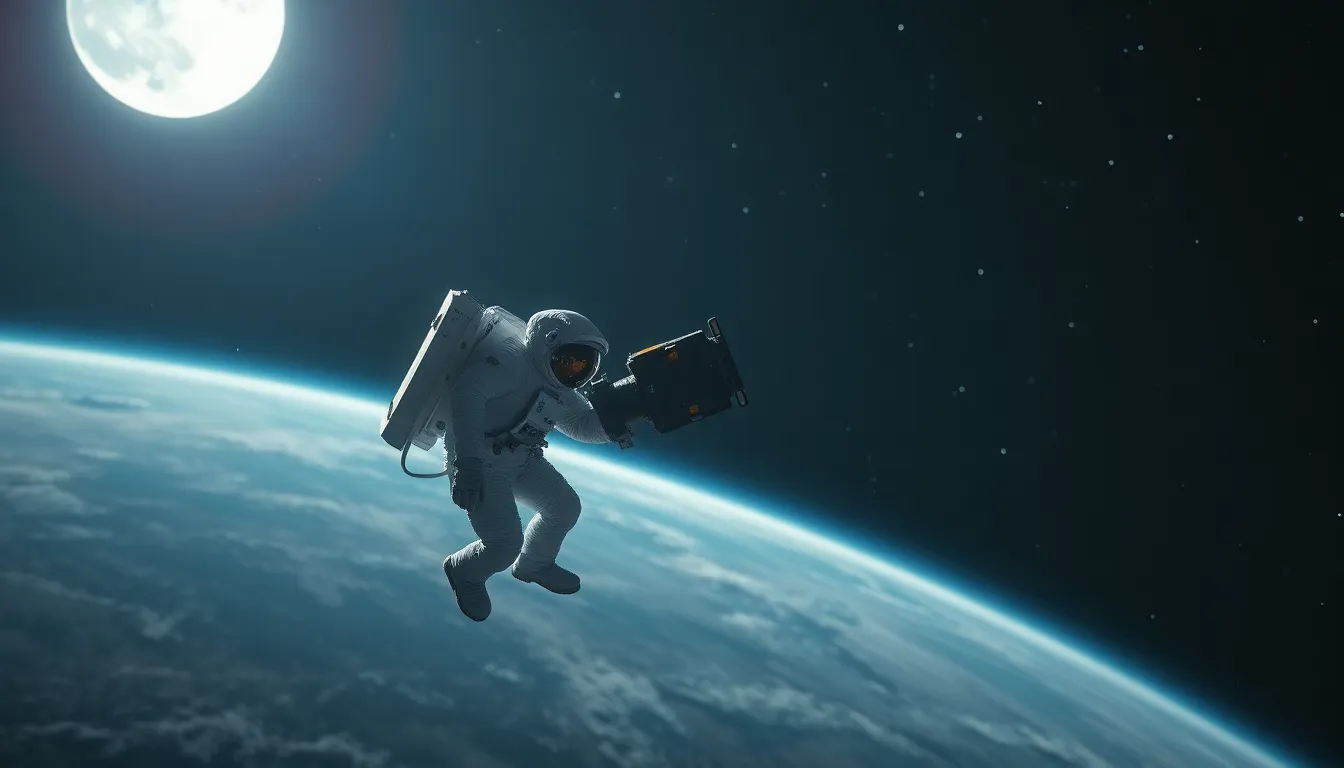
Nikon Z9, 70-200mm f/2.8 telephoto at 135mm, utilizing eerie moonlight for dramatic contrast, selective focus on an astronaut repairing a satellite while deep in the void of space, natural muted tones with desaturated earth colors emphasizing the loneliness of the cosmos, composition features the astronaut off-center, highlighting the vastness of space around them with twinkling stars as bokeh.
16:9
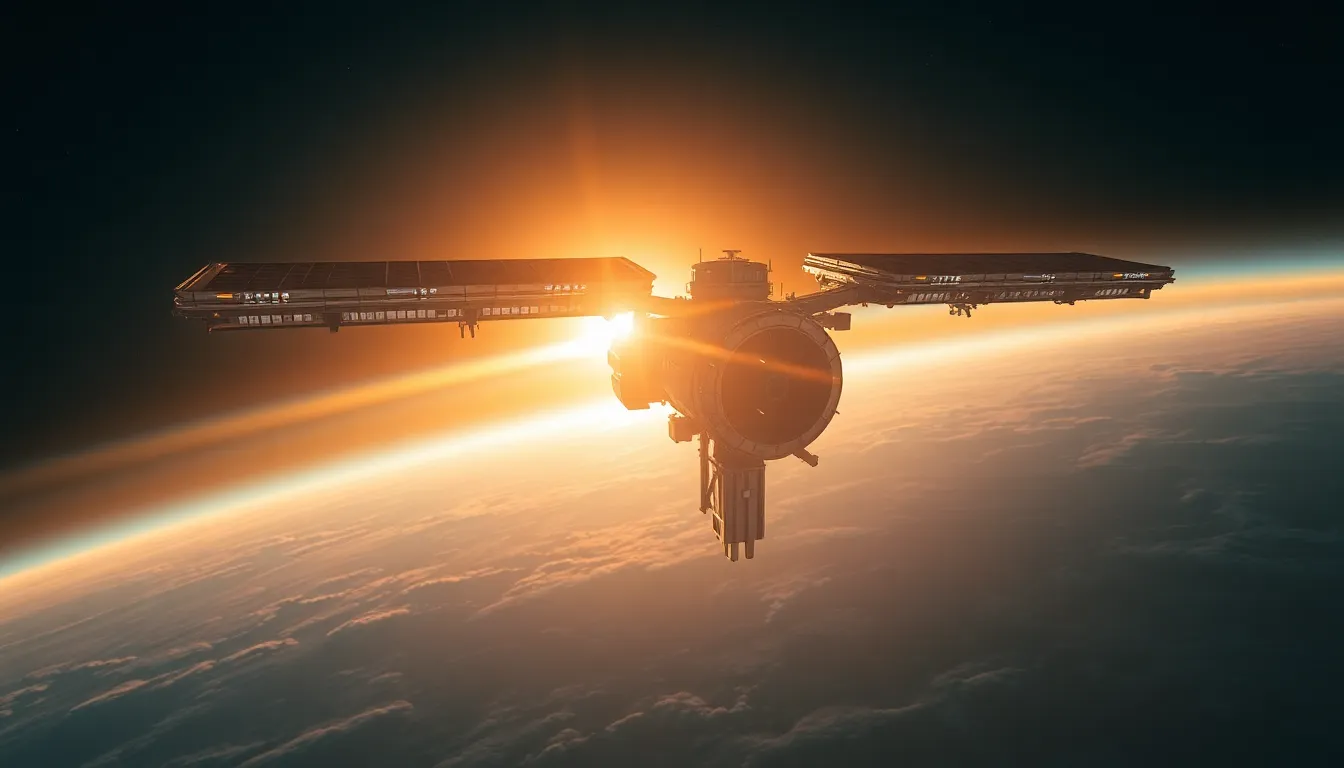
shot on Sony A7R V with 85mm f/1.4 GM lens during golden hour, with warm rim lighting illuminating the exterior of a futuristic space station floating in orbit, hyperfocal distance ensuring clarity from foreground to infinity, Fujifilm Velvia-inspired saturated colors showcasing deep blues of the cosmos, leading lines created by the station’s structure drawing the eye toward the infinite space beyond.
16:9
captured with Canon EOS R5, 24-70mm f/2.8L at 35mm, illuminated by soft ambient light filtering through large observation windows, shallow depth of field at f/2.8 focusing on a cosmonaut in a space station, Kodak Portra 400 color palette highlighting warm skin tones against the cool metal of the station, centered symmetrical composition featuring the crew member in a space suit, with reflections of Earth visible in the background glass panels.
16:9
shot on Fujifilm GFX 100S, 110mm f/2 macro, featuring close-up details of equipment inside a space station. The lighting is soft and diffuse from overhead lights, creating a calm and focused atmosphere. The depth of field is extremely shallow at f/2, isolating individual components like switches and displays while softly blurring the background. The color palette consists of muted metallic shades with hints of vibrant LED lights. The composition uses foreground framing to emphasize the intricate details of the equipment, while textures showcase the fine surfaces and engravings on the machinery. This image captures the essence of technology and precision within the confined space of a station.
4:3
captured with Hasselblad X2D 100C, 90mm f/2.5 medium format, displaying an artistic representation of a space station docking with another spacecraft against a backdrop of swirling nebulae. The lighting is dramatic, illuminated by the vibrant colors of the surrounding nebulae, creating a dynamic atmosphere. Depth of field is shallow at f/2.5, isolating the docking station while allowing the colorful nebulae to blur into a dreamlike background. The color science leans towards saturated colors inspired by Fujifilm Velvia, with deep pinks and purples dominating the nebulae. The composition features strong leading lines from the spacecraft's docking arms, drawing the viewer’s eye towards the connection point, while textures of the spacecraft’s hull add realism.
3:2
Nikon Z9, 70-200mm f/2.8 telephoto at 135mm, capturing a breathtaking view of a space station orbiting Earth during twilight. The scene is lit by the sun setting on the horizon, casting vibrant oranges and blues across the sky. The depth of field is hyperfocal at f/8, ensuring that both the station and the curvature of Earth are in focus. This celestial landscape features a cinematic teal and orange color grading, contrasting the blue hues of the planet below with the warm glow of the station. Compositionally, the space station is framed within the upper third of the image, with Earth sweeping below, creating a majestic perspective. The texture of the station’s exterior is highlighted against the soft clouds enveloping the Earth.
16:9
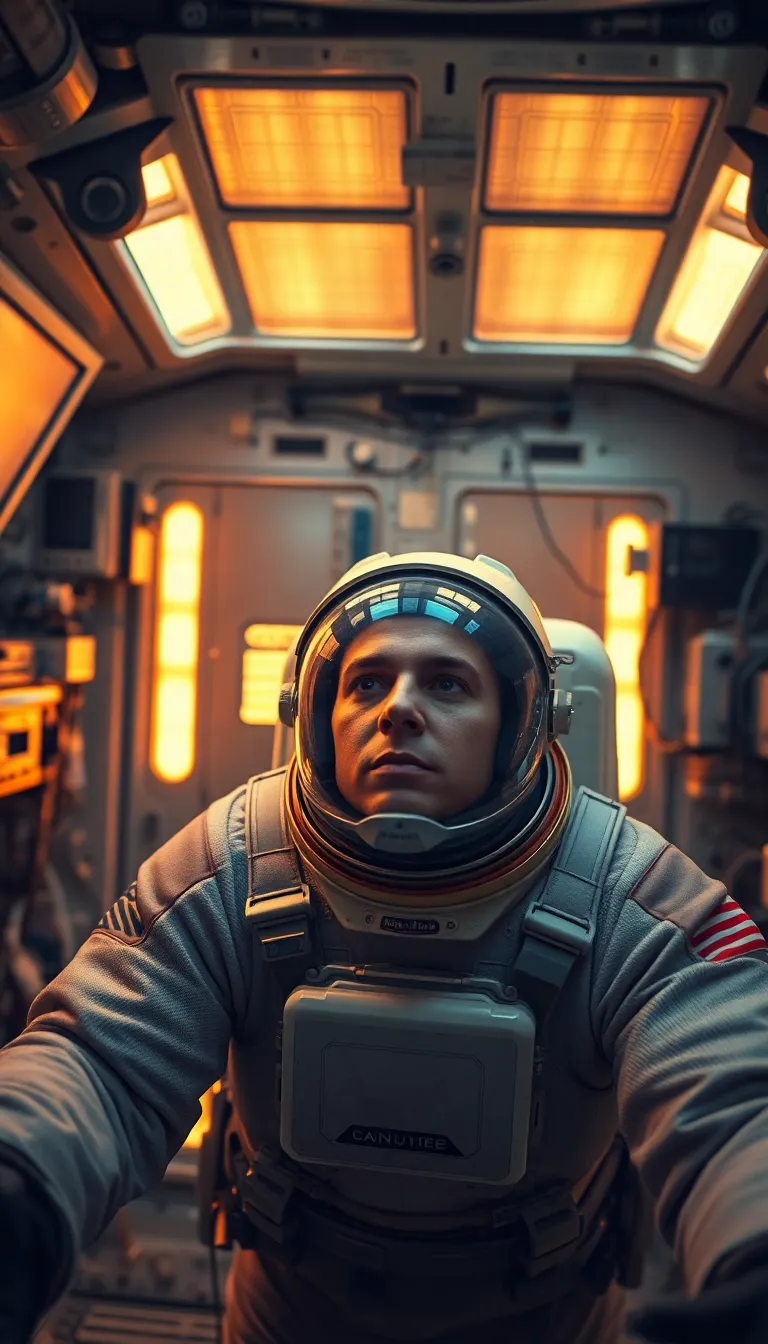
shot on Sony A7R V with 85mm f/1.4 GM lens, capturing an astronaut floating in zero gravity inside a space station module. The lighting is provided by warm artificial lights from panel screens, creating a cozy yet surreal ambiance. The depth of field is shallow at f/1.4, focusing sharply on the astronaut's expression while blurring the complex equipment behind. The color palette features muted silver tones with warm highlights emanating from the screens. The composition centers on the astronaut, who appears contemplative, surrounded by floating tools and equipment. Visible details include fabric textures of the astronaut's suit and subtle reflections on the metallic surfaces.
9:16
captured with Canon EOS R5, 24-70mm f/2.8L at 35mm, featuring dramatic backlighting from distant stars illuminating the interior of a futuristic space station. The scene exhibits a shallow depth of field at f/2.8, creating a soft bokeh effect on the background while the detailed consoles and technology in the foreground remain sharp. The color palette is evocative of deep space, combining rich blues and vibrant whites. The composition follows the rule of thirds, with the main console occupying the left power point while the vast window showcases a stellar view. Textures of metallic surfaces glisten under the starry light, emphasizing the advanced technology within the station.
16:9