Space
90 images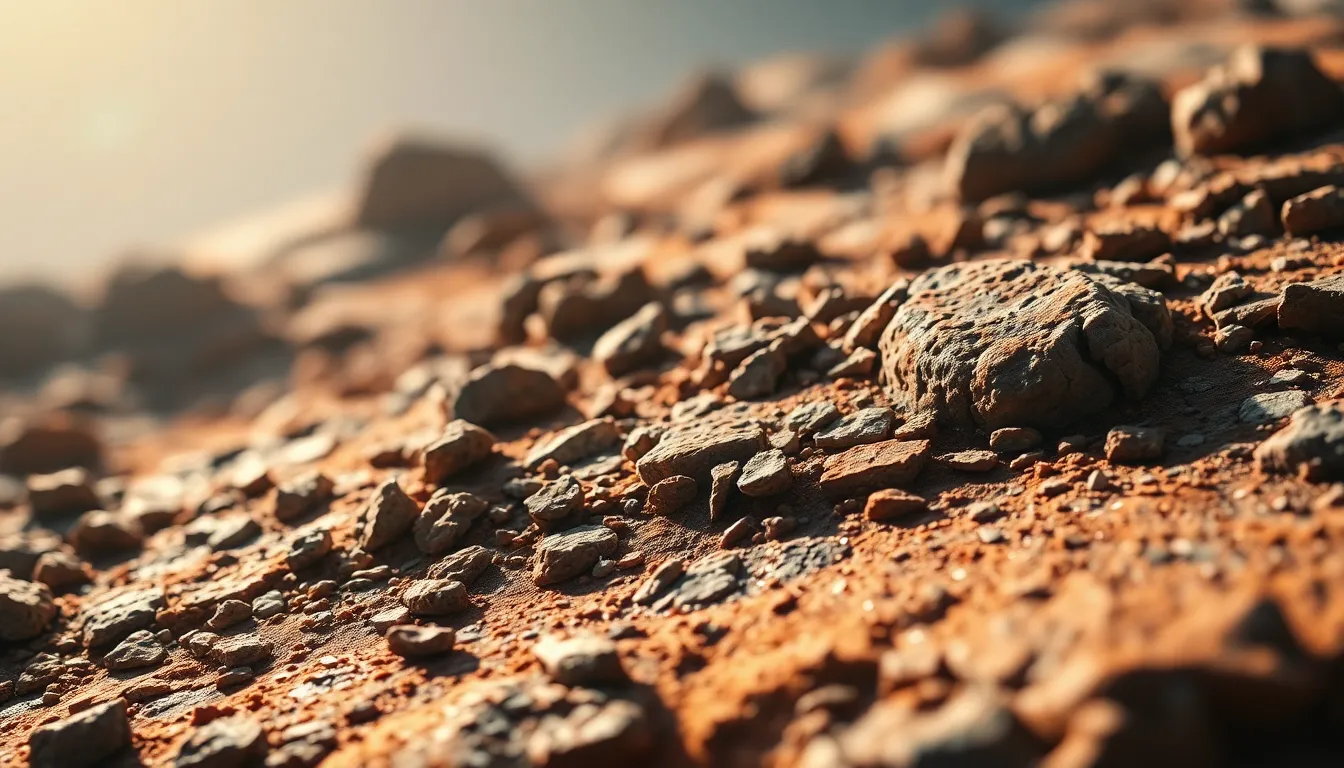
Captured with Fujifilm GFX 100S, 110mm f/2 macro, this image presents a detailed view of a comet as it approaches the sun, with its tail illuminated by sunlight. Natural sunlight provides a glowing effect as it refracts through the comet’s icy particles. A shallow depth of field emphasizes the shimmering tail while the head of the comet remains sharply in focus. The color palette mimics the icy blues and bright whites of the comet against the deep black of space. The composition utilizes a centered symmetrical layout, allowing the viewer to appreciate the comet's majestic structure and detail.
16:9

Utilizing Canon EOS R5, 24-70mm f/2.8L at 35mm, this striking image presents a close-up view of a Mars rock sample under bright studio lighting. A three-point lighting setup emphasizes the texture of the rock, revealing its rough surface and mineral inclusions. The depth of field is shallow at f/2.8, drawing attention to the intricate details while softly blurring the background. The color palette has natural muted tones, highlighting the reddish hues of Mars. The composition follows the rule of thirds, placing the rock sample to the left, allowing for negative space that emphasizes its isolation.
1:1
Captured with Hasselblad X2D 100C, 90mm f/2.5 medium format, this awe-inspiring image showcases a panoramic view of Earth from low orbit during dawn. The scene is brilliantly lit by the rising sun, creating a warm glow that bathes the planet in rich oranges and yellows. A hyperfocal distance at f/8 ensures every detail, from the clouds to the coastline, is sharp and clear. The color palette features natural muted tones, with soft gradients blending blue oceans and warm landmasses. The composition utilizes leading lines formed by cloud patterns, guiding the viewer’s gaze across the curvature of the Earth.
16:9
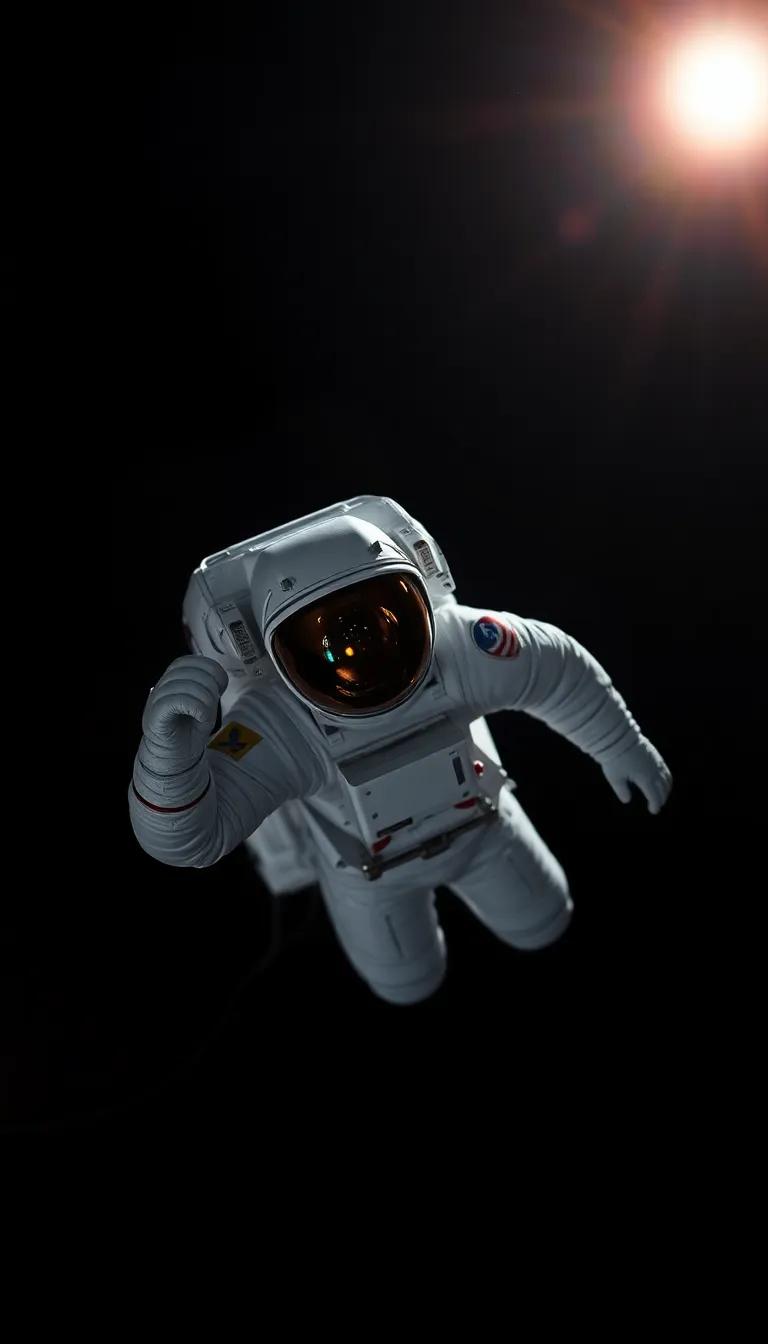
Shot on Sony A7R V with 85mm f/1.4 GM lens, this captivating image depicts an astronaut floating in the vastness of space, tethered to a spacecraft. The lighting is derived from the Sun, casting a stark, bright light on the suit while creating deep shadows against the infinite dark backdrop. A shallow depth of field at f/1.4 beautifully blurs the edges, emphasizing the astronaut's detailed helmet and suit. The color palette mimics the deep black of space, with vibrant reflections off the visor that hint at nearby stars. The composition centers the astronaut, with a slight tilt for dramatic effect, enhancing the sense of isolation in the cosmos.
9:16
Captured with Nikon Z9, 70-200mm f/2.8 telephoto at 135mm, this stunning shot features a brilliant view of the Andromeda Galaxy set against a backdrop of deep space. The lighting is provided by distant stars, creating ethereal glows and contrasts. The image focuses on the galaxy's spiral arms with a shallow depth of field at f/2.8, enhancing the luminous details while softening the surrounding darkness. It employs a cinematic teal and orange color grading, emphasizing the vibrant core of the galaxy. The composition adheres to the rule of thirds, placing the galaxy off-center to draw the viewer's eye through the twinkling stars and cosmic dust.
16:9
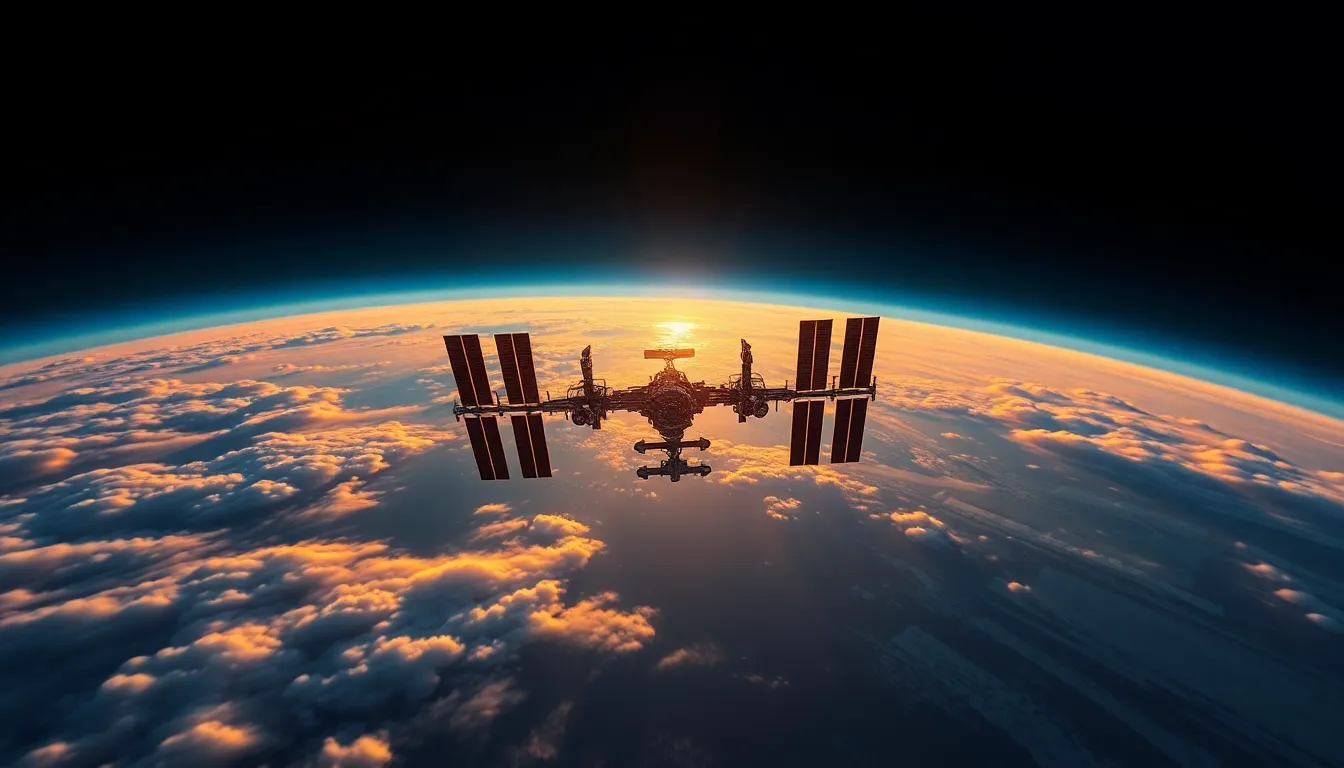
Captured with Leica Q3, 28mm f/1.7 Summilux lens, showcasing the International Space Station orbiting Earth. The view highlights the ISS against a backdrop of swirling clouds and the curvature of the planet below during sunrise. The natural light casts warm tones of orange and yellow, creating a vibrant contrast with the blue of Earth. A shallow depth of field emphasizes the ISS, while the colorful clouds blur into a soft bokeh. The composition centers the station, balancing it with the planet's curve.
16:9
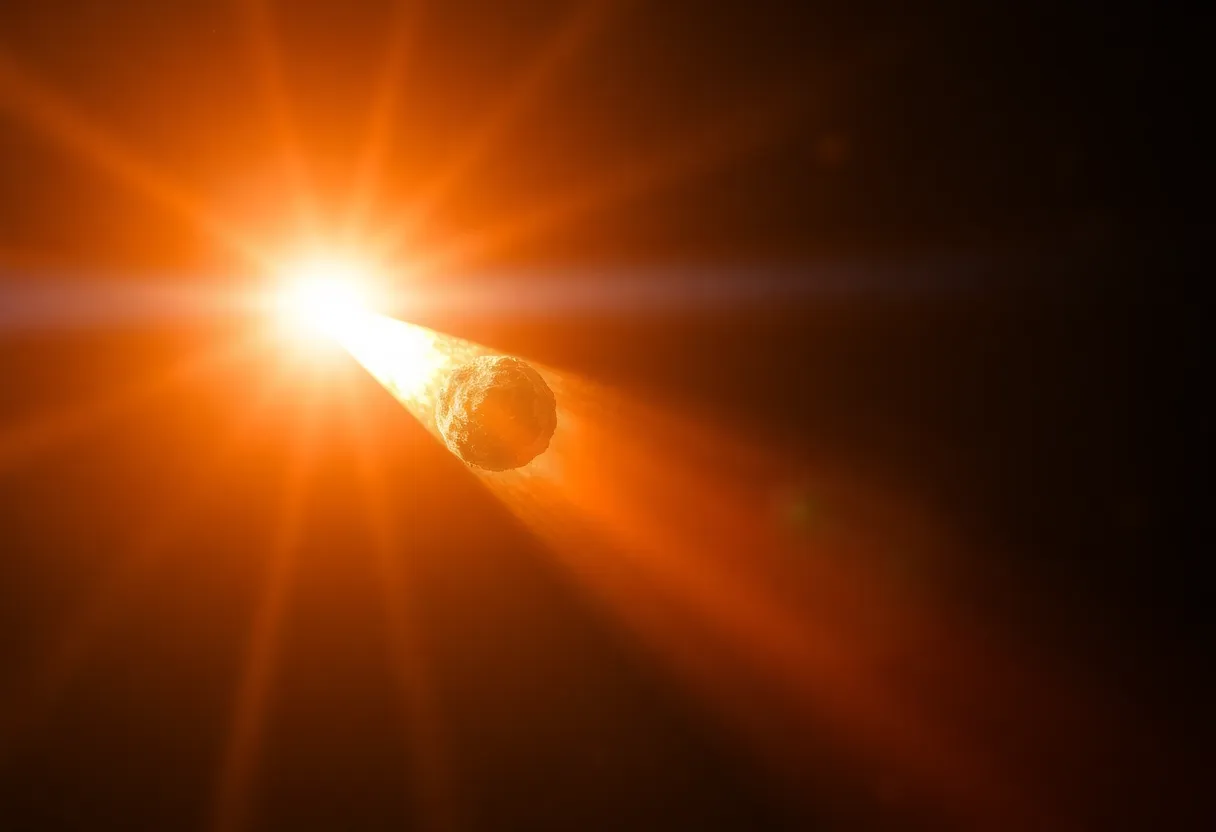
Photographed with Fujifilm GFX 100S, 110mm f/2 macro lens during a meteor shower. The scene captures bright meteors streaking across a twilight sky, with vibrant colors blending into the dark blue background. Natural lighting enhances the shimmering effect as the meteors trail through the atmosphere. A hyperfocal depth keeps both the meteors and the silhouetted trees in sharp focus. The composition features leading lines created by the meteor paths, drawing the viewer's eye across the night sky.
16:9
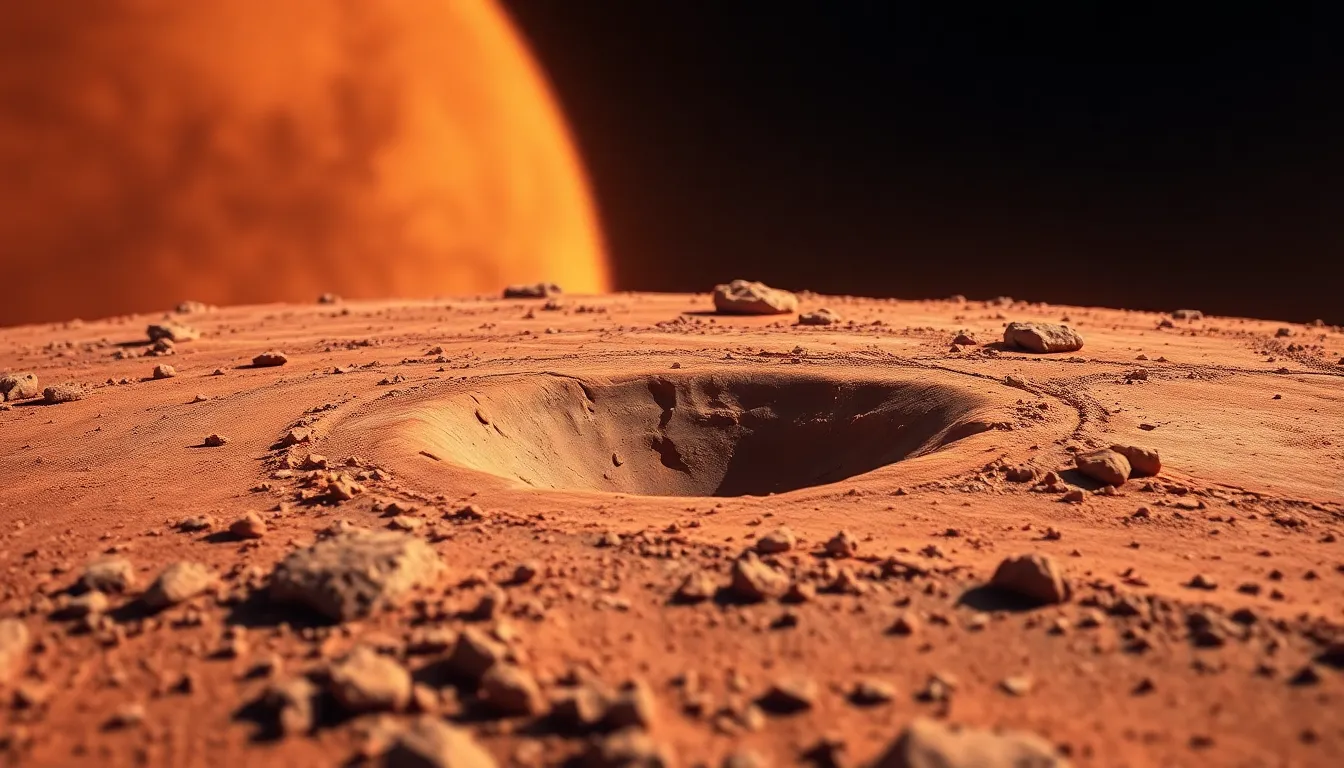
Created with Hasselblad X2D 100C, 90mm f/2.5 medium format, showcasing a close-up of Mars' surface. This image highlights the rough, textured terrain with visible craters and dust particles. The scene is illuminated by soft diffuse sunlight, producing natural muted tones of red and orange, enhancing the planet's rugged character. A shallow depth of field focuses sharply on a crater while blurring the background, creating depth. The composition centers on the crater, inviting viewers to explore the Martian landscape.
16:9
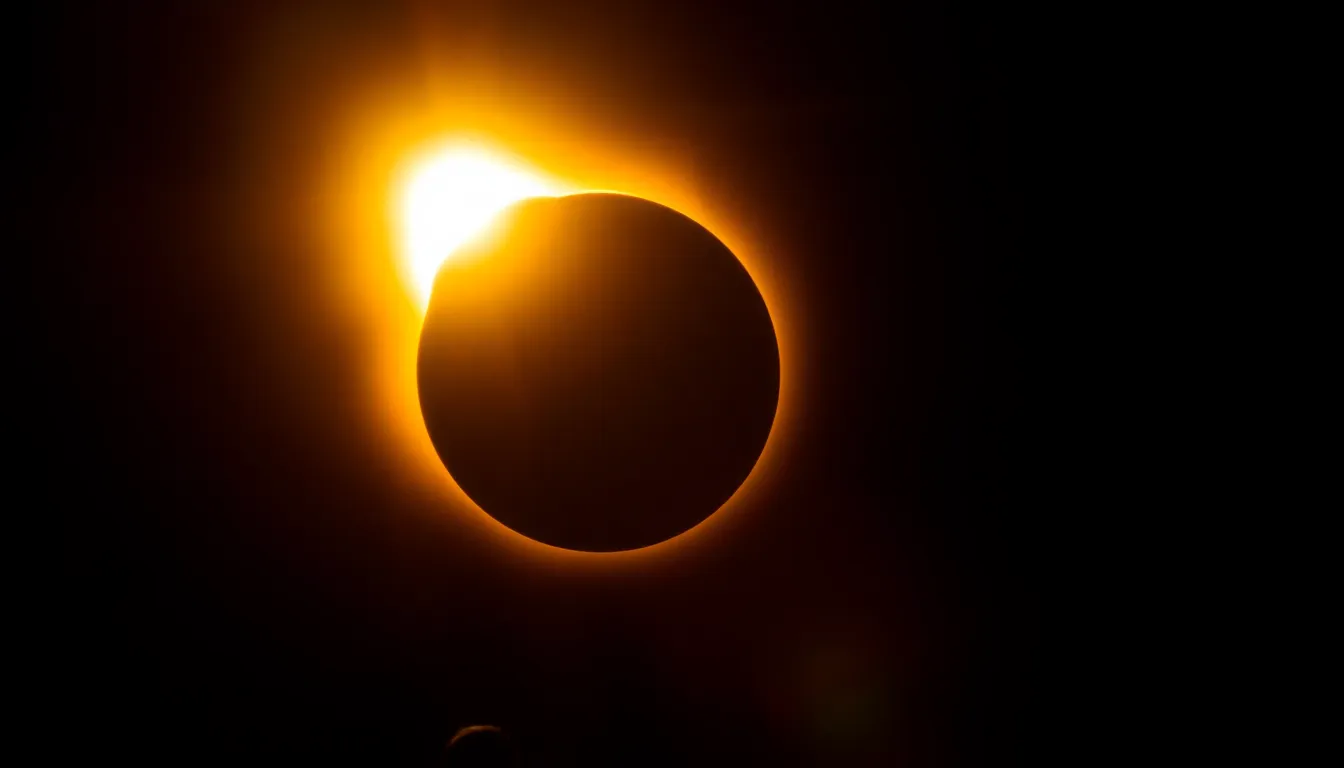
Shot on Canon EOS R5, 24-70mm f/2.8L at 35mm during a solar eclipse. The dramatic scene captures the moon partially obscuring the sun, with a fiery corona glowing around it. The lighting casts sharp contrasts, showcasing the deep blacks of space against the luminous corona. Using a hyperfocal distance, everything from the foreground silhouettes of onlookers to the eclipse itself is in sharp focus. The color palette features contrasting yellows and dark blues, creating an epic celestial moment.
16:9
Captured with Nikon Z9, 70-200mm f/2.8 telephoto at 135mm under a starry night sky. The scene features a swirling galaxy with vibrant hues of deep blues, pinks, and purples, creating a cosmic wonder. A shallow depth of field at f/2.8 blurs the surrounding stars into a dreamy bokeh. The composition uses rule of thirds, placing the galaxy at right power point, while a textured foreground of rocky terrain shows illuminated space dust. The image inspires awe and intrigue at the vastness of the universe.
16:9
captured with Hasselblad X2D 100C, 90mm f/2.5 medium format, presenting a majestic view of the Northern Lights illuminating a snowy landscape. The lighting is a natural spectacle with vibrant greens and purples dancing across the sky, creating a mesmerizing effect. A hyperfocal depth of field at f/8 ensures clarity across the snowy foreground and distant mountains. The color palette showcases striking contrasts of cool colors, enhancing the winter ambiance. The composition employs leading lines of the snow-covered terrain, guiding the eye towards the horizon where the aurora unfolds spectacularly.
16:9
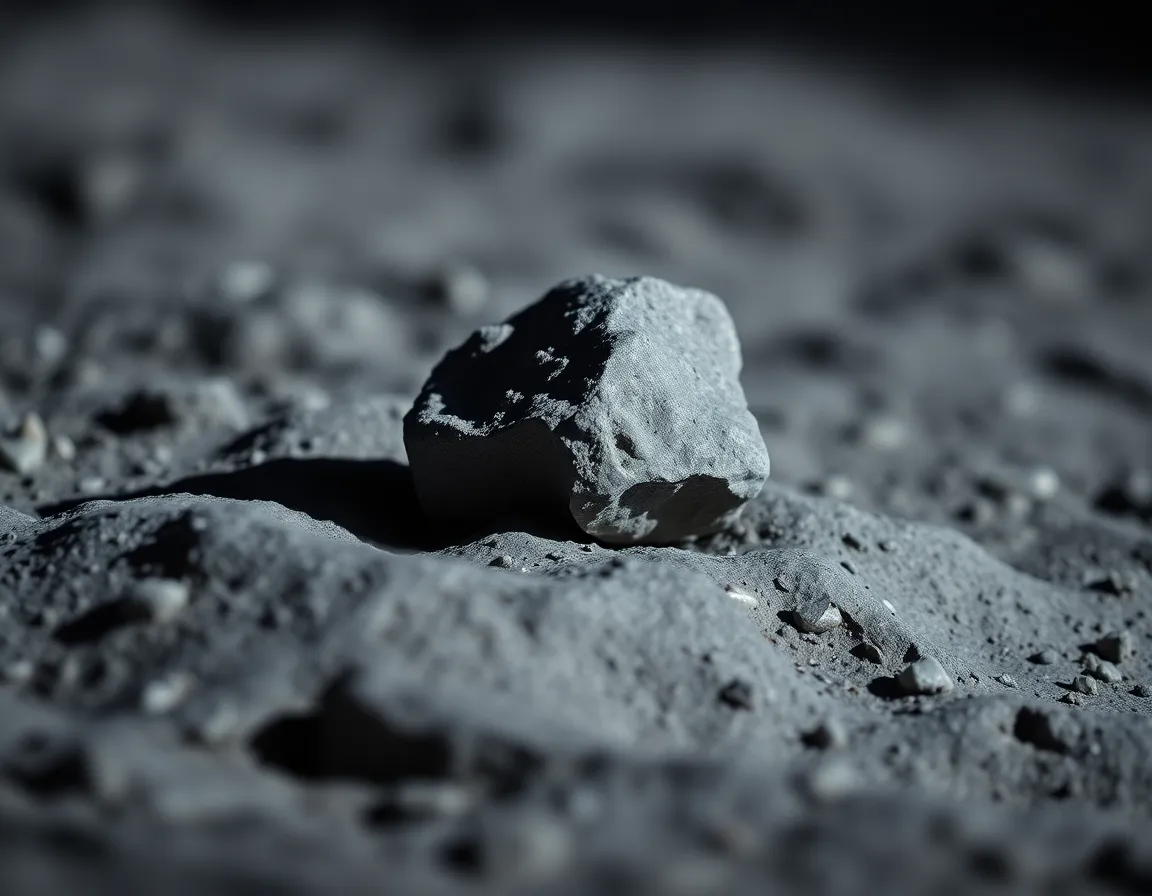
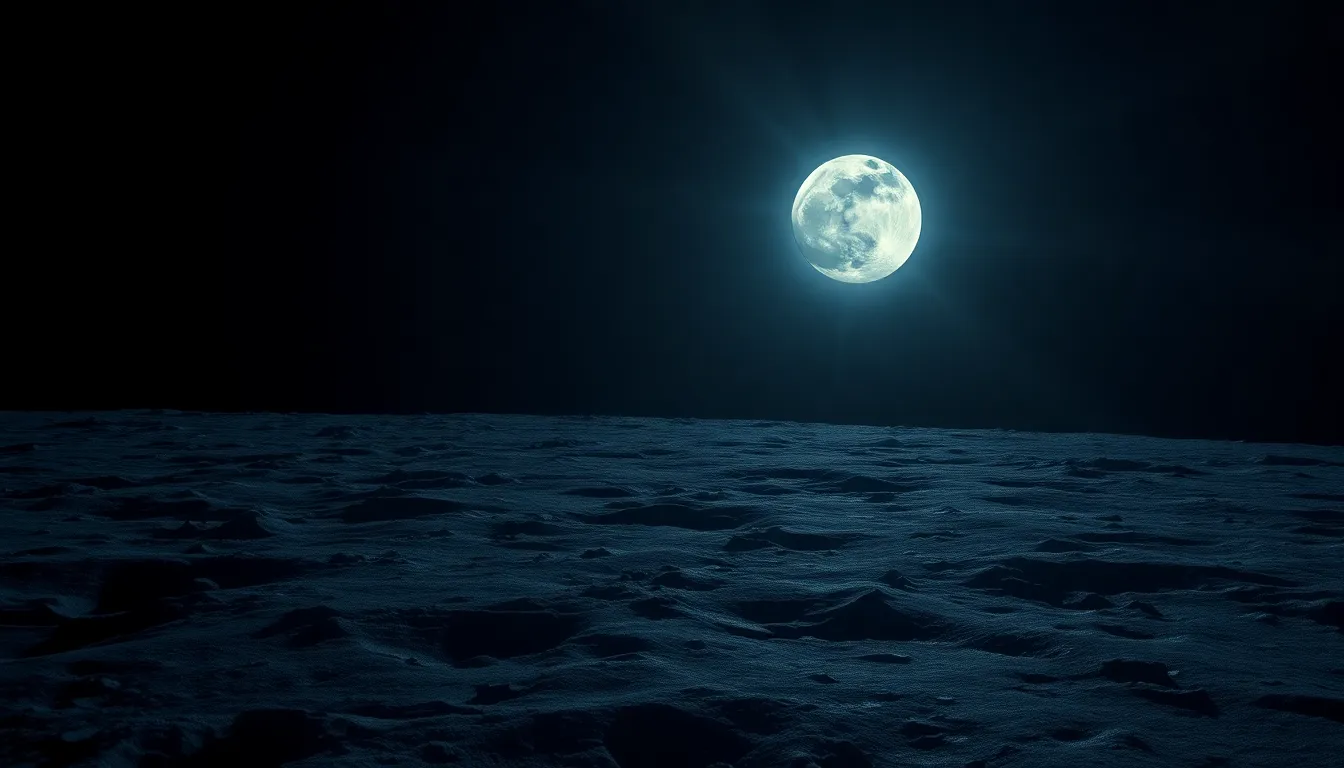
shot on Fujifilm GFX 100S, 110mm f/2 macro, highlighting a detailed view of a meteorite resting on a rocky lunar surface. The lighting is a soft moonlight, creating subtle shadows that emphasize the texture of the meteorite's surface. A very shallow depth of field at f/2 focuses tightly on the meteorite, blurring the lunar surroundings into an abstract, soft texture. The color palette is muted, with grays and silvers accentuating the otherworldly feel of the moon. The composition centers the meteorite, drawing the viewer's eye to its intricate details and history.
4:3
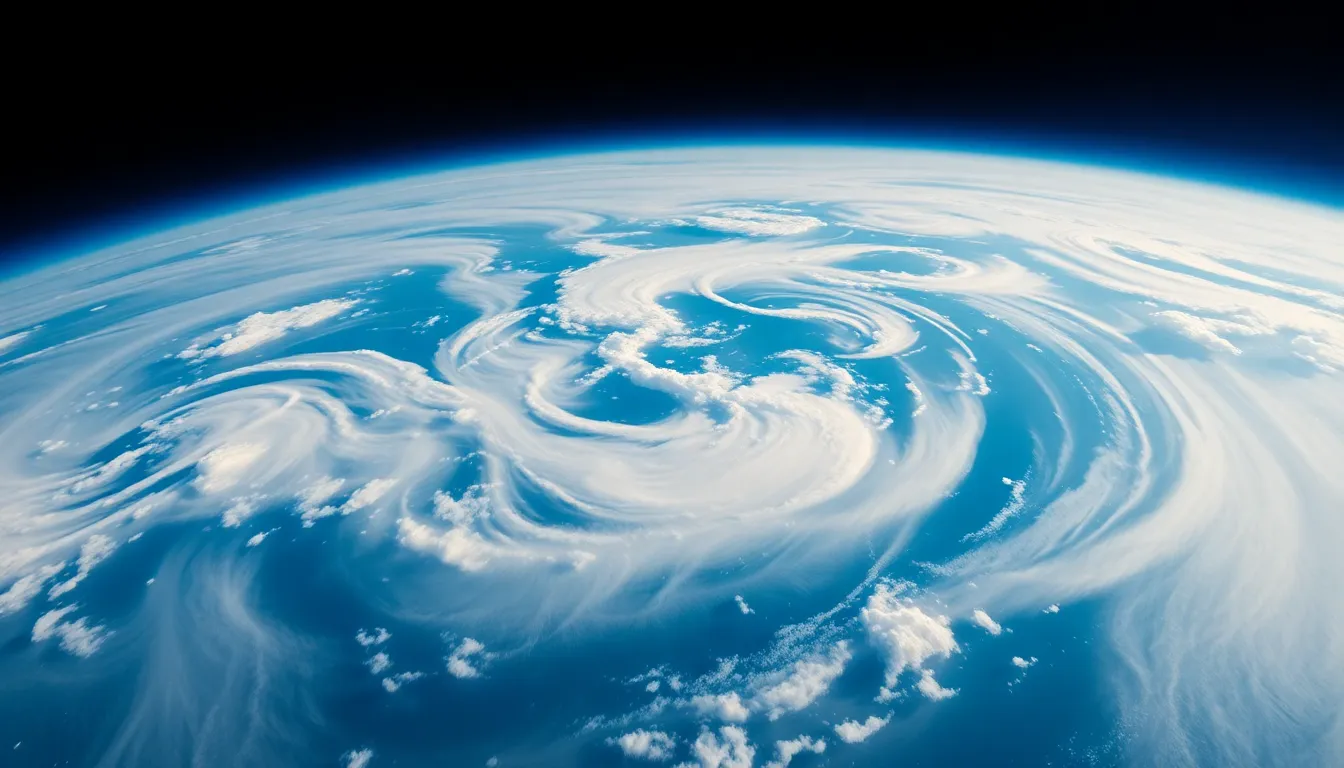
captured with Canon EOS R5, 24-70mm f/2.8L at 35mm, displaying a breathtaking view of Earth from above, showcasing swirling clouds and blue oceans. The lighting is a natural, diffused daylight filtering through the atmosphere, giving the Earth a soft glow. The depth of field is hyperfocal at f/8, ensuring everything from the planet's surface to the horizon is in sharp focus. The color palette is dominated by vibrant greens, blues, and whites, reflecting the beauty of our planet. The composition uses leading lines, with cloud formations guiding the viewer’s gaze towards the curvature of the Earth.
16:9
shot on Sony A7R V with 85mm f/1.4 GM lens, featuring a close-up of an astronaut in a pristine white space suit, gazing out into the blackness of space. The lighting captures the reflective surfaces of the helmet, with a stark contrast created by a nearby cosmic phenomenon casting soft light on the suit. A shallow depth of field at f/1.4 keeps the focus on the astronaut's face, blurring the background into a soft nebula-like bokeh. The color palette revolves around crisp whites and deep blacks, enhancing the astronaut's isolation. The composition employs the rule of thirds, positioning the astronaut slightly off-center to convey a narrative of exploration.
3:4
captured with Nikon Z9, 70-200mm f/2.8 telephoto at 135mm, the scene depicts a stunning view of a distant galaxy spiraling through the cosmos. The lighting is a dramatic star field, with glows from various celestial bodies creating soft ethereal illumination. A very shallow depth of field at f/2.8 blurs the foreground, making the stars pop against the dark void. The color palette features deep purples and blues, with shimmering whites representing stars. Compositionally, the galaxy is centered, drawing the eye to its intricate spiral. The texture of the velvety space backdrop adds to the sense of depth and mystery.
16:9
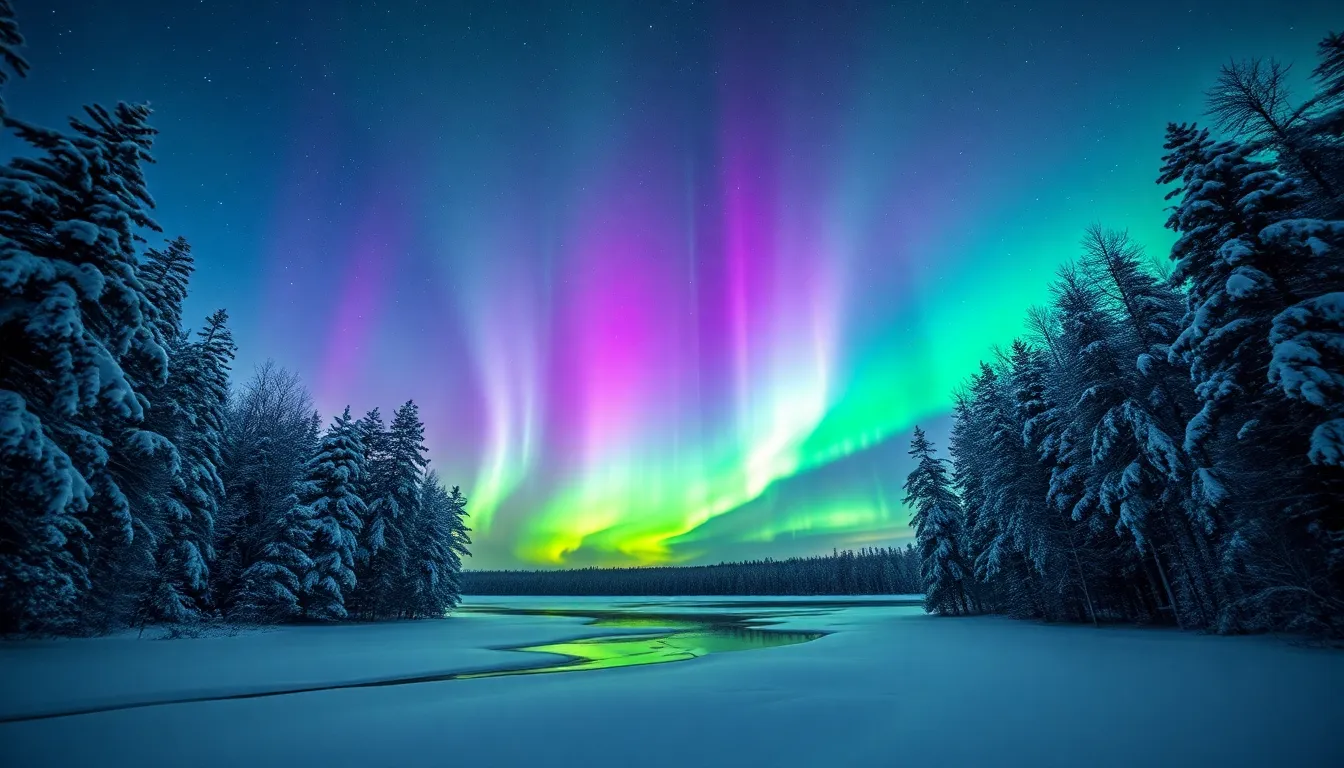
Taken with Leica Q3, 28mm f/1.7 Summilux, this stunning image depicts a vibrant aurora borealis illuminating the night sky above a snowy landscape. The natural lighting creates a mesmerizing display of greens and purples dancing across the sky, reflecting in a frozen lake below. The composition utilizes leading lines of snow-covered trees that draw the viewer’s eye towards the shimmering lights. With a shallow depth of field at f/1.7, the foreground remains crisp while the auroras take on a soft, ethereal quality. The color palette captures the enchanting hues of the aurora against the tranquil snow, setting a magical mood.
16:9

Photographed using Fujifilm GFX 100S, 110mm f/2 macro, this close-up captures Martian soil samples in a laboratory setting. The meticulous arrangement of samples on a textured black slate surface enhances the detail of each grain. Studio lighting creates high-contrast illumination, shedding light on the various shades of red and orange in the soil. The depth of field is shallow, bringing the foreground textures into sharp focus while the background melts into a soft blur. The natural color palette emphasizes the earthy tones, inviting viewers to explore the composition intricately.
1:1
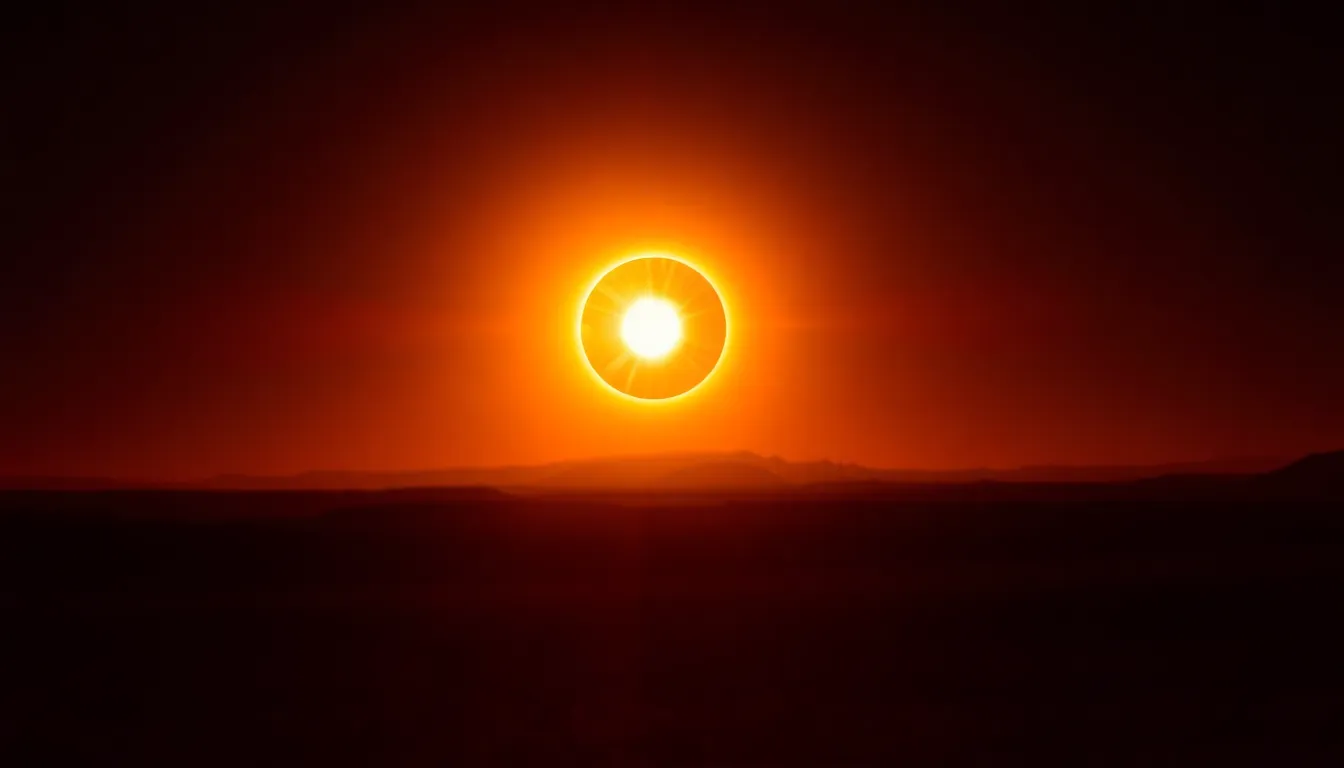
Captured with Nikon Z9, 70-200mm f/2.8 telephoto at 135mm, this powerful image showcases a solar eclipse viewed from a remote desert landscape. The composition features the sun partially obscured by the moon, creating a dramatic halo effect. The warm, golden hour lighting adds a magical quality, with deep shadows and vibrant colors. A selective focus on the eclipse highlights the intricate details of solar flares against the darkened sky, while the landscape below remains slightly out of focus. The color palette is rich with oranges and yellows, creating a stunning juxtaposition against the dark sky.
16:9

Shot on Sony A7R V with 85mm f/1.4 GM lens, this dynamic image features an astronaut floating in zero gravity outside the International Space Station (ISS). The background showcases Earth in stunning detail, with clouds and oceans vividly depicted. Natural sunlight creates dramatic high-contrast lighting, enhancing the textures of the astronaut's suit. A shallow depth of field at f/1.4 isolates the astronaut, giving a soft bokeh effect to the Earth below. The cinematic color grading enhances the blues and greens of Earth against the black void of space, creating a striking visual narrative.
16:9
Captured with Canon EOS R5, 24-70mm f/2.8L at 35mm, this stunning image showcases a vibrant nebula in deep space. The composition features swirling gas and dust illuminated by distant stars, with rich purples and blues dominating the frame. Soft diffused light from multiple stars creates a dramatic contrast against the dark void of space. The image displays a shallow depth of field at f/2.8, emphasizing the intricate textures of the nebula while softening the background. The overall color palette is inspired by Fujifilm Velvia, with vivid saturations that evoke a sense of wonder and exploration.
16:9
captured with Fujifilm GFX 100S, 110mm f/2 macro lens focusing on a comet approaching Earth, utilizing a dark backdrop with a soft ambient glow illuminating the comet's tail, shallow depth of field highlighting the comet's icy nucleus while the tail stretches out, Kodak Portra 400 color palette emphasizing soft blues and whites against the deep black of space, centered composition drawing attention to the comet's journey.
16:9
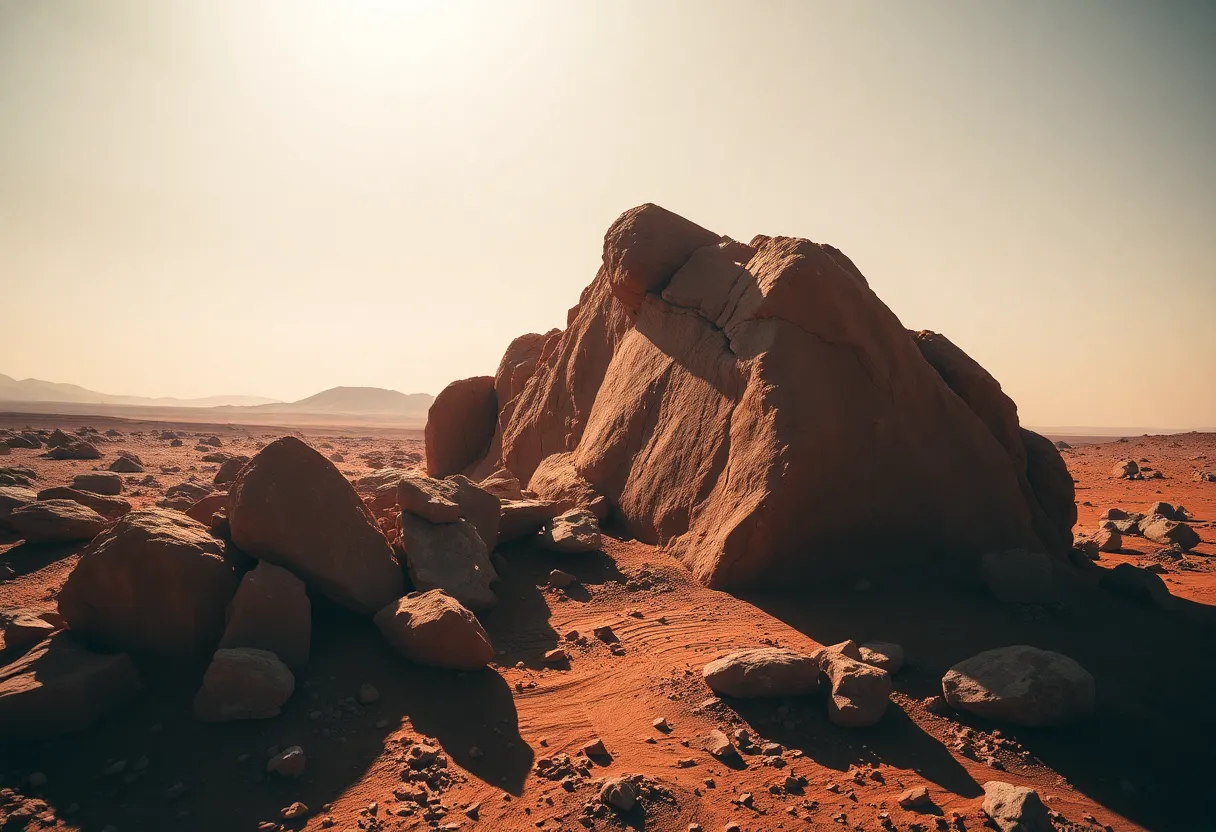
shot with Leica Q3, 28mm f/1.7 Summilux during the daytime on Mars, capturing the rugged terrain with vivid red rocks and dusty surfaces, bright sunlight creating harsh shadows and highlights, shallow depth of field isolating a Martian rock formation with fascinating textures, natural muted tones showcasing the Martian landscape, composition using the rule of thirds placing the rock in the right power point against a vast sky.
3:2
captured with Canon EOS R5, 24-70mm f/2.8L at 35mm during a sunset from a space station window, soft orange and violet hues blending together, creating a breathtaking view over Earth, hyperfocal distance ensuring everything from the window frame to the horizon is sharp, Fujifilm Velvia-inspired saturated colors highlighting the curvature of the planet and atmospheric layers, leading lines of the window framing the scene beautifully.
16:9

shot on Sony A7R V with 85mm f/1.4 GM lens, capturing a detailed close-up of an astronaut's helmet reflecting Earth from the surface of the moon, dramatic natural lighting from the sun creating sharp contrasts and highlights, shallow depth of field blurring the lunar surface while keeping the helmet's reflection crisp, natural muted tones with desaturated earth colors, rule of thirds composition placing the helmet in the left power point.
3:4
captured with Nikon Z9, 70-200mm f/2.8 telephoto at 135mm under dark space with stars, using a soft blue LED light to enhance the ethereal atmosphere, shallow depth of field focusing on a luminous nebula surrounded by distant stars, cinematic teal and orange color grading, centered symmetrical composition emphasizing the glowing core of the nebula with intricate textures of cosmic dust and gas swirling around it.
16:9
captured with Hasselblad X2D 100C, 90mm f/2.5 medium format, featuring an expansive view of a nebula glowing in vibrant colors. The scene is illuminated by the nebula's own light, creating a surreal atmosphere filled with rich purples, pinks, and blues. The depth of field is set to hyperfocal distance, ensuring sharp focus throughout the scene. The color palette is inspired by Fujifilm Velvia, emphasizing the saturation of the nebula's hues. The composition employs a centered symmetrical arrangement, allowing the nebula to dominate the frame, with delicate textures of cosmic gases visible throughout.
16:9
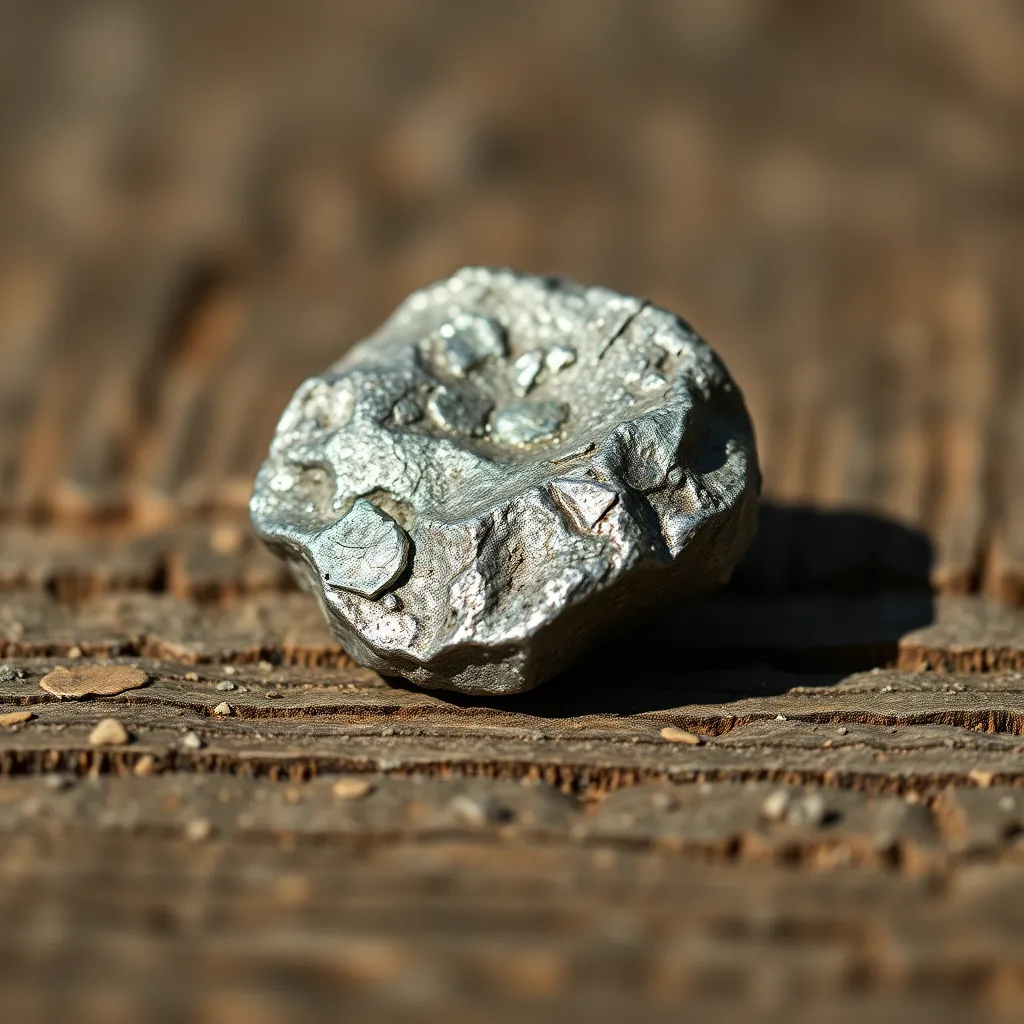
shot on Fujifilm GFX 100S, 110mm f/2 macro, showcasing a detailed close-up of a meteorite resting on a textured surface. The lighting is provided by natural daylight, enhancing the metallic sheen of the meteorite against a rustic wooden background. The macro lens creates a shallow depth of field, isolating the meteorite while blurring the surrounding texture. The color palette captures natural muted tones, with subtle earth colors reflecting the meteorite's alien origins. The composition features a centered symmetrical balance, emphasizing the unique features and textures of the meteorite, with visible mineral details.
1:1
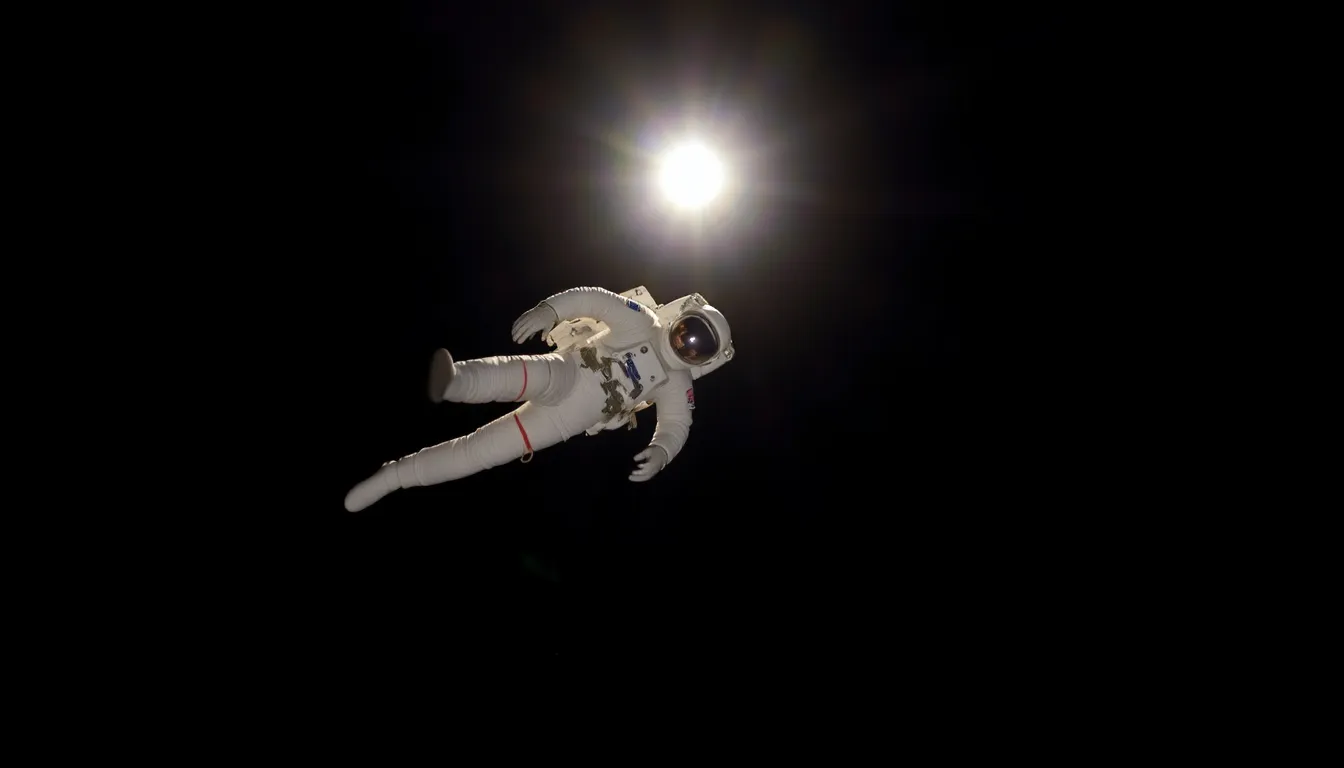
captured with Canon EOS R5, 24-70mm f/2.8L at 35mm, depicting a breathtaking view of the Andromeda Galaxy on a clear night. The scene is lit by the gentle glow of the stars, with vibrant colors ranging from deep blues to soft whites. The depth of field is set to f/8, ensuring all stars and the galaxy are in sharp focus, showcasing the vastness of the universe. The color science reflects a natural muted tone, emphasizing the delicate details of the galaxy. The composition utilizes leading lines from the startup light patterns to draw the eye toward the Andromeda Galaxy, enhancing the sense of depth and space.
16:9
shot on Sony A7R V with 85mm f/1.4 GM lens, featuring an astronaut floating gracefully in the vastness of space, with Earth visible in the background. The scene captures soft diffused daylight illuminating the astronaut's suit, creating a reflective surface that highlights the texture of the fabric. A shallow depth of field at f/1.4 blurs the Earth, allowing the astronaut to stand out in intricate detail. The color palette showcases natural tones of blue and green for the Earth, with a cinematic teal and orange grading for the suit. The composition follows the rule of thirds, placing the astronaut prominently off-center, creating a dynamic visual experience.
9:16
captured with Nikon Z9, 70-200mm f/2.8 telephoto at 135mm, showcasing a stunning view of a distant galaxy with vibrant colors. The scene is illuminated by the ethereal glow of celestial bodies, reflecting an array of blues and purples reminiscent of deep space. Depth of field is shallow at f/2.8, blurring the foreground stars and keeping the galaxy in immaculate focus. The color palette leans towards saturated hues, emphasizing the richness of the cosmic elements. The composition uses leading lines from starlight to guide the eye toward the central galaxy, while the texture of the cosmic dust appears almost tangible against the backdrop of the universe.
16:9
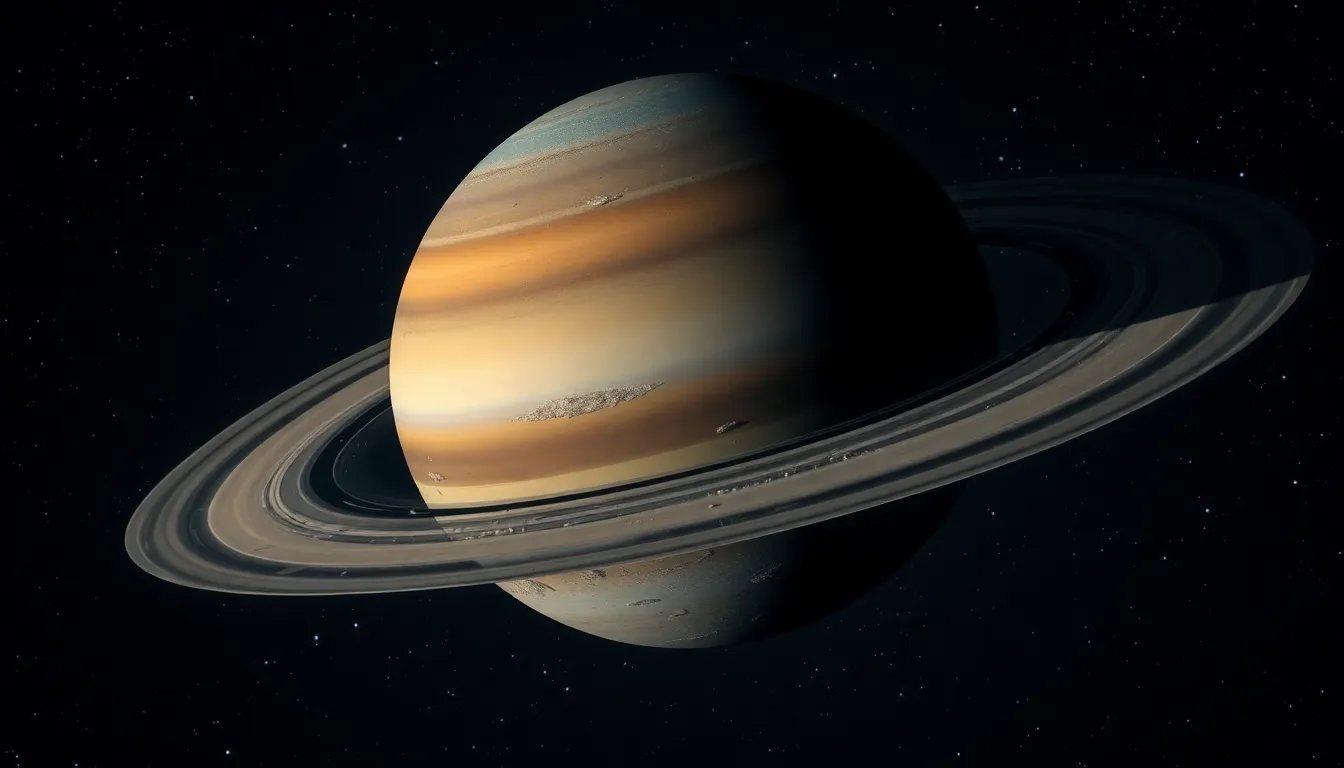
Shot on Hasselblad X2D 100C, 90mm f/2.5 medium format, this image depicts a futuristic space colony under construction on Mars. The scene is lit with warm tungsten lights illuminating the structures, creating a sense of progress and hope. With a narrow depth of field at f/2.5, the focus is on the foreground habitats while the Martian landscape blurs into a soft bokeh. The color palette features natural muted tones with desaturated reds and browns, reflecting the Martian terrain. The composition follows the rule of thirds, placing the colony off-center to capture the vastness of the alien environment surrounding it.
16:9
Captured with Canon EOS R5, 24-70mm f/2.8L at 35mm, this stunning image features the breathtaking aurora borealis illuminating a wintry landscape. The lighting is natural, with vibrant greens and purples dancing across the night sky, reflecting on the surface of a frozen lake below. Utilizing hyperfocal distance at f/8, every element from the icy foreground to the distant hills remains perfectly sharp. The color palette is inspired by Fujifilm Velvia, emphasizing the vivid hues of the auroras. The composition captures the serenity of the scene, with leading lines of the ice drawing attention to the vibrant sky above.
16:9
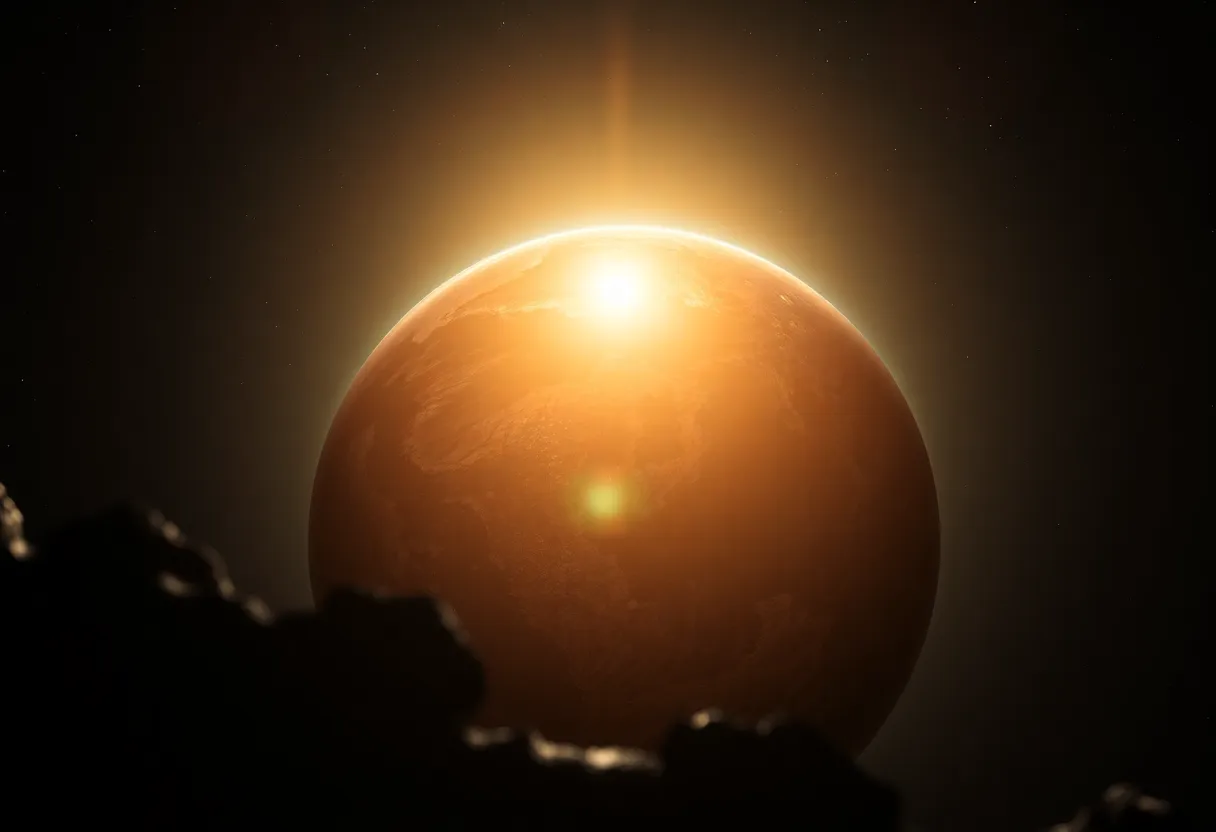
Captured with Fujifilm GFX 100S, 110mm f/2 macro, this close-up image reveals the surface of a distant exoplanet, showcasing its rugged terrain and vivid colors. Lighting includes gentle diffused sunlight, illuminating the textures of rocks and minerals. A shallow depth of field at f/2 creates a dreamy, soft focus in the background while highlighting the intricate details of the planet’s surface. The color palette features burnt oranges and dark blues, evoking a sense of alien beauty. The composition follows the rule of thirds, placing the most detailed section of the terrain at a power point, enhancing visual interest.
16:9
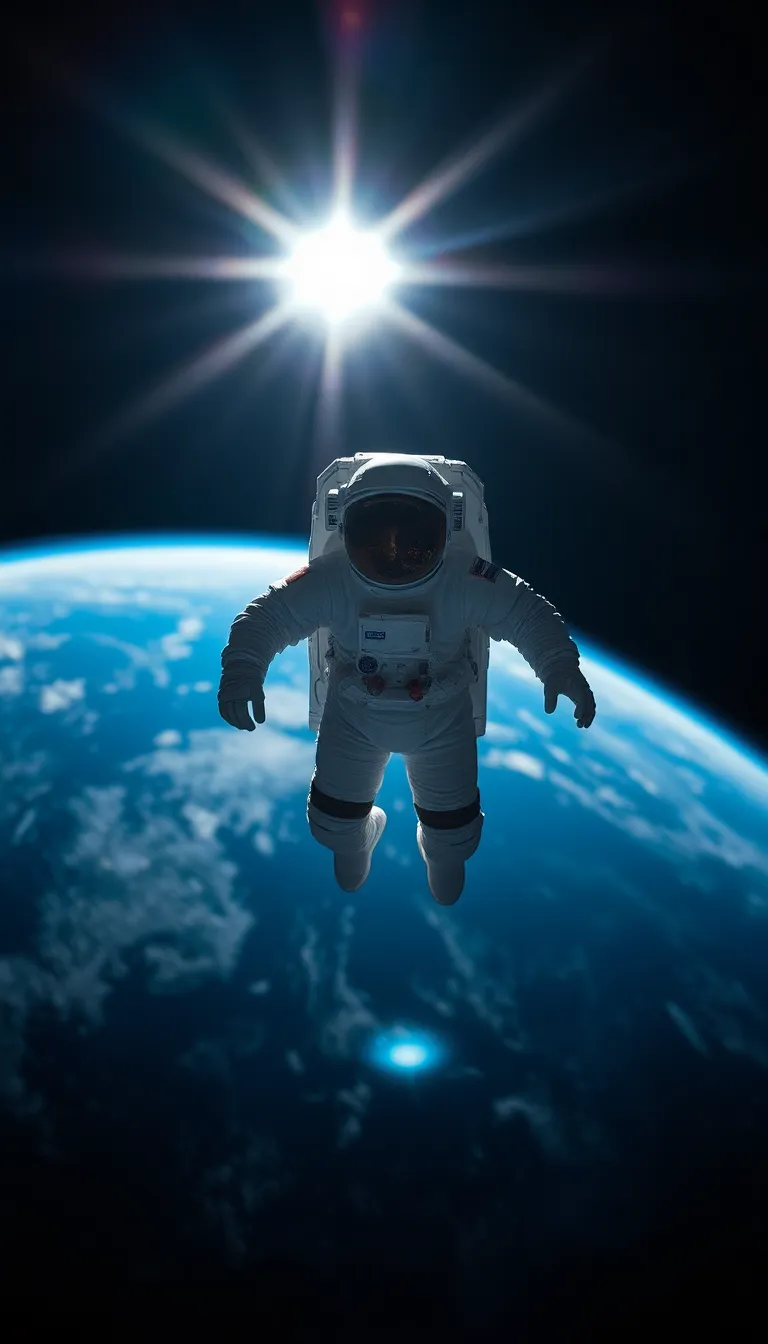
Shot on Sony A7R V with 85mm f/1.4 GM lens, this image captures an astronaut floating in the emptiness of space, tethered to a space station. The lighting is dramatic, with sunlight streaming from the side, highlighting the intricate details of the astronaut's suit. Using a hyperfocal distance at f/8 ensures that every detail, from the textures of the suit to the distant Earth, is in sharp focus. The color palette adheres to a cinematic teal and orange grading, enhancing the otherworldly feel. The composition is centered, emphasizing the astronaut against the void of space, with shimmering stars creating a captivating backdrop.
16:9
Captured with Nikon Z9, 70-200mm f/2.8 telephoto at 135mm, this image showcases a vast, starry night sky filled with swirling galaxies and shimmering stars. The scene is illuminated by bioluminescent plants in the foreground, creating an ethereal glow against the dark backdrop. Using shallow depth of field at f/2.8 brings the foreground flora into sharp focus while the stars fade into a soft bokeh. The color palette features deep blues and purples with hints of green from the plants. The composition employs leading lines, drawing the eye upward towards the cosmic splendor above, with textures of the plants' leaves visibly capturing the light.
16:9
captured with Hasselblad X2D 100C, 90mm f/2.5 medium format, utilizing three-point studio setup with key softbox at 45° illuminating a detailed model of the International Space Station on a black velvet backdrop, selective focus emphasizing the ISS details while creating a painterly bokeh for the background, vivid colors contrasting the sleek metallic textures against the backdrop, composition placing the ISS slightly off-center for dynamic interest, showcasing the beauty of human engineering against the void of space.
3:2

shot on Fujifilm GFX 100S, 110mm f/2 macro, using a warm tungsten desk lamp casting directional light on a detailed close-up of a meteorite, highlighting its unique surface textures and natural imperfections, shallow depth of field at f/2 with creamy bokeh emphasizing the meteorite’s intricate details, natural muted tones showcasing the grey and brown hues of the rock, composition focusing tightly on the meteorite, accentuating its form and the beauty of its surfaces.
1:1
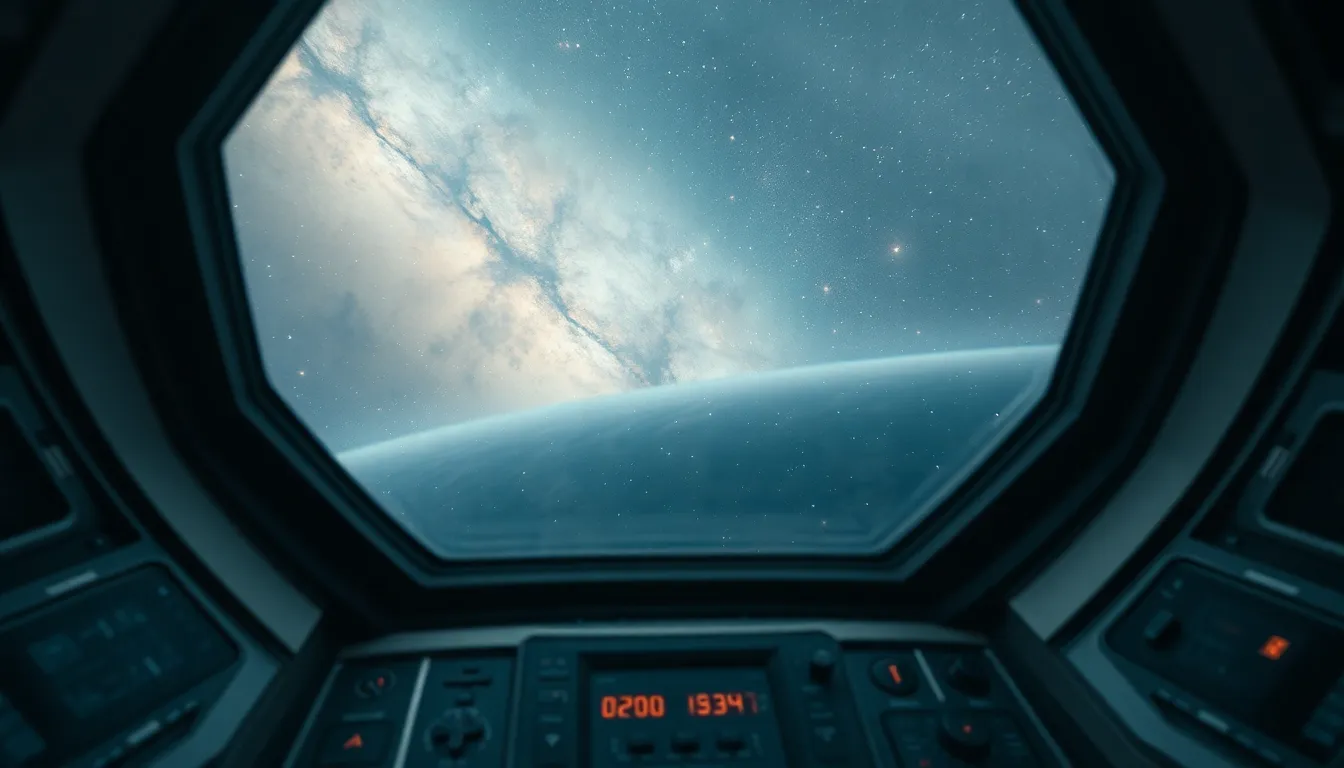
captured with Canon EOS R5, 24-70mm f/2.8L at 35mm, under overcast diffused daylight through a spaceship window showing an ethereal view of a nebula and distant stars, hyperfocal distance ensuring everything from the spaceship interior to the nebula is tack-sharp at f/8, natural muted tones of the nebula complemented by desaturated earth colors from the spaceship’s console, composition featuring the window in the foreground framing the stunning cosmic view, giving a sense of exploration and wonder.
16:9
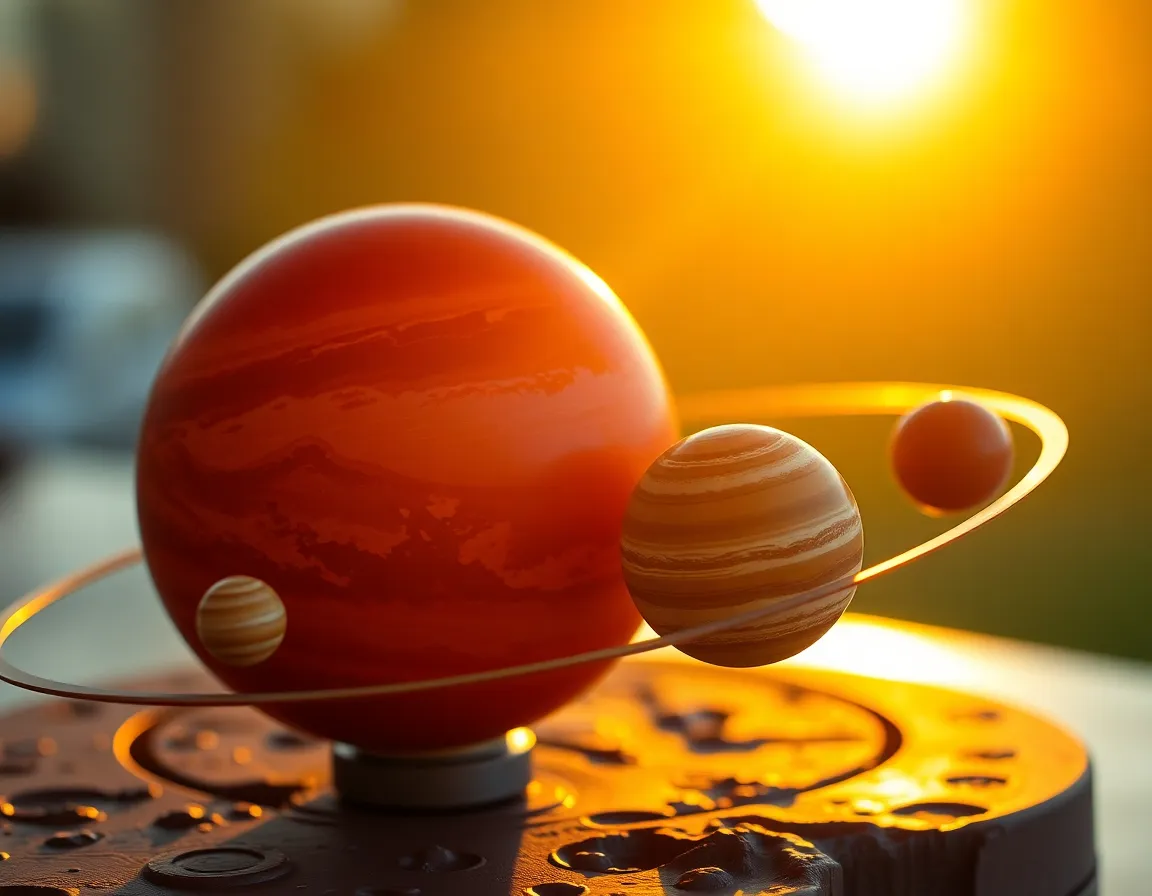
shot on Sony A7R V with 85mm f/1.4 GM lens, using golden hour natural light casting warm highlights on a detailed model of a solar system, shallow depth of field at f/1.4 blurring the background, and emphasizing the intricate textures of the planets, rich warm colors reminiscent of a sunset adding to the scene's vibrancy while keeping the planets' details visible, composition utilizing the rule of thirds to place the sun and planets strategically across the frame, with a sense of balance and harmony.
4:3
captured with Nikon Z9, 70-200mm f/2.8 telephoto at 135mm, featuring stark natural light from the moon illuminating the surface of a distant planet, shallow depth of field at f/2.8 with the foreground in focus and the planet fading softly into the background, cinematic teal and orange color grading enhancing the otherworldly atmosphere, centered composition focusing on the planet's craters and texture, with visible details like rugged terrain and soft shadows across the surface contributing to a sense of depth.
16:9
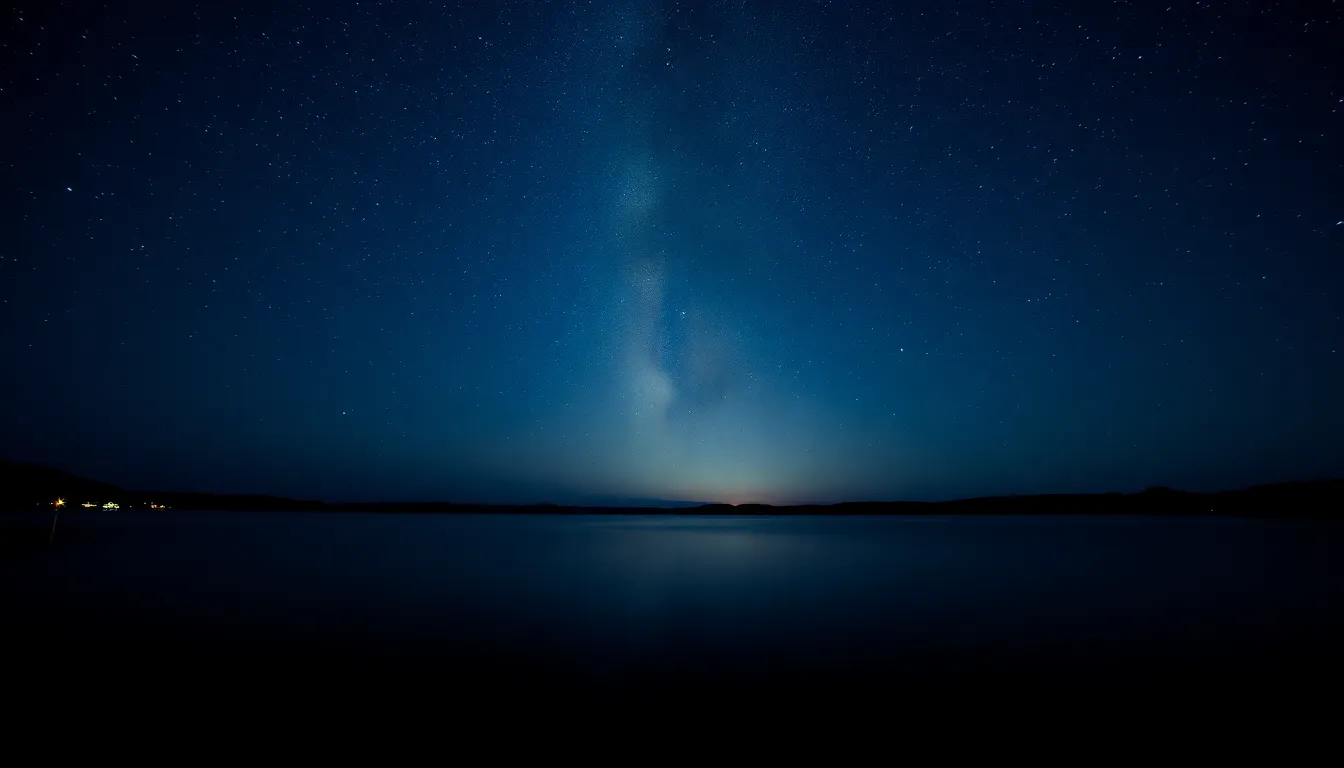
Hasselblad X2D 100C, 90mm f/2.5 medium format, capturing a cosmic landscape with a swirling galaxy in the background and a barren asteroid field in the foreground, overcast diffused daylight from a distant star enveloping the scene in soft light, hyperfocal distance maintaining sharpness from the rocky foreground to the luminous galaxy, natural muted tones with desaturated blues and grays enhancing the vast emptiness of space, leading lines formed by asteroid trails guiding the viewer's eye toward the galaxy.
16:9
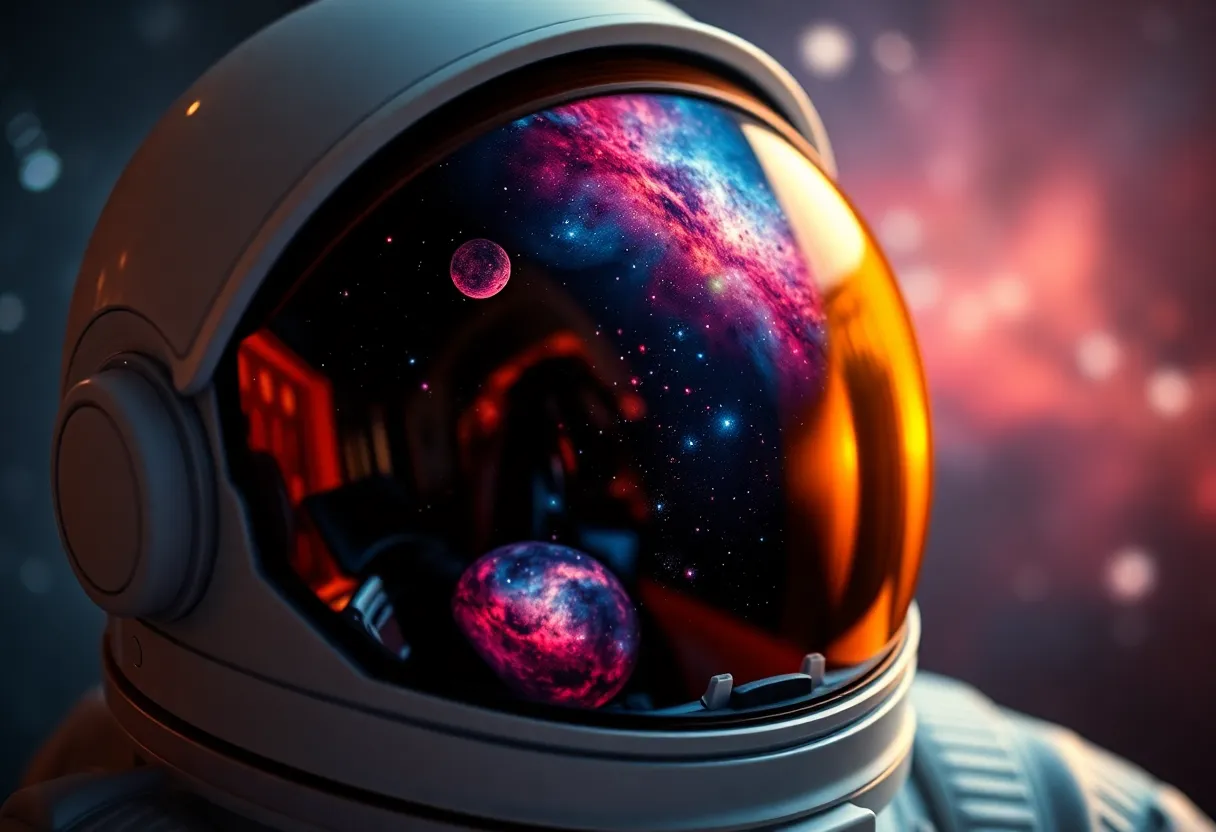
Fujifilm GFX 100S, 110mm f/2 macro, capturing stunning detail of an astronaut's helmet reflecting vibrant nebulae and cosmic phenomena, soft fill lighting from the surrounding stars creating subtle highlights on the helmet's surface, shallow depth of field at f/2 ensuring focus on the helmet's reflections while the background dissolves into a sea of stars, Kodak Portra 400 color palette enhancing the warmth and depth of the reflections, dynamic composition with the helmet slightly off-center to create visual interest.
3:2
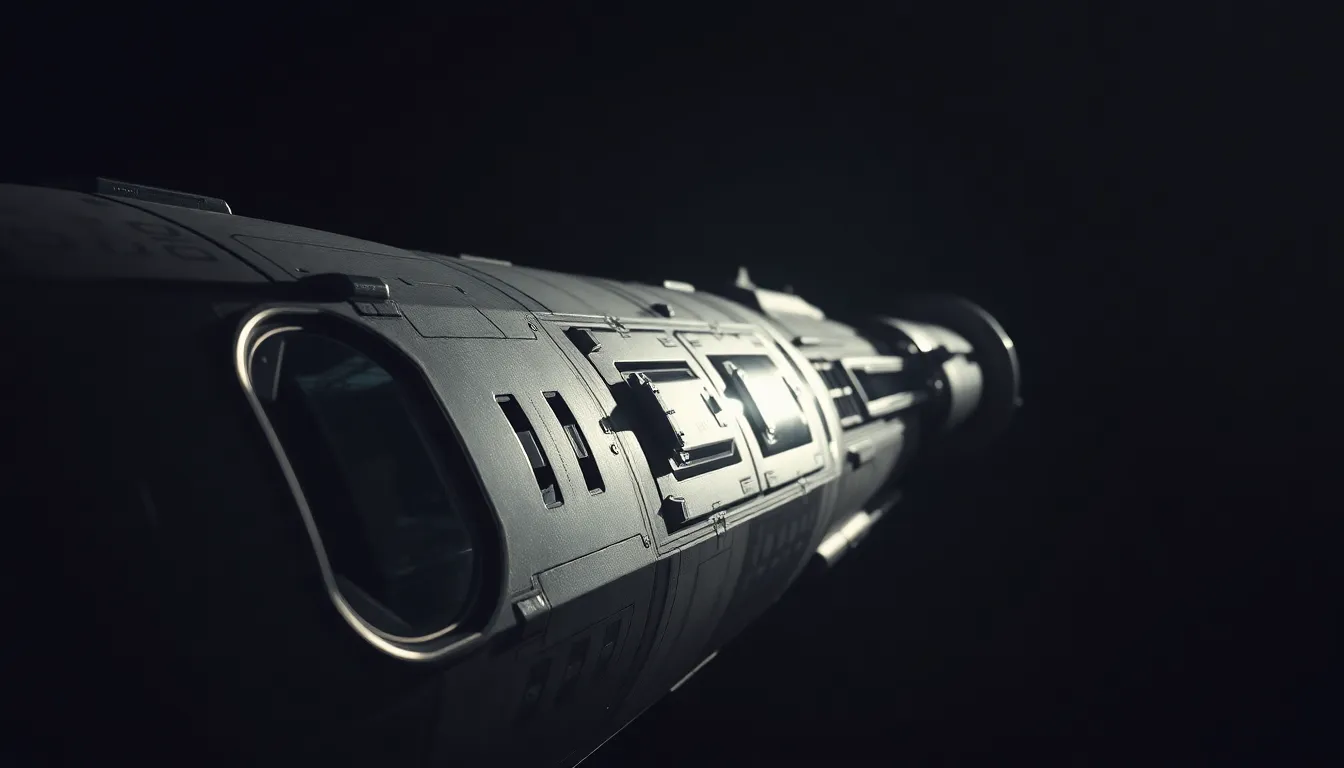
captured with Canon EOS R5, 24-70mm f/2.8L at 35mm, dramatic side lighting from a rotating spaceship casting sharp shadows on the metallic surface, selective focus on the ship's intricate panel designs while the background fades into soft bokeh, natural muted tones with desaturated metallic shades conveying moodiness, centered composition highlighting the futuristic spacecraft against a dark void of space.
16:9
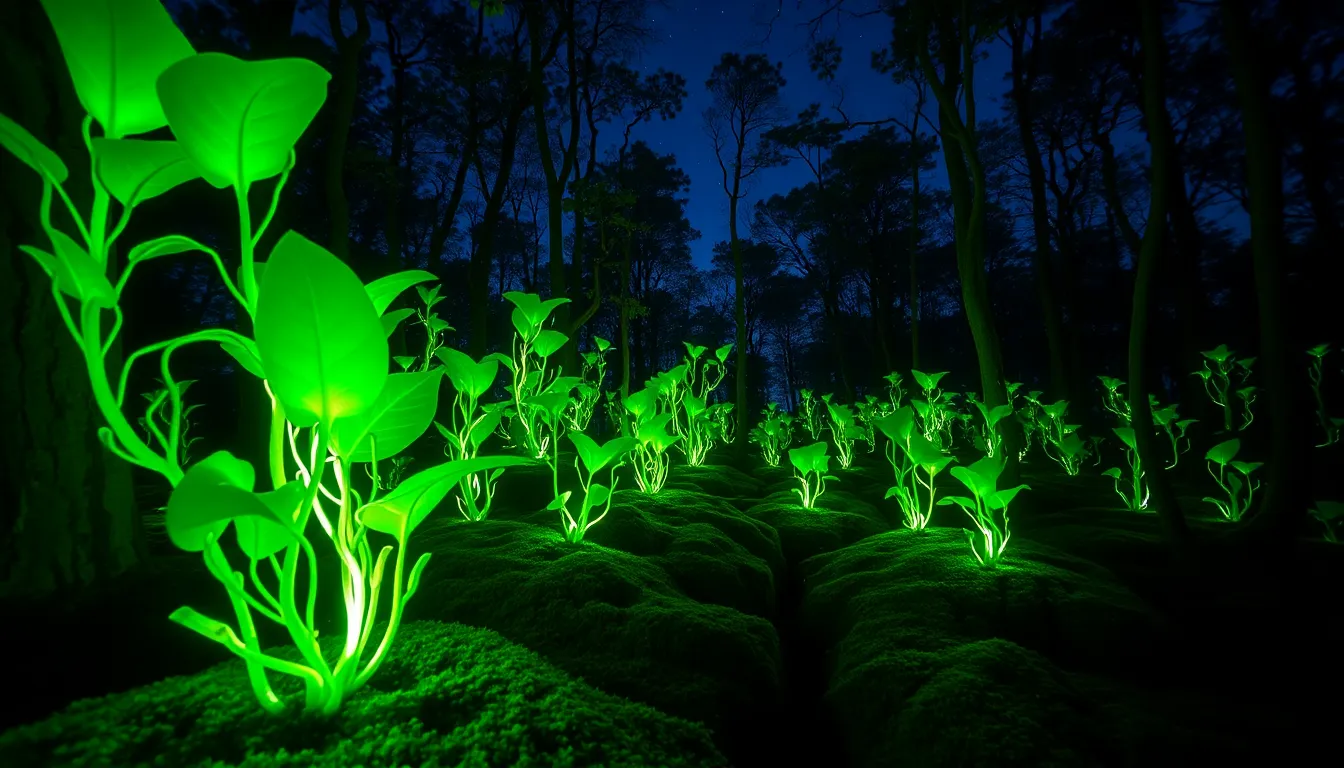
shot on Sony A7R V with 85mm f/1.4 GM lens, illuminated by ethereal bioluminescent plants casting a soft, otherworldly glow in an alien forest, hyperfocal distance ensuring everything from the vibrant flora to the starlit sky is crisp at f/8, Fujifilm Velvia-inspired colors showcasing vivid greens and deep blues, rule of thirds with leading lines of luminescent vines drawing the eye to the center, the forest floor covered in moss adding rich texture.
16:9
captured with Nikon Z9, 70-200mm f/2.8 telephoto at 135mm, dramatic backlighting from a distant sun casting stark shadows on a lone astronaut in a space suit, shallow depth of field at f/2.8 with the planet Earth faintly blurred in the background, cinematic teal and orange color grading enhancing the otherworldly feel, centered symmetrical composition focusing on the astronaut's determined expression, and the suit's texture showcasing fine details and wear from space travel.
16:9
Captured with Hasselblad X2D 100C, 90mm f/2.5 medium format, this image presents a breathtaking view of the Northern Lights dancing across a starlit sky above a snow-covered landscape. The lighting is natural, with the vibrant greens and purples of the aurora contrasting beautifully against the dark night sky. A hyperfocal distance ensures sharp focus across the entire scene at f/8, capturing both the aurora and the foreground snow accurately. The color palette radiates with rich, saturated greens and purples, set against the cool blues of the night. The composition features a rule of thirds approach, placing the aurora in the upper third while the snowy foreground leads the eye toward the horizon.
16:9
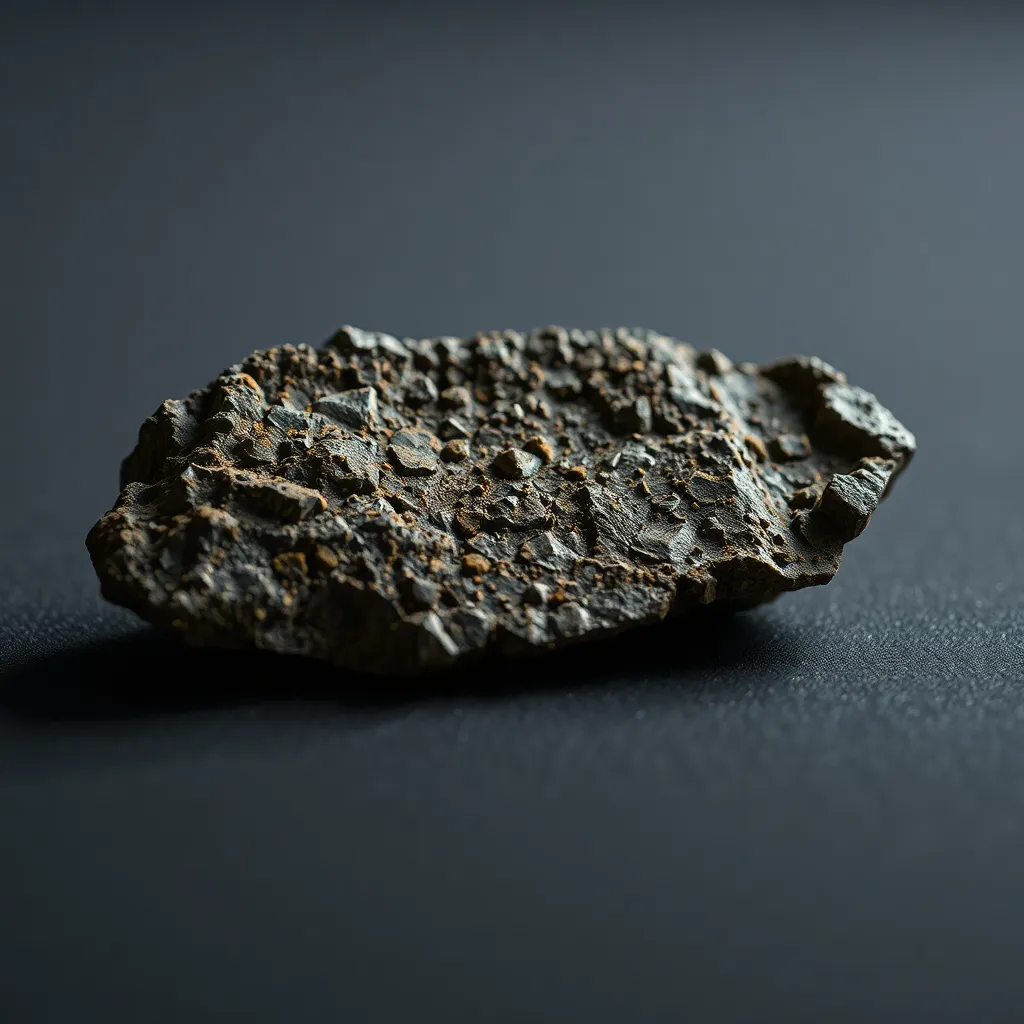
This artwork, shot on Fujifilm GFX 100S, 110mm f/2 macro, captures intricate details of a meteorite fragment resting on a dark surface. The scene is illuminated by a soft, diffused light source, bringing out the textures and crystalline structure of the meteorite. With a shallow depth of field at f/2, the focus is on the meteorite, while the background fades into a creamy blur. The color palette features earthy browns and metallic greys, enhancing the natural beauty of the fragment. The composition employs a centered symmetrical arrangement, allowing the viewer to appreciate the meteorite's details.
1:1
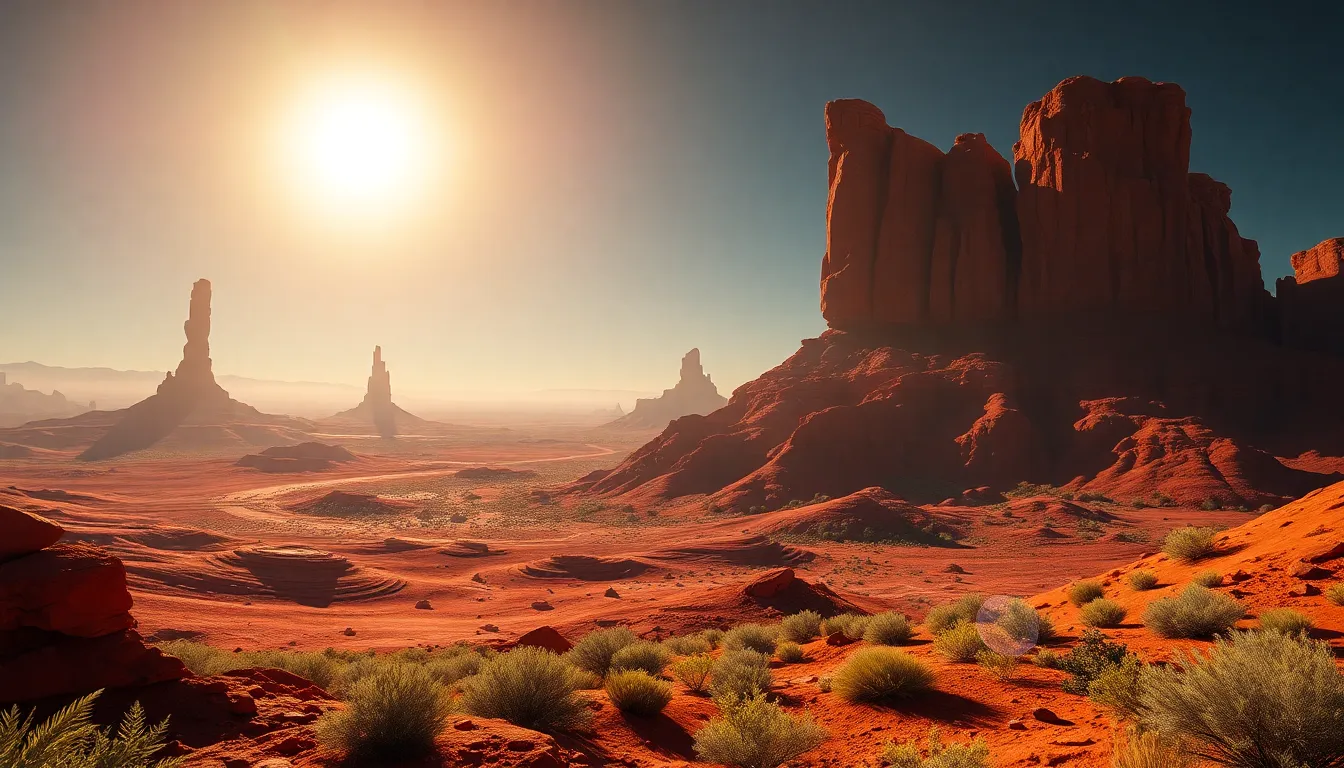
Captured with Canon EOS R5, 24-70mm f/2.8L at 35mm, this image shows a stunning view of an alien planet with unique geological features. The scene is illuminated by the planet's dual suns, casting dramatic shadows and rich colors across the landscape. The hyperfocal distance ensures everything from the distinct rock formations to the distant horizon is in sharp focus at f/8. The color palette features vibrant reds and oranges of the terrain, with muted greens of alien vegetation. The composition utilizes leading lines created by the rock formations to draw the eye into the horizon, creating a sense of depth and scale.
16:9
Shot on Sony A7R V with 85mm f/1.4 GM lens, this image captures an astronaut floating in the void of space. The scene is illuminated by sunlight reflecting off the Earth below, creating a beautiful play of light on the astronaut's suit. With a shallow depth of field at f/1.4, the astronaut is in sharp focus, while the Earth fades into a soft background. The color palette features vibrant blues of Earth contrasted with the stark black of space, enhancing the sense of isolation. The composition centers the astronaut in the frame, emphasizing the vastness of space surrounding them.
9:16
Captured with Nikon Z9, 70-200mm f/2.8 telephoto at 135mm, this hyper-detailed scene showcases a distant galaxy with vibrant colors. The lighting is provided by the stars themselves, casting a soft glow against the vast, dark backdrop of space. The image features a shallow depth of field at f/2.8, with the galaxy sharply in focus while the surrounding stars melt into a dreamy bokeh. The color palette exhibits deep purples and blues with hints of golden star clusters, creating a sense of wonder. The composition emphasizes the galaxy in the center of the frame, surrounded by twinkling stars, enhancing the feeling of depth and infinity.
16:9
captured with Hasselblad X2D 100C, 90mm f/2.5 medium format, featuring a breathtaking close-up of a nebula captured in vivid colors. The ethereal lighting creates a soft glow throughout the image, with intricate details of gas and dust swirling in various hues of pink, purple, and blue. The depth of field is set at f/2.5 to focus sharply on the core of the nebula while allowing the surrounding colors to blend softly into the background. The cinematic color grading enhances the dreamlike quality of the scene, while the composition is centered around the nebula's intricate patterns and textures.
3:2
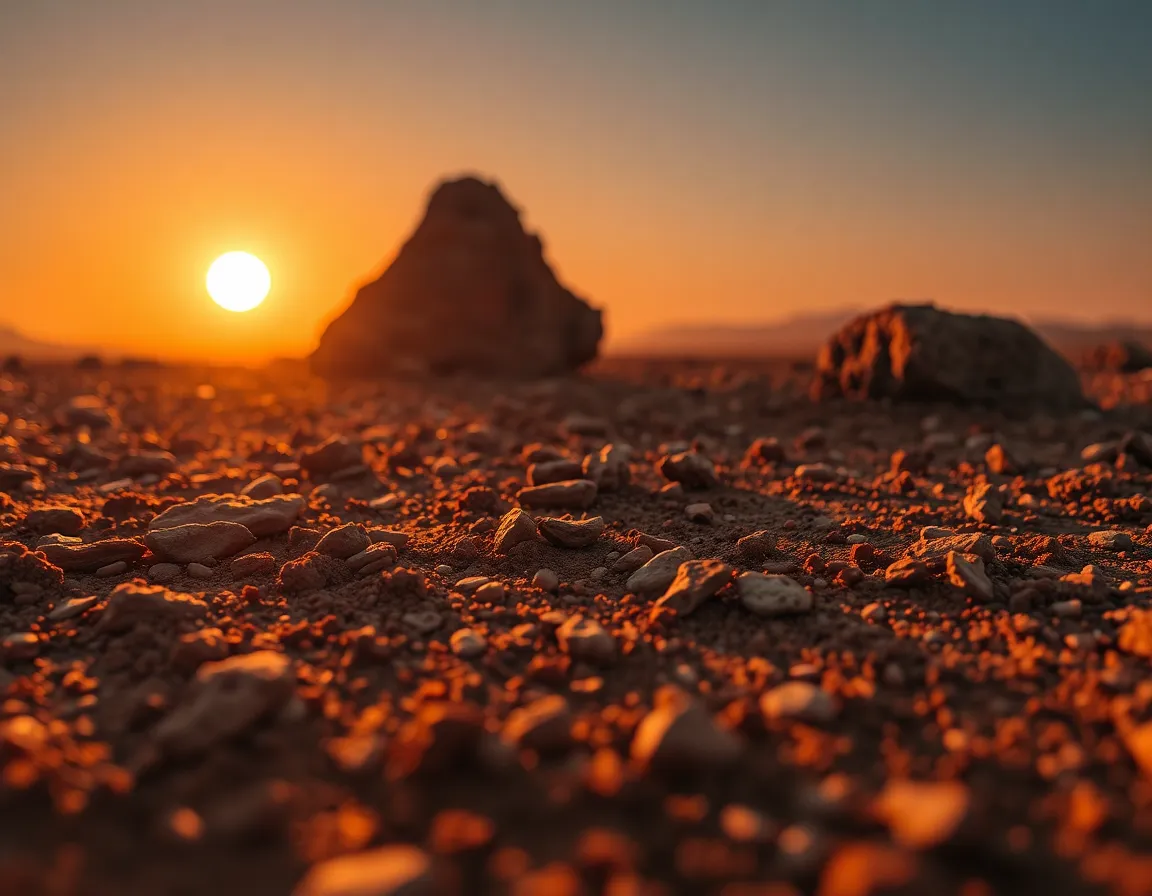
shot on Fujifilm GFX 100S, 110mm f/2 macro, depicting a detailed view of Martian soil and rocks during a sunset. The natural lighting casts a warm, golden hue over the red and brown textures of the terrain, creating an ethereal atmosphere. The selective focus emphasizes the intricate details of the soil's surface, with visible granules and shadows highlighting its rugged features. The color palette features natural muted tones with desaturated earth colors, enhancing the feeling of desolation. The composition follows the rule of thirds, with an interesting rock formation placed strategically to draw the viewer's eye into the landscape.
4:3
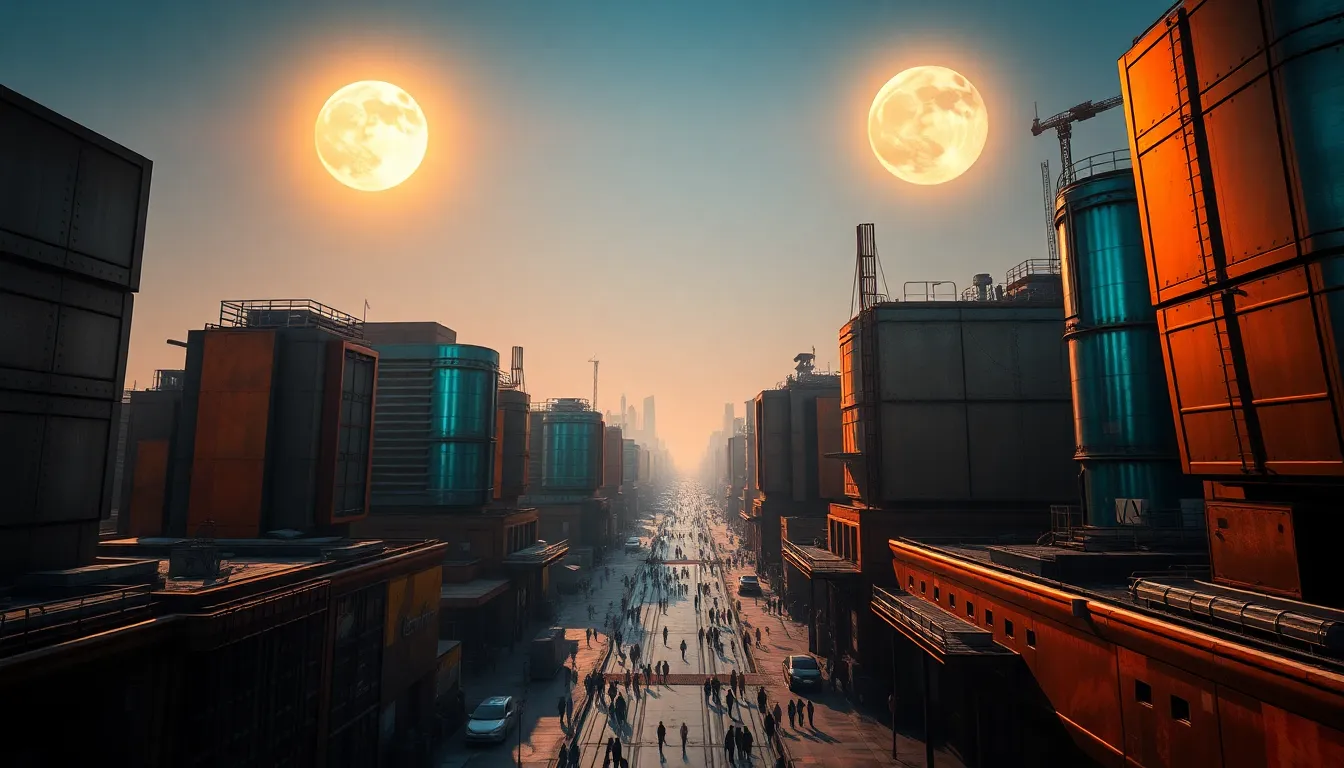
captured with Canon EOS R5, 24-70mm f/2.8L at 35mm, illustrating a futuristic cityscape on an alien planet under two suns. The vibrant lighting creates a high-contrast scene, with shadows elongated across the metallic buildings that glimmer in shades of teal and orange. The hyperfocal distance at f/8 keeps everything from foreground to background sharp, showcasing the bustling life in the city. The color palette draws inspiration from cinematic films, with deep shadows contrasting the bright highlights. The composition utilizes a Dutch angle to create a dynamic tension, while the surface details of the buildings highlight their unique, otherworldly materials.
16:9
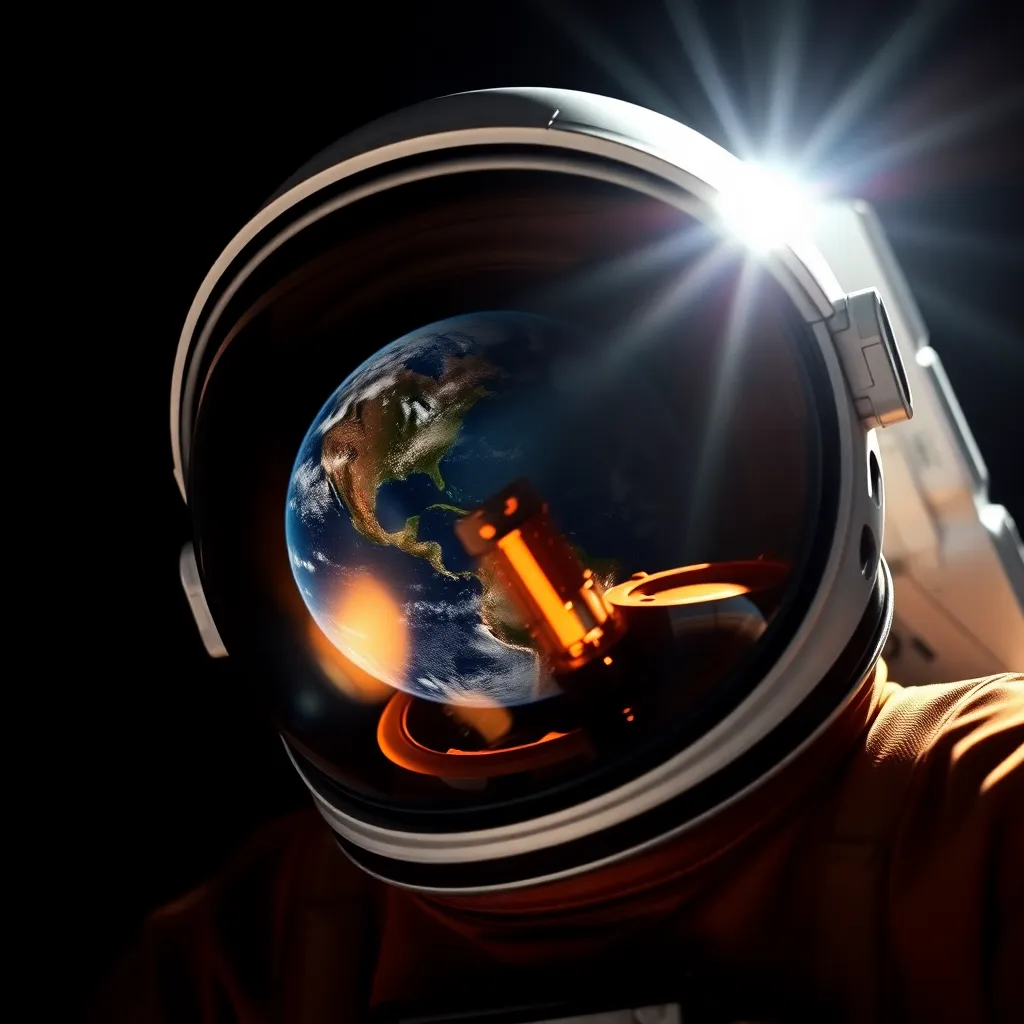
shot on Sony A7R V with 85mm f/1.4 GM lens, displaying a detailed close-up of an astronaut's helmet reflecting the Earth from space. The intense sunlight creates sharp contrasts and highlights on the helmet, while the dark void of space provides a dramatic backdrop. The shallow depth of field at f/1.4 focuses on the helmet's surface, showcasing intricate textures and reflections. The color science is inspired by Kodak Portra 400, emphasizing warm tones in the astronaut's suit against the cooler colors of the cosmos. The composition centers the astronaut's helmet, accentuating the Earth’s curvature visible within the visor.
1:1
captured with Nikon Z9, 70-200mm f/2.8 telephoto at 135mm, showcasing a breathtaking view of the Milky Way arching across a starry night sky above a tranquil desert landscape. The scene is illuminated by soft moonlight, casting gentle shadows on the sandy dunes, with the depth of field at f/2.8 creating a creamy bokeh for the foreground cacti. The color palette features rich blues and purples of the galaxy contrasted with the warm golden tones of the desert sand. The composition utilizes leading lines of the dunes to draw the eye towards the center of the galaxy, while the texture of the sand is visible, catching the light beautifully.
16:9
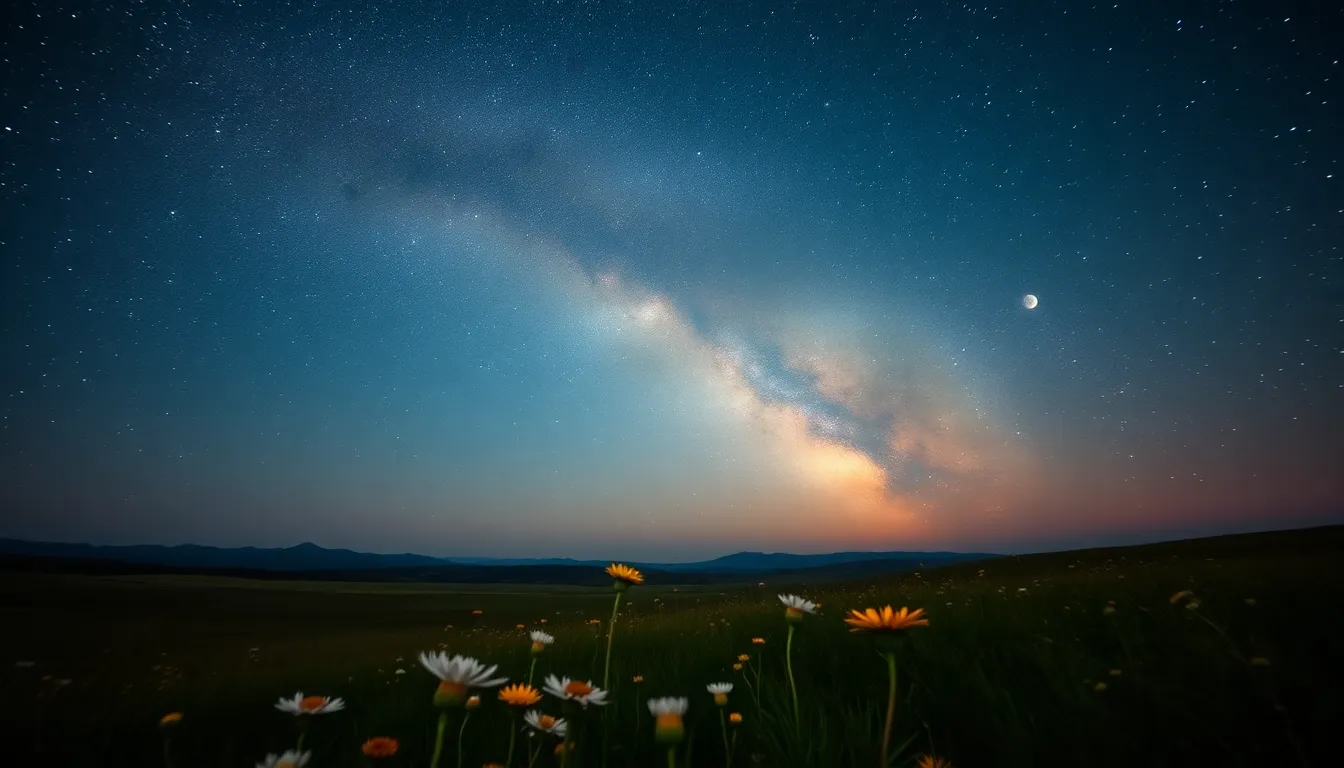
shot on Leica Q3, 28mm f/1.7 Summilux, capturing a breathtaking view of the Milky Way galaxy arching over a serene landscape. The scene is illuminated by the natural glow of the stars, accentuated by the pale light of the moon. A hyperfocal distance at f/8 allows for sharp focus from the foreground of wildflowers to the distant galaxy. The color science uses a Fujifilm Velvia-inspired palette, enriching the blues and greens of the landscape while ensuring the stars shimmer against the dark sky. Placement follows the rule of thirds, with the Milky Way arching elegantly across the top third of the image.
16:9
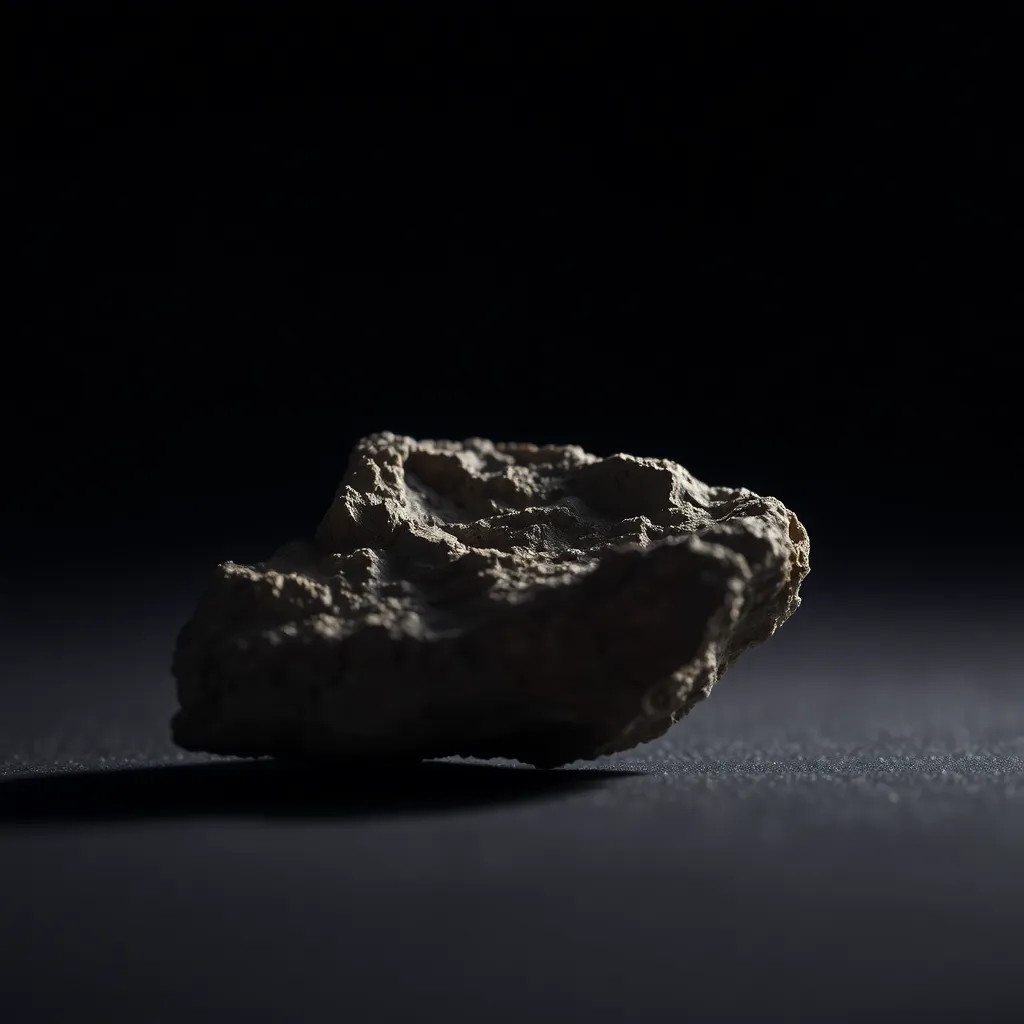
captured with Fujifilm GFX 100S, 110mm f/2 macro lens, focusing on a fragment of a meteorite resting on a dark backdrop. The scene is illuminated by a soft, directional spotlight creating dramatic highlights on the meteorite's textured surface, revealing the crystalline structures within. The image employs a shallow depth of field at f/2, blurring the background into a soft painterly bokeh that emphasizes the meteorite's details. The color palette is natural and muted, showcasing the earthy tones and subtle shine of the meteorite. The composition is centered, drawing immediate attention to the meteorite as the main subject.
1:1
shot on Hasselblad X2D 100C, 90mm f/2.5 medium format, depicting an astronaut floating in the void of space with Earth in the background. The scene is dramatically lit by sunlight reflecting off the astronaut's helmet, creating striking highlights and shadows. Using a shallow depth of field at f/2.5, the focus is on the astronaut while Earth blurs into a beautiful blue and green gradient. This image embraces a cinematic teal and orange color grading, enhancing the vibrant contrast. The composition places the astronaut left of center, with Earth providing a breathtaking backdrop that accentuates the vastness of space.
16:9
captured with Canon EOS R5, 24-70mm f/2.8L at 35mm during the early morning light, showing a close-up of a stunning planet with detailed topography. The scene is backlit by the sun, giving a warm glow to the planet's surface and creating dramatic shadows. Using a hyperfocal distance at f/8, the image captures everything from the surface details to the distant stars perfectly sharp. The color science leans towards natural muted tones with desaturated earth colors, complementing the planet's rocky texture. A rule of thirds composition places the planet slightly off-center, creating a balanced yet dynamic frame.
3:2
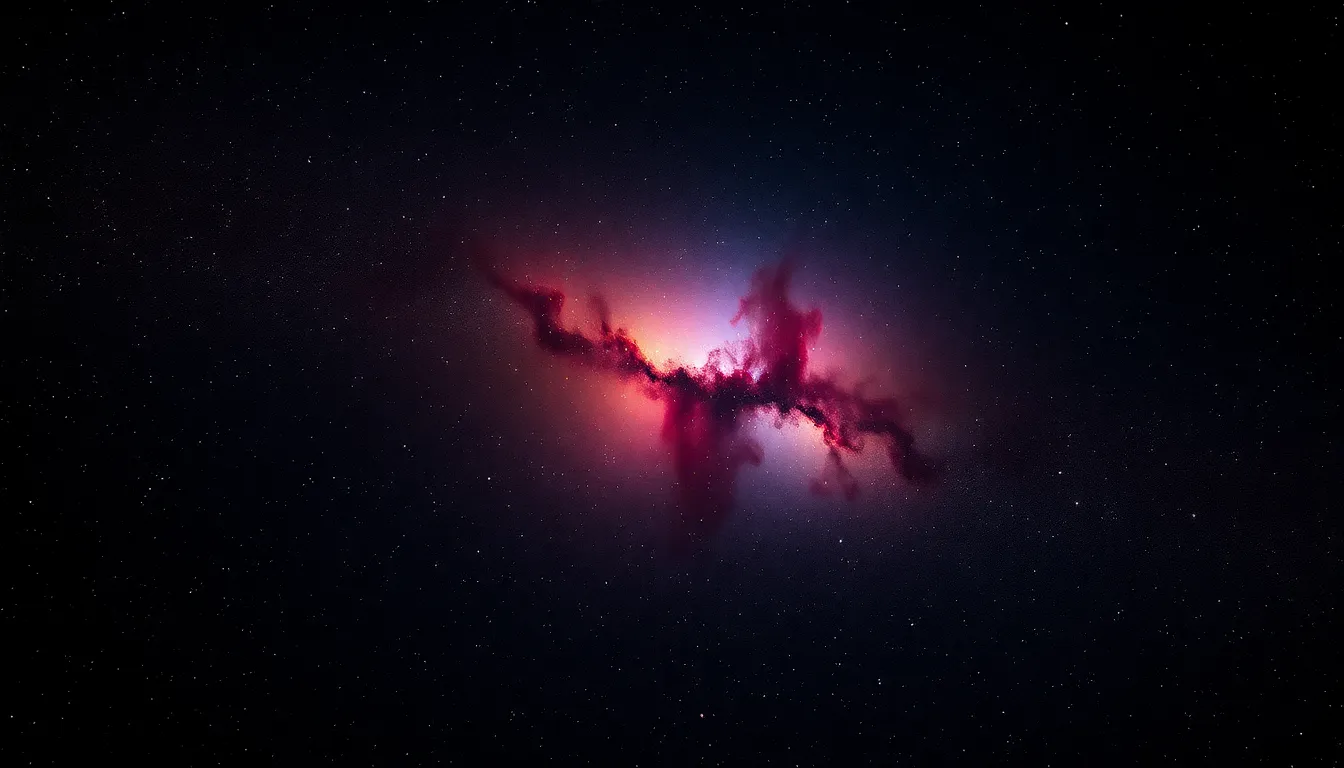
shot on Nikon Z9, 70-200mm f/2.8 telephoto at 135mm, capturing deep space panorama with a multitude of stars and a vibrant nebula. The scene is illuminated by soft starlight, with a contrast of warm reds and cool blues creating a cosmic tapestry. A shallow depth of field at f/2.8 provides a subtle bokeh effect around the edges, directing focus to the nebula's intricate details. The color palette features a rich spectrum of deep space hues, emphasizing the ethereal beauty of the cosmos. Compositionally, the nebula is positioned centrally, framed by the infinite darkness of space, highlighting its grandeur and depth of the scene.
16:9
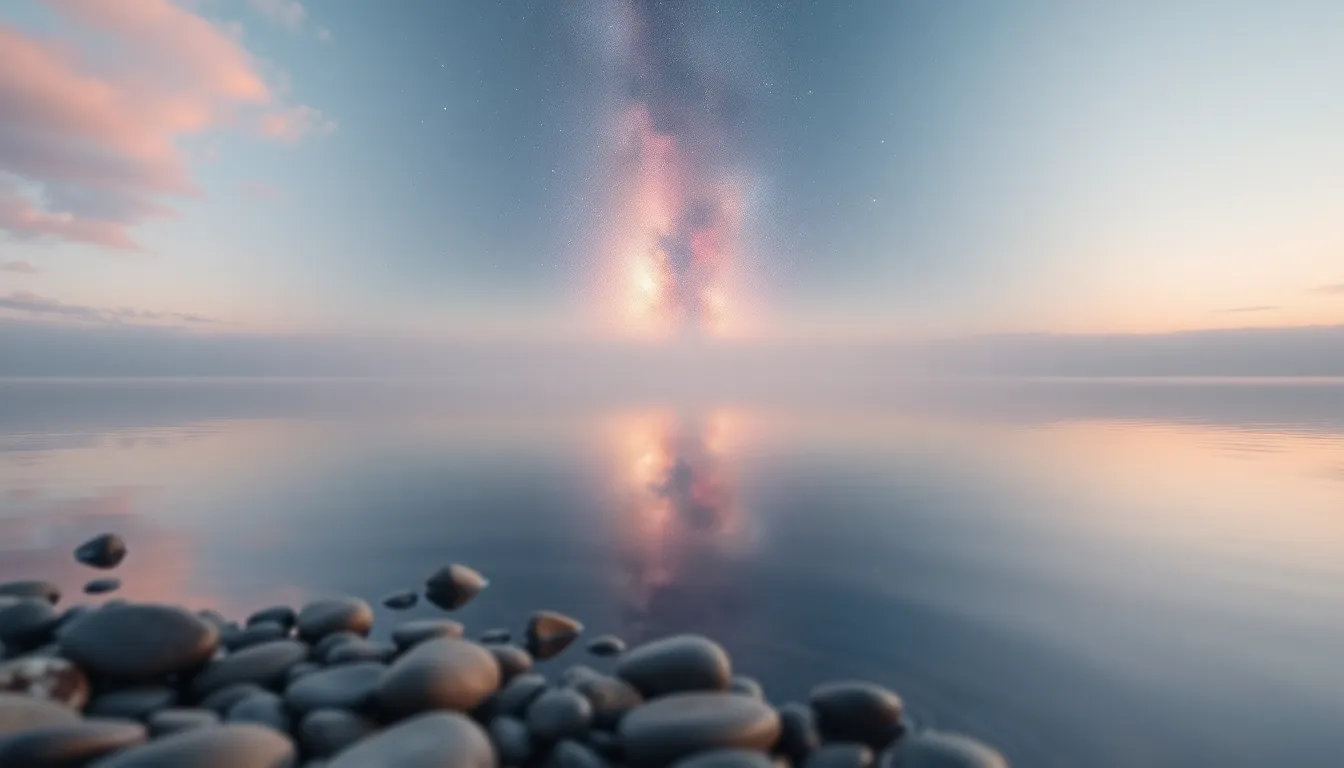
Shot with Hasselblad X2D 100C, 90mm f/2.5 medium format, this image features a stunning view of a distant galaxy reflected in a tranquil lake. The scene is bathed in the soft light of dawn, with a dreamy pastel color palette that includes pinks, purples, and soft blues. The lighting creates a gentle glow on the water's surface, creating a surreal atmosphere. The depth of field is hyperfocal, ensuring clarity from the foreground pebbles to the distant galaxy. The composition employs symmetry, with the reflection perfectly mirroring the galaxy above, creating harmony in the scene.
16:9
Photographed with Fujifilm GFX 100S, 110mm f/2 macro lens, this image showcases a close-up of a comet approaching the Sun, illuminated with fiery hues. The sunlight creates a halo effect around the comet's tail, creating a dramatic lighting situation that enhances its features. The image has a shallow depth of field, allowing the comet's icy nucleus to stand out against the blurred background of starry space. The color palette includes fiery oranges, yellows, and whites, capturing the intensity of solar interaction. The composition places the comet in the upper third of the frame, enhancing the sense of motion and urgency.
3:2
Captured with Canon EOS R5, 24-70mm f/2.8L at 35mm, this scene depicts a planetary landscape with rings, reminiscent of Saturn. The lighting is a combination of star-like twinkling points of light and ethereal glows from nebulae in the background. A hyperfocal distance keeps the entire scene from the crystalline surface of the planet to the swirling nebulae sharp. The color palette features vibrant yellows and soft pinks, giving a dreamlike quality. The composition utilizes leading lines from the rings that draw the viewer's eyes toward the distant stars.
16:9

Shot on Sony A7R V with 85mm f/1.4 GM lens, this close-up image features an astronaut's helmet reflecting the Earth and black space. The lighting captures the soft gleam of the surface with a high gloss finish. Depth of field is shallow, focusing sharply on the helmet's visor while the reflections blur softly into bokeh. The color palette is rich in cool blues and bright whites, emphasizing the chilling beauty of space. The composition centers on the visor, creating a strong focal point that draws the viewer into the scene.
3:4
Captured with Nikon Z9, 70-200mm f/2.8 telephoto at 135mm, this image depicts a celestial view of the Milky Way galaxy. The scene is bathed in the soft glow of a new moon, creating dramatic contrasts. The stars are pinpricks of light against a velvety black sky, with some trailing stars captured in long exposure. The foreground showcases a rugged landscape, with subtly illuminated rock textures and deep shadows. The composition follows the rule of thirds, placing the galactic core off-center. Color palette features deep blues and purples with bright white star highlights, showcasing the vastness of space.
16:9
captured with Hasselblad X2D 100C, 90mm f/2.5 medium format showing a view of the Earth from the Moon's surface during a dramatic lunar eclipse. The scene is illuminated by the soft glow of the Earth as it stands out against the dark sky. The hyperfocal distance ensures everything from the lunar regolith to Earth is in exquisite detail at f/8. The color palette combines deep blacks and soft blues, creating a surreal and serene atmosphere. The composition utilizes leading lines of the Moon's surface to direct the viewer's gaze toward the Earth, emphasizing the dynamic grandeur of this cosmic event.
16:9
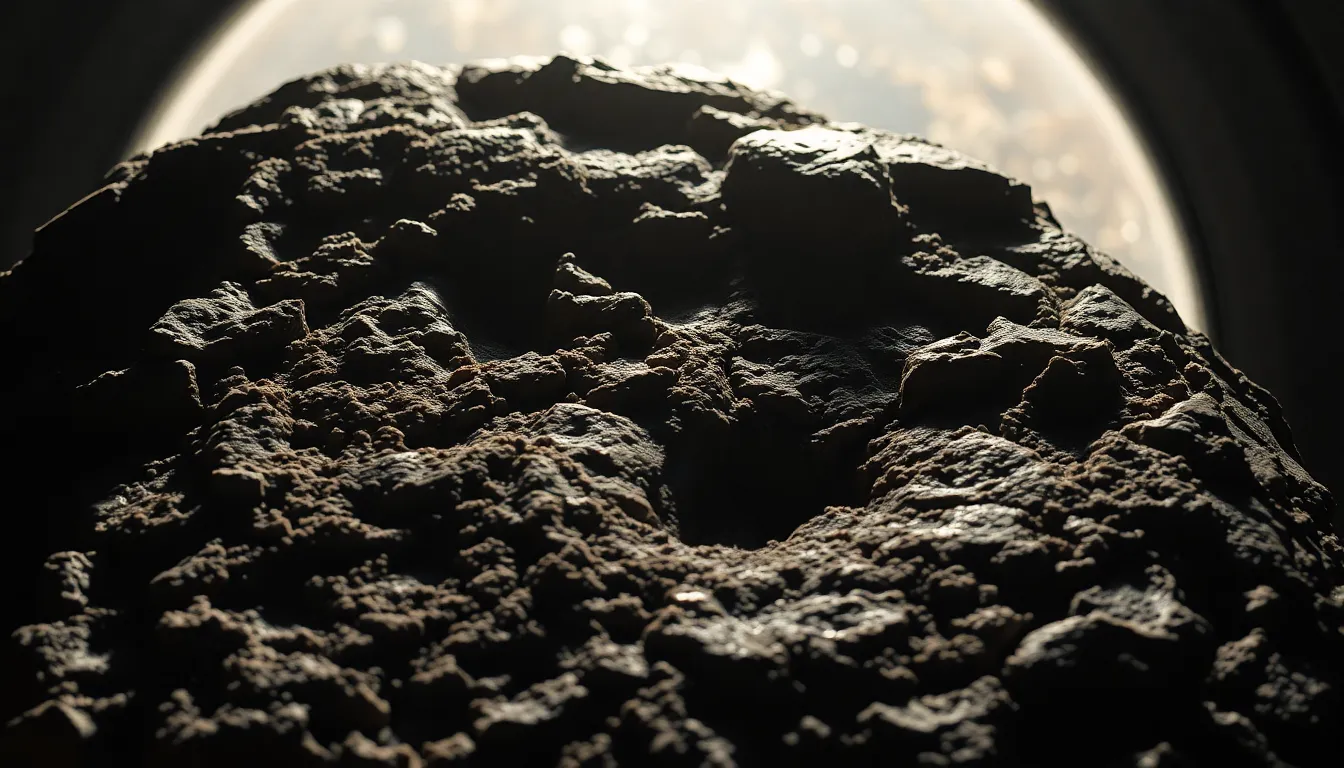
shot with Fujifilm GFX 100S, 110mm f/2 macro capturing a close-up of asteroid textures illuminated by dappled sunlight filtering through a spacecraft window. The intricate surface details of the asteroid are revealed in sharp focus, showcasing its rugged terrain and age-old scars. The depth of field is shallow at f/2, creating a soft bokeh of the light-play on the window. The color palette features muted earth tones, emphasizing the asteroid's rocky surface against the warm sunlight. The composition uses a centered symmetrical layout, highlighting the beauty found in celestial objects.
16:9
captured with Canon EOS R5, 24-70mm f/2.8L at 35mm depicting an astronaut floating in the vast expanse of space, tethered to a spacecraft. The image is lit by the harsh, direct light of the sun, creating bright highlights and deep shadows, accentuating the texture of the astronaut's suit. A shallow depth of field at f/2.8 focuses on the astronaut, while the inky blackness of space provides a stark, dramatic background. The color palette is a mix of whites and greys in the suit, with the sun casting vibrant highlights against the dark void. The composition follows the rule of thirds, placing the astronaut slightly off-center, evoking a sense of isolation.
16:9
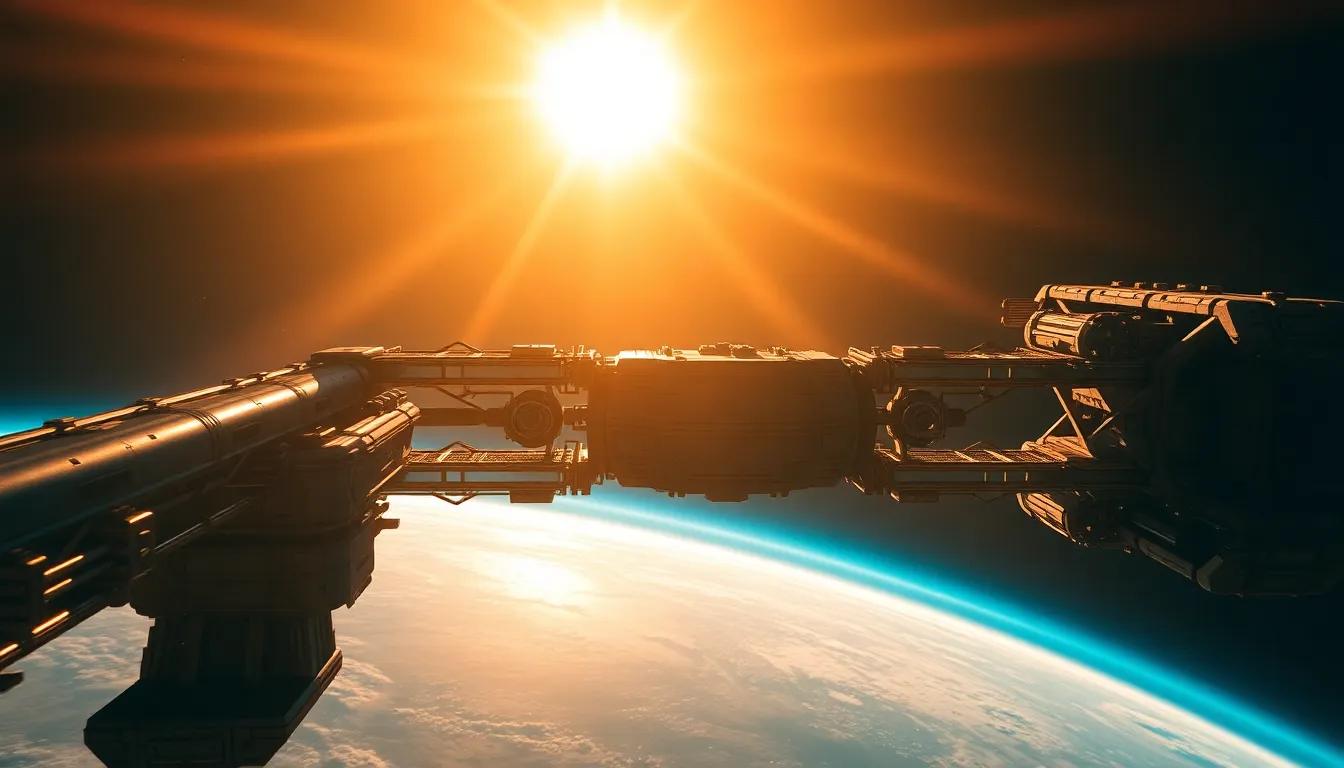
shot on Sony A7R V with 85mm f/1.4 GM lens, featuring a futuristic space station orbiting a distant planet under the light of a nearby sun. The scene is illuminated by the sun's rays reflecting off the metallic surfaces of the station. The hyperfocal distance keeps everything from the intricate surface details of the station to the planet in sharp focus at f/8. A cinematic teal and orange color grading enhances the contrast between the warm sunlight and the cool metallic textures. The composition uses leading lines formed by the station's docking arms to draw the viewer's gaze toward the horizon of the planet below.
16:9
captured with Nikon Z9, 70-200mm f/2.8 telephoto at 135mm during twilight, showcasing a vibrant nebula in deep space. The lighting is illuminated by distant stars, creating a dramatic contrast against the dark void. A shallow depth of field at f/2.8 blurs surrounding stars into soft bokeh, while maintaining sharp focus on the nebula's intricate details. The color palette features vivid purples, blues, and hints of gold, reminiscent of cosmic gas clouds. Compositionally, the nebula is positioned in the upper right third, drawing the eye across the expansive canvas of the universe. The image textures reveal the ethereal interplay of light and gas, enhancing the celestial ambiance.
16:9
Hasselblad X2D 100C, 90mm f/2.5 medium format capturing a serene view of a starry night sky above a tranquil lake. Natural lighting from the stars reflects on the water's surface, creating a shimmering pathway of light. The depth of field is hyperfocal, keeping both the stars and the lake in sharp focus. The color palette consists of deep blues and blacks, punctuated by the bright white stars and soft reflections on the lake. The composition uses a centered symmetrical arrangement, emphasizing the calmness and beauty of the night scene and the connection between the sky and water.
16:9

Fujifilm GFX 100S, 110mm f/2 macro lens capturing a breathtaking close-up of a meteorite resting on a bed of dark, textured volcanic rock. The lighting is dramatic with a single spotlight highlighting the meteorite's rugged surface, revealing intricate details and sparkling mineral compositions. The depth of field is shallow at f/2, isolating the meteorite while softening the background to an elegant blur. The color palette includes earthy browns, deep blacks, and shimmering metallic hues. The composition centers on the meteorite, emphasizing its uniqueness against the harsh rock, and textures are vividly pronounced.
16:9
captured with Canon EOS R5, 24-70mm f/2.8L at 35mm, illustrating a futuristic space colony on Mars during a vibrant sunset. The landscape features red rocky terrain and sleek, modern domes made of glass and steel, reflecting the fiery oranges and deep reds of the Martian sky. The lighting is warm and diffused, with long shadows cast across the surface. The depth of field is hyperfocal, ensuring both the colony and distant mountains are sharp. The composition uses leading lines of the pathways to draw the eye toward the colony, encapsulating the vision of interplanetary living.
16:9
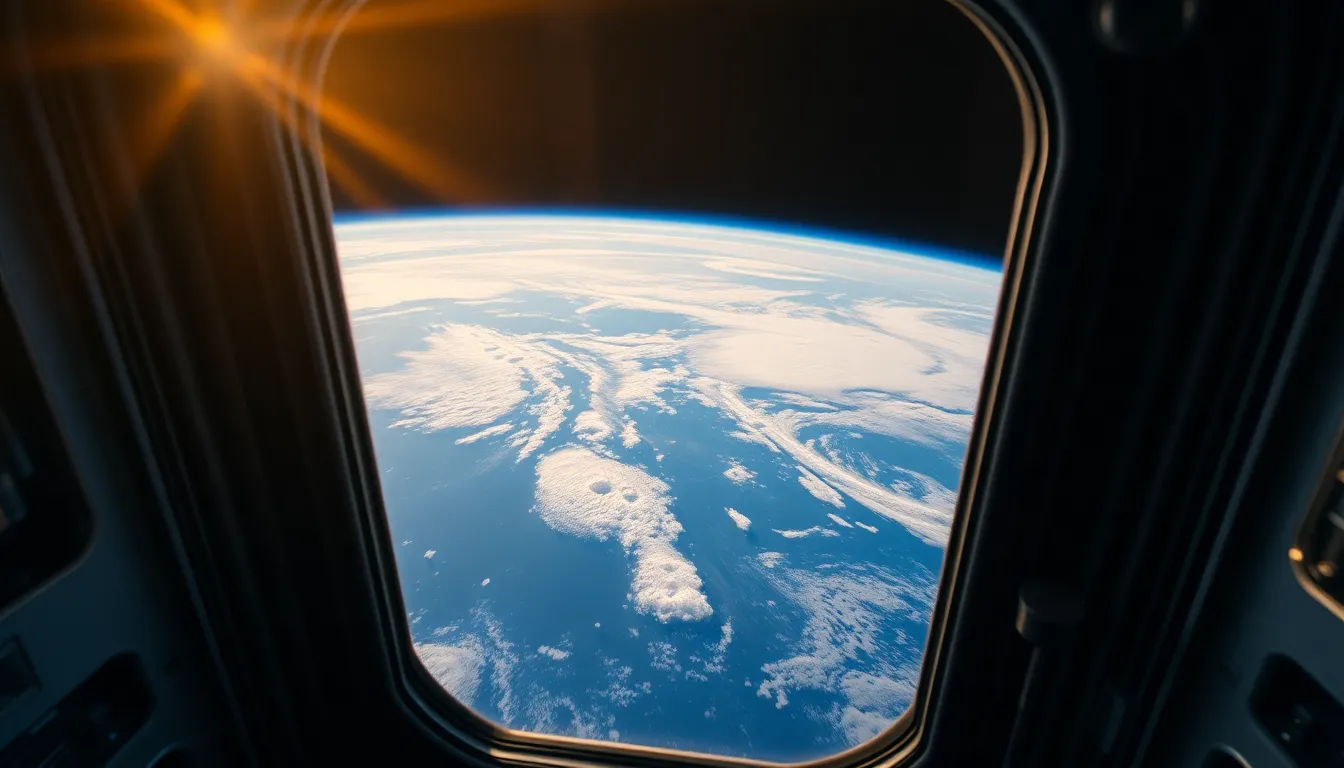
shot on Sony A7R V with 85mm f/1.4 GM lens, depicting a breathtaking view of Earth from the International Space Station during dawn. Natural lighting shines through the ISS windows, casting a warm golden hue across the planet's surface. The depth of field is shallow at f/1.4, focusing on the vibrant blue oceans and wispy white clouds while the dark space outside remains softly blurred. The color palette captures the early morning light with deep blues, bright whites, and warm oranges. The composition centers on the Earth, framed by the ISS's metallic interior, highlighting the contrast between human technology and the beauty of our planet.
16:9
captured with Nikon Z9, 70-200mm f/2.8 telephoto at 135mm, showcasing a distant galaxy surrounded by twinkling stars, illuminated by soft starlight creating an ethereal glow. The depth of field is shallow at f/2.8, focusing on the vivid colors of the galaxy while the surrounding space melts into a dark, creamy bokeh. The color palette features deep purples, blues, and hints of pinks reminiscent of cosmic imagery. The composition follows the rule of thirds, with the galaxy positioned in the top right power point against a starry backdrop, evoking a sense of wonder and vastness.
16:9
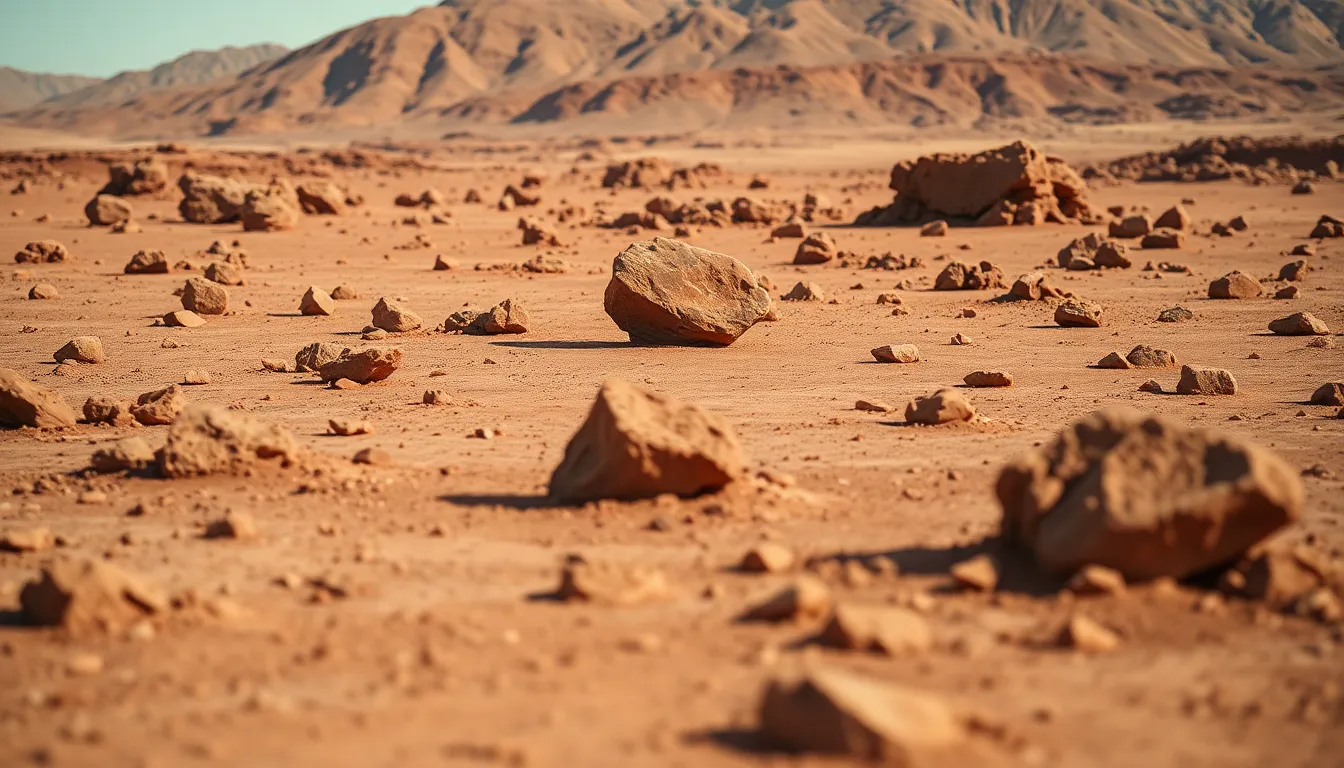
Captured with Leica Q3, 28mm f/1.7 Summilux, this stunning scene illustrates the surface of Mars, highlighting rusty red rocks scattered across a dusty, wind-swept landscape. The soft natural lighting from a low sun casts long shadows, emphasizing the terrain's undulating forms and textures. A shallow depth of field at f/1.7 creates a smooth bokeh, focusing on a particular rock formation while allowing the background Marscape to melt away softly. The color palette features desaturated earth tones, enhancing the atmosphere of the Martian surface. Compositionally, the rule of thirds places the main rock formation off-center, inviting exploration of the expansive landscape.
16:9
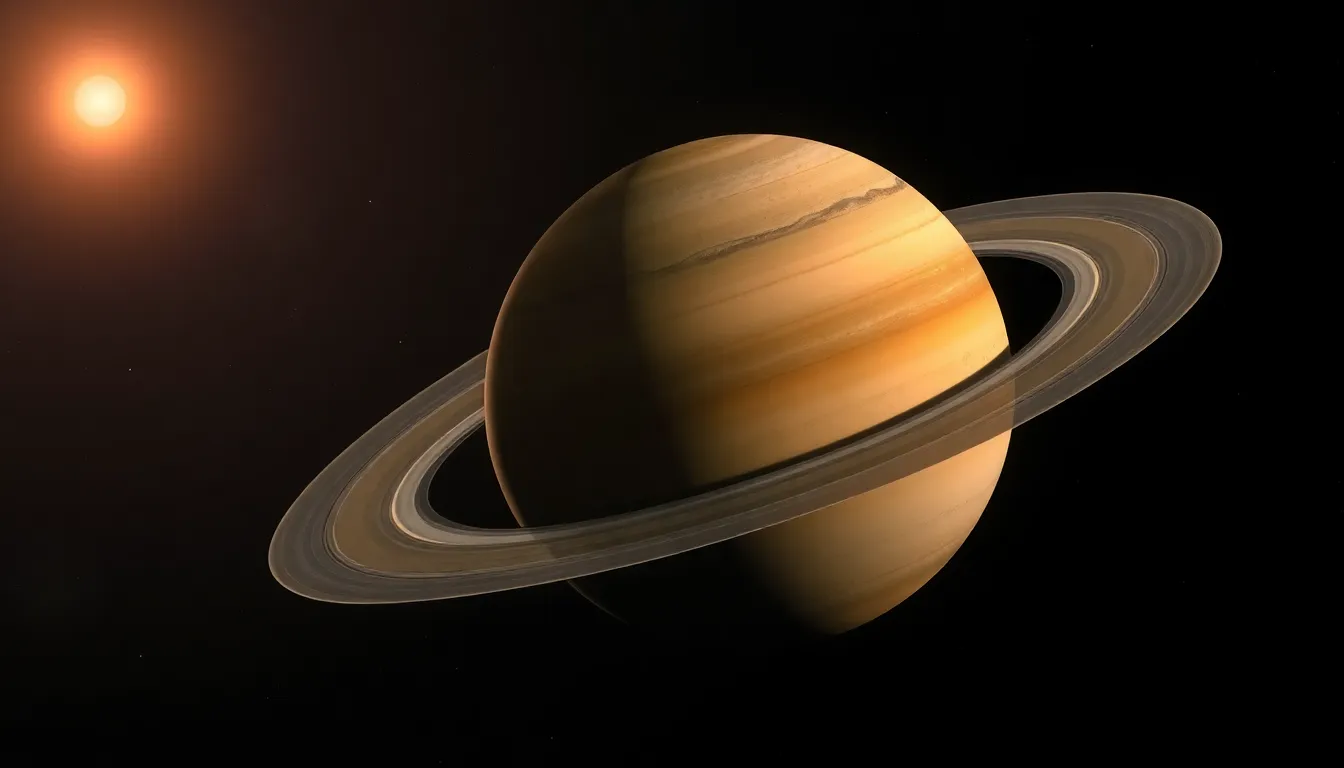
Shot on Hasselblad X2D 100C, 90mm f/2.5 medium format, this image showcases the majestic rings of Saturn against the backdrop of a starlit sky. Each ring is portrayed with exquisite detail, displaying varying textures of icy particles and rocky debris. The lighting simulates deep space illumination with a cool undertone, evoking a sense of mystery. A shallow depth of field at f/2.5 beautifully blurs the background stars, enhancing the focus on Saturn. The composition employs the rule of thirds, placing Saturn to one side, creating dynamic tension within the scene.
16:9
Captured with Canon EOS R5, 24-70mm f/2.8L at 35mm, this image shows a stunning view of Earth from low orbit, taken at dusk. The planet is illuminated by the warm glow of city lights, while a thick layer of atmosphere adds depth and softness. The overcast diffused daylight creates a balanced exposure, with the color palette featuring rich blues and warm golden tones from the cities. A hyperfocal distance sharpens everything from the foreground to infinity, while the composition utilizes a centered symmetrical perspective with the curve of Earth drawing the eye inward.
16:9

Shot on Fujifilm GFX 100S, 110mm f/2 macro, this image features a detailed close-up of a meteorite resting on a textured surface of dark volcanic rock. Soft backlighting from a low-angle sun highlights the meteorite's unique mineral composition, with rich metallic flecks reflecting warm hues of gold and silver. The shallow depth of field at f/2 creates a soft bokeh, emphasizing the meteorite while the surrounding textures blur beautifully. The color science features natural muted tones that evoke an earthy vibe. Compositionally, the rule of thirds positions the meteorite dynamically off-center, inviting curiosity about its origins.
1:1
Captured with Nikon Z9, 70-200mm f/2.8 telephoto at 135mm, this stunning image depicts a vibrant nebula in deep space. Illuminated by distant stars, the scene showcases swirling clouds of gas and dust in various shades of blue and purple, accented with specks of bright white light. Shallow depth of field at f/2.8 creates a dreamy bokeh effect in the background, while the foreground includes a starry sky with intricate details. The color palette is inspired by astrophotography, emphasizing deep blues and rich purples. Compositionally, leading lines from the nebula draw the eye, creating a sense of motion and depth.
16:9
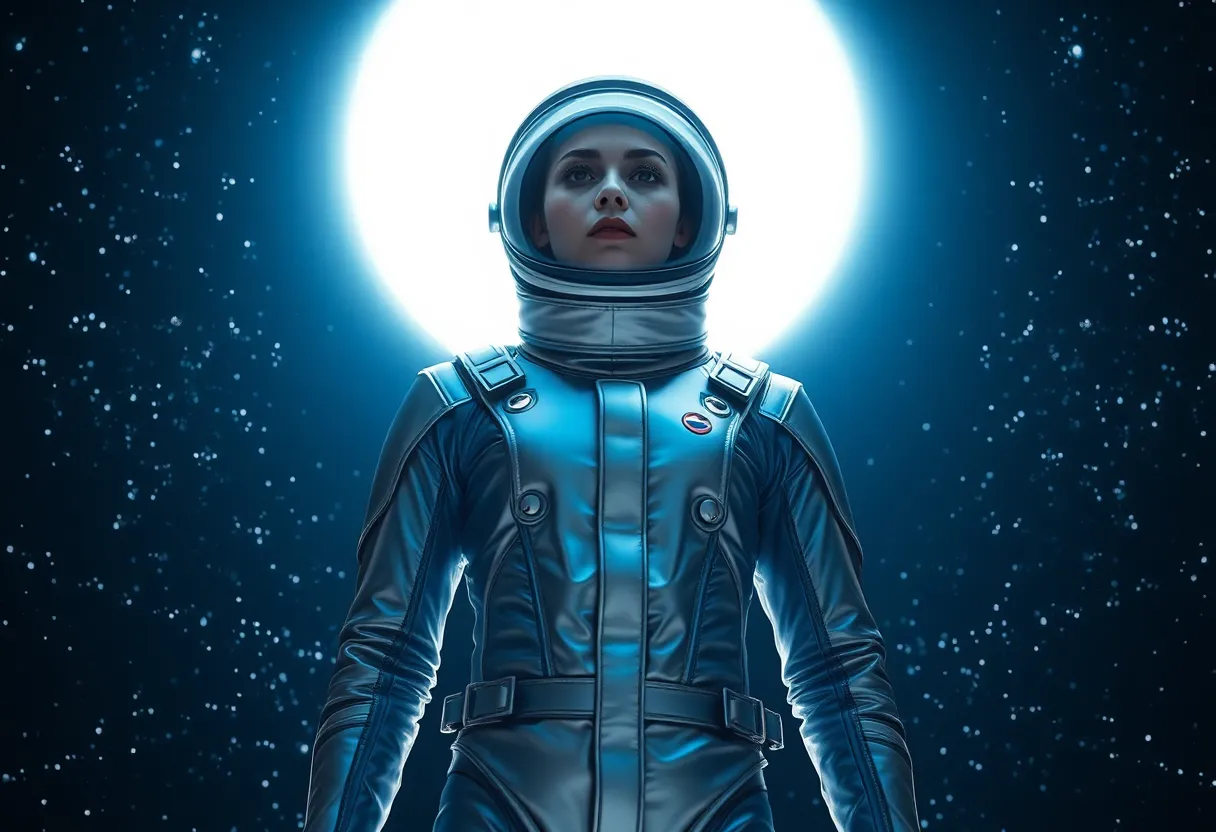
Hasselblad X2D 100C, 90mm f/2.5 medium format, utilizing butterfly lighting with a beauty dish directly above to illuminate a model dressed in a futuristic space suit against a backdrop of a starry night. The high dynamic range captures rich details and textures of the suit, with a color palette dominated by deep blues and silvery whites. The composition features a centered symmetrical arrangement, drawing the viewer's eye towards the striking contrast of the model against the galactic backdrop.
3:2
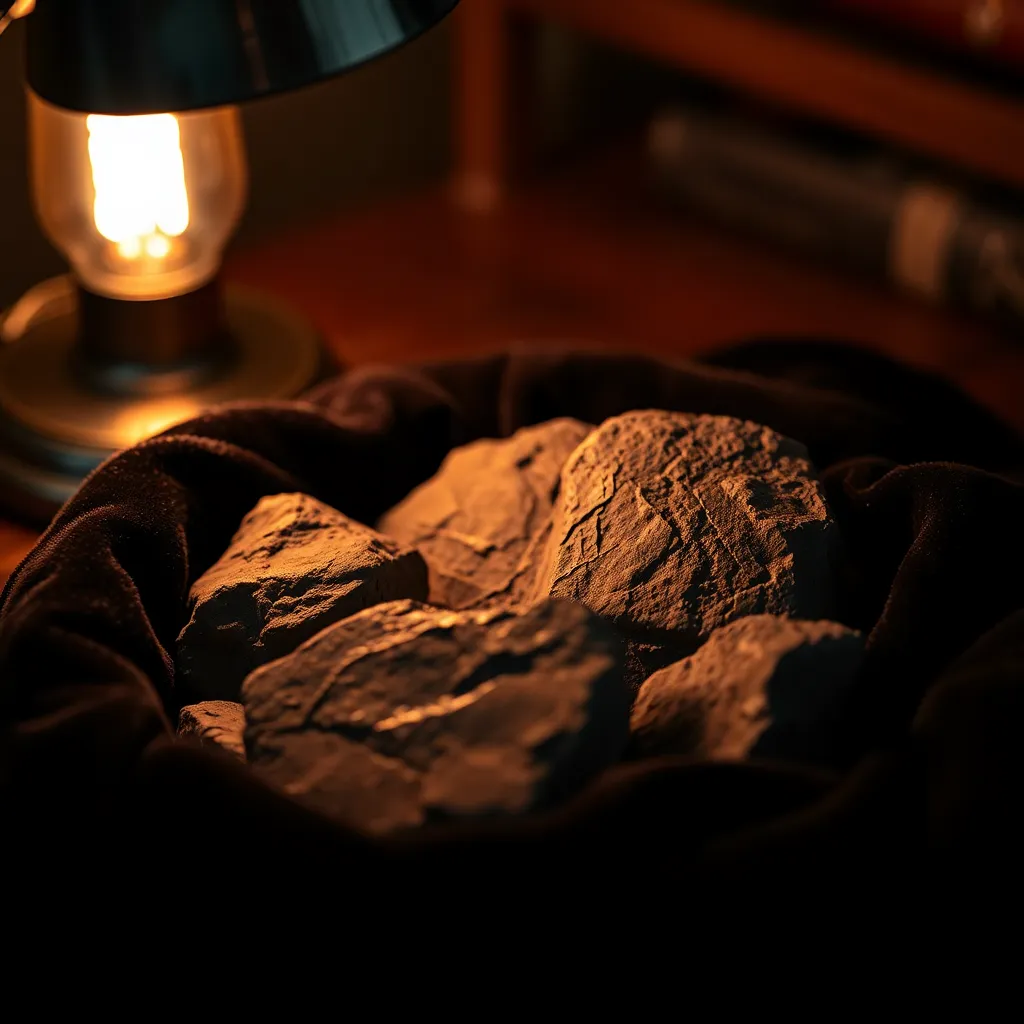
Fujifilm GFX 100S, 110mm f/2 macro, with warm tungsten desk lamp casting a directional pool of light over a stunning close-up of meteorites nestled in a dark velvet cloth. The macro lens captures intricate surface details and textures of the meteorites, highlighted by the warm color palette reminiscent of vintage photography. The selective focus brings attention to the unique patterns on each stone, while the composition places the main subject off-center, creating a sense of elegance.
1:1
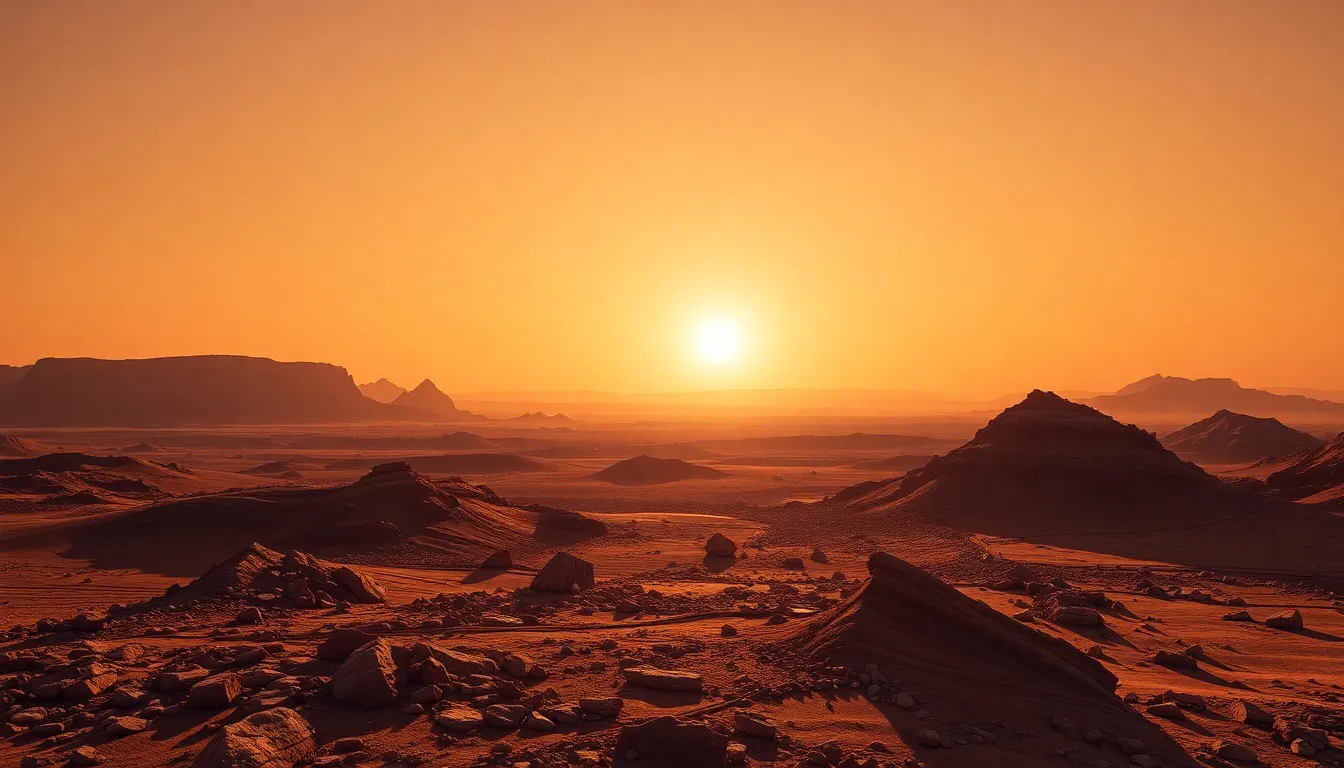
Nikon Z9, 70-200mm f/2.8 telephoto at 135mm, capturing dappled sunlight filtering through the thin atmosphere of Mars at dawn. The hyperfocal distance ensures everything from the foreground to infinity is tack-sharp at f/8, showcasing the rugged Martian terrain and rocky outcrops. The color palette features natural muted tones of dusty reds and ochres, while the composition utilizes leading lines formed by ridges directing the eye to the distant horizon.
16:9
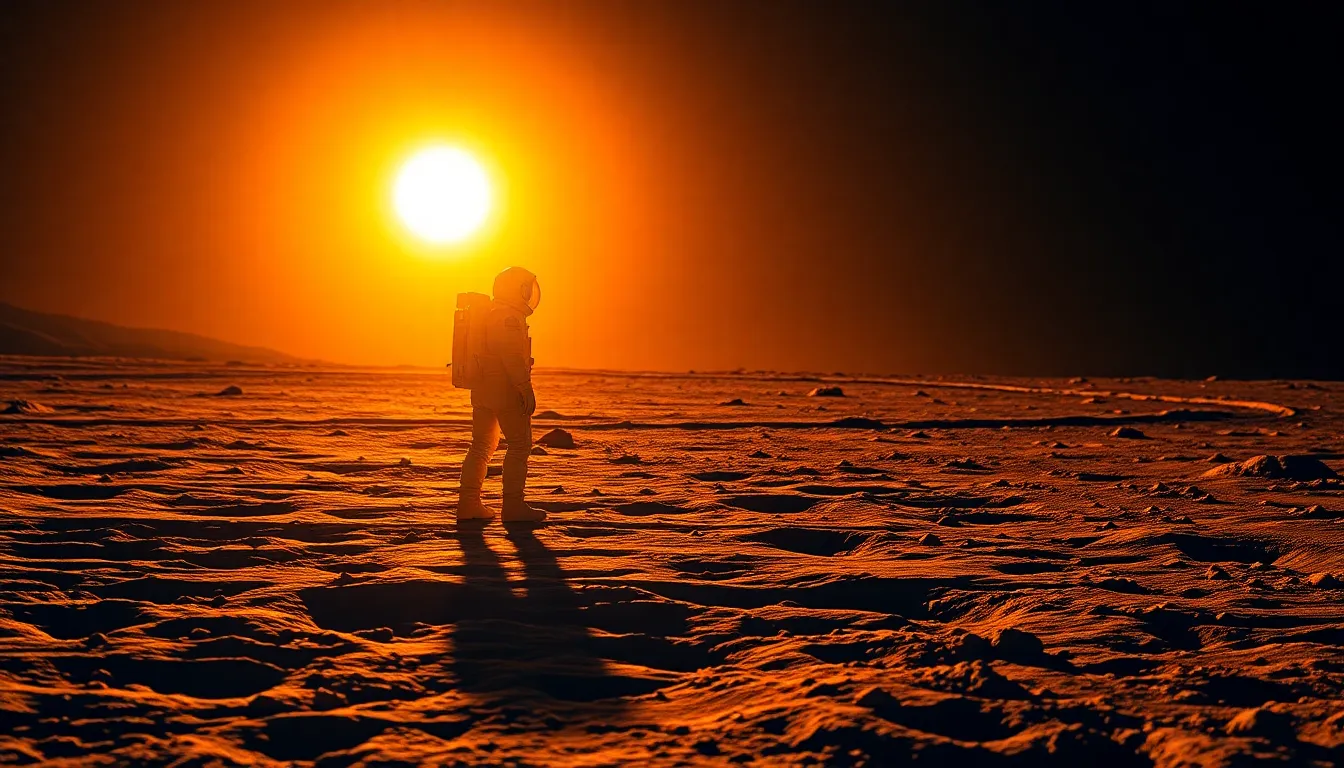
shot on Sony A7R V with 85mm f/1.4 GM lens, utilizing golden hour backlighting with warm rim light creating a breathtaking silhouette of an astronaut on the moon's surface. The shallow depth of field at f/1.4 elegantly blurs the cratered lunar landscape, while the warm color palette of oranges and soft browns evokes a nostalgic feel. The composition employs the rule of thirds, with the astronaut positioned at the left power point against the vast expanse of space.
16:9
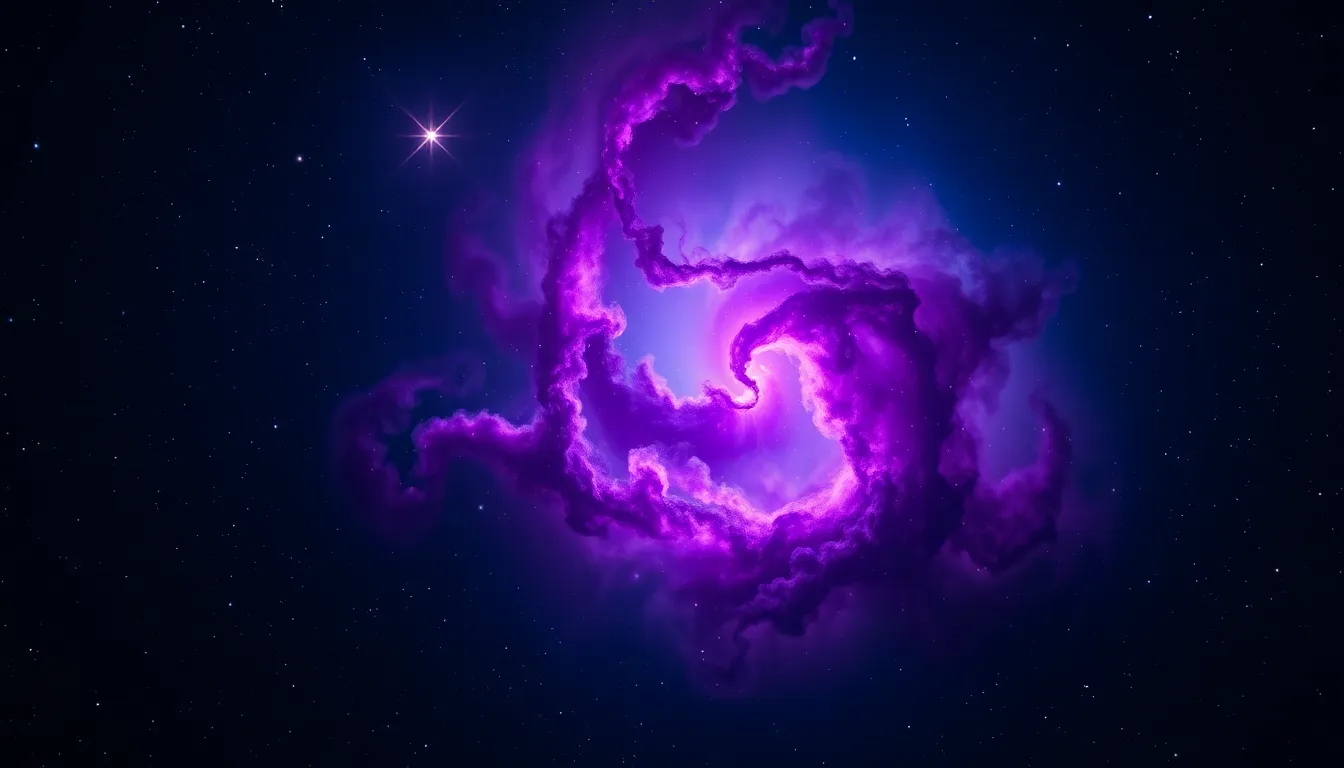
captured with Canon EOS R5, 24-70mm f/2.8L at 35mm, featuring overcast diffused daylight through floor-to-ceiling windows. A shallow depth of field at f/2.8 highlights vibrant nebula clouds in a deep space scene, with a color palette of rich purples, blues, and hints of golden stars. The composition features a centered symmetrical arrangement of swirling gases and cosmic dust, with detailed textures showcasing the ethereal nature of space phenomena.
16:9
Shot on Hasselblad X2D 100C, 90mm f/2.5 medium format, an artisan model of the solar system displayed in a softly lit studio. The planets are crafted from various materials — some textured like stone, others polished glass — creating a visually stunning contrast. The lighting setup features a three-point configuration, highlighting the planets' reflective surfaces while maintaining soft shadows. A shallow depth of field emphasizes focus on the model, with the background blending into gentle bokeh. The pleasing color palette incorporates rich blues, yellows, and earthy tones, designed to evoke the essence of the solar system. The composition utilizes the rule of thirds, positioning the planets strategically within the frame.
4:3
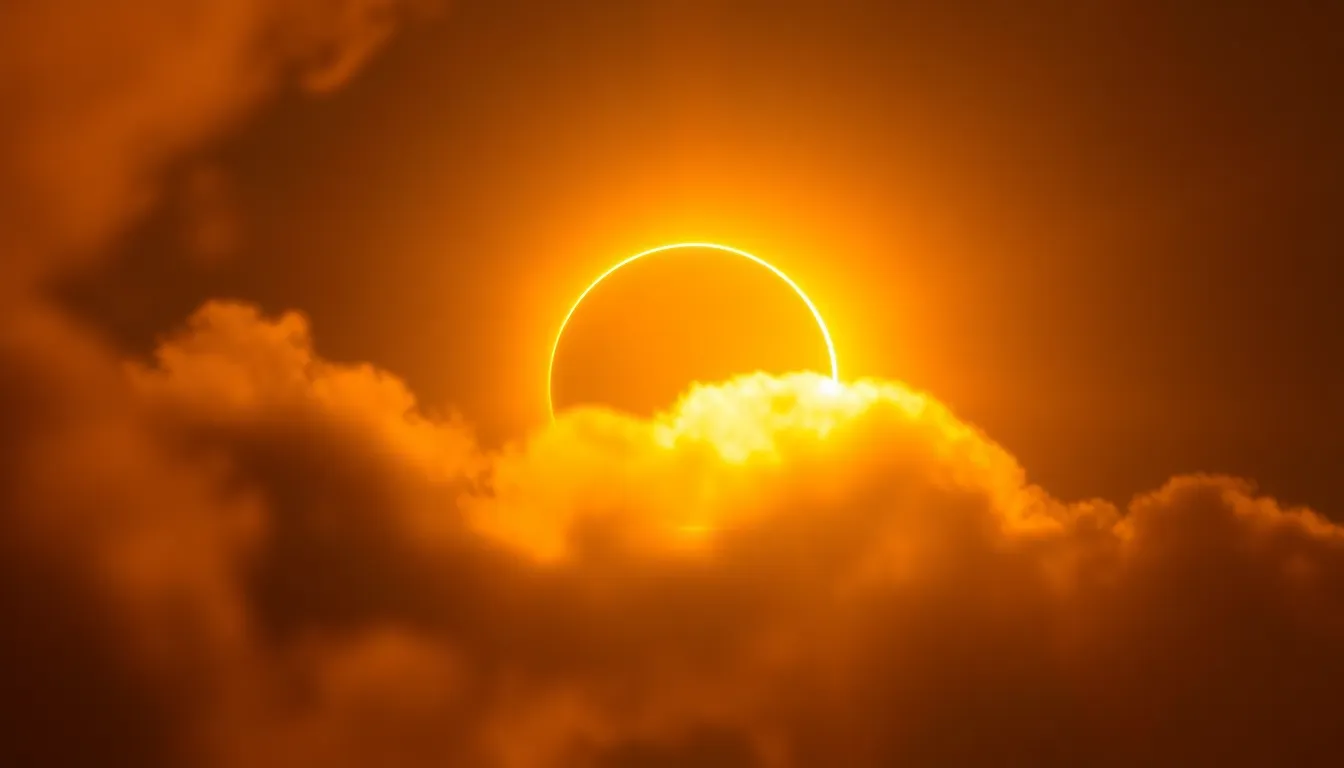
Captured with Leica Q3, 28mm f/1.7 Summilux, a stunning view of a solar eclipse, with the sun partially obscured by the moon, creating a halo effect. Emphasizing the dramatic scene, the sunlight streams through the atmospheric haze, creating a warm and vibrant golden ring. The image captures a shallow depth of field to highlight the eclipse while gently blurring the edges of the surrounding cloud. The color palette embraces rich golds and deep oranges, evoking a sense of wonder. The composition features a centered view of the eclipse, drawing the viewer's eyes towards the celestial event.
16:9

Photographed using Fujifilm GFX 100S, 110mm f/2 macro, a close-up of a meteorite fragment resting on a textured wooden surface. The fragment shows intricate details, with a rough, pitted surface reflecting the soft light from a nearby window. Natural muted tones emphasize the unique browns and grays of the meteorite, while soft shadows add depth and dimension to the texture. A shallow depth of field isolates the meteorite, creating a sense of intimacy with this piece of the cosmos. The composition centers on the meteorite fragment, the wooden surface providing a warm contrast to the cold nature of space.
1:1
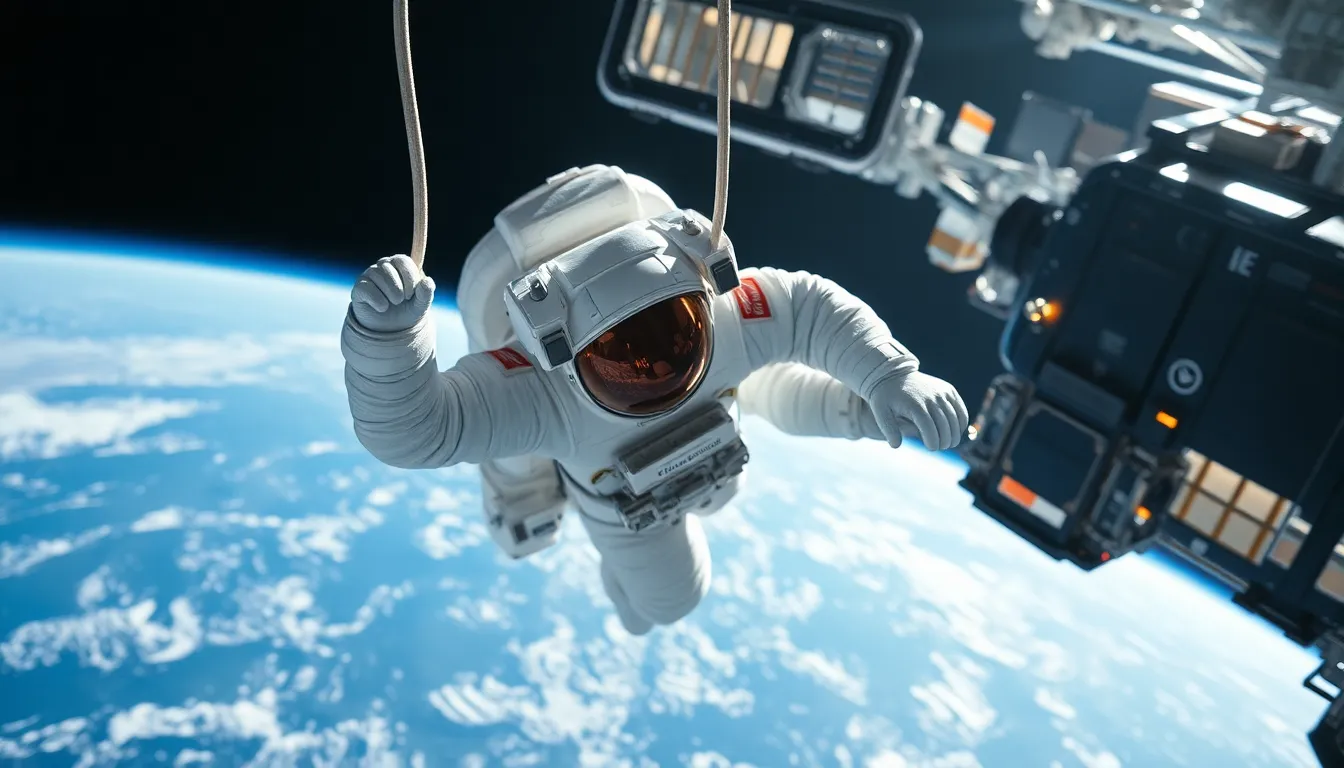
Captured with Canon EOS R5, 24-70mm f/2.8L at 35mm, an astronaut floating in the vastness of space, tethered to the International Space Station. Soft diffused daylight provides even illumination, revealing intricate details of the astronaut's suit. A hyperfocal distance ensures clarity throughout the frame, showcasing both the astronaut in crisp focus and the station with its reflective metallic surfaces in the background. The color palette features crisp whites and deep blacks against the brilliant blues of Earth below. The composition employs leading lines from the tether, guiding the viewer's eye from the astronaut to the station.
16:9
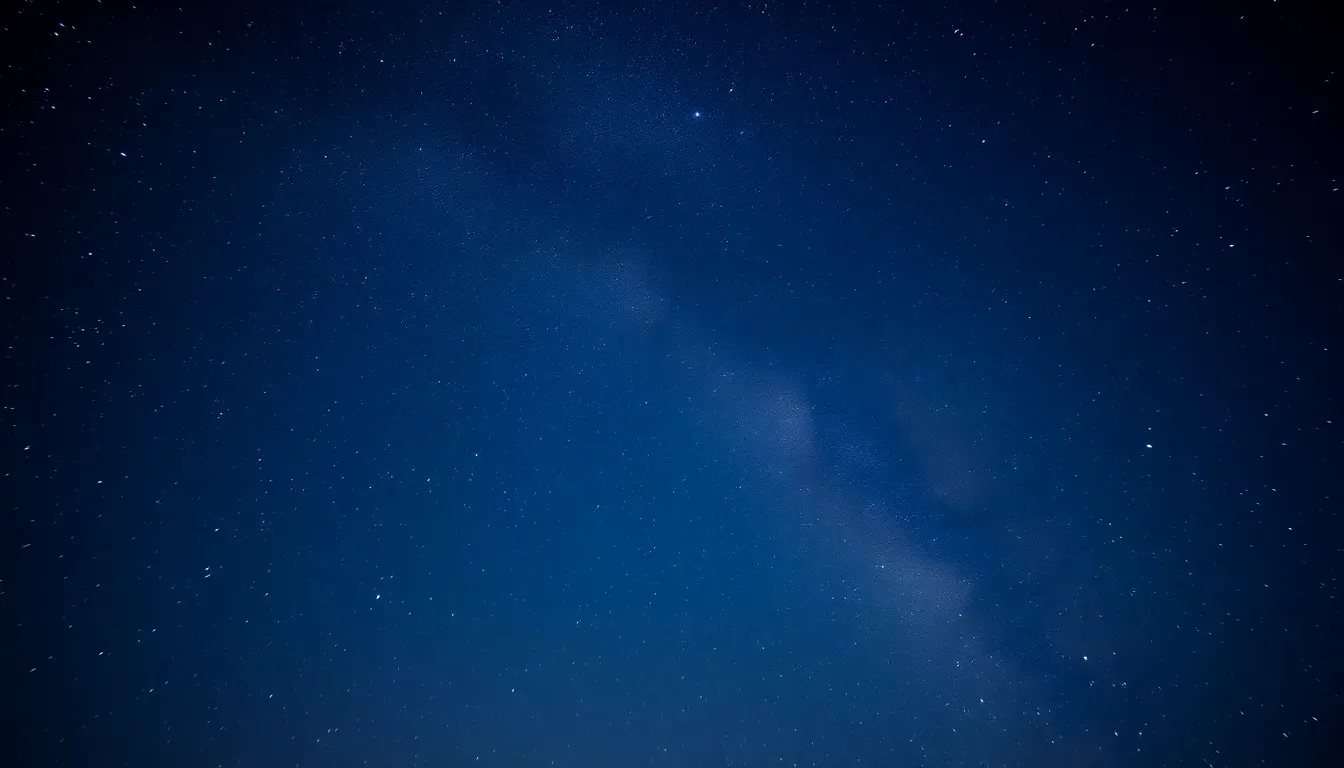
Shot on Nikon Z9 with 70-200mm f/2.8 telephoto at 135mm, a breathtaking view of a distant galaxy captured during a clear night sky. The stars twinkle against a deep indigo canvas, with the Milky Way arching majestically across the upper third of the frame. Natural muted tones create a serene yet awe-inspiring atmosphere, while a shallow depth of field blurs the ground, focusing on the celestial wonders above. The image profile features natural whites and cool tones, enhancing the scene's celestial feel. Compositionally, the galaxy is positioned in the upper left power point, drawing the viewer's gaze into the depths of space.
16:9