Space Exploration
90 images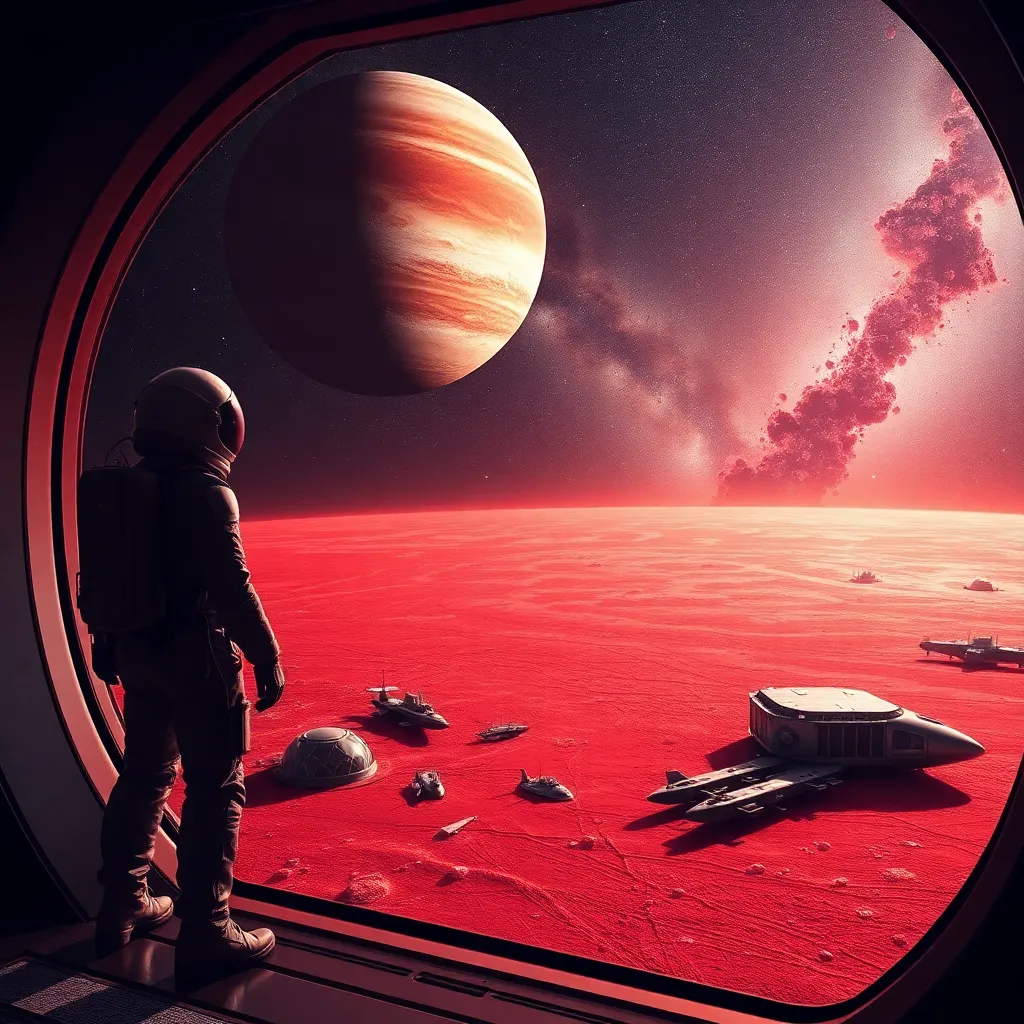
A futuristic astronaut stands inside an advanced spaceship, their silhouette framed against a massive observation window. Outside the window, Europa, Jupiter's second moon, appears 7 billion years in the future. The icy surface of Europa has evaporated, revealing a network of crisscrossing, scarlet-colored sediments. Scattered across the moon's surface are large underwater colonies encased in shattered, transparent domes, with obsolete futuristic supersonic submarines lying around. In the sky, Jupiter looms prominently, its gas layers being scorched and blown away by the intense solar winds of the sun, now a blood-red giant. A comet-like gas tail streams from Jupiter into space. Beyond this dramatic scene, the violent starburst of the merging Milky Way and Andromeda galaxies fills the background with countless bright new stars forming. The composition contrasts the dying solar system's red hues with the vibrant blues and whites of the starburst, symbolizing hope amidst cosmic decay. The mood is both majestic and melancholic. Use a cinematic sci-fi style with hyper-realistic details, dynamic lighting that emphasizes the red and blue tones, and a sense of vast cosmic scale.
1:1
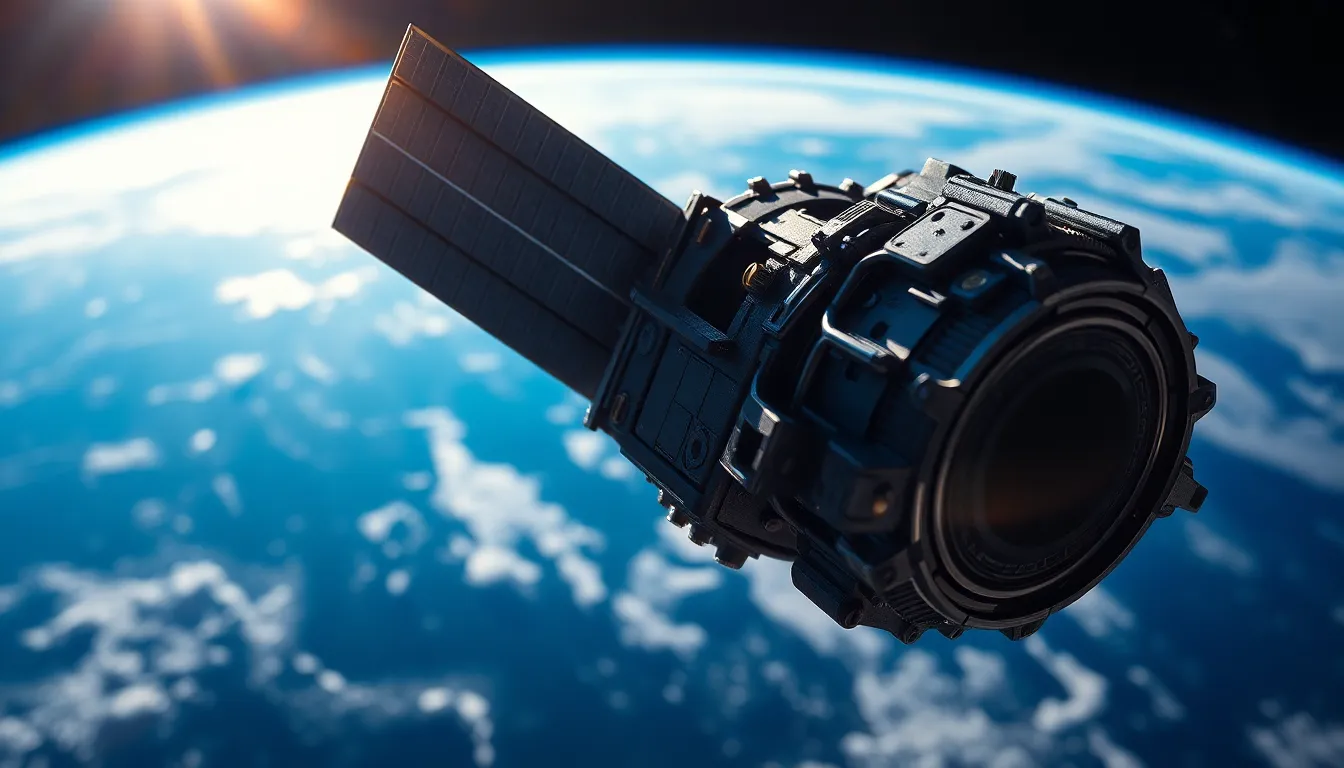
Fujifilm GFX 100S, 110mm f/2 macro, showcasing a stunning detail of a satellite orbiting Earth, captured against the backdrop of the planet's curvature. The satellite is illuminated by the sun, with sharp highlights and deep shadows defining its structure. This macro perspective brings an unusual view of the mechanical textures, while the depth of field is very shallow, isolating the satellite against a blurred Earth. The color palette features crisp blues and bright whites with metallic grays, creating a high-tech aesthetic. The composition uses a centered layout to emphasize the satellite's intricate details, enhancing the visual narrative of human engineering in space.
16:9
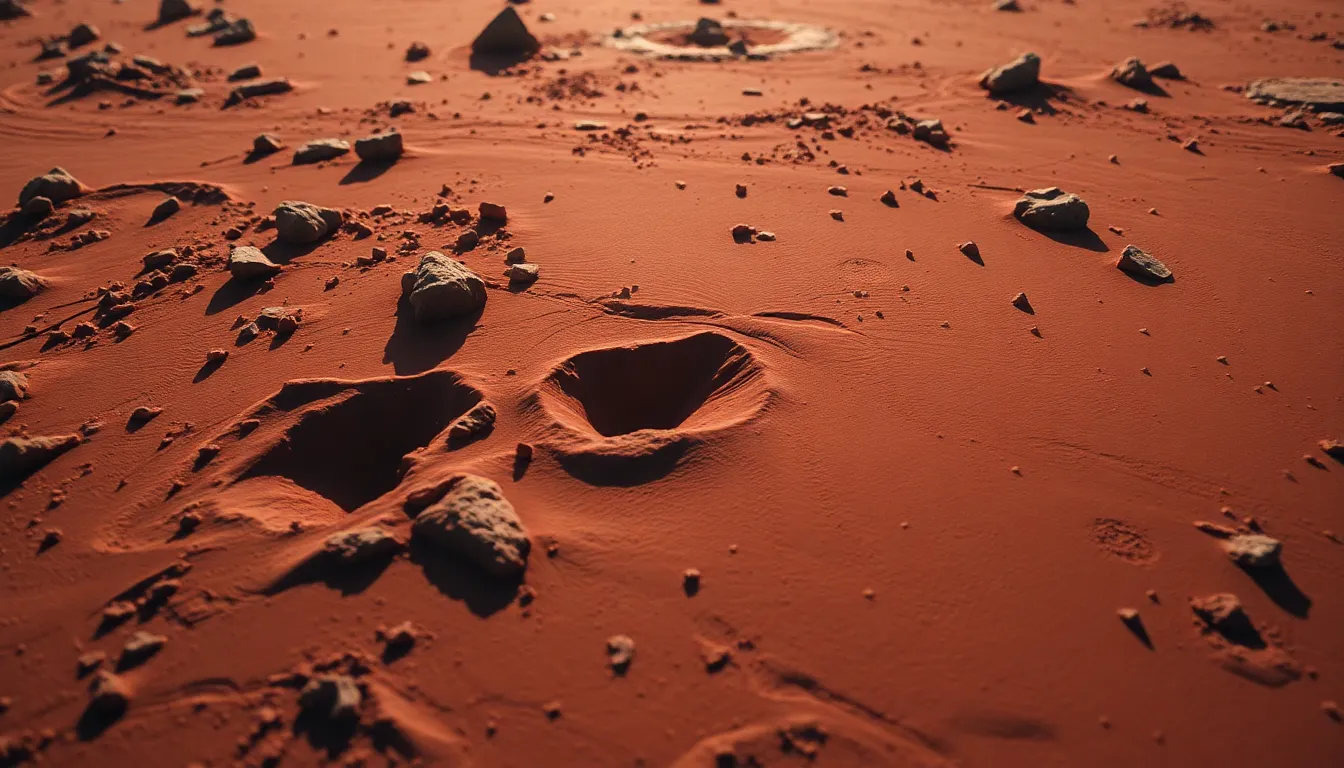
Hasselblad X2D 100C, 90mm f/2.5 medium format, depicting a beautifully detailed close-up of Mars' surface, showcasing its reddish terrain dotted with craters and rocky outcrops under soft sunlight. The lighting is even and diffused, accentuating surface textures and features. The depth of field is shallow at f/2.5, creating a slight blur in the background, enhancing the focus on the terrain. The color palette is dominated by muted reds and earthy tones, reminiscent of Mars. The composition showcases a rule of thirds layout, placing a prominent crater off-center to draw the viewer's eye. The surface texture reveals fine grooves and dust particles, adding to the realism.
16:9
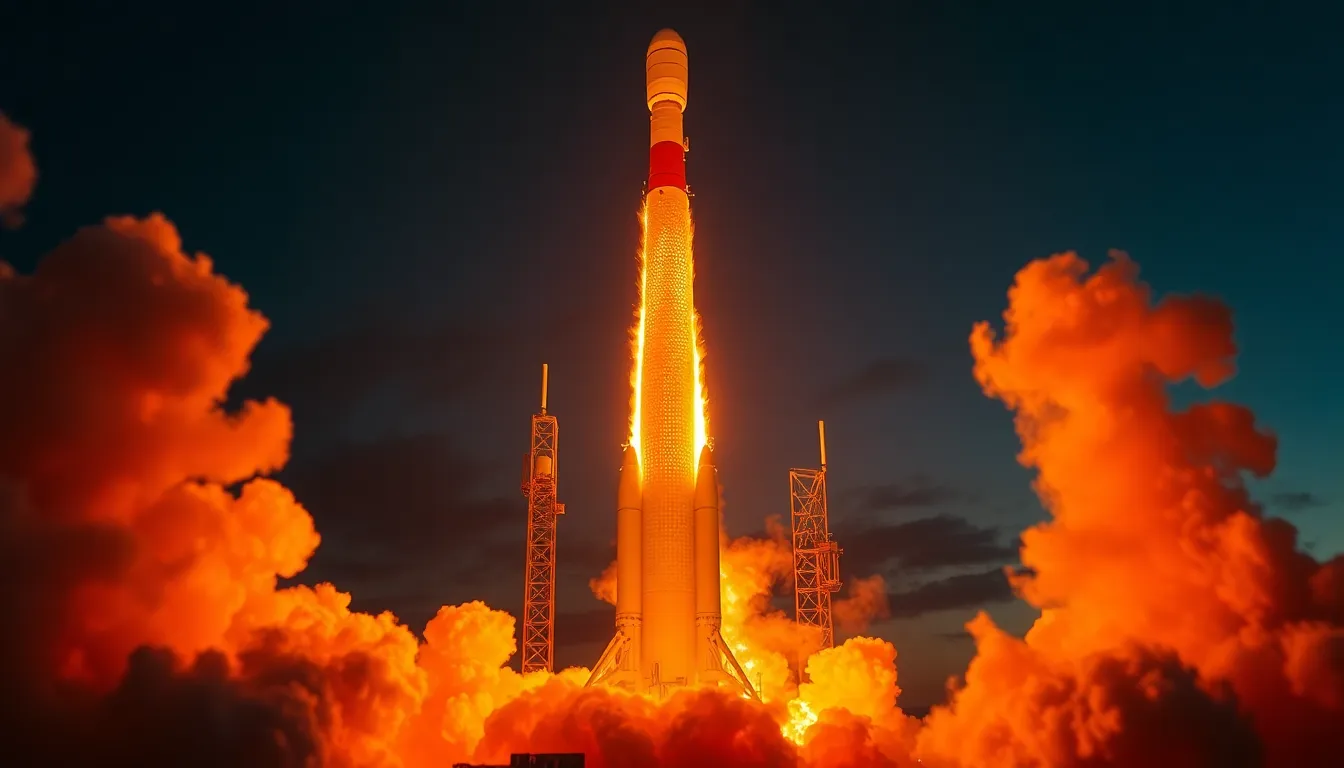
Nikon Z9, 70-200mm f/2.8 telephoto at 135mm, capturing a dramatic scene of a rocket launch at dusk. The majestic rocket is engulfed in flames and smoke, illuminated by an array of colorful stage lights creating a vibrant contrast against the darkening sky. The depth of field is hyperfocal, keeping both the rocket and the smoke in sharp focus. The color palette features deep oranges, reds, and dark blues, reminiscent of a cinematic sunset. The composition is centered, with the rocket dominating the frame while smoke billows outward, enhancing the sense of power and motion. The textured surface of the rocket reflects the fiery glow from the launch.
16:9
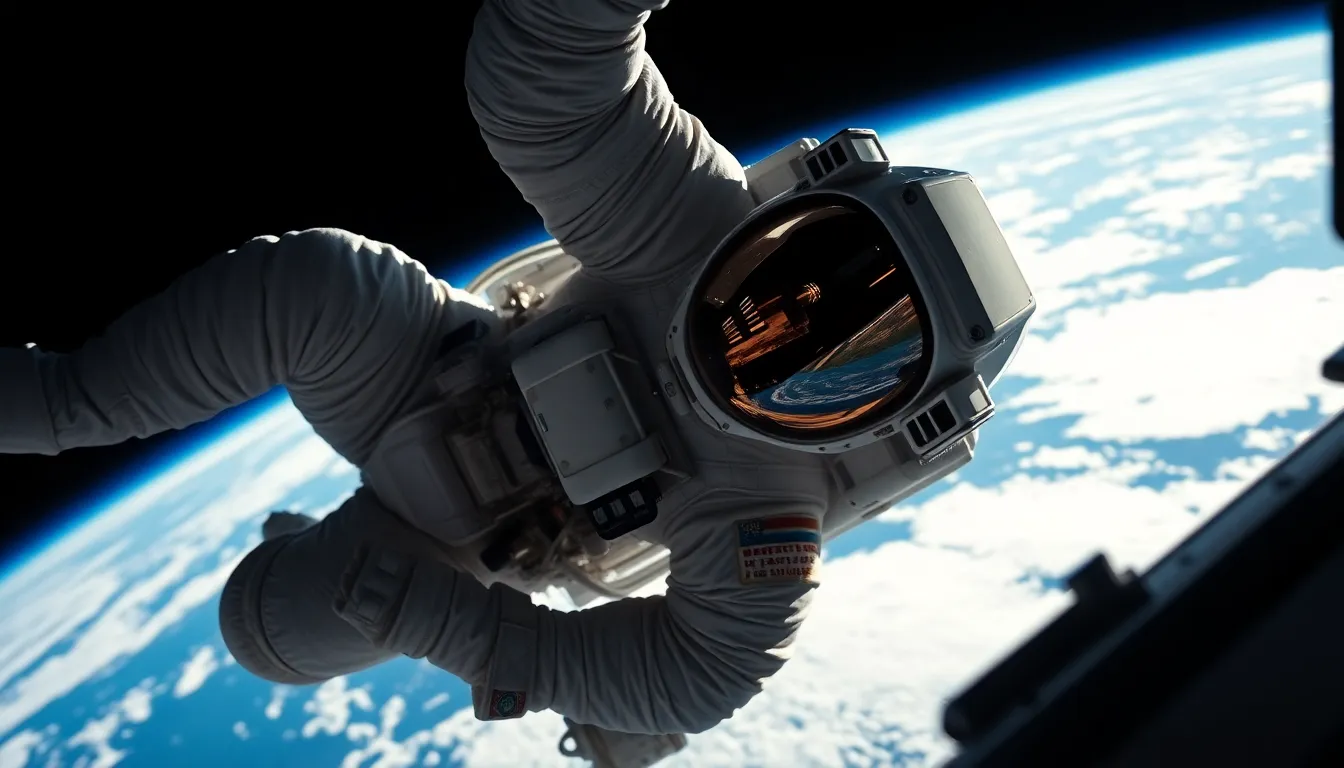
shot on Sony A7R V with 85mm f/1.4 GM lens, focusing on an astronaut floating in space, performing a spacewalk. The scene is illuminated by harsh sunlight contrasting with the darkness of space, creating stark shadows on the astronaut's suit. A shallow depth of field at f/1.4 isolates the astronaut from the distant Earth background, which features a breathtaking view of blue oceans and white clouds. The color palette is natural, capturing the realism of space. The composition is framed using the rule of thirds, placing the astronaut slightly off-center to emphasize the vastness of space around them. The suit's fabric shows fine details and textures like stitching and reflective surfaces.
16:9
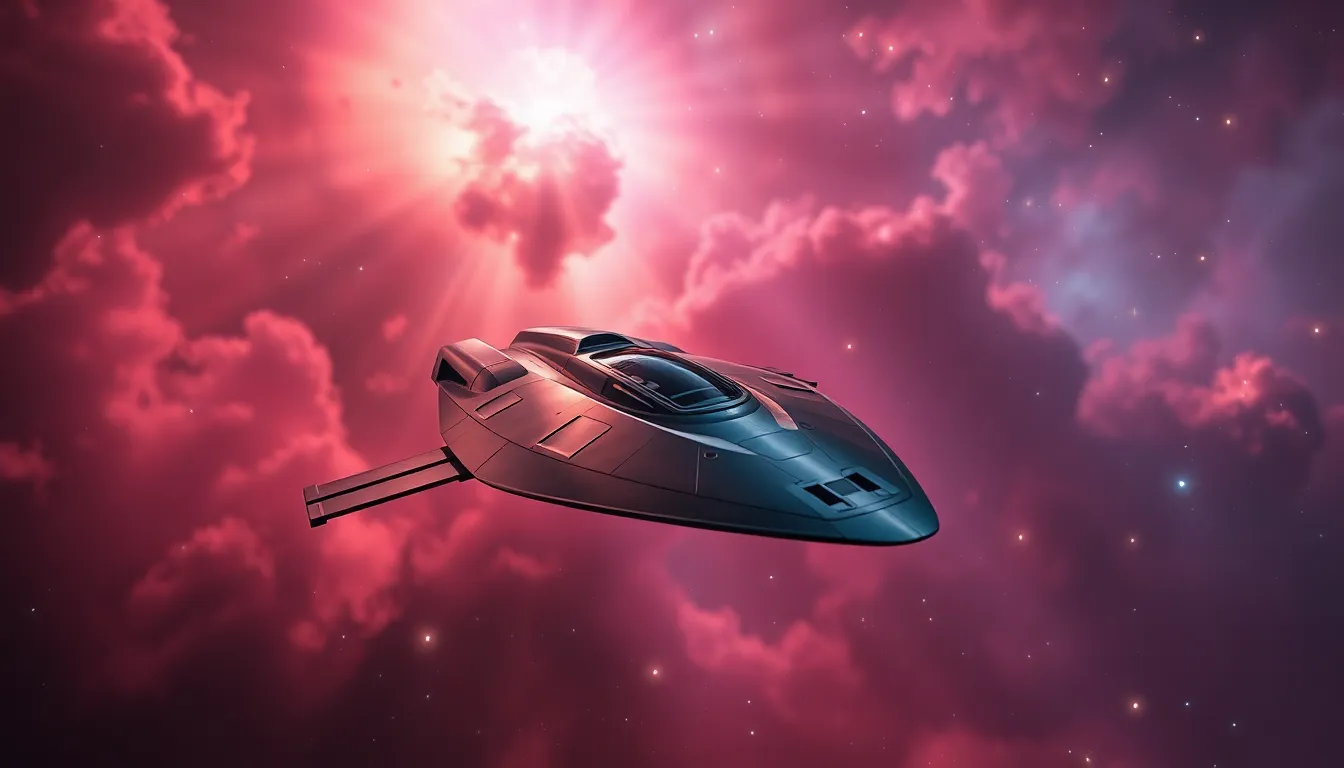
captured with Canon EOS R5, 24-70mm f/2.8L at 35mm, showcasing a sleek spaceship soaring through a nebula. The scene is lit by the vibrant colors of gas clouds with rich pinks, purples, and blues casting an ethereal glow. A slight depth of field at f/2.8 blurs the distant stars while keeping the ship in sharp focus. The color palette reflects the cosmic mystery with a cinematic teal and orange grading. The composition employs leading lines from the nebula swirling toward the ship, creating a sense of movement and depth. The ship's surface is metallic with visible reflections from the surrounding space.
16:9
captured with Fujifilm GFX 100S, 110mm f/2 macro, presenting a detailed close-up of a comet streaking through the darkness of space. The comet's icy core reflects sunlight, leaving a luminous tail of dust and gaseous particles. Using a shallow depth of field at f/2, the comet is sharply in focus while the backdrop fades into velvety darkness. The color palette highlights bright whites and blues against the deep black of space, evoking a sense of mystery. The composition places the comet near the top right, utilizing negative space to enhance its trajectory.
3:2
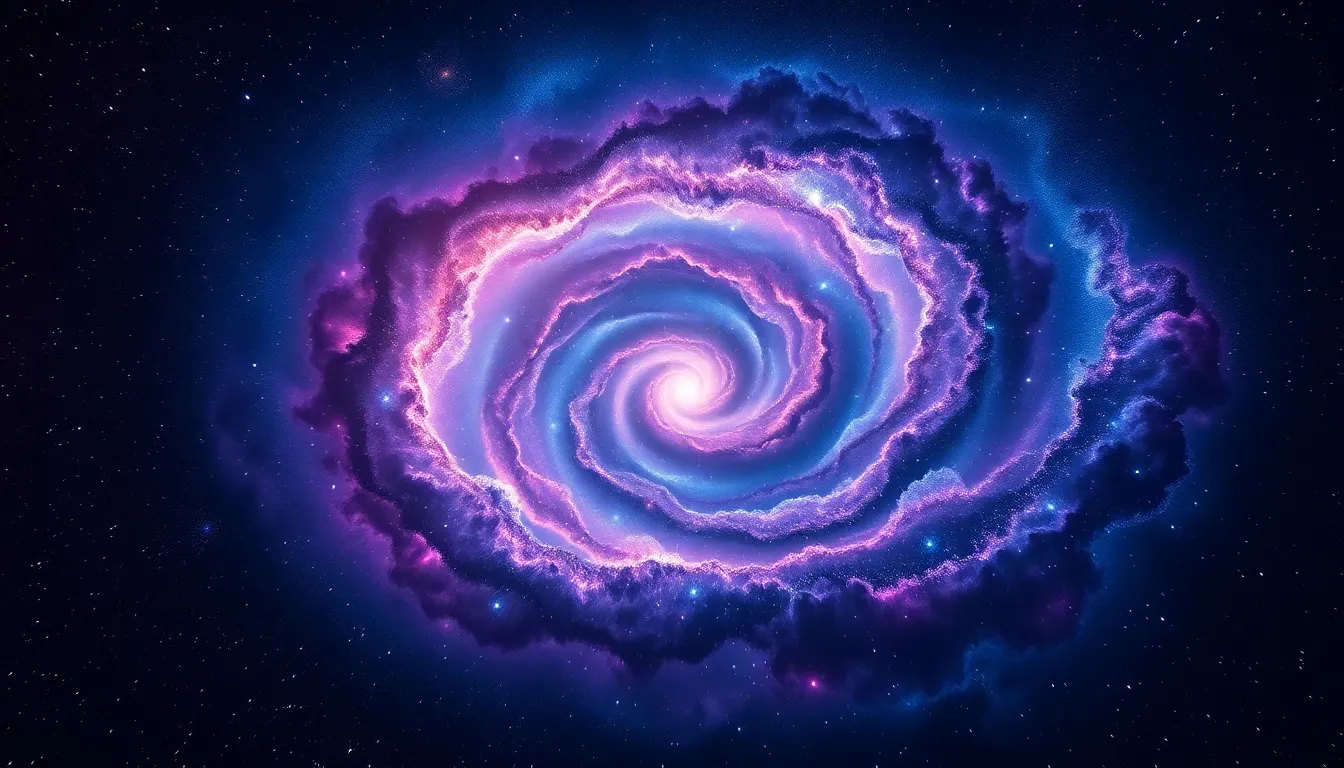
shot with Hasselblad X2D 100C, 90mm f/2.5 medium format, featuring a dramatic depiction of a distant galaxy spiral with vibrant interstellar clouds. Illuminated by dappled starlight, the scene's cosmic colors display vivid purples and blues, creating a rich visual tapestry. The depth of field is shallow at f/2.5, allowing for soft bokeh of surrounding stars. The composition uses the rule of thirds to position the galaxy off-center, drawing the eye toward its swirling arms. Textures of the gaseous clouds are rendered with hyper-real detail, inviting exploration of the universe's mysteries.
16:9
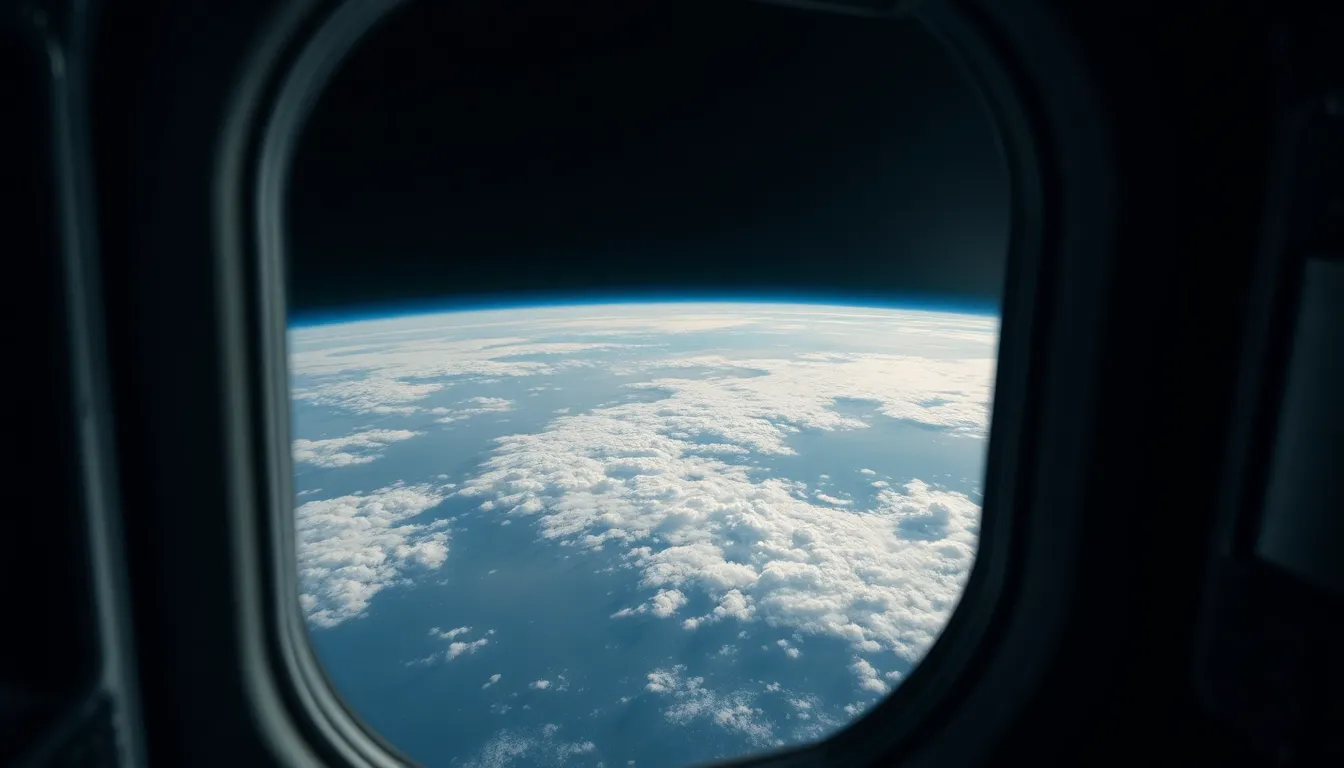
captured with Canon EOS R5, 24-70mm f/2.8L at 35mm, illustrating a breathtaking view of Earth from a spacecraft window. The image features the planet’s blue oceans and white clouds against the blackness of space, enhanced by overcast diffused daylight that softens edges. With hyperfocal distance, everything from the window frame to the distant planet is tack-sharp at f/8. This is complemented by a natural muted color tone, portraying the serene beauty of Earth. The composition centers around the window frame, creating a sense of perspective and depth.
16:9

shot on Sony A7R V with 85mm f/1.4 GM lens, displaying a close-up of a Mars rover navigating rocky Martian terrain during dusk. The image features warm golden hour backlighting illuminating the rover's intricate mechanical parts, creating a soft glow. Using shallow depth of field at f/1.4, the focus strikes on the rover with a beautifully blurred background of Martian rocks. The color palette showcases earthy reds and soft oranges, enhancing the alien landscape's warmth. Compositionally, the rover is positioned off-center, with leading lines guiding the viewer's gaze into the scene.
3:2
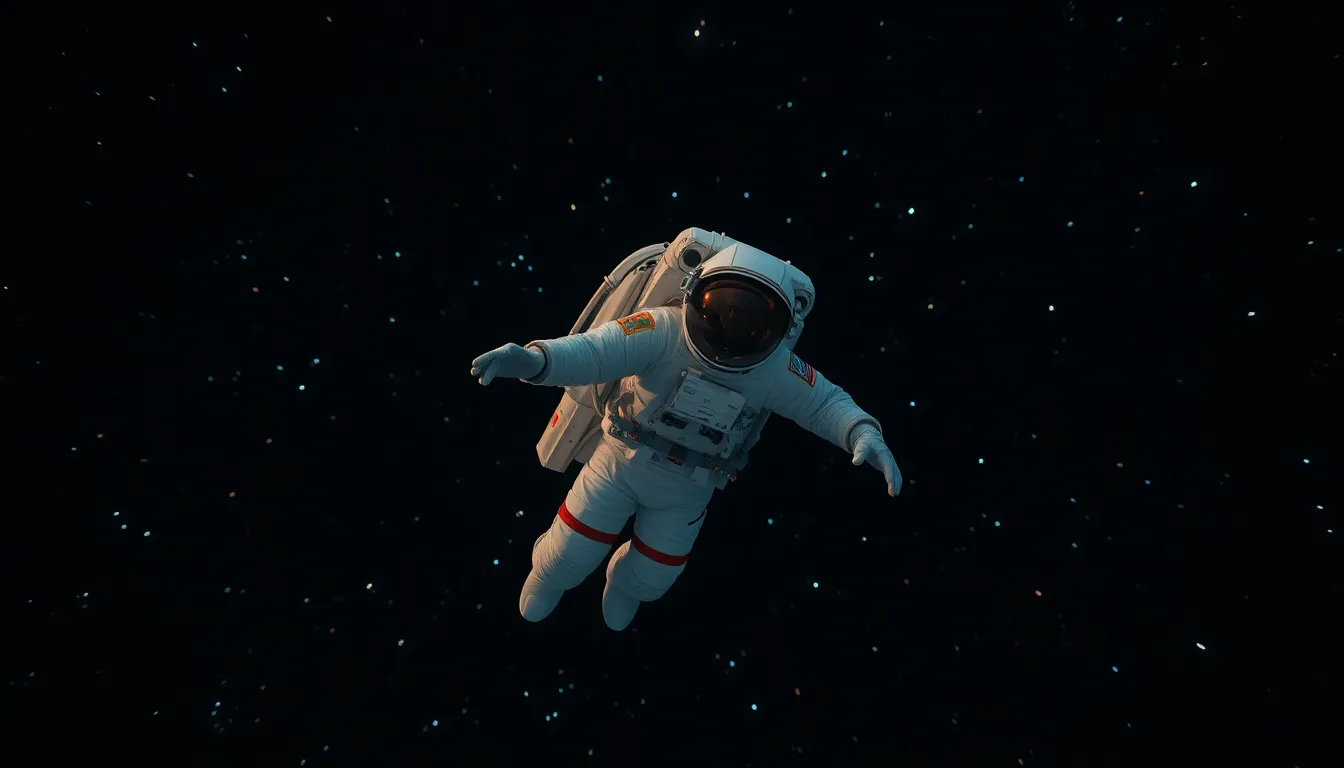
captured with Nikon Z9, 70-200mm f/2.8 telephoto at 135mm, showcasing an astronaut floating in the vastness of space, illuminated by distant stars. The scene features deep space black with sparkling points of light, creating a shallow depth of field at f/2.8 for dramatic isolation of the subject. Emphasizing a cinematic teal and orange color grading, the composition centers around the astronaut in a dynamic pose, enhancing the sense of freedom and exploration. Textures of the spacesuit are rendered in high detail, highlighting the fabric and equipment under starlight.
16:9
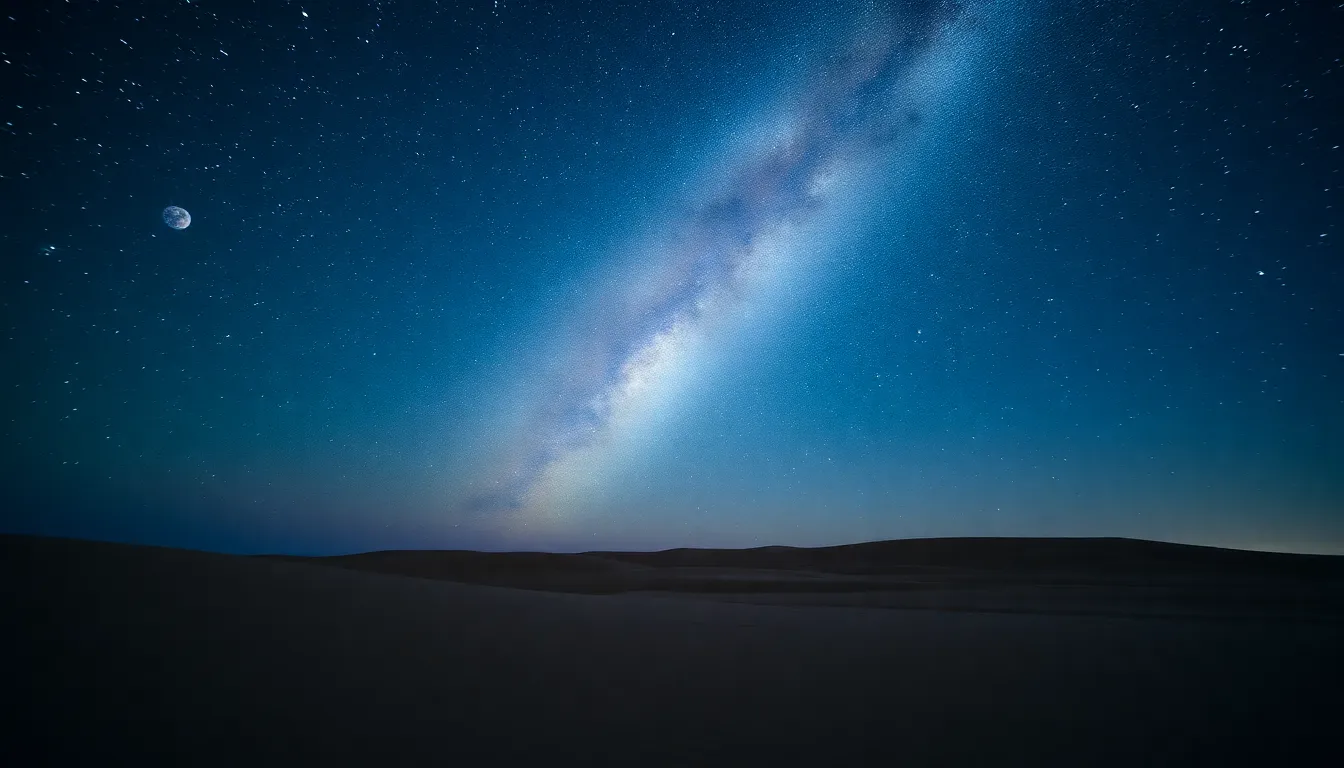
shot on Leica Q3, 28mm f/1.7 Summilux, illustrating a breathtaking view of the Milky Way rising over a tranquil desert landscape. The pristine night sky, filled with stars, bathes the scene in ethereal light while soft moonlight illuminates the sandy foreground. A shallow depth of field at f/1.7 creates a soft bokeh effect, emphasizing the stars above. The color palette is rich with deep indigo and scattered whites, evoking a calm and serene atmosphere. The composition adheres to the rule of thirds, placing the Milky Way on a diagonal axis to create visual interest.
16:9
captured with Fujifilm GFX 100S, 110mm f/2 macro, presenting a detailed view of a meteorite specimen nestled on a bed of black velvet. Natural soft light enhances the rough texture of the meteorite while casting subtle shadows. The depth of field is shallow at f/2, effectively isolating the meteorite against the soft backdrop. Rich metallic grays and silvers dominate the color palette, suggesting the specimen's extraterrestrial origin. The composition focuses tightly on the meteorite, allowing viewers to appreciate its details and unique surface characteristics.
1:1
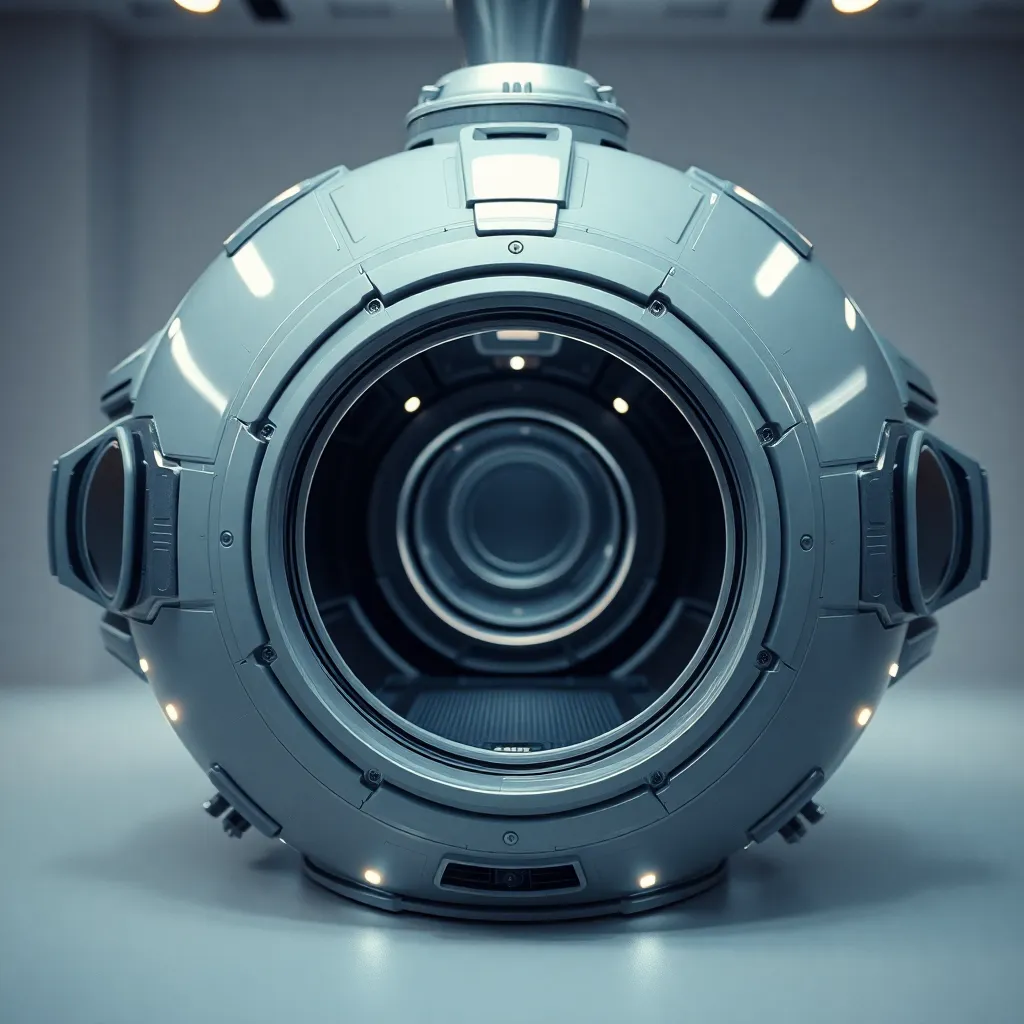
shot on Hasselblad X2D 100C, 90mm f/2.5 medium format, capturing a detailed close-up of a futuristic space habitat pod. Balanced studio lighting highlights the sleek surfaces and intricate designs of the pod, with soft reflections adding depth. The depth of field is shallow at f/2.5, creating a creamy bokeh effect that draws attention to the habitat’s entrance. The color palette features cool grays and metallic blues, reflecting advanced technology. The composition emphasizes symmetry, with the pod centered in the frame against a soft, blurred background.
1:1
captured with Nikon Z9, 70-200mm f/2.8 telephoto at 135mm, showcasing a Mars rover traversing the rugged Martian landscape. Harsh midday sunlight casts long shadows, accentuating the rocky terrain and dusty atmosphere. Hyperfocal distance at f/8 keeps the entire scene in sharp focus, from the rover to distant hills. The color science leans towards earthy reds and browns, replicating Mars' unique terrain. The composition uses leading lines formed by the rover's tracks to guide the viewer's eye through the desolate environment, capturing the texture of the dust and rocks.
16:9
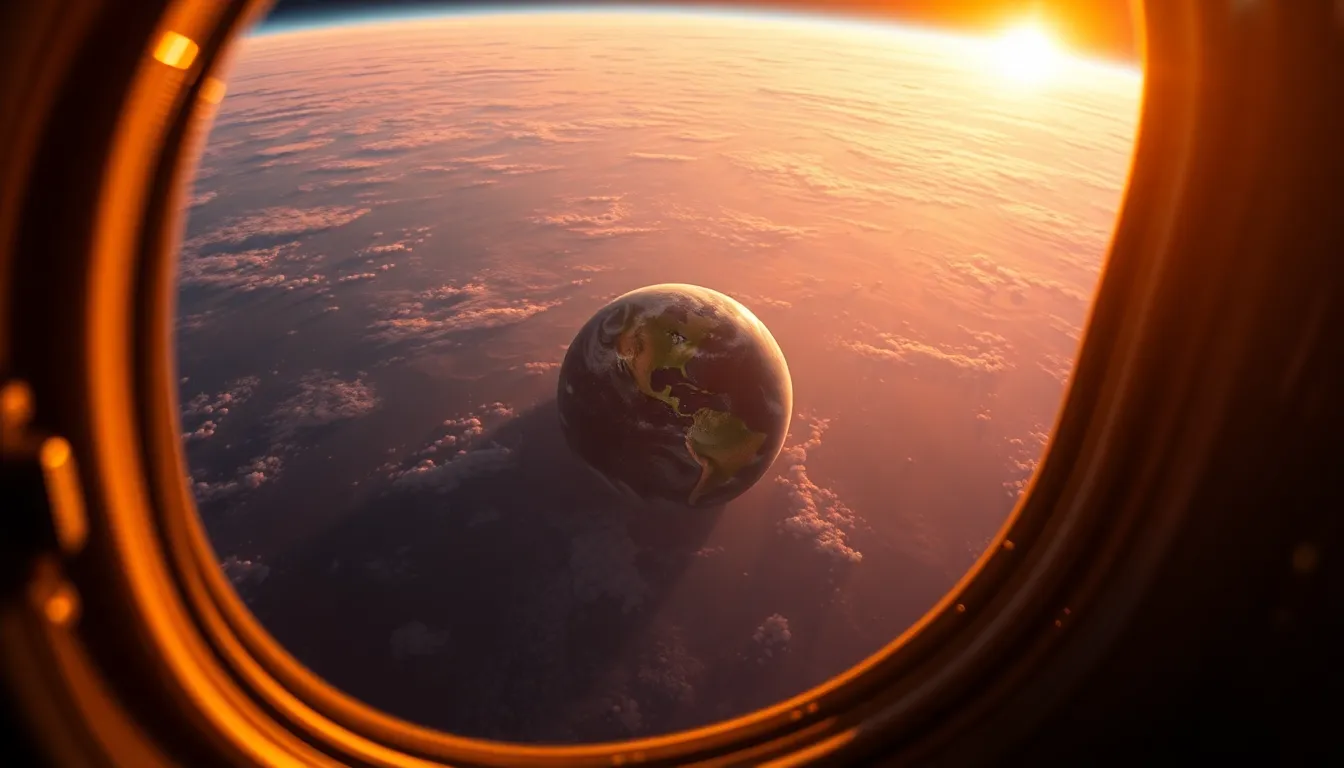
shot on Canon EOS R5, 24-70mm f/2.8L at 35mm, featuring a breathtaking view of the Earth from the International Space Station. Captured during a stunning sunrise, warm, golden light illuminates the curved horizon while shadows deepen across the atmosphere. A shallow depth of field at f/2.8 creates a soft bokeh in the background, emphasizing intricate details of the ISS exterior. The color palette reflects vibrant oranges and deep blues, evoking a sense of wonder. The composition centers on the ISS, framing it with the planet as it rises, showcasing the delicate textures of metal and glass against the celestial backdrop.
16:9
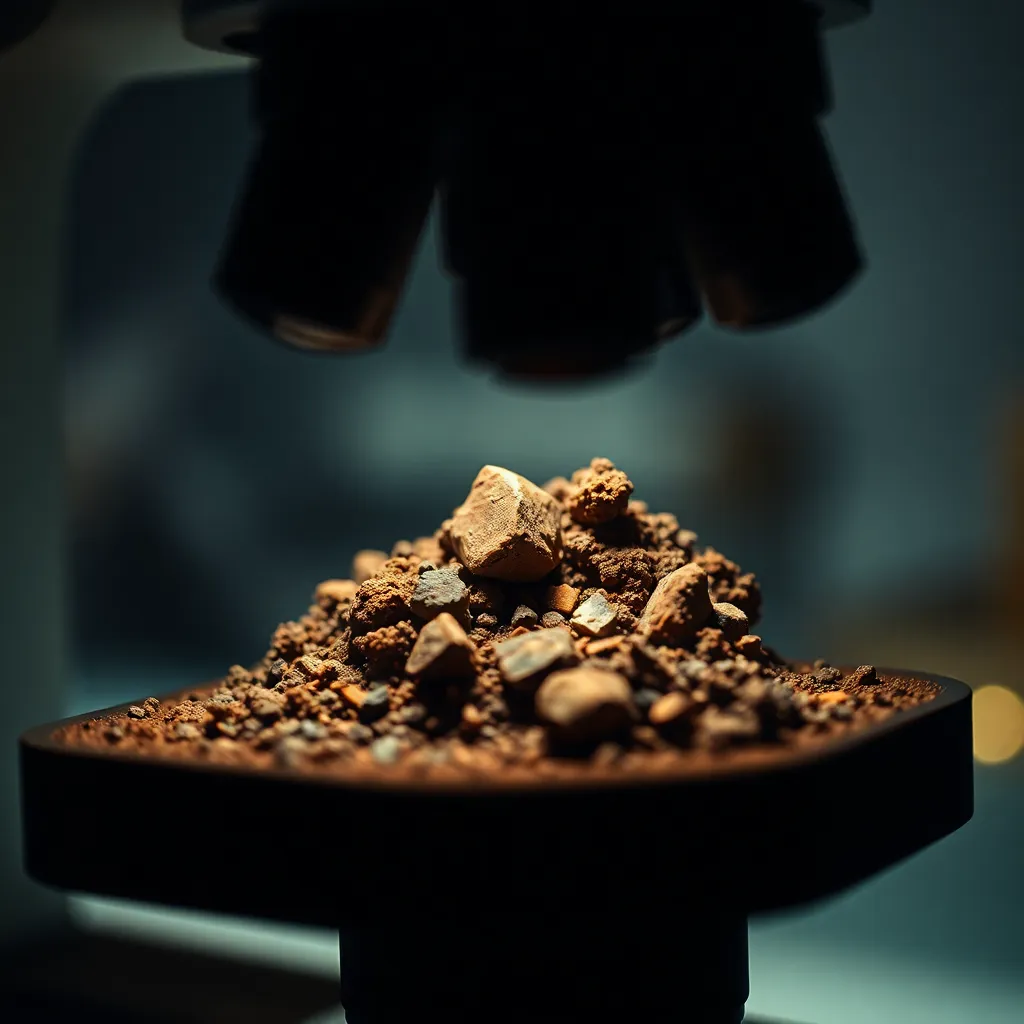
Fujifilm GFX 100S, 110mm f/2 macro, capturing the intricate details of a Martian soil sample under a microscope with bright LED backlighting, showcasing the texture and color variations of the soil. Selective focus reveals tiny rocks and organic materials, while soft bokeh swirls in the background. Kodak Portra 400 color palette enhances the earthy tones, providing warmth to the scientific examination. The composition centers on the microscope, framed by the lab environment’s subtle textures.
1:1
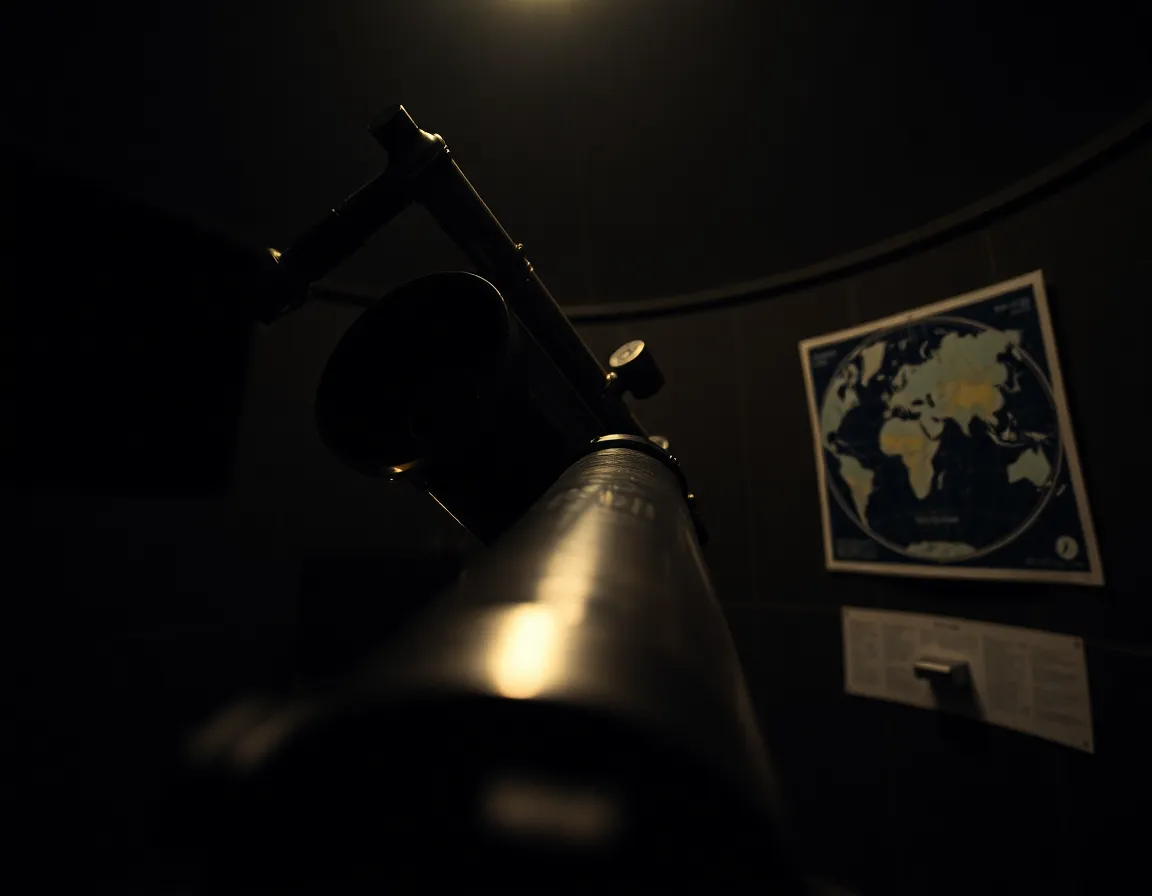
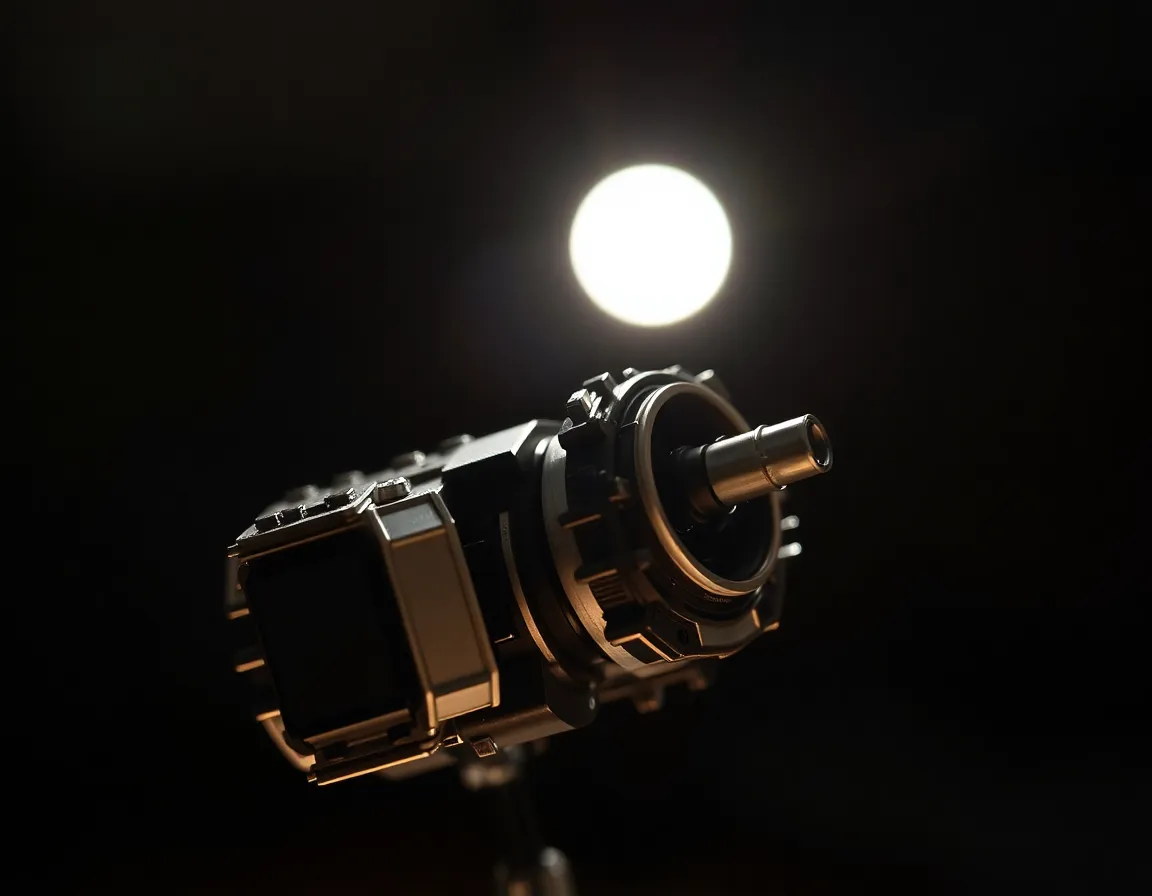
Hasselblad X2D 100C, 90mm f/2.5 medium format, under the soft glow of an artificial light source simulating starlight in a darkened observatory. Shallow depth of field isolates a telescope, with fine details of the metal and glass reflecting the soft light. Natural muted tones with desaturated colors create a serene atmosphere. The composition uses leading lines from the telescope to create a sense of depth toward the star map displayed on the wall.
4:3
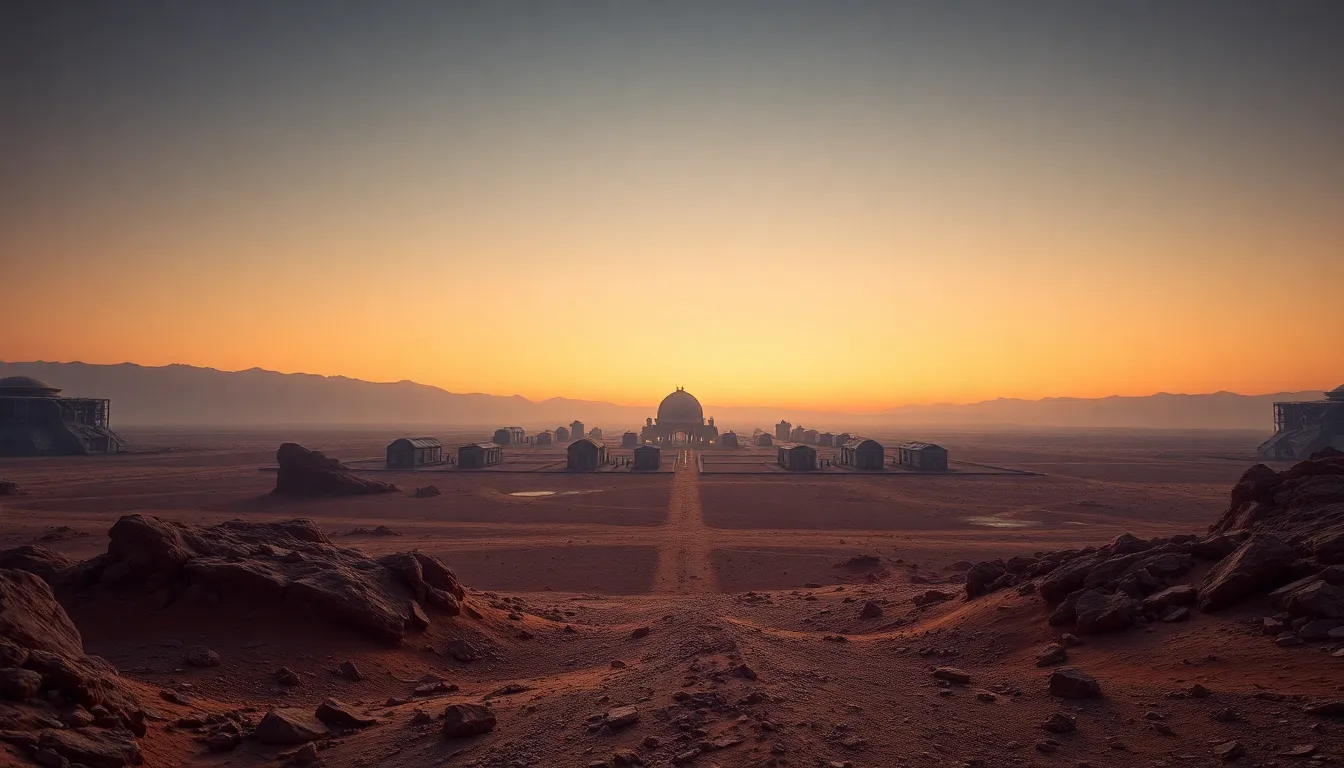
Nikon Z9, 70-200mm f/2.8 telephoto at 135mm, captured during the twilight hour with ethereal light illuminating a Mars colony settlement. Hyperfocal distance ensures everything from foreground to background is sharp, with natural muted tones and desaturated earth colors reflecting the Martian landscape. Centered symmetrical composition showcases the colony’s structures against the vast Martian sky. Textured red rocks and dusty surface details enhance the scene's realism.
16:9

shot on Sony A7R V with 85mm f/1.4 GM lens, lit by bright sunlight filtering through a spacecraft’s window, creating a warm and inviting ambiance. Selective focus on a young scientist working on a holographic display, with the interior metallic textures of the spacecraft enhancing the futuristic feel. Natural muted tones with desaturated colors create a calm atmosphere. Composition centers on the scientist, using leading lines from the window to draw attention to their work.
3:2
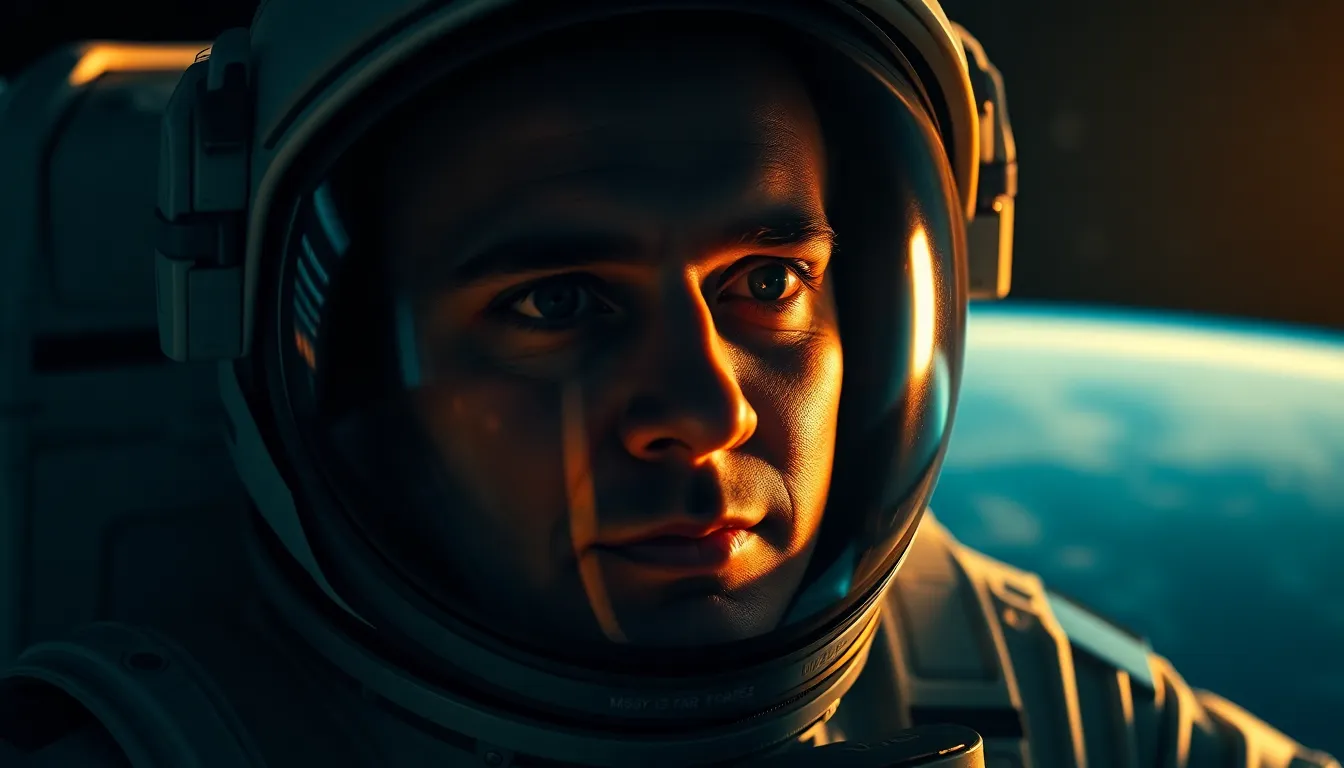
captured with Canon EOS R5, 24-70mm f/2.8L at 35mm, dramatic chiaroscuro lighting emphasizing the contours of an astronaut in space. Shallow depth of field at f/2.8 focusing on the face, with the Earth visible in the background, cinematic teal and orange color grading enhancing the scene. Rule of thirds composition with the astronaut slightly off-center, creating a dynamic balance. The textured fabric of the spacesuit contrasts with the smooth, starry void of space.
16:9
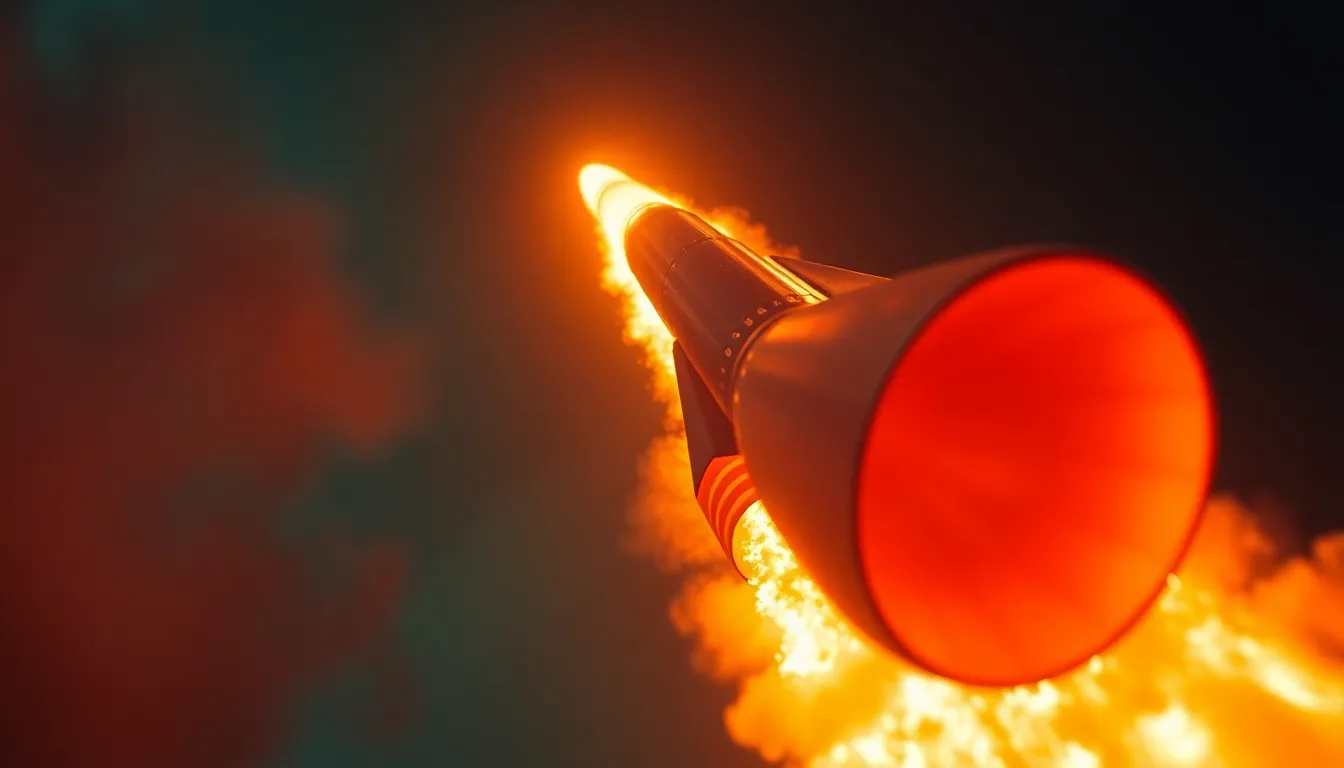
Hasselblad X2D 100C, 90mm f/2.5 medium format, capturing the fiery launch of a rocket with warm tungsten lighting illuminating the scene, extreme shallow depth of field at f/2.5 focusing on the rocket's intricate details, vibrant colors of flames and exhaust enhanced by a cinematic teal and orange color grading, dynamic Dutch angle composition adding excitement and energy to the scene.
16:9
Fujifilm GFX 100S, 110mm f/2 macro capturing the intricate details of a floating space station against the backdrop of a vast starfield, natural overcast diffused daylight enhancing the textures of the station's surface materials, selective focus on the station's panels with the starfield in a creamy bokeh, utilizing a cinematic teal and orange color grading for dramatic contrast, centered composition showcasing the engineering marvel of space architecture.
16:9
captured with Canon EOS R5, 24-70mm f/2.8L at 35mm, dramatic Rembrandt lighting highlighting the intricate features of a lunar rover, hyperfocal distance at f/8 ensuring everything from foreground rocks to the lunar surface is tack-sharp, natural muted tones with desaturated greys and whites evoking the starkness of the Moon's landscape, leading lines of rover tracks drawing the eye towards the horizon.
16:9
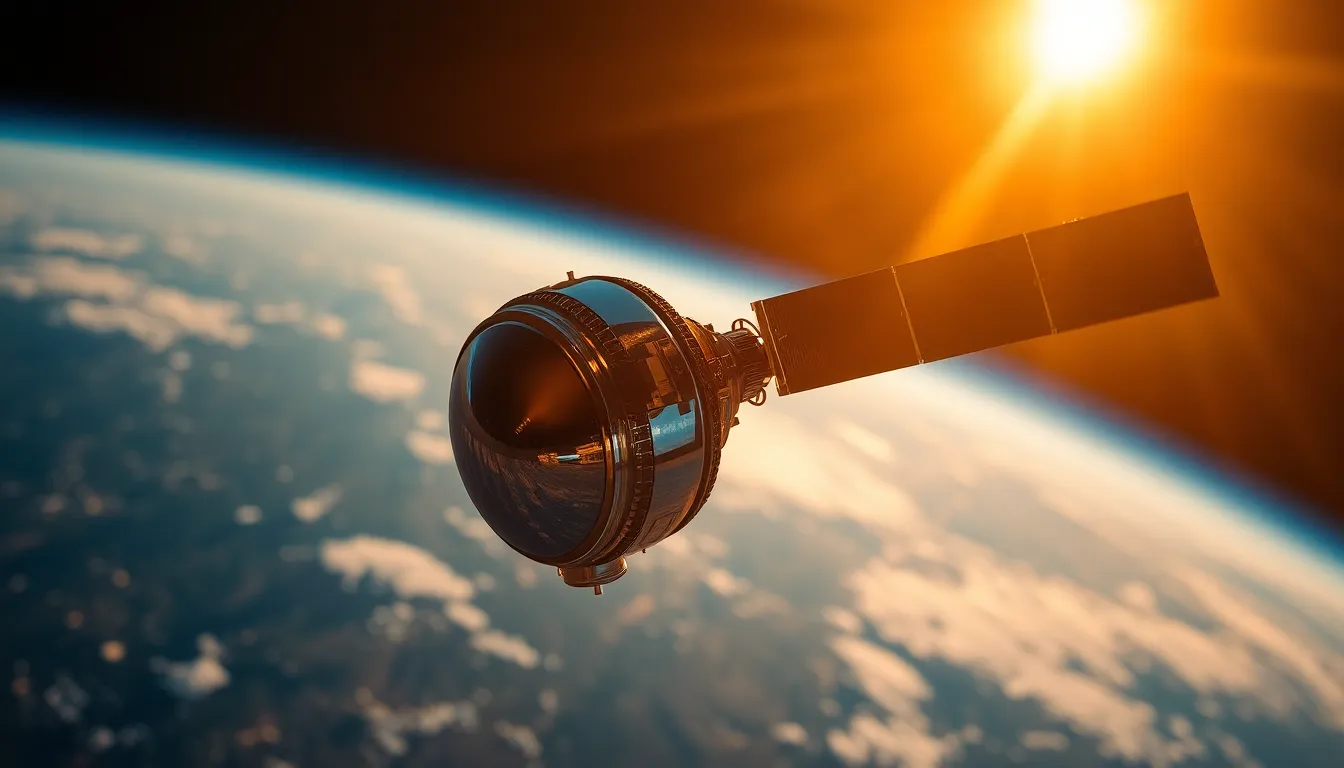
shot on Sony A7R V with 85mm f/1.4 GM lens, natural golden hour backlighting creating a warm halo effect around a satellite in orbit, selective focus on the satellite's reflective surface with the Earth below melting into soft painterly bokeh, utilizing Kodak Portra 400 color palette to enhance warm tones and contrast, rule of thirds with the satellite positioned at a power point against a sprawling view of Earth.
16:9
captured with Nikon Z9, 70-200mm f/2.8 telephoto at 135mm, dramatic side lighting from a distant star illuminating the scene, shallow depth of field at f/2.8 with a soft bokeh of distant galaxies, enhanced with vibrant Fujifilm Velvia-inspired saturated colors showcasing deep blues and rich purples, centered symmetrical composition with a lone astronaut on a rocky alien surface, intricate surface textures of the astronaut's suit contrasted against the rough, jagged terrain.
16:9

Captured with Hasselblad X2D 100C, 90mm f/2.5 medium format, this aerial view portrays a bustling spaceport at sunrise, with spacecraft and workers preparing for launch. The golden hour casts a warm glow across the scene, highlighting the sleek designs of the spacecraft and the vibrant colors of the workers’ uniforms. Utilizing hyperfocal distance, everything from the ground to the horizon is in sharp focus. The color palette features warm oranges and cool blues, creating a harmonious balance. The composition utilizes a dynamic angle, showcasing the complexity of the spaceport while leading the eye through the busy activity below.
16:9
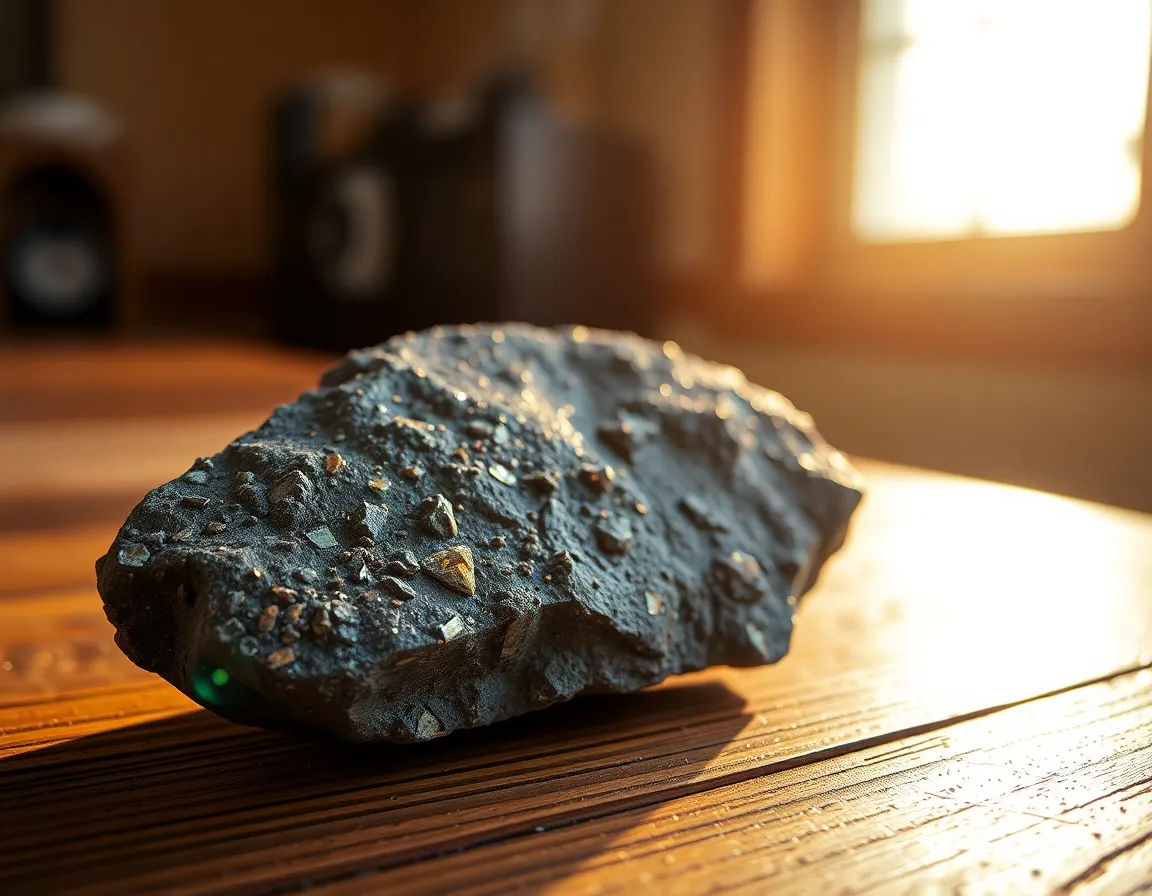
Shot on Fujifilm GFX 100S, 110mm f/2 macro, this image showcases a detailed view of a piece of meteorite resting on a wooden table. The warm sunlight from a nearby window creates a soft fill light enhancing the textures and shimmering crystals on the meteorite's surface. A shallow depth of field at f/2 allows for creamy bokeh in the background, drawing focus to the striking details of the meteorite. The color palette is a mix of earthy tones with natural metallic flecks. The composition is centered and symmetrical, emphasizing the meteorite's unique shape and features, while the wooden table adds an organic contrast.
4:3
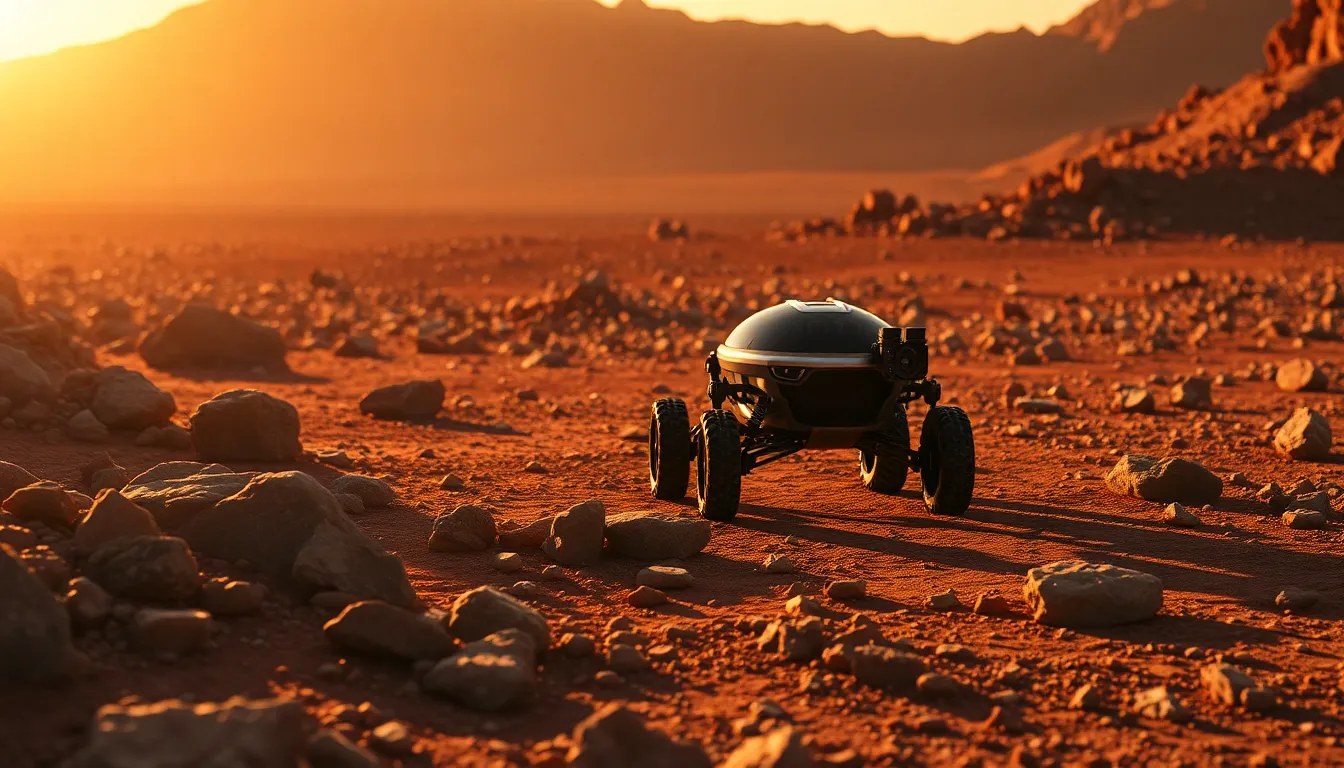
Filmed using Nikon Z9, 70-200mm f/2.8 telephoto at 135mm, this image captures a close-up of a futuristic rover navigating a rocky Martian landscape at sunset. The harsh terrain is vividly detailed, showcasing the various minerals and textures of the red planet’s surface. The warm golden sunlight casts long shadows, creating a dramatic contrast against the cool reds and browns of Mars. A shallow depth of field isolates the rover against the backdrop of the Martian landscape. The color palette features rich, desaturated earth tones, enhancing the otherworldly atmosphere. The composition utilizes leading lines formed by the rover's path, drawing the eye across the scene.
16:9
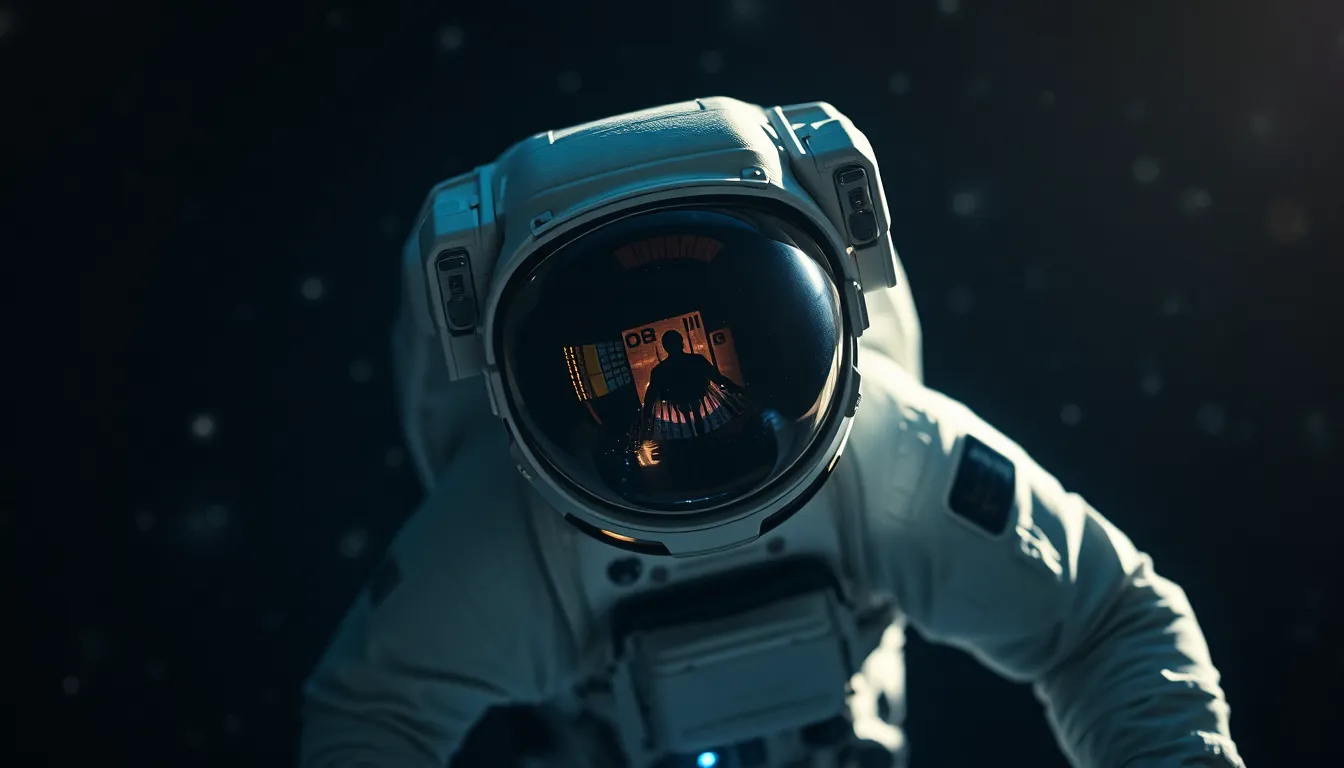
Shot on Sony A7R V with 85mm f/1.4 GM lens, a stunning astronaut floats in the dark void of space, surrounded by sparkling stars. Natural sunlight casts a soft, ethereal glow, illuminating the astronaut's helmet and suit while shimmering reflections dance across its surface. A hyperfocal distance captures the astronaut in sharp focus against the soft, painterly backdrop of stars. The color palette features deep blacks and brilliant whites with hints of blue illuminations. The composition follows the rule of thirds, placing the astronaut off-center, enhancing the feeling of isolation in the vast expanse of space.
16:9
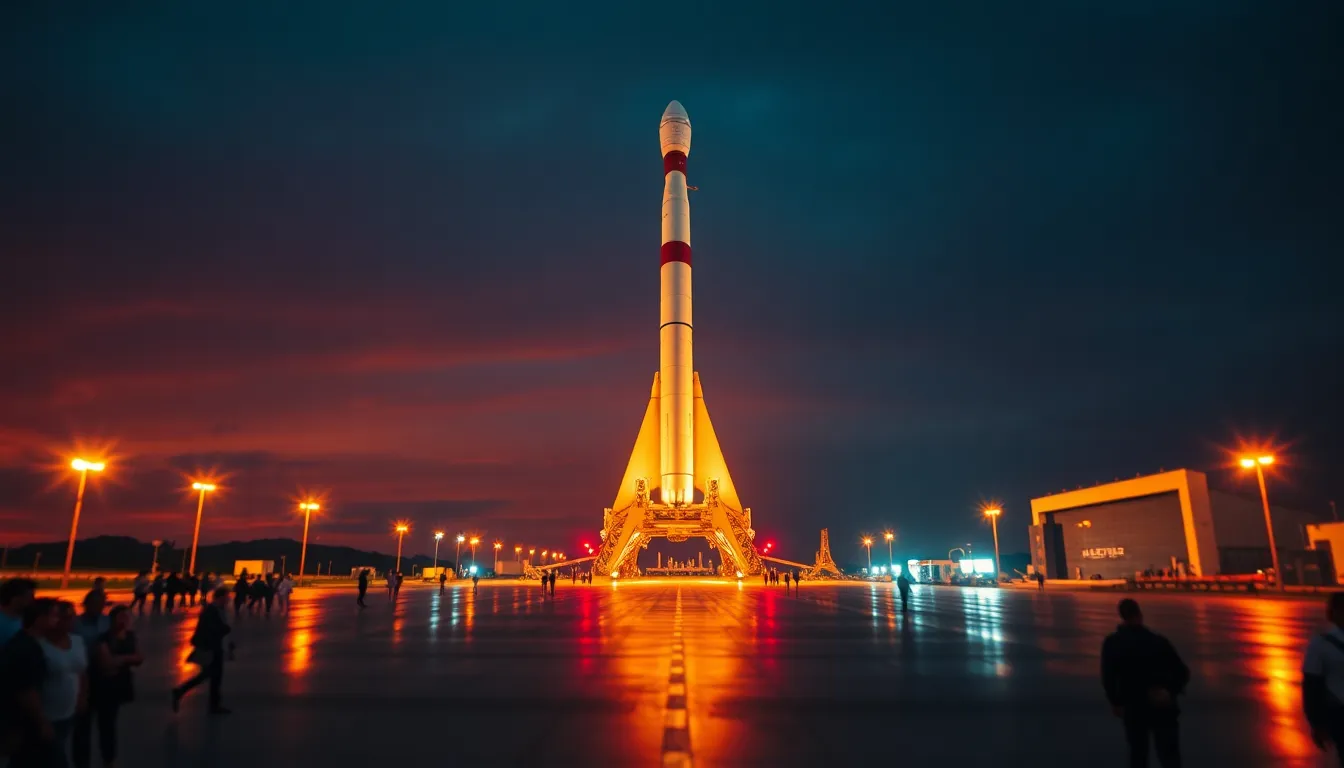
Captured with Canon EOS R5, 24-70mm f/2.8L at 35mm, this scene features a towering rocket poised for launch at dusk. The sky transitions from deep navy to fiery oranges, illuminated by the rocket's bright lights casting reflections on the sleek, polished asphalt below. A shallow depth of field at f/2.8 blurs the crowd of onlookers in the foreground, emphasizing the rocket. The color palette mirrors the cinematic teal and orange grading, enhancing the mood of anticipation. Textural details include the smooth metallic surface of the rocket and the shiny tarmac, underlining the modernity of space exploration.
16:9
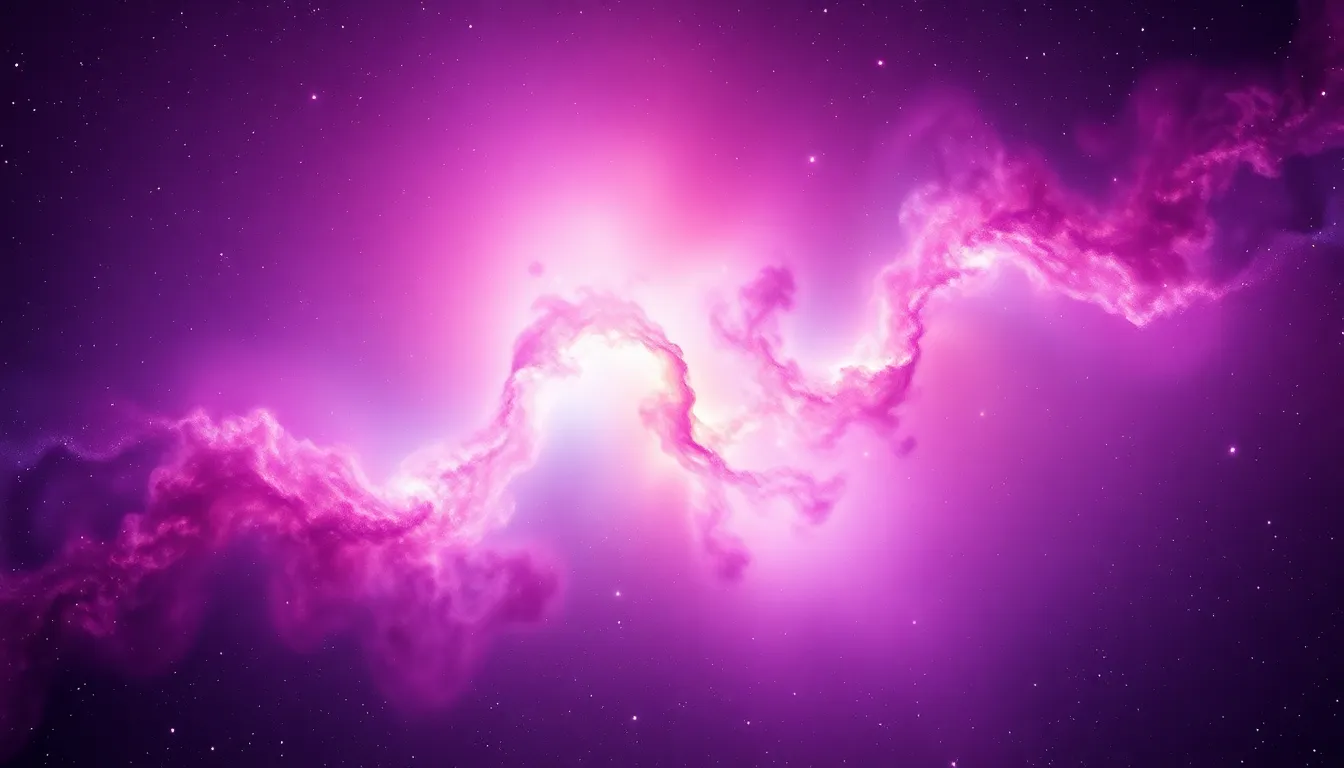
A breathtaking nebula captured in deep space, shot on Hasselblad X2D 100C, 90mm f/2.5 medium format. The scene is illuminated by the ethereal glow of cosmic gases, creating a vibrant display of colors ranging from deep purples to bright pinks. Utilizing a hyperfocal distance, the image keeps the entire nebula sharp while providing depth. The color science emulates Fujifilm Velvia-inspired saturated tones, enhancing the cosmic vibrancy. The composition uses a centered symmetrical layout, drawing attention to the nebula's swirling patterns. The texture of the gaseous clouds is beautifully rendered, showcasing the interstellar beauty.
16:9
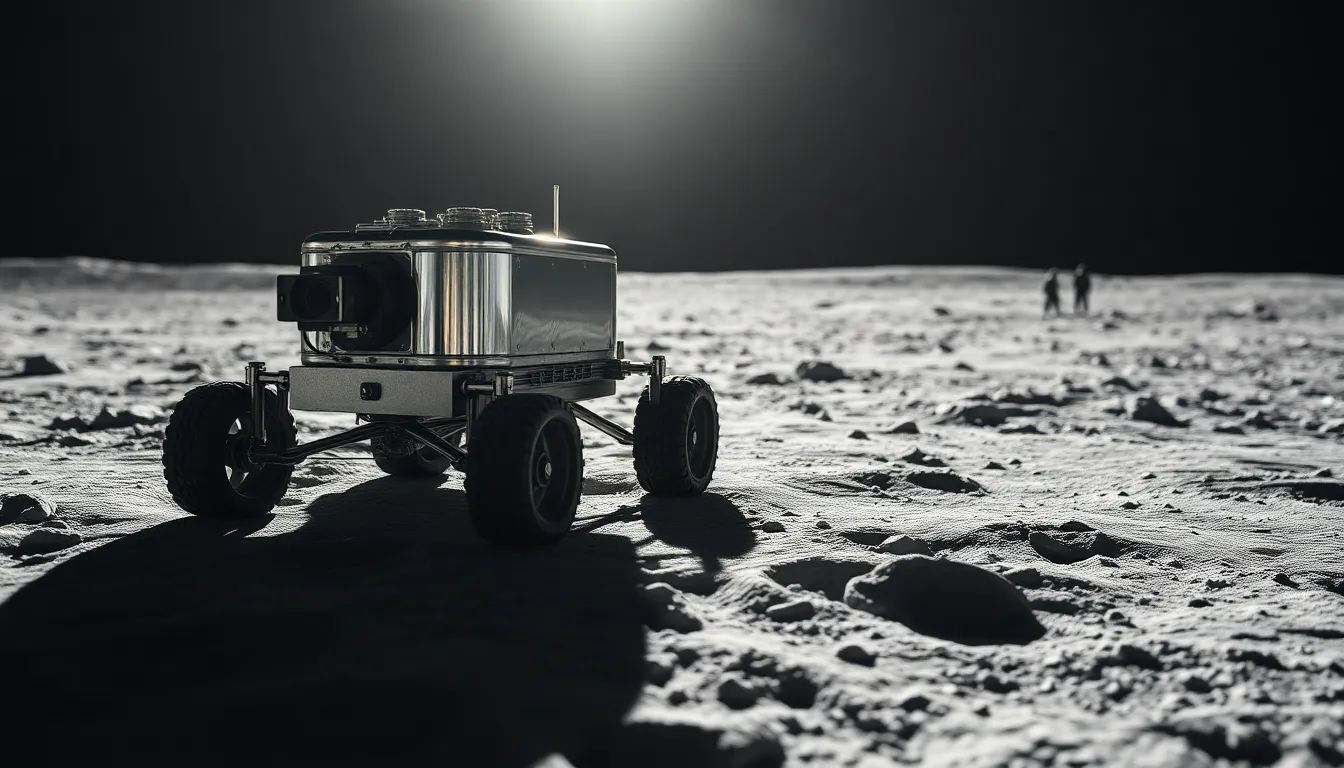
A close-up of a space rover traversing the moon's surface, captured with Leica Q3, 28mm f/1.7 Summilux. The scene is dramatically lit by the stark sunlight creating sharp shadows and highlights on the rover's metallic body. A shallow depth of field at f/1.7 blurs the lunar dust in the foreground, drawing attention to the intricate details of the rover. The color palette is muted with shades of gray and white, emulating the moon’s desolate atmosphere. The composition employs the rule of thirds, with the rover positioned at one of the power points, enhancing the sense of scale against the expansive lunar surface. Textures of the moon's regolith are finely rendered, emphasizing its rough and uneven terrain.
16:9
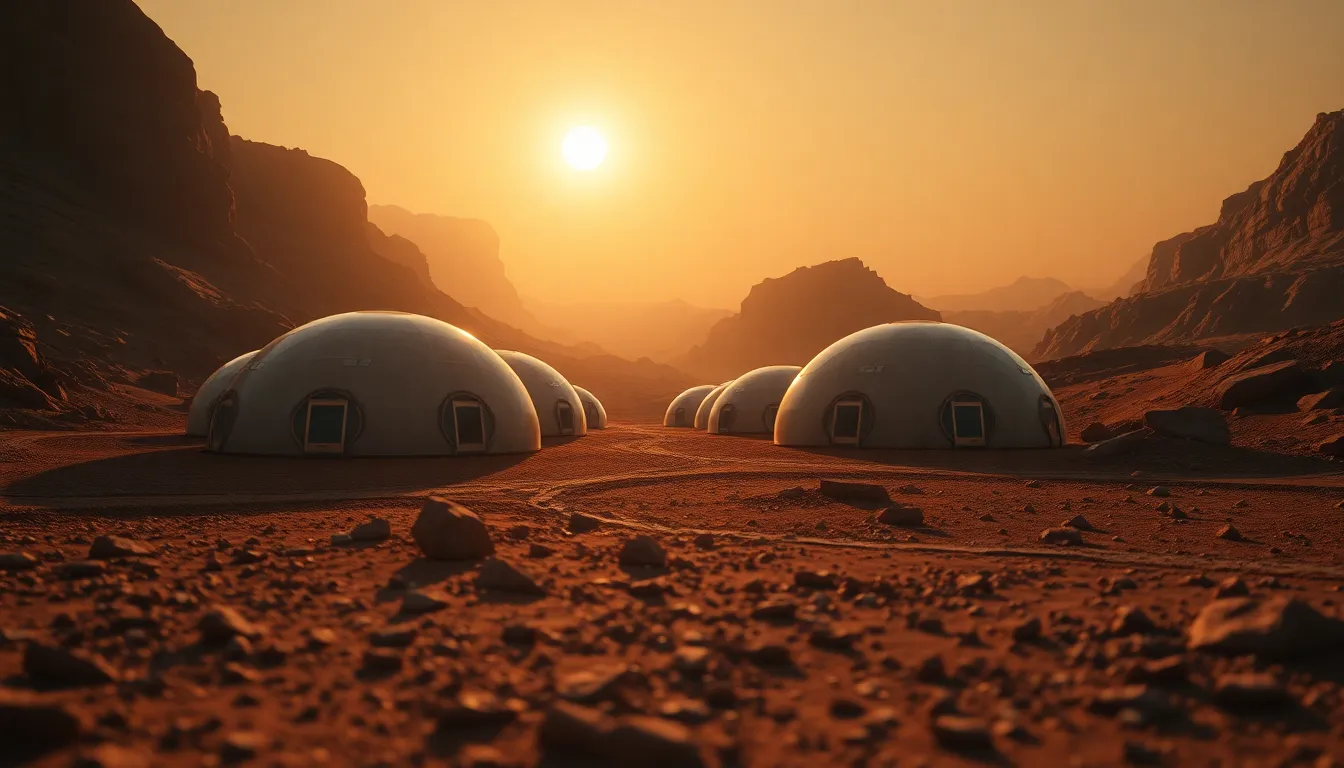
A futuristic Mars colony landscape, shot on Fujifilm GFX 100S, 110mm f/2 macro. The setting is illuminated by the soft glow of a low-hanging sun, casting golden light over the rugged Martian terrain. The depth of field is shallow at f/2, focusing on a cluster of bio-domes while blurring the rocky background. The color palette features warm reds and earthy browns, reminiscent of Mars itself. The composition follows a centered symmetrical approach, with bio-domes flanking a central pathway leading into the distance, inviting exploration. Textures of the Martian soil are detailed, capturing its rocky, barren nature.
16:9
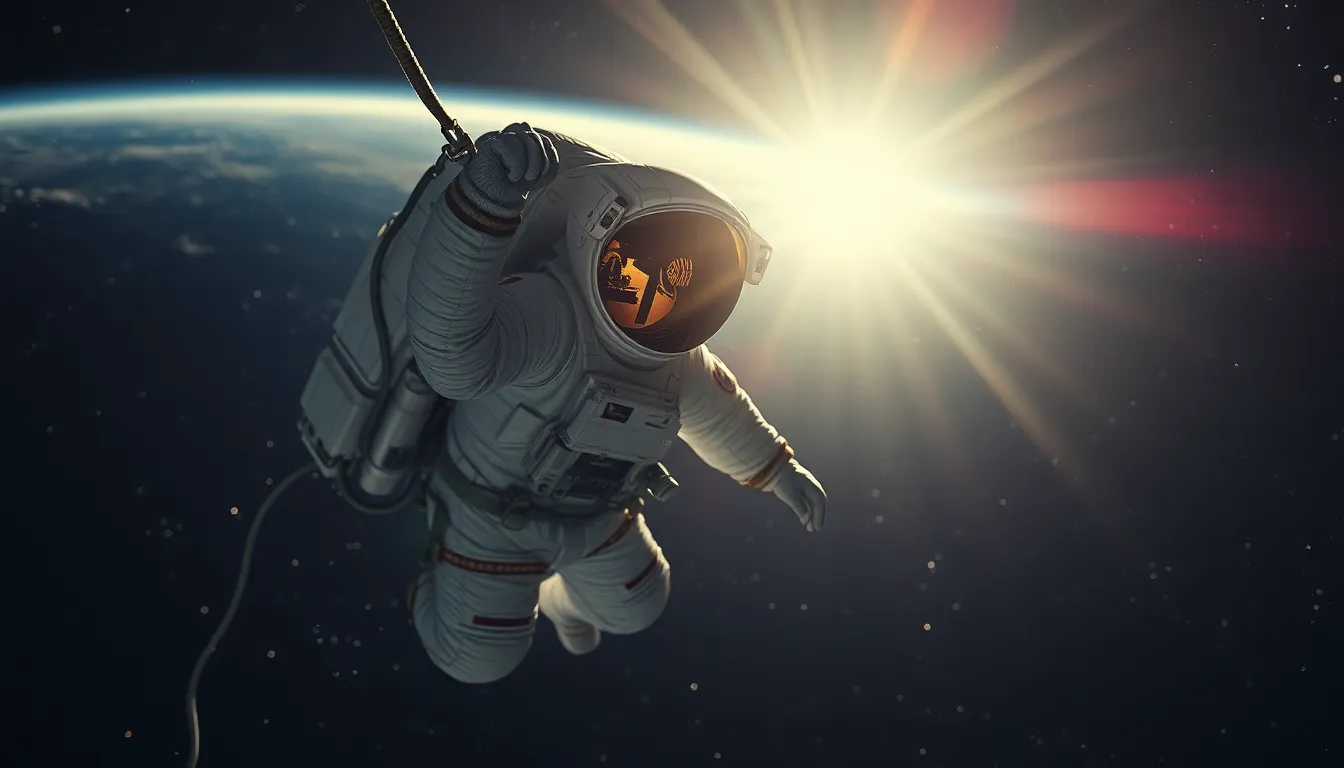
An astronaut floating in the vacuum of space, captured with Nikon Z9, 70-200mm f/2.8 telephoto at 135mm. The image is dramatically lit by the harsh sunlight reflecting off the suit, creating sharp contrasts with deep, dark shadows. A shallow depth of field at f/2.8 blurs the distant stars, emphasizing the solitude of the astronaut. The color palette is natural muted tones with desaturated blacks and bright whites. The composition uses leading lines created by the astronaut's tether directing the viewer's eye into the vast expanse of space. The suit's texture is rendered in high detail, showcasing various materials like fabric and metal.
16:9
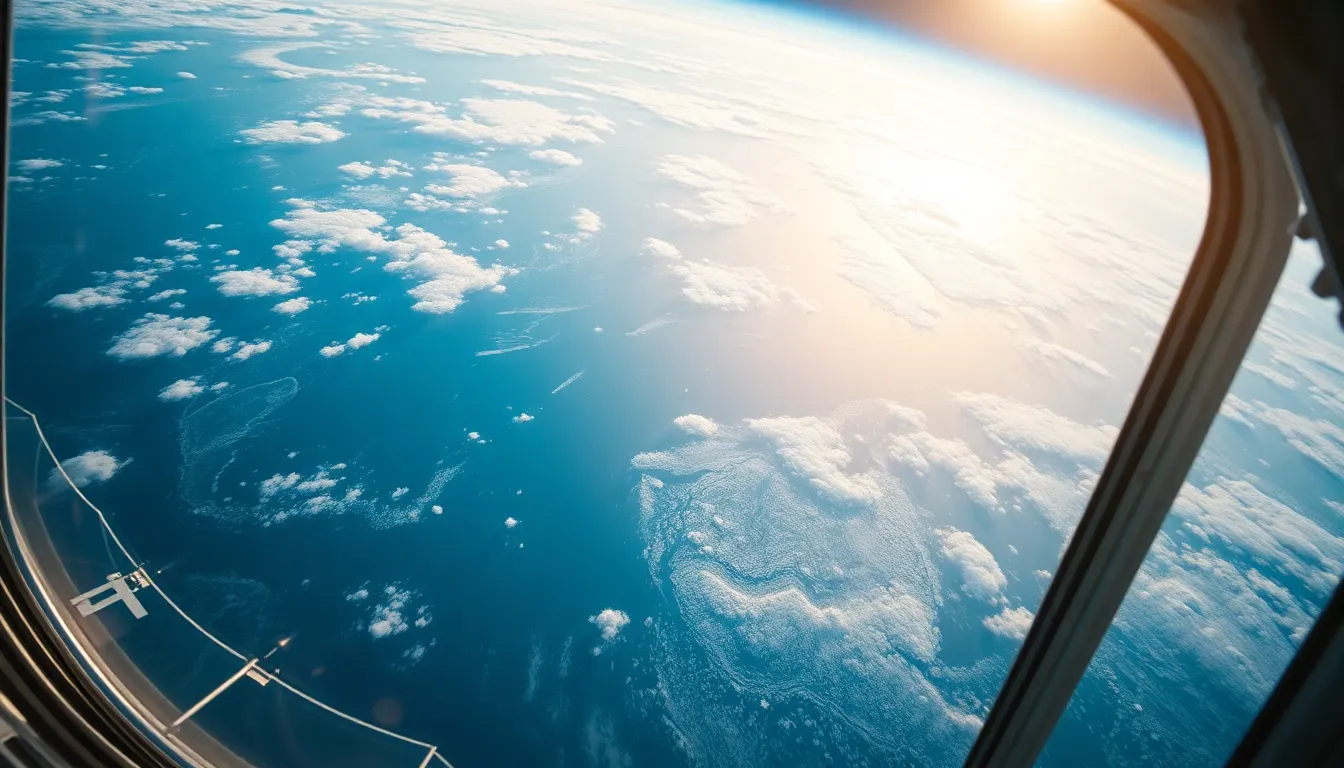
A breathtaking view of Earth from the International Space Station, shot on Canon EOS R5, 24-70mm f/2.8L at 35mm. The scene is illuminated by soft, diffused daylight filtering through the station's windows, showcasing the vibrant blues of the oceans and the whites of the clouds. The depth of field is hyperfocal, ensuring everything from the foreground to infinity is sharp. The color science mimics a cinematic teal and orange grading, giving a surreal feel to the view. The composition follows the rule of thirds, with Earth dominating the lower two-thirds of the frame, creating a sense of vastness and perspective. The glass window reflects subtle textures from the ISS interior, adding depth to the image.
16:9
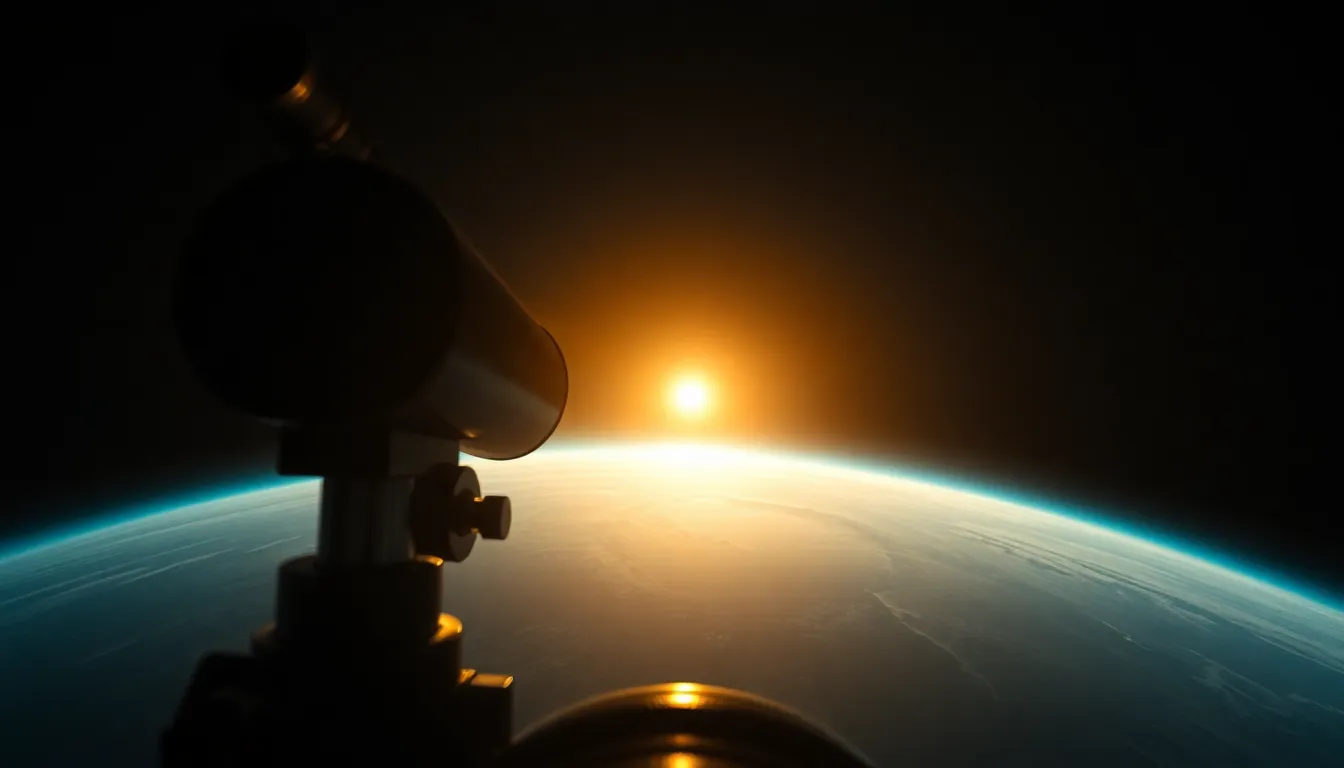
shot on Fujifilm GFX 100S, 110mm f/2 macro capturing a distant exoplanet through a powerful telescope. The scene is illuminated by a distant star, casting a soft glow over the planet’s surfaces. With a hyperfocal distance, all elements from the telescope to the planet are in sharp focus, showcasing intricate surface details of the exoplanet. The color grading follows a natural muted tone with desaturated earth colors for a realistic representation. The composition uses leading lines from the telescope to direct the viewer's gaze toward the distant planet, emphasizing the vastness of space and the pursuit of discovery.
16:9
shot with Hasselblad X2D 100C, 90mm f/2.5 medium format, featuring an astronaut's helmet reflecting the cosmos. The studio lighting creates a dramatic shine on the glass, showing stars and galaxies reflected on its surface. The image uses selective focus on the helmet’s visor while the background blurs into a painterly bokeh of space. The color palette mimics classic black and white film with deep blacks and bright highlights. The composition centers the helmet, invoking a sense of introspection about the exploration of the universe; the sleek metal surface contrasts with the ethereal backdrop.
1:1
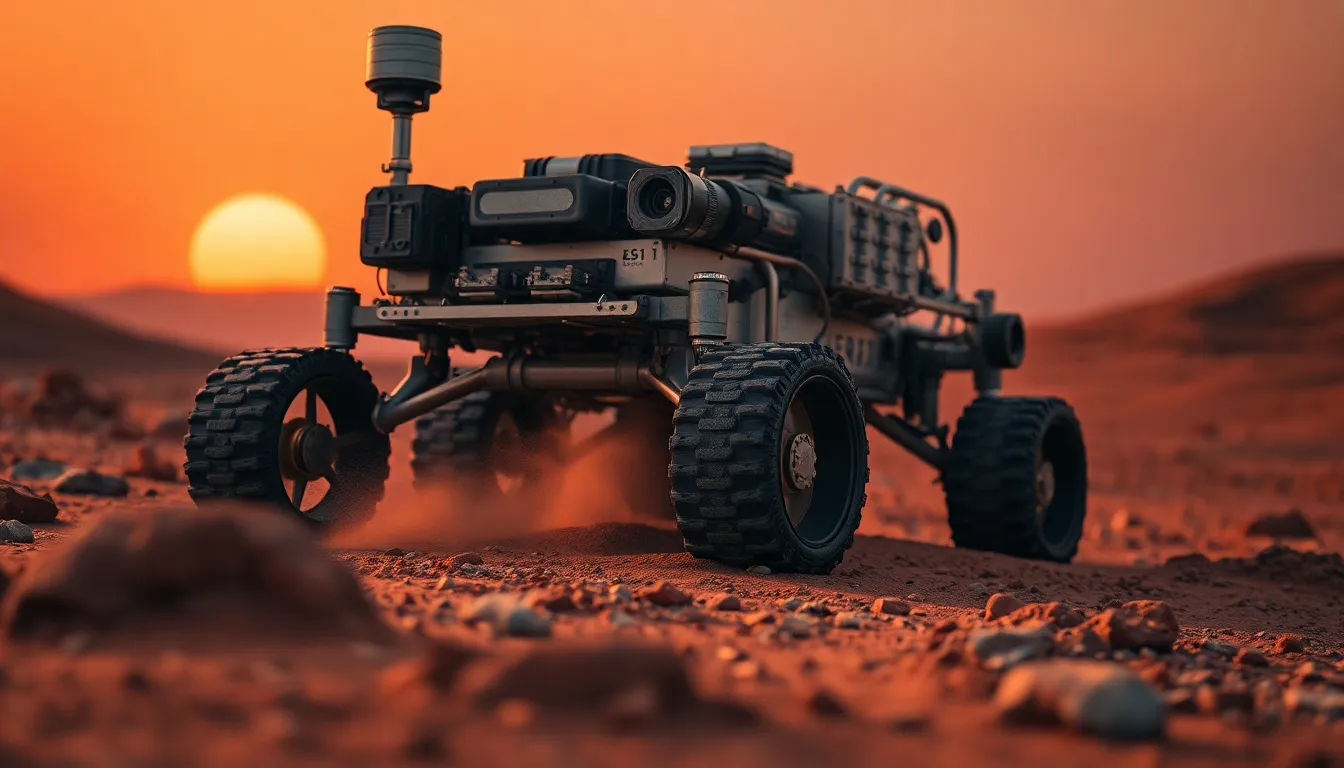
captured with Canon EOS R5, 24-70mm f/2.8L at 35mm during a Martian sunset. The image portrays a rover traversing the rocky Martian landscape with craters and dust in the foreground. Using a three-point studio setup, the lighting highlights the rover’s metal and rugged textures while the warm colors of the sunset create a captivating atmosphere. The depth of field is shallow at f/2.8, emphasizing the rover in focus while the Martian terrain fades softly into bokeh. The natural muted tones of red and orange create a dramatic feel, capturing the essence of Mars exploration.
16:9
captured with Nikon Z9, 70-200mm f/2.8 telephoto at 135mm, featuring bright starlight illuminating the dark void of space. The scene showcases a spacecraft soaring through a vibrant nebula with swirling shades of purple and blue. Shot with a shallow depth of field at f/2.8, resulting in soft bokeh of distant stars. The cinematic teal and orange color grading enhances the dramatic atmosphere. The composition focuses on the spacecraft off-center, using leading lines of the nebula to draw the viewer's eye. The metallic surface of the spacecraft reflects the colorful light from the nebula, showcasing intricate panel details.
16:9

Fujifilm GFX 100S, 110mm f/2 macro, illuminated by soft moonlight casting ethereal shadows, shallow depth of field with focus on a glowing asteroid fragment resting on a textured rocky surface, Fujifilm Velvia-inspired saturated colors highlighting iridescent mineral veins within the asteroid, rule of thirds composition placing the asteroid off-center while the blurred rocky background enhances its prominence.
16:9
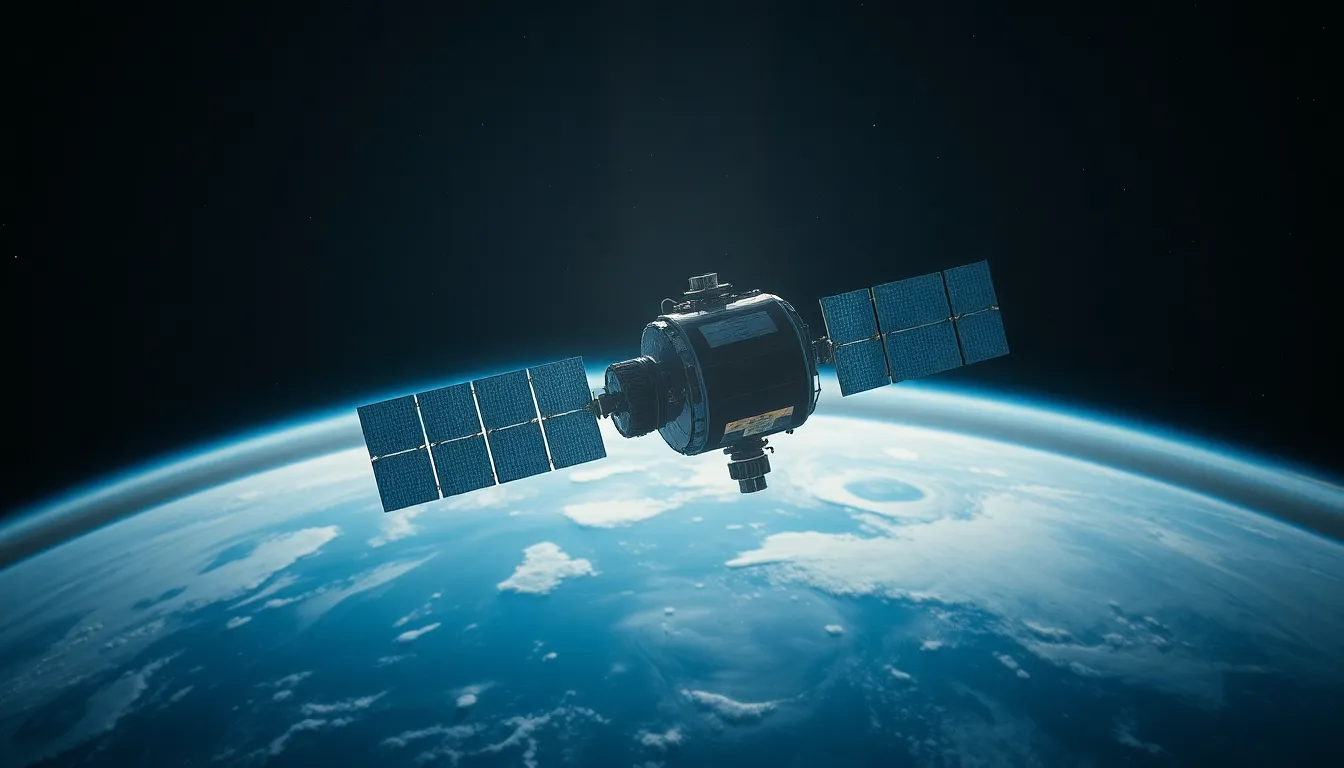
Hasselblad X2D 100C, 90mm f/2.5 medium format, illuminated by cool ambient light from space, hyperfocal distance providing a crisp view of a satellite in orbit, natural muted tones and desaturated colors enhancing the metallic surface detail and solar panels, centered composition with the satellite framed against a backdrop of stars and Earth below.
16:9
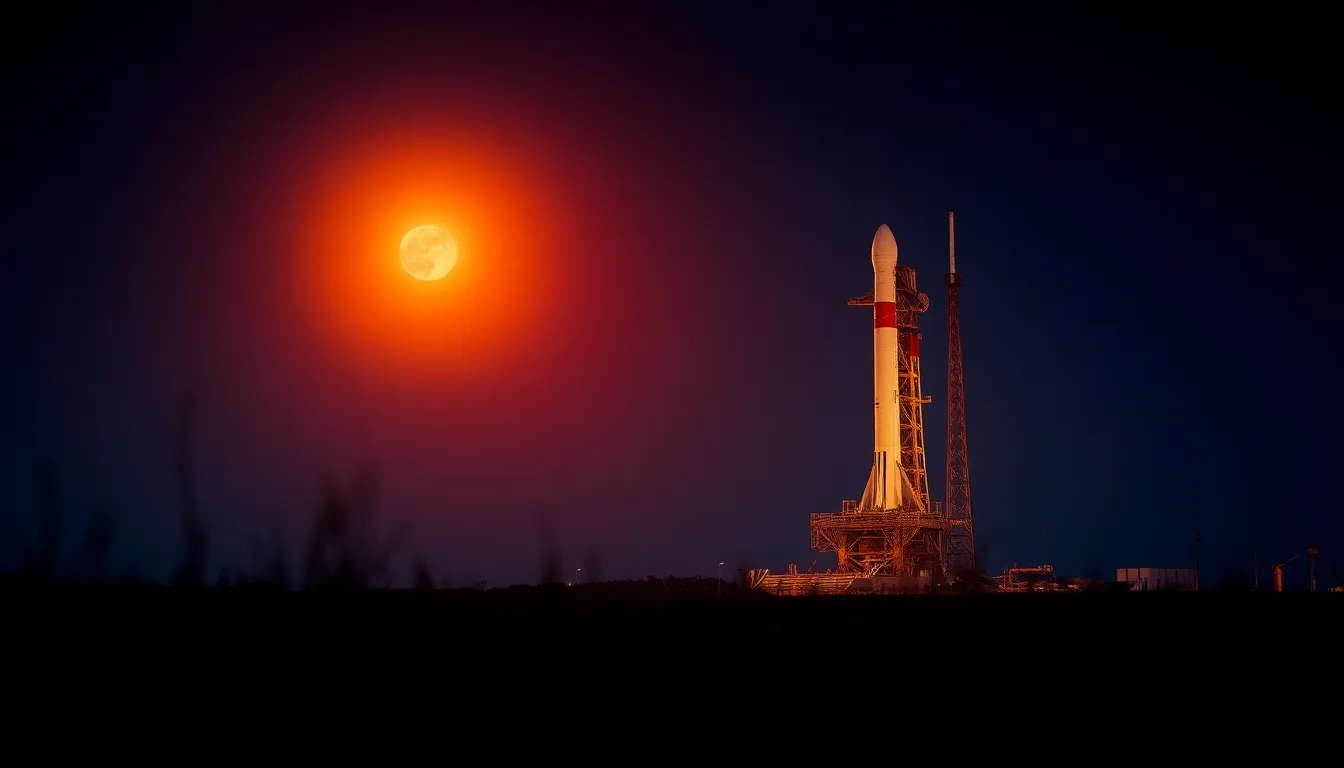
Nikon Z9, 70-200mm f/2.8 telephoto at 135mm, dramatic lighting from the sun setting behind a distant planet, selective focus on a rocket launch pad framed in the foreground with the rocket glowing against the darkening sky, vivid saturated colors resembling a cinematic style with deep blues and fiery oranges, leading lines from the launch pad directing the eye towards the rocket as it prepares for launch.
16:9
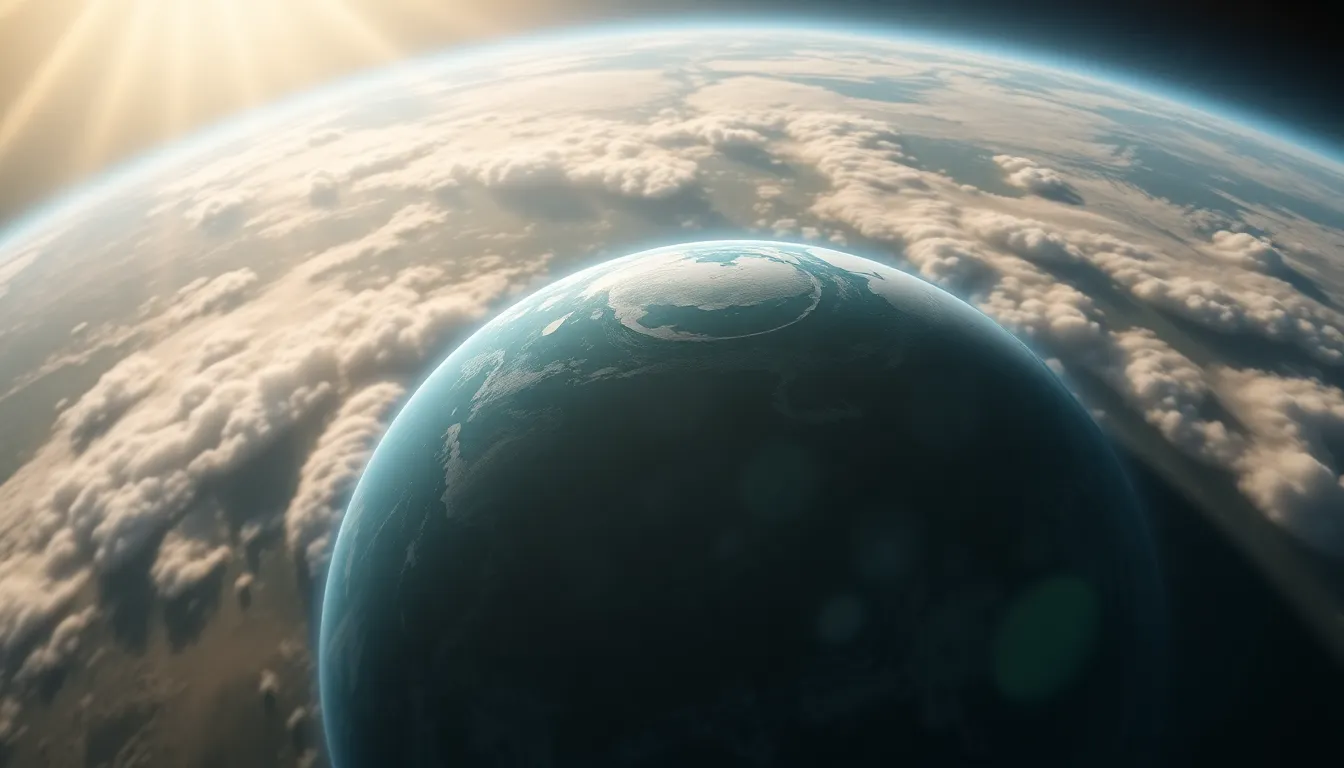
shot on Sony A7R V with 85mm f/1.4 GM lens, illuminated by soft sunlight filtering through the Earth's atmosphere, hyperfocal distance at f/8 providing sharp focus from foreground to infinity, natural muted tones with desaturated earth colors giving a serene feel, rule of thirds composition with a green and blue planet in the background, along with rich textures of swirling clouds and surface details visible on the planet.
16:9
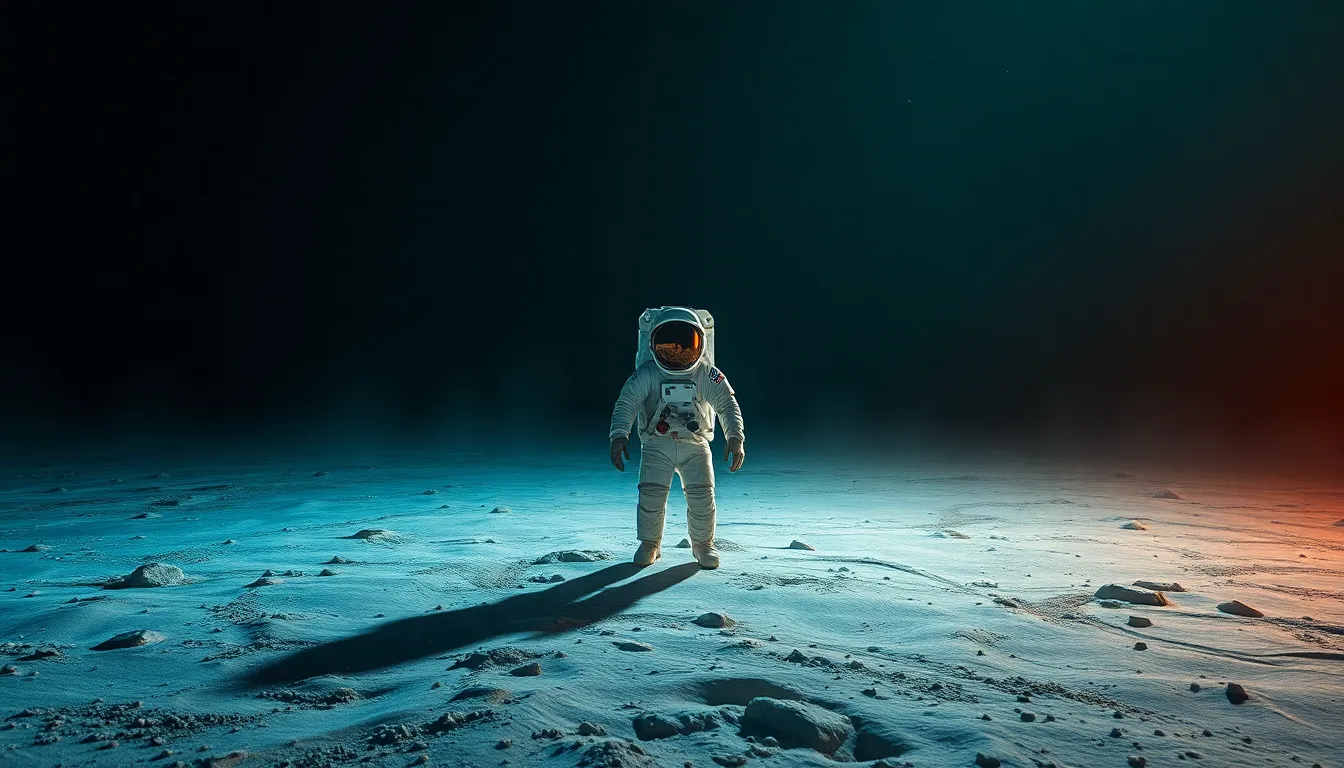
captured with Canon EOS R5, 24-70mm f/2.8L at 35mm, featuring dramatic side lighting from distant stars, shallow depth of field at f/2.8 focusing on a lone astronaut, cinematic teal and orange color grading enhancing the otherworldly atmosphere, centered symmetrical composition with the astronaut placed in the middle of the vast lunar surface, detailed texture showing the dusty lunar regolith contrasting against the smooth suit fabric.
16:9
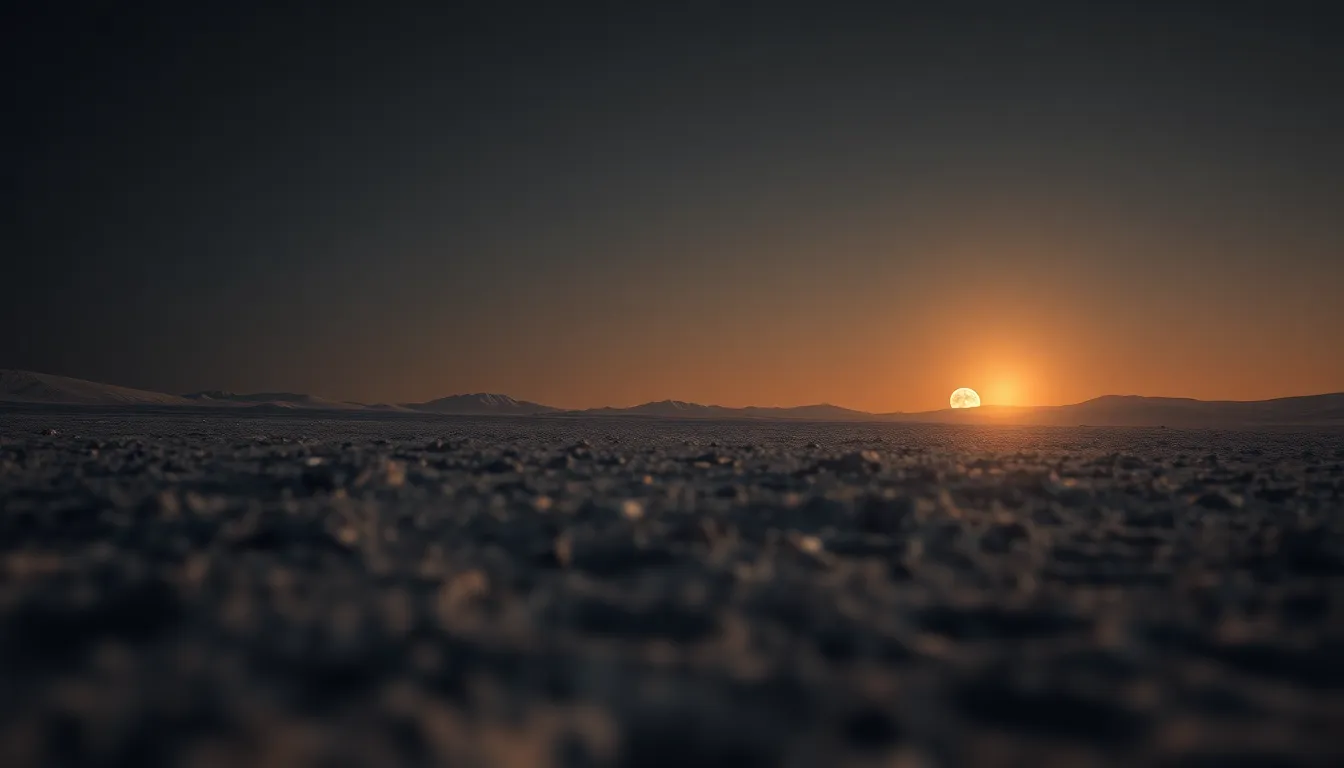
Leica Q3, 28mm f/1.7 Summilux showcases a stunning view of the Moon's surface taken during dusk, with a soft warm light illuminating the craters and regolith. The depth of field is shallow at f/1.7, producing a dreamy bokeh in the foreground with details of lunar dust. The muted color palette consists of cool grays and soft golds, capturing the tranquility of the lunar landscape. The composition uses a leading line from the bottom left corner, guiding the viewer's gaze toward the horizon of the Moon's surface, creating a sense of depth and exploration.
16:9
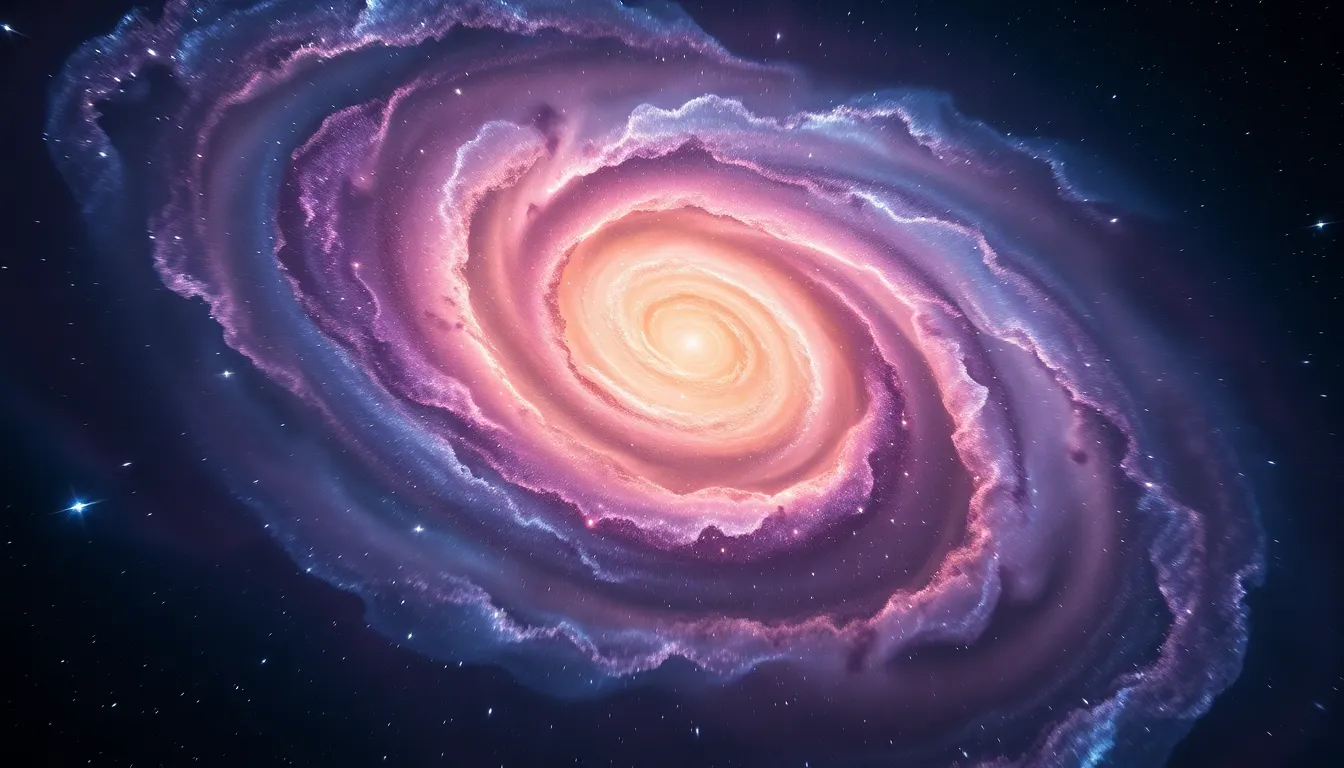
Fujifilm GFX 100S, 110mm f/2 macro captures a breathtaking view of a distant galaxy, showcasing swirling nebula and star clusters with stunning detail. The scene is illuminated by the soft ambient light of the galaxy itself, creating an ethereal glow. The depth of field is hyperfocal, ensuring sharpness from foreground stars to the vast expanse of the galaxy. The color palette is vivid, featuring deep purples, blues, and pinks that highlight the cosmic beauty. This image employs a centered symmetrical composition, allowing the galaxy's spiral shape to draw the viewer's eye throughout the frame.
16:9
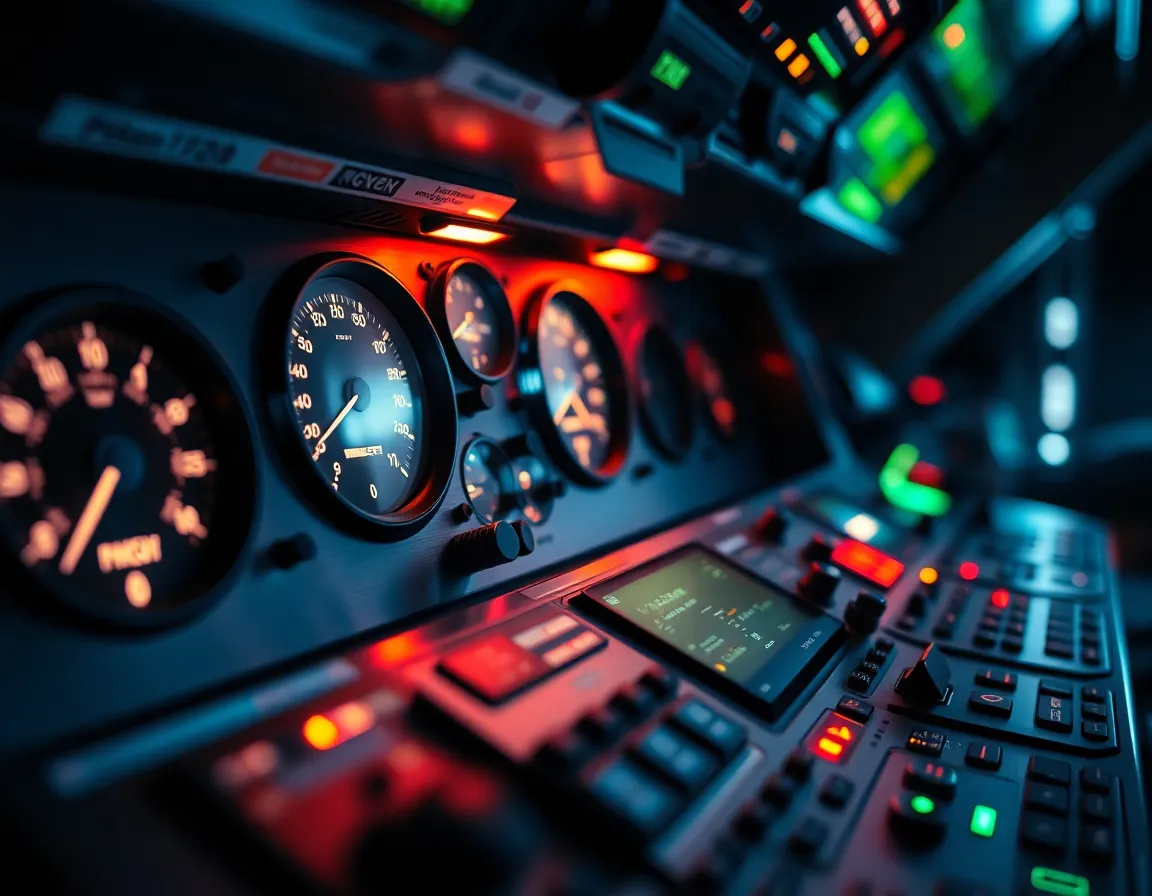
Nikon Z9, 70-200mm f/2.8 telephoto at 135mm captures a close-up of a spacecraft's control panel, illuminated by the soft glow of instrument lights. The lighting is practical, creating a rich, moody atmosphere with reflections off brushed aluminum surfaces. The depth of field is selective, focusing sharply on the gauges and buttons while blurring the background components. The color palette is dominated by cool metallic tones with hints of warm red and green lights, enhancing the high-tech feel. The composition features leading lines that draw the eye toward the intricate details of the control panel, emphasizing the complexity of space technology.
4:3
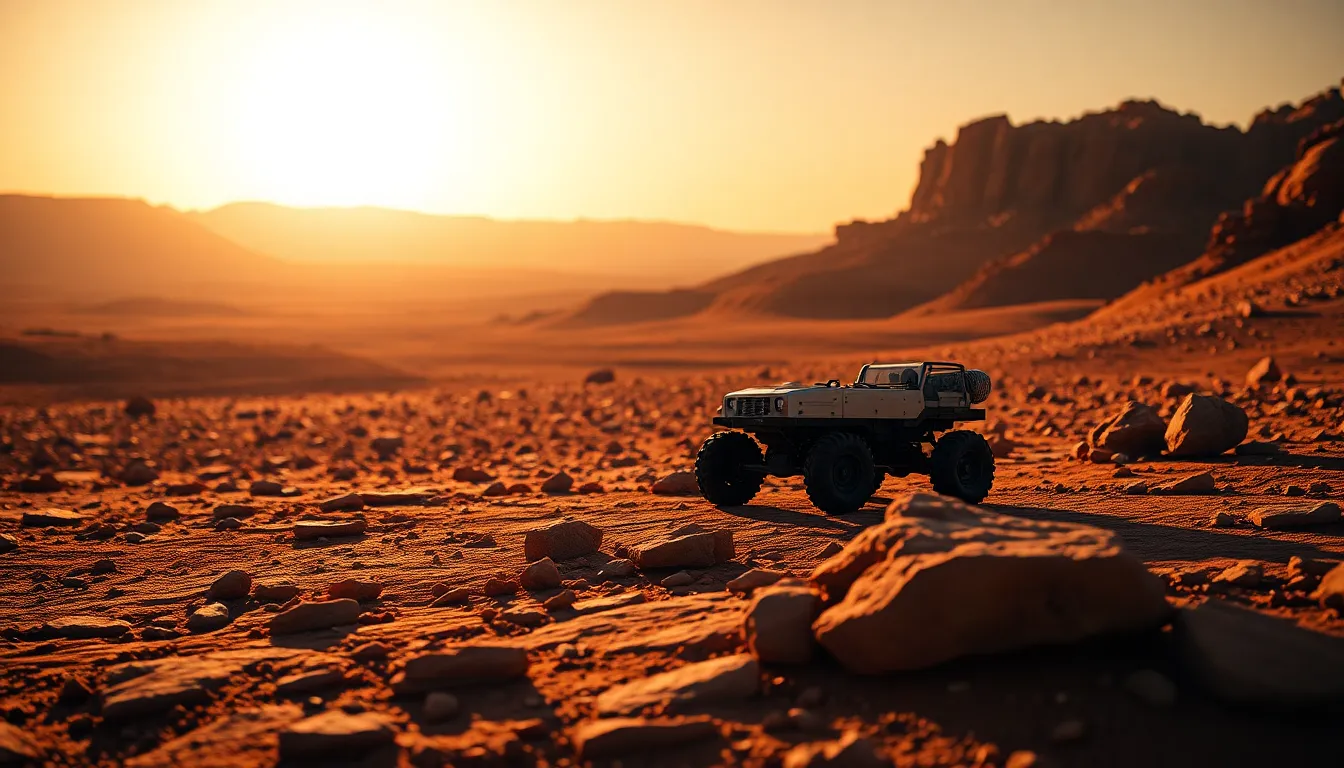
shot on Sony A7R V with 85mm f/1.4 GM lens, this image captures a striking view of a Martian landscape during golden hour, with soft backlighting casting long shadows across the rocky terrain. The depth of field is shallow at f/1.4, creating a creamy bokeh effect that softens the distant hills and sky. The color palette features warm oranges and reds, mimicking the unique Martian soil, while delicate surface textures of the rocks are highlighted by the golden light. The composition follows the rule of thirds, with a lone rover positioned at the left power point, inviting exploration of the foreground and beyond.
16:9
captured with Canon EOS R5, 24-70mm f/2.8L at 35mm, featuring dramatic low-angle lighting from a nearby star, creating a stark contrast against the dark void of space. The scene showcases an astronaut floating outside a sleek spacecraft, with Earth visible in the background. The depth of field is shallow at f/2.8, softly blurring the infinite space behind the astronaut, while the color palette features vibrant blues and greens of Earth against the deep black of space. The composition employs a centered perspective, drawing the viewer's eye to the astronaut, whose suit exhibits intricate texture details with visible fabric weave and reflections from the spacecraft's surface.
16:9
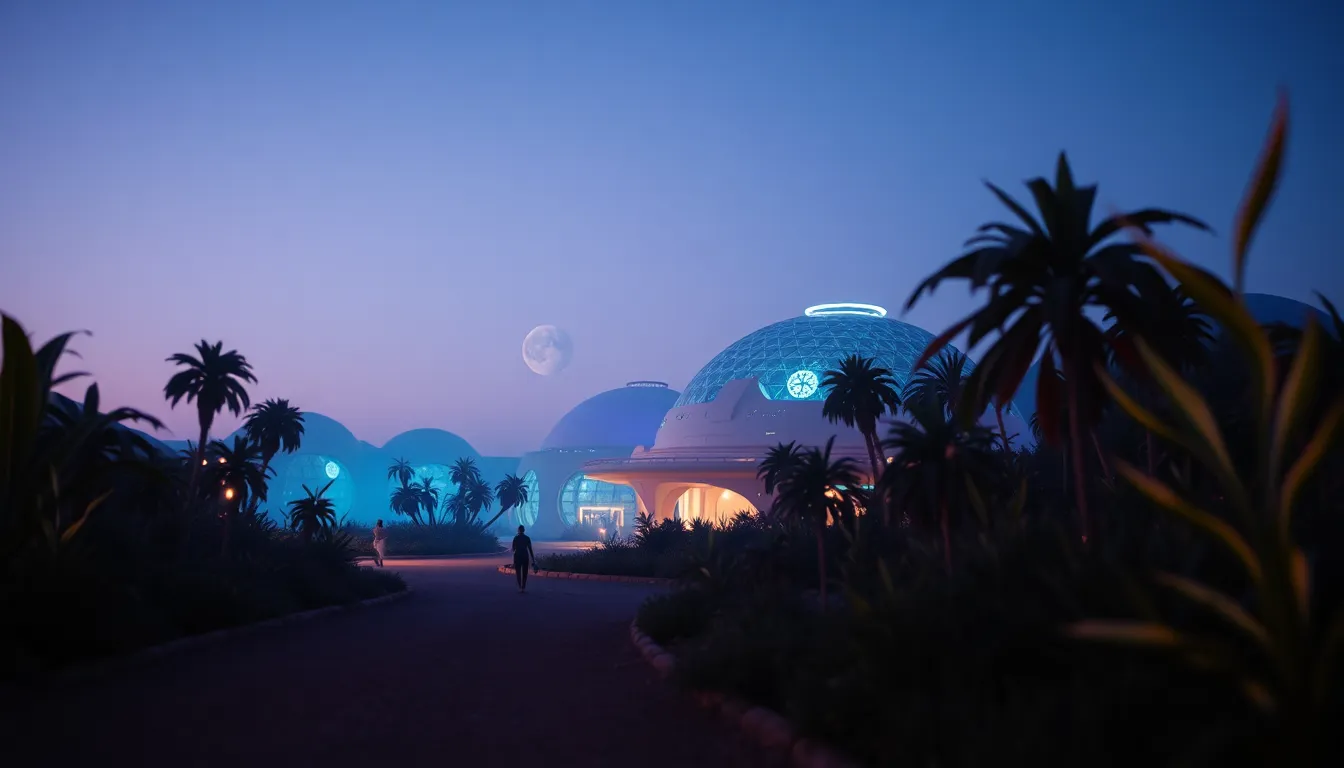
A futuristic space colony on an alien planet, captured with Leica Q3, 28mm f/1.7 Summilux. The scene is bathed in soft twilight, with ambient lighting creating a tranquil atmosphere. The depth of field is shallow at f/1.7, focusing on the colony's bio-domes while the alien foliage softly blurs in the background. The color palette features soft purples and deep blues, enhancing the otherworldly feel. Composition is framed with leading lines from the path toward the colony, guiding the viewer’s eye. Textures include the smooth surfaces of the bio-domes and the organic shapes of alien plants.
16:9
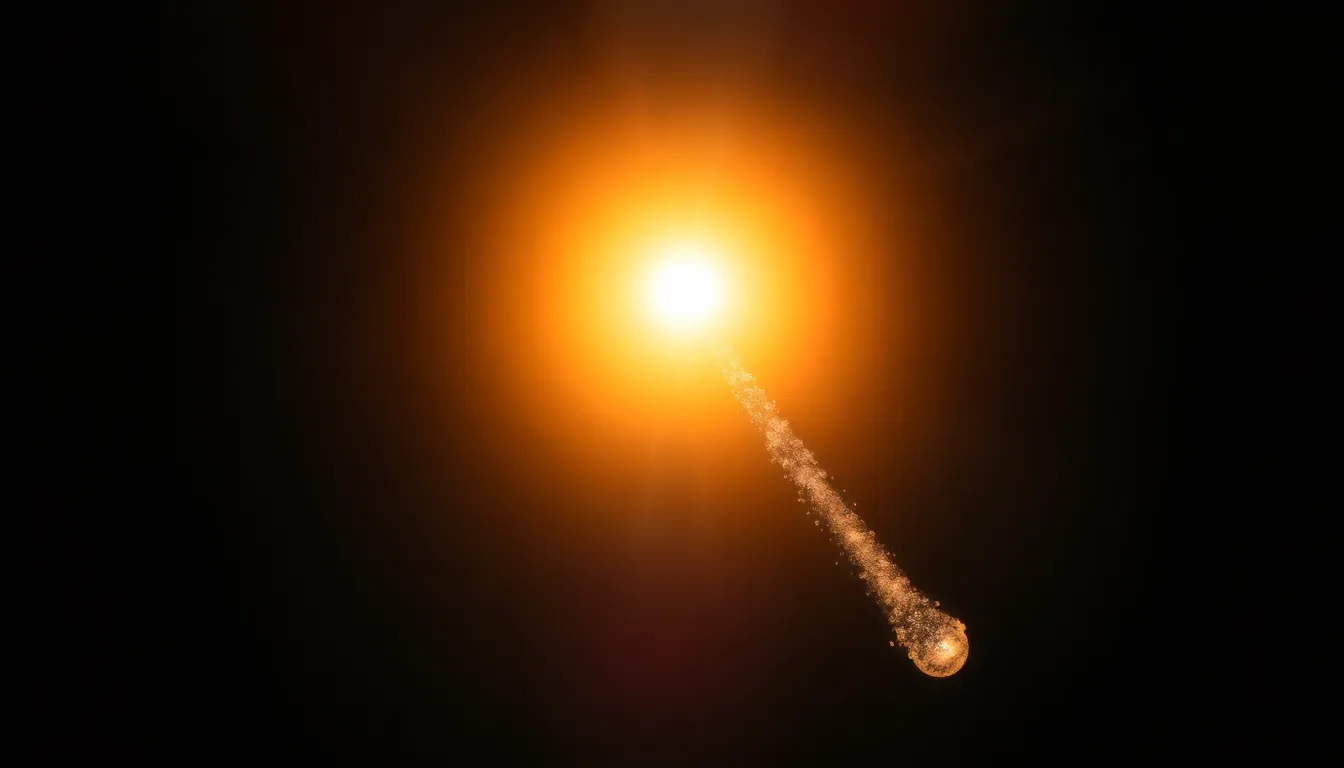
A close-up view of a comet approaching the sun, shot on Hasselblad X2D 100C, 90mm f/2.5 medium format. The scene is illuminated by the intense sunlight creating a dramatic halo effect around the comet's nucleus. The depth of field is very shallow at f/2.5, putting the comet sharply in focus while the solar corona melts into a dreamy bokeh. The color palette showcases bright whites and fiery oranges, reflecting the heat of the sun. The composition is centered, emphasizing the comet's icy tail trailing behind. Textures include the ice and dust particles of the comet with a glistening effect from the sunlight.
16:9
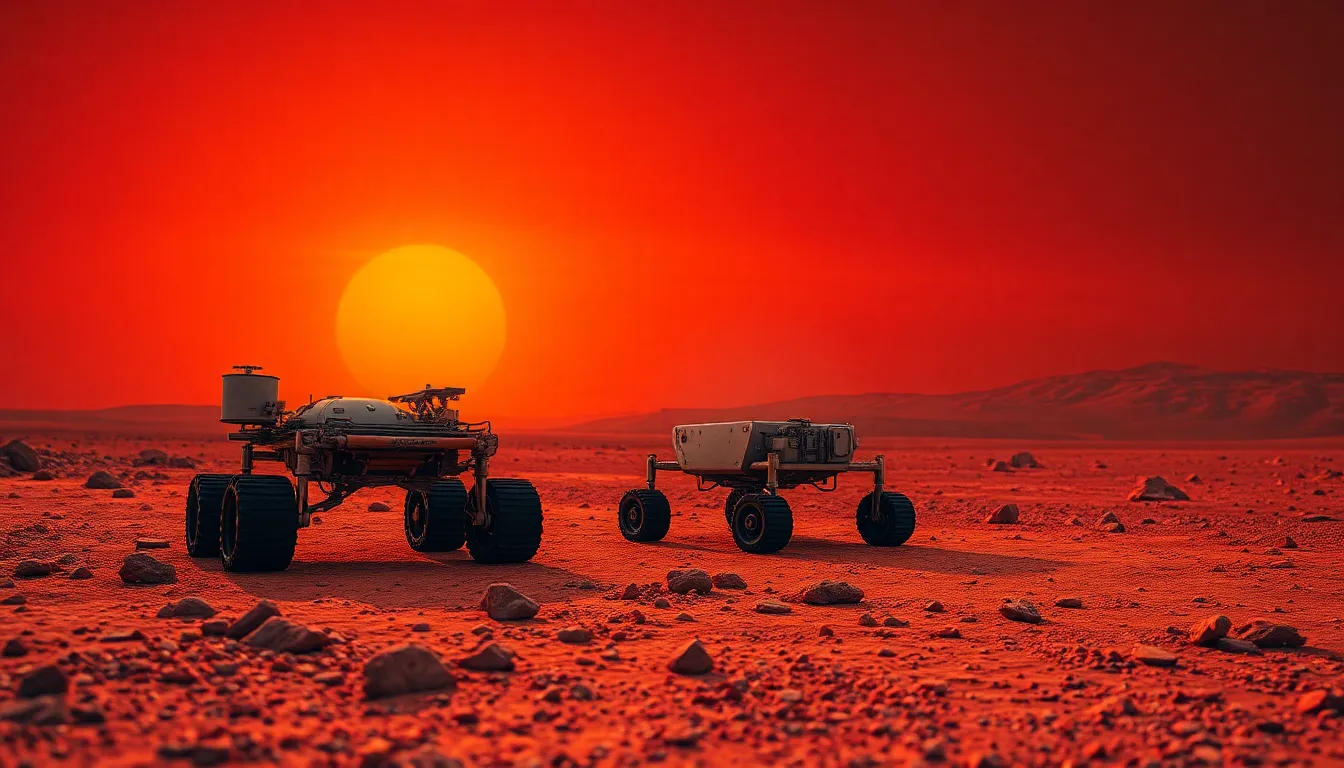
An artistic interpretation of Mars' landscape with the Curiosity Rover exploring the terrain, captured using Fujifilm GFX 100S, 110mm f/2 macro. The scene is set during a Martian sunset, showcasing a stunning orange-red sky that contrasts beautifully with the rusty, rocky surface of Mars below. Depth of field is selective, focusing on the rover with a softly blurred Martian landscape in the background. The color palette features warm reds and earthy tones, enhancing the otherworldly feel. Composition follows the rule of thirds, with the rover positioned to the left against the expansive sky. Textures include the rugged Martian soil and the metallic surface of the rover.
16:9
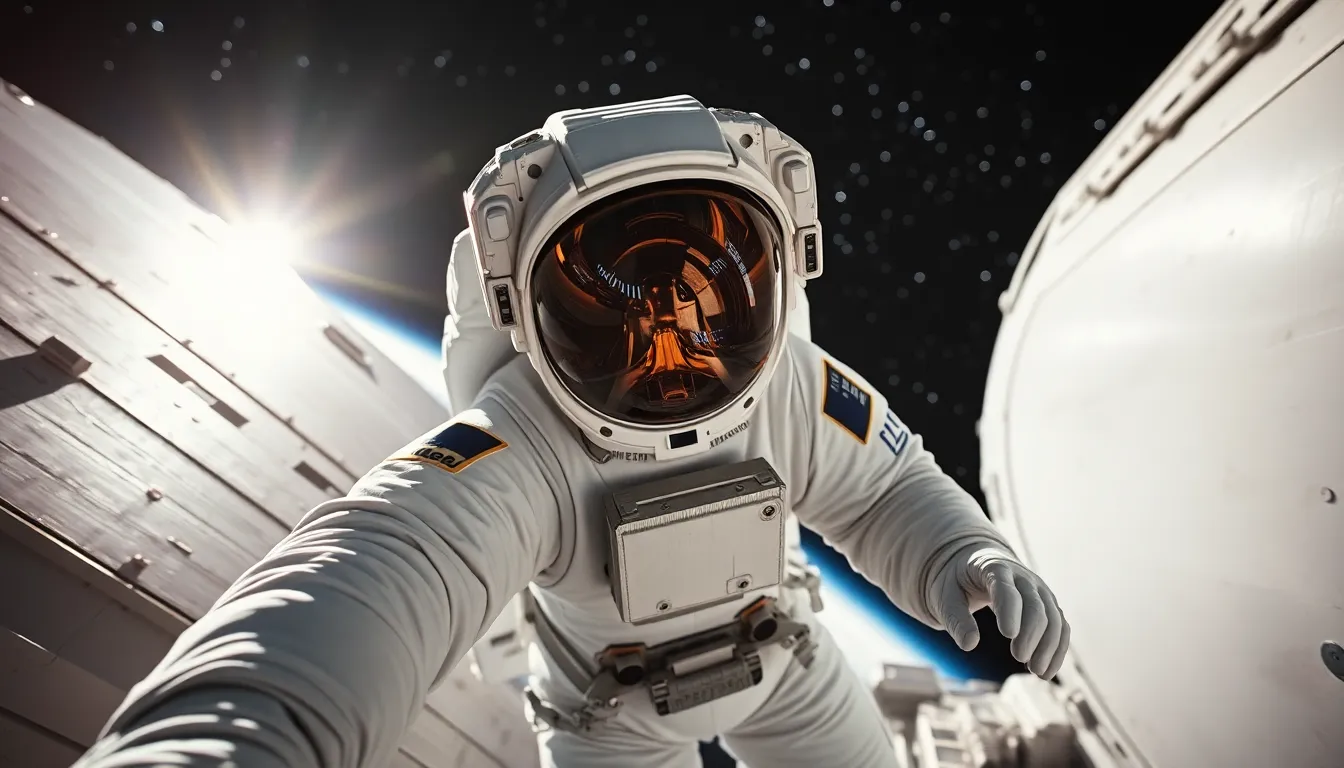
An astronaut conducting a spacewalk outside the spaceship, shot on a Nikon Z9, 70-200mm f/2.8 telephoto at 135mm. The scene is illuminated by harsh sunlight, casting dramatic shadows against the spacesuit. The depth of field is shallow at f/2.8, focusing solely on the astronaut while the backdrop of stars is a soft bokeh. The color palette features stark whites and deep blacks, creating a striking contrast. The composition captures the isolation of the astronaut, framed centrally against the vastness of space. Textures include the fabric of the spacesuit with visible stitching and the rugged surface of the spacecraft.
16:9
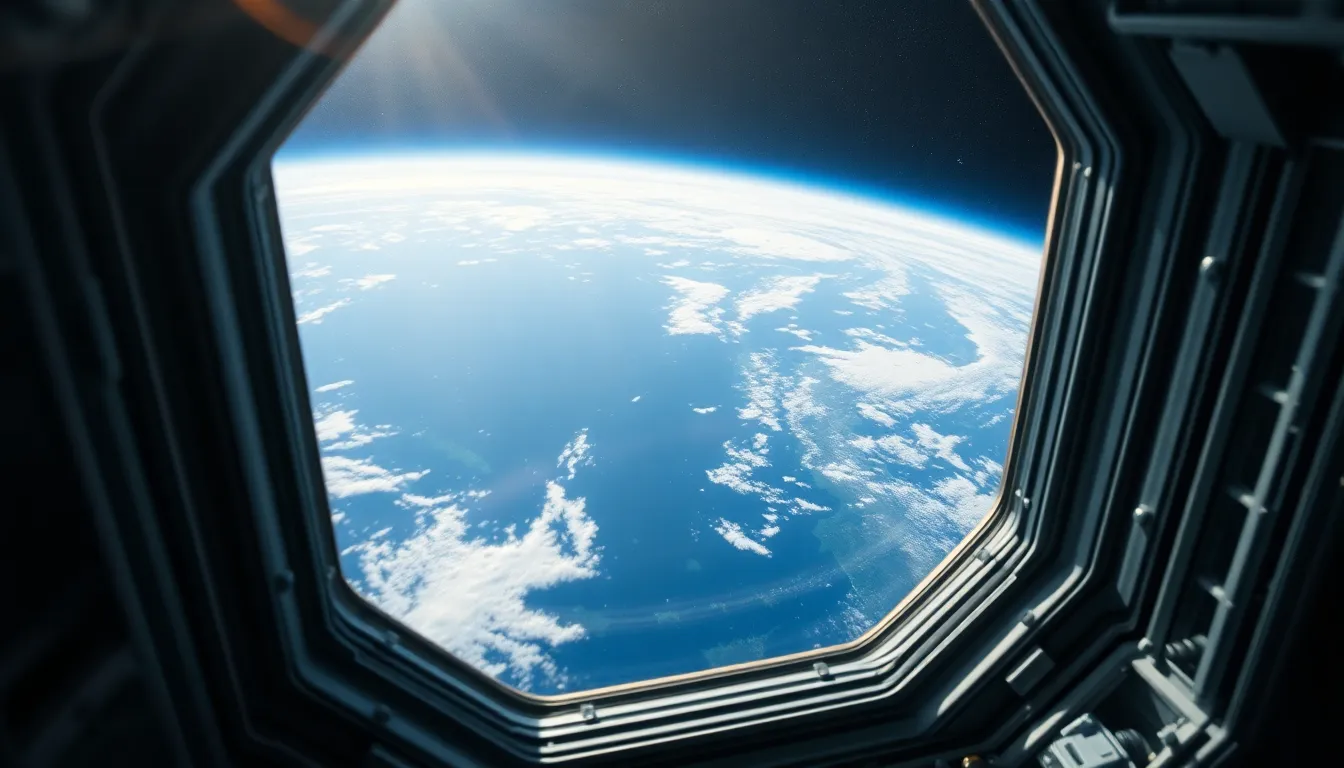
A stunning view of Earth from the International Space Station, captured with a Canon EOS R5, 24-70mm f/2.8L at 35mm. The image features soft, overcast diffused daylight filtering through the station's large windows, creating a serene atmosphere. Depth of field is hyperfocal at f/8, rendering everything from the foreground to the distant Earth in sharp detail. The color palette showcases deep blues of the oceans with vibrant greens of the continents. Composition follows the rule of thirds, highlighting the curvature of Earth while the ISS interior is softly blurred. Textures include the metallic surfaces of the station with visible reflections from window glass.
16:9
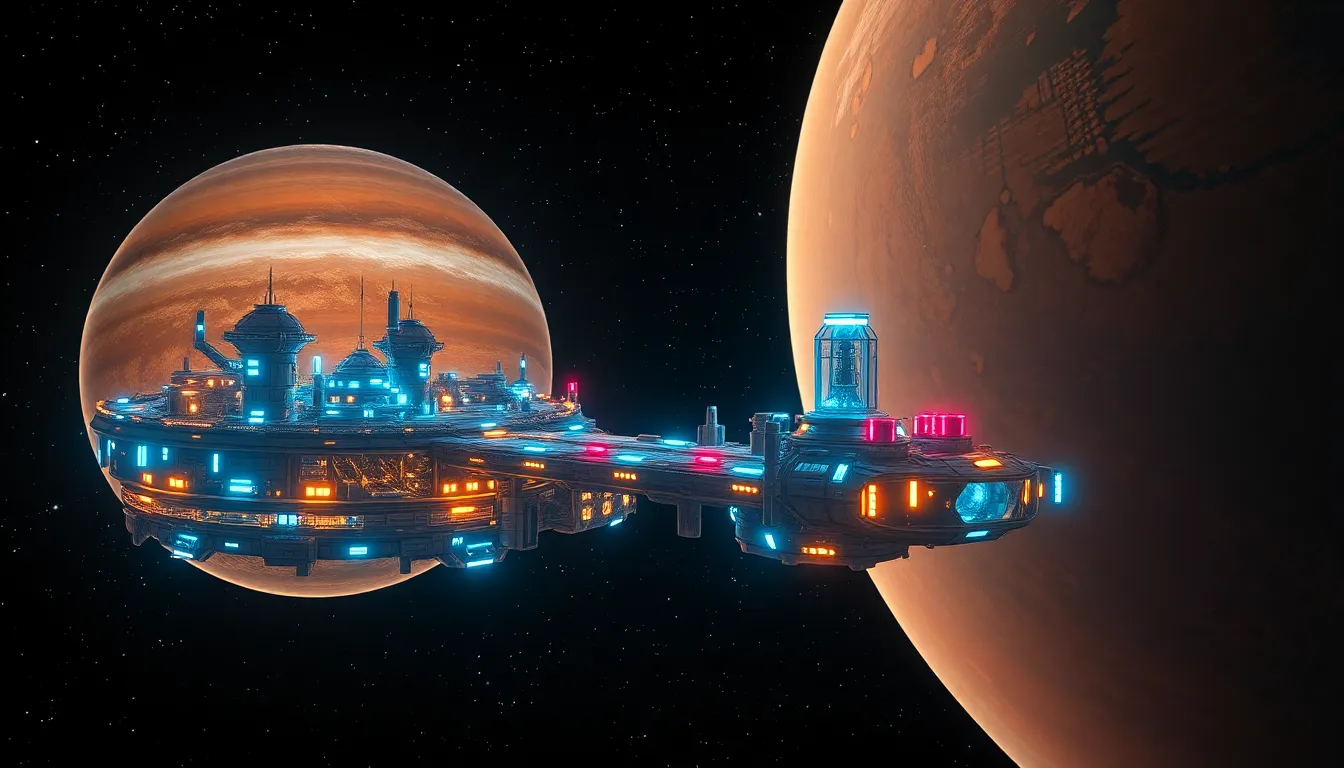
An artist's concept of a futuristic space colony orbiting a distant exoplanet, shot on Leica Q3, 28mm f/1.7 Summilux. The colony is illuminated by the soft glow of artificial lights against the dark backdrop of space, with vibrant colors reminiscent of science fiction. The use of a shallow depth of field at f/1.7 focuses on the colony's intricate structures, while the starry background melts into soft bokeh. Composition employs a dynamic angle, showcasing the colony's scale and innovation amidst the vastness of space.
16:9
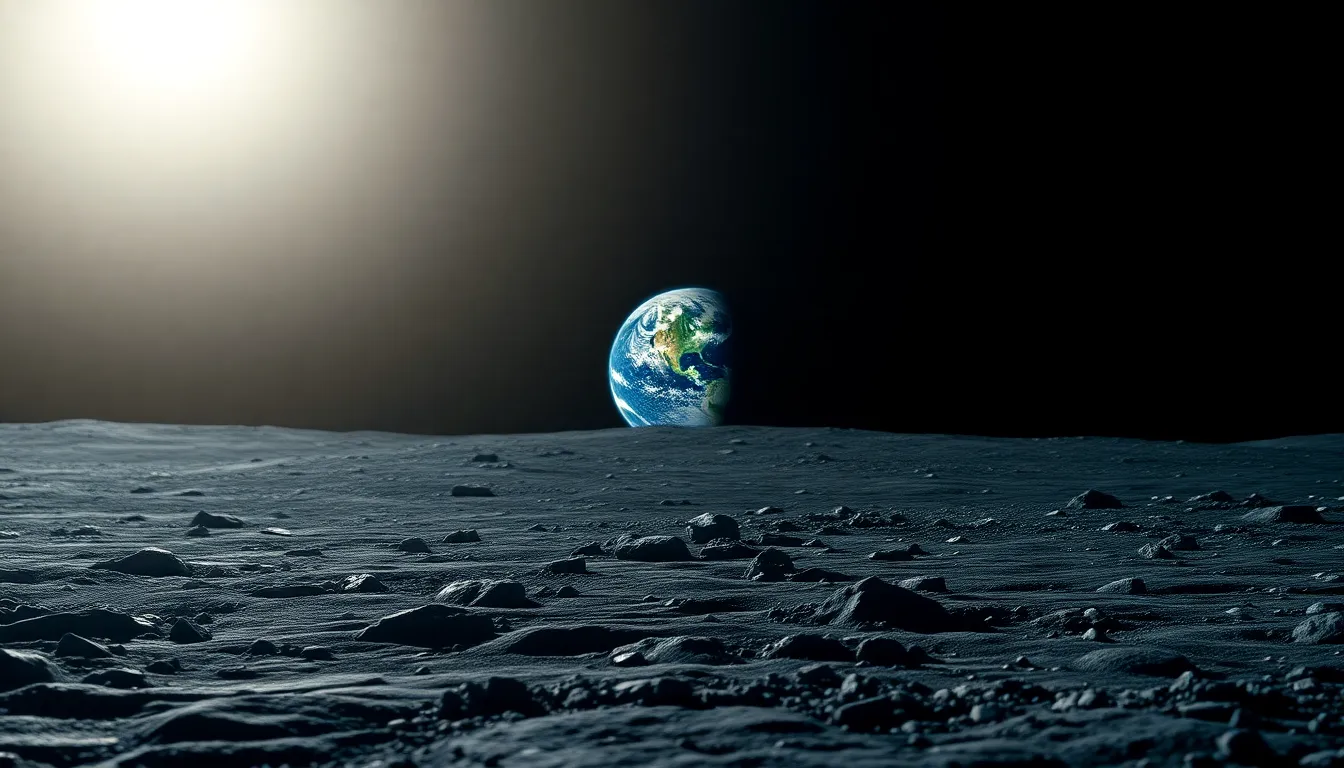
A breathtaking view of Earth from the Moon's surface, captured with Hasselblad X2D 100C, 90mm f/2.5 medium format. The scene is bathed in the soft light of a lunar dusk, with gentle shadows and a cool gray color palette mixing with the vibrant blues and whites of Earth. The image features a shallow depth of field focusing on the textured lunar regolith in the foreground, while Earth is sharp in the background. Composition centrally positions Earth, framed by the barren, rocky surface of the Moon, enhancing the vastness of space.
16:9
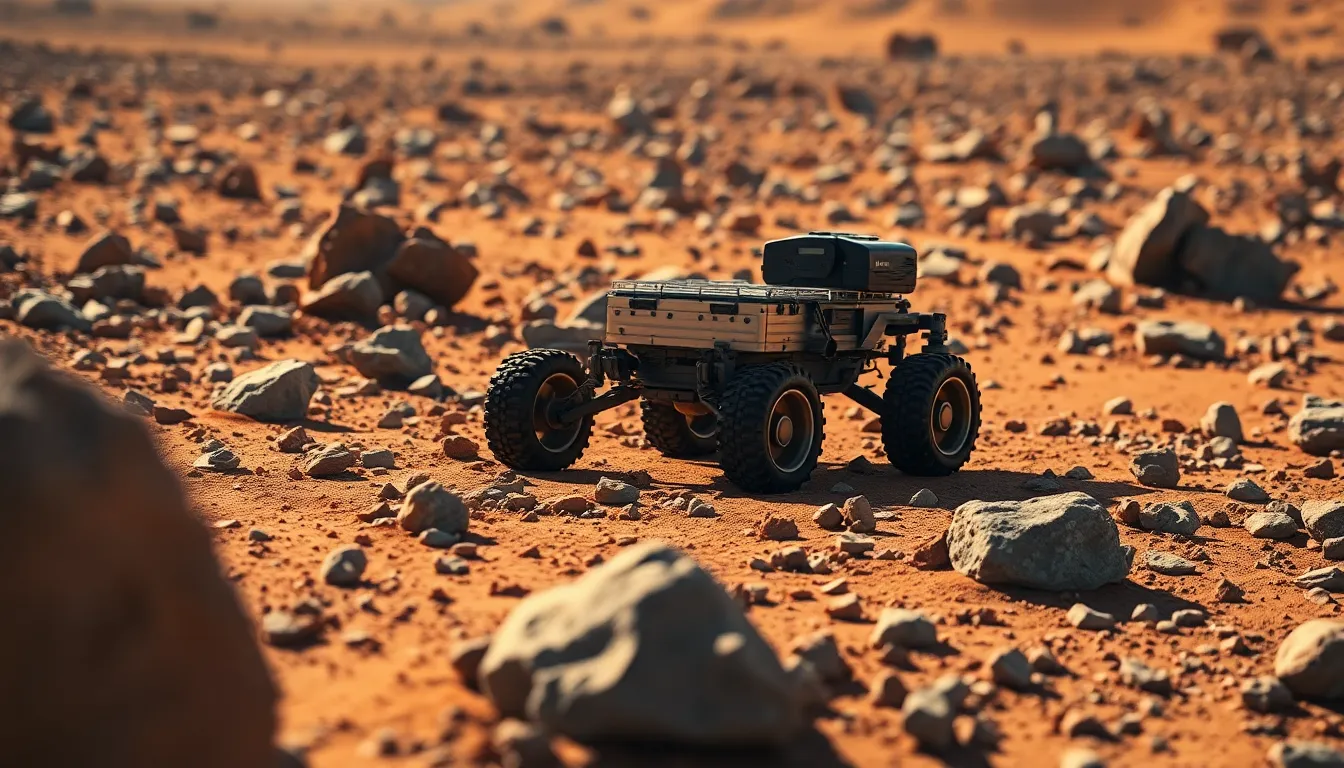
A Mars rover navigating the rocky terrain of the Martian surface, captured with a Fujifilm GFX 100S, 110mm f/2 macro. The scene is lit with harsh, direct sunlight casting deep shadows across the rough landscape, creating a warm orange and red color palette reminiscent of Mars. The focus is sharp throughout the entire scene, displaying fine details of the rover and rocky soil with hyperfocal depth of field. Composition employs leading lines in the rocky outcrops guiding the viewer's gaze towards the rover, enriching the sense of exploration.
16:9
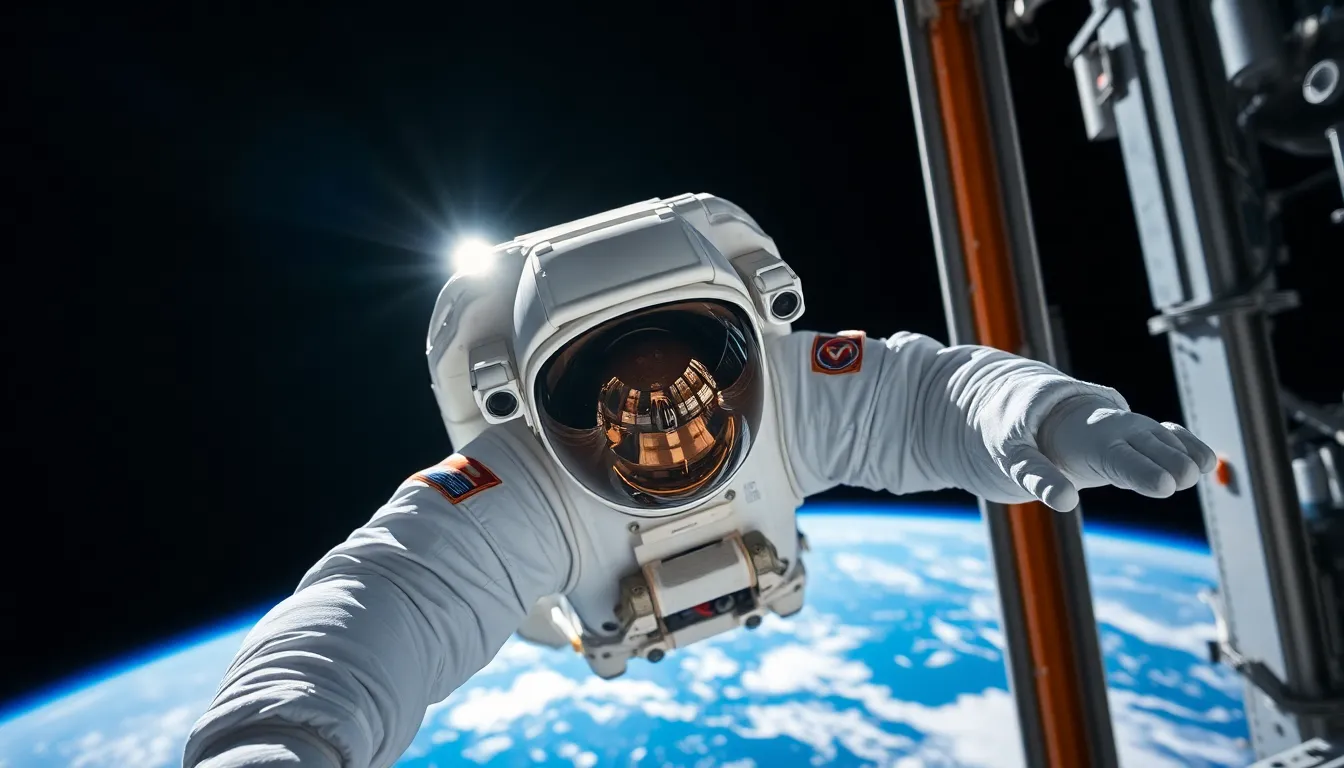
An astronaut conducting a spacewalk outside the International Space Station, shot on Canon EOS R5, 24-70mm f/2.8L at 24mm. Bright sunlight casts sharp shadows on the blackness of space, rendering a stark contrast of white spacesuit against the dark background. The image features shallow depth of field at f/2.8, focusing on the astronaut's helmet with Earth in the background, beautifully blurred. A natural color palette highlights vibrant blues and greens of the planet below, and composition is dynamic with a centered subject framed by the ISS.
16:9
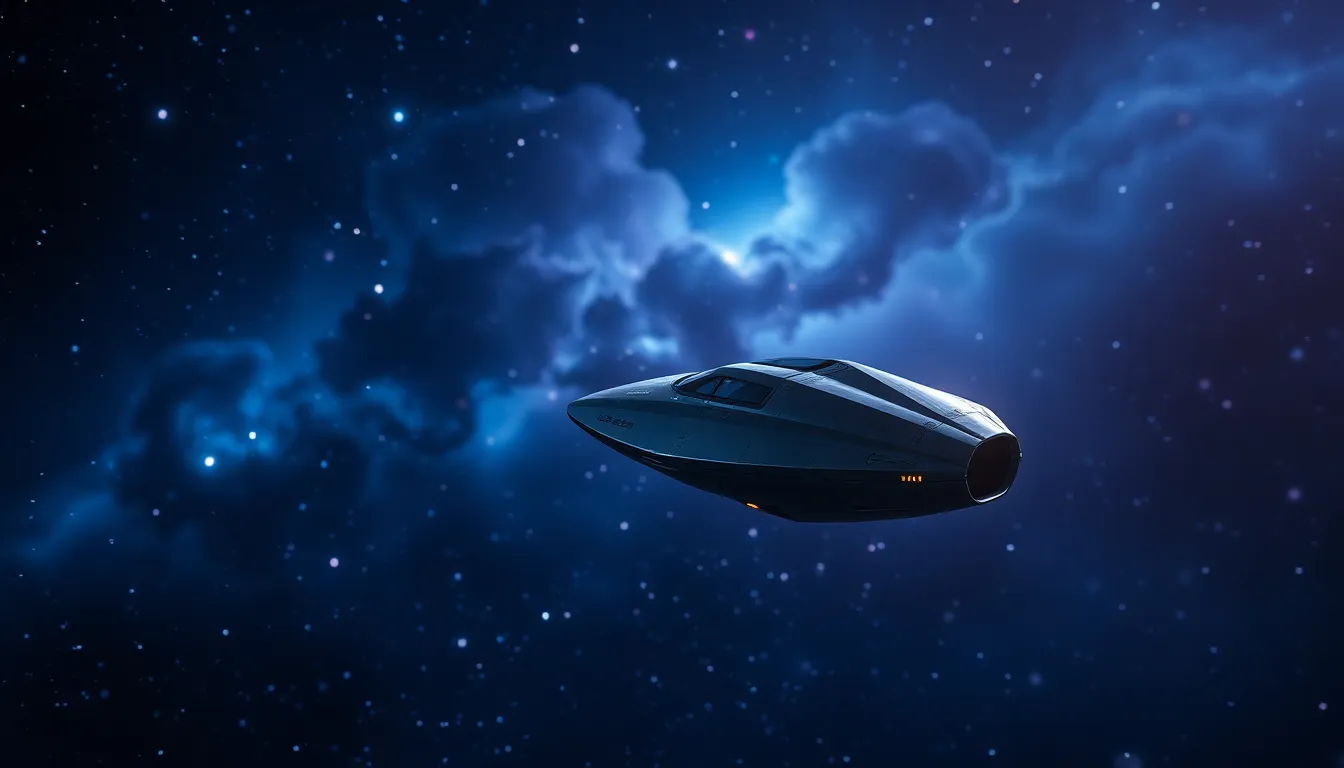
A spacecraft soaring through the depths of space, captured with a Nikon Z9, 70-200mm f/2.8 telephoto at 135mm. The scene is illuminated by distant stars and glowing nebulae, with a mystical blue and purple color palette reminiscent of deep space. The spacecraft is in sharp focus against a blurred star field, creating a dynamic depth of field. Composition follows the rule of thirds, positioning the spacecraft to the right. Textures include the metallic finish of the spacecraft contrasting with the ethereal clouds of gas and dust in the background.
16:9

A close-up of a spacecraft engine with intricate details, captured with a Leica Q3, 28mm f/1.7 Summilux lens. The image is illuminated by focused LED lights, bringing out the reflective surfaces and textures of the engine components. The depth of field is shallow at f/1.7, emphasizing the fine details while softly blurring the background. The color palette features metallic grays and silvers with hints of blue light reflections. The composition employs a centered approach, highlighting the engine’s complex design, while textures reveal the craftsmanship of advanced engineering.
1:1
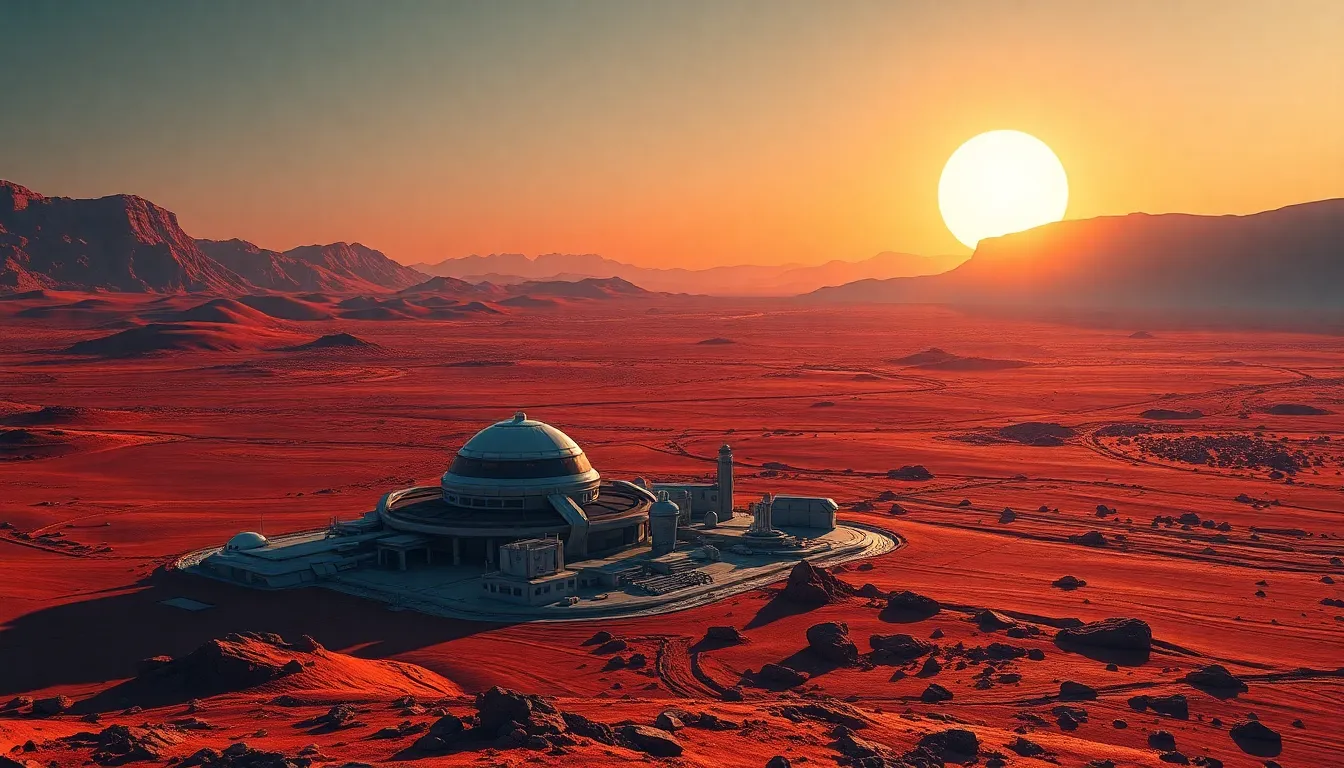
A futuristic space colony on Mars at dusk, photographed with a Hasselblad X2D 100C, 90mm f/2.5 medium format lens. The scene is illuminated by the warm, fading sunlight casting long shadows on the red Martian landscape. The depth of field is hyperfocal at f/8, making everything from the colony to the distant mountains sharp and clear. The color palette includes rich reds and oranges with cool blue shadows, creating a dramatic contrast. The composition uses the rule of thirds, placing the colony in the lower left while the setting sun fills the upper right, highlighting the rugged texture of the Martian surface.
16:9
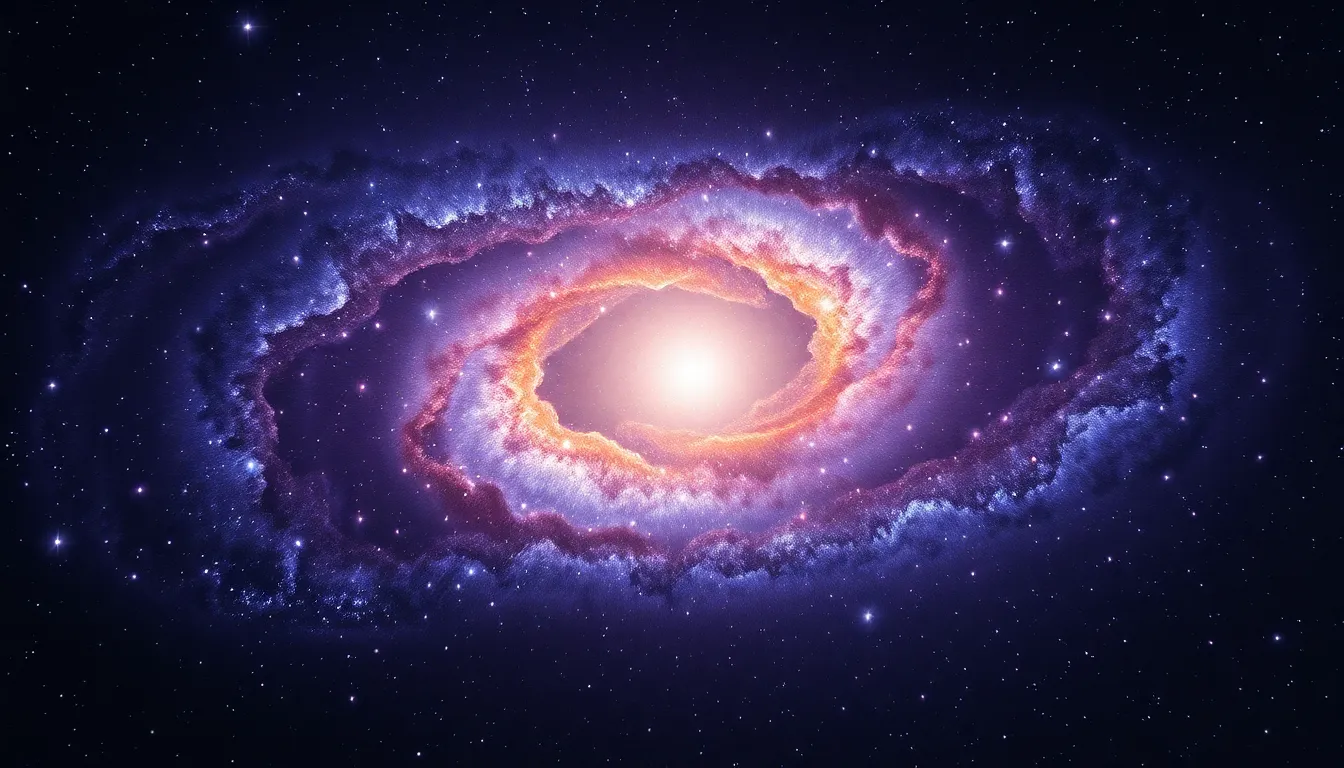
A dramatic view of a distant galaxy, captured with a Fujifilm GFX 100S, 110mm f/2 macro lens. The scene is illuminated by soft starlight, creating a shimmering effect on the cosmic dust and gas clouds. The depth of field is shallow at f/2, focusing on the vibrant core of the galaxy while the outer regions dissolve into an ethereal blur. The color palette features deep purples and blues, with touches of bright white and hints of orange stars. The composition centers around the galaxy's core, utilizing a symmetrical layout to enhance its grandeur, with textures highlighting the intricate formations of stardust and gas.
16:9

An astronaut floating in space during a spacewalk, photographed with a Canon EOS R5, 24-70mm f/2.8L at 35mm. The scene is illuminated by bright sunlight, highlighting the intricate details of the astronaut's suit and equipment. The depth of field is hyperfocal at f/8, ensuring both the astronaut and the distant spacecraft remain sharply in focus. The color grading is inspired by cinematic teal and orange, giving a dramatic touch to the overall scene. The composition employs leading lines from the safety tether, guiding the viewer's gaze toward the Earth visible in the background, with a slight texture from the starry cosmos surrounding.
16:9
A breathtaking view of Earth from the International Space Station (ISS), captured with a Nikon Z9, 70-200mm f/2.8 telephoto at 135mm. The scene is illuminated by the soft glow of sunlight reflecting off the planet's atmosphere, creating a brilliant halo. The depth of field is shallow at f/2.8, focusing sharply on the curvature of Earth while the cosmos fades into soft bokeh. The color palette features vibrant blues and greens of the oceans and continents against the dark void of space. The composition utilizes the rule of thirds with Earth occupying the lower third, while the stars fill the upper two-thirds, showcasing textures of atmospheric clouds and terrain details.
16:9
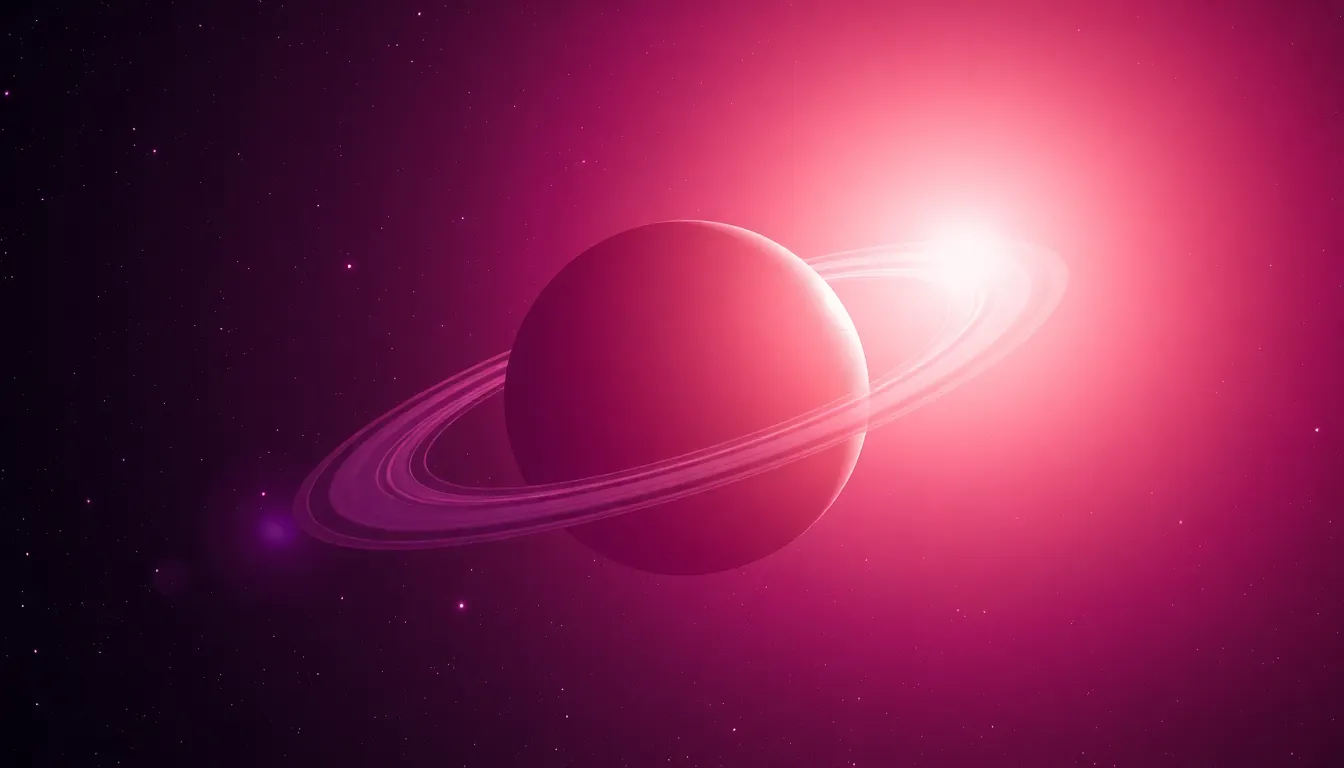
An artist's conceptual rendering of a distant exoplanet with rings, captured with Leica Q3, 28mm f/1.7 Summilux. The scene is illuminated by a distant sun, casting a gentle glow over the planet's surface and creating subtle gradients in color. A shallow depth of field at f/1.7 blurs the distant stars, enhancing the ethereal quality of the image. The color palette features vibrant purples and pinks alongside deep blacks of space, evoking a dreamlike atmosphere. The composition employs a centered layout, with the planet filling the frame, showcasing its rings and surface details against the backdrop of the cosmos.
16:9
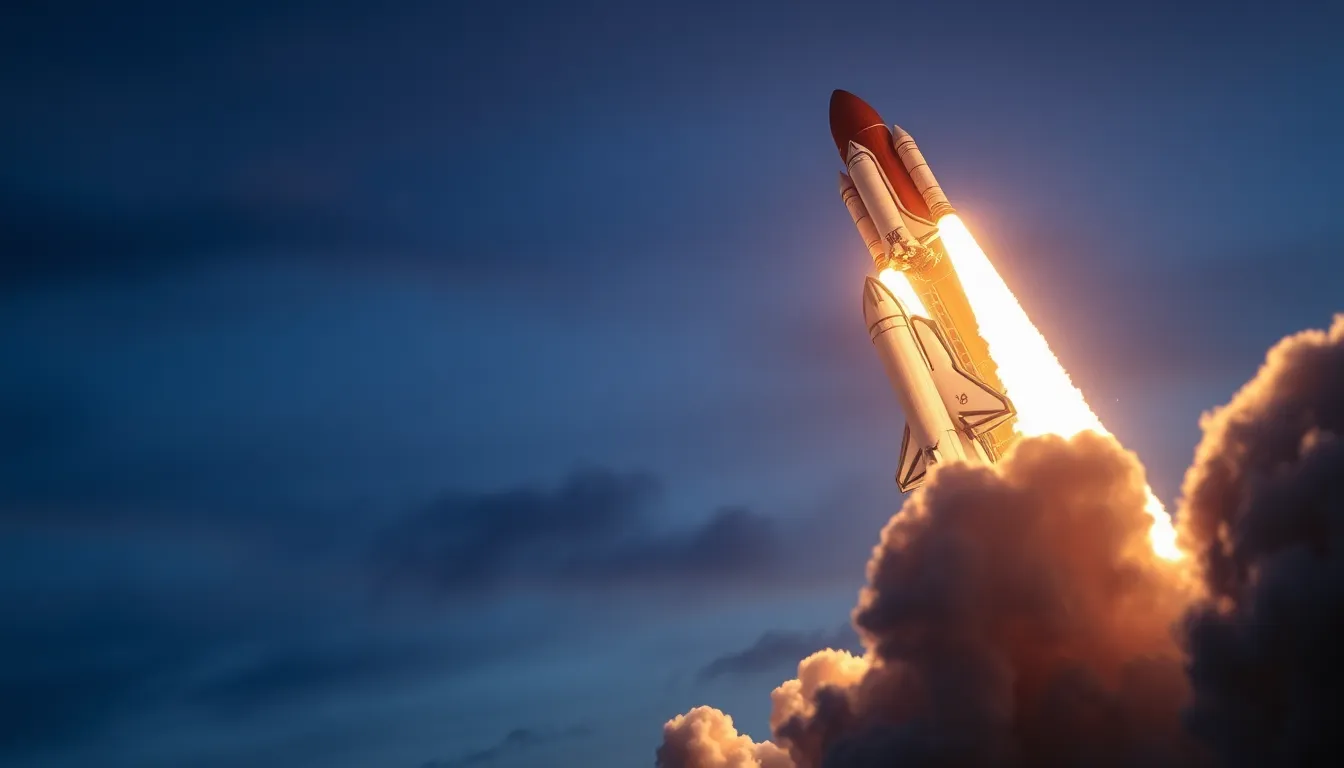
A stunning view of a space shuttle launching against a backdrop of a twilight sky, captured with Hasselblad X2D 100C, 90mm f/2.5 medium format. The scene is dramatically lit by the bright flames and smoke of the rocket boosters, contrasted by the deep blues and purples of the evening sky. The focus is sharp at f/4, highlighting both the shuttle in detail and the surrounding clouds. A dynamic composition showcases the shuttle ascending into the sky, with leading lines formed by the smoke trail emphasizing motion. The texture of the flame and clouds creates a sense of raw power and energy.
16:9
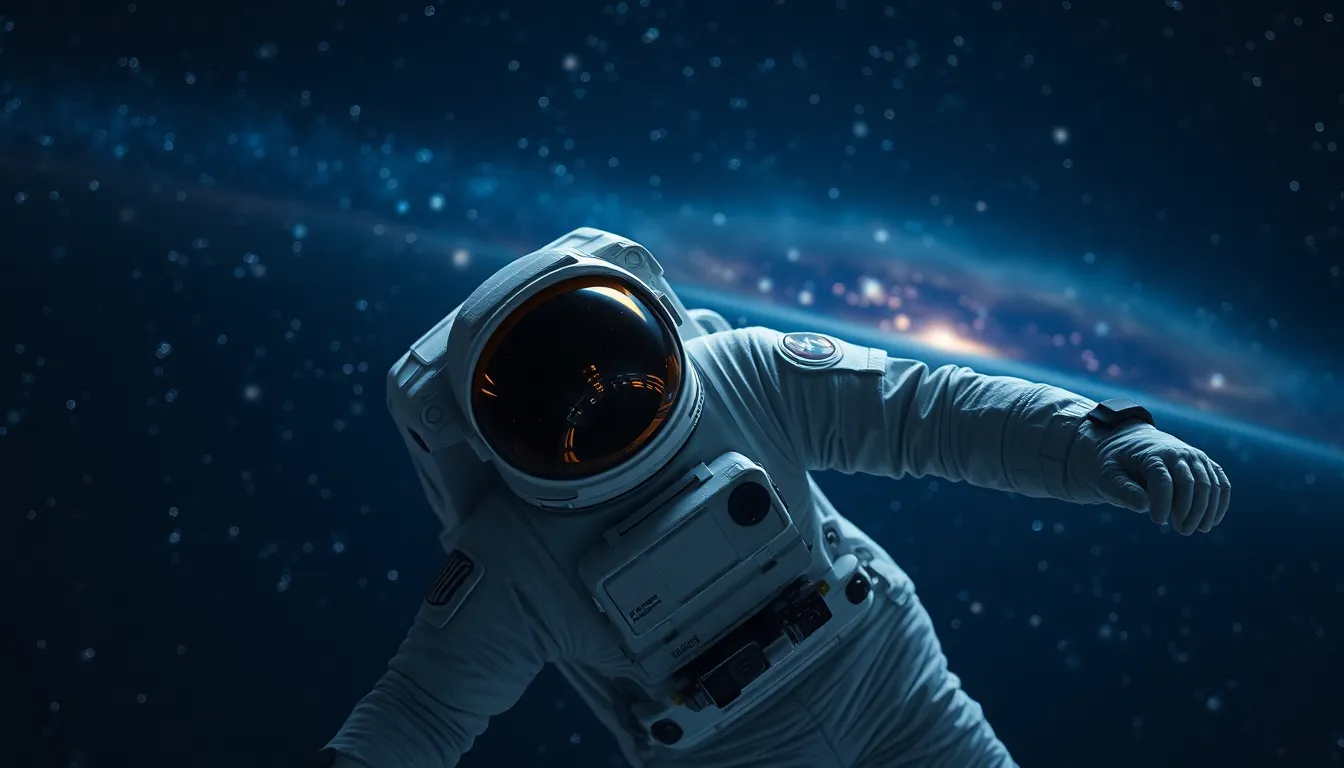
An astronaut floating in a serene outer space, captured with a Fujifilm GFX 100S, 110mm f/2 macro. The scene is illuminated by the distant glow of stars and a nearby galaxy, providing an ethereal light that contrasts against the deep black of space. A shallow depth of field at f/2 creates a painterly bokeh of stars in the background, centering the astronaut in crisp detail. The color palette is vibrant with deep blues and soft whites, evoking feelings of tranquility and isolation. The composition captures the astronaut in a relaxed pose, with the spacesuit's textures displayed beautifully against the vastness of space.
16:9
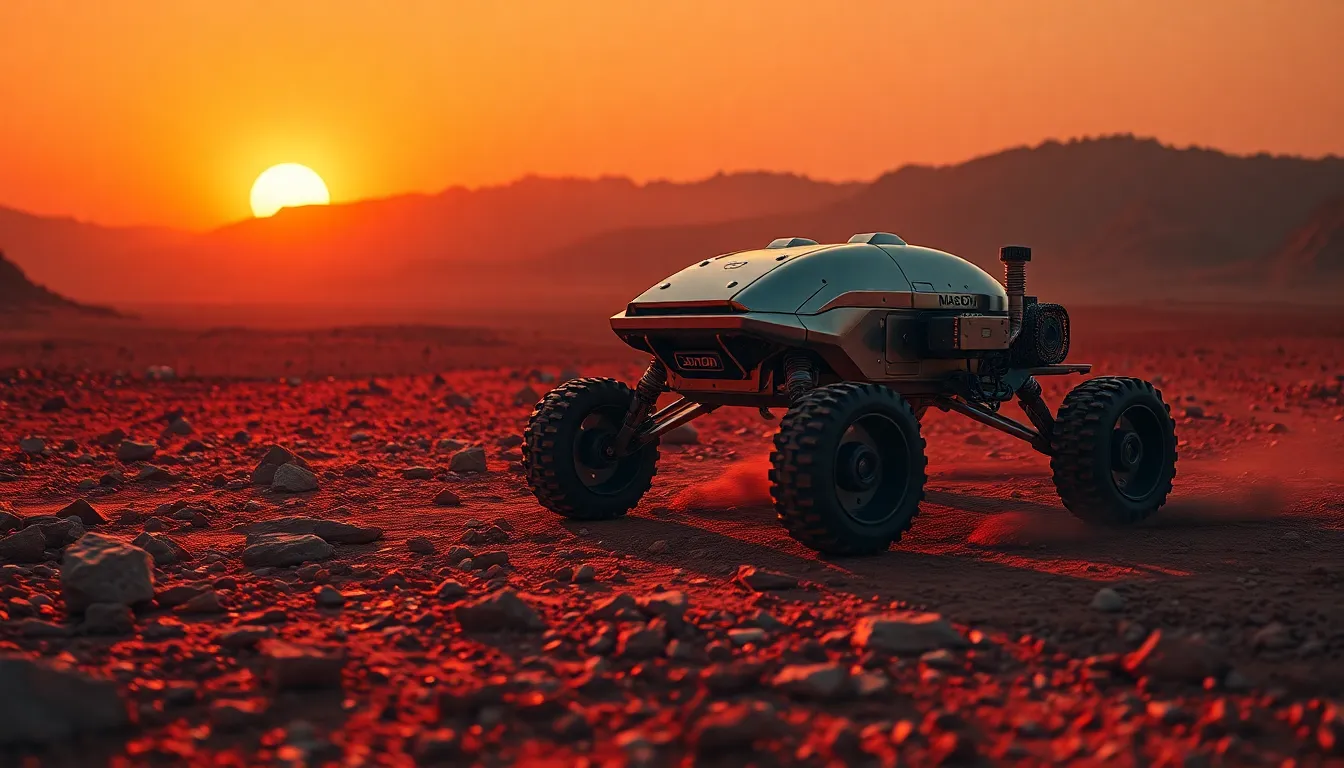
A futuristic Mars rover navigating rugged terrain at dusk, captured with Canon EOS R5, 24-70mm f/2.8L at 35mm. The scene is illuminated by a warm orange glow from the setting sun, creating dramatic shadows and a mosaic of red and orange hues across the Martian landscape. A hyperfocal distance at f/8 keeps both the rover and the distant mountains in sharp focus. The color grading emphasizes reds and terracotta tones, reminiscent of Martian soil. The composition utilizes leading lines formed by the rocky ground, drawing the viewer's eye towards the rover's intricate details, showcasing its metallic surface and dust-covered wheels.
16:9
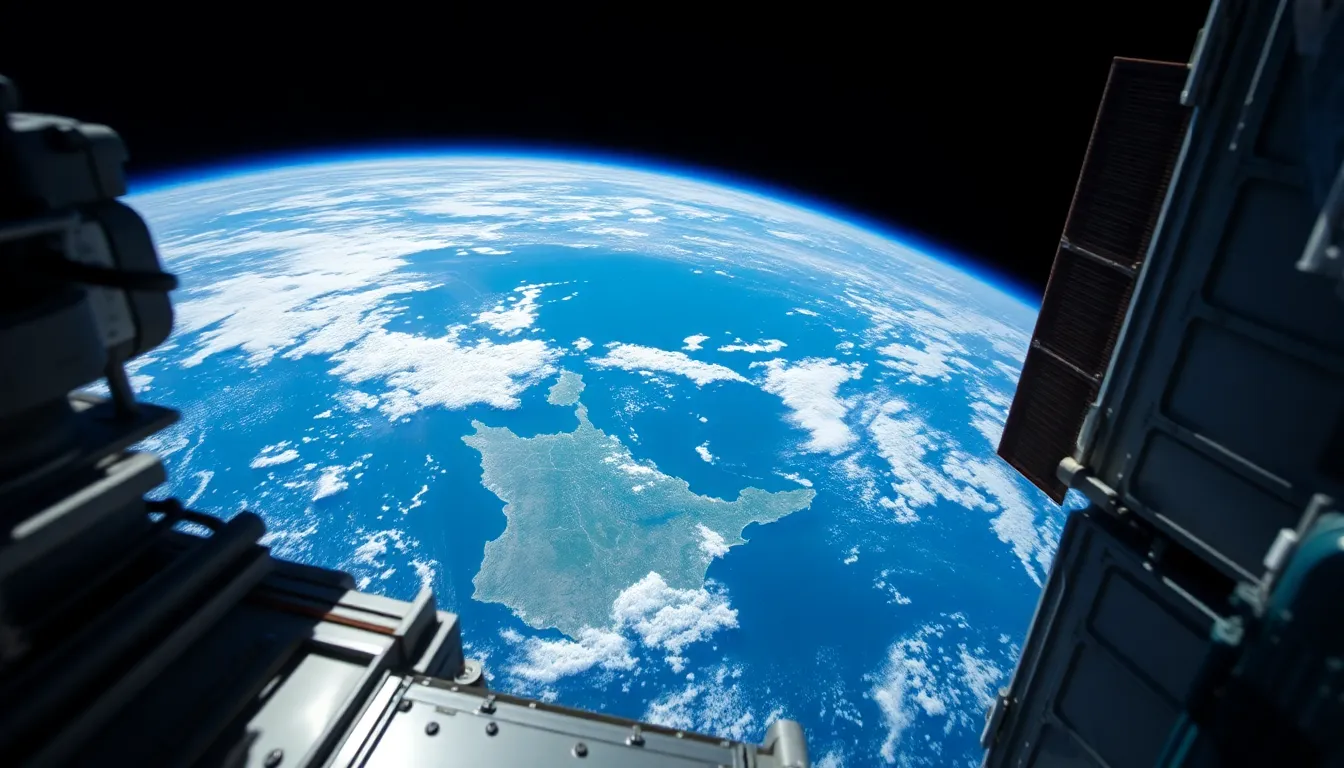
A striking view of Earth as seen from the International Space Station, captured with a Nikon Z9, 70-200mm f/2.8 telephoto at 135mm. The scene is illuminated by bright natural sunlight, casting sharp shadows and highlighting ocean blues and green landmasses. A shallow depth of field at f/2.8 blurs the spacecraft's metallic surface in the foreground, while the planet is crisp and vibrant. The color palette features deep blues contrasted with the bright whites of cloud formations. A centered composition captures the curvature of Earth, creating a sense of awe and wonder. The texture of the ISS is visible with its intricate panels and surface reflections.
16:9

Fujifilm GFX 100S, 110mm f/2 macro captures a stunning close-up of a Mars rock sample under a lab microscope, illuminated by diffused daylight through large windows. The depth of field is set to f/4, keeping the foreground rock sharp while achieving a gentle bokeh in the background. The color science features natural muted tones, showcasing the rock's texture and mineral composition. The composition employs the rule of thirds, placing the rock slightly off-center to create visual interest, with detailed textures emphasizing the rugged surface.
3:2
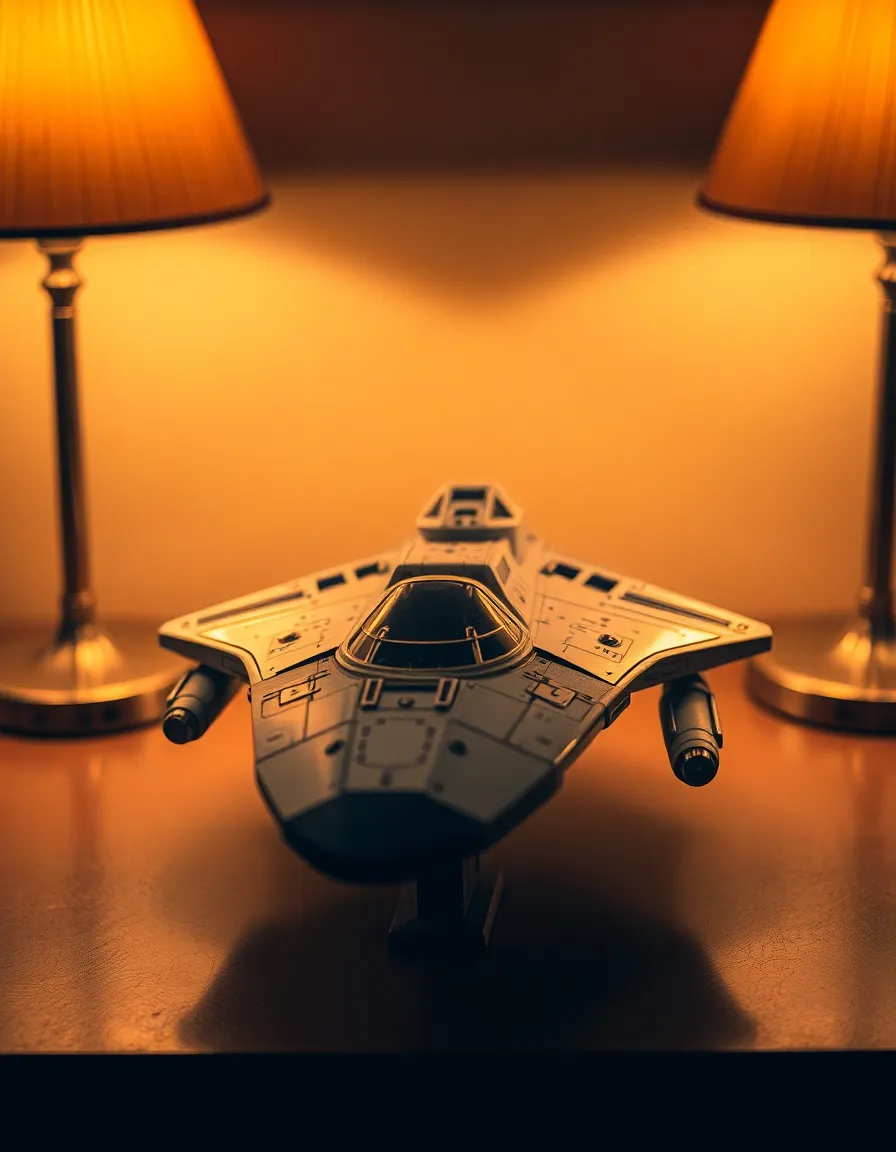
Captured using Hasselblad X2D 100C, 90mm f/2.5 medium format, this image presents an intricate model of a futuristic spacecraft, beautifully lit by practical warm tungsten desk lamps that create dramatic shadows. A shallow depth of field at f/2.5 isolates the spacecraft against a softly blurred backdrop, enhancing the rich details of its design. The color palette embraces muted tones with desaturated earth colors. The composition is centered and symmetrical, emphasizing the spacecraft's elegance and intricate detailing, with visible textures on the model's surface.
3:4
Nikon Z9, 70-200mm f/2.8 telephoto at 135mm captures a breathtaking view of Earth from a satellite in low Earth orbit. The lighting is soft, with overcast diffused daylight creating a serene atmosphere. A hyperfocal distance ensures everything from the satellite to the Earth below is tack-sharp at f/8. The color palette features bright blues and greens, highlighting Earth's natural beauty. The composition uses leading lines created by the satellite's solar panels directing the viewer's attention to the vibrant planet framed below.
16:9
Shot on Sony A7R V with 85mm f/1.4 GM lens, this image features a close-up of a hand reaching out to grasp a glowing orb symbolizing a distant planet, illuminated by ethereal blue lighting. The shallow depth of field at f/1.4 creates a striking focus on the hand, with the background artfully blurred into a cosmic starfield. The color grading follows a cinematic teal and orange palette, enhancing the otherworldly feel. The composition centers the hand, with the orb casting soft shadows on the skin, showcasing natural skin textures and details.
1:1
Captured with Canon EOS R5, 24-70mm f/2.8L at 35mm, the scene shows a futuristic astronaut standing on the surface of Mars during a stunning sunset. The lighting features golden hour backlighting, highlighting the dust particles floating in the thin atmosphere. A shallow depth of field at f/2.8 creates a creamy bokeh effect in the background, emphasizing the astronaut's suit details with visible fabric texture. The color palette is inspired by Kodak Portra 400, showcasing warm tones and soft shadows. The composition follows the rule of thirds, placing the astronaut off-center to create dynamic tension, with the Martian landscape stretching into the background.
16:9
Fujifilm GFX 100S, 110mm f/2 macro, shot in a studio environment with dramatic Rembrandt lighting casting shadows across a detailed model of a satellite, shallow depth of field emphasizing intricate components while the background blurs into soft bokeh, natural muted tones bringing a sense of realism to the materials used in the model, composition centered to highlight the satellite's features in all their complexity, textures of metal and plastic surfaces presented in crisp detail.
4:3
Hasselblad X2D 100C, 90mm f/2.5 medium format, illuminated by the soft glow of Earthrise against the black background of space, selective focus on the Earth with the moon framing the composition, natural muted tones with desaturated earth colors emphasizing the planet's contours, centered composition that highlights the majesty of Earth cradled within the vastness of space, textures of the Earth's surface visible in fine detail, showcasing clouds and landmass formations.
16:9
Nikon Z9, 70-200mm f/2.8 telephoto at 135mm, captured during the golden hour with warm rim light encircling a space shuttle on a launch pad, shallow depth of field at f/2.8 creating a dreamy bokeh of the surrounding environment, Kodak Portra 400 color palette giving warm skin tones to the shuttle with lifted shadows, composition focusing on the shuttle's imposing structure with leading lines of the launch pad drawing the eye towards it, textures of the shuttle's metallic surface catching the soft golden light.
16:9
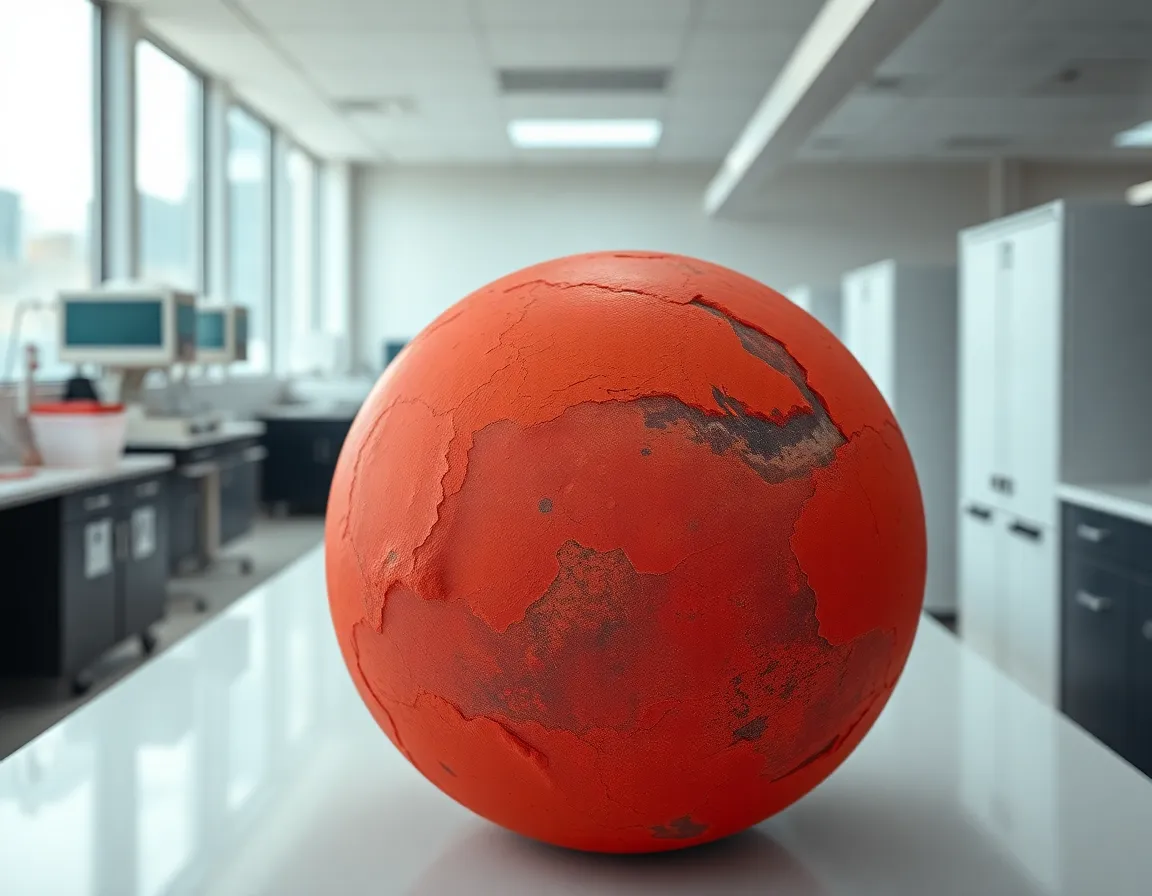
shot on Sony A7R V with 85mm f/1.4 GM lens, natural overcast daylight illuminating the vibrant colors and intricate surface of a Mars model within a scientific laboratory, hyperfocal distance ensuring clarity from foreground to infinity, Fujifilm Velvia-inspired saturated colors amplifying the red hues of Mars against the clean white laboratory backdrop, rule of thirds composition with Mars strategically placed at left power point, highlighting the detailed textures of the planet's surface.
4:3
captured with Canon EOS R5, 24-70mm f/2.8L at 35mm, illuminated by the bright glow of distant stars with soft moonlight casting ethereal shadows, shallow depth of field at f/2.8 focusing on a lone astronaut in a reflective suit standing on the lunar surface, cinematic teal and orange color grading showcasing the stark contrast of the light and dark, centered symmetrical composition emphasizing the isolation of the astronaut, textures of the moon's regolith detailed with fine particles and small rocks glistening under the starlight.
16:9
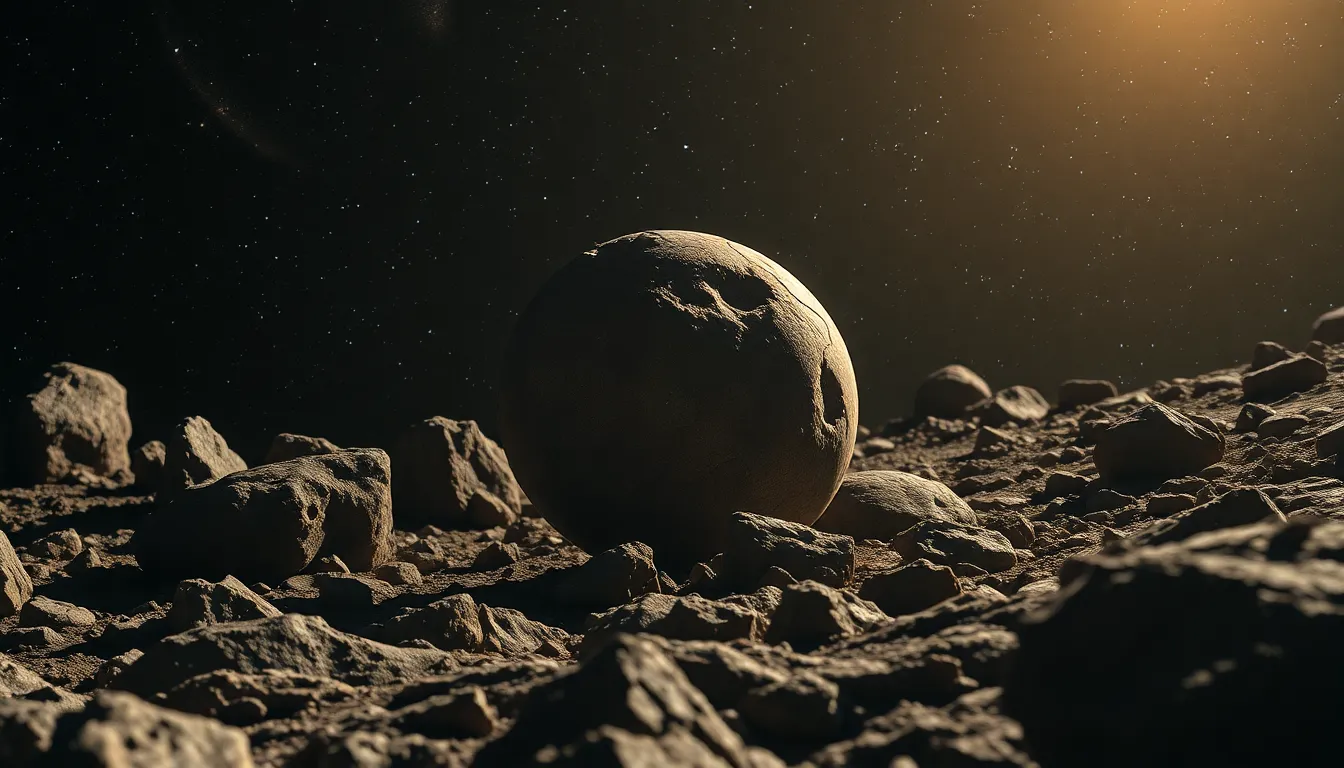
Fujifilm GFX 100S, 110mm f/2 macro, featuring intense backlighting from distant galaxies, hyperfocal distance at f/8 ensuring clarity across the scene of asteroid belts, natural muted tones with desaturated earth colors enhancing the rocky asteroid surfaces, rule of thirds composition placing a prominent asteroid leading the eye into the void of space, with intricate textures of pitted stone and shimmering particles reflecting distant starlight.
16:9
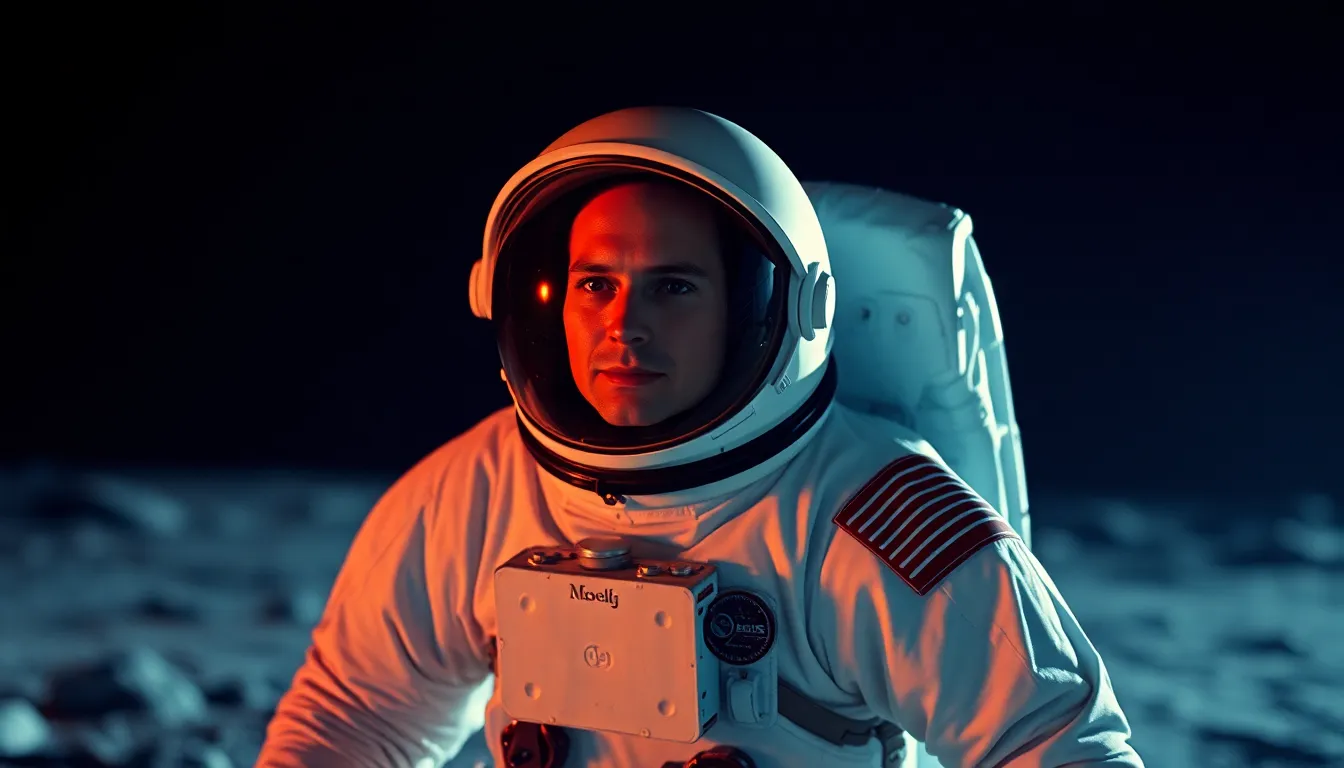
Hasselblad X2D 100C, 90mm f/2.5 medium format, bathed in cool moonlight with combinations of soft fill light highlighting the astronaut's suit, shallow depth of field at f/2.5 blurring the starfield background into painterly bokeh, Kodak Portra 400 color palette providing natural skin tones and subtle earth colors, dynamic diagonal composition with the astronaut in motion, textured surfaces of the suit capturing light and the fine dust of the lunar surface beneath.
16:9
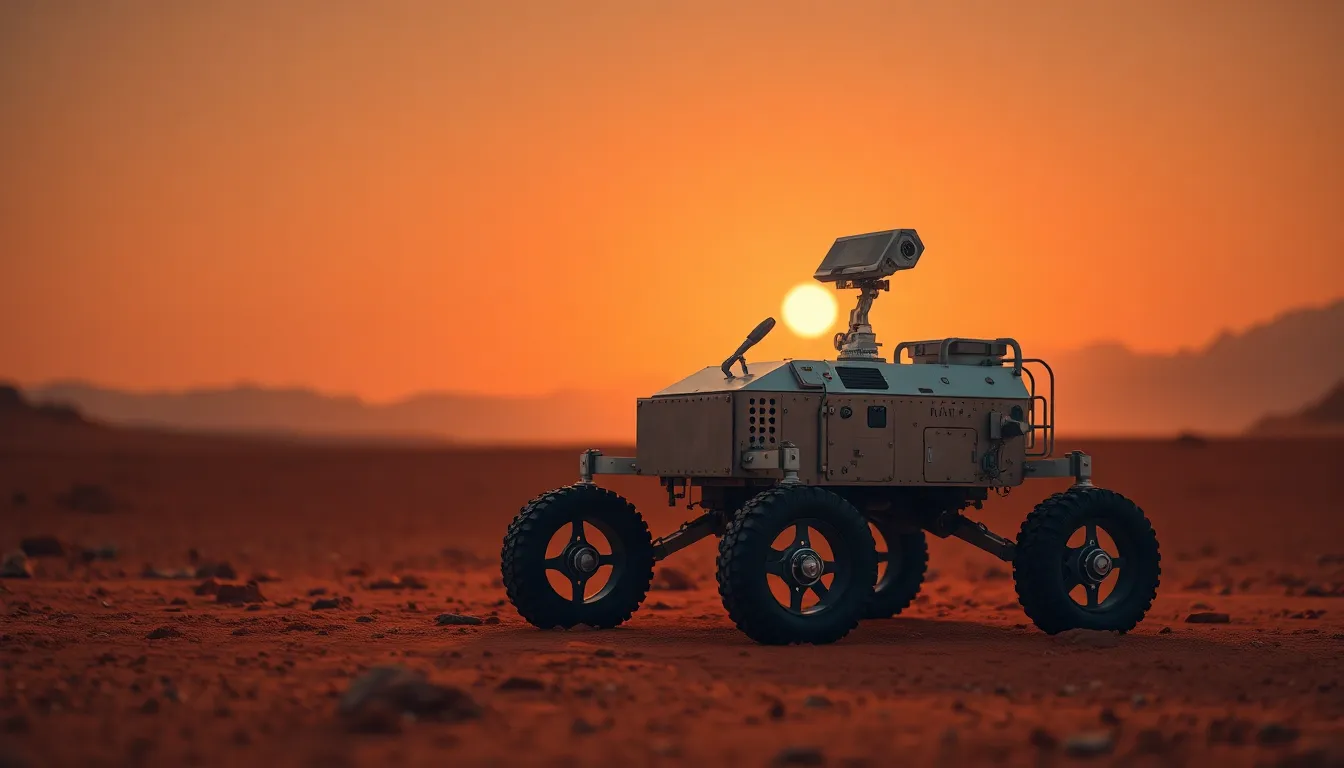
Nikon Z9, 70-200mm f/2.8 telephoto at 135mm, with a warm tungsten light source mimicking the sun's glow on the Martian surface, selective focus on the rover with the background fading into soft bokeh, natural muted tones highlighting the red and orange hues of Martian soil, centered symmetrical composition featuring the rover and distant mountains, with realistic textures on the rover's metallic surface contrasted against the rough terrain.
16:9
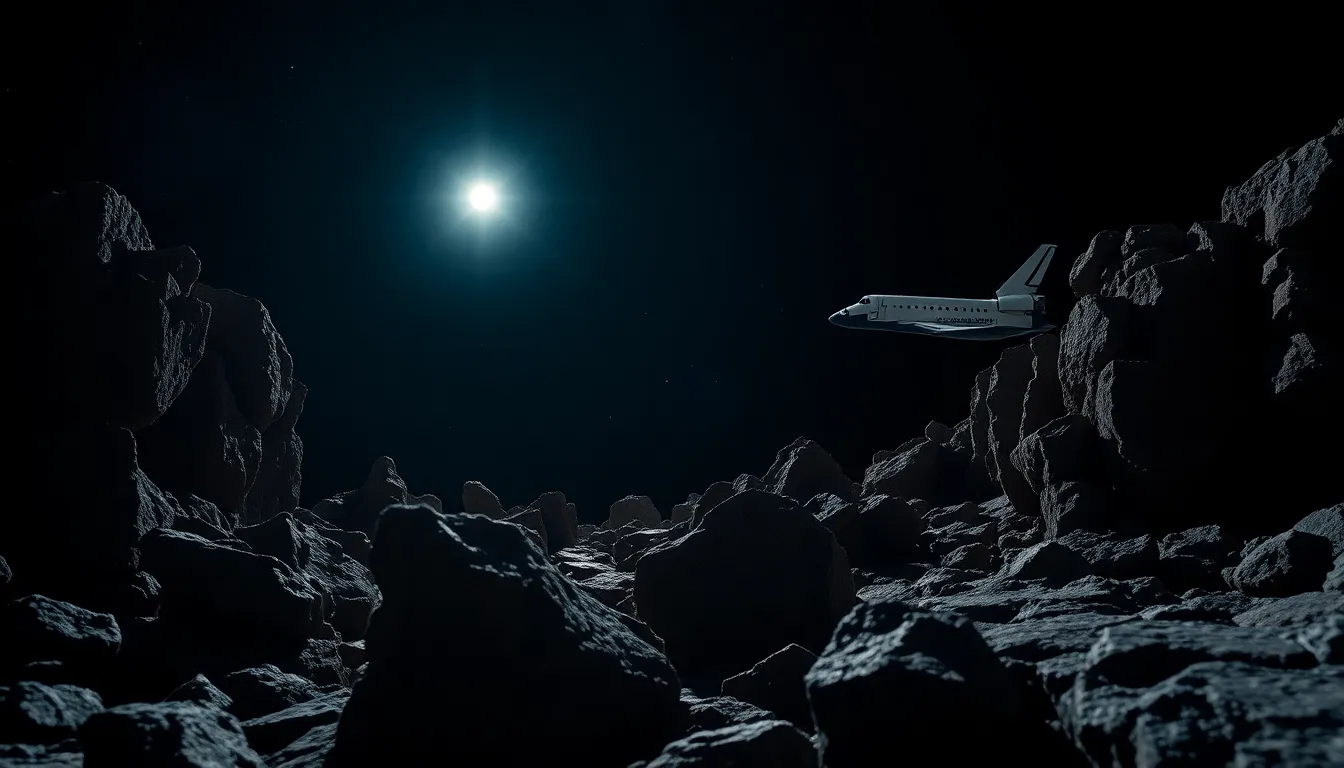
shot on Sony A7R V with 85mm f/1.4 GM lens, featuring dramatic shadows and highlights from a distant star, hyperfocal distance at f/8 ensuring clarity from the foreground rock formations to the distant space shuttle, Fujifilm Velvia-inspired saturated colors creating a striking contrast against the dark void of space, leading lines formed by jagged rocks guiding the eye to the shuttle, with textured surfaces displaying rough stone and glinting metallic spacecraft.
16:9

captured with Canon EOS R5, 24-70mm f/2.8L at 35mm, bathed in ambient starlight with hints of bioluminescent glow on alien vegetation, shallow depth of field at f/2.8 creating a dreamlike background, cinematic teal and orange color grading emphasizing the otherworldly landscape, rule of thirds composition placing the bioluminescent plants off-center, with textured surfaces of smooth rocks and fine alien grass catching light.
16:9
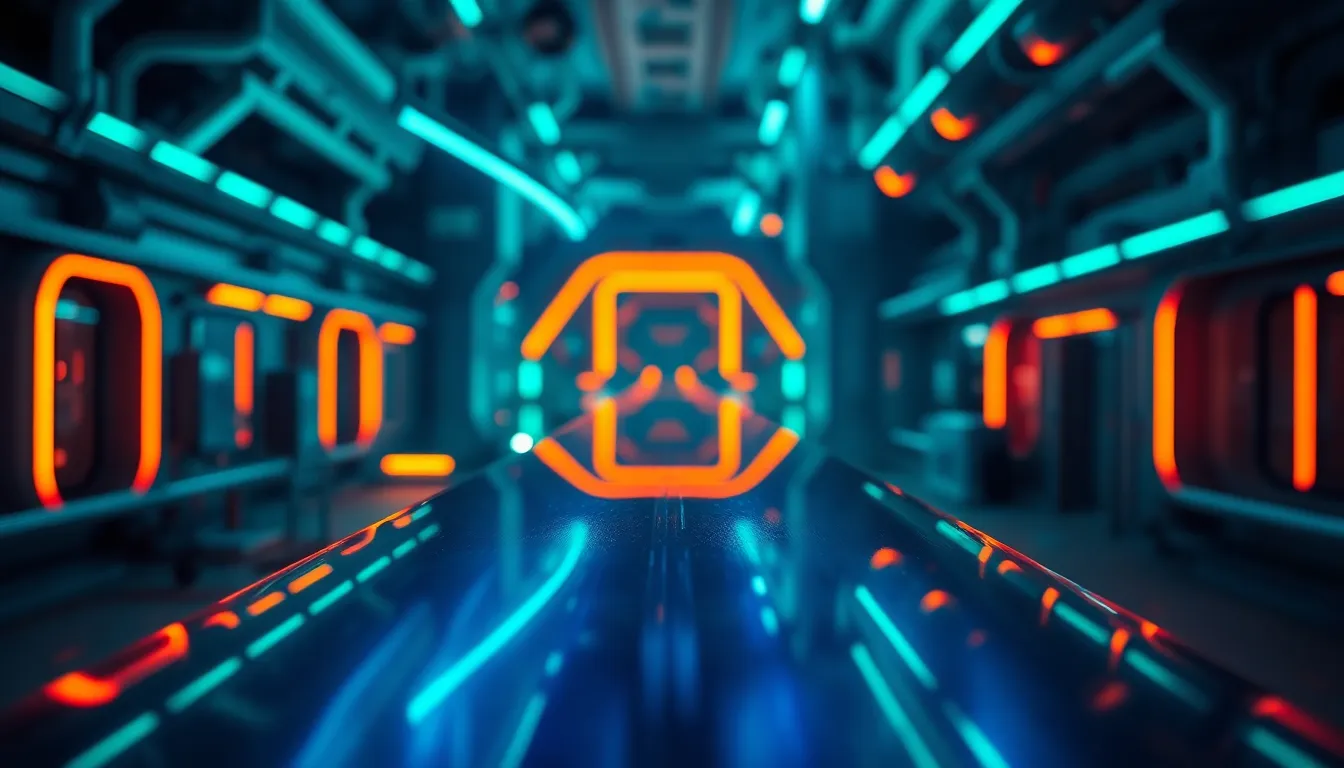
Leica Q3, 28mm f/1.7 Summilux, neon lighting from a futuristic space station reflecting off a polished metallic surface, dramatic rim lighting creating a striking contrast against the shadows, shallow depth of field at f/1.7 with a soft bokeh effect on the background structures, cinematic teal and orange color grading accentuating the sleek design of the space station, dynamic composition with asymmetrical elements drawing the eye to the glowing details.
16:9
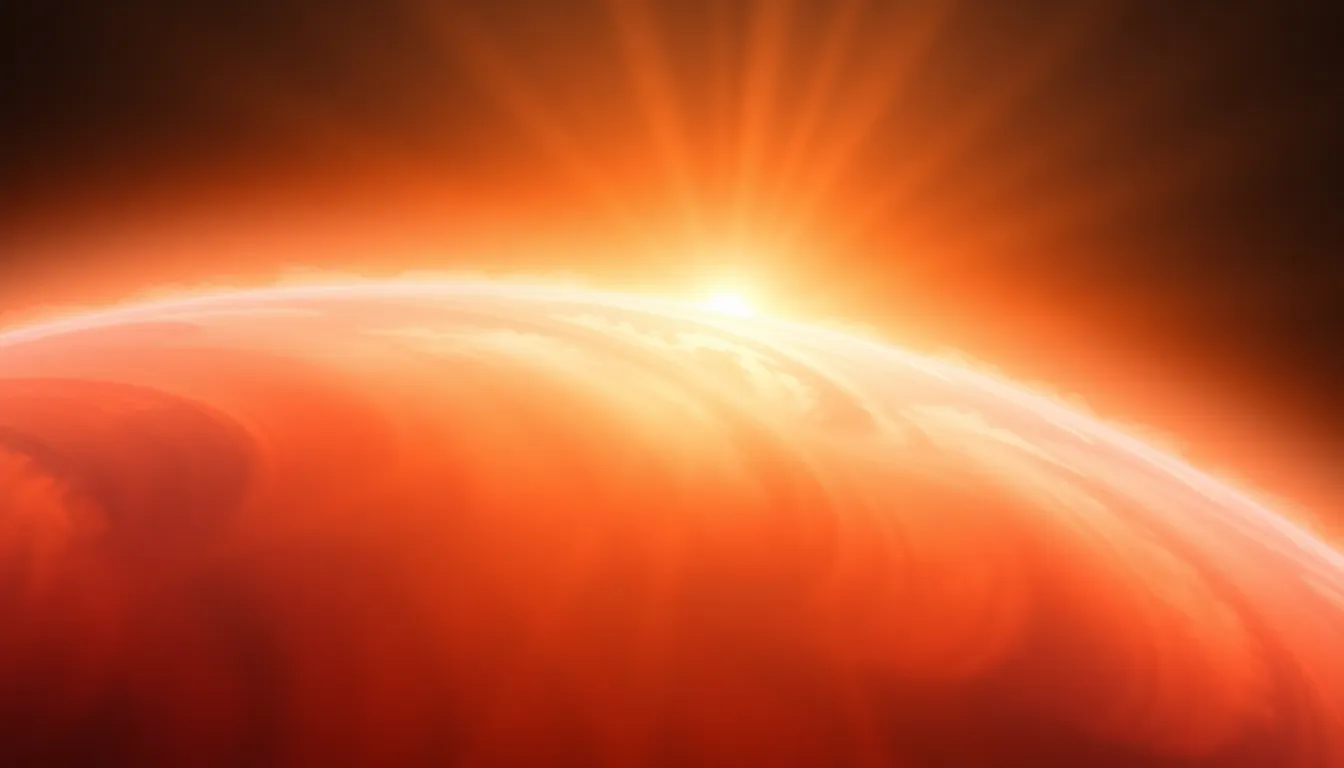
Fujifilm GFX 100S, 110mm f/2 macro, sun rays breaking through the swirling clouds of a gas giant, natural light combined with a soft fill from the atmospheric haze, shallow depth of field at f/2 with a dreamy soft focus on the colorful gas layers, Kodak Portra 400 color palette bringing out warm hues of orange, pink, and purple, centered composition highlighting the planet's dynamic textures and swirling patterns.
16:9
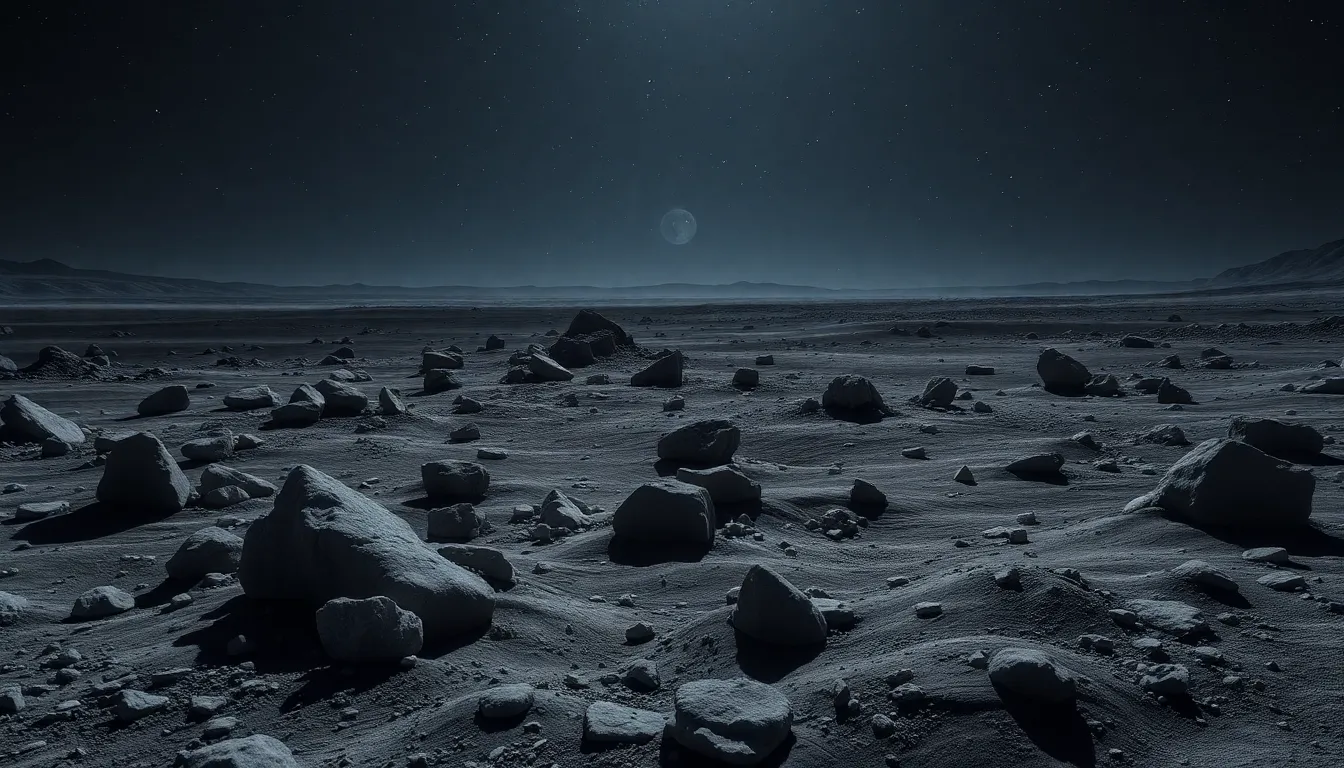
Nikon Z9, 70-200mm f/2.8 telephoto at 135mm, cool ambient lighting from the distant stars illuminating a lunar landscape, hyperfocal distance ensuring sharp detail from the foreground rocks to the background craters, natural muted tones with desaturated greys and whites, leading lines of rocky terrain guiding the viewer’s eye to the horizon, texture details showing the roughness of lunar dust and small pebbles scattered across the surface.
16:9
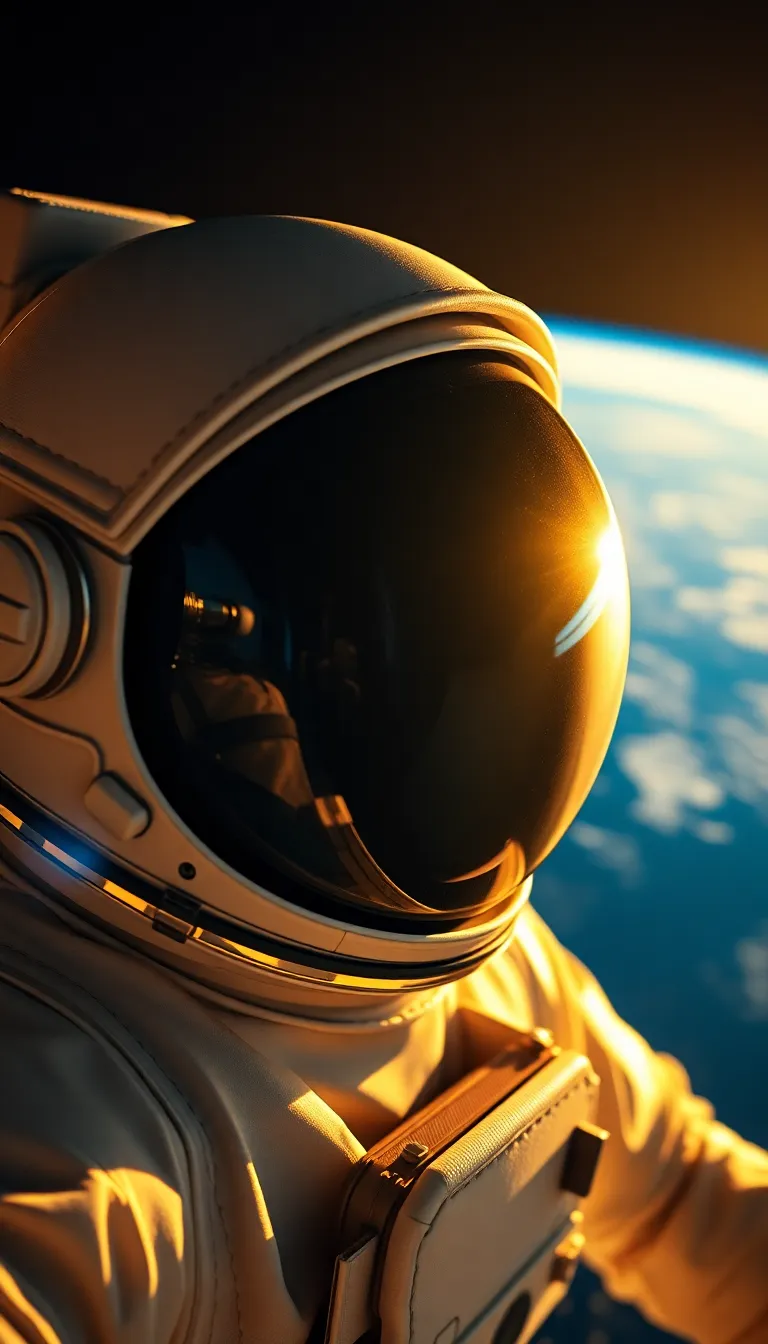
shot on Sony A7R V with 85mm f/1.4 GM lens, warm golden hour lighting illuminating an astronaut floating in space, selective focus on the astronaut's reflective visor while the Earth hangs beautifully blurred in the background, Fujifilm Velvia-inspired saturated colors reflecting the blue of the planet and the dark void of space, centered composition with the astronaut taking up the forefront, visible stitching on the space suit and glint of sunlight on the visor creating depth.
9:16
captured with Canon EOS R5, 24-70mm f/2.8L at 35mm, dramatic low-angle lighting highlighting the rocket's texture against a twilight sky, shallow depth of field at f/2.8 with soft bokeh of distant stars, cinematic teal and orange color grading emphasizing the metallic sheen of the rocket, rule of thirds composition with the rocket positioned at the left power point, surface details of the rocket showcasing rivets and weathering from previous launches.
16:9