Space
1079 images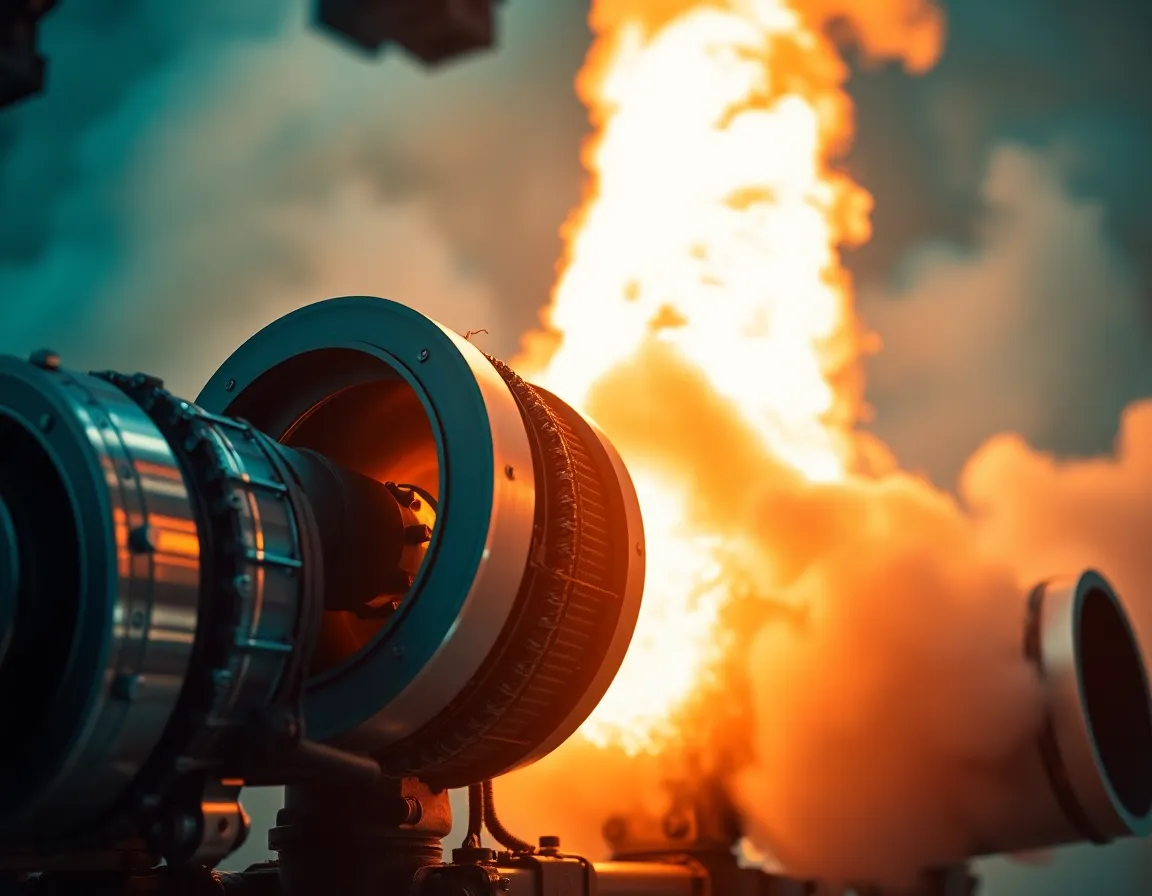
Shot on Hasselblad X2D 100C, 90mm f/2.5 medium format, this image captures a detailed view of rocket engines during a test firing, with plumes of smoke and flames creating a dramatic backdrop. The lighting is intense, highlighting the silver and black textures of the engine components against bright orange flames. The depth of field is shallow at f/2.5, focusing sharply on the engine while the smoke swirls into a soft bokeh in the background. Compositionally, the image utilizes a centered composition, emphasizing the power and technology of the rocket. Color science reflects a cinematic teal and orange grading, creating a visually striking contrast.
4:3
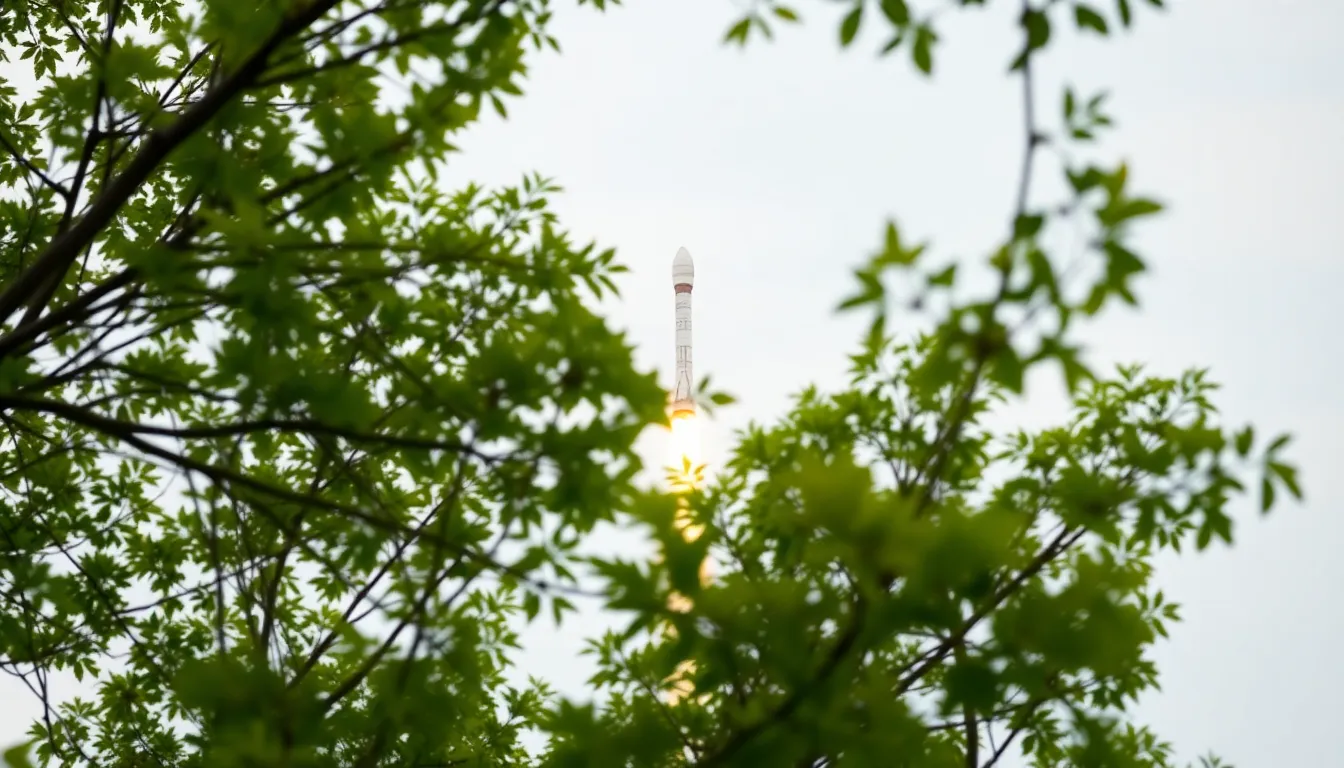
Shot on Canon EOS R5, 24-70mm f/2.8L at 35mm, this image captures a rocket launch viewed from a distance, framed by trees with vivid green leaves. The soft daylight filtering through provides an overcast effect, creating a muted color palette with hints of light blue in the sky. The hyperfocal distance at f/8 ensures clarity from the foreground tree branches to the distant rocket. Compositionally, the image utilizes a natural frame provided by the foliage, enhancing the sense of a natural setting while illustrating the human achievement of space travel.
16:9
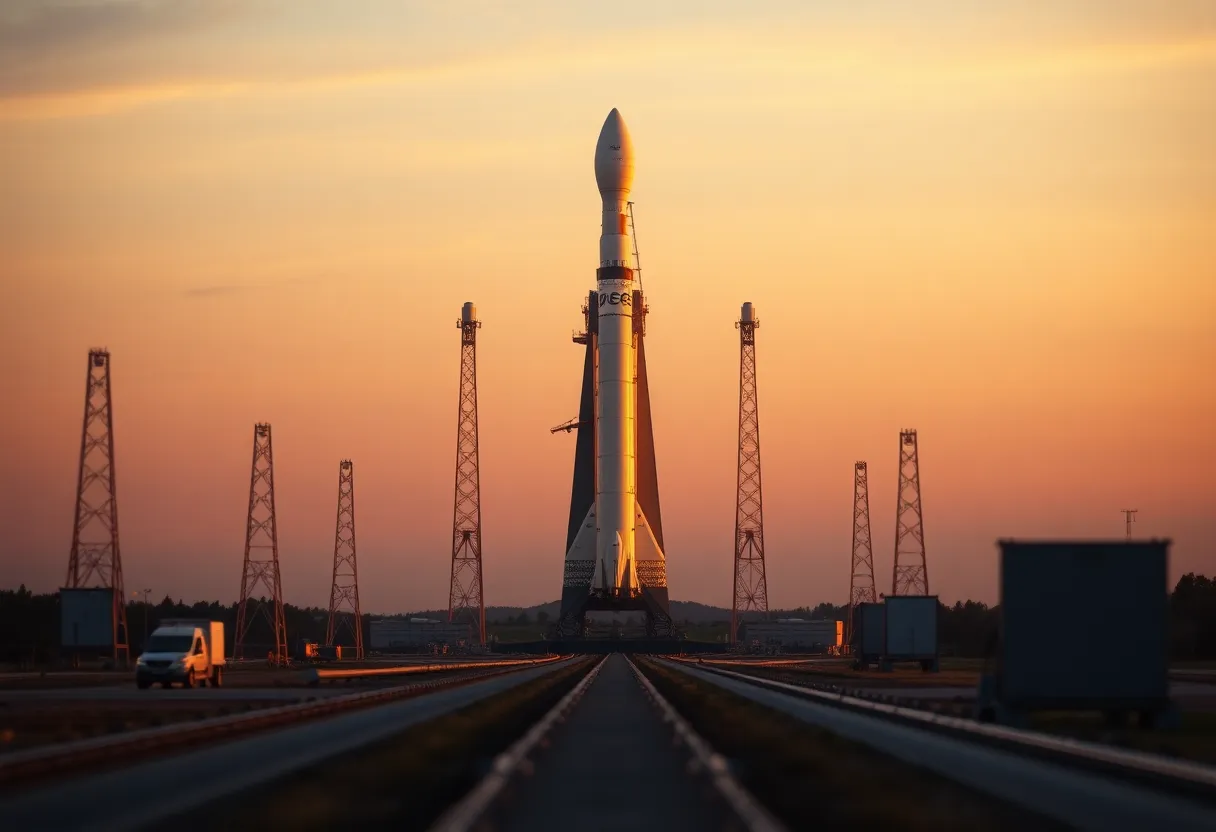
Captured with Fujifilm GFX 100S, 110mm f/2 macro, this image portrays a rocket poised for launch at dawn, bathed in golden hour light. The depth of field is set to f/5.6, ensuring both the rocket and its surrounding environment are in sharp focus. The color palette draws from Kodak Portra 400, giving warm skin tones to the sunlight illuminating the rocket and cool shadows contrasting against the structure. The composition employs leading lines from surrounding launch pads, guiding the viewer's eye toward the towering rocket as it stands proudly against the sky.
3:2
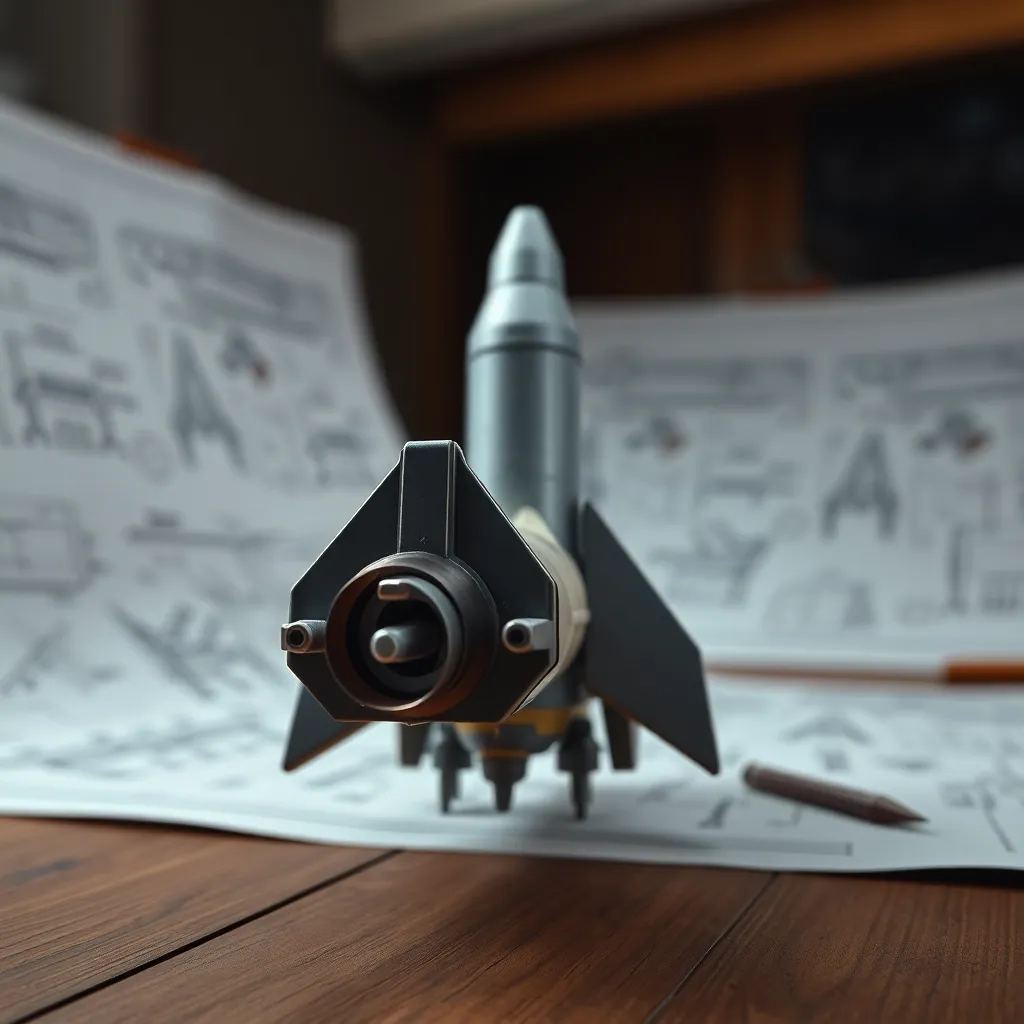
Shot on Sony A7R V with 85mm f/1.4 GM lens, this close-up captures intricate details of a rocket model in a studio setting, surrounded by soft, diffused lighting. The shallow depth of field at f/1.4 isolates the model against a blurred backdrop of blueprint sketches. Color science features a natural muted tone with desaturated earth colors, enhancing the wooden table and paper textures. The composition is centered, drawing focus to the rocket model, capturing every rivet and panel in stunning clarity.
1:1
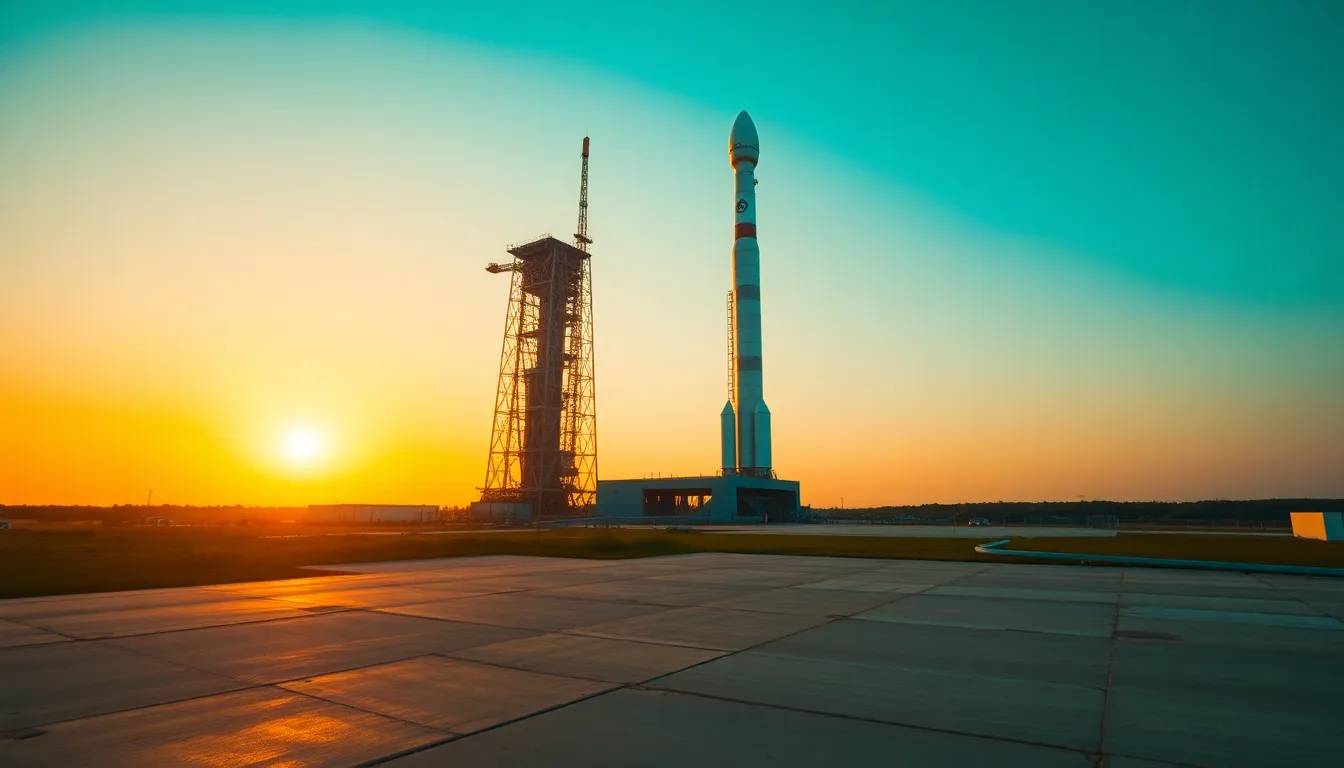
Captured with Nikon Z9, 70-200mm f/2.8 telephoto at 135mm, a fiery rocket launch streaks through a twilight sky, illuminated by a strong burst of orange and yellow flames. The depth of field is shallow at f/2.8, highlighting the rocket as it ascends, with the blurred outline of a cheering crowd in the foreground. The color palette features dramatic contrasts between the rocket's flame and the deep blue of the evening sky. Compositionally, the rocket is off-center, following the rule of thirds, creating a dynamic sense of movement. Textures are rich, showcasing the metallic surface of the rocket glistening against the light.
16:9

Fujifilm GFX 100S, 110mm f/2 macro, capturing a detail-rich image of a satellite dish against a vibrant blue sky, with dappled sunlight filtering through nearby trees. The macro shot reveals the texture of the dish’s surface, showcasing its intricate design and material. A shallow depth of field blurs the background, drawing attention to the dish while maintaining the beauty of the surrounding nature. The color palette features rich greens and blues, inspired by nature and technology blending harmoniously. The composition employs centered symmetry, with the dish prominent in the foreground against the clear sky. Textural details include the smooth metal surface of the dish contrasted with the natural leaves and branches around.
16:9

Hasselblad X2D 100C, 90mm f/2.5 medium format, showcasing a detailed view of satellite construction in a workshop with soft diffused daylight filtering through large windows. The warm light highlights the various materials like carbon fiber and aluminum, creating a blend of soft shadows and bright accents. The depth of field is shallow at f/2.5, softly blurring the surrounding tools and equipment, while a natural muted tones palette enhances the industrial feel. The composition centers on a group of engineers collaborating around a satellite shell, framed by tools on a workbench, emphasizing teamwork and innovation. Textural notes include the smooth finish of the satellite and the rough surfaces of the workshop environment.
16:9
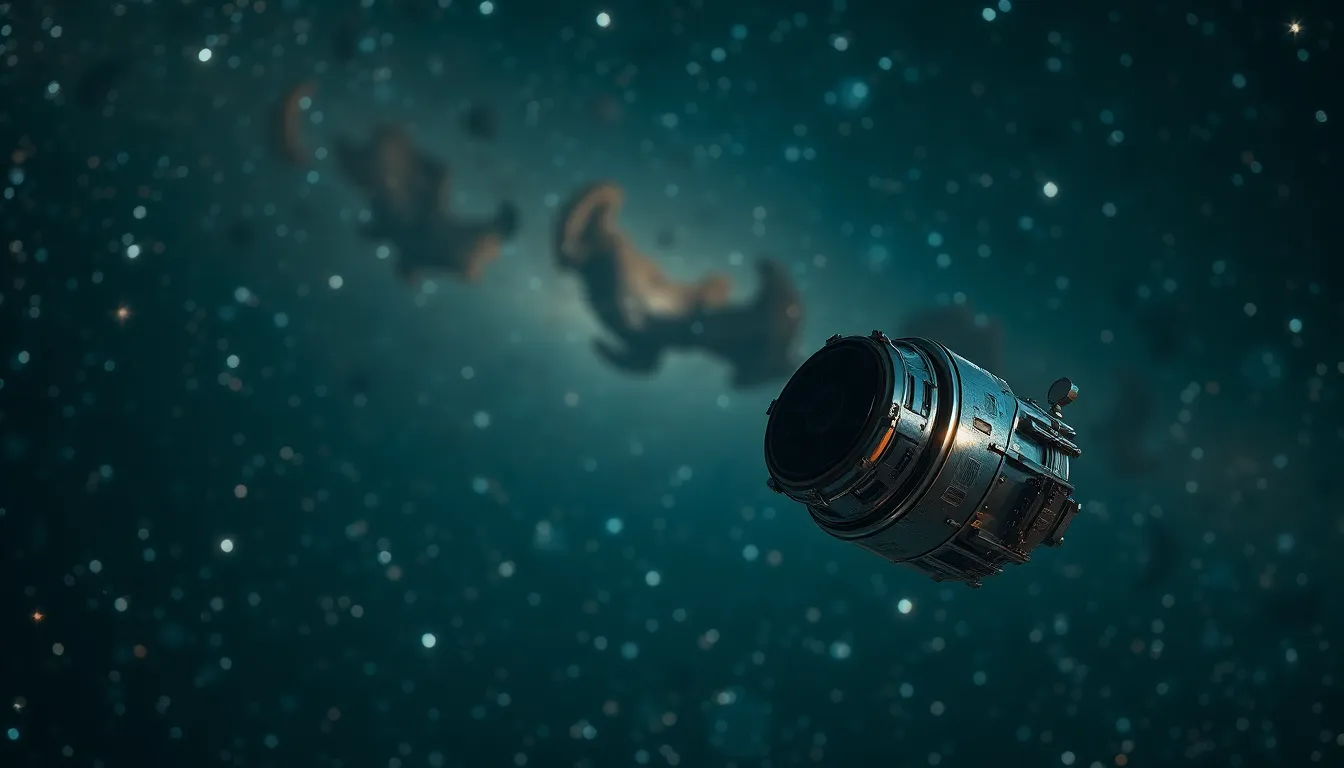
Nikon Z9, 70-200mm f/2.8 telephoto at 135mm, capturing a close-up of a satellite in space, lit by the sun with sharp highlights and deep shadows creating a dramatic effect. The focus on the satellite's intricate solar panels is selective, with a creamy bokeh background of distant stars. A Fujifilm Velvia-inspired saturated colors palette enhances the vibrancy of the satellite against the blackness of space. The composition uses a centered symmetrical format, emphasizing the satellite’s design and technology. Detailed textures include the metallic surface of the satellite and the subtle details of its solar cells.
16:9
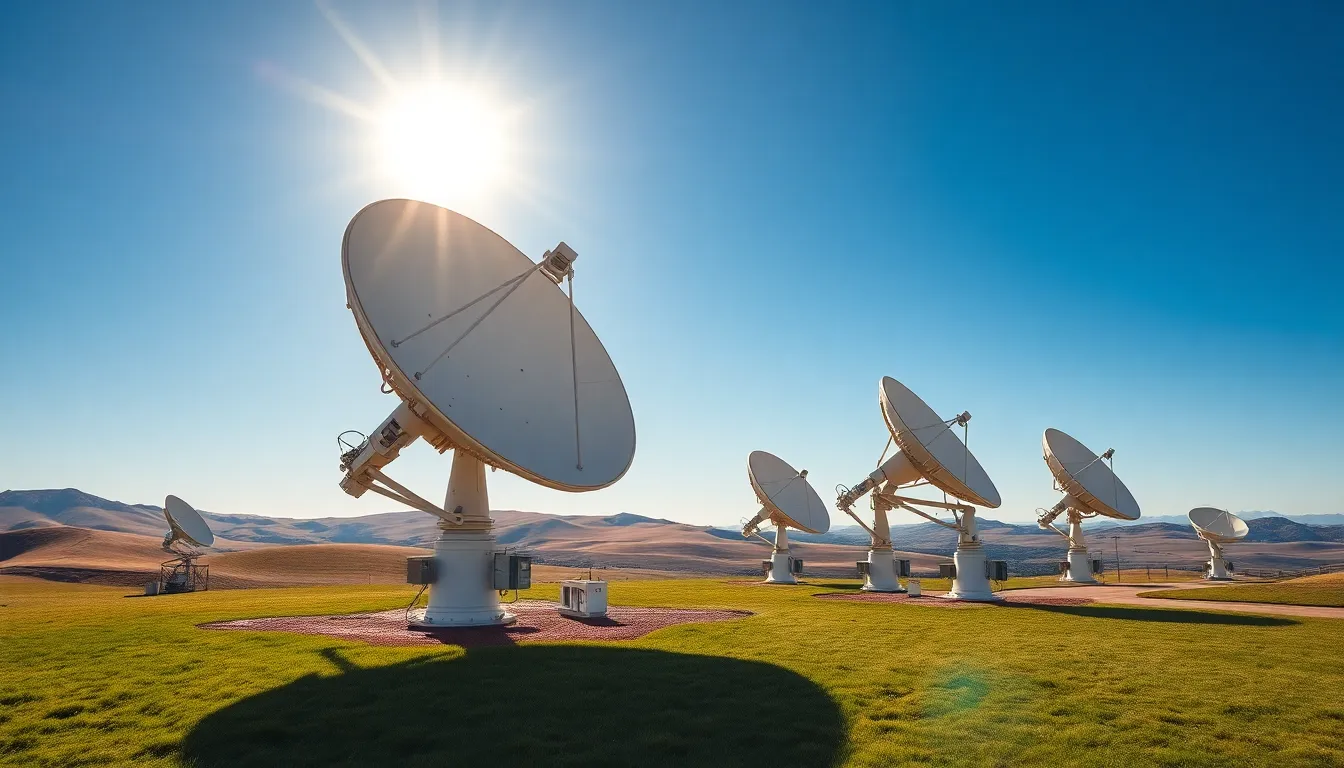
shot on Sony A7R V with 85mm f/1.4 GM lens, utilizing bright midday sunlight to highlight a satellite ground station. The light creates sharp contrasts and vibrant colors, showcasing the intricate details of the dishes and equipment. A hyperfocal distance at f/8 keeps everything from the foreground to infinity tack-sharp, while a natural muted tones palette enhances the serene setting. The composition uses leading lines formed by the satellite dishes to draw the eye towards the horizon, where the blue sky meets distant rolling hills. Textural details include the weathered surfaces of the equipment and the rich green grass surrounding the station.
16:9
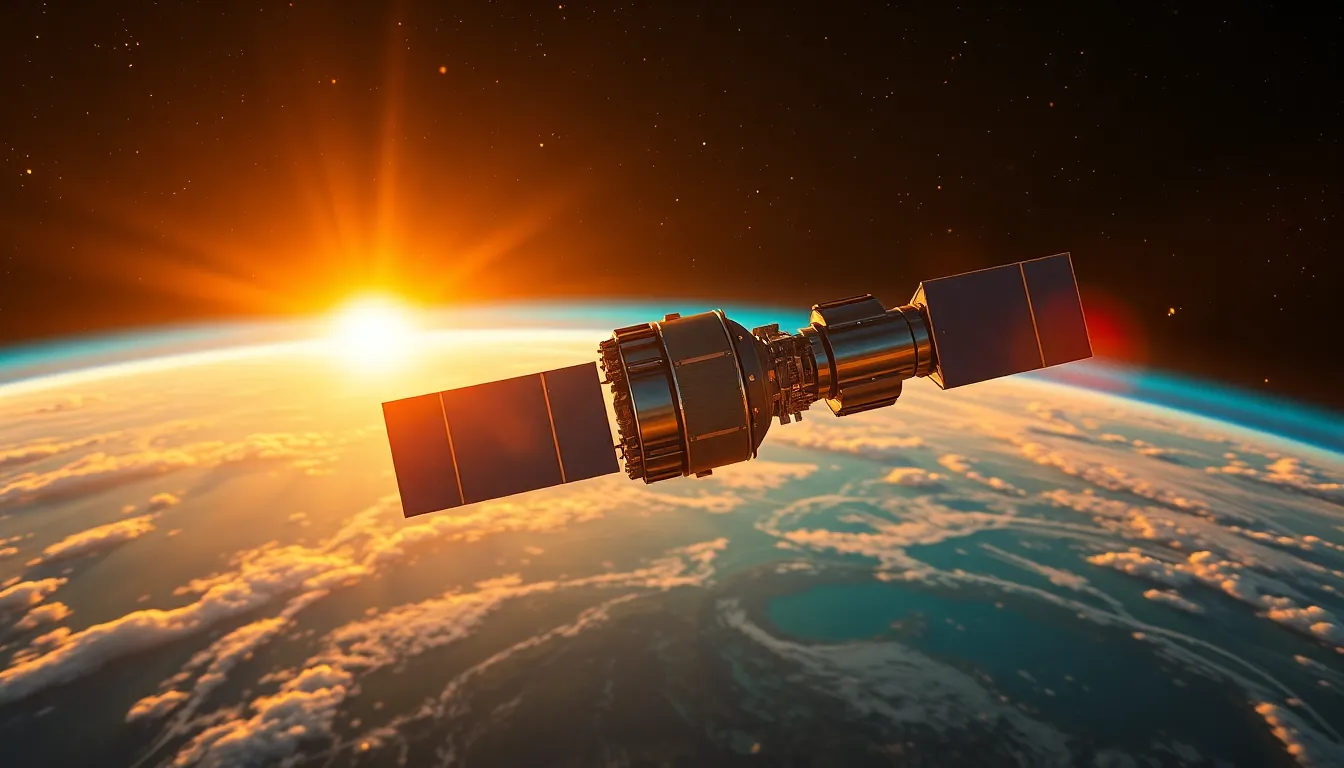
captured with Canon EOS R5, 24-70mm f/2.8L at 35mm, featuring dramatic sunset lighting that casts warm, golden hues across the scene. The satellite is in low earth orbit, with Earth visible below, showcasing vibrant greens and blues from the atmosphere. A shallow depth of field at f/2.8 creates bokeh in the sky, while a cinematic teal and orange color grading emphasizes the futuristic feel. The composition follows the rule of thirds, placing the satellite prominently off-center against a backdrop of twinkling stars and wispy clouds. Textured details include the metallic surface of the satellite and the smooth curvature of the Earth below.
16:9
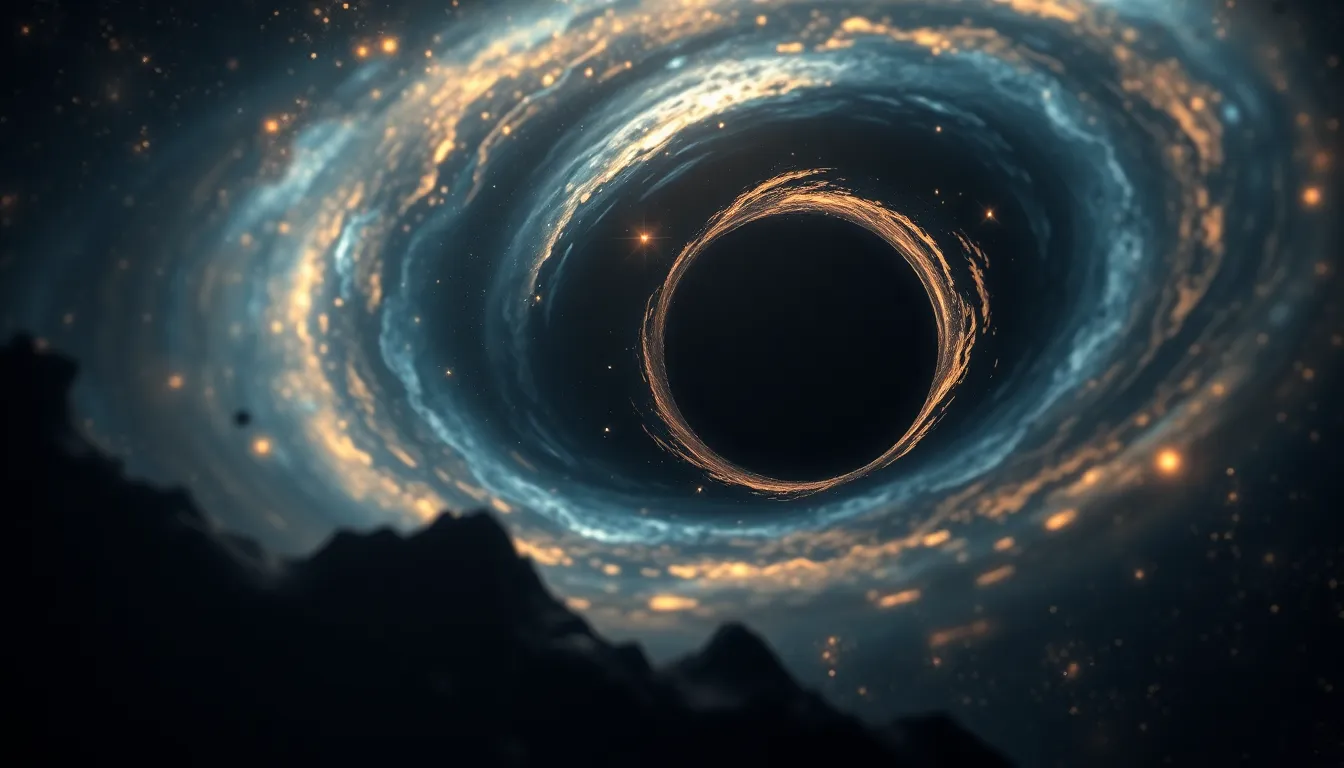
A captivating view of a binary black hole system, captured with Leica Q3, 28mm f/1.7 Summilux. The scene is lit by an ethereal glow of light emitted from the stars being consumed by the black holes, creating dramatic contrasts. A tilt-shift miniature effect emphasizes the scale of the black holes amidst the cosmic landscape. The color grading includes deep blues and golds, while the composition uses leading lines from the orbits of surrounding stars, drawing the eye toward the interaction of the two black holes.
16:9
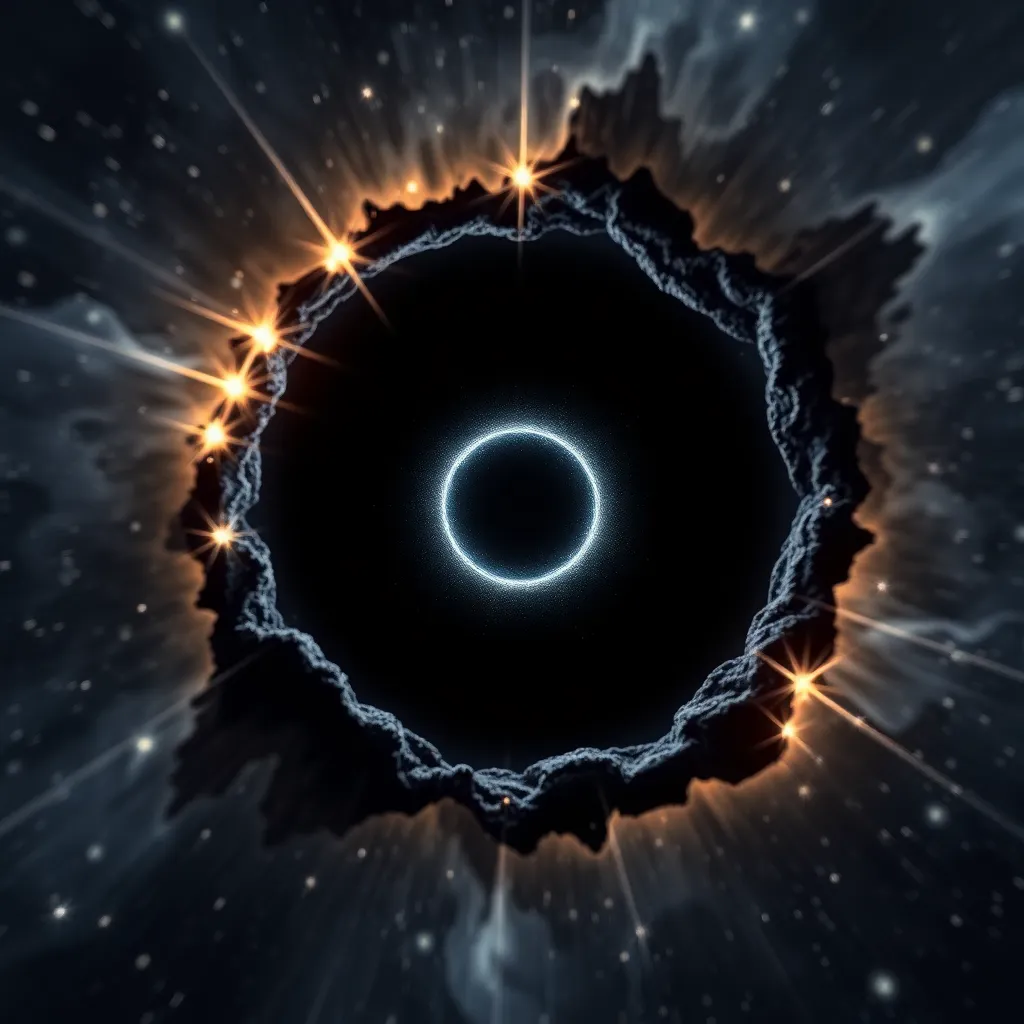
A surreal artistic depiction of a black hole tearing through the fabric of space-time, shot on Hasselblad X2D 100C, 90mm f/2.5 medium format. The lighting is created by starbursts emanating from the edges of the black hole, contrasting with a deep void of darkness. A shallow depth of field blurs the cosmic background, emphasizing the black hole's intricate details. The color palette features dark blacks, silvery whites, and ethereal blues, while the composition uses a centered symmetrical approach to enhance the surreal experience.
1:1
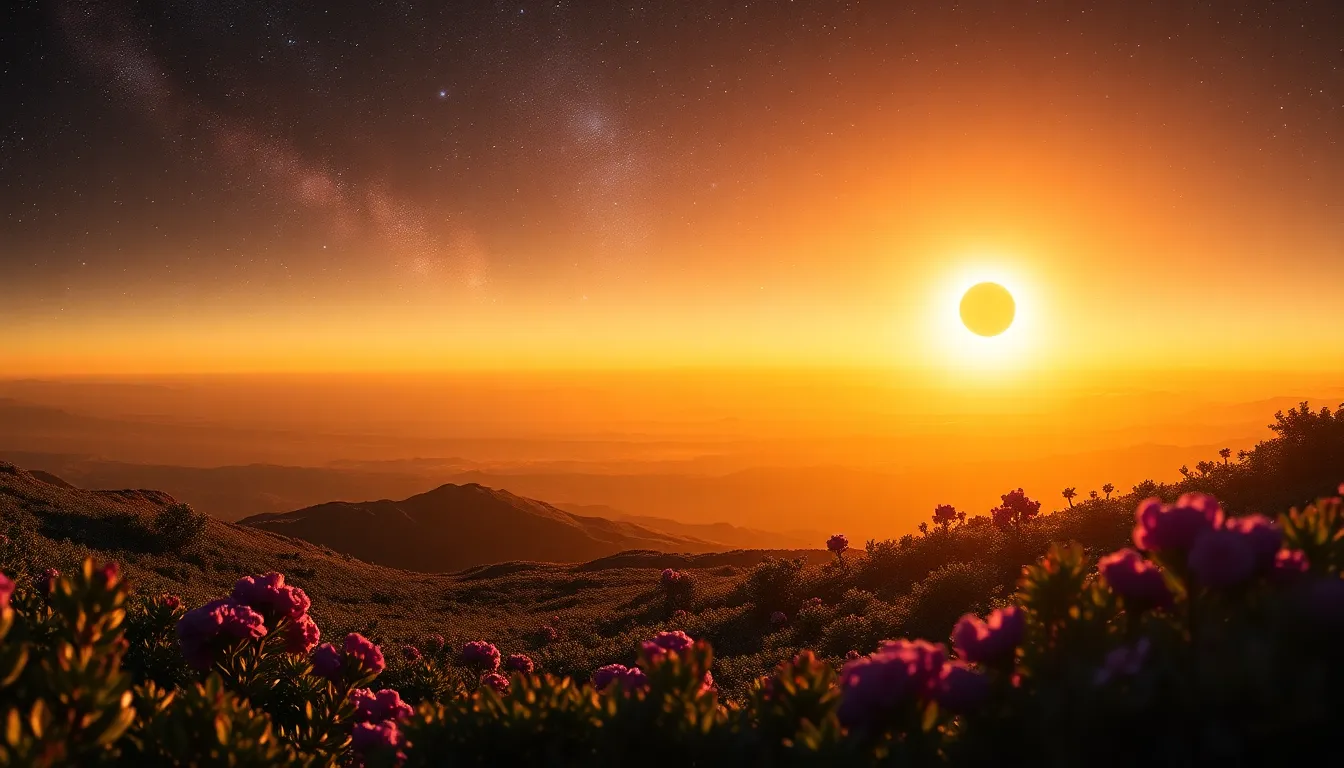
Panoramic view of a black hole being observed from a distant planet, captured with Canon EOS R5, 24-70mm f/2.8L at 35mm. The scene is bathed in the soft golden hour light, revealing a horizon filled with colorful nebulae and distant stars. Hyperfocal distance ensures sharpness from the foreground alien landscape to the black hole in the distance, creating a sense of depth. The cinematic color grading employs rich purples and golds, while the composition captures the awe of cosmic observation with the planet's alien flora framing the scene.
16:9
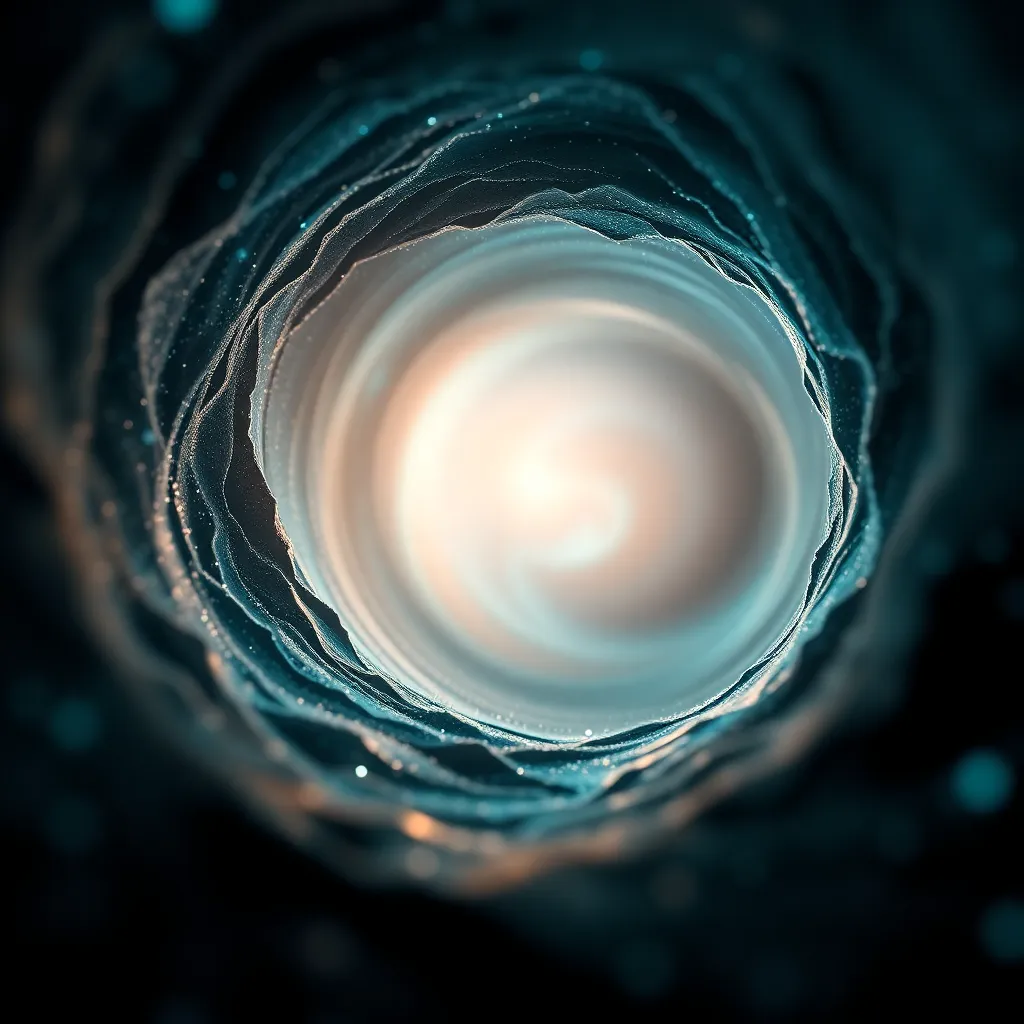
Close-up shot of a cosmic illustration of a black hole, captured with Fujifilm GFX 100S, 110mm f/2 macro. Illuminated by vibrant white and teal starlight, the image showcases the intense gravitational pull and the colorful matter spiraling into the event horizon. A shallow depth of field at f/2 creates a dreamy bokeh background emphasizing the black hole's detailed surface textures. The composition places the black hole prominently off-center, using the rule of thirds for balanced visual interest, while the color palette is enriched with deep blacks and iridescent colors.
1:1
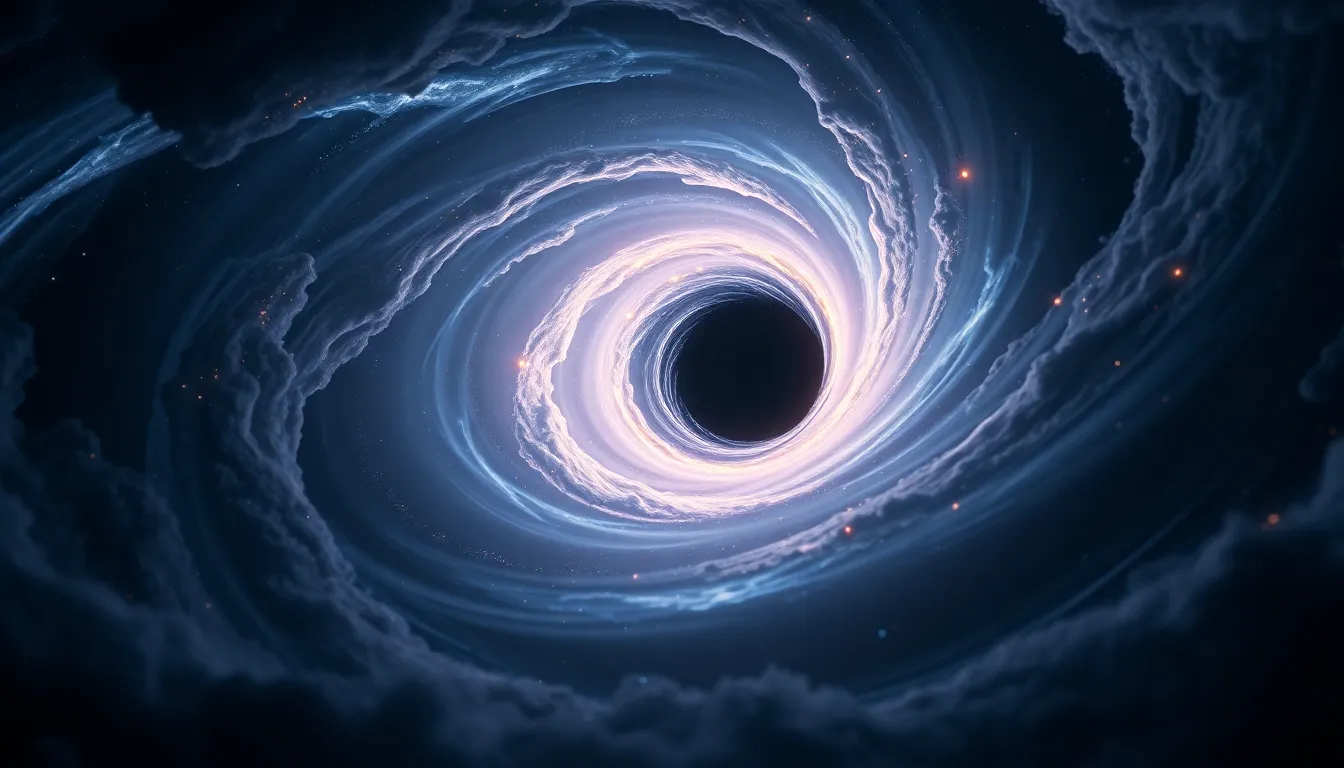
Rendered view of a black hole with an accretion disk, shot on Nikon Z9, 70-200mm f/2.8 telephoto at 135mm. The scene is illuminated by soft bioluminescent waves from nearby cosmic entities, creating an otherworldly glow. Deep focus captures the swirling gases and dust, with a color palette dominated by dark blues, purples, and hints of fiery orange from the disk. The composition uses leading lines from the spiral arms to draw the eye toward the event horizon, while fine details of gas and stellar remnants are visible in the foreground.
16:9
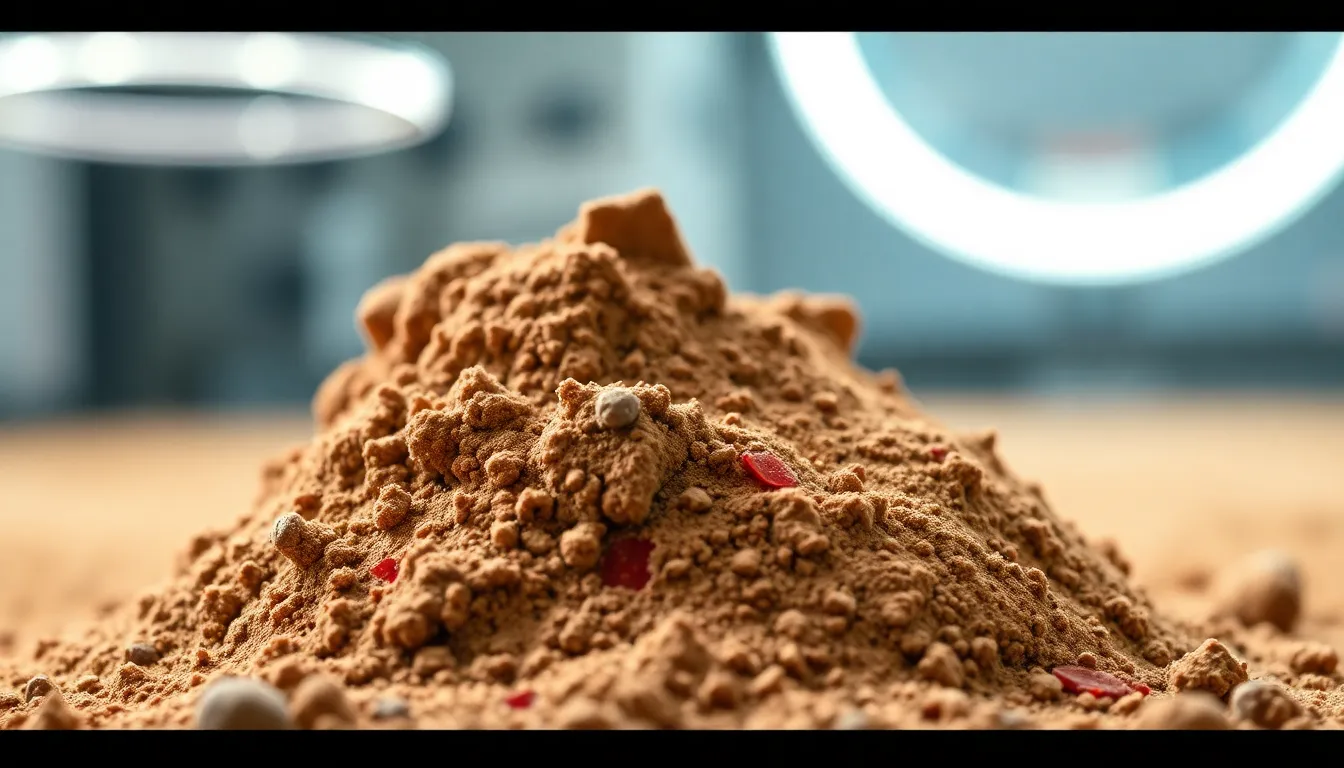
shot on Fujifilm GFX 100S, 110mm f/2 macro, depicts a Martian soil sample in a lab setting, showcasing fine textures and subtle colors. Ring lights illuminate the sample, revealing its dusty surface and intricate mineral details. Selective focus on the soil’s texture with a creamy bokeh background creates an intimate exploration of the Martian soil. The color palette consists of soft browns and grays, with vivid flecks of red. The composition is centered, drawing attention to the sample as the main subject of study.
16:9
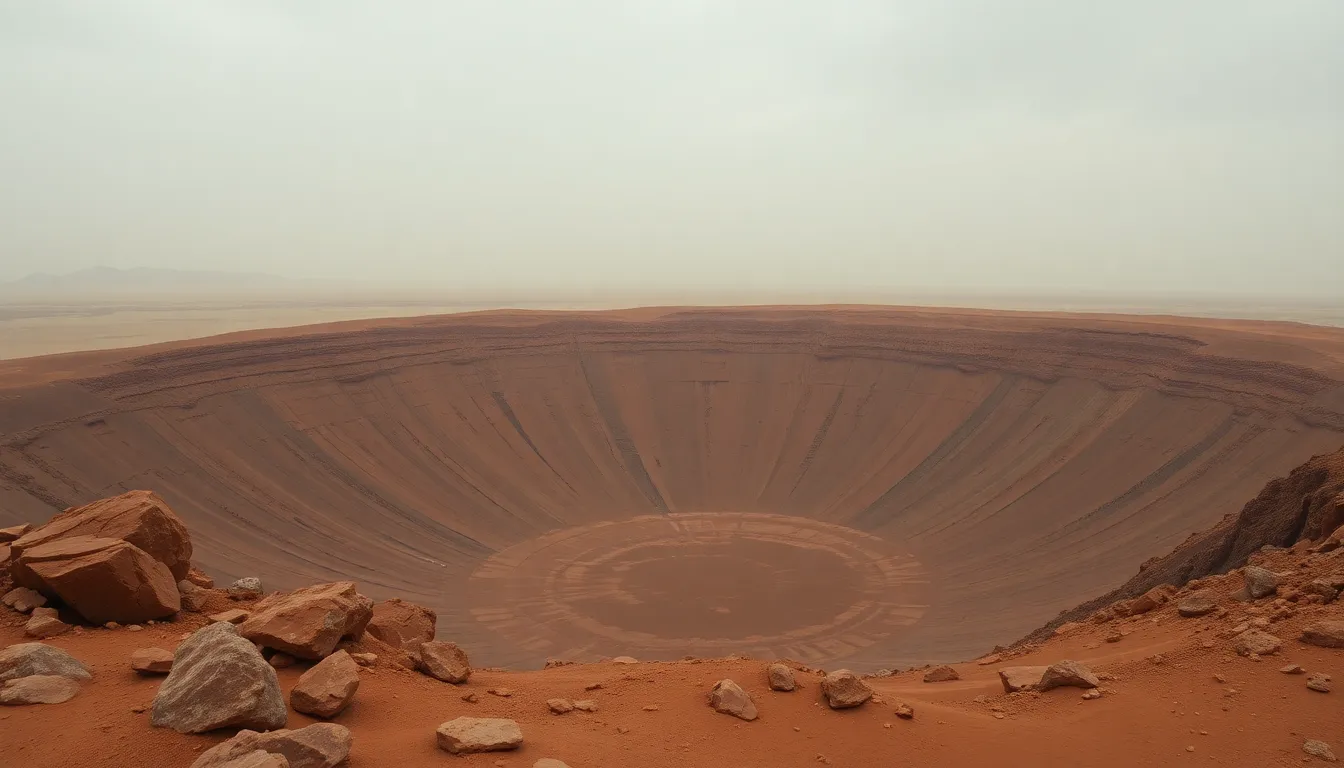
captured using Hasselblad X2D 100C, 90mm f/2.5 medium format, showcasing a large Martian crater under soft, overcast daylight. The crater's steep walls create a dramatic contrast against the flat plains surrounding it. Hyperfocal distance ensures everything from the foreground rocks to the crater’s rim remains sharp at f/8. The color palette features muted reds and browns with subtle gradients. Leading lines of the crater’s edge guide the viewer's eye into the depth of the landscape, highlighting the vastness of Mars.
16:9
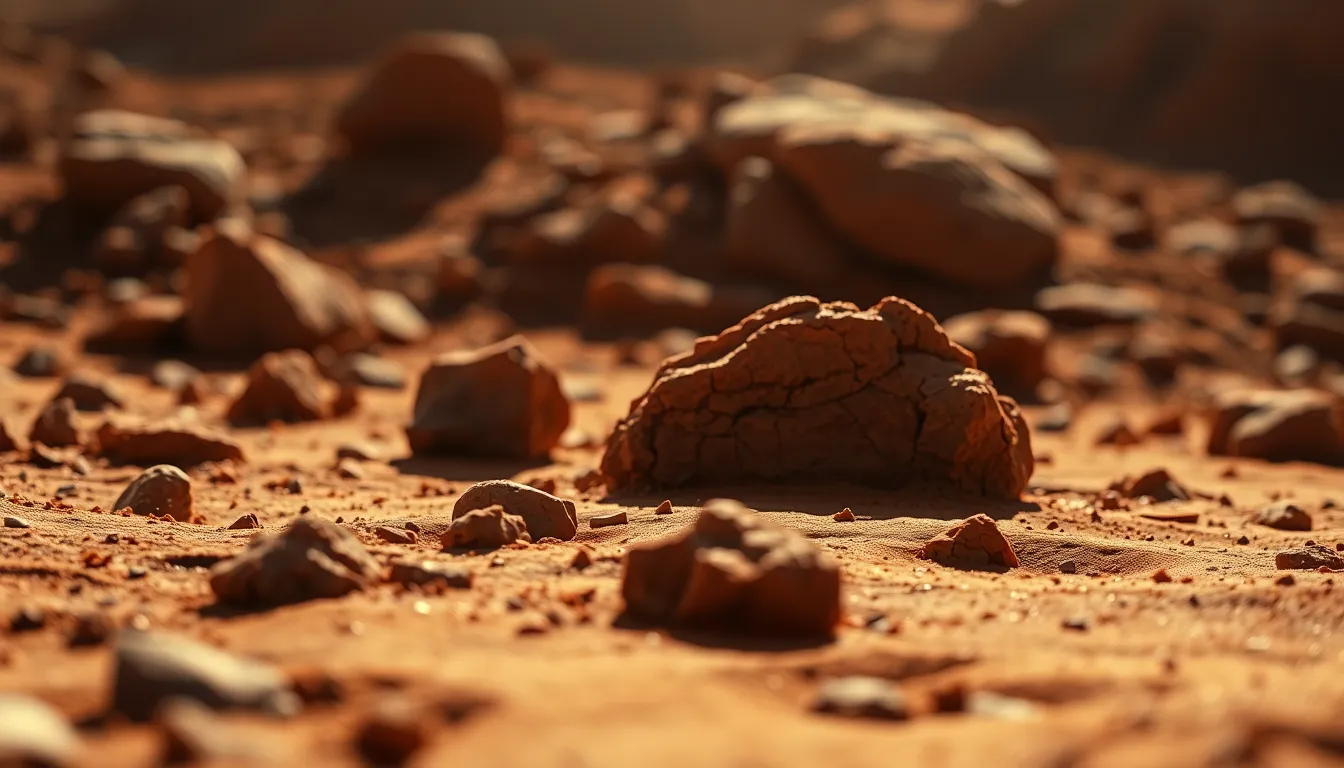
shot on Sony A7R V with 85mm f/1.4 GM lens, this image captures a close-up view of Mars’ surface showing intricate patterns of dust and rock formations. Dramatic, directional light creates deep shadows and highlights, enhancing the texture details of the rugged landscape. A shallow depth of field at f/1.4 isolates the foreground rocks, with a soft bokeh background. The color palette features earthy reds and browns with subtle hints of orange, creating a warm and striking effect. Compositionally, the rocks are placed according to the rule of thirds, drawing the viewer’s eye along the surface.
16:9
captured with Canon EOS R5, 24-70mm f/2.8L at 35mm, depicts a futuristic Mars colony with sleek domes and solar panels against the stark red landscape. The scene is illuminated by soft, diffused daylight passing through the transparent domes, creating a warm atmosphere. Hyperfocal distance keeps both foreground and background sharp at f/8, while natural muted tones enhance the realism of the colony. Rule of thirds composition guides the viewer’s eye through the scene, showcasing advanced technology nestled in the Martian environment.
16:9
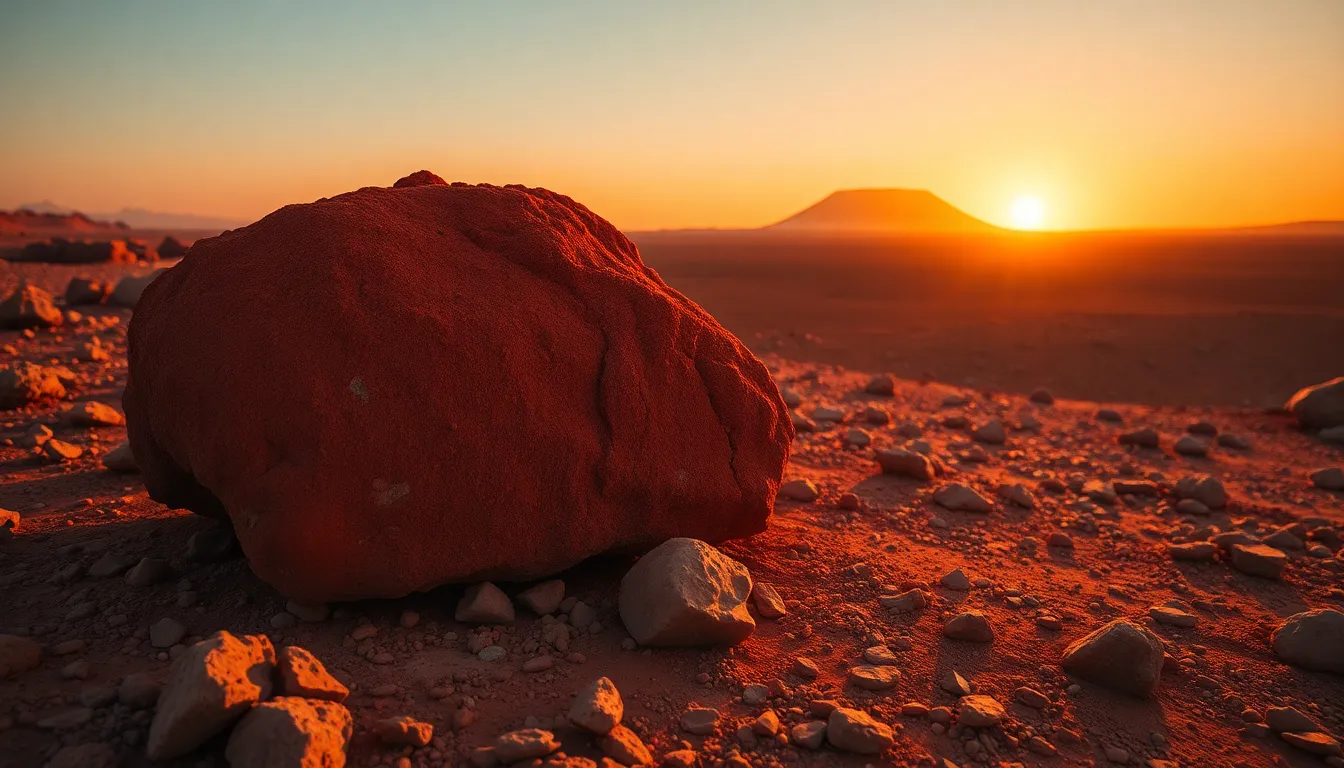
shot on Nikon Z9, 70-200mm f/2.8 telephoto at 135mm, capturing a stunning Martian sunset with golden hues blending into deep oranges and reds. The rocky surface of Mars is in sharp focus with a shallow depth of field at f/2.8, creating a dreamy background. Natural muted tones add to the otherworldly atmosphere, with the rugged terrain visible in intricate detail. Centered composition emphasizes the dramatic sky and the silhouette of distant hills, while fine dust particles suspended in the thin atmosphere catch the last rays of sunlight.
16:9
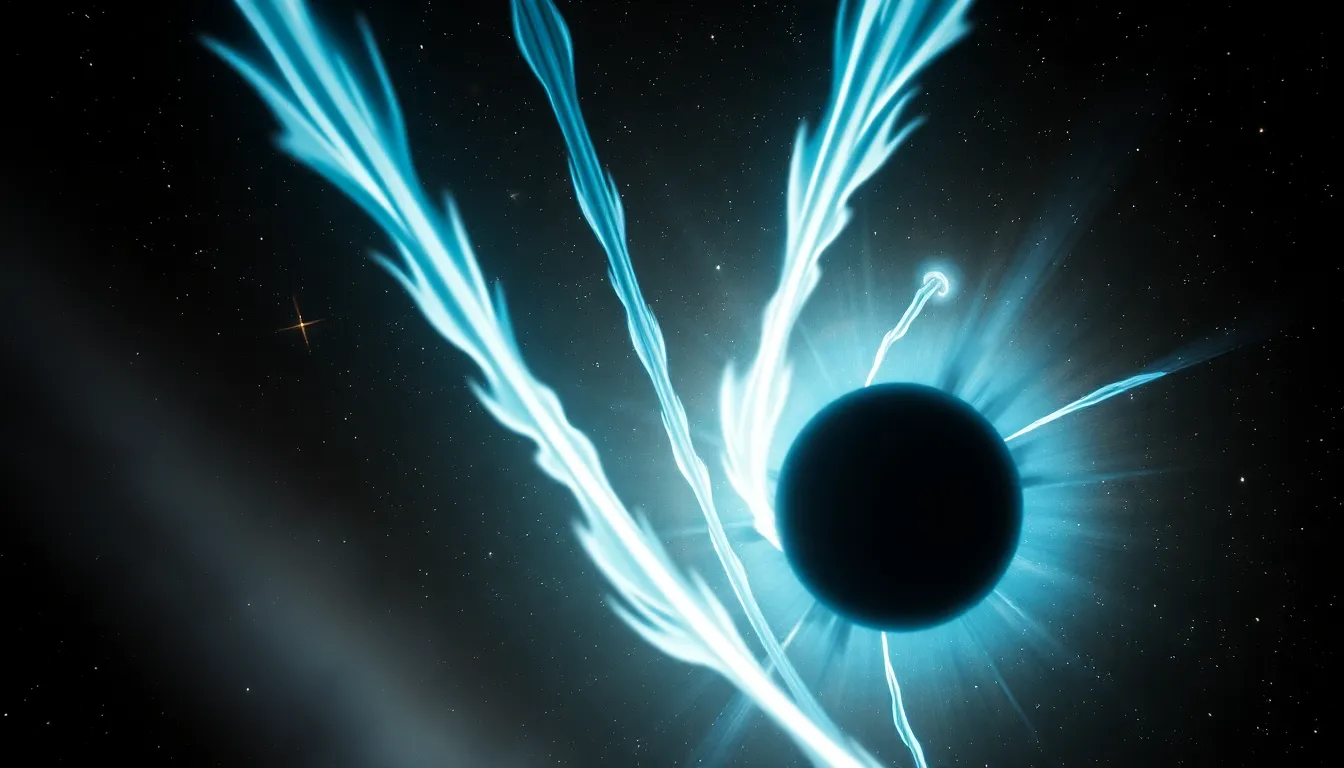
A beautiful cosmic scene with a black hole depicted ejecting jets of plasma, taken with a Leica Q3, 28mm f/1.7 Summilux lens. The composition showcases pale blue and white plasma jets contrasting with the rich, dark background of space, illuminated by soft, diffused starlight. The vibrant colors of the jets are enhanced by a color palette reminiscent of Kodak Portra 400, featuring warm tones and creamy highlights. The depth of field is shallow at f/1.7, allowing for a soft bokeh of distant stars, enhancing the focus on the active jets. The scene is framed with dynamic angles to convey the power and motion of the plasma bursts.
16:9
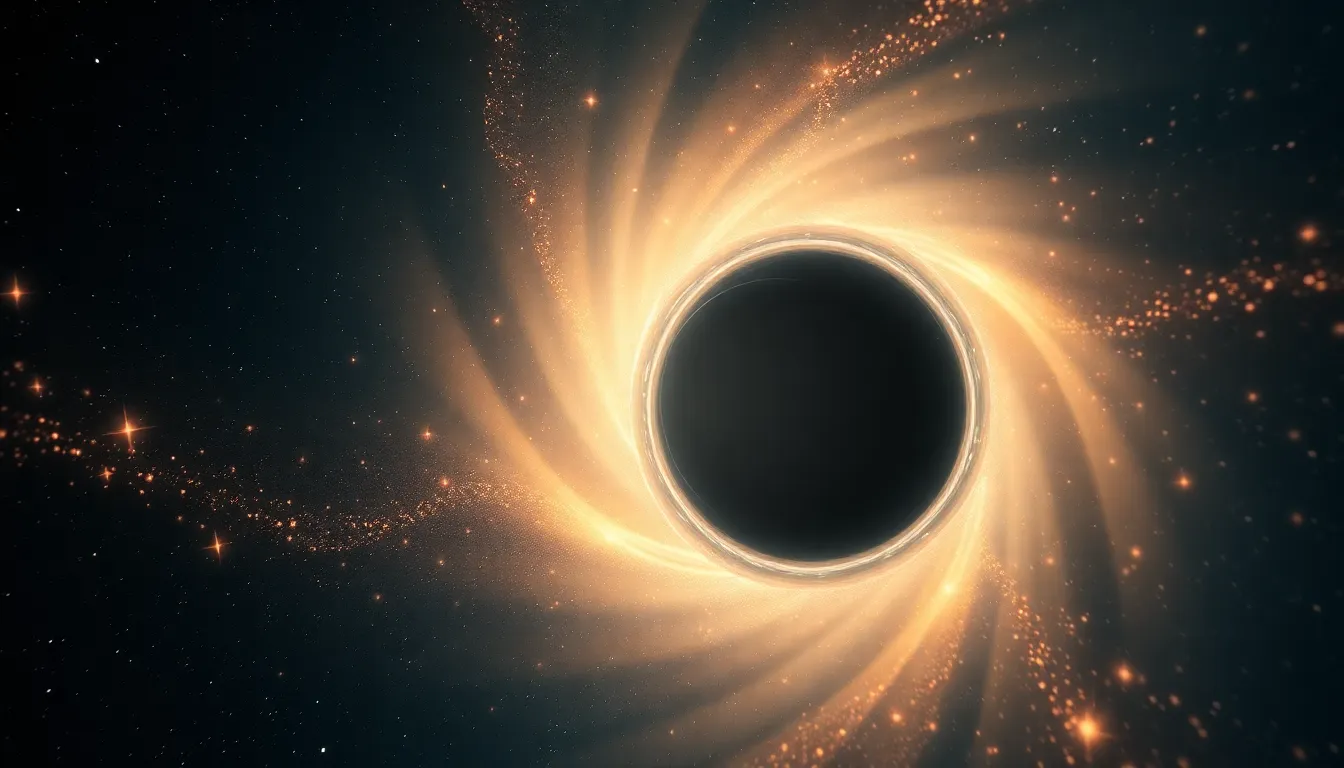
A dramatic interpretation of a black hole bending surrounding star light, shot on a Hasselblad X2D 100C, 90mm f/2.5 medium format. The scene is illuminated by soft, ethereal light, simulating the way a black hole warps space and time. The color palette is rich with dark indigos and shimmering golds, capturing the celestial beauty of the cosmos. The depth of field is hyperfocal, ensuring everything from the distant stars to the black hole is sharply in focus. The composition features a centered symmetrical arrangement, showcasing the distortion of space around the gravitational pull, creating a surreal yet breathtaking image.
16:9
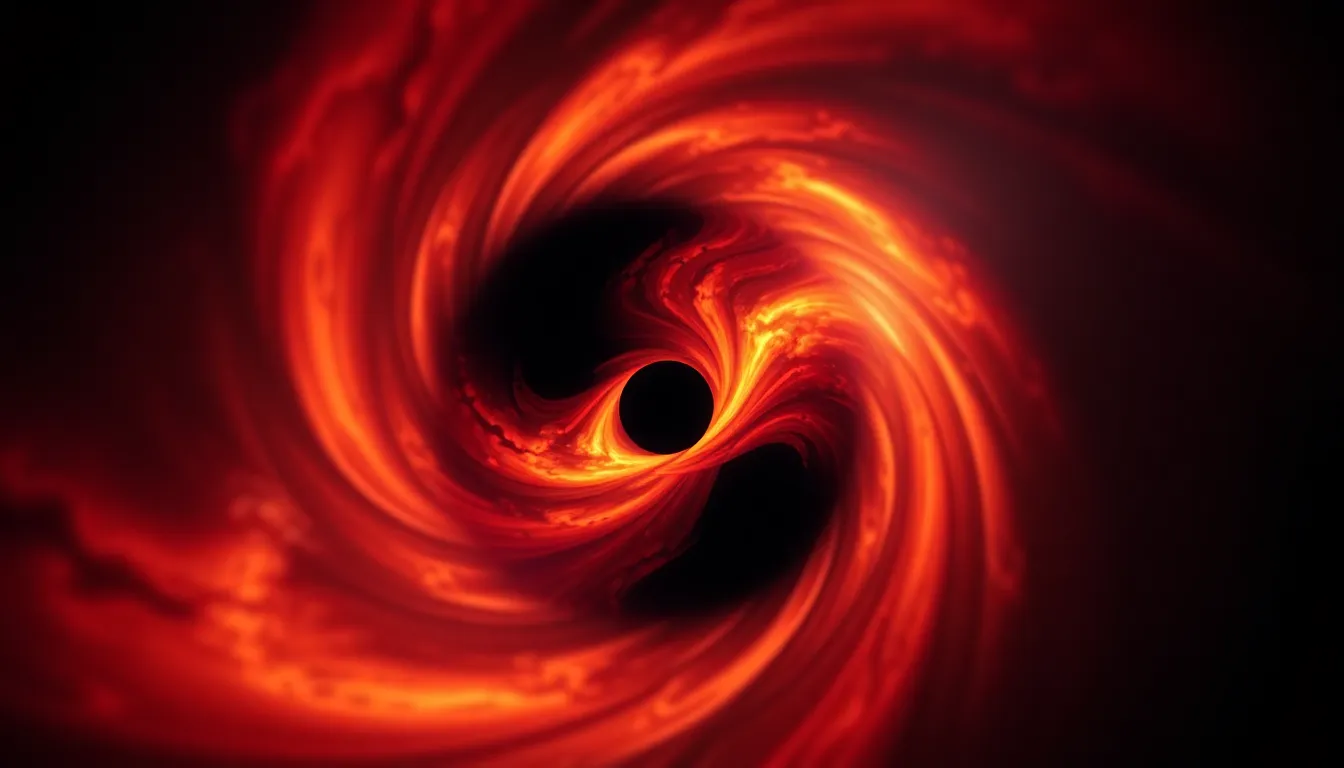
A stunning visualization depicting a black hole with a surrounding accretion disk, crafted using a Fujifilm GFX 100S, 110mm f/2 macro lens. The image features natural daylight simulated with soft volumetric lighting, creating a halo effect around the black hole. A color palette inspired by Fujifilm Velvia showcases vibrant reds, oranges, and yellows in the accretion disk against the deep black of space. The depth of field is shallow, drawing focus to the dynamic swirling gas while the background gently fades into an ethereal blur. The composition highlights the contrast between the dynamic disk and the stillness of the black hole, effortlessly drawing the viewer's gaze.
16:9

An abstract representation of a black hole's event horizon, created with a Canon EOS R5, 24-70mm f/2.8L at 35mm. Dramatic lighting simulates the intense gravitational lensing effect, casting sharp shadows and highlights across the surface. The color palette features deep blacks blended with iridescent blues and greens, giving a surreal appearance to the scene. The focus is selective, highlighting the swirling mass at the center while the edges fade into soft bokeh, evoking a sense of depth and mystery. The composition utilizes leading lines formed by light distortion around the event horizon, guiding the viewer's eye toward this cosmic phenomenon.
16:9
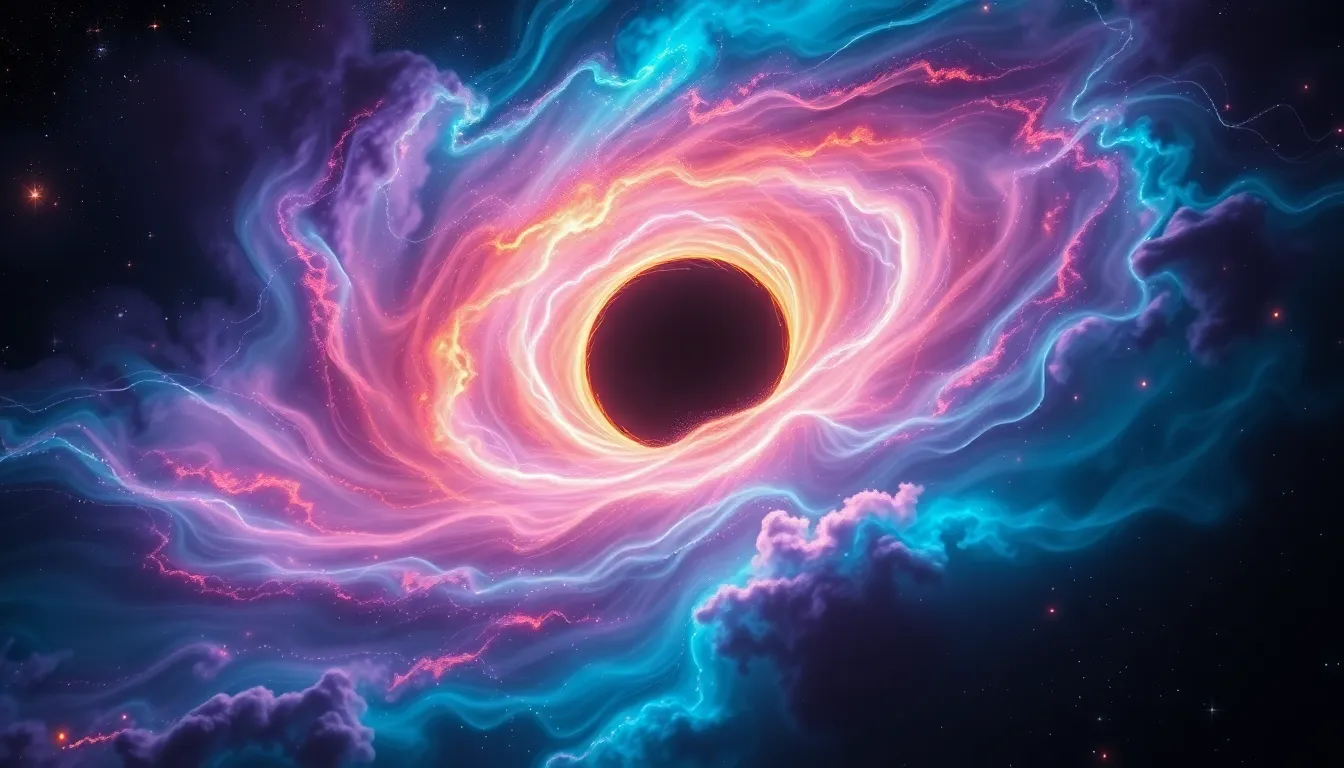
A stunning cosmic landscape depicting a black hole surrounded by a vibrant accretion disk, captured with a Nikon Z9, 70-200mm f/2.8 telephoto at 135mm. The scene is illuminated by ethereal, swirling gas clouds emitting radiant energy in hues of deep purples, blues, and fiery oranges, creating a dramatic contrast against the dark void of space. The composition features the black hole off-center, emphasizing its gravitational pull with trailing star lines converging towards it, set against a backdrop of sparkling distant galaxies. The surface texture of the gas clouds shows intricate details resembling wispy tendrils of light and cosmic dust. The image is styled with a cinematic teal and orange color grading to enhance the visual impact.
16:9
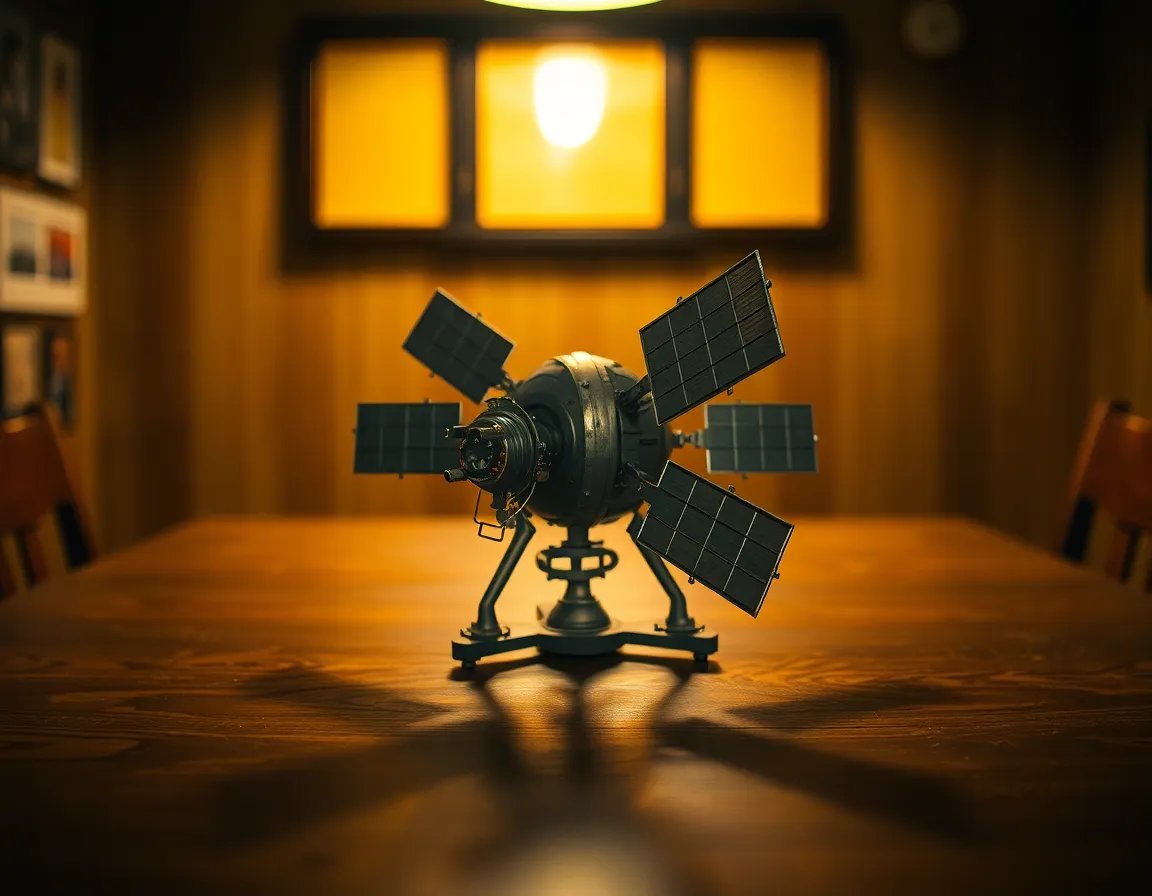
shot on Hasselblad X2D 100C, 90mm f/2.5 medium format, depicting a vintage satellite model displayed on a wooden table, under warm tungsten light. The depth of field is shallow, emphasizing the satellite’s intricate details and weathered textures. The color palette consists of rich browns and soft yellows, evoking a nostalgic feel. The composition features a centered symmetrical arrangement, with the satellite model framed by soft shadows cast by the lighting, highlighting its vintage craftsmanship against the smooth surface of the table.
4:3
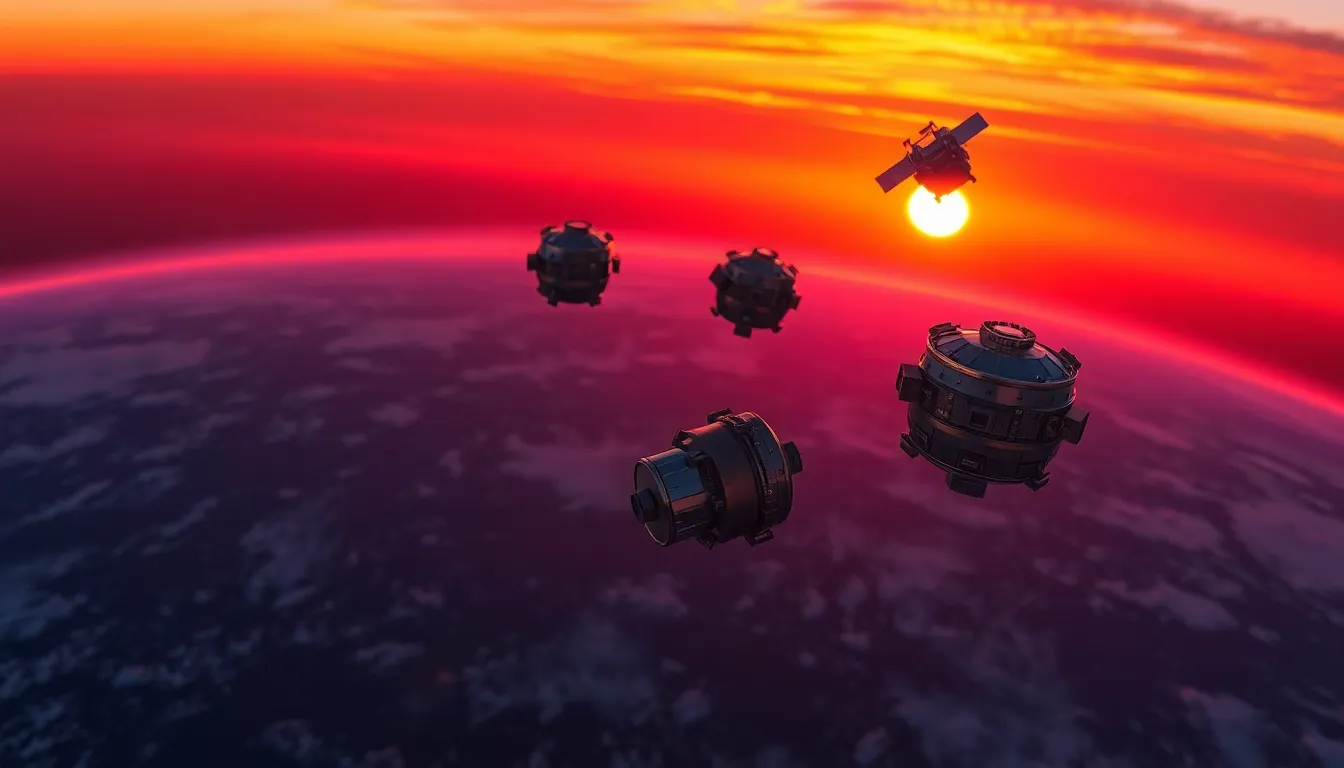
captured with Fujifilm GFX 100S, 110mm f/2 macro, featuring a detailed aerial view of multiple satellites in orbit around Earth during a vibrant sunset. The shot showcases the metallic textures of the satellites against the warm palette of the setting sun, with hues of orange, pink, and deep purple creating a stunning backdrop. Using a shallow depth of field at f/2, the satellites are sharply in focus while the distant horizon blurs softly into color. The composition is balanced with a cluster of satellites placed in the upper third, allowing the sunset to fill the rest of the frame.
16:9
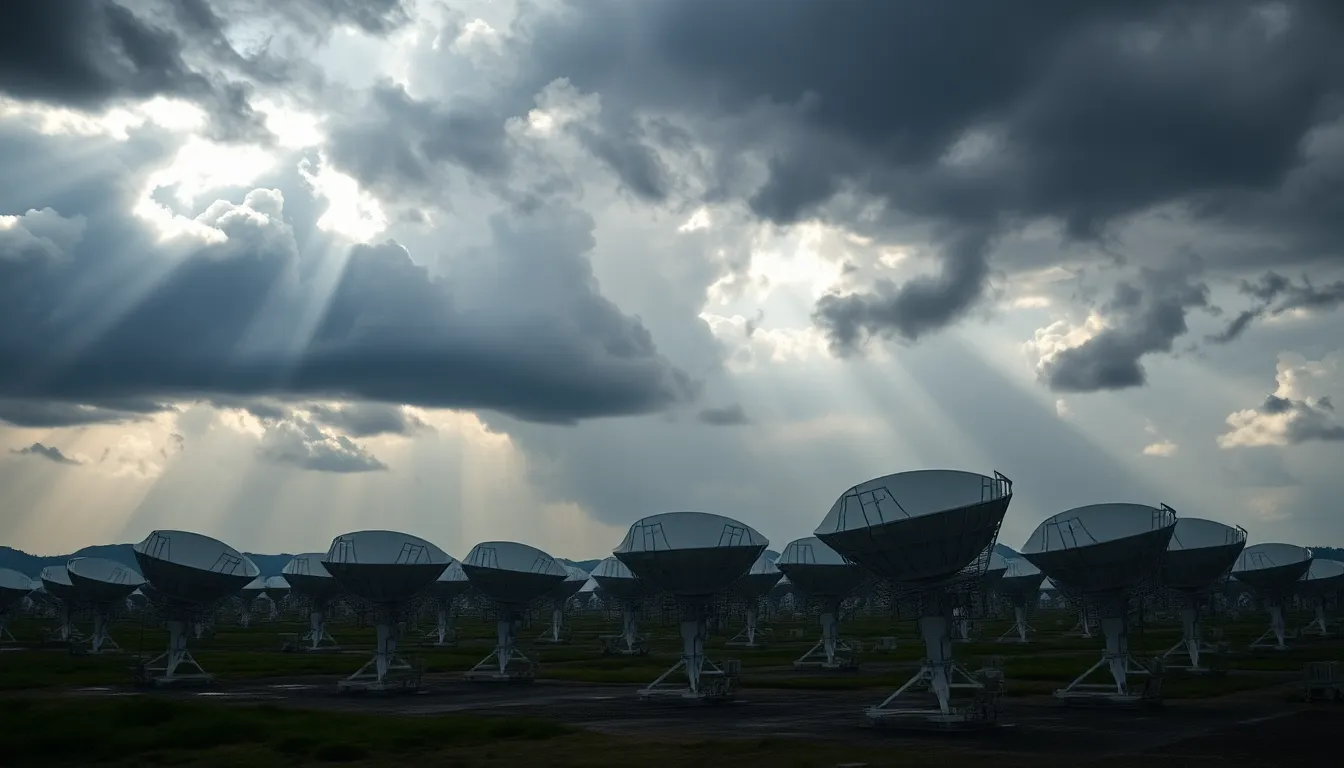
Nikon Z9, 70-200mm f/2.8 telephoto at 135mm, depicting a dramatic landscape of satellites arrayed in a ground station during a stormy afternoon, with dark clouds swirling overhead and occasional beams of sunlight breaking through. The depth of field is hyperfocal at f/8, ensuring sharpness from foreground to background. The color palette embraces the moody grays of the storm clouds contrasted with the bright metallic surfaces of the satellites. The composition uses a rule of thirds, placing the satellite array off-center to capture the menacing sky behind them.
16:9
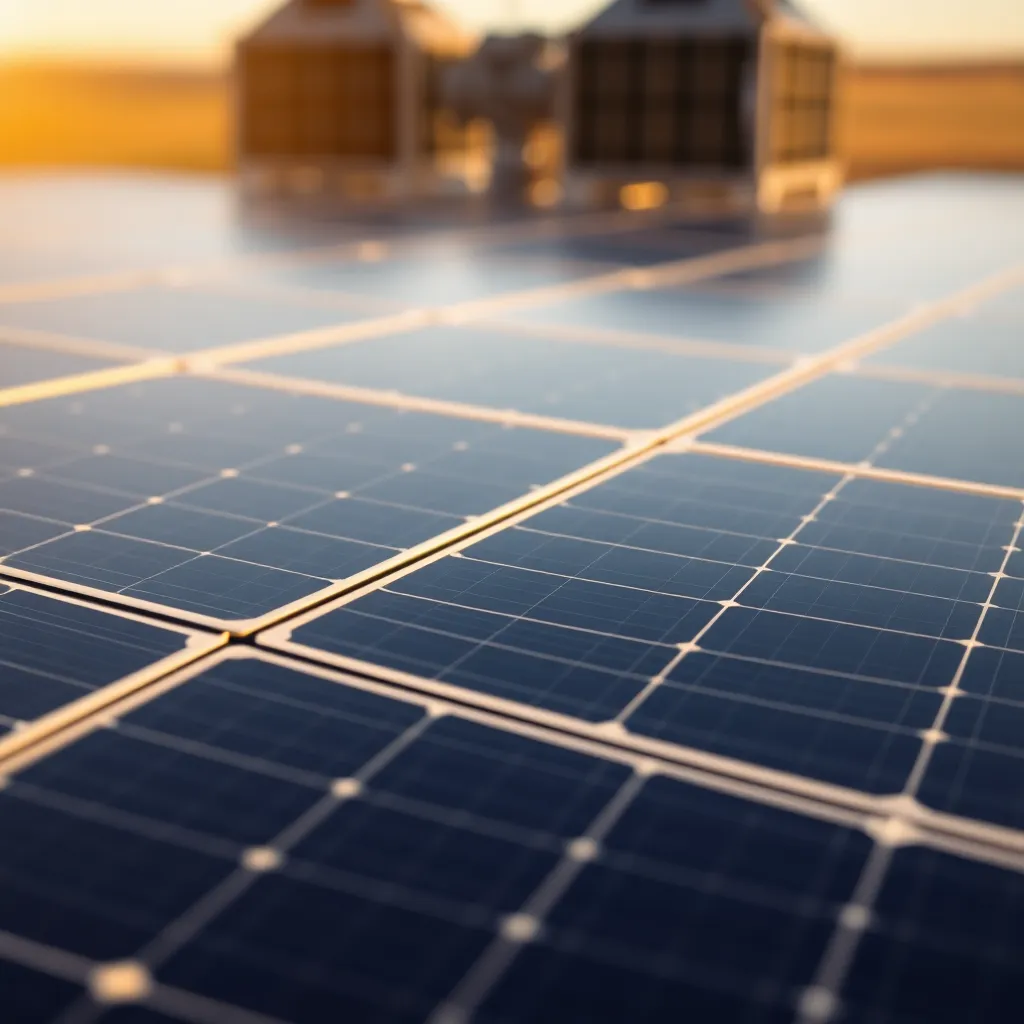
shot on Sony A7R V with 85mm f/1.4 GM lens, featuring an intricate close-up of satellite solar panels, illuminated by warm afternoon sunlight. The image captures the subtle textures of the panels, showcasing their reflective surfaces and intricate grid patterns. Using a shallow depth of field at f/1.4, the background melts into creamy bokeh, emphasizing the subject. The color palette includes rich golds and deep blues, reminiscent of high-tech machinery, while the composition emphasizes symmetry with a centered focus on the solar panels.
1:1
captured with Canon EOS R5, 24-70mm f/2.8L at 35mm, depicting a high-tech satellite gracefully orbiting Earth during twilight, backlit by the fading sun casting deep blues and purples across the sky. The scene features a shallow depth of field at f/2.8, creating a dreamy bokeh effect on nearby stars. The color palette showcases vibrant ceruleans and violets, with soft reflections illuminating the satellite's metallic surface. The composition uses leading lines from the curvature of the Earth to direct the viewer's gaze to the satellite, set against a backdrop of twinkling stars.
16:9
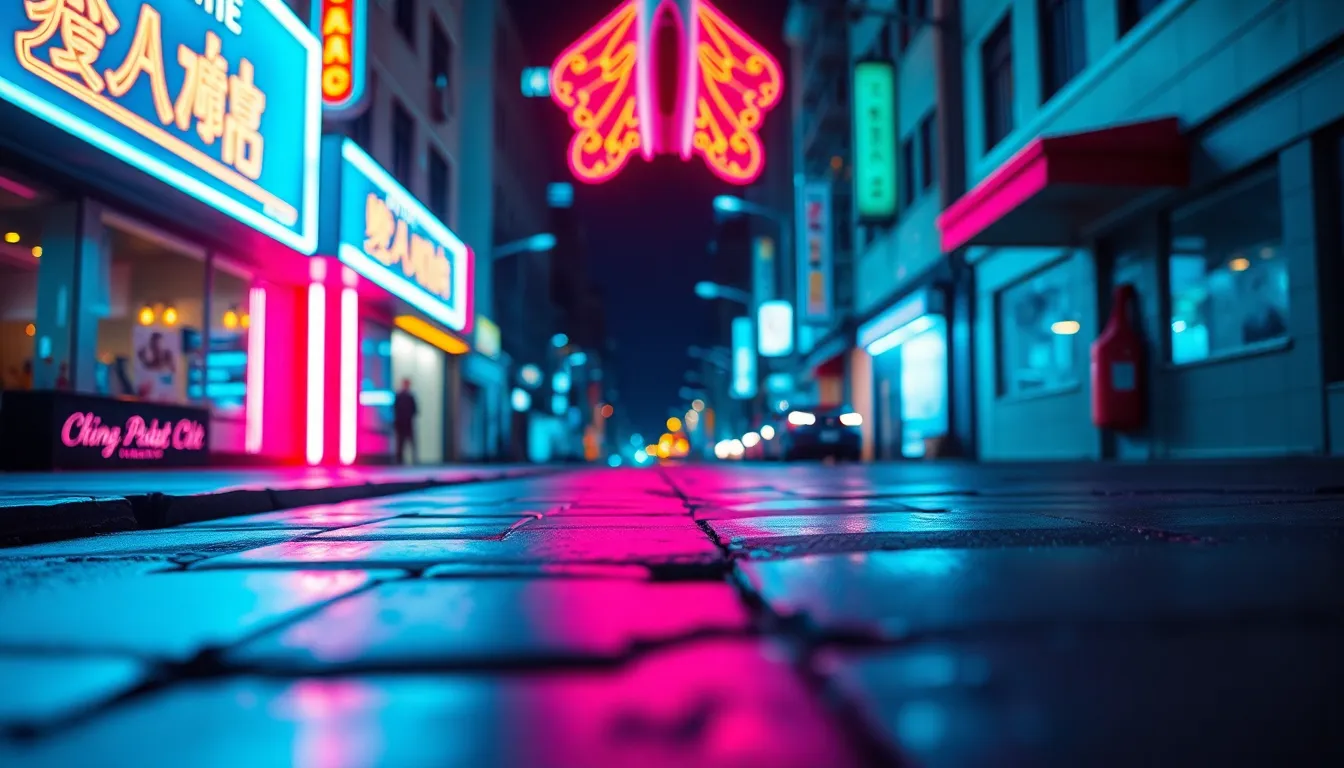
Fujifilm GFX 100S, 110mm f/2 macro, neon signage reflecting blue and magenta on wet pavement, butterfly lighting directly above creating dramatic shadows, shallow depth of field at f/2 with smooth bokeh, cinematic teal and orange color grading, leading lines from the street converging towards the rocket in an urban setting.
16:9
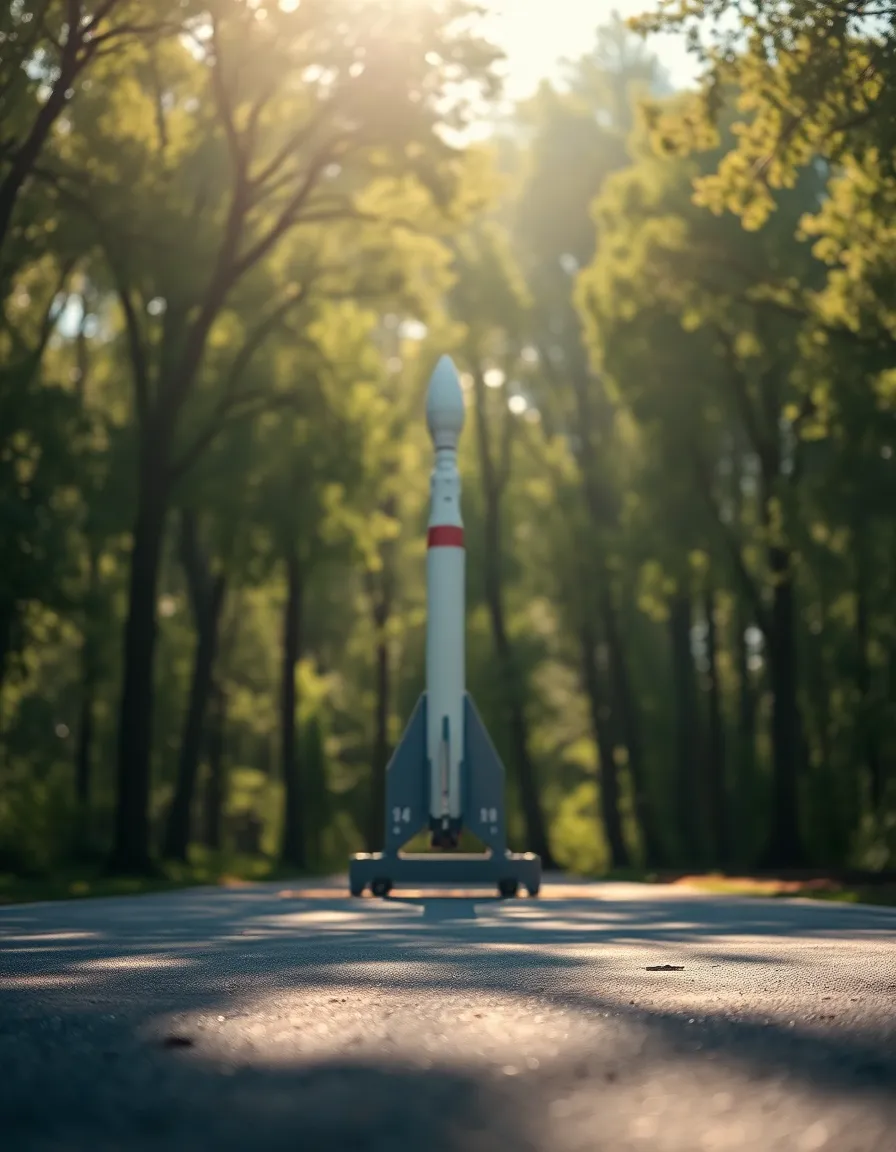
Hasselblad X2D 100C, 90mm f/2.5 medium format, dappled sunlight filtering through tree canopy creating soft bokeh highlights, hyperfocal distance at f/8 ensuring all elements are in focus, Kodak Portra 400 color palette — warm skin tones, lifted shadows, dynamic diagonal composition leading the eye to the rocket surrounded by nature.
3:4
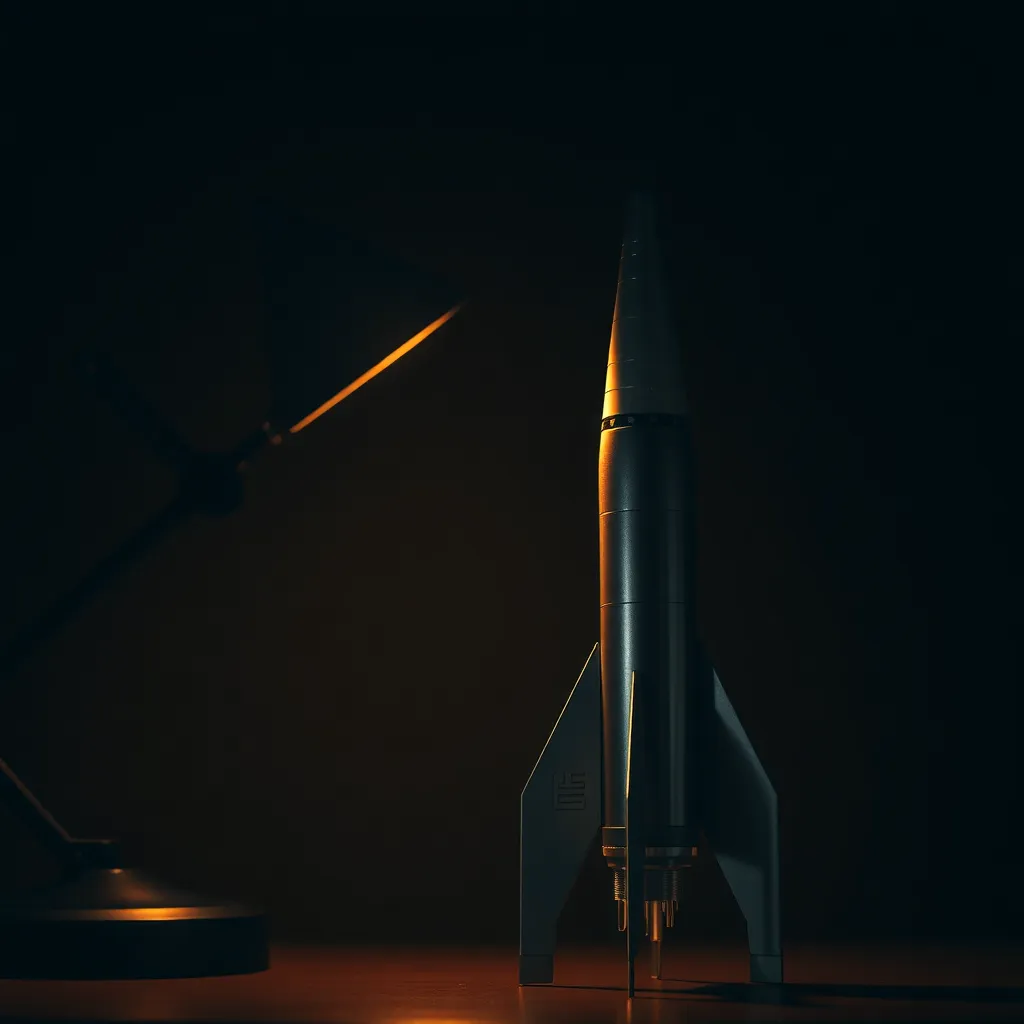
captured with Canon EOS R5, 24-70mm f/2.8L at 35mm, warm tungsten desk lamp casting directional pool of light, selective focus on the rocket's intricate details, natural skin tones with lifted shadows, rule of thirds with the rocket in the left power point against a dark background, highlighting the metallic finish of the rocket.
1:1
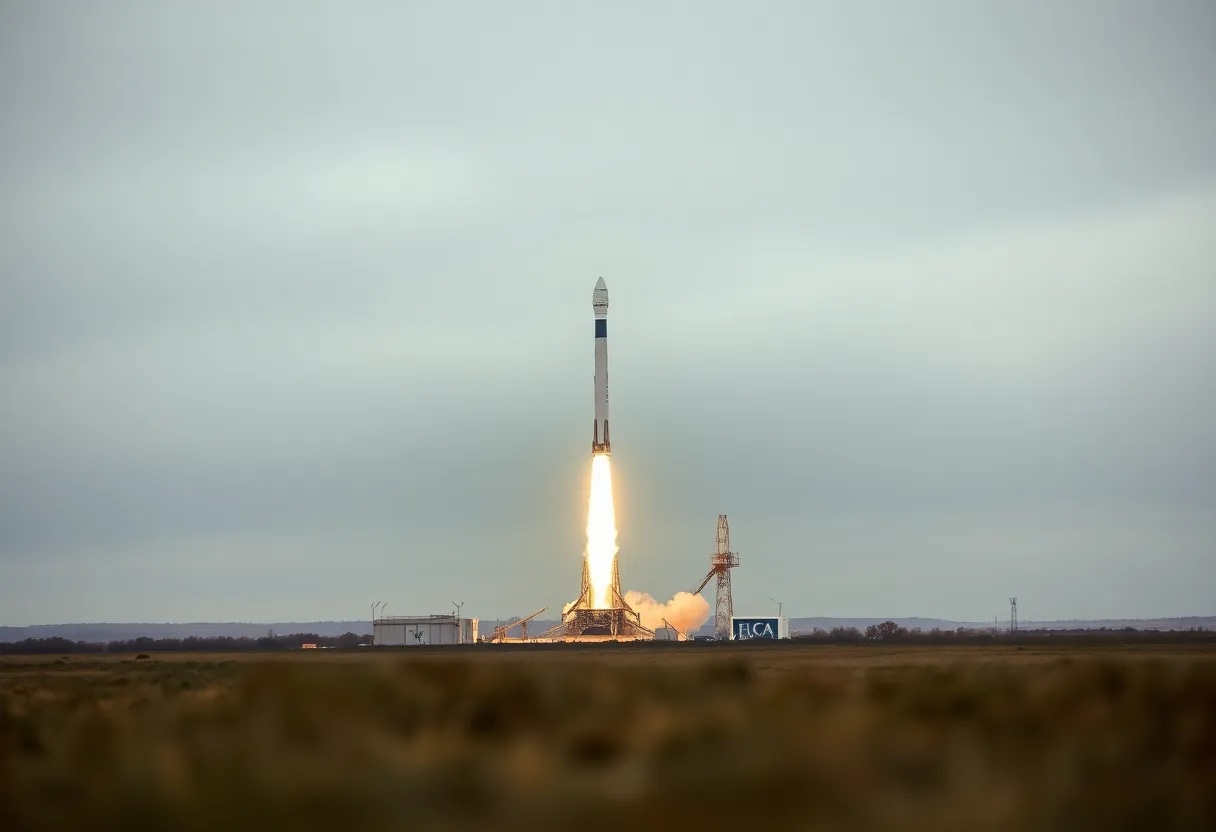
shot on Sony A7R V with 85mm f/1.4 GM lens, overcast diffused daylight filtering through clouds, hyperfocal distance — everything from foreground to infinity tack-sharp at f/8, natural muted tones with desaturated earth colors, leading lines of the path leading to the rocket positioned in a lush green field, with intricate details of the grass blades.
3:2
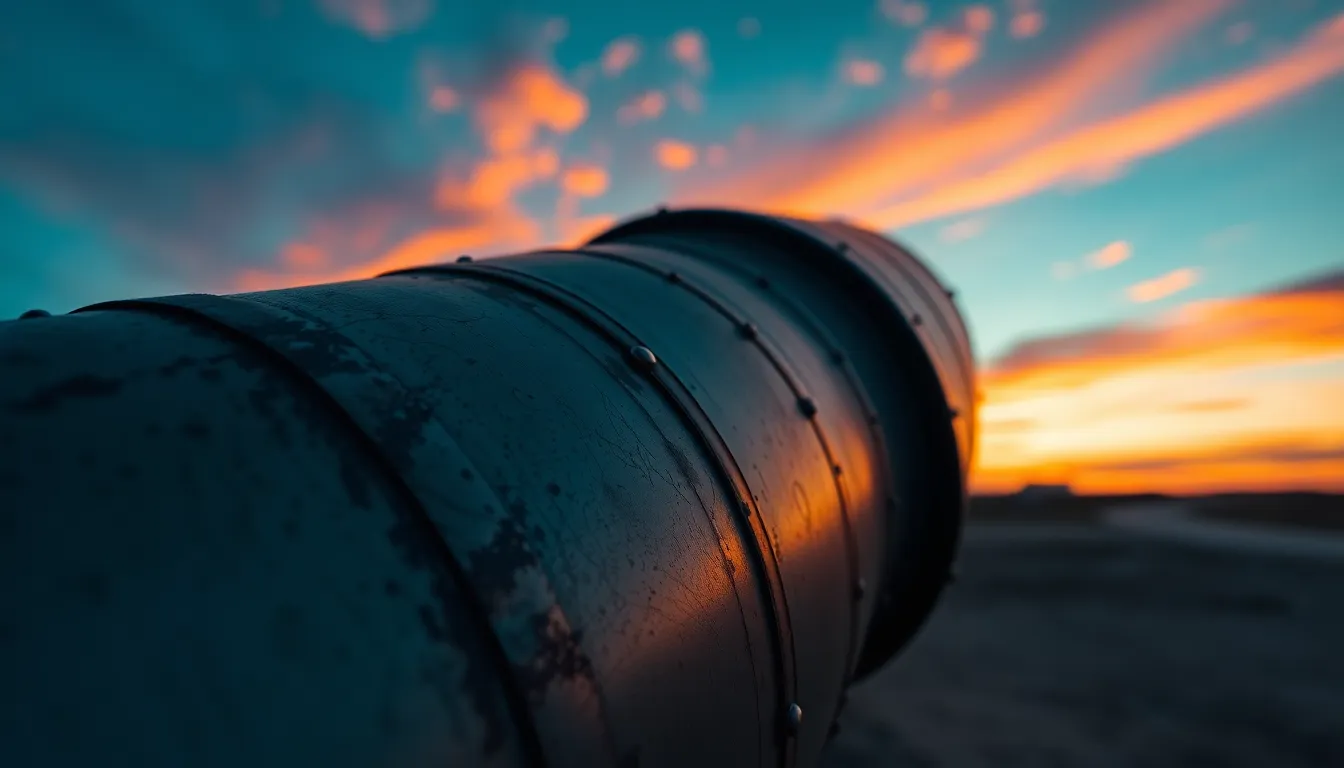
captured with Nikon Z9, 70-200mm f/2.8 telephoto at 135mm, golden hour backlighting with warm rim light, shallow depth of field at f/2.8 creating creamy bokeh, cinematic teal and orange color grading, centered symmetrical composition of the rocket on the launch pad with smoke billowing from the base, and textured concrete surface reflecting golden sunlight.
16:9

Fujifilm GFX 100S, 110mm f/2 macro, capturing a detailed view of a space station's exterior panel covered in frost and ice crystals, giving a sense of coldness in the vacuum of space. The intricate textures of the frozen surfaces shimmer under soft sunlight, creating a stunning visual contrast with the dark backdrop of space. The macro perspective allows for hyper-detailed rendering of the icy patterns and the space station's metallic surface. The composition features a centered focus on the panel, allowing the viewer to appreciate the minute details. The color palette consists of cool whites and blues, evoking the chill of outer space.
16:9
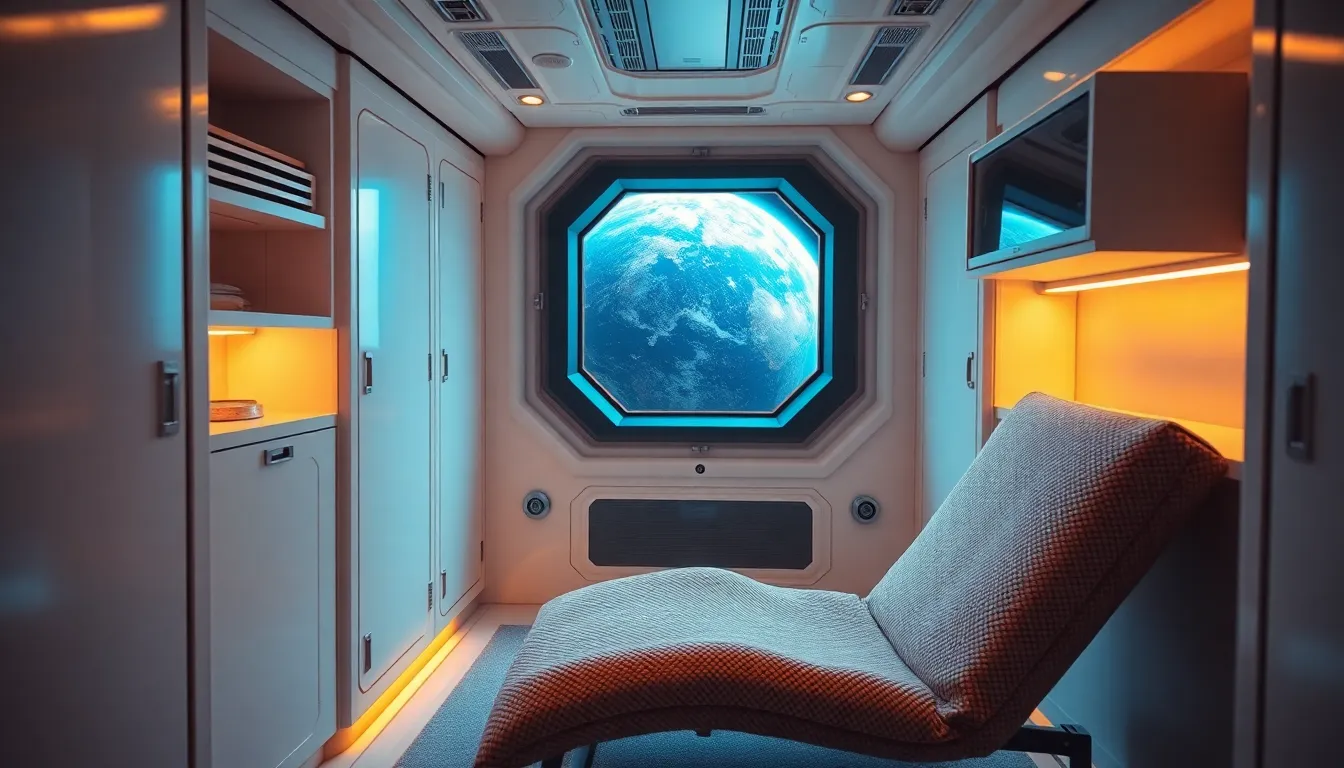
Hasselblad X2D 100C, 90mm f/2.5 medium format, presenting an interior shot of a space station living quarter bathed in warm hues from an ambient light source. The walls are equipped with sleek storage compartments and a large window revealing the Earth below. The scene conveys a sense of comfort with a subtle color palette of soft whites and gentle earth tones. The shallow depth of field highlights details like the fabric texture of a lounging chair, while the planetary view remains softly blurred. A centered composition invites the viewer into this intimate and serene space.
16:9
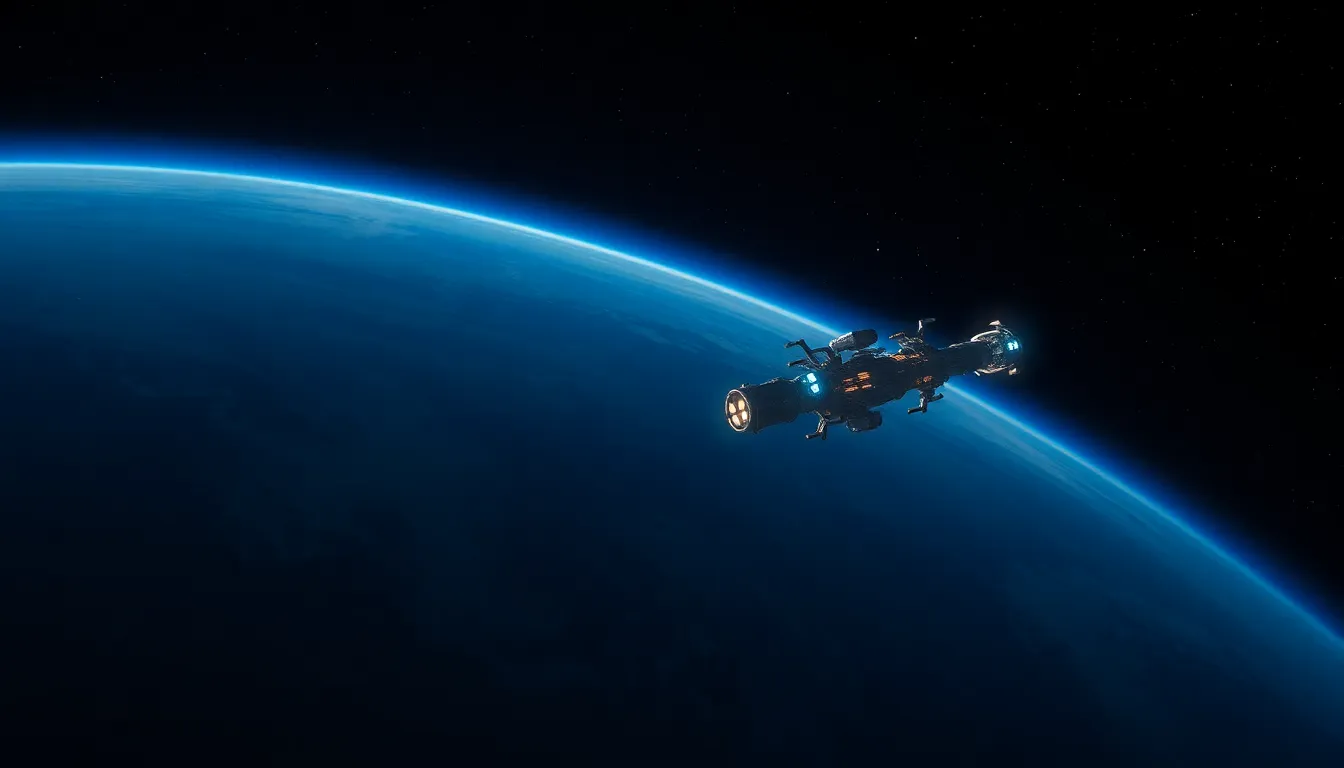
Nikon Z9, 70-200mm f/2.8 telephoto at 135mm, showcasing a panoramic view of a distant space station orbiting a planet during twilight. The deep blues of the planet's atmosphere transition into starry indigo as stars begin to twinkle. The space station is illuminated by an array of lights, which reflect off the station’s metallic surfaces, creating a striking contrast with the deep space background. A hyperfocal depth of field keeps everything sharp from the foreground to infinity, capturing the vastness of the scene. The composition employs leading lines from the planet’s curvature guiding the viewer’s gaze toward the station.
16:9

shot on Sony A7R V with 85mm f/1.4 GM lens, depicting astronauts performing a spacewalk outside a beautifully lit space station. The scene captures the astronauts’ intricate suits with visible texturing and reflective surfaces. The golden hour sunlight casts a warm glow, accentuating the textures of the suits against the dark void of space. The background features a vivid nebula with swirling colors of purple and orange. A shallow depth of field at f/1.4 isolates the astronauts, with the space station and nebula softly blurred. The composition is framed to include both the spacewalk and the station, creating a sense of connection and scale.
16:9

captured with Canon EOS R5, 24-70mm f/2.8L at 35mm, featuring soft diffused daylight filtering through the large observation windows of a futuristic space station. The foreground shows a sleek, modern console with intricate control panels, while the wide view highlights Earth’s curvature and vibrant blue oceans beyond. The color palette incorporates deep space blacks with luminous blues and greens, creating a stunning contrast. A shallow depth of field at f/2.8 focuses on the console, while the planet in the background fades into a soft bokeh. The composition uses the rule of thirds, positioning the console on the left side of the frame, inviting the eye towards the vastness of space.
16:9
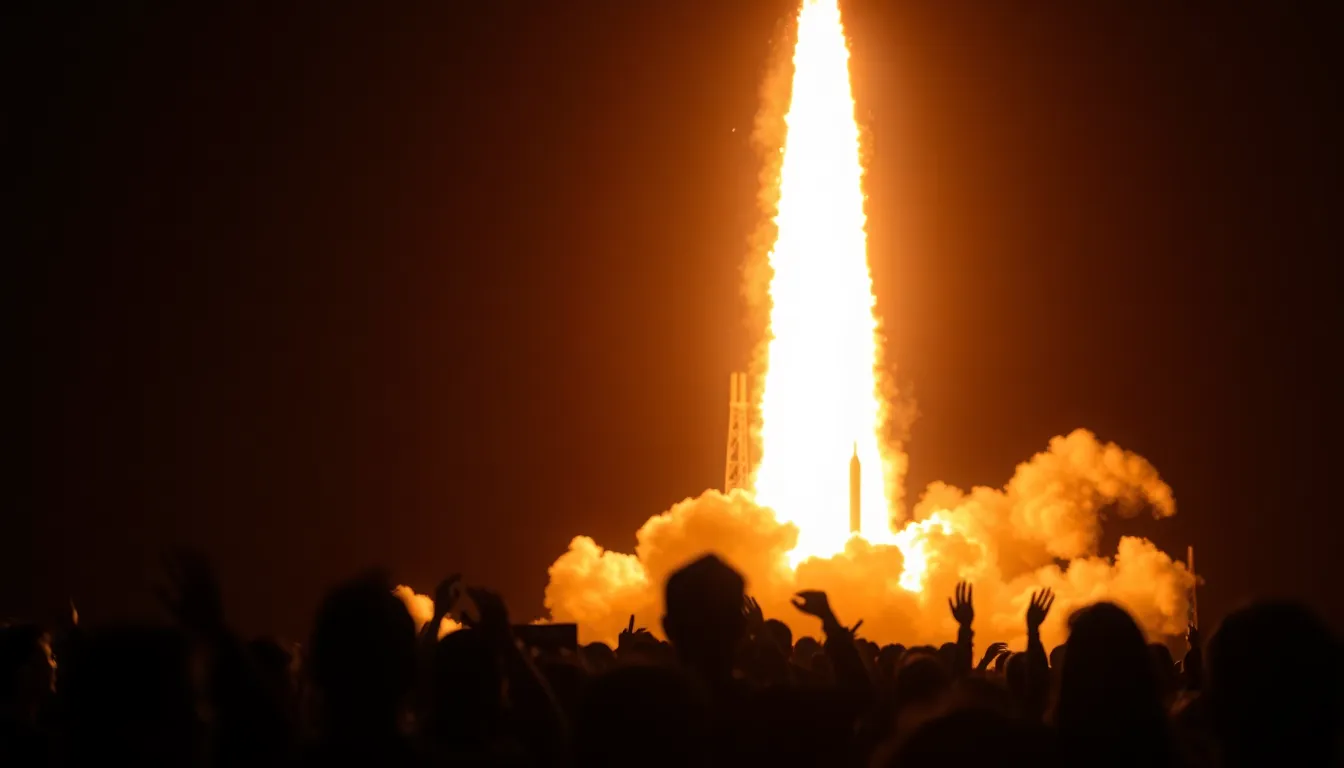
Leica Q3, 28mm f/1.7 Summilux, capturing a dynamic scene of a rocket launch, with crowd silhouettes in the foreground against vibrant flames and smoke. The lighting is primarily from the rocket's boosters, casting dramatic shadows across the crowd. The depth of field is shallow at f/1.7, blurring the cheering spectators while keeping the rocket and its exhaust in sharp focus. The image features a cinematic color palette with deep oranges and blacks. The composition employs a Dutch angle to enhance the excitement of the moment.
16:9

Fujifilm GFX 100S, 110mm f/2 macro, featuring detailed photographs of rocket fuel tanks with condensation droplets on the cold surface. The tanks are highlighted under diffused daylight coming from a nearby window, creating a soft and serene atmosphere. The depth of field is shallow, emphasizing the intricate textures of the tank while the background gently blurs into painterly bokeh. The color palette is muted, focusing on grays and silvers with slight hints of blue. The composition employs a centered symmetrical arrangement to highlight the tanks' design.
3:2
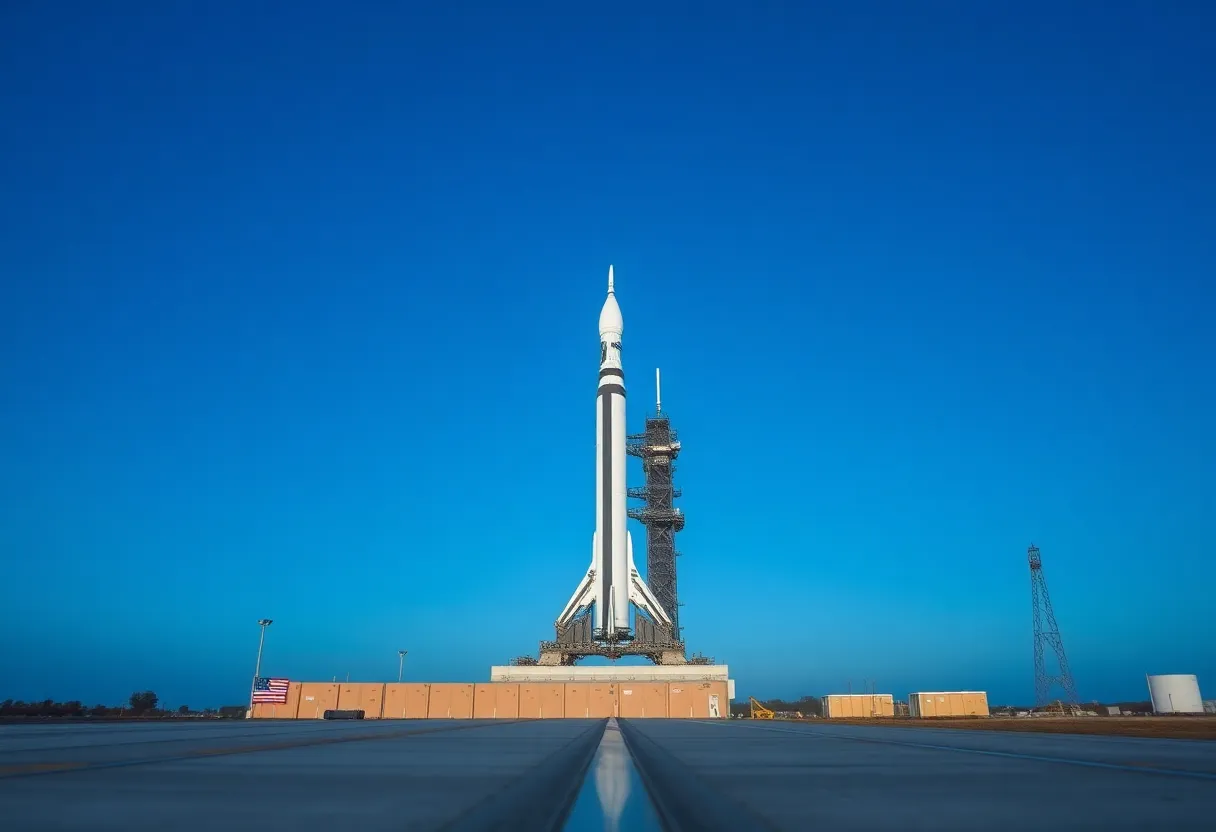
Nikon Z9, 70-200mm f/2.8 telephoto at 135mm, capturing a wide-angle view of a rocket on its launch pad surrounded by a vibrant sunrise. The sky is filled with warm hues of orange, pink, and purple, reflecting on the smooth surfaces of the rocket. The depth of field is hyperfocal, keeping both the foreground and background in sharp focus. The composition uses leading lines from the launch pad to draw the eye toward the rocket, enhancing the sense of scale.
16:9

shot on Sony A7R V with 85mm f/1.4 GM lens, depicting a close-up of a rocket engine at a launch pad, with warm afternoon sunlight illuminating its metallic surface. The engine's intricate textures and details are highlighted by the warm light, giving a polished and powerful appearance. The depth of field is shallow at f/1.4, rendering the background softly blurred while the engine remains in sharp focus. The color palette showcases metallic grays and deep chrome with hints of rust. The composition is centered, emphasizing the engine’s complexity.
4:3
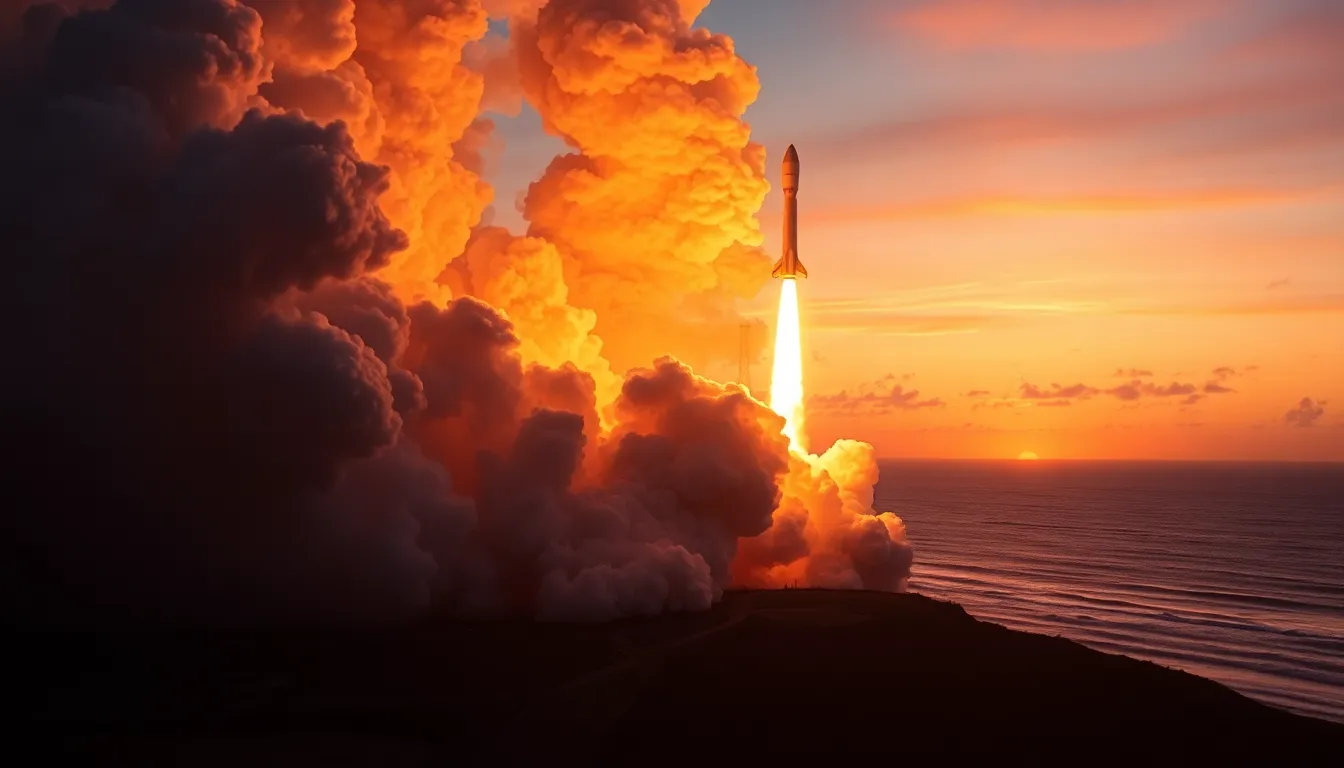
captured with Canon EOS R5, 24-70mm f/2.8L at 35mm, showing a rocket lifting off at dusk with dramatic backlighting. The scene is illuminated by the rocket's fiery exhaust, creating a vibrant contrast against the twilight sky. Shallow depth of field at f/2.8 focuses on the rocket while the distant ground blurs into soft bokeh. The color palette features deep blues and fiery oranges, reminiscent of a cinematic style. The composition utilizes a rule of thirds, placing the rocket off-center, with smoke swirling around it.
16:9
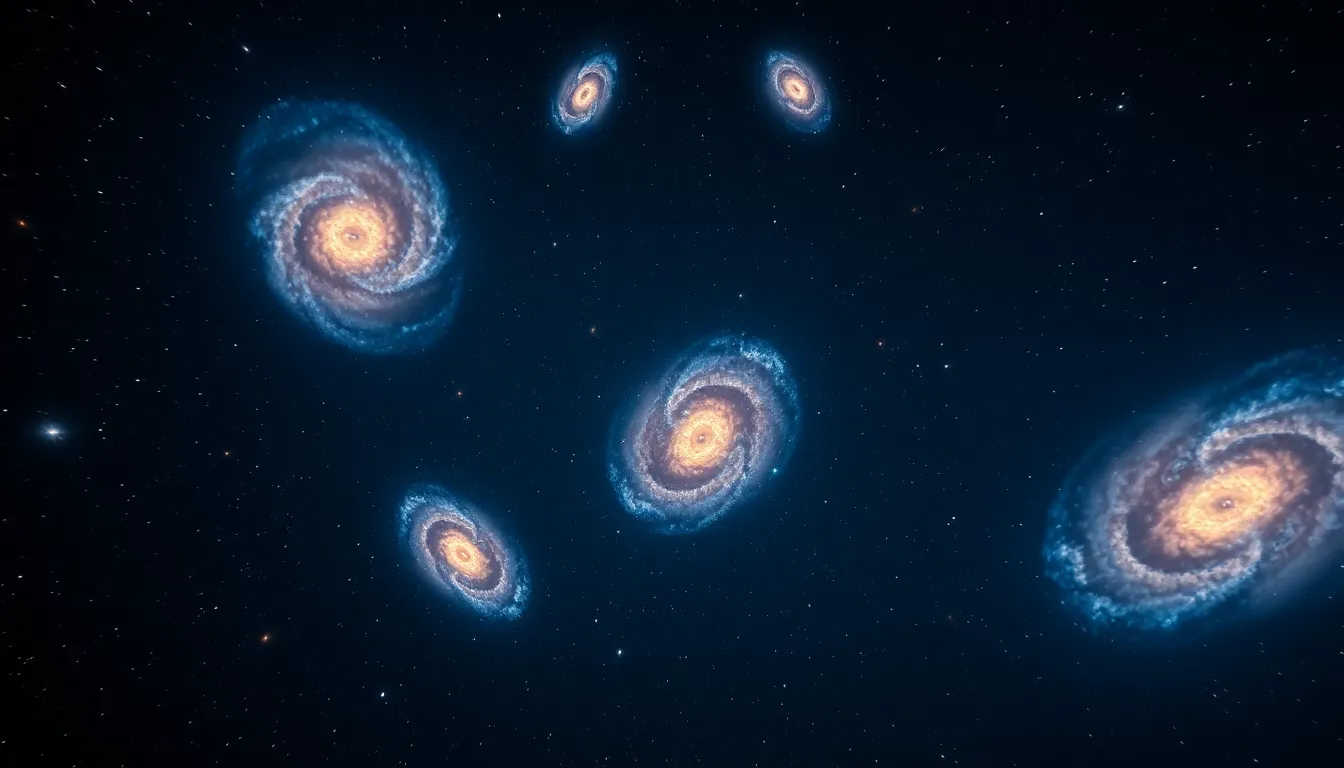
Leica Q3, 28mm f/1.7 Summilux, capturing a celestial landscape of multiple galaxies swirling in a cosmic dance. The lighting features soft glows from each galaxy, illuminating their unique colors in a harmonious display. The depth of field is shallow at f/1.7, ensuring that the galaxies remain in sharp focus while the surrounding space melts into a painterly bokeh. The composition employs a centered symmetry, allowing the galaxies to dominate the frame, creating a visually arresting cosmic scene.
16:9
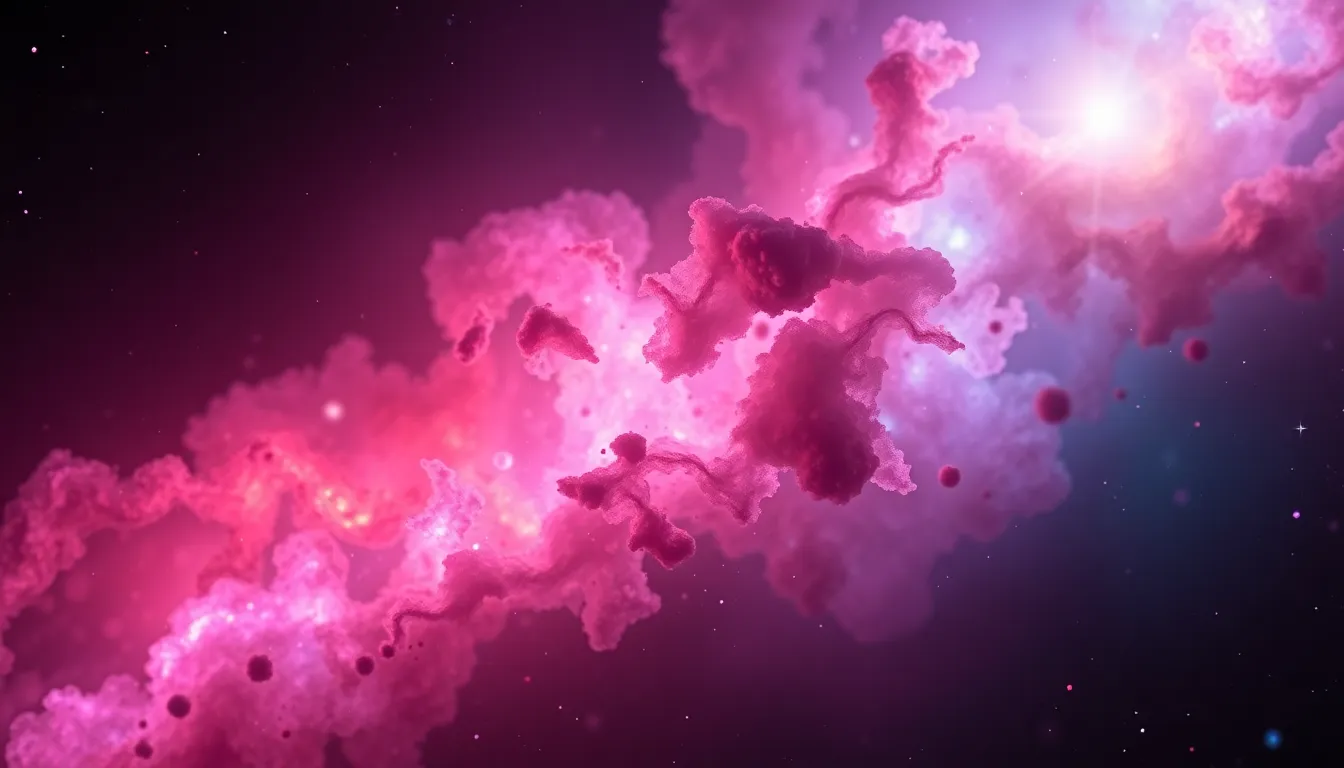
Fujifilm GFX 100S, 110mm f/2 macro, showcasing a close-up view of a nebula with intricate details. The lighting is dramatic with backlit colors illuminating the gas and dust, creating a sense of depth and texture. The depth of field is shallow at f/2, allowing the vibrant colors of the nebula to pop against a darker backdrop, inviting viewers to explore its complexity. The composition centers on the nebula, with richly saturated hues of pink, purple, and teal creating an otherworldly feel.
16:9
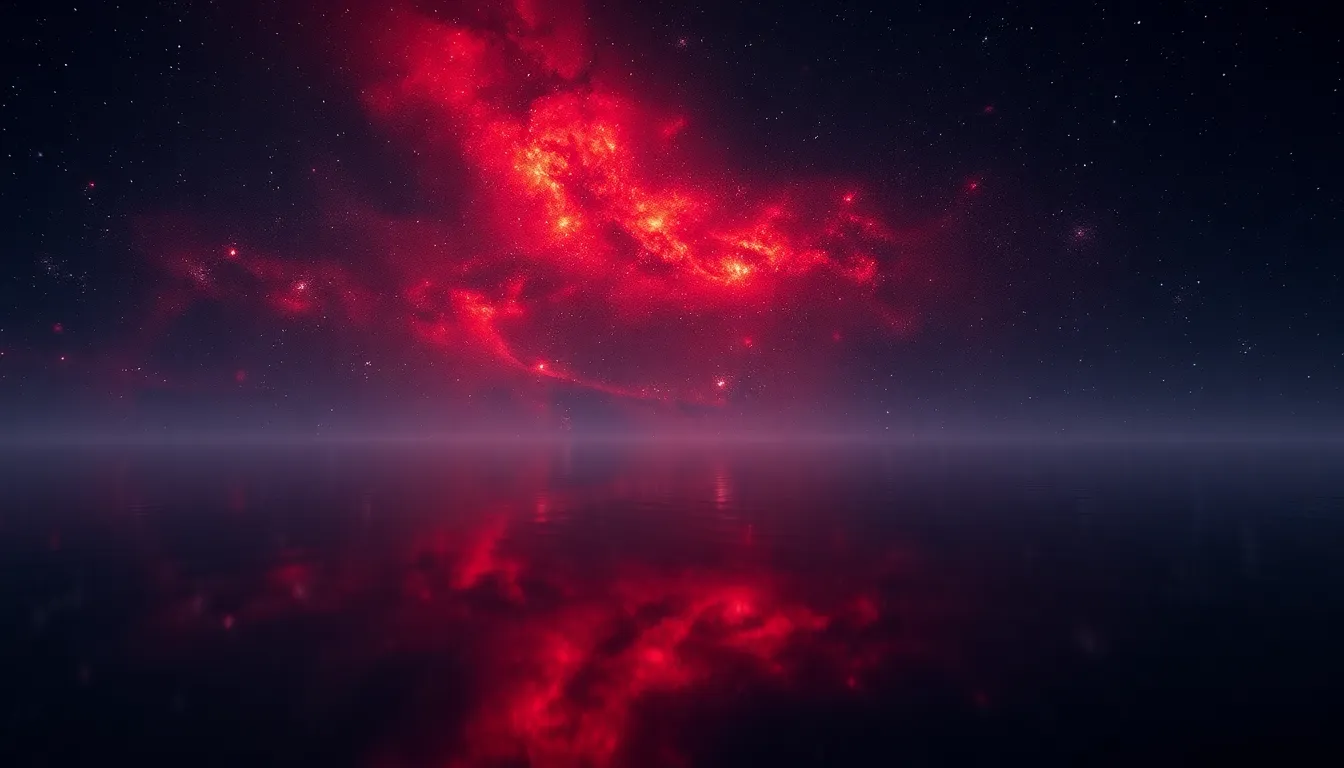
Hasselblad X2D 100C, 90mm f/2.5 medium format, creating a majestic view of a vibrant red galaxy reflected in a tranquil space lake. The lighting features subtle ambient light casting a soft glow on the water surface, creating an ethereal mood. The depth is shallow at f/2.5, isolating the galaxy's reflection while the surrounding space fades into soft bokeh. The composition uses leading lines to draw the eye from the foreground water to the galaxy above, with rich reds and oranges contrasting against deep indigo of space.
16:9
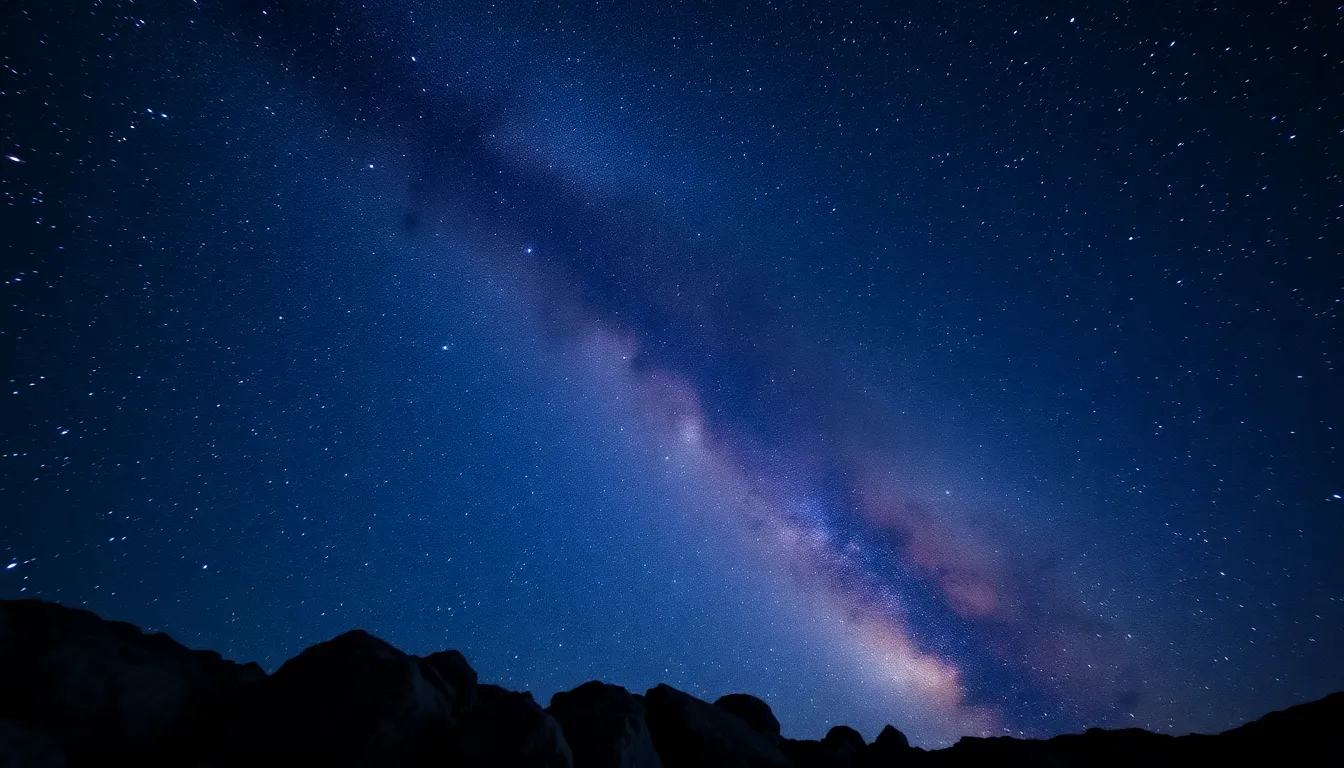
captured with Canon EOS R5, 24-70mm f/2.8L at 35mm, featuring a star field filled with multiple galaxies viewed from a vantage point under a dark sky. The lighting is natural, enhanced by the soft glow of the Milky Way arching overhead, creating a serene atmosphere. The image employs hyperfocal distance to keep both foreground rocky textures and distant galaxies sharp. The color palette is a mix of deep blues and purples with twinkling white stars, enhancing the dreamy quality of the scene.
16:9
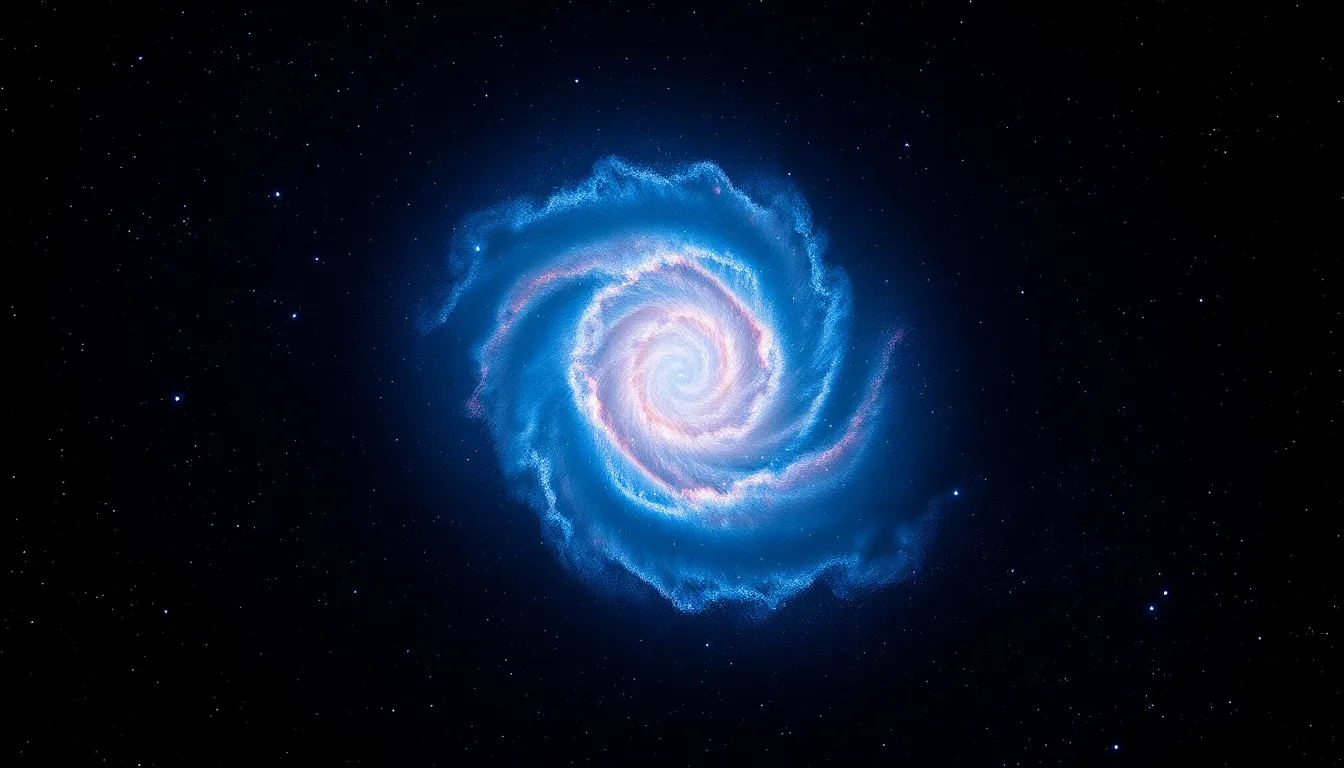
shot on Nikon Z9, 70-200mm f/2.8 telephoto at 135mm, featuring dramatic overexposed lighting illuminating a vibrant spiral galaxy against a dark starry background. The depth of field is shallow at f/2.8, creating a sharp focus on the galaxy's swirling colors of blue, pink, and white, while the stars fade into a soft bokeh. The composition centers around the galaxy, utilizing the rule of thirds to emphasize its dynamic spiraling arms. The texture reveals intricate gas clouds and star clusters with a mesmerizing cosmic feel.
16:9
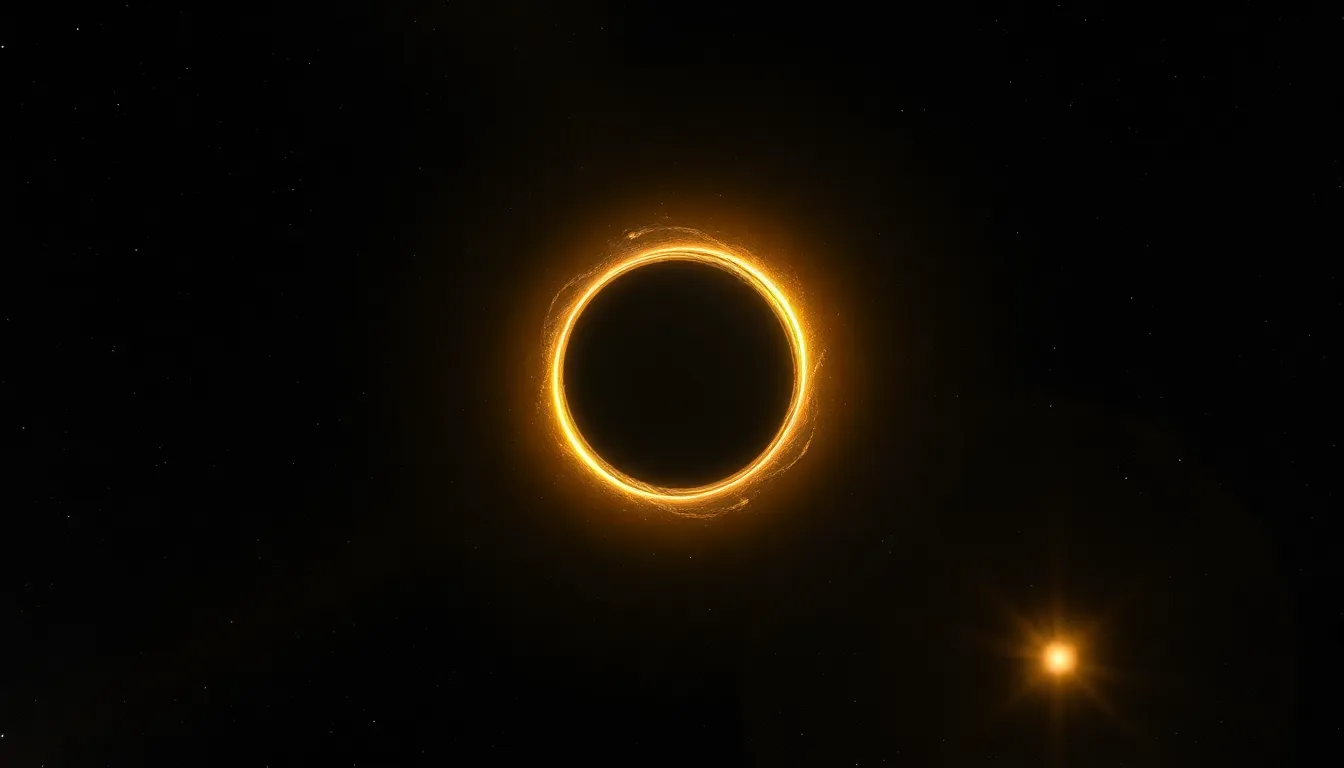
captured with Hasselblad X2D 100C, 90mm f/2.5 medium format, illustrating a dramatic scene of a black hole devouring a star, with bright rays and debris scattered through space. The lighting utilizes contrasting bright starlight and dark voids, with ambient light highlighting fragments of the star. Hyperfocal distance ensures razor-sharp detail from foreground to background, capturing the enormity of the scene. The color science invokes cinematic teal and orange grading, emphasizing the fiery destruction. The composition incorporates a dynamic diagonal line towards the black hole, enhancing tension and movement. Texture is vivid in the star fragments, showcasing sharp edges and glowing trails.
16:9

shot on Fujifilm GFX 100S, 110mm f/2 macro, representing a close-up of the swirling gas clouds around a black hole, creating a microcosmic view of the cosmic phenomenon. The lighting is natural, with dappled sunlight mimicking the illumination from nearby stars. Shallow depth of field at f/2 creates a dreamy atmosphere with creamy bokeh in the background. The color palette draws from Kodak Portra 400 film, enhancing warm skin tones and subtle orange highlights. The composition uses a centered approach, focusing on the intricate details of the gas while incorporating a circular frame of light. Texture is captured in the swirling gas, showing soft gradients and luminosity.
16:9
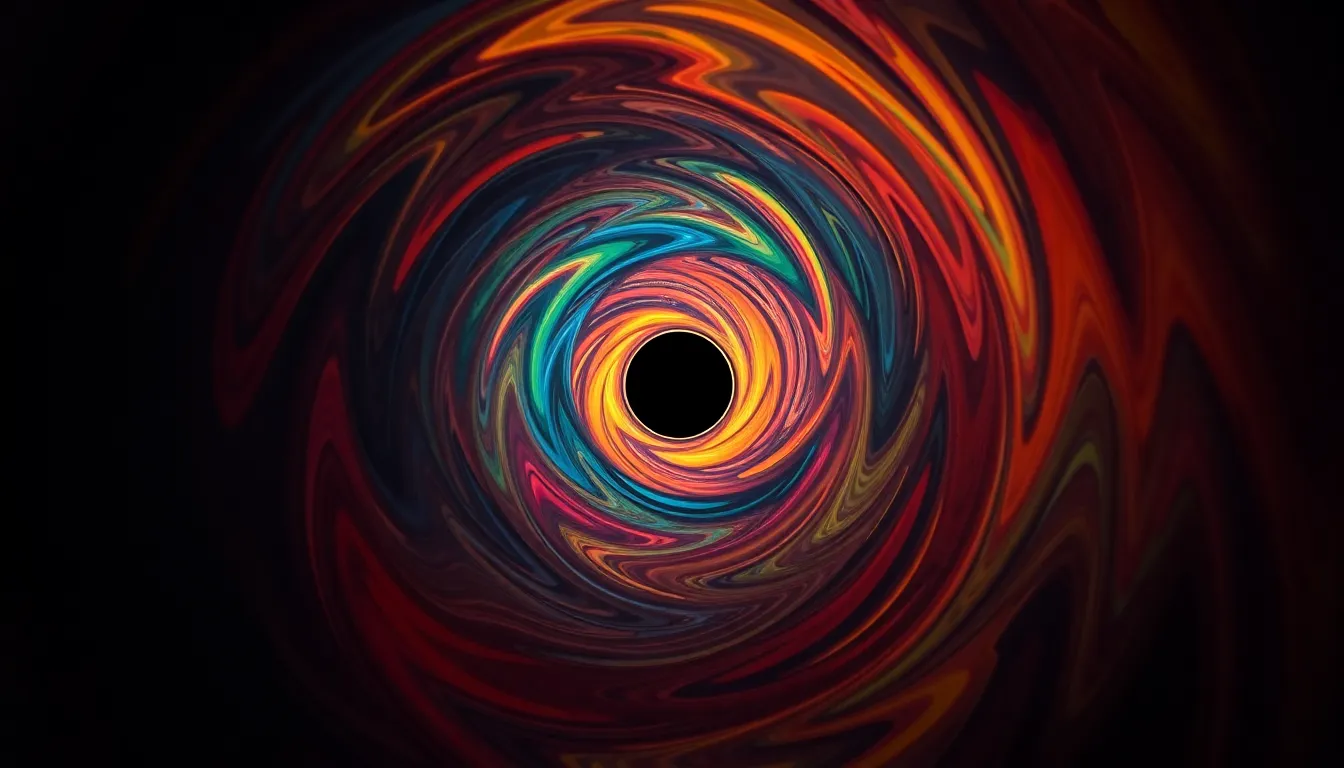
captured with Canon EOS R5, 24-70mm f/2.8L at 35mm, depicting a digital artist's concept of a black hole pulling in nearby celestial bodies. The studio-lit scene features Rembrandt lighting accentuating the textures of planets and debris being drawn toward the event horizon. A selective focus highlights the black hole, making it stand out against the blurred background of swirling gases. The color science is inspired by natural muted tones, with desaturated earth colors enhancing the drama. The composition centers on the black hole, with surrounding celestial bodies creating a dynamic circle leading toward it, conveying gravitational pull. Textural details highlight the rugged surfaces of asteroids and planets.
16:9
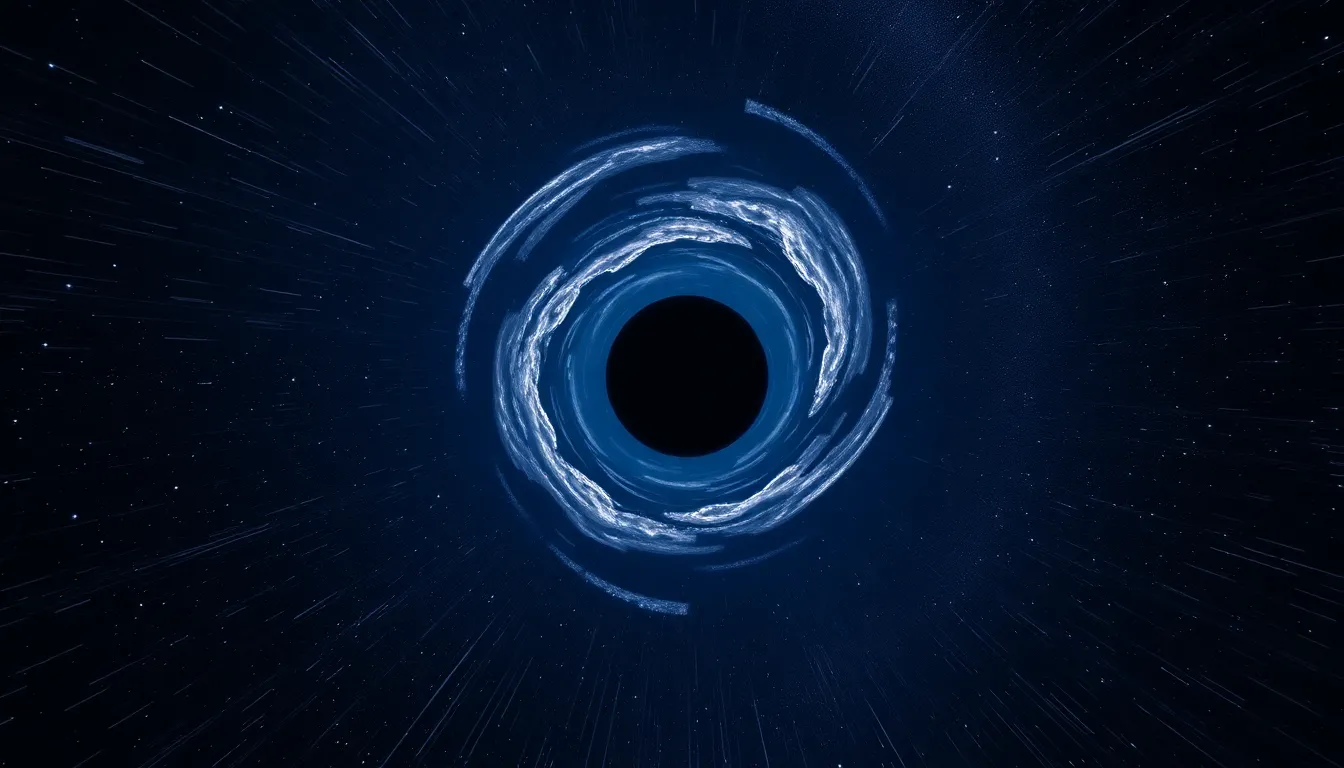
shot on Sony A7R V with 85mm f/1.4 GM lens, featuring an imaginative representation of a black hole as a cosmic whirlpool viewed from a distance in a starry universe. Utilizing natural lighting from distant stars, soft ambient light illuminates the scene. Hyperfocal distance ensures sharp details in both the black hole and surrounding stars. The color palette showcases rich dark blues and purples with specks of bright white starlight. The composition employs leading lines from star trails converging toward the black hole, creating a sense of depth and movement. Texture is evident in the starfield, with visible grain and sparkle.
16:9
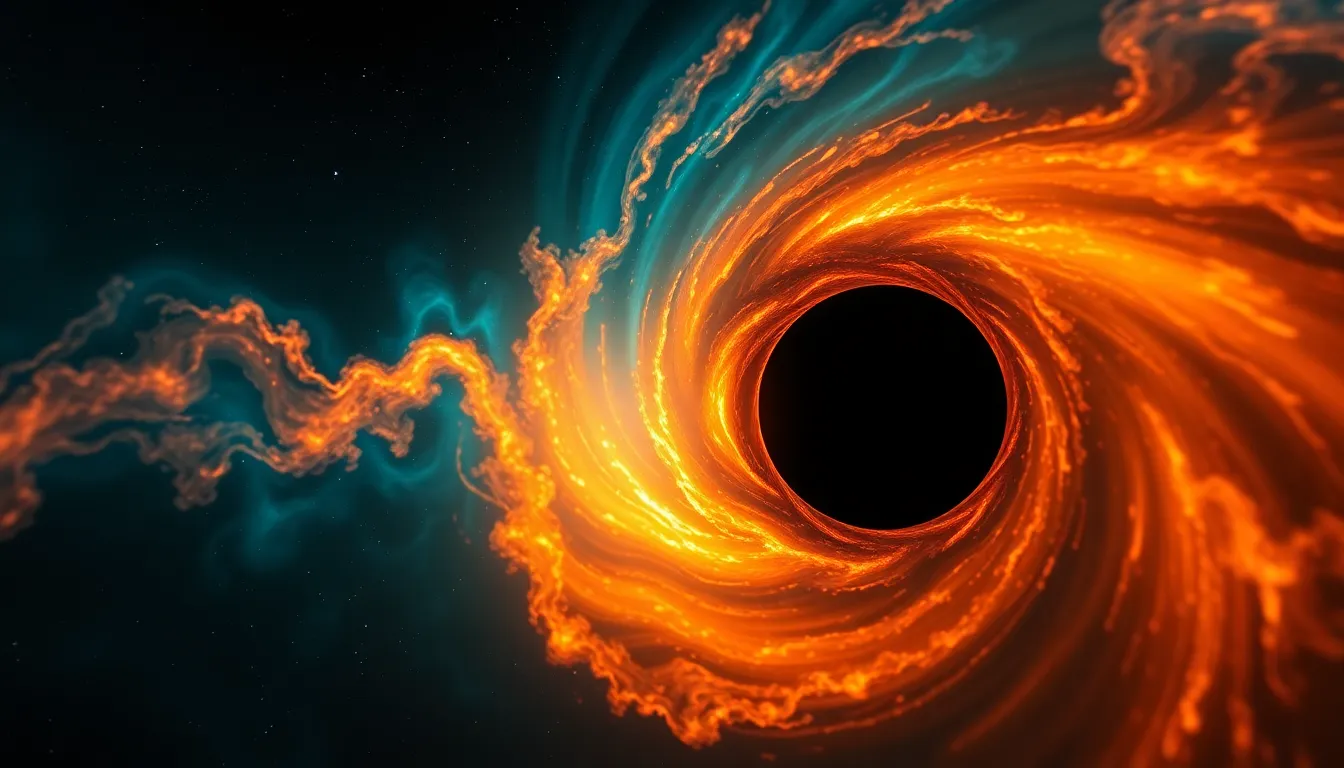
captured with Nikon Z9, 70-200mm f/2.8 telephoto at 135mm, featuring a cosmic scene of a black hole surrounded by swirling accretion disks emitting brilliant jets of light. The image utilizes dramatic backlighting with a spectrum of deep blues and fiery oranges contrasting against the darkness of space. Shallow depth of field with a focus on the black hole's event horizon, giving it an otherworldly glow. The color palette draws inspiration from cinematic teal and orange hues. The composition highlights the black hole at the center, with the accretion disk swirling outward, creating a vortex-like effect. Texture is captured in the luminous gas clouds, showing intricate swirling patterns.
16:9
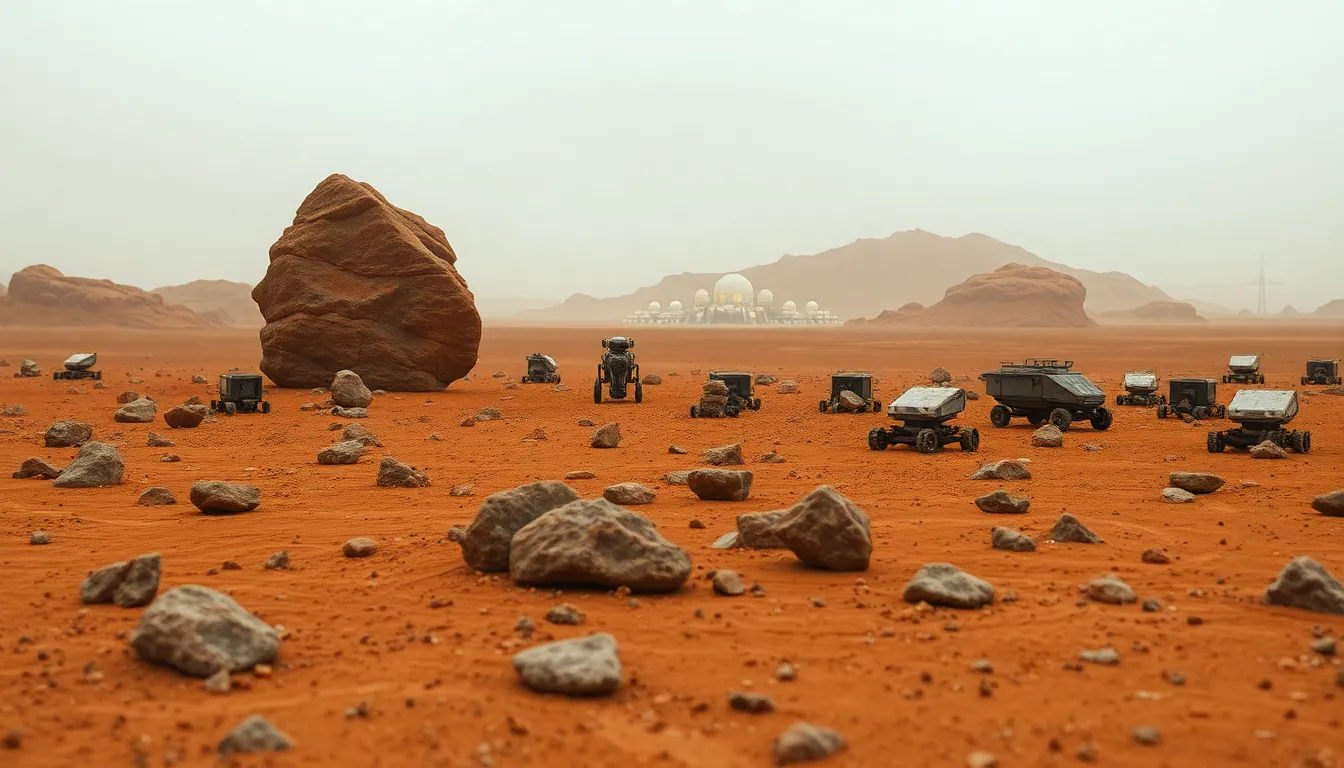
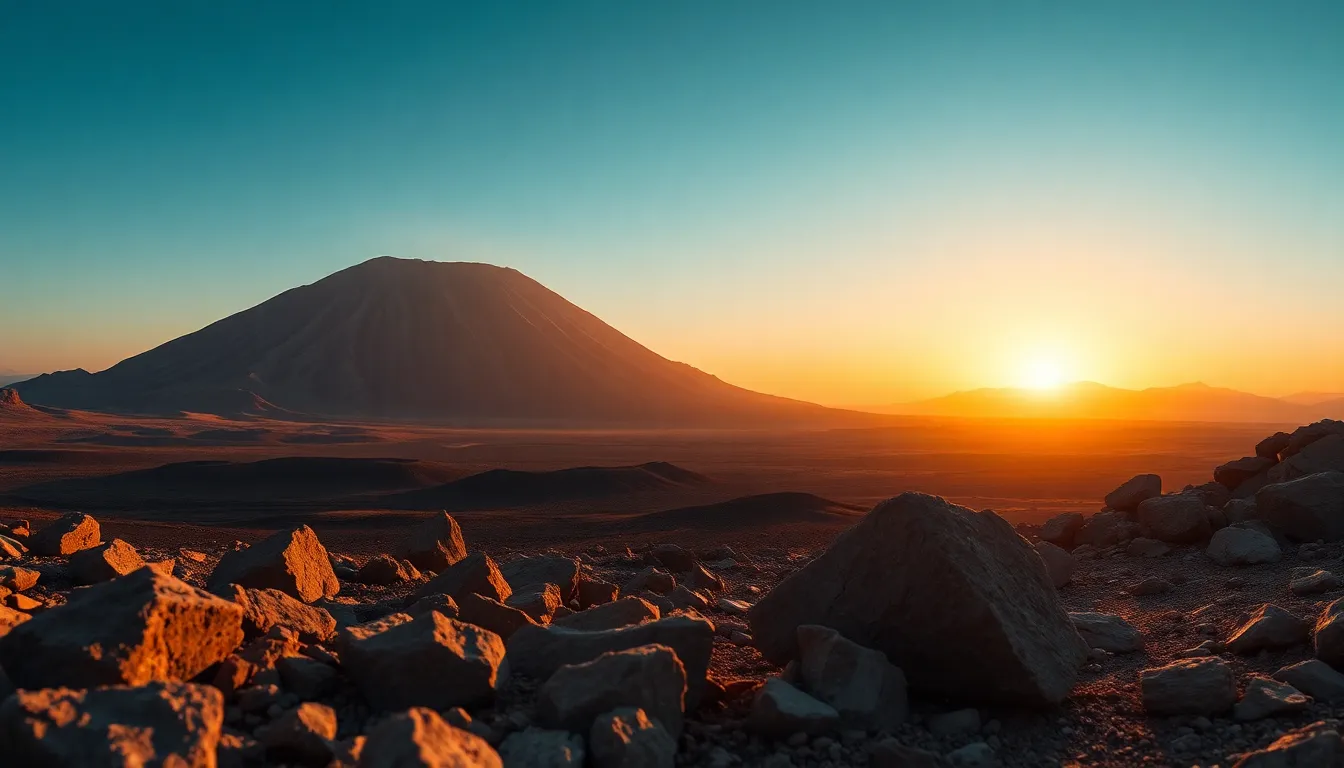
captured with Hasselblad X2D 100C, 90mm f/2.5 medium format, portraying a breathtaking Martian sunset over distant hills. The warm, golden hour backlighting creates a stunning silhouette effect on the foreground rocks, with soft fill light from the horizon. The depth of field is hyperfocal, maintaining sharpness from the nearest rocks to the far-off hills. The color palette features a cinematic teal and orange grading, enhancing the dramatic interplay of colors in the sky. The composition follows the rule of thirds, with the horizon positioned along the upper third, emphasizing the vastness of the Martian sky.
16:9

shot with Fujifilm GFX 100S, 110mm f/2 macro, capturing a stunning view of Mars' polar ice caps glistening under bright sunlight. The natural lighting creates sharp shadows and highlights, revealing the texture of the ice. The shallow depth of field focuses on the shimmering ice, with a dreamy bokeh of surrounding rock formations. The image utilizes a vibrant, saturated color palette with deep blues contrasting against the rusty Mars landscape. The composition is centered, showcasing the ice caps as the main subject against an expansive rocky terrain.
3:2
captured with Canon EOS R5, 24-70mm f/2.8L at 35mm, depicting a futuristic rover exploring Mars under a dramatic sky filled with swirling clouds. The scene is illuminated with overcast diffused daylight creating a cool atmosphere. A hyperfocal depth of field ensures everything is in focus, from the rover in the foreground to the distant valleys. The color palette is inspired by desaturated earth tones, highlighting the browns and grays of the Martian landscape. The composition utilizes rule of thirds, placing the rover on the left power point as it traverses the terrain.
16:9
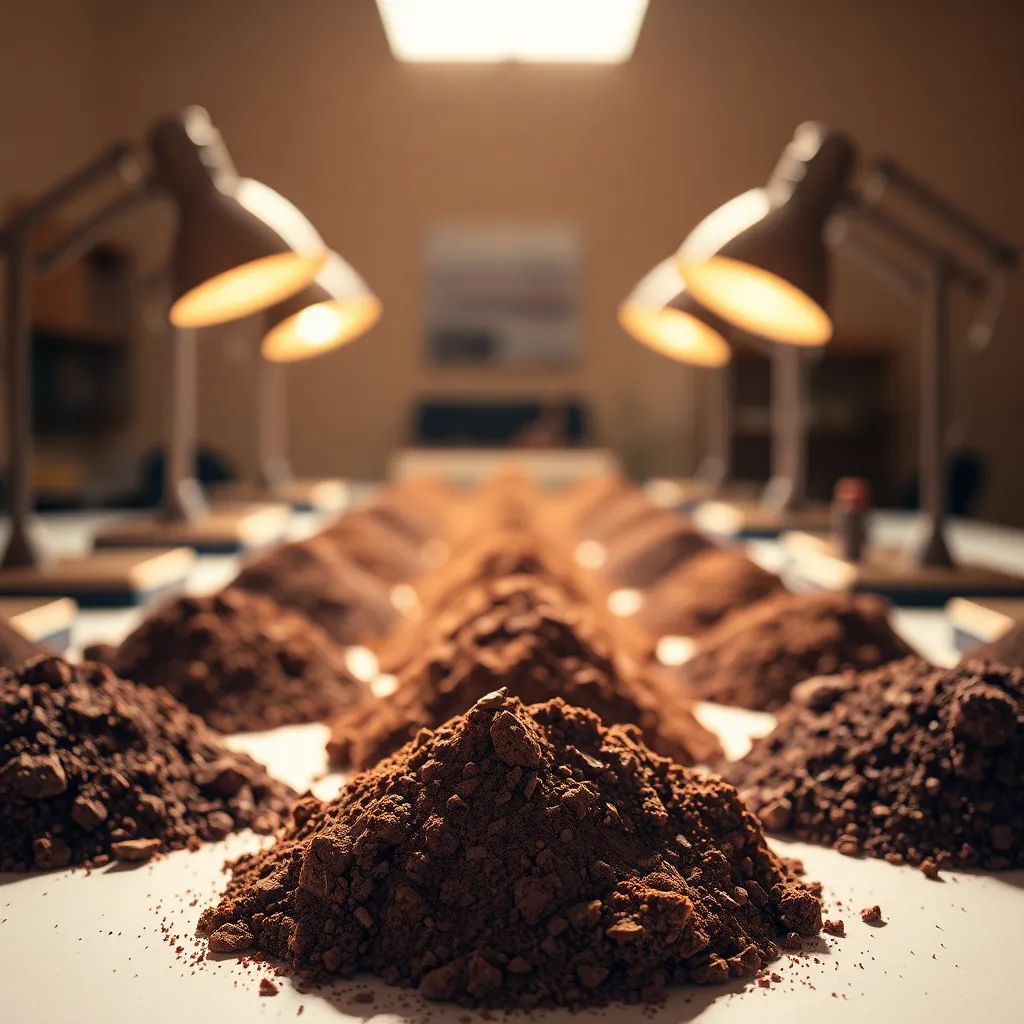
shot on Sony A7R V with 85mm f/1.4 GM lens, featuring a close-up of Mars's surface with fine details of dust and small rocks. Natural morning light creates soft, diffused illumination, revealing textures of the Martian soil. The shallow depth of field at f/1.4 gives an ethereal quality, with the background gently blurring into soft bokeh. The color science utilizes the Kodak Portra 400 palette, emphasizing warm browns and subtle golds. The composition is centered, focusing on the intricate textures of the surface materials, showcasing the planet’s desolate beauty.
1:1
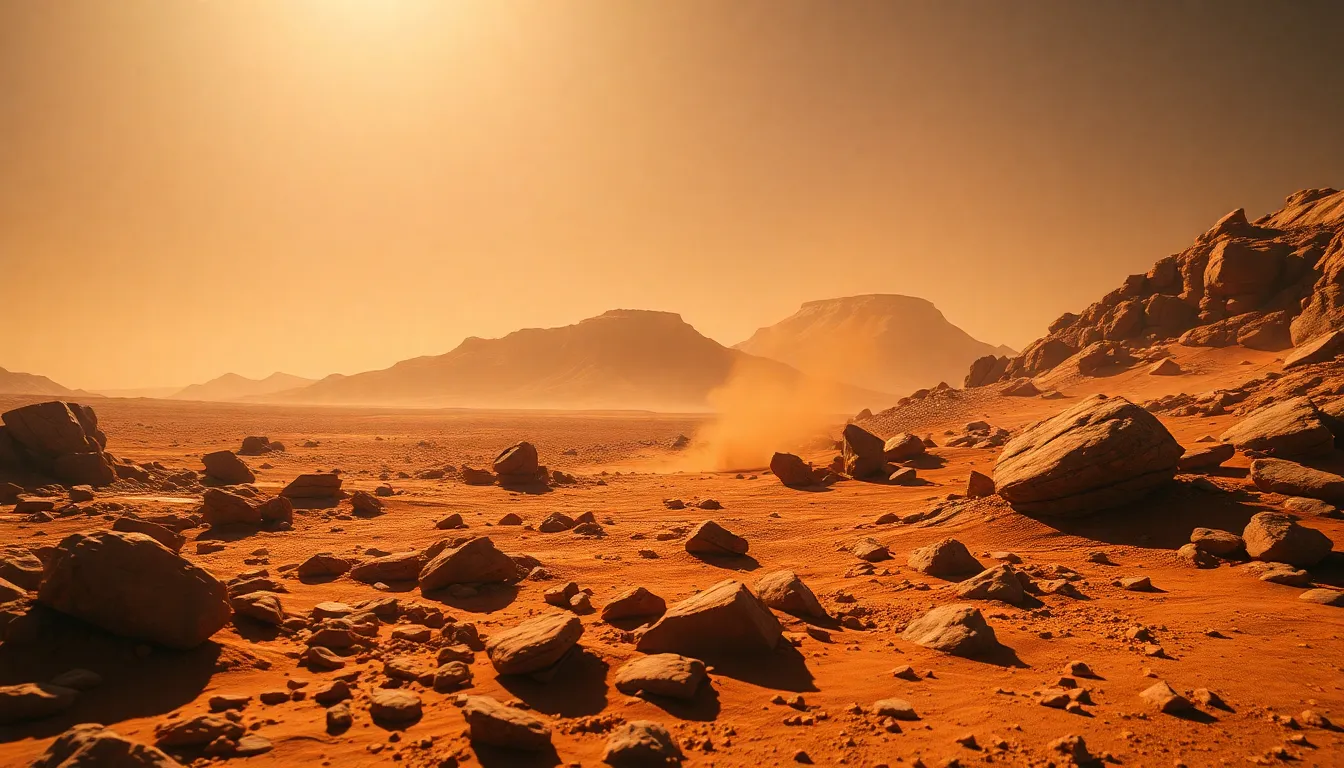
captured with Nikon Z9, 70-200mm f/2.8 telephoto at 135mm, showcasing a panoramic view of the Martian landscape under a dusky sky. Harsh shadows and deep contrasts accentuate the red rock formations, while the sun sets on the horizon, casting a warm, golden light. The depth of field is hyperfocal, keeping sharp focus from the foreground rocks to the distant hills. The color palette draws from natural muted tones, highlighting the rusty reds and browns of Mars. The composition features leading lines formed by the rocky terrain directing the eye towards the vast open space above.
16:9

Fujifilm GFX 100S, 110mm f/2 macro capturing the intricate details of satellite solar panels, overcast diffused daylight providing soft and even lighting, selective focus on the textured surface of the solar panels with a blurred background of space, natural muted tones with desaturated blues and greys for realism, composition using foreground framing to highlight the panels while creating a sense of depth.
16:9
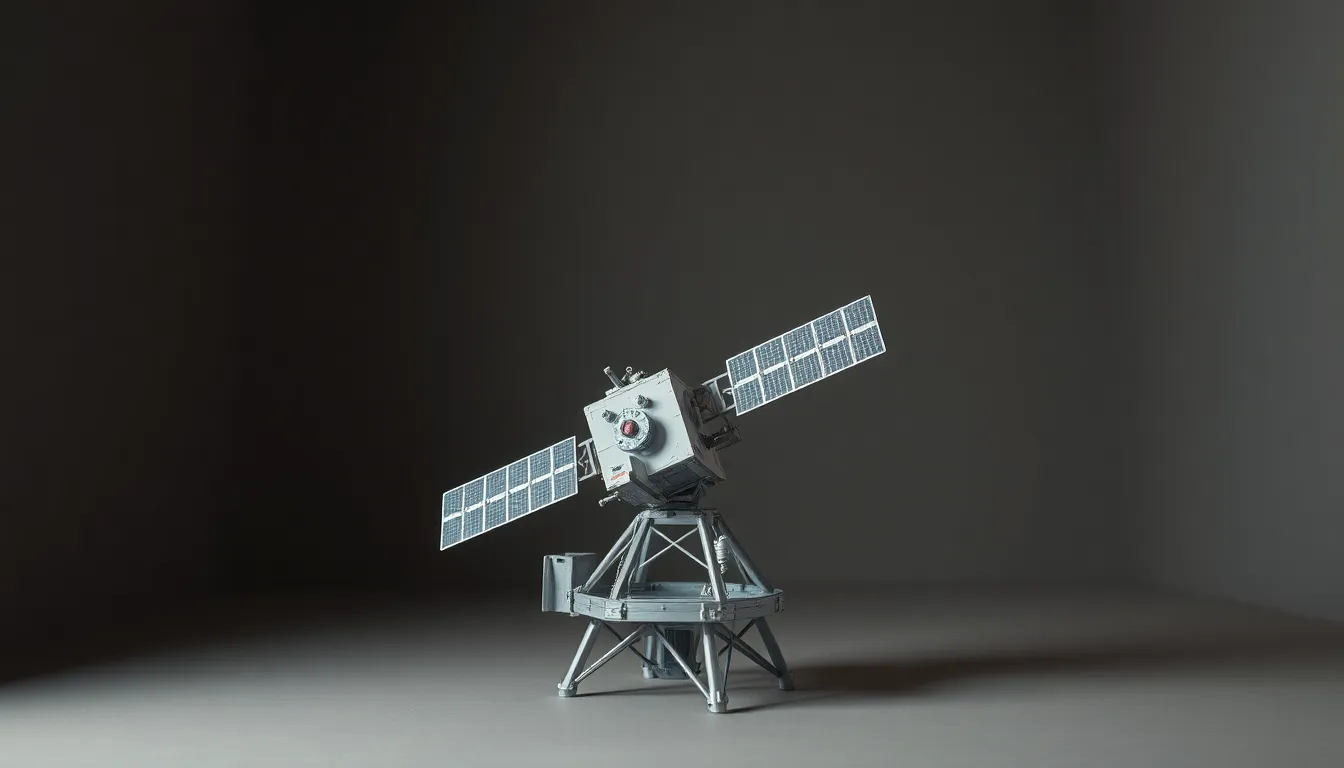
Hasselblad X2D 100C, 90mm f/2.5 medium format shot of a communication satellite model in a studio setting, three-point studio setup with key softbox providing high contrast light on the satellite, the subject is sharp with a shallow depth of field at f/2.5, natural muted tones with desaturated earth colors, centered composition to keep the focus entirely on the model with visible details of its structure and texture.
16:9
Nikon Z9, 70-200mm f/2.8 telephoto at 135mm capturing a low earth orbit satellite zoomed in against a starry night sky, natural starlight illuminating the satellite's metallic surface, sharp focus on the satellite with a vast field of stars melting into soft bokeh around it, cinematic teal and orange color grading enhancing the visual drama of the space setting, rule of thirds with the satellite positioned at one of the power points to create dynamic tension.
16:9
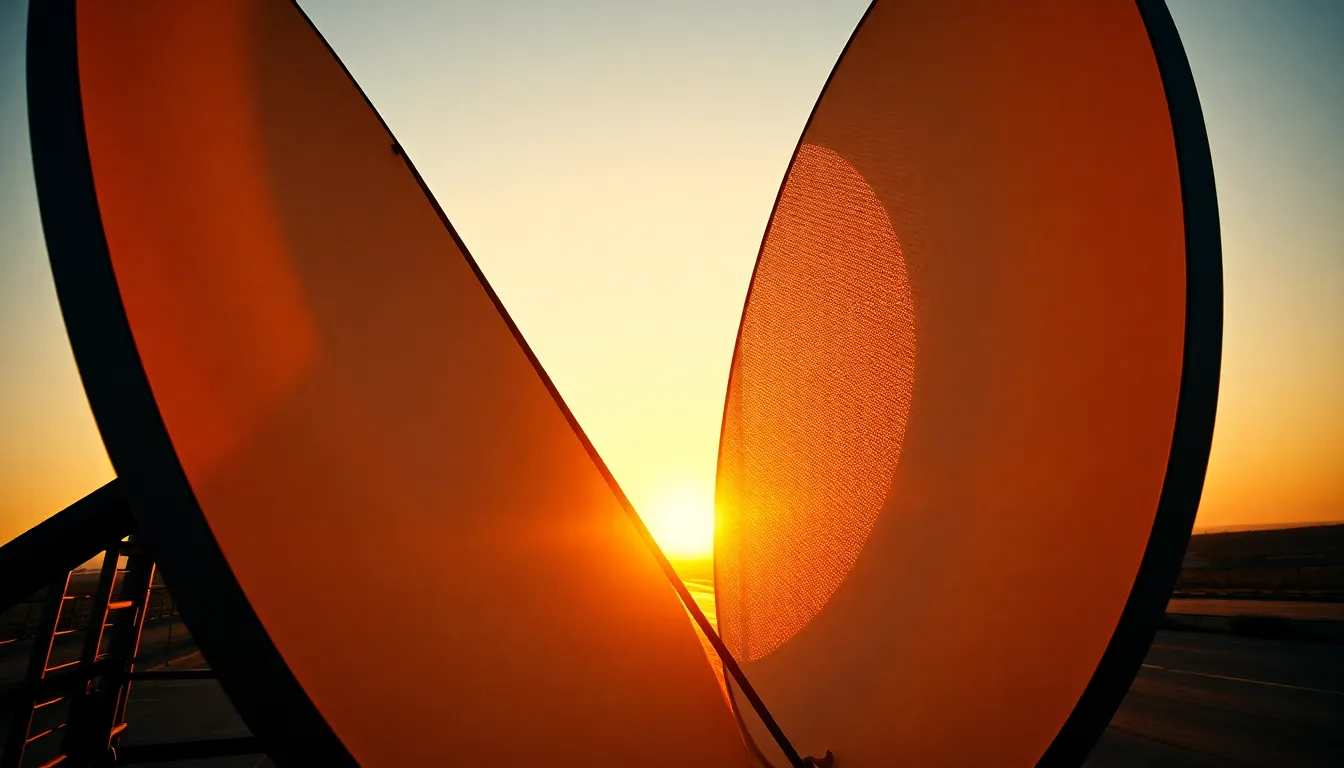
shot on Sony A7R V with 85mm f/1.4 GM lens, golden hour backlighting creating a warm rim light on a satellite dish, hyperfocal distance ensuring everything from the dish to the horizon is tack-sharp at f/8, Kodak Portra 400 color palette emphasizing warm skin tones and creamy highlights, leading lines of the dish's structure drawing the eye towards the sunset horizon, the textured surface of the dish showing detailed grime and wear from years of exposure.
16:9
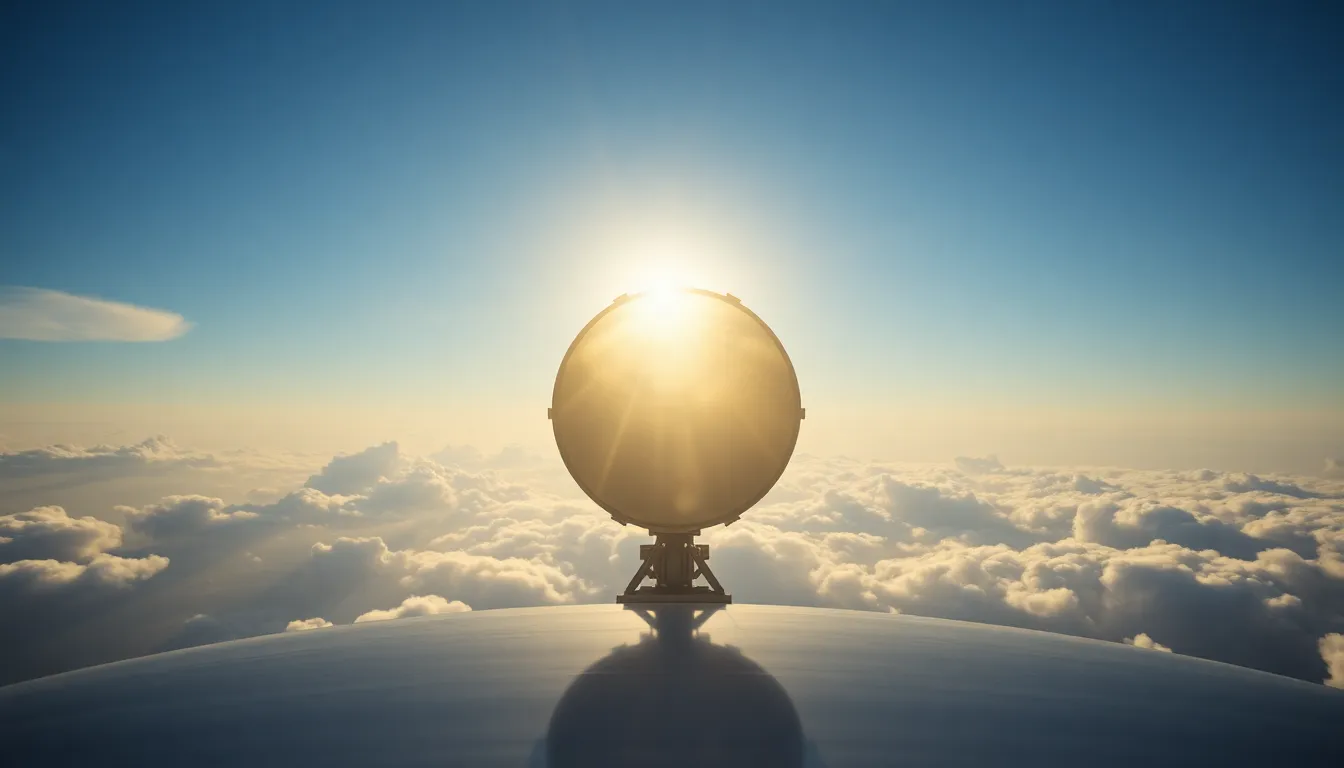
captured with Canon EOS R5, 24-70mm f/2.8L at 50mm, dappled sunlight filtering through a high-altitude stratospheric cloud creating a unique atmospheric effect, shallow depth of field at f/2.8 with a soft bokeh of clouds in the background, natural muted tones with desaturated earth colors, centered symmetrical composition showcasing a high-tech satellite poised against the backdrop of soft blue skies, polished aluminum surface reflecting ambient light and cloud textures.
16:9

captured with Leica Q3, 28mm f/1.7 Summilux, portraying an astronaut performing a spacewalk with the Earth as a stunning backdrop. The lighting is natural, with sunlight reflecting off the suit, creating bright highlights and sharp shadows. The image utilizes a shallow depth of field, focusing on the astronaut with the Earth fading into soft bokeh. The vibrant color grading includes deep blues and greens of Earth contrasting against the stark white and silver of the suit. The composition uses the rule of thirds, placing the astronaut off-center to emphasize the vastness of space.
16:9
shot on Fujifilm GFX 100S, 110mm f/2 macro, capturing intricate details of space station modules bathed in golden hour sunlight streaming through windows. The image features a shallow depth of field, making the foreground modules pop against a softly blurred background. The color palette is inspired by Kodak Portra 400 with warm, inviting skin tones and creamy highlights, creating a warm atmosphere. The composition employs a centered symmetrical layout, drawing attention to the harmonious design of the station's sections.
16:9
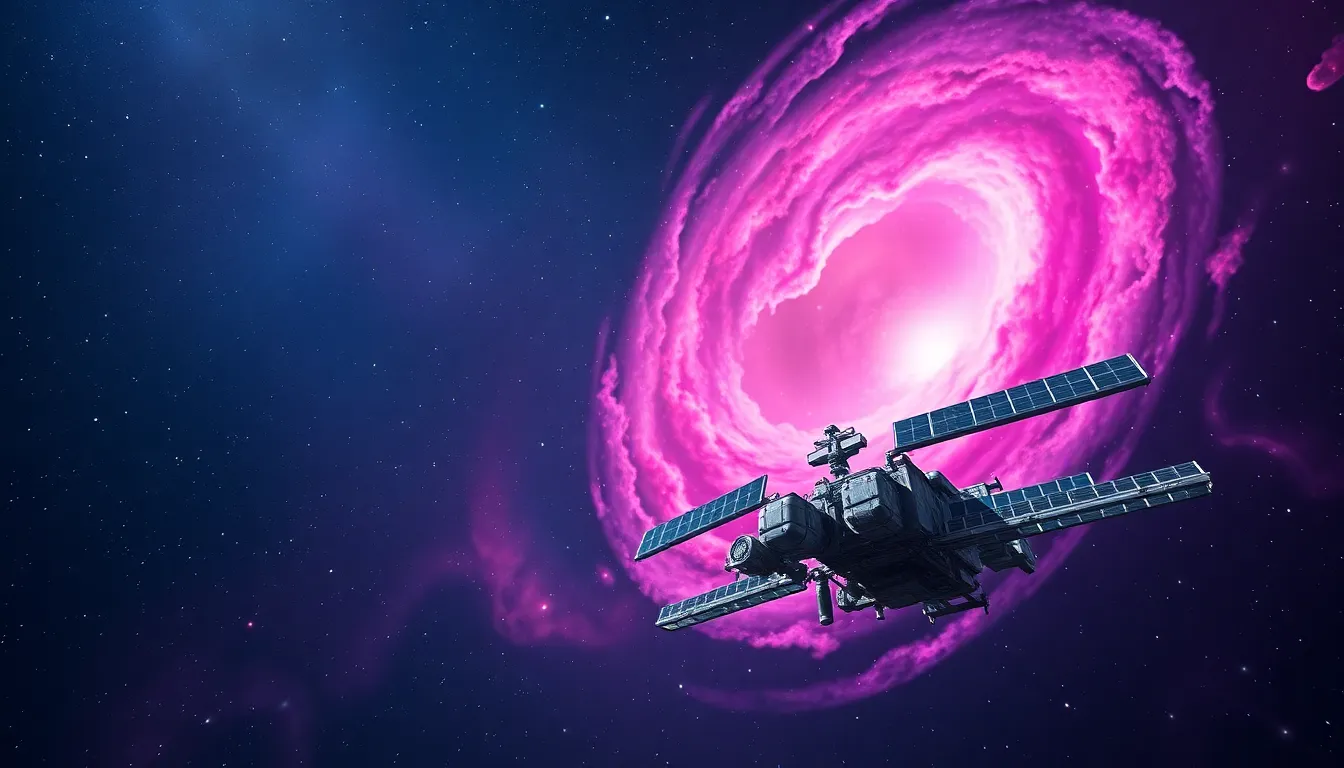
captured with Nikon Z9, 70-200mm f/2.8 telephoto at 135mm during a night scene, the space station glows against a backdrop of the star-filled universe. The subtle twinkling of stars creates a magical bokeh effect. Using a natural muted tone palette with rich navy blues and soft whites, the composition centers on the station while the stars frame the scene. Textures include the sleek surface of the station contrasted against the rugged, celestial backdrop of space.
16:9
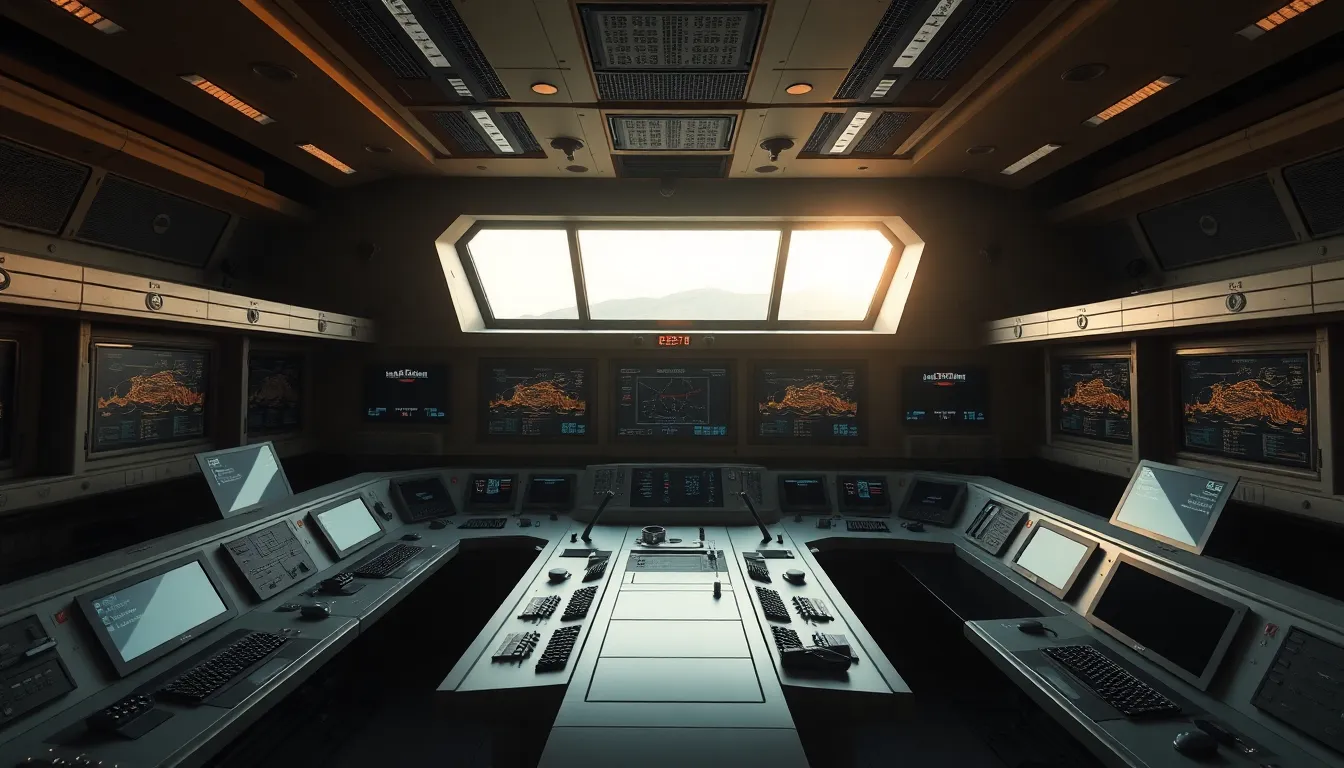
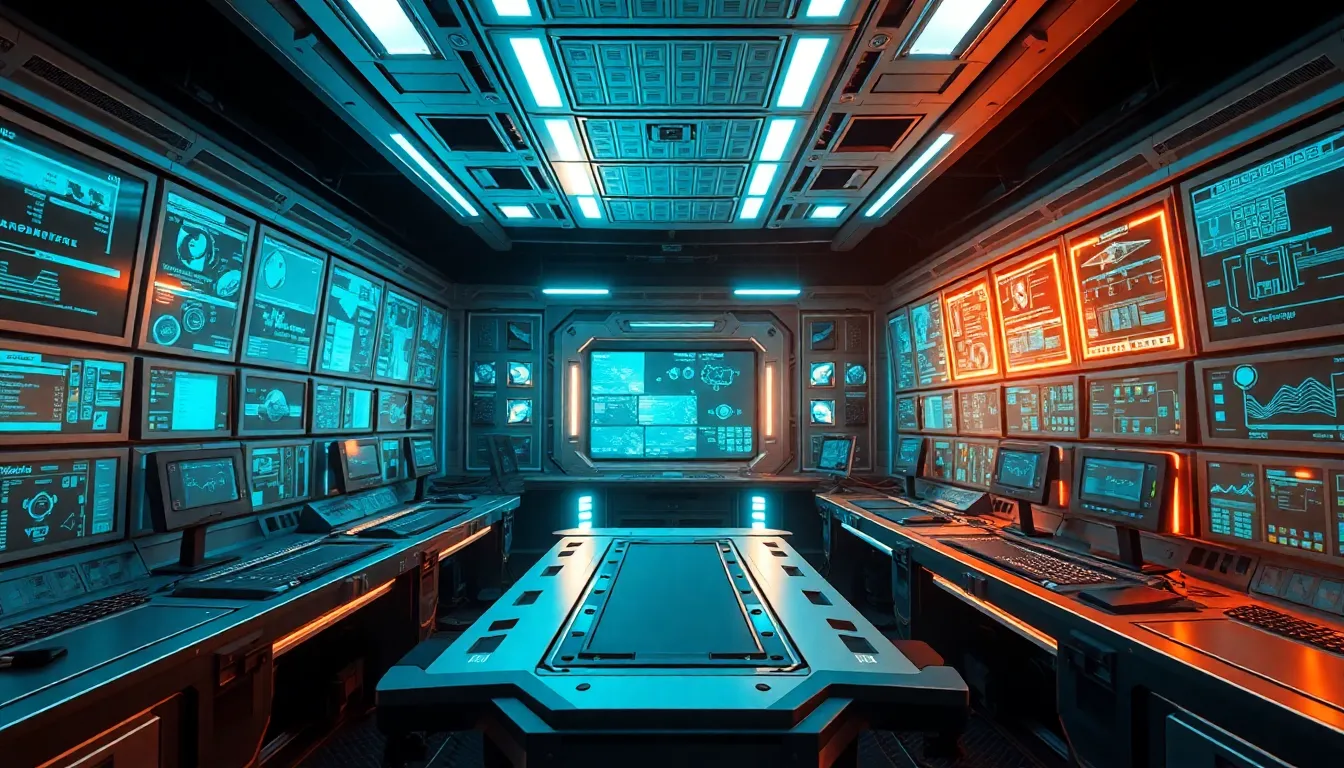
shot on Sony A7R V with 85mm f/1.4 GM lens, utilizing dramatic, high-contrast lighting from a series of LED panels illuminating the sleek, metallic interiors of the space station. The image features a hyperfocal distance for a sharp focus on equipment arrangements, while the background subtly fades into shadow. The color grading reflects a cinematic look with rich blues and saturated blacks, and its composition features diagonal lines leading the eye through various scientific instruments, highlighting their intricate details.
16:9
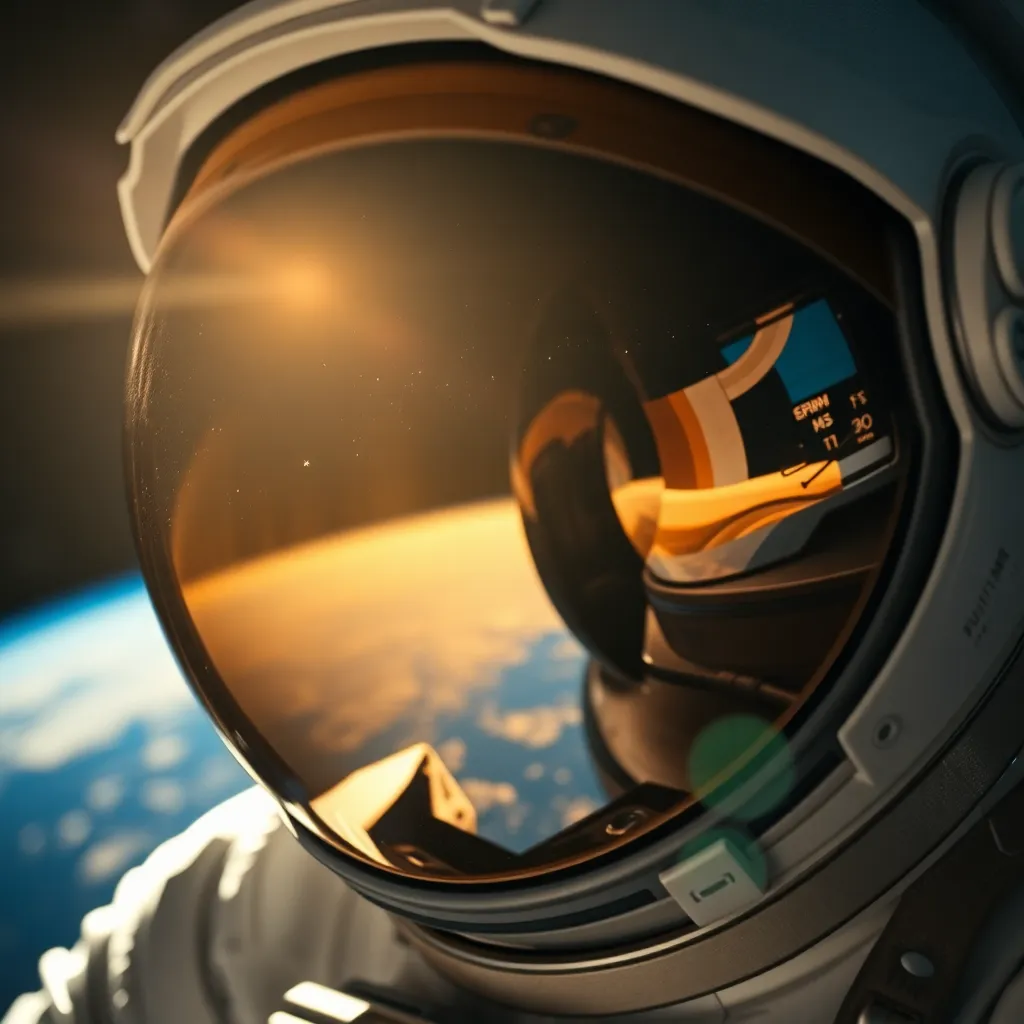
captured with Canon EOS R5, 24-70mm f/2.8L at 35mm, illuminated by soft, diffused daylight streaming through a large observation window. The image features a shallow depth of field at f/2.8, creating a soft focus on the foreground with the space station's equipment in the background melting into bokeh. Utilizing a cool color palette with hints of teal and deep space blacks, the composition follows the rule of thirds, placing the astronaut's focused face to the right. Textures include the smooth metallic surfaces of the equipment and the fabric of the astronaut's suit, accentuating realism.
16:9
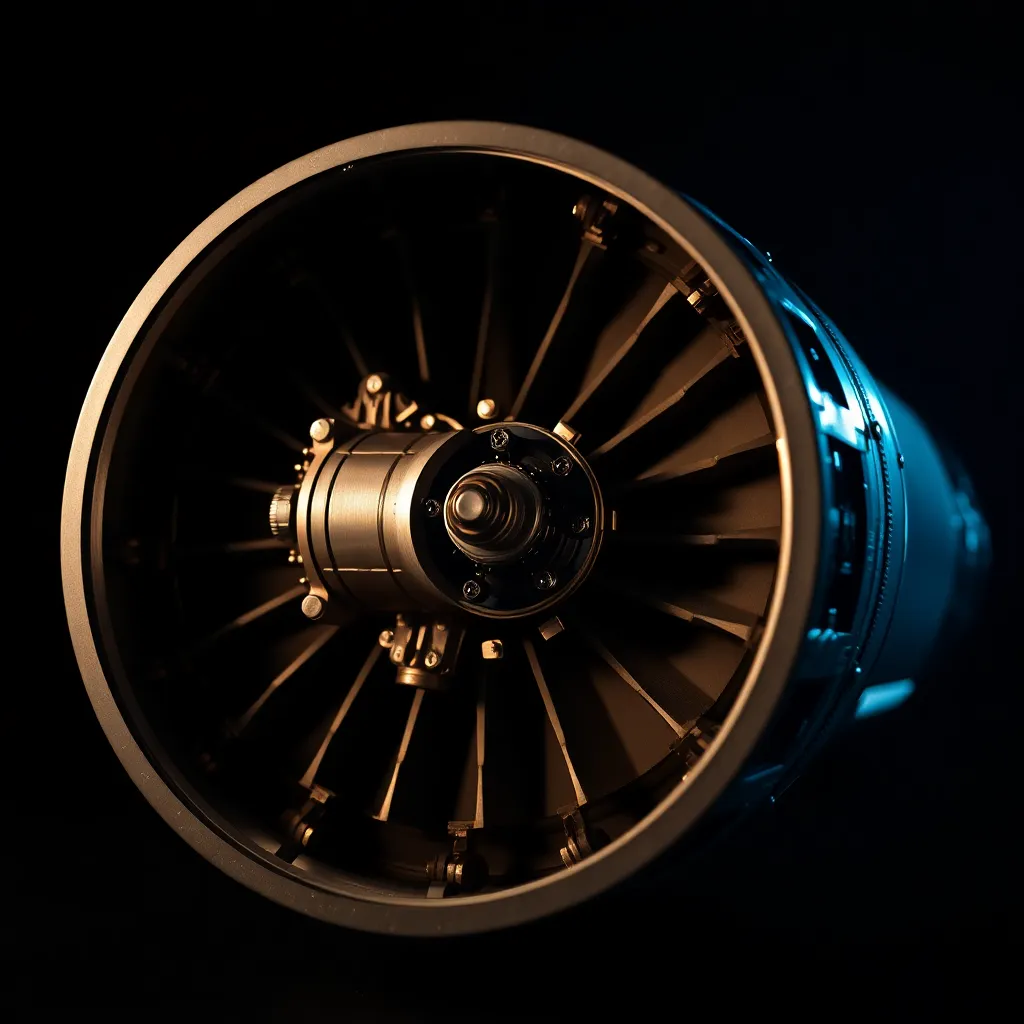
Fujifilm GFX 100S, 110mm f/2 macro, in a darkened studio setting with dramatic side lighting highlighting a detailed shot of rocket engine components, incorporating rich textures of polished metal and intricate mechanical parts, shallow depth of field creating a striking bokeh effect, Kodak Portra 400 color palette producing warm tones and creamy highlights, centered symmetrical composition emphasizing the complexity and craftsmanship of the engineering marvel.
1:1
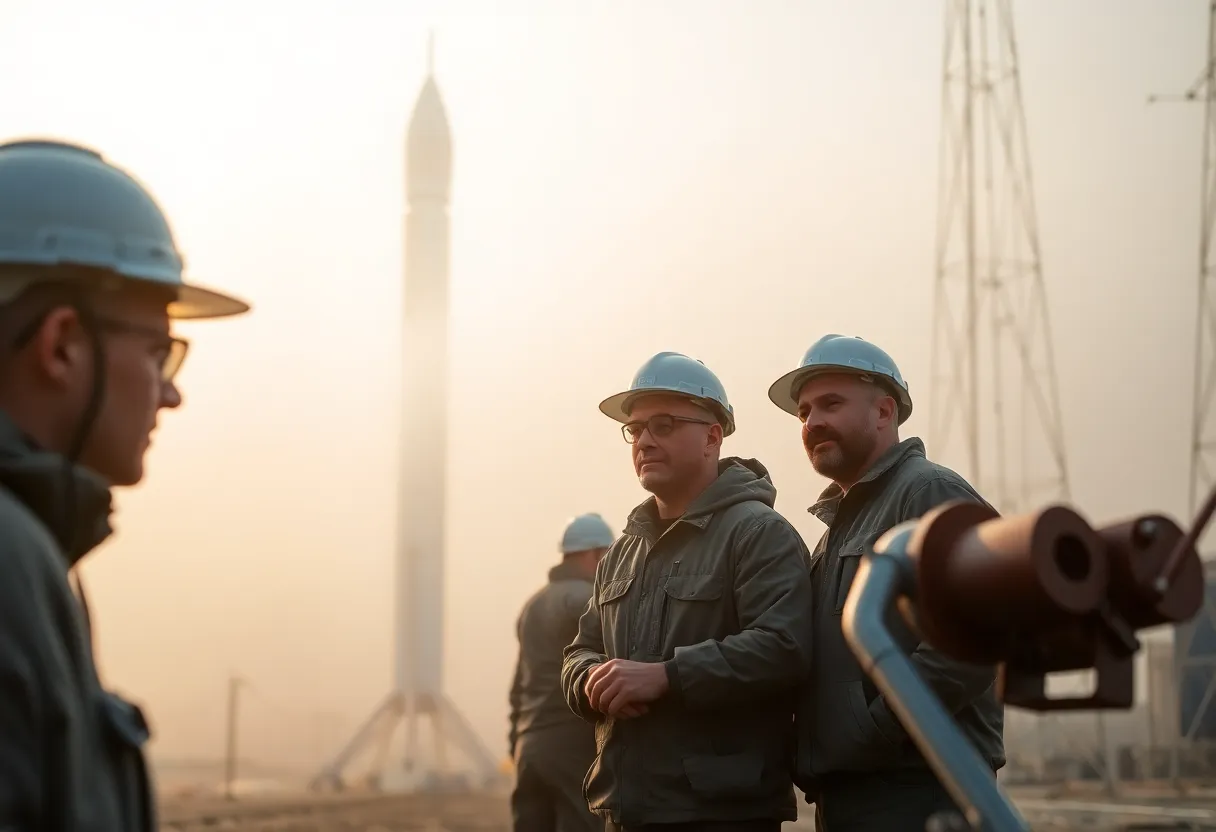
Hasselblad X2D 100C, 90mm f/2.5 medium format shot, illuminated by soft morning light filtering through a misty atmosphere, focusing on a small group of engineers preparing a rocket for launch, using a selective focus on their concentrated expressions while the background fades into a gentle bokeh, natural muted tones with earth colors enhancing the realism, rule of thirds composition placing the engineers at a left power point, highlighting their teamwork and dedication in a professional setting.
3:2
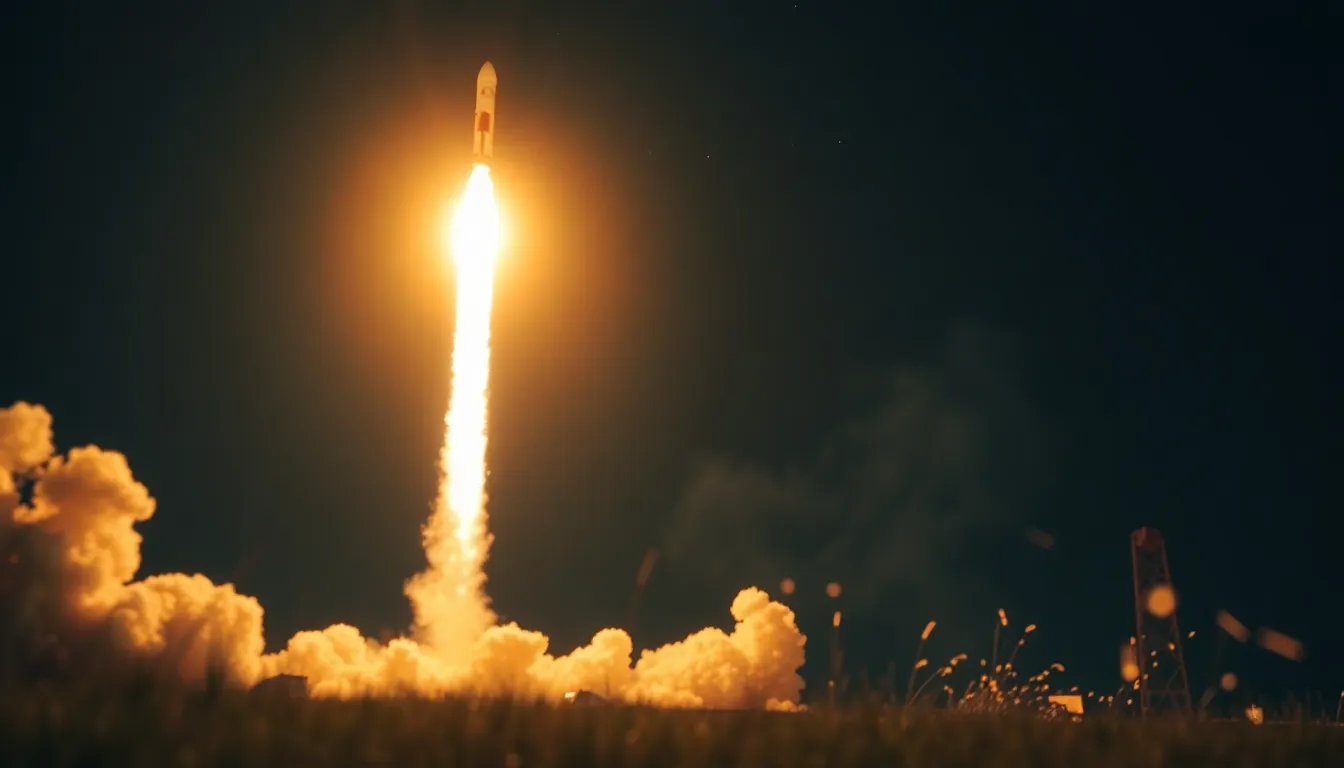
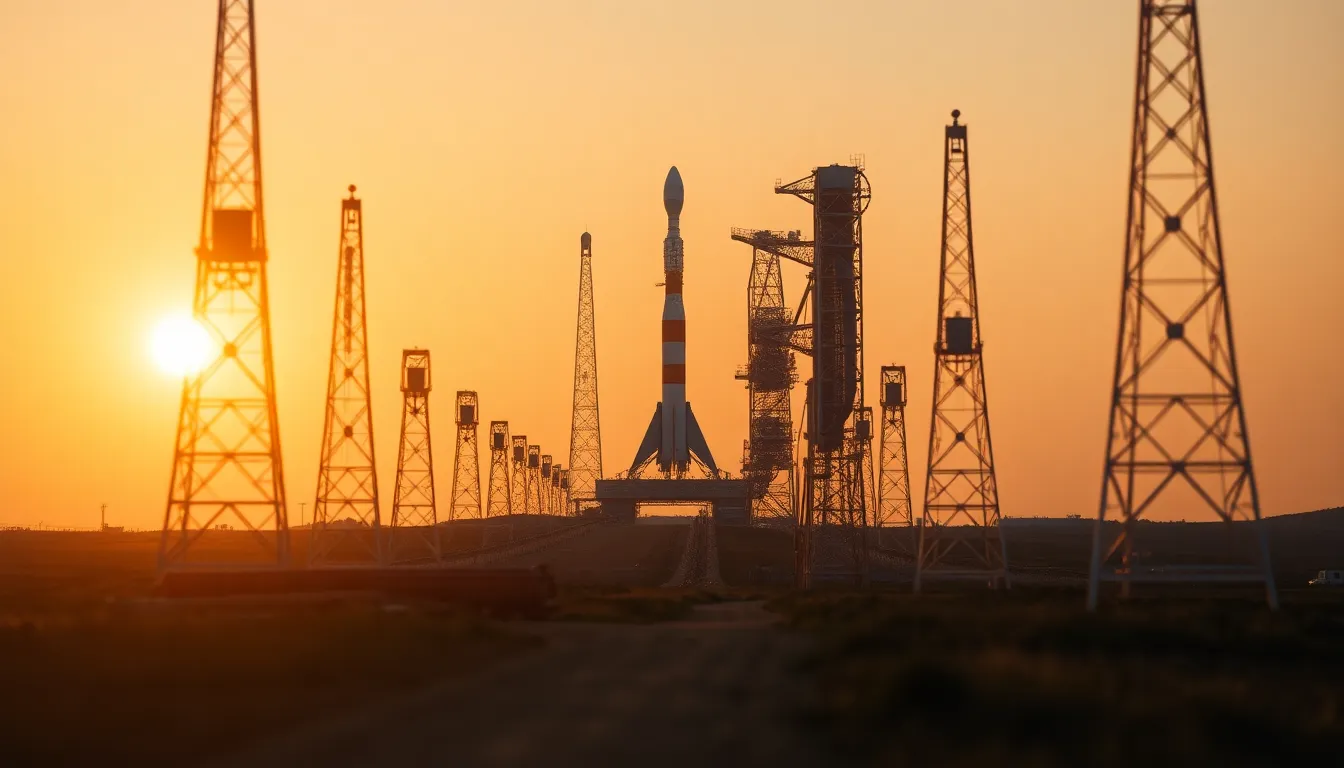
captured with Canon EOS R5, 24-70mm f/2.8L at 35mm, during a late afternoon as the sun dips below the horizon, showcasing a wide shot of a space launch facility with multiple rockets on display, hyperfocal distance ensuring everything is in focus from the foreground to the distant structures, Fujifilm Velvia-inspired saturated colors enhancing the vibrancy of the scene, leading lines created by the launch platforms guiding the viewer’s eye toward the rockets, emphasizing the scale and ambition of space exploration.
16:9
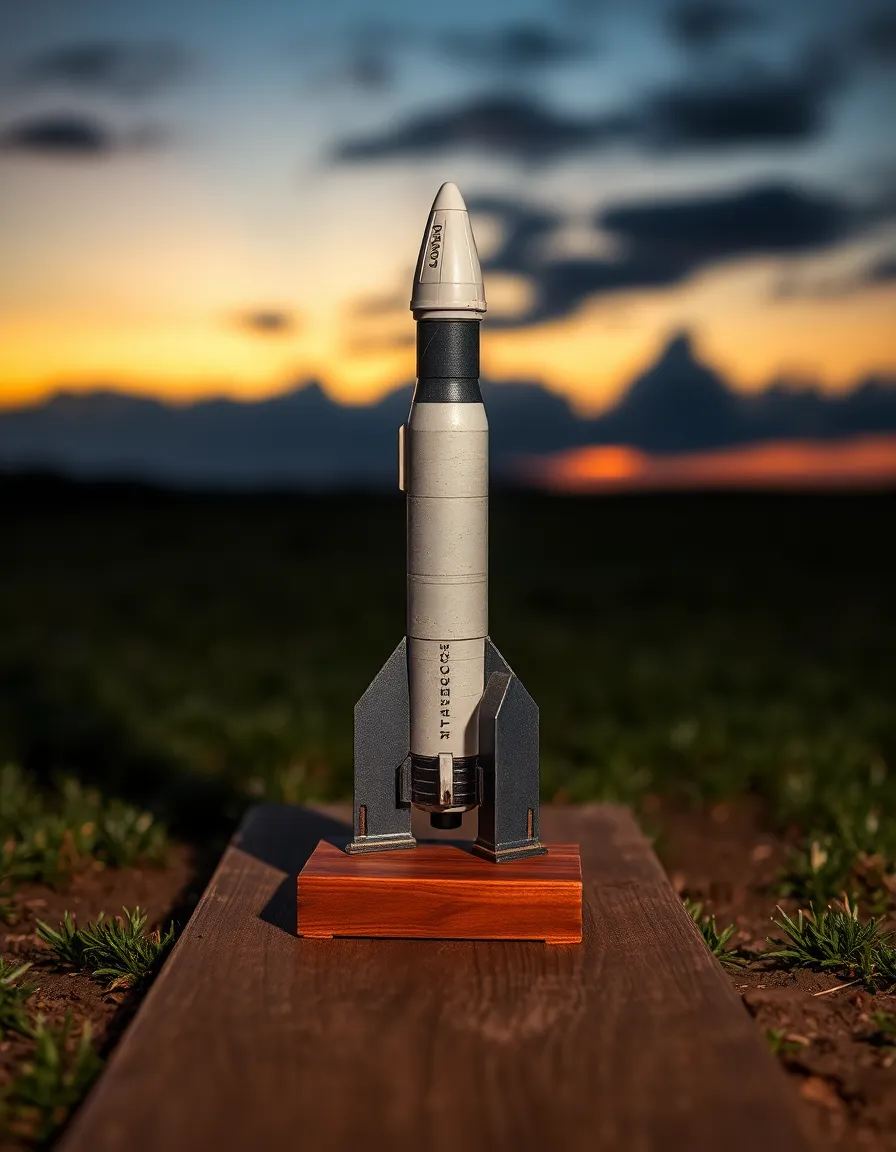
shot on Sony A7R V with 85mm f/1.4 GM lens, under a dusky sky during twilight with illuminated clouds creating a dramatic backdrop, focusing on a detailed close-up of a model rocket on a wooden launch pad, shallow depth of field emphasizing the rocket's textures against a soft, blurred background of grass and earth, natural muted tones with desaturated colors, centered symmetrical composition highlighting the model's sleek lines and intricate paint details.
3:4
captured with Nikon Z9, 70-200mm f/2.8 telephoto at 135mm, under a bright blue sky with a few wispy clouds, featuring a rocket launch with flames and smoke billowing at the base, shallow depth of field isolating the rocket while softening the blurred background, cinematic teal and orange color grading enhancing the launch's drama, rule of thirds composition with the rocket positioned at the right power point, capturing the intricate details of the rocket's surface and the fiery exhaust plume.
16:9
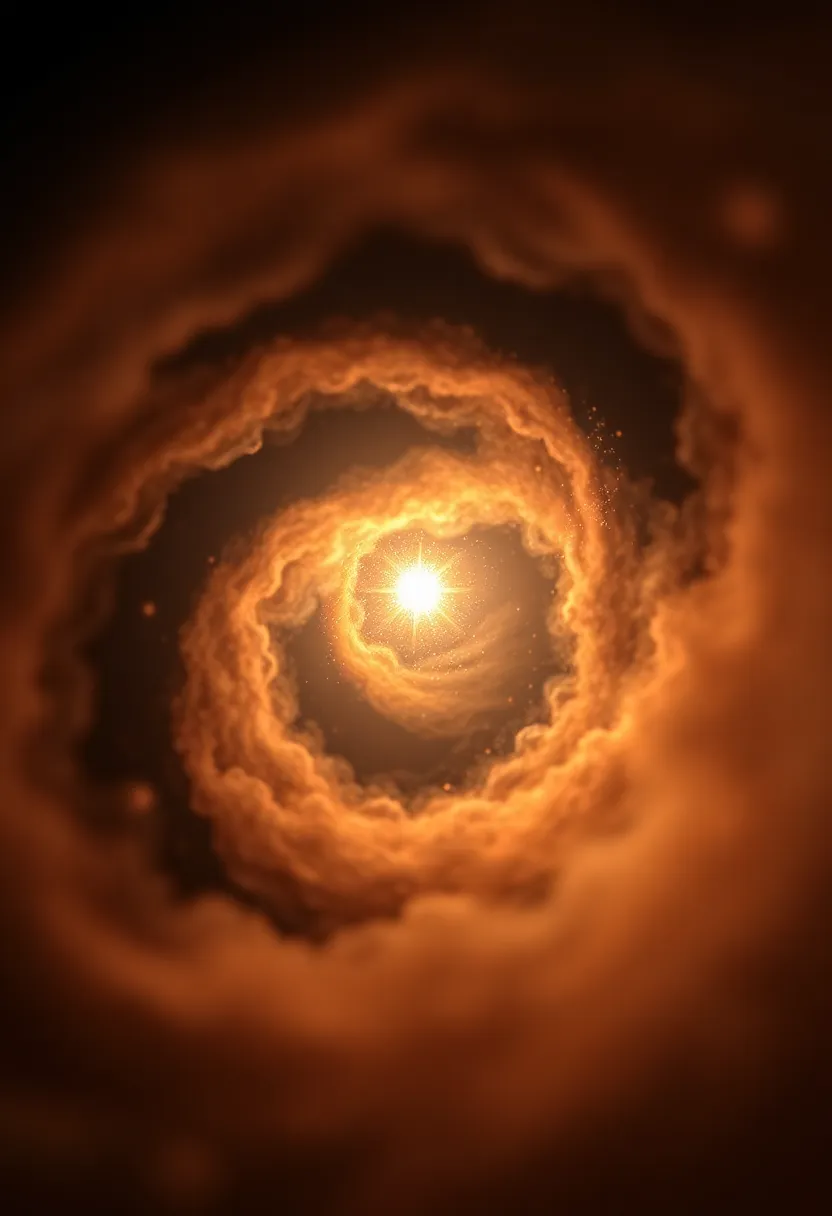
captured with Fujifilm GFX 100S, 110mm f/2 macro, showcasing an intricate close-up of a cosmic dust cloud enveloping a newly forming star. The scene is lit with natural starlight, creating a soft glow around the dust particles. With a shallow depth of field at f/2, the focus on the star and surrounding dust creates a dramatic separation from the blurred background. Utilizing a color palette of deep reds and soft golds, the image evokes a sense of warmth and mystery. The composition centers on the newly forming star, with swirling dust creating a dynamic circular frame around it.
2:3
shot on Hasselblad X2D 100C, 90mm f/2.5 medium format, presenting a breathtaking wide view of a spiral galaxy with detailed stellar arms stretching outwards. Captured during twilight, the scene is defined by a gradient twilight sky illuminating the galaxy with a warm glow. A hyperfocal distance at f/8 keeps everything from asteroids in the foreground to the galaxy itself in sharp focus. Utilizing natural muted tones, the palette includes soft blues, purples, and hints of gold. The composition adheres to the rule of thirds, placing the galaxy off-center, providing a sense of movement and dynamism.
16:9
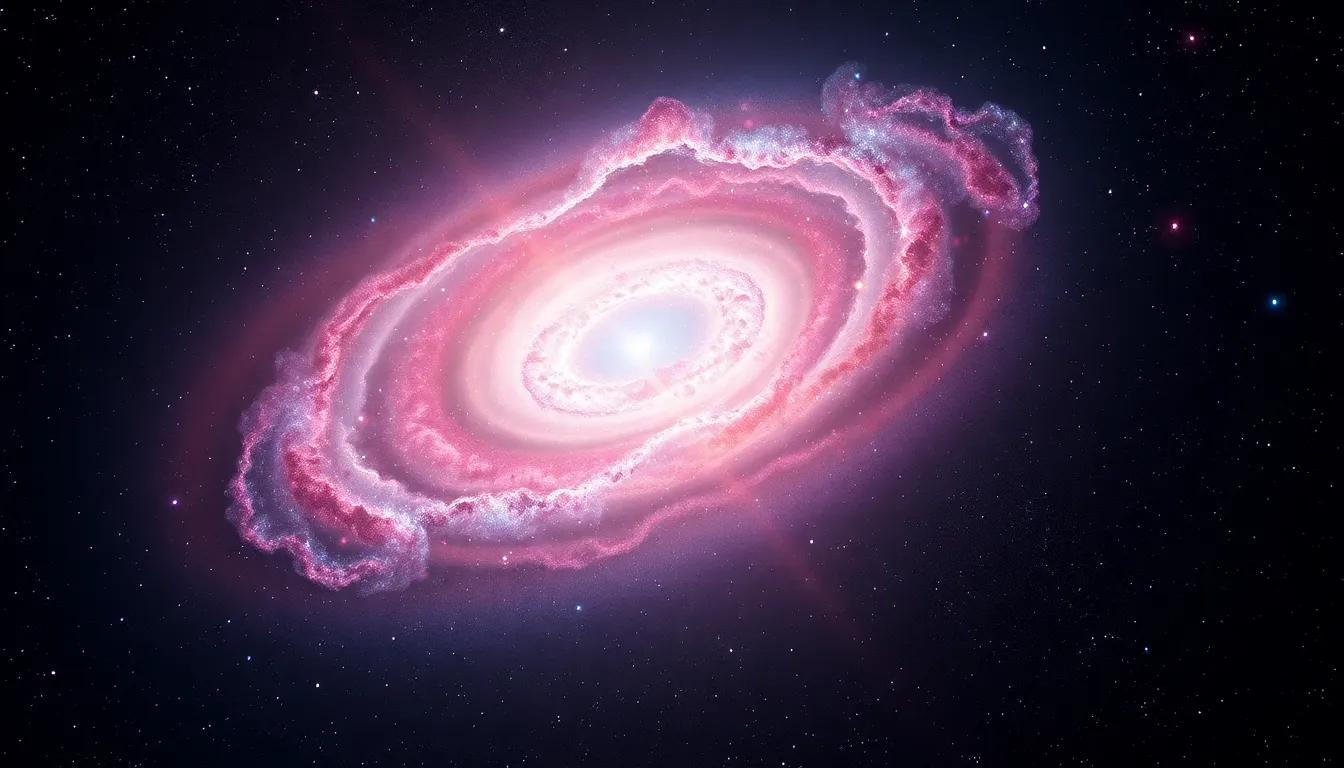
captured with Nikon Z9, 70-200mm f/2.8 telephoto at 135mm, depicting a stunning cosmic collision of two galaxies merging. The scene is illuminated by soft ambient light from nearby stars, giving the collision a glowing effect. Using hyperfocal distance at f/8, the entire expanse from the foreground asteroids to the background galaxies is tack-sharp. The color palette features vibrant pinks and blues, with a natural muted tone for a realistic effect. The composition uses leading lines created by stellar arms, drawing the eye toward the dynamic center of the image, where the galaxies collide.
16:9
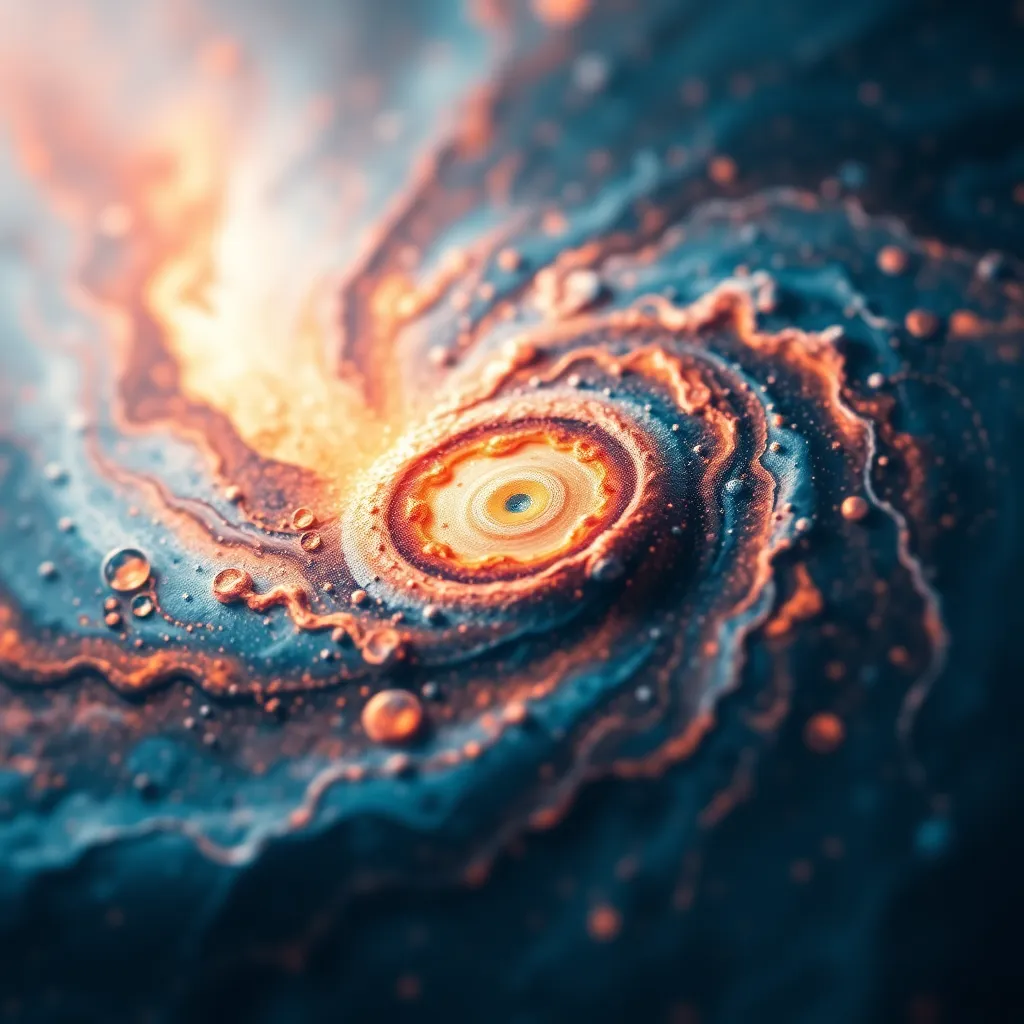
shot on Sony A7R V with 85mm f/1.4 GM lens, revealing an abstract interpretation of a galaxy using highly detailed textures and patterns. Soft strobe lighting creates dramatic shadows, emphasizing the swirling shapes and textures of vibrant colors that mimic cosmic phenomena. With a shallow depth of field at f/1.4, focus resides on the intricate textures while the background melts into a soft painterly blur. The color science embraces a cinematic teal and orange grading, providing a captivating contrast. The composition is centered, with flowing lines leading the viewer's eye through the colorful patterns.
1:1
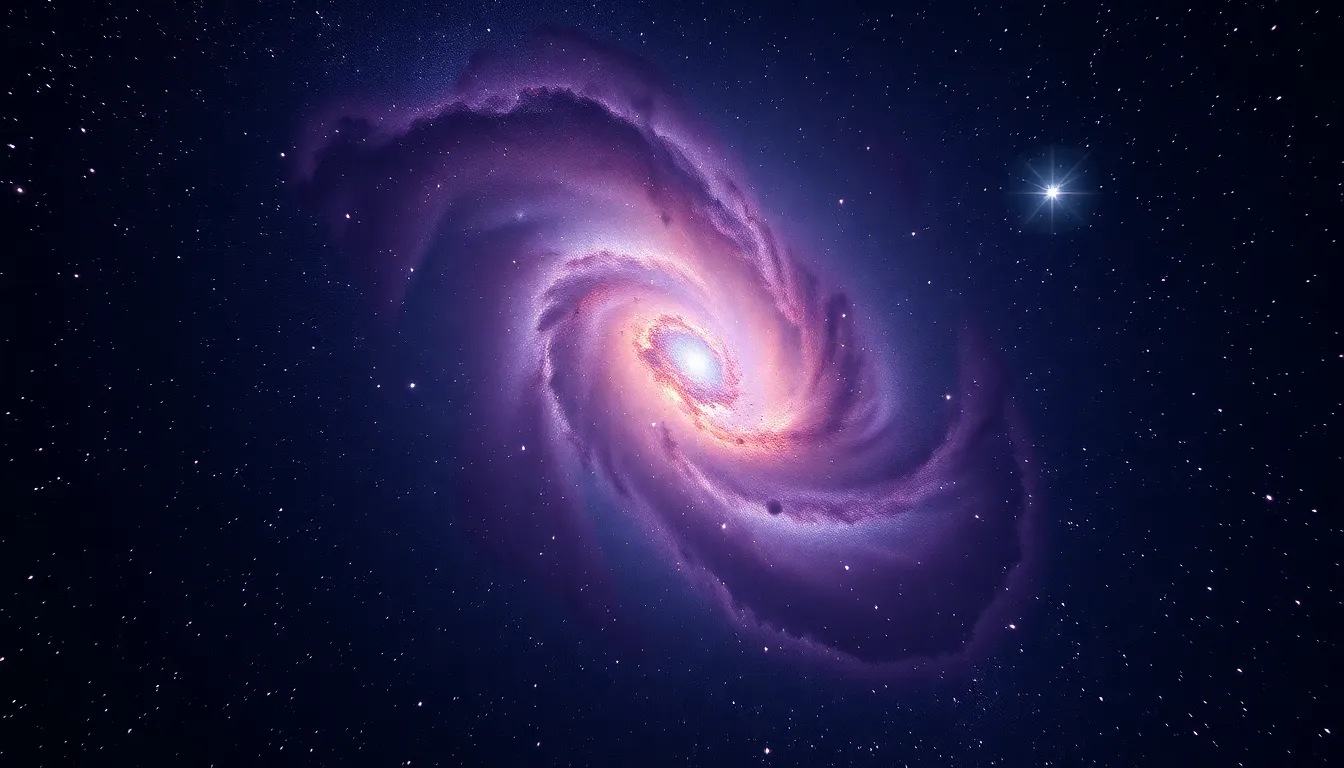
captured with Canon EOS R5, 24-70mm f/2.8L at 35mm, showcasing a breathtaking view of a vast galaxy swirling with cosmic dust and bright stars. The scene is illuminated by distant starlight, creating ethereal highlights against the dark void of space. Using a shallow depth of field at f/2.8, the foreground nebula is sharply focused while the background transitions into a dreamy bokeh. The color palette features deep purples and blues, reminiscent of nebulous clouds. The composition follows the rule of thirds, with the galaxy centered, surrounded by twinkling stars, enhancing the feeling of depth and beauty in the cosmos. Textured details include interstellar particles glowing softly in the backdrop.
16:9
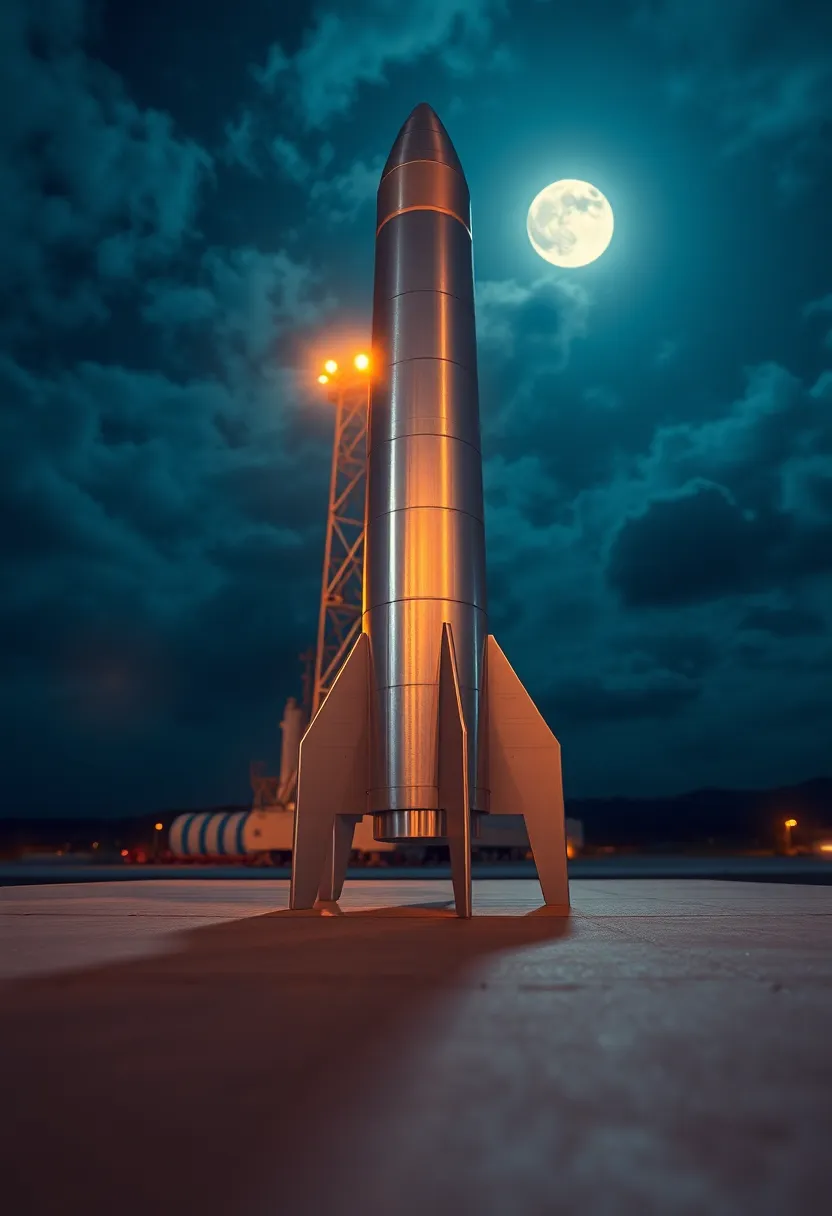
An illustrated rocket on a launchpad at night, captured with Fujifilm GFX 100S, 110mm f/2 macro. The scene is illuminated by a combination of moonlight and spotlights from the launch site, creating dramatic highlights and shadows. The depth of field is very shallow at f/2, focusing tightly on the rocket while the background remains artistically blurred. The color grading features rich blues and silvers with hints of warm light. The composition includes a close-up view of the rocket, emphasizing its details against the dark sky. Textures showcase the rocket's metal surface and the rough concrete of the launchpad.
2:3
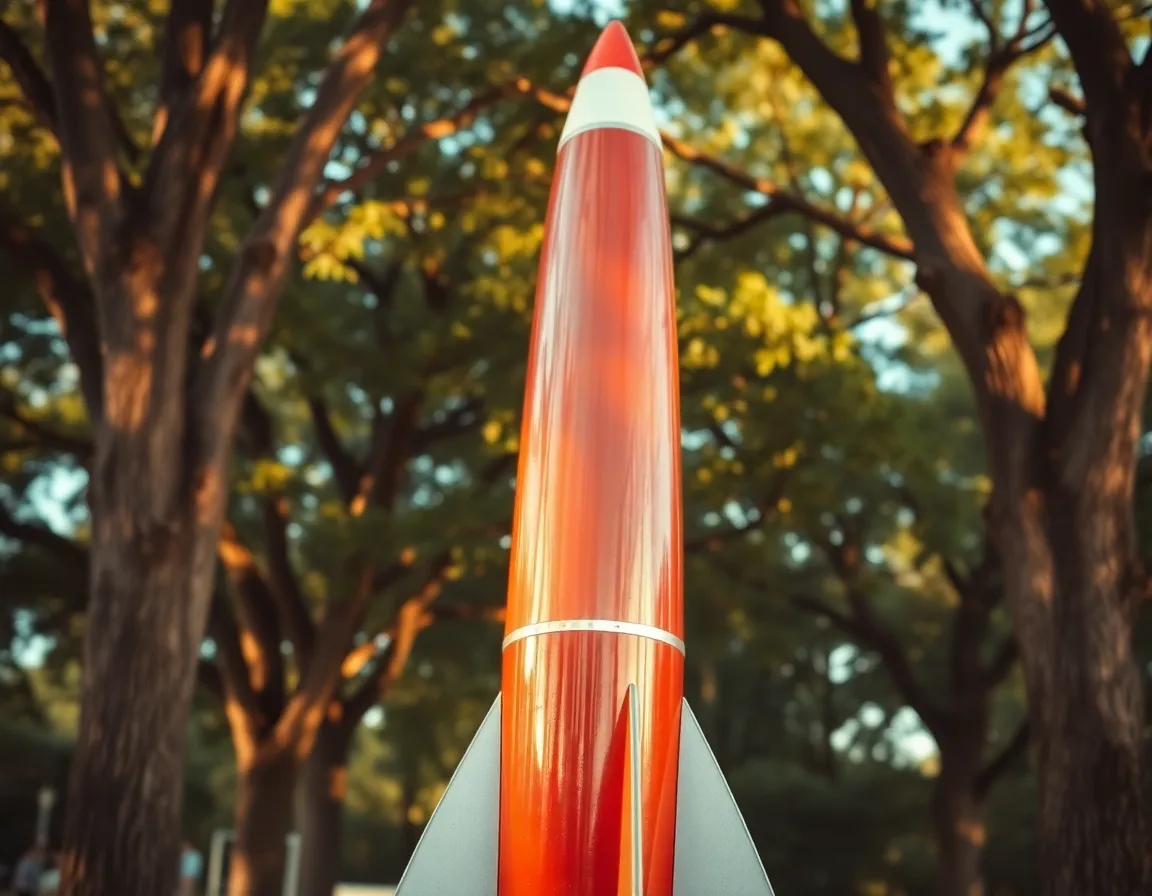
A vintage rocket displayed in a public space, shot with Leica Q3, 28mm f/1.7 Summilux. The scene captures warm afternoon sunlight casting long shadows on the glossy paint of the rocket. The depth of field is shallow at f/1.7, allowing the rocket to stand out while gentle bokeh frames the background trees. The color palette features nostalgic muted tones, reminiscent of 1960s imagery. The composition includes the rocket centered with a slight upward angle to emphasize its height, showcasing its grandeur. Textures include the smooth, colorful paint of the rocket and the natural bark of nearby trees.
4:3
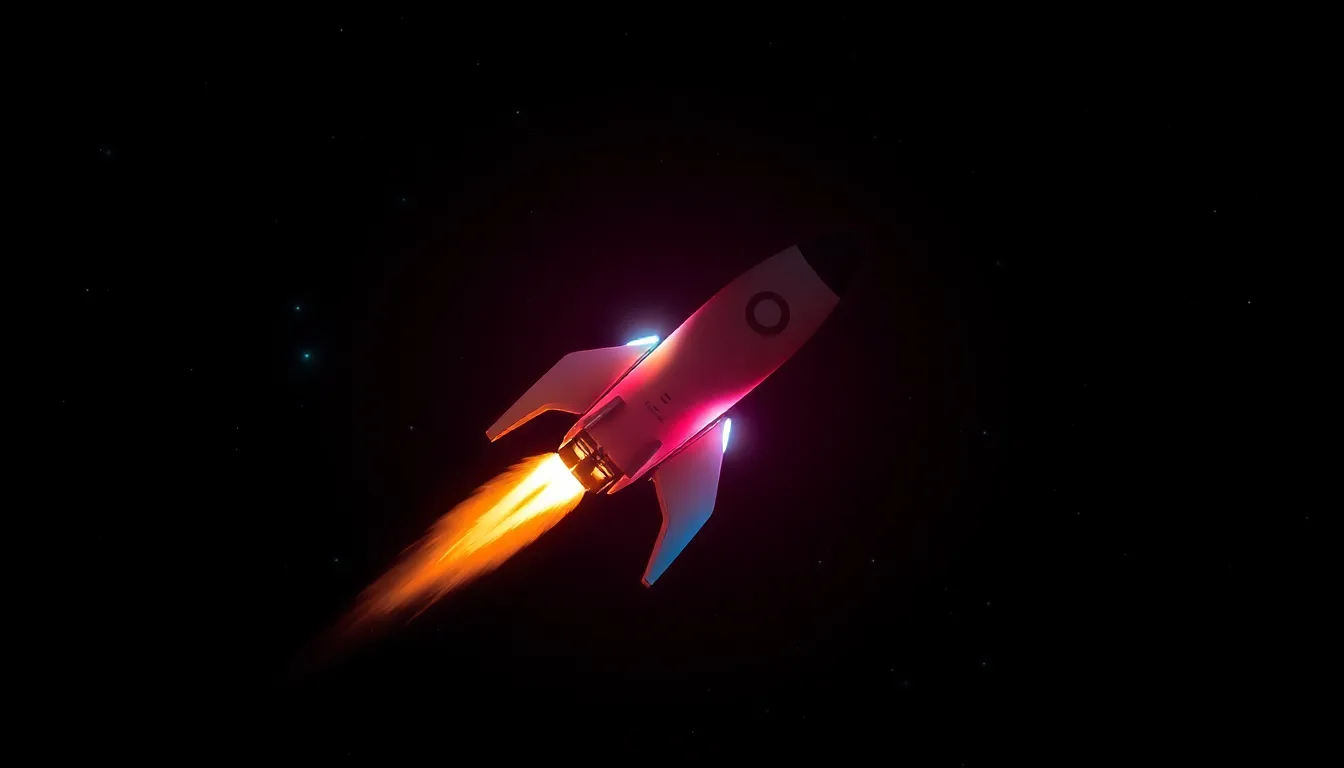
An abstract art representation of a rocket orbiting Earth, captured with Nikon Z9, 70-200mm f/2.8 at 135mm. The rocket is dramatically lit with colorful LED lights, creating a vibrant display against a backdrop of deep black space filled with stars. The shallow depth of field at f/2.8 keeps the rocket in sharp focus while the stars create a beautiful bokeh. The color grading features cinematic teal and orange tones to emphasize the lighting. The composition utilizes a centered symmetrical arrangement, giving a sense of balance and harmony to the scene. Textures include the smooth surface of the rocket contrasted with the vastness of space.
16:9

A concept rocket in a high-tech laboratory, shot on Sony A7R V with 85mm f/1.4 GM lens. The lab is brightly lit with cool white LEDs, reflecting off polished metal surfaces. The shallow depth of field at f/1.4 blurs the background, focusing sharply on the intricate details of the rocket, which features visible panel lines and rivets. The color palette is dominated by blues and silvers, evoking a futuristic feel. The composition uses leading lines from the lab tables to draw the viewer's eye towards the rocket, emphasizing its significance. The texture highlights include the smooth metal of the rocket and the complex equipment surrounding it.
3:2
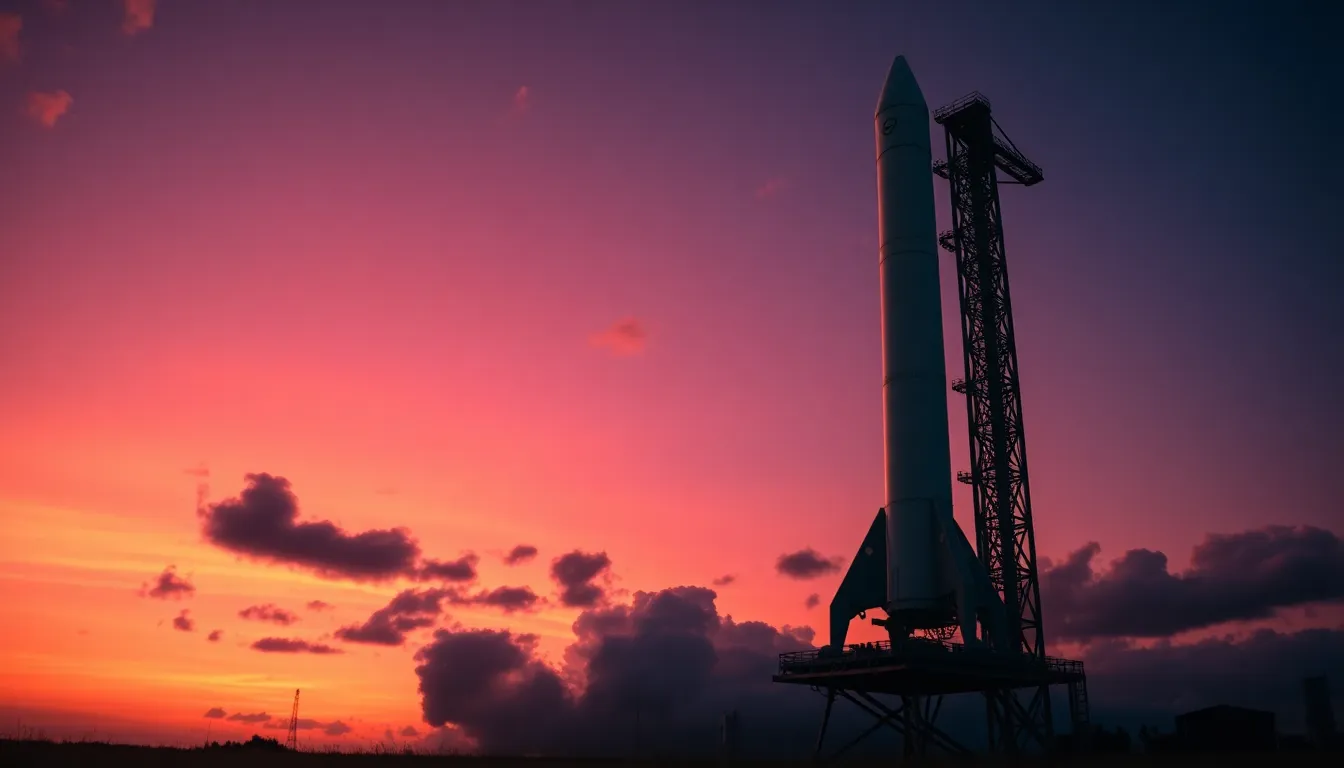
A powerful rocket launch at dawn, captured with Canon EOS R5, 24-70mm f/2.8L at 35mm. The scene is illuminated by the warm glow of the rising sun, creating a dramatic silhouette of the rocket against the orange and purple sky. Shallow depth of field at f/2.8 emphasizes the plumes of smoke billowing from the launch pad while the background remains softly blurred. The color palette features vivid oranges and deep blues. The composition follows the rule of thirds with the rocket positioned to the left, and the launch pad framed by scattered clouds. Textures include the rough concrete of the launch pad and the sleek metal surface of the rocket.
16:9

captured with Fujifilm GFX 100S, 110mm f/2 macro, focusing on a detailed hub and docking mechanism of a space station with intricate mechanical components. Soft diffused lighting casts even illumination without harsh shadows, capturing the polished textures of metal and the fine details of the machinery. The depth of field is shallow at f/2, isolating the docking mechanism against a softly blurred background. The color palette is natural with muted metallic tones, highlighting the precision engineering and complex design.
16:9
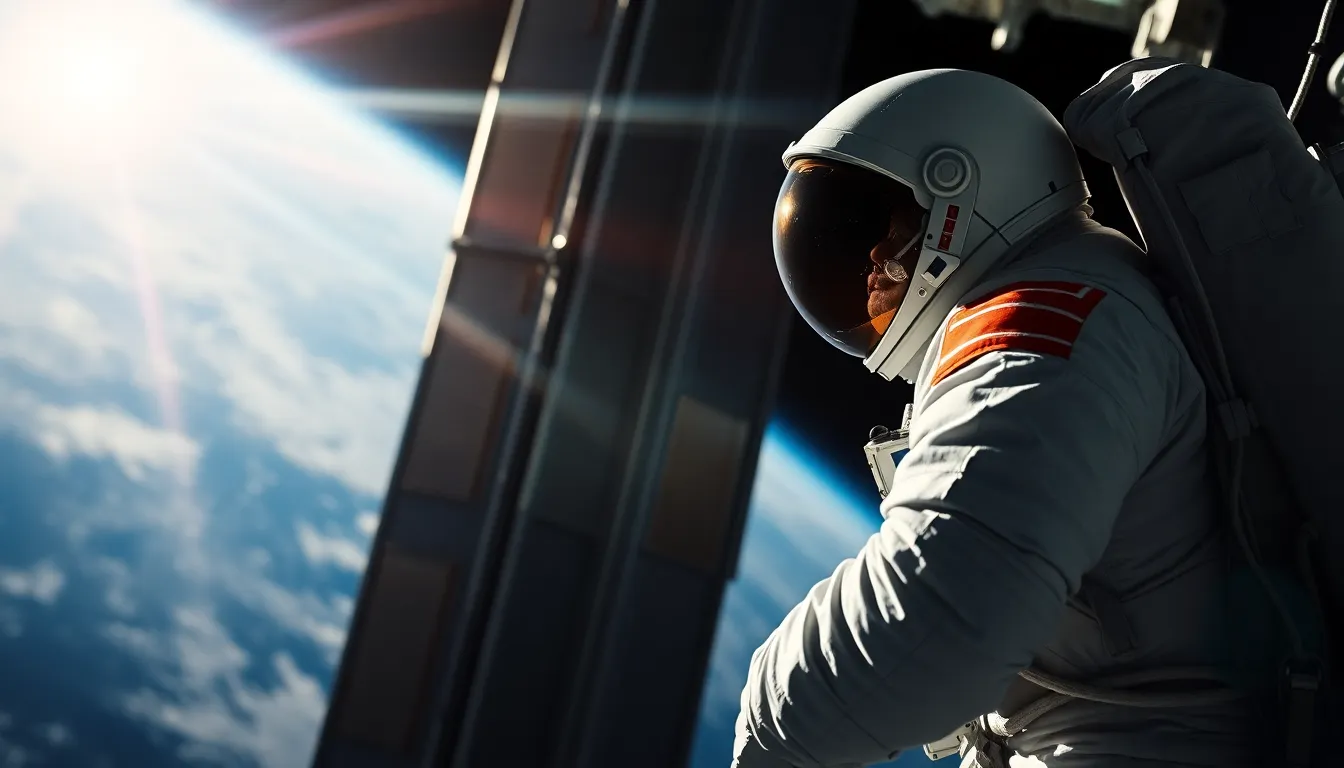
shot on Hasselblad X2D 100C, 90mm f/2.5 medium format, featuring an astronaut conducting repairs outside a space station during the day. The lighting consists of harsh sunlight creating stark contrasts and deep shadows on the station's surface. Deep focus at f/8 ensures sharpness from the foreground to the background, capturing the intricate details of the astronaut's suit and the metallic textures of the space station. The rule of thirds composition places the astronaut to the right, allowing the vastness of space to dominate.
16:9
captured with Nikon Z9, 70-200mm f/2.8 telephoto at 135mm, showcasing an exterior view of a space station against a backdrop of swirling nebulae and stars. The lighting is a combination of natural starlight and the soft glow from the station. The composition features leading lines created by the station's solar panels, drawing the viewer's eye towards the vivid colors of the nebula. The color palette resembles Fujifilm Velvia-inspired saturated colors, with bright pinks, deep blues, and vibrant purples.
16:9

shot on Sony A7R V with 85mm f/1.4 GM lens, showcasing a docking bay of a space station during sunset, with golden hour backlighting casting warm rim light on the spacecraft. The depth of field is shallow at f/1.4, resulting in creamy bokeh of distant stars and planets, while the color palette features vibrant, warm hues juxtaposed with deep space blues. The centered composition includes a meticulously detailed spacecraft docked at the bay, emphasizing the intricate design and textures of the metallic surfaces.
16:9
captured with Canon EOS R5, 24-70mm f/2.8L at 35mm, featuring overcast diffused daylight through floor-to-ceiling windows illuminating a futuristic space station interior with sleek metallic surfaces. Shallow depth of field at f/2.8 creates a soft bokeh of control panels in the background, and the color palette exhibits natural muted tones with desaturated earth colors. The composition follows the rule of thirds, showcasing an astronaut in a reflective helmet, gazing out at Earth through the window, wearing a modern suit with visible fabric texture.
16:9
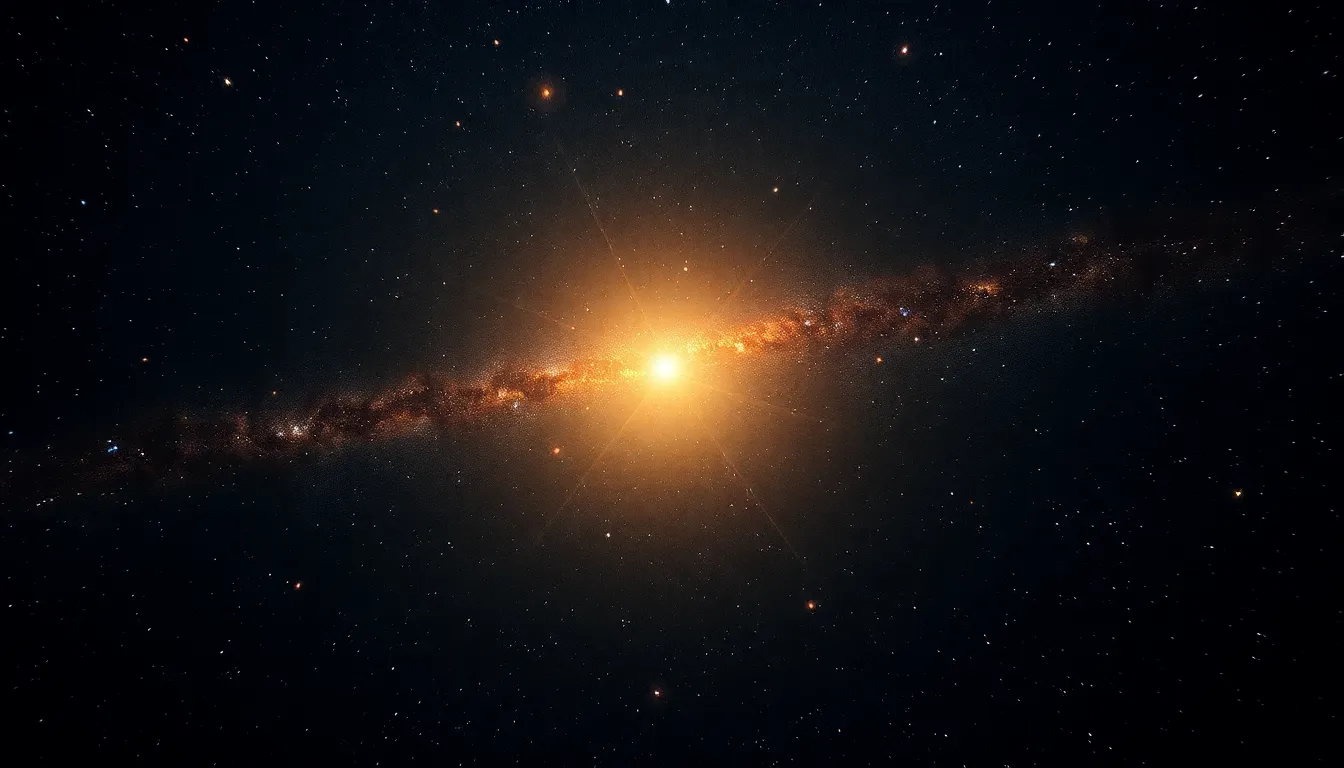
captured using Hasselblad X2D 100C, 90mm f/2.5 medium format, focusing on a distant quasar shining brightly among a field of galaxies. The scene is illuminated by the quasar's intense light, casting a surreal glow on the neighboring cosmic structures. Hyperfocal distance allows for sharp details across the scene at f/8. The natural muted tones with desaturated earth colors provide a mysterious atmosphere. A centered symmetrical composition emphasizes the quasar's brilliance amidst the galaxy backdrop, enhancing the scene's cosmic depth.
16:9

shot on Fujifilm GFX 100S, 110mm f/2 macro, focusing on a stellar nebula with vibrant gaseous colors illuminating the surrounding darkness. The scene is lighted by distant stars, offering a soft, diffused night glow. Shallow depth of field at f/2 creates a dreamy effect while keeping the nebula sharply in focus, leading to a soft painterly bokeh. Cinematic teal and orange color grading emphasizes the nebula's fiery core and cooler peripheral gases. The composition centers the nebula while surrounding stars create a natural frame, enhancing the scene's depth.
16:9
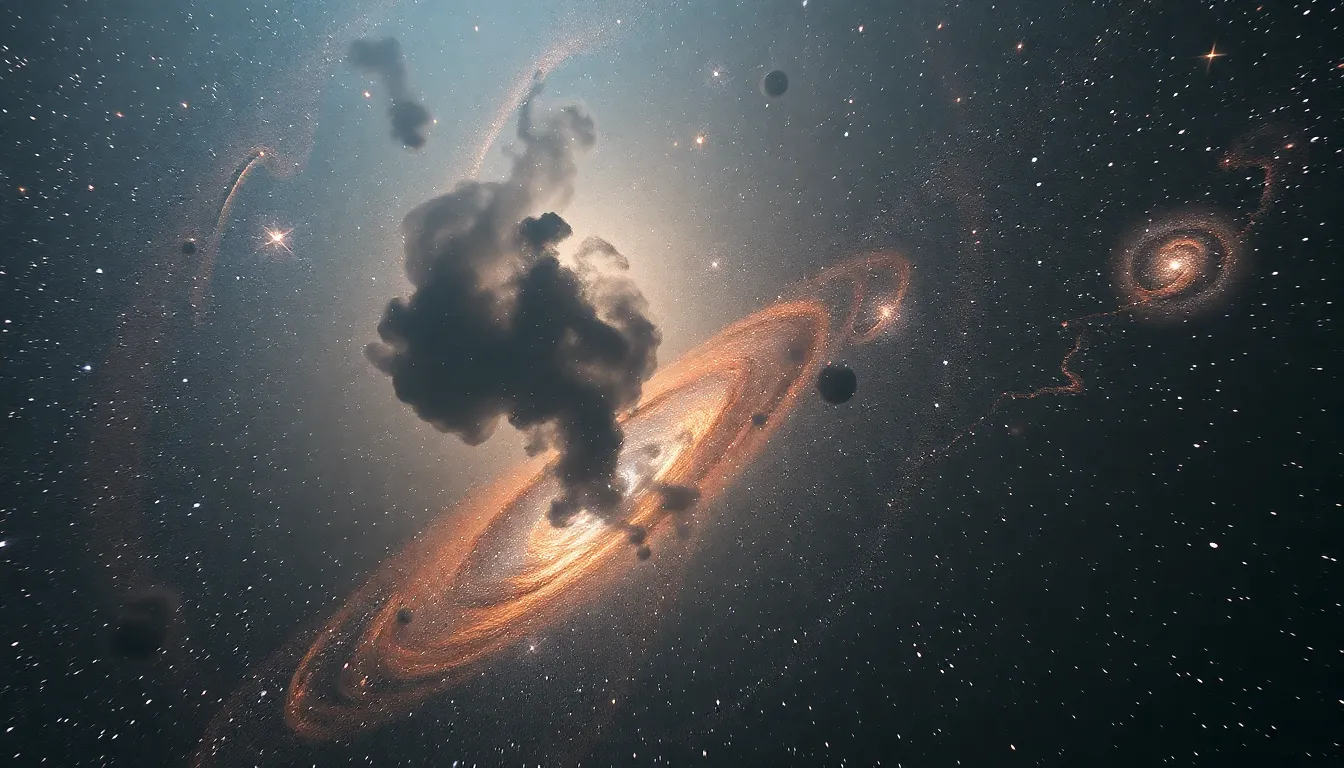
captured with Canon EOS R5, 24-70mm f/2.8L at 35mm, revealing the breathtaking beauty of a galaxy cluster with interconnected galaxies and cosmic dust. The scene is bathed in soft, overcast daylight, enhancing the ethereal qualities of the galaxies. A wide depth of field at f/8 keeps the entire scene sharp, emphasizing the vastness and complexity of space. The natural muted tones with desaturated earth colors provide a calming aesthetic. Leading lines formed by the arrangement of galaxies guide the viewer’s eye through the composition, showcasing the intricate details of each galaxy.
16:9
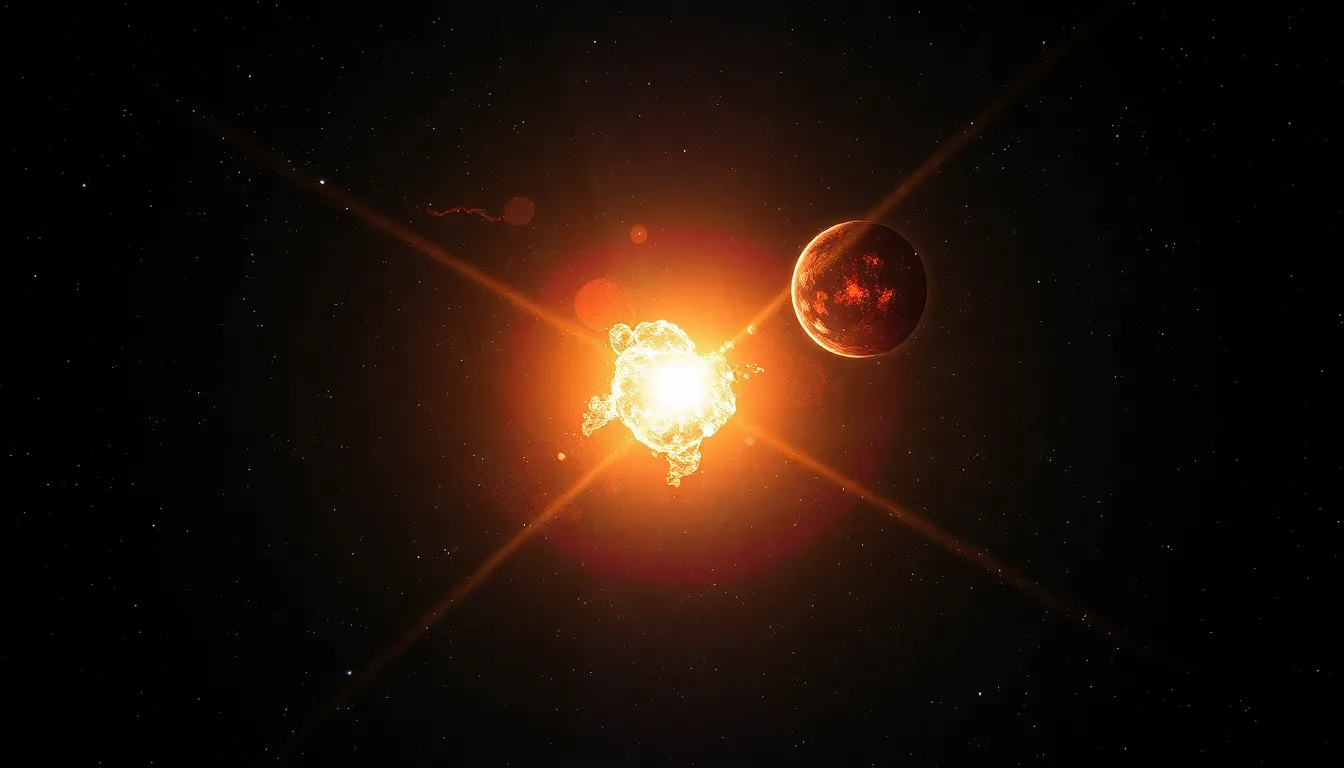
shot on Sony A7R V with 85mm f/1.4 GM lens, focusing on a brilliant supernova explosion brilliantly illuminating surrounding star fields. The lighting is dynamic, with the explosion acting as a key light source casting dramatic shadows on nearby celestial bodies. Hyperfocal distance ensures everything from the supernova to distant stars remains tack-sharp at f/8. The Kodak Portra 400 color palette enhances warm golds and fiery reds, creating a cinematic feel. The rule of thirds composition positions the supernova off-center, allowing room for scattered stars that add depth and intrigue.
16:9
captured with Nikon Z9, 70-200mm f/2.8 telephoto at 135mm, showcasing a vibrant galaxy with swirling stars and nebulae against a deep black sky. The scene is illuminated by light from distant stars, creating a stunning contrast of bright whites and soft purples. Shallow depth of field at f/2.8 keeps the galaxy sharp while blurring surrounding space. The color science mimics Fujifilm Velvia-inspired saturation, enhancing the deep blues and rich reds. Centered symmetrical composition emphasizes the galaxy’s spiral structure with twinkling stars in the foreground, adding texture of celestial dust and gas clouds.
16:9

A detailed close-up of a satellite's solar panel, captured with a Hasselblad X2D 100C, 90mm f/2.5 medium format lens. The scene is lit with diffused natural daylight, enhancing the textures and intricate grid patterns of the solar cells. The depth of field is shallow at f/2.5, allowing the focus to remain on the solar panel while creating a soft, dreamy bokeh in the background. The color palette includes deep blacks and metallic silvers, emphasizing the technology's elegance. The composition is centered, highlighting the delicate details of the solar panel structure.
16:9
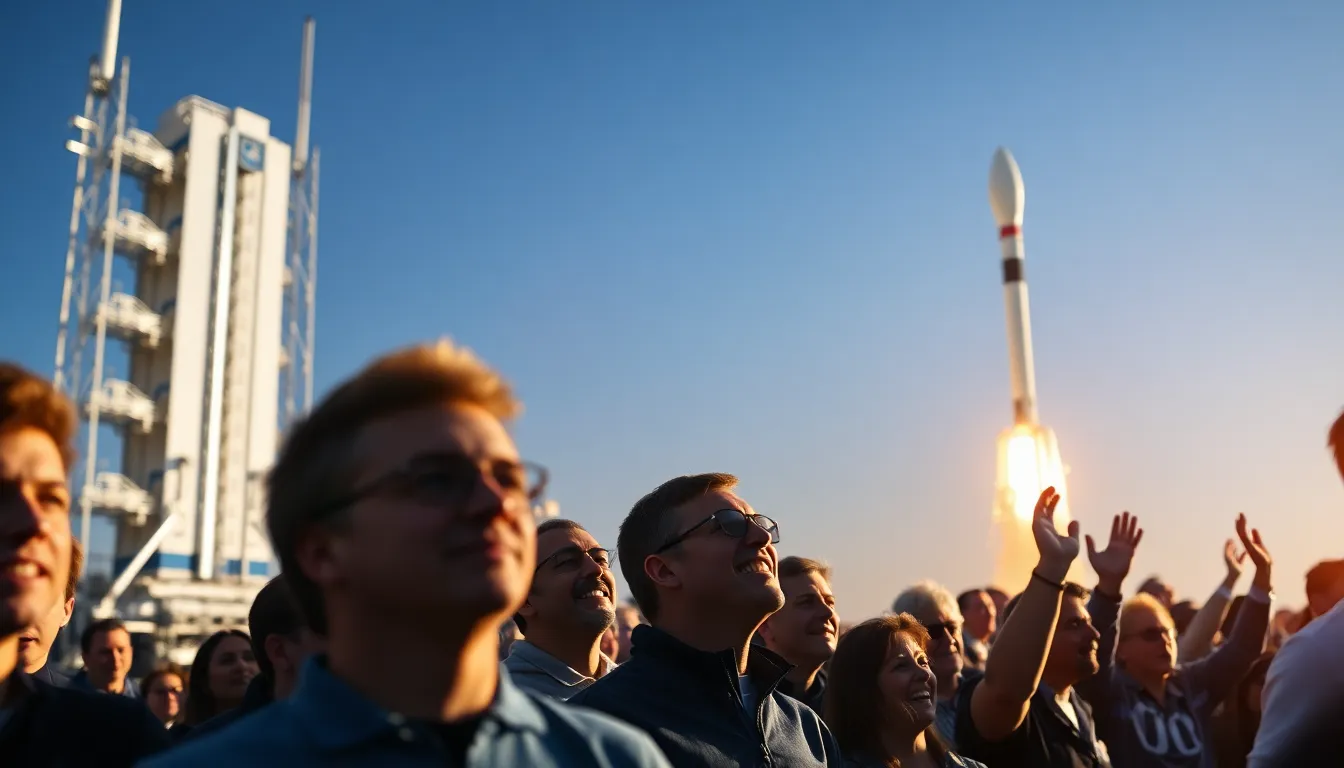
A satellite launch event captured with a Leica Q3, 28mm f/1.7 Summilux, showcasing the excitement of a crowd gathering as a rocket is prepared for launch. Natural daylight illuminates the scene, creating bright highlights and sharp contrasts against the sky. The depth of field is shallow at f/1.7, focusing sharply on the enthusiastic faces of the crowd while the rocket stands tall in the background, softly blurred. The color palette is rich in blues and whites, reflecting the rocket's features and the bright sky. The composition follows the rule of thirds with the rocket positioned to the right side, allowing room for the cheering crowd on the left.
16:9

An illustration of satellite technology in a futuristic urban environment at night, captured using a Fujifilm GFX 100S, 110mm f/2 macro. The scene features glowing satellite dishes installed atop skyscrapers, lit by neon lights and digital screens. The depth of field is shallow at f/2, blurring the background cityscape into an abstract bokeh of lights. The color palette is vibrant, with electric blues, pinks, and purples dominating the scene. The composition is centered, focusing on the satellites, while reflections of city lights on glass surfaces add depth and intrigue.
16:9
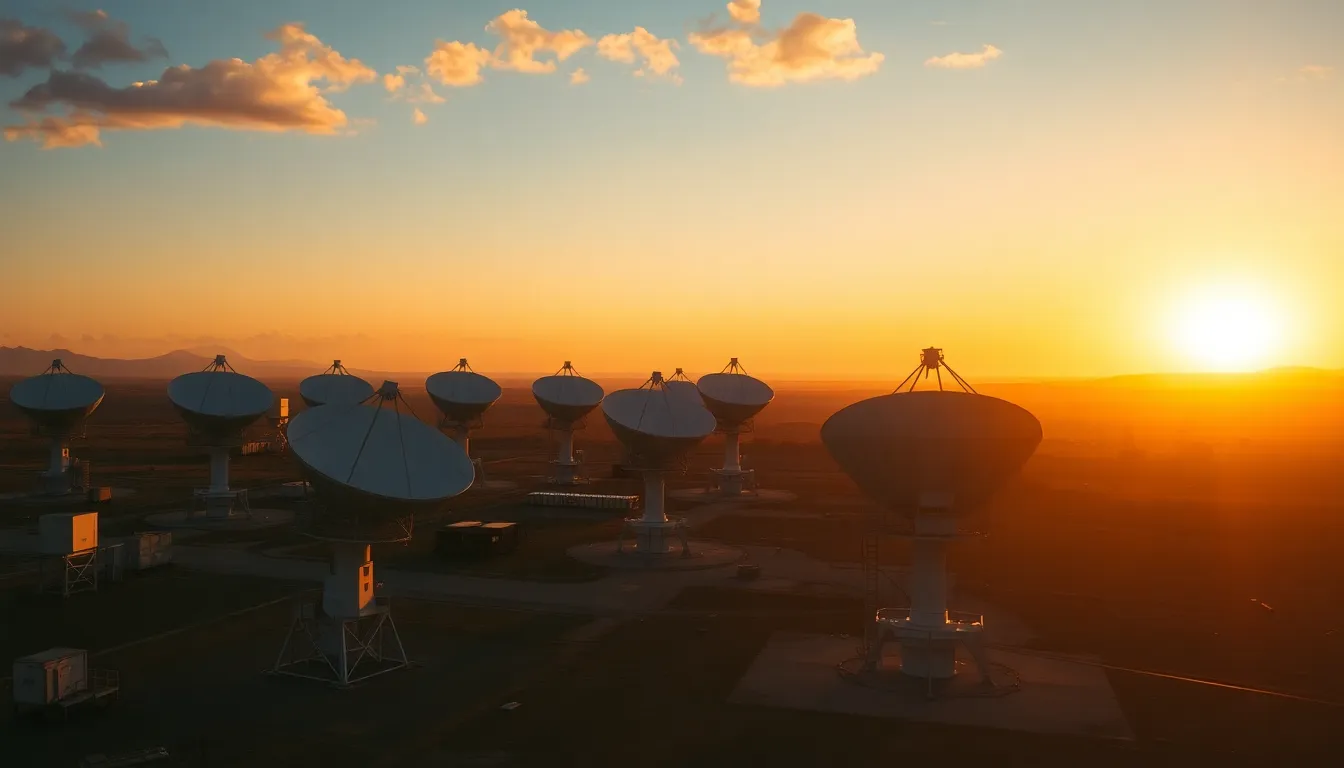
Aerial view of a large satellite ground station under a sunset sky, captured using the Canon EOS R5, 24-70mm f/2.8L at 35mm. The scene is dramatically lit by warm golden hour light, creating rich shadows and highlights on the dishes. The depth of field is hyperfocal at f/8, ensuring everything from the foreground antennas to the distant horizon is in focus. The color palette captures the warm oranges and soft blues of the sunset sky. The composition features leading lines formed by the antennas pointing towards the horizon, drawing viewers' eyes through the image.
16:9
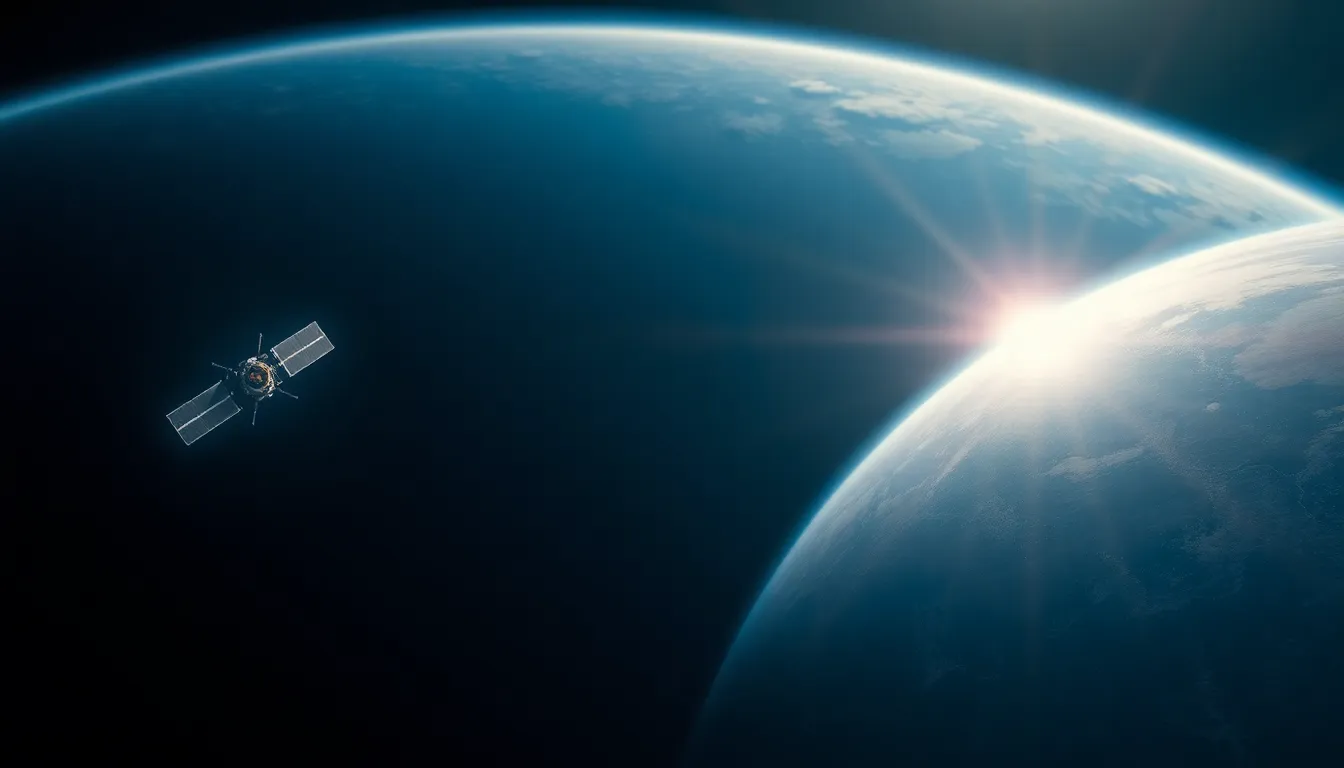
A stunning view of a satellite orbiting Earth, captured with a Nikon Z9, 70-200mm f/2.8 telephoto at 135mm. The image showcases the satellite illuminated by the sun against the deep blue of space, with Earth visible in the background. The scene is lit with natural sunlight, producing a vibrant contrast of dark and bright areas. The depth of field is shallow at f/2.8, ensuring that the satellite is in sharp focus while the curvature of Earth softly blurs into the background. The color palette features deep space blues and bright whites. The composition follows the rule of thirds, placing the satellite in the left section of the frame, while fine textures of the satellite's surface are highlighted by the sunlight.
16:9
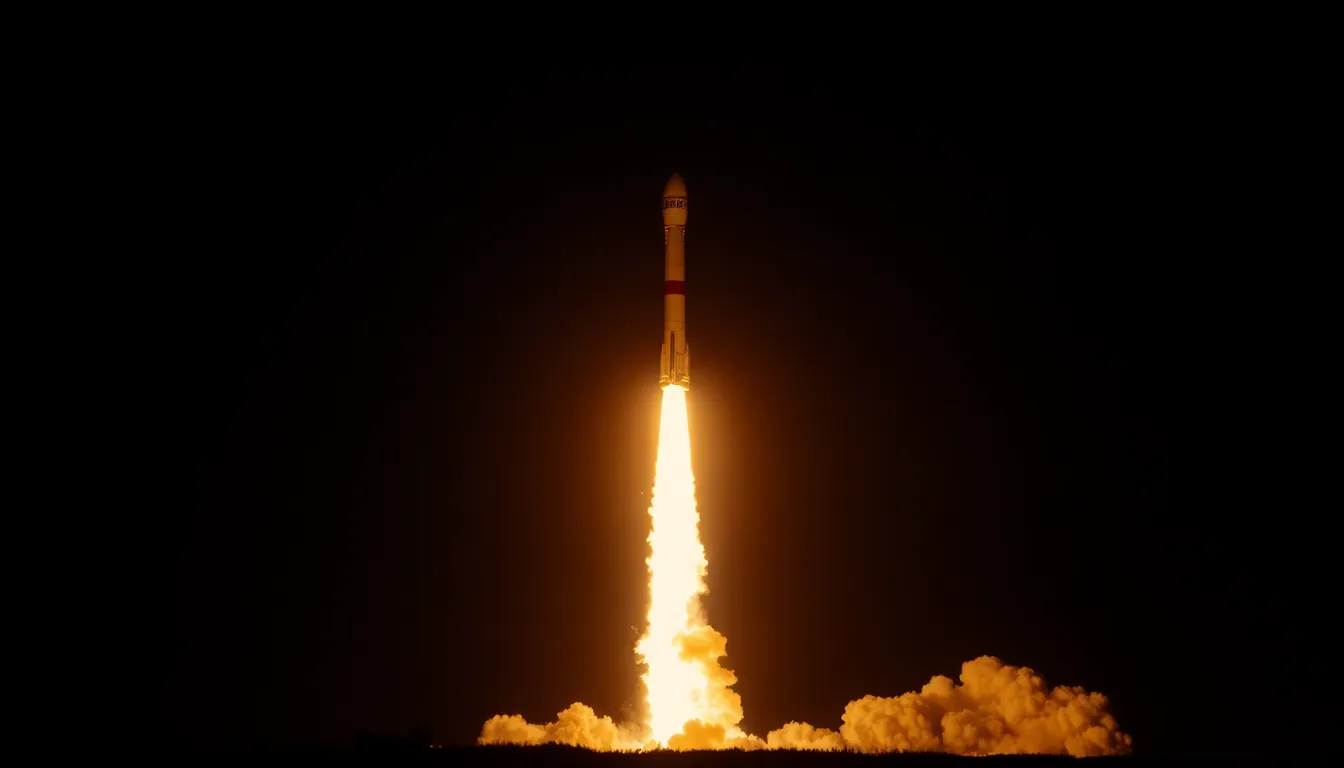
shot on Leica Q3, 28mm f/1.7 Summilux, capturing a dramatic nighttime launch with fiery exhaust glowing against the dark sky. The scene is illuminated by the rocket's flames and exhaust plume, creating stark contrasts with the surrounding darkness. A shallow depth of field at f/1.7 focuses sharply on the rocket while allowing the background to melt into a painterly bokeh of colors. The film look features Fujifilm Velvia-inspired saturation, enhancing the fiery oranges and deep blues. The composition centers on the rocket, with a slight upward angle emphasizing the power of the launch against the night sky.
16:9
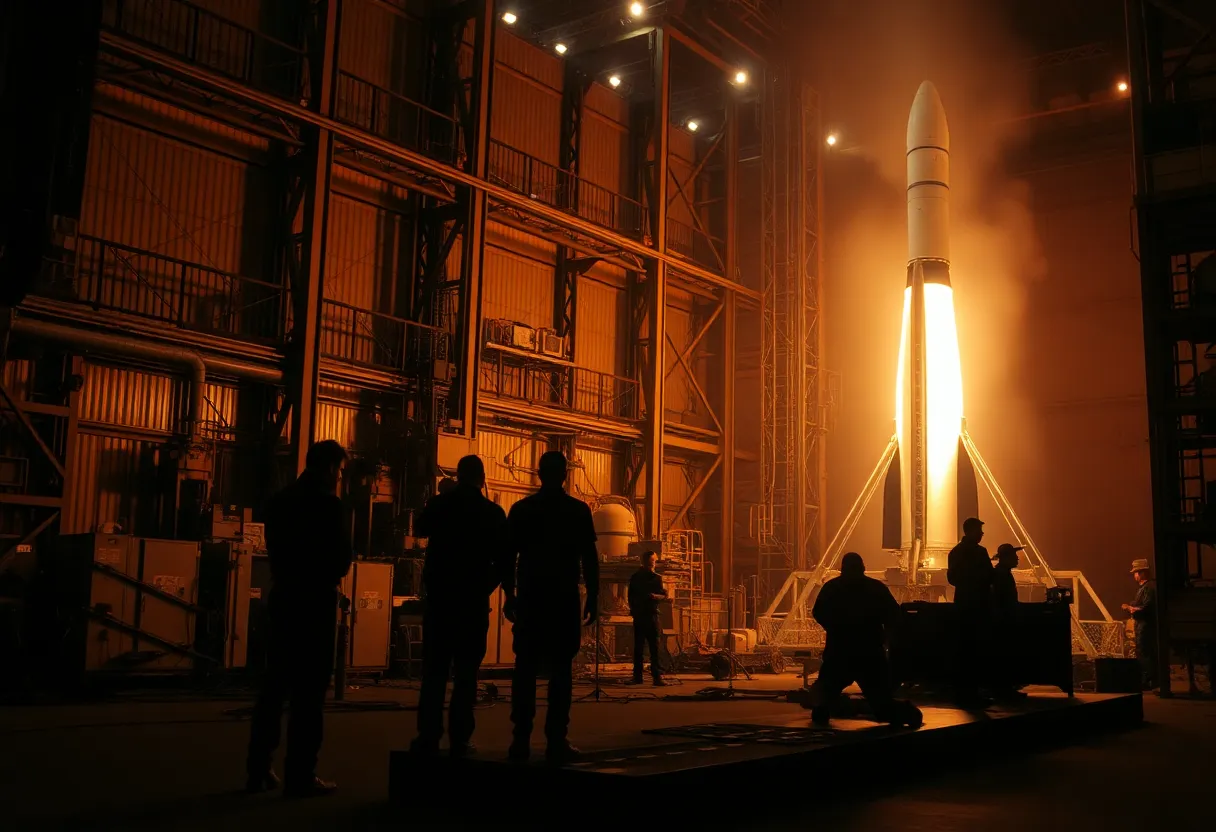
captured with Hasselblad X2D 100C, 90mm f/2.5 medium format, depicting a rocket preparing for launch at dawn. The scene is bathed in soft golden hour light, highlighting the curves of the rocket and creating long shadows on the launchpad. A selective focus on the rocket's tip at f/2.5 pulls the subject away from the slightly blurred surroundings, creating an ethereal feel. The rich color palette features warm oranges and soft blues that evoke a sense of hope and new beginnings. The composition uses the rule of thirds, positioning the rocket to the right of the frame, with the launchpad extending into the distance.
3:4

shot on Fujifilm GFX 100S, 110mm f/2 macro, presenting a close-up of a rocket engine nozzle in a workshop setting. The lighting features practical warm tungsten lamps casting a golden hue on the metallic surface, highlighting intricate details and textures. A shallow depth of field at f/2 creates a creamy bokeh in the background, drawing attention to the nozzle and its complex engineering. The color science leans towards natural muted tones, emphasizing the industrial aspects of the scene. The composition is framed tightly around the nozzle, showcasing its craftsmanship and design.
1:1
captured with Canon EOS R5, 24-70mm f/2.8L at 35mm during a daytime launch, showcasing the sleek design of a space rocket on the launchpad. The scene is illuminated by bright overcast daylight, enhancing the metallic textures and details of the rocket. Hyperfocal distance ensures everything from the rocket to the distant launch facility is sharp and well-defined at f/8. The color palette consists of natural metallic greys and blues, creating a clean and professional look. The composition employs leading lines of the launchpad drawing the viewer's eye towards the rocket, with a clear sky providing a serene backdrop.
3:2
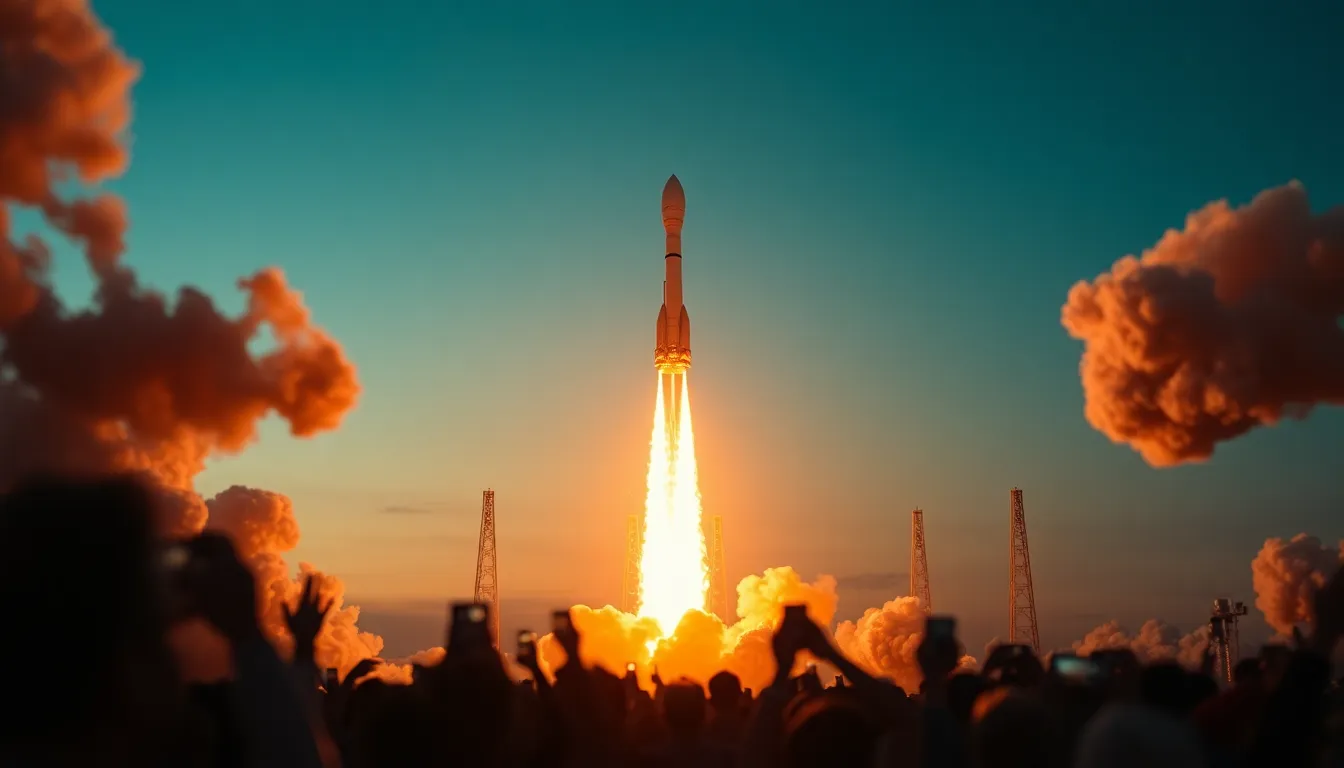
shot on Nikon Z9, 70-200mm f/2.8 telephoto at 135mm, capturing a rocket launch at twilight, with dramatic backlighting from the setting sun creating a vibrant silhouette of the rocket against the sky. Shallow depth of field at f/2.8 blurs the crowd in the foreground, emphasizing the powerful engine flames and smoke, with a cinematic teal and orange color grading that enhances the fiery hues contrasted against a deep blue sky. Compositionally, the rocket is centered, creating a strong focal point amidst the excitement of the crowd, who are holding their phones up to capture the moment. The texture of the smoke trails is highly detailed, showcasing the dynamic motion of the launch.
16:9
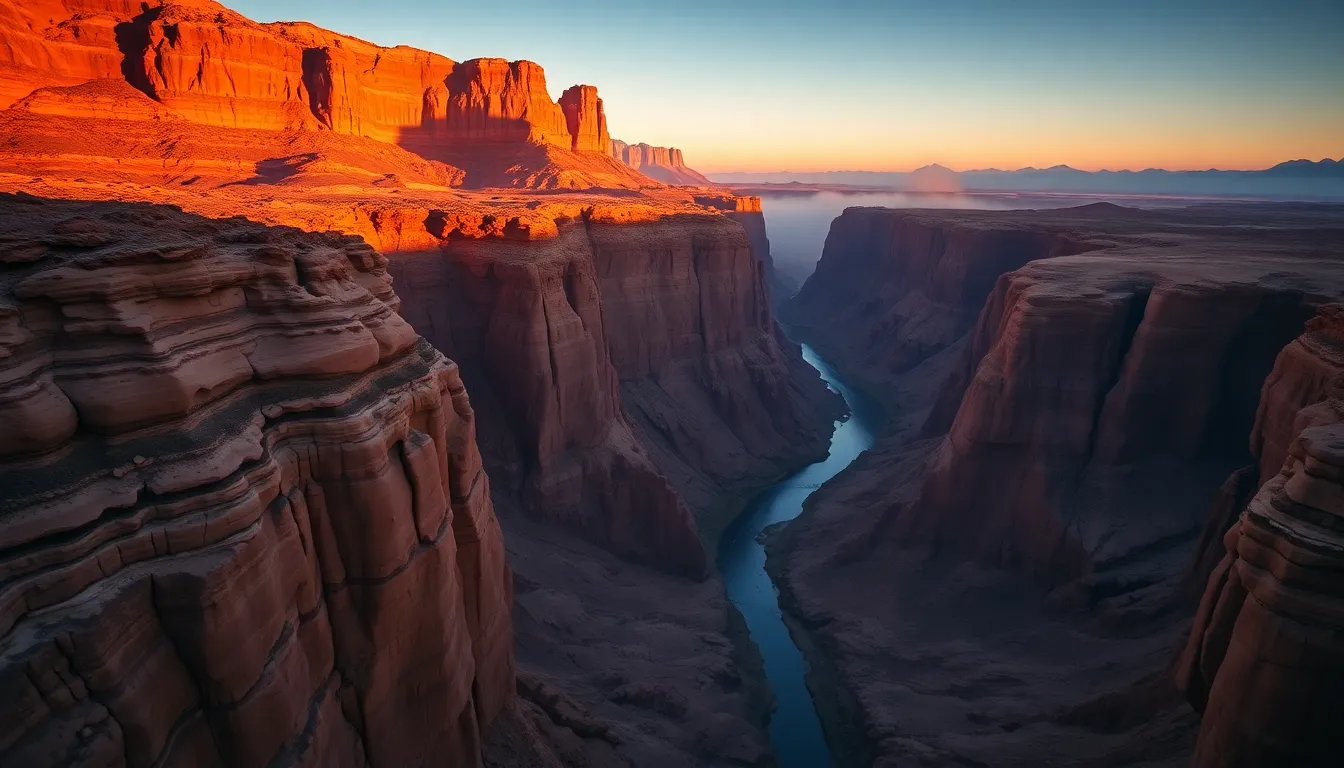
shot on Hasselblad X2D 100C, 90mm f/2.5 medium format, this image captures a stunning aerial view of a Martian canyon at dawn, with golden light illuminating the rugged cliffs and deep shadows in the valley. The color palette features warm oranges and cool blues, creating a dramatic contrast that emphasizes the canyon’s depth. The composition uses the rule of thirds, with a winding river snaking through the canyon, enhancing the sense of scale and adventure. Atmospheric perspective adds mystery, with subtle fog rolling in from the horizon.
16:9

Fujifilm GFX 100S, 110mm f/2 macro captures a detailed shot of Martian soil samples in a petri dish, with bright studio lighting creating soft highlights on the surfaces. The color science employs muted, desaturated earth tones, accentuating the various minerals within the samples. The shallow depth of field at f/2 isolates the samples sharply against a blurred lab background. The composition is centered, emphasizing the samples as the focal point, with visible texture in the soil grains and small pebbles enhancing the realism.
1:1
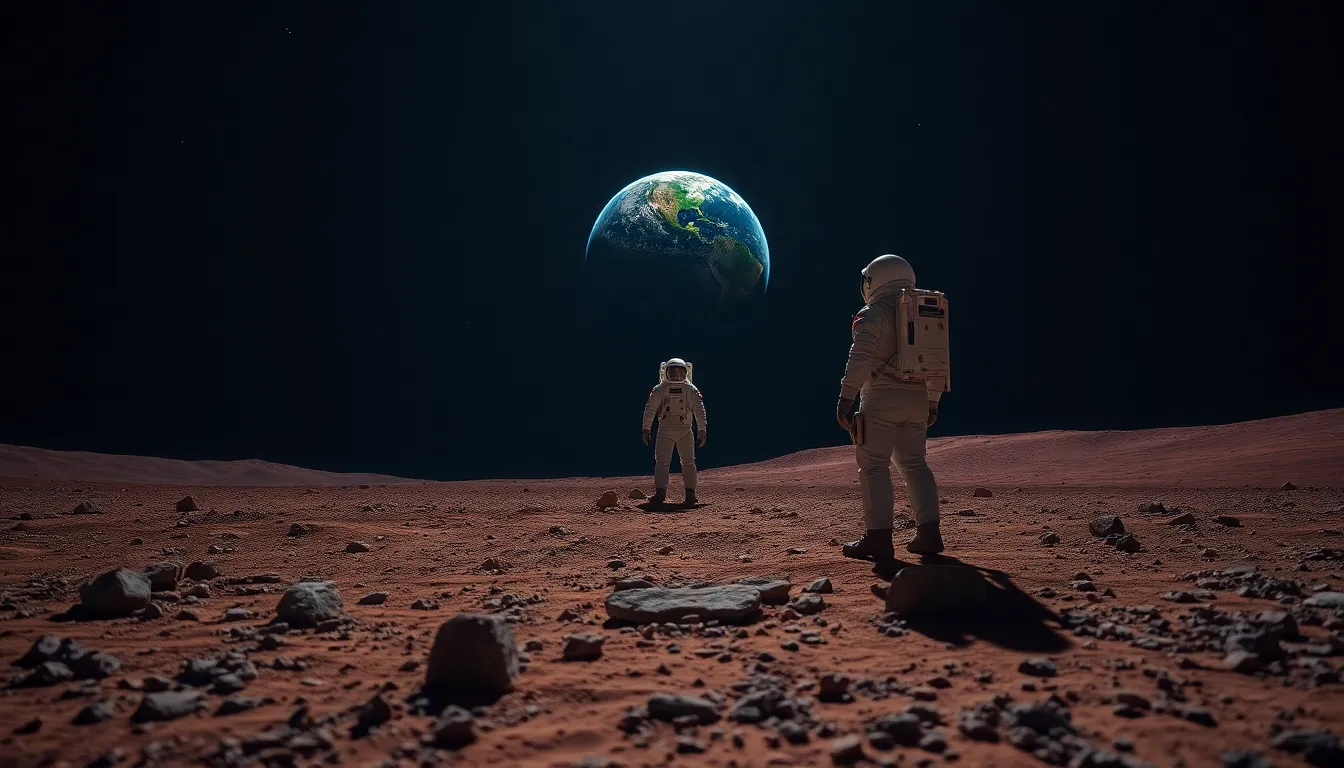
captured with Canon EOS R5, 24-70mm f/2.8L at 35mm, this scene features an astronaut exploring the Martian surface during a dramatic sunset. The composition includes leading lines formed by rock formations and tracks left by the astronaut's boots, guiding the viewer's eye across the frame. The lighting is dynamic, with the fading sunlight casting long shadows and enhancing the red and purple hues of the Martian sky. Selective focus on the astronaut's helmet highlights the reflective visor, revealing the vibrant colors of the atmosphere.
16:9

shot on Sony A7R V with 85mm f/1.4 GM lens, this composition features a close-up of a Martian rock with intricate textures illuminated by soft golden hour light, creating a warm aura around the subject. The depth of field is shallow at f/1.4, producing creamy bokeh that accentuates the rock's details while blurring the barren landscape behind. The color palette includes subtle burnt orange and muted tan tones. Rule of thirds positioning places the rock at the right power point, enhancing visual interest and focus on its patterns.
4:3
captured with Nikon Z9, 70-200mm f/2.8 telephoto at 135mm, showcasing the dusty surface of Mars with intricate rock formations illuminated by harsh midday sunlight, hyperfocal distance keeping everything from foreground to infinity tack-sharp at f/8. The color palette is dominated by warm reds and browns reminiscent of rusted metal, while a dust storm brews in the distance, adding dynamic elements to the composition. Leading lines of the rocky terrain draw the eye towards a distant Martian hill, with fine dust particles visible in the harsh light, enhancing depth and realism.
16:9
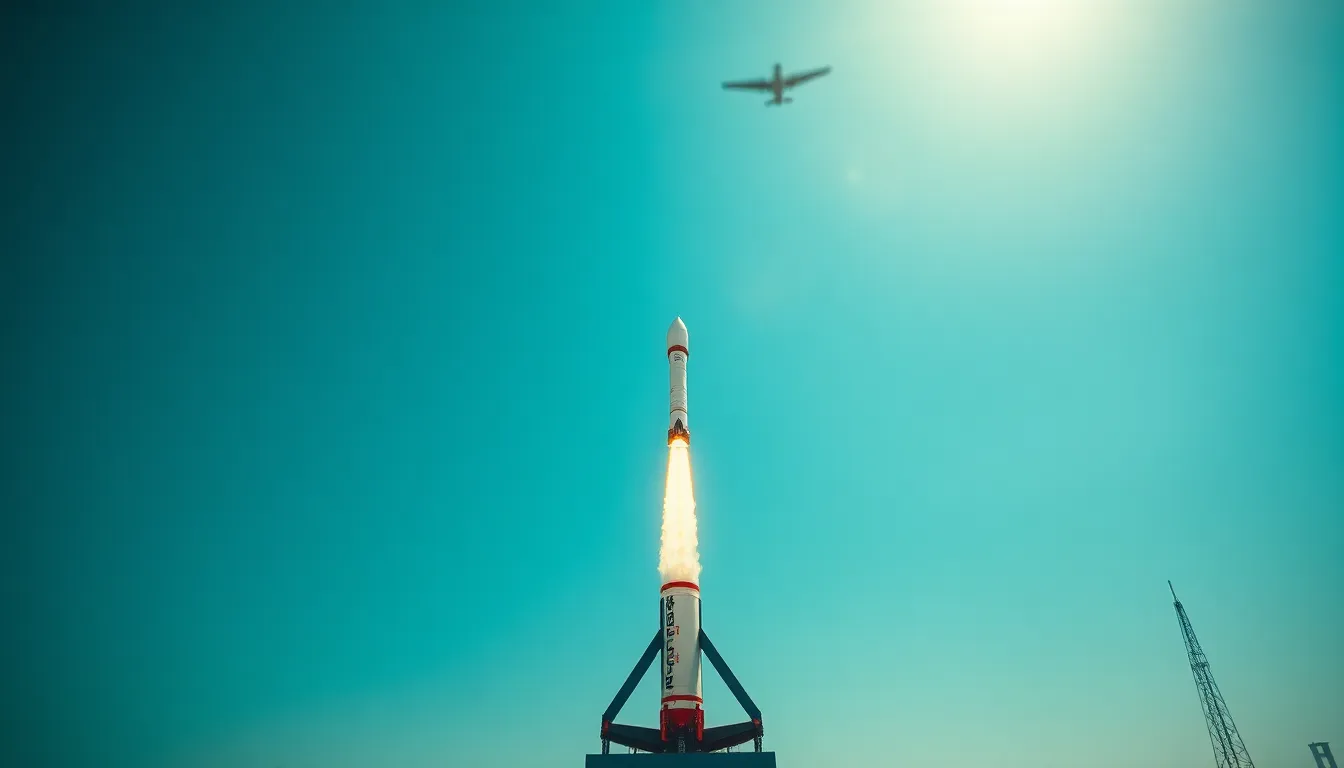
captured on Hasselblad X2D 100C, 90mm f/2.5 medium format, under harsh midday sunlight casting strong shadows, hyperfocal distance ensuring a sharp foreground of the rocket along with a soft background, cinematic teal and orange color grading providing a vivid contrast, leading lines composition emphasizing the rocket against a clear sky.
16:9
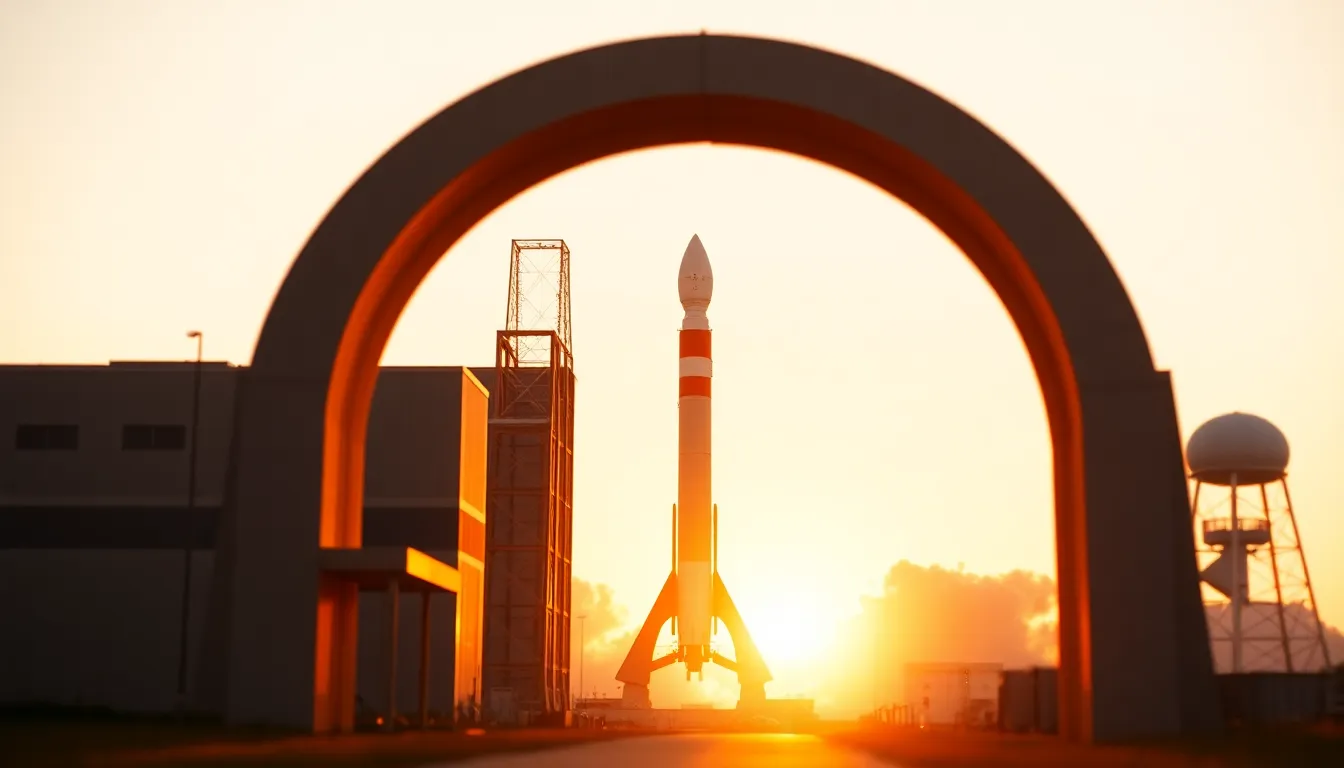
shot with Fujifilm GFX 100S, 110mm f/2 macro, utilizing golden hour backlighting with warm rim light creating a halo effect around the rocket, shallow depth of field at f/2 for a dreamy background, Kodak Portra 400 color palette enhancing warm skin tones and creamy highlights, foreground framing through an arch of a launch control building leading the eye to the rocket.
16:9
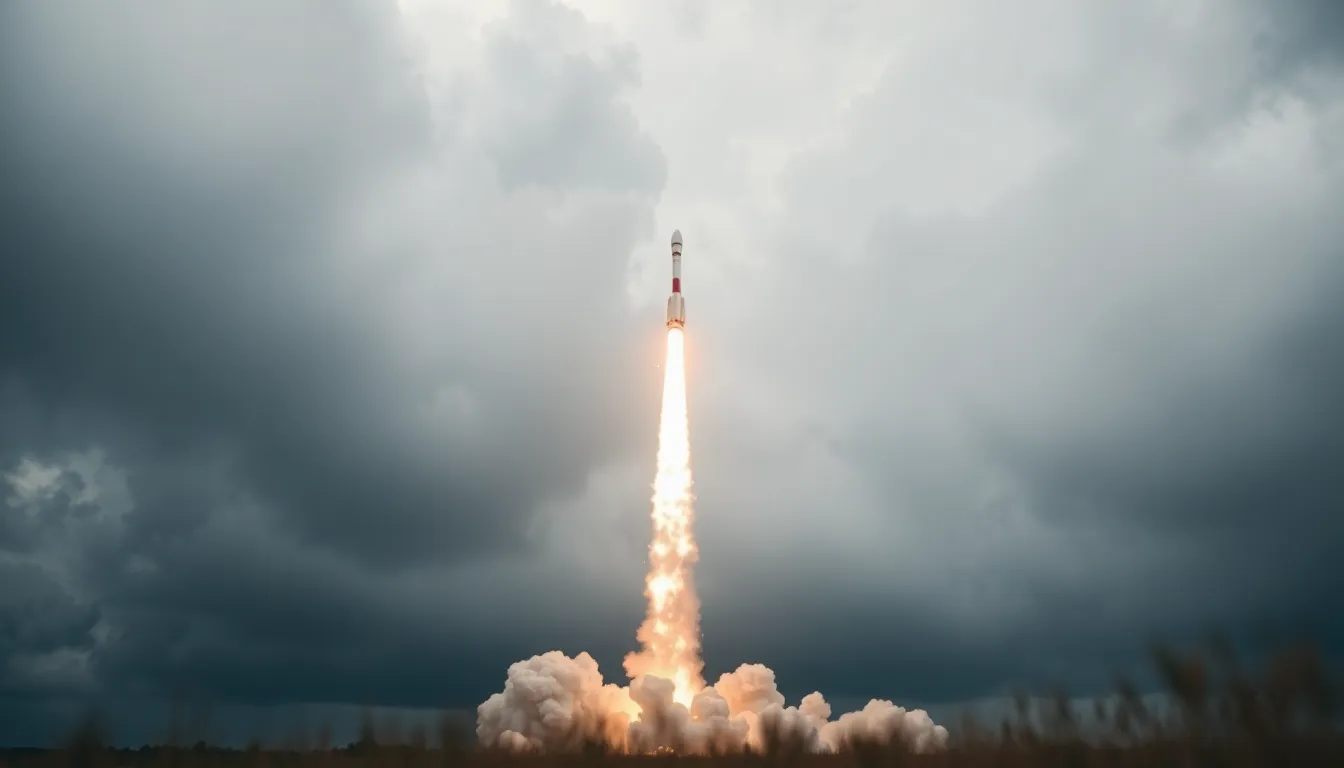
captured with Canon EOS R5, 24-70mm f/2.8L at 35mm, under soft overcast light filtering through thick clouds, selective focus on the rocket's tail while the rest of the frame gently blurs, natural muted tones with desaturated earth colors, leading lines composition emphasizing the rocket's ascent against the backdrop of a stormy sky.
16:9
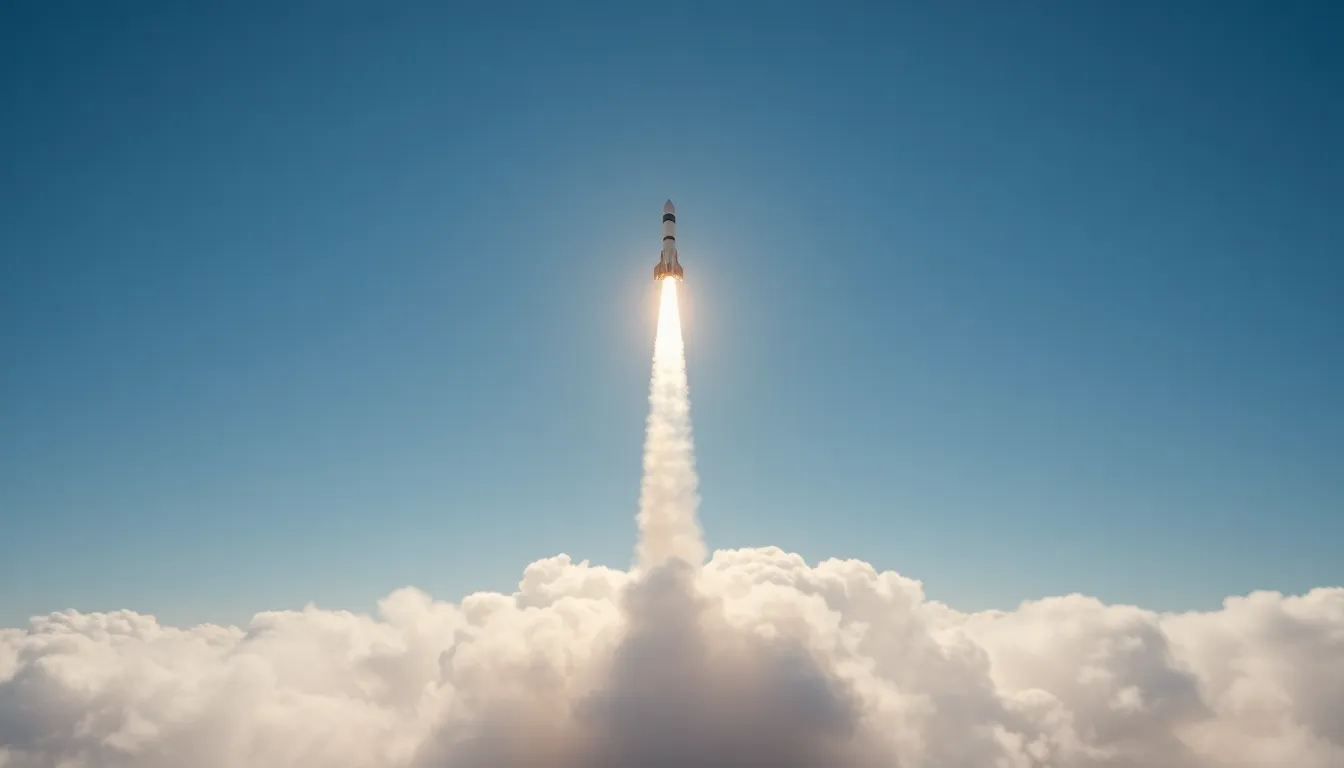
shot on Sony A7R V with 85mm f/1.4 GM lens, captured in bright midday light with stark shadows from a clear blue sky, hyperfocal distance to ensure sharpness from foreground to infinity, natural muted tones with desaturated earth colors, centered symmetrical composition of a rocket breaking through the cloud layer, showcasing detailed smoke and vapor trails across the bright sky.
16:9
captured with Nikon Z9, 70-200mm f/2.8 telephoto at 135mm, under dramatic twilight conditions with warm oranges and deep blues in the sky, shallow depth of field at f/2.8 focusing on the rocket's intricate textures and details, cinematic teal and orange color grading, rule of thirds composition with the rocket positioned at the left power point, showcasing weathered metal surface with visible rivets and scratches.
16:9
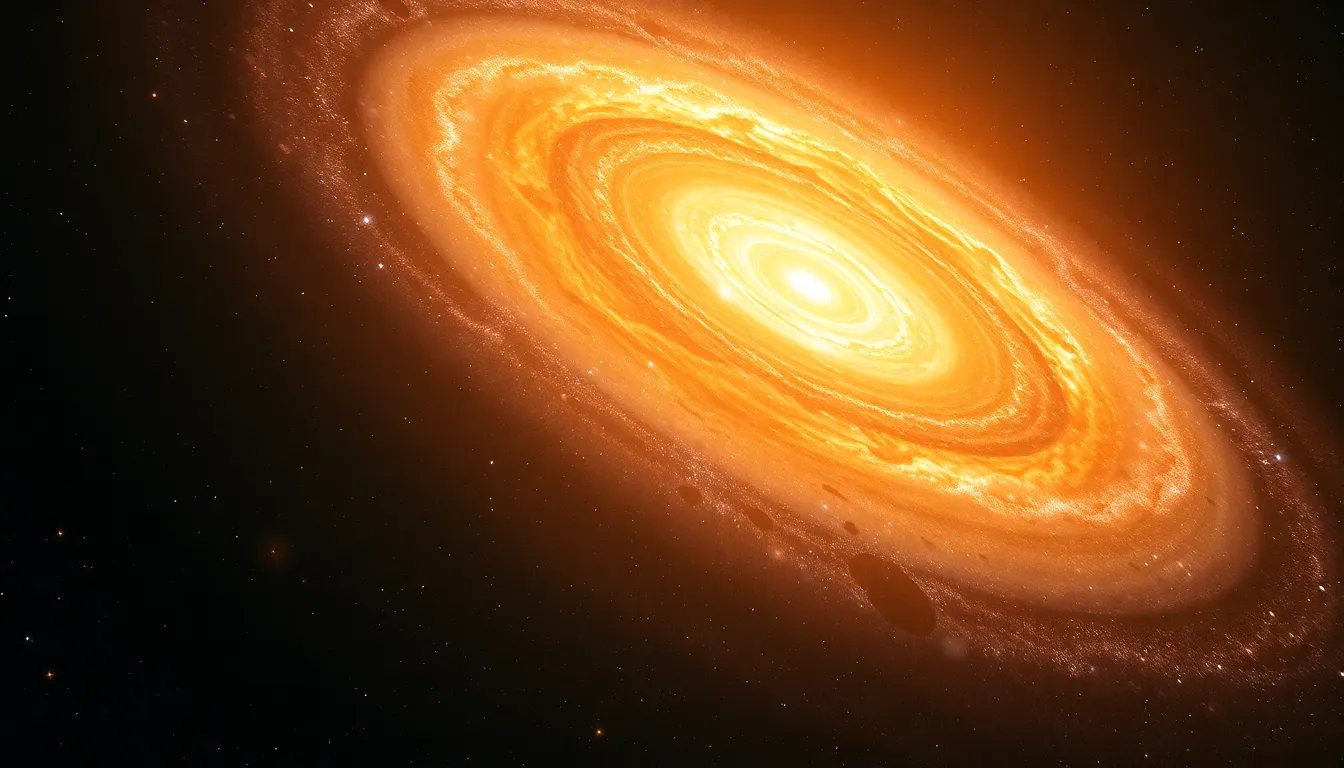
captured with Hasselblad X2D 100C, 90mm f/2.5 medium format, depicting an ancient galaxy merging with another, illustrated by cosmic tendrils and colorful star clusters. The lighting is simulated as overcast diffused daylight, creating a soft glow that highlights the cosmic details. The depth of field is set to a hyperfocal distance at f/8, ensuring sharp focus throughout the scene. The color palette features natural muted tones with desaturated earth colors, lending a timeless feel to the image. The composition follows a leading lines style, guiding the viewer’s gaze through the merging galaxies and emphasizing their grandeur and beauty, while the textures of the cosmic tendrils are finely detailed.
16:9

shot on Fujifilm GFX 100S, 110mm f/2 macro, creating an extreme close-up of a nebula swirling with colorful gases and stardust. The lighting is practical, with a warm tungsten glow symbolizing a cosmic event. The depth of field is very shallow at f/2, isolating the intricate details of the nebula against a smooth, dark background. The color palette is vivid and dreamy, inspired by cinematic teal and orange grading, enhancing the hues of the nebula. The composition is centered, focusing closely on the textures of the swirling gases and stardust, creating a mesmerizing effect.
16:9
captured with Canon EOS R5, 24-70mm f/2.8L at 35mm, showcasing an expansive view of a distant galaxy where bright star formations shimmer against a dark background. The scene is illuminated by soft, dappled sunlight simulated from various angles, enhancing the vivid colors of the galaxy. The depth of field is set to a hyperfocal distance at f/8, allowing everything from the foreground to infinity to be in sharp focus. The color scheme features natural muted tones with desaturated earth colors, emphasizing the mystique of space. The composition utilizes leading lines from star trails drawing the viewer’s eye towards the galaxy, creating a sense of depth and grandeur. The texture of the star formations is rendered in remarkable detail.
16:9
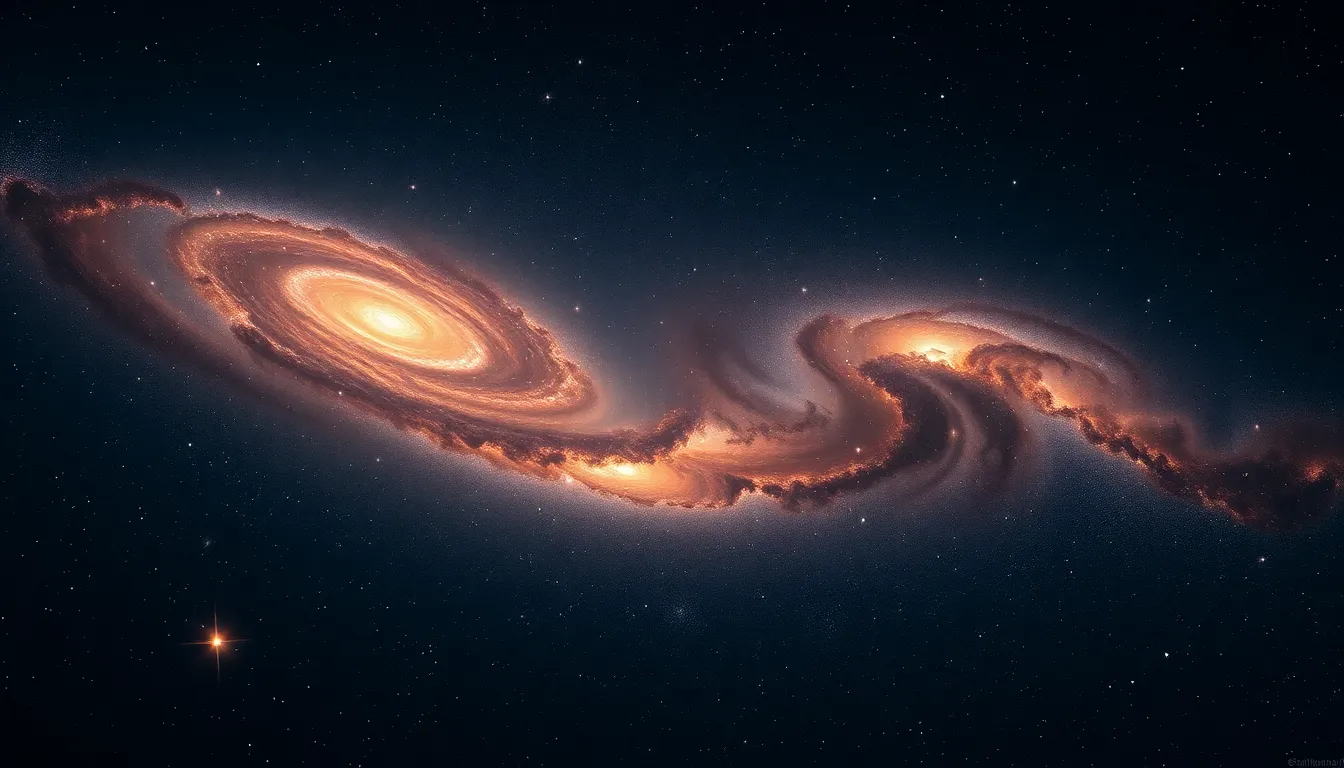
shot on Sony A7R V with 85mm f/1.4 GM lens, capturing a detailed view of a nearby galaxy cluster illuminated by an intense explosion of colors. The lighting mimics natural golden hour backlighting, with warm hues illuminating the edges of the galaxies. The depth of field is shallow at f/1.4, creating a creamy bokeh that softens the distant background stars. The color palette is inspired by Kodak Portra 400, enhancing warm skin tones and giving a soft glow. The composition employs a centered symmetrical arrangement, highlighting the dynamic patterns of the galaxies and their radiant colors. Textures of cosmic gases and debris are captured in vivid detail.
16:9
captured with Nikon Z9, 70-200mm f/2.8 telephoto at 135mm, featuring a stunning spiral galaxy illuminated by a vibrant backdrop of stars. The shot is set against the depths of space, using overcast diffused daylight simulation to create a soft ethereal light. There's a hyperfocal depth of field, ensuring that the foreground stars and the galaxy remain tack-sharp. The colors follow a Fujifilm Velvia-inspired palette, showcasing rich blues and purples of cosmic dust. The composition follows a rule of thirds, placing the galaxy at a power point, with swirling stars leading the viewer's eye. Tiny space dust particles are visible, enhancing the texture of the scene.
16:9

Fujifilm GFX 100S, 110mm f/2 macro, close-up showcasing intricate details of the rocket's texture under warm tungsten lighting, selective focus on rivets and surface imperfections with a shallow depth of field at f/2 creating a dramatic effect, Kodak Portra 400 color palette enhancing the warmth and richness of the metal, composition featuring tight framing that highlights the craftsmanship and engineering.
1:1
Hasselblad X2D 100C, 90mm f/2.5 medium format, dappled sunlight filtering through leaves creating dynamic light patterns on the rocket's surface, shallow depth of field at f/2.5 focusing on the rocket's logo with a beautiful bokeh background, natural muted tones with desaturated earth colors presenting a serene feel, centered symmetrical composition highlighting the rocket's design against a blurred natural setting.
4:3
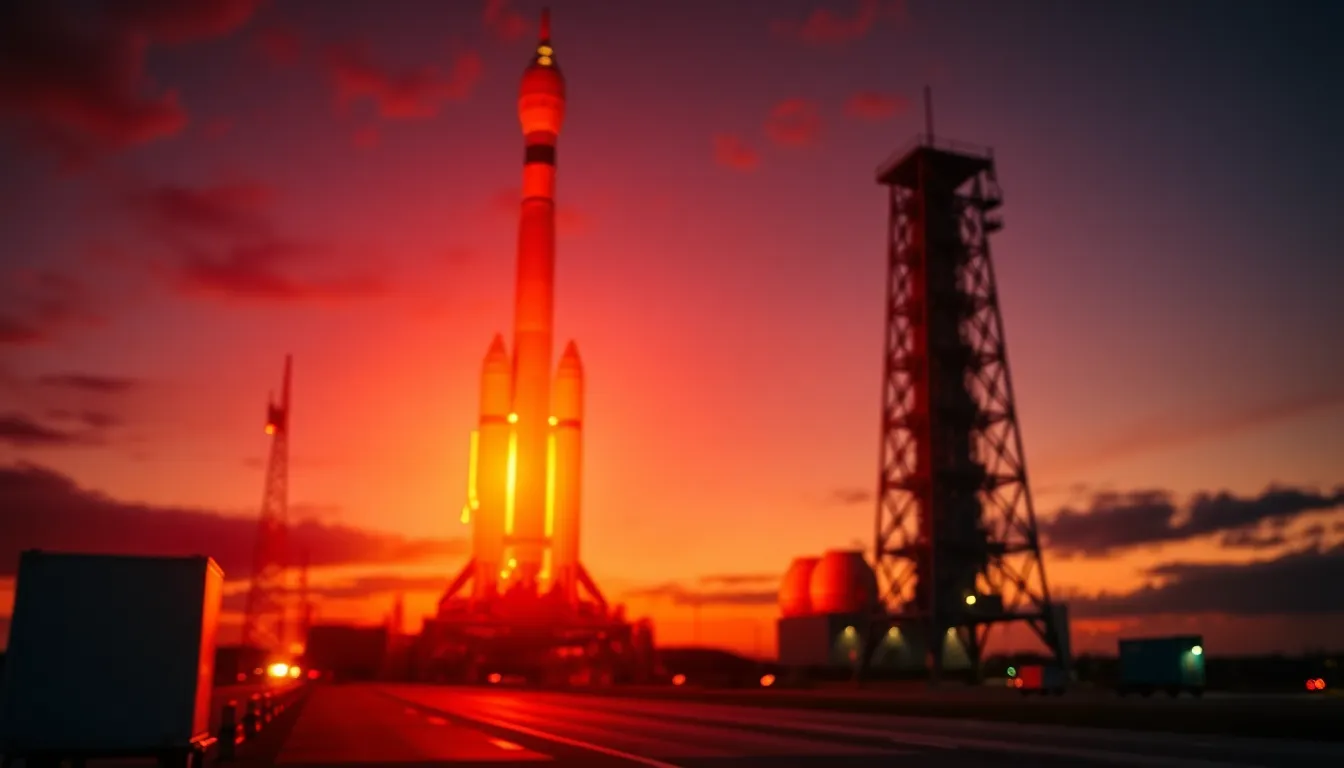
Nikon Z9, 70-200mm f/2.8 telephoto at 135mm, dramatic sunset light creating long shadows with striking colors reflecting off the rocket's surface, selective focus on rocket details with the background melting into a soft painterly bokeh, Fujifilm Velvia-inspired saturated colors enhancing the warmth and vibrancy of the scene, composition featuring leading lines of the launch facility guiding the viewer's eye to the rocket.
16:9
shot on Sony A7R V with 85mm f/1.4 GM lens, overcast diffused daylight illuminating the rocket's surfaces, hyperfocal distance keeping everything from foreground to infinity sharply in focus, natural muted tones with desaturated earth colors emphasizing the surrounding landscape, rule of thirds composition with the rocket off-center leading the viewer's gaze towards the distant horizon of a launch site.
3:2
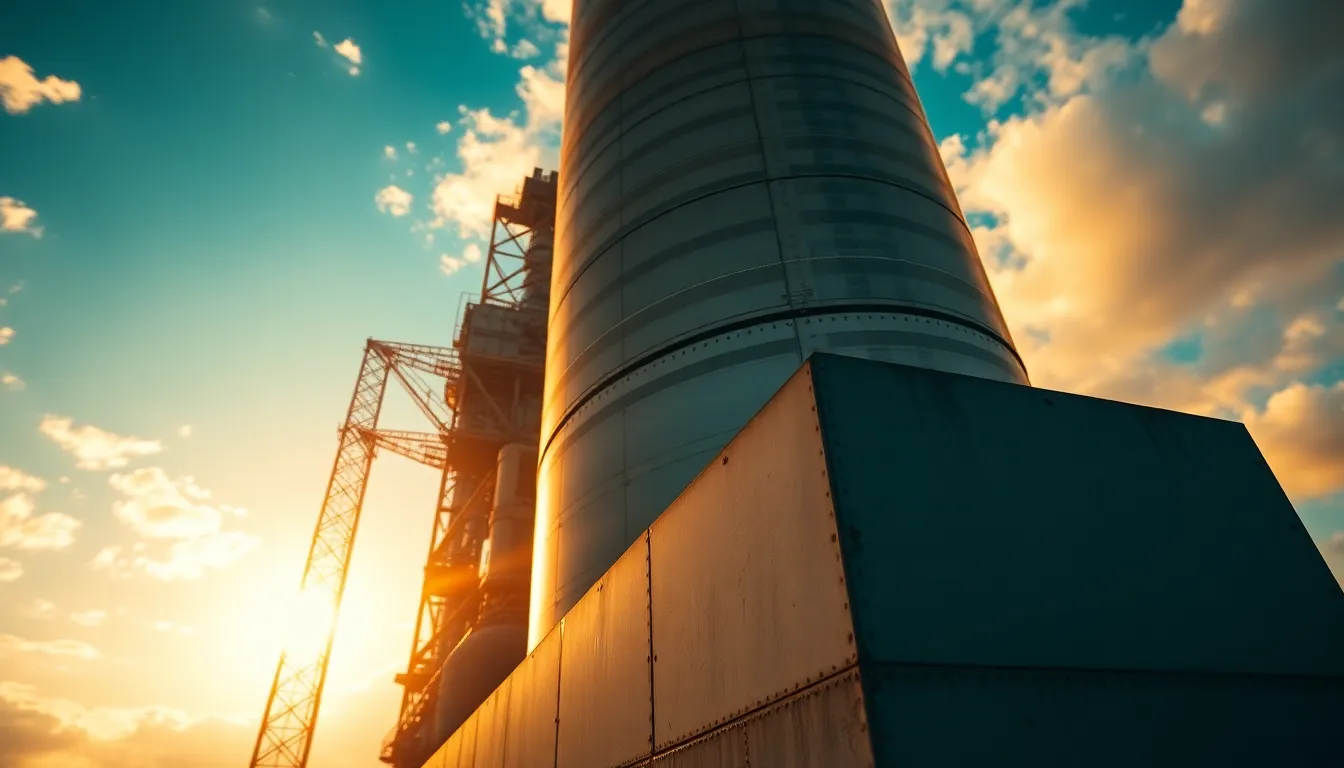
captured with Canon EOS R5, 24-70mm f/2.8L at 35mm, golden hour backlighting with warm rim light casting shadows across the rocket's surface, shallow depth of field at f/2.8 with creamy bokeh of the launch pad in the background, cinematic teal and orange color grading enhancing the rocket's metallic textures, composition centered on the towering rocket against a dramatic sky, showcasing weathered concrete and metal surfaces under soft light.
16:9
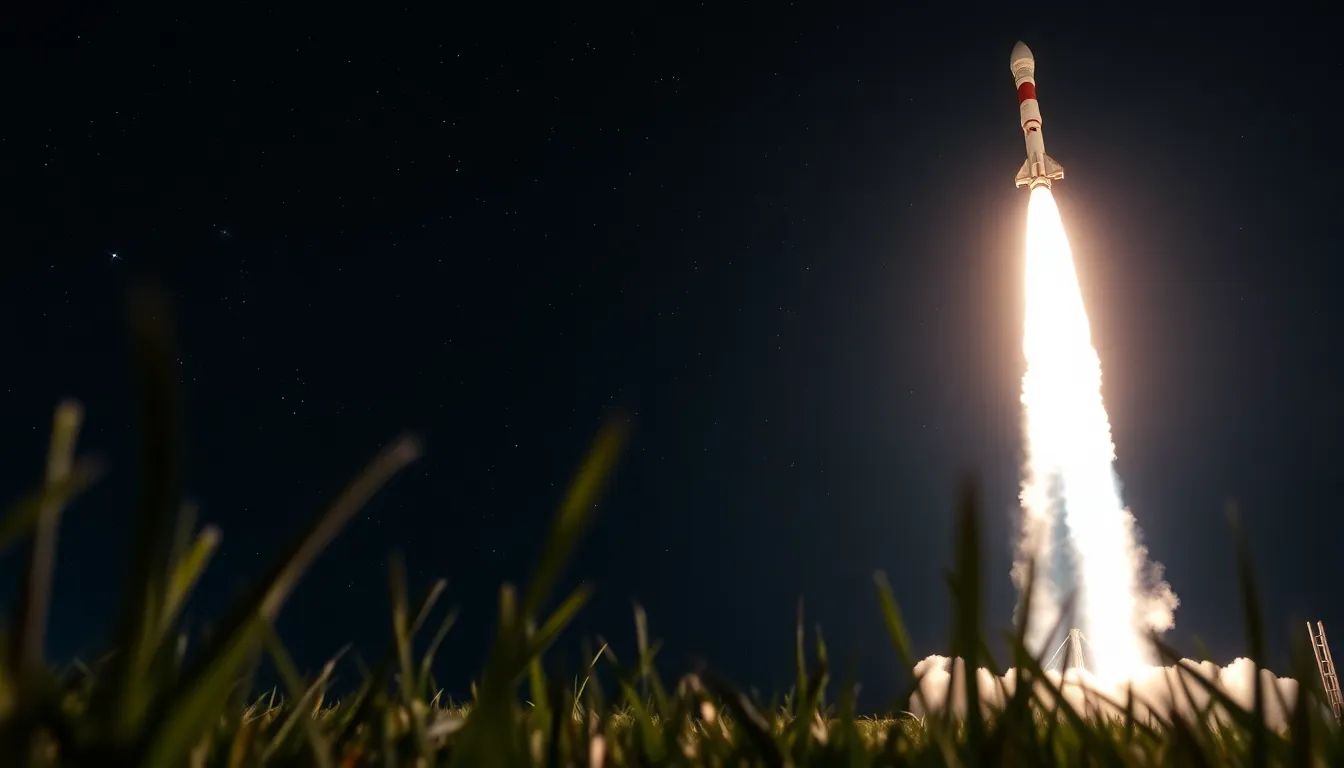
Leica Q3, 28mm f/1.7 Summilux, beautifully captures a nighttime launch with a rocket streaking through the star-filled sky. The scene is illuminated by the rocket's flames and glowing exhaust, creating a surreal contrast against the dark backdrop of the cosmos. The composition creates a dynamic sense of movement with a low angle shot that emphasizes the rocket's ascent. The use of a shallow depth of field at f/1.7 softens the foreground elements like grass and leaves, enhancing the clarity of the rocket against a sky rich in blues and blacks.
16:9

Fujifilm GFX 100S, 110mm f/2 macro, captures the intricate details of a rocket model displayed on a wooden table. Soft, diffused natural light streams through a nearby window, creating a serene atmosphere. The depth of field at f/2 allows for exquisite detail in the model while gently blurring the background elements like books and tools. The color science is reminiscent of Fujifilm Velvia, with vibrant colors enhancing the model's vivid white and red paint against the warm wooden table texture.
1:1
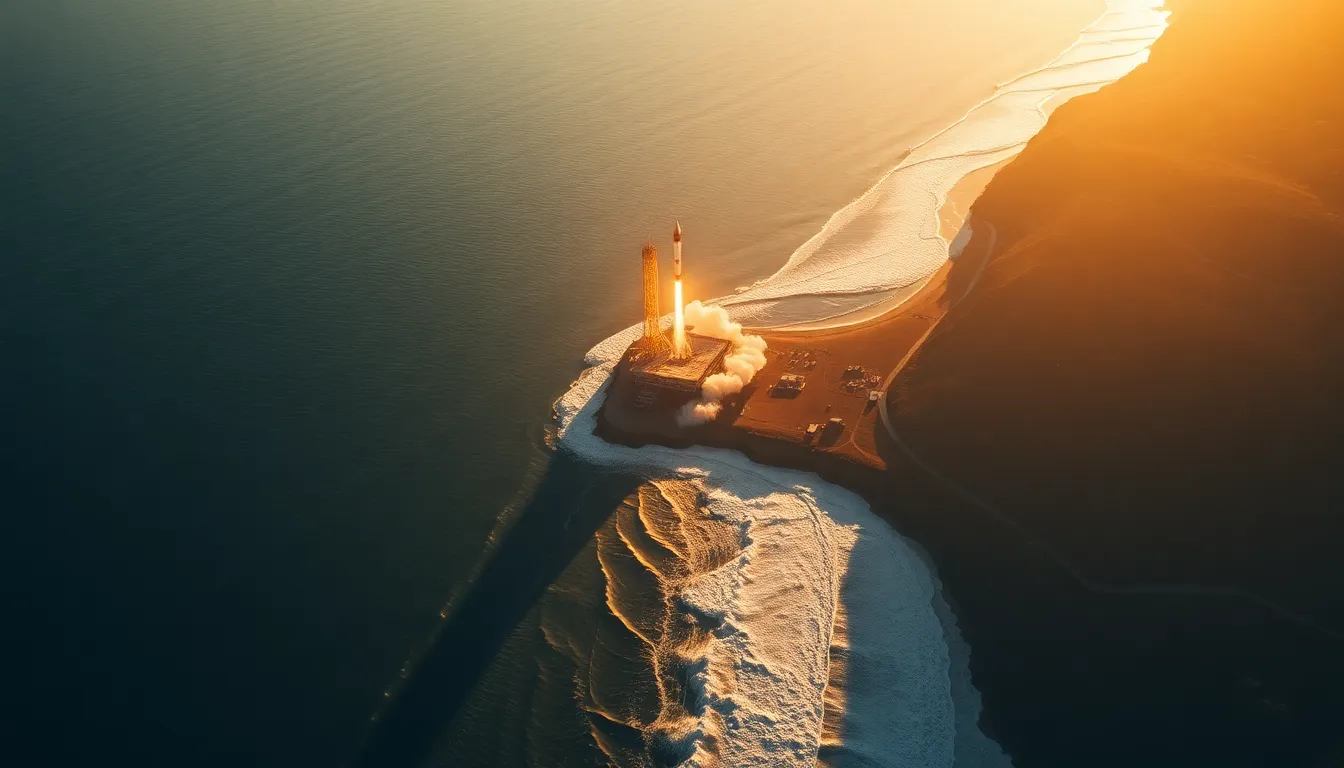
Nikon Z9, 70-200mm f/2.8 telephoto at 135mm, captures a high-altitude view of a rocket launching from a coastal pad, with waves crashing against the shore below. The golden hour sunlight creates a warm glow, casting long shadows over the landscape. The shot emphasizes the leading lines of the coastline directing the viewer’s gaze toward the rocket ascending into the sky. A hyperfocal distance at f/8 ensures the entire scene remains sharp, while the warm color palette brings earth tones to life against the vibrant blue of the ocean.
16:9
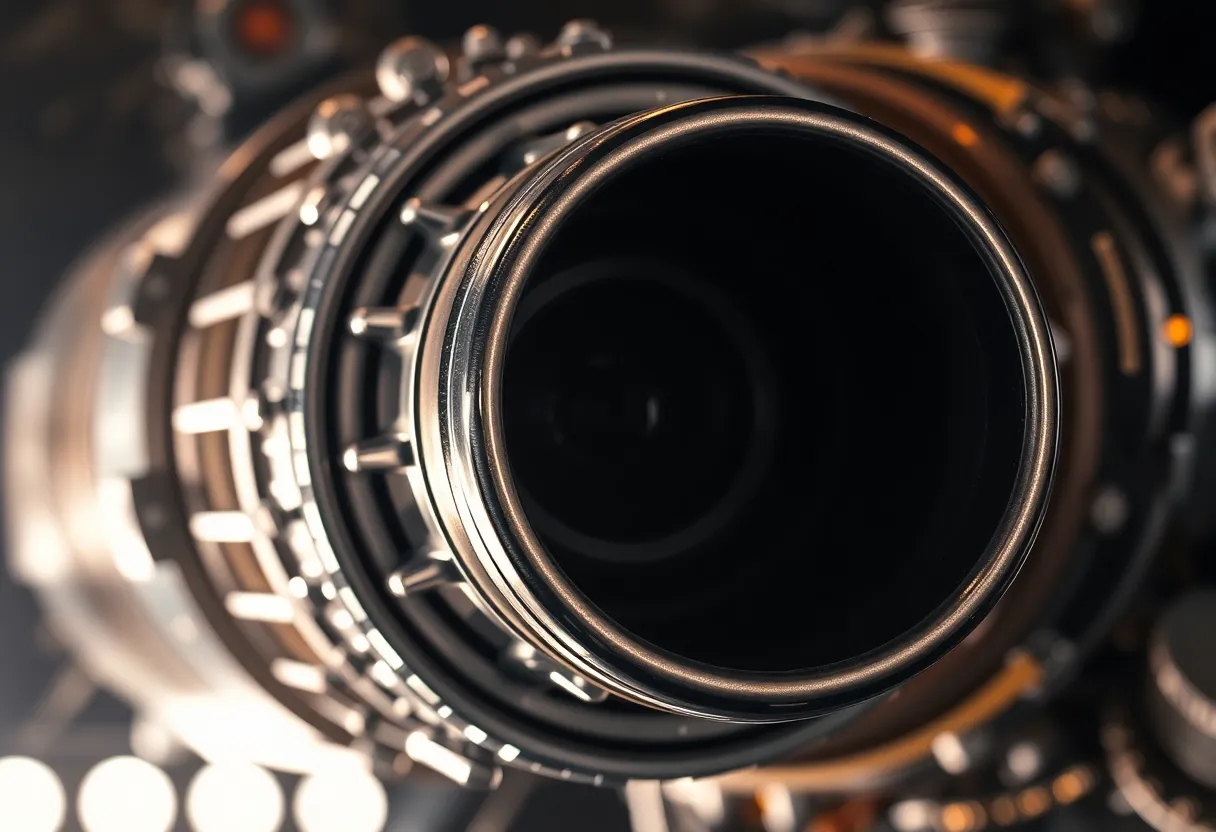
Shot on Sony A7R V with 85mm f/1.4 GM lens, a dramatic close-up of a rocket's engine with detailed metal textures glistening under harsh studio lighting. The lighting creates striking high-contrast shadows, emphasizing the intricate components of the engine. Using a shallow depth of field at f/1.4, the focus is on the engine nozzle, while the background dissolves into a soft bokeh of blurred mechanical parts. The color palette features deep metallic grays and silvers with subtle hints of orange from the lighting.
3:2
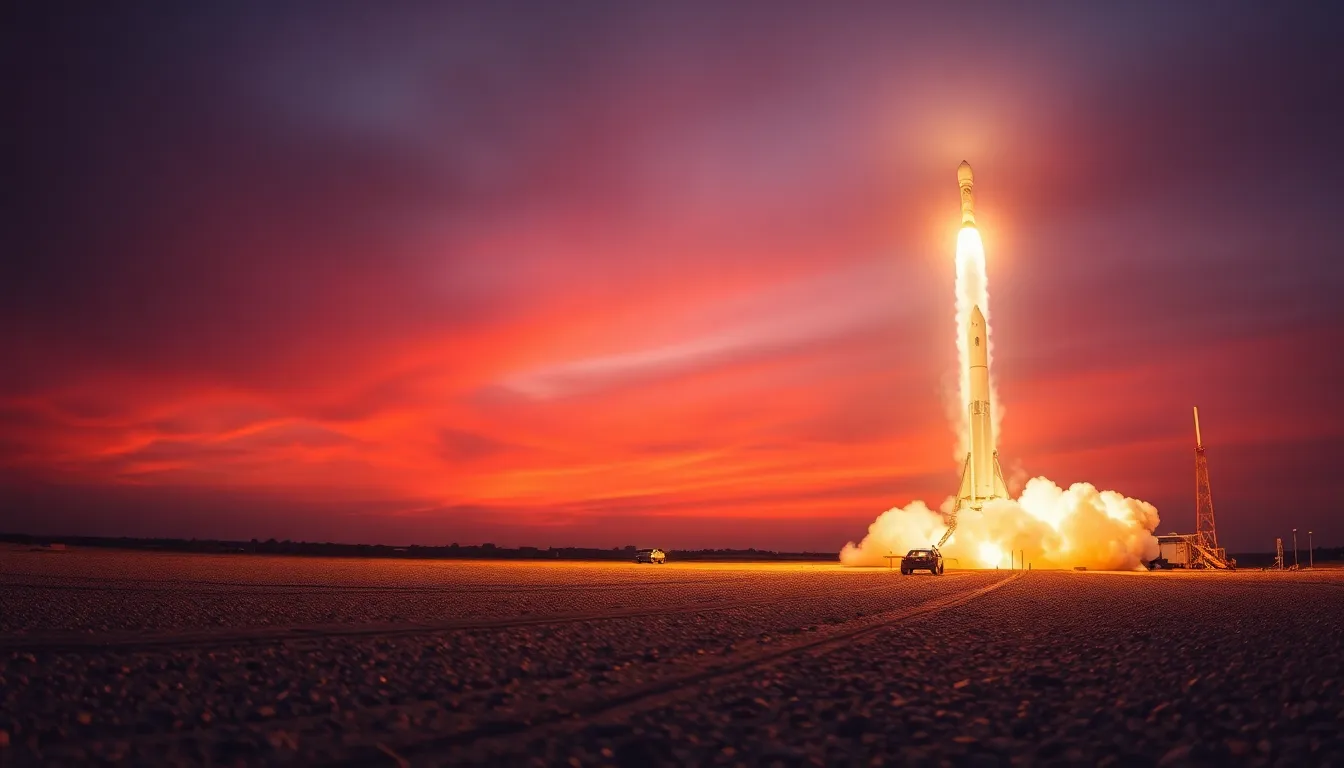
Captured with Canon EOS R5, 24-70mm f/2.8L at 35mm, a SpaceX rocket ignites its engines at dawn, sending up a plume of smoke against a vibrant orange and purple sky. The scene is illuminated by the rocket's fiery exhaust, casting dramatic shadows on the ground. The composition follows the rule of thirds, with the rocket prominently positioned on the right side. The ground is textured with gravel, showing tire tracks and footprints from the crew. Shallow depth of field at f/2.8 enhances the focus on the rocket, while the background blurs into a colorful sky.
16:9
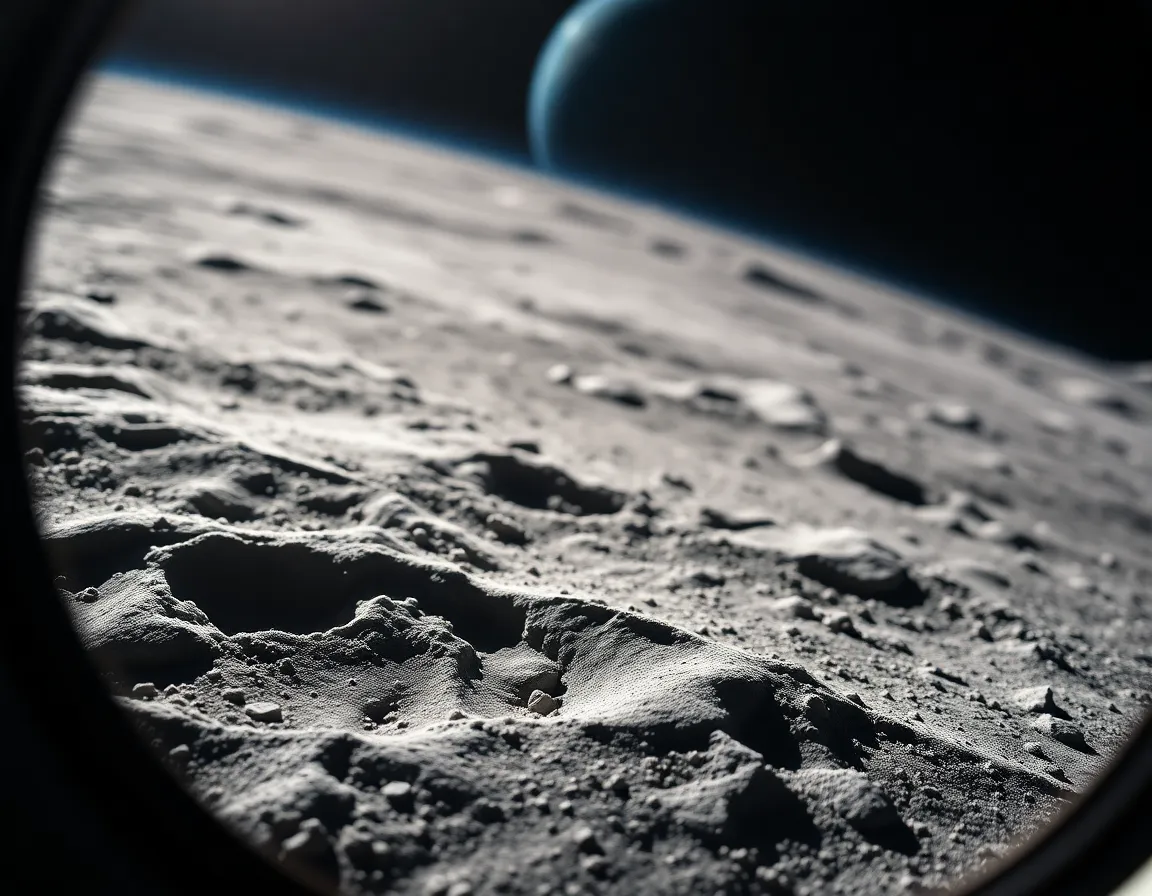
Fujifilm GFX 100S, 110mm f/2 macro, featuring an astronaut's footprint on the lunar surface as seen from a space station's viewport. The natural lighting casts soft shadows, enhancing the texture of the lunar regolith. The color palette consists of muted greys and blacks, with the Earth visible in the background, adding a sense of scale. A selective focus directs attention to the footprint while the Earth melts into a soft painterly bokeh in the distance, creating a striking composition.
4:3

Hasselblad X2D 100C, 90mm f/2.5 medium format lens, capturing the intricate technology onboard a space station with a close-up of a control panel. The studio lighting setup includes a key softbox at 45°, providing a subtle sheen on the panel while ensuring the details are sharp and vibrant. The color palette focuses on metallic greys and blues, with illuminated buttons adding splashes of color. A macro focus highlights the textures of the materials, creating a sense of depth and intimacy in the composition.
1:1
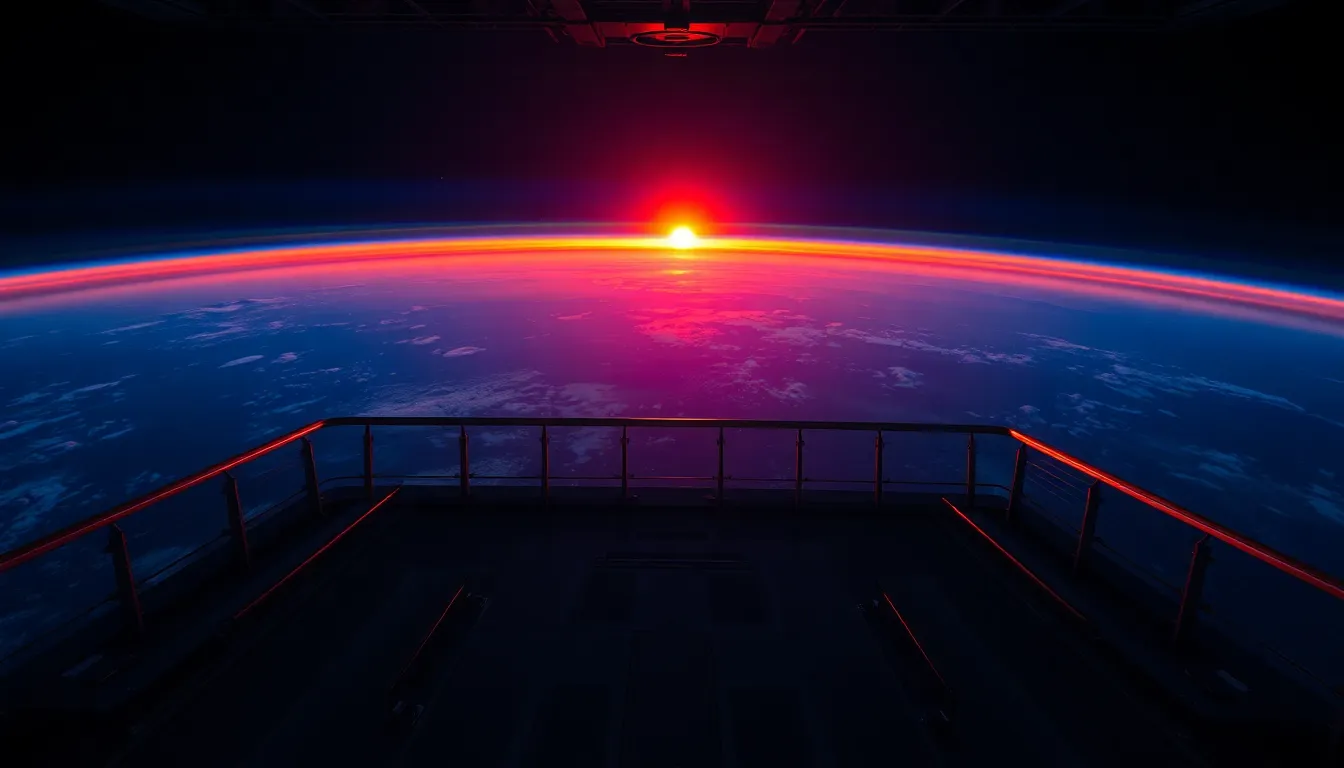
Nikon Z9, 70-200mm f/2.8 telephoto at 135mm, capturing the breathtaking view of Earth from the observation deck of a space station during twilight. The scene features hyperfocal distance, ensuring everything from the deck to the distant horizon is in sharp focus. The color palette highlights deep blues of the Earth, contrasted with brilliant oranges and purples of the setting sun. The composition employs a centered symmetrical layout, showcasing the curvature of Earth and the station’s sleek architecture.
16:9
shot on Sony A7R V with 85mm f/1.4 GM lens, showcasing a crew inside the space station module, bathed in soft natural light filtering through large windows. The focus is on the astronauts engaged in a scientific experiment, with a shallow depth of field at f/1.4, softly blurring the background to emphasize their expressions. The color palette combines warm muted tones with bright whites and secondary colors from the equipment. The rule of thirds is applied, placing the astronauts at key intersections in the frame, creating dynamic balance.
3:2
captured with Canon EOS R5, 24-70mm f/2.8L at 35mm, featuring dramatic lighting from a distant star illuminating the space station against the dark canvas of the universe. The scene showcases a shallow depth of field at f/2.8, with the station crisply focused while the stars blur into soft points of light. The color palette includes deep blacks, shimmering silvers of metal, and hints of blue from the station’s lights. A leading lines composition draws the eye towards the station, with intricate details of its structure reflecting starlight.
16:9
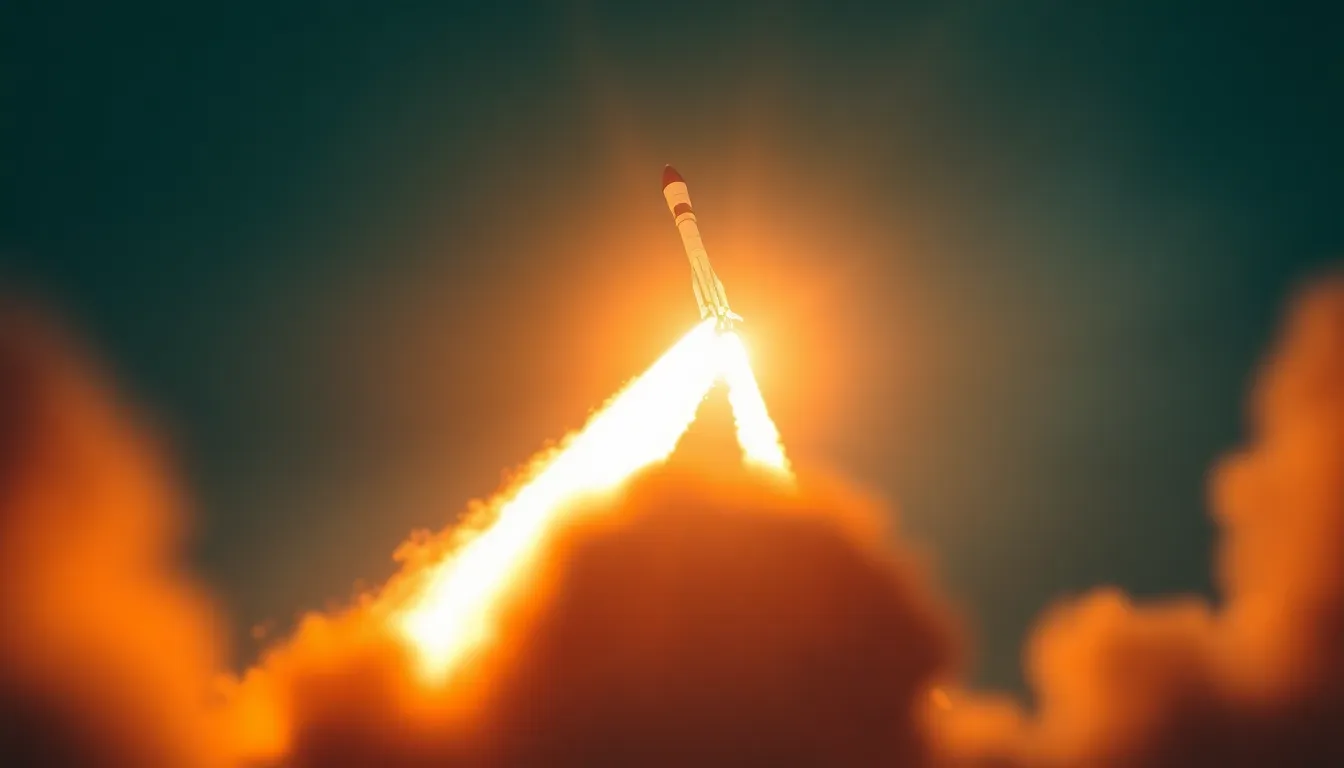
A satellite launch captured in mid-flight, shot on Sony A7R V with an 85mm f/1.4 GM lens. The powerful scene is illuminated by the bright flames of the rocket engines, creating dramatic highlights and deep shadows. The image features a shallow depth of field at f/1.4, isolating the satellite against a blurred sky. The cinematic teal and orange color grading enhances the intensity of the launch. The composition showcases the rocket ascending diagonally, creating a sense of motion and urgency as it breaks through the atmosphere.
16:9

A close-up of a satellite's solar panel, captured with a Fujifilm GFX 100S, 110mm f/2 macro. The scene is lit by soft afternoon light filtering through nearby trees, creating dappled patches of light. A shallow depth of field at f/2 allows the intricate textures of the solar cells to stand out against a soft bokeh of greenery. The colors are presented in a natural muted palette, enhancing the details of the panel's surface. The composition uses a close crop that emphasizes the patterns and textures of the solar panel, drawing the viewer into the technology.
1:1
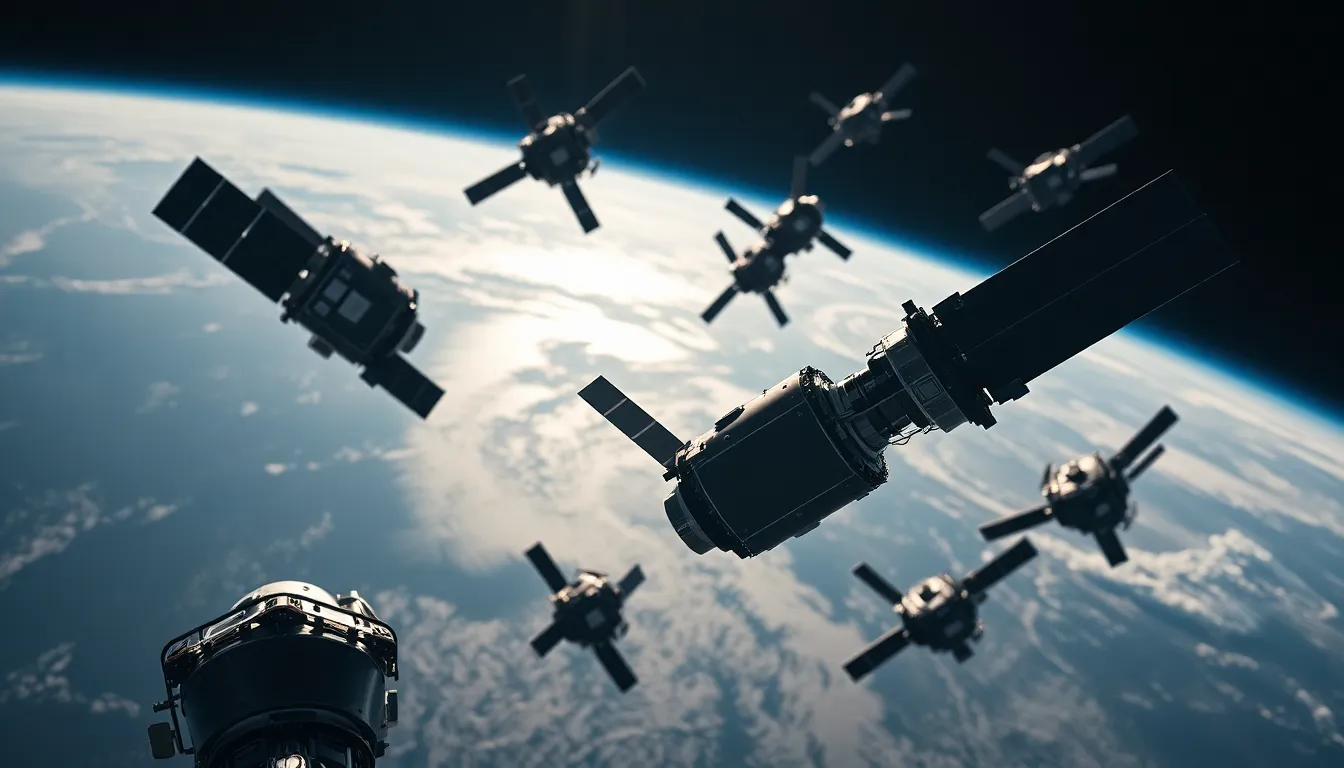
A stunning view of multiple satellites deployed in space, shot on a Hasselblad X2D 100C, 90mm f/2.5 medium format. The scene is illuminated by natural sunlight, creating strong contrasts and shadow play among the satellites. The hyperfocal distance brings everything from the satellites to the distant Earth into sharp focus. Natural muted tones of blue and gray provide a serene backdrop to the dynamic shapes of the satellites. The composition features a diagonal layout, leading the viewer's eye from one satellite to another in a captivating arrangement.
16:9
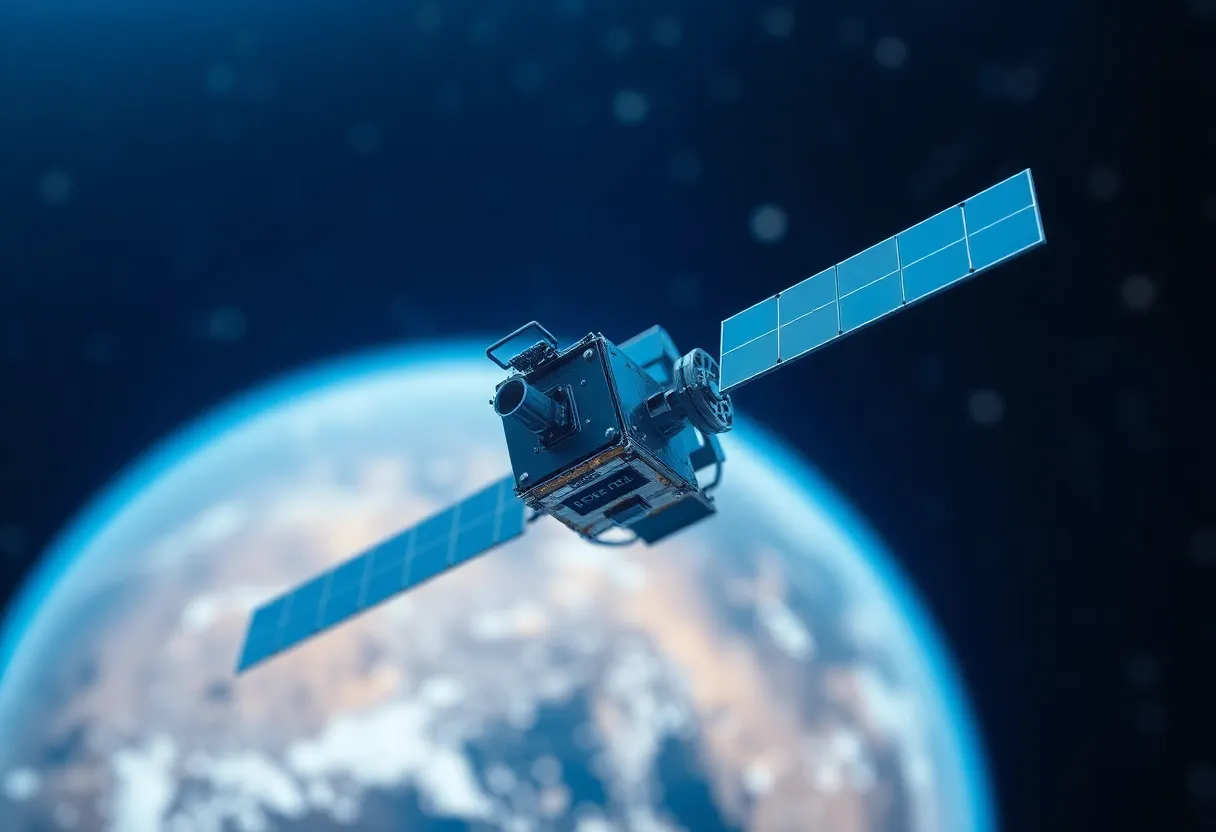
An artist's conceptual rendering of a satellite communicating with Earth, captured on a Nikon Z9, 70-200mm f/2.8 telephoto at 135mm. The scene is lit by ambient light from a digital screen, giving off a cool blue hue. A selective focus highlights the satellite's antenna while the background fades into a soft bokeh. The colors are inspired by Fujifilm Velvia, featuring deep blues and rich metallics. The composition utilizes a centered symmetry, where the satellite dominates the frame, against a backdrop of starry digital displays.
3:2
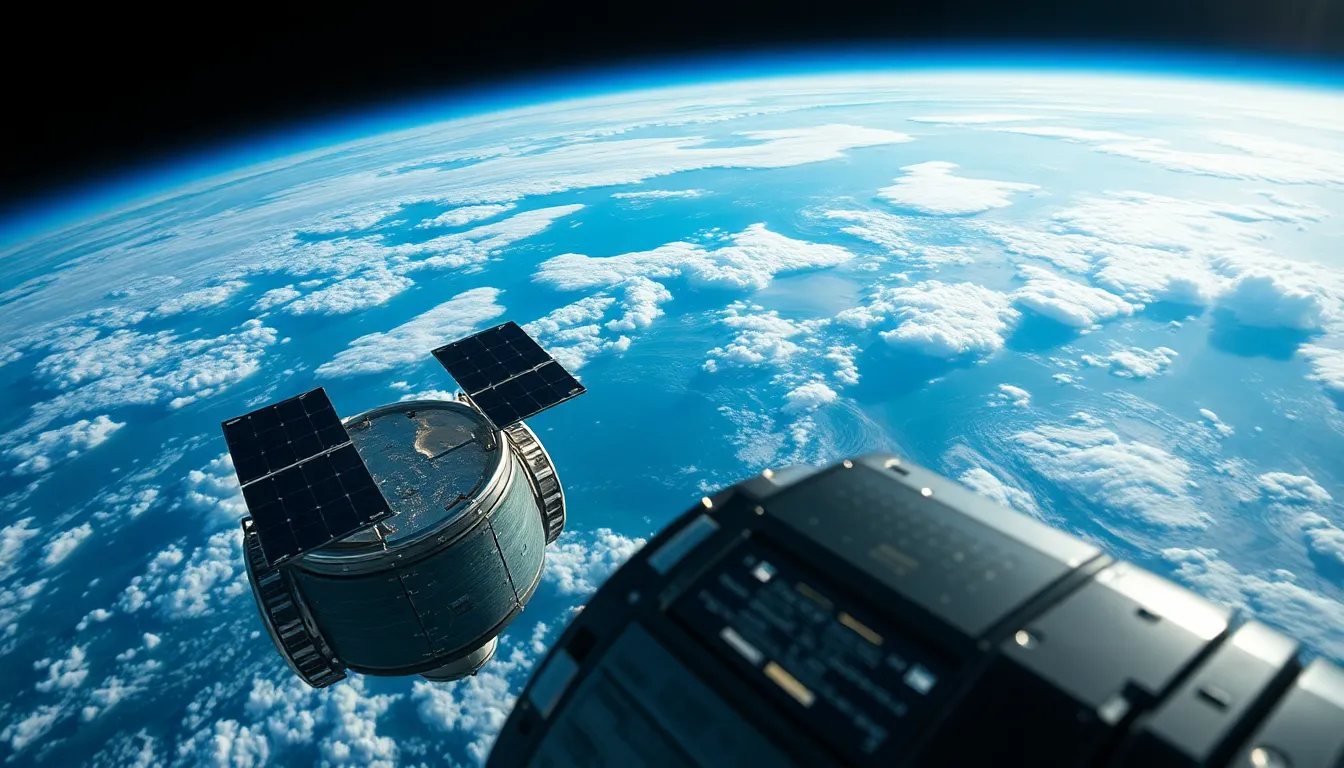
A breathtaking view of a satellite orbiting Earth, captured with a Canon EOS R5, 24-70mm f/2.8L at 35mm. The scene is illuminated by stark sunlight, casting long shadows across the satellite's solar panels. A shallow depth of field at f/2.8 creates a soft bokeh of the planet's surface below, while a blue and green color palette evokes the beauty of Earth from space. The composition showcases the satellite in the foreground against a backdrop of swirling clouds. The metallic surface of the satellite contrasts with the vibrant colors of the planet and the deep blackness of space.
16:9
shot on Hasselblad X2D 100C, 90mm f/2.5 medium format, presenting a Martian valley illuminated by vibrant mid-day sunlight. The scene is rich with color, showcasing deep reds and oranges of the surrounding cliffs, while the valley floor is dotted with small rocks glistening under the sun. A selective focus on a nearby boulder highlights its rough texture and surface details, while the background gradually melts into a soft painterly bokeh. The composition is characterized by leading lines of the valley walls guiding the viewer's eye through the scene, creating a sense of depth and scale.
16:9
captured with Fujifilm GFX 100S, 110mm f/2 macro, featuring a Martian sunrise over the horizon with rolling hills in the foreground. The golden hour backlighting creates a vibrant silhouette of the hills, while warm light spills over the landscape, revealing subtle textures of the Martian soil. Hyperfocal distance allows for a tack-sharp focus from the foreground to the distant horizon, with a color palette reminiscent of Kodak Portra 400, highlighting warm yellows and soft oranges. The composition utilizes the rule of thirds, placing the sun on a power point, enhancing the dramatic feel of dawn on Mars.
16:9

shot on Sony A7R V with 85mm f/1.4 GM lens, capturing a detailed close-up of Martian soil samples in a laboratory setting. The harsh, artificial fluorescent lighting accentuates the textures and granularity of the soil, creating subtle reflections and shadows. A shallow depth of field at f/1.4 isolates the soil from a softly blurred background of scientific instruments. The image uses a natural muted tones color palette, emphasizing earthy browns and reds, showcasing the Martian soil's complexity. Composition follows a centered symmetrical approach, drawing immediate focus to the sample in the lab.
1:1
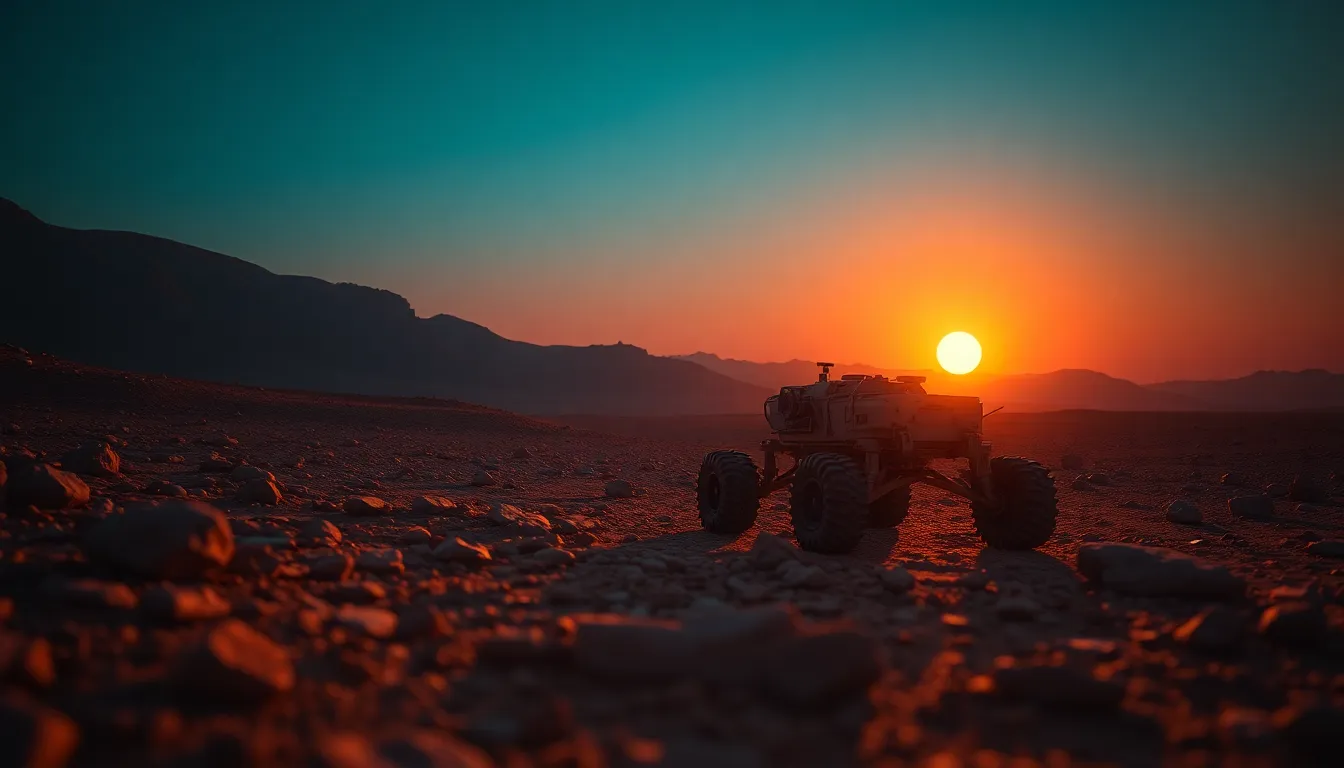
captured with Canon EOS R5, 24-70mm f/2.8L at 35mm, featuring a Martian rover exploring the rocky surface during twilight. The scene is dramatically lit by the soft glow of the setting sun, casting long shadows and warm orange light on the rover. A shallow depth of field at f/2.8 focuses on the rover's intricate details, while the distant hills fade into a deep blue twilight, creating a cinematic teal and orange color grading. Composition employs leading lines from the terrain leading towards the rover, giving a sense of movement and exploration.
16:9
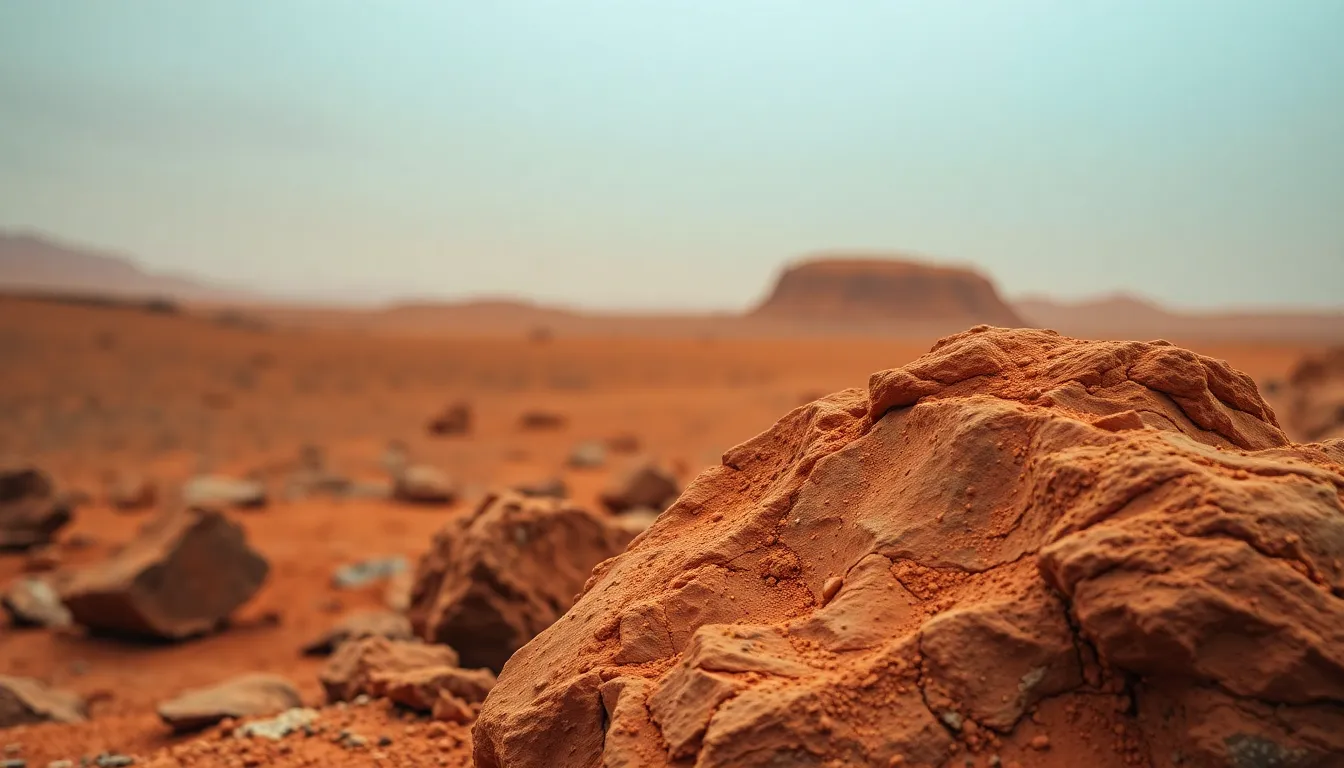
shot on Nikon Z9, 70-200mm f/2.8 telephoto at 135mm, with overcast diffused daylight illuminating the red Martian landscape. A shallow depth of field at f/2.8 highlights the rugged surface rocks in the foreground, while the backdrop fades into soft, atmospheric hues of rust and orange. The color palette features natural muted tones with desaturated earth colors, enhancing the Martian terrain's stark beauty. Composition follows the rule of thirds, placing a distant crater at one of the power points, while textured surfaces of the rocks provide detail, showing grooves and dust particles settling on them.
16:9

Hasselblad X2D 100C, 90mm f/2.5 medium format, dramatic low-angle shot capturing a large satellite under a blue sky, vibrant daylight filling the scene, hyperfocal distance ensuring everything from the satellite to the distant clouds remains sharp, natural colors with a slightly desaturated palette to emphasize the contrast of the satellite against the sky, Dutch angle composition adding a sense of dynamism to the scene, showcasing the satellite's large solar panels and antennas in detail.
16:9

Fujifilm GFX 100S, 110mm f/2 macro, featuring natural sunlight streaming through a window, creating a warm, inviting atmosphere, shallow depth of field at f/2 with a sharp focus on a satellite model placed on a textured wooden table, cinematic teal and orange color grading to enhance the mood, centered composition focusing directly on the satellite, revealing fine details of the model’s surface and intricate design.
1:1
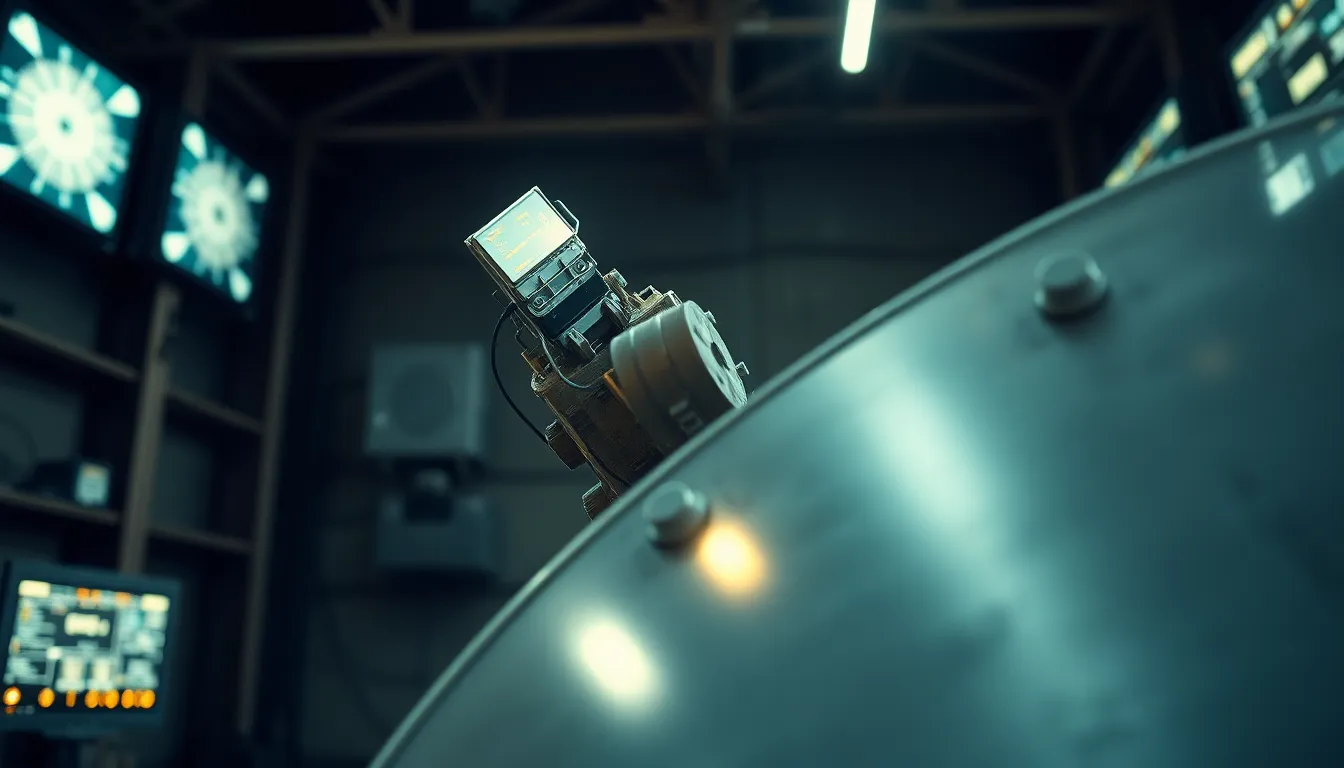
captured with Canon EOS R5, 24-70mm f/2.8L at 35mm, using practical lighting from a flickering LED light mimicking the glow of satellite control panels, selective focus on the satellite with background elements melting into soft bokeh, natural muted tones with desaturated earth colors creating an industrial feel, leading lines composition drawing the eye toward the satellite from the edges of the frame, showcasing the weathered aluminum texture of the satellite's surface.
16:9
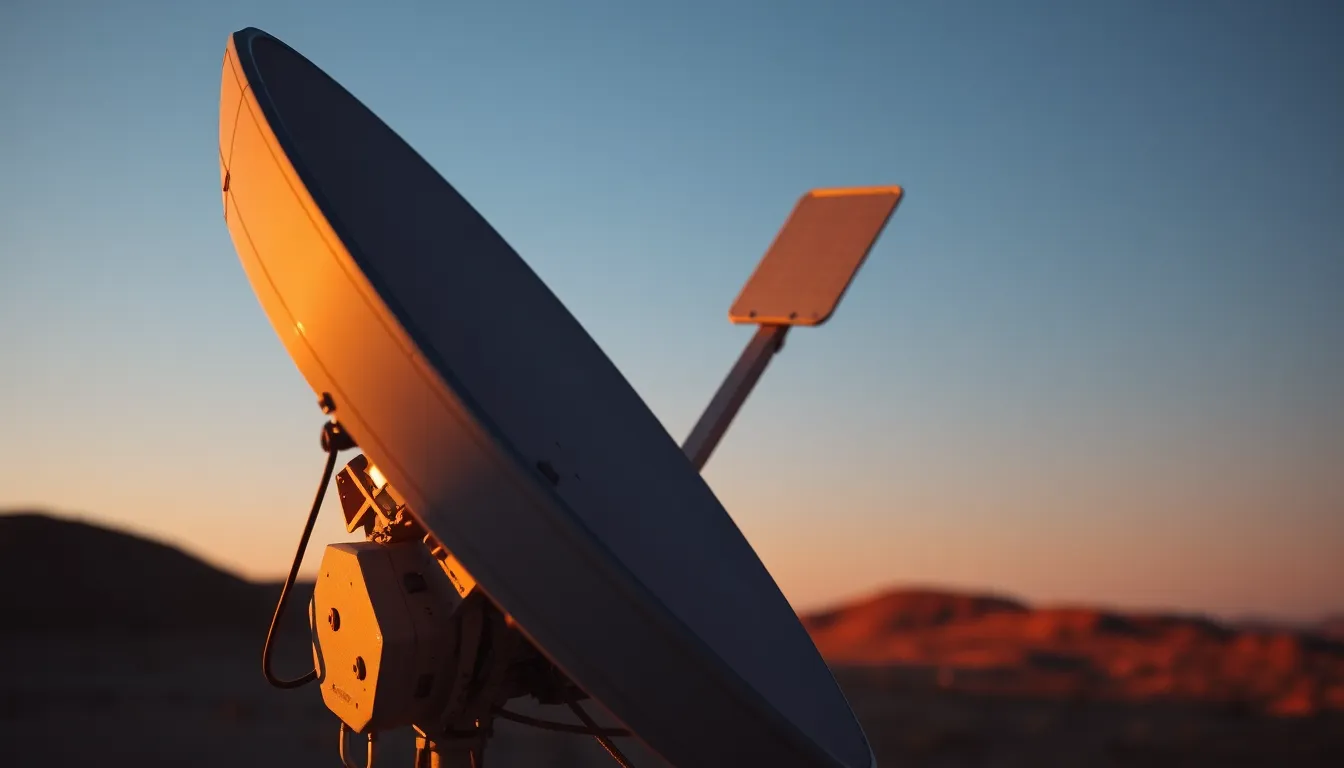
shot on Sony A7R V with 85mm f/1.4 GM lens, illuminated by natural golden hour light creating dramatic shadows, hyperfocal distance achieving a sharp focus from the satellite in the foreground to the distant stars in the background, utilizing a Kodak Portra 400 color palette for warm skin tones and creamy highlights, rule of thirds composition positioning the satellite in the left power point with a night sky backdrop, detailing the satellite's structure with visible bolts and panel seams.
16:9
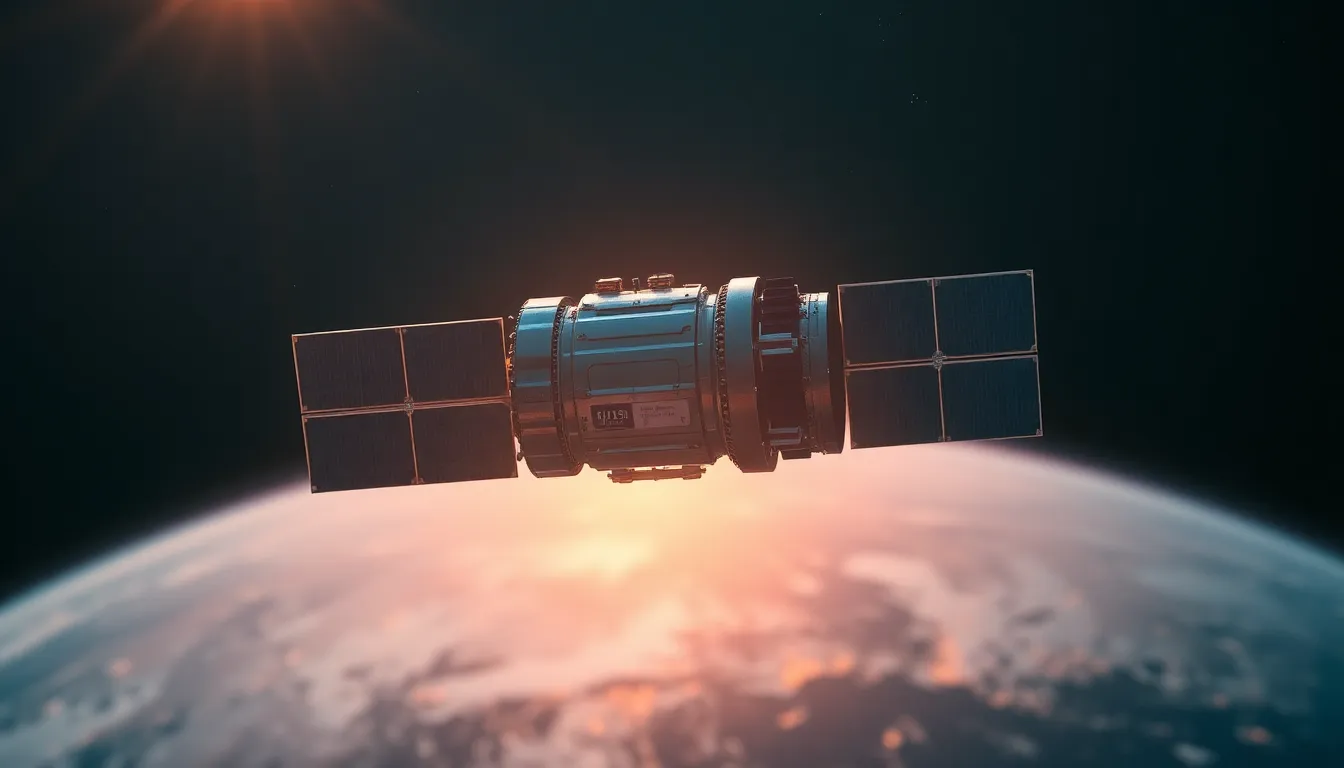
captured with Nikon Z9, 70-200mm f/2.8 telephoto at 135mm, dramatic overcast sunrise light casting soft highlights on a satellite orbiting Earth, shallow depth of field at f/2.8 with blurred planet surface below, cinematic teal and orange color grading emphasizing the contrast between the cold metal of the satellite and the warm glow of Earth, centered composition highlighting the satellite against a starry background, surface details showing the satellite's metallic texture and solar panels glinting subtly.
16:9
captured with Leica Q3, 28mm f/1.7 Summilux, dramatic twilight lighting casting deep shadows across the Martian surface, shallow depth of field at f/1.7, focusing on an ancient Martian monolith with a blurred starry sky background, cinematic teal and orange color grading enhancing the mystery of the scene, composition using rule of thirds to frame the monolith slightly off-center against the vastness of space, showcasing the texture and age of the rock against the velvety night sky.
16:9

shot on Fujifilm GFX 100S, 110mm f/2 macro, warm tungsten light from a small campfire glowing against the cold Martian night, selective focus on the intricate textures of a Martian mineral specimen with the background fading into soft painterly bokeh, natural muted tones with earthy browns and reds reflecting the mineral's surface, composition grounded with the mineral in the foreground and the flickering campfire providing ambient light, enhancing the sense of isolation and exploration.
16:9

captured with Canon EOS R5, 24-70mm f/2.8L at 35mm, dappled sunlight filtering through a Martian dust storm, creating a surreal atmosphere with soft shadows, shallow depth of field at f/2.8 focusing tightly on a weathered Martian rock with fine detail, Fujifilm Velvia-inspired saturated colors enhancing the vivid reds and oranges of the surface, composition using a Dutch angle for dramatic impact, with blurred vortex of dust swirling in the background.
16:9
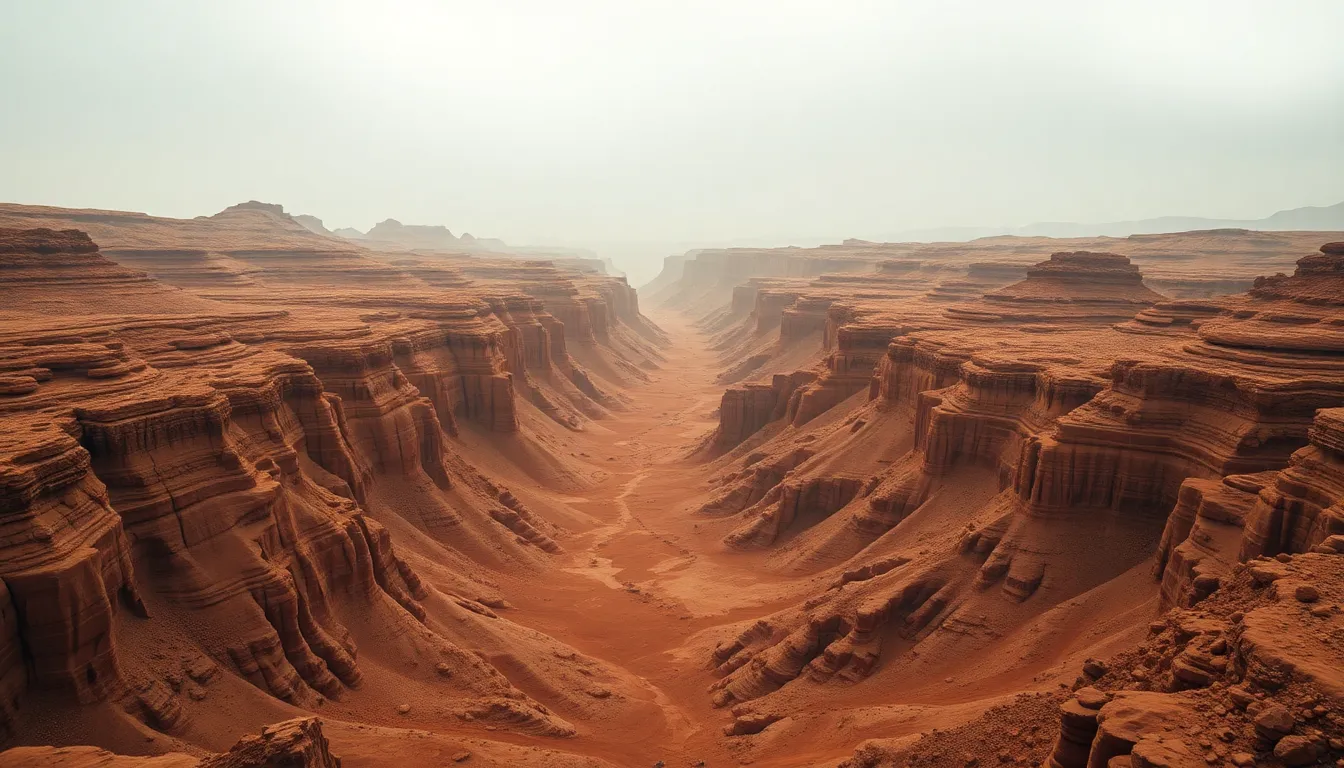
shot on Sony A7R V with 85mm f/1.4 GM lens, overcast diffused daylight softening shadows on the Mars rover parked on the rocky surface, hyperfocal distance ensuring everything from the rover to the Martian horizon is tack-sharp at f/8, natural muted tones with desaturated earth colors accentuating the rugged terrain, composition highlights the rover centered against the vast Martian landscape with a dramatic sky above, capturing the fine textures of the dusty ground and metallic surfaces of the rover.
16:9
captured with Nikon Z9, 70-200mm f/2.8 telephoto at 135mm, golden hour lighting casting warm hues over the Martian landscape, shallow depth of field at f/2.8 with the foreground rock in sharp focus and the distant canyon melting into soft bokeh, cinematic teal and orange color grading highlighting the stark contrast of reds and blues, composition featuring leading lines of the rock formation drawing the eye toward the expansive canyon vista, with fine dust particles suspended in the air catching the warm light.
16:9

Exploration robots working on the exterior of a space station, captured with a Leica Q3, 28mm f/1.7 Summilux. The scene is illuminated by artificial lighting from the station, creating intriguing shadows and highlights on the robots' metallic surfaces. Shallow depth of field isolates the robots, with a painterly bokeh of stars and space in the background. The color science leans towards natural muted tones, emphasizing the steel and carbon textures of the robots. The composition showcases the robots performing tasks, framed by the station's structural elements, adding context to their function in space.
16:9
A panoramic view of a massive space station docking at a lunar outpost, captured with a Hasselblad X2D 100C, 90mm f/2.5 medium format. The scene is illuminated by the soft glow of a distant Earthrise, casting a gentle light over the metallic structures. The image is hyperfocal, keeping all elements from the lunar surface to the station in sharp focus. The color palette combines muted greys of the lunar surface with the vibrant blues and greens of Earth. Compositionally, the wide format utilizes leading lines of the lunar terrain to guide the eye toward the space station, creating a harmonious balance of elements in the frame. Textures show the rugged lunar regolith contrasted with smooth metallic surfaces.
16:9

An astronaut performing a spacewalk outside a rotating space station, captured with a Fujifilm GFX 100S, 110mm f/2 macro. The scene is under harsh sunlight, producing stark contrasts between light and shadow on the astronaut's suit. Selective focus emphasizes the astronaut’s helmet, highlighting the detailed reflection of Earth below. The colors are vibrant, influenced by cinematic teal and orange grading. The composition captures the action with leading lines created by the station's structure, enhancing the sense of motion and depth. Textures include detailed fabric and reflective surfaces.
16:9
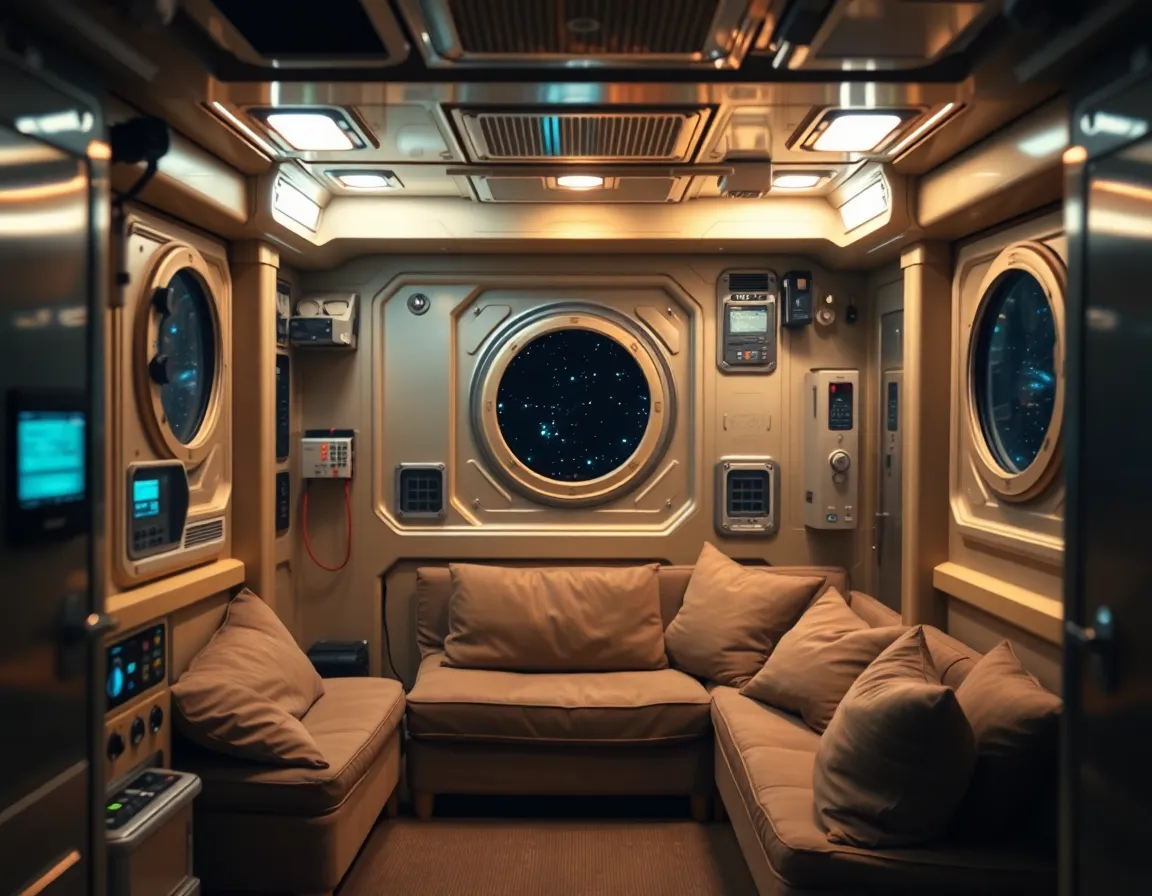
Interior of a space station habitat module, captured with a Canon EOS R5, 24-70mm f/2.8L at 35mm. The scene is lit by practical LED lights casting a soft glow over the living area, with visible reflections on stainless steel surfaces. The image features a hyperfocal depth of field, keeping every detail sharp from foreground to infinity. The color palette is warm, combining natural muted tones with hints of vibrant blues and greens from the control panels. The composition centers on a cozy seating area, with textures of fabric and metal contrasting against a backdrop of small porthole windows showcasing the cosmic view outside.
4:3
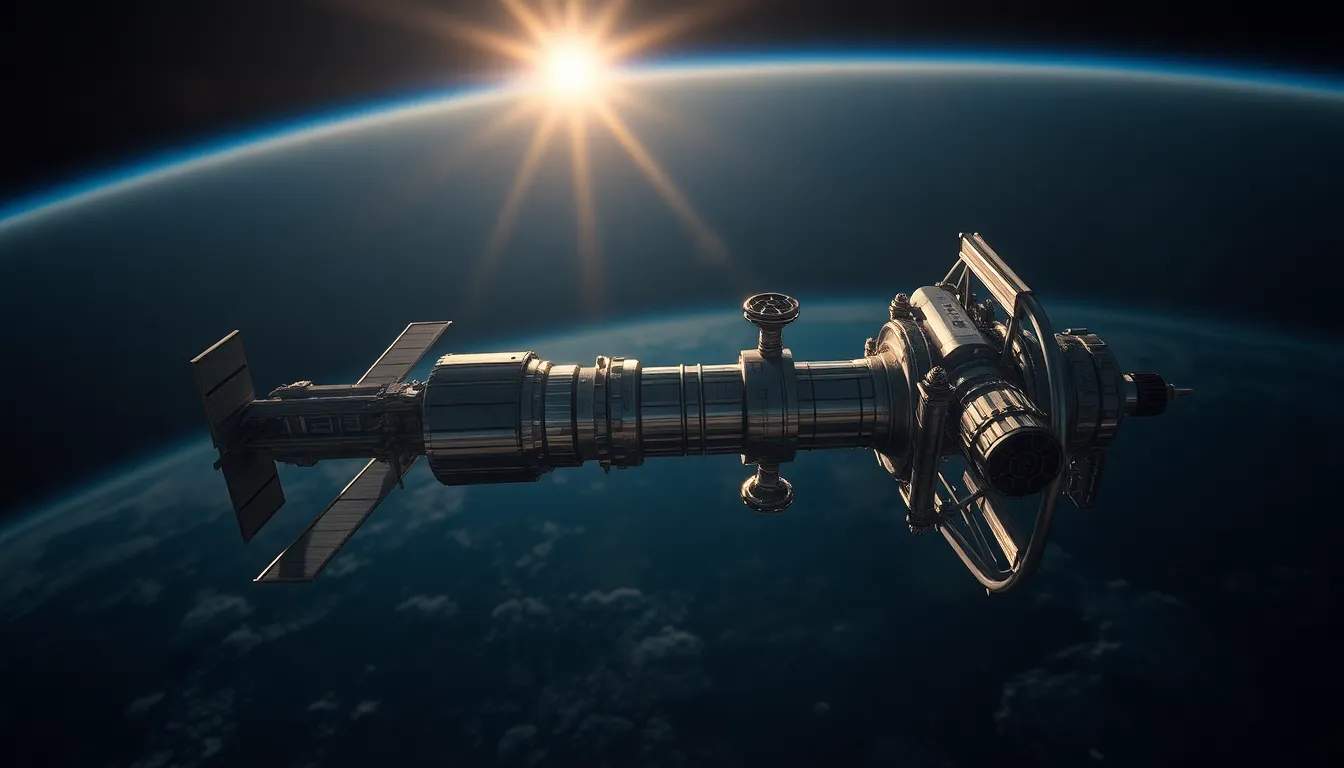
A stunning view of a futuristic space station orbiting Earth, captured with a Nikon Z9, 70-200mm f/2.8 telephoto at 135mm. The station is illuminated by the soft light of a distant sun, creating ethereal highlights and shadows across its metallic surface. The image uses shallow depth of field to bring focus to the intricate details of the station, while the background features a deep blue color palette of Earth and space. The composition follows the rule of thirds, with the space station positioned at the left power point, showcasing its grandeur against the dark backdrop of space. Textures exhibit brushed metal and glass reflections.
16:9

A conceptual art installation of a space rocket made from recycled materials in an urban park, shot on a Leica Q3, 28mm f/1.7 Summilux. The natural ambient daylight casts soft shadows across the installation, bringing out the textures of the various materials used, like metal scraps and reclaimed wood. The depth of field is shallow, providing a creamy bokeh effect in the background. The color palette features earthy tones alongside pops of color from painted sections of the rocket. The composition employs an off-center arrangement, allowing the surrounding park to frame the installation, inviting viewers into a discussion about sustainability in aerospace.
3:2
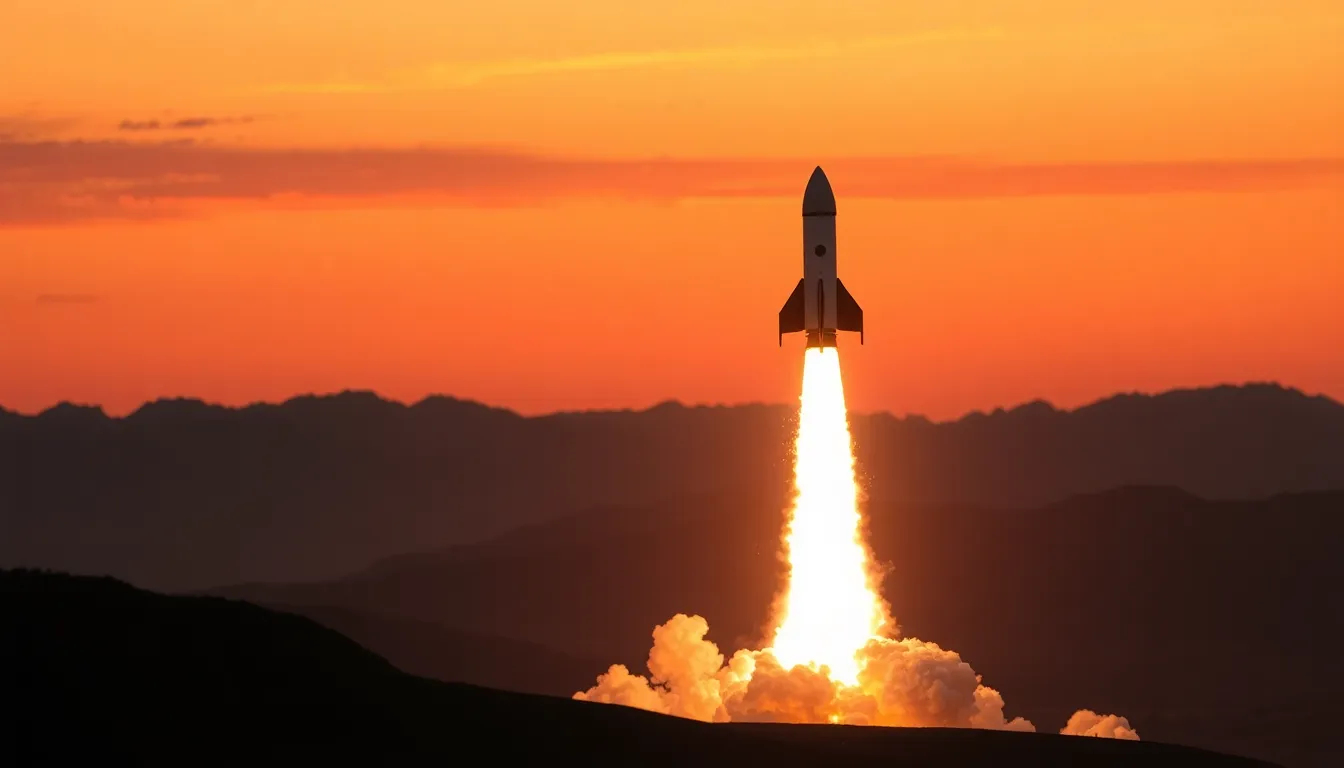
An imaginative rocket launch at dusk above a scenic mountain range, captured with a Fujifilm GFX 100S, 110mm f/2 macro. The warm glow of sunset bathes the entire scene, creating a beautiful gradient of oranges and purples in the sky. The depth of field is selective, keeping the rocket and its fiery exhaust in sharp focus while softly blurring the majestic mountains below. The color palette features rich earthy tones contrasted by the vibrant silhouette of the rocket. The composition utilizes leading lines formed by the mountain ridges that guide the viewer's gaze toward the rocket, emphasizing its ascent into the sky.
16:9
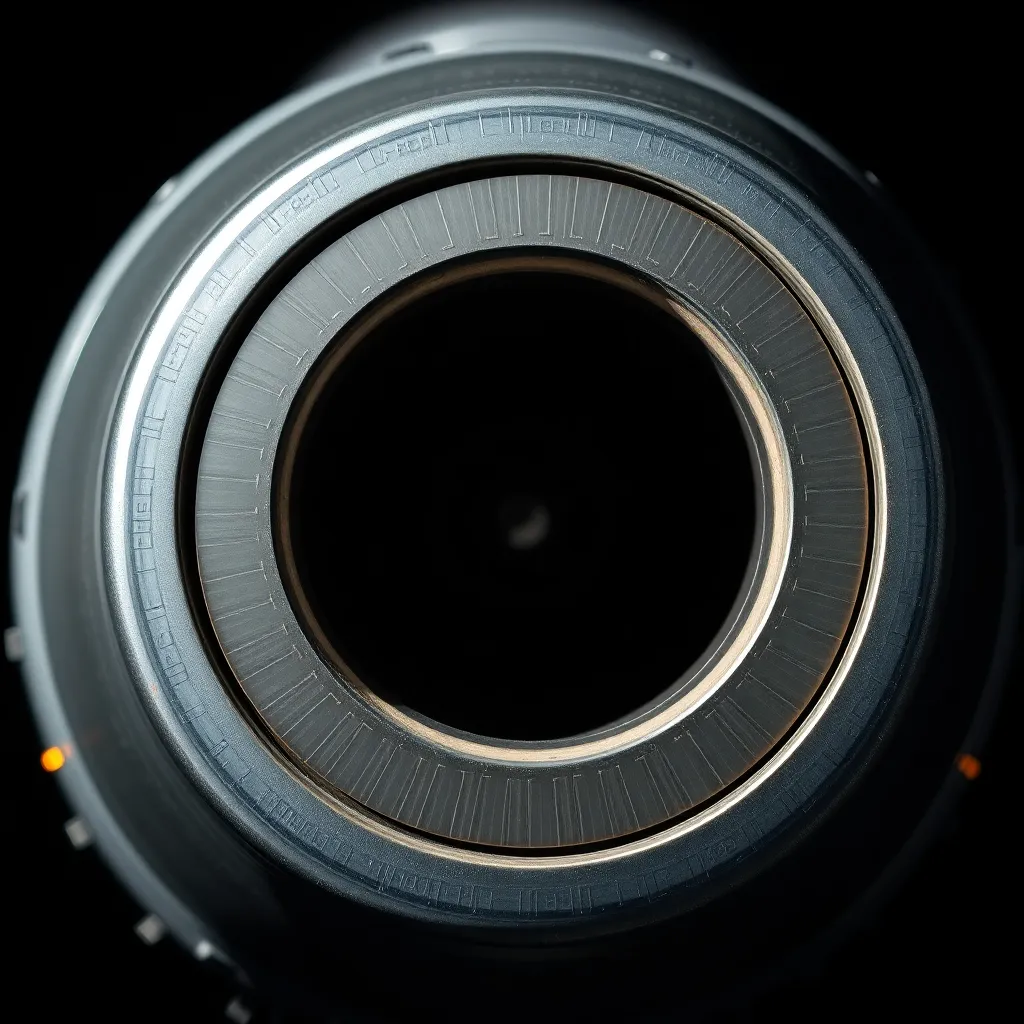
A close-up of a rocket's engine nozzle, shot on a Hasselblad X2D 100C, 90mm f/2.5 medium format. The lighting is a dramatic Rembrandt setup, casting strong shadows that highlight the intricate details of the engine's components. The shallow depth of field blurs the background, focusing sharply on the metal texture and the heat-resistant ceramic tiles of the nozzle. The color palette leans towards metallic grays and blacks with hints of orange from hot spots. The composition centers on the nozzle, emphasizing its significance in rocket propulsion technology, while the textures of the materials are starkly visible.
1:1
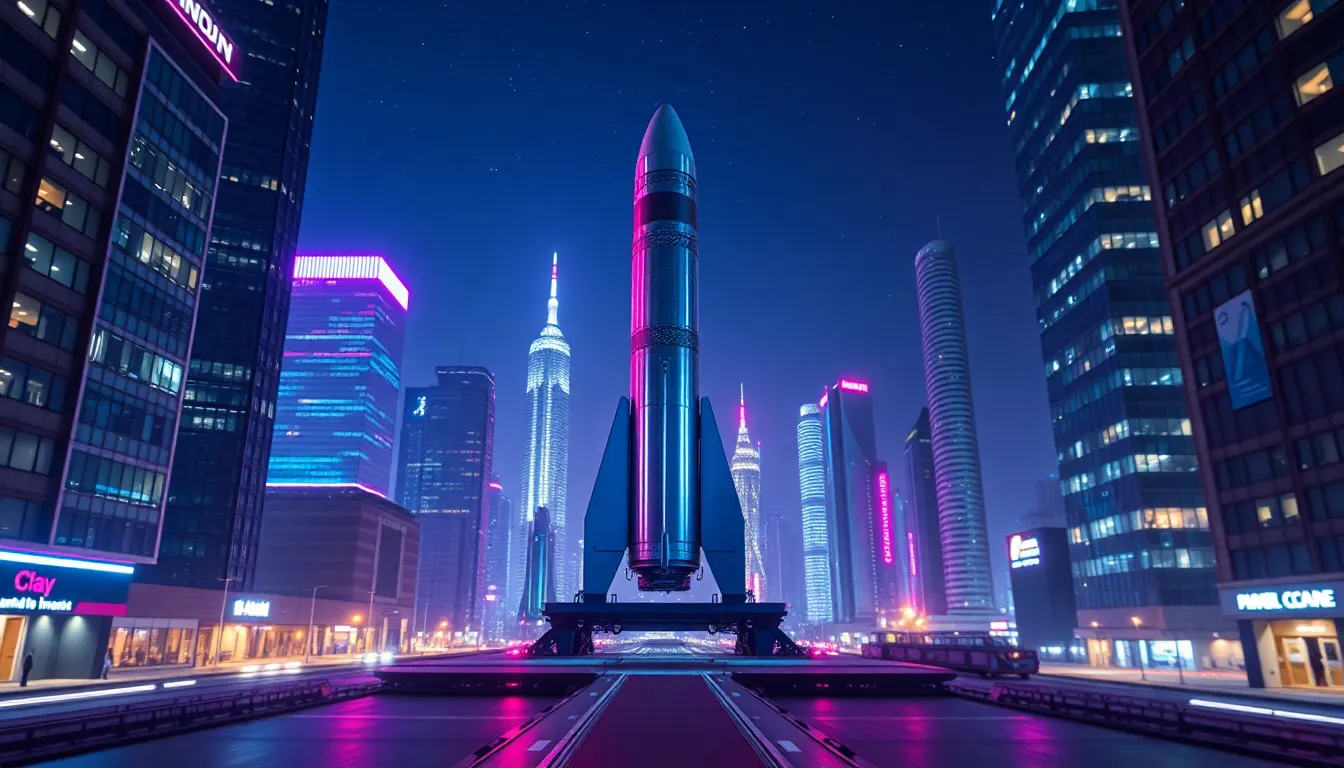
A futuristic cityscape at night with a rocket positioned vertically on a launch platform, captured with a Canon EOS R5, 24-70mm f/2.8L at 35mm. The scene is illuminated by urban neon lights in striking blue and magenta hues, reflecting on the sleek surfaces of the rocket. The depth of field is hyperfocal, ensuring everything from the foreground to the distant skyscrapers is sharply in focus. The cinematic color grading adds drama with deep shadows and vivid highlights. Leading lines from the surrounding buildings draw the eye to the rocket, which stands tall against the backdrop of a star-filled sky.
16:9
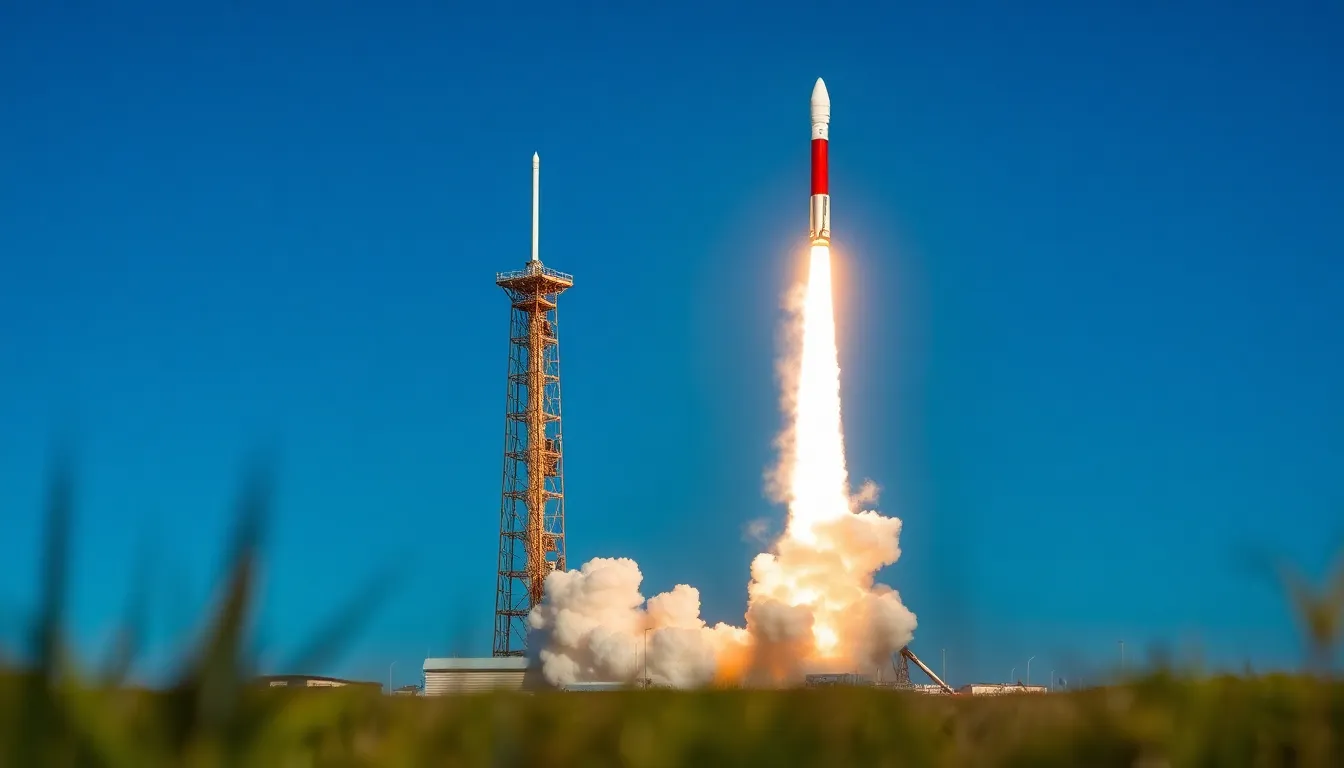
An impressive launch of a heavy-lift rocket from a coastal launch pad, captured with a Nikon Z9, 70-200mm f/2.8 telephoto at 135mm. The scene is dramatically lit by early morning sunlight, casting long shadows and creating a vibrant contrast against a deep blue sky. The image features a shallow depth of field, softly blurring the foreground with the rocket in sharp focus. The color palette includes bold reds and whites of the rocket against the azure backdrop, with wisps of smoke trailing off the launch. Rule of thirds composition places the rocket off-center, emphasizing its scale against the horizon. The texture of the launch pad's concrete and the rocket's metallic surface add depth.
16:9
captured with Hasselblad X2D 100C, 90mm f/2.5 medium format, showcasing the fiery ascent of a rocket during launch at dusk with flames illuminating the surroundings, dramatic low angle perspective emphasizing the towering rocket against the fading twilight sky, bright orange and deep blue contrasting colors capturing the intensity of the launch, hyperfocal distance ensuring both the rocket and the beautiful scenery below are in sharp detail, rule of thirds composition with the rocket positioned at a strategic point, smoke and flame textures adding dynamic movement to the scene.
16:9
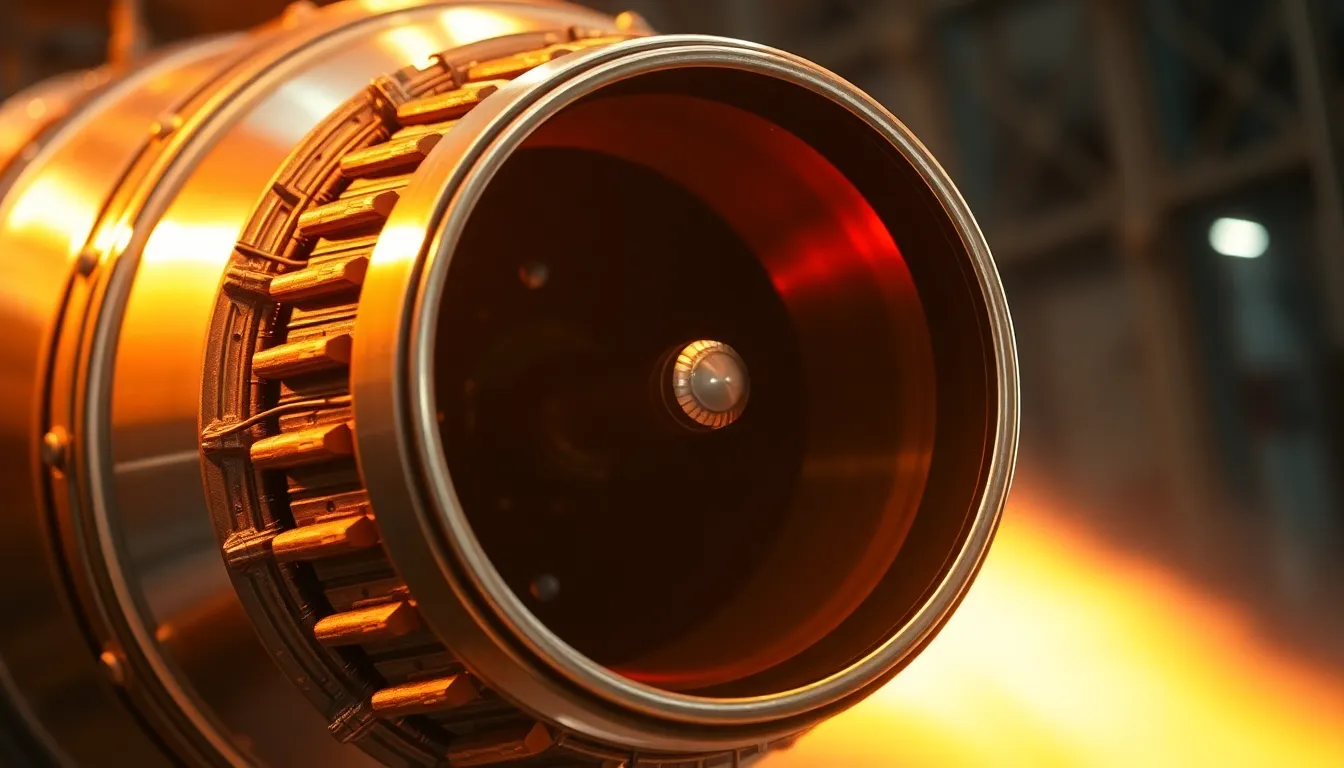
shot on Fujifilm GFX 100S, 110mm f/2 macro, capturing the intricate details of a rocket's engine nozzle during a test run, warm tungsten lighting reflecting off the metallic surface enhances the textures, shallow depth of field at f/2 creating an ethereal effect on the background, Kodak Portra 400 color palette highlighting warm metallic tones and intricate engineering details, centered composition focusing tightly on the engine nozzle, showcasing the craftsmanship and precision in aerospace engineering.
16:9
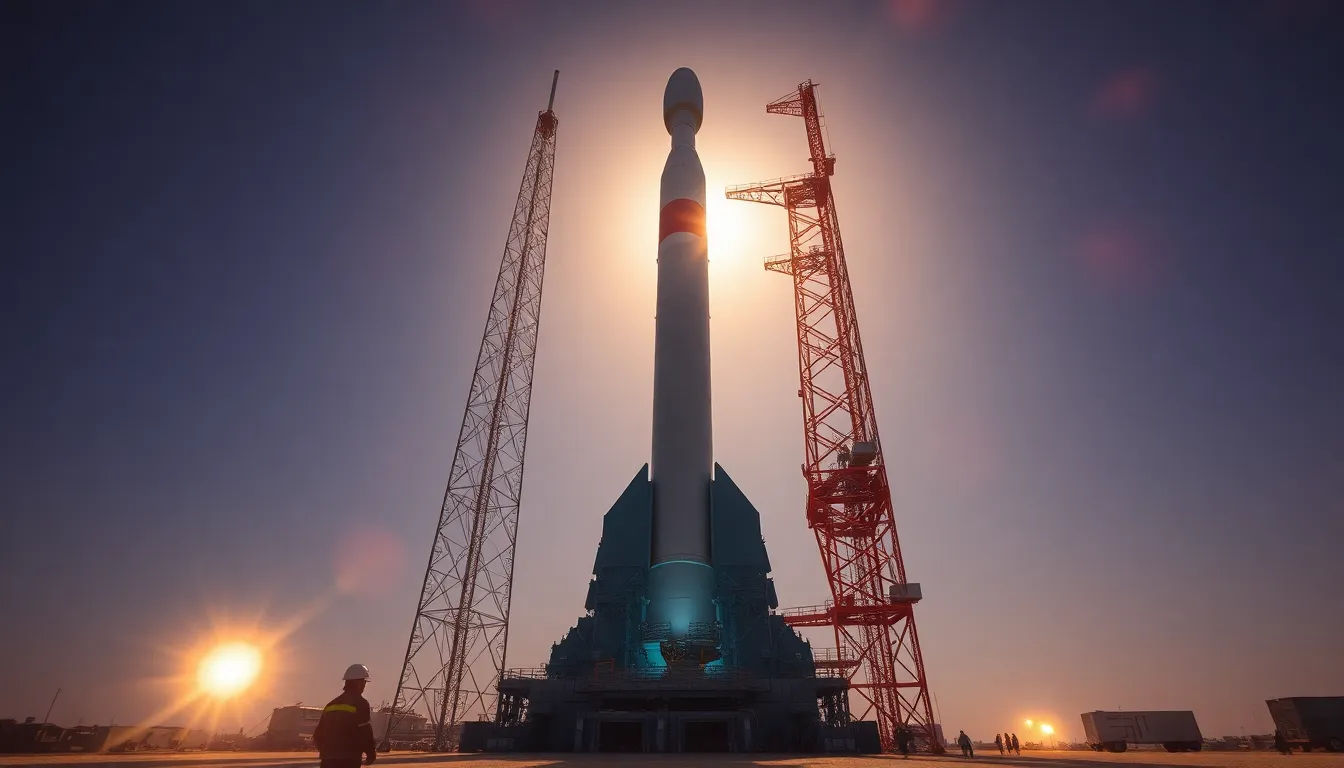
captured with Canon EOS R5, 24-70mm f/2.8L at 35mm, strong backlighting from the sun creating a halo effect around the rocket during pre-launch preparations, three-point studio setup with key softbox enhancing the details of the engineers at work, selective focus emphasizing the rocket while fading out the background activity, Fujifilm Velvia-inspired saturated colors bringing vibrant life to the scene, dynamic leading lines from the structures guiding the eye towards the rocket.
16:9
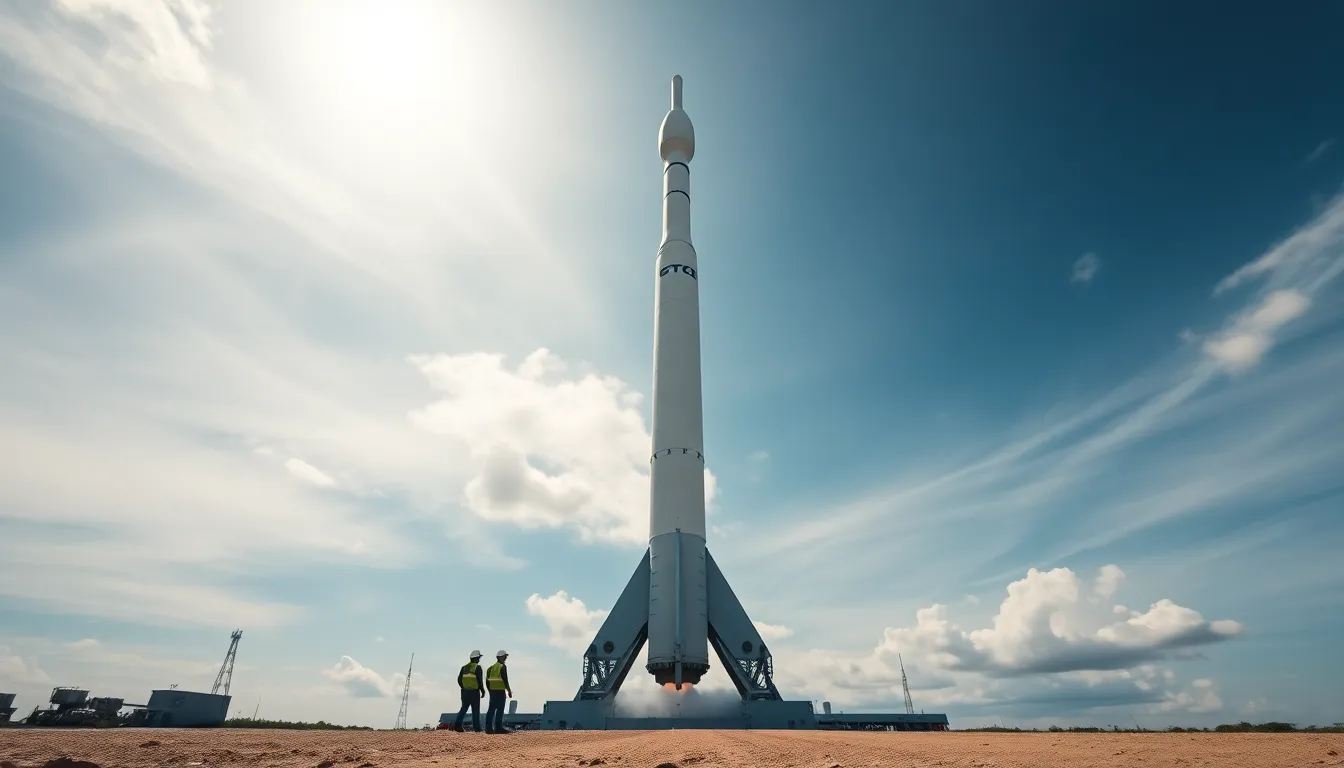
shot on Sony A7R V with 85mm f/1.4 GM lens, captured during the early morning with mist hovering over the launch site, diffused daylight providing soft illumination on the rocket and environment, hyperfocal distance ensuring crisp detail from foreground to infinity, natural muted tones with desaturated earth colors, centered symmetrical composition placing the rocket at the heart of the frame, the ground covered in wet grass glistening in the morning dew adds texture and depth.
16:9
captured with Nikon Z9, 70-200mm f/2.8 telephoto at 135mm, dramatic sunset lighting casting golden hues on the rocket, shallow depth of field at f/2.8 emphasizing the rocket in the foreground with a soft bokeh of the launch site in the background, cinematic teal and orange color grading heightening the contrast, rule of thirds composition with the rocket positioned at the right power point, weathered concrete launch pad showing signs of wear and solid metal texture of the rocket gleaming against the light.
16:9
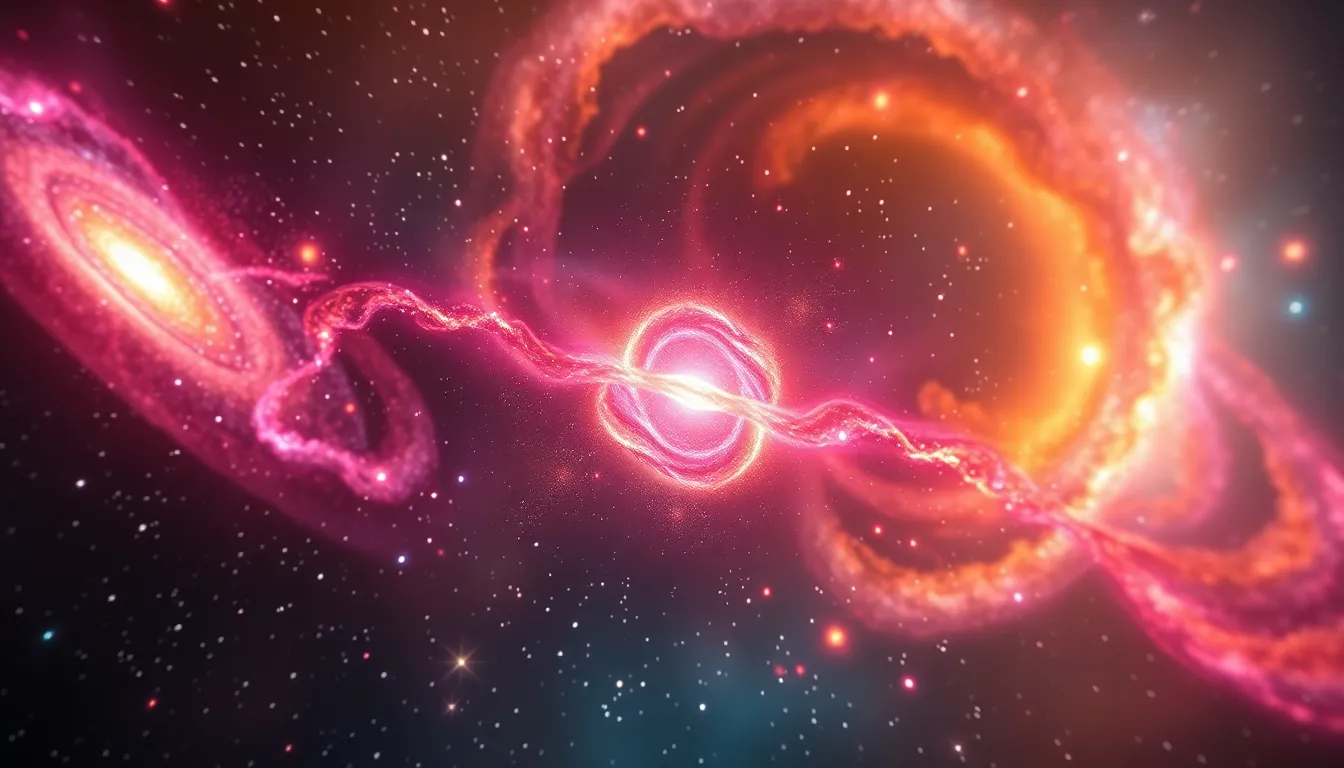
captured with Fujifilm GFX 100S, 110mm f/2 macro, this image showcases an ethereal view of distant galaxies colliding, with vivid colors of pink, purple, and yellow melding together. The cosmic collision is illuminated by bright star formations, creating a celestial light show effect. The depth of field is shallow at f/2, allowing the galaxies to pop against a softly blurred backdrop of stars. The color palette is inspired by cinematic teal and orange grading, enhancing the drama of the galactic clash. The composition uses a centered symmetrical layout that emphasizes the scale and power of the colliding galaxies, while the texture of gas and stars adds depth.
16:9
shot on Leica Q3, 28mm f/1.7 Summilux, this dynamic shot features a close-up of a comet streaking through a starry sky, its icy tail glowing in shades of blue and white. The lighting is naturally illuminated by starlight reflecting off the comet's surface, creating a sparkling effect. The depth of field is shallow at f/1.7, which allows for a soft, dreamy background of twinkling stars. The color palette emphasizes the icy blues and whites of the comet against the deep black of space, adding to the ethereal vibe. The composition centers the comet, with its tail leading the viewer's eye through the frame.
16:9
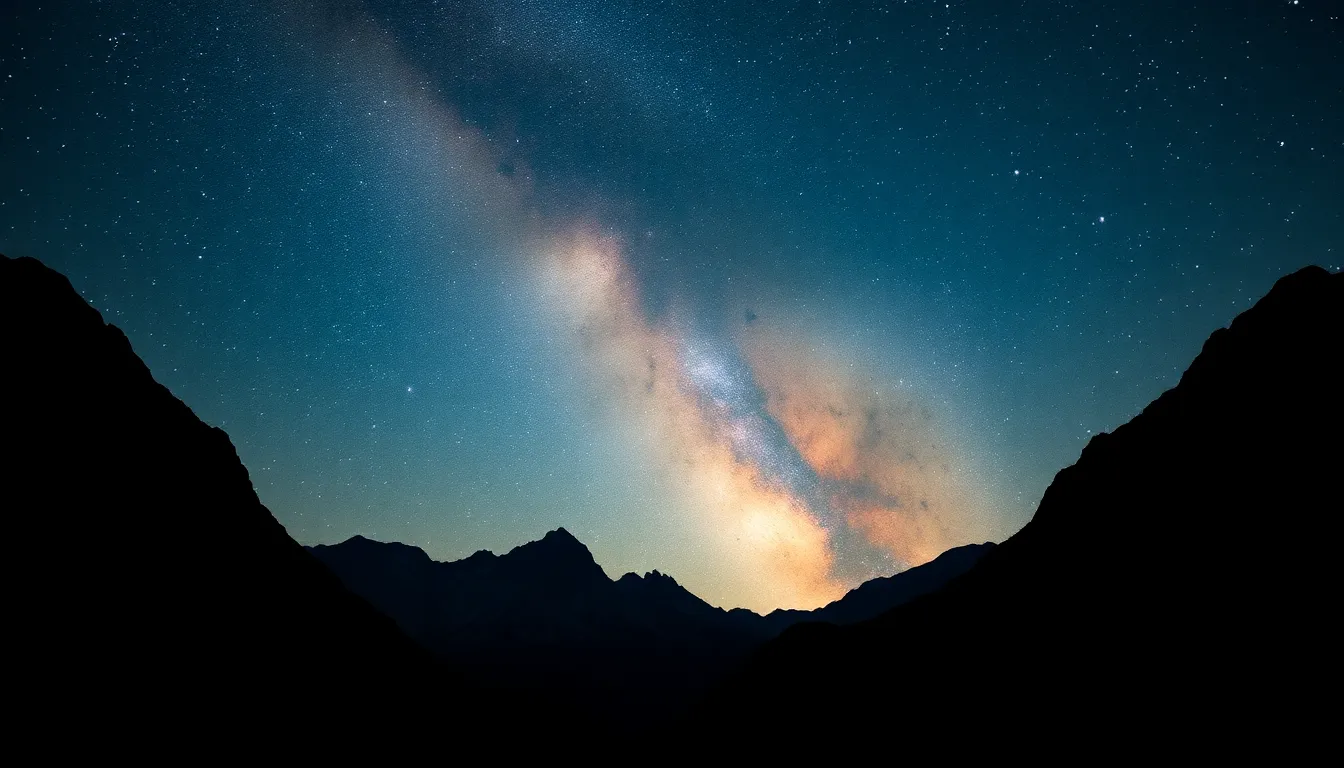
captured with Canon EOS R5, 24-70mm f/2.8L at 35mm, this image presents a stunning view of the Milky Way stretching across a clear night sky, with the foreground featuring silhouetted mountain peaks. The scene is illuminated by natural moonlight casting soft shadows on the mountains, enhancing the dramatic landscape. Using hyperfocal distance at f/8, everything from the foreground to the stars is tack-sharp. The color palette is natural, featuring desaturated earth tones in the mountains and a vibrant display of stars. The composition utilizes leading lines from the mountain ridges to draw the viewer's eye toward the celestial display.
16:9
shot on Sony A7R V with 85mm f/1.4 GM lens, this image depicts a vibrant nebula surrounding a newly formed star, with brilliant colors of red, orange, and yellow. Soft diffused lighting highlights the swirling gas and dust, giving the impression of a celestial blaze. Using a shallow depth of field at f/1.4 isolates the nebula while creating a creamy bokeh in the background. The color palette is rich with Kodak Portra 400 tones, lending warmth to the scene. The composition follows the rule of thirds, with the nebula off-center, allowing the star's brightness to draw the viewer's eye. Textures of gas clouds and sparkles of new stars enrich the image's allure.
16:9
captured with Nikon Z9, 70-200mm f/2.8 telephoto at 135mm, showcasing a breathtaking spiral galaxy against a pristine black background. The scene is illuminated by distant starlight, creating a cosmic glow that highlights the galaxy's vibrant hues of blue and purple. Shallow depth of field at f/2.8 allows the foreground stars to softly blur, enhancing the focus on the galaxy. The color palette is inspired by Fujifilm Velvia, saturated with deep blacks and luminous blues. The composition features a centered symmetrical layout, emphasizing the galaxy's swirling arms. Textures are sharply defined, with sparkling star clusters and wispy gas clouds enhancing the image's depth.
16:9
Fujifilm GFX 100S, 110mm f/2 macro; warm tungsten desk lamp casting directional pool of light; texture details in the rocket's surface material with visible rivets and panels; Kodak Portra 400 color palette—warm skin tones, lifted shadows, creamy highlights; rule of thirds composition with rocket partially obscured by a blueprint rolled open beside it.
3:4
Hasselblad X2D 100C, 90mm f/2.5 medium format; neon signage reflecting blue and magenta on wet pavement; selective focus on the rocket's engine nozzle with the city skyline blurred in the background; cinematic teal and orange color grading; centered symmetrical composition of the rocket against the vibrant urban environment; glossy finish of the rocket's surface reflecting the colors of the neon lights.
3:2
Nikon Z9, 70-200mm f/2.8 telephoto at 135mm; morning dew droplets on grass blades catching light with a hint of fog in the background; hyperfocal distance – everything from foreground to infinity tack-sharp at f/8; Fujifilm Velvia-inspired saturated colors with deep blues and rich greens; leading lines of the launch site road draw the eye toward the rocket in the distance.
16:9
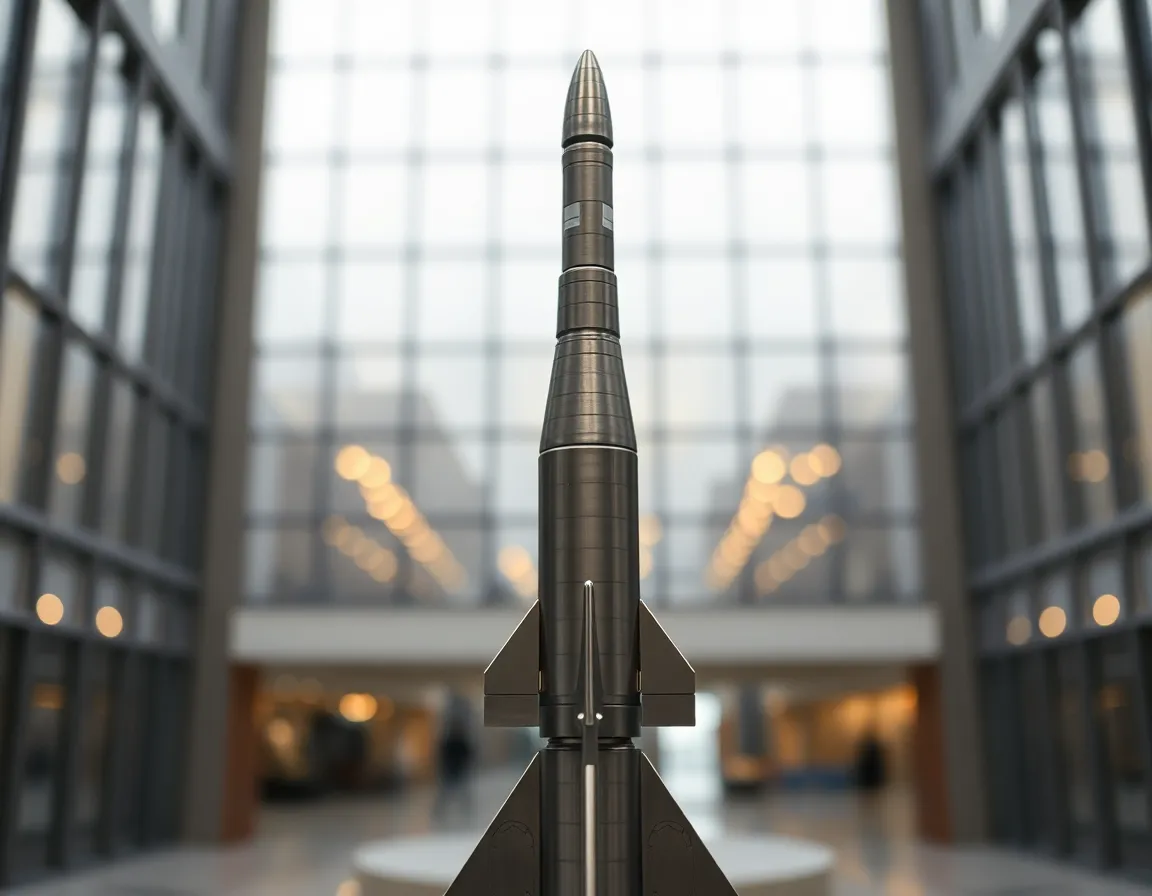
shot on Sony A7R V with 85mm f/1.4 GM lens; overcast diffused daylight through floor-to-ceiling windows; shallow depth of field at f/1.4 with creamy circular bokeh in background; natural muted tones with desaturated earth colors; centered symmetrical composition showcasing a model rocket display; intricate details of the rocket's surface highlight its craftsmanship and precision.
4:3
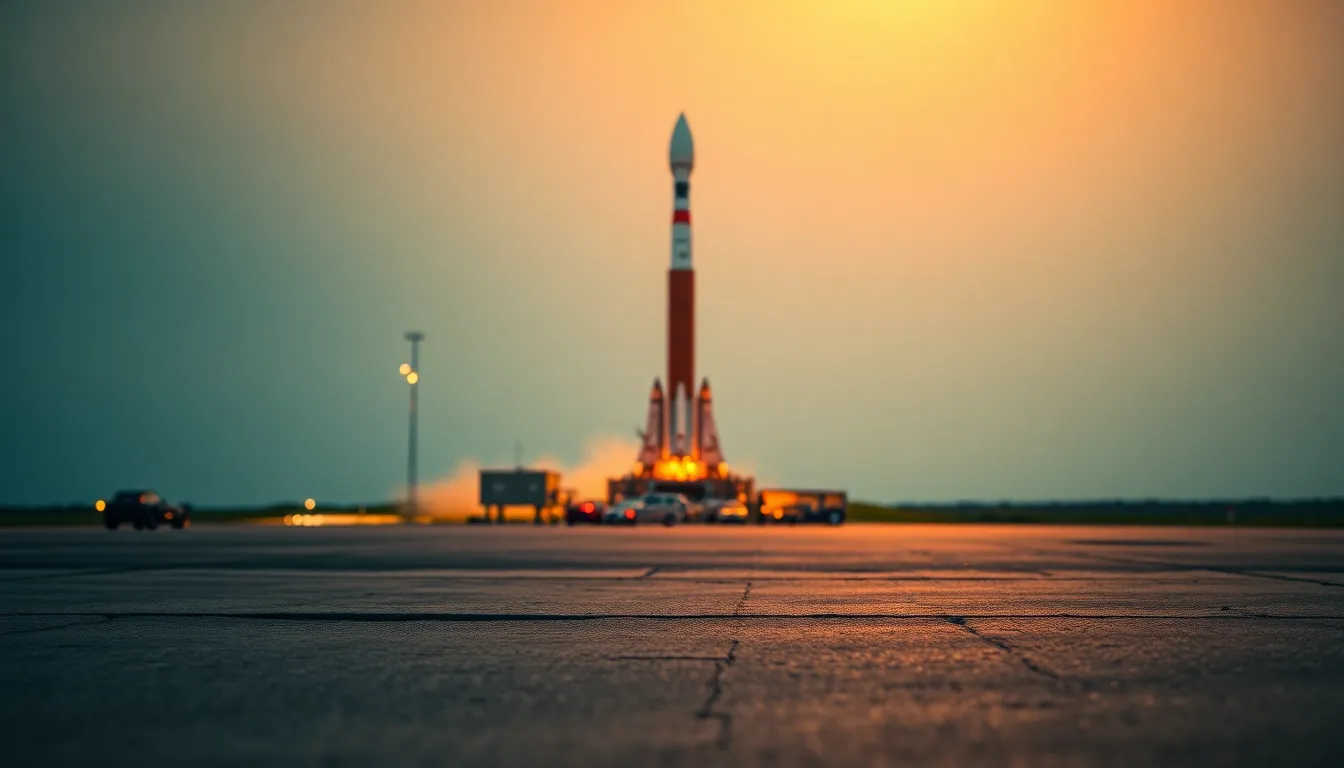
captured with Canon EOS R5, 24-70mm f/2.8L at 35mm; golden hour backlighting with warm rim light and soft fill from a reflector; selective focus on the rocket's launch pad with background melting into soft painterly bokeh; cinematic teal and orange color grading; rule of thirds with rocket positioned at left power point; weathered concrete launch pad showing fine texture and wear from previous launches.
16:9
shot on Hasselblad X2D 100C, 90mm f/2.5 medium format, presenting a Martian rover navigating through a dusty canyon under dramatic overcast conditions. The soft, diffused lighting minimizes harsh shadows, creating a moody atmosphere with desaturated earth colors. The composition centers on the rover, framed by the canyon walls that lead the viewer's eye into the scene. Depth of field is shallow, ensuring the rover stands out against the blurred, textured canyon. Textures include the rough, dusty rock formations and the metallic surface of the rover, reflecting subtle highlights.
16:9
captured with Leica Q3, 28mm f/1.7 Summilux, showcasing a Martian landscape under a starry sky filled with visible constellations and a shooting star. The scene is illuminated by the soft light of the Milky Way, with varying shades of dark blue and indigo creating a cosmic backdrop. The composition uses a rule of thirds, positioning the rocky outcrop in the foreground and the expansive sky above, leading the eye upward. Textures include the rough, cratered surface of the Martian rocks contrasted against the smoothness of the starry night. This is shot with a long exposure to catch the celestial motion and highlight the stars' brilliance.
16:9

shot on Fujifilm GFX 100S, 110mm f/2 macro with a focus on a small Martian rock covered in lichen-like organisms, illuminated by soft diffused daylight filtering through a translucent Martian dust cloud. The shallow depth of field creates creamy bokeh that isolates the rock, while the earthy hues of green and brown contrast with the soft pinkish-red background. The composition frames the rock centrally, emphasizing its unique texture and the subtle details of the organisms. Textures include the rough surface of the rock and the delicate, velvety appearance of the organisms.
1:1
captured with Canon EOS R5, 24-70mm f/2.8L at 35mm, depicting a Martian crater filled with vibrant blue ice under direct high noon sunlight. Hyperfocal distance at f/8 ensures everything from the foreground rocks to the distant horizon is sharp, revealing intricate details of the crater's walls. The color palette is dominated by vivid blues and stark whites of the ice, contrasted against the reddish-brown Martian soil. The composition centers on the crater, showcasing its circular form, while scattered rocks create interest in the foreground. Textures include the smooth surface of the ice juxtaposed with rough, jagged rock formations.
16:9
shot on Nikon Z9, 70-200mm f/2.8 telephoto at 135mm, captured during the Martian sunset with golden hour light creating long shadows across the rocky landscape. Shallow depth of field at f/2.8 isolates a rugged boulder covered in fine red dust, with a backdrop of the rusty-orange horizon fading into darker shades. The color palette features warm reds and deep oranges reminiscent of a fiery sunset, evoking a sense of isolation and otherworldliness. The composition utilizes leading lines formed by the terrain to draw the eye towards the distant Olympus Mons, creating a dramatic focal point. Textures include coarse rock surfaces dotted with patches of dust and small craters.
16:9
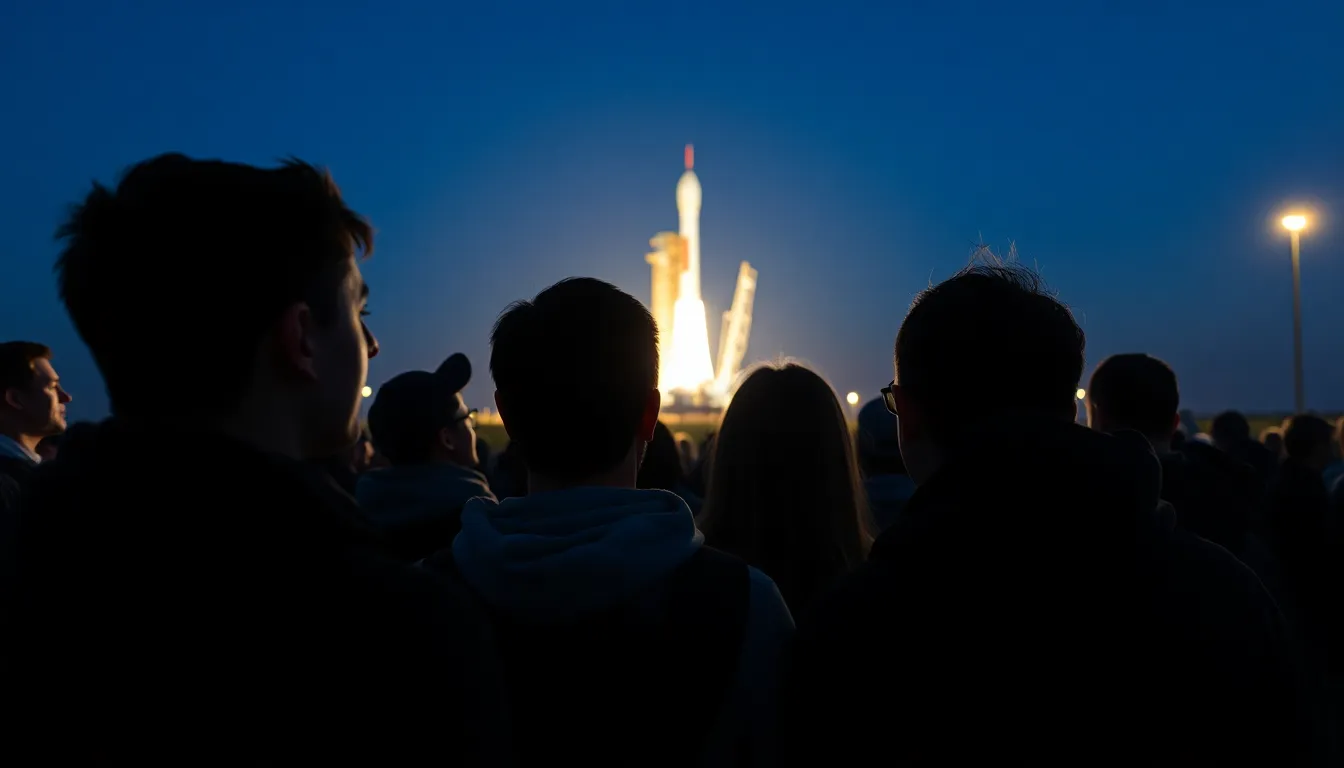
A group of students observing a satellite launch, captured with a Leica Q3, 28mm f/1.7 Summilux. The scene is illuminated by the bright launch pad lights at dusk, casting dramatic shadows and reflections on the students' faces. The depth of field is shallow at f/1.7, allowing the background launch pad to blur softly, while keeping the students sharp. The color grading is cinematic with cool blues contrasted by warm highlights from the launch lights. The composition uses leading lines from the crowd toward the rocket, creating a sense of anticipation and excitement.
16:9

A close-up view of a satellite's camera lens captured with a Hasselblad X2D 100C, 90mm f/2.5 medium format. The image is bathed in diffused daylight from a nearby window, giving it a clean and crisp feel. A shallow depth of field at f/2.5 creates a creamy bokeh that isolates the lens from the technical details surrounding it. The color palette is muted, focusing on the subtle grays and silvers of the camera components. The composition adheres to the rule of thirds, placing the lens off-center while texture details highlight the polished glass and intricate mechanical parts of the satellite camera.
1:1

An illustration of a futuristic satellite network in space, generated with a Fujifilm GFX 100S, 110mm f/2 macro. This image emphasizes the intricate details of the multiple satellites linked in a web-like formation. It utilizes dramatic studio lighting to highlight the metallic surfaces of the satellites, creating sharp highlights and deep shadows. A shallow depth of field at f/2 provides a painterly effect, isolating the satellites from the ethereal backdrop of stars. The color scheme follows a vibrant Fujifilm Velvia-inspired palette, enhancing the celestial beauty with rich blues and silvers. The composition is dynamic with a slight diagonal leading line, imparting motion to the arrangement.
16:9

A satellite dish on a rural house captured with a Canon EOS R5, 24-70mm f/2.8L at 35mm. The scene is lit by warm afternoon sunlight, casting soft shadows and highlighting the dish's surface. The depth of field is hyperfocal at f/8, ensuring clarity throughout the composition. A natural muted color palette features soft earth tones and the warm glow of the sun. The composition follows the rule of thirds, placing the dish in the left power point, with the house and garden framing the right side, while texture details convey the weathered paint and rust on the dish.
3:2
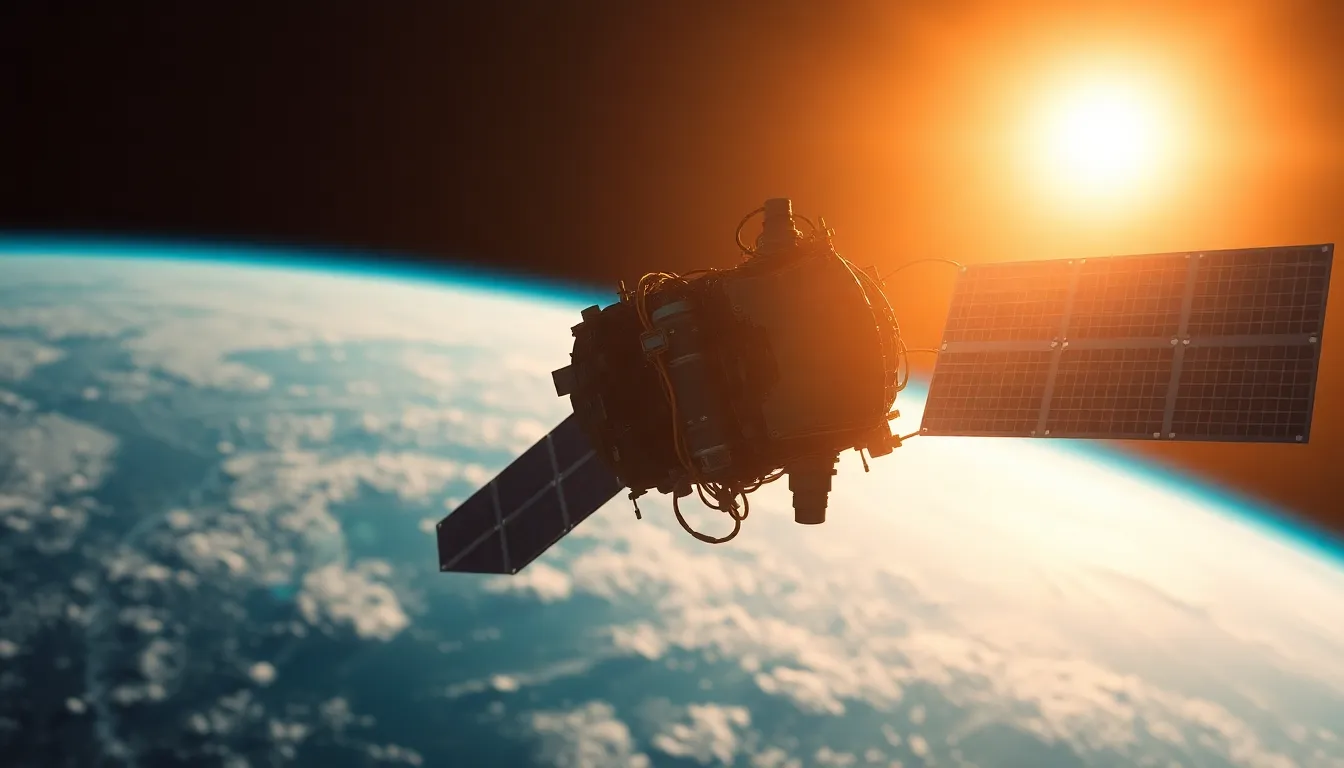
A high-tech satellite orbiting the Earth captured with a Nikon Z9, 70-200mm f/2.8 telephoto at 135mm. The image features dramatic backlighting from the sun illuminating the satellite's solar panels, creating a beautiful halo effect. The depth of field is shallow at f/2.8, blurring the Earth’s atmosphere providing a dreamy background. The color palette employs cinematic teal and orange grading, enhancing the contrast between the satellite and the planet. The composition centers the satellite symmetrically against the vastness of space, with texture details showcasing the intricate metalwork and wiring on the satellite's surface.
16:9

captured with Hasselblad X2D 100C, 90mm f/2.5 medium format, featuring a surreal depiction of a rocket floating in a tranquil ocean. The natural sunrise light bathes the scene in soft pastels, illuminating the water's surface as it reflects shades of pink and orange. The depth of field is hyperfocal at f/8, ensuring every detail from the rocket to the distant horizon is sharp. The color palette is inspired by a dreamlike state, with ethereal muted tones creating a peaceful atmosphere. The composition employs a centered symmetrical layout, enhancing the surreal quality of the rocket adrift on the ocean.
16:9
Fujifilm GFX 100S, 110mm f/2 macro, highlighting a rocket engine nozzle against a black background. The studio lighting is dramatic, utilizing a single octabox to create moody shadows that emphasize the intricate engineering of the nozzle. A shallow depth of field at f/2 accentuates the textures of the metal, revealing the fine details of cooling fins and welds. The color grading uses natural muted tones, focusing on the metallic blues and silvers. A centered symmetrical composition showcases the rocket engine as the hero of the scene, drawing attention to its precision engineering.
1:1
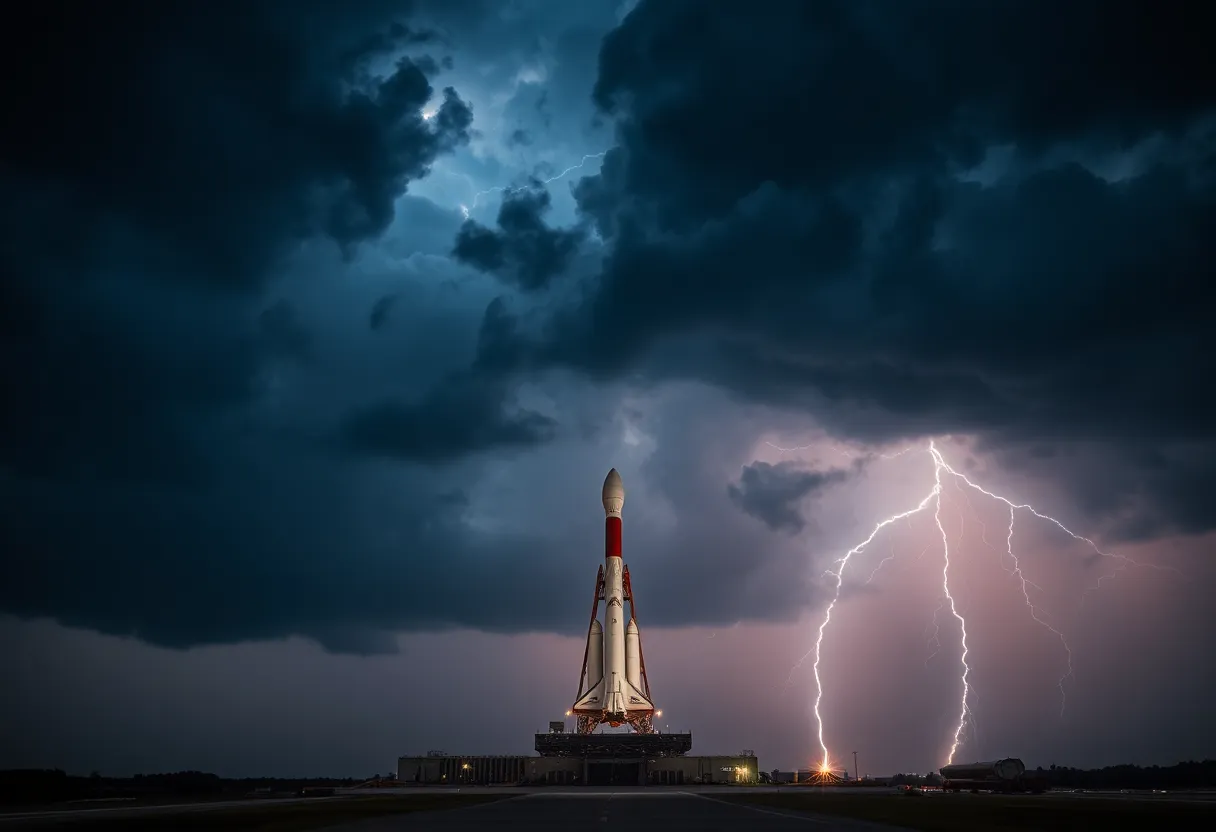
Nikon Z9, 70-200mm f/2.8 telephoto at 135mm, capturing a rocket on the launch pad under a dramatic stormy sky. The moody lighting features dark clouds with streaks of lightning illuminating the rocket in a moment of awe. A hyperfocal distance at f/8 ensures that both the rocket and the distant storm clouds are in sharp focus. The color palette incorporates deep blues and grays with bright flashes of lightning. Leading lines formed by the launch pad draw the viewer's eye directly to the rocket, emphasizing its impressive stature amidst nature's fury.
3:2
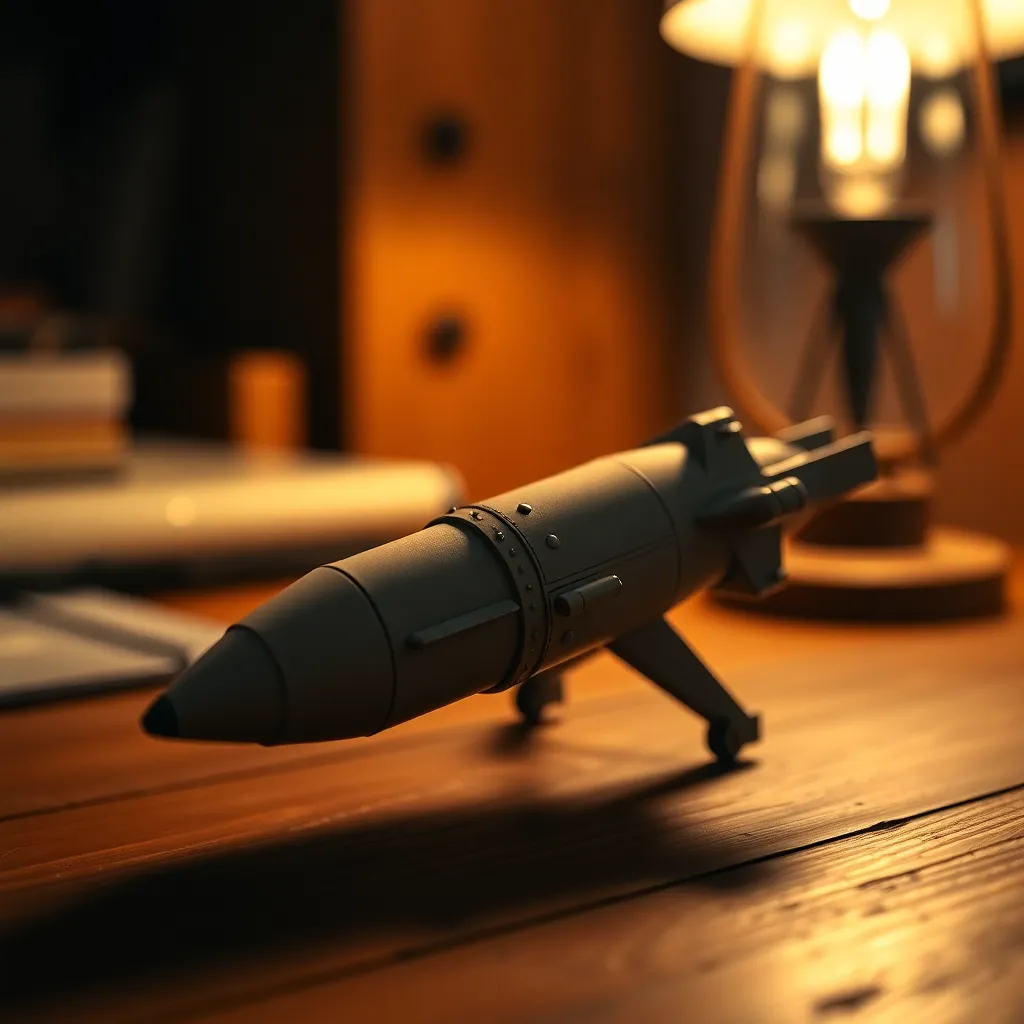
shot on Sony A7R V with 85mm f/1.4 GM lens, depicting a close-up of a detailed rocket model on a wooden table. The warm tungsten light from a nearby lamp creates a cozy ambiance, highlighting intricate features of the rocket, including rivets and panel lines. A shallow depth of field at f/1.4 produces a soft bokeh effect in the background, enhancing the rich textures of the wood surface. The color palette leans towards warm tones, evoking nostalgia and craftsmanship. The placement follows the rule of thirds, giving the image a balanced and engaging composition.
1:1
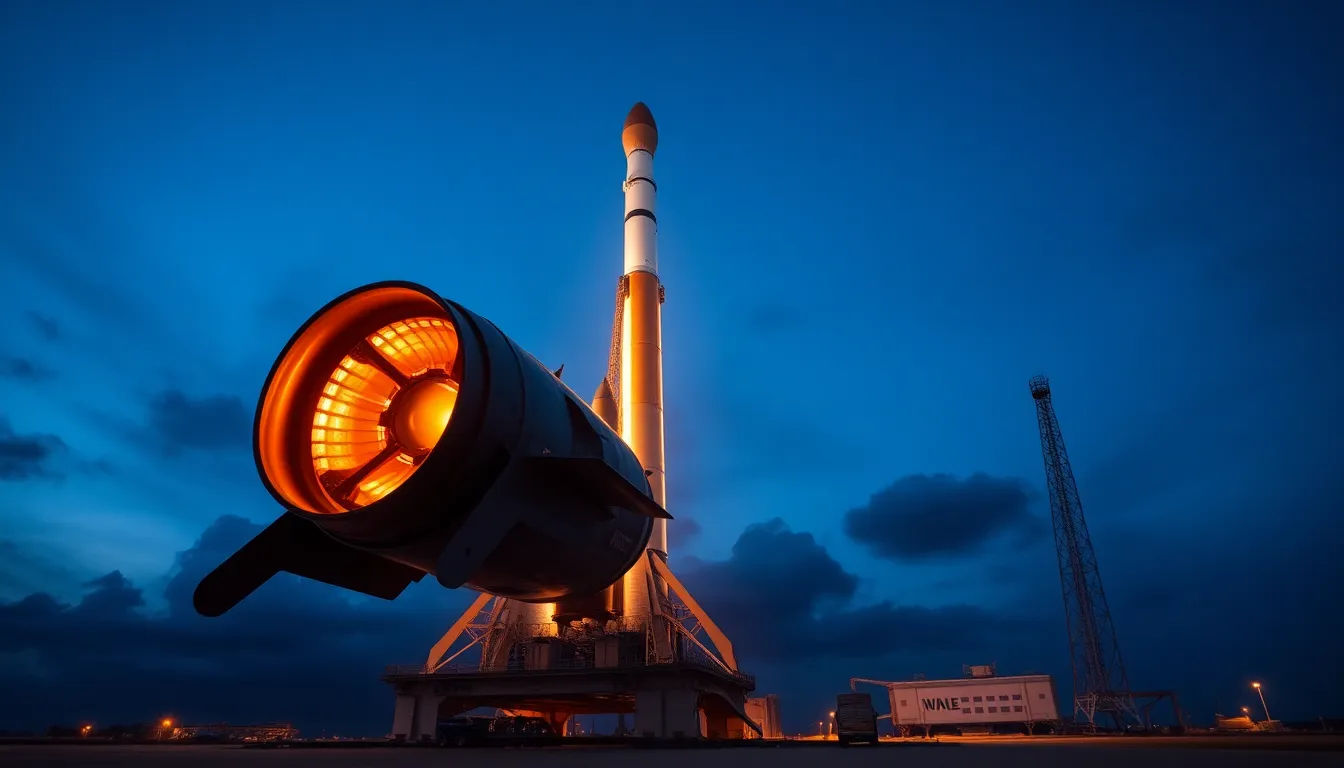
captured with Canon EOS R5, 24-70mm f/2.8L at 35mm, showcasing a rocket launch against a dramatic evening sky. The scene features vibrant oranges and deep purples as the sun sets behind the rocket, illuminating the smoke trails with warm highlights. A shallow depth of field at f/2.8 blurs the crowd in the foreground, creating focus on the powerful ascent of the rocket. Textures of the rocket's metal body glisten under the ambient light, while the energy of the launch fills the atmosphere. Rule of thirds composition places the rocket slightly off-center, enhancing the sense of motion.
16:9
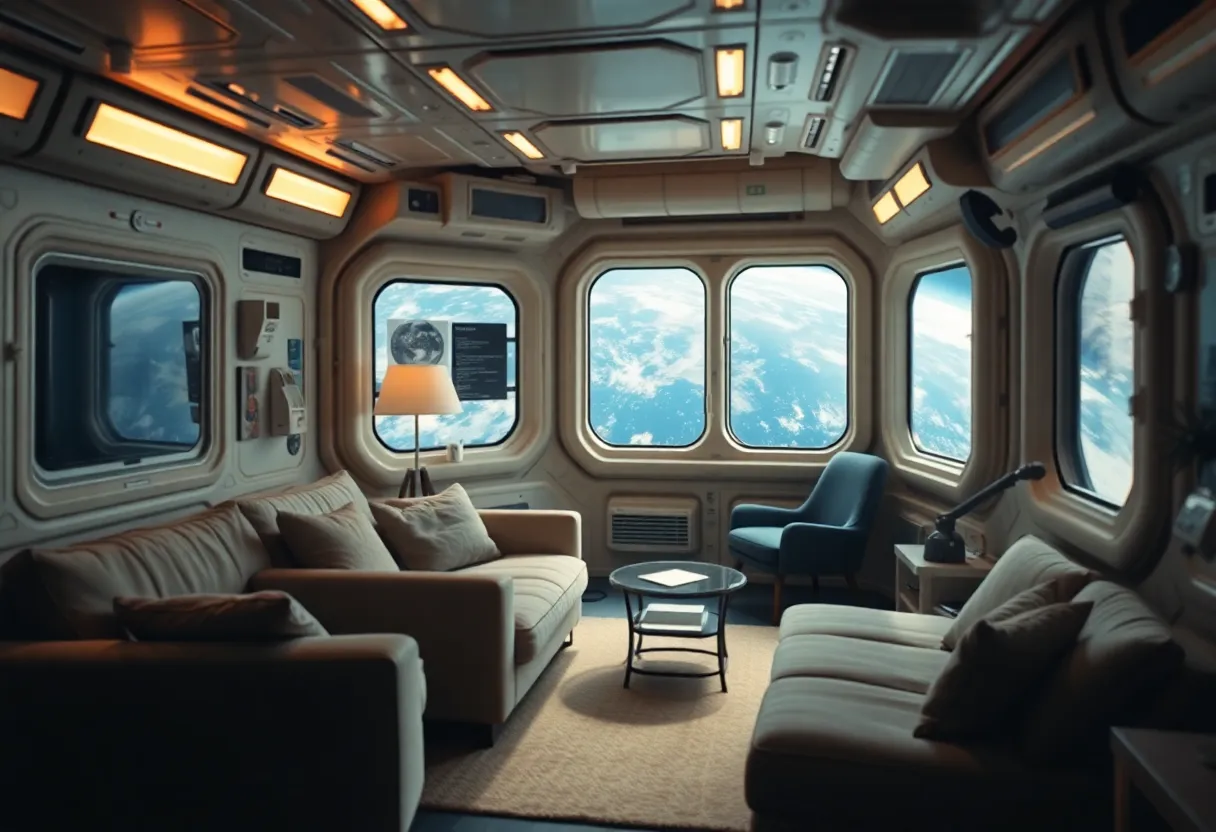
shot on Leica Q3, 28mm f/1.7 Summilux, depicting the interior of a space station habitat designed for astronauts, featuring a cozy living area with floating furniture and large windows showing planet Earth. The lighting consists of soft, warm overhead lights mixed with natural daylight filtering through the windows. A shallow depth of field at f/2.8 separates the foreground details of comfortable furniture from the background view of Earth. The color palette is muted with earth tones and soft whites, creating a homely atmosphere. The composition uses the rule of thirds, with the window and Earth creating visual interest to the right.
3:2
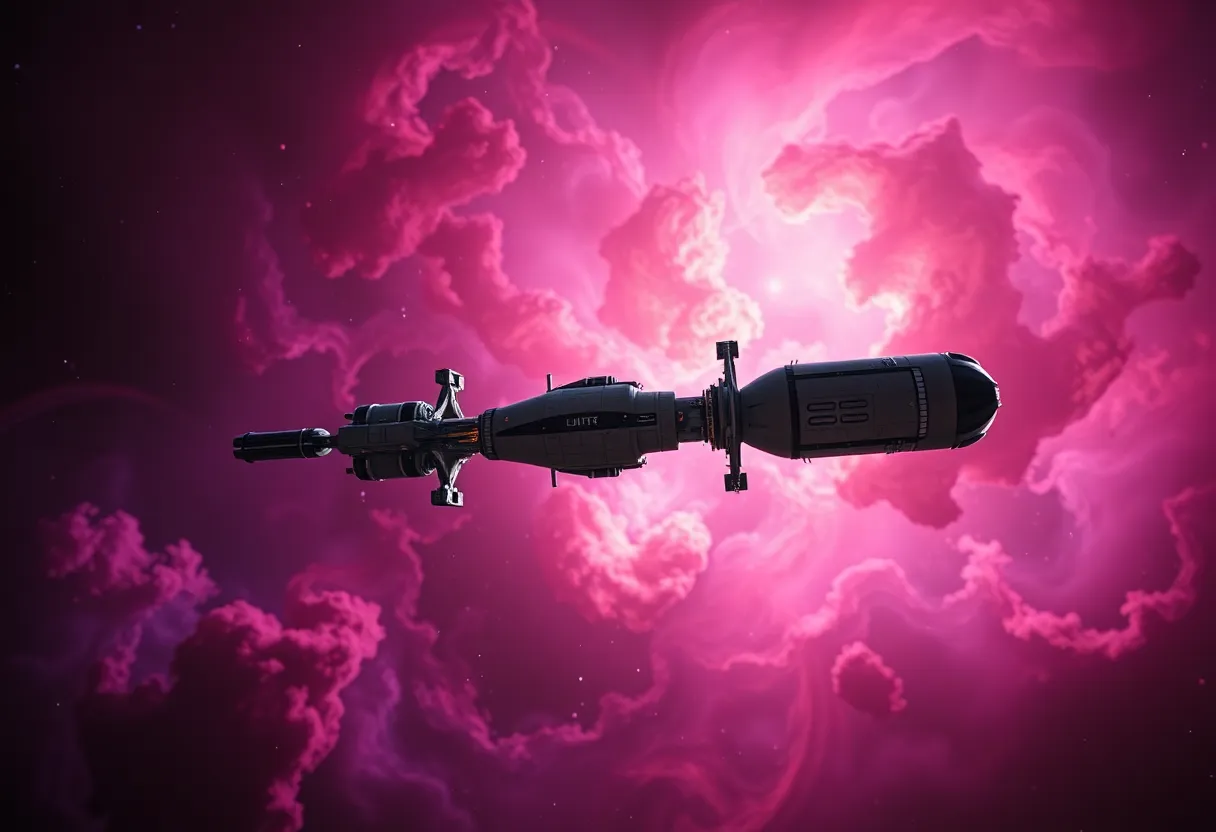
captured with Hasselblad X2D 100C, 90mm f/2.5 medium format, depicting an imposing space station silhouette against a fiery sunset backdrop. The lighting captures the dramatic colors of the sunset filtering through, casting warm hues over the station. The depth of field is focused on the space station at f/4, creating a clear view while the sunset blurs softly in the background. The color palette transitions smoothly from deep oranges to purples, embodying a natural muted tone. A centered symmetrical composition accentuates the grandeur of the scene, with textures of the station's metallic surfaces contrasting against the vibrant sky.
16:9
shot on Fujifilm GFX 100S, 110mm f/2 macro, capturing a close-up of an astronaut's helmet visor reflecting the distant stars and the Earth below, during a spacewalk. The lighting is from a nearby sun illuminating the visor, giving it a sparkling quality. The depth of field is shallow at f/2, creating a creamy bokeh effect in the background, while the intricate details of the visor and astronaut suit are sharply in focus. The color science is inspired by Kodak Portra 400, giving warm skin tones and lifelike colors, while the composition highlights the helmet off-center, drawing focus to the reflection.
1:1
captured with Canon EOS R5, 24-70mm f/2.8L at 35mm, illustrating astronauts inside a bustling space station lab, engaging in scientific experiments. The lighting is provided by bright LED panels overhead, creating a high-tech ambiance with cool tones. A hyperfocal distance gives a sharp focus from the foreground to the background, displaying the intricate equipment and floating items in zero gravity. The color palette is natural with muted tones, showcasing the metallic textures of the lab. Compositionally, the astronauts are framed in a dynamic diagonal line, emphasizing movement and collaboration.
16:9
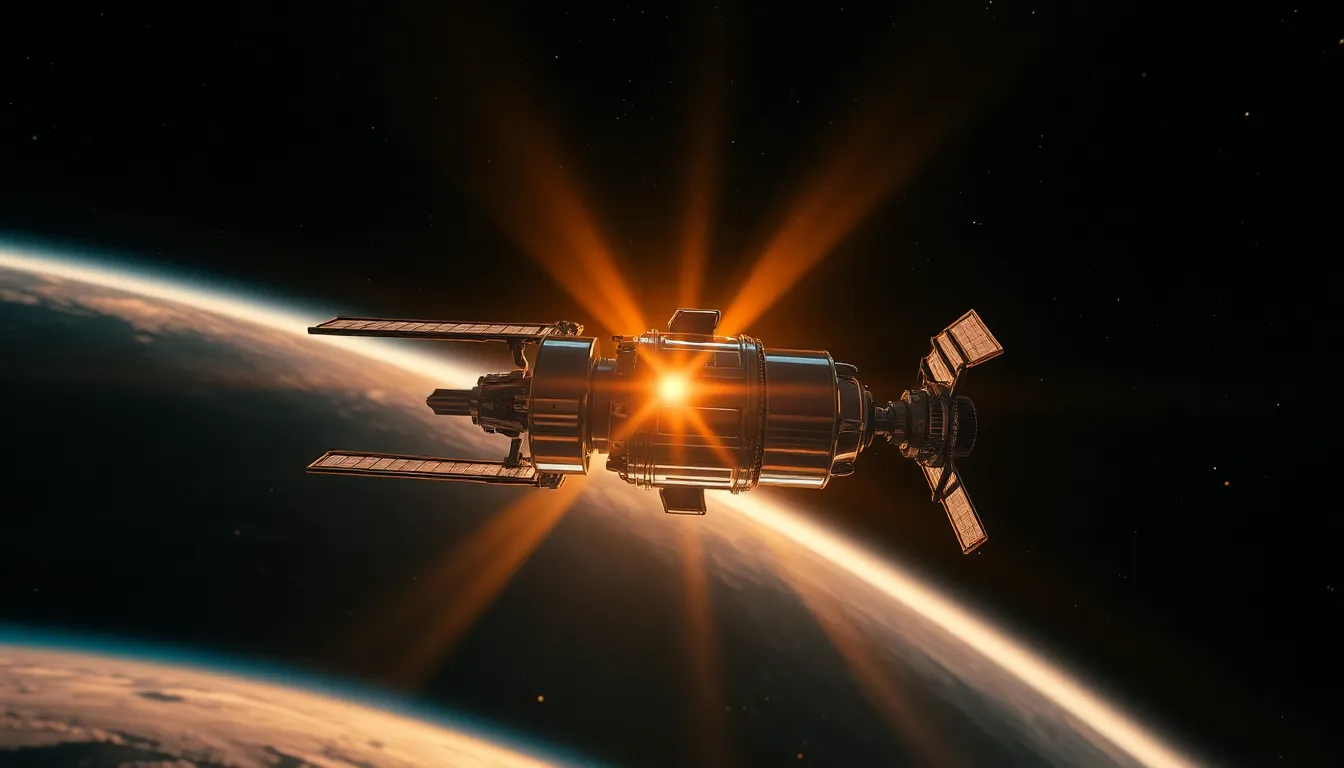
shot on Nikon Z9, 70-200mm f/2.8 telephoto at 135mm, showcasing a futuristic space station orbiting Earth during dawn, illuminated by rays of sunlight breaking through the darkness of space. The scene features a shallow depth of field at f/2.8, with the station crisp against a softly blurred starfield. Color grading echoes a cinematic teal and orange palette, enhancing the contrast between the warm golden light and the cool blacks of space. Compositionally, the space station is positioned along the rule of thirds, creating a dynamic visual flow. The metal surfaces exhibit a sleek, reflective quality, capturing celestial glimmers.
16:9
captured with Hasselblad X2D 100C, 90mm f/2.5 medium format, featuring a futuristic Martian rover traversing the planet's rocky surface during twilight. The scene is dramatically lit by the soft glow of the rover's headlights, casting long shadows. The depth of field is selective, focusing on the rover while the Martian terrain blurs subtly in the background. The color palette incorporates natural muted tones alongside the cool twilight blues, creating a moody atmosphere. Compositionally, the rover is positioned in the lower third, allowing a sweeping view of the Martian horizon.
3:2
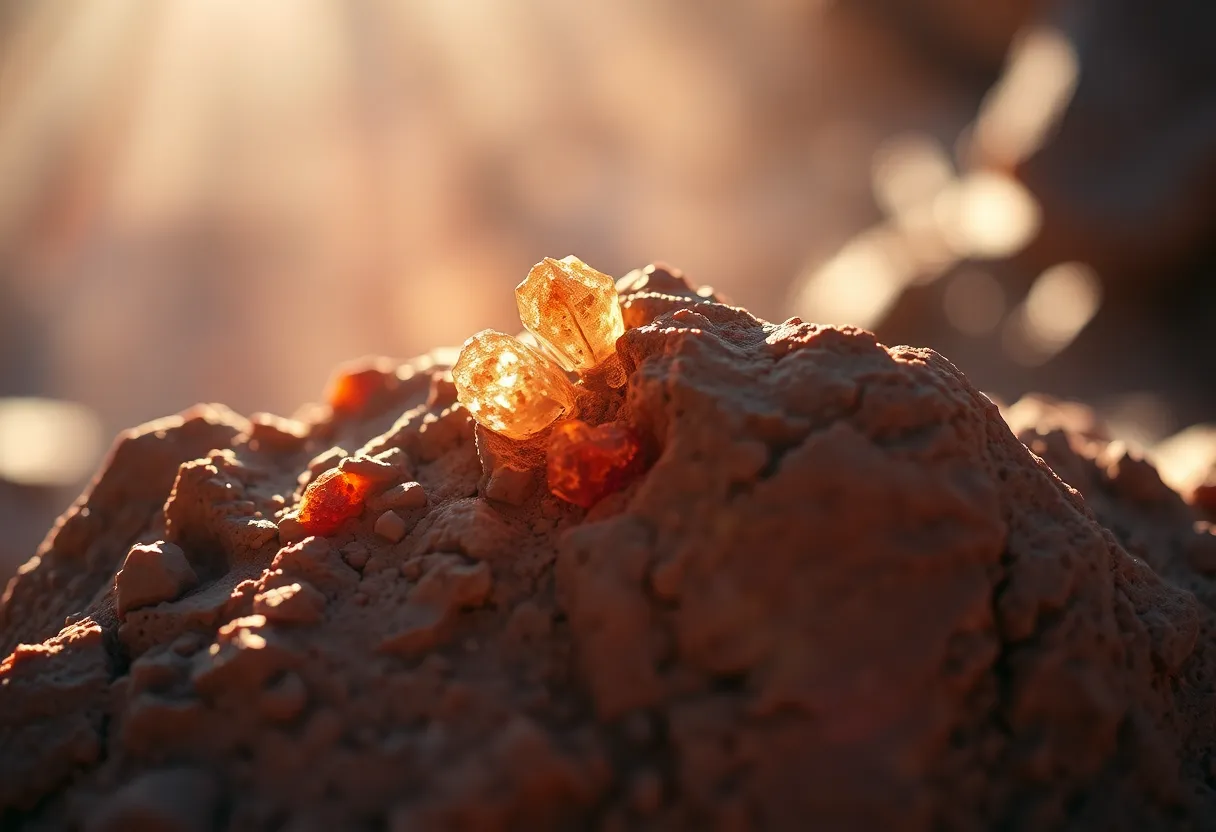
shot on Fujifilm GFX 100S, 110mm f/2 macro, capturing the intricate details of a Martian rock formation. The lighting consists of dappled sunlight filtering through a translucent atmosphere, enhancing the unique textures and mineral layers of the rock. Selective focus is applied to highlight the crystal structures within the rock, while the background transitions into soft painterly bokeh. The color palette resembles Fujifilm Velvia, with deep reds and subtle blues contributing to the vivid, alien presentation. Composition positions the rock off-center, creating a dynamic visual interest.
3:2
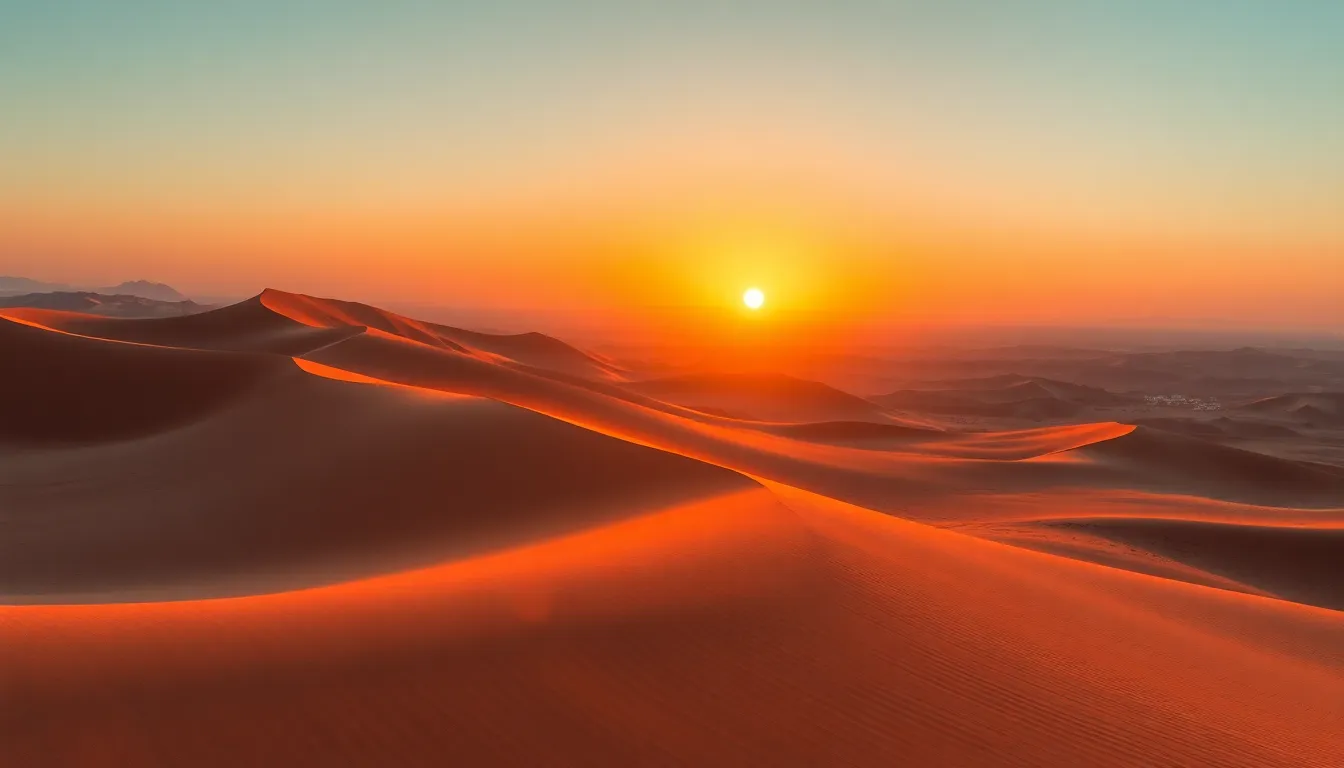
captured with Canon EOS R5, 24-70mm f/2.8L at 35mm, presenting a panoramic view of a Martian sunset over rolling dunes. The scene is bathed in golden hour backlighting, with warm rim light accentuating the dunes' curves and soft fill light creating depth. Depth of field is hyperfocal at f/8, keeping the foreground and distant horizon sharply in focus. Colors feature cinematic teal and orange grading, with the warm tones of the sunset contrasting against the cool shadows of the dunes. The composition employs leading lines, guiding the eye through the undulating landscape.
16:9
shot on Sony A7R V with 85mm f/1.4 GM lens, featuring a close-up of Martian soil samples arranged in a laboratory setting. The scene is illuminated by warm tungsten desk lamps casting a directional pool of light, enhancing the texture of each sample with soft shadows. A shallow depth of field at f/1.4 brings the foreground into sharp focus, while the background blurs into creamy bokeh. Color science is inspired by Kodak Portra 400, highlighting warm tones and maintaining natural skin-like textures on the soil grains.
1:1
captured with Nikon Z9, 70-200mm f/2.8 telephoto at 135mm, showcasing a Martian landscape under stunning overcast daylight filtering through an alien atmosphere. The scene is sharply focused utilizing hyperfocal distance, revealing detailed textures of red rocky terrain with fine grains and cracks. Colors reflect natural muted tones with desaturated earth hues resembling Mars' surface, with soft shadows adding depth. Composition follows the rule of thirds, positioning a distant volcano at the left-inflection point against a vast, cloudy sky.
16:9
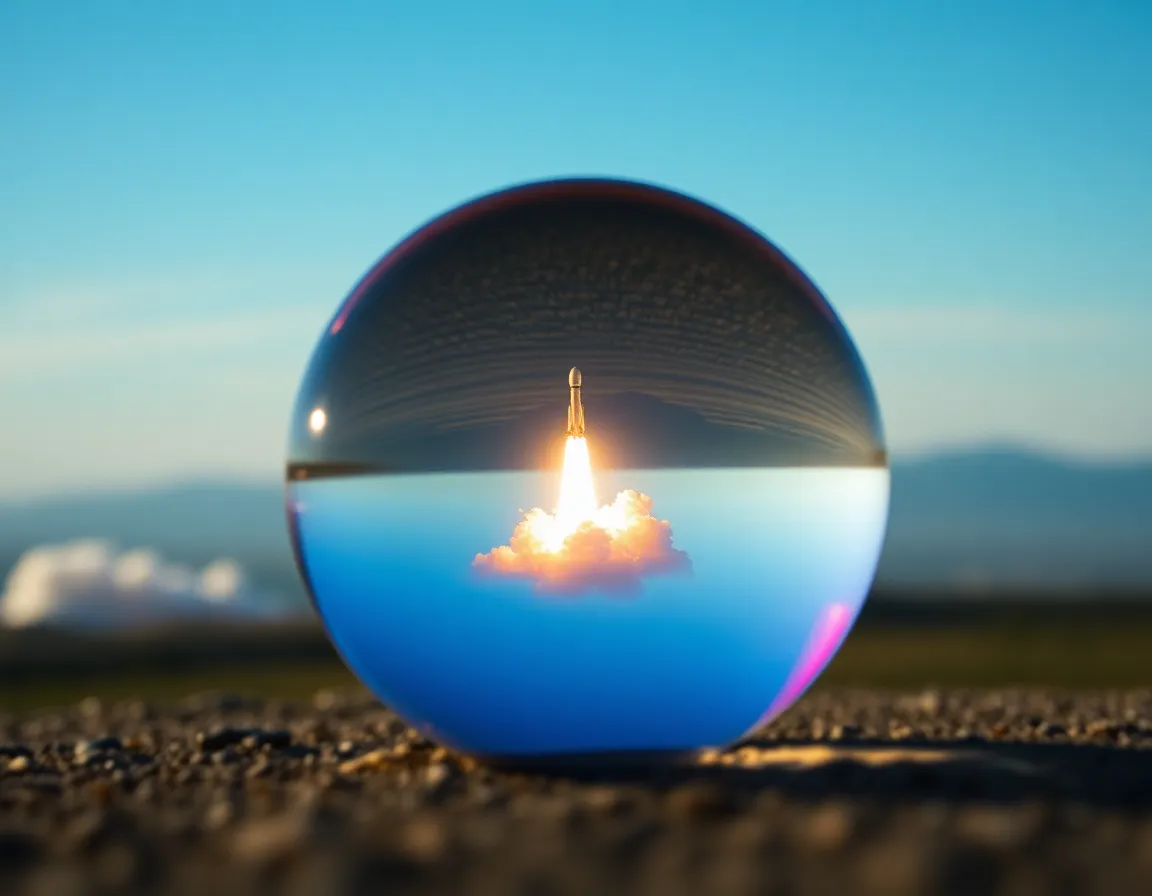
shot on Fujifilm GFX 100S, 110mm f/2 macro, presenting an artistic interpretation of a rocket launch through a prism effect created by a glass sphere. The photograph captures vibrant bursts of color reflecting through the sphere, creating a dreamlike atmosphere reminiscent of Fujifilm Velvia film. The composition centers the glass sphere in the foreground, framing it against the background of a dramatic launch, while maintaining a shallow depth of field that enhances the ethereal quality of the image. The soft textures of the surrounding landscape provide a striking contrast to the sharp details within the sphere.
4:3
captured with Hasselblad X2D 100C, 90mm f/2.5 medium format, illustrating a close-up of a rocket's engine with detailed textures of metallic surfaces and complex machinery. The dramatic studio lighting highlights the intricate components, casting soft shadows that reveal depth and dimension. The rich colors are reminiscent of Kodak Portra 400, with warm tones emphasizing the metal's sheen. The composition focuses on the engine assembly, centering on a dynamic angle that enhances the complexity and engineering sophistication of the rocket.
1:1
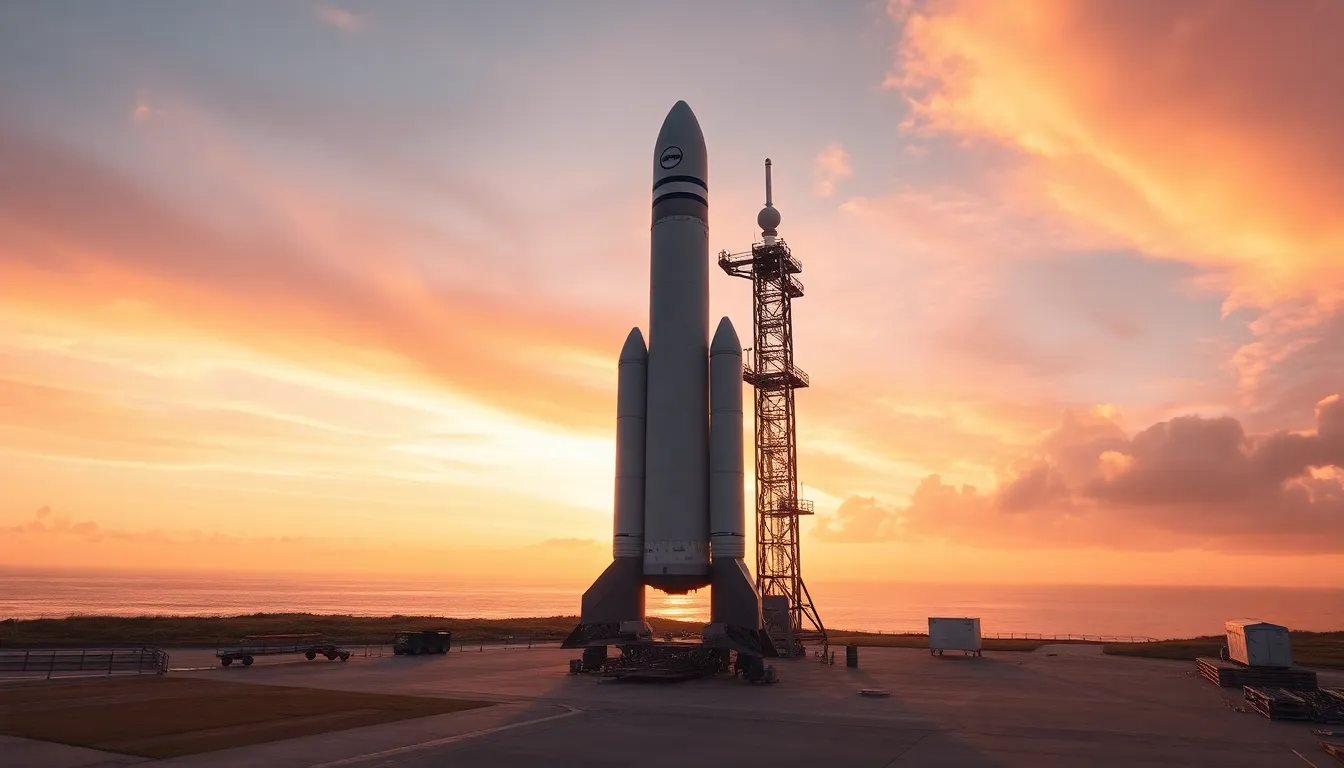
photographed using a Nikon Z9, 70-200mm f/2.8 telephoto at 135mm, displaying a rocket on a coastal launch pad during a vibrant sunrise. The soft, golden light bathes the scene, illuminating the smooth surfaces of the rocket while casting long shadows on the ground. The composition employs leading lines from the launch pad towards the rocket, inviting the viewer’s gaze. With a hyperfocal distance at f/8, everything from the foreground to the background remains tack-sharp, revealing the intricate details of the rocket and a colorful sky transitioning from pink to orange.
16:9

shot on Sony A7R V with 85mm f/1.4 GM lens, capturing a futuristic rocket soaring through a star-filled night sky with a stunning view of the Earth below. Bright twinkling stars create a contrasting bokeh effect in the background, while the rocket's sleek, metallic details shine under the ethereal light of a distant nebula. The selective focus on the rocket’s fins sharpens the details while the background melts into soft, dreamy colors, forming a cinematic visual experience. The composition centers the rocket in the frame, underscoring its bold ascent into the cosmos.
16:9
captured with Canon EOS R5, 24-70mm f/2.8L at 35mm, showcasing a sleek rocket poised on a launch pad at dusk. Dramatic backlighting from fiery rocket engines igniting creates a stunning silhouette effect, while the smoke plumes billow softly against the deepening blue sky. The shallow depth of field at f/2.8 highlights the rocket's intricate textures and metallic surfaces, reflecting hints of warm orange and cool twilight blues. Rule of thirds composition places the rocket slightly off-center, drawing the viewer's eye upward, evoking anticipation and excitement.
16:9
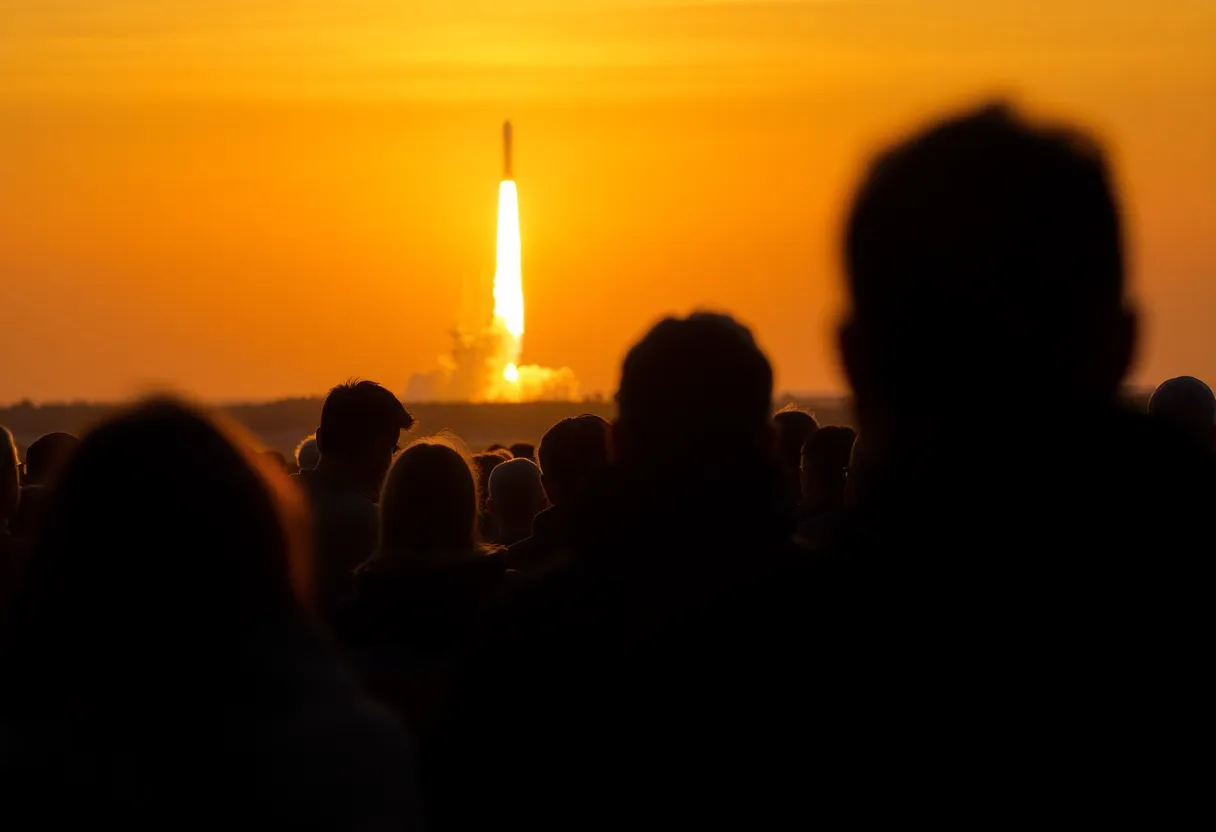
shot on Leica Q3, 28mm f/1.7 Summilux, capturing a crowd of spectators watching a rocket launch from a distance. The image features golden hour backlighting with warm rim light outlining the figures, creating an emotional connection with the scene. The composition uses the rule of thirds, placing the crowd in the foreground while the rocket ascends in the background. The color palette is rich with warm yellows and oranges, with a shallow depth of field keeping the subjects clear and the sky a painterly blend of colors.
3:2
captured with Hasselblad X2D 100C, 90mm f/2.5 medium format, showing a nighttime launch pad illuminated by bright floodlights. The composition features a dynamic Dutch angle to enhance the dramatic tension of the scene. The lighting casts stark contrasts with deep shadows and bright highlights on the concrete structure and rocket. A cool color palette with a hint of teal complements the gritty textures of the launch pad, while a shallow depth of field focuses on the rocket, making the background a soft blur.
16:9
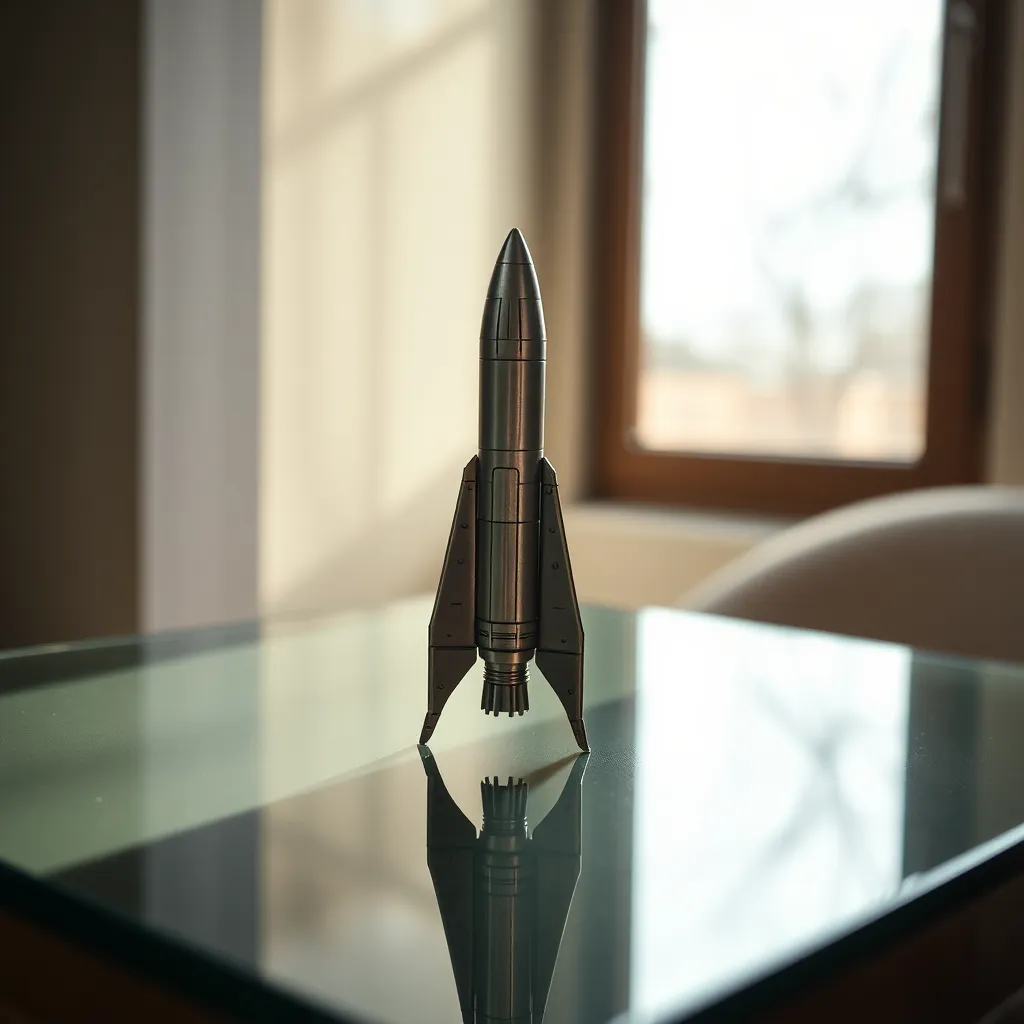
shot on Fujifilm GFX 100S, 110mm f/2 macro, depicting the intricate details of a rocket model displayed on a sleek glass surface. Soft diffused daylight through a nearby window creates gentle reflections and highlights on the glass. The composition is centered and symmetrical, with a shallow depth of field blurring the edges, while the rich color palette of muted metallics combines with soft earth tones in the background. Textures include visible grain on the model and reflections on the smooth surface.
1:1

captured with Canon EOS R5, 24-70mm f/2.8L at 35mm, depicting a close-up of a rocket engine test with intense flame and smoke. The lighting is harsh with spotlights emphasizing the subject, while the hyperfocal distance keeps everything from foreground to infinity tack-sharp at f/8. The vibrant reds and yellows of the flames contrast with the cool metallic grays of the engine, offering a cinematic color palette. The composition uses leading lines to draw the eye toward the vibrant engine, with intricate details of the engine's surface.
4:3
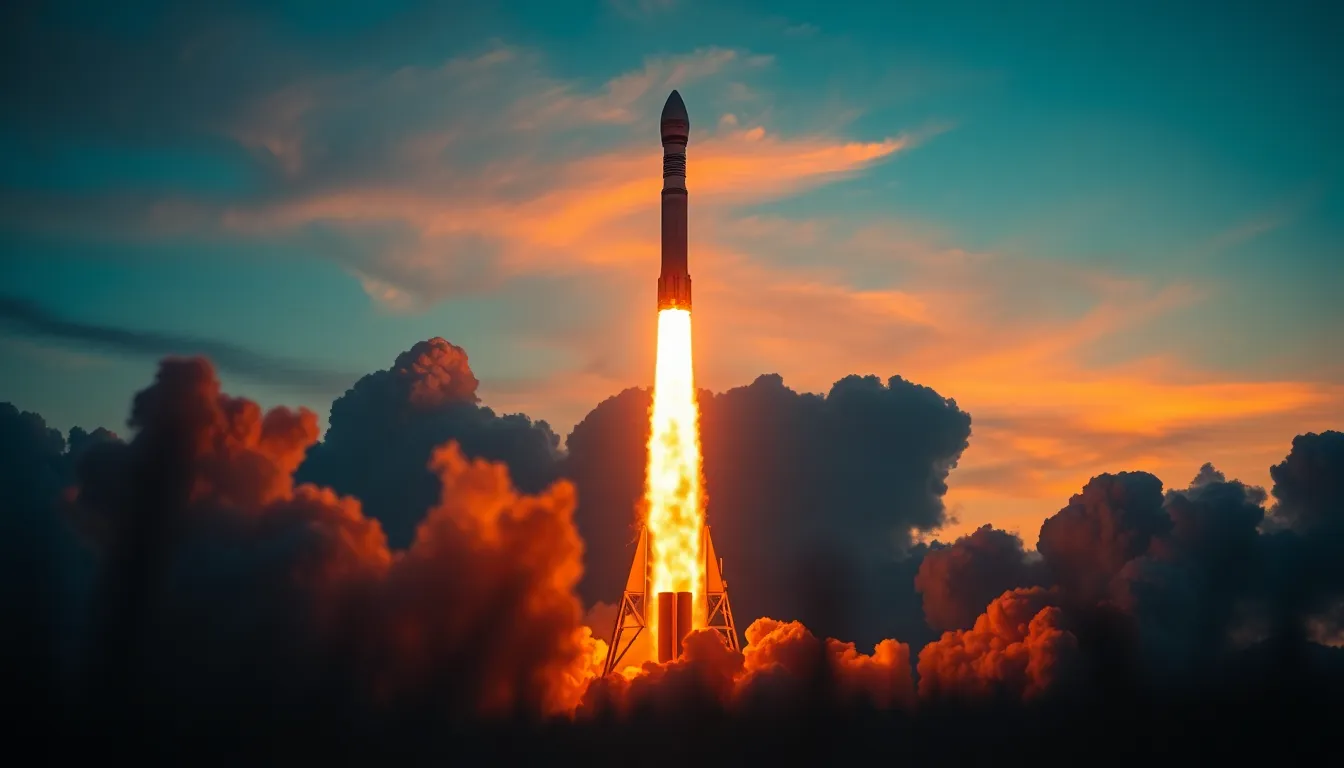
shot on Nikon Z9, 70-200mm f/2.8 telephoto at 135mm, featuring a rocket launch at dusk with dramatic clouds illuminated by fiery exhaust. The shallow depth of field at f/2.8 creates a dreamy blur in the foreground, while the vivid oranges and deep blues of the sky are enhanced by cinematic teal and orange color grading. The composition follows the rule of thirds, showcasing the towering rocket against the expansive sky, with texture details highlighting the metallic surfaces and smoke trails.
16:9

Fujifilm GFX 100S, 110mm f/2 macro, illuminated by warm tungsten lights creating a cozy ambiance, selective focus highlighting a close-up of a space station's docking mechanism, natural muted tones with desaturated metallic textures, rule of thirds with the mechanism placed at one power point, showcasing intricate engineering detailing with visible bolts and surfaces.
1:1
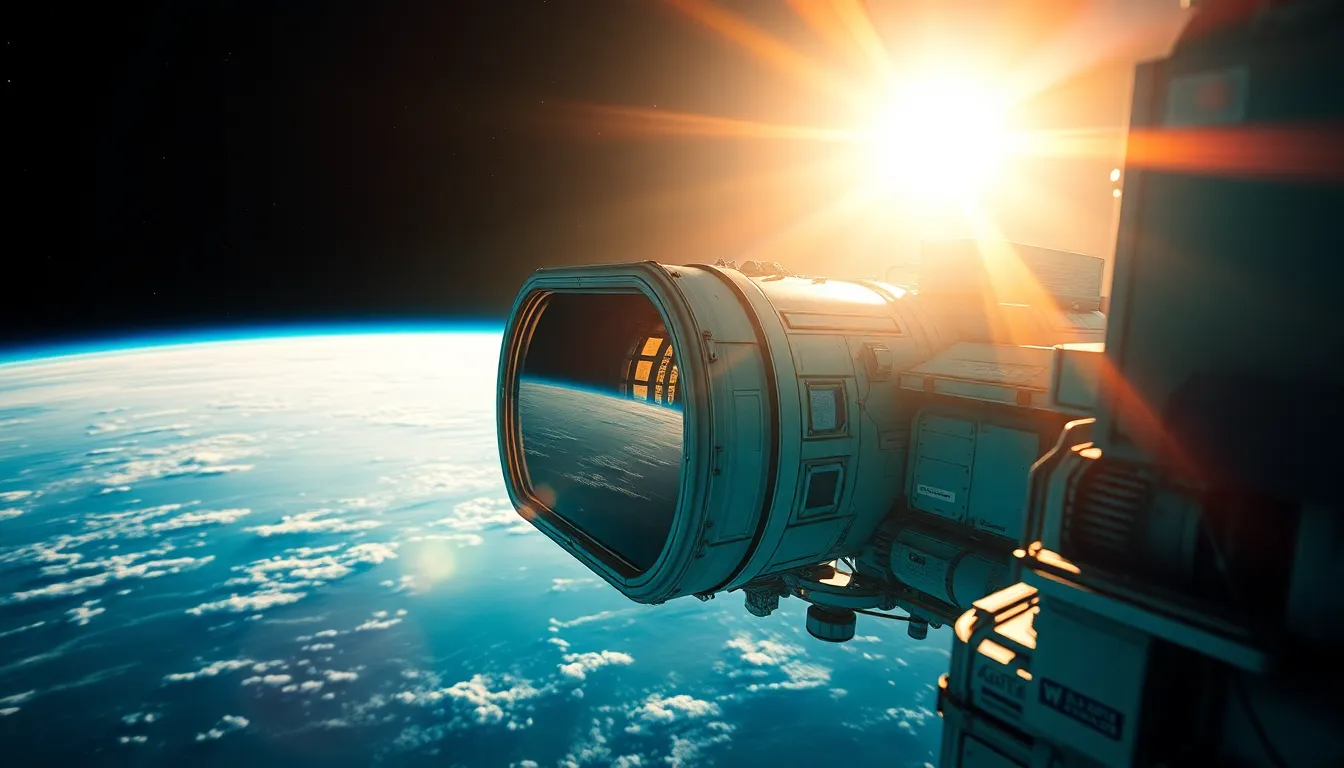
Hasselblad X2D 100C, 90mm f/2.5 medium format, illuminated by soft ambient light from control panels, hyperfocal focus across the entire cockpit showing intricate details of equipment, natural muted tones with earthy colors reflecting a realistic interior, dynamic Dutch angle composition emphasizes movement and activity in the cockpit, showcasing textured surfaces of control panels and sleek glass displays.
4:3
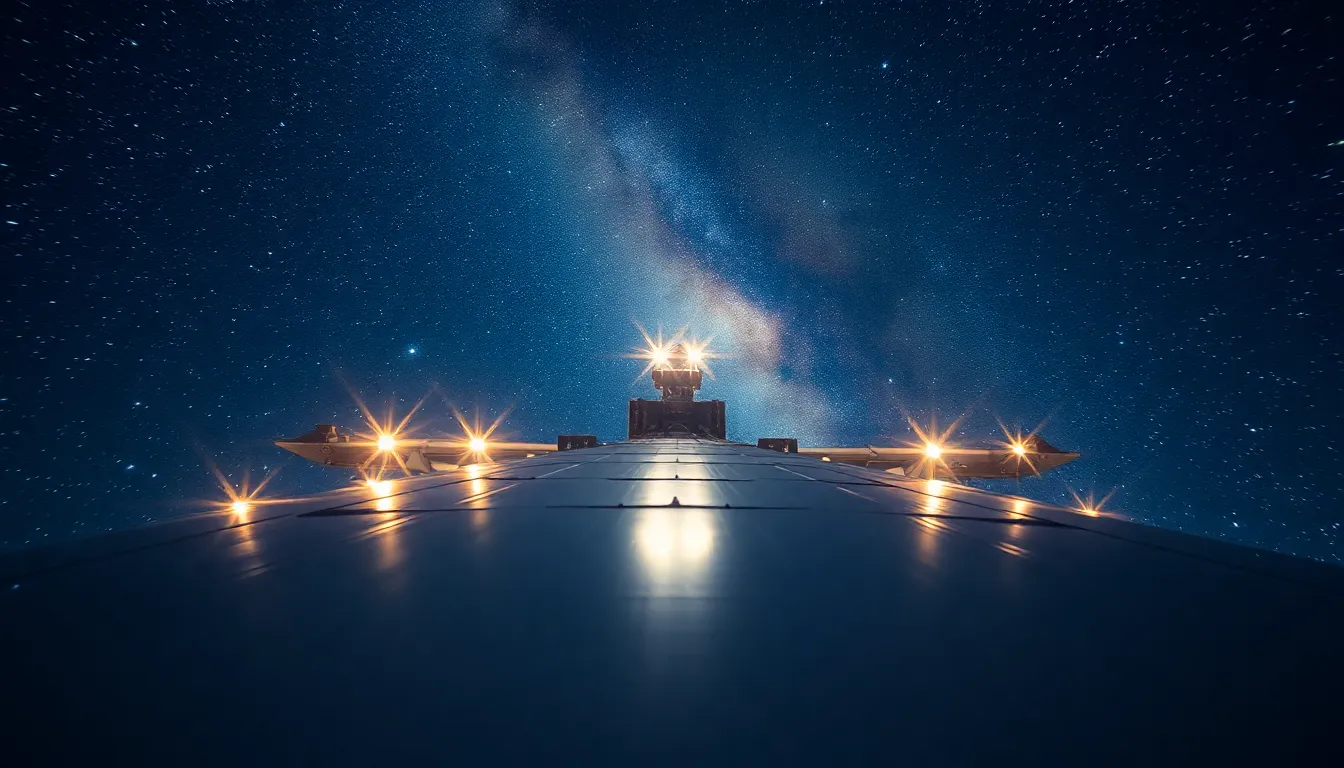
Nikon Z9, 70-200mm f/2.8 telephoto at 135mm, captured under the ethereal glow of the Milky Way, shallow depth of field at f/2.8 creating a dreamy background of cosmic dust, Fujifilm Velvia-inspired saturated colors with deep blues and radiant whites, leading lines of the space station guidance lights drawing the eye toward the center, showcasing the smooth aluminum surface against the star-filled void.
16:9
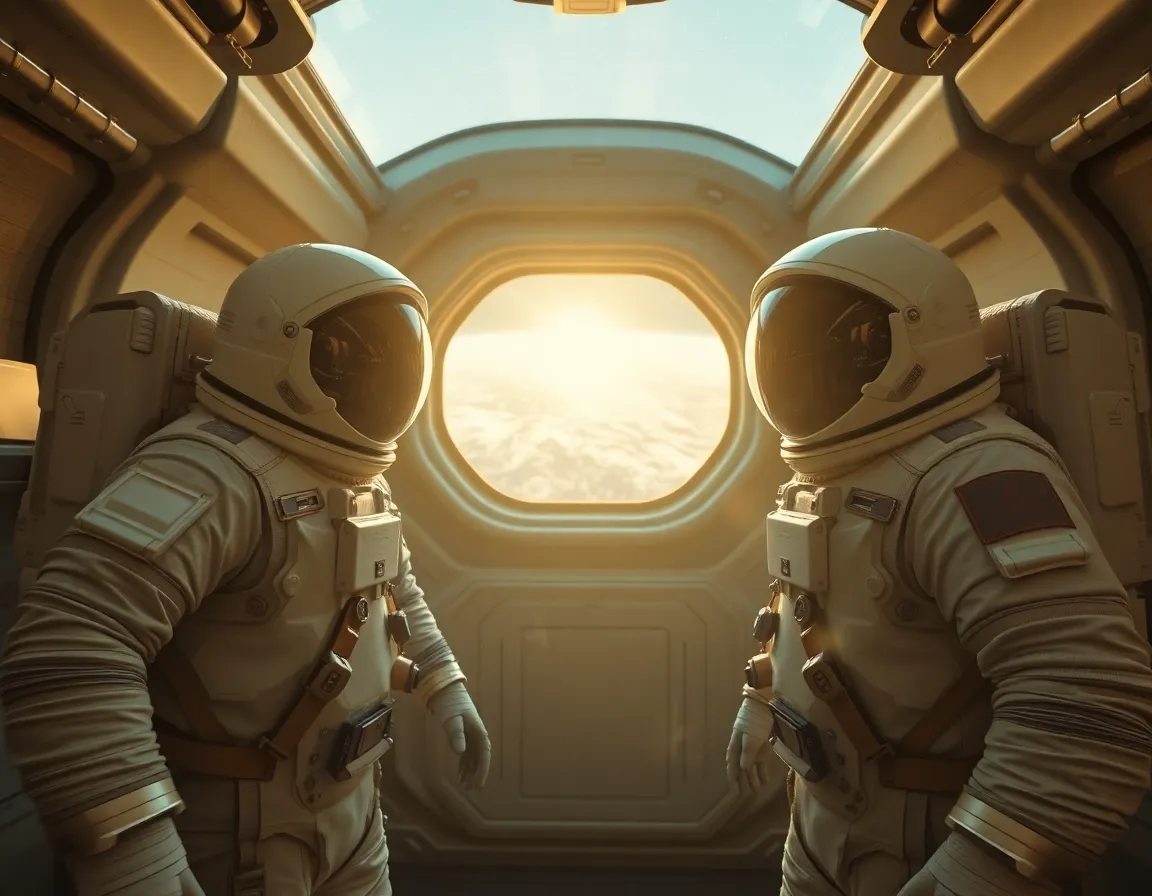
shot on Sony A7R V with 85mm f/1.4 GM lens, illuminated by warm sunlight breaking through a glass window, hyperfocal distance ensuring sharpness from foreground to infinity, natural muted tones with desaturated earth colors providing a realistic feel, centered symmetrical composition featuring astronauts in a shared habitat area, showcasing practical surfaces like textured metal and soft fabric of their suits.
4:3
captured with Canon EOS R5, 24-70mm f/2.8L at 35mm, featuring dramatic low-angle lighting from distant stars casting cool blue shadows, shallow depth of field at f/2.8 creating a soft bokeh of starlight, cinematic teal and orange color grading enhancing the ethereal atmosphere, rule of thirds composition with the space station positioned at the left power point, metal surfaces of the station reflecting light with detailed rivets and panels visible.
16:9
captured with Hasselblad X2D 100C, 90mm f/2.5 medium format, portraying a futuristic Martian colony at dusk, with soft neon lights illuminating the structures. A backlit dome is surrounded by red dust, while the soft lighting creates a warm glow that contrasts against the cool blues of the twilight sky. The image is sharp throughout due to a hyperfocal depth of field, blending the colony seamlessly with the Martian landscape. The color grading features cinematic teal and orange for a modern feel. The composition uses leading lines from the dome and pathways toward the horizon, inviting viewers into the scene. Textural details reveal the smooth surfaces of the habitat and the rough Martian soil.
16:9
shot on Fujifilm GFX 100S, 110mm f/2 macro, capturing the intricate details of a Martian rock sample under controlled studio lighting. The softbox creates even illumination, revealing the rock's rough texture and subtle color variations from reds to browns. Focused on a shallow depth of field, the background is a smooth gradient, allowing the rock's details to take center stage. The color palette is natural with muted tones that emphasize the rock's characteristics. The composition is a centered symmetrical shot, highlighting the specimen's unique features. Textural details include the rough, weathered surface with fine mineral inclusions.
1:1
captured with Nikon Z9, 70-200mm f/2.8 telephoto at 135mm, showcasing a Martian sunset viewed from a high cliff, with vibrant oranges and purples painted across the sky. The soft, diffused lighting creates a serene atmosphere as shadows stretch across the rocky landscape below. The depth of field is hyperfocal, keeping both the foreground cliffs and the distant horizon perfectly sharp. The color grading emphasizes the warm hues of sunset reflecting off the Martian rocks. Compositionally, the image follows the rule of thirds, with the horizon positioned low, highlighting the majestic cliffs in the foreground. Natural surface textures reveal the roughness of the rock formations.
16:9
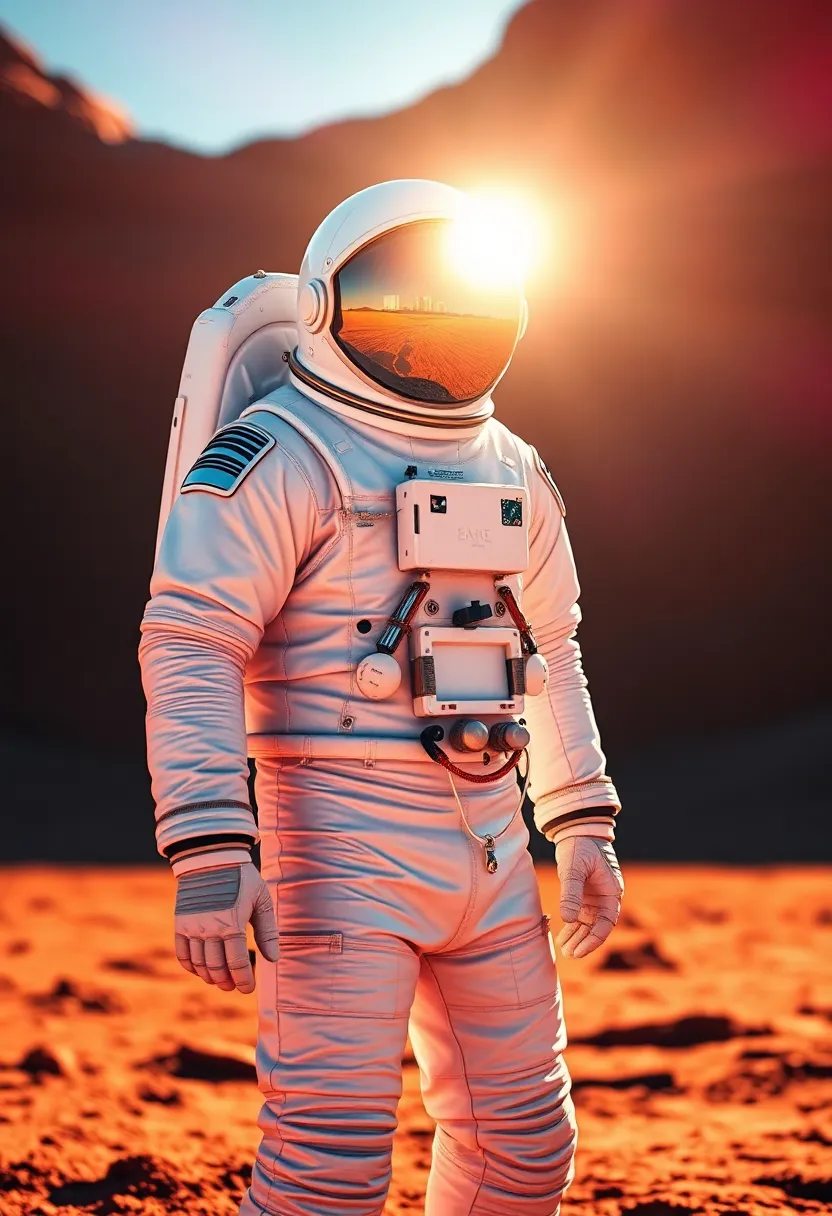
shot on Sony A7R V with 85mm f/1.4 GM lens, depicting an astronaut standing on the Martian surface, illuminated by the direct sunlight casting sharp shadows. The astronaut's suit is detailed, reflecting the bright sun with metallic surfaces, while the red Martian soil contrasts with the white suit. Shallow depth of field at f/1.4 blurs the background into a soft bokeh. The color palette features vibrant reds and whites, with the warm sun creating a golden hue on the suit. The composition centers the astronaut in the frame, emphasizing the vastness of space behind them. Texture details show fabric fibers and fine grains of Martian soil.
2:3
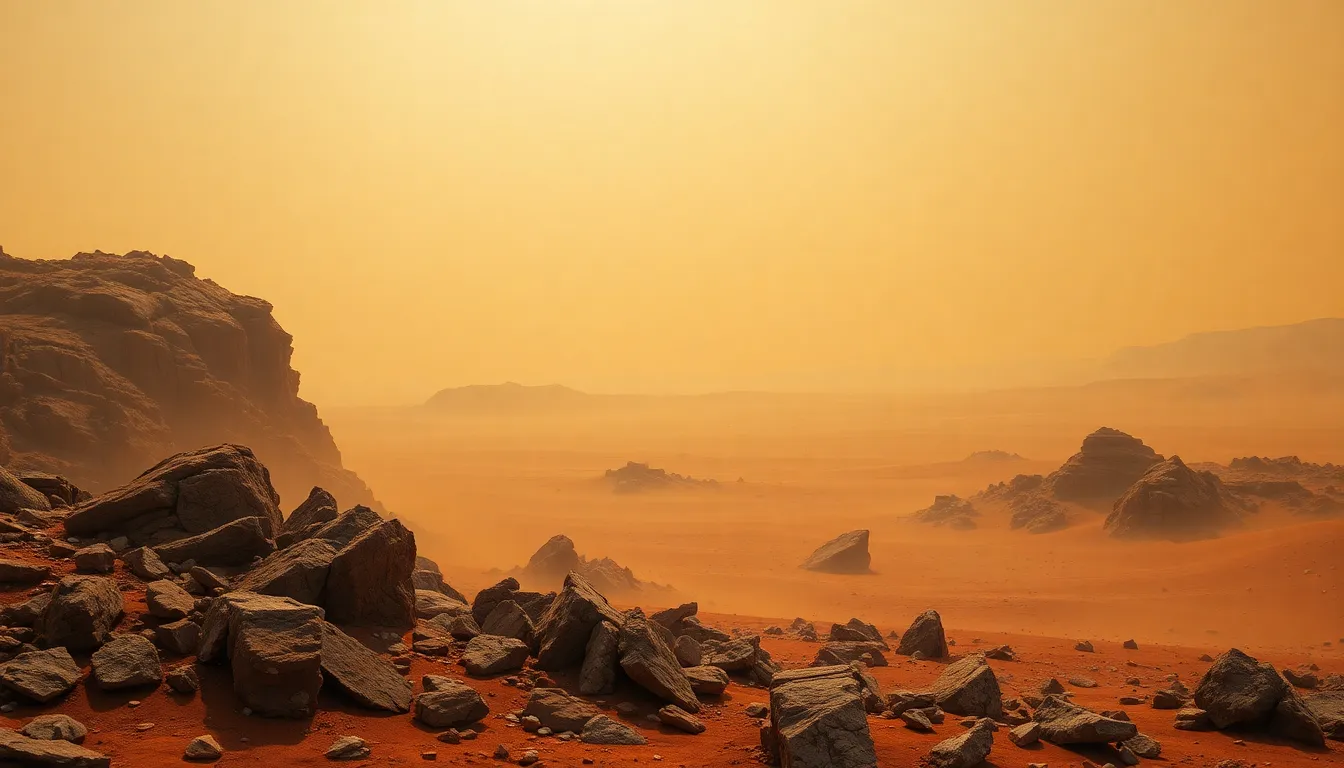
captured with Canon EOS R5, 24-70mm f/2.8L at 35mm, during a dust storm on Mars, with dramatic overcast lighting casting soft shadows on the red surface. The foreground features rugged Martian terrain with intricate rock formations, while the background fades into a hazy orange sky. The depth of field is hyperfocal, keeping everything sharp. Color science leans towards a desaturated palette with earthy reds and browns. The composition utilizes leading lines from the rocks guiding the eye towards a distant horizon dotted with craters. Texture details include rough stone surfaces and fine particulate matter swirling in the air.
16:9
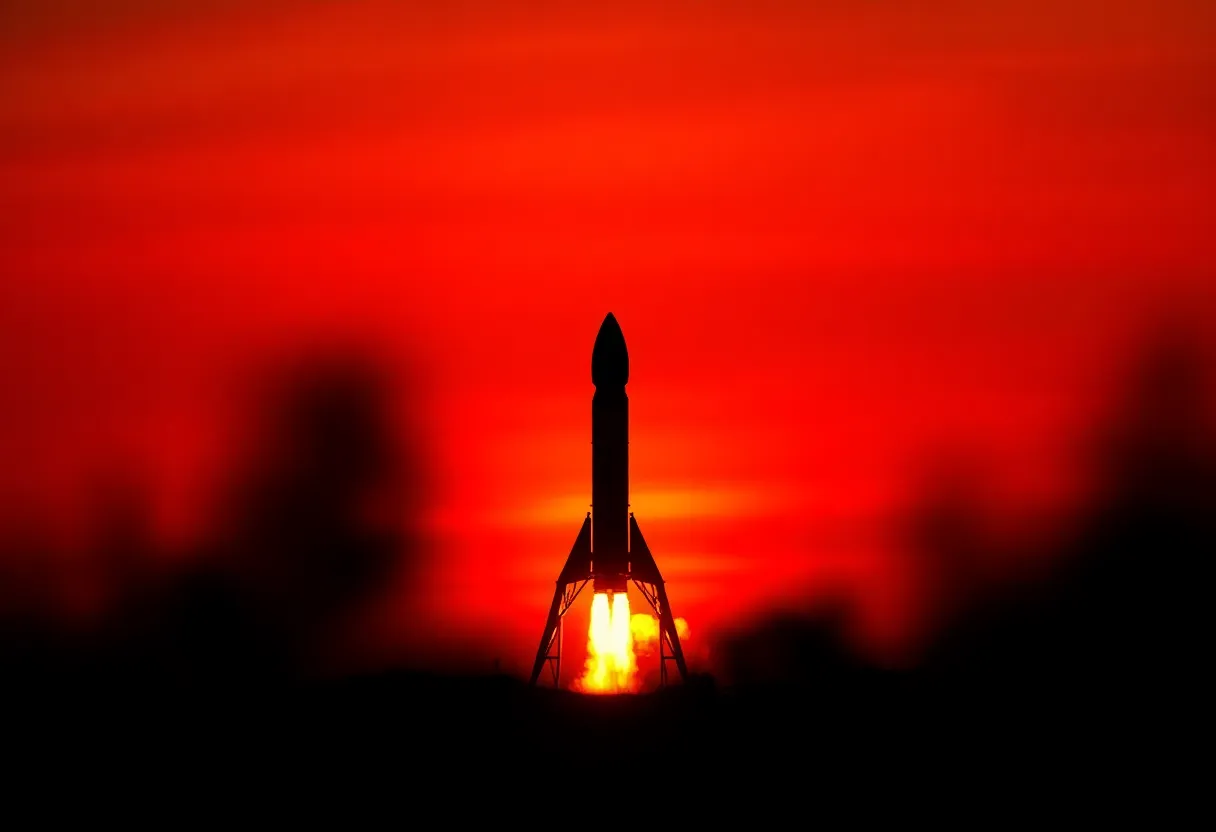
Shot with Leica Q3, 28mm f/1.7 Summilux at dawn, capturing a silhouette of a rocket against a fiery horizon. The photograph utilizes a wide aperture to create a dramatic shallow depth of field, with soft bokeh in the foreground. The color palette features warm reds and oranges from the sunrise, contrasting with the dark silhouette of the rocket. The composition follows a centered symmetrical approach, capturing the rocket in profile as it stands against the dawn light.
3:2
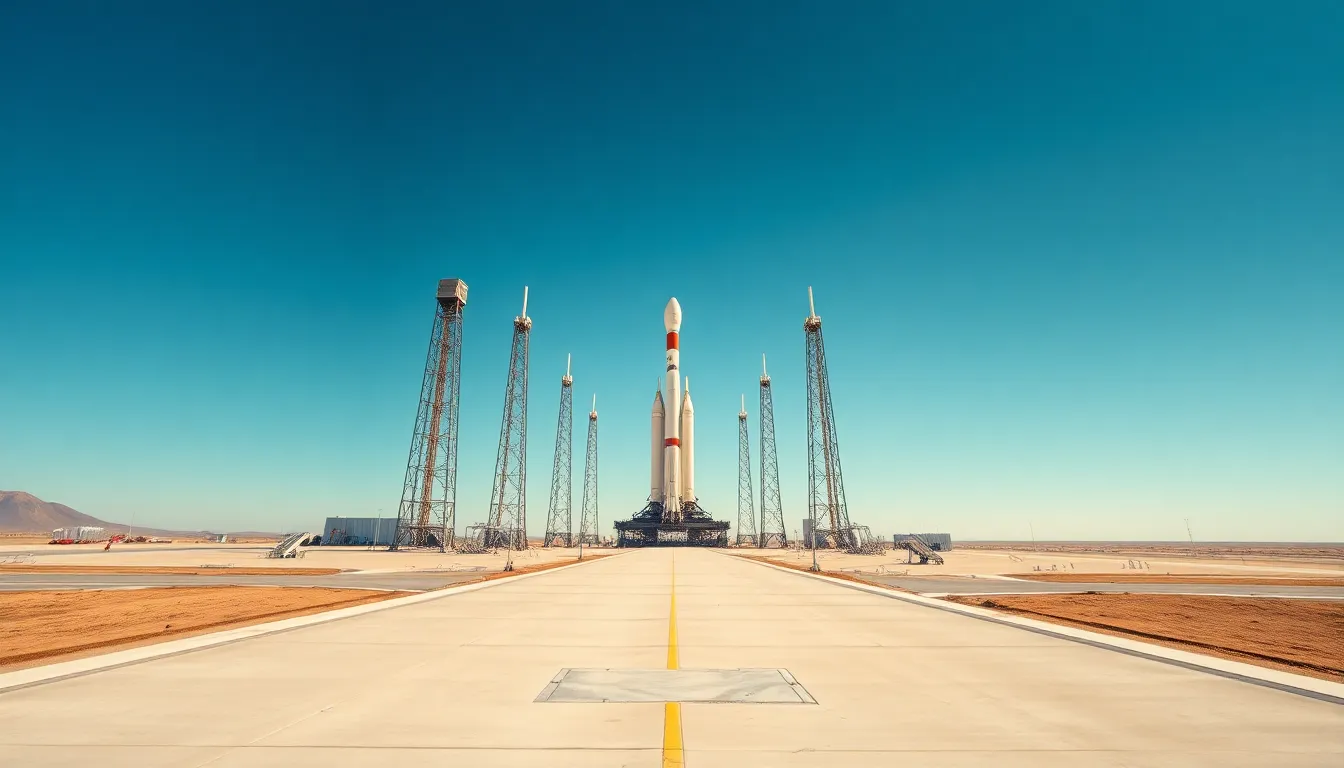
Captured on Hasselblad X2D 100C, 90mm f/2.5 medium format during a clear day, showcasing a massive space launch complex with multiple rockets lined up for launch. The bright sunlight creates sharp contrasts between the white concrete and deep blue sky. The composition is centered symmetrically, with leading lines from the launch pads drawing the viewer's eye towards the rockets. The depth of field is hyperfocal, ensuring every detail from the foreground to the distant horizon is in focus. The color palette features natural muted tones with bright whites.
16:9

Shot on Fujifilm GFX 100S, 110mm f/2 macro during a blue hour, focusing on the intricate details of a model rocket on a wooden table. The warm tungsten desk lamp casts directional light that highlights the fine textures of the rocket's body and the grain of the table. A hyperfocal distance ensures that both the foreground and background are sharp, with a color palette featuring muted earth tones. The composition employs the rule of thirds, placing the model rocket off-center for an aesthetically pleasing view.
4:3
Captured with Canon EOS R5, 24-70mm f/2.8L at 35mm during a night launch illuminated by bright rocket flames. The composition features a strong center, focusing on the rocket as it blasts off into the starry sky, with a shallow depth of field at f/4 creating a bokeh effect in the smoke trails. The color science showcases a cinematic teal and orange grading, highlighting the contrast between the fire and the dark sky. The environment captures the dynamic energy of the launch with sparks and smoke swirling around.
16:9
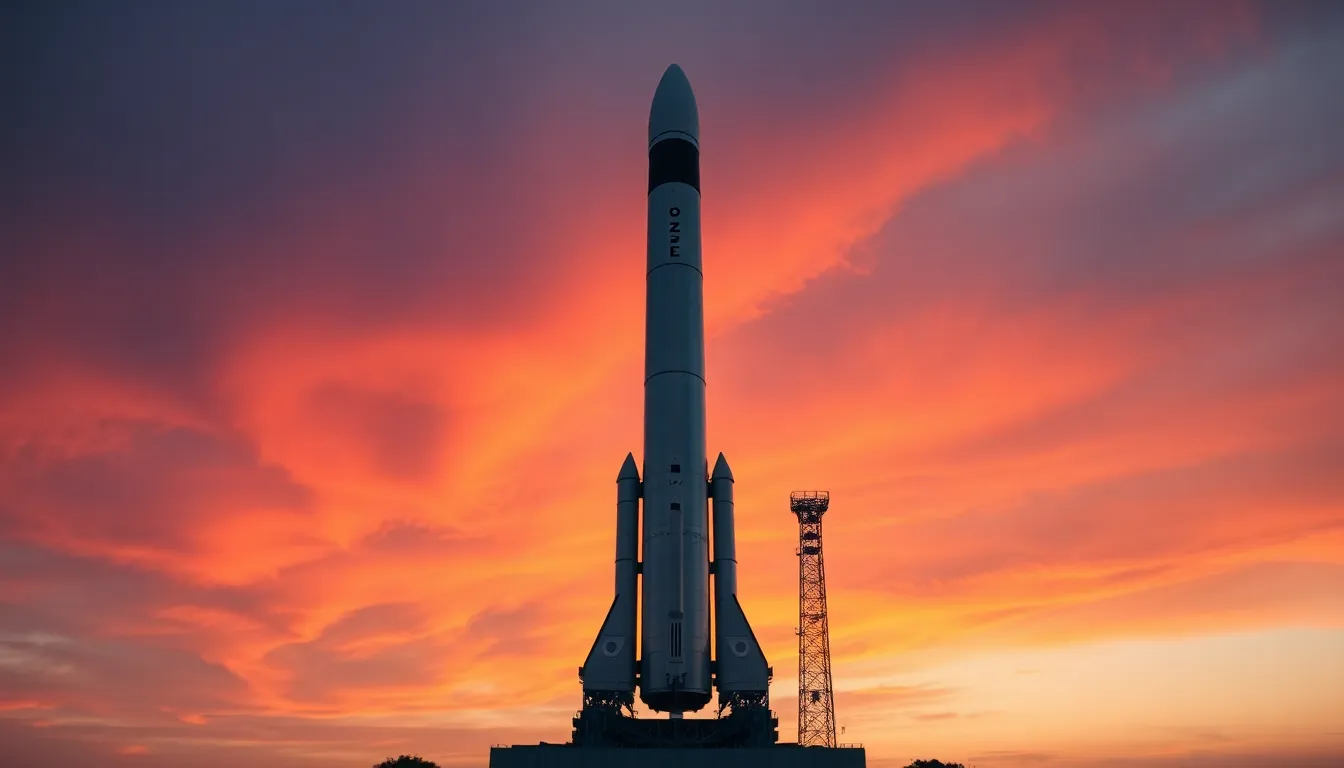
Shot on Nikon Z9, 70-200mm f/2.8 telephoto at 135mm with dramatic dusk lighting, a rocket poised for launch against a vibrant sunset sky. Shallow depth of field at f/2.8 blurs the surrounding launch pad details, allowing the rocket to stand out in crisp focus. The color palette features rich oranges and deep purples in the sky, contrasted with the silver metal surface of the rocket reflecting the fading light. The composition emphasizes the verticality of the rocket, with leading lines guiding the viewer's eye towards its apex.
16:9

Fujifilm GFX 100S, 110mm f/2 macro capturing the captivating details of a space station module with visible wear and tear. The lighting is warm tungsten from small overhead lights, casting soft shadows and highlighting the textures of the metal and wires. A shallow depth of field at f/2 isolates the intricate components while the background dissolves into a gentle blur. The color palette includes industrial greys and earthy tones, emphasizing the module's functionality. Compositionally, the image focuses closely on the module's details, creating an intimate perspective of life in space.
16:9
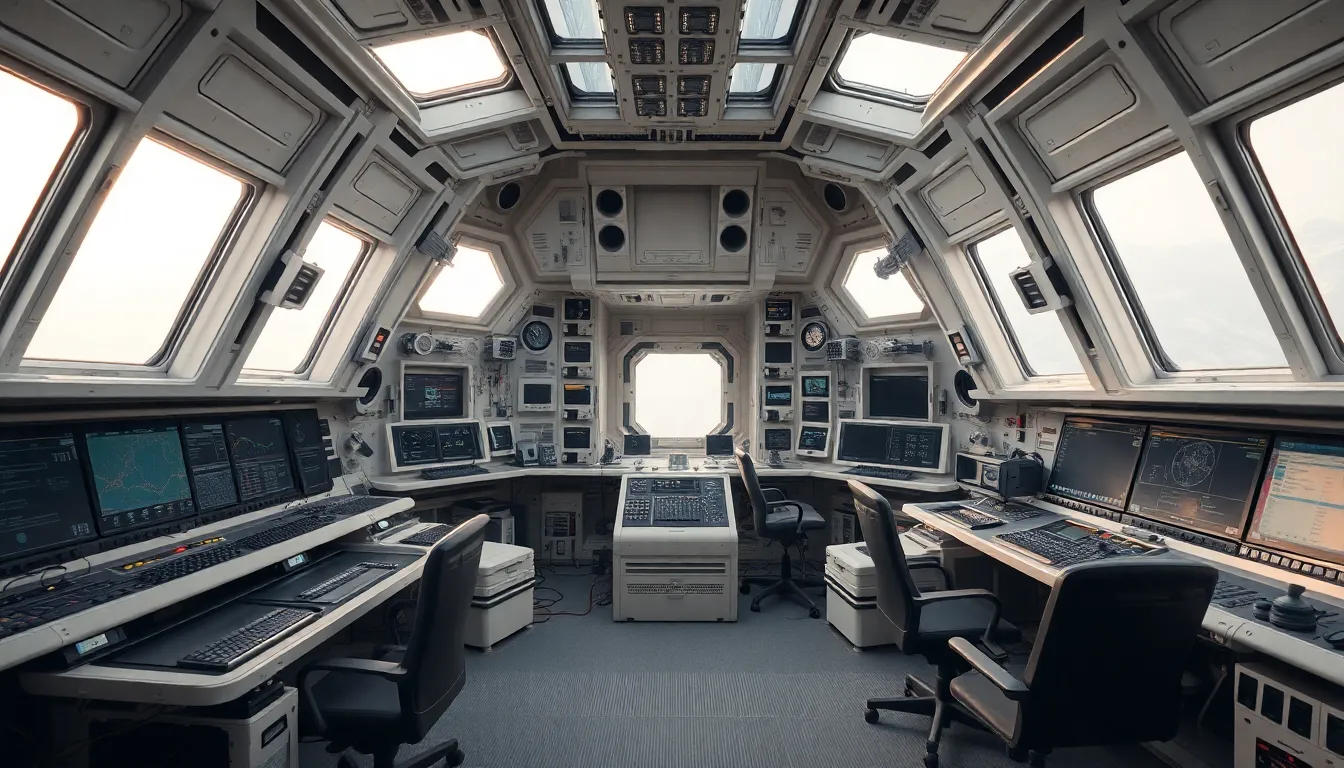
Hasselblad X2D 100C, 90mm f/2.5 medium format capturing an intricate control room inside a modern space station. The scene is illuminated by soft diffused daylight from large windows, creating a serene atmosphere. A hyperfocal distance at f/8 gives a sharp focus on all elements, showcasing the sleek technology and detailed interfaces. The color palette is natural with muted tones and a touch of metallic finish, enhancing the high-tech feel. Composition follows a centered symmetrical approach, allowing the viewer to absorb the full scope of the control room.
16:9
Nikon Z9, 70-200mm f/2.8 telephoto at 135mm capturing an astronaut conducting a spacewalk against the backdrop of the Milky Way. The lighting is a combination of ambient starlight and the station's work lights creating a dramatic effect, highlighting the suit's details. The use of a shallow depth of field at f/2.8 brings the astronaut into sharp focus while the galaxy swirls into a soft bokeh. The color scheme features deep blacks and shimmering whites with hints of purple from the galaxy. The composition features the astronaut on the right, with the vastness of space providing a sense of scale.
16:9
shot on Sony A7R V with 85mm f/1.4 GM lens, showcasing the exterior of a futuristic space station orbiting a distant planet. The station is illuminated by ambient starlight, with a focus on the metallic surface reflecting the vibrant colors of the nebula nearby. Utilizing f/1.4 for a shallow depth of field, the station's sharp details contrast against a beautifully blurred cosmic background. The color palette leans towards cinematic teal and orange, accentuating the space environment. Compositionally, the station is framed to the left in the rule of thirds, with leading lines of cosmic dust drawing the viewer's eye into the scene.
16:9
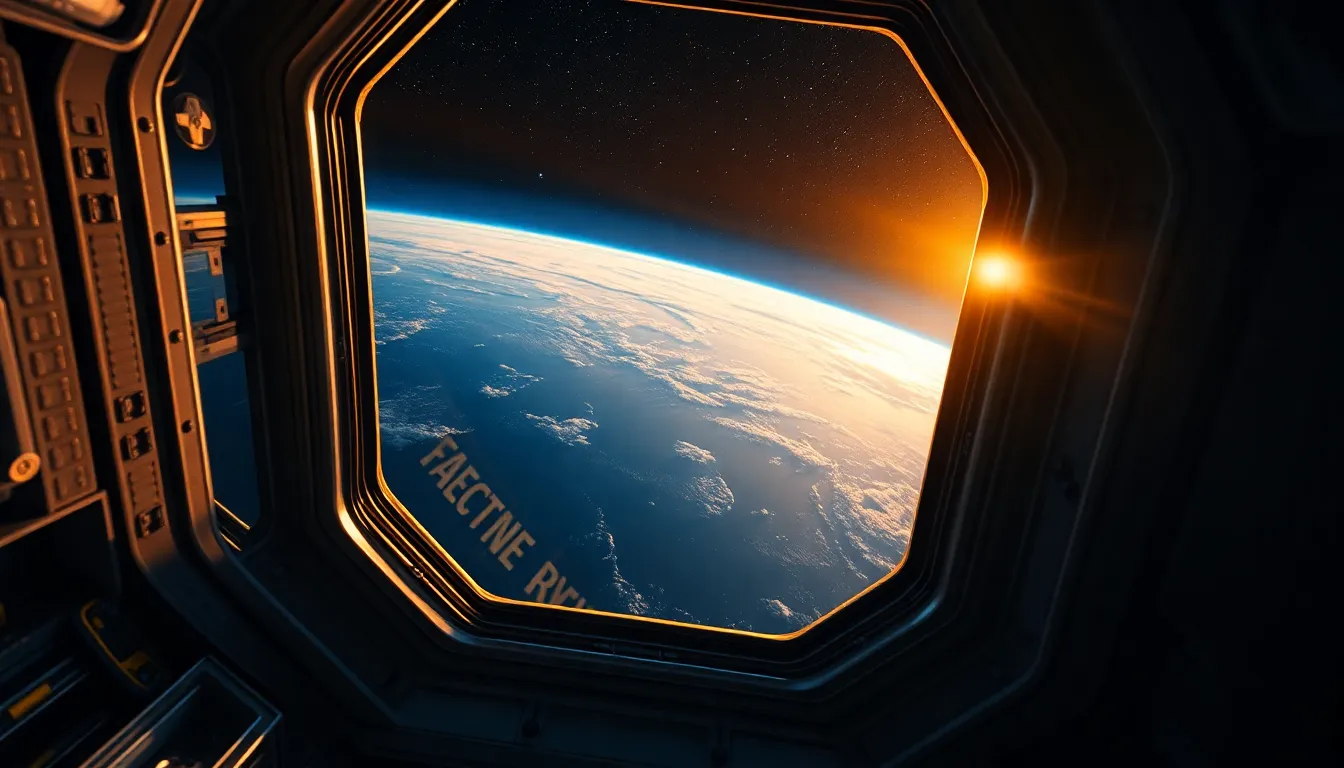
captured with Canon EOS R5, 24-70mm f/2.8L at 35mm under a stunning view of Earth from a space station window, golden hour sunlight pouring in and creating a warm glow on the interior. The scene features a wide-angle view showcasing the curvature of the Earth, with a shallow depth of field at f/2.8 making the foreground details of the station sharp against a dreamy background of stars. The color palette includes deep blues and greens of Earth, contrasted by the metallic greys of the station. Compositionally, leading lines from the window frame draw the eye towards the horizon, with visible reflections on the glass surface showing intricate details.
16:9
Leica Q3, 28mm f/1.7 Summilux, striking nighttime scene illuminated by bright launch lights, hyperfocal distance for a sharp foreground and soft background, cinematic teal and orange color grading providing a futuristic vibe, dynamic composition using a Dutch angle to convey energy and excitement, surface of the pad with wet reflections adding a dramatic flair.
16:9
Hasselblad X2D 100C, 90mm f/2.5 medium format, dappled sunlight filtering through trees creating a magical atmosphere around a rocket on a launch pad, selective focus on the rocket with a painterly bokeh in the background, natural muted tones with desaturated greens and browns setting a tranquil mood, rule of thirds with the rocket positioned off-center, texture of the asphalt pad adding a grounded, realistic element.
3:4

Fujifilm GFX 100S, 110mm f/2 macro, natural lighting with sharp details capturing a rocket engine assembly, shallow depth of field at f/2 focusing on intricate components, Fujifilm Velvia-inspired saturated colors enhancing the metallic blues and deep reds, centered symmetrical composition emphasizing the geometric forms of the engine, surface textures displaying polished metal and rough gaskets.
1:1
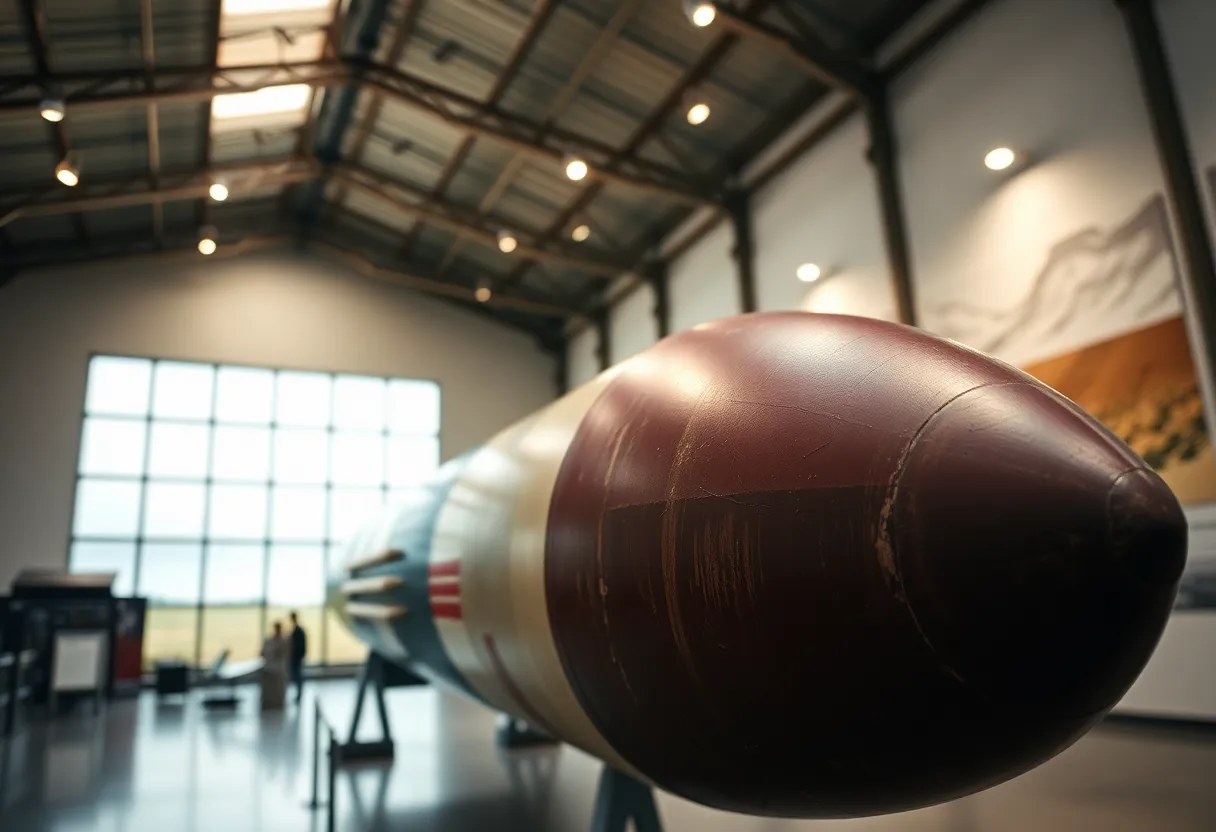
captured with Canon EOS R5, 24-70mm f/2.8L at 35mm, overcast diffused daylight illuminating a rocket on display at a museum, hyperfocal distance for sharpness from foreground to infinity at f/8, natural muted tones with desaturated earth colors complementing the scene, rule of thirds composition placing the rocket at a power point, surface texture of the rocket detailed with old paint and weathering effects.
3:2

shot on Nikon Z9, 70-200mm f/2.8 telephoto at 135mm, dramatic sunset lighting with golden hues reflecting off rocket metal, shallow depth of field at f/2.8 creating a soft background, cinematic teal and orange color grading enhancing the scene, dynamic composition with leading lines formed by launch platform directing viewer’s eyes toward the rocket, texture of the rocket’s surface showcasing rivets and paneling details.
16:9
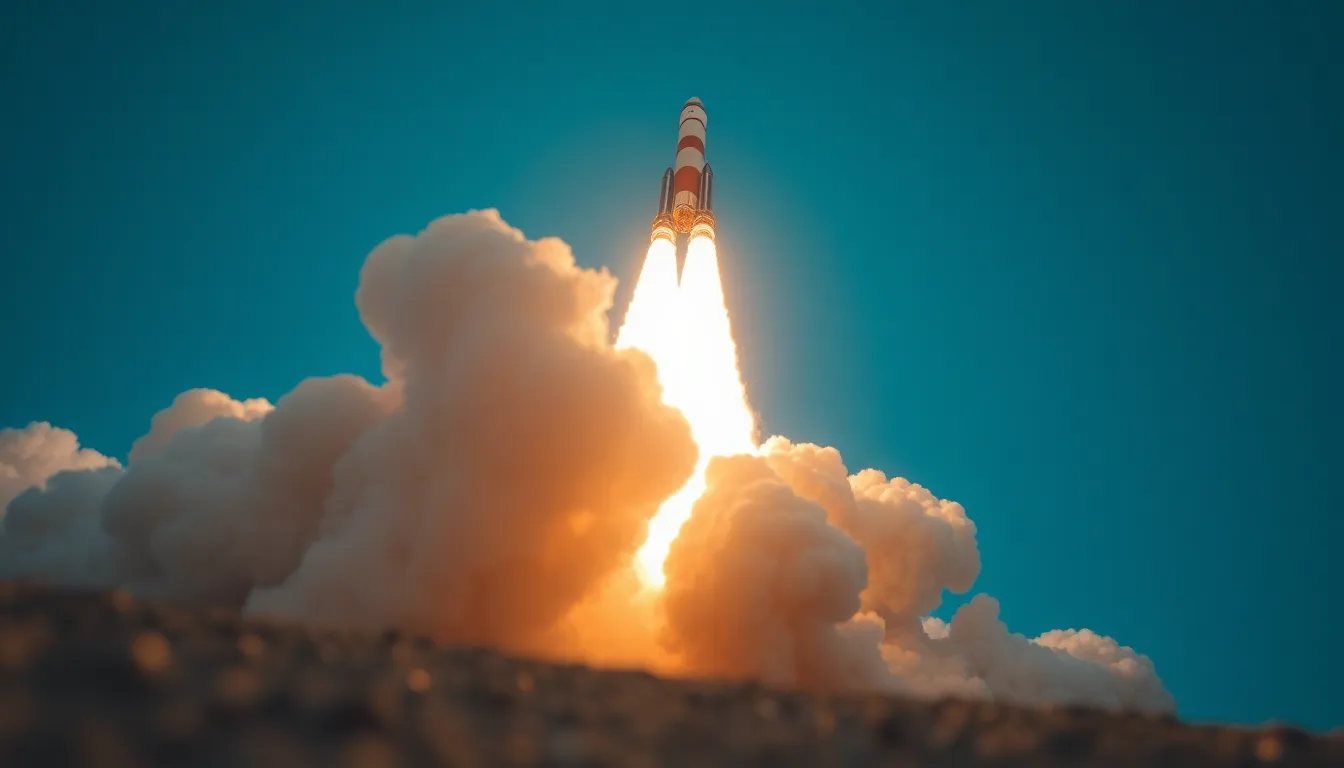
shot on Leica Q3, 28mm f/1.7 Summilux, featuring a rocket launch viewed from a unique angle beneath the rocket. The image captures the moment of ignition, with flames and exhaust billowing in all directions. The lighting consists of intense, focused lighting from the rocket's engines illuminating the surroundings. With a shallow depth of field, the foreground shows detailed textures of the ground while the rocket soars upward into the vibrant blue sky. The composition utilizes a Dutch angle to add dynamism, enhancing the viewer's sense of movement and power.
16:9
captured with Hasselblad X2D 100C, 90mm f/2.5 medium format, portraying a rocket blasting off amidst an explosion of colorful fireworks. The scene occurs at night, with bright bursts of color illuminating the sky as the rocket ascends. Using a wide aperture for shallow depth of field, the focus remains on the rocket while the fireworks create a beautiful bokeh effect in the background. The cinematic teal and orange color grading adds drama and excitement to the image, with a centered composition emphasizing the rocket's path through the dazzling display.
16:9
shot on Fujifilm GFX 100S, 110mm f/2 macro, depicting a close-up of rocket components in a clean, high-tech workshop. Bright, even lighting from overhead softboxes creates a sterile atmosphere, enhancing the intricate details of the metallic textures and fine engravings on the components. A shallow depth of field at f/2 blurs the background, drawing attention to the craftsmanship. The color palette is natural and muted, with grays and silvers dominating the scene, while the composition centers on the key components arranged artfully on a sleek glass surface.
4:3
captured with Canon EOS R5, 24-70mm f/2.8L at 35mm, showcasing a rocket launch from a coastal launch site during a vibrant sunset. The scene is filled with billowing clouds of smoke and fiery flames erupting from the rocket's engines, lit dramatically by the setting sun. Utilizing hyperfocal distance, everything from the foreground to the distant horizon remains sharp. Saturated colors reminiscent of Kodak Portra 400 give warmth to the flames and coolness to the ocean waves. The composition uses leading lines from the smoke trails to draw the viewer's eyes upward towards the rocket.
16:9
shot on Nikon Z9, 70-200mm f/2.8 telephoto at 135mm, captured during twilight with a gradient sky transitioning from deep blue to shimmering orange. The rocket, poised on the launch pad, is illuminated by powerful floodlights casting dramatic shadows, with a shallow depth of field focusing on the rocket while the background blurs into soft colors. The color palette features rich contrasts of the metallic rocket against the vibrant sky. Composition follows the rule of thirds, with the rocket positioned slightly off-center against the glowing horizon, and detailed textures of the rocket's surface reflect the ambient light.
16:9
Hasselblad X2D 100C, 90mm f/2.5 medium format, capturing a breathtaking vista of a space station viewed from the window of a nearby spacecraft. The scene is illuminated by the bright sunlight reflecting off the metallic surfaces of the station, creating a high-contrast image. The depth of field is hyperfocal at f/8, ensuring clarity from the spacecraft's window to the space station. The color palette features vibrant colors with a focus on steel grays and brilliant whites, emphasizing the sleek design of the station against the deep black of space. The composition highlights the window framing the station, adding depth and context to the experience of space travel.
16:9
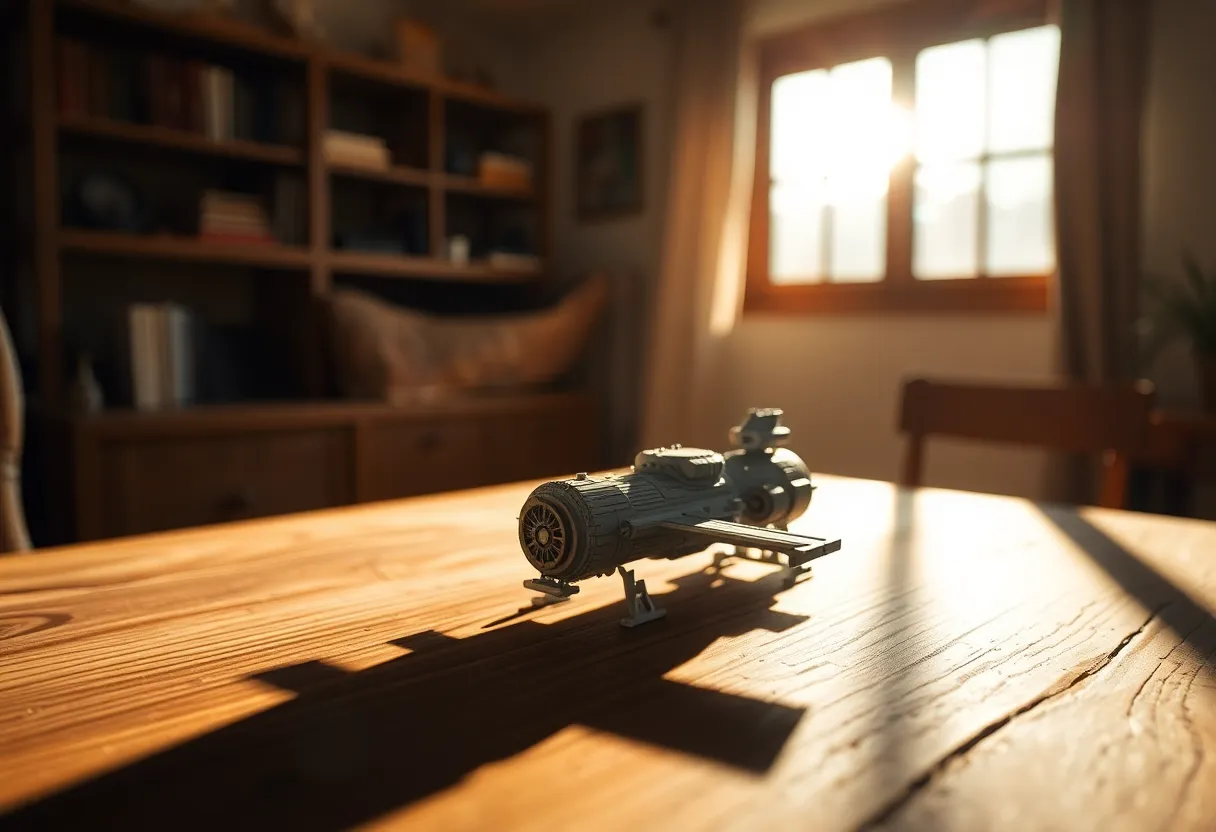
Fujifilm GFX 100S, 110mm f/2 macro, focusing on a detailed model of a space station resting on a wooden desk. The warm natural light streaming through a nearby window casts soft shadows, creating an inviting atmosphere. The shallow depth of field at f/2 accentuates the model's intricate details, with the background softly blurred to a creamy bokeh. The color palette features natural muted earth tones, with the refined craftsmanship of the model contrasting against the desk's weathered oak texture. The composition employs a centered symmetrical framing, inviting the viewer to appreciate the beauty of the design.
3:2
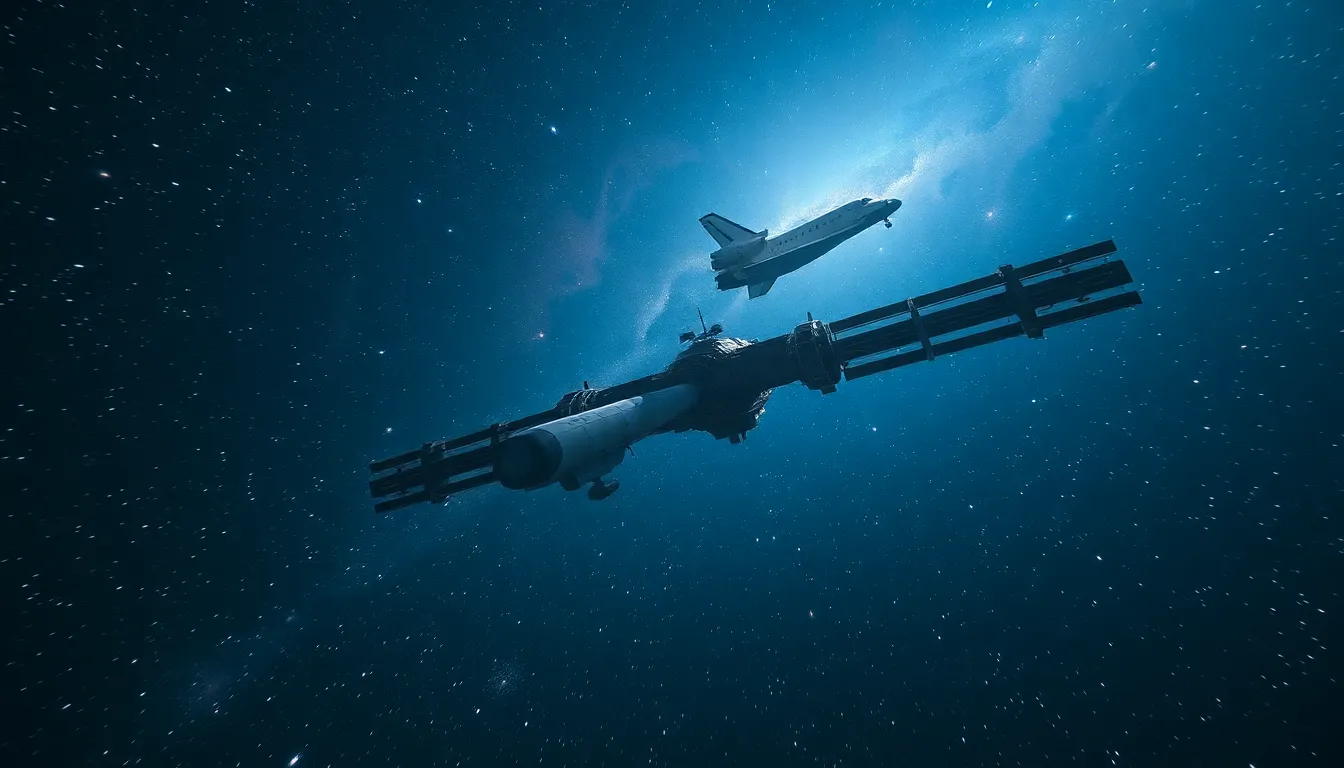
Nikon Z9, 70-200mm f/2.8 telephoto at 135mm, captures an awe-inspiring view of a massive space station docking with a shuttle against the backdrop of a star-filled galaxy. The scene is illuminated by the ethereal glow of distant stars, providing a deep, dramatic lighting effect. The hyperfocal distance at f/8 ensures everything from the station to the distant stars remains crisp and clear. The color palette utilizes Fujifilm Velvia-inspired saturated colors with deep blues and glowing whites, enhancing the cosmic feel. The composition is wide and panoramic, emphasizing the majestic scale of the station and shuttle set against the vastness of space.
16:9
shot on Sony A7R V with 85mm f/1.4 GM lens, depicting the interior of a high-tech space station laboratory. The scene is illuminated by soft, diffused LED lights providing a cool, clinical atmosphere. The depth of field is shallow at f/1.4, softly blurring the background equipment while keeping the scientist's focused expression sharp. The color palette features natural muted tones with desaturated blue and silver hues, enhancing the futuristic feel. The composition centers the scientist at the foreground with laboratory equipment arranged in a balanced manner around them, guided by leading lines of the table edges.
4:3
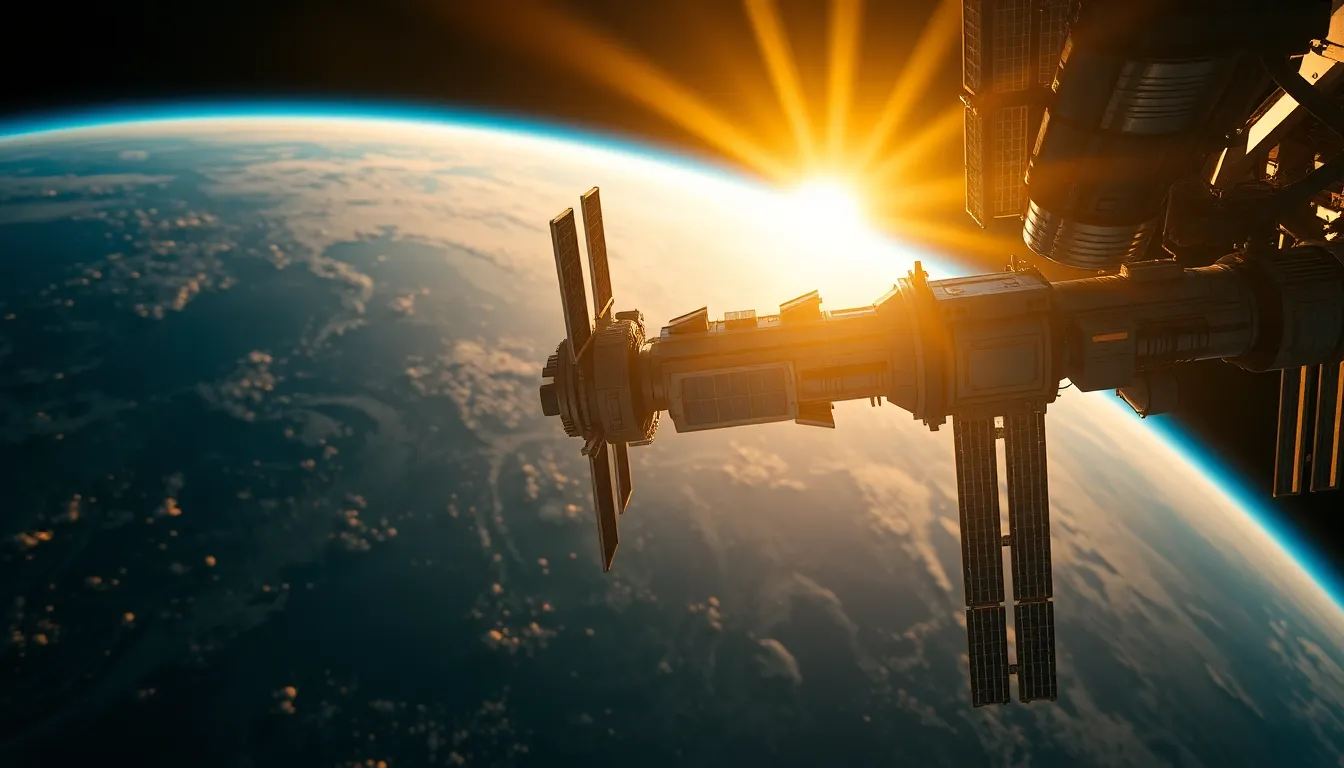
captured with Canon EOS R5, 24-70mm f/2.8L at 35mm, showcasing a futuristic space station orbiting Earth during dawn. The scene is illuminated by the soft golden rays of the rising sun, casting a warm glow on the metallic surfaces of the station. The image features a shallow depth of field at f/2.8, emphasizing the intricate panels and solar arrays in the foreground while the Earth fades softly into the background. The color palette mimics a cinematic teal and orange grading, enhancing the vibrant colors of the planet below. The composition follows the rule of thirds, with the space station elegantly positioned in the upper right quadrant, creating a dynamic balance against the curvature of Earth.
16:9
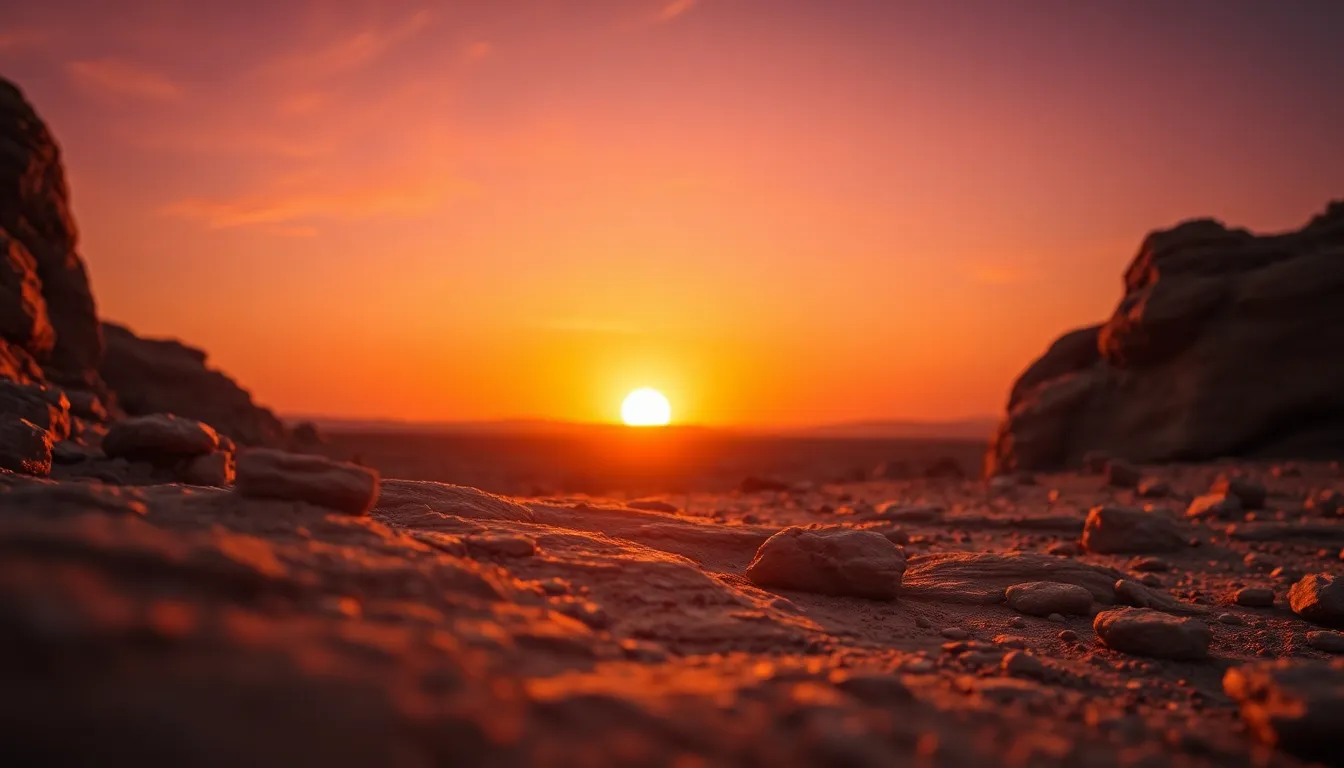
A wide shot of a Martian sunset, captured with Fujifilm GFX 100S, 110mm f/2 macro lens, showcasing a blend of orange and purple hues in the sky. The foreground features textured Martian rocks illuminated by the soft, warm light of the setting sun. The depth of field is set to a shallow f/2, creating a beautiful bokeh effect, while the colors are graded to a cinematic teal and orange palette. The composition centers on the horizon line where the sun is setting while using leading lines of the rocky outcrops to guide the viewer's gaze. The surface texture of the rocks is vividly detailed, emphasizing the alien environment.
16:9
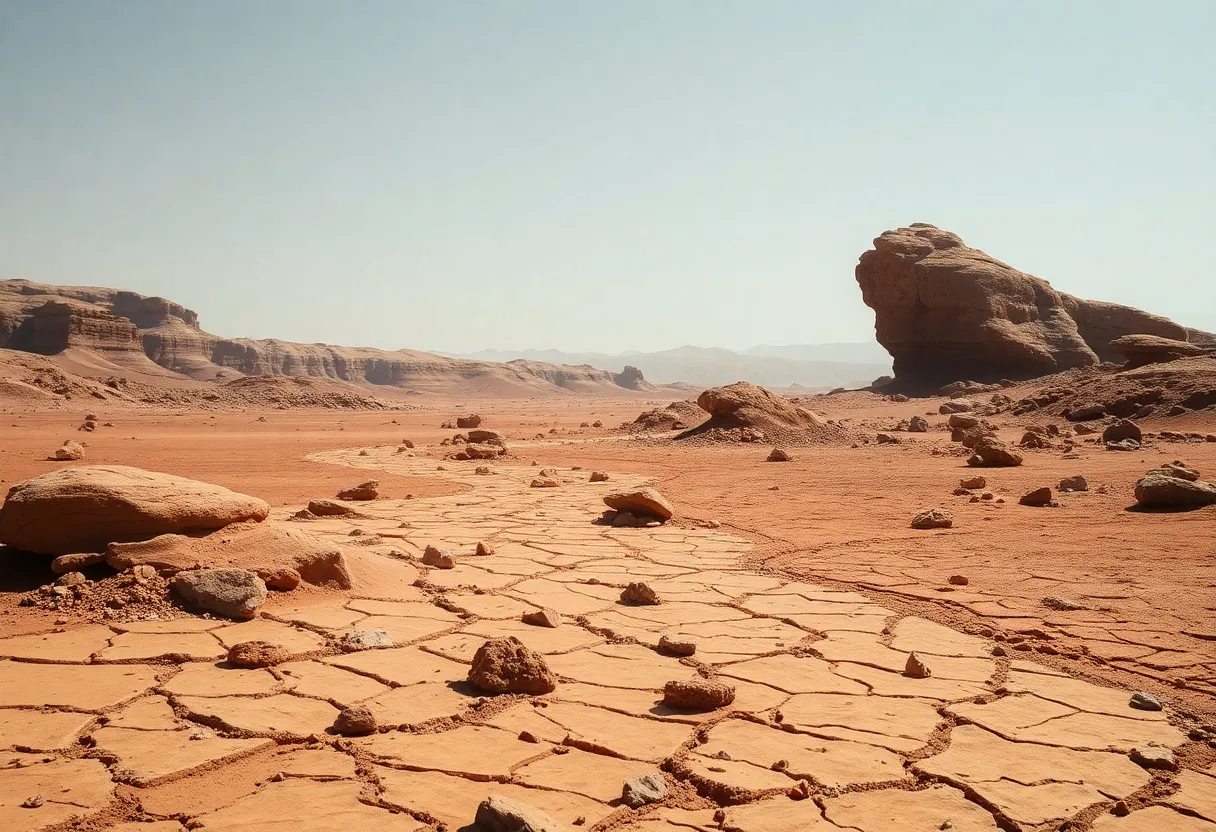
A Martian landscape with ancient riverbed formations, captured with Hasselblad X2D 100C, 90mm f/2.5 medium format, under a clear midday sky. The image showcases the intricate details of eroded rocks and dried mud patterns, with a shift in color grading to natural muted tones. The depth of field is set to hyperfocal distance at f/8, ensuring everything from the foreground to infinity is tack-sharp. The composition utilizes the rule of thirds, placing a prominent rock formation at a power point, while the dried riverbed leads the viewer's eye through the scene. Textures highlight the unique geological structures of Mars.
3:2

An astronaut exploring the surface of Mars, shot on Sony A7R V with 85mm f/1.4 GM lens, in the golden morning light casting long shadows. The astronaut, clad in a reflective spacesuit, raises their hand toward a distant horizon lined with red hills and scattered rocks. The focus is on the astronaut's visor, which reflects the Martian landscape, creating a dreamy bokeh effect in the background. The color palette is inspired by Kodak Portra 400 with warm skin tones and creamy highlights. A centered symmetrical composition emphasizes the isolation of the explorer in this alien terrain.
9:16
A close-up of a Martian dust storm, captured with Canon EOS R5, 24-70mm f/2.8L at 50mm, featuring dynamic swirling dust particles illuminated by a low-hanging sun. The image's color grading emphasizes earthy browns and oranges, with dappled sunlight creating a dramatic contrast. A shallow depth of field at f/2.8 makes the foreground dust particles sharp while the background fades into a soft haze. The composition captures the energy of the storm through a tilted angle, enhancing the sense of motion. The texture of the fine Martian dust is accentuated as it interacts with the light.
3:2
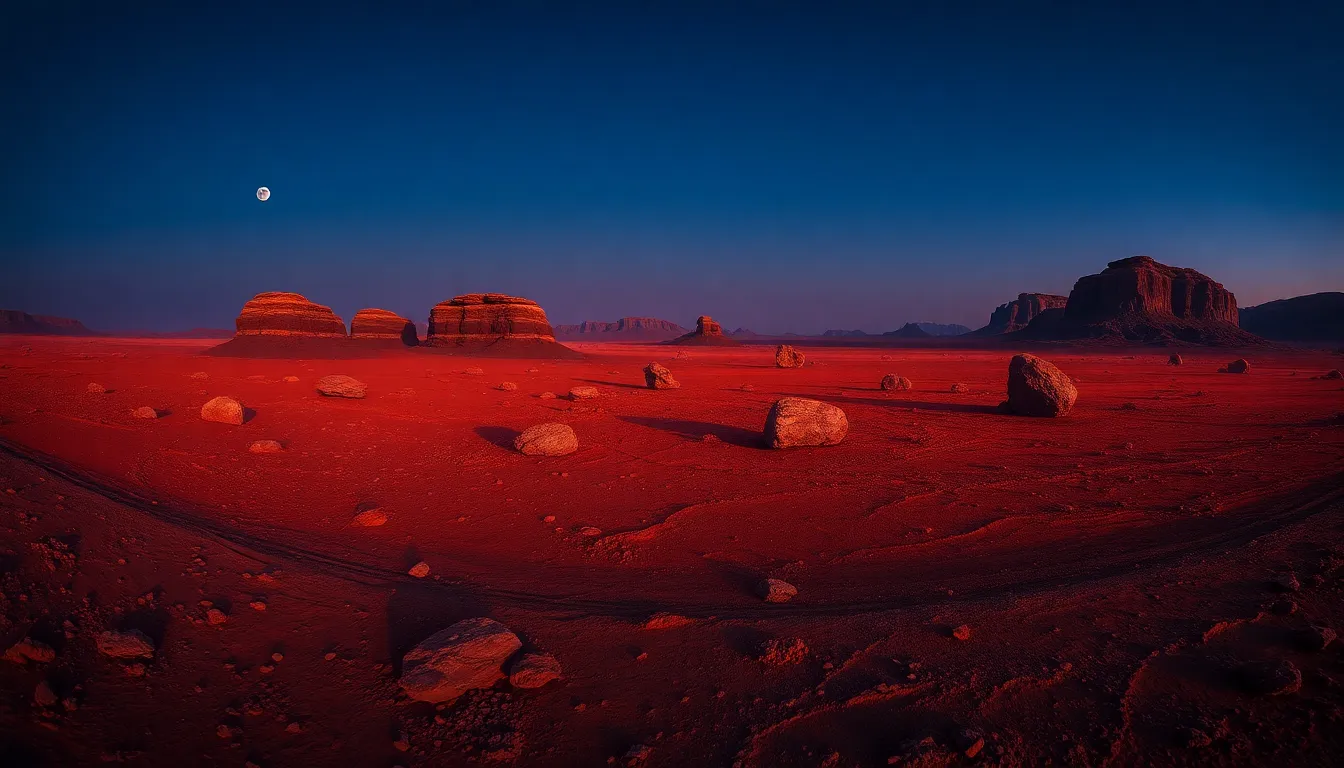
A panoramic view of the Martian landscape, shot on Nikon Z9, 70-200mm f/2.8 telephoto at 135mm, during twilight. The scene features the rusty red Martian soil with scattered boulders and dramatic rock formations under a deep indigo sky, illuminated by a faint crescent moon. The foreground is sharp while the background gradually blurs into a soft bokeh effect, evoking depth. The color palette is inspired by Fujifilm Velvia with enriched reds and deep shadows. Composition employs leading lines of the terrain curving toward the horizon, highlighting the alien beauty of Mars. Textures of the rocky surface are pronounced, with visible dust and grit.
16:9
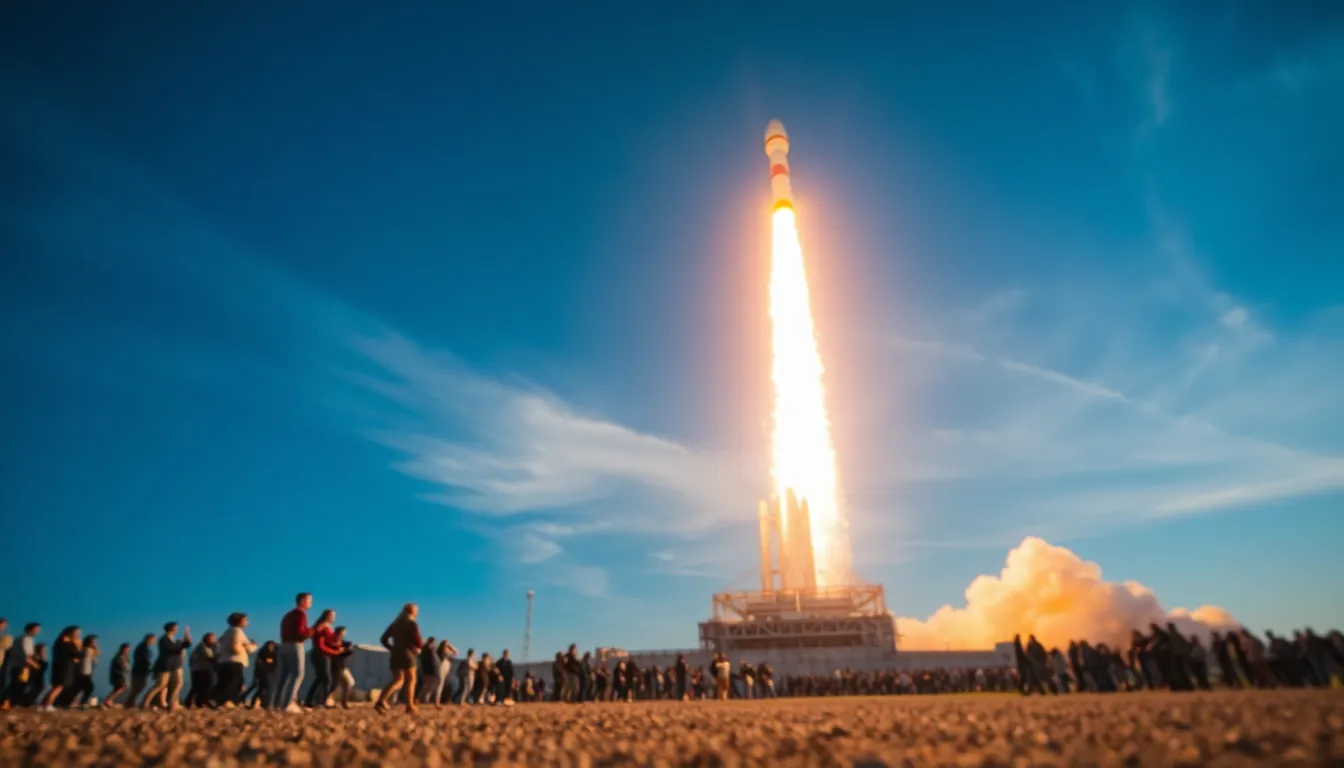
a vibrant scene of a rocket launch viewed from the ground, captured with Leica Q3, 28mm f/1.7 Summilux. The scene is dynamically lit by the powerful ignition flames, casting warm oranges and yellows under dramatic blue sky. Shallow depth of field at f/2 creates a soft bokeh of the cheering crowd in the foreground. The intense color palette features fiery oranges and yellows contrasting the cool blue sky. The composition highlights the rocket ascending with leading lines from the launch pad drawing viewer’s eyes upwards, encapsulating the excitement of the moment. Texture details include the fiery engine exhaust and rough ground beneath the launch pad.
16:9
a futuristic rocket silhouetted against a starry night sky, captured with Hasselblad X2D 100C, 90mm f/2.5 medium format. The scene is illuminated by the moonlight, casting a soft glow on the rocket's contours against the vastness of stars. Deep focus maintains clarity from the foreground to the distant sparkling stars. The color palette includes rich blacks and silvers, with shimmering white stars creating an ethereal atmosphere. The composition centers on the rocket, utilizing negative space to emphasize its towering presence against the night sky. Textures include the sleek finish of the rocket and the grainy texture of the starry sky.
16:9

a close-up detailed shot of a rocket engine during assembly, captured with Fujifilm GFX 100S, 110mm f/2 macro. The scene is softly lit by overhead LEDs, casting even light on the intricate components with subtle highlights. Selective focus on the engine parts reveals the complexity and craftsmanship, with the background softly blurred to emphasize detail. The color palette features metallic grays and silvers, with rich textures visible on the engine's surfaces. Composition is centered, showcasing the rocket engine's intricate parts and mechanical precision. Textures include the smoothness of metal against the roughness of the workbench.
1:1

an aerial view of a rocket soaring through the clouds during a daytime launch, captured with Canon EOS R5, 24-70mm f/2.8L at 35mm. The bright sunlight creates a vibrant blue sky with fluffy white clouds providing a soft backdrop. Hyperfocal distance ensures everything from the rocket to clouds is tack-sharp. The cinematic color grading enhances the blues and the bright white of the rocket’s smoke trail, conveying a sense of awe. The composition features a centered rocket with leading lines of clouds guiding the eye upwards, evoking a feeling of ascension. Textures include the rocket’s sleek, aerodynamic body and the soft, billowing clouds.
16:9
detailed shot of a sleek rocket standing tall on a launch pad at twilight, captured with Nikon Z9, 70-200mm f/2.8 telephoto at 135mm. The scene is illuminated by bright floodlights creating dramatic shadows, with a vivid blue sky transitioning to deep orange as the sun sets. Shallow depth of field at f/2.8 isolates the rocket, while the bokeh of the surrounding equipment adds depth. The color palette features bold contrasts of the rocket’s metallic sheen against the warm sky. Composition follows the rule of thirds, with the rocket centered and leading lines of the launch pads drawing attention. Textures include the rocket's smooth metallic surface and rugged concrete beneath it.
16:9
captured with Hasselblad X2D 100C, 90mm f/2.5 medium format, illustrating a breathtaking view of a space station silhouetted against the vastness of a starry night. The dark, velvety backdrop is filled with countless stars and vibrant nebulae, creating a dreamy cosmic canvas. The composition highlights the station centered within the frame, with slight distortions suggesting the curvature of space. Deep blues and purples enhance the ethereal quality, while textures of the station's structure are beautifully visible. A tilt-shift miniature effect adds a unique perspective, making the station appear monumental against the starry sky.
16:9
shot on Fujifilm GFX 100S, 110mm f/2 macro, showcasing intricate details of a space station's exterior with solar panels and docking ports illuminated by the golden hour light. The warm rim light accentuates the metallic textures and visible rivets, while soft shadows create depth and dimension. The shallow depth of field at f/2 isolates the space station against a bokeh-filled sky, which shifts from deep blues at the top to warm oranges near the horizon. Composition using leading lines invites the viewer's gaze along the solar panels toward the station’s docking port.
16:9
captured with Canon EOS R5, 24-70mm f/2.8L at 35mm, revealing the interior of a space station control room bustling with scientists and engineers. Warm tungsten lighting from overhead fixtures casts inviting pools of light on sleek control panels, creating a sense of teamwork and innovation. The scene is shot at f/8 for hyperfocal clarity, with all elements from the consoles to the people in sharp focus. The scene showcases natural skin tones with subtle warm hues enhancing the collaborative energy. Composition follows leading lines drawn by the control panels directing the eye towards the engaged team.
16:9
shot on Sony A7R V with 85mm f/1.4 GM lens, depicting astronauts conducting a spacewalk outside a bustling space station. Overcast diffused daylight filters from the station's solar panels, casting soft shadows on their suits. The scene is captured with a shallow depth of field at f/1.4, emphasizing the focused expressions on the astronauts' faces while the station's exterior blurs into a painterly bokeh. Natural muted tones highlight the authenticity of the moment, with textures of the suits showcasing intricate stitching and wear. The image follows the rule of thirds, placing the astronauts off-center against the vast universe.
16:9
captured with Nikon Z9, 70-200mm f/2.8 telephoto at 135mm, showcasing a futuristic space station orbiting Earth. Dramatic backlighting from the glowing planet below creates vibrant blue hues, with the station's metallic surfaces reflecting soft highlights. Shallow depth of field at f/2.8 emphasizes the station's intricate design while blurring the distant stars into a soft bokeh. The cinematic teal and orange color grading accentuates the contrast between the cold space and warm lights. Centered symmetrical composition highlights the station's architectural elegance against the cosmic backdrop, with textures of brushed metal and glass defined in detail.
16:9
captured with Hasselblad X2D 100C, 90mm f/2.5 medium format, presenting a panoramic view of Olympus Mons, showcasing its immense scale against the Martian sky. The lighting is diffused and flat, allowing for even illumination of the volcanic landscape, while a hyperfocal distance at f/8 ensures everything remains in focus. The color palette emphasizes natural muted tones, with the browns of the volcano contrasting against the soft blues and whites of the sky. The composition utilizes leading lines from the volcano's slopes that draw attention toward the summit, inviting the viewer to appreciate the grandeur of Mars’ largest volcano.
16:9
shot on Fujifilm GFX 100S, 110mm f/2 macro, focusing on a Martian dust storm swirling with vibrant red and orange particles. The lighting comes from a low angle, casting dramatic shadows and emphasizing the texture of the dust. A shallow depth of field at f/2 isolates the swirling particles in sharp detail against a blurred, chaotic background of eroded Martian terrain. The color palette is rich with fiery tones, giving a sense of movement and energy. The composition utilizes a dynamic diagonal line to lead the viewer's eye through the storm, capturing the raw power of nature on Mars.
16:9
captured with Canon EOS R5, 24-70mm f/2.8L at 35mm, illustrating a futuristic Mars colony under starry skies. The habitat structures are illuminated by practical warm lights, casting soft glows on the surrounding red terrain. The hyperfocal distance at f/8 keeps everything sharply in focus, from the colony details to the star-filled sky above. The color palette combines deep indigos and warm reds, creating a striking contrast between the colony and the night. The composition is centered, with the colonnade of domes leading the view into the expansive cosmos, evoking a sense of exploration and hope.
16:9

shot on Sony A7R V with 85mm f/1.4 GM lens, displaying a close-up of a Martian rock formation with intricate textures and mineral deposits. Utilized overcast diffused daylight through an ethereal Martian atmosphere to highlight the rock details, creating a serene mood. The image features a shallow depth of field at f/1.4, focusing on the detailed surface made of various shades of iron oxide. The natural color palette reflects muted earth tones with subtle hints of green and blue, creating a harmonious balance. The composition centers on the rock, with soft blurred shapes in the background enhancing the focus on the subject.
1:1
captured with Nikon Z9, 70-200mm f/2.8 telephoto at 135mm, showcasing a rugged Martian landscape under a dramatic sunset. The scene features rippled red sands and distant rocky formations, illuminated by warm golden hour lighting that enhances the earth tones. A shallow depth of field at f/2.8 focuses on a single boulder in the foreground, while the Martian horizon fades into soft focus. The color palette evokes a cinematic orange and red gradient, emphasizing the otherworldly feel. The composition follows the rule of thirds with the boulder placed strategically on the left, drawing the eye across the landscape texture of coarse sand and stone.
16:9
Leica Q3, 28mm f/1.7 Summilux, depicting a nighttime rocket launch with vibrant trails illuminating the sky. Captured using practical lighting from the rocket's ignition against a darkened landscape. The tilt-shift miniature effect creates a narrow band of focus, emphasizing the rocket as it ascends with smoke and light trails. The cinematic teal and orange color grading enhances the dramatic atmosphere, blending dynamic colors with unique textures in the smoke.
16:9

Fujifilm GFX 100S, 110mm f/2 macro, revealing intricate details of a rocket's surface with focused macro photography. Captured in natural daylight, textures are accentuated highlighting rivets and panels in a soft, natural tone palette. The composition features a center-framed view that emphasizes the craftsmanship of the rocket, while the viewer's attention is drawn to the unique textures of the material.
3:4
Nikon Z9, 70-200mm f/2.8 telephoto at 135mm, capturing a rocket standing tall on the launch pad during a clear blue sky day. Overcast diffused daylight provides even lighting, emphasizing the rocket's clean lines and features. Shallow depth of field at f/2.8 isolates the rocket from the background. The scene is composed using leading lines of the launch pad that guide the viewer's eye towards the rocket, with rich blue tones dominating the color palette.
3:2

shot on Sony A7R V with 85mm f/1.4 GM lens, presenting a close-up of a rocket engine on display, with soft studio lighting that accentuates the metallic textures and intricate details. High depth of field at f/8 keeps every component sharp, while a natural muted tone color palette emphasizes the industrial feel. Centered composition draws attention to the engine, showcasing its craftsmanship and engineering marvel.
1:1
captured with Canon EOS R5, 24-70mm f/2.8L at 35mm, showcasing a rocket launch at sunset with dramatic golden clouds illuminated by the fiery exhaust. Shallow depth of field at f/2.8 creates a soft bokeh in the foreground, with the vibrant orange and purple hues of the sky highlighting the scene. Rule of thirds with the rocket positioned at the left power point, creating dynamic tension as it ascends. The rocket's polished aluminum body shows intricate surface details reflecting the warm light.
16:9

an illustration of a rocket in space soaring above a blue planet, captured with a Hasselblad X2D 100C, 90mm f/2.5 medium format. The lighting is dramatic with sunlight radiating from the top left, casting shadows that enhance the three-dimensional effect of the rocket. The hyperfocal distance ensures a sharp focus from the rocket to the distant planet. The color palette is vibrant, showcasing the deep blues of the planet and the bright whites of the rocket, evoking a sense of adventure. The composition centers the rocket in the frame, with the planet providing a stunning backdrop.
16:9
a rocket silhouetted against a starry night sky, captured with a Leica Q3, 28mm f/1.7 Summilux. The lighting is purely ambient, with stars twinkling brightly above, creating a peaceful and contemplative mood. The shallow depth of field at f/1.7 produces a dreamy bokeh, highlighting the rocket in silhouette. The color palette consists of deep blues and blacks, capturing the vastness of space and enhancing the sense of wonder. The composition uses a centered layout, placing the rocket prominently against the starry background.
9:16
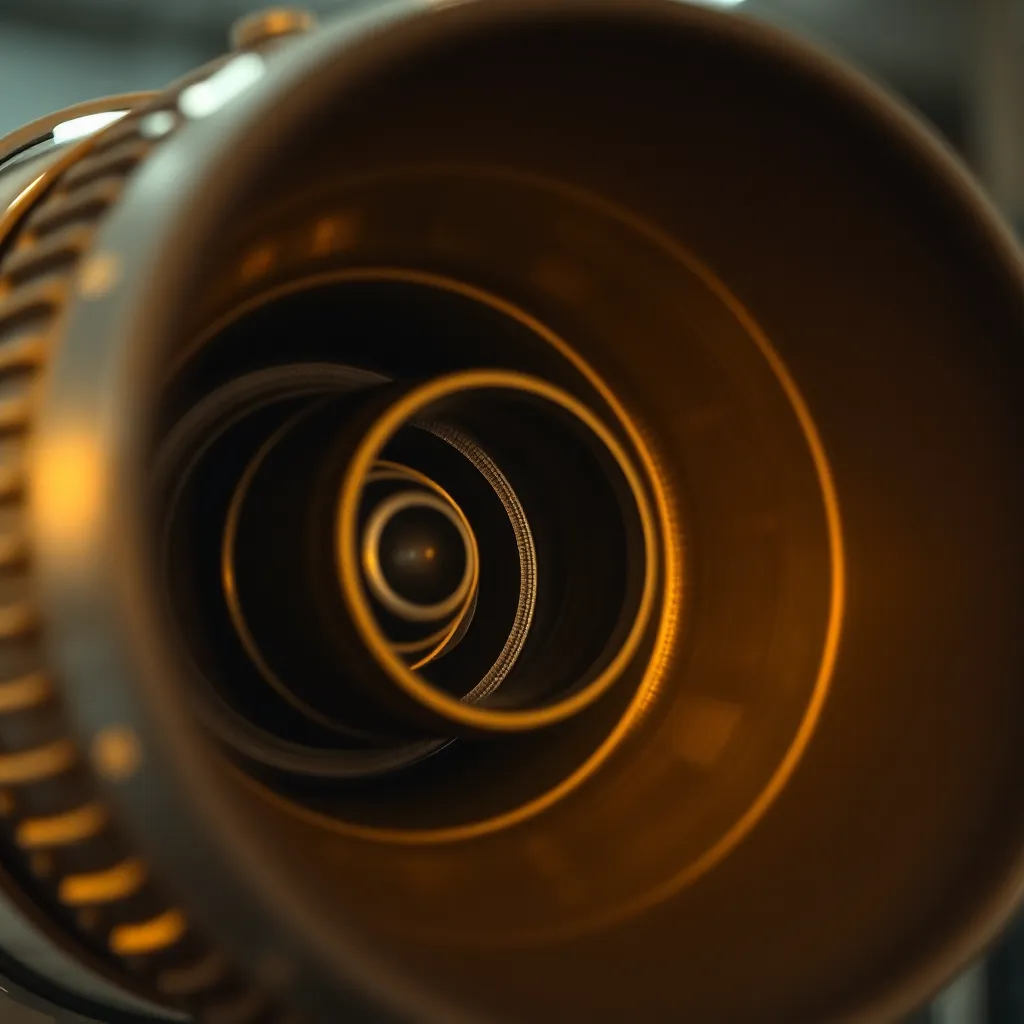
a detailed close-up of a rocket's engines, captured with a Fujifilm GFX 100S, 110mm f/2 macro. The lighting is a warm tungsten from practical sources, highlighting the intricate textures of the metal and combustion chamber. The shallow depth of field at f/2 creates a creamy bokeh effect in the background, emphasizing the rocket parts. The color palette features natural metallic tones with rich shadows, evoking a sense of industrial power and precision. The composition places the engine at a left power point, allowing the viewer's eye to explore the complex details.
1:1
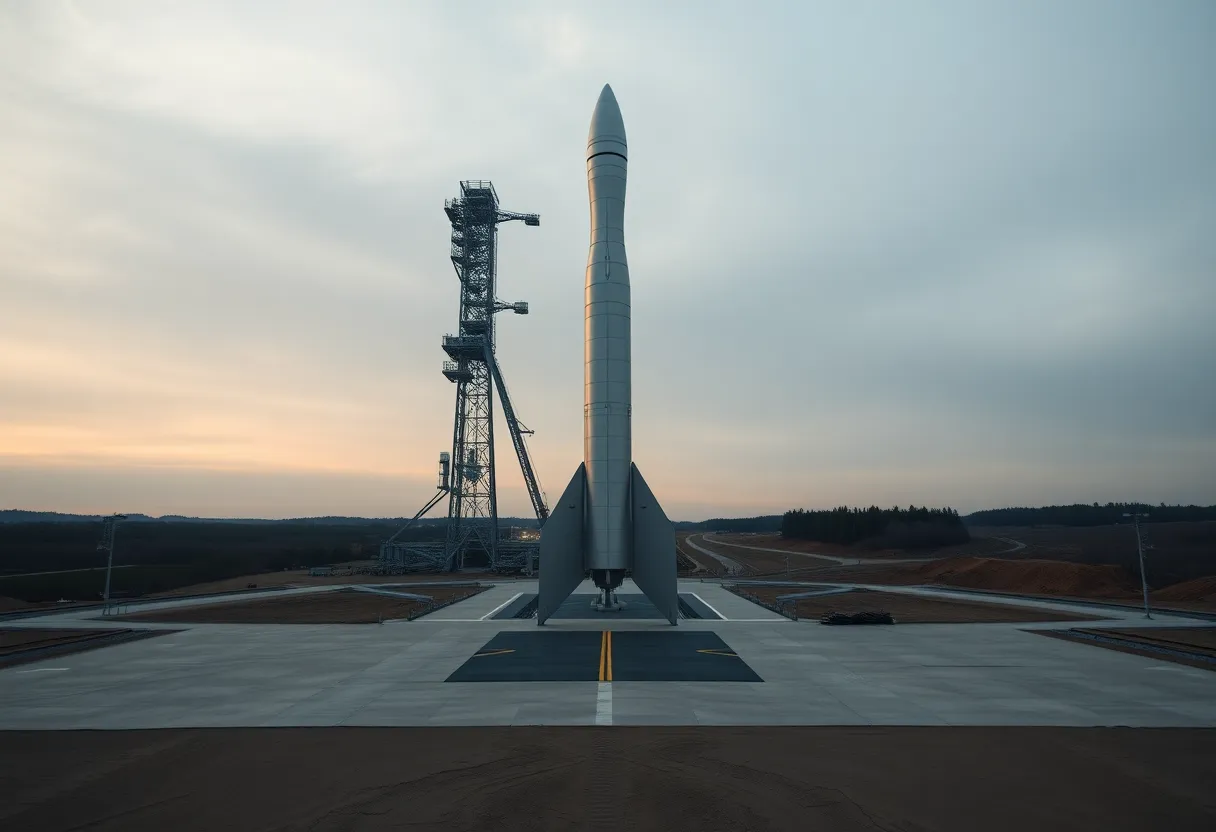
a sleek, futuristic rocket standing on a launch pad at dusk, captured with a Canon EOS R5, 24-70mm f/2.8L at 35mm. Soft, diffused daylight from overcast skies gently illuminates the scene, creating a serene atmosphere. The hyperfocal distance ensures everything from the foreground to the sky remains sharp, revealing details in the rocket's surface texture. The muted earth tones of the scene, combined with the cool metals of the rocket, evoke a sense of calm anticipation. The composition features a centered symmetrical balance that emphasizes the rocket's stature and design.
3:2
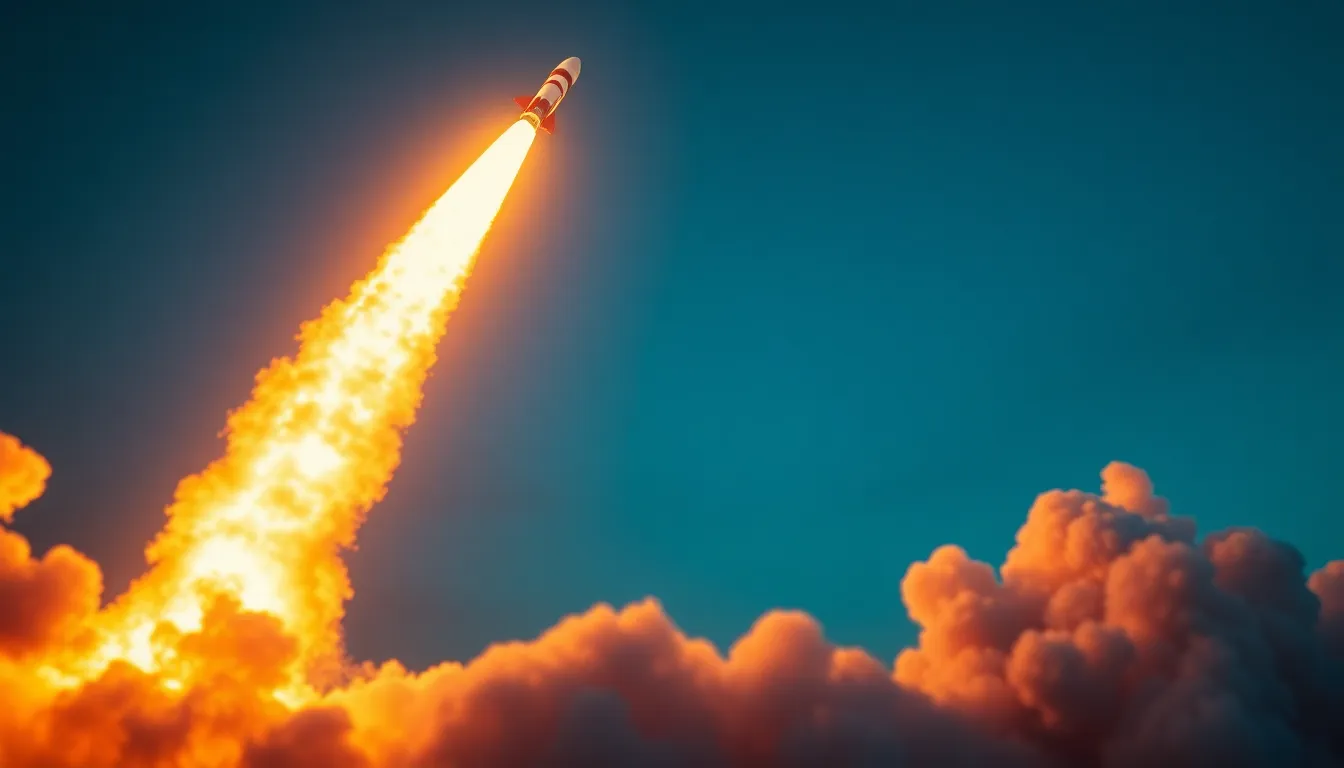
an impressive rocket being launched into the sky, captured with a Nikon Z9, 70-200mm f/2.8 telephoto at 135mm. The scene is filled with dramatic golden hour backlighting, illuminating the rocket and billowing smoke as it ascends. The shallow depth of field at f/2.8 blurs the background, focusing the viewer's attention on the rocket. The vibrant reds and whites of the rocket contrast against a deep blue sky, enhanced with a cinematic teal and orange color grading. The composition follows leading lines created by the smoke trails, adding dynamic tension to the image.
16:9
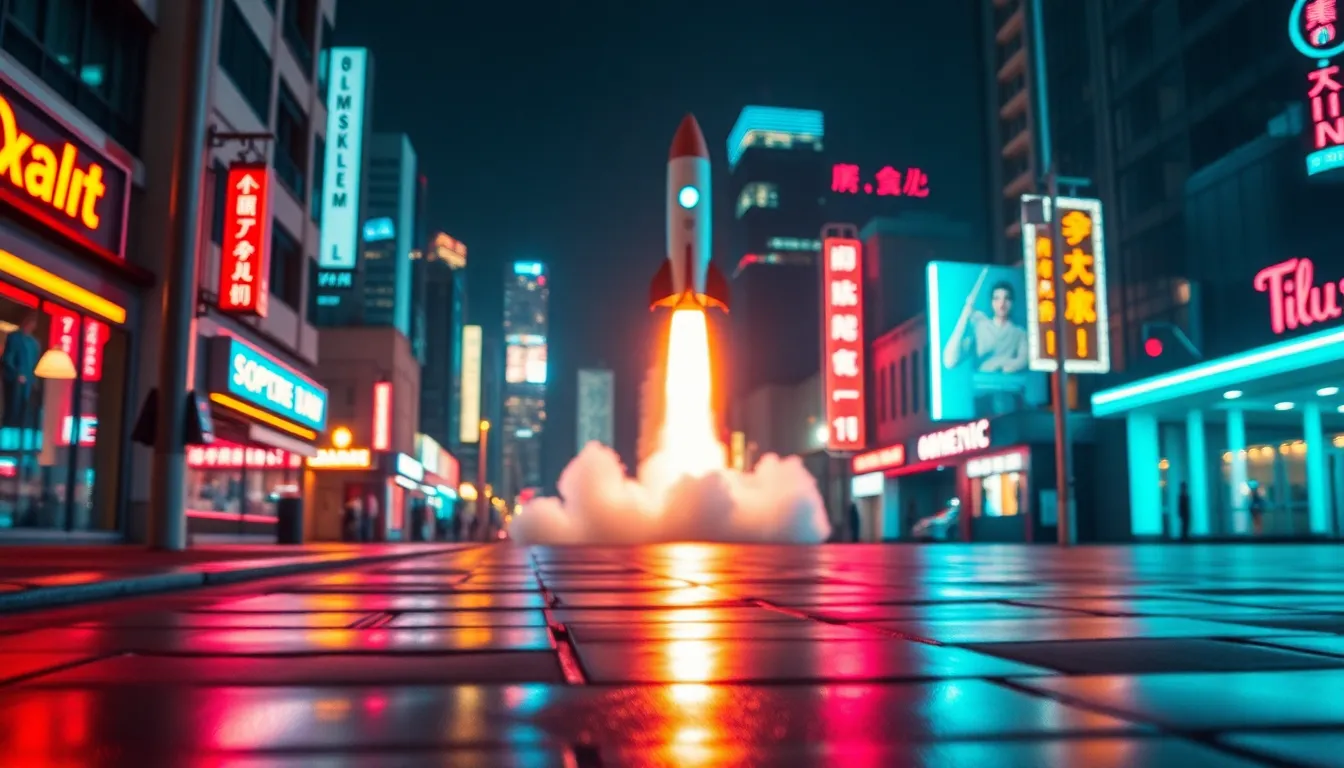
A conceptual image of a rocket launching from a futuristic cityscape at night, captured with a Leica Q3, 28mm f/1.7 Summilux. Neon signage reflects vibrant colors on wet pavement, creating a playful atmosphere. The shallow depth of field at f/1.7 focuses on the rocket with soft bokeh from the city lights in the background. The cinematic teal and orange color grading complements the neon hues, creating a vibrant and engaging visual. The composition captures the rocket rising above the skyline, presenting a sense of innovation and progress.
16:9
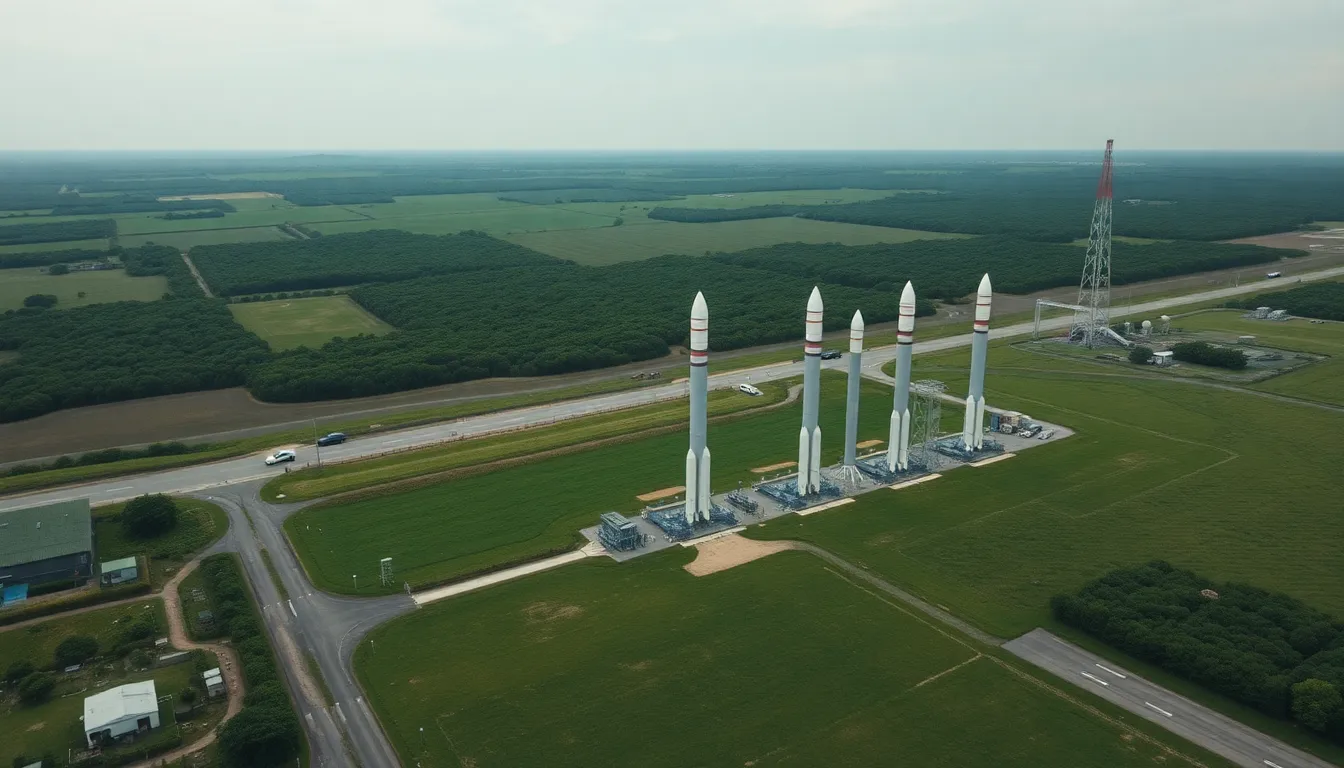
An aerial view of a launch site with multiple rockets lined up, captured with a Fujifilm GFX 100S, 110mm f/2 macro. The overcast diffused daylight evenly lights the scene, showcasing a natural muted color palette with greens of the countryside and the grey of the rockets. The hyperfocal distance at f/8 ensures sharpness from foreground to background, revealing the context of the launch site. The composition features a bird's-eye view, emphasizing the scale and organization of the rockets on the launch pad.
16:9
A dramatic shot of a rocket booster separation during ascent, captured on a Sony A7R V with 85mm f/1.4 GM lens. The scene features strong Rembrandt lighting highlighting the contours of the rocket body against stormy clouds. A selective focus on the moment of separation creates a clear focal point, with the background softly melting into bokeh. The cinematic teal and orange color grading enhances the intensity of the launch. Compositionally, the frame captures the rocket's ascent with dynamic diagonal lines.
16:9
A close-up of a space shuttle on the launch pad at dawn, captured with a Canon EOS R5, 24-70mm f/2.8L at 35mm. Soft diffused daylight casts a warm glow over the scene, enhancing the shuttle's intricate surface details. The hyperfocal distance at f/8 keeps the entire frame in sharp focus, revealing the shuttle's features and the surrounding launch infrastructure. The natural color palette showcases soft oranges and blues of dawn. Compositionally, the shuttle is framed with leading lines from the launch pad.
4:3
A Falcon rocket launching into a clear blue sky, captured with a Nikon Z9, 70-200mm f/2.8 telephoto at 135mm. The scene is bathed in golden hour light, with warm highlights illuminating the rocket's metallic surface. A shallow depth of field at f/2.8 creates a beautiful bokeh effect in the background, with vivid contrasts between the white rocket and the deep blue sky. The composition centers on the rocket, creating a dynamic upward motion that conveys a sense of adventure. Textures include the rugged surface of the rocket and wispy clouds.
16:9
captured with Hasselblad X2D 100C, 90mm f/2.5 medium format, presenting a striking view of a space station docked alongside a gigantic spacecraft, illuminated by the soft light of distant stars and the faint glow of a nearby planet’s atmosphere. A hyperfocal distance is utilized, rendering the entire scene from the station to the spacecraft in sharp clarity. The color palette consists of muted earth tones with hints of iridescent colors reflecting off the surfaces. The composition features a dynamic Dutch angle to evoke tension, while the textures reveal the rugged surfaces of the spacecraft contrasted with the polished finish of the space station.
16:9
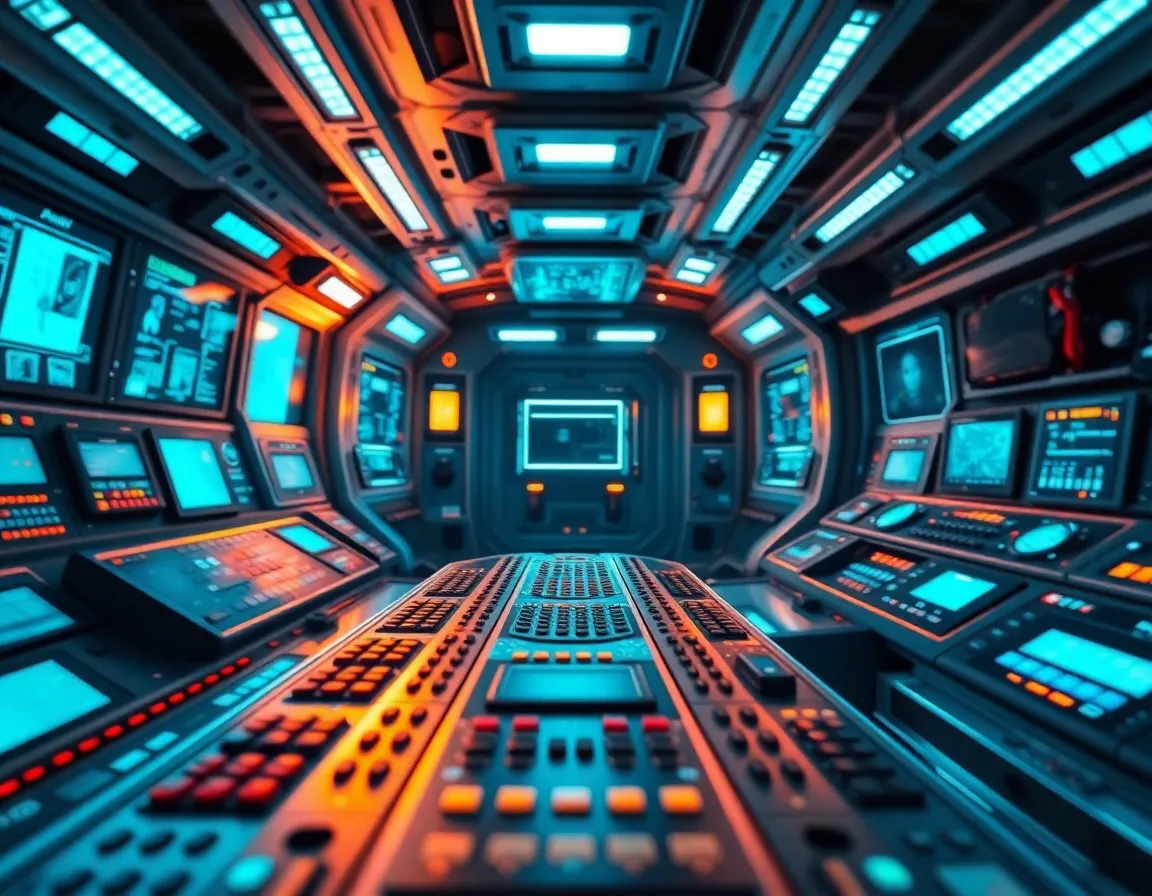
shot on Fujifilm GFX 100S, 110mm f/2 macro, featuring a detailed interior of a futuristic space station's control room, illuminated by cool blue LED lights. The depth of field is shallow, focusing on the intricate control panels while the background softly blurs into a painterly bokeh effect. The color grading embraces a cinematic teal and orange palette, emphasizing the technological aesthetic. The composition uses a centered symmetrical approach to enhance the organized chaos of buttons and screens, while the textures show sleek plastics and polished metal surfaces reflecting the surrounding lights.
4:3
captured with Canon EOS R5, 24-70mm f/2.8L at 35mm, showcasing a panoramic view of a futuristic space station orbiting Earth, bathed in the soft illumination of ambient sunlight. The scene is composed with hyperfocal distance, keeping everything from the station to Earth in tack-sharp focus at f/8. The color science highlights natural muted tones, reflecting the beauty of our planet against the dark vastness of space. Compositionally, the image follows leading lines of the station's solar panels drawing the eye to the vibrant blue and green of Earth below. The surface of the station is detailed, showcasing reflective panels and textured metal work, emphasizing the craftsmanship of space architecture.
16:9
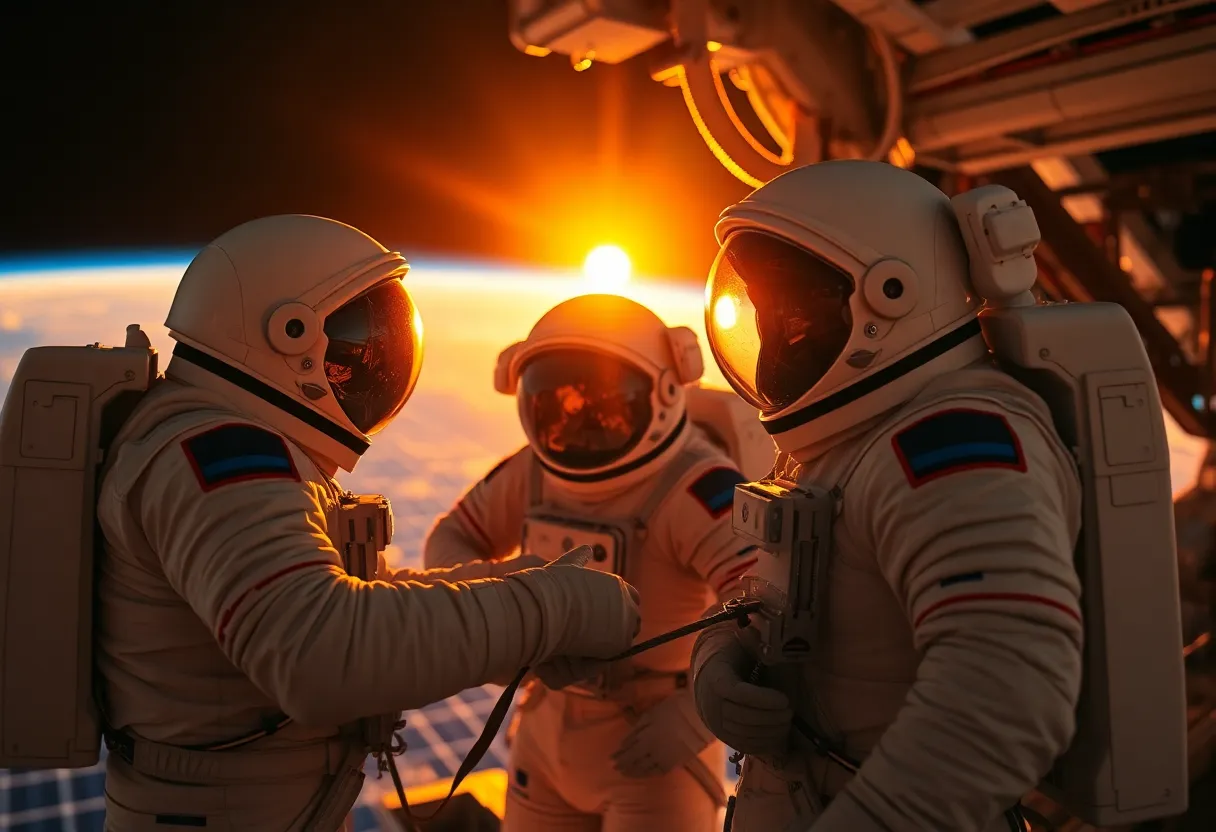
shot on Sony A7R V with 85mm f/1.4 GM lens, featuring a close-up of astronauts performing repairs outside a space station during the mesmerizing glow of sunrise. Natural light provides soft illumination with warm rim light creating a halo effect around the astronauts' helmets. Shallow depth of field at f/1.4 keeps the focus sharply on the astronauts while the station's structure fades softly into a creamy bokeh background of colorful solar panels. The image embodies a palette of warm oranges and cool blues, showcasing the contrast of their suits against the warming space. The composition adheres to the rule of thirds, with the figures positioned at the left power point, enhancing the dramatic narrative.
3:2
captured with Nikon Z9, 70-200mm f/2.8 telephoto at 135mm, illuminated by the ethereal glow of distant stars and the soft light of a nearby nebula, creating a moody atmosphere. Shallow depth of field at f/2.8 isolates the space station against a star-speckled backdrop. The color palette features deep blues and purples with hints of luminous teal. The composition utilizes leading lines of solar panels drawing the viewer's eye toward the station's sleek structure, which reflects the light. The metallic surface shows intricate details with a brushed finish, while the station's modules display varying textures from glass to metal.
16:9
captured with Hasselblad X2D 100C, 90mm f/2.5 medium format, showing an astronaut exploring a Martian canyon at high noon, with harsh shadows and bright highlights. The depth of field at f/5 provides a balanced focus on both the astronaut and the expansive canyon backdrop. The color science leans toward natural muted tones, highlighting earthy reds and browns of the canyon walls. The composition employs the rule of thirds, placing the astronaut off-center to enhance the vastness of the scene, while the texture of the canyon walls is rendered in exquisite detail.
3:2
shot on Fujifilm GFX 100S, 110mm f/2 macro, focusing on Martian dust storms sweeping across the surface, captured in dramatic detail. The lighting is moody with diffused sunlight emerging from behind dark clouds. Using shallow depth of field at f/2, swirling dust particles are rendered in sharp focus with soft bokeh of the storm in the background. The color palette features deep oranges infused with hints of muted browns and greys. The composition utilizes a dynamic angle to convey the movement of the storm, with textures of swirling dust vividly depicted.
4:3
captured with Canon EOS R5, 24-70mm f/2.8L at 35mm, depicting a panoramic view of Olympus Mons at sunrise, where the first light of dawn bathes the volcano in golden hues. The hyperfocal distance at f/8 ensures that both the foreground rocks and distant mountains remain in sharp focus. The color science reflects natural muted tones with soft pastels highlighting the scene. The composition employs a wide format to capture the grandeur of the landscape, with foreground rocks framing the view.
16:9
shot on Sony A7R V with 85mm f/1.4 GM lens, capturing a close-up of the Curiosity rover examining Martian rock samples under the harsh sunlight. The lighting is stark with high contrast, revealing minute details on the rover's robotic arm. Using shallow depth of field at f/1.4, the background dissolves into soft bokeh. The color palette features vibrant metallic greys and earthy reds. The composition is centered, bringing focus to the rover and its surrounding rocky environment, with visible dust and texture on the rocks.
3:2
captured with Nikon Z9, 70-200mm f/2.8 telephoto at 135mm, under a surreal twilight sky with soft diffused light illuminating the Martian landscape. The shallow depth of field at f/2.8 creates a creamy bokeh of rocky formations in the foreground. The color palette includes warm reds and deep oranges, reminiscent of the Martian surface. The composition uses leading lines of the rocky terrain drawing the eye toward the distant horizon. Surface textures of the Martian soil showcase fine particles and rugged edges, enhancing realism.
16:9
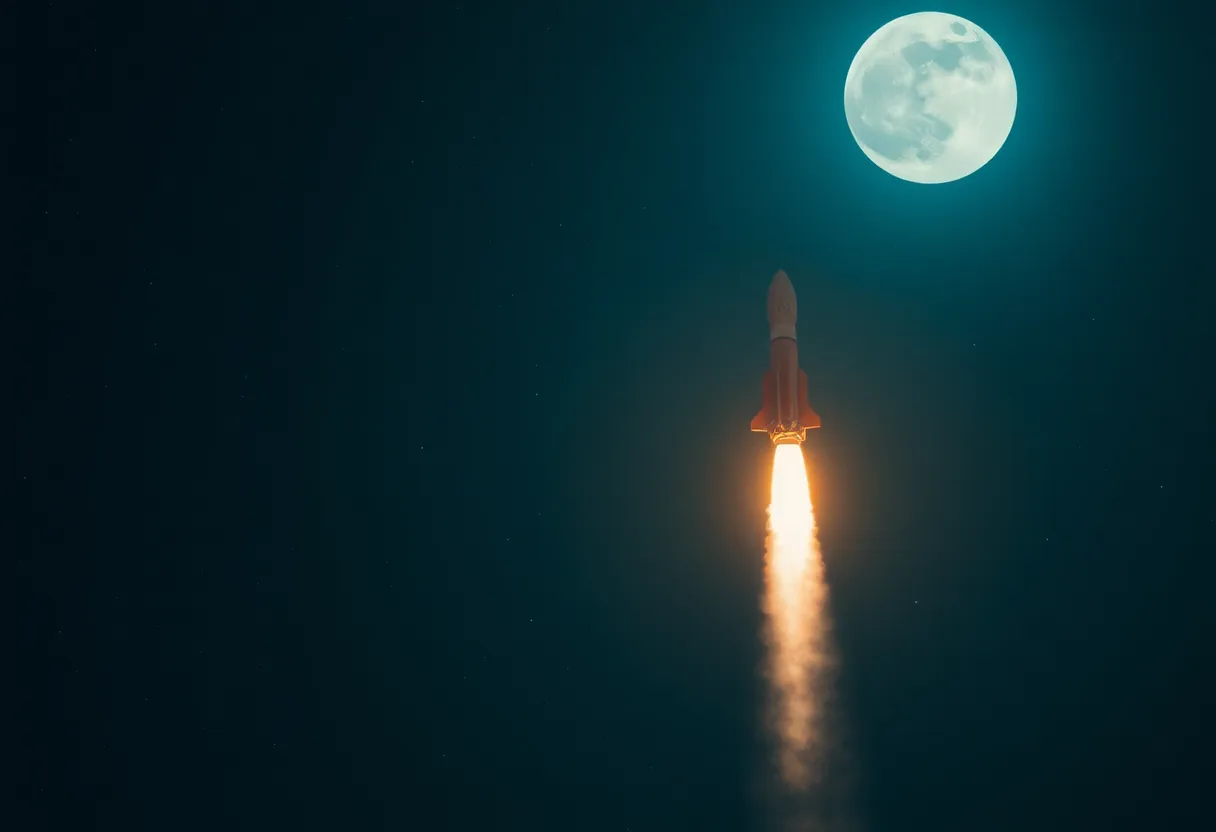
captured with Leica Q3, 28mm f/1.7 Summilux, featuring a rocket flying in the night sky. The image is beautifully illuminated by a full moon, casting a soft glow over the scene. The color grading applies a cinematic teal and orange palette, providing a dramatic contrast between the rocket and the starry backdrop. Using a shallow depth of field at f/1.7, the rocket is sharply in focus while the celestial background melts into a soft, painterly bokeh. The composition places the rocket off-center, utilizing negative space to emphasize its ascent against the vastness of the night sky.
3:2
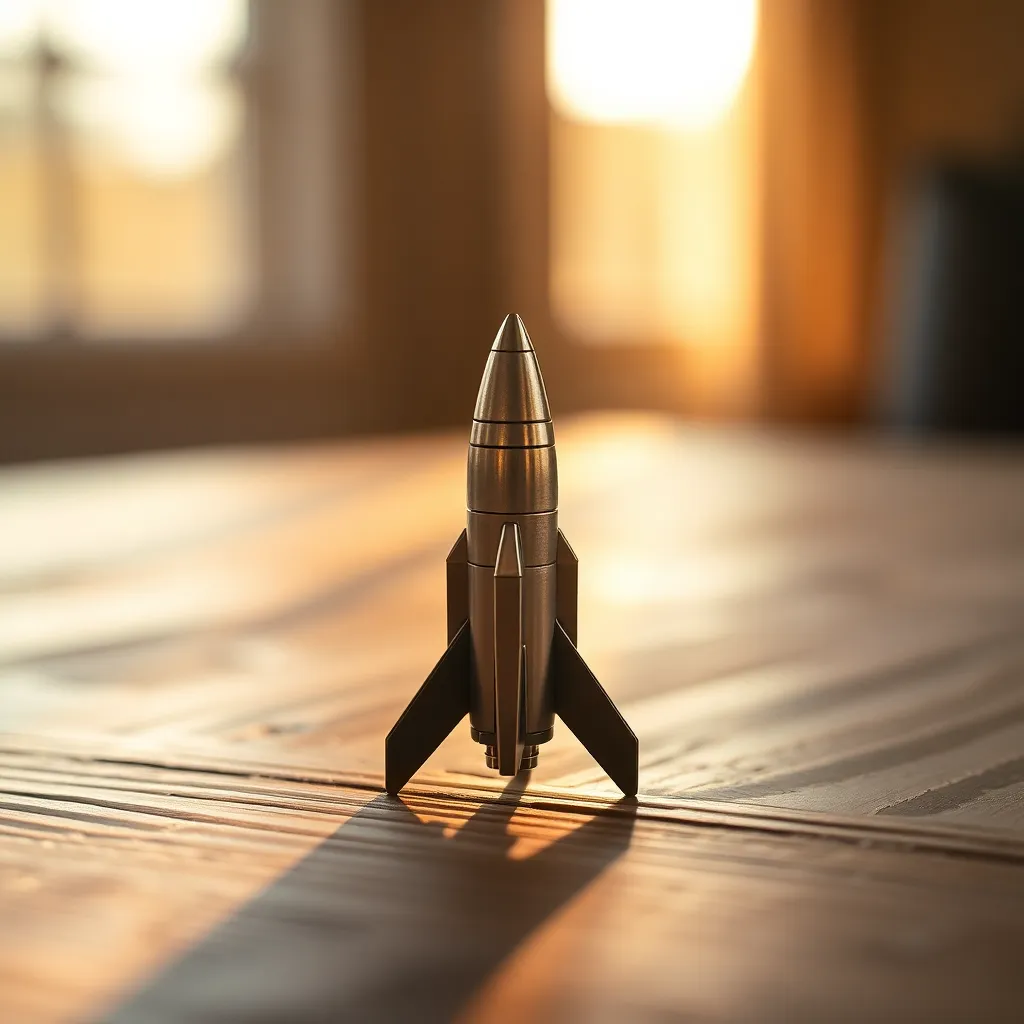
shot on Fujifilm GFX 100S, 110mm f/2 macro lens, capturing a miniature rocket model on a textured wooden table during soft afternoon light. The image features a warm color palette with golden highlights reflected off the model’s surface. The shallow depth of field at f/2 creates a soft bokeh effect in the background, emphasizing the intricate details of the rocket. The composition is centered, showcasing the model with a natural vignette around the edges. The wood grain of the table adds an organic texture, enhancing the overall aesthetic of the shot.
1:1
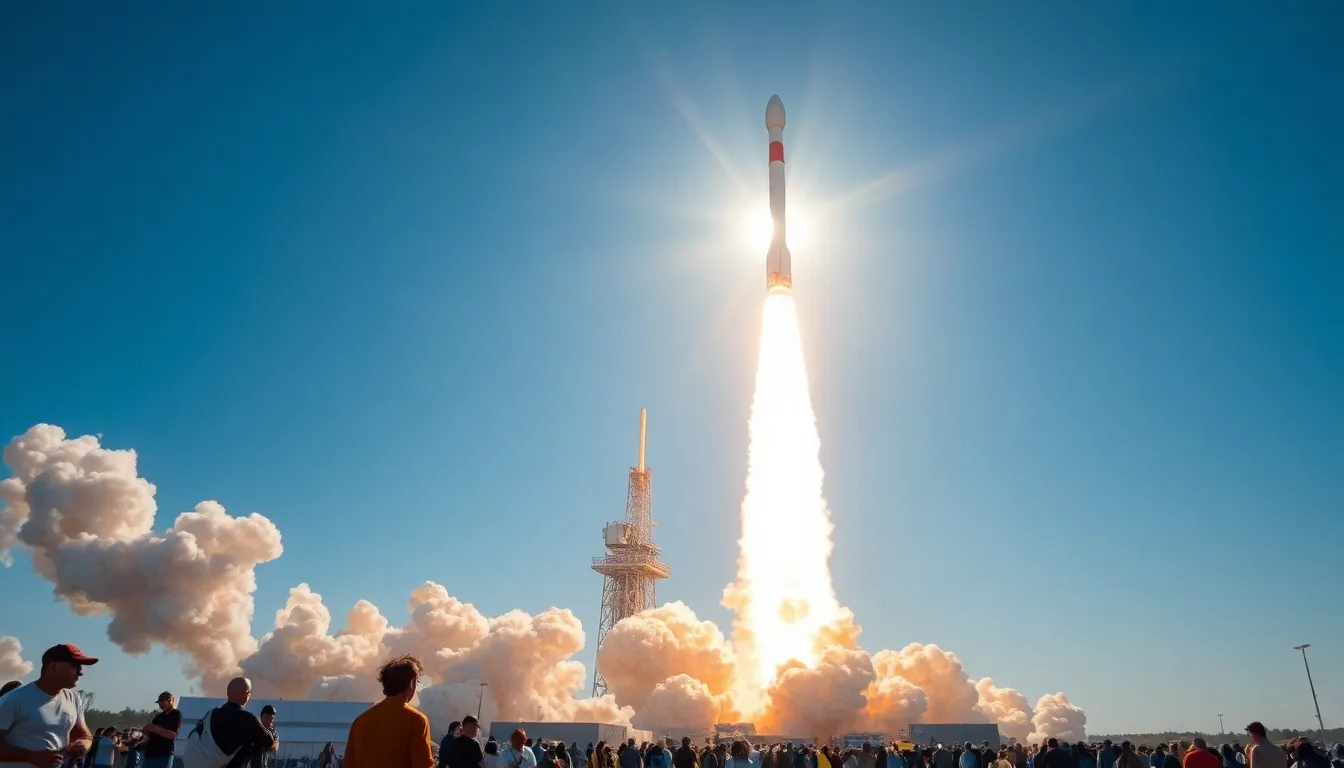
Nikon Z9 with 70-200mm f/2.8 telephoto at 200mm capturing a powerful rocket lifting off from a launch pad against a clear blue sky. The image showcases dynamic motion, with plumes of smoke and flames erupting from the base of the rocket illuminated by bright sunlight. The color science features a vivid blue and fiery orange palette for maximum visual impact. Using hyperfocal distance, the entire scene from the foreground spectators to the soaring rocket remains sharply in focus at f/8. The composition employs diagonal lines created by the smoke trails to lead the viewer's eye upwards, emphasizing the rocket's ascent.
16:9
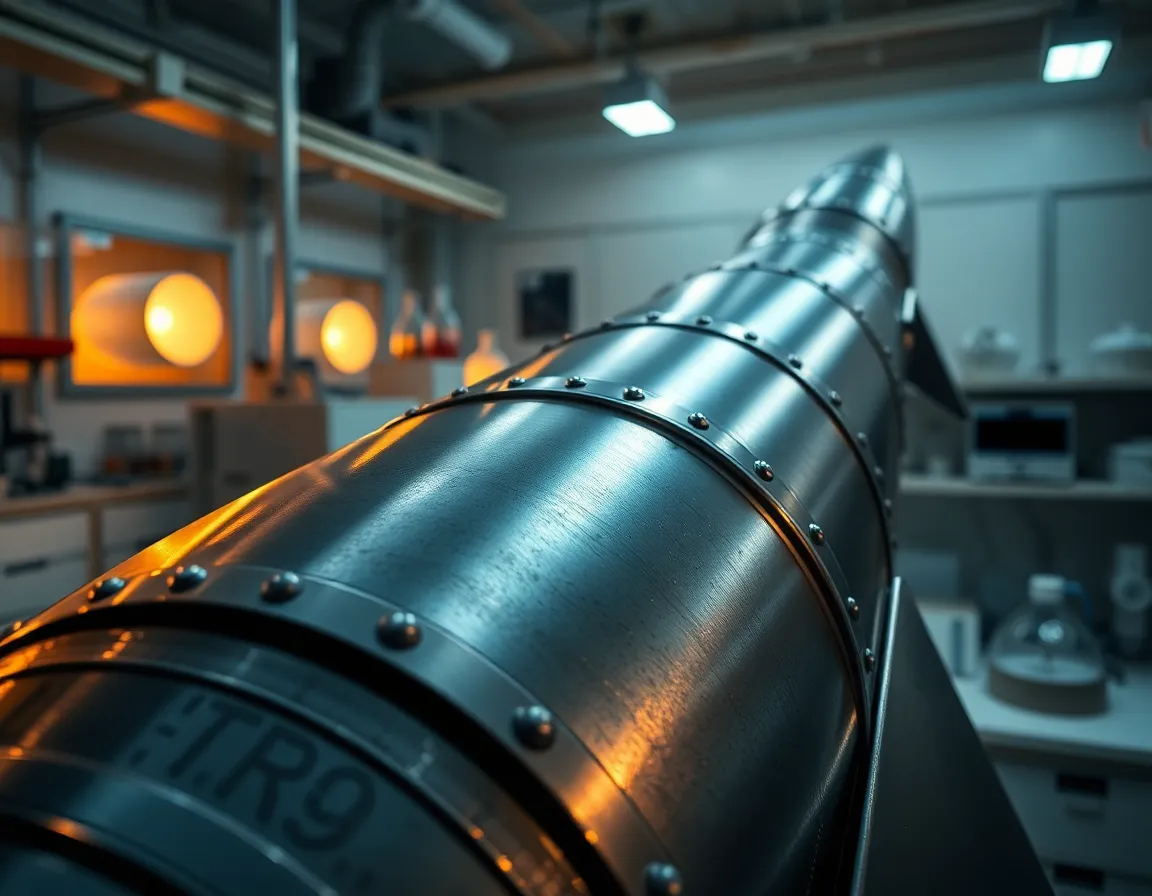
captured with Canon EOS R5, 24-70mm f/2.8L at 35mm, depicting a rocket in a science lab setting with bright overhead studio lighting. The close-up shot highlights intricate details of the rocket’s surface, showcasing metal textures and rivets under Rembrandt lighting which creates dramatic contrasts. The color palette features cool metallic tones and warm accents, providing a futuristic aesthetic. The image employs a shallow depth of field at f/2.8, focusing sharply on the rocket while the lab equipment in the background softly blurs. The composition follows the rule of thirds, placing the rocket prominently in the left third of the frame, drawing the viewer's eye.
4:3
shot on Nikon Z9, 70-200mm f/2.8 telephoto at 135mm during twilight, capturing a rocket launch pad with dramatic golden hour backlighting. The scene features a wide angle shot of the launch pad, with the rocket poised, surrounded by lush green grass and a clear blue sky transitioning to night. Shallow depth of field at f/2.8 makes the rocket stand out against a softly blurred background, emphasizing its sleek silhouette. The color palette includes vibrant oranges and deep blues, giving a cinematic feel. Compositionally, the rocket is centered in the frame with leading lines of the launch pad guiding the viewer's eye towards it. The concrete surfaces of the launch pad show visible texture and wear, adding realism to the scene.
16:9
captured with Hasselblad X2D 100C, 90mm f/2.5 medium format, warm firelight casting flickering shadows within an industrial setting as people prepare a rocket for launch, hyperfocal distance ensuring clarity in both the foreground and background, natural muted tones reflecting the industrial environment, rule of thirds composition with the rocket at the right power point and crew members in action on the left, showcasing the human element in space exploration.
3:2
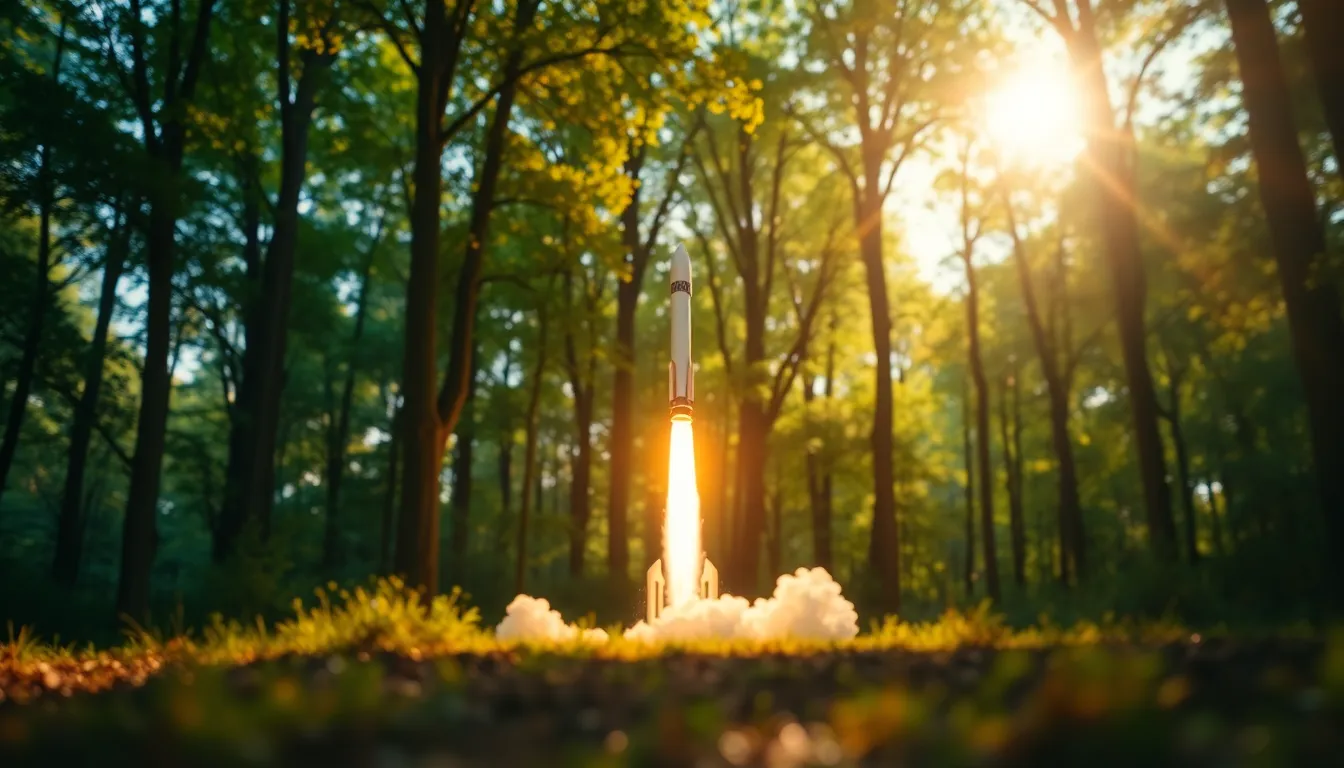
shot on Fujifilm GFX 100S, 110mm f/2 macro, dappled sunlight filtering through the trees illuminating a rocket launch site in a forest clearing, shallow depth of field at f/2 focusing on the rocket while the background blurs into vibrant greens and golden highlights, Fujifilm Velvia-inspired saturated colors showcasing the lush environment, composition employing a Dutch angle for dynamic tension as the rocket rises amid the trees, highlighting the interplay of nature and technology.
16:9
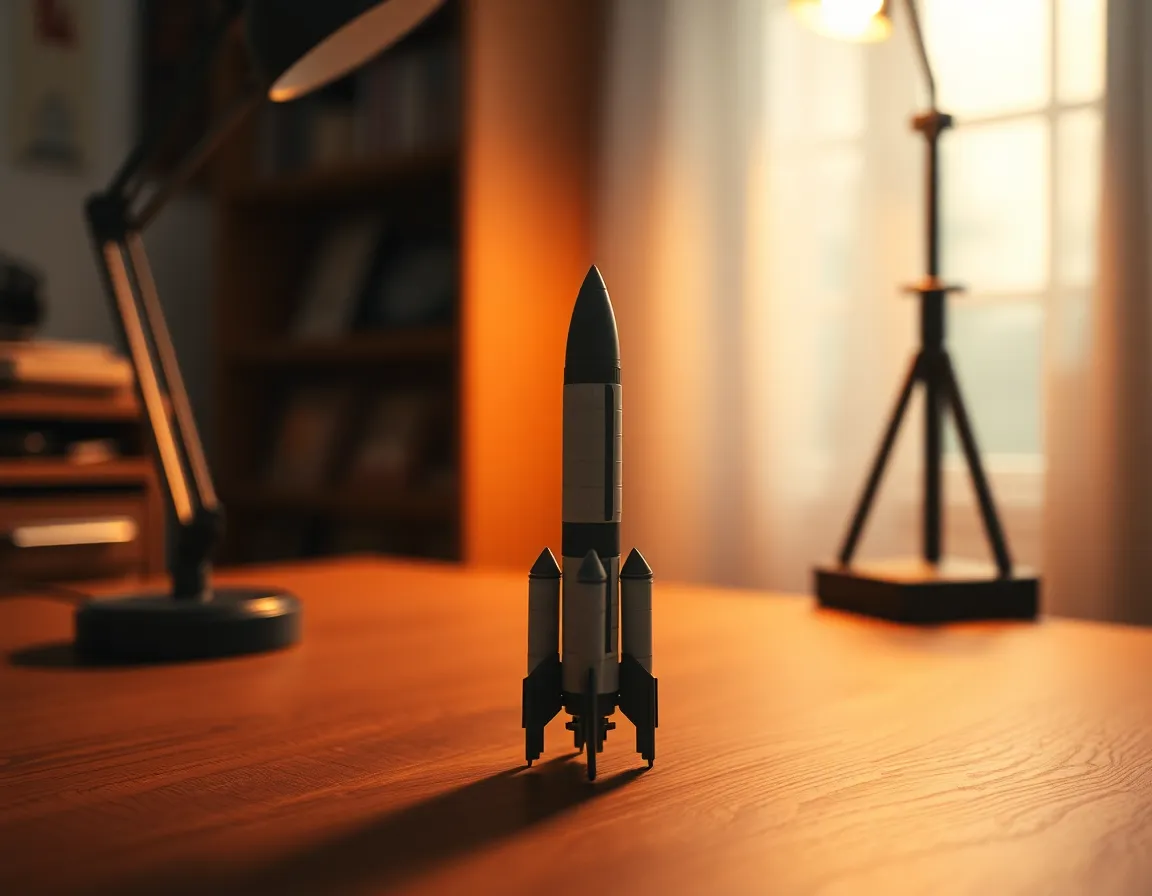
captured with Canon EOS R5, 24-70mm f/2.8L at 35mm, warm tungsten desk lamp casting directional light on a model rocket on a wooden table, selective focus on the rocket’s intricate details while the background melts into soft painterly bokeh, Kodak Portra 400 color palette highlighting warm tones and creamy highlights, leading lines created by the wood grain directing the eye towards the rocket model, showcasing its craftsmanship.
4:3
shot on Sony A7R V with 85mm f/1.4 GM lens, overcast diffused daylight illuminating the rocket as it stands on the launch pad, hyperfocal distance ensuring everything from the foreground to the horizon is tack-sharp at f/8, natural muted tones with desaturated earth colors representing a cloudy atmosphere, rule of thirds with the rocket positioned at the left power point and launch infrastructure leading the eye toward it, capturing the texture of weathered concrete and metal.
3:2
captured with Nikon Z9, 70-200mm f/2.8 telephoto at 135mm, golden hour lighting with warm rim light accentuating the rocket's sleek surface, shallow depth of field at f/2.8 creating a dreamy bokeh of the launch pad in the background, cinematic teal and orange color grading enhancing the dramatic sky, centered symmetrical composition showcasing the rocket poised for launch against the sunset, with visible rivets and surface textures reflecting the sunlight.
16:9

Fujifilm GFX 100S, 110mm f/2 macro, captured under practical warm tungsten lighting, focusing on Martian soil samples in a lab setting, showcasing the granules' textures and colors in extreme detail. The color science emulates Kodak Portra 400, enriching warm tones and smooth transitions. The composition employs a macro perspective, showcasing the intricate details of the soil while emphasizing a sense of isolation and scientific exploration. The smooth surface of the lab table adds contrast to the rugged textures of the soil samples, creating a visually engaging image.
16:9

Hasselblad X2D 100C, 90mm f/2.5 medium format, golden hour backlighting creating a surreal glow around a Martian rock formation, shallow depth of field at f/2.5 making the foreground rock sharply defined against a blurred desert landscape. The color palette features golden highlights and deep shadows, evoking a mesmerizing and otherworldly atmosphere. The composition utilizes centered symmetry with the rock formation creating a striking focal point, while textures of the rough surface and scattered pebbles enhance the tactile quality of the scene.
16:9
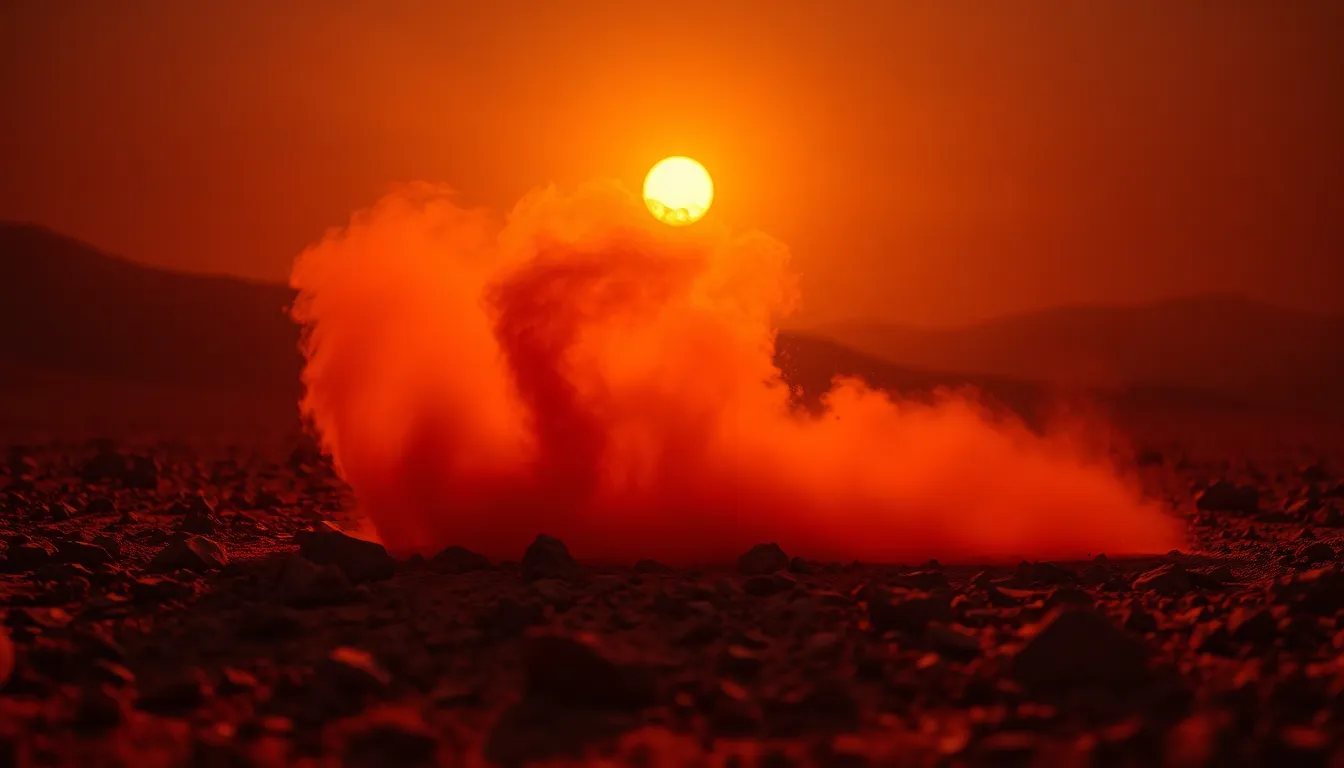
Nikon Z9, 70-200mm f/2.8 telephoto at 135mm, dramatic lighting from a distant sun creating long shadows over a Martian dust storm, selective focus on a swirling cloud of red dust while the rocky landscape fades into soft bokeh. The color grading features a cinematic palette of deep oranges contrasted against dark shadows, enriching the atmosphere. The composition centers on the swirling dust cloud, giving it a dynamic feel, while textures of the coarse Martian surface add depth and realism to the scene.
16:9
shot on Sony A7R V with 85mm f/1.4 GM lens, overcast diffused daylight illuminating a Martian valley filled with deep canyons and ancient rock formations, hyperfocal distance capturing everything from foreground to infinity in pristine detail. The color palette is inspired by natural muted tones with desaturated reds and browns, emphasizing the rugged terrain. The composition employs leading lines from canyon edges drawing the viewer's eye into the vast landscape, while textures of the rocky surfaces and scattered dust create a stunningly realistic portrayal of Mars.
16:9
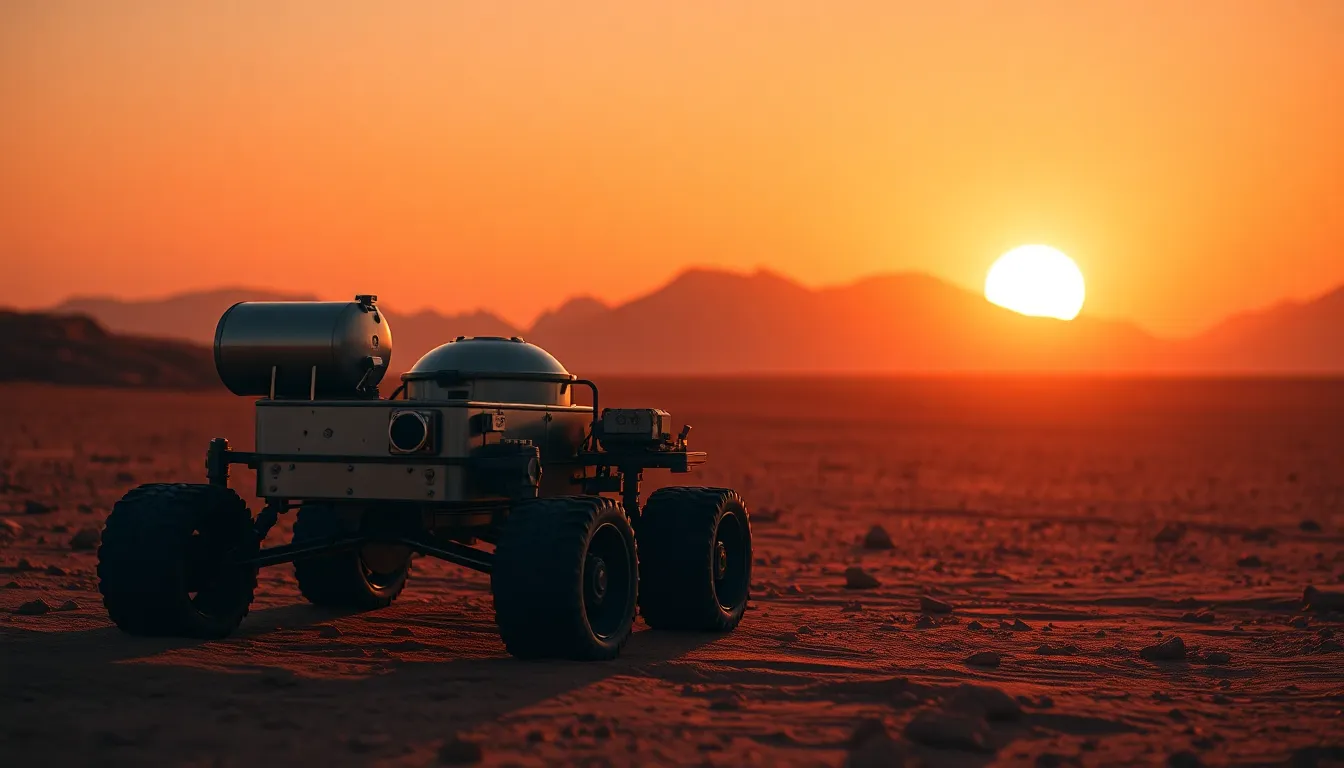
captured with Canon EOS R5, 24-70mm f/2.8L at 35mm, dramatic backlighting with the sun setting on the Martian horizon, shallow depth of field at f/2.8 highlighting a solitary rover in sharp focus with the landscape blurring into warm red and orange hues. The color palette has rich earthy tones reminiscent of desert landscapes, creating a surreal yet realistic depiction. The composition follows the rule of thirds with the rover positioned left, and distant rugged mountains rising dramatically on the right, showcasing textures of the vehicle's metallic surface against the dusty Martian soil.
16:9
Fujifilm GFX 100S, 110mm f/2 macro, with soft diffused daylight passing through the observation dome, creating an ethereal glow in the scene, hyperfocal distance ensuring foliage within the station's greenhouse is tack-sharp, natural muted tones with desaturated earth colors highlighting the plant life, composition focusing on the lush greenery framed by the dome, with visible textures of leaves and the glass reflecting soft highlights.
16:9
Hasselblad X2D 100C, 90mm f/2.5 medium format, illuminated with a dramatic backlight from the sun rising over Earth, shallow depth of field at f/2.5 focusing on the space station's habitat module, cinematic teal and orange color grading amplifying the contrast between the warm lights of the station and the cool colors of the cosmos, composition using foreground framing to encapsulate the entire habitat module in a breathtaking celestial panorama, with detailed textures of the module's exterior revealing wear and signs of space travel.
16:9
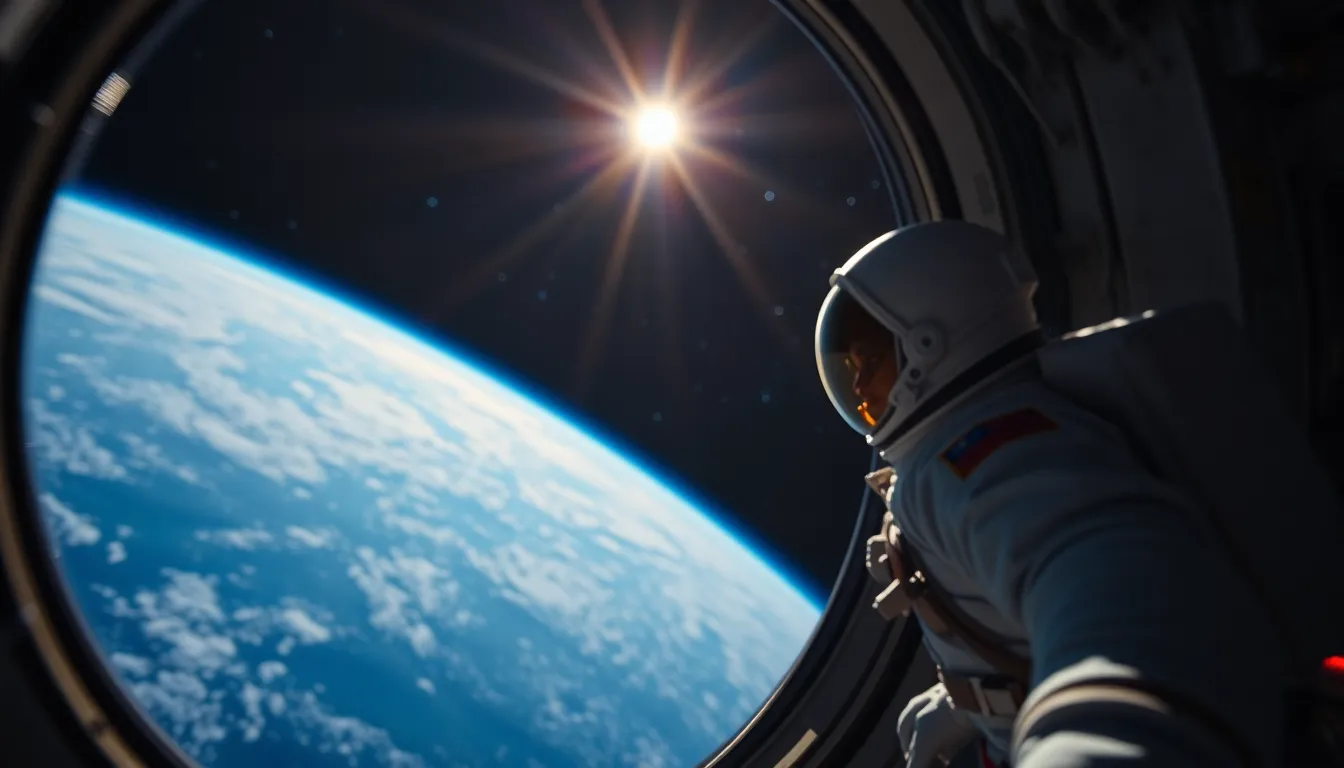
Nikon Z9, 70-200mm f/2.8 telephoto at 135mm, with vivid natural lighting breaking through a viewport, selective focus on an astronaut working outside the space station, with creamy circular bokeh of distant stars, Fujifilm Velvia-inspired saturated colors emphasizing the vibrant blues of Earth below and the rich black of space, composition framed with leading lines created by the station's structure directing eyes towards the astronaut's activities, with detailed textures of the astronaut's suit visible against the backdrop.
16:9
shot on Sony A7R V with 85mm f/1.4 GM lens, utilizing soft ambient lighting from a nearby sunlit window, hyperfocal distance ensuring sharpness from foreground to infinity, natural muted tones with desaturated earth colors highlighting the station's command center, centered symmetrical composition capturing the sleek control panels and digital interfaces, with textures of brushed metal and glass reflecting the ambient light.
16:9
captured with Canon EOS R5, 24-70mm f/2.8L at 35mm, featuring dramatic overhead lighting simulating solar glare, shallow depth of field at f/2.8 creating a soft focus on the space station's metallic surface, Kodak Portra 400 color palette emphasizing warm metallic tones and cool blues of space, rule of thirds composition positioning the space station off-center against a starry backdrop, with detailed textures of the docking ports and solar panels shimmering in the light.
16:9

Fujifilm GFX 100S, 110mm f/2 macro, illustrating the intricate details of a rocket's fuel tank in a workshop environment. The soft, diffused daylight from a nearby window accentuates the textures and finishes of the metallic surface. The depth of field is set to f/4, ensuring sharp focus on the tank while gently blurring the tools and equipment in the background, creating context without distraction. A natural muted tones color palette highlights the engineering and craftsmanship involved.
4:3
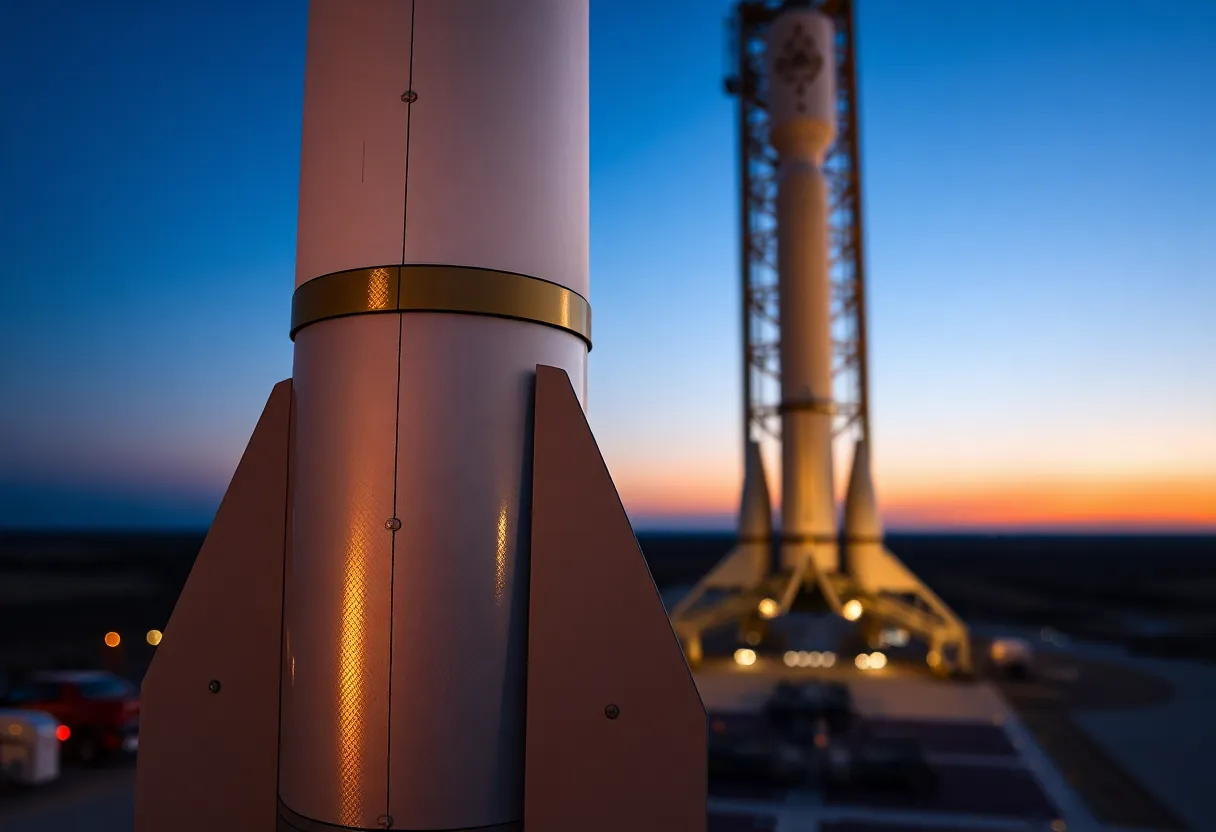
Hasselblad X2D 100C, 90mm f/2.5 medium format, showcasing a rocket's detailed exterior on the launch pad during twilight. The natural lighting captures the delicate nuances of the rocket's surface, while the blue and purple hues of dusk create an atmospheric backdrop. The shallow depth of field blurs the surrounding elements, drawing focus onto the textural details of the rocket's body. A symmetrical composition highlights the rocket's design, set against the gradient sky.
3:2
Nikon Z9, 70-200mm f/2.8 telephoto at 135mm, capturing a rocket's liftoff against a clear blue sky during daylight. The composition features leading lines from the launch pad that guides the eye toward the ascending rocket, creating a dynamic sense of movement. The bright colors of the rocket and its exhaust plume contrast beautifully against the azure background. The smoke trails are rendered with detail; the image captures the texture of the rocket's flames and the cloud forms.
16:9

shot on Sony A7R V with 85mm f/1.4 GM lens, capturing an up-close view of a rocket engine being tested in a high-tech facility. The scene is illuminated by harsh overhead studio lights that create sharp contrasts and dramatic shadows. The hyperfocal distance renders every detail from the engine's intricate design to the surrounding machinery in sharp focus. A natural muted tones palette emphasizes the metallic surfaces and the rich textures of the engine components.
3:2
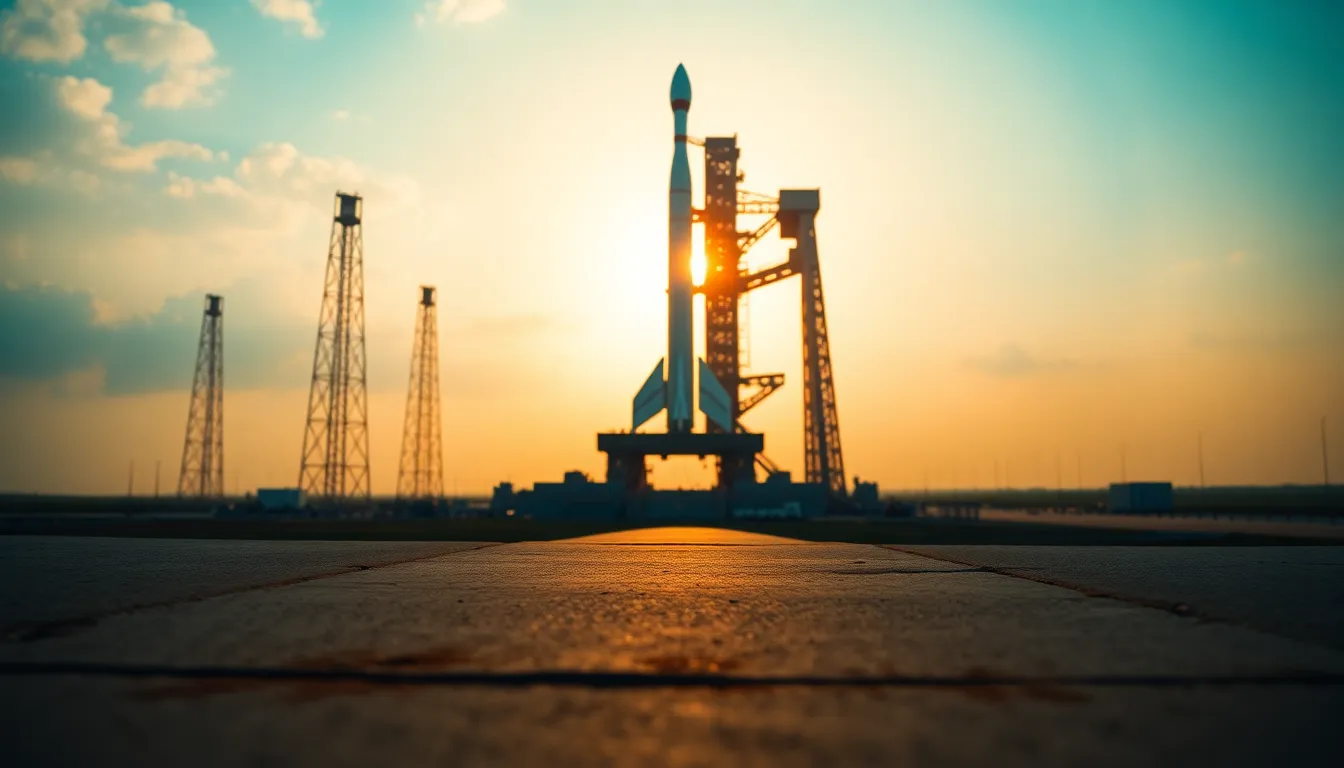
captured with Canon EOS R5, 24-70mm f/2.8L at 35mm, featuring dramatic golden hour backlighting that silhouettes a towering rocket on the launch pad. The shallow depth of field at f/2.8 creates a soft bokeh background of the surrounding facility, with a cinematic teal and orange color grading enhancing the scene's intensity. The composition emphasizes the rocket, positioned prominently in the center against a vibrant sky. The concrete surface of the launch pad exhibits rough texture, while rust spots add character to the structure.
16:9
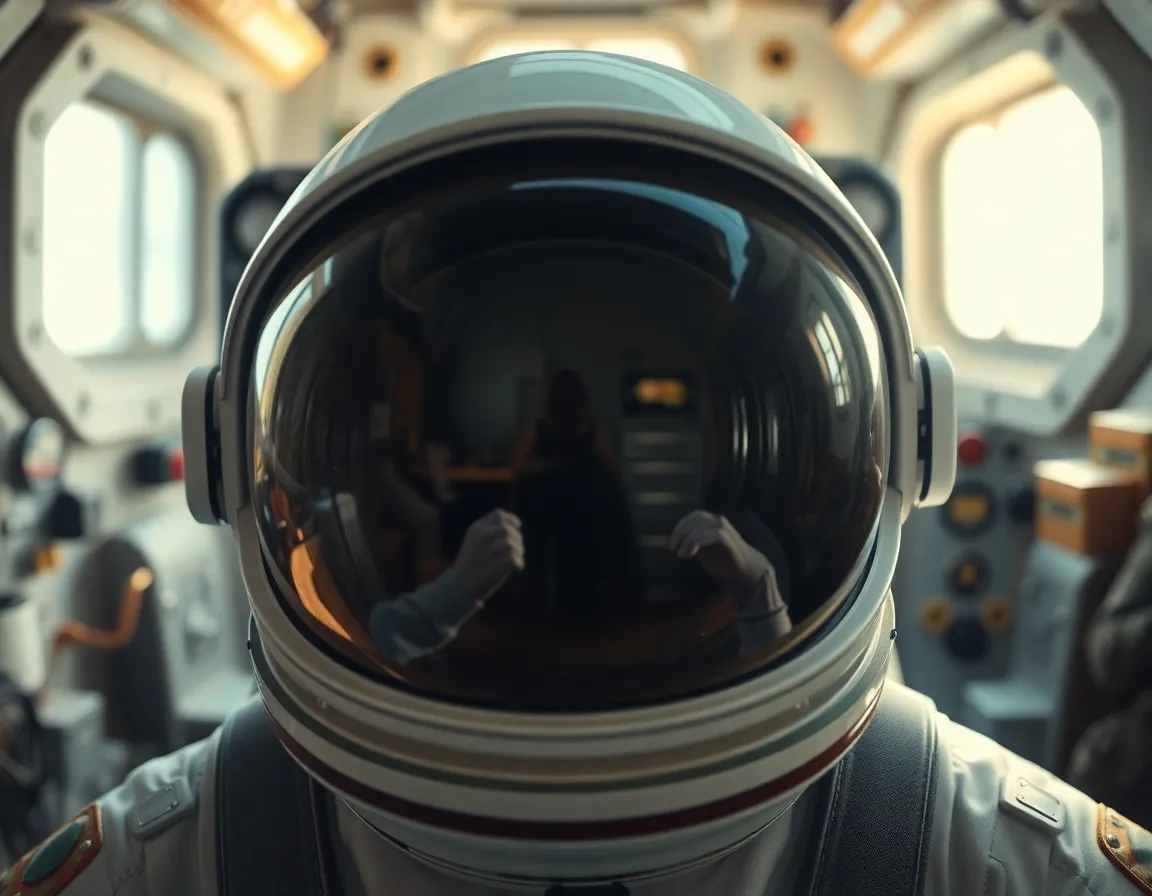
Fujifilm GFX 100S, 110mm f/2 macro, showcasing a detailed view of an astronaut's helmet reflecting a space station interior. The scene is illuminated by soft diffused daylight coming through the station's windows, creating a serene and contemplative mood. The depth of field at f/2 allows for a selective focus on the helmet, with the station's interior softly blurred in the background. The color palette is natural and muted, with earthy tones from the equipment. The composition utilizes a rule of thirds layout, placing the helmet at a strategic point, while textures of the helmet's surface and reflections create intrigue.
4:3

Hasselblad X2D 100C, 90mm f/2.5 medium format, featuring a close-up of a space station's exterior, showcasing intricate details of its solar arrays and docking ports during sunset. The scene uses golden hour backlighting to create warm rim light around the edges of the metallic surfaces, enhancing the textures and reflections. A shallow depth of field at f/2.5 beautifully blurs the background stars, bringing emphasis to the detailed craftsmanship of the station. The composition utilizes a centered symmetrical layout, emphasizing the engineering precision involved in its construction. The textures highlight the contrast between smooth metal and patterned solar panels.
1:1
Nikon Z9, 70-200mm f/2.8 telephoto at 135mm, capturing a panoramic view of a space station docked with a cargo ship against the backdrop of a starry sky. The scene is illuminated by distant stars and the faint glow of a nearby galaxy, creating a surreal and expansive atmosphere. The depth of field is hyperfocal at f/8, ensuring a sharp view from the station to the infinite cosmos. A leading lines composition draws the viewer's eye from the space station to the distant celestial bodies. The textures of the station and ship showcase a mix of rugged metal and glass, reflecting the ethereal starlight.
16:9
shot on Sony A7R V with 85mm f/1.4 GM lens, depicting an astronaut inside a space station module. The scene is lit with practical overhead lights that create a warm glow, contrasting against the cold, metallic environment. A shallow depth of field at f/1.4 isolates the astronaut's face, capturing a moment of focused concentration as they work on a control panel. The color palette features muted grays and whites with pops of color from the control lights. The composition centers the astronaut within the frame, with elements of the control panel leading the eye toward the subject, emphasizing isolation in space.
3:2
captured with Canon EOS R5, 24-70mm f/2.8L at 35mm, showcasing a futuristic space station orbiting Earth during twilight. The scene is illuminated by soft ambient light reflecting off the station's metallic surfaces, highlighting intricate details of solar panels and docking ports. Depth of field is set to f/8, ensuring sharp focus across the entire scene against a fading blue to orange gradient in the sky. The composition adheres to the rule of thirds, positioning the space station slightly off-center. Textures of the station's surface feature brushed aluminum and glass elements, adding a sleek, technological feel.
16:9

A close-up of Martian rock samples, taken with a Leica Q3, 28mm f/1.7 Summilux lens. The scene is captured under practical warm tungsten light, providing a cozy ambiance that contrasts with the alien nature of the rocks. The shallow depth of field at f/1.7 creates a creamy bokeh, isolating the textures of the rocks from the background. The color palette consists of natural earthy tones, emphasizing the rugged surface details. The composition involves a foreground framing that enhances the tactile quality of the materials, inviting the viewer to appreciate the wonders of Martian geology.
1:1

An artistic rendering of Martian flora, showcased shot on Hasselblad X2D 100C, 90mm f/2.5 medium format. The scene is illuminated with natural golden hour backlighting, emphasizing the delicate features of the plants. A shallow depth of field at f/2.5 creates a soft bokeh effect, allowing the vibrant reds and greens of the foliage to stand out against a blurred Martian landscape. The color palette features vivid hues reminiscent of a fantasy world, blending realistic textures with imaginative colors. The composition follows the rule of thirds, with the plants strategically placed off-center, inviting the viewer to explore the surrounding terrain.
3:4
A panoramic view of a Martian dust storm, captured with a Fujifilm GFX 100S, 110mm f/2 macro lens. The image is set during twilight, with soft, diffused light illuminating the swirling dust and debris. Using a wide depth of field ensures every grain of Martian dust is sharply detailed against the turbulent sky. The color palette draws inspiration from Fujifilm Velvia, showcasing rich oranges and earthy browns contrasting with the darkening sky. The composition utilizes leading lines formed by the swirling dust, guiding the viewer's eye through the chaotic beauty of the storm.
16:9
An astronaut exploring the surface of Mars, shot on a Canon EOS R5, 24-70mm f/2.8L at 35mm. The scene is illuminated by dramatic overcast daylight, creating soft shadows and even lighting. A hyperfocal depth of field at f/8 ensures that both the astronaut and the Martian soil are in focus, showcasing details like the textured helmet and the fine dust. The color palette features natural muted tones with desaturated earth colors, reflecting the planet's barren beauty. The composition captures the astronaut centrally framed against a backdrop of ancient Martian rocks and craters, emphasizing the vastness of space.
3:2
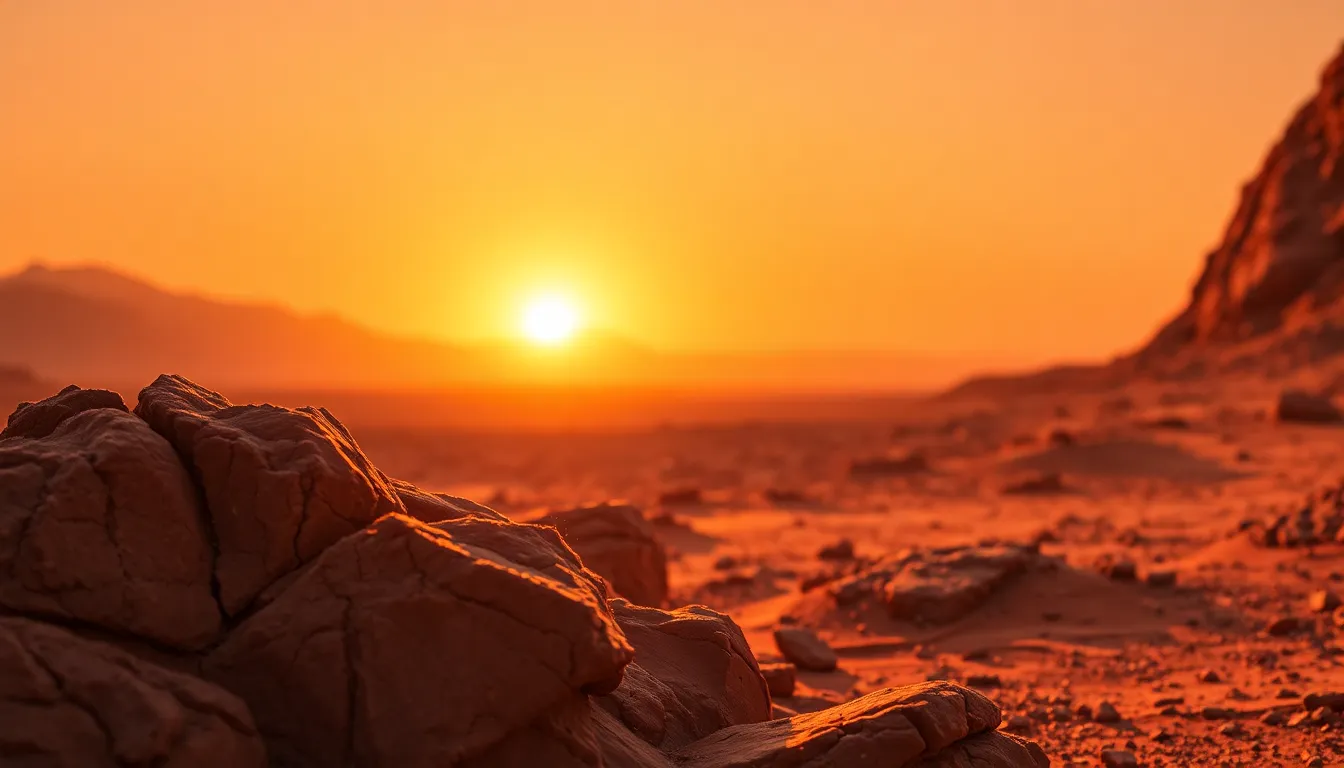
A stunning view of the Martian landscape captured with a Nikon Z9, 70-200mm f/2.8 telephoto lens at 135mm. The scene is bathed in warm, golden sunlight as it sets on the horizon, highlighting the red rocky terrain and distant mountains. Shallow depth of field at f/2.8 creates a soft bokeh effect in the background, enhancing the clarity of the foreground rocks. The color palette draws from cinematic teal and orange grading, emphasizing the warm reds and cool shadows. Compositionally, the rule of thirds places the mountains on the left third of the frame, with textured rocky formations in the foreground showcasing natural striations and dust.
16:9
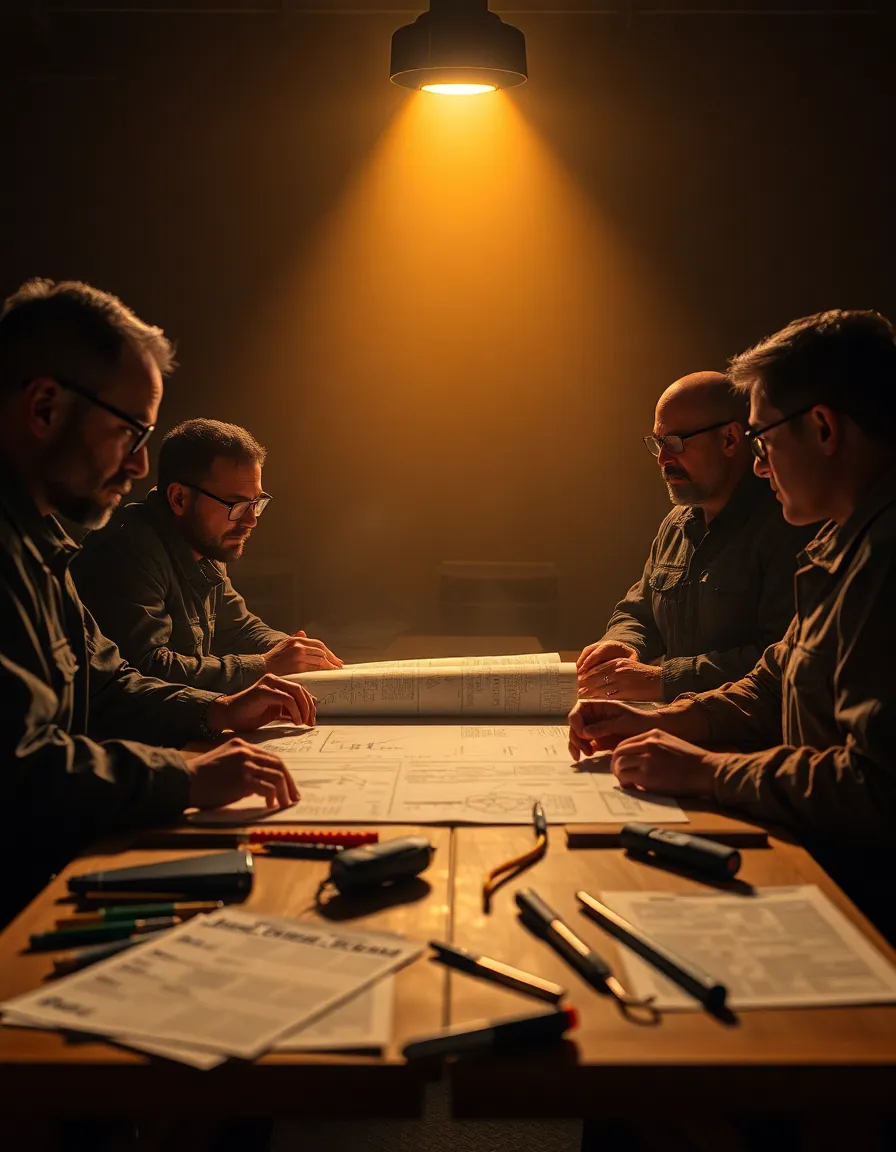
Fujifilm GFX 100S, 110mm f/2 macro, firelight casting flickering warm shadows on a small group of engineers reviewing rocket schematics, hyperfocal distance at f/8 ensuring detail is sharp throughout, natural muted tones with desaturated earth colors representing a focused atmosphere, leading lines from the table edge towards the group creating depth in the scene, soft textures of paper and tools scattered across the table providing a tactile quality.
3:4
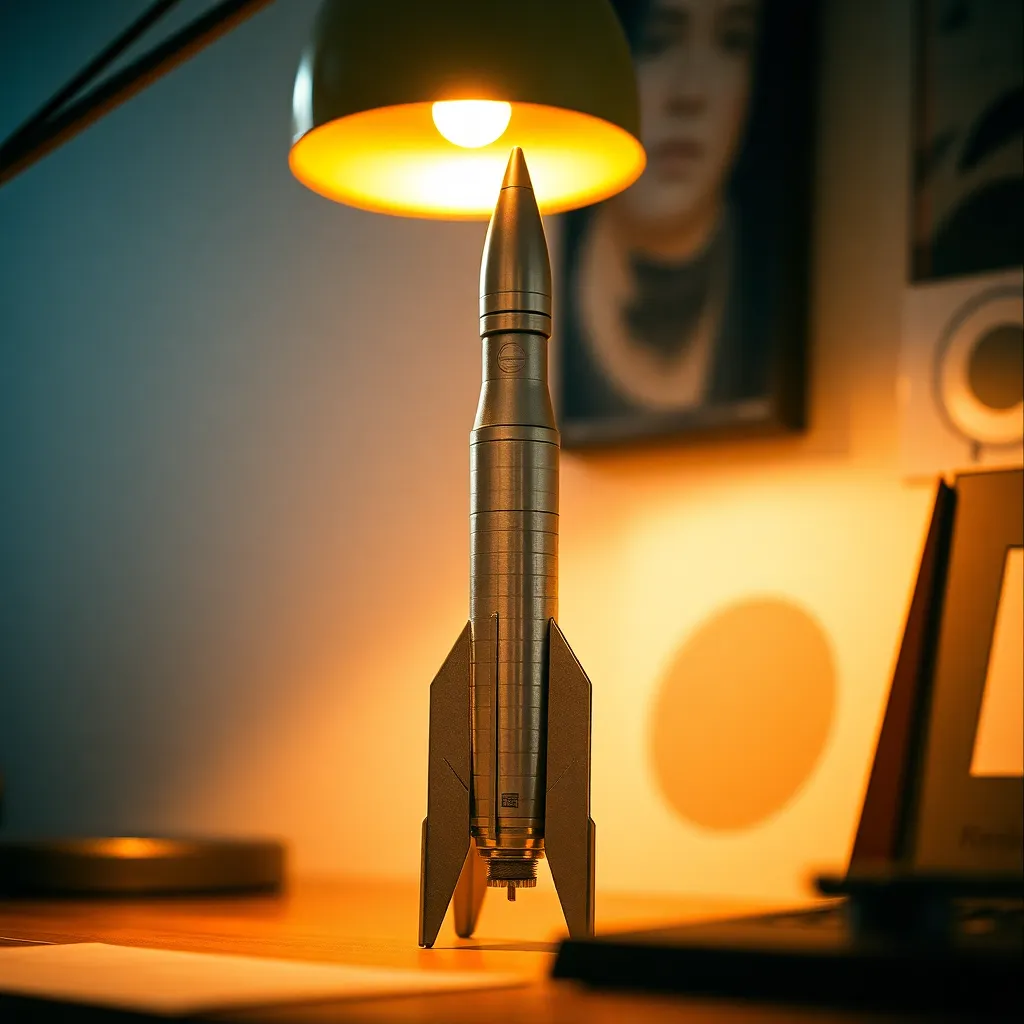
Hasselblad X2D 100C, 90mm f/2.5 medium format, warm tungsten desk lamp casting directional light on a scale model of a rocket, shallow depth of field at f/2.5 creating an intimate focus on the model while the background softly blurs, Kodak Portra 400 color palette enhancing the warm skin tones of the lamp's light reflecting on the model, centered symmetrical composition highlighting the intricacy of the rocket's design, detailed metal textures on the model showing fine craftsmanship.
1:1
captured with Canon EOS R5, 24-70mm f/2.8L at 50mm, dappled sunlight filtering through tree canopy, creating patterns of light and shadow around the launch site, selective focus on the rocket’s intricate details with a creamy bokeh background at f/2.8, Fujifilm Velvia-inspired saturated colors amplify the greens and blues of the environment, leading lines formed by paths around the launch site draw the viewer's attention to the rocket.
4:3
shot on Sony A7R V with 85mm f/1.4 GM lens, overcast diffused daylight casting a soft glow on the launch control center, hyperfocal distance so everything from the fore to background remains sharp at f/8, natural muted tones with desaturated earth colors highlighting the buildings, rule of thirds with the launch control center positioned at the right power point among the greenery, weathered brick and metal textures on the control building providing a historical feel.
3:2
captured with Nikon Z9, 70-200mm f/2.8 telephoto at 150mm, golden hour backlighting with warm rim light illuminating the rocket on the launch pad, shallow depth of field at f/2.8 creating soft background bokeh, cinematic teal and orange color grading enhancing the dramatic sky, centered symmetrical composition with the rocket dominating the frame, weathered concrete surface of the launch pad showing fine details and cracks.
16:9
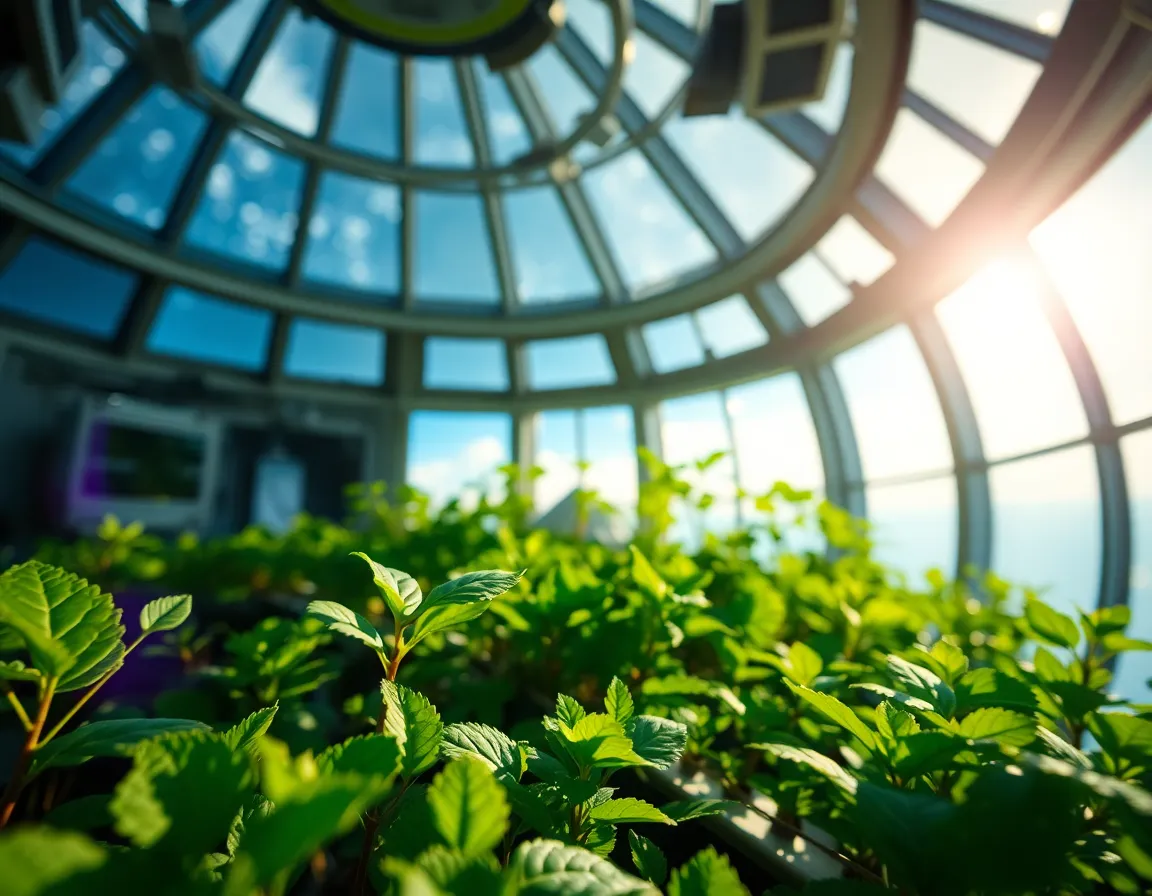
Fujifilm GFX 100S, 110mm f/2 macro, dappled sunlight filtering through an observation dome, shallow depth of field with soft painterly bokeh in the background, Fujifilm Velvia-inspired saturated colors with deep blues and rich greens, dynamic composition featuring a lush hydroponic garden inside the space station, textures of vibrant plants contrasting with refined steel and glass materials.
4:3
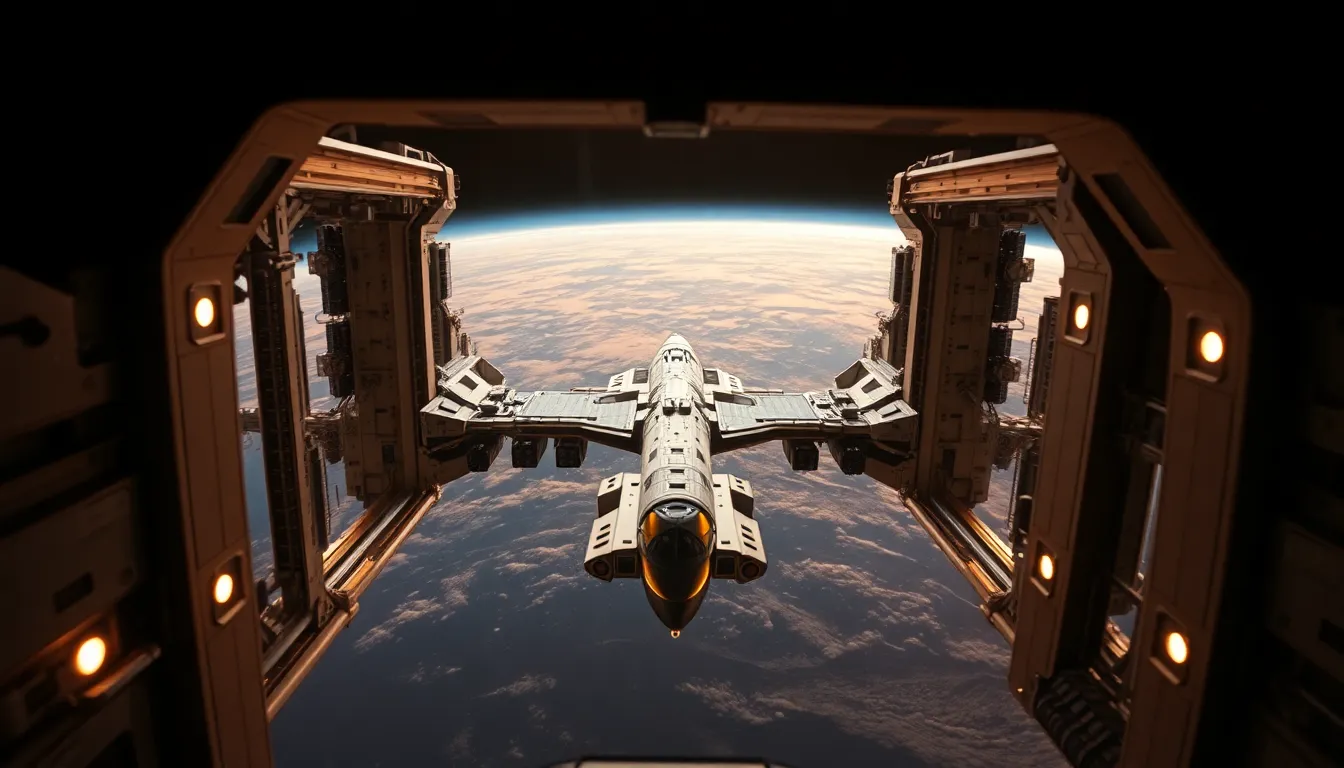
Hasselblad X2D 100C, 90mm f/2.5 medium format, warm tungsten light creating a cozy environment, hyperfocal distance ensuring sharpness from foreground to infinity at f/8, natural colors with subtle hints of orange and yellow, foreground framing of the space station's docking bay with spacecraft approaching, capturing the sleek design and intricate details of the station's structure.
16:9
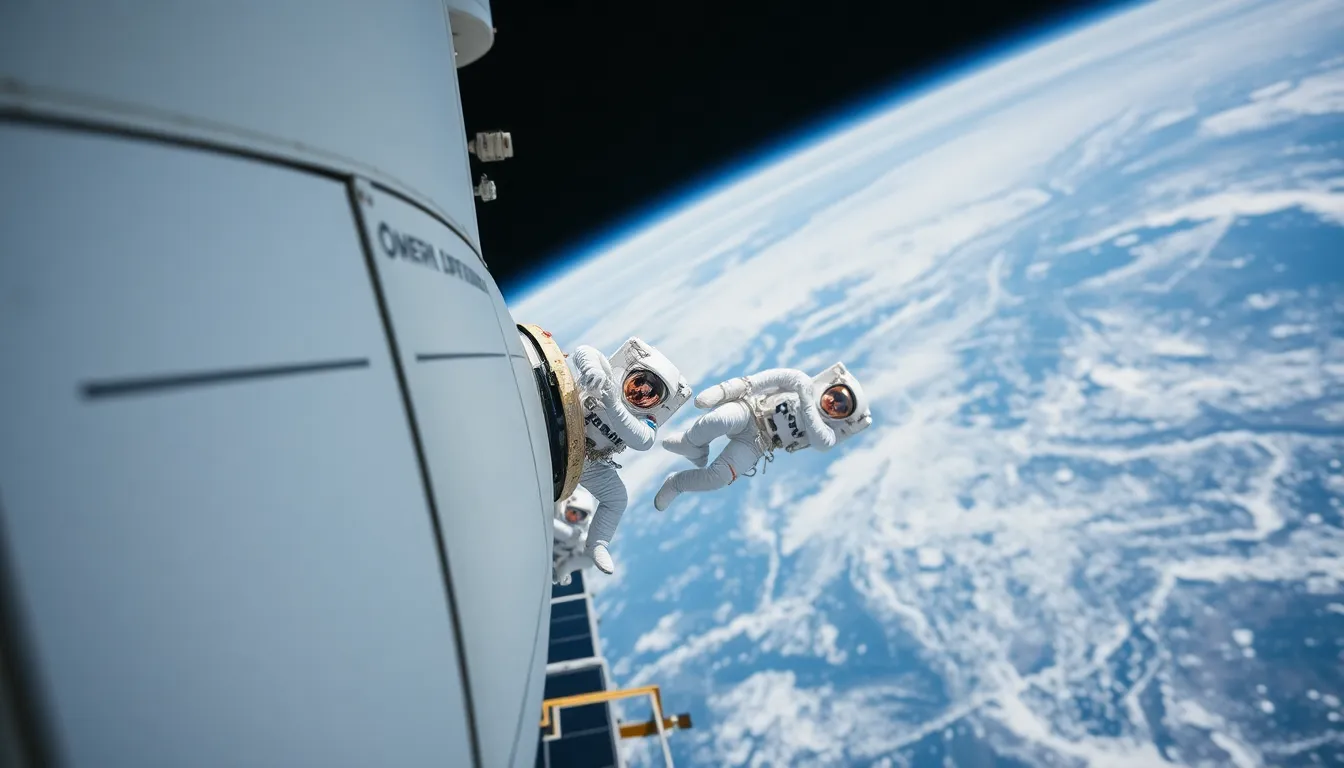
Nikon Z9, 70-200mm f/2.8 telephoto at 135mm, overcast diffused daylight creating soft shadows throughout the scene, selective focus on a small group of astronauts conducting a spacewalk, natural muted tones with desaturated earth colors, leading lines from the space station's exterior drawing the eye to the astronauts working, detailed textures of their suits contrasting with the smooth surface of the station.
16:9
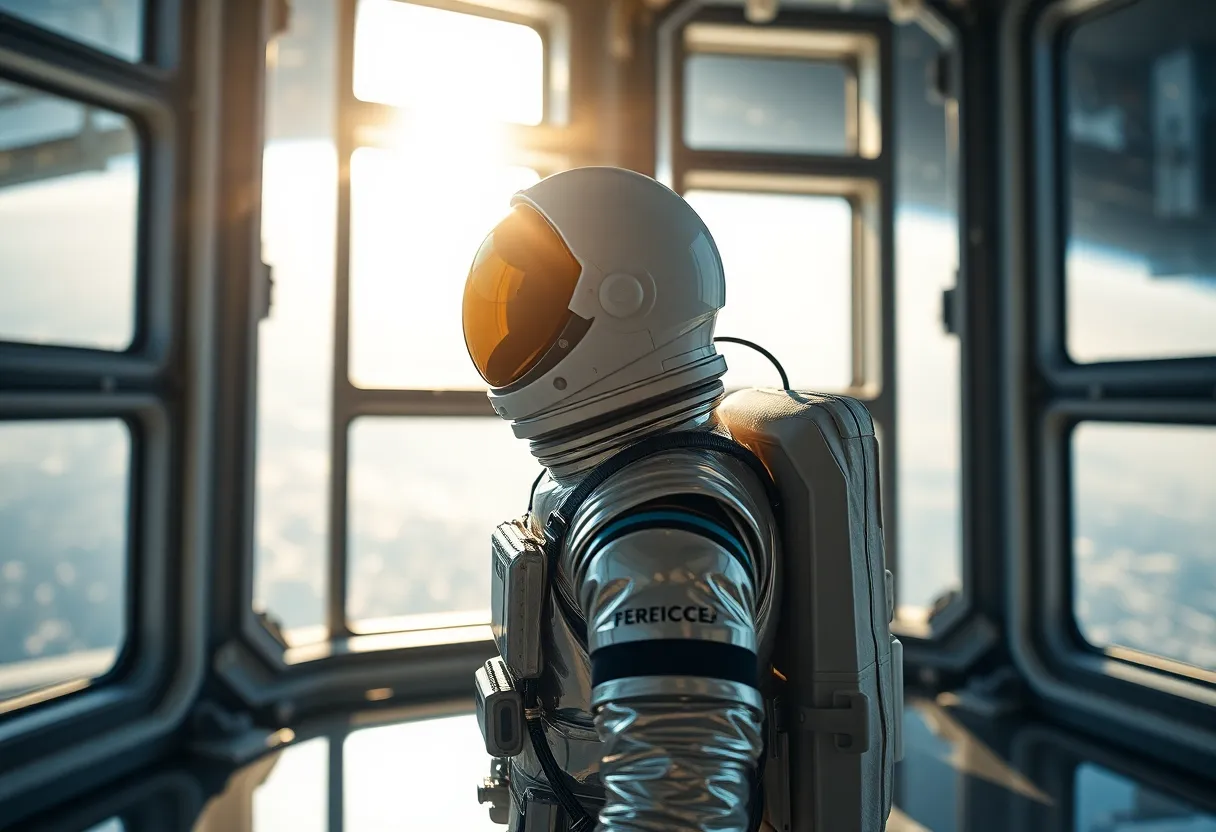
shot on Sony A7R V with 85mm f/1.4 GM lens, natural sunlight streaming through large windows, shallow depth of field at f/1.4 with creamy bokeh highlighting the interior, warm tones reminiscent of Kodak Portra 400 film, rule of thirds with a human astronaut in a reflective suit gazing out into space, reflections of cosmic wonders shimmering on the glass surfaces of the space station.
3:2
captured with Canon EOS R5, 24-70mm f/2.8L at 35mm, illuminated by ethereal blue LED lights creating a sci-fi ambiance, hyperfocal distance with everything tack-sharp at f/8, cinematic teal and orange color grading, centered symmetrical composition featuring a futuristic control room filled with intricate panels and screens, metallic surfaces reflecting the glow of the lights and providing a sense of advanced technology.
16:9

shot on Sony A7R V with 85mm f/1.4 GM lens, illuminated by a single bright star in the Martian sky, shallow depth of field at f/1.4 creating a dreamy bokeh effect, cinematic teal and orange color grading, centered composition focusing on a Martian geode, showing its vibrant interior colors against the stark landscape, highlighting the smooth and shiny texture of the geode contrasted with the rough surrounding terrain.
1:1

Fujifilm GFX 100S, 110mm f/2 macro, captured in soft diffused Martian dusk light, selective focus on a Martian dust storm in the distance, natural muted tones with desaturated earthy colors, rule of thirds composition placing the storm to the right, showing the rough texture of the Martian surface in the foreground as it gradually fades into the vibrant dust clouds.
16:9
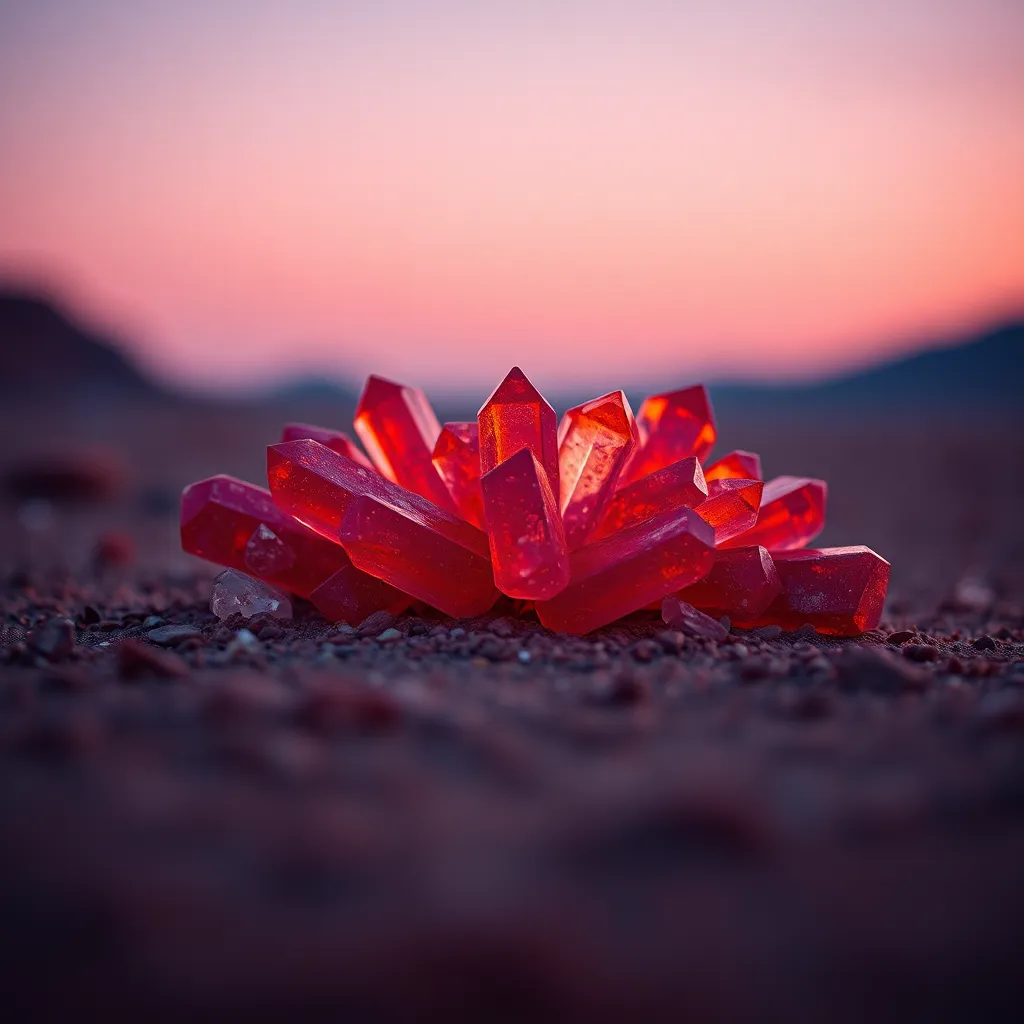
Hasselblad X2D 100C, 90mm f/2.5 medium format, illuminated by soft, diffused Martian twilight light, shallow depth of field at f/2.5 focusing on a cluster of Martian crystals, vibrant Fujifilm Velvia-inspired colors with rich reds and oranges, centered symmetrical composition highlighting the beauty of the crystals against the soft landscape, capturing the intricate texture and natural facets of the crystals under twilight.
1:1
captured with Canon EOS R5, 24-70mm f/2.8L at 35mm, illuminated by stark Martian daylight with high contrast shadows, hyperfocal distance at f/8 ensuring crisp detail from foreground rocks to distant hills, natural muted tones with desaturated reds and browns, composited using rule of thirds to position a lone rover in the foreground against the expansive Martian horizon, emphasizing the rugged surface texture of the planet and fine dust.
16:9
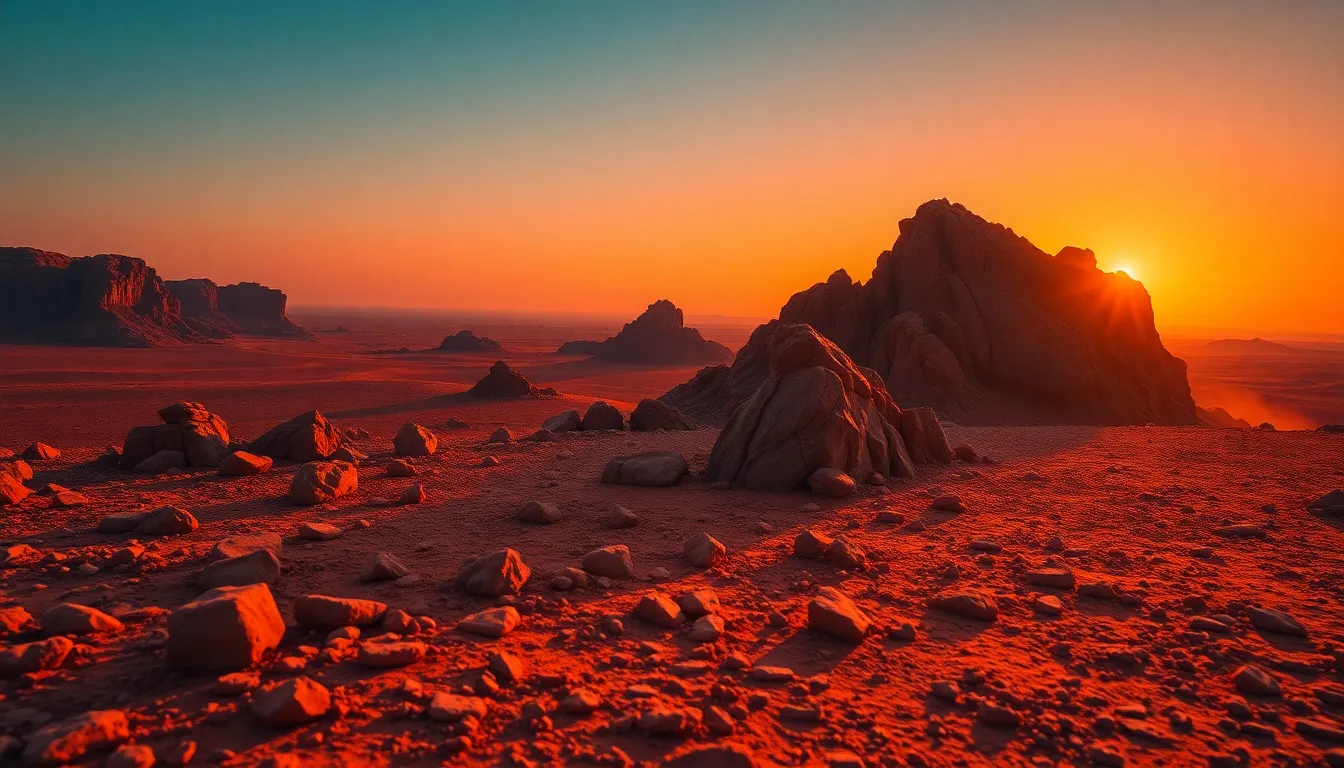
shot on Nikon Z9, 70-200mm f/2.8 telephoto at 135mm, under dramatic Martian sunset lighting with deep orange and red hues, shallow depth of field at f/2.8 focusing on the rocky terrain, cinematic teal and orange color grading, leading lines formed by the jagged rocks directing the viewer’s eye toward the distant horizon, showcasing the rough texture of the Martian soil with fine dust particles suspended in the atmosphere.
16:9
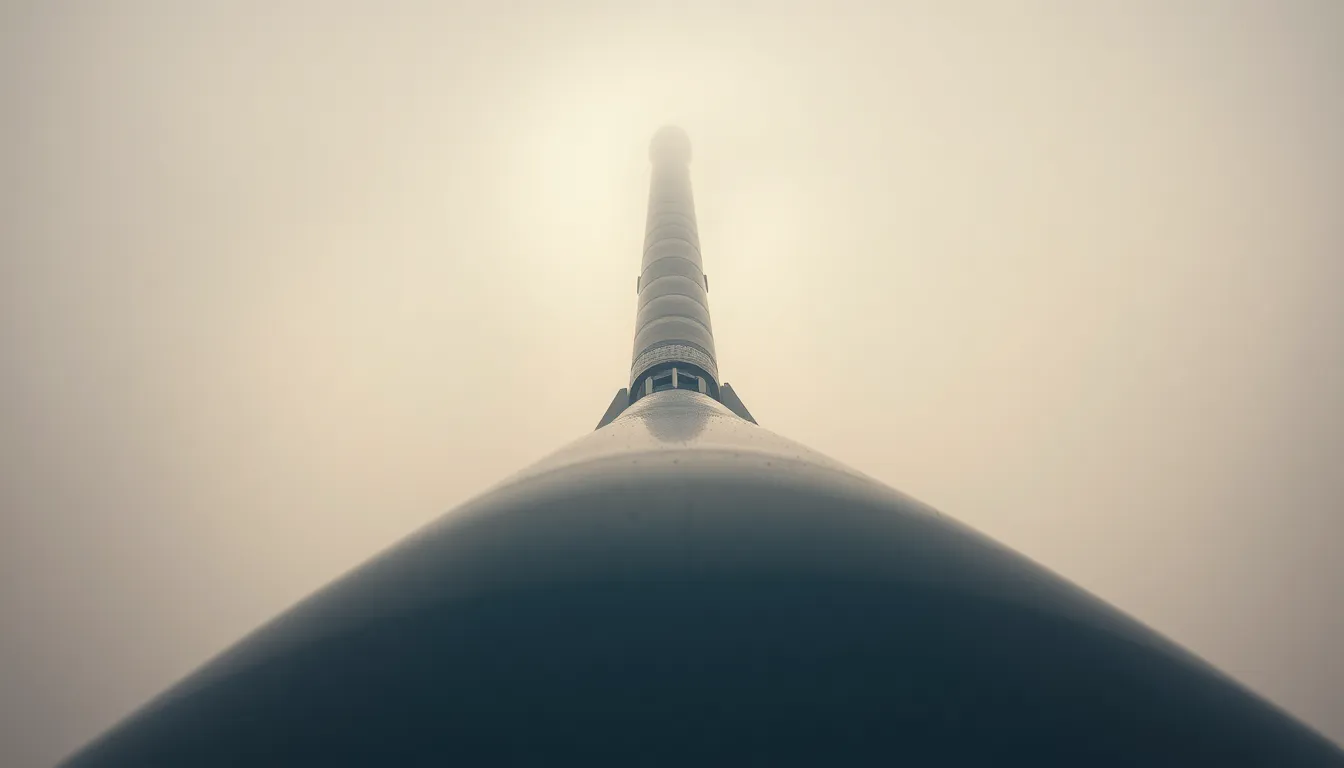
Fujifilm GFX 100S, 110mm f/2 macro, captured in early morning fog, diffused soft light creating ethereal atmosphere around the rocket, hyperfocal distance ensuring detailed clarity of the rocket and misty surroundings, natural muted tones with desaturated earth colors, composition utilizing leading lines from fog banks drawing focus to the rocket, the surface of the rocket slightly damp with dew enhancing visual texture
16:9
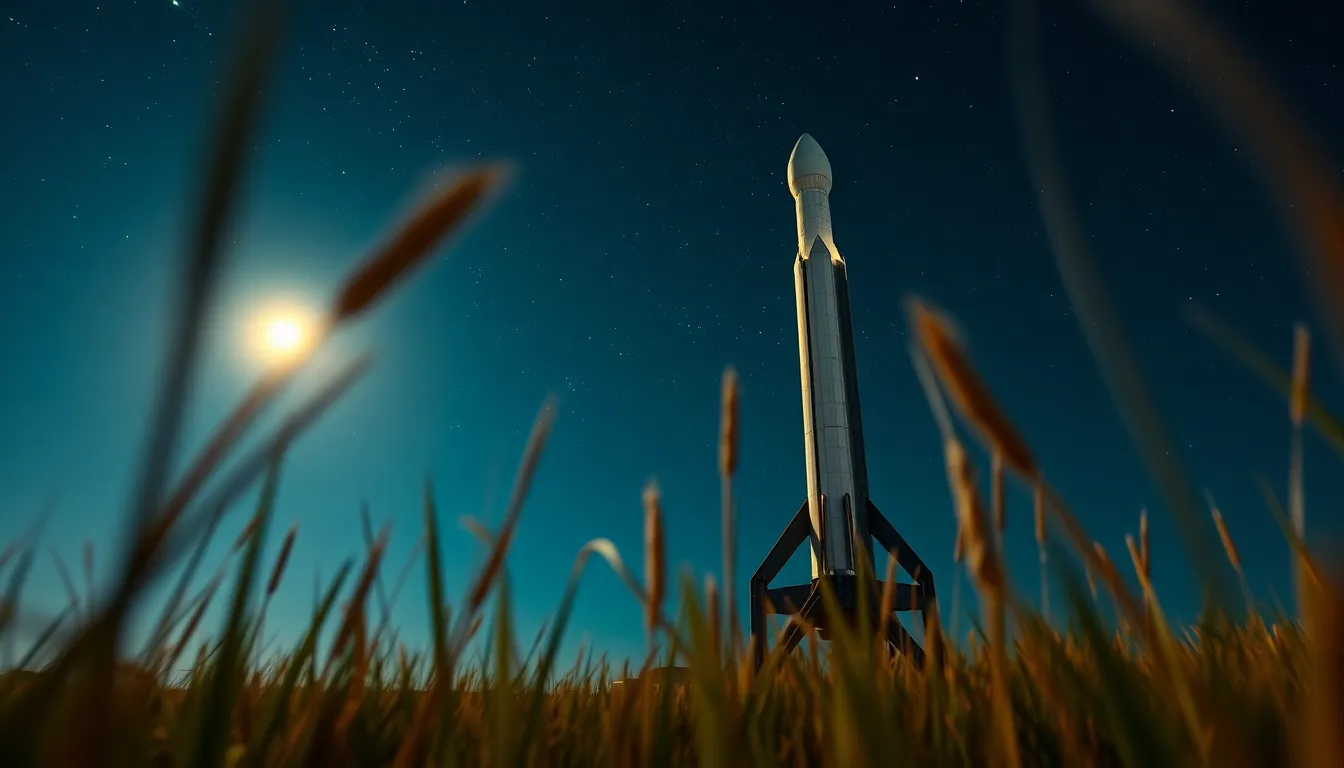
Hasselblad X2D 100C, 90mm f/2.5 medium format, captured under a starry night sky with soft moonlight illuminating the rocket, shallow depth of field creating a dreamy effect with stars twinkling in the background, cinematic teal and orange color grading enhancing the night scene, foreground framing through wild grasses leading the eye to the towering rocket, the surface of the rocket showing exquisite detail against the luminous celestial backdrop
16:9
captured with Canon EOS R5, 24-70mm f/2.8L at 35mm, dusk lighting with golden hour soft light illuminating the rocket and surrounding launch complex, hyperfocal distance ensuring both the rocket and the base are in sharp focus, Kodak Portra 400 color palette producing warm skin tones and creamy highlights, leading lines from the launch pad draw the viewer's eye towards the rocket, concrete textures of the launch pad contrasting with the smooth surface of the rocket
16:9

shot on Sony A7R V with 85mm f/1.4 GM lens, bright midday sunlight casting sharp shadows, selective focus on the rocket's details with the background softly blurred, natural muted tones with desaturated earth colors, centered symmetrical composition highlighting the rocket’s intricate textures and markings against a clear sky, the surface of the rocket showcasing sleek metallic finishes with visible rivets and textures
1:1
captured with Nikon Z9, 70-200mm f/2.8 telephoto at 135mm, dramatic twilight lighting with a rich blue sky transitioning to deep orange at the horizon, shallow depth of field with a soft bokeh of trees framing the rocket launch pad, cinematic teal and orange color grading, rule of thirds composition with the rocket positioned at a left power point against a silhouetted landscape, metallic surface of the rocket reflecting the last light of the day
16:9

Fujifilm GFX 100S, 110mm f/2 macro, detailing a technician working on a space station's solar panel under bright daylight. The image captures the texture of the solar panel, highlighting its reflective surfaces and the technician's focused expression. Using natural muted tones featuring desaturated earth colors, the scene conveys a sense of dedication and precision. Composition emphasizes the technician in the foreground working on the panel, with leading lines guiding the viewer's eye through the technical details of the station. Skin detail reveals natural texture and subtle expressions.
16:9
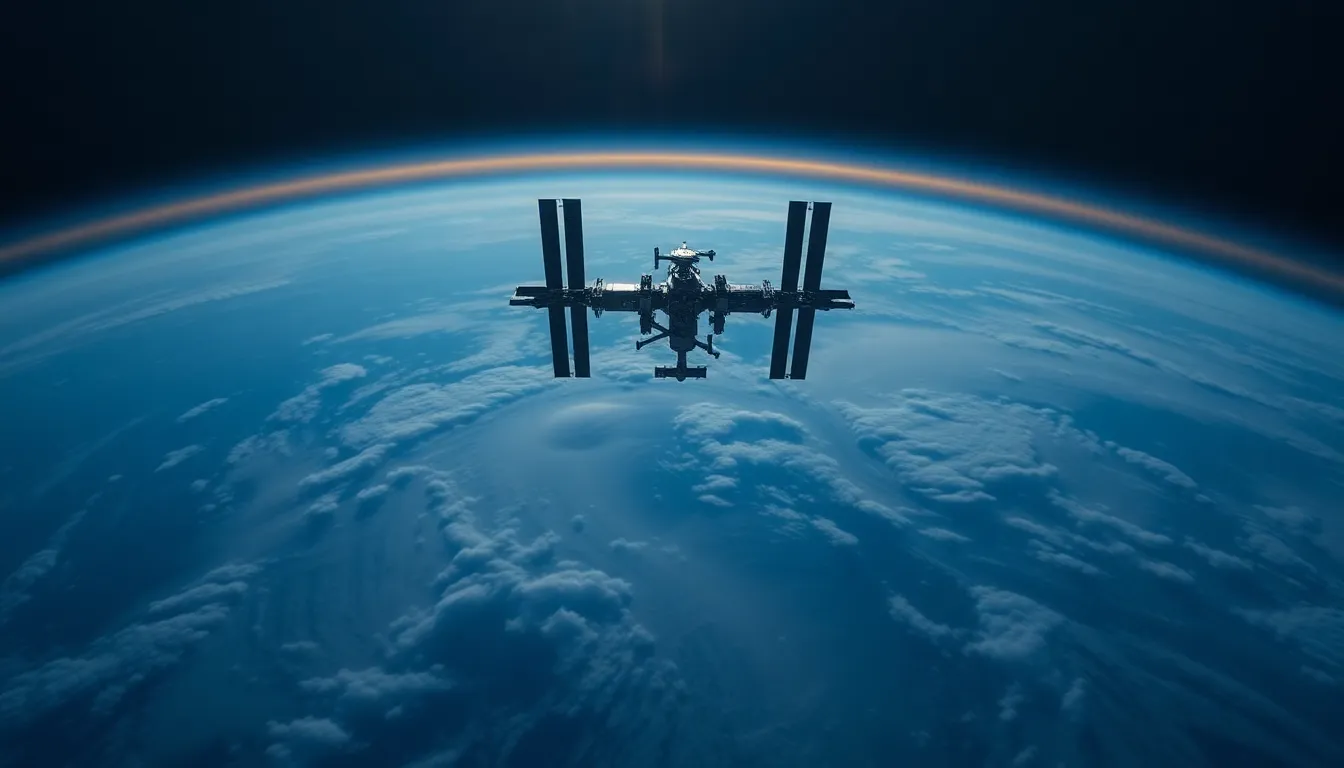
Hasselblad X2D 100C, 90mm f/2.5 medium format, showcasing an aerial view of a space station orbiting above Earth at dawn. Overcast diffused daylight creates a soft, serene atmosphere. The hyperfocal distance keeps the station and the planet in sharp focus, with subtle color grading highlighting the warm hues of dawn against the deep blue of space. The composition captures the vastness of space with the station positioned slightly off-center, emphasizing its orbit. Textures detail the station's surface and the swirling clouds of Earth below.
16:9
Nikon Z9, 70-200mm f/2.8 telephoto at 135mm, captured during twilight with glowing lights illuminating the exterior of a space station against the darkening sky. Using a cinematic teal and orange color grading, the scene captures the transition from day to night as the station comes alive. Selective focus on the glowing thrusters creates a dramatic effect while the background fades into rich twilight tones. The composition uses leading lines from the station's structure drawing the eye towards its illuminated edges. Textures include the rugged surface of the station's exterior with reflections of the surrounding space.
16:9
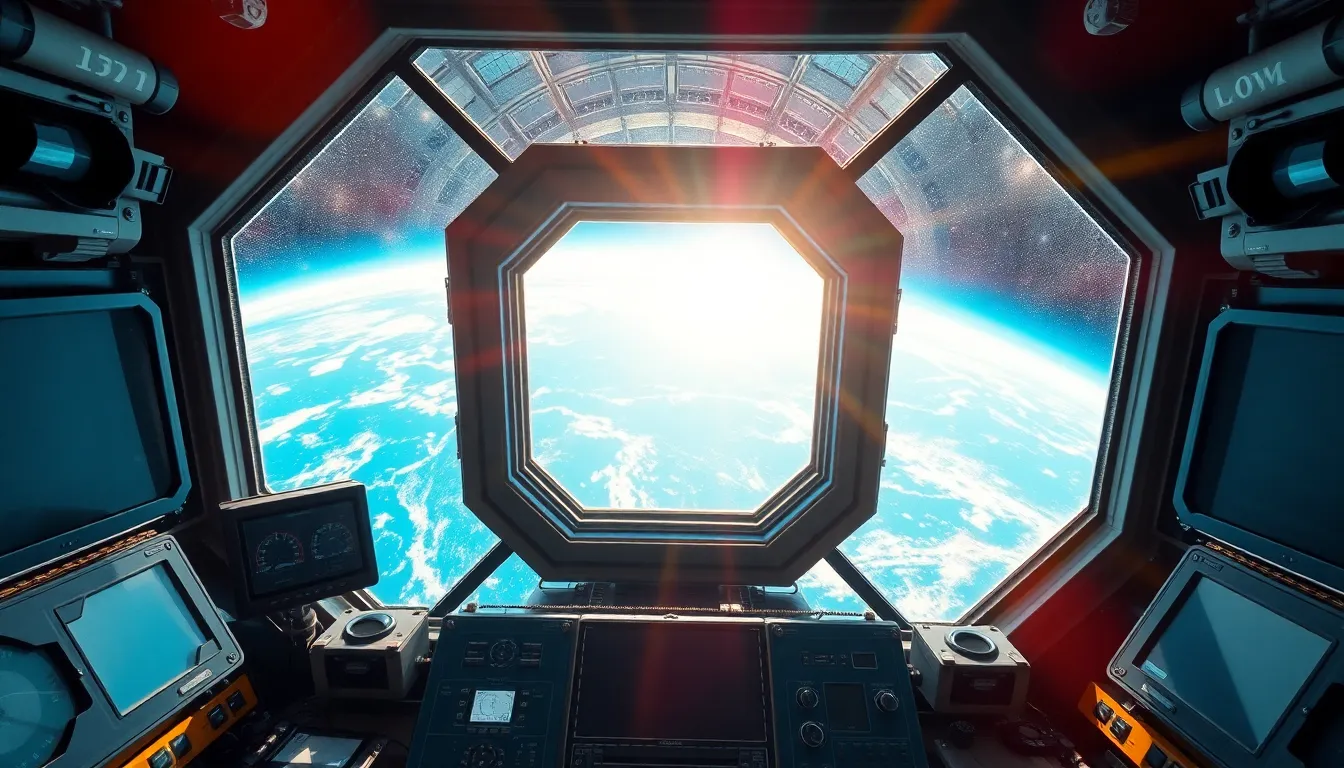
shot on Sony A7R V with 85mm f/1.4 GM lens, under natural sunlight filtering through the large observation window, creating a warm glow inside the space station. Hyperfocal distance ensures everything from the foreground instruments to the distant Earth view is in crisp focus. The color palette features vibrant blues and greens from Earth, contrasting with the warm tones inside. A centered composition places the window as the focal point, with instruments and equipment framing the bottom of the frame. Surface details highlight the textures of the control panels and glass.
16:9
captured with Canon EOS R5, 24-70mm f/2.8L at 35mm, illuminated by cool white LED lights accentuating the metallic surfaces of the space station. Shallow depth of field at f/2.8 creates a soft, blurred backdrop emphasizing the station's details. The scene is bathed in a neutral color palette, reflecting the high-tech environment. Composition adheres to the rule of thirds, with the space station positioned at the right power point against a dark, starry background. Textures of brushed aluminum and glass are sharply defined, enhancing realism.
16:9
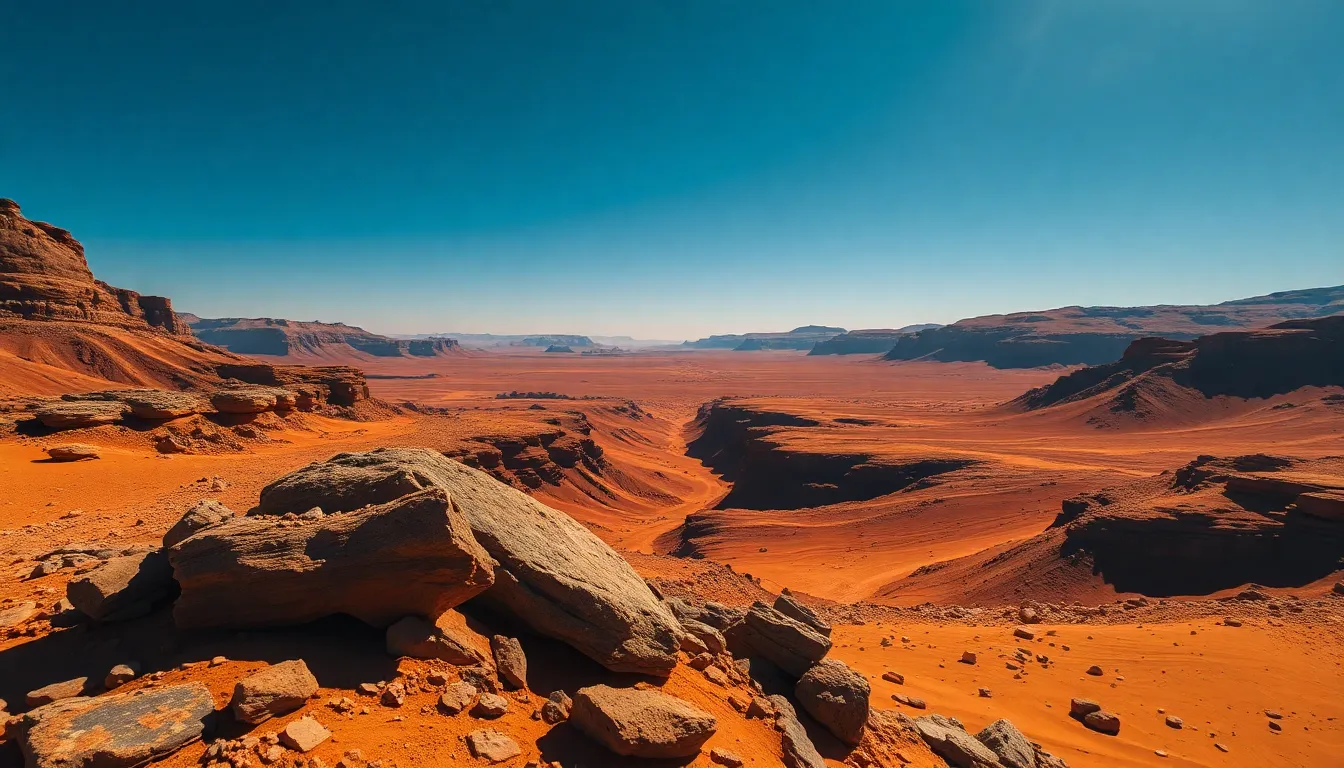
Utilizing Hasselblad X2D 100C, 90mm f/2.5 medium format, this grand image showcases a sweeping Martian valley during the midday sun. The scene is bright and vibrant, filled with stark contrasts between the orange-red soil and the deep blue sky. The composition follows the rule of thirds, with a prominent canyon leading the eye into the distance. The depth of field is hyperfocal, ensuring everything from the foreground rocks to the distant horizon is in sharp focus. The texture of the rocky terrain is palpable, with fine details capturing the rugged features of the valley.
16:9
Photographed using Fujifilm GFX 100S, 110mm f/2 macro, this detailed image captures a Martian rock sample under bright natural light, highlighting its intricate textures. The lighting is soft, with subtle reflections that enhance surface details. The shallow depth of field at f/2 creates a creamy bokeh that isolates the rock against a blurred Martian landscape background. The color palette features earthy reds and browns, with occasional flecks of metallic minerals. A close-up composition allows viewers to appreciate the fine details and textures, inviting curiosity about the geological history of Mars.
1:1
Captured with Canon EOS R5, 24-70mm f/2.8L at 35mm, this compelling image features an astronaut standing on the rocky surface of Mars, gazing at Earth in the night sky. The scene is lit by the faint glow of distant stars and a large Earth visible against the dark sky, providing a contrasting cool backlight. The depth of field is hyperfocal, ensuring sharpness from the foreground to infinity. The natural muted tones of the Martian terrain contrast with the vibrant blues and greens of Earth. Central composition draws focus to the lone figure, emphasizing solitude and the vastness of space.
16:9
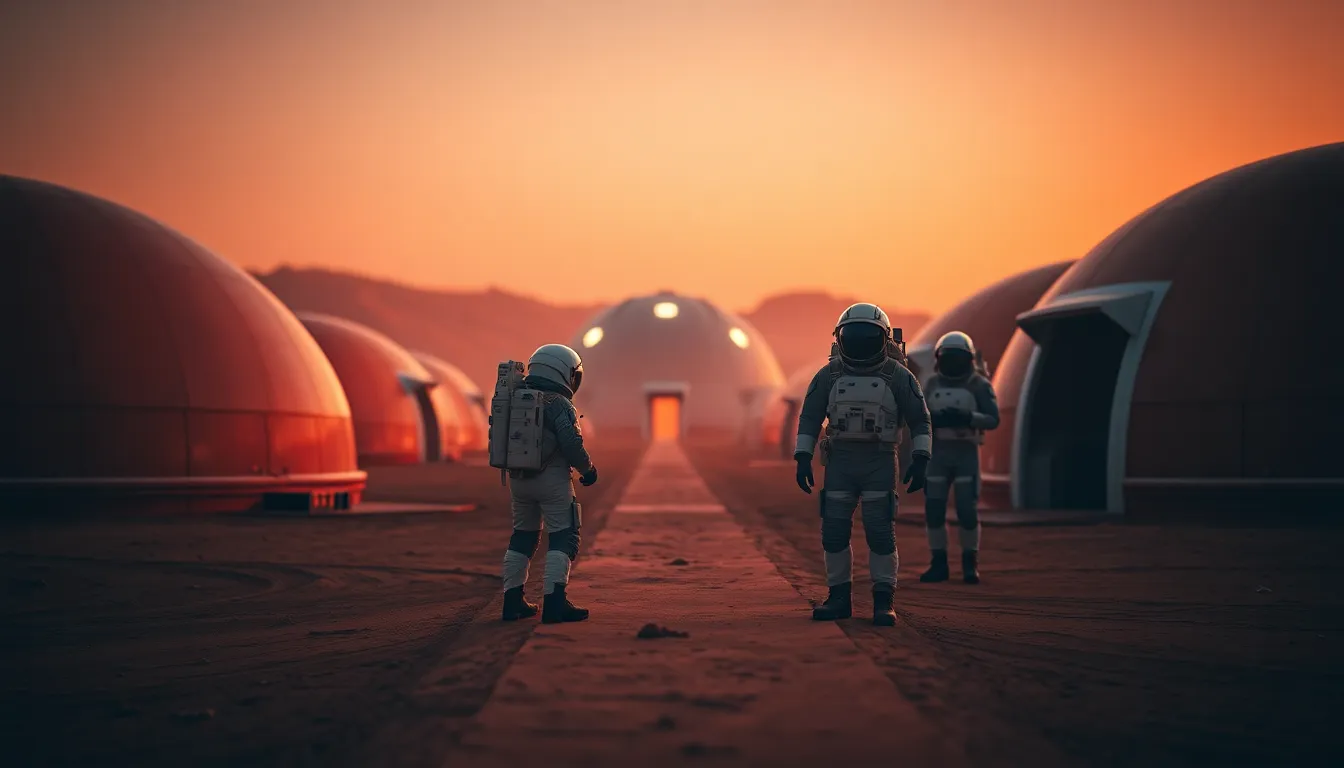
Shot on Sony A7R V with 85mm f/1.4 GM lens, this stunning image focuses on a futuristic Martian colony concept. The scene is illuminated by soft artificial light simulating a dusk environment with warm hues. Shallow depth of field at f/1.4 gently blurs the colony's structures in the background, drawing attention to a group of astronauts in advanced suits engaged in scientific analysis. The color palette blends rich reds and earthy browns with cool metallic tones of the colony. The composition uses leading lines formed by the pathways connecting the domes, inviting viewers into the scene while emphasizing the pioneering spirit of exploration.
16:9
Captured with Nikon Z9, 70-200mm f/2.8 telephoto at 135mm, this hyper-detailed image features a Martian landscape bathed in golden hour light. A dust storm looms in the distance, partially obscuring the red planet's terrain, while dramatic shadows stretch across the rocky surface. The composition follows the rule of thirds, positioning a rugged rock formation on the left power point, creating a sense of depth. The natural color palette includes warm reds and oranges, complemented by cool blue-grey tones in the sky. Fine grains and textures of the rocks are visible, enhancing the realism of the scene, with soft focus on the background to emphasize the foreground detail.
16:9
shot on Sony A7R V with 85mm f/1.4 GM lens, featuring a dramatic view of Olympus Mons against a starry night sky, natural lighting from the stars creating a soft luminescent effect, shallow depth of field at f/1.4 with the mountain sharply in focus while the stars create a dreamy bokeh, cinematic teal and orange color grading enhancing the cosmic atmosphere, and a centered composition highlighting the grandeur of the volcano.
16:9
captured with Hasselblad X2D 100C, 90mm f/2.5 medium format, showcasing the Martian surface with a futuristic colony in the distance, overcast diffused daylight creating soft uniform lighting, hyperfocal distance keeping everything from the foreground rocks to the colony sharp, natural muted tones reflecting the dusty environment, and a composition featuring leading lines from the rocks guiding the eye toward the colony's glowing structures.
16:9

Fujifilm GFX 100S, 110mm f/2 macro, focusing on Martian rock samples arranged artfully on a weathered wooden surface, warm tungsten lamp casting soft directional light accentuating the textures of the rocks, shallow depth of field at f/2 with a creamy bokeh background, Kodak Portra 400 color palette enhancing warm tones, and a centered composition that draws attention to the intricate details of Martian minerals.
1:1
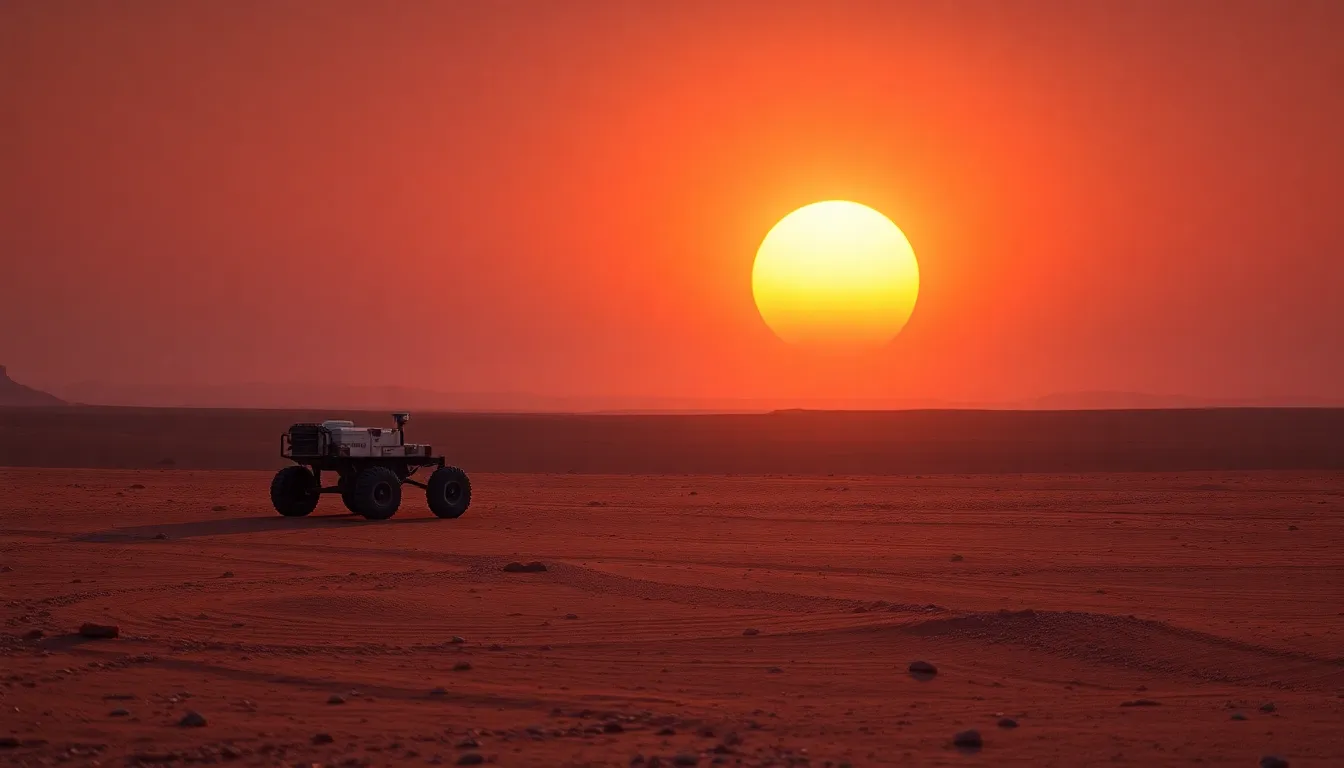
captured with Canon EOS R5, 24-70mm f/2.8L at 35mm, under the glow of a Martian sunset illuminating the horizon in vibrant orange and deep purple, hyperfocal distance achieving sharpness from foreground to infinity, natural muted tones reflecting the dusty landscape, rule of thirds with a lone rover positioned at a left power point, and soft textures of Martian soil detailed with pebbles and fine dust.
16:9
shot on Nikon Z9, 70-200mm f/2.8 telephoto at 135mm, captured during a Martian dust storm with dramatic swirling clouds blocking the sun, selective focus showcasing the red rocky terrains in the foreground, cinematic teal and orange color grading enhancing the alien landscape's hues, leading lines of the terrain drawing the eye towards distant hills, and textured rock formations revealing layers of Martian soil.
16:9

Fujifilm GFX 100S, 110mm f/2 macro, early morning light casting gentle warmth over dew-covered surfaces, shallow depth of field focusing on the rocket’s launch buttons with soft bokeh in the background, Kodak Portra 400 color palette enhancing the warmth and skin tones of the scene, detail-rich composition capturing the intricate textures of the buttons and the worn metal around them, creating a sense of intimacy and anticipation in the preparation for launch.
16:9
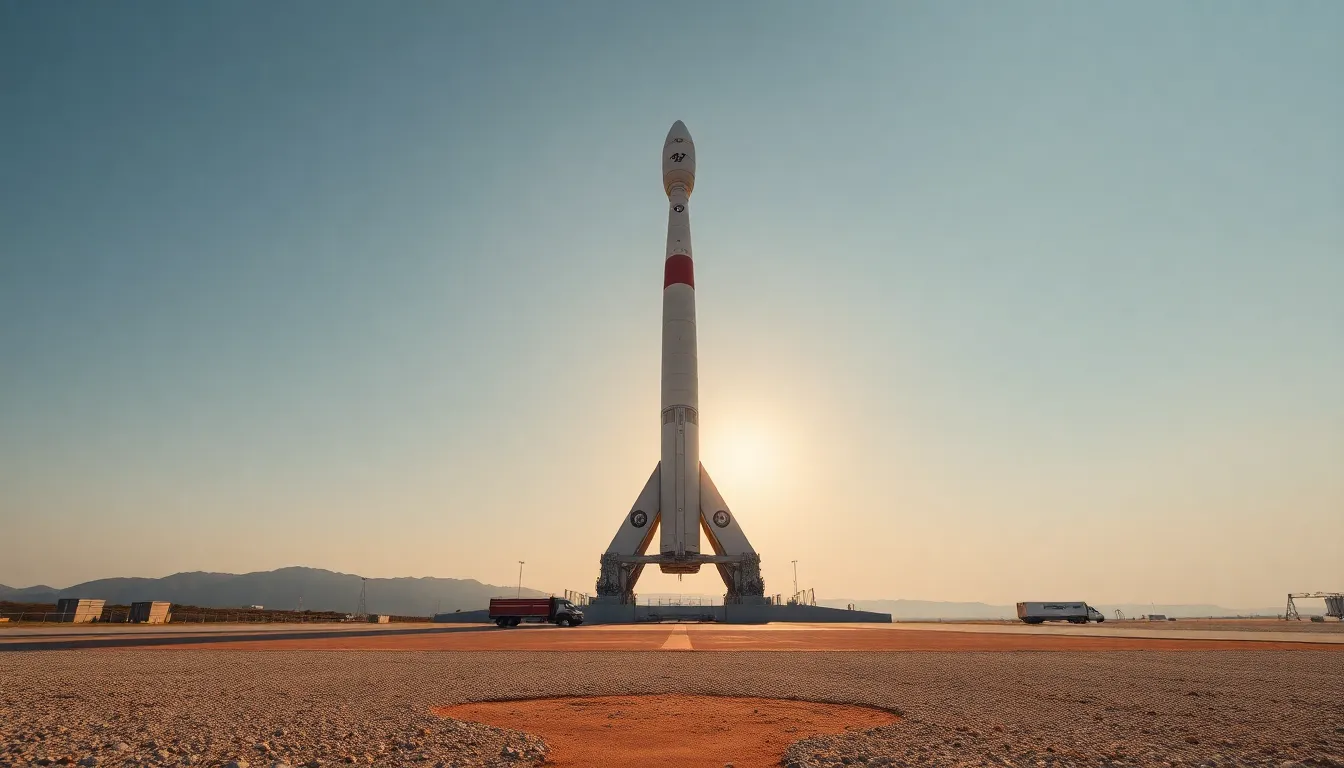
Hasselblad X2D 100C, 90mm f/2.5 medium format, daylight with soft diffused sunlight creating a smooth light across the rocket's surface, triangular composition emphasizing the height of the rocket while contrasting it with the flat ground, natural skin tones and subtle earthy color palette reflecting the environment, capturing the granular texture of the launch pad and the sleek, polished surface of the rocket.
16:9
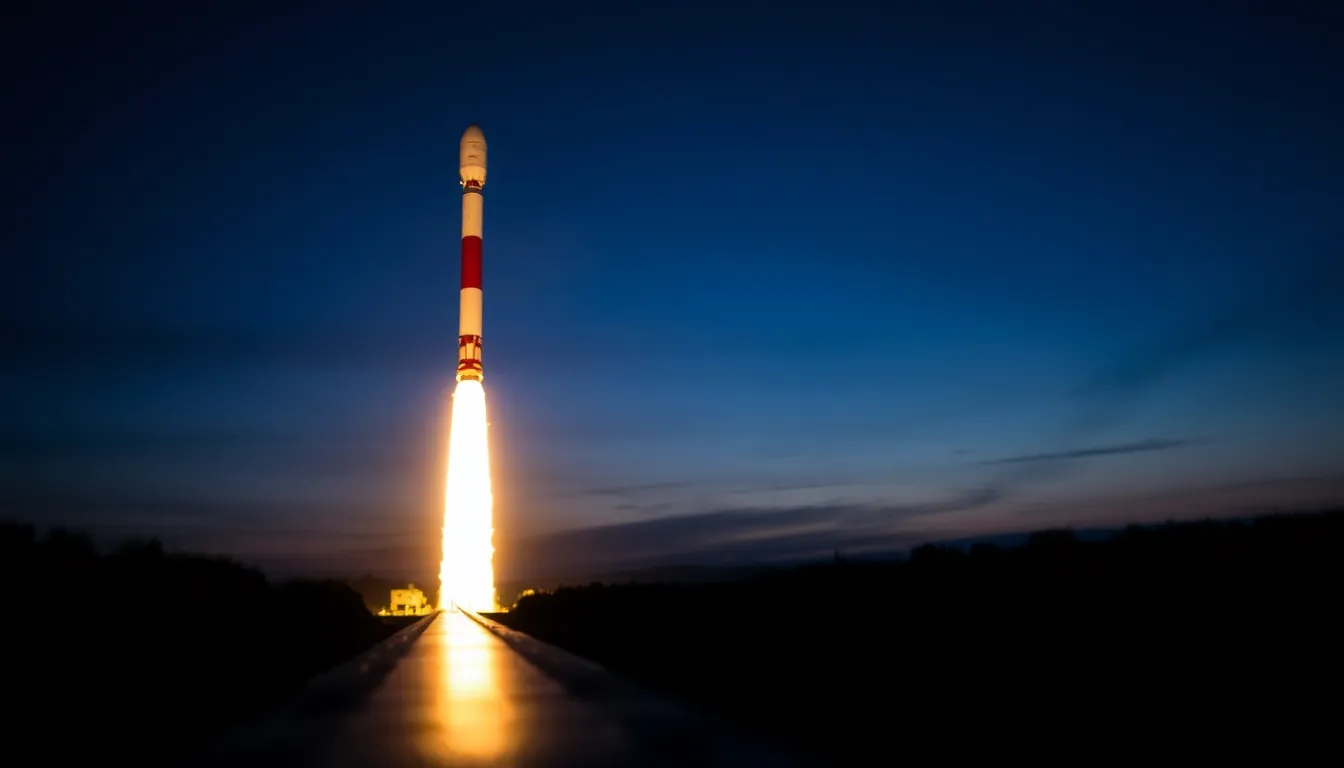
Nikon Z9, 70-200mm f/2.8 telephoto at 135mm, shot during twilight with dramatic backlighting creating a silhouette effect of the rocket, selective focus on the rocket's tip while the foreground is bathed in shadow, rich silhouettes contrasted with deep blues and purples of the twilight sky, leading lines formed by the launch ramp directing the eye towards the rocket, capturing the smooth metallic texture and the illuminated launch pad below.
16:9
shot on Sony A7R V with 85mm f/1.4 GM lens, captured in natural daylight with the sun's rays piercing through thin clouds, hyperfocal distance ensuring sharp focus from the ground crew to the rocket, natural muted tones showcasing earth colors contrasting with the rocket's bright white paint, centered symmetrical composition highlighting the rocket's towering structure and the clouds above, revealing the textures of the ground beneath the crew's feet and the sleek surface of the rocket.
16:9
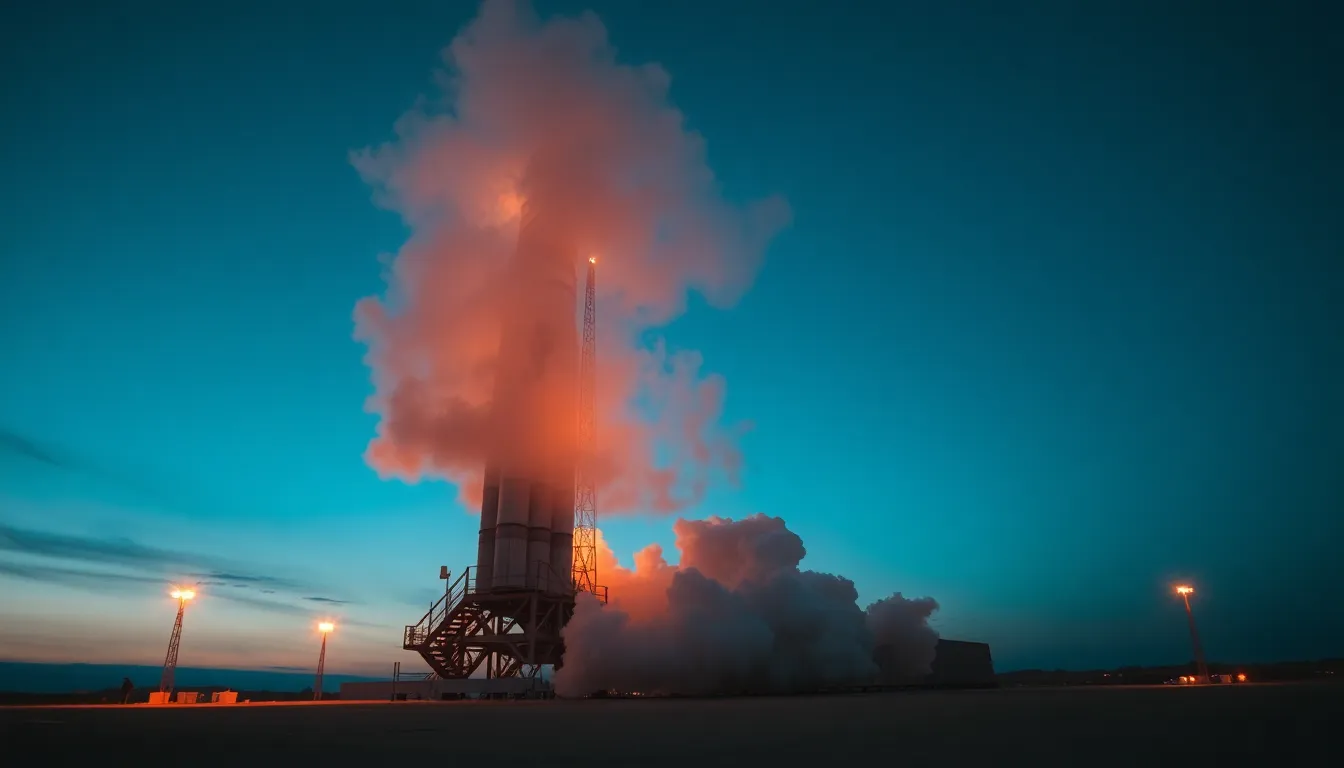
captured with Canon EOS R5, 24-70mm f/2.8L at 35mm, dynamic dusk lighting with warm orange hues illuminating the rocket against a deepening blue sky, shallow depth of field at f/2.8 focusing on rocket details, cinematic teal and orange color grading enhancing the contrast, rule of thirds composition placing the rocket off-center with smoke billowing from the launch pad, showcasing the rough metallic texture of the rocket and the sleek asphalt of the launch area.
16:9

Fujifilm GFX 100S, 110mm f/2 macro, using dramatic studio lighting with sharp highlights to capture the fine details of a model of a space station, hyperfocal distance ensuring all elements are in focus, cinematic teal and orange color grading adding a modern flair, composition with a centered symmetrical layout showcasing the elaborate structure and components of the model.
16:9
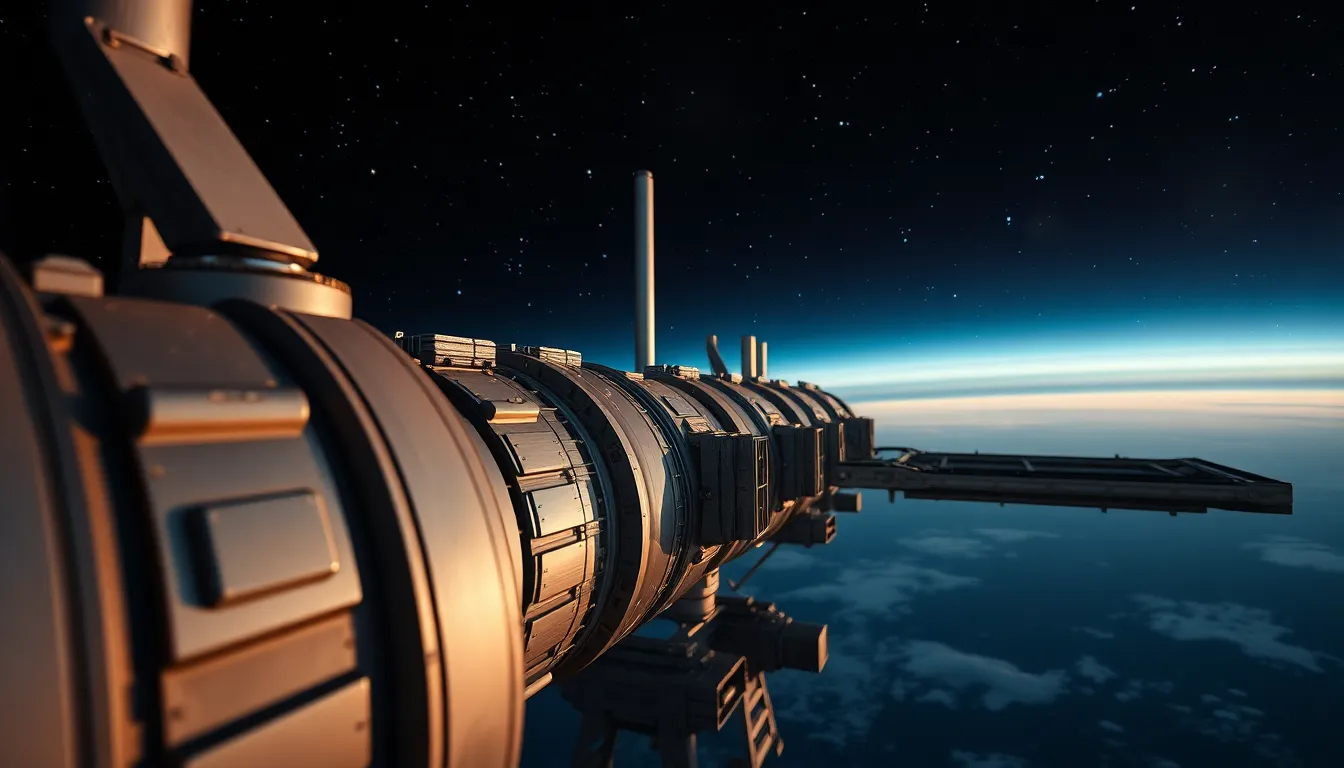
Hasselblad X2D 100C, 90mm f/2.5 medium format, captured during dawn with subtle diffused daylight casting soft shadows, shallow depth of field at f/2.5 focusing on the intricate details of docking ports at a space station, natural muted tones with desaturated earth colors enhancing the metallic textures of the station, rule of thirds composition placing the docking ports at a power point, surrounded by an expansive starry sky.
16:9
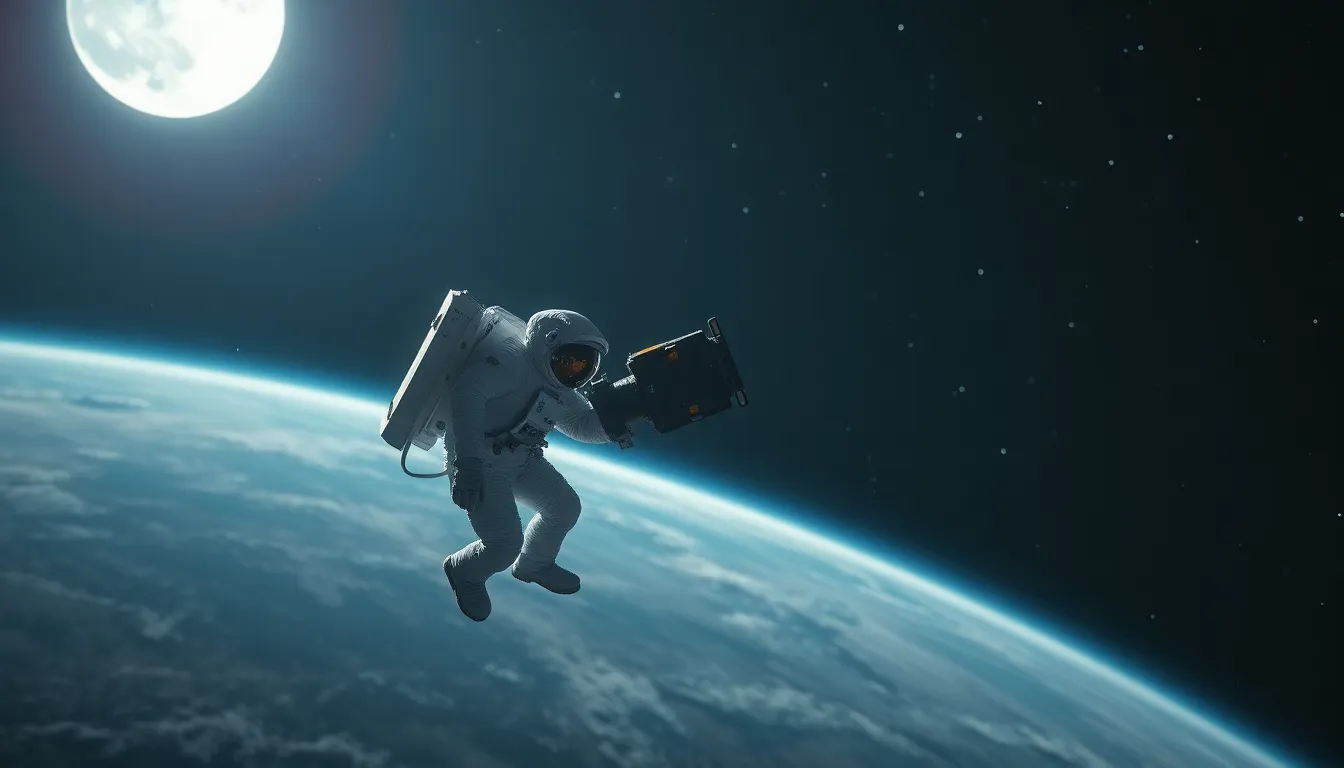
Nikon Z9, 70-200mm f/2.8 telephoto at 135mm, utilizing eerie moonlight for dramatic contrast, selective focus on an astronaut repairing a satellite while deep in the void of space, natural muted tones with desaturated earth colors emphasizing the loneliness of the cosmos, composition features the astronaut off-center, highlighting the vastness of space around them with twinkling stars as bokeh.
16:9
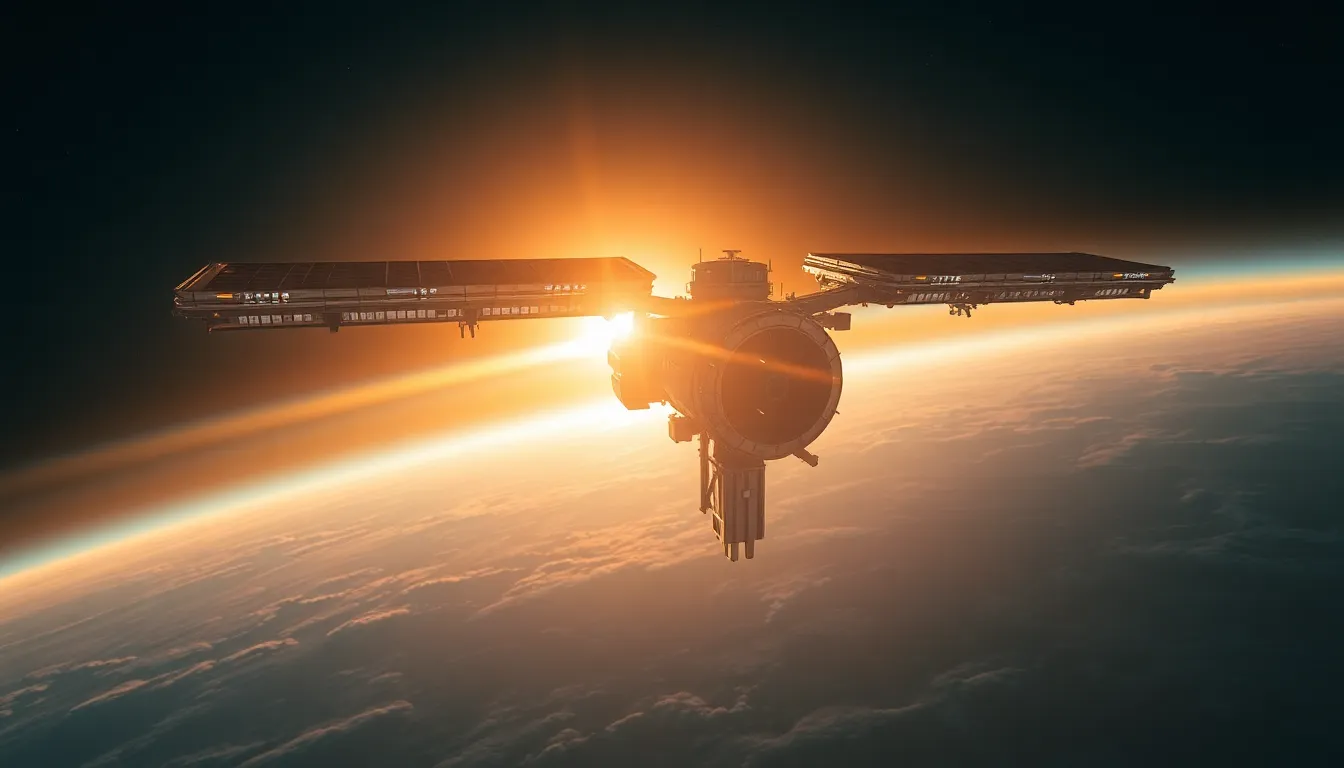
shot on Sony A7R V with 85mm f/1.4 GM lens during golden hour, with warm rim lighting illuminating the exterior of a futuristic space station floating in orbit, hyperfocal distance ensuring clarity from foreground to infinity, Fujifilm Velvia-inspired saturated colors showcasing deep blues of the cosmos, leading lines created by the station’s structure drawing the eye toward the infinite space beyond.
16:9
captured with Canon EOS R5, 24-70mm f/2.8L at 35mm, illuminated by soft ambient light filtering through large observation windows, shallow depth of field at f/2.8 focusing on a cosmonaut in a space station, Kodak Portra 400 color palette highlighting warm skin tones against the cool metal of the station, centered symmetrical composition featuring the crew member in a space suit, with reflections of Earth visible in the background glass panels.
16:9
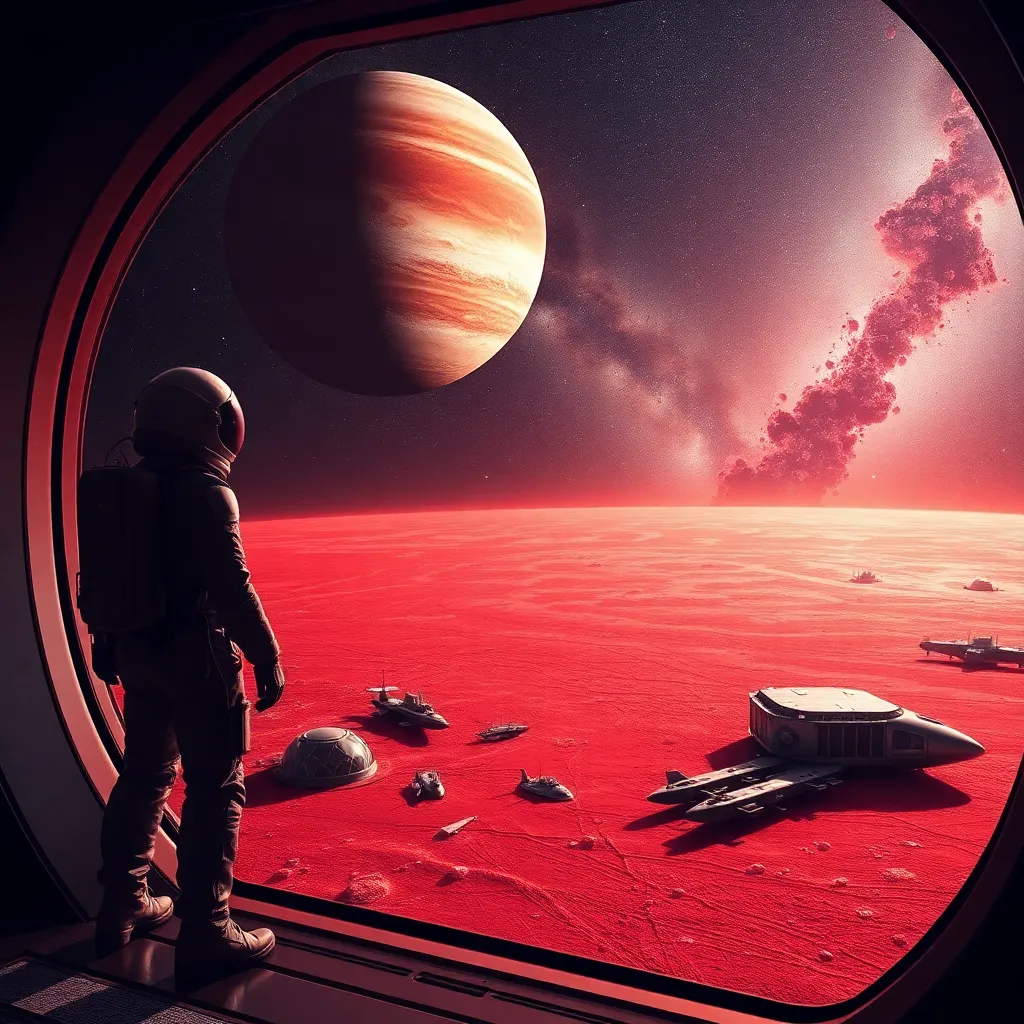
A futuristic astronaut stands inside an advanced spaceship, their silhouette framed against a massive observation window. Outside the window, Europa, Jupiter's second moon, appears 7 billion years in the future. The icy surface of Europa has evaporated, revealing a network of crisscrossing, scarlet-colored sediments. Scattered across the moon's surface are large underwater colonies encased in shattered, transparent domes, with obsolete futuristic supersonic submarines lying around. In the sky, Jupiter looms prominently, its gas layers being scorched and blown away by the intense solar winds of the sun, now a blood-red giant. A comet-like gas tail streams from Jupiter into space. Beyond this dramatic scene, the violent starburst of the merging Milky Way and Andromeda galaxies fills the background with countless bright new stars forming. The composition contrasts the dying solar system's red hues with the vibrant blues and whites of the starburst, symbolizing hope amidst cosmic decay. The mood is both majestic and melancholic. Use a cinematic sci-fi style with hyper-realistic details, dynamic lighting that emphasizes the red and blue tones, and a sense of vast cosmic scale.
1:1
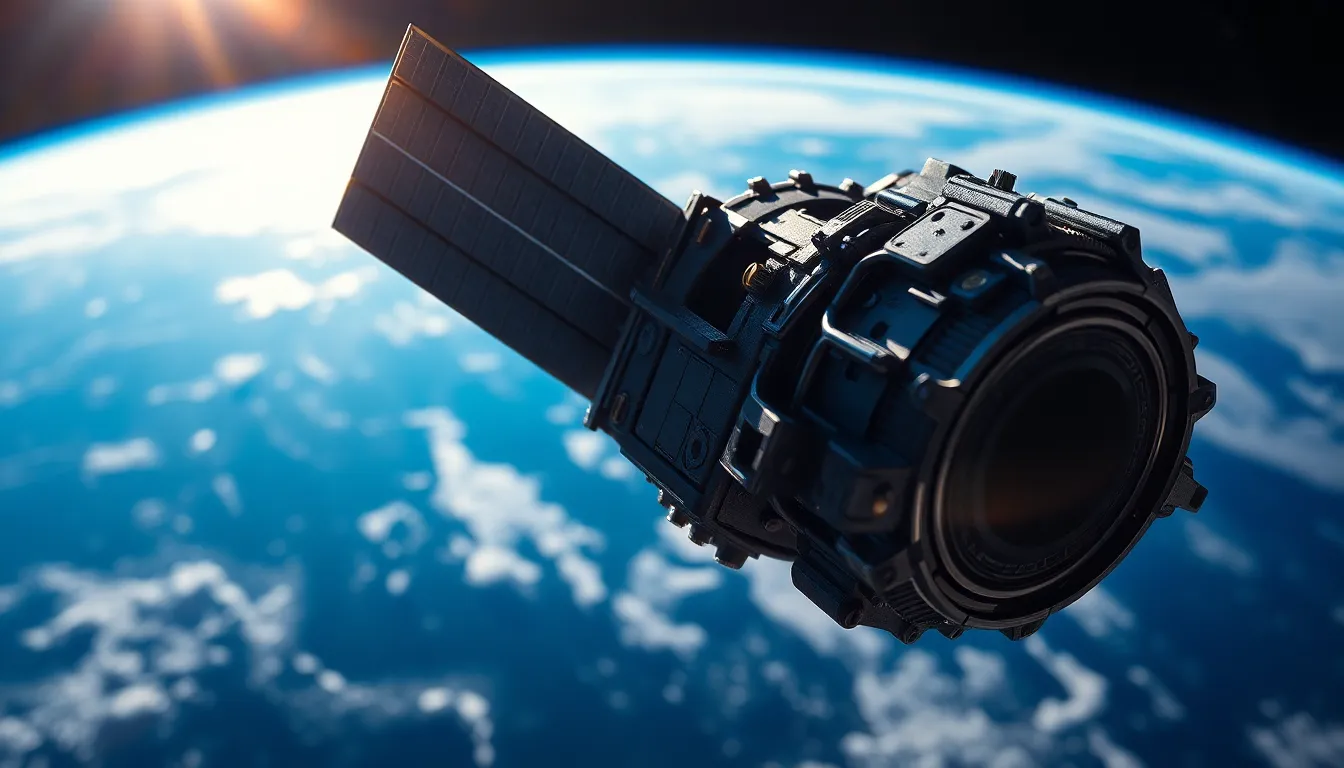
Fujifilm GFX 100S, 110mm f/2 macro, showcasing a stunning detail of a satellite orbiting Earth, captured against the backdrop of the planet's curvature. The satellite is illuminated by the sun, with sharp highlights and deep shadows defining its structure. This macro perspective brings an unusual view of the mechanical textures, while the depth of field is very shallow, isolating the satellite against a blurred Earth. The color palette features crisp blues and bright whites with metallic grays, creating a high-tech aesthetic. The composition uses a centered layout to emphasize the satellite's intricate details, enhancing the visual narrative of human engineering in space.
16:9
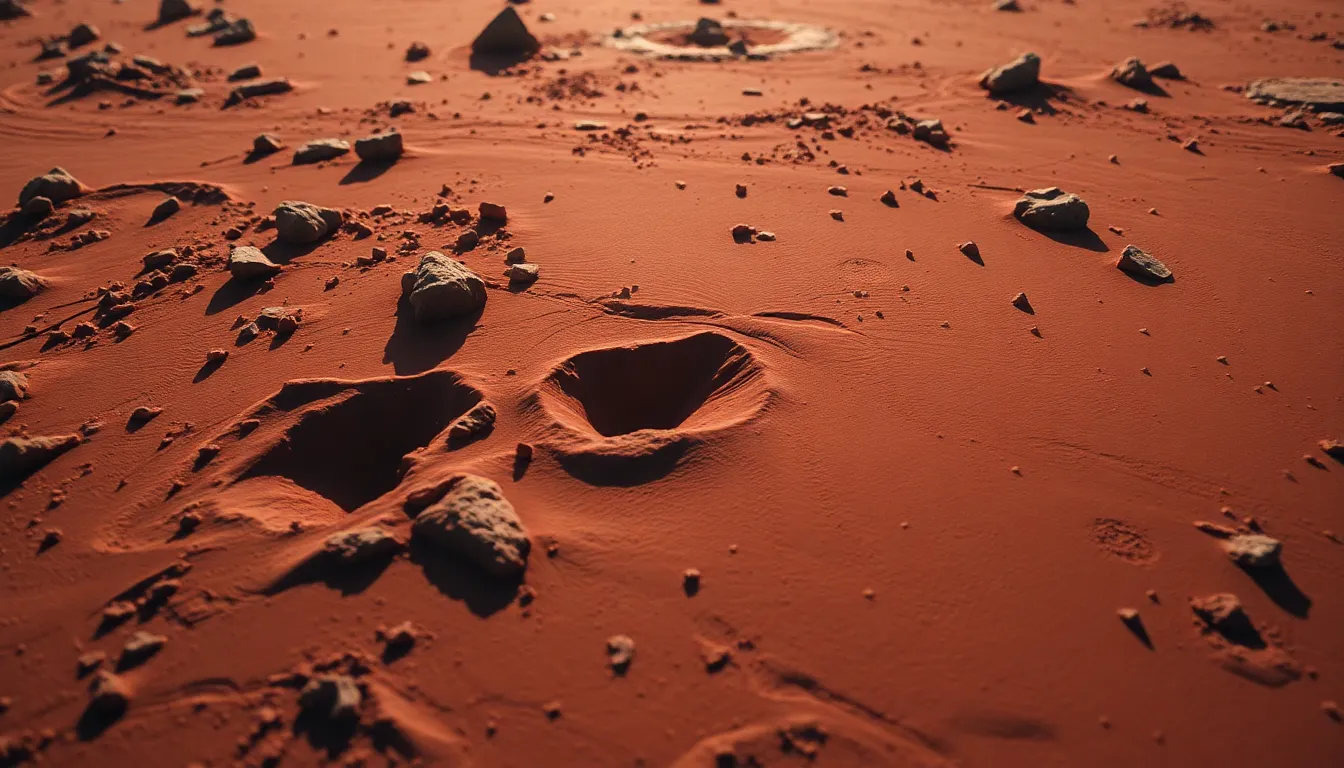
Hasselblad X2D 100C, 90mm f/2.5 medium format, depicting a beautifully detailed close-up of Mars' surface, showcasing its reddish terrain dotted with craters and rocky outcrops under soft sunlight. The lighting is even and diffused, accentuating surface textures and features. The depth of field is shallow at f/2.5, creating a slight blur in the background, enhancing the focus on the terrain. The color palette is dominated by muted reds and earthy tones, reminiscent of Mars. The composition showcases a rule of thirds layout, placing a prominent crater off-center to draw the viewer's eye. The surface texture reveals fine grooves and dust particles, adding to the realism.
16:9
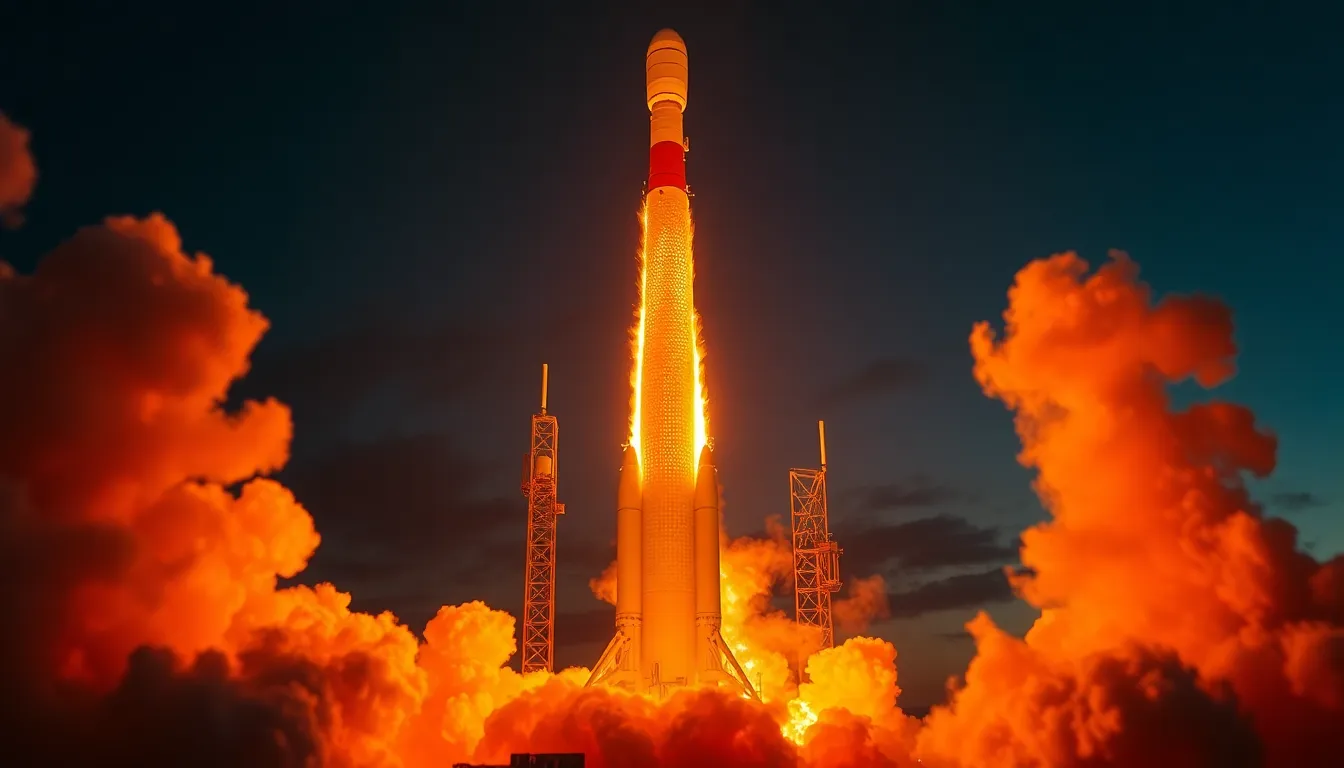
Nikon Z9, 70-200mm f/2.8 telephoto at 135mm, capturing a dramatic scene of a rocket launch at dusk. The majestic rocket is engulfed in flames and smoke, illuminated by an array of colorful stage lights creating a vibrant contrast against the darkening sky. The depth of field is hyperfocal, keeping both the rocket and the smoke in sharp focus. The color palette features deep oranges, reds, and dark blues, reminiscent of a cinematic sunset. The composition is centered, with the rocket dominating the frame while smoke billows outward, enhancing the sense of power and motion. The textured surface of the rocket reflects the fiery glow from the launch.
16:9
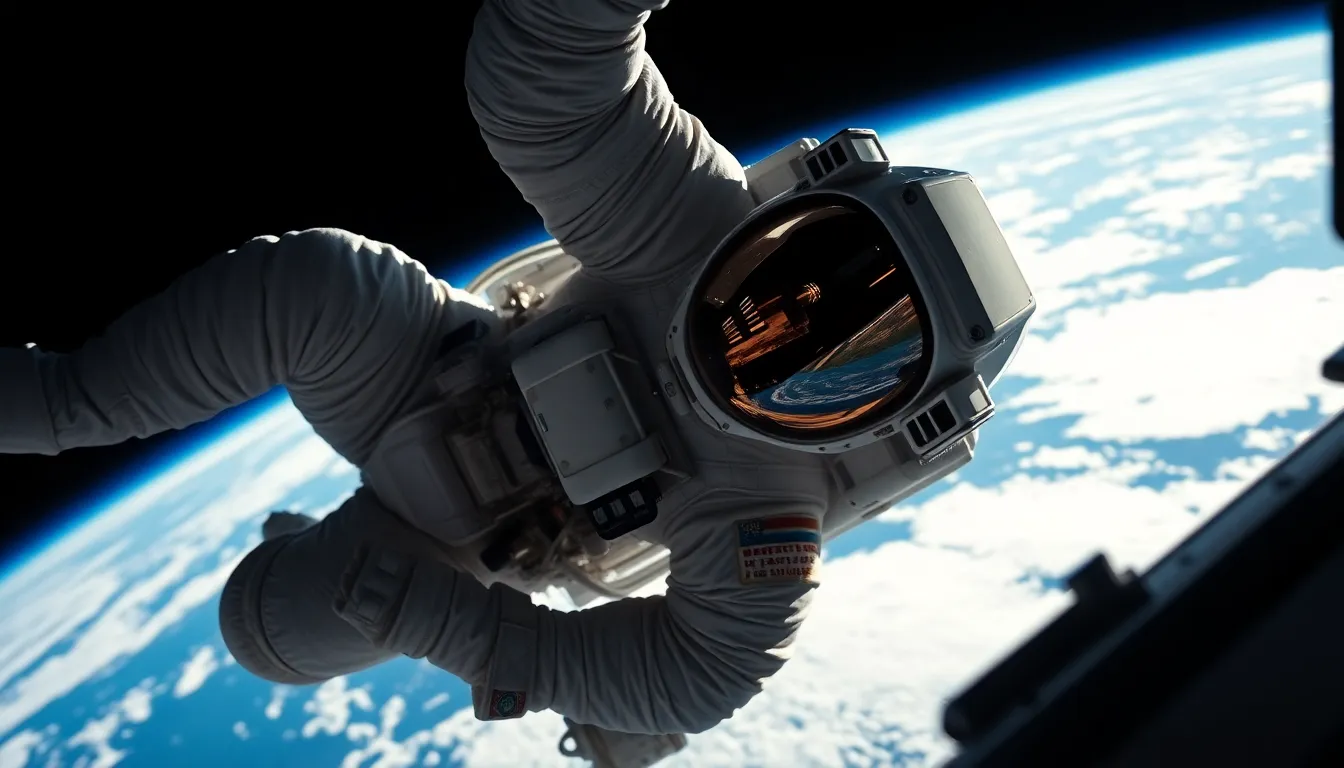
shot on Sony A7R V with 85mm f/1.4 GM lens, focusing on an astronaut floating in space, performing a spacewalk. The scene is illuminated by harsh sunlight contrasting with the darkness of space, creating stark shadows on the astronaut's suit. A shallow depth of field at f/1.4 isolates the astronaut from the distant Earth background, which features a breathtaking view of blue oceans and white clouds. The color palette is natural, capturing the realism of space. The composition is framed using the rule of thirds, placing the astronaut slightly off-center to emphasize the vastness of space around them. The suit's fabric shows fine details and textures like stitching and reflective surfaces.
16:9
captured with Canon EOS R5, 24-70mm f/2.8L at 35mm, showcasing a sleek spaceship soaring through a nebula. The scene is lit by the vibrant colors of gas clouds with rich pinks, purples, and blues casting an ethereal glow. A slight depth of field at f/2.8 blurs the distant stars while keeping the ship in sharp focus. The color palette reflects the cosmic mystery with a cinematic teal and orange grading. The composition employs leading lines from the nebula swirling toward the ship, creating a sense of movement and depth. The ship's surface is metallic with visible reflections from the surrounding space.
16:9
Hasselblad X2D 100C, 90mm f/2.5 medium format, capturing an ethereal scene of a celestial body rising above a serene lake, reflecting its light. The natural lighting is during twilight, casting a soft glow over the scene. The depth of field is hyperfocal at f/8, ensuring the stars and reflections in the lake are all in sharp focus. The color palette features calming violets and blues with the warm golden tones of the celestial body. The composition employs a symmetrical layout with the reflection mirroring the sky, while the texture of the lake's surface is enhanced by gentle ripples.
16:9

Fujifilm GFX 100S, 110mm f/2 macro, focusing on a detailed, illuminated globe with constellations marked on it. The studio lighting consists of a softbox above creating even light distribution, while small LED lights highlight specific constellations. The depth of field is shallow at f/2, beautifully isolating the globe against a blurred dark background. The color palette is warm with golden hues from the lights contrasted by the deep navy of the night sky. The composition centers on the globe, with a subtle symmetry and texture detailing the globe's surface and stars, adding depth to the image.
1:1
Nikon Z9, 70-200mm f/2.8 telephoto at 135mm, capturing a stunning time-lapse of a starry sky with a meteor shower. The long exposure showcases streaks of shooting stars against a dark canvas, while the foreground features rugged mountain silhouettes. The lighting is natural, with the deep night sky offering a contrast to the shimmering lights of meteors. The depth of field remains hyperfocal, keeping both the mountains and stars sharp at f/8. The color palette is composed of dark blues and blacks, with bright white trails, creating an awe-inspiring celestial spectacle. The composition employs a low angle to emphasize the grandeur of both the meteors and the mountain range.
16:9
shot on Sony A7R V with 85mm f/1.4 GM lens, capturing a close-up of a star chart spread across a rustic wooden table. Soft candlelight creates warm shadows and highlights across the parchment, revealing delicate constellations. The depth of field is shallow at f/1.4, beautifully blurring the table surface while keeping the star chart crisp. The color palette consists of warm amber and rich browns, enhanced by the soft flickering light. The centered composition focuses on the star chart as the hero, with visible texture from the wood grain and paper surface enriching the image.
1:1
captured with Canon EOS R5, 24-70mm f/2.8L at 35mm, during a clear night sky with thousands of stars visible. The Milky Way stretches overhead, illuminated by subtle moonlight creating gentle contrasts. A shallow depth of field at f/2.8 blurs the foreground grass, while the stars remain incredibly sharp and vivid. The color palette features deep blues and purples with twinkling white and yellow star highlights, adhering to a cinematic teal and orange grading. The composition utilizes leading lines from the grass, guiding the eye towards the celestial spectacle above, with a rich texture of the grass visible in the foreground.
16:9
Hasselblad X2D 100C, 90mm f/2.5 medium format, twilight capturing a mystical landscape with the moon illuminated behind mountains, soft fill lighting enhancing the craggy textures of the peaks, hyperfocal distance creating sharpness from foreground to horizon at f/8, natural muted tones with desaturated blues and purples reflecting twilight's mood, leading lines of the mountain trails guiding the eye towards the moon.
16:9
Fujifilm GFX 100S, 110mm f/2 macro, captured at dusk with a stunning view of the moon rising over a tranquil lake, warm tones of sunset reflecting on water creating a magical atmosphere, shallow depth of field focusing on ripples in the water with the moon softly blurred in the background, natural muted tones with desaturated earth colors enhancing tranquility, centered composition highlighting the harmony between the moon and its reflection.
16:9
Nikon Z9, 70-200mm f/2.8 telephoto at 135mm, captured at midnight under clear skies, with bright moonlight casting cool shadows, hyperfocal distance making everything from foreground to infinity sharp at f/8, cinematic teal and orange color grading enhancing the night scene, leading lines of a dirt path drawing the eye toward the moon, detailed textures of the rocky terrain illuminated by moonlight.
16:9
shot on Sony A7R V with 85mm f/1.4 GM lens during golden hour, warm backlighting illuminating the moon with a glowing halo, selective focus on the moon with a creamy bokeh background, Kodak Portra 400 color palette enriching the scene with warm tones, rule of thirds composition placing the moon at the upper right power point, with a textured foreground of silhouetted tree branches creating depth.
16:9
captured with Canon EOS R5, 24-70mm f/2.8L at 35mm, overcast diffused daylight illuminating the moon's craters with a soft glow, shallow depth of field at f/2.8 focusing on the moon, natural muted tones with desaturated earth colors creating a serene mood, centered symmetrical composition featuring the moon against a cloudy sky, with visible lunar surface details and soft shadows enhancing texture.
16:9
captured with Leica Q3, 28mm f/1.7 Summilux, presenting a vibrant constellation map displayed on the ceiling of a planetarium. The scene is dramatically lit with colorful LED lights illuminating various stars and constellations, creating an immersive experience. Shallow depth of field at f/1.7 draws focus to a child gazing up in awe, with soft bokeh of stars in the background. The color palette is a vivid mix of blues, yellows, and pinks, evoking a sense of wonder and exploration. The composition captures the child's expression and the grandeur of the starry ceiling perfectly within the frame.
3:4

shot on Fujifilm GFX 100S, 110mm f/2 macro, featuring a detailed close-up of a celestial globe displaying constellations, set against a softly lit dark backdrop. Warm tungsten desk lamp casts a gentle directional light onto the globe, highlighting its textured surface and intricate details of the constellations. The depth of field is shallow at f/2, bringing the globe into sharp focus while softly blurring the background. The overall color palette is warm and inviting, with hints of gold and deep navy blue. The composition centers the globe, emphasizing its beauty and intriguing design.
1:1
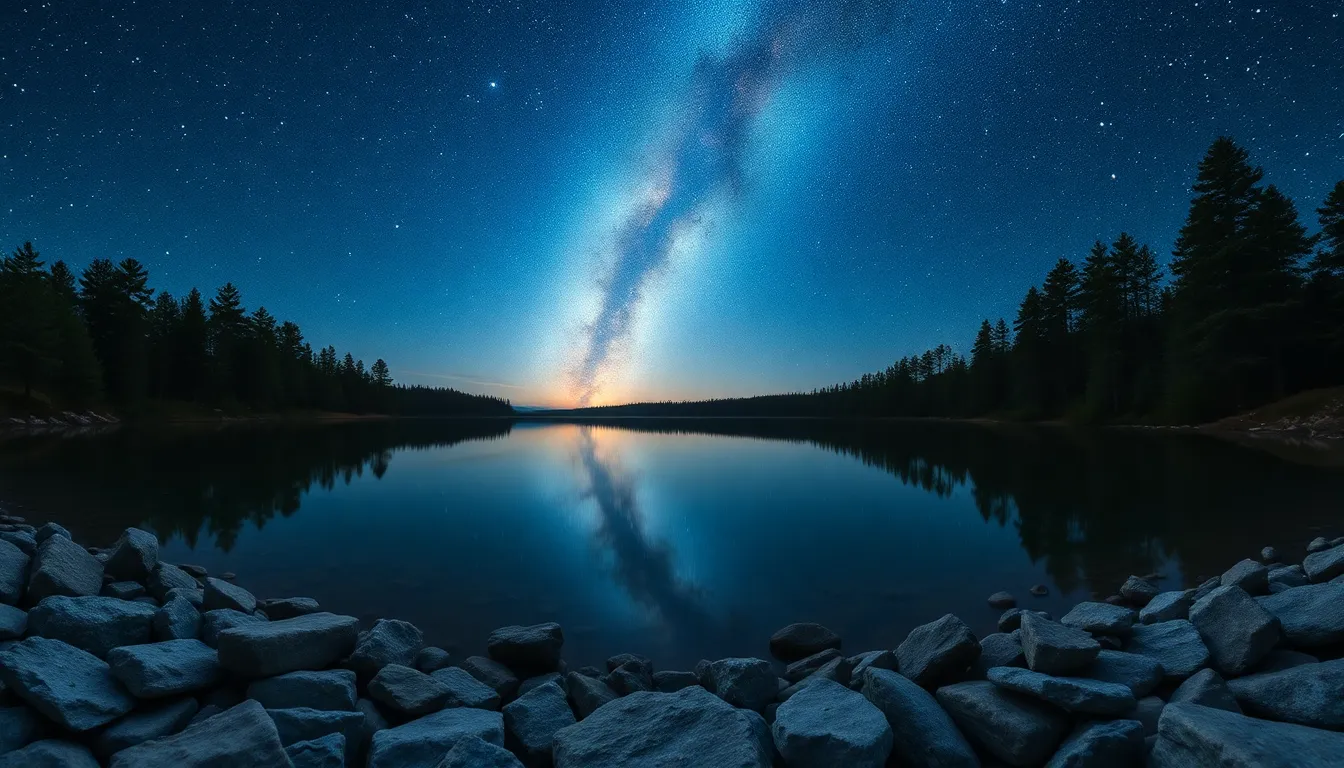
captured with Canon EOS R5, 24-70mm f/2.8L at 35mm, depicting a panoramic view of a starry night over a serene lake surrounded by pine trees. The scene features a vibrant reflection of the stars and the Milky Way mirrored on the calm lake water. Overcast diffused daylight creates a soft blue hue throughout the scene, enhancing the star visibility. This image is taken with hyperfocal distance, ensuring tack-sharp focus from the foreground rocks to the distant trees. The composition utilizes leading lines of the shoreline to draw the viewer's eye toward the horizon.
16:9
shot on Sony A7R V with 85mm f/1.4 GM lens, showcasing a stunning close-up of a telescope aimed at the stars during twilight. The telescope's metallic surface reflects warm colors from the setting sun, creating a warm contrast against the deepening blues of the night sky. The depth of field is shallow at f/1.4, isolating the telescope and allowing soft bokeh of stars in the background. The color palette features brilliant oranges, purples, and deep blues. The composition centers the telescope in the frame, guiding the viewer's focus upward into the cosmos.
3:2
captured with Nikon Z9, 70-200mm f/2.8 telephoto at 135mm, under a clear night sky highlighting the Milky Way. The scene features twinkling stars against a deep blue backdrop, with a shooting star streaking across the frame. Shallow depth of field at f/2.8 focuses on a silhouette of a hiker in the foreground, softly illuminated by their headlamp. The colors are rich, emphasizing deep blues and purples along with warm whites of the stars, while the composition follows the rule of thirds, drawing the eye towards the horizon. Texture includes the rugged terrain of the mountain with scattered rocks and grass.
16:9
captured with Fujifilm GFX 100S, 110mm f/2 macro, presenting a detailed close-up of a comet streaking through the darkness of space. The comet's icy core reflects sunlight, leaving a luminous tail of dust and gaseous particles. Using a shallow depth of field at f/2, the comet is sharply in focus while the backdrop fades into velvety darkness. The color palette highlights bright whites and blues against the deep black of space, evoking a sense of mystery. The composition places the comet near the top right, utilizing negative space to enhance its trajectory.
3:2
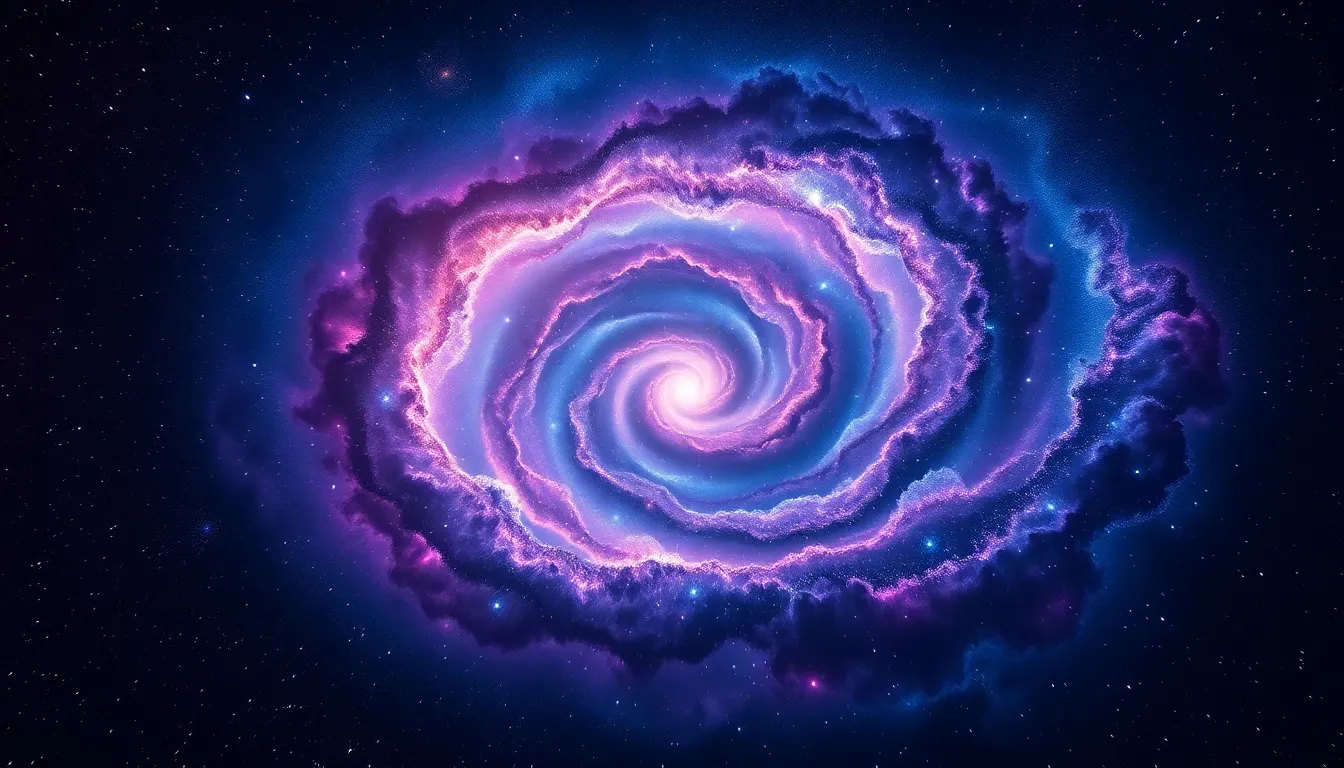
shot with Hasselblad X2D 100C, 90mm f/2.5 medium format, featuring a dramatic depiction of a distant galaxy spiral with vibrant interstellar clouds. Illuminated by dappled starlight, the scene's cosmic colors display vivid purples and blues, creating a rich visual tapestry. The depth of field is shallow at f/2.5, allowing for soft bokeh of surrounding stars. The composition uses the rule of thirds to position the galaxy off-center, drawing the eye toward its swirling arms. Textures of the gaseous clouds are rendered with hyper-real detail, inviting exploration of the universe's mysteries.
16:9
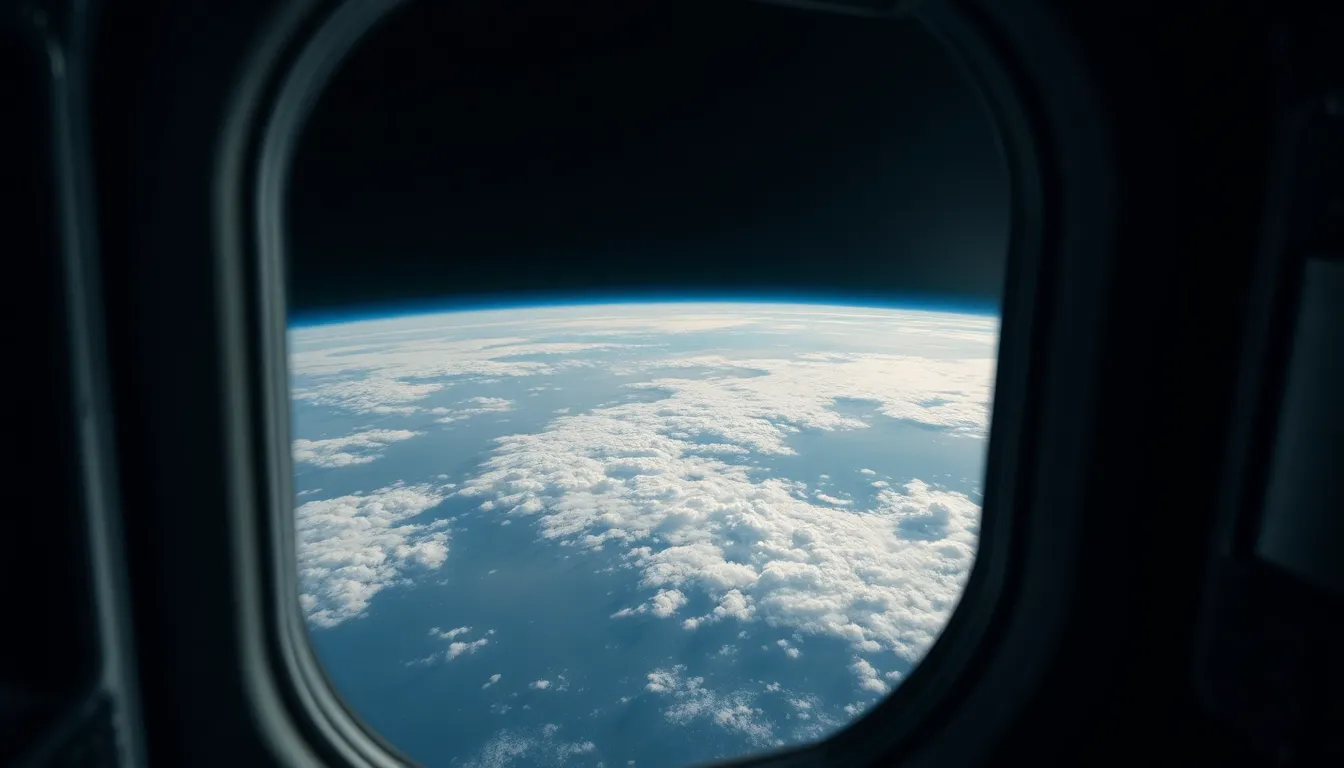
captured with Canon EOS R5, 24-70mm f/2.8L at 35mm, illustrating a breathtaking view of Earth from a spacecraft window. The image features the planet’s blue oceans and white clouds against the blackness of space, enhanced by overcast diffused daylight that softens edges. With hyperfocal distance, everything from the window frame to the distant planet is tack-sharp at f/8. This is complemented by a natural muted color tone, portraying the serene beauty of Earth. The composition centers around the window frame, creating a sense of perspective and depth.
16:9

shot on Sony A7R V with 85mm f/1.4 GM lens, displaying a close-up of a Mars rover navigating rocky Martian terrain during dusk. The image features warm golden hour backlighting illuminating the rover's intricate mechanical parts, creating a soft glow. Using shallow depth of field at f/1.4, the focus strikes on the rover with a beautifully blurred background of Martian rocks. The color palette showcases earthy reds and soft oranges, enhancing the alien landscape's warmth. Compositionally, the rover is positioned off-center, with leading lines guiding the viewer's gaze into the scene.
3:2
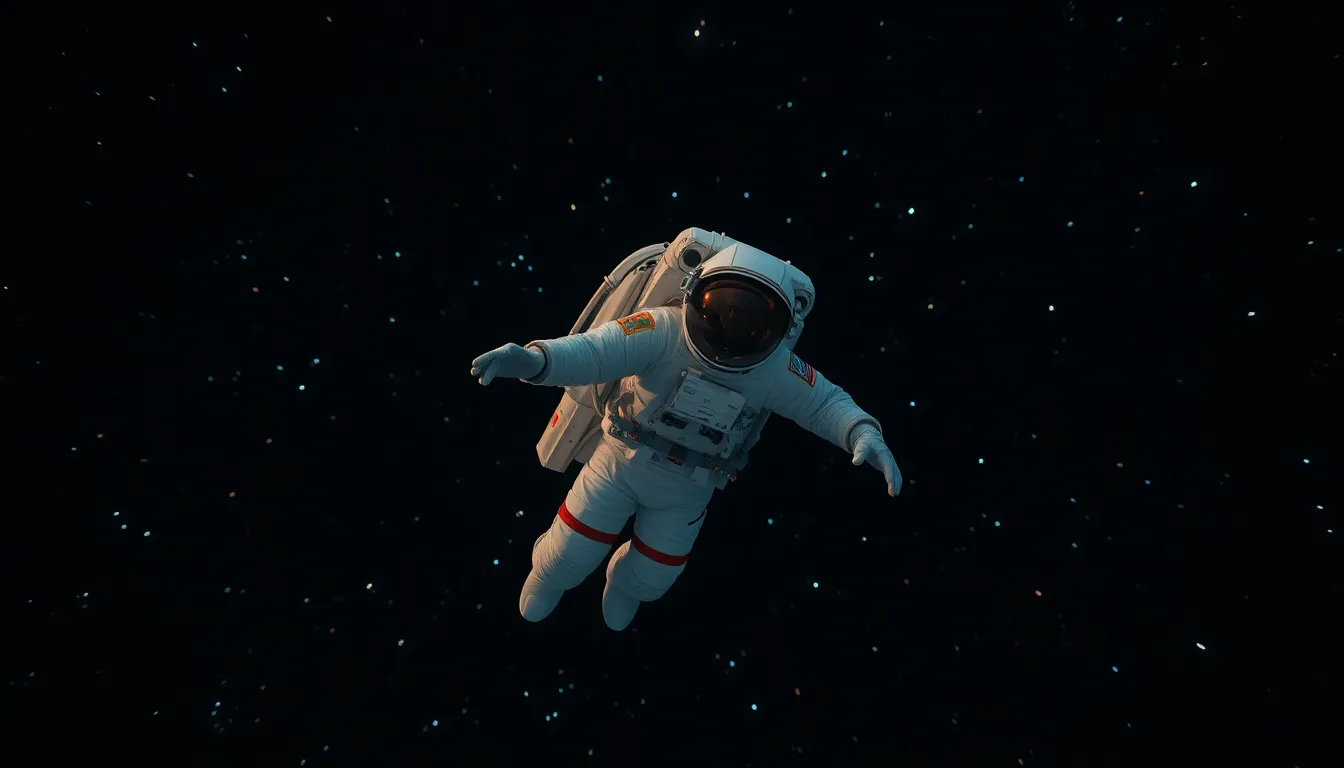
captured with Nikon Z9, 70-200mm f/2.8 telephoto at 135mm, showcasing an astronaut floating in the vastness of space, illuminated by distant stars. The scene features deep space black with sparkling points of light, creating a shallow depth of field at f/2.8 for dramatic isolation of the subject. Emphasizing a cinematic teal and orange color grading, the composition centers around the astronaut in a dynamic pose, enhancing the sense of freedom and exploration. Textures of the spacesuit are rendered in high detail, highlighting the fabric and equipment under starlight.
16:9
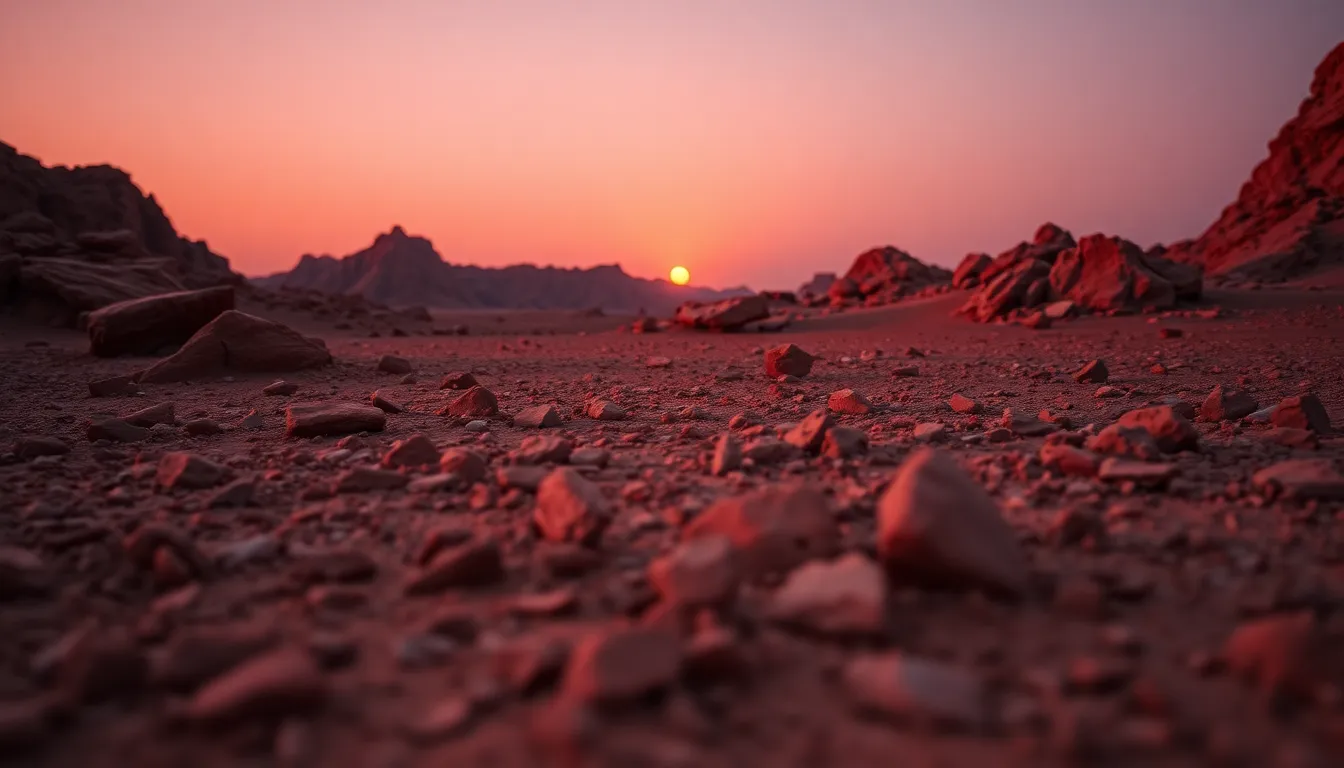
the surface of a red desert planet at dusk, shot on Leica Q3, 28mm f/1.7 Summilux. The scene captures the warm, fading light of the setting sun casting long shadows over the rocky terrain, highlighting the textured surface of red rocks. The color palette features rich reds and soft oranges merging into twilight blues. Shallow depth of field at f/1.7 creates a dreamy bokeh surrounding the rocky landscape. The composition places the horizon at the lower third, showcasing the vastness of the desert expanse.
16:9
a lush green planet with large trees and waterfalls, captured with Fujifilm GFX 100S, 110mm f/2 macro. The warm, diffused sunlight filters through the trees, highlighting the vibrant greens and reflecting off the water. Soft focus on the distant canopy creates a sense of depth, emphasizing the foreground details of leaves. The color palette is rich in natural greens, with hints of blue from the water. The composition uses leading lines created by the waterfalls, guiding the viewer’s eye into the lush landscape.
16:9
a vibrant storm on a distant planet, shot on Hasselblad X2D 100C, 90mm f/2.5 medium format. The lighting captures dynamic cloud formations illuminated by flashes of lightning, creating dramatic highlights and shadows. The color palette is a vivid mix of deep purples and electric blues. A shallow depth of field at f/2.5 isolates the storm from the background, creating an intense focus. The composition is centered, showcasing the tumultuous nature of the storm with swirling clouds that seem to burst from the frame.
16:9
an icy exoplanet orbiting a distant star, captured with Canon EOS R5, 24-70mm f/2.8L at 35mm. The scene is lit by cool, bluish white light emanating from the star, with subtle reflective highlights on the ice surface. Hyperfocal distance used to keep everything from foreground to infinity sharp at f/8. Color palette features muted blues and whites, emphasizing the cold atmosphere. The composition centers on the planet, framed by the black void of space and sprinkled with stardust, creating a sense of isolation.
16:9
a stunning view of a gas giant with vibrant swirling clouds, shot on Nikon Z9, 70-200mm f/2.8 telephoto at 135mm, during a dramatic sunset. The planet is illuminated by a warm golden light with deep shadows accentuating the gaseous textures and layers. Shallow depth of field at f/2.8 creates a dreamy bokeh effect in the background. Color palette features rich oranges and blues, with contrasting dark space. The composition utilizes rule of thirds, placing the planet slightly off-center to draw the eye, with stars softly twinkling in the distance.
16:9

Fujifilm GFX 100S, 110mm f/2 macro, capturing the intricate details of a star map held by a hand, set against a night sky backdrop filled with stars. Warm tungsten light emanates from a vintage lamp, highlighting the textured paper of the star map. The depth of field is shallow with a creamy bokeh of stars beyond, focusing on the map's illustrations. The color science reflects the nostalgic feel of the scene with warm, muted tones. The composition utilizes the rule of thirds, with the hand and map positioned at a power point, and the star-filled sky creating a dynamic backdrop. Textures include the rough paper of the star map and the soft glow of the lamp.
3:4
Hasselblad X2D 100C, 90mm f/2.5 medium format, featuring a close-up of a star-filled sky reflected in a tranquil lake at dawn. The first light of day creates a pastel color palette with soft pinks and oranges blending into deep blue twilight. The depth of field is shallow at f/2.5, emphasizing the shimmering stars while the lake mirrors them in delicate ripples. A centered composition captures both the sky and its reflection, creating a symmetrical feel. Textures include the glassy surface of the water and the flecks of stars above, enhancing the serene atmosphere.
4:3
Nikon Z9, 70-200mm f/2.8 telephoto at 135mm, capturing a wide view of the night sky over a remote desert landscape with countless stars twinkling above. The scene is lit by moonlight, casting a soft glow on the sand dunes. The depth of field is set to shallow at f/2.8, creating creamy bokeh from the foreground grass. The color palette features rich blacks and sparkling whites, with tonal variation from moonlit sand. The composition uses leading lines from the dunes to draw the eye toward the stars overhead, enhancing the sense of vastness. Textured details include the smoothness of the sand and the celestial shimmer of the star field.
16:9
shot on Sony A7R V with 85mm f/1.4 GM lens, capturing an intricate design of constellations projected onto the walls of a cozy observatory. Soft, golden hour sunlight filters in through windows, adding warmth to the scene. The focus is selective on the constellation patterns while the background gently blurs into a warm bokeh. The color palette includes soft yellows and warm browns, creating an inviting atmosphere. A centered symmetrical composition places the observer beneath the constellations, evoking a sense of wonder. Textures include the warmth of wooden beams and the delicate projection of star patterns on the walls.
3:2
captured with Canon EOS R5, 24-70mm f/2.8L at 35mm, under a clear night sky illuminated by bright stars and constellations. The Milky Way arcs majestically across the frame, lit by a soft glow from the brilliant stars. Hyperfocal distance ensures everything from the foreground to infinity is tack-sharp at f/8. The color palette features deep blues and purples with vibrant white stars accentuating the cosmic scene. A rule of thirds composition places a silhouette of a tree at the left power point, creating depth and focus on the celestial display. Texture details include the rough bark of the tree and the subtle twinkling of starlight.
16:9
photographed with Fujifilm GFX 100S, 110mm f/2 macro, illustrating a close-up of a meteor entering Earth's atmosphere, with fiery trails and glowing embers. The lighting comes from the meteor itself, casting a warm glow in the dark evening sky. A shallow depth of field at f/2 creates a dramatic focus on the meteor while the background blurs into an abstract canvas of night sky colors. The image features vibrant oranges and reds against a deep blue-black backdrop, employing a centered composition to highlight the meteor's dynamic movement.
3:2
shot on Hasselblad X2D 100C, 90mm f/2.5 medium format, depicting a stunning view of Saturn and its rings against a backdrop of deep space. The lighting is provided by the distant sun, casting a soft glow on the planet, creating a serene atmosphere. A selective focus on Saturn's rings allows for a creamy bokeh effect in the background, while the natural color palette highlights the planet's golden hues and contrasting icy rings. The composition centers on Saturn, emphasizing its majestic presence.
16:9
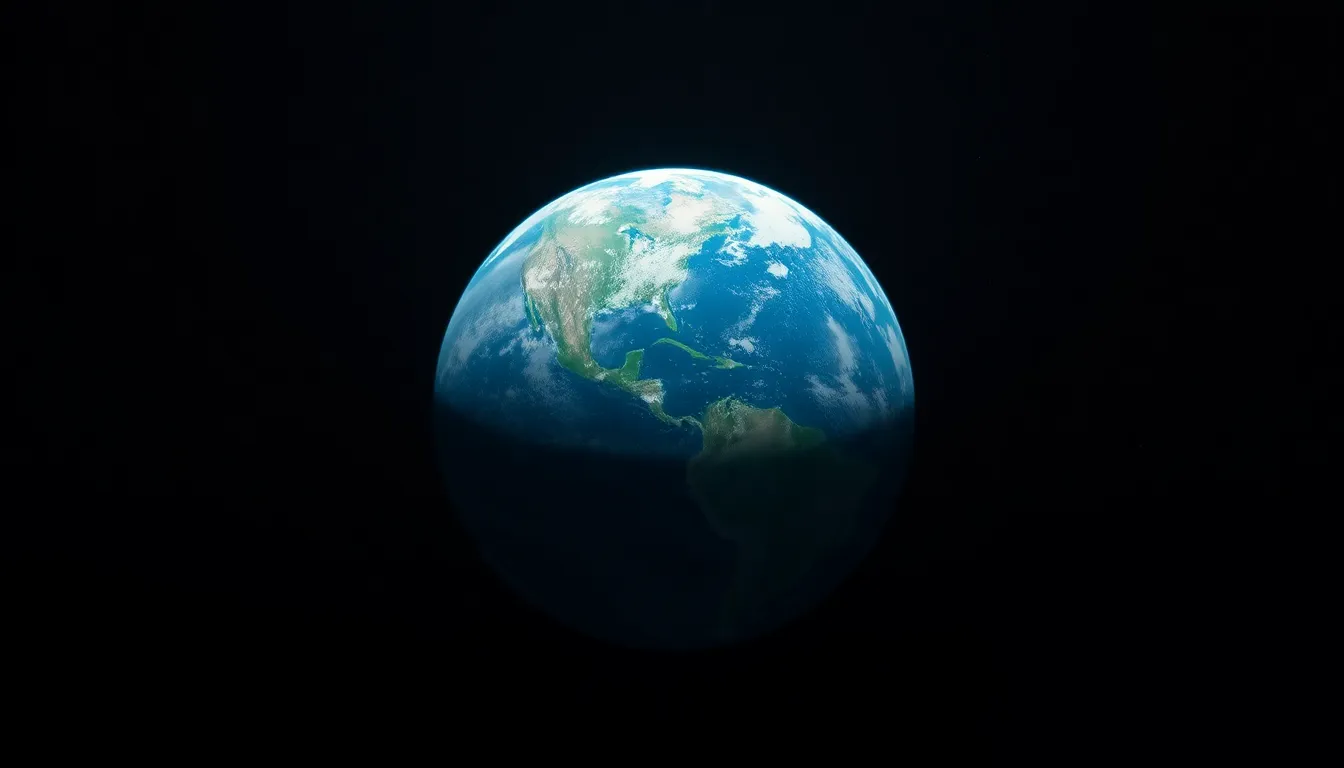
captured with Nikon Z9, 70-200mm f/2.8 telephoto at 135mm, featuring a full-frame shot of Earth from space, with vibrant blue oceans and white cloud formations against the black void of space. The image utilizes hyperfocal distance, making everything from foreground to infinity tack-sharp at f/8. Employing cinematic teal and orange color grading, the composition follows the rule of thirds, placing Earth slightly off-center while stars twinkle nearby.
16:9

shot on Sony A7R V with 85mm f/1.4 GM lens, showcasing a close-up of a shimmering Mars surface under soft, diffused natural sunlight, highlighting the red planet's rocky textures and fine dust. The image employs a shallow depth of field at f/1.4, allowing the foreground rocks to pop while the background blurs into a soft gradient. The warm, earthy color palette emphasizes the reds and oranges of the Martian terrain, while a centered composition captures the rugged beauty of the surface.
3:2
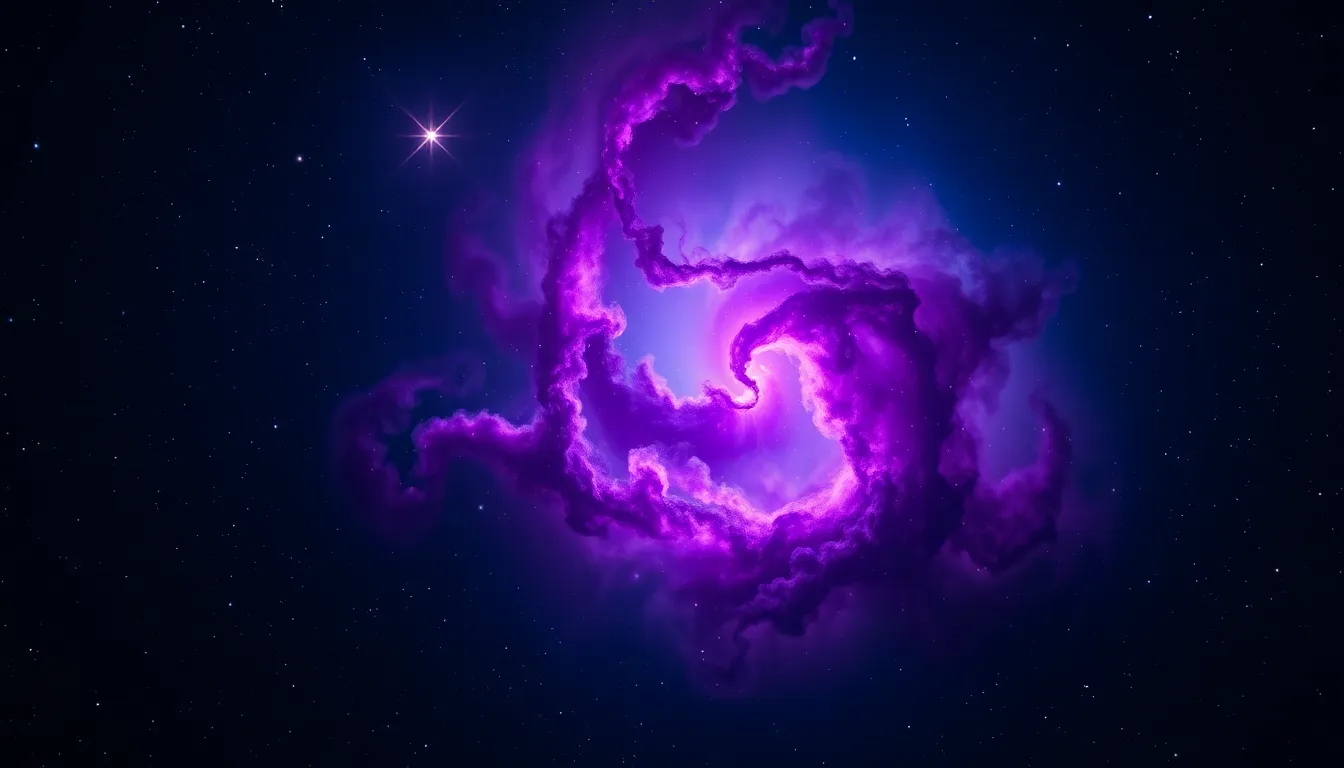
captured with Canon EOS R5, 24-70mm f/2.8L at 35mm, featuring dramatic lighting from a distant star illuminating a swirling nebula. The image showcases a shallow depth of field at f/2.8, with vibrant hues of deep purple and blue creating a cosmic atmosphere. Utilizing a dynamic composition, the nebula fills the frame, with twinkling stars in the foreground adding depth. The texture of the nebula's gas clouds is rendered in rich detail, emphasizing their ethereal nature.
16:9
captured with Leica Q3, 28mm f/1.7 Summilux, depicting a stunning starry night above a rugged mountain landscape. The scene is illuminated by moonlight, casting gentle shadows on the rocky terrain. The depth of field is shallow at f/1.7, creating a beautiful bokeh effect with out-of-focus stars twinkling in the background. The rich color palette includes deep blacks and silvery whites, capturing the mystery of a clear sky filled with stars. The composition follows the rule of thirds, placing the mountains in the lower third to emphasize the expansive sky.
16:9
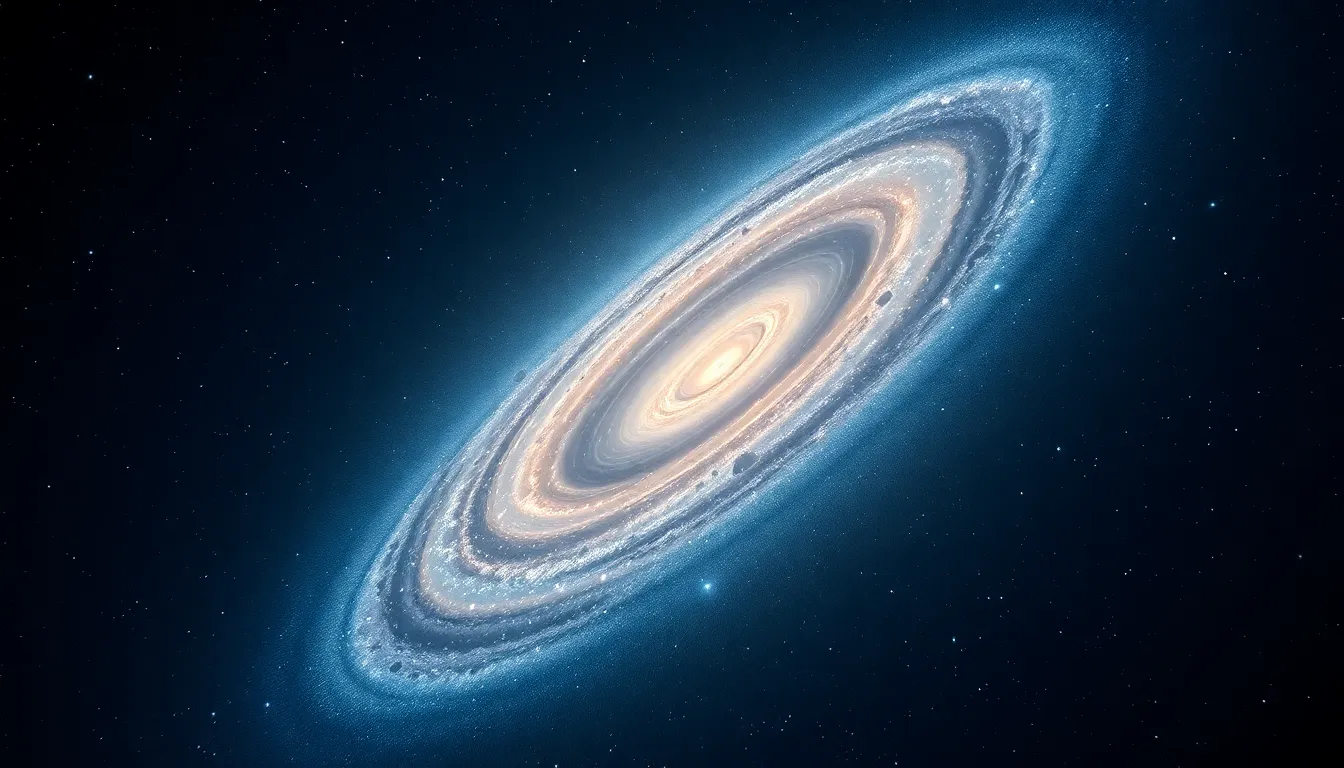
shot on Hasselblad X2D 100C, 90mm f/2.5 medium format, capturing a panoramic view of the Andromeda Galaxy set against the night sky. The scene is illuminated by starlight, revealing the galaxy's spiral arms with stunning clarity. Using hyperfocal distance at f/8 to maintain sharpness throughout the vastness. The color palette is a blend of cool blues and whites, highlighting the galaxy's shimmering stars. The composition follows a centered symmetrical style, enhancing the awe of the Andromeda Galaxy’s beautiful structure.
16:9
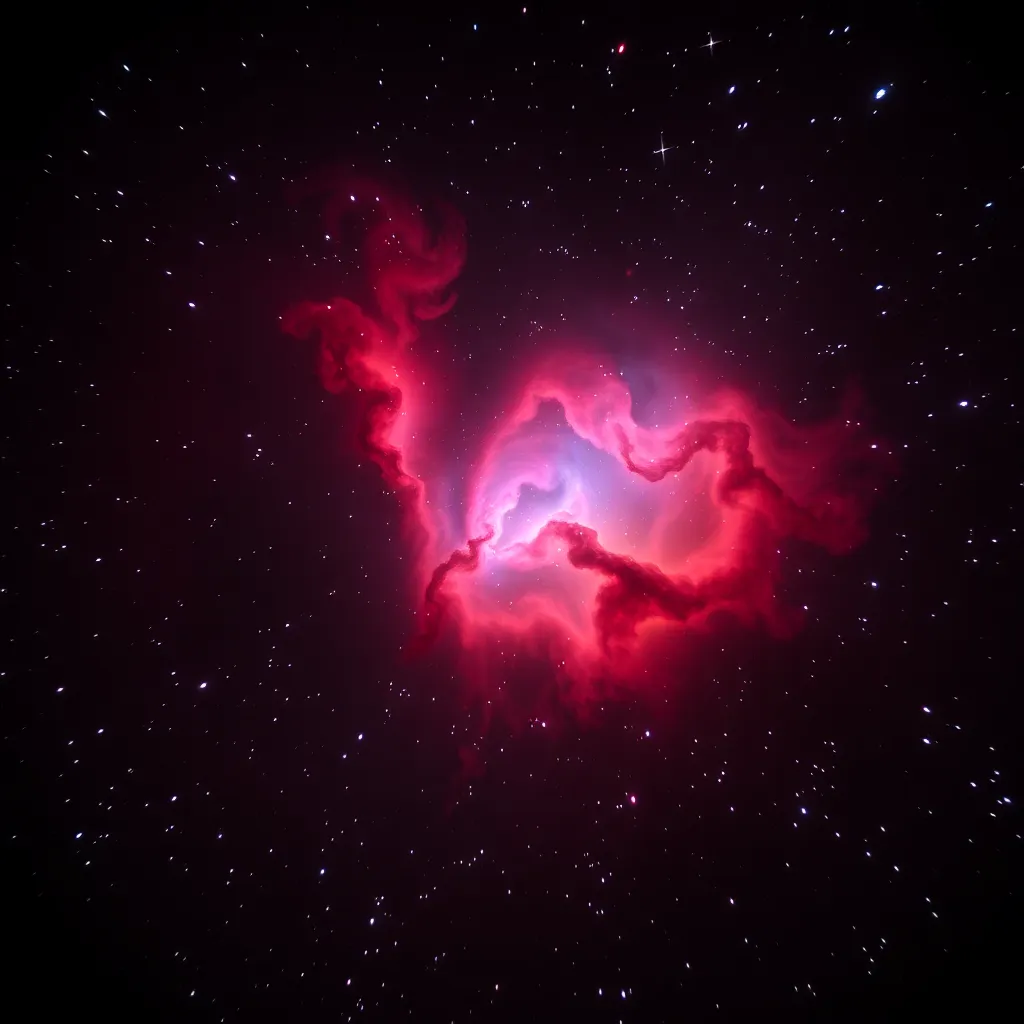
Fujifilm GFX 100S, 110mm f/2 macro, showcasing a detailed close-up of the Orion Nebula through a telescope. The lighting is soft and focused, emulating the glow of distant stars within the nebula. The depth of field is shallow at f/2, beautifully isolating the swirling colors and textures of gas and dust against the dark universe. The color palette features vibrant reds, pinks, and blues, enhancing the nebula's ethereal nature. The composition places the nebula slightly off-center, creating a dynamic balance with the surrounding star field.
1:1
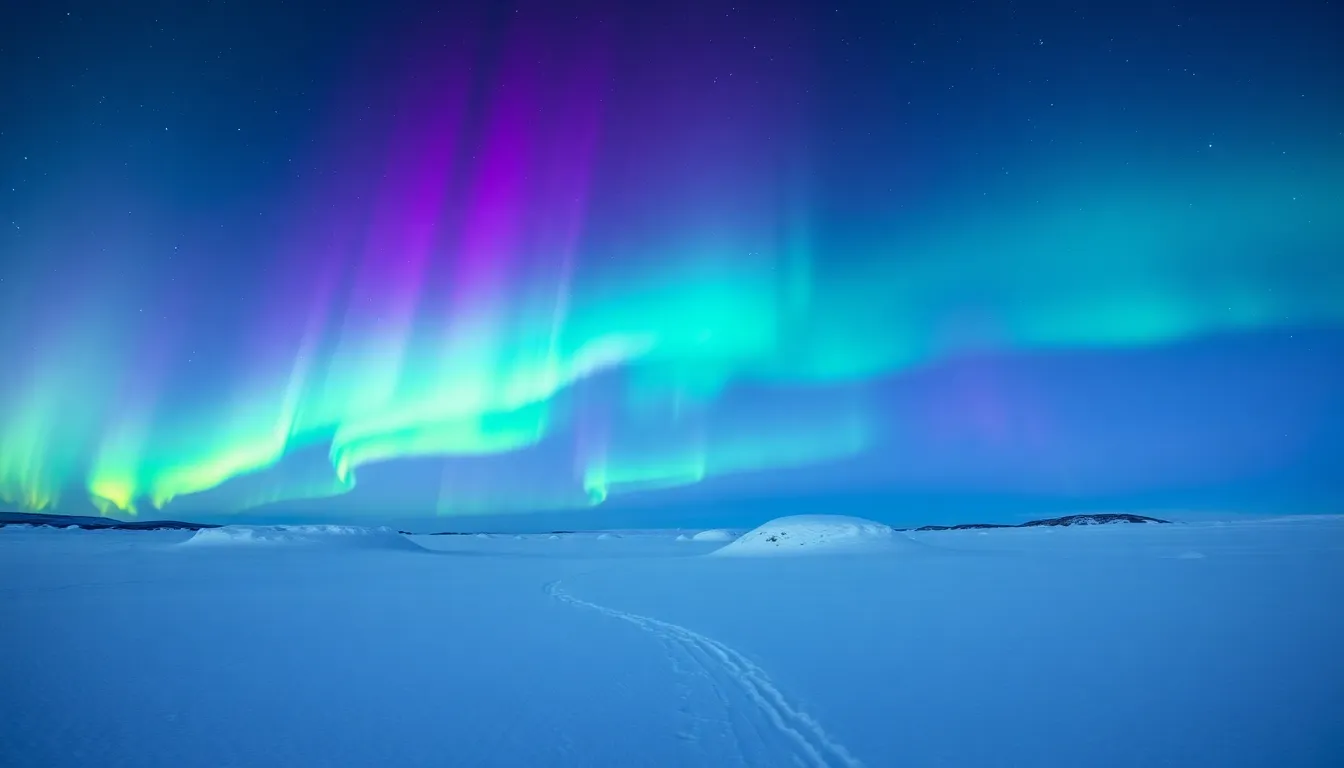
captured with Canon EOS R5, 24-70mm f/2.8L at 35mm, featuring a stunning view of the Northern Lights dancing in vibrant greens and purples across the Arctic sky. Shot during a cold winter night, the snow-covered landscape reflects the ethereal light show above. The lighting is natural, showcasing the aurora's glow against the dark sky. Hyperfocal distance at f/8 to keep the foreground details of the snowy landscape crisp and sharp. The color palette highlights the vivid greens and purples of the aurora against the cool tones of the snow. The composition utilizes leading lines from the snow drifts to draw focus to the lights above.
16:9
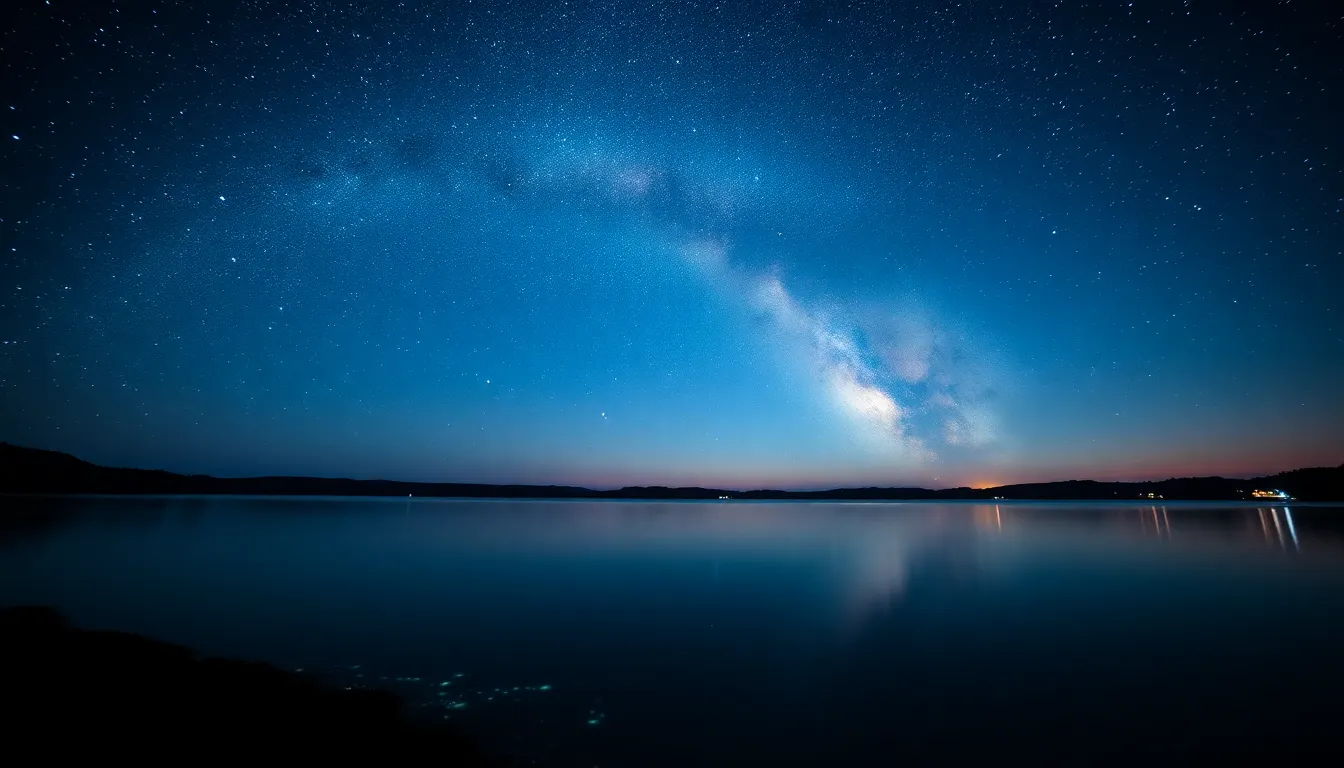
shot on Nikon Z9, 70-200mm f/2.8 telephoto at 135mm, capturing the Milky Way arching over a serene lake at dusk. The scene features vivid stars against a deep blue sky, with reflections on the water adding depth. Natural darkness with hints of bioluminescent algae glowing near the shoreline creates an enchanting effect. Shallow depth of field at f/2.8, focusing on the stars while the lake is softly blurred. The color palette is rich in deep blues and purples, highlighting the celestial beauty. Composition follows the rule of thirds, with the Milky Way placed along the upper third, leading the viewer's eye across the scene.
16:9
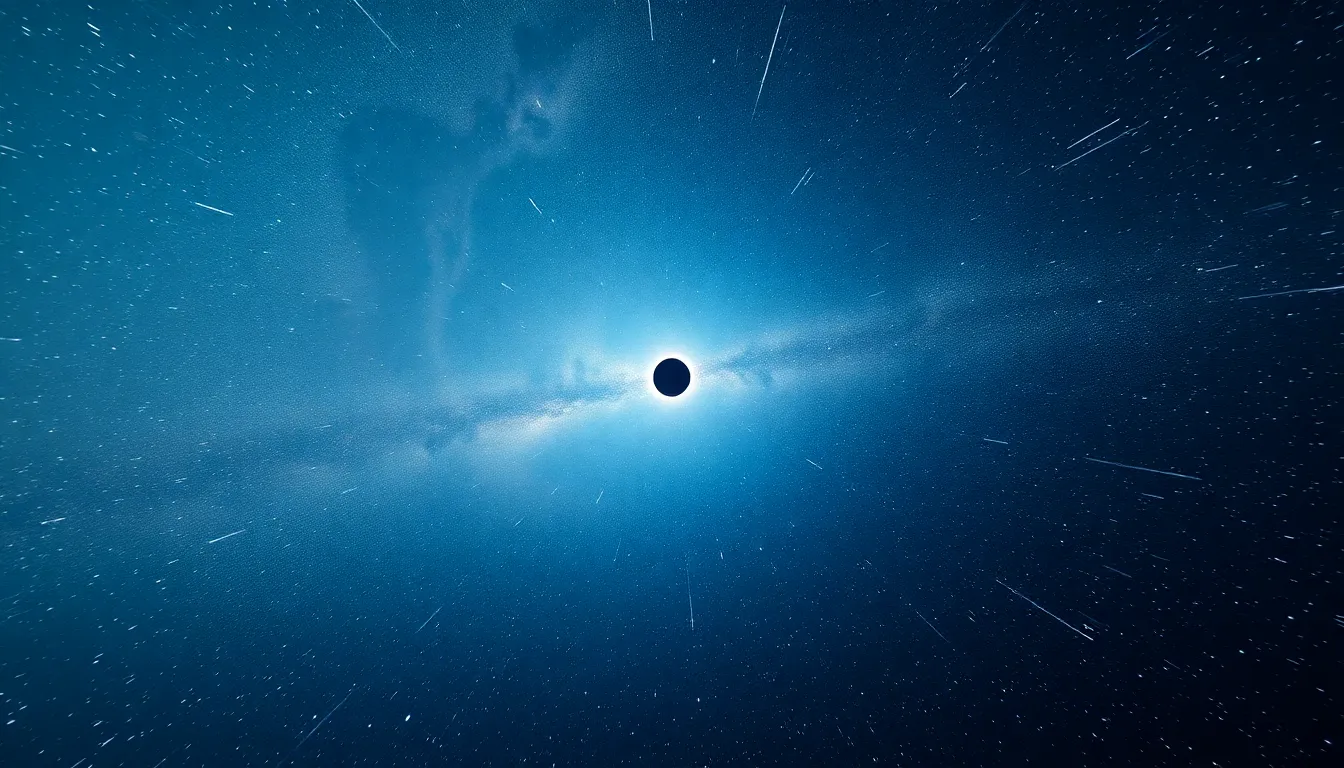
Shot on Hasselblad X2D 100C, 90mm f/2.5 medium format, this image presents a breathtaking cosmic landscape featuring a distant black hole set within a vibrant star field. The soft, diffused natural light provides a serene quality to the scene, illuminating the intricate details of stars scattered across the vastness of space. A hyperfocal distance ensures sharpness from foreground to infinity, creating an immersive experience. The color palette utilizes soft blues and whites, evoking a tranquil yet awe-inspiring ambiance. The composition employs leading lines from star trails directed towards the black hole, enhancing the sense of depth and scale.
16:9
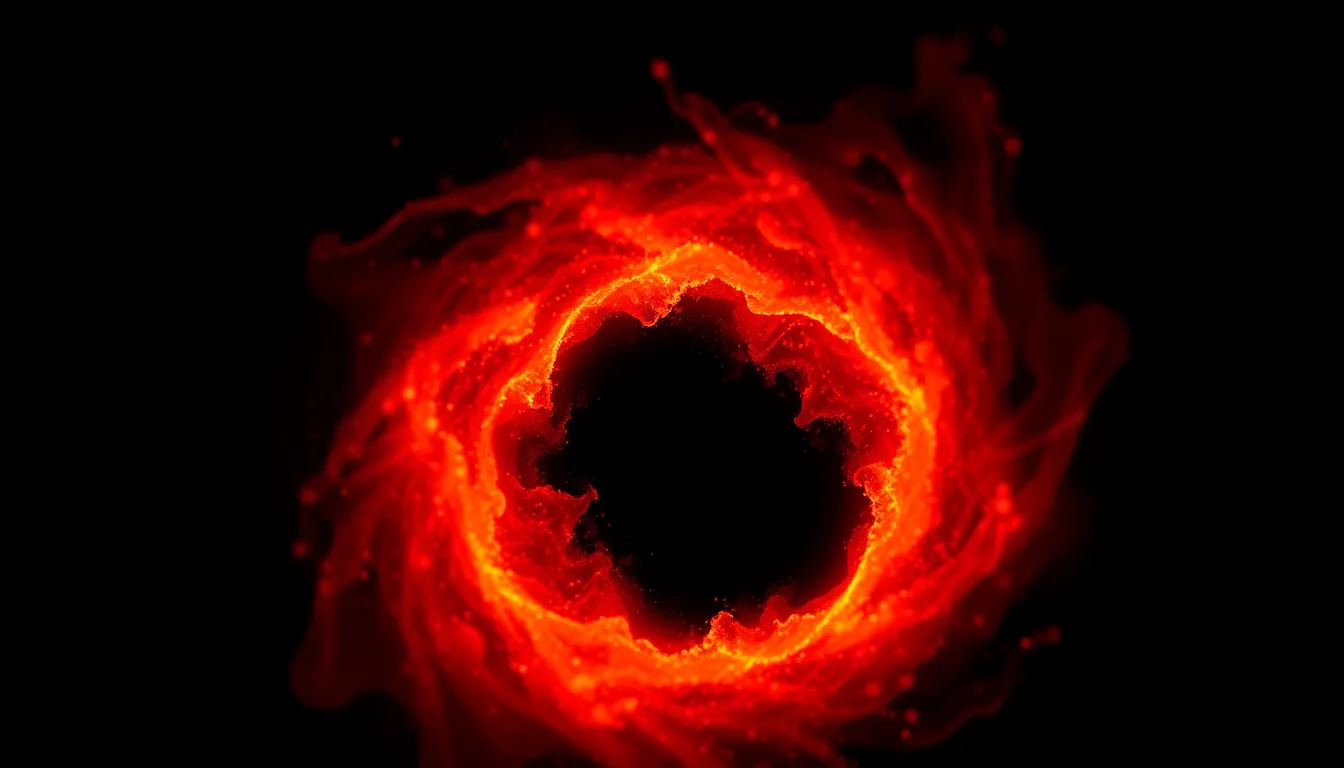
Photographed with Fujifilm GFX 100S, 110mm f/2 macro, this image zooms in on the swirling gas and particles just outside a black hole’s event horizon. Using dramatic studio lighting, the scene captures the intense textures of gaseous matter illuminated against a stark black backdrop. A selective focus technique isolates the swirling details, rendering the background into a soft, abstract blur. The color palette consists of deep reds and oranges, reflecting the energy of the gases. The composition incorporates a centered arrangement, emphasizing the swirling motion around the event horizon.
16:9
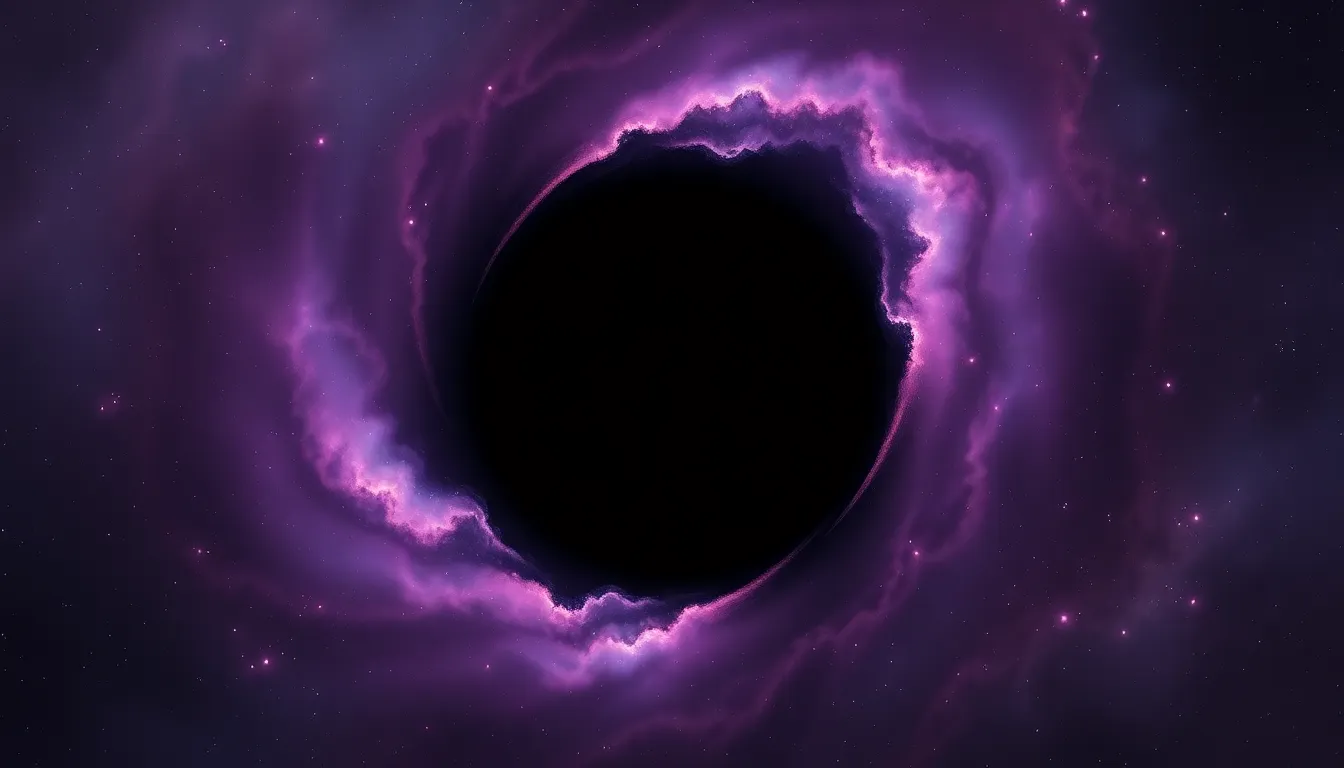
Captured with Canon EOS R5, 24-70mm f/2.8L at 35mm, this image depicts a massive black hole silhouetted against a colorful nebula. The soft, diffused natural light illuminates the edges of the nebula, enhancing its ethereal qualities. Hyperfocal distance keeps all elements sharp from the foreground to infinity, providing a captivating depth. The color palette showcases deep purples, blues, and hints of pink, evoking a sense of wonder. The composition uses a centered layout, emphasizing the central void of the black hole while presenting the vibrant nebula swirling around it.
16:9
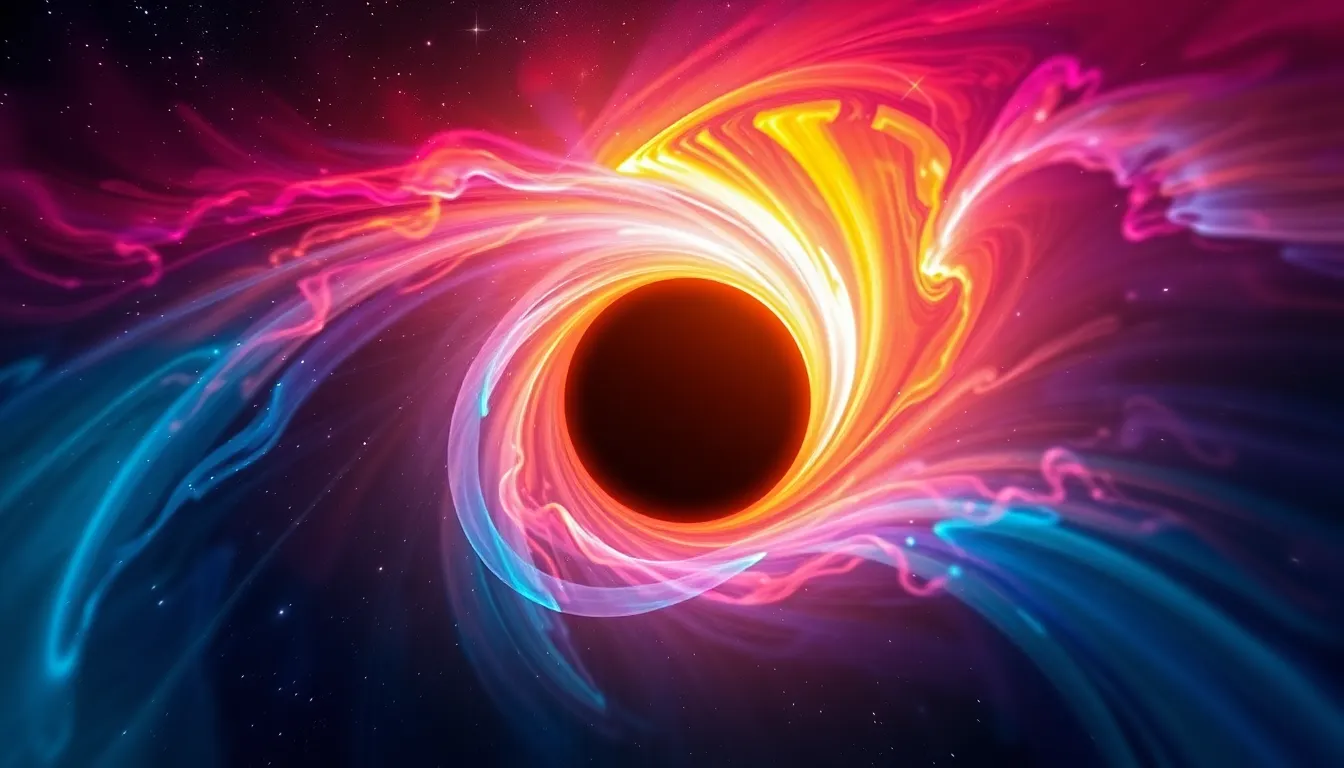
Shot on Sony A7R V with 85mm f/1.4 GM lens, this image captures a surreal representation of light bending around a black hole in a vibrant cosmic scene. The play of light creates stunning lensing effects, resembling a colorful rainbow halo. Utilizing natural illumination from surrounding stars, the scene features hyper-realistic textures of cosmic dust. A shallow depth of field at f/1.4 isolates the black hole’s core while the vibrant colors blur into a soft gradient, enhancing visual interest. The composition incorporates leading lines from swirling gas to draw the viewer's eye towards the central void, establishing a sense of motion and dynamic tension.
16:9
Captured with Nikon Z9, 70-200mm f/2.8 telephoto at 135mm, the scene depicts a black hole surrounded by a swirling accretion disk of glowing gas. Dramatic backlighting from distant stars casts a brilliant halo effect, creating a stark contrast against the dark void. A shallow depth of field at f/2.8 highlights the luminous disk while blurring the surrounding starlit sky into an ethereal bokeh. The color palette features vivid blues and fiery oranges that evoke a sense of cosmic drama. The composition employs the rule of thirds, placing the black hole slightly off-center, enhancing the dynamic energy of the scene. Detailed textures of the gaseous accretion disk shimmer and swirl, reflecting the chaotic yet beautiful nature of space.
16:9
Captured on Leica Q3, 28mm f/1.7 Summilux, this image presents a breathtaking landscape of an alien planet’s surface viewed from high above, showcasing vast plains and distant mountains under a colorful aurora. The natural sunlight provides soft lighting, enhancing the vibrant colors of the aurora that dances across the sky. The depth of field is set at hyperfocal distance, ensuring everything from the foreground terrain to the mountains in the background is sharp. Rich greens and blues dominate the color palette, creating a surreal contrast. Compositionally, the horizon is placed at the lower third, giving a sense of vastness and wonder to the expansive terrain below.
16:9
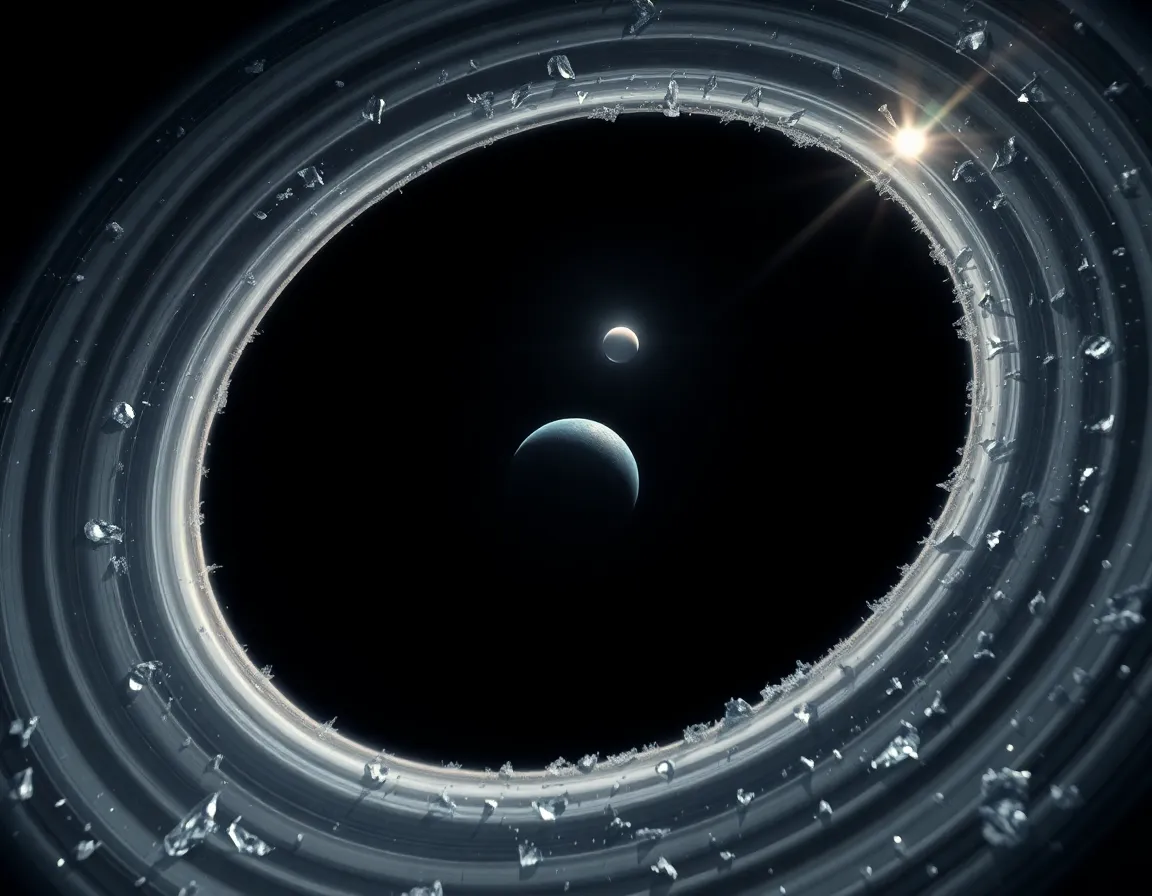
Photographed with Fujifilm GFX 100S, 110mm f/2 macro, this image captures a stunning view of a planet's rings composed of icy particles and rocky debris. Soft, diffused lighting from a nearby star creates a gentle glow across the rings, illuminating their intricate textures. The depth of field is shallow at f/2, rendering the rings sharply focused while the distant planet remains softly blurred. The color palette includes shimmering whites and blues with hints of silvery reflections. The composition features a tight crop of the rings spiraling towards the planet, creating a dynamic and engaging visual flow.
4:3
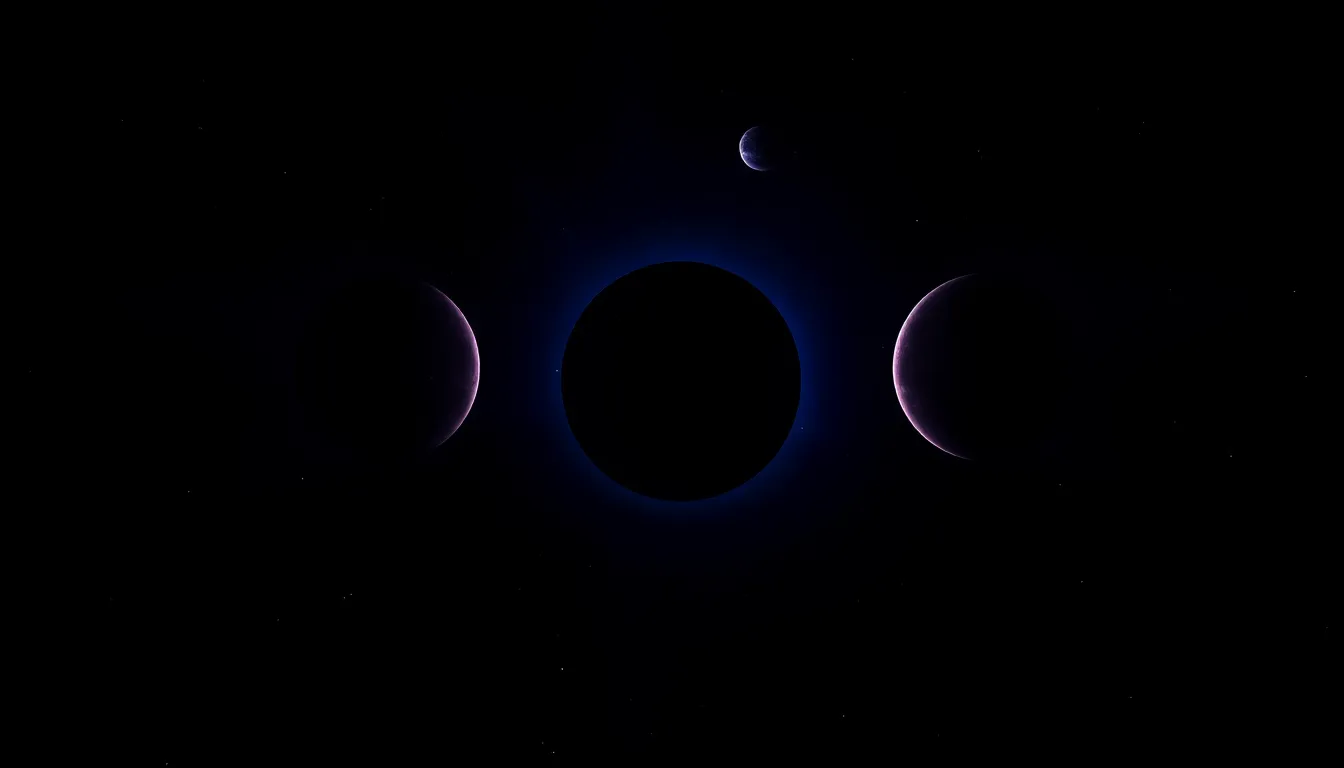
Captured with Canon EOS R5, 24-70mm f/2.8L at 35mm, this image portrays a vibrant view of two moons eclipsing a distant planet in a dark cosmic setting. The dramatic lighting from the planet casts sharp shadows on the moons, creating a mysterious and captivating atmosphere. The depth of field is set at f/4, ensuring both moons and the planet are sharply defined against a deep black background speckled with stars. The color palette features deep purples, blues, and blacks, enhancing the celestial theme. The composition places the planets in a triangular formation, drawing the viewer's eye across the scene.
16:9
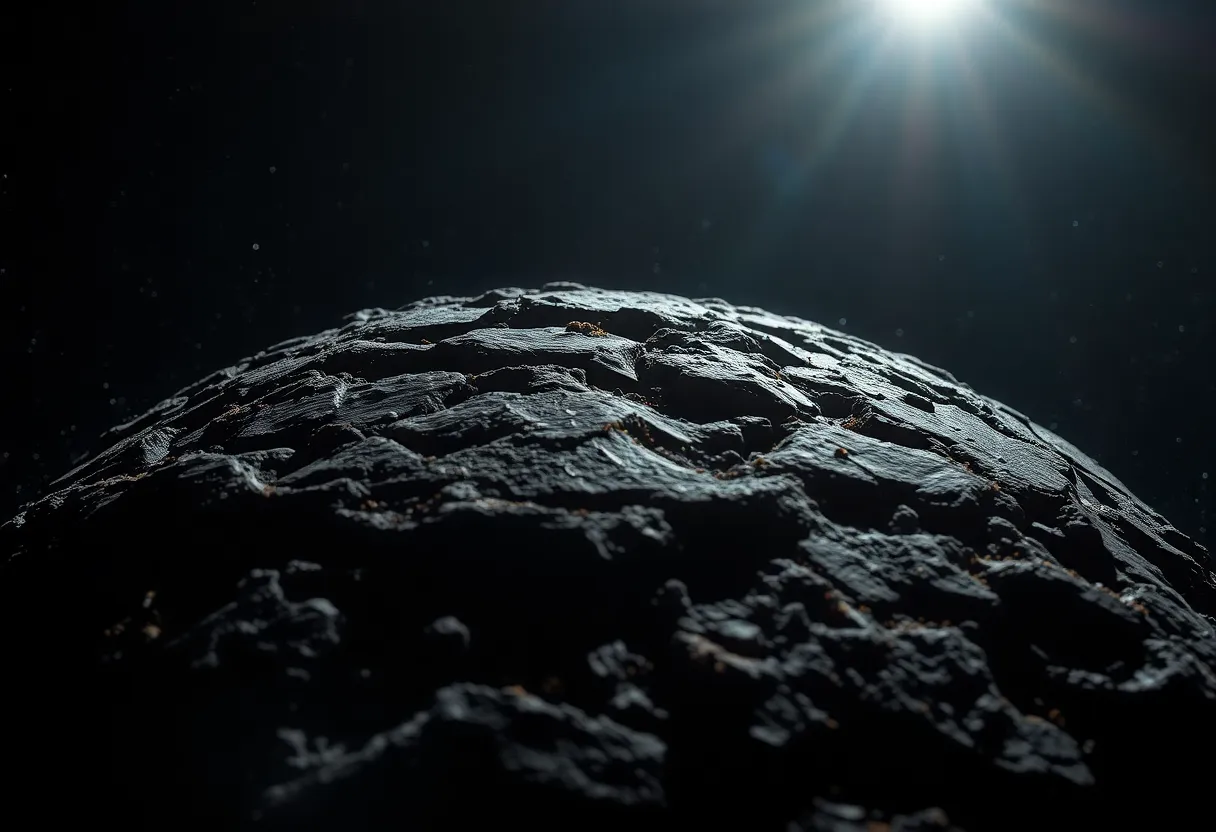
Shot on Sony A7R V with 85mm f/1.4 GM lens, this close-up image showcases a detailed view of a rocky, cratered exoplanet's surface under bright starlight. The harsh direct lighting creates strong shadows that highlight the rocky textures and fine details of the craters. Depth of field is shallow at f/1.4, creating a smooth bokeh effect in the background of stars and distant galaxies. The color palette reflects cool greys with specks of warm, rust-like minerals. The composition centers on the planet's rugged surface while positioning the stars in a staggered pattern, emphasizing the vast emptiness of space surrounding it.
3:2
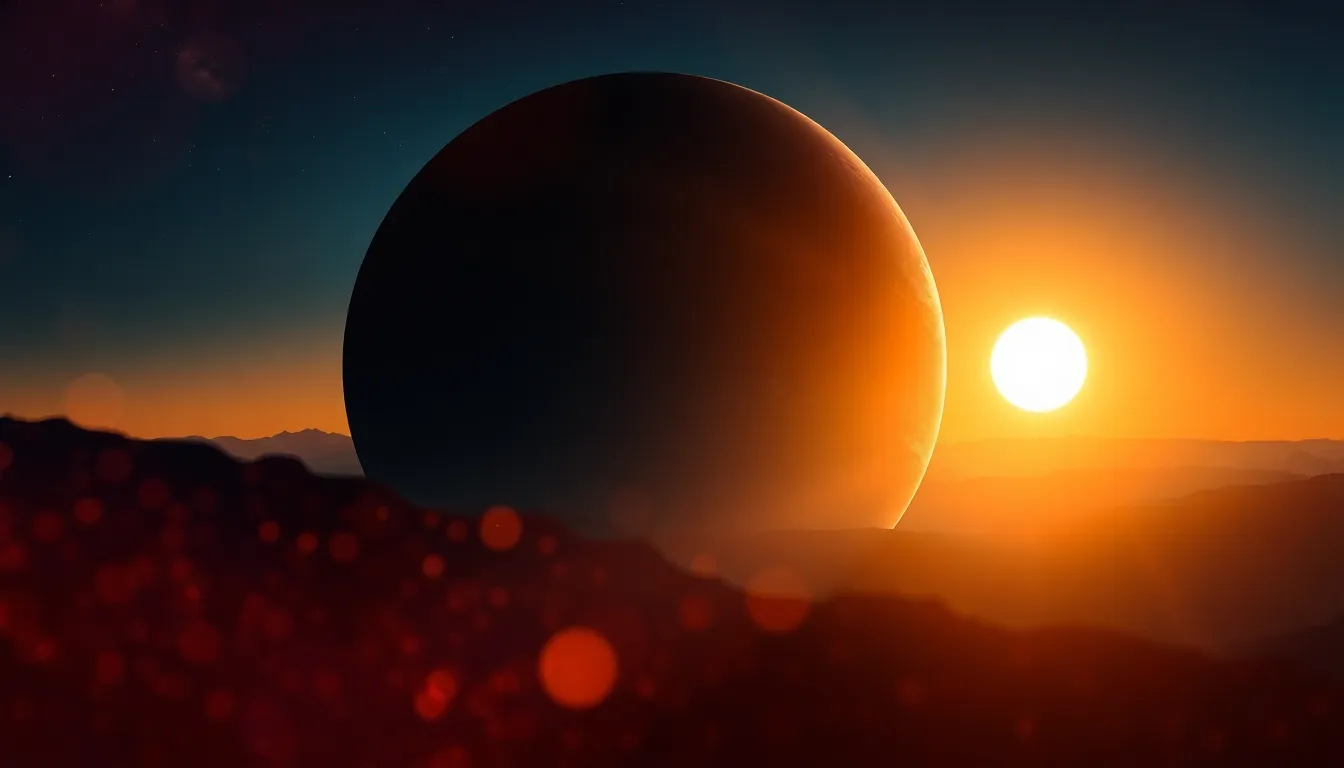
Captured with Nikon Z9, 70-200mm f/2.8 telephoto at 135mm, this image showcases a dramatic view of a massive gas giant looming in the background, illuminated by a distant sun. The twilight setting creates a soft, diffused light with long shadows and ethereal hues. Depth of field is shallow at f/2.8, blurring the foreground with colorful nebulae, drawing focus to the planet's swirling atmosphere. Color grading emphasizes vibrant blues and oranges, reminiscent of a cosmic sunset. Compositionally, the planet occupies the right power point, with leading lines of stardust pulling the viewer's eye towards it, while the texture reveals the planet's dynamic gaseous surface.
16:9
Fujifilm GFX 100S, 110mm f/2 macro, beautifully depicting a night sky filled with constellations over a field of wildflowers under soft twilight. The scene is lit by the fading orange glow of sunset transitioning into deep blue, creating a rich gradient in the sky. The depth of field is shallow at f/2, allowing the wildflowers in the foreground to be sharply in focus while blurring the stars above into a soft, dreamy bokeh. The color palette showcases natural muted tones, with earthy colors of the flowers contrasting with the vibrant celestial backdrop. The composition adheres to the rule of thirds with the horizon placed low in the frame, emphasizing the expansive sky above and the delicate details of the flowers.
16:9
Hasselblad X2D 100C, 90mm f/2.5 medium format, focusing on a close-up of the Andromeda Galaxy as it appears through a telescope. The scene is illuminated using soft artificial light to bring out the galaxy's details without overexposing. The depth of field is shallow at f/2.5, bringing the intricate swirl of cosmic colors into sharp focus while rendering the surrounding void into a soft gradient. The color science reflects the Fujifilm Velvia-inspired saturated colors, showcasing vibrant blues, whites, and subtle pinks. The composition is centered with the galaxy dominating the frame, inviting viewers to explore its depths. The texture of swirling gas and stars adds dimension to this captivating celestial view.
16:9
Nikon Z9, 70-200mm f/2.8 telephoto at 135mm, capturing a majestic view of the Orion constellation rising over a mountain range during twilight. The scene is bathed in the dusky light of sunset, transitioning to the deep blue of twilight, with stars beginning to twinkle. A narrow depth of field at f/2.8 selectively focuses on the constellation, blurring the mountain landscape into soft hues of purple and gray. The color grading resembles the cinematic teal and orange palette, enhancing the dramatic contrast. The composition uses leading lines created by the mountain silhouettes to draw the viewer’s eye towards Orion. Textures include the ruggedness of the mountains against the smooth, vast sky.
16:9
shot on Sony A7R V with 85mm f/1.4 GM lens, portraying a brilliant shooting star streaking across a clear night sky. The scene is lit by natural moonlight, casting a soft glow on nearby rocky terrain. The depth of field is shallow at f/1.4, emphasizing the shooting star while blurring the distant stars into a creamy bokeh. The color palette combines deep navy blues with sparkling whites and a hint of green from the Milky Way below. The composition centers the shooting star using a dynamic diagonal line across the frame, giving a sense of motion and excitement. Texture details highlight the rough rocky surfaces below, contrasting against the smoothness of the night sky.
16:9
captured with Canon EOS R5, 24-70mm f/2.8L at 24mm, showcasing the Milky Way stretching across a starry night sky over a tranquil lake. The scene is illuminated by soft moonlight reflecting off the water, creating a luminous path. The depth of field is set to hyperfocal distance at f/8, ensuring a crisp foreground of silhouetted trees and a sharp background of the star-filled sky. The color palette features rich dark blues and purples with speckles of bright white stars. The composition uses the rule of thirds to position the horizon line at the lower third of the frame, enhancing the sky's grandeur. The texture of the calm water is smooth, with subtle ripples catching the moonlight.
16:9
Hasselblad X2D 100C, 90mm f/2.5 medium format, capturing an expansive night sky above a tranquil lake. A bright comet streaks across the star-filled heavens, leaving a luminous tail that reflects on the water's surface. The scene is bathed in ethereal blue tones with hints of silver, creating a calming atmosphere. The composition employs symmetry, with the horizon centered, mirroring the celestial display in both sky and water. Textures of the calm lake surface and surrounding trees enhance the serene and majestic mood of the scene.
16:9
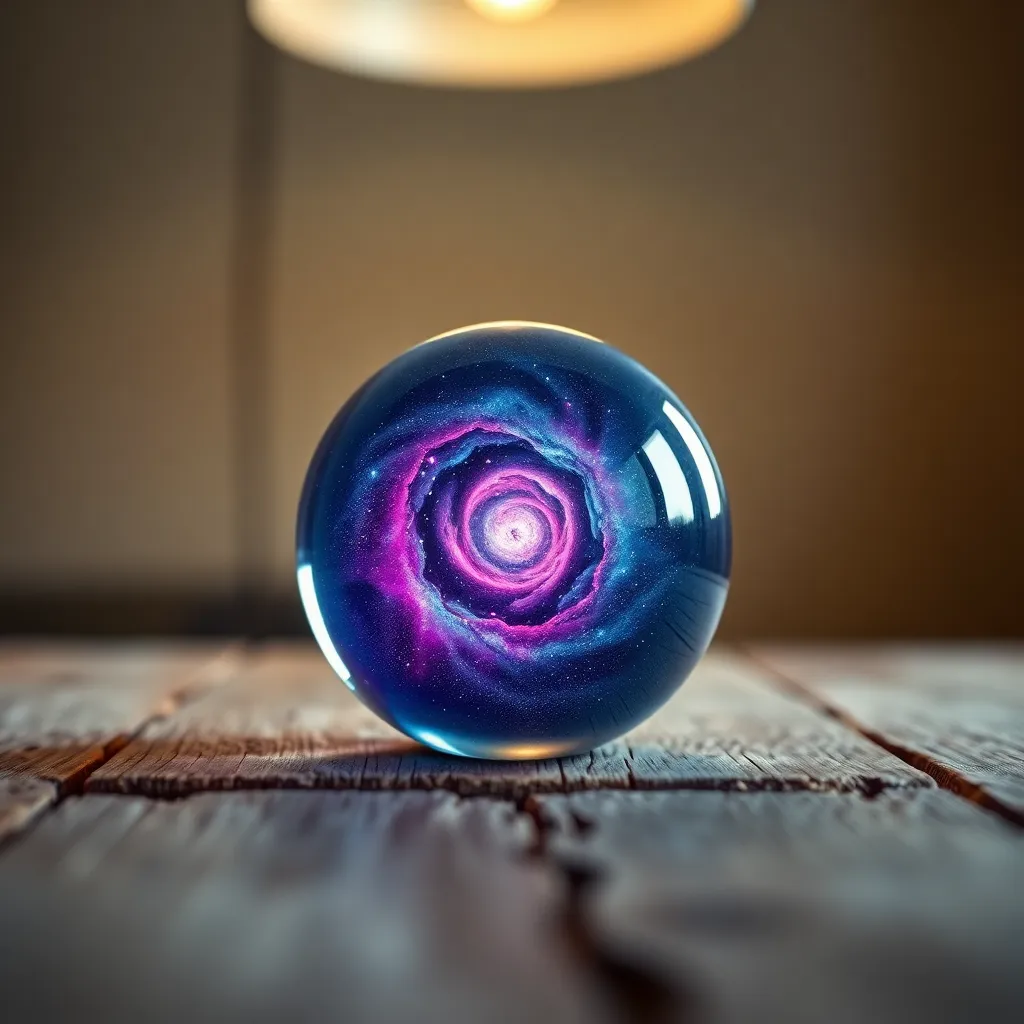
Fujifilm GFX 100S, 110mm f/2 macro, focused on a glass orb placed on a weathered wooden tabletop. Inside the orb, a miniature galaxy swirls with vibrant colors—deep purples, blues, and shimmering silvers. The soft light from an overhead lamp creates a magical atmosphere, casting reflections and soft highlights on the orb's surface. Using shallow depth of field, the background melts away into creamy bokeh while the orb remains sharply in focus. This composition creates an intriguing juxtaposition of natural textures and cosmic elements.
1:1
Nikon Z9, 70-200mm f/2.8 telephoto at 135mm, capturing a stunning view of a starlit desert landscape. Under a new moon, thousands of stars illuminate the scene, revealing the unique textures of the sand dunes. The atmosphere is serene with a soft gradient of colors transitioning from deep indigo to hints of burnt orange at the horizon. Hyperfocal distance ensures clarity from the foreground dunes to the distant starry sky. The composition draws the eye in a leading line from the foreground to the horizon, showcasing the vastness of space above.
16:9
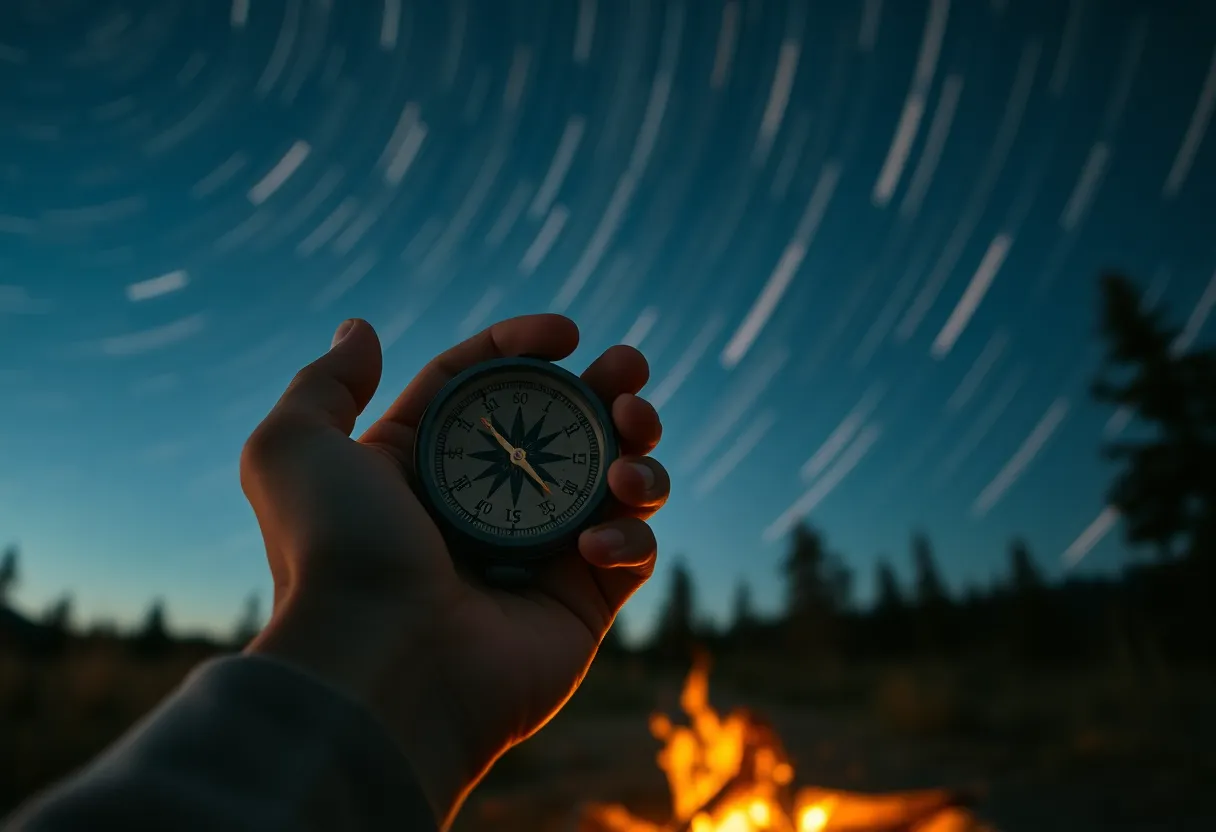
shot on Sony A7R V with 85mm f/1.4 GM lens during dusk, capturing a close-up of a hand holding a vintage compass against a backdrop of star trails. The compass glimmers in soft golden light from a nearby campfire, while the star trails swirl in the background, creating a sense of motion and adventure. The color palette features warm tones, with the firelight contrasting against the crisp blues of the twilight sky. Shallow depth of field emphasizes the hand and compass, with a creamy bokeh effect in the trailing stars, inviting exploration and curiosity.
3:2
captured with Canon EOS R5, 24-70mm f/2.8L at 35mm, under a clear night sky illuminated by thousands of stars. The Milky Way stretches majestically across the scene, revealing its intricate dust lanes. The foreground features a silhouetted mountain range, adding depth and dimension. Natural muted tones enhance the celestial palette, with deep blues and whites against the dark sky. The composition follows the rule of thirds, placing the horizon line in the lower third, while the stars dominate the upper two-thirds. Textures of the rocky terrain offer surface detail against the softness of the sky.
16:9
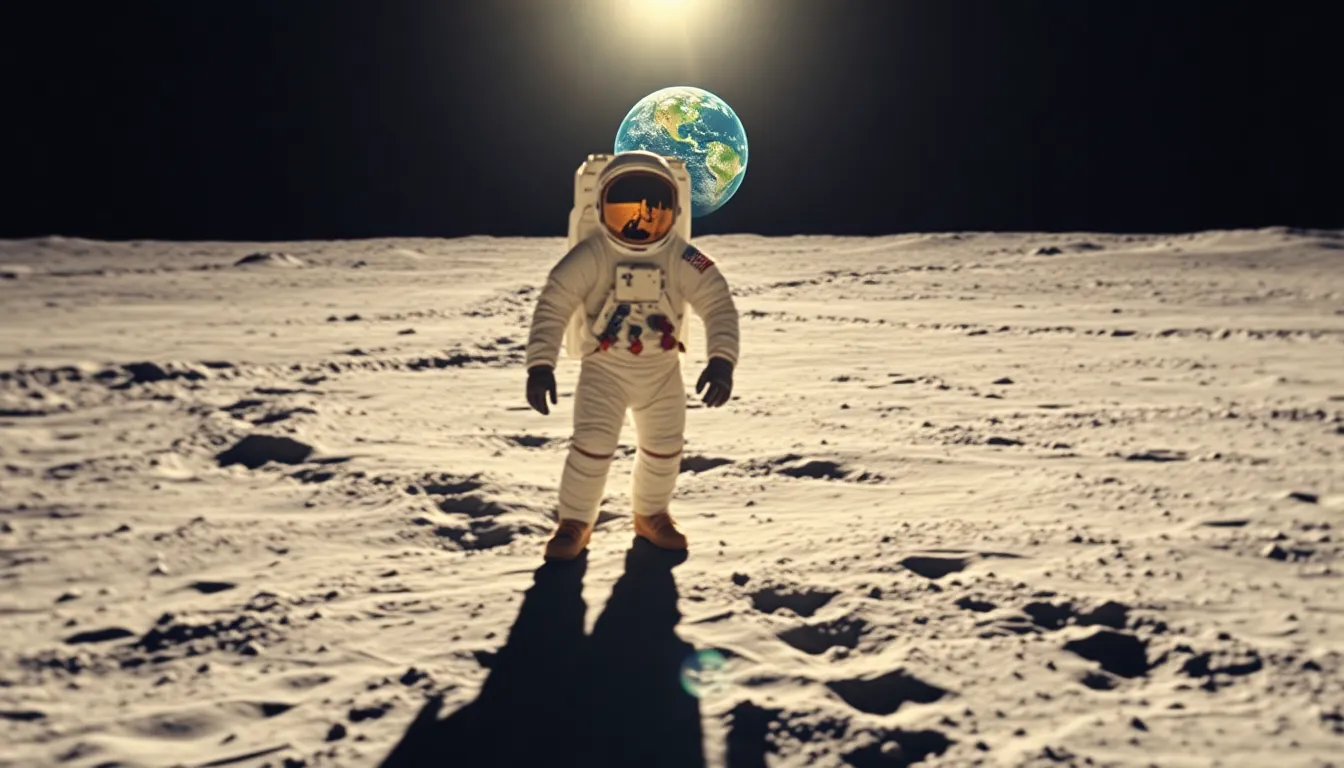
Hasselblad X2D 100C, 90mm f/2.5 medium format capturing an astronaut standing on the lunar surface, with Earth visible in the background. The scene is illuminated by the harsh sunlight of the moon, casting long shadows and highlighting the astronaut's suit. The depth of field is hyperfocal, making the astronaut and Earth both tack-sharp. The color palette combines the stark whites and greys of the lunar surface with the vivid blues and greens of Earth. The composition uses leading lines created by the footprints in the lunar dust, guiding the viewer's eye toward the astronaut and Earth.
16:9
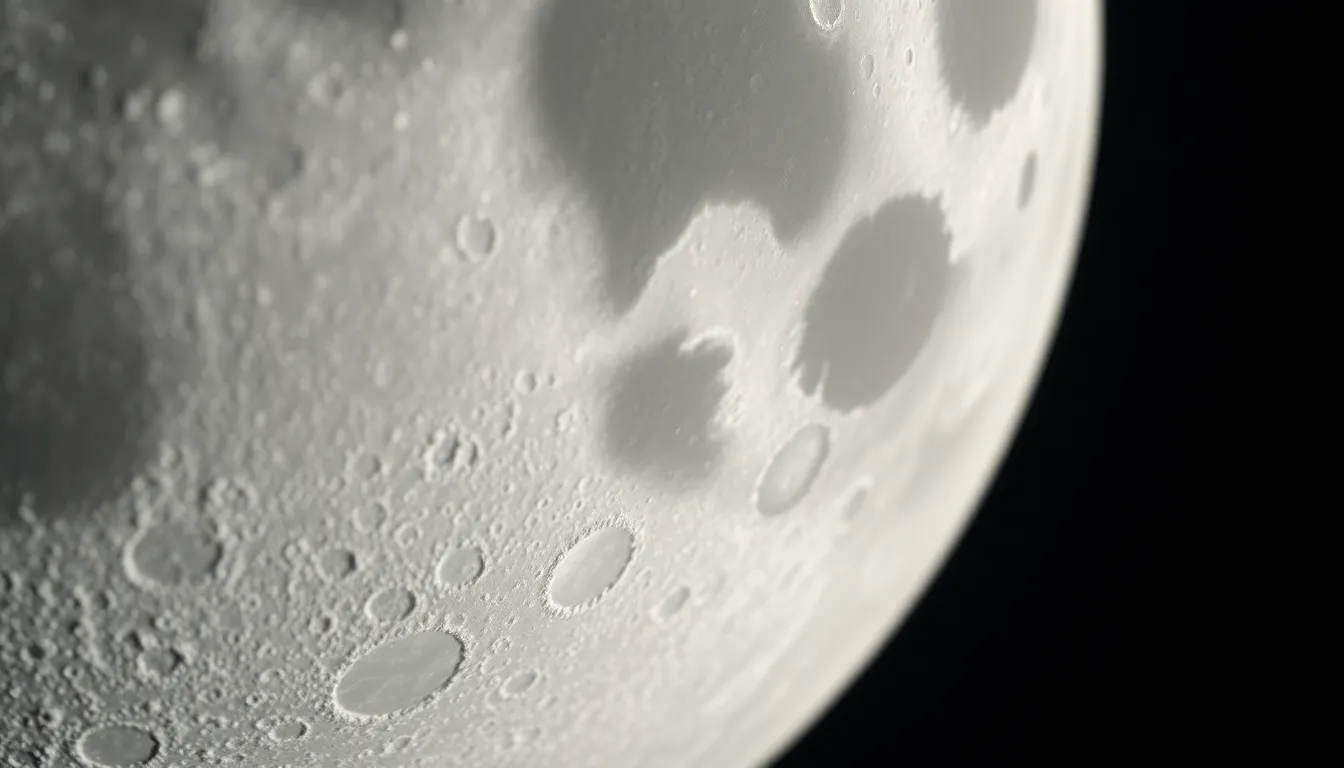
Fujifilm GFX 100S, 110mm f/2 macro focusing on the lunar surface with intricate textures and details of the moon's craters and maria. The scene is lit by soft moonlight, giving it a soothing, ethereal glow. The shallow depth of field at f/2 creates a creamy bokeh effect that gracefully isolates the textured lunar surface. The color palette includes soft greys and whites, contributing to a serene, otherworldly atmosphere. The composition features a close-up view of the moon, capturing the intricate details and textures that tell its geological history.
16:9
Nikon Z9, 70-200mm f/2.8 telephoto at 135mm capturing the moon in detail, surrounded by stars in a clear night sky. The scene is illuminated solely by the moonlight, creating a tranquil night-time ambiance. Shallow depth of field at f/2.8 accentuates the moon's craters while the twinkling stars fade into a soft blur, creating ethereal bokeh. The color palette consists of deep indigos and silvery greys, evoking a sense of wonder and solitude. The moon is centered prominently, making it the focal point of the composition.
16:9
shot on Sony A7R V with 85mm f/1.4 GM lens during an eclipse, featuring a dramatic silhouette of a lone tree against the partially obscured moon. The lighting is backlit by the crescent moon, casting an eerie glow around the tree. Hyperfocal distance — everything from the tree to the moon is tack-sharp at f/8. The color palette employs deep blacks and bright white highlights, enhancing the contrast of the scene. A Dutch angle composition adds dynamic tension, drawing the viewer's eye toward the unique celestial event.
16:9
captured with Canon EOS R5, 24-70mm f/2.8L at 35mm, featuring dramatic moonrise over a tranquil lake. The scene is illuminated by cool twilight blue light with the moon reflecting on the water surface, creating a serene ambiance. Shallow depth of field at f/2.8 with crisp moon details against a softly blurred foreground of reeds. The color palette is composed of deep blues and silvery whites, evoking a calm, contemplative mood. Composition follows the rule of thirds, with the moon positioned at the upper left power point, surrounded by soft ripples in the water that add texture.
16:9
captured with Leica Q3, 28mm f/1.7 Summilux, presenting a dynamic view of the Andromeda Galaxy against a pitch-black sky. The image is lit by the raw light of countless stars scattered throughout the thick darkness. Focusing on the galaxy at f/1.7 creates a beautifully blurred backdrop of cosmic dust. The color palette features deep blue, vibrant whites, and hints of pink, enhancing the galactic beauty. The composition employs a centered symmetrical layout, with the galaxy dominating the frame, showcasing its majestic spiral structure.
16:9
shot on Sony A7R V with 85mm f/1.4 GM lens, capturing the vibrant colors of the Northern Lights dancing across a starry night sky. The scene is set in a remote arctic landscape during winter, with snow-covered ground reflecting the greens and purples of the aurora. Using a shallow depth of field at f/1.4, the foreground features icy terrain with small clumps of grass. The color grading draws inspiration from Kodak Portra 400, enhancing skin tones while retaining the luminous quality of the aurora. The composition employs leading lines from the snowy terrain drawing the eye toward the sky.
16:9
photographed with Fujifilm GFX 100S, 110mm f/2 macro, showcasing a close-up view of twinkling stars in the night sky. The scene is illuminated by natural moonlight that creates a soft glow around the stars. Using a shallow depth of field at f/2, the foreground captures delicate nebula-like clouds of stardust, swirling with vibrant colors. The color palette features soft purples, pinks, and whites, reflecting the beauty of the cosmos. The centered composition emphasizes the intricate details in the stardust, inviting the viewer into the celestial world.
1:1
captured with Canon EOS R5, 24-70mm f/2.8L at 35mm, featuring an expansive shot of the Orion constellation displayed vividly in the night sky. Overcast diffused daylight enhances the stars' visibility, creating a mystical atmosphere. Hyperfocal distance ensures sharp focus from foreground rocks to infinity. The color palette consists of rich blues with hints of turquoise, emphasizing the contrast of the stars. The rule of thirds places Orion off-center, with rugged terrain in the foreground providing texture and interest in the composition.
16:9
shot on Nikon Z9, 70-200mm f/2.8 telephoto at 135mm, capturing a breathtaking view of the Milky Way arching across a clear night sky. Golden hour twilight reflects on a tranquil lake below, enhancing the celestial bodies' brightness. Shallow depth of field at f/2.8 for a soft, blurred foreground of silhouettes of trees, creating depth. The scene features a deep blue and purple color palette with bright white stars. The composition is framed to include the lake in the foreground leading toward the stars above, capturing a sense of wonder. The water's surface reflects the starlight, adding texture and movement.
16:9
captured with Fujifilm GFX 100S, 110mm f/2 macro, featuring intricate details of a meteor shower streaking across a starry sky. The lighting is provided by ambient starlight, emphasizing the brightness of the meteors against the dark backdrop. With a shallow depth of field at f/2, the meteors are sharply defined while the stars create a soft sparkling effect in the background. The color palette leans towards cinematic teal and orange color grading, adding a vibrant touch. The composition captures multiple meteors in a diagonal line across the frame, creating an energetic flow.
16:9
shot using Hasselblad X2D 100C, 90mm f/2.5 medium format, featuring a panoramic view of the night sky cluttered with constellations over an ancient stone castle. The scene is lit by cool moonlight, casting dramatic shadows across the castle walls. At f/2.5, the depth of field blurs the stars into a dreamy backdrop while keeping the castle in sharp focus. The color palette is a mix of deep blacks and silvery whites, evoking a mysterious and enchanting feel. The composition uses the castle to frame the constellations above, enhancing the sense of storytelling within the image.
16:9
captured with Canon EOS R5, 24-70mm f/2.8L at 35mm, showcasing a stunning aurora borealis illuminating the night sky above a tranquil lake. The scene is enveloped in overcast diffused daylight, which softens the colors of the aurora. With a hyperfocal distance set at f/8, everything from the shimmering reflections on the lake to the vivid aurora fills the frame. The color grading features deep blues and rich greens inspired by Fujifilm Velvia, enhancing the natural beauty. The composition prominently features the lake, creating a mirror effect that doubles the impact of the aurora above.
16:9
shot on Sony A7R V with 85mm f/1.4 GM lens, featuring a wide shot of the Andromeda galaxy against a star-studded sky, captured during a clear evening. The scene is illuminated by soft, ambient starlight, providing a dreamy atmosphere. The depth of field is shallow at f/1.4, allowing for the galaxy to stand out sharply against the softly blurred background of stars. The color palette is a natural mix of muted tones with desaturated earth colors, enhancing the cosmic experience. The composition aligns the galaxy to the right power point, with tiny stars creating a leading line toward it.
16:9
captured with Nikon Z9, 70-200mm f/2.8 telephoto at 100mm, during a clear night sky, with soft moonlight illuminating the foreground. The stars are twinkling brightly against a deep blue backdrop, with a shallow depth of field at f/2.8 creating a soft bokeh effect in the foreground. The image features a Fujifilm Velvia-inspired saturated color palette that enhances the cool tones of the night sky and the warm hues of the earth below. The composition follows the rule of thirds, placing the Milky Way beautifully in the upper two-thirds of the frame, while the textured rocky terrain leads into the scene.
16:9
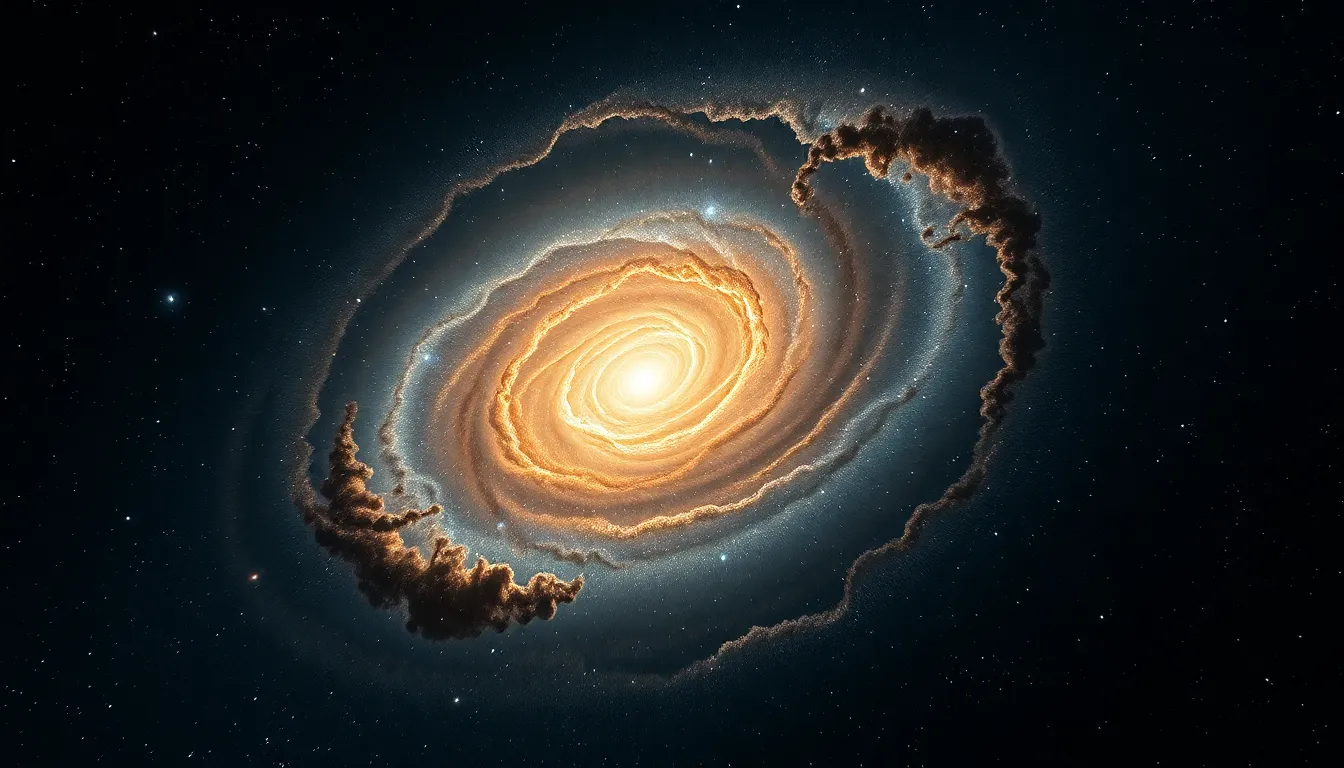
captured with Hasselblad X2D 100C, 90mm f/2.5 medium format, illustrating a breathtaking view of a galactic spiral, vibrant with color and detail. The deep, dark space serves as a background to the swirling arms of stars, gas, and dust, each illuminated by distant suns. The soft lighting enhances the natural glow of the galaxy. The depth of field is shallow at f/2.5, focusing on the central core of the galaxy while allowing the arms to melt into a dreamy bokeh. The color science reflects the Kodak Portra 400 palette, highlighting warm tones and creamy highlights. The composition uses center framing, drawing the eye straight to the luminous core of the galaxy, creating a sense of wonder and scale.
16:9

shot on Canon EOS R5, 24-70mm f/2.8L at 35mm, depicting a futuristic space station orbiting a distant planet. Illuminated by the glowing light of the planet below, the station's sleek metallic surfaces reflect ambient colors. Overcast twilight diffuses the lighting, creating a soft glow around the edges. The depth of field is hyperfocal at f/8, ensuring both the space station and the planet are sharply in focus. The color palette features natural muted tones with hints of teal and orange, complementing the serene atmosphere. The composition is centered, emphasizing the balance between the space station and the celestial backdrop.
16:9
captured with Fujifilm GFX 100S, 110mm f/2 macro lens, showcasing a close-up of a meteor entering Earth's atmosphere. The scene is dramatically lit with fiery colors illuminating the meteor's surface, while the tail produces a soft glow as it streaks across the sky. The depth of field is shallow at f/2, focusing intensely on the meteor, with a blurred background emphasizing the speed and motion. The color science incorporates saturated colors reminiscent of Fujifilm Velvia, highlighting the striking contrast of the burning rock against the night sky. The composition captures the meteor's trajectory at the center of the frame, enhancing its dynamic movement.
4:3

shot on Sony A7R V with 85mm f/1.4 GM lens, featuring a rugged astronaut in a textured space suit, poised on the surface of an alien planet. The scene is illuminated by a distant sun casting harsh shadows, while flickering auroras dance in the twilight sky. The depth of field is shallow, with the astronaut sharply in focus, while the alien landscape softly blurs into painterly bokeh. The color palette has natural muted tones with desaturated earth colors, enhancing the alien terrain's ruggedness. The composition uses rule of thirds, placing the astronaut at the left power point against the vibrant auroras.
3:2
captured with Nikon Z9, 70-200mm f/2.8 telephoto at 135mm, under deep space with stars twinkling in the black void. A massive blue nebula illuminates the scene with vibrant colors, casting ethereal glows. Shallow depth of field at f/2.8 allows the nebula to be the focal point, while stars create a soft bokeh. The color science emulates a cinematic teal and orange gradient, enhancing the cosmic feel. The composition follows leading lines, guiding the eye toward the brightly colored nebula surrounded by a crisp star field, creating a sense of depth and wonder.
16:9
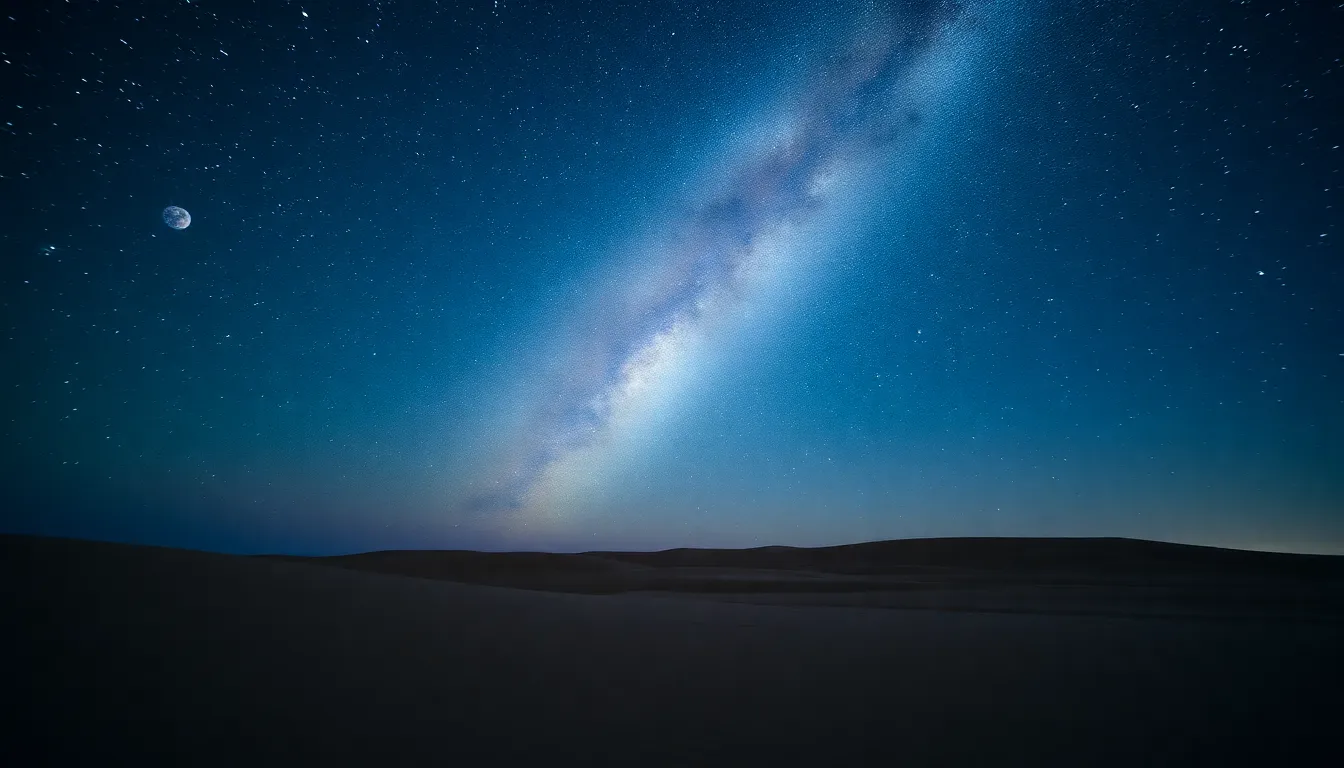
shot on Leica Q3, 28mm f/1.7 Summilux, illustrating a breathtaking view of the Milky Way rising over a tranquil desert landscape. The pristine night sky, filled with stars, bathes the scene in ethereal light while soft moonlight illuminates the sandy foreground. A shallow depth of field at f/1.7 creates a soft bokeh effect, emphasizing the stars above. The color palette is rich with deep indigo and scattered whites, evoking a calm and serene atmosphere. The composition adheres to the rule of thirds, placing the Milky Way on a diagonal axis to create visual interest.
16:9
captured with Fujifilm GFX 100S, 110mm f/2 macro, presenting a detailed view of a meteorite specimen nestled on a bed of black velvet. Natural soft light enhances the rough texture of the meteorite while casting subtle shadows. The depth of field is shallow at f/2, effectively isolating the meteorite against the soft backdrop. Rich metallic grays and silvers dominate the color palette, suggesting the specimen's extraterrestrial origin. The composition focuses tightly on the meteorite, allowing viewers to appreciate its details and unique surface characteristics.
1:1

shot on Hasselblad X2D 100C, 90mm f/2.5 medium format, capturing a detailed close-up of a futuristic space habitat pod. Balanced studio lighting highlights the sleek surfaces and intricate designs of the pod, with soft reflections adding depth. The depth of field is shallow at f/2.5, creating a creamy bokeh effect that draws attention to the habitat’s entrance. The color palette features cool grays and metallic blues, reflecting advanced technology. The composition emphasizes symmetry, with the pod centered in the frame against a soft, blurred background.
1:1
captured with Nikon Z9, 70-200mm f/2.8 telephoto at 135mm, showcasing a Mars rover traversing the rugged Martian landscape. Harsh midday sunlight casts long shadows, accentuating the rocky terrain and dusty atmosphere. Hyperfocal distance at f/8 keeps the entire scene in sharp focus, from the rover to distant hills. The color science leans towards earthy reds and browns, replicating Mars' unique terrain. The composition uses leading lines formed by the rover's tracks to guide the viewer's eye through the desolate environment, capturing the texture of the dust and rocks.
16:9
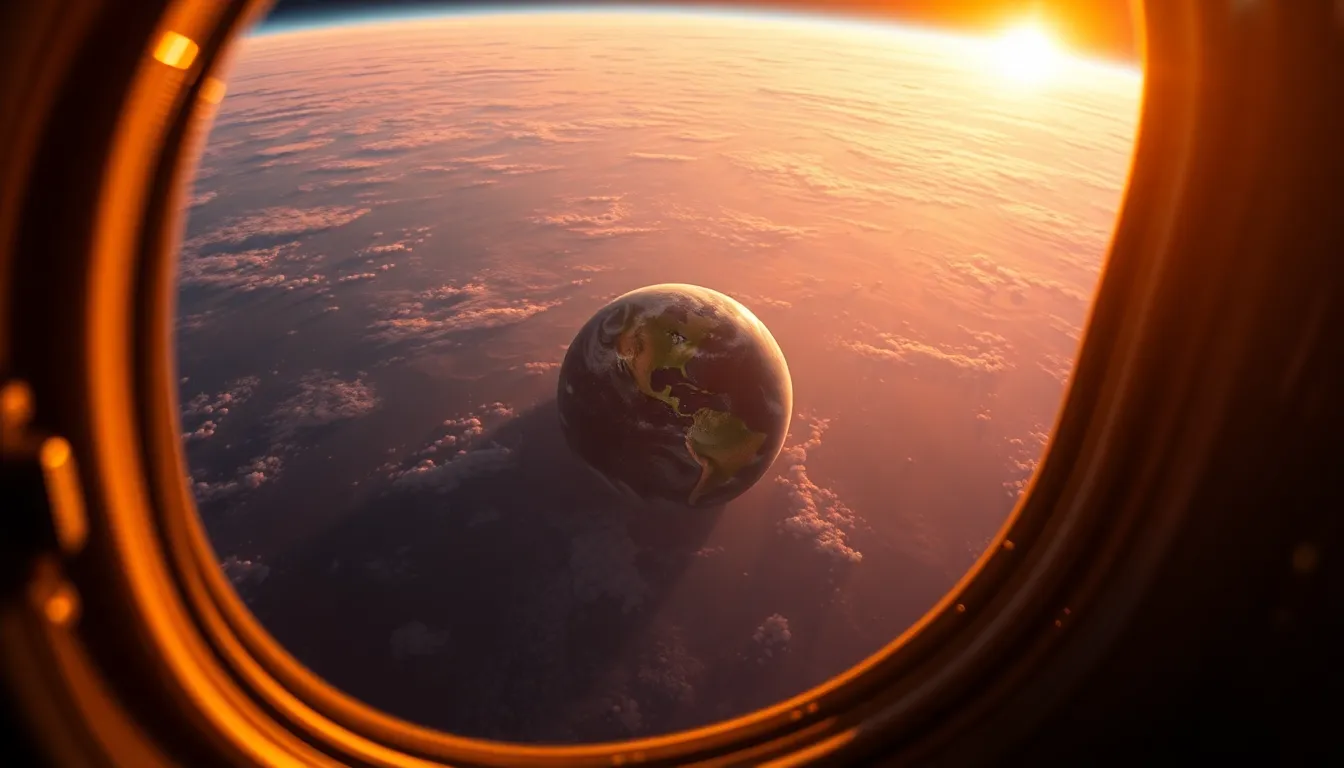
shot on Canon EOS R5, 24-70mm f/2.8L at 35mm, featuring a breathtaking view of the Earth from the International Space Station. Captured during a stunning sunrise, warm, golden light illuminates the curved horizon while shadows deepen across the atmosphere. A shallow depth of field at f/2.8 creates a soft bokeh in the background, emphasizing intricate details of the ISS exterior. The color palette reflects vibrant oranges and deep blues, evoking a sense of wonder. The composition centers on the ISS, framing it with the planet as it rises, showcasing the delicate textures of metal and glass against the celestial backdrop.
16:9

Fujifilm GFX 100S, 110mm f/2 macro, capturing the intricate details of a Martian soil sample under a microscope with bright LED backlighting, showcasing the texture and color variations of the soil. Selective focus reveals tiny rocks and organic materials, while soft bokeh swirls in the background. Kodak Portra 400 color palette enhances the earthy tones, providing warmth to the scientific examination. The composition centers on the microscope, framed by the lab environment’s subtle textures.
1:1
Hasselblad X2D 100C, 90mm f/2.5 medium format, under the soft glow of an artificial light source simulating starlight in a darkened observatory. Shallow depth of field isolates a telescope, with fine details of the metal and glass reflecting the soft light. Natural muted tones with desaturated colors create a serene atmosphere. The composition uses leading lines from the telescope to create a sense of depth toward the star map displayed on the wall.
4:3
Nikon Z9, 70-200mm f/2.8 telephoto at 135mm, captured during the twilight hour with ethereal light illuminating a Mars colony settlement. Hyperfocal distance ensures everything from foreground to background is sharp, with natural muted tones and desaturated earth colors reflecting the Martian landscape. Centered symmetrical composition showcases the colony’s structures against the vast Martian sky. Textured red rocks and dusty surface details enhance the scene's realism.
16:9

shot on Sony A7R V with 85mm f/1.4 GM lens, lit by bright sunlight filtering through a spacecraft’s window, creating a warm and inviting ambiance. Selective focus on a young scientist working on a holographic display, with the interior metallic textures of the spacecraft enhancing the futuristic feel. Natural muted tones with desaturated colors create a calm atmosphere. Composition centers on the scientist, using leading lines from the window to draw attention to their work.
3:2
captured with Canon EOS R5, 24-70mm f/2.8L at 35mm, dramatic chiaroscuro lighting emphasizing the contours of an astronaut in space. Shallow depth of field at f/2.8 focusing on the face, with the Earth visible in the background, cinematic teal and orange color grading enhancing the scene. Rule of thirds composition with the astronaut slightly off-center, creating a dynamic balance. The textured fabric of the spacesuit contrasts with the smooth, starry void of space.
16:9
Hasselblad X2D 100C, 90mm f/2.5 medium format, capturing the fiery launch of a rocket with warm tungsten lighting illuminating the scene, extreme shallow depth of field at f/2.5 focusing on the rocket's intricate details, vibrant colors of flames and exhaust enhanced by a cinematic teal and orange color grading, dynamic Dutch angle composition adding excitement and energy to the scene.
16:9
Fujifilm GFX 100S, 110mm f/2 macro capturing the intricate details of a floating space station against the backdrop of a vast starfield, natural overcast diffused daylight enhancing the textures of the station's surface materials, selective focus on the station's panels with the starfield in a creamy bokeh, utilizing a cinematic teal and orange color grading for dramatic contrast, centered composition showcasing the engineering marvel of space architecture.
16:9
captured with Canon EOS R5, 24-70mm f/2.8L at 35mm, dramatic Rembrandt lighting highlighting the intricate features of a lunar rover, hyperfocal distance at f/8 ensuring everything from foreground rocks to the lunar surface is tack-sharp, natural muted tones with desaturated greys and whites evoking the starkness of the Moon's landscape, leading lines of rover tracks drawing the eye towards the horizon.
16:9
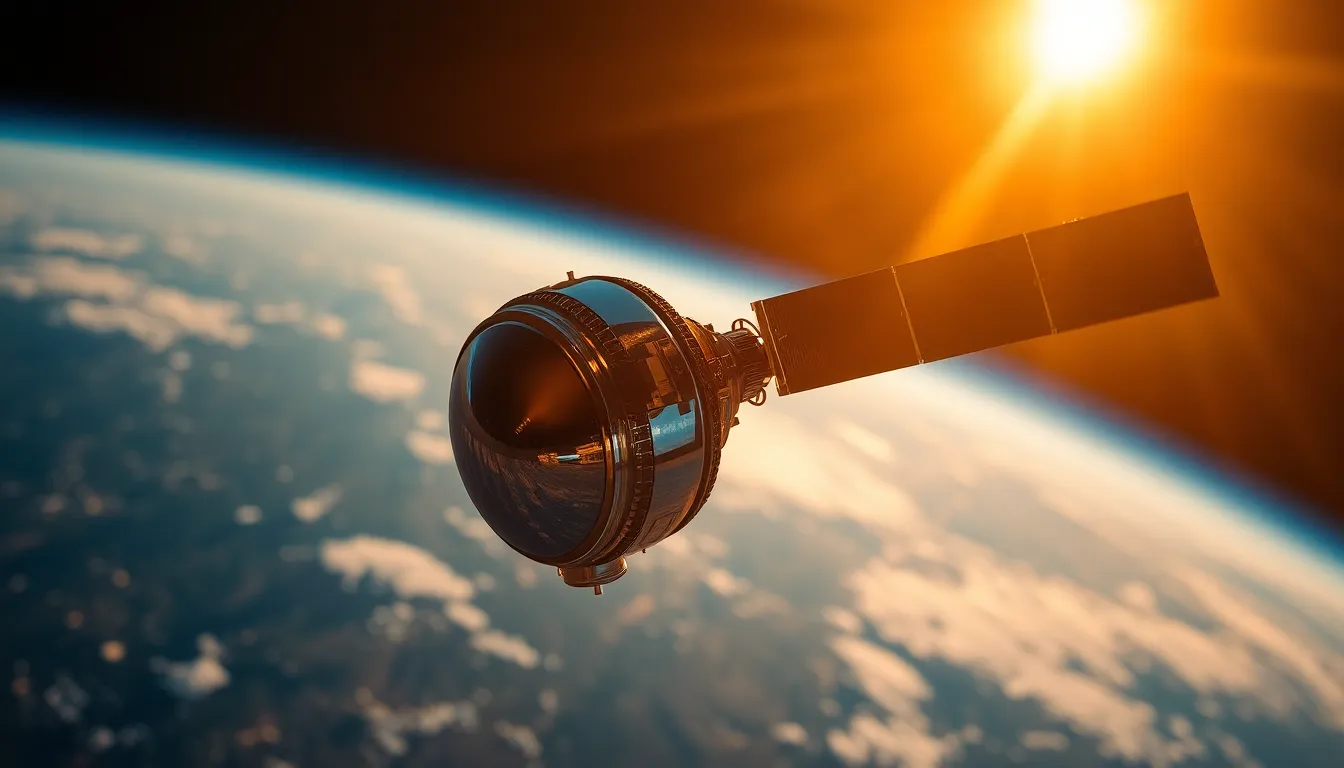
shot on Sony A7R V with 85mm f/1.4 GM lens, natural golden hour backlighting creating a warm halo effect around a satellite in orbit, selective focus on the satellite's reflective surface with the Earth below melting into soft painterly bokeh, utilizing Kodak Portra 400 color palette to enhance warm tones and contrast, rule of thirds with the satellite positioned at a power point against a sprawling view of Earth.
16:9
captured with Nikon Z9, 70-200mm f/2.8 telephoto at 135mm, dramatic side lighting from a distant star illuminating the scene, shallow depth of field at f/2.8 with a soft bokeh of distant galaxies, enhanced with vibrant Fujifilm Velvia-inspired saturated colors showcasing deep blues and rich purples, centered symmetrical composition with a lone astronaut on a rocky alien surface, intricate surface textures of the astronaut's suit contrasted against the rough, jagged terrain.
16:9
Hasselblad X2D 100C, 90mm f/2.5 medium format capturing the Andromeda galaxy framed by a clear night sky, using a three-point studio setup with soft box lighting to enhance celestial details, selective focus on Andromeda while allowing the surrounding stars to softly blur into painterly bokeh, natural muted tones with desaturated colors giving a dreamy effect, composition centered on Andromeda with a slight Dutch angle for dynamic tension, highlighting the smooth contours of the galaxy against the dark sky.
16:9
Fujifilm GFX 100S, 110mm f/2 macro revealing details of star trails, captured during a long exposure in an open field, vibrant twilight sky transitioning from deep blues to purples, hyperfocal distance ensuring a sharp focus on the star trails with a soft blur on the foreground grass, cinematic teal and orange color grading to enhance the celestial effect, composition circles around a central point where the stars rotate, emphasizing the texture of the grassy foreground.
16:9
Nikon Z9, 70-200mm f/2.8 telephoto at 135mm capturing a meteor shower in a rural area, dramatic nighttime lighting from shooting stars flooding the sky, hyperfocal distance ensuring sharp details from foreground grass to the twinkling stars, Kodak Portra 400 color palette with warm skin tones of the illuminated grassy foreground, composition using a wide landscape format to capture the expansive night sky filled with meteors streaming across, showcasing the texture of grass blades catching the light.
16:9
shot on Sony A7R V with 85mm f/1.4 GM lens, capturing the Orion constellation framed by trees in a serene forest, natural golden hour backlighting creating a warm glow, shallow depth of field at f/1.4 with soft bokeh of foliage, natural muted tones with desaturated earth colors, composition features the constellation prominently within the rule of thirds, emphasizing the contrast between the stars and silhouetted tree branches.
3:4
captured with Canon EOS R5, 24-70mm f/2.8L at 35mm under a clear night sky with vibrant stars, shallow depth of field focusing on the Milky Way, Fujifilm Velvia-inspired saturated colors with deep blues and rich blacks, composition centered on the Milky Way with leading lines of a rocky outcrop directing the eye, showcasing textures of the jagged rocks enhanced by soft moonlight glimmering on their surfaces.
16:9
captured with Hasselblad X2D 100C, 90mm f/2.5 medium format, featuring a breathtaking view of an enigmatic elliptical galaxy. The scene is drenched in the golden hour light, with warm tones casting a gentle glow over the galaxy's surface. A hyperfocal depth of field ensures every detail, from the galaxy's core to its outer stars, is in focus. The cinematic teal and orange grading adds a touch of drama, intensifying the scene's allure. Compositionally, a dynamic Dutch angle creates tension and excitement, while subtle textures of the galaxy’s gas clouds are sharply defined against the softer background of space.
16:9
shot on Fujifilm GFX 100S, 110mm f/2 macro, focusing on the fine details of cosmic dust within a galaxy. The lighting is natural, highlighting the subtle glimmers of starlight reflecting off tiny particles of dust. A shallow depth of field at f/2 isolates the dust, creating a soft and inviting bokeh in the background. The color science involves a Kodak Portra 400 palette with warm skin tones, lifted shadows, and creamy highlights that render a soft, dreamy atmosphere. The composition employs a centered symmetrical approach, drawing the eye to the intricate patterns formed by the dust clouds which appear like delicate brushstrokes.
16:9
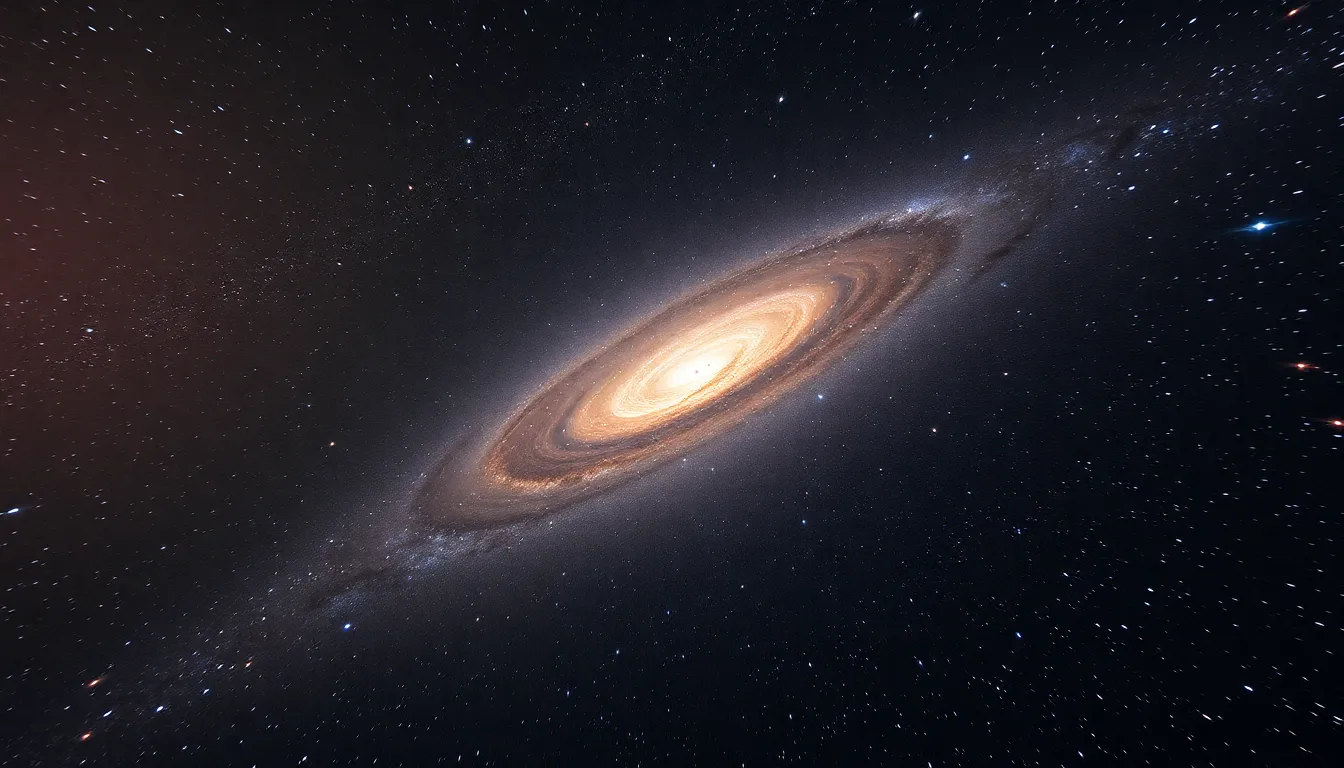
captured with Canon EOS R5, 24-70mm f/2.8L at 35mm, illustrating a panoramic view of a galaxy cluster in deep space. The lighting is aided by soft ambient light from surrounding galaxies, casting a subtle glow over the scene. A hyperfocal depth of field at f/8 ensures everything from the nearest galaxies to distant star fields is sharply in focus. The color palette features natural muted tones with desaturated earth colors, enhancing the sense of depth and vastness. The composition utilizes leading lines from galaxies pointing toward a centralized cluster, creating a dynamic and engaging perspective.
16:9
shot on Sony A7R V with 85mm f/1.4 GM lens, depicting a close-up of colorful nebulae swirling in a vast galaxy. The lighting is natural, enhanced by luminous gas clumps illuminated by distant stars, creating a mystical ambiance. Using a shallow depth of field at f/1.4, the foreground nebula is in sharp focus while the background blurs into a creamy bokeh. The color science draws from a Fujifilm Velvia-inspired palette, featuring saturated reds, greens, and blues. The composition captures the intricate details of the nebula, with swirling textures and gas clouds, making the viewer feel immersed in the galactic scene.
16:9
captured with Nikon Z9, 70-200mm f/2.8 telephoto at 135mm, showcasing a vibrant spiral galaxy against a backdrop of stars. The scene is illuminated by soft starlight, with the galaxy's arms glowing in rich purples and blues, rendering a dreamy, ethereal quality. A shallow depth of field at f/2.8 creates a soft bokeh effect around the star field, enhancing the focus on the galaxy's swirling core. The color palette features deep blues, vivid purples, and sparkling white highlights, while the composition follows the rule of thirds, placing the galaxy prominently in the right third. The textures of the galaxy's gas and dust clouds are delicately portrayed, revealing intricate details and subtle gradients.
16:9
shot on Leica Q3, 28mm f/1.7 Summilux, depicting a celestial phenomenon with multiple planets in alignment against a breathtaking nebula background filled with swirling colors of pink, purple, and blue. The lighting captures the ethereal glow of the nebula, enhancing the planets’ features with soft highlights. The image utilizes a shallow depth of field, focusing on the planets, while the nebula dissolves into a colorful bokeh. The color palette emphasizes the vibrant hues of the nebula, creating a dreamlike quality. The composition positions the planets in a diagonal line, accentuating their relative sizes and distances.
16:9
captured with Hasselblad X2D 100C, 90mm f/2.5 medium format, featuring a lush extraterrestrial jungle on a distant planet, with bioluminescent flora illuminating the scene in vibrant greens and blues. Soft, natural lighting filters through the foliage, creating dappled shadows on the ground. The depth of field is shallow, highlighting a variety of alien plants while letting the background fade into a soft bokeh. The color palette includes rich greens, glowing blues, and hints of purples, evoking a sense of wonder. The composition uses leading lines formed by plant branches to draw attention to the vibrant jungle life.
16:9
shot on Fujifilm GFX 100S, 110mm f/2 macro, illustrating an icy moon orbiting a distant planet, characterized by a barren, crater-filled surface glistening under bright sunlight. The lighting showcases sharp contrasts between shadows and highlights, emphasizing the rough textures of the ice and rock. The depth of field is hyperfocal, keeping both the moon's surface and the distant planet in crisp focus. The color palette features bright whites and soft blues, reflecting a cold, extraterrestrial atmosphere. The composition captures the moon from a low angle, enhancing its imposing presence against the planetary backdrop.
4:3
captured with Canon EOS R5, 24-70mm f/2.8L at 35mm, featuring a close-up view of a rocky exoplanet's surface with rugged terrain and mineral deposits glistening under a fading blue twilight sky. Soft, diffused lighting enhances the textures of the rocks while subtle shadows add depth. The depth of field is shallow, emphasizing the detailed surface while fading the horizon into a creamy bokeh. The color scheme includes cool blues and subtle purples, evoking feelings of mystery. The composition focuses on the planet's uneven terrain, showcasing the unique geological features.
3:2
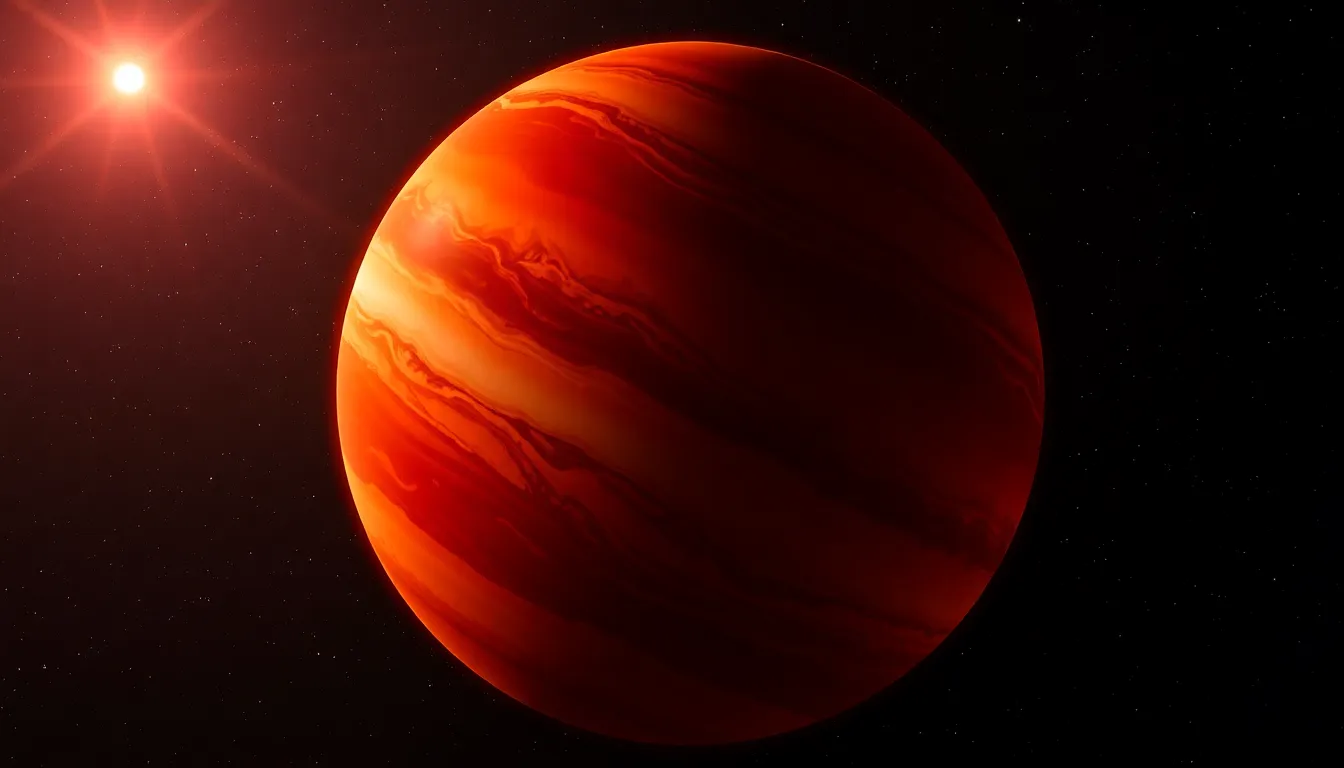
shot on Nikon Z9, 70-200mm f/2.8 telephoto at 135mm, showcasing a vibrant gas giant planet with swirling clouds in deep reds and oranges, illuminated by a distant star. The lighting creates dramatic shadows across the planet's surface. Depth of field captures the planet in sharp focus while the star field fades into a soft bokeh. The color palette resembles a cosmic sunset with rich saturation. The composition centers the planet against a backdrop of twinkling stars, creating a sense of depth and vastness. The surface texture reveals dynamic cloud patterns with hints of glowing gases.
16:9
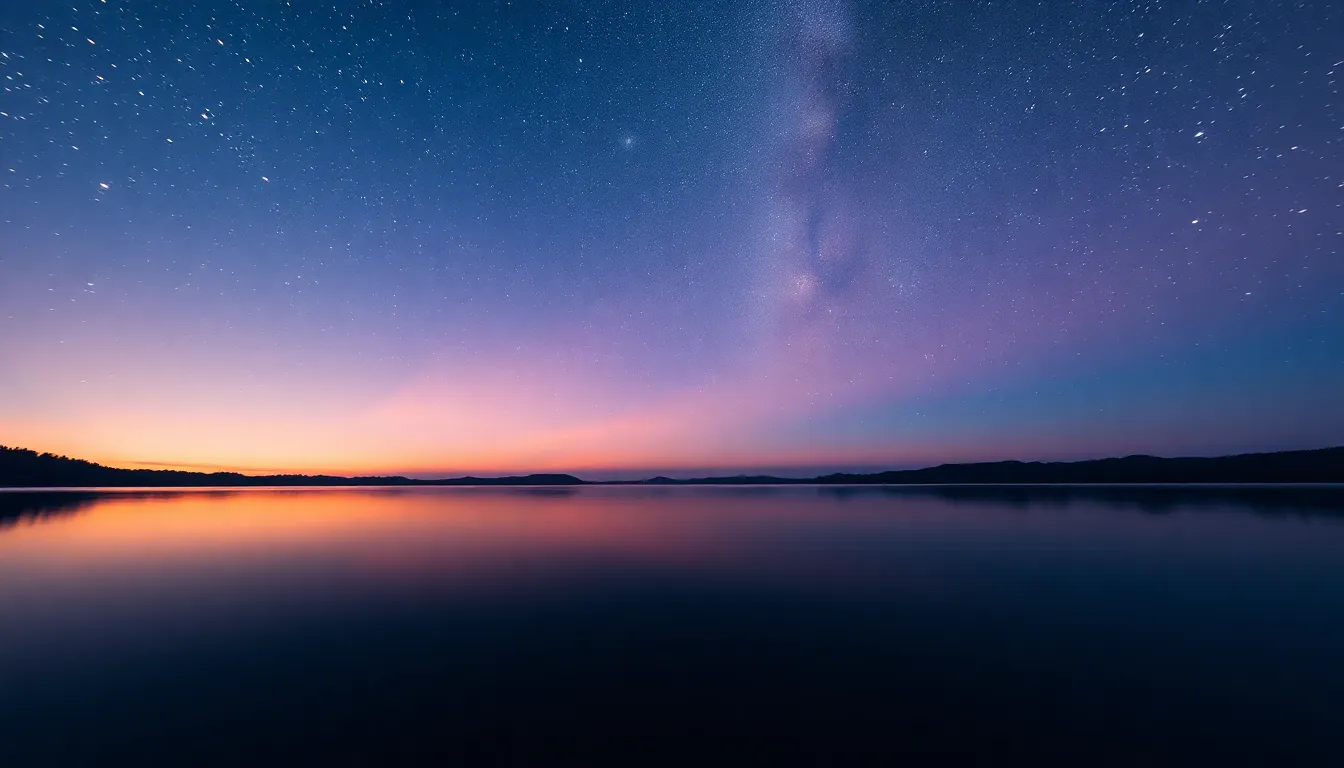
Fujifilm GFX 100S, 110mm f/2 macro, depicting a detailed view of a night sky filled with stars over a tranquil lake reflecting the cosmos, captured at dawn when the sky begins to transition from dark blue to soft pink, with natural light enhancing the colors, hyperfocal distance bringing everything from the lake to the stars in sharp focus at f/8, Fujifilm Velvia-inspired saturated colors adding vibrancy to the scene, and the composition centered with the lake as a mirror to the sky, showcasing the smooth textures of the water.
16:9
Hasselblad X2D 100C, 90mm f/2.5 medium format, capturing a close-up of a celestial globe adorned with constellations, backlit by soft ambient light that enhances the intricate details, shallow depth of field at f/2.5 blurring the edges, creating a dreamy atmosphere, natural muted tones with desaturated earth colors emphasizing the globe’s vintage feel, centered symmetrical composition showcasing the globe's detailed engraving and the soft sheen of its surface.
1:1
captured with Canon EOS R5, 24-70mm f/2.8L at 35mm during twilight, featuring a panoramic view of a mountain range under a starry sky, enhanced by the first hints of dawn light creeping over the peaks, hyperfocal distance at f/8 providing sharpness from foreground to infinity, natural muted tones with desaturated earth colors showcasing the mountains and fading sky, leading lines of the mountain ridges drawing the viewer's eye towards the horizon, with rough textures of rocky surfaces and soft grass in the foreground.
16:9
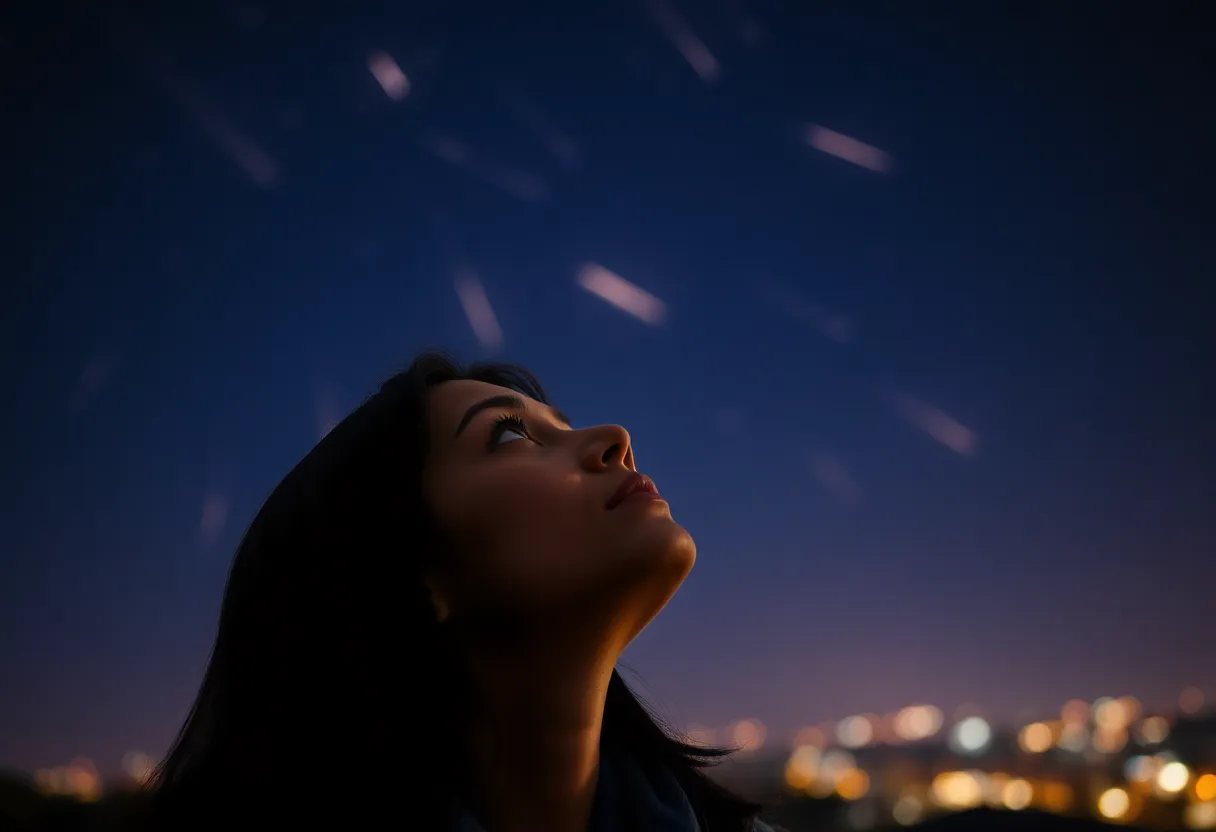
shot on Sony A7R V with 85mm f/1.4 GM lens, taken during a meteor shower where shooting stars streak across the night, illuminated by a combination of natural starlight and distant city glow, selective focus on a person gazing up in wonder, background fading into bokeh with soft trails of meteors, warm skin tones with lifted shadows creating an inviting atmosphere, rule of thirds composition placing the figure at the bottom right, with a deep blue and purple color palette enhancing the mystical feeling.
3:2
captured with Nikon Z9, 70-200mm f/2.8 telephoto at 135mm, during a clear night with a star-filled sky, using natural moonlight providing soft illumination on the foreground, shallow depth of field at f/2.8 creating a dreamy effect with stars twinkling in the background, cinematic teal and orange color grading emphasizing the cool night and warm highlights, centered symmetrical composition focusing on a lone tree silhouetted against the Milky Way, with rich textures of the tree bark and the subtle twinkle of stars creating a magical atmosphere.
16:9
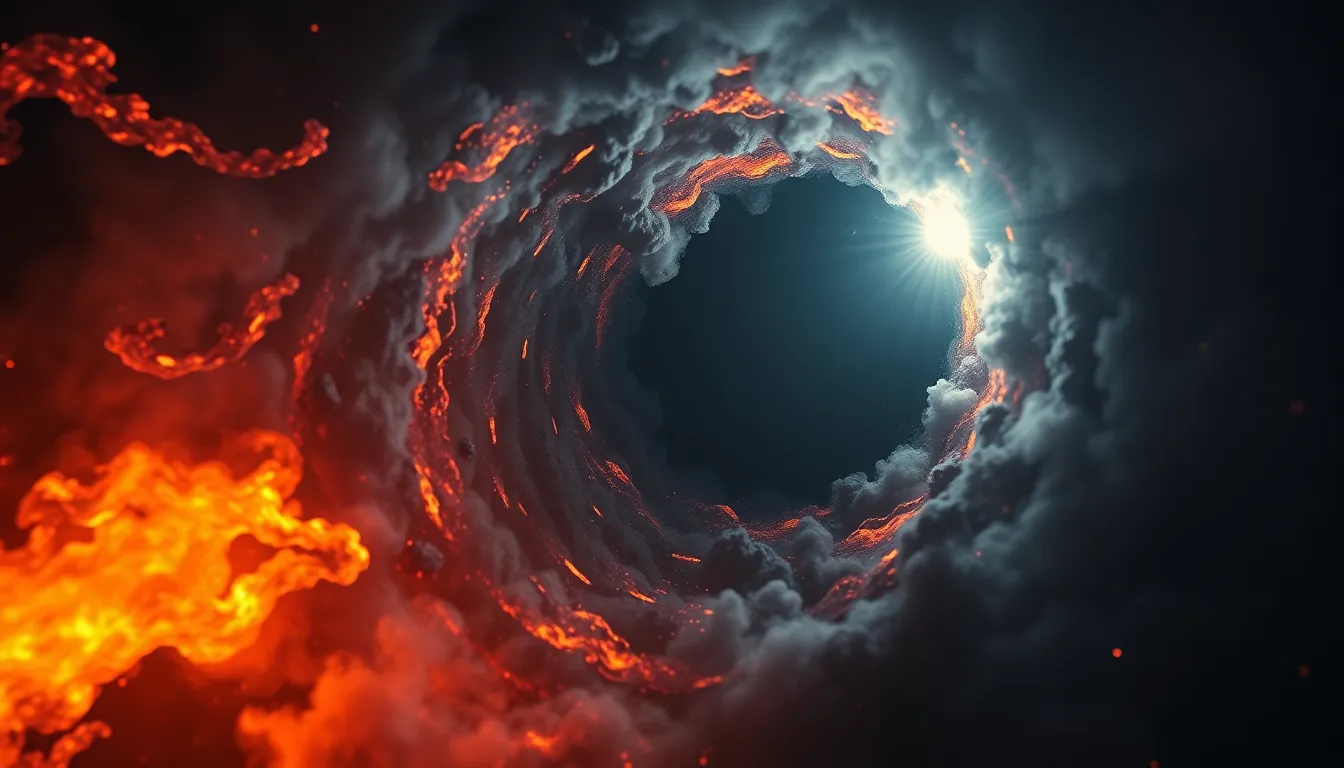
shot on Leica Q3, 28mm f/1.7 Summilux, capturing a dramatic and chaotic scene of matter being consumed by a black hole, with fiery and smoky elements swirling towards the center. The lighting is emphasized with bright glows and deep shadows, creating a sense of danger and unease. The color palette consists of fiery oranges and reds contrasting with deep blacks and grays of space. The composition uses a Dutch angle to enhance the chaotic energy of the swirling matter as it spirals into the black hole.
16:9
captured with Hasselblad X2D 100C, 90mm f/2.5 medium format, showcasing a theoretical visualization of a black hole with an event horizon and accretion disk illuminated by distant stars. Lighting is dramatic with starlight illuminating the edges of the event horizon, creating a halo effect. The color palette features deep space blacks with striking golden highlights from the starlight. The composition employs a symmetrical layout, with the black hole centered and the surrounding cosmos capturing the viewer's gaze.
16:9
shot on Fujifilm GFX 100S, 110mm f/2 macro, depicting a surreal artistic interpretation of a black hole as a swirling vortex of vibrant colors and light. The lighting is ethereal, with soft glows emanating from the center of the vortex, casting gentle reflections on the surrounding space. The color science reflects a Fujifilm Velvia-inspired palette filled with saturated purples, blues, and pinks. The composition is centered with a circular framing that emphasizes the dynamic energy of the vortex, creating a dreamlike atmosphere.
16:9
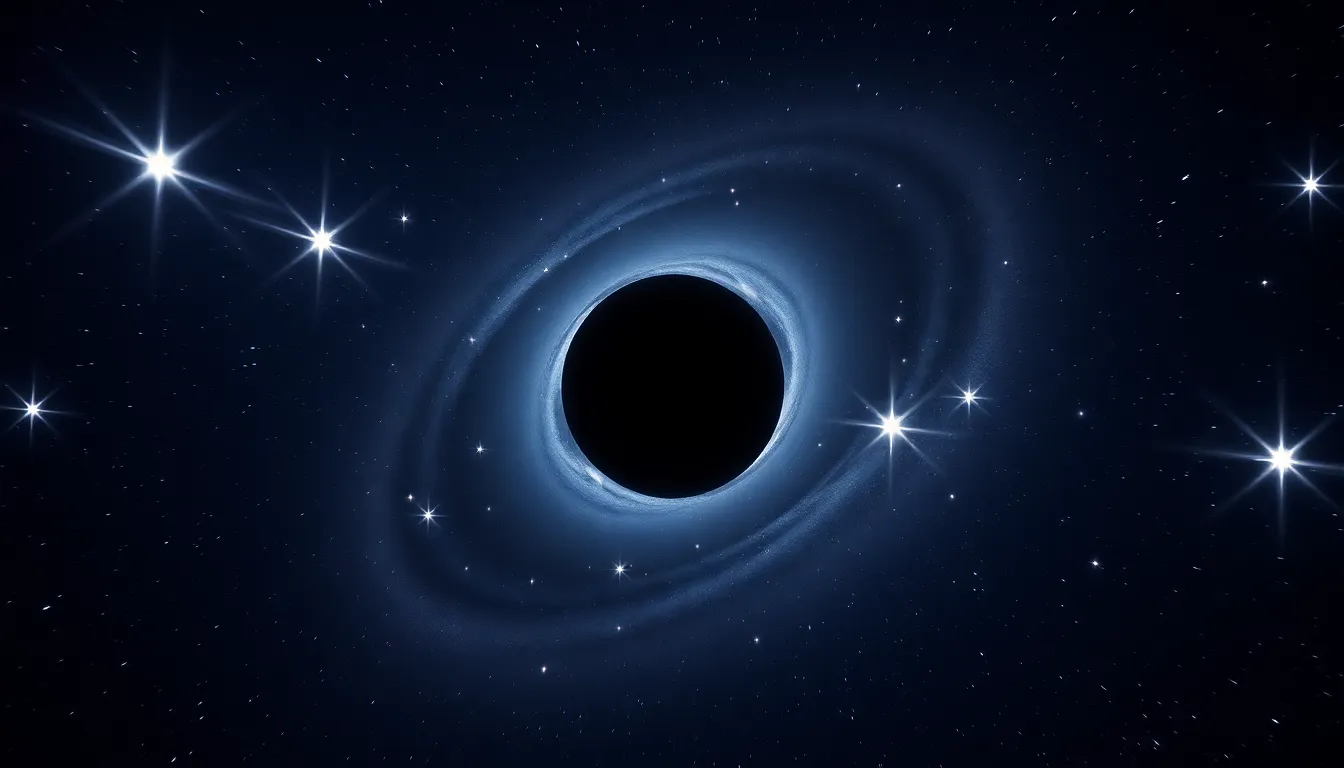
captured with Canon EOS R5, 24-70mm f/2.8L at 35mm, showcasing a black hole's gravitational influence on nearby stars. The scene features a dark void at the center with bright stars being distorted into elongated shapes. The lighting is dramatic, created by distant starlight, enhancing the gravitational lensing effect. The color palette utilizes muted tones of dark blue and purple with bright white highlights from the stars. The composition uses leading lines formed by the stars leading toward the black hole, creating a sense of depth.
16:9
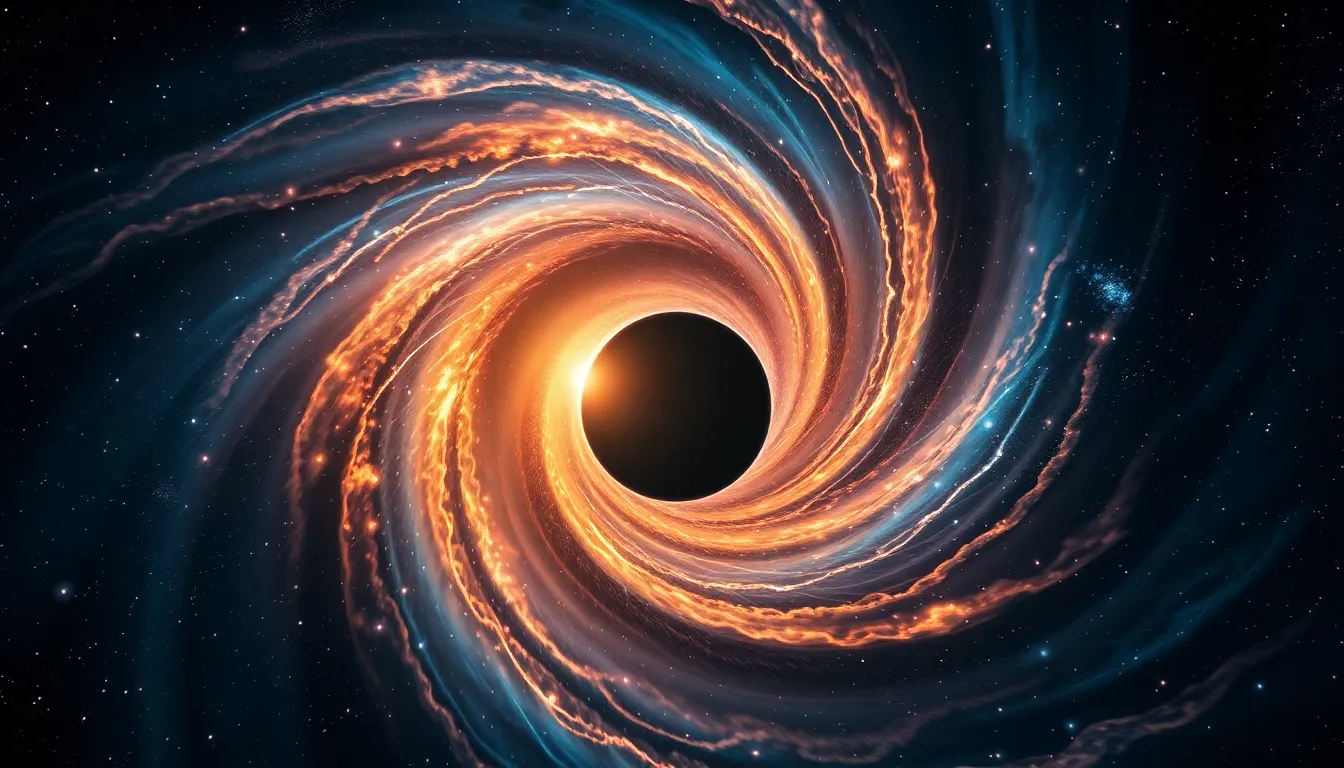
shot on Nikon Z9, 70-200mm f/2.8 telephoto at 135mm, capturing a vibrant cosmic scene of a black hole surrounded by swirling accretion disks emitting bright jets of energy. The lighting is dramatic with a star-filled background, using hyperfocal distance for a sharp focus on the black hole while the background melts into soft bokeh. The color palette features deep blacks contrasted with vibrant blues and oranges, resembling a cosmic painting. The composition is dynamic, with the black hole centered and the accretion disks radiating outward, giving a sense of movement and depth.
16:9
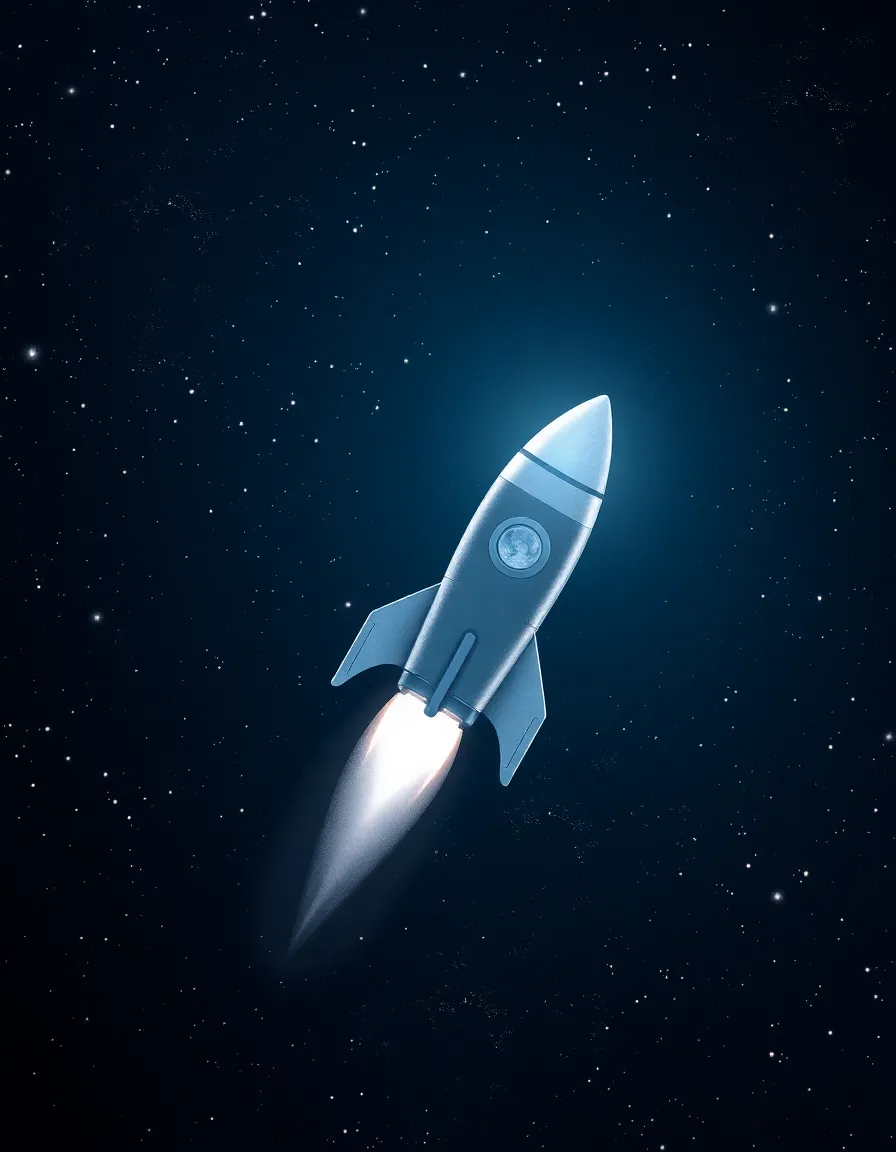
An illustration of a rocket traveling through a starry night sky, designed to resemble a photo, using Hasselblad X2D 100C, 90mm f/2.5 medium format. The rocket is illuminated by moonlight, creating a silvery sheen against the dark backdrop of space. The depth of field is shallow, isolating the rocket amidst the twinkling stars and creating a dreamy effect. The color palette incorporates deep blacks and shimmering whites, highlighting the ethereal nature of the scene. The composition is centered, with the rocket positioned slightly off-center to create dynamic balance in the celestial setting.
3:4
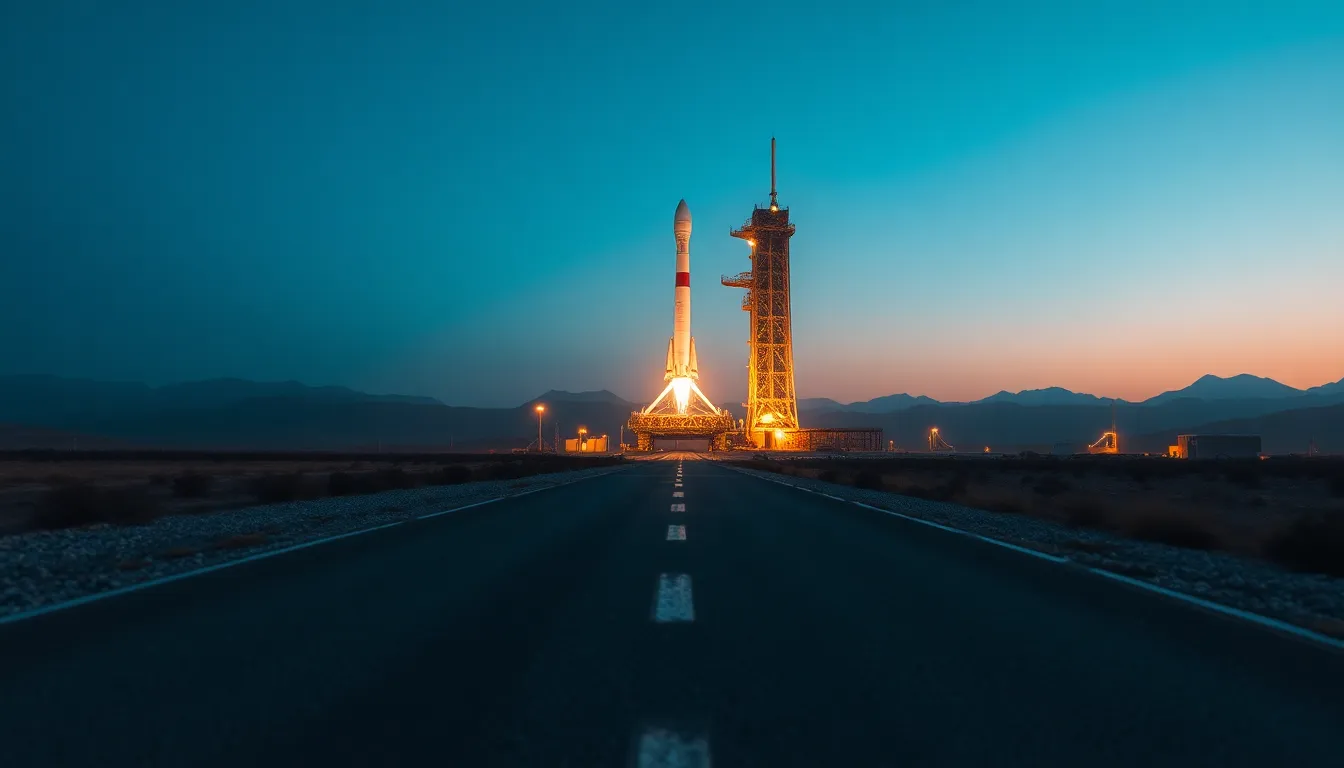
A rocket launch pad at dawn, captured with Canon EOS R5, 24-70mm f/2.8L at 35mm. The scene is softly illuminated by the early morning light, with a golden glow bathing the launch pad in warmth. The focus is hyperfocal at f/8, ensuring everything from the foreground gravel to the distant mountains is crisp. The color palette features warm golds and cool blues, reflecting the serene atmosphere. The composition uses a leading line of the service road leading to the rocket, creating depth and perspective in the image.
16:9
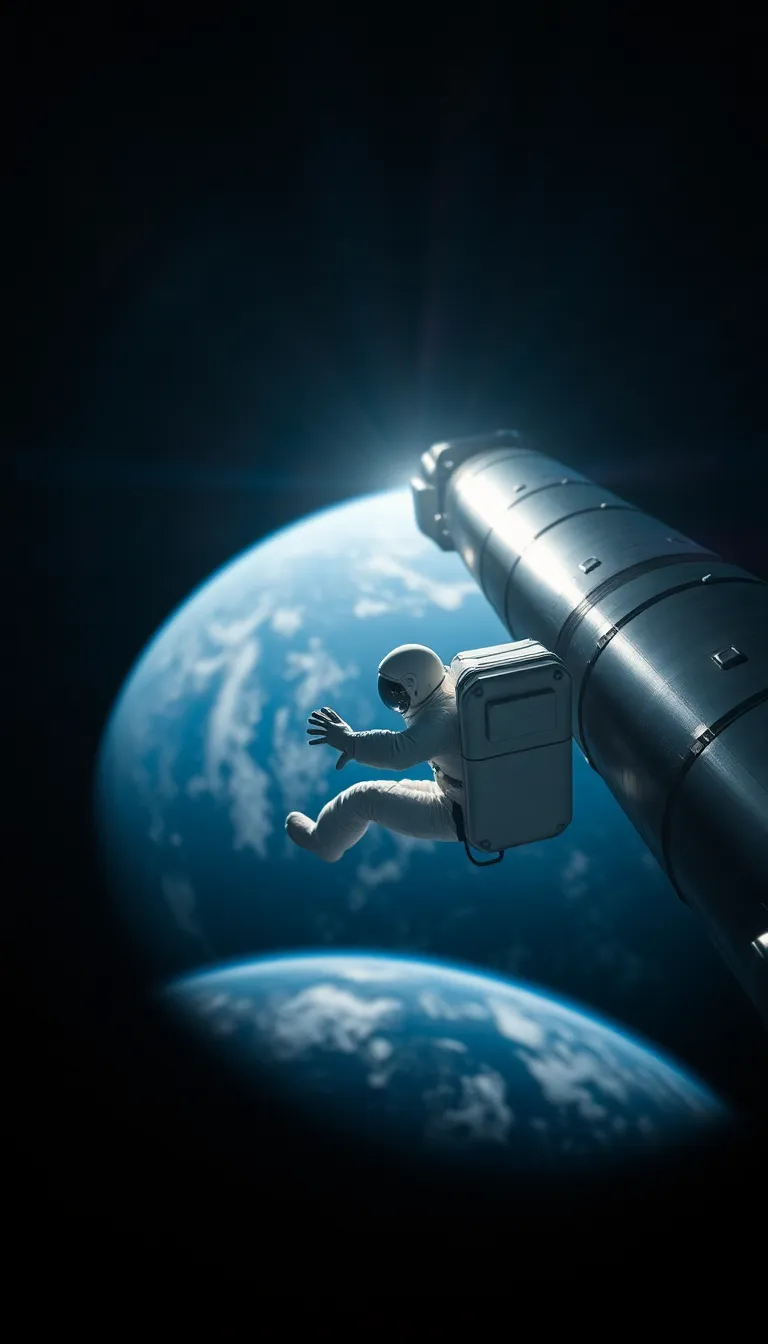
An astronaut conducting a spacewalk beside a rocket in orbit, shot on Sony A7R V with 85mm f/1.4 GM lens. The scene is illuminated by the bright sunlight reflecting off the rocket and the Earth below, creating a stark contrast against the blackness of space. The image features shallow depth of field at f/1.4, isolating the astronaut in sharp detail while the rocket and Earth provide a soft, blurred backdrop. The color palette showcases vibrant blues of Earth and the metallic silver of the rocket. The composition rules of thirds position the astronaut dynamically in the frame, emphasizing the vastness of space.
9:16

A futuristic rocket design displayed in a sleek exhibition hall, captured with Fujifilm GFX 100S, 110mm f/2 macro. The space is filled with diffused daylight coming through large glass windows, highlighting the rocket's smooth curves and intricate details. The focus is selective, emphasizing the rocket's features while the background gently blurs into a soft bokeh. The color palette features muted grays with highlights from the natural light. The composition is centered, showcasing the rocket as the focal point against a minimalist architectural backdrop.
4:3
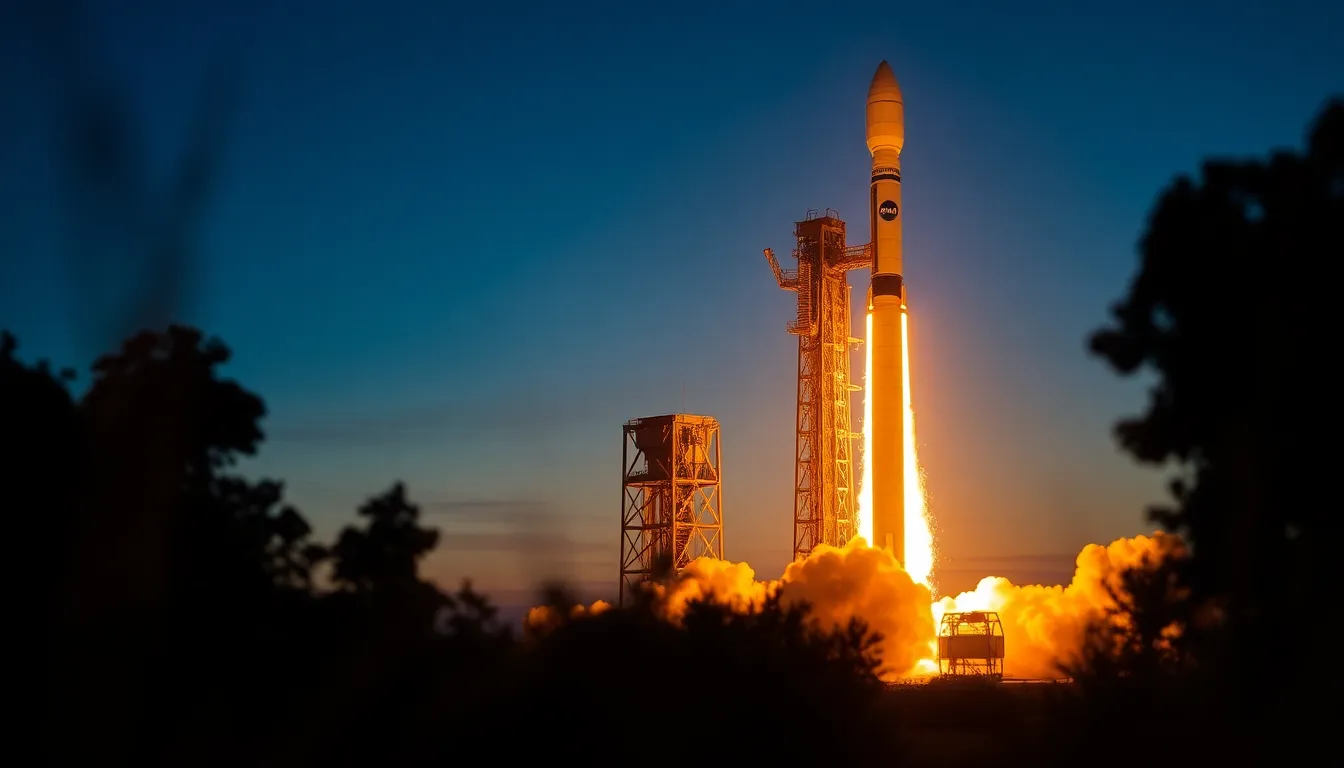
A dramatic launch of a NASA rocket seen from a distance, captured with a Nikon Z9, 70-200mm f/2.8 telephoto at 135mm. The scene is illuminated by the fiery glow of the rocket engines against the twilight sky, with warm orange and cool blue hues creating a stunning contrast. The depth of field is shallow at f/2.8, resulting in a sharply focused rocket with a soft, dreamy background of treetops. The composition employs leading lines from the launch pad, drawing the viewer’s eye towards the ascending rocket. Textures of the rocket’s metallic surface reflect the fiery light, adding depth to the image.
16:9
Shot on Fujifilm GFX 100S, 110mm f/2 macro lens, this image focuses on a beautifully detailed starflower illuminated against a dark night sky filled with stars. The lighting highlights the delicate petals with natural moonlight, creating a soft, ethereal glow. The shallow depth of field at f/2 blurs the starry background, drawing attention to the intricate textures of each petal. The color palette plays with soft pastel hues against the dark expanse of space, creating a dreamy atmosphere. The composition centers the flower, surrounded by twinkling stars, blending nature and the cosmos harmoniously. The texture of the flower's petals is enhanced by the soft illumination, adding depth and detail.
3:4
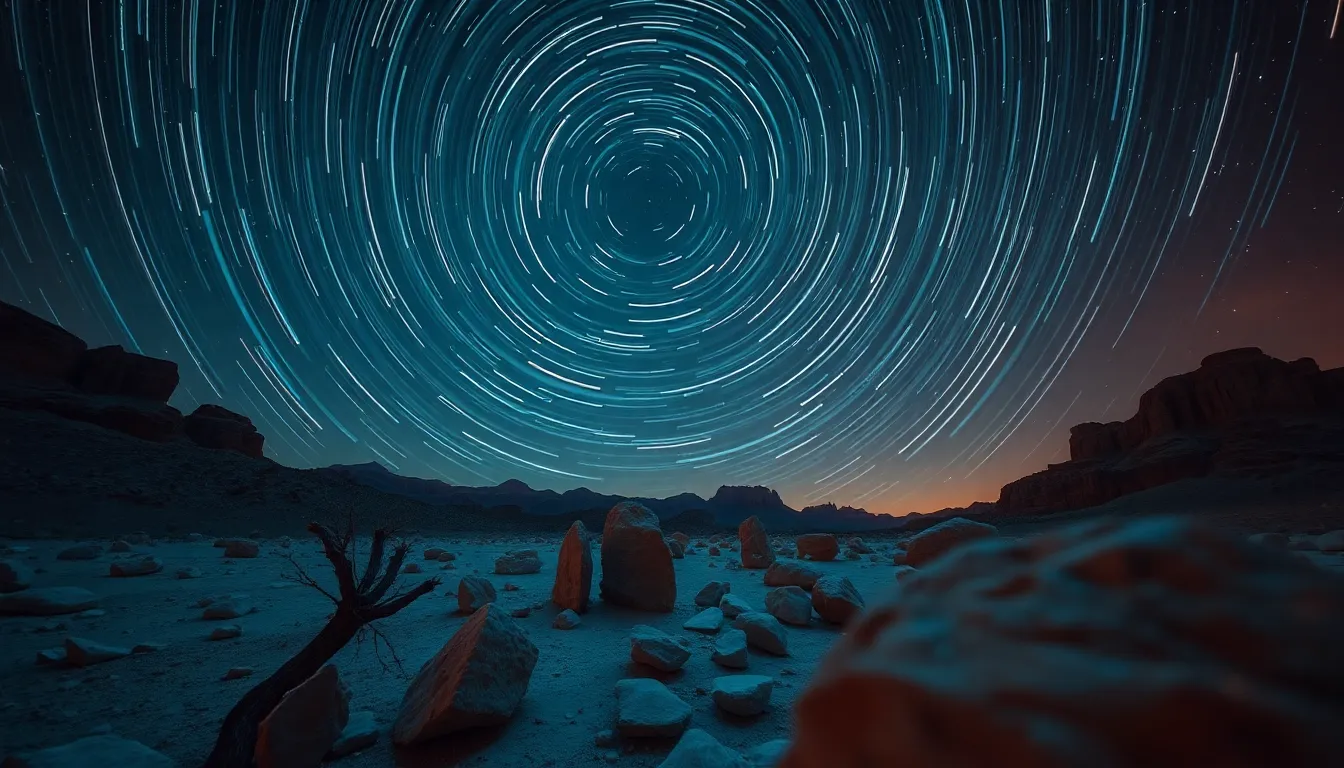
Using a Hasselblad X2D 100C, 90mm f/2.5 medium format lens, this image captures a stunning time-lapse of star trails encircling the North Star, set against a rugged desert landscape. The lighting consists of ambient starlight, creating dramatic contrasts and highlights. A standard hyperfocal depth of field maintains sharpness from the foreground rocks to the stars above. The cinematic teal and orange color grading enriches the scene, adding to its dramatic effect. The composition employs leading lines of desert rocks drawing the eye toward the swirling stars, producing a sense of movement. The rough texture of the rocks juxtaposes the smooth, flowing trails of light.
16:9
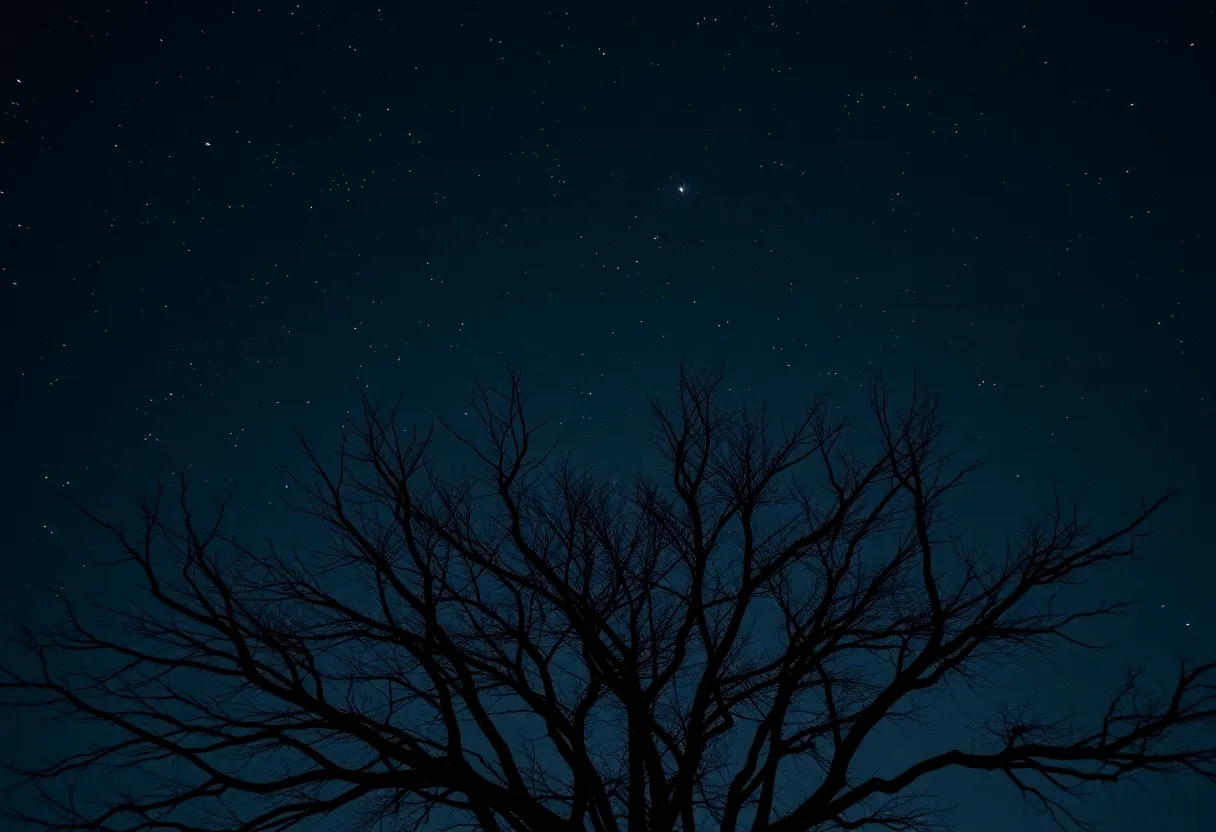
Captured with Canon EOS R5, 24-70mm f/2.8L at 35mm, this image depicts a breathtaking view of Orion's Belt shimmering in a clear winter night sky. The lighting showcases the natural glow of the stars contrasted against the deep black canvas of space. A hyperfocal depth of field ensures everything from the foreground silhouette of a barren tree to the stars remains sharp. The color science embraces a natural muted tone with desaturated earth colors, creating a calm atmosphere. The composition centers around the celestial alignment, creating a balanced and harmonious scene filled with wonder. The texture of the tree's branches adds a stark contrast to the cosmic display.
3:2
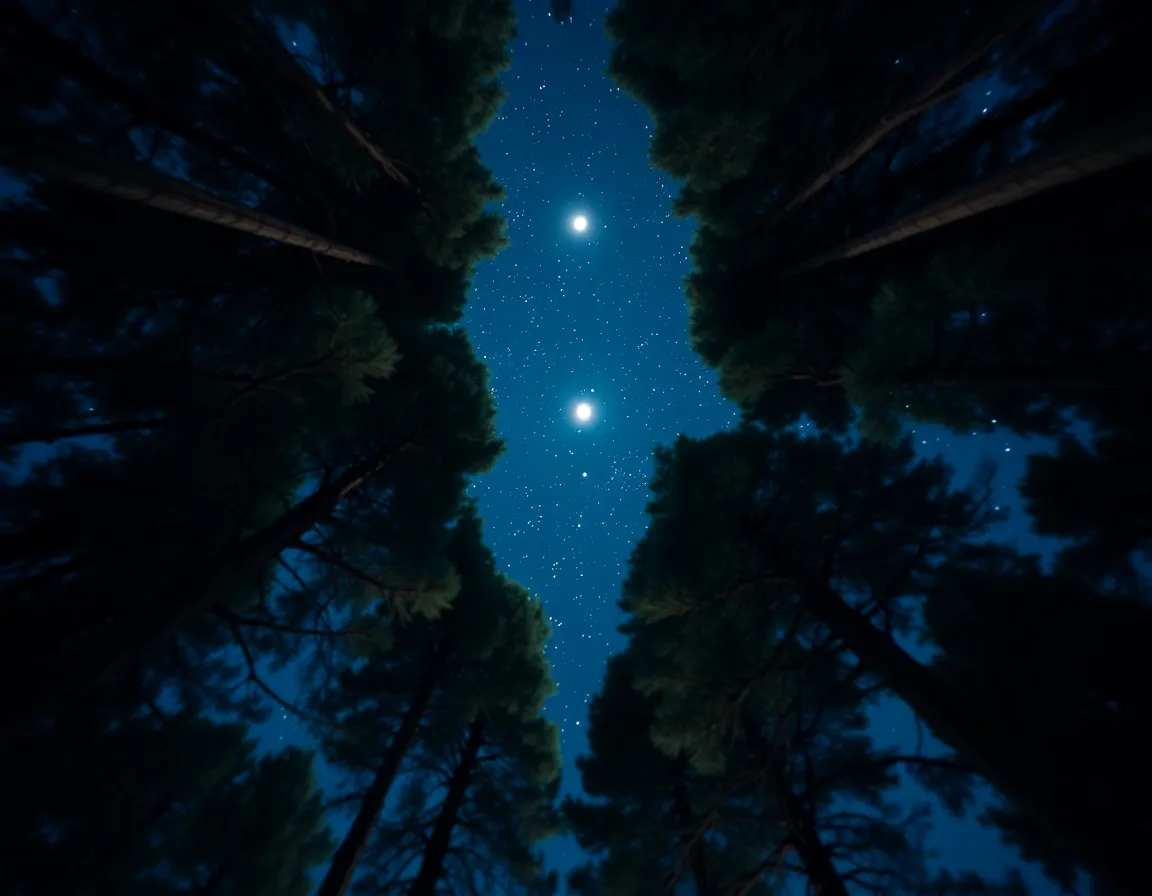
Shot on Sony A7R V with 85mm f/1.4 GM lens, this close-up captures a star-filled night sky framed by tall pine trees. The lighting features soft moonlight filtering through the branches, creating ethereal highlights. With a shallow depth of field at f/1.4, the stars glimmer with creamy bokeh. The color palette consists of cool nighttime blues and silvery whites. The centered symmetrical composition draws the eye directly towards the heart of the cosmos creating a serene and contemplative mood. The texture of the tree bark contrasts with the smoothness of the starry sky, enhancing visual intrigue.
4:3
Captured with Nikon Z9, 70-200mm f/2.8 telephoto at 135mm, this breathtaking image showcases the Milky Way arching across a clear night sky. The lighting features natural starlight illuminating the foreground silhouette of a mountain range. A shallow depth of field at f/2.8 highlights the distant stars while the mountains remain crisply defined. The scene is color-graded with deep blues and rich purples, enhancing the celestial atmosphere. Composition follows the rule of thirds, with the Milky Way positioned off-center, creating visual interest. The texture of the rocky mountain surface contrasts against the twinkling stars above, adding depth and dimension.
16:9

Captured with Fujifilm GFX 100S, 110mm f/2 macro, this close-up image showcases intricate details of a meteorite, including its rugged texture and metallic luster. The lighting is a combination of soft studio lights creating a dramatic contrast with warm highlights against cool shadows. A hyperfocal distance keeps all textures in sharp focus, revealing the minute details of the meteorite's surface. The color palette consists of earthy browns and metallic silvers, with hints of oxidization that tell the story of its journey through space. The composition uses a centered symmetrical approach, emphasizing the meteorite's unique shape and texture.
16:9
Shot on Hasselblad X2D 100C, 90mm f/2.5 medium format, this scene captures a futuristic cityscape on another planet, showcasing sleek buildings made from advanced materials. The city is lit by a soft violet glow from two moons in the night sky, creating a surreal atmosphere. A shallow depth of field focuses on the nearest structure, with the background fading into a painterly bokeh. The cool tones of deep blues and purples dominate the color palette, accentuating the otherworldly feel. The composition employs leading lines from the road leading toward the skyline, drawing the eye into this sci-fi utopia.
16:9
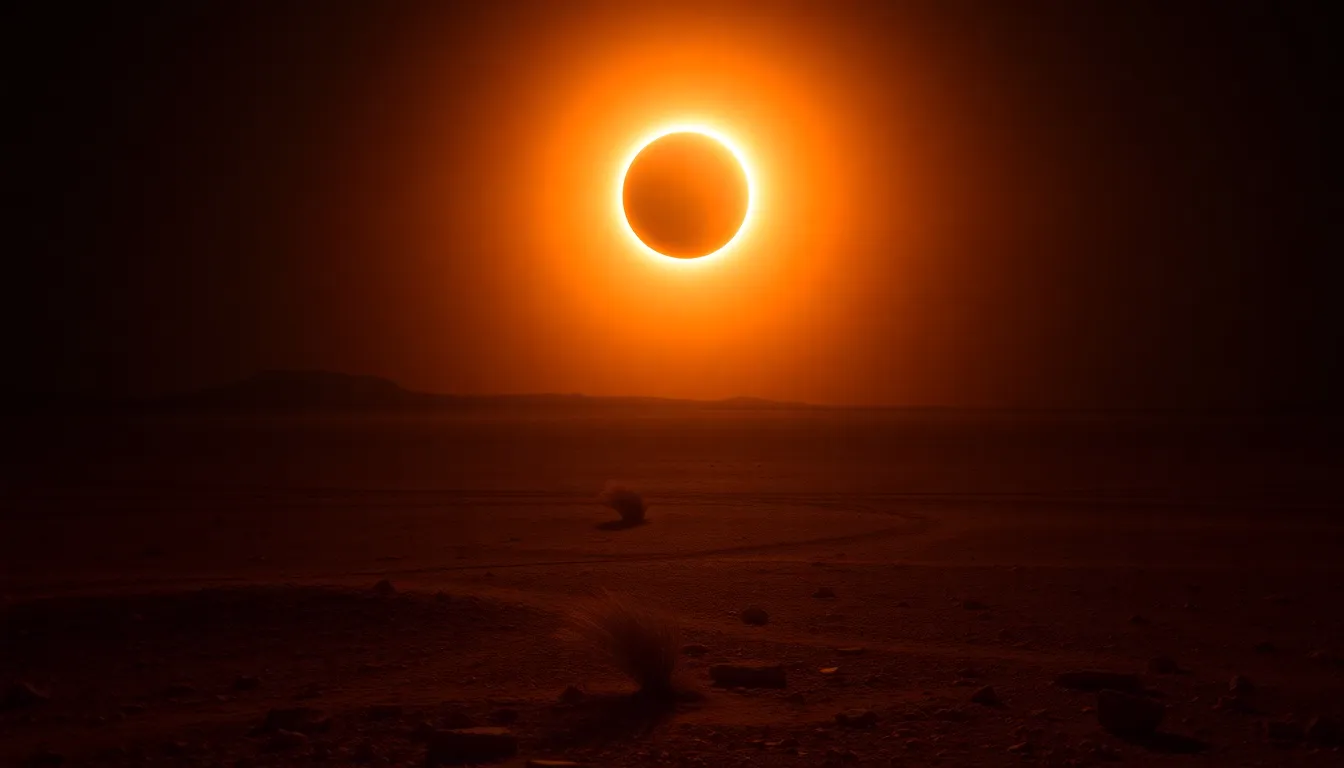
Captured using Nikon Z9, 70-200mm f/2.8 telephoto at 135mm, this dramatic image features a solar eclipse over a barren landscape. The scene is lit by the ethereal light of the eclipsing sun, casting long shadows across the ground. A shallow depth of field isolates the eclipse in sharp focus, while the foreground is softly blurred. The color palette consists of deep blacks and vibrant oranges, creating a striking contrast that echoes the fiery nature of the sun. The composition is dynamic, with the eclipse positioned in the upper right power point, leading the viewer's eye across the expansive desert scene bathed in the eclipse's shadow.
16:9
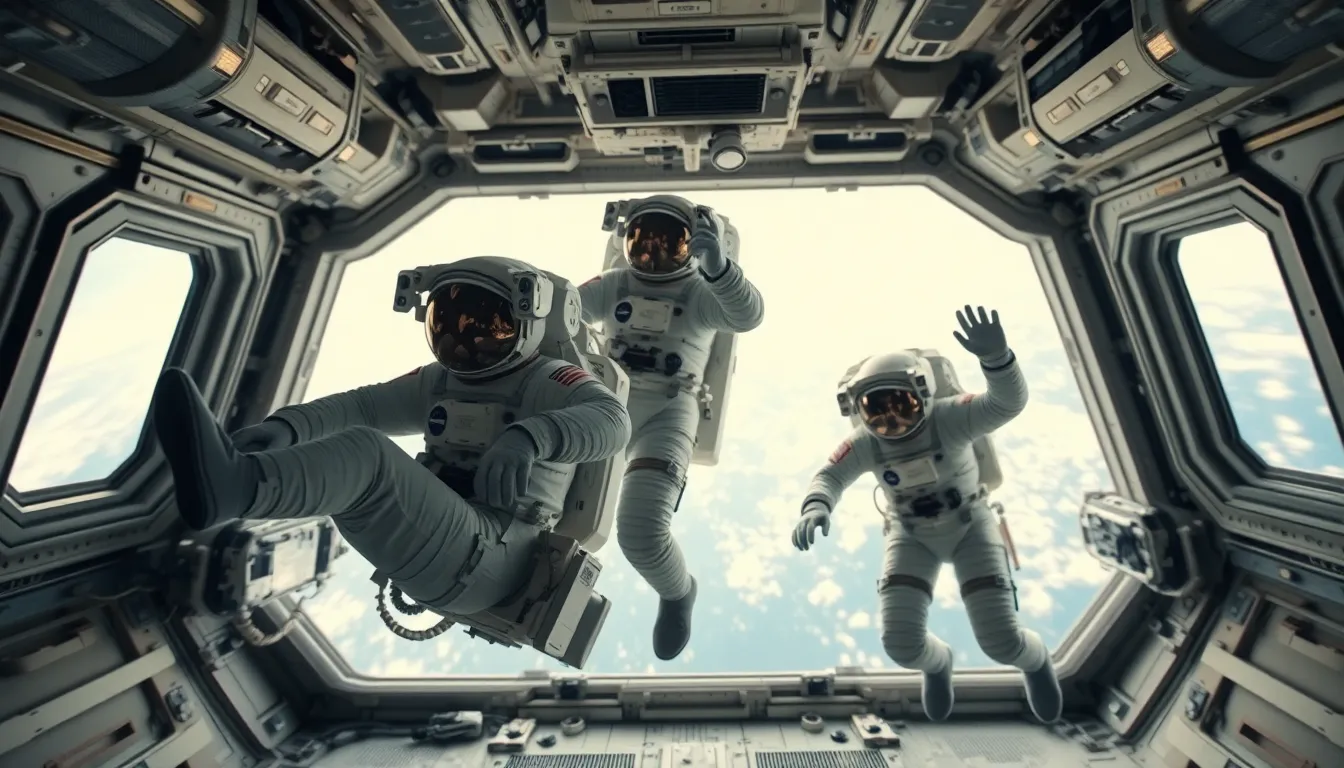
Shot on Sony A7R V with 85mm f/1.4 GM lens, this image depicts astronauts floating in zero gravity aboard the International Space Station. The scene is illuminated by natural daylight filtering through the large windows, giving a soft and inviting light. A hyperfocal distance captures everything in sharp focus, allowing for a clear view of the astronauts' suits and the intricate details of the station's interior. The color palette is muted, with earthy tones contrasting against the vivid whites of the space suits. The composition is centered, highlighting the astronauts as they interact with equipment and each other, creating a sense of camaraderie in space.
16:9
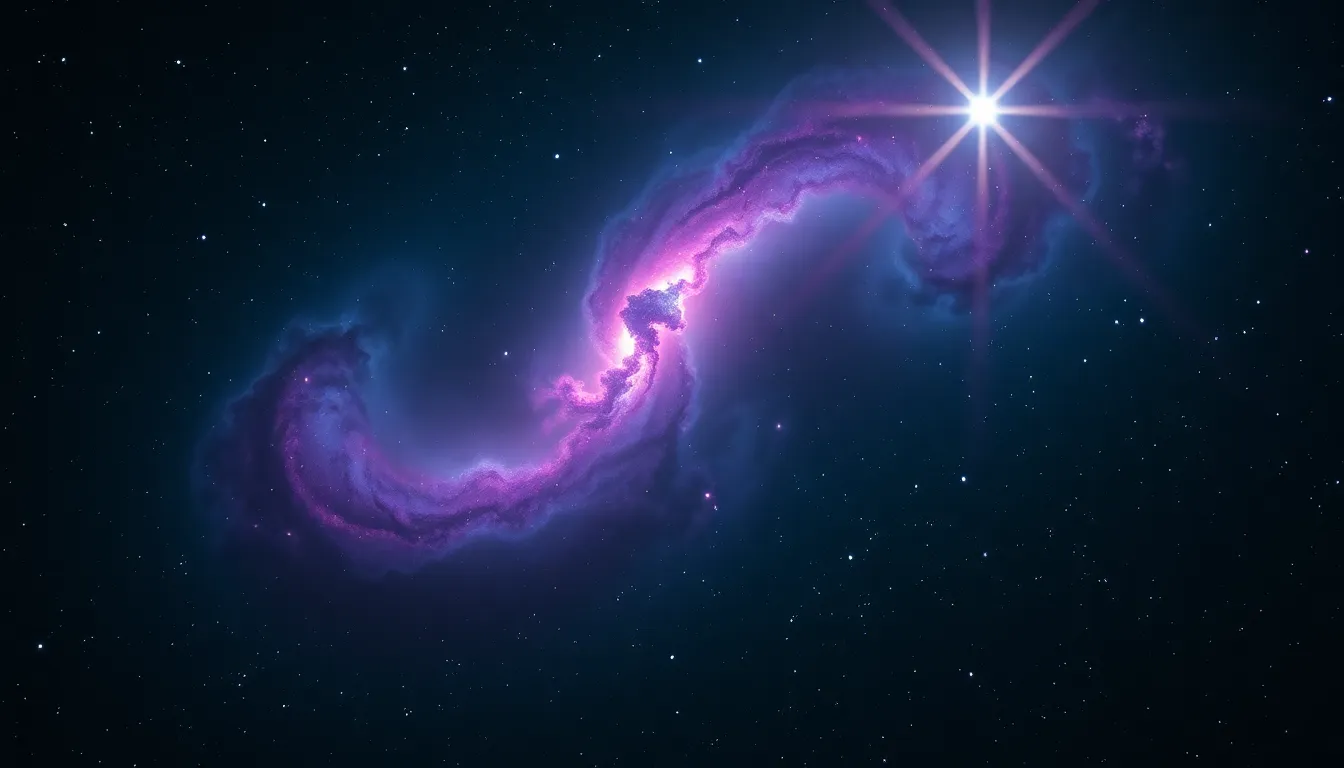
Captured with Canon EOS R5, 24-70mm f/2.8L at 35mm, this scene features a swirling nebula in deep space, illuminated by distant stars. The image employs backlighting from a bright star, casting a radiant glow across the nebula's vibrant purples and blues. A shallow depth of field at f/2.8 allows the foreground stars to pop against the softer details of the nebula, while a cinematic teal and orange color grading enhances the drama. The composition follows the rule of thirds, with the nebula taking a prominent left position, and the texture of cosmic dust is visible in the surrounding space, creating a sense of depth and wonder.
16:9

Captured with Fujifilm GFX 100S, 110mm f/2 macro. This scene features a detailed close-up of rocket engine components, showcasing the intricate engineering and design. The lighting is provided by cool white LED lights reflecting off the metallic surfaces, highlighting the sleek textures. Using shallow depth of field at f/2, the focus is on the details of the components while the background fades into a soft blur. The color palette features industrial greys and silvers, conveying a modern feel. The composition is centered, with a clear focus on the stunning complexity of the rocket engine.
2:3
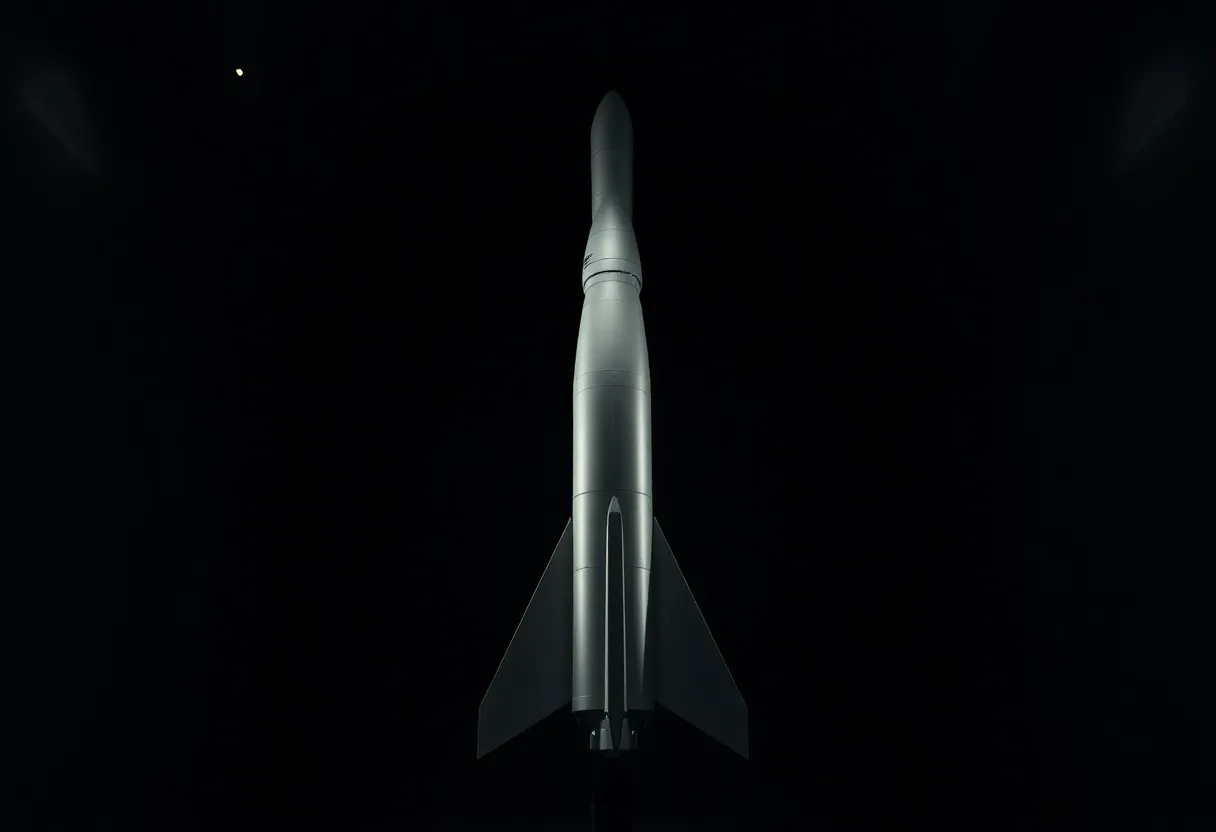
Shot with Hasselblad X2D 100C, 90mm f/2.5 medium format. The focus is on a rocket displayed in a museum setting, with carefully arranged lighting highlighting its features against a dark, moody background. Using Rembrandt lighting, a single octabox illuminates the rocket from one side, creating dramatic shadows and depth. The depth of field is selective, drawing focus on the rocket while the background fades softly. The color palette is natural muted tones, giving a classic appearance. The symmetrical composition emphasizes the rocket's grandeur, making it the centerpiece of the image.
3:2
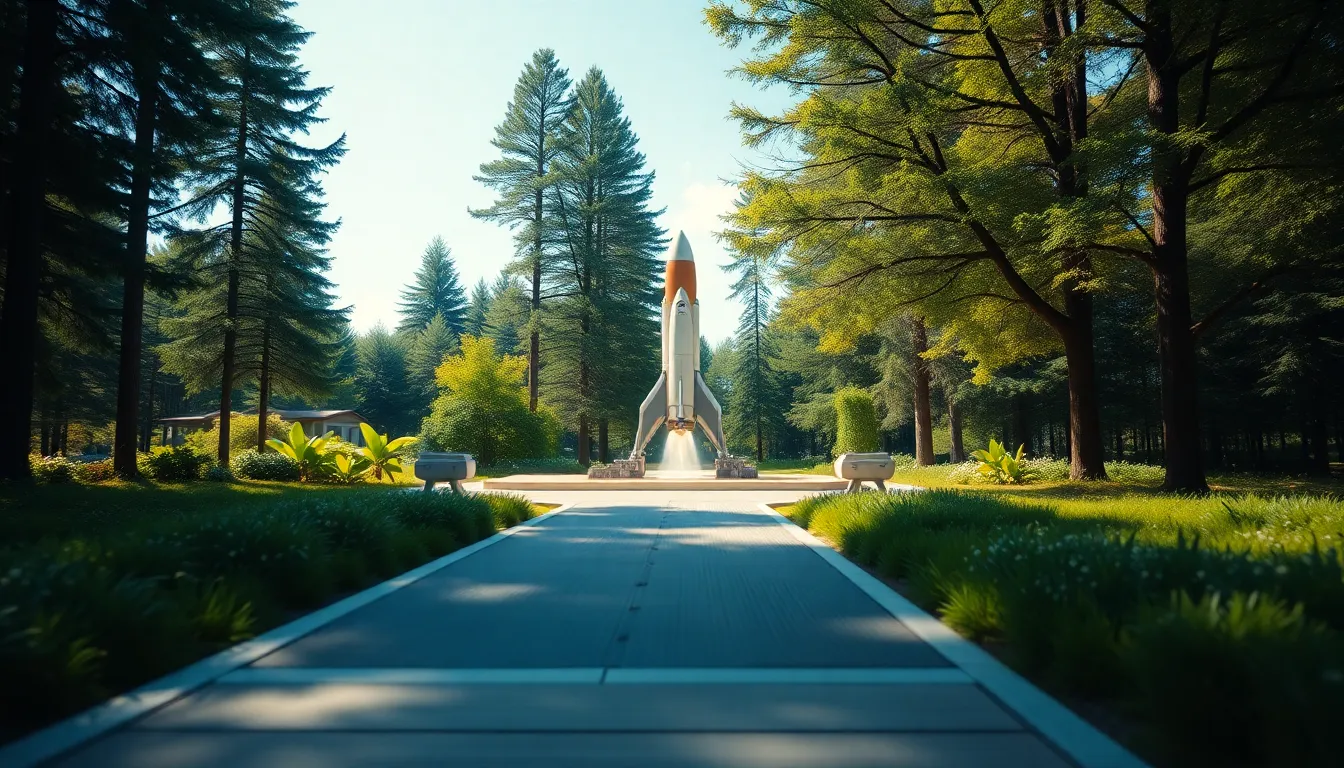
Captured with Canon EOS R5, 24-70mm f/2.8L at 35mm. The scene depicts a futuristic rocket launchpad surrounded by lush greenery, set during a bright, clear day. The lighting is natural with diffused daylight filtering through tall trees, allowing for vibrant colors in the environment. The depth of field is hyperfocal at f/8, ensuring sharp details from foreground to infinity. The color palette is inspired by Fujifilm Velvia, highlighting saturated greens and blues. The composition uses leading lines from the launchpad pathways guiding the eye towards the sleek rocket poised for take-off.
16:9

Shot on Sony A7R V with 85mm f/1.4 GM lens. The image presents a detailed close-up of a rocket model on a wooden desk, with engineering blueprints and tools scattered around. The lighting is provided by a warm tungsten desk lamp, creating a cozy atmosphere with directional pools of light. The depth of field is shallow at f/1.4, focusing sharply on the rocket while the background blurs into a creamy bokeh. The color palette features muted earth tones, complementing the wooden textures. The composition centers around the rocket, with leading lines from the blueprints directing the viewer's gaze.
4:3
Captured with Nikon Z9, 70-200mm f/2.8 telephoto at 135mm. The scene is set during a stunning sunset, with a rocket launching into the evening sky, leaving a trailing plume of smoke. The lighting features dramatic golden hour sunlight casting warm hues across the clouds, creating a cinematic teal and orange color grading. The depth of field is shallow at f/2.8, beautifully blurring the foreground with dynamic bokeh. The texture of the rocket's metal surface glistens with reflections from the sun. The composition follows the rule of thirds, with the rocket positioned at the right power point against an expansive sky.
16:9
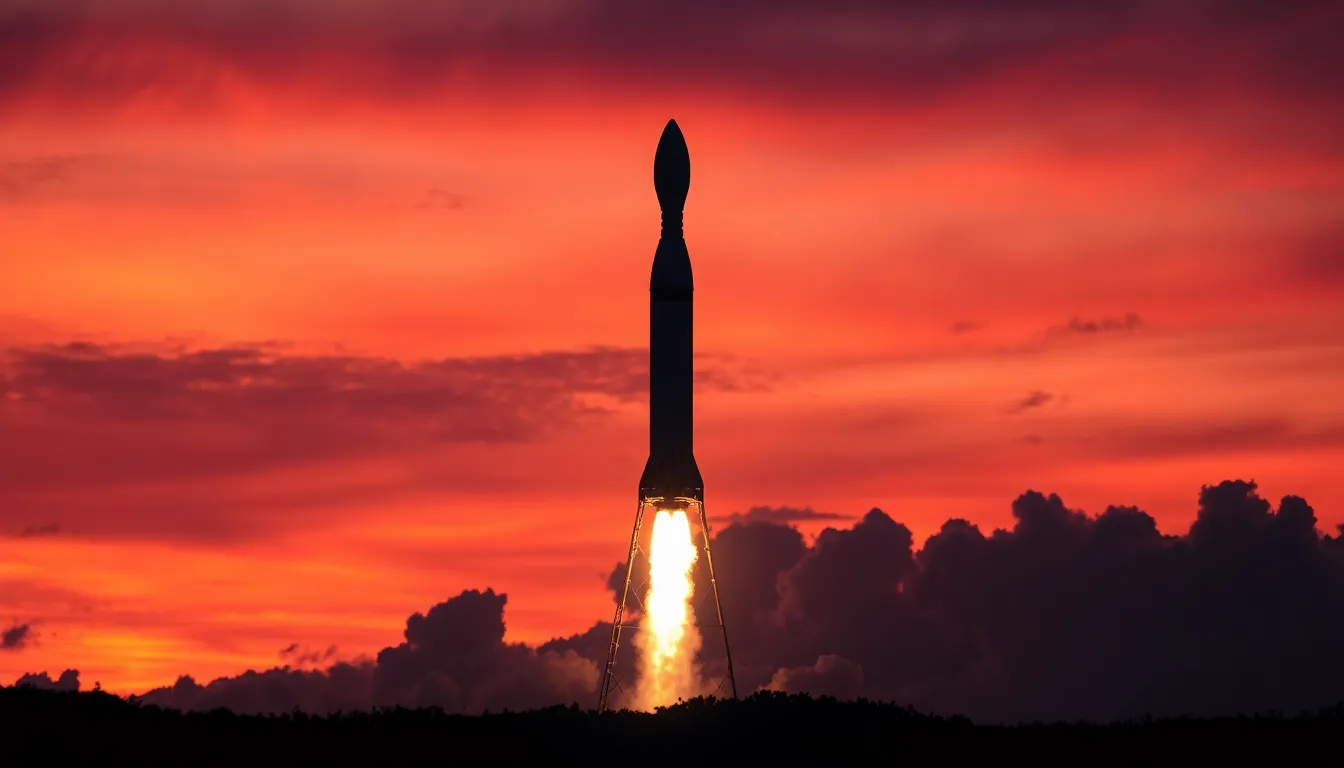
captured using Hasselblad X2D 100C, 90mm f/2.5 medium format, revealing a rocket silhouetted against a vibrant sunset. The lighting casts a warm glow, highlighting the edges of the rocket while the sky erupts in shades of purple, orange, and red. The composition centers the rocket within the frame, and the depth of field is hyperfocal, offering sharpness throughout the scene. The textured clouds add depth to the background, creating a dramatic and awe-inspiring visual.
16:9

shot with Fujifilm GFX 100S, 110mm f/2 macro, capturing a rocket engine's intricate components in stunning detail. The image features dramatic lighting from a single overhead softbox, highlighting the textures of metal and composite materials. The depth of field is selective, focusing on the engine's nozzle while allowing the surrounding details to softly blur. The color palette is a mix of metallic silver and deep blacks, presenting a sleek, industrial feel accentuated by the smooth surface textures.
1:1
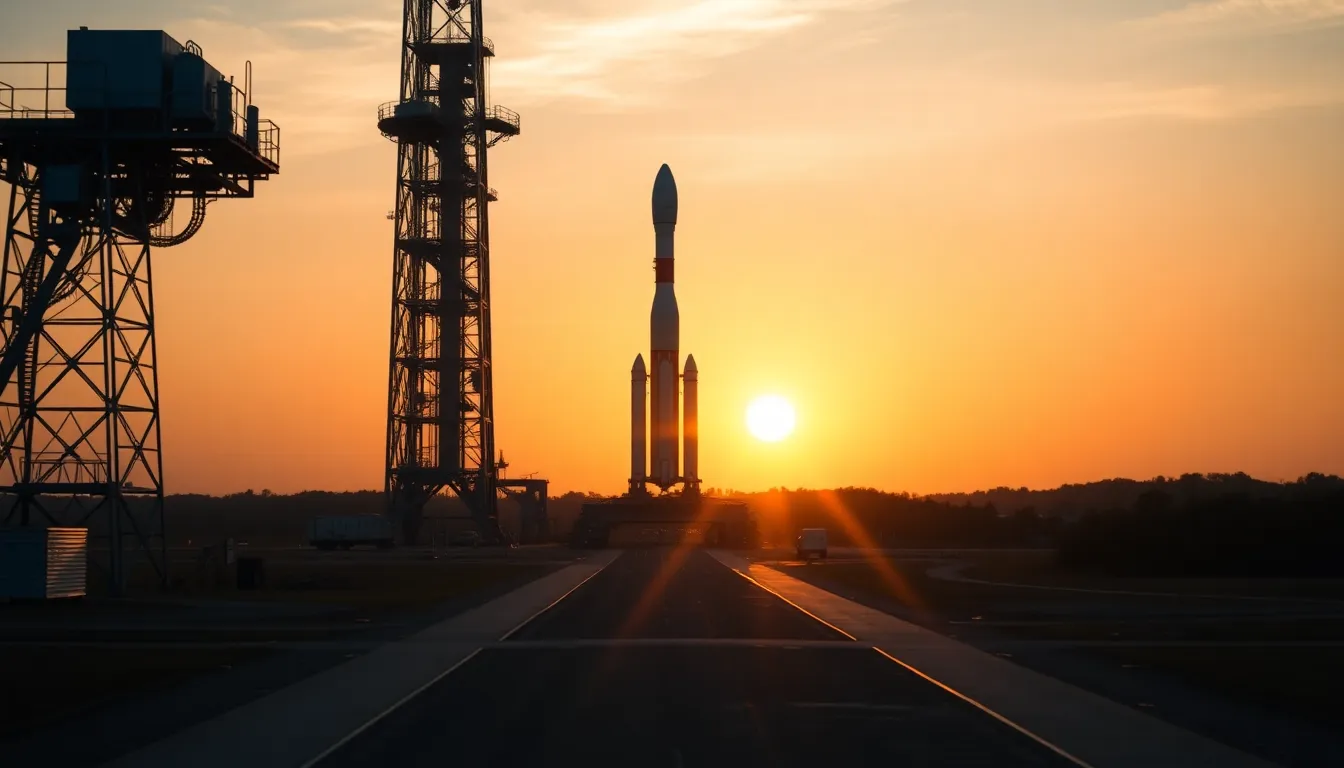
captured with Canon EOS R5, 24-70mm f/2.8L at 35mm, presenting a scenic view of a rocket on a launch pad at sunrise. The warm golden hour light bathes the scene, illuminating the rocket's exterior and casting long shadows. The composition utilizes leading lines formed by the launch pad's structure to draw the viewer's eye toward the rocket. The color palette features soft pastels of dawn, evoking hope and new beginnings, while maintaining crisp details of the rocket and pad.
16:9
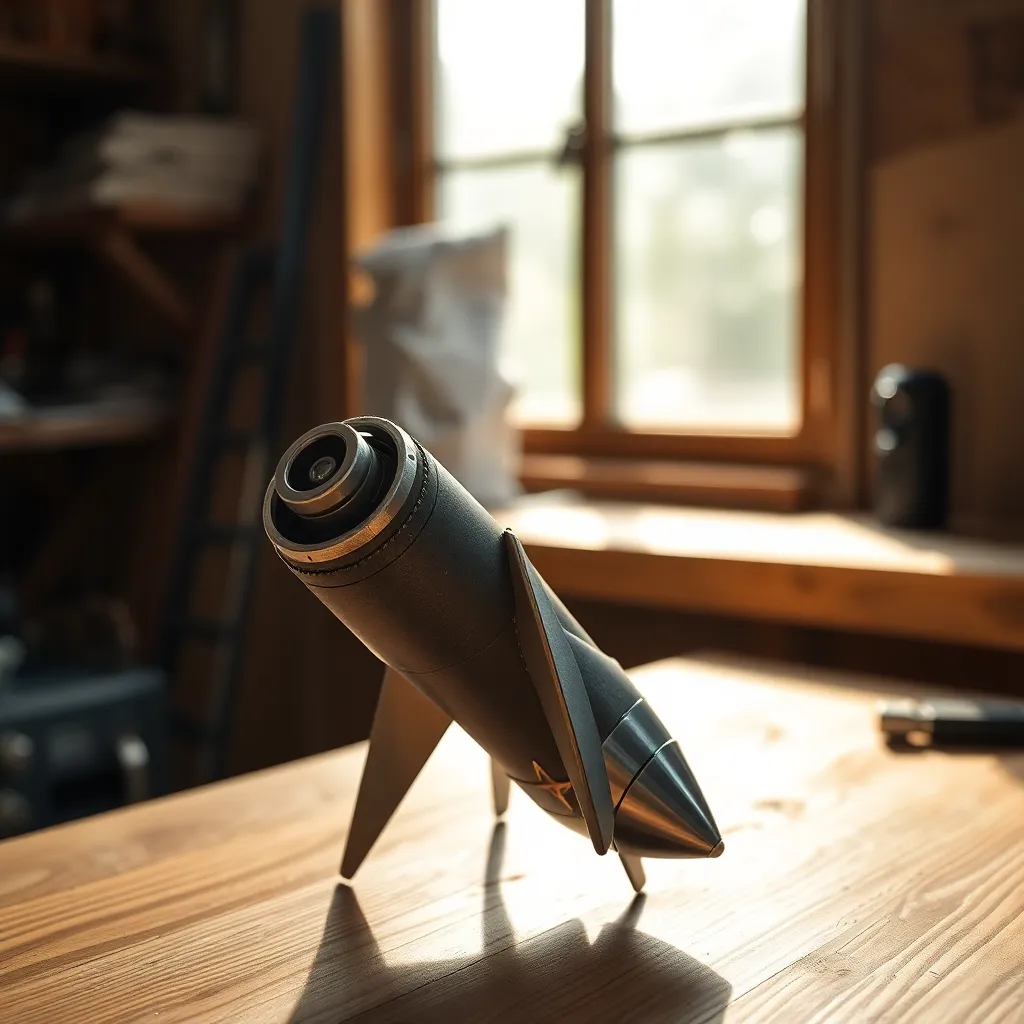
shot on Sony A7R V with 85mm f/1.4 GM lens, showcasing a close-up of a detailed rocket model on a wooden workbench. Soft natural lighting streams in from a nearby window, highlighting the intricate textures of the model’s surface, from the polished metal to the matte finish of its body. The depth of field is shallow at f/1.4, creating a pleasing bokeh effect in the background. The color palette features rich wood tones contrasted with metallic accents, inviting a warm, nostalgic mood.
1:1
captured with Nikon Z9, 70-200mm f/2.8 telephoto at 135mm, featuring a rocket launch during twilight. Dramatic orange and blue hues fill the sky, with fiery exhaust plumes illuminated against the darkening horizon. The image focuses on the rocket ascending, positioned slightly off-center, creating a dynamic composition. The depth of field is shallow at f/2.8, with the background stars beginning to twinkle into focus. Textured smoke trails and vibrant colors evoke a sense of excitement and adventure.
16:9
captured with Hasselblad X2D 100C, 90mm f/2.5 medium format, illustrating a breathtaking view of Saturn and its rings during a planetary alignment. Using natural light, the scene is illuminated by the sun's rays reflecting off the rings, creating a spectacular contrast of light and shadow. The depth of field is hyperfocal, achieving sharpness from the foreground asteroids to the distant planet. The composition aligns Saturn centrally, framed by smaller celestial bodies, emphasizing its grandeur in the vastness of space.
16:9

shot with Fujifilm GFX 100S, 110mm f/2 macro, depicting an astronaut floating serenely against the backdrop of a glowing nebula. The soft, ethereal lighting creates a dreamlike quality with a rich color palette of pinks and blues. The image uses hyperfocal distance for sharpness throughout, capturing both the astronaut and the vibrant cosmic scene. Compositionally, the astronaut is slightly off-center, surrounded by swirling gas clouds that draw the viewer’s gaze toward the nebula's colors, enhancing the surreal atmosphere.
16:9

captured with Canon EOS R5, 24-70mm f/2.8L at 35mm, presenting a close-up of a Mars rover on the red planet's surface during sunset. The warm, diffused natural daylight creates a golden rim light around the rover and rocks, enhancing the textures of the Martian soil. The image features a shallow depth of field at f/4, allowing for soft bokeh in the background. The composition focuses on the rover's intricate details and the rugged terrain, producing a striking contrast between technology and nature.
16:9
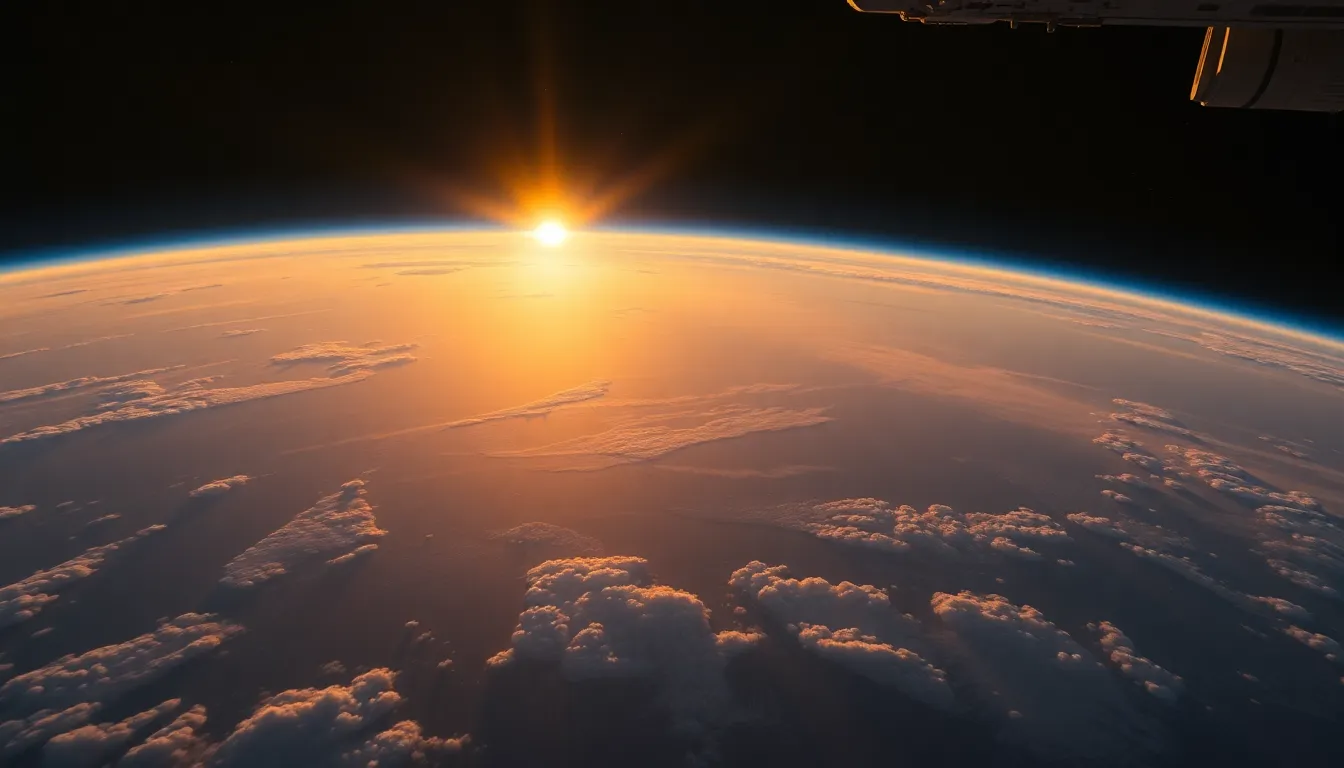
shot on Sony A7R V with 85mm f/1.4 GM lens, capturing a stunning view of Earth from the International Space Station during a vibrant sunrise. The image features natural lighting with golden hour tones reflecting off the ocean and land masses, creating dynamic contrast. A selective focus on the Earth’s curvature emphasizes the delicate atmosphere, while distant stars are faintly visible. The composition uses leading lines formed by the planet’s curvature and clouds, enhancing the overall sense of depth and scale.
16:9
captured with Nikon Z9, 70-200mm f/2.8 telephoto at 135mm, featuring dramatic backlighting from a distant star illuminating a swirling galaxy in deep space. The image showcases a shallow depth of field at f/2.8, creating a surreal bokeh effect with vibrant colors of blue and purple. The texture of cosmic dust and stars is intensely detailed, giving a sense of depth and vastness. The rule of thirds places the galaxy off-center, drawing the eye into the expansive darkness of space.
16:9
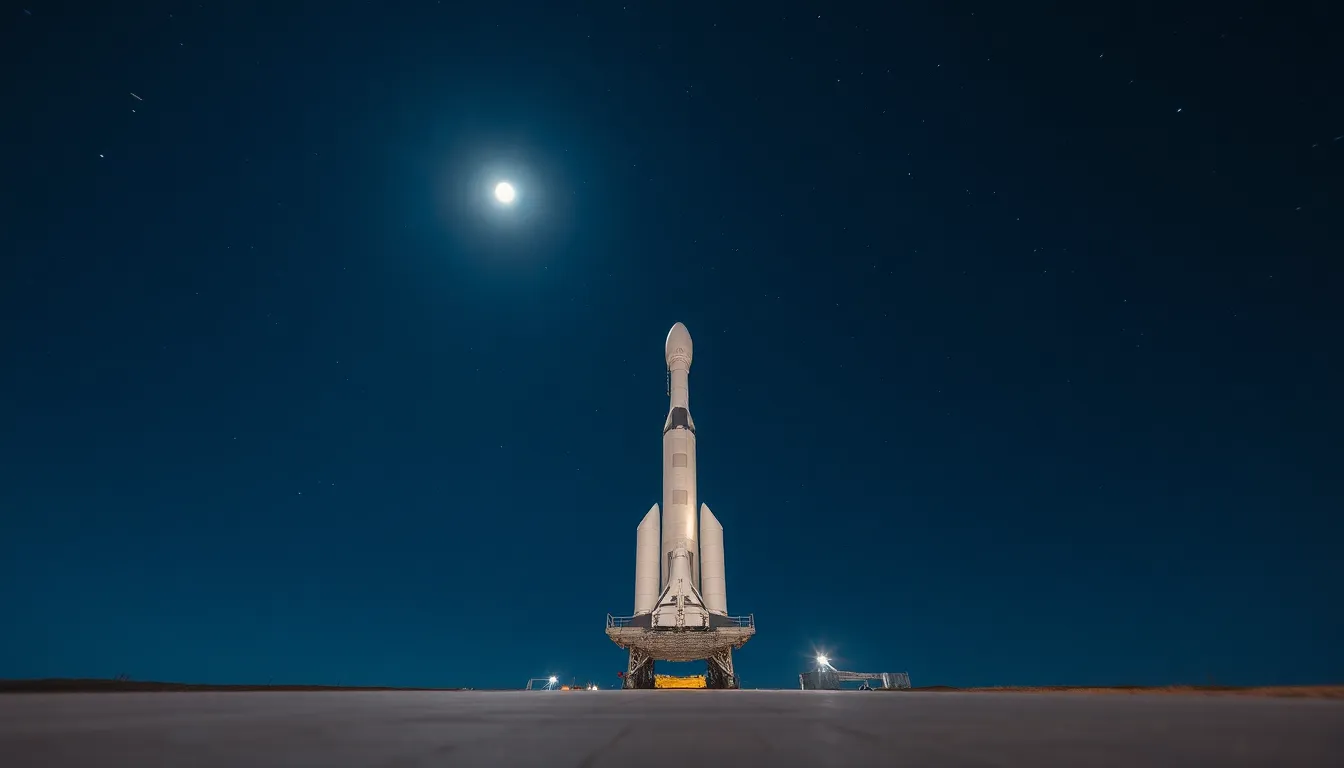
A serene night image of a rocket on a launch pad under a starry sky, captured with a Fujifilm GFX 100S, 110mm f/2 macro. Soft moonlight bathes the rocket in a gentle glow while stars twinkle in the deep blue background. The depth of field is shallow, focusing on the rocket with a beautifully blurred starry sky that creates an ethereal atmosphere. The color palette combines deep blues with whites and silvers from the stars. The composition includes a leading line of the launch pad drawing the viewer’s eye toward the rocket nestled against the cosmos.
16:9
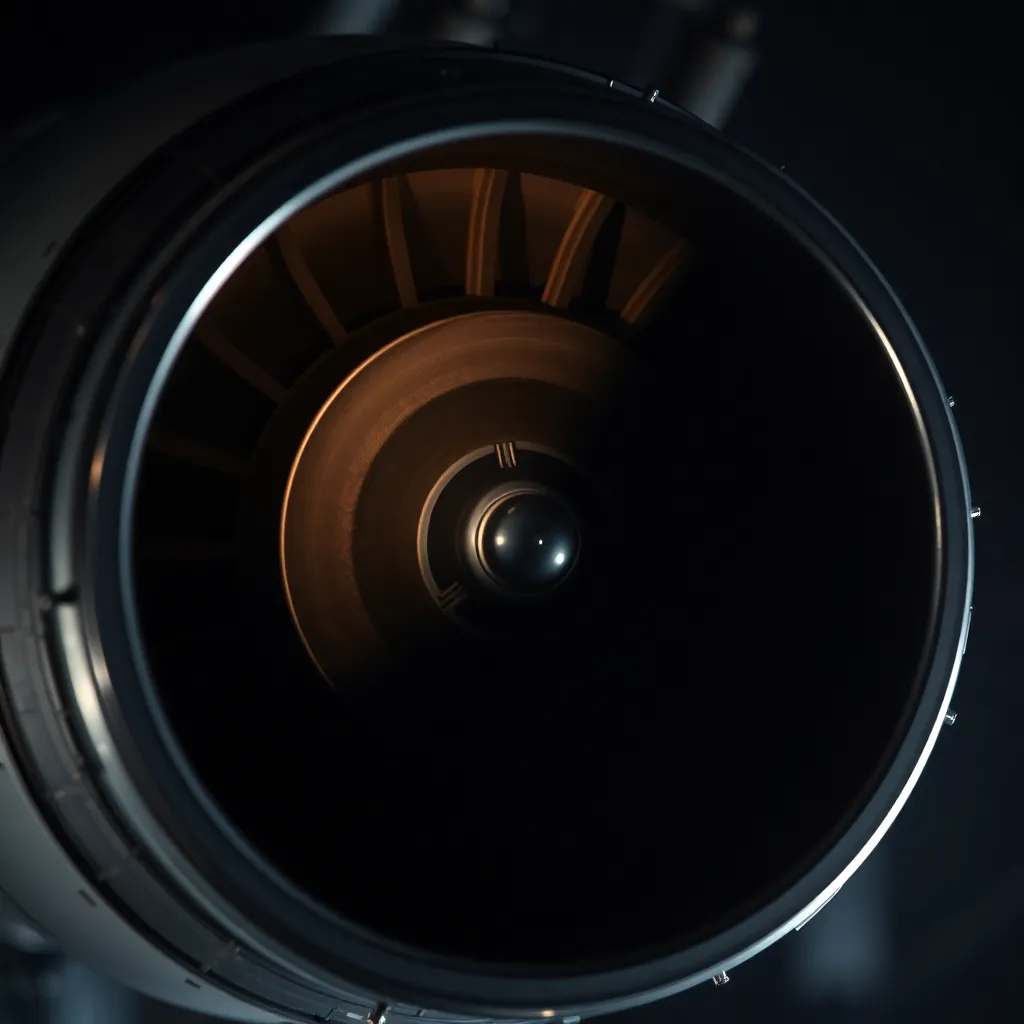
An artistic close-up of a rocket's engine nozzle, shot on a Hasselblad X2D 100C, 90mm f/2.5 medium format. Dim studio lights create a dramatic spotlight effect on the intricate details of the engine, enhancing textures with Rembrandt lighting. The depth of field is shallow, focusing on the nozzle while the background fades into a soft blur. The color palette features metallic grays and deep shadows, giving a high-tech feel. The composition centers on the engine component, with visible manufacturing details and textures creating an immersive experience.
1:1
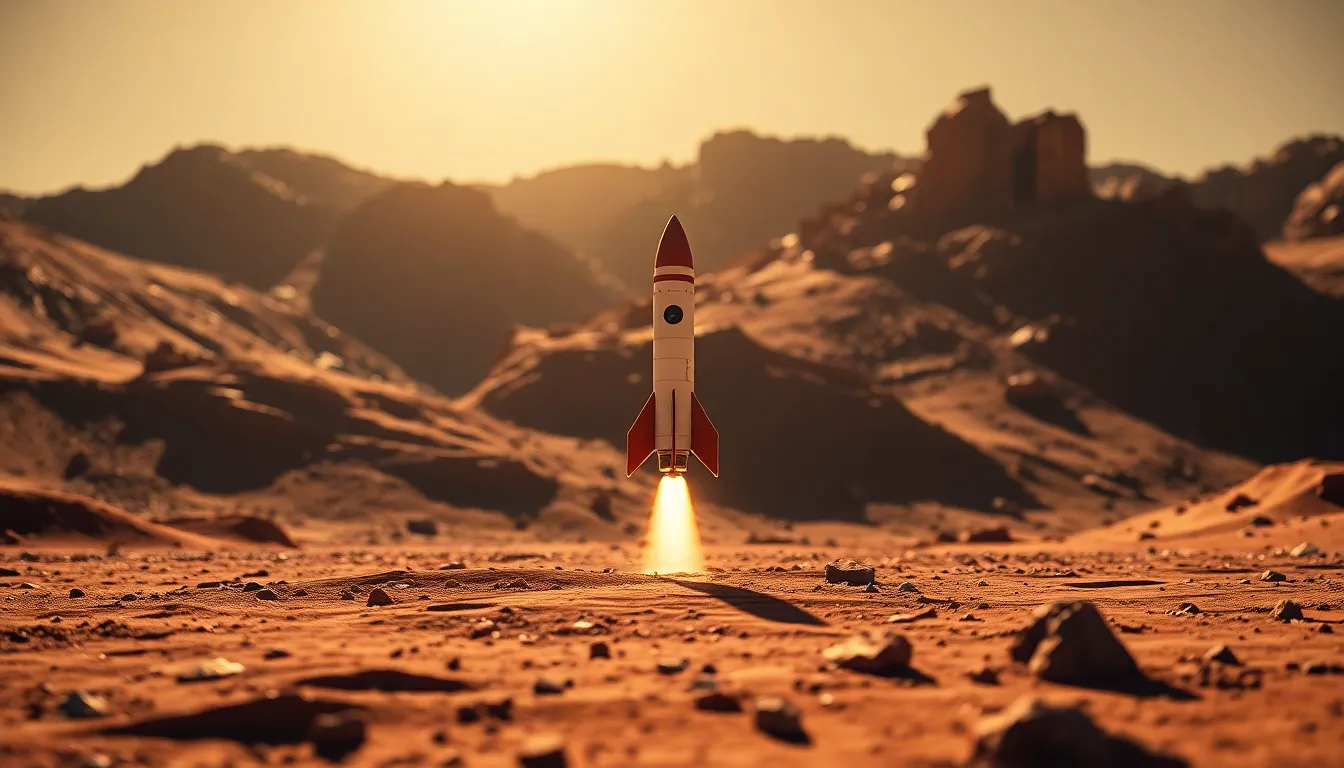
An imaginative concept of a rocket landing on Mars, captured using a Nikon Z9, 70-200mm f/2.8 telephoto at 135mm. The scene is illuminated by a stark sunlight casting sharp shadows on the Martian surface. The depth of field is shallow, focusing on the rocket while the rugged terrain blurs softly in the background. Color grading emphasizes reddish Martian tones with a cinematic palette. The composition uses the rule of thirds, placing the rocket at a strong point with craters and rocky formations leading the eye towards it.
16:9
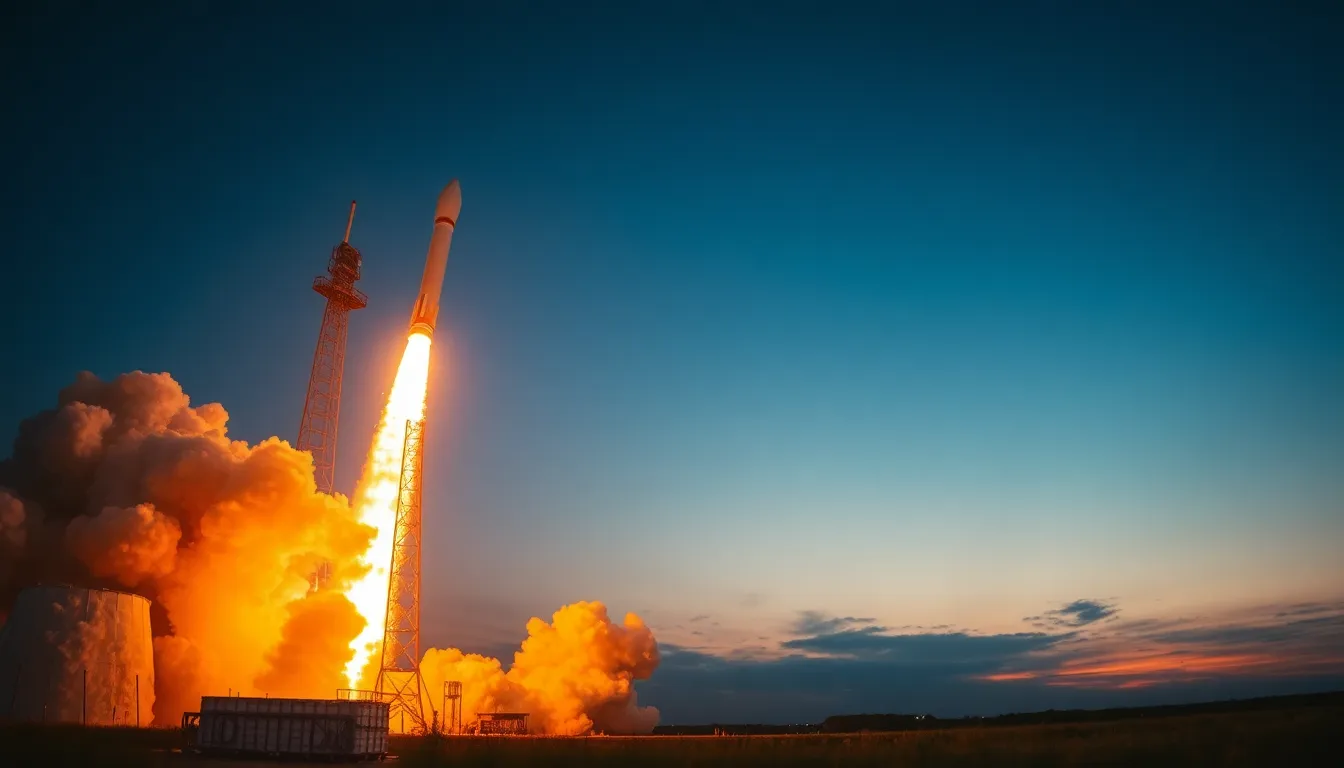
A dramatic scene featuring a rocket in mid-launch stage, captured with a Canon EOS R5, 24-70mm f/2.8L at 35mm. The lighting is a mix of fiery exhaust flames and twilight sky, illuminating the rocket's body with an intense glow. The use of hyperfocal distance ensures sharp focus from the foreground to the horizon, while the color palette consists of cinematic oranges and deep blues. The composition centers the rocket in the frame with smoke trails creating dynamic lines leading upward.
16:9

A towering rocket poised for launch at dawn, captured with a Sony A7R V and 85mm f/1.4 GM lens. The scene is beautifully lit by the soft golden hour light, casting long shadows and warm highlights on the rocket's metallic surface. Using shallow depth of field at f/1.4, the background blurs into creamy bokeh, emphasizing the rocket's intricate details. The color palette features warm oranges and blues intertwined with the early morning sky. The composition employs leading lines from the launch pad directing the viewer's eye towards the rocket, with textured concrete visible underneath.
16:9
captured with Hasselblad X2D 100C, 90mm f/2.5 medium format, presenting a dramatic scene showcasing the gravitational lensing effect caused by a black hole. The lighting is natural, highlighting the ethereal effect of light bending around the black hole, creating surreal patterns. The composition focuses on the lensing waves, symmetrically arranged around the black hole, creating a balance that draws the eye. The film look features vibrant colors inspired by Kodak Portra 400, with warm skin tones and creamy highlights. The hyperfocal distance keeps all details of the lensing phenomenon sharp and engaging.
16:9
shot on Fujifilm GFX 100S, 110mm f/2 macro, depicting an astrophysical diagram of a black hole illustrated against a starry background. The lighting is soft with gentle highlights enhancing the intricate details of the diagram. The composition focuses on the central black hole, emphasizing detailed textures of space and surrounding cosmic bodies. A natural muted tone color palette of deep blacks and soft whites gives a classic feel. The depth of field is shallow, with subtle bokeh that keeps the attention on the numerical and visual details of the black hole representation.
16:9
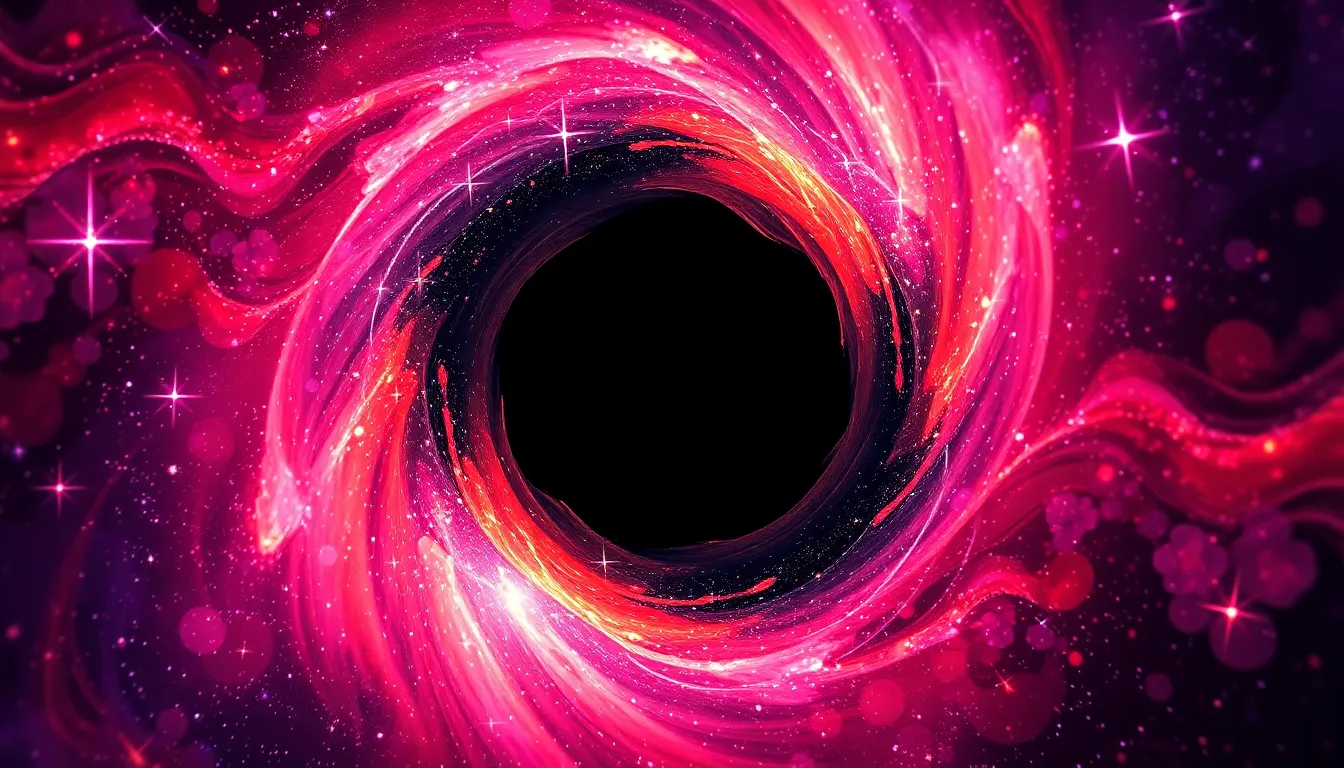
captured with Canon EOS R5, 24-70mm f/2.8L at 35mm, illustrating a conceptual representation of a black hole in a colorful, abstract interpretation. The lighting is soft and diffused, with artificial lights enhancing the vibrant tones and shadows. Hyperfocal distance is used to keep the entire composition sharp, with textures reminiscent of swirling galaxies on a canvas-like background. A vivid and mixed color palette rounds out warm pinks, deep purples, and glowing whites. The composition plays with symmetry, centering the black hole in the frame to draw attention and provoke thought about the nature of space.
16:9
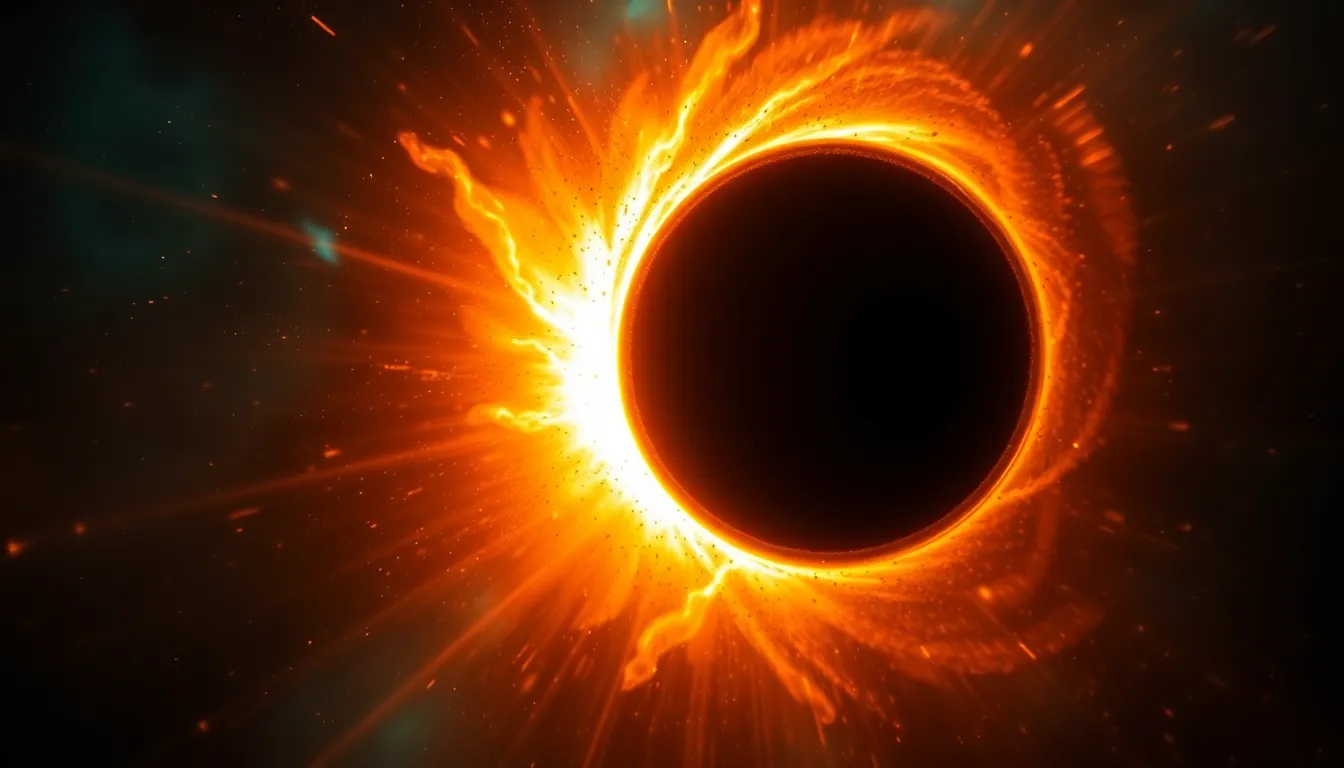
shot on Sony A7R V with 85mm f/1.4 GM lens, showcasing a dramatic visualization of a black hole consuming a star, surrounded by an accretion disk glowing with intense light. The scene is illuminated with a cinematic mix of teal and orange lighting, creating a visually striking contrast. A shallow depth of field at f/1.4 provides a creamy bokeh effect in the background, directing focus to the central action. The color grading leans towards saturated hues to emphasize the bright gas and debris. The composition utilizes diagonal lines leading towards the black hole, enhancing the sense of depth and motion.
16:9
captured with Nikon Z9, 70-200mm f/2.8 telephoto at 135mm, featuring a captivating scene of a swirling black hole at the center, with vibrant jets of light emitting from its poles. The lighting is dramatic with backlit colors highlighting the cosmic event amidst the dark void of space. A hyperfocal depth of field keeps everything from the event center to the surrounding stars sharply in focus. The color palette is a striking blend of deep blues and fiery oranges, reminiscent of powerful cosmic explosions. The composition follows the rule of thirds, with the black hole positioned to the left and vibrant jets spreading across the frame, creating a sense of dynamic movement and depth.
16:9
Fujifilm GFX 100S, 110mm f/2 macro captures an intimate scene of a miniaturized world under a telescope lens, revealing detailed star patterns mapped onto the glass. The lighting consists of soft studio light with a subtle edge light to create dimension. Using a hyperfocal distance at f/8, the entire scene remains tack-sharp from the lens to the twinkling stars. The color palette is inspired by Kodak Portra 400, presenting warm skin tones and earthy hues. The composition uses a centered symmetrical arrangement, drawing focus to the intricate star patterns reflected on the glass surface, highlighting both the texture of the glass and the cosmic imagery.
16:9
Hasselblad X2D 100C, 90mm f/2.5 medium format captures a surreal image of constellations visible through the branches of a silhouette tree on a clear night. The cool moonlight illuminates the tree, providing ethereal backlighting that enhances its shape. Using a shallow depth of field at f/2.5, stars twinkle in soft bokeh, while the tree details remain crisp. The color palette boasts muted tones with desaturated blues and silvery whites. The composition creates a symmetrical silhouette effect, inviting the viewer to gaze up at the constellations through the branches, emphasizing both texture and shape.
16:9
Nikon Z9, 70-200mm f/2.8 telephoto at 200mm captures a close-up of a stunning meteor shower streaking across a dark sky. The scene is illuminated by soft, natural starlight and the fleeting glows of meteors. Using a shallow depth of field at f/2.8, the stars are delicately blurred, emphasizing the sharpness of the bright meteors above. The color palette consists of a range of blacks and brilliant whites with hints of fiery orange from the meteors. The composition centers on the meteors, framed against the expansive night sky, capturing the dynamic movement and textures of the celestial event.
16:9
Shot on Sony A7R V with 85mm f/1.4 GM lens, this image captures the exquisite detail of the Milky Way arching over a rugged mountain range during the twilight hour. Utilizing natural lighting, the last rays of the sun cast a warm glow on the peaks while the sky deepens into a rich indigo. The hyperfocal distance ensures clarity from foreground to infinity at f/8. Color grading is inspired by cinematic teal and orange tones, enhancing the drama of the scene. The composition uses leading lines formed by the mountains to draw the eye towards the vibrant galaxy, showcasing rocky textures with intricate details.
16:9
Captured with Canon EOS R5, 24-70mm f/2.8L at 24mm, this breathtaking scene features a mesmerizing starry sky over a tranquil lake. The lighting includes natural moonlight reflecting off the water surface, enhancing the celestial beauty. Using a shallow depth of field at f/2.8, the foreground rocks are in sharp focus while the stars shimmer in creamy bokeh above. The color palette leans towards deep blues and soft whites, creating a serene atmosphere. Composition follows the rule of thirds with the horizon placed low, drawing attention to the stars and their reflection in the lake's calm surface, highlighting the texture of wet stones.
16:9
Fujifilm GFX 100S, 110mm f/2 macro, illuminated by the scattered light of a vibrant cosmic dust cloud, using hyperfocal distance to maintain sharpness from the colorful dust to the distant stars at f/8, employing a Fujifilm Velvia-inspired saturated color palette rich in deep blues and bright pinks, composition features a textured foreground of cosmic dust leading towards a galactic vista, inviting viewers into the depths of space with its vibrant colors and intricate details.
16:9
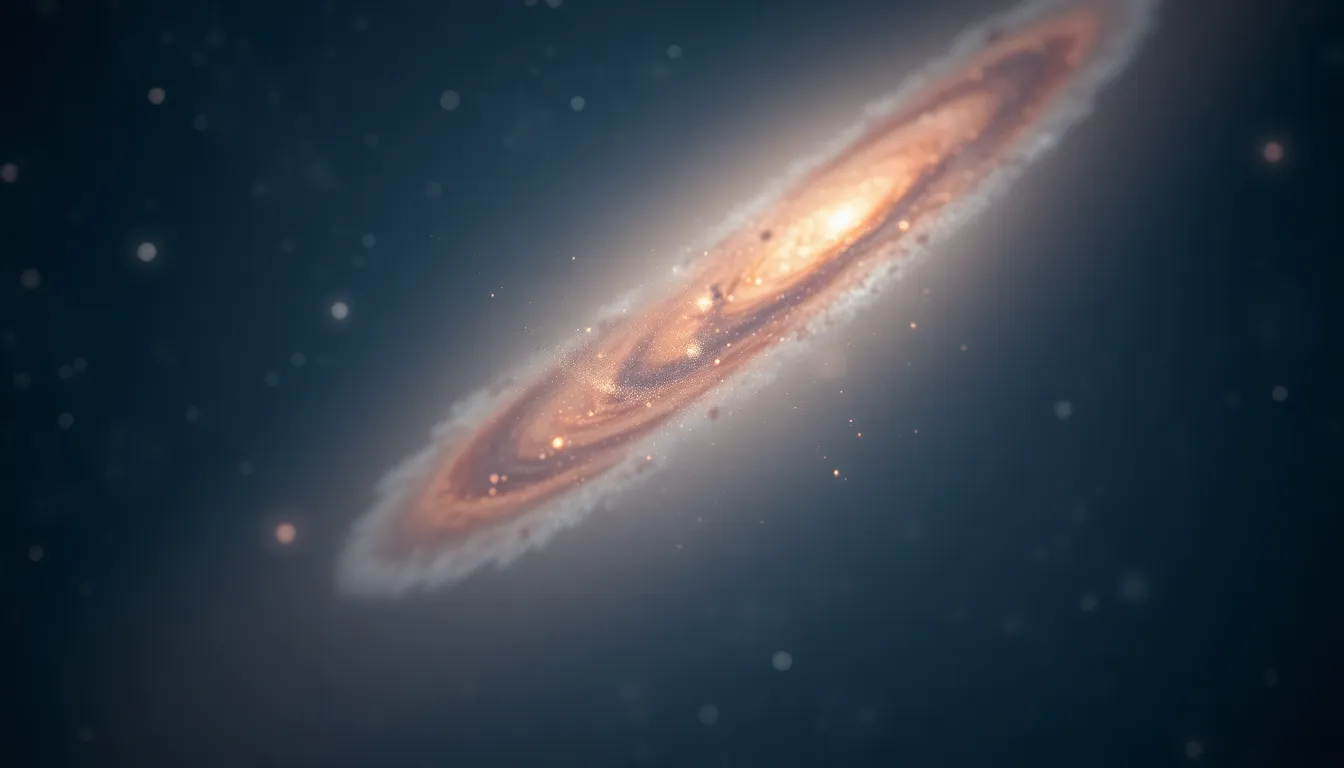
Hasselblad X2D 100C, 90mm f/2.5 medium format, utilizing the soft ambient light from the faint glow of nearby star clusters creating a serene ambiance, with a narrow depth of field at f/2.5 to draw attention to the intricate textures of a distant galaxy while the background gently blurs into a painterly bokeh, employing natural muted tones with desaturated earth colors to evoke a calming mood, composition features a distant galaxy framed against a field of stars, creating a sense of vastness.
16:9
Nikon Z9, 70-200mm f/2.8 telephoto at 135mm, under a blanket of dark skies illuminated only by the soft glow of a distant supernova with contrasting shadows casting mysterious shapes across the cosmos, employing a cinematic teal and orange color grading that enhances the dramatic feel of the scene, utilizing shallow depth of field at f/2.8 for crisp focus on the supernova while the surrounding space melts into soft bokeh, the composition features the supernova emerging as a focal point with swirling star trails leading toward it.
16:9
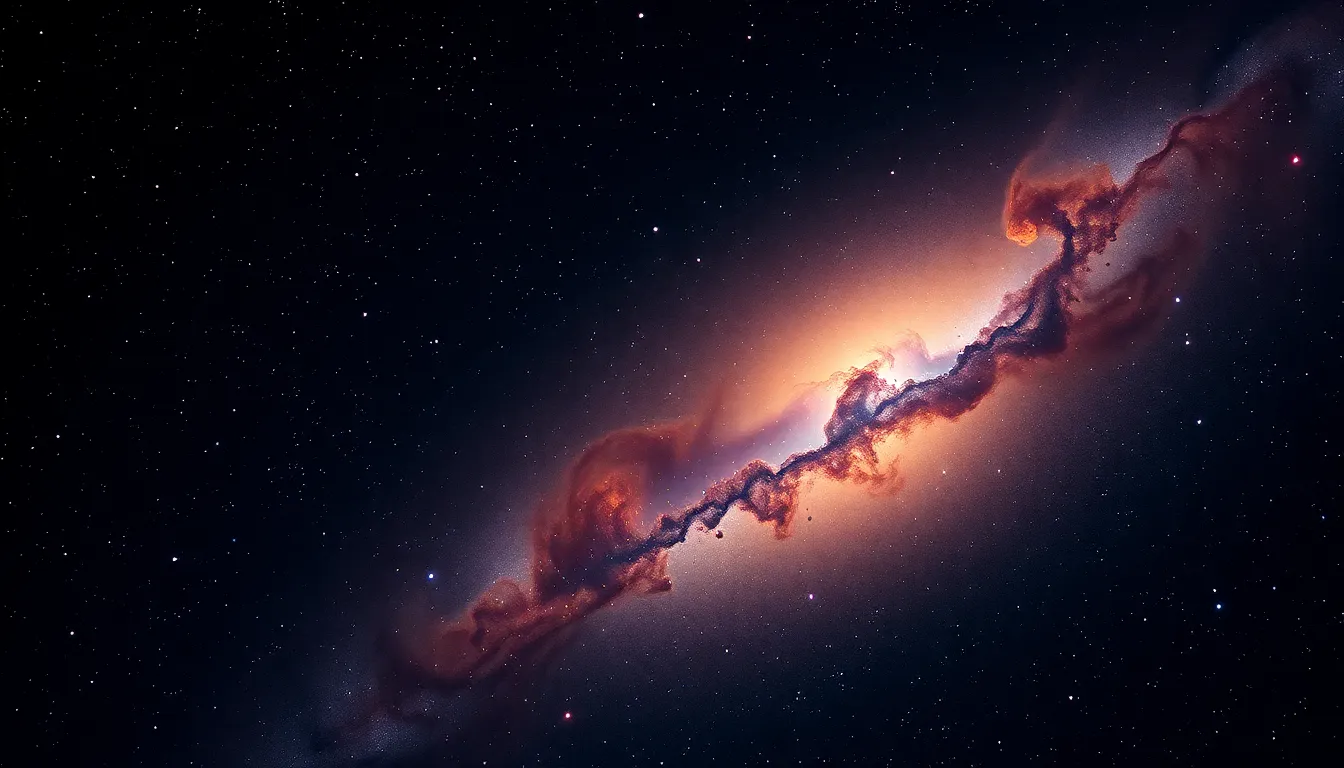
shot on Sony A7R V with 85mm f/1.4 GM lens, illuminated by the soft glow of distant stars with a dramatic contrast between dark space and bright celestial objects, hyperfocal distance ensuring everything from the colorful star clusters to the faint galactic dust is sharp at f/8, utilizing a Kodak Portra 400 color palette for warm tones and subtle gradients, composition features a close-up of a nebula with intricate details and textures of gas clouds swirling within it.
16:9
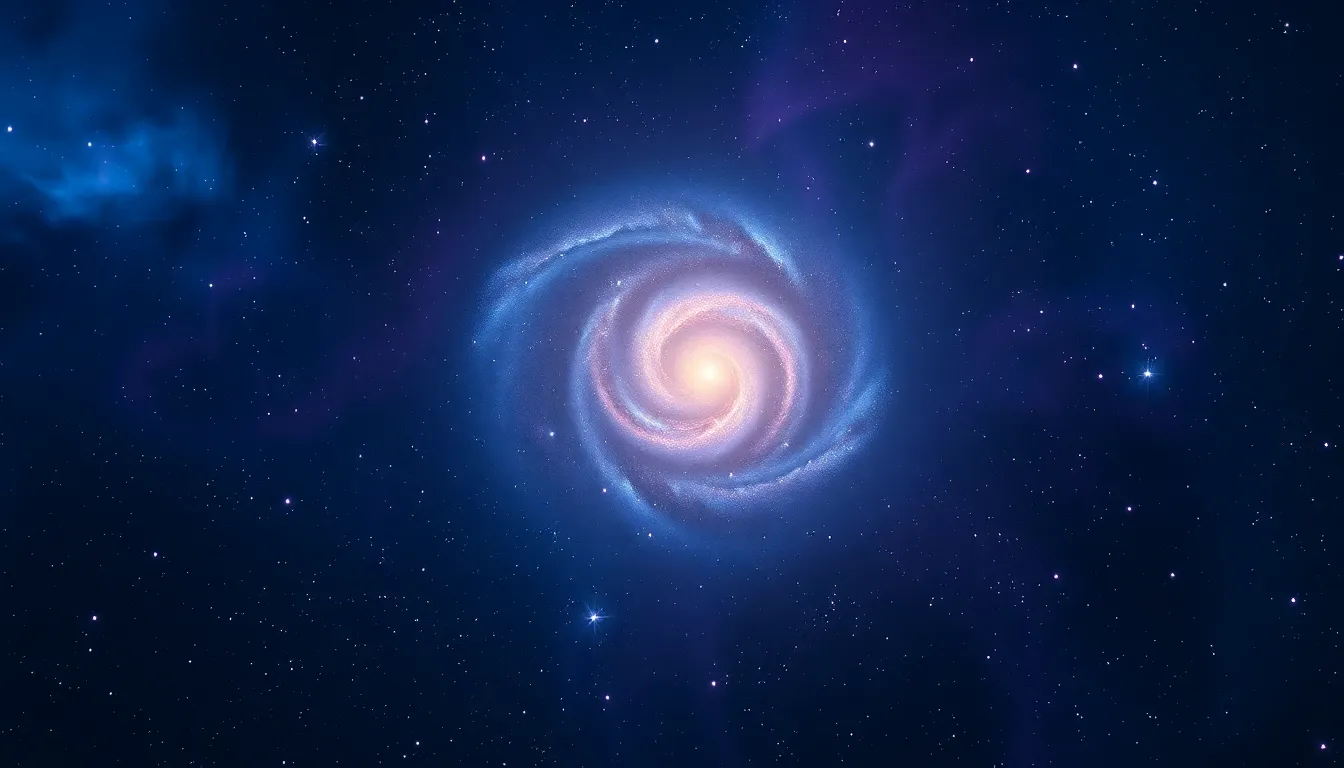
captured with Canon EOS R5, 24-70mm f/2.8L at 35mm, bathed in ethereal blue and purple lighting from surrounding nebulae with soft diffused light scattering throughout, shallow depth of field at f/2.8 creating a dreamy, cosmic bokeh effect, featuring deep space with luminous stars against rich violet and navy backgrounds, composition centered on a spiral galaxy with a leading line of starlight guiding the eye towards it, with fine textures of cosmic gases swirling in the foreground.
16:9
captured with Hasselblad X2D 100C, 90mm f/2.5 medium format, revealing a stunning view of Saturn's rings illuminated by the Sun, casting intricate shadows on the planet's surface. The lighting is dramatic with high contrast, showing depth and structure in the rings. The depth of field is at f/4, providing a sharp focus on the rings while allowing the planet's atmosphere to blend softly in the background. The color palette features rich yellows and deep blacks, enhanced by a cinematic teal and orange grading. The composition is centered to emphasize the grandeur of Saturn and its mesmerizing rings.
16:9
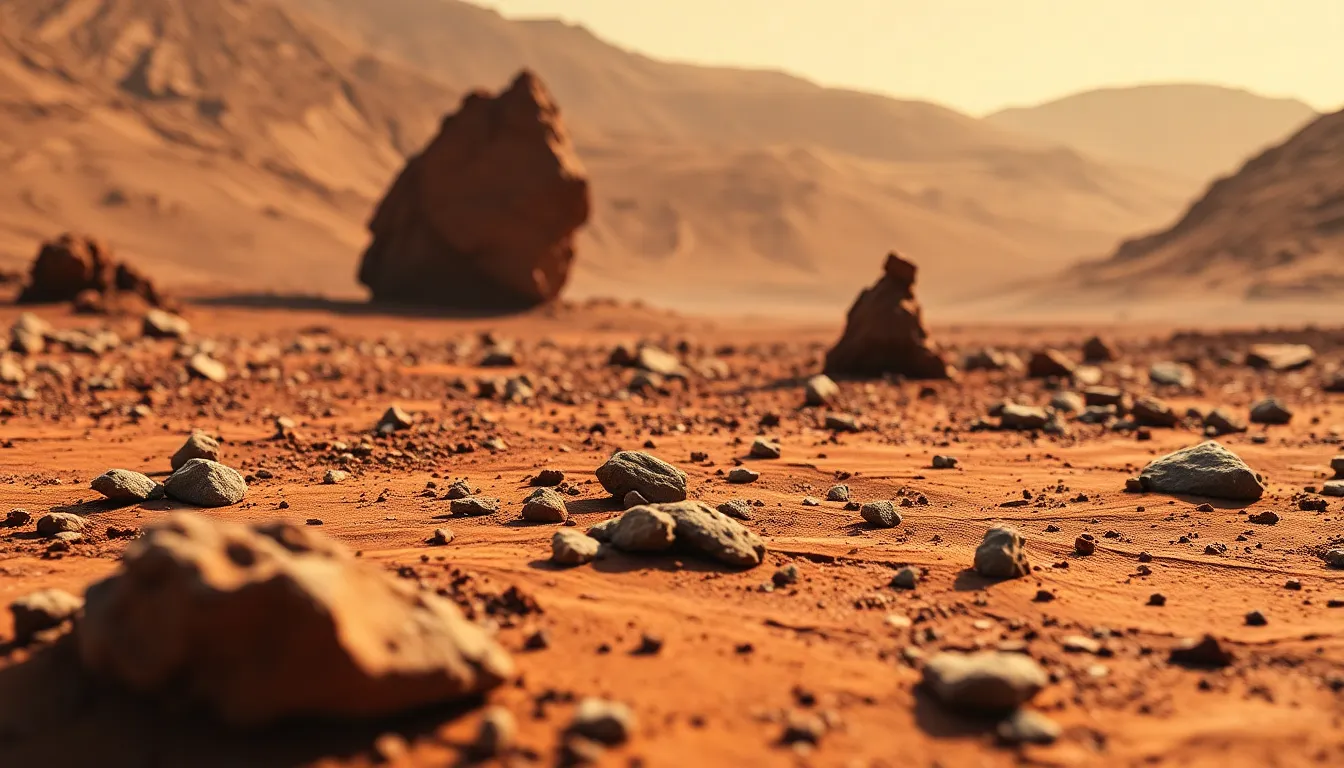
shot on Fujifilm GFX 100S, 110mm f/2 macro, depicting the surface of Mars with rich textures of red soil and rocky terrain under soft, diffused daylight. The depth of field is shallow at f/2, allowing for a crisp focus on the Martian surface, while the surrounding landscape fades into a subtle blur. The color science follows a natural muted tone with desaturated earth colors, emphasizing the planet's raw, rugged beauty. The composition adheres to the rule of thirds, with striking rock formations placed strategically in the frame.
16:9
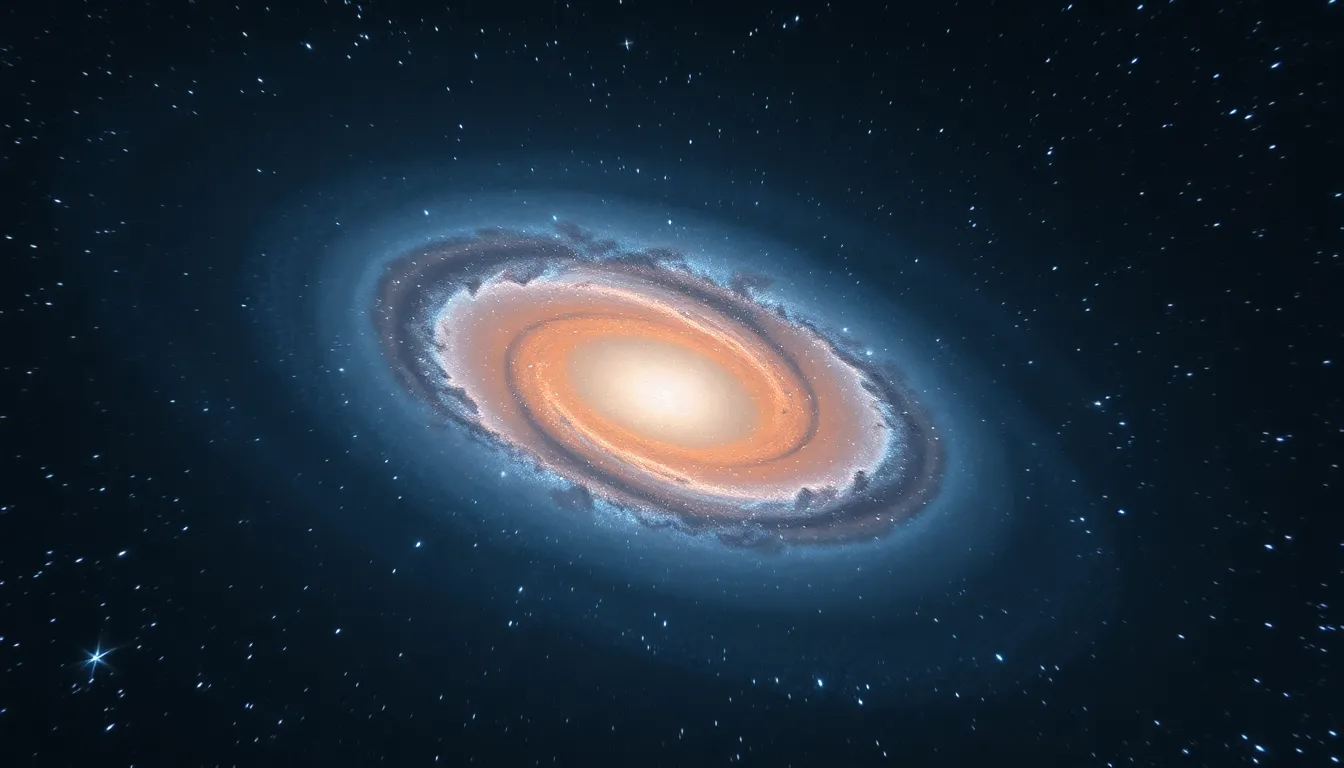
captured with Canon EOS R5, 24-70mm f/2.8L at 35mm, illustrating a detailed view of a distant galaxy with spiral arms cradling clusters of bright stars. The lighting is soft and diffused due to the vast distance, creating a serene atmosphere. The depth of field is hyperfocal at f/8, ensuring every detail of the galaxy is sharp. The color grading mimics Fujifilm Velvia, producing saturated colors with deep blues and vibrant star hues. The composition is centered, emphasizing the galaxy's symmetrical beauty and intricate textures of star formations.
16:9
shot on Sony A7R V with 85mm f/1.4 GM lens, capturing an astronaut floating gracefully in the vastness of space, with Earth visible in the background. The scene is lit by the sun's rays, providing a natural spotlight and creating a stark contrast with the dark void of space. The depth of field is shallow at f/1.4, highlighting the astronaut's details and leaving the Earth slightly out of focus. The color palette features deep blues and vibrant greens from the planet, while the astronaut’s suit appears white and reflective, with a textured fabric that catches the light uniquely.
16:9
captured with Nikon Z9, 70-200mm f/2.8 telephoto at 135mm, featuring dramatic backlighting from an exploding star illuminating the surrounding cosmic dust. The depth of field is shallow at f/2.8, showcasing vibrant hues of magenta and cyan in the nebulae with incredibly sharp focus on the star. The composition employs leading lines created by swirling gas clouds directing the eye toward the central explosion, while the textured details of the gas give a sense of depth and movement. The color palette draws from a cinematic teal and orange grading for a striking contrast.
16:9
captured with Leica Q3, 28mm f/1.7 Summilux, utilizing a practical approach with neon signage reflecting vibrant colors onto a dark cosmic surface. The depth of field is shallow at f/1.7, creating a creamy bokeh that enhances the illuminated planets in the foreground. The color palette is vibrant, featuring striking contrasts of neon blues and greens against the deep dark space. The composition follows a centered symmetrical layout, emphasizing the planets as the main subjects with the neon glow surrounding them. Textures include the illuminated surfaces of the planets with a rich detail that pops against the dark background.
16:9
shot with Fujifilm GFX 100S, 110mm f/2 macro, featuring dappled sunlight filtering through a nebula, illuminating the planets against a dark and vibrant cosmic backdrop. The depth of field is at f/2, creating a soft, painterly bokeh effect that emphasizes the planets. The image is color graded with natural muted tones, focusing on earthy colors that provide a unique contrast to the bright celestial bodies. The composition is centered with a Dutch angle to add dynamic tension, creating a visually arresting image. Textures reveal the intricate gaseous details swirling around each planet.
16:9
captured with Canon EOS R5, 24-70mm f/2.8L at 35mm, featuring natural golden hour backlighting that casts a warm glow over the planetary landscape. The depth of field is set at f/8 for hyperfocal clarity, ensuring everything from the planets to the distant stars is sharp and clear. The color palette incorporates soft pastels with hints of orange and pink reminiscent of twilight. The composition leverages leading lines, with asteroid belts guiding the viewer's eye toward the larger planets in the center of the frame. Textures highlight the rough surface of asteroids juxtaposed against the smoothness of planetary atmospheres.
16:9
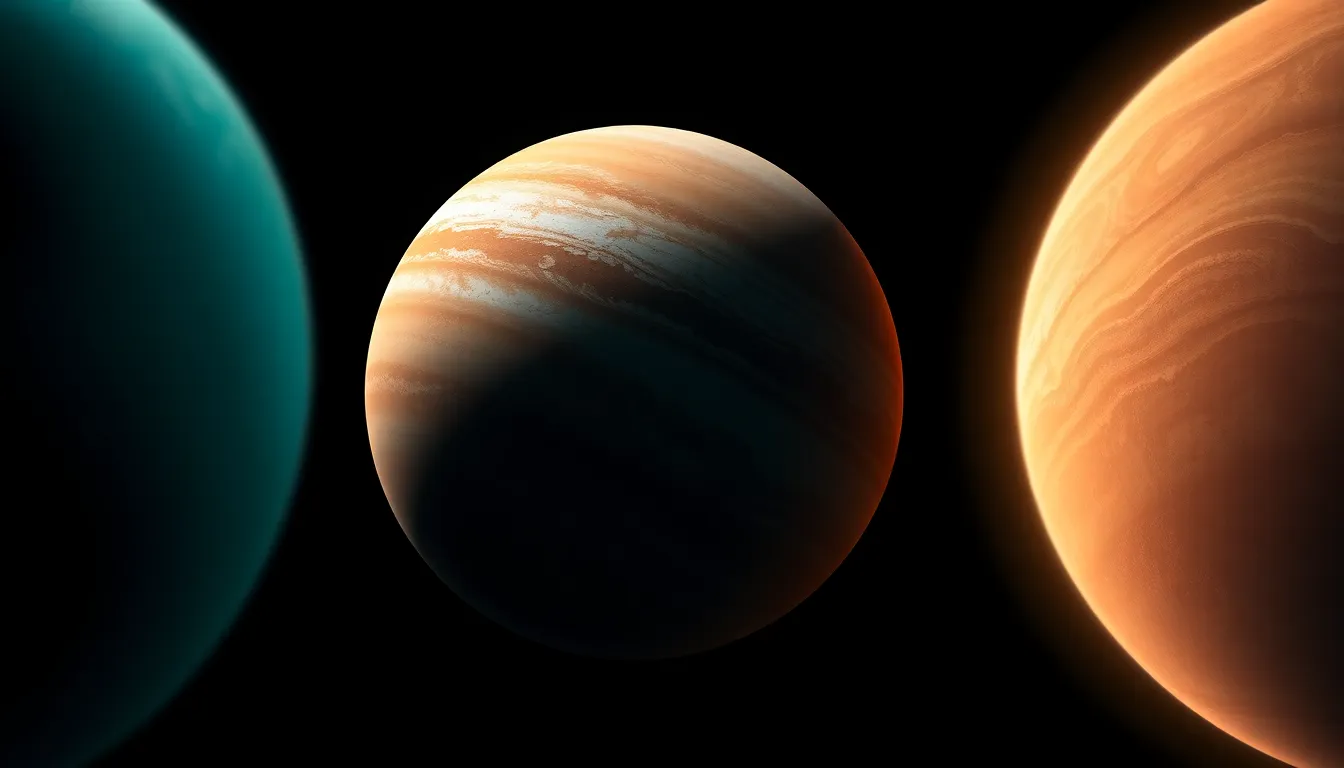
shot on Sony A7R V with 85mm f/1.4 GM lens, utilizing dramatic studio lighting with a single softbox and dramatic shadows to create a stark contrast. The planets are rendered with hyper-realism and the depth of field is set at f/1.4, resulting in a soft, creamy background that enhances the focus on the planetary features. Color grading mimics a cinematic teal and orange palette, further enhancing the otherworldly vibe. The composition utilizes a rule of thirds approach, placing the largest planet at one of the power points, surrounded by smaller celestial bodies. Textures display rich atmospheric details, including polar ice caps and swirling storms.
16:9
captured with Nikon Z9, 70-200mm f/2.8 telephoto at 135mm, featuring natural overcast diffused daylight giving a soft, ethereal glow to the scene. The planets are beautifully illuminated against a star-speckled background with shallow depth of field at f/2.8, creating a dreamy bokeh effect. The color palette includes deep blues and purples, emphasizing the vastness of space. The composition is centered symmetrically, highlighting a large planet with swirling clouds in the foreground and faint halos of distant celestial bodies. Textures include detailed surface features of the planets along with shimmering star light particles.
16:9
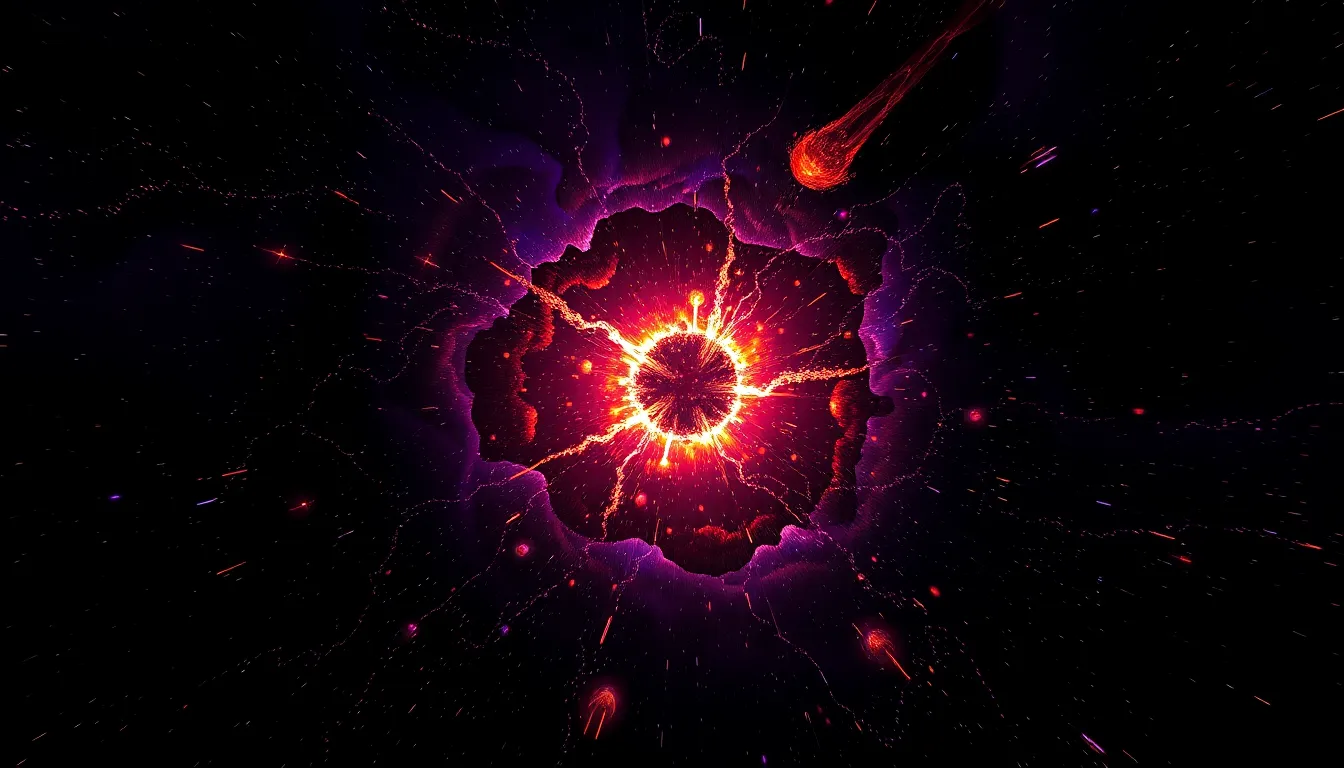
A breathtaking cosmic collision around a black hole, captured with a Leica Q3, 28mm f/1.7 Summilux lens. The lighting features explosive bursts of light from colliding stars illuminating the surrounding dark void. Shallow depth of field at f/1.7 highlights the kinetic energy of the scene while blurring the cosmic backdrop into a dreamlike haze. The color palette employs saturated colors with rich purples and fiery oranges, reflecting the chaos of the collision. The composition uses a Dutch angle to convey dynamic tension, enhancing the sense of movement. Textures depict the swirling, heated gases and shockwaves radiating from the center.
16:9
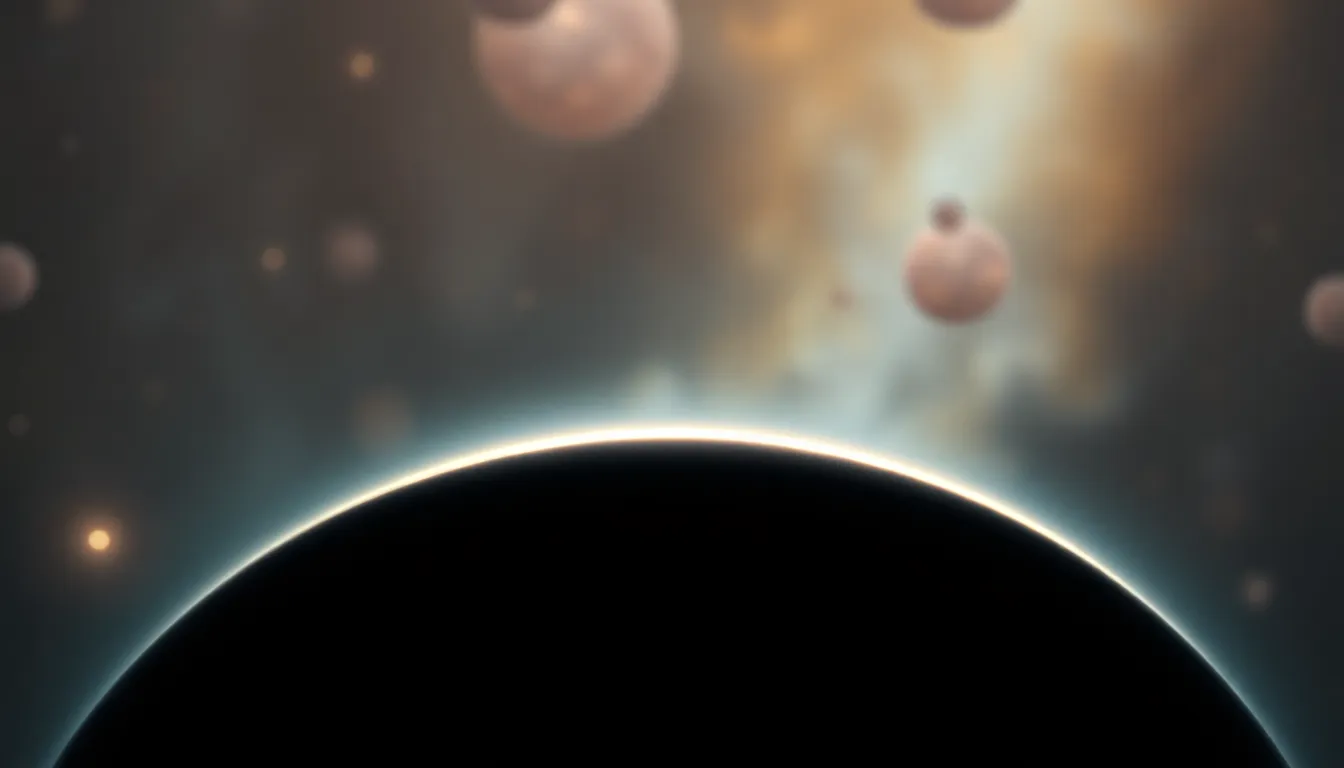
A mystical scene depicting the event horizon of a black hole, shot using a Fujifilm GFX 100S, 110mm f/2 macro lens. The lighting mimics the soft glow of nearby stars reflecting off the horizon's edge, creating a captivating contrast. The depth of field showcases a shallow focus on the event horizon, blurring the cosmic background into pastel shades. The color science resembles natural muted tones with desaturated earth colors, evoking a sense of mystery. The composition adheres to the rule of thirds, positioning the horizon off-center to give a sense of vastness. Textures include the subtle shimmering of light against the event horizon, accentuating the boundary between light and darkness.
16:9
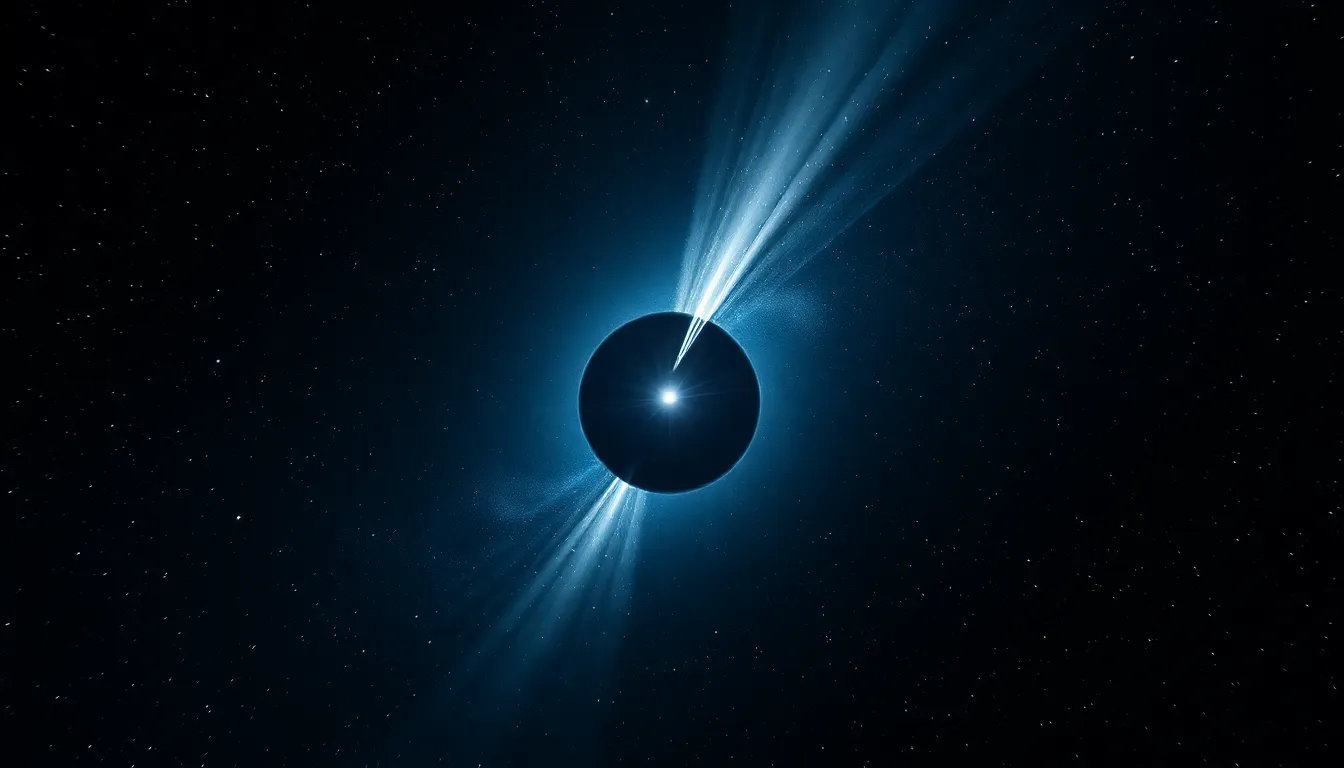
A breathtaking view of a black hole's gravitational lensing effect captured using a Nikon Z9, 70-200mm f/2.8 telephoto at 135mm. The lighting combines subtle ambient starlight with vivid cosmic rays bending around the black hole, creating a mesmerizing visual. The depth of field is narrow, focusing on the lensing distortion while softening the background stars into a wash of light. The color palette features contrasting dark voids and bright white stars, creating a dramatic yet serene atmosphere. The composition introduces leading lines from the shifted star paths toward the black hole, enhancing the effect of gravitational pull. Textures include distant star fields merging at the edges, creating a dynamic depth.
16:9
An abstract concept of a black hole formed from light, shot on a Hasselblad X2D 100C with a 90mm f/2.5 medium format lens. The lighting is dramatic, with beams of light converging into a dark center, creating a glowing halo effect. Shallow depth of field at f/2.5 allows for a dreamy background that accentuates the central black hole. The color grading leans towards cinematic teal and orange, enhancing the otherworldly feel. The composition is centered, focusing on the illusion of light pulling towards the darkness, with smooth gradients. Textures include a seamless transition between light and shadow, inviting intrigue.
16:9
A stunning cosmic scene showcasing a black hole surrounded by swirling accretion disk, captured with the Canon EOS R5, 24-70mm f/2.8L at 35mm. The lighting is from distant stars casting stark highlights against the dark void, creating a contrast between the illuminated disk and the shadowed core. Depth of field is set to hyperfocal distance, ensuring every detail from the swirling gases to the luminous edges is sharp. The color palette features deep blues and purples with hints of fiery orange from the disk. The composition utilizes the rule of thirds, with the black hole off-center, drawing the viewer's eye. Texture details include the gases taking on a soft, almost ethereal glow as they spiral inward.
16:9
A breathtaking timelapse of stars being pulled around a black hole, captured with Leica Q3, 28mm f/1.7 Summilux. The image shows motion blur effects as stars arc dramatically, illuminated by the intense light of the accretion disk. The lighting features soft blue ambient light contrasting with sharp white star trails, creating an engaging visual rhythm. The depth of field is hyperfocal at f/8, allowing clarity throughout the scene. The composition utilizes leading lines of star trails extending around the black hole, guiding the viewer's gaze toward the void. Textures of the night sky enhance the overall depth, showcasing tiny dust particles illuminated in the scene.
16:9
An astrobiological study of a planet being drawn into a black hole's gravitational pull, shot with Hasselblad X2D 100C, 90mm f/2.5 medium format. The scene is illuminated by a distant star, providing soft rim light against the planet’s atmosphere. The color palette features desaturated earth tones with cosmic highlights, creating a realistic atmosphere. The depth of field is selective at f/4, focusing on the planet while the black hole looms ominously in the background. The composition uses rule of thirds, placing the planet off-center with the black hole's dark mass threateningly present. Textures highlight the planet’s surface features, showcasing craters and atmospheric details.
16:9
A conceptual art piece depicting a black hole as a swirling vortex, shot on Fujifilm GFX 100S, 110mm f/2 macro. This surreal depiction utilizes dramatic lighting with high contrast, where light bends around the event horizon. The colors are inspired by cinematic teal and orange grading, creating an otherworldly ambiance. The depth of field is shallow at f/2, emphasizing the vortex's texture and detail. The composition employs a Dutch angle, adding a dynamic tension to the swirling motion of the vortex. The textures reflect the flow of matter being drawn into the black hole, creating a vivid sense of depth and movement.
16:9
A cosmic scene showing multiple black holes merging, captured with Nikon Z9, 70-200mm f/2.8 telephoto at 135mm. This image is bathed in ethereal blue and turquoise light, simulating the cosmic energy released during a merger, using natural muted tones to depict the surrounding space. A shallow depth of field at f/2.8 isolates the merging black holes, creating creamy bokeh of distant stars. The composition uses leading lines of light emanating from the merging point, guiding the viewer's eye to the dramatic event. Textures illustrate the surrounding space, with faint star trails and cosmic dust highlighting the dynamic interactions.
16:9
An immense black hole at the center of a swirling galaxy, shot on Canon EOS R5, 24-70mm f/2.8L at 35mm. The scene is illuminated by the accretion disk's fiery glow, creating dramatic rim lighting around the black hole. The depth of field is hyperfocal at f/8, revealing intricate stellar formations throughout the galaxy. The color science mimics Fujifilm Velvia with rich blues and vibrant purples. Compositionally, the black hole is centered, surrounded by spiraling arms of stars and gas. The texture highlights the luminous gas and dust swirling around the dark void, creating a striking contrast with the emptiness of space.
16:9
A stunning panoramic view of Neptune captured with Leica Q3, 28mm f/1.7 Summilux lens. The scene is illuminated by a soft, diffused light typical of space, occlusion creating a moody atmosphere. The depth of field is hyperfocal at f/8, ensuring that the entire image remains sharp. The color palette consists of deep blues and vibrant aquamarines, evoking the mystery of this distant planet. The composition highlights the planet's swirling clouds and storms, utilizing leading lines that draw the viewer’s gaze toward the center.
16:9
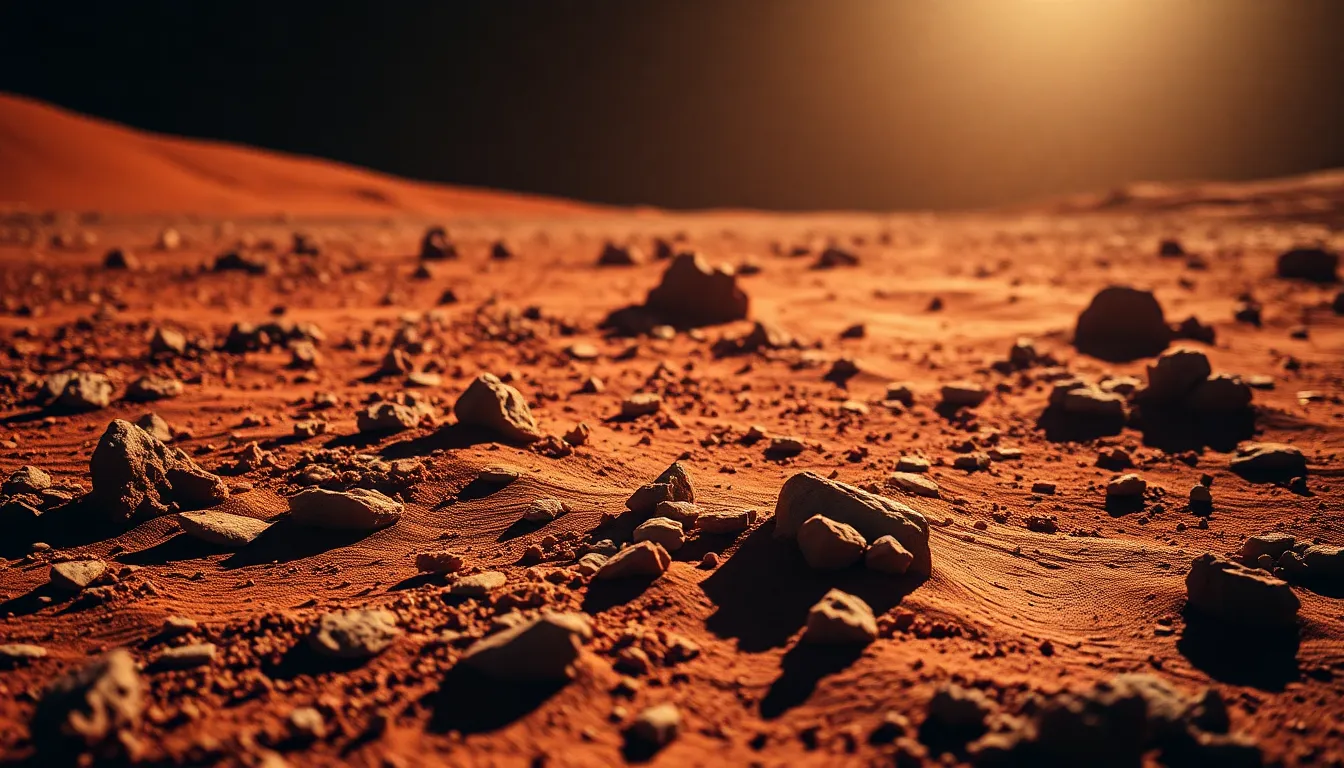
A close-up of Mars' surface, shot on Hasselblad X2D 100C, 90mm f/2.5 medium format lens. The image is illuminated by harsh sunlight, creating strong contrasts and sharp shadows across the Martian terrain. The depth of field is shallow at f/2.5, emphasizing the intricate textures of the dusty surface while the background fades softly. The color palette is dominated by rusty reds and muted browns, giving a raw, unfiltered look at Mars' environment. The composition utilizes a centered view, focusing on the detailed surface features and rocky formations.
16:9
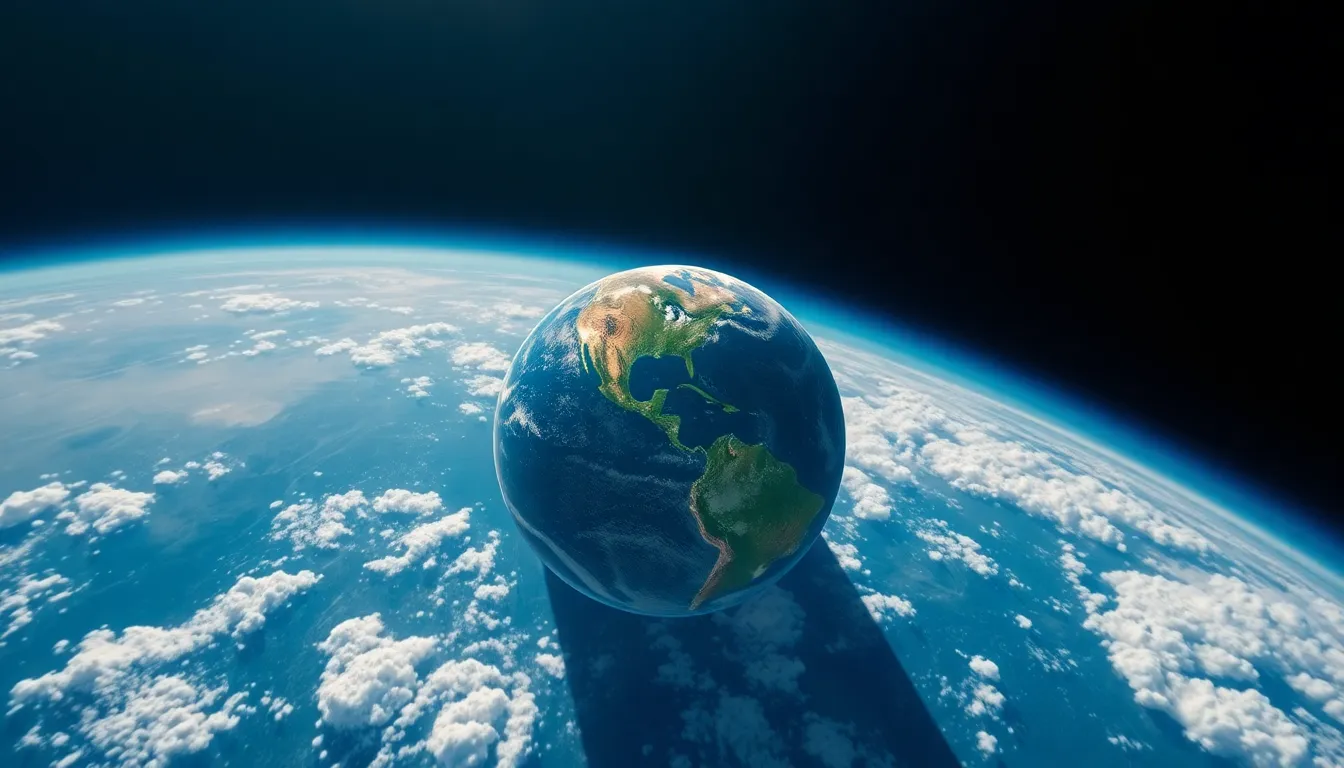
A breathtaking view of Earth from space, captured by Canon EOS R5, 24-70mm f/2.8L at 35mm. The image displays natural sunlight filtered through the atmosphere, casting a gentle, ethereal glow on the planet's surface. The focus is set at hyperfocal distance, keeping everything from the horizon to the foreground sharp and clear. The color palette features deep blues and vibrant greens alongside soft white clouds. The rule of thirds composition places Earth prominently in the frame with the curvature visible, evoking a sense of unity and fragility.
16:9
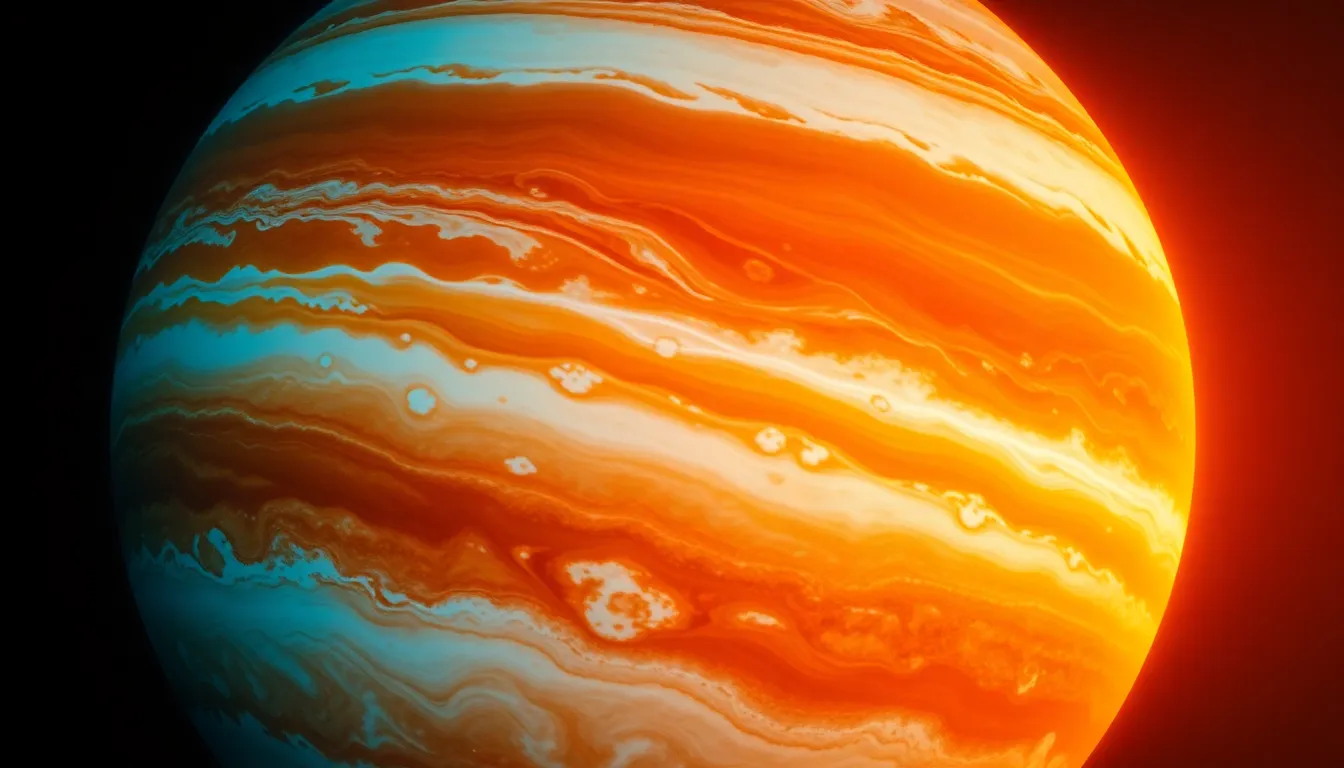
A colorful artistic representation of Jupiter captured from a low angle perspective using Fujifilm GFX 100S, 110mm f/2 macro lens. The warm glow from bilateral auroras at Jupiter's poles contributes to a soft, ambient light effect. Depth of field is shallow at f/2, focusing sharply on the swirling clouds, while the background fades softly. The color palette is vibrant, with deep oranges, whites, and blues, creating a dramatic effect. A diagonal composition leads the eye through the dynamic cloud patterns, emphasizing the planet's immense scale.
16:9
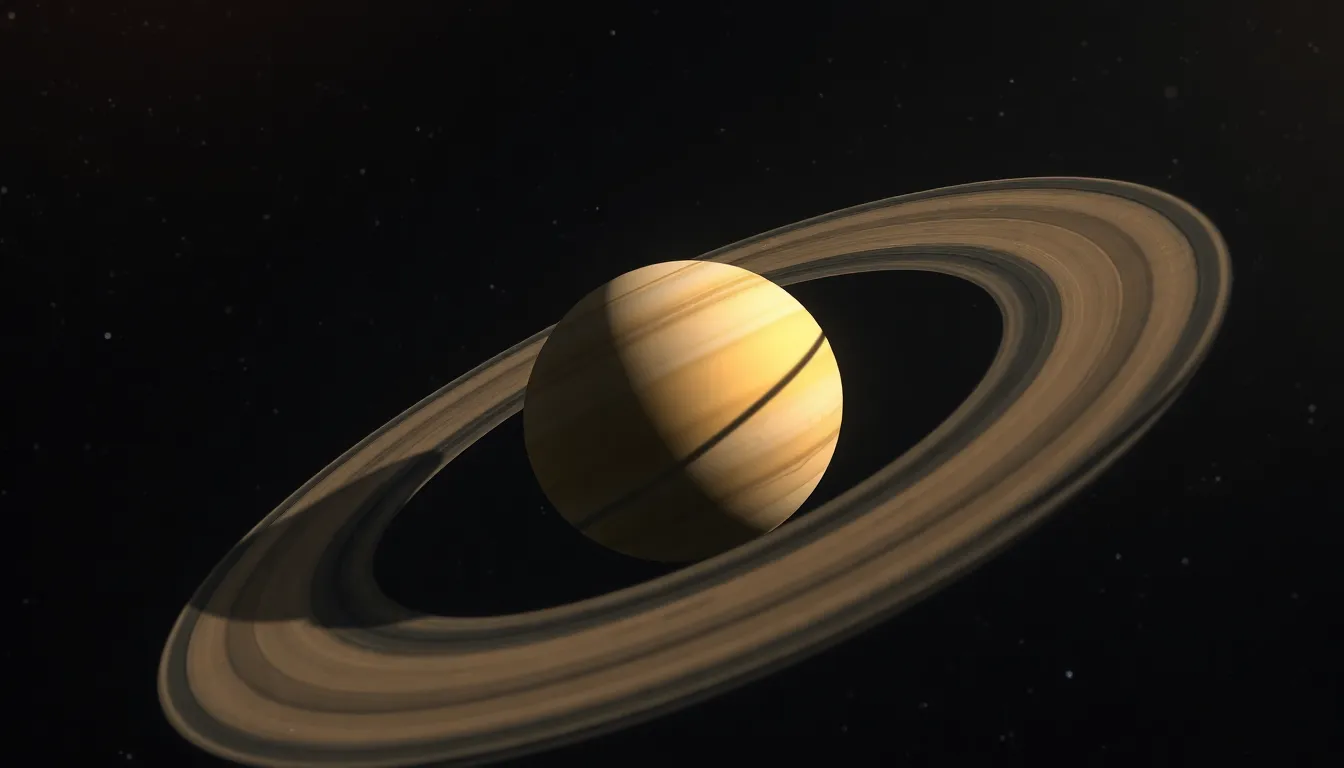
A distant view of Saturn with its magnificent rings, shot on Nikon Z9, 70-200mm f/2.8 telephoto at 135mm, illuminated by soft sunlight casting delicate shadows across the rings. The depth of field is shallow at f/4, blurring the starlit background into creamy bokeh. The color palette features rich golds and deep blues, reminiscent of a cosmic panorama. A centered composition highlights Saturn as the focal point against the vastness of space, while textures of the rings show icy particles reflecting light.
16:9

Captured with Hasselblad X2D 100C, 90mm f/2.5 medium format, this aerial view portrays a bustling spaceport at sunrise, with spacecraft and workers preparing for launch. The golden hour casts a warm glow across the scene, highlighting the sleek designs of the spacecraft and the vibrant colors of the workers’ uniforms. Utilizing hyperfocal distance, everything from the ground to the horizon is in sharp focus. The color palette features warm oranges and cool blues, creating a harmonious balance. The composition utilizes a dynamic angle, showcasing the complexity of the spaceport while leading the eye through the busy activity below.
16:9
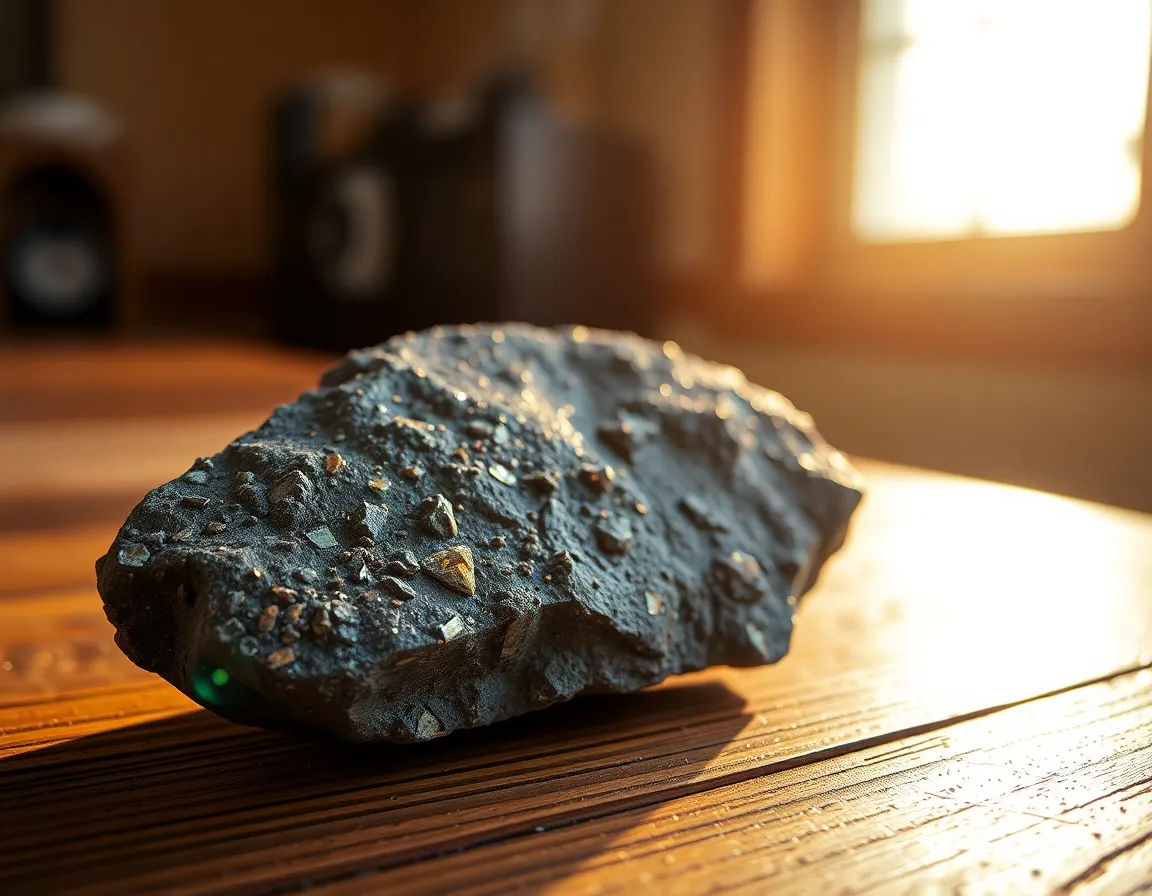
Shot on Fujifilm GFX 100S, 110mm f/2 macro, this image showcases a detailed view of a piece of meteorite resting on a wooden table. The warm sunlight from a nearby window creates a soft fill light enhancing the textures and shimmering crystals on the meteorite's surface. A shallow depth of field at f/2 allows for creamy bokeh in the background, drawing focus to the striking details of the meteorite. The color palette is a mix of earthy tones with natural metallic flecks. The composition is centered and symmetrical, emphasizing the meteorite's unique shape and features, while the wooden table adds an organic contrast.
4:3
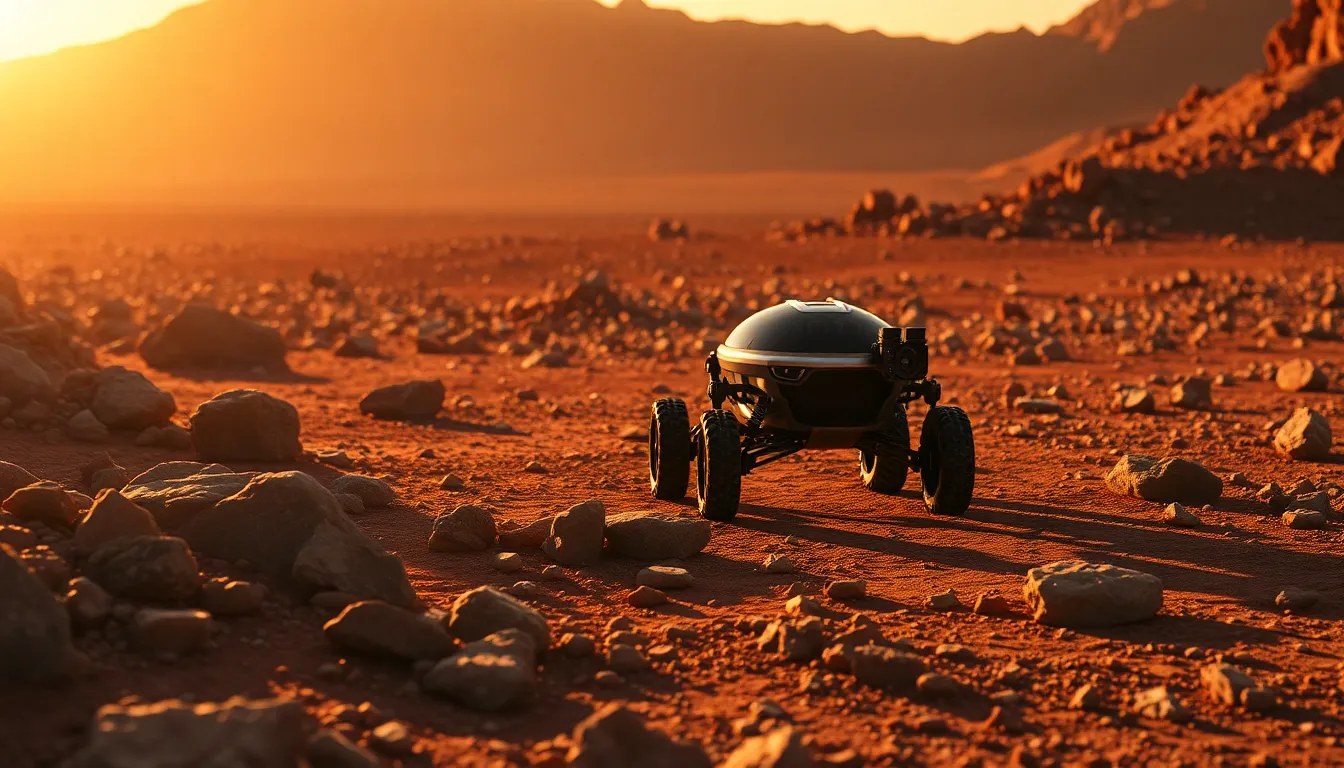
Filmed using Nikon Z9, 70-200mm f/2.8 telephoto at 135mm, this image captures a close-up of a futuristic rover navigating a rocky Martian landscape at sunset. The harsh terrain is vividly detailed, showcasing the various minerals and textures of the red planet’s surface. The warm golden sunlight casts long shadows, creating a dramatic contrast against the cool reds and browns of Mars. A shallow depth of field isolates the rover against the backdrop of the Martian landscape. The color palette features rich, desaturated earth tones, enhancing the otherworldly atmosphere. The composition utilizes leading lines formed by the rover's path, drawing the eye across the scene.
16:9

Shot on Sony A7R V with 85mm f/1.4 GM lens, a stunning astronaut floats in the dark void of space, surrounded by sparkling stars. Natural sunlight casts a soft, ethereal glow, illuminating the astronaut's helmet and suit while shimmering reflections dance across its surface. A hyperfocal distance captures the astronaut in sharp focus against the soft, painterly backdrop of stars. The color palette features deep blacks and brilliant whites with hints of blue illuminations. The composition follows the rule of thirds, placing the astronaut off-center, enhancing the feeling of isolation in the vast expanse of space.
16:9
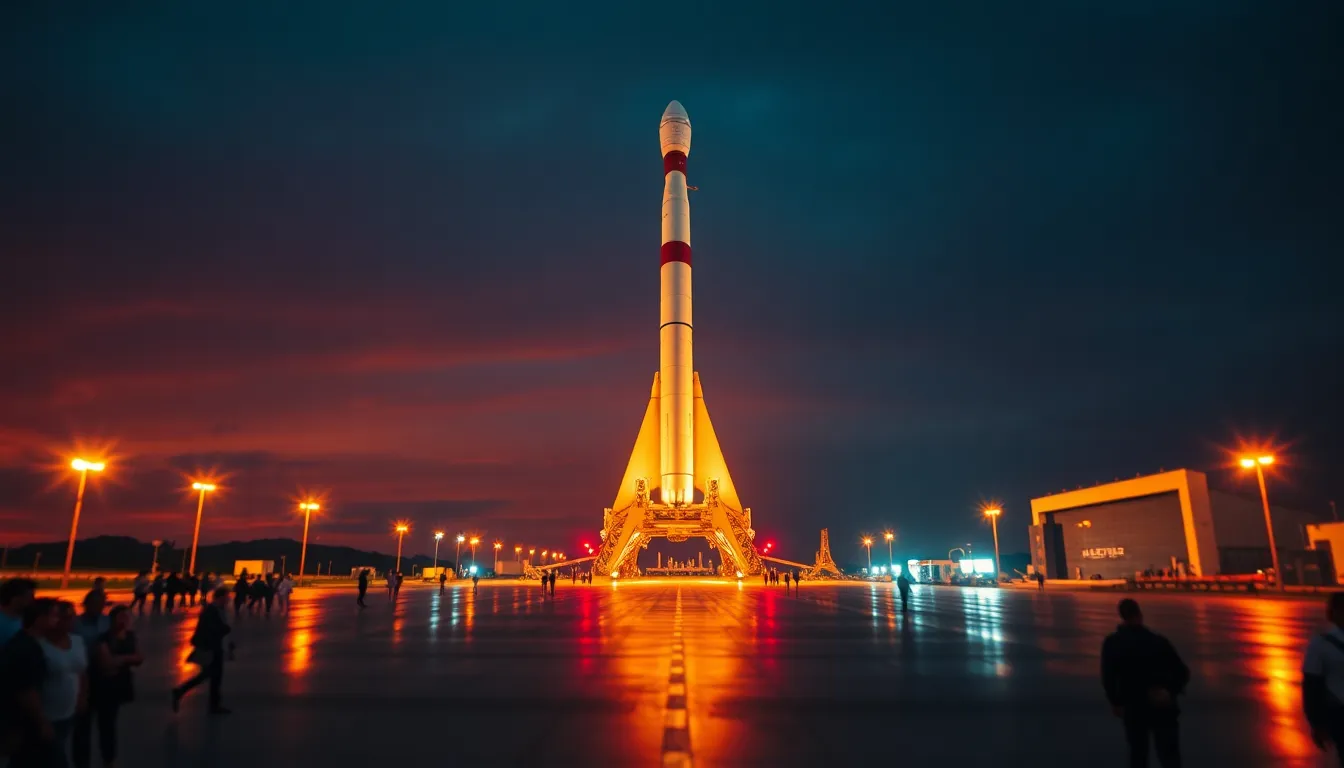
Captured with Canon EOS R5, 24-70mm f/2.8L at 35mm, this scene features a towering rocket poised for launch at dusk. The sky transitions from deep navy to fiery oranges, illuminated by the rocket's bright lights casting reflections on the sleek, polished asphalt below. A shallow depth of field at f/2.8 blurs the crowd of onlookers in the foreground, emphasizing the rocket. The color palette mirrors the cinematic teal and orange grading, enhancing the mood of anticipation. Textural details include the smooth metallic surface of the rocket and the shiny tarmac, underlining the modernity of space exploration.
16:9
Hasselblad X2D 100C, 90mm f/2.5 medium format captures a breathtaking scene of the moonrise over a serene ocean. Golden hour backlighting enriches the scene with warm rim light on the ocean waves while soft fill creates a tranquil atmosphere. The shallow depth of field at f/2.5 blurs distant clouds, keeping the focus on the moon's glow. The image has a Kodak Portra 400 color palette, providing warm skin tones and creamy highlights on the water's surface. The composition follows the rule of thirds, with the moon positioned at the upper left power point.
16:9

Fujifilm GFX 100S, 110mm f/2 macro focused on a solar eclipse where the moon partially obscures the sun. Natural warm light creates a halo effect around the moon, with dappled sunlight filtering through tree leaves in the foreground. Hyperfocal distance ensures everything from the trees to the eclipse is sharply rendered. The image features Fujifilm Velvia-inspired saturated colors, enhancing the drama of the moment. The composition uses leading lines formed by tree branches guiding the viewer's gaze toward the eclipse.
16:9
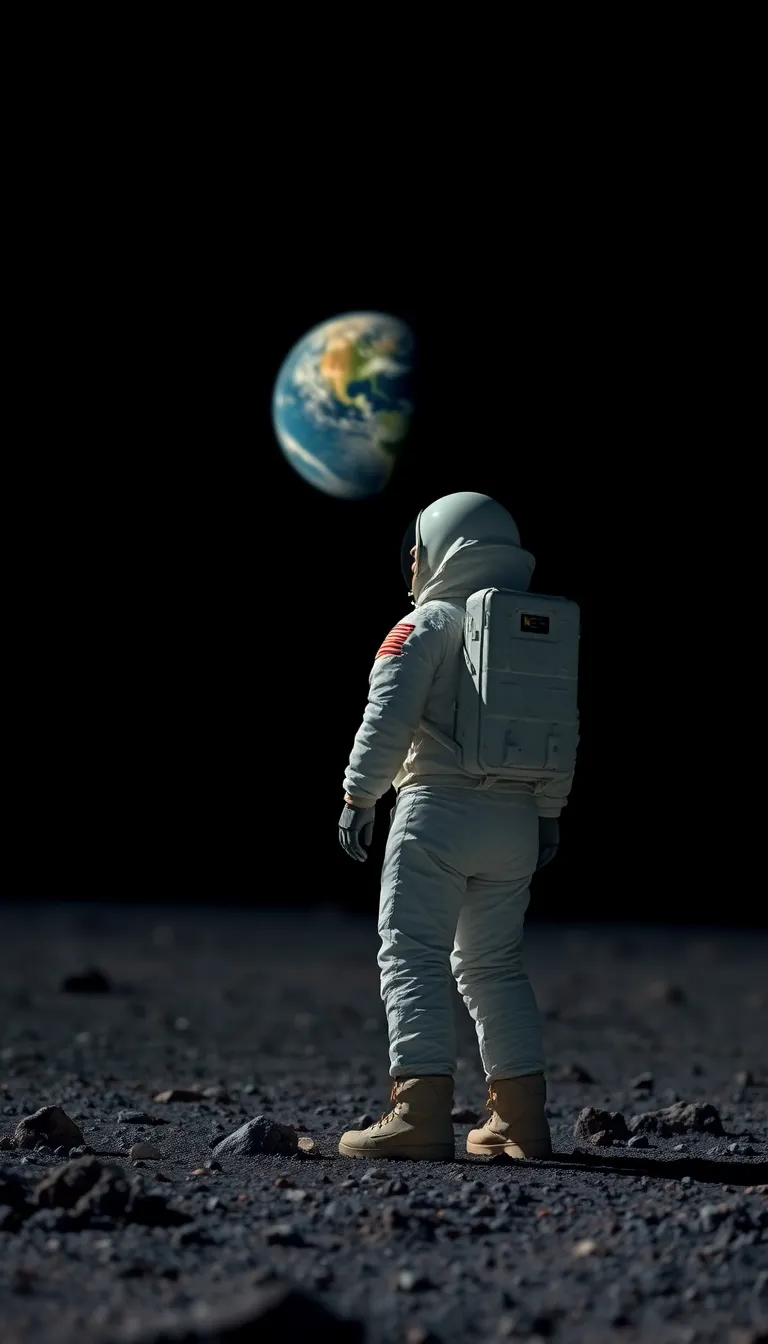
Nikon Z9, 70-200mm f/2.8 telephoto at 135mm captures an astronaut standing on the lunar surface, gazing up at Earth set against a stark black background. The scene uses practical lighting from the astronaut's suit, reflecting off the regolith, creating dramatic contrast. Shallow depth of field at f/2.8 allows for a creamy bokeh effect behind the subject. Cinematic teal and orange color grading enhances the otherworldly atmosphere. Textures of the lunar soil are sharply defined, highlighting the rough terrain beneath the astronaut's feet.
9:16
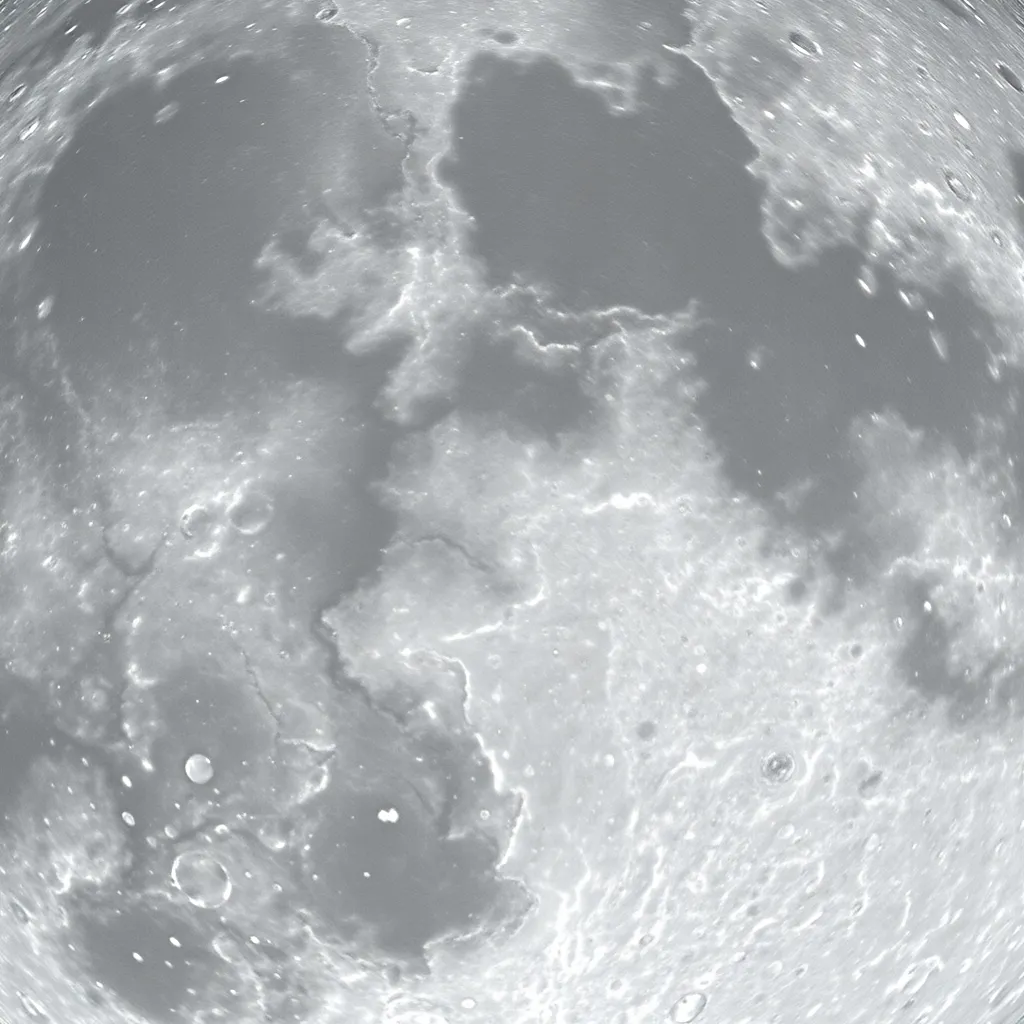
shot on Sony A7R V with 85mm f/1.4 GM lens, this close-up image features a detailed view of the moon's cratered surface. Overcast diffused daylight allows for a smooth, evenly lit surface showcasing intricate textures and depth within the craters. Hyperfocal distance makes every detail crisp and clear. The image employs natural muted tones, reflecting soft greys and blues of the lunar surface. The centered composition draws the eye directly to the moon's textures, adding a sense of intimacy and fascination.
1:1
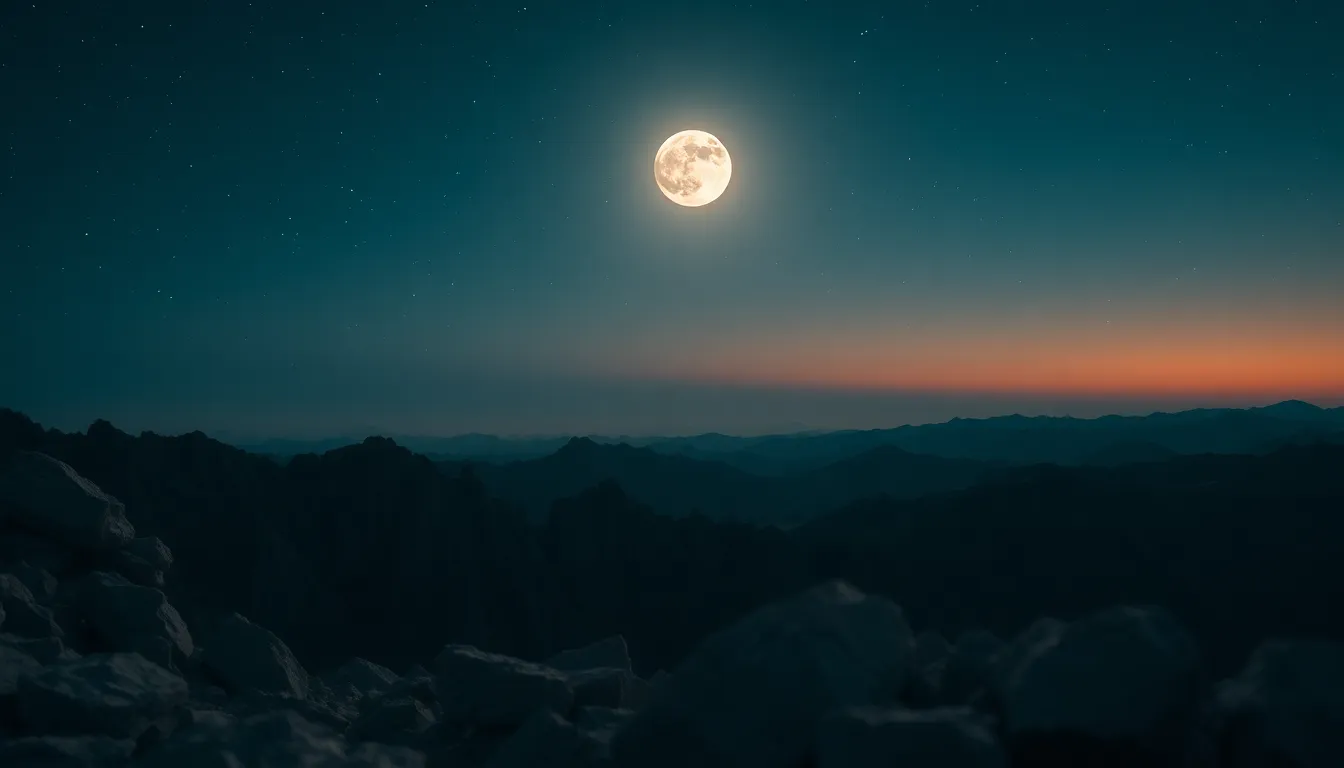
captured with Canon EOS R5, 24-70mm f/2.8L at 35mm, framed under a clear starry night sky with the moon prominently in the foreground. Natural soft moonlight illuminates rocky mountains below, creating long shadows and enhancing textures of the stone. Shallow depth of field at f/2.8 creates a dreamy background with distant stars softly blurred. The scene features a cinematic teal and orange color grading, adding depth to the overall composition. The rugged terrain showcases rough textures and subtle highlights against the twilight sky.
16:9
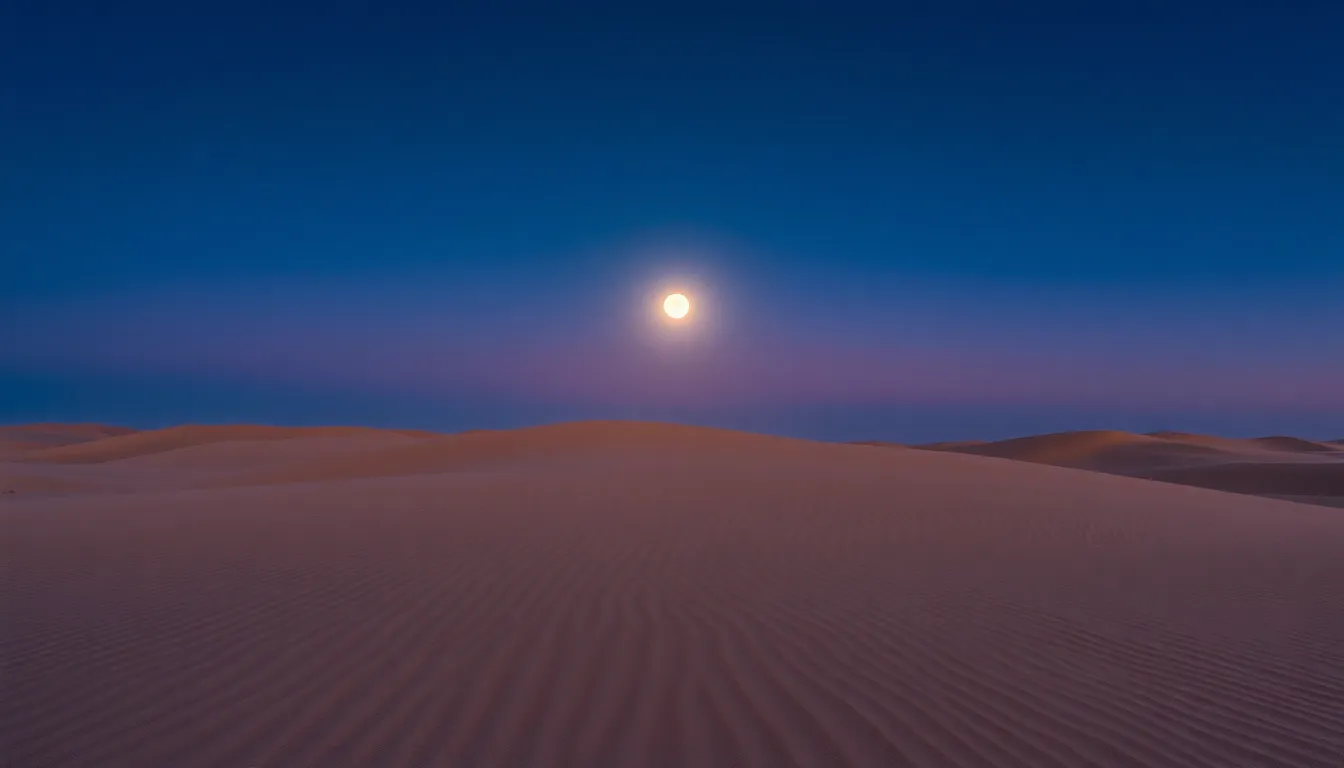
photographed with Leica Q3, 28mm f/1.7 Summilux during a clear twilight, showcasing a panoramic view of the moon rising above a desert landscape. The moon bathes the sandy dunes in a soft, warm light as the sky transitions from deep blue to a gradient of purples and pinks. The wide composition captures the scale of the landscape with prominent leading lines formed by the sand dunes directing attention towards the moon. The texture of the fine sand is highlighted with subtle shadows from the moon's glow.
16:9
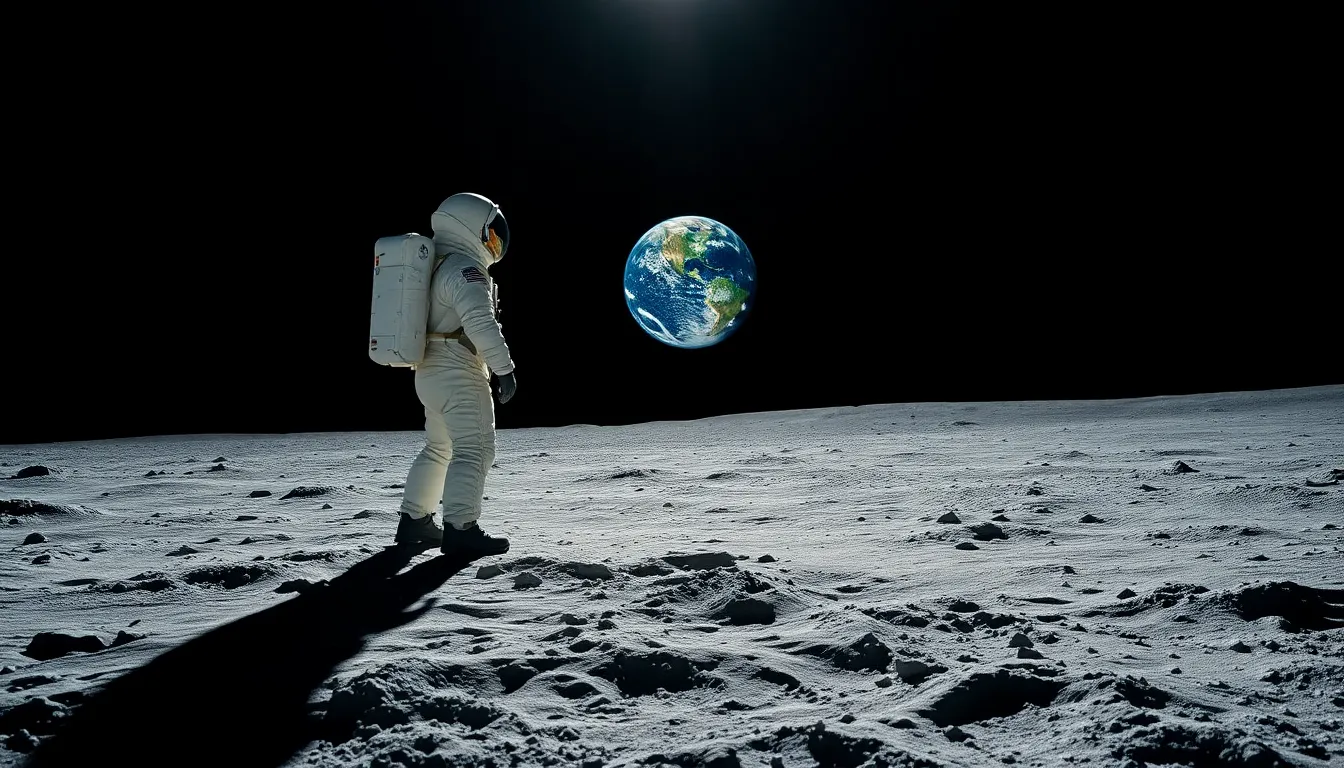
captured with Hasselblad X2D 100C, 90mm f/2.5 medium format, depicting an astronaut standing on the moon's surface, gazing at Earth in the distance. The harsh sunlight casts strong shadows, creating a high-contrast scene. The color palette features the gray lunar landscape with vibrant blues and greens of Earth. The composition utilizes the rule of thirds, positioning the astronaut and Earth in a dynamic layout that highlights their significance within the vastness of space. Textural details of the lunar regolith are clearly visible beneath the astronaut's boots.
16:9

shot on Fujifilm GFX 100S, 110mm f/2 macro, focusing on a close-up of moon rocks with visible mineral textures and details. Soft natural light illuminates the rocks, creating gentle highlights and shadows that enhance their texture. The color science reflects muted earth tones with subtle grays and blues. The shallow depth of field isolates the foreground rocks against a softly blurred background of dark space. The composition employs a macro approach to reveal the intricate details of the moon surface.
1:1
captured with Nikon Z9, 70-200mm f/2.8 telephoto at 135mm, showcasing the craters and surface details of the moon during a lunar eclipse. The lighting highlights the silhouette of the partially illuminated moon against a dark starry backdrop, creating a dramatic effect. The color palette exhibits rich blacks, deep grays, and hints of reddish tones caused by the eclipse. A centered composition emphasizes the moon’s features, with high texture detail revealing the rugged lunar surface.
3:2
shot on Canon EOS R5, 24-70mm f/2.8L at 35mm, featuring a night sky illuminated by a bright full moon casting soft silver light over a tranquil lake. The scene captures delicate ripples reflecting the moon's glow with dappled light creating a serene atmosphere. The color palette incorporates deep navy blues and silvery highlights from the moon. A wide composition with leading lines formed by the shoreline draws the eye to the moon's reflection, with texture visible in the water and faint silhouettes of trees framing the edges.
16:9
captured with Hasselblad X2D 100C, 90mm f/2.5 medium format, a wide-angle view of a galaxy emerging from the cosmic dawn, illuminated by the first light of dawn casting soft hues across the galaxy, hyperfocal distance keeping everything sharply in focus from nearby stars to the distant galaxy, cinematic teal and orange color grading enhancing the contrast, composition utilizes leading lines from star trails drawing the eye toward the emerging galaxy, textures display the ethereal glow of cosmic dust and star formations.
16:9
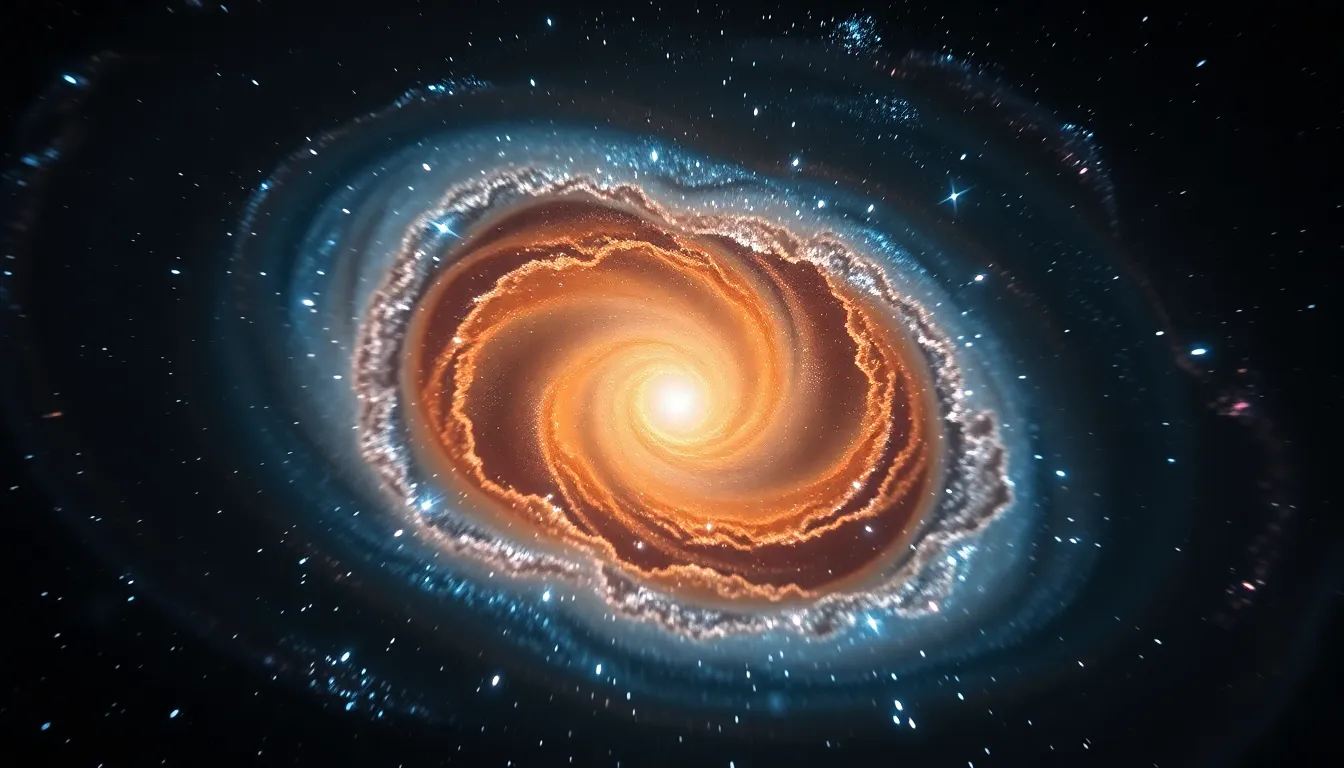
shot on Fujifilm GFX 100S, 110mm f/2 macro, a breathtaking close-up of a galaxy's core showcasing bright stars and swirling gas clouds, illuminated by natural light reflecting across the cosmic dust, shallow depth of field with the core in sharp focus while the background fades into a soft swirl of colors, natural muted tones with desaturated earth colors enhancing the ethereal feel of the scene, centered symmetrical composition emphasizing the galaxy's core, textures reveal the fine details of gaseous clouds and glittering star formations.
16:9
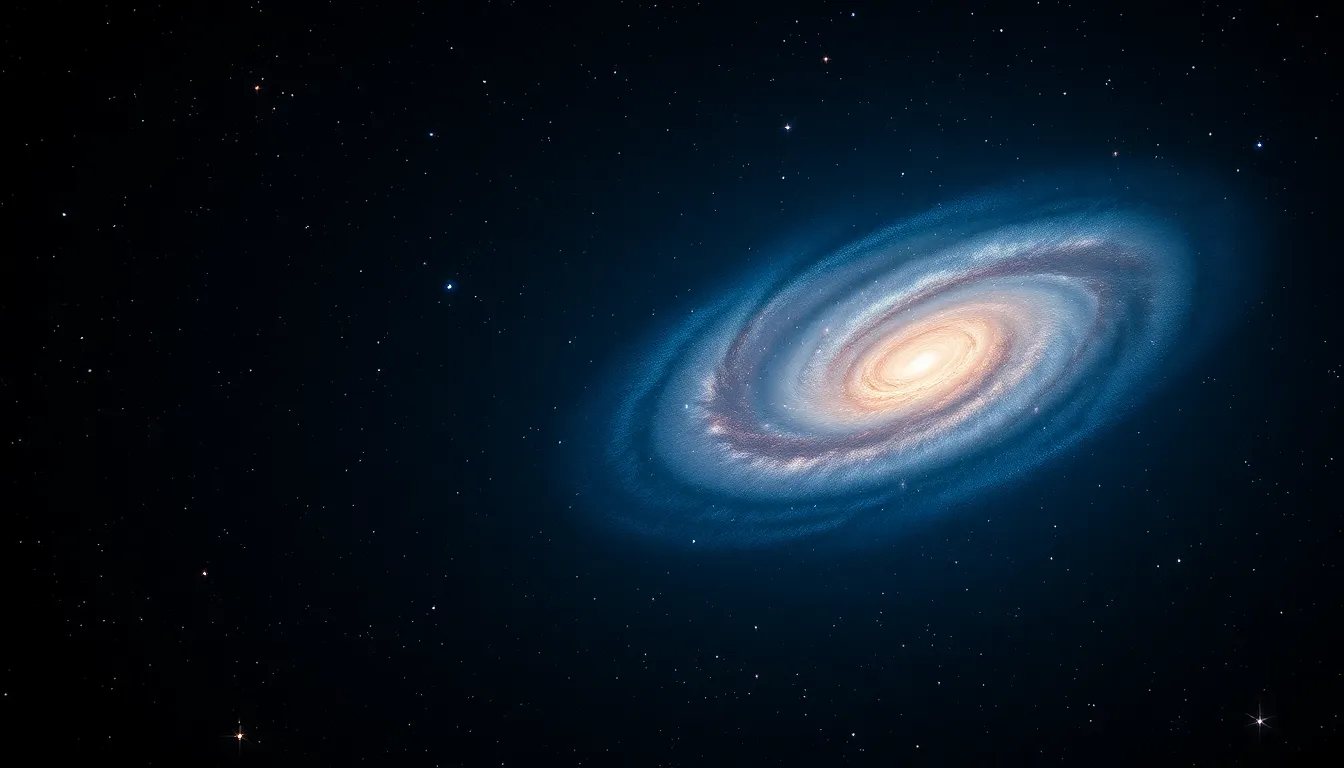
captured with Canon EOS R5, 24-70mm f/2.8L at 35mm, a majestic image of a distant galaxy with swirling arms visible against the dark void of space, natural backlighting from bright stars illuminating the galaxy's edges, shallow depth of field at f/4 with the galaxy sharply in focus, color grading inspired by Fujifilm Velvia for vivid saturation with deep blues and purples, composition highlights the galaxy in the upper third, creating tension and a sense of depth, texture showcasing the glowing gas clouds and bright celestial bodies.
16:9
shot on Sony A7R V with 85mm f/1.4 GM lens, capturing a breathtaking view of a galaxy cluster with multiple galaxies forming intricate patterns, illuminated by the light of thousands of stars and cosmic dust, overcast diffused daylight creating a subtle glow over the scene, hyperfocal distance ensuring everything from nearby stars to distant galaxies is in sharp focus, colors reminiscent of Kodak Portra 400 with warm skin tones in the star glow, ruled composition featuring the galaxy cluster slightly off-center, textures show the intricate details of cosmic dust and star formations.
16:9
captured with Nikon Z9, 70-200mm f/2.8 telephoto at 135mm, bright starlit sky showcasing a stunning spiral galaxy with vibrant colors, natural illumination from distant stars casting a soft glow on surrounding nebulae, shallow depth of field at f/2.8 with the galaxy sharply in focus and a dramatic bokeh effect in the foreground, cinematic teal and orange color grading enhancing the contrast of the galaxy against the dark space, composition features the galaxy centered with a leading star trail guiding the viewer's eye, textures include the gaseous clouds of the nebula visibly swirling with dynamic motion.
16:9
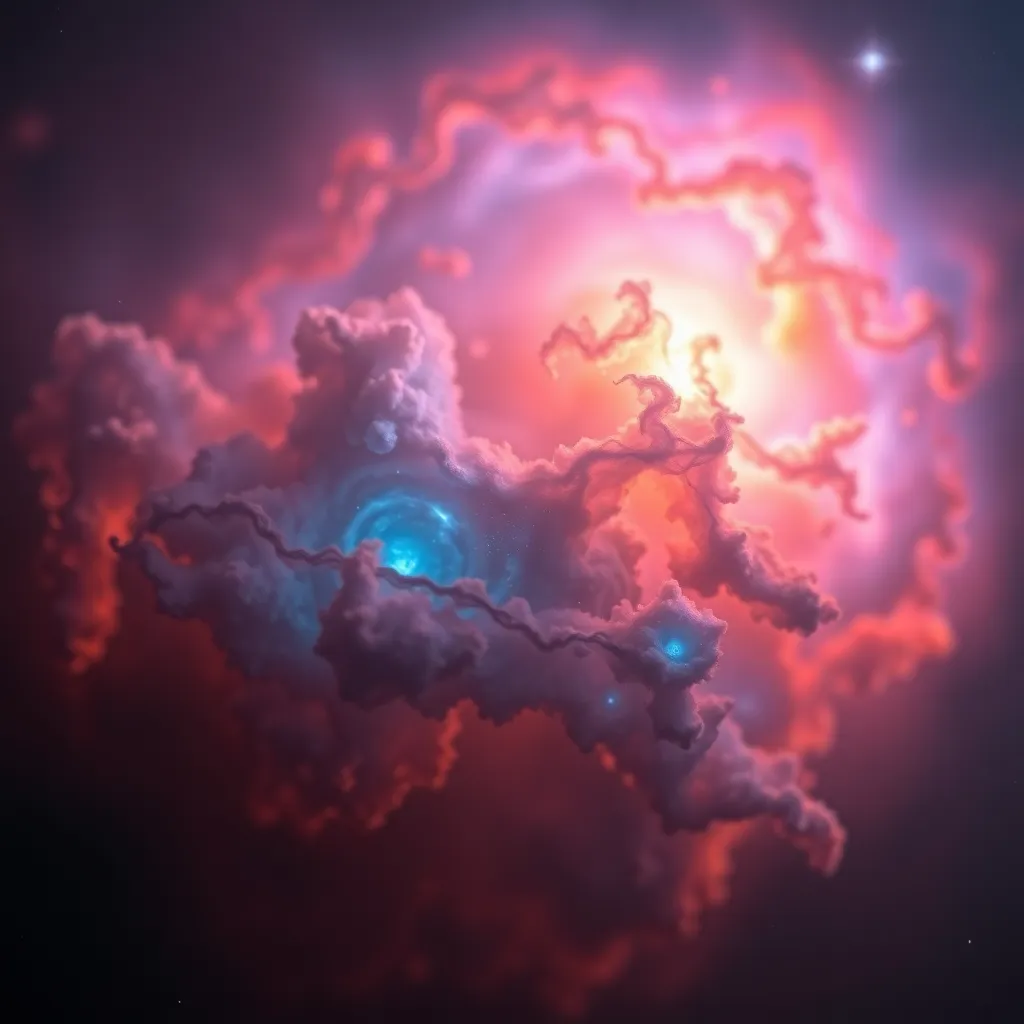
Fujifilm GFX 100S, 110mm f/2 macro, presenting a detailed close-up of a planetary nebula, showcasing vibrant colors and intricate gas formations. The lighting is soft and diffused, mimicking the gentle glow of starlight filtering through the nebula's gases. With a shallow depth of field at f/2, the focus is sharp on the vibrant gas clouds while the background fades into a dreamy bokeh. The color palette features rich blues and purples, inspired by a cinematic teal and orange grading for dramatic contrast. The composition draws attention to the swirling gas patterns, creating a sense of cosmic wonder.
1:1
Hasselblad X2D 100C, 90mm f/2.5 medium format, capturing a breathtaking view of a distant exoplanet set against the backdrop of its host star. The dramatic lighting from the star casts a warm golden glow on the surface of the planet, creating rich shadows that enhance the terrain's features. Using hyperfocal distance at f/8, the image remains sharp from foreground to infinity. The natural muted tones and desaturated earth colors lend a realistic atmosphere, while leading lines formed by valleys guide the viewer's gaze across the landscape. The texture of the planet's surface reveals craters and ridges, offering insight into its geological history.
16:9
captured with Canon EOS R5, 24-70mm f/2.8L at 35mm, illustrating a breathtaking view of Jupiter with its swirling storms and vibrant atmosphere. The image is taken during twilight, casting soft blue and purple hues across the planet. The lighting captures the planet's layers, with the Great Red Spot prominently featured. Using selective focus on the storms while blurring the edges creates a dynamic sense of movement. The color palette is inspired by Fujifilm Velvia, resulting in saturated colors with deep contrast. The composition adheres to the rule of thirds, placing Jupiter slightly off-center as storm clouds appear to swirl around the planet.
16:9
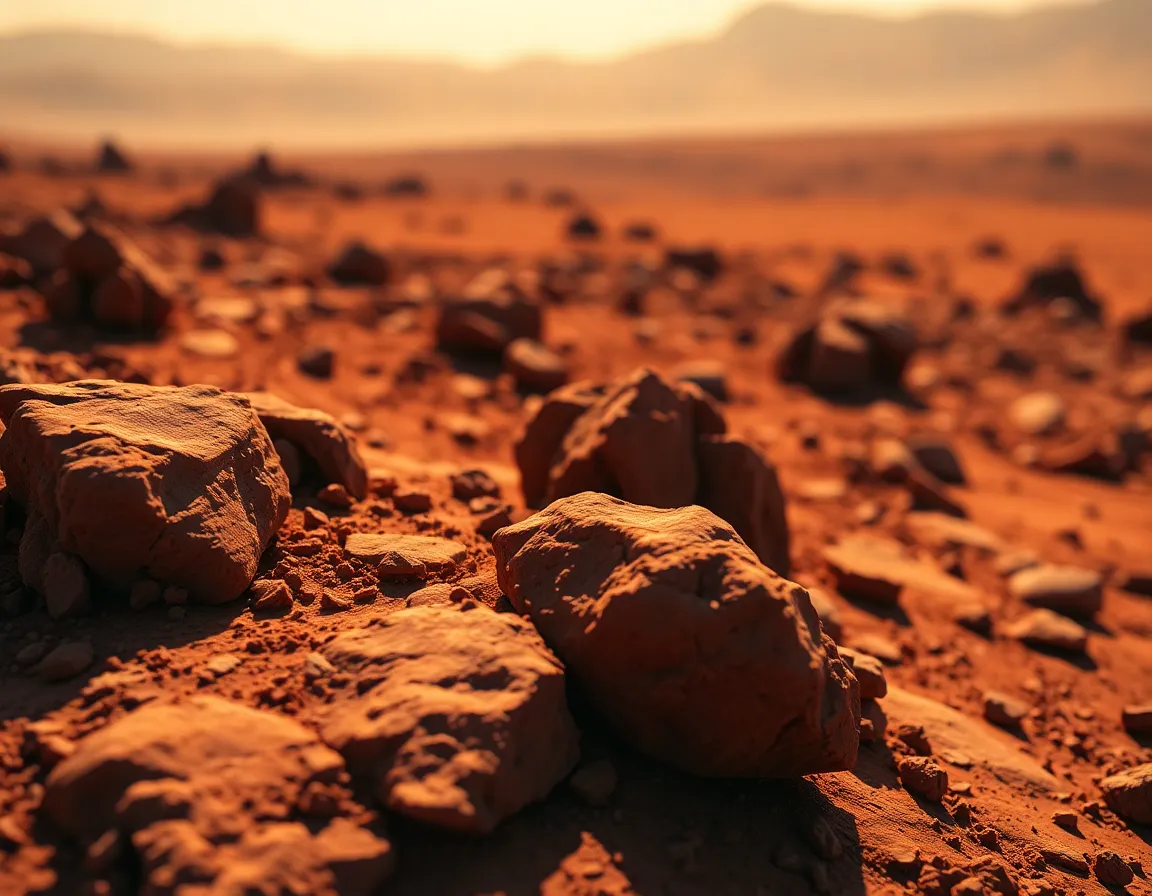
shot on Sony A7R V with 85mm f/1.4 GM lens, depicting a close-up of Mars' surface texture, rich with red and orange hues reflecting the planet's iron oxide soil. The lighting captures the warm afternoon light on Mars, creating dramatic shadows that highlight the rugged terrain. Achieving a shallow depth of field at f/1.4, the foreground rocks are in sharp focus while the background fades into a soft blur. The color palette is derived from Kodak Portra 400, providing warm tones and lifted shadows. The composition utilizes leading lines of the rock formations guiding the viewer's eye toward the horizon's edge.
4:3
captured with Nikon Z9, 70-200mm f/2.8 telephoto at 135mm, showcasing a vivid view of Saturn against a starry night sky. The warm glow of Saturn's rings contrasts against the deep black of space, with subtle nebula clouds adding depth. Focusing on Saturn with shallow depth of field at f/2.8 creates a soft bokeh for distant stars. Utilizing a cinematic teal and orange color grading enhances the scene's otherworldly feel. The composition centers on Saturn, with a hint of its moons framing the planet's grandeur, while the texture of the detailed ring system appears sharp, showing icy particles glistening in the starlight.
16:9
captured with Hasselblad X2D 100C, 90mm f/2.5 medium format, featuring an intricate model of the solar system on display in a modern museum. The scene is brightly lit with a three-point studio setup; key light enhances the model’s details, while edge lights add dimension and subtle fill light softens shadows. The color palette mimics the vibrant hues of the planets, particularly emphasizing deep reds, luminous blues, and vivid yellows. Utilizing the rule of thirds, the composition positions the model off-center, drawing attention to the surrounding exhibit details. The smooth materials of the model contrast with the matte texture of the display surface.
4:3

shot with Fujifilm GFX 100S, 110mm f/2 macro, capturing a close-up of a meteorite embedded in the Earth's soil. The scene is illuminated by natural sunlight filtering through leaves overhead, creating dappled patterns on the surface. A shallow depth of field at f/2 renders the meteorite in sharp focus while the background fades into a soft painterly bokeh of green foliage. The color palette is enriched by the natural earth tones of the soil and the metallic texture of the meteorite. The composition uses a centered symmetrical approach to highlight the unique features of the meteorite.
1:1
captured with Canon EOS R5, 24-70mm f/2.8L at 35mm, presenting a majestic view of the Moon rising over a desolate Martian landscape. The scene is bathed in overcast diffused daylight, softening the shadows and highlighting the rugged texture of red Martian soil. Hyperfocal distance ensures everything from the foreground rocks to the distant Moon is tack-sharp at f/8. The color palette features natural muted tones with desaturated earth colors, emphasizing the arid landscape. The composition incorporates leading lines of rocky formations guiding the viewer’s eye toward the luminous Moon.
16:9
shot on Sony A7R V with 85mm f/1.4 GM lens, featuring an astronaut in a sleek space suit floating against the backdrop of Earth. The scene is illuminated with bright sunlight from the planet’s surface, casting strong highlights and defined shadows. A shallow depth of field at f/1.4 creates creamy circular bokeh of stars in the background, enhancing the astronaut’s presence. Utilizing a cinematic teal and orange color grading enhances the mood of exploration and adventure. The composition centers the astronaut, creating an impactful focal point amidst the vastness of space.
3:2
captured with Nikon Z9, 70-200mm f/2.8 telephoto at 135mm, showcasing a breathtaking view of a distant galaxy with swirling nebulae and brilliant stars. The scene is illuminated by soft ambient glow from the celestial bodies, creating a dreamy atmosphere with dappled highlights. Hyperfocal distance keeps everything from foreground to infinity tack-sharp at f/8, rendering a rich color palette inspired by Fujifilm Velvia, featuring deep blues and vibrant purples. The composition utilizes the rule of thirds, placing the galaxy strategically off-center for dynamic interest. The texture of the starlit sky contrasts beautifully with the smooth, ethereal quality of the nebulae.
16:9
Fujifilm GFX 100S, 110mm f/2 macro focusing on a detailed model of the solar system against a dark velvet background. The lighting is studio-based, with a key softbox creating soft highlights on the planetary surfaces. Using a shallow depth of field at f/2, the foreground planets are crisply detailed while the background melts into a soft blur. The color palette features vibrant colors reflecting the true nature of each planet. The composition is centered, showcasing the model's intricate textures and details from the planetary surfaces to the orbiting rings.
16:9
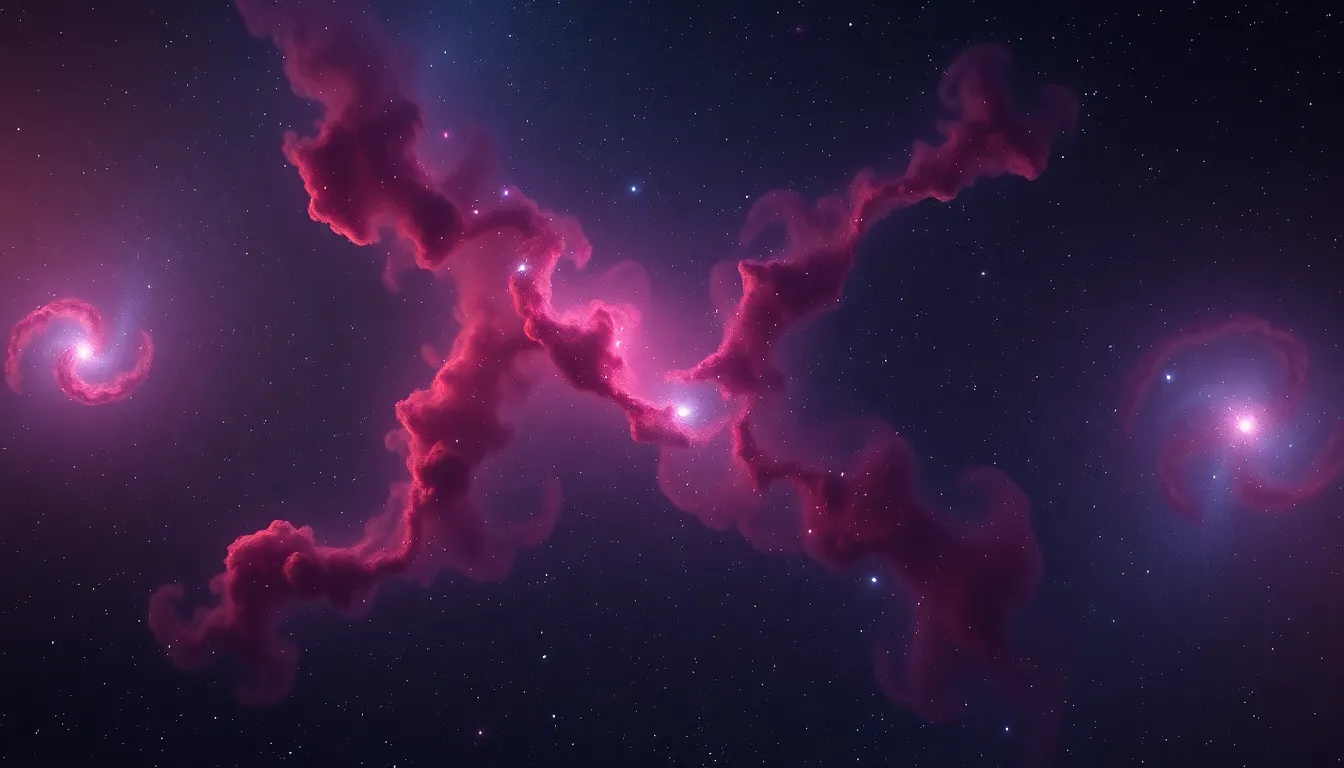
Hasselblad X2D 100C, 90mm f/2.5 medium format capturing a stunning nebula in deep space. The lighting is soft and diffused, highlighting the intricate details of gas clouds and starlight. Utilizing a hyperfocal distance at f/8, the entire scene remains sharply in focus, revealing the depth of the cosmos. The color palette presents a mesmerizing blend of pinks, purples, and blues. A centered symmetrical composition enhances the majesty of the nebula, while texture illustrates the wispy gas formations and vibrant star clusters.
16:9
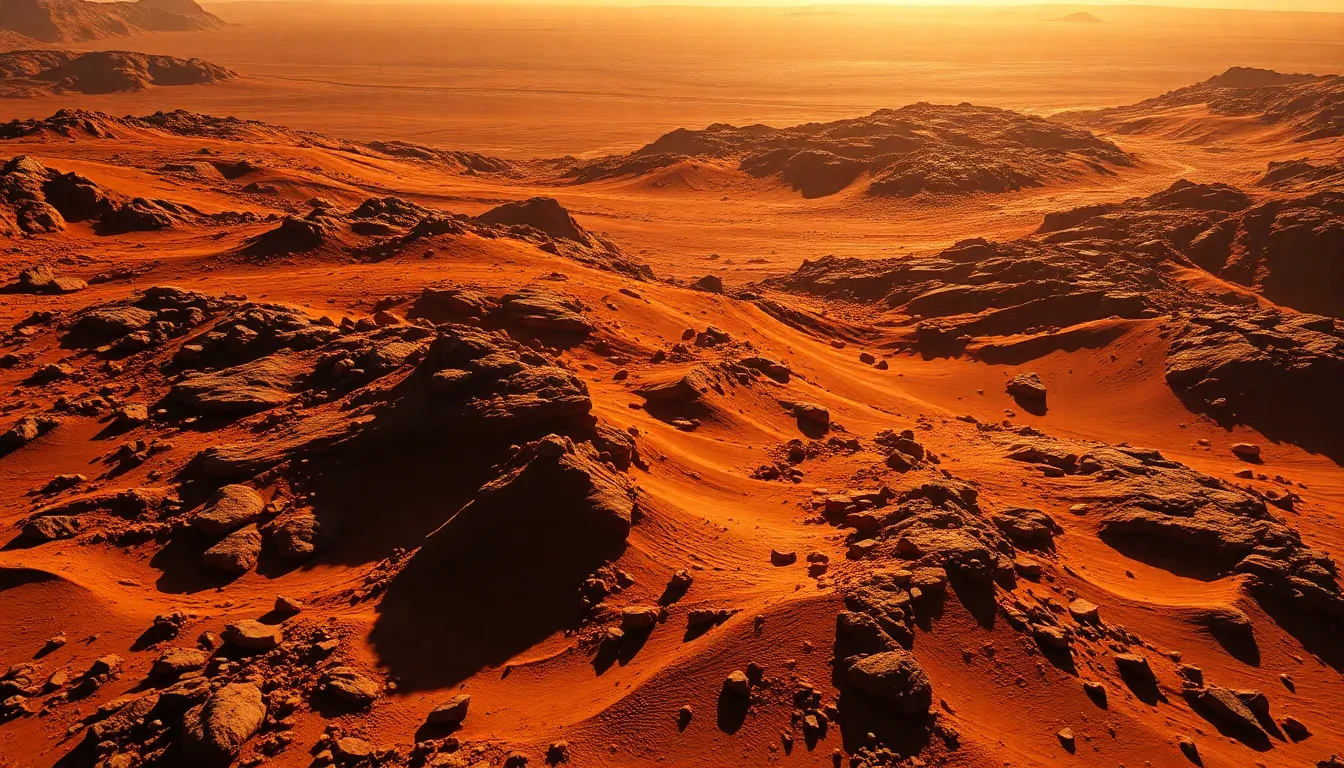
captured with Canon EOS R5, 24-70mm f/2.8L at 35mm, showing the surface of Mars with intricate details of rocky terrain and fine dust. The lighting simulates a harsh Martian sun, casting long shadows across the craters and valleys. Hyperfocal distance at f/8 ensures sharpness from foreground to infinity, rendering the red landscape vividly. The color palette is dominated by earthy reds and browns, with hints of orange. Leading lines formed by rocky ridges draw the eye deeper into the scene, capturing the desolate beauty of the Martian surface.
16:9
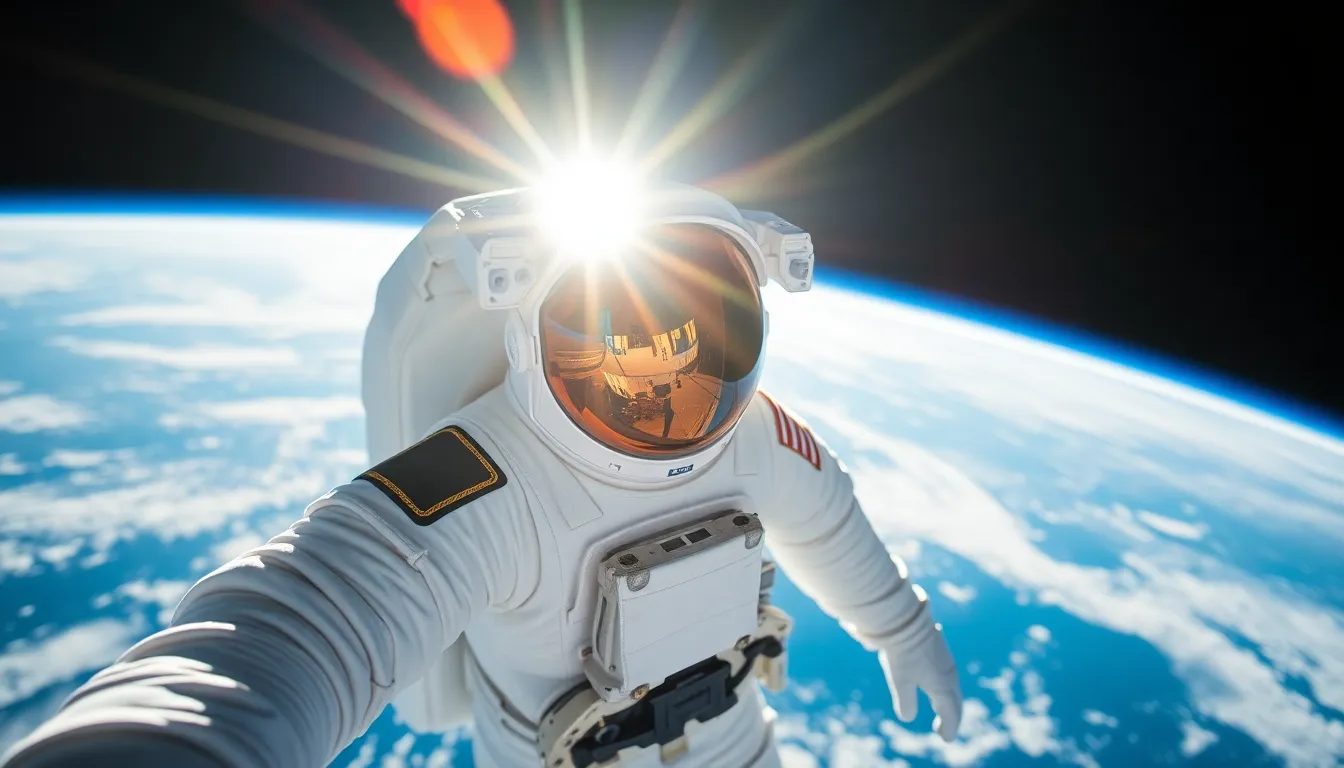
shot on Sony A7R V with 85mm f/1.4 GM lens, depicting an astronaut floating in the infinity of space during a mission. The lighting is dramatic, with bright sunrays filtering through the visor of the helmet, creating vibrant highlights on the space suit. The depth of field is shallow at f/1.4, with the astronaut in sharp focus against the blurred backdrop of Earth. The color palette features bright whites, blues of Earth, and the stark, dark void of space. Rule of thirds composition places the astronaut off-center, enhancing the feeling of isolation.
16:9
captured with Nikon Z9, 70-200mm f/2.8 telephoto at 135mm, showcasing a breathtaking view of distant galaxies in a starry sky. The lighting is ethereal with soft illumination from countless stars, enhancing the cosmic depth. Shallow depth of field at f/2.8 creates a dreamy bokeh effect while keeping the galaxies sharp. The color palette features rich blues and purples, with glimmers of white starlight. The composition utilizes a centered symmetrical layout, emphasizing the vastness of space. Texture shows a finely detailed starfield with varying star sizes and brightness.
16:9

A rocket assembly factory with engineers working diligently, captured with Hasselblad X2D 100C, 90mm f/2.5 medium format. The scene features sleek rocket components laid out on large tables, illuminated by bright fluorescent lights. The engineers don safety gear as they focus on intricate details, showcasing natural skin texture. The color palette is natural and muted, with hints of industrial blues and grays. Using the rule of thirds, the composition places an engineer in focus while other elements blend into a soft bokeh background, enhancing the working atmosphere.
3:2
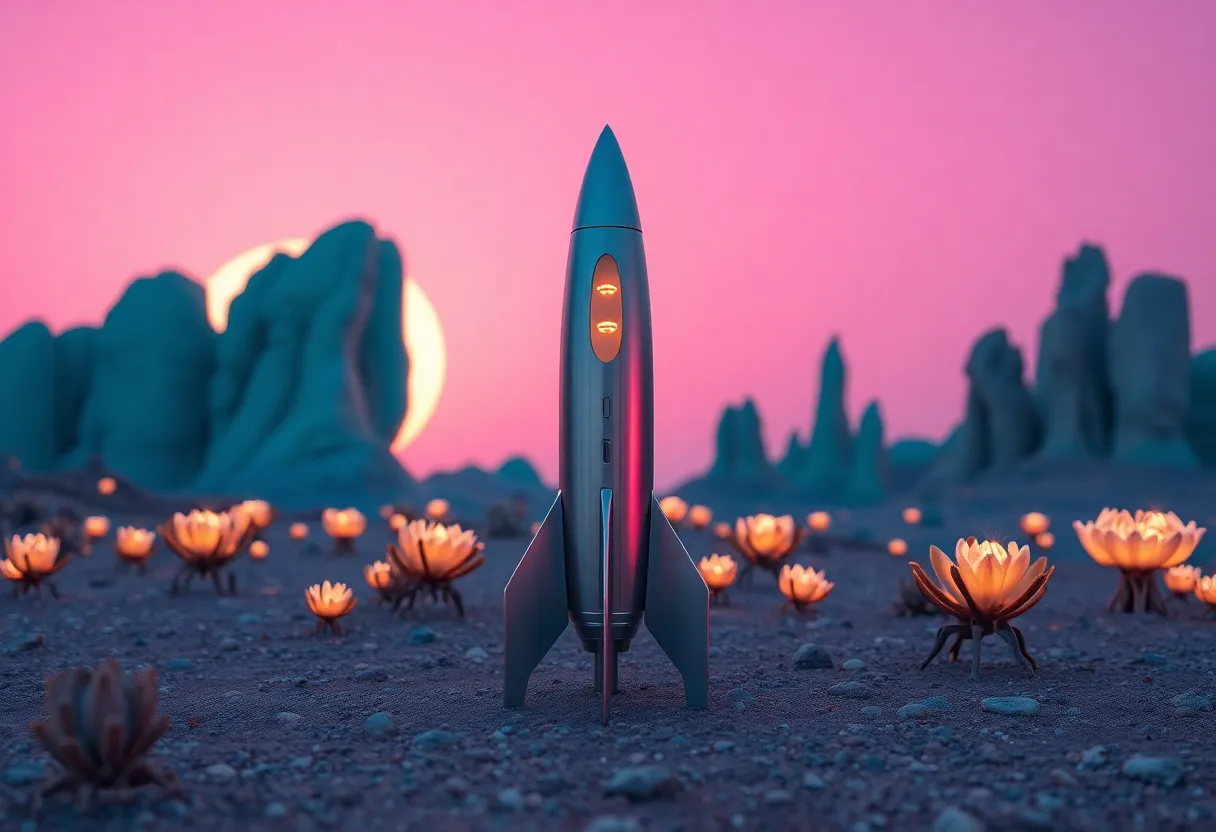
A futuristic design of a rocket on an alien planet with a purple sky, captured with Leica Q3, 28mm f/1.7 Summilux. The rocket, made of sleek silver materials, stands against a backdrop of unusual rock formations and glowing alien flora. The ambient light from the planet's sun gives a surreal feel, accentuated by the cinematic teal and orange color grading. The composition uses symmetry to place the rocket in the center, while the surrounding landscape provides a dynamic texture contrast, all rendered with a shallow depth of field at f/1.7 that softens the far edges.
3:2

A detailed close-up of a rocket’s launch control panel inside a space center, captured using Fujifilm GFX 100S, 110mm f/2 macro. The image features numerous buttons and digital displays, radiating a mix of warm and cool light. Natural light from large windows fills the room, while a subtle vignette draws focus to the intricate textures of the control panel. The composition centers on the control panel with the shallow depth of field at f/2 creating a creamy bokeh that blurs the background, enhancing the technical details.
1:1

An ambitious rocket taking off into a clear blue sky, captured with Canon EOS R5, 24-70mm f/2.8L at 35mm. The image showcases the exhaust flames billowing beneath the rocket as it ascends, surrounded by billowy white clouds. Brighter highlights accentuate the rocket’s aerodynamic shape against the vivid blue, evoking a sense of freedom and power. The composition aligns the rocket along the right third of the frame, emphasizing its upward trajectory. Hyperfocal distance keeps everything sharp, creating a dynamic feel of movement in the scene.
16:9
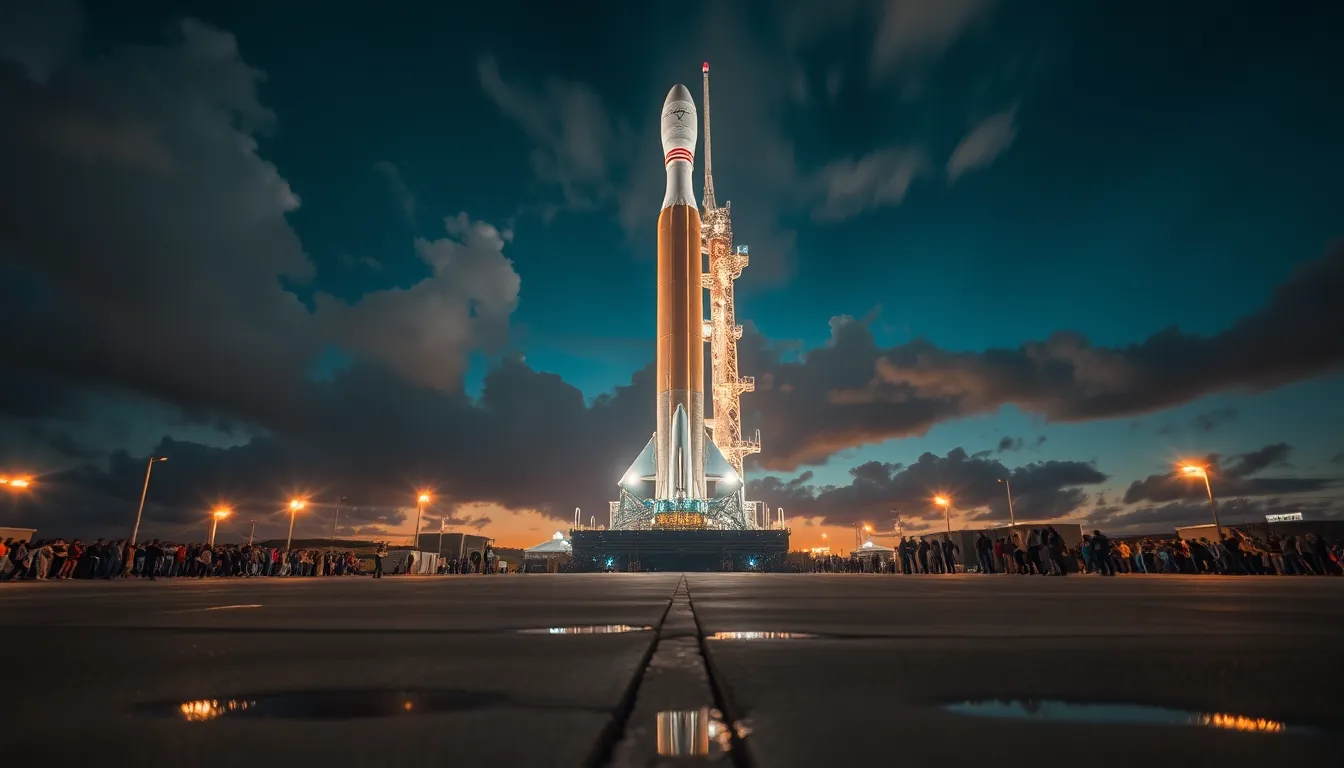
A massive rocket stands poised on the launch pad at night, illuminated by vibrant floodlights. Shot on Nikon Z9, 70-200mm f/2.8 telephoto at 135mm, the scene captures the intricate details of the rocket’s metallic surface reflecting the light. Dramatic clouds swirl overhead under a dusky sky, creating a cinematic teal and orange color grading. The composition centers the towering rocket, with leading lines of the launch pad drawing the eye upward, while the surrounding area shows hard concrete texture with puddles reflecting light. Shallow depth of field at f/2.8 blurs the distant crowd behind, adding to the scene's anticipation.
16:9
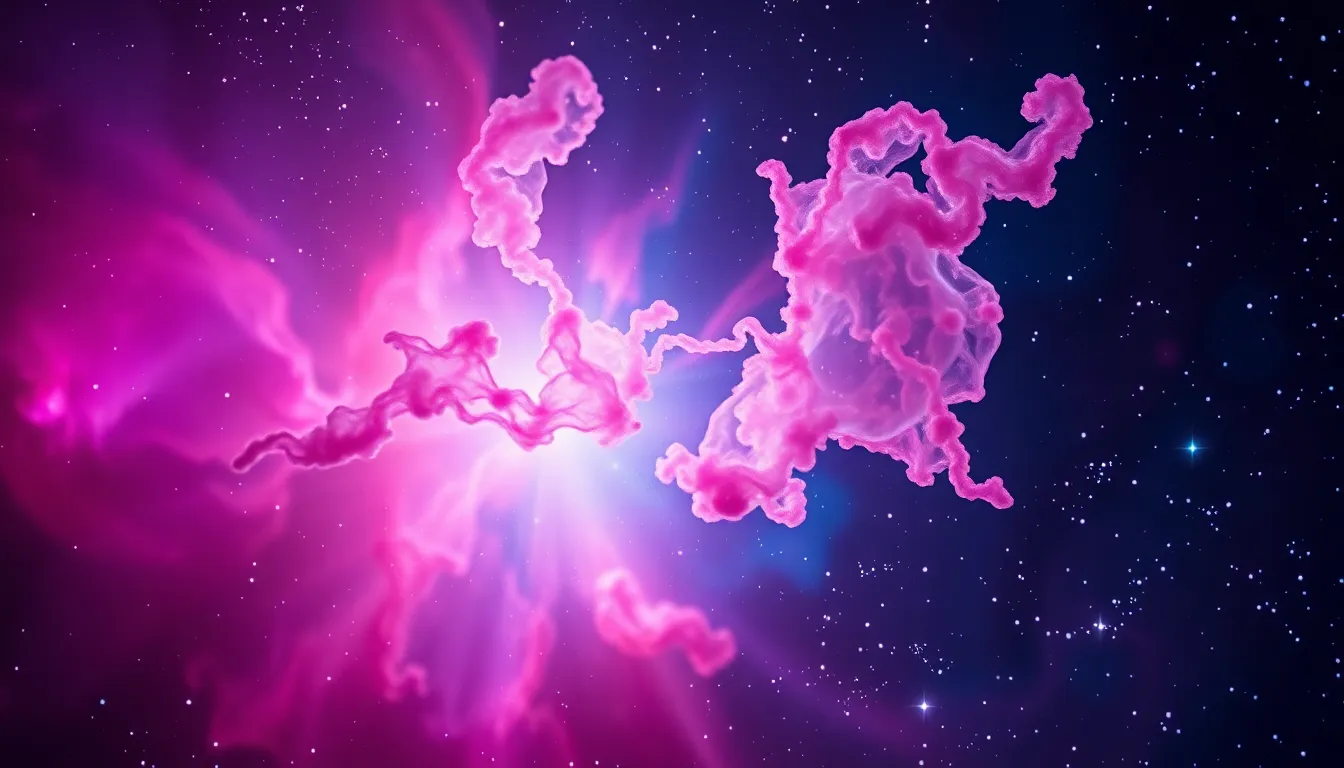
captured with Fujifilm GFX 100S, 110mm f/2 macro, focusing on a nebula as a galactic nursery, vibrant with color. The scene showcases a close-up of the nebula, revealing intricate tendrils of gas and dust illuminated by nearby stars. The soft, diffused lighting creates a dreamy atmosphere, enhancing the vibrant color palette dominated by pinks, purples, and deep blues. A shallow depth of field at f/2 allows the textures of gas and dust to stand out with remarkable clarity against an abstract starry background. The composition employs a centered arrangement, drawing attention to the colorful complexity of the nebula's formation.
16:9
photographed with Hasselblad X2D 100C, 90mm f/2.5 medium format, revealing a breathtaking panoramic view of a galaxy cluster. Captured during the twilight hours, the image depicts a vast array of galaxies intertwined in a celestial dance against the fading light of space. Overcast diffused daylight enhances the ethereal ambiance, giving a soft glow to distant galaxies. An aspect of hyperfocal distance at f/8 sharpens all elements within the frame, while natural muted tones with desaturated earth colors lend an otherworldly feel. The composition showcases a wide landscape view, perfectly capturing the grandeur and scale of the galaxy cluster.
16:9
captured with Canon EOS R5, 24-70mm f/2.8L at 35mm, illustrating a dramatic cosmic scene of a galaxy colliding with another. The image captures swirling clouds of gas emitting vivid colors, highlighted by dramatic backlighting from stars and cosmic energies. A hyperfocal depth of field at f/8 ensures everything from the foreground to infinity is tack-sharp. The color science leans into cinematic teal and orange, enhancing the emotional intensity of the scene. Utilizing leading lines, the galactic arms draw the viewer's eye towards the center of the collision, creating a sensational focal point. Textures of cosmic gas and the interplay of light add depth and richness to the image.
16:9
shot on Sony A7R V with 85mm f/1.4 GM lens, depicting a close-up of a spiral galaxy with intricate details. The scene captures the galaxy's core glowing with an intense golden hue, surrounded by vibrant blue and red star formations. Soft golden hour lighting enhances the warm tones of the core while providing gentle rim lights to the edges of the galaxy. A shallow depth of field at f/1.4 ensures the galaxy is sharply focused against a dreamy backdrop of stardust. The composition incorporates a centered symmetrical balance, emphasizing the galaxy's spiral arms, while fine textures of cosmic gas and dust are rendered in stunning clarity.
16:9
captured with Nikon Z9, 70-200mm f/2.8 telephoto at 135mm, featuring vibrant starlight illuminating a swirling galaxy. The scene is set against the black void of space, with soft luminescent colors creating a stunning backdrop. A hyperfocal depth of field at f/8 ensures the galaxy structure is sharp, while a slight bokeh effect in the foreground enhances the depth. The color palette leans toward deep blues and purples with specks of bright white starlight. Composed using the rule of thirds, the galaxy is positioned to the right while a shooting star trails across the left, adding dynamic motion to the scene. The texture of the galaxy exhibits fine details of cosmic dust and star clusters.
16:9
Fujifilm GFX 100S, 110mm f/2 macro; captured with a focus on the texture of a nebula, the image showcases intricate details and the beauty of cosmic gas swirling in the depths of space, illuminated by intense starlight. The lighting is dramatic, highlighting the translucid and ethereal quality of the nebula. The shallow depth of field creates a painterly bokeh effect, isolating the nebula against a backdrop of stars. The color palette is a blend of vivid blues, reds, and occasional greens, creating a depth of color that captivates the viewer. Composition is centered around the nebula, allowing the textures to draw viewers in.
16:9
Hasselblad X2D 100C, 90mm f/2.5 medium format; the scene is captured during twilight, where the deep blue of the sky meets the warmth of fading sunlight, creating a magical backdrop. The galaxy appears vividly, with soft colors and smooth gradients that illuminate the surrounding dark space. The depth of field is hyperfocal, ensuring a wide focus from the foreground to the distant stars. The color palette consists of rich purples, blues, and soft gold accents, enhancing the galaxy's ethereal quality. Compositionally, the galaxy is framed at an angle, adding intrigue and movement.
16:9
Nikon Z9, 70-200mm f/2.8 telephoto at 135mm; captured during a clear night with brilliant starlight illuminating a vibrant cosmic scene. A cluster of galaxies is visible, with distinct formations and colors highlighted by a sleek, high-contrast lighting. The depth of field is set to hyperfocal distance, ensuring crispness across the entire frame. The color palette leans towards a cinematic teal and orange grading, enhancing the beauty of the galaxies. The composition utilizes diagonal lines from starlight trails to add motion and life to the static cosmos.
16:9
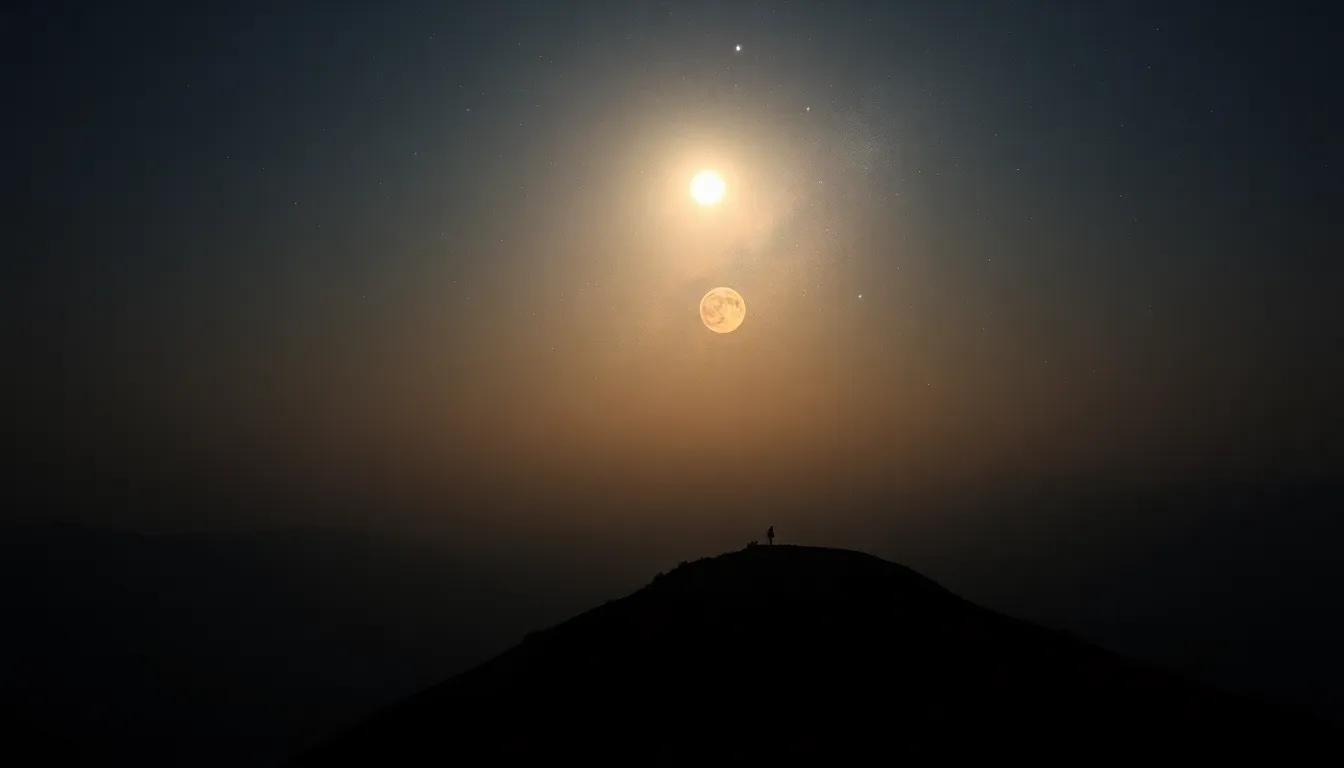
shot on Sony A7R V with 85mm f/1.4 GM lens; the scene is illuminated by soft moonlight, casting a serene glow over a distant galaxy viewable through the atmospheric haze of Earth. The depth of field is shallow at f/1.4, with starry foreground bokeh creating a beautiful contrast to the crisp detail of the galaxy in the background. The color palette features muted earth tones and soft silvery whites, giving a calm and ethereal feel. The composition includes a silhouetted mountaintop in the foreground, providing a natural frame that leads the viewer's gaze upward towards the galaxy.
16:9
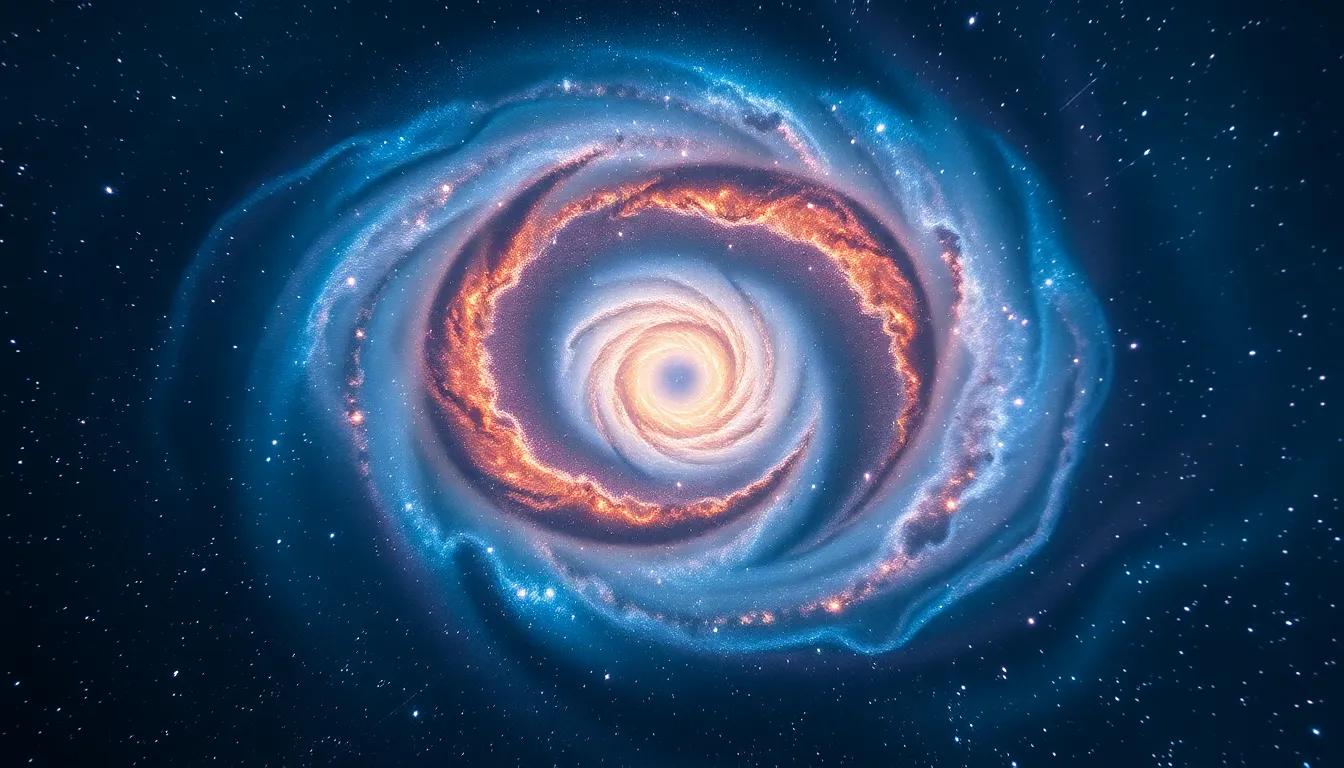
captured with Canon EOS R5, 24-70mm f/2.8L at 35mm; overcast diffused daylight creates a soft glow over the scene. The image features a mesmerizing swirl of a spiral galaxy, with detailed star clusters and gaseous nebulae. Depth of field is set to hyperfocal distance, ensuring everything is sharp from foreground stars to the galaxy's core. The color palette includes deep blues and purples with hints of vibrant pink and yellow. Composition follows the rule of thirds, putting the galaxy off-center with leading lines of stardust creating a dynamic flow throughout. The texture of the image showcases intricate details of star formations and wispy cosmic clouds.
16:9
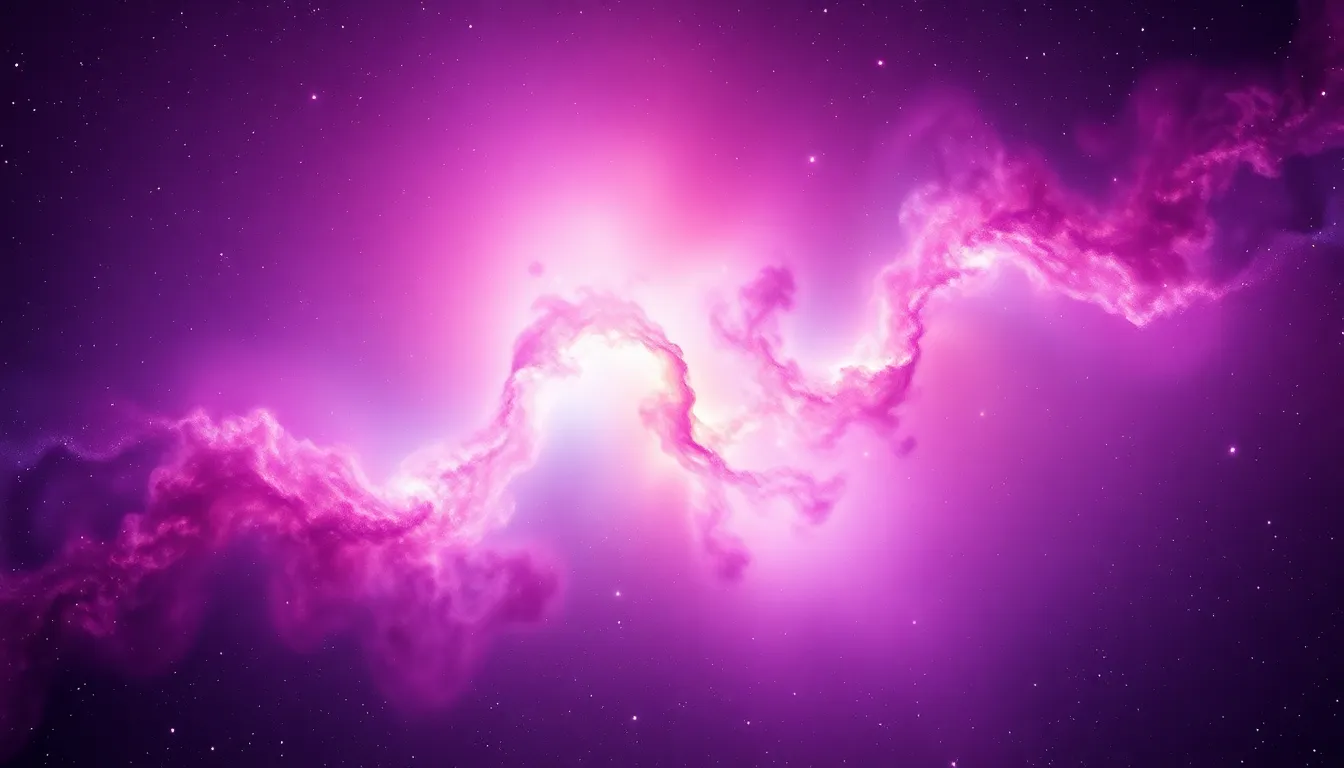
A breathtaking nebula captured in deep space, shot on Hasselblad X2D 100C, 90mm f/2.5 medium format. The scene is illuminated by the ethereal glow of cosmic gases, creating a vibrant display of colors ranging from deep purples to bright pinks. Utilizing a hyperfocal distance, the image keeps the entire nebula sharp while providing depth. The color science emulates Fujifilm Velvia-inspired saturated tones, enhancing the cosmic vibrancy. The composition uses a centered symmetrical layout, drawing attention to the nebula's swirling patterns. The texture of the gaseous clouds is beautifully rendered, showcasing the interstellar beauty.
16:9
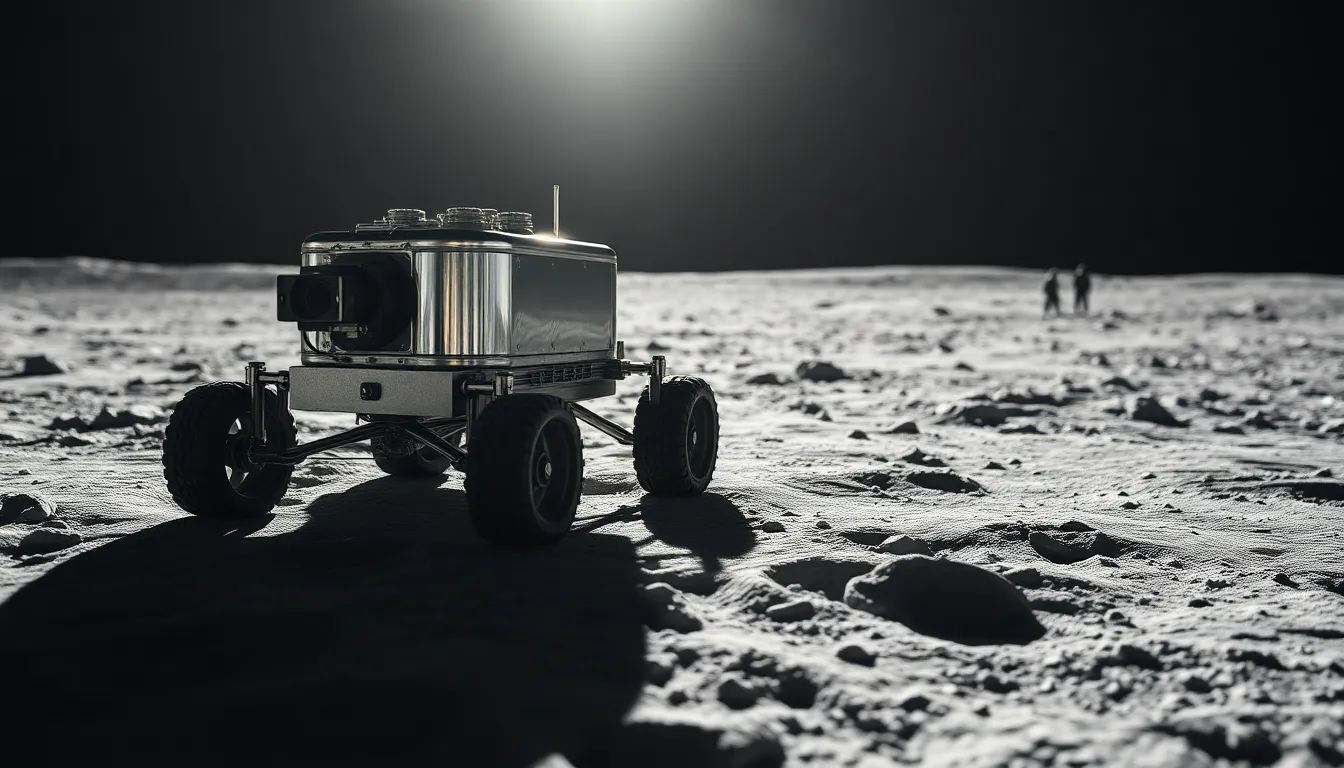
A close-up of a space rover traversing the moon's surface, captured with Leica Q3, 28mm f/1.7 Summilux. The scene is dramatically lit by the stark sunlight creating sharp shadows and highlights on the rover's metallic body. A shallow depth of field at f/1.7 blurs the lunar dust in the foreground, drawing attention to the intricate details of the rover. The color palette is muted with shades of gray and white, emulating the moon’s desolate atmosphere. The composition employs the rule of thirds, with the rover positioned at one of the power points, enhancing the sense of scale against the expansive lunar surface. Textures of the moon's regolith are finely rendered, emphasizing its rough and uneven terrain.
16:9
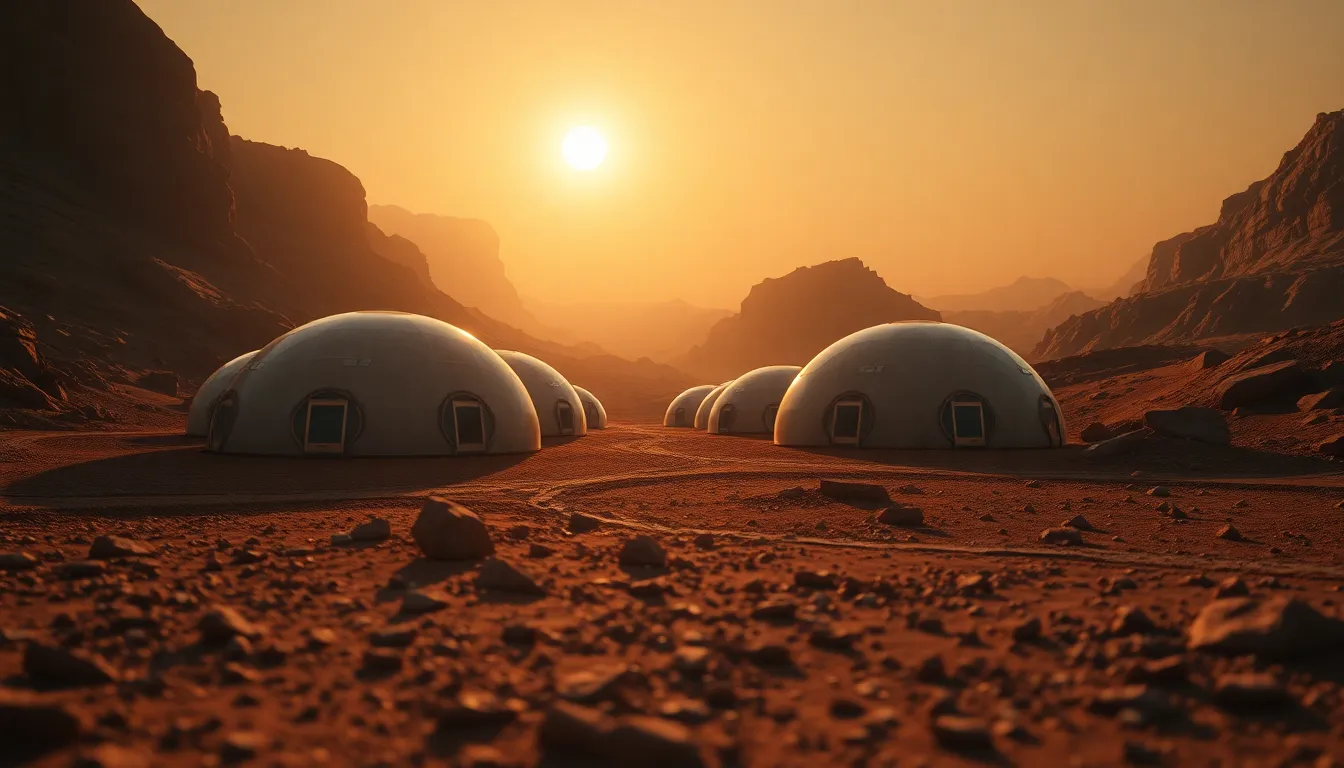
A futuristic Mars colony landscape, shot on Fujifilm GFX 100S, 110mm f/2 macro. The setting is illuminated by the soft glow of a low-hanging sun, casting golden light over the rugged Martian terrain. The depth of field is shallow at f/2, focusing on a cluster of bio-domes while blurring the rocky background. The color palette features warm reds and earthy browns, reminiscent of Mars itself. The composition follows a centered symmetrical approach, with bio-domes flanking a central pathway leading into the distance, inviting exploration. Textures of the Martian soil are detailed, capturing its rocky, barren nature.
16:9
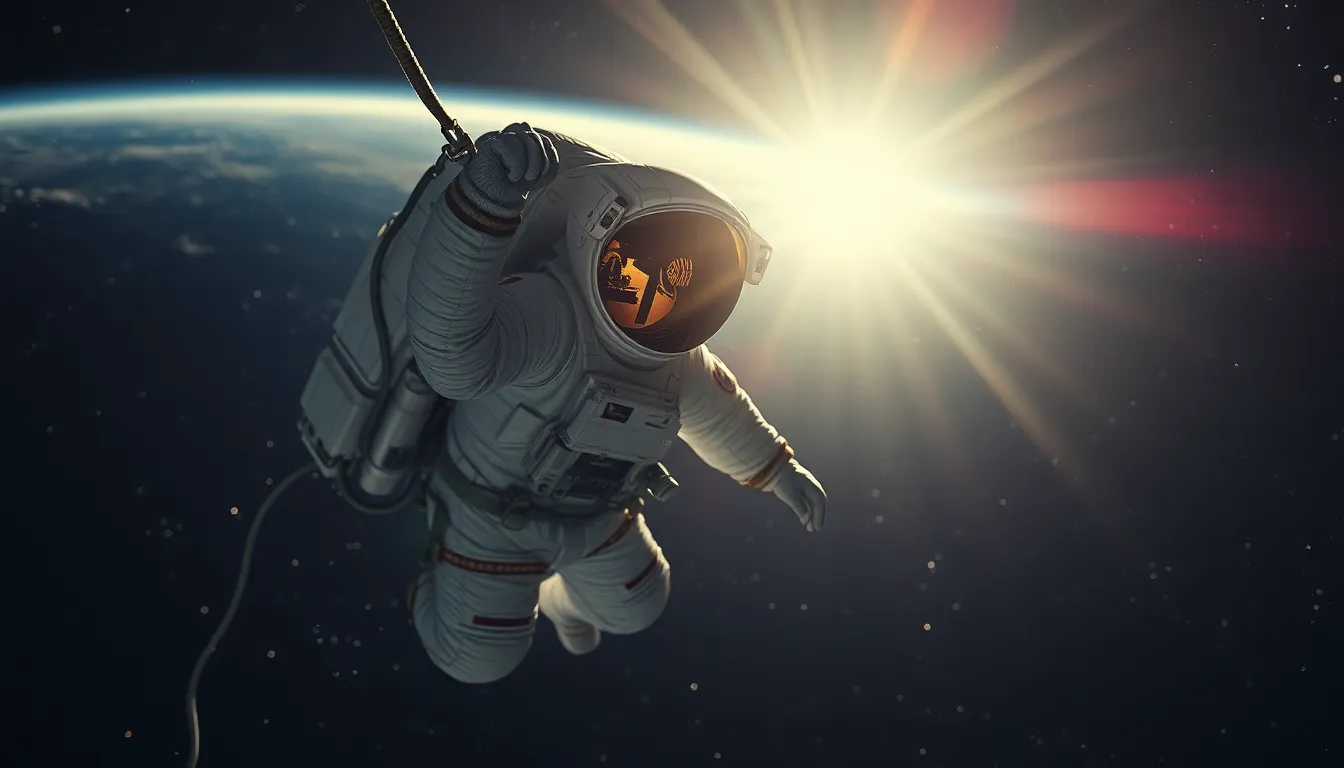
An astronaut floating in the vacuum of space, captured with Nikon Z9, 70-200mm f/2.8 telephoto at 135mm. The image is dramatically lit by the harsh sunlight reflecting off the suit, creating sharp contrasts with deep, dark shadows. A shallow depth of field at f/2.8 blurs the distant stars, emphasizing the solitude of the astronaut. The color palette is natural muted tones with desaturated blacks and bright whites. The composition uses leading lines created by the astronaut's tether directing the viewer's eye into the vast expanse of space. The suit's texture is rendered in high detail, showcasing various materials like fabric and metal.
16:9
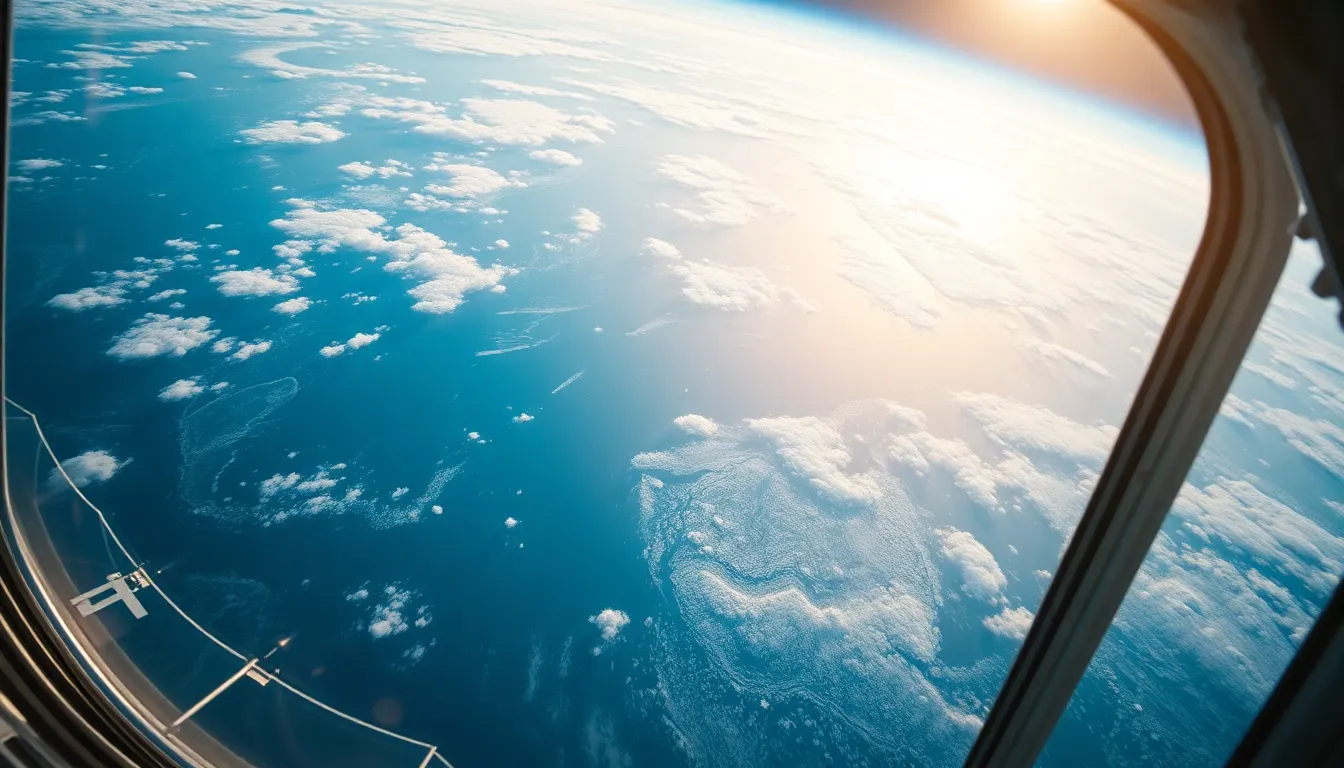
A breathtaking view of Earth from the International Space Station, shot on Canon EOS R5, 24-70mm f/2.8L at 35mm. The scene is illuminated by soft, diffused daylight filtering through the station's windows, showcasing the vibrant blues of the oceans and the whites of the clouds. The depth of field is hyperfocal, ensuring everything from the foreground to infinity is sharp. The color science mimics a cinematic teal and orange grading, giving a surreal feel to the view. The composition follows the rule of thirds, with Earth dominating the lower two-thirds of the frame, creating a sense of vastness and perspective. The glass window reflects subtle textures from the ISS interior, adding depth to the image.
16:9
Shot using Leica Q3, 28mm f/1.7 Summilux, this composition features a silhouette of an ancient tree under a canopy of twinkling stars. The scene is captured under clear skies at dusk, with the tree's branches creating intricate patterns against the starlit background. A warm glow from a nearby campfire adds subtle illumination, creating a cozy atmosphere. The texture of the tree’s bark is detailed and raw, while the starry sky showcases rich blacks and brilliant whites, employing a natural muted tone for a timeless feel. The composition utilizes a centered symmetrical layout to emphasize the majestic tree.
3:2
Captured using Fujifilm GFX 100S, 110mm f/2 macro, this image presents a detailed view of a star-filled sky reflected in a calm lake at night. The scene is illuminated by moonlight, creating a magical atmosphere with soft ripples across the water surface. The shallow depth of field at f/2 accentuates the stars and their reflections, while the surrounding landscape remains softly blurred. The color palette consists of deep blues with silver highlights, and the composition features a symmetrical layout, enhancing the tranquil feel of the scene.
16:9
Captured with Nikon Z9, 70-200mm f/2.8 telephoto at 135mm, this panoramic view features a stunning sunset illuminating a desert landscape, where constellations gradually emerge in the twilight sky. The layered atmosphere creates beautiful gradients of orange, pink, and purple, softening the rocky terrain below. Utilizing hyperfocal distance at f/8 provides sharp focus from the foreground cactus to the distant mountains. The composition employs the rule of thirds, with the horizon line placed in the lower third, enhancing the expansive feel of the desert.
16:9
Shot on Sony A7R V with 85mm f/1.4 GM lens, this close-up depicts a luminous nebula in vivid detail, showcasing its swirling colors and textures with a shallow depth of field at f/1.4. Backlighting from the surrounding stars highlights the translucent gas and dust, which are rendered in rich reds and blues. The image uses a cinematic teal and orange color grading to enhance the ethereal quality of the nebula. The composition centers the nebula against a dark, star-speckled backdrop, allowing its colors and textures to captivate the viewer.
1:1
Captured with Canon EOS R5, 24-70mm f/2.8L at 16mm during a clear summer night, this scene showcases the Milky Way arching over a serene mountain range. The rich, dark sky is illuminated with vibrant stars, creating a stunning contrast against the silhouetted peaks. The shot features a shallow depth of field at f/2.8, with soft bokeh highlighting the foreground wildflowers. The color palette emphasizes deep blues and purples, enriched with hints of teal and orange. The composition employs leading lines from the mountains drawing the viewer's eye toward the galactic core, while the textures of the rocky foreground add depth.
16:9
Fujifilm GFX 100S, 110mm f/2 macro lens capturing a breathtaking view of a distant galaxy through a telescope, with intricate details of cosmic dust and light. The scene is illuminated by the galaxy's own luminescence, creating a captivating effect. The depth of field is shallow at f/2, providing a soft bokeh effect in the foreground. The color palette is derived from a Fujifilm Velvia-inspired saturation, with vivid purples, blues, and hints of gold. The composition features leading lines created by the telescope's structure, drawing the viewer’s gaze toward the stunning galaxy beyond.
16:9
Hasselblad X2D 100C, 90mm f/2.5 medium format shot showcasing a detailed view of a star field with deep space background. The lighting is natural, with the light from countless stars providing a twinkling effect. The image features a shallow depth of field at f/2.5 to highlight select constellations while the background dissolves into soft bokeh. The color palette focuses on muted tones with desaturated earth colors to create a serene and contemplative mood. The composition utilizes a centered symmetrical arrangement, drawing the viewer’s gaze to a prominent constellation amidst the vastness of stars.
16:9
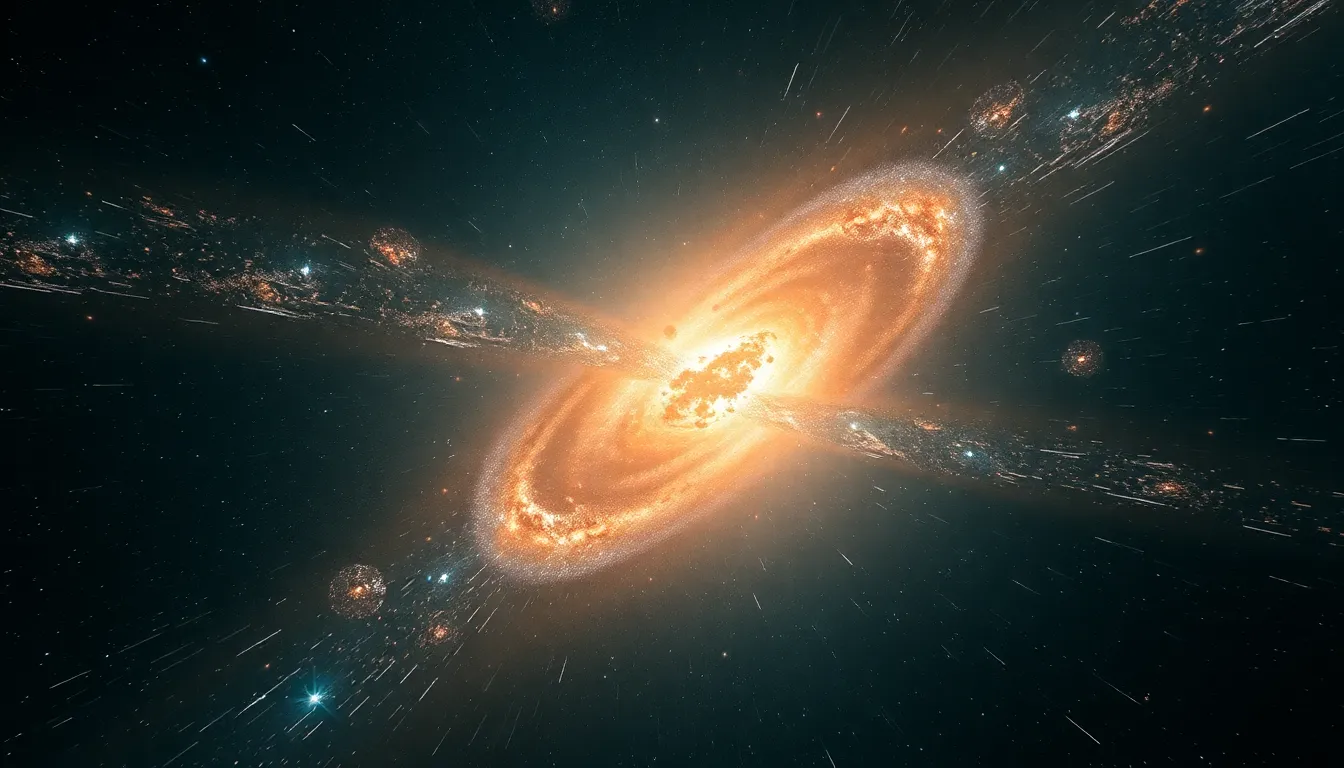
captured with Canon EOS R5, 24-70mm f/2.8L at 35mm, displaying a cosmic collision of galaxies in a stunning cosmic tableau. The scene is vividly lit by the explosive energy released during the collision, creating a dramatic and dynamic atmosphere. A hyperfocal distance is achieved at f/8 ensuring everything from the foreground to infinity is sharp. The color science leans towards cinematic teal and orange, heightening the visual impact. The composition strategically places the collision at the center, with trailing star streams framing the action, creating a powerful visual narrative.
16:9
shot on Sony A7R V with 85mm f/1.4 GM lens, depicting a close-up of a nebula with intricate details resembling swirling clouds of gas and dust. The lighting is ethereal, with bioluminescent colors illuminating the nebula's core. Utilizing a shallow depth of field at f/1.4, the focus is sharp on the neon edges while the background melts into a soft, painterly bokeh. The color palette is a mix of electric pinks and deep blues, creating a surreal and captivating scene. The composition incorporates leading lines that guide the eye into the heart of the nebula, emphasizing its complexity and beauty.
16:9
captured with Nikon Z9, 70-200mm f/2.8 telephoto at 135mm, showcasing a vibrant spiral galaxy against a backdrop of deep space. The scene is illuminated by distant stars providing a soft twinkle, complemented by the gradient of the cosmos. Depth of field is shallow at f/2.8, creating a dreamy bokeh effect in the background. The color palette features rich purples and blues, evoking a sense of wonder and mystery. The composition follows the rule of thirds, placing the galaxy off-center while including surrounding star fields for depth. Micro-details highlight the galaxy's swirling arms against the velvety darkness of space.
16:9
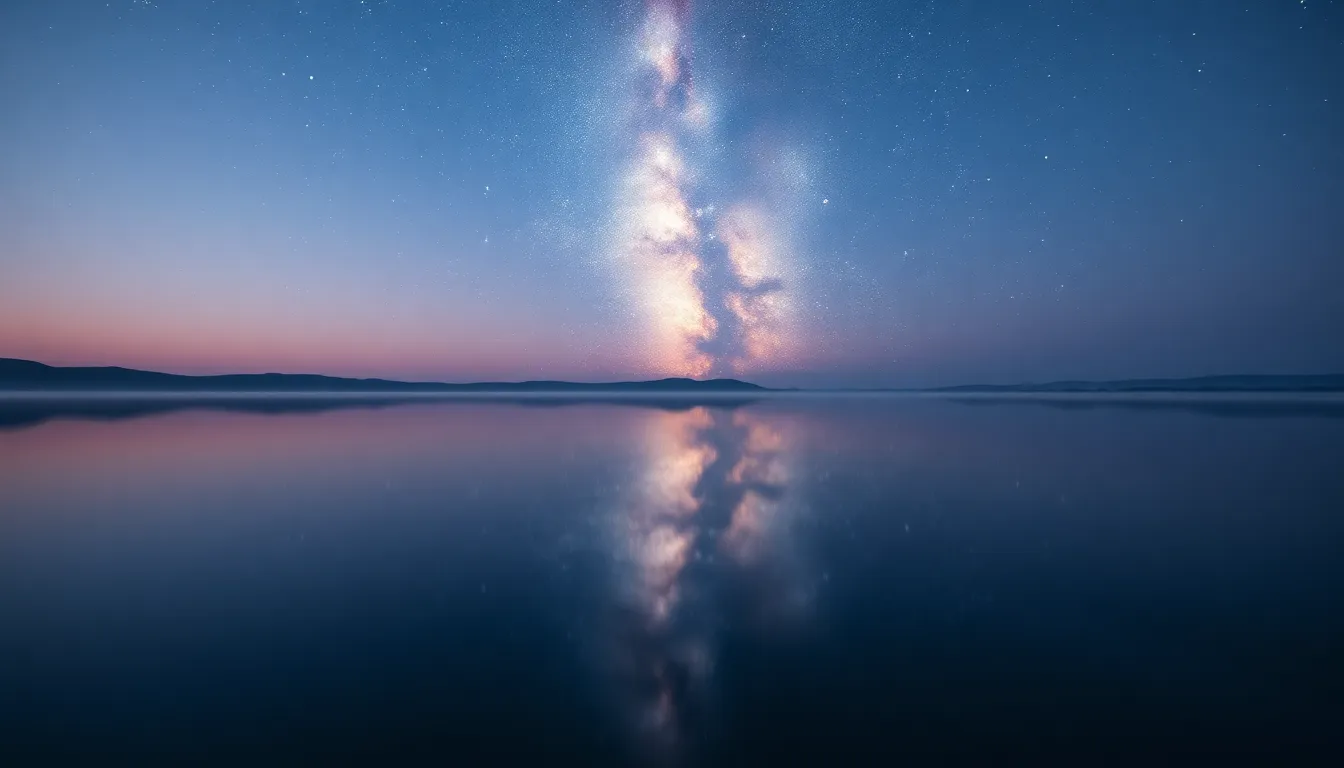
shot on Leica Q3, 28mm f/1.7 Summilux, showcasing a breathtaking view of a galaxy reflecting in a calm lake during twilight. The soft ambient lighting enhances the serene mood, with the galaxy's vivid colors mirrored perfectly in the water. The palette features muted blues, gentle purples, and soft whites, creating a dreamlike atmosphere. A shallow depth of field at f/1.7 draws focus to the lake's surface, making the galaxy appear almost tangible. The composition employs symmetry as both the sky and its reflection align perfectly in the frame, allowing the viewer to appreciate the harmony of nature and the cosmos.
16:9
captured with Hasselblad X2D 100C, 90mm f/2.5 medium format, featuring an ethereal view of a distant galaxy as seen through a large telescope. The scene depicts the metallic surface of the telescope reflecting starlight, while the galaxy illuminates the dark sky with small bright clusters and wispy trails of cosmic dust. The lighting is a blend of natural starlight and soft highlights, enhancing the surface details of the telescope. The color palette consists of deep blacks, silvers, and white glimmers of starlight. The composition utilizes a centered symmetrical design to emphasize the connection between technology and the cosmos, celebrating the art of exploration.
16:9
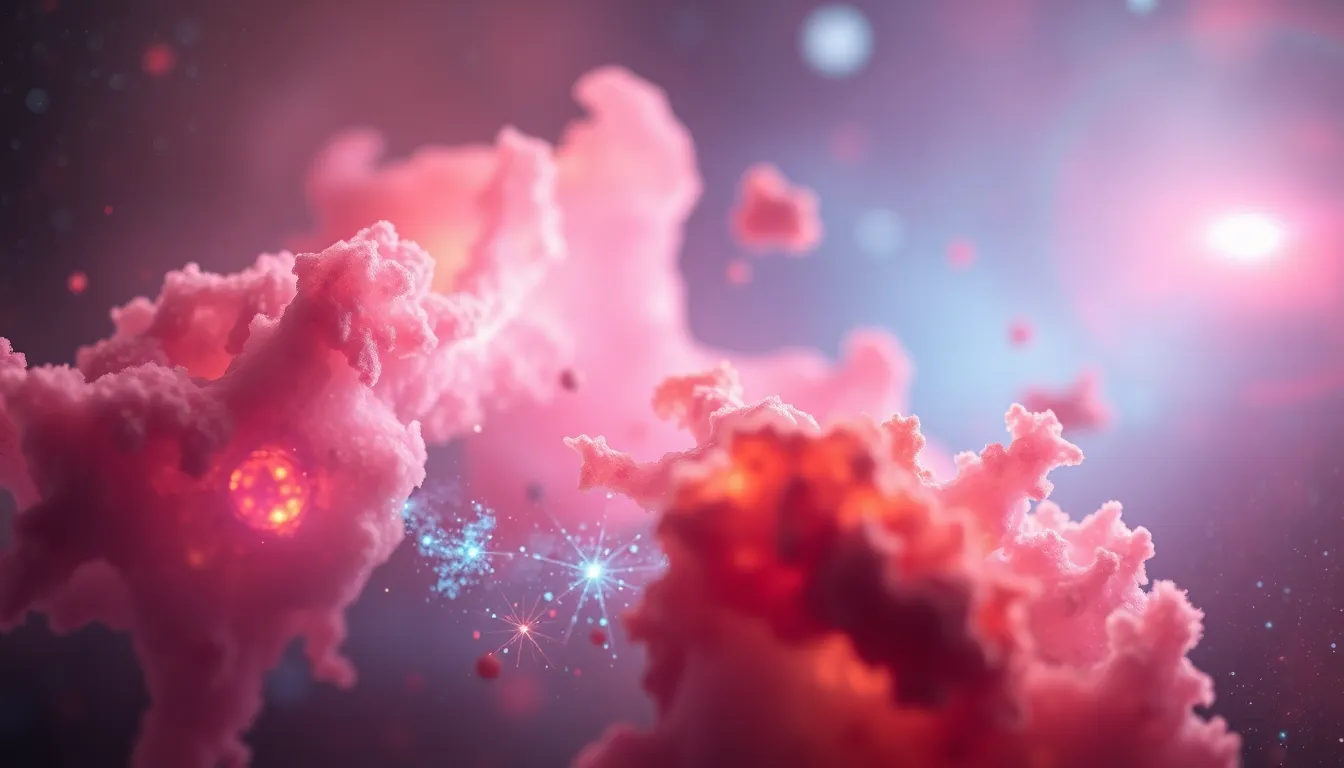
shot on Fujifilm GFX 100S, 110mm f/2 macro, illustrating the intricate details of a cosmic nebula bursting with colors and textures. The scene is bathed in ethereal lighting reminiscent of a distant starbirth event, emphasizing soft pinks, vibrant oranges, and deep blues. A shallow depth of field at f/2 isolates the nebula's textures while creating a painterly bokeh effect in the background. The composition focuses closely on the nebula's swirling gases and dust, highlighting its complexity and beauty, while the rich color palette evokes a sense of wonder and mystery.
16:9
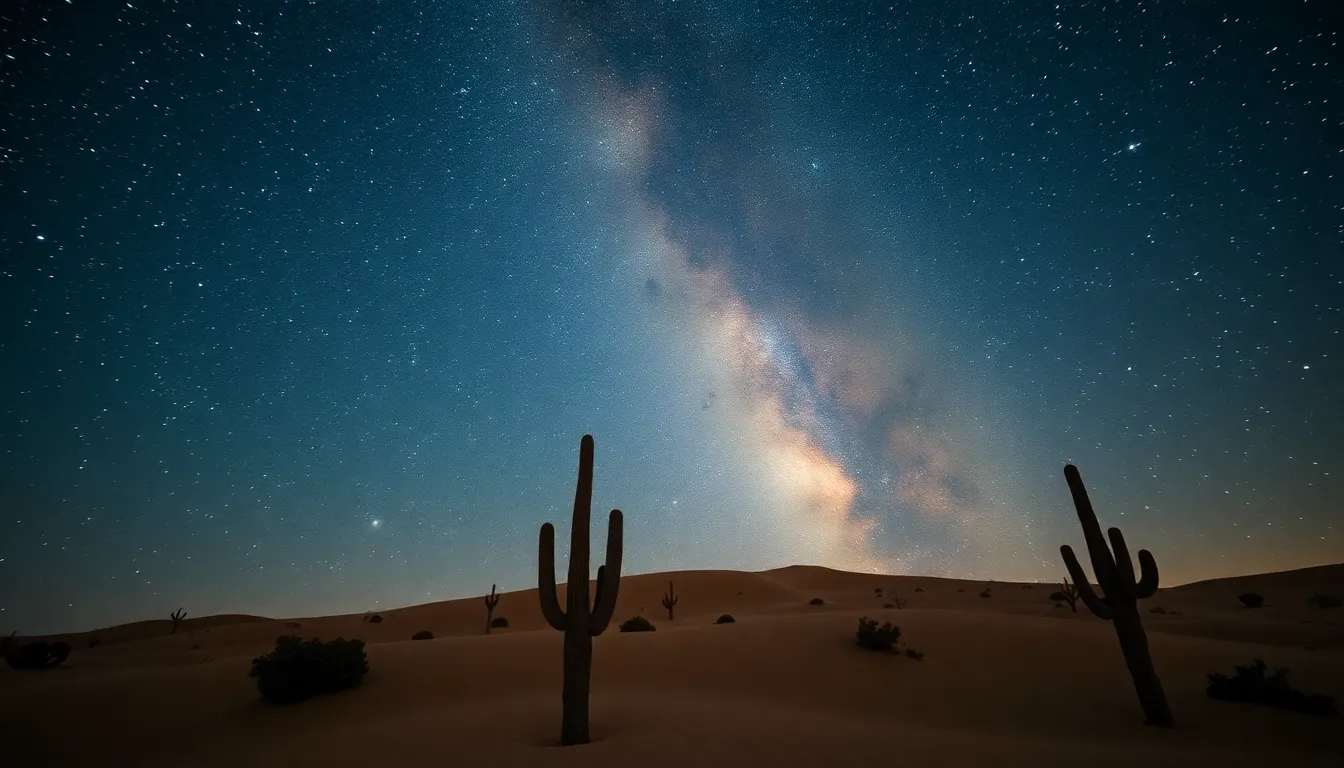
captured with Canon EOS R5, 24-70mm f/2.8L at 35mm, highlighting a breathtaking view of the Milky Way as seen from a remote desert landscape during a clear summer night. The stars are twinkling vividly, with the Milky Way arching across the sky, exuding a sense of depth and vastness. The natural light from the stars creates a soft illumination on the sandy dunes below, scattered with cacti in silhouette. The color grading reflects cool blues and warm earth tones, while a shallow depth of field at f/2.8 draws attention to the foreground textures of sand and cacti. The composition utilizes leading lines from the dunes to guide the eye toward the galaxy.
16:9
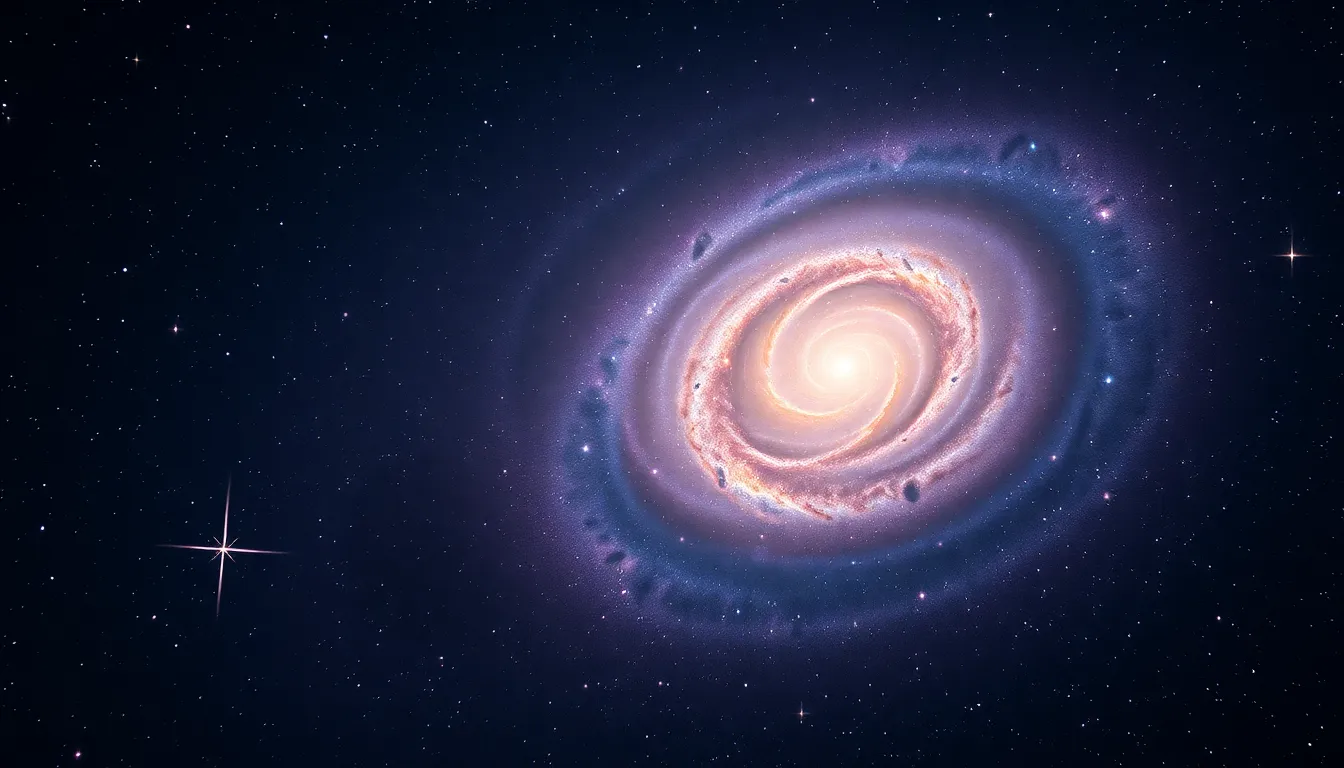
shot on Nikon Z9, 70-200mm f/2.8 telephoto at 135mm capturing the vibrant spiral arms of a distant galaxy against a backdrop of deep space. The scene features subtle starlight illuminating the galactic core, with gentle fog surrounding the edges. The color palette includes rich purples, blues, and scattered white star points, creating a cosmic dreamscape. A hyperfocal depth of field ensures everything from the foreground star clusters to the galaxy remains in sharp focus. Textural details highlight the swirling gases and dust within the galaxy, while the composition follows the rule of thirds, showcasing the galaxy off-center, inviting the viewer's eye.
16:9
Fujifilm GFX 100S, 110mm f/2 macro, capturing a creative moonlit scene with a silhouette of a couple embracing under a bright moon. The scene is set in a lush forest, with the moon casting a soft, ethereal light filtering through the trees. A shallow depth of field at f/2 creates a romantic, dreamy bokeh effect in the background, with warm highlights dotting the foliage. The couple's expression of love contrasts beautifully with the cool tones of the moon, creating a harmonious balance between warmth and coolness.
16:9
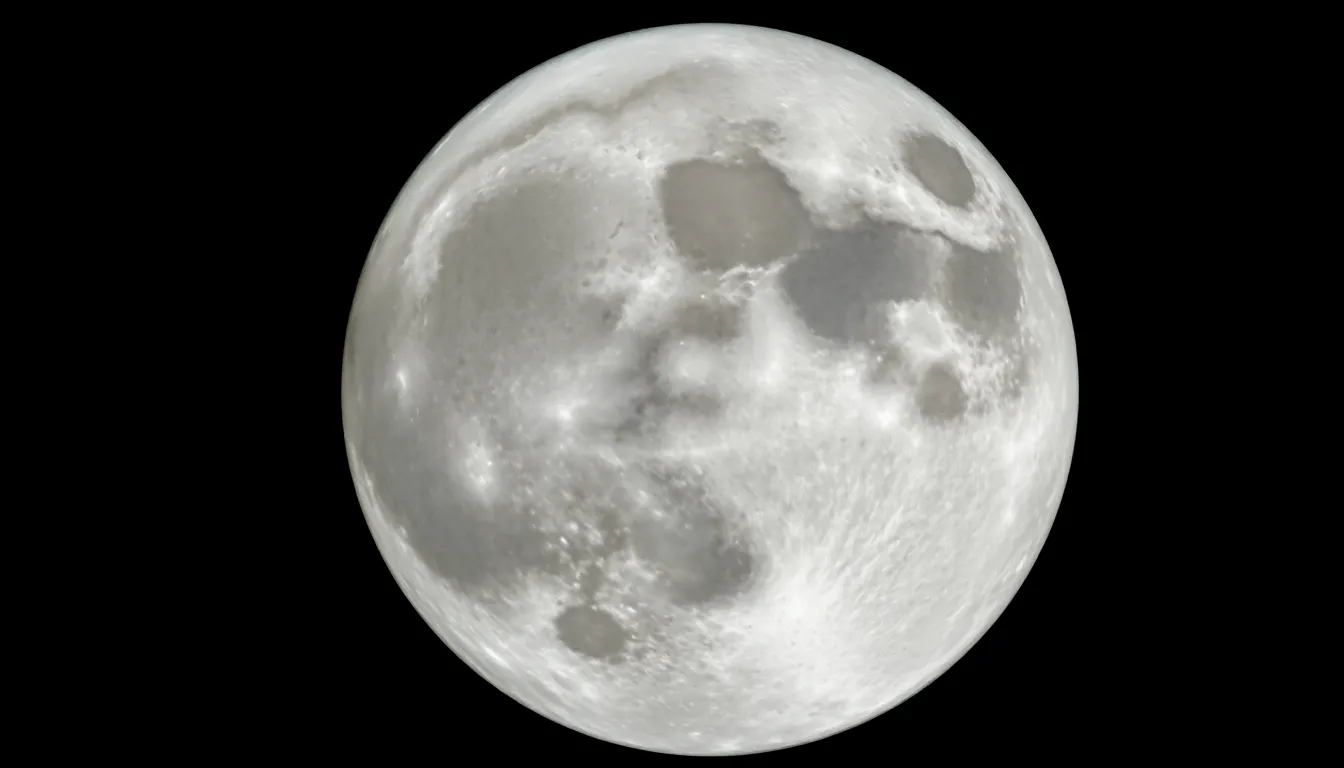
Hasselblad X2D 100C, 90mm f/2.5 medium format, depicting a close-up of the moon's surface, highlighting intricate details of craters and rock formations. The image is taken during a clear night with the moon fully illuminated, showcasing its stark white against a pitch-black sky. The shallow depth of field at f/2.5 focuses sharply on the lunar surface's rough textures, while the background fades to a soft, velvety black. The composition is centered, emphasizing the moon's detailed features that captivate the viewer's imagination.
16:9
captured with Canon EOS R5, 24-70mm f/2.8L at 35mm, featuring a lunar eclipse viewed from a desert landscape. The composition highlights the gradual shadowing of the moon, transitioning from bright white to a deep reddish hue. Overcast diffused daylight enhances the contrast in the sky, providing a dramatic backdrop of scattered clouds. Hyperfocal distance ensures both the moon and the desert foreground are sharp. The sandy textures of the desert ground leading to the horizon create a sense of depth and scale.
16:9
shot on Sony A7R V with 85mm f/1.4 GM lens, capturing an astronaut floating against the backdrop of a giant detailed moon. The scene is illuminated by the sun, casting sharp shadows across the moon's cratered surface, highlighting the textures and depth of the lunar landscape. Shallow depth of field at f/1.4 creates a dreamy bokeh effect behind the astronaut, who gazes at the moon with awe. The color palette showcases the stark contrast of dark space against the moon's bright surface, emphasizing the isolation of space travel.
16:9
captured with Nikon Z9, 70-200mm f/2.8 telephoto at 135mm, showcasing a full moon rising over a tranquil lake during twilight. The moon glows with a soft, silvery light reflecting on the water's surface, surrounded by silhouettes of tall pine trees. Hyperfocal distance ensures sharp detail from the moon to the foreground rocks, with deep blues and purples in the sky creating a serene atmosphere. Rule of thirds composition places the moon in the upper right quadrant, harmonizing with the calming ripple of the water's surface.
16:9
captured with Hasselblad X2D 100C, 90mm f/2.5 medium format, illustrating the collision of galaxies leading to the formation of a black hole. Overcast diffused daylight creates a soft and even illumination across the galaxies. Depth of field is shallow at f/2.5, creating a dramatic focus on the point of collision while background galaxies melt into soft bokeh. The color science employs natural muted tones with desaturated earth colors, enhancing the realism of the cosmic phenomenon. The composition is dynamic, with swirling galaxies forming leading lines towards the central black hole.
16:9
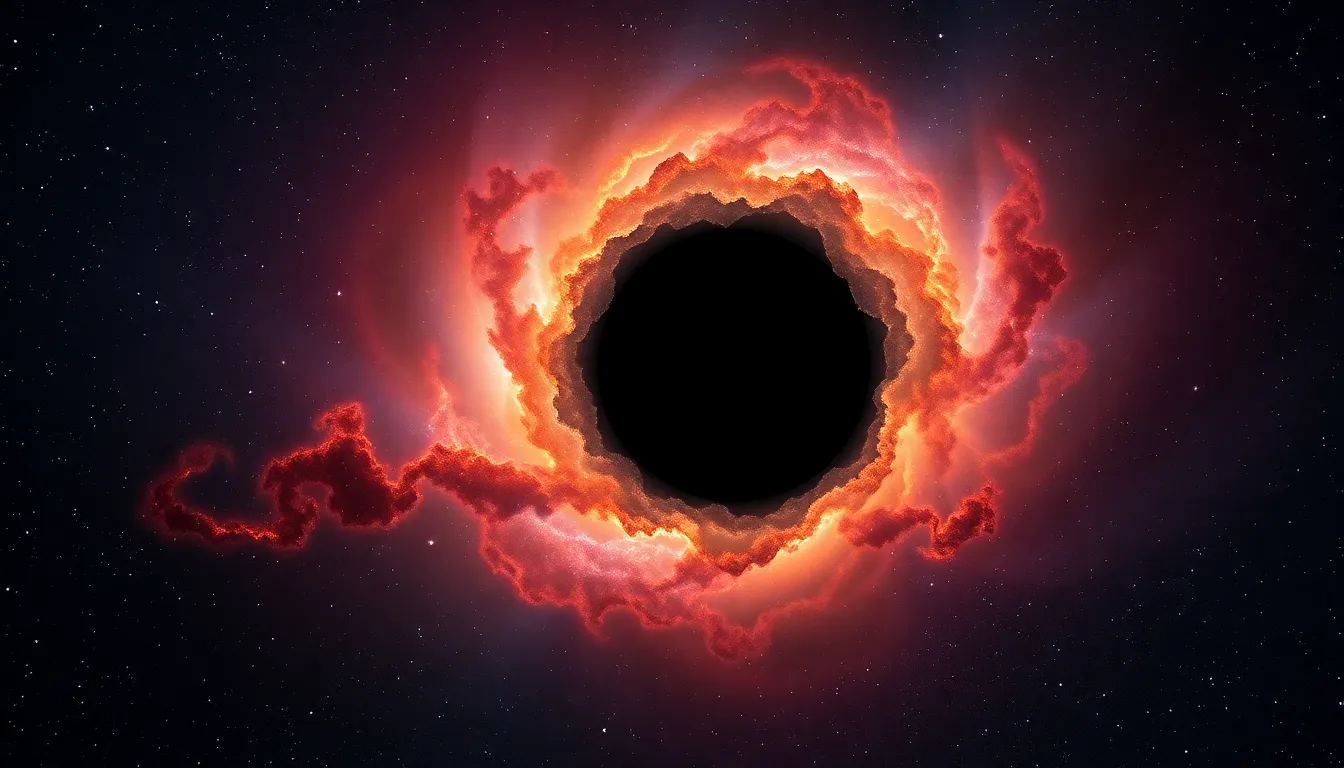
shot on Canon EOS R5, 24-70mm f/2.8L at 35mm, showcasing a stunning astrophotography of a black hole silhouette against a vibrant nebula. Natural starlight punctuates the scene, with a stark contrast between the black hole and the colorful gases of the nebula. The composition leverages the rule of thirds, placing the black hole at one power point while the nebula swirls around it. Depth of field is hyperfocal at f/8, ensuring all stars and nebula details are crisp. The color palette features natural muted tones with desaturated earth colors.
16:9
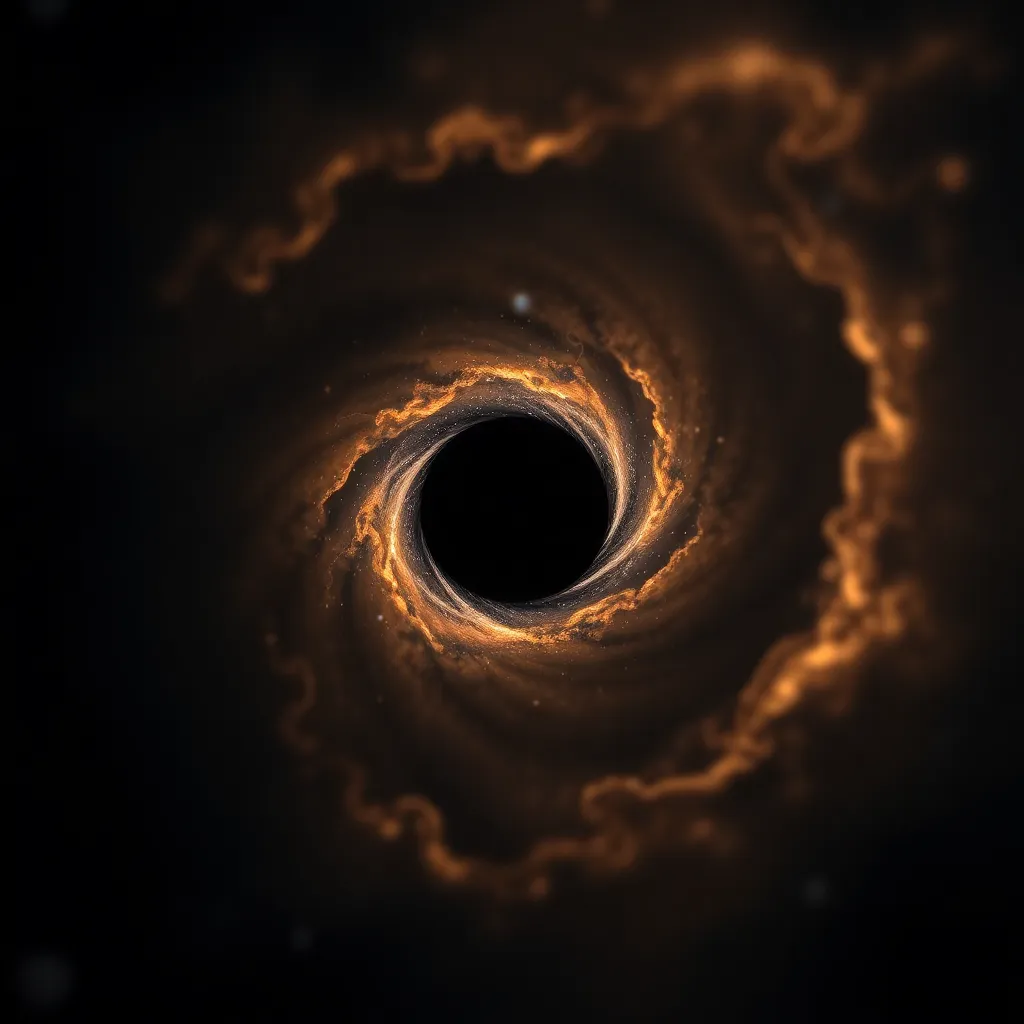
captured with Fujifilm GFX 100S, 110mm f/2 macro, this image presents a close-up view of an artist's impression of a black hole surrounded by cosmic dust and swirling galaxies. The soft glow from the black hole is contrasted with dark space, illuminated by surrounding stars. Shallow depth of field allows the focus to be on the swirling dust, while the background blurs into a painterly bokeh. Color science is inspired by Kodak Portra 400, featuring warm highlights and smooth transitions. The composition utilizes centered symmetry, creating a harmonious balance.
1:1
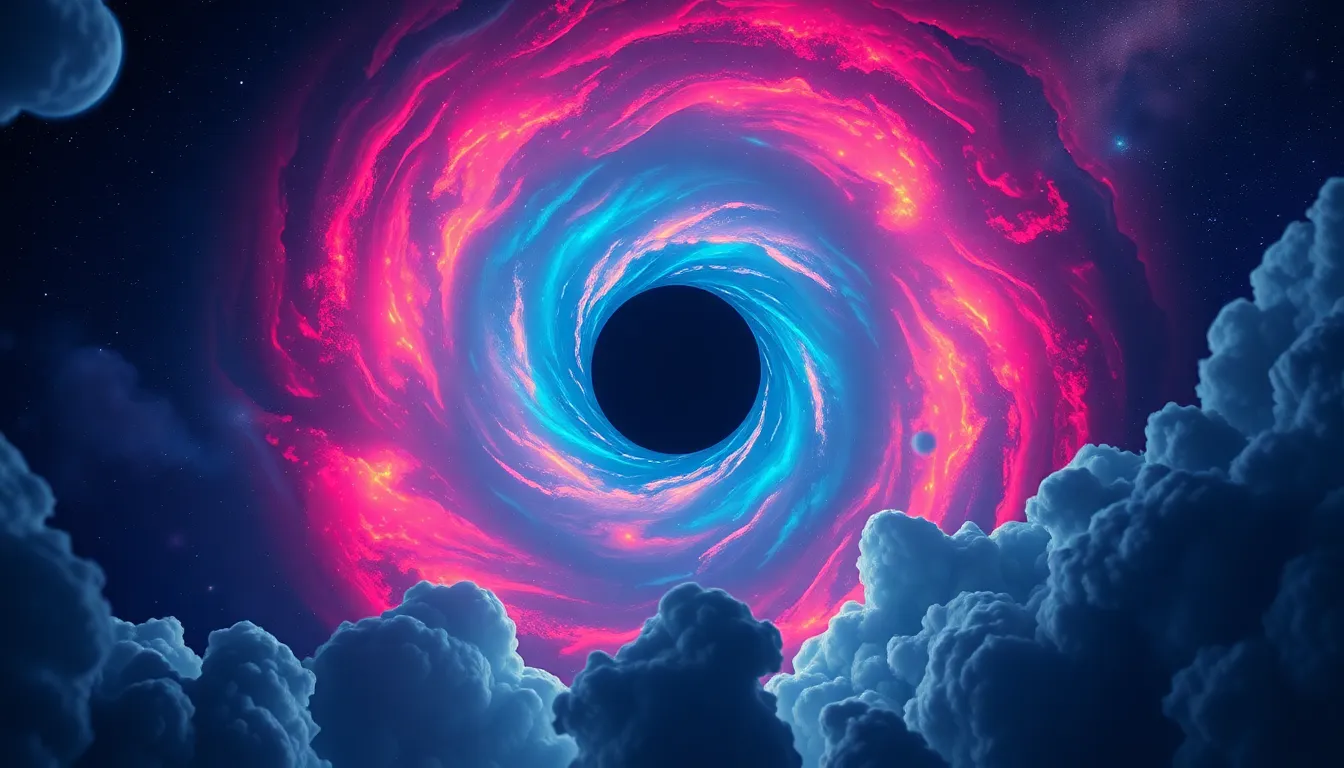
shot on Sony A7R V with 85mm f/1.4 GM lens, depicting an artistic interpretation of a black hole with vibrant colors emanating from its accretion disk. The ambient lighting encompasses a dream-like quality, with soft highlights blending into shadowy areas. Hyperfocal distance ensures everything from the swirling gas to the stars in the background is tack-sharp at f/8. Color palette inspired by Fujifilm Velvia enhances the saturation of colors. The composition places the black hole off-center, creating dynamic tension with cosmic elements in the foreground, rich with textured gas clouds.
16:9
captured with Nikon Z9, 70-200mm f/2.8 telephoto at 135mm, showcasing a distant black hole absorbing surrounding stardust in a cosmic landscape. The scene is illuminated by the light from nearby stars, creating a stark contrast against the dark void of the black hole. Shallow depth of field at f/2.8 with soft bokeh in the foreground. Cinematic teal and orange color grading emphasizes the drama of the cosmic event. The composition utilizes leading lines formed by the swirling accretion disk, drawing the eye toward the event horizon, while the texture includes intricate details of stardust and celestial gas.
16:9
captured with Fujifilm GFX 100S, 110mm f/2 macro lens at dusk, depicting a small telescope pointed at the rising moon from a cozy backyard setup. The warm glow of string lights creates a welcoming atmosphere, illuminating a wooden table covered with stargazing books and charts. A shallow depth of field at f/2 blurs the background objects while keeping the telescope in sharp focus. The color science reflects natural muted tones, suggesting warmth and nostalgia. The composition emphasizes the telescope as the main subject, using foreground framing to create a sense of depth and inviting viewers to ponder the wonders of the night sky.
3:4
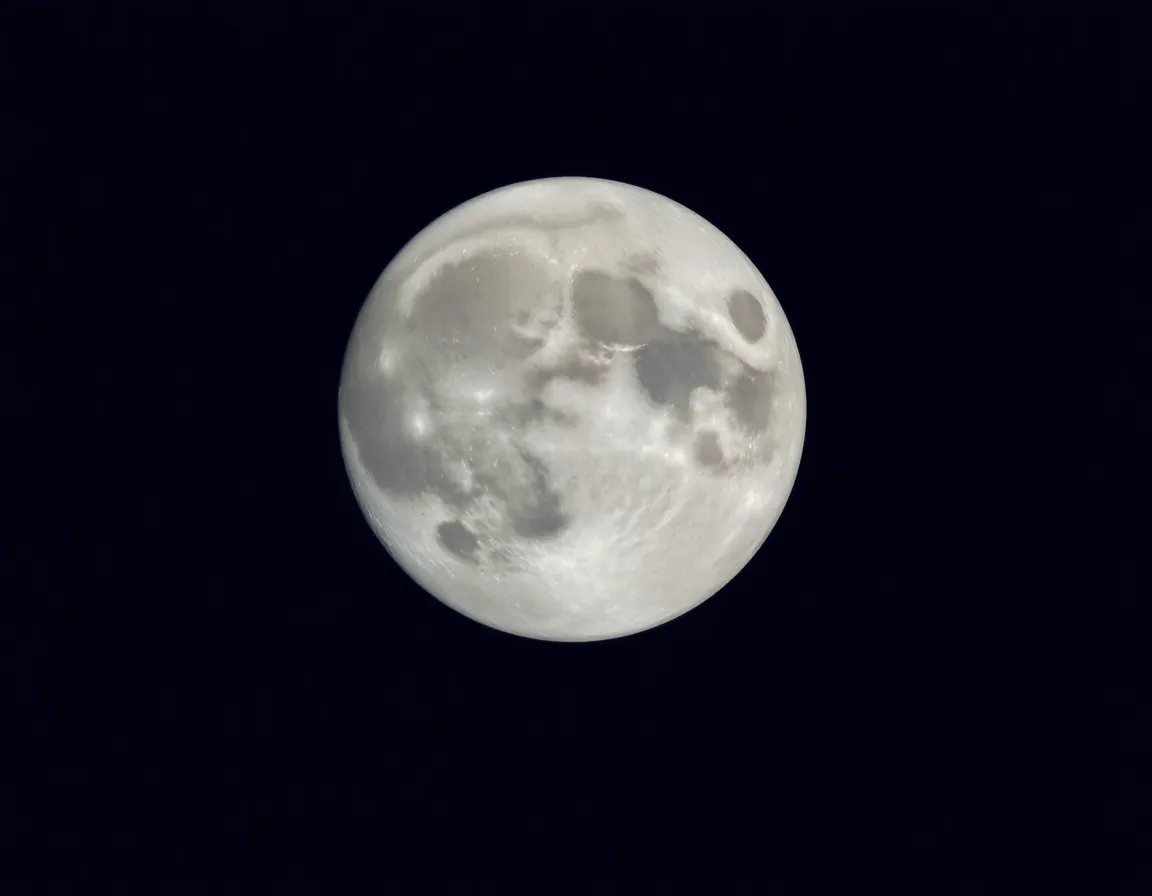
shot with Hasselblad X2D 100C, 90mm f/2.5 medium format during a clear night, featuring a detailed view of the moon's surface with craters and maria visible. The image utilizes a very shallow depth of field at f/2.5, drawing focus to the craters while creating a soft bokeh effect in the surrounding sky. The color palette is natural muted tones, emphasizing the gray and white of the moon against the deep indigo night sky. The composition is centered, allowing details of the lunar surface to shine, while the surrounding negative space enhances its isolation in the vast universe.
4:3
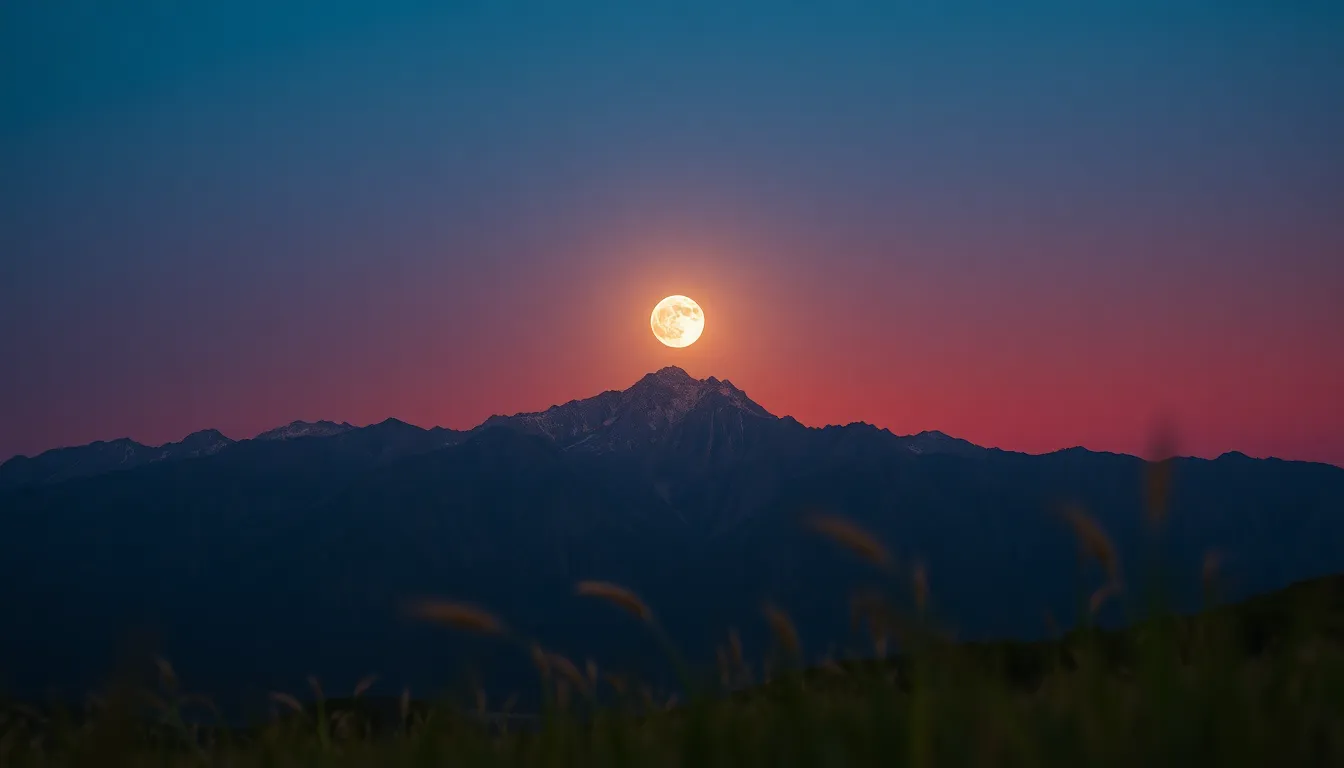
captured with Canon EOS R5, 24-70mm f/2.8L at 35mm during the golden hour, showcasing a breathtaking moonrise above a mountain range. The sky transitions from deep blue to warm orange and purple hues, creating a dramatic backdrop for the bright moon. The image features a hyperfocal distance, ensuring both the mountains and the moon are sharply in focus. The color grading draws from Kodak Portra 400, giving the scene warm skin tones and creamy highlights. The composition centers on the moon, with leading lines of the mountains directing attention upwards, while the foreground features green grass swaying in soft winds.
16:9
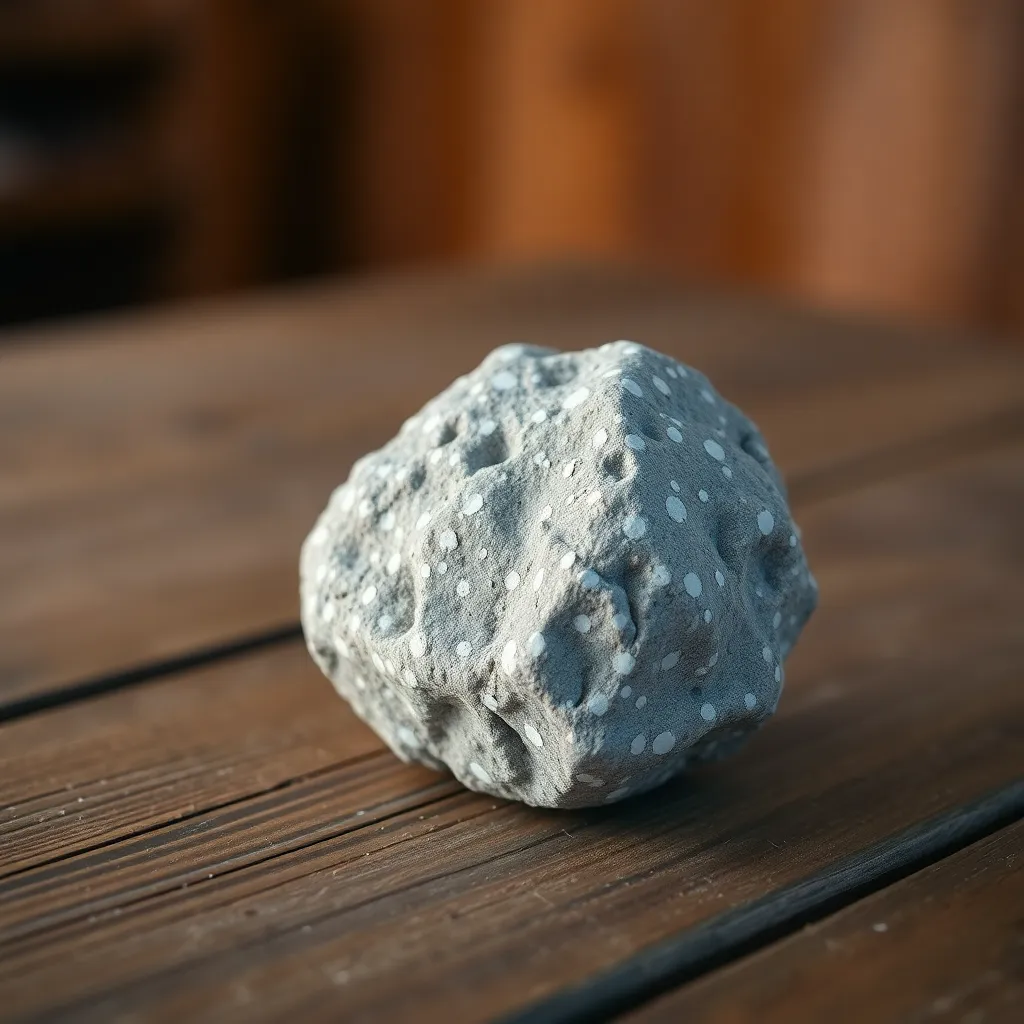
shot on Sony A7R V with 85mm f/1.4 GM lens, featuring a close-up of a lunar rock specimen sitting on a weathered wooden table. The image is captured under warm tungsten lighting, casting a soft glow on the stone. Utilizing a shallow depth of field at f/1.4, the focus is razor-sharp on the rock's texture while the background dissolves into a creamy bokeh. The color palette leans towards earthy tones, highlighting the rock's gray and white specks against the warm wood. The composition employs rule of thirds, positioning the rock slightly off-center, allowing negative space to enhance the subject.
1:1
captured with Nikon Z9, 70-200mm f/2.8 telephoto at 135mm, featuring soft moonlight illuminating a serene lake at night. The scene showcases a clear reflection of the full moon on the water's surface, with surrounding trees silhouetted against the sky. Utilizing a shallow depth of field at f/2.8 creates a dreamy bokeh effect in the foreground. Color grading inspired by cinematic teal and orange enhances the mood, contrasting the warm glow of the moon with the cool blue water. The composition employs leading lines of the shoreline drawing the eye toward the moonlit reflection, while the texture of the water shows gentle ripples reflecting moonlight.
16:9
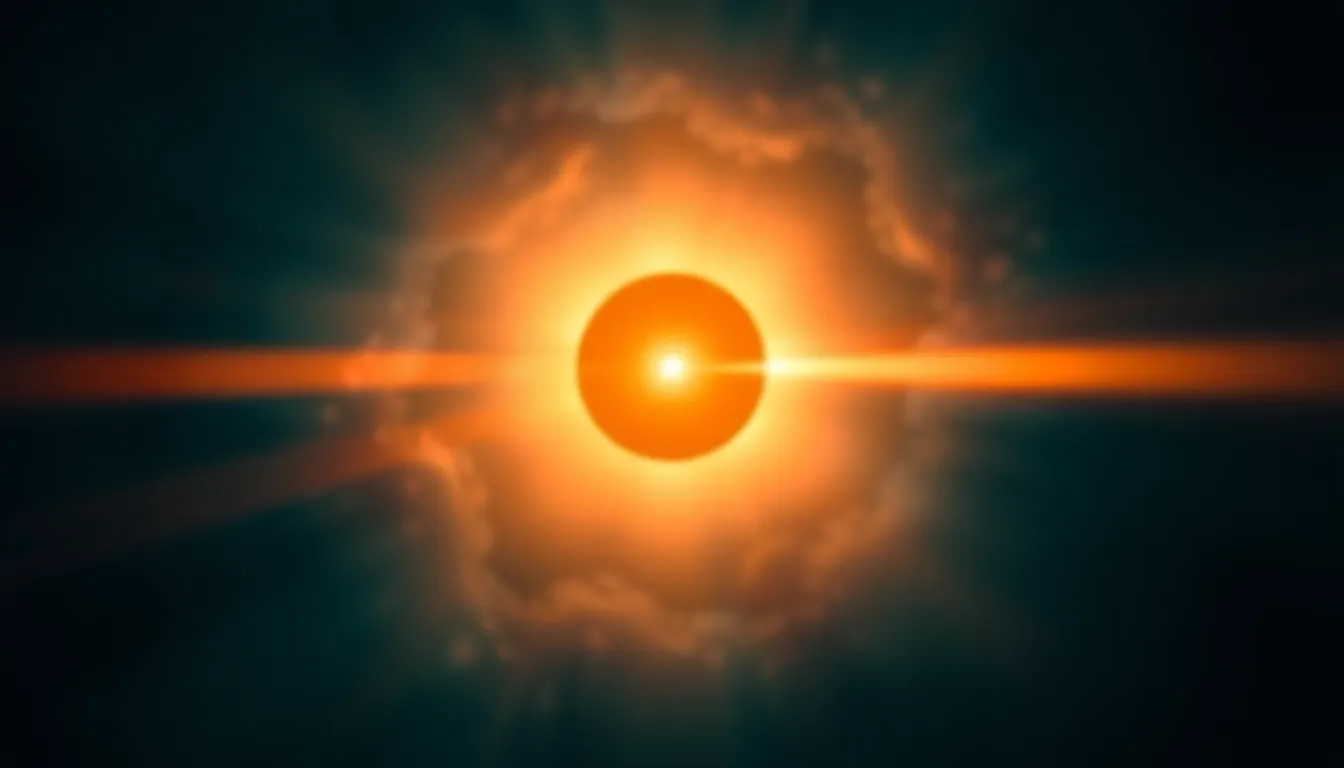
captured with Leica Q3, 28mm f/1.7 Summilux, showcasing a dramatic concept image of a black hole with a star being consumed by its gravity, warm tungsten lighting simulates a distant sun, shallow depth of field at f/1.7 blurring the background into a painterly bokeh, cinematic teal and orange color grading gives a striking contrast, rule of thirds composition with the black hole and star in key areas, a stark contrast against the darkness of space adds tension to the image.
16:9
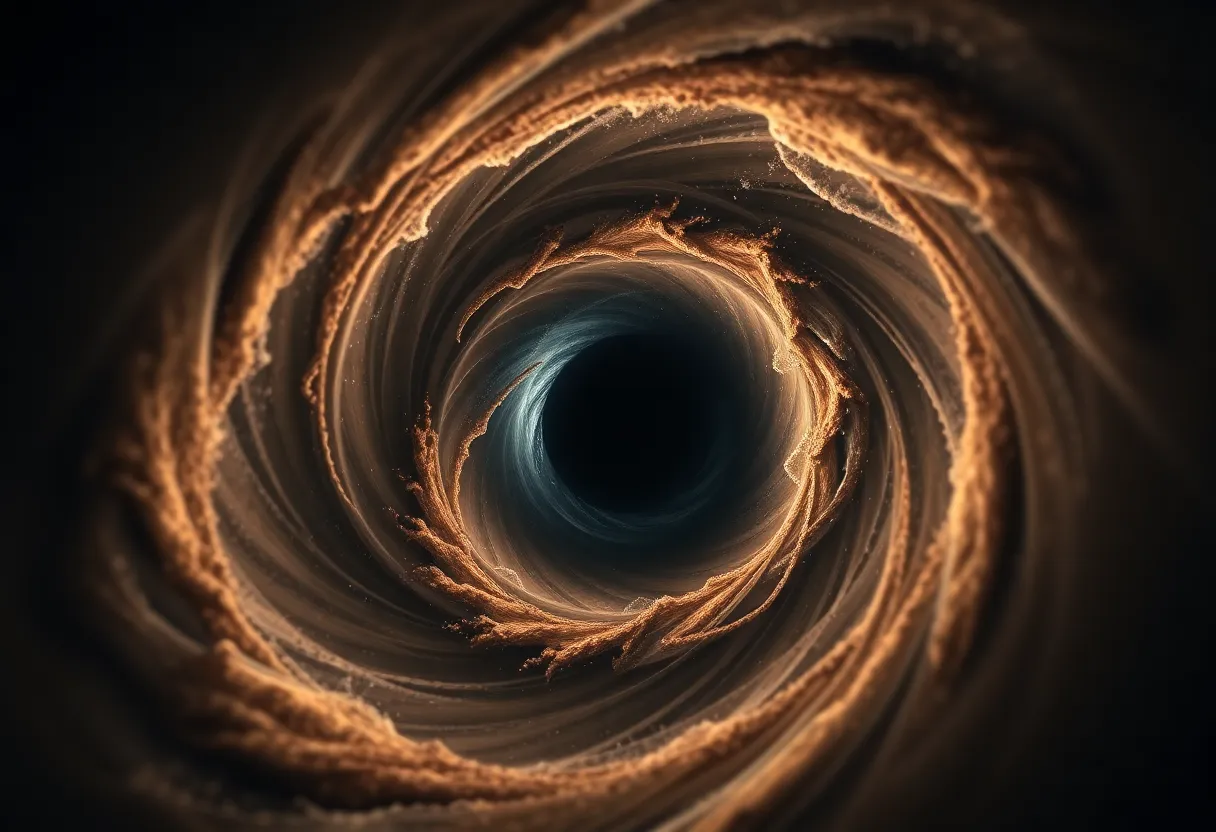
shot with Fujifilm GFX 100S, 110mm f/2 macro, capturing a detailed view of a black hole's accretion disk, overcast diffused daylight provides soft light with atmospheric perspective, selective focus on the swirling gases around the event horizon, natural muted tones with desaturated earth colors, leading lines from the spiraling material draw the eye towards the black hole, emphasizing the dramatic texture of the gases and dust swirling in space.
3:2
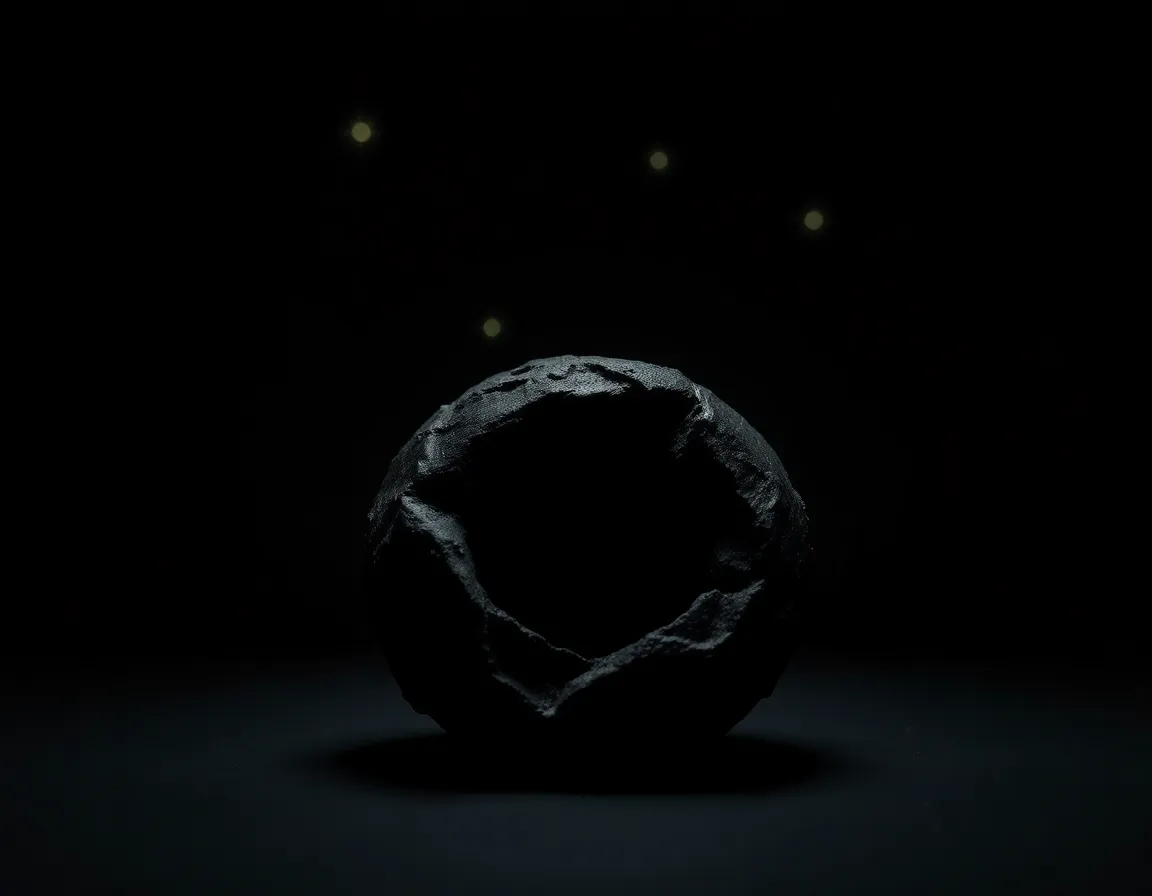
captured with Canon EOS R5, 24-70mm f/2.8L at 35mm, studio setup featuring a miniature black hole model with artificial LED lights mimicking stars shining on a dark background, butterfly lighting creates dramatic shadows on the surface of the black hole model, natural muted tones with desaturated earth colors emphasize the model's texture, centered symmetrical composition draws focus to the intricate details of the black hole, displaying surface details of the model.
4:3
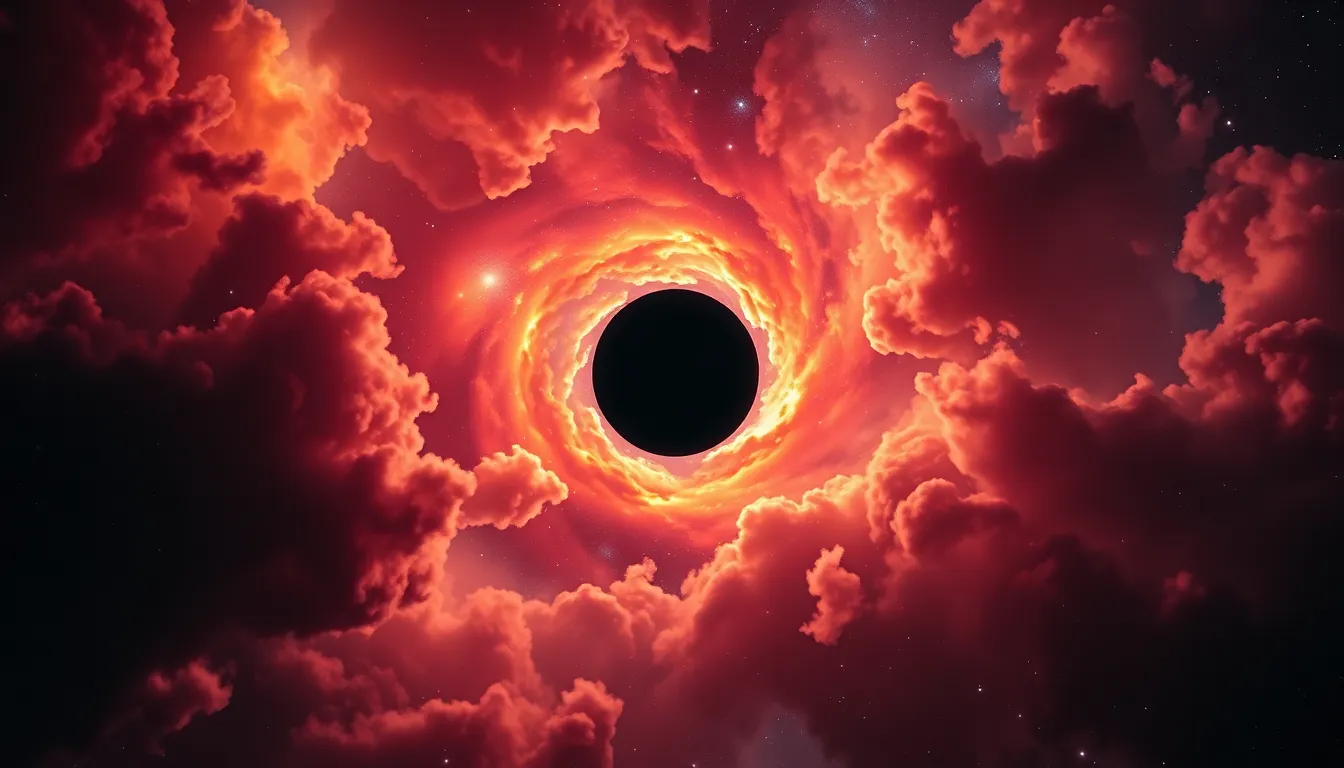
shot on Sony A7R V with 85mm f/1.4 GM lens, utilizing natural sunlight filtering through a nebula to illuminate a distant black hole, hyperfocal distance — everything from the glowing nebula to the black hole remains tack-sharp at f/8, Fujifilm Velvia-inspired saturated colors create a vibrant cosmic landscape, rule of thirds composition places the black hole at a power point, textures of the nebula with soft, wispy clouds juxtaposed against the stark darkness of the black hole.
16:9
captured with Nikon Z9, 70-200mm f/2.8 telephoto at 135mm, dramatic backlighting from a distant star creates a halo effect around a swirling black hole at its center, shallow depth of field at f/2.8 resulting in a soft bokeh of cosmic dust, cinematic teal and orange color grading enhances the mysterious atmosphere, centered symmetrical composition emphasizes the black hole's gravitational pull, rich textures of interstellar gas clouds swirling around the event horizon.
16:9

An astronaut experiencing zero gravity inside a rocket cabin, captured on a Leica Q3, 28mm f/1.7 Summilux. The interior lighting consists of cool blue LED lights, creating a futuristic ambiance as the astronaut floats with tools and equipment around them. The shallow depth of field at f/1.7 focuses on the astronaut's joyful expression, with the background melting into a soft bokeh of instruments. The color science includes natural muted tones with pops of blue and metallic silver, enhancing the sleek atmosphere. The composition utilizes a Dutch angle to convey the disorientation of zero gravity.
16:9
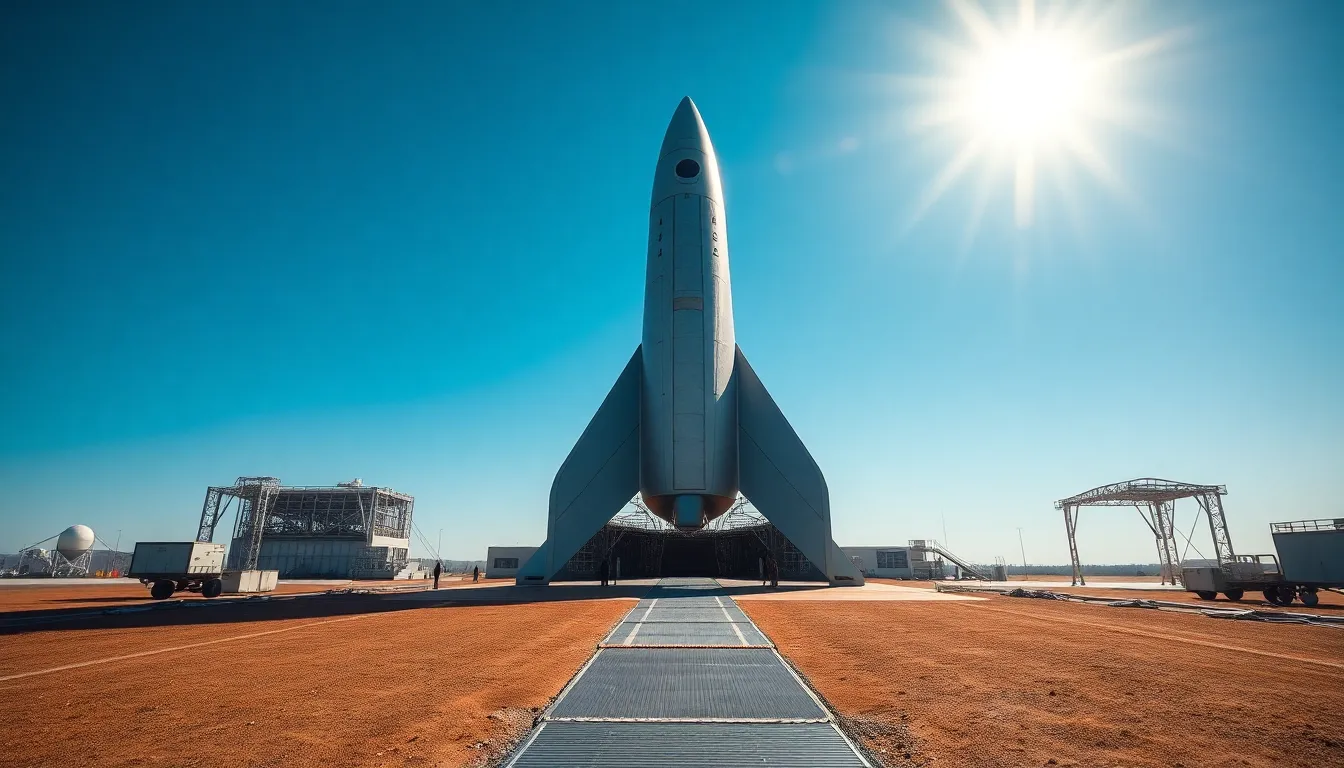
A concept design of a futuristic rocket on the launch pad under bright midday sun, captured with a Hasselblad X2D 100C, 90mm f/2.5 medium format. The scene is illuminated by harsh direct sunlight creating sharp shadows and highlights on the rocket's surface. The depth of field is hyperfocal at f/8, ensuring all elements from the foreground to the rocket are in clear detail. The color palette features crisp whites, metallic silvers, and a clear blue sky, presenting a clean and modern aesthetic. The composition is centered and symmetrical, emphasizing the sleekness of the rocket against the blue backdrop.
16:9

An astronaut repairing a satellite with a rocket in the background, captured using a Fujifilm GFX 100S, 110mm f/2 macro. The image employs natural diffused daylight from the sun, bathing the scene in bright yet soft light. Shallow depth of field at f/2 creates a dreamy bokeh of the rocket behind the astronaut, bringing focus to the intricate details of the tools and the astronaut's suit. The color palette features muted space blues and grays, giving a sense of calm and professionalism in the vastness of space. The composition highlights the astronaut's focused expression as they work on the satellite.
16:9
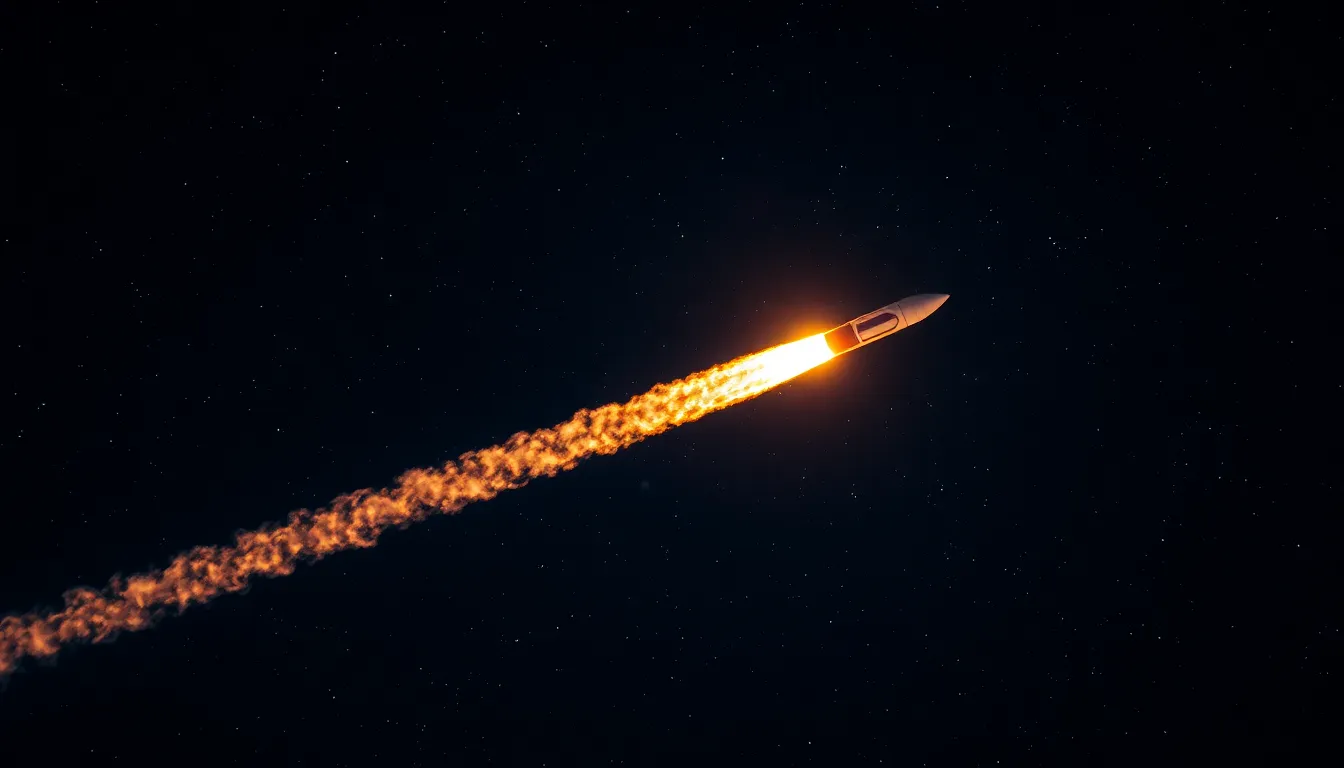
A rocket soaring through a starry night sky, captured with Nikon Z9, 70-200mm f/2.8 telephoto at 135mm. The scene features dramatic backlighting from the rocket's engines, illuminating its plume of fire and smoke against the dark backdrop of the cosmos. Hyperfocal depth at f/8 ensures the stars and rocket are all in sharp focus, creating a breathtaking celestial scene. The color grading features deep blues and fiery oranges, accentuating the contrast between cold space and the warmth of the rocket. The composition utilizes leading lines from the rocket trail, guiding the viewer's eye into the universe.
16:9
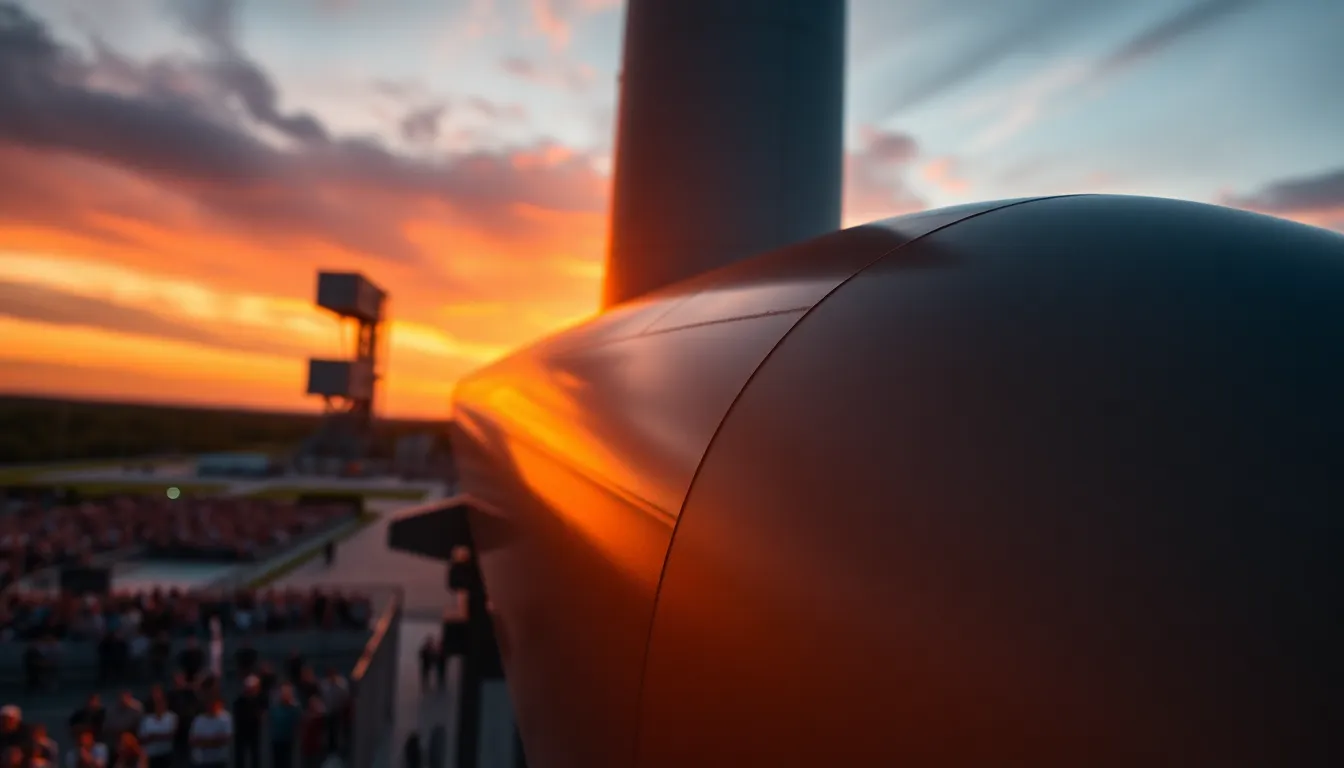
A majestic rocket poised for launch during a stunning sunset, shot on a Canon EOS R5, 24-70mm f/2.8L at 35mm. The scene is illuminated by the warm golden hour light, casting dramatic shadows and highlighting the rocket's sleek metallic surface. Shallow depth of field at f/2.8 creates a blurred background of cheering crowds and launch pads. The color palette features rich oranges and purples, evoking a sense of anticipation. The composition follows the rule of thirds with the rocket on the right power point, showcasing its grandeur amidst the sky. The surface texture of the rocket is smooth with visible rivets and a glossy finish.
16:9
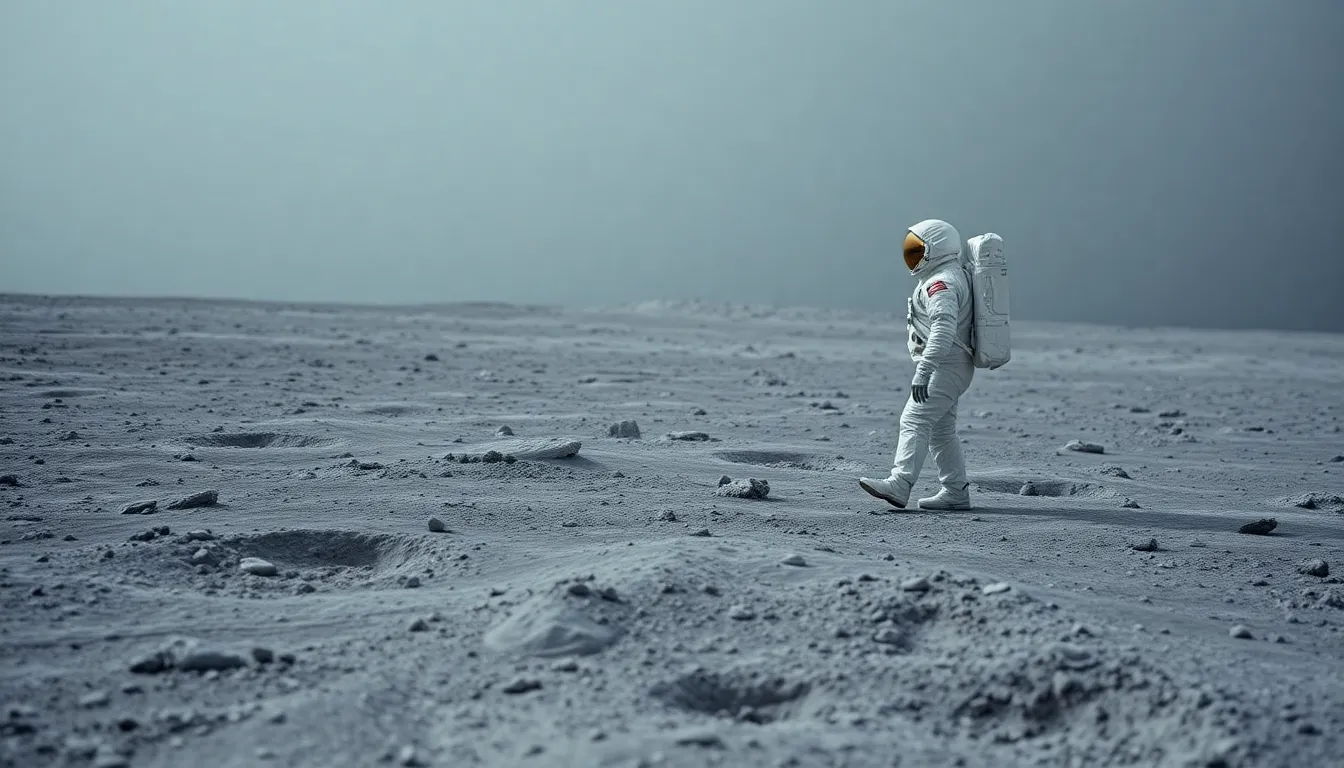
shot on Hasselblad X2D 100C, 90mm f/2.5 medium format, portraying an astronaut exploring the surface of a known moon of Jupiter, overcast lighting creates an atmospheric feel, shallow depth of field at f/2.5 to isolate the astronaut, natural skin tones contrasted against the gray surface of the moon, rule of thirds with the astronaut positioned to one side, with intricate textures of the lunar surface and footprints visible.
16:9
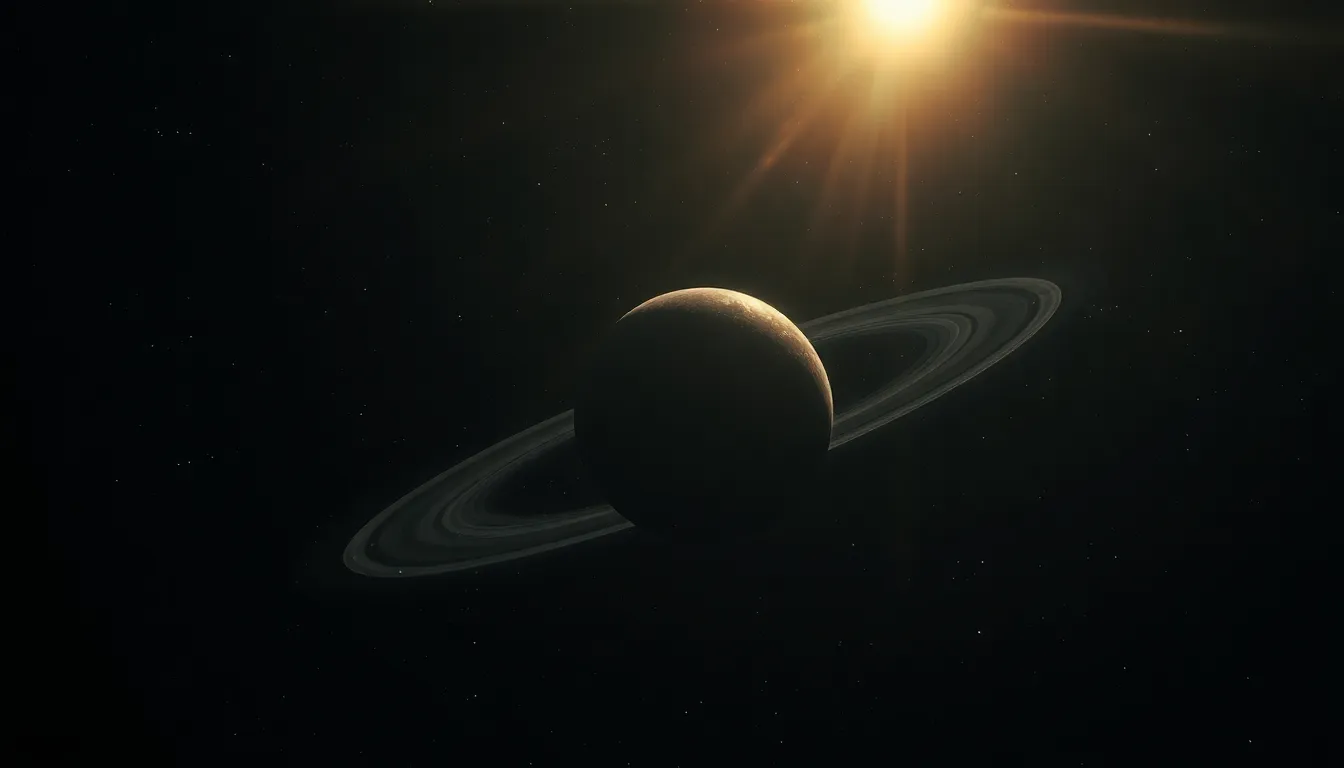
captured with Fujifilm GFX 100S, 110mm f/2 macro, featuring an orbiting exoplanet surrounded by distant stars, dappled sunlight filtering through space dust creating subtle light rays, hyperfocal distance with everything in focus, natural muted tones accentuating the darkness of space with slight glows from stars, dynamic Dutch angle accentuating the motion of the orbit, with textures of the planetary surface highlighted.
16:9
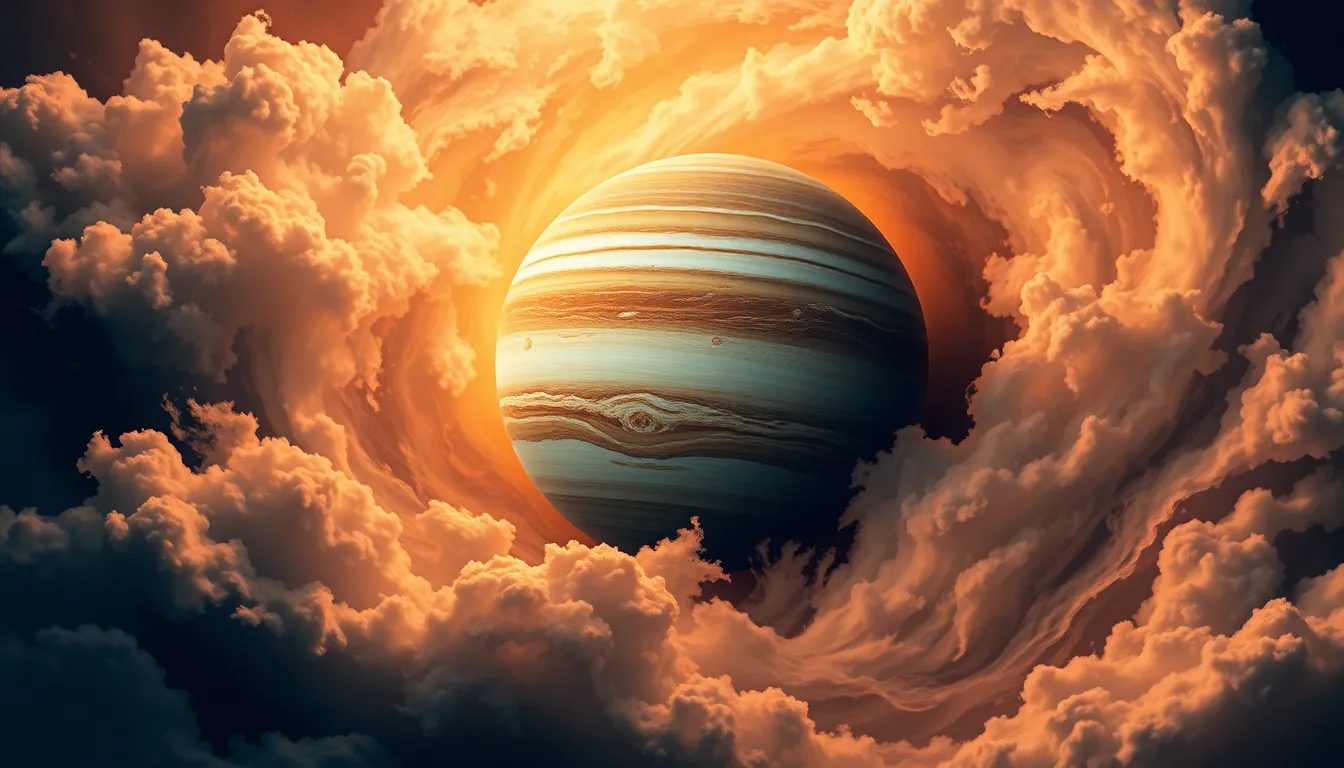
shot on Sony A7R V with 85mm f/1.4 GM lens, displaying an artist's conceptual painting of Jupiter surrounded by swirling storms, warm tungsten desk lamp casting soft directional light, shallow depth of field at f/1.4 creating creamy bokeh for the background, Fujifilm Velvia-inspired saturated colors enhances the vividness of the storms, rule of thirds with Jupiter off-center and clouds flowing in the frame, emphasizing texture in the clouds and the vibrancy of the colors.
16:9
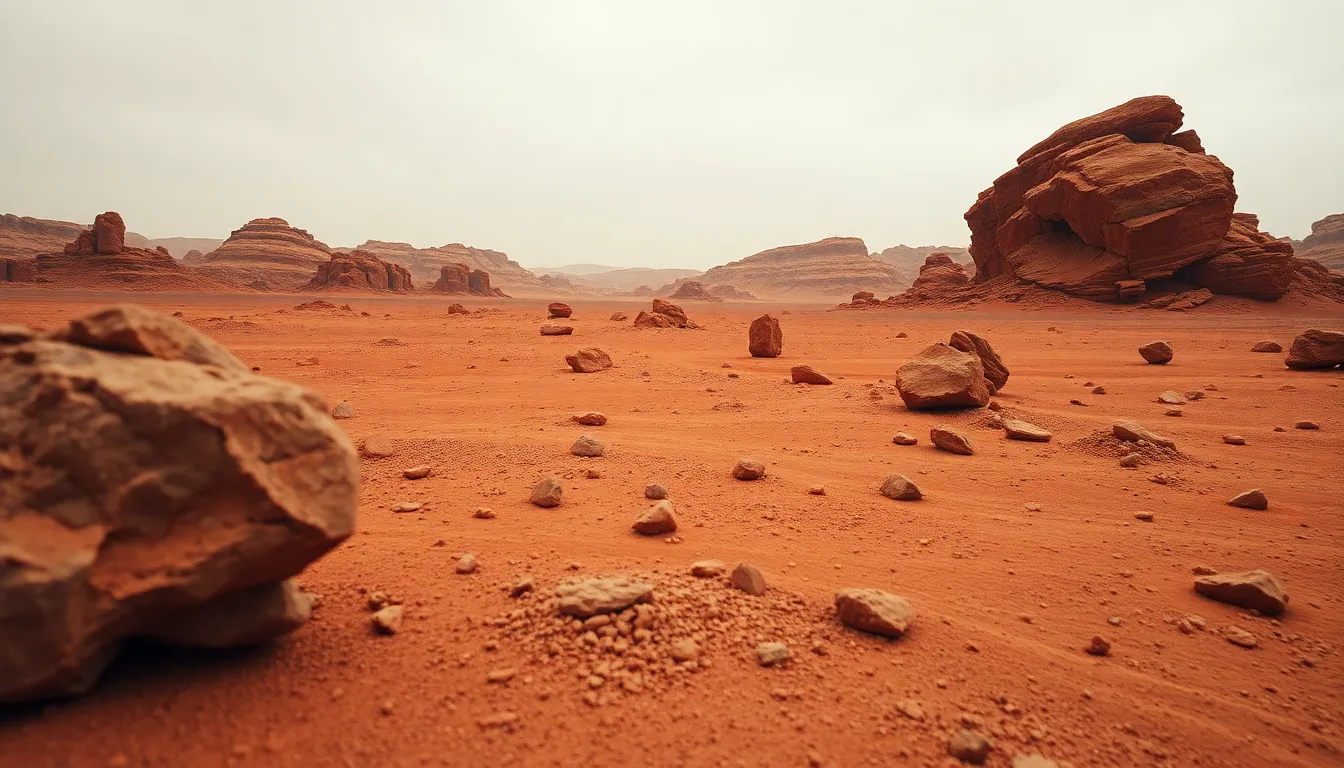
captured with Canon EOS R5, 24-70mm f/2.8L at 35mm, a close-up of Mars' surface showcasing its red rocks and dusty plains, overcast diffused daylight providing soft lighting with minimal shadows, hyperfocal distance creating a tack-sharp image from foreground to infinity, natural muted tones with desaturated earth colors, leading lines in the terrain drawing the eye into the distance, with textures revealing fine grains and rugged rock formations.
16:9
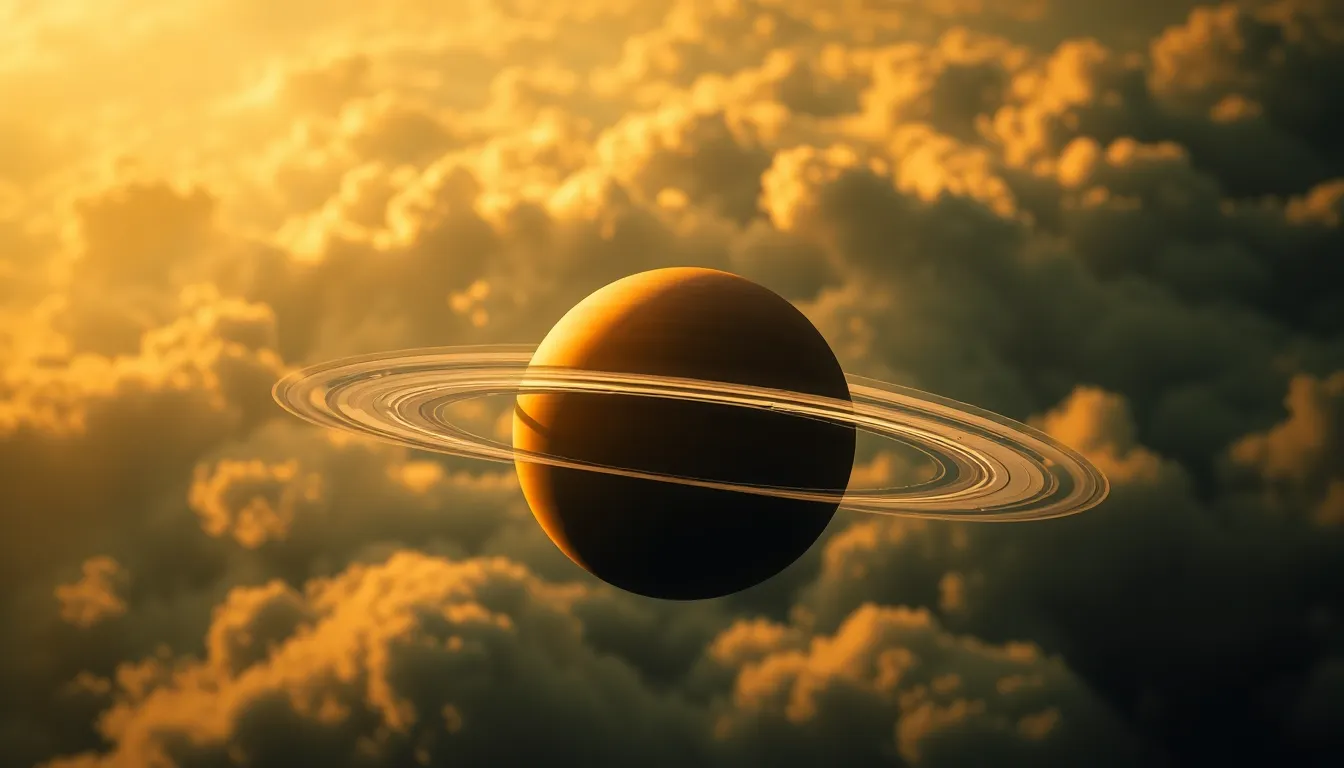
shot on Nikon Z9, 70-200mm f/2.8 telephoto at 135mm, capturing a distant view of Saturn with its rings, golden hour lighting illuminating the planet's clouds, selective focus on the rings with soft painterly bokeh background, cinematic teal and orange color grading, centered symmetrical composition, and texture details emphasizing the swirling clouds and icy rings.
16:9
Shot on Hasselblad X2D 100C, 90mm f/2.5 medium format, this image presents a surreal interpretation of a black hole merging with a supernova explosion. The lighting is ambient, with bright colors radiating from the supernova against the dark background. Selective focus highlights the explosive event while the black hole remains subtly blurred, enhancing its mysterious presence. The color science is inspired by Fujifilm Velvia, showcasing vibrant reds, yellows, and a deep black contrast. The composition employs a Dutch angle to create a sense of dynamism and urgency, drawing the viewer into this cosmic clash.
16:9
Captured with Fujifilm GFX 100S, 110mm f/2 macro, this stunning image portrays a black hole at the center of a swirling cosmic void. The natural lighting from distant stars creates a contrasting bright aura around the black hole, which is surrounded by a halo of dust and cosmic debris. The hyperfocal distance ensures every detail from the closest star to the black hole remains in sharp focus. The color palette is rich and saturated, featuring deep blacks and luminous whites. The composition plays with negative space, allowing the black hole to command attention in the expansive universe.
16:9
Shot on Sony A7R V with 85mm f/1.4 GM lens, this image shows an artistic close-up of gravitational waves emanating from a black hole. Utilizing dramatic studio lighting with a strong key source creates sharp contrast against a dark backdrop. The depth of field is shallow at f/1.4, focusing intently on the intricate texture of the waves, which appear almost liquid in their movement. The color palette is inspired by Kodak Portra 400, with warm skin tones and rich blacks blending beautifully. The composition captures the forces at play, using leading lines to guide the eye toward the black hole.
16:9
Captured with Canon EOS R5, 24-70mm f/2.8L at 35mm, this image illustrates a science fiction interpretation of a black hole in a swirling nebula. The lighting is created by luminescent gases, reflecting soft hues of teal and orange, enhancing the ethereal quality of the scene. Using selective focus, the black hole is sharply detailed while the nebulous clouds of gas merge into a soft painterly bokeh behind it. The color grading is cinematic with saturated tones that evoke a sense of otherworldly beauty. The composition utilizes a centered symmetrical layout, enhancing the viewer's engagement with the core of the black hole.
16:9
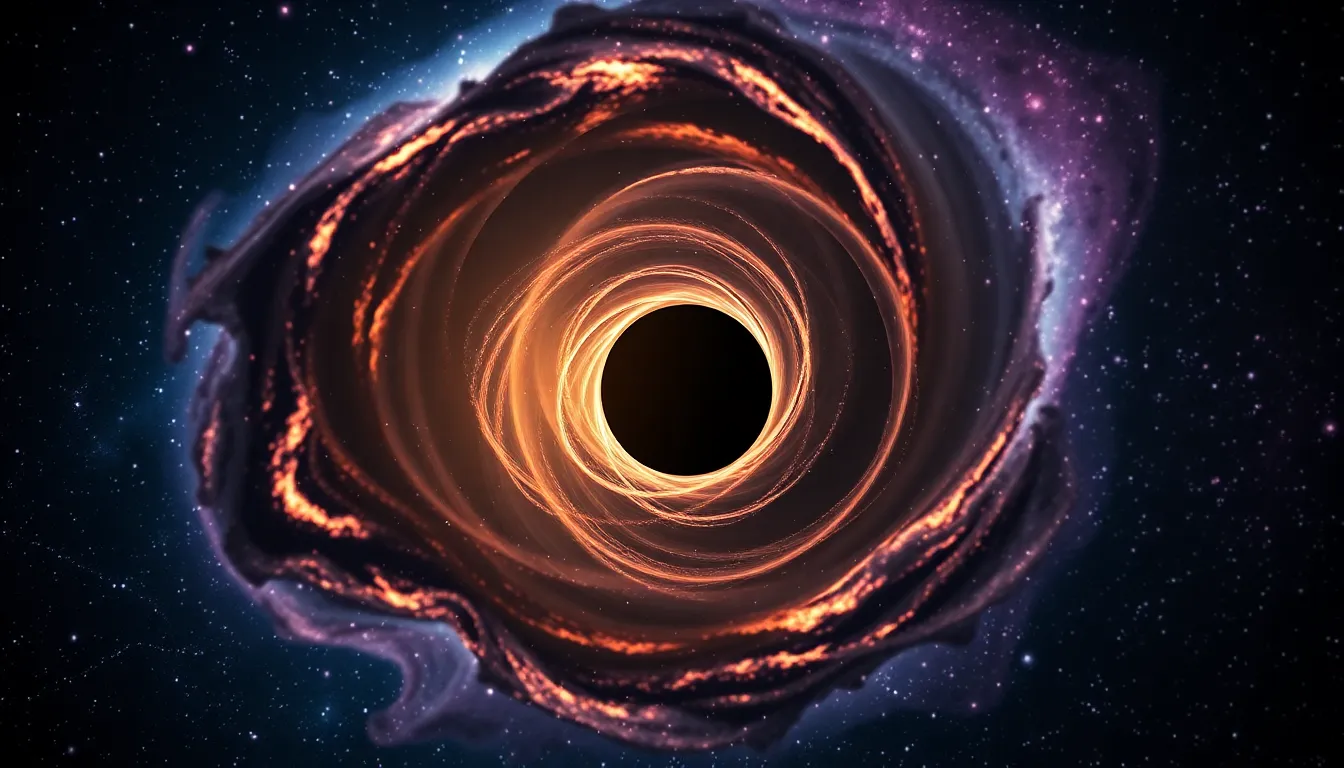
Shot on Nikon Z9, 70-200mm f/2.8 telephoto at 135mm, a stunning depiction of a swirling black hole is illuminated by the glow of surrounding stars in a vast galaxy. The lighting showcases the dynamic event horizon with a hint of jet streams emerging from it, creating a captivating spectacle. Depth of field is shallow at f/2.8, allowing the black hole to pop against a creamy bokeh of distant celestial bodies. The color palette features deep blacks contrasted with vibrant blues and purples of the galaxy. Composition follows the rule of thirds with the black hole positioned at a power point, showcasing the cosmic dance of light and shadow.
16:9
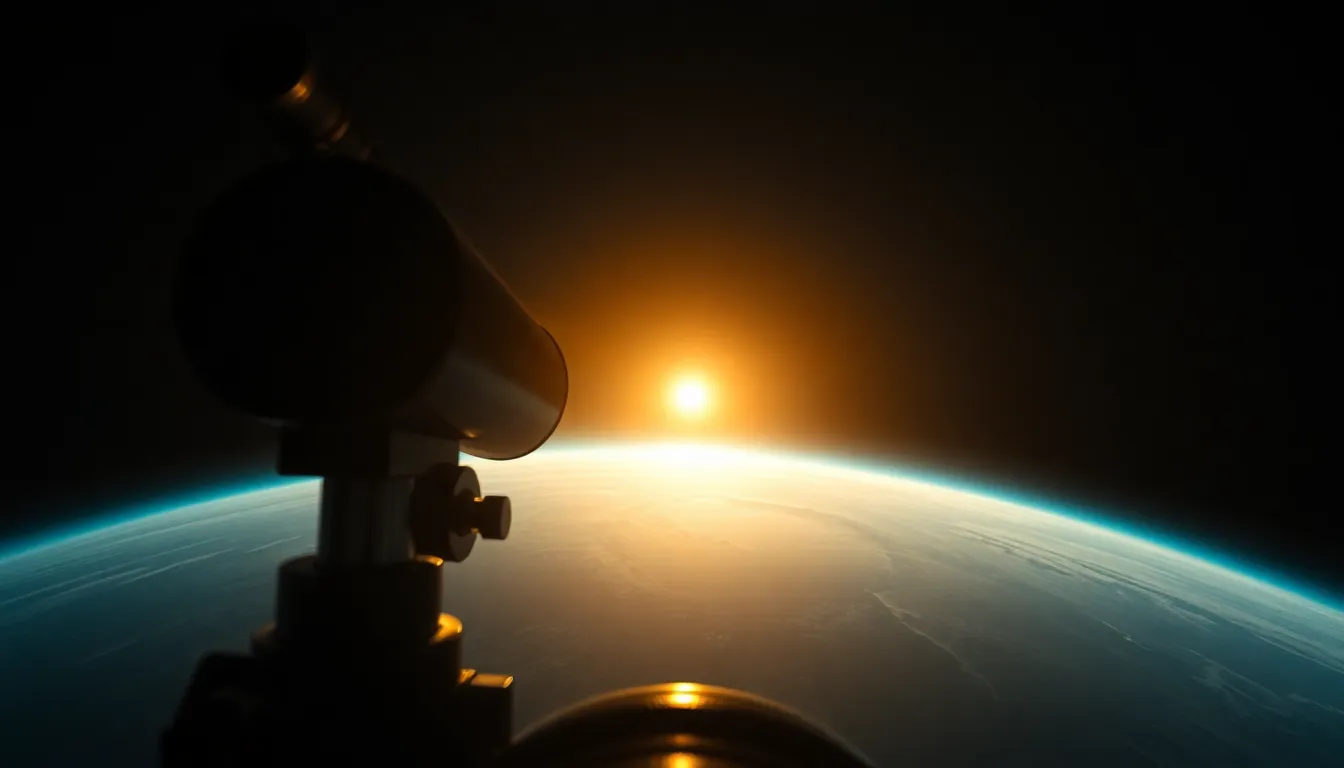
shot on Fujifilm GFX 100S, 110mm f/2 macro capturing a distant exoplanet through a powerful telescope. The scene is illuminated by a distant star, casting a soft glow over the planet’s surfaces. With a hyperfocal distance, all elements from the telescope to the planet are in sharp focus, showcasing intricate surface details of the exoplanet. The color grading follows a natural muted tone with desaturated earth colors for a realistic representation. The composition uses leading lines from the telescope to direct the viewer's gaze toward the distant planet, emphasizing the vastness of space and the pursuit of discovery.
16:9
shot with Hasselblad X2D 100C, 90mm f/2.5 medium format, featuring an astronaut's helmet reflecting the cosmos. The studio lighting creates a dramatic shine on the glass, showing stars and galaxies reflected on its surface. The image uses selective focus on the helmet’s visor while the background blurs into a painterly bokeh of space. The color palette mimics classic black and white film with deep blacks and bright highlights. The composition centers the helmet, invoking a sense of introspection about the exploration of the universe; the sleek metal surface contrasts with the ethereal backdrop.
1:1

captured with Canon EOS R5, 24-70mm f/2.8L at 35mm during a Martian sunset. The image portrays a rover traversing the rocky Martian landscape with craters and dust in the foreground. Using a three-point studio setup, the lighting highlights the rover’s metal and rugged textures while the warm colors of the sunset create a captivating atmosphere. The depth of field is shallow at f/2.8, emphasizing the rover in focus while the Martian terrain fades softly into bokeh. The natural muted tones of red and orange create a dramatic feel, capturing the essence of Mars exploration.
16:9
captured with Nikon Z9, 70-200mm f/2.8 telephoto at 135mm, featuring bright starlight illuminating the dark void of space. The scene showcases a spacecraft soaring through a vibrant nebula with swirling shades of purple and blue. Shot with a shallow depth of field at f/2.8, resulting in soft bokeh of distant stars. The cinematic teal and orange color grading enhances the dramatic atmosphere. The composition focuses on the spacecraft off-center, using leading lines of the nebula to draw the viewer's eye. The metallic surface of the spacecraft reflects the colorful light from the nebula, showcasing intricate panel details.
16:9

Fujifilm GFX 100S, 110mm f/2 macro, illuminated by soft moonlight casting ethereal shadows, shallow depth of field with focus on a glowing asteroid fragment resting on a textured rocky surface, Fujifilm Velvia-inspired saturated colors highlighting iridescent mineral veins within the asteroid, rule of thirds composition placing the asteroid off-center while the blurred rocky background enhances its prominence.
16:9
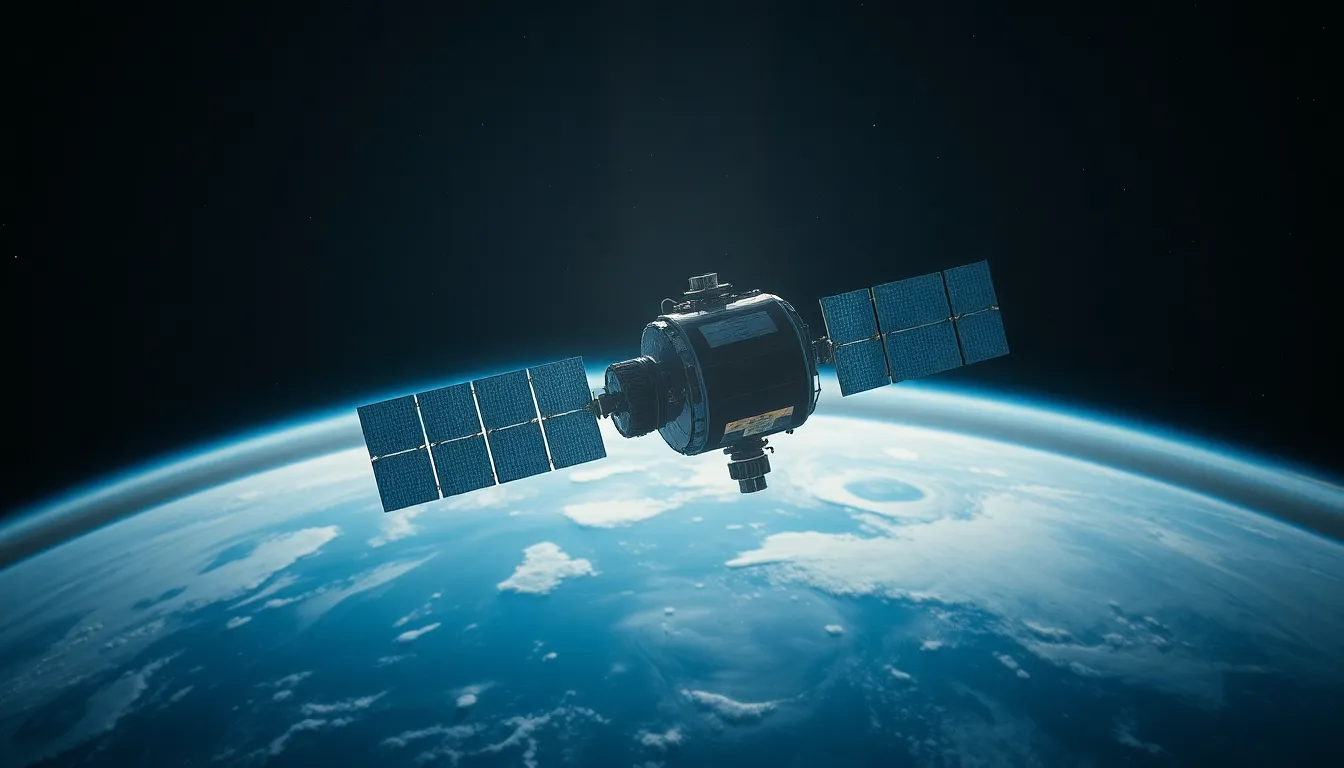
Hasselblad X2D 100C, 90mm f/2.5 medium format, illuminated by cool ambient light from space, hyperfocal distance providing a crisp view of a satellite in orbit, natural muted tones and desaturated colors enhancing the metallic surface detail and solar panels, centered composition with the satellite framed against a backdrop of stars and Earth below.
16:9
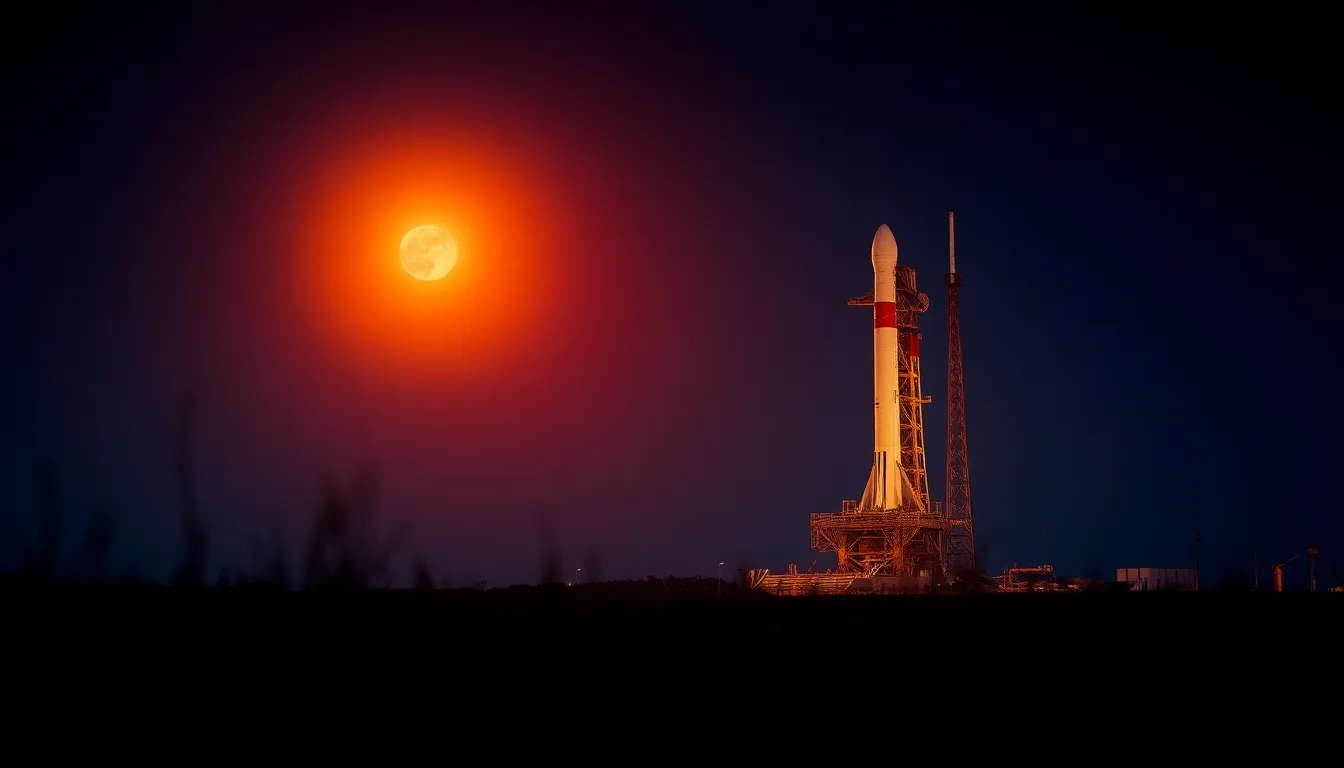
Nikon Z9, 70-200mm f/2.8 telephoto at 135mm, dramatic lighting from the sun setting behind a distant planet, selective focus on a rocket launch pad framed in the foreground with the rocket glowing against the darkening sky, vivid saturated colors resembling a cinematic style with deep blues and fiery oranges, leading lines from the launch pad directing the eye towards the rocket as it prepares for launch.
16:9
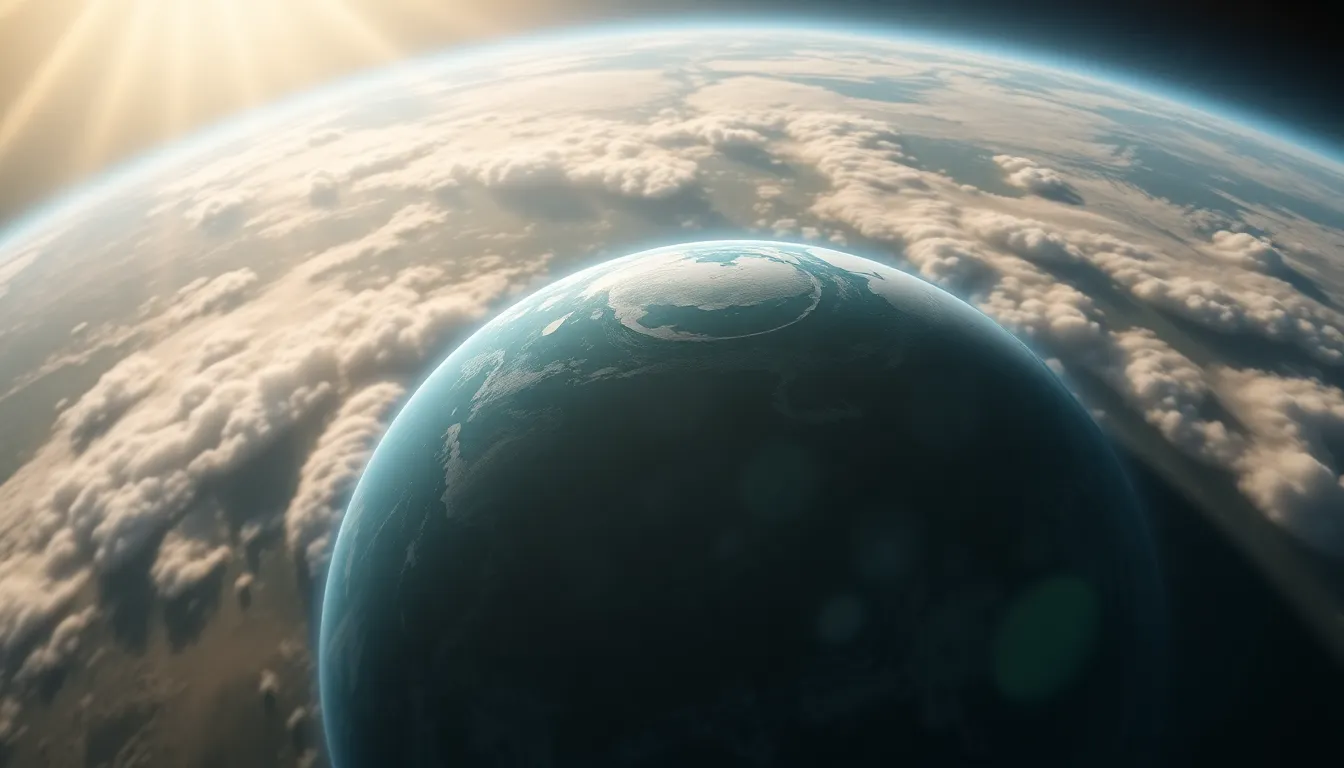
shot on Sony A7R V with 85mm f/1.4 GM lens, illuminated by soft sunlight filtering through the Earth's atmosphere, hyperfocal distance at f/8 providing sharp focus from foreground to infinity, natural muted tones with desaturated earth colors giving a serene feel, rule of thirds composition with a green and blue planet in the background, along with rich textures of swirling clouds and surface details visible on the planet.
16:9
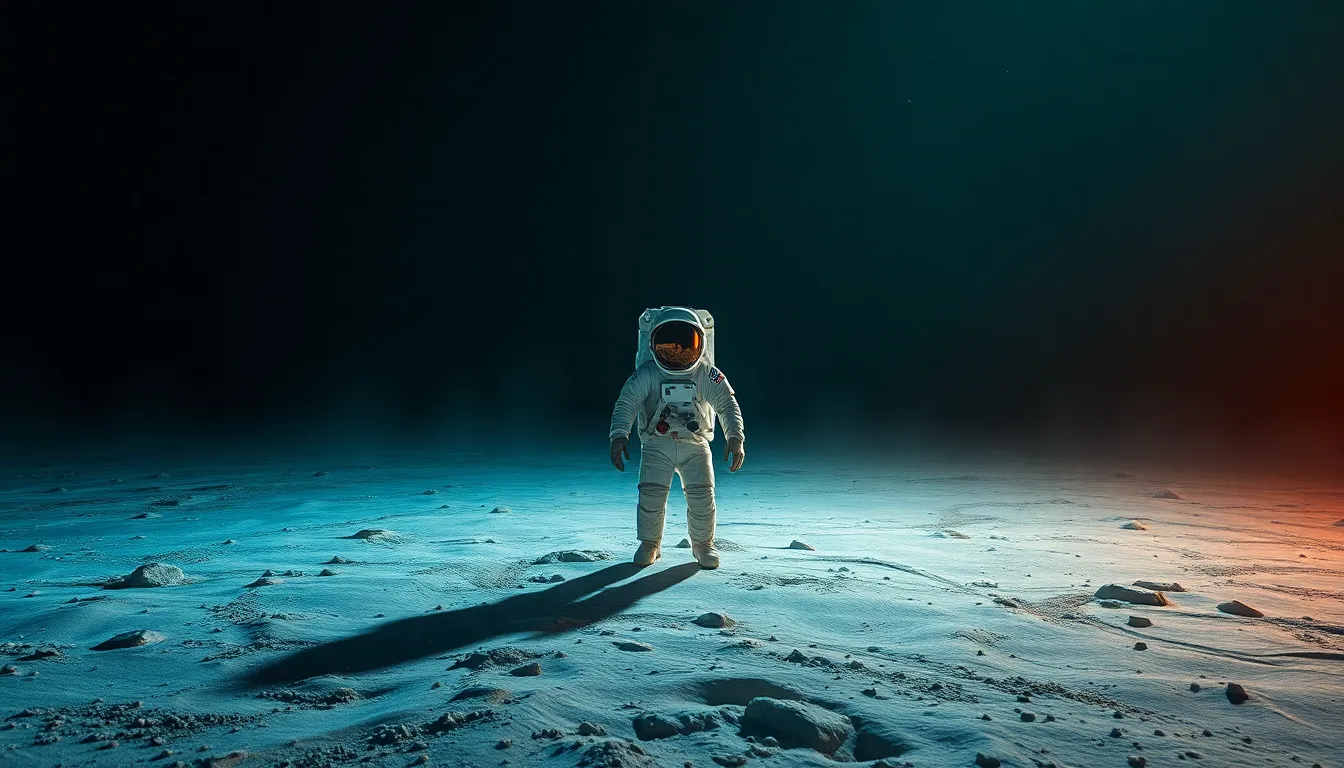
captured with Canon EOS R5, 24-70mm f/2.8L at 35mm, featuring dramatic side lighting from distant stars, shallow depth of field at f/2.8 focusing on a lone astronaut, cinematic teal and orange color grading enhancing the otherworldly atmosphere, centered symmetrical composition with the astronaut placed in the middle of the vast lunar surface, detailed texture showing the dusty lunar regolith contrasting against the smooth suit fabric.
16:9
Leica Q3, 28mm f/1.7 Summilux showcases a stunning view of the Moon's surface taken during dusk, with a soft warm light illuminating the craters and regolith. The depth of field is shallow at f/1.7, producing a dreamy bokeh in the foreground with details of lunar dust. The muted color palette consists of cool grays and soft golds, capturing the tranquility of the lunar landscape. The composition uses a leading line from the bottom left corner, guiding the viewer's gaze toward the horizon of the Moon's surface, creating a sense of depth and exploration.
16:9
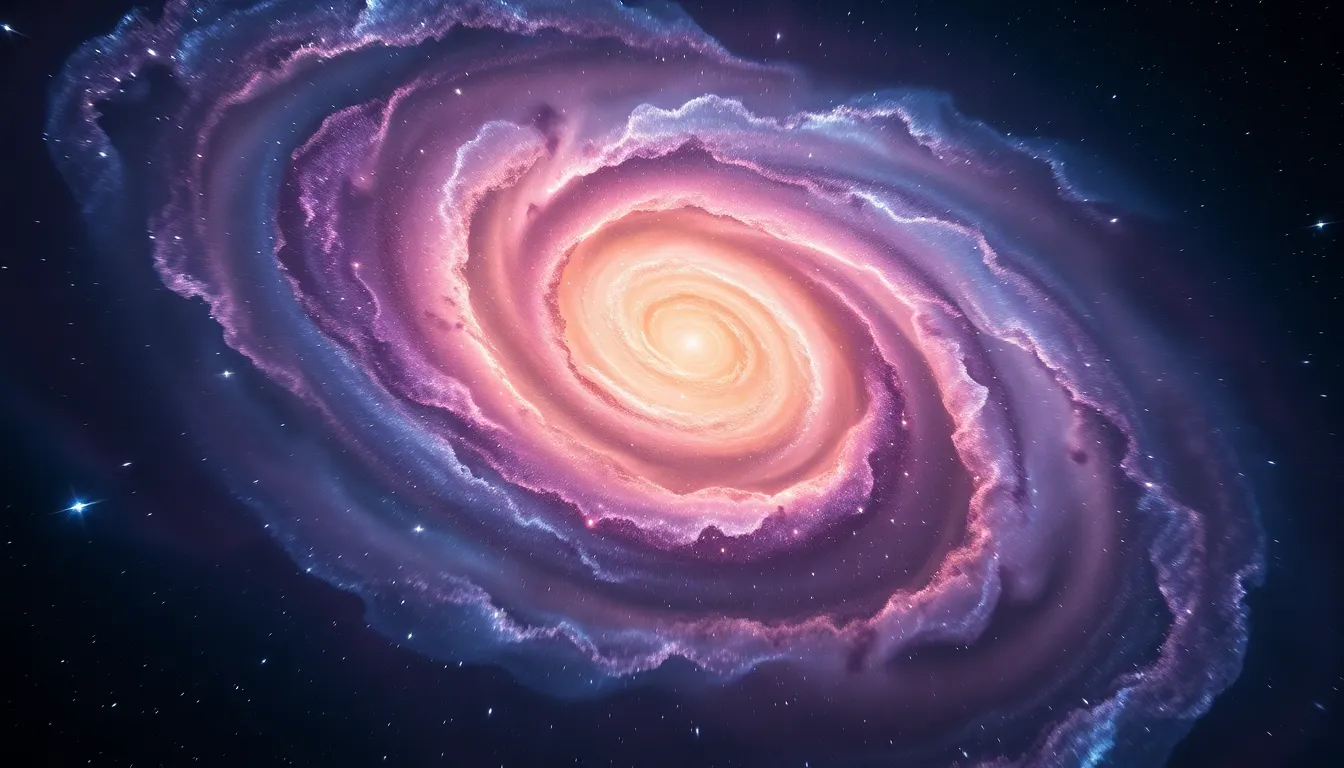
Fujifilm GFX 100S, 110mm f/2 macro captures a breathtaking view of a distant galaxy, showcasing swirling nebula and star clusters with stunning detail. The scene is illuminated by the soft ambient light of the galaxy itself, creating an ethereal glow. The depth of field is hyperfocal, ensuring sharpness from foreground stars to the vast expanse of the galaxy. The color palette is vivid, featuring deep purples, blues, and pinks that highlight the cosmic beauty. This image employs a centered symmetrical composition, allowing the galaxy's spiral shape to draw the viewer's eye throughout the frame.
16:9

Nikon Z9, 70-200mm f/2.8 telephoto at 135mm captures a close-up of a spacecraft's control panel, illuminated by the soft glow of instrument lights. The lighting is practical, creating a rich, moody atmosphere with reflections off brushed aluminum surfaces. The depth of field is selective, focusing sharply on the gauges and buttons while blurring the background components. The color palette is dominated by cool metallic tones with hints of warm red and green lights, enhancing the high-tech feel. The composition features leading lines that draw the eye toward the intricate details of the control panel, emphasizing the complexity of space technology.
4:3
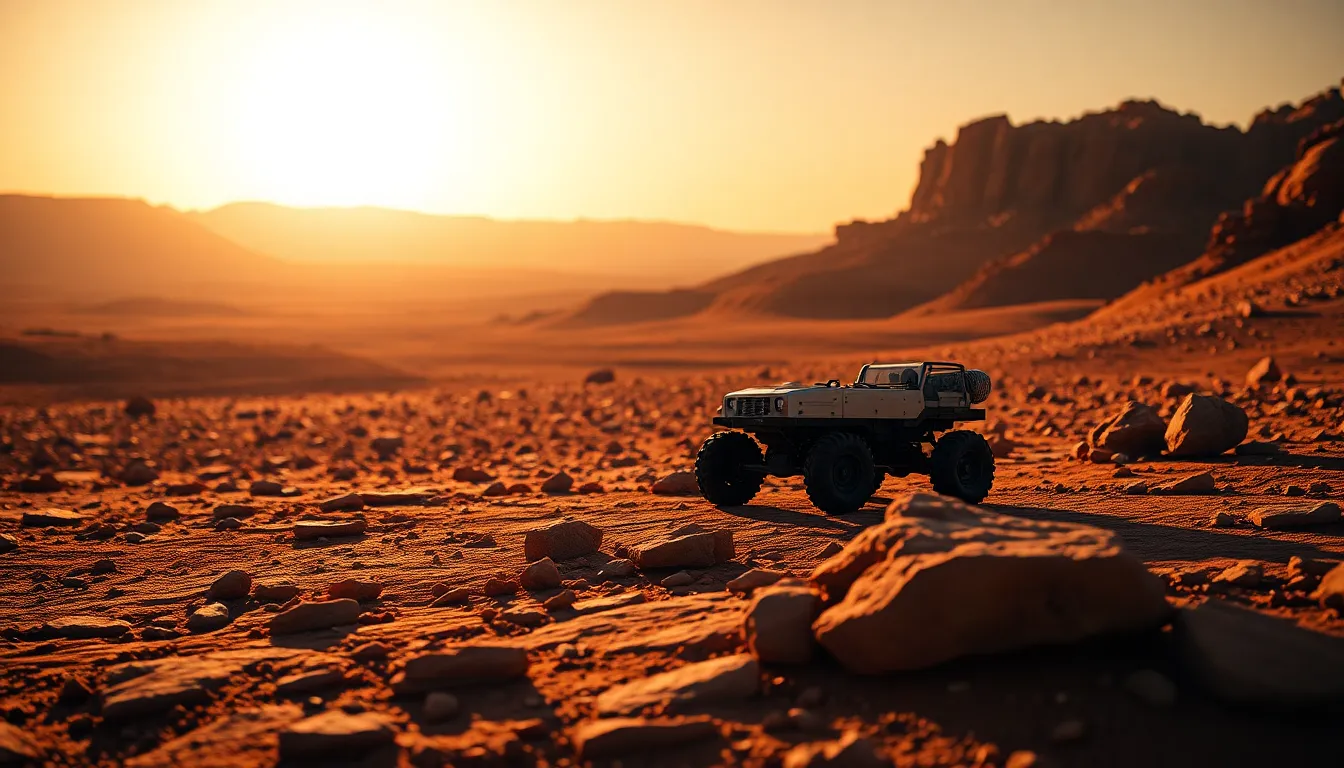
shot on Sony A7R V with 85mm f/1.4 GM lens, this image captures a striking view of a Martian landscape during golden hour, with soft backlighting casting long shadows across the rocky terrain. The depth of field is shallow at f/1.4, creating a creamy bokeh effect that softens the distant hills and sky. The color palette features warm oranges and reds, mimicking the unique Martian soil, while delicate surface textures of the rocks are highlighted by the golden light. The composition follows the rule of thirds, with a lone rover positioned at the left power point, inviting exploration of the foreground and beyond.
16:9
captured with Canon EOS R5, 24-70mm f/2.8L at 35mm, featuring dramatic low-angle lighting from a nearby star, creating a stark contrast against the dark void of space. The scene showcases an astronaut floating outside a sleek spacecraft, with Earth visible in the background. The depth of field is shallow at f/2.8, softly blurring the infinite space behind the astronaut, while the color palette features vibrant blues and greens of Earth against the deep black of space. The composition employs a centered perspective, drawing the viewer's eye to the astronaut, whose suit exhibits intricate texture details with visible fabric weave and reflections from the spacecraft's surface.
16:9
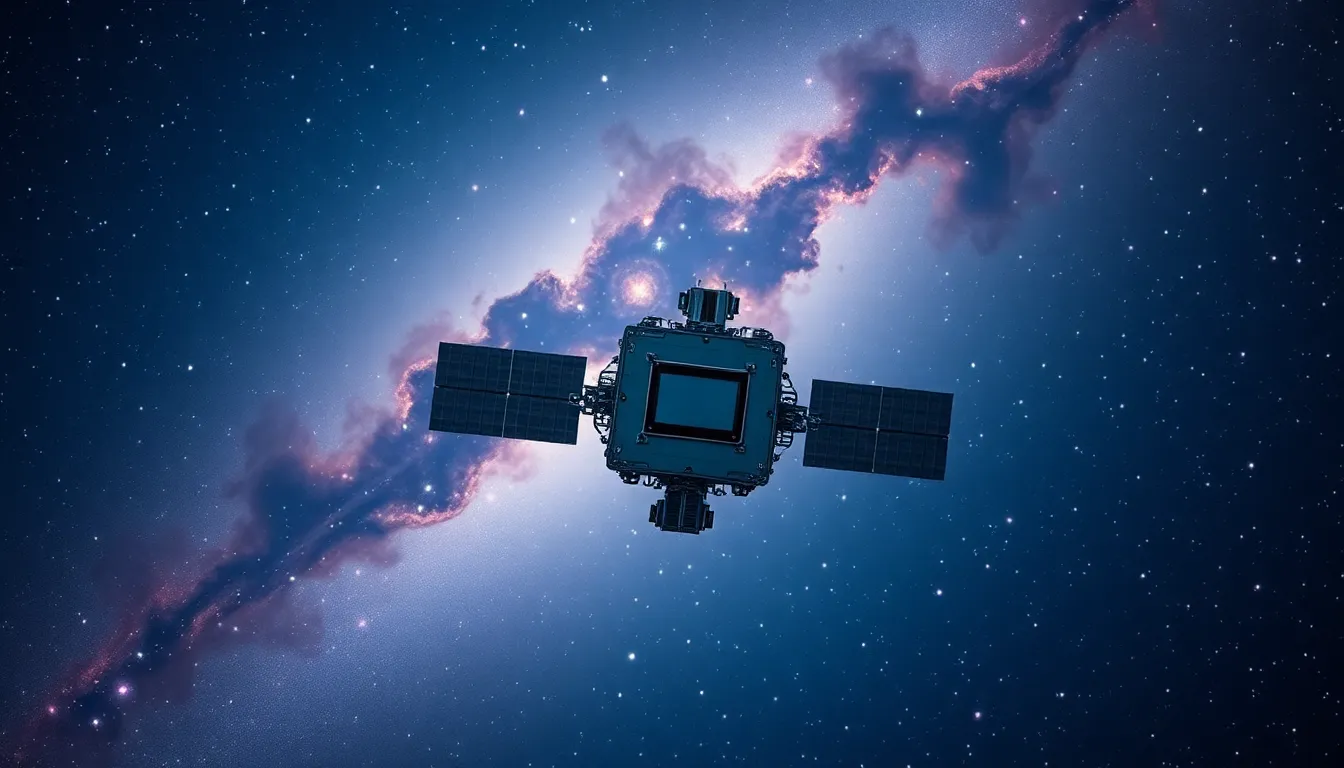
Hasselblad X2D 100C, 90mm f/2.5 medium format, illustrating a satellite in the midst of space against a backdrop of distant galaxies and nebulae. The scene features soft ambient lighting from the stars, creating a sense of depth and dimension. Hyperfocal distance ensures crisp details from the satellite to the cosmic background. The color palette is inspired by Fujifilm Velvia, featuring vibrant blues, purples, and pinks of the celestial backdrop. The composition uses a centered symmetrical approach, emphasizing the satellite's form against the vastness of space. The textures illustrate the satellite's exterior features, with subtle shadows and highlights enhancing its three-dimensional form.
16:9

Fujifilm GFX 100S, 110mm f/2 macro, featuring a detailed view of a satellite dish on a rooftop during a sunset. The scene is bathed in warm, golden light, casting long shadows and emphasizing the dish’s metallic texture. A shallow depth of field creates a soft background bokeh that highlights the dish’s reflective surface. The color palette consists of warm hues and soft pastels from the setting sun. The composition follows the rule of thirds, positioning the dish to the right, drawing the eye towards the sun sinking on the horizon. Textures include the smooth metal of the dish contrasted with the rough rooftop surface.
3:2
Nikon Z9, 70-200mm f/2.8 telephoto at 135mm, capturing a satellite launch at dawn with vibrant orange and pink skies in the backdrop. The lighting conditions highlight the flames and smoke billowing from the rocket as it ascends, while providing a dramatic silhouette of the launch pad and satellite. The depth of field is hyperfocal, rendering both the satellite and the ground details sharply in focus. The color palette features striking warm tones contrasting against the cool blues of the approaching day. The composition uses a centered perspective to convey the power and majesty of the rocket launch, with textures showcasing the rough surface of the launch pad and the sleek body of the satellite.
16:9

shot on Sony A7R V with 85mm f/1.4 GM lens, depicting a close-up view of a satellite's intricate circuitry and antennas in a high-tech lab setting. The lighting is provided by a series of cool white LED lights, illuminating the metallic textures and fine details of the components. Selective focus on the antennas highlights their delicate design, while the background remains softly blurred. The color palette is natural with desaturated tones, creating a clinical and professional atmosphere. The composition utilizes leading lines to guide the viewer’s eye towards the intricate details of the satellite's design, with textures showing the sheen of metal and subtle imperfections.
4:3
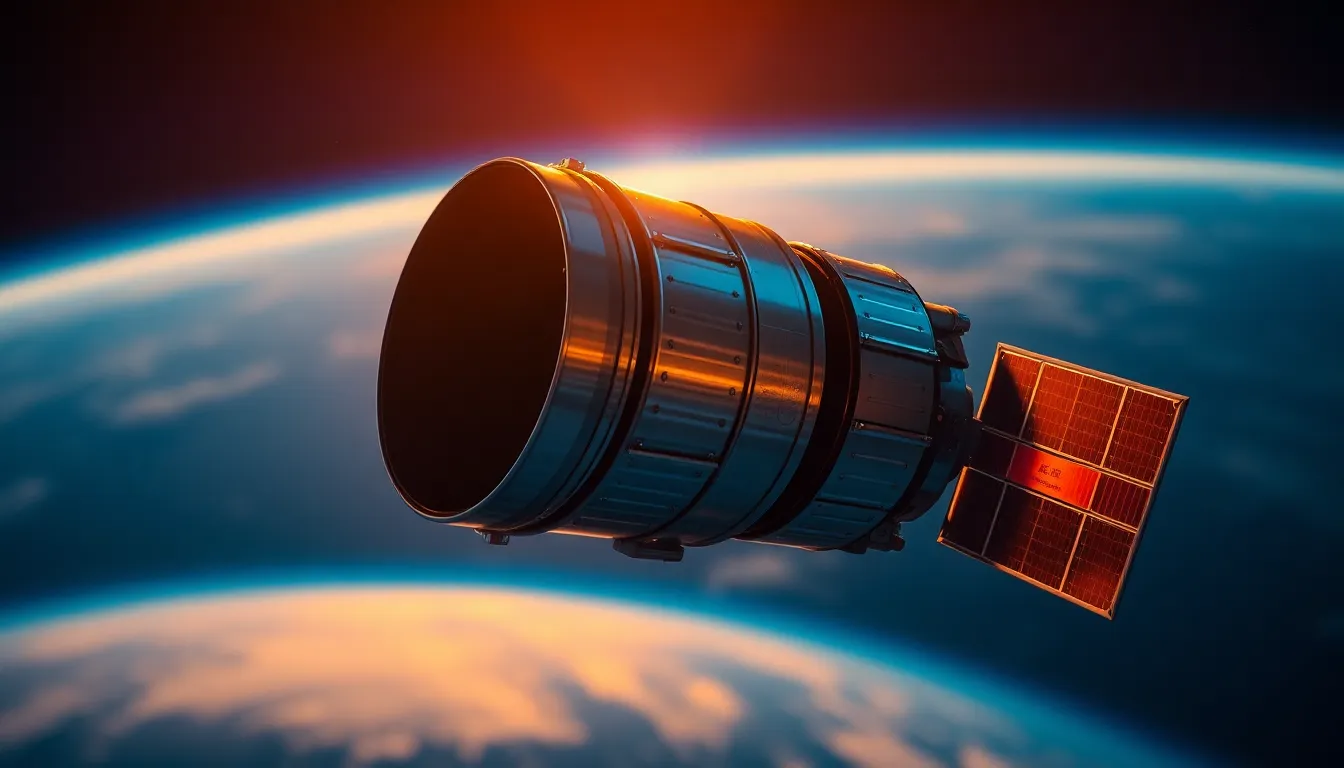
captured with Canon EOS R5, 24-70mm f/2.8L at 35mm, showcasing a high-resolution view of a satellite orbiting Earth during the twilight hours. The scene features dramatic golden hour lighting with a soft glow illuminating the satellite against a deep blue and violet sky. A shallow depth of field creates a creamy bokeh effect in the background, emphasizing the satellite's sleek metallic surface and solar panels. The color palette draws inspiration from cinematic teal and orange grading, enhancing the contrast between the cold space and warm Earth. The composition adheres to the rule of thirds, placing the satellite slightly off-center to draw the eye. Textures of the satellite include brushed metal and reflective solar panels, reflecting the vastness of space around it.
16:9
captured with Leica Q3, 28mm f/1.7 Summilux, this breathtaking image depicts a panoramic view of a desert landscape under a starry sky. The foreground showcases textured sand dunes, with visible ripples and patterns illuminated by moonlight. The Milky Way stretches majestically across the sky, filled with a multitude of stars, creating a stunning contrast against the dark desert. The image uses a hyperfocal distance at f/8, ensuring clarity from foreground to infinity. The color palette features deep blues and sandy tans, enhancing the rugged beauty of the desert night.
16:9

shot on Fujifilm GFX 100S, 110mm f/2 macro, this close-up image captures the intricate details of a celestial map illustration, illuminated by soft, warm studio lighting. The design features constellations and star charts elegantly printed on aged parchment, with visible textures and fine lines. The composition centers on a specific constellation, using a shallow depth of field at f/2 for a beautifully blurred background that highlights the fine details of the map. The color palette is vintage, with muted earth tones and soft gold accents, creating a nostalgic and scholarly mood.
1:1
captured with Canon EOS R5, 24-70mm f/2.8L at 35mm, this image showcases a vibrant aurora borealis dancing across the sky above a frozen lake. The cool hues of blue and green from the aurora contrast against the starry night, where countless stars twinkle brightly. The composition incorporates a reflection of the aurora in the icy lake, with ice crystals on the surface capturing the light. The image is shot at a hyperfocal distance of f/8, ensuring both the foreground and background remain sharp. The colors are vivid and saturated, resembling a painterly landscape, creating a magical atmosphere.
16:9
shot on Sony A7R V with 85mm f/1.4 GM lens, focusing on a close-up of a person lying on the grass, staring up at a clear night sky filled with constellations. The subject, a young woman dressed in a soft cotton sweater, has a serene expression on her face as she gazes upwards. The lighting features gentle moonlight filtering through tree branches, creating a soft, dappled glow on her face. The composition is centered on her face, with the starry sky providing a stunning backdrop, captured with a shallow depth of field at f/1.4, producing creamy bokeh. The colors are rich and warm, enhancing the intimate mood of the scene.
3:4
captured with Nikon Z9, 70-200mm f/2.8 telephoto at 135mm, showcasing an expansive night sky filled with twinkling stars. The scene is illuminated by a soft ambient glow from a nearby town, highlighting the silhouettes of rolling hills. The Milky Way spans across the sky, with bright stars and distant galaxies appearing in sharp detail. The image is composed using leading lines of the hills leading towards the horizon, with a shallow depth of field at f/2.8 creating a dreamy background bokeh. The color palette consists of deep blues and purples with brilliant white star points, capturing the beauty of a starry night sky.
16:9
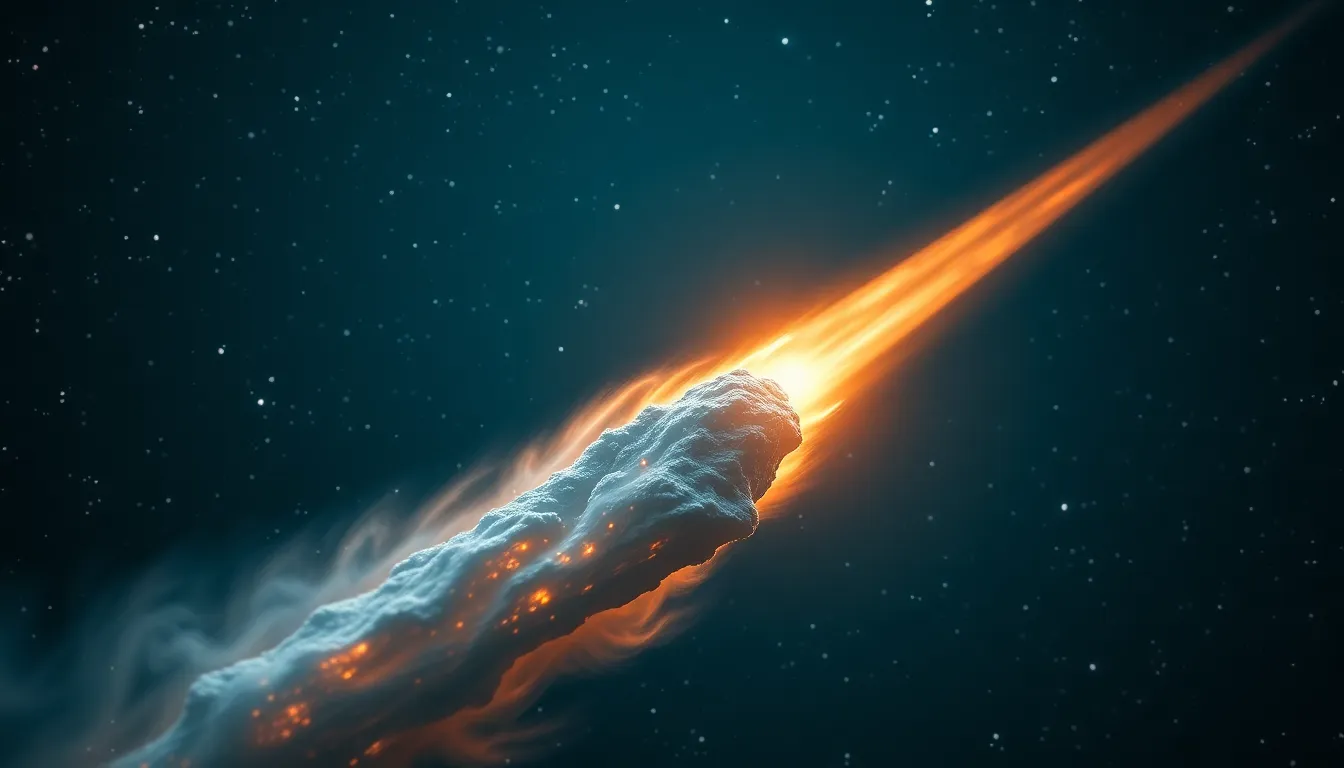
Fujifilm GFX 100S, 110mm f/2 macro; high-resolution detail of a comet streaking through the cosmos with a radiant tail; overcast diffused daylight illuminating the icy surface of the comet; hyperfocal distance providing sharp clarity from the comet's surface to the star-filled backdrop; cinematic teal and orange color grading accentuating the comet's tail against the darker universe; centered composition focusing on the comet as the main subject in its journey.
16:9
Hasselblad X2D 100C, 90mm f/2.5 medium format; twilight sky transitioning to night with the Milky Way arching overhead; natural muted tones with desaturated earth colors that enhance the celestial contrast; shallow depth of field at f/2.5 focusing on the silhouette of a lone tree in the foreground against the starry backdrop; dramatic Dutch angle composition creating a sense of movement through the expansive night sky.
16:9
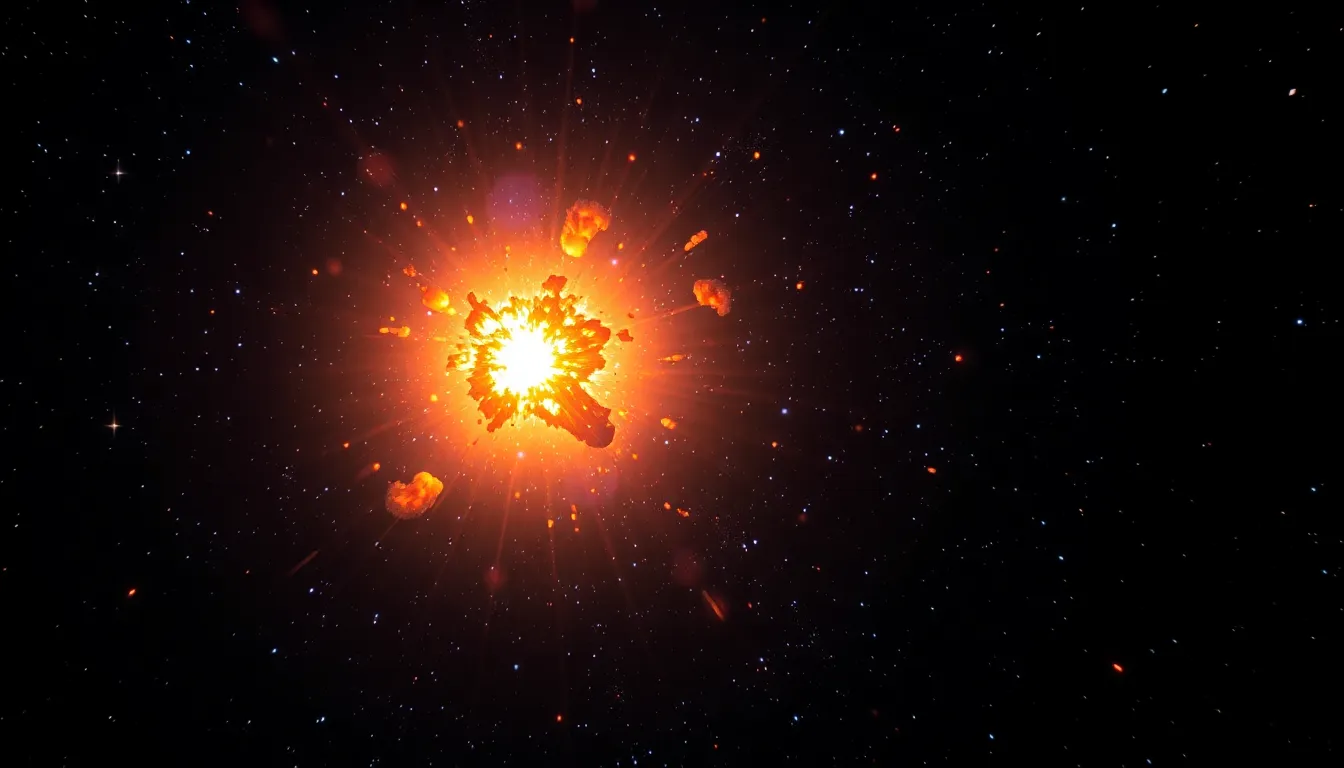
Nikon Z9, 70-200mm f/2.8 telephoto at 135mm; dramatic backlighting from a supernova explosion illuminating surrounding stellar remnants; selective focus on the vibrant colors of the explosion with a soft painterly bokeh in the background; Fujifilm Velvia-inspired saturated colors enhance the contrast between the bright explosion and dark cosmos; dynamic composition using leading lines created by the debris radiating from the supernova.
16:9
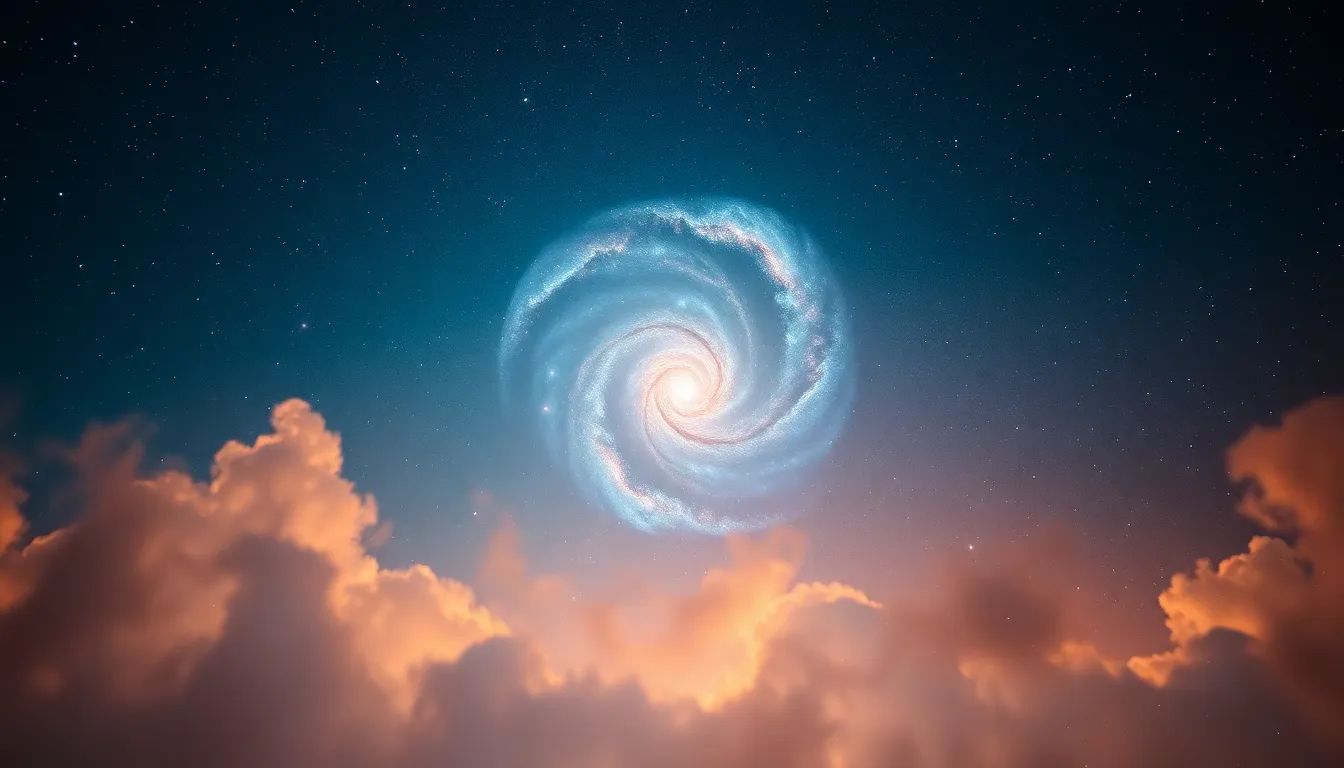
shot on Sony A7R V with 85mm f/1.4 GM lens; soft ambient light from a nearby nebula casting an ethereal aura; hyperfocal distance—everything from foreground stars to the distant galaxy remains tack-sharp at f/8; Kodak Portra 400 color palette enriches the warm skin tones of gas clouds against the cool starry backdrop; centered symmetrical composition focusing on a mesmerizing spiral galaxy surrounded by luminous star formations.
16:9
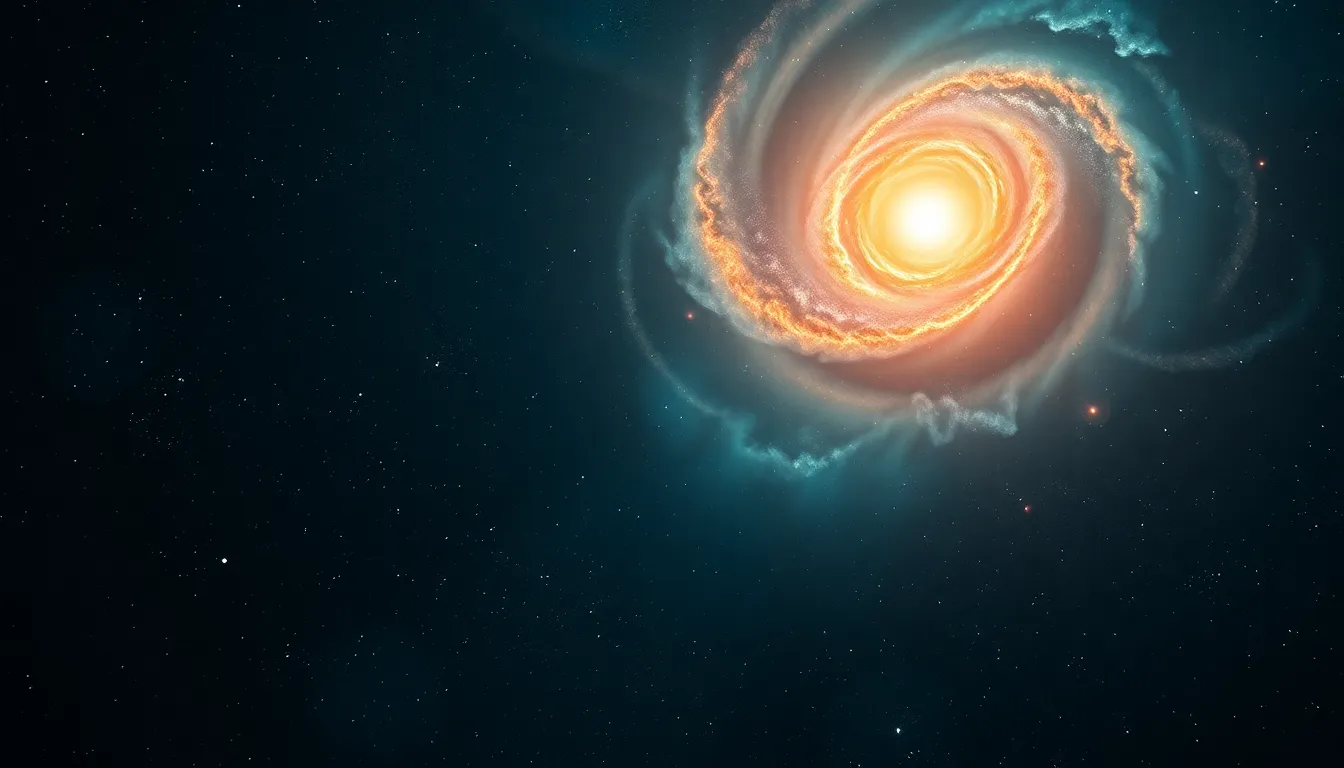
captured with Canon EOS R5, 24-70mm f/2.8L at 35mm; deep space illumination from a distant quasar creating a mystical glow; shallow depth of field at f/2.8 with stars softly blurred in the background; cinematic teal and orange color grading enhances the cosmic drama; rule of thirds with swirling galaxy positioned at a power point; textured dark void of space contrasted with vibrant galactic dust clouds and twinkling stars.
16:9
Fujifilm GFX 100S, 110mm f/2 macro, clear night sky filled with stars surrounding a full moon, captured with overexposed highlights creating a surreal effect, depth of field at f/2 with sharp focus on the moon and dreamy bokeh of stars, natural muted tones and deep blues enhancing the ethereal quality, classic composition with the moon off-center allowing the star-filled night to unfold
16:9

Hasselblad X2D 100C, 90mm f/2.5 medium format, warm tungsten desk lamp casting directional light highlighting craters on the moon, selective focus on the moon with the background melting into soft painterly bokeh, Kodak Portra 400 color palette bringing warm skin tones and creamy highlights to the scene, leading lines from the table edges directing the viewer's gaze toward the moon
1:1
Nikon Z9, 70-200mm f/2.8 telephoto at 135mm, dappled sunlight filtering through trees creating starburst effects around the moon, shallow depth of field at f/2.8 with soft bokeh from the foreground foliage, Fujifilm Velvia-inspired saturated colors with vibrant blues and greens, centered symmetrical composition highlighting the moon as the focal point surrounded by nature
16:9
shot on Sony A7R V with 85mm f/1.4 GM lens, golden hour backlighting with warm rim light around the moon’s edge, hyperfocal distance at f/8 ensuring sharpness from foreground to infinity, cinematic teal and orange color grading accentuating contrast, dynamic composition featuring the moon partially obscured by tree branches in the foreground
16:9
captured with Canon EOS R5, 24-70mm f/2.8L at 35mm, overcast diffused daylight illuminating a detailed lunar landscape, shallow depth of field at f/2.8 with soft bokeh highlights in the foreground, natural muted tones with desaturated earth colors, rule of thirds composition with the moon positioned in the upper third, lunar surface texture showcasing craters and regolith details
16:9
captured with Canon EOS R5, 24-70mm f/2.8L at 35mm; dramatic lighting with storm clouds partially obscuring stars; shallow depth of field at f/2.8 focusing on a silhouette of a person gazing at the sky; cinematic teal and orange color grading enhancing the mood; centered symmetrical composition showcasing the contrast between the silhouette and the celestial scene.
16:9
shot on Fujifilm GFX 100S, 110mm f/2 macro; natural ambient light during twilight with stars beginning to appear; hyperfocal distance keeping both the foreground flowers and stars in sharp focus; warm Kodak Portra 400 color palette creates a dreamy ambiance; composition utilizing foreground framing with flowers leading into the twinkling stars above.
16:9
captured with Hasselblad X2D 100C, 90mm f/2.5 medium format; atmospheric lighting with soft moonlight filtering through clouds; selective focus on constellation patterns with the background melting into soft painterly bokeh; saturated colors inspired by Fujifilm Velvia highlighting the vividness of the stars; composition emphasizing leading lines formed by the constellations against the clouded sky.
16:9
shot on Sony A7R V with 85mm f/1.4 GM lens; warm golden hour backlighting illuminating distant mountain silhouettes; shallow depth of field at f/1.4 with stars twinkling softly in focus; natural muted tones with desaturated earth colors; composition utilizing the rule of thirds with mountains creating a strong foreground lead-in to the starry sky above.
16:9
captured with Nikon Z9, 70-200mm f/2.8 telephoto at 135mm; natural lighting with clear night sky; hyperfocal distance with stars sharply focused; deep blue and purple hues complementing the luminous stars; composition centered on the Milky Way arching across the sky; smooth desert sand foreground revealing fine texture and shadows from the starlight.
16:9
Hasselblad X2D 100C, 90mm f/2.5 medium format captures an expansive lunar landscape during a meteor shower. The lighting features a muted, ethereal glow from the moon, illuminating the dusty surface and casting long shadows. The hyperfocal distance at f/8 ensures everything from the intricate lunar rocks to the distant stars is tack-sharp. The natural color palette leans towards soft grays with hints of purple and blue. Framing the composition symmetrically, the moon is placed high in the sky, with meteors streaking across the foreground.
16:9
Fujifilm GFX 100S, 110mm f/2 macro lens captures a breathtaking view of the moon framed by delicate cherry blossom branches. The lighting consists of soft twilight creating a gentle glow around the moon, highlighting the blossoms. Using a shallow depth of field at f/2, the moon is crisp while the flowers melt into creamy bokeh. Natural muted tones with desaturated earth colors create a calming effect. The composition centers the moon amidst the branches, providing a harmonious blend of nature and celestial beauty.
16:9
Nikon Z9, 70-200mm f/2.8 telephoto at 135mm, captures a panoramic view of a moonrise over an urban skyline. The lighting features warm sunset hues blending seamlessly into the cooler blues of evening, creating a dramatic backdrop. Everything is sharp from foreground to infinity at f/8, emphasizing the cityscape and the rising moon. The cinematic teal and orange color grading enhances the vibrant colors of the skyline. A symmetrical composition places the moon perfectly aligned with the tallest building, creating a visually striking balance.
16:9
Shot on Sony A7R V with 85mm f/1.4 GM lens, capturing a night scene of a silhouetted forest against a luminous full moon. The lighting features moonlight casting a soft glow on the tree tops, with a subtle blue hue enveloping the scene. A shallow depth of field at f/1.4 highlights the foreground trees, while the moon appears sharp against a soft-focus sky. The composition uses leading lines, drawing the viewer's gaze upwards towards the moon. Natural textures of the tree bark are highlighted by the moonlight, enhancing the magical atmosphere.
16:9
Captured with Canon EOS R5, 24-70mm f/2.8L at 35mm, a stunning close-up of the moon's surface showcasing its craters and mountains. The lighting is a dramatic contrast from a distant sun, casting soft shadows on the lunar landscape. A shallow depth of field at f/2.8 creates a dreamy bokeh effect in the foreground. The image features a Fujifilm Velvia-inspired color palette, emphasizing the cool grays and subtle blue tones of the moon. The composition utilizes the rule of thirds, placing the moon slightly off-center, with sharp surface details visible against a dark, starry background.
16:9
An artistic visualization of an exoplanet in a distant solar system, shot on Leica Q3, 28mm f/1.7 Summilux. The lighting is dramatic, with chiaroscuro effects showcasing the planet's mountainous surface and swirling clouds. A shallow depth of field at f/1.7 isolates the planet against the cosmos, with a creamy bokeh background of twinkling stars. The color palette contrasts rich greens and browns of the terrain with deep black space, creating an imaginative feel. The composition centers the exoplanet, inviting viewers to ponder its possibilities while the surrounding stars form a circular frame around it.
16:9
A vibrant depiction of a nebula in deep space, taken with Fujifilm GFX 100S, 110mm f/2 macro. The lighting in this image captures the ethereal glow of the nebula, showcasing intricate tendrils of gas and dust illuminated by nearby stars. The depth of field is selective on the heart of the nebula, creating a soft focus around the periphery. Color science is heavily saturated with teal, purple, and bursts of gold, conveying the beauty of cosmic phenomena. Compositionally, the swirling clouds of the nebula form a dynamic diagonal line, leading the eye to the center of the image, where the colors converge. The texture is both soft and turbulent, reflecting the chaos of star formation.
16:9
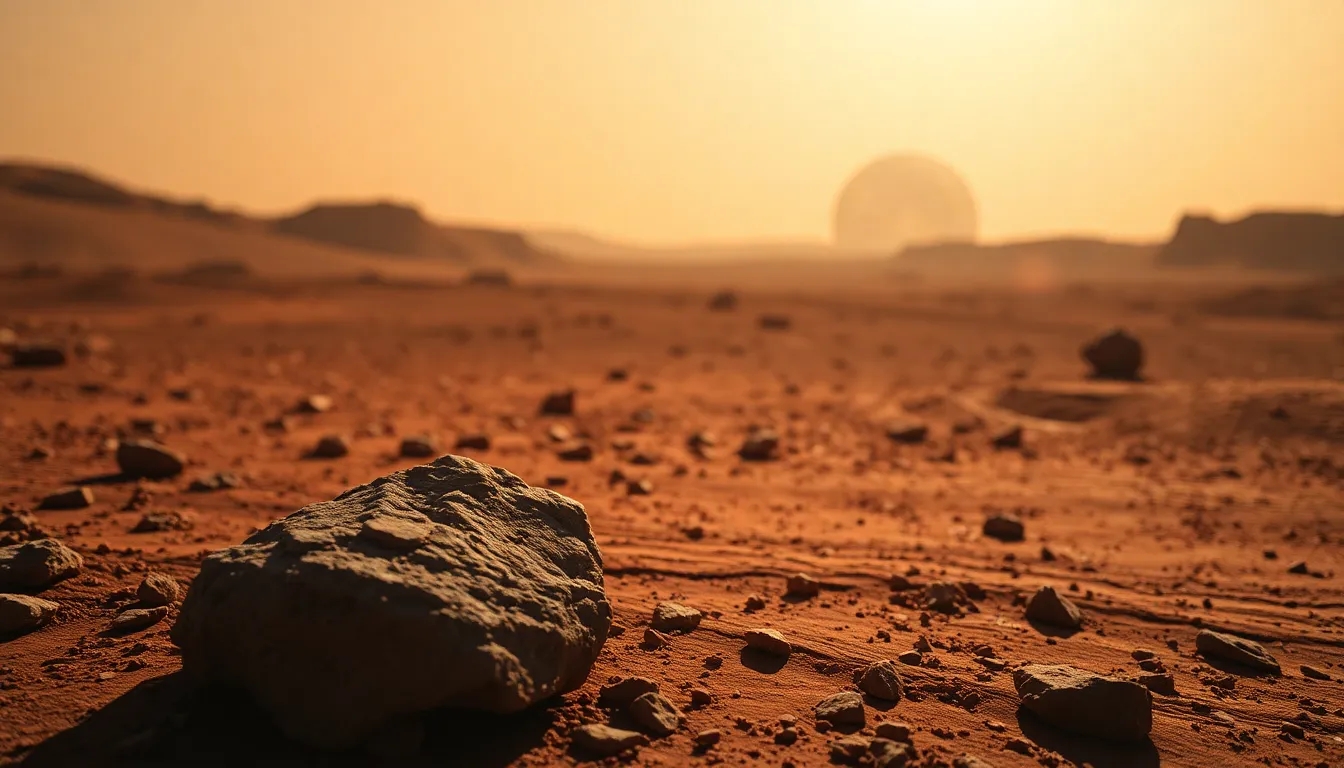
A stunning shot of Mars taken from a rovers perspective, captured on Hasselblad X2D 100C, 90mm f/2.5 medium format. The lighting showcases the unique reddish surface of Mars under soft sunlight, highlighting the rocky terrain and fine dust. A shallow depth of field at f/2.5 isolates a rock formation in the foreground, while the Martian landscape recedes into a slightly blurred background. The color palette emphasizes warm russet tones and muted oranges, giving it an otherworldly feel. Compositionally, the rock formation is placed in the lower left third, leading the eye towards the horizon where the planet’s curvature becomes visible.
16:9
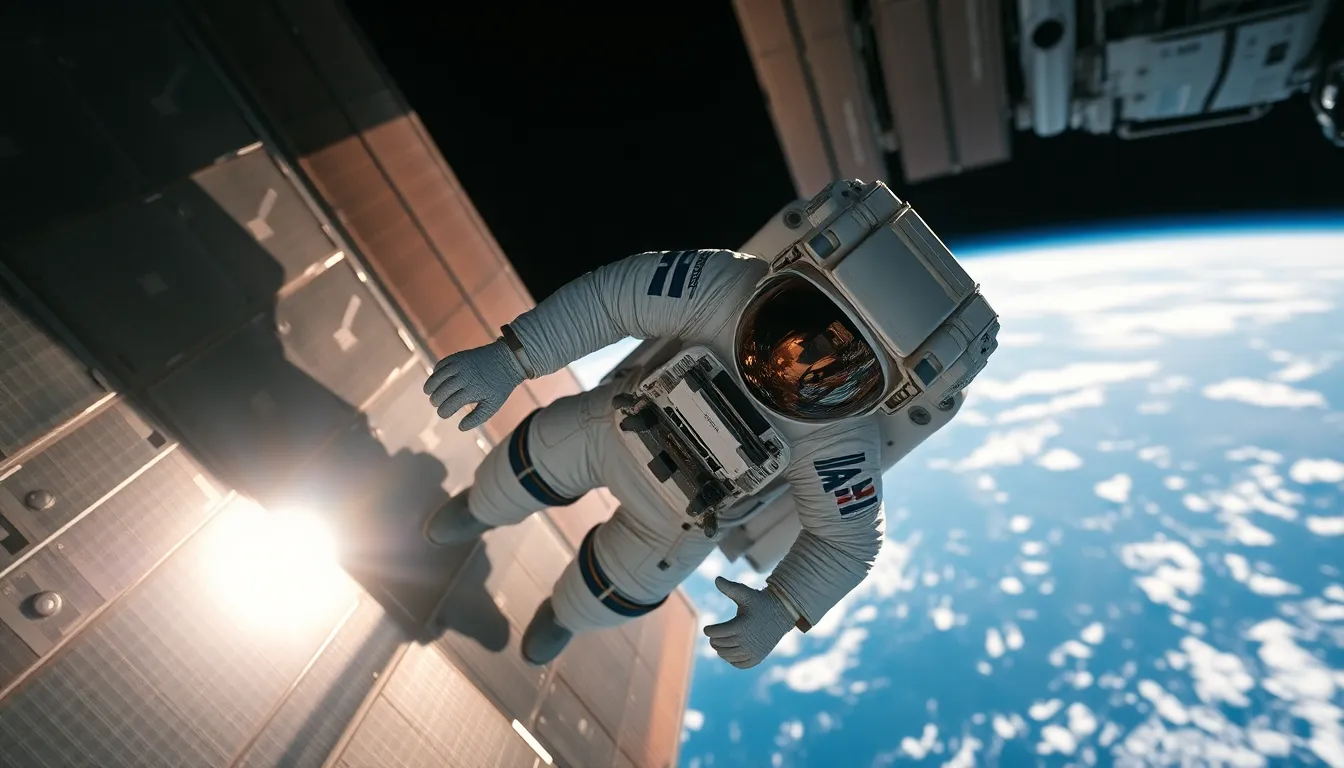
An astronaut floating outside the International Space Station, captured with Canon EOS R5, 24-70mm f/2.8L at 35mm. The image features harsh sunlight reflecting off the station's metallic surface, with intricate shadows detailing each panel. The depth of field is hyperfocal at f/8, ensuring everything from the astronaut to the Earth below is in sharp focus. The color grading highlights the bright whites and deep blues of Earth against the darkness of space. Compositionally, the astronaut is positioned off-center, creating a dynamic balance with the station and Earth in the background. The texture of the astronaut's suit contrasts with the smoothness of the ISS.
16:9
A breathtaking view of the Milky Way galaxy, shot on Nikon Z9, 70-200mm f/2.8 telephoto at 135mm. The scene is captured during a clear night, illuminated by starlight, enhancing the deep blues and purples of the universe. A shallow depth of field at f/2.8 beautifully blurs the foreground of silhouetted trees, while the galaxy remains sharp and vibrant. The color palette evokes a sense of wonder with rich blacks and sparkling whites. Compositionally, the galaxy arcs across the upper third of the frame, drawing the viewer’s gaze into the vastness of space. The texture of the night sky contrasts with the smoothness of the stars, creating an immersive experience.
16:9
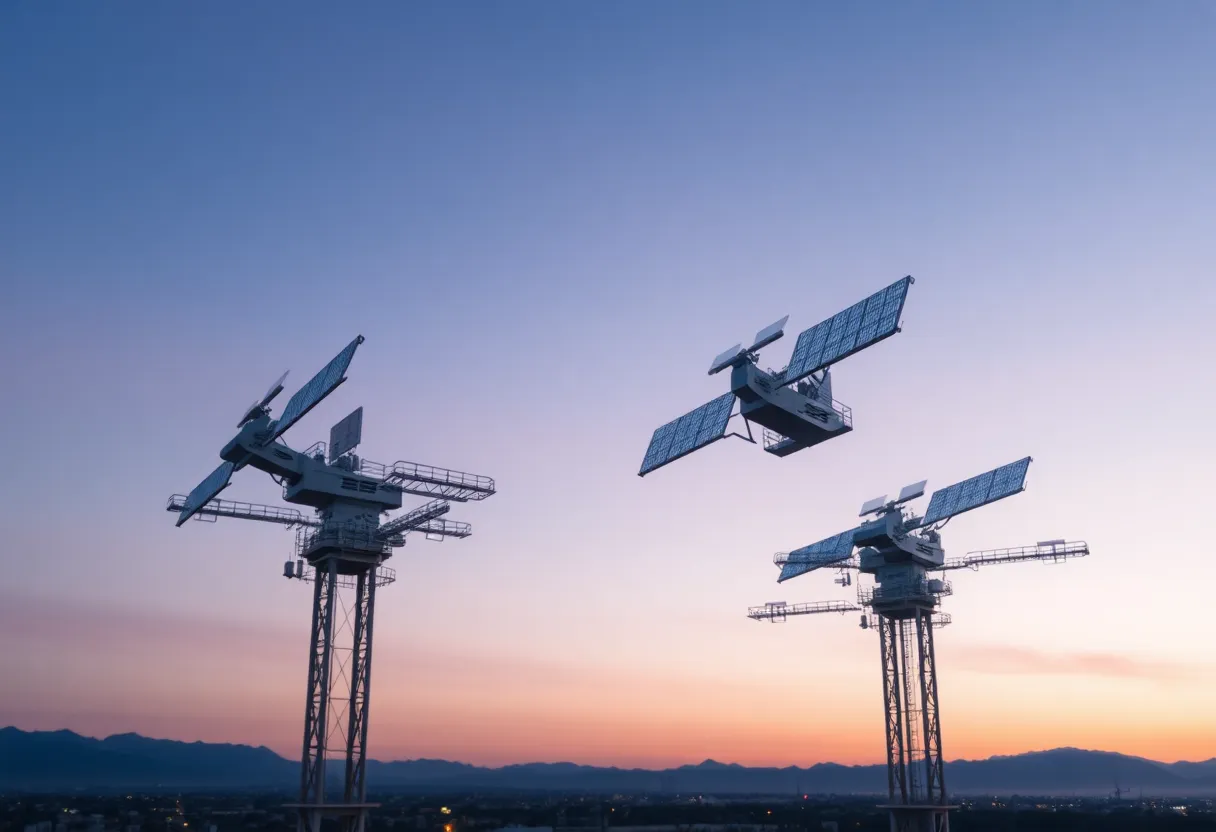
A futuristic satellite network in a twilight sky, captured with Leica Q3, 28mm f/1.7 Summilux. The scene is illuminated by soft twilight, casting gentle hues of purple and blue, providing an ethereal quality to the satellite designs. The photograph adopts a shallow depth of field at f/2.0, focusing on the satellite structures while the background melts into soft painterly bokeh. The color grading features natural muted tones with desaturated earth colors, enhancing the futuristic aesthetic. The composition employs a centered symmetrical layout, drawing the viewer's attention to the harmonious design of the satellite network against the twilight sky.
3:2
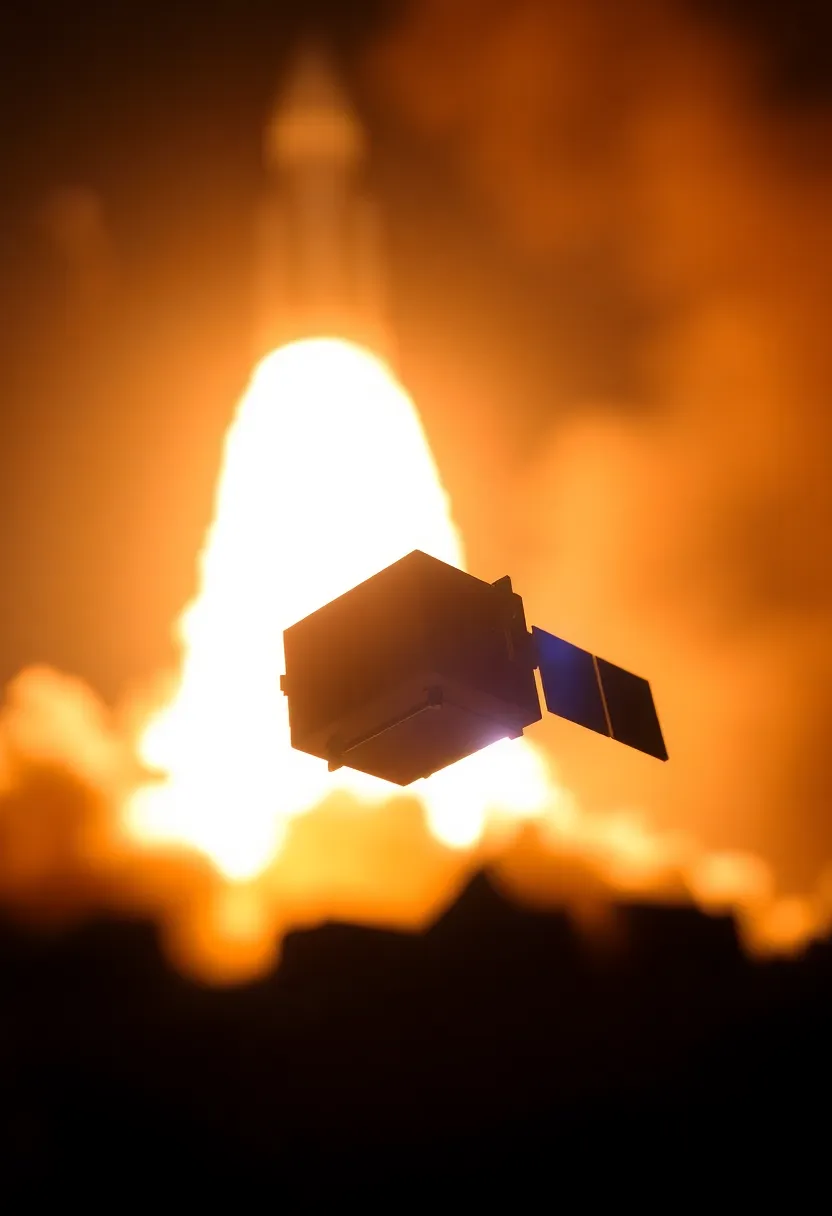
An artistic representation of a satellite being launched into space, captured with Fujifilm GFX 100S, 110mm f/2 macro. The image uses dramatic backlighting from the rocket's flames, highlighting the satellite's contours and textures amidst the chaos of the launch. Employing a selective focus on the satellite, the background blurs into a fiery explosion of color, with deep oranges and yellows contrasting against the dark silhouette of the satellite. The composition balances the satellite against the upward trajectory of the rocket, emphasizing motion and energy. The textures of the satellite and flames reveal intricate details and vivid contrast.
2:3
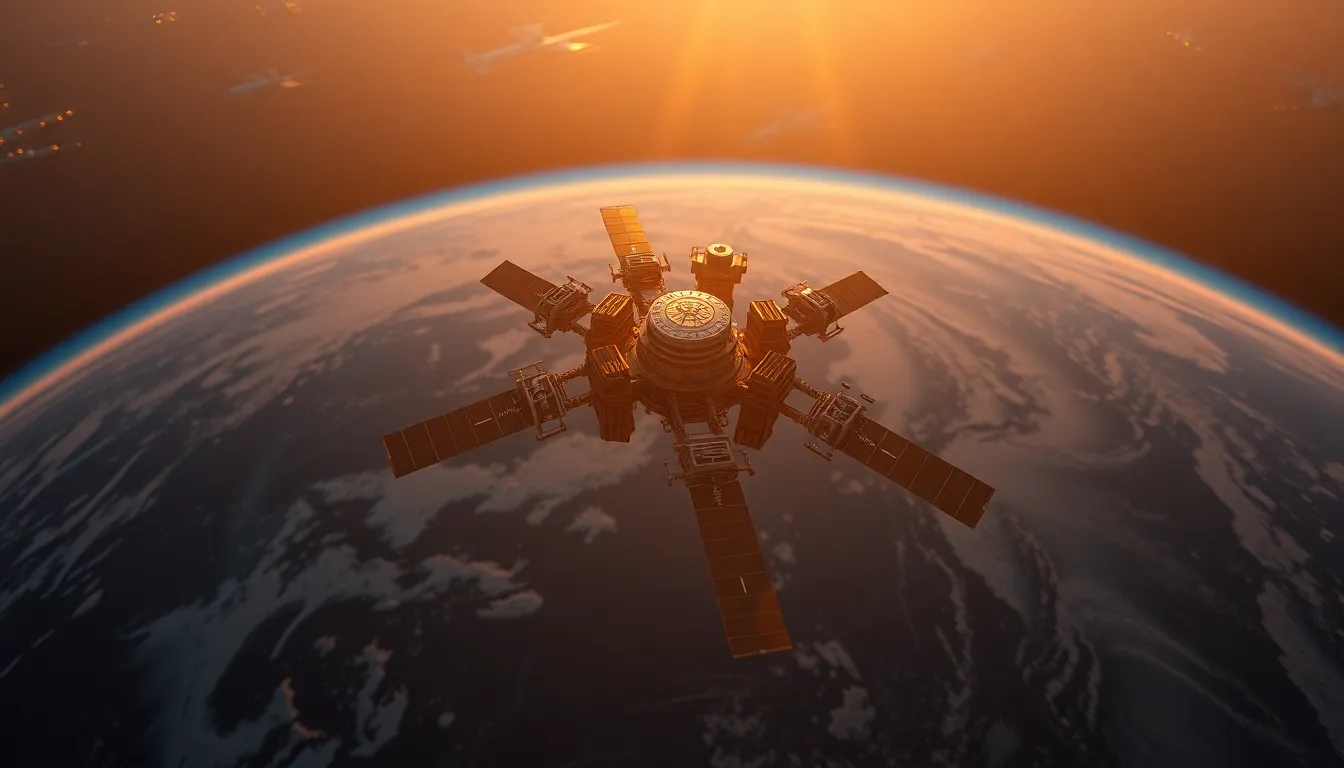
A high-altitude view of satellites deployed in a clustered formation around Earth, shot on Sony A7R V with 85mm f/1.4 GM lens. The scene is bathed in golden hour light, casting warm rim light on the satellites, while a soft fill illuminates the Earth below. This image utilizes a shallow depth of field at f/2.8, producing a creamy bokeh effect that highlights the satellites against their blue planet backdrop. The color palette reflects warm skin tones and golden hues, evoking a feeling of tranquility and innovation. The composition uses leading lines to draw the viewer's eye toward the clustered satellites, enhancing the sense of depth.
16:9
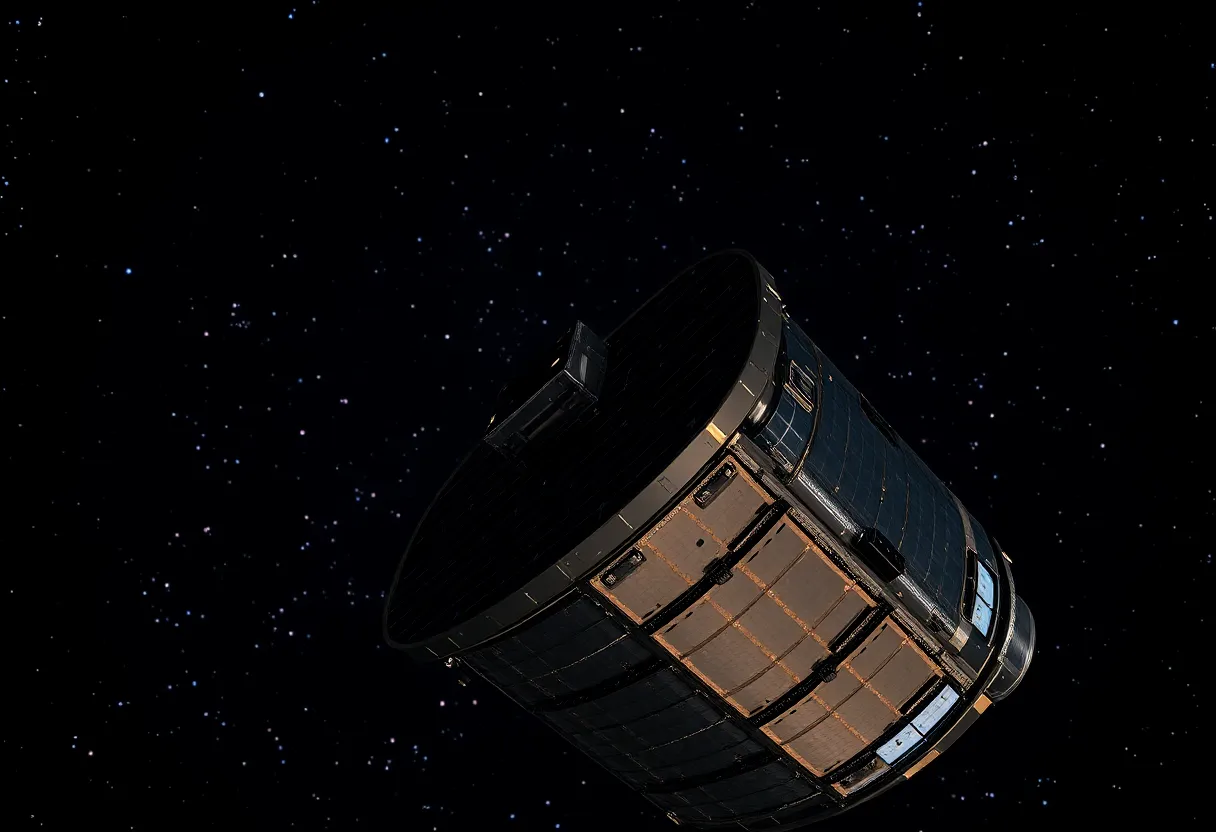
An intricate view of a satellite's solar panel array against a starry backdrop, captured with Nikon Z9, 70-200mm f/2.8 telephoto at 135mm. The scene is illuminated using the soft glow of distant stars, providing dramatic backlighting and emphasizing the texture of the solar panels. This image employs hyperfocal distance at f/8, ensuring everything from the satellite to the distant stars remains sharp and clear. The color palette is a mix of deep blacks from space and the metallic sheen of the solar panels, creating a striking contrast. The composition centers the satellite in the frame, with the star-filled sky enhancing its majesty.
3:2
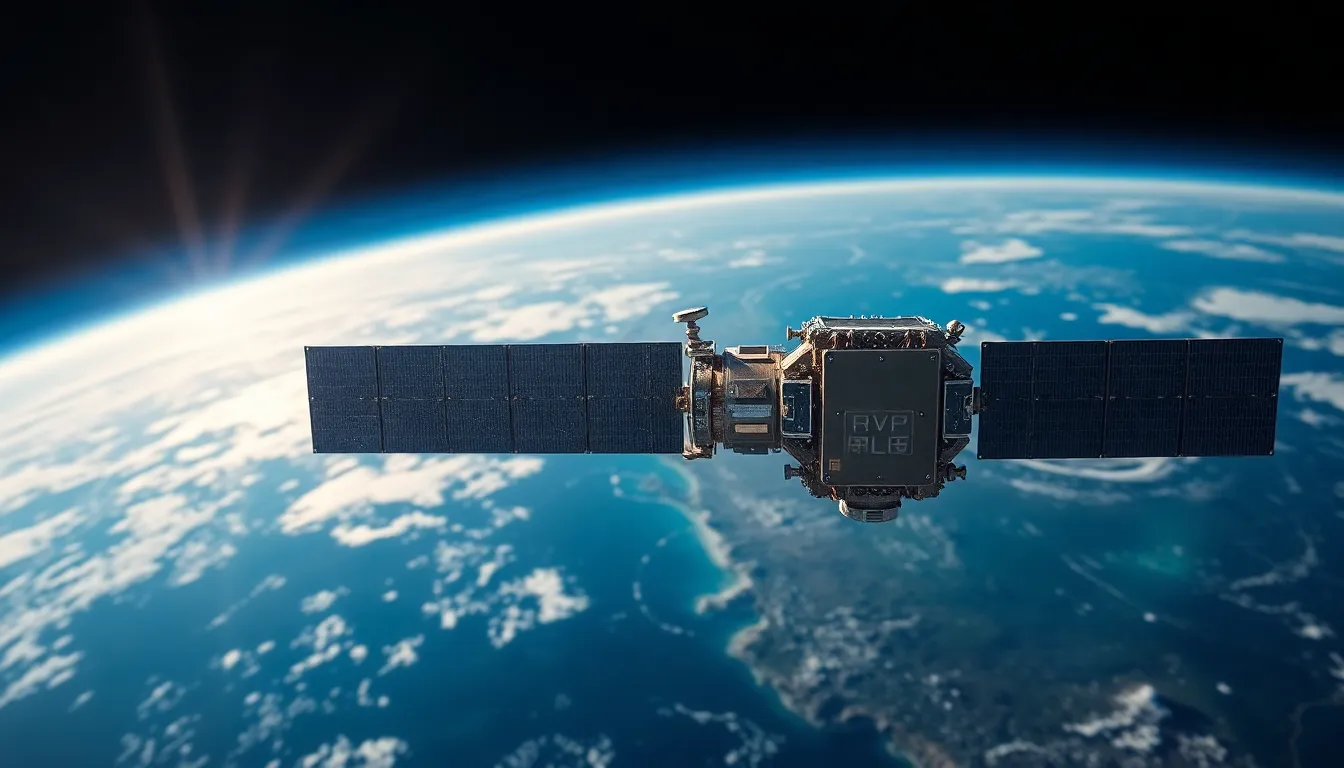
A stunning satellite in orbit over Earth, captured with Canon EOS R5, 24-70mm f/2.8L at 35mm. The scene is illuminated by bright sunlight, creating sharp shadows and highlights against the satellite's metallic surface. The photograph features a shallow depth of field at f/2.8, focusing on the intricate details of the satellite while the soft blue tones of the planet provide a serene background. The image showcases natural colors, emphasizing the contrast between the satellite's silver and Earth's vibrant blue and green. The composition follows the rule of thirds, with the satellite positioned in the upper left corner, creating a dynamic visual balance.
16:9
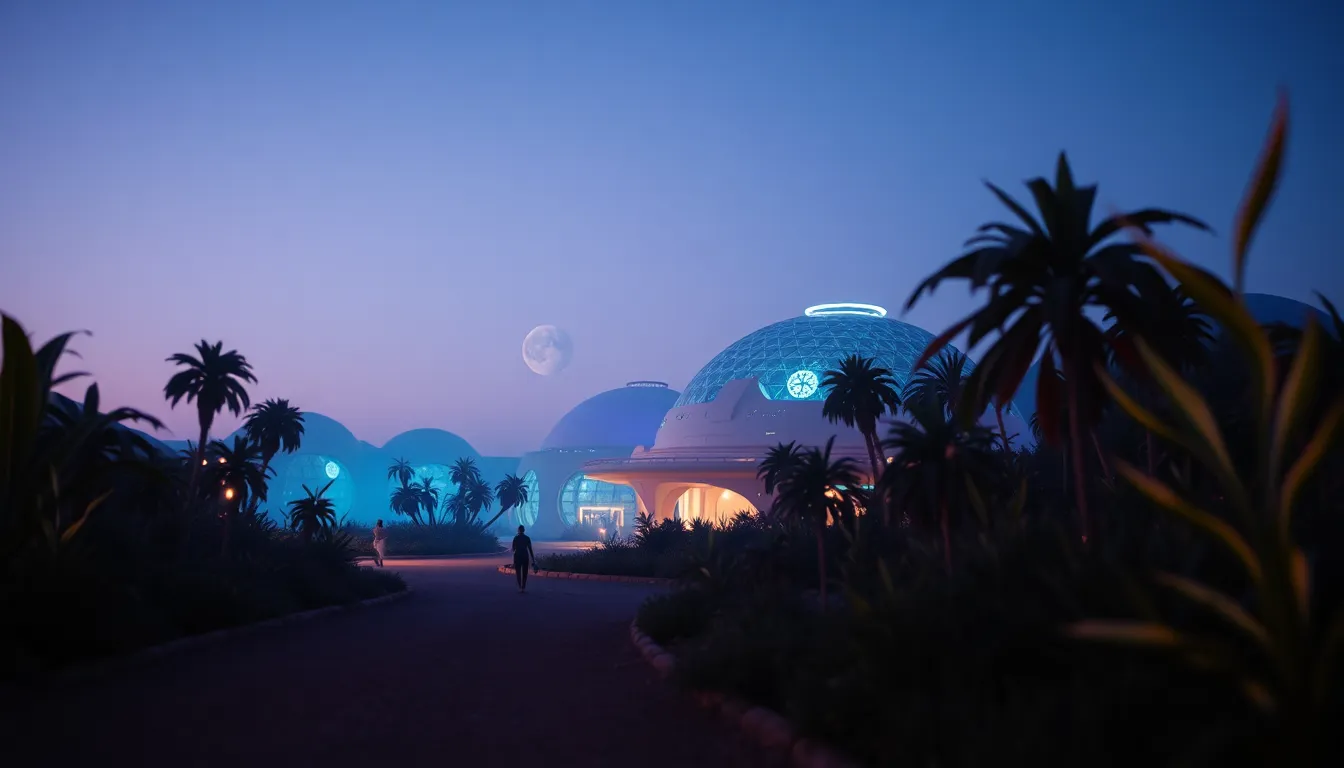
A futuristic space colony on an alien planet, captured with Leica Q3, 28mm f/1.7 Summilux. The scene is bathed in soft twilight, with ambient lighting creating a tranquil atmosphere. The depth of field is shallow at f/1.7, focusing on the colony's bio-domes while the alien foliage softly blurs in the background. The color palette features soft purples and deep blues, enhancing the otherworldly feel. Composition is framed with leading lines from the path toward the colony, guiding the viewer’s eye. Textures include the smooth surfaces of the bio-domes and the organic shapes of alien plants.
16:9
A close-up view of a comet approaching the sun, shot on Hasselblad X2D 100C, 90mm f/2.5 medium format. The scene is illuminated by the intense sunlight creating a dramatic halo effect around the comet's nucleus. The depth of field is very shallow at f/2.5, putting the comet sharply in focus while the solar corona melts into a dreamy bokeh. The color palette showcases bright whites and fiery oranges, reflecting the heat of the sun. The composition is centered, emphasizing the comet's icy tail trailing behind. Textures include the ice and dust particles of the comet with a glistening effect from the sunlight.
16:9
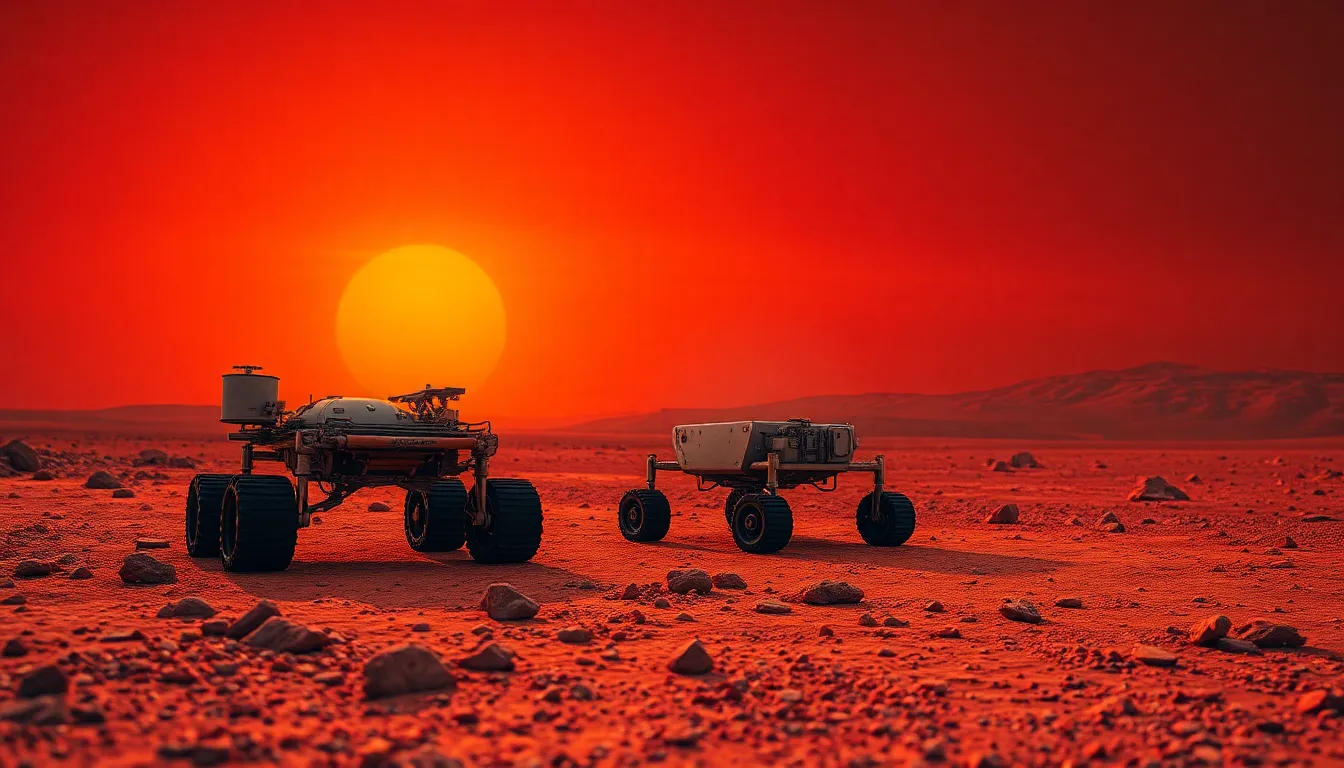
An artistic interpretation of Mars' landscape with the Curiosity Rover exploring the terrain, captured using Fujifilm GFX 100S, 110mm f/2 macro. The scene is set during a Martian sunset, showcasing a stunning orange-red sky that contrasts beautifully with the rusty, rocky surface of Mars below. Depth of field is selective, focusing on the rover with a softly blurred Martian landscape in the background. The color palette features warm reds and earthy tones, enhancing the otherworldly feel. Composition follows the rule of thirds, with the rover positioned to the left against the expansive sky. Textures include the rugged Martian soil and the metallic surface of the rover.
16:9

An astronaut conducting a spacewalk outside the spaceship, shot on a Nikon Z9, 70-200mm f/2.8 telephoto at 135mm. The scene is illuminated by harsh sunlight, casting dramatic shadows against the spacesuit. The depth of field is shallow at f/2.8, focusing solely on the astronaut while the backdrop of stars is a soft bokeh. The color palette features stark whites and deep blacks, creating a striking contrast. The composition captures the isolation of the astronaut, framed centrally against the vastness of space. Textures include the fabric of the spacesuit with visible stitching and the rugged surface of the spacecraft.
16:9
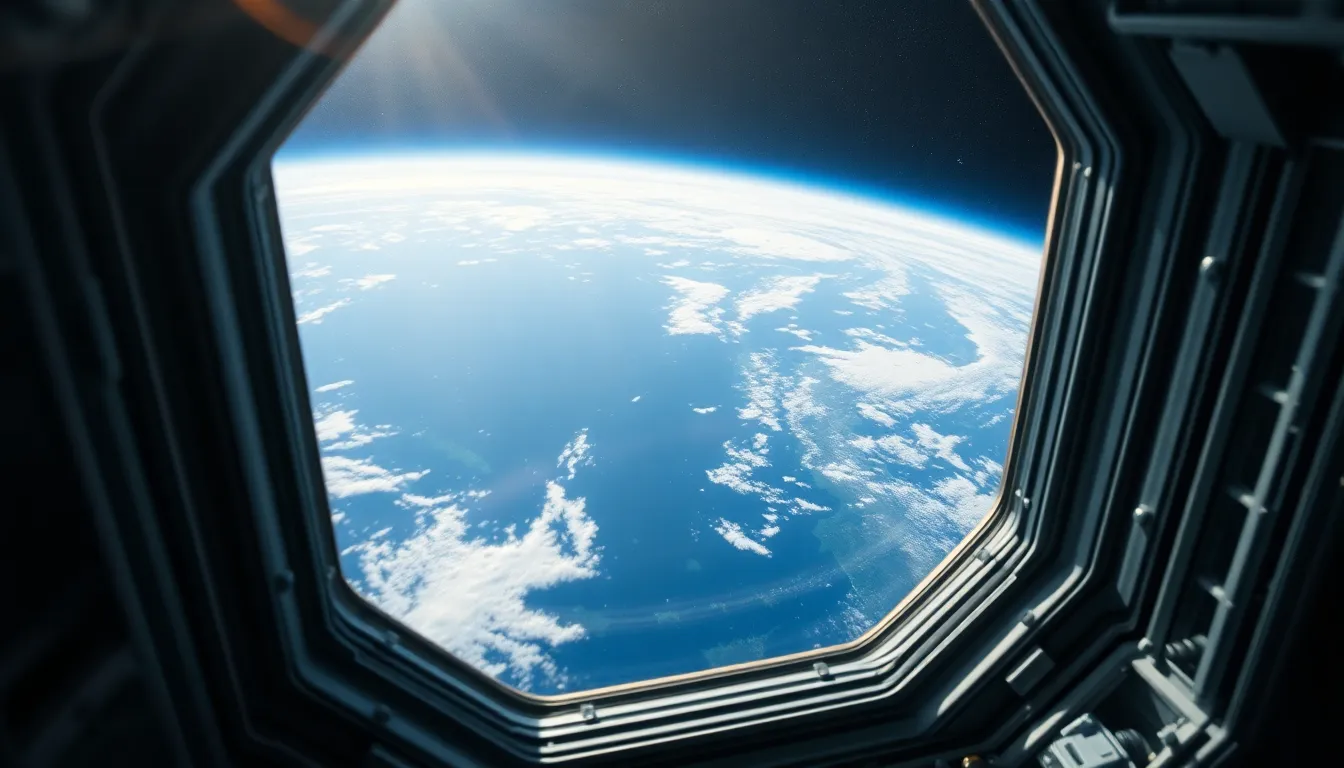
A stunning view of Earth from the International Space Station, captured with a Canon EOS R5, 24-70mm f/2.8L at 35mm. The image features soft, overcast diffused daylight filtering through the station's large windows, creating a serene atmosphere. Depth of field is hyperfocal at f/8, rendering everything from the foreground to the distant Earth in sharp detail. The color palette showcases deep blues of the oceans with vibrant greens of the continents. Composition follows the rule of thirds, highlighting the curvature of Earth while the ISS interior is softly blurred. Textures include the metallic surfaces of the station with visible reflections from window glass.
16:9
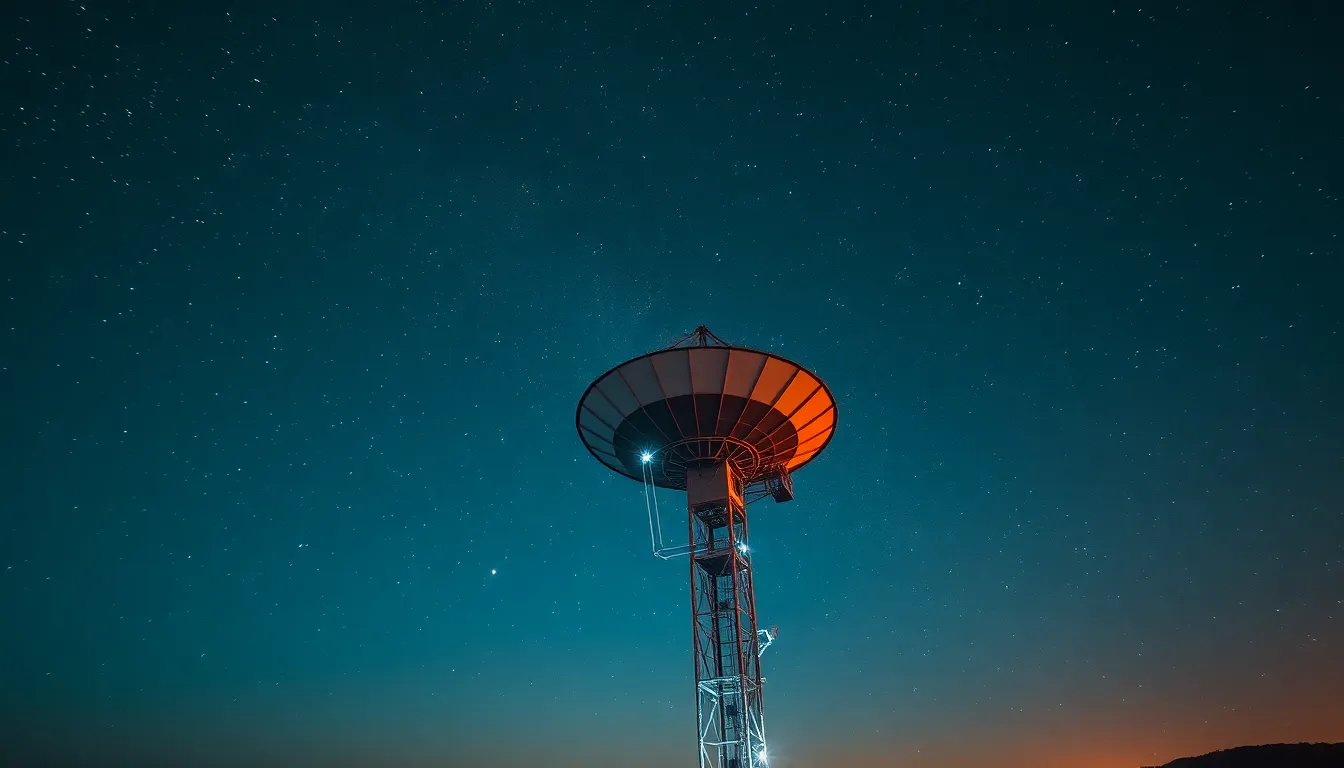
Hasselblad X2D 100C, 90mm f/2.5 medium format, shot at twilight with a dramatic sky filled with stars overhead, showcasing a large communication satellite against a backdrop of the universe. The hyperfocal distance keeps everything sharp from the satellite to the stars. The color palette features a cinematic teal and orange grading, enhancing the cosmic atmosphere. The composition utilizes a centered symmetrical approach, emphasizing the satellite's significance within the vastness of space.
16:9

Fujifilm GFX 100S, 110mm f/2 macro, captured with warm tungsten desk lamp casting directional light over an intricate satellite component on a wooden table. The shallow depth of field creates creamy bokeh while focusing sharply on the metallic textures and engraved details of the component. The color palette features warm golden hues, enhancing the luxurious feel of the materials. The composition centers on the component, showcasing its significance in a larger technological context.
1:1
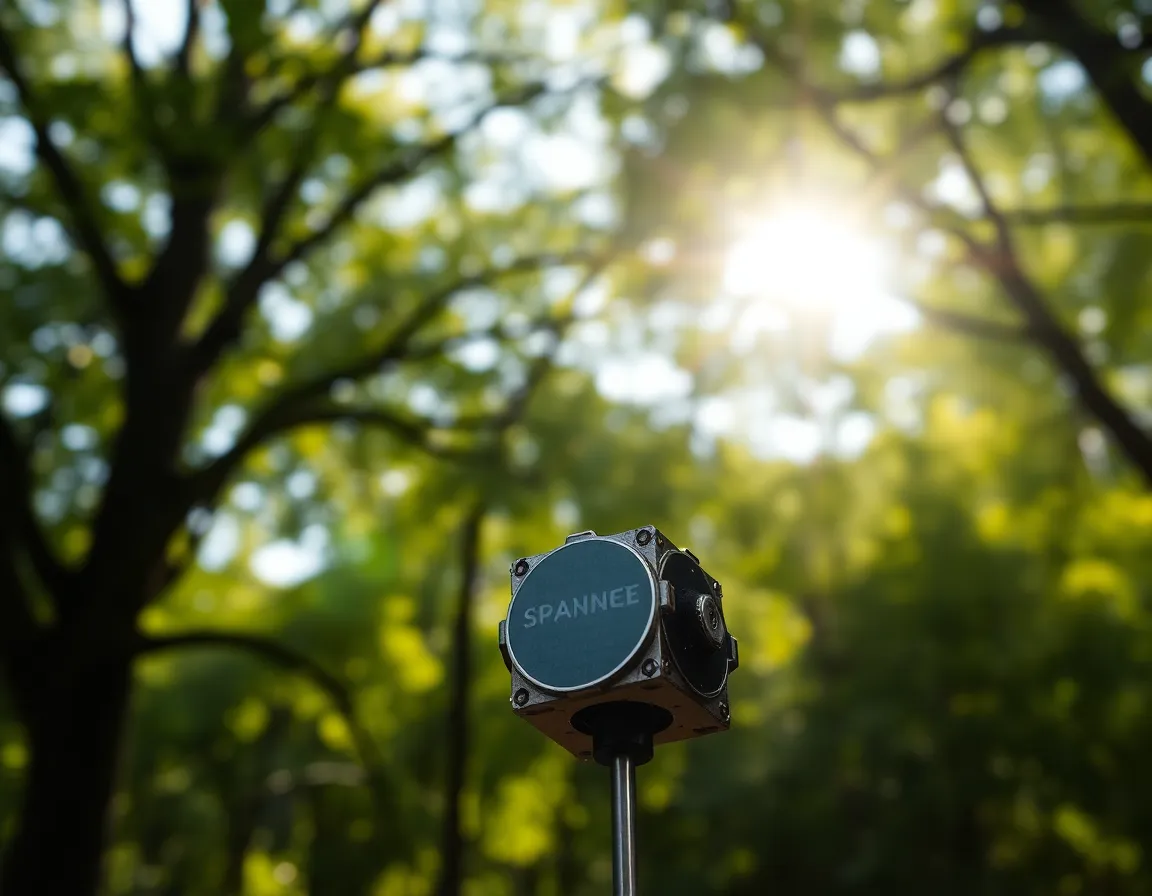
Nikon Z9, 70-200mm f/2.8 telephoto at 135mm, dappled sunlight filtering through tree canopy highlighting a small satellite model displayed in a natural setting. Selective focus on the satellite's surface shows fine details, with the background transitioning into soft painterly bokeh. The color scheme features vibrant greens and soft browns. The composition features a centered symmetrical approach, giving a sense of balanced harmony with nature.
4:3
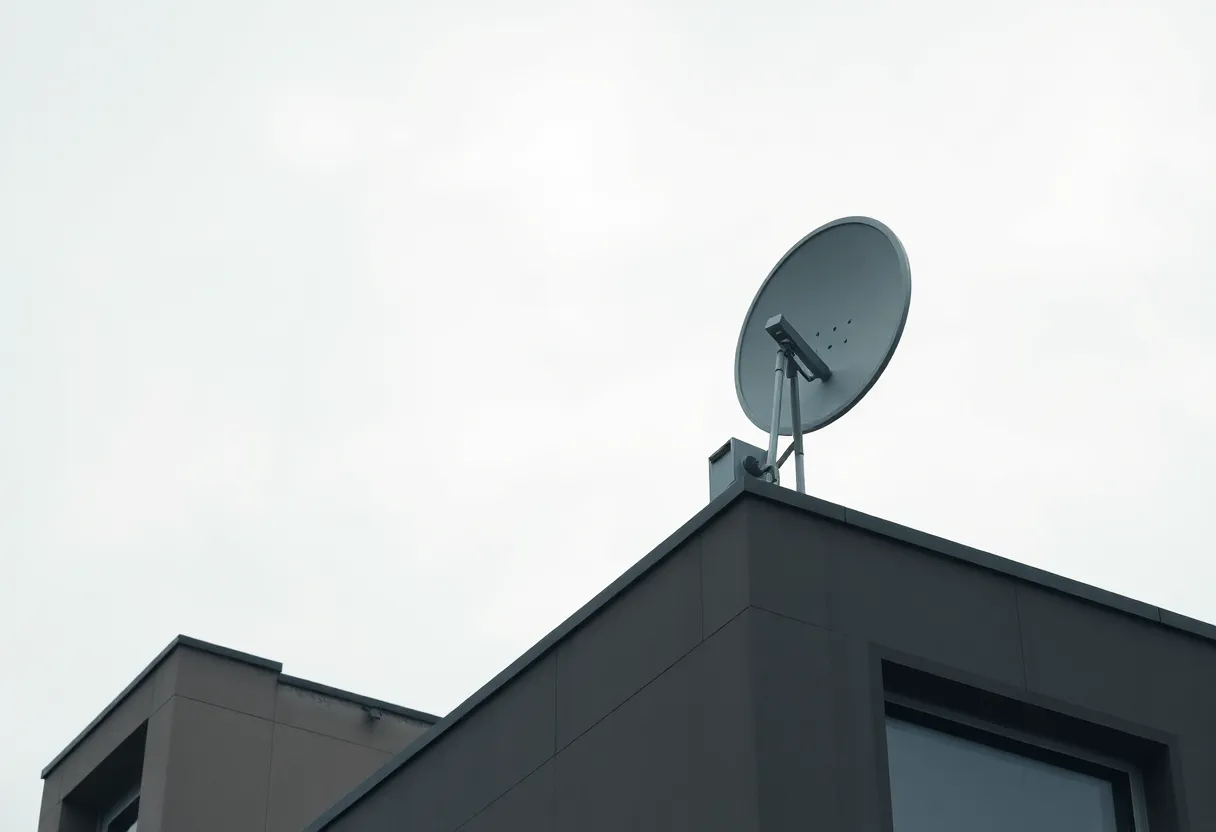
shot on Sony A7R V with 85mm f/1.4 GM lens, overcast diffused daylight illuminating a satellite dish atop a building. Hyperfocal distance keeps the entire scene in sharp focus. The color palette features muted grays and soft whites, creating a serene atmosphere. The composition utilizes leading lines from the building's architecture to draw the eye toward the satellite, which exhibits detailed textures of metal and plastic. Subtle shadows add depth to the image.
3:2
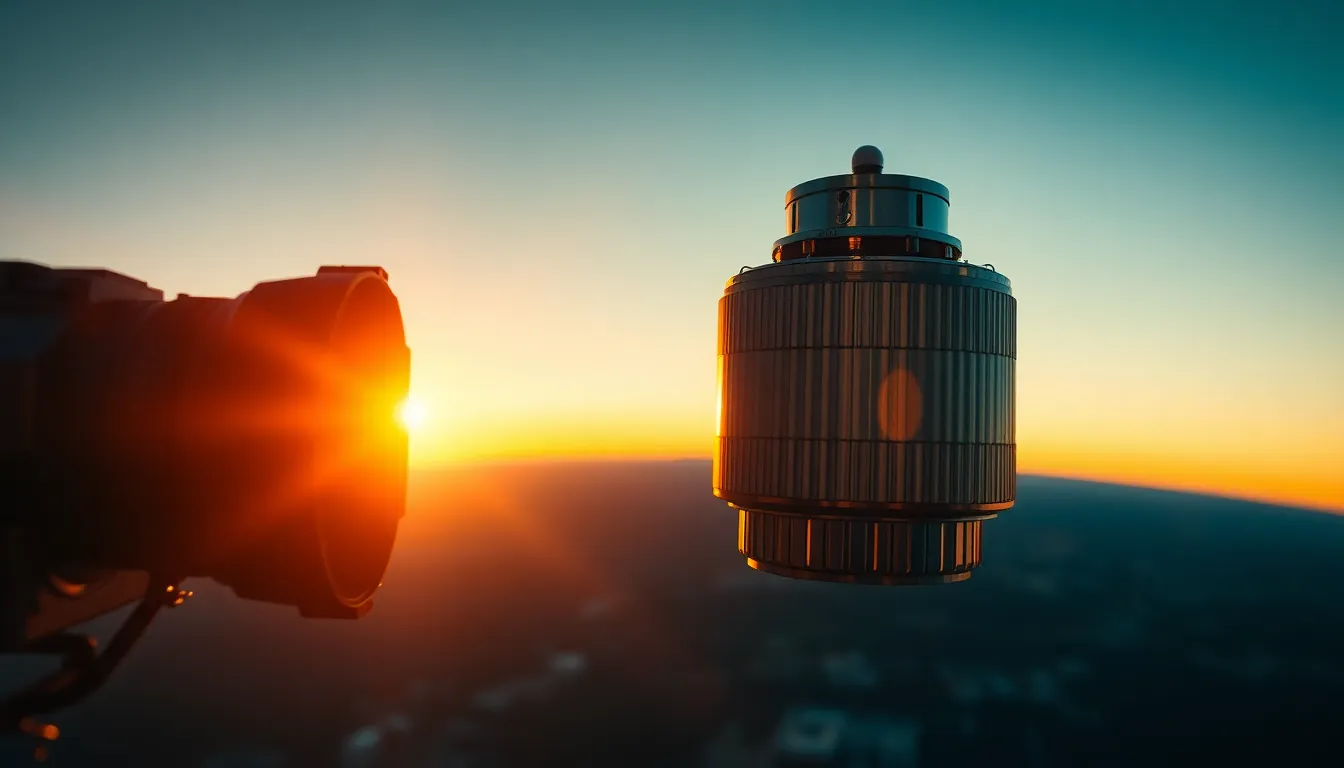
captured with Canon EOS R5, 24-70mm f/2.8L at 35mm, golden hour backlighting creating a warm rim light on the satellite, shallow depth of field at f/2.8 with the background melting into soft bokeh. The color palette features warm oranges and soft blues, emphasizing the evening sky. Composition follows the rule of thirds with the satellite positioned at the left power point, while the Earth’s curve is visible in the background. The satellite shows textured metal surfaces reflecting the sunlight, adding realism to the scene.
16:9
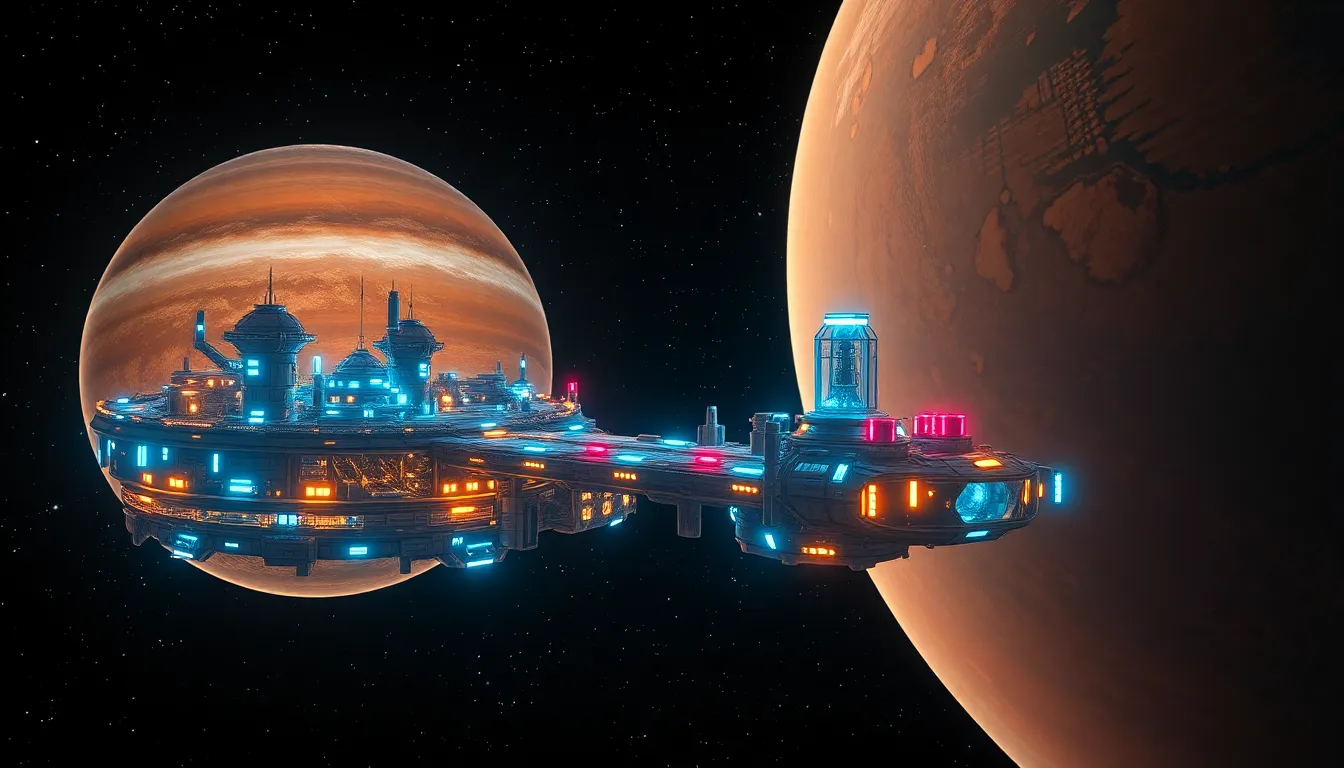
An artist's concept of a futuristic space colony orbiting a distant exoplanet, shot on Leica Q3, 28mm f/1.7 Summilux. The colony is illuminated by the soft glow of artificial lights against the dark backdrop of space, with vibrant colors reminiscent of science fiction. The use of a shallow depth of field at f/1.7 focuses on the colony's intricate structures, while the starry background melts into soft bokeh. Composition employs a dynamic angle, showcasing the colony's scale and innovation amidst the vastness of space.
16:9
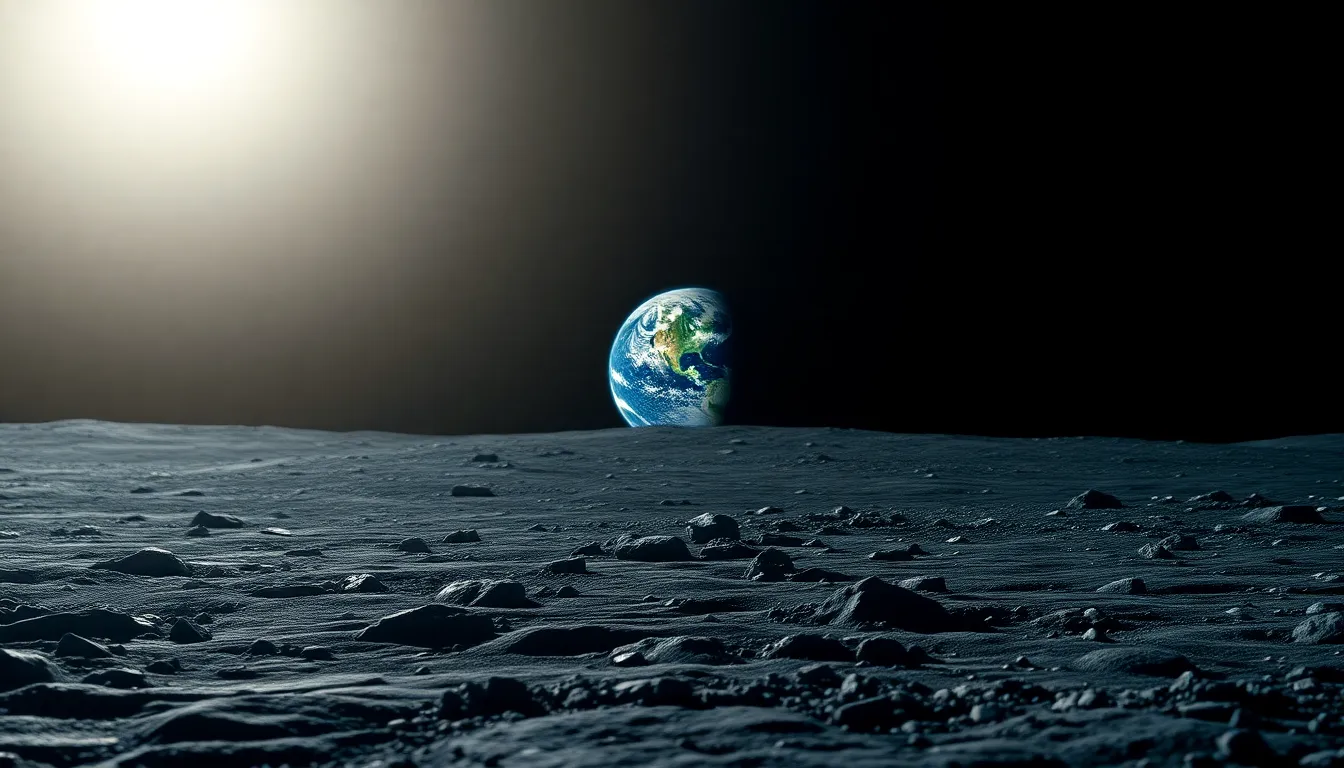
A breathtaking view of Earth from the Moon's surface, captured with Hasselblad X2D 100C, 90mm f/2.5 medium format. The scene is bathed in the soft light of a lunar dusk, with gentle shadows and a cool gray color palette mixing with the vibrant blues and whites of Earth. The image features a shallow depth of field focusing on the textured lunar regolith in the foreground, while Earth is sharp in the background. Composition centrally positions Earth, framed by the barren, rocky surface of the Moon, enhancing the vastness of space.
16:9
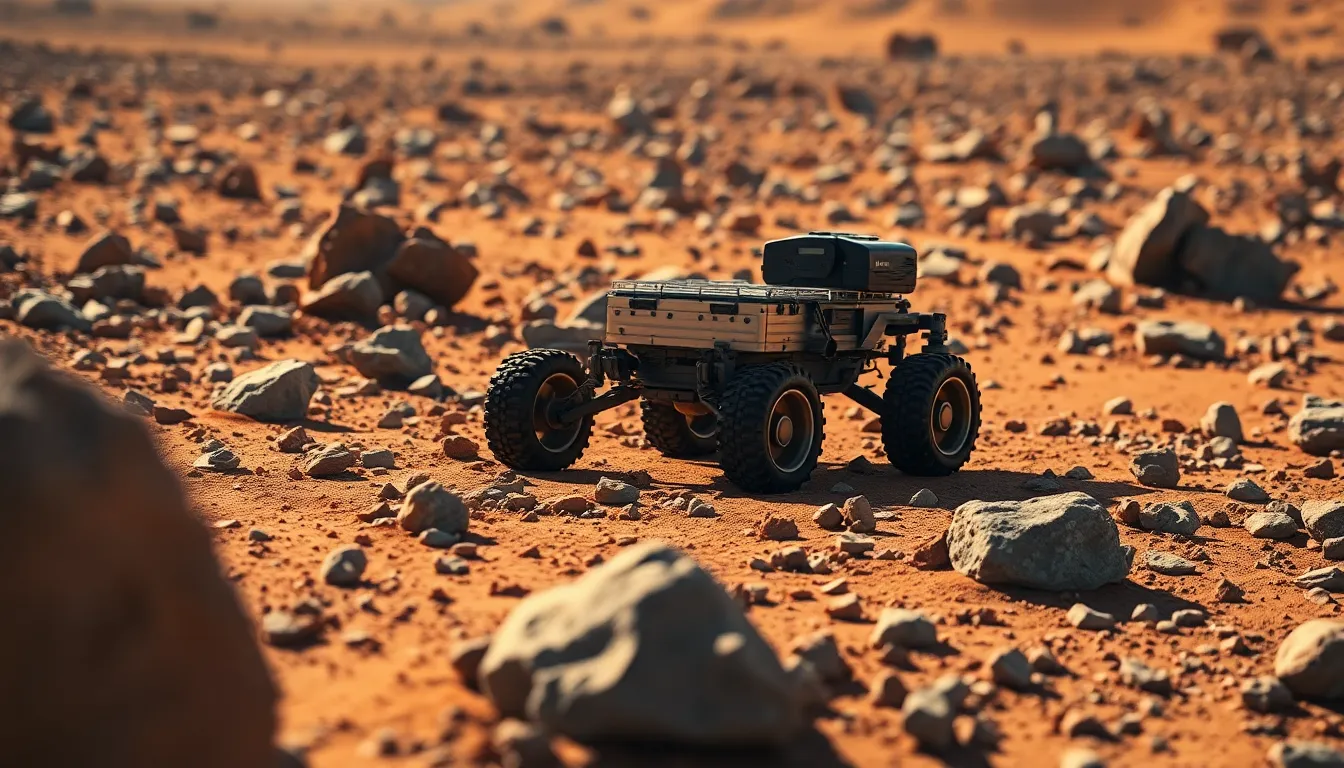
A Mars rover navigating the rocky terrain of the Martian surface, captured with a Fujifilm GFX 100S, 110mm f/2 macro. The scene is lit with harsh, direct sunlight casting deep shadows across the rough landscape, creating a warm orange and red color palette reminiscent of Mars. The focus is sharp throughout the entire scene, displaying fine details of the rover and rocky soil with hyperfocal depth of field. Composition employs leading lines in the rocky outcrops guiding the viewer's gaze towards the rover, enriching the sense of exploration.
16:9

An astronaut conducting a spacewalk outside the International Space Station, shot on Canon EOS R5, 24-70mm f/2.8L at 24mm. Bright sunlight casts sharp shadows on the blackness of space, rendering a stark contrast of white spacesuit against the dark background. The image features shallow depth of field at f/2.8, focusing on the astronaut's helmet with Earth in the background, beautifully blurred. A natural color palette highlights vibrant blues and greens of the planet below, and composition is dynamic with a centered subject framed by the ISS.
16:9
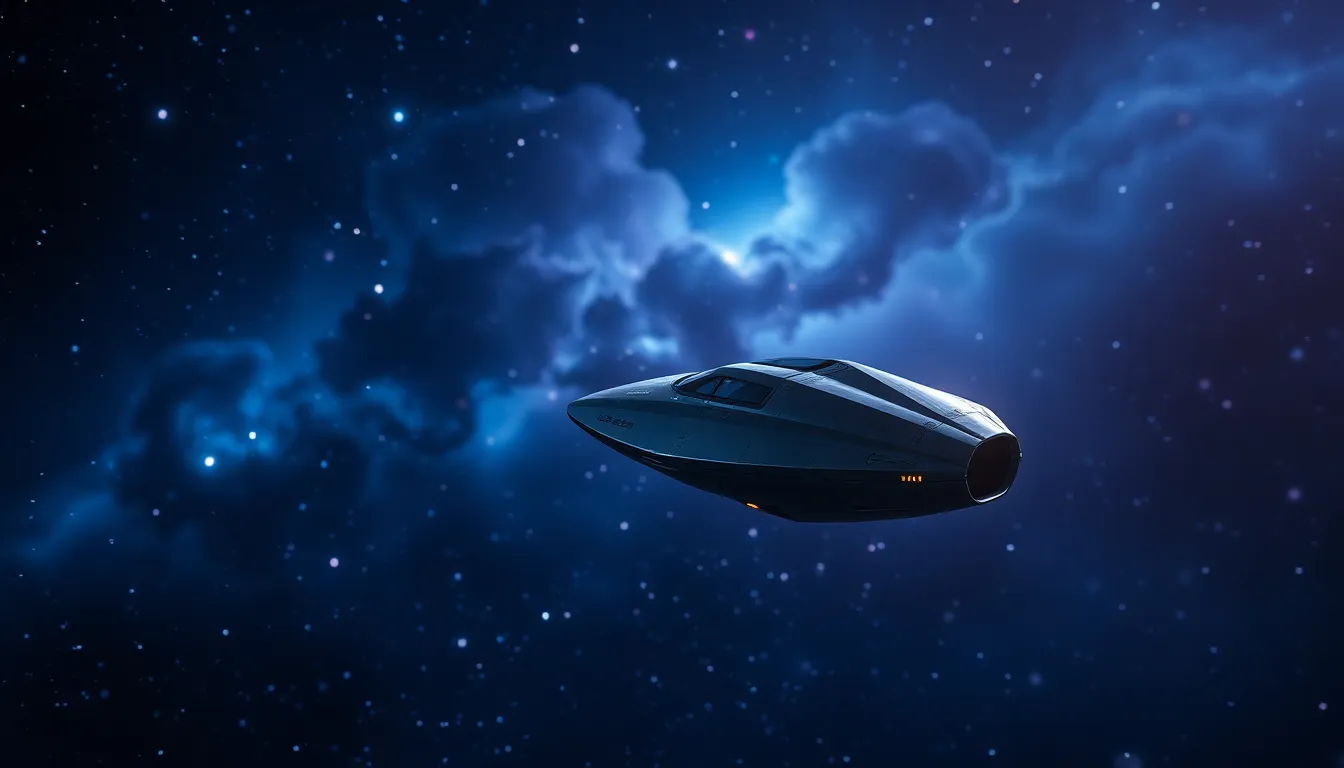
A spacecraft soaring through the depths of space, captured with a Nikon Z9, 70-200mm f/2.8 telephoto at 135mm. The scene is illuminated by distant stars and glowing nebulae, with a mystical blue and purple color palette reminiscent of deep space. The spacecraft is in sharp focus against a blurred star field, creating a dynamic depth of field. Composition follows the rule of thirds, positioning the spacecraft to the right. Textures include the metallic finish of the spacecraft contrasting with the ethereal clouds of gas and dust in the background.
16:9
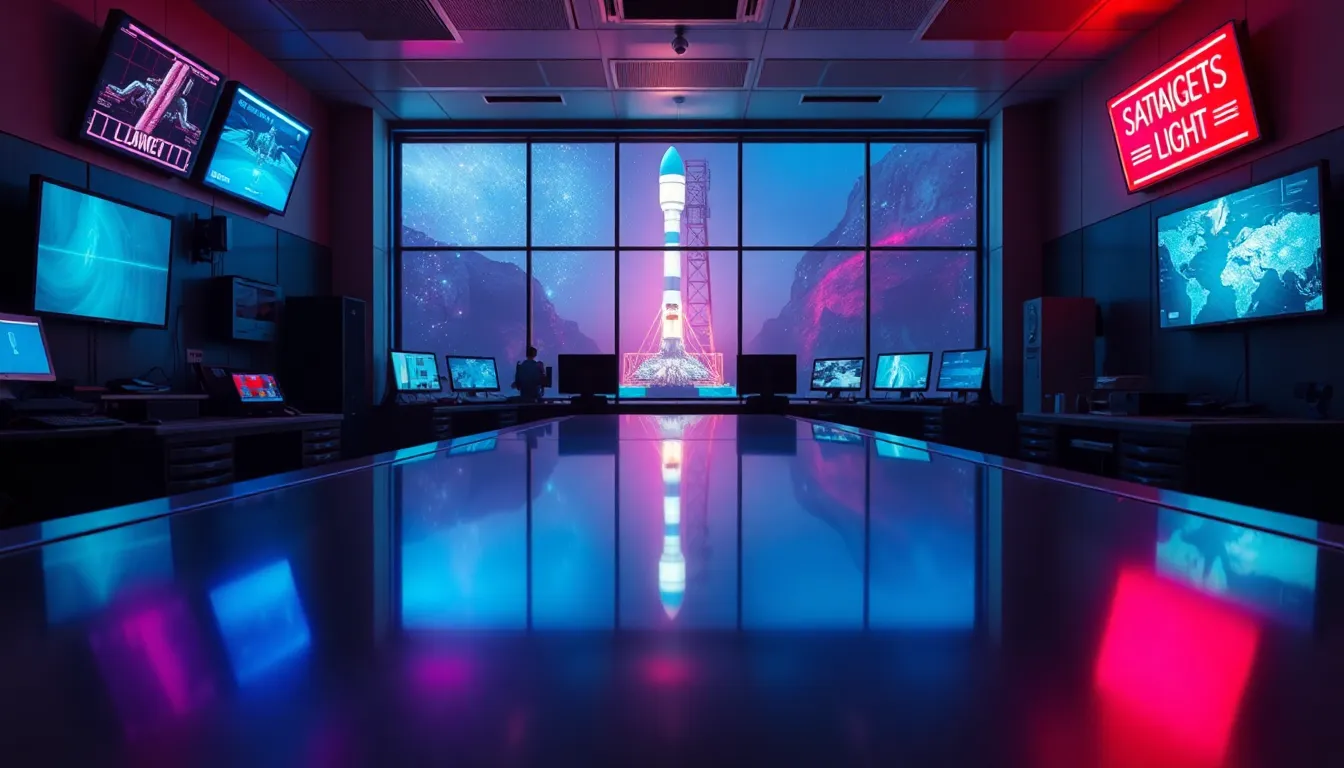
captured with Hasselblad X2D 100C, 90mm f/2.5 medium format, neon signage reflecting blue and magenta on the sleek surface of a satellite control room filled with technology, three-point studio setup with key softbox creating defined shadows, cinematic teal and orange color grading adds depth, foreground framing through large window showing the satellite launchpad, focusing on the high-tech environment and textural contrasts of glossy surfaces and matte equipment
16:9

shot on Fujifilm GFX 100S, 110mm f/2 macro, dappled sunlight filtering through the trees onto a satellite dish in a lush garden, selective focus on the dish with background melting into soft painterly bokeh, Fujifilm Velvia-inspired saturated colors enhance the rich greens and blues, rule of thirds composition with the dish at a power point surrounded by vibrant foliage, capturing the smooth surface texture of the dish against the organic environment
3:2
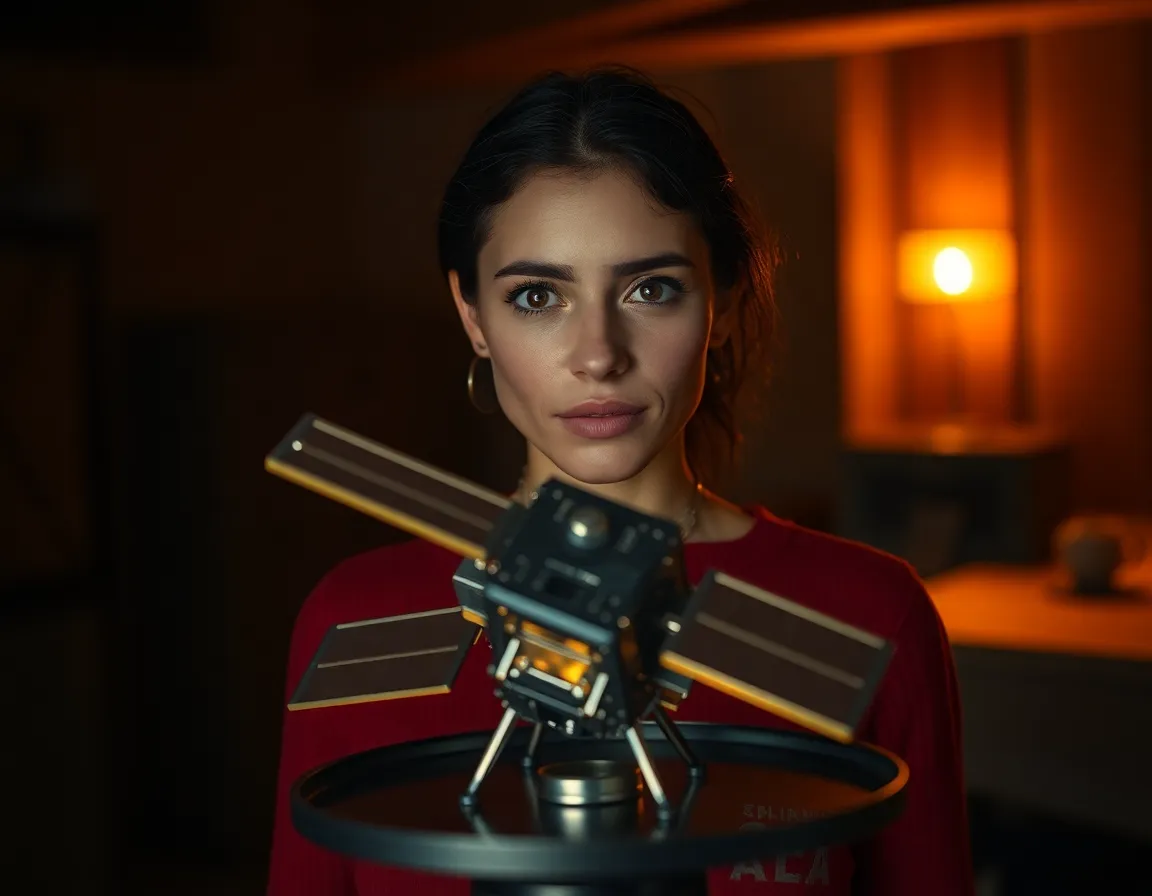
captured with Canon EOS R5, 24-70mm f/2.8L at 35mm, firelight casting warm shadows in a darkened room where a satellite model is displayed, shallow depth of field at f/2.8 focusing on the model, natural skin tones with warm highlights reflecting on metal surfaces, leading lines drawing the viewer's eye towards the satellite model, showcasing its intricate craftsmanship and textures
4:3
shot on Sony A7R V with 85mm f/1.4 GM lens, overcast diffused daylight filtering through clouds, hyperfocal distance ensuring everything from the satellite to the distant stars is in sharp focus at f/8, natural muted tones with desaturated earth colors for a realistic space ambiance, rule of thirds composition with the satellite positioned at the left power point against a starry background, showcasing surface details and textures of the satellite
16:9
captured with Nikon Z9, 70-200mm f/2.8 telephoto at 135mm, golden hour backlighting with warm rim light illuminating the satellite's surface, shallow depth of field at f/2.8 with soft bokeh of clouds in the background, cinematic teal and orange color grading to enhance the dramatic sky, centered symmetrical composition of the satellite against the backdrop of Earth, showcasing metallic textures and intricate satellite details with visible reflections of sunlight
16:9
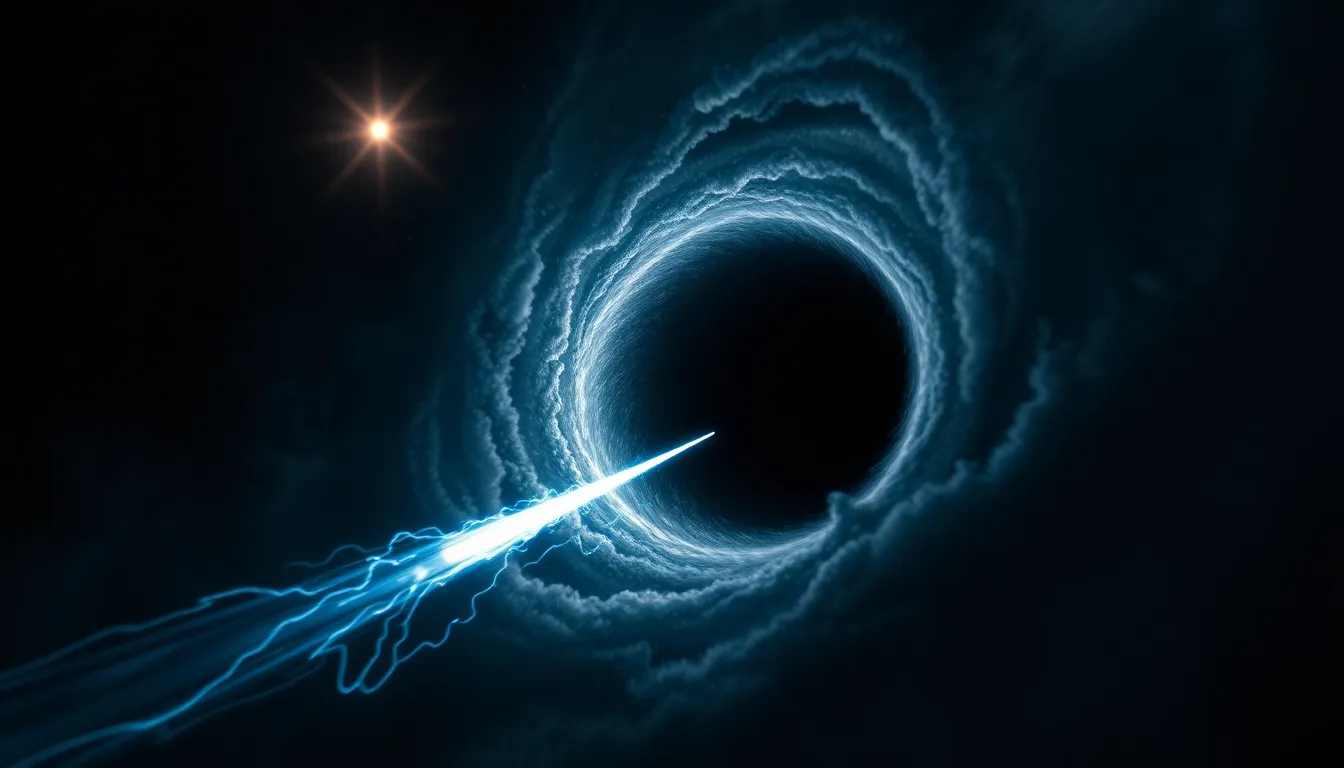
An awe-inspiring close-up of a black hole's event horizon with powerful jets of plasma shooting outward, surrounded by swirling cosmic dust. Captured with Leica Q3, 28mm f/1.7 Summilux, this photograph provides an intimate view of the black hole’s dynamics. The image features dramatic side lighting from a distant star, highlighting the bright jets contrasted against the dark backdrop. A shallow depth of field creates a creamy bokeh effect, allowing the focus to rest on the jets and the swirling dust, while the color palette of deep blacks, bright whites, and flashes of electric blue enhances the intensity. The composition is centered, emphasizing the power and chaos of the scene.
16:9
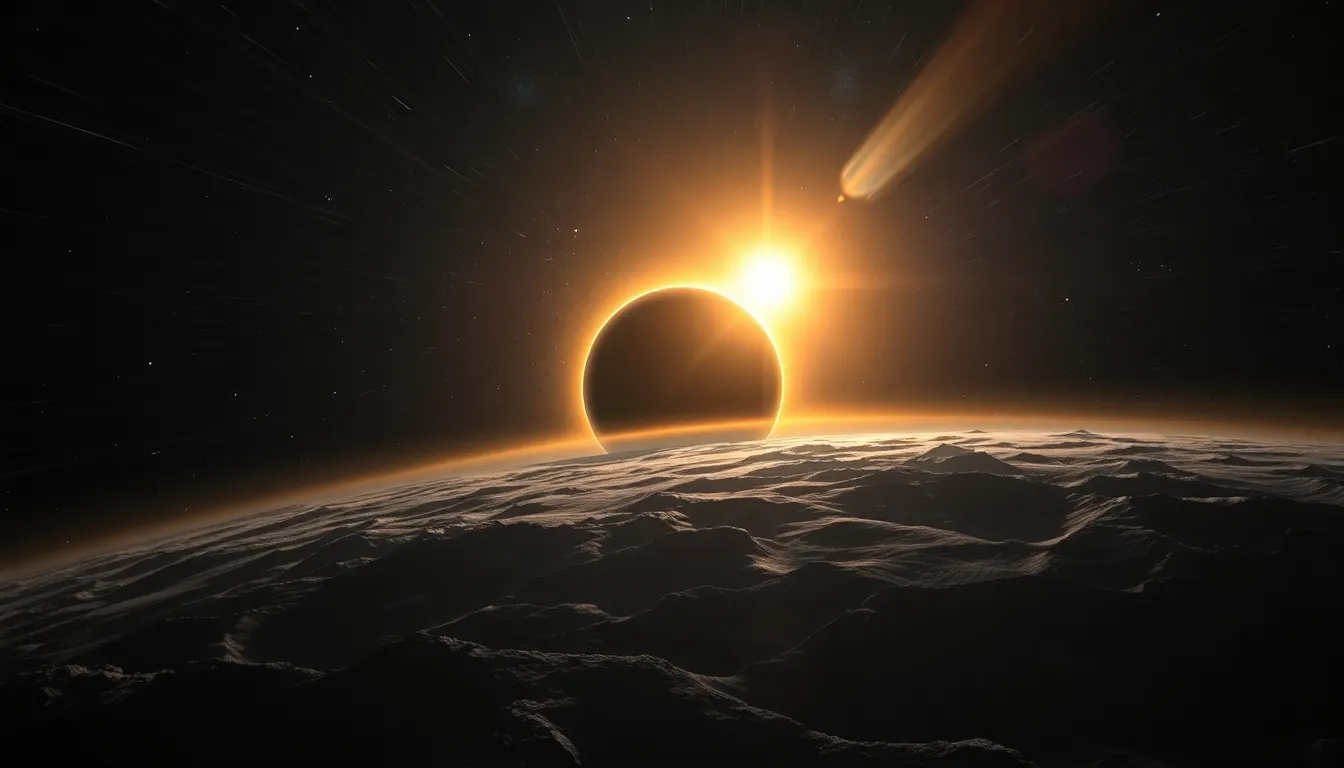
A breathtaking cosmic landscape showing the event horizon of a black hole towering above a nearby planet, captured during a light phenomenon. Shot on Hasselblad X2D 100C, 90mm f/2.5 medium format, the scene is bathed in the ethereal glow of a nearby star illuminating the event horizon. The lighting creates striking highlights and deep shadows, enhancing the drama of the black hole. A hyperfocal depth of field keeps all elements in focus, revealing intricate planetary textures contrasting with the dark void. The composition uses a leading line created by star trails curling toward the horizon, guiding the viewer's gaze.
16:9
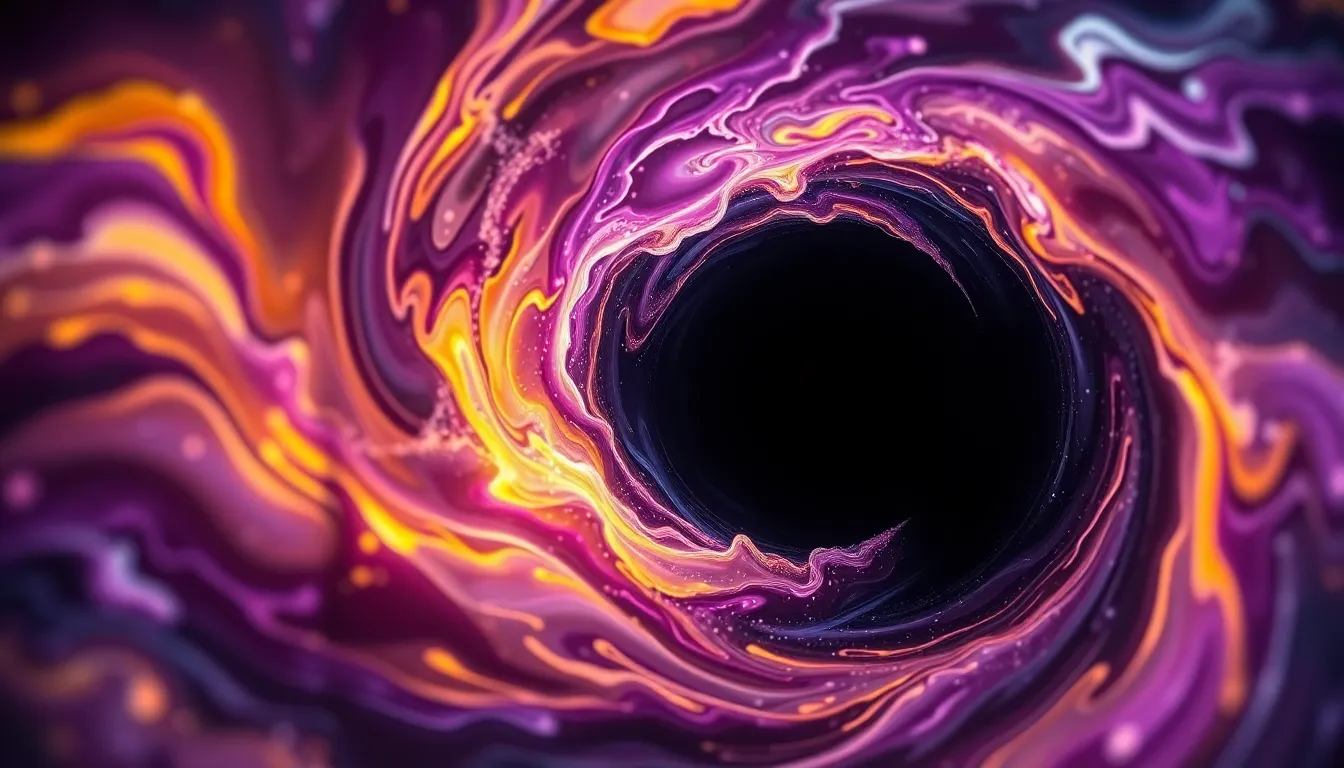
An abstract representation of a black hole capturing the imagination with swirling colors and forms resembling a cosmic whirlpool. Shot on Fujifilm GFX 100S, 110mm f/2 macro, this image focuses on the intricate details of the swirling gases and matter that spiral into the black hole. The lighting features a soft, diffused glow that enhances the texture of the gases, creating a dreamlike effect. Depth of field is shallow, with creamy bokeh emphasizing the vibrant colors of the swirling gases—rich purples, luminous yellows, and deep blacks. The composition is centered, allowing the viewer to feel immersed in this fantastical interpretation.
16:9
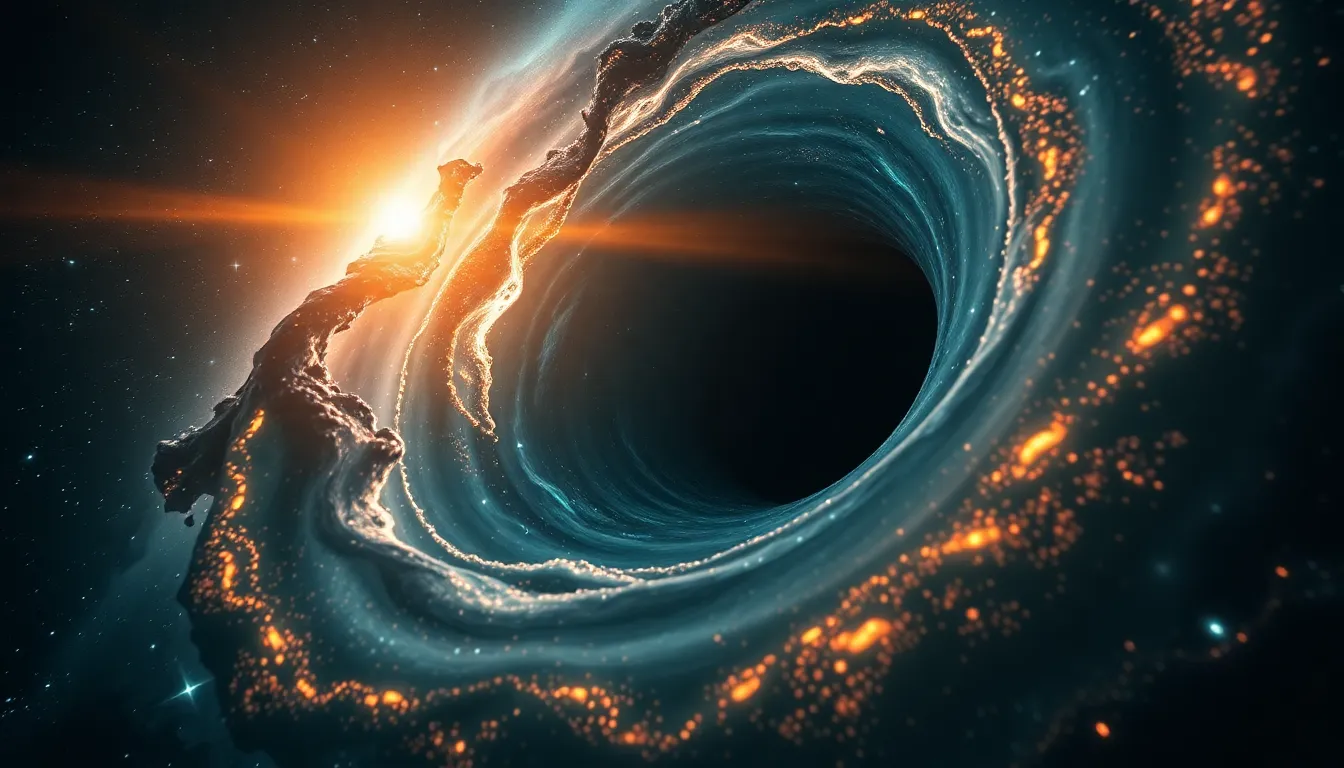
A stylized depiction of a black hole's gravitational pull shown through the distortion of nearby stars and galaxies. Captured with a Canon EOS R5, 24-70mm f/2.8L at 35mm, the scene features a wide-angle view, emphasizing the bending light from the black hole's immense gravity. The lighting is dramatic, coming from distant stars, creating a high-contrast environment with sharp shadows and bright highlights. A hyperfocal depth of field keeps textures sharp across the expansive view, with a cinematic color grading of teal and orange adding to the drama. The composition uses leading lines created by the galactic structures stretching towards the black hole.
16:9
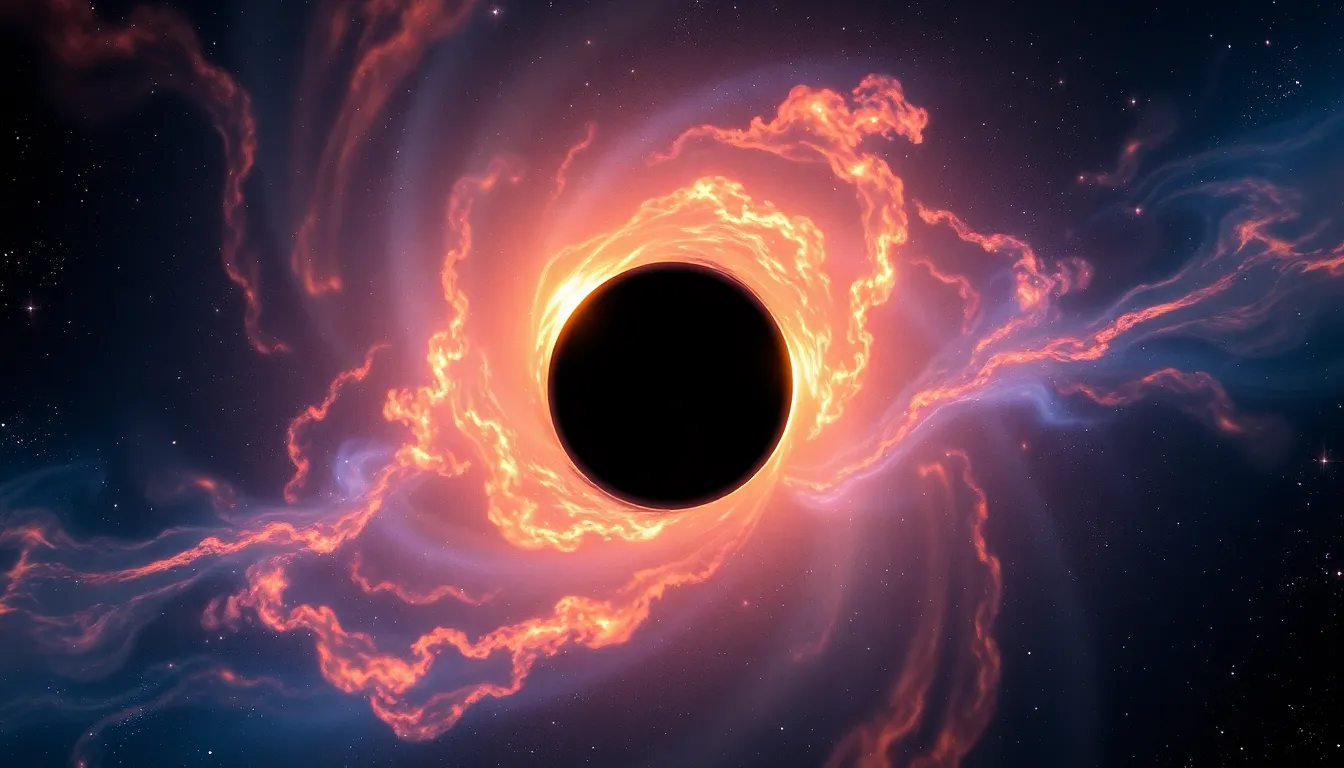
A breathtaking cosmic scene depicting a black hole at the center, surrounded by swirling accretion disks of bright, fiery plasma. Shot on Nikon Z9, 70-200mm f/2.8 telephoto at 135mm, the image captures the ethereal glow of the black hole against a backdrop of deep space with scattered stars. Lighting is provided by the intense luminosity of the accretion disk, creating a dramatic contrast with the darkness of space. The composition follows the rule of thirds, with the black hole off-center, emphasizing its enormity against the cosmic canvas. Subtle texture highlights in the plasma detail the turbulent motion, while a rich, cosmic color palette of deep blues, purples, and fiery oranges enhances the otherworldly ambiance.
16:9
Fujifilm GFX 100S, 110mm f/2 macro, captured during a clear lunar eclipse with dramatic shadows and vibrant colors highlighting the moon's surface, hyperfocal distance ensuring every element from the foreground to the moon is intricately detailed, Kodak Portra 400 color palette enriching the depth of shadows and softness of highlights, dynamic composition with the moon positioned slightly off-center, surrounded by a celestial array of stars.
16:9
Hasselblad X2D 100C, 90mm f/2.5 medium format, captured with dappled sunlight filtering through tree leaves creating a mystical ambiance, shallow depth of field with creamy bokeh on the edges of the image, natural muted tones with desaturated greens and browns emphasizing the moon's ethereal glow, rule of thirds composition with the moon nestled among leaves, creating a dreamy focal point in an enchanted woodland scene.
3:4
captured with Canon EOS R5, 24-70mm f/2.8L at 35mm, natural overcast daylight providing soft, even lighting over a rocky lunar landscape, shallow depth of field at f/4 focusing on the moon's craters while softly blurring the rugged terrain, Fujifilm Velvia-inspired saturated colors enhancing earthy tones and greyish lunar surface, dynamic leading lines of rock formations guiding the viewer's gaze toward the dramatic full moon in the background.
16:9
shot on Sony A7R V with 85mm f/1.4 GM lens, captured under a clear night sky illuminated by soft moonlight creating a serene atmosphere, hyperfocal distance at f/8 ensuring sharpness from foreground flowers to the moon, natural muted tones with desaturated blues and greys emphasize the tranquility of the scene, centered symmetrical composition with wildflowers in the foreground leading the eye to a luminous full moon.
4:3
captured with Nikon Z9, 70-200mm f/2.8 telephoto at 200mm, golden hour backlighting with warm rim light illuminating the lunar surface, shallow depth of field at f/2.8 with a soft bokeh of stars, cinematic teal and orange color grading enhances the lunar landscape's textures, rule of thirds composition with the moon positioned in the upper right corner framed by wispy clouds, showcasing intricate surface details of craters and maria.
16:9

A close-up of a spacecraft engine with intricate details, captured with a Leica Q3, 28mm f/1.7 Summilux lens. The image is illuminated by focused LED lights, bringing out the reflective surfaces and textures of the engine components. The depth of field is shallow at f/1.7, emphasizing the fine details while softly blurring the background. The color palette features metallic grays and silvers with hints of blue light reflections. The composition employs a centered approach, highlighting the engine’s complex design, while textures reveal the craftsmanship of advanced engineering.
1:1
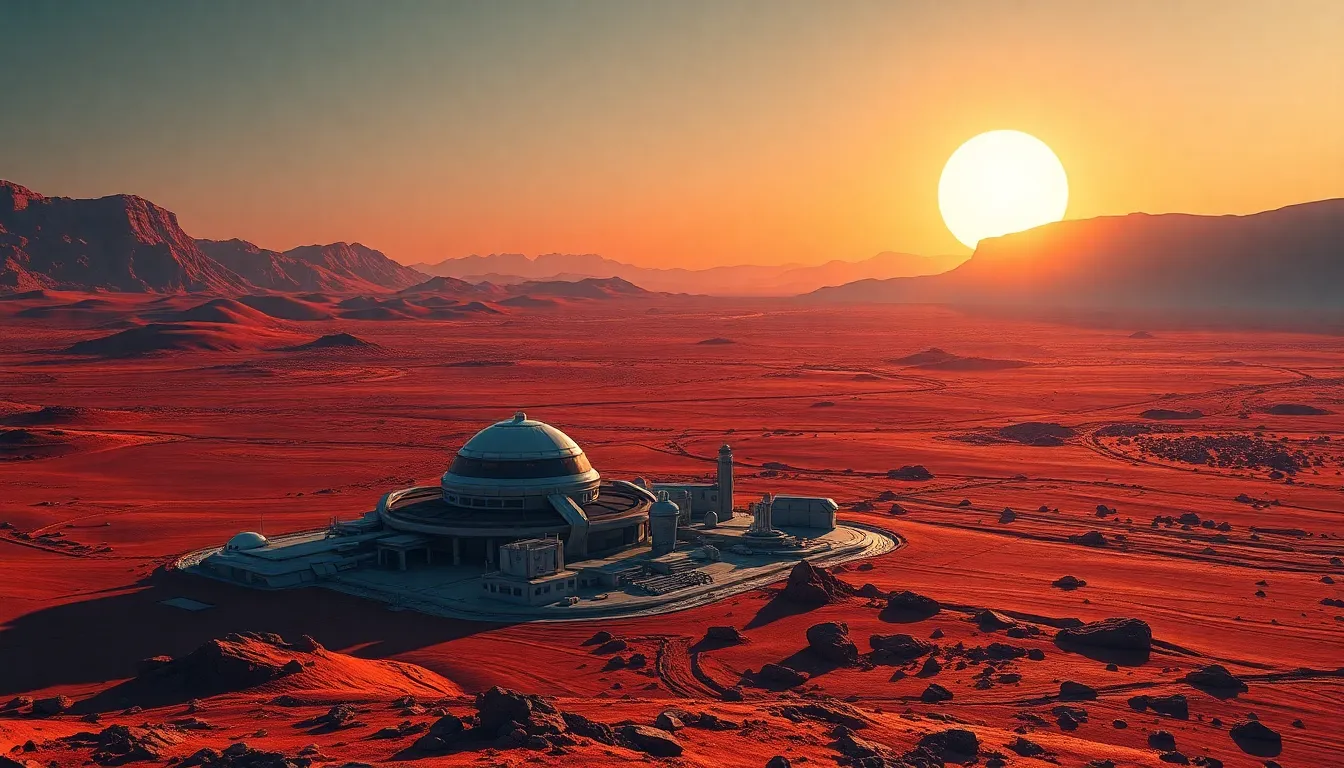
A futuristic space colony on Mars at dusk, photographed with a Hasselblad X2D 100C, 90mm f/2.5 medium format lens. The scene is illuminated by the warm, fading sunlight casting long shadows on the red Martian landscape. The depth of field is hyperfocal at f/8, making everything from the colony to the distant mountains sharp and clear. The color palette includes rich reds and oranges with cool blue shadows, creating a dramatic contrast. The composition uses the rule of thirds, placing the colony in the lower left while the setting sun fills the upper right, highlighting the rugged texture of the Martian surface.
16:9
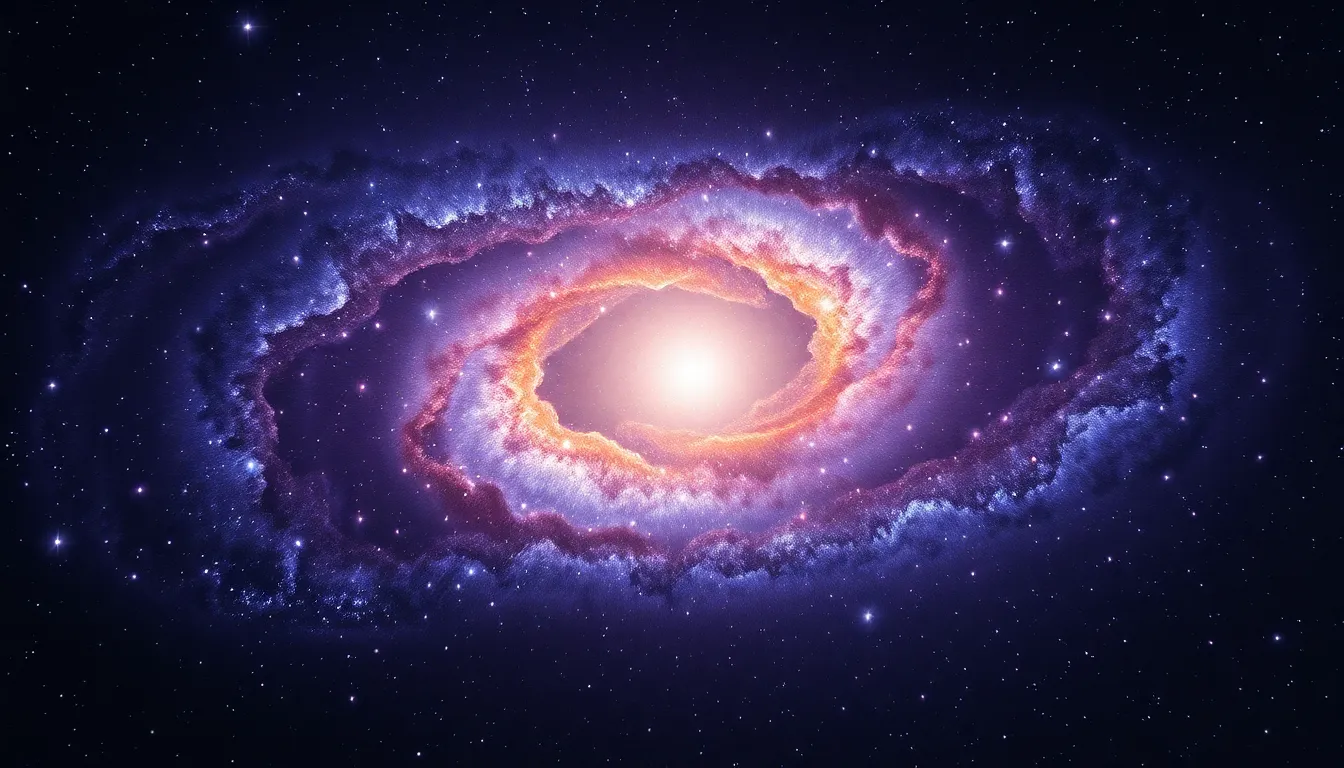
A dramatic view of a distant galaxy, captured with a Fujifilm GFX 100S, 110mm f/2 macro lens. The scene is illuminated by soft starlight, creating a shimmering effect on the cosmic dust and gas clouds. The depth of field is shallow at f/2, focusing on the vibrant core of the galaxy while the outer regions dissolve into an ethereal blur. The color palette features deep purples and blues, with touches of bright white and hints of orange stars. The composition centers around the galaxy's core, utilizing a symmetrical layout to enhance its grandeur, with textures highlighting the intricate formations of stardust and gas.
16:9

An astronaut floating in space during a spacewalk, photographed with a Canon EOS R5, 24-70mm f/2.8L at 35mm. The scene is illuminated by bright sunlight, highlighting the intricate details of the astronaut's suit and equipment. The depth of field is hyperfocal at f/8, ensuring both the astronaut and the distant spacecraft remain sharply in focus. The color grading is inspired by cinematic teal and orange, giving a dramatic touch to the overall scene. The composition employs leading lines from the safety tether, guiding the viewer's gaze toward the Earth visible in the background, with a slight texture from the starry cosmos surrounding.
16:9
A breathtaking view of Earth from the International Space Station (ISS), captured with a Nikon Z9, 70-200mm f/2.8 telephoto at 135mm. The scene is illuminated by the soft glow of sunlight reflecting off the planet's atmosphere, creating a brilliant halo. The depth of field is shallow at f/2.8, focusing sharply on the curvature of Earth while the cosmos fades into soft bokeh. The color palette features vibrant blues and greens of the oceans and continents against the dark void of space. The composition utilizes the rule of thirds with Earth occupying the lower third, while the stars fill the upper two-thirds, showcasing textures of atmospheric clouds and terrain details.
16:9
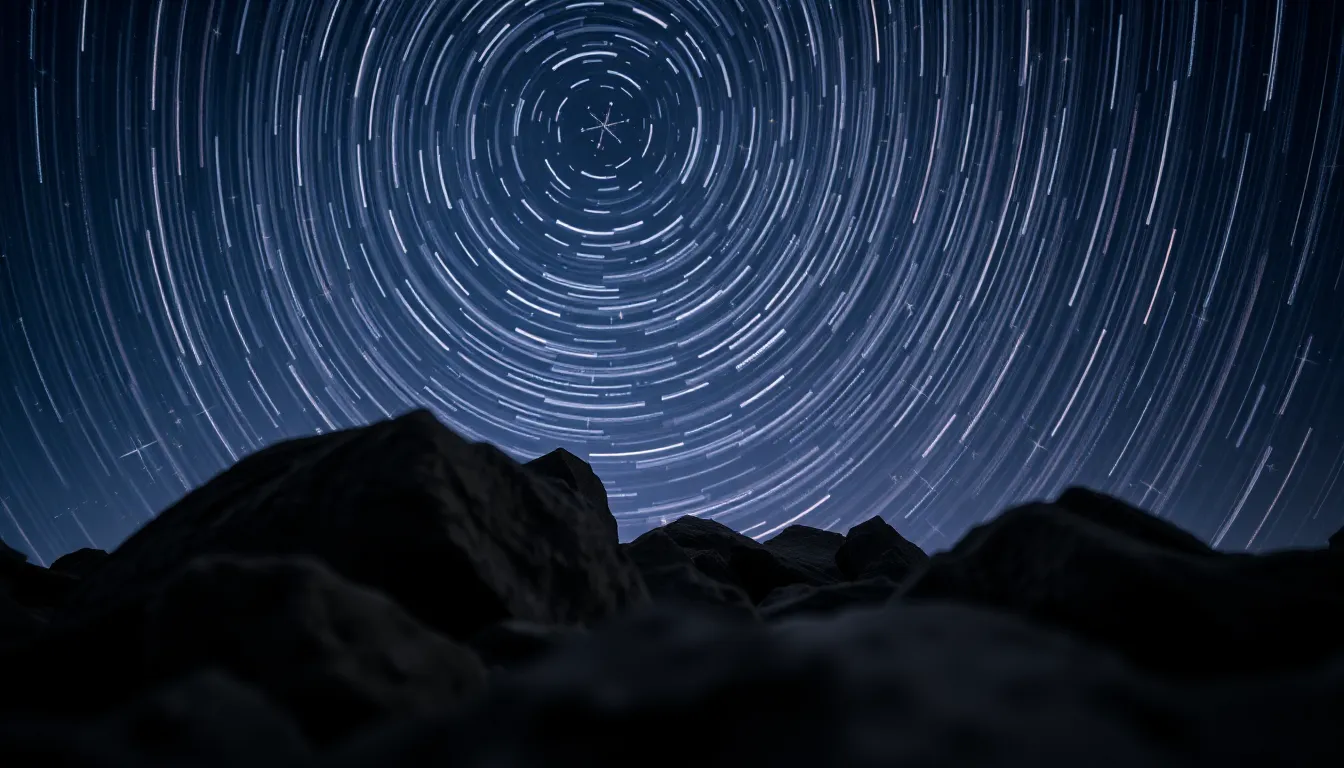
a close-up of detailed star trails over a rocky outcrop, shot on Leica Q3, 28mm f/1.7 Summilux. The vibrant streaks of stars create a circular motion around the North Star, captured in a long exposure. The lighting is dark with bright spots of starlight creating a dramatic contrast. A shallow depth of field at f/1.7 draws focus to the textured rocks in the foreground, while the star trails form a mesmerizing backdrop, imbuing the scene with dynamic movement.
16:9
an awe-inspiring view of the Northern Lights dancing over a snowy landscape, captured with Hasselblad X2D 100C, 90mm f/2.5 medium format. The vibrant greens and purples of the aurora contrast against the pristine white snow below. Natural diffused sunlight at dawn provides a soft, pastel color palette, and a hyperfocal depth of field keeps everything in sharp focus. The composition uses rule of thirds, placing the horizon line low to showcase the spectacular sky above and the textured snow below.
16:9
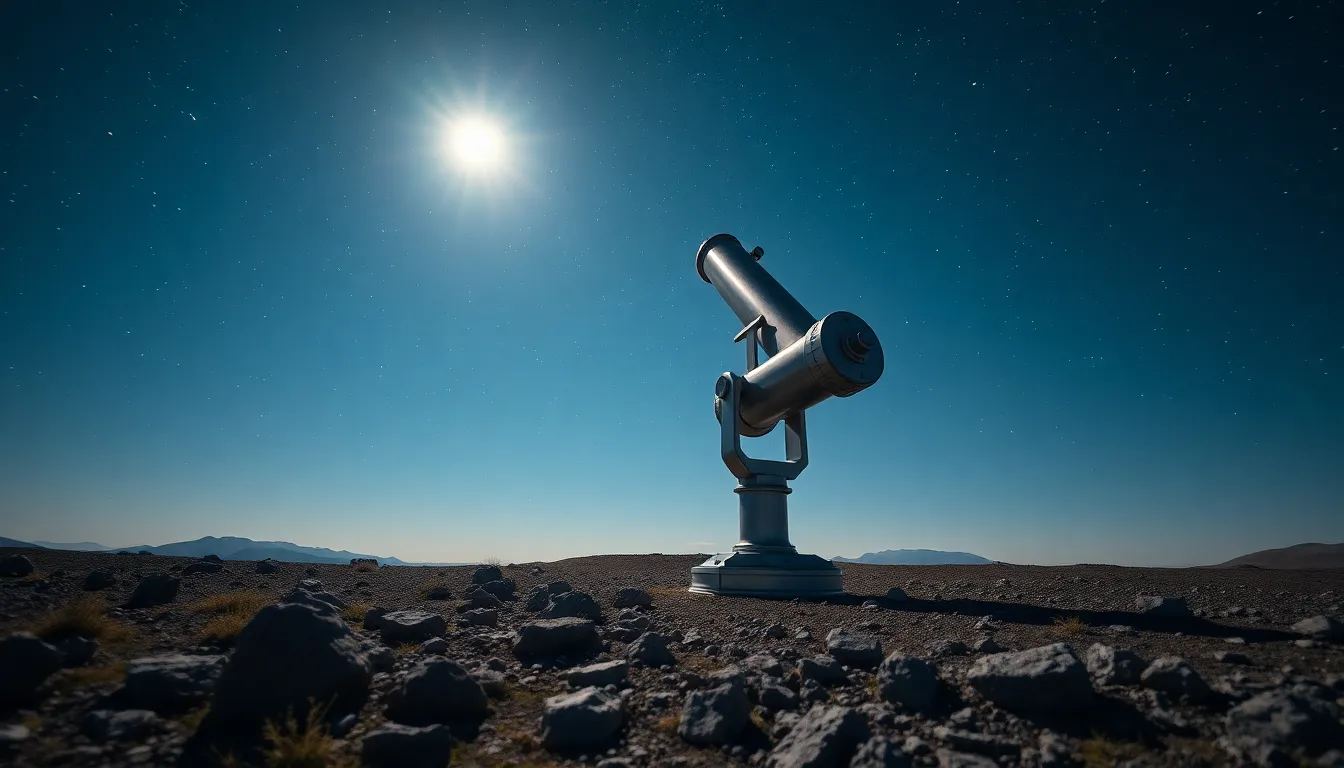
a surreal landscape depicting a giant telescope under a starry sky, shot on Fujifilm GFX 100S, 110mm f/2 macro. The scene is bathed in soft silver moonlight, highlighting the telescopes' polished metal and the rocky terrain. A shallow depth of field at f/2 creates delicate bokeh out of the background stars, enhancing the subject's prominence. The color palette features muted tones with hints of warm earth colors, while the composition is centered on the telescope, evoking a sense of exploration and wonder.
16:9
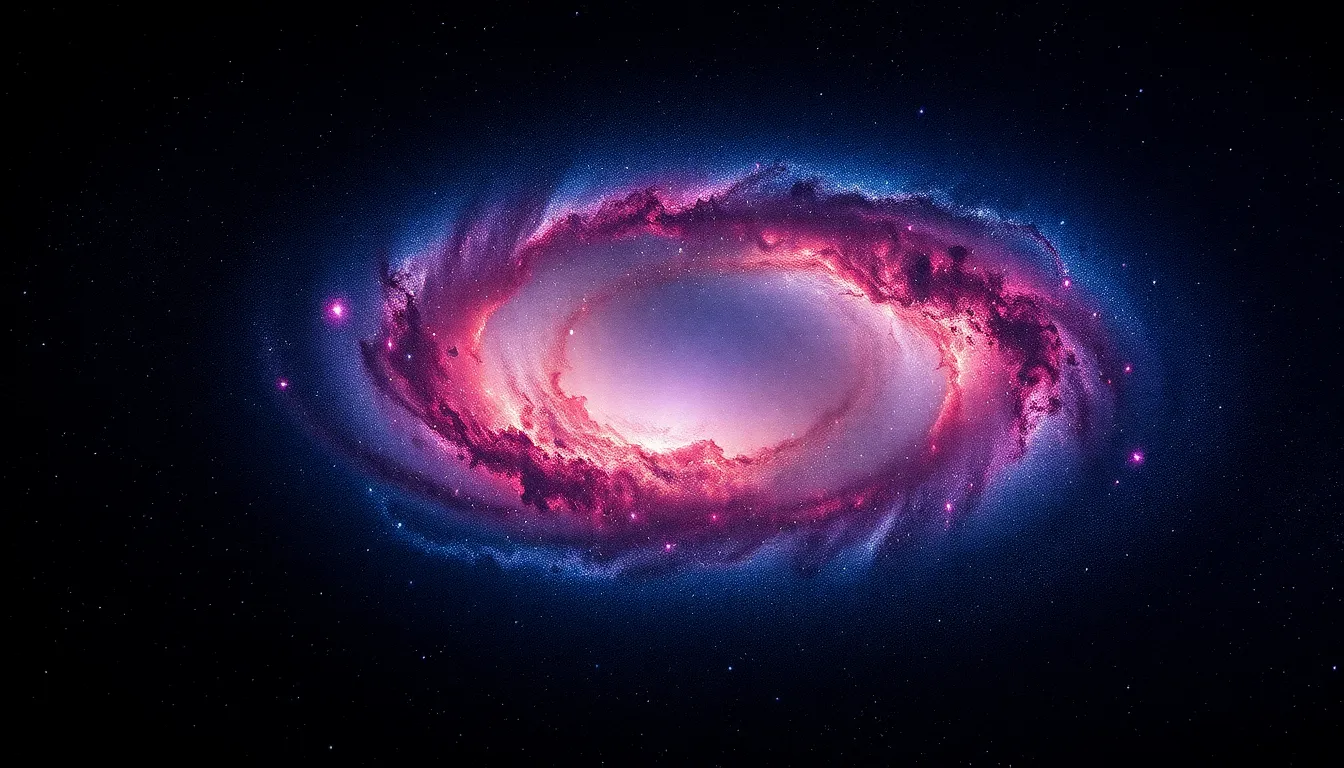
an artistic representation of the Andromeda Galaxy, captured with Canon EOS R5, 24-70mm f/2.8L at 35mm. The composition uses a deep black backdrop to emphasize the vibrant swirling colors of the galaxy, with nebulae painted in pinks and blues. The lighting is dramatic with high contrast, creating a cinematic feel. A hyperfocal distance at f/8 sharpens the entire scene, while the texture of cosmic dust and star clusters enriches the visual experience.
16:9
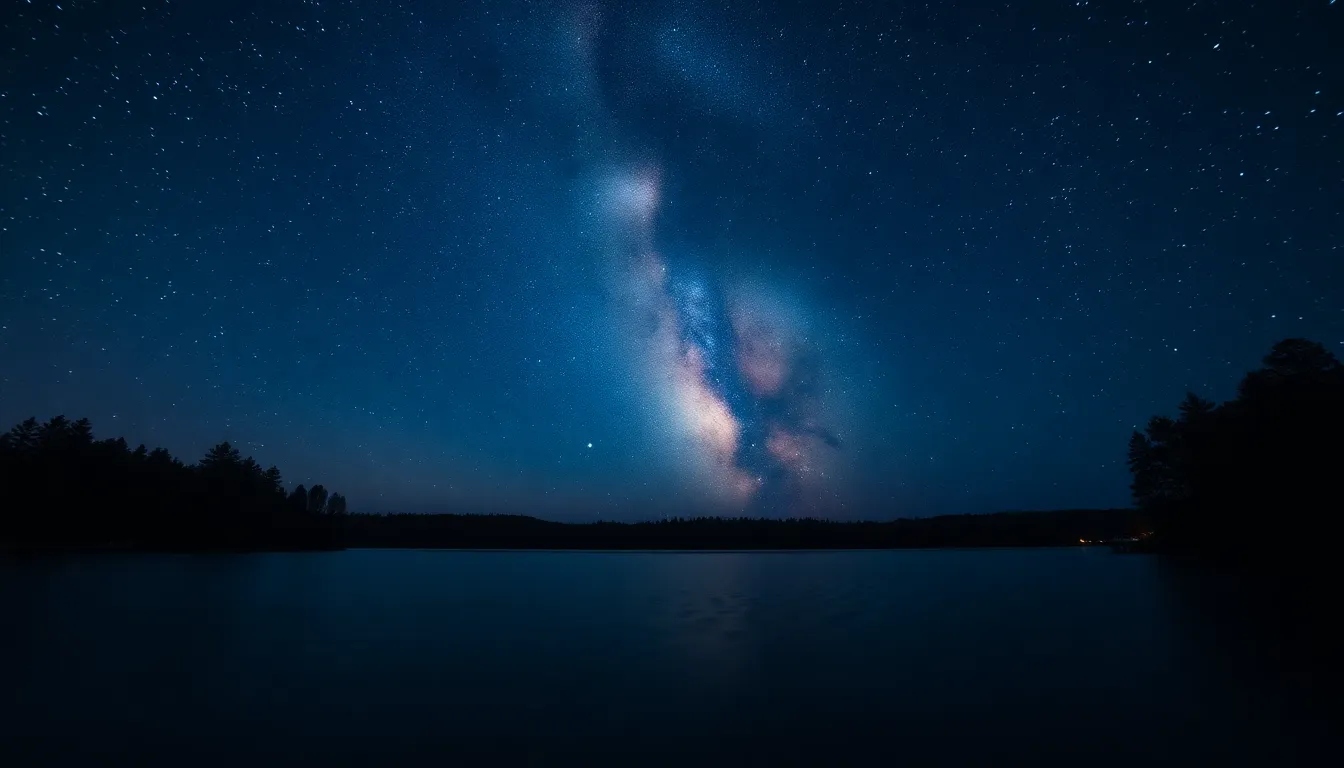
a breathtaking view of a star-filled night sky over a serene lake, shot on Nikon Z9, 70-200mm f/2.8 telephoto at 135mm. The scene is illuminated by moonlight reflecting off the water, creating glimmering patterns. A wide aperture of f/2.8 provides a shallow depth of field, highlighting the rich blues and purples of the Milky Way, while soft bokeh envelops the foreground trees. The composition features a leading line of the lake drawing the viewer's eye upward towards the constellation-drenched sky, with the texture of the water's surface captured in fine detail.
16:9
A wide view of the gas giant Jupiter with its iconic Great Red Spot, captured with Leica Q3, 28mm f/1.7 Summilux. The scene is rendered in soft twilight, with natural sunlight illuminating the swirling clouds and storms across the planet’s surface. A shallow depth of field focuses on the Great Red Spot while allowing the surrounding cloud bands to melt into painterly bokeh. The color palette features rich browns, deep reds, and soft whites, providing a natural representation of Jupiter. Compositionally, the planet is centered, with the swirling cloud formations creating a dynamic yet harmonious flow.
16:9
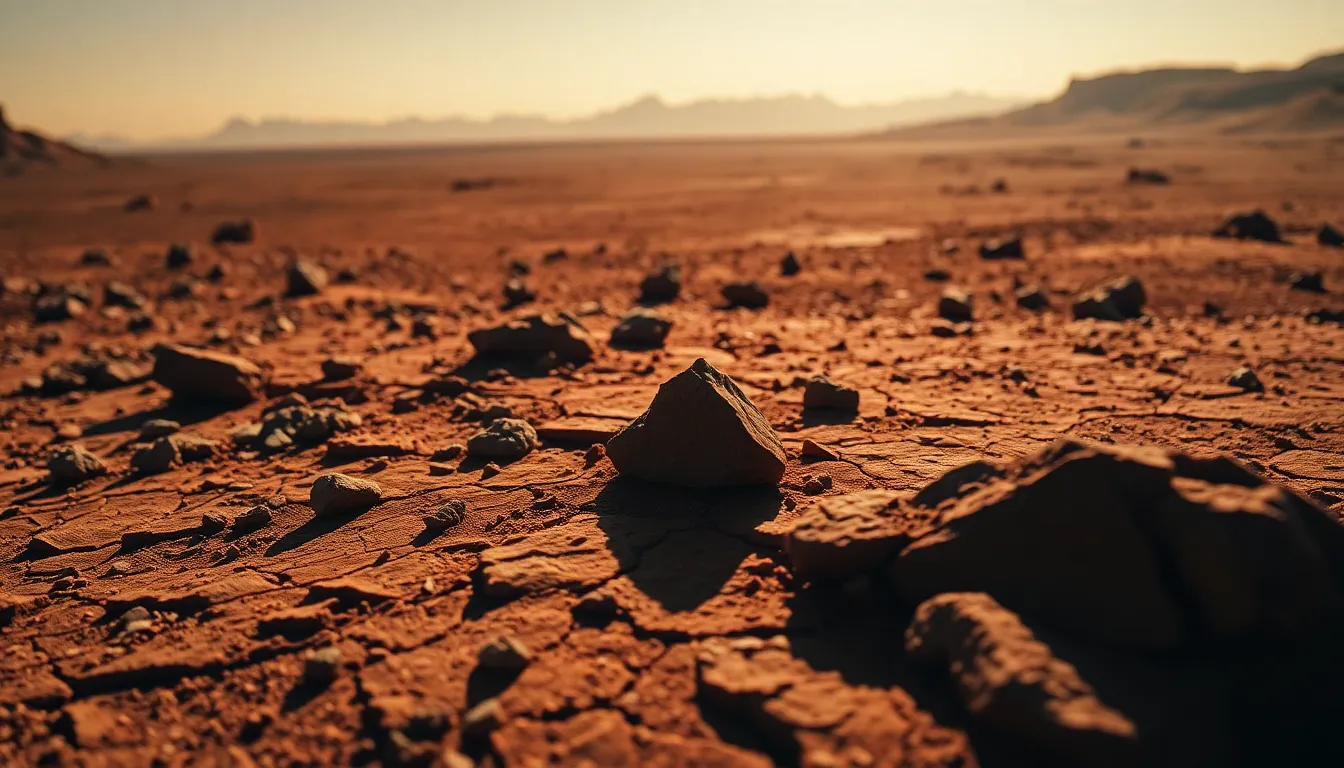
A breathtaking landscape of Mars as seen from a spacecraft, shot on Fujifilm GFX 100S, 110mm f/2 macro. The scene showcases the planet's red surface textures, with dry, cracked soil and small rocky formations illuminated by natural sunlight, casting sharp shadows. The depth of field is hyperfocal, capturing every detail from the rugged foreground to the distant Martian horizon. The color palette features natural muted tones and desaturated earth colors, echoing Mars' unique landscape. Compositionally, the rocky foreground leads the eye toward the fading horizon, providing a sense of depth.
16:9

An artistic representation of a gas giant exoplanet floating in a nebula, captured with Hasselblad X2D 100C, 90mm f/2.5 medium format. The scene is dramatically illuminated by the soft, diffused light of surrounding cosmic clouds, creating an ethereal glow around the planet. A shallow depth of field accentuates the textures on the planet's surface, with vibrant gas colors intermingling in swirling patterns. The color science is cinematic teal and orange, providing a dramatic flare. The composition features the planet centered with the nebula serving as a vibrant backdrop, enhancing the sense of wonder.
16:9
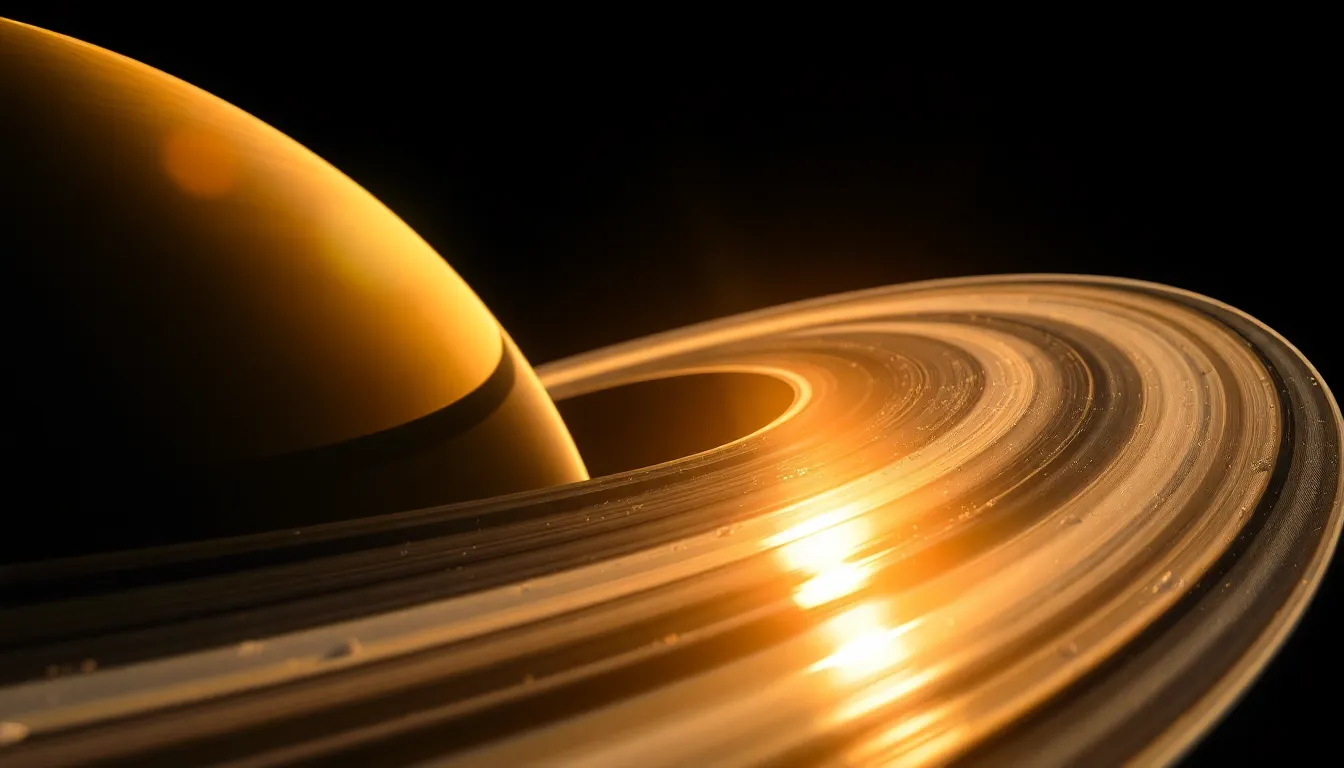
A vivid close-up of Saturn's rings, shot on Canon EOS R5, 24-70mm f/2.8L at 35mm, showcasing intricate details in the ice and rock particles that form the rings. The scene is backlit by distant sunlight, creating a stunning contrast that highlights the rings’ textures and depth. Using a hyperfocal distance, this image captures everything from the textured rings to the blurred backdrop of space. The color grading is inspired by Fujifilm Velvia with rich blues and golden hues. The composition centers on the rings, emphasizing their delicate formation against the dark space.
16:9
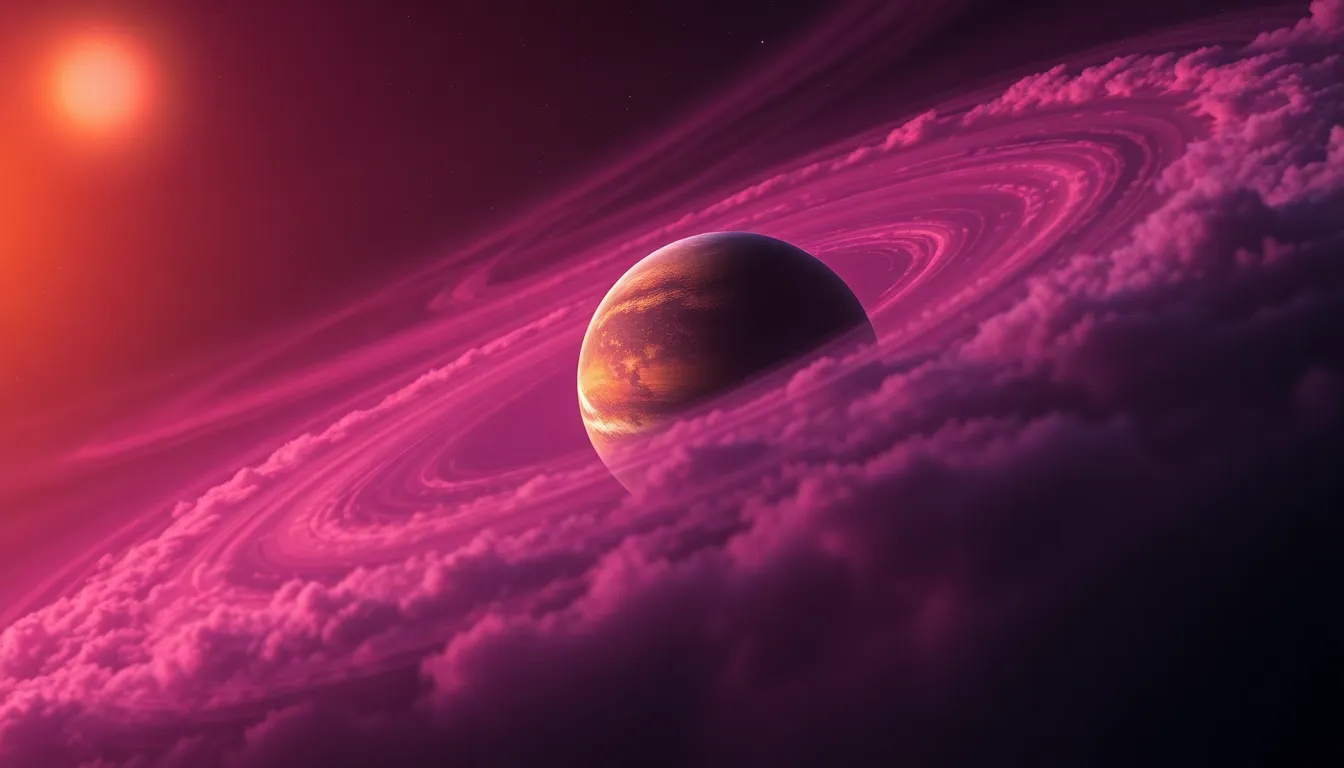
A mesmerizing view of a distant exoplanet with swirling clouds and vivid colors, captured with Nikon Z9, 70-200mm f/2.8 telephoto at 135mm. The scene is illuminated by the soft, ethereal light of a nearby star, providing a dramatic contrast between the planet's vibrant surface and the dark void of space. The depth of field is shallow, focusing on the planet's detailed atmospheric texture, which features dynamic patterns. The color palette is a striking mix of deep purples and bright oranges, reminiscent of a sunset. The composition places the planet off-center, drawing the eye across the expanse of space.
16:9
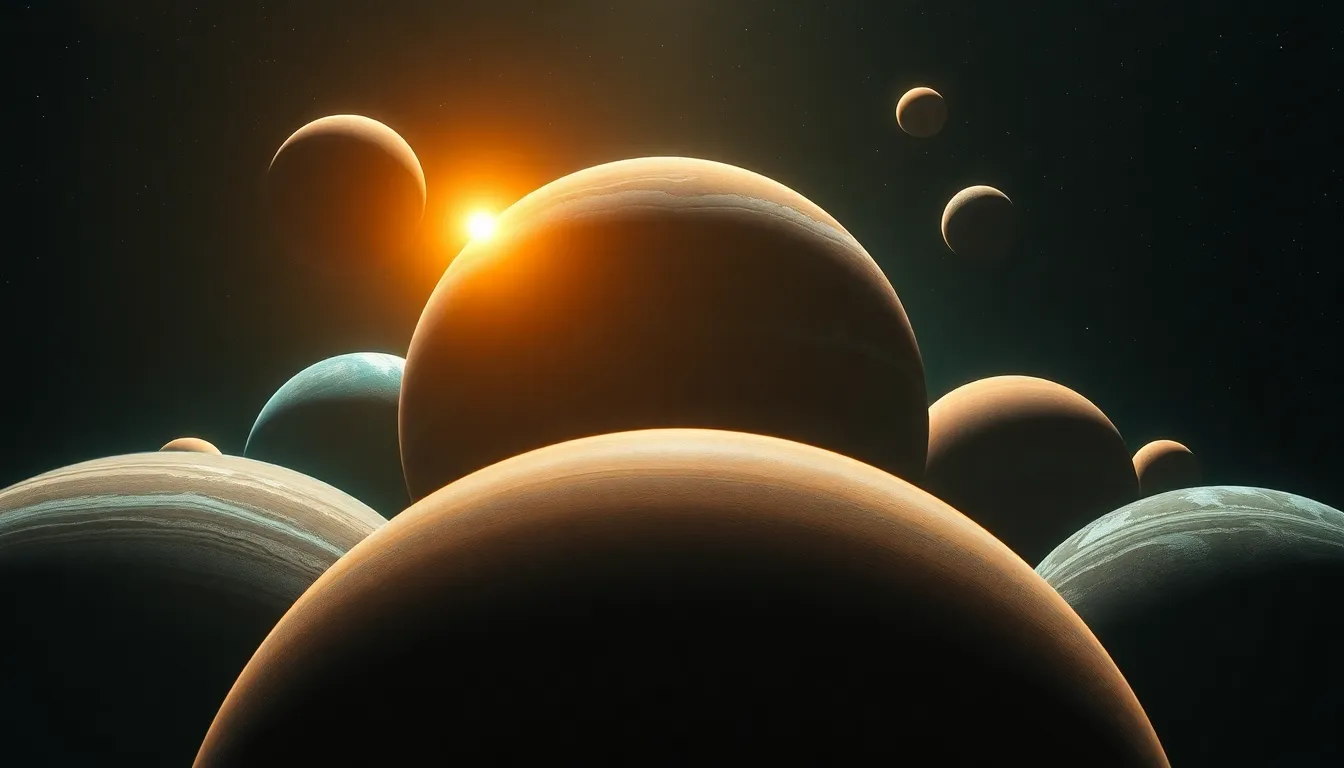
A stunning view of a planetary system featuring multiple planets, taken with Fujifilm GFX 100S, 110mm f/2 macro. The scene is illuminated by dramatic starlight, casting a soft glow on the surfaces of the planets. A hyperfocal distance at f/8 captures sharp details across the entire scene. The cinematic teal and orange grading accentuates the vibrancy of each planet's unique colors, while the composition features a centered symmetrical arrangement of the planets, creating a sense of balance and harmony in the celestial display. Textures reveal surfaces of rocky craters and gaseous swirls, enhancing the realism.
16:9

A serene view of a planet with a mesmerizing ocean, shot on Sony A7R V with 85mm f/1.4 GM lens. The scene is illuminated by soft golden hour backlighting, creating a warm rim light on the ocean waves. A shallow depth of field at f/1.4 highlights the texture of the water, while the background fades into a soft bokeh of distant stars. The color palette is inspired by Kodak Portra 400, featuring warm skin tones in the clouds and creamy highlights reflecting off the ocean surface. The composition is centered, emphasizing the tranquil interplay of water and sky in a beautiful harmony.
16:9
An imaginative landscape of a vibrant alien planet, captured with Canon EOS R5, 24-70mm f/2.8L at 35mm. The scene uses overcast diffused daylight, creating soft, even lighting across the multicolored terrain. A shallow depth of field at f/2.8 provides a dreamy backdrop while keeping the foreground flora in sharp focus. The color palette is inspired by Fujifilm Velvia, featuring saturated colors with deep purples, greens, and reds that highlight the bizarre alien vegetation. The composition incorporates rule of thirds, placing a towering, peculiar rock formation at a power point, creating a sense of intrigue and adventure.
16:9
A breathtaking close-up of the rings of a giant gas planet, captured with Nikon Z9, 70-200mm f/2.8 telephoto at 135mm. The image features dramatic backlighting from a nearby star, creating a radiant halo effect around the rings. Using a hyperfocal distance at f/8 ensures crisp details from the rings to the background stars. The color science employs a cinematic teal and orange grading that brings out the vibrant hues of the gaseous surface, while the composition utilizes leading lines created by the rings drawing the eye inward. Fine details reveal swirling gas clouds and intricate ring structures, showcasing the planet's grandeur.
16:9
A breathtaking view of a distant planet resembling Earth, captured with Hasselblad X2D 100C, 90mm f/2.5 medium format. The scene features dramatic twilight lighting with glowing oranges and purples illuminating the horizon. A shallow depth of field at f/2.5 gives a gentle bokeh effect to the stars twinkling in the background. The color palette captures the warm earth tones juxtaposed with the deep blue of space, while the composition centers the planet in the frame, emphasizing its illuminated surface textures showing mountains and valleys. The image showcases fine details like swirling clouds and shimmering water bodies reflecting the twilight ambiance.
16:9
The moon reflected in a still lake during a clear night, captured with Leica Q3, 28mm f/1.7 Summilux. The moonlight casts a silvery pathway across the water, surrounded by dark silhouettes of trees on the shore. The scene boasts natural lighting with a crisp clarity that reveals the textures of the water surface. A shallow depth of field at f/1.7 focuses on the moon and its reflection, leaving the surrounding forest beautifully blurred. The color palette features deep navy and silver, evoking a feeling of tranquility and solitude. The composition follows the rule of thirds, positioning the moon in the top left corner, enhancing the reflective symmetry.
16:9
A lunar eclipse showcasing the moon transitioning through varying shades, captured with Canon EOS R5, 24-70mm f/2.8L at 70mm. The scene is dramatically lit by the dimmed sunlight filtering onto the moon, enhancing its shadowed features. The depth of field is hyperfocal, keeping both the Earth’s atmosphere and moon in sharp focus, capturing rich textures of both. The color science reflects a Fujifilm Velvia-inspired palette with deep reds and soft grays. Composed with a Dutch angle, the image adds tension and dynamism to the celestial event.
16:9
The crescent moon hanging in a night sky filled with stars, captured with Fujifilm GFX 100S, 110mm f/2 macro. The scene features overcast conditions that gently diffuse the light, creating a soft glow around the moon. A shallow depth of field at f/2 provides a dreamy bokeh effect with sparkling stars swirling into an ethereal backdrop. The color palette reflects natural muted tones with hints of silver and deep navy blue, establishing a calming atmosphere. The composition utilizes leading lines from silhouetted tree branches that frame the moon perfectly.
16:9
An astronaut standing on the lunar surface with Earth visible in the background, shot on Sony A7R V with 85mm f/1.4 GM lens. The dramatic scene is illuminated by the stark sunlight from the sun casting deep shadows on the moon's craters. A hyperfocal distance creates intricate detail from the foreground to the backdrop, capturing the textures of the moon's regolith and the astronaut's suit. The color grading features a cinematic teal and orange palette giving it a dynamic feel. The composition is centered, showcasing the contrast between the astronaut's white suit and the gray lunar landscape.
16:9
A breathtaking view of the full moon rising over a tranquil ocean, captured with a Nikon Z9, 70-200mm f/2.8 telephoto at 135mm. The scene is bathed in soft, dusky twilight, with the moon's surface details illuminated by natural light. Shallow depth of field at f/2.8 creates a creamy bokeh effect on the ocean waves. The color palette features deep blues and silvery whites reflecting on the water, contributing to a serene mood. Composed using the rule of thirds, the moon occupies the upper right power point, creating balance with the horizon's line, while the gentle texture of the water adds movement.
16:9
captured with Hasselblad X2D 100C, 90mm f/2.5 medium format, depicting an astronomical observatory surrounded by a dramatic starry sky. The scene captures the observatory roof opening, revealing telescope equipment pointed at the stars. Natural twilight lighting casts a soft blue hue across the observatory, while warm lights inside suggest activity and observation. Selective focus highlights the telescope with a blurred backdrop of stars, showcasing the beauty of exploration and wonder. The composition uses symmetrical balance to emphasize the observatory structure against the universe beyond.
16:9
shot on Fujifilm GFX 100S, 110mm f/2 macro, showcasing a time-lapse effect of stars moving across the night sky over a mountain range. The scene is captured under clear conditions, with bright stars creating streaks across the dark blue sky as the Earth's rotation is illustrated. The slight motion blur adds a dynamic feel, while the rich color palette includes deep azure and bright whites. Leading lines formed by the mountain peaks draw the eye upwards, creating a sense of grandeur and vastness captured in a panoramic view.
16:9
captured with Canon EOS R5, 24-70mm f/2.8L at 35mm, depicting a close-up view of constellations in a dark sky, filled with soft light from a nearby campfire. The warm glow from the fire casts flickering shadows, creating a cozy atmosphere. Shallow depth of field at f/2.8 isolates the stars, turning them into tiny pinpricks of light against the deep indigo background. The color palette features warm yellows and rich blues, while the foreground textures of the rocky campsite add detail and depth, creating a nostalgic feel.
16:9
shot on Sony A7R V with 85mm f/1.4 GM lens, capturing the Milky Way arching majestically over a desert landscape. The scene is bathed in soft, warm light from a setting sun casting long shadows across the sand dunes. Hyperfocal distance keeps everything from foreground to infinity sharp at f/8, with vibrant colors influenced by a cinematic teal and orange grading. The composition centers the Milky Way across the top third of the frame, creating a dynamic contrast between the textured sands and the vastness of space above.
16:9
captured with Nikon Z9, 70-200mm f/2.8 telephoto at 135mm, featuring a starry night sky over a tranquil lake. The scene is illuminated by the soft glow of moonlight reflecting off the water's surface, creating a serene atmosphere. Shallow depth of field at f/2.8 highlights the stars, with creamy bokeh from the lake's ripples. The color palette consists of deep blues and silvers, enhancing the tranquil mood. Rule of thirds composition places the horizon in the lower third, allowing the expansive sky to dominate the frame, while the surface of the lake reflects the celestial scene.
16:9
An artist's conceptual rendering of a distant exoplanet with rings, captured with Leica Q3, 28mm f/1.7 Summilux. The scene is illuminated by a distant sun, casting a gentle glow over the planet's surface and creating subtle gradients in color. A shallow depth of field at f/1.7 blurs the distant stars, enhancing the ethereal quality of the image. The color palette features vibrant purples and pinks alongside deep blacks of space, evoking a dreamlike atmosphere. The composition employs a centered layout, with the planet filling the frame, showcasing its rings and surface details against the backdrop of the cosmos.
16:9
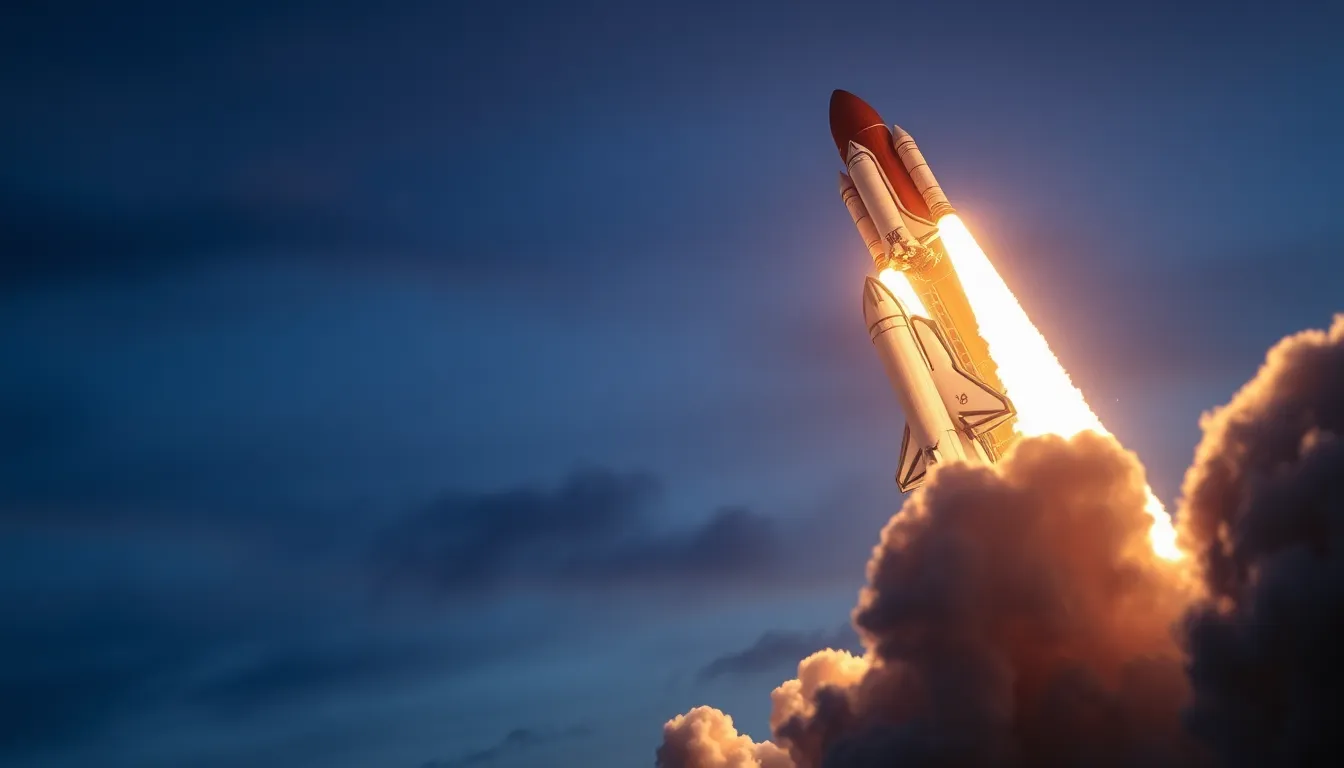
A stunning view of a space shuttle launching against a backdrop of a twilight sky, captured with Hasselblad X2D 100C, 90mm f/2.5 medium format. The scene is dramatically lit by the bright flames and smoke of the rocket boosters, contrasted by the deep blues and purples of the evening sky. The focus is sharp at f/4, highlighting both the shuttle in detail and the surrounding clouds. A dynamic composition showcases the shuttle ascending into the sky, with leading lines formed by the smoke trail emphasizing motion. The texture of the flame and clouds creates a sense of raw power and energy.
16:9
An astronaut floating in a serene outer space, captured with a Fujifilm GFX 100S, 110mm f/2 macro. The scene is illuminated by the distant glow of stars and a nearby galaxy, providing an ethereal light that contrasts against the deep black of space. A shallow depth of field at f/2 creates a painterly bokeh of stars in the background, centering the astronaut in crisp detail. The color palette is vibrant with deep blues and soft whites, evoking feelings of tranquility and isolation. The composition captures the astronaut in a relaxed pose, with the spacesuit's textures displayed beautifully against the vastness of space.
16:9
A futuristic Mars rover navigating rugged terrain at dusk, captured with Canon EOS R5, 24-70mm f/2.8L at 35mm. The scene is illuminated by a warm orange glow from the setting sun, creating dramatic shadows and a mosaic of red and orange hues across the Martian landscape. A hyperfocal distance at f/8 keeps both the rover and the distant mountains in sharp focus. The color grading emphasizes reds and terracotta tones, reminiscent of Martian soil. The composition utilizes leading lines formed by the rocky ground, drawing the viewer's eye towards the rover's intricate details, showcasing its metallic surface and dust-covered wheels.
16:9
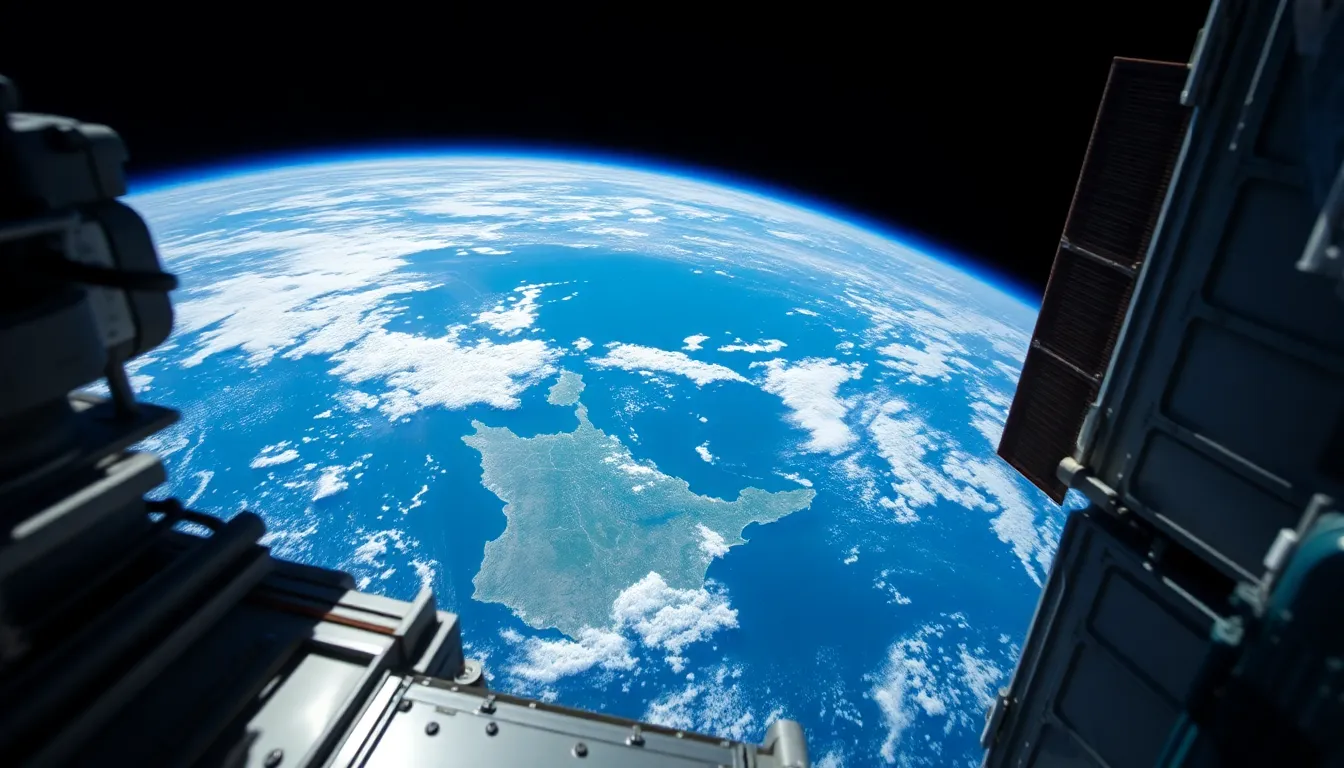
A striking view of Earth as seen from the International Space Station, captured with a Nikon Z9, 70-200mm f/2.8 telephoto at 135mm. The scene is illuminated by bright natural sunlight, casting sharp shadows and highlighting ocean blues and green landmasses. A shallow depth of field at f/2.8 blurs the spacecraft's metallic surface in the foreground, while the planet is crisp and vibrant. The color palette features deep blues contrasted with the bright whites of cloud formations. A centered composition captures the curvature of Earth, creating a sense of awe and wonder. The texture of the ISS is visible with its intricate panels and surface reflections.
16:9

captured with Leica Q3, 28mm f/1.7 Summilux, showing a distant view of a frozen planet with icy surface textures and cascading icebergs. The scene is lit by a cold, harsh light from a nearby star, casting dramatic shadows across the icy landscape. The shallow depth of field at f/1.7 creates a crisp foreground, with soft bokeh in the distance. The color palette features cool blues and whites, emphasizing the stark beauty of the frozen world. The composition follows the rule of thirds, placing the icy terrain at one power point while the distant planet clings to the horizon.
3:2
shot on Hasselblad X2D 100C, 90mm f/2.5 medium format, depicting a surreal scene of a planet with a striking ring system in foreground focus against the soft glow of a nebula. The nebula's ethereal colors create a beautiful backdrop, while the planet's surface is illuminated by distant starlight. The image has a shallow depth of field at f/2.5, isolating the planet in crisp detail while the nebula melts into soft hues of pinks and blues. The color palette is inspired by celestial phenomena—deep magentas, soft blues, and rich purples. The composition is centered, with the planet commanding attention against the sweeping nebula.
16:9
captured with Canon EOS R5, 24-70mm f/2.8L at 35mm, illustrating an artist's concept of an Earth-like exoplanet orbiting a distant star. The setting is illuminated by a vibrant array of colors from the nearby star, casting a warm glow on the planet's surface. The image features hyperfocal distance, ensuring both the foreground details of the planet's terrain and the distant celestial backdrop are in sharp focus. The natural muted tones of greens and browns depict an Earth-like landscape, while the colorful star adds a captivating hue. The composition utilizes leading lines from the surface to the star, enhancing the sense of depth.
3:2
shot on Fujifilm GFX 100S, 110mm f/2 macro, showcasing a close-up of a vibrant, swirling gas giant reminiscent of Jupiter. The scene is illuminated with soft, diffuse natural light to highlight the intricate cloud formations and textures. The depth of field is shallow at f/2, creating a creamy bokeh of color that enhances the planet's surface detail. The colors are inspired by the Fujifilm Velvia film, featuring intensified reds, browns, and whites. A centered symmetrical composition emphasizes the planet's swirling patterns and elaborate atmospheric details.
1:1
captured with Nikon Z9, 70-200mm f/2.8 telephoto at 135mm, showcasing a distant view of Saturn surrounded by its majestic rings. The scene is illuminated with ethereal soft light from a distant star, creating a breathtaking contrast against the dark backdrop of space. The image features a shallow depth of field at f/2.8, emphasizing Saturn while softening the background stars into dreamy bokeh. The color palette includes rich, deep blues and glowing oranges, accentuating the planet's golden hues. The composition follows the rule of thirds, placing Saturn off-center, while the reflective texture of its rings catches the light dramatically.
16:9

captured with Canon EOS R5, 24-70mm f/2.8L at 35mm, using dappled sunlight filtering through a tree canopy, creating a mystical aura as a crescent moon hangs low in the sky at dusk, shallow depth of field with creamy bokeh highlighting the tree leaves, rich greens and soft yellows inspired by Fujifilm Velvia color palette creating a serene mood, rule of thirds composition with the moon positioned near the upper left, intricate leaf textures visible against the soft background.
4:3
shot on Hasselblad X2D 100C, 90mm f/2.5 medium format, backlit by practical firelight creating warm flickering shadows in a cozy outdoor setting with a campfire, depth of field at f/2.5 focusing on the moon peeking through a canopy of trees, natural warm hues from the fire contrasting with cooler moonlight, Dutch angle composition adding dynamic tension as the viewer gazes up at the stars framed by tree branches.
16:9
captured with Fujifilm GFX 100S, 110mm f/2 macro, using overcast diffused daylight to highlight the intricate surface of a blood moon rising over a calm lake, hyperfocal distance ensuring sharpness from the foreground of water ripples to the distant moon, natural muted tones with desaturated earth colors emphasizing the mystical atmosphere, leading lines created by the shore drawing the viewer's eye towards the moon’s reflection in the water.
16:9

shot on Sony A7R V with 85mm f/1.4 GM lens, natural golden hour lighting creating warm rim light around a profile of a woman gazing thoughtfully at the moon, selective focus on her eyes capturing reflection of the moonlight, warm skin tones inspired by Kodak Portra 400 palette, centered symmetrical composition with the moon framing the top of the woman's head, soft curls in her hair gently illuminated with a halo effect.
3:4
captured with Nikon Z9, 70-200mm f/2.8 telephoto at 135mm, under a clear night sky illuminated by a full moon, shallow depth of field at f/2.8 creating a soft focus on the foreground silhouette of desert cacti, cinematic teal and orange color grading enhancing the contrast of the moon against deep blues of the sky, rule of thirds composition with the moon positioned at the upper right power point, rugged desert terrain with textured sand and rocky surfaces in the foreground.
16:9
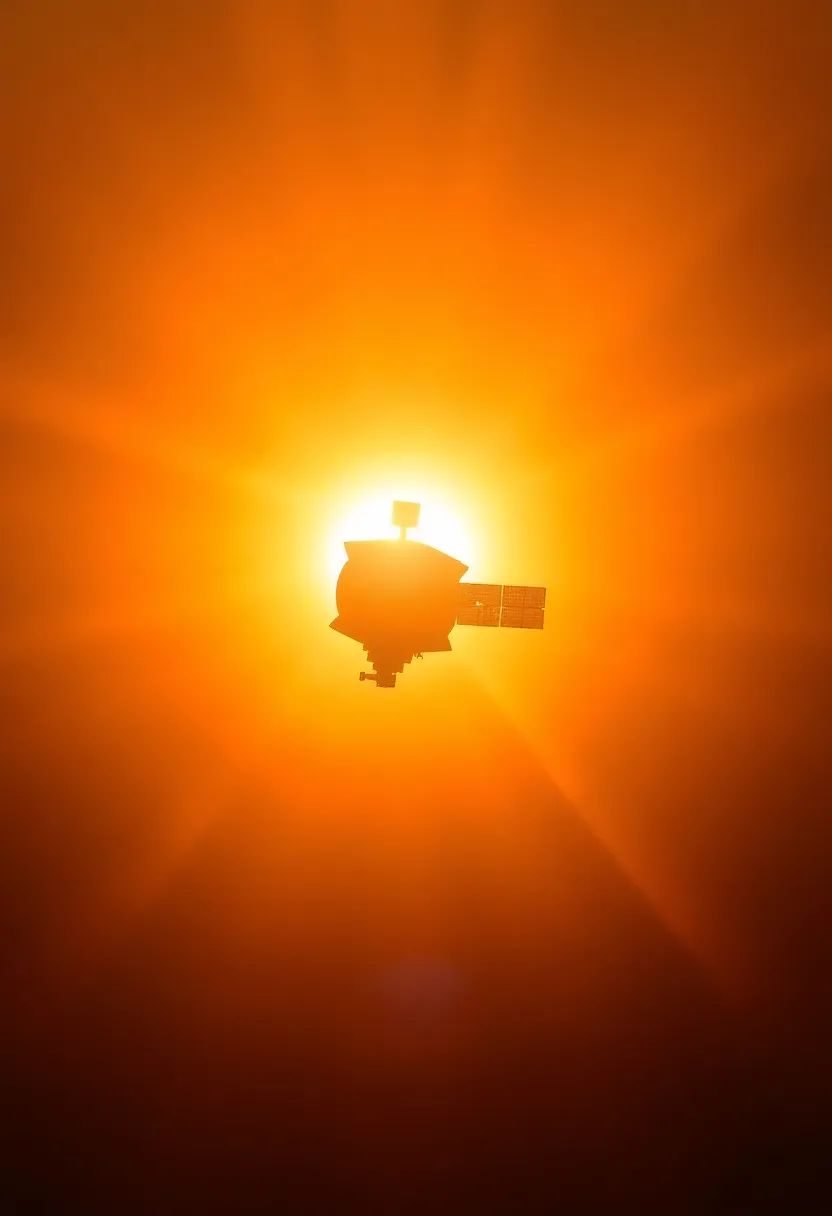
Captured with Leica Q3, 28mm f/1.7 Summilux, this image displays a satellite silhouetted against a bright sunrise, with warm rays piercing through the atmosphere. The sun casts a golden glow, creating a halo effect around the satellite. The depth of field is selective, focusing on the satellite while the surrounding horizon melts into soft painterly bokeh. The color palette showcases natural hues with warm oranges and cool blues, creating a dreamy morning atmosphere. The composition uses a Dutch angle, adding dynamic tension to the scene and making the satellite appear as if it’s soaring into the dawn.
2:3
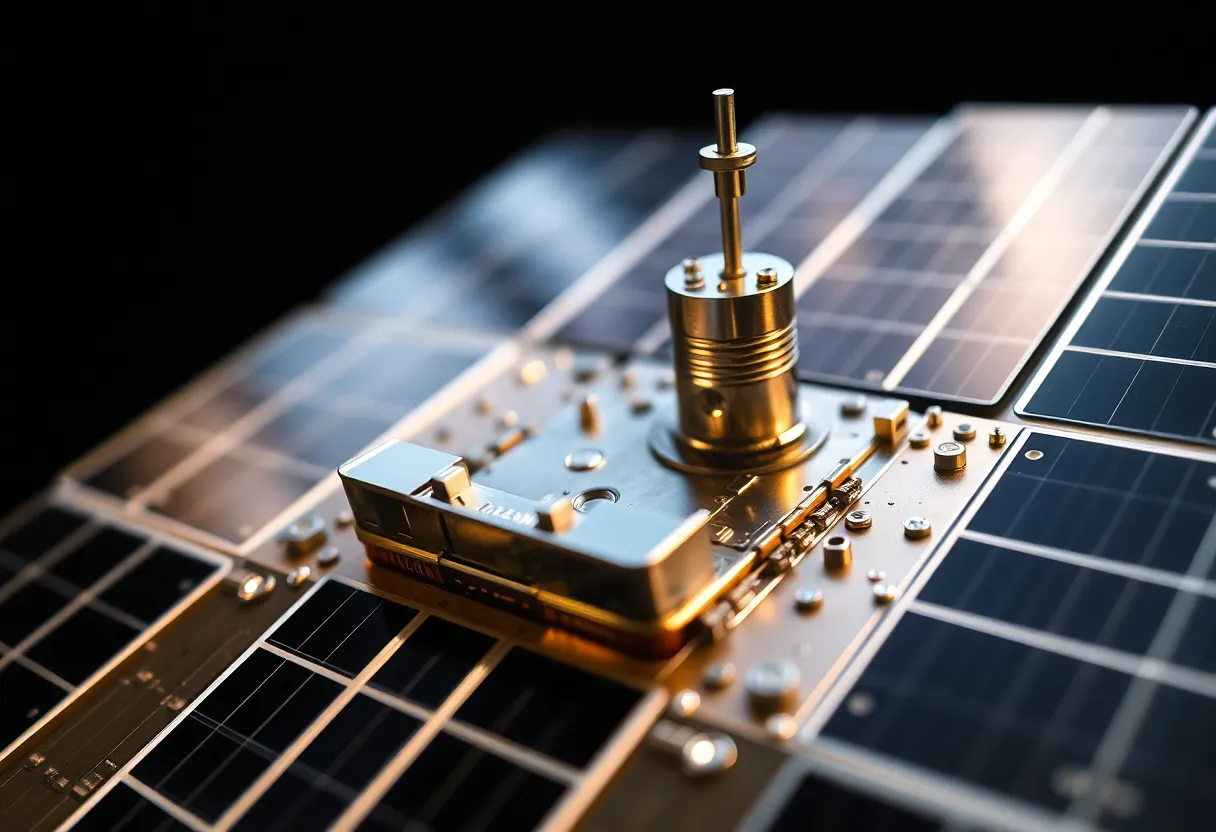
Using Fujifilm GFX 100S, 110mm f/2 macro, this image captures intricate details of a satellite’s surface, highlighting its solar panels and communication antennas. The studio setup utilizes a three-point lighting scheme, creating depth with soft shadows and textures that enhance the realism of the materials. A shallow depth of field at f/2 allows the focus to be on the satellite's components while blurring the studio backdrop. The color palette features Kodak Portra 400 tones, giving a warm and inviting feel to the metallic surfaces. The composition is a centered symmetrical layout, showcasing the satellite’s design elegantly.
3:2
Captured with Nikon Z9, 70-200mm f/2.8 telephoto at 135mm, this image features a cluster of satellites against a clear blue sky, with dappled sunlight filtering through light clouds. The depth of field is hyperfocal at f/8, ensuring clarity from the foreground to infinity, allowing each satellite’s details to pop vividly. The color palette reflects natural muted tones with desaturated blues, highlighting the serene midday atmosphere. The symmetrical composition centers the satellites, presenting them as a harmonious cluster floating in space.
16:9
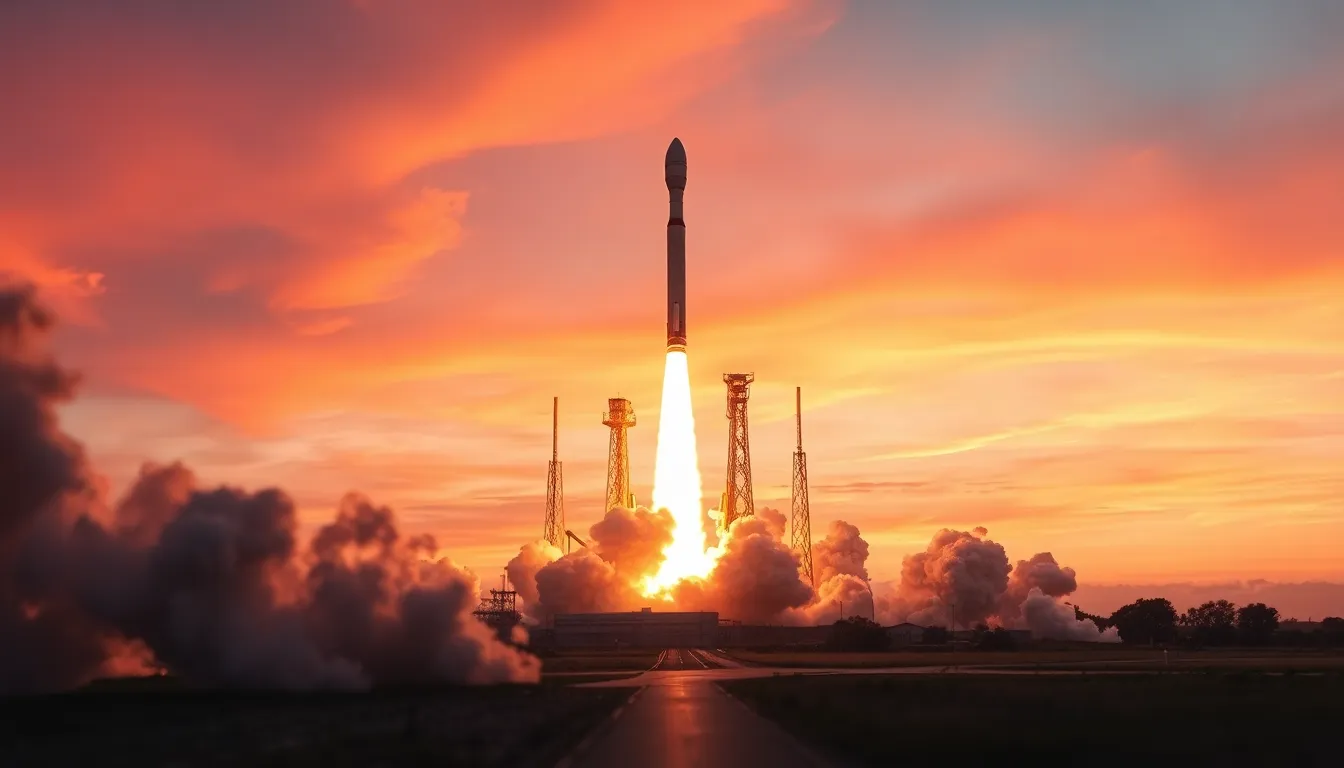
Shot on Sony A7R V with 85mm f/1.4 GM lens, this image captures a satellite launch during the golden hour, with warm rim light accentuating the rocket's surface details. The dramatic sky is filled with hues of orange and pink, while the ground is illuminated by explosions of flames and smoke. Using a shallow depth of field at f/1.4, the satellite's silhouette stands out against the blurred background. The composition aligns with leading lines created by the launch pad and smoke trails, guiding the viewer's eye toward the ascending rocket.
16:9
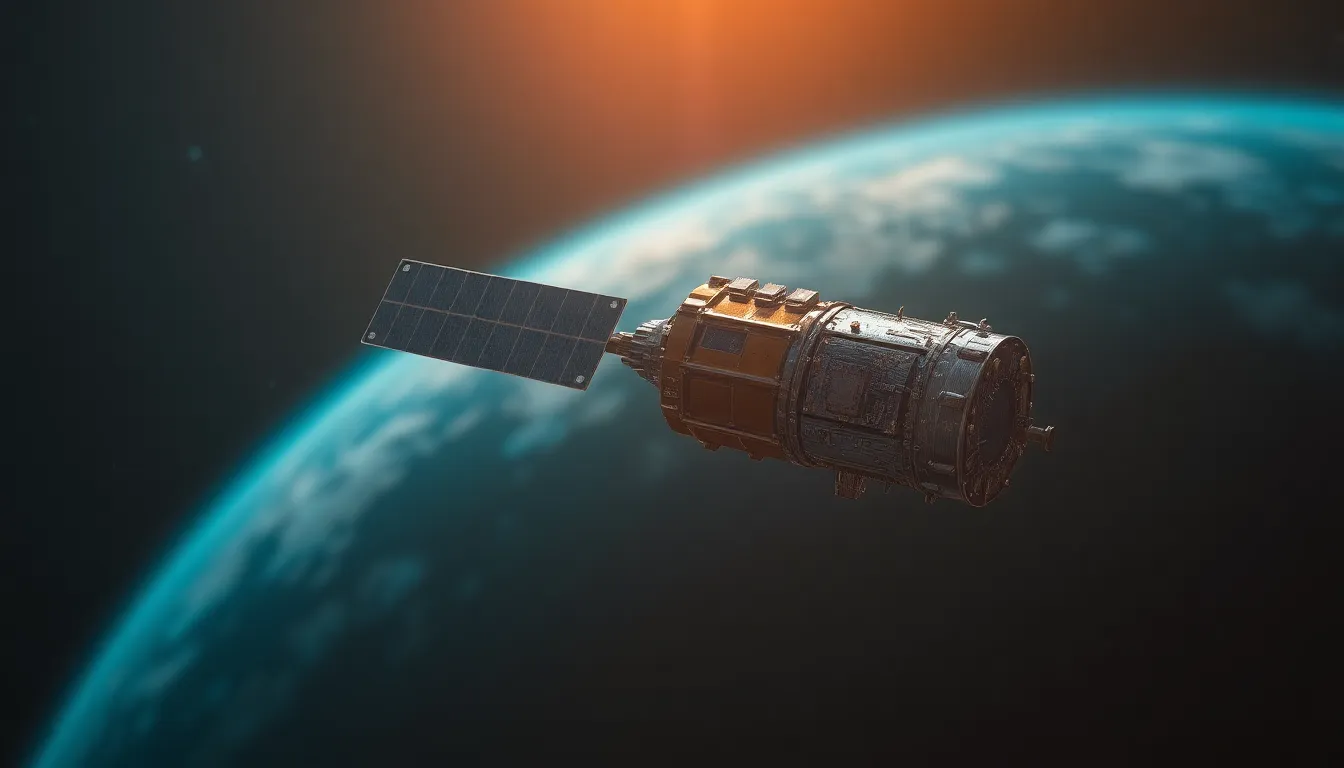
Captured with Canon EOS R5, 24-70mm f/2.8L at 35mm, the image showcases a sleek satellite orbiting Earth against a backdrop of a dark starry sky. Utilizing overcast daylight to highlight surface details, the satellite shimmers with metallic textures and intricate circuitry. The depth of field is shallow at f/2.8, with a creamy bokeh of stars softly blurred behind. It employs a cinematic teal and orange color grading, enhancing the contrast between the satellite and cosmic backdrop. The composition follows the rule of thirds, positioning the satellite off-center to create a dynamic visual appeal.
16:9
captured with Leica Q3, 28mm f/1.7 Summilux, featuring a close-up of the moon's surface craters and features under bright sunlight. The natural sunlight reveals intricate details of the rough lunar texture with high contrast showcasing deep shadows and bright highlights. The depth of field is shallow at f/1.7, creating a soft, dreamy bokeh of the distant stars. The color palette reflects a stark monochrome contrast in greys with sharp details. The composition is centered, allowing the viewer to appreciate the fine details of the moon's surface.
16:9
shot on Hasselblad X2D 100C with 90mm f/2.5 medium format lens, capturing the moon surrounded by wispy clouds during a lunar eclipse. The lighting is dramatic with backlighting from the eclipsed moon casting a soft glow through the clouds. The depth of field is selective, focusing sharply on the moon while the background fades into a painterly bokeh. The color science features muted earth tones with hints of silvery whites, creating an otherworldly feel. The composition is centered, showcasing the moon as the focal point amongst the swirling clouds.
16:9
filmed on Fujifilm GFX 100S with 110mm f/2 macro lens, focusing on the moon through tree branches silhouetted against the night sky. Natural moonlight illuminates the scene with a cool, bluish tint showcasing the details of bark and leaves. Shallow depth of field at f/2 creates a dreamy bokeh effect, softening the surrounding foliage. The color palette features rich blues and deep blacks, evoking a sense of mystery. The composition employs a rule of thirds approach, with the moon positioned off-center, framed by delicate branches.
16:9
captured with Canon EOS R5, 24-70mm f/2.8L at 35mm, the moon rising above a tranquil ocean under a star-filled sky. The lighting is soft and diffused from the nearly full moon casting shimmering reflections on the water. Using a hyperfocal distance at f/8 keeps everything tack-sharp from the foreground beach to the infinity of the night sky. The color grading showcases cinematic teal and orange tones, enhancing the ethereal feel of the night scene. The composition centers around the moon, framed by gentle waves lapping at the shore, while textured sand reveals its grainy surface.
16:9
shot on Nikon Z9 with 70-200mm f/2.8 telephoto at 135mm, featuring golden hour backlighting casting long shadows over a rugged lunar landscape. The depth of field is shallow at f/2.8, creating creamy bokeh in the background. The color palette reflects natural muted tones with desaturated earth colors, adding a serene atmosphere. The composition employs leading lines of lunar craters guiding the viewer's eye toward the distant horizon, while the textural details of the moon's surface highlight its craggy terrain.
16:9
Fujifilm GFX 100S, 110mm f/2 macro, capturing a creative rendition of the moon as a giant balloon floating among clouds during dusk, soft diffused light with a pastel color palette of pinks and purples, shallow depth of field at f/2 blurring the whimsical clouds surrounding the moon, rule of thirds placing the moon off-center, while soft textures of cloud formations add dreamlike quality.
3:4
Hasselblad X2D 100C, 90mm f/2.5 medium format, capturing a detailed view of the moon's surface with visible craters and textures detailed by a harsh, direct light, hyperfocal distance ensuring clarity from the surface to the background stars, Fujifilm Velvia-inspired saturated colors emphasizing the moon's gray surface against a pitch-black sky, centered symmetrical composition highlighting the intricacies of the lunar surface and star field.
4:3
Nikon Z9, 70-200mm f/2.8 telephoto at 135mm, showcasing the moon rising over a silhouette of mountains during twilight, soft diffused daylight transitioning into deep blue night, selective focus on the rising moon with an ethereal glow, natural muted tones with hints of purple and orange, employing leading lines from the mountain peaks directing the eye towards the moon's ascent.
16:9
shot on Sony A7R V with 85mm f/1.4 GM lens, capturing a close-up of a lunar eclipse with the moon partially obscured, warm tungsten light reflecting on the edges, shallow depth of field at f/1.4 creating a soft bokeh in the background with twinkling stars, natural muted tones with a focus on deep reds and oranges, rule of thirds where the moon occupies the left power point of the frame amidst the darkness.
3:2
captured with Canon EOS R5, 24-70mm f/2.8L at 70mm, deep space shot featuring a full moon with craters and details illuminated by ambient starlight, hyperfocal distance maintaining sharpness throughout the scene, cinematic teal and orange color grading accentuating shadows, centered symmetrical composition highlighting the moon's surface textures against the dark sky, showcasing the rugged lunar surface with fine details.
16:9
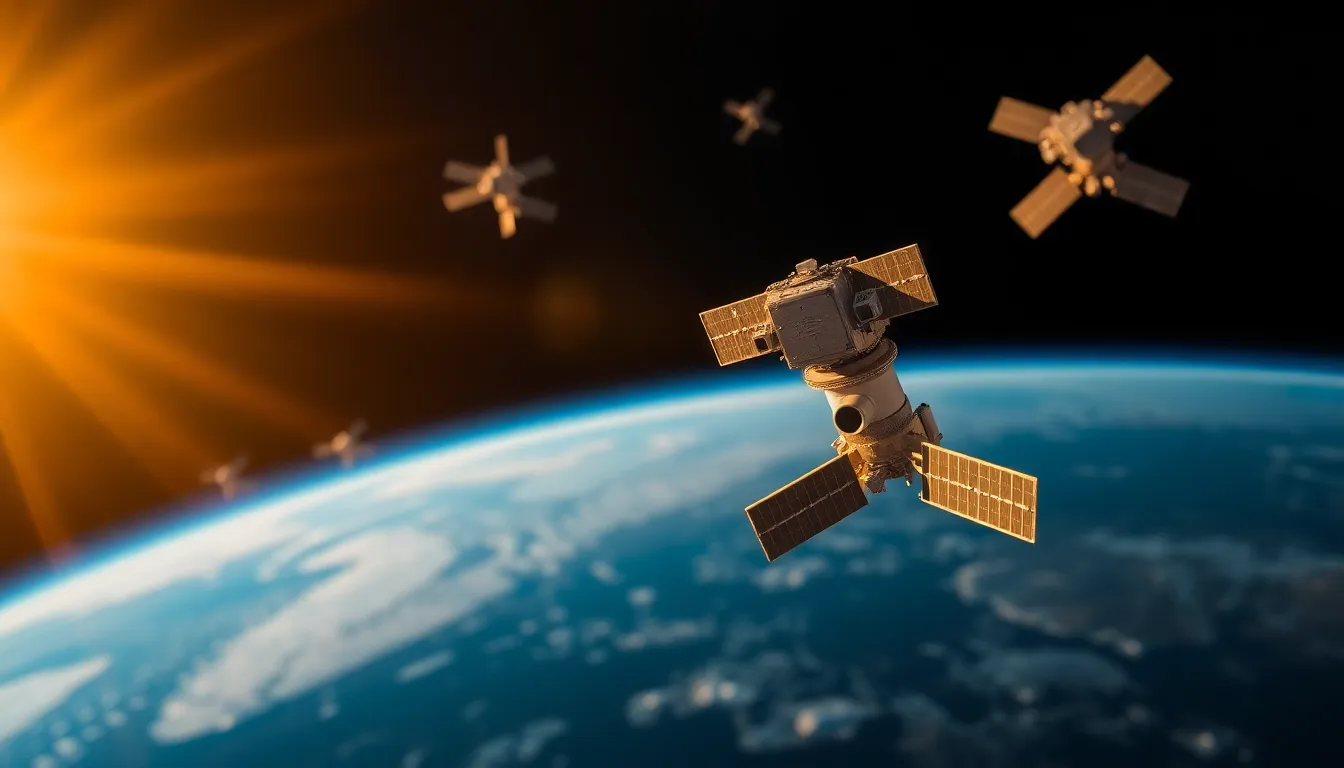
A satellite constellation in orbit captured from a distance, using Fujifilm GFX 100S, 110mm f/2 macro. The shot showcases multiple satellites against the curvature of the Earth, illuminated by a soft golden hour light. The depth of field is moderately shallow, focusing on the nearest satellites while the background shows a blurred Earth below. The color palette highlights golden hues and deep blue oceans, evoking a sense of unity in technology and nature. The composition uses a centered approach, capturing the majesty of satellites harmoniously positioned in space.
16:9
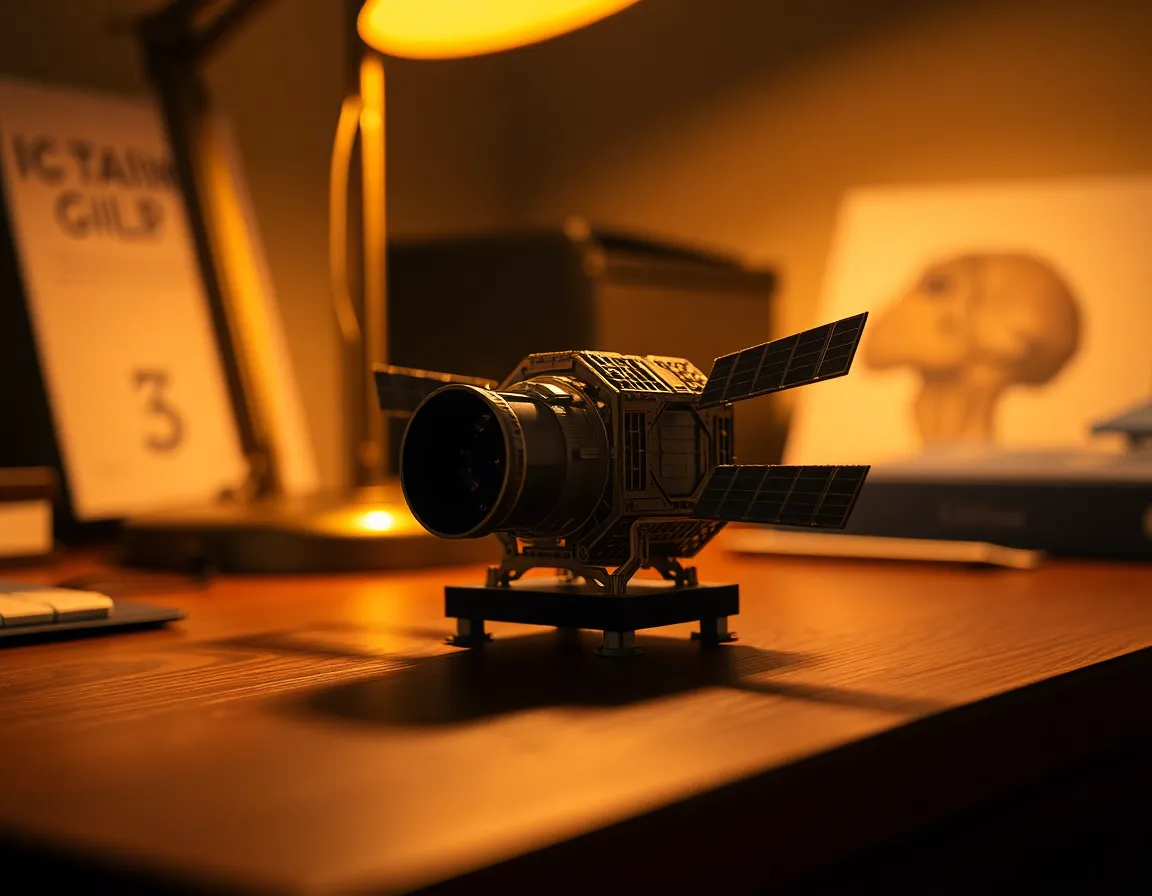
An intricate model of a satellite on a wooden desk, captured using Leica Q3, 28mm f/1.7 Summilux. The setting is warmly lit by a practical tungsten desk lamp, creating dramatic highlights and shadows across the model. The depth of field is very shallow, softly blurring the background, focusing on the detailed craftsmanship of the satellite. The color palette features rich browns and golds, evoking warmth and intricacy. Compositionally, the model is off-center, with a leading line created by the desk edge guiding the viewer's eye.
4:3
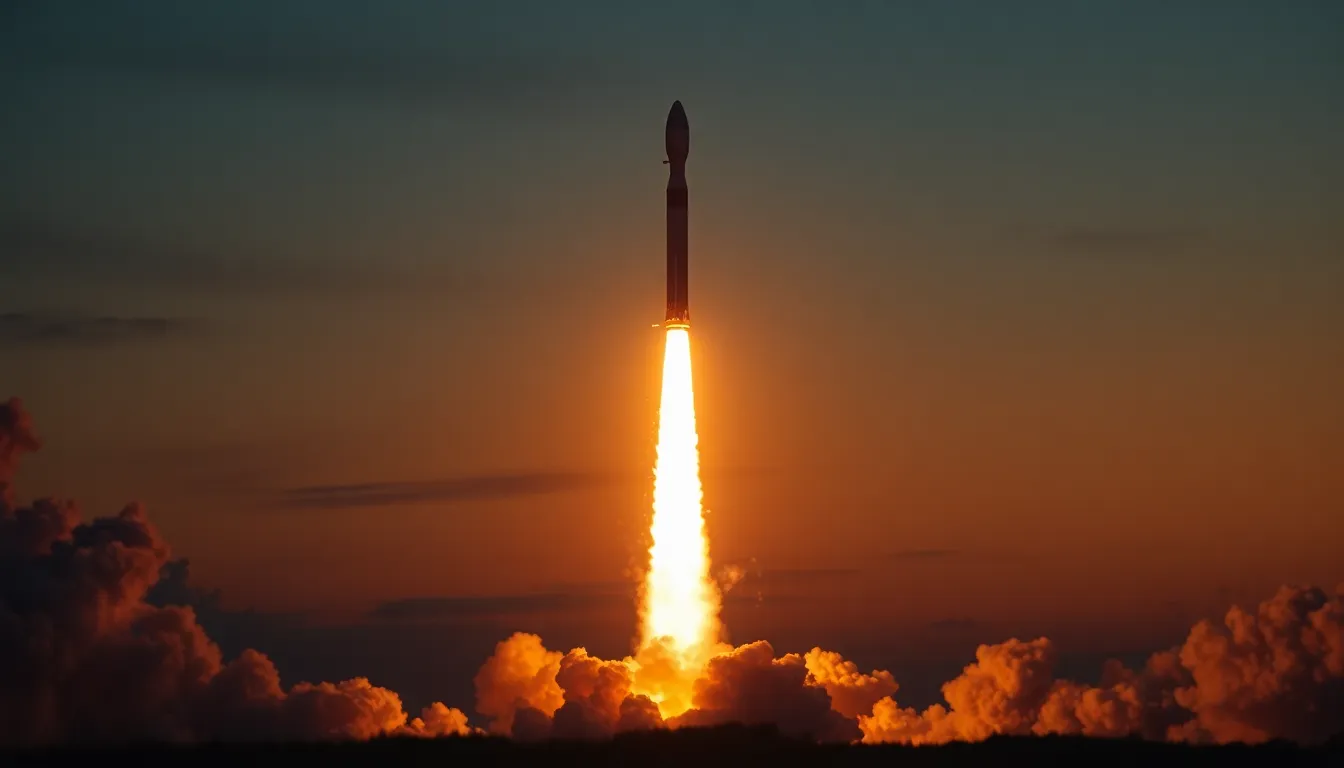
A satellite launching into space, captured using Hasselblad X2D 100C, 90mm f/2.5 medium format. The scene is bathed in warm tungsten light from the rocket's engines, accentuating the fiery blastoff. The depth of field is shallow, creating a dramatic focus on the rocket as it ascends against a twilight sky. The color palette is dominated by fiery oranges and deep blues, evoking a sense of excitement and adventure. The composition centers the rocket within the frame, with trailing smoke creating dynamic lines that draw the eye upward.
16:9

A futuristic satellite control room bustling with activity, captured with Canon EOS R5, 24-70mm f/2.8L at 35mm. The room is illuminated by soft, diffused daylight filtering through large windows, casting natural light across the workspace. The depth of field is hyperfocal, keeping everything in sharp focus, from the control panels to the operators' expressions. The color palette features muted grays and blues, with pops of vibrant screen colors creating a technological atmosphere. Compositionally, the image uses leading lines from desks towards the central control screen, emphasizing teamwork and precision.
16:9
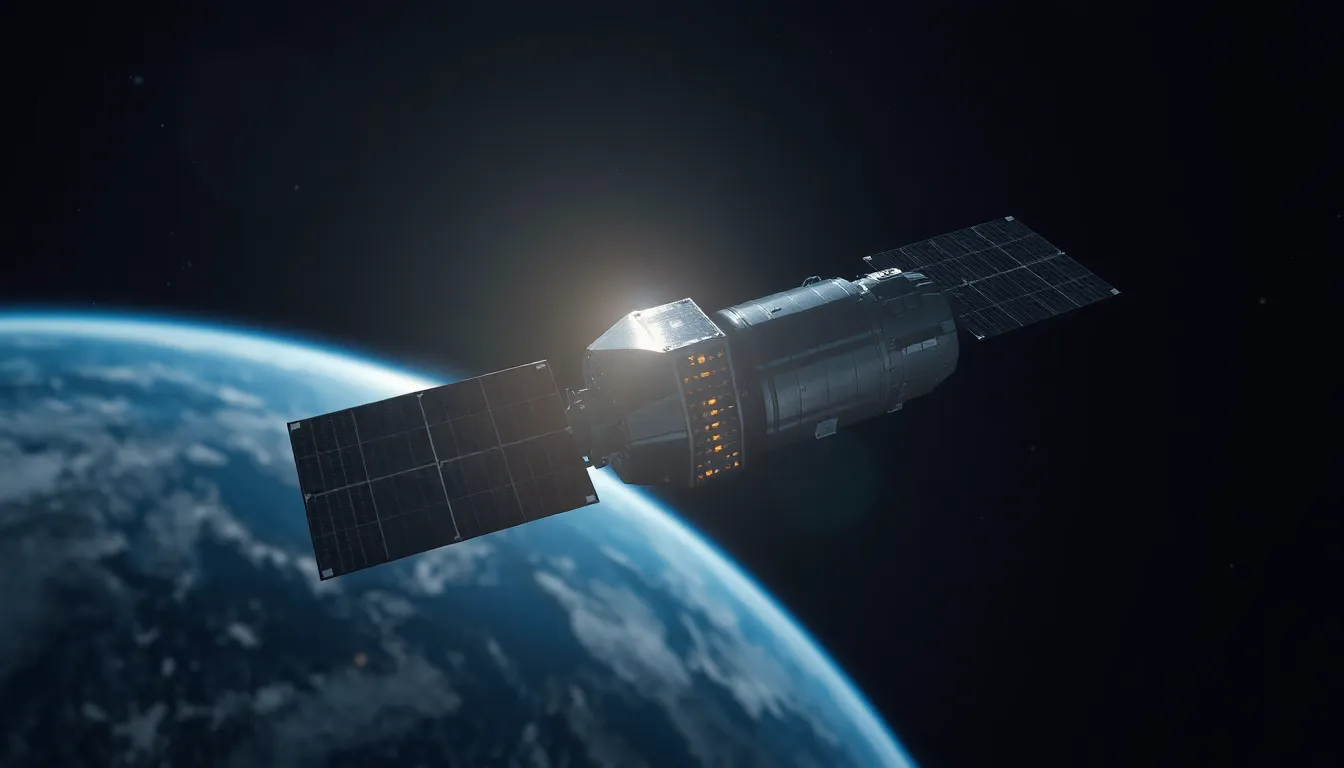
A sleek, metallic satellite orbiting Earth, captured with Nikon Z9, 70-200mm f/2.8 telephoto at 135mm. Illuminated by the soft glow of sunlight reflecting off its surface, the scene is set against a dark, starry backdrop of the universe. The depth of field is shallow, focusing sharply on the satellite while the Earth appears blurred beneath. The color palette features cool blues and silvers, evoking a sense of technology and exploration. Compositionally, the satellite is placed slightly off-center, creating a dynamic visual flow through space. The surface texture of the satellite reveals intricate panel details and glowing solar cells.
16:9
Shot on Hasselblad X2D 100C, 90mm f/2.5 medium format, this dramatic image depicts a distant gas giant shrouded in vibrant storm clouds illuminated by distant stars. The lighting is dramatic with strong contrasts, highlighting the swirling patterns in the gas. A hyperfocal distance keeps everything in focus at f/8, revealing the grandeur of both the planet and the starlit sky. The color palette showcases deep blues, vibrant yellows, and hints of orange, creating a dynamic visual experience. The composition follows a leading line approach, guiding the viewer's eye along the swirling clouds, emphasizing the planet's scale against the vastness of space.
16:9

Utilizing Fujifilm GFX 100S, 110mm f/2 macro, this stunning macro shot features the surface of a fictional icy moon with intricate frost patterns. The lighting is soft and diffused, mimicking natural moonlight which creates a cool, serene ambiance. A shallow depth of field at f/2 blurs the edges of the image, drawing attention to the crystalline textures in the center. The color palette is dominated by icy blues and whites, evoking a sense of tranquility and cold. The composition employs a centered arrangement to highlight the fascinating details of the frost, creating an immersive experience that feels as if one is standing on the moon.
1:1
Captured using Nikon Z9, 70-200mm f/2.8 telephoto at 135mm, this image of Jupiter juxtaposes its swirling storms against a backdrop of starry expanse. The lighting is harsh yet dramatic, emphasizing the planet's Great Red Spot and its tumultuous atmosphere. A hyperfocal depth of field ensures everything from the foreground to the distant stars is tack-sharp at f/8, revealing the intricate details of cloud bands. The color palette features deep browns, creams, and subtle hints of red, contributing to a rich, textured look. The composition follows a diagonal leading line, guiding the viewer's eye across the frame, making the planet the focal point amidst a sea of stars.
16:9
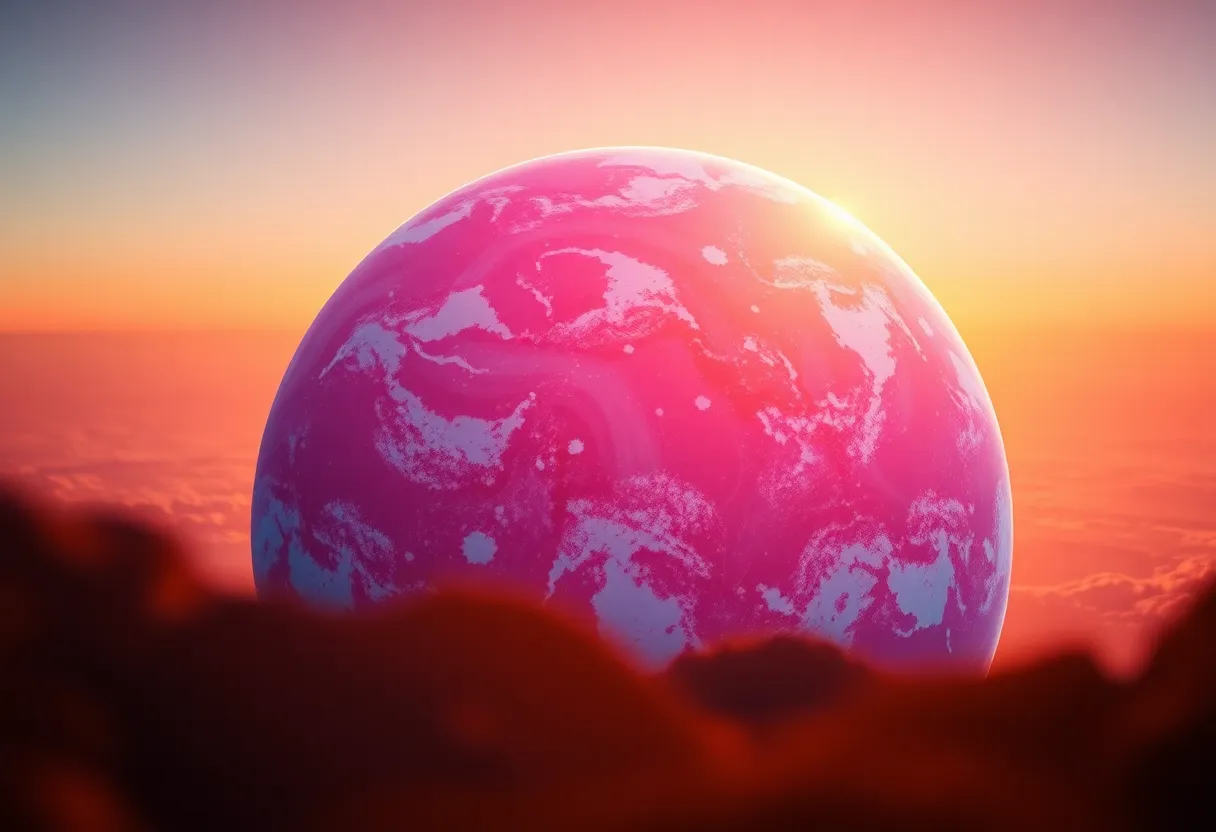
Shot on Sony A7R V with 85mm f/1.4 GM lens, this ethereal image captures a close-up of a fictional exoplanet resembling Earth but with vibrant pink oceans and a golden sky. The lighting is soft and warm, simulating a sunset, casting golden hues over the planet's surface. A shallow depth of field at f/1.4 blurs the foreground, emphasizing the vivid colors and crisp details of the planet’s features. The color palette is dominated by pinks, golds, and deep blues, creating a surreal atmosphere. The composition uses a centered approach to highlight the planet as the main subject, while subtle textures are evident in the surface ripples of the oceans.
3:2
Captured with Canon EOS R5, 24-70mm f/2.8L at 35mm, this stunning scene showcases Saturn with its magnificent rings against a backdrop of deep space. The lighting is a dramatic mix of soft illumination from distant stars and the ethereal glow of Saturn's atmosphere. A shallow depth of field at f/2.8 creates a dreamy bokeh effect in the background, while the color palette leans towards rich purples and blues, enhanced by high contrast. The composition employs the rule of thirds, with Saturn positioned at the left power point, allowing the vastness of space to envelop the scene. Fine details include the textured surface of Saturn's bands and the faint twinkling of stars in the distance.
16:9

Fujifilm GFX 100S, 110mm f/2 macro beautifully captures lunar-themed decorations for a cozy night scene. The setup, illuminated by warm tungsten light from a bedside lamp, casts soft shadows and creates an inviting atmosphere. A shallow depth of field at f/2 blurs the background details, drawing attention to intricately designed moon coasters, a glowing moon lamp, and delicate star-shaped fairy lights. The color palette features warm yellows and soft whites, enhancing the cozy ambiance. The composition highlights the arrangement of decor elements, using the rule of thirds to balance the visual weight.
3:4
Hasselblad X2D 100C, 90mm f/2.5 medium format captures a breathtaking view of the Earthrise from the lunar surface. The image is illuminated by the sun, with Earth appearing vividly against the deep blackness of space. A shallow depth of field at f/2.5 softly blurs the foreground lunar dust while keeping Earth sharp and vibrant. The film look draws inspiration from Kodak Portra 400, enriching skin tones of the lunar surface and enhancing the cool blues and greens of Earth. The composition utilizes leading lines of lunar ridges directing the viewer's gaze towards Earth.
16:9
Nikon Z9, 70-200mm f/2.8 telephoto at 135mm captures a detailed close-up of the moon's surface, highlighting craters and lunar maria during a clear night. The scene is lit by the stark, direct light of the moon itself, emphasizing the textures of the lunar landscape. Hyperfocal distance at f/8 ensures everything from crater edges to the far side of the moon is in sharp focus. The color palette consists of natural muted tones, with grays and silvers reflecting the moon's surface. The composition employs a centered symmetrical layout, making the moon the dominant focus of the image.
4:3
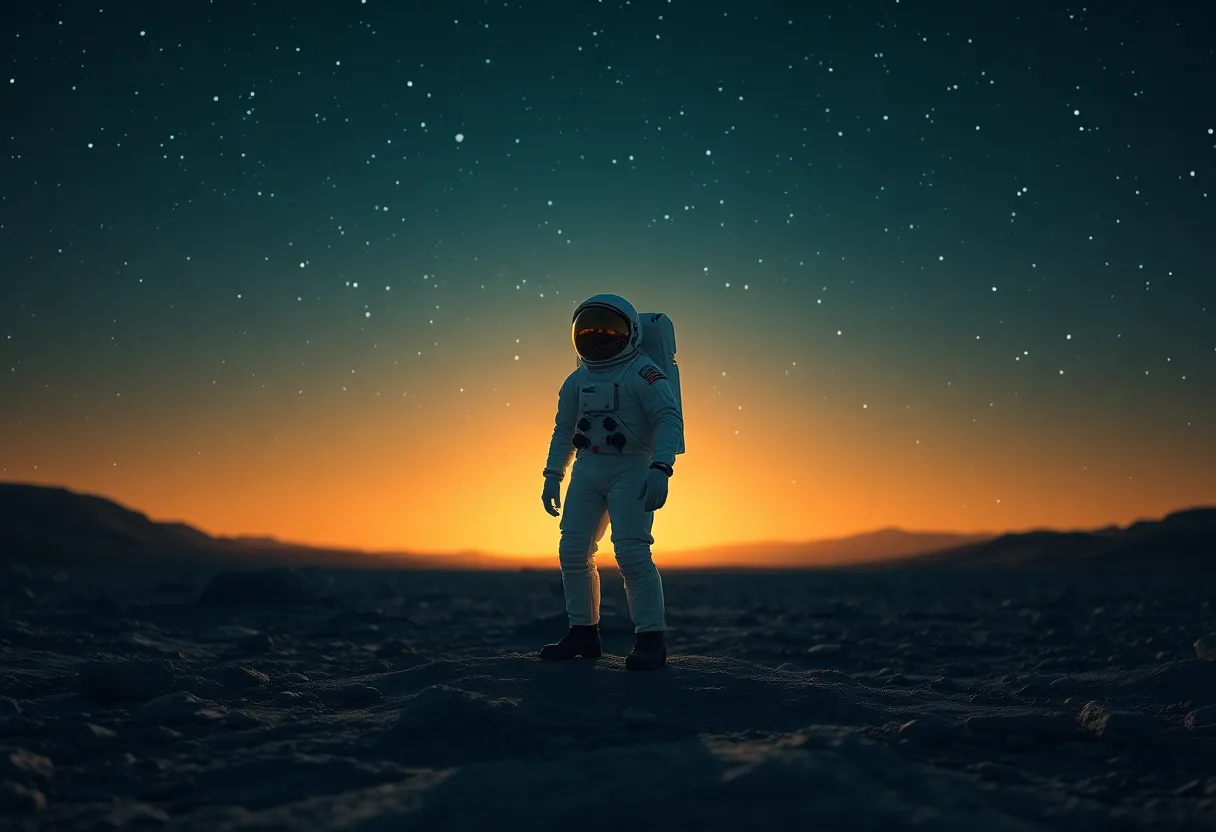
Shot on Sony A7R V with 85mm f/1.4 GM lens, this composition juxtaposes a lone astronaut standing on an alien moon under a vast starry sky. The scene is dramatically lit by the soft glow of the moon's surface and distant stars, casting ethereal shadows on the rocky terrain. A shallow depth of field at f/1.4 blurs the background, focusing intently on the astronaut's suit and helmet reflecting starlight. The color grading mimics cinematic teal and orange tones, enhancing the surreal atmosphere. The composition centers the astronaut, creating a strong focal point against the expansive cosmos.
3:2
Captured with Canon EOS R5, 24-70mm f/2.8L at 35mm, this image features a stunning full moon rising over a serene lake during twilight. The scene is illuminated by soft, diffused natural light reflecting off the water's surface, creating a shimmering pathway. A shallow depth of field at f/2.8 blurs the foreground reeds, enhancing the photorealism. The color palette embraces deep blues and warm purples, evoking a tranquil mood. Compositionally, the moon is positioned using the rule of thirds, drawing the eye upwards, while the smooth lake surface adds texture with gentle ripples.
16:9

Fujifilm GFX 100S, 110mm f/2 macro captures a stunning close-up of a Mars rock sample under a lab microscope, illuminated by diffused daylight through large windows. The depth of field is set to f/4, keeping the foreground rock sharp while achieving a gentle bokeh in the background. The color science features natural muted tones, showcasing the rock's texture and mineral composition. The composition employs the rule of thirds, placing the rock slightly off-center to create visual interest, with detailed textures emphasizing the rugged surface.
3:2
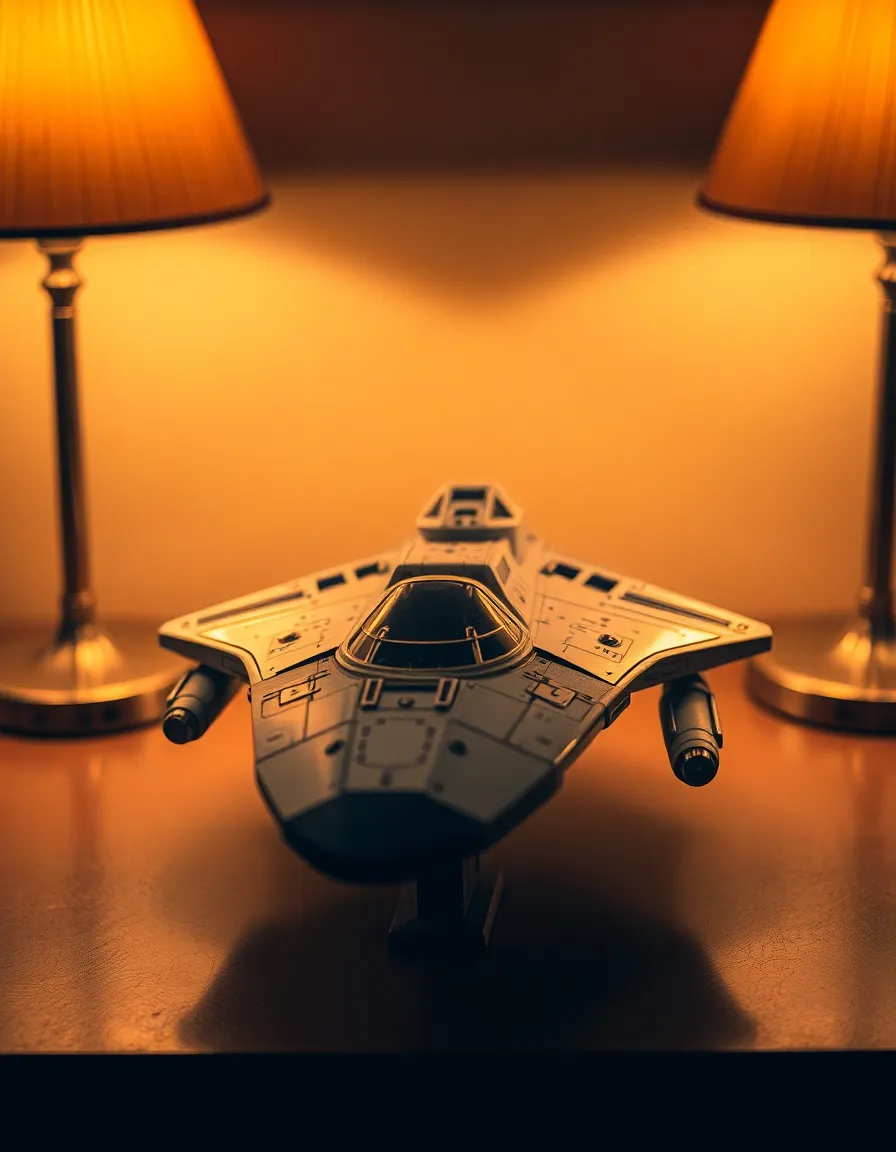
Captured using Hasselblad X2D 100C, 90mm f/2.5 medium format, this image presents an intricate model of a futuristic spacecraft, beautifully lit by practical warm tungsten desk lamps that create dramatic shadows. A shallow depth of field at f/2.5 isolates the spacecraft against a softly blurred backdrop, enhancing the rich details of its design. The color palette embraces muted tones with desaturated earth colors. The composition is centered and symmetrical, emphasizing the spacecraft's elegance and intricate detailing, with visible textures on the model's surface.
3:4
Nikon Z9, 70-200mm f/2.8 telephoto at 135mm captures a breathtaking view of Earth from a satellite in low Earth orbit. The lighting is soft, with overcast diffused daylight creating a serene atmosphere. A hyperfocal distance ensures everything from the satellite to the Earth below is tack-sharp at f/8. The color palette features bright blues and greens, highlighting Earth's natural beauty. The composition uses leading lines created by the satellite's solar panels directing the viewer's attention to the vibrant planet framed below.
16:9
Shot on Sony A7R V with 85mm f/1.4 GM lens, this image features a close-up of a hand reaching out to grasp a glowing orb symbolizing a distant planet, illuminated by ethereal blue lighting. The shallow depth of field at f/1.4 creates a striking focus on the hand, with the background artfully blurred into a cosmic starfield. The color grading follows a cinematic teal and orange palette, enhancing the otherworldly feel. The composition centers the hand, with the orb casting soft shadows on the skin, showcasing natural skin textures and details.
1:1
Captured with Canon EOS R5, 24-70mm f/2.8L at 35mm, the scene shows a futuristic astronaut standing on the surface of Mars during a stunning sunset. The lighting features golden hour backlighting, highlighting the dust particles floating in the thin atmosphere. A shallow depth of field at f/2.8 creates a creamy bokeh effect in the background, emphasizing the astronaut's suit details with visible fabric texture. The color palette is inspired by Kodak Portra 400, showcasing warm tones and soft shadows. The composition follows the rule of thirds, placing the astronaut off-center to create dynamic tension, with the Martian landscape stretching into the background.
16:9
shot on Hasselblad X2D 100C, 90mm f/2.5 medium format, capturing the breathtaking beauty of a black hole's accretion disk at dawn. The lighting is soft and warm, with the first light of the sun illuminating the edges of the accretion disk in brilliant gold and crimson tones. The hyperfocal distance at f/8 allows for a clear view of the black hole surrounded by the swirling plasma. The composition follows the rule of thirds, with the black hole positioned slightly off-center, enhancing the overall sense of depth and drama.
16:9
photographed with Fujifilm GFX 100S, 110mm f/2 macro, presenting an intricate close-up view of particles swirling around a black hole. The lighting features a cold blue hue contrasting with warm golden particles, creating a captivating glow around the event horizon. A shallow depth of field at f/2 blurs the edges of the image while keeping the particles crystal clear. The composition utilizes a centered symmetrical approach to emphasize the chaotic beauty of the swirling matter, and the textures highlight the individual particles’ unique characteristics.
16:9
captured with Canon EOS R5, 24-70mm f/2.8L at 35mm, illustrating a conceptual image of time distortion near a black hole. The lighting features dramatic shadows created by the bending of light, with the space surrounding the black hole appearing warped and surreal. A shallow depth of field at f/2.8 focuses on a nearby starship, its gleaming surfaces reflecting the bizarre light patterns. The color palette consists of dark blues and bright whites, with a dynamic composition using leading lines to emphasize the curvature of space-time around the black hole.
16:9
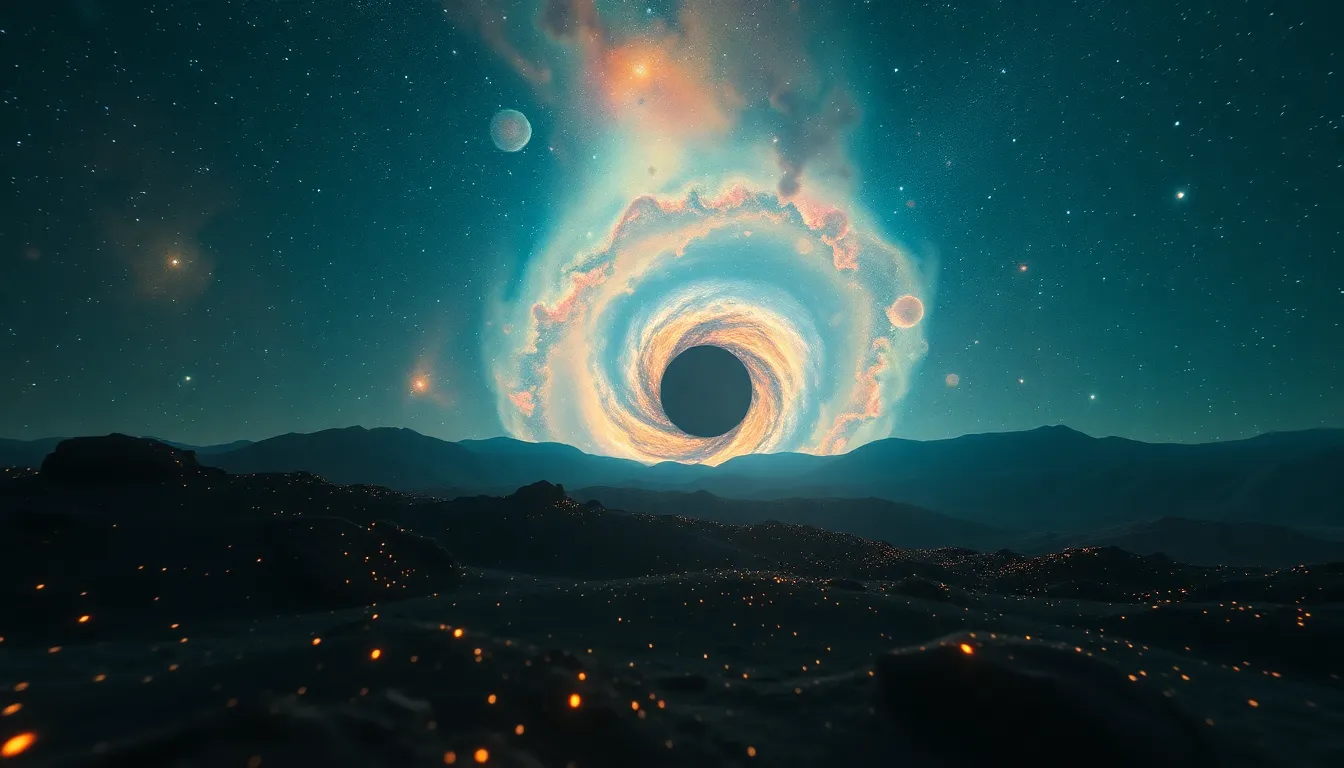
shot on Sony A7R V with 85mm f/1.4 GM lens, capturing a surreal landscape depicting a galaxy on the brink of being consumed by a black hole. The scene is illuminated by the soft glow of stars and the vibrant colors of nebulae, creating a mystical environment. A hyperfocal depth of field at f/8 ensures everything from twinkling stars in the foreground to the ominous black hole in the distance is in sharp focus. The cinematic teal and orange color grading enhances the otherworldly mood, with a balanced composition leading the eye from the stars to the black hole.
16:9
captured with Nikon Z9, 70-200mm f/2.8 telephoto at 135mm, featuring dramatic backlighting from a distant star, creating a silhouette effect around the event horizon of a black hole. The image utilizes a shallow depth of field at f/2.8 to emphasize the black hole at the center, with swirling accretion disk details illuminated in a mix of fiery oranges and deep purples. The composition centers the black hole, drawing the viewer's eye directly to its mysterious qualities, while fine cosmic dust textures are highlighted against the deep void.
16:9
shot on Leica Q3, 28mm f/1.7 Summilux, with vivid auroras dancing across a planet's icy surface, illuminated by the glow of distant stars, soft moonlight casting gentle shadows, shallow depth of field at f/1.7 emphasizing the foreground ice formations, cinematic teal and orange color grading enhancing the scene's ethereal quality, rule of thirds composition placing the auroras in the upper third while the icy surface leads the viewer's eye, capturing the enchanting beauty of this celestial location.
16:9
captured with Hasselblad X2D 100C, 90mm f/2.5 medium format, depicting a gas giant planet against a backdrop of swirling galaxies, dramatic backlighting accentuating the planet's rings, hyperfocal distance to keep galaxies sharp in the background while the planet remains in focus at f/8, natural muted tones with desaturated earth colors, leading lines created by the galaxy arms drawing attention toward the central planet, showcasing the vastness of space.
16:9
shot on Fujifilm GFX 100S, 110mm f/2 macro, featuring a close-up of an alien planet's iridescent surface, soft fill lighting emphasizing the vibrant colors, shallow depth of field at f/2 creating creamy bokeh in the background, Fujifilm Velvia-inspired saturated colors with deep blues and rich greens, selective focus showcasing intricate surface textures and mineral formations, enhancing the mysterious beauty of this extraterrestrial world.
1:1
captured with Canon EOS R5, 24-70mm f/2.8L at 50mm, set during a meteor shower with beams of light streaking across the sky, hyperfocal distance making everything from foreground rocks to distant planets tack-sharp at f/8, natural muted tones with desaturated earth colors, centered symmetrical composition of a rugged planet resting in a darkened void, rocky surface texture showcasing craters and canyons, adding realism to this extraterrestrial landscape.
16:9
shot on Nikon Z9, 70-200mm f/2.8 telephoto at 200mm, with dappled sunlight filtering through clouds, creating dramatic highlights on the planet’s surface, shallow depth of field at f/2.8 focusing on the planet's vibrant blue atmosphere, cinematic teal and orange color grading enhancing the scene, rule of thirds composition with the planet positioned at the right power point, surface texture displaying swirling cloud formations and oceanic details across the planet's visible side.
16:9

Fujifilm GFX 100S, 110mm f/2 macro, vibrant cosmic dust clouds illuminated by radiant starlight, hyperfocal distance bringing every detail from the colorful dust to distant celestial objects into sharp focus at f/8, cinematic teal and orange color grading enhancing the magical atmosphere, composition using rule of thirds with colorful clouds positioned at left power point, showcasing the intricate textures of space dust and light reflections.
16:9
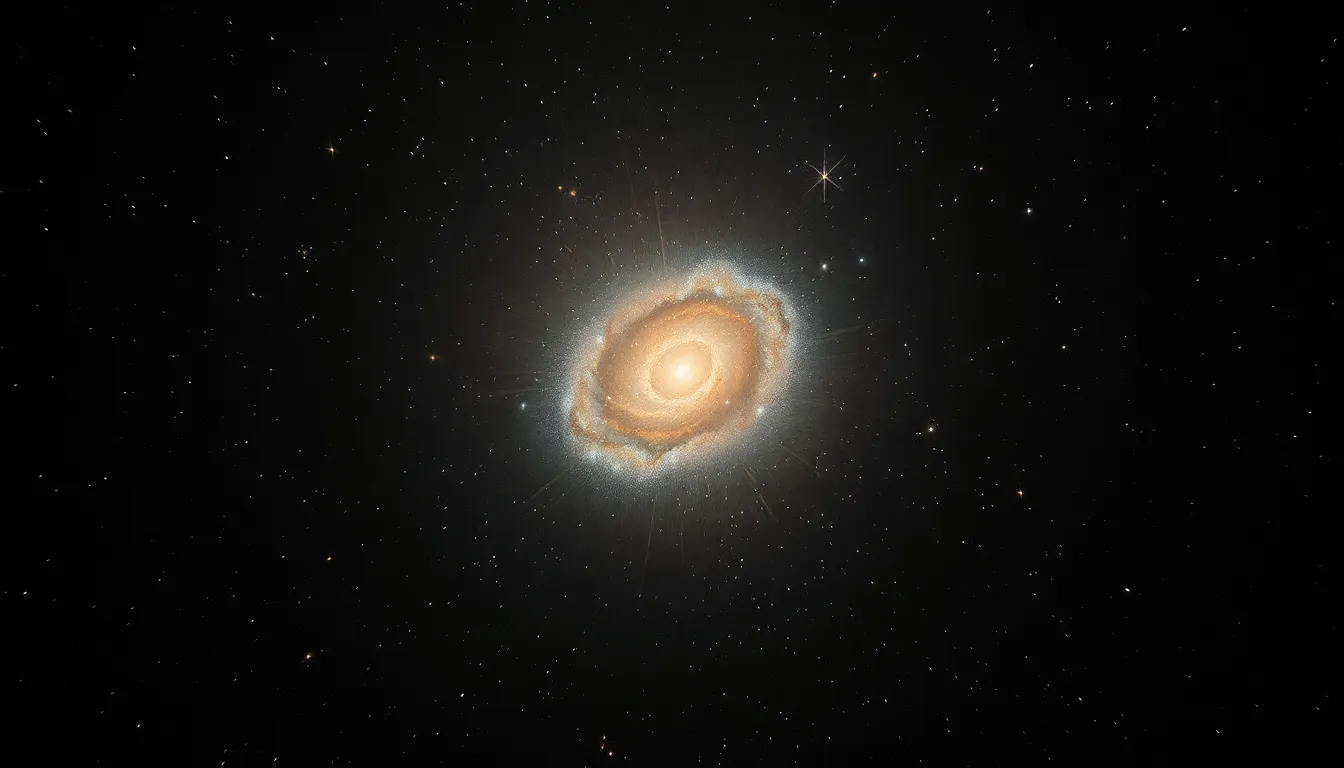
Hasselblad X2D 100C, 90mm f/2.5 medium format, dramatic backlighting from distant stars creating a halo effect around the galaxy, shallow depth of field at f/2.5 with rich, creamy bokeh of stellar bodies, natural muted tones with desaturated earth colors giving a mysterious atmosphere, symmetrical composition with galaxy at the center, showcasing the luminescent textures of cosmic dust and stellar gases.
16:9
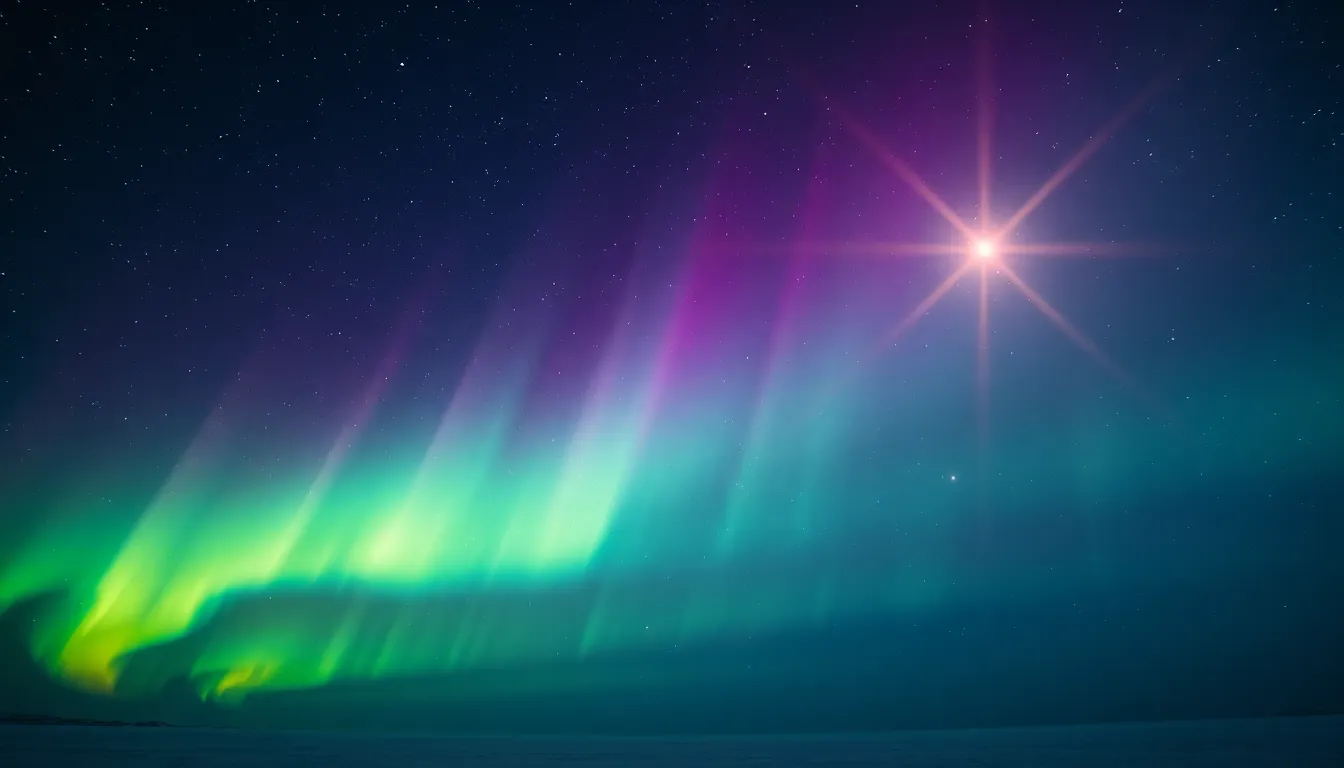
captured with Canon EOS R5, 24-70mm f/2.8L at 35mm, vibrant starlit sky illuminated by faint auroras, selective focus on the flipping auroras, background stars melting into painterly bokeh, Fujifilm Velvia-inspired saturated colors enriching greens and blues of auroras, composition using leading lines from the earth's horizon guiding towards the universe above.
16:9
shot on Sony A7R V with 85mm f/1.4 GM lens, illuminated by the soft glow of nearby stars, hyperfocal distance rendering everything from the galaxies to distant cosmic dust tack-sharp at f/8, Kodak Portra 400 color palette creating warm skin tones, composition featuring an ethereal nebula centered with stars radiating outward, intricate details of the nebula's gaseous textures and color gradients.
16:9
captured with Nikon Z9, 70-200mm f/2.8 telephoto at 135mm, dappled moonlight illuminating swirling galactic clouds, shallow depth of field at f/2.8 with soft bokeh stars in the background, cinematic teal and orange color grading, composition with the Milky Way forming a diagonal line across the upper third, ethereal textures of gaseous clouds contrasting against sharp celestial bodies.
16:9
Fujifilm GFX 100S, 110mm f/2 macro, capturing a detailed view of constellations etched in the night sky with twinkling stars, practical lighting from fireflies creating a magical effect in the foreground, shallow depth of field at f/2 blurring the earth and enhancing the starry details above, cinematic teal and orange color grading emphasizing the dreamlike quality, composition positioned low to the ground, with fireflies framing the base of the frame while the sky stretches out above.
3:4
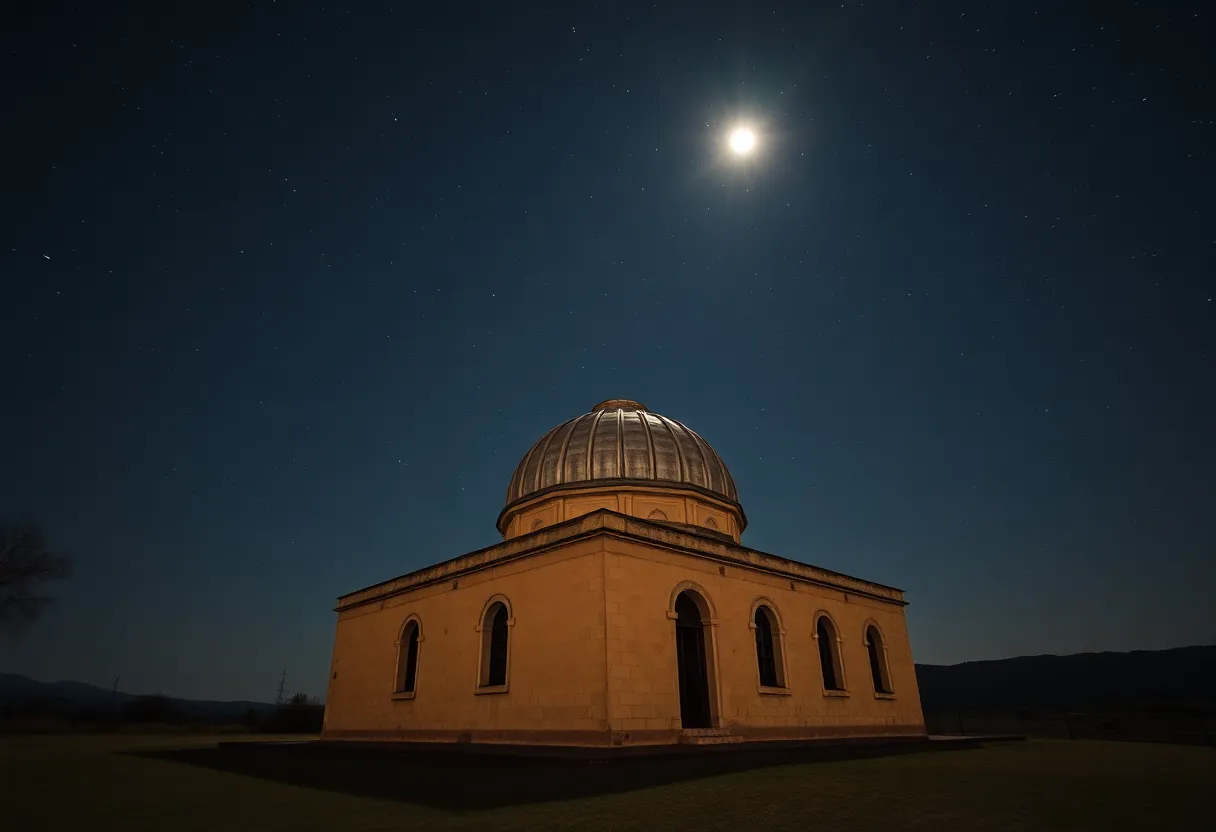
Hasselblad X2D 100C, 90mm f/2.5 medium format, showcasing a night view of an old observatory under a star-filled sky, illuminated by soft moonlight creating a serene ambiance, selective focus on the observatory with a shallow depth of field at f/2.5 making the sky appear as a soft canvas of stars, natural muted tones with desaturated earth colors enhancing the age and beauty of the building, symmetrical composition highlighting the grandeur of the observatory with stars radiating outward.
3:2
captured with Canon EOS R5, 24-70mm f/2.8L at 35mm, panoramic view of a mountain landscape under a swirling aurora borealis, natural diffuse daylight mixed with soft greens and purples from the aurora, hyperfocal distance ensuring everything from the foreground flowers to the distant stars is sharply in focus at f/8, natural muted tones with desaturated earth colors enhancing the scene's peacefulness, composition featuring leading lines from the mountains drawing the eye toward the captivating sky.
16:9
shot on Sony A7R V with 85mm f/1.4 GM lens, featuring a close-up of a bright constellation on a warm summer night, vibrant natural lighting from a nearby bonfire casting soft highlights, selective focus on the stars with a shallow depth of field at f/1.4 resulting in a dreamy bokeh, Kodak Portra 400 color palette enhancing the warm skin tones and glowing starry accents, composition utilizing the rule of thirds to position the constellation beautifully against a dark backdrop.
1:1
captured with Nikon Z9, 70-200mm f/2.8 telephoto at 135mm, under a clear night sky illuminated by a brilliant Milky Way, shallow depth of field at f/2.8 creating creamy bokeh of distant stars, cinematic teal and orange color grading enhancing the ethereal mood, composition featuring the Milky Way arching across the frame with silhouetted trees at the bottom, texture of the night sky revealing intricate star details and nebulae formations.
16:9
captured with Hasselblad X2D 100C, 90mm f/2.5 medium format, featuring an artistic rendering of distant exoplanets in a nebula, illuminated by soft, ethereal light. The depth of field is hyperfocal at f/8, ensuring clarity across the scene. The color palette is a mix of cinematic teal and orange, enhancing the otherworldly feel. The composition is dynamic, using a Dutch angle to create tension and interest, while the intricate textures of the nebula’s gaseous clouds and exoplanet surfaces are richly detailed, conveying a sense of depth and mystery.
16:9
shot on Fujifilm GFX 100S, 110mm f/2 macro, illustrating a detailed view of Earth from orbit, showcasing vibrant green forests and deep blue oceans under bright midday light. The depth of field is shallow at f/2, blurring the vastness of space in the background while keeping Earth's surface in sharp focus. The color palette captures natural muted tones, with vibrant greens and blues reflecting the beauty of the planet. The composition uses a symmetrical arrangement with Earth centered, providing a sense of balance. Textural details of the clouds and landmasses exhibit complexity and depth, making Earth appear vibrant and alive.
16:9
captured with Canon EOS R5, 24-70mm f/2.8L at 35mm, depicting the stunning gas giant Jupiter enveloped in swirling clouds, shot at twilight with diffused natural light from a nearby star. The depth of field is hyperfocal at f/8, ensuring both the planet and surrounding cosmic elements remain in sharp focus. The color palette employs Fujifilm Velvia-inspired saturation, with deep blues, browns, and whites creating a dramatic contrast. Compositionally, Jupiter is centered with star trails framing the image to suggest motion. The textures of its gaseous bands are vividly illustrated, showing complex detail within the swirling clouds.
16:9
shot on Sony A7R V with 85mm f/1.4 GM lens, featuring a close-up view of Mars’ surface highlighting its red rocky terrain illuminated by the sun's harsh light during midday. The depth of field is extremely shallow at f/1.4, creating a creamy, circular bokeh effect in the background that blurs out the horizon. The color palette is dominated by rich reds and oranges alongside muted browns reminiscent of Martian soil. The composition utilizes leading lines formed by the ridges and valleys of the terrain, guiding the eye toward the horizon. Textural details of the rocky surface reveal fine granules and deep shadows.
16:9
captured with Nikon Z9, 70-200mm f/2.8 telephoto at 135mm, showcasing a distant view of Saturn against a starry backdrop, with golden hour lighting illuminating the planet's rings. The depth of field is shallow at f/2.8, allowing Saturn to stand out sharply against a soft bokeh of twinkling stars. The color palette features deep blacks and vibrant yellows, enhancing the contrast between the planet and the cosmic void. Compositionally, Saturn is positioned using the rule of thirds, drawing the viewer's eye to its intricate details. Textures of the planet's rings are highlighted, revealing icy particles and dust grains.
16:9
Fujifilm GFX 100S, 110mm f/2 macro, shot in a studio environment with dramatic Rembrandt lighting casting shadows across a detailed model of a satellite, shallow depth of field emphasizing intricate components while the background blurs into soft bokeh, natural muted tones bringing a sense of realism to the materials used in the model, composition centered to highlight the satellite's features in all their complexity, textures of metal and plastic surfaces presented in crisp detail.
4:3
Hasselblad X2D 100C, 90mm f/2.5 medium format, illuminated by the soft glow of Earthrise against the black background of space, selective focus on the Earth with the moon framing the composition, natural muted tones with desaturated earth colors emphasizing the planet's contours, centered composition that highlights the majesty of Earth cradled within the vastness of space, textures of the Earth's surface visible in fine detail, showcasing clouds and landmass formations.
16:9
Nikon Z9, 70-200mm f/2.8 telephoto at 135mm, captured during the golden hour with warm rim light encircling a space shuttle on a launch pad, shallow depth of field at f/2.8 creating a dreamy bokeh of the surrounding environment, Kodak Portra 400 color palette giving warm skin tones to the shuttle with lifted shadows, composition focusing on the shuttle's imposing structure with leading lines of the launch pad drawing the eye towards it, textures of the shuttle's metallic surface catching the soft golden light.
16:9
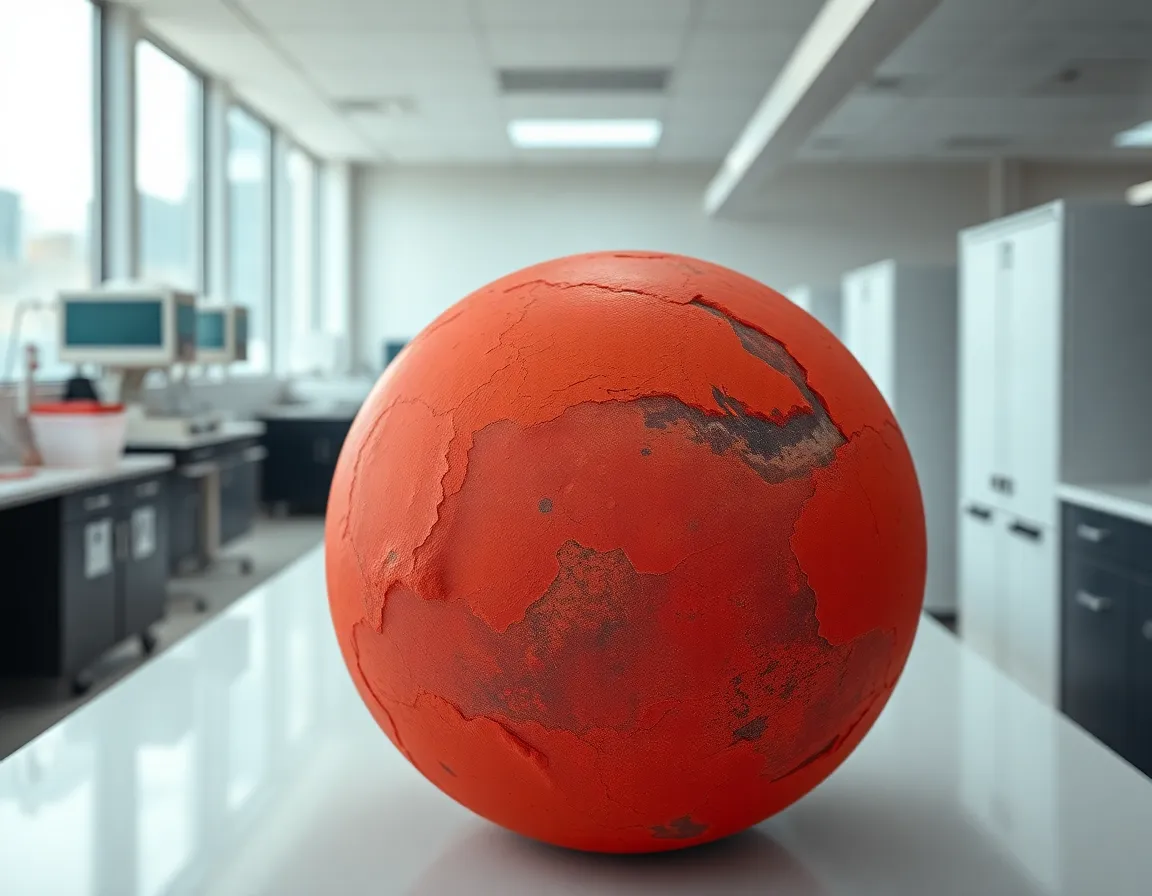
shot on Sony A7R V with 85mm f/1.4 GM lens, natural overcast daylight illuminating the vibrant colors and intricate surface of a Mars model within a scientific laboratory, hyperfocal distance ensuring clarity from foreground to infinity, Fujifilm Velvia-inspired saturated colors amplifying the red hues of Mars against the clean white laboratory backdrop, rule of thirds composition with Mars strategically placed at left power point, highlighting the detailed textures of the planet's surface.
4:3
captured with Canon EOS R5, 24-70mm f/2.8L at 35mm, illuminated by the bright glow of distant stars with soft moonlight casting ethereal shadows, shallow depth of field at f/2.8 focusing on a lone astronaut in a reflective suit standing on the lunar surface, cinematic teal and orange color grading showcasing the stark contrast of the light and dark, centered symmetrical composition emphasizing the isolation of the astronaut, textures of the moon's regolith detailed with fine particles and small rocks glistening under the starlight.
16:9
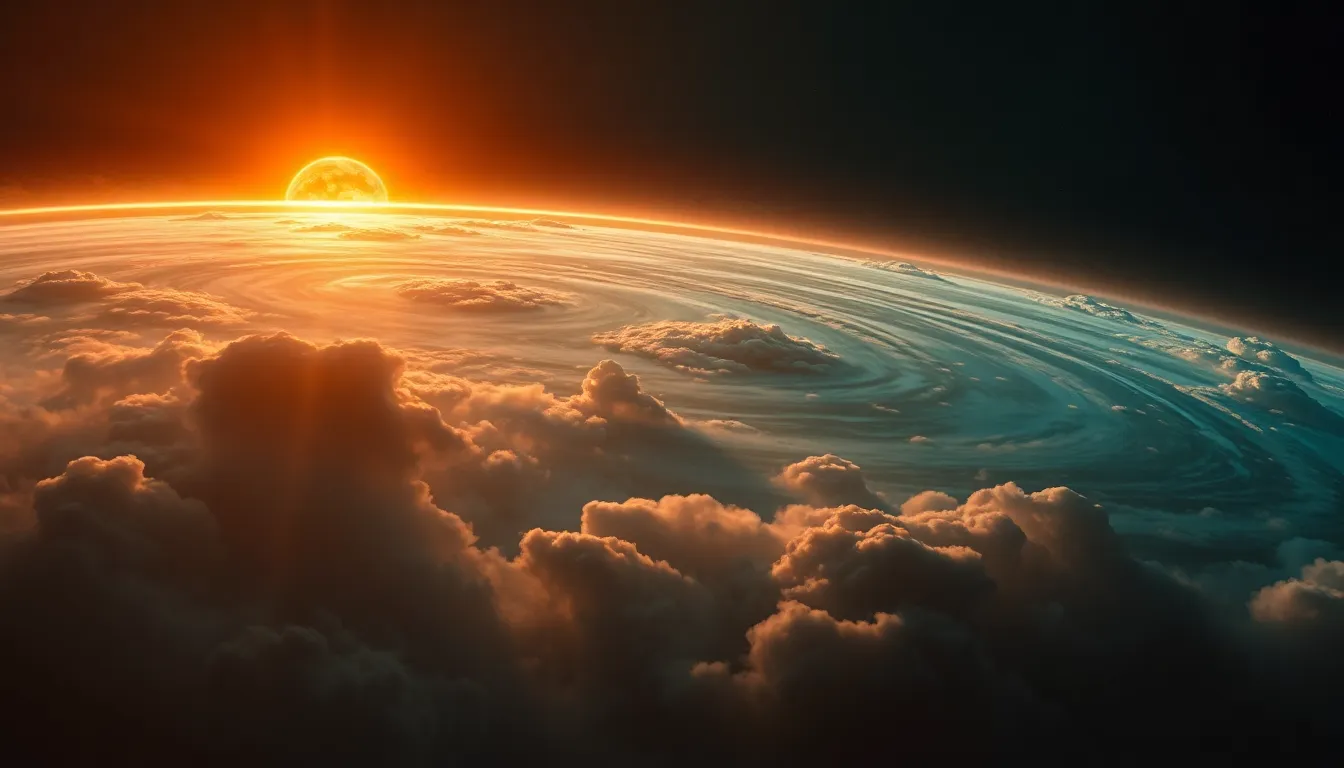
A breathtaking view of Jupiter's Great Red Spot, with swirling clouds and storms, captured with Hasselblad X2D 100C, 90mm f/2.5 medium format. The scene features dramatic backlighting, highlighting the contours of the clouds and the intensity of the storms. The color grading draws from cinematic teal and orange themes, enhancing the dynamic nature of Jupiter's atmosphere. The composition focuses on the Great Red Spot, using the rule of thirds to place it prominently in the frame, surrounded by the swirling bands of clouds.
16:9
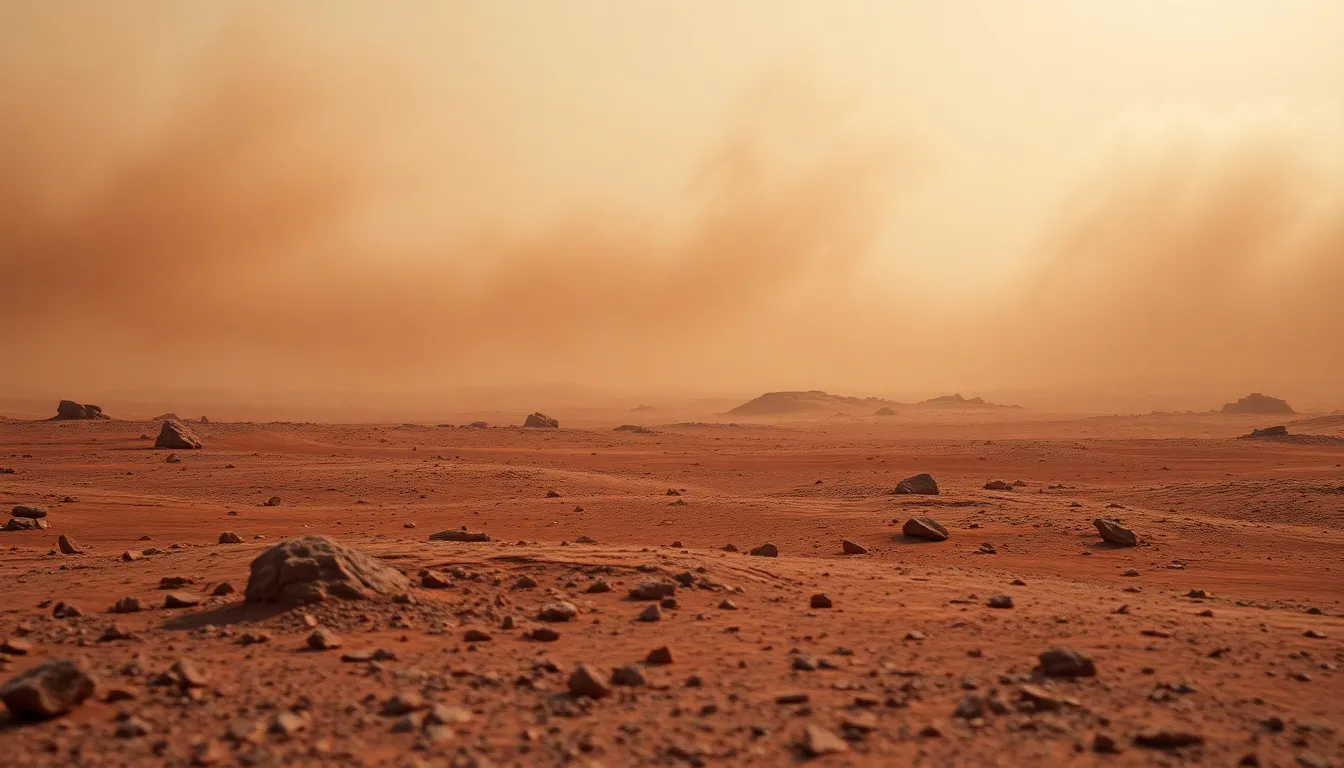
A distant view of Mars during a dust storm, with swirling dust clouds dancing across the Martian surface, captured using Fujifilm GFX 100S, 110mm f/2 macro. The lighting is muted, reflecting the somber atmosphere of the storm with natural desaturated earth colors dominating the scene. The hyperfocal distance keeps the entire landscape in focus, showcasing the rocky textures and patterns of the planet's surface. Compositionally, the dust clouds create dynamic leading lines that draw the eye through the frame, emphasizing the vastness of the Martian landscape.
16:9

A stunning view of Earth from space, featuring the planet illuminated by bright sunlight and enveloped in atmospheric clouds, shot on Sony A7R V with 85mm f/1.4 GM lens. The illumination creates bold contrasts with deep blues and whites, maintaining a cinematic teal and orange color grading. The composition utilizes a centered symmetrical approach, with Earth showcasing its vibrant surface details. The texture of the clouds is highlighted by the sunlight, giving a feeling of depth and dimensionality to the planet. The overall effect captures the breathtaking beauty of our home planet.
16:9
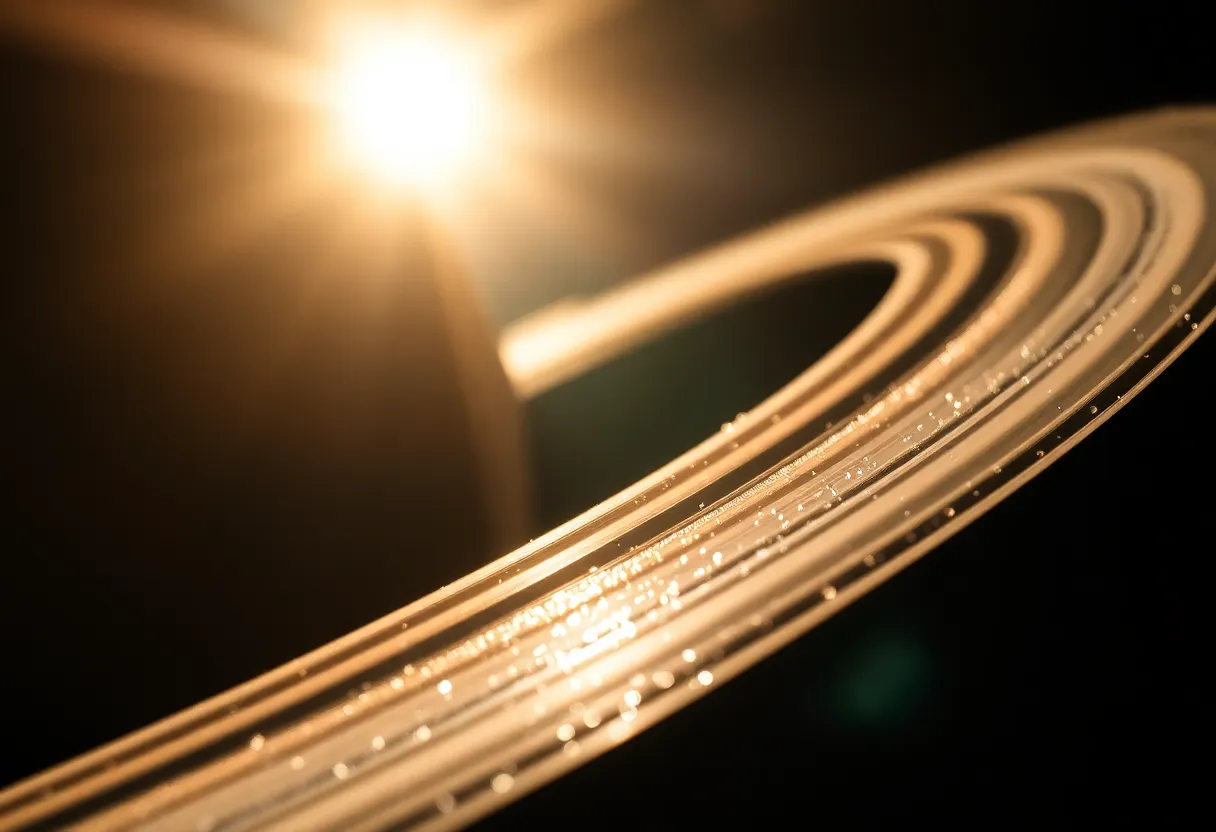
A close-up view of Saturn's rings, focusing on the icy particles and shadows, captured with Canon EOS R5, 24-70mm f/2.8L at 35mm. The scene benefits from soft natural light that highlights the textures of the rings while dappled sunlight creates a captivating bokeh effect in the background. A shallow depth of field at f/2.8 ensures the rings are in sharp focus while the background softly melts away. The image has a Kodak Portra 400 color palette, enhancing the warm tones of the icy particles. The composition follows the rule of thirds with Saturn's rings creating a diagonal line across the frame.
3:2
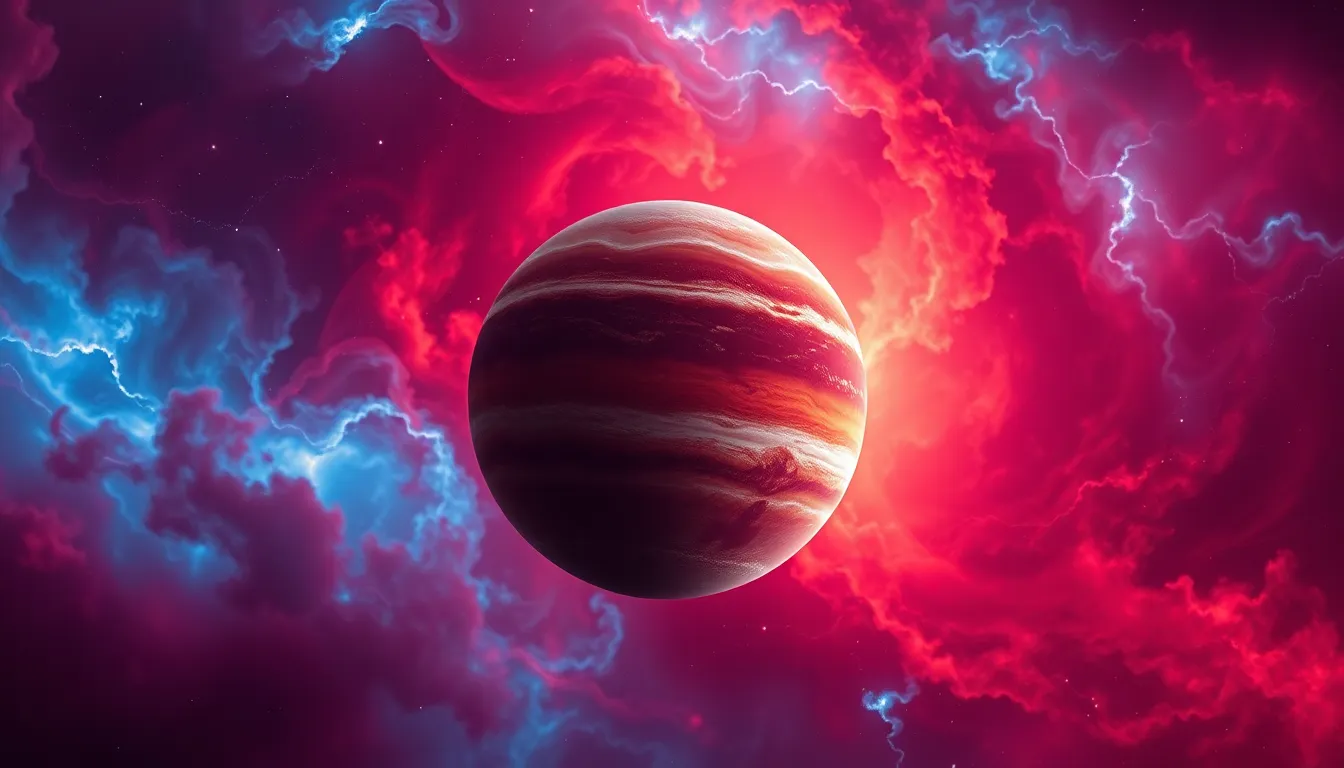
A vibrant gas giant planet in a nebula with swirling colorful clouds, shot on Nikon Z9, 70-200mm f/2.8 telephoto at 135mm. The scene is illuminated by ethereal ambient light, with deep reds and blues showcasing the planet's surface textures. Hyperfocal distance captures all elements from the foreground to infinity in sharp detail. The color palette resembles Fujifilm Velvia-inspired saturated colors, emphasizing the rich tones of the nebula. The composition features the planet off-center, allowing the nebula to dominate the background, creating a sense of depth and wonder.
16:9
Hasselblad X2D 100C, 90mm f/2.5 medium format, capturing a celestial scene with multiple planets aligned in the night sky. The stark contrast of the dark sky against the brilliant colors of the planets creates an awe-inspiring view. The lighting emphasizes the illumination from each planet, showcasing their vibrant hues—green, red, and yellow. The composition uses the rule of thirds to place the planets diagonally across the frame, creating visual interest. Atmospheric textures are palpable, highlighting the vastness of space.
16:9
Fujifilm GFX 100S, 110mm f/2 macro, featuring a close-up of a planet's surface with detailed textures of craters and rocks. The lighting is soft and diffused, capturing the nuances of the surface colors in muted earth tones. A natural color palette highlights the gray, brown, and subtle green elements of the terrain. The composition is centered to emphasize the intricate details, while the shallow depth of field creates a soft background bokeh that enhances the focus on the planet’s surface.
16:9
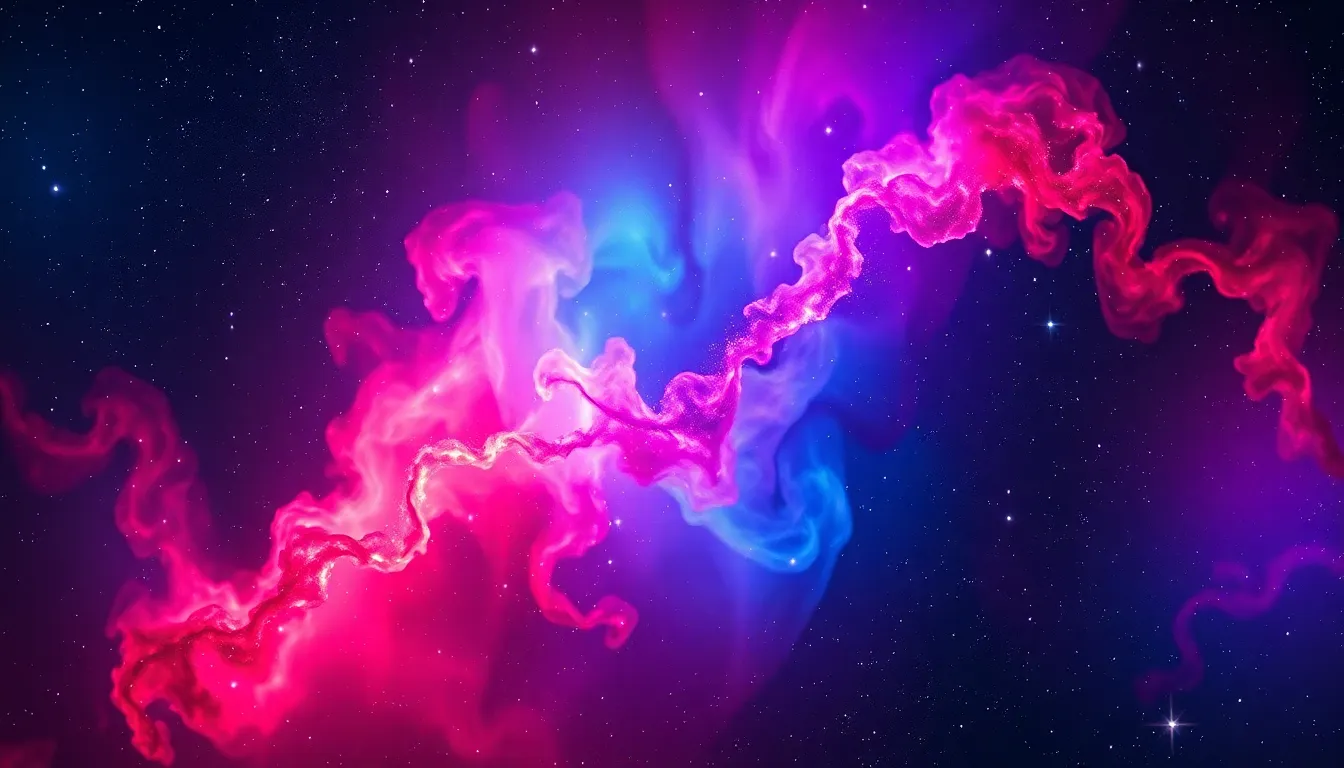
Nikon Z9, 70-200mm f/2.8 telephoto at 135mm, showcasing a vibrant nebula with stars. The lighting highlights the colorful gases, creating a cosmic explosion of reds, blues, and purples. Using an ultra-saturated color palette, the scene feels dynamic and alive. The composition employs leading lines from the nebula's wispy tendrils guiding the viewer’s eye through the vast space. Textures are rich and detailed, portraying the swirling gases and sparkling starlight.
16:9
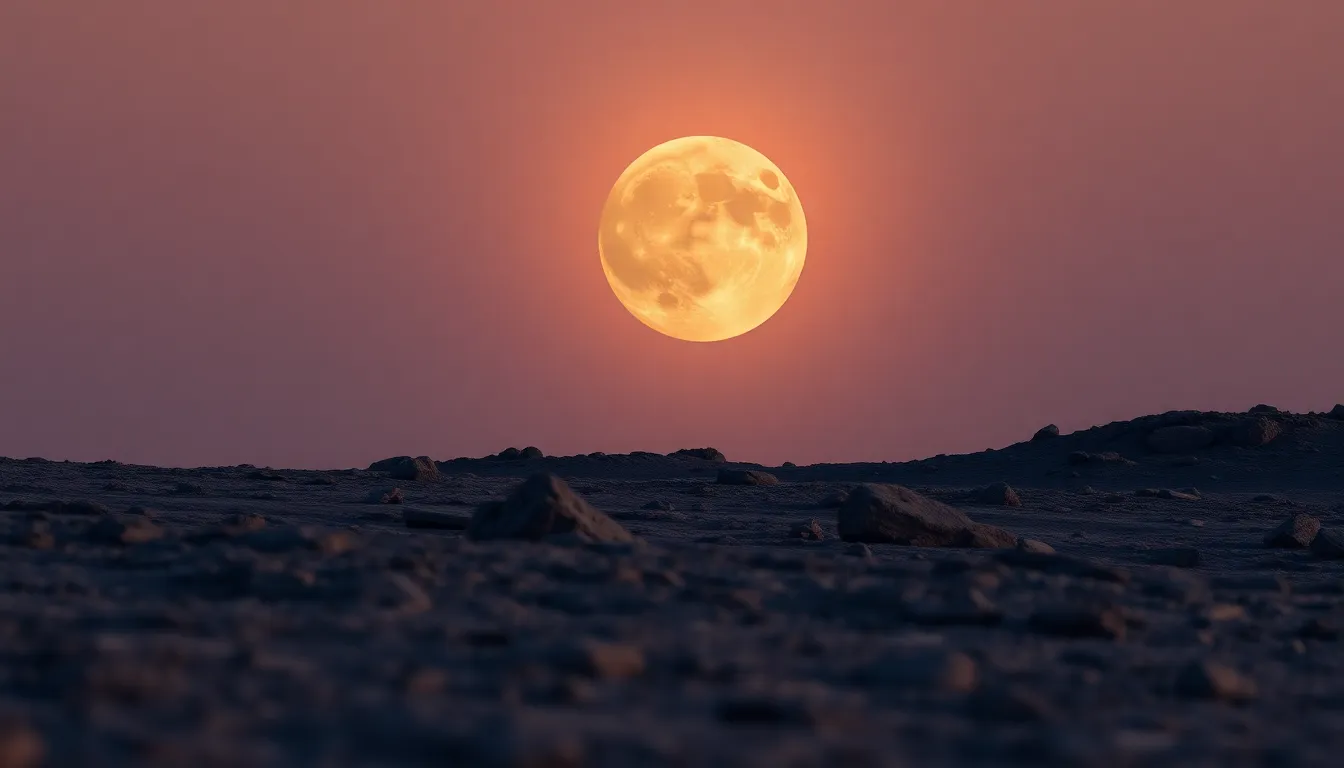
shot on Sony A7R V with 85mm f/1.4 GM lens, capturing a serene lunar landscape during the golden hour. The lighting creates warm rim light around the moon's craters, highlighting rocky textures. The scene employs a natural color palette with muted grays and soft purples, giving a calm, ethereal feel. The moon is positioned at the upper third of the frame, with a blurred foreground of rugged terrain creating depth. Textures of the lunar surface are highly detailed, with visible dust and rock granules.
16:9
captured with Canon EOS R5, 24-70mm f/2.8L at 35mm, featuring dramatic backlighting with a distant star creating a halo effect around a gas giant planet. The focus is sharp on the planet's textured atmosphere, showcasing swirling clouds and rich colors. This scene uses vibrant blue and orange tones reminiscent of a high-quality digital rendering. The composition centers the planet in the frame, with a slight tilt to enhance depth. The textures of the gaseous layers are detailed, revealing nuances in color and light.
16:9
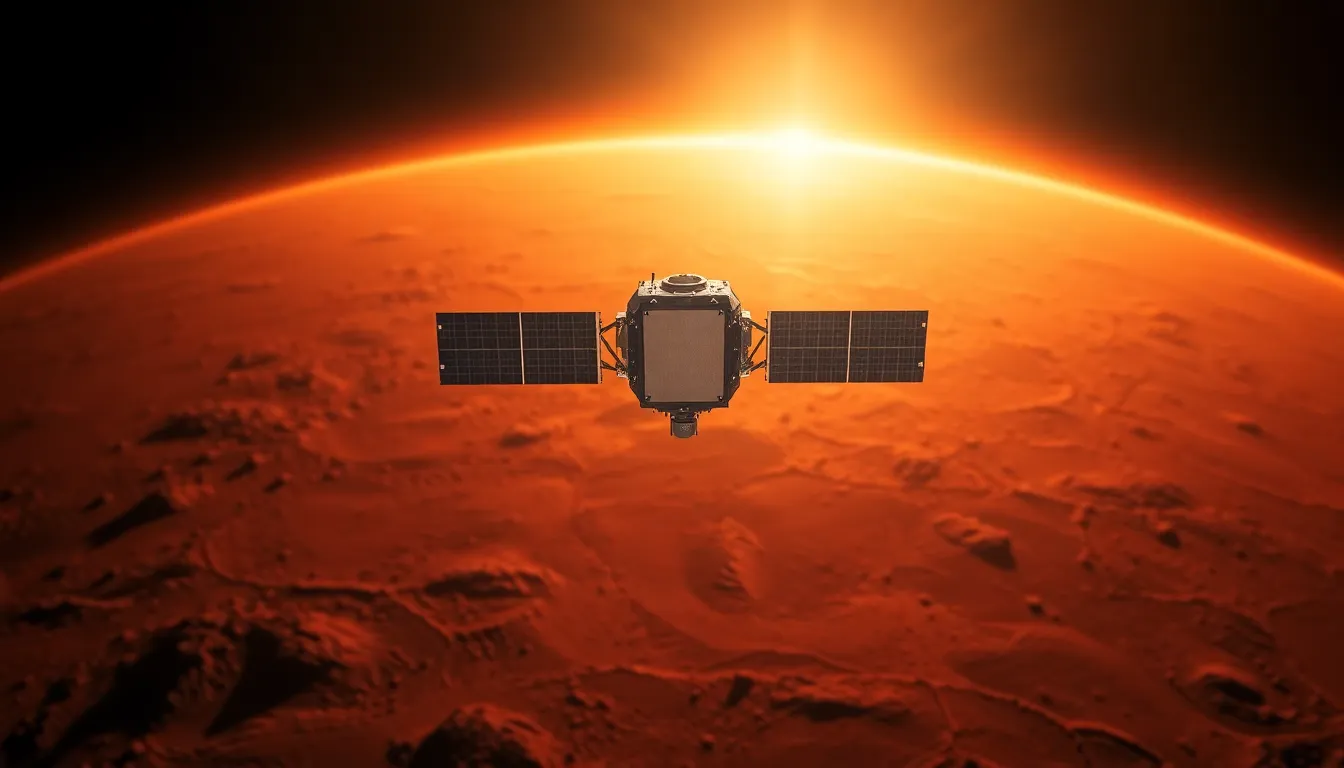
A conceptual rendering of a satellite orbiting Mars, created with Leica Q3, 28mm f/1.7 Summilux. The lighting is dramatic with a diffused yet intense sunlight bathing the landscape. A shallow depth of field at f/1.7 focuses sharply on the satellite while the Martian surface blurs into a painterly backdrop. The color palette captures the reds and oranges of Mars contrasting with the silver-gray of the satellite. The composition employs centered symmetry, situating the satellite above the planet’s surface to symbolize exploration. Textures include the rugged, dusty surface of Mars against the sleek design of the satellite.
16:9
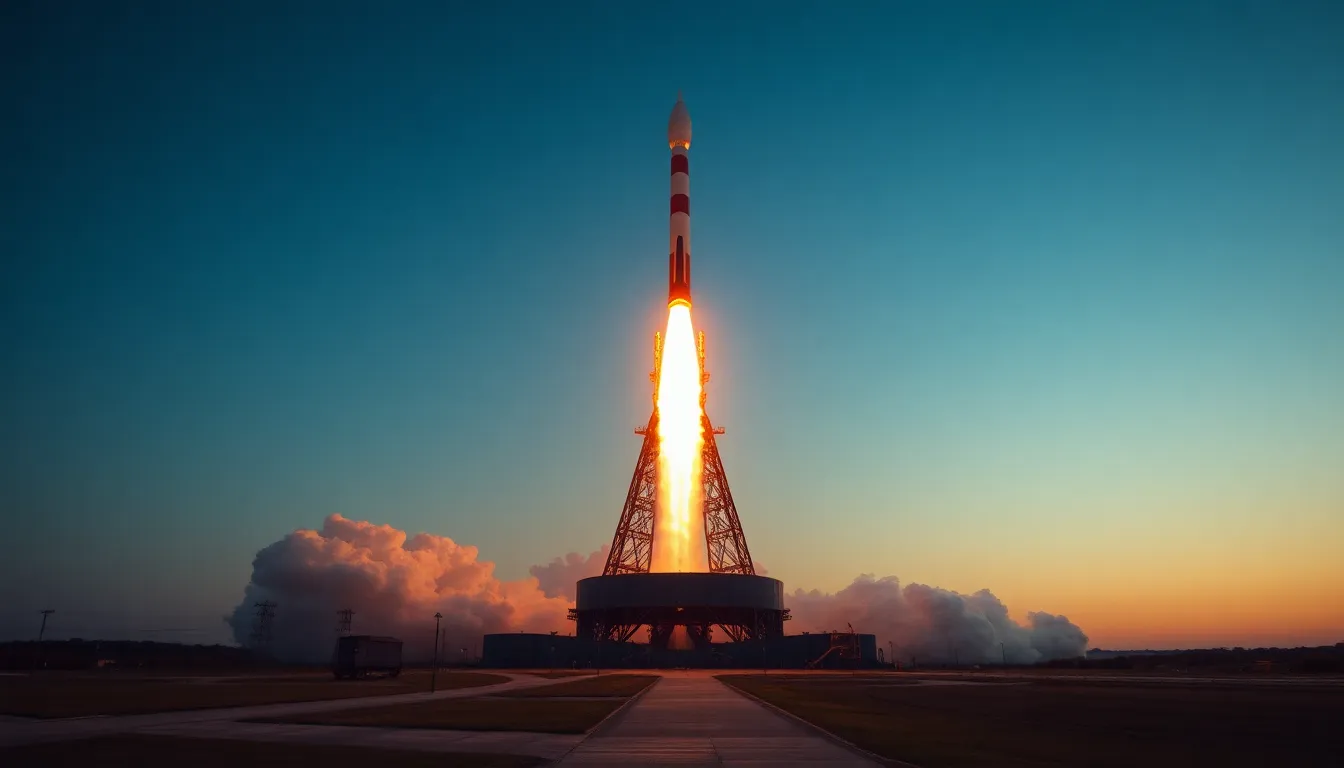
An artistic aerial view of a satellite taking off from a launch pad, shot with a Hasselblad X2D 100C, 90mm f/2.5 medium format. The lighting includes the golden hour, creating dramatic side lighting that enhances the textures of the rocket. A shallow depth of field at f/2.5 isolates the rocket while leaving the launch pad and surroundings slightly blurred. The color palette boasts warm oranges and yellows against the blue sky. The composition captures the rocket ascending from the center of the frame, evoking a sense of motion and excitement. Textures include the metallic finish of the rocket and the rough surface of the launch pad.
16:9
A nighttime view of a satellite illuminated by city lights below, taken with a Fujifilm GFX 100S, 110mm f/2 macro. The lighting is practical, stemming from twinkling city lights that reflect on the satellite's surface. A shallow depth of field at f/2 creates a dreamy, bokeh effect with urban lights blending into circular shapes. The color palette features deep blues and pops of warm yellows and oranges from the cityscape. The composition utilizes leading lines from city lights drawing the viewer’s gaze towards the satellite, creating a sense of connection. Textures include the polished surface of the satellite contrasted with the rough urban landscape below.
16:9

A close-up shot of a satellite dish against a cloudy sky, captured with a Nikon Z9, 70-200mm f/2.8 telephoto at 135mm. The lighting is overcast, providing soft, diffused daylight that minimizes harsh shadows. A hyperfocal distance of f/8 ensures everything from the dish to the clouds is in sharp focus. The color palette is muted with grays and whites, emphasizing the moody atmosphere. The composition centers the dish in the frame, allowing the clouds to form a dramatic backdrop. Textures include the rough surface of the dish and the smoothness of the sky.
4:3
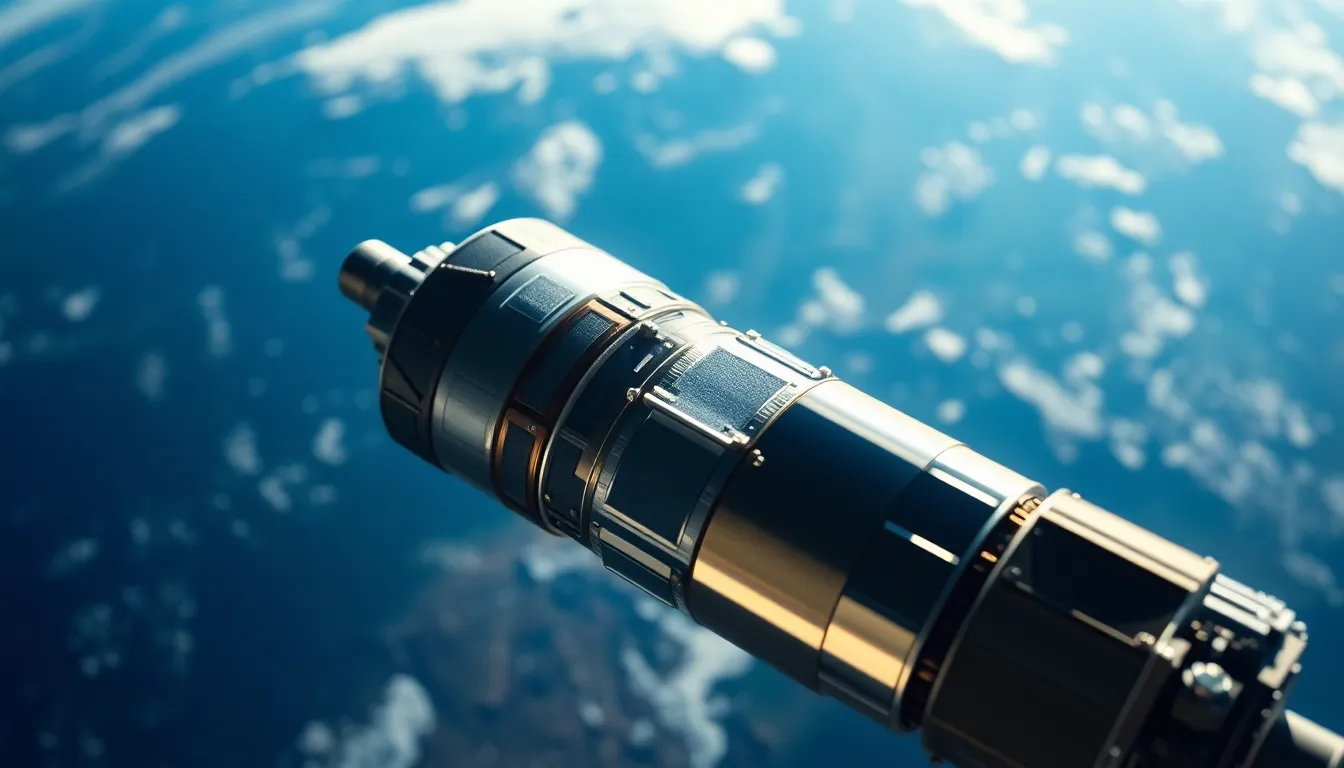
A detailed shot of a satellite in orbit against the backdrop of Earth, captured with a Canon EOS R5, 24-70mm f/2.8L at 35mm. The lighting features natural sunlight illuminating the satellite’s metallic surface, creating reflections and shadows that enhance the detail. A shallow depth of field at f/2.8 blurs the distant Earth, while the satellite remains in sharp focus. The color palette consists of vibrant blues and greens of the Earth contrasting with the silver and gray of the satellite. The composition follows the rule of thirds, with the satellite positioned towards the upper left, creating a dynamic effect. Textures include the satellite's smooth metal and the Earth’s varying surface textures.
16:9
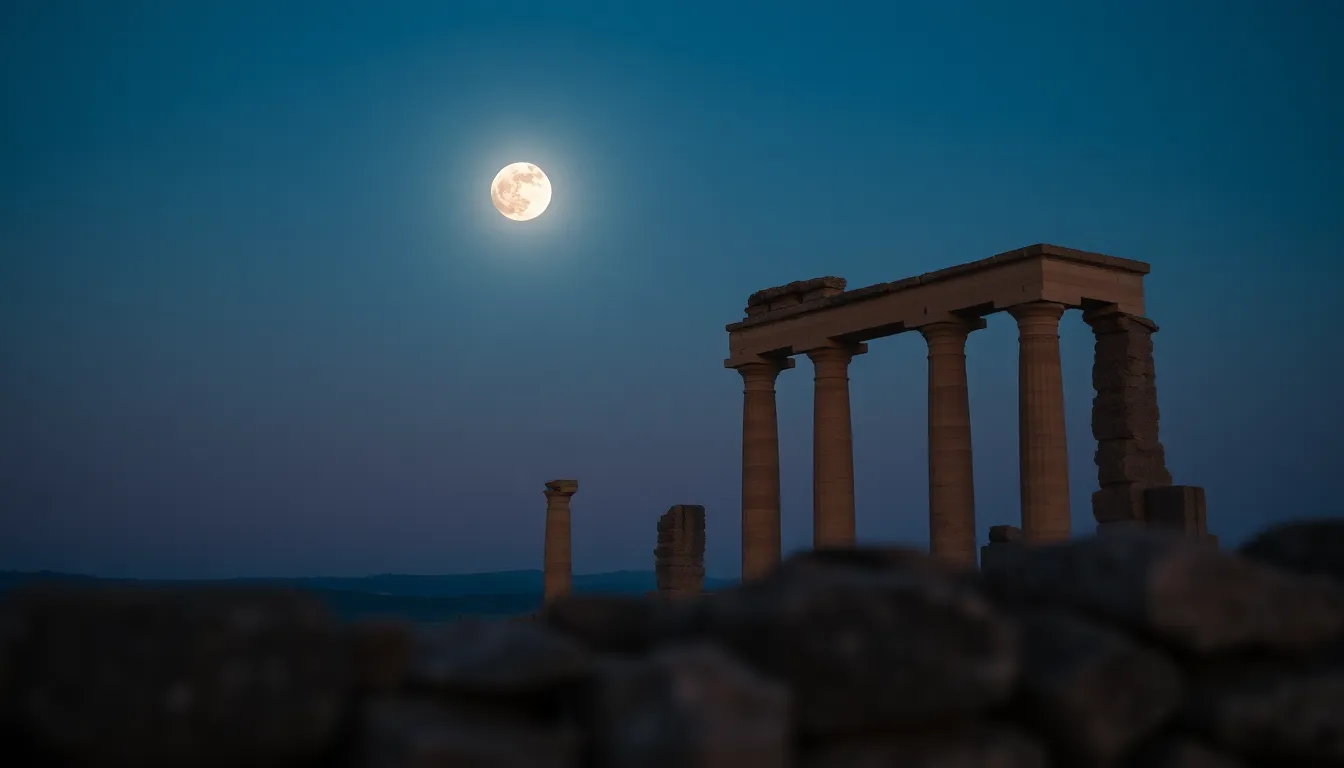
captured with Leica Q3, 28mm f/1.7 Summilux, presenting the Moon framed by a silhouette of ancient ruins at dusk. Natural lighting from the setting sun casts warm, golden hues across the ruins, contrasting with the cool, bluish tint of the Moon. The composition centers around the ruins, using the rule of thirds for balanced visual interest, while a shallow depth of field at f/1.7 blurs the distant landscape, drawing focus to the foreground. Textures of the weathered stone add richness to the scene.
16:9
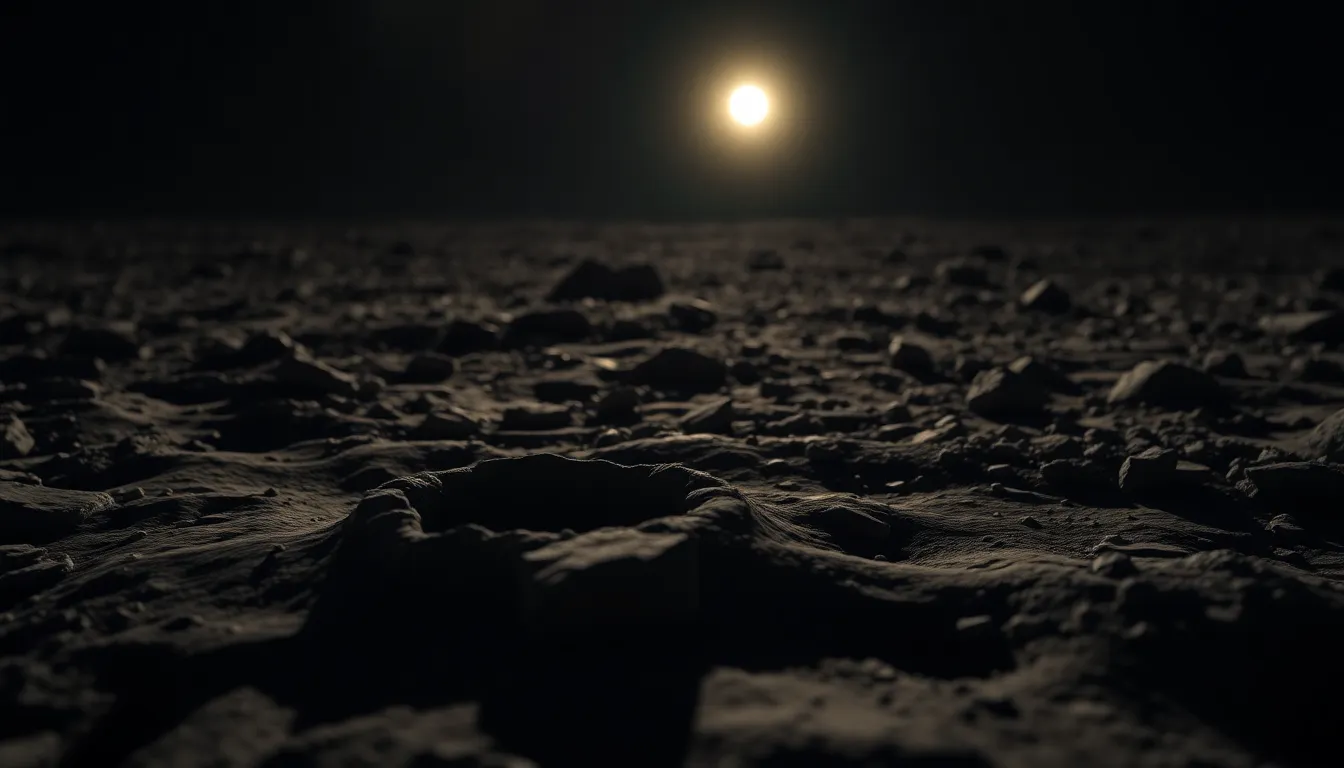
shot with Fujifilm GFX 100S, 110mm f/2 macro, focusing on a lunar landscape in detail, featuring rocky terrain and craters illuminated by a distant sun. The scene captures the stark contrast of deep shadows and bright highlights, with a color palette that emphasizes natural muted tones and desaturated earth colors. Selective focus highlights a prominent crater, while the background is softened into a painterly bokeh, creating a serene yet otherworldly atmosphere.
16:9
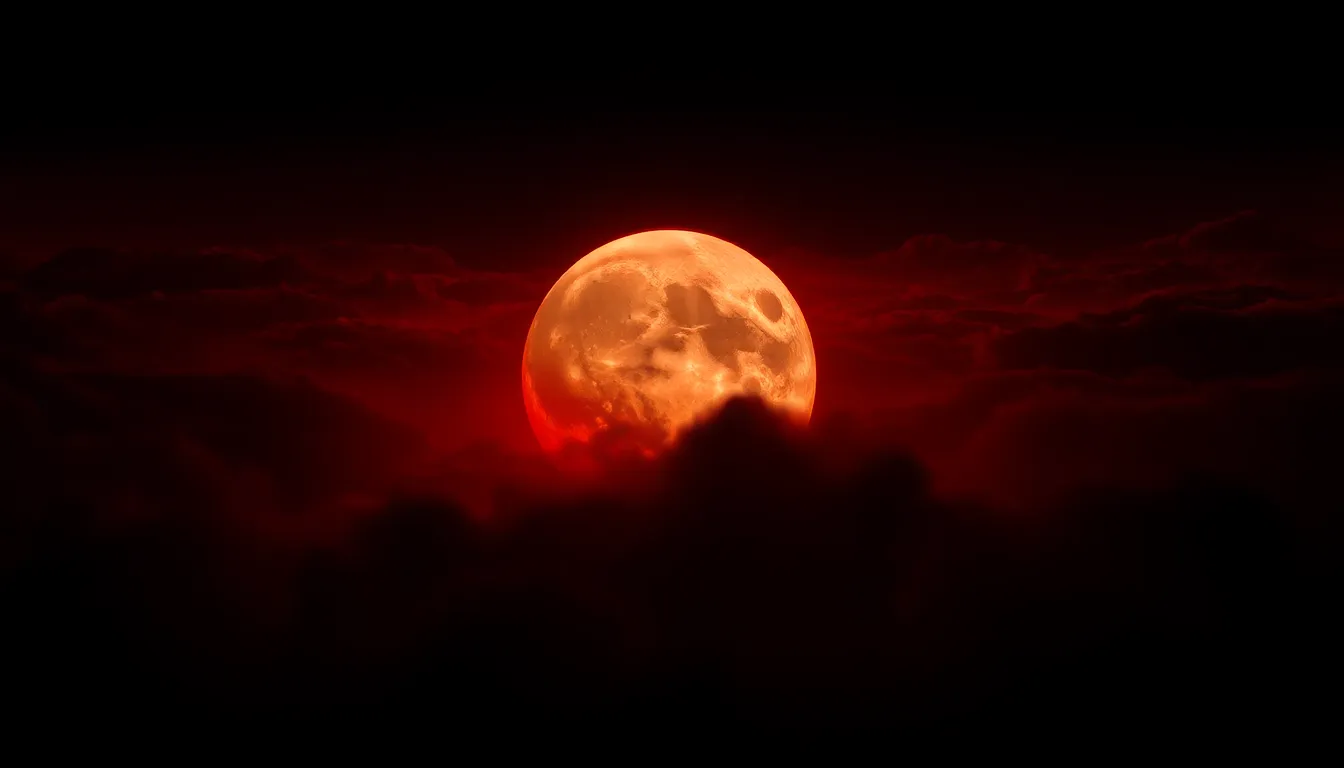
captured with Canon EOS R5, 24-70mm f/2.8L at 35mm, presenting an aerial view of the Moon overlaid with Earth's atmosphere during a lunar eclipse. The dynamic lighting captures the eerie red hue from the Earth’s shadow, enhancing the mood of the scene. Hyperfocal distance ensures sharp focus throughout the atmosphere, with rich blacks contrasting against the vibrant maroon and amber tones. The composition uses leading lines of atmospheric waves to draw the eye toward the lunar event, while textures of both the Moon and atmosphere create depth and intrigue.
16:9
shot on Sony A7R V with 85mm f/1.4 GM lens, featuring a mystical scene with the Moon rising over a tranquil lake at twilight. The scene is bathed in the warm glow of twilight with soft purples and pinks reflecting off the water's surface. Shallow depth of field at f/1.4 draws attention to silhouetted trees on the shore, while the Moon dominates the upper third of the frame, creating a stunning visual balance. Textures of the water shimmer with soft ripples, enhancing the ethereal quality of the moment.
16:9
captured with Nikon Z9, 70-200mm f/2.8 telephoto at 135mm, showcasing a close-up of the Moon's surface during a full moon phase. The scene is illuminated by soft moonlight casting gentle shadows on the lunar craters, with a hyperfocal distance ensuring everything from the craters to the stars beyond is crisply in focus at f/8. The color palette features deep blues and silvery whites, with a wide composition that captures the expansive night sky. Textures highlight the rough, cratered surface of the Moon, contrasting against the smooth, dark backdrop of space.
16:9
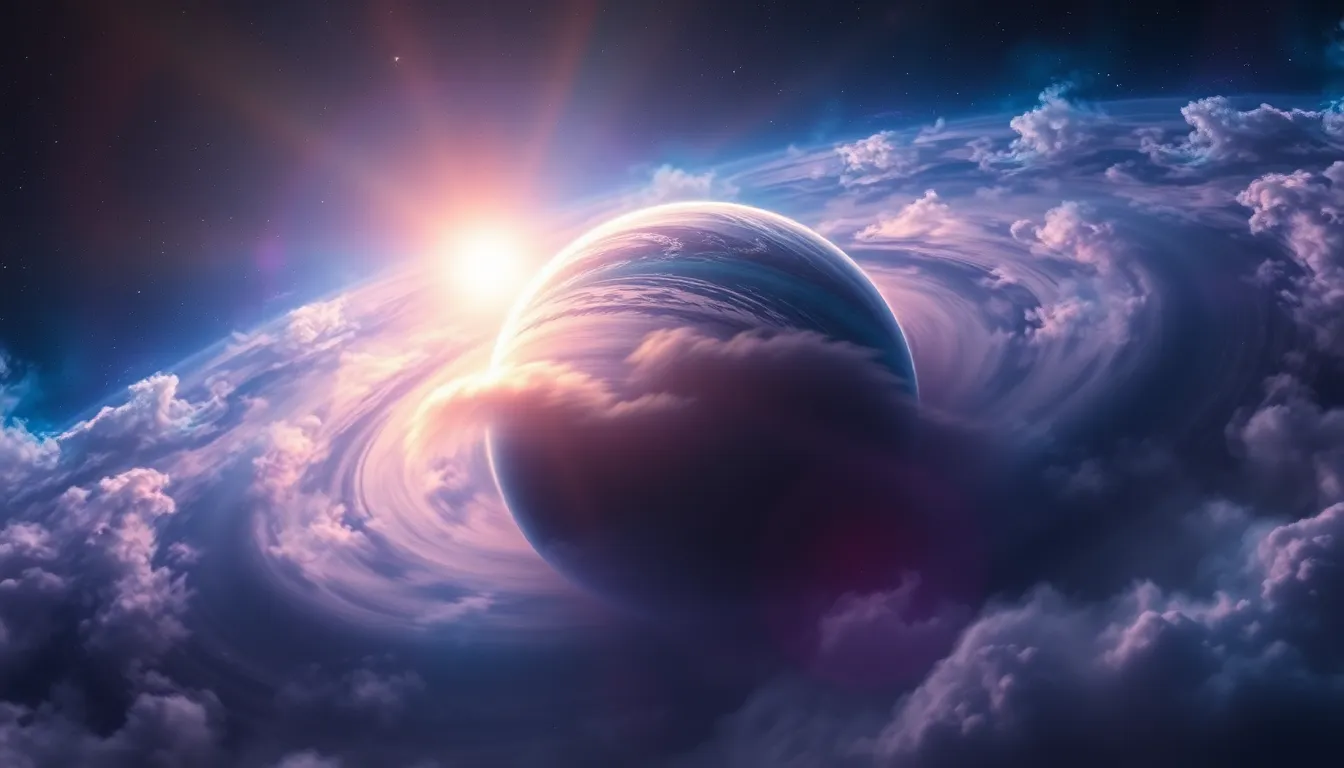
Utilizing Hasselblad X2D 100C, 90mm f/2.5 medium format, this image features a stunning artistic rendition of an exoplanet with a colorful atmosphere viewed from a distant star system. The lighting reflects a cosmic glow, with a vibrant color palette of deep blues, purples, and hints of gold. The depth of field is carefully controlled, with a selective focus on the planet's swirling clouds, creating a dreamlike effect. The composition employs a centered symmetrical layout, embodying the beauty of alien worlds, enhanced by texture details of gaseous layers swirling in the atmosphere.
16:9
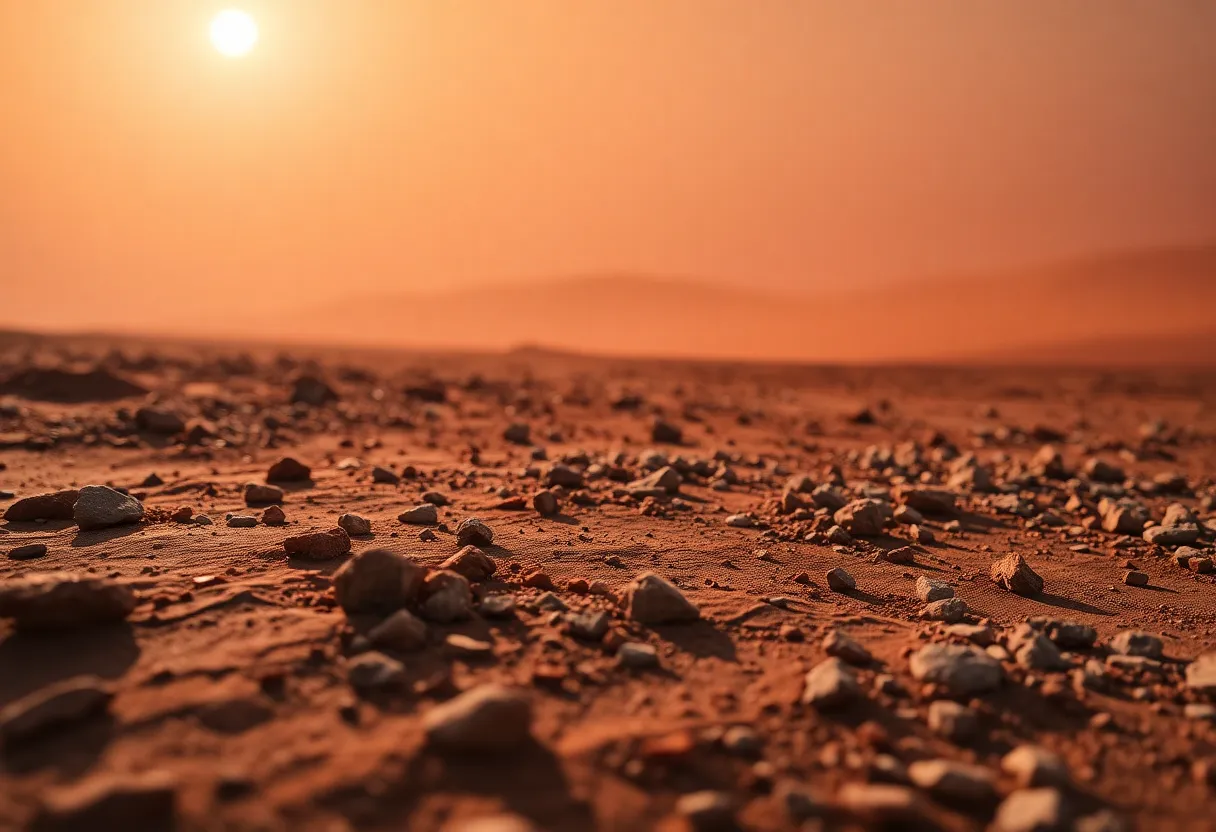
Photographed using Fujifilm GFX 100S, 110mm f/2 macro, this image captures a highly detailed view of Mars' surface, showcasing its rocky terrain and reddish-orange hues under a soft, diffused sunset light. The delicate textures of the Martian soil and scattered pebbles are sharply in focus, with a shallow depth of field at f/2 creating an ethereal bokeh of distant dust. The composition features leading lines formed by natural ridges in the landscape, drawing the viewer's gaze towards the horizon. The natural muted tones of Mars contrast beautifully with soft lighting, creating a peaceful yet haunting atmosphere.
3:2
Captured with Canon EOS R5, 24-70mm f/2.8L at 35mm, this image features a stunning view of Earth from space, showing the vibrant blue oceans, swirling clouds, and a hint of landmasses. The lighting mimics natural sunlight illuminating the planet from an angle, enhancing earth's colors. The depth of field is hyperfocal at f/8, ensuring every detail is crisp, from the texture of clouds to the surface of the waters. The composition adheres to the rule of thirds, with Earth positioned slightly off-center, imparting a sense of movement and dynamism within the vast emptiness of space.
16:9
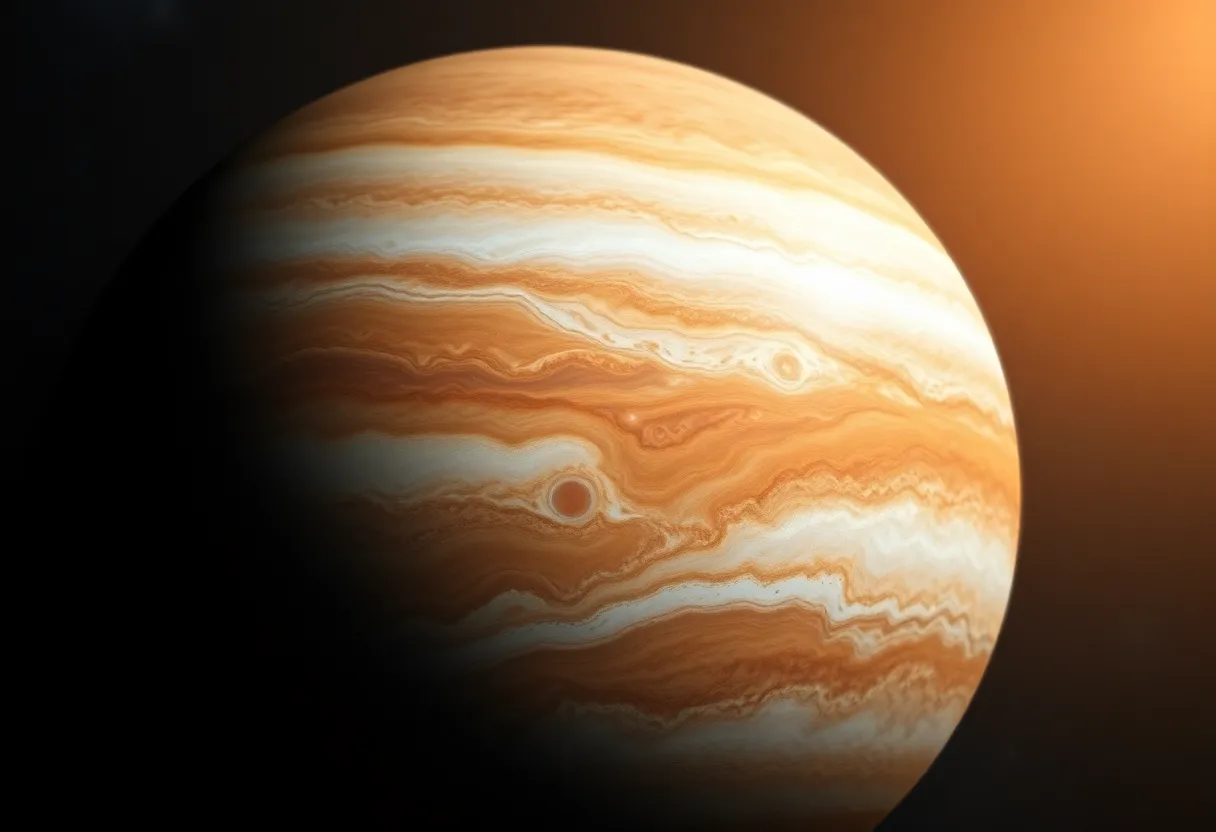
Shot on Sony A7R V with 85mm f/1.4 GM lens, this image captures a close-up view of Jupiter's swirling atmosphere, with intricate details of its cloud bands and the Great Red Spot. The lighting mimics the soft glow of distant starlight, enhancing the vibrant browns, reds, and whites of the gas giant. A shallow depth of field at f/1.4 creates a dreamy bokeh effect in the background, emphasizing the planet's textures. The composition is centered, drawing attention directly to the striking surface features of Jupiter, making it feel as if one could almost reach out and touch it.
3:2
Captured with Nikon Z9, 70-200mm f/2.8 telephoto at 135mm, this image showcases a vivid Saturn rising above a rocky desert landscape in a dramatic twilight scene. The orange and purple hues of the sunset create a celestial backdrop, while Saturn's rings are sharply in focus, enhancing the space theme. The foreground features textured red rock formations, leading the eye into the scene. The overall composition utilizes the rule of thirds, placing Saturn off-center against the vibrant sky, imparting a sense of vastness and wonder. Natural muted tones complement the bright colors of the planet, creating a magical atmosphere.
16:9
captured with Hasselblad X2D 100C, 90mm f/2.5 medium format at dusk, featuring a silhouette of a lone tree against a rising moon. The sky is painted with deep purples and blues, creating a dramatic backdrop as the moon casts a soft glow. The depth of field is narrow at f/2.5, emphasizing the silhouette of the tree while the moon is sharp in focus. The color palette is vibrant yet muted, giving the scene a dreamlike quality. The composition adopts a Dutch angle, enhancing the dynamic tension between the tree and the moon in the sky.
16:9
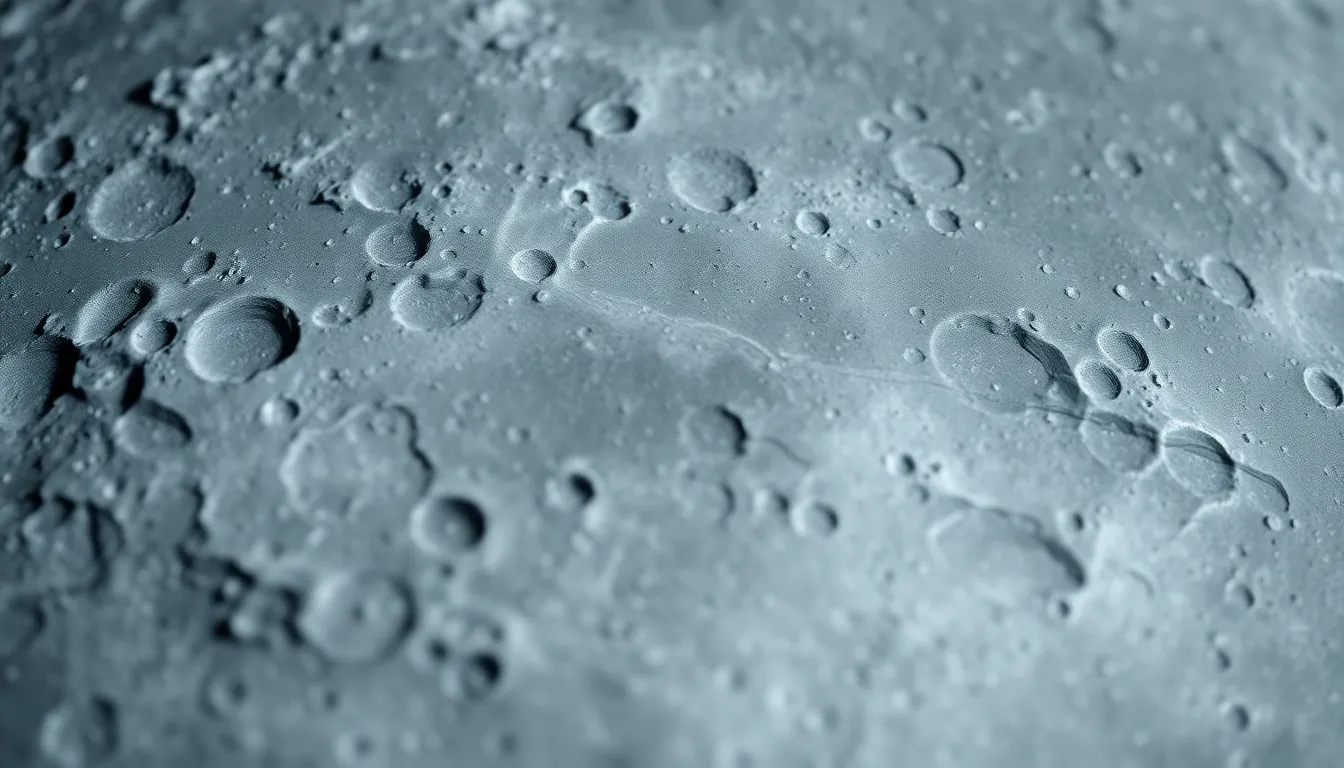
shot on Fujifilm GFX 100S, 110mm f/2 macro lens, capturing a close-up of the moon's craters with incredible detail. The image features natural muted tones, showcasing the grey surface of the moon with excellent texture and depth. The lighting is soft, diffused daylight illuminating the craters, while a shallow depth of field at f/2 creates a beautiful bokeh effect, emphasizing the rugged lunar terrain. The color palette is dominated by cool greys and subtle blues, enhancing the moon's otherworldly feel. The composition utilizes a centered layout, focusing directly on the textures of the moon's surface.
16:9
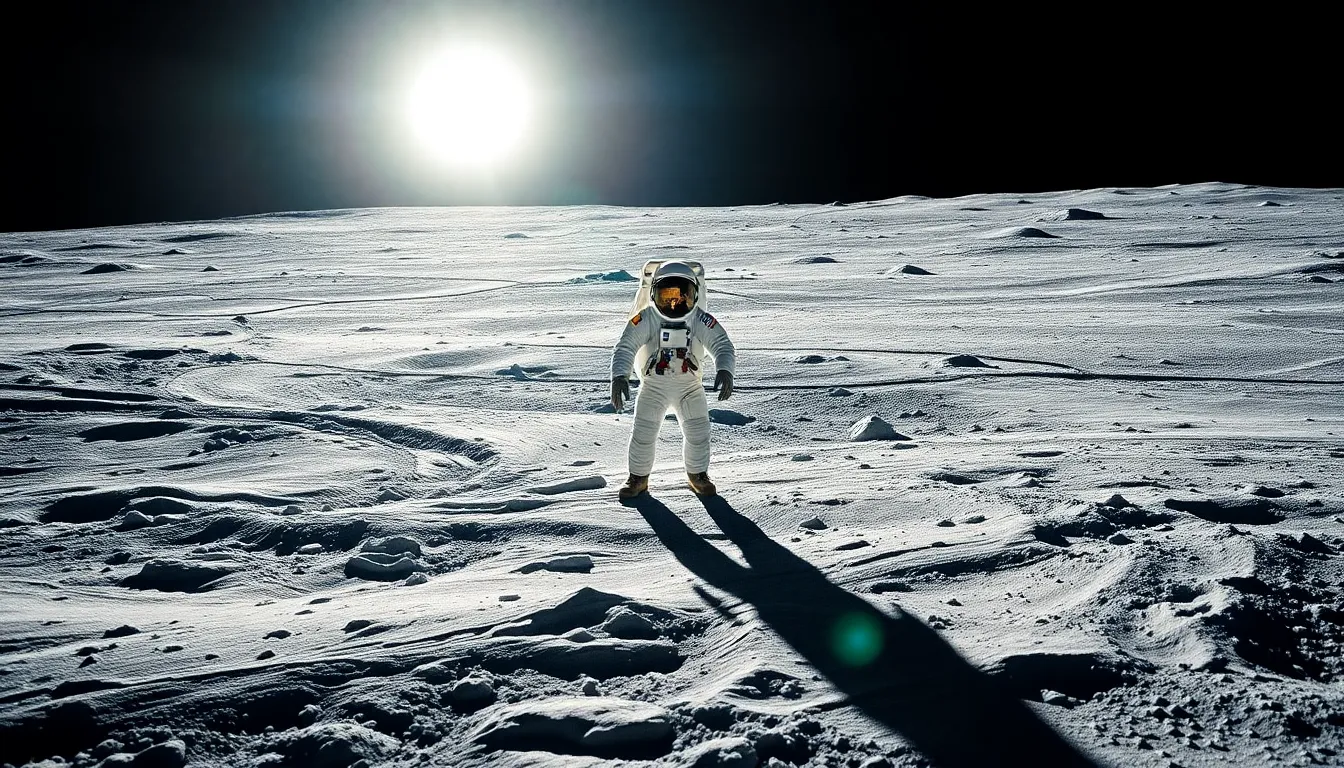
captured with Canon EOS R5, 24-70mm f/2.8L at 50mm, featuring an astronaut standing on the moon's surface, Earth visible in the background. The scene is illuminated by bright, harsh sunlight, casting distinct shadows and highlighting the lunar regolith texture. The depth of field is hyperfocal at f/8, ensuring both the astronaut and the Earth are in sharp focus. The color palette combines stark white and gray of the moon’s surface with vibrant blues and greens of Earth, creating a dramatic contrast. The composition features a centered symmetrical layout, emphasizing the vastness of space.
16:9
shot on Sony A7R V with 85mm f/1.4 GM lens, capturing the full moon rising over a serene lake at twilight. Soft, golden hour backlighting creates a warm glow on the water's surface, reflecting the moon beautifully. The depth of field is shallow at f/1.4, allowing for a soft focus foreground of reeds framing the calm lake. The color palette includes deep blues and soft oranges, infusing the scene with a tranquil, ethereal quality. The composition employs leading lines, drawing the viewer's eye towards the moon rising over the horizon.
16:9
captured with Nikon Z9, 70-200mm f/2.8 telephoto at 200mm during a lunar eclipse, featuring dramatic shadows and luminous highlights on the moon's surface. The scene is illuminated by the subtle red hues of the eclipse, providing a striking contrast against the deep black of the night sky. The image has a shallow depth of field at f/2.8, focusing sharply on the moon while stars melt into soft bokeh. The color palette features deep blacks and rich reds, enhancing the celestial mood. The composition adheres to the rule of thirds, with the moon positioned at the upper right power point, surrounded by twinkling stars.
16:9
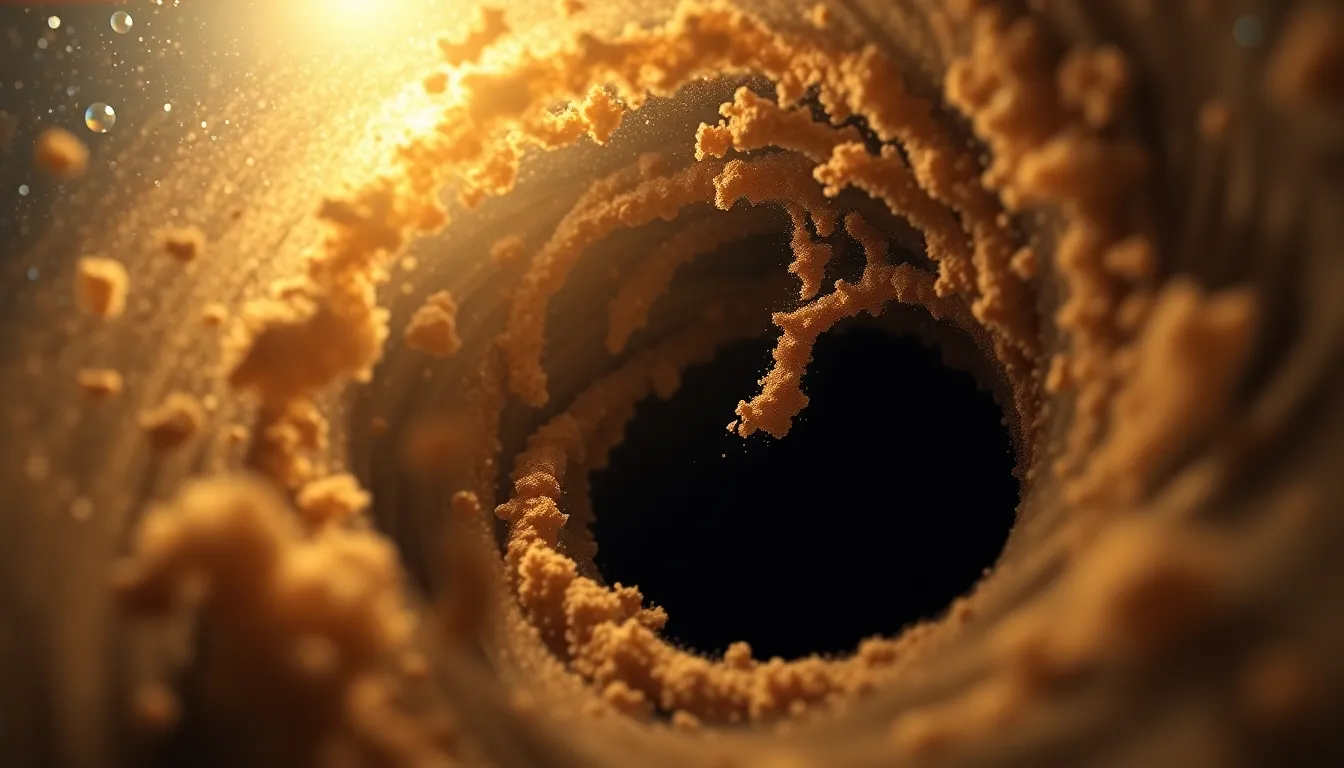
captured with Fujifilm GFX 100S, 110mm f/2 macro, revealing close-up details of cosmic dust swirling around a black hole. The image is lit by soft ambient starlight, creating a gentle glow that highlights the crystal-like structures of dust. The depth of field is shallow at f/2, producing creamy bokeh that enhances the ethereal atmosphere. Natural muted tones with desaturated earth colors evoke a sense of calm within the chaos. The composition is centered, focusing on the intricate details of the dust particles swirling near the black hole.
16:9
shot on Hasselblad X2D 100C, 90mm f/2.5 medium format, featuring an ethereal view of a black hole surrounded by ethereal nebulae in deep space. The lighting is created using practical effects to mimic bioluminescent colors within the gases, while a shallow depth of field isolates the black hole against a richly textured cosmic backdrop. Cinematic teal and orange color grading highlights the striking contrast. The composition incorporates rule of thirds with the black hole elegantly positioned at a power point.
16:9
captured with Canon EOS R5, 24-70mm f/2.8L at 35mm, depicting a surreal interpretation of a black hole as a swirling vortex of colors. Executed in studio conditions with a three-point lighting setup, dramatic key light creates shadows that emphasize the swirling patterns. Hyperfocal distance ensures sharpness throughout the image while a Fujifilm Velvia-inspired saturated color palette enriches its vibrancy. The composition uses a centered symmetrical layout to enhance the vortex’s hypnotic allure.
16:9
shot on Sony A7R V with 85mm f/1.4 GM lens, showcasing a breathtaking cosmic lensing effect created by a supermassive black hole. Overcast diffused light provides a soft glow over the infinite stars in the background. Selective focus on the intricate gravitational waves radiating outward, with the surrounding stars softly blurring into painterly bokeh. The color palette is inspired by Kodak Portra 400, with warm tones and creamy highlights bringing life to the dark void of space.
16:9
captured with Nikon Z9, 70-200mm f/2.8 telephoto at 135mm, featuring dramatic backlighting from a distant star illuminating the swirling accretion disk of a black hole. Shallow depth of field at f/2.8, focusing on the vibrant colors of the gas clouds with a rich cinematic teal and orange color grading. The composition utilizes leading lines from the spiraling gases drawing the eye toward the center, while the texture details highlight the tumultuous surface of the accretion disk and the starry backdrop.
16:9
captured using Hasselblad X2D 100C, 90mm f/2.5 medium format, depicting an alien planet with towering crystal formations under a vibrant aurora. The scene is illuminated by the iridescent colors of the aurora cascading across the sky, creating a surreal atmosphere with vibrant pinks, greens, and blues. The depth of field creates a hyperfocal distance, keeping the crystals in sharp detail while softly blurring the background. The composition employs leading lines from the crystal formations, guiding the viewer's gaze toward the mesmerizing aurora above.
16:9
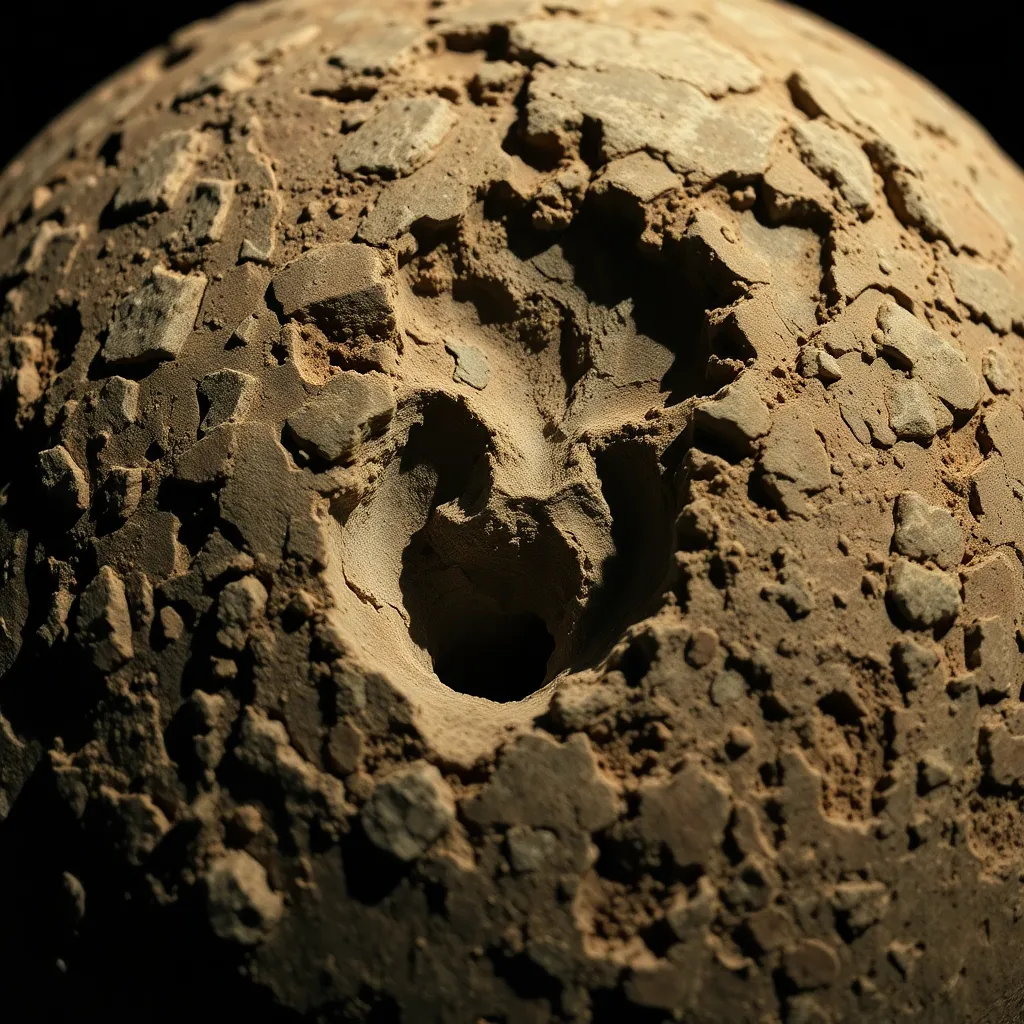
shot using Fujifilm GFX 100S, 110mm f/2 macro, depicting a highly detailed close-up of a planet's rocky surface, showcasing intricate textures and mineral formations. The lighting casts dramatic shadows that reveal depth, with a natural muted tone palette highlighting earthy colors—greens, browns, and grays. The shallow depth of field emphasizes the sharp details of the rocky terrain while softly blurring the background. The composition centers on a crater, utilizing a centered symmetrical approach to create a powerful focus on the planet's surface.
1:1
captured with Canon EOS R5, 24-70mm f/2.8L at 35mm, featuring a distant view of multiple colorful planets arranged in a diagonal line across the star-speckled cosmos. The lighting from each planet casts soft reflections, creating a dreamy atmosphere filled with vibrant hues of turquoise, magenta, and gold. The depth of field maintains sharpness across the entire scene, ensuring all planets are in focus. The natural muted tones create a harmonious blend, and the composition utilizes leading lines, guiding the viewer's eye through the vastness of space.
16:9
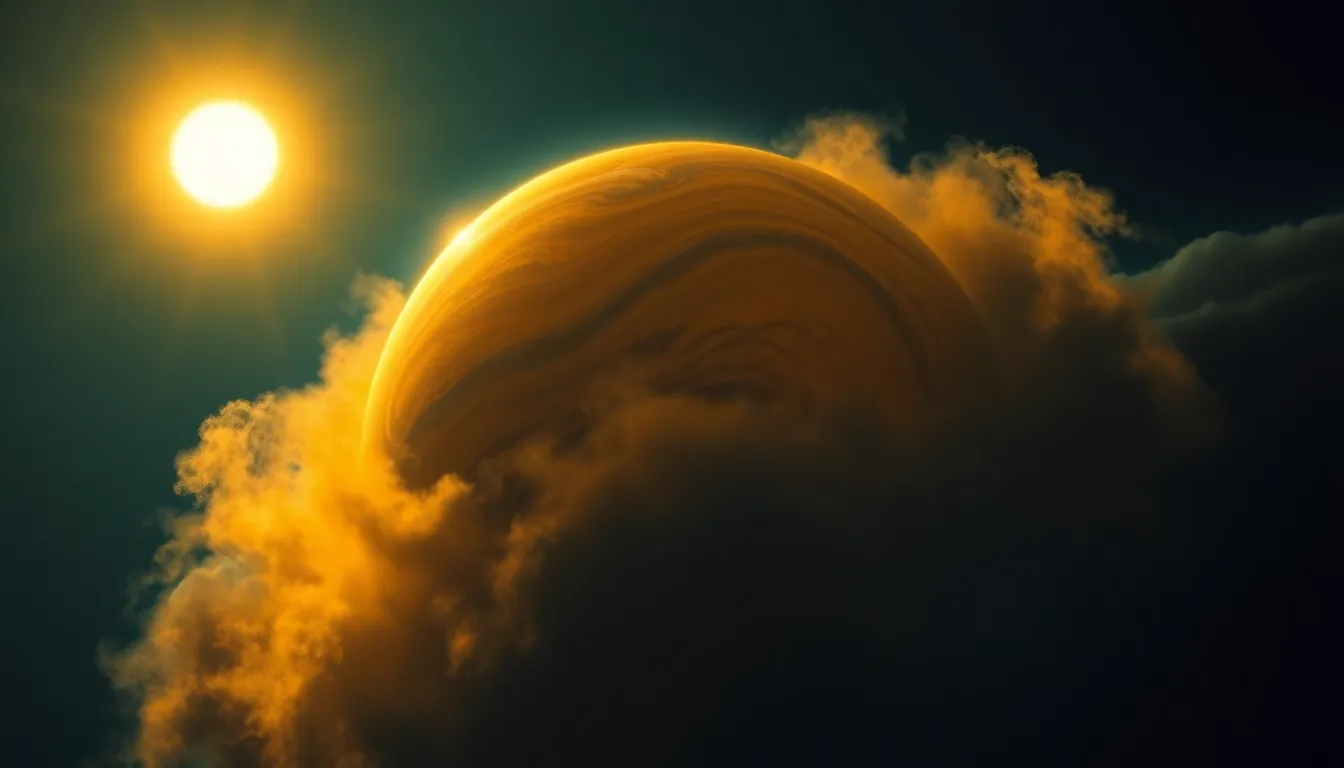
shot on Sony A7R V with 85mm f/1.4 GM lens, showcasing a large gas giant planet, its swirling storm clouds vividly colored in shades of orange and yellow, illuminated by a nearby sun. The lighting creates dramatic shadows across the planet’s surface, enhancing the texture of the clouds and revealing turbulent winds. A shallow depth of field at f/1.4 provides creamy bokeh in the background, while the main subject is sharp and detailed. The cinematic teal and orange color grading enriches the visual appeal, and the centered symmetrical composition draws focus to the planet's mesmerizing storm eye.
16:9
captured with Nikon Z9, 70-200mm f/2.8 telephoto at 135mm, featuring an otherworldly planet looming in the dark void of space, illuminated by distant stars. The scene is enhanced by a soft glow around the planet's atmosphere, with deep blues and purples contrasting against the dark backdrop. A hyperfocal distance creates sharp detail in the planet's rocky surface and swirling clouds, while gentle highlights suggest a gaseous composition. Texture details reveal craters and valleys, creating a sense of realism. Composition follows the rule of thirds, with the planet positioned at the right power point and stars filling the background.
16:9
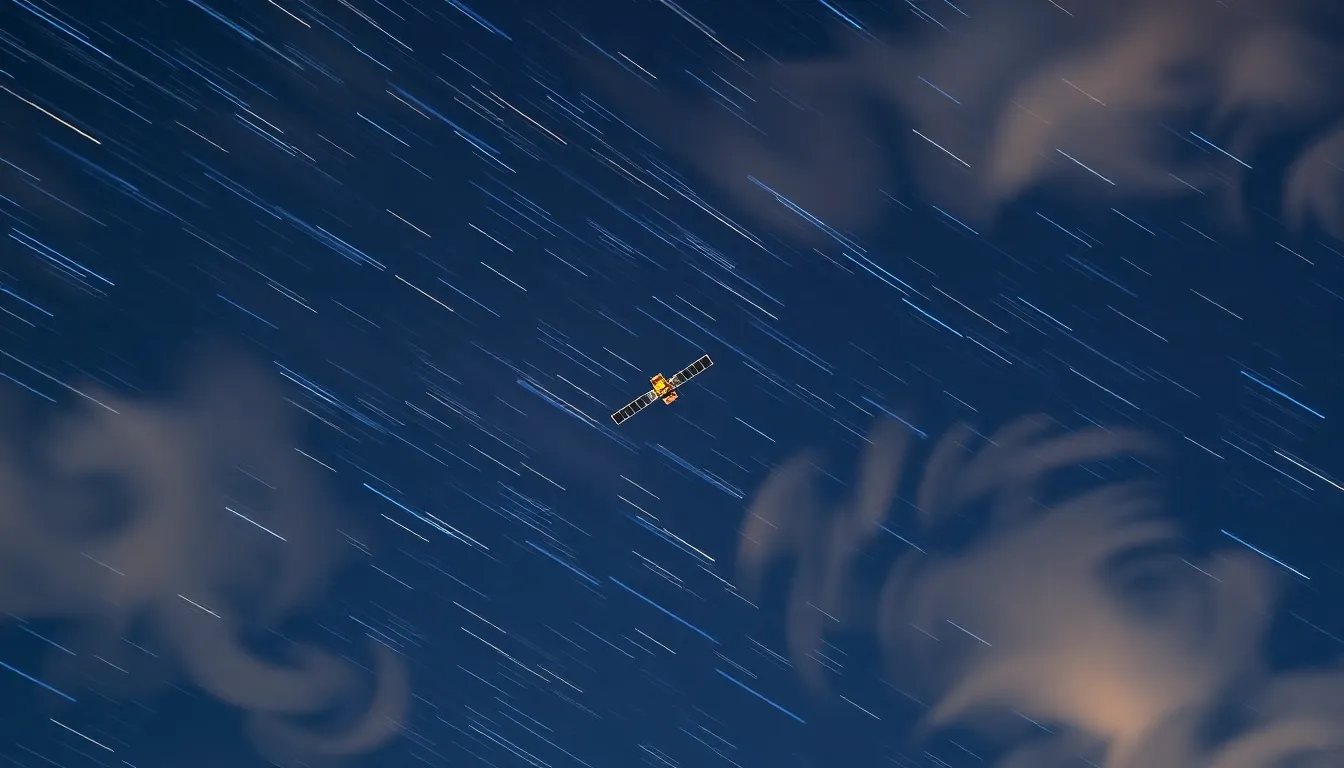
shot on Leica Q3, 28mm f/1.7 Summilux, during a dramatic meteor shower at night, capturing a satellite moving through the night sky alongside shooting stars. The image uses a long exposure technique to create trails behind the satellite, conveying motion in a beautiful way. The color palette is enhanced with deep blues and vibrant white streaks against the dark sky, while atmospheric details include wispy clouds illuminated by the meteor trails, creating a textured background that complements the space theme.
16:9
captured with Hasselblad X2D 100C, 90mm f/2.5 medium format, during sunrise, featuring a satellite constellation orbiting the Earth, each satellite emitting a soft light amidst the warm golden hues of sunrise. The composition features a centered symmetrical arrangement of satellites, with sweeping curves of their trajectories providing dynamic visual interest. A blurred Earth in the background adds depth, while natural textures of atmospheric clouds allow for a rich, detailed look at the scene.
16:9
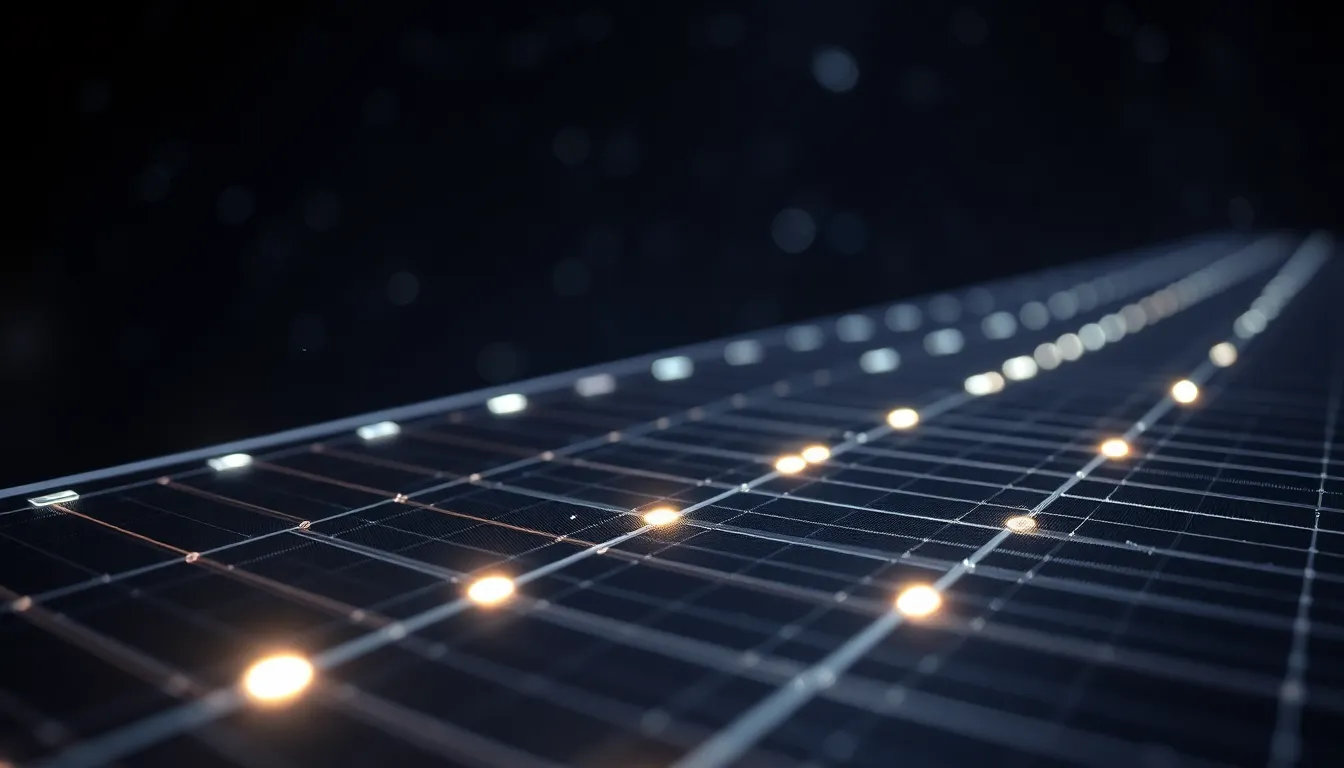
shot on Fujifilm GFX 100S, 110mm f/2 macro, at night with a backdrop of star-filled skies, featuring a close-up of a satellite's solar panel, illuminated by the soft glow of LED lights. The image employs a shallow depth of field that isolates the intricacies of the solar cells against a dreamy bokeh of stars, creating a tranquil, ethereal atmosphere. The color palette features deep blacks and shimmering silvers, emphasizing the technological beauty and complex textures of the satellite.
16:9
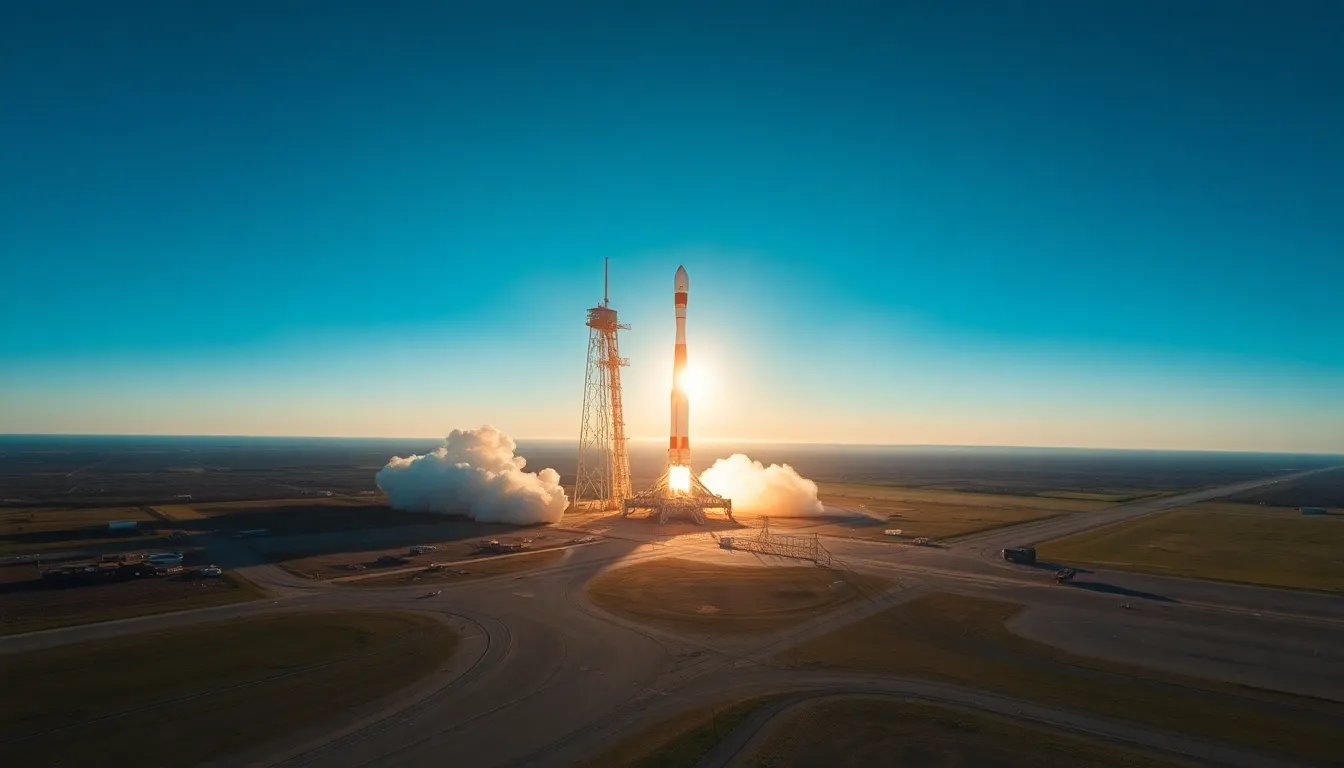
captured with Canon EOS R5, 24-70mm f/2.8L at 35mm, in a high-altitude scene with crisp blue skies at noon, featuring a satellite being launched from a pad, sunlight hitting the rocket's fuselage creating harsh shadows and brilliant highlights. Hyperfocal distance ensures sharp focus from the rocket to the distant horizon, while the vivid color palette captures the bright whites and deep blues of the sky. The composition includes leading lines that direct the viewer’s gaze towards the rocket, emphasizing its ascent.
16:9
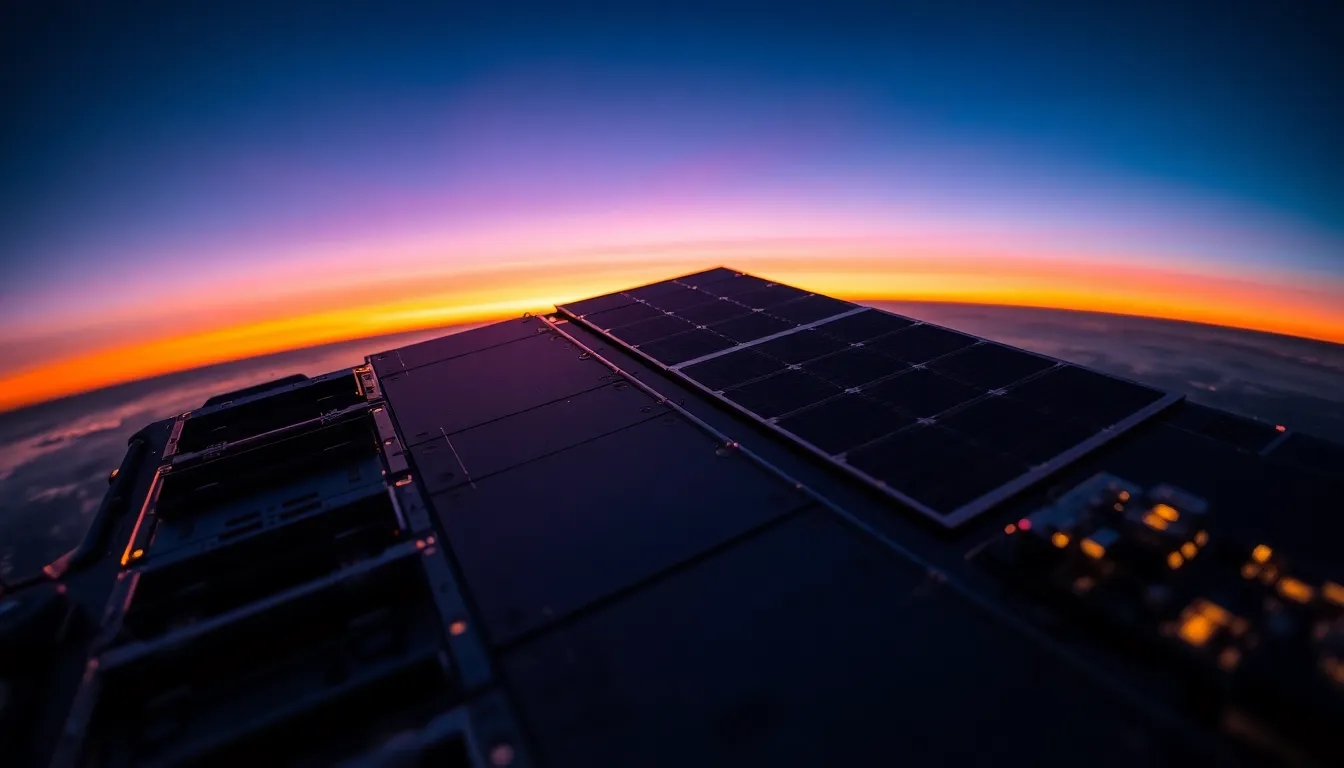
shot on Nikon Z9, 70-200mm f/2.8 telephoto at 135mm, captured during dusk with vivid orange and purple twilight colors illuminating the satellite's structure, shallow depth of field at f/2.8 creating a soft bokeh of the Earth below, and a steep angle composition showcasing the satellite's intricate details against the fading light. The satellite's metallic surface reflects the ambient glow, showcasing a blend of textures from polished aluminium to rugged solar panels and detailed circuitry visible in close focus.
16:9
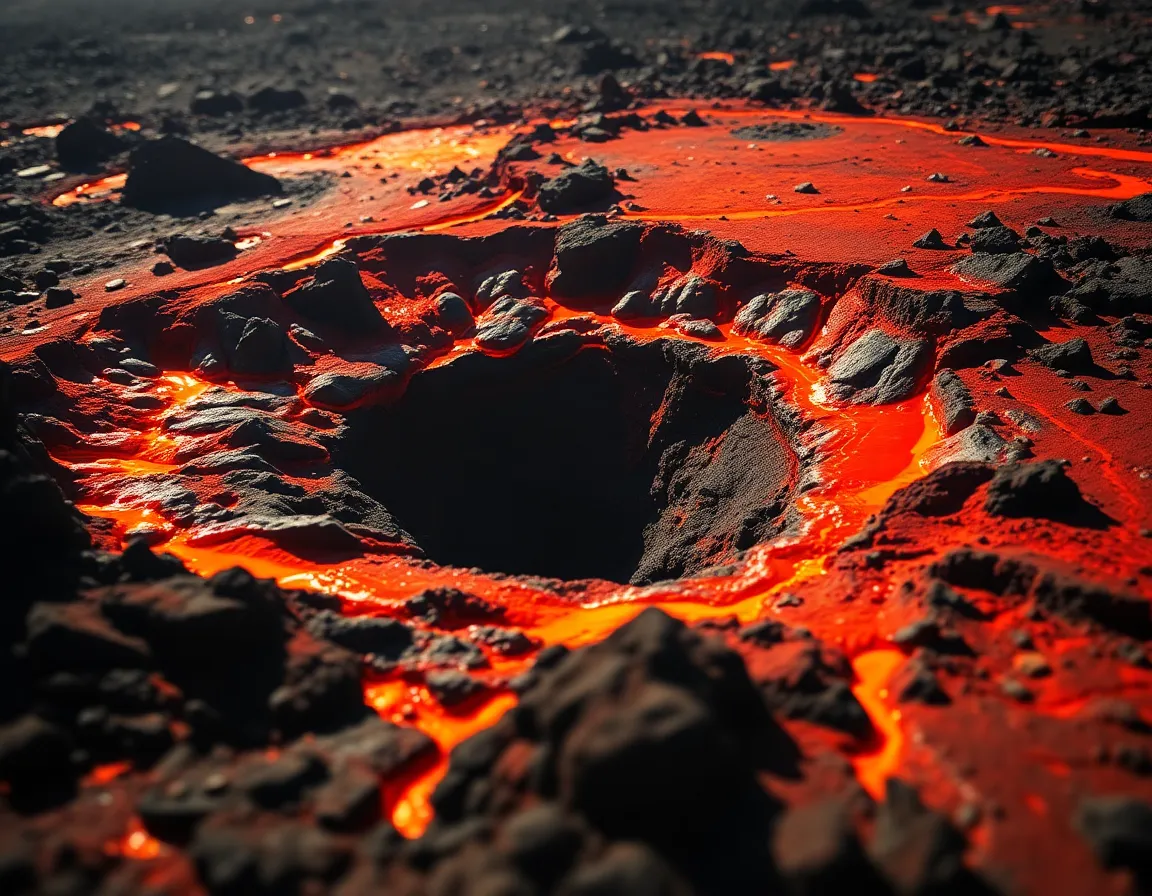
Fujifilm GFX 100S, 110mm f/2 macro, showcasing a detailed view of a vibrant planet's surface, featuring colorful volcanic terrains and shimmering lava flows. The lighting is natural, with sunlight glinting off the molten areas, creating an intense highlight against the darker surroundings. A shallow depth of field at f/2 blurs the background slightly, focusing attention on the vivid details of the terrain. The color palette combines fiery reds and oranges with deep blacks and browns, evoking a sense of energy and unpredictability. The composition centers on a striking volcanic crater, surrounded by rugged terrain that draws the viewer's eye around the landscape.
4:3
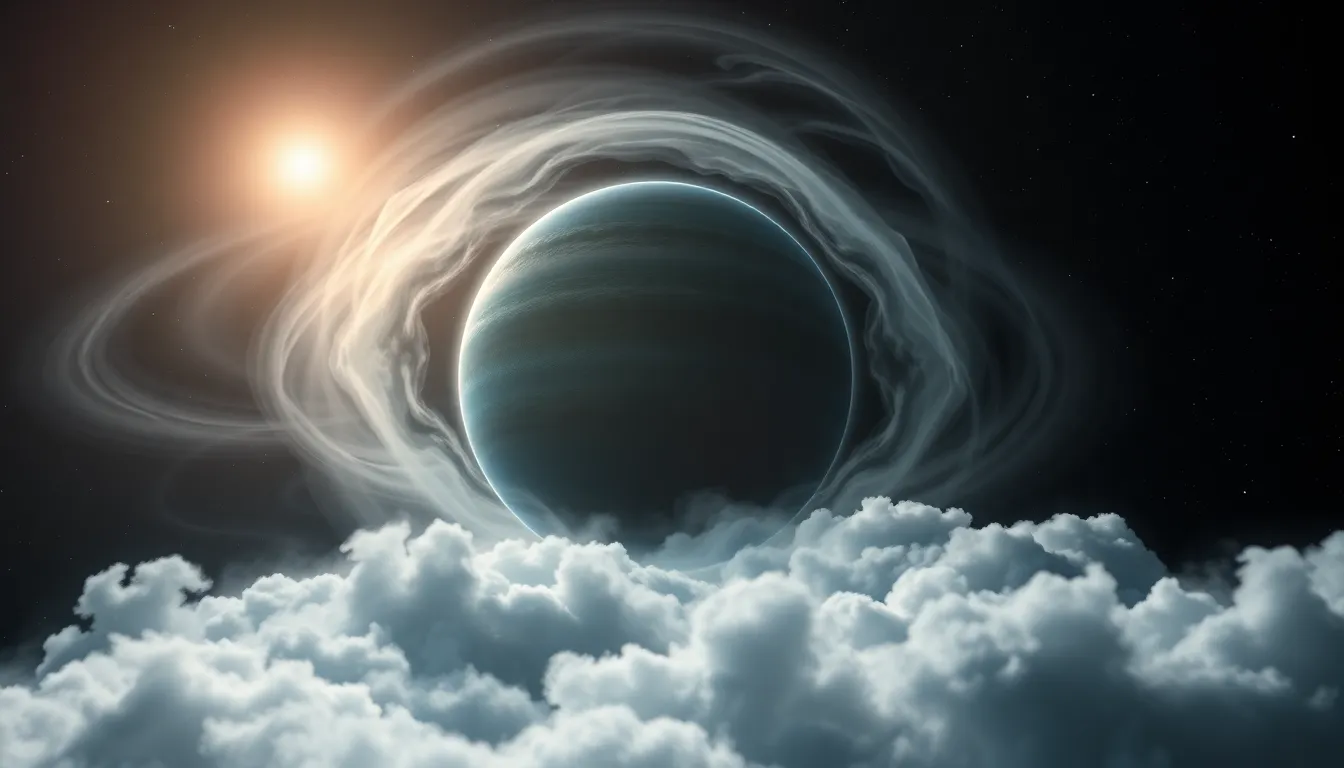
Hasselblad X2D 100C, 90mm f/2.5 medium format, depicting a distant ice giant planet surrounded by swirling clouds of methane and ammonia. The scene is softly backlit by its sun, casting an ethereal glow on the planet’s surface. A hyperfocal distance at f/8 keeps the entire planet in focus, while the color palette highlights cool blues and greens against a dark starry background. The composition uses leading lines from the cloud formations to guide the viewer's eye toward the planet, emphasizing its grandeur among the cosmos.
16:9
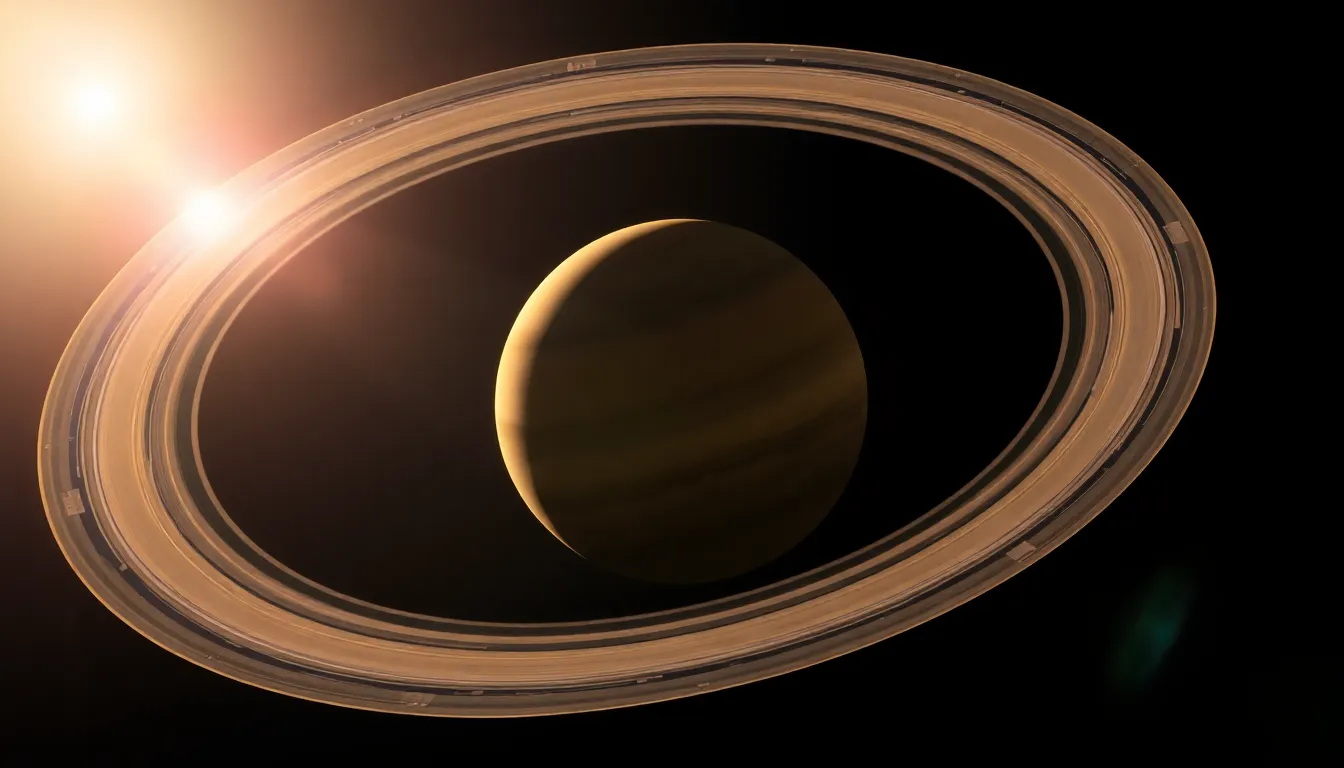
Nikon Z9, 70-200mm f/2.8 telephoto at 135mm, capturing a view of Saturn's rings in breathtaking detail. The scene is illuminated by a backlit sun, creating a stunning halo effect around the rings. A shallow depth of field at f/2.8 provides creamy bokeh in the background, emphasizing the planet's brilliance. The color science mimics the rich, saturated hues of the planet's features alongside the soft pastel colors of the rings. The composition is centered as Saturn looms large, with the rings elegantly framing the planet, creating a dynamic and captivating image.
16:9
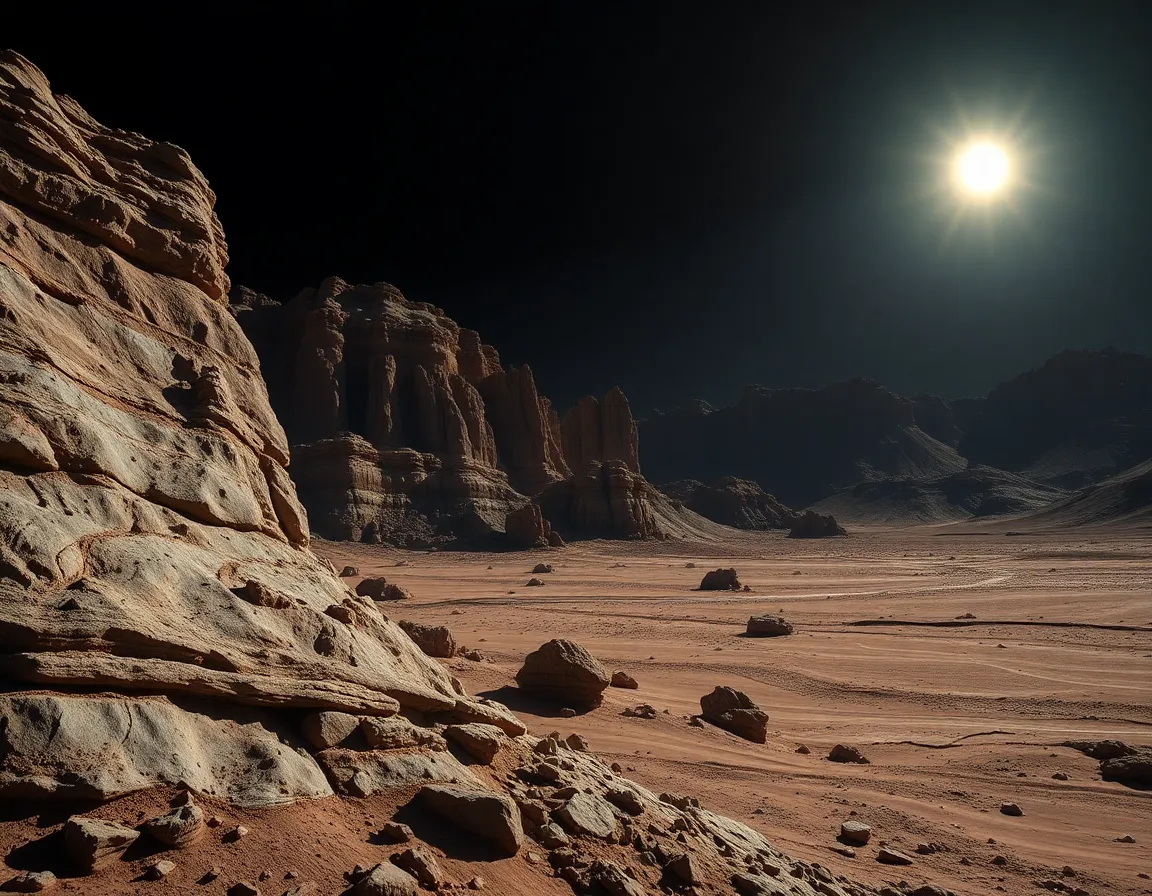
shot on Sony A7R V with 85mm f/1.4 GM lens, portraying a close-up of a rocky exoplanet covered in intricate geological formations. The lighting is harsh, mimicking the intense rays of a nearby star with stark shadows and bright highlights. A hyperfocal distance at f/8 keeps all textures sharp, revealing the planet's surface details. The color palette includes muted earthy tones, reflecting a desolate yet intriguing atmosphere. The composition follows the rule of thirds, with a prominent rock formation on the left and expansive barren landscape stretching toward the horizon.
4:3
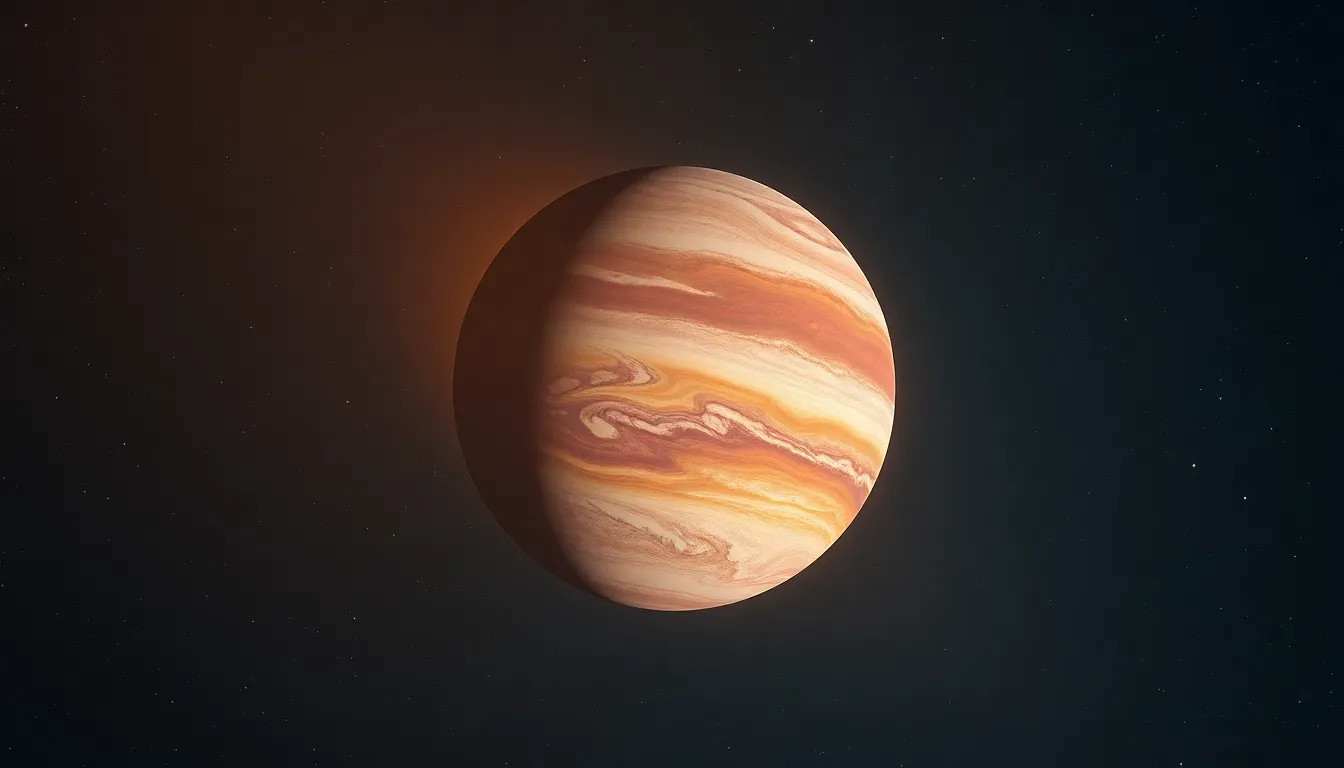
captured with Canon EOS R5, 24-70mm f/2.8L at 35mm, showcasing a distant gas giant planet with vibrant swirling clouds. The scene is illuminated by soft, diffused light from a nearby sun, creating a gentle glow on the planet's surface. A shallow depth of field at f/2.8 blurs the stars in the background, enhancing the planet's grandeur. The color palette features rich blues and fiery oranges, reminiscent of a cinematic look. The composition centers the planet in the frame, with leading lines of starlight guiding the viewer's gaze towards it and a speckled velvet sky adding texture around the edges.
16:9
captured with Hasselblad X2D 100C, 90mm f/2.5 medium format, showing Earth from space with swirling clouds and deep blue oceans during the golden hour. The lighting is natural and warm, casting a soft glow on Earth’s surface. Hyperfocal distance at f/8 sharpens the entire scene, highlighting the intricate details of cloud patterns and ocean reflections. The color palette features vibrant blues and whites against a soft golden hue, creating a harmonious balance. The composition centers on the Earth, framed by a star-speckled backdrop, evoking a sense of unity and peace in the vast universe.
16:9
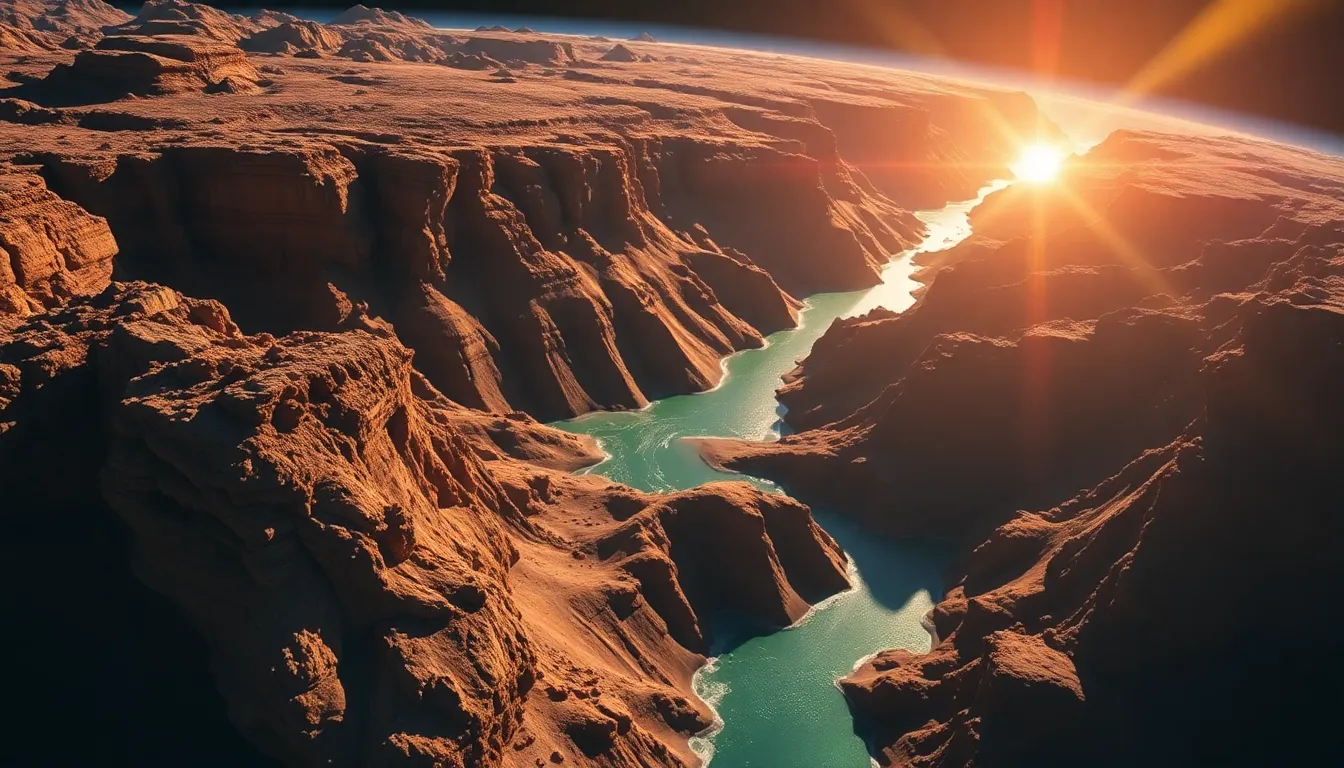
shot on Fujifilm GFX 100S, 110mm f/2 macro, capturing a close-up of the surface of a distant exoplanet, showcasing its unique terrain with deep canyons and glimmering lakes under strong sunlight. The lighting is high-key and vibrant, revealing texture details such as rocky surfaces and reflective water surfaces. A shallow depth of field at f/2 creates a dreamy effect while keeping the focus on the intricate textures of the planet's surface. The rich color palette features earthy browns, greens, and blues, indicating a potentially habitable environment. The composition highlights the rugged terrain, centered in the frame to emphasize its unique features.
16:9
captured with Canon EOS R5, 24-70mm f/2.8L at 35mm, illustrating Mars at dusk with a soft pink and purple sky. The lighting is natural, diffused through space dust, creating a dreamy atmosphere around the red planet. Hyperfocal distance is achieved at f/7.1 to ensure sharpness from foreground to infinity, allowing the rugged Martian surface to be detailed and crisp. The color palette is dominated by reds, pinks, and purples, evoking a sense of otherworldly beauty. The composition utilizes leading lines, directing the eye towards Mars, framed by a scattering of stars.
16:9
shot on Sony A7R V with 85mm f/1.4 GM lens, depicting the majestic rings of Saturn illuminated by the sun at dawn. The scene is captured under conditions of soft, golden hour lighting, enhancing the ethereal glow of the rings. A selective focus on the rings keeps the planet slightly blurred, while the background space remains dark and filled with stars. The color palette features soft yellows, creams, and deep blacks, evoking a sense of tranquility. The composition centers on Saturn, with its rings elegantly leading the viewer's eye outward into the cosmos.
16:9
captured with Nikon Z9, 70-200mm f/2.8 telephoto at 135mm, showcasing Jupiter's swirling atmosphere against a backdrop of deep space. The scene is illuminated by the soft glows of distant stars, highlighting the planet's vibrant orange and brown bands. A shallow depth of field at f/2.8 creates a dreamy bokeh effect with the stars sparkling softly in the background. The color palette features rich oranges and browns, combined with deep blacks of space, creating a striking contrast. The composition uses the rule of thirds, placing Jupiter off-center and surrounded by a star-speckled expanse, showcasing its grandeur.
16:9
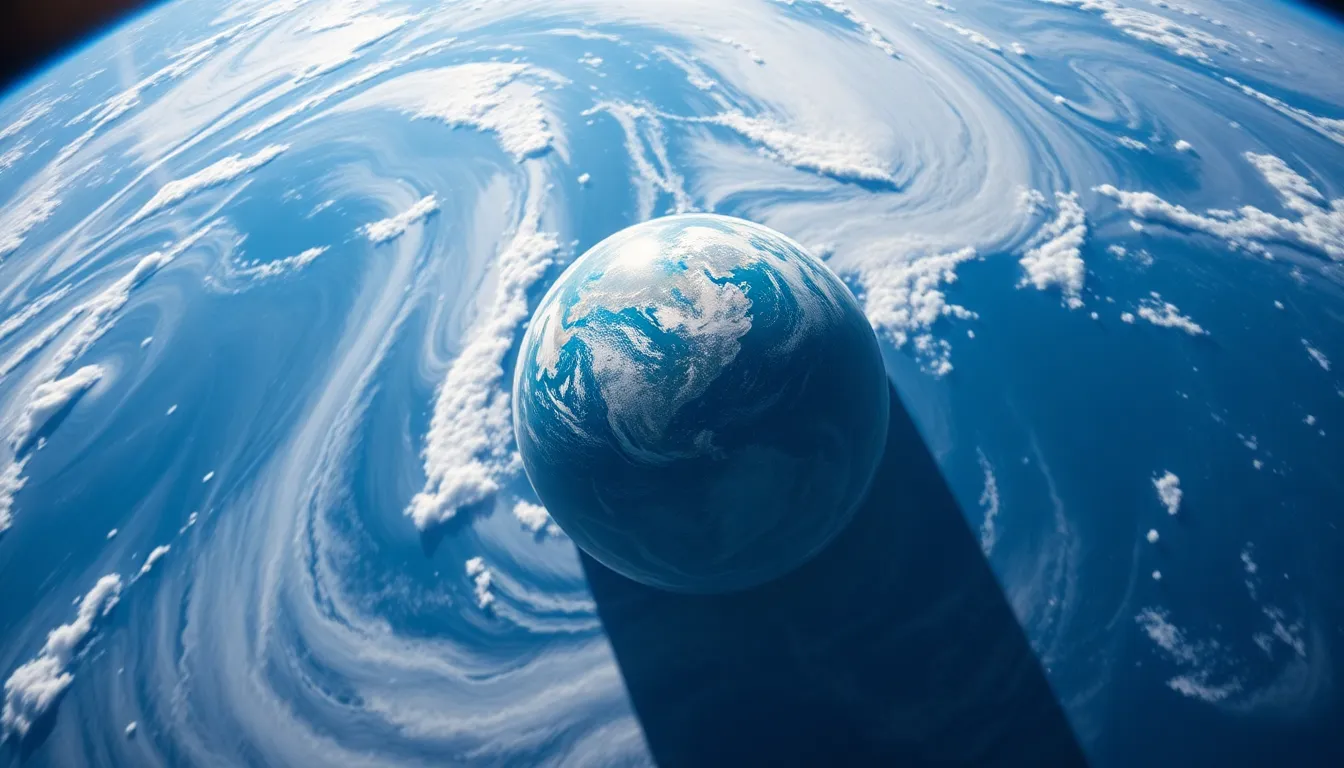
Hasselblad X2D 100C, 90mm f/2.5 medium format, presenting a stunning view of Earth from space, emphasizing the vibrant blue oceans and swirling white clouds. The lighting is a mix of soft sunlit glows from the planet's curvature and deep shadows defining landmasses. A hyperfocal depth of f/8 keeps the entire scene sharp, showcasing the intricate textures of the atmosphere and surface. The color science reflects natural tones, with vivid blues and greens creating a harmonious balance. The composition centers on Earth, with a slight tilt to convey a sense of motion and the planet’s rotation, inviting the viewer into a breathtaking perspective.
16:9
Fujifilm GFX 100S, 110mm f/2 macro, capturing an ultra-detailed view of a comet streaking across the night sky, complete with a luminous tail and intricate icy particles. The scene is illuminated by a combination of natural starlight and the comet's glow, creating a magical ambiance. The shallow depth of field at f/2 blurs the surrounding stars, focusing sharply on the comet’s details. The color palette is rich with cool tones, featuring deep blacks punctuated with bright whites and soft blues. The composition employs a dynamic diagonal line as the comet arcs across the frame, guiding the viewer's eye towards the celestial phenomenon.
16:9
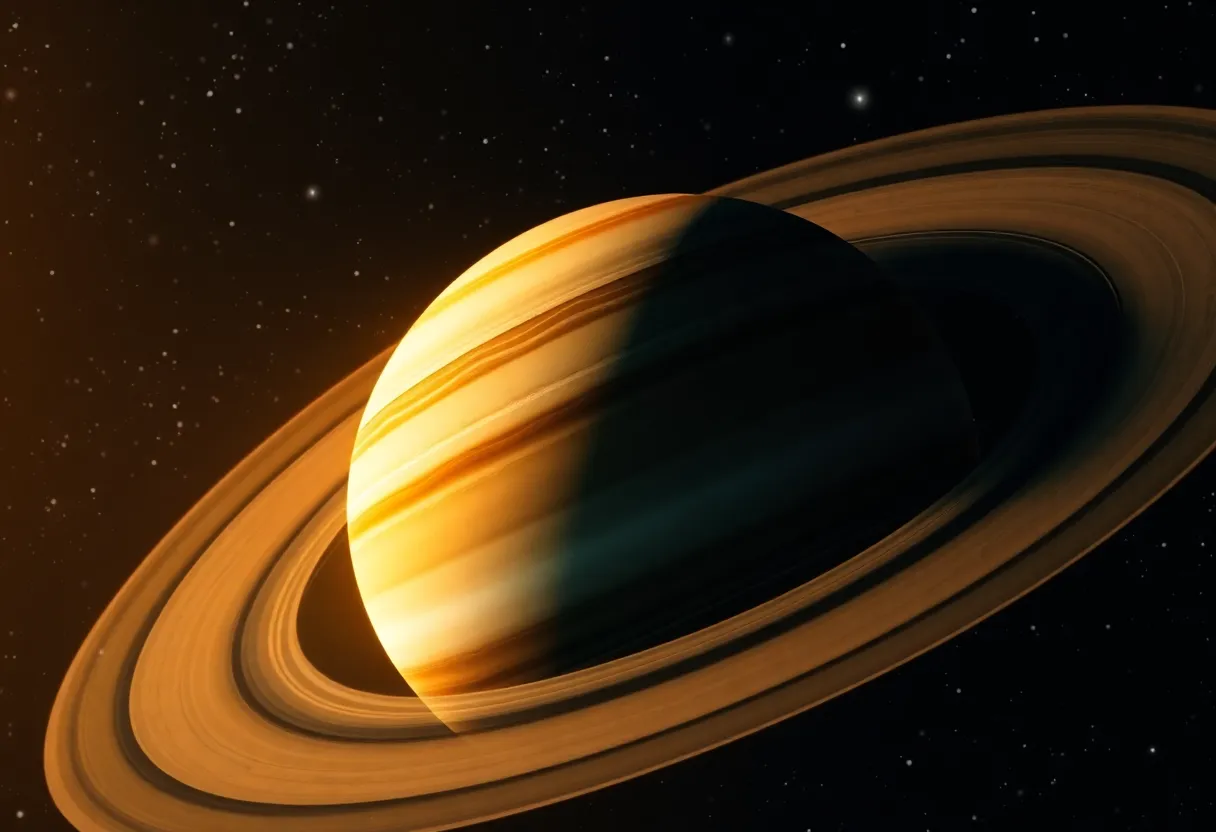
Nikon Z9, 70-200mm f/2.8 telephoto at 135mm, showcasing a close-up of a Saturn-like planet with mesmerizing rings orbiting against a star-speckled backdrop. The scene is dramatically lit with a soft edge light highlighting the planet's atmospheric features, creating a sense of depth and dimension. Hyperfocal distance keeps the planet sharp while the stars blur softly in the background, adding an ethereal quality. The color palette dominates with rich, vibrant hues of gold and blue, emphasizing the planet’s fantastical elements. The composition features the planet slightly off-center, utilizing leading lines of the rings to draw the eye into the celestial wonder.
3:2
shot on Sony A7R V with 85mm f/1.4 GM lens, depicting an astronaut floating in space, tethered to a spacecraft. Strong natural sunlight bathes the scene, creating brilliant highlights along the astronaut's suit and a stark contrast against the vast darkness of space. The selective focus on the astronaut’s helmet captures reflections of distant planets and stars while the background melts into soft painterly bokeh. The color grading is inspired by cinematic tones, featuring vibrant blues and blacks. A centered symmetrical composition emphasizes the isolation and beauty of space exploration, with the spacecraft subtly visible in the background enhancing the narrative.
9:16
captured with Canon EOS R5, 24-70mm f/2.8L at 35mm, featuring a vast view of the Milky Way galaxy sprawled across the night sky. The scene is illuminated by a subtle glow of star light, creating a serene and awe-inspiring atmosphere. Shallow depth of field at f/2.8 invites the viewer's focus to the shimmering stars while leaving the distant mountains softly blurred. The color palette embraces deep blues and purples with hints of white star bursts, enhancing the cosmic feel. The composition utilizes the rule of thirds, with the galaxy positioned along the top third and silhouetted mountains grounding the image, adding texture to the rocky surfaces.
16:9
Hasselblad X2D 100C, 90mm f/2.5 medium format presents a breathtaking view of the northern lights shimmering across the Arctic sky. The scene is captured during twilight, with the auroras illuminating the night with vibrant greens and purples. Soft diffused lighting enhances the glow of the lights, creating a magical atmosphere. A hyperfocal distance at f/8 ensures clarity from foreground ice formations to the illuminated sky. The color palette features vivid greens against a dark sky, creating a striking contrast. The composition uses the foreground ice to frame the scene, adding layers of depth to the image.
16:9
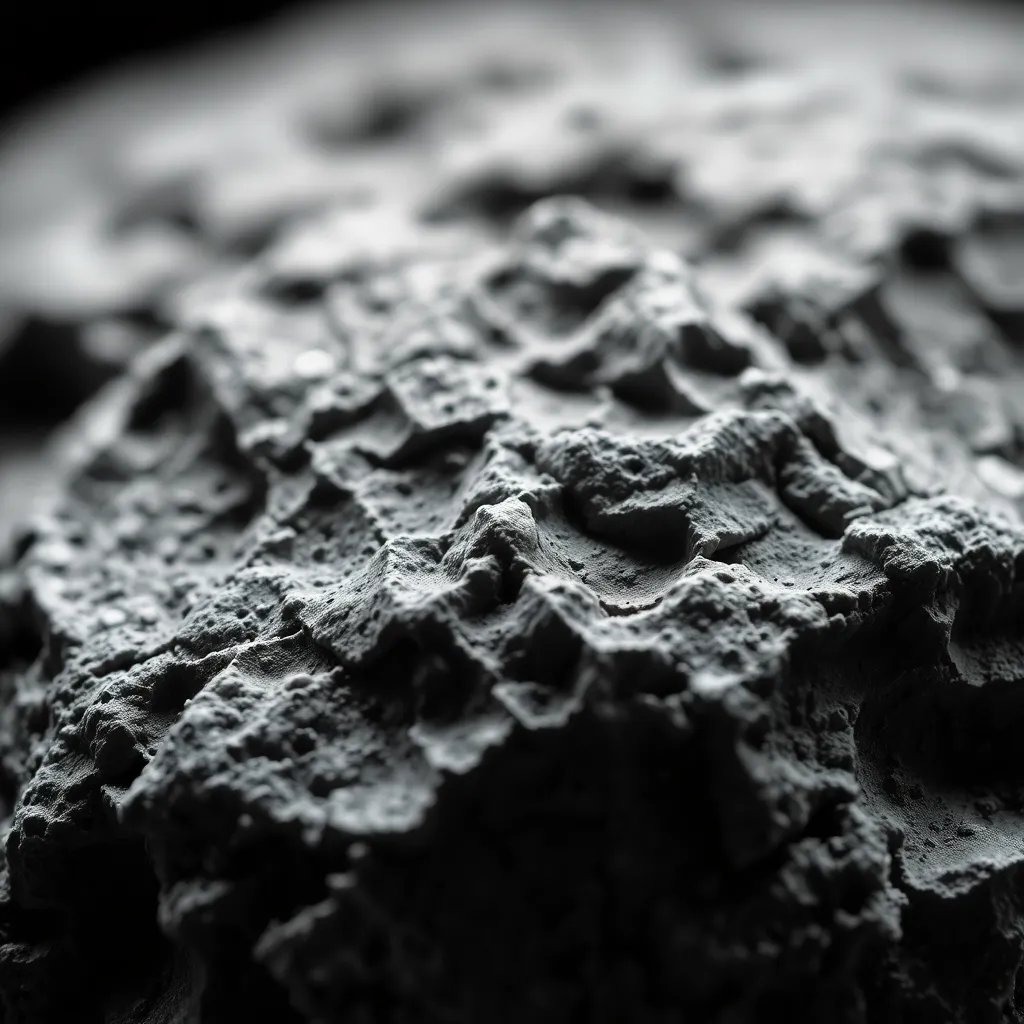
Fujifilm GFX 100S, 110mm f/2 macro captures a detailed close-up of a rock sample from the Moon, showcasing fine details in its surface textures. The scene is gently illuminated with a softbox to reveal subtle shades and contours, creating a sense of depth and dimension. A shallow depth of field at f/2 enhances the texture of the rock while blurring the background, making it the main focal point. The color palette emphasizes muted grays and silvers, reminiscent of lunar landscapes. The composition is centered, highlighting the rock's intricate patterns and natural beauty, perfect for scientific study.
1:1

Nikon Z9, 70-200mm f/2.8 telephoto at 135mm, captures a detailed view of Earth from a low orbit perspective, showcasing vibrant blue oceans and green landmasses. The scene is bathed in bright sunlight, highlighting the planet's features with crisp clarity. A hyperfocal distance at f/8 ensures everything from the foreground to infinity is in sharp focus, revealing intricate details like cloud patterns and topography. The color palette features saturated blues and greens, creating an uplifting and hopeful mood. The composition adheres to the rule of thirds, with Earth occupying the bottom third of the frame, leaving a stunning expanse of space above.
16:9
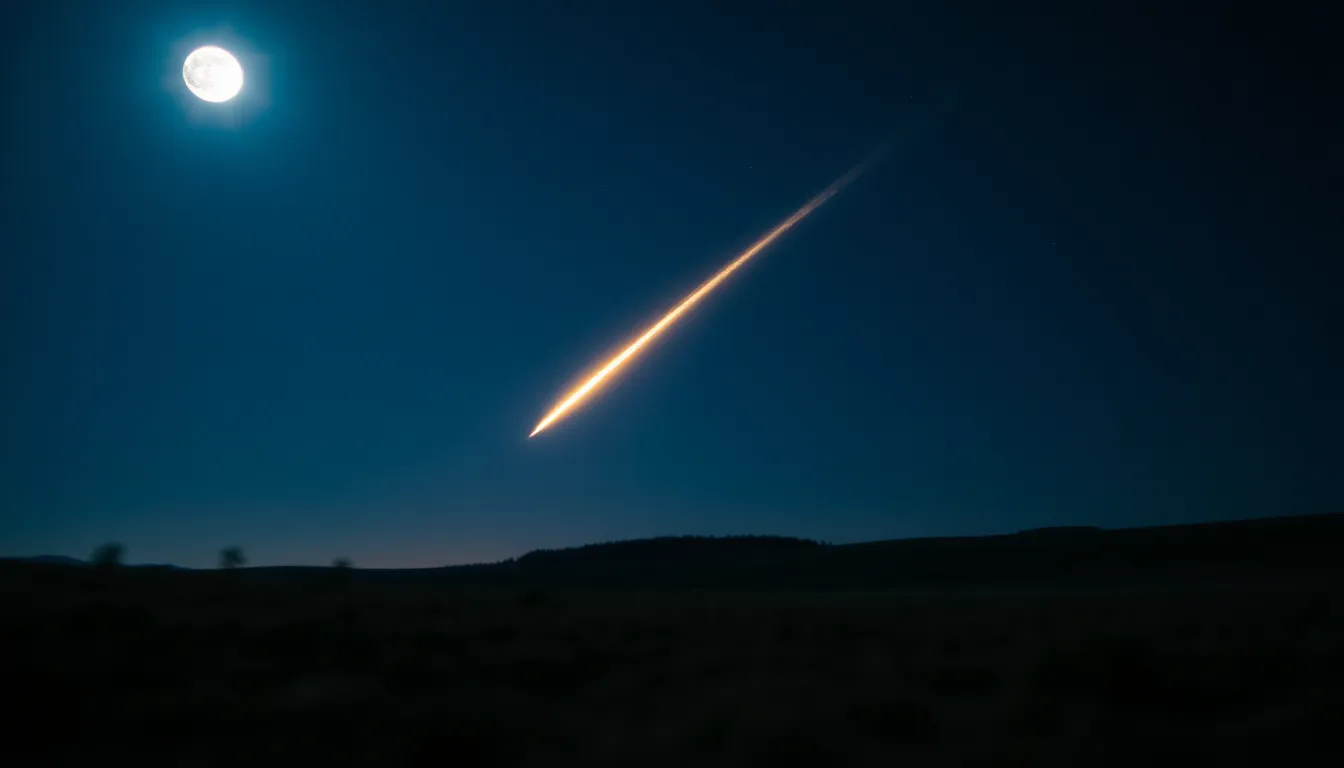
Shot on Sony A7R V with 85mm f/1.4 GM lens, this close-up of a meteor streaking through the night sky captures the fiery details of its tail. The scene is illuminated by moonlight, casting a soft blue hue over the landscape below. A shallow depth of field at f/1.4 blurs the foreground, emphasizing the glowing meteor against a dark backdrop. The color palette is a striking contrast of warm oranges and cool blues, creating an intense visual appeal. The composition uses a leading line from the meteor's tail, drawing the eye across the frame.
16:9
Captured with Canon EOS R5, 24-70mm f/2.8L at 35mm, the scene features a mesmerizing view of a swirling galaxy in deep space. Illuminated by the glow of distant stars, the lighting is ethereal and otherworldly, filled with blues and purples. A shallow depth of field at f/2.8 draws focus to the galaxy's vibrant core, while soft bokeh surrounds the edges, creating a dreamlike effect. The color palette reflects the beauty of cosmic phenomena, with rich hues and a slight vignette enhancing the mood. The composition emphasizes the spiral shape of the galaxy, centered for dramatic impact, with intricate star details in the foreground.
16:9
captured with Hasselblad X2D 100C, 90mm f/2.5 medium format, showing a breathtaking view of satellites in low Earth orbit taken from a vantage point on a mountain. The scene is bathed in golden hour light, illuminating the Earth below and the satellites above. Using a hyperfocal distance at f/8, everything from the foreground mountain texture to the distant satellites is sharply in focus, creating depth. The color grading mirrors the warmth of the golden hour with rich oranges and soft blues. The composition uses a wide-angle perspective to enhance the majesty of both the Earth and the technology above it.
16:9

shot on Fujifilm GFX 100S, 110mm f/2 macro lens, capturing a detailed view of a satellite circuit board, showcasing intricate designs and tiny components. The lighting is provided by a soft natural light from a window, casting gentle highlights across the metallic surfaces. A shallow depth of field at f/2 creates a dreamy background, highlighting the textures and details of the circuit board. The color palette is natural and muted, with earthy greens and silvers predominating, while the composition uses a centered symmetrical layout to enhance the precision of the technology.
4:3
captured with Canon EOS R5, 24-70mm f/2.8L at 35mm, depicting a satellite launch site at dawn. The early morning light casts a golden hue over the scene, illuminating the rocket and satellite awaiting launch. The composition uses leading lines formed by ground support structures directing the viewer's eye toward the rocket. A hyperfocal distance at f/8 ensures all elements from the foreground to the distant horizon are sharp. The color palette is warm, with soft oranges and yellows contrasted against the cool steel of the rocket, embodying a sense of hope and adventure.
16:9
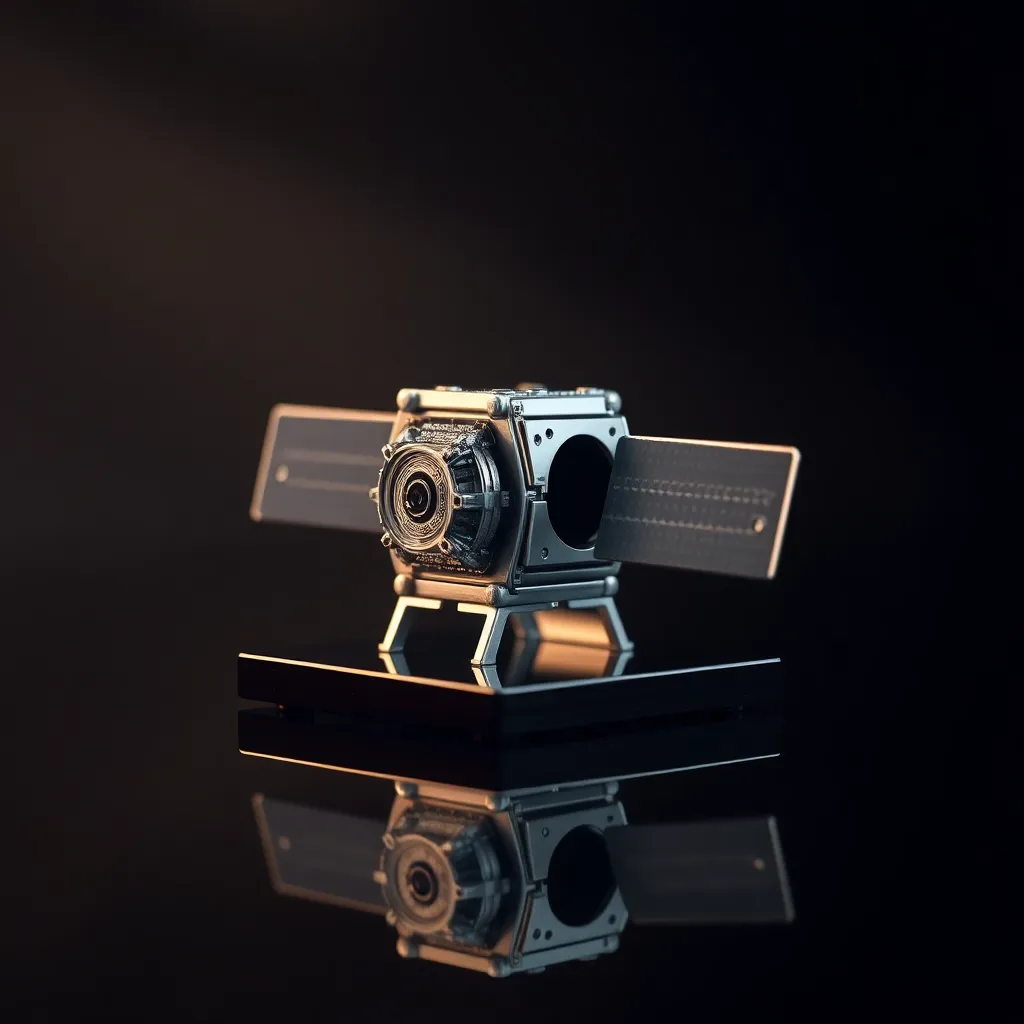
shot on Sony A7R V with 85mm f/1.4 GM lens, illustrating a close-up of a model satellite designed for educational purposes, placed on a polished black acrylic surface. The setup is illuminated with soft, diffused studio lighting, creating gentle shadows and highlights that enhance the model's intricate details. A shallow depth of field at f/1.4 produces a creamy bokeh that emphasizes the satellite while making the background softly indistinct. The color palette is warm and inviting with rich blacks and metallic silver tones, while the composition is centered, drawing the viewer's eye to the craftsmanship of the satellite.
1:1
captured with Nikon Z9, 70-200mm f/2.8 telephoto at 135mm, showcasing a satellite orbiting Earth in the foreground against a backdrop of deep space. The scene is lit by the distant glow of stars, creating a mystical atmosphere with cool blue and purple hues. Utilizing a shallow depth of field at f/2.8, the satellite is in crisp focus while the starfield melts into soft bokeh. The color palette draws inspiration from deep space imagery, emphasizing blues and blacks with bursts of white light. The composition follows the rule of thirds, placing the satellite dynamically off-center, while the vastness of space surrounds it, conveying isolation and wonder.
16:9
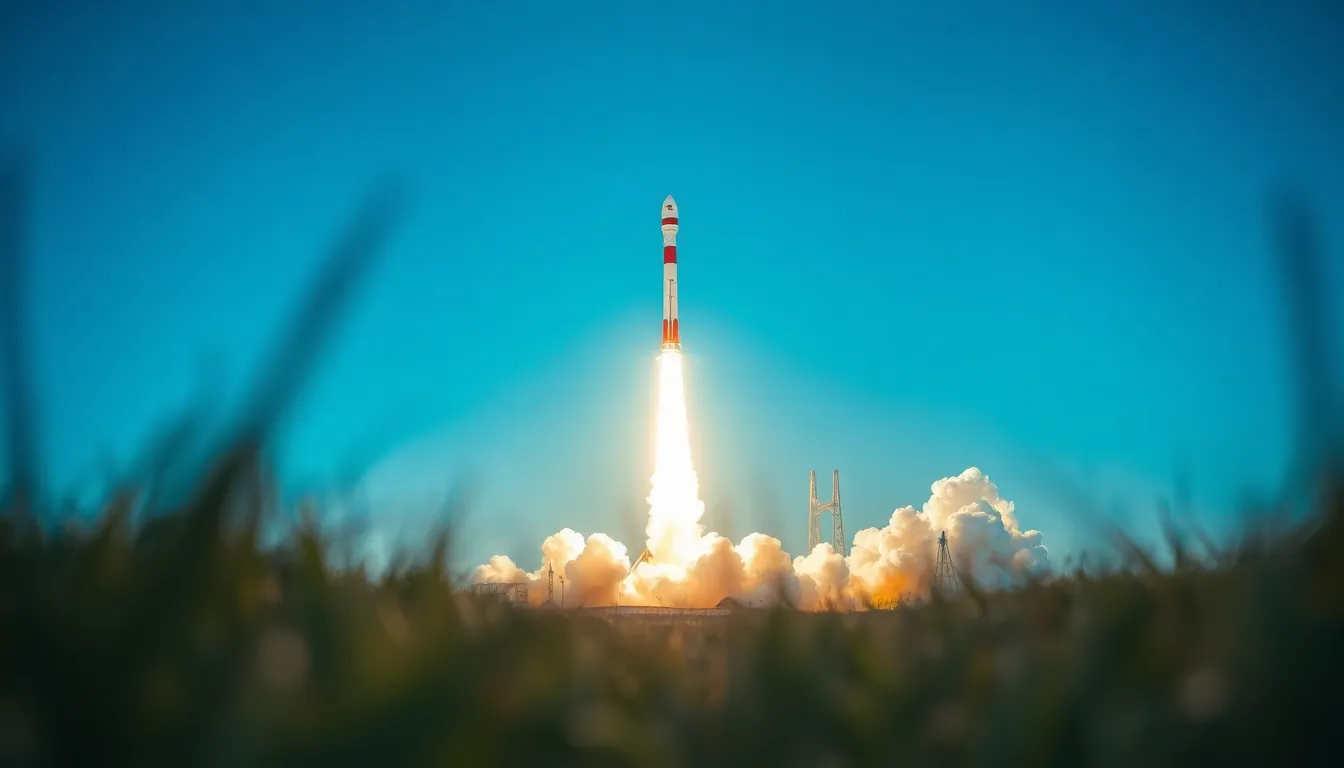
Hasselblad X2D 100C, 90mm f/2.5 medium format capturing a satellite launch from a distance, with the rocket lifting off against a bright blue sky. The scene is lit with natural daylight, emphasizing the vibrant colors of the rocket as it ascends. The depth of field is hyperfocal, ensuring all elements from the foreground to the sky remain sharp. The color palette features vivid reds, whites, and blues, capturing the excitement of the launch. The composition places the rocket off-center, utilizing leading lines of smoke and exhaust to draw the viewer’s eye upward.
16:9
Fujifilm GFX 100S, 110mm f/2 macro capturing a detailed shot of satellite solar panels reflecting sunlight. The lighting is bright and direct, highlighting the glossy surface of the panels, with a soft gradient of blue sky in the background. The depth of field is shallow at f/2, creating a dreamy bokeh that accentuates the solar panels. The color science is inspired by Kodak Portra 400, emphasizing warm reflections and soft contrasts. The composition focuses closely on the solar panels, utilizing macro perspectives to reveal intricate textures and details of the material.
1:1
Nikon Z9, 70-200mm f/2.8 telephoto at 135mm, capturing a large communication satellite in a cleanroom environment. Bright overhead LED lighting creates even illumination that highlights the intricate mechanical details of the satellite, casting soft shadows. The image has a hyperfocal depth of field, ensuring both the satellite and its surrounding equipment are in sharp focus. The color palette is natural, featuring metallic silvers, whites, and blues. The composition features a slight angle, drawing the viewer’s eye along the length of the satellite, emphasizing its engineering complexity.
3:2

shot on Sony A7R V with 85mm f/1.4 GM lens, presenting a close-up of a satellite dish mounted on a rooftop during a storm at night. The scene is illuminated by sporadic lightning, providing dramatic and high-contrast lighting. The depth of field is shallow at f/1.4, creating a creamy bokeh effect around the vivid raindrops clinging to the dish. The color palette consists of dark blues and grays, with the occasional bright white flash of lightning. The composition captures the dish centrally, creating a striking symmetry against the chaotic background of the storm.
4:3
captured with Canon EOS R5, 24-70mm f/2.8L at 35mm, showcasing a satellite in low Earth orbit against a backdrop of the Earth’s curvature during a sunset. The scene is illuminated with golden hour lighting, creating vibrant hues of orange and pink in the atmosphere. The depth of field is shallow at f/2.8, softly blurring the horizon while maintaining sharp focus on the satellite. Fujifilm Velvia-inspired color grading enhances the saturation, emphasizing the blue of the planet and the gleaming metallic texture of the satellite. The composition utilizes the rule of thirds, positioning the satellite off-center, with wispy clouds forming leading lines toward it.
16:9
shot on Hasselblad X2D 100C, 90mm f/2.5 medium format, presenting a stunning image of the moon casting its glow over a desert landscape at midnight. The lighting is dramatic, with sharp contrasts between deep shadows and the bright lunar light illuminating the sandy dunes. This composition utilizes leading lines formed by the dunes to draw the eye towards the moon, which is positioned near the top left third of the frame. The color grading is cinematic with a teal and orange palette, enhancing the stark beauty of the desert night. The texture of the sand is rich and detailed, capturing the rugged yet serene beauty of the lunar landscape.
16:9
captured with Fujifilm GFX 100S, 110mm f/2 macro, a breathtaking view of the moon partially obscured by wispy clouds, with atmospheric haze lending a dreamy quality to the scene. The lighting is soft and diffused, creating a gentle, serene mood. Using a shallow depth of field of f/2, the focus is on the illuminated edge of the moon, while the surrounding clouds melt into an ethereal bokeh. The color palette embodies natural muted tones with desaturated blues and whites, evoking a sense of calm and mystery. The composition is centered, capturing the moon's luminous qualities against the textured clouds that surround it, enriching the overall visual depth.
3:2
captured with Canon EOS R5, 24-70mm f/2.8L at 35mm, depicting a surreal scene of a full moon reflecting on the calm surface of a lake surrounded by autumn foliage. The lighting is a mix of soft twilight hues, casting a calm and ethereal glow across the water. This image utilizes hyperfocal distance to keep both the moon and trees sharp, creating an immersive feeling. The color palette features warm autumn tones complemented by the cool blues of the moonlit water. Compositionally, the moon is centered, guiding the viewer's eye to the peaceful reflection below. The surface of the water displays a glassy texture, capturing the serene ambiance of this tranquil setting.
16:9
shot on Sony A7R V with 85mm f/1.4 GM lens, featuring a close-up of the moon's surface, showcasing intricate craters and textures illuminated by stark lunar sunlight. This image uses shallow depth of field at f/1.4, emphasizing the foreground details while providing a soft bokeh effect in the background of the starry sky. The color grading resembles Kodak Portra 400, with warm skin tones and lifted shadows. The composition is centered, presenting a symmetrical view of the moon, with its craters highlighted against the dark expanse. The texture of the lunar surface is detailed, revealing its rugged features and creating an awe-inspiring cosmic view.
1:1
captured with Nikon Z9, 70-200mm f/2.8 telephoto at 135mm, featuring the moon rising over a rugged mountain range bathed in a dusky blue hour light. The scene utilizes hyperfocal distance to keep the sharpness of the foreground flowers in detail while the moon provides a soft golden glow in the background. The color palette exhibits deep blues and silvery whites comparable to a Fujifilm Velvia-inspired look. Compositionally, the moon is placed at the upper right third of the frame, with leading lines from the mountain slopes drawing the viewer's eye upward. The wildflowers in the foreground exhibit visible dew droplets, enhancing the texture of this serene nighttime landscape.
16:9
captured with Hasselblad X2D 100C, 90mm f/2.5 medium format under a starry night sky, natural moonlight creating dramatic shadows and highlights on the rocket's surface, deep focus showcasing the rocket and surrounding launch area, cinematic teal and orange color grading enhancing the night scene, composition utilizing a Dutch angle to create a dynamic tension and energy.
16:9

shot using Fujifilm GFX 100S, 110mm f/2 macro focusing on intricate rocket engine details, warm tungsten desk lamp casting directional light highlighting mechanics, selective focus on engine parts with a soft painterly bokeh in the background, Fujifilm Velvia-inspired saturated colors enhancing the metallic elements, composition filling the frame to showcase the craftsmanship of rocket engineering.
1:1
captured with Canon EOS R5, 24-70mm f/2.8L at 35mm during a daytime launch, overcast diffused daylight through clouds providing soft, even lighting, shallow depth of field at f/4 isolating the rocket against the clouded sky, natural colors with a focus on grays and whites, centered symmetrical composition highlighting the rocket's launch pad amidst the sky.
16:9
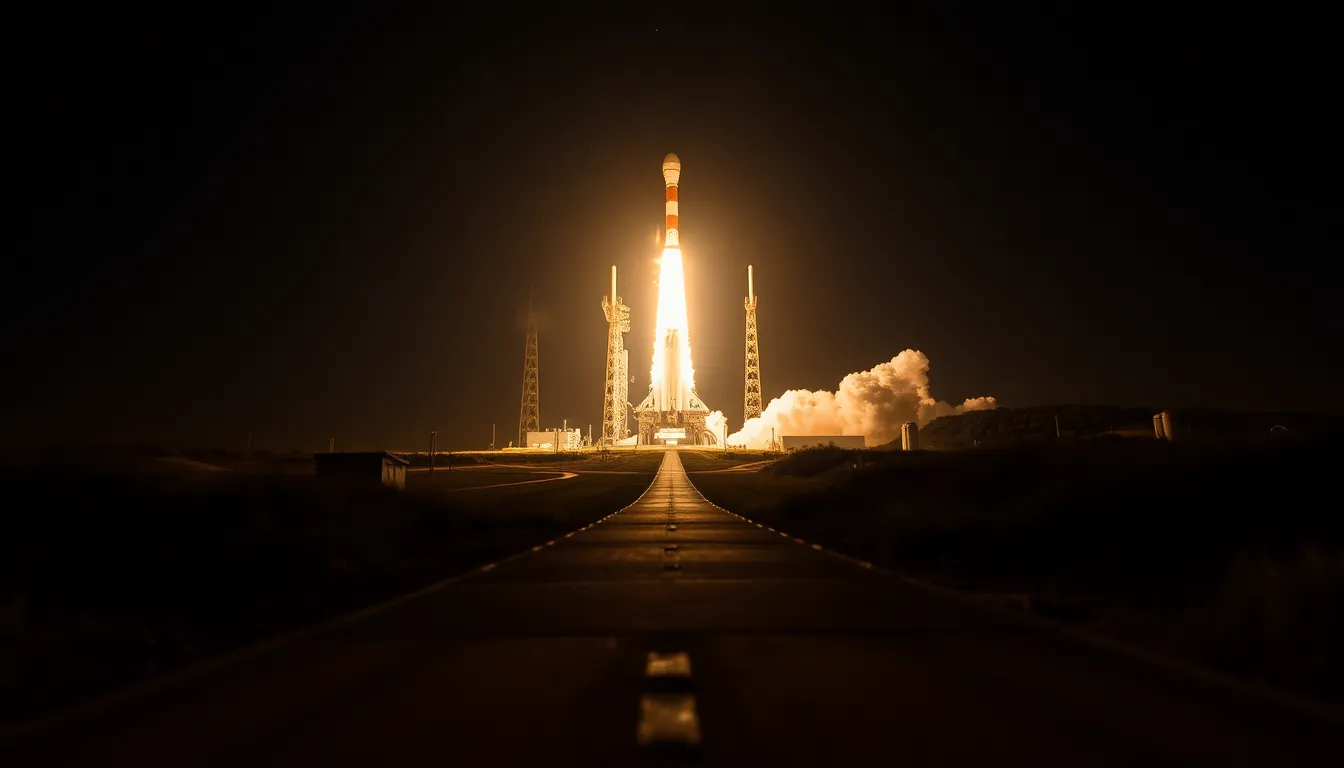
shot on Sony A7R V with 85mm f/1.4 GM lens during a night launch, illuminated by bright rocket flames casting dynamic shadows, hyperfocal distance with everything from the flame to the stars in focus at f/8, natural muted tones with desaturated earth colors, composition utilizing leading lines from the launch pad leading to the rocket, emphasizing its power and motion.
16:9
captured with Nikon Z9, 70-200mm f/2.8 telephoto at 135mm, stunning sunset lighting with warm hues reflecting off the rocket's metallic surface, shallow depth of field at f/2.8 creating a soft focus background, cinematic teal and orange color grading, tightly framed composition focusing on the rocket's intricate details against the blurred launch site, showcasing the polished steel and textured concrete surface underneath.
16:9
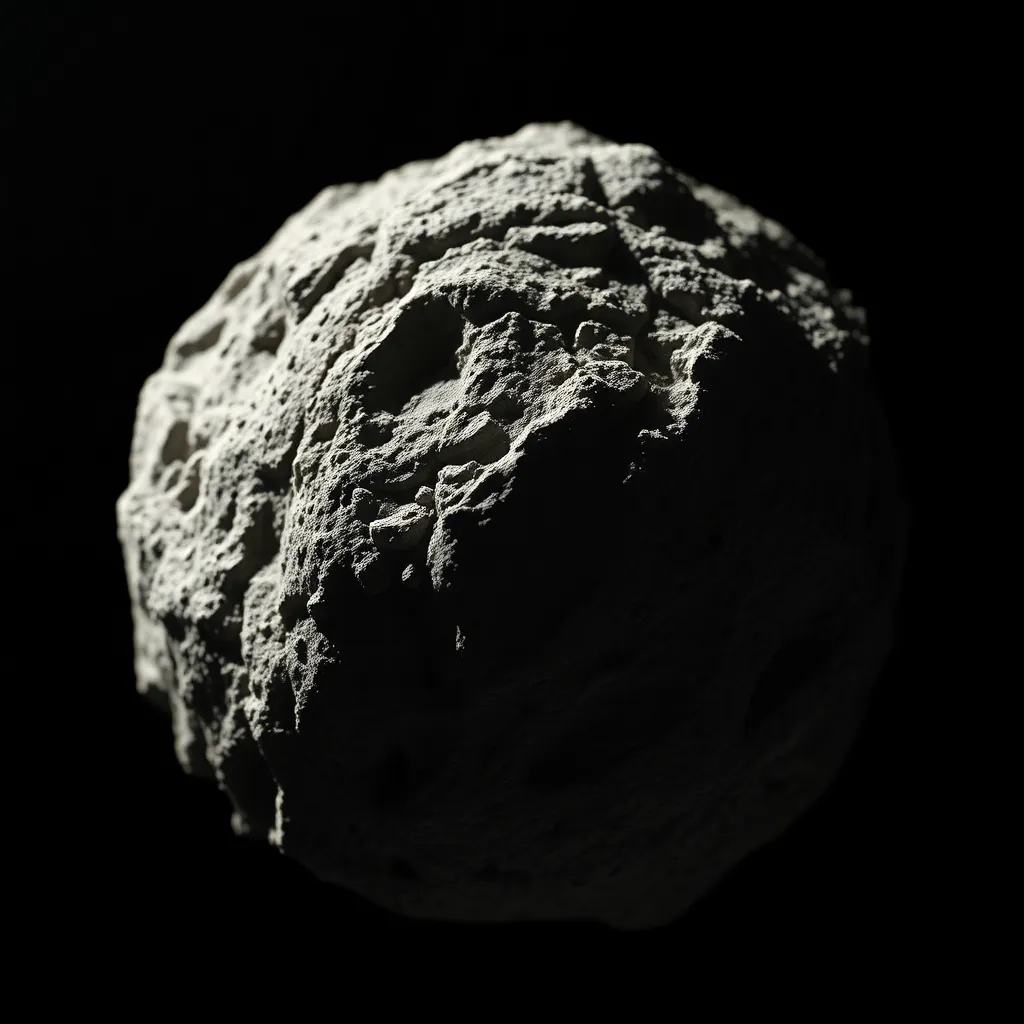
Fujifilm GFX 100S, 110mm f/2 macro lens capturing a close-up of an asteroid surface with detailed textures of rock and mineral. The lighting is dramatic, with harsh shadows emphasizing the rugged terrain. A shallow depth of field at f/2 enhances the focus on the asteroid’s surface while softly blurring the surrounding space. Utilizing a natural muted color palette of greys and browns, the composition employs a centered symmetrical approach, inviting the viewer to explore the intricacies of the celestial body’s texture.
1:1
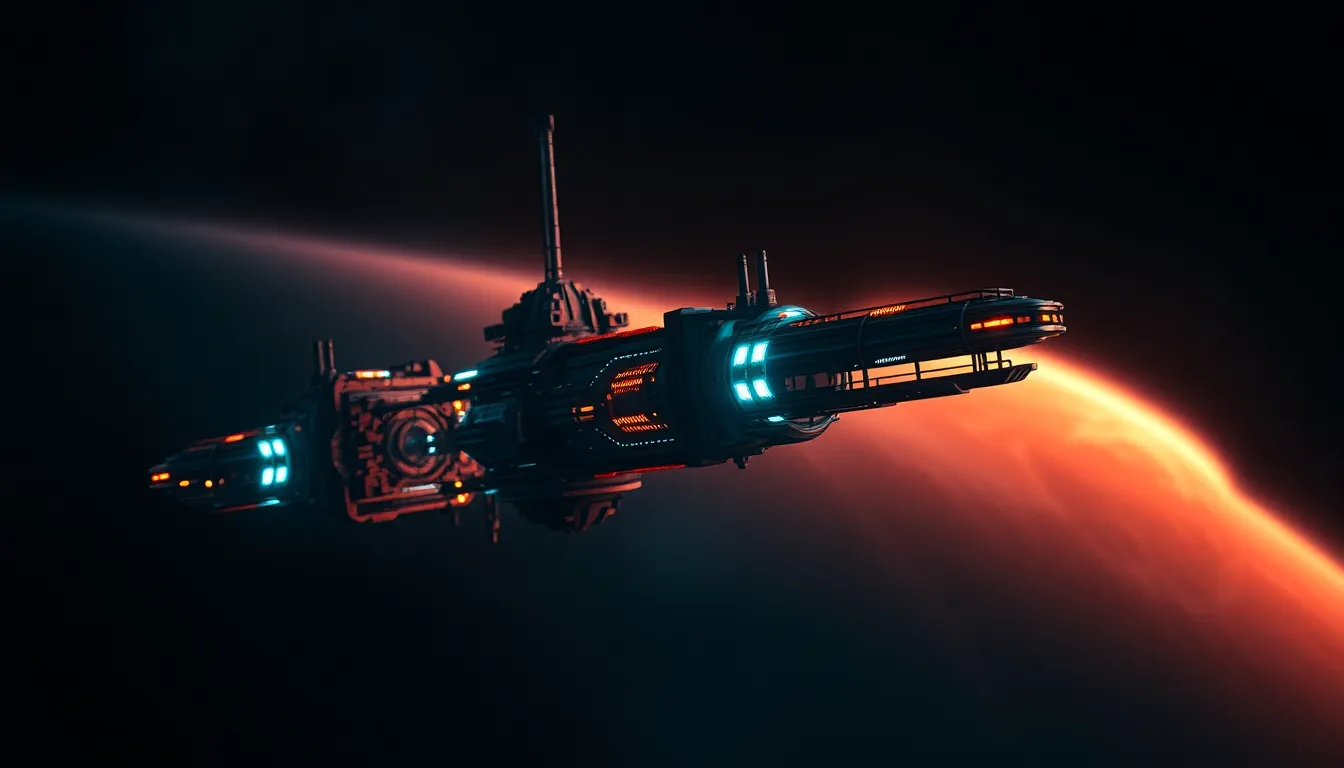
Hasselblad X2D 100C, 90mm f/2.5 medium format used to capture a futuristic space station orbiting a distant exoplanet at twilight. The image is illuminated by ambient light from the planet’s atmosphere, creating a surreal glow. Selective focus emphasizes the intricate details of the station's architecture while blurring the colorful exoplanet in the background. The cinematic teal and orange color grading highlights the futuristic elements against the dark velvet of space. A Dutch angle composition adds a dynamic tension to the scene.
16:9
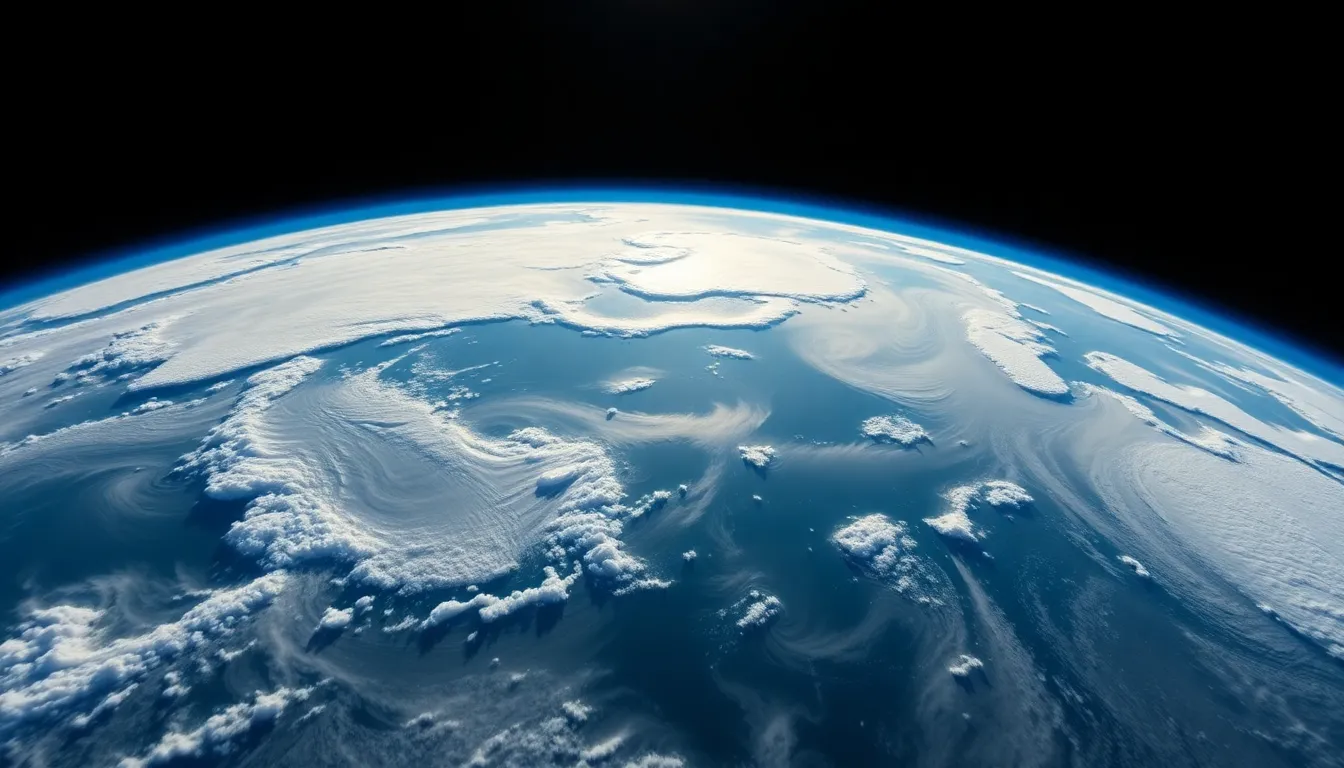
captured with Canon EOS R5, 24-70mm f/2.8L at 35mm, portraying Earth from orbit, showcasing the vibrant blue oceans and swirling clouds. Utilizing natural light, the scene captures the planet's colors vividly, emphasizing the contrast between the deep blues of the oceans and the bright whites of cloud formations. The image employs hyperfocal distance to keep both the Earth’s surface and the blackness of space in focus. A leading lines composition guides the viewer's eye toward the horizon, creating a sense of depth and vastness.
16:9
shot on Sony A7R V with 85mm f/1.4 GM lens, depicting an astronaut in a sleek spacesuit standing on the Martian surface. The scene is illuminated by harsh sunlight creating contrasting shadows. A shallow depth of field at f/1.4 highlights the astronaut while blurring the rough, rusty surface of Mars in the background. The color palette features warm earthy reds and oranges of the Martian soil against the cool whites of the spacesuit. The rule of thirds composition places the astronaut to the right, emphasizing the expansive landscape.
2:3
captured with Nikon Z9, 70-200mm f/2.8 telephoto at 135mm, featuring deep space with stars and nebulae illuminated by a distant star. The scene utilizes overcast ambient light, creating a soft glow across the cosmos. Hyperfocal distance keeps the stars sharp, with rich purples and blues dominating the color palette, accented by vibrant white star light. A centered symmetrical composition draws the viewer's eye into the infinite expanse of the universe, while the texture of the nebula exhibits intricate gaseous formations and stardust.
16:9
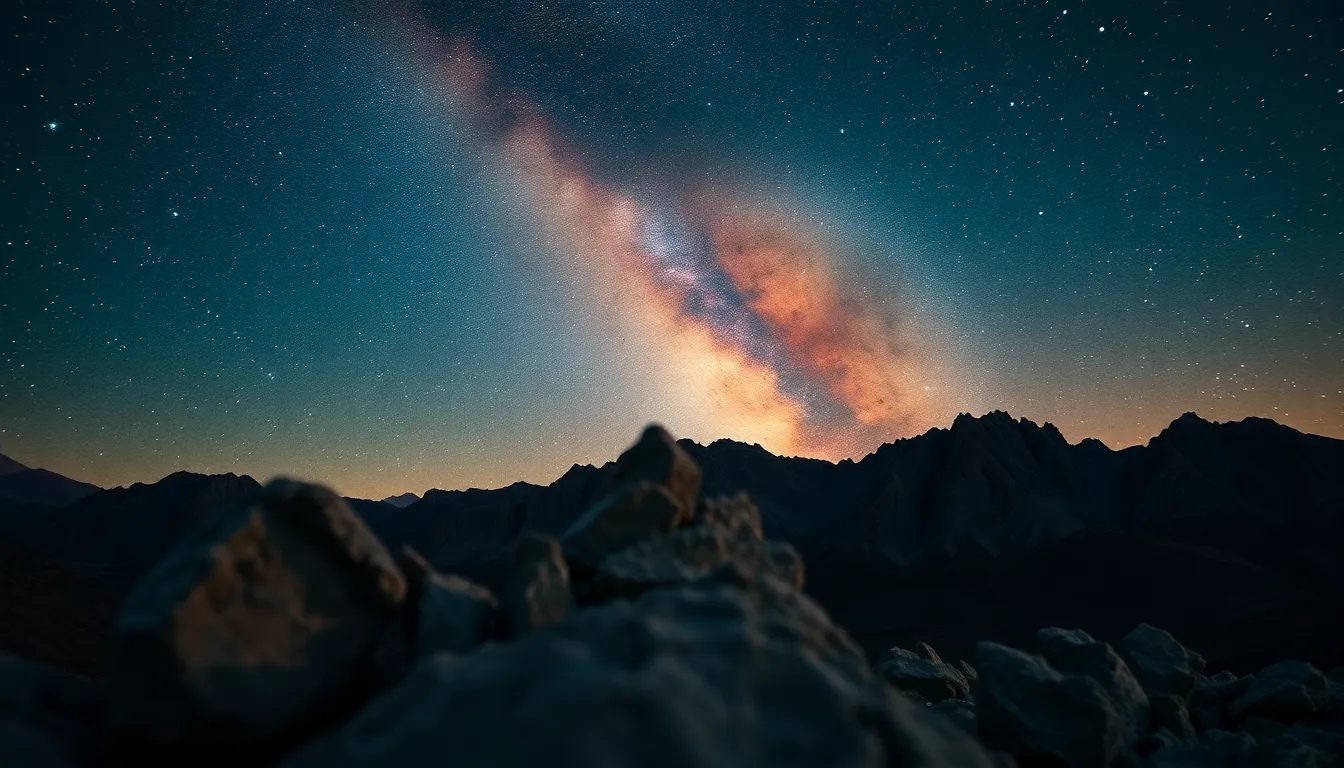
captured with Leica Q3, 28mm f/1.7 Summilux, under golden hour backlighting with warm rim light. This image features a striking view of the Milky Way arching across a starry sky above a rugged mountain landscape. A shallow depth of field at f/1.7 keeps the foreground rocks in focus, with the galaxy forming a vibrant backdrop. The color palette embraces cinematic teal and orange, enhancing the night's allure while providing depth. The composition uses leading lines of the rocky foreground to draw the eye toward the celestial display above.
16:9
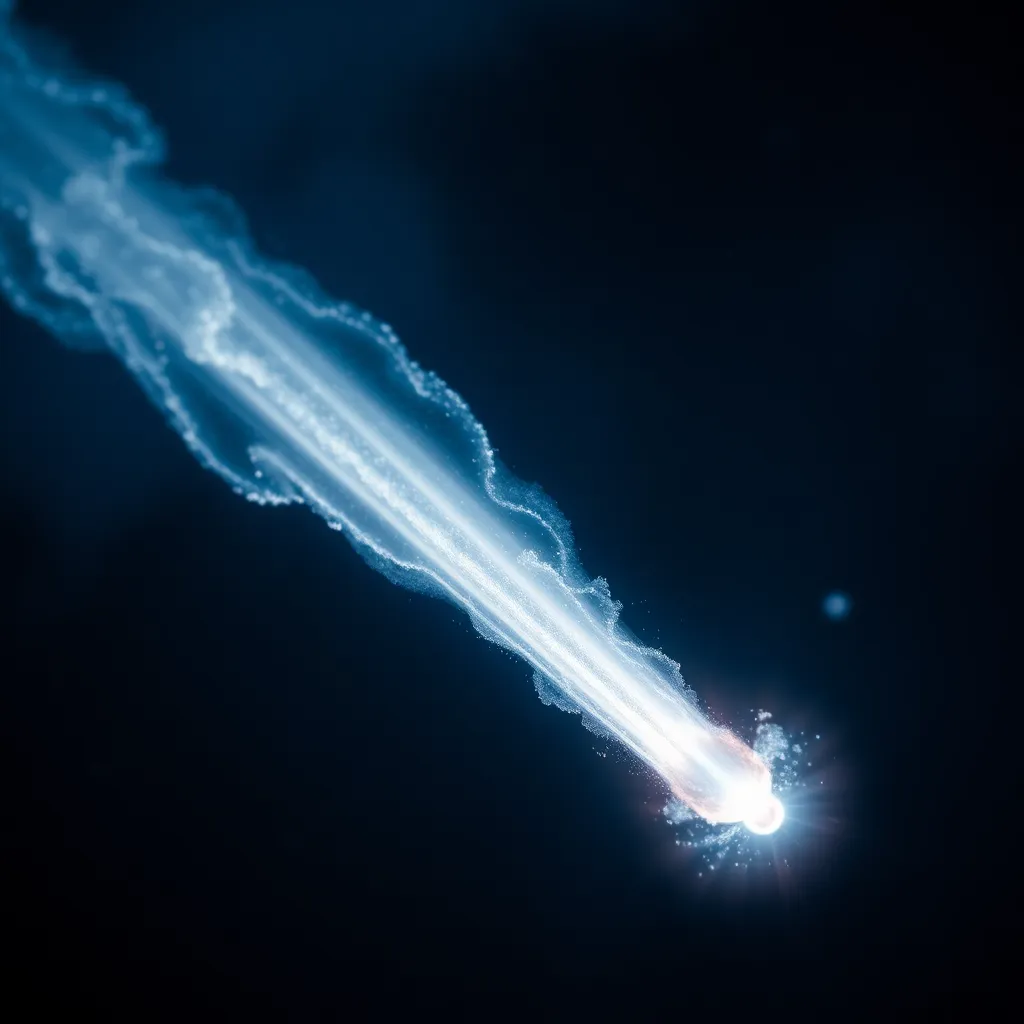
shot on Fujifilm GFX 100S, 110mm f/2 macro, illuminated with overcast diffused daylight filtering through clouds. This close-up image of a comet soaring through the cosmos captures intricate details of its icy nucleus and luminous tail. The depth of field is shallow at f/2, isolating the comet against a starry backdrop while creating a soft painterly bokeh. The rich colors are inspired by Fujifilm Velvia, displaying vibrant blues and whites against the inky black of space. The composition centers on the comet, creating a striking and dramatic focal point.
1:1
captured with Hasselblad X2D 100C, 90mm f/2.5 medium format, featuring dramatic Rembrandt lighting from a single softbox at camera left. The image shows an astronaut in a white spacesuit standing on the lunar surface, with Earth rising in the background. A shallow depth of field at f/2.5 creates a soft bokeh effect on the lunar regolith, while the focus remains sharp on the astronaut's helmet, revealing reflections of the Earth. The color grading embraces Kodak Portra 400-inspired tones, beautifully rendering the astronaut's suit and the deep black of space.
2:3

shot on Canon EOS R5, 24-70mm f/2.8L at 35mm, illuminated by a warm tungsten desk lamp casting directional light. The scene features a detailed model of a spacecraft on a rustic wooden table, capturing the metallic texture of the model against its warm surroundings. A hyperfocal distance keeps every element sharp, displaying intricate designs and engravings on the spacecraft. The color palette reflects natural muted earth tones, highlighting the contrast between the spacecraft's polished surface and the weathered table.
4:3
captured with Nikon Z9, 70-200mm f/2.8 telephoto at 135mm, featuring dappled sunlight filtering through tree canopy creating bokeh highlights. A shallow depth of field at f/2.8 isolates a stunning view of Earth from space, with swirling clouds and vibrant blues. The cinematic teal and orange color grading enhances the ethereal quality of the scene. Compositionally, the Earth occupies the lower right third of the frame, while brilliant stars twinkle in the dark void of space above. The surface of the planet showcases intricate textures of continents and oceans, with sparkling sunlight glancing off the water.
16:9
shot on Fujifilm GFX 100S, 110mm f/2 macro, featuring close-up details of equipment inside a space station. The lighting is soft and diffuse from overhead lights, creating a calm and focused atmosphere. The depth of field is extremely shallow at f/2, isolating individual components like switches and displays while softly blurring the background. The color palette consists of muted metallic shades with hints of vibrant LED lights. The composition uses foreground framing to emphasize the intricate details of the equipment, while textures showcase the fine surfaces and engravings on the machinery. This image captures the essence of technology and precision within the confined space of a station.
4:3
captured with Hasselblad X2D 100C, 90mm f/2.5 medium format, displaying an artistic representation of a space station docking with another spacecraft against a backdrop of swirling nebulae. The lighting is dramatic, illuminated by the vibrant colors of the surrounding nebulae, creating a dynamic atmosphere. Depth of field is shallow at f/2.5, isolating the docking station while allowing the colorful nebulae to blur into a dreamlike background. The color science leans towards saturated colors inspired by Fujifilm Velvia, with deep pinks and purples dominating the nebulae. The composition features strong leading lines from the spacecraft's docking arms, drawing the viewer’s eye towards the connection point, while textures of the spacecraft’s hull add realism.
3:2
Nikon Z9, 70-200mm f/2.8 telephoto at 135mm, capturing a breathtaking view of a space station orbiting Earth during twilight. The scene is lit by the sun setting on the horizon, casting vibrant oranges and blues across the sky. The depth of field is hyperfocal at f/8, ensuring that both the station and the curvature of Earth are in focus. This celestial landscape features a cinematic teal and orange color grading, contrasting the blue hues of the planet below with the warm glow of the station. Compositionally, the space station is framed within the upper third of the image, with Earth sweeping below, creating a majestic perspective. The texture of the station’s exterior is highlighted against the soft clouds enveloping the Earth.
16:9

shot on Sony A7R V with 85mm f/1.4 GM lens, capturing an astronaut floating in zero gravity inside a space station module. The lighting is provided by warm artificial lights from panel screens, creating a cozy yet surreal ambiance. The depth of field is shallow at f/1.4, focusing sharply on the astronaut's expression while blurring the complex equipment behind. The color palette features muted silver tones with warm highlights emanating from the screens. The composition centers on the astronaut, who appears contemplative, surrounded by floating tools and equipment. Visible details include fabric textures of the astronaut's suit and subtle reflections on the metallic surfaces.
9:16
captured with Canon EOS R5, 24-70mm f/2.8L at 35mm, featuring dramatic backlighting from distant stars illuminating the interior of a futuristic space station. The scene exhibits a shallow depth of field at f/2.8, creating a soft bokeh effect on the background while the detailed consoles and technology in the foreground remain sharp. The color palette is evocative of deep space, combining rich blues and vibrant whites. The composition follows the rule of thirds, with the main console occupying the left power point while the vast window showcases a stellar view. Textures of metallic surfaces glisten under the starry light, emphasizing the advanced technology within the station.
16:9
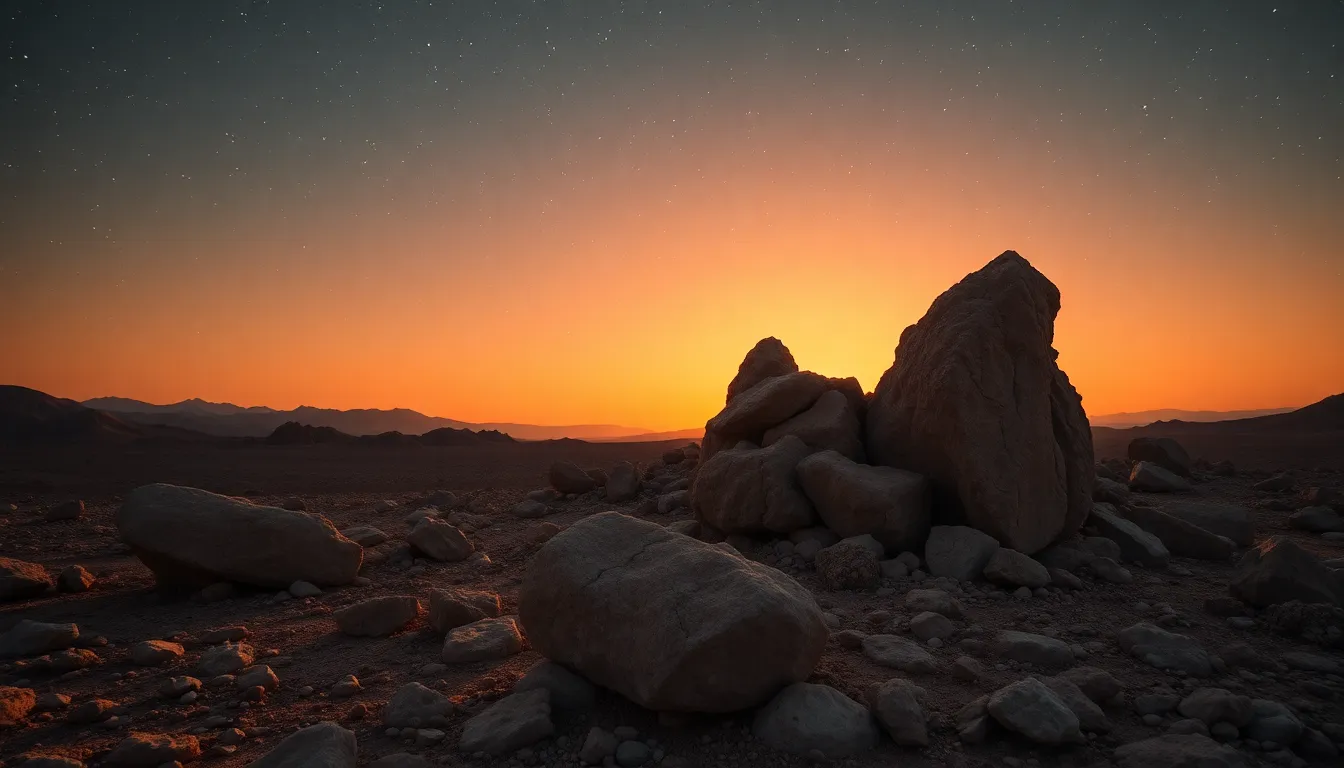
A barren exoplanet under a starry sky, shot on Sony A7R V with 85mm f/1.4 GM lens. The fading light of sunset casts a warm glow over the rugged terrain, emphasizing every detail in the rocky landscape. The depth of field is shallow, focusing sharply on the foreground rocks while the starry sky softly blurs. The color palette reflects natural muted tones, with desaturated earth colors contrasting against the deep indigo of the stars. The composition utilizes the rule of thirds, placing a prominent rock formation in the foreground, leading toward the horizon.
16:9
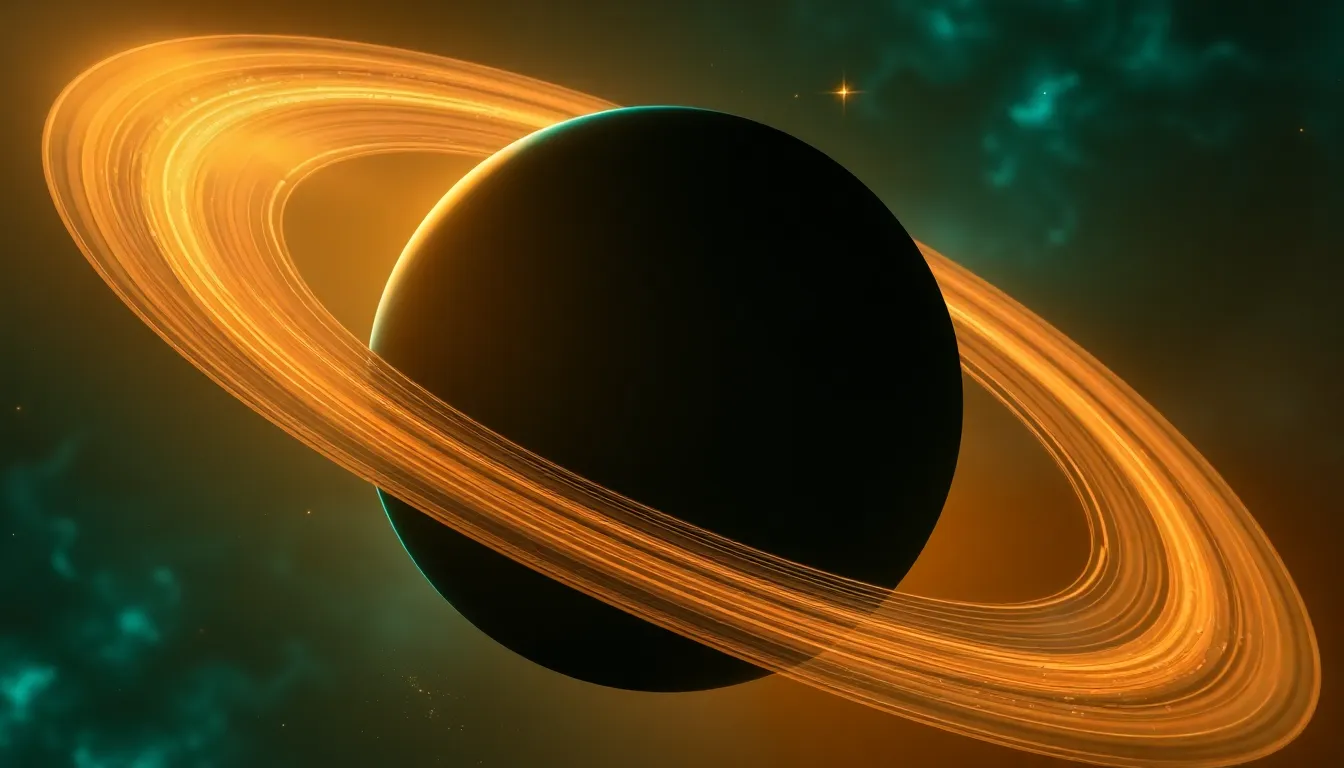
A ringed planet in a cosmic setting, captured with Hasselblad X2D 100C, 90mm f/2.5 medium format. The scene is lit by a distant star, creating high contrast shadows that accentuate the rings' texture. Using selective focus, the rings glisten while the planet itself blurs gently into the background. The color science evokes a cinematic teal and orange grading, enhancing the dramatic effect. The composition employs leading lines formed by the rings themselves, guiding the viewer's attention around the planet.
16:9
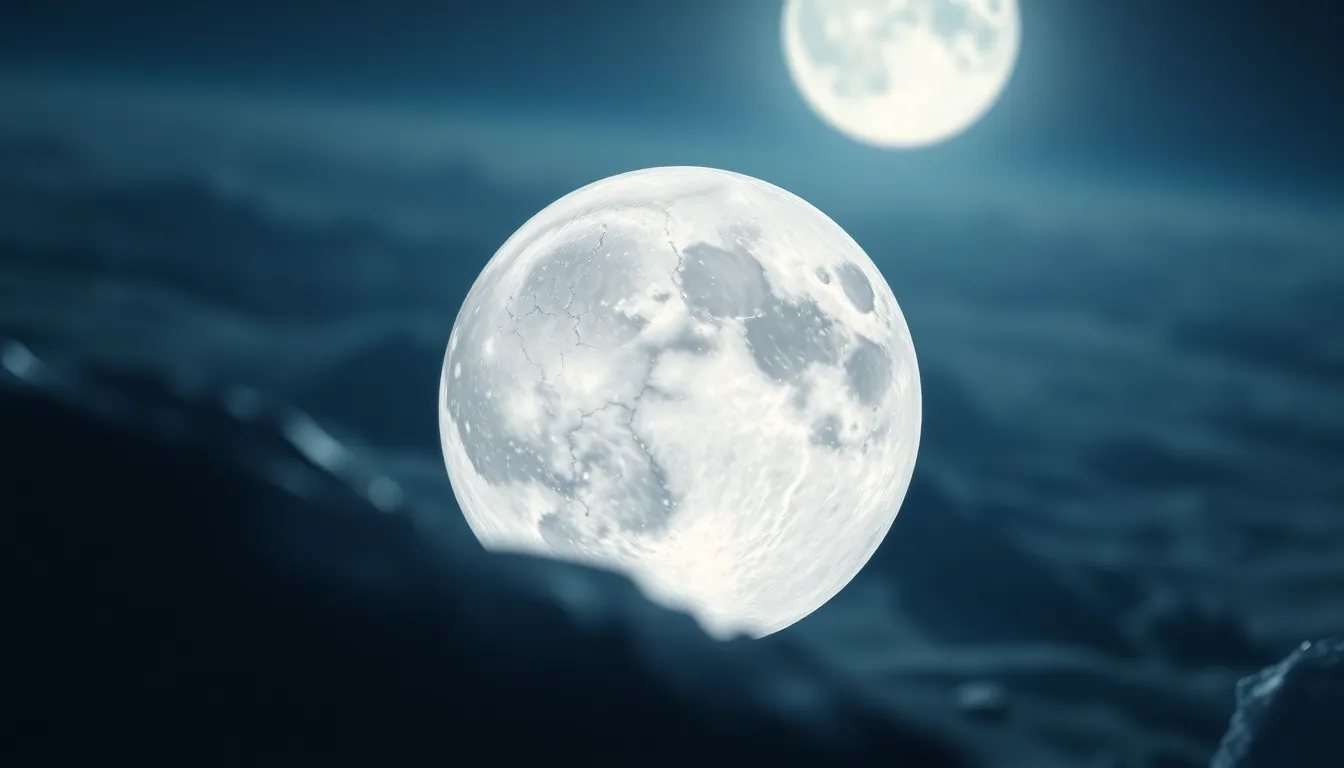
An icy moon orbiting a distant planet, shot on Fujifilm GFX 100S, 110mm f/2 macro. The scene is bathed in ethereal moonlight, highlighting the icy surface and detailed textures that resemble cracked ice. The depth of field is hyperfocused, capturing sharp details in the foreground while the background remains gently blurred. The color palette features natural muted tones with desaturated blues and whites, resembling a cold, desolate landscape. The composition includes a centered symmetrical framing, emphasizing the moon's textures and the vastness of space around it.
16:9
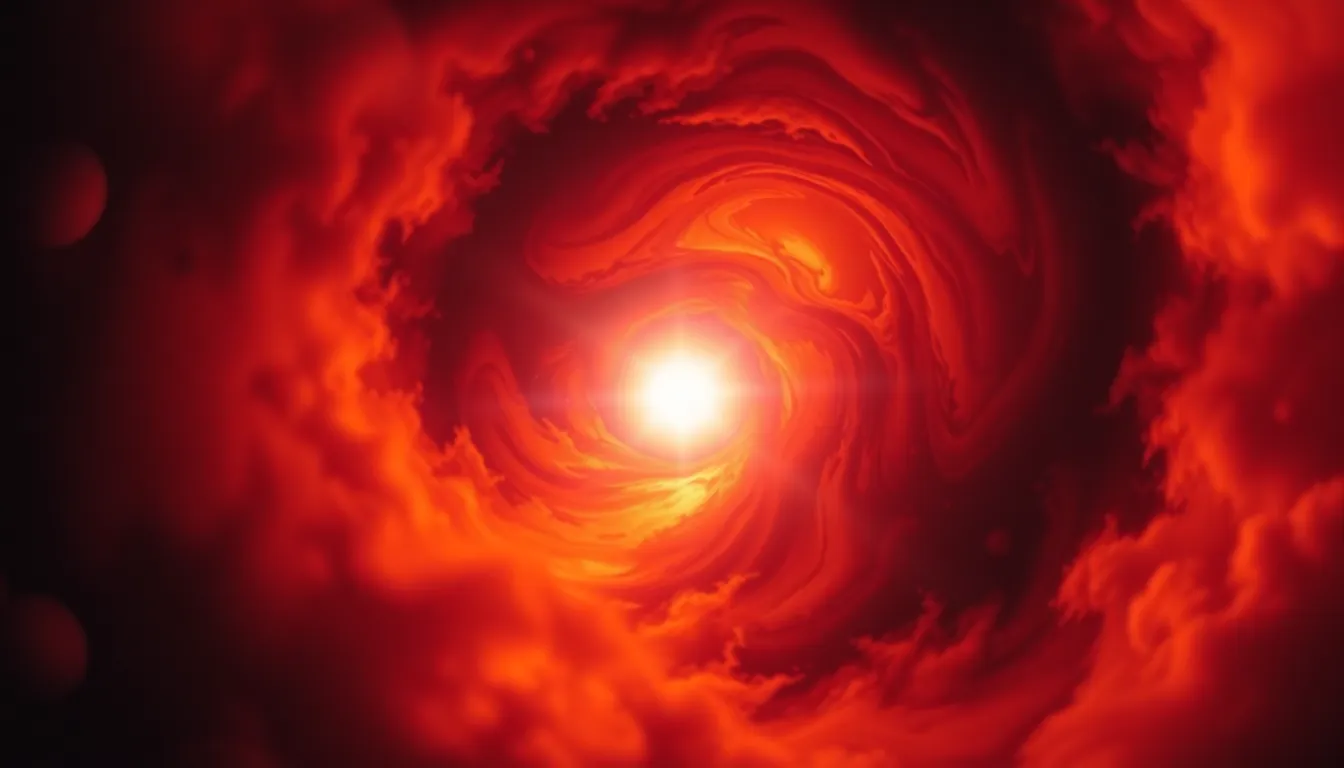
A vibrant gas giant with swirling clouds, captured with Canon EOS R5, 24-70mm f/2.8L at 35mm. The dramatic lighting showcases the planet's atmospheric features, with dynamic shadows and highlights enhancing its depth. Using shallow depth of field, the foreground details blend into soft bokeh, keeping the focus on the planet. The color palette is inspired by Fujifilm Velvia, showcasing vivid, saturated colors with intense oranges and deep reds. The composition features leading lines of light radiating from the planet's center, drawing the viewer's gaze inward.
16:9
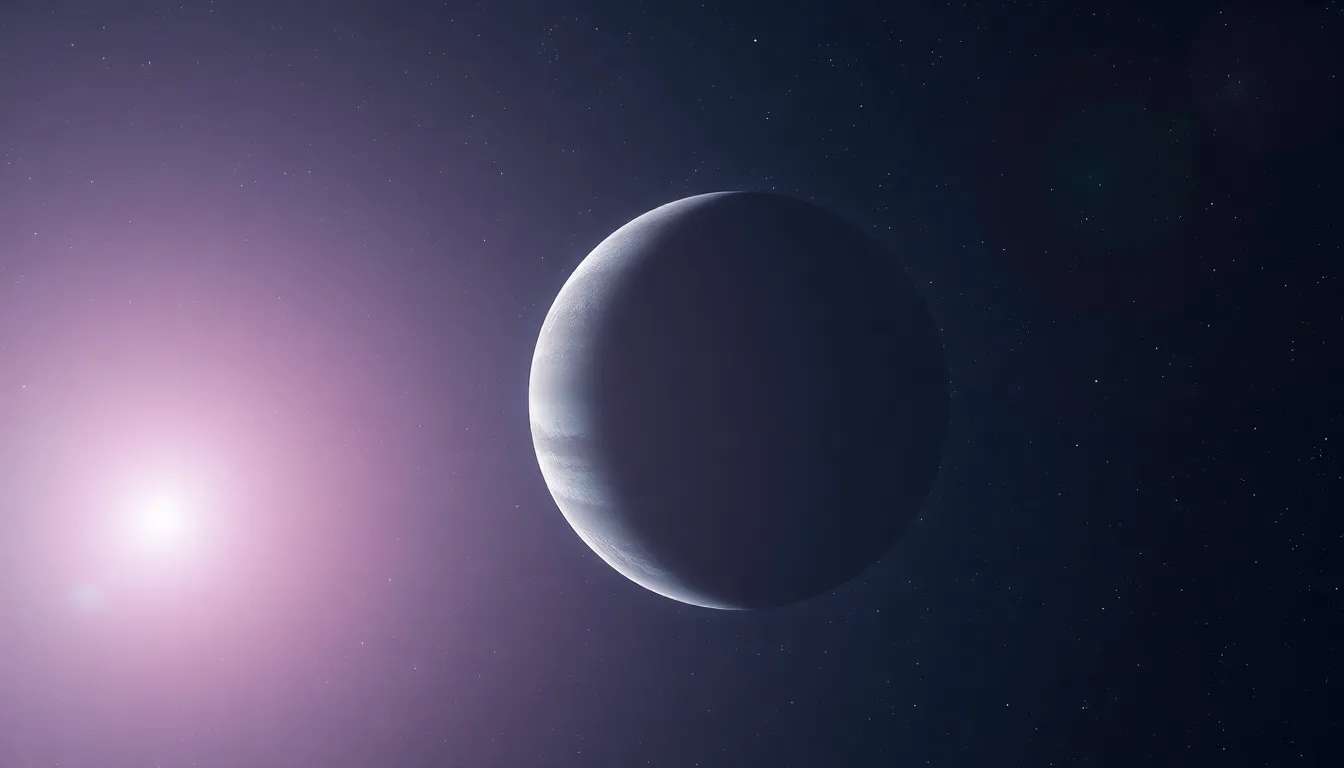
A breathtaking view of a distant planet set against the vastness of space, shot on Nikon Z9, 70-200mm f/2.8 telephoto at 135mm. The scene is illuminated by the soft glow of a nearby star, casting a subtle light on the planet's textured surface. The depth of field is shallow, highlighting the planet while the stars fade softly into the background. The color palette reflects deep blues and rich purples with shimmering starlight. The composition follows the rule of thirds, placing the planet off-center, surrounded by cosmic dust and bright stars.
16:9
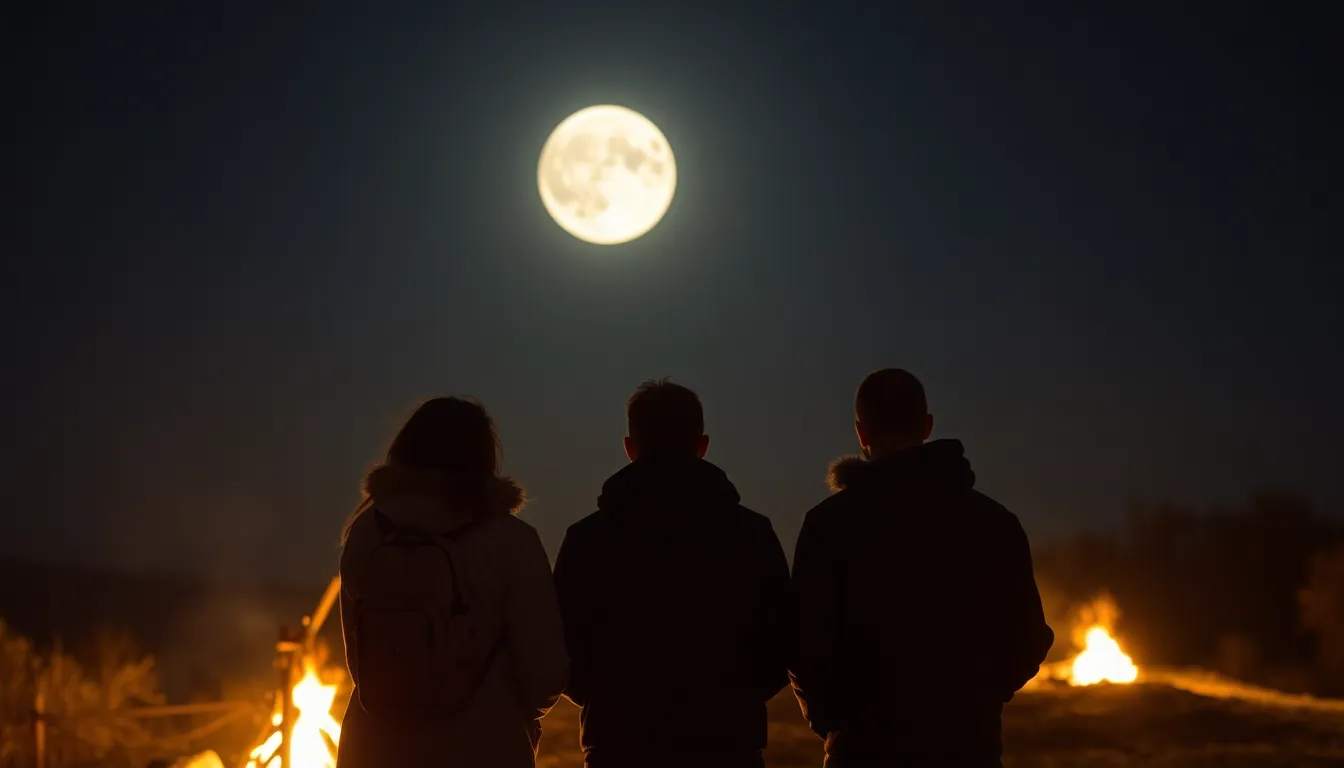
Shot on Leica Q3, 28mm f/1.7 Summilux, this image features a captured moment of stargazers admiring the full Moon from a hilltop. The lighting showcases a blend of soft moonlight and warm, ambient light from a nearby campfire. A shallow depth of field at f/1.7 isolates the group while the background blurs into a soft halo of light. The color palette includes warm oranges from the fire contrasting with the cool silvery hues of the Moon. The composition uses a Dutch angle, adding a dynamic feel, with the Moon prominently placed above the stargazers.
16:9
Captured with Hasselblad X2D 100C, 90mm f/2.5 medium format, this image shows a wide panorama of a lunar landscape with Earth visible in the sky. The lighting is stark noon sunlight illuminating the Moon's rugged terrain. Utilizing a hyperfocal distance, everything from the craters to distant Earth remains sharp. The color science reflects the dusty greys and whites of the lunar surface, contrasted against the vibrant blues and greens of Earth. The composition leads the viewer's eye from the foreground craters toward the distant planet, encapsulating the vastness of space.
16:9
Shot on Fujifilm GFX 100S, 110mm f/2 macro, this enchanting image showcases a silhouette of a tree branch with the crescent Moon in the background. The soft twilight lighting creates a dramatic contrast between the dark tree and the glowing Moon. The selective focus brings attention to the delicate twigs and leaves, melting into a soft bokeh. The color palette features deep purples and blues of the twilight sky, with the Moon's white-yellow light stealing the show. The composition centers the tree branch, creating a beautiful frame around the Moon.
16:9
Captured with Canon EOS R5, 24-70mm f/2.8L at 35mm, this image presents a full Moon rising over a serene ocean at dusk. The lighting features a warm golden hour glow reflecting off the water's surface while the Moon casts a silver sheen. A hyperfocal distance at f/8 ensures that both the foreground waves and the distant horizon remain tack-sharp. The color palette includes rich blues and golden hues, creating a harmonious blend. The composition utilizes leading lines of the waves drawing the eye toward the luminous Moon, with the beautiful reflection creating symmetry in the scene.
16:9
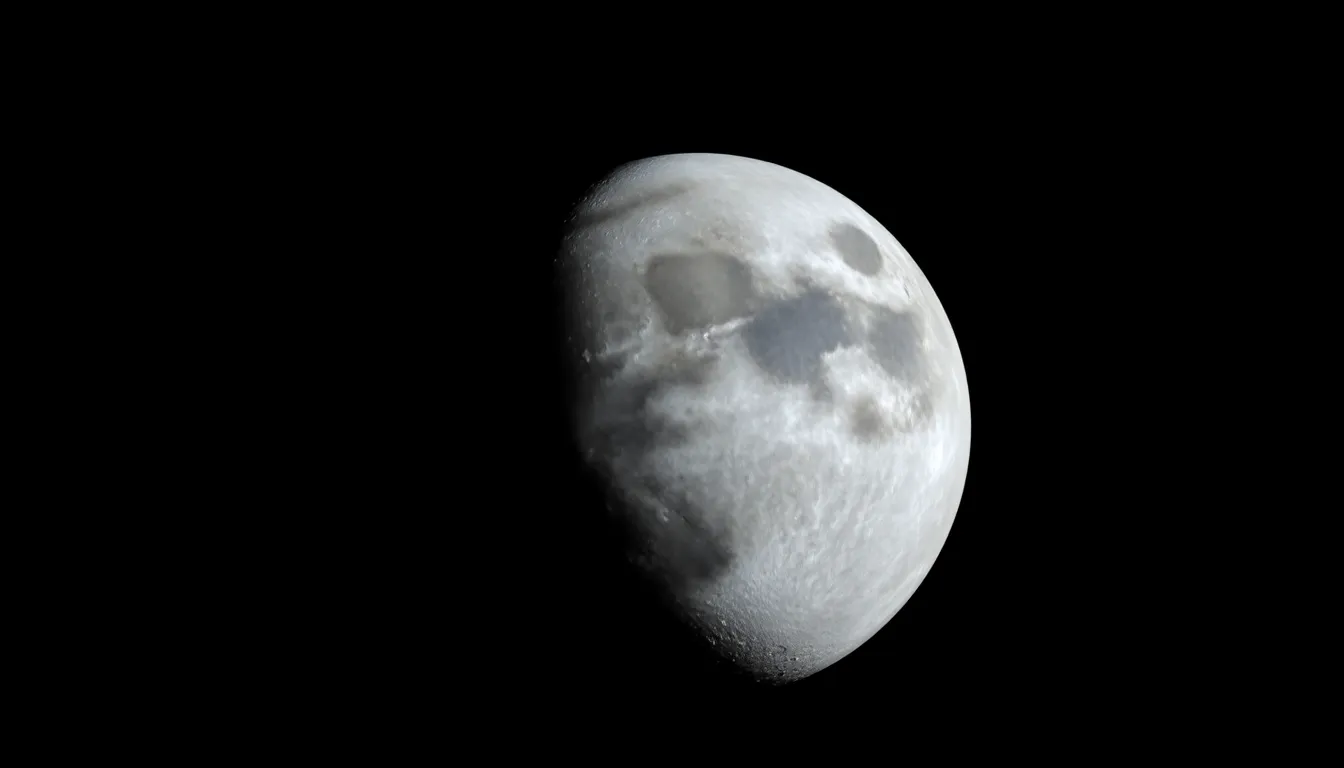
Shot on Nikon Z9, 70-200mm f/2.8 telephoto at 135mm, the image captures a close-up of the Moon's surface during a clear night. The lighting features dramatic contrast from the bright lunar surface against a deep, inky black sky. A shallow depth of field at f/2.8 highlights the intricate craters and maria, with the foreground detail sharp while the background fades softly. The color palette utilizes the natural grey and white tones of the Moon, with slight hints of blue for atmosphere. The composition employs the rule of thirds, placing the Moon off-center with some surrounding stars visible, showcasing the vastness of space.
16:9
captured with Hasselblad X2D 100C, 90mm f/2.5 medium format, showcasing a captivating northern lights display swirling over a snowy landscape. The lighting is from the vibrant auroras, casting a magical glow on the snow. Using a hyperfocal distance technique at f/8 ensures everything from the foreground snowflakes to the dancing lights are sharp. The color science resembles Kodak Portra 400 with warm greens and soft whites. The composition utilizes leading lines of snow drifts to draw the viewer's eye towards the horizon where the lights dance.
16:9
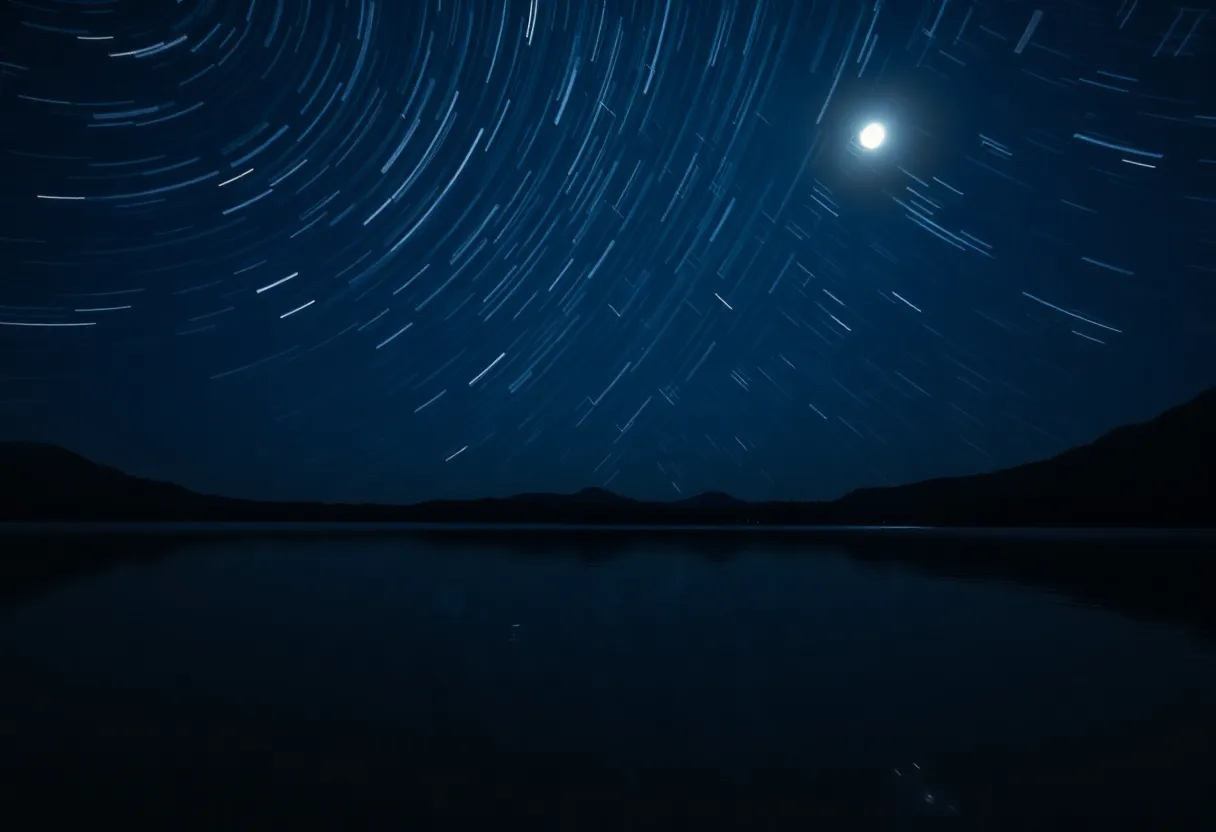
shot on Fujifilm GFX 100S, 110mm f/2 macro, focusing on a close-up of star trails over a tranquil lake. The lighting is ambient moonlight reflecting off the water's surface, creating soft ripples of light. Using a shallow depth of field at f/2 adds a dreamy quality to the foreground while the star trails remain in crisp detail. The color palette comprises dark blues and silvers, enhancing the serene and mystical feel of the image. Rule of thirds placement allows the reflection of the star trails to occupy a significant portion of the lower third.
3:2
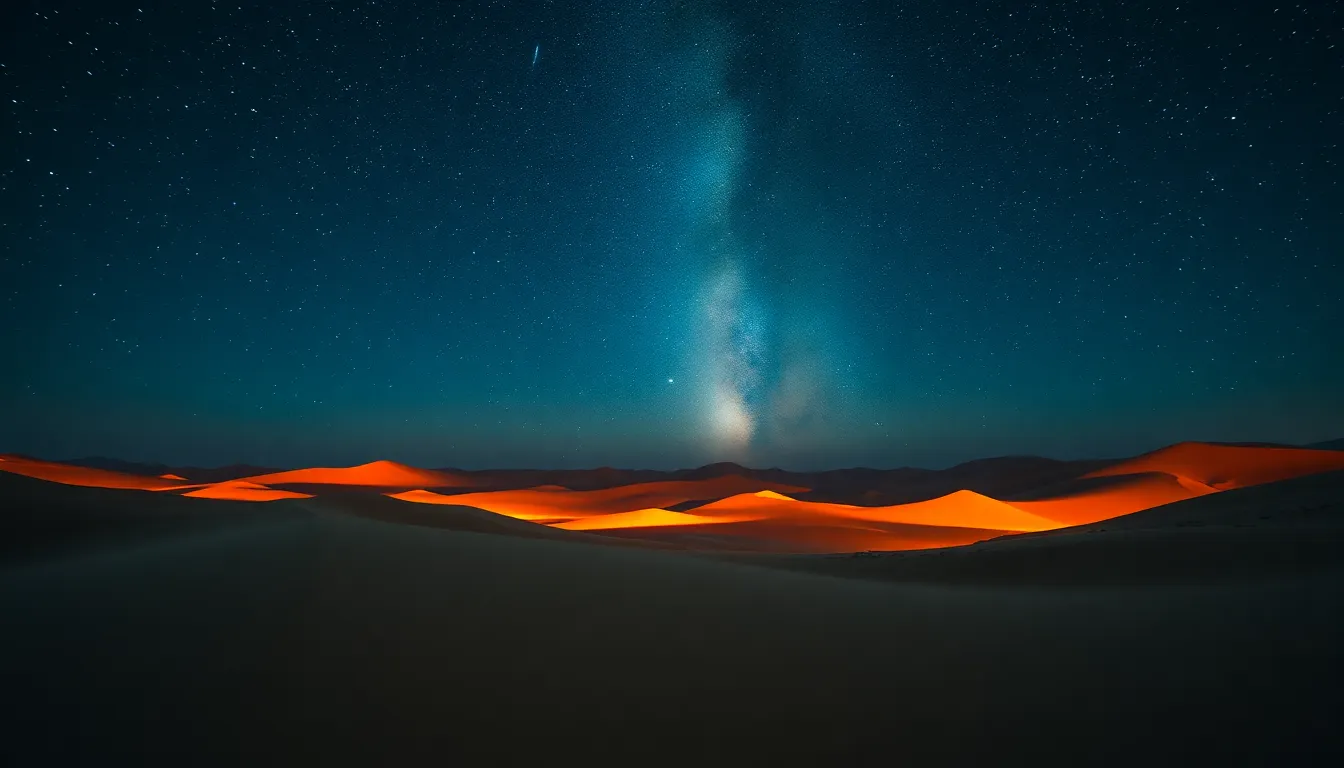
captured with Canon EOS R5, 24-70mm f/2.8L at 35mm, presenting a panoramic view of a desert landscape under a starry sky with shooting stars. The lighting is provided by the celestial bodies, creating dramatic contrasts between the illuminated sand dunes and the dark sky. The scene is shot at f/4 creating a wide depth of field that captures the entire landscape. The color palette is cinematic teal and orange, enhancing the cosmic feel of the scene. Leading lines of the dunes guide the viewer's eye toward the vibrant constellation above.
16:9
shot on Sony A7R V with 85mm f/1.4 GM lens, featuring an ethereal night scene where constellations like Orion and Ursa Major are brightly visible in the night sky. The lighting comes from a full moon, casting a soft, silver glow over an open field of wildflowers. Using a hyperfocal distance technique at f/8 ensures that both the foreground flowers and stars are in sharp focus. The scene presents a natural muted tone with desaturated earth colors. A centered symmetrical composition emphasizes the tranquil beauty of the constellations above the wildflower field.
3:2
captured with Nikon Z9, 70-200mm f/2.8 telephoto at 135mm, under a clear starry night sky with minimal light pollution. The Milky Way arches gracefully above rugged mountain silhouettes, lit by the soft glow of distant stars. Shallow depth of field at f/2.8 creates creamy bokeh in the foreground, emphasizing the sharpness of the stars. The scene exhibits deep blues and purples inspired by a Fujifilm Velvia palette. A rule of thirds composition places the Milky Way off-center, creating a sense of vastness. Textured mountain surfaces are silhouetted against the starlit sky, enhancing the overall depth.
16:9
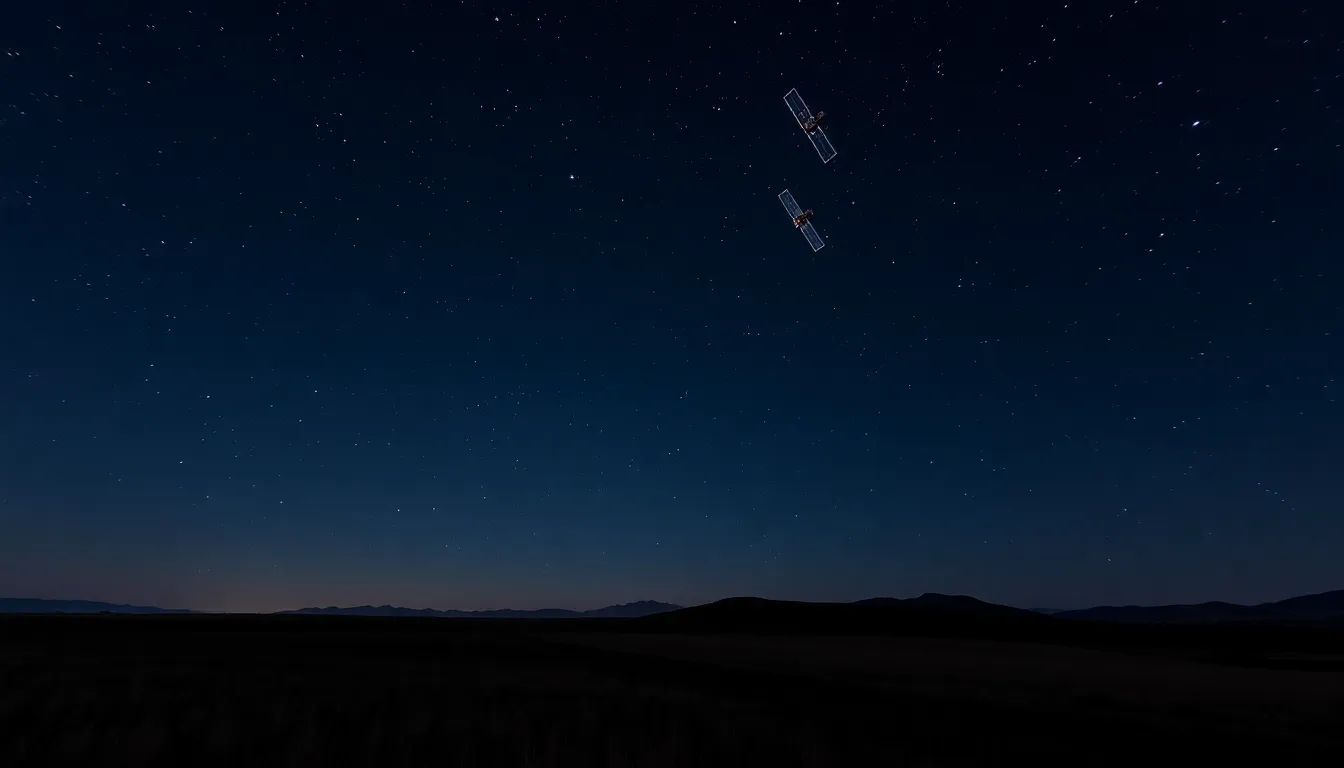
A satellite orbiting in a starry night sky over a serene landscape, captured with a Hasselblad X2D 100C, 90mm f/2.5 medium format. The scene showcases a clear night sky filled with bright stars, using natural moonlight to create a soft, ethereal glow on the landscape below. The color palette consists of natural muted tones with deep blues and blacks, enhancing the calmness of the night. The composition places the satellite in the upper third of the frame, while the tranquil landscape occupies the lower two-thirds, reflecting the vastness of space above and the peacefulness below.
16:9
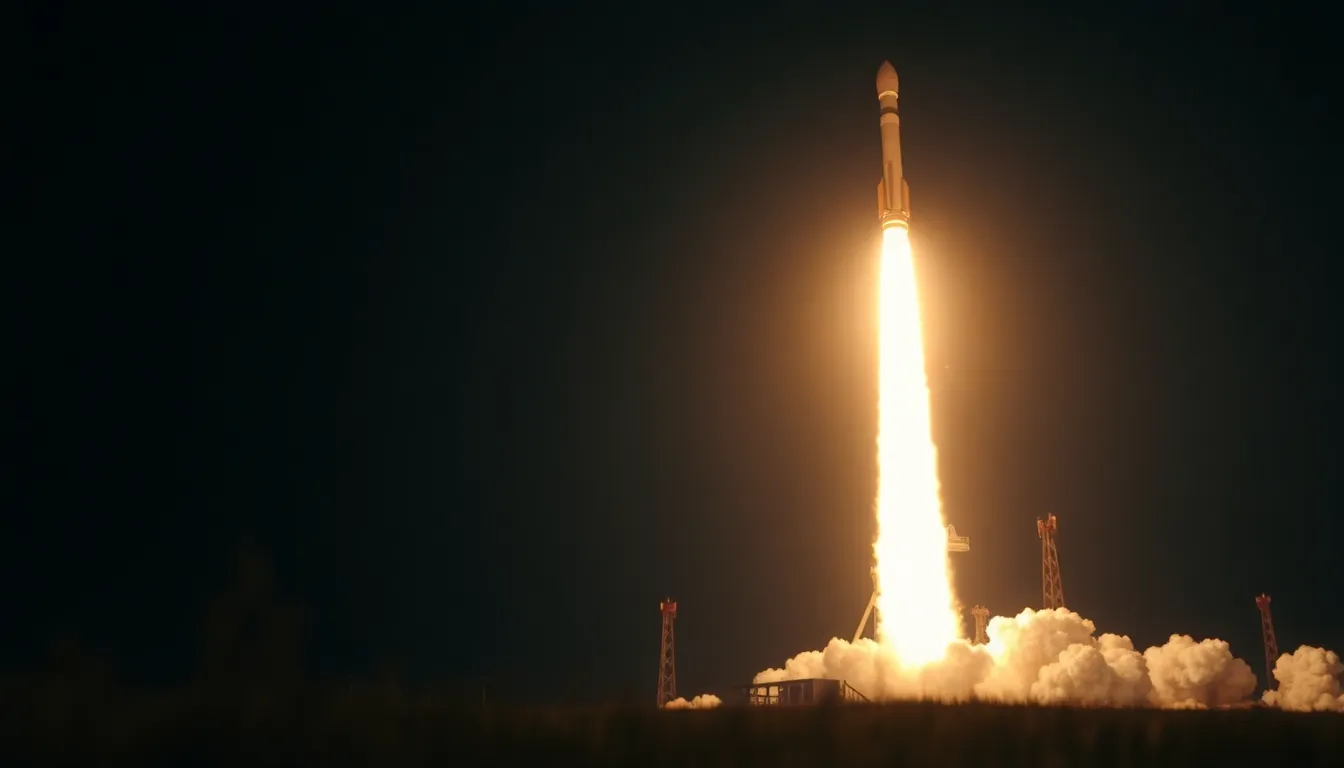
An artistic rendition of a satellite launching into space, shot on a Leica Q3, 28mm f/1.7 Summilux. The scene features dramatic backlighting from the rocket's exhaust flames, creating a fiery glow against the dark sky. The color science leans toward cinematic teal and orange grading, echoing the energy of the launch. The depth of field is shallow at f/1.7, blurring the rocket's launch pad while the rocket remains in crisp focus. The composition employs a dynamic Dutch angle to enhance the sense of movement and excitement as the satellite soars into the unknown.
16:9
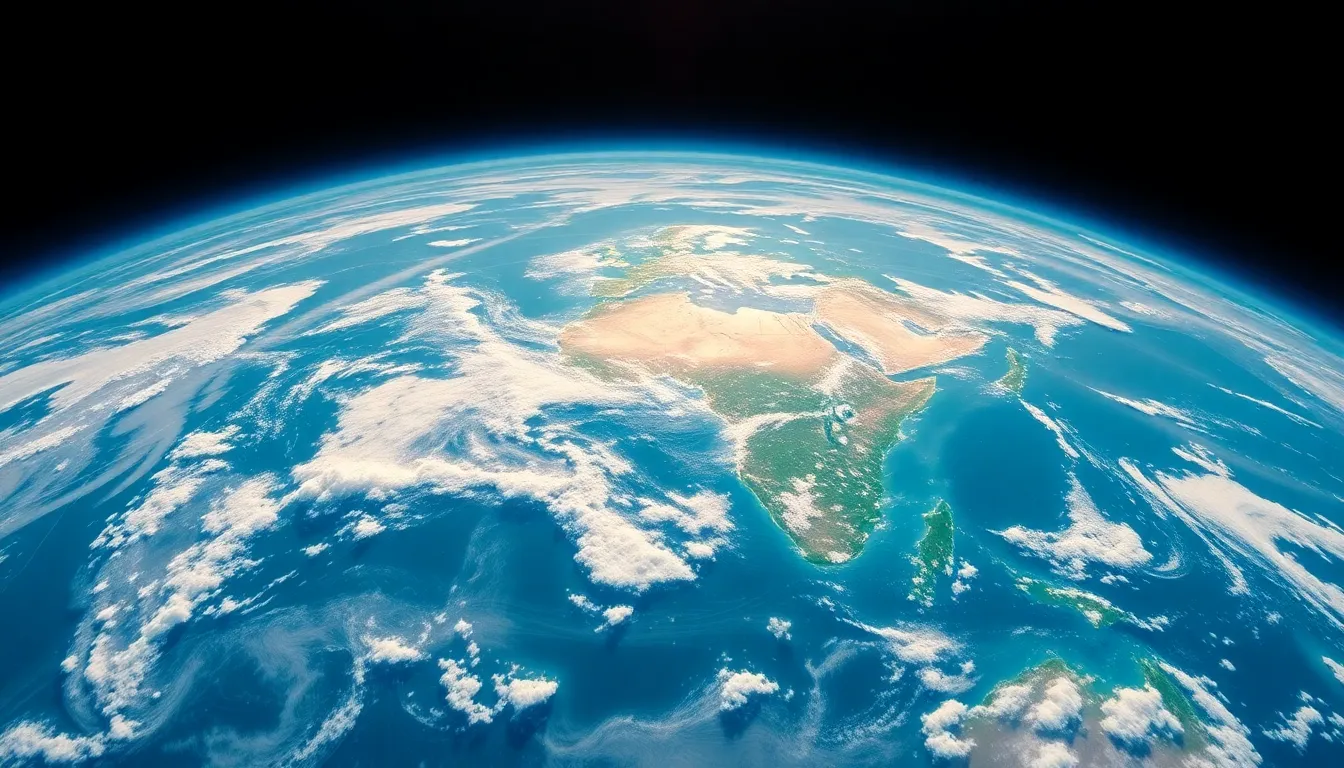
A breathtaking view of Earth from a satellite perspective, captured with a Canon EOS R5, 24-70mm f/2.8L at 35mm. The image features vibrant, saturated colors with the Fujifilm Velvia-inspired palette, highlighting the deep blues of the oceans and lush greens of the continents. It's shot during the day with natural sunlight creating highlights on the ocean surface. The hyperfocal distance ensures everything from the foreground clouds to distant continents is sharply in focus. The composition is centered and symmetrical, evoking a sense of harmony and global connectivity.
16:9
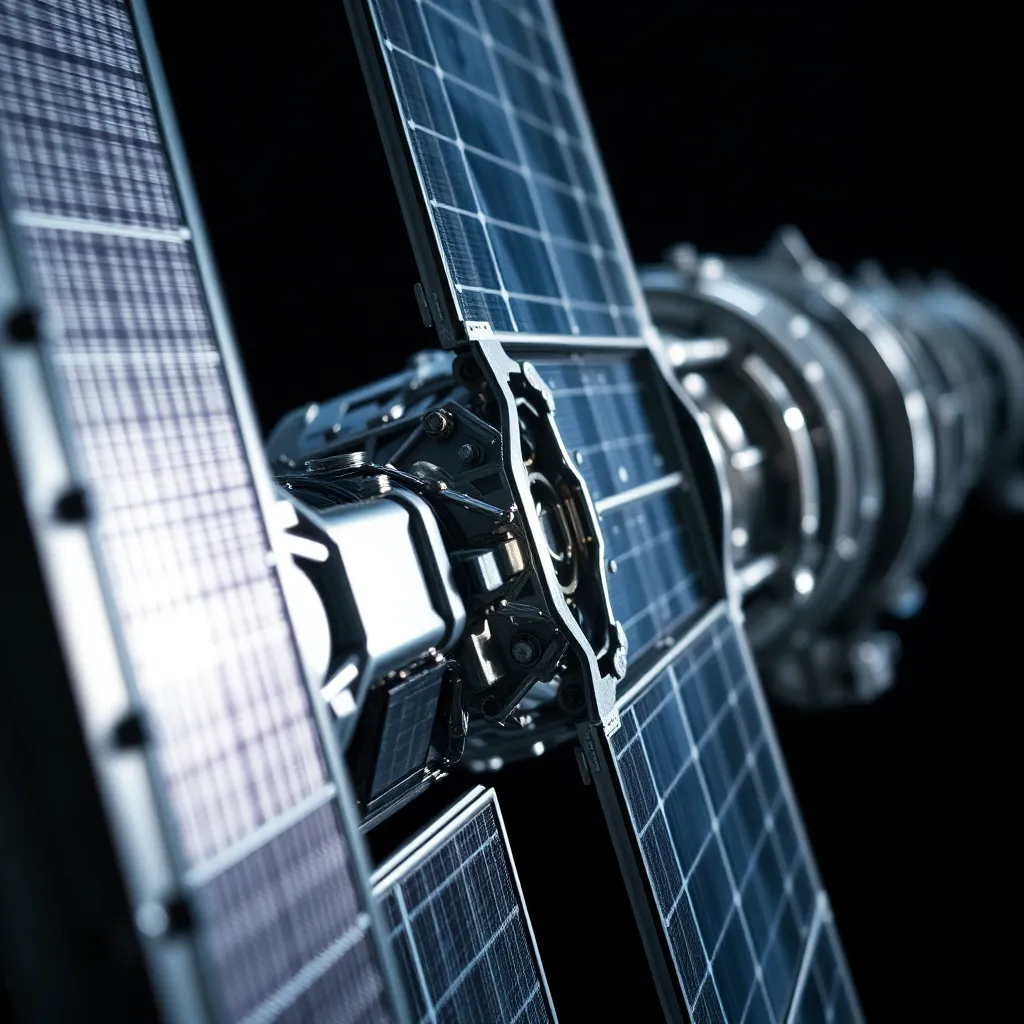
A close-up shot of a satellite array on a space station, shot on a Fujifilm GFX 100S, 110mm f/2 macro. The studio lighting accentuates the intricate details and textures of the satellite's solar panels, utilizing a three-point studio setup with key light highlighting the panels' metallic sheen. The color accuracy mimics natural muted tones, emphasizing the silvery blue and grey hues of the spacecraft. The composition follows the rule of thirds, placing the satellite array at the left power point, capturing its design complexity and technological elegance.
1:1
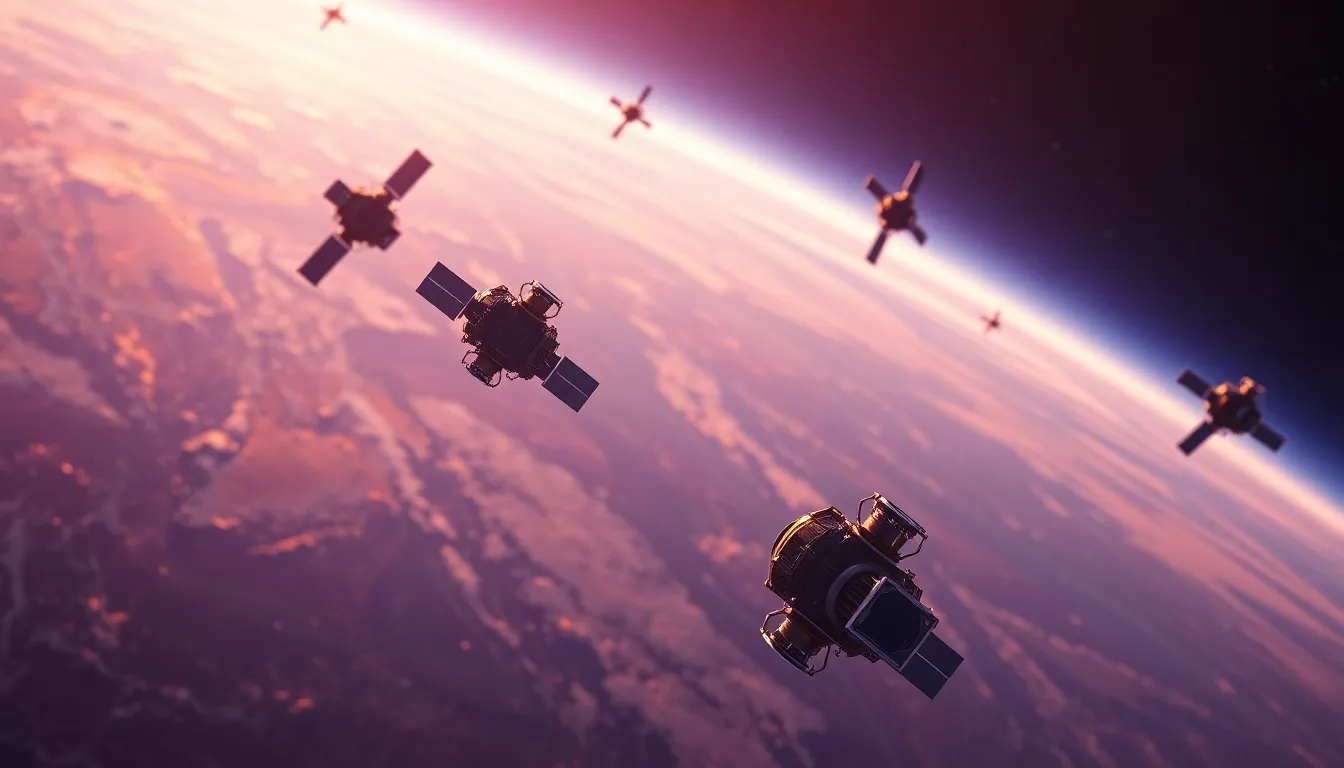
A stunning photorealistic rendering of a group of satellites in geostationary orbit, captured with a Nikon Z9, 70-200mm f/2.8 telephoto at 135mm. The scene is bathed in soft, diffused sunlight from the Earth’s atmosphere during twilight, creating a harmonious mix of purple and orange hues. A shallow depth of field at f/2.8 isolates the satellites against a blurred Earth backdrop. The color palette features warm oranges and cool purples, invoking a sense of serenity and wonder. The composition employs leading lines created by satellite trajectories, with sharp metallic textures reflecting the sky's colors beautifully.
16:9
Hasselblad X2D 100C, 90mm f/2.5 medium format captures a wide view of the moon rising over an ancient stone structure. The natural lighting at dusk casts soft shadows, while the moon's light provides a gentle glow on the stones. Using a hyperfocal depth of field at f/8 ensures all elements, from the moon to the foreground stones, are in focus. The color palette features cool grays of the stone contrasted with the warm glow of the moon. A leading lines composition draws the eye towards the structure, enhancing the sense of scale and drama in the scene.
16:9
Fujifilm GFX 100S, 110mm f/2 macro lens focusing on a detailed view of a moon rock fragment set against a black velvet background. The studio lighting employs a single softbox to create gentle highlights and deep shadows, emphasizing the surface textures of the rock. The shallow depth of field at f/2 produces a creamy bokeh, isolating the subject beautifully. The color palette highlights the grays and silvers of the moon rock, contrasting sharply with the deep black background. An off-center composition adds interest and encourages exploration of the textures captured in the rock’s surface.
1:1
Nikon Z9, 70-200mm f/2.8 telephoto at 135mm as a spectacular full moon rises above a tranquil lake at twilight. Natural lighting creates a magical reflection on the water's surface, with soft ripples enhancing the serene mood. The depth of field is hyperfocal at f/8, ensuring both the foreground trees and the moon are sharp. The color science captures the rich blues and silvery whites of the moonlight, while the warm hues of the sunset create a striking contrast. Symmetrical composition with the moon centered above the lake creates harmony and balance in the scene.
16:9
shot on Sony A7R V with 85mm f/1.4 GM lens during a clear night under bright moonlight, featuring a close-up of a lunar landscape. The lighting is solely from the moon, resulting in dramatic shadows and highlights. Achieving a shallow depth of field at f/1.4 draws attention to the craggy textures of the lunar surface, while the background merges into an indistinct black void. The image uses a monochromatic color scheme, capturing the varying grays and whites of the moon. The centered composition emphasizes the details in the lunar crevices, showcasing a sense of isolation and otherworldliness.
1:1
captured with Canon EOS R5, 24-70mm f/2.8L at 35mm during the blue hour, with soft diffused daylight just before sunrise. The shallow depth of field at f/2.8 creates a dreamy effect with the moon sharply in focus while the foreground blooms into soft bokeh. The color palette features deep blues and purples of the dawn sky against the pale, glowing moon. The composition follows the rule of thirds, positioning the moon slightly off-center, highlighting the silhouette of distant mountains. The texture of the moon’s surface reveals craters and maria, with a silken sky enhancing the ethereal atmosphere.
16:9
An artistic representation of Mars' surface captured with a Leica Q3, 28mm f/1.7 Summilux lens. The dusty red terrain features craters and rocky formations under a dramatic sky filled with violet and orange hues from a setting sun. The lighting creates dynamic contrasts between shadows and highlights, capturing the texture of the Martian soil. The shallow depth of field at f/1.7 draws attention to a foreground rock formation while the background melts into a dreamy bokeh. The color palette is inspired by natural muted tones, evoking a sense of isolation and exploration.
16:9
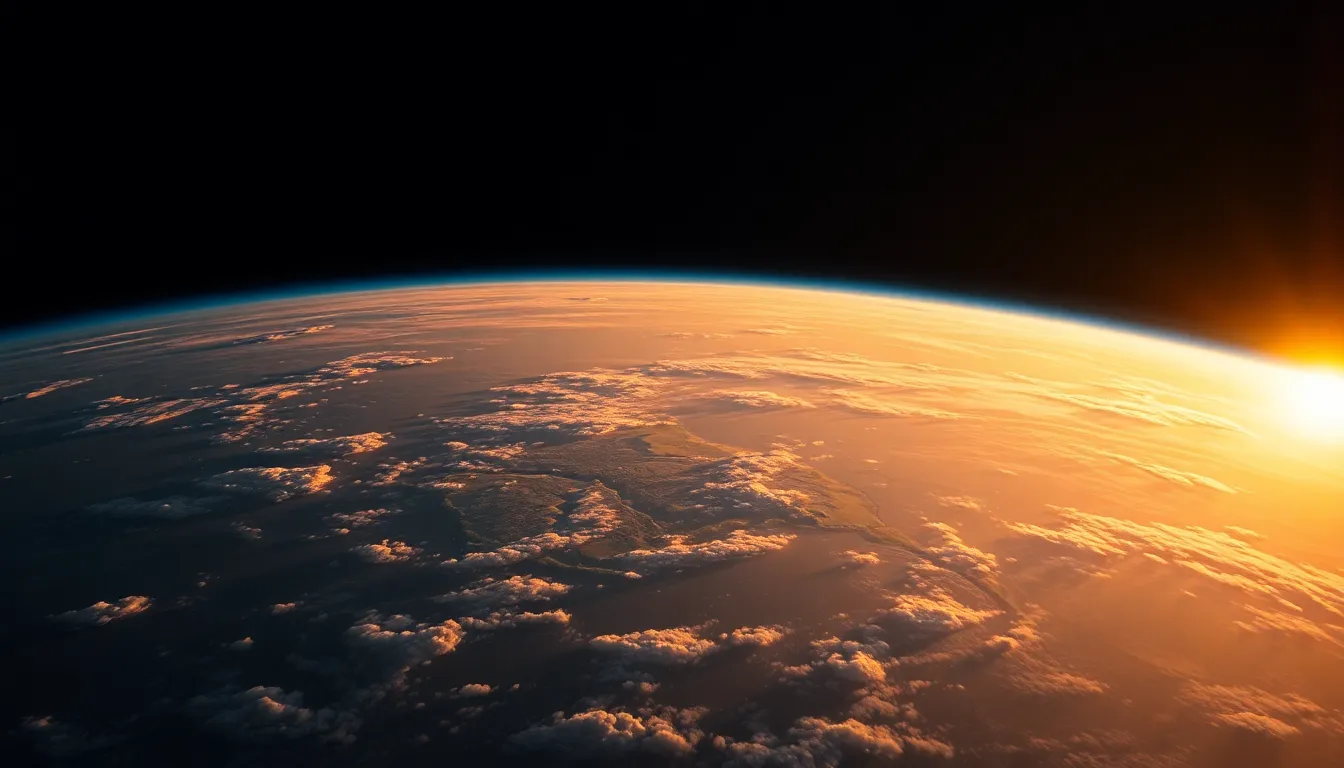
A serene view of Earth from space during sunset, captured on a Hasselblad X2D 100C, 90mm f/2.5 medium format. The planet appears vibrant with lush greens, deep blues, and wisps of white clouds illuminated by the golden light of the setting sun. The composition follows the rule of thirds, with Earth offset against the dark expanse of space. Using a hyperfocal distance technique at f/8 keeps all elements in sharp focus, while the smooth texture of the atmosphere contrasts with the rugged surface details of the continents. The cinematic color grading enhances the warm tones of golden light and the cool shadows of space.
16:9
A dramatic portrayal of Jupiter's swirling storms, captured using a Fujifilm GFX 100S, 110mm f/2 macro lens. The image showcases the planet's Great Red Spot and turbulent cloud formations under bright natural sunlight, giving a realistic feel to its expansive atmosphere. A shallow depth of field at f/2 highlights the fierce storms while the background blends into soft hues of brown and orange. The film look follows the Kodak Portra 400 color palette, emphasizing warm tones and textures of gas layers, creating depth and drama in the composition.
16:9
An imaginative depiction of a distant exoplanet captured with a Canon EOS R5, 24-70mm f/2.8L at 35mm. The planet, glowing in ethereal blues and vibrant purples, is surrounded by a swirling nebula of gas and dust. The lighting emphasizes the luminous atmosphere of the planet, enhanced by reflectors simulating interstellar light. The hyperfocal distance at f/8 ensures sharpness from the foreground of asteroids to the distant galaxy. A natural muted tone color palette gives it a dreamy, otherworldly feel, with textural details of rocky surfaces and gaseous formations adding depth to the composition.
16:9
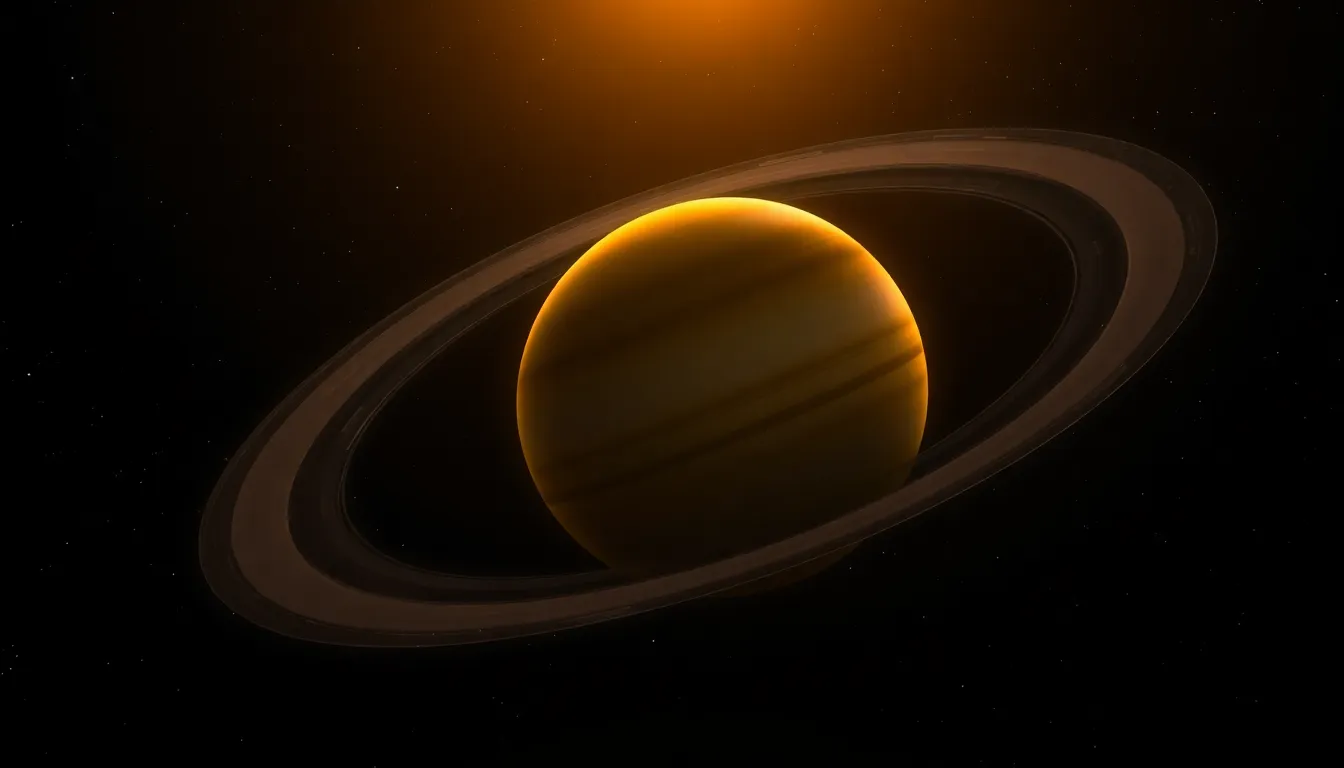
A stunning view of Saturn captured with a Nikon Z9, 70-200mm f/2.8 telephoto at 135mm. The planet's rings are illuminated by soft, diffused sunlight creating a gradient of colors from golden to silver. The composition features Saturn off-center, with starry space filling the background in deep velvety black. A shallow depth of field at f/2.8 gives a creamy bokeh effect, highlighting the planet while the distant stars melt softly into the backdrop. The image utilizes a cinematic teal and orange color grading to enhance the contrast and depth, evoking a sense of wonder and exploration.
16:9
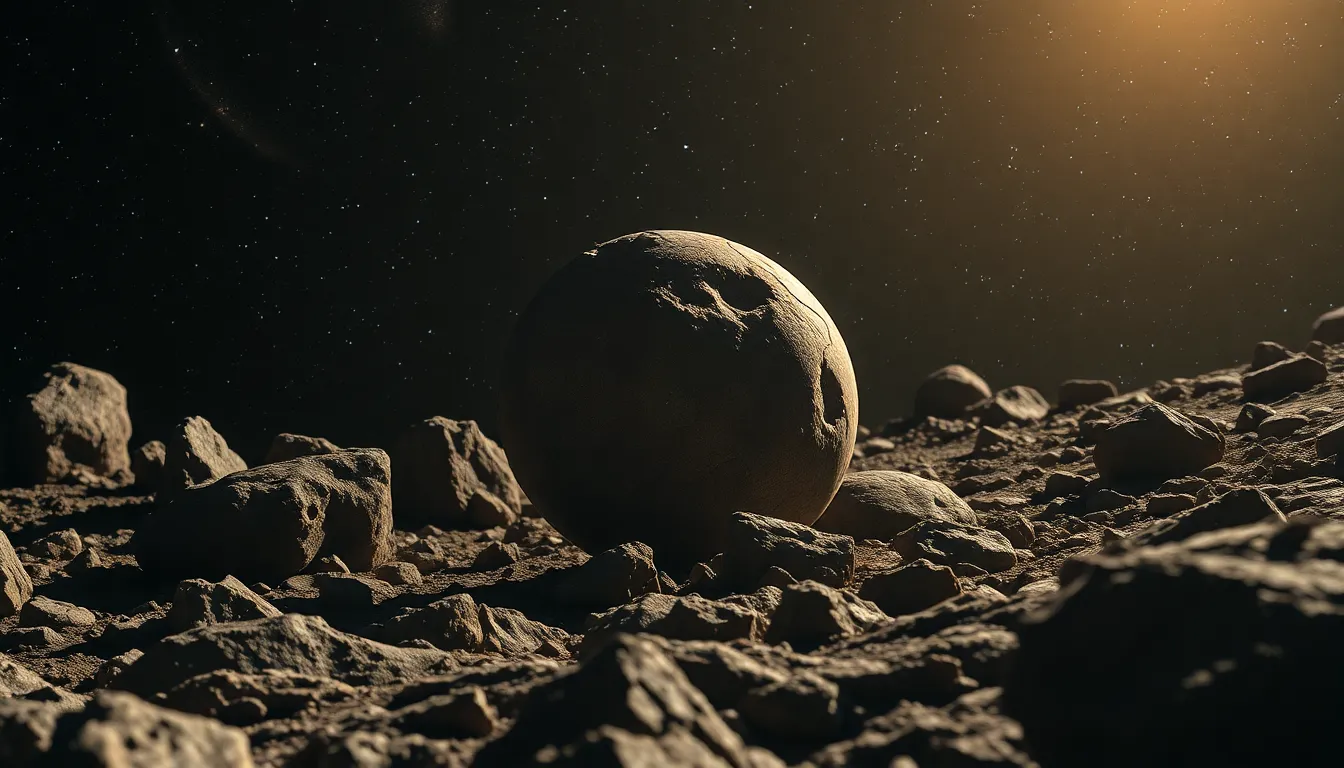
Fujifilm GFX 100S, 110mm f/2 macro, featuring intense backlighting from distant galaxies, hyperfocal distance at f/8 ensuring clarity across the scene of asteroid belts, natural muted tones with desaturated earth colors enhancing the rocky asteroid surfaces, rule of thirds composition placing a prominent asteroid leading the eye into the void of space, with intricate textures of pitted stone and shimmering particles reflecting distant starlight.
16:9
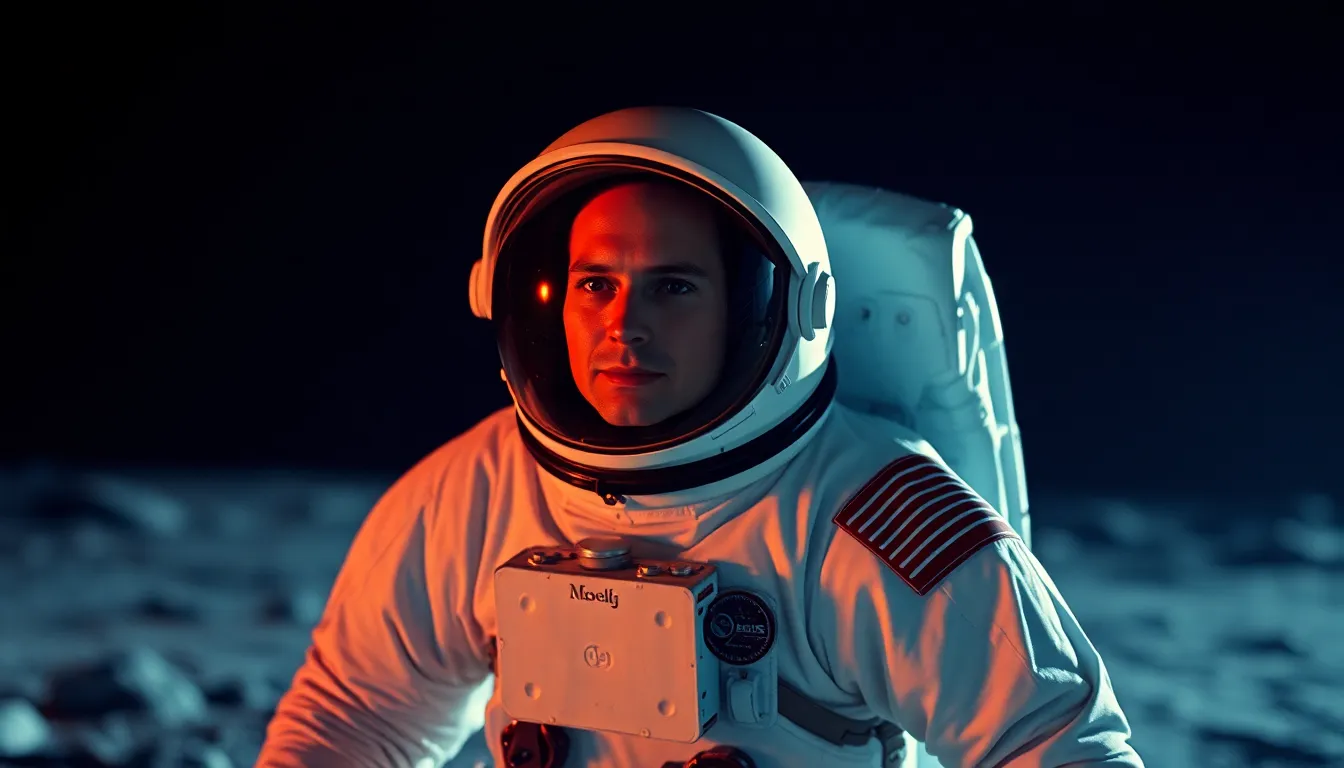
Hasselblad X2D 100C, 90mm f/2.5 medium format, bathed in cool moonlight with combinations of soft fill light highlighting the astronaut's suit, shallow depth of field at f/2.5 blurring the starfield background into painterly bokeh, Kodak Portra 400 color palette providing natural skin tones and subtle earth colors, dynamic diagonal composition with the astronaut in motion, textured surfaces of the suit capturing light and the fine dust of the lunar surface beneath.
16:9
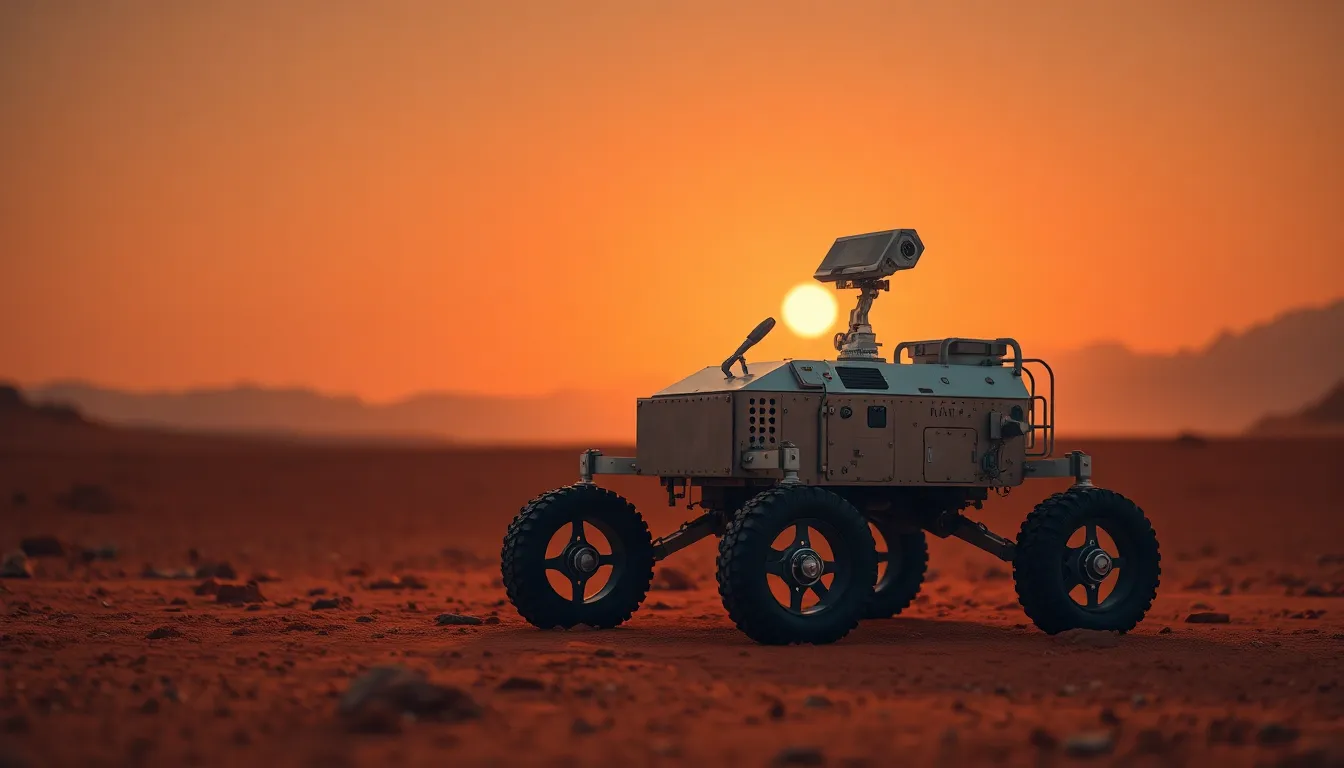
Nikon Z9, 70-200mm f/2.8 telephoto at 135mm, with a warm tungsten light source mimicking the sun's glow on the Martian surface, selective focus on the rover with the background fading into soft bokeh, natural muted tones highlighting the red and orange hues of Martian soil, centered symmetrical composition featuring the rover and distant mountains, with realistic textures on the rover's metallic surface contrasted against the rough terrain.
16:9
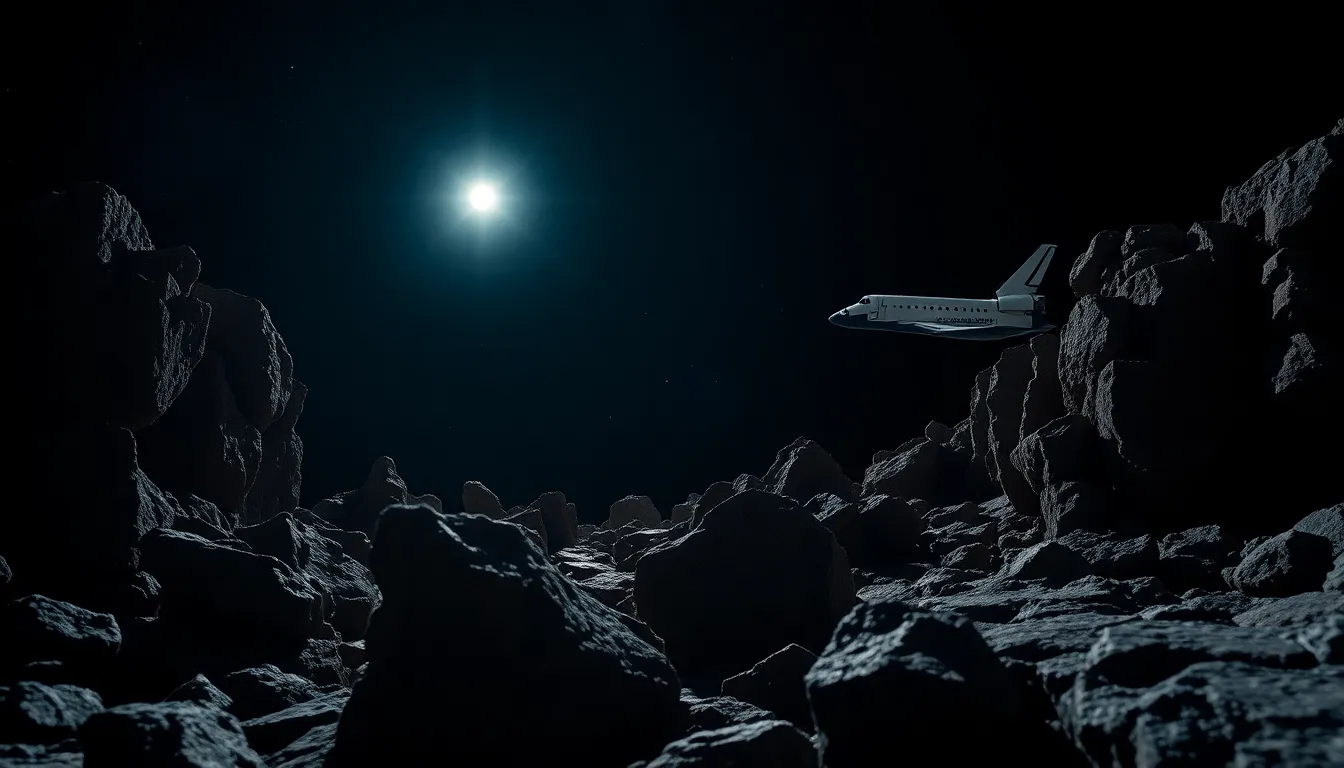
shot on Sony A7R V with 85mm f/1.4 GM lens, featuring dramatic shadows and highlights from a distant star, hyperfocal distance at f/8 ensuring clarity from the foreground rock formations to the distant space shuttle, Fujifilm Velvia-inspired saturated colors creating a striking contrast against the dark void of space, leading lines formed by jagged rocks guiding the eye to the shuttle, with textured surfaces displaying rough stone and glinting metallic spacecraft.
16:9

captured with Canon EOS R5, 24-70mm f/2.8L at 35mm, bathed in ambient starlight with hints of bioluminescent glow on alien vegetation, shallow depth of field at f/2.8 creating a dreamlike background, cinematic teal and orange color grading emphasizing the otherworldly landscape, rule of thirds composition placing the bioluminescent plants off-center, with textured surfaces of smooth rocks and fine alien grass catching light.
16:9
shot on Hasselblad X2D 100C, 90mm f/2.5 medium format, depicting a breathtaking aurora borealis dancing over a snowy landscape. The scene is illuminated by the vibrant greens and purples of the aurora, contrasting against the deep blue of the night sky. The depth of field is set at f/8, ensuring clarity from the foreground of snow-covered trees to the distant horizon. The color grading is inspired by cinematic aesthetics, emphasizing the warmth of the snow amid the cool colors of the aurora. The composition follows the rule of thirds, placing the aurora in the upper third, while leading lines from the snow-covered ground draw the viewer's gaze upwards towards the celestial display.
16:9
captured with Fujifilm GFX 100S, 110mm f/2 macro, showcasing intricate details of a meteorite specimen placed on a black velvet background. The dramatic lighting creates high contrast, highlighting the meteorite's rough surface and mineral composition. A shallow depth of field at f/2 gives a soft bokeh effect to the background, allowing the textures to stand out prominently. The color palette features dark grays and silvers with hints of iridescent blues. The composition centers the meteorite in the frame, emphasizing its unique shape and features, with gentle reflections on the velvet surface adding to the luxurious feel.
4:3
shot on Sony A7R V with 85mm f/1.4 GM lens, depicting an astronaut floating in the vastness of space. The scene is lit by the sun, creating a brilliant halo effect around the astronaut's helmet. The shallow depth of field at f/1.4 adds a dreamy quality, blurring the star-studded background to emphasize the subject. The colors are vibrant, with a focus on the stark contrast between the dark void of space and the bright whites and blues of the astronaut’s suit. The composition is dynamic, with the astronaut placed off-center, utilizing leading lines formed by the gravitational pull of nearby planets and stars.
9:16
captured with Canon EOS R5, 24-70mm f/2.8L at 35mm, featuring a striking close-up of a planetary model showcasing the textures of Mars. The lighting comes from a softbox at a 45° angle, casting gentle highlights and shadows that accentuate the surface details, including craters and canyon formations. A hyperfocal distance at f/8 ensures everything from the foreground of the model to the background is in sharp focus. The color palette consists of muted reds and ochres, reflecting the actual Martian landscape. Utilizing a centered symmetrical composition, this image draws attention directly to the model’s intricate details with a smooth, matte finish highlighting the textures.
1:1
shot on Nikon Z9, 70-200mm f/2.8 telephoto at 135mm, capturing a breathtaking view of the Milky Way galaxy over a serene desert landscape. The scene is illuminated by soft moonlight, creating dramatic shadows in the foreground while the stars twinkle brightly against the dark sky. A shallow depth of field at f/2.8 blurs the foreground desert plants, emphasizing the celestial beauty. The color palette features deep blues and purples contrasted with the warm tones of the desert sand. Compositionally, the image follows the rule of thirds, placing the Milky Way arch on the upper third, drawing the viewer's eye upward. Textured sand grains sparkle under the moonlight, enhancing the ethereal atmosphere.
16:9
Fujifilm GFX 100S, 110mm f/2 macro, capturing a detailed view of a star-forming region within a nebula, highlighting swirling gases and young stars. The lighting is dramatic, with soft highlights created by the surrounding starlight illuminating the gas clouds. The depth of field is extremely shallow at f/2, allowing the colors and textures of the gases to pop against a softly blurred cosmic backdrop. The color palette is vibrant, featuring rich purples, blues, and hints of fiery oranges. The composition employs a dynamic angle to showcase the intricate textures and details of this cosmic wonder.
16:9
Hasselblad X2D 100C, 90mm f/2.5 medium format, portraying an expansive view of the Milky Way galaxy arching majestically over a mountain range during a starry night. The lighting is soft and ambient, subtly illuminating the landscape under the moonlight. The scene is shot at a hyperfocal distance; everything from the foreground boulders to the distant galaxy is in sharp focus at f/8. The color palette is enriched with natural muted tones, deep blues, and hints of silver. The composition features a centered symmetrical alignment of the Milky Way above the peaks, providing a serene balance to the composition.
16:9
captured with Canon EOS R5, 24-70mm f/2.8L at 35mm, depicting a striking view of a galaxy cluster against a backdrop of swirling nebulae. The lighting is dramatic, with sharp contrasts between illuminated clusters and dark space, highlighting the intricate textures of celestial formations. The hyperfocal distance ensures everything from foreground cosmic dust to background galaxies is crystal clear at f/8. The color palette features a cinematic teal and orange grading, enhancing the cosmic drama. The composition utilizes leading lines from nebulae to guide the viewer's gaze towards the cluster.
16:9
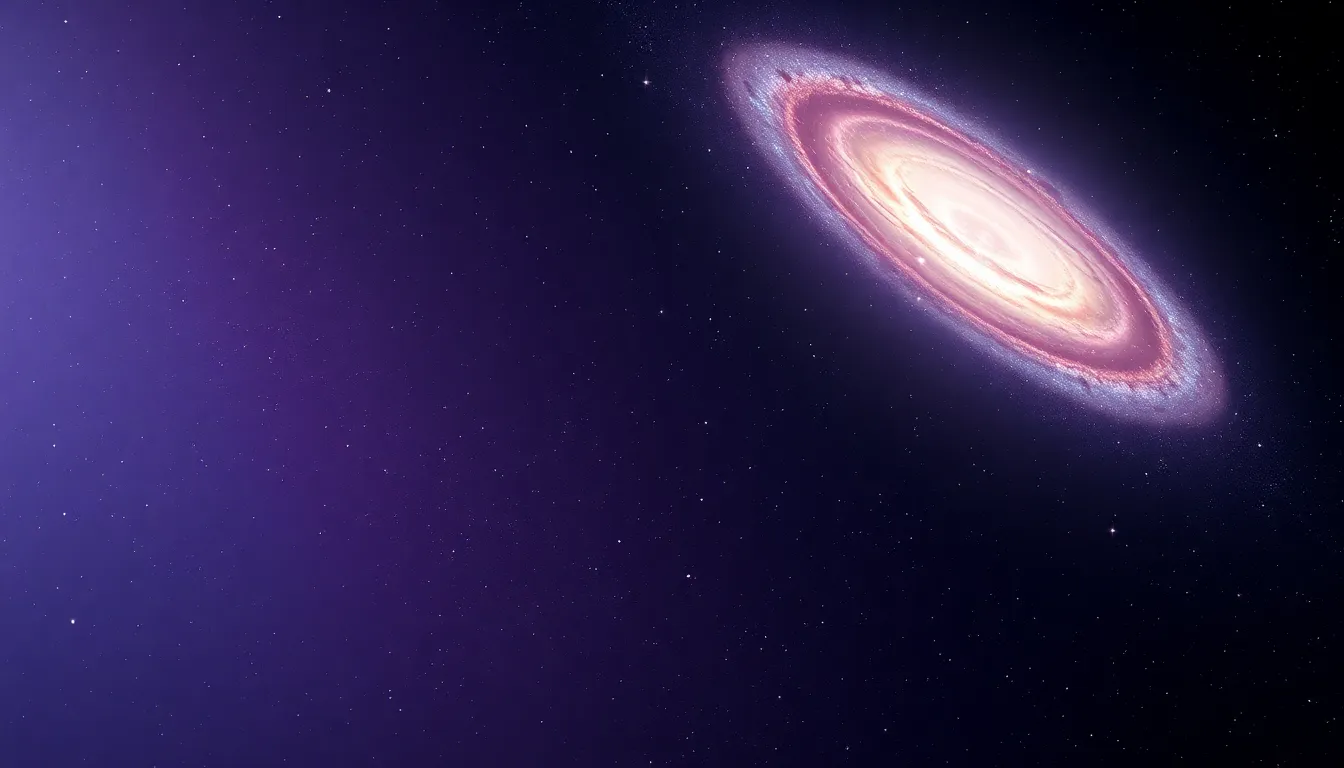
shot on Sony A7R V with 85mm f/1.4 GM lens, featuring a breathtaking view of a distant elliptical galaxy bathed in a soft, ethereal glow. The lighting is a gentle backlight that enhances the galaxy's shape and highlights surrounding cosmic phenomena. A shallow depth of field at f/1.4 creates an enchanting blur of nearby stars while keeping the galaxy in crisp focus. The color palette features a dreamy blend of pastel purples and blues, evoking a sense of tranquility. The composition follows the rule of thirds, with the galaxy offset to the right, enhancing its visual impact against the dark expanse.
16:9
captured with Nikon Z9, 70-200mm f/2.8 telephoto at 135mm, showcasing a vibrant spiral galaxy illuminated by radiant starlight against a velvety black cosmos. The lighting highlights celestial dust and gas clouds with dappled lighting effects, creating a sense of depth. The image features a shallow depth of field at f/2.8, with soft bokeh of distant stars in the background. Color grading is inspired by Fujifilm Velvia, rich in deep blues and bright whites. The composition emphasizes the galaxy placed slightly off-center, drawing the eye towards its spiral arms, with intricate textures of gaseous formations captured in detail.
16:9
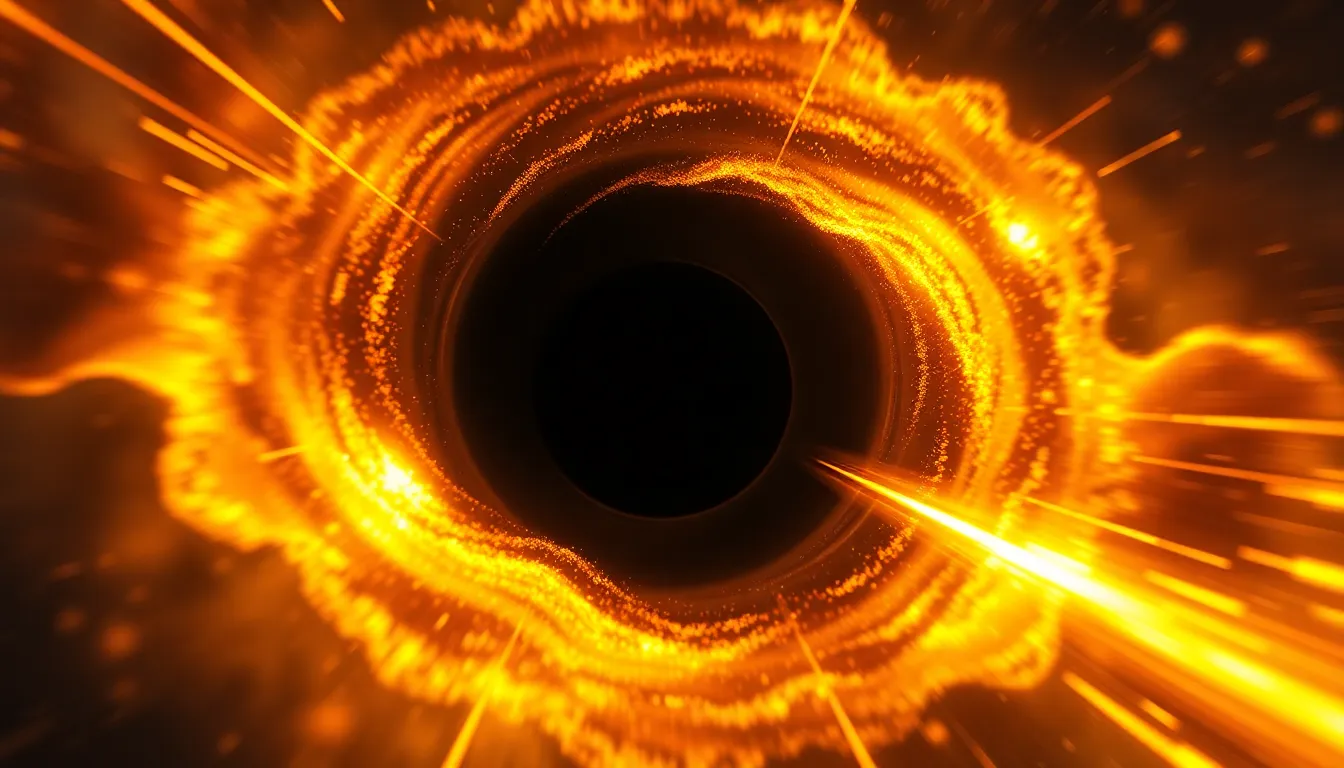
Shot with Fujifilm GFX 100S, 110mm f/2 macro lens. A detailed close-up of a black hole, visually represented with cosmic phenomena swirling around it, including vibrant plasma jets and radiation. Diffused lighting creates an ethereal glow, enhancing the visual impact of the dynamic elements. The selective focus highlights the black hole's event horizon, with the background softly blurring into an impressionistic space atmosphere. The color palette features bright yellows and deep blacks, signifying the extreme energies at play. Textures of the plasma jets visibly shimmer, adding realism to the cosmic depiction.
16:9
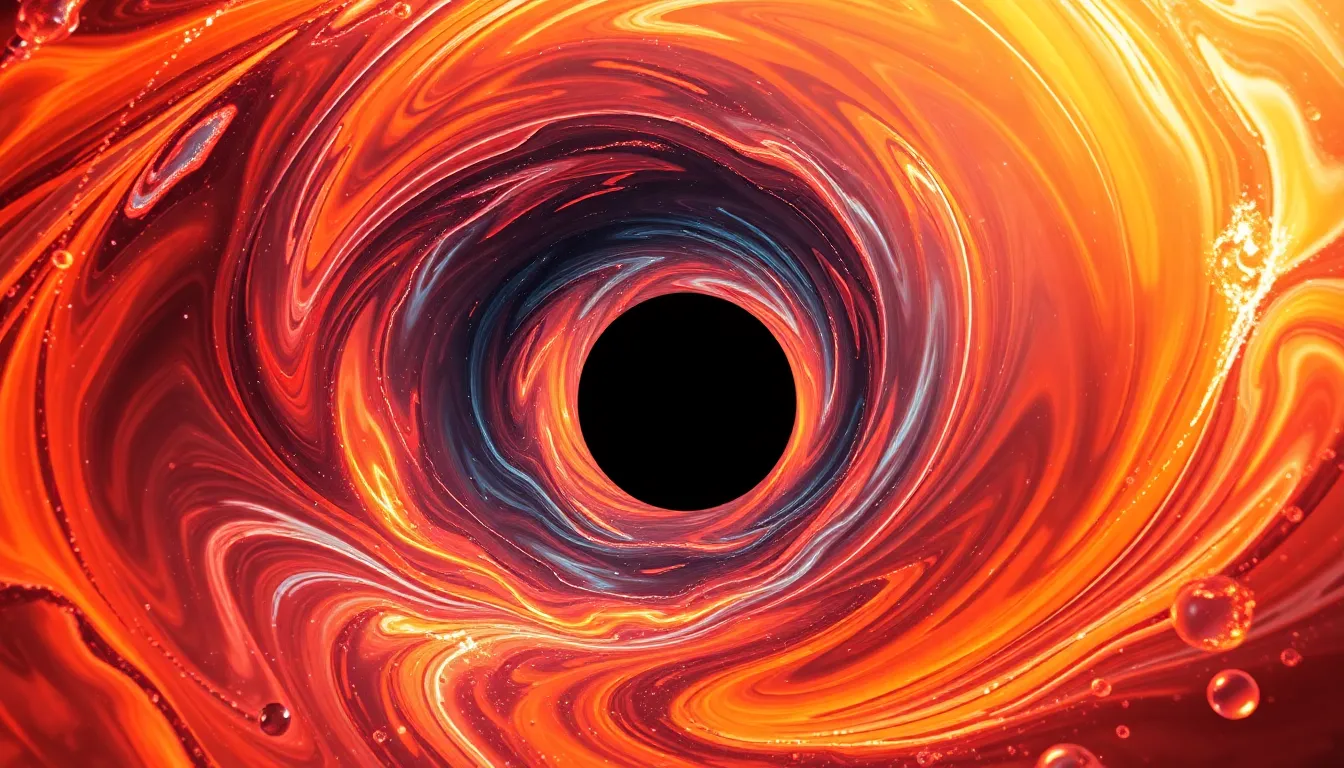
Photographed with Hasselblad X2D 100C, 90mm f/2.5 medium format. A dynamic image of a black hole illustrated through an artistic lens, featuring swirling colors that represent the gravitational pull. The warm, ambient lighting creates a captivating glow that enhances the swirling colors of the accretion disk. Using a tilted angle composition for dynamic tension, the image captures the essence of movement and energy within the scene. A rich blend of fiery oranges, deep blues, and bright whites fill the frame, illustrating the cosmic dance of matter around the black hole. Textures of the virtual materials are vivid, enhancing the artistic quality of the interpretation.
16:9
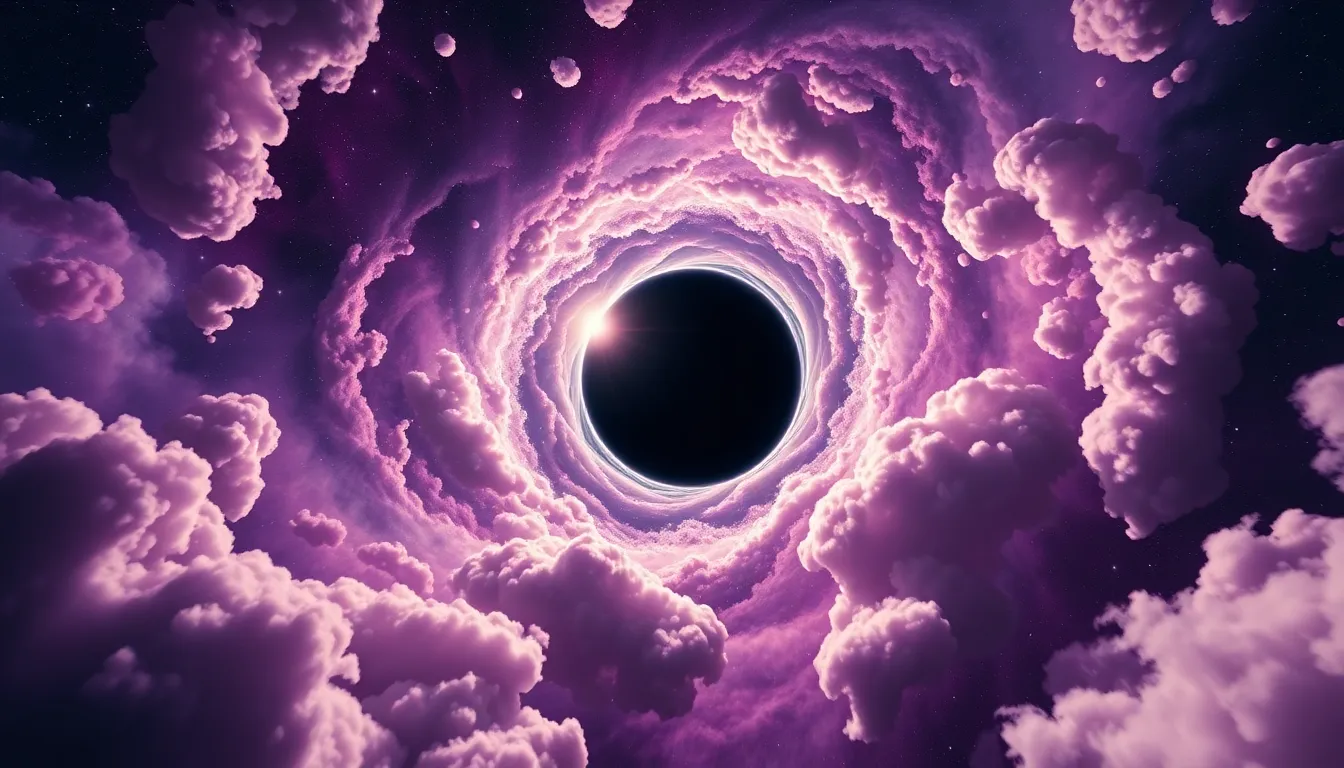
Captured with Canon EOS R5, 24-70mm f/2.8L at 35mm. A breathtaking wide shot of a space scene featuring a black hole at the center, surrounded by swirling clouds of gas and stars. The lighting is a mix of soft, ambient starlight and dramatic highlights from the accretion disk, casting a celestial glow. The composition utilizes the rule of thirds, placing the black hole slightly off-center while leading lines from the gas clouds draw the viewer’s eye towards it. The color palette consists of rich purples and bright whites interspersed with dark cosmic elements, creating an otherworldly ambiance. Fine textures of the gas clouds are visible, enhancing the realism and depth of the scene.
16:9
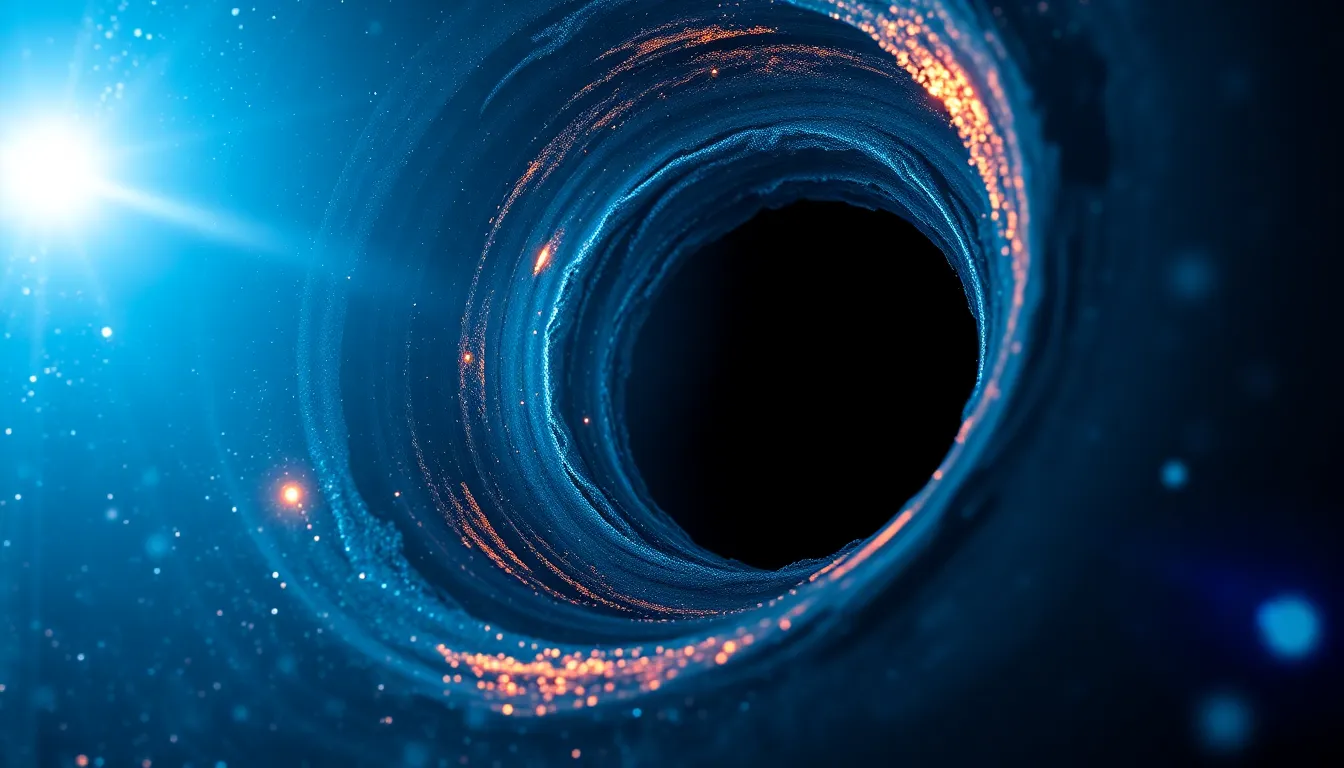
Shot on Sony A7R V with 85mm f/1.4 GM lens. A highly detailed close-up of a cosmic simulation depicting a black hole with gravitational lensing effects bending light from distant stars. The image is lit by a soft blue ambient glow that enhances its ethereal quality. Using a hyperfocal distance to keep everything sharp from foreground to infinity, the textures of the simulated space dust and glowing light are rendered with astonishing clarity. The color scheme uses cool tones with deep blacks, vibrant blues, and hints of white light, creating a stark contrast and a sense of depth. The composition centers the black hole, with swirling light creating a dynamic motion around it.
16:9
Captured with Nikon Z9, 70-200mm f/2.8 telephoto at 135mm. A stunning portrayal of a swirling black hole surrounded by vibrant accretion disk glowing in shades of deep red and orange. Illuminated by cosmic starlight, the scene highlights the intense gravitational pull distorting nearby stars into elongated shapes. Shallow depth of field at f/2.8 creates a dreamy bokeh effect of the surrounding space. The color palette features dark cosmic blues and fiery reds contrasted by bright starlight, creating a dramatic atmosphere with leading lines drawing the eye towards the black hole. The texture of the gaseous accretion disk appears wispy and ethereal, enhancing the surrealism of the scene.
16:9
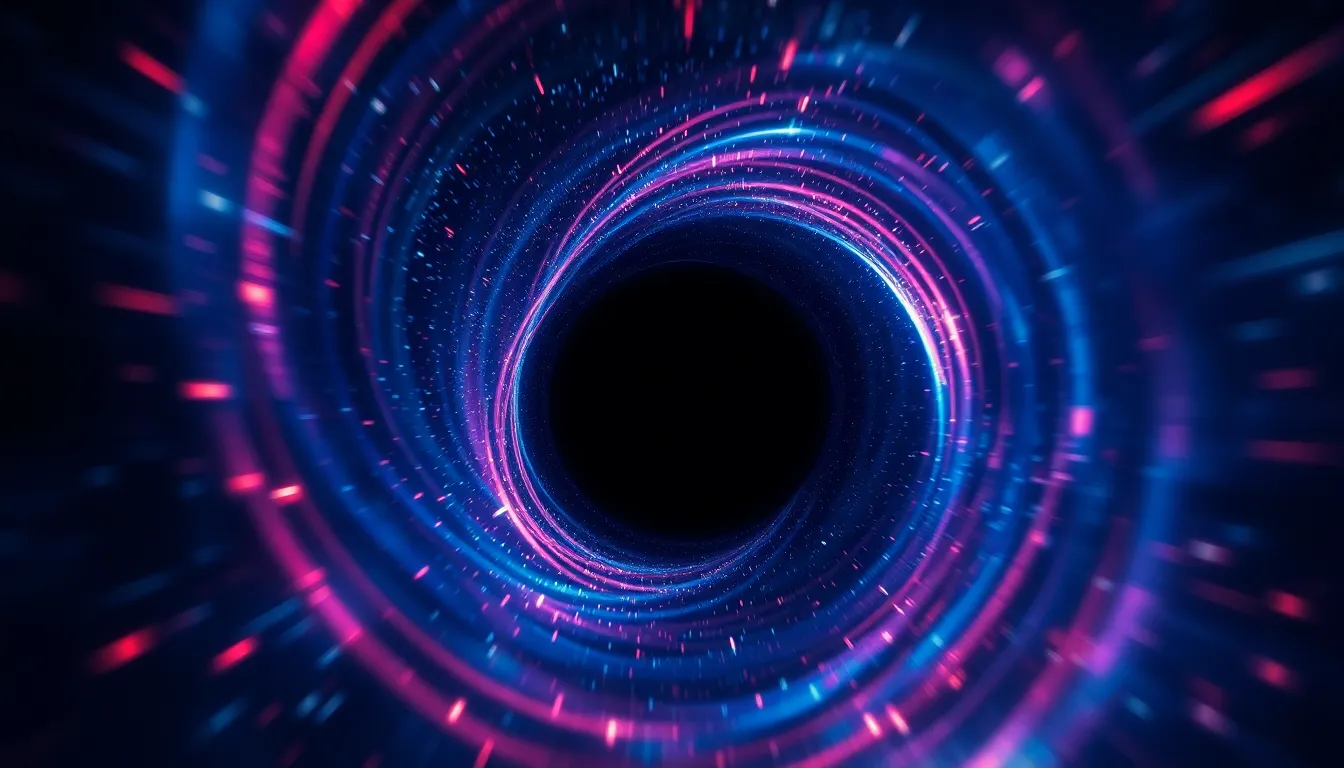
A creative representation of a black hole warping light, photographed through a digital composite using a Sony A7R V with 85mm f/1.4 GM lens. The scene is illuminated by vibrant star fields that twist and bend around the black hole, creating a surreal effect. The depth of field is exceptionally shallow, focusing tightly on the black hole while the surrounding light trails blur beautifully into a mesmerizing swirl. The color palette highlights vibrant neons and deep blacks, enhancing the otherworldly feel. The composition features a dynamic Dutch angle, emphasizing the distortion of light around the black hole.
16:9
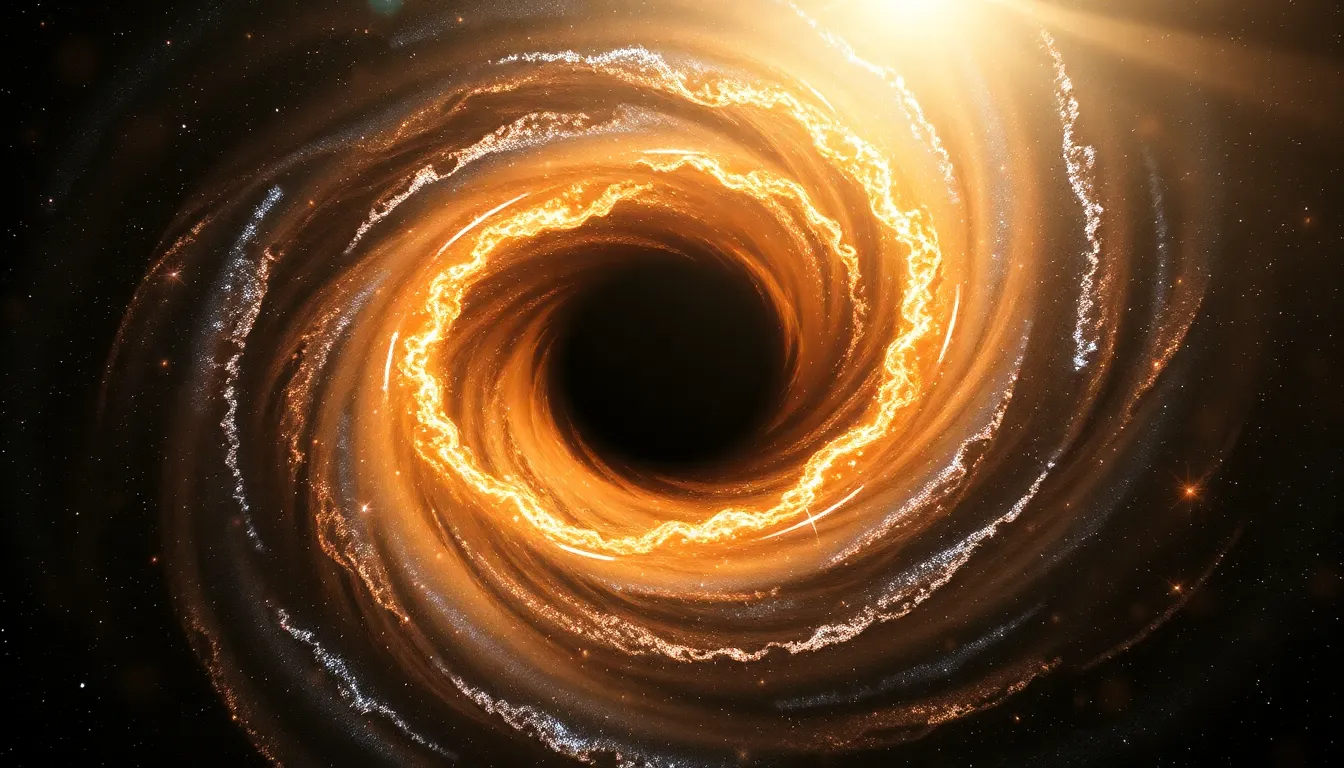
An expansive view of a black hole surrounded by a swirling galaxy, captured on a Fujifilm GFX 100S, 110mm f/2 macro. The scene is bathed in dappled sunlight filtering through cosmic dust, creating a mystical atmosphere. With a hyperfocal distance, all elements from the luminous galaxy spiraling outward to the central black hole are in sharp focus. The natural muted tones accentuate the richness of the galaxy, while the composition uses a centered symmetrical layout that draws the eye toward the black hole at the center of the frame.
16:9
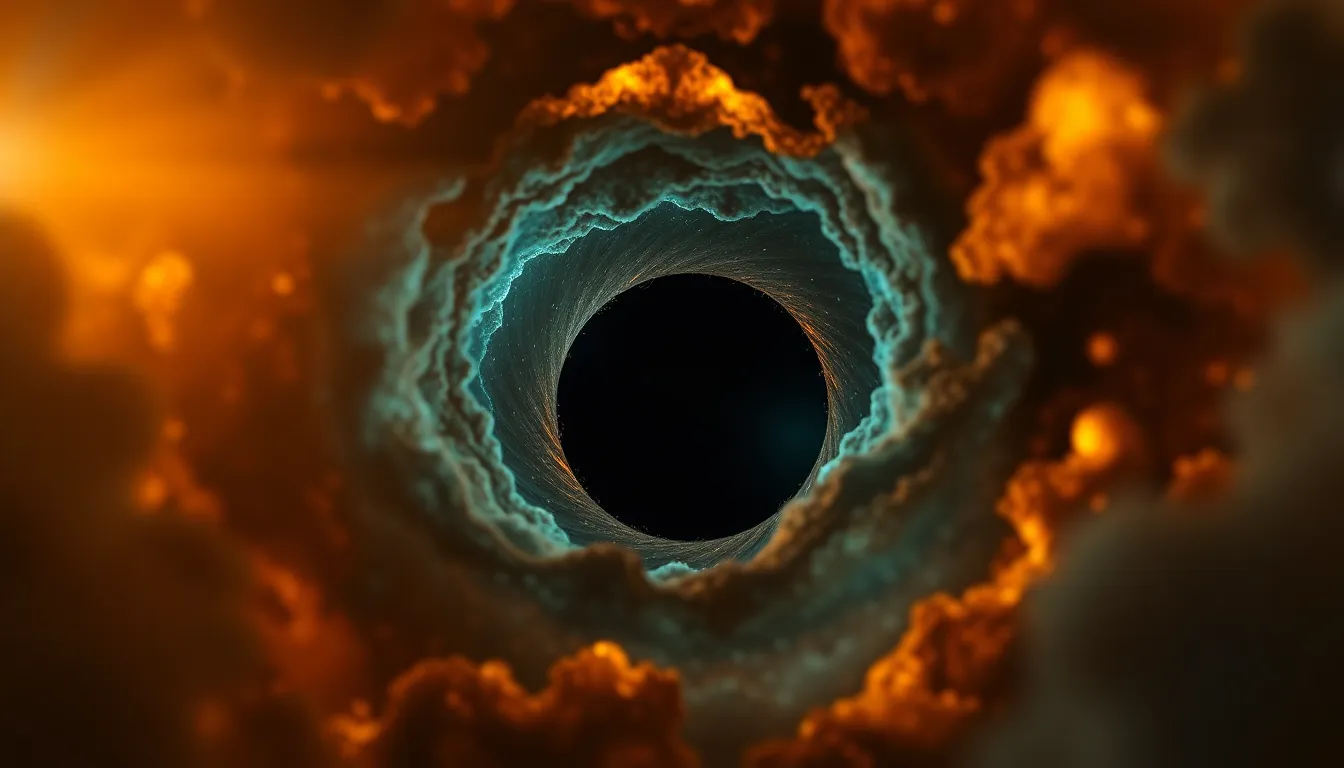
A dramatic close-up of a black hole consuming a nearby star, captured with a Hasselblad X2D 100C, 90mm f/2.5 medium format. The scene is illuminated by the intense light emitted from the star, enhancing the textures of the surrounding gaseous material. A shallow depth of field isolates the black hole while the glory of the star creates an ethereal backdrop. The color science follows a cinematic teal and orange grading, emphasizing the contrast between the dark elements and the bright star. The composition employs the rule of thirds, positioning the black hole at a compelling power point.
16:9
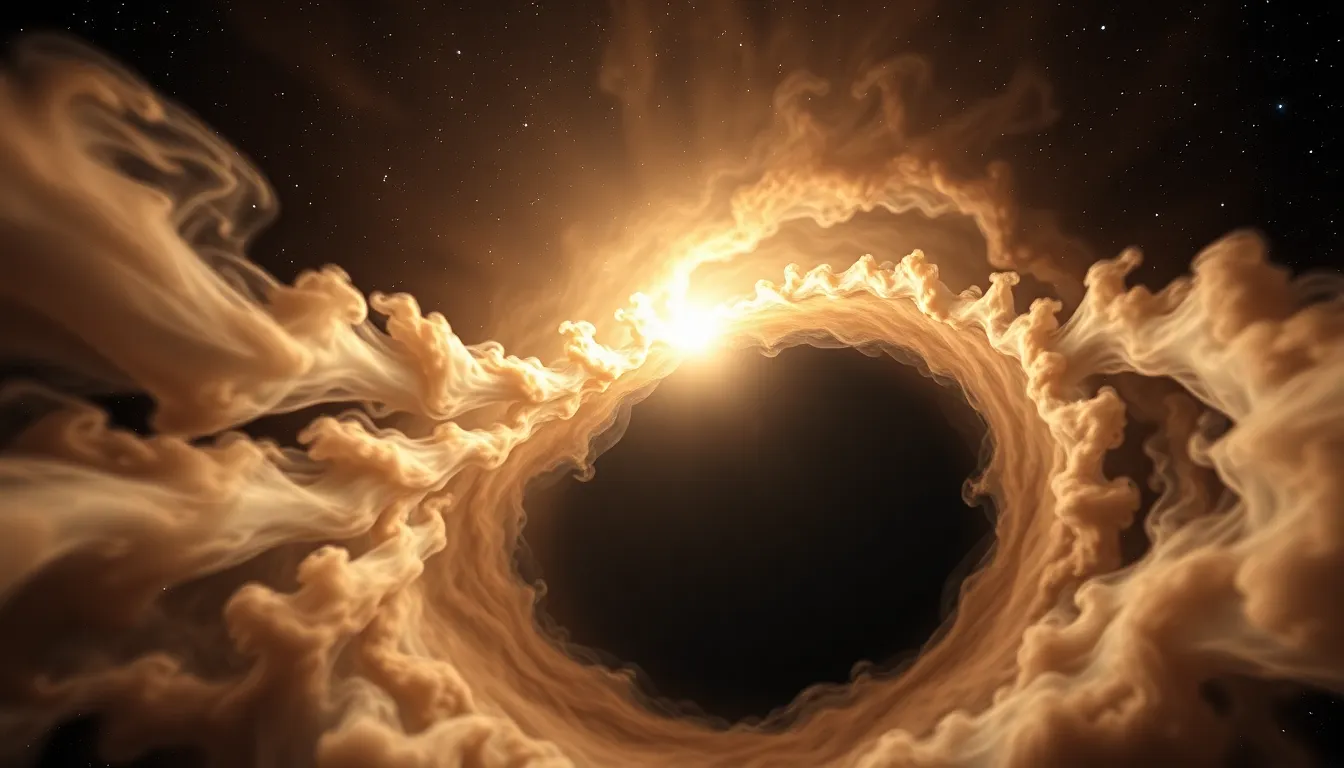
A stunning, artistic rendition of a black hole's event horizon, photographed using a Canon EOS R5, 24-70mm f/2.8L at 35mm. The lighting is a soft, diffused daylight filtering through space dust, creating ethereal highlights. With a hyperfocal distance, everything from the swirling gas to the distant stars is in sharp focus. The color palette features muted earth tones with desaturated hues to convey a sense of calmness. The composition employs leading lines from the gas streams drawing the eye toward the event horizon, enhancing the sense of depth and infinity.
16:9
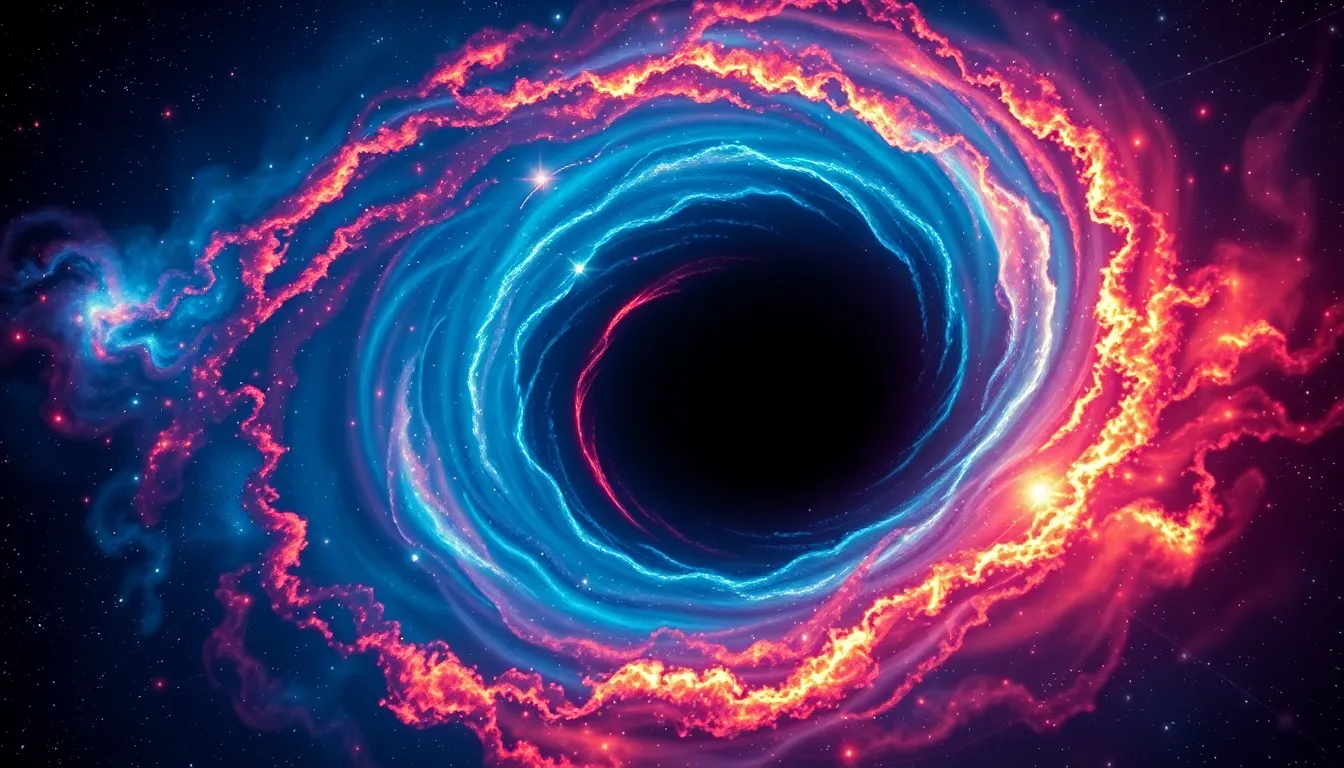
A swirling vortex of a black hole surrounded by vivid accretion disks, captured with a Nikon Z9, 70-200mm f/2.8 telephoto at 135mm. The scene is lit by the intense glow of the surrounding stars, creating a dramatic contrast against the dark void. The depth of field is shallow, isolating the black hole while the glowing gas clouds provide a heavenly ambiance. Utilizing a Fujifilm Velvia-inspired saturated colors palette, the image showcases deep blues and fiery reds. The composition is centered, with the black hole dominating the frame, creating an awe-inspiring cosmic spectacle.
16:9

Leica Q3, 28mm f/1.7 Summilux, neon lighting from a futuristic space station reflecting off a polished metallic surface, dramatic rim lighting creating a striking contrast against the shadows, shallow depth of field at f/1.7 with a soft bokeh effect on the background structures, cinematic teal and orange color grading accentuating the sleek design of the space station, dynamic composition with asymmetrical elements drawing the eye to the glowing details.
16:9
Fujifilm GFX 100S, 110mm f/2 macro, sun rays breaking through the swirling clouds of a gas giant, natural light combined with a soft fill from the atmospheric haze, shallow depth of field at f/2 with a dreamy soft focus on the colorful gas layers, Kodak Portra 400 color palette bringing out warm hues of orange, pink, and purple, centered composition highlighting the planet's dynamic textures and swirling patterns.
16:9
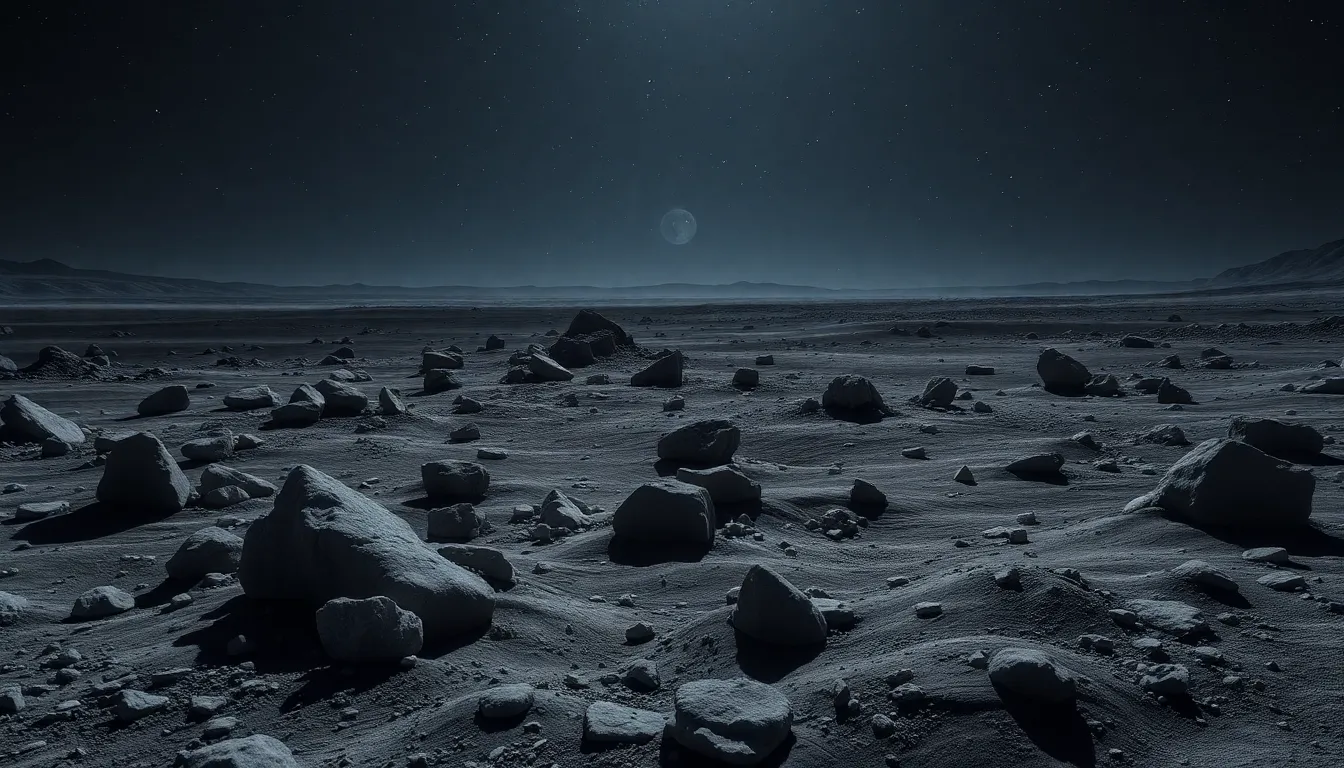
Nikon Z9, 70-200mm f/2.8 telephoto at 135mm, cool ambient lighting from the distant stars illuminating a lunar landscape, hyperfocal distance ensuring sharp detail from the foreground rocks to the background craters, natural muted tones with desaturated greys and whites, leading lines of rocky terrain guiding the viewer’s eye to the horizon, texture details showing the roughness of lunar dust and small pebbles scattered across the surface.
16:9
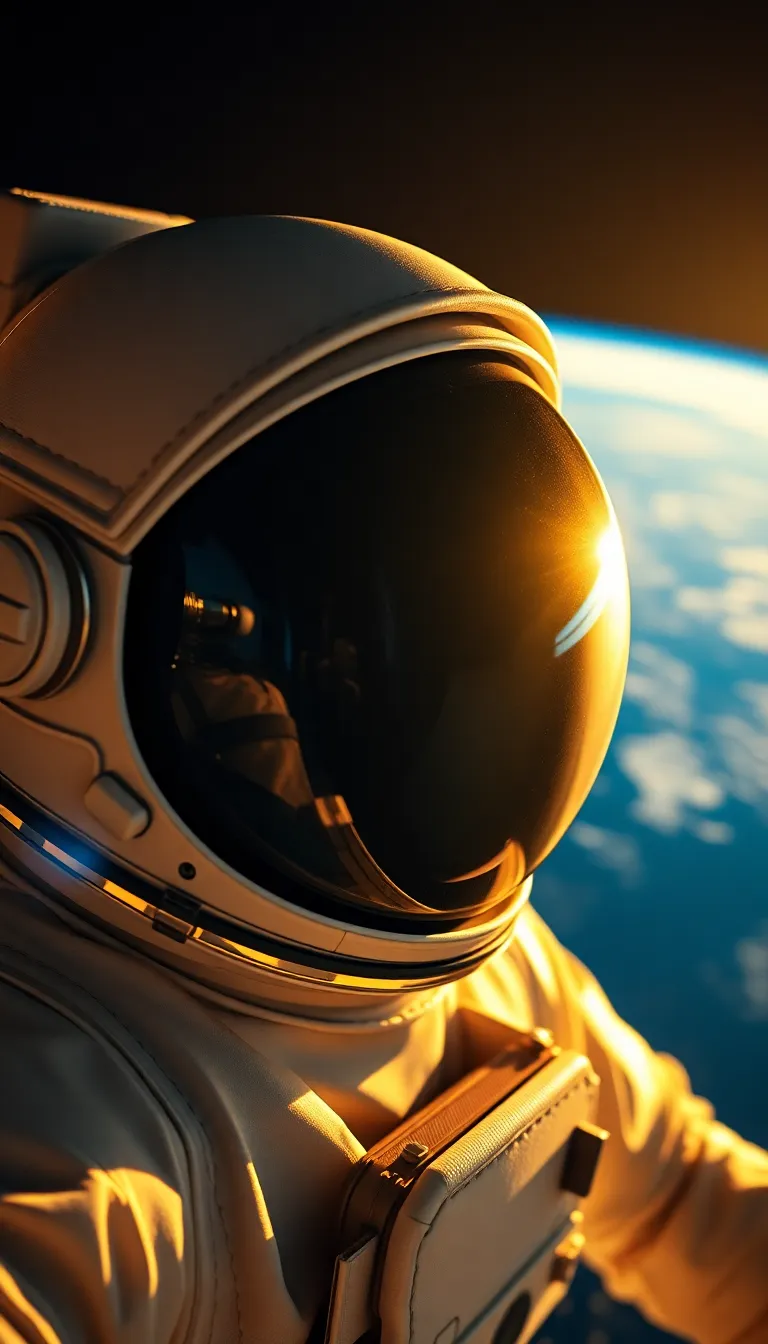
shot on Sony A7R V with 85mm f/1.4 GM lens, warm golden hour lighting illuminating an astronaut floating in space, selective focus on the astronaut's reflective visor while the Earth hangs beautifully blurred in the background, Fujifilm Velvia-inspired saturated colors reflecting the blue of the planet and the dark void of space, centered composition with the astronaut taking up the forefront, visible stitching on the space suit and glint of sunlight on the visor creating depth.
9:16
captured with Canon EOS R5, 24-70mm f/2.8L at 35mm, dramatic low-angle lighting highlighting the rocket's texture against a twilight sky, shallow depth of field at f/2.8 with soft bokeh of distant stars, cinematic teal and orange color grading emphasizing the metallic sheen of the rocket, rule of thirds composition with the rocket positioned at the left power point, surface details of the rocket showcasing rivets and weathering from previous launches.
16:9

shot on Leica Q3, 28mm f/1.7 Summilux, illustrating a comet streaking across the night sky, with a luminous tail glowing as it travels through the cosmos. The lighting comes from the comet itself, casting a cool light across the surrounding stars. A shallow depth of field at f/1.7 blurs the distant stars into a soft bokeh, drawing focus to the comet. The color palette is a blend of icy blues and silvery whites, contrasting beautifully with the dark night sky. A dynamic composition employs a Dutch angle, creating tension and energy as the comet moves through the frame.
16:9
captured with Hasselblad X2D 100C, 90mm f/2.5 medium format, showcasing an expanse of the night sky filled with countless stars. The lighting is a soft, natural moonlight illuminating the stars against a deep black canvas. A hyperfocal distance ensures that every star is crisply defined against the night sky. The color science leans towards natural muted tones with desaturated earth colors emphasizing the vastness. The composition embraces leading lines created by the Milky Way’s arc sweeping across the frame. The texture showcases crisp star points and subtle gradients between dark and light areas.
16:9
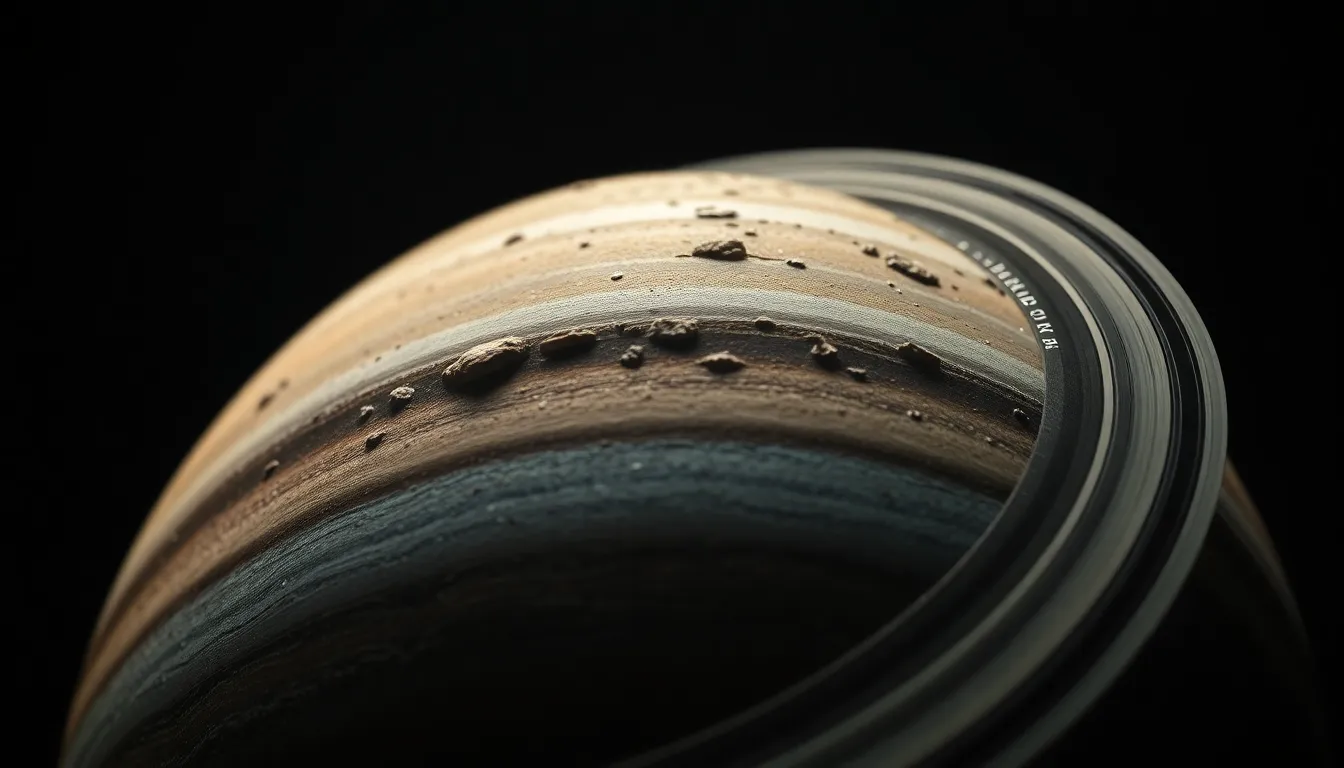
shot on Fujifilm GFX 100S, 110mm f/2 macro, revealing the intricate surface details of a celestial object resembling a planet with rings. The lighting is diffused daylight simulating distant star light, casting soft highlights and gradients across the surface. A shallow depth of field at f/2 creates a creamy bokeh effect on the outer parts of the frame. The color palette features muted earthy tones with hints of iridescent colors from the rings. A rule of thirds composition places the planet off-center, allowing the rings to flow elegantly across the image, while textures emphasize the rocky surface and reflective materials of the rings.
16:9
captured with Canon EOS R5, 24-70mm f/2.8L at 35mm, depicting a vibrant nebula with swirling clouds of gas and dust illuminated by nearby stars. The lighting is celestial and soft, creating a dramatic contrast against the shadowed regions of the nebula. The focus is hyperfocal at f/8, ensuring everything from the intricate details of the nebula to distant stars appears sharp. Color science pulls from Fujifilm Velvia for saturated pinks, blues, and greens. The composition uses leading lines created by gas streams to draw the eye toward the central star cluster, while the texture shows wispy gas layers and twinkling starlight throughout.
16:9
shot on Nikon Z9, 70-200mm f/2.8 telephoto at 135mm, capturing the sweeping arms of a distant galaxy illuminated by the cosmic glow of stars. The scene is set against a backdrop of deep space with scattered galaxies and nebulae. The lighting is sourced from the glow of the galaxy itself, creating a dramatic ethereal effect. A shallow depth of field at f/2.8 gives a soft bokeh to the background, emphasizing the spiral structure of the galaxy. The color palette features vibrant purples and blues, including sparkling whites of stars. A centered symmetrical composition highlights the galaxy's iconic spiral structure, while cosmic dust adds texture to the void of space.
16:9
Shot on Hasselblad X2D 100C, 90mm f/2.5 medium format, this image portrays a panoramic view of the moon over a rugged mountain landscape during a clear night. The natural moonlight creates a dramatic interplay of light and shadow across the mountains. The depth of field is hyperfocal at f/8, ensuring the mountains and the moon are both in sharp focus. The color palette features deep blacks, crisp whites, and cool blues, enhancing the nighttime atmosphere. The composition utilizes a classic landscape format, with the moon positioned above the mountain peaks.
16:9
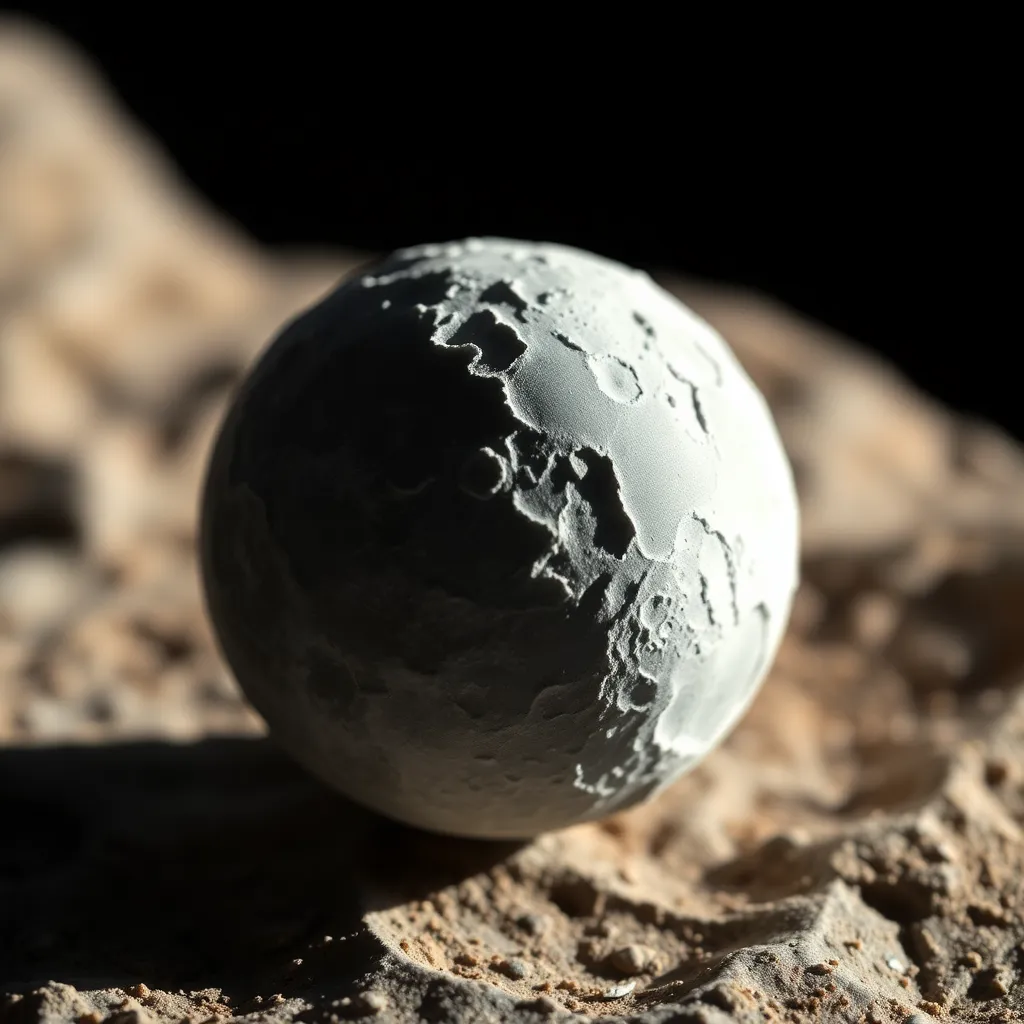
Photographed with Fujifilm GFX 100S, 110mm f/2 macro, this image captures a miniature model of the moon placed on a textured surface, with dramatic side lighting to accentuate details. The lighting creates shadows that enhance the model's topographical features, resulting in a striking three-dimensional appearance. The depth of field is shallow at f/2, isolating the model from the blurred background. A natural muted color palette includes grays and whites, with hints of earth tones from the background surface. The composition is centered, allowing for a clear view of the model's intricate details.
1:1
Captured with Nikon Z9, 70-200mm f/2.8 telephoto at 135mm, this image portrays a spectacular lunar eclipse, showcasing the moon transitioning into a deep red hue. The scene is backlit by the sun, creating a halo effect around the moon. The depth of field is hyperfocal at f/8, ensuring both the moon and surrounding stars are sharp and detailed. The color palette features rich reds, blacks, and dark blues, capturing the dramatic change during the eclipse. The composition uses leading lines from the natural landscape below, guiding the viewer's eye toward the moon in the night sky.
16:9
Shot on Sony A7R V with 85mm f/1.4 GM lens, this close-up image reveals the craters and textures of the moon's surface, illuminated by harsh, direct sunlight. The lighting creates stark contrasts between the bright lunar highlands and deep shadows in the craters, enhancing the details. With a shallow depth of field at f/1.4, the foreground features intricate textures of lunar regolith, while the background softly blurs into a creamy bokeh. The color palette includes muted greys and whites, emphasizing the natural lunar landscape. The composition centers the moon, showcasing its detailed surface and creating a sense of intimacy.
3:2
Captured with Canon EOS R5, 24-70mm f/2.8L at 35mm, this image showcases a breathtaking full moon rising over a calm ocean at dusk. The scene is illuminated by soft, diffused twilight, creating a serene atmosphere. The depth of field is shallow at f/2.8, providing a smooth bokeh effect on the water's surface, reflecting the moonlight. The color palette features deep blues and silvery whites, reminiscent of Fujifilm Velvia-inspired saturation. The composition follows the rule of thirds, with the moon positioned at the upper left, while gentle waves lead the viewer's eye across the foreground. Textures include glistening water ripples and soft clouds framing the moon.
16:9
Fujifilm GFX 100S, 110mm f/2 macro, showcasing a detailed close-up of a star chart with delicate astrological symbols and constellations. The scene uses warm tungsten lighting, casting gentle reflections on the glossy paper of the star chart, while soft shadows add depth. The color science leans towards natural muted tones, creating a vintage feel reminiscent of old astronomy books. The composition highlights the intricate details of the chart, with a centered focus on a prominent constellation. The texture of the paper is evident, with visible fibers and slight creases adding character to the image.
1:1
Hasselblad X2D 100C, 90mm f/2.5 medium format, capturing a stunning panoramic view of a desert landscape under a starry night sky. The scene features the silhouettes of cacti and rocky formations against a backdrop of scattered stars and the Milky Way, illuminated by soft ambient moonlight. The color palette reflects natural muted tones with desaturated earth colors, enhancing the tranquility of the scene. The composition employs a centered symmetrical structure with leading lines from the cacti drawing the eye to the horizon where the sky meets the land. The texture of the rocky surfaces is sharply detailed, contrasting with the smooth sky above.
16:9
Nikon Z9, 70-200mm f/2.8 telephoto at 135mm, capturing a time-lapse star trail photograph depicting the motion of stars around Polaris. The scene utilizes natural twilight lighting, transitioning from deep blue to black as the stars create circular trails against the night sky. The color grading is inspired by Fujifilm Velvia, emphasizing vibrant blues and contrasting darkness. The composition centers on Polaris, with radial lines leading the eye toward the North Star, enhancing the feeling of celestial motion. The texture of the Earth below is highlighted with grass and rocks, providing an engaging foreground.
16:9
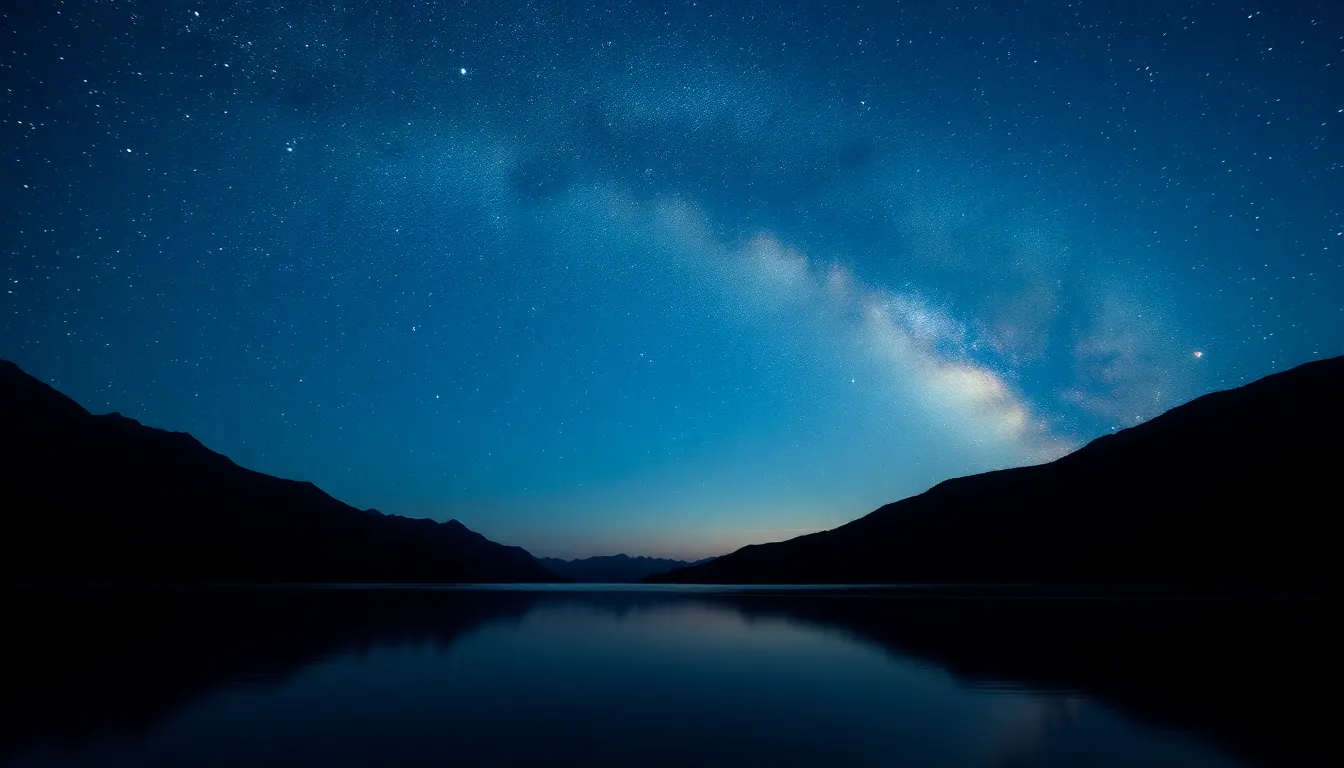
captured with Canon EOS R5, 24-70mm f/2.8L at 16mm, deep blue twilight sky filled with stars and the Milky Way arching across, illuminated by soft moonlight. The foreground features silhouetted mountains with a smooth lake reflecting the starry sky, using a hyperfocal distance for clarity from the foreground to infinity. The color palette showcases rich blues and whites of stars contrasted against the dark silhouette of the mountains, with a leading lines composition from the lake's edge drawing the eye upwards. The surface of the water appears glassy, with subtle ripples enhancing the effect of the star reflections.
16:9
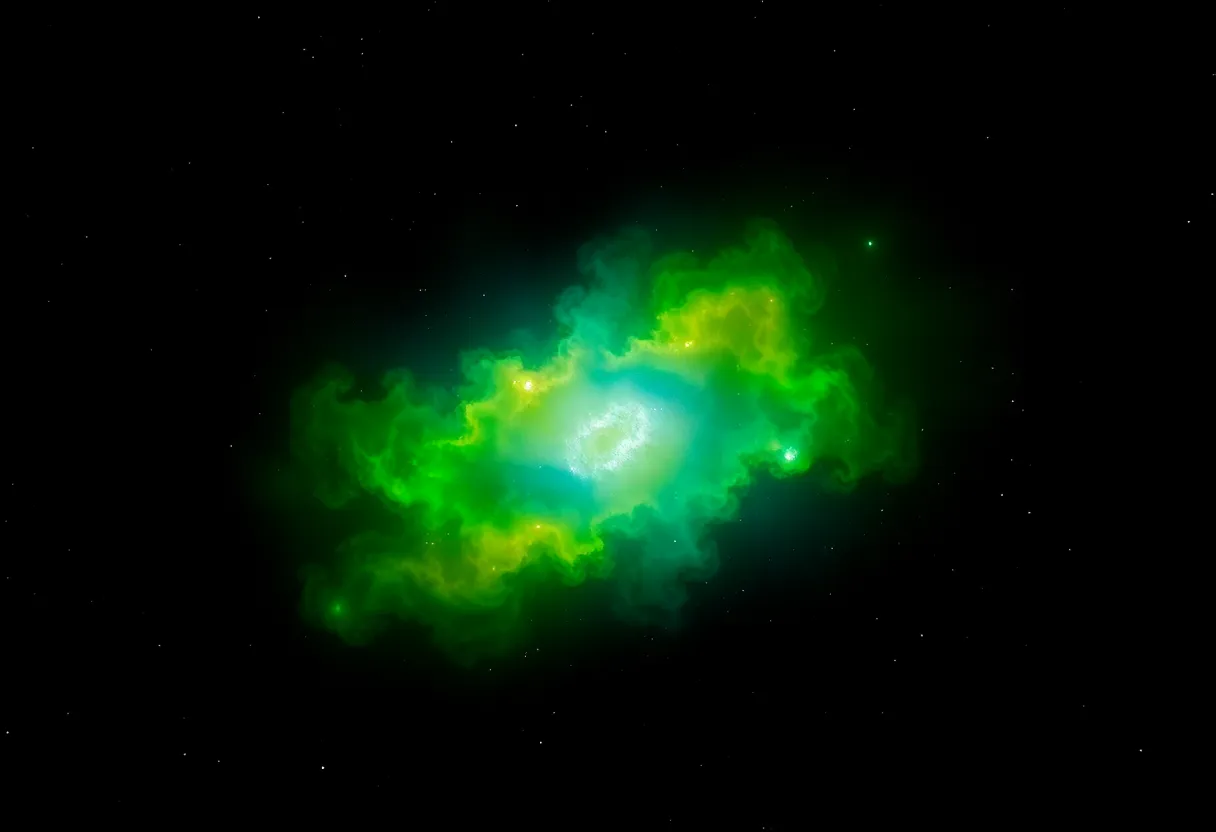
captured using Fujifilm GFX 100S, 110mm f/2 macro, featuring a vibrant depiction of the Crab Nebula in a darkened sky. The colors pop with bright greens and yellows, showcasing the nebula's dynamic energies. Ambient light from nearby stars highlights the intricacies of the gas clouds, creating a soft glow. The shallow depth of field at f/2 isolates the nebula while allowing for gentle bokeh in the background. The composition uses a centered symmetrical approach, emphasizing the stunning formation of the nebula in a vast cosmic expanse.
3:2
shot on Hasselblad X2D 100C, 90mm f/2.5 medium format, depicting a detailed view of the Horsehead Nebula against a backdrop of scattered stars. The image highlights the contrasting dark silhouette of the Horsehead amidst bright pink and purple gases. Soft backlighting from the surrounding stars creates a delicate glow around the nebula, enhancing its ethereal quality. The hyperfocal distance ensures clarity from foreground to infinity, while the natural muted tones provide realism. The composition centers the Horsehead Nebula, creating a calm yet captivating focal point.
3:2
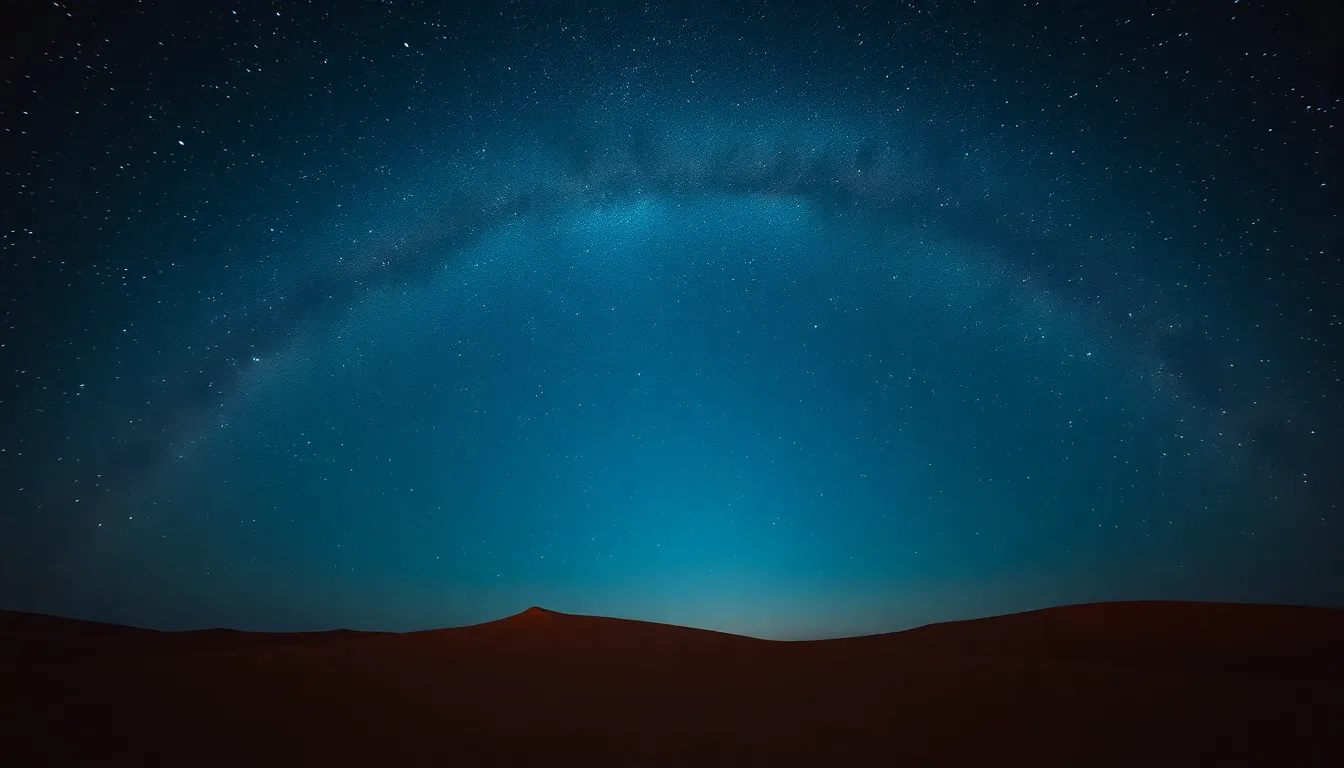
captured with Canon EOS R5, 24-70mm f/2.8L at 35mm during twilight, presenting a wide view of the Milky Way arching over a tranquil desert landscape. The deep indigo sky is dotted with stars, creating a stunning backdrop against the silhouette of desert dunes. The scene is lit by soft ambient twilight, conveying a sense of calm. Utilizing a cinematic teal and orange color grading, the warm desert tones contrast beautifully with the cool night sky. The composition employs a rule of thirds approach, with the Milky Way dominating the upper third of the frame.
16:9
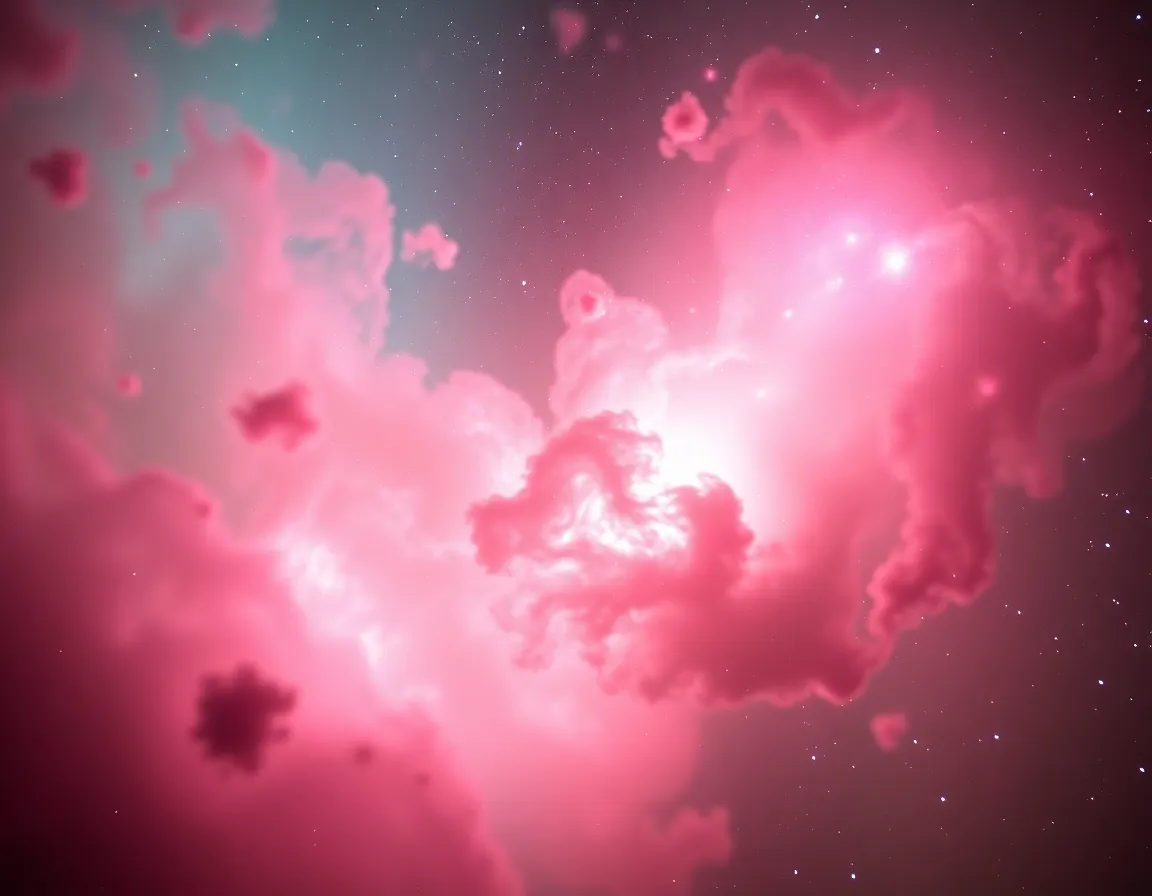
shot on Sony A7R V with 85mm f/1.4 GM lens, illustrating a close-up of the swirling gas and dust of the Orion Nebula. The image captures the nebula’s vibrant colors, with soft pinks and luminous greens blending seamlessly. Lighting from a distant star is scattered through the gas, creating a glowing effect. With a shallow depth of field at f/1.4, the foreground gas textures are crisply defined, while the background smooths into a painterly blur. The composition emphasizes the intricate details of the nebula, framed beautifully in the viewfinder.
4:3
captured with Nikon Z9, 70-200mm f/2.8 telephoto at 135mm during a starlit night, showcasing the majestic Andromeda Galaxy. Backlit by thousands of stars, the scene presents deep navy hues with sparkling white starlight. A shallow depth of field at f/2.8 creates a dreamy background, softening celestial bodies into delicious bokeh. Utilizing a Fujifilm Velvia-inspired palette, vibrant purples and blues contrast beautifully against the inky black sky. Composition centers on the galaxy with leading lines from surrounding stars to draw the eye towards the cosmic spectacle.
16:9
captured with Hasselblad X2D 100C, 90mm f/2.5 medium format, against a backdrop of surreal nebulae illuminated by stellar explosions, hyperfocal distance ensuring all elements from the distant stars to the black hole are sharp, cinematic teal and orange color grading enhancing the drama of the cosmic landscape, leading lines formed by the jets of energy shooting from the black hole add dynamic movement to the composition, with rich textures of nebula gases visible.
16:9
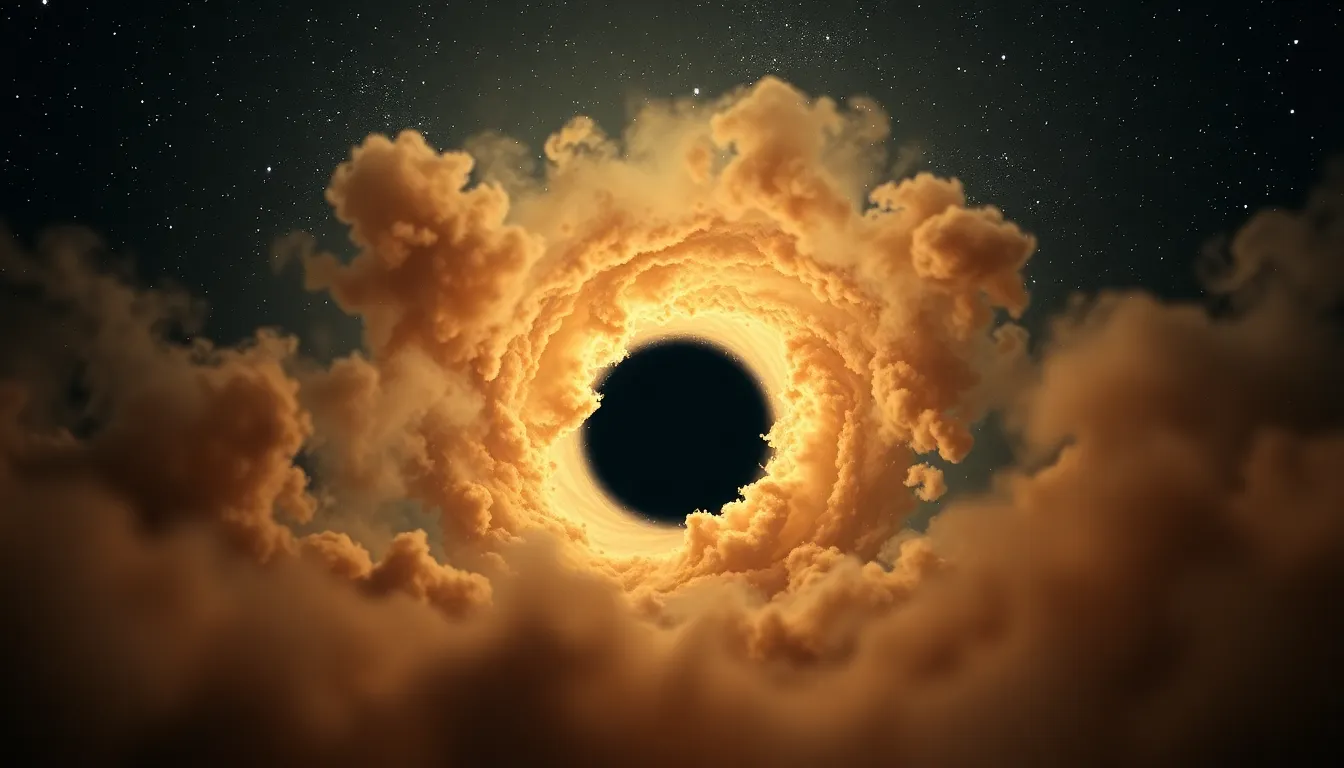
shot on Fujifilm GFX 100S, 110mm f/2 macro, under the soft glow of starlight, capturing the cosmic dust clouds surrounding a distant black hole, shallow depth of field at f/2 creating a dreamy background, natural muted tones with desaturated earth colors add a serene ambience, rule of thirds composition centering the black hole while framing it with intricate dust details and celestial colors in the foreground.
16:9
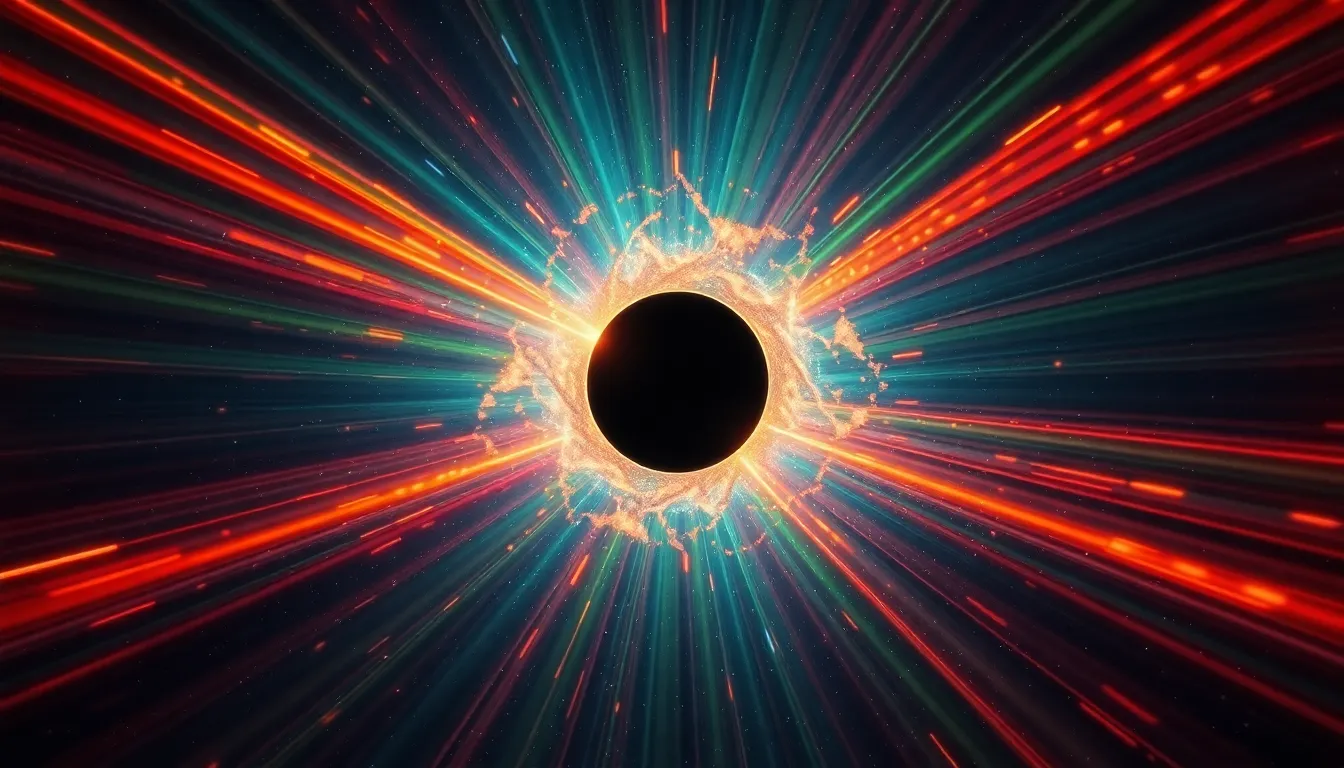
captured with Canon EOS R5, 24-70mm f/2.8L at 35mm, featuring intense infrared light refracting through gravitational lensing with surreal colors, hyperfocal distance resulting in sharp focus throughout the image, Fujifilm Velvia-inspired saturated colors illuminate the scene with deep blues and rich greens, centered symmetrical composition highlights the mesmerizing distortion of light around the black hole, showcasing the unique textures of gravitational waves.
16:9
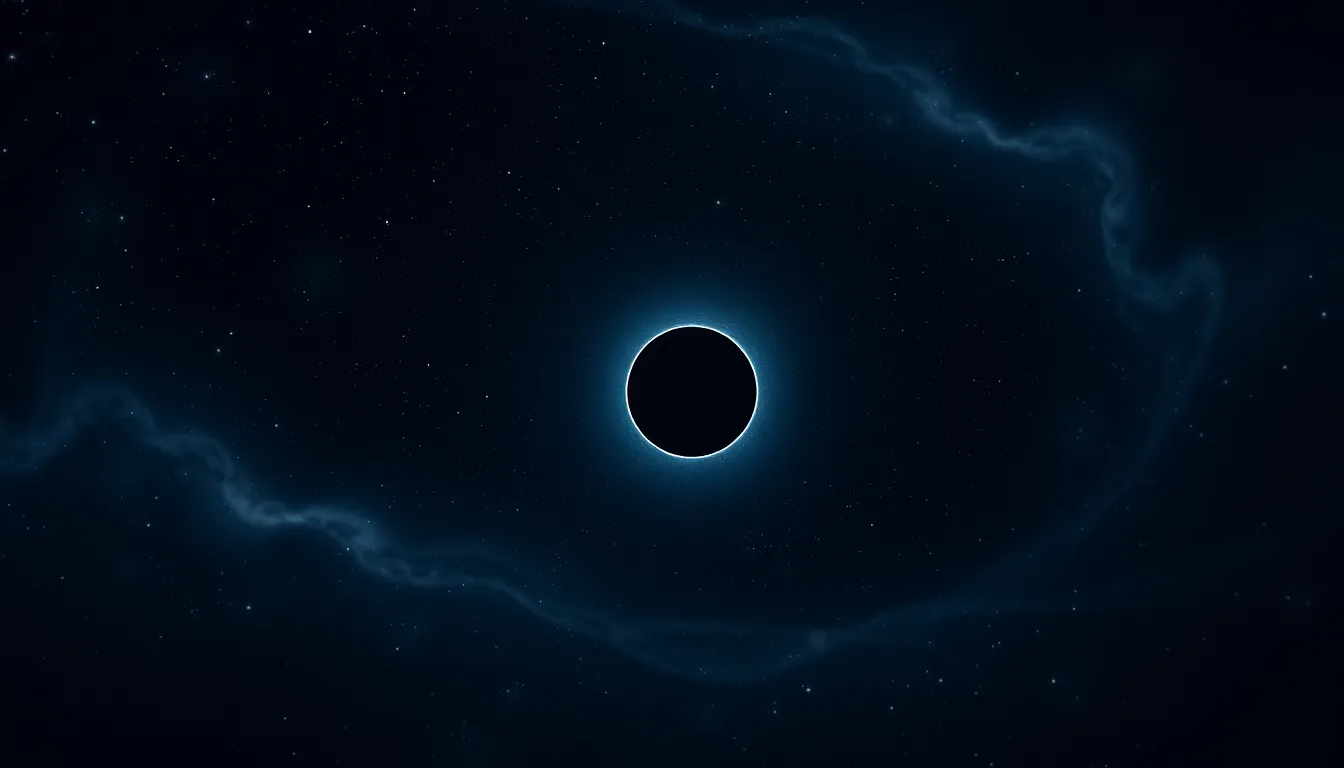
shot on Sony A7R V with 85mm f/1.4 GM lens, illuminated by ambient starlight filtering through cosmic dust, natural muted tones with desaturated earth colors conveying a sense of vast emptiness, selective focus on the event horizon with stars blurred into soft painterly bokeh, leading lines created by pulsating light trails moving toward the black hole, with detailed textures of the surrounding space and star fields visible.
16:9
captured with Nikon Z9, 70-200mm f/2.8 telephoto at 135mm, featuring vivid cosmic lighting with bright stars contrasting against the deep black void of space, shallow depth of field at f/2.8 focusing on a swirling accretion disk, cinematic teal and orange color grading highlights the energetic particles, rule of thirds composition placing the black hole off-center, showcasing the intricate textures of gas and dust swirling in its gravitational pull.
16:9
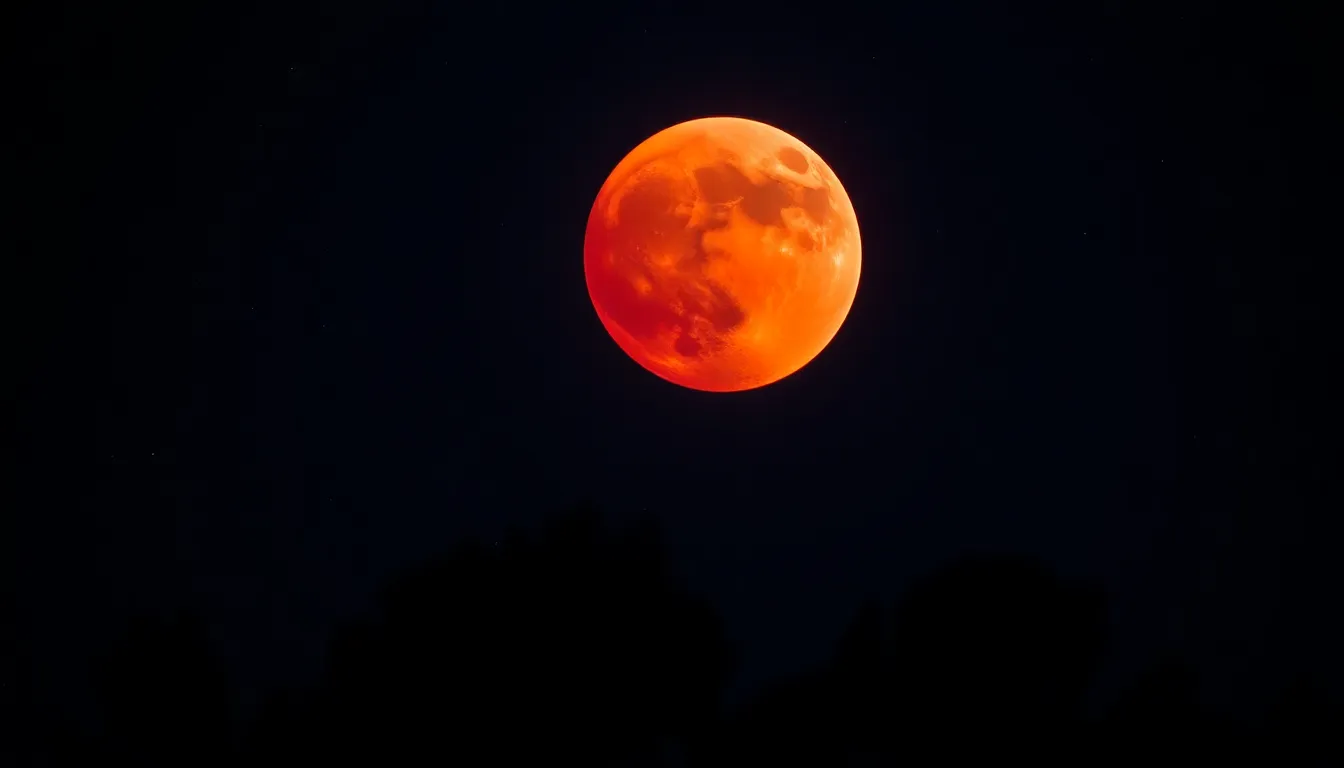
captured with Leica Q3, 28mm f/1.7 Summilux, portraying a dramatic lunar eclipse in a starry night sky with the reddish hue of the moon prominently in focus. The scene is illuminated by the faint glow of distant stars, providing a soft, diffused light that adds depth. The image employs a shallow depth of field at f/1.7, creating creamy bokeh effects from the stars surrounding the moon. The cinematic color grading leans toward a rich, dark blue palette with hints of red. The composition uses leading lines from silhouetted treetops below drawing the eye upward toward the captivating moon.
16:9
shot on Hasselblad X2D 100C, 90mm f/2.5 medium format, capturing an artistic interpretation of the moon phases displayed on a textured black canvas background, with each phase illuminated by a warm tungsten light creating a contrast of light and shadows. The depth of field is selective, focusing sharply on the crescent moon while the other phases softly fade into the shadow. Inspired by a Kodak Portra 400 color palette, the image incorporates warm skin tones, lifted shadows, and creamy highlights. The composition uses a centered symmetrical layout to draw attention to the progression of phases, creating a harmonious visual flow.
1:1
captured with Canon EOS R5, 24-70mm f/2.8L at 35mm, featuring an astronaut in a reflective space suit standing on the moon with Earth visible in the distant background. The scene is bathed in soft diffused daylight reflecting off the lunar surface, creating gentle shadows. The depth of field is hyperfocal at f/8, maintaining sharp focus from foreground to background. The color palette is natural muted tones, emphasizing the stark contrasts between the white suit and the gray moon, while the vibrant blue and green of Earth adds a pop of color. The composition frames the astronaut off-center, drawing attention to both the figure and the magnificent view of Earth.
3:2
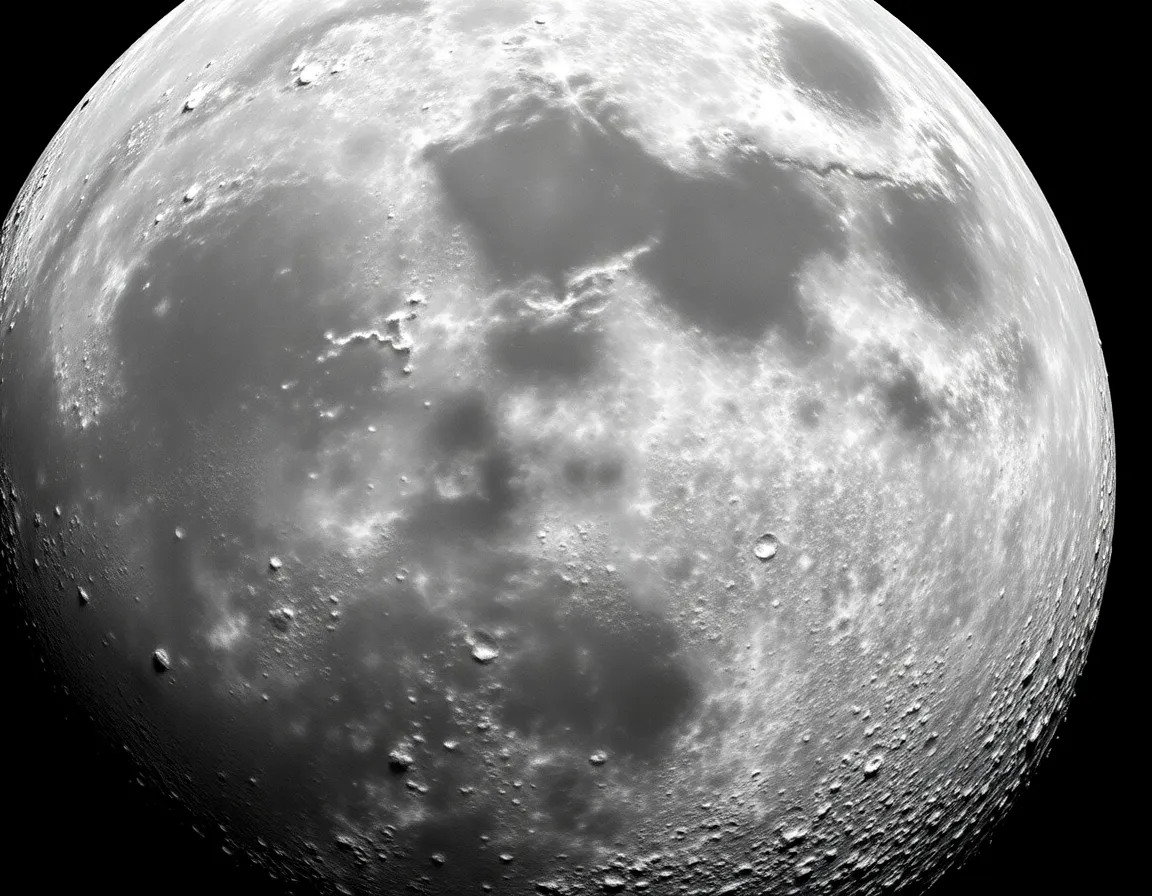
shot on Fujifilm GFX 100S, 110mm f/2 macro lens, depicting the surface of the moon with extreme detail illuminated by harsh, direct sunlight, revealing craters and rocky textures. The image is sharp across the entire frame, showcasing the natural gray and white color palette of the lunar surface with rich contrast. The composition is centered, offering an immersive view of the lunar landscape that feels almost tangible. The texture highlights the rough, uneven surface of the moon, emphasizing its stark beauty against the infinite black backdrop of space.
4:3
captured with Nikon Z9, 70-200mm f/2.8 telephoto at 135mm, showcasing a full moon rising above a misty forest landscape during twilight, creating dramatic shadows with a soft golden hue in the sky. The shallow depth of field at f/2.8 highlights the details of the moon’s surface while blurring the tree line below into a soft painterly bokeh. This image utilizes a cinematic teal and orange color grading that enhances the ethereal atmosphere. The composition follows the rule of thirds, placing the moon at the upper right power point, while the foreground features slightly out-of-focus silhouettes of pines, adding depth and intrigue.
16:9
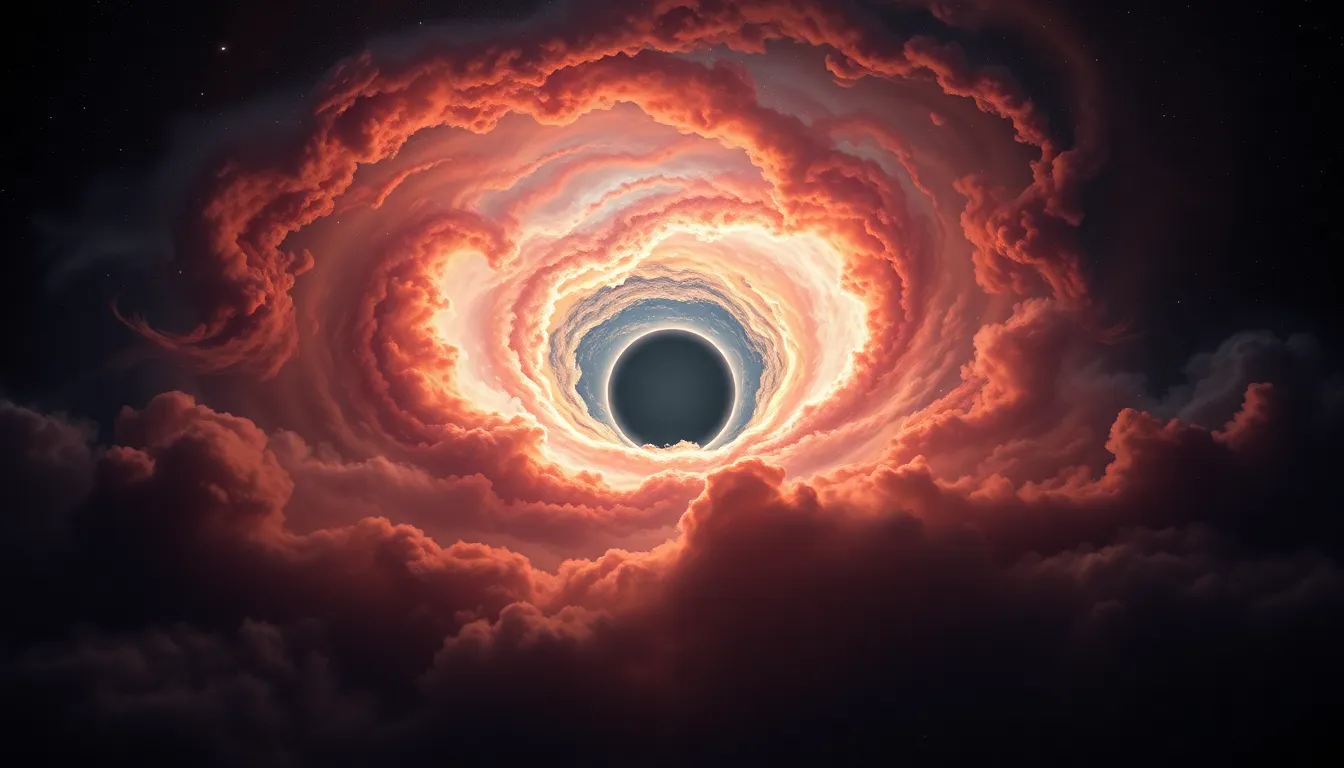
Hasselblad X2D 100C, 90mm f/2.5 medium format, capturing a breathtaking scene of a black hole surrounded by a vibrant, swirling cosmic cloud, resembling a galactic storm. The lighting is dramatic with contrasting shadows and highlights, creating depth and intrigue. The depth of field is set at f/5.6, providing a balance between sharp focus on the black hole and a slightly blurred cosmic cloud. The color palette is inspired by natural muted tones, emphasizing earthy colors contrasted with unexpected bursts of brightness from the cosmic storm. The composition follows the rule of thirds, placing the black hole at a power point, surrounded by the swirling colors of the storm, enhancing the dynamic nature of the scene.
16:9
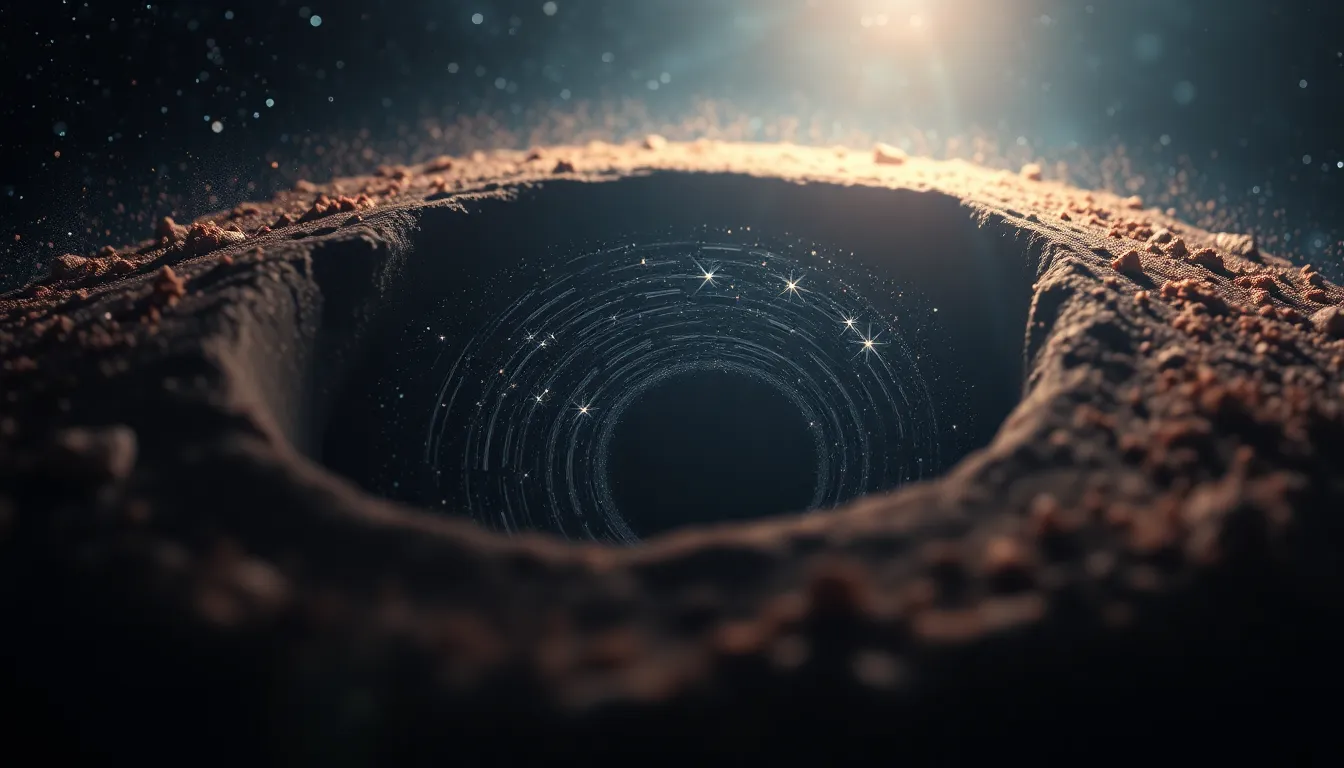
Fujifilm GFX 100S, 110mm f/2 macro, focusing on a detailed illustration of a black hole’s event horizon with intricate patterns of light and dark, surrounded by cosmic dust. The scene is illuminated by soft diffused starlight, creating an ethereal glow that highlights the textures of the cosmic materials. The depth of field is shallow at f/2, enabling the intricate details of the event horizon to pop while the cosmic dust softly blurs into the background. The color science reflects Fujifilm Velvia-inspired saturated colors, rich in deep blacks and brilliant whites. The composition employs close-up framing to emphasize the unique textures of the event horizon, drawing the viewer into the heart of the black hole.
16:9
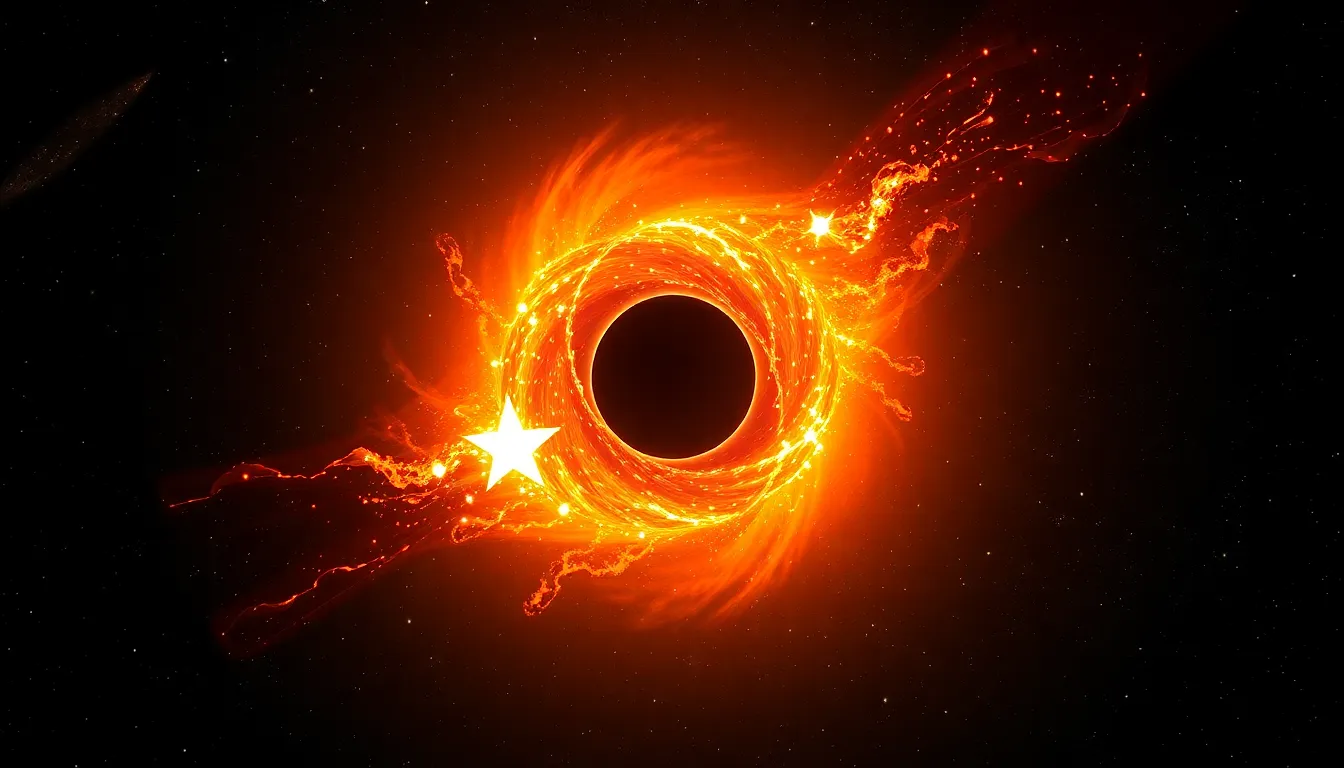
Nikon Z9, 70-200mm f/2.8 telephoto at 135mm, illustrating a dramatic visualization of a black hole consuming a nearby star, set against a backdrop of deep space with scattered stars and galaxies. The scene is lit by the warm, eerie glow of the star being pulled into the black hole, creating a haunting yet beautiful atmosphere. The depth of field is shallow at f/2.8, ensuring that the focus is solely on the black hole and the star's fiery remnants, while the background fades softly into bokeh. The color palette utilizes natural muted tones, highlighting the contrast between the bright star and the darkness surrounding it. The composition captures the powerful event with the black hole centered, reinforcing its gravitational dominance.
16:9
shot on Sony A7R V with 85mm f/1.4 GM lens, showcasing a dynamic digital artwork of a black hole warping light around it, set against a nebula filled with vibrant colors. The lighting depicts an ethereal glow emanating from the event horizon, creating a surreal and captivating atmosphere. Utilizing a hyperfocal distance at f/8, every detail from the swirling gases to distant stars is in sharp focus. The color palette features vivid blues and purples with hints of bright yellows, evoking a sense of cosmic wonder. The composition follows a centered symmetrical layout, emphasizing the powerful gravitational pull of the black hole.
16:9
captured with Canon EOS R5, 24-70mm f/2.8L at 35mm, featuring a dramatic cosmic landscape of a swirling black hole surrounded by luminous accretion disks. The scene is illuminated by the intense glow of the surrounding stars, contrasted against deep blacks of space. The depth of field is shallow at f/2.8, making the black hole the primary focus while creating a soft bokeh effect with distant stars. The color palette is inspired by cinematic teal and orange grading, enhancing the otherworldly feel. The composition utilizes a dynamic leading line formed by the accretion disk, drawing the viewer's eye toward the black hole itself, with a textured star field in the background.
16:9
captured with Hasselblad X2D 100C, 90mm f/2.5 medium format, revealing a breathtaking view of Jupiter with swirling storms and vibrant bands of color. The lighting is natural, illuminated by the gentle glow of sunlight filtering through the gas giant's atmosphere, creating soft highlights and shadows. Employing hyperfocal distance at f/8, the image ensures sharp focus across the entire scene. The color palette features striking oranges, whites, and deep browns, evoking the dynamic patterns of Jupiter. The composition is centered, allowing the viewer to absorb the majestic beauty of the planet in its entirety.
16:9
shot on Fujifilm GFX 100S, 110mm f/2 macro, capturing a detailed texture of Mars' surface with its red rocky terrain and intricate craters. The lighting features dramatic shadows cast by low sunlight, enhancing the rugged surface details. Utilizing a shallow depth of field at f/2, the foreground rocks are sharply in focus while the background blurs into a soft bokeh. The color palette consists of warm reds, deep oranges, and hints of dusty browns, evoking the harsh yet beautiful Martian landscape. The composition focuses on one prominent rock formation, using rule of thirds to create visual tension.
16:9

captured with Canon EOS R5, 24-70mm f/2.8L at 35mm, portraying a stunning visualization of Earth from space, showcasing swirling clouds and vibrant blue oceans. The image features overcast diffused daylight, softening the overall color tones and creating a serene atmosphere. Utilizing hyperfocal distance at f/8, the entire scene remains tack-sharp from the edge of the atmosphere to the surface. The color palette consists of rich blues, soft whites, and subtle greens, highlighting Earth's natural beauty. The composition employs leading lines, directing the viewer's gaze towards the curvature of the planet.
16:9
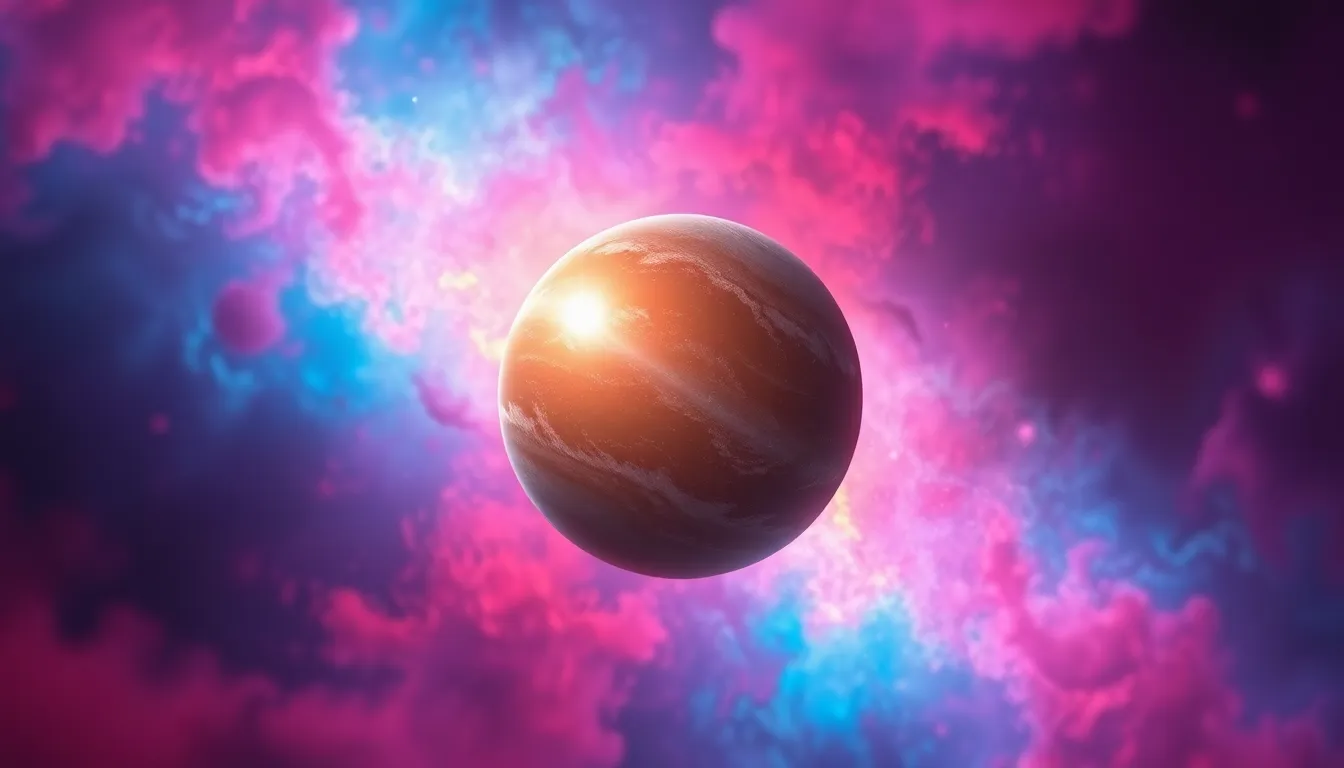
shot on Sony A7R V with 85mm f/1.4 GM lens, focusing on a vibrant close-up of a distant exoplanet surrounded by colorful nebulae. The lighting captures radiant highlights from the planet's atmosphere, creating a glow as if the surface is alive. Utilizing a shallow depth of field, the exoplanet is sharply in focus while the nebula swirls into a soft, dreamy bokeh. The color science reflects a surreal palette featuring bright cyan, magenta, and violet, immersing the viewer in a fantastical universe. The composition highlights the planet positioned off-center within the frame, drawing the eye through the colorful clouds of gas.
16:9
captured with Nikon Z9, 70-200mm f/2.8 telephoto at 135mm, showcasing a distant view of Saturn with its rings illuminated by sunlight. The scene employs dramatic backlighting, creating a halo effect around the planet's rings, while stars twinkle in the dark expanse of space. A shallow depth of field at f/2.8 highlights Saturn, with a creamy bokeh of stars, showcasing details of the planet's texture and light patterns. The color palette features deep blacks, rich golds, and soft whites, evoking a sense of wonder and grandeur. The composition centers Saturn in the frame, using negative space to convey the vastness of space.
16:9
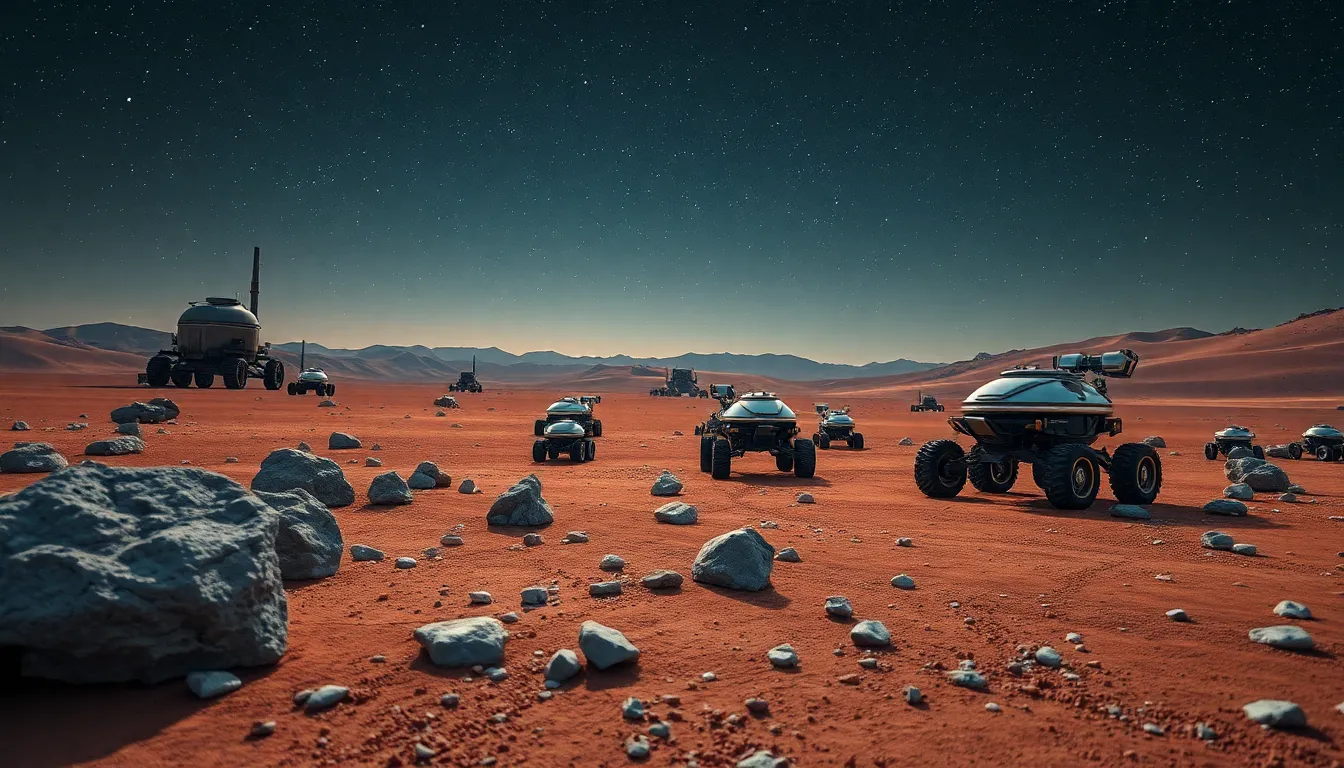
Hasselblad X2D 100C, 90mm f/2.5 medium format, capturing a wide shot of the Martian landscape dotted with futuristic rover vehicles exploring the terrain under a starry sky. The lighting is soft moonlight with stars creating a glittering backdrop. The image has a hyperfocal depth of field at f/8 ensuring clarity from foreground rocks to the infinite stars above. The color palette is a mix of deep blues and muted reds, with sharp details in the metallic rover textures reflecting the light.
16:9

Fujifilm GFX 100S, 110mm f/2 macro, depicting Martian soil samples in glass vials arranged on a metallic lab table. The practical lighting from overhead LEDs casts a bright, clinical glow, highlighting the textures of the soil. A shallow depth of field at f/2 creates interesting bokeh effects with soft lights reflecting in the background. The color palette incorporates earthy browns and subtle reds, while the glass reflects light beautifully, emphasizing the scientific exploration theme.
4:3
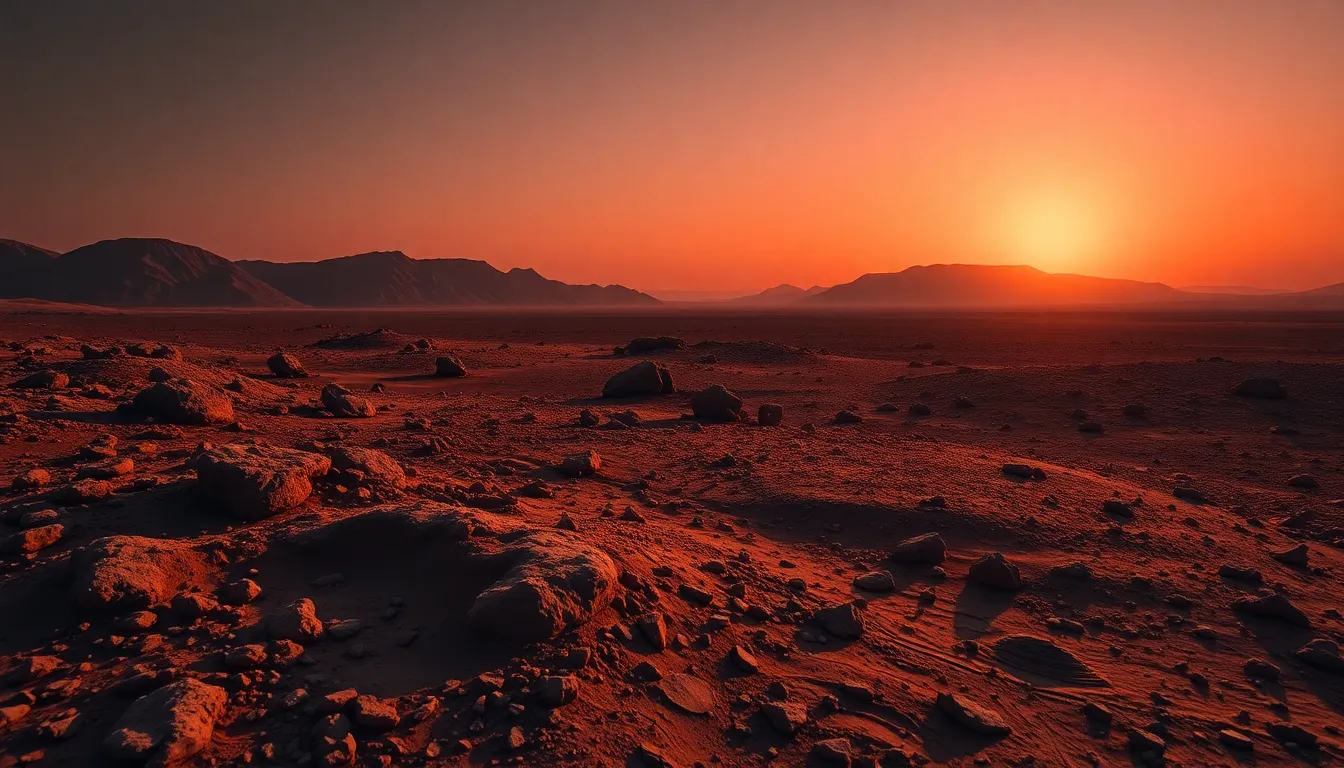
Nikon Z9, 70-200mm f/2.8 telephoto at 135mm, capturing a Martian sunrise with a stunning horizon of deep orange and soft pink hues illuminating the rocky landscape. The lighting is soft with the first light of day providing a gentle glow across the surface. The depth of field is hyperfocal at f/8 ensuring that both the foreground craters and distant hills are sharply in focus. The color palette includes rich warm tones, showcasing the dramatic textures of the Martian surface with intricate details on rocks and dust.
16:9
shot on Sony A7R V with 85mm f/1.4 GM lens, featuring an astronaut standing on the Martian surface, gazing contemplatively at the Earth in the distance. The lighting is a soft natural light at golden hour creating warm, golden tones, enhancing the astronaut's reflective visor. The image has a shallow depth of field at f/1.4 with a beautifully blurred background that highlights the intricate details of the spacesuit. The color palette includes vibrant reds and soft earth tones with fine texture on the helmet and suit.
9:16
captured with Canon EOS R5, 24-70mm f/2.8L at 35mm, during a dust storm on Mars creating dramatic shadows and highlights. The composition features the swirling red dust particles caught in sunlight, with a shallow depth of field at f/2.8 for creamy bokeh background. The color palette embodies the harsh, desaturated reds and muted oranges of the Martian landscape, enhancing the atmospheric perspective. The surface shows cracking, rocky terrain with fine textures, highlighting the alien environment.
16:9