Science
640 imagesSubcategories
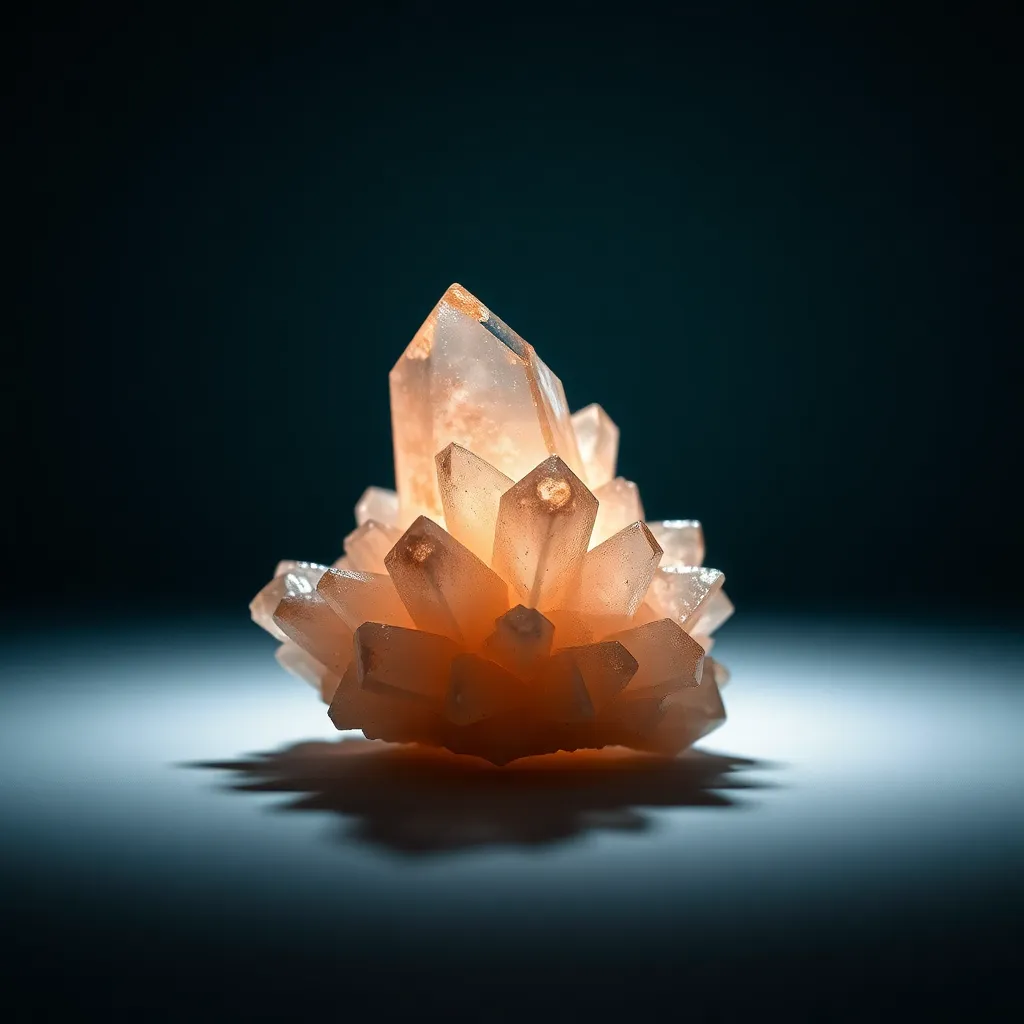
shot on Leica Q3, 28mm f/1.7 Summilux, featuring an intense spotlight on a uniquely structured crystal with soft fill light providing subtle highlights, shallow depth of field at f/1.7 creating an ethereal bokeh, cinematic teal and orange color grading enhancing the contrast, centered symmetrical composition focusing on the crystal structure's facets and texture details, with a dark, smooth background to emphasize the subject.
1:1
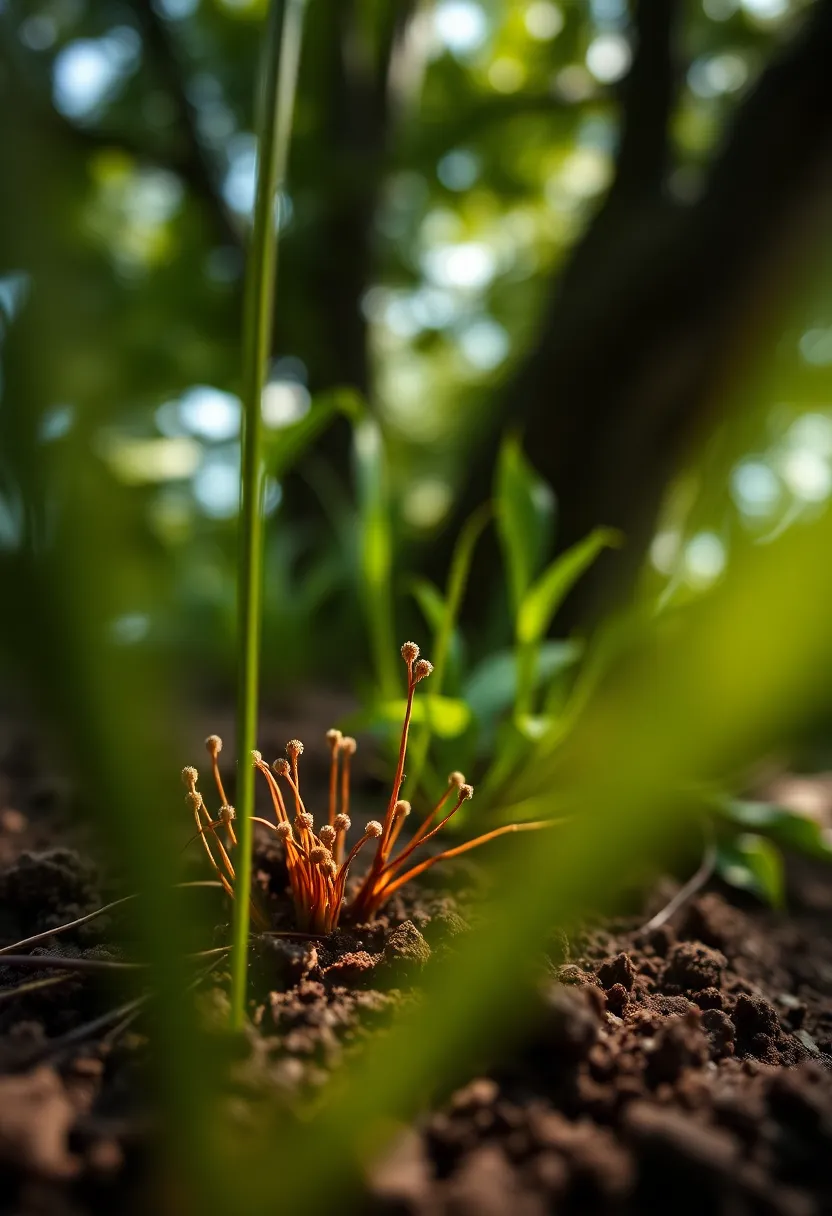
Fujifilm GFX 100S, 110mm f/2 macro, captured in diffused daylight filtering through tree canopy creating dappled light effects, shallow depth of field at f/2 with creamy bokeh surrounding the specimen, natural muted tones with rich greens and browns, composition utilizing leading lines formed by plant material guiding the viewer's eye toward a microscopic view of soil microbes with visible texture details.
2:3
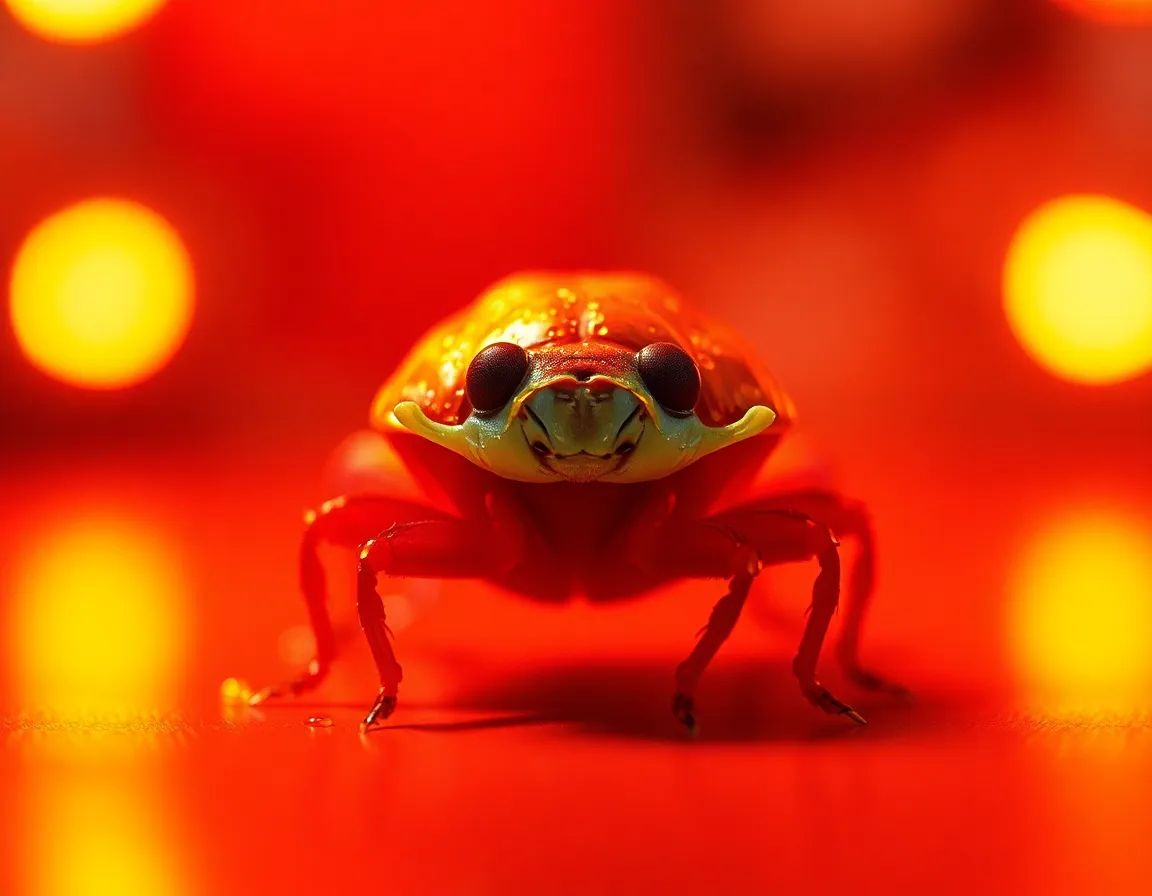
Hasselblad X2D 100C, 90mm f/2.5 medium format, lit by a practical warm tungsten lamp casting directional light, selective focus on a vibrant organism with the background softening into a painterly bokeh, Kodachrome-inspired saturation boosting colors to a lively palette, centered symmetrical composition highlighting the subject's symmetry and details, with visible water droplets on the specimen enhancing the vividness.
4:3
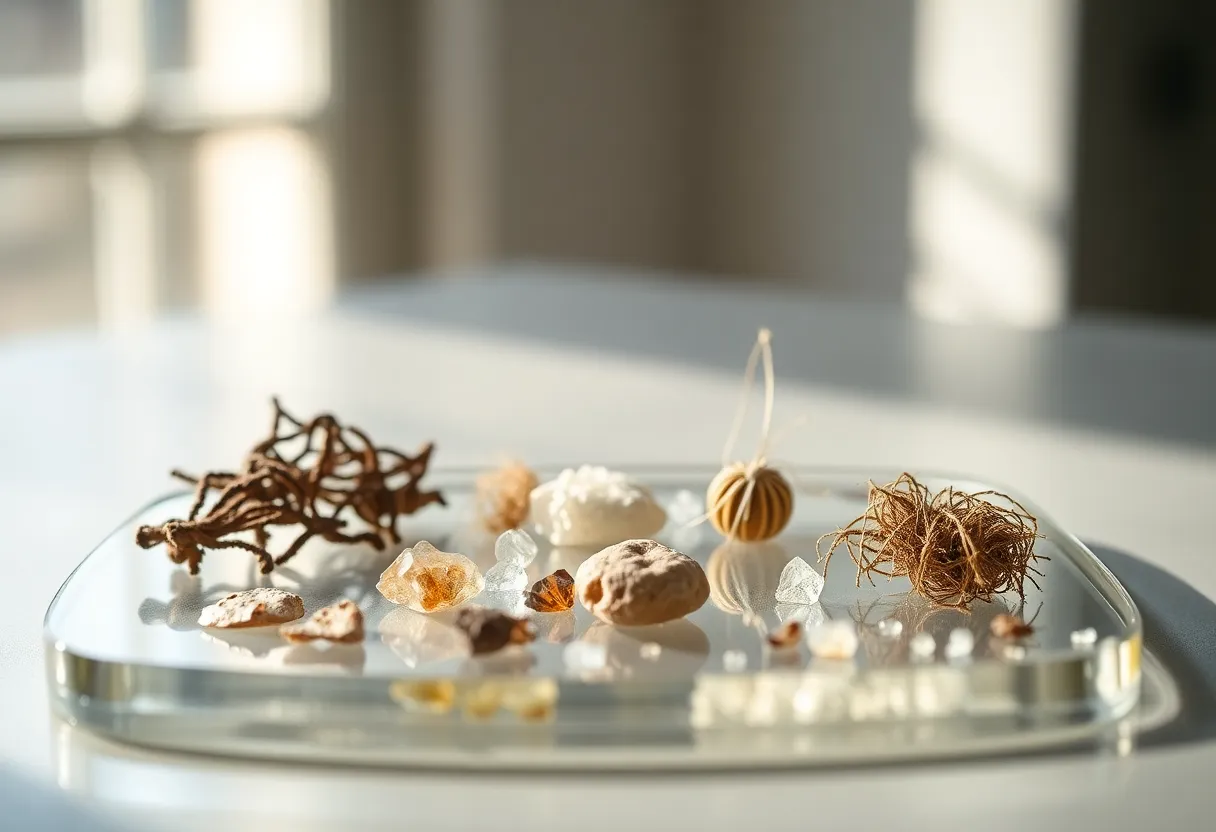
captured with Canon EOS R5, 24-70mm f/2.8L at 50mm, soft natural daylight diffusing through a window creating gentle highlights, hyperfocal distance ensuring everything from foreground to infinity is tack-sharp at f/8, natural muted tones with desaturated earth colors, composition focusing on a prepared slide with various samples arranged artistically, showcasing different textures on the glass surface, including tiny crystals and fibers.
3:2
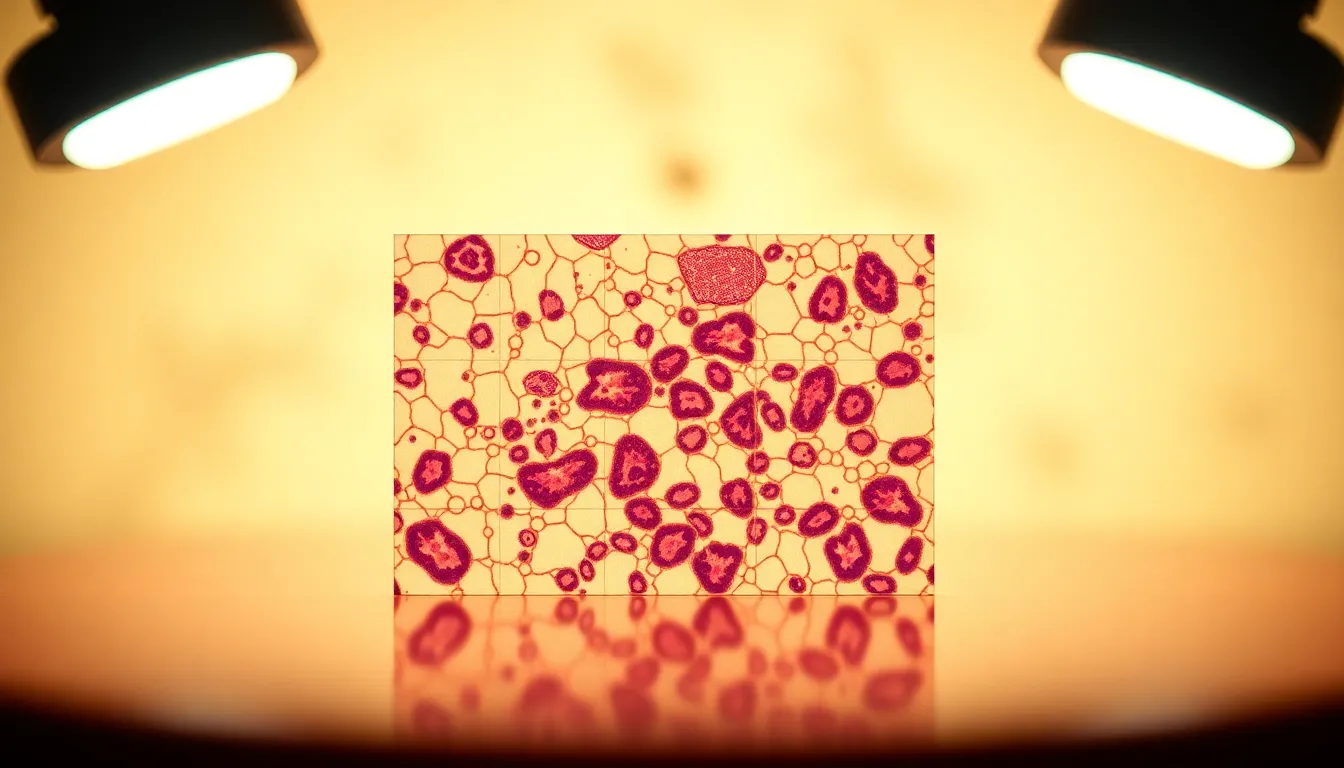
shot on Nikon Z9, 70-200mm f/2.8 telephoto at 135mm, illuminated by bright LED ring light enhancing specimen details, shallow depth of field at f/2.8 with a creamy bokeh background, vibrant Fujifilm Velvia-inspired color palette emphasizing deep blues and rich greens, composition through a close-up on a single cell structure showcasing intricate patterns and textures, with a glass slide reflecting light subtly beneath the specimen.
16:9
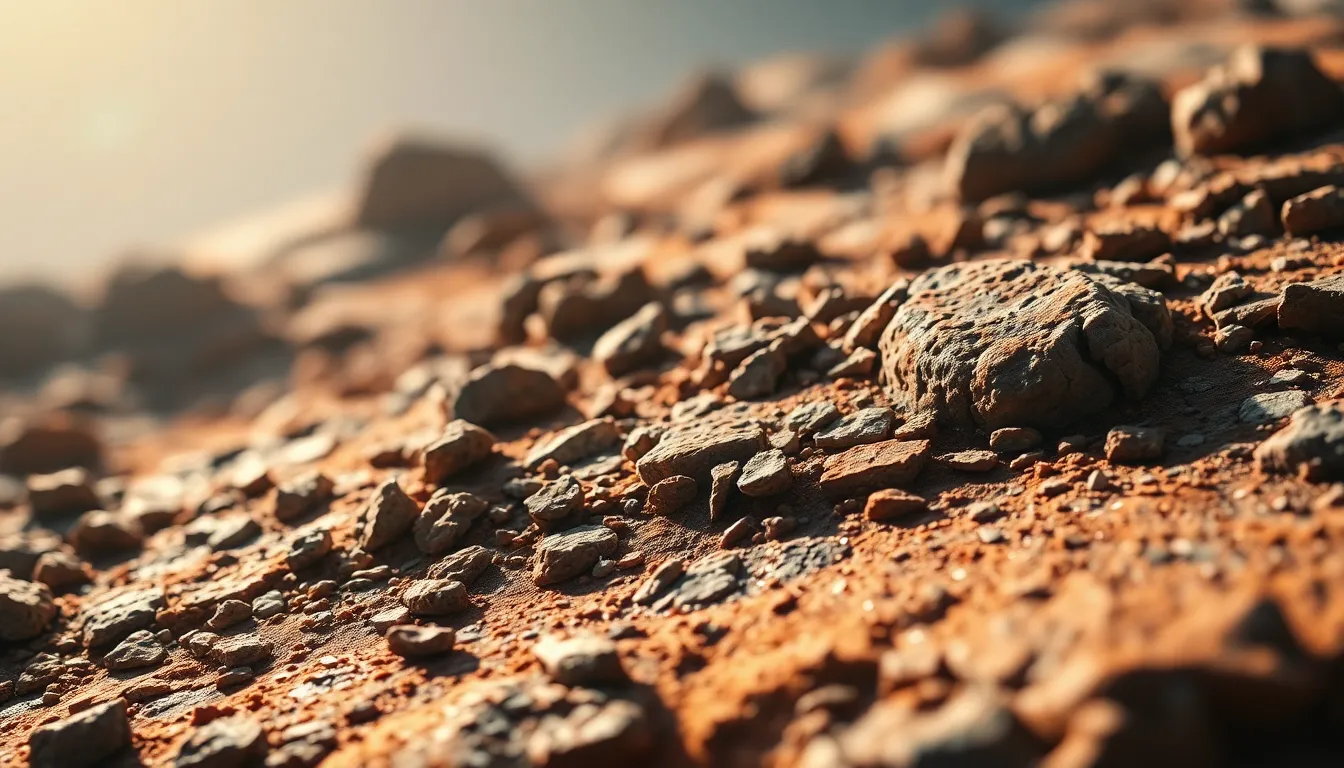
Captured with Fujifilm GFX 100S, 110mm f/2 macro, this image presents a detailed view of a comet as it approaches the sun, with its tail illuminated by sunlight. Natural sunlight provides a glowing effect as it refracts through the comet’s icy particles. A shallow depth of field emphasizes the shimmering tail while the head of the comet remains sharply in focus. The color palette mimics the icy blues and bright whites of the comet against the deep black of space. The composition utilizes a centered symmetrical layout, allowing the viewer to appreciate the comet's majestic structure and detail.
16:9
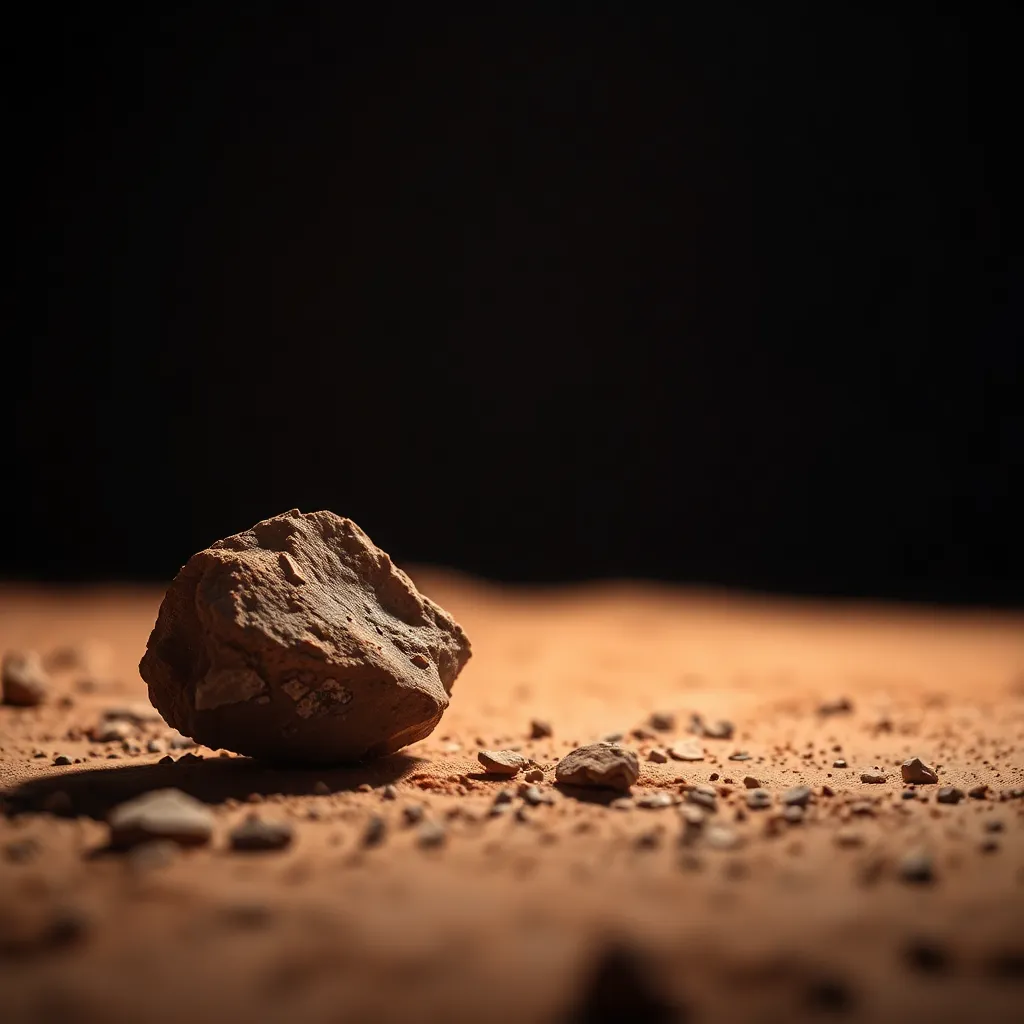
Utilizing Canon EOS R5, 24-70mm f/2.8L at 35mm, this striking image presents a close-up view of a Mars rock sample under bright studio lighting. A three-point lighting setup emphasizes the texture of the rock, revealing its rough surface and mineral inclusions. The depth of field is shallow at f/2.8, drawing attention to the intricate details while softly blurring the background. The color palette has natural muted tones, highlighting the reddish hues of Mars. The composition follows the rule of thirds, placing the rock sample to the left, allowing for negative space that emphasizes its isolation.
1:1
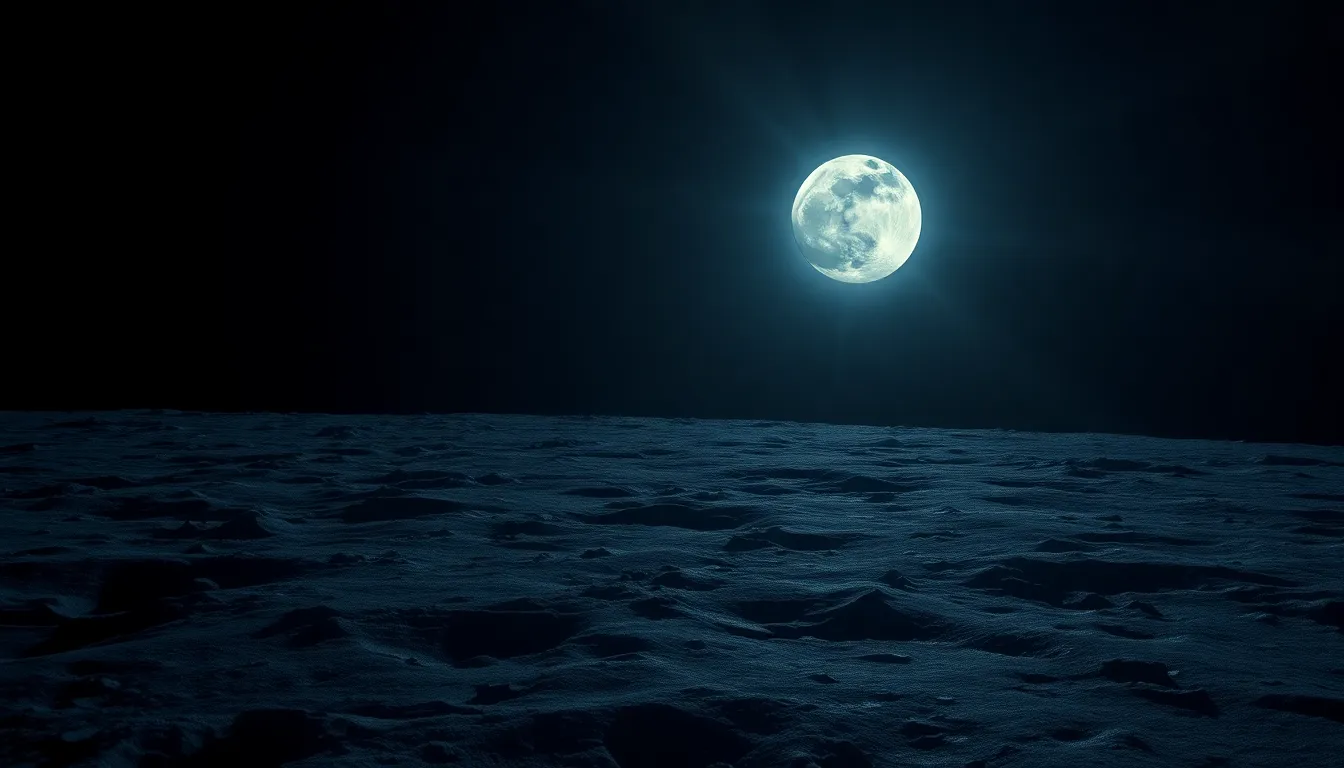
Captured with Hasselblad X2D 100C, 90mm f/2.5 medium format, this awe-inspiring image showcases a panoramic view of Earth from low orbit during dawn. The scene is brilliantly lit by the rising sun, creating a warm glow that bathes the planet in rich oranges and yellows. A hyperfocal distance at f/8 ensures every detail, from the clouds to the coastline, is sharp and clear. The color palette features natural muted tones, with soft gradients blending blue oceans and warm landmasses. The composition utilizes leading lines formed by cloud patterns, guiding the viewer’s gaze across the curvature of the Earth.
16:9
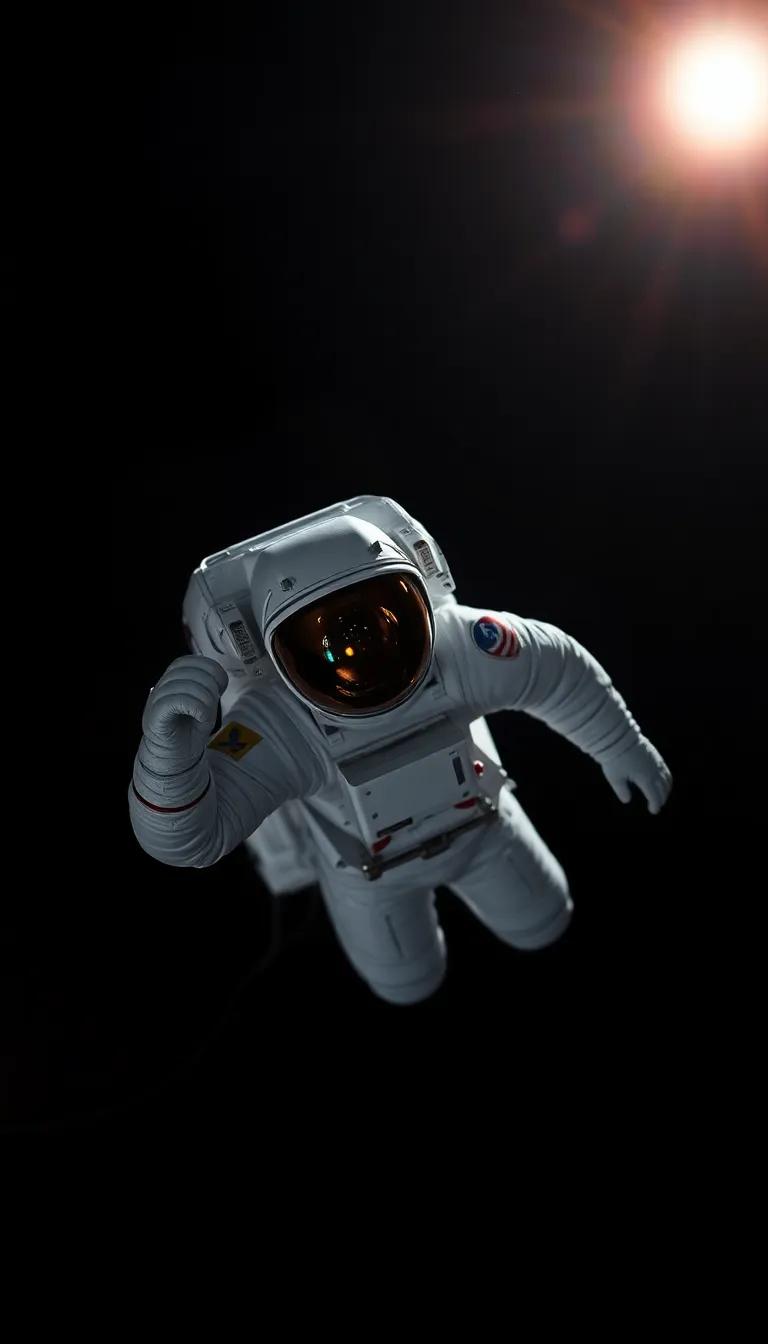
Shot on Sony A7R V with 85mm f/1.4 GM lens, this captivating image depicts an astronaut floating in the vastness of space, tethered to a spacecraft. The lighting is derived from the Sun, casting a stark, bright light on the suit while creating deep shadows against the infinite dark backdrop. A shallow depth of field at f/1.4 beautifully blurs the edges, emphasizing the astronaut's detailed helmet and suit. The color palette mimics the deep black of space, with vibrant reflections off the visor that hint at nearby stars. The composition centers the astronaut, with a slight tilt for dramatic effect, enhancing the sense of isolation in the cosmos.
9:16
Captured with Nikon Z9, 70-200mm f/2.8 telephoto at 135mm, this stunning shot features a brilliant view of the Andromeda Galaxy set against a backdrop of deep space. The lighting is provided by distant stars, creating ethereal glows and contrasts. The image focuses on the galaxy's spiral arms with a shallow depth of field at f/2.8, enhancing the luminous details while softening the surrounding darkness. It employs a cinematic teal and orange color grading, emphasizing the vibrant core of the galaxy. The composition adheres to the rule of thirds, placing the galaxy off-center to draw the viewer's eye through the twinkling stars and cosmic dust.
16:9
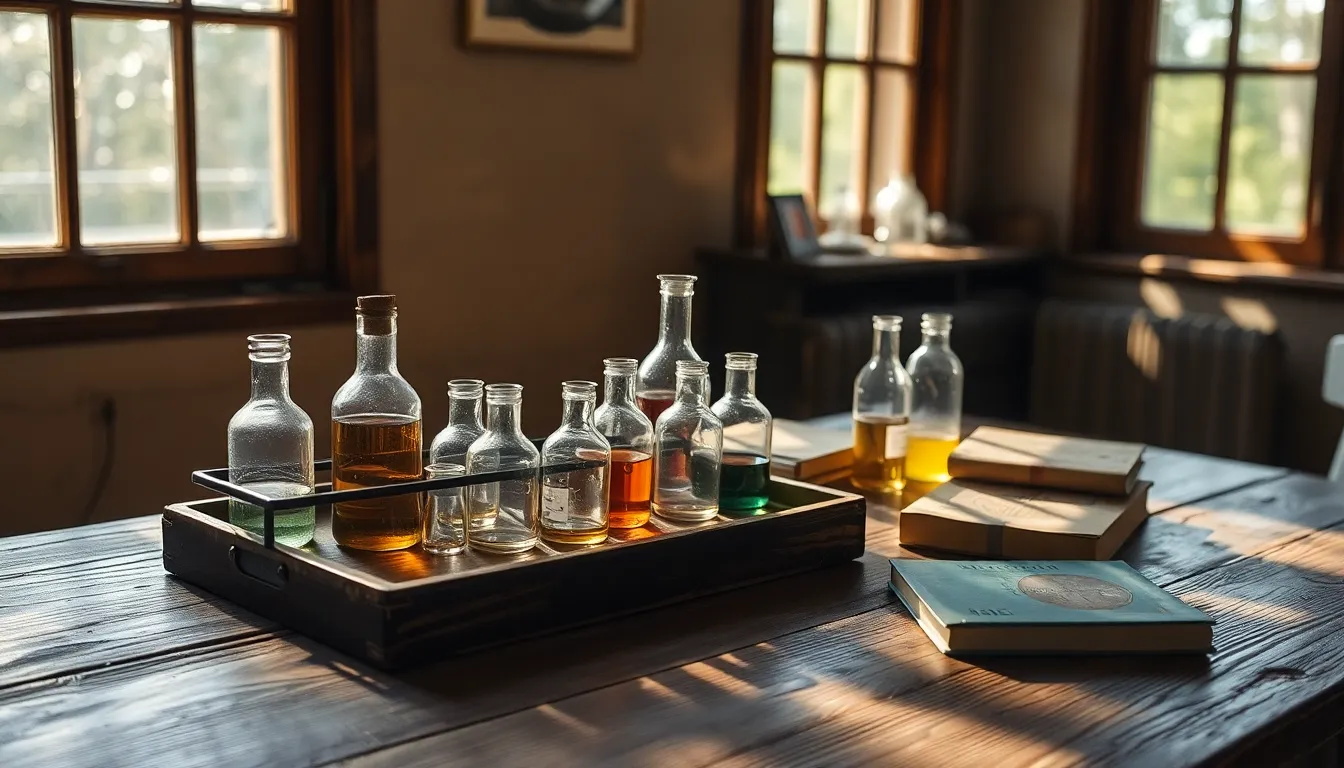
Taken with a Hasselblad X2D 100C, 90mm f/2.5 medium format, this image depicts a vintage chemistry set on a weathered wooden table. Natural light from a nearby window creates dappled sunlight patterns on the surface, adding warmth. Hyperfocal distance keeps all elements in focus, from the aged glass vials to the scattered chemical books. The color palette leans towards warm, muted tones with rich browns and greens, evoking nostalgia. The composition adheres to the rule of thirds, placing the chemistry set at a key point while allowing the textured wooden table to frame the scene.
16:9
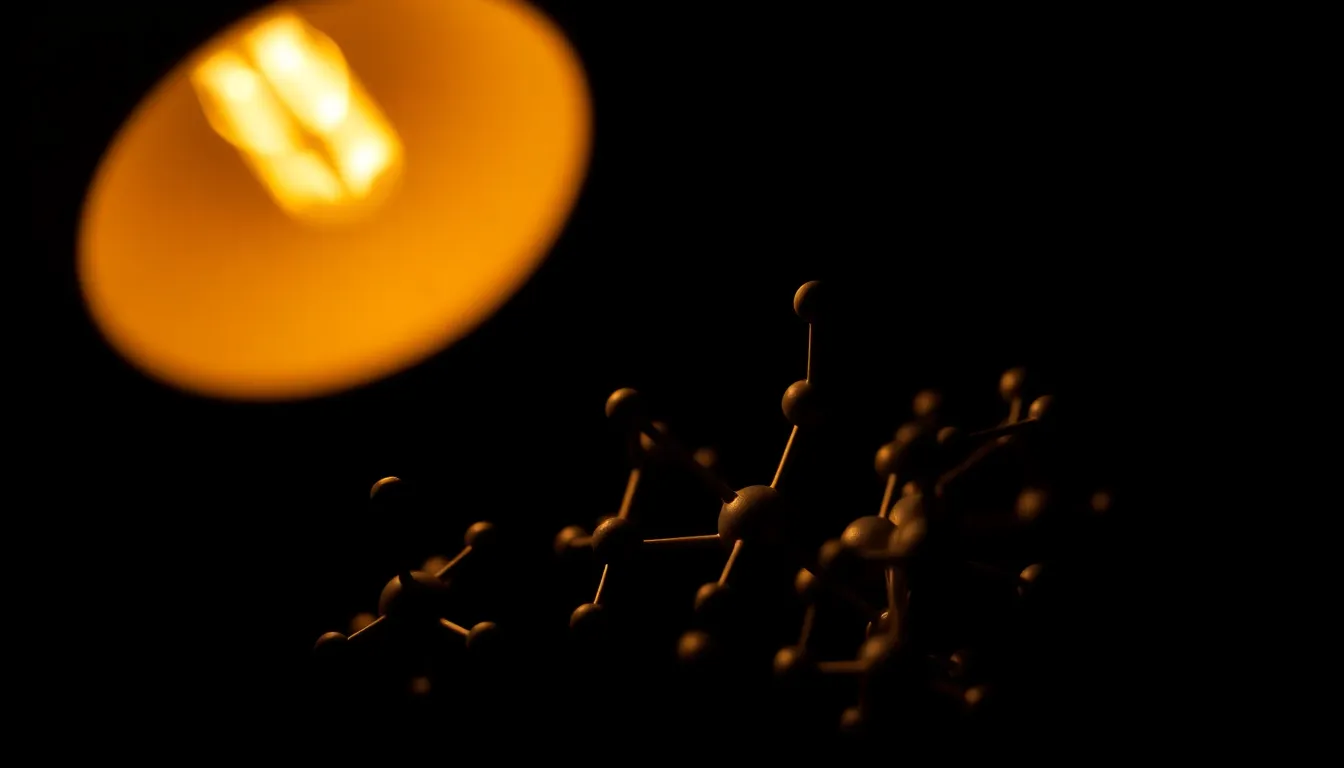
Photographed using a Fujifilm GFX 100S, 110mm f/2 macro lens, this close-up captures intricate molecular structures on a black background. A warm tungsten desk lamp casts a dramatic pool of light, highlighting the textures of the molecules. The shallow depth of field at f/2 blurs the background, bringing sharp focus to the intricate details of the molecular model. The color palette embraces natural muted tones against stark black, creating a striking contrast. The composition is centered, emphasizing the complexity and beauty of chemical structures.
16:9

Captured with Nikon Z9, 70-200mm f/2.8 telephoto at 135mm, this image showcases colorful chemical reactions in a glass beaker. Overcast diffused daylight enters the laboratory through large windows, offering soft lighting that enhances the colors. Hyperfocal distance ensures everything from the beaker to the distant shelves is sharp. The vibrant colors of the reacting liquids are reminiscent of a Fujifilm Velvia-inspired palette with deep blues and rich greens. The composition features a centered symmetrical layout, highlighting the beaker against a clean, white countertop.
16:9
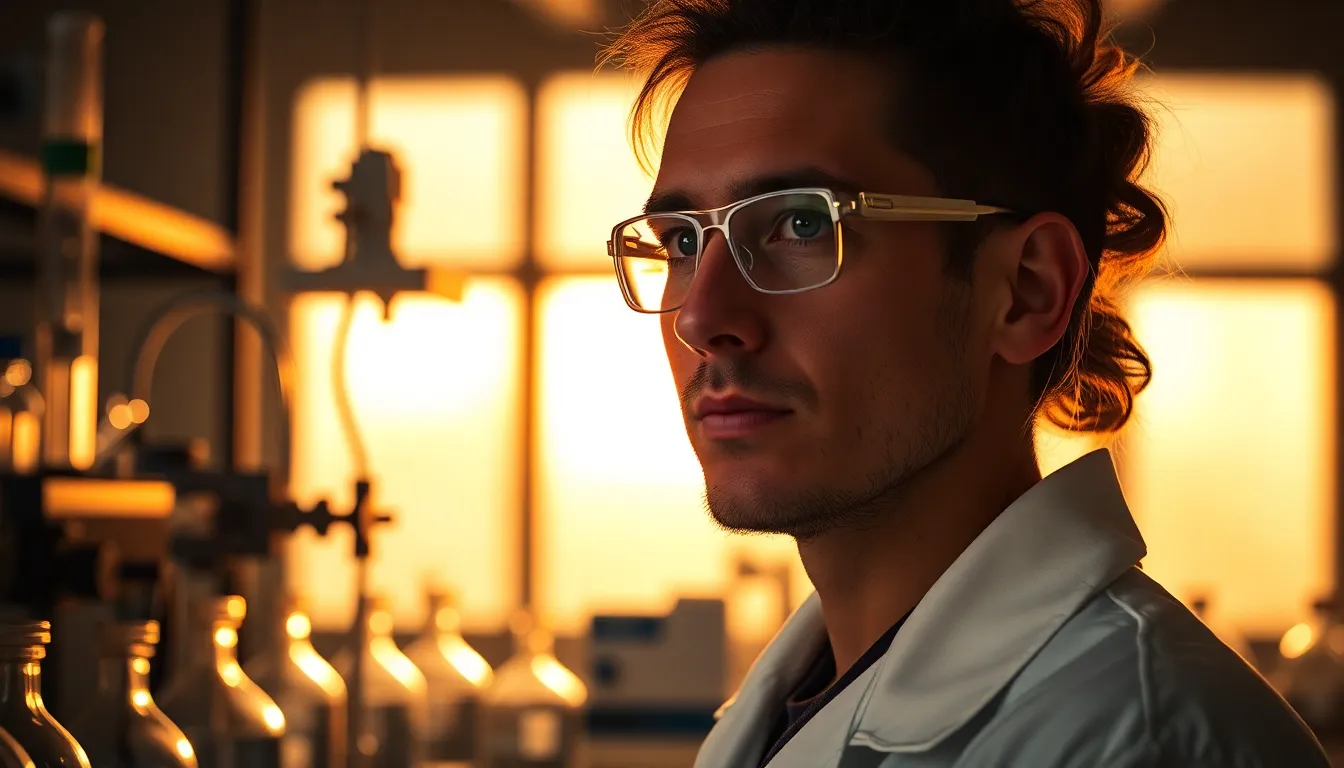
Shot on Canon EOS R5, 24-70mm f/2.8L at 50mm, capturing a chemist in a modern laboratory. Golden hour backlighting creates a warm glow while a soft fill from a diffuser highlights the subject’s details. Shallow depth of field at f/2.8 allows the background equipment to softly blur, enhancing focus on the subject. The color palette features natural muted tones with desaturated earth colors, evoking a calm and professional atmosphere. The composition is ruled by thirds, with the chemist at a left power point, surrounded by glass vials and lab instruments reflecting meticulous detail and clarity.
16:9
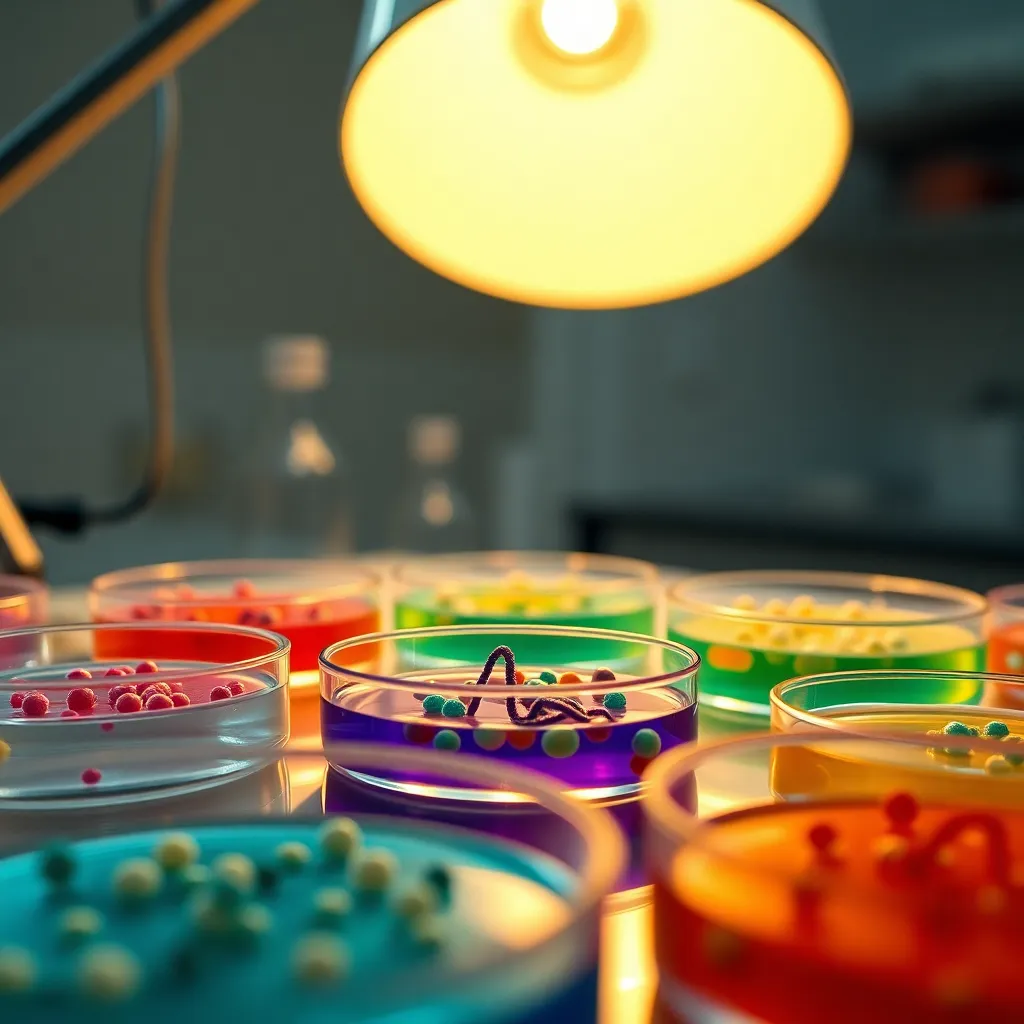
shot on Sony A7R V with 85mm f/1.4 GM lens, featuring a dynamic infographic on DNA sequencing displayed on a modern office wall. The scene is illuminated by soft LED lighting, creating a clean, bright environment. The image uses hyperfocal distance to maintain clarity from foreground to background, ensuring the infographic details are fully sharp. The color palette includes cool blues and crisp whites, reflecting a professional atmosphere. Compositionally, the infographic is centered, framed by sleek office furniture, accentuating a modern scientific setting.
16:9
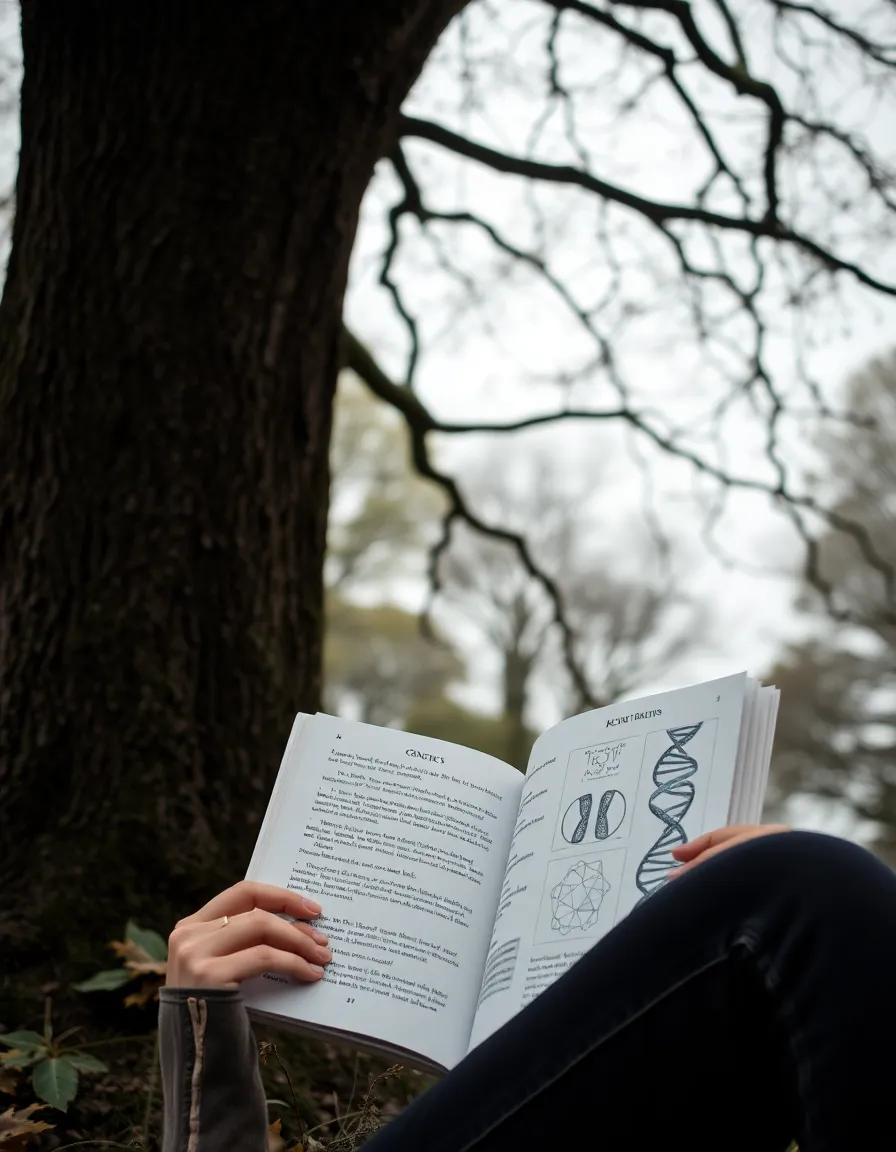
captured with Hasselblad X2D 100C, 90mm f/2.5 medium format, showcasing an artistic representation of DNA strands made of nature-inspired elements such as leaves and flowers intertwined. The setting is outdoors, illuminated by warm golden hour light, creating soft glows and interesting shadow patterns. Using a shallow depth of field at f/2.5, the strands appear sharp while a creamy bokeh envelops them. The color palette is vibrant with greens, yellows, and soft florals, evoking a sense of harmony. The composition uses leading lines to guide the viewer’s eye along the winding DNA shape formed by nature.
3:4
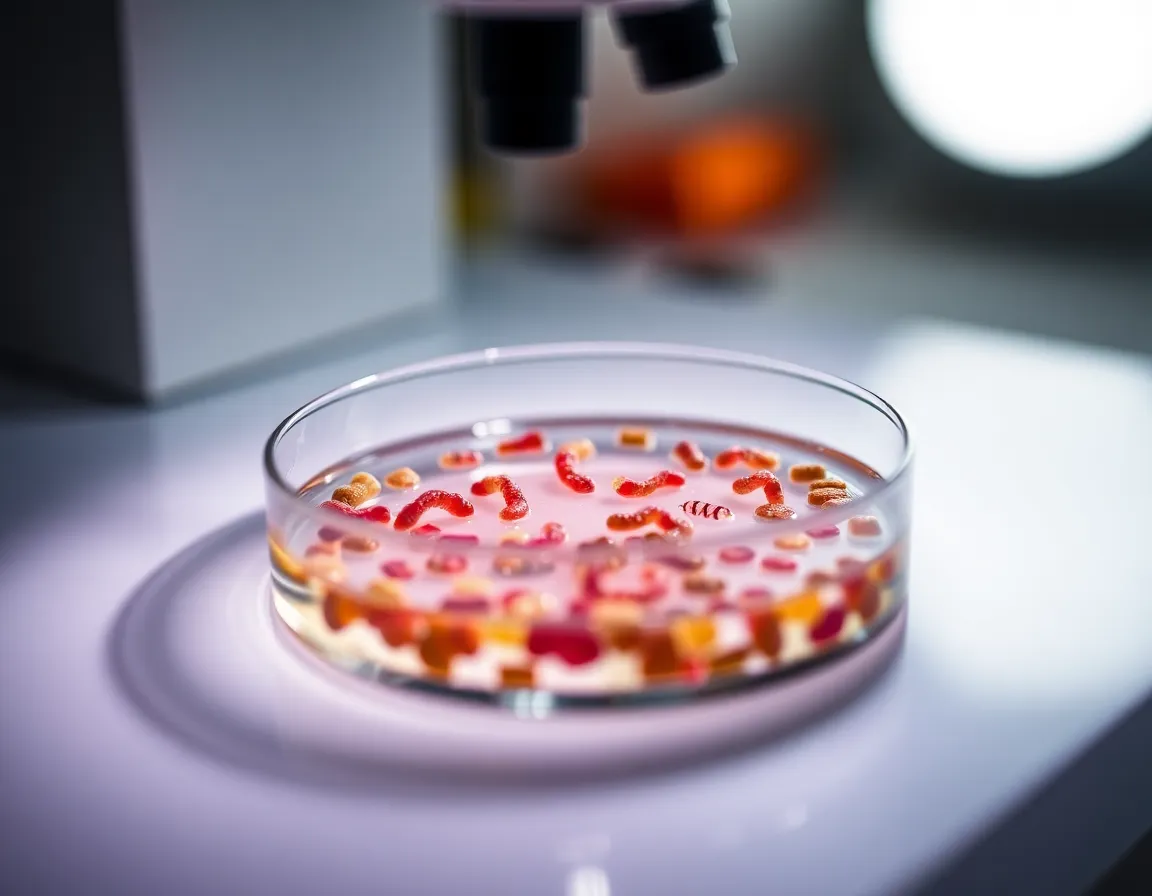
shot on Fujifilm GFX 100S, 110mm f/2 macro, capturing a petri dish containing cultured cells showcasing DNA strands under a microscope. The scene is illuminated by a focused overhead light, which creates dramatic contrast against the glass surface of the dish. Utilizing selective focus on the DNA strands, the background softly melts into pleasing bokeh. The color science leans towards natural muted tones, emphasizing earthy colors of the cultured media. The composition leverages centered symmetry, placing the petri dish at the core, while the texture of the glass and cellular growths adds an intriguing element to the image.
4:3

captured with Canon EOS R5, 24-70mm f/2.8L at 35mm, featuring a close-up of a researcher analyzing DNA sequences on a digital tablet. The environment is illuminated with warm, natural daylight streaming through large windows, creating a soft and welcoming atmosphere. A hyperfocal distance ensures that both the researcher’s intently focused expression and the tablet's colorful graphics remain sharp. The color palette includes earthy tones with highlights of vibrant colors from the tablet screen. The composition emphasizes the subject's face on a slight angle, enhancing the genuine curiosity and dedication evident in their expression.
3:2
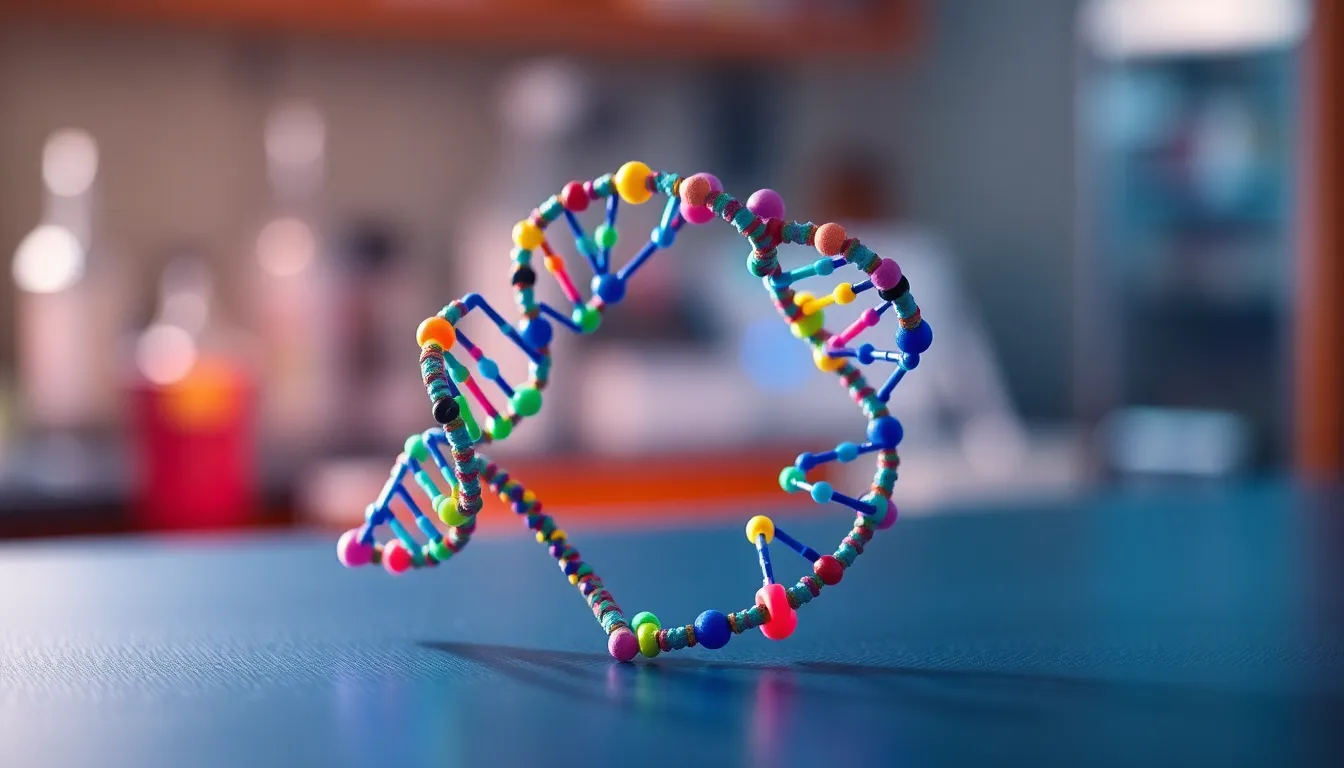
shot on Nikon Z9, 70-200mm f/2.8 telephoto at 135mm, showcasing a DNA double helix model made from colorful molecular structures. The scene is illuminated by soft, diffused studio lighting to ensure even exposure. Using a shallow depth of field at f/2.8, the background gracefully blurs into soft colors, accentuating the intricate details of the DNA strands. The color palette features vibrant blues, greens, and purples, creating a lively atmosphere. Compositionally, the image utilizes the rule of thirds, placing the DNA model at a power point, while the textured surface of the scientific table adds depth and interest.
16:9
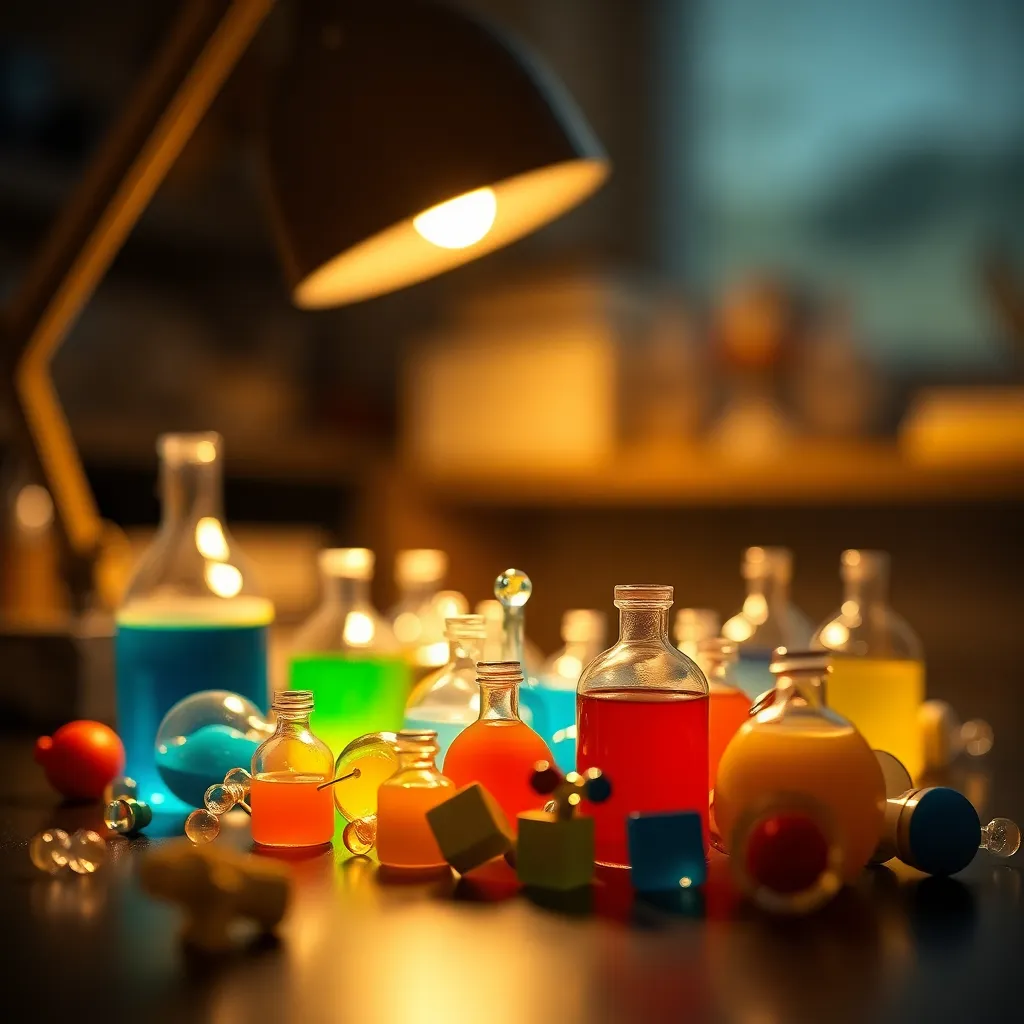
Fujifilm GFX 100S, 110mm f/2 macro, warm tungsten desk lamp casting a directional pool of light on a chemical compound display. Selective focus on vibrant colored compounds, with the background melting into soft painterly bokeh. The color palette reflects Kodak Portra 400, with warm skin tones and creamy highlights enhancing the subject’s surfaces. The composition employs a rule of thirds approach, creating balance between the compounds and the surrounding dark table surface that showcases their vivid colors.
1:1
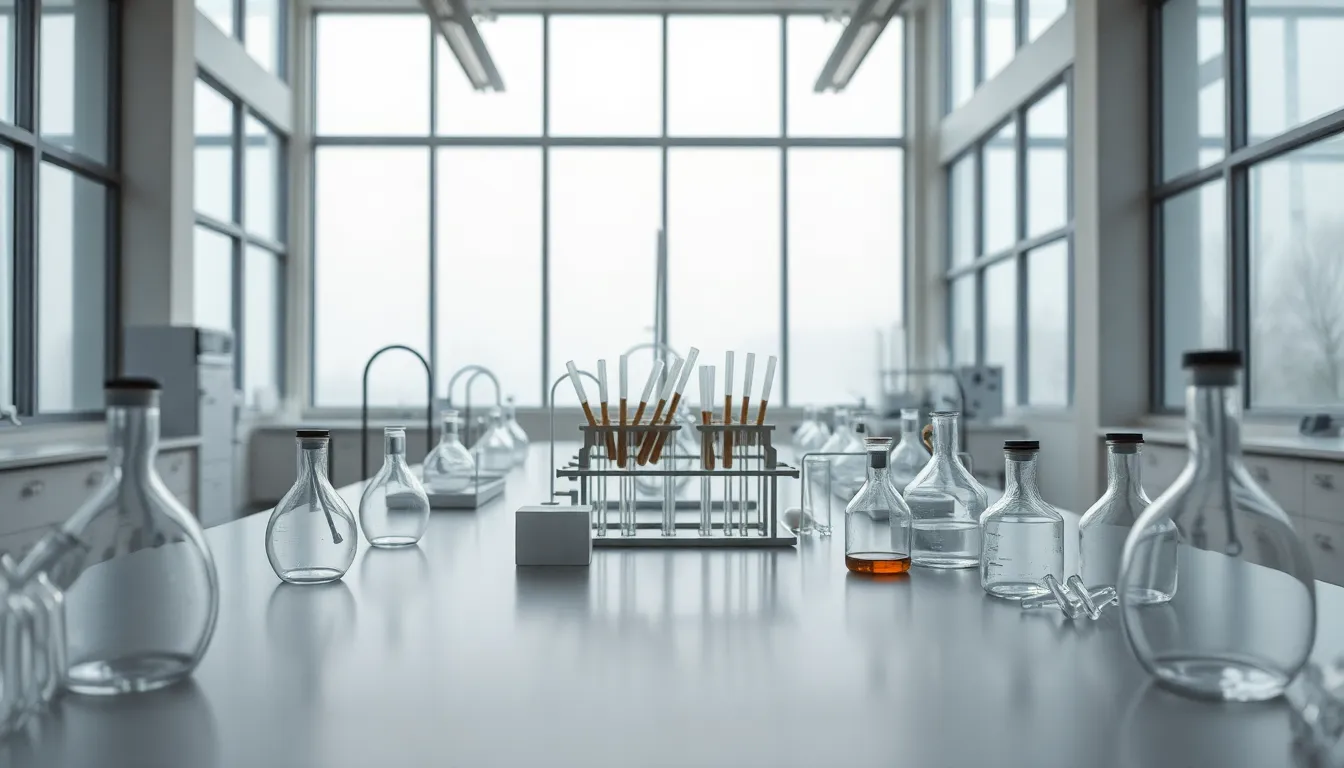
Hasselblad X2D 100C, 90mm f/2.5 medium format, utilizing overcast diffused daylight streaming through large windows to create an even exposure. Hyperfocal distance ensures everything from foreground to infinity is in focus at f/8, revealing intricate details of various laboratory instruments. The color palette consists of natural muted tones, emphasizing the minimalist aesthetic of the setting. The composition is characterized by a leading line formed by a long laboratory table displaying an organized array of glass flasks and pipettes.
16:9
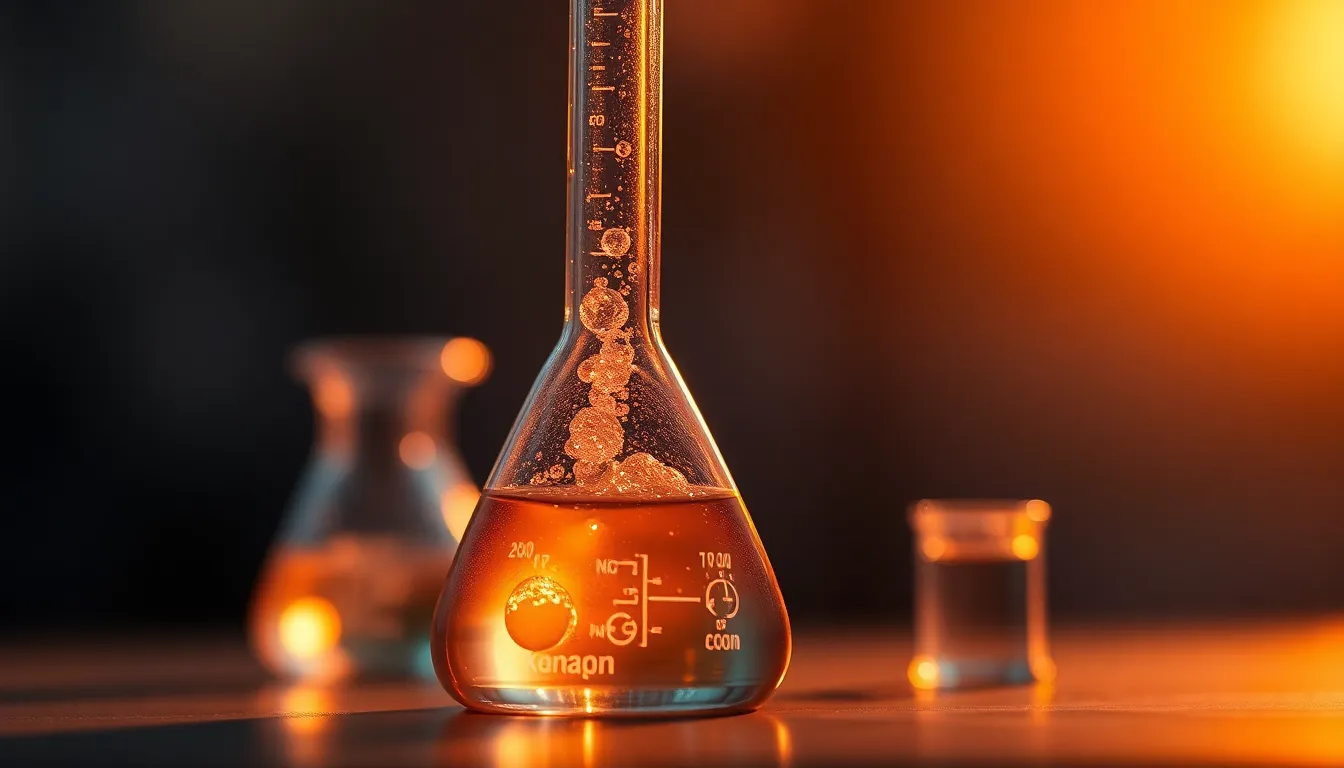
Nikon Z9, 70-200mm f/2.8 telephoto at 100mm, golden hour backlighting with warm rim light around the chemical apparatus. Shallow depth of field at f/2.8 creates a dreamy background, while the warm colors of the sunset add ethereal quality. The composition follows leading lines that draw the viewer's eye toward the intricate details of the glassware and the bubbling liquid inside. The texture of the glass reflects the soft hues of the sunset, enhancing the visual impact.
16:9
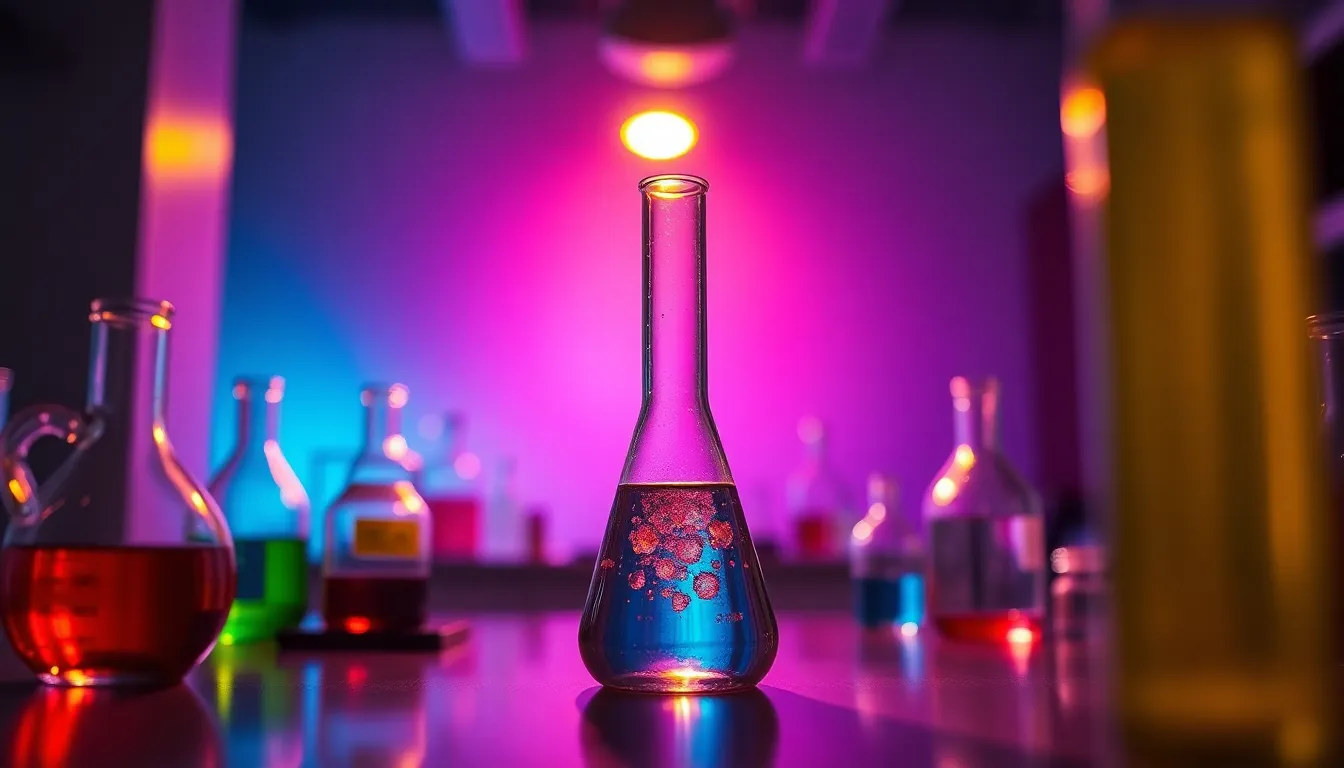
shot on Sony A7R V with 85mm f/1.4 GM lens, dramatic studio lighting with a single key softbox at 45° creating sharp shadows and highlighting the subject's details. Hyperfocal distance ensures everything from foreground to infinity is tack-sharp at f/8. The color palette reflects cinematic teal and orange grading, giving the scene an intense mood. The composition takes a centered approach, showcasing a chemist in a lab coat holding a beaker filled with a colorful solution, with books and lab equipment in the background.
3:2
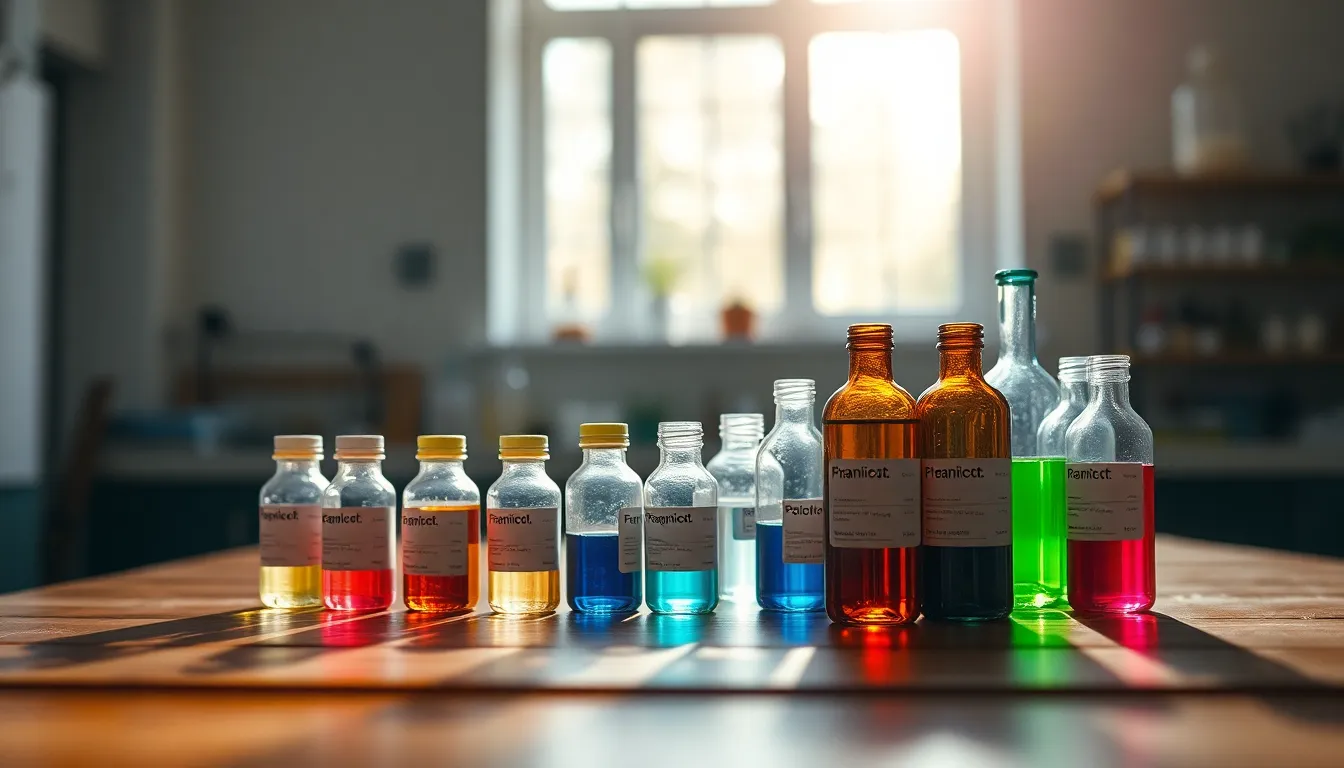
captured with Canon EOS R5, 24-70mm f/2.8L at 50mm, soft natural light from a large window creating a bright, inviting atmosphere. Shallow depth of field at f/2.8 with smooth bokeh blurring the background. Natural muted tones with desaturated earth colors dominate the image. The composition follows the rule of thirds, with a colorful array of chemical reagents nestled on a polished wooden table. Each glass vial shows subtle reflections, and the labels are meticulously arranged for clarity.
16:9

Captured with Leica Q3, 28mm f/1.7 Summilux lens, showcasing the International Space Station orbiting Earth. The view highlights the ISS against a backdrop of swirling clouds and the curvature of the planet below during sunrise. The natural light casts warm tones of orange and yellow, creating a vibrant contrast with the blue of Earth. A shallow depth of field emphasizes the ISS, while the colorful clouds blur into a soft bokeh. The composition centers the station, balancing it with the planet's curve.
16:9
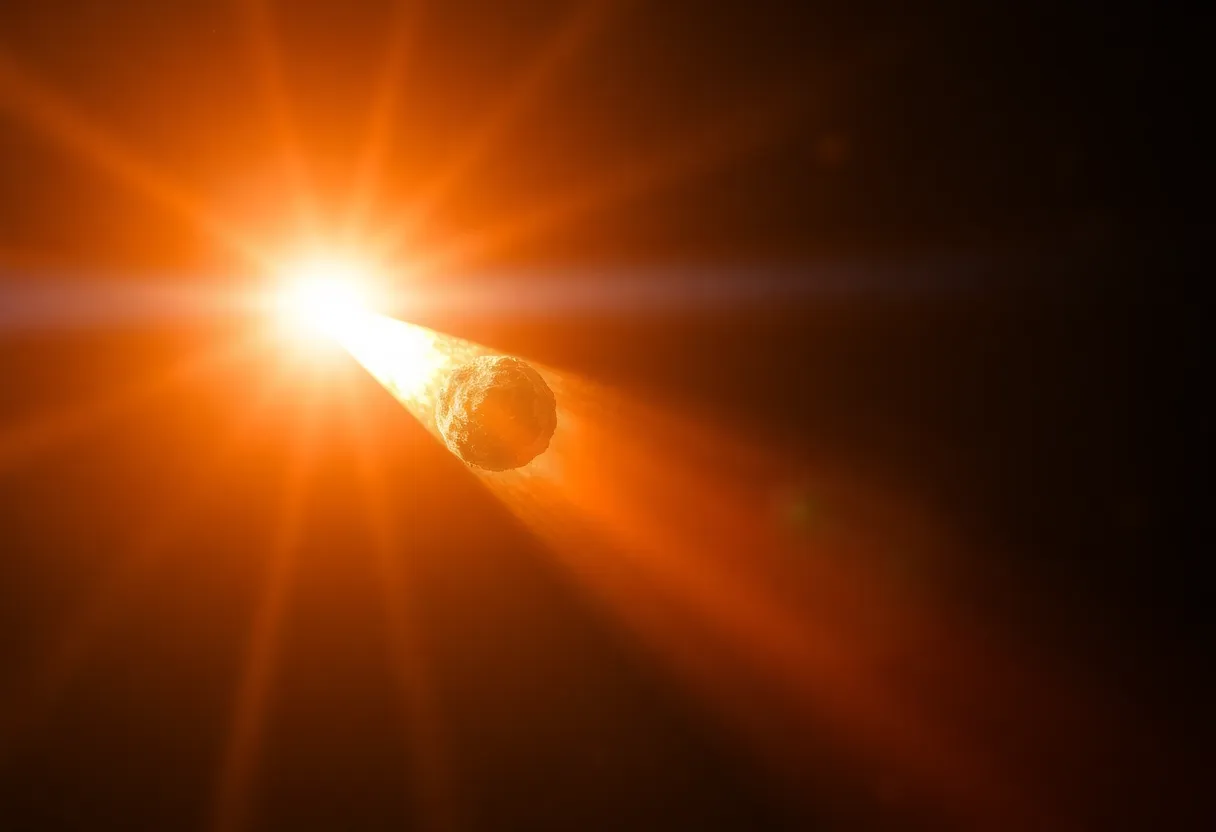
Photographed with Fujifilm GFX 100S, 110mm f/2 macro lens during a meteor shower. The scene captures bright meteors streaking across a twilight sky, with vibrant colors blending into the dark blue background. Natural lighting enhances the shimmering effect as the meteors trail through the atmosphere. A hyperfocal depth keeps both the meteors and the silhouetted trees in sharp focus. The composition features leading lines created by the meteor paths, drawing the viewer's eye across the night sky.
16:9
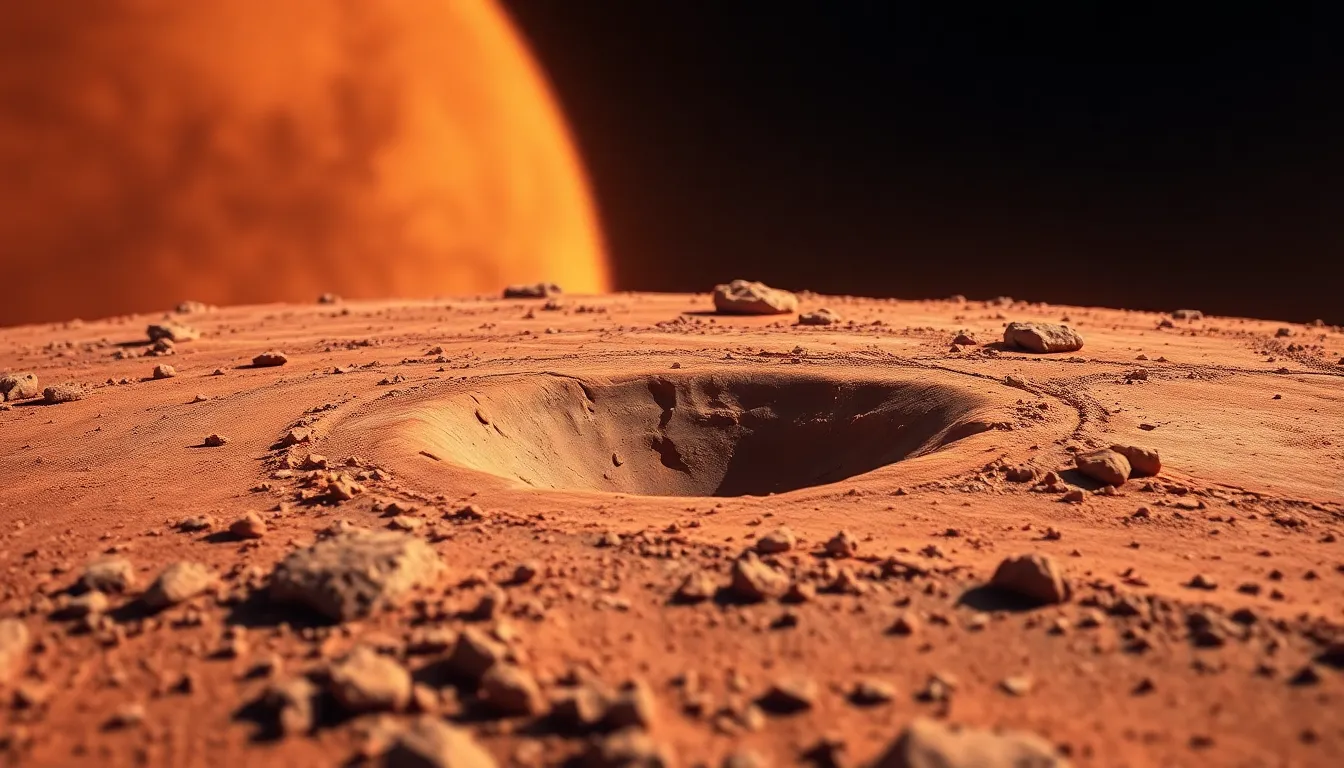
Created with Hasselblad X2D 100C, 90mm f/2.5 medium format, showcasing a close-up of Mars' surface. This image highlights the rough, textured terrain with visible craters and dust particles. The scene is illuminated by soft diffuse sunlight, producing natural muted tones of red and orange, enhancing the planet's rugged character. A shallow depth of field focuses sharply on a crater while blurring the background, creating depth. The composition centers on the crater, inviting viewers to explore the Martian landscape.
16:9
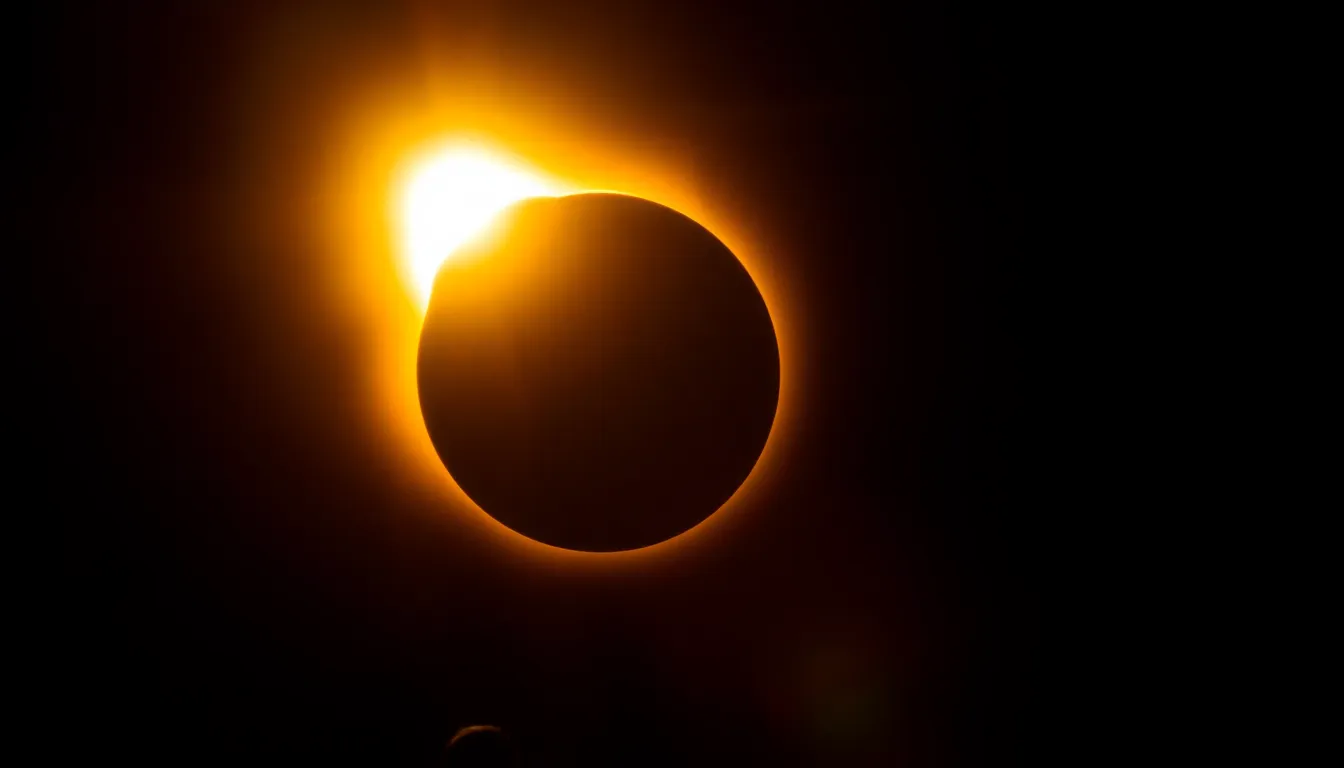
Shot on Canon EOS R5, 24-70mm f/2.8L at 35mm during a solar eclipse. The dramatic scene captures the moon partially obscuring the sun, with a fiery corona glowing around it. The lighting casts sharp contrasts, showcasing the deep blacks of space against the luminous corona. Using a hyperfocal distance, everything from the foreground silhouettes of onlookers to the eclipse itself is in sharp focus. The color palette features contrasting yellows and dark blues, creating an epic celestial moment.
16:9
Captured with Nikon Z9, 70-200mm f/2.8 telephoto at 135mm under a starry night sky. The scene features a swirling galaxy with vibrant hues of deep blues, pinks, and purples, creating a cosmic wonder. A shallow depth of field at f/2.8 blurs the surrounding stars into a dreamy bokeh. The composition uses rule of thirds, placing the galaxy at right power point, while a textured foreground of rocky terrain shows illuminated space dust. The image inspires awe and intrigue at the vastness of the universe.
16:9
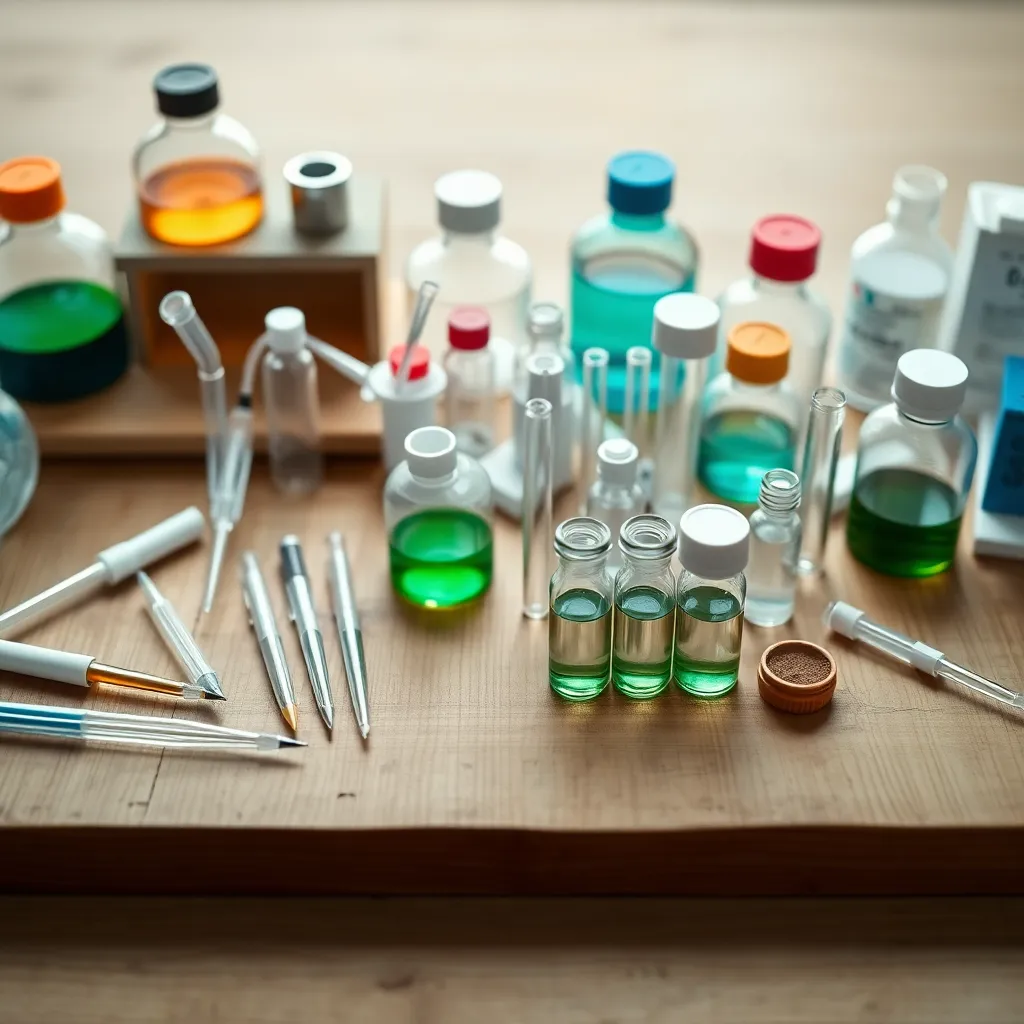
captured with Leica Q3, 28mm f/1.7 Summilux, showcasing a detailed flat lay of laboratory tools on a wooden surface during overcast diffused daylight. The scene includes pipettes, test tubes, and chemical containers arranged methodically, with a mild depth of field at f/2 creating a soft separation between foreground and background. The color palette features natural muted tones with a focus on the wooden texture. The composition uses the rule of thirds to create balance and organization among the scientific tools.
1:1
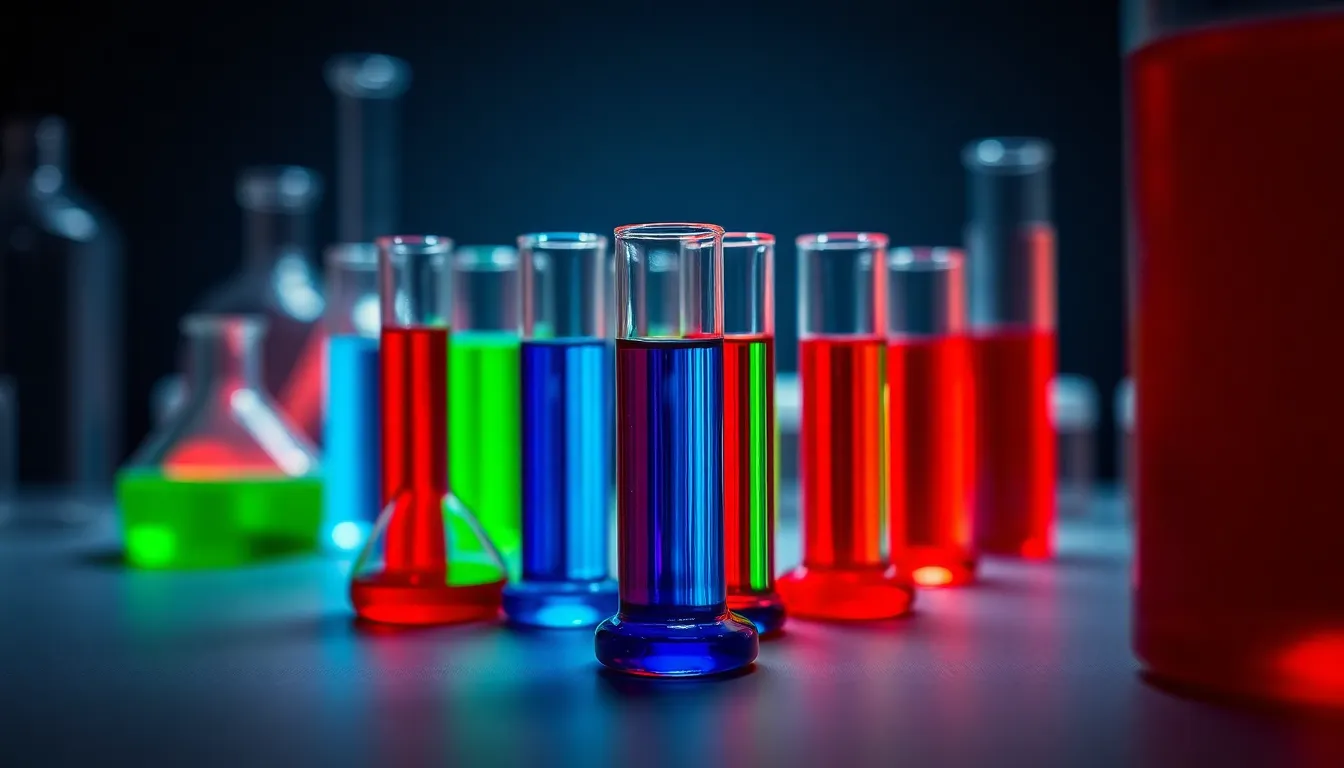
shot on Hasselblad X2D 100C, 90mm f/2.5 medium format, capturing a laboratory's sleek interior with dappled sunlight filtering through large windows and creating a warm atmosphere. A researcher stands at a lab bench, surrounded by high-tech equipment, using a laptop to analyze data, with selective focus on the researcher’s engaged expression. The color palette emphasizes earthy tones with bright spotlights on equipment. The composition utilizes the symmetry of the lab layout to create a balanced visual while highlighting the texture of the counter and equipment.
16:9
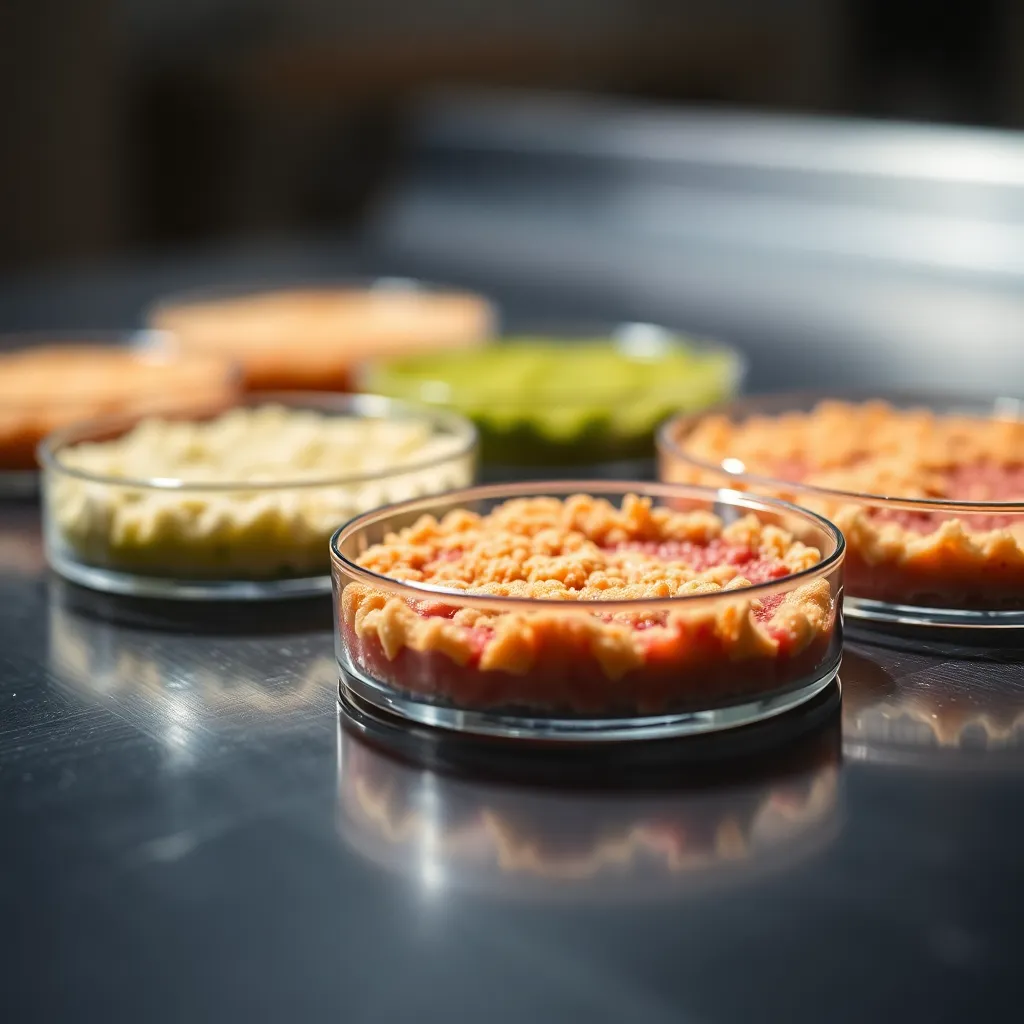
taken with Fujifilm GFX 100S, 110mm f/2 macro lens, showcasing a close-up of petri dishes on a stainless steel surface under a three-point studio setup with key softbox at 45°, creating shadows that highlight the textures. The shallow depth of field at f/2 renders the petri dishes crisp while the background softly blurs into bokeh. The color grading follows a natural palette with muted earth tones contrasting against the vibrant colors of the growing cultures. The composition underscores the details of each dish, focusing on unique growth patterns.
1:1
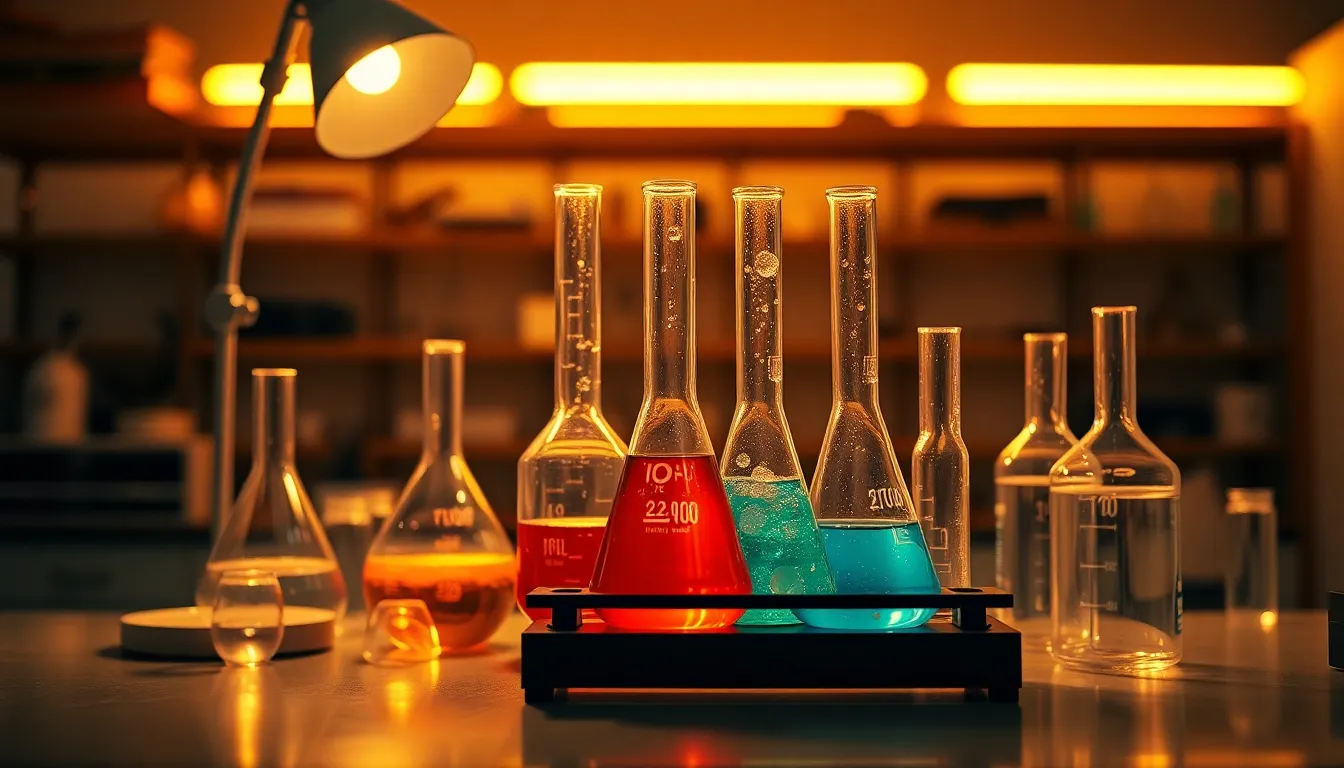
captured with Nikon Z9, 70-200mm f/2.8 telephoto at 135mm, during golden hour with warm rim light highlighting the edges of the lab equipment. A technician is carefully examining a sample under a microscope, with hyperfocal distance to keep both the subject and the intricate equipment in focus at f/8. The natural muted tones of the scene emphasize the professionalism of the laboratory. The composition places the technician off-center according to the rule of thirds, while the smooth surfaces of the microscope and glassware are rendered in striking detail.
16:9

shot on Canon EOS R5, 24-70mm f/2.8L at 35mm, captured in an overcast diffused daylight through floor-to-ceiling windows. The scene features a modern laboratory with multiple glass beakers filled with colorful liquids, creating a vibrant atmosphere. A scientist in a white lab coat is pouring a blue solution into a beaker, with shallow depth of field at f/2.8 blurring the background. The color palette highlights warm skin tones against the cool tones of the glassware. Using leading lines of the lab benches to draw attention to the subject, the texture of the glass and the fluid's surface is captured in intricate detail.
16:9

Fujifilm GFX 100S, 110mm f/2 macro, focusing on a detailed close-up of a physics textbook laying open on a rustic wooden desk, with scattered notes and a vintage magnifying glass. The soft natural light filtering through a window creates gentle highlights across the pages, enhancing the texture of the paper. The use of shallow depth of field at f/2 allows for exquisite detail on the text and diagrams while the background dissolves softly. This composition uses the rule of thirds, placing the textbook slightly off-center for visual interest. The color palette features natural muted tones with subtle earth colors.
1:1
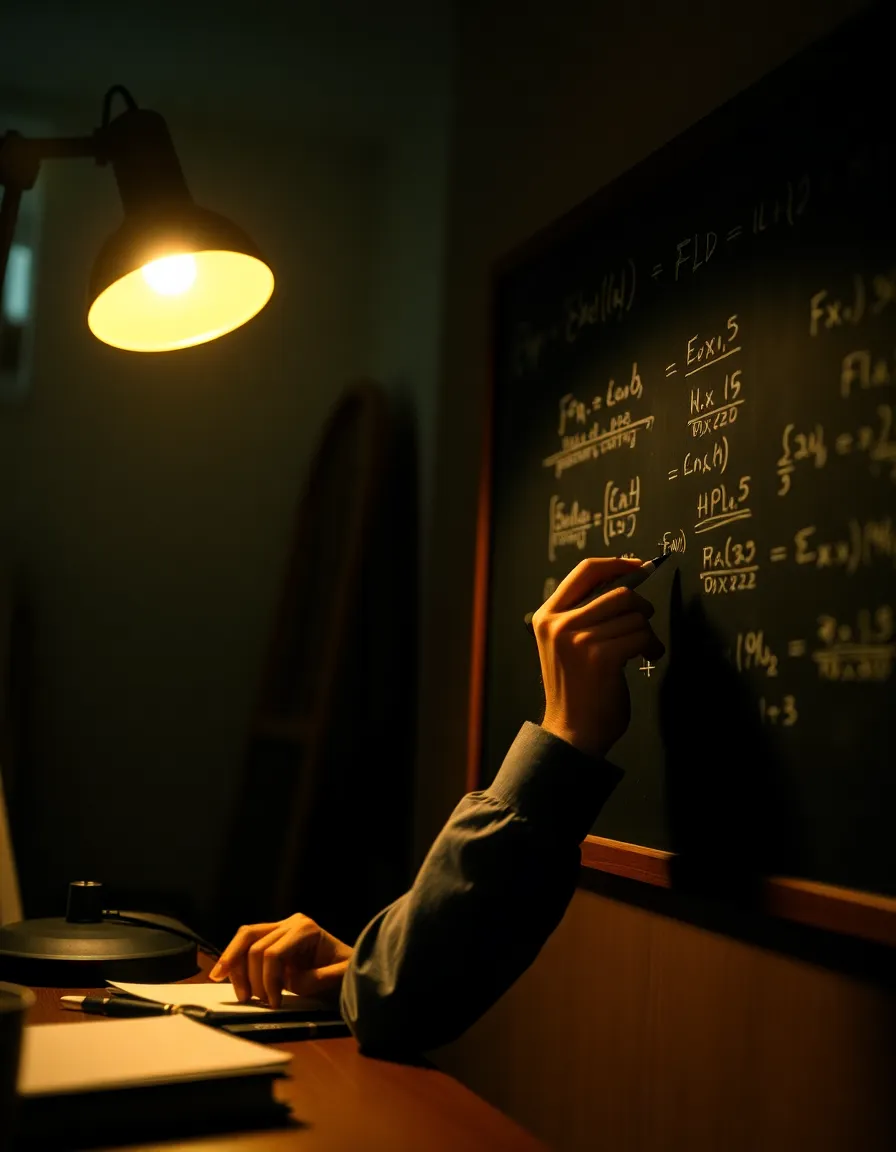
Hasselblad X2D 100C, 90mm f/2.5 medium format lens, capturing a close-up of a physicist writing complex equations on a chalkboard in their office. The warm glow from a practical desk lamp creates a focused area of light, contrasting with the darker, shadowy corners of the room. The image uses shallow depth of field at f/2.5 to highlight the chalkboard while the background melts into soft bokeh. A Kodak Portra 400 color palette emphasizes warm skin tones and creamy highlights, enhancing the personal feel. The composition follows a centered symmetrical layout, drawing attention to the physicist’s concentration and expertise.
3:4
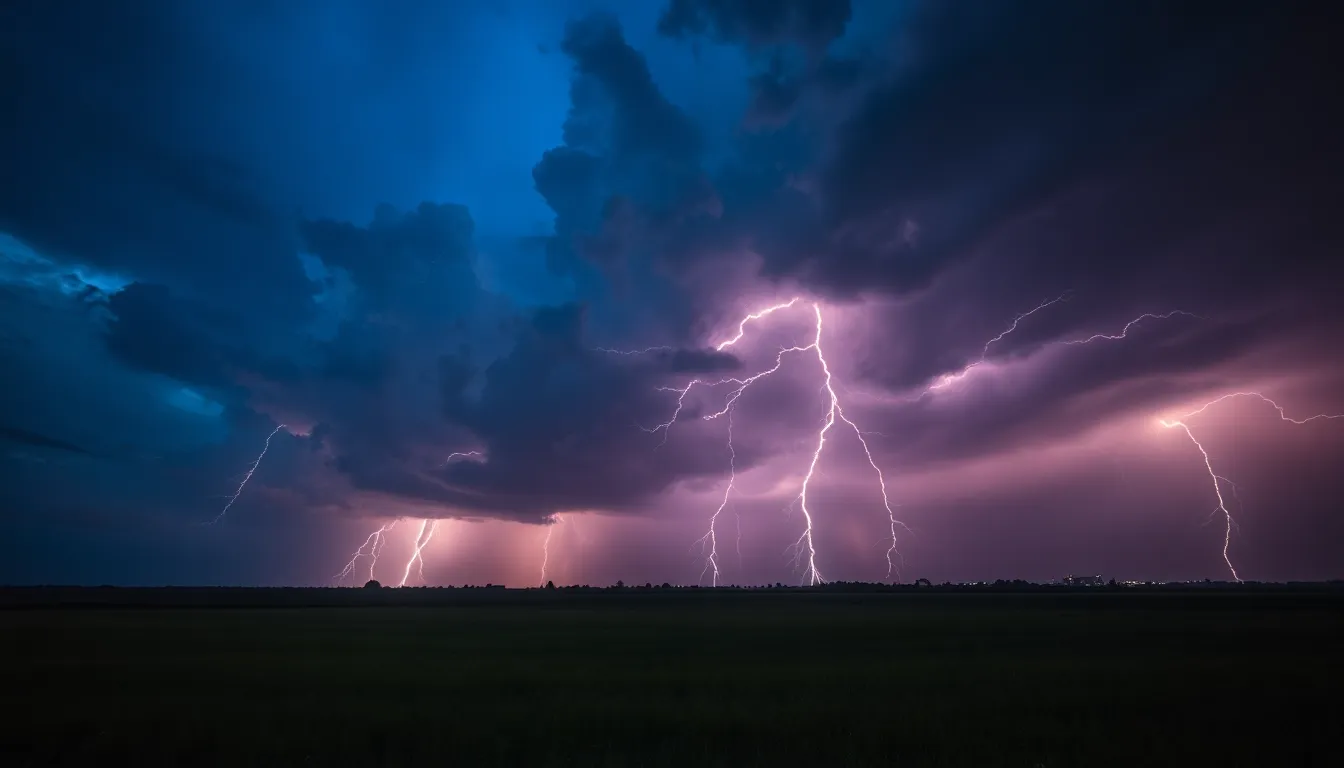
Nikon Z9, 70-200mm f/2.8 telephoto at 135mm, capturing an expansive view of a physics experiment outdoors, featuring a solar system model. The scene is bathed in golden hour backlighting, creating warm rim light around the planets and a soft fill from the ambient sunlight. A hyperfocal distance at f/8 ensures everything from the foreground details of the planet models to the distant horizon remains sharp. The image is enriched with a Fujifilm Velvia-inspired saturated color palette, enhancing the vibrant hues of the models against the clear blue sky. The composition features leading lines provided by a pathway drawing the viewer's eye towards the solar system display.
16:9
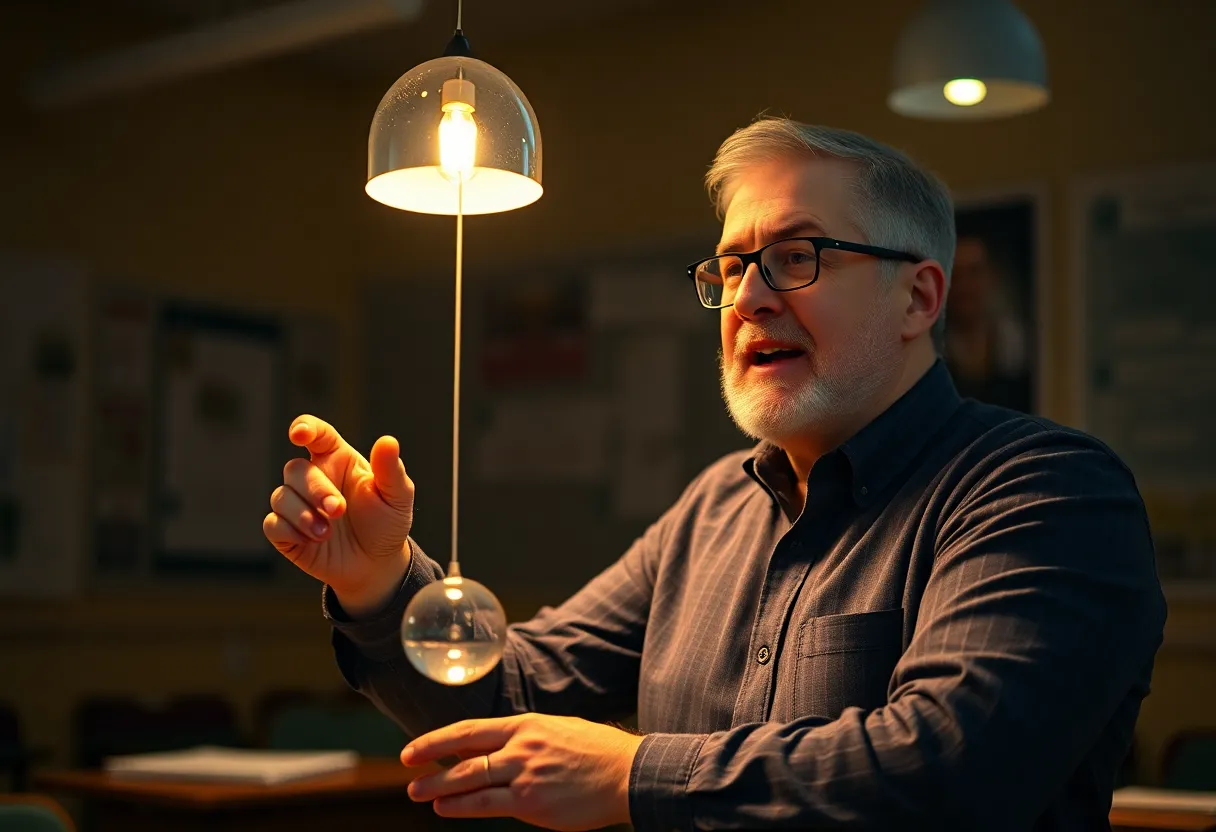
shot on Sony A7R V with 85mm f/1.4 GM lens that captures a dramatic moment of a physics teacher demonstrating an experiment with a pendulum. The classroom's warm tungsten desk lamp casts a spotlight on the teacher, creating a warm, inviting atmosphere while the rest of the room fades into slight darkness. Utilizing a selective focus on the teacher’s expressive face and the pendulum, the background dissolves into soft bokeh. The color palette features warm tones with rich highlights emphasizing the excitement of the lesson. The composition follows the rule of thirds, positioning the teacher at the right power point.
3:2
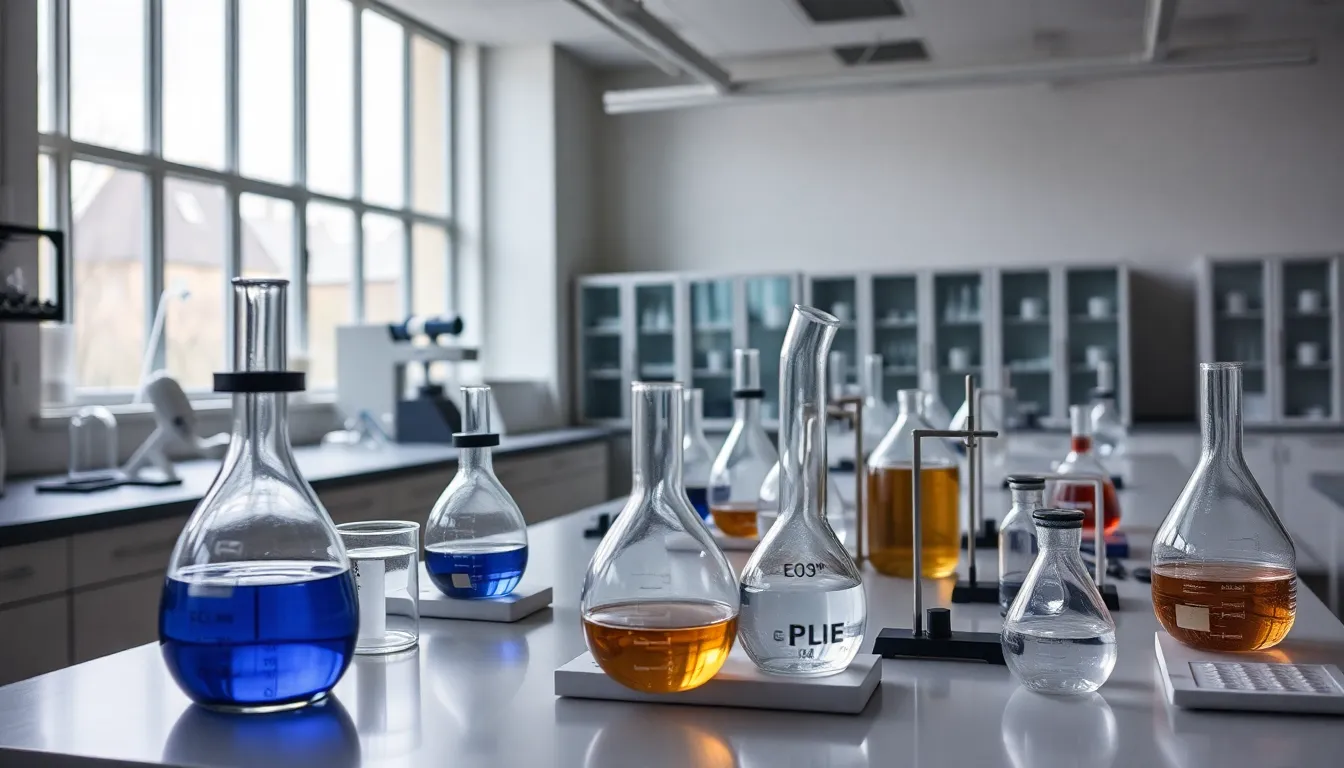
captured with Canon EOS R5, 24-70mm f/2.8L at 35mm, showcasing an intricate setup of physics experiments in a lab. The scene is illuminated by overcast diffused daylight coming through large windows, creating an even distribution of light. A shallow depth of field at f/2.8 emphasizes the details of glass beakers and scientific instruments while the background softly blurs into a creamy bokeh. The image features a natural muted tone palette with desaturated earth colors, highlighting the sterile environment of the lab. The composition uses leading lines of laboratory tables directing attention toward the engaging experiments being conducted.
16:9
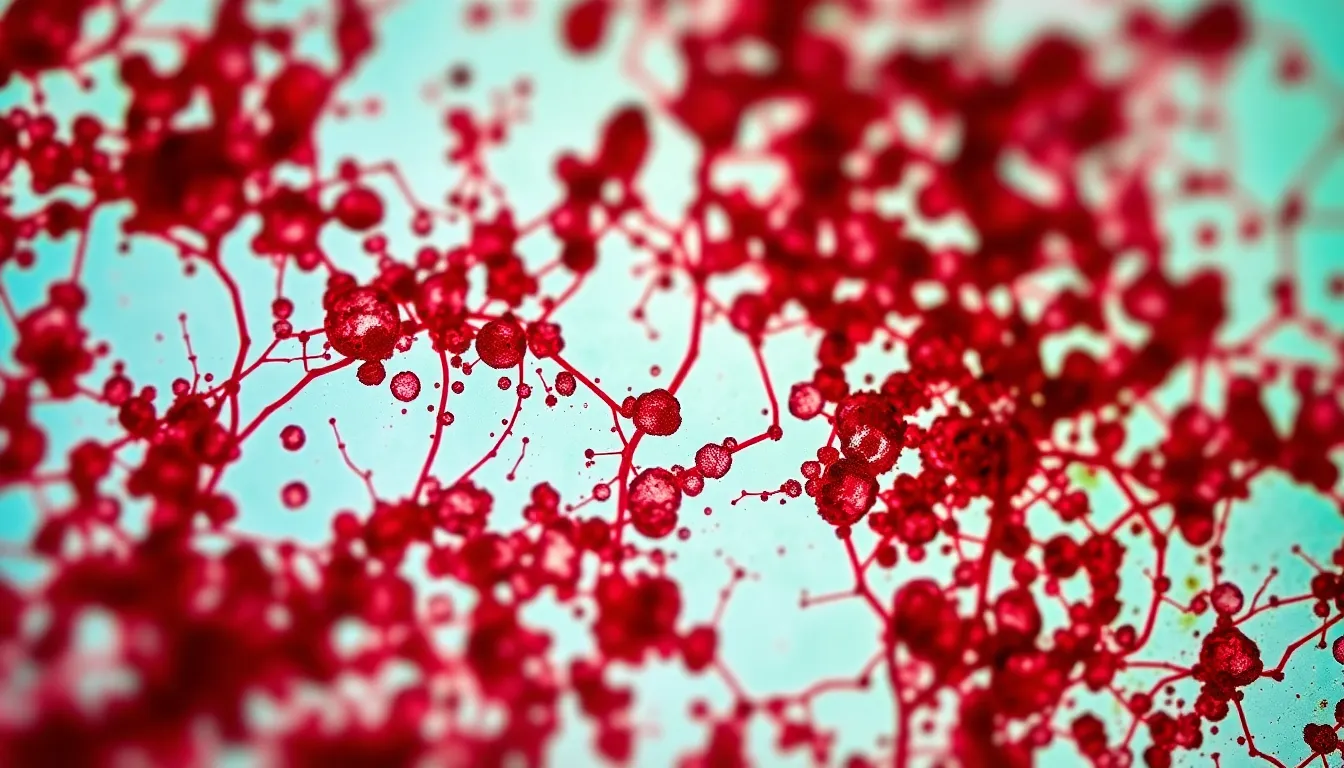
Fujifilm GFX 100S, 110mm f/2 macro, studio lighting with three-point setup featuring a key softbox creating even light across the specimen, hyperfocal distance producing a sharp image from foreground to background, Fujifilm Velvia-inspired saturated colors with vivid reds and greens, rule of thirds composition with the specimen strategically placed at an intersection point, highlighting intricate textures and details on the slide.
16:9
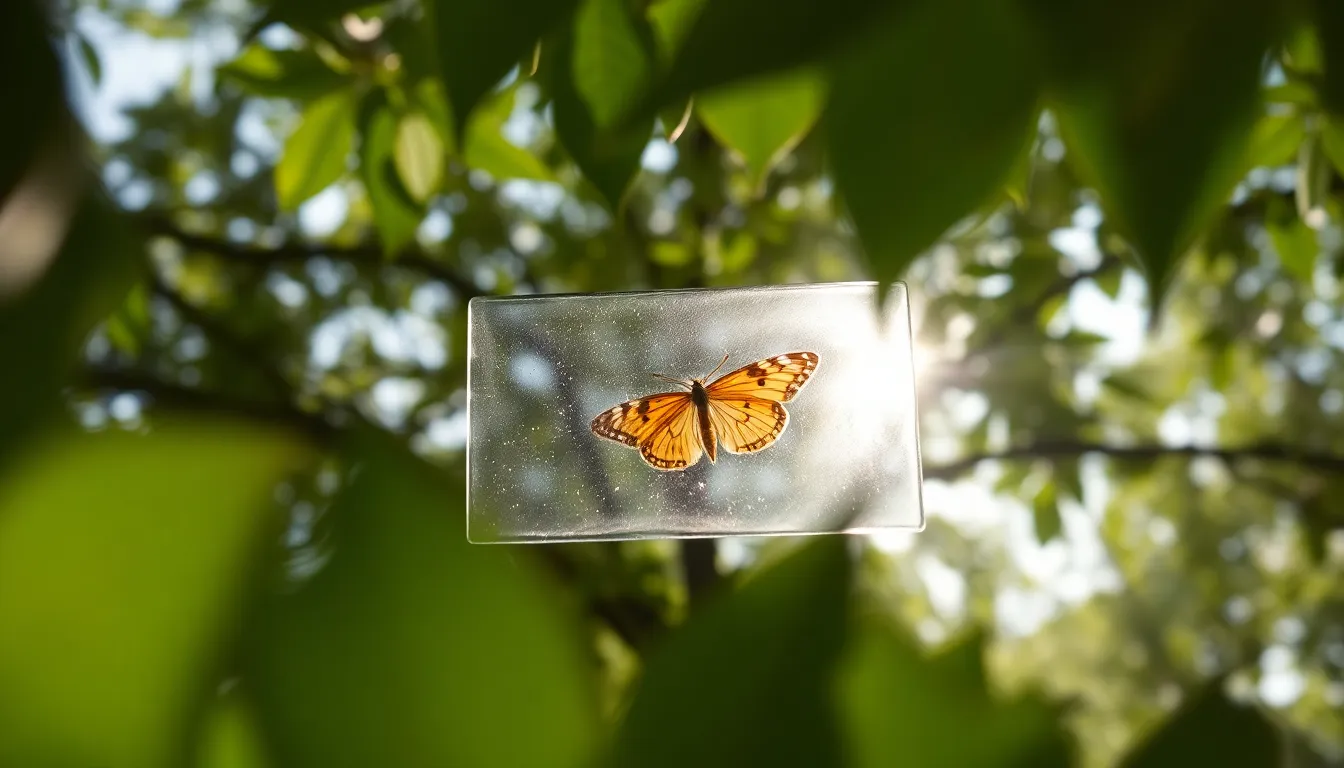
Hasselblad X2D 100C, 90mm f/2.5 medium format, dappled sunlight filtering through tree canopy creating speckled light on the transparent slide, shallow depth of field at f/2.5 focusing sharply on the central specimen while blurring surroundings, natural muted tones with desaturated colors enhancing the organic feel, foreground framing with leaves surrounding the slide for a cohesive natural composition, and visible texture of the glass reflecting light.
16:9
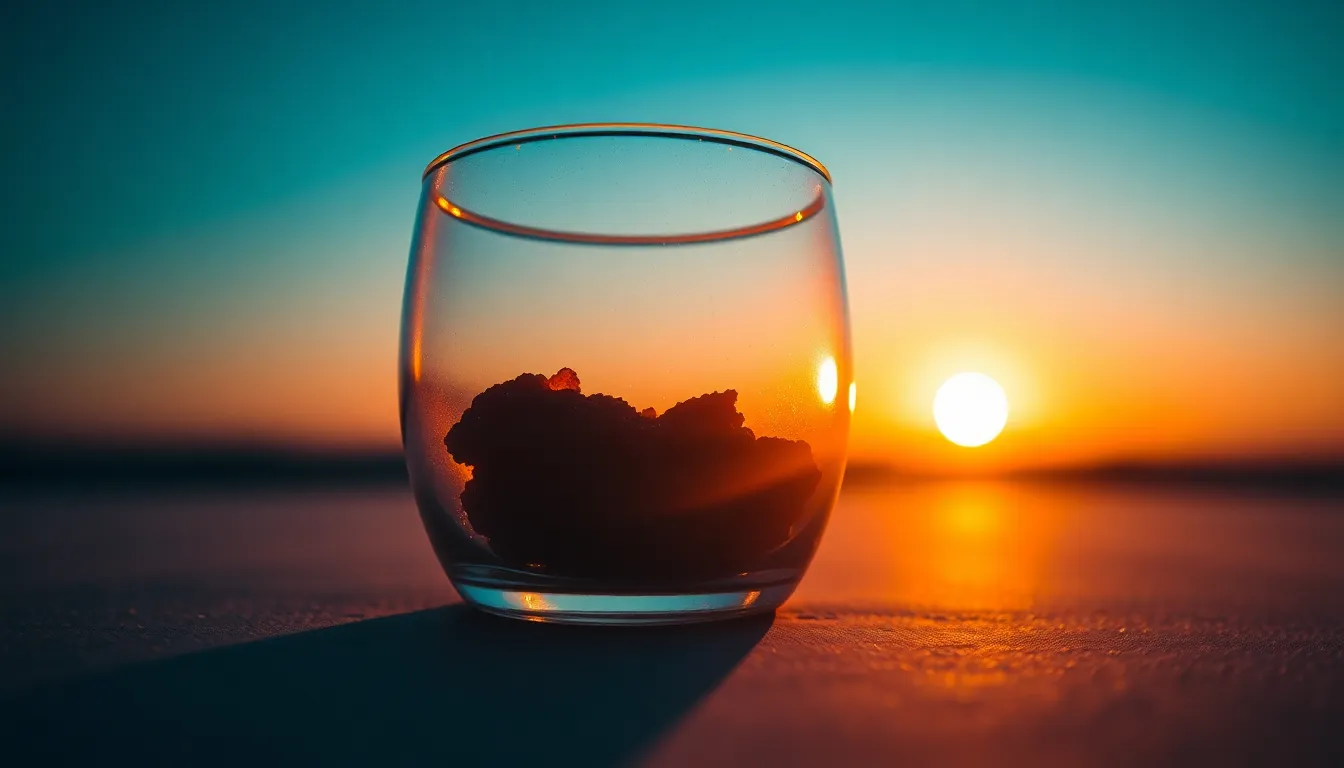
captured with Canon EOS R5, 24-70mm f/2.8L at 50mm, golden hour backlighting with warm rim light highlighting the edges of the prepared specimen, hyperfocal distance producing tack-sharp focus throughout the scene, cinematic teal and orange color grading creating a dramatic contrast, leading lines guiding the viewer's eye toward the specimen, with detailed textures of the glass and sample visible.
16:9
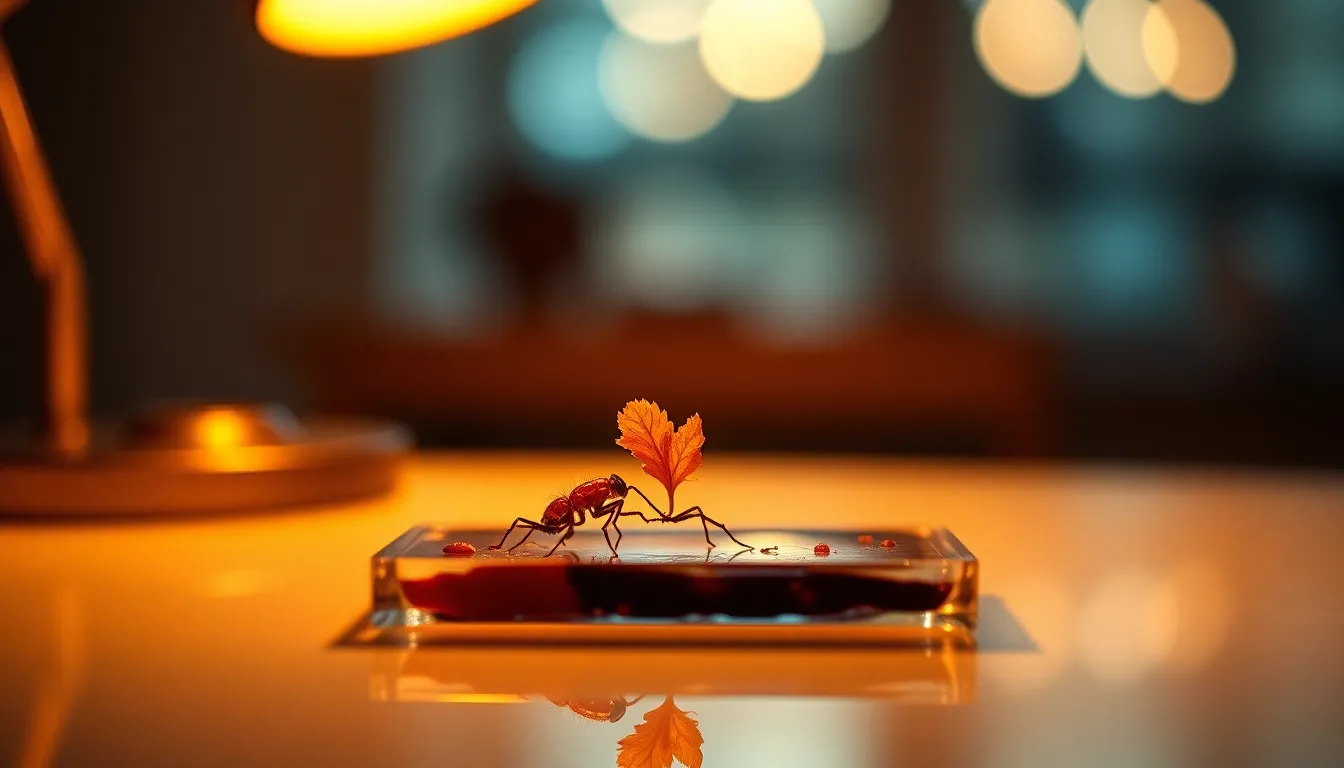
shot on Sony A7R V with 85mm f/1.4 GM lens, warm tungsten desk lamp casting directional light onto the prepared slide, selective focus on the vibrant specimen, background gradually melting into soft circular bokeh, Kodak Portra 400 color palette enhancing warm tones and creamy highlights, rule of thirds composition with the specimen positioned at the left power point, showcasing the smooth glass slide with its reflections.
16:9
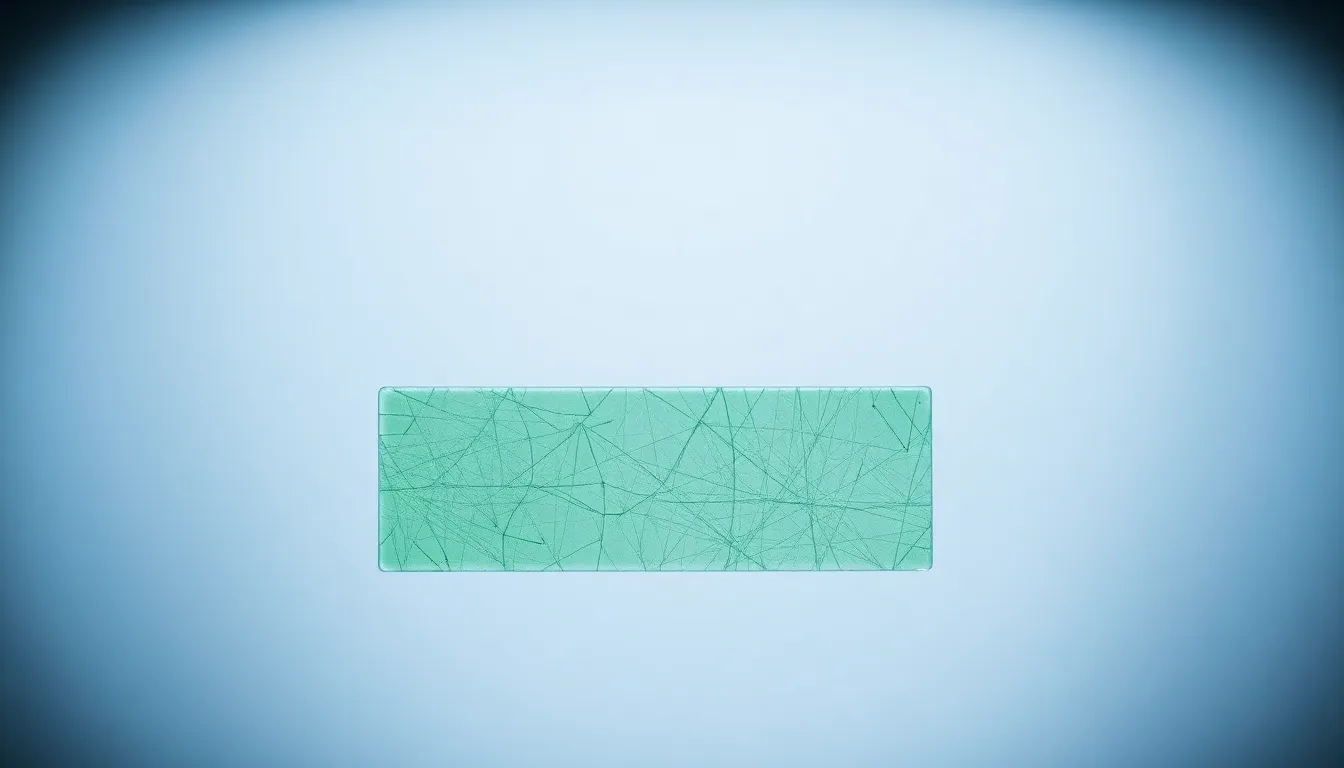
captured with Nikon Z9, 70-200mm f/2.8 telephoto at 100mm, overcast diffused daylight illuminating the specimen slide from an overhead light source, shallow depth of field at f/2.8 with a sharp focus on the specimen and a softly blurred background, natural muted tones with desaturated earth colors, centered symmetrical composition highlighting the glass slide, and visible texture of the specimen with intricate details on cellular structures.
16:9
captured with Hasselblad X2D 100C, 90mm f/2.5 medium format, presenting a majestic view of the Northern Lights illuminating a snowy landscape. The lighting is a natural spectacle with vibrant greens and purples dancing across the sky, creating a mesmerizing effect. A hyperfocal depth of field at f/8 ensures clarity across the snowy foreground and distant mountains. The color palette showcases striking contrasts of cool colors, enhancing the winter ambiance. The composition employs leading lines of the snow-covered terrain, guiding the eye towards the horizon where the aurora unfolds spectacularly.
16:9
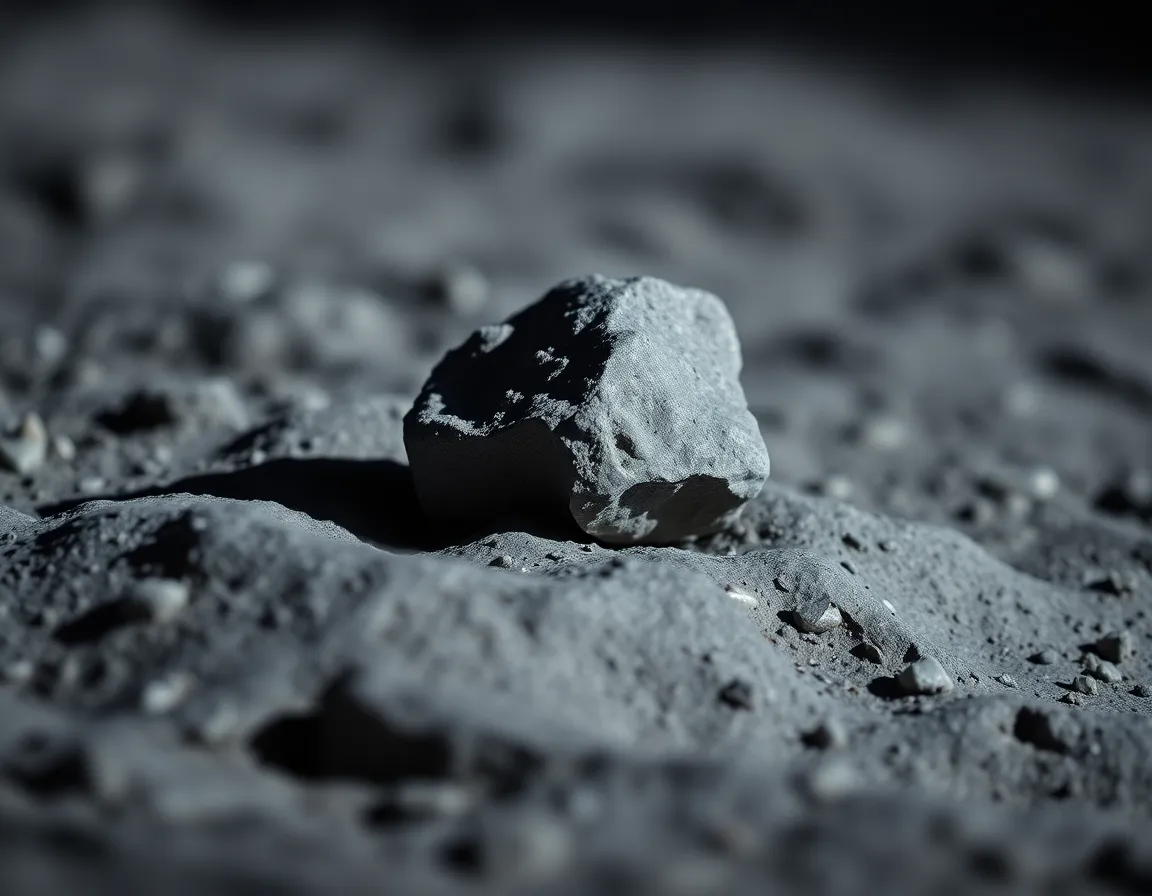
shot on Fujifilm GFX 100S, 110mm f/2 macro, highlighting a detailed view of a meteorite resting on a rocky lunar surface. The lighting is a soft moonlight, creating subtle shadows that emphasize the texture of the meteorite's surface. A very shallow depth of field at f/2 focuses tightly on the meteorite, blurring the lunar surroundings into an abstract, soft texture. The color palette is muted, with grays and silvers accentuating the otherworldly feel of the moon. The composition centers the meteorite, drawing the viewer's eye to its intricate details and history.
4:3
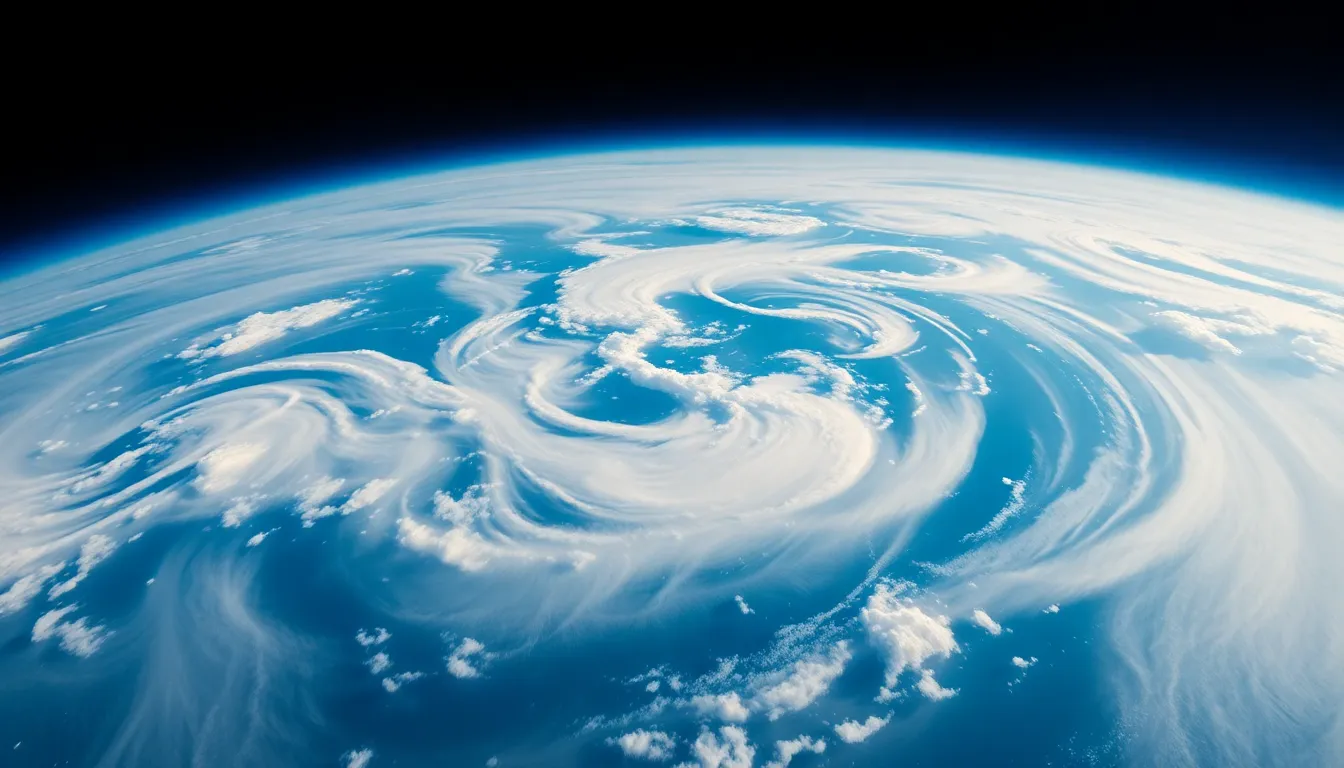
captured with Canon EOS R5, 24-70mm f/2.8L at 35mm, displaying a breathtaking view of Earth from above, showcasing swirling clouds and blue oceans. The lighting is a natural, diffused daylight filtering through the atmosphere, giving the Earth a soft glow. The depth of field is hyperfocal at f/8, ensuring everything from the planet's surface to the horizon is in sharp focus. The color palette is dominated by vibrant greens, blues, and whites, reflecting the beauty of our planet. The composition uses leading lines, with cloud formations guiding the viewer’s gaze towards the curvature of the Earth.
16:9

shot on Sony A7R V with 85mm f/1.4 GM lens, featuring a close-up of an astronaut in a pristine white space suit, gazing out into the blackness of space. The lighting captures the reflective surfaces of the helmet, with a stark contrast created by a nearby cosmic phenomenon casting soft light on the suit. A shallow depth of field at f/1.4 keeps the focus on the astronaut's face, blurring the background into a soft nebula-like bokeh. The color palette revolves around crisp whites and deep blacks, enhancing the astronaut's isolation. The composition employs the rule of thirds, positioning the astronaut slightly off-center to convey a narrative of exploration.
3:4
captured with Nikon Z9, 70-200mm f/2.8 telephoto at 135mm, the scene depicts a stunning view of a distant galaxy spiraling through the cosmos. The lighting is a dramatic star field, with glows from various celestial bodies creating soft ethereal illumination. A very shallow depth of field at f/2.8 blurs the foreground, making the stars pop against the dark void. The color palette features deep purples and blues, with shimmering whites representing stars. Compositionally, the galaxy is centered, drawing the eye to its intricate spiral. The texture of the velvety space backdrop adds to the sense of depth and mystery.
16:9

Fujifilm GFX 100S, 110mm f/2 macro, utilizing butterfly lighting directly above the subject for a dramatic effect, soft catchlights visible in the eyes of the scientist. The image is shot with a shallow depth of field at f/2, highlighting a female scientist in lab gear holding a digital tablet displaying DNA data against a backdrop of scientific posters. The cinematic teal and orange color grading enhances the mood, while the composition features her centered in the frame, with soft textures of her lab coat rendering beautifully.
16:9
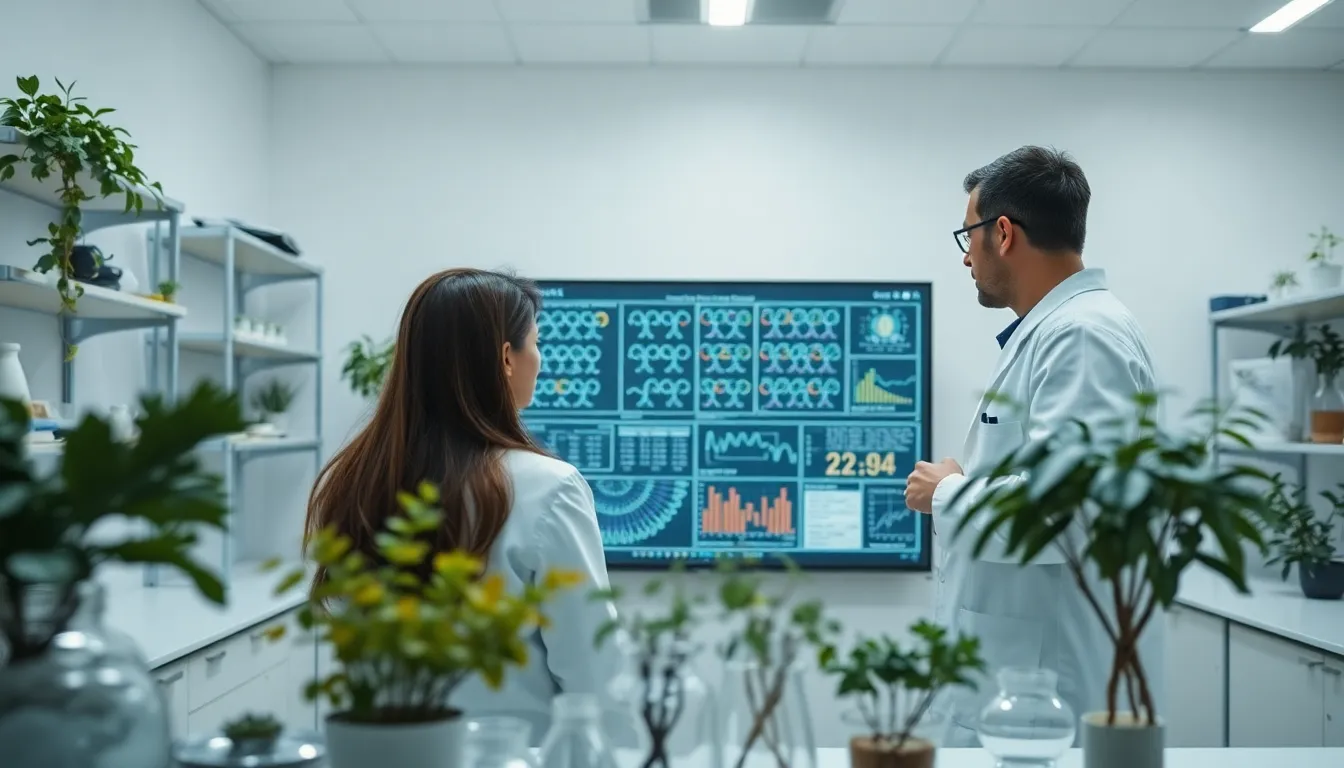
Hasselblad X2D 100C, 90mm f/2.5 medium format, featuring overcast diffused daylight that softens the colors, with hyperfocal distance ensuring everything from foreground to infinity is sharp. The color palette reflects natural muted tones, with a laboratory scene depicted. Researchers are collaborating over a large digital screen displaying DNA sequences and data analysis, set against clean, white lab walls adorned with plants for a touch of nature. The composition captures the interaction between the scientists, emphasizing teamwork and innovation.
16:9
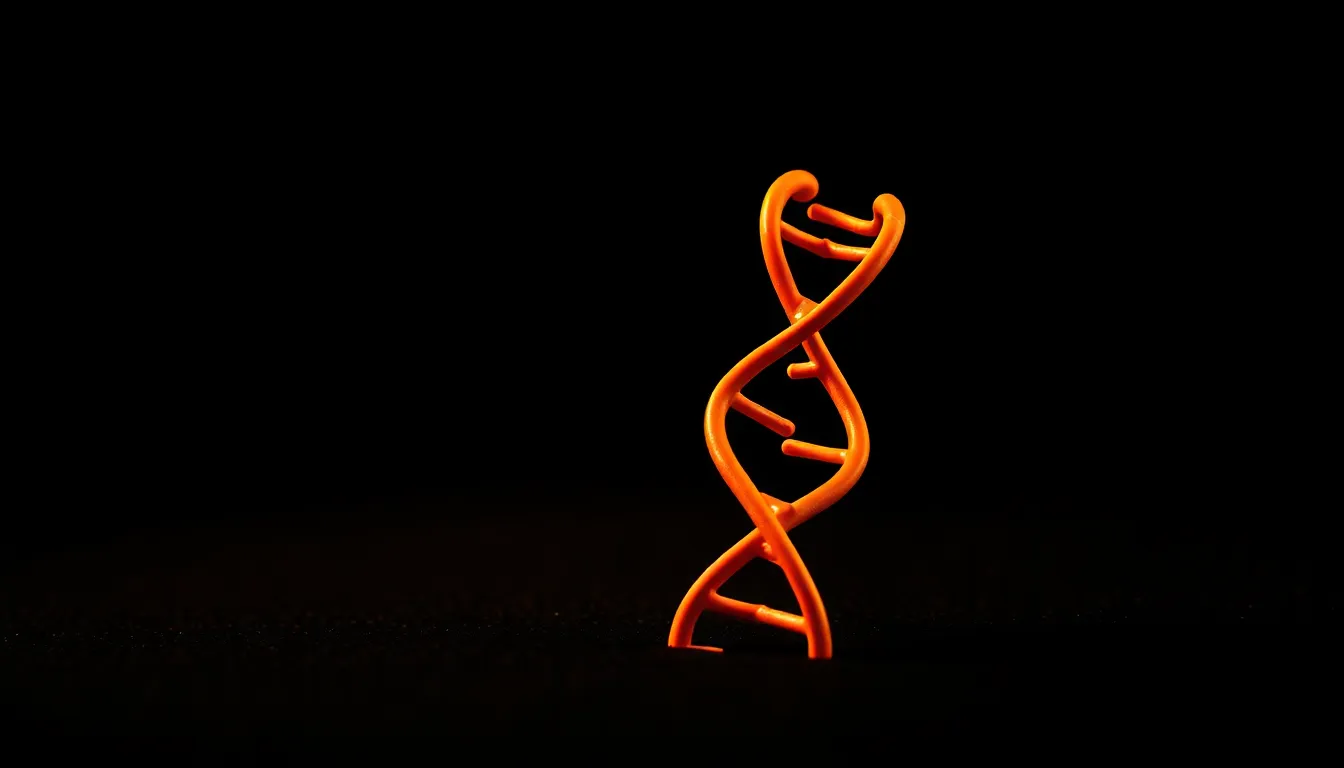
Nikon Z9, 70-200mm f/2.8 telephoto at 135mm, utilizing warm tungsten lighting from an overhead lamp casting directed light on the subject. The image is composed with a shallow depth of field at f/2.8, highlighting a close-up of a DNA strand representation, with vibrant, saturated colors inspired by Kodak Portra 400. The strand stands against a textured black velvet background that offers contrast and depth, while the composition follows leading lines that draw the eye along the curves of the DNA model.
16:9
captured with Canon EOS R5, 24-70mm f/2.8L at 35mm, featuring soft diffused daylight filtering through floor-to-ceiling windows. The image has a hyperfocal distance achieving sharpness from foreground to infinity, with natural muted tones and earth colors throughout. A biologist is seen examining a DNA sequencing machine in a modern lab setting, with sleek stainless steel surfaces reflecting soft light. The composition follows the rule of thirds, placing the subject on the left power point with various lab equipment framing the background.
16:9
shot on Sony A7R V with 85mm f/1.4 GM lens, featuring dramatic Rembrandt lighting with a single softbox at camera left, shallow depth of field at f/1.4 creating creamy bokeh in the background. The image showcases a vibrant teal and orange color palette, with high detail on a human hand delicately holding a glass model of a DNA double helix. The composition is centered with the model slightly off-center to create interest, surrounded by a textured wooden table surface that adds warmth to the overall feel.
16:9
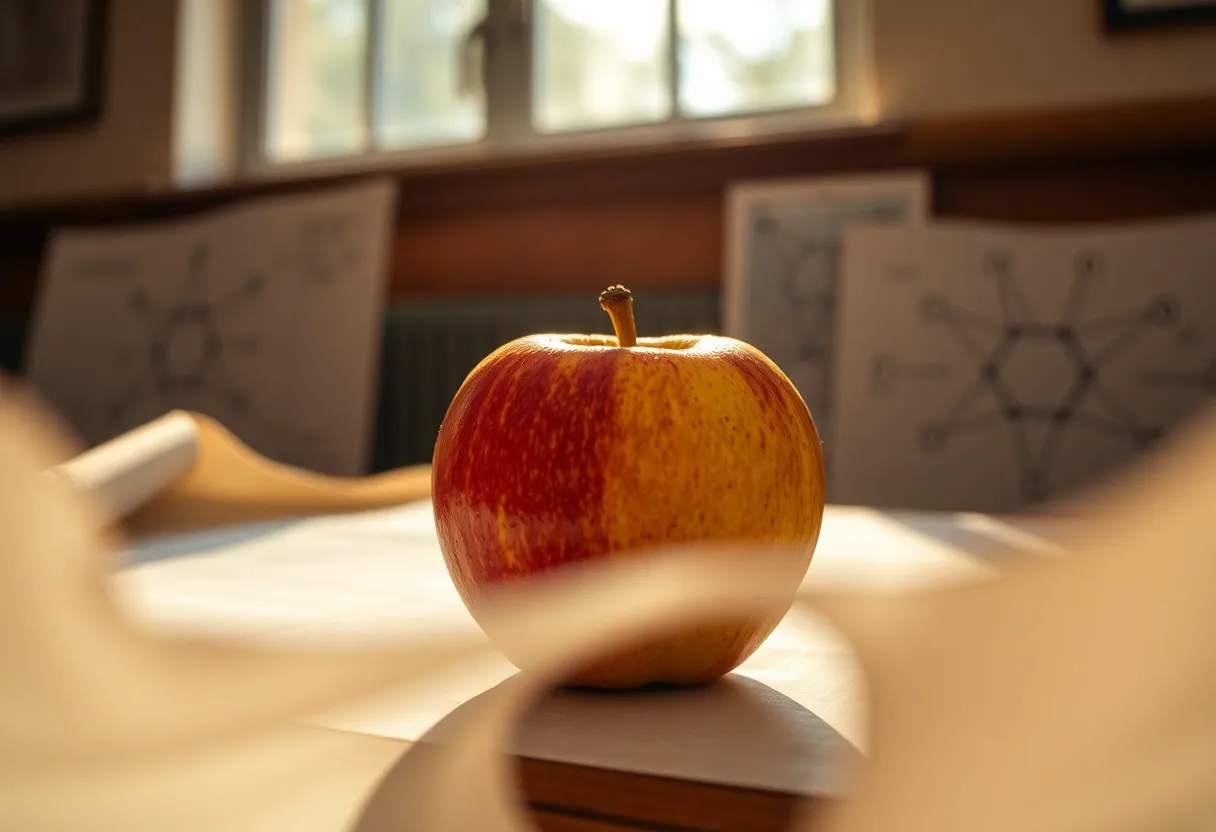
Fujifilm GFX 100S, 110mm f/2 macro, beautifully capturing a fresh and detailed apple resting on a wooden table, surrounded by scientific diagrams of atomic structures. Natural sunlight filters through nearby windows, creating a soft, warm light that enhances the apple's texture. The depth of field is shallow at f/2, making the apple pop against the blurred diagrams, while a natural muted color palette emphasizes earth tones. The composition features foreground framing with diagrams wrapping around the apple.
3:2

Hasselblad X2D 100C, 90mm f/2.5 medium format, capturing a close-up of a colorful Newton's Cradle sitting on a polished black surface. The image is illuminated by soft studio lighting with a key softbox at 45°, creating reflective highlights on the steel balls. The depth of field is shallow at f/2.5, isolating the cradle against a blurred background. A cinematic teal and orange color grading adds mood, enhancing the vivid colors of the balls and the glossy finish of the surface.
1:1
Nikon Z9, 70-200mm f/2.8 telephoto at 135mm, capturing a dramatic thunderstorm with lightning striking an open field during twilight. The scene features deep blue and rich purple hues dominating the sky, with the foreground slightly illuminated by flashes of lightning. The composition utilizes a centered symmetrical approach, emphasizing the power of nature and the physics of electricity, while the texture of the storm clouds is portrayed in sharp detail against the illuminated landscape.
16:9

captured with Sony A7R V with 85mm f/1.4 GM lens, featuring warm tungsten desk lamp casting directional pool of light in a cozy home study, with physics textbooks and notebooks scattered on an old wooden desk. The composition employs the rule of thirds with a focus on an open book displaying equations, while the background falls into soft, creamy bokeh. The warm color palette adds to the inviting atmosphere, with rich details in the wood grain and paper texture.
4:3
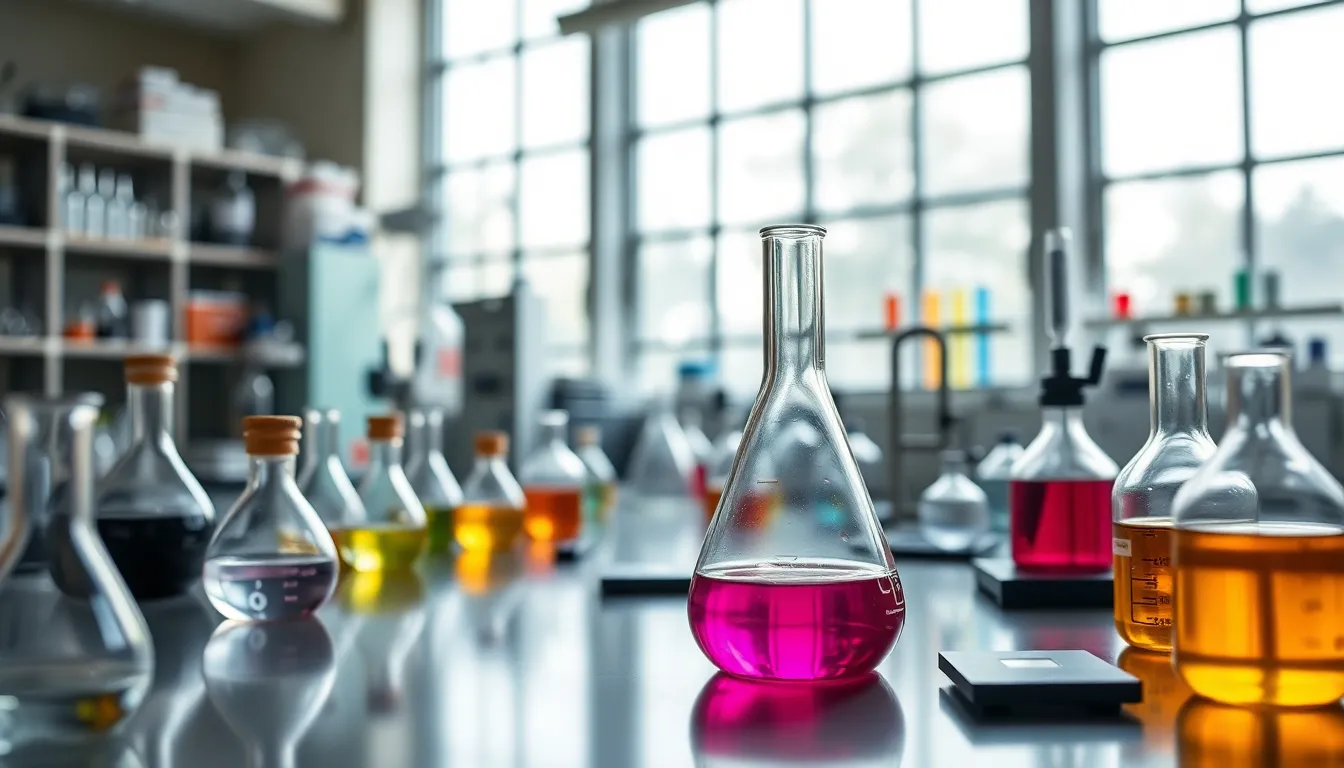
shot on Canon EOS R5, 24-70mm f/2.8L at 35mm, natural overcast diffused daylight through floor-to-ceiling windows illuminating a laboratory filled with various scientific equipment. Shallow depth of field at f/2.8 creates a creamy bokeh in the background with bright, vibrant colors from glass beakers and chemical reactions. The composition features leading lines from the table edges toward the focal point of a bubbling flask, showcasing rich textures of metal and glass reflecting soft highlights.
16:9
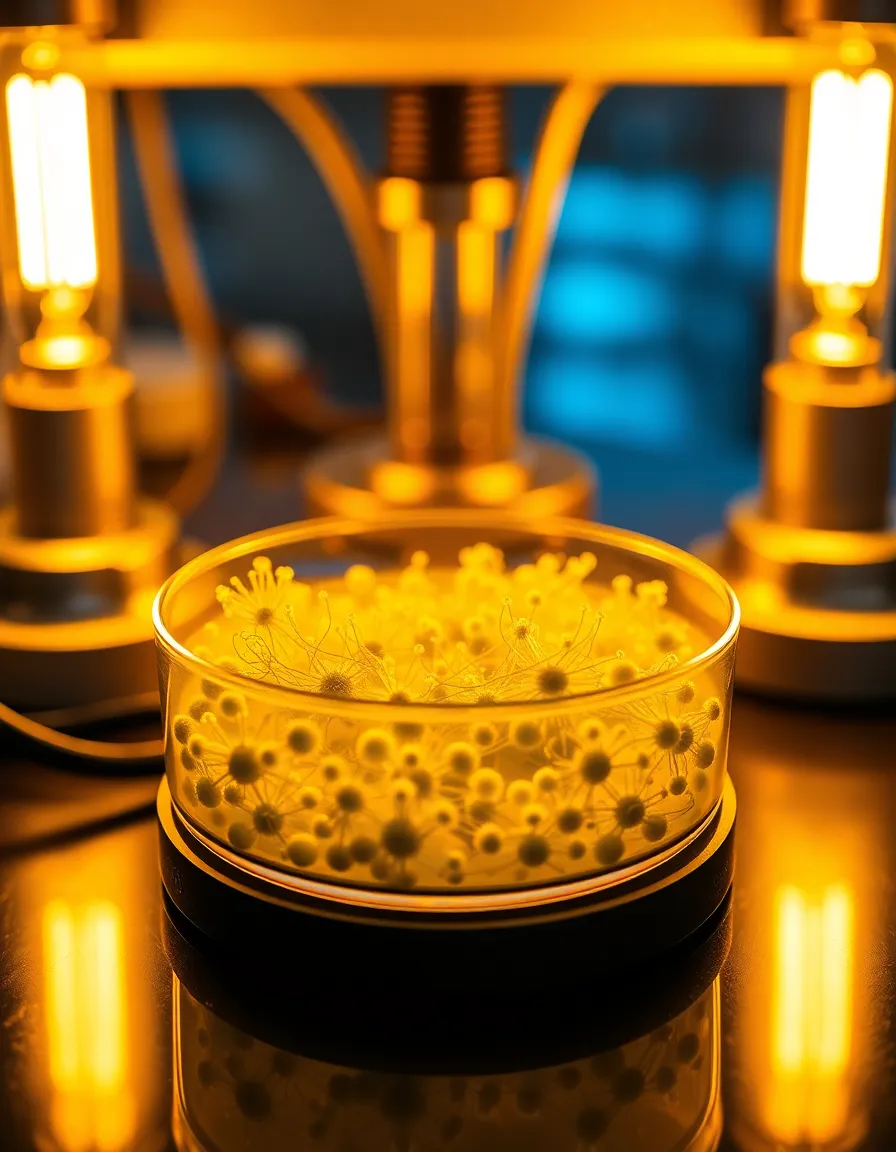
shot on Leica Q3, 28mm f/1.7 Summilux, illuminated by warm tungsten lab bulbs creating a cozy environment with ambient lighting. Selective focus on a petri dish filled with vibrant microbial cultures, with the surrounding equipment fading into a soft blur. The color palette is warm and inviting, showcasing rich yellows and greens of the cultures against the soft golden timbre of the lab surroundings. Composition frames the petri dish using the rule of thirds, highlighting the delicate details of microbial growth. Texture details include the smooth surface of the petri dish contrasted with the organic forms of the cultures.
3:4

captured with Hasselblad X2D 100C, 90mm f/2.5 medium format, using diffused natural daylight streaming from a nearby window, creating a bright and inviting atmosphere. Depth of field is hyperfocal, ensuring crisp focus on all elements of the experiment setup. The color palette features soft earth tones with hints of green from lab plants. Composition follows leading lines, guiding the eye toward a vibrant experiment in progress at the foreground. Textural elements include the roughness of laboratory table wood and the softness of plant leaves in the background.
4:3
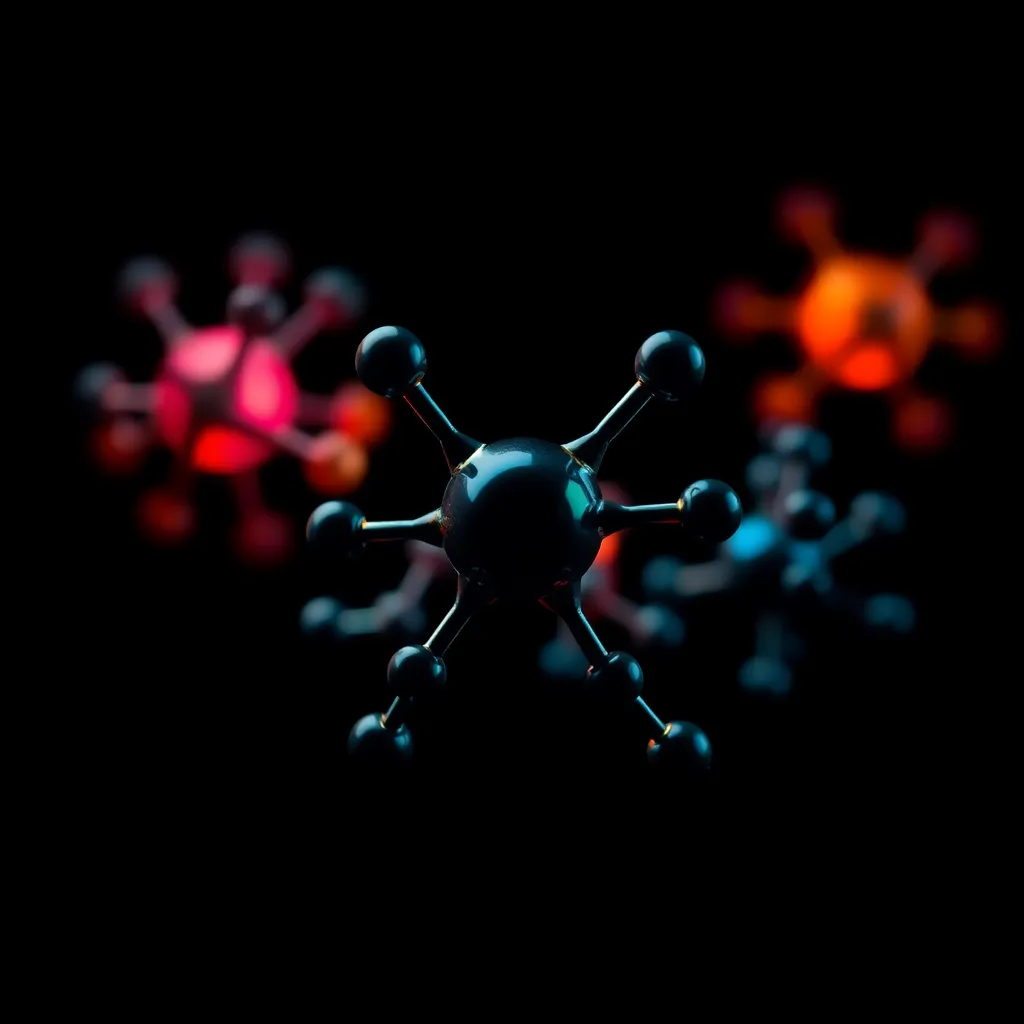
shot on Fujifilm GFX 100S, 110mm f/2 macro, with dramatic low-key studio lighting highlighting the intricate details of chemical compounds on a black background. Shallow depth of field at f/2 creates a soft bokeh around complex molecular models. The color scheme is predominantly dark, with vibrant, glowing colors of the models contrasting against the black backdrop. Composition employs a centered symmetrical layout, emphasizing the intricate structure of the molecular model with fantastic detail. Textures include the glossy surface of the models and the matte finish of the background.
1:1
captured with Nikon Z9, 70-200mm f/2.8 telephoto at 135mm, utilizing natural morning light filtering through large windows, casting soft shadows across the lab bench. Hyperfocal distance ensures all elements, from equipment to the researcher, are in sharp focus. The image features a muted color palette with cool tones and hints of pastel blues and greens. Composition is centered, showcasing a female scientist in a white lab coat, peering through a microscope with an expression of concentration. Textural details include the fine fibers of her lab coat and the polished metal of the microscope.
3:2
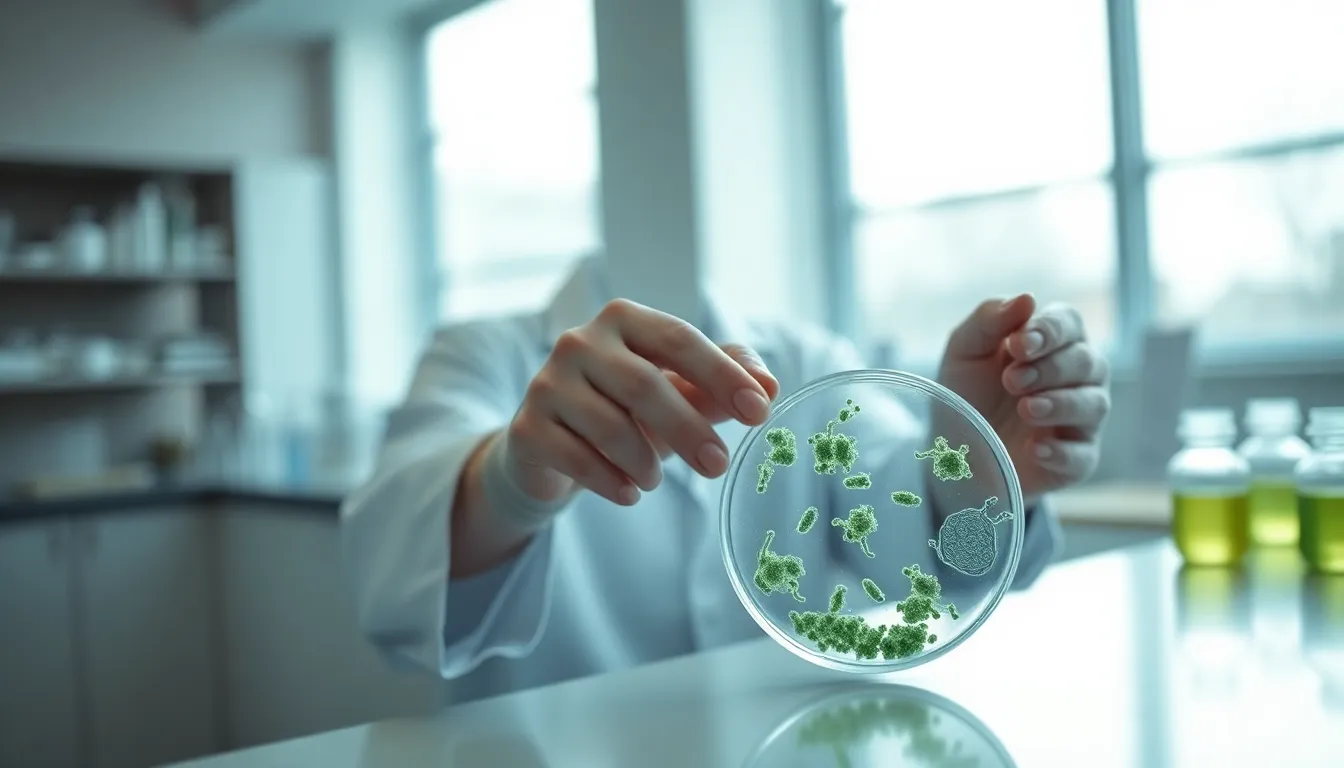
shot on Canon EOS R5, 24-70mm f/2.8L at 50mm, illuminated with bright overhead LED lighting creating even illumination across the workspace. Shallow depth of field at f/2.8, softly blurring the background of shelves filled with colorful reagents. The color palette is vibrant, highlighting the vivid hues of liquids in glass beakers. Composition follows the rule of thirds, placing the focal point on a light blue flask at the center, surrounded by a swirl of colorful liquid. Texture details include the smooth glass of the vials and the reflective surface of the lab table covered in subtle scratches.
16:9
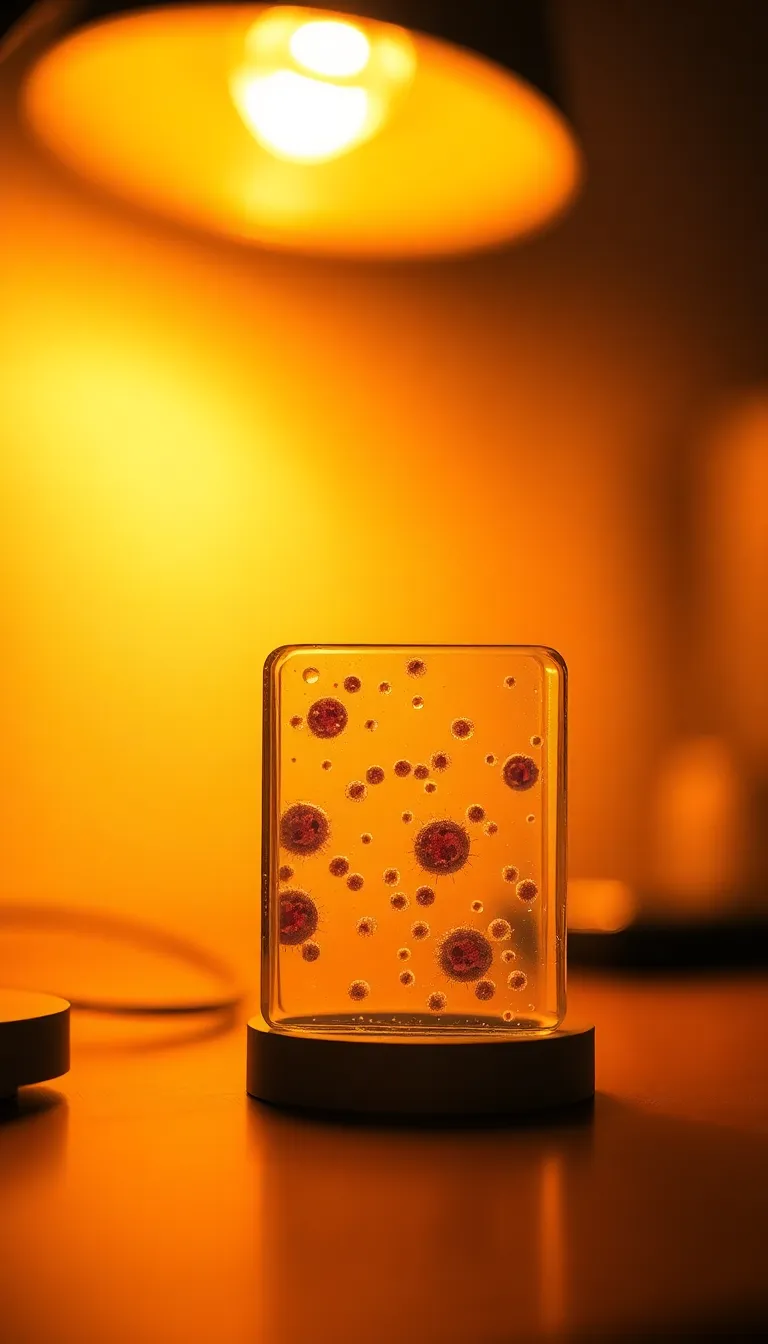
shot on Leica Q3, 28mm f/1.7 Summilux, featuring warm tungsten desk lamp casting directional pool of light on a glass slide with human cells. Shallow depth of field at f/1.7 creates an ethereal bokeh effect with a softly blurred background. The color palette features warm tones of amber and golden highlights, evoking a cozy, intimate atmosphere. The composition follows the rule of thirds, placing the slide in a power position to draw the eye, while the textures of the glass and the cells' surfaces come alive under the warm light.
9:16
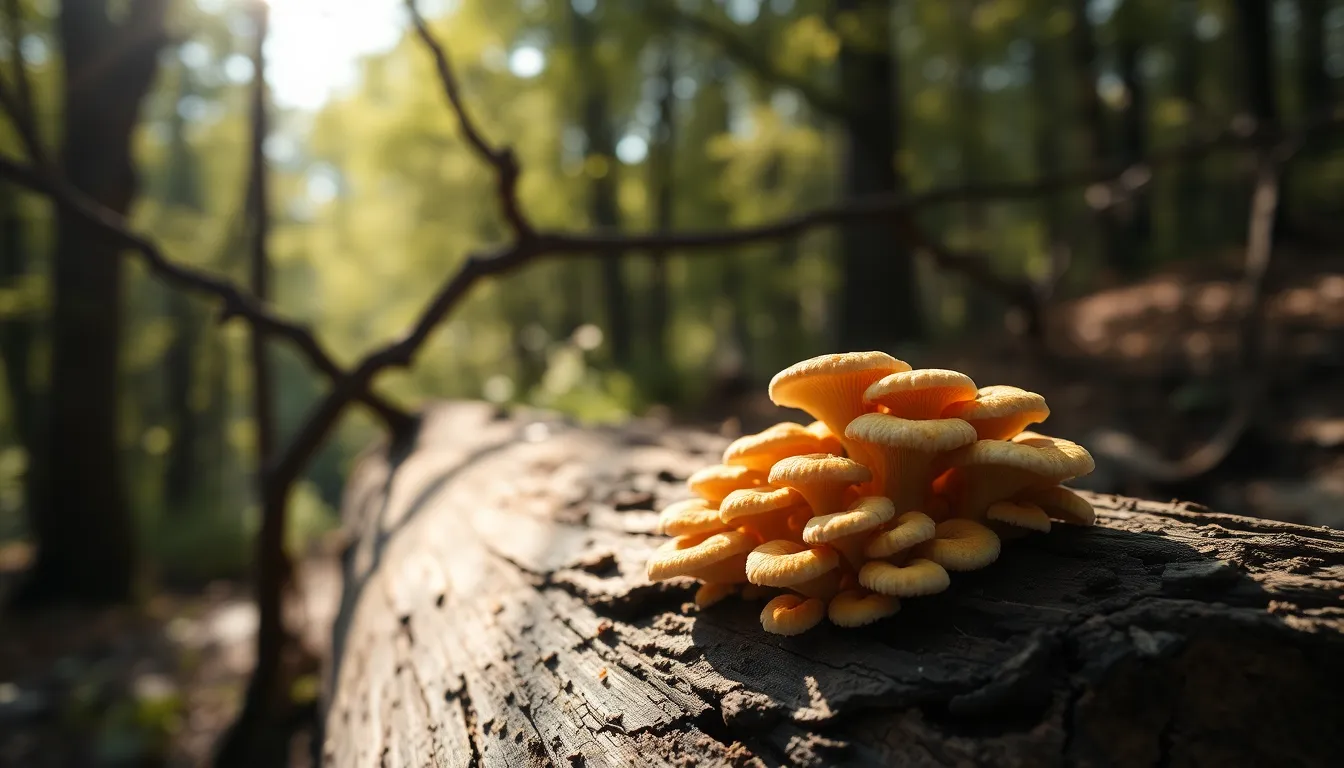
captured with Hasselblad X2D 100C, 90mm f/2.5 medium format, using natural, overcast diffused daylight to create soft lighting. Hyperfocal distance at f/8 ensures all details of a micro-fossil specimen are sharp and clear. The color palette reveals subtle earth tones, with beige and muted browns enhancing the organic feel of the fossil. The composition follows leading lines that draw the viewer's gaze along the natural formations of the fossil, emphasizing its intricate textures.
3:4
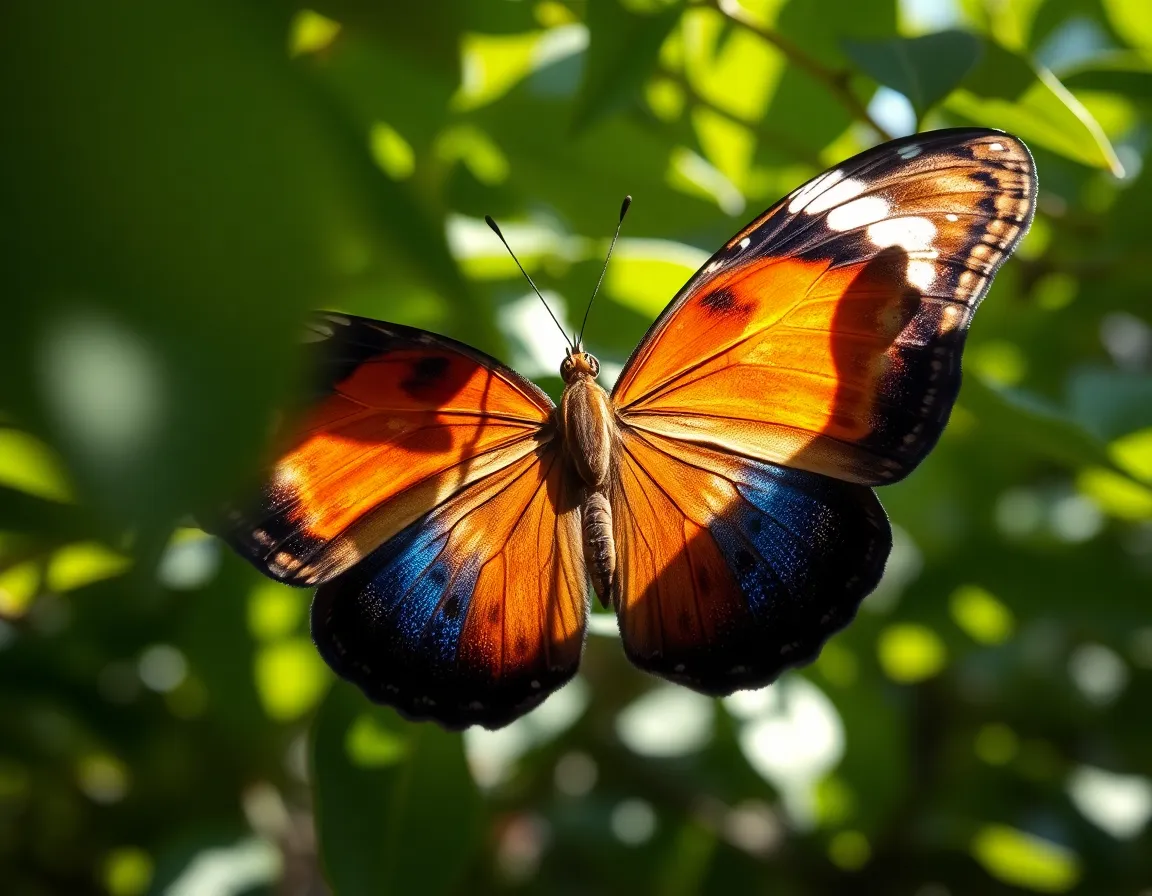
shot on Fujifilm GFX 100S, 110mm f/2 macro, illuminated by dappled sunlight filtering through leaves, creating a natural and soft environment. Shallow depth of field at f/2 enhances the intricate patterns of butterfly wings viewed under a microscope. The rich color palette features vibrant blues, oranges, and subtle browns, emphasizing the beauty and complexity of the wing structure. The composition is centered, allowing the viewer to delve into the captivating details that define this natural specimen.
4:3
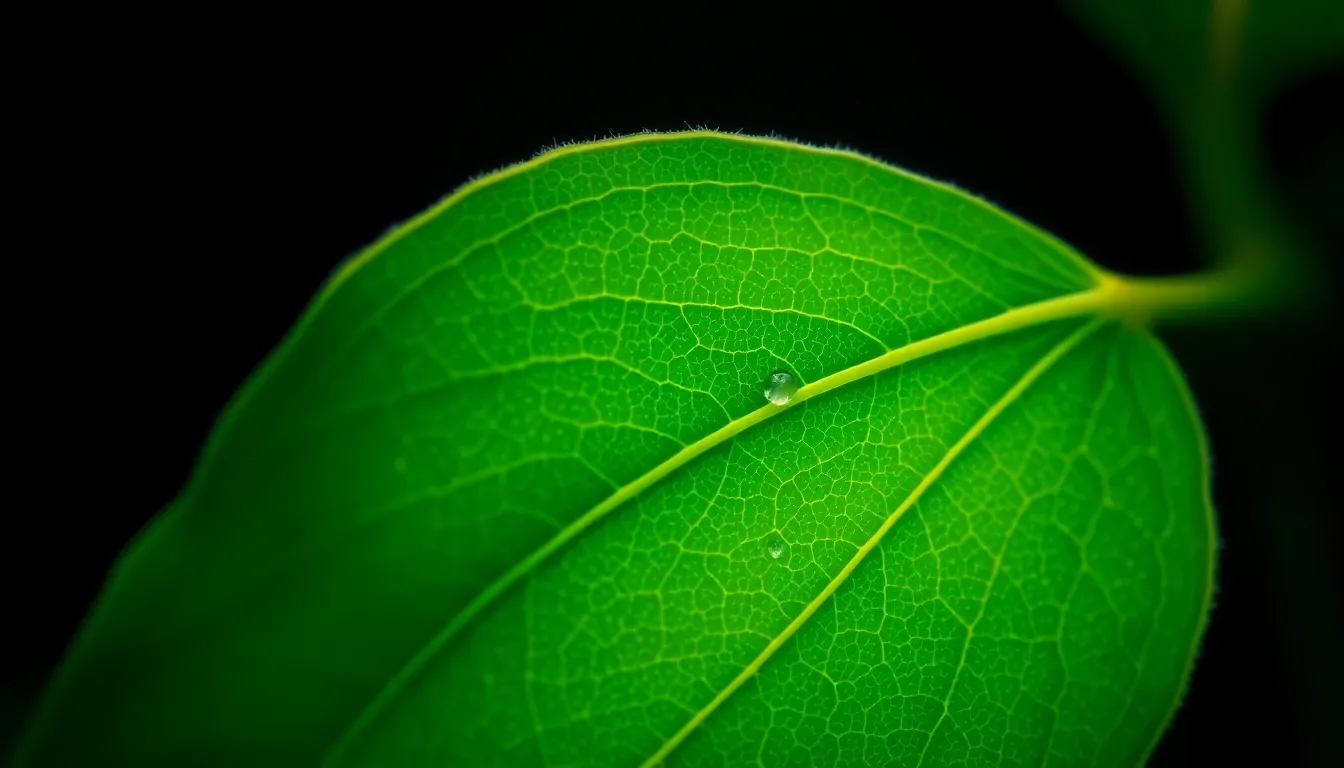
captured with Canon EOS R5, 24-70mm f/2.8L at 50mm, illuminated by a three-point studio setup with key softbox creating focused light and subtle fill. Hyperfocal distance at f/8 ensures everything is sharply defined, showcasing a detailed cross-section of a leaf under optical microscopy. The natural muted tones of the leaf are highlighted with deep greens and browns against a contrasting black background. The composition adheres to the rule of thirds with the leaf positioned to draw attention, creating a sense of depth.
3:2
shot on Nikon Z9, 70-200mm f/2.8 telephoto at 135mm, illuminated by soft, diffused daylight filtering through a microscope light source. Shallow depth of field at f/2.8 highlights the intricate details of a petri dish filled with colorful bacterial cultures. The vivid color palette reflects saturated greens and yellows, emphasizing the biological diversity. Composition captures the dish slightly off-center, creating a dynamic visual flow. The smooth glass of the dish contrasts with the textured surface of the microscope stage, lending a scientific elegance to the image.
16:9
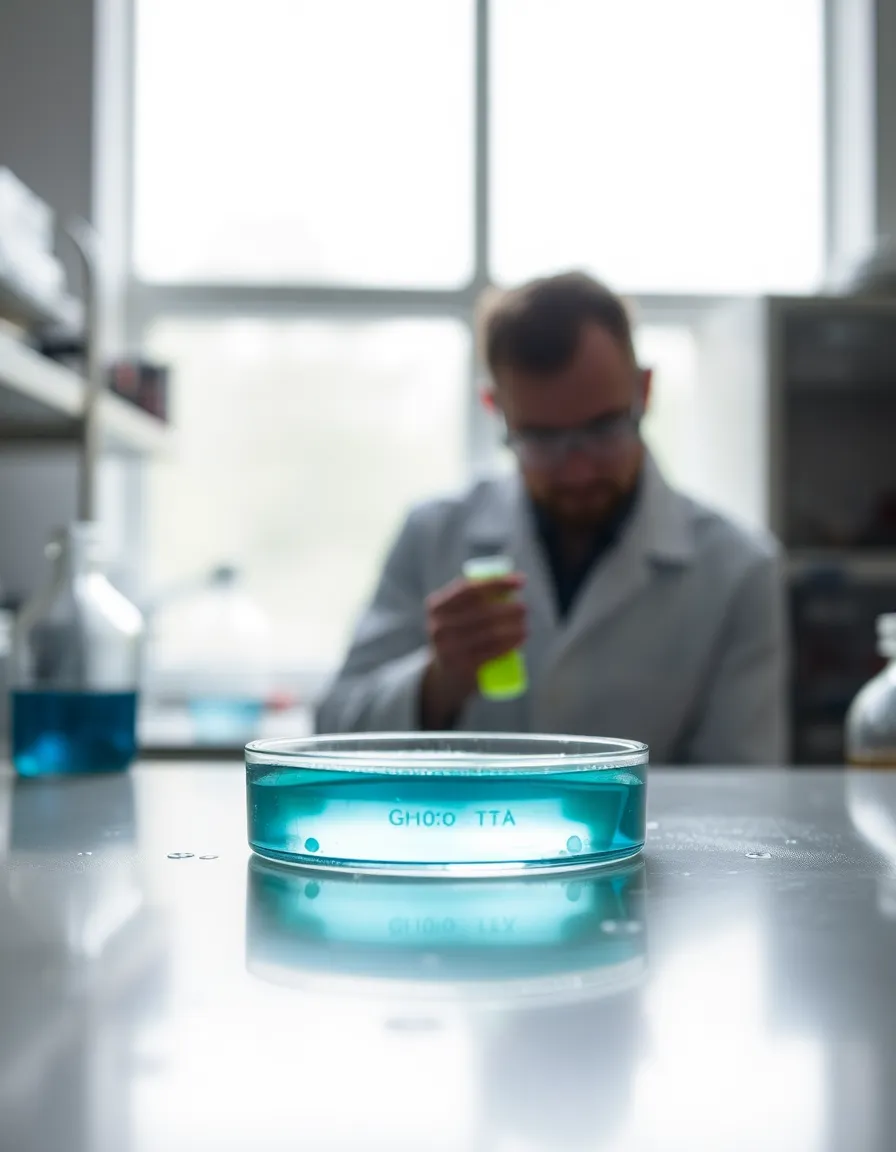
captured with Leica Q3, 28mm f/1.7 Summilux, featuring a close-up of glasses and beakers arranged for a chemistry demonstration with a backdrop of chalkboard equations. Warm tungsten lighting from the side casts dramatic shadows and creates a cozy atmosphere. The shallow depth of field at f/2 highlights the foreground glassware while gently blurring the detailed chalkboard behind. The color palette is rich with warm tones, contrasting the glass's clarity against the dark board. Composition centers on the glassware, with leading lines from the lab table helping to navigate the viewer's eye towards the action.
2:3
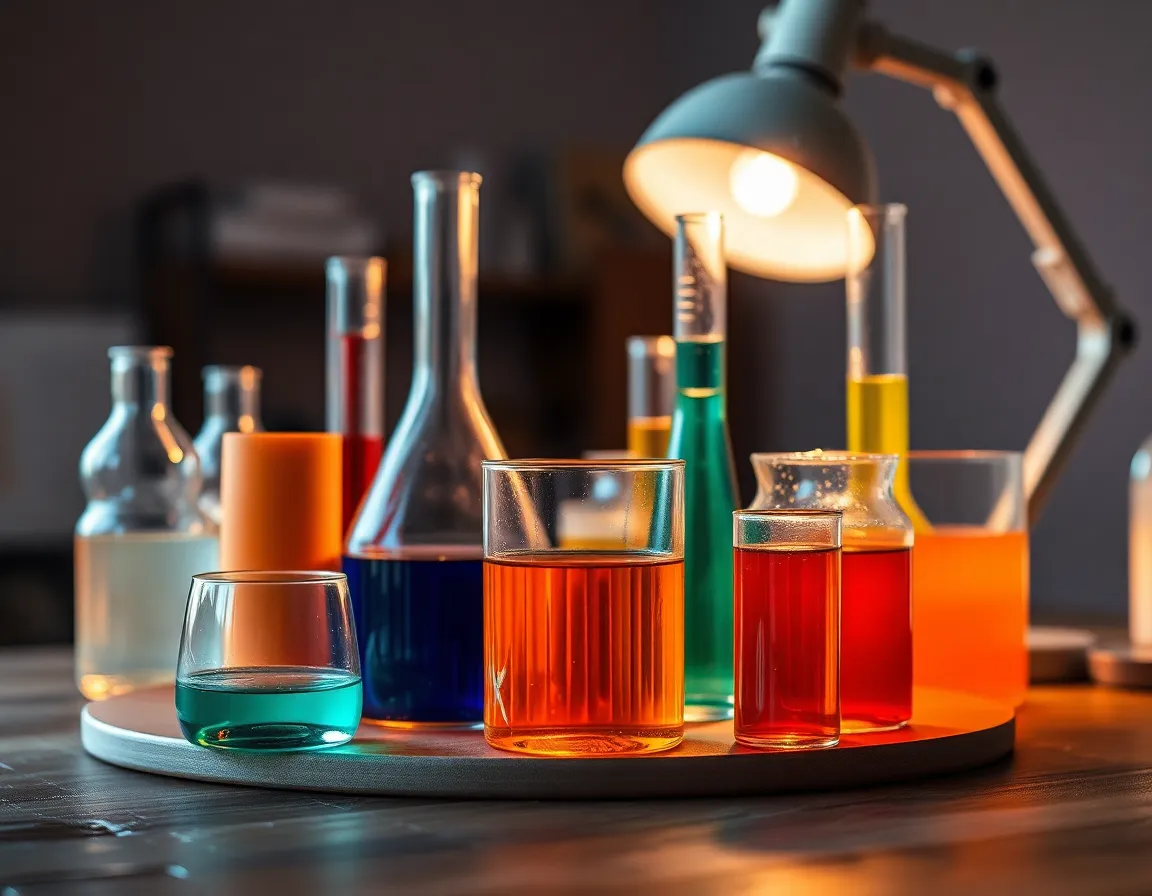
shot on Hasselblad X2D 100C, 90mm f/2.5 medium format, depicting a serene outdoor chemistry experiment involving crystal growth on a laboratory bench surrounded by greenery. Dappled sunlight filters through leaves, creating a soft, natural ambiance. The depth of field is selective, highlighting the shimmering crystals while the background blurs into a beautiful, painterly bokeh. The color palette features earthy greens and blues, in harmony with the surrounding nature. Composition employs the rule of thirds, with the crystals placed on the left, drawing attention to their intricate details complemented by a natural setting.
3:4
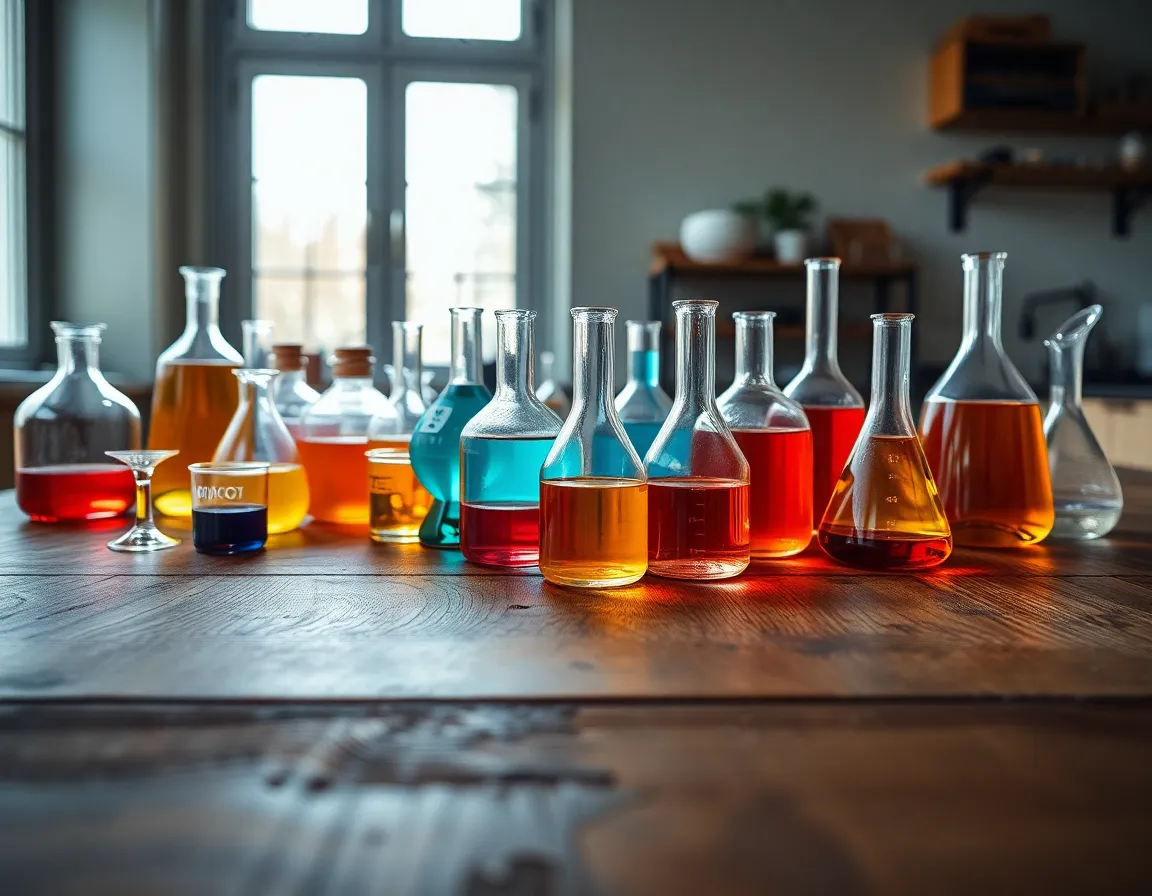
shot on Fujifilm GFX 100S, 110mm f/2 macro, zeroing in on a meticulously arranged set of laboratory glassware filled with various colorful chemical solutions on a textured wooden table. Soft diffused daylight from the nearby window creates an inviting atmosphere with gentle shadows. Hyperfocal distance ensures sharpness throughout the scene, capturing every detail of the glass and the reflections of light bouncing off the surfaces. The color palette is a mix of warm earth tones with vibrant pops of color from the chemicals. The composition uses leading lines from the table's grain to guide the viewer's eye across the arrangement.
4:3
captured with Nikon Z9, 70-200mm f/2.8 telephoto at 135mm, focusing on a chemist pouring a vibrant blue liquid into a flask in a professional lab setting. Soft natural light filters through large windows, creating a high-key effect that brightens the scene. Depth of field at f/4 allows the chemist's focused expression to stand out, while the background fades gently into soft bokeh. The color palette is predominantly cool tones with sparkling blues and greens highlighting the liquids. Centered composition emphasizes the action of the pour, while lab equipment and books frame the scene.
3:2
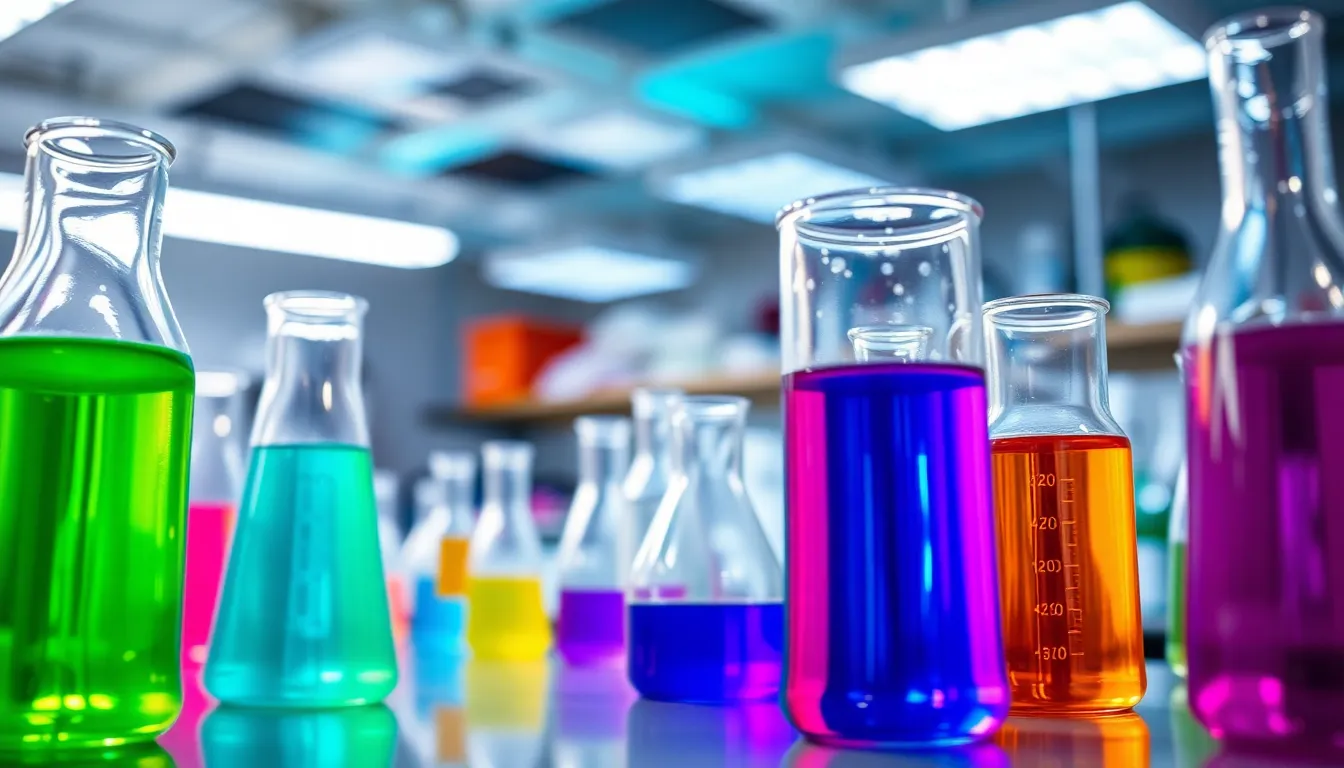
shot on Canon EOS R5, 24-70mm f/2.8L at 35mm, capturing a vibrant chemistry lab scene filled with colorful liquids in glass beakers. Overhead fluorescent lighting provides bright, even illumination, accentuating the rich hues of the chemicals. Shallow depth of field at f/2.8 creates a creamy bokeh that softens the background clutter of lab equipment. The color palette features vivid greens, blues, and yellows reminiscent of a high-energy environment. Composition follows the rule of thirds, placing the most visually striking beaker in the left third, while detailed reflections on the glassware enhance the overall texture and realism.
16:9
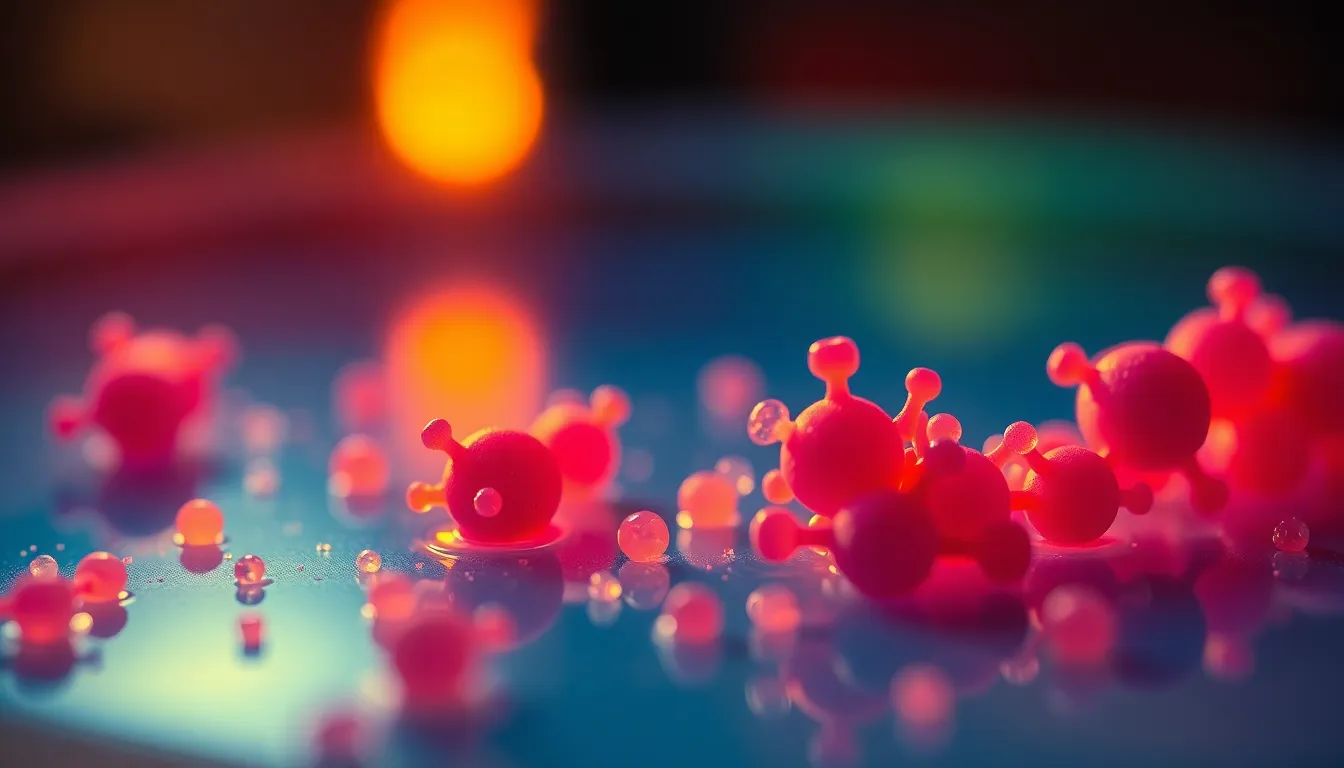
Photographed with Fujifilm GFX 100S, 110mm f/2 macro, this image displays a close-up view of bacteria colonies growing on agar gel. The lighting is provided by a warm tungsten desk lamp, creating a dramatic effect that highlights the bacteria's shapes and colors. The depth of field is shallow at f/2, producing a luxurious bokeh in the background that isolates the bacteria. The color grading is cinematic with rich contrast, enhancing the vivid colors of the colonies. The composition is centered, with the bacteria colonies standing out sharply against the smooth agar surface, showcasing their intricate details.
16:9
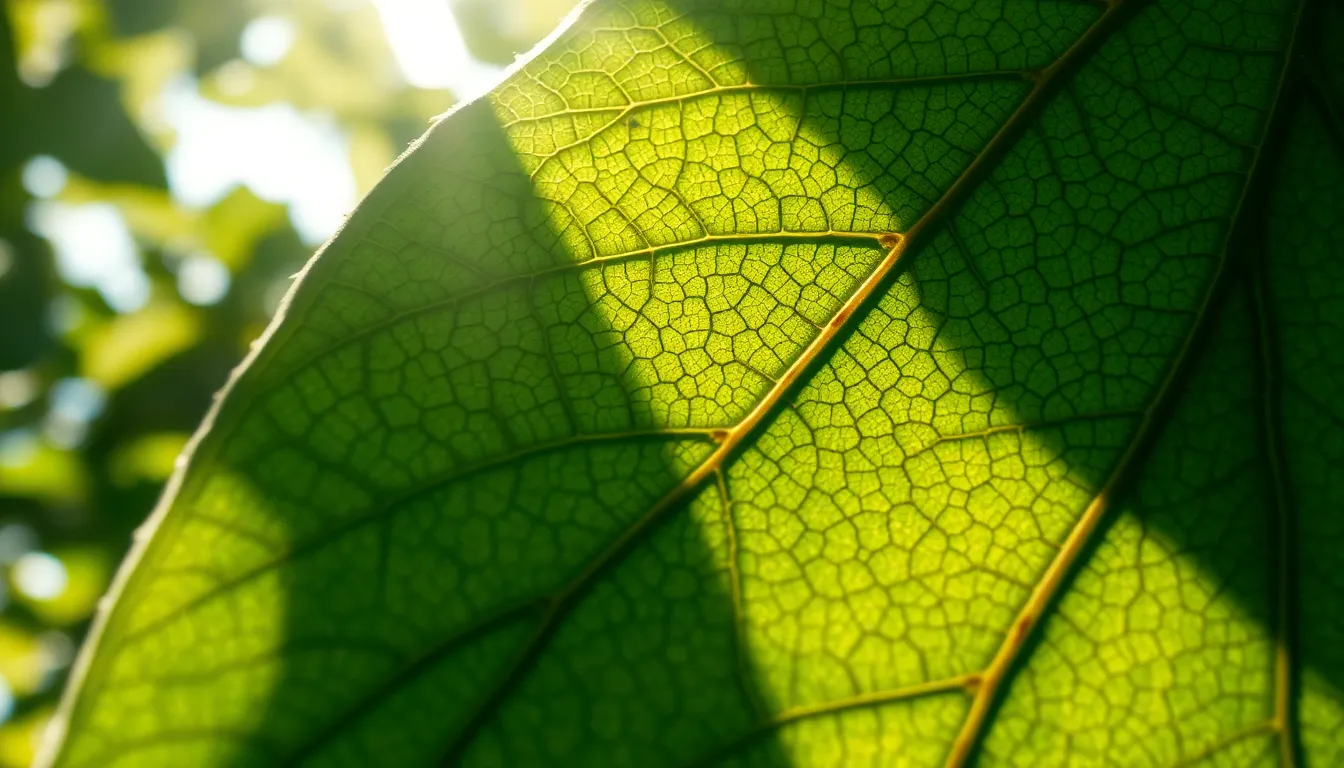
Created with Hasselblad X2D 100C, 90mm f/2.5 medium format, this image presents intricate patterns of a leaf's cellular structure viewed under a microscope. The lighting is natural, with dappled sunlight filtering through surrounding leaves, creating a soft, ethereal glow. The image utilizes hyperfocal distance, keeping everything from the foreground to the leaf's intricate cells in sharp focus at f/8. The color palette consists of natural muted tones, emphasizing the greens and browns of the leaf. The composition follows the rule of thirds, placing the leaf's veins along the lines, guiding the viewer's eye through the detailed structures.
16:9
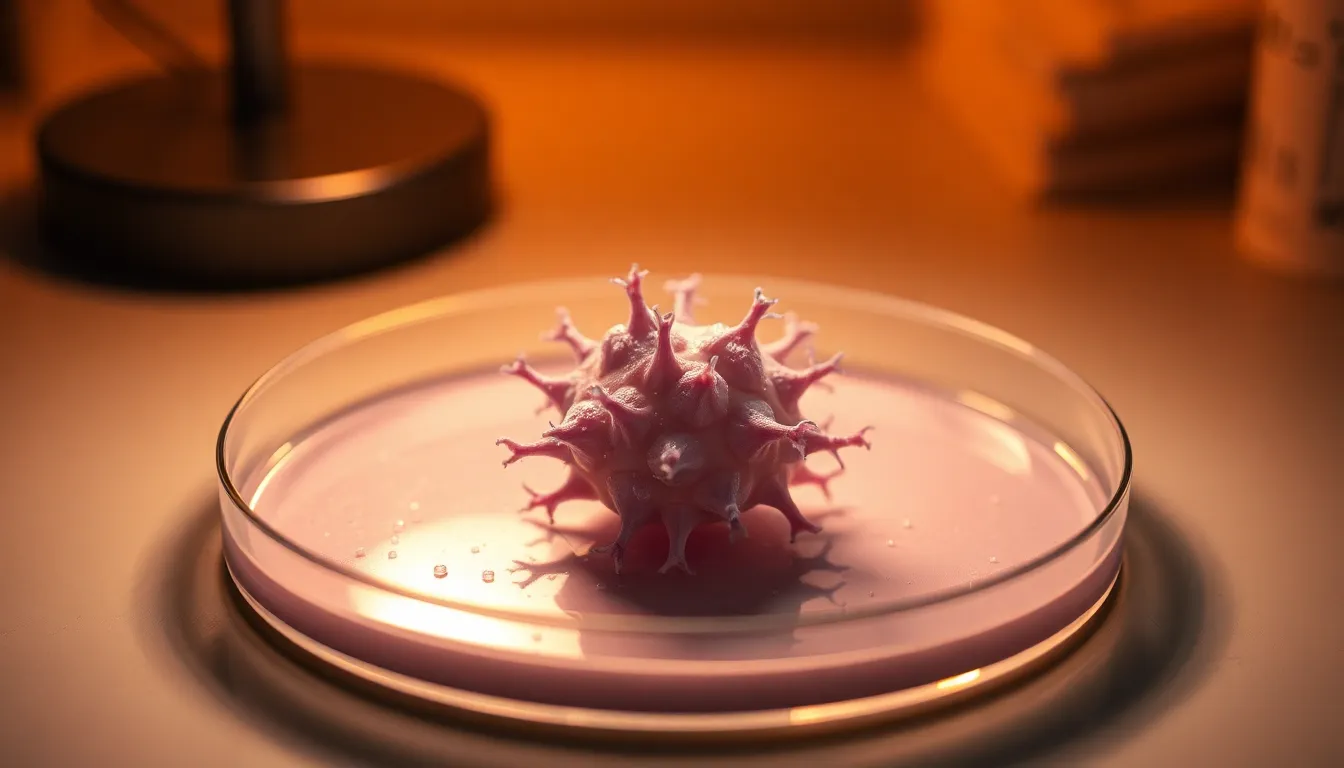
Captured using Nikon Z9, 70-200mm f/2.8 telephoto at 135mm, this image portrays a microbe on a petri dish, showcasing its unique shapes and textures. The lighting is provided by a warm tungsten desk lamp, casting a directional pool of light that accentuates the microbe's surface details. The depth of field is shallow at f/2.8, with a soft bokeh background that emphasizes the subject. The color science follows a natural muted palette with desaturated earth colors, creating an organic feel to the image. The composition employs leading lines, directing the viewer's attention toward the microbe, positioned prominently in the center.
16:9
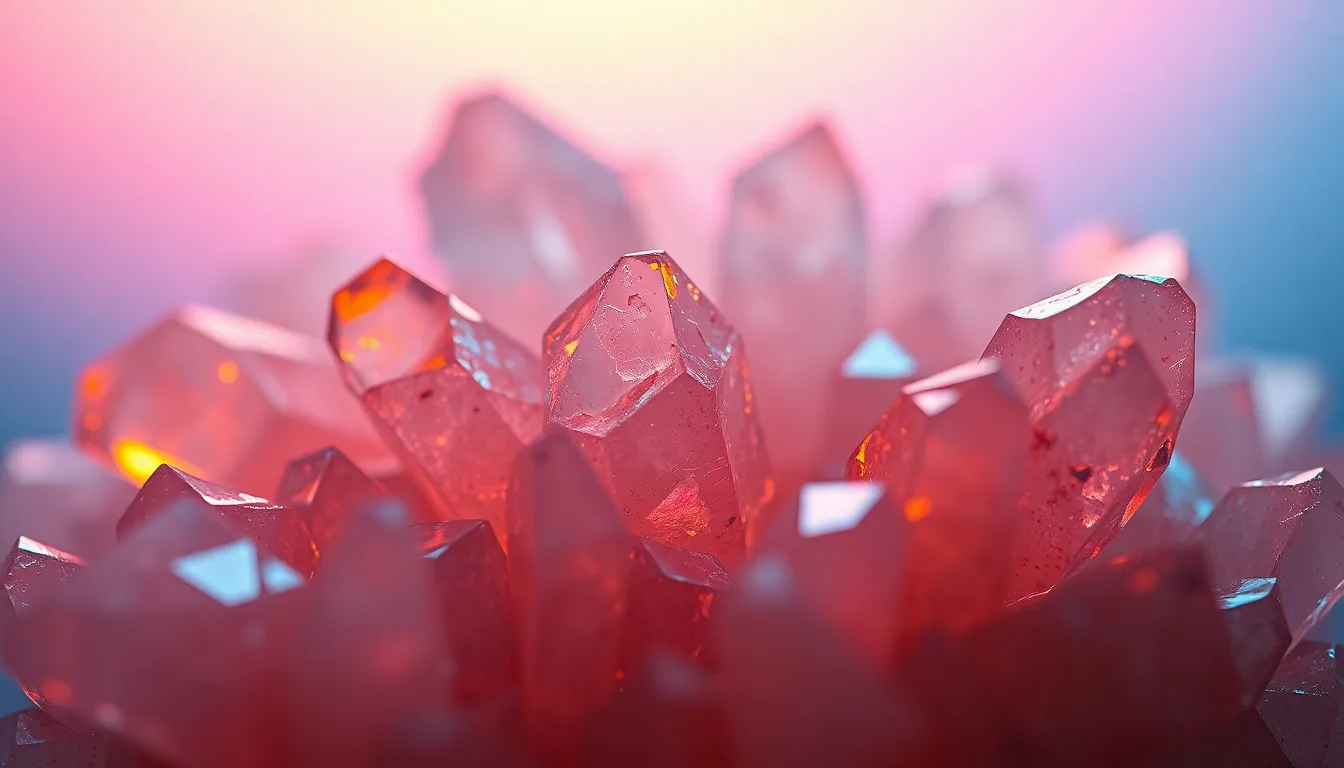
Shot on Sony A7R V with 85mm f/1.4 GM lens, this image features a detailed view of crystalline structures under polarized light. The lighting is a mix of vibrant colors generated by refraction, creating a spectrum of hues across the crystals' surfaces. The image utilizes a shallow depth of field at f/1.4, which beautifully blurs the background while keeping the crystals sharply in focus. A Kodak Portra 400 color palette adds warmth to the overall image, enhancing the natural colors of the crystal formations. The composition is centered, providing symmetry in the arrangement of the crystals, which appear to shimmer with intricate patterns and textures.
16:9
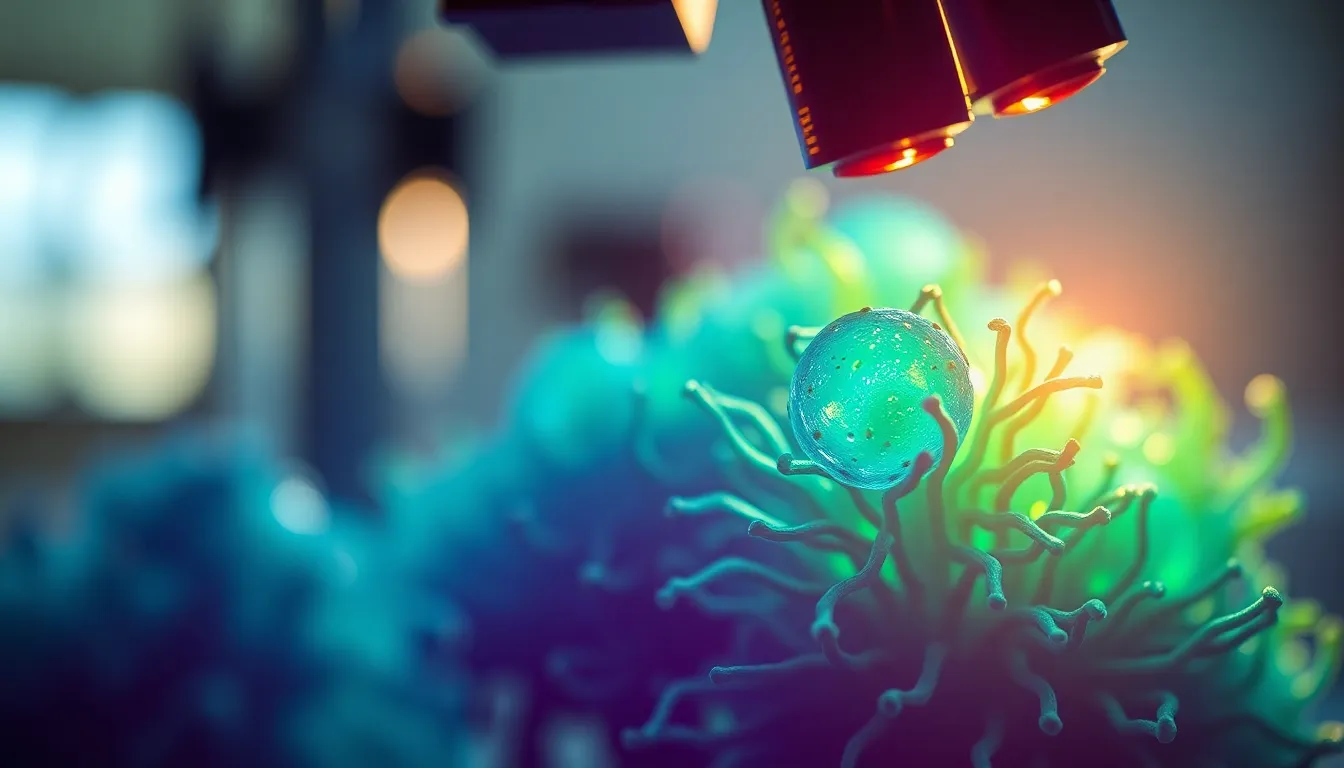
Captured with Canon EOS R5, 24-70mm f/2.8L at 70mm, the image showcases a vibrant cellular structure under a microscope. Soft, diffused daylight filters through a laboratory window, providing natural illumination that highlights the intricate details of the cells. The image features a shallow depth of field at f/2.8, creating a creamy bokeh effect in the background, emphasizing the cellular textures. The color palette is rich with deep blues and vivid greens, inspired by Fujifilm Velvia. The composition follows the rule of thirds, placing a single, detailed cell in the right power point, drawing the viewer's gaze. Textures of the microscopic sample appear almost tangible, with visible boundaries and contours illuminated by the light.
16:9
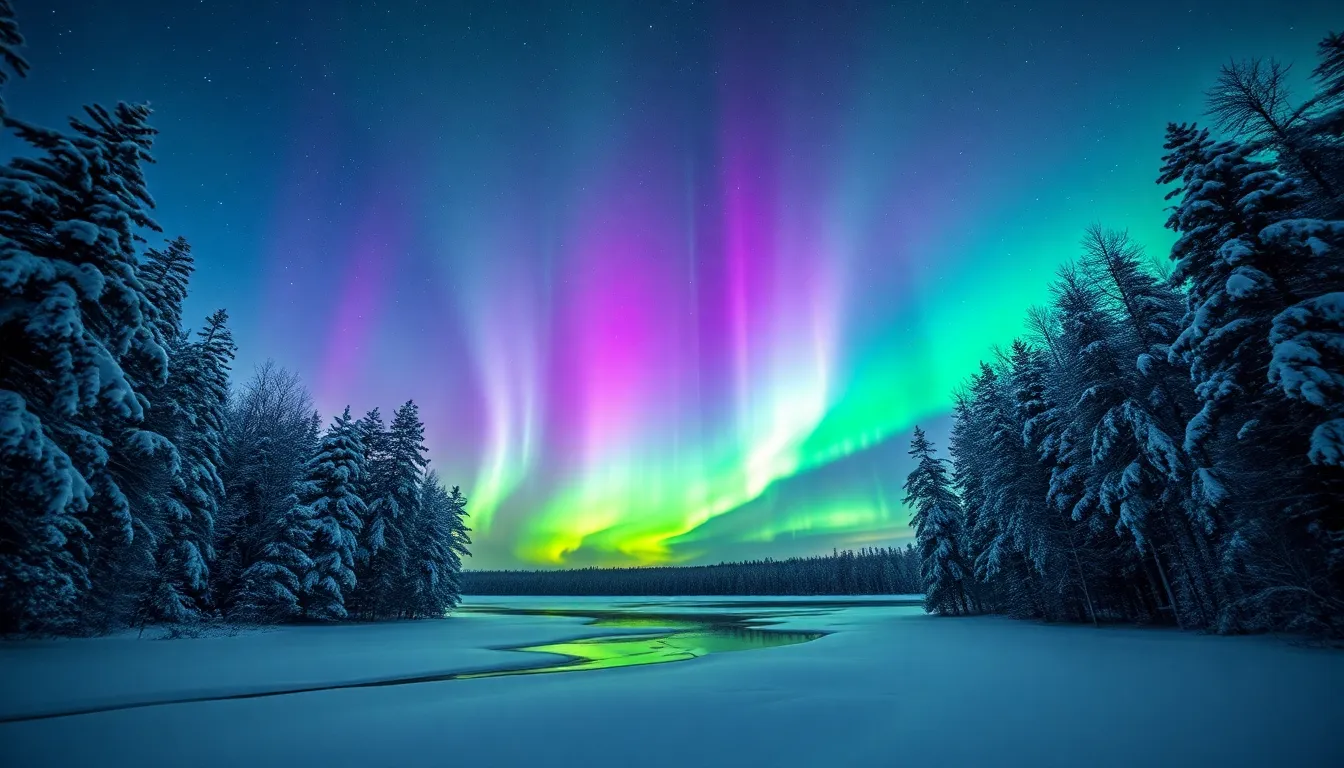
Taken with Leica Q3, 28mm f/1.7 Summilux, this stunning image depicts a vibrant aurora borealis illuminating the night sky above a snowy landscape. The natural lighting creates a mesmerizing display of greens and purples dancing across the sky, reflecting in a frozen lake below. The composition utilizes leading lines of snow-covered trees that draw the viewer’s eye towards the shimmering lights. With a shallow depth of field at f/1.7, the foreground remains crisp while the auroras take on a soft, ethereal quality. The color palette captures the enchanting hues of the aurora against the tranquil snow, setting a magical mood.
16:9
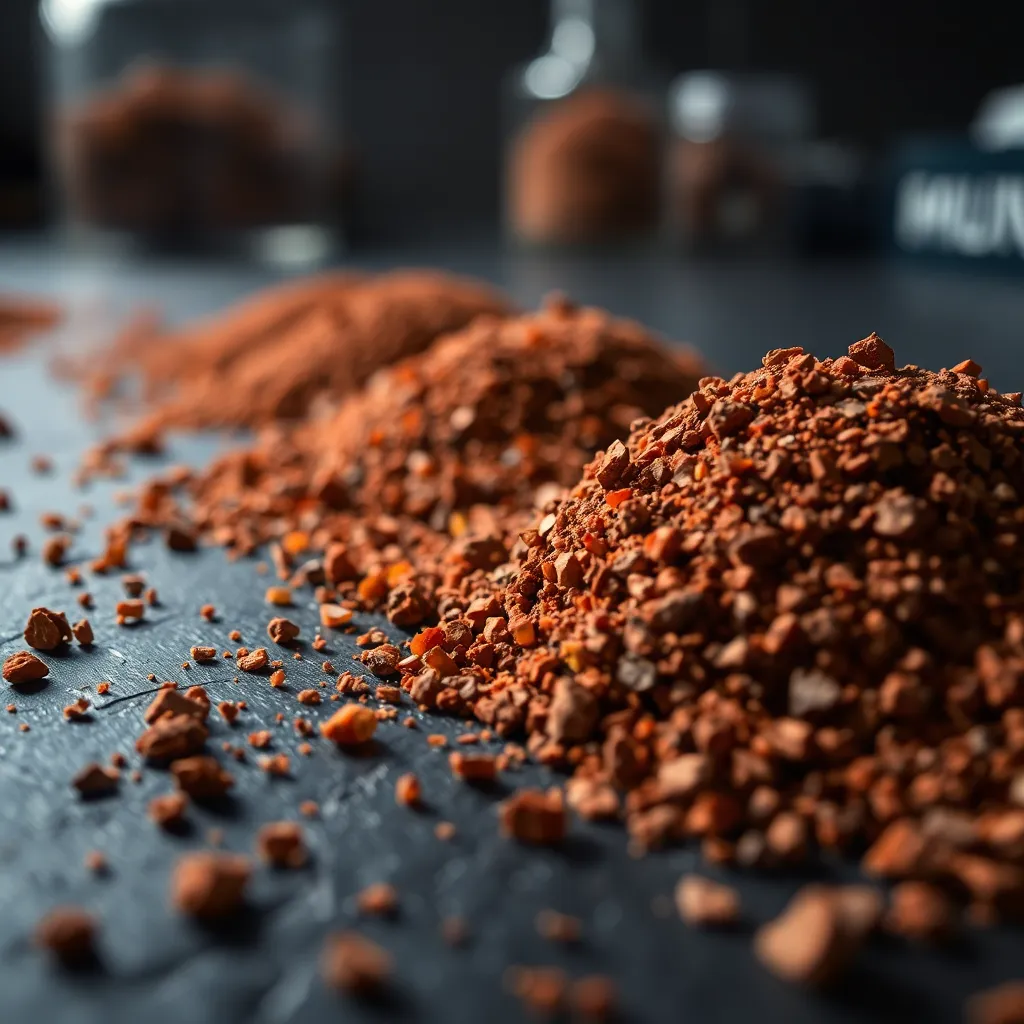
Photographed using Fujifilm GFX 100S, 110mm f/2 macro, this close-up captures Martian soil samples in a laboratory setting. The meticulous arrangement of samples on a textured black slate surface enhances the detail of each grain. Studio lighting creates high-contrast illumination, shedding light on the various shades of red and orange in the soil. The depth of field is shallow, bringing the foreground textures into sharp focus while the background melts into a soft blur. The natural color palette emphasizes the earthy tones, inviting viewers to explore the composition intricately.
1:1
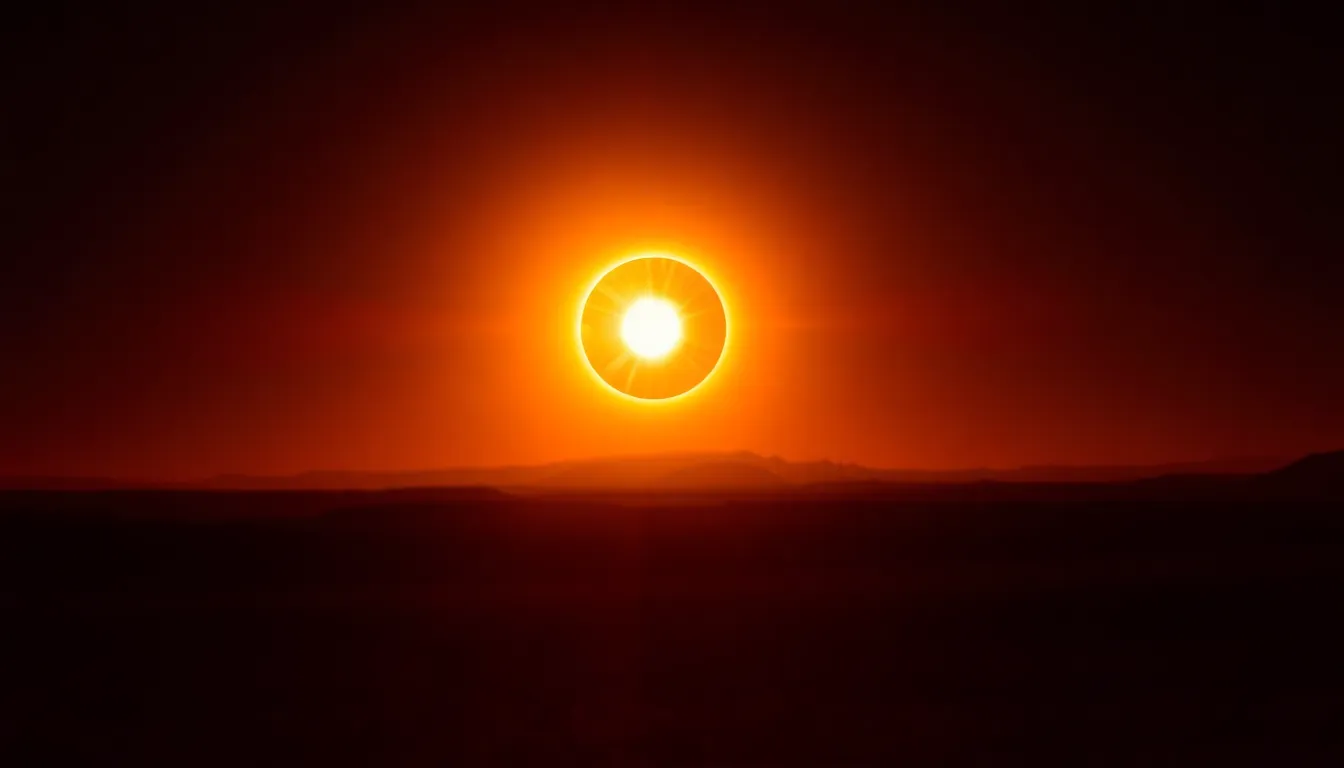
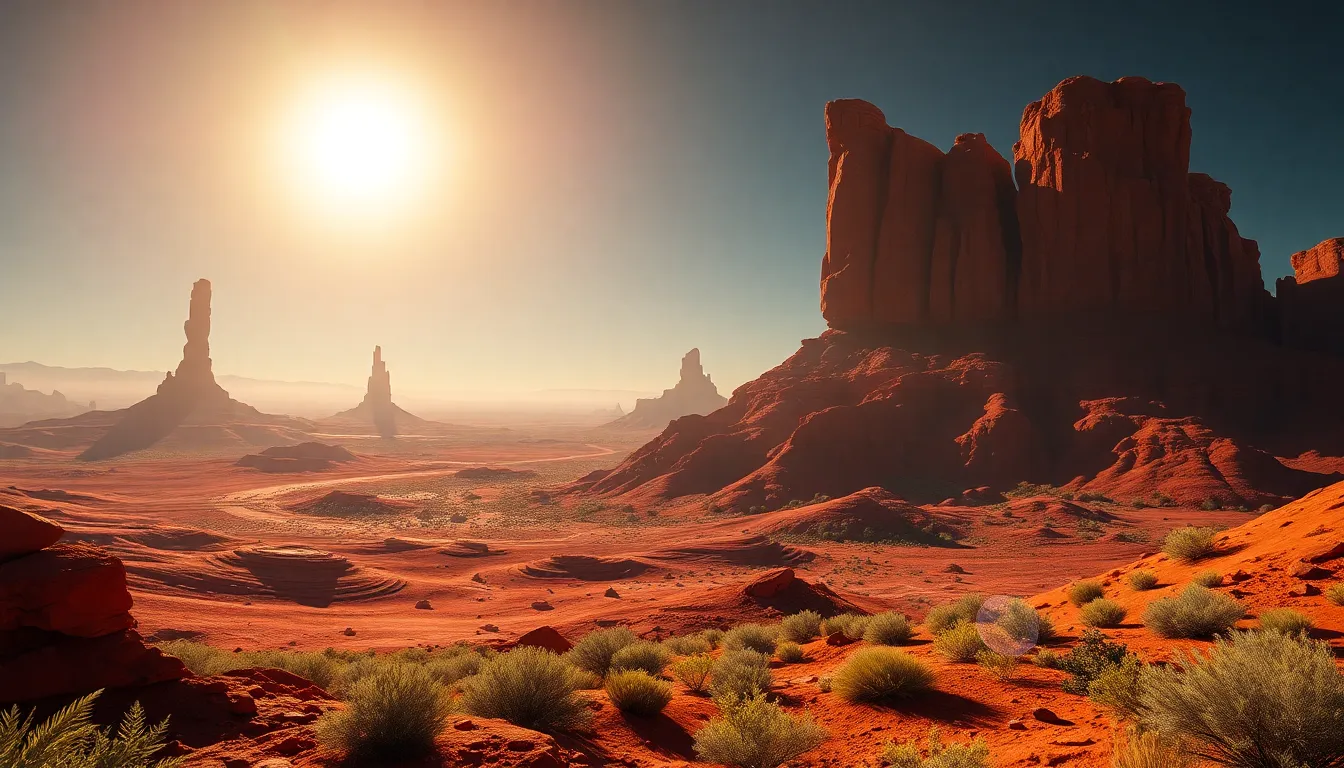
Captured with Nikon Z9, 70-200mm f/2.8 telephoto at 135mm, this powerful image showcases a solar eclipse viewed from a remote desert landscape. The composition features the sun partially obscured by the moon, creating a dramatic halo effect. The warm, golden hour lighting adds a magical quality, with deep shadows and vibrant colors. A selective focus on the eclipse highlights the intricate details of solar flares against the darkened sky, while the landscape below remains slightly out of focus. The color palette is rich with oranges and yellows, creating a stunning juxtaposition against the dark sky.
16:9

Shot on Sony A7R V with 85mm f/1.4 GM lens, this dynamic image features an astronaut floating in zero gravity outside the International Space Station (ISS). The background showcases Earth in stunning detail, with clouds and oceans vividly depicted. Natural sunlight creates dramatic high-contrast lighting, enhancing the textures of the astronaut's suit. A shallow depth of field at f/1.4 isolates the astronaut, giving a soft bokeh effect to the Earth below. The cinematic color grading enhances the blues and greens of Earth against the black void of space, creating a striking visual narrative.
16:9
Captured with Canon EOS R5, 24-70mm f/2.8L at 35mm, this stunning image showcases a vibrant nebula in deep space. The composition features swirling gas and dust illuminated by distant stars, with rich purples and blues dominating the frame. Soft diffused light from multiple stars creates a dramatic contrast against the dark void of space. The image displays a shallow depth of field at f/2.8, emphasizing the intricate textures of the nebula while softening the background. The overall color palette is inspired by Fujifilm Velvia, with vivid saturations that evoke a sense of wonder and exploration.
16:9
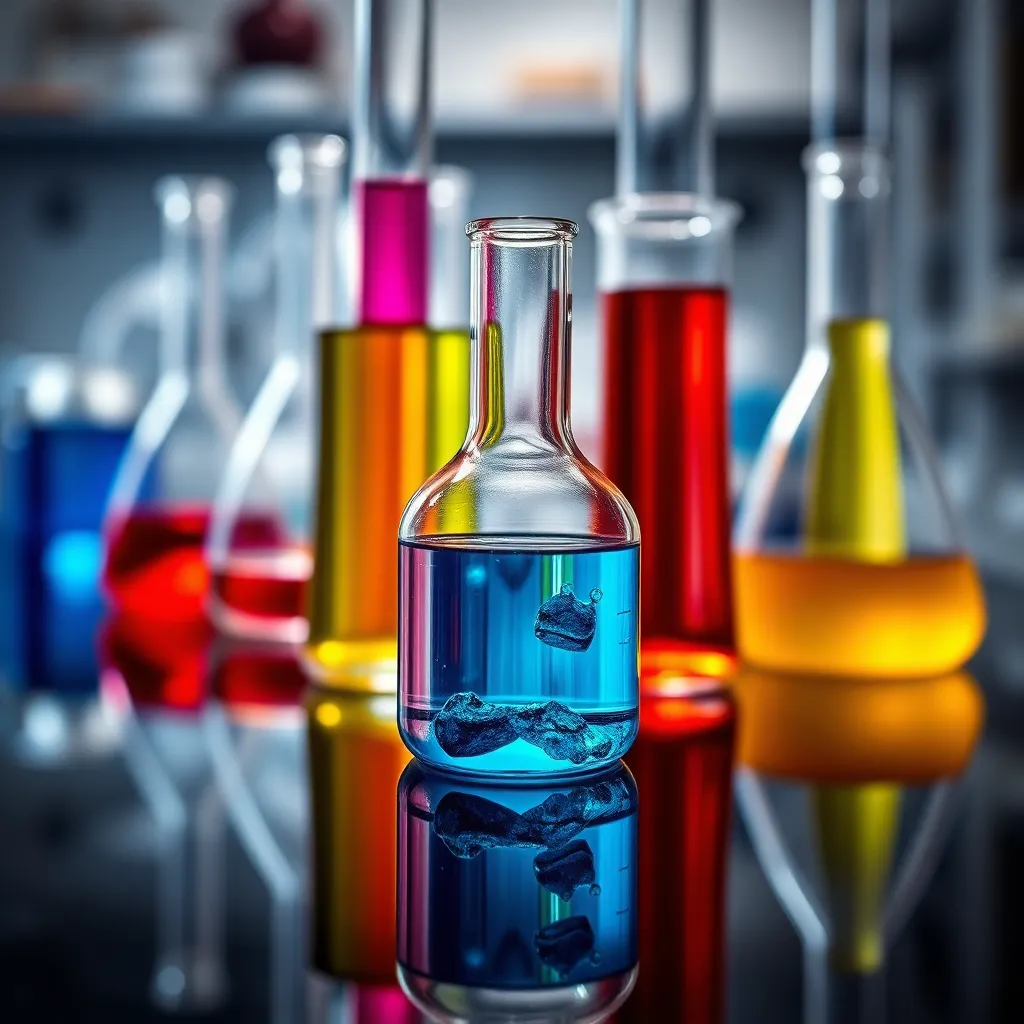
Fujifilm GFX 100S, 110mm f/2 macro reveals a stunning close-up of intricate chemical glassware filled with colorful liquids placed on a reflective black lab bench. The studio lighting setup employs a key softbox to create soft, diffused highlights, enhancing the textures and colors of the glass and liquids. The shallow depth of field at f/2 blurs the background into soft bokeh, emphasizing the vibrant hues of the liquids. The Fujifilm Velvia-inspired color palette amplifies saturated colors, creating an eye-catching scene. The composition utilizes centered symmetry to draw attention to the vivid, scientific beauty of the glassware.
1:1
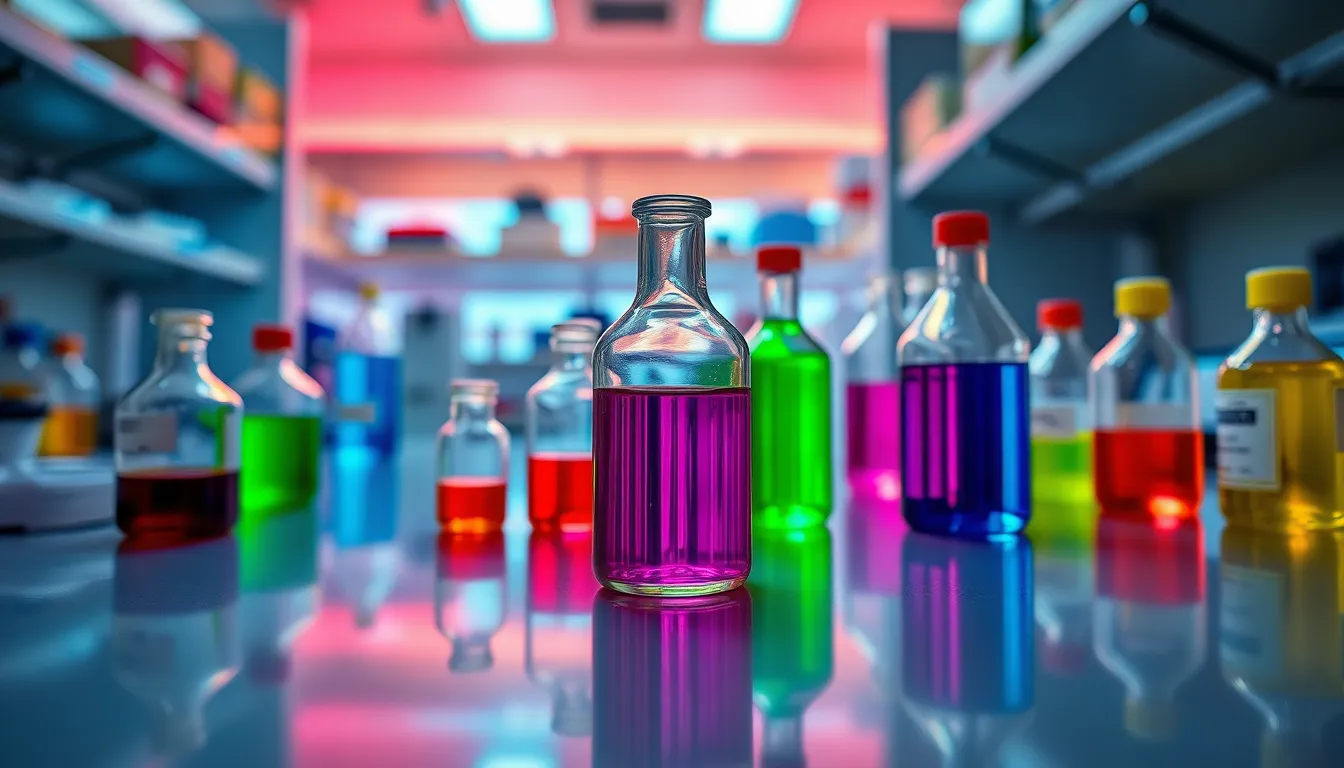
Hasselblad X2D 100C, 90mm f/2.5 medium format captures a laboratory setting in soft overcast daylight, producing an even and soft light across the scene. The image focuses on a large microscope at the center of a cluttered desk, with books, notes, and lab reports creating an authentic scholarly vibe. The depth of field is shallow at f/2.5, isolating the microscope while the background softly fades. The natural muted tones with desaturated earth colors enhance the scholarly atmosphere. The composition centers the microscope, while the surrounding chaos of papers adds storytelling.
4:3
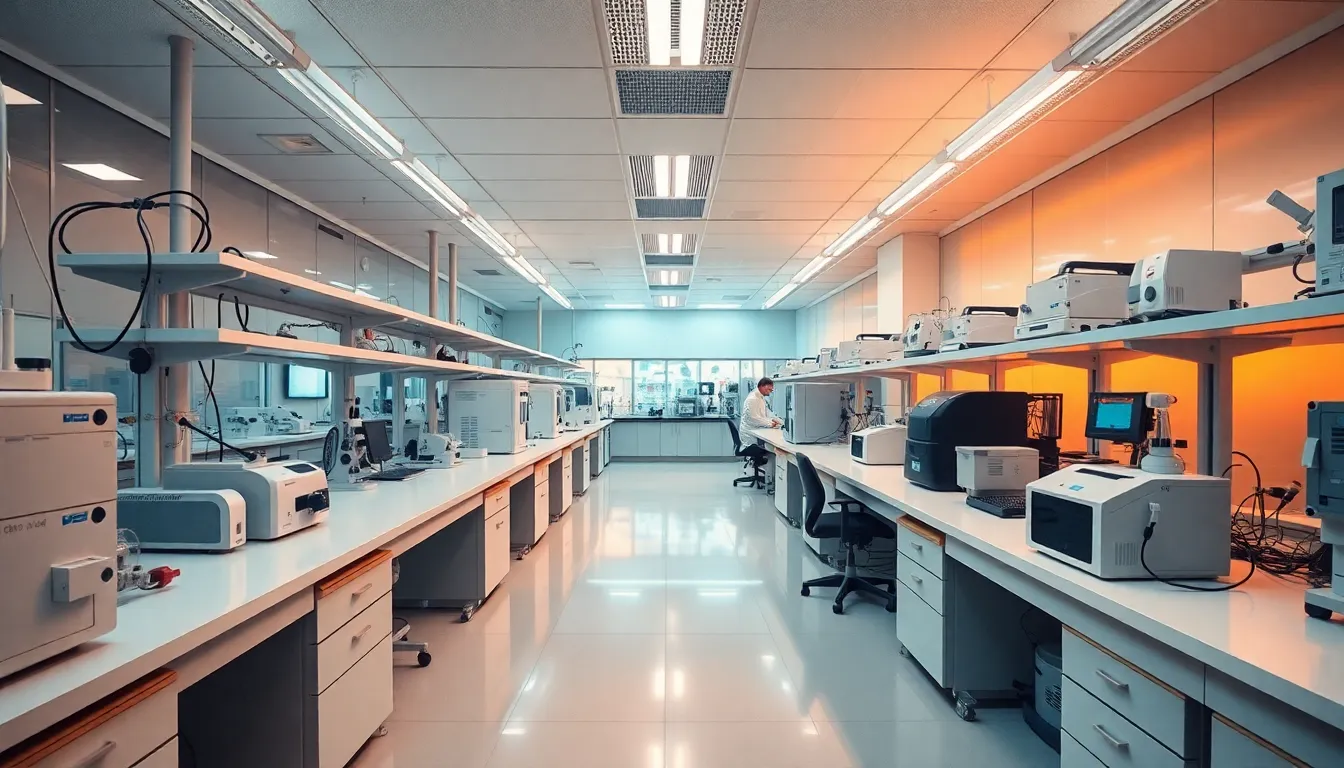
Nikon Z9, 70-200mm f/2.8 telephoto at 100mm captures a wide shot of a high-tech laboratory filled with advanced scientific equipment. The lighting is a mix of cool white from fluorescent lights and warm reflections from various surfaces, ensuring a balanced and professional mood. The depth of field is hyperfocal at f/8, allowing for sharp details from foreground to background. A cinematic teal and orange color grading adds a modern touch while emphasizing the sleek and sterile environment. The composition features leading lines from lab benches directing the viewer's eye through the workspace filled with machines and researchers.
16:9

shot on Sony A7R V with 85mm f/1.4 GM lens, this image features a close-up of a scientist's hands carefully pipetting a blue liquid into test tubes arranged on a wooden table. The lighting is soft and warm, with sunlight streaming through a nearby window, creating a natural glow that highlights the glass and liquid textures. The depth of field is shallow at f/1.4, bringing attention to the liquid’s vibrant color while softly blurring the background. A Kodak Portra 400 color palette enhances the warm skin tones and soft highlights. The composition uses centered symmetry, inviting the viewer to focus on the hands and glassware.
1:1
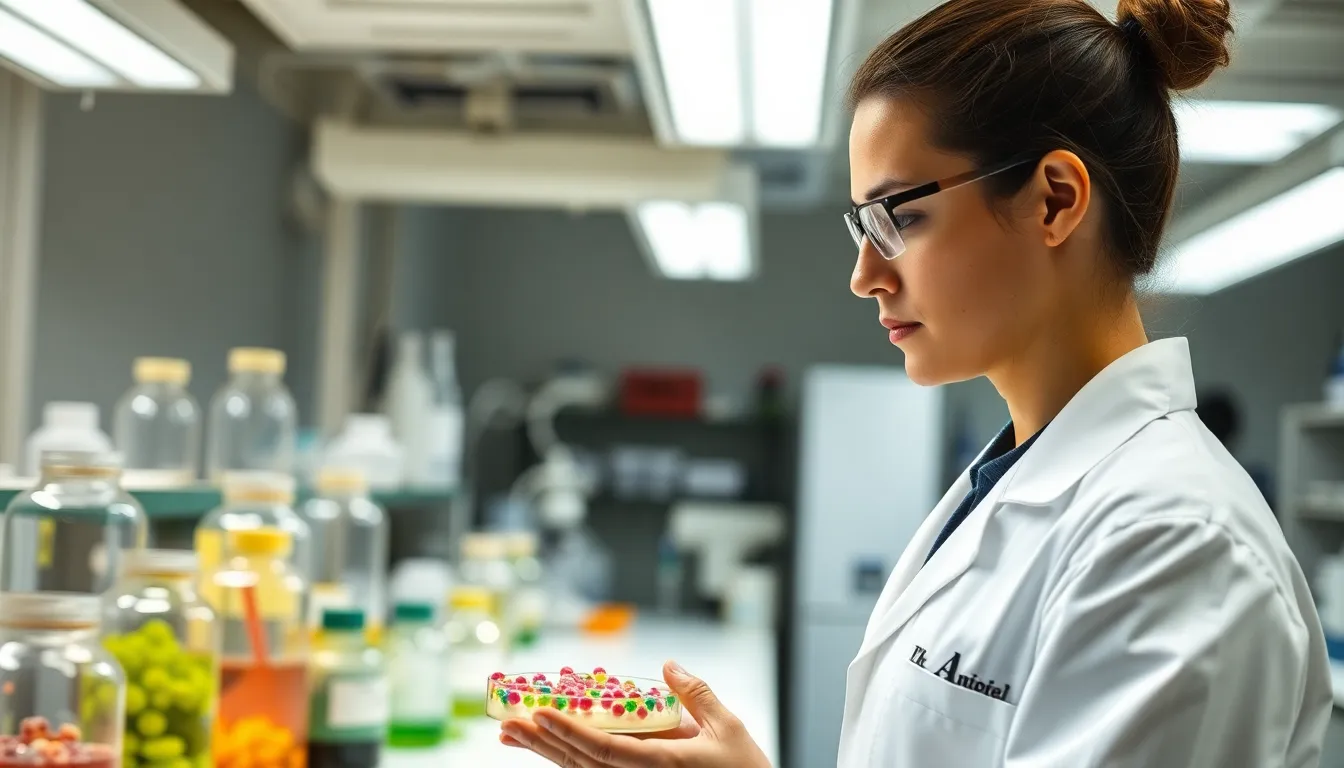
captured with Canon EOS R5, 24-70mm f/2.8L at 50mm, the scene features a well-organized laboratory workspace illuminated by overhead LED panels, creating bright, even lighting with minimal shadows. The depth of field is shallow at f/2.8, focusing on a scientist wearing a white lab coat examining a petri dish with colorful bacterial growth while a blurred background of glass jars and equipment adds context. The color palette leans into natural muted tones accented by vibrant hues of the cultures. The composition employs the rule of thirds, placing the subject to the right, enhancing visual interest. Textures include the smooth glass surfaces and the matte finish of the lab coat.
16:9

captured with Leica Q3, 28mm f/1.7 Summilux, this image showcases a scientist in a lab, manipulating a high-tech laser apparatus. The scene is illuminated by cool blue fluorescent lighting, enhancing the clinical atmosphere. A shallow depth of field at f/1.7 isolates the scientist, while the background blurs into a soft haze of lab equipment. The color grading is cinematic with teal highlights and orange undertones, creating a modern, sleek feel. The composition centers the scientist in action, engaged with the laser, visually representing the intersection of physics and technology.
3:4
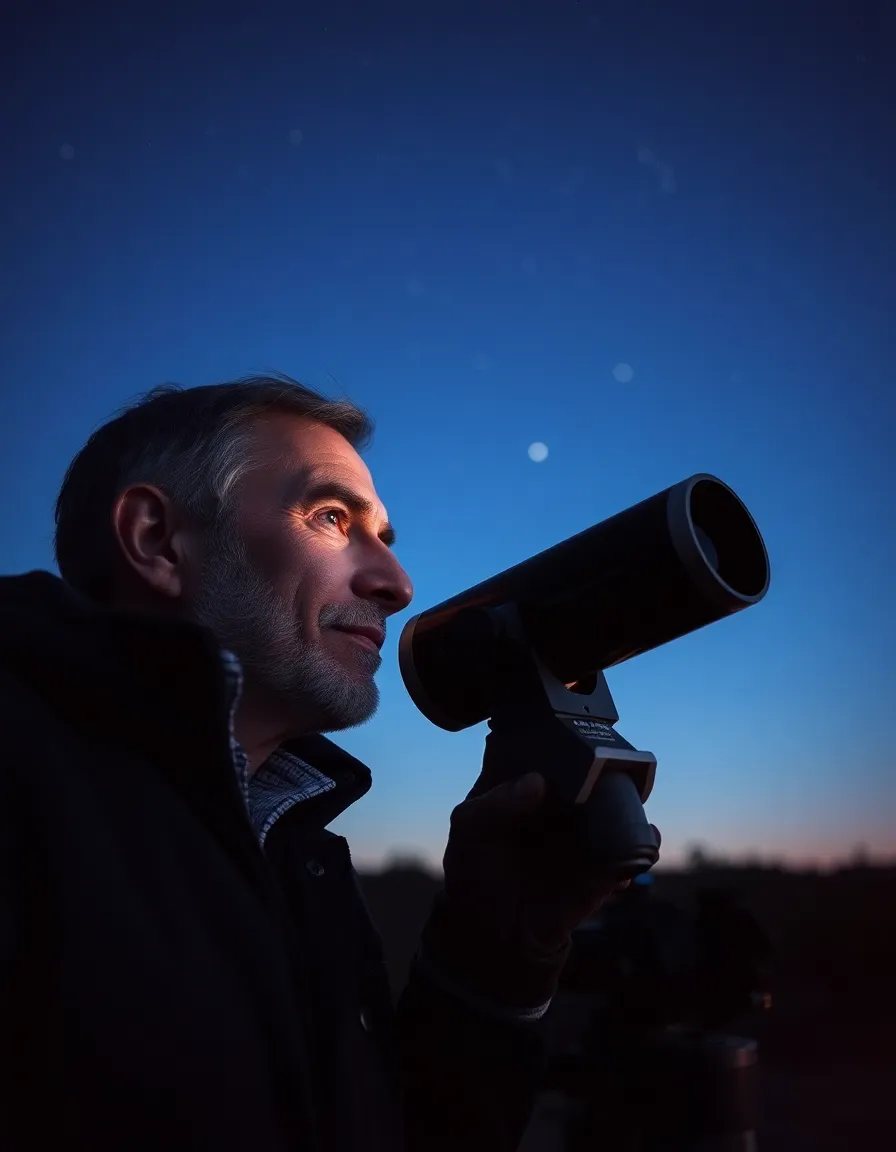
shot on Hasselblad X2D 100C, 90mm f/2.5 medium format, this image captures a serene landscape of rolling hills under a starry night sky. The scene is lit by a crescent moon, providing soft ambient light that reveals the contours of the hills. A hyperfocal depth of field at f/8 keeps the entire scene in sharp focus, showcasing a rich tapestry of greens and blues. The color science leans towards natural muted tones, creating a tranquil mood. The composition incorporates leading lines of the hills leading toward the star-filled sky, enhancing the vastness of the scene.
16:9

photographed with Fujifilm GFX 100S, 110mm f/2 macro, showcasing a close-up of a vintage 19th-century barometer resting on a weathered wooden table. Natural light filtering through a nearby window casts soft shadows, enhancing the texture of the wood grain. The depth of field is set to f/2 for a shallow focus, bringing attention to the intricate brass details of the barometer while the background softly fades into bokeh. The color palette features warm earth tones that evoke a sense of nostalgia, captured in a centered symmetric composition.
3:2
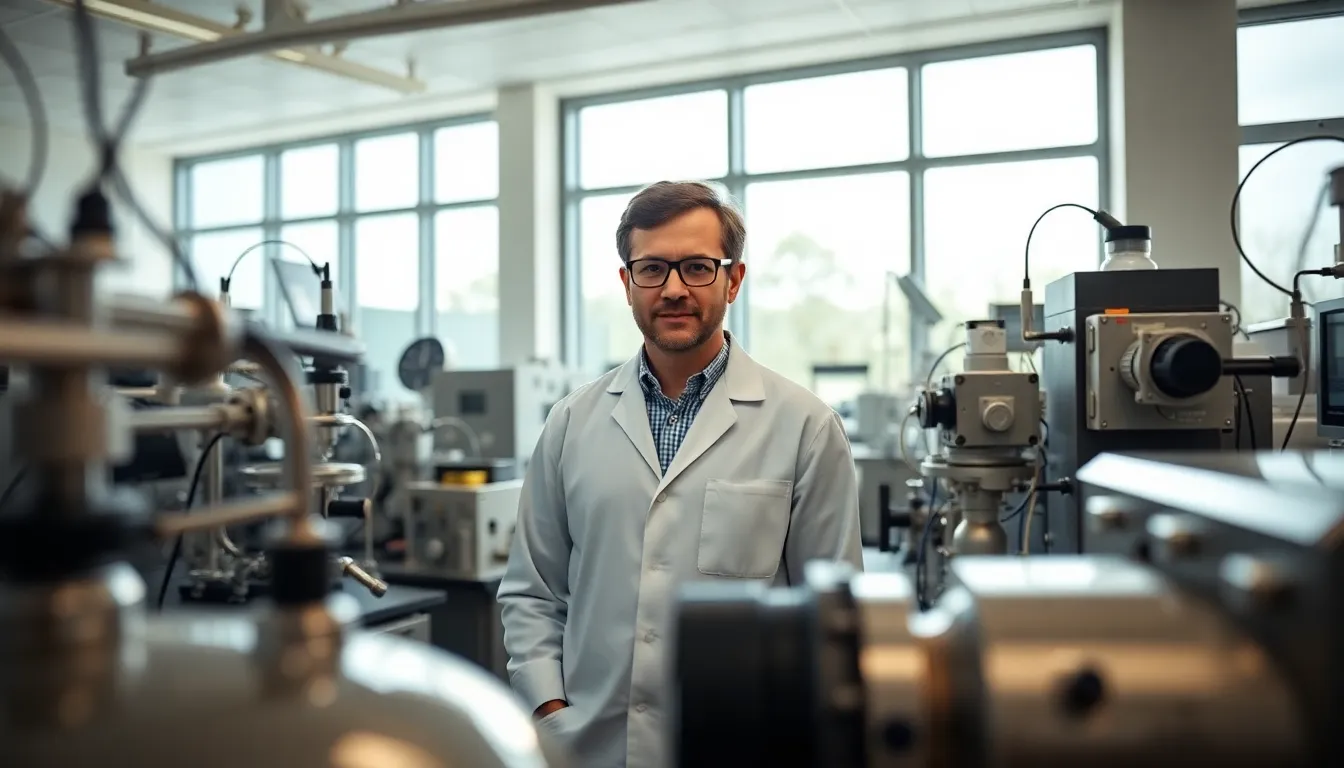
captured with Canon EOS R5, 24-70mm f/2.8L at 35mm, this image features a close-up of a clear glass prism refracting light into a spectrum of colors. Overcast diffused daylight provides soft, balanced lighting without harsh shadows. The hyperfocal depth of field ensures everything from the foreground prism to the blurred background is sharp at f/8. The color grading showcases vibrant reds, blues, and greens against a soft, neutral background. The composition centers around the prism, creating leading lines from the light rays to enhance visual interest.
1:1

shot on Nikon Z9, 70-200mm f/2.8 telephoto at 135mm, captured during golden hour with warm backlighting creating a halo effect around a physics teacher demonstrating a pendulum experiment. Shallow depth of field at f/2.8 blurs the background into a creamy bokeh. The color palette features warm tones of orange and gold, accentuating the teacher's joyful expression as they engage with students. Composition follows the rule of thirds, placing the subject off-center, while chalk dust lingers in the warm light, enhancing the classroom atmosphere.
16:9
Shot on Hasselblad X2D 100C, 90mm f/2.5 medium format, this image displays a scientist wearing protective gear analyzing samples in a fume hood. The lighting is bright and clinical, with cool tones dominating the scene. The depth of field is hyperfocal, ensuring sharpness from foreground to background. The image is composed symmetrically, emphasizing the precision of the scientific process. The texture of the fume hood materials and the scientist’s gear adds realism, showcasing the importance of safety in chemistry.
2:3
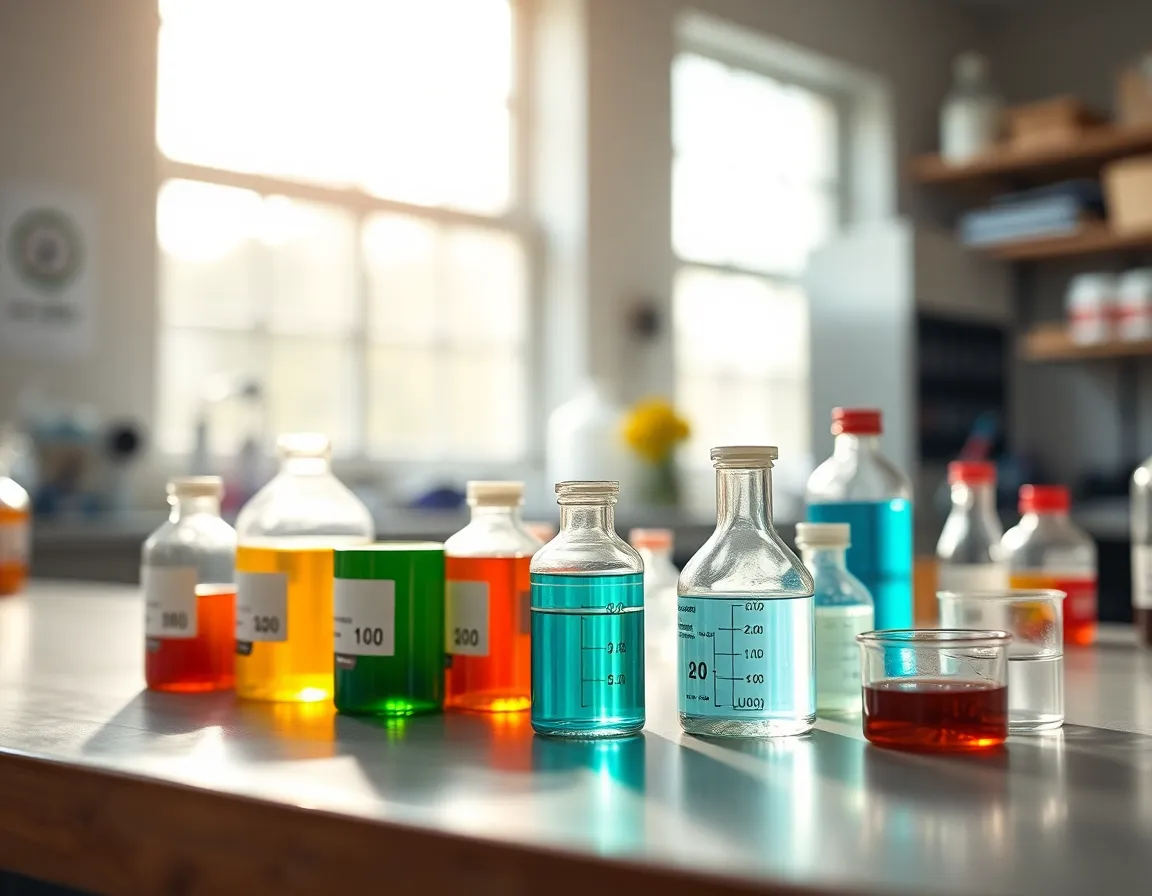
Captured with Fujifilm GFX 100S, 110mm f/2 macro lens, this image features a detailed shot of chemical compounds on a lab table. Soft diffused daylight filtering through windows bathes the scene in natural light, enhancing the colors of the compound containers. The depth of field is shallow, keeping the focus on the intricate details of the compounds while the background softly blurs into a painterly effect. The natural palette evokes an organic feel, and the composition employs leading lines from the containers towards the focal point.
4:3
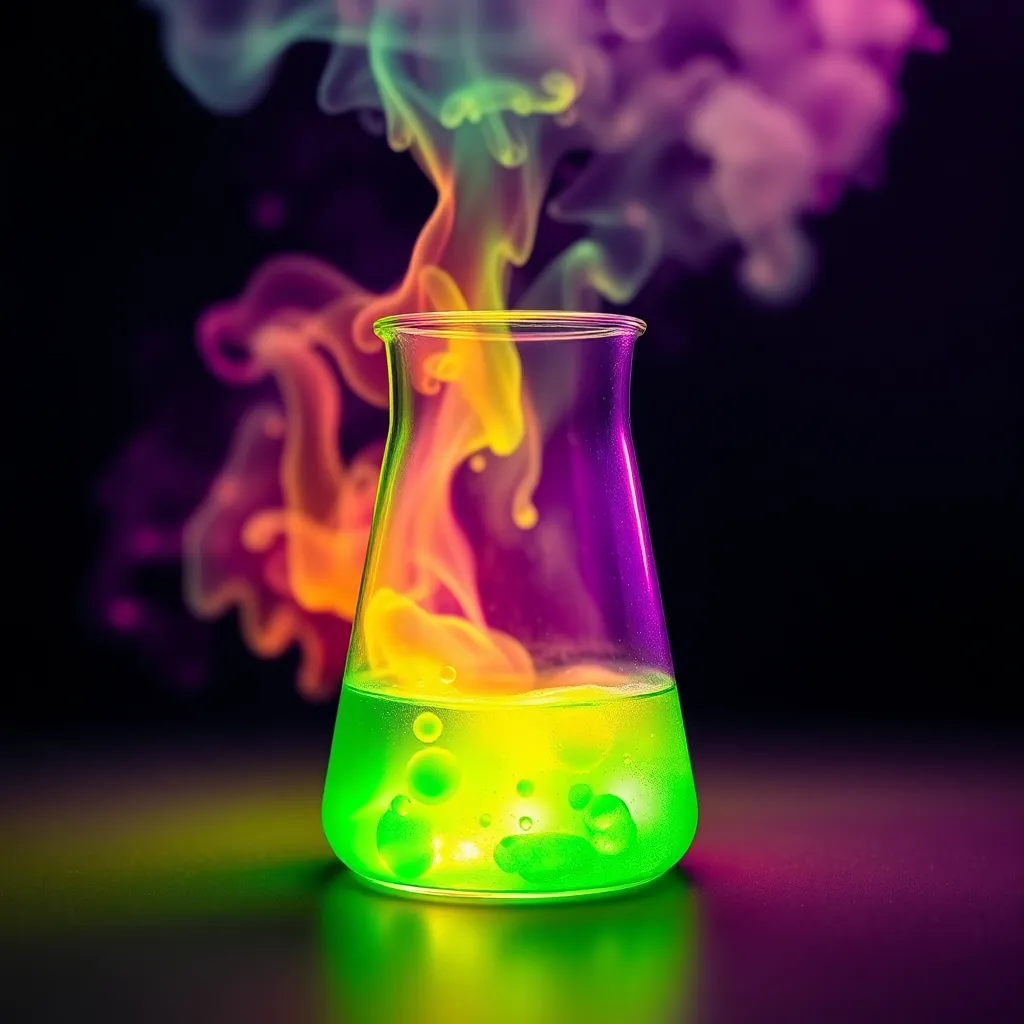
Photographed using Nikon Z9, 70-200mm f/2.8 telephoto at 100mm, this image captures a close-up of a chemical reaction in a beaker producing bright colorful gas. The lighting is dramatic, with a single spotlight highlighting the beaker against a dark backdrop. The colors are saturated with vivid greens and purples, creating a striking visual contrast. The composition utilizes a centered layout, drawing attention to the dynamic reaction. Surface textures of the glass beaker and bubbling liquid add depth to the image.
1:1
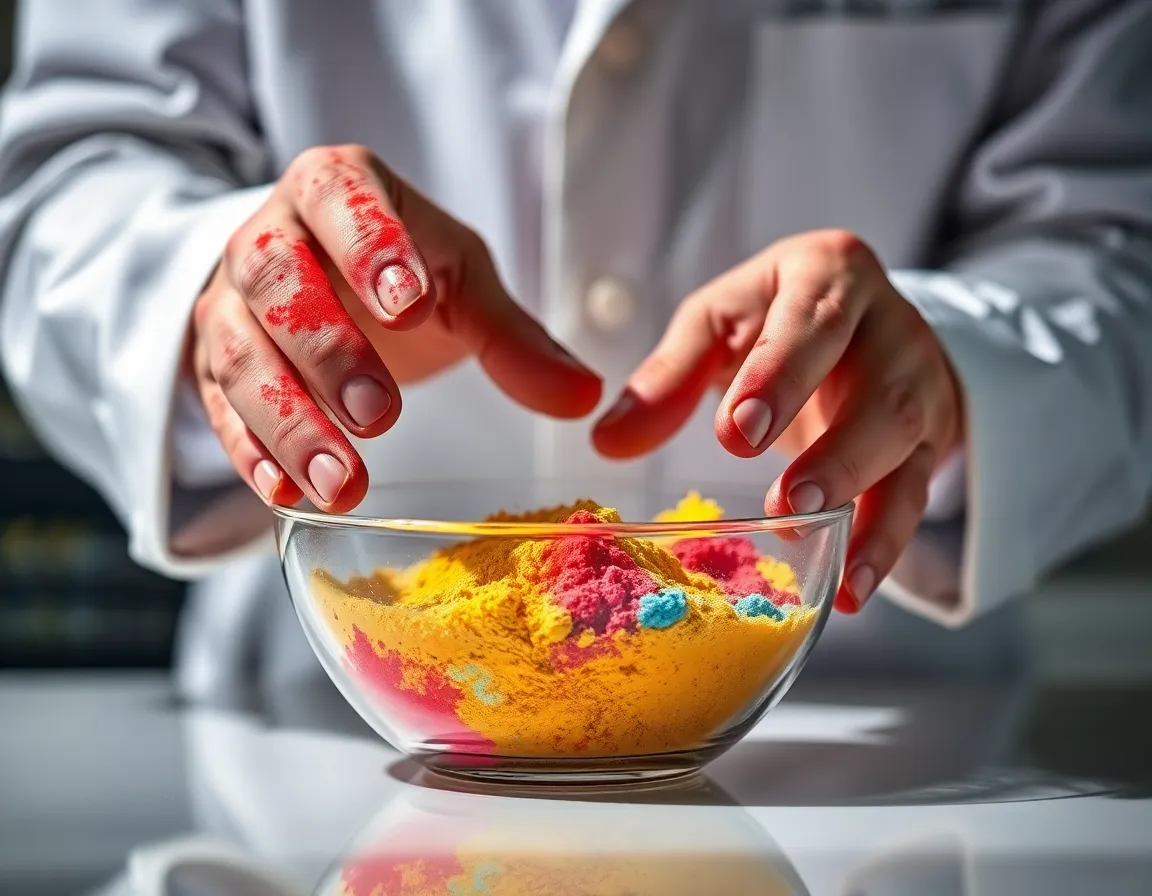
Shot on Sony A7R V with 85mm f/1.4 GM lens, this image showcases a chemist in a white lab coat examining a molecular model. Soft natural light from a window illuminates the scene, creating a warm and inviting ambiance. The shallow depth of field emphasizes the chemist’s focused expression and the colorful model in their hands. Colors are vibrant against the neutral backdrop, and the composition employs the rule of thirds with the chemist positioned to the right. Texture details are evident in the lab coat fabric and molecular model materials.
3:2

Captured with Canon EOS R5, 24-70mm f/2.8L at 50mm, this image features a clean laboratory environment with bright overhead fluorescent lights creating even illumination. Shallow depth of field at f/2.8 focuses on a glass beaker filled with a vibrant blue liquid, surrounded by various pipettes and lab equipment. The color palette reflects cool tones, emphasizing the scientific atmosphere. Compositionally, the beaker is positioned off-center with leading lines from the pipettes guiding the viewer’s eye. The glass surface displays intricate reflections and subtle textures of the lab countertop.
16:9
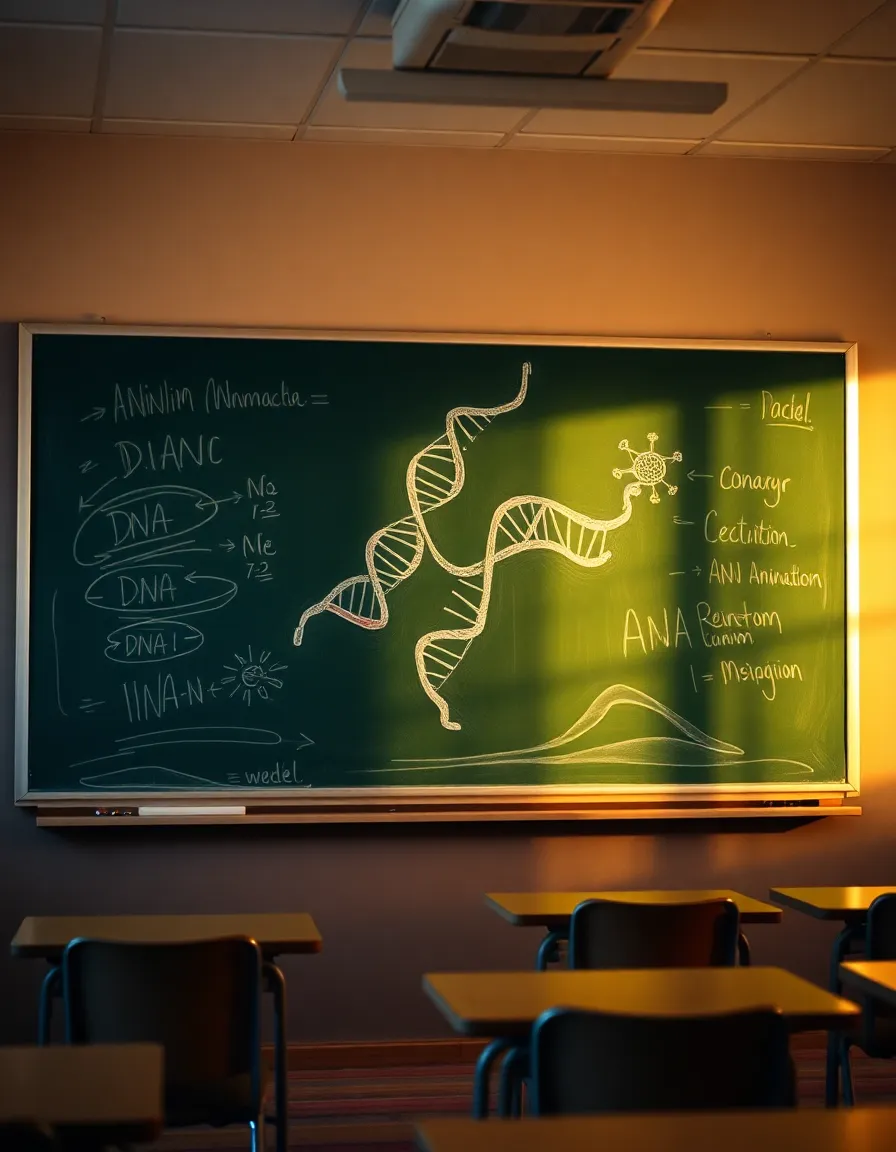
Hasselblad X2D 100C, 90mm f/2.5 medium format, capturing a vibrant outdoor science fair scene where children are engaged in a hands-on DNA experiment. The scene is bathed in golden hour backlight, creating a warm glow around the participants and enhancing the colors of their lab coats. The depth of field is shallow at f/2.5, softening the backgrounds and emphasizing the children’s joy. The color palette features warm yellows, soft greens, and bright pastels. The composition uses leading lines formed by tables and activity areas, drawing the eye into the bustling fair atmosphere. The fabric of the lab coats and the playfulness of the experiment create a tactile experience.
16:9
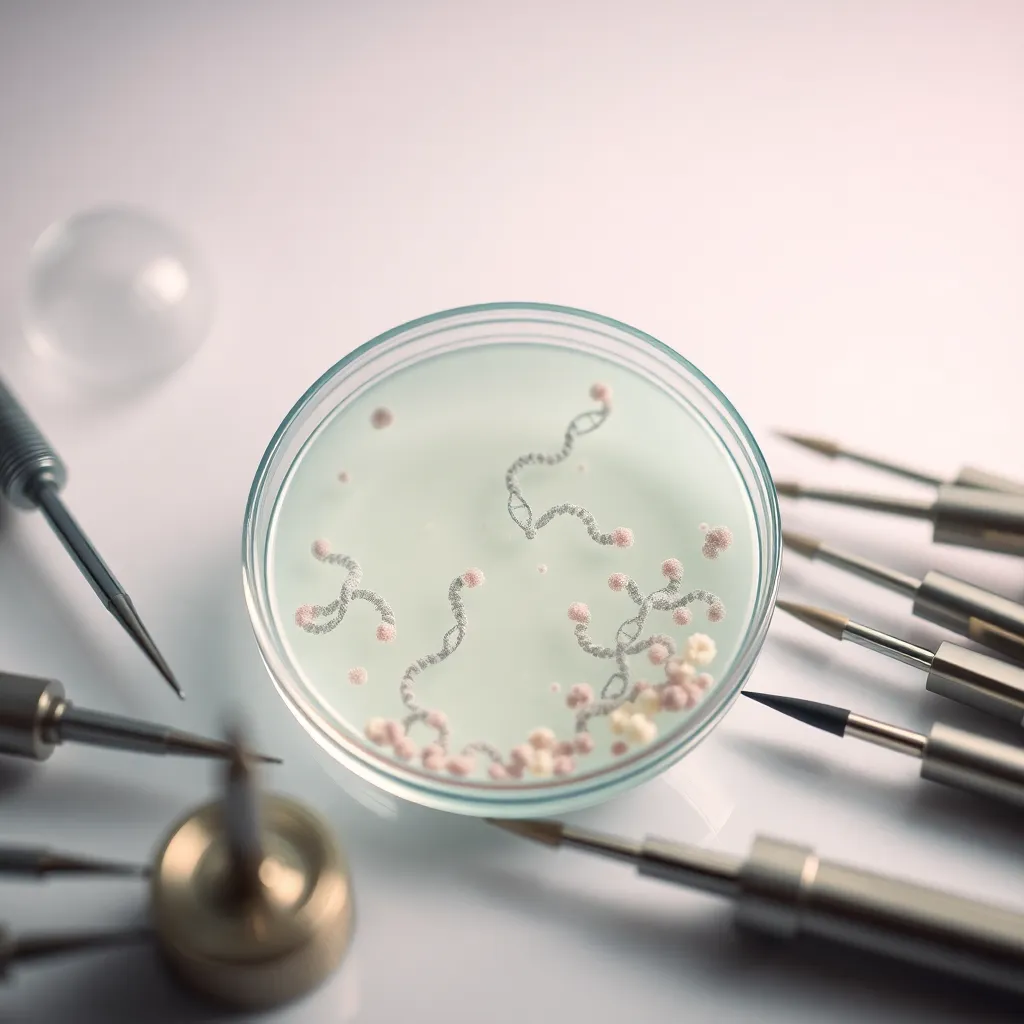
Fujifilm GFX 100S, 110mm f/2 macro, with soft, diffused lighting capturing a petri dish featuring a DNA culture surrounded by scientific instruments. The macro lens allows for exquisite detail, showcasing the texture and subtle coloring of the DNA strands with a shallow depth of field at f/2 creating a dreamy background. The color palette highlights the delicacy of the scene with pastel colors punctuated by the instruments' metallic sheen. The composition is centered, with the petri dish taking up the majority of the frame while featuring carefully arranged instruments around it to create interest. Textural details include the smooth glass of the petri dish and the finely rendered instruments.
1:1
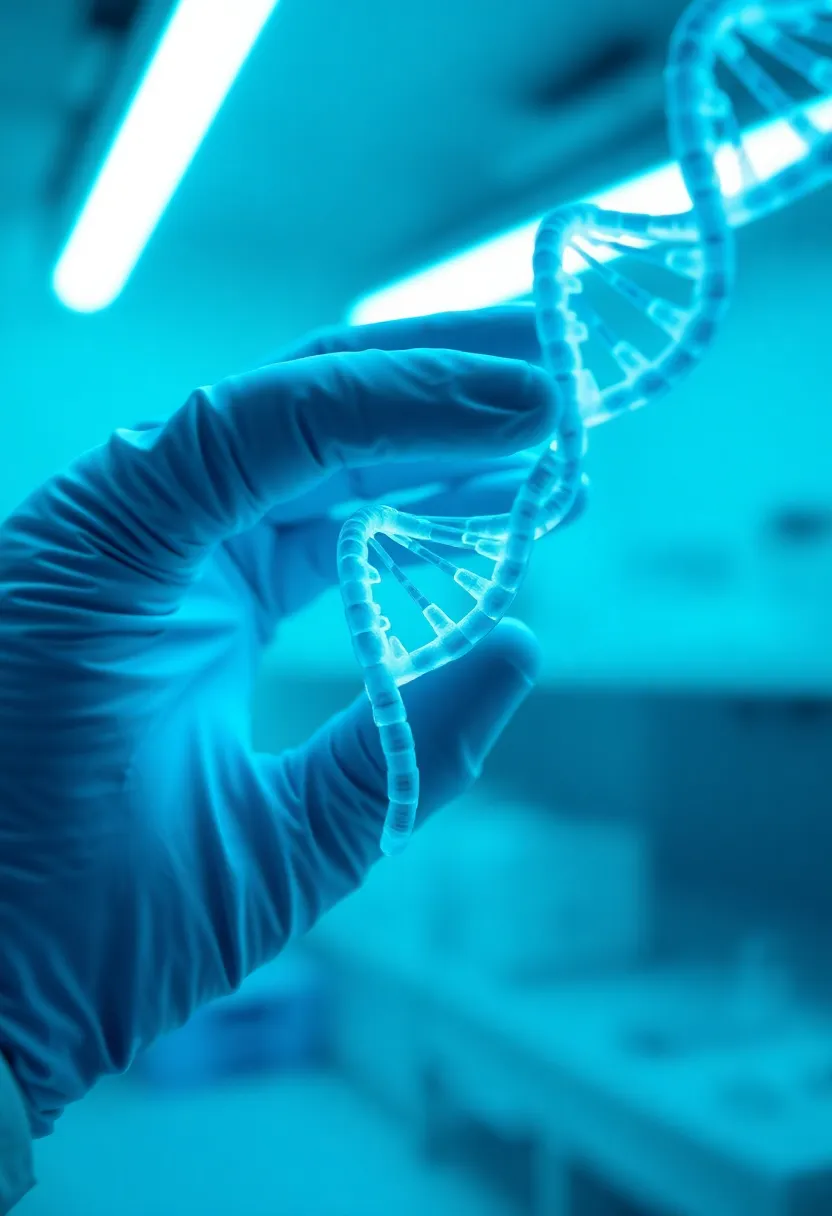
Nikon Z9, 70-200mm f/2.8 telephoto at 150mm, capturing a close-up of a researcher’s hand manipulating strands of DNA in a laboratory setting. The image is illuminated with bright fluorescent lighting that creates a clinical atmosphere, showcasing every detail of the DNA strands with hyperfocal distance for sharpness. The color palette exhibits cool blues and greens, typical of a scientific lab. The composition utilizes leading lines formed by the DNA strands, directing the viewer’s eye towards the focus point. The texture of the lab gloves and the glossy surfaces of the DNA provide a tactile quality to the image.
2:3

shot on Sony A7R V with 85mm f/1.4 GM lens, showcasing a scientist in a lab coat examining a DNA sequencer under natural diffused daylight from a large window. The scene captures the concentration on the scientist's face as well as the intricate details of the lab equipment with a shallow depth of field at f/1.4, giving a creamy bokeh effect in the background. The color palette features soft whites and greens with warm tones from the sunlight. The composition includes the scientist positioned towards the right third of the frame, while the sequencer occupies the left. The texture of the lab coat and the metallic surfaces of the equipment add to the realism.
3:4
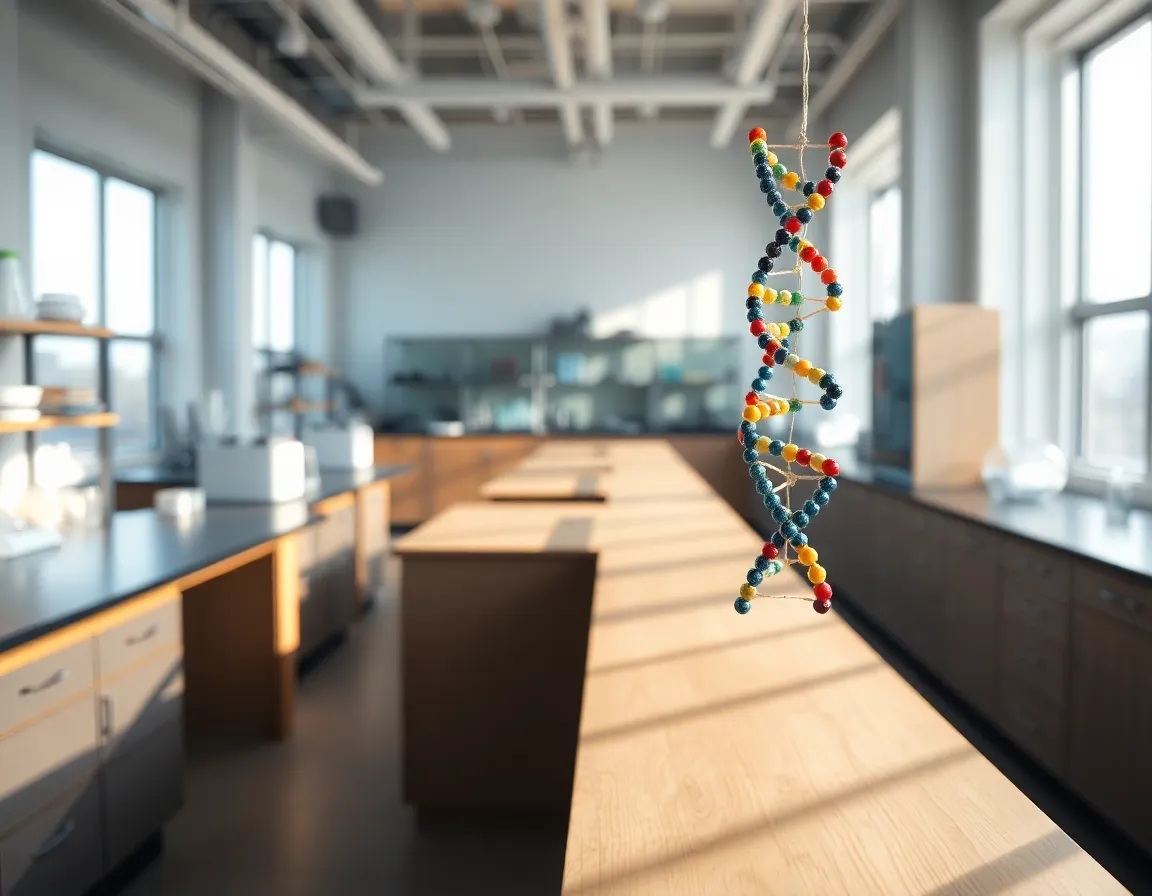
captured with Canon EOS R5, 24-70mm f/2.8L at 50mm, featuring dramatic overhead lighting with a softbox creating highlights on the subject. The scene showcases a double helix DNA model made of colorful glass against a sleek black background with a shallow depth of field at f/2.8, rendering the DNA strands sharp and the background beautifully blurred. The color palette includes vibrant reds, blues, and greens reflecting off the glass surfaces. The composition follows the rule of thirds, positioning the DNA model off-center for visual interest. The surface texture of the glass reveals intricate details and reflections, enhancing the scientific focus of the image.
16:9
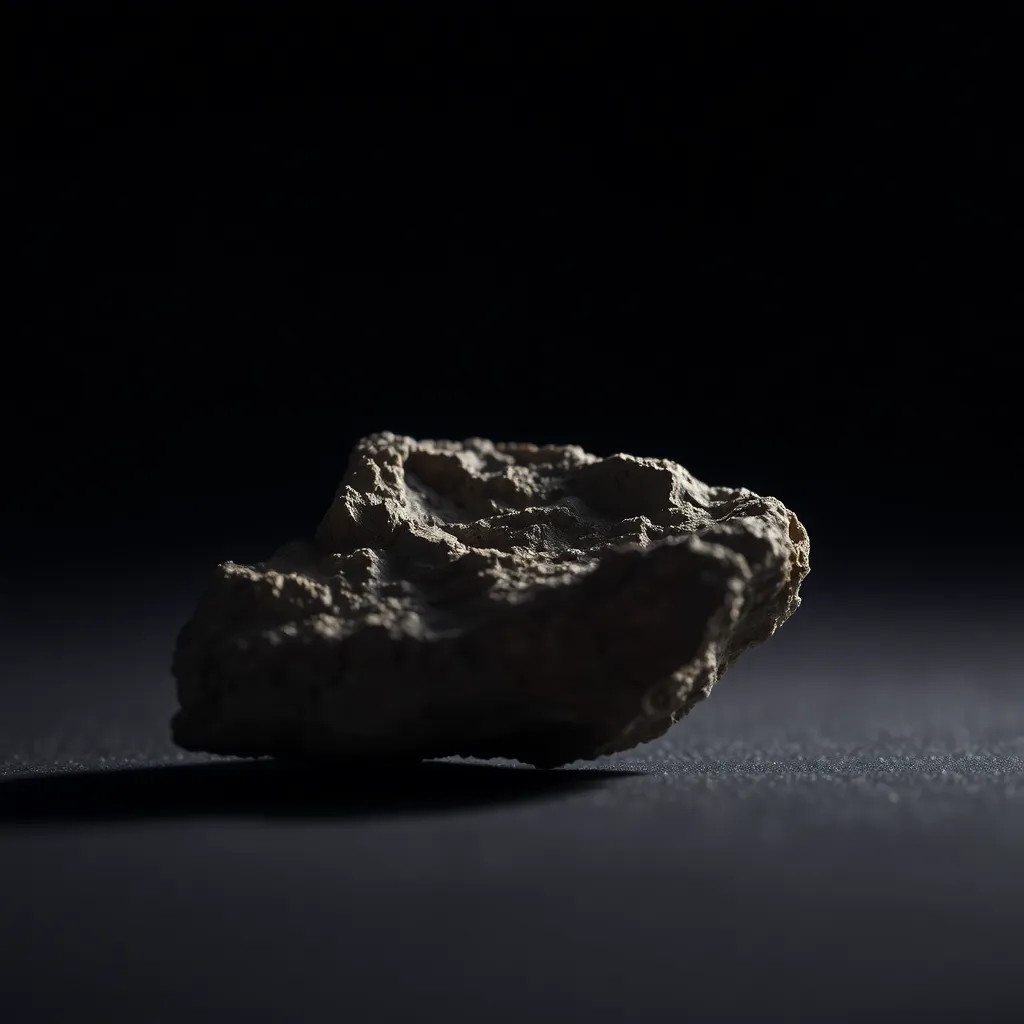
captured with Fujifilm GFX 100S, 110mm f/2 macro lens focusing on a comet approaching Earth, utilizing a dark backdrop with a soft ambient glow illuminating the comet's tail, shallow depth of field highlighting the comet's icy nucleus while the tail stretches out, Kodak Portra 400 color palette emphasizing soft blues and whites against the deep black of space, centered composition drawing attention to the comet's journey.
16:9
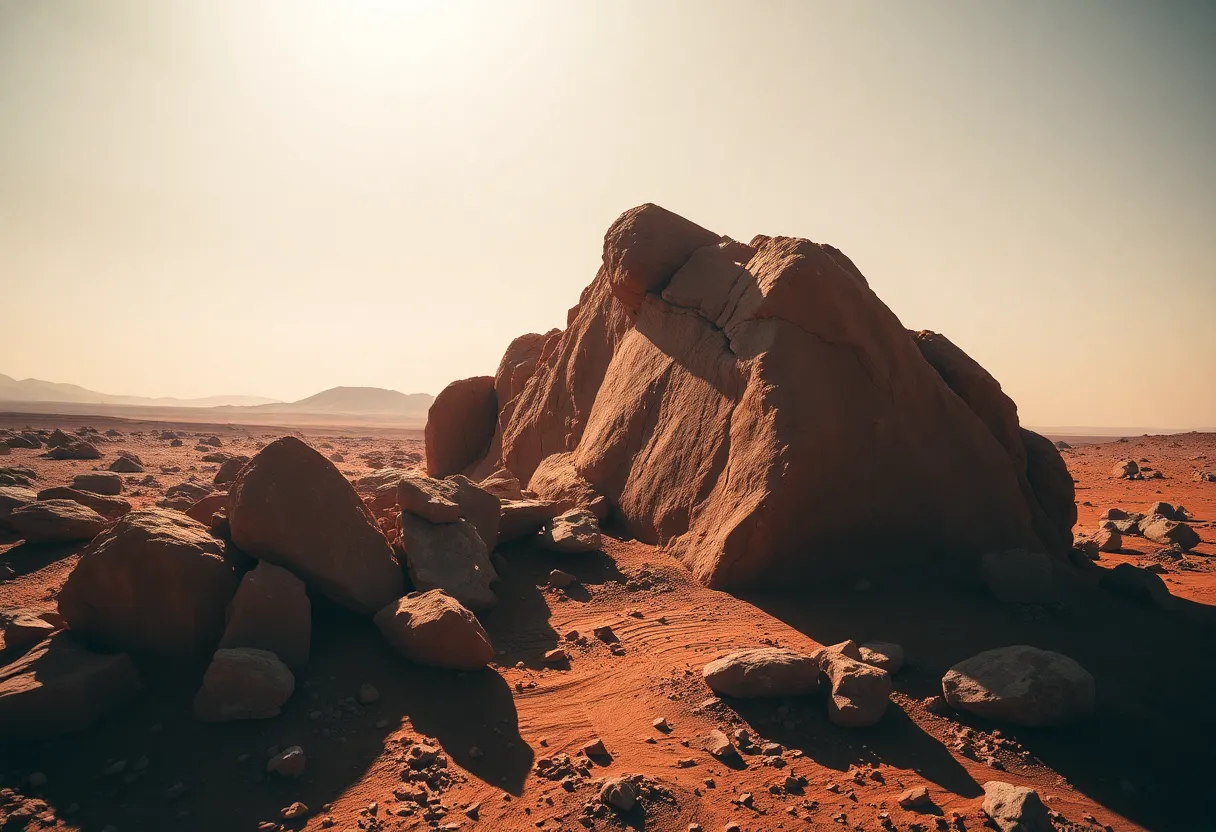
shot with Leica Q3, 28mm f/1.7 Summilux during the daytime on Mars, capturing the rugged terrain with vivid red rocks and dusty surfaces, bright sunlight creating harsh shadows and highlights, shallow depth of field isolating a Martian rock formation with fascinating textures, natural muted tones showcasing the Martian landscape, composition using the rule of thirds placing the rock in the right power point against a vast sky.
3:2

captured with Canon EOS R5, 24-70mm f/2.8L at 35mm during a sunset from a space station window, soft orange and violet hues blending together, creating a breathtaking view over Earth, hyperfocal distance ensuring everything from the window frame to the horizon is sharp, Fujifilm Velvia-inspired saturated colors highlighting the curvature of the planet and atmospheric layers, leading lines of the window framing the scene beautifully.
16:9

shot on Sony A7R V with 85mm f/1.4 GM lens, capturing a detailed close-up of an astronaut's helmet reflecting Earth from the surface of the moon, dramatic natural lighting from the sun creating sharp contrasts and highlights, shallow depth of field blurring the lunar surface while keeping the helmet's reflection crisp, natural muted tones with desaturated earth colors, rule of thirds composition placing the helmet in the left power point.
3:4
captured with Nikon Z9, 70-200mm f/2.8 telephoto at 135mm under dark space with stars, using a soft blue LED light to enhance the ethereal atmosphere, shallow depth of field focusing on a luminous nebula surrounded by distant stars, cinematic teal and orange color grading, centered symmetrical composition emphasizing the glowing core of the nebula with intricate textures of cosmic dust and gas swirling around it.
16:9
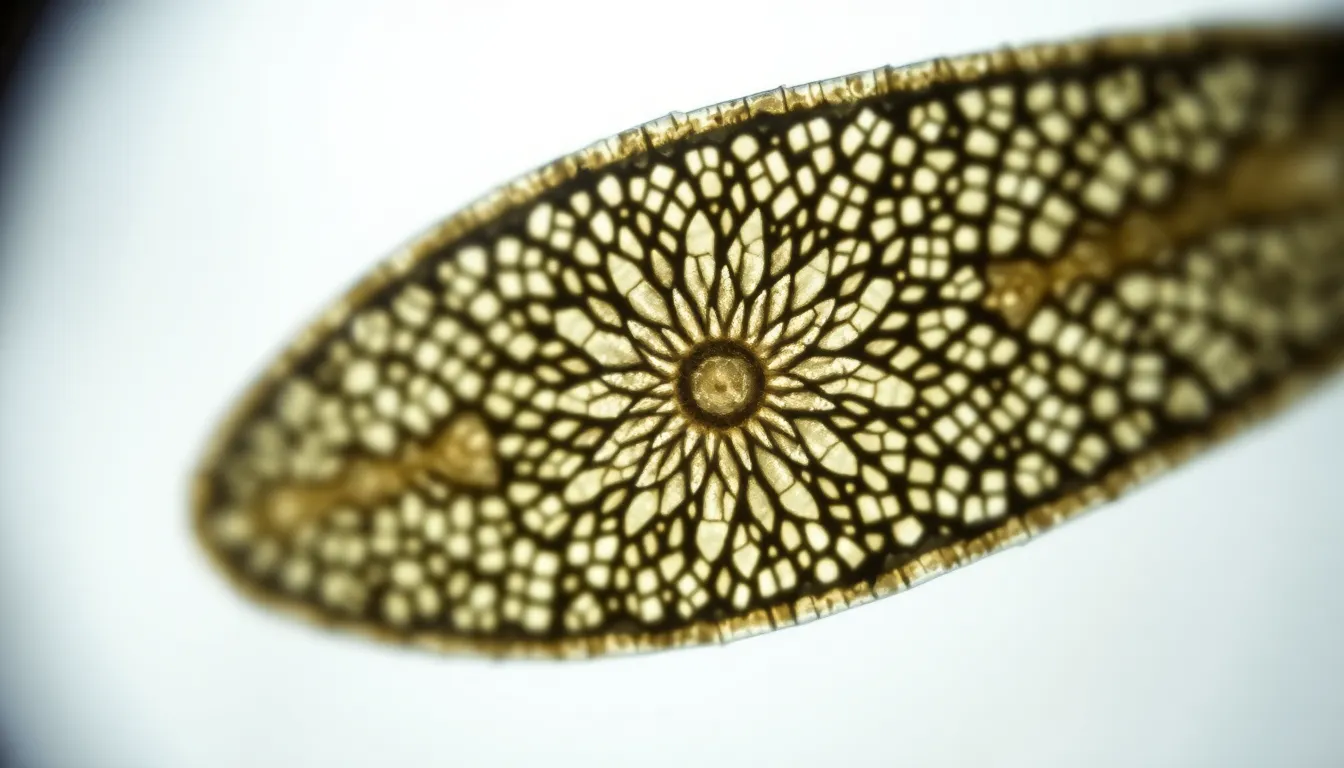
Detailed view of a diatom under a microscope, showcasing its intricate silica structure. Shot with Hasselblad X2D 100C, 90mm f/2.5 medium format lens. Natural light from a nearby window provides soft illumination, enhancing the delicate detail of the diatom's pattern. Depth of field at f/5 creates a sharp focus on the diatom while blurring the background glass slide. The composition uses centered symmetry to draw attention to the stunning natural design. The texture of the diatom's surface is highlighted, exhibiting its unique crystalline structure.
16:9
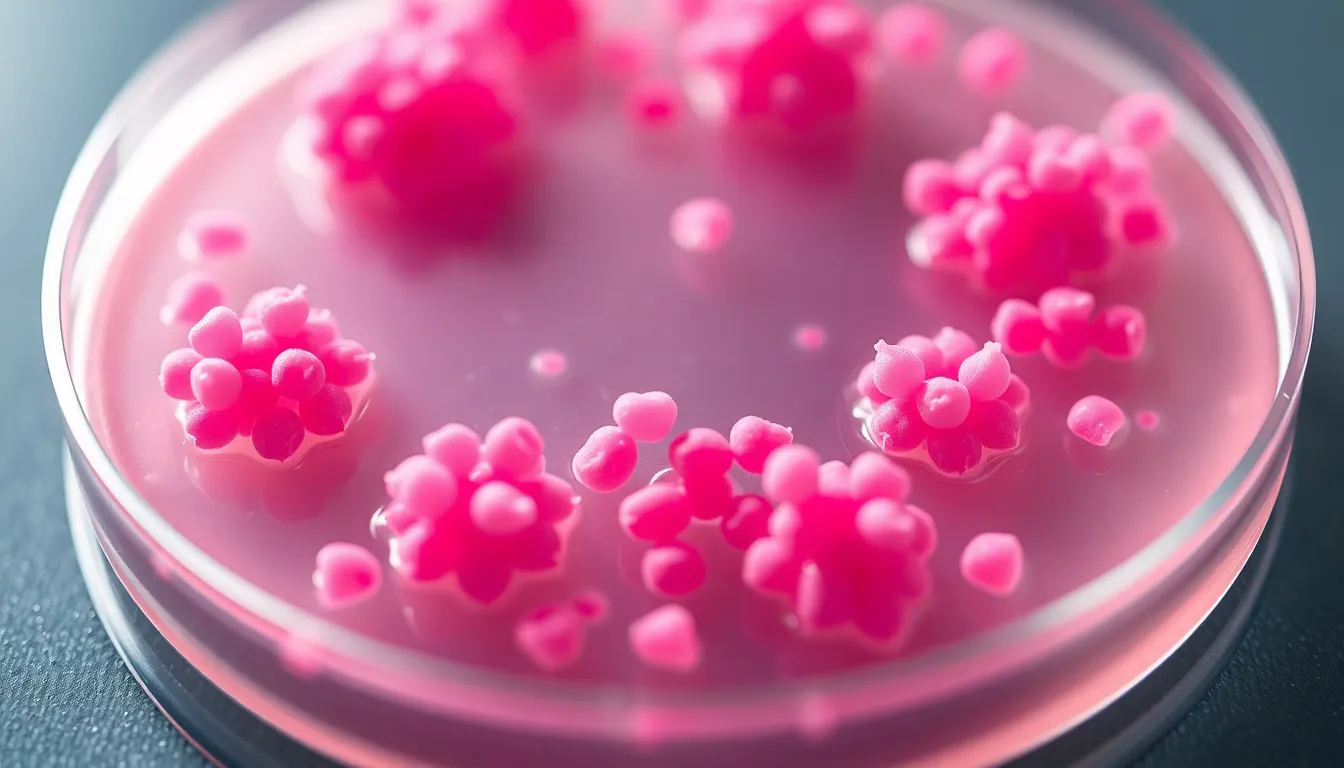
Microscopic view of bacteria colonies on an agar plate. Captured with Leica Q3, 28mm f/1.7 Summilux lens. The scene is illuminated with soft overhead studio lighting, enhancing the contrast of the vibrant pink and white bacterial colonies against the clear agar surface. Shallow depth of field at f/2.8 isolates the colonies, creating a creamy bokeh that emphasizes their unique shapes. The composition follows the rule of thirds, placing the most prominent colony at a power point. Textural details of the agar surface are visible, adding depth.
16:9
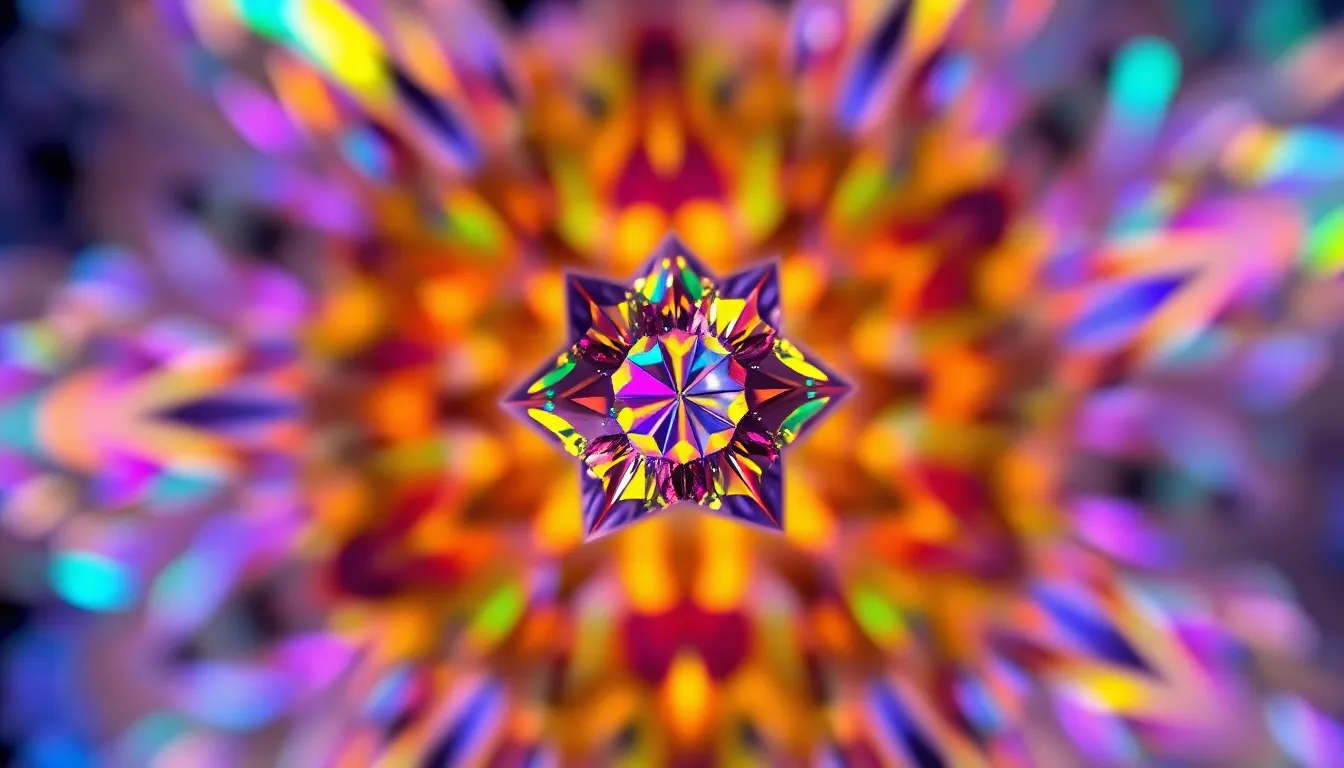
Detailed view of a crystal structure under polarized light microscopy. Shot on Fujifilm GFX 100S, 110mm f/2 macro lens. Bright and colorful patterns emerge from the polarized light, creating stunning geometric shapes. Selective focus on the central crystal formation, while the background blurs into a soft, painterly bokeh. The color palette features vibrant blues, purples, and yellows, reminiscent of a vibrant gemstone. The composition utilizes symmetry, drawing attention to the striking design of the crystal's facets.
16:9
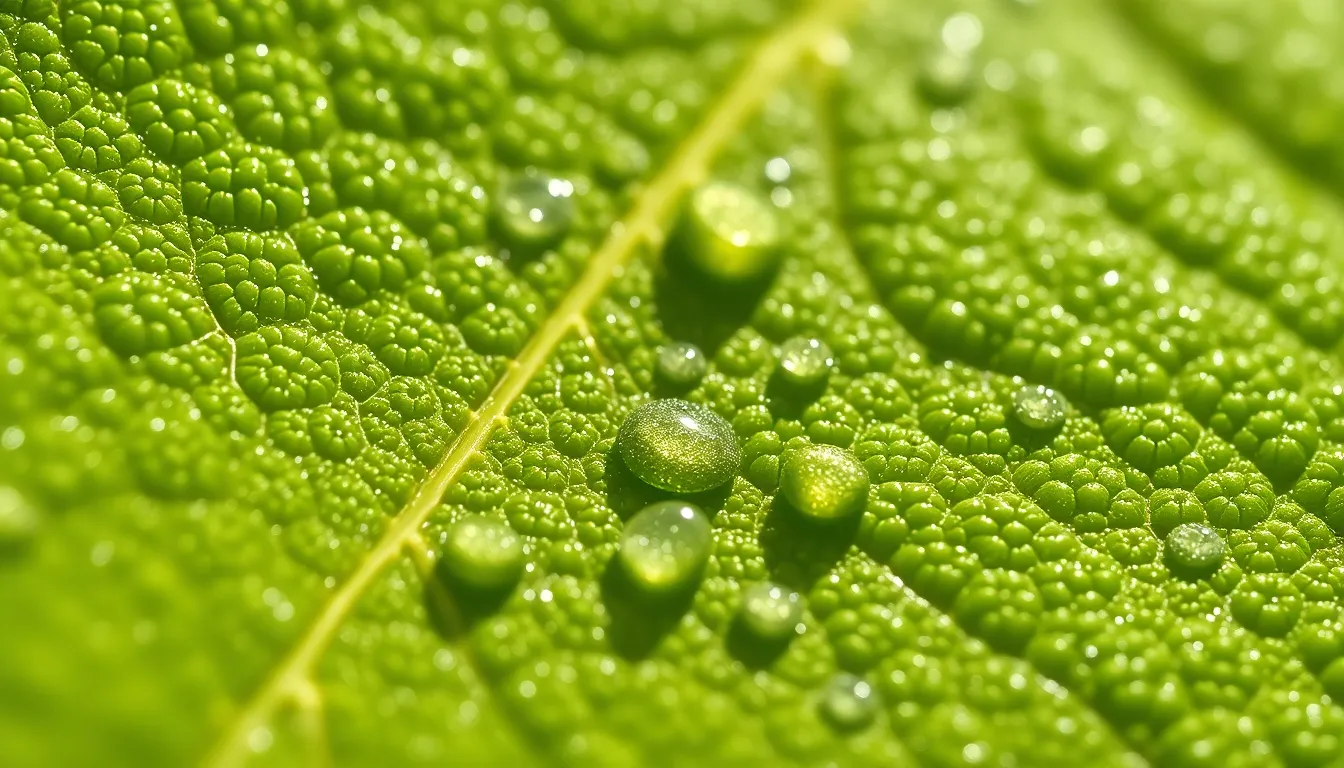
Close-up view of a leaf's surface revealing trichomes and stomata under a microscope. Captured with Canon EOS R5, 24-70mm f/2.8L at 50mm. Natural diffused daylight floods the scene, creating soft highlights and shadows across the leaf's textured surface. Hyperfocal distance — everything from the foreground trichomes to the background stomata is tack-sharp at f/8. The composition follows the rule of thirds, focusing on the intricate details of the leaf. Visible texture of the leaf's surface with clear water droplets enhancing the lush green color.
16:9
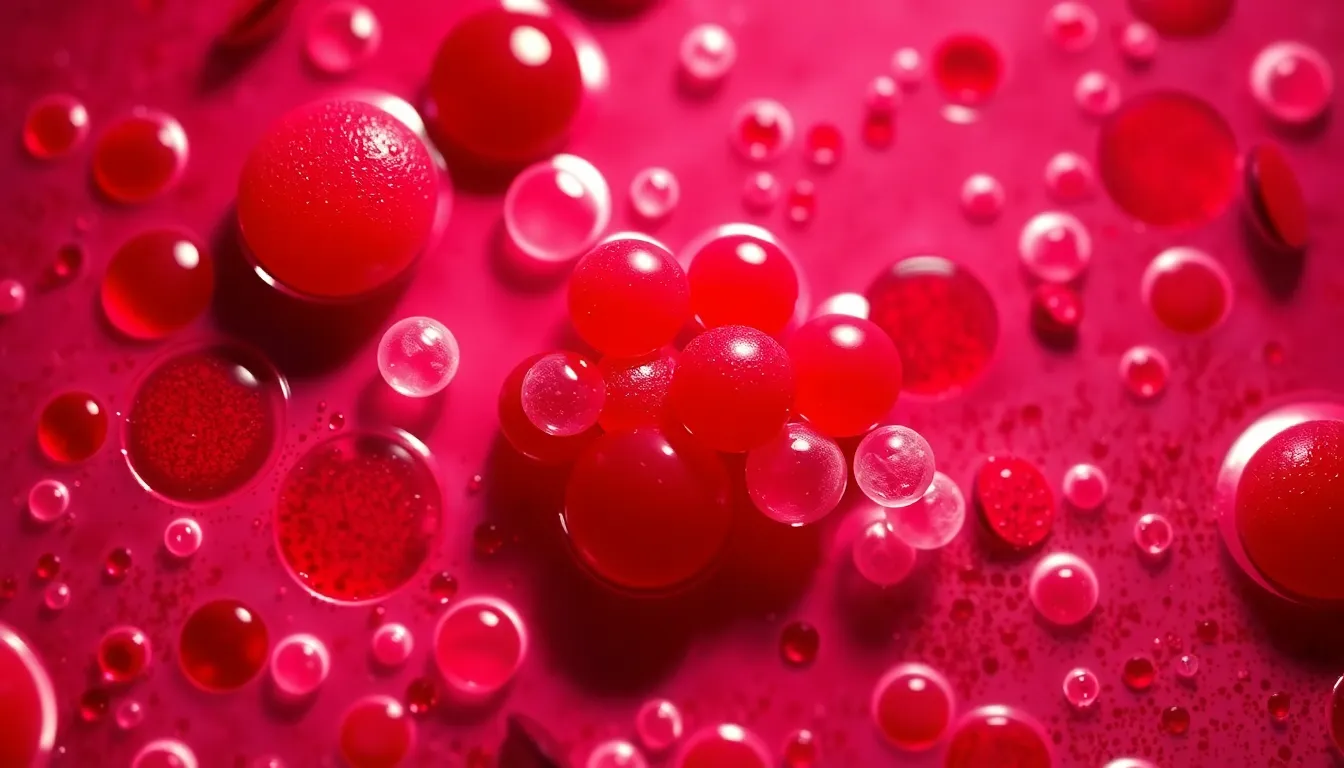
Microscopic view of a human blood smear showcasing various blood cells. Shot on Nikon Z9, 70-200mm f/2.8 telephoto at 135mm. Backlit with a bright field microscope illumination, creating high contrast between cells and background. Shallow depth of field at f/2.8, with erythrocytes displaying rich red tones and leukocytes appearing soft white against a dark backdrop. Composition centered on a cluster of cells with leading lines created by the slide's structure. Textures of the slide surface visible alongside the smooth gel of the blood specimen.
16:9

shot on Sony A7R V with 85mm f/1.4 GM lens, featuring a close-up of a chemist analyzing molecular structures on a digital tablet, illuminated by a cool blue LED light. The depth of field is shallow at f/1.4, creating a creamy bokeh that enhances the focus on the tablet's screen. The color palette features cinematic teal and orange grading, contrasting the warm tones of the chemist's skin against the cool colors of the device. The composition uses a diagonal angle, adding dynamism to the scene.
9:16
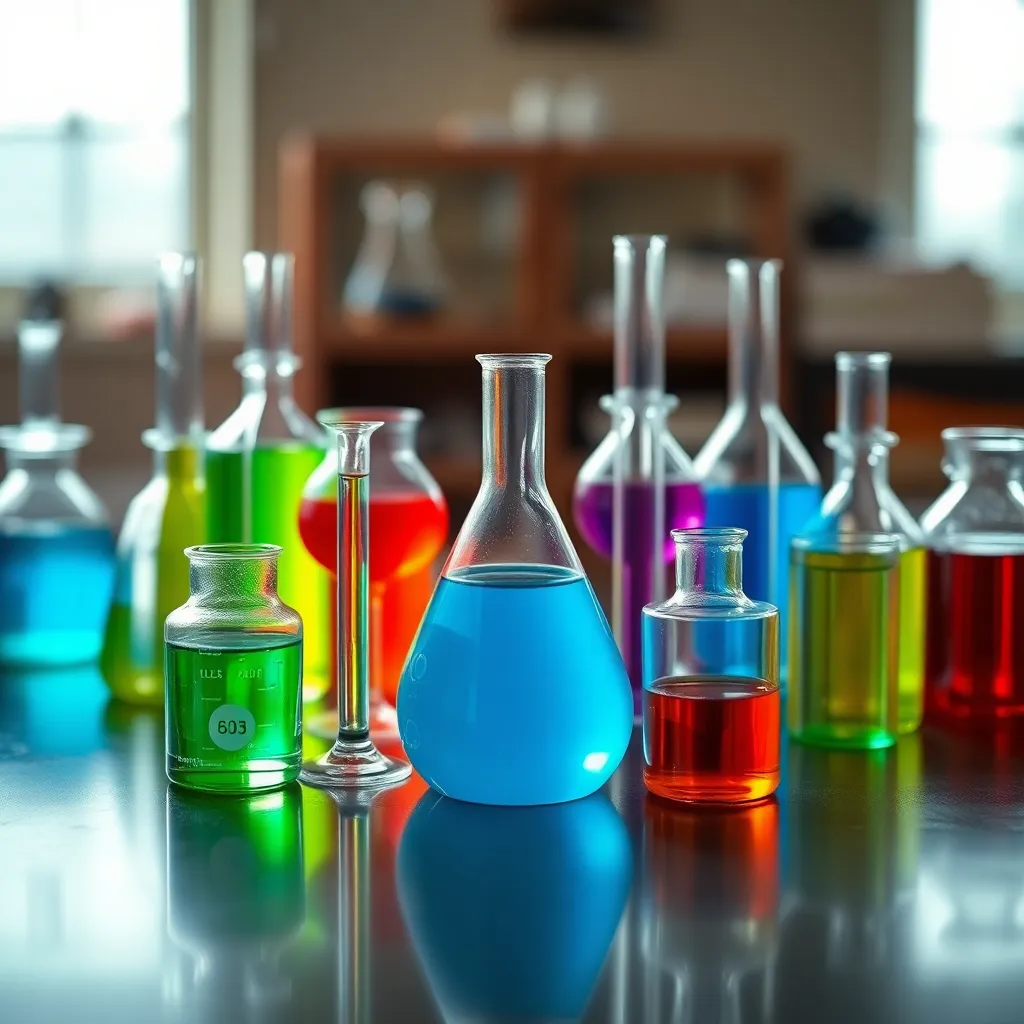
Hasselblad X2D 100C, 90mm f/2.5 medium format, capturing an elegantly arranged display of chemical glassware filled with various colorful liquids. The setup is bathed in overcast diffused natural daylight, allowing for rich color tones and even lighting across the surface. The depth of field is shallow, with a soft bokeh effect in the background. The color palette consists of desaturated earth tones with pops of bright colors from the liquids. The composition uses a centered symmetrical layout, enhancing the visual appeal of the scene.
1:1
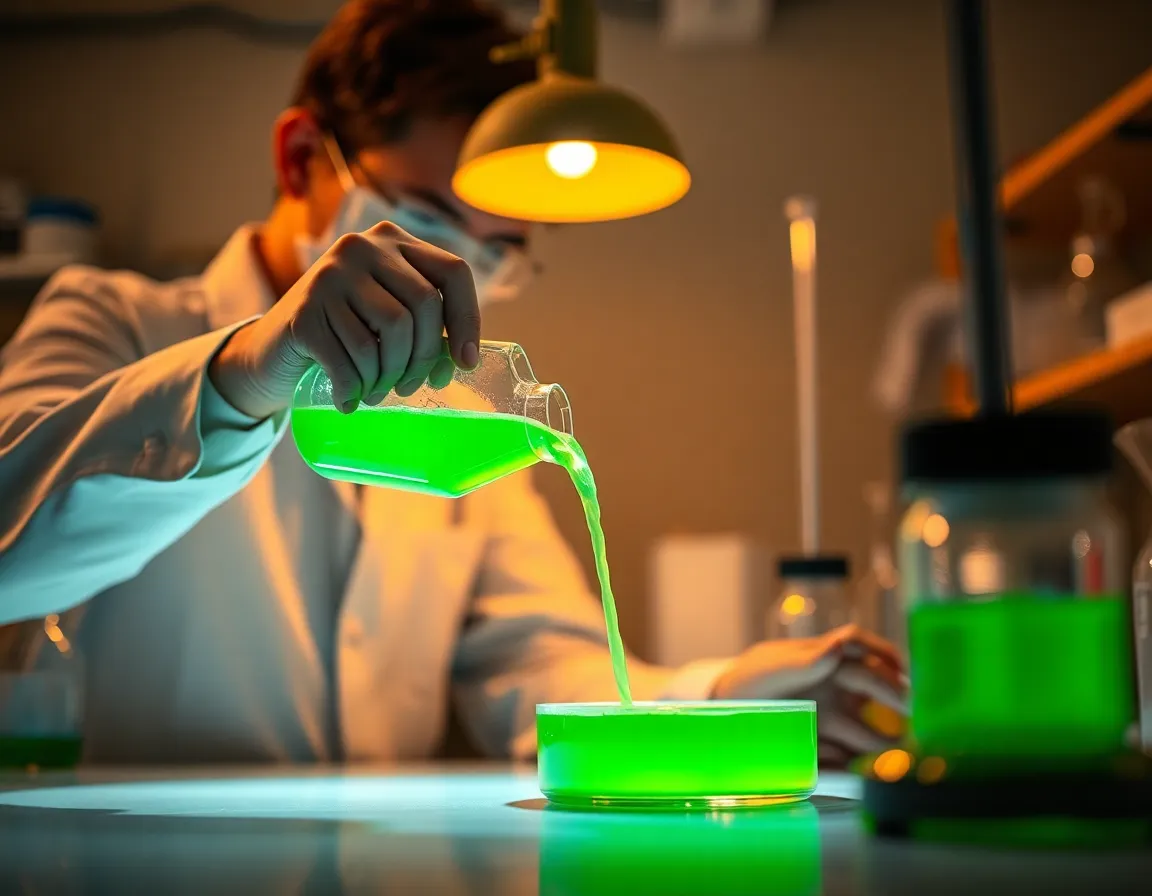
Nikon Z9, 70-200mm f/2.8 telephoto at 100mm, showcasing a scientist in a lab coat pouring a bright green solution into a petri dish under warm tungsten light from a hanging lamp. The shot features a hyperfocal depth of field, capturing both the scientist's intense focus and the vibrant liquid. Natural muted tones dominate, with rich greens and earth colors. Composition focuses on the leading lines created by the lab equipment, guiding the viewer's eye to the action in the dish.
4:3
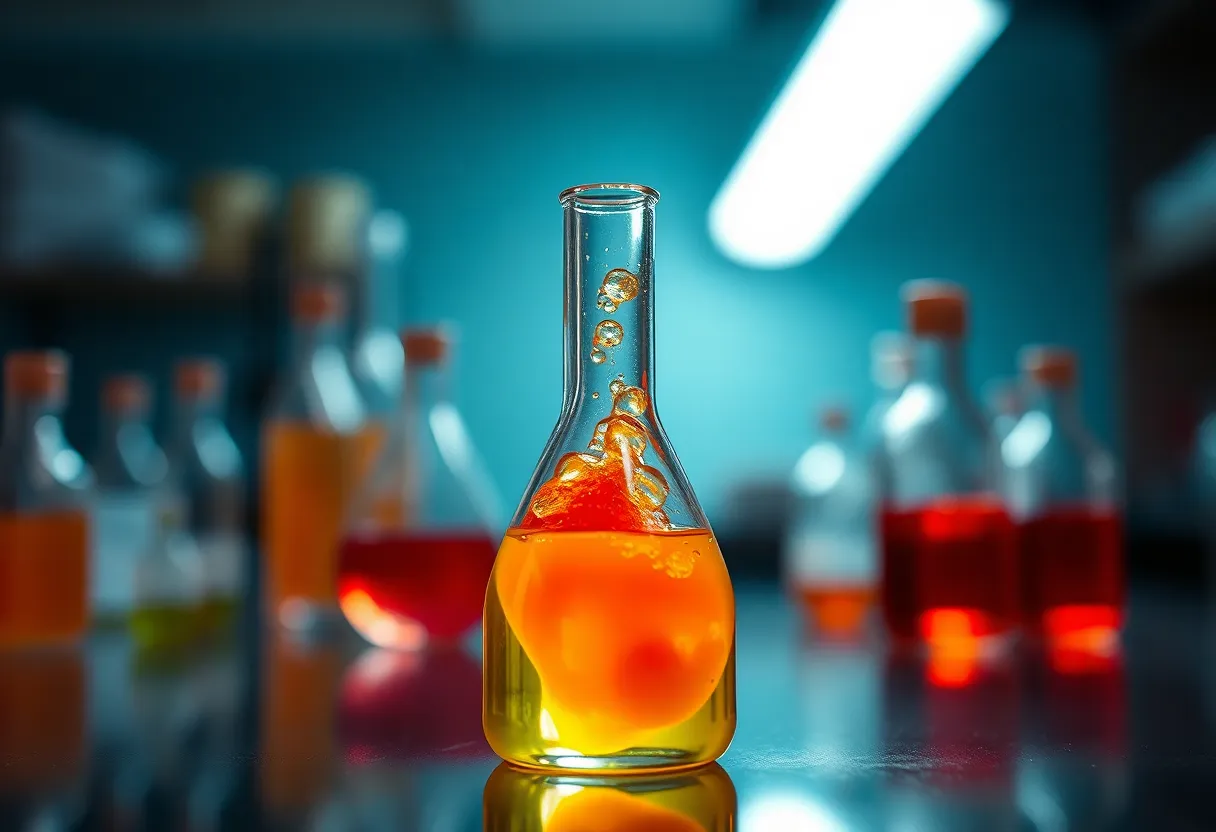
captured with Fujifilm GFX 100S, 110mm f/2 macro, featuring dramatic Rembrandt lighting with a single softbox positioned to the side of a chemical reaction between two colorful liquids in a flask. The image has a hyperfocus on the bubbling reaction, with a shallow depth of field blurring the laboratory background. Colors pop with a Fujifilm Velvia-inspired palette, emphasizing the vivid reds and yellows of the liquids. The composition centers on the flask, creating striking symmetry and contrast.
3:2
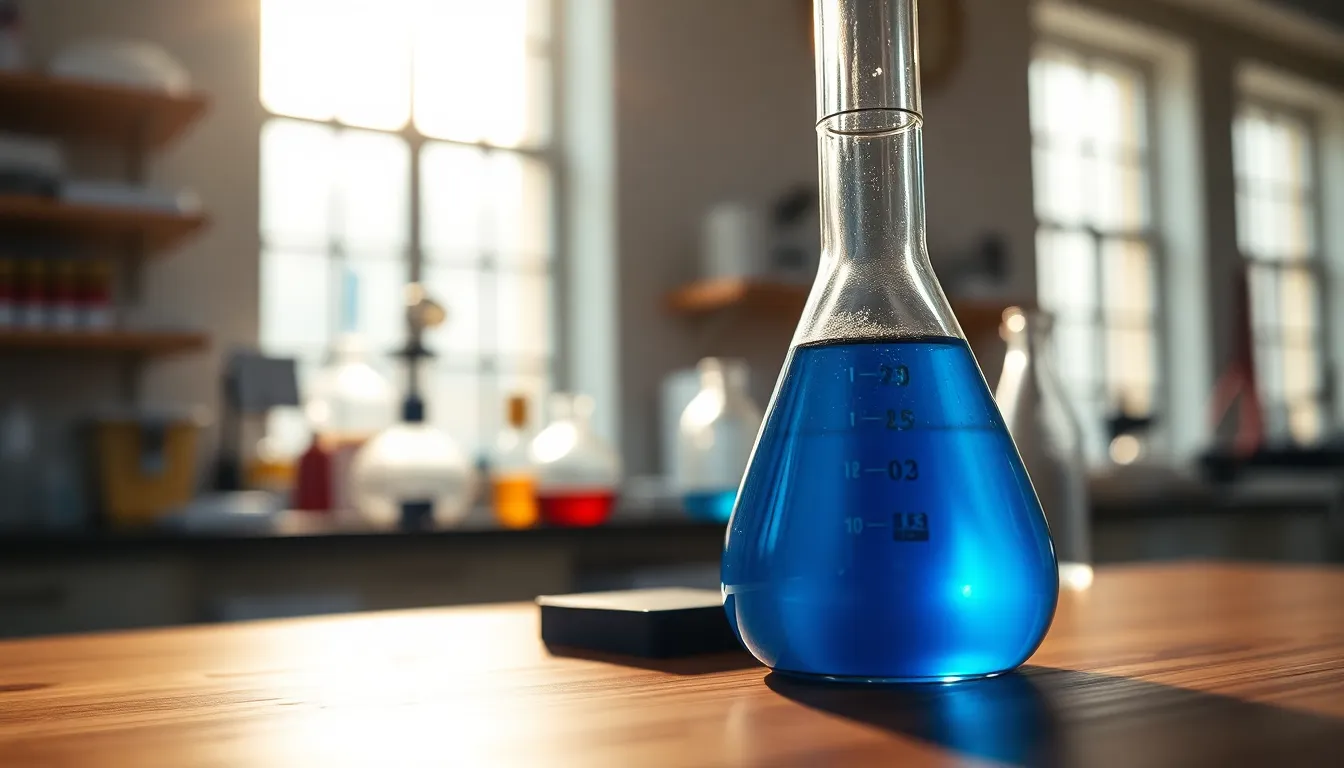
shot on Canon EOS R5, 24-70mm f/2.8L at 50mm, illuminated by soft diffused daylight coming through large laboratory windows, shallow depth of field at f/2.8 focusing on a glass beaker filled with vibrant blue liquid. The bokeh background features laboratory equipment in soft focus. The color palette is inspired by Kodak Portra 400, showcasing warm skin tones and creamy highlights. The composition uses the rule of thirds with the beaker placed at the right power point, while the wooden lab table shows natural grain texture.
16:9

shot on Leica Q3, 28mm f/1.7 Summilux, featuring a scientist in a lab setting gazing at a holographic DNA model projected in front of him. Soft, diffused daylight from overhead LEDs creates a warm environment. Shallow depth of field at f/1.7 focuses on the scientist's expression of curiosity, blurring the background lab equipment into a soft wash of colors. The warm color palette creates an inviting atmosphere, while the composition uses the rule of thirds, placing the hologram at one power point for visual interest.
2:3
captured with Hasselblad X2D 100C, 90mm f/2.5 medium format, depicting an artistic visualization of DNA double helix with a backdrop of swirling colors representing genetic data analysis. Studio lighting with two softboxes creates even, professional illumination, emphasizing the texture of each strand. The color palette is vibrant, featuring hues of blue, green, and gold. The composition uses symmetrical arrangement, drawing the eye along the twisting forms of the DNA helix, capturing the essence of life and innovation.
16:9
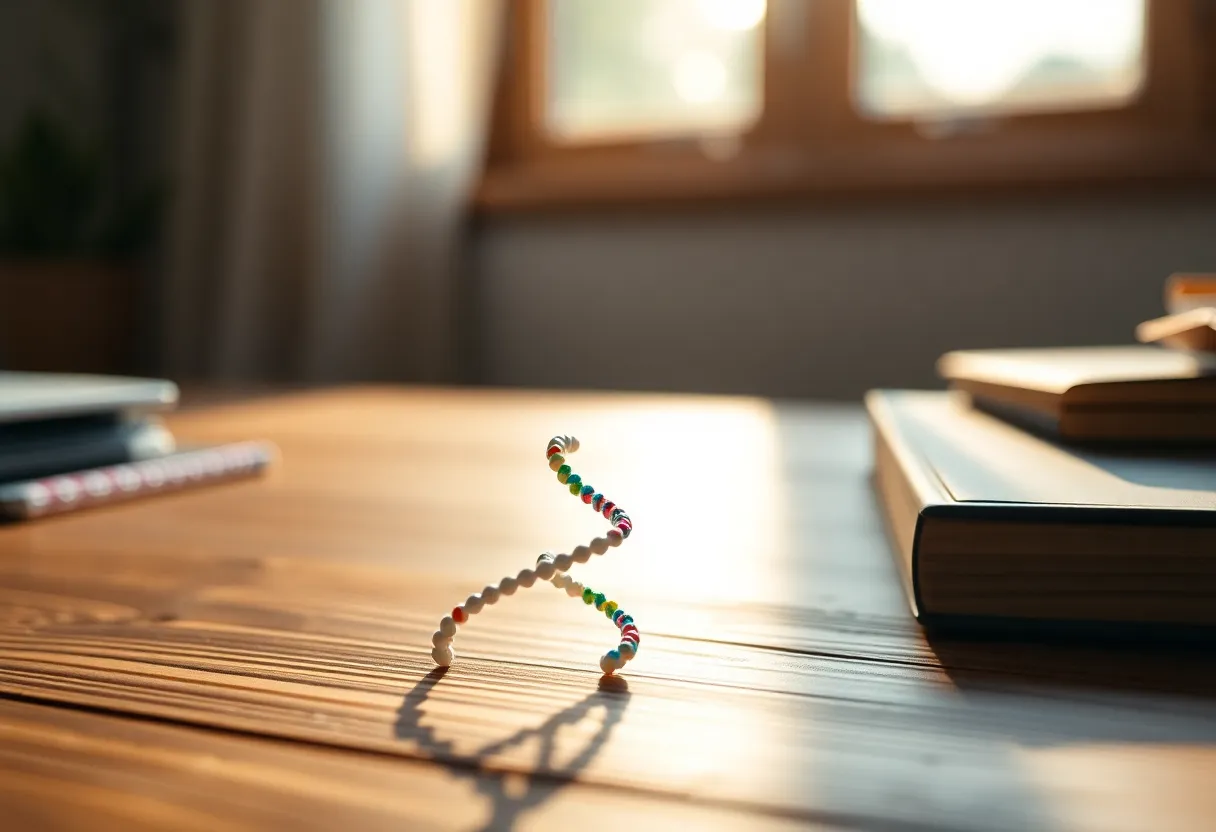
shot on Fujifilm GFX 100S, 110mm f/2 macro, featuring a 3D printed DNA molecule on a wooden desk. Soft, natural daylight pours through a window, creating a warm glow that highlights the intricate details of the model. Shallow depth of field at f/2 with a creamy bokeh enhances the focus on the DNA structure surrounded by subtle textures of the desk. The color palette includes earthy tones with hints of vivid color on the printed model. The composition follows the rule of thirds, placing the DNA model off-center for a modern artistic touch.
3:2
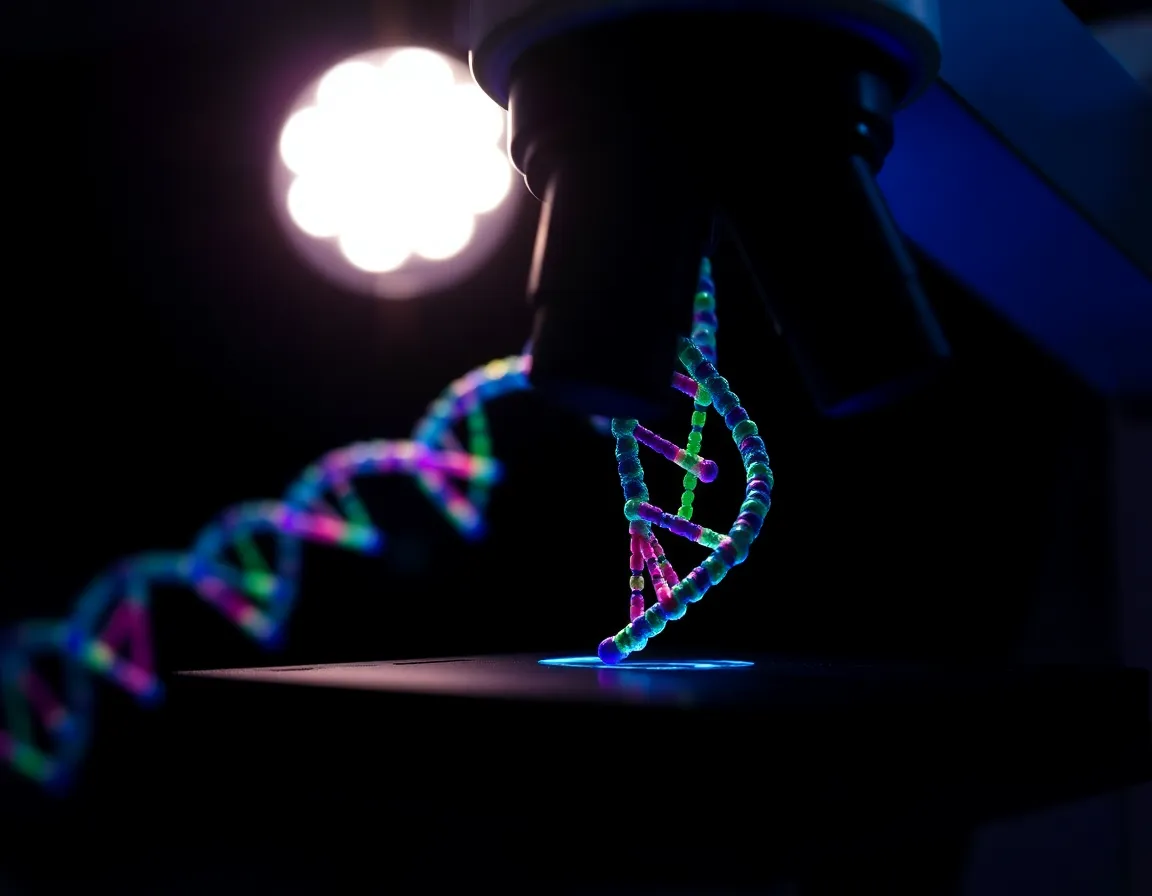
captured with Nikon Z9, 70-200mm f/2.8 telephoto at 100mm, showcasing a close-up of colorful DNA strands under a microscope in a dark room lit by a single overhead LED light. Moderate depth of field at f/4 focuses on the intricate details of the DNA structure while softening the background shadows. The vibrant color palette features deep blues, purples, and greens that pop against the dark surroundings. The composition centers on the microscope stage with a slight angle for dynamic appeal, emphasizing the beauty of the science.
4:3
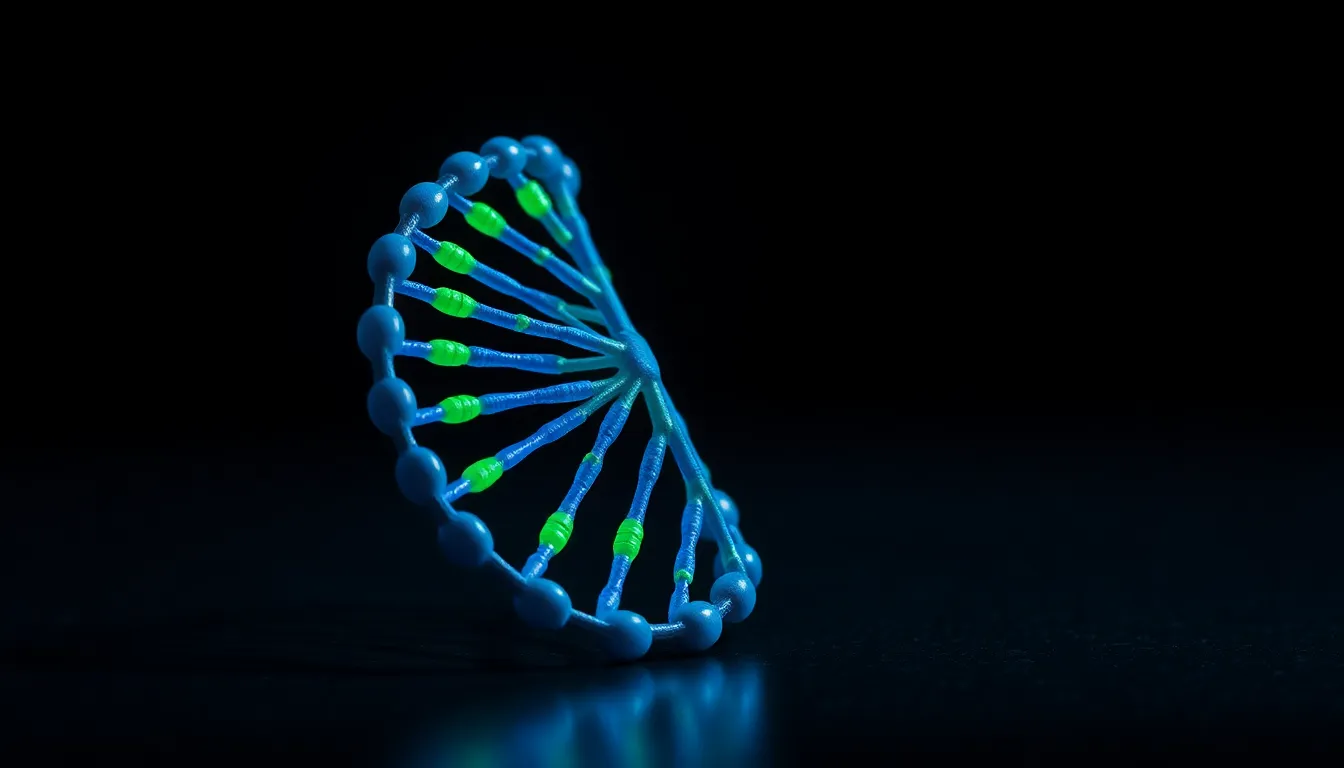
shot on Canon EOS R5, 24-70mm f/2.8L at 50mm with dramatic backlighting through a glass lab window, highlighting a scientist in a white lab coat examining a DNA helix model. Shallow depth of field at f/2.8 creates a soft bokeh of laboratory equipment in the background. The image features a cool color palette with hints of vibrant blue and green reflecting off the glass. The composition uses leading lines with the lab bench drawing the eye to the scientist, surrounded by sleek stainless steel surfaces and vivid plastic models.
16:9
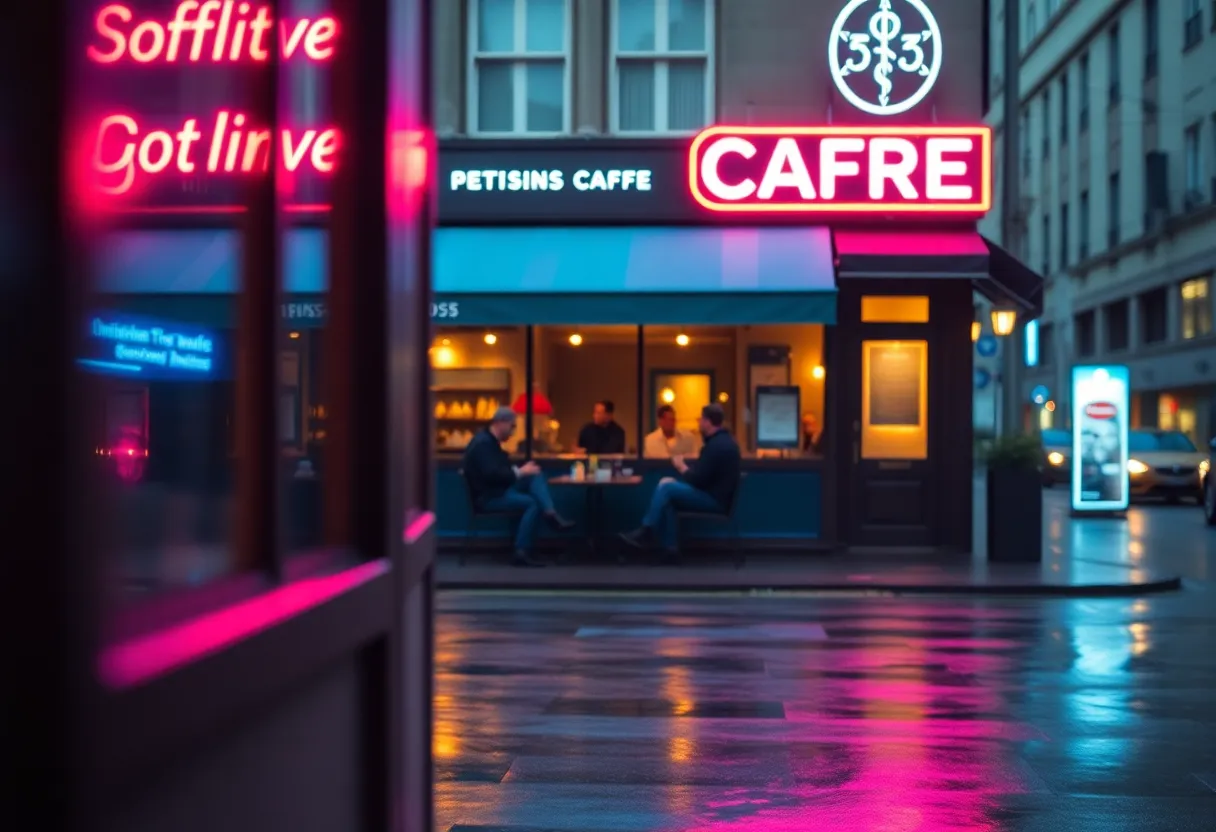
Leica Q3, 28mm f/1.7 Summilux, captured during a rainy day with neon signage reflecting blue and magenta on wet pavement, selective focus on a physics-themed café with patrons discussing in the background, cinematic teal and orange color grading, foreground framing through café windows to create depth, capturing the cozy atmosphere of intellectual conversation
3:2
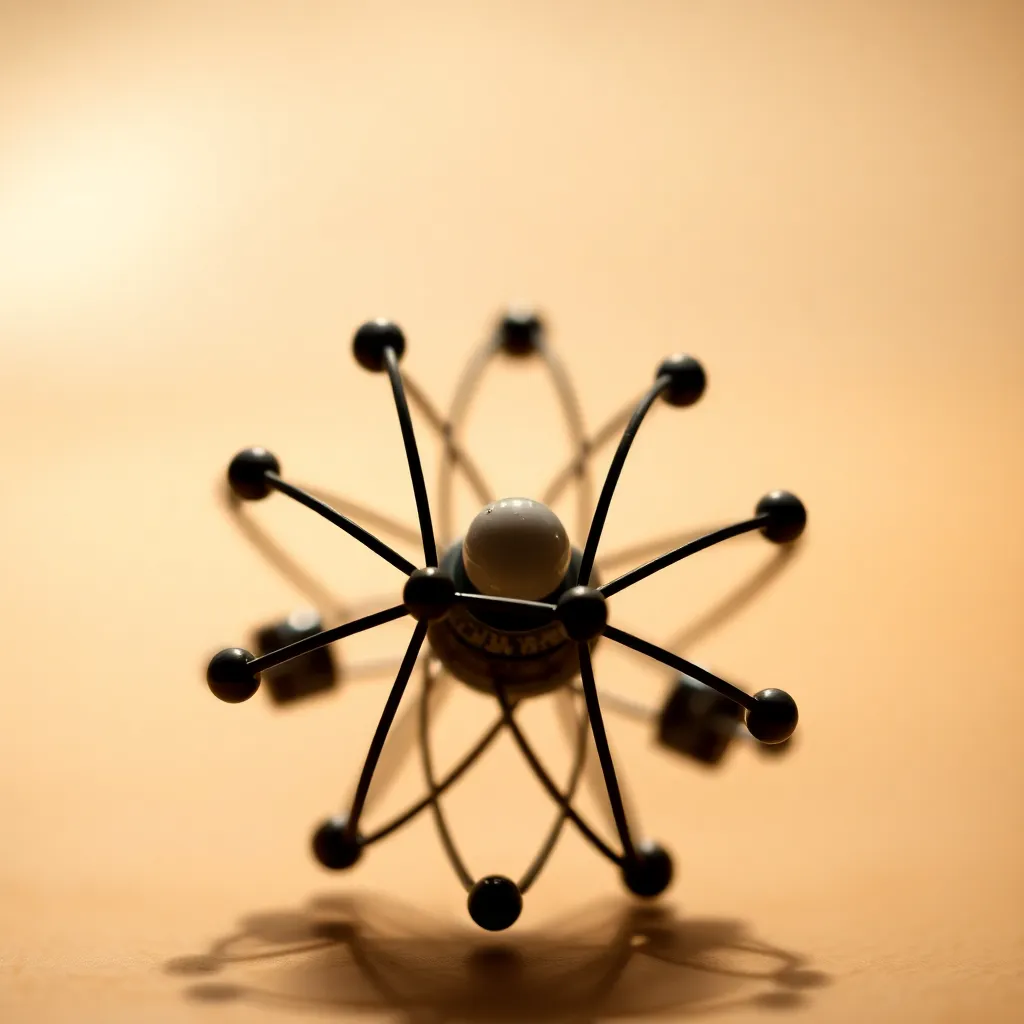
Fujifilm GFX 100S, 110mm f/2 macro, studio three-point lighting setup with a key softbox at 45° and subtle fill, shallow depth of field at f/2 with creamy bokeh of a physics model showcasing atomic structure, natural muted tones with desaturated earth colors creating a classic scientific feel, rule of thirds composition with focus on the detailed atomic model
1:1

Nikon Z9, 70-200mm f/2.8 telephoto at 135mm, captured during golden hour backlighting with warm rim light and soft fill from a reflector, hyperfocal distance — everything from foreground to infinity tack-sharp at f/8, cinematic teal and orange color grading enhances the dramatic effect, leading lines of a physics lab with equipment drawing the eye toward the main subject, showcasing glass beakers and apparatus
16:9

shot on Sony A7R V with 85mm f/1.4 GM lens, lighting from a warm tungsten desk lamp casting directional pool of light, selective focus on a set of physics equations scribbled on a chalkboard with soft bokeh, Kodak Portra 400 color palette — warm skin tones, lifted shadows, centered symmetrical composition featuring equations and notes, with chalk dust visible in the air
4:3

captured with Canon EOS R5, 24-70mm f/2.8L at 35mm, natural overcast diffused daylight through floor-to-ceiling windows, shallow depth of field at f/2.8 with soft bokeh in the background, natural muted tones with desaturated earth colors, rule of thirds with a physics book open on a weathered oak table, visible paper texture and ink details on the pages
16:9

Hasselblad X2D 100C, 90mm f/2.5 medium format, showcasing a modern robotics lab filled with sleek equipment and robotic arms in operation, lit by overhead fluorescent lights. The image adopts a natural muted tone with desaturated earth colors, creating a professional atmosphere. A tilt-shift miniature effect gives a unique perspective, making the entire scene resemble a detailed model. The symmetrical composition centers on a robotic arm delicately performing tasks, capturing the fusion of technology and precision.
16:9
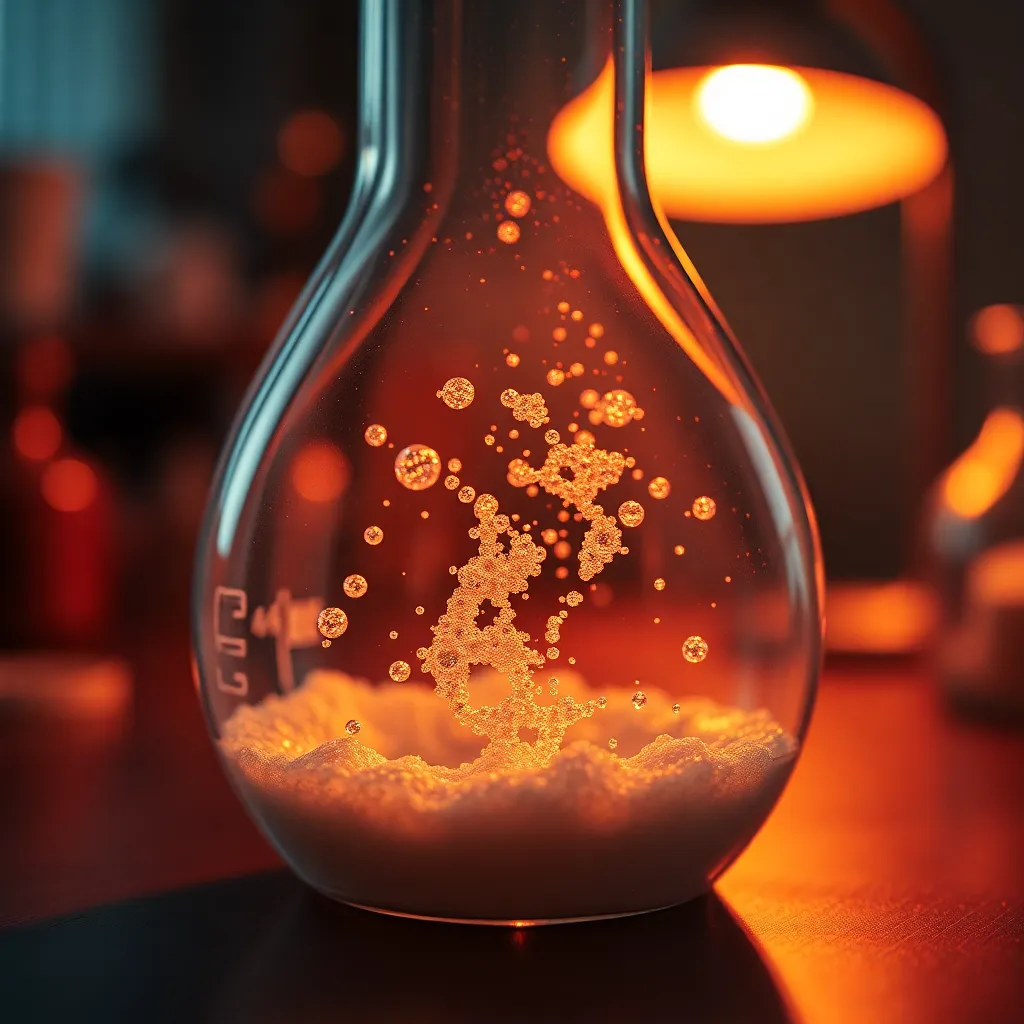
Fujifilm GFX 100S, 110mm f/2 macro, highlighting a close-up of a chemical reaction in a beaker, illuminated by warm tungsten lighting from a nearby lamp. The image showcases a high level of detail with a shallow depth of field at f/2, blurring the surrounding elements into a painterly bokeh. The rich colors are inspired by a Kodak Portra 400 color palette, enhancing the organic shapes and textures of the fizzing reaction. A centered composition emphasizes the mesmerizing interaction of the substances as they produce intricate patterns.
1:1
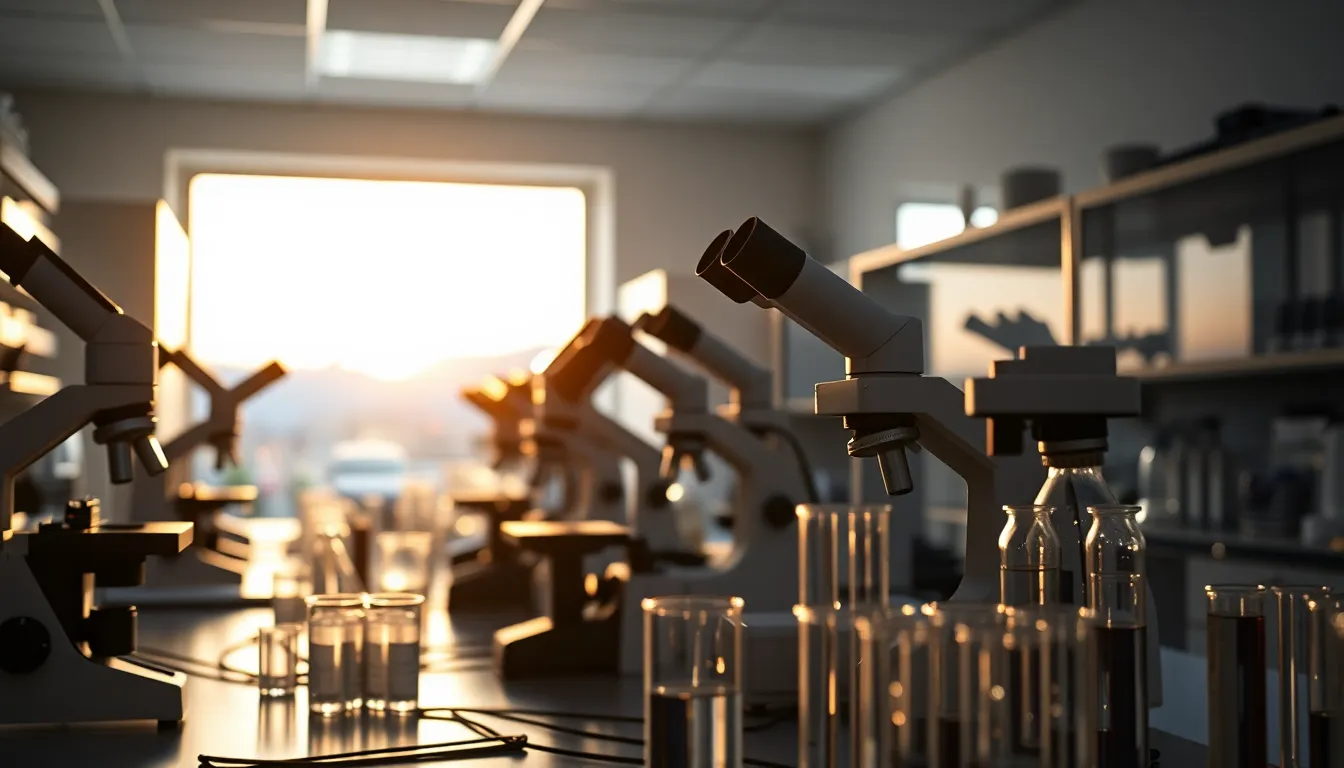
Nikon Z9, 70-200mm f/2.8 telephoto at 135mm, featuring natural evening light with soft shadows and a warm color palette. The foreground displays various lab instruments, including microscopes and test tubes, with subtle reflections on polished surfaces. A hyperfocal distance ensures everything from foreground to background is sharp, creating a rich sense of depth. A leading lines composition draws the eye through the laboratory space towards a bright window with a twilight sky, demonstrating a calm end to a busy day.
16:9

shot on Sony A7R V with 85mm f/1.4 GM lens, featuring dramatic Rembrandt lighting with a single softbox positioned above, casting soft shadows on the subject's face. The focus is on a lab technician wearing safety goggles, meticulously handling a petri dish containing bacterial cultures. The image showcases rich, saturated colors reminiscent of Fujifilm Velvia, emphasizing the details of the bacterial colonies. Centered symmetrical composition draws the viewer's eye directly to the action taking place, with textured lab equipment blurred softly in the background.
3:2
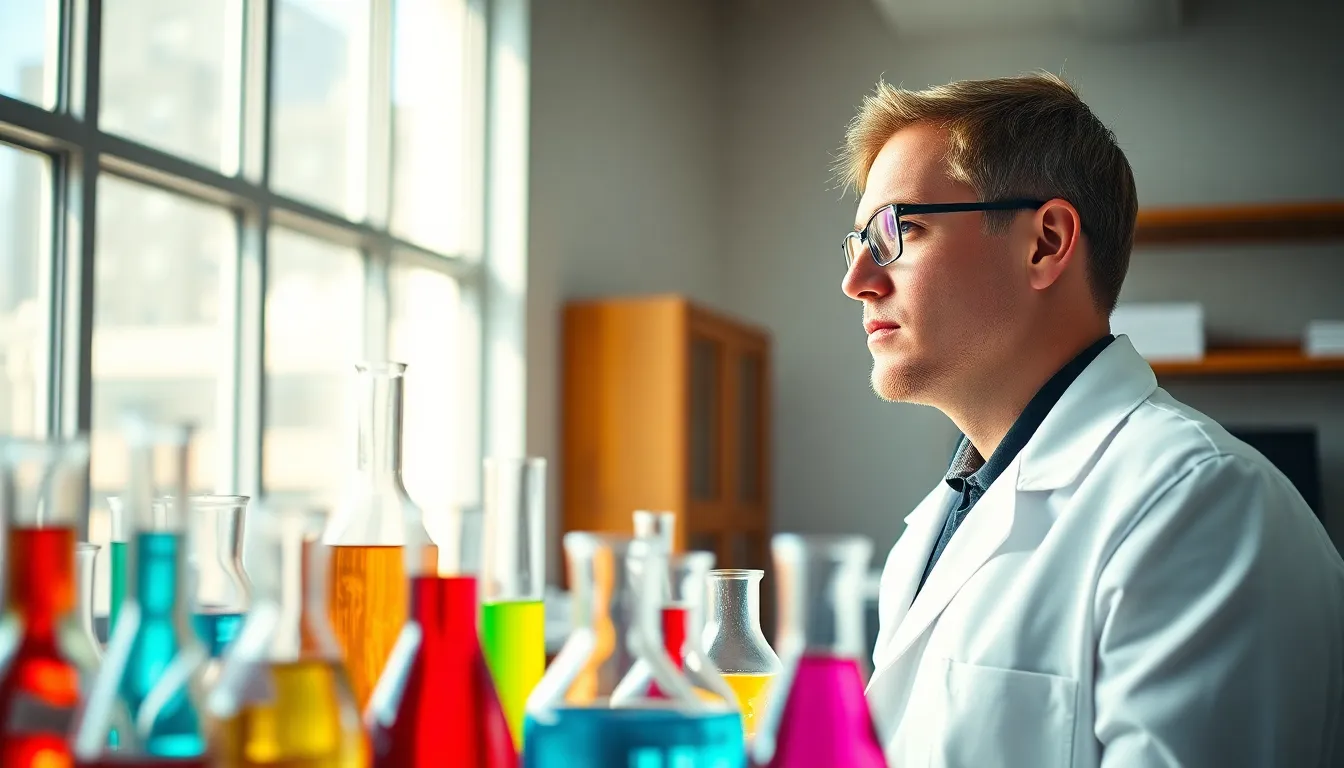
captured with Canon EOS R5, 24-70mm f/2.8L at 50mm, illuminated by soft, diffused daylight streaming through large laboratory windows, creating a serene atmosphere. Shallow depth of field at f/2.8, emphasizing the vivid colors of various glass beakers filled with colorful solutions. The image features a natural color palette inspired by Kodak Portra 400, showcasing warm skin tones of a scientist in a lab coat. A rule of thirds composition positions the scientist toward the right, with the colorful beakers creating a vibrant foreground texture against a clean, white background.
16:9
Hasselblad X2D 100C, 90mm f/2.5 medium format capturing the intricate details of a vintage physics textbook opened to a page filled with formulas and diagrams. Soft diffused daylight from a nearby window spills over the page, enhancing the natural texture of the aged paper. Hyperfocal at f/8 allows sharp details throughout the entire spread. The natural muted tones of the page complement the warm hues of the wooden desk beneath, creating a scholarly ambiance. Composition focuses on an overhead view of the open textbook, framed by scattered pencils and a globe in the background.
3:2

shot on Sony A7R V with 85mm f/1.4 GM lens, illustrating a stunning physics classroom where students engage with interactive models of atoms and molecules. Natural light from large windows illuminates the vibrant colors of educational materials, creating a welcoming atmosphere. Shallow depth of field at f/2.0 focuses on a group of diverse students working together, while the background blurs into soft bokeh. The warm color palette enhances the inviting feel of the space. Composition features a centered group of students, with leading lines formed by tables guiding the viewer's eye.
4:3
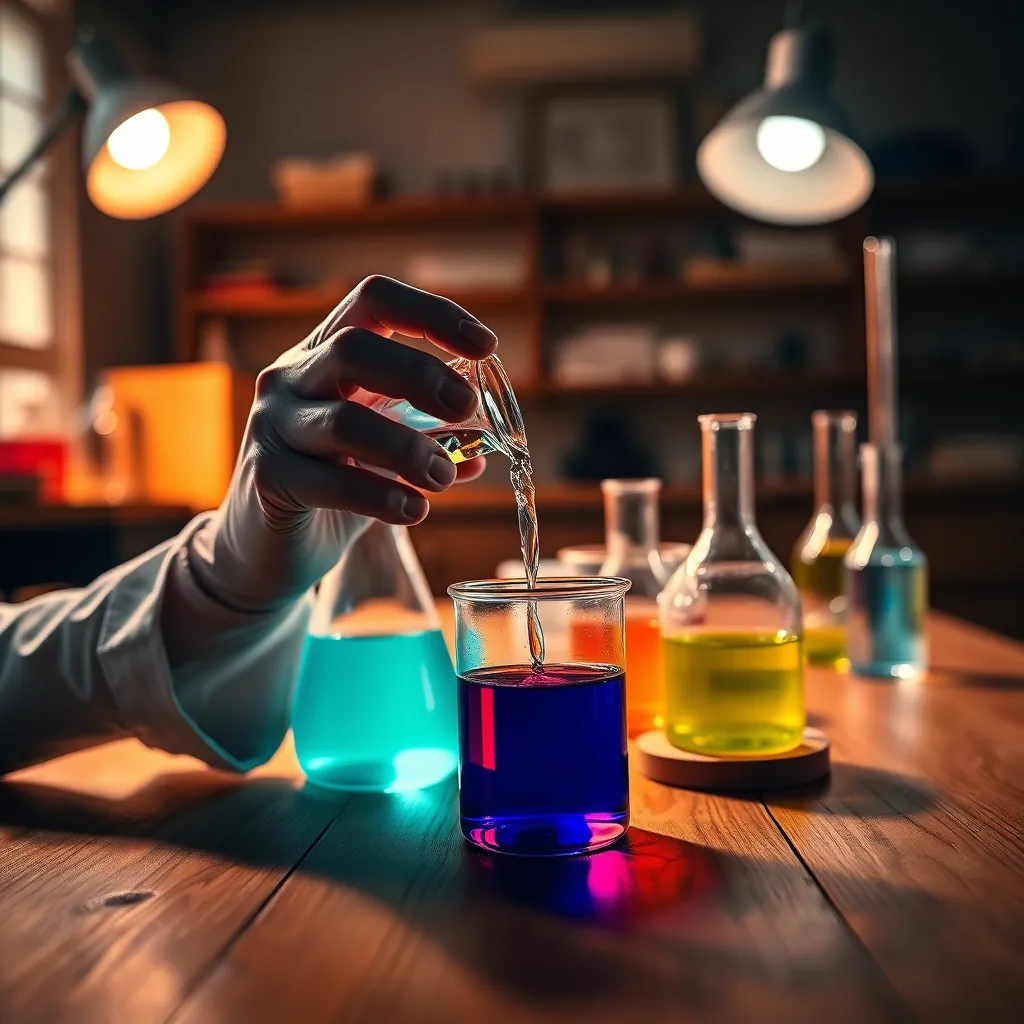
Nikon D850, 85mm f/1.4, this image features a close-up of a physicist's hands conducting an intricate experiment with colorful liquids in beakers. Warm tungsten desk lamps provide focused light, creating a dramatic interplay of shadows and highlights. Shallow depth of field at f/1.4 isolates the hands and beakers, while the vibrant colors of the liquids create a lively color palette. The composition centers on the hands as they delicately pour, framed by a wooden laboratory bench with visible grain and texture.
1:1
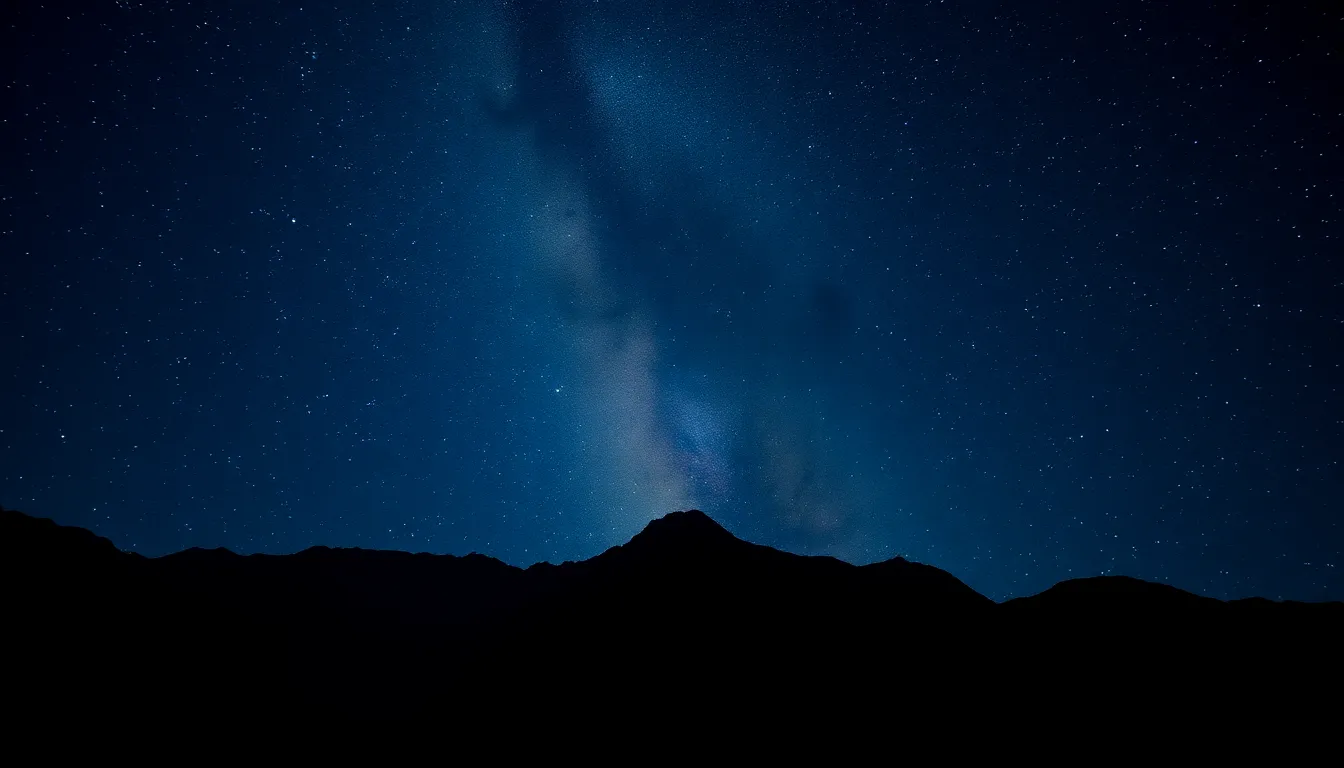
captured with Nikon Z9, 70-200mm f/2.8 telephoto at 135mm, depicting a dramatic night sky filled with stars and the Milky Way. The scene is illuminated by soft moonlight casting a cool glow over a mountain silhouette in the foreground. Hyperfocal distance at f/8 ensures sharp focus from the stars to the mountains, with rich deep blues and vibrant whites dominating the color palette. The composition centers on the Milky Way, utilizing leading lines formed by the mountain ridges that draw the viewer's gaze upward.
16:9

shot on Canon EOS R5, 24-70mm f/2.8L at 35mm, showcasing a large, spherical glass globe representing the Earth, positioned in a bright, modern laboratory. The scene is illuminated by cool fluorescent lighting, creating a sterile atmosphere. Shallow depth of field at f/2.8 focuses on the globe while blurring the lab equipment in the background. The color palette features vivid greens and blues of the Earth contrasting against the metallic silver of laboratory instruments. Composition follows the rule of thirds with the globe placed at a left power point, surrounded by reflective stainless steel surfaces that enhance the scientific feel.
16:9
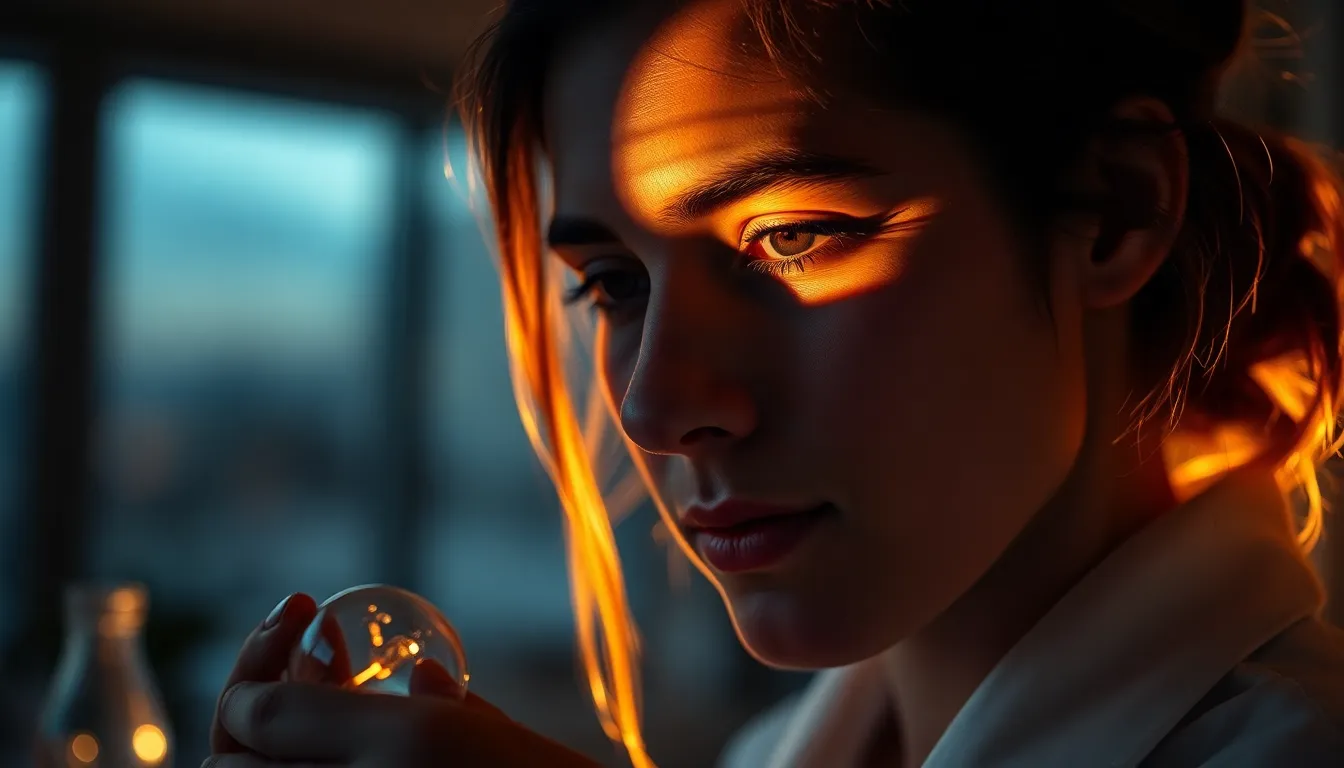
shot on Leica Q3, 28mm f/1.7 Summilux, during a twilight setting with the last rays of sunlight creating a dramatic silhouette effect against a lab backdrop, butterfly lighting highlighting the subject's face, shallow depth of field at f/1.7, natural muted tones with desaturated earth colors creating a contemplative mood, composition centers on a researcher observing a DNA strand with soft shadows playing across their features.
16:9
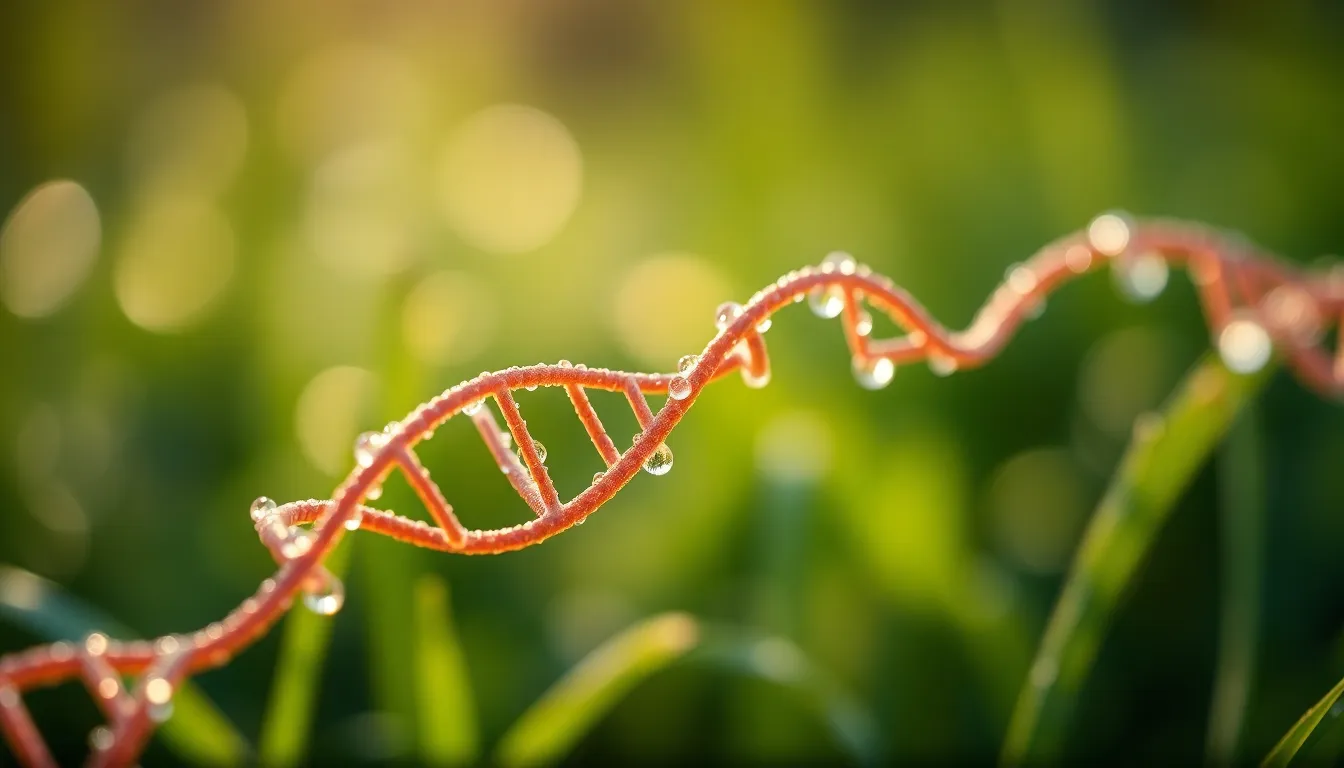
captured with Fujifilm GFX 100S, 110mm f/2 macro, during early morning with soft diffused sunlight creating gentle highlights on the surface, selective focus on the DNA strands with background melting into soft painterly bokeh, Kodak Portra 400 color palette providing warm skin tones and creamy highlights, composition emphasizes the natural beauty of the strands set against a lush green backdrop with dew droplets catching the light.
16:9
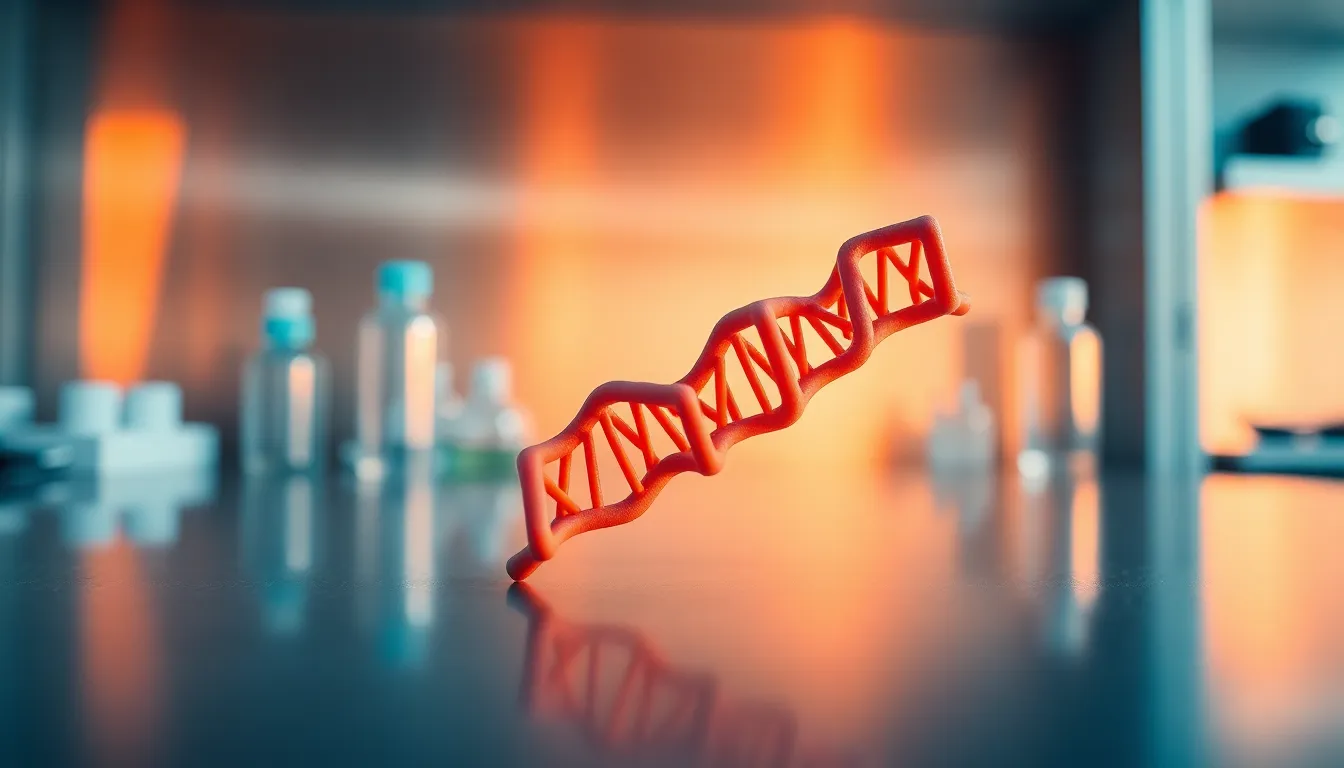
shot on Hasselblad X2D 100C, 90mm f/2.5 medium format, using warm ambient natural light filtering through large windows creating a soft glow, shallow depth of field at f/2.5 isolating the DNA model in focus, cinematic teal and orange color grading emphasizing the serene ambiance, composition features the DNA strand elegantly positioned on a rustic wooden table with soft shadows enhancing texture details in the wood grain.
16:9
captured with Nikon Z9, 70-200mm f/2.8 telephoto at 135mm, under clinical bright fluorescent lighting that creates sharp shadows, hyperfocal distance ensuring everything from foreground to infinity is tack-sharp at f/8, natural muted tones with desaturated earth colors giving a sterile laboratory feel, composition highlights a scientist observing a DNA sequencing readout on a computer screen, with glass surfaces reflecting the laboratory instruments.
16:9
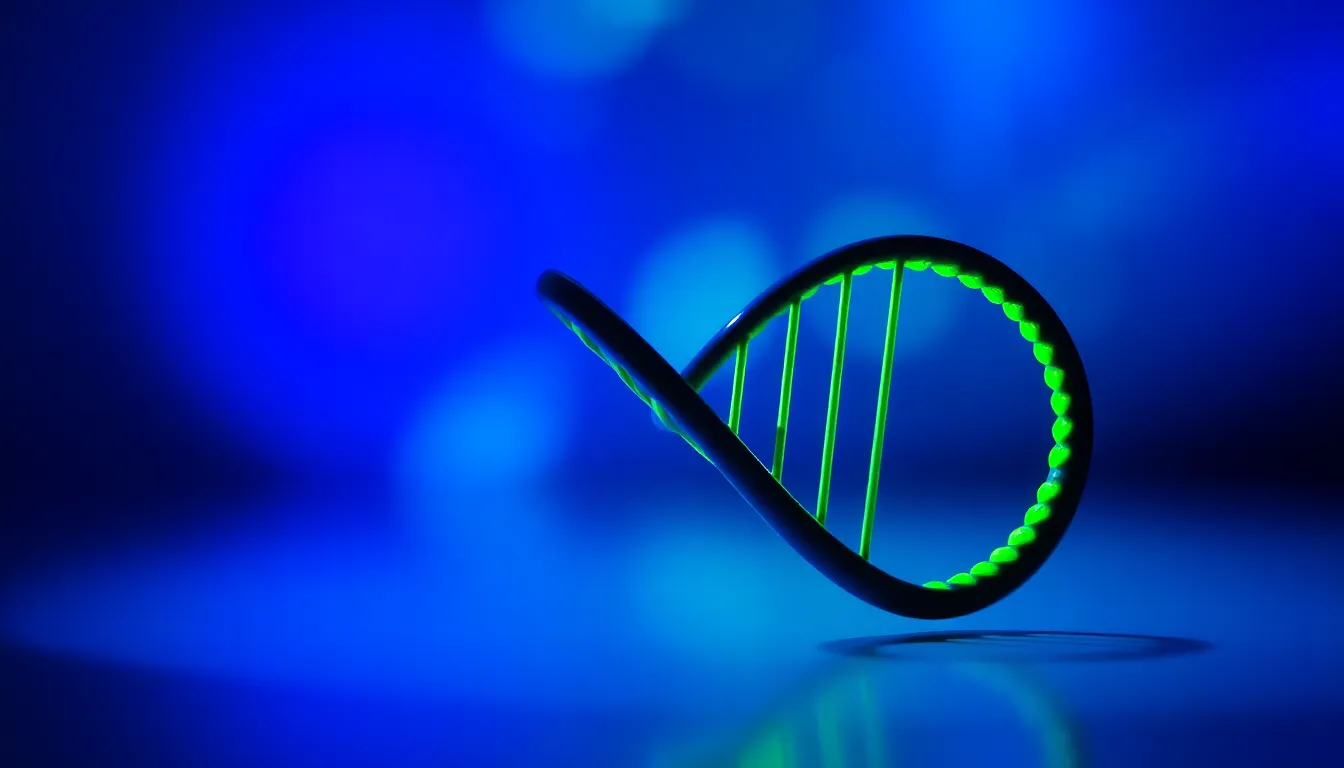
shot on Canon EOS R5, 24-70mm f/2.8L at 50mm, illuminated by dramatic blue and green backlighting creating an ethereal glow around the DNA double helix model, shallow depth of field at f/2.8 with soft bokeh effect emphasizing the helix, Fujifilm Velvia-inspired saturated colors presenting rich blues and greens, composition emphasizes the helix centered in the frame with a slight tilt for dynamic interest, texture includes glossy surface of the model and fine details of the nucleotide bases.
16:9
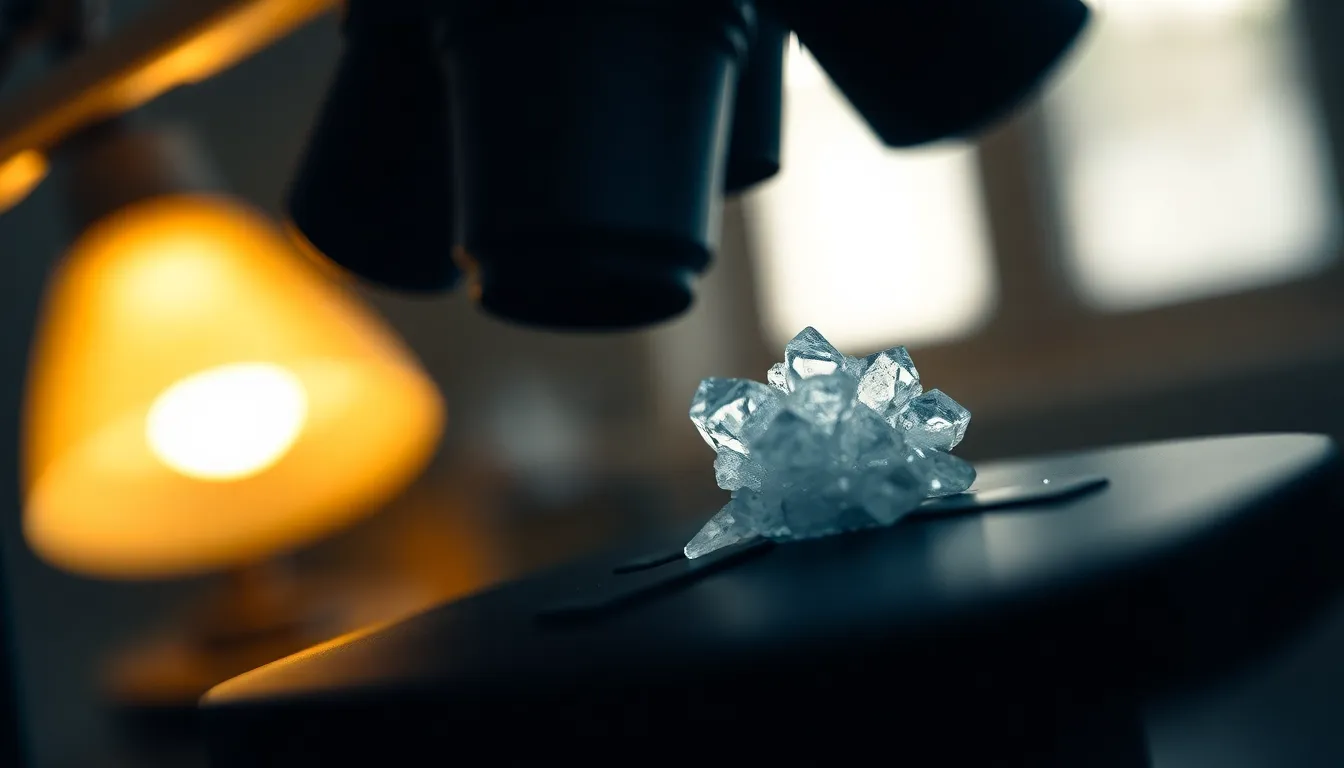
captured with Leica Q3, 28mm f/1.7 Summilux, lit with dramatic back-lighting from a warm desk lamp casting long shadows, selective focus on a detailed microscope slide showcasing a crystalline substance, natural muted tones with deep blues and grays enhancing the clarity of the crystals, leading lines formed by the edges of the microscope directing the eye towards the focal point of the slide, capturing the intricate surface texture of the crystalline material.
16:9
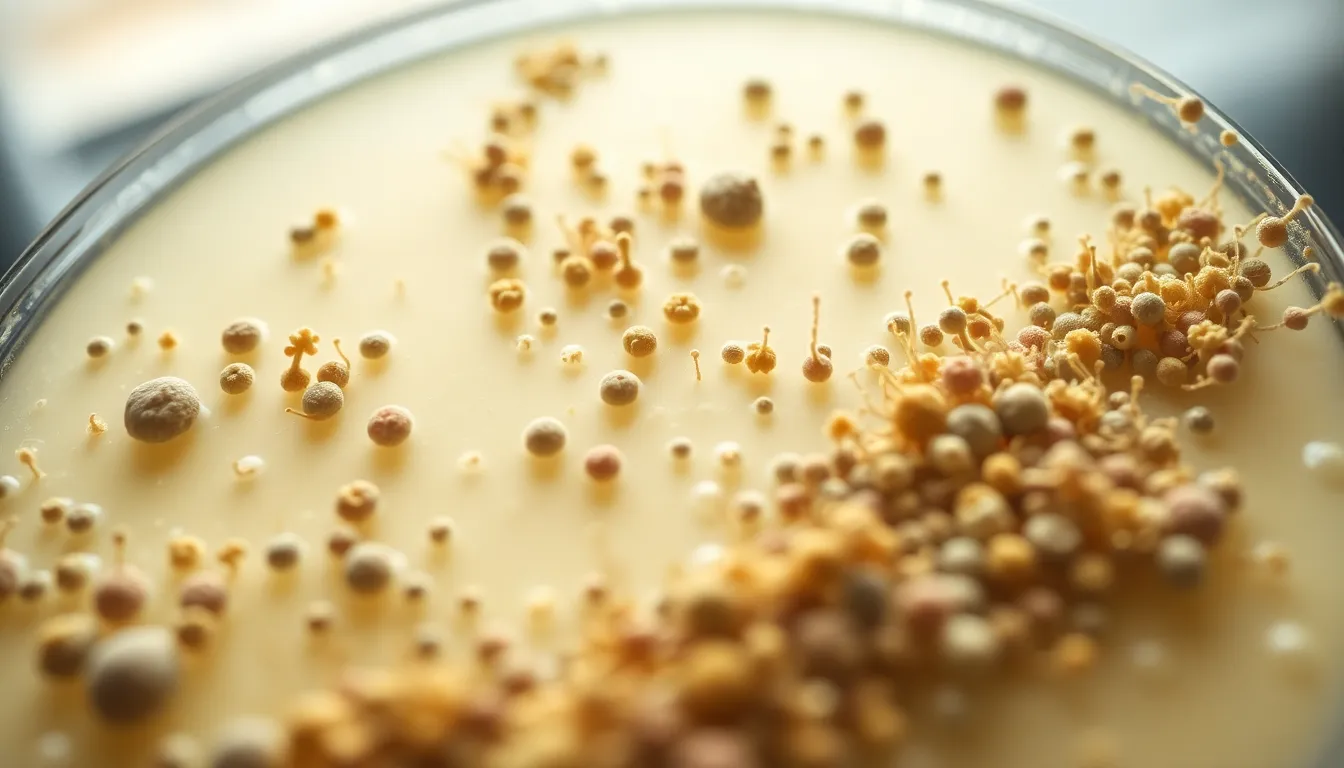
shot on Hasselblad X2D 100C, 90mm f/2.5 medium format, illuminated with a softbox providing soft, even light, tilt-shift miniature effect with a narrow band of focus on a cluster of microorganisms, natural muted tones with desaturated pastels creating a dreamy atmosphere, centered symmetrical composition with the microorganisms arranged artfully within the frame, the textured surface of the microscope stage enhancing the overall depth.
16:9
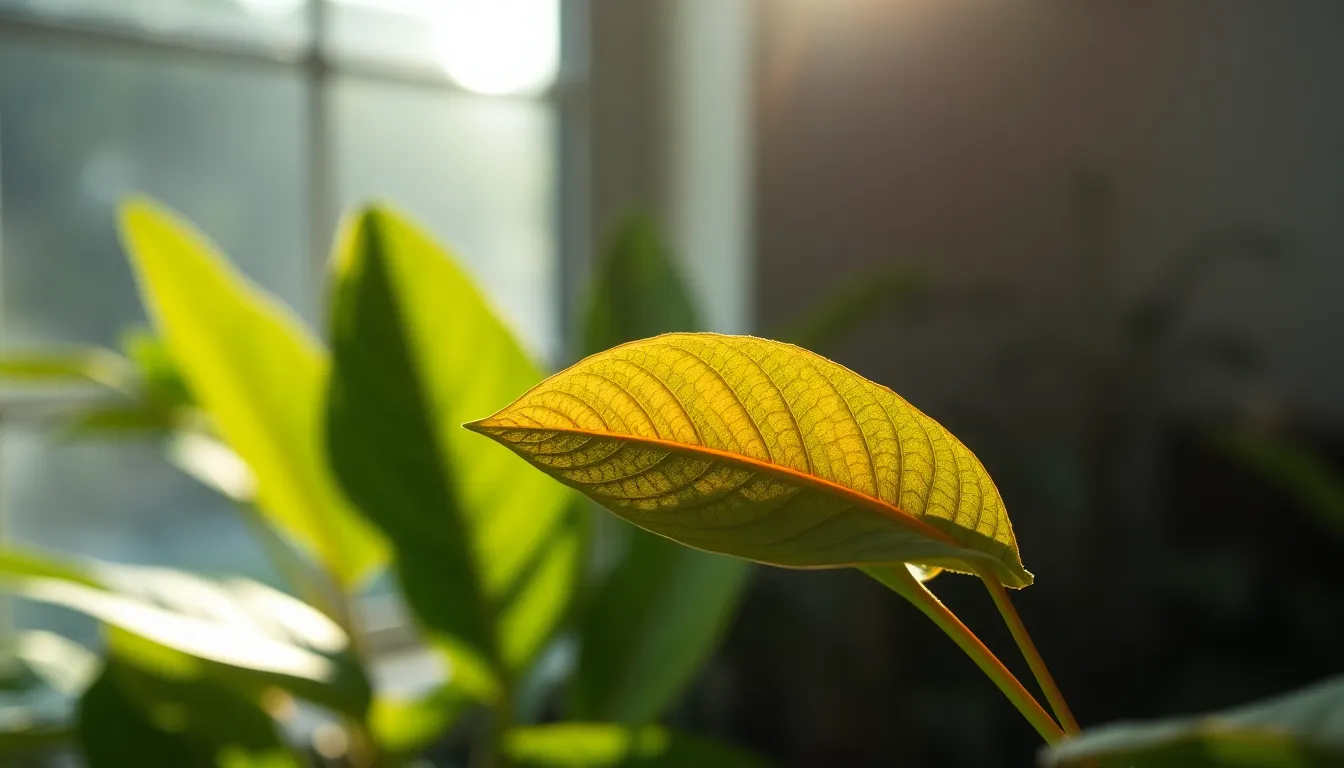
captured with Canon EOS R5, 24-70mm f/2.8L at 35mm, illuminated by soft ambient daylight coming from a large window creating gentle shadows, shallow depth of field at f/2.8 focusing on a colorful cross-section of a leaf, natural muted tones with desaturated greens and yellows, rule of thirds composition positioning the leaf slice at the right power point while the background softly blurs into an organic green bokeh of the surrounding plant life.
16:9
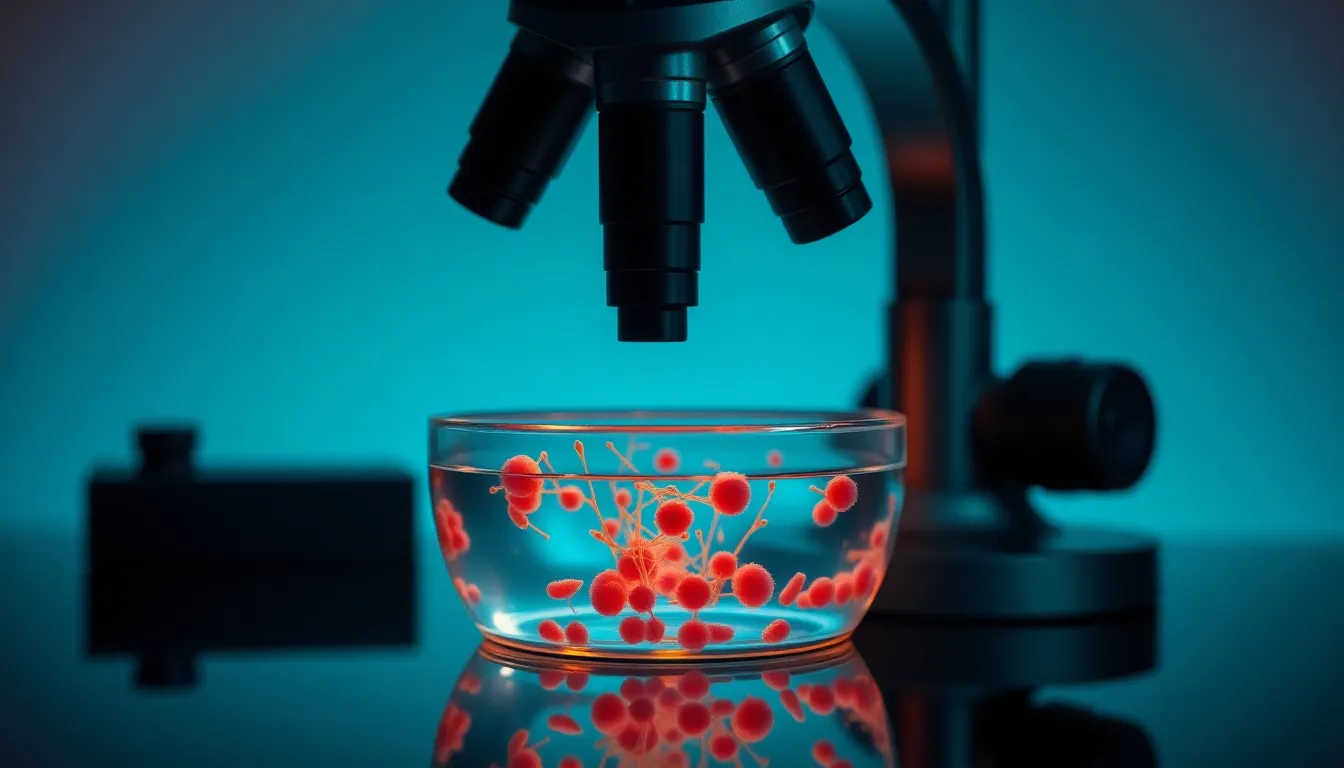
captured with Fujifilm GFX 100S, 110mm f/2 macro, dramatic overhead studio lighting with a single softbox creating crisp shadows, hyperfocal distance ensuring all details from the petri dish to the microscope are sharp at f/8, cinematic teal and orange color grading enhancing visual interest, leading lines created by the microscope’s base directing the eye to vibrant bacterial cultures in the dish, the smooth glass surface reflecting the surrounding colors.
16:9
shot on Nikon Z9, 70-200mm f/2.8 telephoto at 135mm, illuminated under bright LED microscopy lights providing high contrast, shallow depth of field at f/2.8 featuring a creamy bokeh background, natural muted tones with desaturated earth colors, centered symmetrical composition highlighting a vibrant stained tissue sample with visible cellular structures, the glossy surface of the slide reflecting light and enhancing details.
16:9
captured with Hasselblad X2D 100C, 90mm f/2.5 medium format, featuring an expansive view of a nebula glowing in vibrant colors. The scene is illuminated by the nebula's own light, creating a surreal atmosphere filled with rich purples, pinks, and blues. The depth of field is set to hyperfocal distance, ensuring sharp focus throughout the scene. The color palette is inspired by Fujifilm Velvia, emphasizing the saturation of the nebula's hues. The composition employs a centered symmetrical arrangement, allowing the nebula to dominate the frame, with delicate textures of cosmic gases visible throughout.
16:9
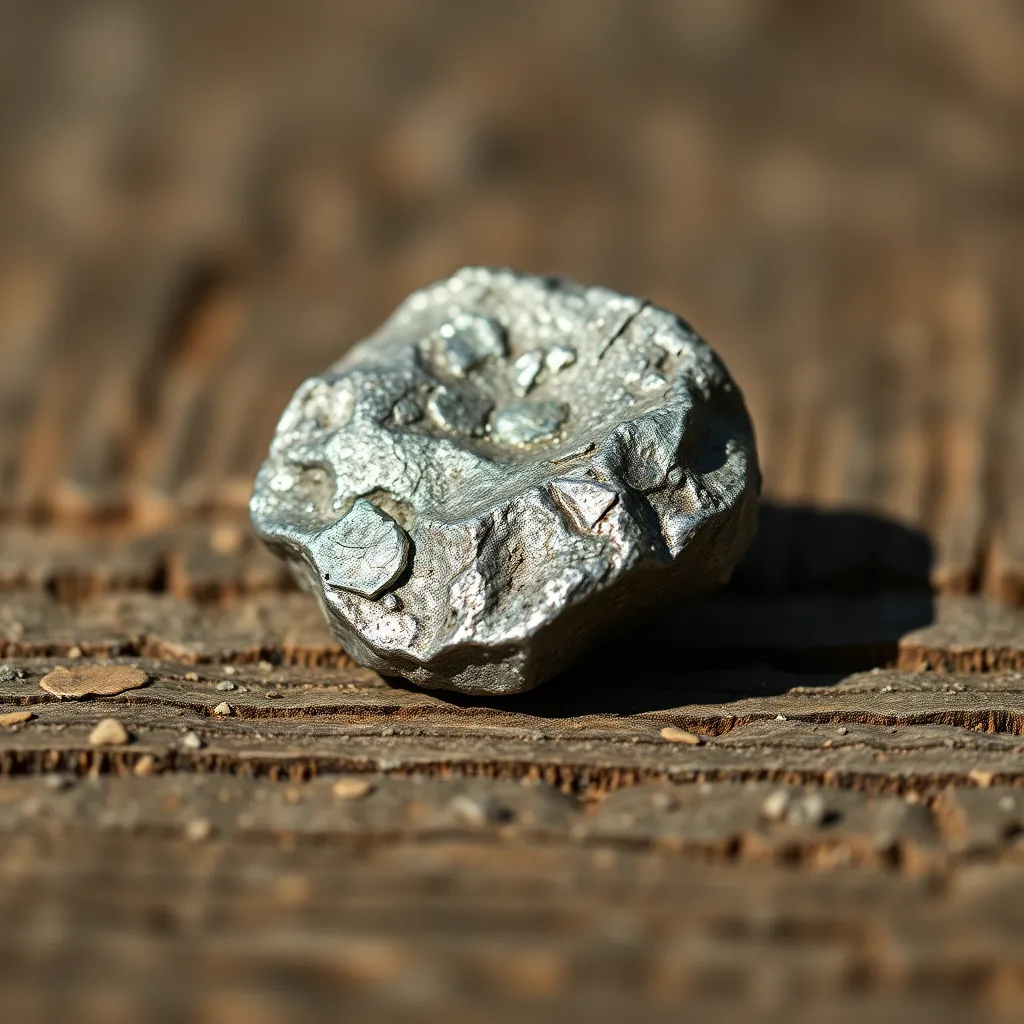
shot on Fujifilm GFX 100S, 110mm f/2 macro, showcasing a detailed close-up of a meteorite resting on a textured surface. The lighting is provided by natural daylight, enhancing the metallic sheen of the meteorite against a rustic wooden background. The macro lens creates a shallow depth of field, isolating the meteorite while blurring the surrounding texture. The color palette captures natural muted tones, with subtle earth colors reflecting the meteorite's alien origins. The composition features a centered symmetrical balance, emphasizing the unique features and textures of the meteorite, with visible mineral details.
1:1
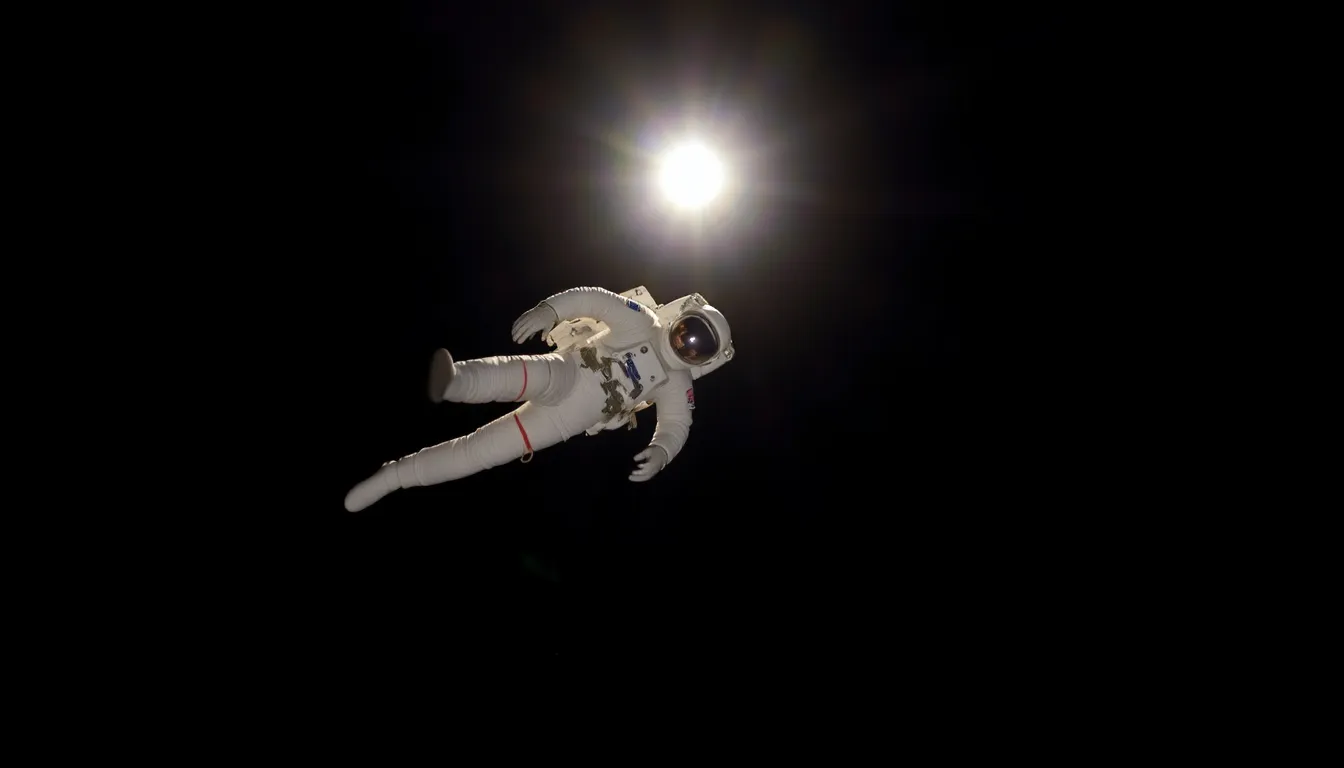
captured with Canon EOS R5, 24-70mm f/2.8L at 35mm, depicting a breathtaking view of the Andromeda Galaxy on a clear night. The scene is lit by the gentle glow of the stars, with vibrant colors ranging from deep blues to soft whites. The depth of field is set to f/8, ensuring all stars and the galaxy are in sharp focus, showcasing the vastness of the universe. The color science reflects a natural muted tone, emphasizing the delicate details of the galaxy. The composition utilizes leading lines from the startup light patterns to draw the eye toward the Andromeda Galaxy, enhancing the sense of depth and space.
16:9
shot on Sony A7R V with 85mm f/1.4 GM lens, featuring an astronaut floating gracefully in the vastness of space, with Earth visible in the background. The scene captures soft diffused daylight illuminating the astronaut's suit, creating a reflective surface that highlights the texture of the fabric. A shallow depth of field at f/1.4 blurs the Earth, allowing the astronaut to stand out in intricate detail. The color palette showcases natural tones of blue and green for the Earth, with a cinematic teal and orange grading for the suit. The composition follows the rule of thirds, placing the astronaut prominently off-center, creating a dynamic visual experience.
9:16
captured with Nikon Z9, 70-200mm f/2.8 telephoto at 135mm, showcasing a stunning view of a distant galaxy with vibrant colors. The scene is illuminated by the ethereal glow of celestial bodies, reflecting an array of blues and purples reminiscent of deep space. Depth of field is shallow at f/2.8, blurring the foreground stars and keeping the galaxy in immaculate focus. The color palette leans towards saturated hues, emphasizing the richness of the cosmic elements. The composition uses leading lines from starlight to guide the eye toward the central galaxy, while the texture of the cosmic dust appears almost tangible against the backdrop of the universe.
16:9
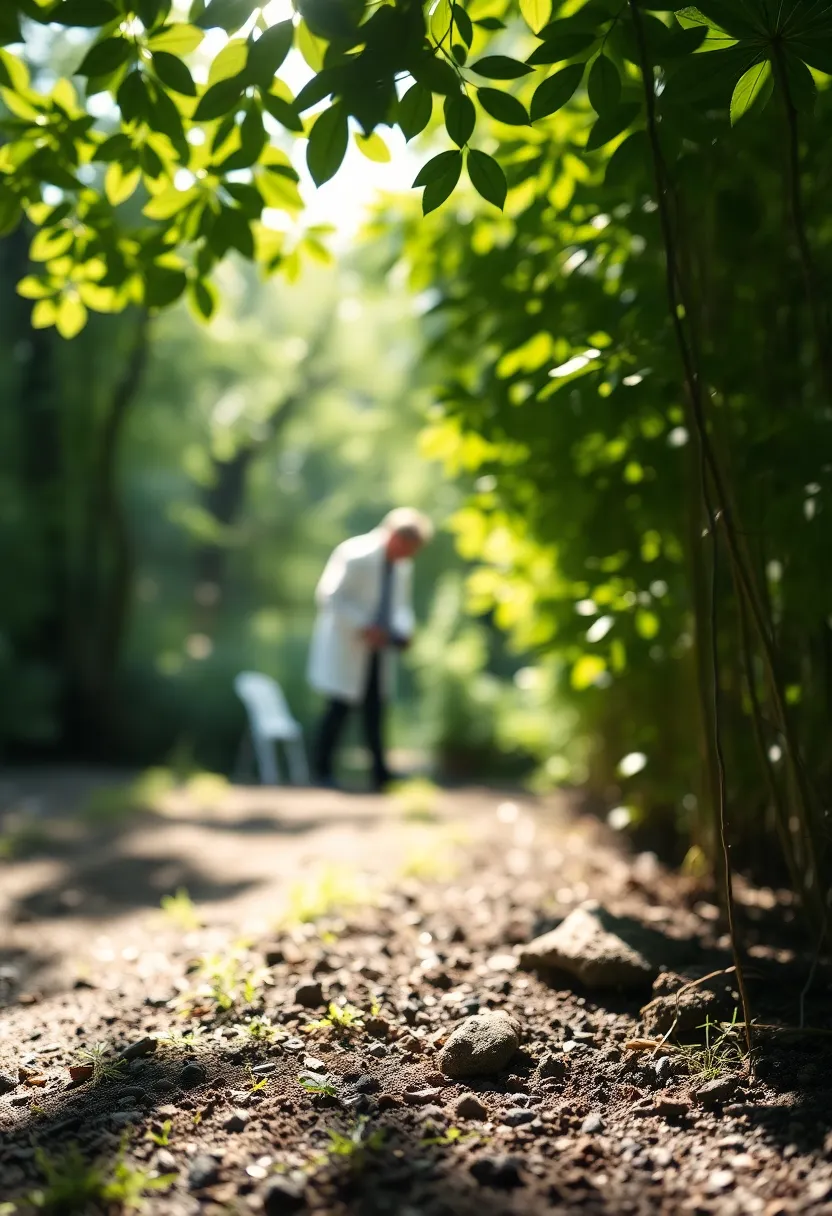
Leica Q3, 28mm f/1.7 Summilux, taken during early morning light in a botanical garden. The focus is on a scientist collecting soil samples, with natural sunlight filtering through the leaves, creating dappled patterns on the ground. The depth of field at f/1.7 isolates the subject sharply against a blurred background of lush greenery. The color palette is rich in muted earth tones, reflecting the organic nature of the laboratory work being conducted outdoors. The composition follows the rule of thirds, placing the scientist at one power point while the surrounding foliage draws the viewer’s eye.
2:3
Fujifilm GFX 100S, 110mm f/2 macro, utilizing soft box lighting to create a high-key effect over a close-up of colorful powdered chemicals arranged artistically on a slate background. The composition uses a centered symmetrical layout, enhancing the vibrant colors of the powders – bright greens, yellows, and pinks. The shallow depth of field at f/2 creates an ethereal effect, with the texture of the powders sharply in focus against a softly blurred background. The color palette is punchy and vivid, emphasizing the communication of creativity in science.
1:1
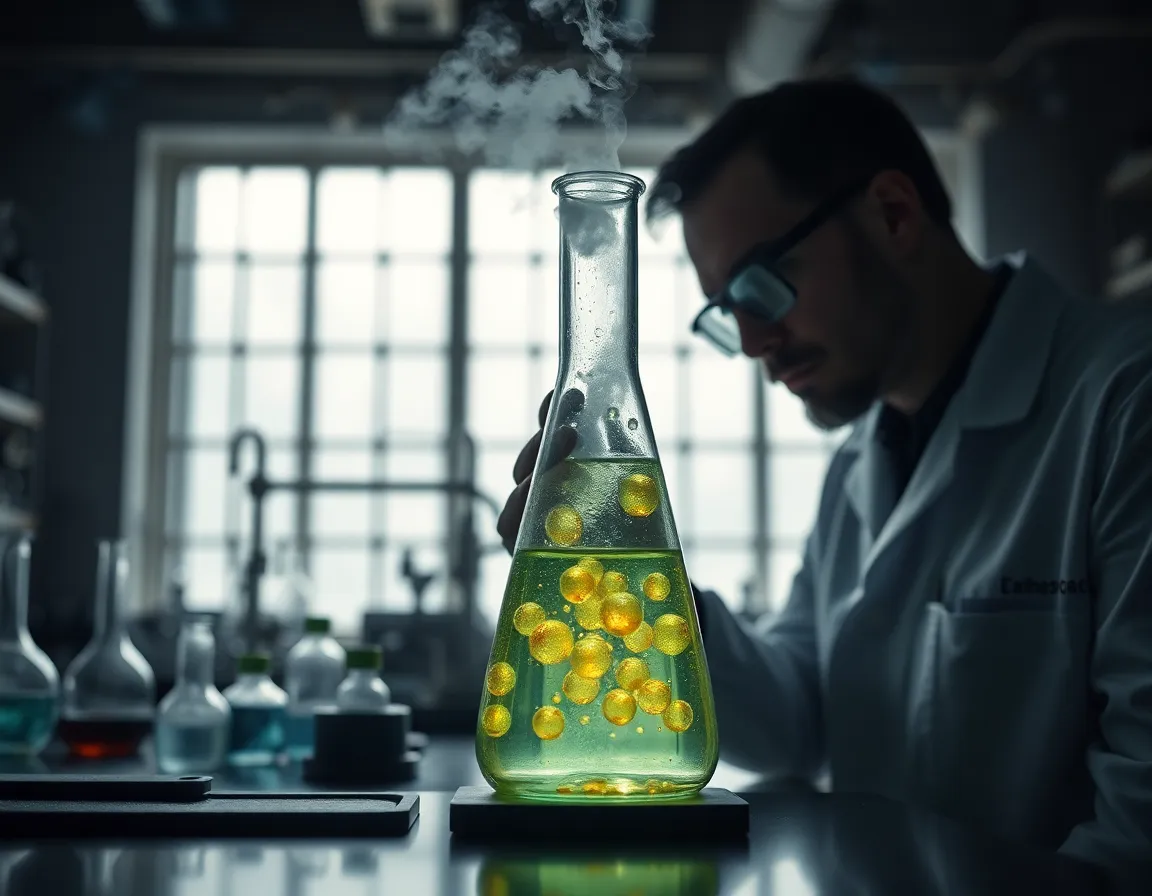
Nikon Z9, 70-200mm f/2.8 telephoto at 135mm, captured in an industrial lab with overcast diffused daylight pouring through large windows. A chemist is observing a powerful chemical reaction in a flask, adorned with smoke and vivid bubbles. The focus is on the flask, with the lab equipment softly blurred in the background, giving a hyperfocal distance effect. The color palette of cool greens and steely grays creates a moody atmosphere that reflects the intrigue of scientific discovery. The composition is centered, emphasizing the dramatic reaction happening within the flask, while surfaces exhibit rich textures of glass and polished metal.
4:3

Shot on Sony A7R V with 85mm f/1.4 GM lens, using natural backlighting during the golden hour to illuminate a scientist in a lab coat mixing colorful chemicals. The soft light creates a warm rim light around her figure, enhancing the texture of her coat and the glassware. The focus is on her expressive face, with a shallow depth of field at f/1.4 giving a creamy bokeh to the lab background. The color palette features warm tones of orange and yellow, contrasting with the cooler colors of the glassware. A leading line composition guides the viewer's eye toward the subject, creating an engaging scene.
3:2

Captured with Canon EOS R5, 24-70mm f/2.8L at 50mm, featuring dramatic side lighting from a single softbox. The scene showcases a colorful array of chemical glassware filled with vibrant liquids, arranged on a polished black surface reflecting their hues. Shallow depth of field at f/2.8 creates a dreamy bokeh background. The color palette is a mix of deep blues, vivid reds, and bright yellows, contrasting against the dark surface. The composition follows the rule of thirds, highlighting the central flask while the surrounding beakers create a sense of balance. Visible texture in the glassware enhances the realism with subtle reflections and highlights.
16:9
Nikon Z9, 70-200mm f/2.8 telephoto at 100mm; dappled sunlight filtering through windows creating highlights; shallow depth of field at f/2.8 with subject sharply in focus; natural muted tones with greens and soft whites; centered symmetrical composition of plant samples on a lab table, carefully arranged for examination; the texture of leaves glistening with moisture, emphasizing freshness and vibrant health.
16:9
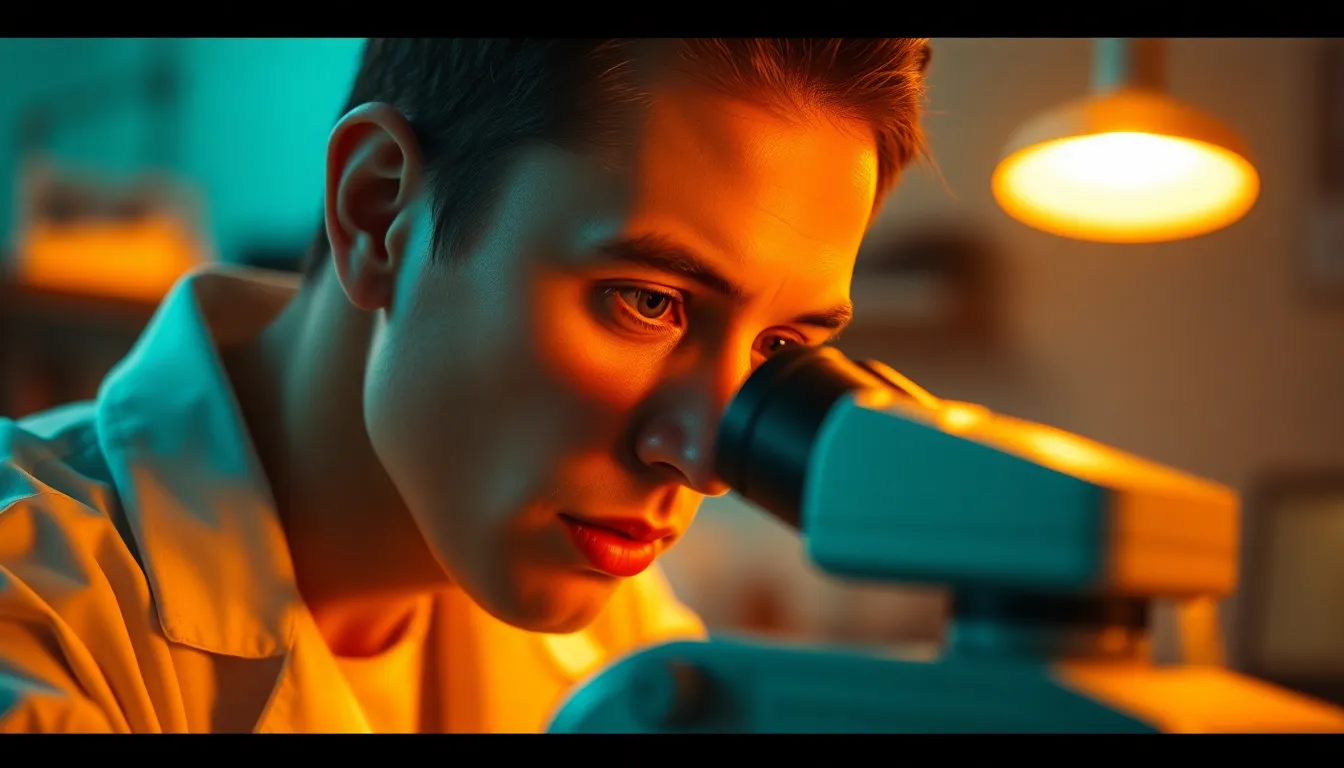
captured with Leica Q3, 28mm f/1.7 Summilux; practical warm tungsten lamp casting directional light; selective focus on a scientist in action, background softly melting into bokeh; cinematic teal and orange color grading enhancing mood and emotions; rule of thirds with the subject positioned at a power point; visible skin texture and emotions of concentration on the scientist’s face as they peer into a microscope.
16:9
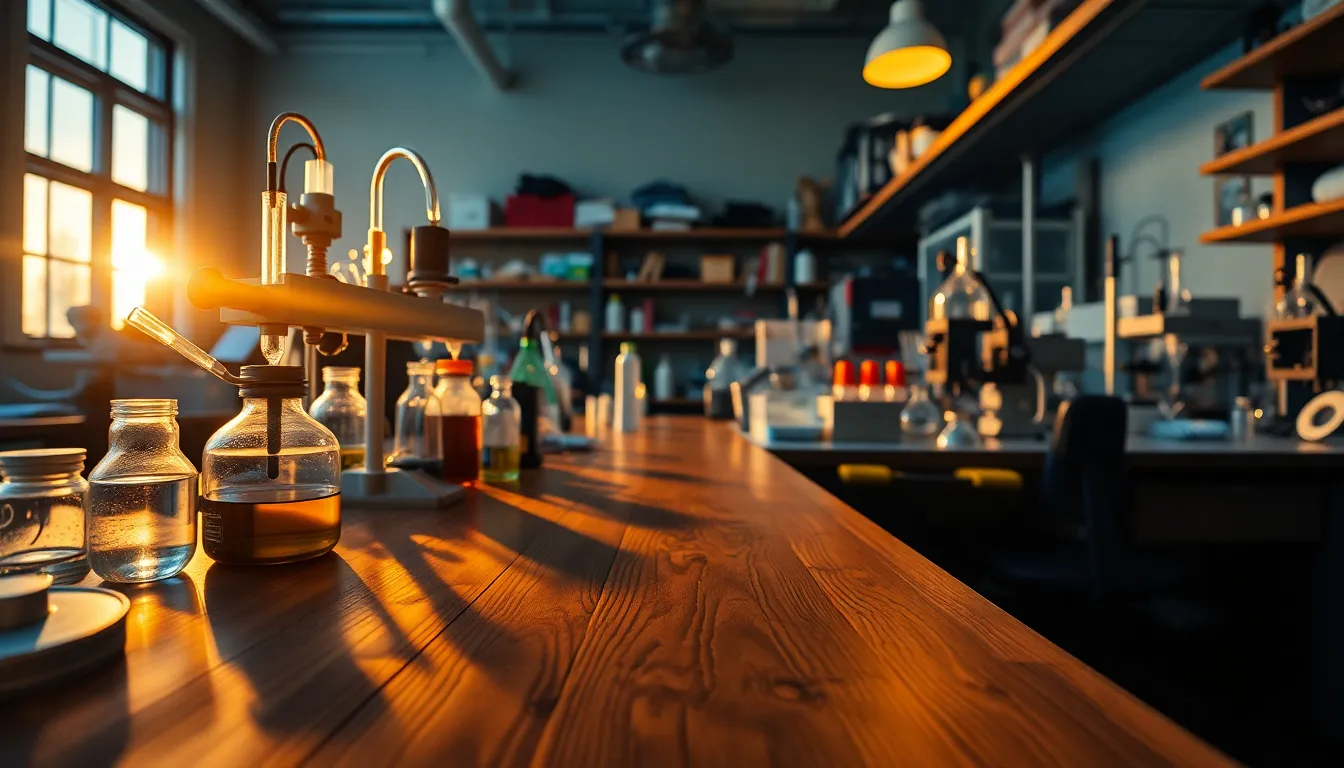
shot on Fujifilm GFX 100S, 110mm f/2 macro; golden hour backlighting with warm rim light; hyperfocal distance — everything from foreground to infinity tack-sharp at f/8; Fujifilm Velvia-inspired saturated colors with deep blues and rich greens; leading lines drawing the eye towards the laboratory workspace filled with intricate equipment; wooden table showing natural grain and textures, juxtaposed against sleek metal lab tools.
16:9
captured with Nikon Z9, 70-200mm f/2.8 telephoto at 135mm; warm tungsten desk lamp casting directional light; selective focus on the lab equipment with the background softly blurred; Kodak Portra 400 color palette highlighting warm skin tones; centered symmetrical composition showcasing a row of glass apparatus on the lab bench; clear glass flasks displaying intricate chemical reactions with bubbles and colors.
16:9

shot on Canon EOS R5, 24-70mm f/2.8L at 50mm; overcast diffused daylight through large windows creating soft light; shallow depth of field at f/2.8 with soft bokeh in the background; natural muted tones with desaturated earth colors; rule of thirds with the subject off-center; stainless steel laboratory bench showing reflections and glassware filled with colorful reagents.
16:9
captured with Leica Q3, 28mm f/1.7 Summilux, illuminated by a warm practical lamp providing a cozy pool of light, shallow depth of field at f/1.7 with creamy bokeh in the background, Kodak Portra 400 color palette emphasizing warm skin tones and creamy highlights, Dutch angle composition creating dynamic tension while showcasing various slides laid out on a wooden table.
16:9
shot on Hasselblad X2D 100C, 90mm f/2.5 medium format, illuminated by overcast diffused daylight through large windows, hyperfocal distance achieving crisp detail from foreground to background, natural muted tones with soft earth colors, centered symmetrical composition with a petri dish showcasing visible crystal formations, detailed surface textures reflecting light subtly.
16:9
captured with Canon EOS R5, 24-70mm f/2.8L at 35mm, illuminated by under-table warm tungsten lighting creating dramatic shadows, shallow depth of field at f/2.8 with a creamy bokeh backdrop of laboratory equipment, cinematic teal and orange color grading enhancing the mood, rule of thirds composition with the specimen jar positioned at the left power point, showcasing detailed glass texture and liquid movement.
16:9
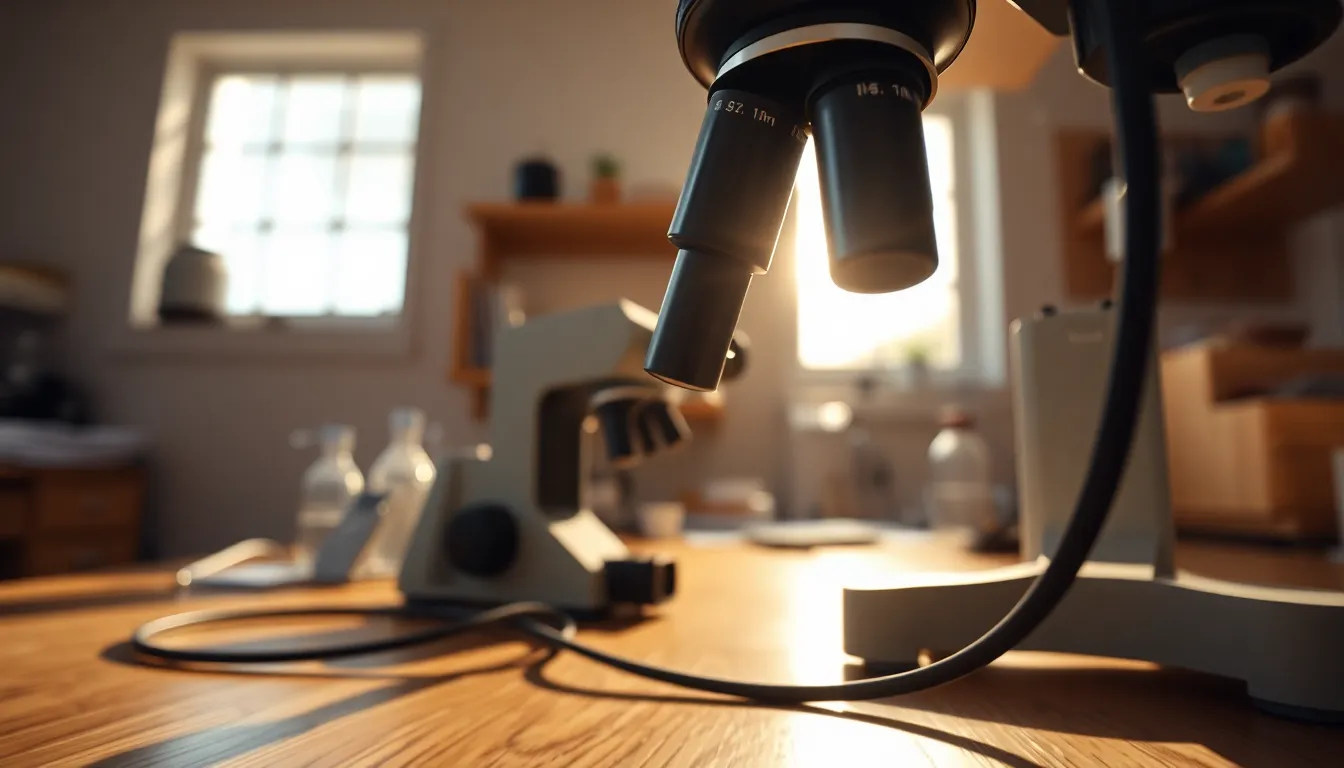
shot on Fujifilm GFX 100S, 110mm f/2 macro lens, under diffused natural daylight streaming through a window, hyperfocal distance ensuring everything from foreground to infinity is tack-sharp, natural muted tones with desaturated earth colors, composition using leading lines of microscope cables drawing the eye towards the eyepiece, capturing the soothing texture of wood on the laboratory desk.
16:9
captured with Nikon Z9, 70-200mm f/2.8 telephoto at 135mm, illuminated by a bright LED ring light providing even illumination across the specimen, shallow depth of field at f/2.8 creating a soft bokeh background, pharmaceutical green and sterile white color palette, centered symmetrical composition, featuring textured glass slides with visible scratches reflecting light.
16:9
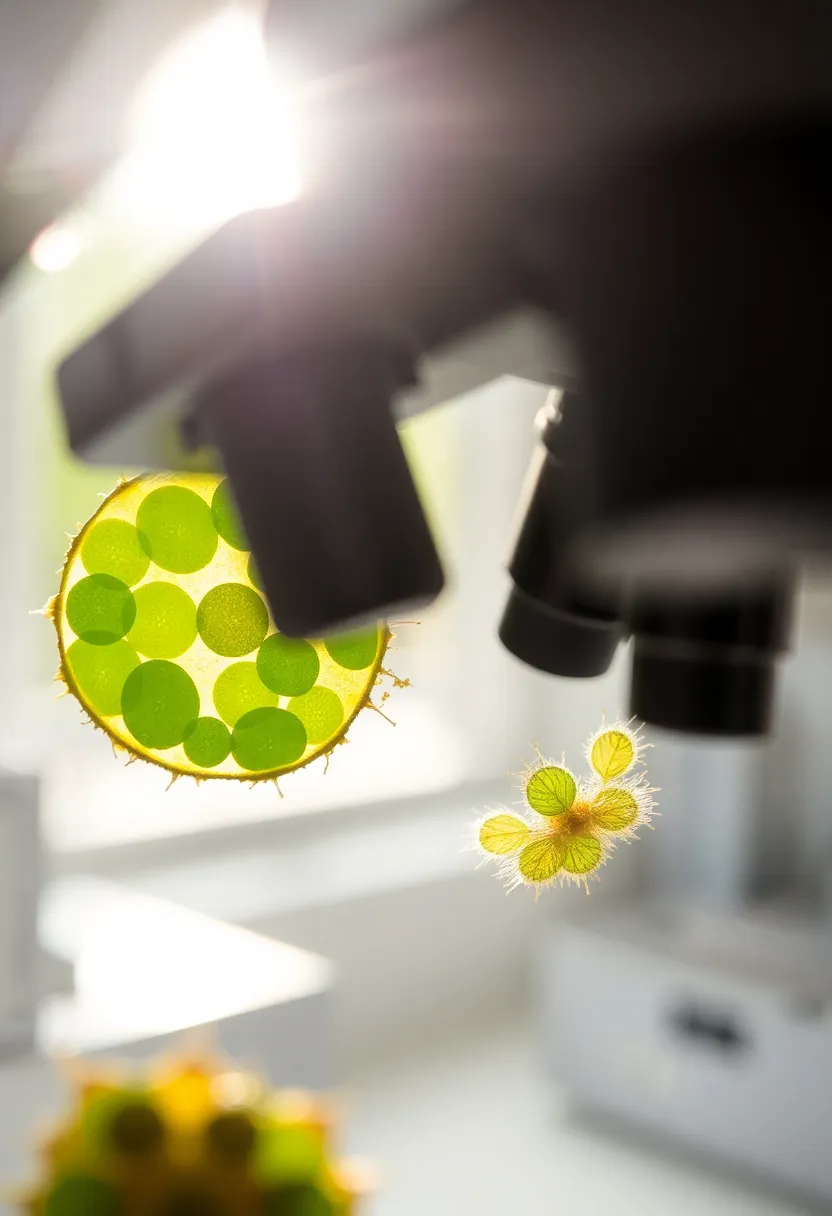
Fujifilm GFX 100S, 110mm f/2 macro, capturing an intricate view of plant samples under a microscope in a research lab. Natural daylight streaming through the window creates a bright, fresh ambiance. The selective focus on the plant cells showcases their vibrant colors and textures, while the background becomes a soft painterly bokeh. The color palette features saturated greens and earth tones, reflecting the organic nature of the samples. The composition highlights the dynamic shapes of the cells, drawing the viewer into the microscopic world. Textures reveal the delicate structures of the plant cells and the smooth glass of the microscope slides.
2:3
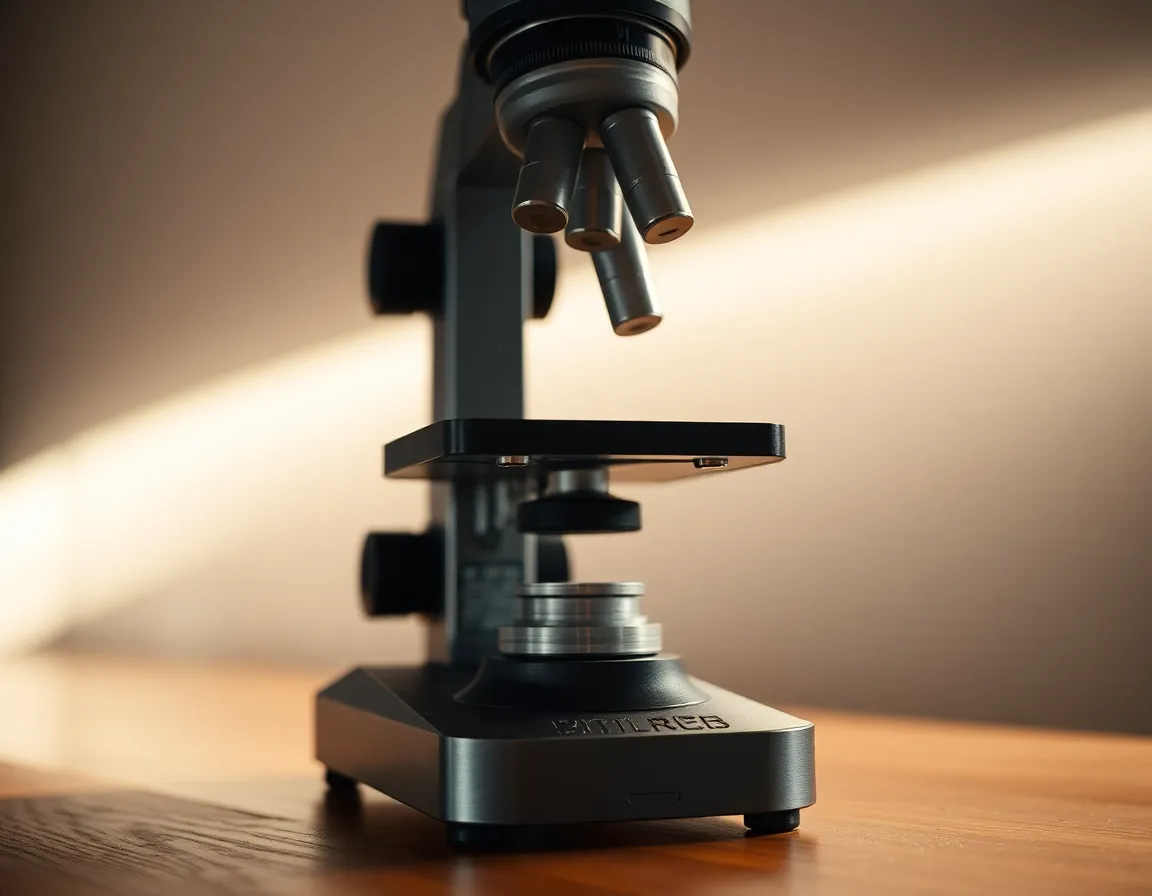
Hasselblad X2D 100C, 90mm f/2.5 medium format, capturing a detailed shot of a laboratory microscope on a wooden table. Soft, diffused studio lighting creates an even illumination without harsh shadows. The depth of field is shallow at f/2.5, resulting in an exquisite focus on the microscope while the background blurs into a warm glow. The color palette is natural muted tones, emphasizing the subtle beauty of the microscope’s metal and glass components. The composition captures the symmetry of the microscope and incorporates leading lines from the table’s edges. Textures highlight the polished metal and smooth glass surfaces.
4:3
captured with Nikon Z9, 70-200mm f/2.8 telephoto at 100mm, showcasing a lab technician pipetting samples during dusk. The warm evening light filters through the glass laboratory walls, providing a natural, golden hue. The hyperfocal distance ensures everything from the technician to the soft-focus equipment in the background remains sharp. The color palette leans towards natural muted tones, with warm oranges and browns. The composition uses leading lines of the lab bench to direct the viewer's eye toward the technician, enhancing the scene's focus on precision and care. Textures include the smooth surface of the pipette and the technician's crisp lab coat.
3:2
shot on Sony A7R V with 85mm f/1.4 GM lens, featuring a close-up of chemical reactions in test tubes under warm tungsten lighting. The shallow depth of field at f/1.4 creates a striking isolation of the vivid colors of the liquids. The film-look showcases Fujifilm Velvia-inspired saturated colors, enhancing the reds, blues, and greens of the chemicals. A centered symmetrical composition draws the eye directly to the vibrant test tubes filled with bubbling liquid. Textures are rich, showing the glass surface of the test tubes and the delicate bubbles forming inside.
1:1

captured with Canon EOS R5, 24-70mm f/2.8L at 50mm, in a bright laboratory setting with overcast diffused daylight through large windows. Shallow depth of field at f/2.8 highlights a researcher examining a petri dish, while the background softly blurs into creamy bokeh. The color palette features natural muted tones with desaturated greens and blues, creating a calm and focused atmosphere. The composition follows the rule of thirds, placing the subject at the right power point, enhancing the visual balance. Textures include the smooth glass of lab equipment and the subtle weave of the researcher’s lab coat.
16:9
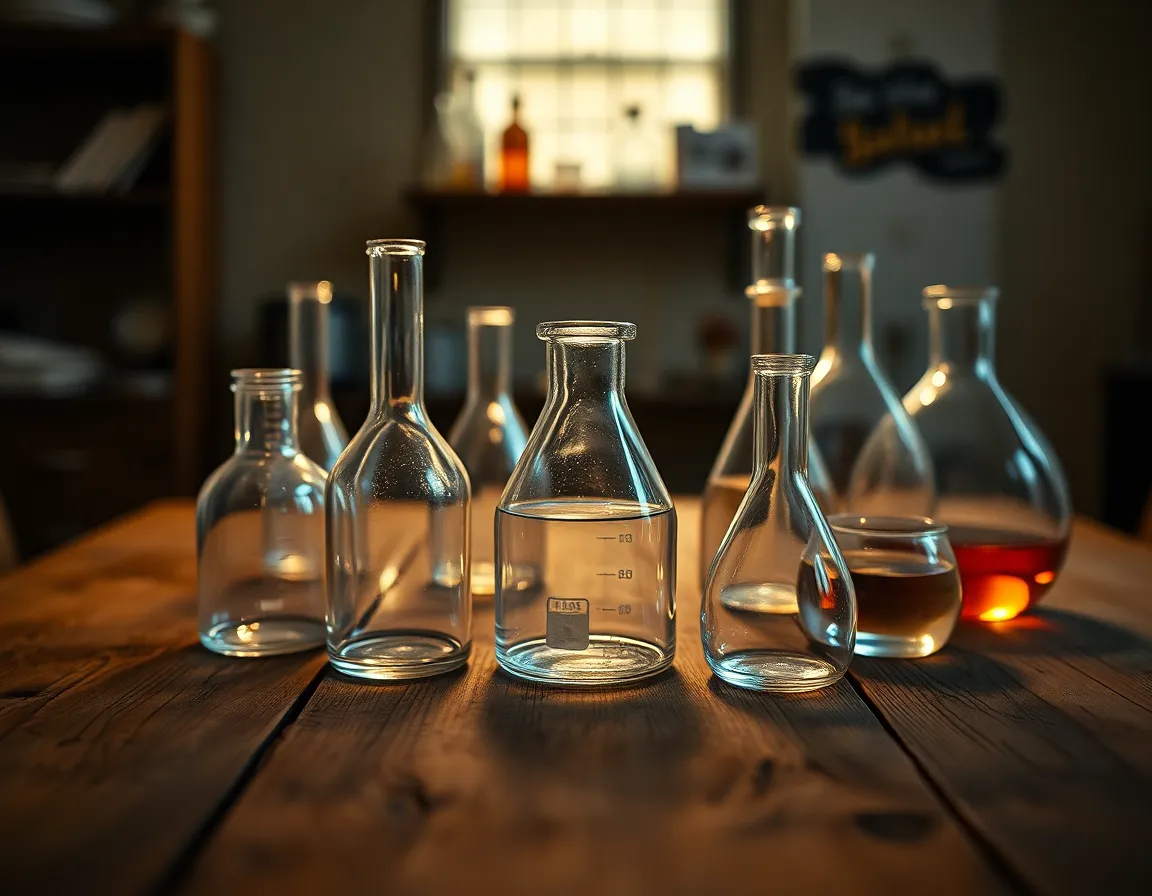
Hasselblad X2D 100C, 90mm f/2.5 medium format captures a wide shot of a chemistry classroom filled with students observing an experiment. The scene is bathed in soft, diffused daylight from large windows, creating an inviting atmosphere. The composition follows leading lines of tables directing the viewer's gaze towards the front of the room where the experiment is taking place. Textures of wooden desks and metal lab equipment add depth, while natural colors establish a calm, studious environment.
16:9
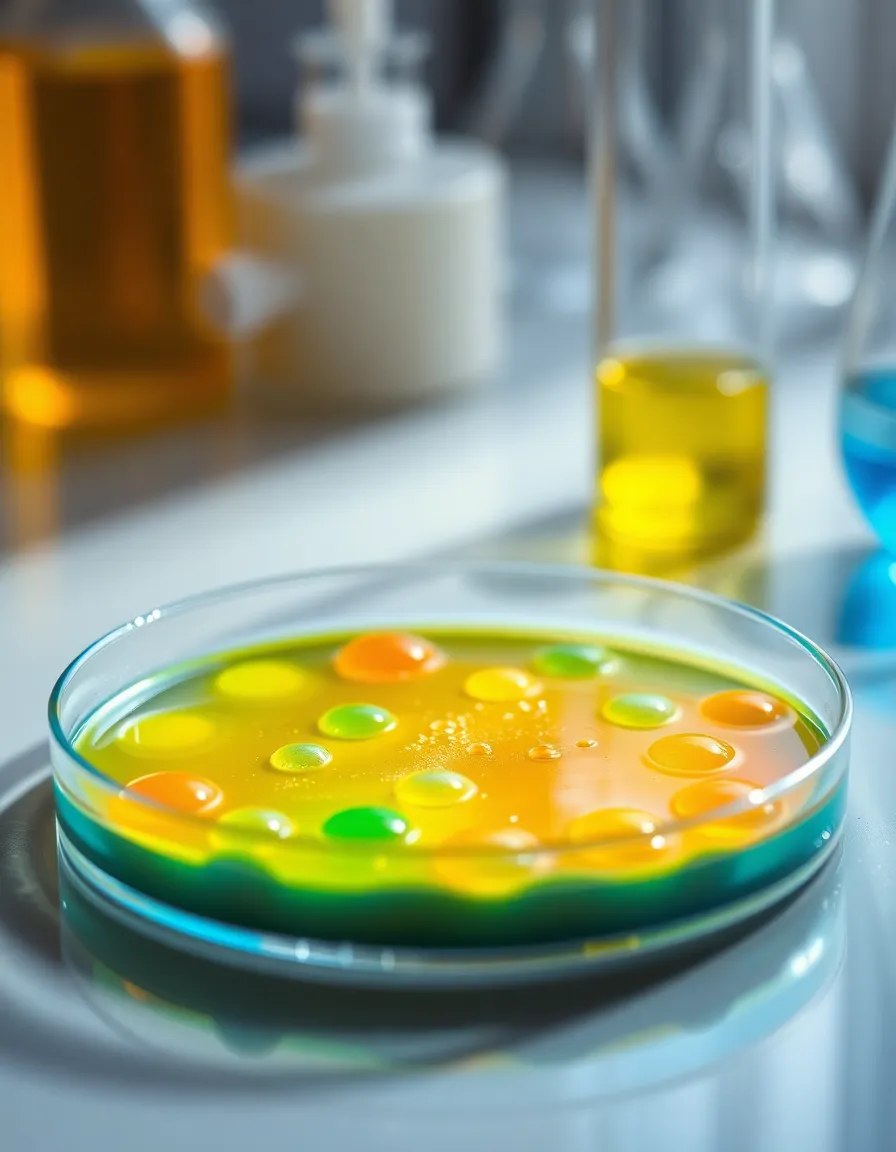
Fujifilm GFX 100S, 110mm f/2 macro captures a detailed view of chemical reactions in a petri dish, illuminated by natural diffused daylight. The scene showcases vibrant colors emerging as chemicals interact, with a hyperfocal depth of field allowing both foreground and background to remain sharply defined. The color palette features bright yellows, greens, and blues. The composition leads the eye from the top left corner, where the light enters, down to the reactions taking place at the dish's center, creating a sense of exploration.
3:4
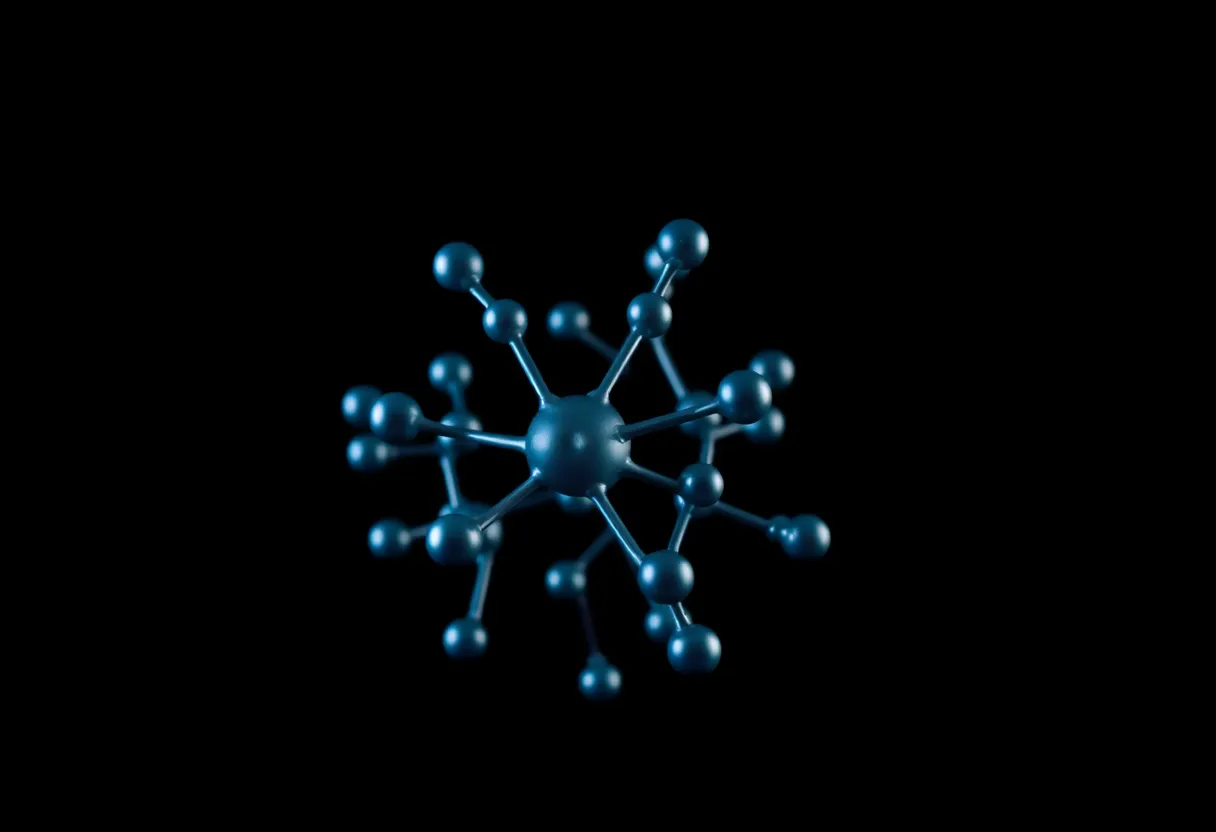
Nikon Z9, 70-200mm f/2.8 telephoto at 100mm captures a molecular structure model against a dark backdrop. Using dramatic Rembrandt lighting with a single octabox, the image emphasizes the depth and complexity of the model, highlighting the reflective surfaces. The color palette employs dark blues and silvers, producing a sleek, high-tech appearance. The composition is centered, drawing the eye directly to the molecular model while keeping the background minimally detailed, enhancing focus.
3:2
Shot on Sony A7R V with 85mm f/1.4 GM lens, this image captures a close-up of a chemist's hands mixing vibrant-colored powders in a glass bowl. The lighting is bright and direct, highlighting the rich texture of the powders and the delicate skin of the hands. A shallow depth of field at f/1.4 renders the background into a creamy bokeh, focusing the viewer's attention on the action. The color palette is energetic, featuring reds, yellows, and blues blended together, creating a sense of experimentation.
4:3
Captured with Canon EOS R5, 24-70mm f/2.8L at 50mm, this image features a laboratory setting illuminated by a warm tungsten desk lamp, casting dramatic shadows. The shallow depth of field at f/2.8 creates a dreamy blur of the background while the lab equipment in sharp focus showcases intricate details. The color palette embodies deep greens and browns indicative of glassware and solutions. The composition follows the rule of thirds with a striking beaker at the left power point, its textured surface glinting under the lamp's glow.
16:9
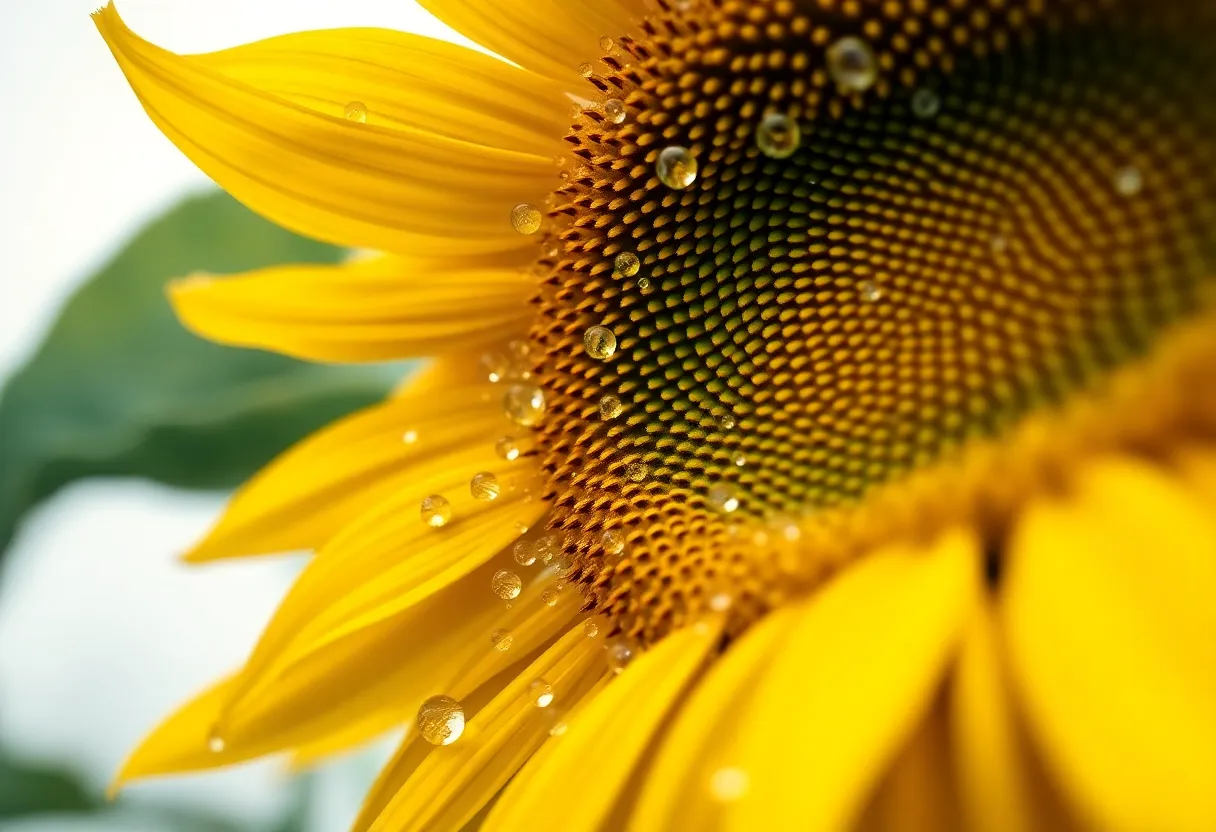
Fujifilm GFX 100S, 110mm f/2 macro, captures a detailed close-up of a sunflower head covered in droplets of water after a rain shower. Soft diffused daylight permeates through the cloudy sky, creating muted colors with rich greens and yellows. The image employs a hyperfocal distance at f/8, keeping sharp focus on the flower's intricate textures while the background remains softly blurred. The dew droplets catch light, enhancing the natural beauty of the flower, with the composition featuring a slight angle to give a dynamic view.
3:2
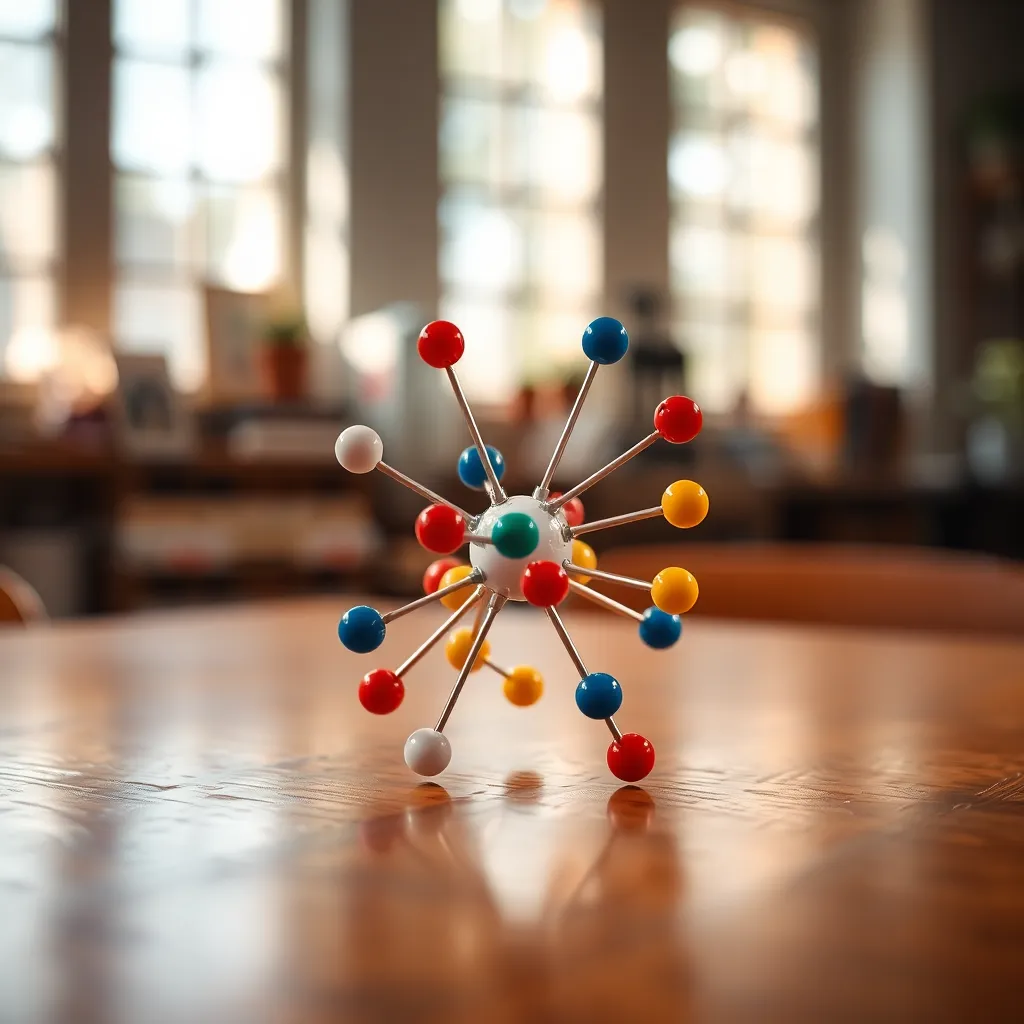
Hasselblad X2D 100C, 90mm f/2.5 medium format, features an intricate close-up of an atomic model made from colorful balls and sticks arranged on a polished wooden table. Soft diffused natural light pours in through nearby windows, ensuring the details are beautifully rendered with soft shadows. The image employs a shallow depth of field at f/2.5, focusing on the molecular structure while the background melts into a gentle bokeh. The warm brown tones of the wood contrast with the vibrant colors of the atomic model, creating a striking visual.
1:1
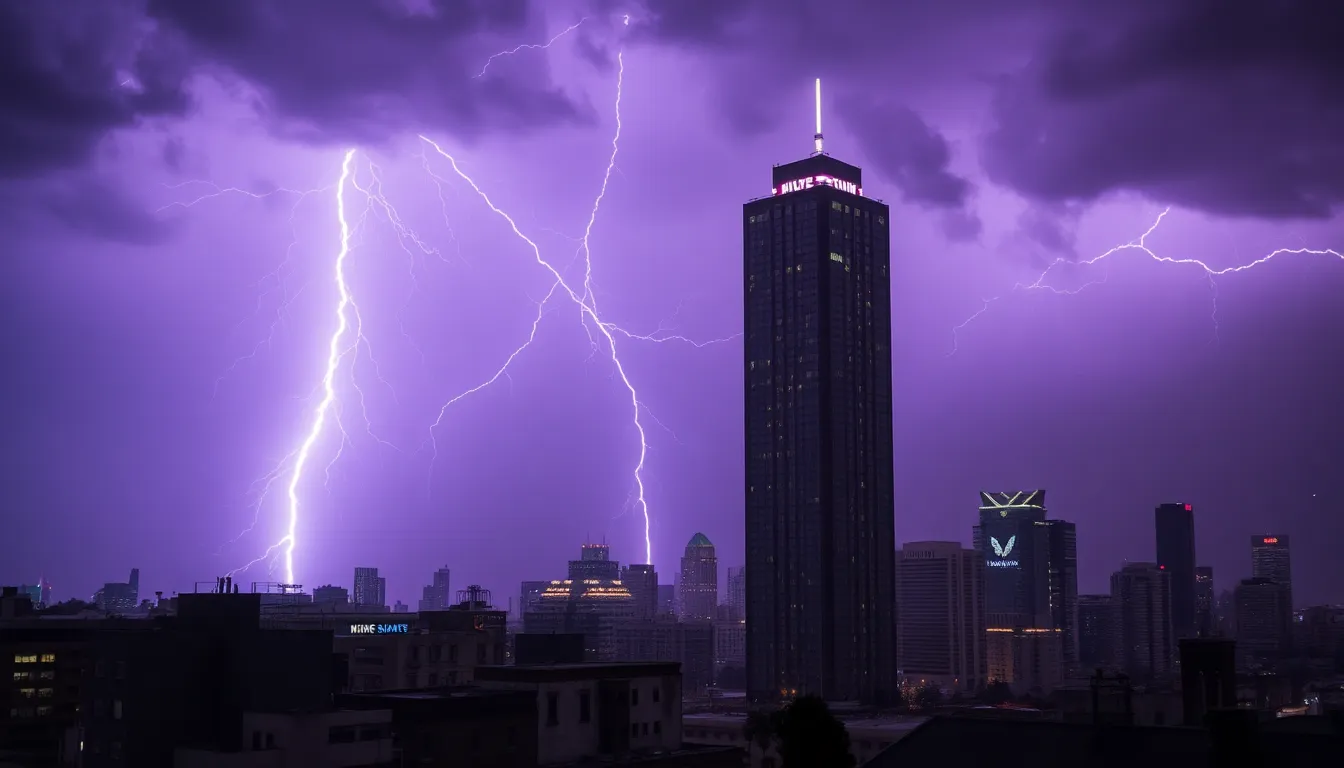
Nikon Z9, 70-200mm f/2.8 telephoto at 135mm, shot during a dramatic thunderstorm, captures lightning striking a tall building in the city center. The scene is illuminated by vivid flashes, creating stark contrasts between elements in the environment. Hyperfocal distance ensures everything from the foreground to the skyline remains sharp at f/8. The color palette features dark stormy grays and blues, punctuated by the bright white and purple of the lightning strikes, enhancing the intensity of the moment.
16:9
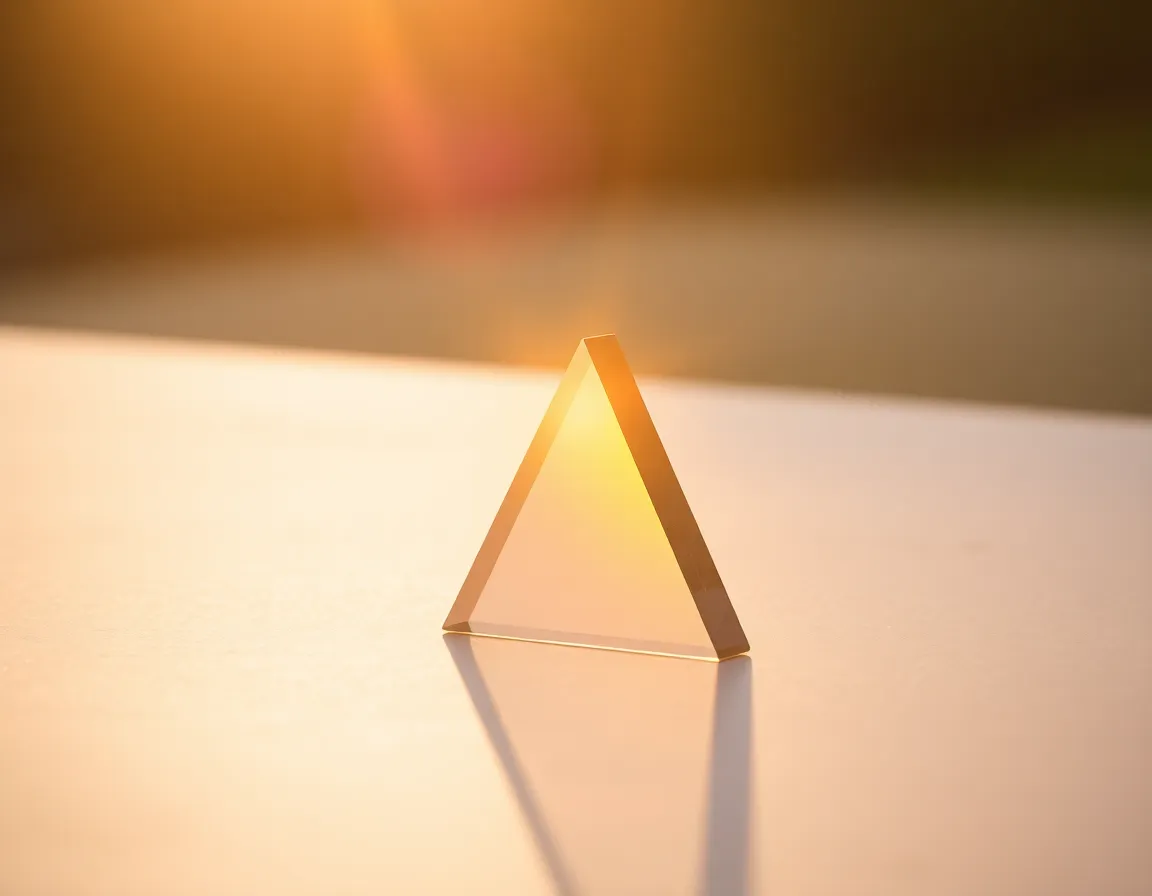
shot on Sony A7R V with 85mm f/1.4 GM lens, natural backlighting with golden hour sunlight streaming through a prism, creating a rainbow effect on a white background. The image features the prism positioned at a slight angle, showcasing the spectrum of light radiating from it. A shallow depth of field at f/1.4 gently blurs the background, focusing on the refracted colors. The warm tones from the sunlight mix beautifully with the cool hues of the spectrum, forming a harmonious juxtaposition in this artistic shot.
4:3
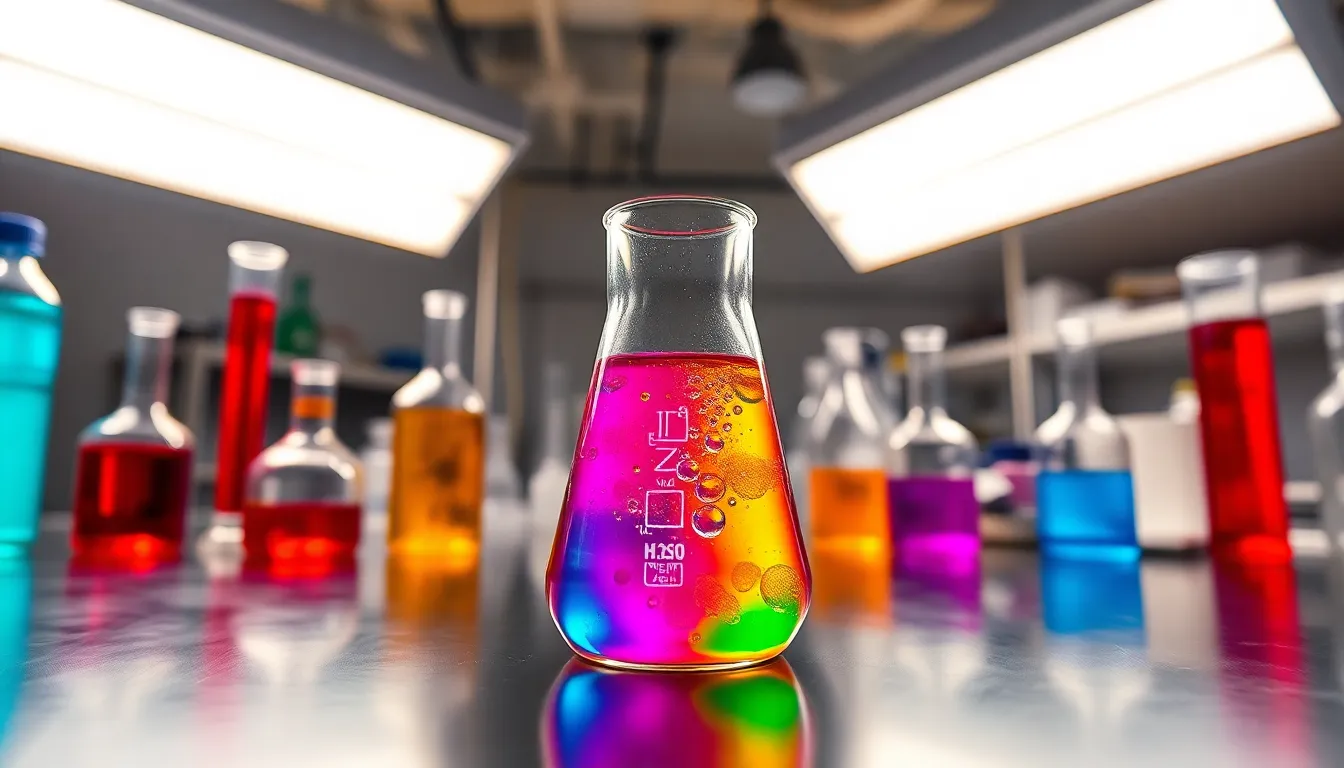
captured with Canon EOS R5, 24-70mm f/2.8L at 35mm, illuminated by sharp overhead fluorescent lights creating high contrast on a laboratory bench. Shallow depth of field at f/2.8 keeps the focus on a glass beaker filled with colorful liquids, showcasing a spectrum of bright, saturated colors reminiscent of a chemical reaction. The composition uses leading lines from the lab equipment to draw the eye toward the beaker, highlighting the intricate bubbles forming inside. The surface of the bench is polished stainless steel, reflecting some of the vibrant colors from the beaker.
16:9
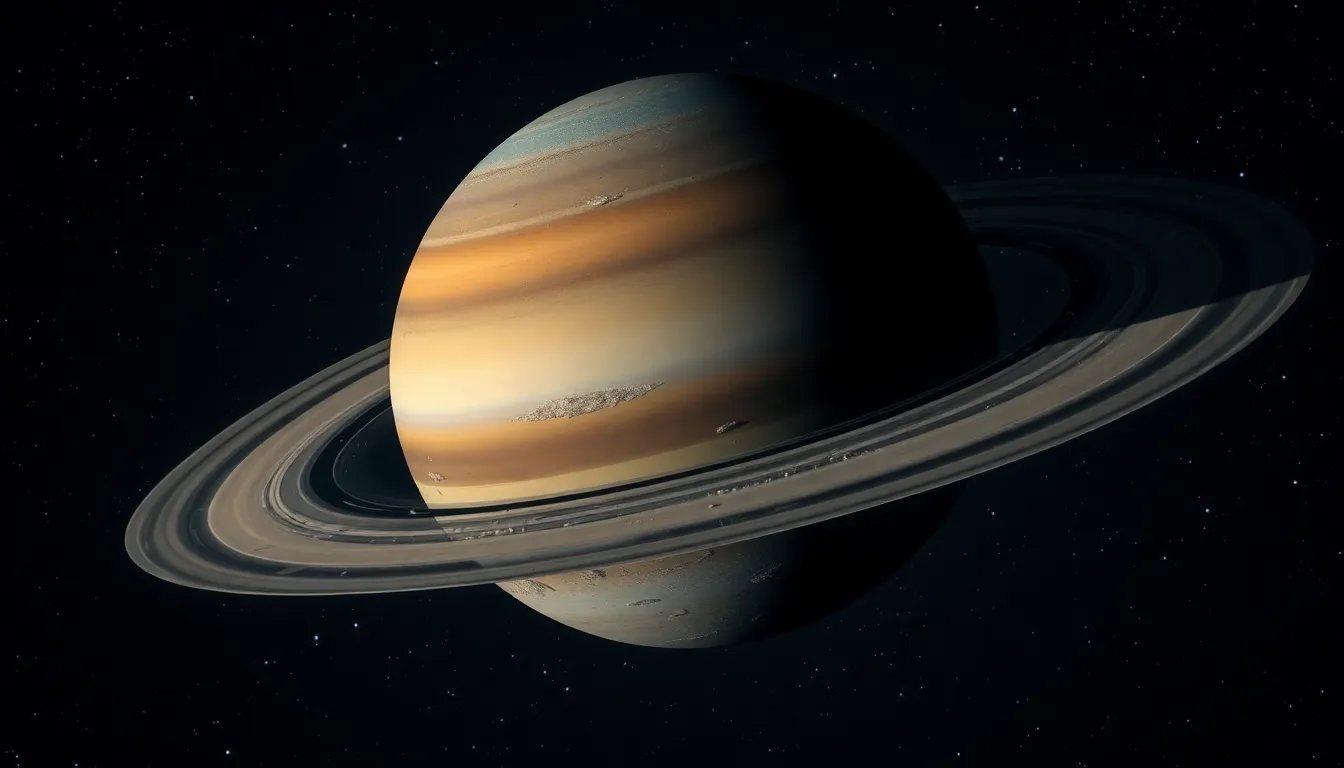
Shot on Hasselblad X2D 100C, 90mm f/2.5 medium format, this image depicts a futuristic space colony under construction on Mars. The scene is lit with warm tungsten lights illuminating the structures, creating a sense of progress and hope. With a narrow depth of field at f/2.5, the focus is on the foreground habitats while the Martian landscape blurs into a soft bokeh. The color palette features natural muted tones with desaturated reds and browns, reflecting the Martian terrain. The composition follows the rule of thirds, placing the colony off-center to capture the vastness of the alien environment surrounding it.
16:9
Captured with Canon EOS R5, 24-70mm f/2.8L at 35mm, this stunning image features the breathtaking aurora borealis illuminating a wintry landscape. The lighting is natural, with vibrant greens and purples dancing across the night sky, reflecting on the surface of a frozen lake below. Utilizing hyperfocal distance at f/8, every element from the icy foreground to the distant hills remains perfectly sharp. The color palette is inspired by Fujifilm Velvia, emphasizing the vivid hues of the auroras. The composition captures the serenity of the scene, with leading lines of the ice drawing attention to the vibrant sky above.
16:9
Captured with Fujifilm GFX 100S, 110mm f/2 macro, this close-up image reveals the surface of a distant exoplanet, showcasing its rugged terrain and vivid colors. Lighting includes gentle diffused sunlight, illuminating the textures of rocks and minerals. A shallow depth of field at f/2 creates a dreamy, soft focus in the background while highlighting the intricate details of the planet’s surface. The color palette features burnt oranges and dark blues, evoking a sense of alien beauty. The composition follows the rule of thirds, placing the most detailed section of the terrain at a power point, enhancing visual interest.
16:9
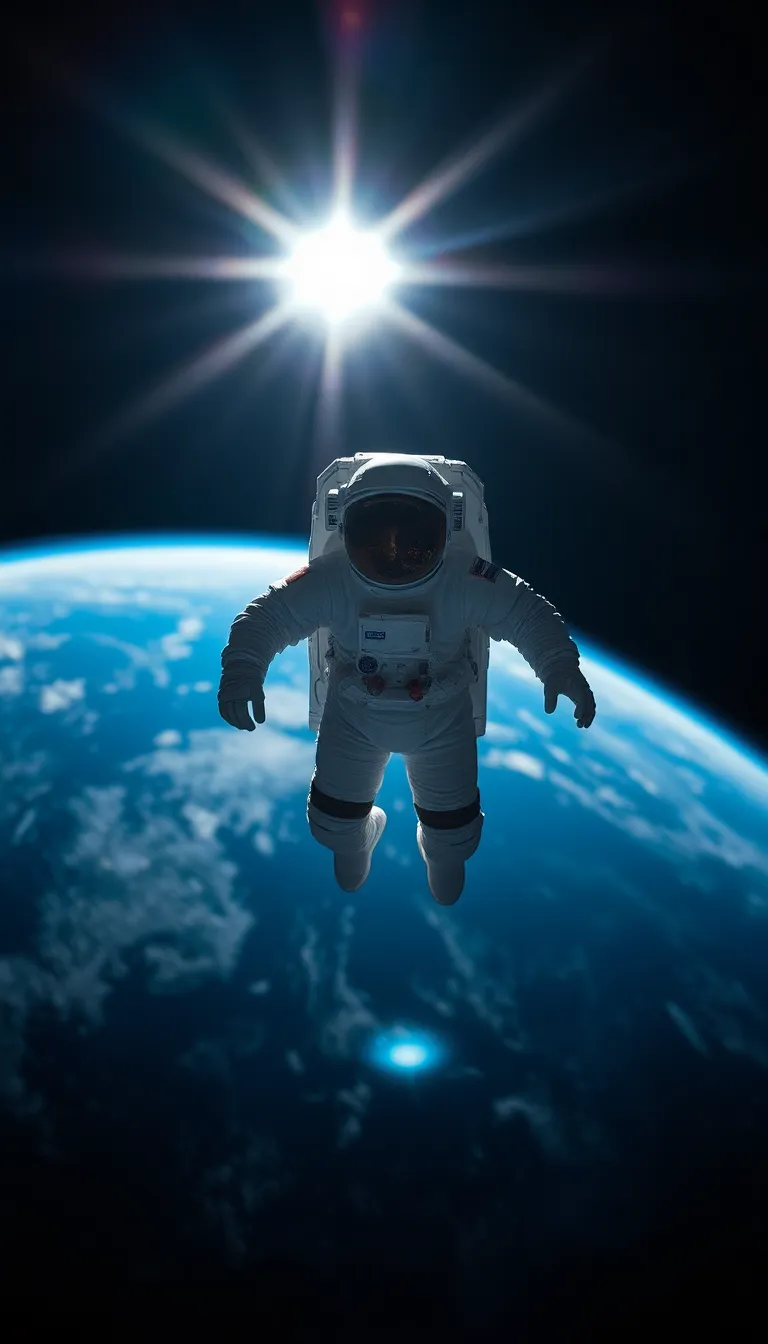
Shot on Sony A7R V with 85mm f/1.4 GM lens, this image captures an astronaut floating in the emptiness of space, tethered to a space station. The lighting is dramatic, with sunlight streaming from the side, highlighting the intricate details of the astronaut's suit. Using a hyperfocal distance at f/8 ensures that every detail, from the textures of the suit to the distant Earth, is in sharp focus. The color palette adheres to a cinematic teal and orange grading, enhancing the otherworldly feel. The composition is centered, emphasizing the astronaut against the void of space, with shimmering stars creating a captivating backdrop.
16:9
Captured with Nikon Z9, 70-200mm f/2.8 telephoto at 135mm, this image showcases a vast, starry night sky filled with swirling galaxies and shimmering stars. The scene is illuminated by bioluminescent plants in the foreground, creating an ethereal glow against the dark backdrop. Using shallow depth of field at f/2.8 brings the foreground flora into sharp focus while the stars fade into a soft bokeh. The color palette features deep blues and purples with hints of green from the plants. The composition employs leading lines, drawing the eye upward towards the cosmic splendor above, with textures of the plants' leaves visibly capturing the light.
16:9
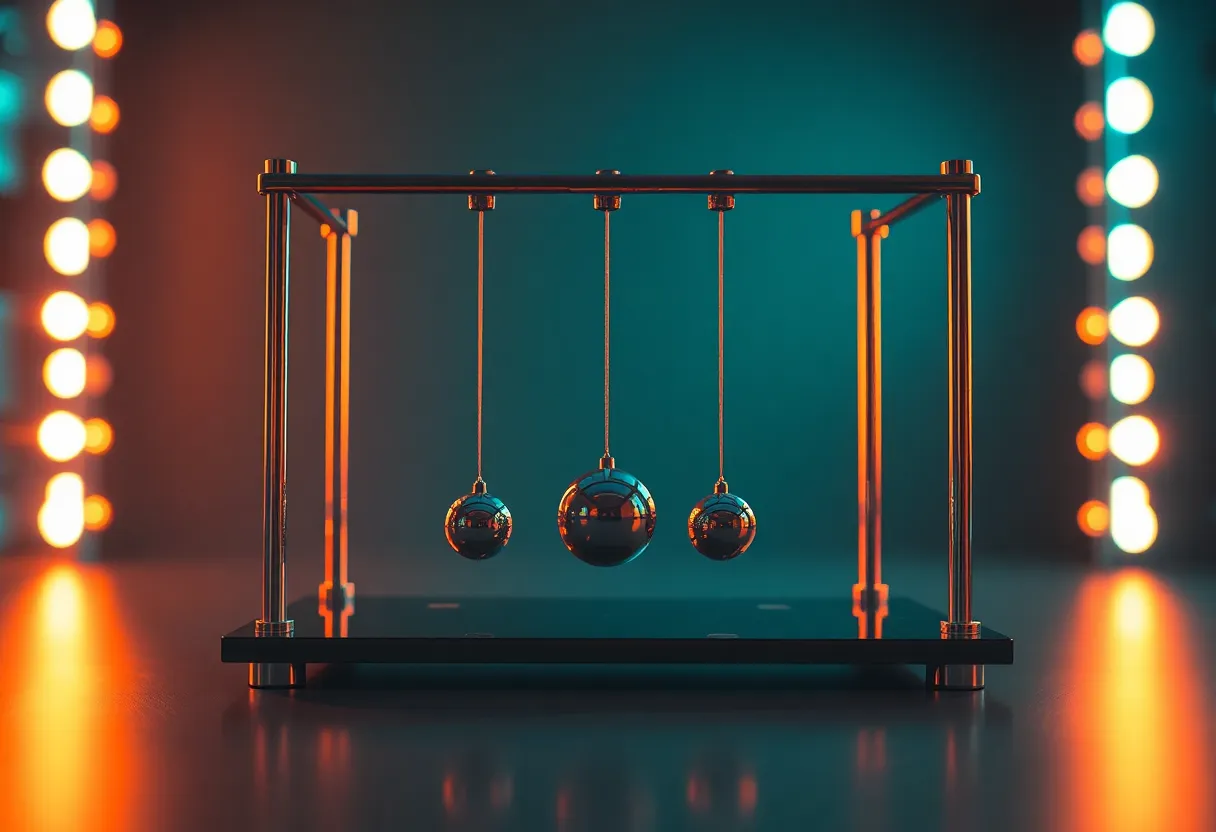
Photographed with a Leica Q3, 28mm f/1.7 Summilux lens, this image features a dynamic representation of Newton's Cradle in motion. The scene is illuminated with cool studio lighting that creates a dramatic contrast with shadows, highlighting the kinetic energy of the swinging spheres. A shallow depth of field at f/1.7 softens the background, allowing the viewer's focus to rest on the motion of the pendulums. The cinematic teal and orange color grading enhances the image's vibrancy, while the composition places the cradle centrally, showcasing its rhythmic movement within the context of a minimalist, high-tech environment.
3:2
Captured on a Fujifilm GFX 100S, 110mm f/2 macro, this image portrays colorful glass marbles under natural dappled sunlight filtering through a tree canopy. The shallow depth of field at f/2 creates a blurred background, emphasizing the vibrant colors and textures of the marbles. The image utilizes natural muted tones, with a focus on the rich greens of the foliage and the bright hues of the marbles. Compositionally, the marbles are arranged in a cascade, leading the eye naturally through the image, while the moisture in the air adds an ethereal quality with faint glimmering dust particles.
4:3
Photographed with a Hasselblad X2D 100C, 90mm f/2.5 medium format, the image showcases a stunning close-up of a high-precision gyroscope on a wooden table. The lighting consists of a practical warm tungsten desk lamp casting a focused pool of light that accentuates the metallic textures and intricate details of the gyroscope. Employing a shallow depth of field at f/2.5, the background blurs softly into creamy bokeh, enhancing the subject's visibility. The Kodak Portra 400 color palette provides warm tones and natural highlights, with the composition centered symmetrically to draw attention to the gyroscope's design.
1:1
Shot on a Nikon Z9, 70-200mm f/2.8 telephoto at 135mm, this image illustrates the concept of gravitational waves with an artistic twist. The scene captures ripples in a water surface under soft, diffused daylight through large windows. A subtle combination of Rembrandt lighting highlights the texture of the water, while a hyperfocal depth of field ensures that the entire image is tack-sharp at f/8. The color science leans towards Fujifilm Velvia-inspired saturation with deep blues reflecting the water's motion, and the composition uses leading lines to draw viewers into the depth of the wave ripples.
3:2
Captured using a Canon EOS R5, 24-70mm f/2.8L at 35mm, this dynamic scene features a physicist in a lab coat, surrounded by complex equations and physics models on a whiteboard. Golden hour backlighting enhances the scene, creating warm rim light around the subject while soft fill from reflected light adds depth. The image employs a shallow depth of field at f/2.8, producing a dreamy bokeh effect on the background. A natural muted color palette with earth tones gives an intellectual vibe, while the rule of thirds positions the physicist engaging with a holographic projection of an atom. The environment showcases a polished concrete floor and visible reflections from glass surfaces.
16:9
captured with Hasselblad X2D 100C, 90mm f/2.5 medium format, utilizing three-point studio setup with key softbox at 45° illuminating a detailed model of the International Space Station on a black velvet backdrop, selective focus emphasizing the ISS details while creating a painterly bokeh for the background, vivid colors contrasting the sleek metallic textures against the backdrop, composition placing the ISS slightly off-center for dynamic interest, showcasing the beauty of human engineering against the void of space.
3:2

shot on Fujifilm GFX 100S, 110mm f/2 macro, using a warm tungsten desk lamp casting directional light on a detailed close-up of a meteorite, highlighting its unique surface textures and natural imperfections, shallow depth of field at f/2 with creamy bokeh emphasizing the meteorite’s intricate details, natural muted tones showcasing the grey and brown hues of the rock, composition focusing tightly on the meteorite, accentuating its form and the beauty of its surfaces.
1:1
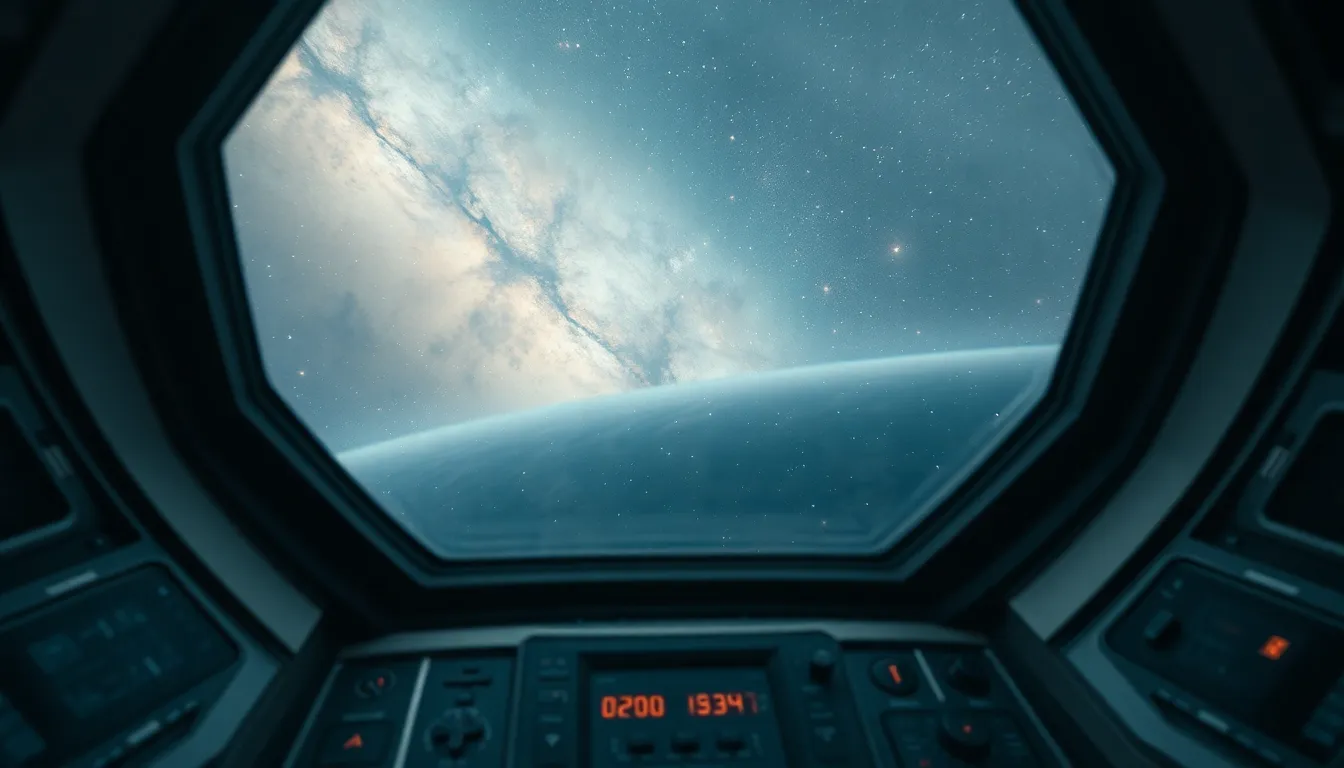
captured with Canon EOS R5, 24-70mm f/2.8L at 35mm, under overcast diffused daylight through a spaceship window showing an ethereal view of a nebula and distant stars, hyperfocal distance ensuring everything from the spaceship interior to the nebula is tack-sharp at f/8, natural muted tones of the nebula complemented by desaturated earth colors from the spaceship’s console, composition featuring the window in the foreground framing the stunning cosmic view, giving a sense of exploration and wonder.
16:9
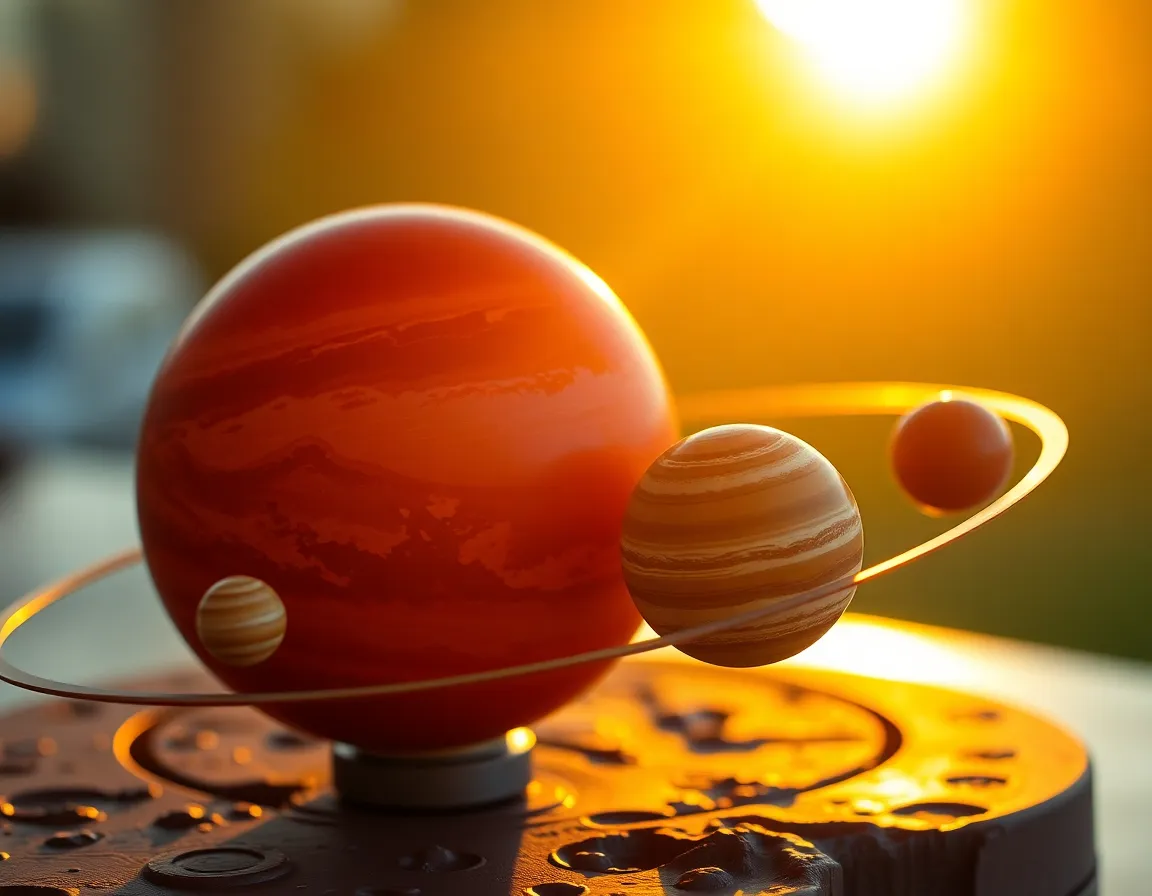
shot on Sony A7R V with 85mm f/1.4 GM lens, using golden hour natural light casting warm highlights on a detailed model of a solar system, shallow depth of field at f/1.4 blurring the background, and emphasizing the intricate textures of the planets, rich warm colors reminiscent of a sunset adding to the scene's vibrancy while keeping the planets' details visible, composition utilizing the rule of thirds to place the sun and planets strategically across the frame, with a sense of balance and harmony.
4:3
captured with Nikon Z9, 70-200mm f/2.8 telephoto at 135mm, featuring stark natural light from the moon illuminating the surface of a distant planet, shallow depth of field at f/2.8 with the foreground in focus and the planet fading softly into the background, cinematic teal and orange color grading enhancing the otherworldly atmosphere, centered composition focusing on the planet's craters and texture, with visible details like rugged terrain and soft shadows across the surface contributing to a sense of depth.
16:9
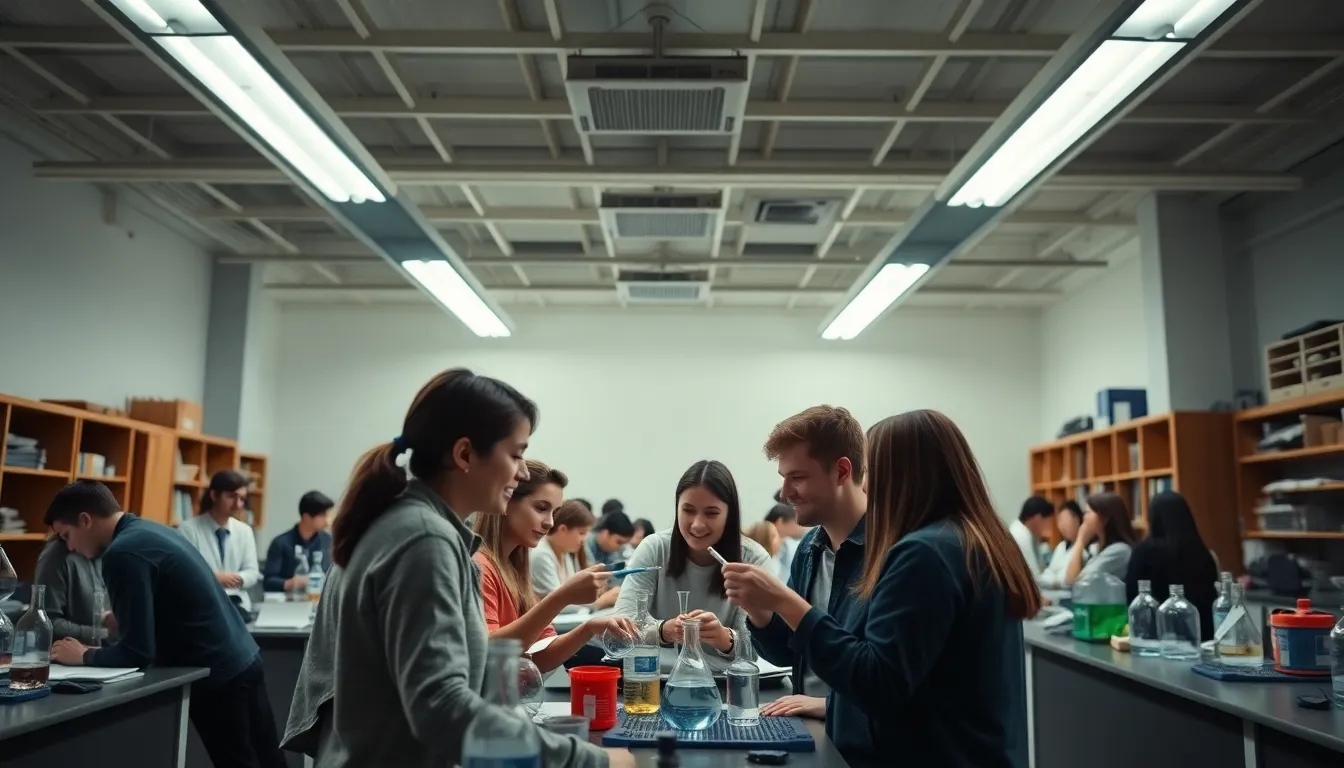
Leica Q3, 28mm f/1.7 Summilux providing a dramatic perspective of a chemistry classroom filled with students. Overhead fluorescent lights create directional lighting on the students working on their experiments. Using shallow depth of field at f/1.7, the focus is on a group of students enthusiastically collaborating over a reaction while the background fades into a soft blur. The color palette is natural muted tones, fostering an academic atmosphere. The composition captures the interaction and engagement among students immersed in their studies amidst various lab setups and equipment.
16:9
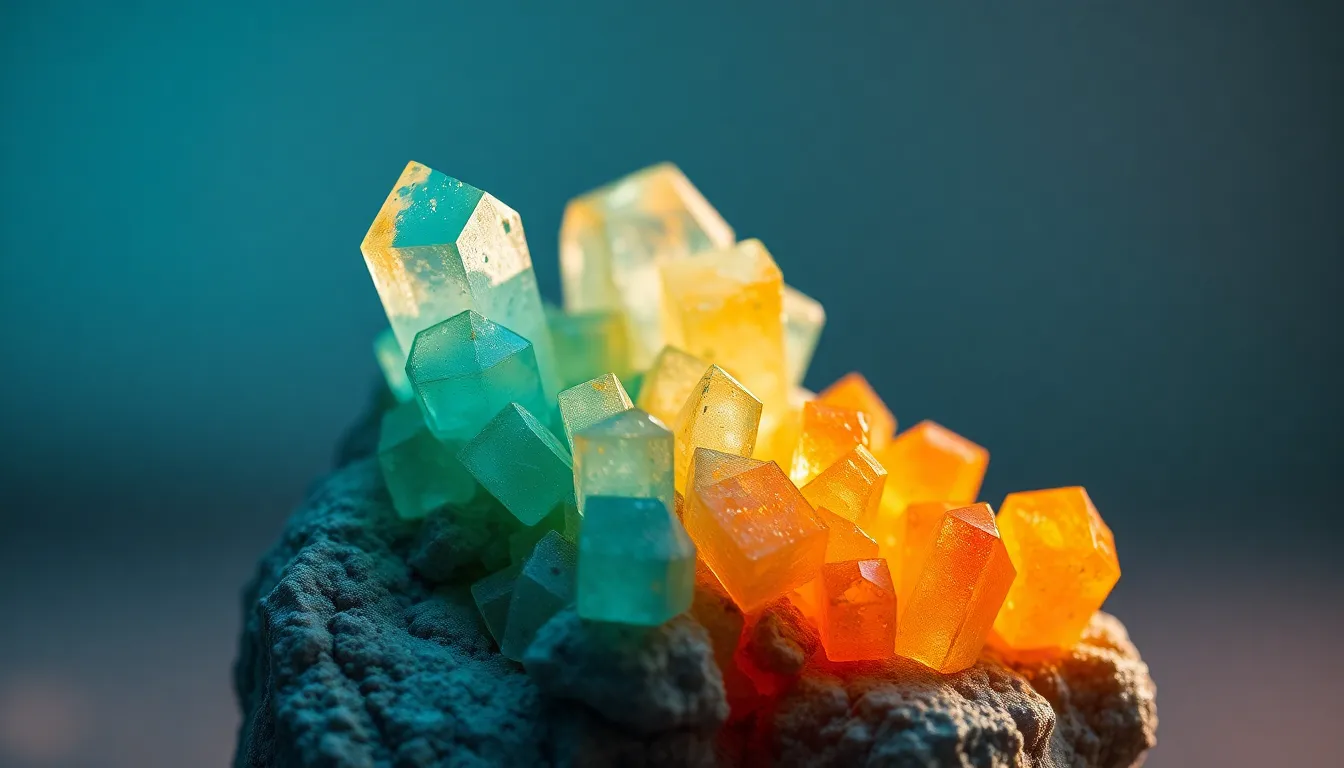
Fujifilm GFX 100S, 110mm f/2 macro, showcasing soft lighting from a single softbox providing even illumination. Hyperfocal distance ensures sharp detail in both the specimen and its surroundings. The color science features a cinematic teal and orange grading that adds contrast. The composition uses a rule of thirds, placing the vibrant crystal structure of a mineral specimen at the left power point. Textures of the mineral, with sharp facets and smooth surfaces reflecting light, contrast against a soft, blurred studio background.
16:9

Nikon Z9, 70-200mm f/2.8 telephoto at 100mm, captured with warm tungsten light from a nearby lamp creating a cozy atmosphere. Shallow depth of field at f/2.8 with soft focus on the background elements. The color grading is natural muted tones featuring desaturated earth colors, giving a calm, focused mood. The composition is centered, with a chemist meticulously measuring substances on a dark wooden table with fine detail visible in the textures of ingredients and tools. The wooden grain contrasts beautifully with the sleek glass containers, emphasizing the nature of experimentation.
16:9
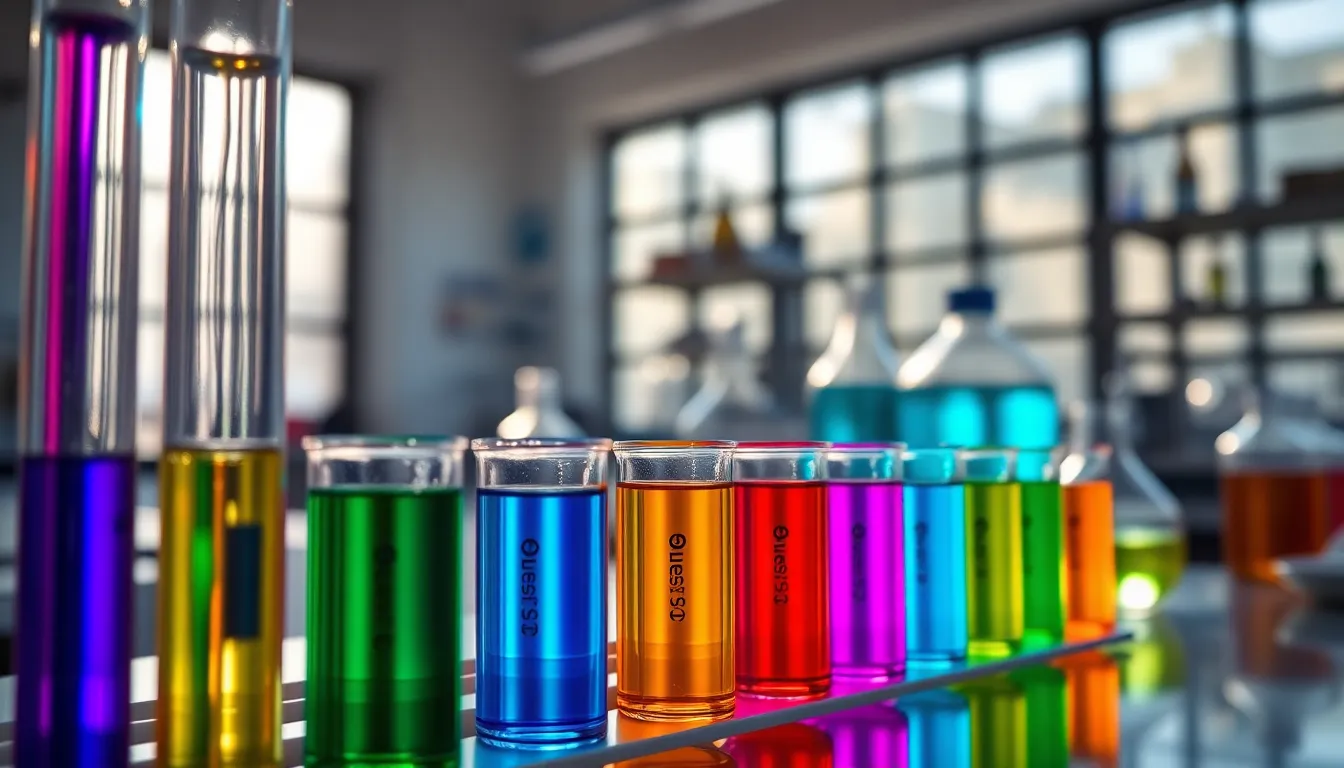
Shot on Sony A7R V with 85mm f/1.4 GM lens, illuminated by natural diffused daylight streaming through large windows. Hyperfocal distance at f/8, ensuring everything from the colorful chemical reactions in foreground test tubes to the lab's equipment in the background is sharp. The color palette reflects Fujifilm Velvia-inspired saturated colors, enhancing vibrant liquid hues. The composition uses leading lines from the test tube rack to guide the viewer's eye toward an experiment in progress, creating a sense of exploration and discovery. The smooth glass surfaces of the test tubes glimmer with light, showing off the vivid colors of the chemicals inside.
16:9
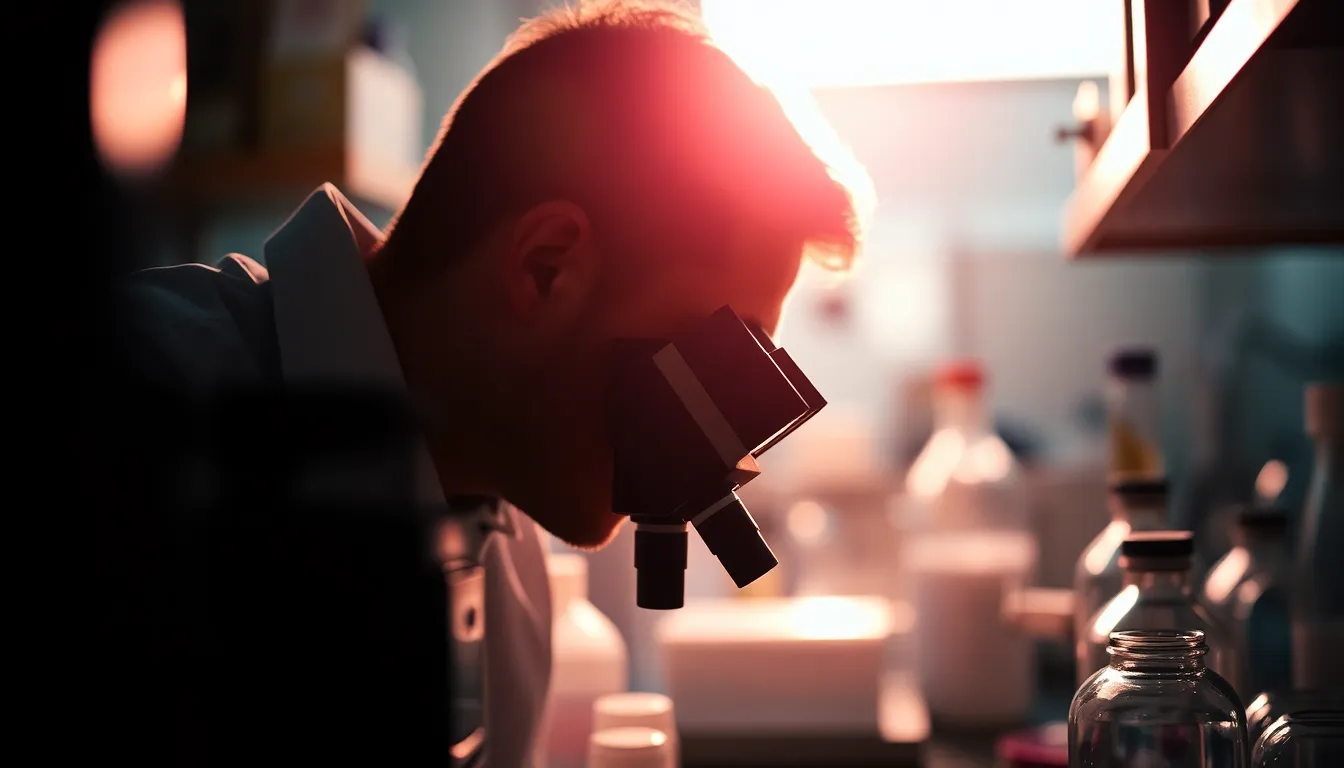
Captured with Canon EOS R5, 24-70mm f/2.8L at 50mm, dramatic backlighting from a lab overhead light, creating sharp contrasts. Shallow depth of field at f/2.8 with soft bokeh in the background. Color palette inspired by Kodak Portra 400, featuring warm hues and rich deep tones. The composition features a scientist looking through a microscope positioned at the right power point, with lab equipment blurred in the background. The glass and metal textures of the lab equipment glisten under the light, adding depth and realism.
16:9

shot on Leica Q3, 28mm f/1.7 Summilux, using practical warm tungsten desk lamps casting directional light pools across the lab space. The candid scene depicts a researcher jotting down notes in a notebook, surrounded by scientific instruments and equipment. The depth of field is shallow at f/1.7, creating a soft focus around the researcher. The color palette incorporates natural muted tones with earthy colors. The composition captures the rule of thirds, positioning the researcher in a contemplative pose, with instruments subtly framing the subject.
3:4
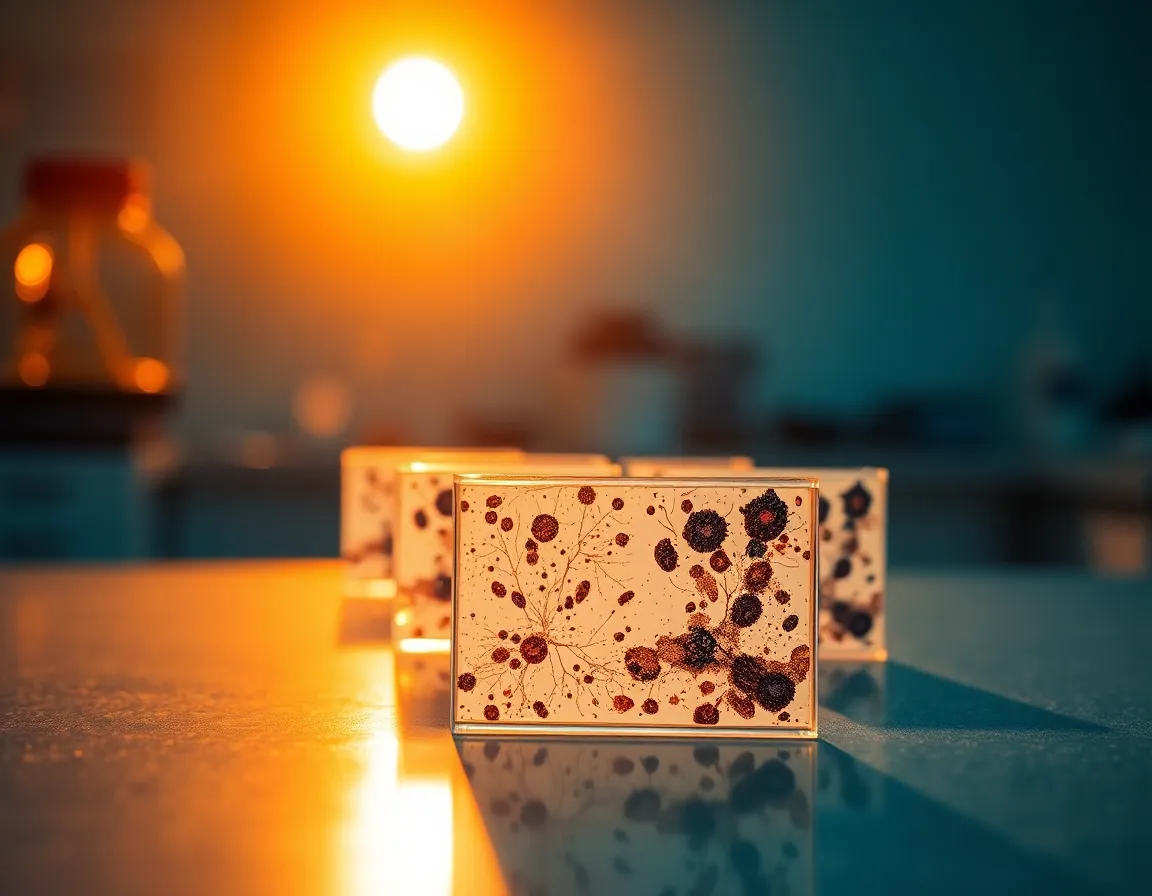
captured with Fujifilm GFX 100S, 110mm f/2 macro, under dramatic natural lighting with golden hour backlighting creating a warm rim light. The scene features microscopic slides displayed on a lab table, with intricate details highlighted by the lighting. The image utilizes a cinematic teal and orange color grading for visual impact. The selective focus on the slides shows the textures of the specimens, while the background melts into a soft painterly bokeh. Compositionally, the leading lines of the table draw the viewer's eye toward the focal slides.
4:3
shot on Hasselblad X2D 100C, 90mm f/2.5 medium format, utilizing a three-point studio setup with key softbox at 45° and subtle fill light. The subject is a glass vial filled with vibrant colored liquid, placed on a weathered oak table. The depth of field is shallow at f/2.5, isolating the vial while creating a dreamy bokeh background. The color science follows a Kodak Portra 400 palette, emphasizing warm tones and creamy highlights. Compositionally, the rule of thirds positions the vial off-center, highlighting the liquid's texture and details.
1:1
captured with Nikon Z9, 70-200mm f/2.8 telephoto at 135mm, under vivid overhead fluorescent lights providing sharp illumination, hyperfocal distance at f/8 ensuring everything from the lab table to the background is tack-sharp. The scene showcases a high-tech laboratory with advanced equipment, including microscopes and test tubes. The color grading mimics Fujifilm Velvia with saturated greens and blues. The centered symmetrical composition emphasizes the state-of-the-art technology on the lab bench, with glass surfaces reflecting light.
16:9
shot on Canon EOS R5, 24-70mm f/2.8L at 50mm, illuminated with overcast diffused daylight filtering through large laboratory windows, shallow depth of field at f/2.8 creating a soft bokeh background. The setting features a scientist in a white lab coat, examining a Petri dish with fine details of bacterial growth. The color palette incorporates natural muted tones with desaturated blues and greens. The composition uses the rule of thirds with the subject positioned at the right power point, while the texture of the laboratory surfaces reflects a clean, sterile environment.
16:9
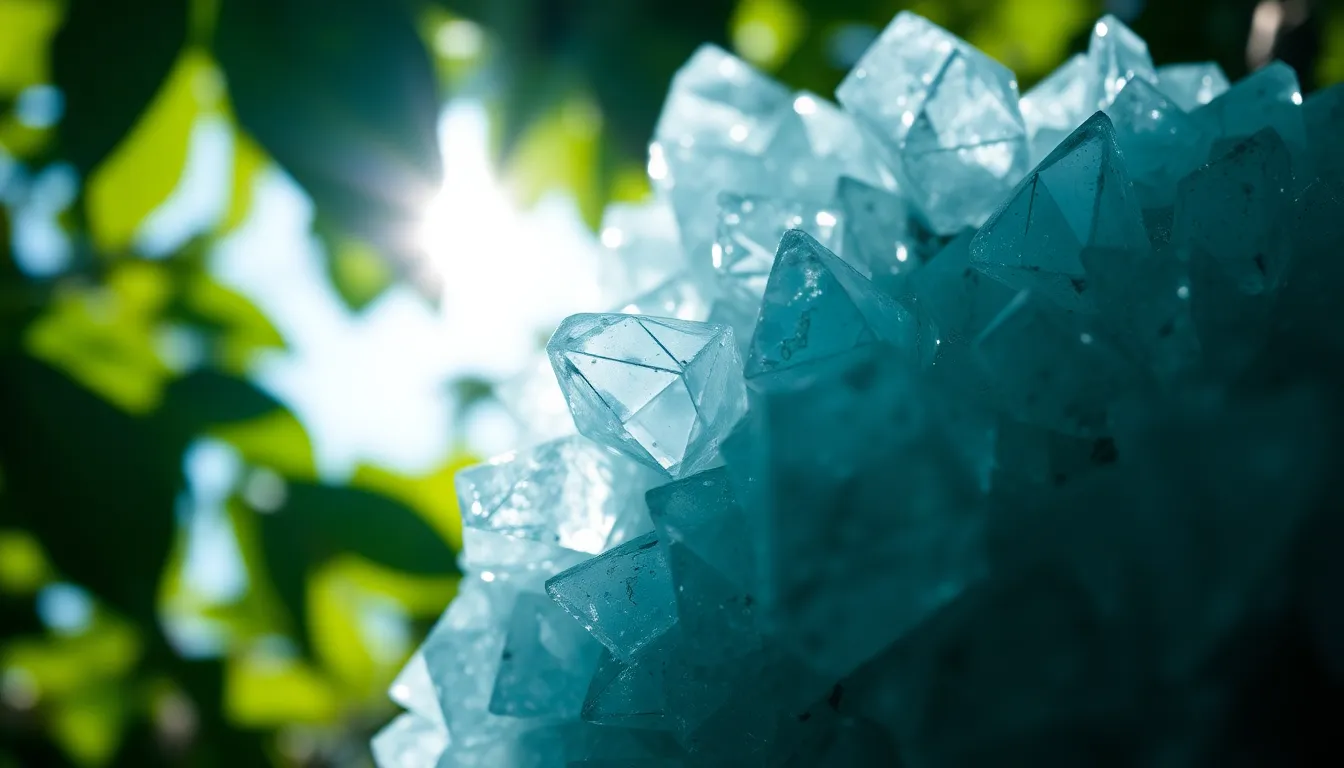
An intricate view of a crystalline structure, captured with Leica Q3, 28mm f/1.7 Summilux lens. The lighting is a mix of dappled sunlight filtering through leaves, creating a playful pattern of highlights and shadows on the crystal. The depth of field is shallow at f/1.7, providing a dreamy bokeh against the sharp foreground. The color palette features cool blues, greens, and hints of sparkling white from the crystals. The composition emphasizes the crystal’s geometric shapes and patterns, utilizing a Dutch angle for dynamic tension. The texture is vivid, reflecting facets and surfaces that catch light beautifully.
16:9
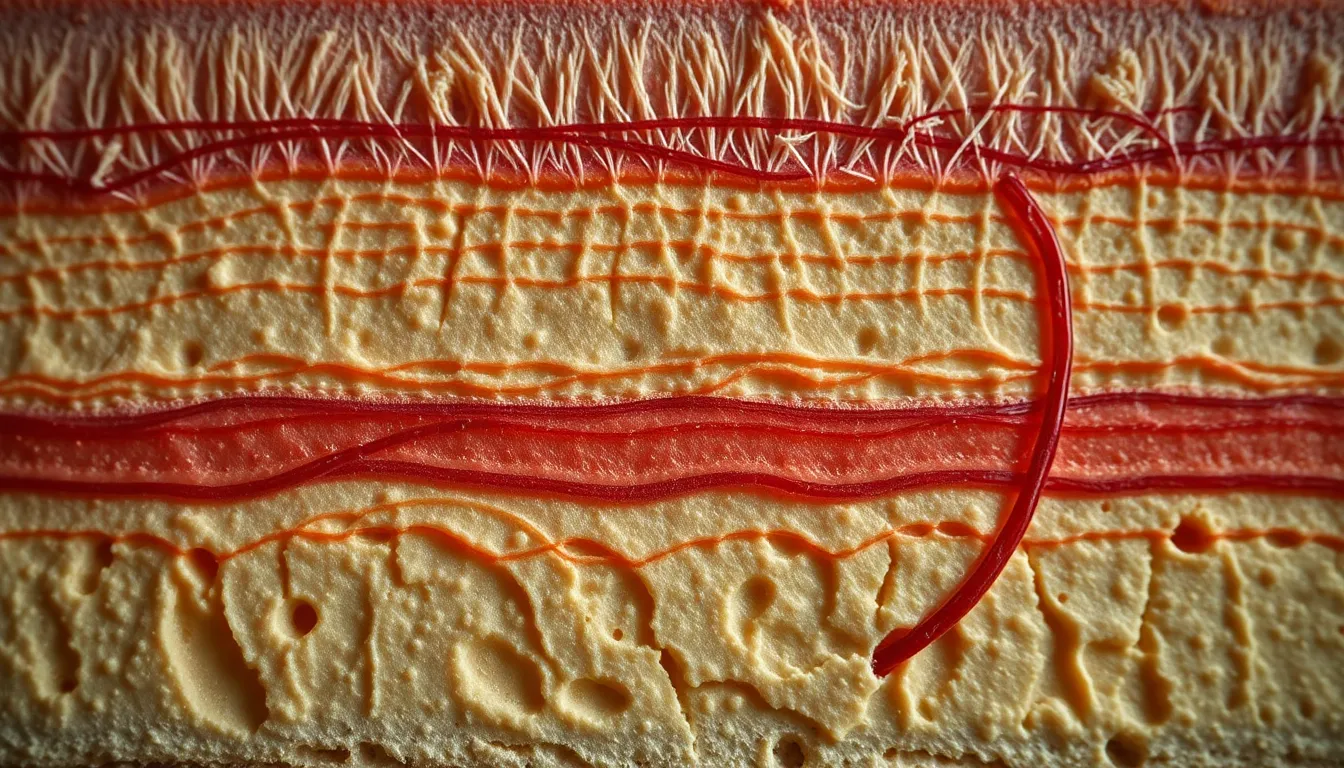
A detailed view of a cross-section of human skin, shot on Hasselblad X2D 100C, 90mm f/2.5 medium format lens. The lighting features a practical setup, utilizing warm tungsten desk lamps to create a gentle glow that adds depth to the texture. The shot employs hyperfocal distance at f/8, ensuring sharp focus throughout the entire frame. The color palette is natural and muted, with creamy skin tones and subtle reds showing blood vessels. Compositionally, the image utilizes leading lines to guide the viewer’s eye through the layers of skin. The texture is portrayed with remarkable detail, highlighting pores, hair follicles, and the unique patterns of skin cells.
16:9
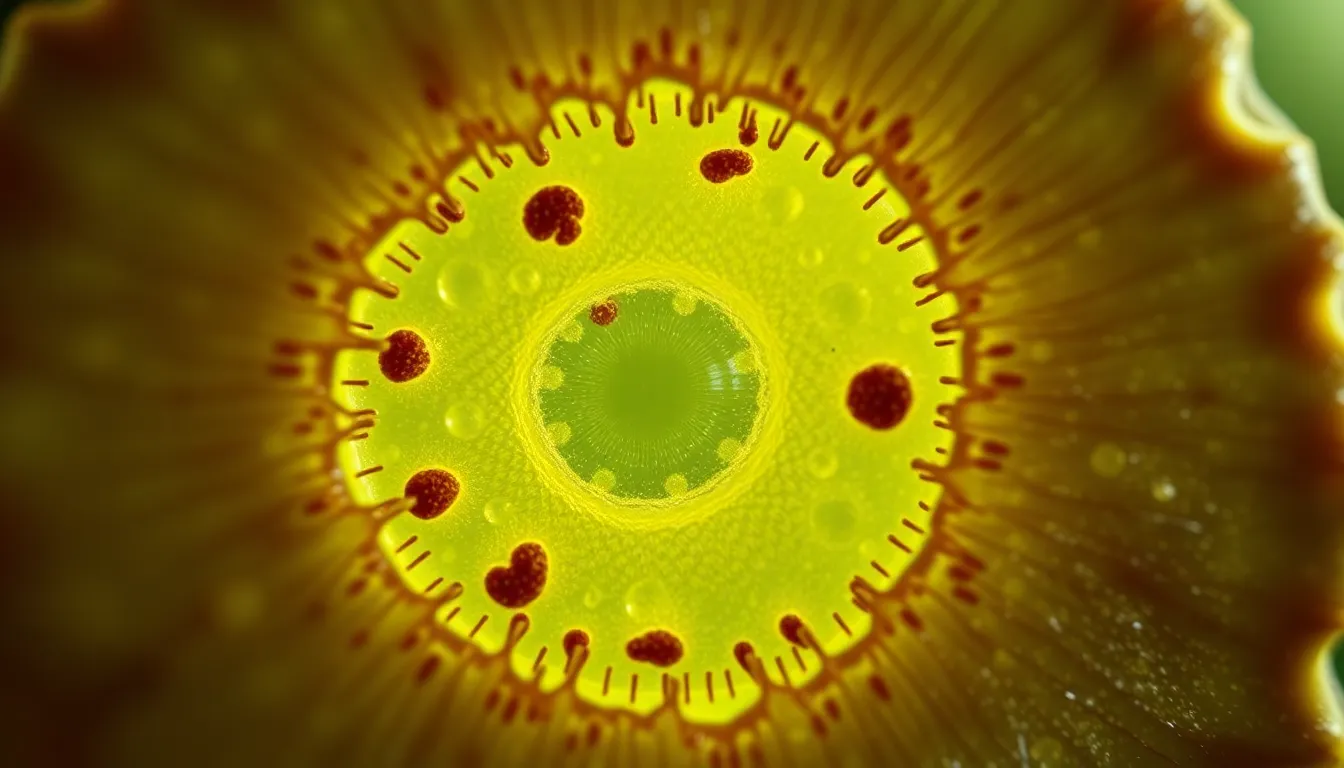
A dynamic view of a plant cell, captured using Fujifilm GFX 100S, 110mm f/2 macro lens. The lighting is provided by a three-point studio setup, with key light highlighting the cell structure, edge light creating separation, and subtle fill light enhancing textures. The depth of field is shallow at f/2, allowing the nucleus and chloroplasts to stand out sharply against a softly blurred background. The color palette features natural greens and earthy browns, invoking the essence of a botanical subject. The composition follows a centered symmetrical layout, drawing the viewer directly to the cell's intricate features. Textures are finely detailed, showcasing the cell walls and organelles in stunning clarity.
16:9
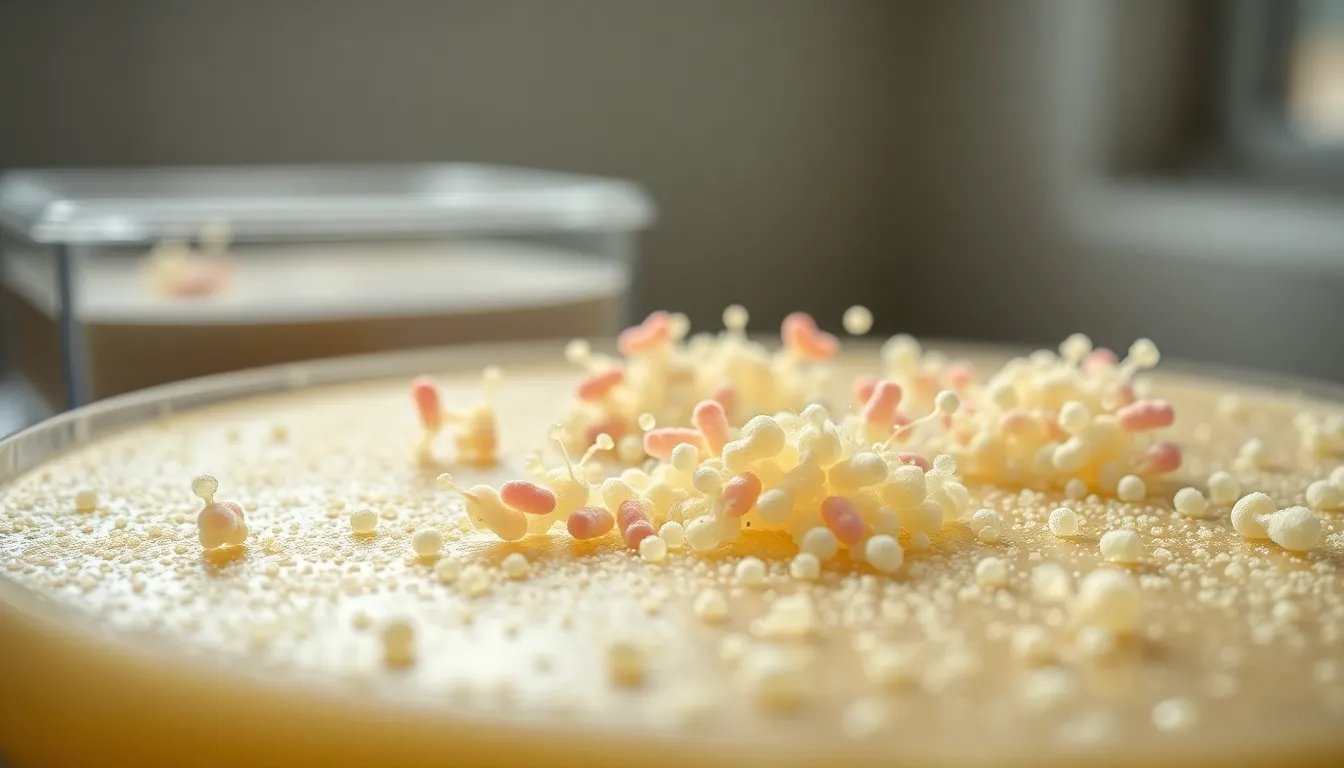
An isolated view of bacterial colonies grown on agar media, shot on Canon EOS R5, 24-70mm f/2.8L at 50mm. The scene is lit with natural overcast daylight filtering through a window, providing soft, diffused illumination. A selective focus on the colonies at f/4 blurs the background slightly, directing attention to the unique shapes and colors of the bacteria. The color palette is natural with earthy tones and splashes of pastel hues from the colonies. Compositionally, the image adheres to the rule of thirds, positioning the most vibrant colonies at one of the power points. The details reveal the texture of the agar with fine granules, demonstrating the growth environment.
16:9
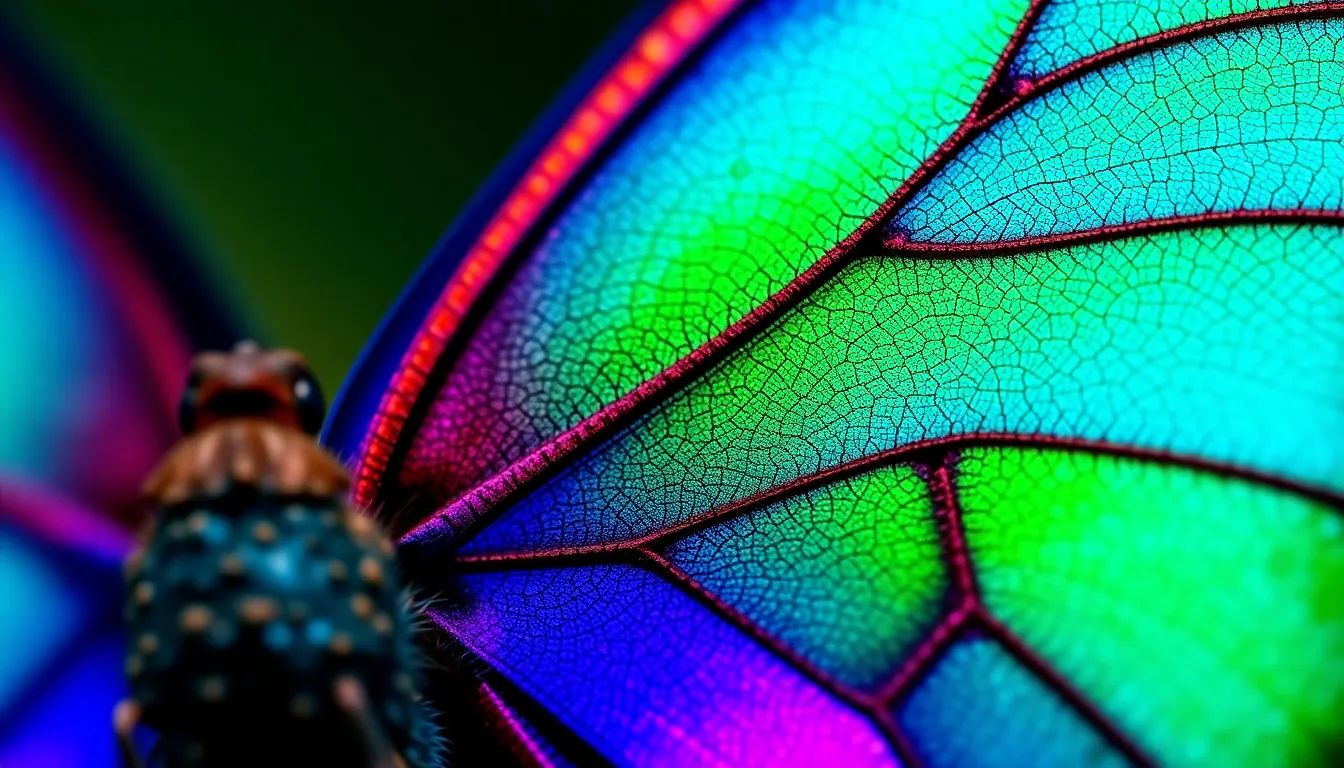
A photomicrograph of a vibrant butterfly wing, captured with a Nikon Z9, 70-200mm f/2.8 telephoto at 200mm. The lighting is provided by a bright LED ring light, creating an even illumination that enhances the color and detail of the scales. The image features a shallow depth of field at f/2.8, allowing for a soft bokeh effect in the background. The color palette is rich and saturated, showcasing vivid blues, greens, and iridescent purples. Compositionally, the subject is slightly off-center, allowing for negative space to enhance the delicate details of the wing's patterns. The texture is emphasized through the fine detail of the scale surface, reflecting light beautifully.
16:9
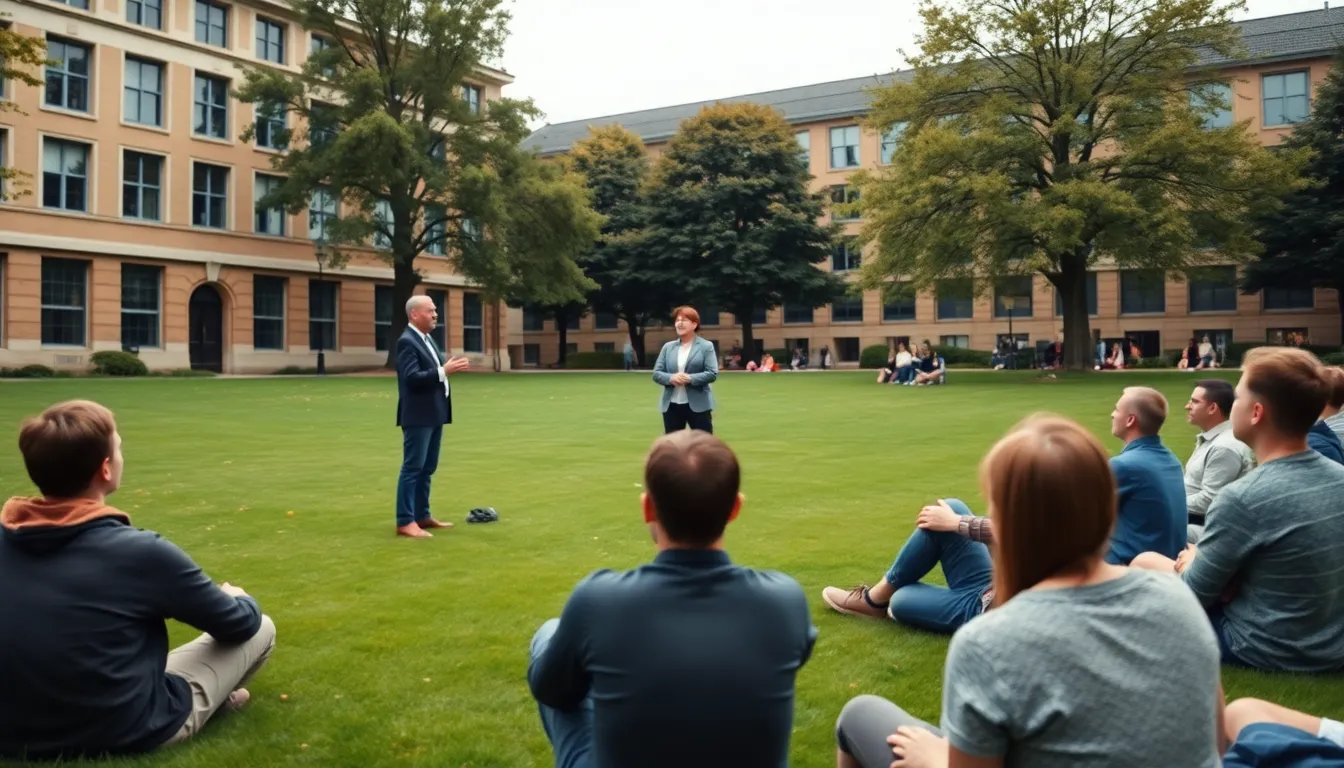
Leica Q3, 28mm f/1.7 Summilux captures an outdoor physics lecture on a university campus. The lighting is bright with overcast diffused daylight, providing even illumination across the scene. The depth of field is moderately shallow at f/2.8, keeping the lecturer in sharp focus while the audience gently blurs. The image features natural muted tones that reflect the calm academic setting. The composition follows the rule of thirds, with the lecturer positioned at a power point, engaging with students sitting on the grassy lawn.
16:9
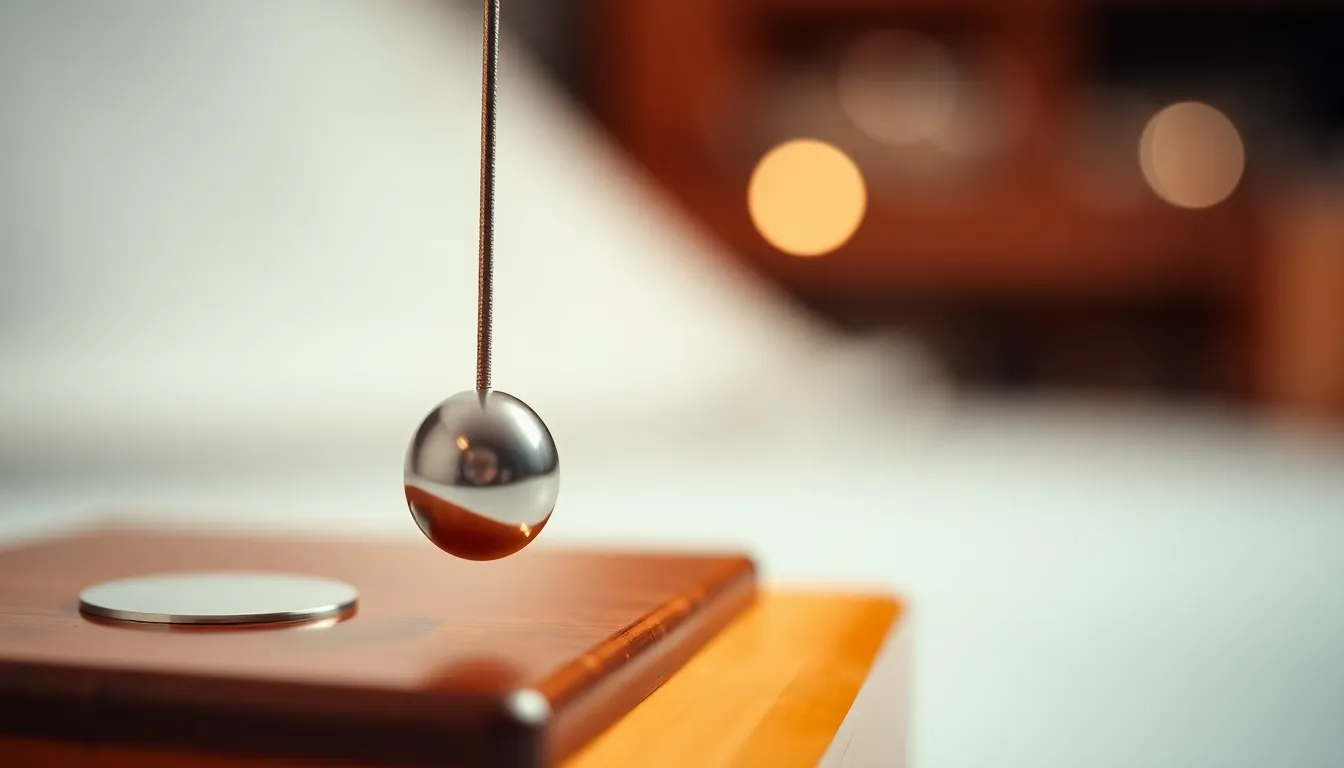
Captured with Fujifilm GFX 100S, 110mm f/2 macro lens, this image features a close-up of a physics-related experiment, specifically a pendulum in motion. The lighting is studio-based with a three-point setup, creating a dramatic highlight on the pendulum while allowing soft shadows to enhance depth. The shallow depth of field at f/2 invites focus on the pendulum's edge, with soft bokeh in the background. A warm color palette plays off the polished wooden base and metallic pendulum, creating an inviting mood. The composition employs a tight crop to focus on the swing of the pendulum, creating dynamic tension.
16:9
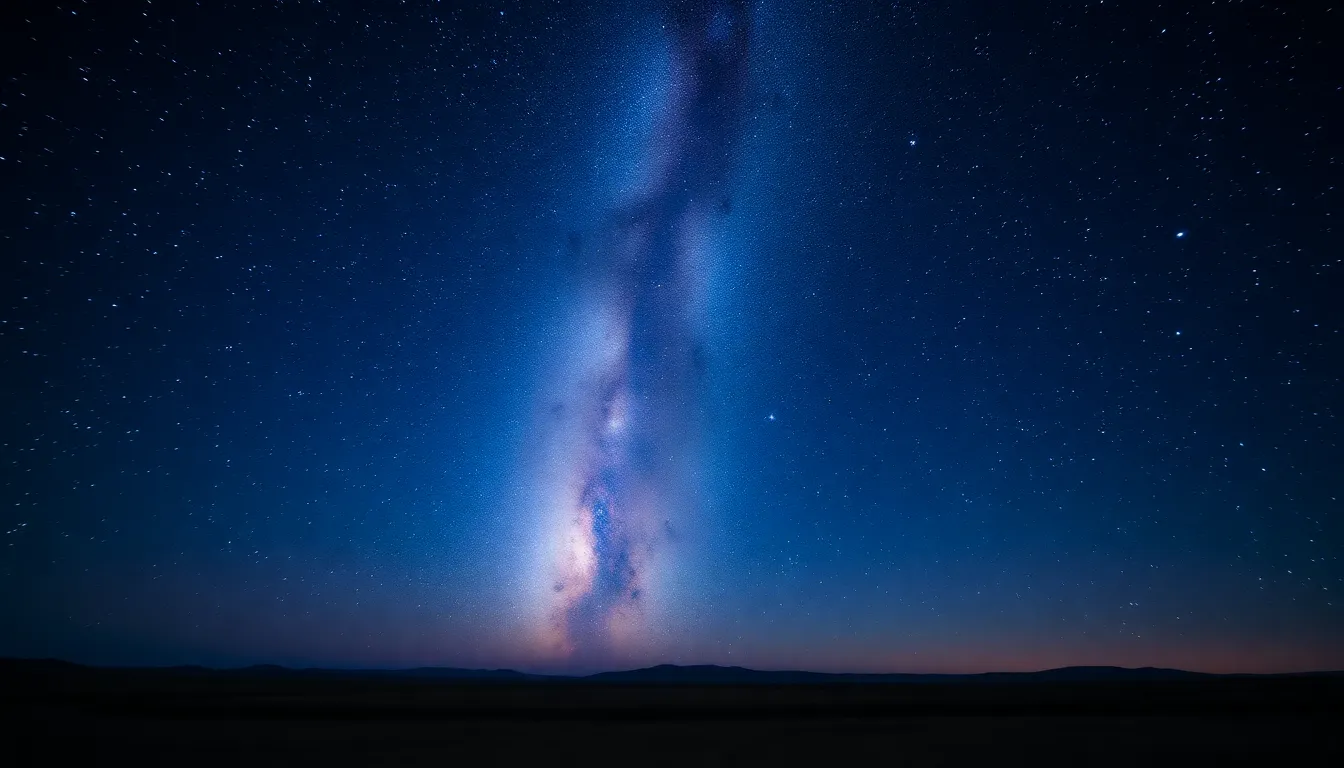
Nikon Z9, 70-200mm f/2.8 telephoto at 135mm captures a breathtaking astrophysics scene of stars and the Milky Way. The lighting is primarily natural with the glow of the stars illuminating the night sky. The image is taken with hyperfocal distance at f/8 to keep the landscape and stars in sharp focus. The color palette features deep blues and purples, enhancing the celestial theme. The composition utilizes a centered symmetrical approach, showcasing the grandeur of the Milky Way arching over a serene landscape below.
16:9

Shot on Sony A7R V with 85mm f/1.4 GM lens, this image depicts a physics demonstration featuring a high-speed marble run. The lighting is dramatic with spotlighting on the path of the marbles, casting sharp shadows that enhance the sense of motion. Using a shallow depth of field at f/1.4, the focus is on the marbles in motion, with the background beautifully blurred. The vibrant color palette features bright primary colors emphasizing the playful nature of physics experiments. The composition uses leading lines, drawing the viewer's eye along the run where marbles cascade through twists and turns.
16:9
Captured with Canon EOS R5, 24-70mm f/2.8L at 35mm, this image features a physicist in a lab surrounded by complex equipment. The lighting is soft, diffused daylight filtering through large windows, creating a calm and focused atmosphere. The depth of field is shallow at f/2.8, with the subject in sharp focus and the background gently blurred. The color palette incorporates natural muted tones, emphasizing the sterile environment of the laboratory. The composition follows the rule of thirds, placing the physicist at a left power point, surrounded by intricate scientific apparatus reflecting polished surfaces.
16:9
Hasselblad X2D 100C, 90mm f/2.5 medium format, capturing a cosmic landscape with a swirling galaxy in the background and a barren asteroid field in the foreground, overcast diffused daylight from a distant star enveloping the scene in soft light, hyperfocal distance maintaining sharpness from the rocky foreground to the luminous galaxy, natural muted tones with desaturated blues and grays enhancing the vast emptiness of space, leading lines formed by asteroid trails guiding the viewer's eye toward the galaxy.
16:9
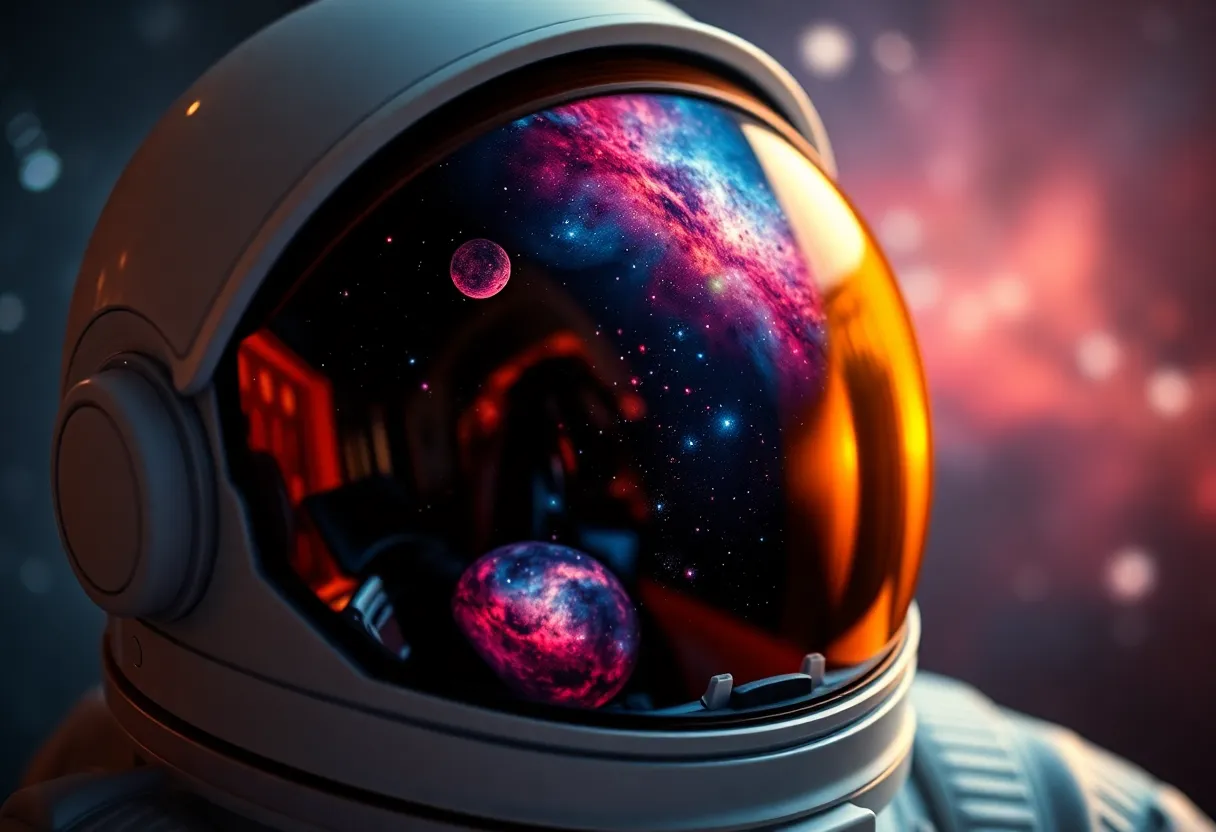
Fujifilm GFX 100S, 110mm f/2 macro, capturing stunning detail of an astronaut's helmet reflecting vibrant nebulae and cosmic phenomena, soft fill lighting from the surrounding stars creating subtle highlights on the helmet's surface, shallow depth of field at f/2 ensuring focus on the helmet's reflections while the background dissolves into a sea of stars, Kodak Portra 400 color palette enhancing the warmth and depth of the reflections, dynamic composition with the helmet slightly off-center to create visual interest.
3:2

captured with Canon EOS R5, 24-70mm f/2.8L at 35mm, dramatic side lighting from a rotating spaceship casting sharp shadows on the metallic surface, selective focus on the ship's intricate panel designs while the background fades into soft bokeh, natural muted tones with desaturated metallic shades conveying moodiness, centered composition highlighting the futuristic spacecraft against a dark void of space.
16:9
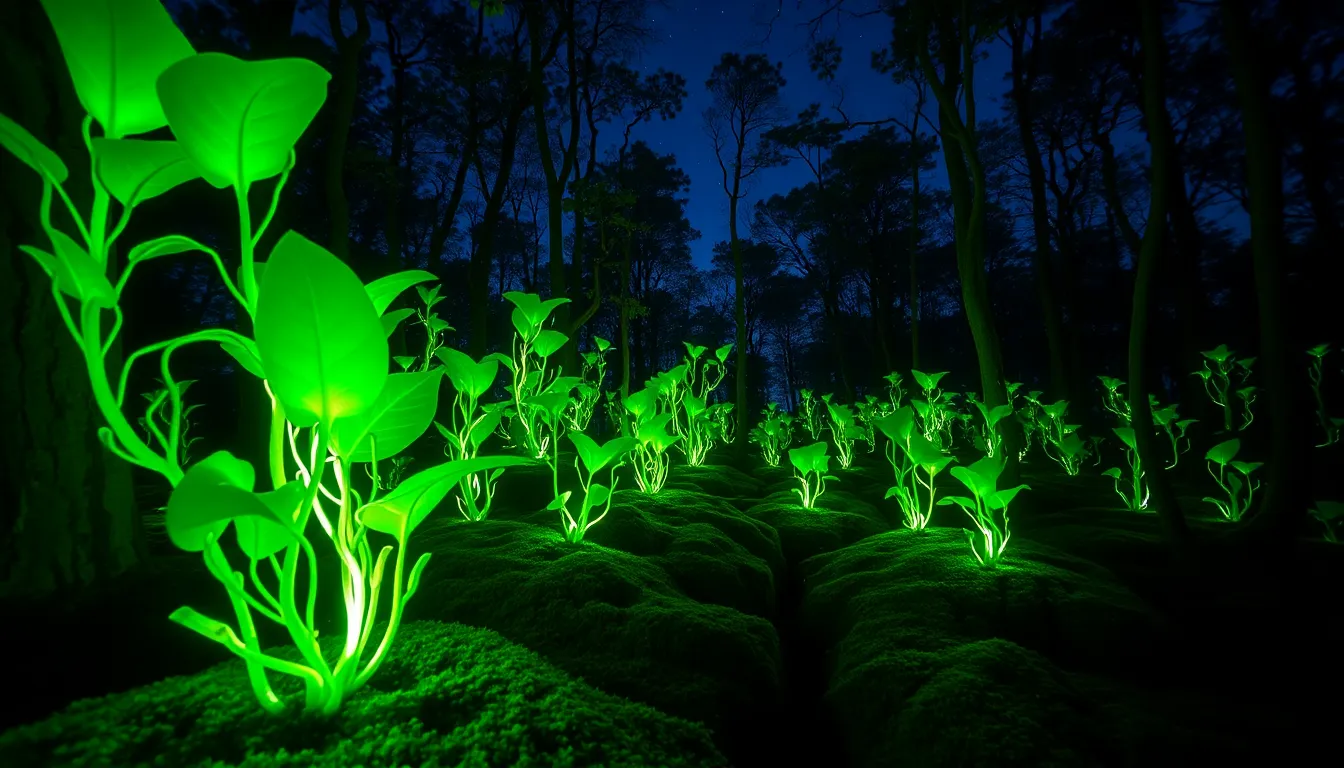
shot on Sony A7R V with 85mm f/1.4 GM lens, illuminated by ethereal bioluminescent plants casting a soft, otherworldly glow in an alien forest, hyperfocal distance ensuring everything from the vibrant flora to the starlit sky is crisp at f/8, Fujifilm Velvia-inspired colors showcasing vivid greens and deep blues, rule of thirds with leading lines of luminescent vines drawing the eye to the center, the forest floor covered in moss adding rich texture.
16:9
captured with Nikon Z9, 70-200mm f/2.8 telephoto at 135mm, dramatic backlighting from a distant sun casting stark shadows on a lone astronaut in a space suit, shallow depth of field at f/2.8 with the planet Earth faintly blurred in the background, cinematic teal and orange color grading enhancing the otherworldly feel, centered symmetrical composition focusing on the astronaut's determined expression, and the suit's texture showcasing fine details and wear from space travel.
16:9

captured with Leica Q3, 28mm f/1.7 Summilux lens, featuring a well-organized laboratory workspace illuminated by warm tungsten desk lamps. The composition centers on a neatly arranged workspace with various scientific instruments, papers, and a laptop. The natural skin texture of a scientist can be seen in the reflection on the laptop screen as they gaze thoughtfully at their notes. The texture of the wooden desk contrasts with smooth metallic tools, creating visual interest. The warm lighting enhances the inviting atmosphere of the scene.
16:9
shot on Hasselblad X2D 100C, 90mm f/2.5 medium format with Rembrandt lighting highlighting a group of research students gathered around a table, discussing their findings. The shallow depth of field at f/2.5 blurs the background, focusing on their engaged expressions and diverse clothing textures. The warm, inviting color palette emphasizes collaboration and creativity. Compositionally, the students are arranged in a semicircle, promoting interaction, while notes and equipment scattered on the table convey a sense of active learning.
16:9
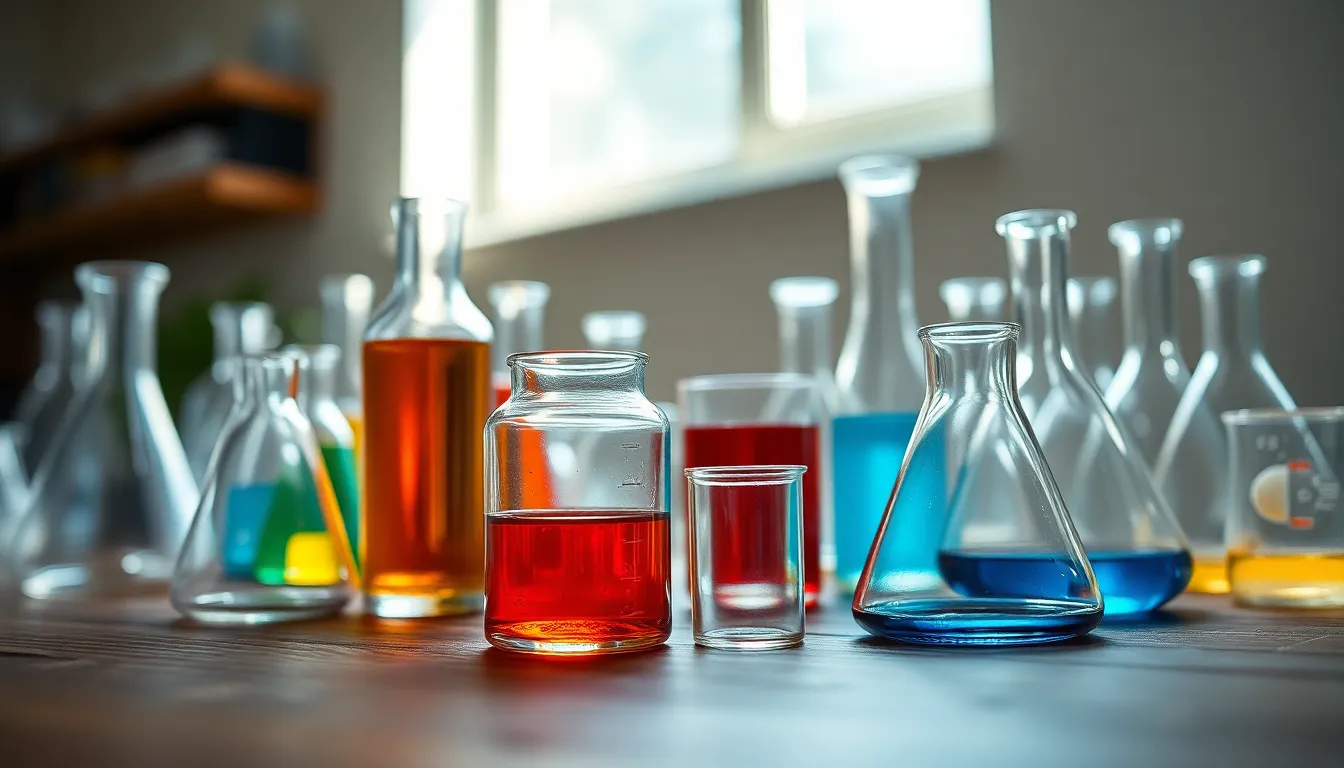
shot on Fujifilm GFX 100S, 110mm f/2 macro capturing intricate details of laboratory glassware arranged on a wooden table. Natural light filters through an overhead window, creating soft shadows. The selective focus showcases the textures of the glass and the vibrant colors of liquids inside. A calm, natural muted tone palette enhances the serenity of the scene. The composition emphasizes the arrangement of the glassware, leading the viewer's eye across the various shapes and colors, highlighting the beauty of scientific tools.
16:9
captured with Nikon Z9, 70-200mm f/2.8 telephoto at 135mm during the golden hour with warm backlighting illuminating a lab technician pouring a colorful chemical into a beaker. Hyperfocal distance ensures everything from foreground to infinity is sharp at f/8. The cinematic teal and orange color grading adds vitality to the scene. The composition highlights the action of pouring, capturing the technician in motion, with a bokeh background of shelves filled with glassware and equipment.
16:9
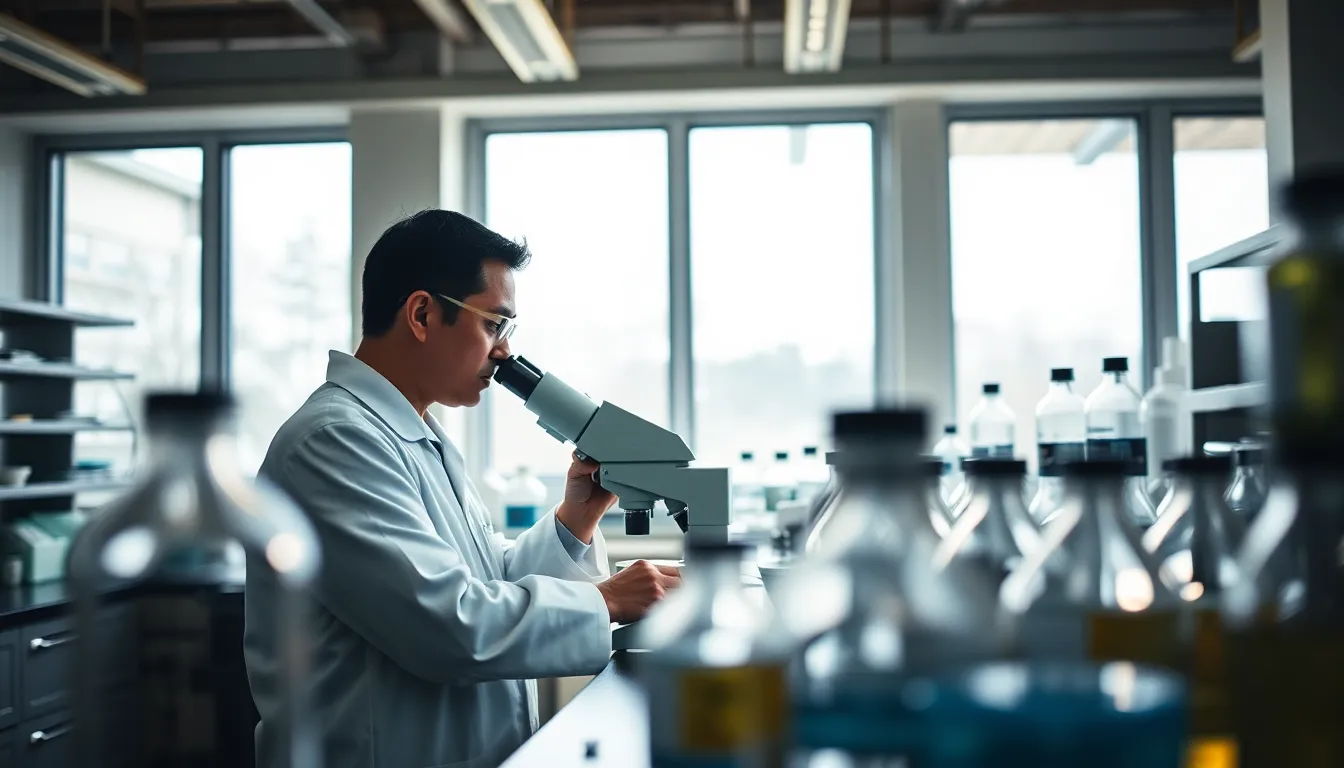
shot on Canon EOS R5, 24-70mm f/2.8L at 35mm with overcast diffused daylight streaming through large lab windows. Shallow depth of field at f/2.8, focusing on a scientist studying samples under a microscope. Natural muted tones with desaturated earth colors create a calm atmosphere. Composition follows the rule of thirds, with the scientist positioned slightly off-center, surrounded by various lab equipment. The polished metal and glass surfaces reflect soft highlights, capturing the cleanliness of the laboratory environment.
16:9
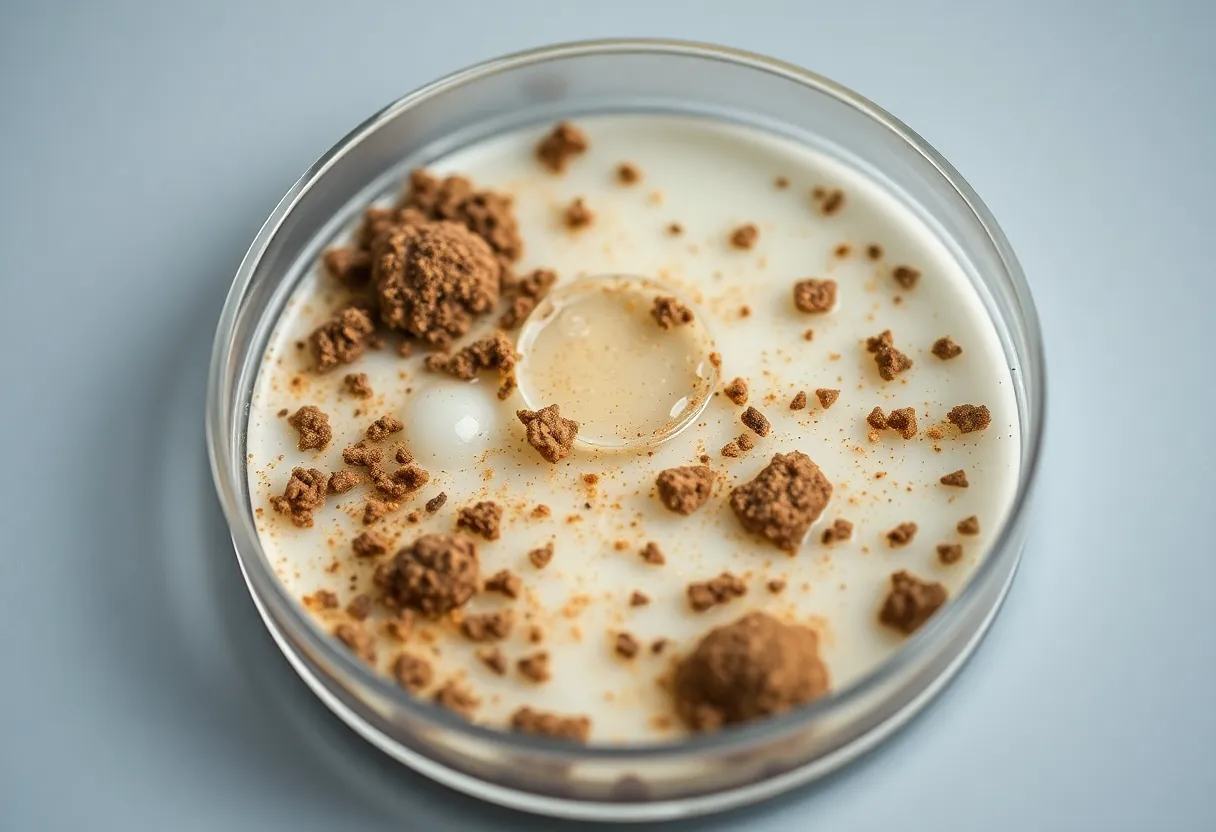
Fujifilm GFX 100S, 110mm f/2 macro, capturing the intricate details of a chemical reaction in a petri dish. Overcast diffused daylight provides even lighting, minimizing harsh shadows and highlighting the textures of the contents. The shallow depth of field at f/2 creates a painterly effect, blurring the edges while keeping the reaction's core sharp. The muted earth tones of the substances contrast beautifully against the white dish, emphasizing the scientific exploration theme. The composition centers the dish in the frame, drawing the viewer's attention directly to the reaction.
3:2
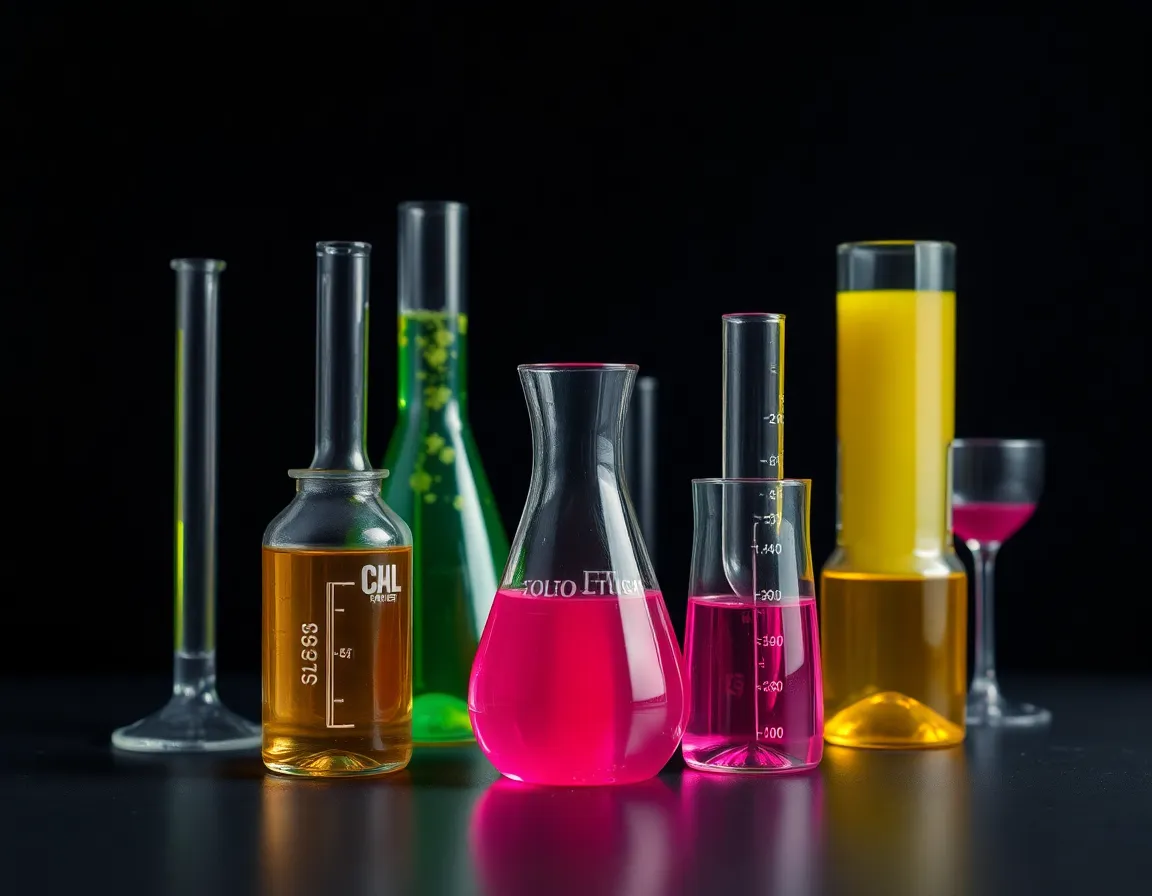
Hasselblad X2D 100C, 90mm f/2.5 medium format, portraying a stylized still life of assorted lab glassware filled with colorful liquids, set against a dark background. Soft Rembrandt lighting from the side creates depth and texture, highlighting the glass surfaces and fluid contents. The depth of field isolates the glassware with a soft bokeh background. Vibrant colors such as yellows, greens, and pinks leap from the glass, creating an eye-catching tableau. The centered symmetrical composition allows for a clear view of each element.
4:3
Nikon Z9, 70-200mm f/2.8 telephoto at 100mm, capturing an outdoor chemistry demonstration featuring colorful smoke bombs. Dusk lighting creates dramatic shadows and highlights while vibrant colored smoke rises against the darkening sky. The hyperfocal distance ensures everything from the foreground crowd to the smoke trails is tack-sharp. The color palette is rich with reds, greens, and blues, creating an exhilarating atmosphere. The composition utilizes dynamic angles, with the smoke leading the eye beyond the frame.
16:9

Shot on Sony A7R V with 85mm f/1.4 GM lens, capturing a close-up of a scientist's hands conducting an experiment. Natural light from a nearby window creates soft shadows and highlights on the textured notebook and lab tools. The shallow depth of field at f/1.4 accentuates the hands and equipment, while the background melts into a soft bokeh. The color palette features earthy tones of wood and glass, evoking a warm, inviting atmosphere in the lab. The composition follows the rule of thirds, with hands positioned at the right power point.
3:4
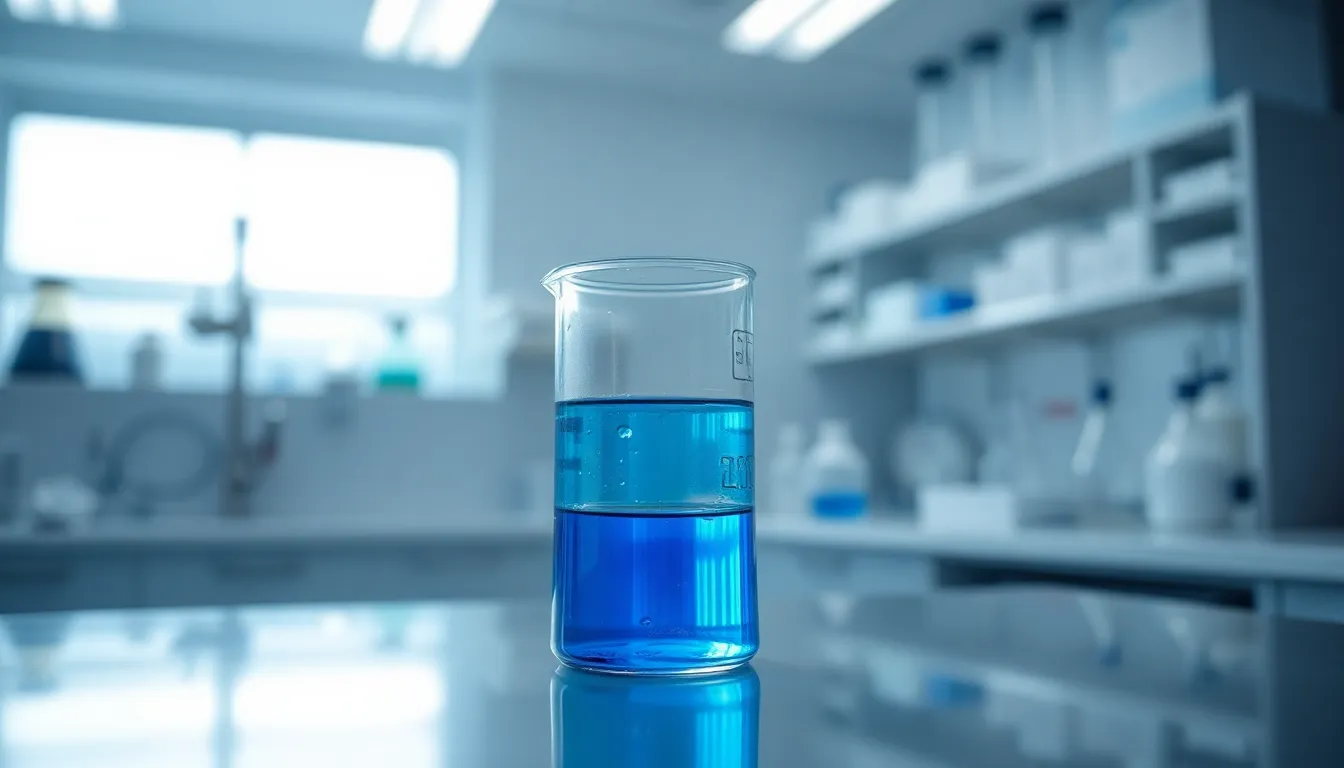
Captured with Canon EOS R5, 24-70mm f/2.8L at 50mm, showcasing a laboratory scene illuminated by overhead LED lights casting a bright, sterile glow. Selective focus on a glass beaker filled with vibrant blue liquid, with soft bokeh of lab equipment in the background. The color palette features clear blues and whites, creating a clean scientific atmosphere. The composition emphasizes the beaker as the central subject, with leading lines from the countertop directing the viewer's eye. Reflective glass surfaces enhance texture, showcasing the liquid's movement and details.
16:9
Shot on Hasselblad X2D 100C, 90mm f/2.5 medium format, utilizing overcast daylight through a large window for soft, diffused lighting. The image presents a close-up view of bacteria cultures on an agar plate, showcasing intricate formations and textures. The depth of field is shallow at f/2.5, bringing the focus to the most vibrant bacterial colonies while blurring the edges. The color palette features muted earth tones with hints of vibrant greens and yellows. The composition uses a diagonal angle, creating dynamic tension with leading lines formed by the bacterial growth patterns.
16:9
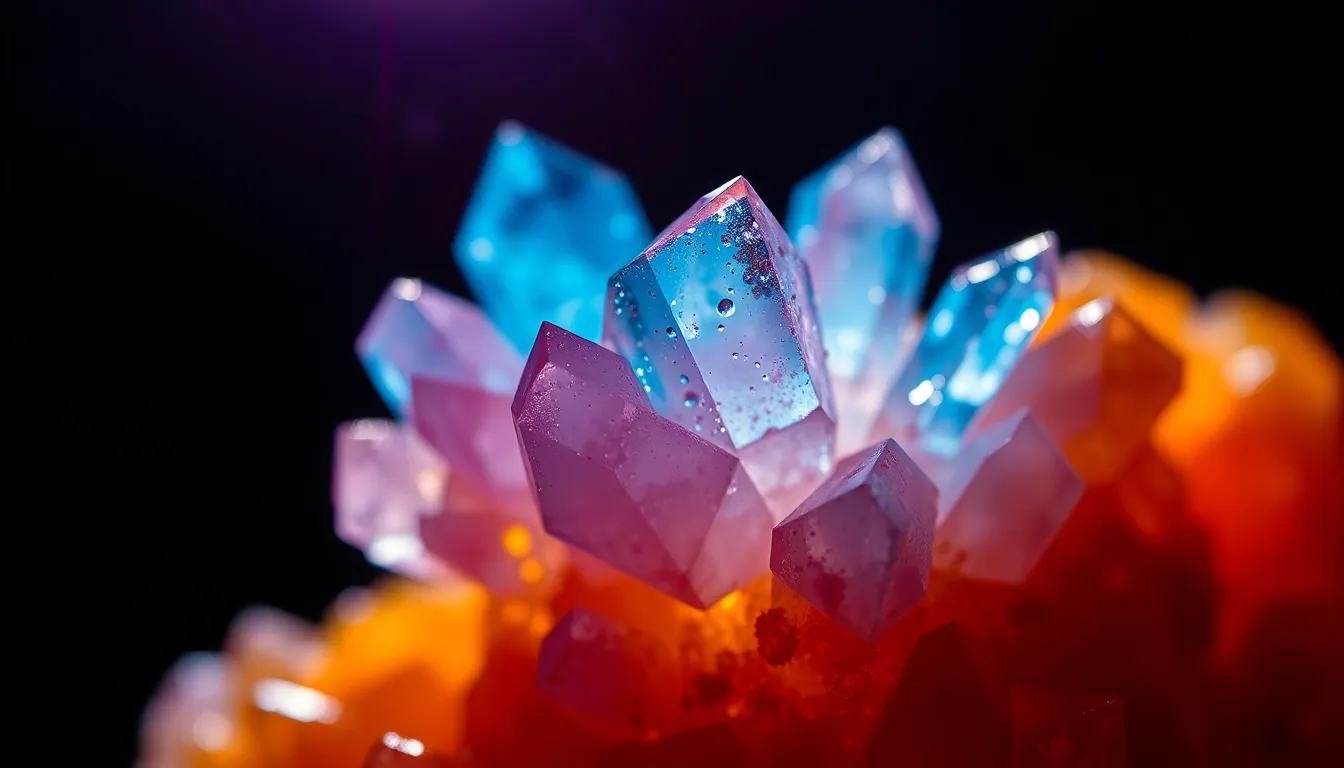
Captured with Fujifilm GFX 100S, 110mm f/2 macro, showcasing a stunning crystalline structure under polarized light, creating vivid colors. The lighting is dramatic, providing stark contrasts that reveal the intricate details of the crystal formation. The image employs a shallow depth of field at f/2, emphasizing the foreground crystal and blurring out the background. The color palette is inspired by Fujifilm Velvia, filled with saturated colors of blues, purples, and fiery oranges. The composition is centered, drawing attention to the crystal's facets and textures, which resemble a carefully crafted sculpture.
16:9
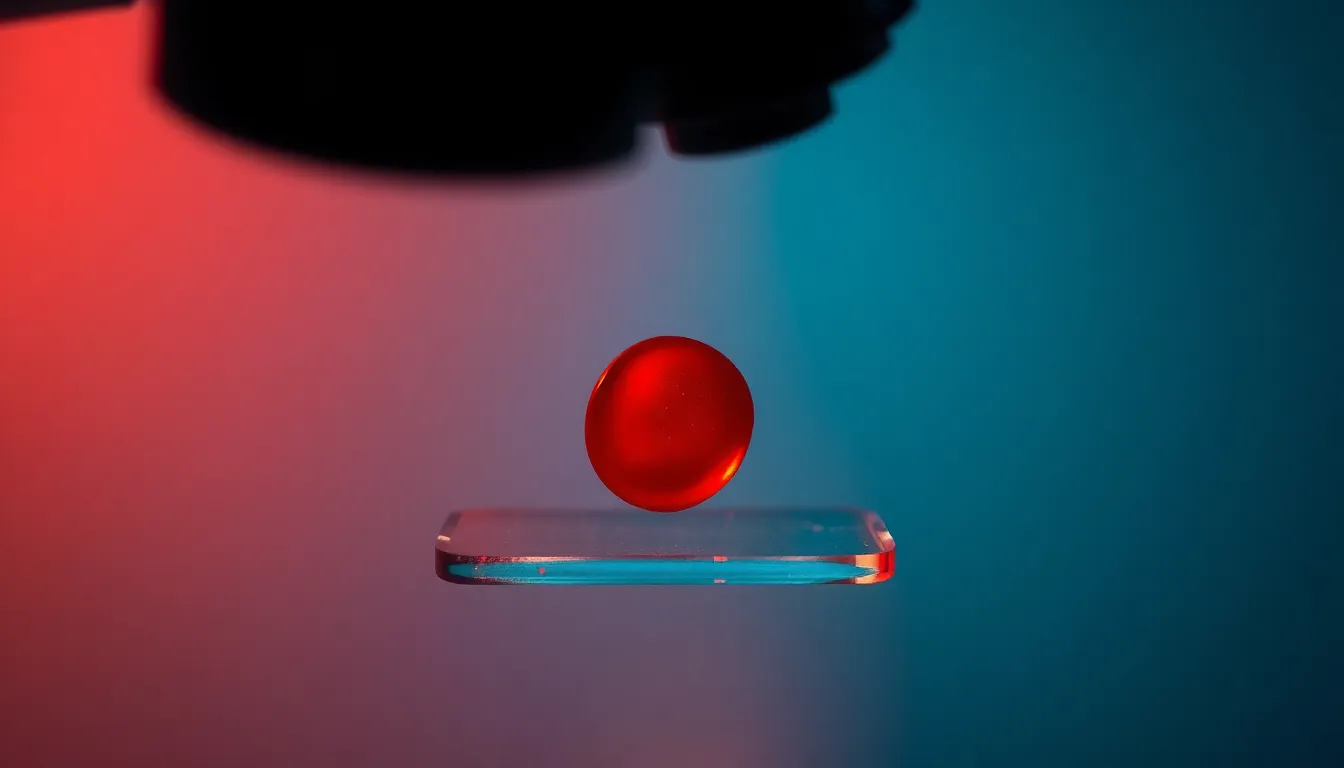
Photographed with Nikon Z9, 70-200mm f/2.8 telephoto at 100mm, under studio lighting with a three-point setup emphasizing the specimen. The image features a dramatic butterfly lighting technique to enhance anatomical features of a blood sample viewed under a microscope. The color grading shifts towards a cinematic teal and orange palette, creating visual interest. Selective focus on red blood cells with a soft bokeh background highlights the specimen’s importance. Textures are pronounced, capturing the smooth, translucent nature of the blood cells against the backdrop of the glass slide.
16:9
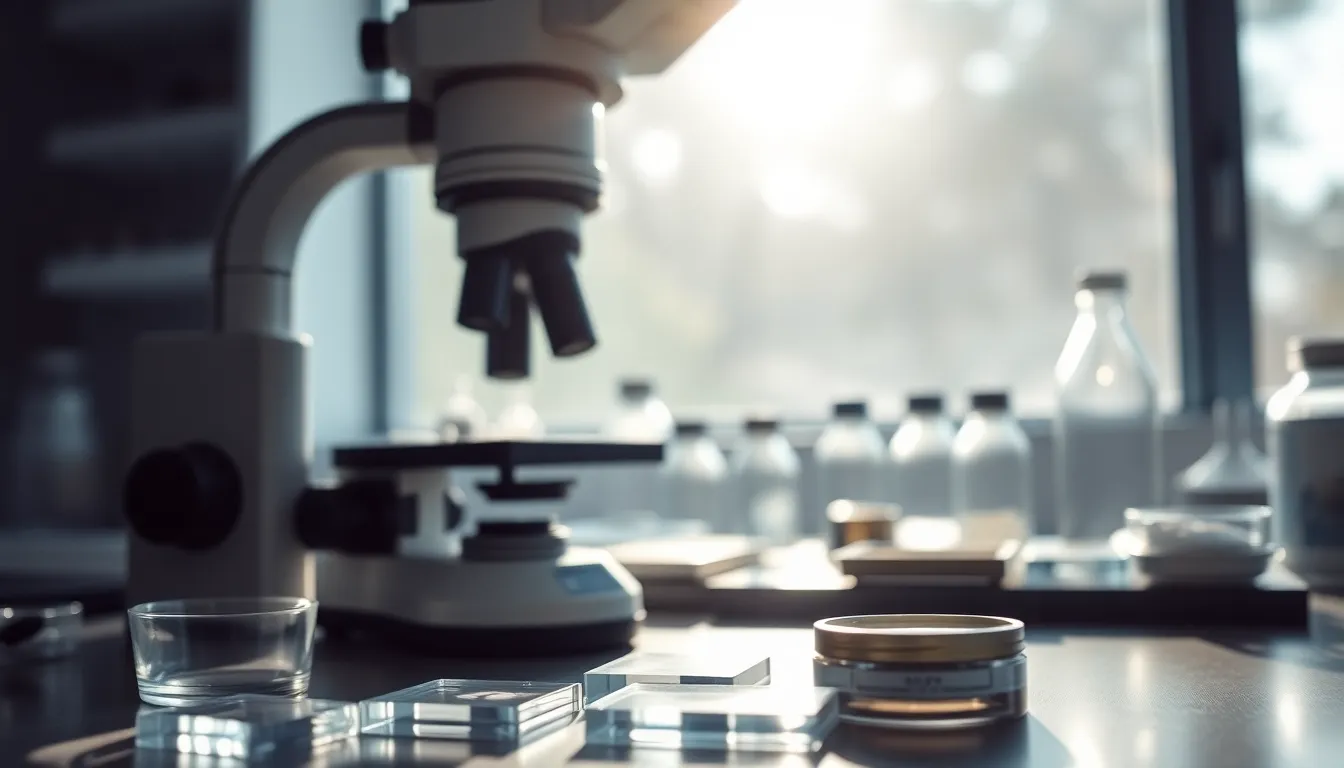
Shot on Sony A7R V with 85mm f/1.4 GM lens, utilizing natural sunlight filtering through the laboratory window creating dappled highlights across the scene. Hyperfocal distance at f/8 ensures everything from the microscope to the fine glass slides is tack-sharp. The colors are muted, leaning towards a natural palette of blues and greys to depict the sterile yet intricate environment. The composition employs leading lines, drawing the viewer's eye toward the microscope while showcasing the organized chaos of a scientific workspace. The surface textures include glass slides with visible fingerprints and smooth metal surfaces reflecting the soft light.
16:9
Captured with Canon EOS R5, 24-70mm f/2.8L at 50mm, illuminated by a bright LED ring light providing even, soft illumination. Shallow depth of field at f/2.8 focusing on a vibrant green leaf section showing intricate stomata and trichomes under a microscope. The color palette features deep greens and subtle yellows with a slight contrast against the dark background. The composition utilizes the rule of thirds, placing the leaf at the right power point, creating a sense of depth. The surface detail reveals the leaf's texture, accentuated by the fine veins and tiny structures that pop out against the smooth backdrop.
16:9
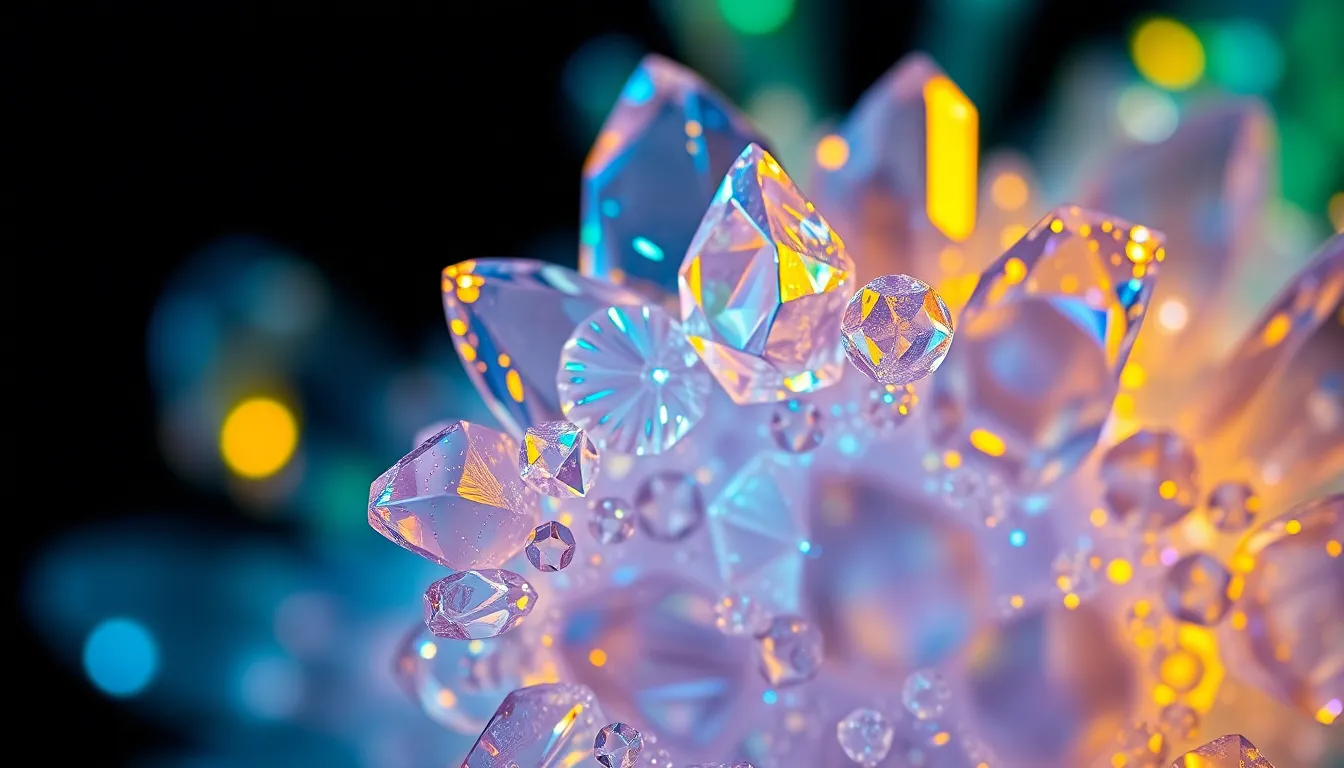
dramatic image of a crystal structure viewed under a polarized light microscope, captured with Leica Q3, 28mm f/1.7 Summilux. The lighting is achieved using cross-polarization, creating brilliant colors and sharp contrasts in the crystal. The depth of field is shallow at f/1.7, allowing the intricate details of the crystal to stand out sharply against the soft bokeh background. The color palette is vibrant, showcasing a range of saturated blues, greens, and yellows due to the polarization effect. The composition utilizes a centered approach, allowing the mesmerizing fractal patterns within the crystal to captivate the viewer.
16:9
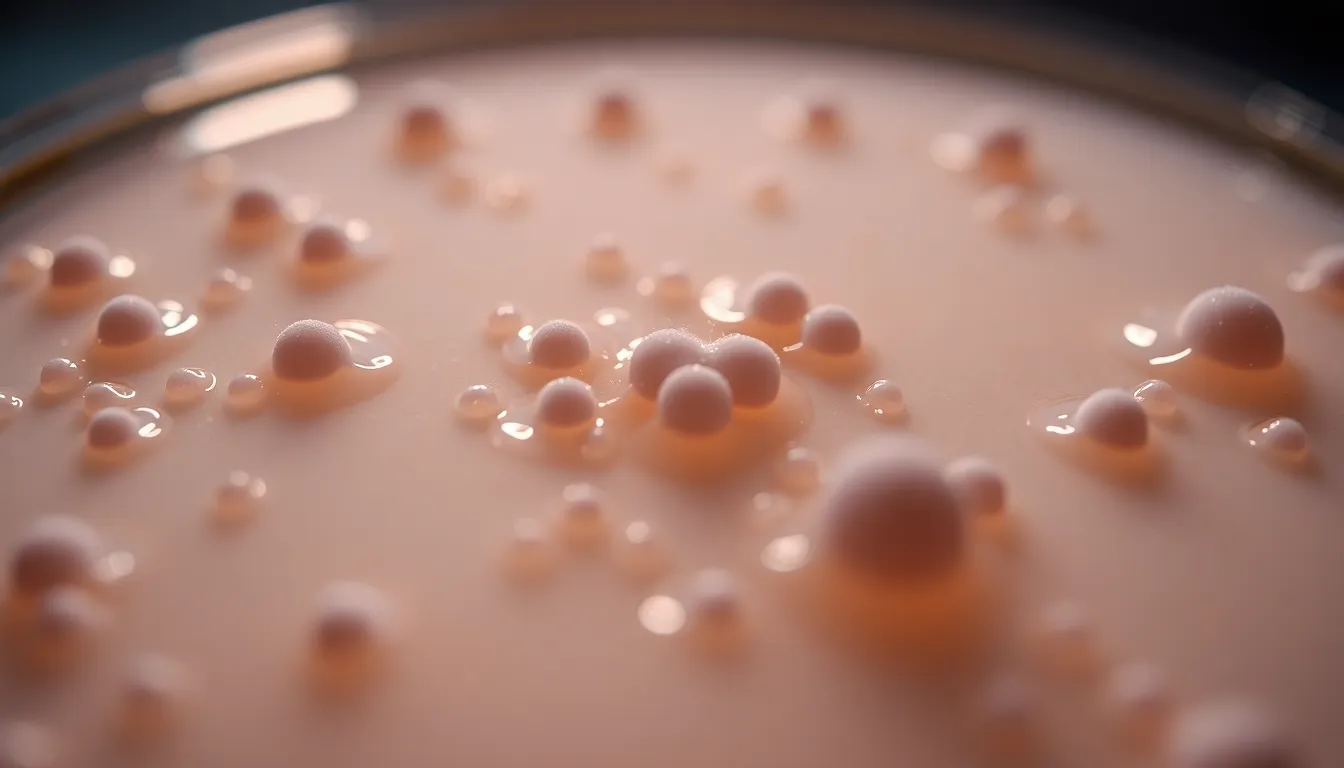
close-up image of bacteria colonies on an agar plate, shot with Fujifilm GFX 100S, 110mm f/2 macro lens. The lighting is a combination of bright, focused LED lights that create sharp reflections off the gelatinous surface. A shallow depth of field at f/2 isolates the colonies, with a creamy bokeh highlighting the texture of the agar. The color grading is naturally muted with desaturated earth tones emphasizing the biological aspect. The composition highlights the leading lines of bacterial growth radiating from a central point, creating a dynamic visual flow.
16:9
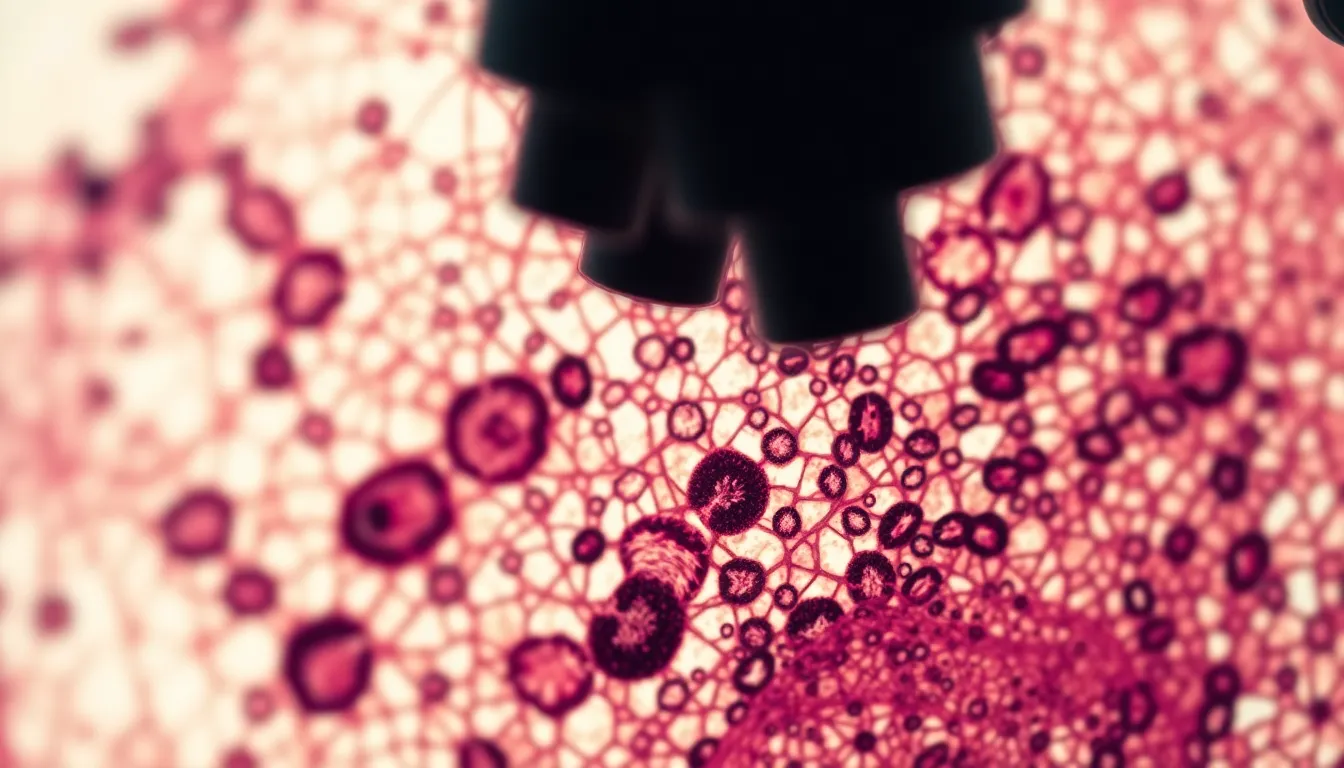
detailed image of a stained tissue sample under a microscope, captured with Hasselblad X2D 100C, 90mm f/2.5 medium format. The scene is lit with soft, diffused daylight, emphasizing the rich textures within the sample. A hyperfocal depth of field ensures everything from the foreground to the background remains sharp, allowing for an expansive view. The color science adopts a Kodak Portra 400 palette, producing warm skin tones and creamy highlights, enhancing the tissue structures' visual appeal. The composition is centered, with a symmetrical arrangement of tissue features that draws the eye into the microscopic world.
16:9
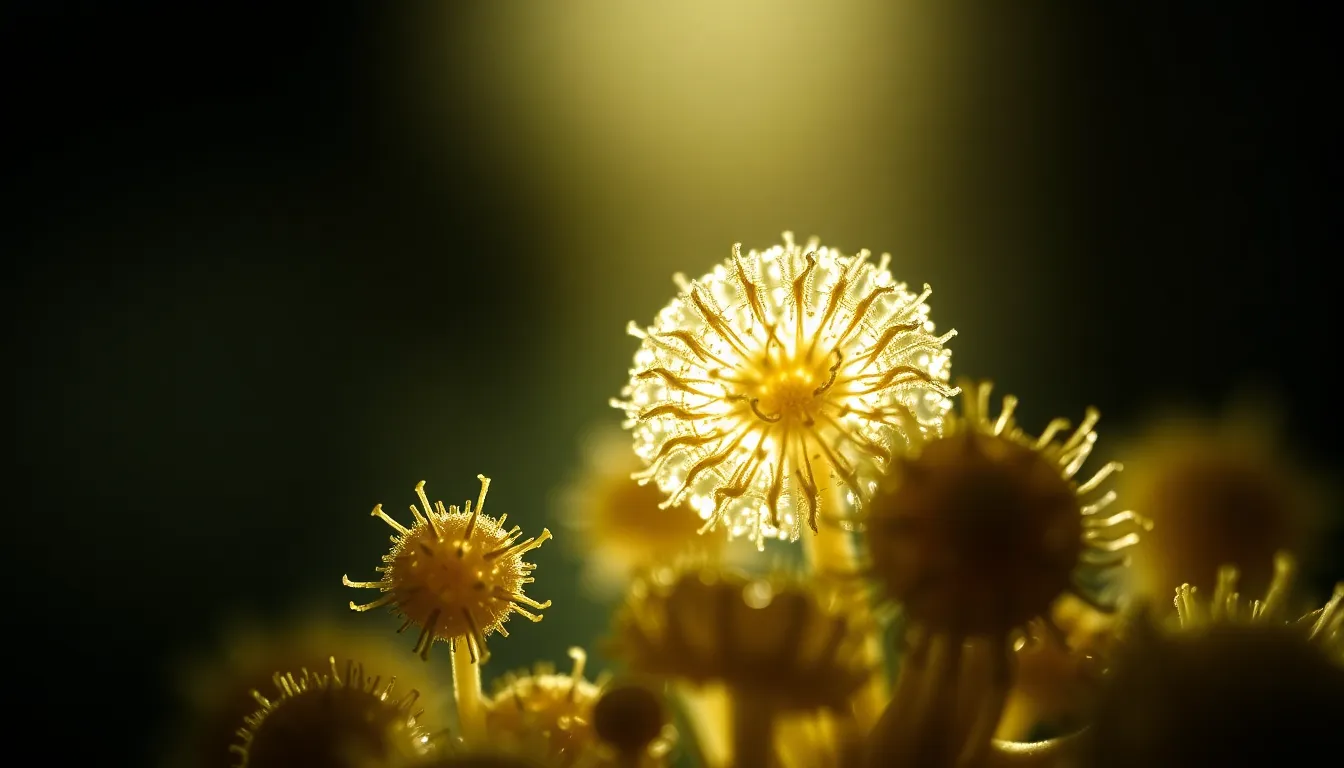
highly detailed image of pollen grains on a microscope slide, shot on Nikon Z9, 70-200mm f/2.8 telephoto at 135mm with intense backlighting creating a dramatic silhouette effect. The lighting accentuates the delicate structures of the pollen grains, which are rendered sharply in focus while the background fades into a soft, painterly blur. The color palette features natural muted tones, with earthy greens and browns giving a sense of organic texture. The composition employs the rule of thirds, positioning the largest pollen grain at a power point, surrounded by smaller grains, enhancing the visual interest.
16:9
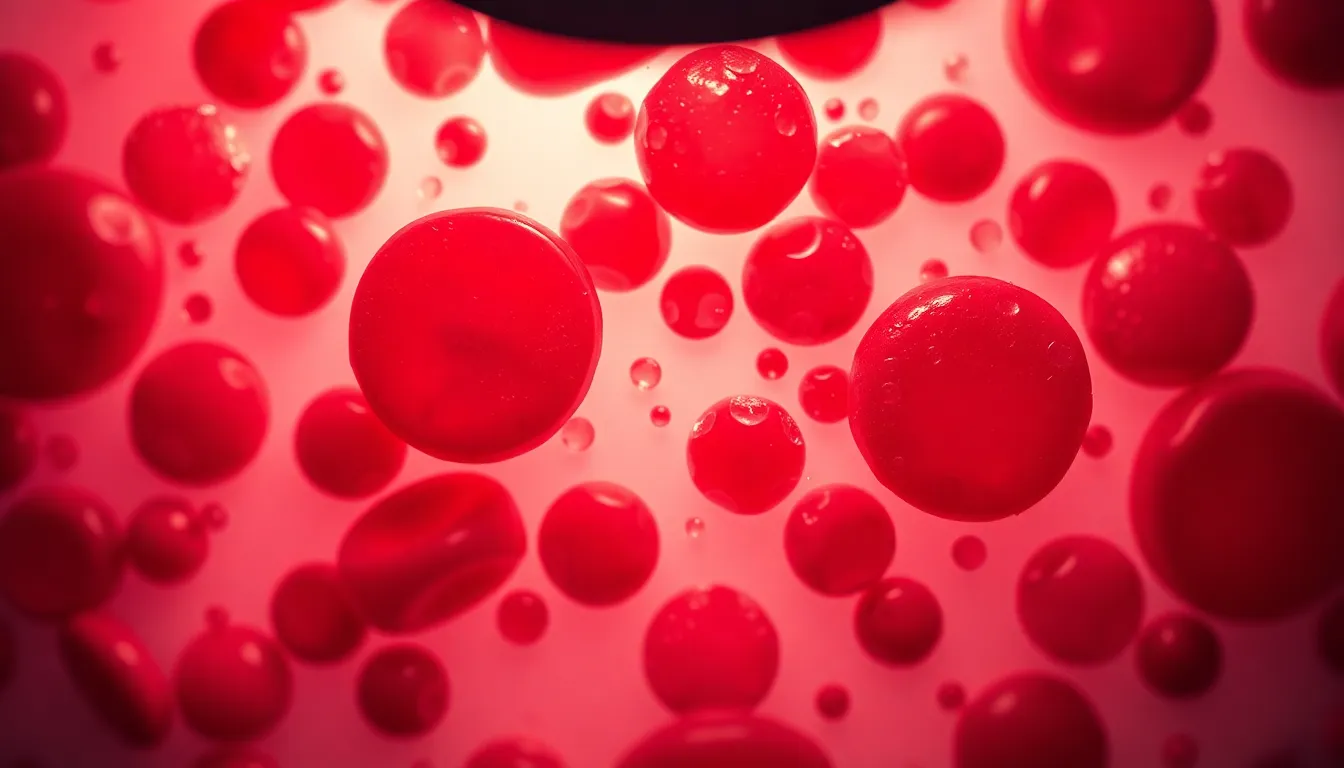
hyper-detailed photorealistic image of a vibrant, stained slide of human blood cells under a microscope, shot on Canon EOS R5, 24-70mm f/2.8L at 50mm. The lighting features a soft, diffused illumination from an overhead LED microscope light, highlighting the intricate details of the cells. A shallow depth of field at f/2.8 creates a creamy bokeh, allowing the red and white blood cells to pop against a soft-focus background. The image utilizes a Fujifilm Velvia-inspired color palette, emphasizing deep reds and soft whites for dramatic contrast. The composition centers on the cells with a slight diagonal leading line created by the edge of the slide, showcasing texture details such as the smooth glass slide and the cellular structures within.
16:9

captured with Leica Q3, 28mm f/1.7 Summilux, featuring a scientist in a lab observing a chemical reaction through safety goggles. The lighting is bright with clinical fluorescent lights, providing clear visibility of the scene. Utilizing a shallow depth of field at f/1.7, the scientist's focused expression is sharp while the laboratory background blurs softly. The color palette is clean, emphasizing the whites and blues of the lab equipment against the vibrant colors of the reaction. The composition uses a centered approach, placing the scientist prominently in the frame.
3:4
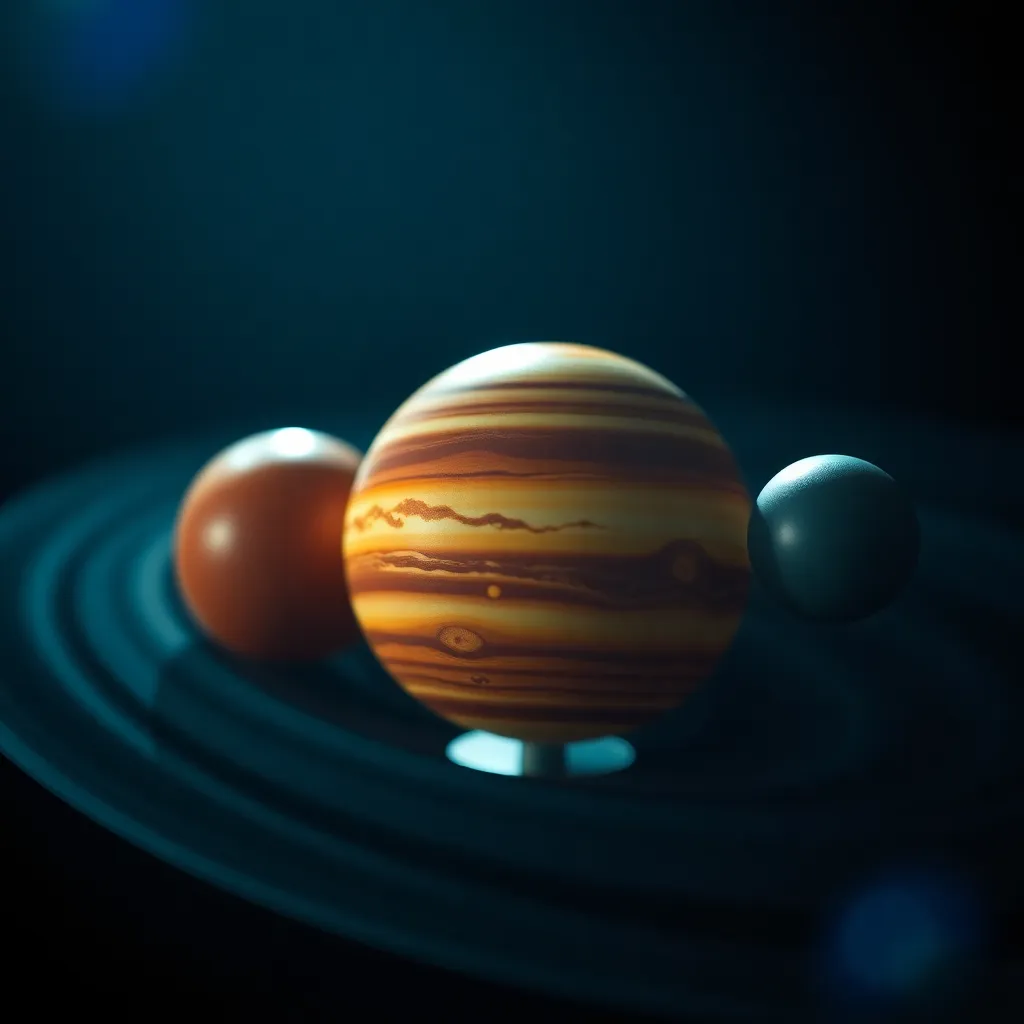
Hasselblad X2D 100C, 90mm f/2.5 medium format, featuring a close-up on a detailed model of the solar system. The image is lit by a single key light providing soft illumination, casting subtle shadows on the model's surfaces. The depth of field is shallow at f/2.5, isolating the planets while creating an ethereal glow around them. The vibrant colors of the planets pop against a dark backdrop, with a cinematic teal and orange color grading enhancing the visual impact. The composition frames the model centrally, showcasing its intricate details and textures.
1:1
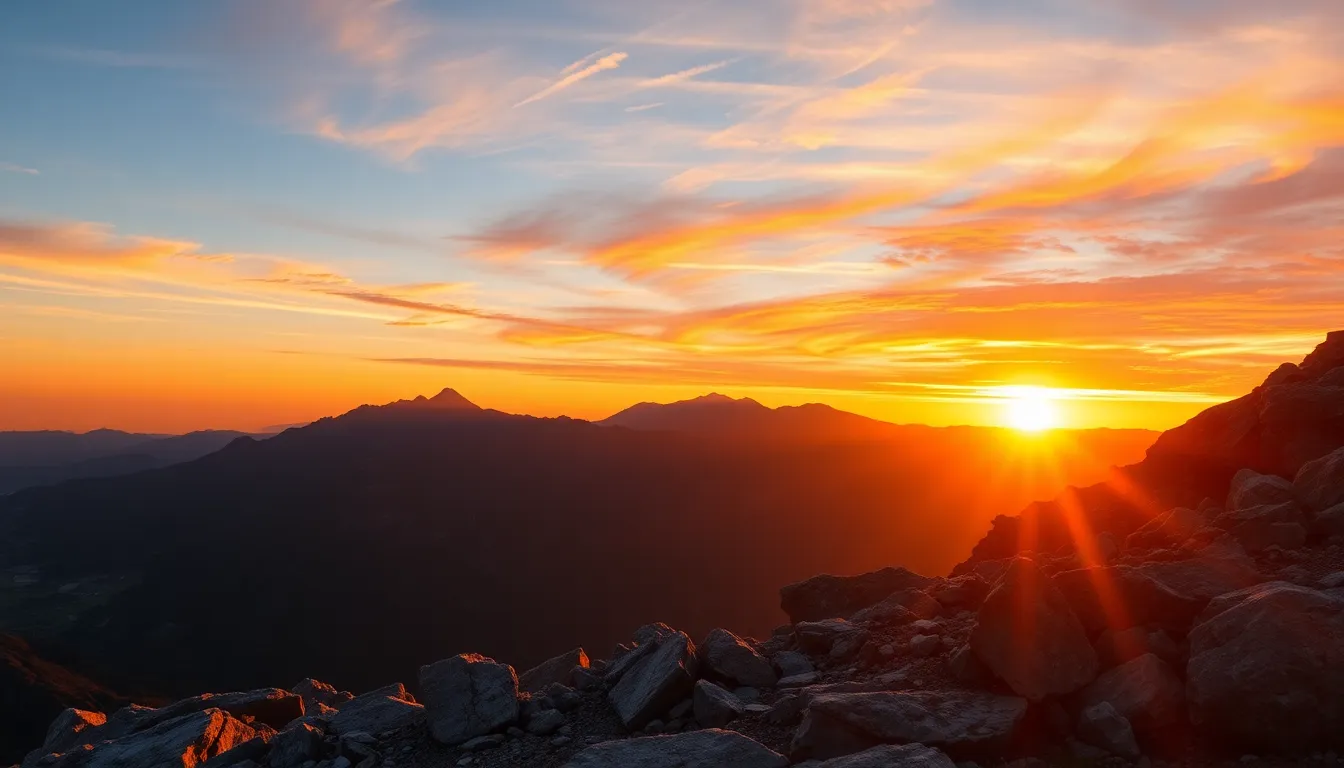
Nikon Z9, 70-200mm f/2.8 telephoto at 135mm, showcasing a beautiful sunset over a mountain range, where the physics of light and atmosphere create stunning effects. The lighting is natural, featuring the golden hour sun casting warm light across the peaks, with vibrant oranges and purples in the sky. Using a hyperfocal distance, the image ensures everything from foreground to infinity is tack-sharp at f/8. The composition employs leading lines of the mountains, drawing the eye towards the horizon where the sun sets, with rich textures in the rocky surface.
16:9
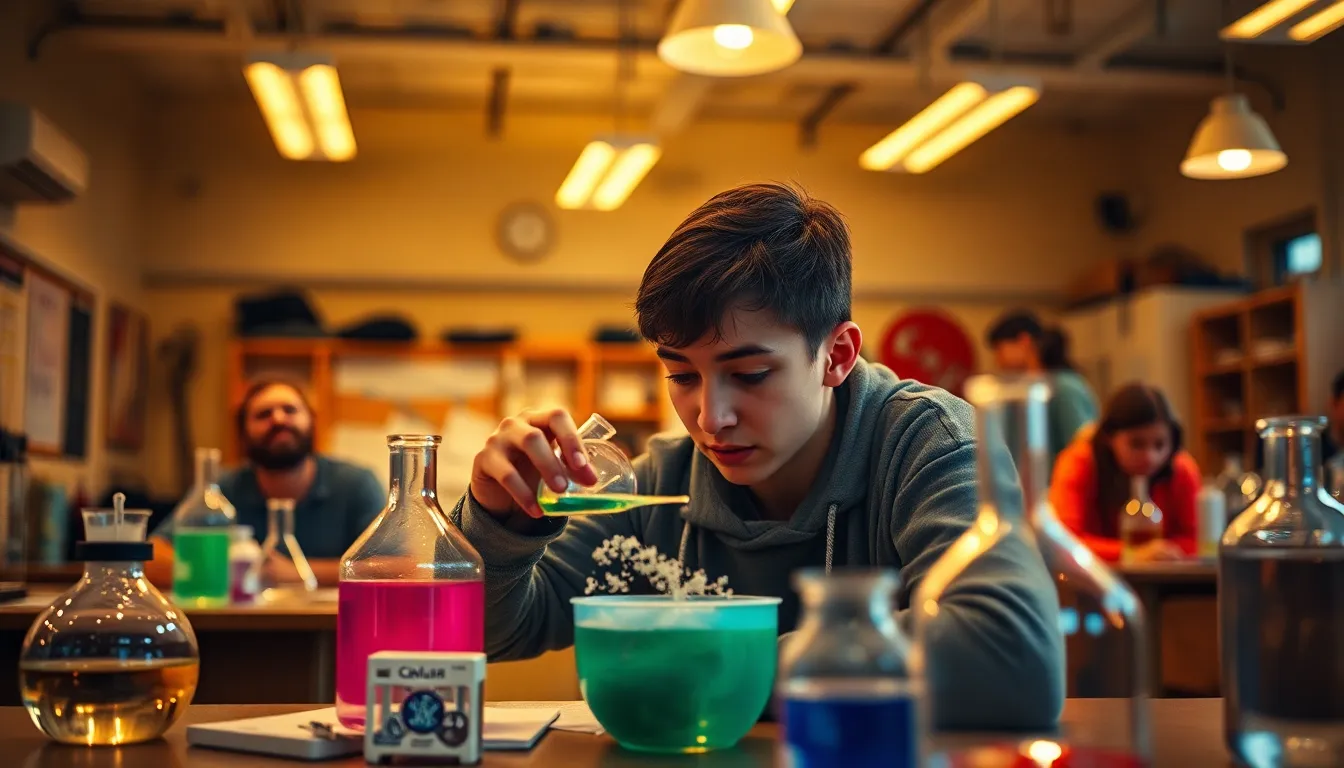
captured with Canon EOS R5, 24-70mm f/2.8L at 35mm, depicting a physics classroom with students engaged in an experiment. The scene is illuminated by warm tungsten overhead lights, creating a cozy atmosphere. The focal point is a student mixing liquids in a beaker, with shallow depth of field at f/2.8 accentuating their focused expression. The color palette features warm tones, with vibrant liquids contrasting against the neutral-colored classroom. The composition uses the rule of thirds, placing the student at a power point, surrounded by various scientific apparatus.
16:9
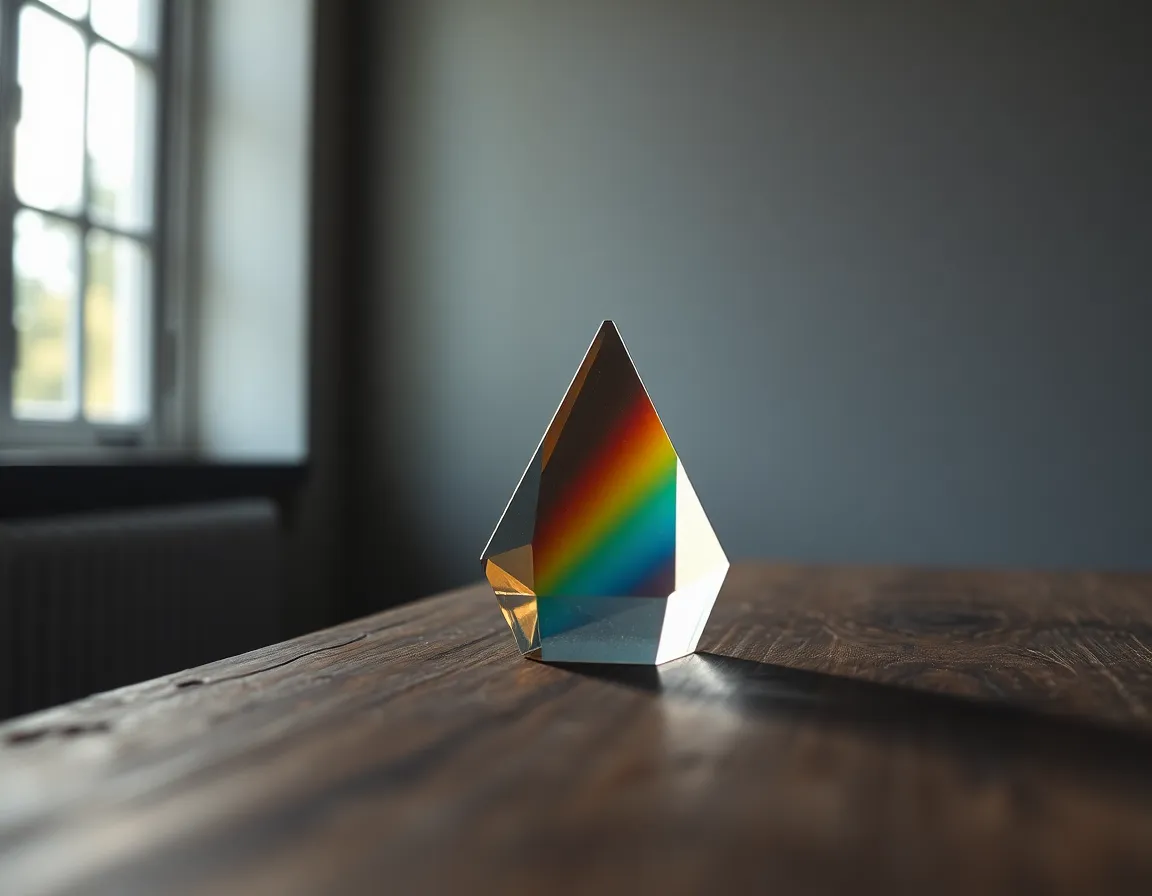
shot on Fujifilm GFX 100S, 110mm f/2 macro, capturing a close-up of a glass prism refracting light. The image is illuminated with soft, diffused daylight filtering through a large window, creating gentle highlights on the glass. The focus is sharp on the prism, with vibrant rainbow colors emerging against a muted background, utilizing a shallow depth of field at f/2. The composition centers on the prism set on a weathered oak table, showcasing its surface texture and reflections. Natural muted tones with desaturated earth colors enhance the serene atmosphere.
4:3
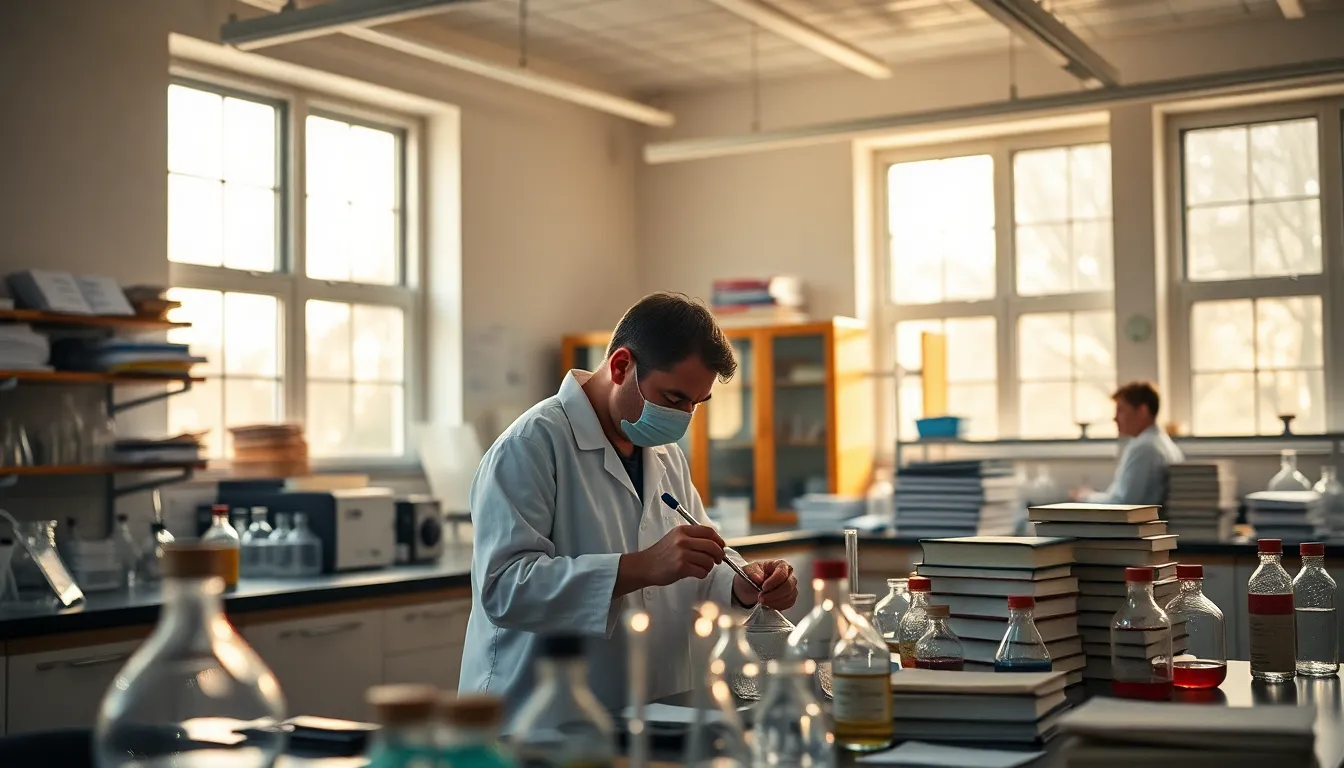
shot on Leica Q3, 28mm f/1.7 Summilux, in an organic chemistry lab with a chemist preparing experiments at a cluttered workstation. The natural morning sunlight streams through large windows, casting soft shadows and creating a warm atmosphere. The depth of field is shallow at f/1.7, with a soft bokeh effect behind the subject. The color palette features warm earth tones and soft highlights, reflecting a creative and dynamic space. The composition uses a dynamic angle, capturing the busy workstation filled with glassware and textbooks, inviting the viewer into the scene.
16:9
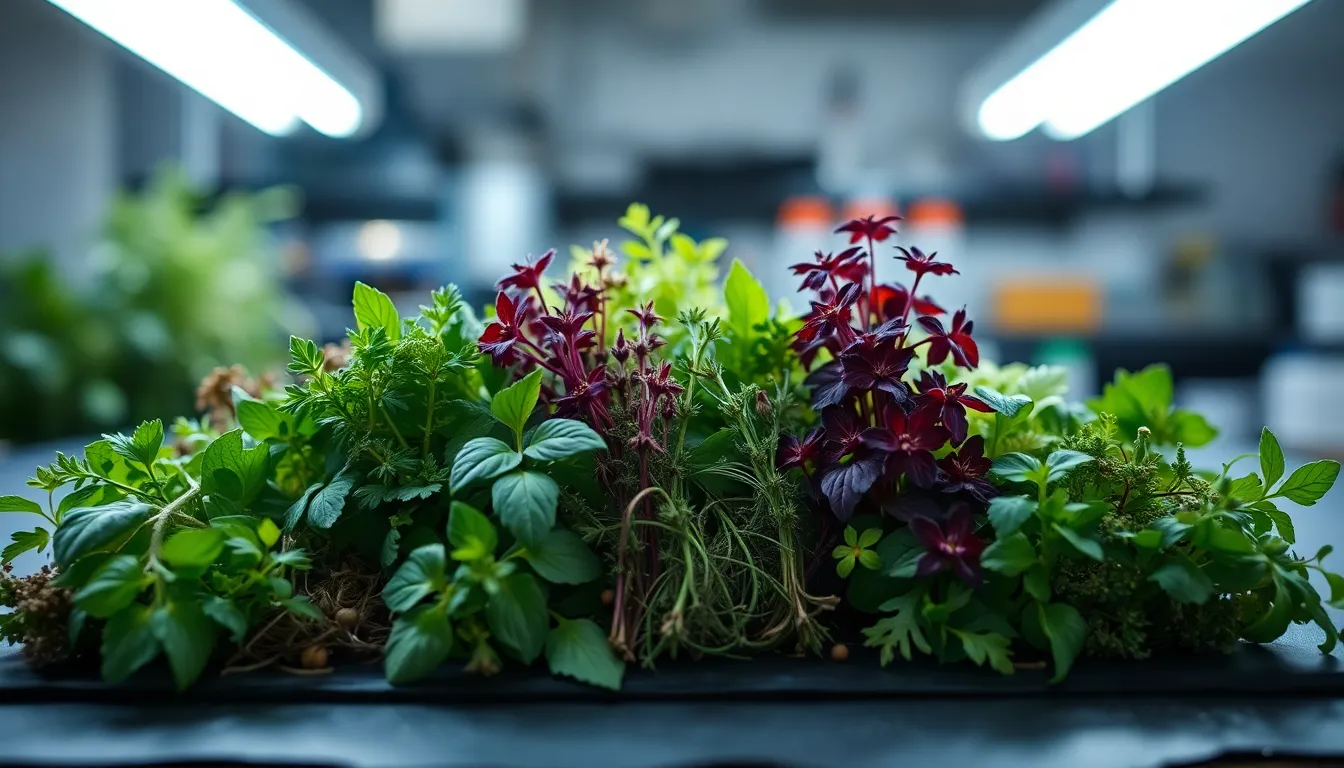
captured with Fujifilm GFX 100S, 110mm f/2 macro, depicting a striking arrangement of various herbs under vibrant fluorescent lab lights. The herbs are neatly organized on a dark slate surface, displaying their textures and colors vividly. The depth of field is shallow at f/2, focusing solely on the herbs with a soft bokeh behind. The color palette is rich with greens, purples, and earthy browns, creating a fresh and organic feel. The composition uses a centered arrangement to balance the visual elements and draw attention to the details of the herbs.
16:9
shot on Hasselblad X2D 100C, 90mm f/2.5 medium format, showcasing soft Rembrandt lighting illuminating a close-up of intricate lab equipment set against a dark background. The focus is on a high-precision microscope, its metallic surface reflecting warm highlights. The depth of field is shallow at f/2.5, creating soft bokeh towards the background. The color palette consists of muted earthy tones with delicate highlights, establishing an intimate atmosphere. The composition centers on the microscope, framed by surrounding tools, drawing attention to the precision of scientific inquiry.
16:9
captured with Nikon Z9, 70-200mm f/2.8 telephoto at 150mm, featuring natural light filtering through large windows illuminating a lab filled with chemical apparatuses. A chemist is pouring a bright blue solution into a beaker, surrounded by colorful liquids in glass containers. The depth of field is hyperfocal at f/8, ensuring all elements from the vibrant liquids to the chemist's focused expression are in sharp detail. The color palette is saturated with rich blues, greens, and yellows, creating a lively atmosphere. The composition employs leading lines of the lab equipment to draw the viewer’s eye toward the chemist’s action.
16:9
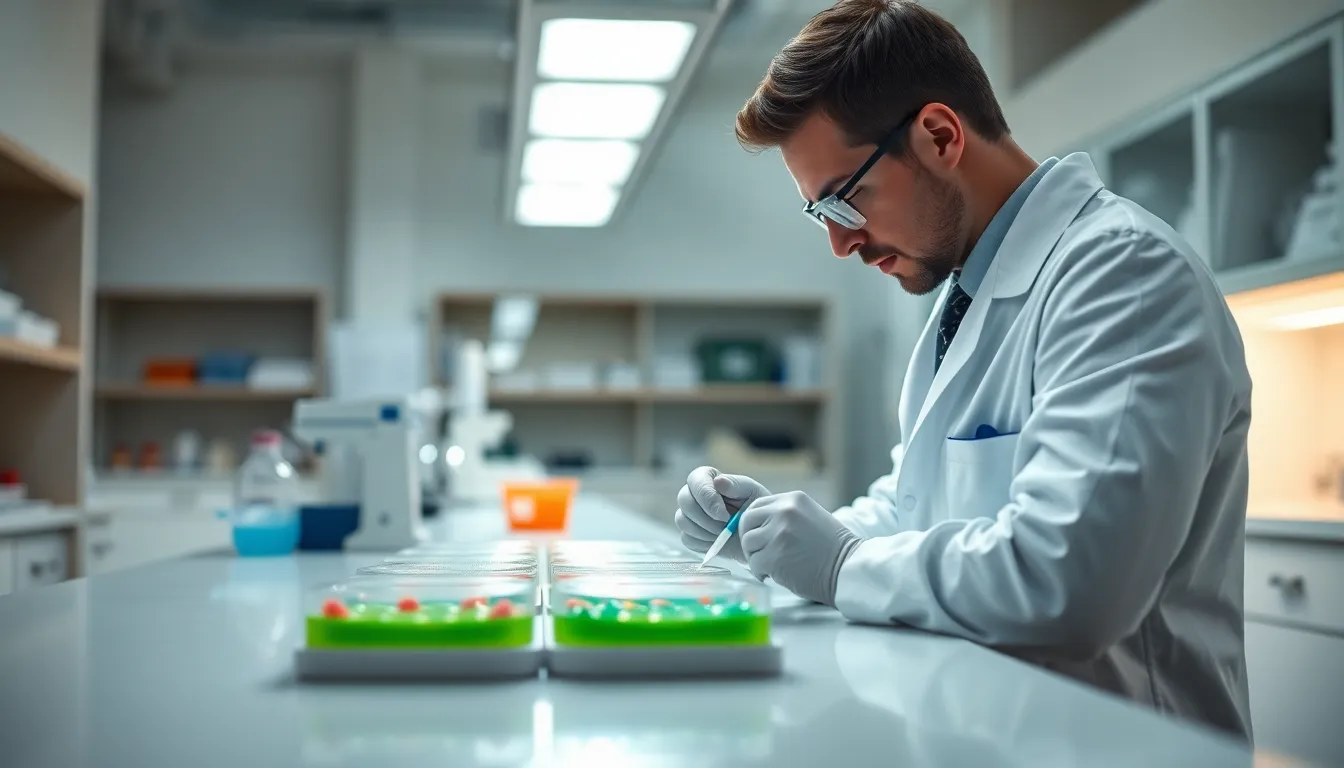
shot on Canon EOS R5, 24-70mm f/2.8L at 50mm, featuring dramatic overhead LED lighting that casts sharp shadows on a pristine white lab bench. The scene showcases a microbiologist in a lab coat examining petri dishes with a pipette, deep in concentration. The depth of field is shallow at f/2.8, creating a creamy bokeh of lab equipment in the background, while the color palette is clean and clinical with cool whites and blues. The composition follows the rule of thirds, positioning the scientist on the right, while the vibrant petri dishes add a pop of color in the foreground. The surface of the bench reflects the light, enhancing texture details of the materials used in the lab.
16:9
Captured with Hasselblad X2D 100C, 90mm f/2.5 medium format, this image presents a breathtaking view of the Northern Lights dancing across a starlit sky above a snow-covered landscape. The lighting is natural, with the vibrant greens and purples of the aurora contrasting beautifully against the dark night sky. A hyperfocal distance ensures sharp focus across the entire scene at f/8, capturing both the aurora and the foreground snow accurately. The color palette radiates with rich, saturated greens and purples, set against the cool blues of the night. The composition features a rule of thirds approach, placing the aurora in the upper third while the snowy foreground leads the eye toward the horizon.
16:9
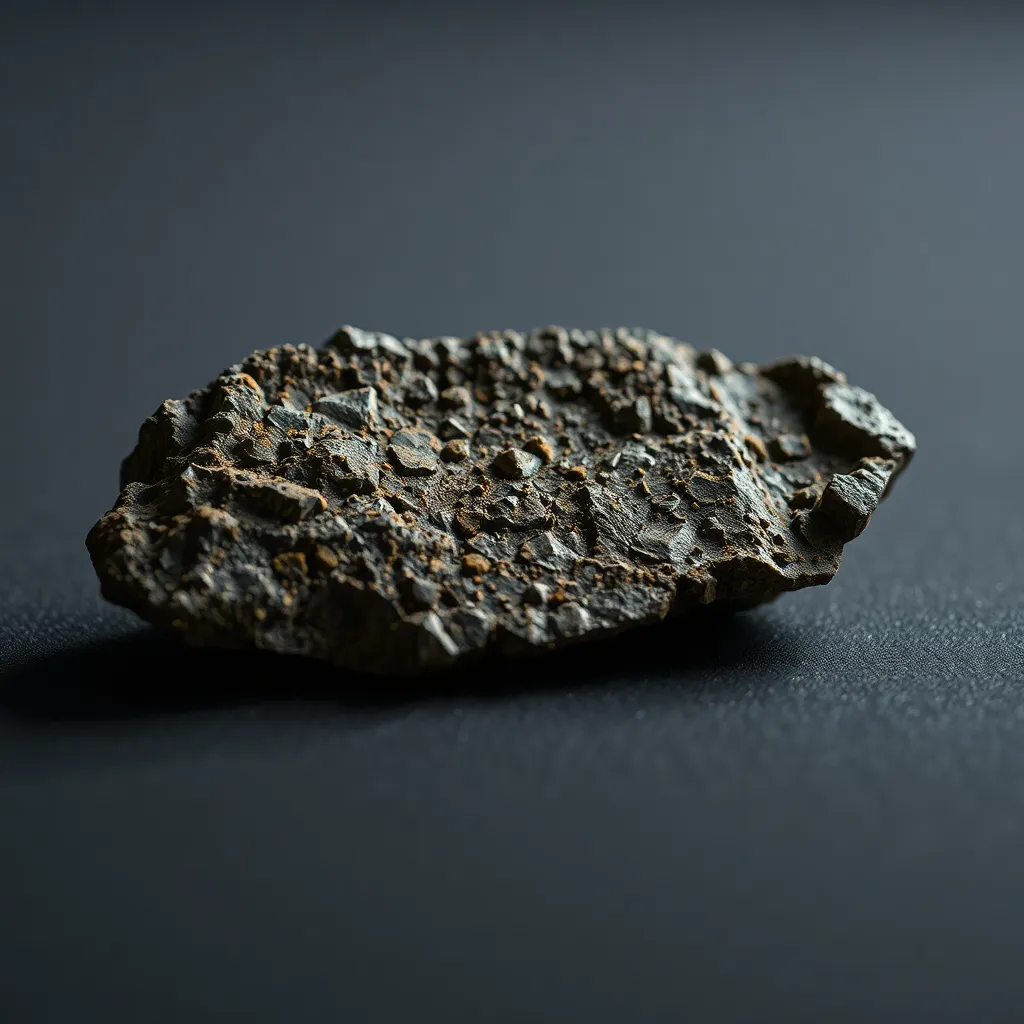
This artwork, shot on Fujifilm GFX 100S, 110mm f/2 macro, captures intricate details of a meteorite fragment resting on a dark surface. The scene is illuminated by a soft, diffused light source, bringing out the textures and crystalline structure of the meteorite. With a shallow depth of field at f/2, the focus is on the meteorite, while the background fades into a creamy blur. The color palette features earthy browns and metallic greys, enhancing the natural beauty of the fragment. The composition employs a centered symmetrical arrangement, allowing the viewer to appreciate the meteorite's details.
1:1
Captured with Canon EOS R5, 24-70mm f/2.8L at 35mm, this image shows a stunning view of an alien planet with unique geological features. The scene is illuminated by the planet's dual suns, casting dramatic shadows and rich colors across the landscape. The hyperfocal distance ensures everything from the distinct rock formations to the distant horizon is in sharp focus at f/8. The color palette features vibrant reds and oranges of the terrain, with muted greens of alien vegetation. The composition utilizes leading lines created by the rock formations to draw the eye into the horizon, creating a sense of depth and scale.
16:9
Shot on Sony A7R V with 85mm f/1.4 GM lens, this image captures an astronaut floating in the void of space. The scene is illuminated by sunlight reflecting off the Earth below, creating a beautiful play of light on the astronaut's suit. With a shallow depth of field at f/1.4, the astronaut is in sharp focus, while the Earth fades into a soft background. The color palette features vibrant blues of Earth contrasted with the stark black of space, enhancing the sense of isolation. The composition centers the astronaut in the frame, emphasizing the vastness of space surrounding them.
9:16
Captured with Nikon Z9, 70-200mm f/2.8 telephoto at 135mm, this hyper-detailed scene showcases a distant galaxy with vibrant colors. The lighting is provided by the stars themselves, casting a soft glow against the vast, dark backdrop of space. The image features a shallow depth of field at f/2.8, with the galaxy sharply in focus while the surrounding stars melt into a dreamy bokeh. The color palette exhibits deep purples and blues with hints of golden star clusters, creating a sense of wonder. The composition emphasizes the galaxy in the center of the frame, surrounded by twinkling stars, enhancing the feeling of depth and infinity.
16:9
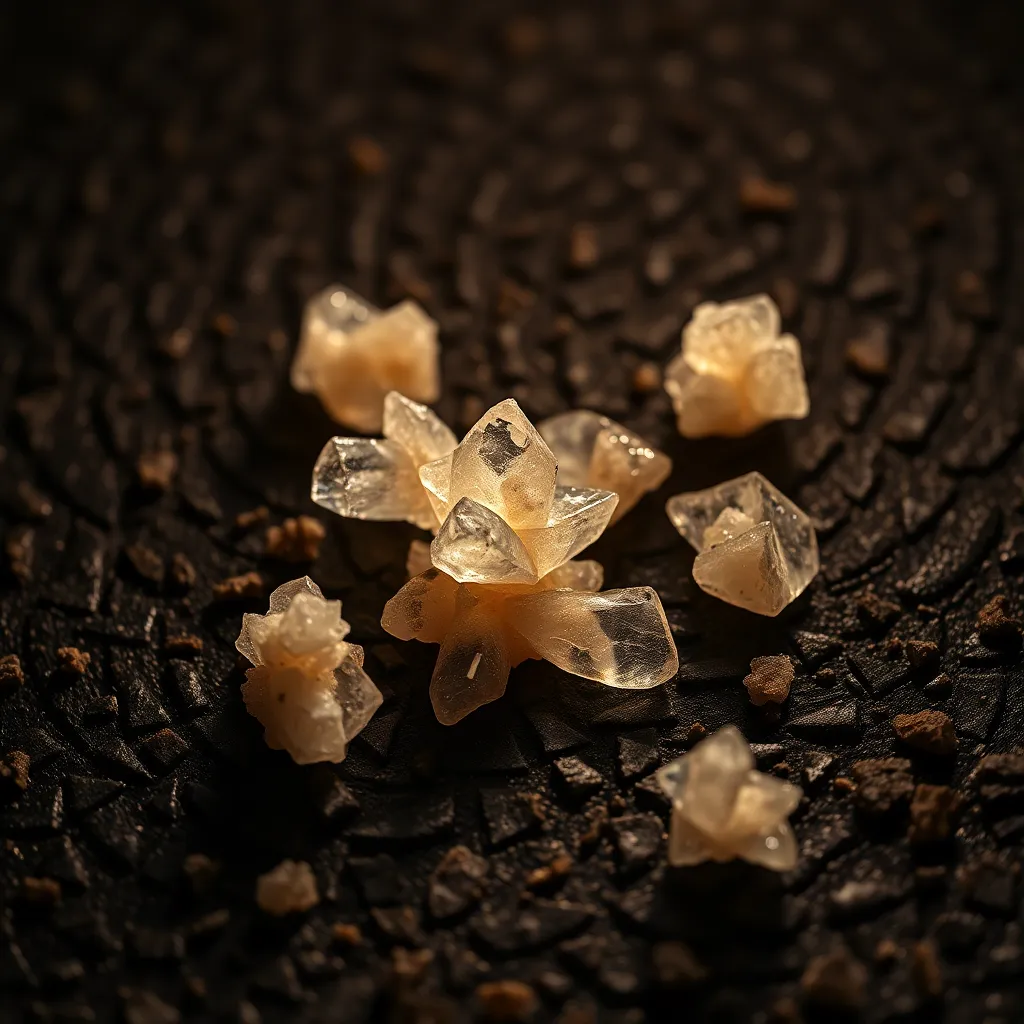
Fujifilm GFX 100S, 110mm f/2 macro, captures microscopic details of chemical crystals on a textured dark background. The lighting is provided by a focused LED ring light, creating highlights and shadows that reveal the intricate structures of the crystals. The shallow depth of field at f/2 isolates the crystals with exquisite detail, while the color palette features natural muted tones with desaturated earth colors. The composition features a centered symmetrical arrangement, showcasing the beauty and complexity of chemistry at a microscopic level.
1:1
Hasselblad X2D 100C, 90mm f/2.5 medium format, captures a striking still life of laboratory glassware on a weathered oak table. Soft, warm tungsten lighting casts a cozy glow, revealing the intricate textures of the glass and the wooden surface beneath. The depth of field is selective, focusing on the glassware while the background fades gently into bokeh. The Kodak Portra 400 color palette enhances the warm skin tones and creamy highlights, creating an inviting atmosphere. The composition employs centered symmetry, with glass beakers and flasks arranged artfully around the oak surface.
4:3
Nikon Z9, 70-200mm f/2.8 telephoto at 100mm, captures a breathtaking outdoor chemistry demonstration under a clear blue sky. The vibrant natural lighting highlights the vivid colors of the smoke produced by the chemical reactions. Achieving hyperfocal distance at f/8 ensures both the foreground and background are sharp, showcasing excited onlookers and the vibrant landscape. The cinematic teal and orange color grading enhances the dramatic effect of the colored smoke. The composition features a dynamic angle, with the chemical reactions positioned in the lower third of the frame, drawing the viewer's eye across the landscape.
16:9
Shot on Sony A7R V with 85mm f/1.4 GM lens, this image showcases a close-up of a scientist's hands mixing chemicals in a glass beaker. The dramatic studio lighting uses Rembrandt style with a single softbox that creates striking shadows and highlights on the skin and glass. Achieving a shallow depth of field at f/1.4, the focus is on the scientist's hands while the background softens into an abstract blur. The colors are naturally muted, with earthy tones emphasizing the organic feel of the lab environment. The composition centers around the beaker, employing leading lines from the hands to guide the viewer’s eye.
3:2
Captured with Canon EOS R5, 24-70mm f/2.8L at 50mm, this image features a vibrant laboratory scene illuminated by overcast diffused daylight through large windows. A shallow depth of field at f/2.8 highlights colorful chemical reagents in beakers, creating a striking contrast against the blurred workstation. The Fujifilm Velvia-inspired color palette showcases saturated hues of blue, green, and orange, emphasizing the lively environment. The composition adheres to the rule of thirds with the main subject slightly off-center, surrounded by glassware and lab equipment displaying textures of glass and metal surfaces.
16:9
shot on Hasselblad X2D 100C, 90mm f/2.5 medium format, utilizing golden hour backlighting which casts a warm glow on the scene, enhancing the vivid colors. The depth of field is shallow at f/2.5, providing a painterly bokeh that envelops the background. The scene captures a variety of chemical elements displayed artistically on a white marble table, with textures ranging from shiny metal to rough glass. The composition is centered, creating a balanced and harmonious arrangement.
16:9
captured with Leica Q3, 28mm f/1.7 Summilux, featuring overcast diffused daylight filtering through laboratory windows providing a soft, even light across the scene. The composition uses leading lines that draw the viewer's eye toward a scientist observing a chemical reaction in a petri dish. Natural muted tones with a focus on the cool blues and greens of the chemicals add a calming effect. The texture detail emphasizes the surface of the petri dish, showcasing condensation and reflections.
3:4
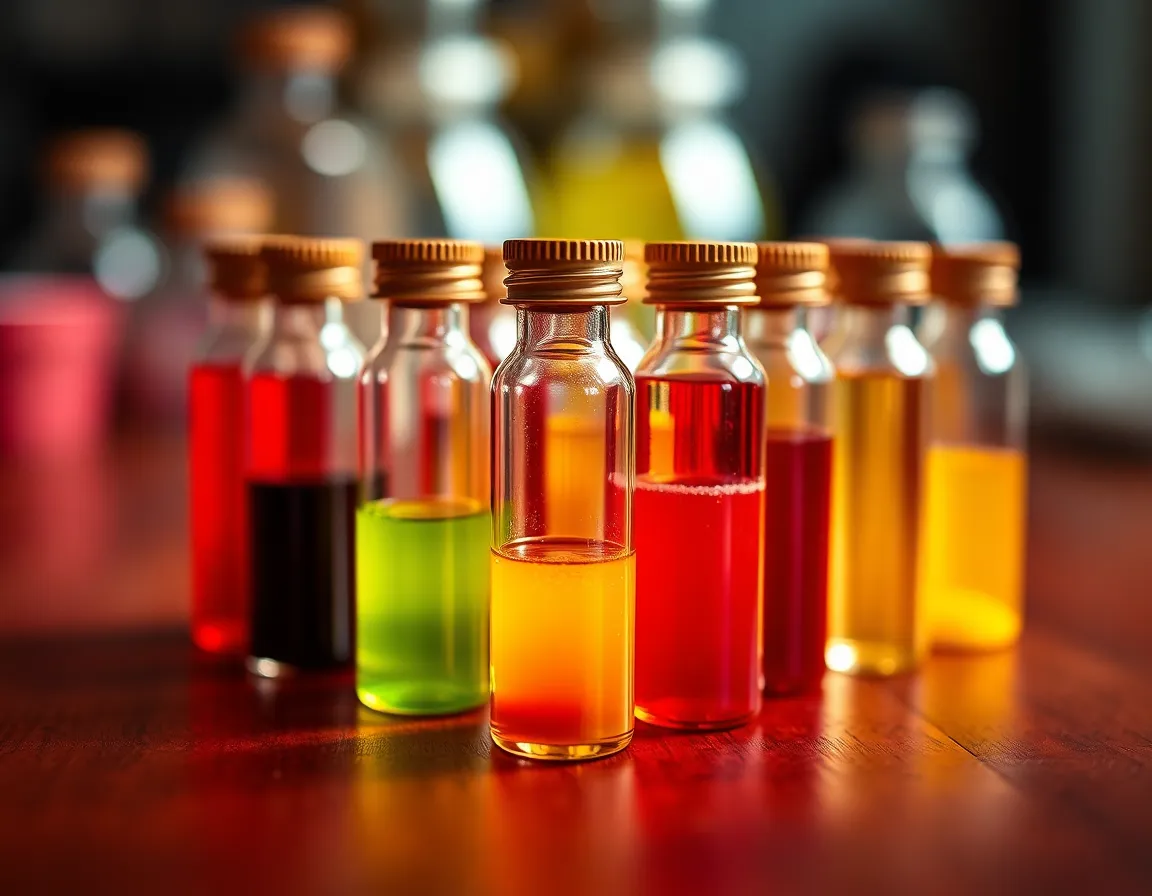
shot on Fujifilm GFX 100S, 110mm f/2 macro, with soft studio lighting via a softbox at 45° creating flattering highlights on the subjects. Shallow depth of field at f/2 with creamy bokeh isolating the chemical compounds in focus. The color palette is rich with vibrant shades of red and yellow, reminiscent of classic film photography. The composition captures multiple glass vials containing colorful chemical substances, arranged artfully with a rich wooden surface providing texture and contrast.
4:3
captured with Nikon Z9, 70-200mm f/2.8 telephoto at 100mm, illuminated by natural sunlight streaming through a laboratory window, creating a soft and warm atmosphere. Hyperfocal depth where everything remains sharp from foreground to background at f/8. The color palette features muted earth tones with a hint of warm golden light. The composition centers on a chemist, wearing a white lab coat, carefully pipetting a liquid into a test tube, framed by laboratory shelves filled with glassware.
3:2
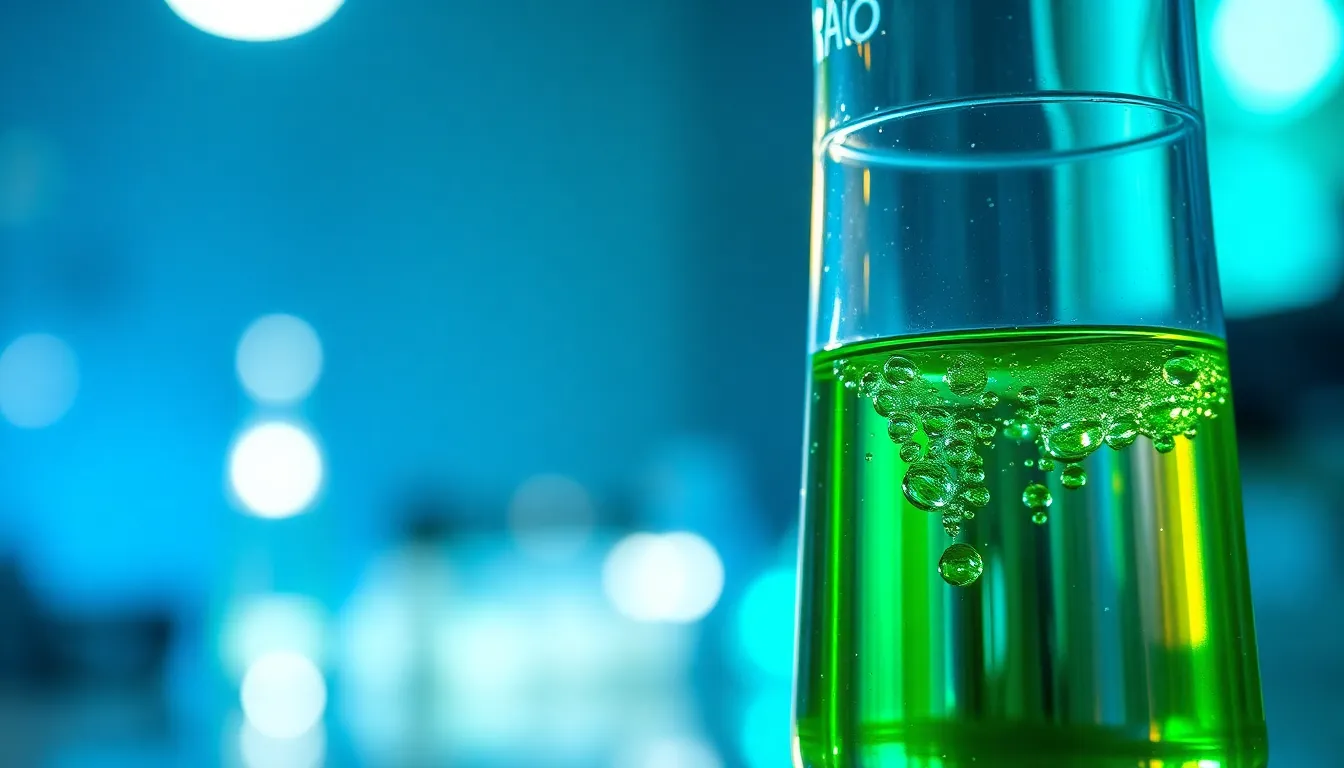
shot on Canon EOS R5, 24-70mm f/2.8L at 50mm, captured with dramatic side lighting from a laboratory overhead lamp creating sharp contrasts and highlights. Shallow depth of field at f/2.8 with soft bokeh in the background, showcasing a vibrant color palette of blues and greens. Composition follows the rule of thirds with a glass beaker filled with a bubbling chemical mixture prominently placed on the right. The surface of the beaker reflects intricate light patterns, while droplets of liquid catch the light, emphasizing its texture.
16:9
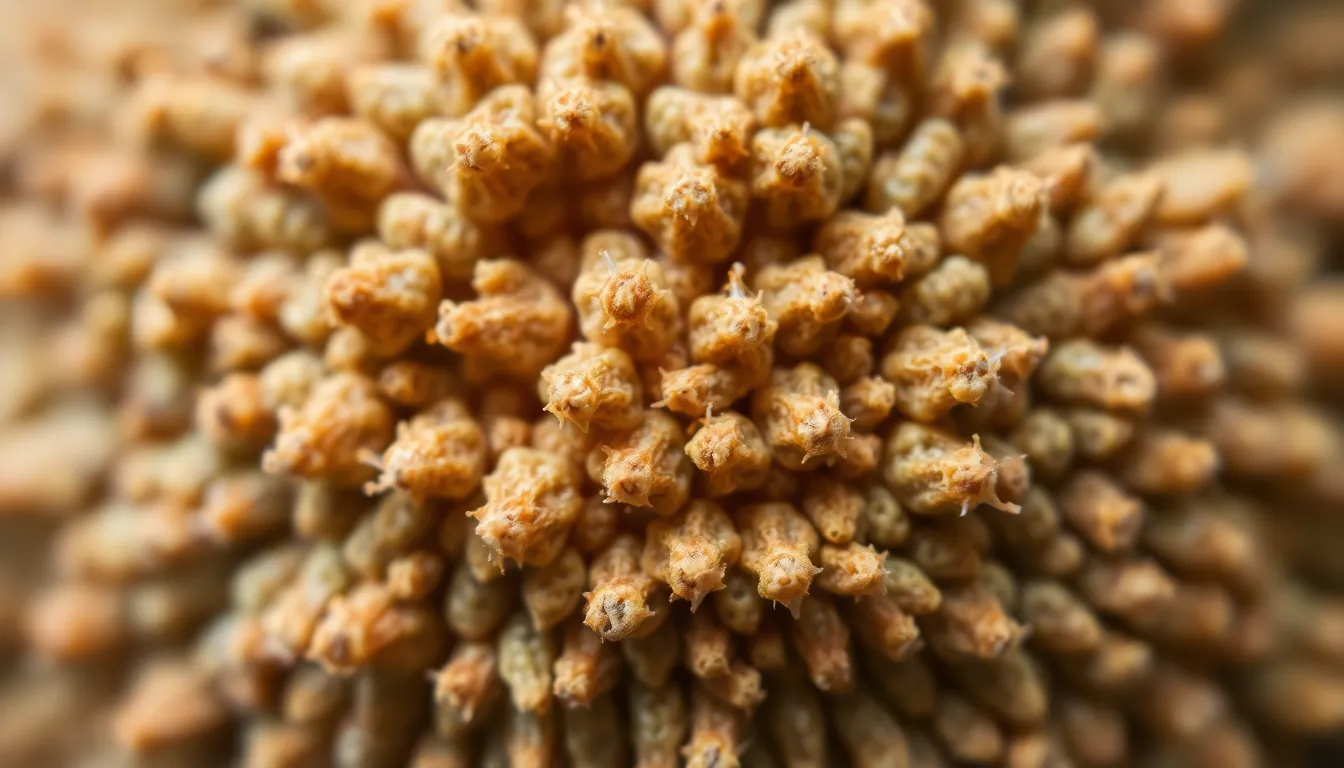
magnified view of fungal spores captured using Leica Q3, 28mm f/1.7 Summilux. Natural overcast daylight provides soft, even illumination highlighting the spore structures without harsh shadows. Hyperfocal distance allows a tack-sharp focus across the entire frame, showcasing the details and textures of the spores. The color science leans towards natural muted tones to reflect the subtleties of the fungal life, with earthy browns and greens. Centered symmetrical composition draws attention to the unique patterns of the spores, enhancing their intricate designs.
16:9
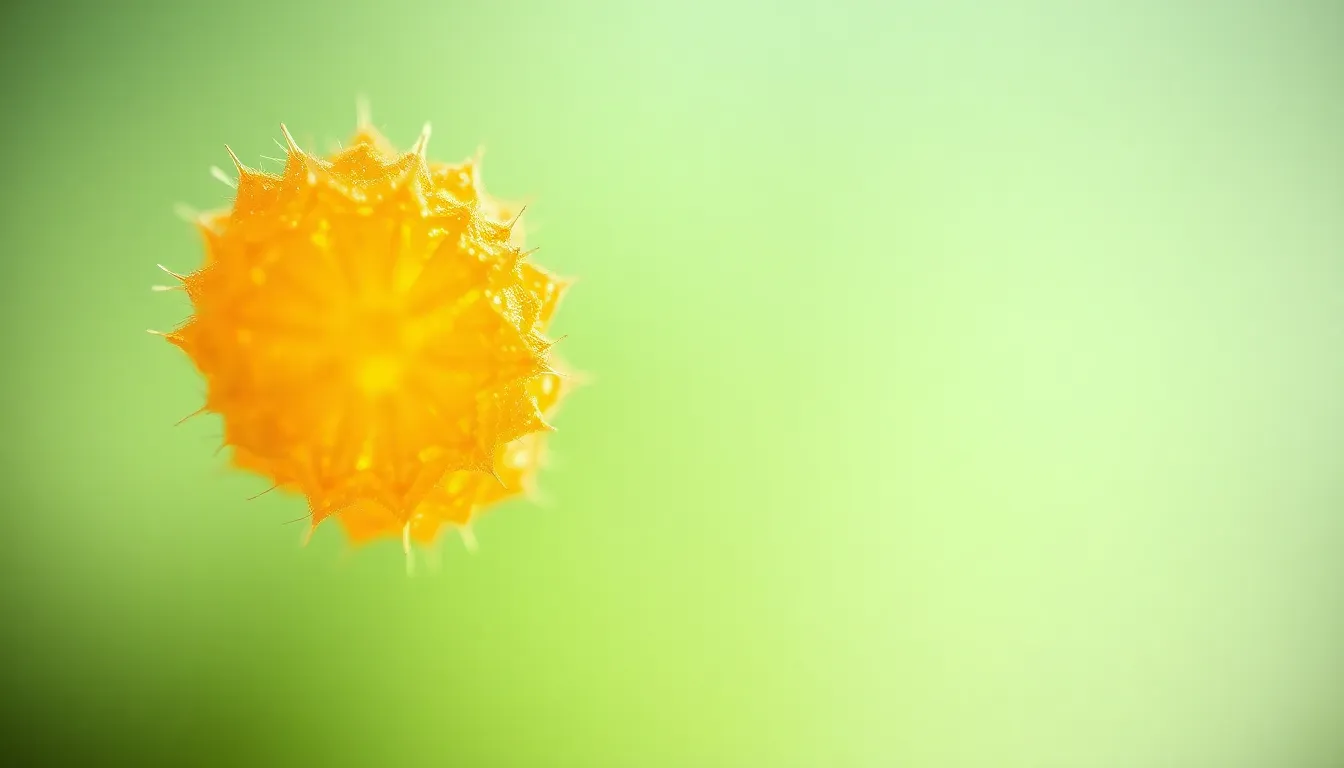
an elegant close-up of a single pollen grain viewed through a microscope, captured with Fujifilm GFX 100S, 110mm f/2 macro. Soft natural daylight from a window creates gentle highlights and shadows that showcase the grain's intricate textures. Shallow depth of field at f/2 allows the background to melt into soft bokeh, providing a dreamy backdrop. The Kodak Portra 400 color palette enhances warm tones, making the pollen grain pop against a blurred green background. Rule of thirds composition places the grain at the left power point for dynamic interest.
16:9
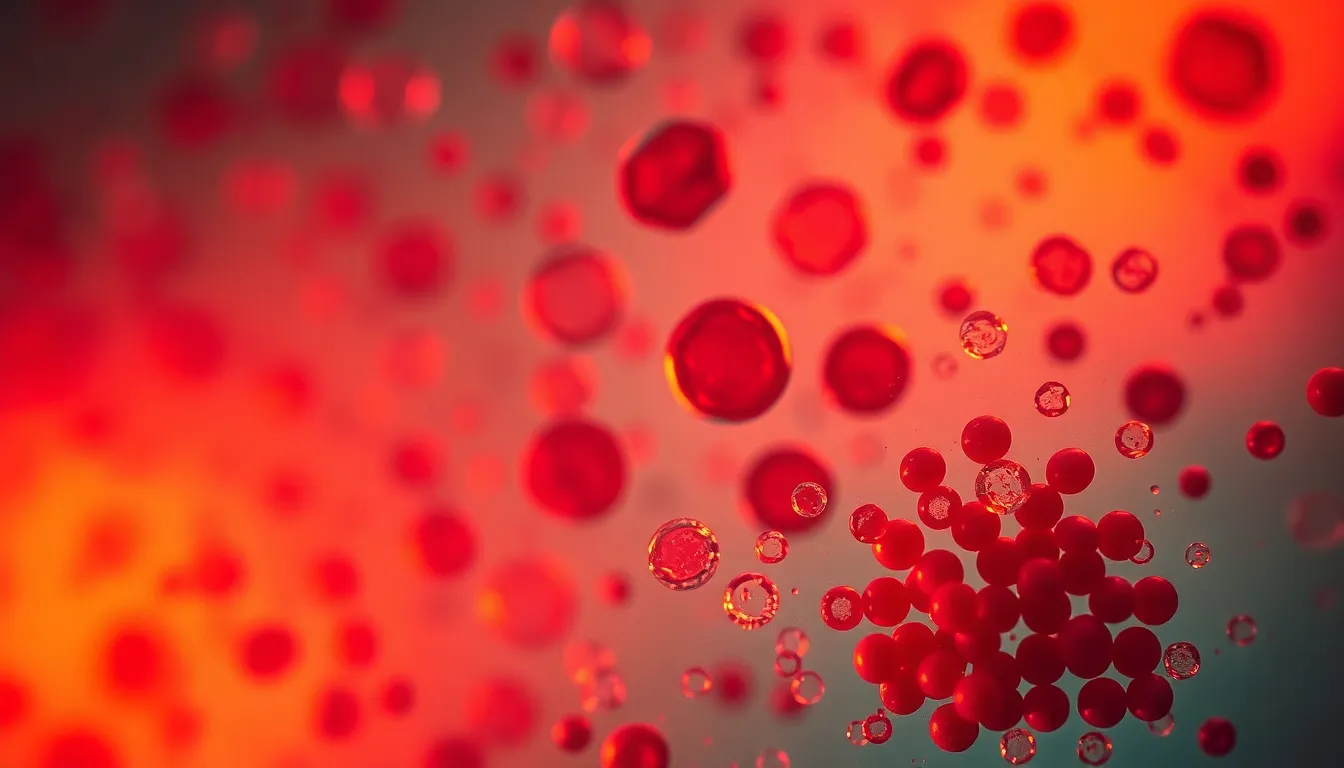
dramatic view of a blood smear under a microscope using Hasselblad X2D 100C, 90mm f/2.5 medium format. Warm tungsten light creates a rich, golden hue while illuminating blood cells, enhancing the contrast between red and white blood cells. Selective focus on the red blood cells at f/2.5 creates a beautiful bokeh effect in the background. The cinematic teal and orange color grading adds a striking visual appeal, while the rule of thirds composition emphasizes the clustering of cells in the lower right quadrant.
16:9
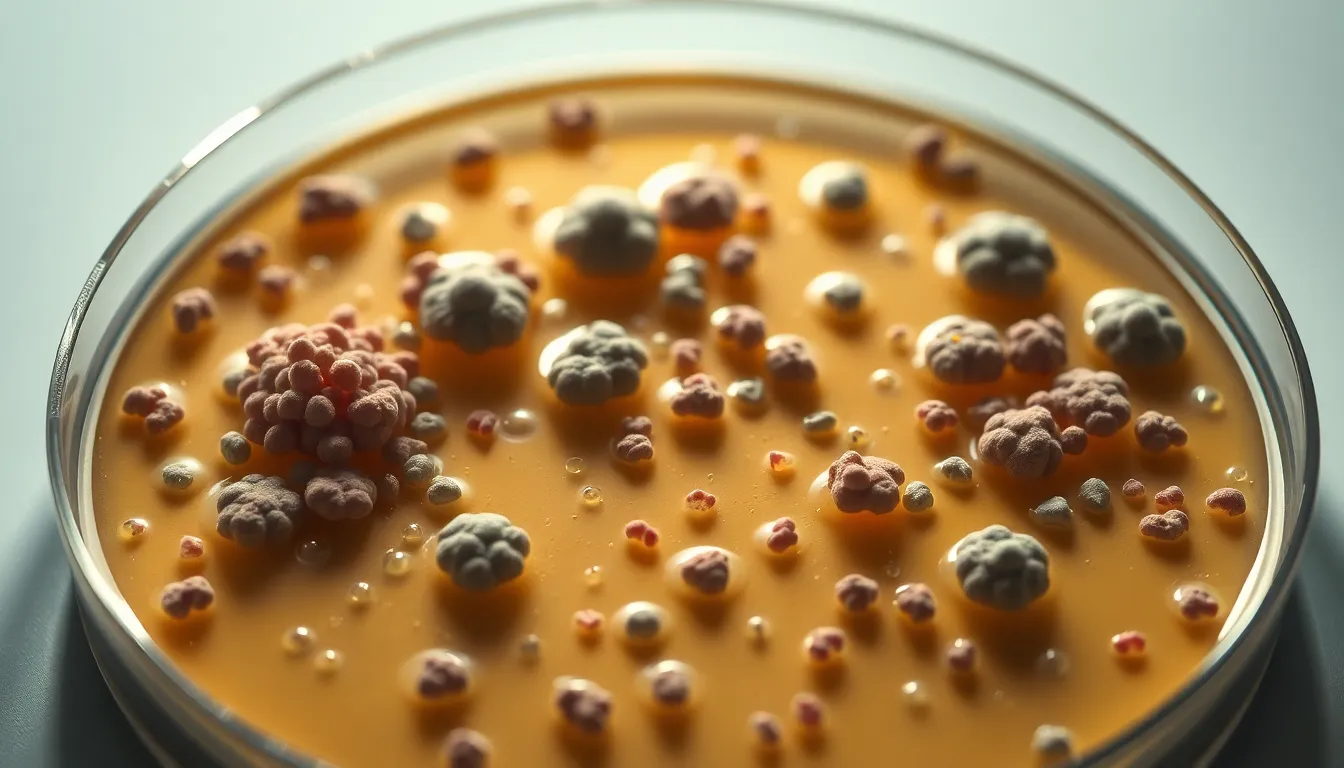
highly magnified image of bacterial cultures captured with Canon EOS R5, 24-70mm f/2.8L at 50mm. Studio lighting using a softbox creates dramatic highlights and shadows, enhancing the textures of the agar plate. Hyperfocal distance allows crisp focus from foreground to background, showcasing clusters of bacteria in various shapes and colors across the dish. A natural muted tone color palette with subtle earthy tones reflects the organic nature of the sample, while leading lines of the petri dish guide the viewer's eye inward. Textured agar surface reveals small imperfections, adding realism.
16:9
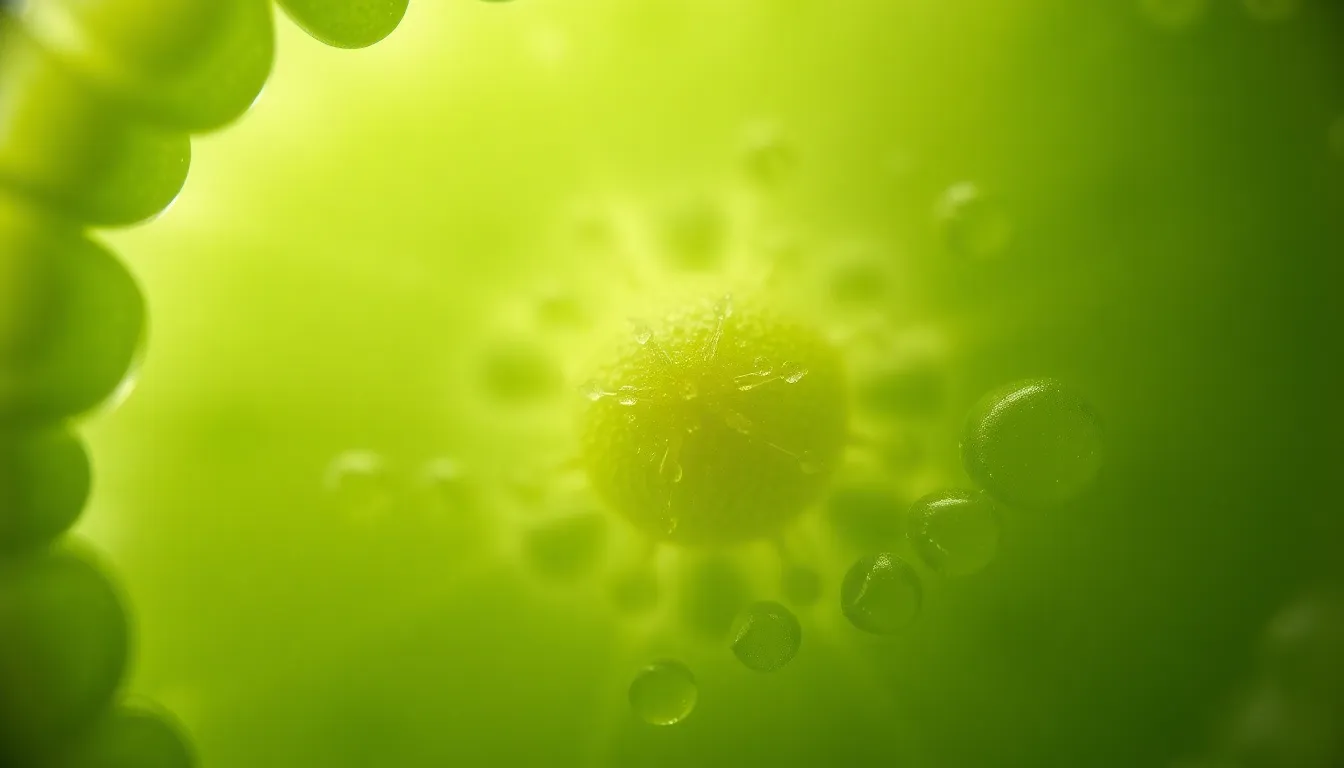
intricate close-up of a plant cell under a microscope shot on Nikon Z9, 70-200mm f/2.8 telephoto at 150mm. Captured using natural diffused daylight from overhead lighting, creating a soft, even illumination across the image. Shallow depth of field at f/2.8 highlights the cell structure while blurring the background into soft green hues. Vibrant Fujifilm Velvia-inspired colors render deep greens and bright cytoplasm, with the cell wall clearly defined. Centered symmetrical composition draws attention to the detailed microstructure, showcasing smooth cell membranes and intricate organelles like chloroplasts coated in a fine moisture.
16:9
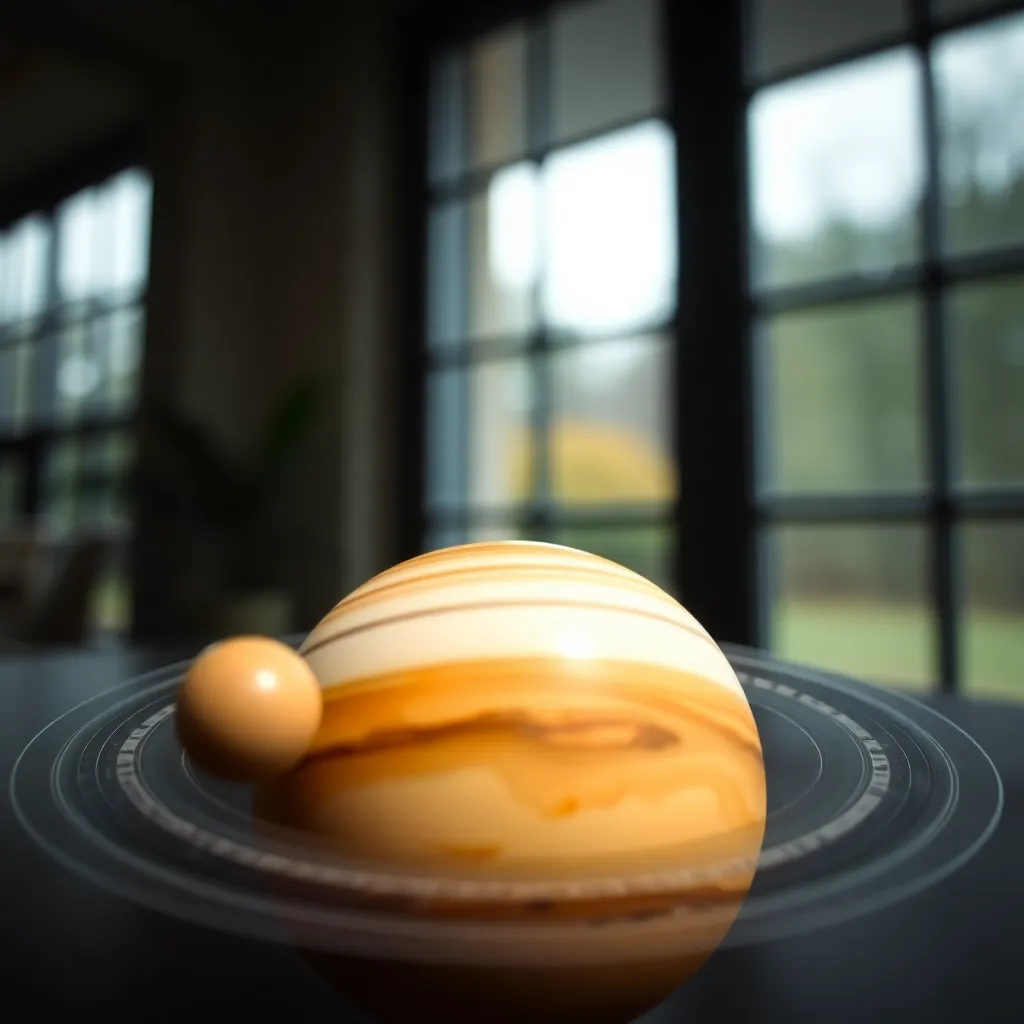
Fujifilm GFX 100S, 110mm f/2 macro, captured during overcast diffused daylight with natural light cascading through a glass window. Depth of field at f/4 focusing on a detailed model of the solar system, with the background gently blurred. The color palette features natural muted tones and soft shadows. The composition is centered around the model with texture details of each planetary surface vividly displayed, emphasizing the intricacies of scale and design.
1:1

Hasselblad X2D 100C, 90mm f/2.5 medium format, utilizing butterfly lighting directly above with catchlights in the subject's eyes. Shallow depth of field at f/2, isolating the subject against a softly graduated background. The color palette reflects warm skin tones and creamy highlights inspired by Kodak Portra 400 film. The composition features a physicist explaining concepts to a group of attentive students, with visible details in their expressions and clothing textures.
3:4
Nikon Z9, 70-200mm f/2.8 telephoto at 135mm, captured during golden hour backlighting with warm rim light. Selective focus on a rolling marble representing kinetic energy, background softening into a creamy bokeh. The color palette features warm hues of orange and gold. The composition centers on the marble with leading lines of motion trails, enhanced by the texture of the smooth surface.
3:2

shot on Sony A7R V with 85mm f/1.4 GM lens, warm tungsten desk lamp casting a directional pool of light. Hyperfocal depth of field capturing everything from foreground to infinity at f/8. The color science follows a cinematic teal and orange grading for a dramatic effect. Composition features a close-up of a physics textbook with notes scribbled in the margins, surrounded by scientific tools like a protractor and compass, showcasing a textured wooden desk surface.
4:3
captured with Canon EOS R5, 24-70mm f/2.8L at 35mm, natural overcast diffused daylight filtering through laboratory windows. Shallow depth of field at f/2.8 with soft bokeh in the background. Color palette reminiscent of natural muted tones with desaturated earth colors. The composition utilizes leading lines to direct the viewer's eye towards a scientist holding a glowing orb. The scene features glass laboratory equipment reflecting light, showcasing the intricate textures of the glass and the scientist's lab coat with visible fibers.
16:9
captured with Hasselblad X2D 100C, 90mm f/2.5 medium format, featuring a breathtaking close-up of a nebula captured in vivid colors. The ethereal lighting creates a soft glow throughout the image, with intricate details of gas and dust swirling in various hues of pink, purple, and blue. The depth of field is set at f/2.5 to focus sharply on the core of the nebula while allowing the surrounding colors to blend softly into the background. The cinematic color grading enhances the dreamlike quality of the scene, while the composition is centered around the nebula's intricate patterns and textures.
3:2
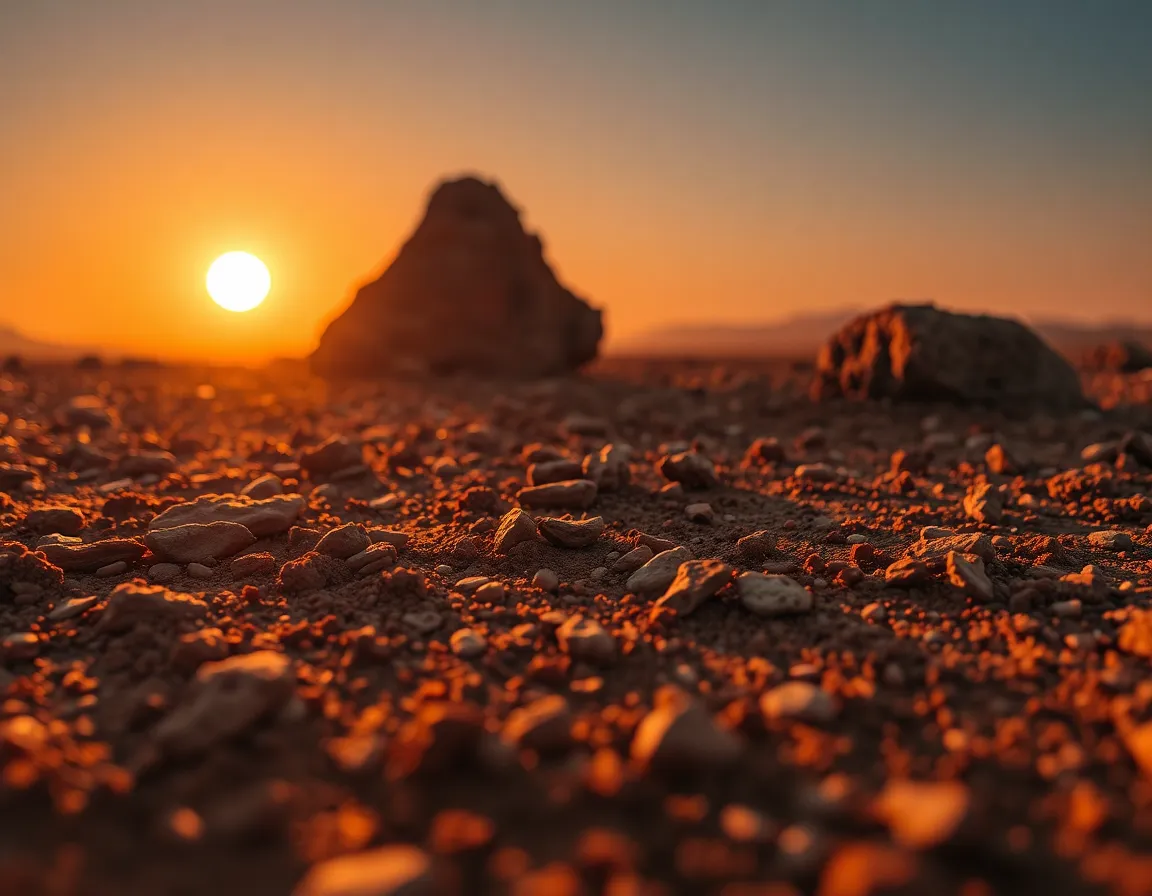
shot on Fujifilm GFX 100S, 110mm f/2 macro, depicting a detailed view of Martian soil and rocks during a sunset. The natural lighting casts a warm, golden hue over the red and brown textures of the terrain, creating an ethereal atmosphere. The selective focus emphasizes the intricate details of the soil's surface, with visible granules and shadows highlighting its rugged features. The color palette features natural muted tones with desaturated earth colors, enhancing the feeling of desolation. The composition follows the rule of thirds, with an interesting rock formation placed strategically to draw the viewer's eye into the landscape.
4:3
captured with Canon EOS R5, 24-70mm f/2.8L at 35mm, illustrating a futuristic cityscape on an alien planet under two suns. The vibrant lighting creates a high-contrast scene, with shadows elongated across the metallic buildings that glimmer in shades of teal and orange. The hyperfocal distance at f/8 keeps everything from foreground to background sharp, showcasing the bustling life in the city. The color palette draws inspiration from cinematic films, with deep shadows contrasting the bright highlights. The composition utilizes a Dutch angle to create a dynamic tension, while the surface details of the buildings highlight their unique, otherworldly materials.
16:9
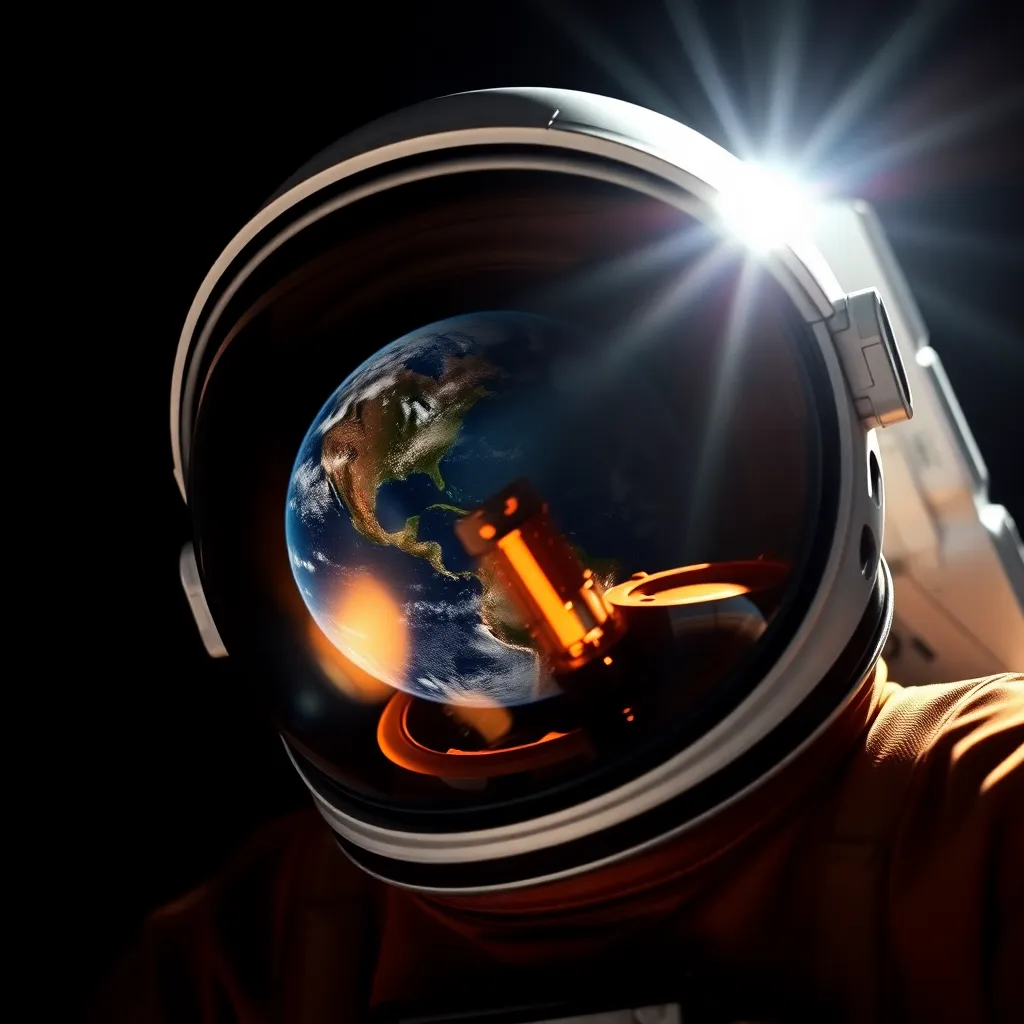
shot on Sony A7R V with 85mm f/1.4 GM lens, displaying a detailed close-up of an astronaut's helmet reflecting the Earth from space. The intense sunlight creates sharp contrasts and highlights on the helmet, while the dark void of space provides a dramatic backdrop. The shallow depth of field at f/1.4 focuses on the helmet's surface, showcasing intricate textures and reflections. The color science is inspired by Kodak Portra 400, emphasizing warm tones in the astronaut's suit against the cooler colors of the cosmos. The composition centers the astronaut's helmet, accentuating the Earth’s curvature visible within the visor.
1:1
captured with Nikon Z9, 70-200mm f/2.8 telephoto at 135mm, showcasing a breathtaking view of the Milky Way arching across a starry night sky above a tranquil desert landscape. The scene is illuminated by soft moonlight, casting gentle shadows on the sandy dunes, with the depth of field at f/2.8 creating a creamy bokeh for the foreground cacti. The color palette features rich blues and purples of the galaxy contrasted with the warm golden tones of the desert sand. The composition utilizes leading lines of the dunes to draw the eye towards the center of the galaxy, while the texture of the sand is visible, catching the light beautifully.
16:9

captured with Leica Q3, 28mm f/1.7 Summilux, utilizing dappled sunlight filtering through leaves for soft lighting, shallow depth of field at f/1.7 creating a magical bokeh effect in the background, natural muted tones with desaturated earth colors highlighting the subject, composition featuring rule of thirds with a focus on a detailed leaf surface showcasing trichomes and veins under the microscope.
16:9
shot on Hasselblad X2D 100C, 90mm f/2.5 medium format, featuring dramatic side lighting from a single overhead lamp creating stark contrasts, selective focus on a sample of human hair revealing the fine texture and details, Fujifilm Velvia-inspired saturated colors enhancing the natural hues of the hair, composition framed using negative space for dramatic effect, allowing the detailed strands to stand out.
16:9
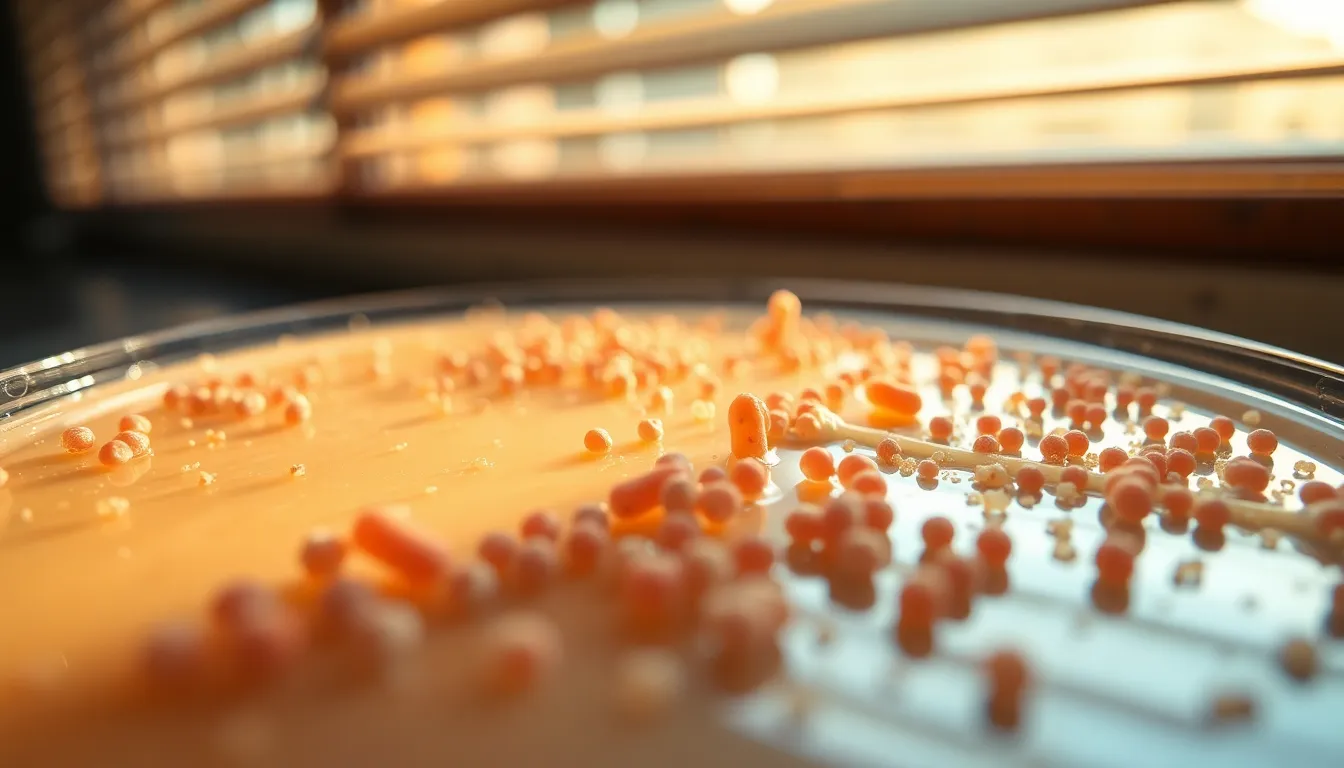
Fujifilm GFX 100S, 110mm f/2 macro capturing a close-up image of bacteria colonies growing on agar, natural soft daylight filtering through blinds creates an ethereal lighting effect, shallow depth of field at f/2 emphasizing the core details of the bacterial growth, natural muted tones with desaturated earth colors enhancing the organic feel, composition utilizing leading lines of the agar dish leading to the vibrant colonies.
16:9
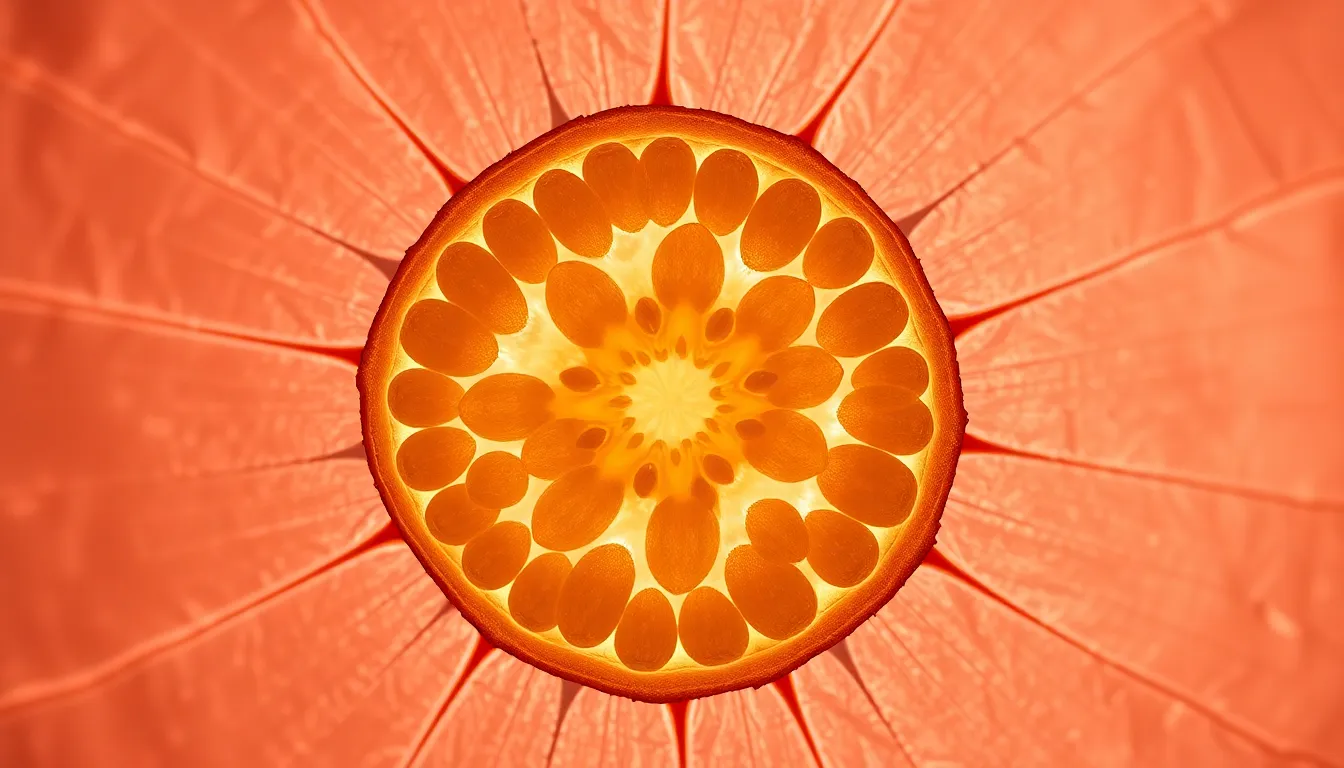
captured with Canon EOS R5, 24-70mm f/2.8L at 50mm, under a softbox lighting setup providing even illumination with a gentle glow, hyperfocal distance at f/8 ensuring sharpness from foreground to background, Kodak Portra 400 color palette enhancing the warm skin tones and lifting shadows, centered symmetrical composition focusing on a detailed cross-section of a plant cell, showcasing cell structures and chloroplasts with visible texture.
16:9
shot on Nikon Z9, 70-200mm f/2.8 telephoto at 135mm, illuminated with bright white LED ring light creating sharp reflections, shallow depth of field at f/2.8 blurring the background into soft colors, natural muted tones with desaturated earth colors accentuating the specimen, rule of thirds composition with a focus on the intricate details of a butterfly wing sample, showcasing the delicate scales and variations in color.
16:9
shot on Sony A7R V with 85mm f/1.4 GM lens in a dark room illuminated by neon lasers demonstrating wave interference patterns. The lighting features vibrant blue and magenta beams cutting through the darkness, casting dynamic reflections on the surfaces. Depth of field is shallow at f/1.4, focusing on the patterns created in a mist-filled air with soft bokeh in the background. The color science emphasizes high saturation and contrast, enhancing the electric atmosphere. The composition captures the swirling patterns as the light beams intersect.
16:9
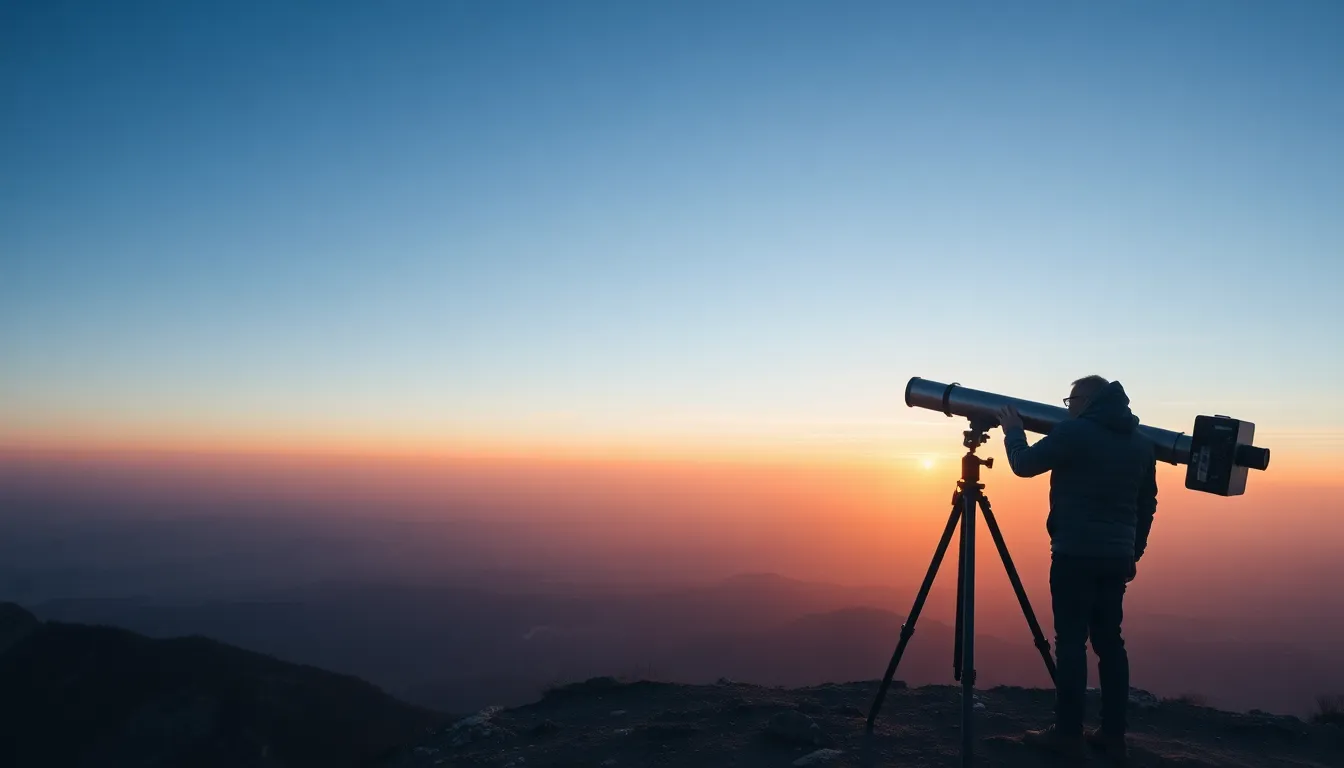
captured with Hasselblad X2D 100C, 90mm f/2.5 medium format during a clear sunrise on a mountain peak with a physicist observing the horizon through a telescope. The scene features hyperfocal depth at f/8 with the entire landscape crisp and sharp, showcasing a panoramic view of distant mountains and valleys. The color palette is soft and muted with blues and pinks of dawn lighting the sky. The composition places the physicist in the lower third, with leading lines of the mountain path guiding the eye to the observatory.
16:9
shot on FujiFilm GFX 100S, 110mm f/2 macro capturing a close-up of a carefully arranged set of gears and cogs on a textured metallic surface illuminated by a warm tungsten desk lamp. The depth of field is shallow at f/2 with the focus on the intricate details of the gears, showcasing visible surface textures and reflections. The color science features deep golds and rich browns, evoking a sense of vintage mechanical artistry. The composition centers on the largest gear, leading the eye through the interlocking pieces.
1:1

captured with Canon EOS R5, 24-70mm f/2.8L at 35mm during golden hour with warm rim lighting illuminating a student conducting an experiment with a Tesla coil. The depth of field is set at f/4, with the student’s focused expression sharp against a softly blurred background of swirling sparks. The color palette emphasizes warm oranges and yellows, evoking excitement and discovery. The composition captures both the coil's intricate design and the student's engagement with the experiment.
3:2
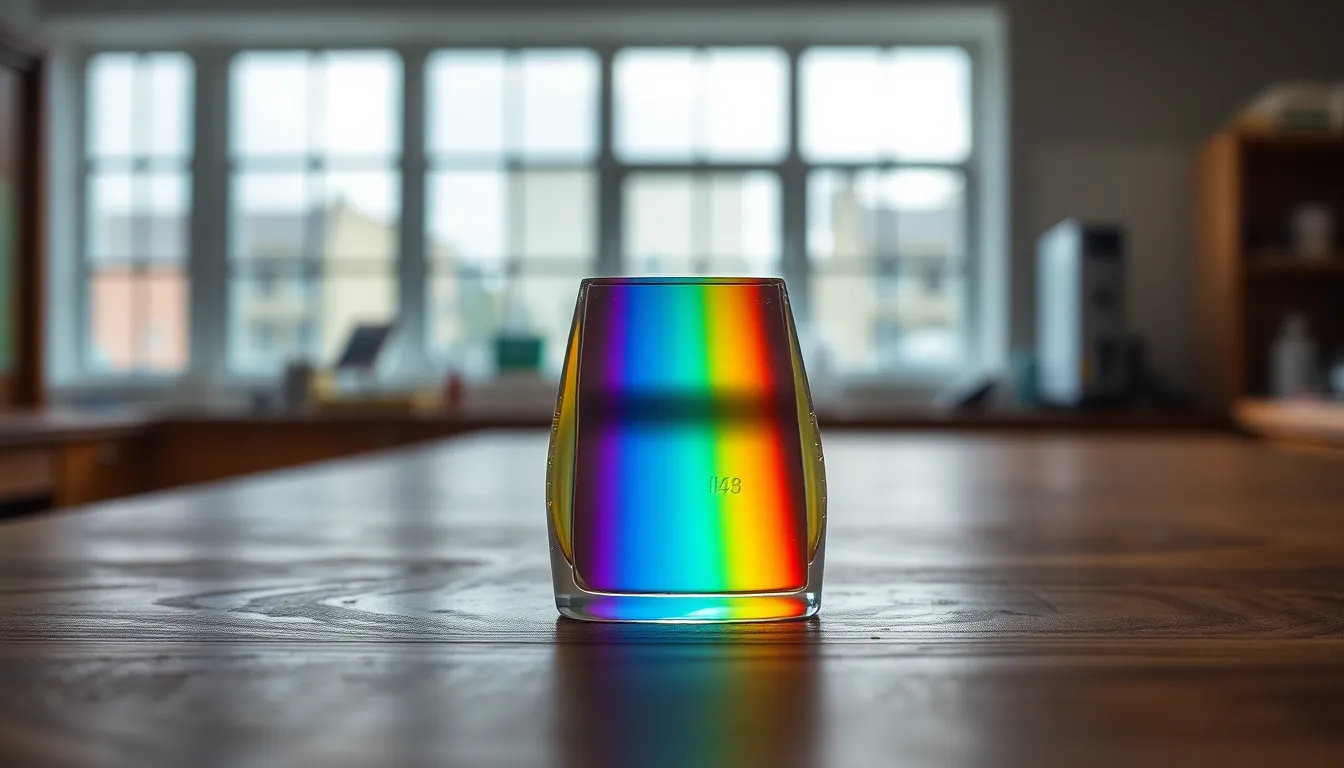
shot on Nikon Z9, 70-200mm f/2.8 telephoto at 135mm with overcast diffused daylight filtering through a physics laboratory window. The focus is on a glass prism creating a spectrum of colors on a wooden table surface, shallow depth of field at f/2.8 with creamy bokeh. The color palette features vibrant rainbow hues against muted wood tones. The composition positions the prism off-center with leading lines formed by light beams. The glass reflects intricate details, showcasing engravings on its surface.
16:9
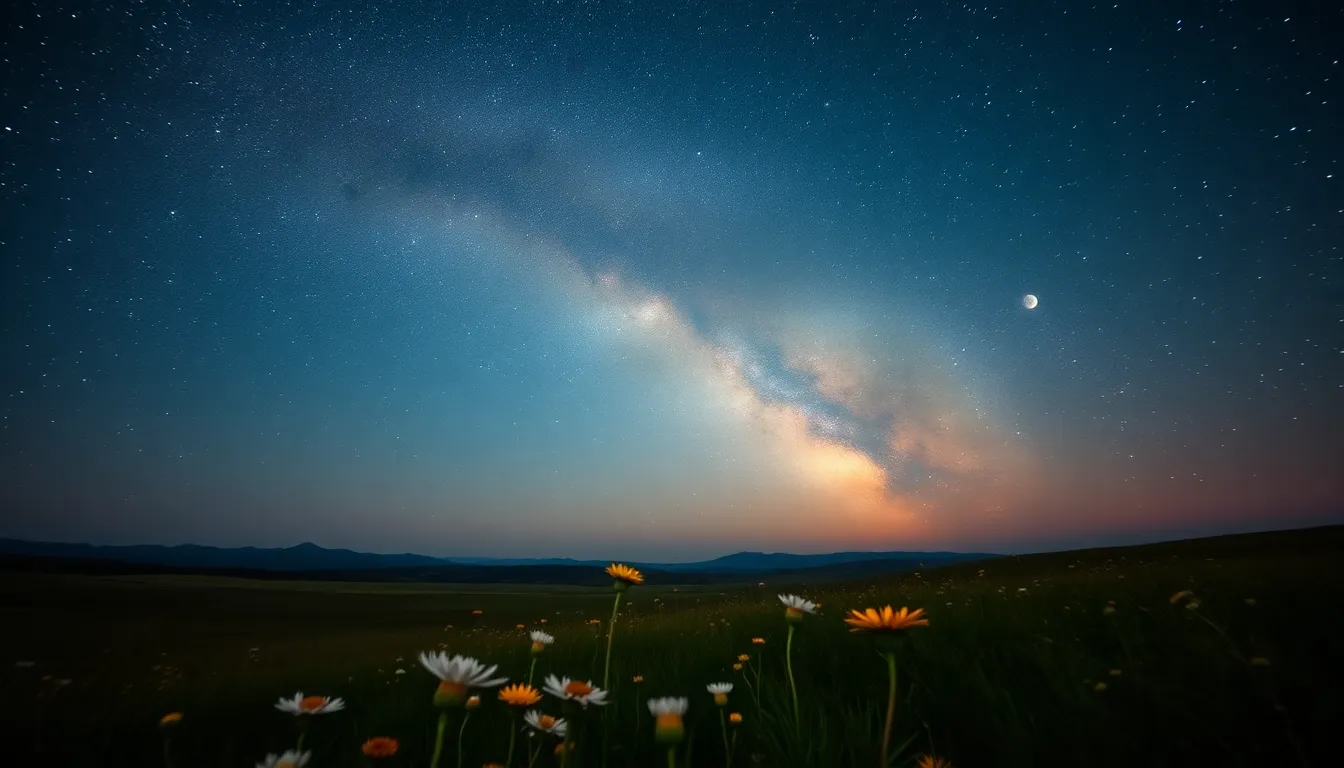
shot on Leica Q3, 28mm f/1.7 Summilux, capturing a breathtaking view of the Milky Way galaxy arching over a serene landscape. The scene is illuminated by the natural glow of the stars, accentuated by the pale light of the moon. A hyperfocal distance at f/8 allows for sharp focus from the foreground of wildflowers to the distant galaxy. The color science uses a Fujifilm Velvia-inspired palette, enriching the blues and greens of the landscape while ensuring the stars shimmer against the dark sky. Placement follows the rule of thirds, with the Milky Way arching elegantly across the top third of the image.
16:9
captured with Fujifilm GFX 100S, 110mm f/2 macro lens, focusing on a fragment of a meteorite resting on a dark backdrop. The scene is illuminated by a soft, directional spotlight creating dramatic highlights on the meteorite's textured surface, revealing the crystalline structures within. The image employs a shallow depth of field at f/2, blurring the background into a soft painterly bokeh that emphasizes the meteorite's details. The color palette is natural and muted, showcasing the earthy tones and subtle shine of the meteorite. The composition is centered, drawing immediate attention to the meteorite as the main subject.
1:1
shot on Hasselblad X2D 100C, 90mm f/2.5 medium format, depicting an astronaut floating in the void of space with Earth in the background. The scene is dramatically lit by sunlight reflecting off the astronaut's helmet, creating striking highlights and shadows. Using a shallow depth of field at f/2.5, the focus is on the astronaut while Earth blurs into a beautiful blue and green gradient. This image embraces a cinematic teal and orange color grading, enhancing the vibrant contrast. The composition places the astronaut left of center, with Earth providing a breathtaking backdrop that accentuates the vastness of space.
16:9
captured with Canon EOS R5, 24-70mm f/2.8L at 35mm during the early morning light, showing a close-up of a stunning planet with detailed topography. The scene is backlit by the sun, giving a warm glow to the planet's surface and creating dramatic shadows. Using a hyperfocal distance at f/8, the image captures everything from the surface details to the distant stars perfectly sharp. The color science leans towards natural muted tones with desaturated earth colors, complementing the planet's rocky texture. A rule of thirds composition places the planet slightly off-center, creating a balanced yet dynamic frame.
3:2
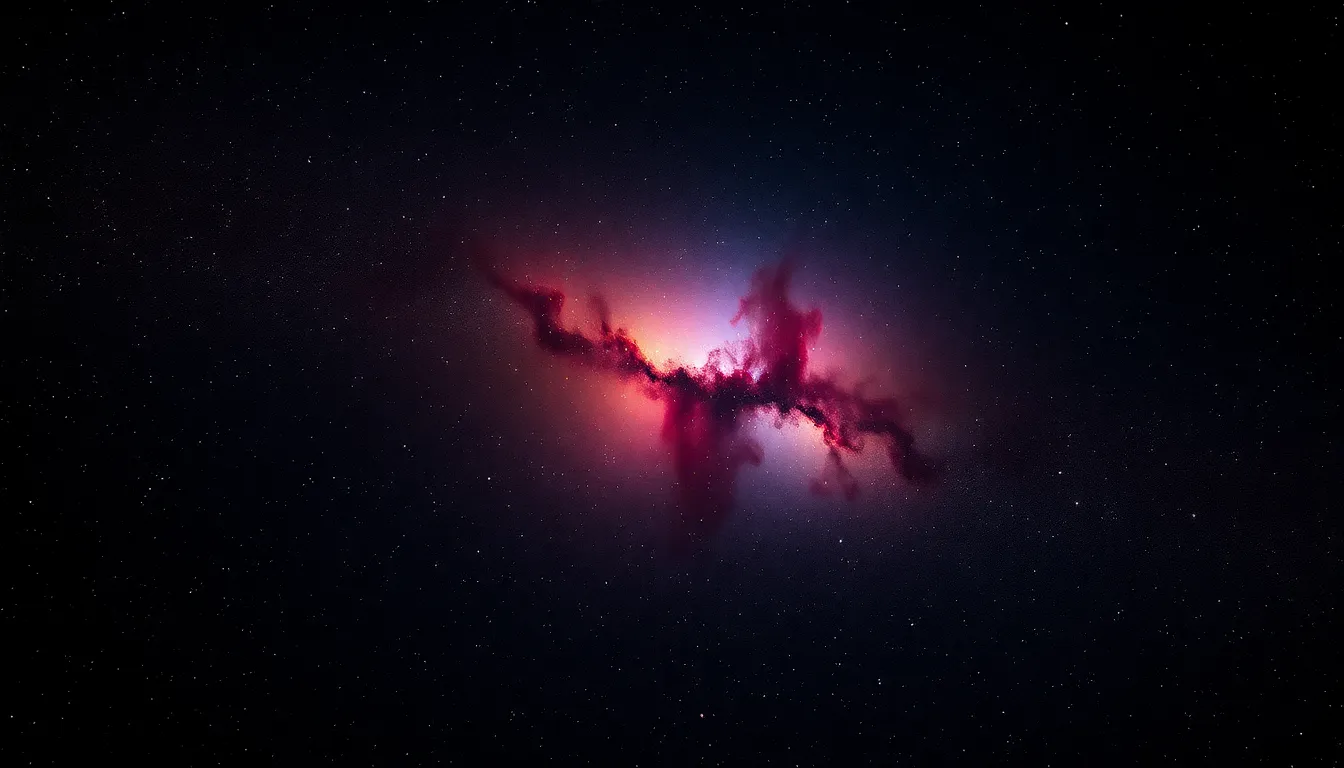
shot on Nikon Z9, 70-200mm f/2.8 telephoto at 135mm, capturing deep space panorama with a multitude of stars and a vibrant nebula. The scene is illuminated by soft starlight, with a contrast of warm reds and cool blues creating a cosmic tapestry. A shallow depth of field at f/2.8 provides a subtle bokeh effect around the edges, directing focus to the nebula's intricate details. The color palette features a rich spectrum of deep space hues, emphasizing the ethereal beauty of the cosmos. Compositionally, the nebula is positioned centrally, framed by the infinite darkness of space, highlighting its grandeur and depth of the scene.
16:9
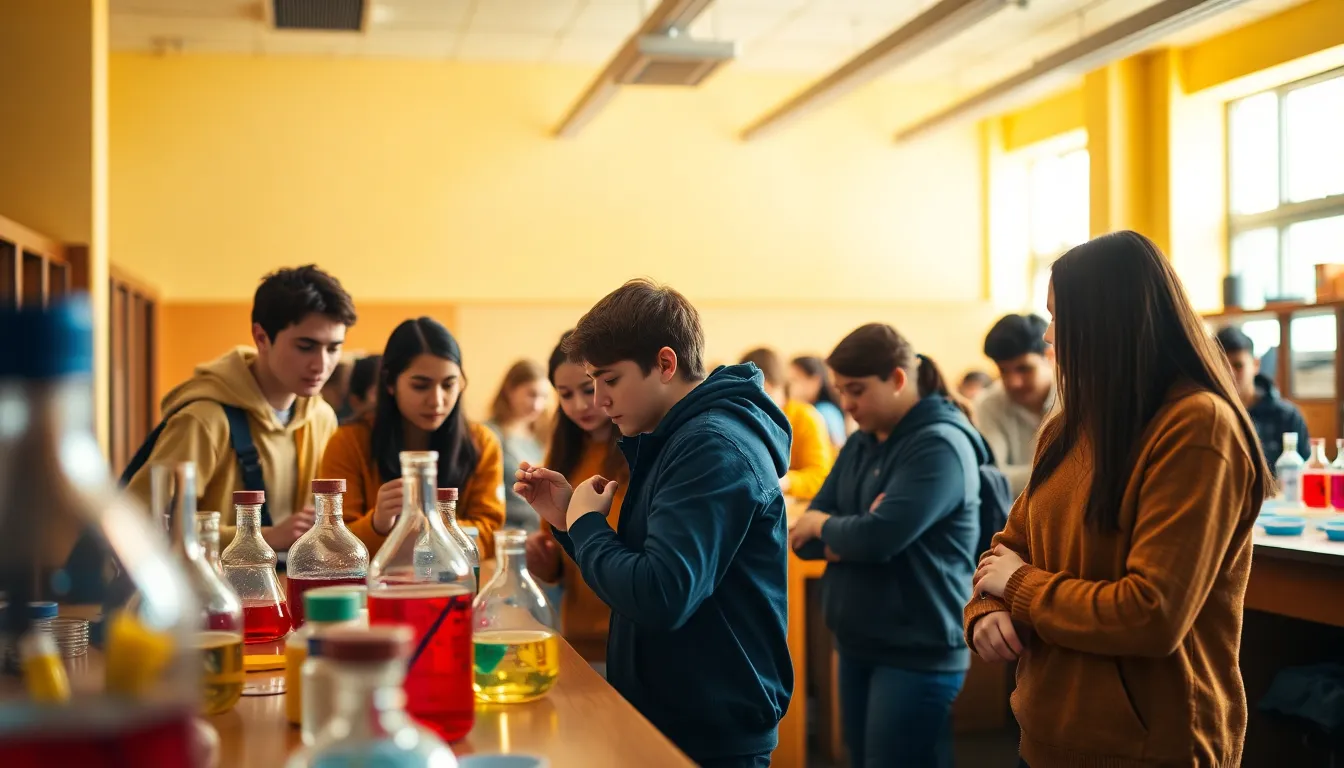
Taken with Leica Q3, 28mm f/1.7 Summilux, this image depicts a vibrant chemistry classroom filled with students engaged in an experiment. The warm tungsten lighting creates a cozy atmosphere, highlighting students' focused expressions as they work together. The depth of field is shallow at f/1.7, bringing clarity to the students while softly blurring the colorful materials and equipment around them. The color palette features warm yellows and browns, enhancing the feeling of collaboration and learning. The composition uses leading lines from the lab benches to draw the viewer's eye toward the students, encapsulating the essence of scientific exploration in an educational setting.
16:9
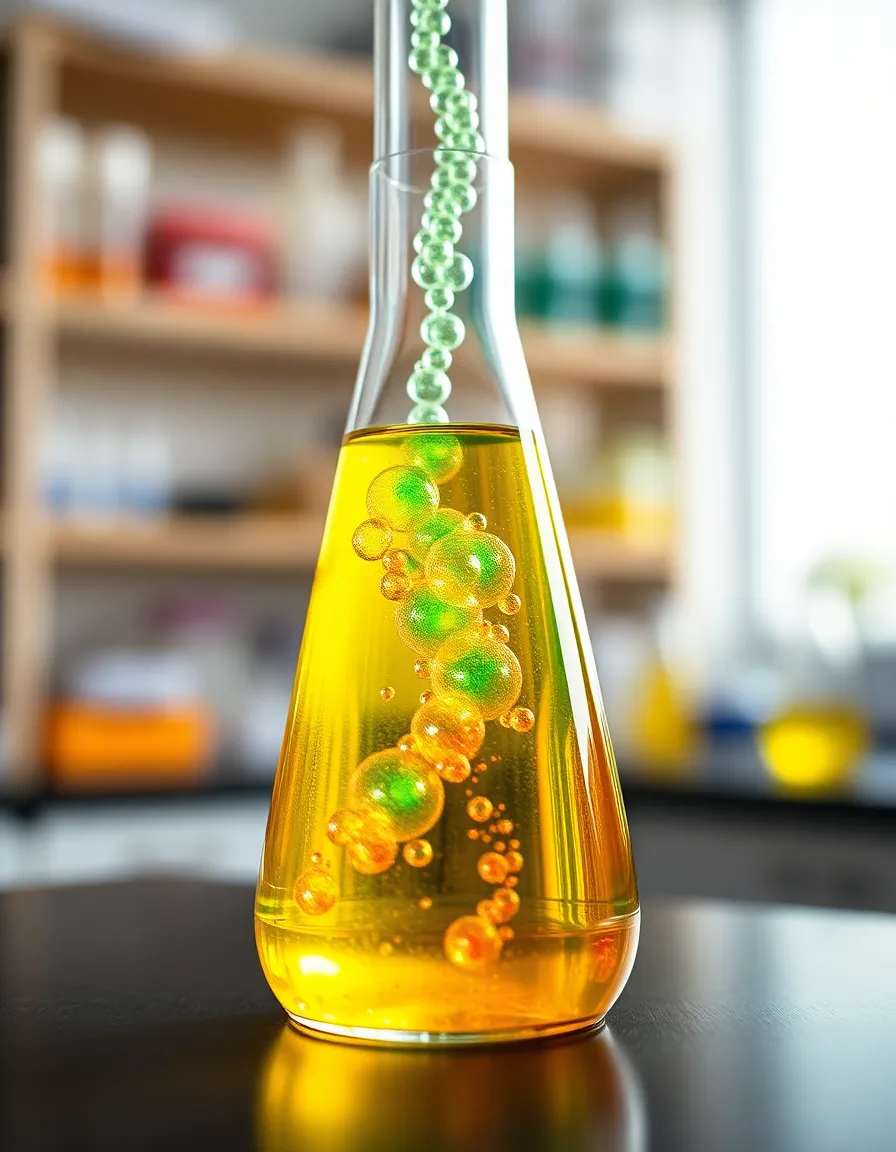
Photographed with Fujifilm GFX 100S, 110mm f/2 macro, the scene captures a laboratory flask with a delicate chemical reaction producing colorful gas bubbles. The lighting is a bright, diffused daylight that enhances the transparency of the fluid, showcasing its vibrant colors. The depth of field is shallow, isolating the flask against a softly blurred background of laboratory shelves. The color palette features bright shades of yellow, green, and blue, evoking a sense of excitement. The composition adheres to the rule of thirds, with the flask strategically placed off-center, guiding the viewer’s gaze toward the captivating reaction. Textures of glass and the bubbling liquid give a sense of realism and movement, inviting curiosity.
3:4

Taken using Hasselblad X2D 100C, 90mm f/2.5 medium format, this image presents a close-up of chemical compounds arranged on a textured wooden surface. Dramatic Rembrandt lighting creates sharp contrasts that highlight the crystalline structures and powders, with soft shadows adding depth. Utilizing a shallow depth of field at f/2.5 brings the compounds into sharp focus while blurring the background, which is subtly detailed with wood grain. The color palette consists of soft whites, earthy browns, and vibrant jewel tones, enhancing the organic feel of the scene. The composition is centered, with the intricate details of the compounds inviting exploration and analysis, showcasing the beauty of chemistry at a micro level.
1:1
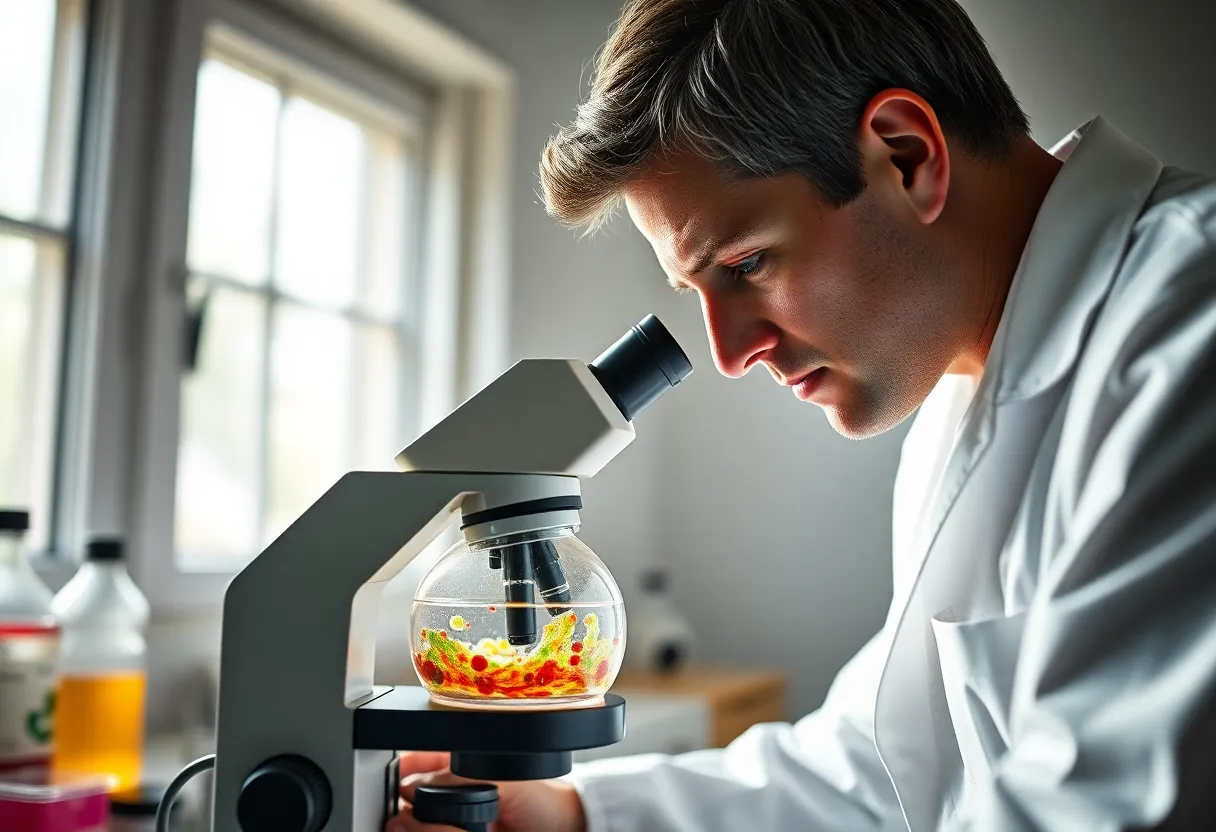
Captured with Canon EOS R5, 24-70mm f/2.8L at 35mm, this image depicts a scientist in a white lab coat examining a petri dish under a microscope. Natural daylight from a window provides soft, diffused lighting, illuminating the workspace. The depth of field is shallow at f/2.8, focusing on the scientist's intense gaze and the intricate details of the dish. The color palette is composed of muted earth tones with splashes of vivid colors from the culture within the dish. The composition follows the rule of thirds, with the scientist positioned on one side and the microscope prominently featured, emphasizing the action of discovery. Details of the microscope and lab equipment reflect the precision of scientific inquiry.
3:2
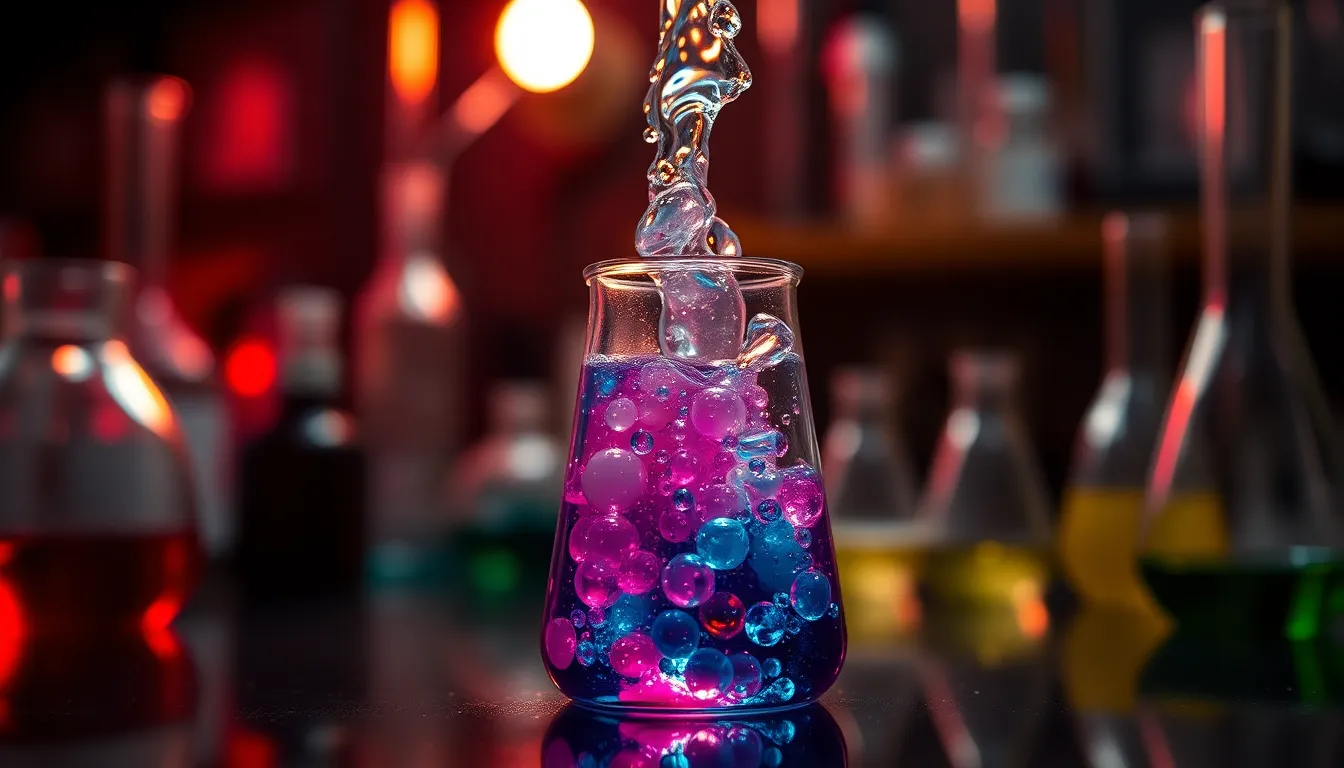
Shot on Nikon Z9, 70-200mm f/2.8 telephoto at 135mm, the image features a glass beaker overflowing with colorful bubbling liquids in a dimly lit laboratory. Soft, ambient lighting creates a dramatic atmosphere, with highlights reflecting off the glass surfaces. The shallow depth of field at f/2.8 keeps the focus on the beaker, while the background fades into a soft bokeh of laboratory tools. The color palette is vibrant, with rich reds, blues, and greens accentuated against a dark backdrop. The composition is dynamic, with the beaker placed slightly off-center, allowing the viewer's eye to travel through the scene. Fine textures of glass and liquid create a sense of realism, capturing the essence of chemistry in action.
16:9
Shot with Hasselblad X2D 100C, 90mm f/2.5 medium format, this image features a stunning view of a distant galaxy reflected in a tranquil lake. The scene is bathed in the soft light of dawn, with a dreamy pastel color palette that includes pinks, purples, and soft blues. The lighting creates a gentle glow on the water's surface, creating a surreal atmosphere. The depth of field is hyperfocal, ensuring clarity from the foreground pebbles to the distant galaxy. The composition employs symmetry, with the reflection perfectly mirroring the galaxy above, creating harmony in the scene.
16:9
Photographed with Fujifilm GFX 100S, 110mm f/2 macro lens, this image showcases a close-up of a comet approaching the Sun, illuminated with fiery hues. The sunlight creates a halo effect around the comet's tail, creating a dramatic lighting situation that enhances its features. The image has a shallow depth of field, allowing the comet's icy nucleus to stand out against the blurred background of starry space. The color palette includes fiery oranges, yellows, and whites, capturing the intensity of solar interaction. The composition places the comet in the upper third of the frame, enhancing the sense of motion and urgency.
3:2
Captured with Canon EOS R5, 24-70mm f/2.8L at 35mm, this scene depicts a planetary landscape with rings, reminiscent of Saturn. The lighting is a combination of star-like twinkling points of light and ethereal glows from nebulae in the background. A hyperfocal distance keeps the entire scene from the crystalline surface of the planet to the swirling nebulae sharp. The color palette features vibrant yellows and soft pinks, giving a dreamlike quality. The composition utilizes leading lines from the rings that draw the viewer's eyes toward the distant stars.
16:9

Shot on Sony A7R V with 85mm f/1.4 GM lens, this close-up image features an astronaut's helmet reflecting the Earth and black space. The lighting captures the soft gleam of the surface with a high gloss finish. Depth of field is shallow, focusing sharply on the helmet's visor while the reflections blur softly into bokeh. The color palette is rich in cool blues and bright whites, emphasizing the chilling beauty of space. The composition centers on the visor, creating a strong focal point that draws the viewer into the scene.
3:4
Captured with Nikon Z9, 70-200mm f/2.8 telephoto at 135mm, this image depicts a celestial view of the Milky Way galaxy. The scene is bathed in the soft glow of a new moon, creating dramatic contrasts. The stars are pinpricks of light against a velvety black sky, with some trailing stars captured in long exposure. The foreground showcases a rugged landscape, with subtly illuminated rock textures and deep shadows. The composition follows the rule of thirds, placing the galactic core off-center. Color palette features deep blues and purples with bright white star highlights, showcasing the vastness of space.
16:9

a detailed capture of a virus particle viewed under high magnification, shot on Leica Q3 with a 28mm f/1.7 Summilux lens, illuminated by harsh laboratory lights creating stark highlights and shadows, shallow depth of field at f/2 isolating the virus in crisp detail against a blurred background, natural muted tones with desaturated blues and greens showcasing the virus's surface textures, composition emphasizing the virus particle in the foreground with a stark contrast against the lab's sterile environment.
16:9
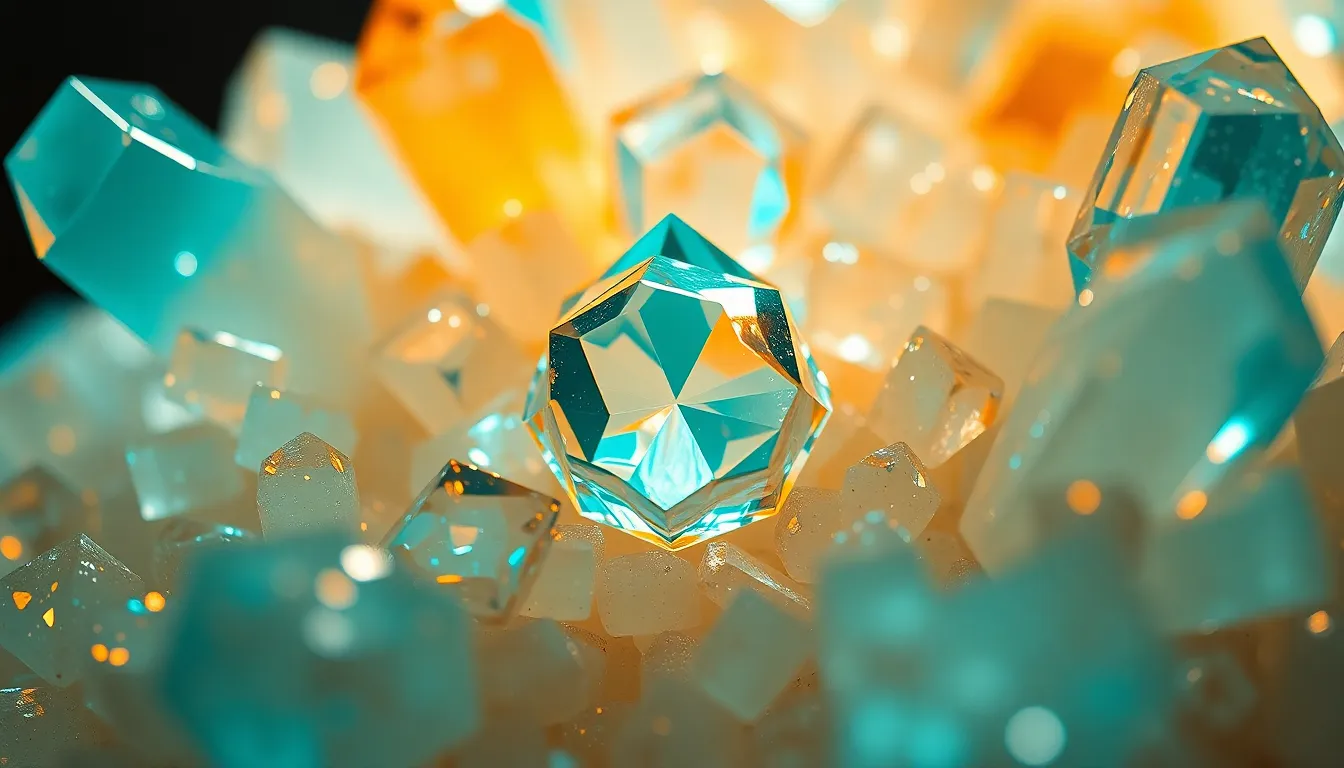
a photorealistic examination of a crystal structure under polarized light, captured with Fujifilm GFX 100S, 110mm f/2 macro lens, with dramatic lighting produced by polarized filters to create striking contrasts in colors, shallow depth of field at f/4 focusing on the central crystal while the surrounding areas dissolve into soft shapes, cinematic teal and orange color grading enhancing the vibrancy of the crystals, composition employs a dynamic angle to reveal the geometric shapes and symmetrical patterns of the crystals.
16:9
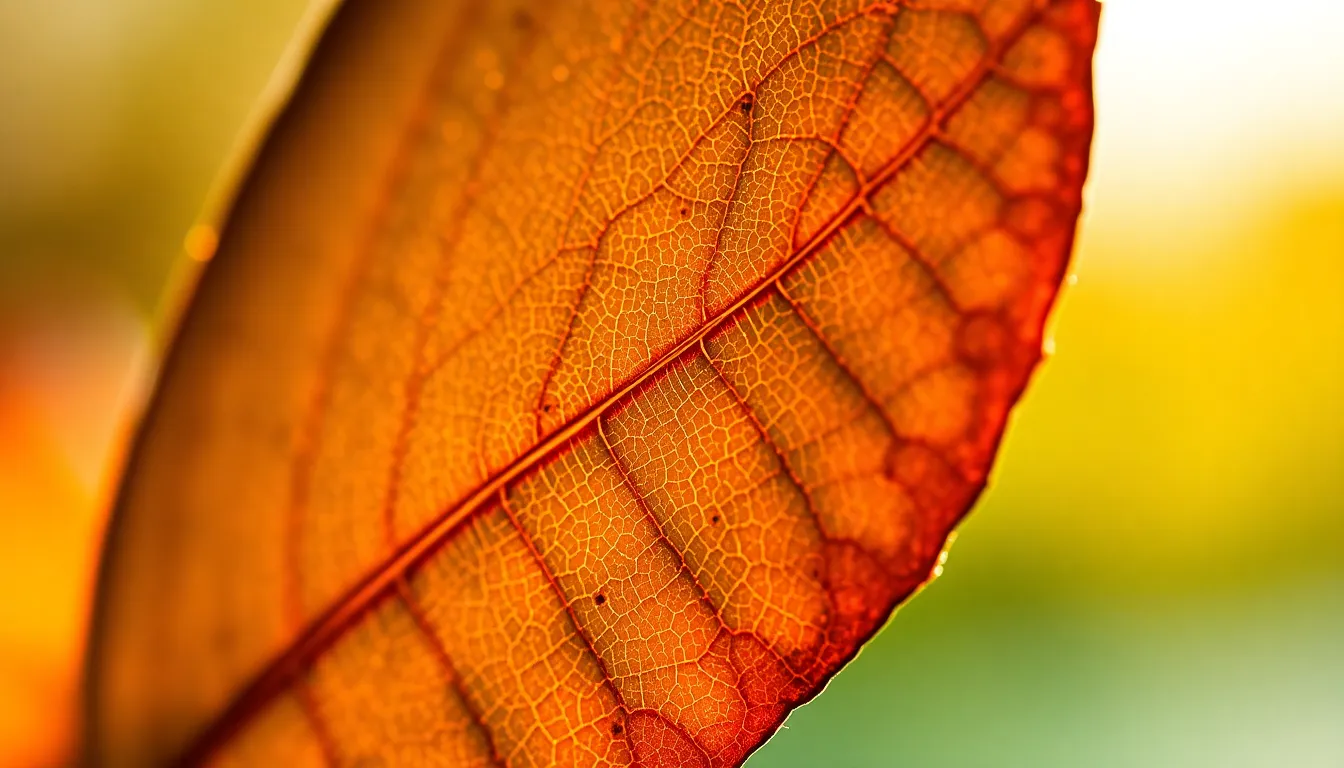
an artistic representation of a leaf cross-section viewed under a microscope, shot on Hasselblad X2D 100C with a 90mm f/2.5 medium format lens, backlit by a warm tungsten lamp enhancing the rich textures of the leaf, shallow depth of field at f/2.8 creating a dreamy bokeh background, with a Kodak Portra 400 color palette emphasizing warm greens and soft browns, composition showcasing the leaf's intricate vein patterns at the intersection of light and shadow.
16:9
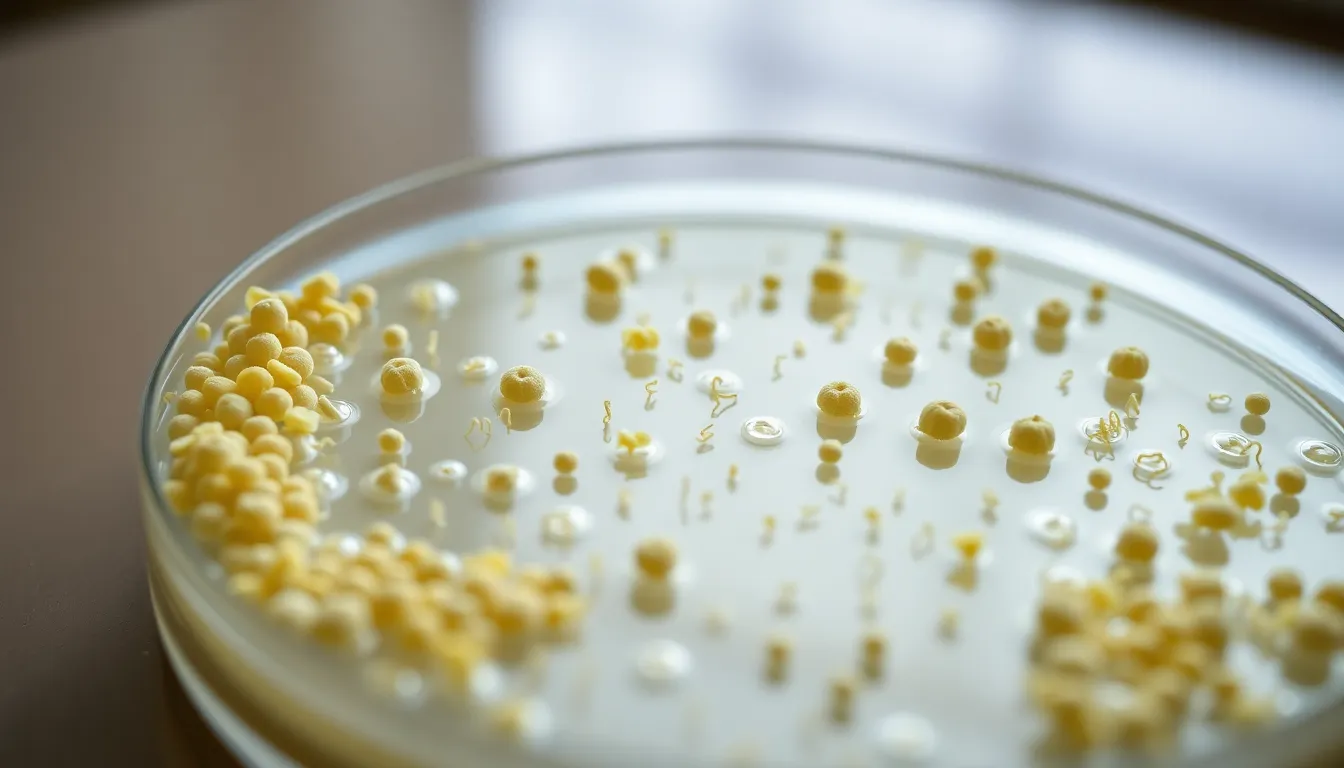
a detailed image of bacteria colonies on an agar plate, captured with Canon EOS R5, 24-70mm f/2.8L at 35mm, natural diffused daylight filtering through a window providing soft, even lighting, hyperfocal distance at f/8 ensuring everything from the foreground to the background is sharp, with a natural muted color palette highlighting the subtle yellows and greens of the bacteria, composition using leading lines of the agar plate's edges directing the viewer's eye to the central growths, along with the texture of the agar surface.
16:9
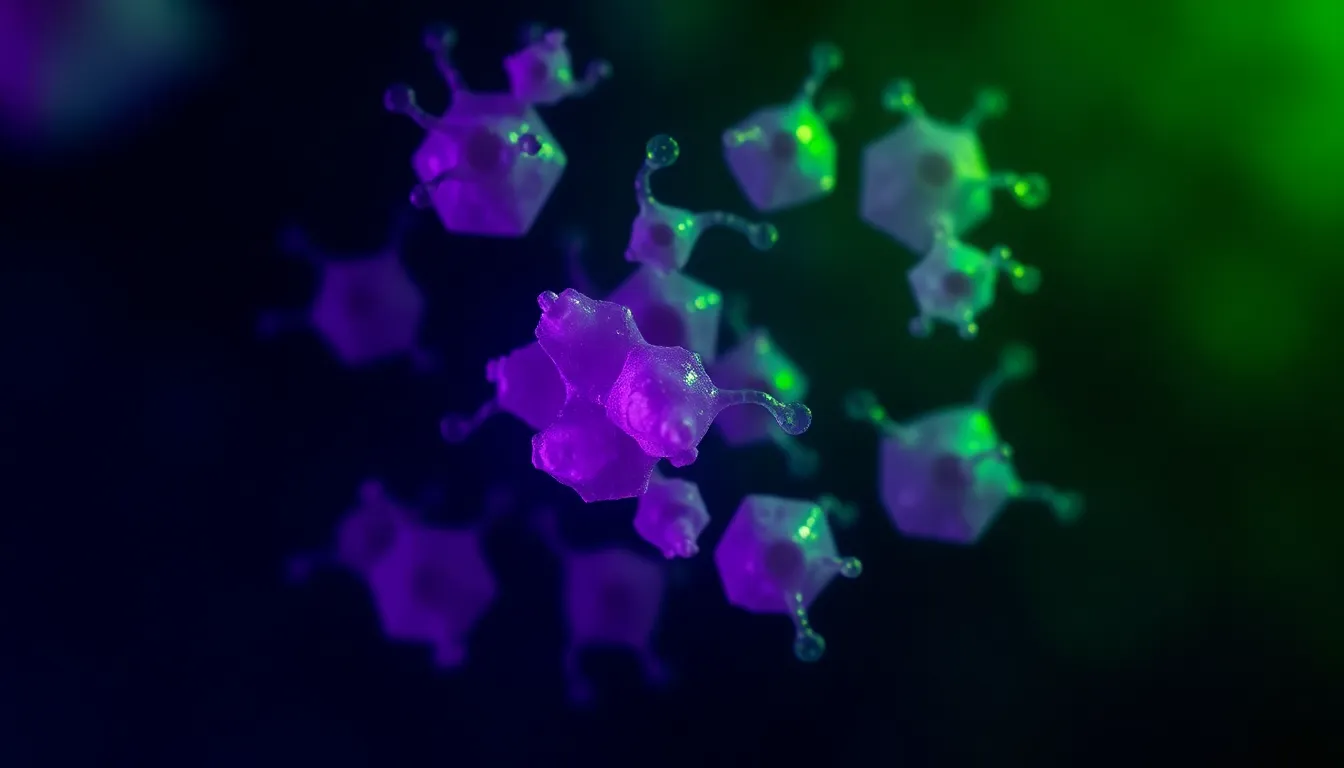
an intricate close-up of a cell sample viewed under a microscope, shot on Nikon Z9 with 70-200mm f/2.8 telephoto at 135mm, illuminated by a focused LED ring light creating sharp highlights, shallow depth of field at f/2.8 bringing the cell structures crisply into focus while softening the background, vibrant colors inspired by Fujifilm Velvia with rich purples and greens, composition featuring a centered arrangement of the cells against a contrasting dark background, revealing the fine textures of the cell membranes and organelles.
16:9
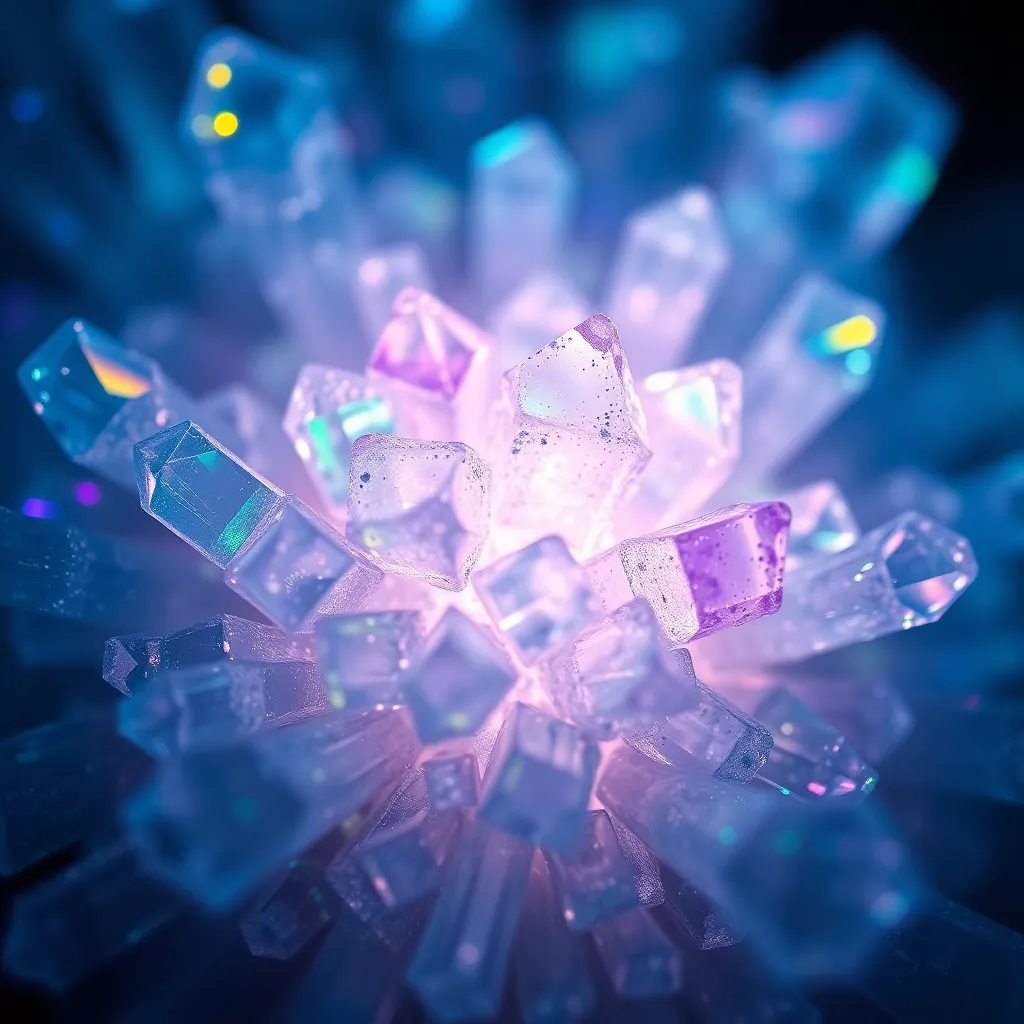
Fujifilm GFX 100S, 110mm f/2 macro presents a stunning close-up of a crystal structure under a microscope. Crystal formations sparkle under a diffuse light source, revealing intricate patterns and textures. The depth of field is extremely shallow at f/2, creating a dreamy effect where the surrounding area fades away. The color palette features vibrant, iridescent colors of blue, purple, and green, showcasing the beauty of scientific materials. The composition is centered, emphasizing the uniqueness of each crystal and inviting viewers into the microcosm of physics.
1:1
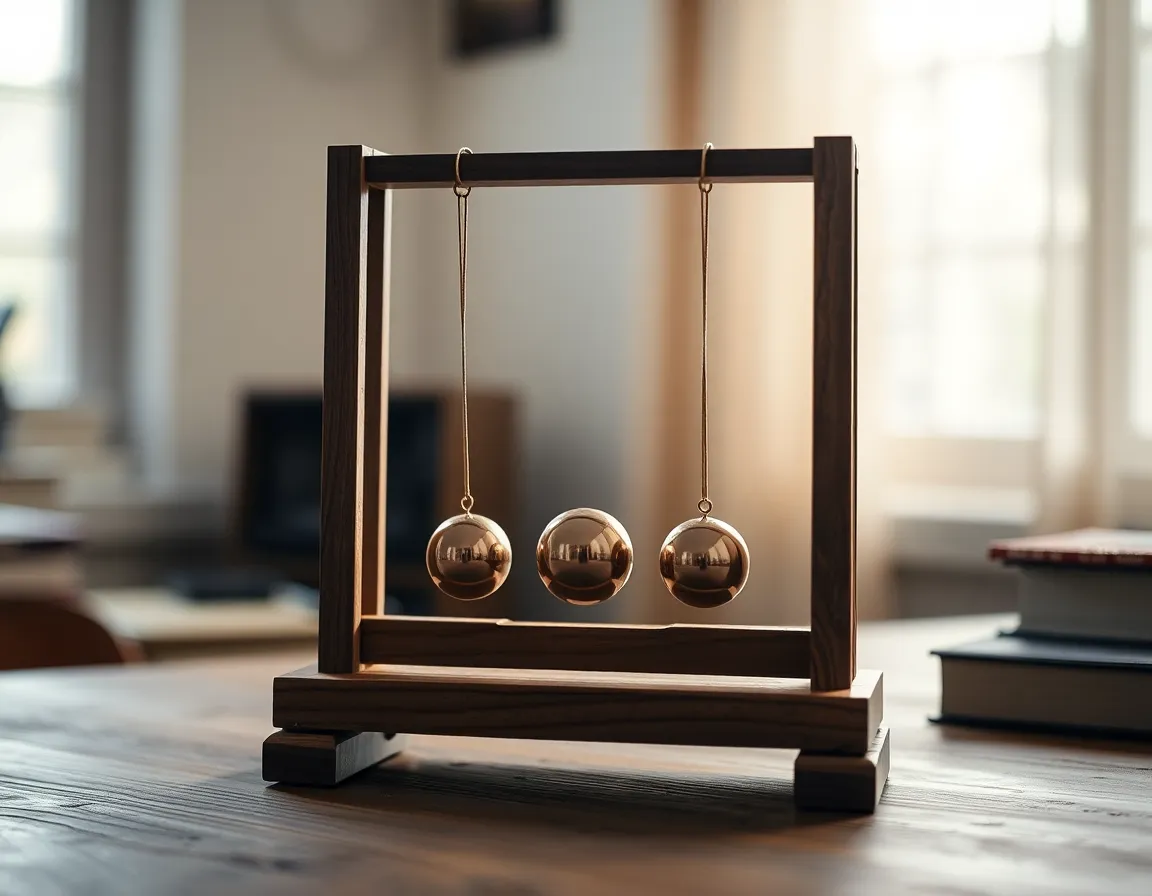
Hasselblad X2D 100C, 90mm f/2.5 medium format presents a dramatic depiction of Newton's cradle on a wooden desk, caught mid-swing with kinetic energy. The lighting is soft, with natural light filtering through a nearby window accentuating the texture of wood grain and metal balls. Shallow depth of field at f/2.5 blurs the desk background while keeping the cradle in crisp focus. The color palette is warm, with browns and bronze hues giving a nostalgic feel to the image. Centered composition allows for an intimate exploration of this classic physics experiment.
4:3
Nikon Z9, 70-200mm f/2.8 telephoto at 135mm captures a wide view of a solar eclipse over a vast desert landscape, with shadows stretching across the sand dunes. The scene is bathed in ethereal twilight hues of deep blue and burnt orange, creating an otherworldly atmosphere. The depth of field is hyperfocal at f/8, ensuring both the foreground dunes and distant horizon remain in sharp focus. The composition utilizes leading lines formed by the dunes to draw the viewer's eye towards the captivating eclipse, enhancing the impact of the natural phenomenon.
16:9
Shot on Sony A7R V with 85mm f/1.4 GM lens, this image depicts a close-up of a spinning gyroscope against a soft black background, illuminated by a warm spotlight that casts dramatic shadows. The depth of field is extremely shallow at f/1.4, allowing the gyroscope to pop with sharp focus while the rest of the frame melts into a silky bokeh. The color palette features rich metallic tones, highlighting the intricate details and textures of the gyroscope's surface. The centered composition draws the eye to the gyroscope's rotation, evoking a sense of motion and stability.
1:1
Captured with Canon EOS R5, 24-70mm f/2.8L at 35mm, this scene features a physicist in a lab wearing safety goggles and a lab coat. Ambient lab lights create dramatic shadows while the key light highlights a demonstration table filled with prisms and glass apparatus. Shallow depth of field at f/2.8 focuses on the physicist's expressive face, emphasizing deep-set eyes reflecting curiosity. The color palette includes cool blues and whites, evoking a sterile yet vibrant scientific atmosphere. The composition follows the rule of thirds, with the physicist positioned to the right, framing the glass tools on the table, enhancing the texture of polished glass and lab surfaces.
16:9

captured with Leica Q3, 28mm f/1.7 Summilux, dappled sunlight filtering through tree canopy creating a serene outdoor chemistry class setting, shallow depth of field at f/1.7 focusing on students interacting with natural materials, cinematic teal and orange color grading invoking a creative and engaging mood, rule of thirds with students positioned naturally throughout the frame amidst lush greenery.
3:2
shot on Hasselblad X2D 100C, 90mm f/2.5 medium format with warm tungsten desk lamp casting directional light, presenting a tabletop still life of laboratory glassware filled with colorful solutions, hyperfocal distance ensuring all elements from foreground to background remain sharp, natural muted tones with hints of saturation reflecting the liquid colors, creative composition showcasing the glassware with an elegant arrangement on a textured wooden table.
4:3
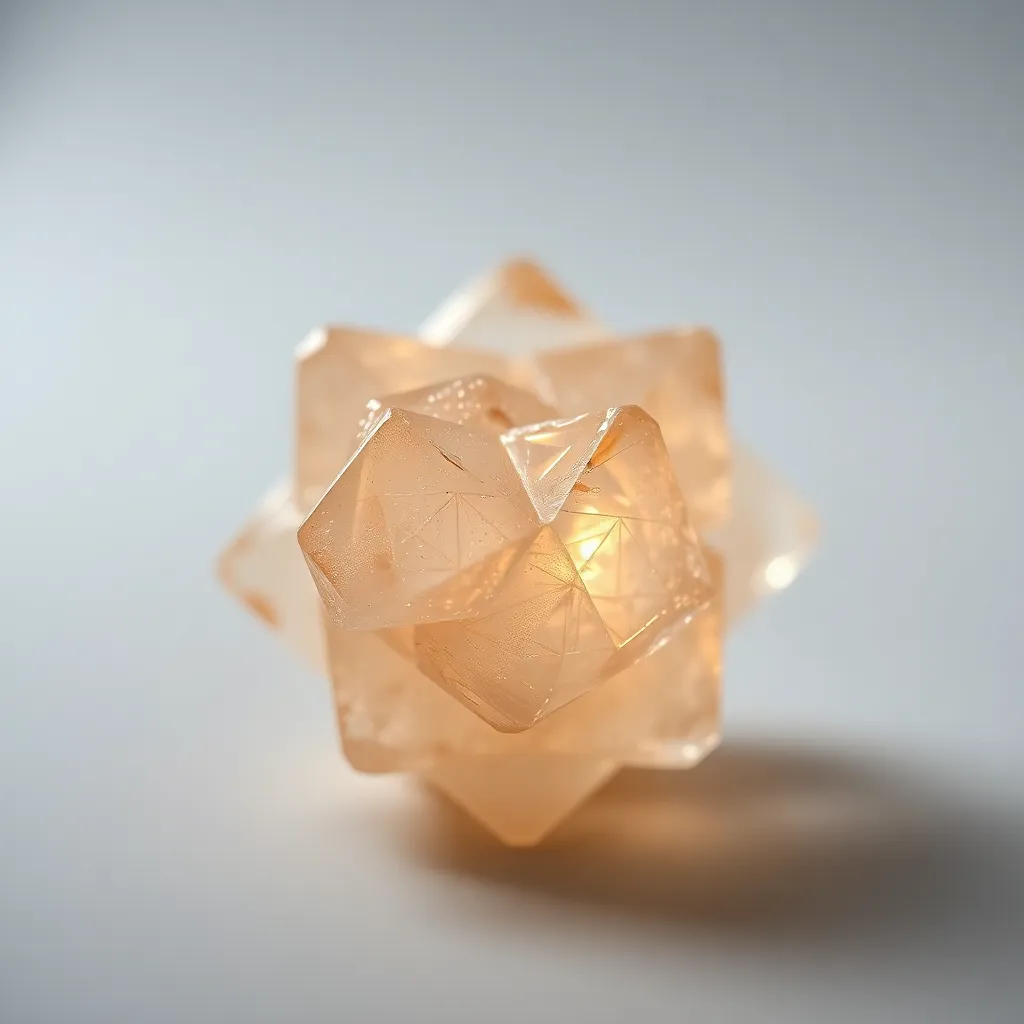
Fujifilm GFX 100S, 110mm f/2 macro capturing a detailed close-up of a crystal structure under soft studio lighting, selective focus on the crystalline surface showcasing intricate patterns, using Kodak Portra 400 color palette to emphasize warm hues and creamy highlights, centered symmetrical composition where the crystal takes prominence against a soft gray background that highlights its details.
1:1
captured with Nikon Z9, 70-200mm f/2.8 telephoto at 135mm, golden hour backlighting creates warm rim light around colorful chemical reactions, hyperfocal distance ensuring everything from foreground test tubes to distant lab shelves is perfectly sharp, Fujifilm Velvia-inspired saturated colors enhance the vivid hues of the liquids, leading lines guide the eye from the foreground test tubes to the chemist's engaged expression.
16:9
shot on Canon EOS R5, 24-70mm f/2.8L at 50mm, illuminated by an overcast diffused daylight through floor-to-ceiling windows, shallow depth of field at f/2.8 with a soft bokeh of laboratory equipment in the background, natural muted tones with desaturated earth colors, rule of thirds composition featuring a chemist in a white lab coat conducting an experiment, highlighting the glossy surface of glass beakers and pipettes.
16:9
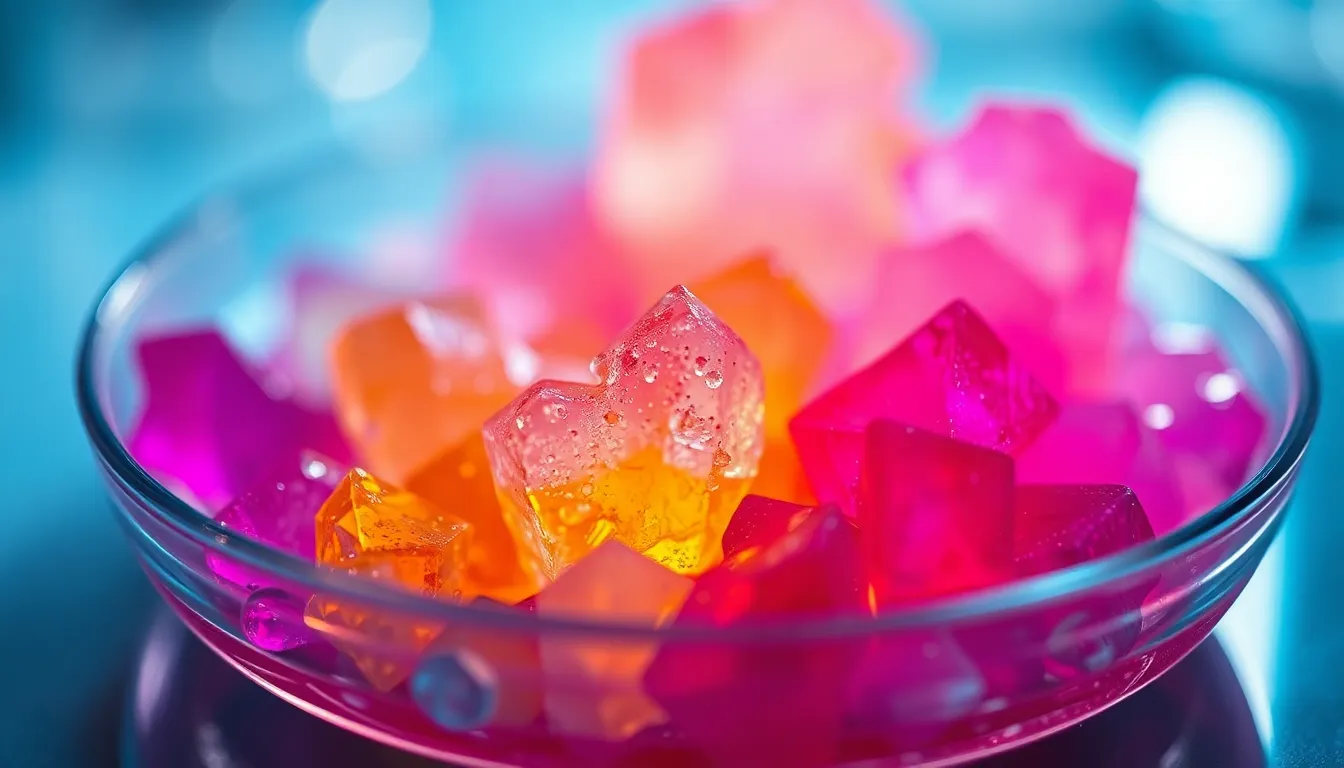
Fujifilm GFX 100S, 110mm f/2 macro, captures the intricate details of a chemical experiment involving crystal formations in a shallow dish. The vibrant colors of the crystals are enhanced by diffused daylight coming from above, revealing textures and patterns within the transparent materials. The shallow depth of field at f/2 creates a beautiful bokeh effect that highlights the centerpiece of the crystals while the background blurs softly into indistinct shapes. The color palette is vibrant and saturated, reminiscent of a scientific jewel. The composition follows the rule of thirds with the crystals positioned at a power point, creating a striking visual impact.
16:9
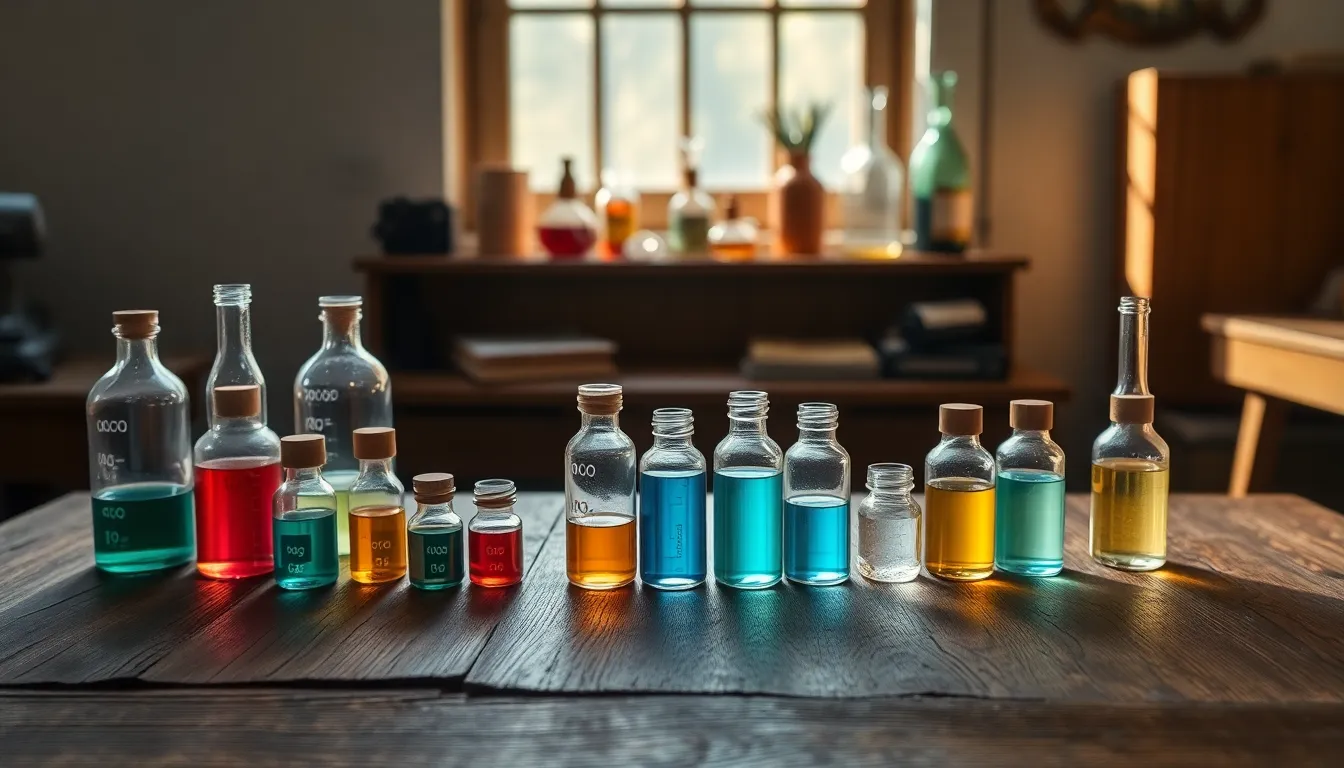
Hasselblad X2D 100C, 90mm f/2.5 medium format, depicts a neatly arranged scene of various chemical compounds in glass vials on a weathered oak table. The soft natural light from a nearby window casts gentle shadows, and the shallow depth of field keeps the foreground in focus while the background blurs into soft warmth. The rich color palette features earthy tones with vibrant accent colors from the compounds, evoking a sense of organic discovery. The composition employs a centered symmetrical layout, showcasing the beauty of the scientific materials and inviting the viewer's curiosity.
16:9
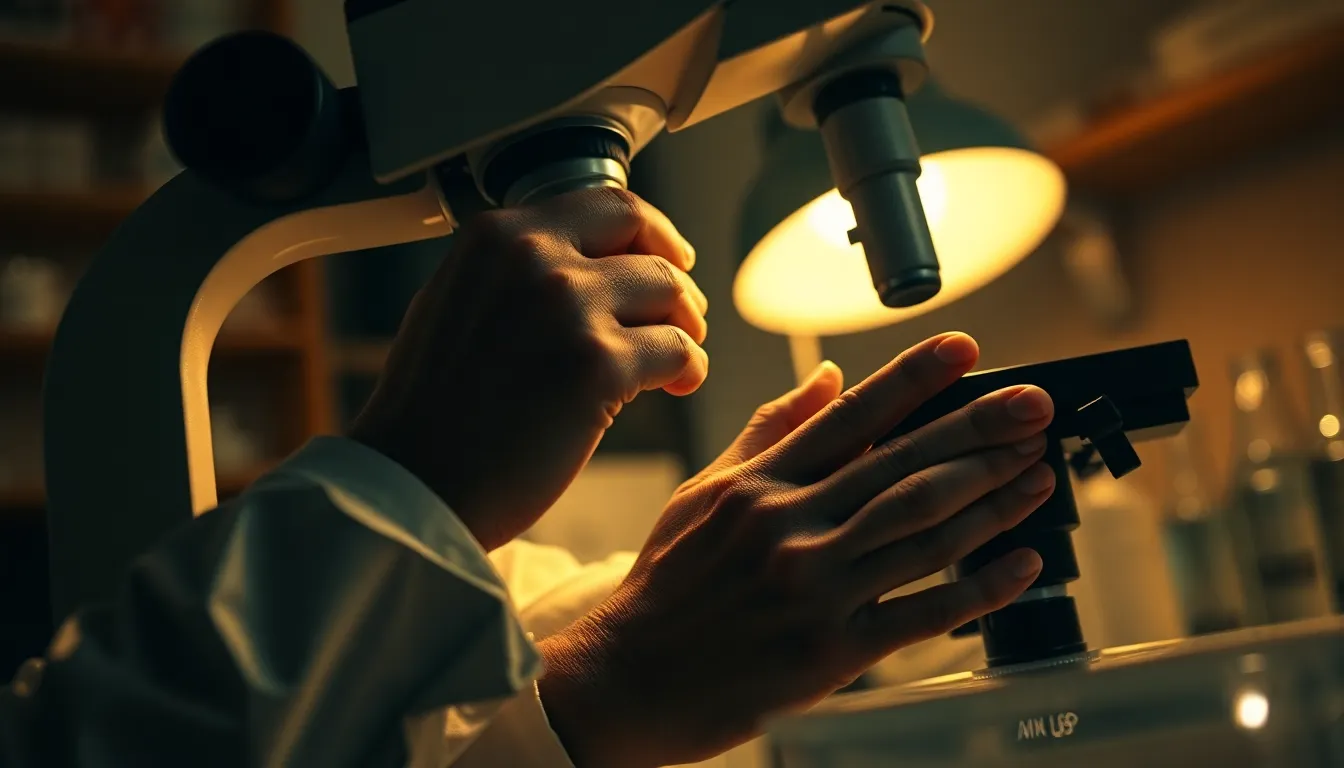
Nikon Z9, 70-200mm f/2.8 telephoto at 135mm, capturing a close-up shot of a chemist's hands working with a microscope in a dimly lit lab, illuminated by a warm tungsten desk lamp. The hyperfocal distance keeps all elements sharp, creating an intimate atmosphere. The color science features muted tones with desaturated earth colors, focusing on the textures of the skin and equipment. The composition uses leading lines from the microscope's arm toward the chemist's hands, emphasizing the delicate precision of scientific work. Surface details of the microscope and glass slides convey a feeling of professionalism and care.
16:9
shot on Sony A7R V with 85mm f/1.4 GM lens, capturing the essence of an outdoor chemistry experiment during golden hour. Warm rim light highlights the subject, a young scientist wearing a lab coat, as they carefully mix colorful powders in a small petri dish. The shallow depth of field at f/1.4 blurs the vibrant garden background, creating a dreamy effect with soft circular bokeh. The color palette is warm and inviting, with natural sunlight illuminating the rich colors of the powders. The composition centers around the subject's focused expression, illustrating enthusiasm and curiosity in science.
16:9
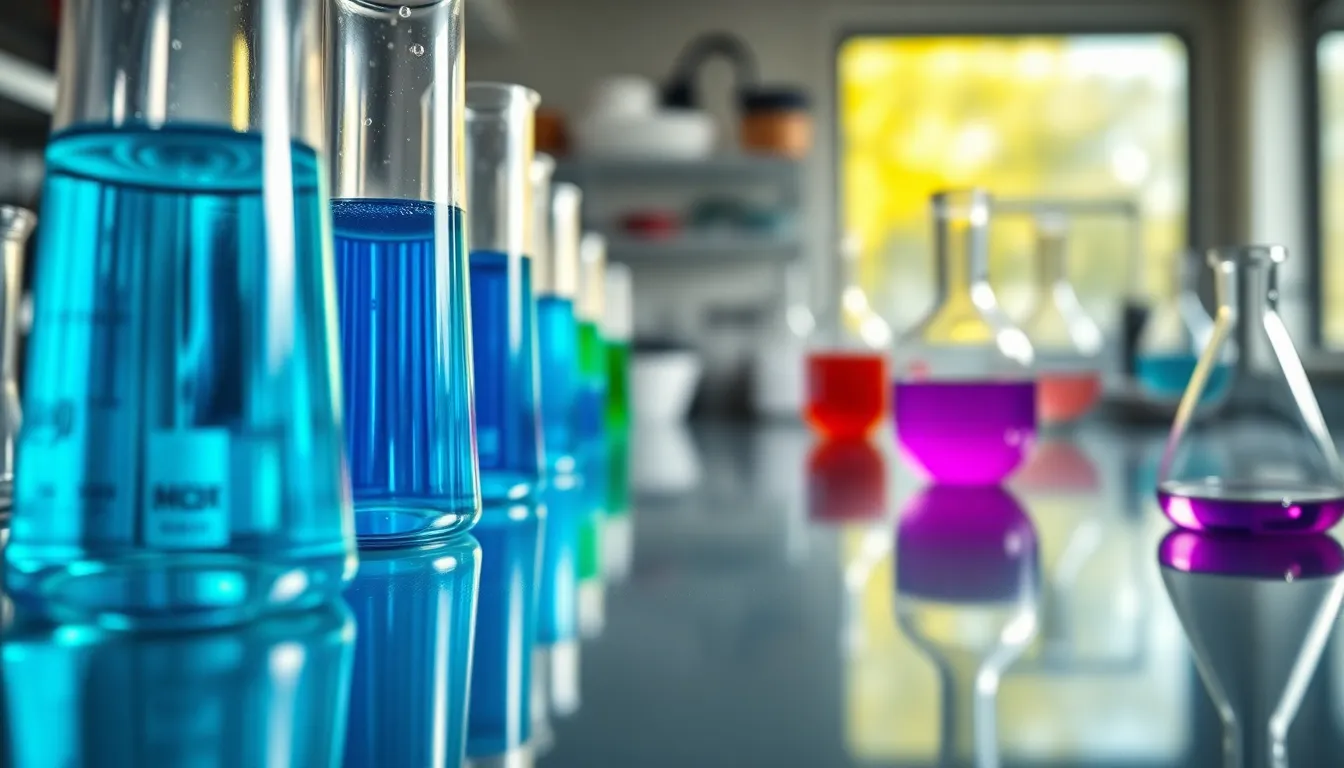
captured with Canon EOS R5, 24-70mm f/2.8L at 50mm, under bright overcast diffused daylight filtering through laboratory windows. Shallow depth of field at f/2.8 highlights the details of colorful chemical reactions in glass beakers, with a focus on vibrant blues and greens. The composition follows the rule of thirds with the beakers on the left power point, reflecting a sterile lab environment with polished stainless steel surfaces. The color palette features bright, saturated hues reminiscent of a scientific discovery, showcasing the textures of the glass and liquid. Tiny bubbles and reactive substances create additional visual intrigue.
16:9
captured with Hasselblad X2D 100C, 90mm f/2.5 medium format showing a view of the Earth from the Moon's surface during a dramatic lunar eclipse. The scene is illuminated by the soft glow of the Earth as it stands out against the dark sky. The hyperfocal distance ensures everything from the lunar regolith to Earth is in exquisite detail at f/8. The color palette combines deep blacks and soft blues, creating a surreal and serene atmosphere. The composition utilizes leading lines of the Moon's surface to direct the viewer's gaze toward the Earth, emphasizing the dynamic grandeur of this cosmic event.
16:9
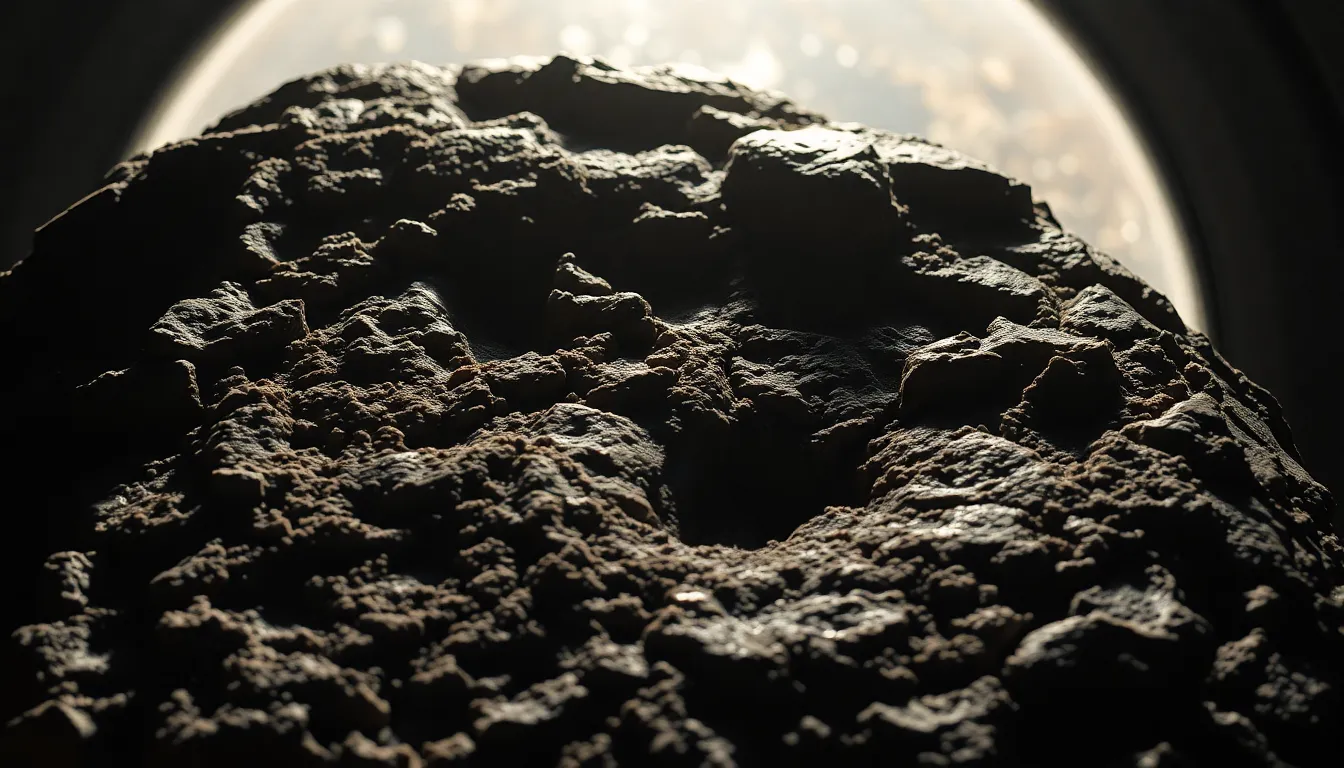
shot with Fujifilm GFX 100S, 110mm f/2 macro capturing a close-up of asteroid textures illuminated by dappled sunlight filtering through a spacecraft window. The intricate surface details of the asteroid are revealed in sharp focus, showcasing its rugged terrain and age-old scars. The depth of field is shallow at f/2, creating a soft bokeh of the light-play on the window. The color palette features muted earth tones, emphasizing the asteroid's rocky surface against the warm sunlight. The composition uses a centered symmetrical layout, highlighting the beauty found in celestial objects.
16:9
captured with Canon EOS R5, 24-70mm f/2.8L at 35mm depicting an astronaut floating in the vast expanse of space, tethered to a spacecraft. The image is lit by the harsh, direct light of the sun, creating bright highlights and deep shadows, accentuating the texture of the astronaut's suit. A shallow depth of field at f/2.8 focuses on the astronaut, while the inky blackness of space provides a stark, dramatic background. The color palette is a mix of whites and greys in the suit, with the sun casting vibrant highlights against the dark void. The composition follows the rule of thirds, placing the astronaut slightly off-center, evoking a sense of isolation.
16:9
shot on Sony A7R V with 85mm f/1.4 GM lens, featuring a futuristic space station orbiting a distant planet under the light of a nearby sun. The scene is illuminated by the sun's rays reflecting off the metallic surfaces of the station. The hyperfocal distance keeps everything from the intricate surface details of the station to the planet in sharp focus at f/8. A cinematic teal and orange color grading enhances the contrast between the warm sunlight and the cool metallic textures. The composition uses leading lines formed by the station's docking arms to draw the viewer's gaze toward the horizon of the planet below.
16:9
captured with Nikon Z9, 70-200mm f/2.8 telephoto at 135mm during twilight, showcasing a vibrant nebula in deep space. The lighting is illuminated by distant stars, creating a dramatic contrast against the dark void. A shallow depth of field at f/2.8 blurs surrounding stars into soft bokeh, while maintaining sharp focus on the nebula's intricate details. The color palette features vivid purples, blues, and hints of gold, reminiscent of cosmic gas clouds. Compositionally, the nebula is positioned in the upper right third, drawing the eye across the expansive canvas of the universe. The image textures reveal the ethereal interplay of light and gas, enhancing the celestial ambiance.
16:9

A detailed view of textile fibers under a microscope, captured with a Leica Q3, 28mm f/1.7 Summilux. Overcast daylight creates a soft, even light that highlights the unique textures of the fibers. The image features a hyperfocal distance, ensuring sharp detail from the foreground to infinity. The color palette showcases natural muted tones with desaturated earth colors, enhancing the organic appearance of the fibers. Compositionally, a rule of thirds placement allows for visual balance and intrigue.
2:3
An artistic rendering of pollen grains viewed through a microscope, taken with a Hasselblad X2D 100C, 90mm f/2.5 medium format. Ambient ambient light filters through a soft diffusion panel, creating soft highlights on the grains. Selective focus captures the detail in the foreground while allowing the background to dissolve into a soft blur. The color palette features warm skin tones and lifted shadows, providing a natural yet artistic quality. The composition utilizes a diagonal layout, creating a dynamic interaction between the grains.
3:4
Intricate image of a crystal structure under a microscope, captured with a Fujifilm GFX 100S, 110mm f/2 macro. Neon backlighting accentuates the sharp edges and facets of the crystal, creating an ethereal glow. The shallow depth of field at f/2 isolates the crystal from the background, producing a painterly bokeh effect. Color grading features cinematic teal and orange tones, providing a modern aesthetic. Compositionally, the crystal is placed according to the rule of thirds, enhancing visual interest and dynamism.
4:3
Close-up of a bacterial culture on an agar plate, photographed on a Canon EOS R5, 24-70mm f/2.8L at 50mm. Soft, diffused daylight through large windows creates natural lighting that captures the colors and textures of the cultures. Hyperfocal distance ensures everything is in sharp focus, revealing the intricate patterns of bacterial growth. The image features a natural muted color palette with desaturated earth tones, enhancing the organic feel. Compositionally, leading lines from the culture edges draw attention toward the center of the plate.
3:2
Microscopic view of a single cell, captured with a Nikon Z9, 70-200mm f/2.8 telephoto at 200mm. Dramatic side lighting enhances cell organelles, showcasing texture and detail. Shallow depth of field at f/2.8 blurs the background softly, while the subject remains in sharp focus. Color grading reminiscent of Fujifilm Velvia, emphasizing rich greens and vibrant blues. Composition utilizes centered symmetry, allowing viewers to appreciate the intricate patterns within the cell membrane. The surface shows fine details of the cellular structure and membrane layers.
16:9
Captured with Leica Q3, 28mm f/1.7 Summilux, this image presents a unique perspective of a physics classroom with students engaged in an interactive demonstration of electromagnetism. Soft overhead lighting creates an inviting ambiance, with natural light filtering through the classroom windows. A selective focus on the students' excited expressions blurs the background into a soft painterly bokeh. The color palette features warm muted tones that evoke a sense of collaboration and learning. The composition centers on the group, using symmetry to convey a harmonious learning environment.
16:9
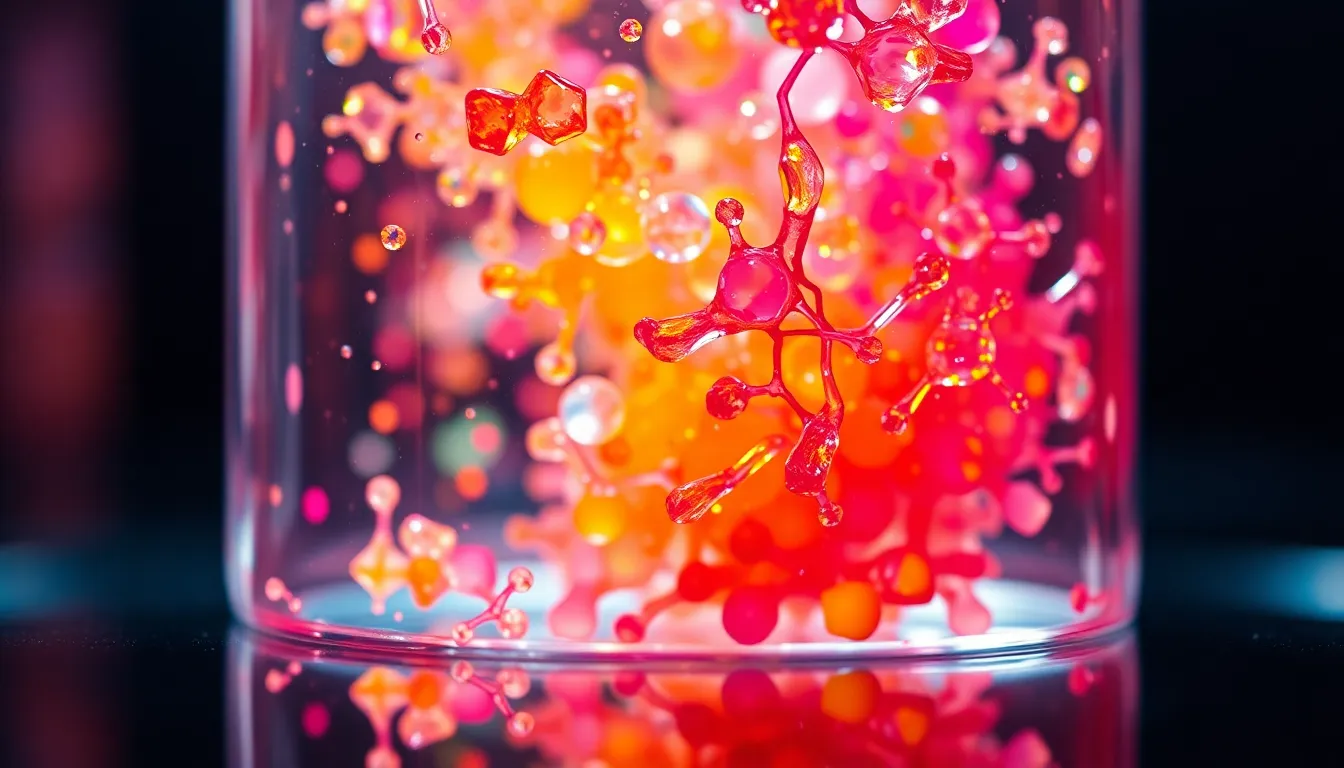
Shot with Fujifilm GFX 100S, 110mm f/2 macro, this close-up image showcases the intricate patterns of a physics experiment with liquid crystals on a glass surface. The studio lighting setup features a key softbox at 45°, creating a stunning contrast between the vibrant colors of the liquid crystals against the glass. A hyperfocal distance at f/8 ensures every detail of the crystalline structure is sharp and clear. Vibrant saturated colors inspired by Fujifilm Velvia bring life to the experiment. The composition captures the beauty of physics in an abstract manner, emphasizing texture and detail.
16:9
Captured with Nikon Z9, 70-200mm f/2.8 telephoto at 135mm, this serene outdoor scene features a physics professor demonstrating principles of gravity with a pendulum under a large oak tree. The warm golden hour backlighting casts a beautiful glow on the professor, creating an inspiring atmosphere. A shallow depth of field at f/2.8 produces creamy bokeh in the background, highlighting the professor's engaging expression and the swinging pendulum. Natural muted tones emphasize earthy colors, while the composition is carefully balanced with the professor positioned at the right power point.
16:9
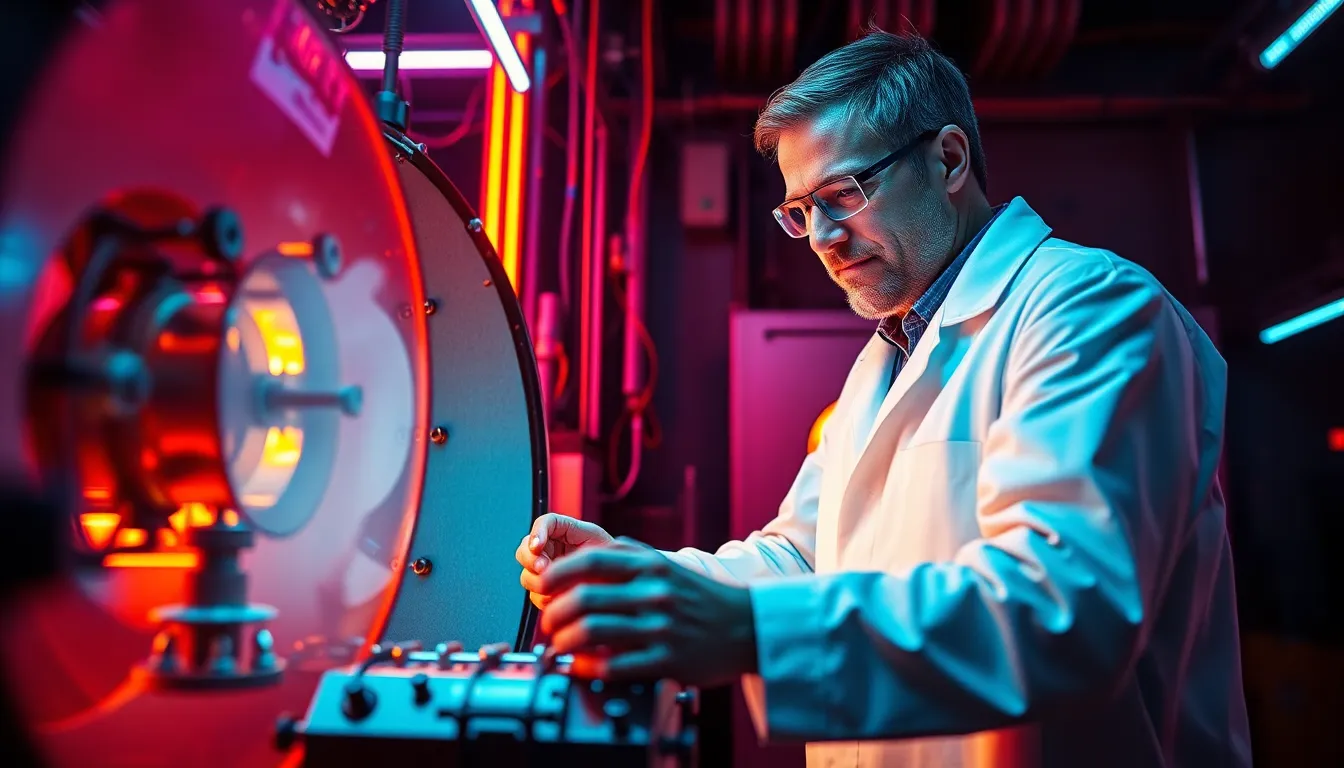
Shot on Sony A7R V with 85mm f/1.4 GM lens, this dramatic image depicts a scientist conducting an experiment with a particle accelerator. The scene is illuminated by vibrant neon lights, creating a colorful and electrifying atmosphere. A hyperfocal depth of field at f/8 ensures everything from the details of the machine to the scientist's expression is sharp. The cinematic teal and orange color grading adds to the dynamic mood. The composition leverages leading lines from the accelerator, drawing the viewer's eye towards the scientist passionately engaged in their work.
16:9
Captured with Canon EOS R5, 24-70mm f/2.8L at 35mm, this scene features a physicist in a modern laboratory surrounded by glowing scientific equipment. The lighting is a soft diffused daylight coming through large windows, creating an inviting yet focused atmosphere. A shallow depth of field at f/2.8 highlights the physicist's concentrated expression while blurring the busy lab background into a soft bokeh. Color tones evoke a natural palette with cool blues and whites. The composition uses the rule of thirds placing the subject off-center, with glass beakers and flashlights reflecting light in the foreground, adding texture.
16:9
shot on Hasselblad X2D 100C, 90mm f/2.5 medium format, focusing on an astronomer observing stars through a telescope during twilight. The soft twilight light casts a serene glow on the astronomer's face, with a bokeh of distant stars in the background. The depth of field is shallow at f/2.5, keeping the astronomer's features sharp while softly blurring the sky. Fujifilm Velvia-inspired colors create rich blues and purples in the night sky. The composition utilizes a centered arrangement with a slight Dutch angle to add dynamic tension. Textures of the astronomer's clothing and the telescope material create an engaging visual narrative.
3:4
captured with Leica Q3, 28mm f/1.7 Summilux, depicting a large hemispherical dome in a physics observatory, bathed in warm tungsten light from internal sources. The composition centers on the dome with leading lines from the floor tiles guiding the viewer's eye upwards. The depth of field is shallow at f/1.7, providing a soft focus on the surrounding instruments while maintaining sharp details on the dome. The color grading features warm tones, enhancing the inviting atmosphere of the research space. The textures on the dome's surface are rich and detailed, showcasing the unique materials and engineering of the structure.
3:2
shot on Fujifilm GFX 100S, 110mm f/2 macro, featuring a close-up of a high-speed camera capturing the moment a water droplet impacts a surface, creating a mesmerizing splash. The natural sunlight backlighting enhances the crystal-clear details of the droplets and splash, with shallow depth of field blurring the background into a soft, dreamy bokeh. The color science leans toward natural muted tones with desaturated blues and greens accentuated by the sparkling water. Compositionally, the water droplet is centered, with the splash radiating outward, inviting the viewer to admire the physics of motion. Textures are emphasized through the clarity of the water and the surface it impacts.
1:1
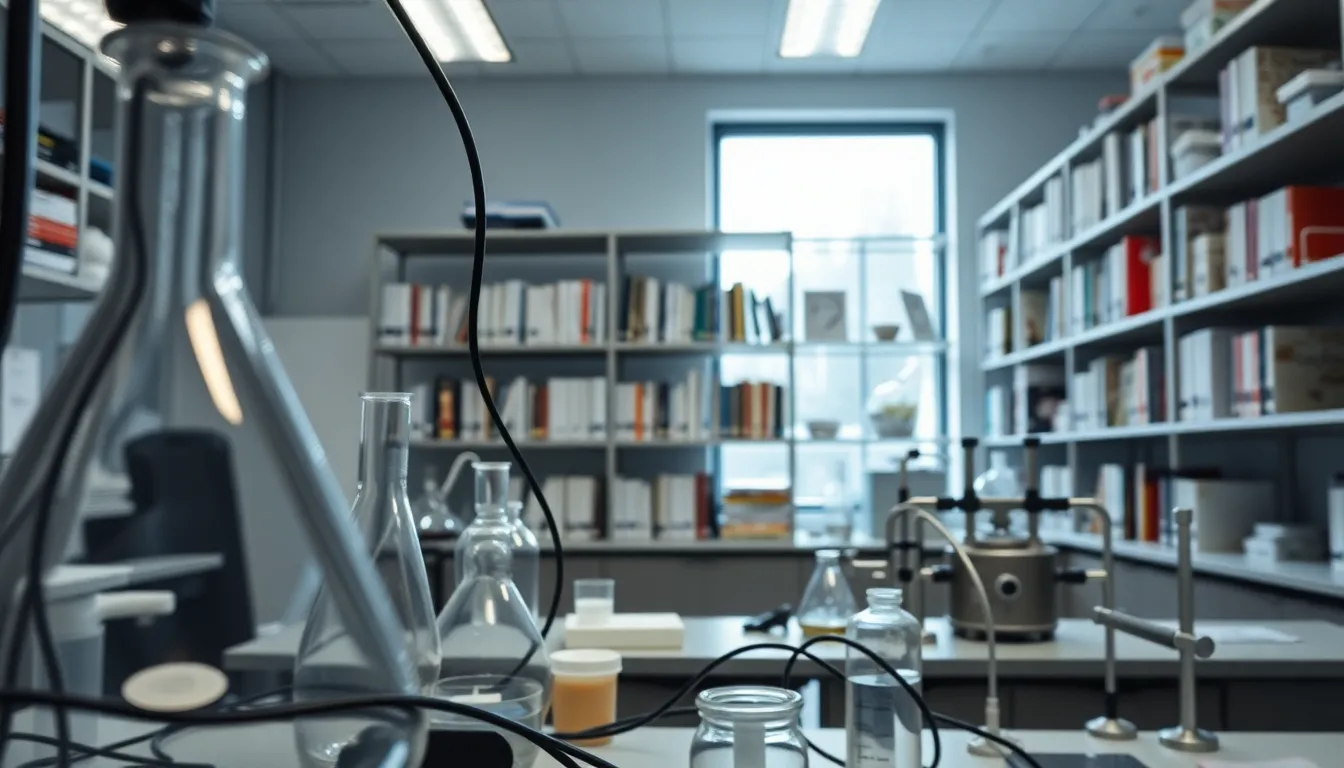
captured with Canon EOS R5, 24-70mm f/2.8L at 35mm, featuring soft overcast daylight filtering through a laboratory filled with scientific instruments. The hyperfocal distance is employed for sharp focus from the foreground elements—like beakers and wires—leading back to detailed shelves filled with textbooks and equipment. The muted color palette features soft grays and blues, providing a calm, academic atmosphere. The composition follows the rule of thirds, with a prominent beaker on the left and shelves in the background, creating depth and interest. Textures of glass and metal are highlighted with gentle reflections and sheen from the soft light.
16:9
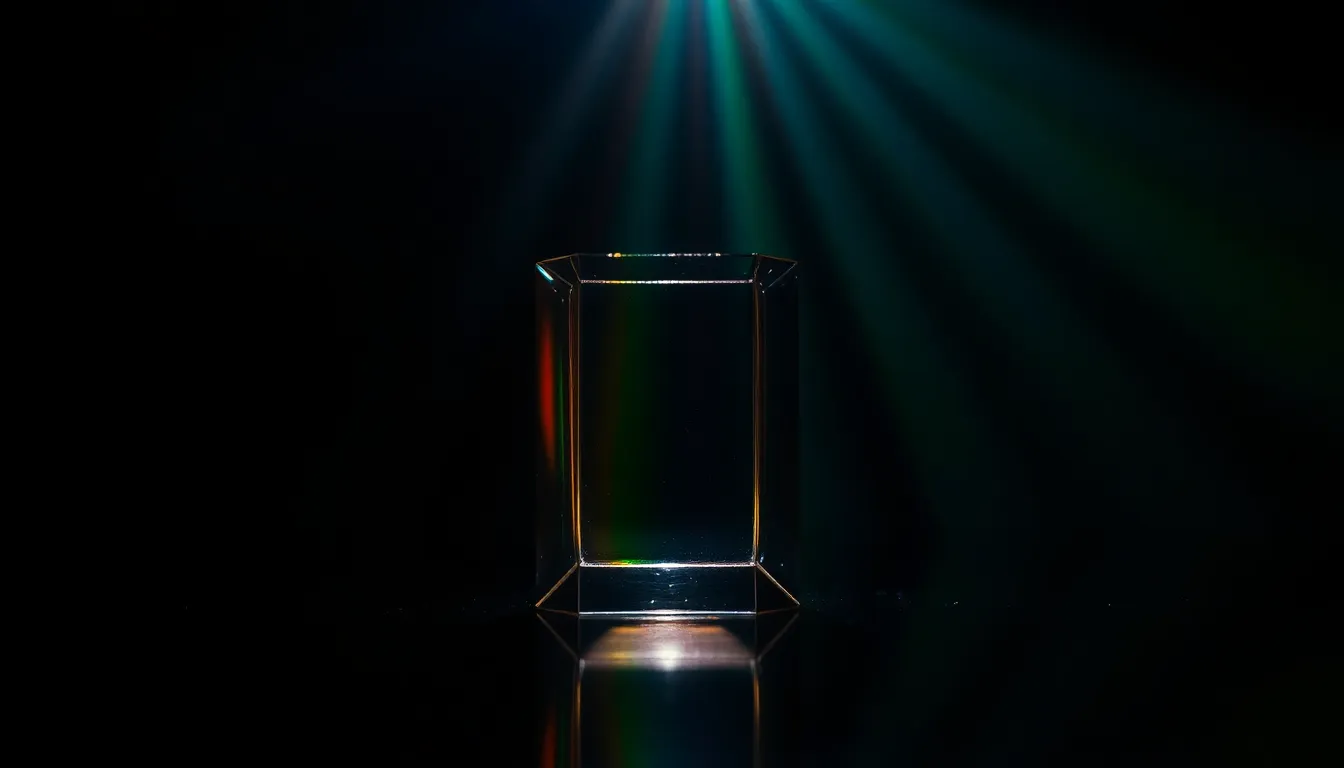
shot on Nikon Z9, 70-200mm f/2.8 telephoto at 135mm, featuring dramatic chiaroscuro lighting with a focused spotlight accentuating a glass prism refracting light into a spectrum of colors. The shallow depth of field at f/2.8 provides a dreamy bokeh effect, blurring the background into soft pastel hues. The color palette showcases vibrant rainbow colors contrasted against deep black, creating a striking visual impact. Compositionally, the prism is centered with leading lines from the rays of light directing the viewer's gaze. The glass surface shimmer exhibits intricate reflections and refractions, emphasizing the physics of light manipulation.
16:9
Hasselblad X2D 100C, 90mm f/2.5 medium format capturing a serene view of a starry night sky above a tranquil lake. Natural lighting from the stars reflects on the water's surface, creating a shimmering pathway of light. The depth of field is hyperfocal, keeping both the stars and the lake in sharp focus. The color palette consists of deep blues and blacks, punctuated by the bright white stars and soft reflections on the lake. The composition uses a centered symmetrical arrangement, emphasizing the calmness and beauty of the night scene and the connection between the sky and water.
16:9
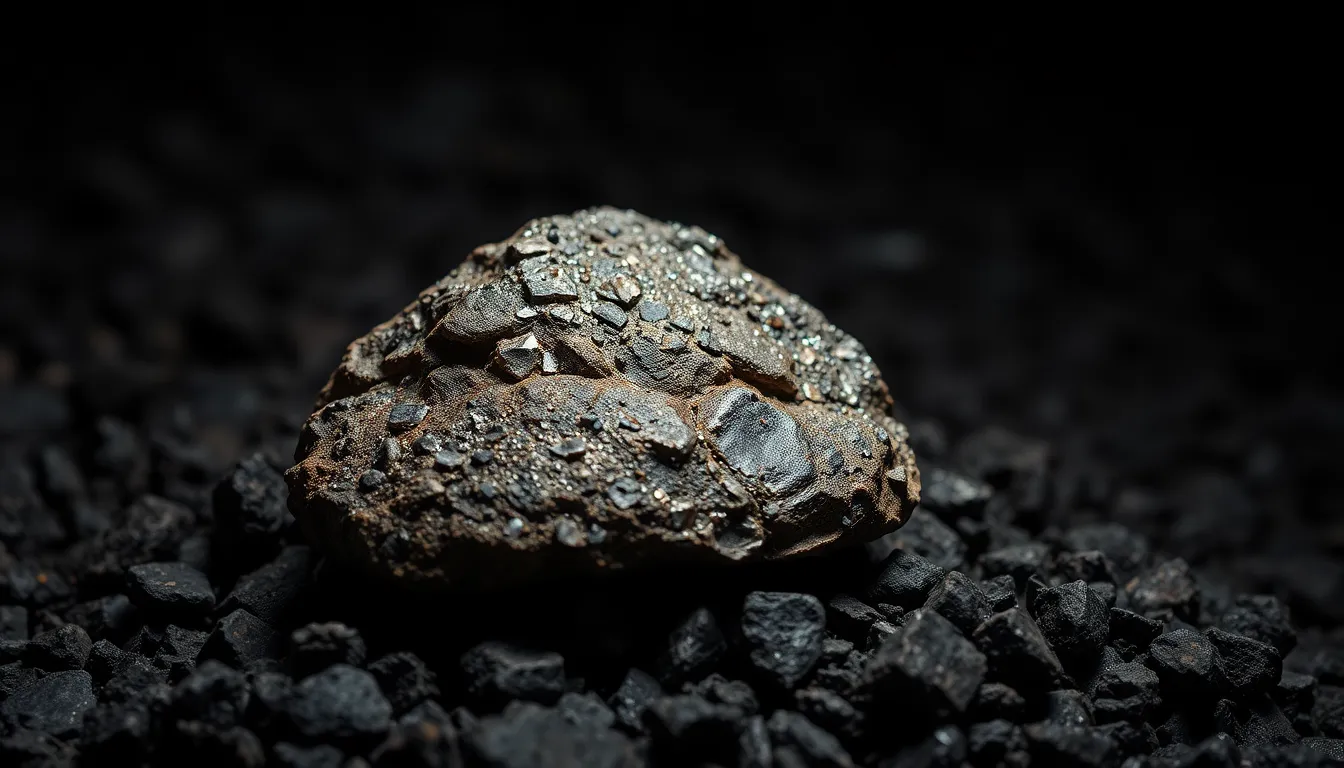
Fujifilm GFX 100S, 110mm f/2 macro lens capturing a breathtaking close-up of a meteorite resting on a bed of dark, textured volcanic rock. The lighting is dramatic with a single spotlight highlighting the meteorite's rugged surface, revealing intricate details and sparkling mineral compositions. The depth of field is shallow at f/2, isolating the meteorite while softening the background to an elegant blur. The color palette includes earthy browns, deep blacks, and shimmering metallic hues. The composition centers on the meteorite, emphasizing its uniqueness against the harsh rock, and textures are vividly pronounced.
16:9
captured with Canon EOS R5, 24-70mm f/2.8L at 35mm, illustrating a futuristic space colony on Mars during a vibrant sunset. The landscape features red rocky terrain and sleek, modern domes made of glass and steel, reflecting the fiery oranges and deep reds of the Martian sky. The lighting is warm and diffused, with long shadows cast across the surface. The depth of field is hyperfocal, ensuring both the colony and distant mountains are sharp. The composition uses leading lines of the pathways to draw the eye toward the colony, encapsulating the vision of interplanetary living.
16:9
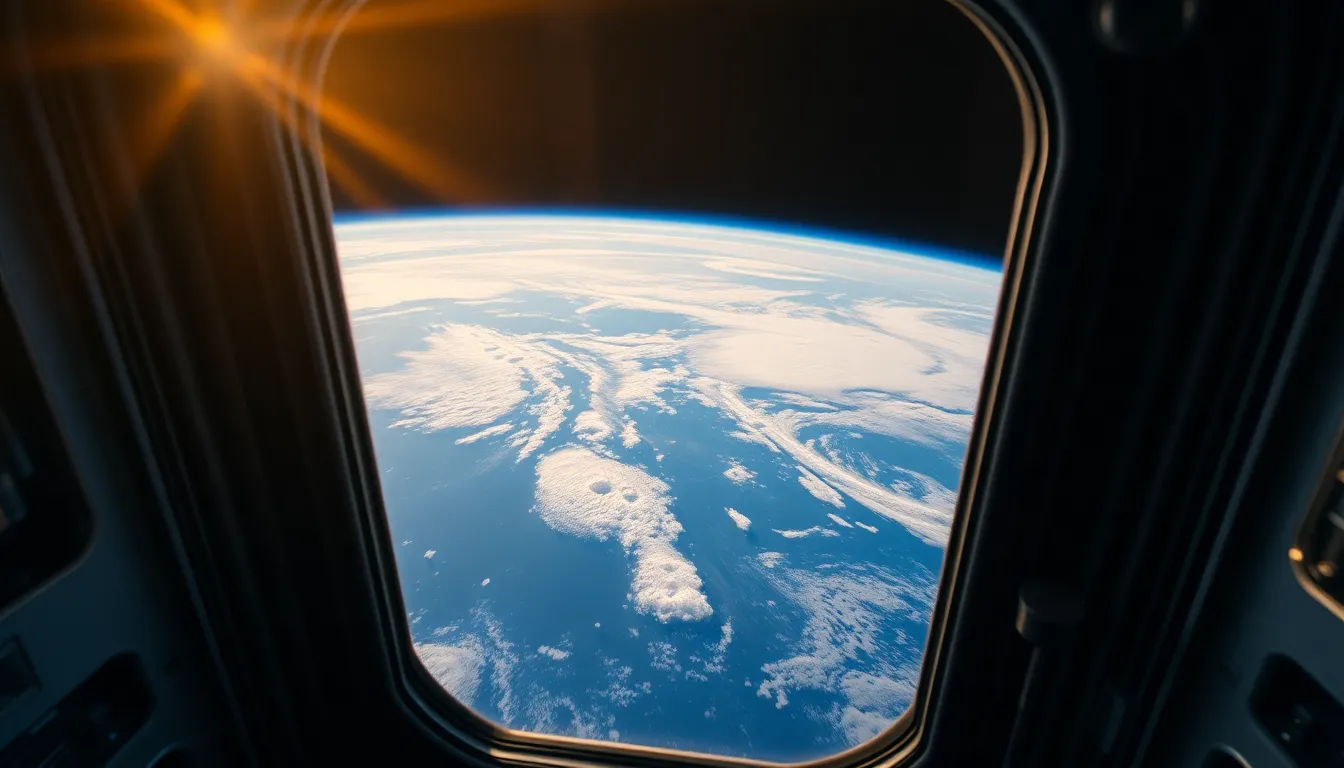
shot on Sony A7R V with 85mm f/1.4 GM lens, depicting a breathtaking view of Earth from the International Space Station during dawn. Natural lighting shines through the ISS windows, casting a warm golden hue across the planet's surface. The depth of field is shallow at f/1.4, focusing on the vibrant blue oceans and wispy white clouds while the dark space outside remains softly blurred. The color palette captures the early morning light with deep blues, bright whites, and warm oranges. The composition centers on the Earth, framed by the ISS's metallic interior, highlighting the contrast between human technology and the beauty of our planet.
16:9
captured with Nikon Z9, 70-200mm f/2.8 telephoto at 135mm, showcasing a distant galaxy surrounded by twinkling stars, illuminated by soft starlight creating an ethereal glow. The depth of field is shallow at f/2.8, focusing on the vivid colors of the galaxy while the surrounding space melts into a dark, creamy bokeh. The color palette features deep purples, blues, and hints of pinks reminiscent of cosmic imagery. The composition follows the rule of thirds, with the galaxy positioned in the top right power point against a starry backdrop, evoking a sense of wonder and vastness.
16:9
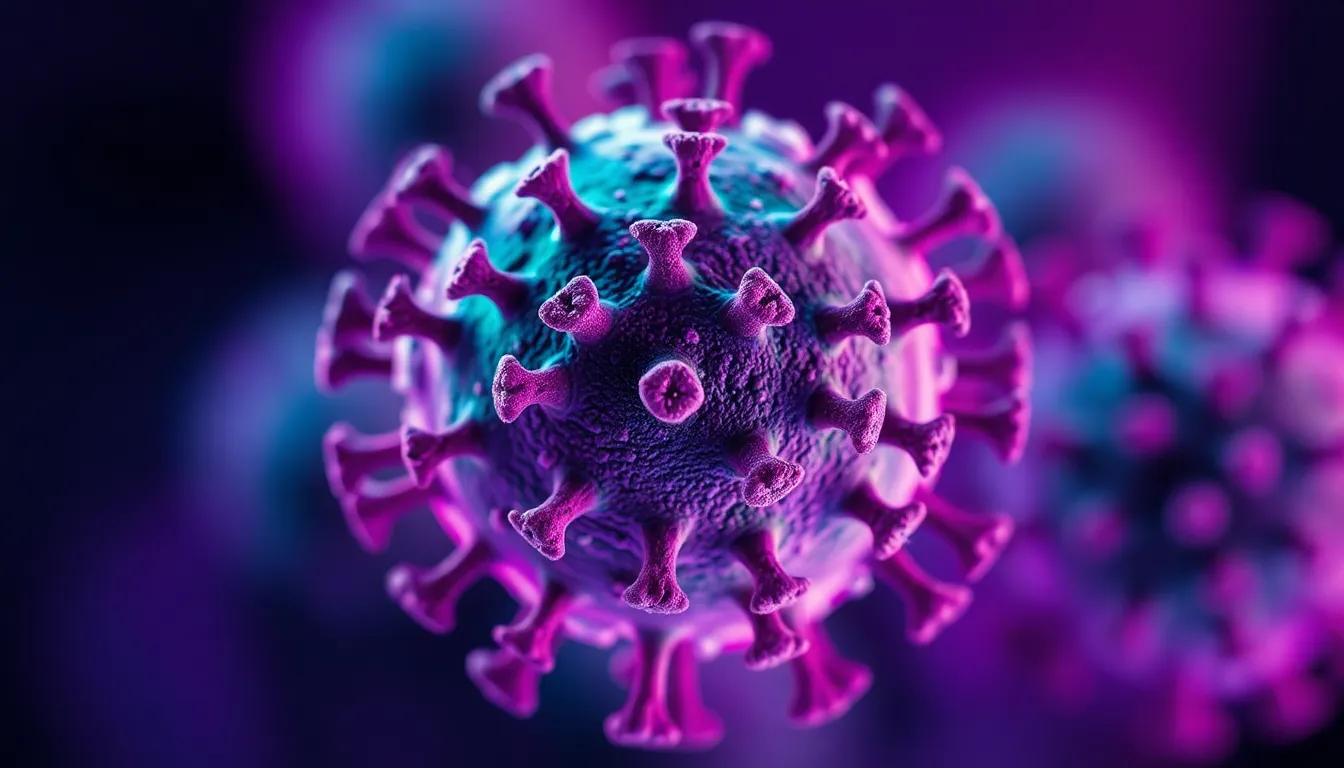
close-up of a viral structure, captured with Leica Q3, 28mm f/1.7 Summilux, showcasing soft diffused studio lighting to highlight textures, shallow depth of field at f/1.7 for enhanced focus on the virus. The color palette is dominated by vibrant purples and greens, evoking an otherworldly feel. The composition features a centered layout, drawing the viewer's eye directly to the intricate details of the viral particles, while the smooth textures of the background create a stark contrast to the subject's complexity.
16:9
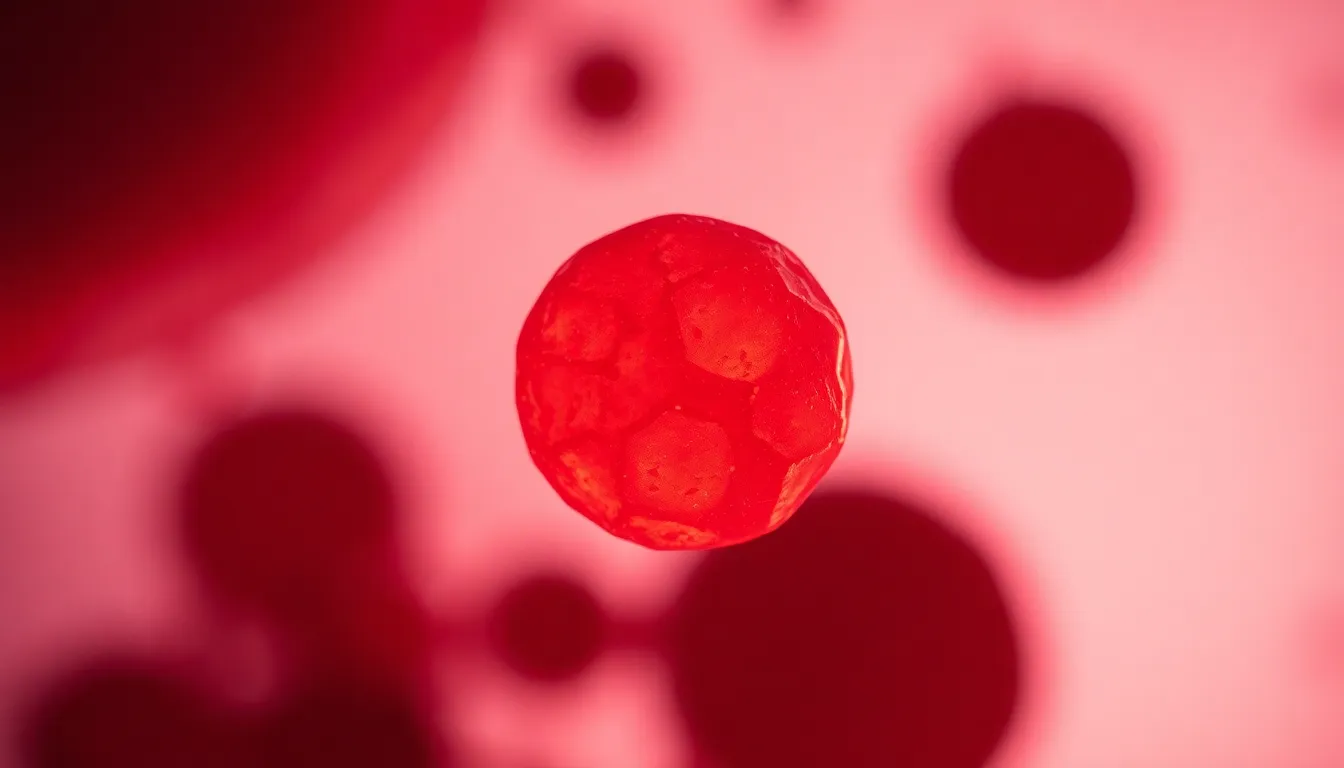
dynamic view of a human red blood cell under a microscope, captured with Hasselblad X2D 100C, 90mm f/2.5 medium format, using practical lighting from a tungsten lamp to create warm highlights, shallow depth of field at f/2.8 to emphasize the cell while softening the background. The color palette is rich in deep reds and subtle yellows, creating a vivid representation of the blood cell. The composition is centered, ensuring the blood cell remains the focal point against a softly blurred backdrop.
16:9
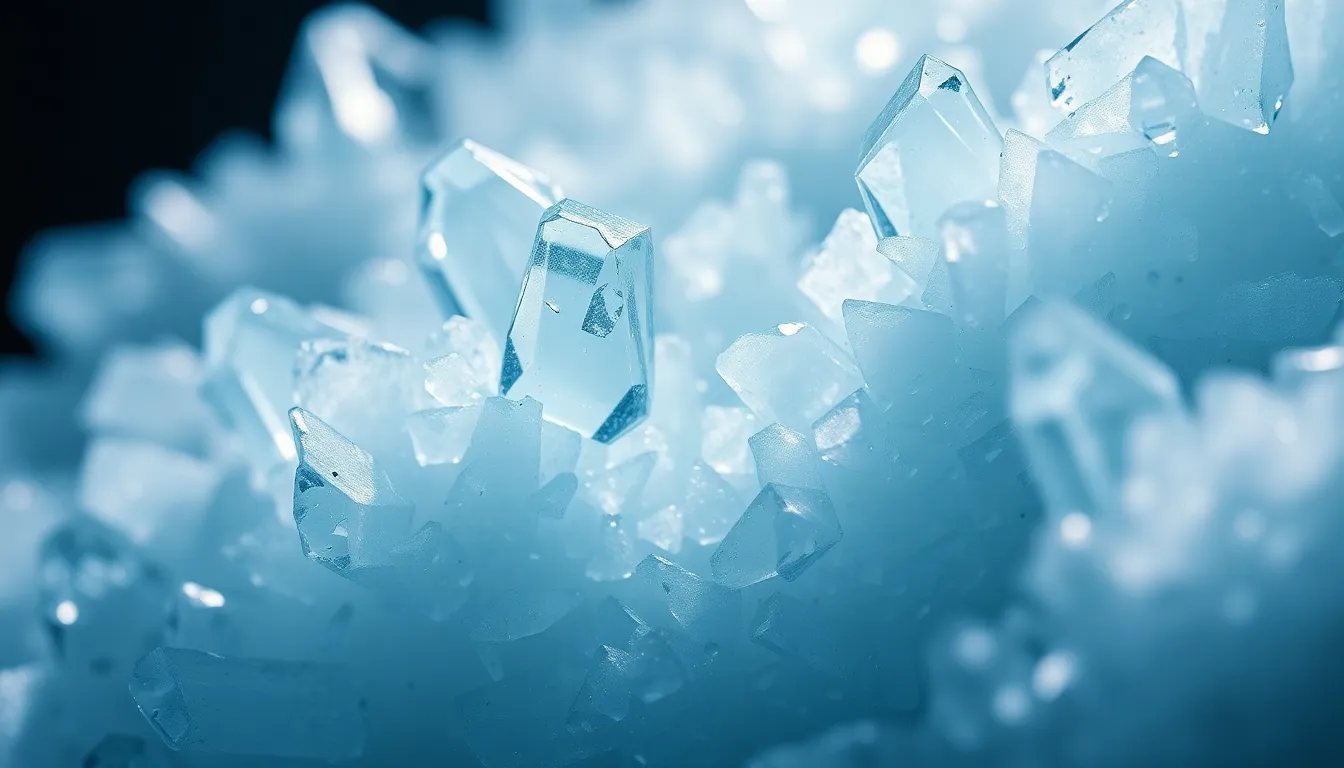
intricate image of crystalline structures, shot on Fujifilm GFX 100S, 110mm f/2 macro, using dramatic, side lighting to accentuate the facets and textures, shallow depth of field at f/2 creating a striking focus on the crystals. The color palette features cool blues and whites, highlighting the icy clarity of the crystals. The composition uses leading lines to draw the viewer's eye along the edges of the crystals, while the delicate textures of the crystalline surfaces are rendered in sharp detail.
16:9
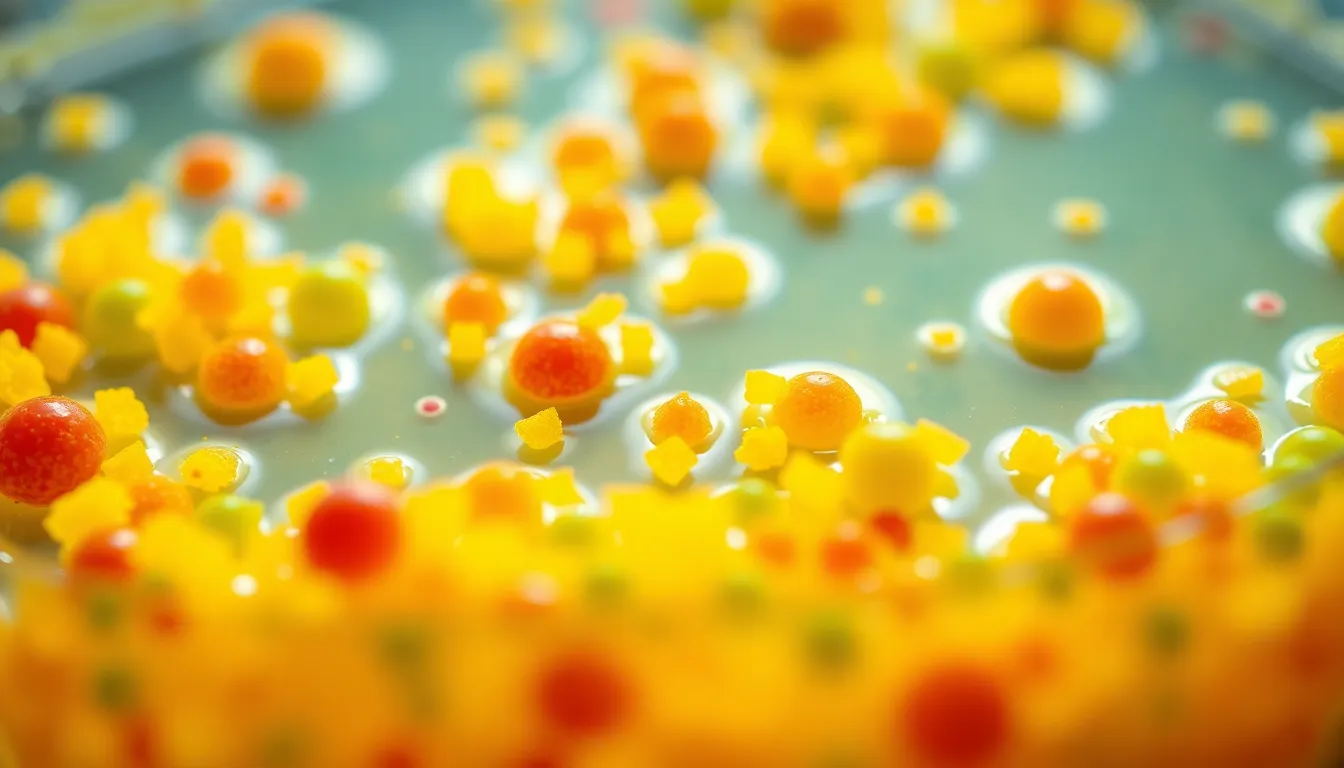
detailed view of bacteria culture on an agar plate, captured with Canon EOS R5, 24-70mm f/2.8L at 50mm, illuminated by bright, diffused studio lighting to enhance colors, hyperfocal distance at f/8 ensuring all elements are sharp. The color palette features vibrant yellows, greens, and reds from bacterial colonies. The composition follows the rule of thirds, with the agar plate placed strategically off-center. Texture is highlighted through the glossy surface of the agar and the fuzzy edges of the bacteria, creating a striking visual.
16:9
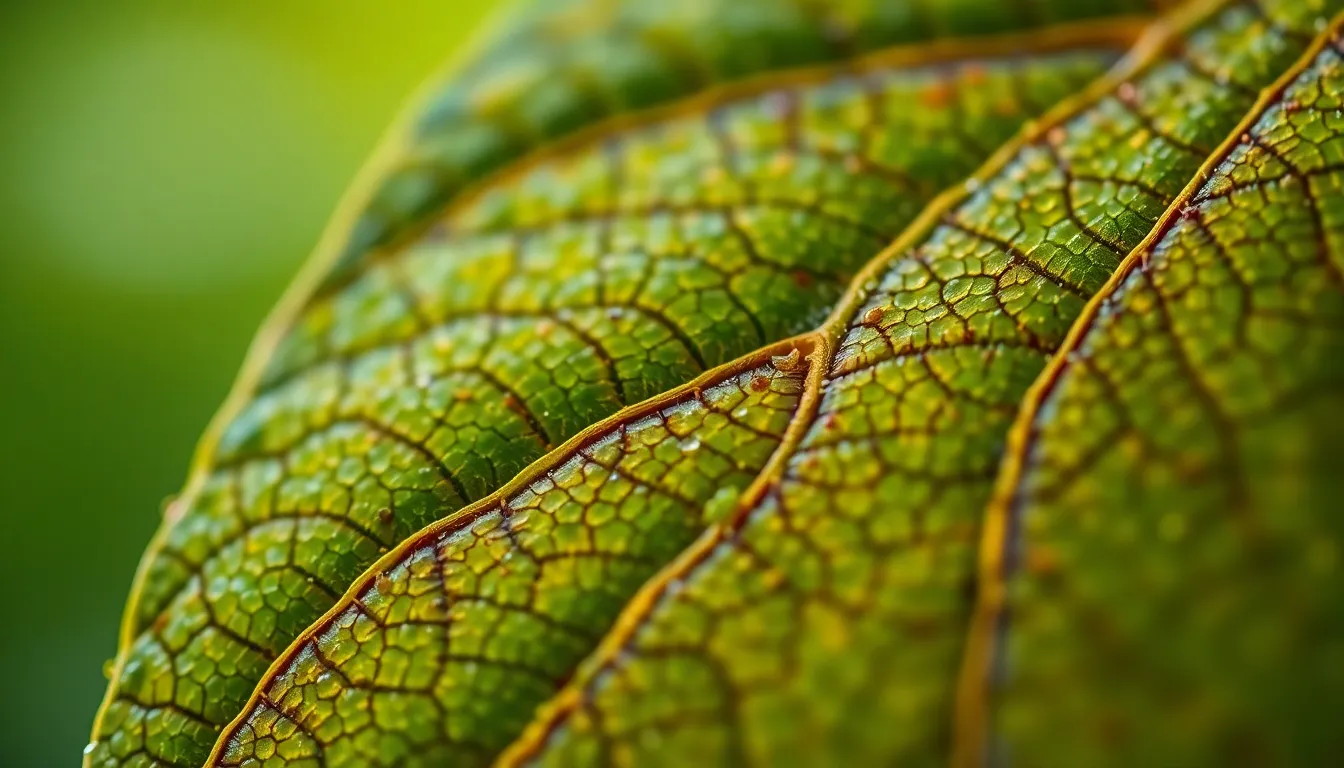
microscopic view of a cross-section of a leaf, shot on Nikon Z9, 70-200mm f/2.8 telephoto at 135mm, illuminated by soft overcast natural light, shallow depth of field at f/2.8 creating a creamy bokeh background. The color palette features rich greens and earthy browns, showcasing the intricate vein structures. The composition is centered, emphasizing the details of the leaf while softly blurring the surrounding environment. Textures are vivid, capturing the fine cellular structure and surface details of the leaf's epidermis.
16:9
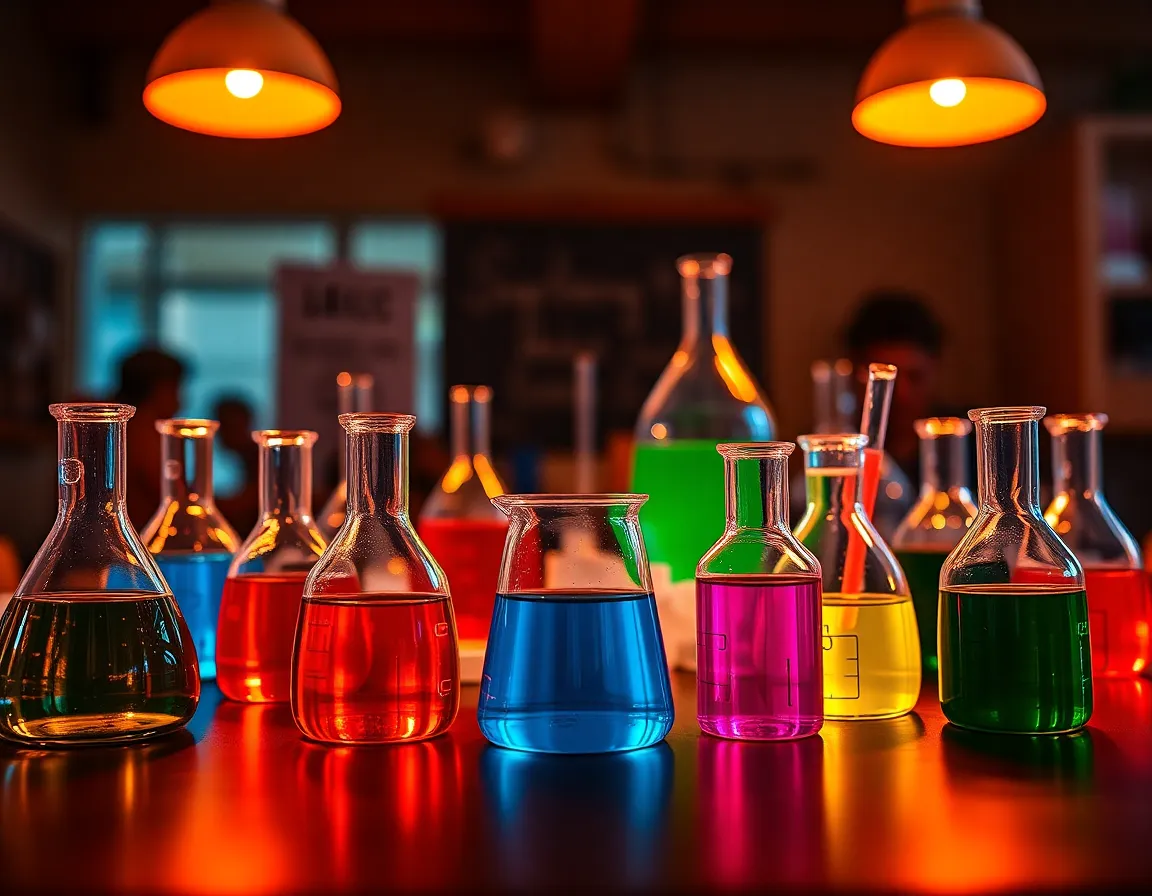
shot on Leica Q3, 28mm f/1.7 Summilux, featuring a beautifully arranged chemistry-themed table setting for a demonstration, with glass beakers, pipettes, and colorful liquid solutions. The practical lighting consists of warm tungsten lamps casting inviting glows while enhancing the vibrant colors of the chemicals. Using a shallow depth of field at f/1.7, the foreground is sharp while the background transitions into soft bokeh. The color palette features warm orangey tones complemented by vivid hues from the liquid solutions. Composition utilizes leading lines formed by the arrangement of the glassware, drawing the viewer’s eye through the scene.
4:3

captured with Hasselblad X2D 100C, 90mm f/2.5 medium format, depicting a scientist adjusting a laboratory apparatus under natural light streaming in through large windows. The lighting creates a beautiful interplay of soft shadows and highlights, enhancing the scene's depth. Using a selective focus technique, the image draws attention to the scientist's concentrated expression and detailed lab coat fabric while softly blurring the equipment in the background. The color palette is bright and airy, with whites and light blues dominating. Composition is framed using the rule of thirds, with the scientist positioned in the left third, emphasizing their focus and the complexity of the lab environment.
3:2
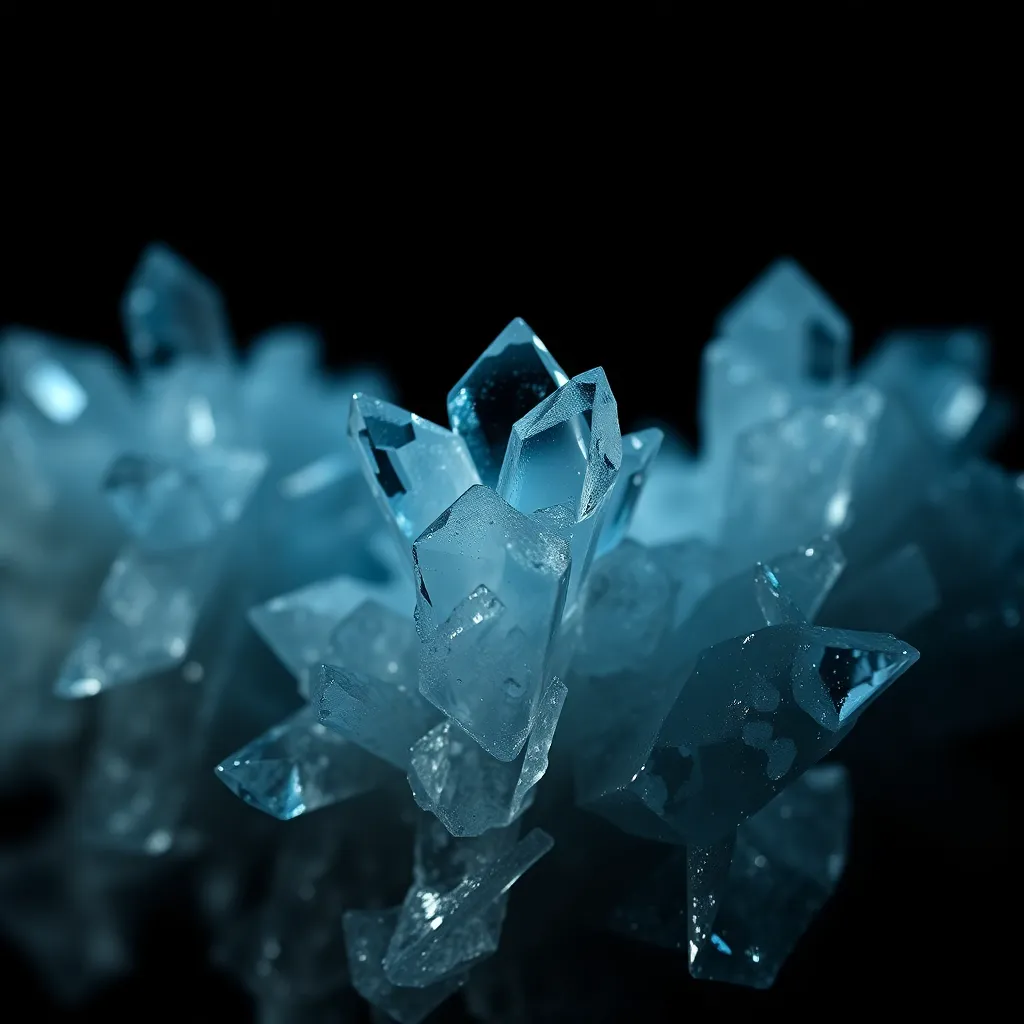
shot on Fujifilm GFX 100S, 110mm f/2 macro, featuring a close-up of chemical crystals on a dark background. The natural side lighting emphasizes the intricate details and sharp edges of the crystals, creating a dramatic contrast against the inky backdrop. A shallow depth of field at f/2 creates a dreamy bokeh, isolating the subject effectively. The image employs a natural muted color palette with deep blues and subtle iridescence from the crystals. The centered symmetrical composition showcases the beauty of the crystal formations, inviting viewers to explore their intricate textures.
1:1
captured with Nikon Z9, 70-200mm f/2.8 telephoto at 135mm, in a dimly lit research lab illuminated by fluorescents casting a cool blue light. Hyperfocal distance provides tack-sharp detail from the foreground to the background, showcasing an array of scientific instruments. The color palette is dominated by muted metallic tones and deep shadows, creating an atmosphere of intrigue. Composition utilizes leading lines formed by lab counters directing the eye toward an analysis machine. Surfaces of glass and metal reflect the ambient lighting, enhancing the high-tech feel of the scene.
16:9
shot on Canon EOS R5, 24-70mm f/2.8L at 50mm, captured during a well-lit laboratory scene with high-key lighting that enhances the reflective surfaces of glassware. Shallow depth of field at f/2.8 highlights colorful liquid reactions while the background softly blurs into bokeh. The color palette features vibrant blues and greens from chemical solutions contrasting with the clear glass. Composition follows the rule of thirds, with a beaker filled with a reactive liquid positioned in the lower right power point. The table surface is glossy white, reflecting the vivid hues of the liquids, creating an engaging visual narrative.
16:9
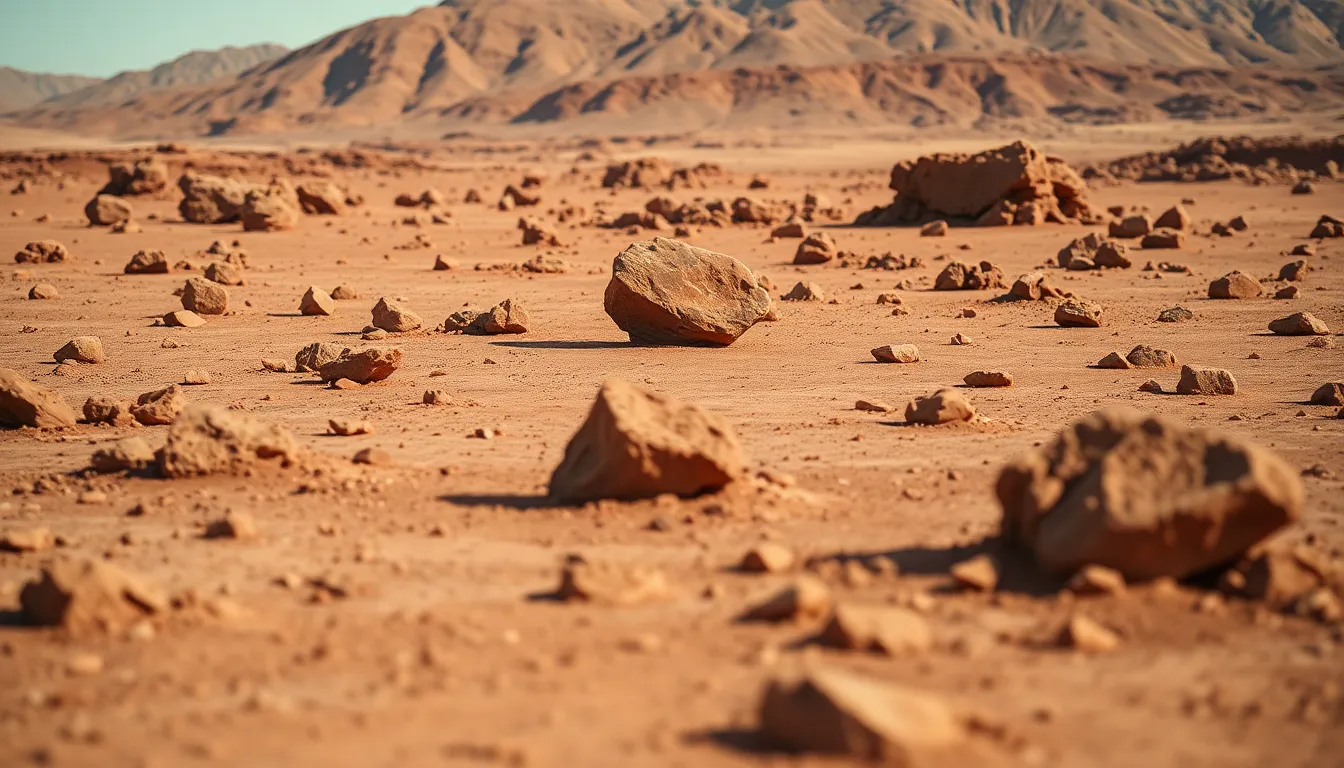
Captured with Leica Q3, 28mm f/1.7 Summilux, this stunning scene illustrates the surface of Mars, highlighting rusty red rocks scattered across a dusty, wind-swept landscape. The soft natural lighting from a low sun casts long shadows, emphasizing the terrain's undulating forms and textures. A shallow depth of field at f/1.7 creates a smooth bokeh, focusing on a particular rock formation while allowing the background Marscape to melt away softly. The color palette features desaturated earth tones, enhancing the atmosphere of the Martian surface. Compositionally, the rule of thirds places the main rock formation off-center, inviting exploration of the expansive landscape.
16:9
Shot on Hasselblad X2D 100C, 90mm f/2.5 medium format, this image showcases the majestic rings of Saturn against the backdrop of a starlit sky. Each ring is portrayed with exquisite detail, displaying varying textures of icy particles and rocky debris. The lighting simulates deep space illumination with a cool undertone, evoking a sense of mystery. A shallow depth of field at f/2.5 beautifully blurs the background stars, enhancing the focus on Saturn. The composition employs the rule of thirds, placing Saturn to one side, creating dynamic tension within the scene.
16:9
Captured with Canon EOS R5, 24-70mm f/2.8L at 35mm, this image shows a stunning view of Earth from low orbit, taken at dusk. The planet is illuminated by the warm glow of city lights, while a thick layer of atmosphere adds depth and softness. The overcast diffused daylight creates a balanced exposure, with the color palette featuring rich blues and warm golden tones from the cities. A hyperfocal distance sharpens everything from the foreground to infinity, while the composition utilizes a centered symmetrical perspective with the curve of Earth drawing the eye inward.
16:9

Shot on Fujifilm GFX 100S, 110mm f/2 macro, this image features a detailed close-up of a meteorite resting on a textured surface of dark volcanic rock. Soft backlighting from a low-angle sun highlights the meteorite's unique mineral composition, with rich metallic flecks reflecting warm hues of gold and silver. The shallow depth of field at f/2 creates a soft bokeh, emphasizing the meteorite while the surrounding textures blur beautifully. The color science features natural muted tones that evoke an earthy vibe. Compositionally, the rule of thirds positions the meteorite dynamically off-center, inviting curiosity about its origins.
1:1
Captured with Nikon Z9, 70-200mm f/2.8 telephoto at 135mm, this stunning image depicts a vibrant nebula in deep space. Illuminated by distant stars, the scene showcases swirling clouds of gas and dust in various shades of blue and purple, accented with specks of bright white light. Shallow depth of field at f/2.8 creates a dreamy bokeh effect in the background, while the foreground includes a starry sky with intricate details. The color palette is inspired by astrophotography, emphasizing deep blues and rich purples. Compositionally, leading lines from the nebula draw the eye, creating a sense of motion and depth.
16:9
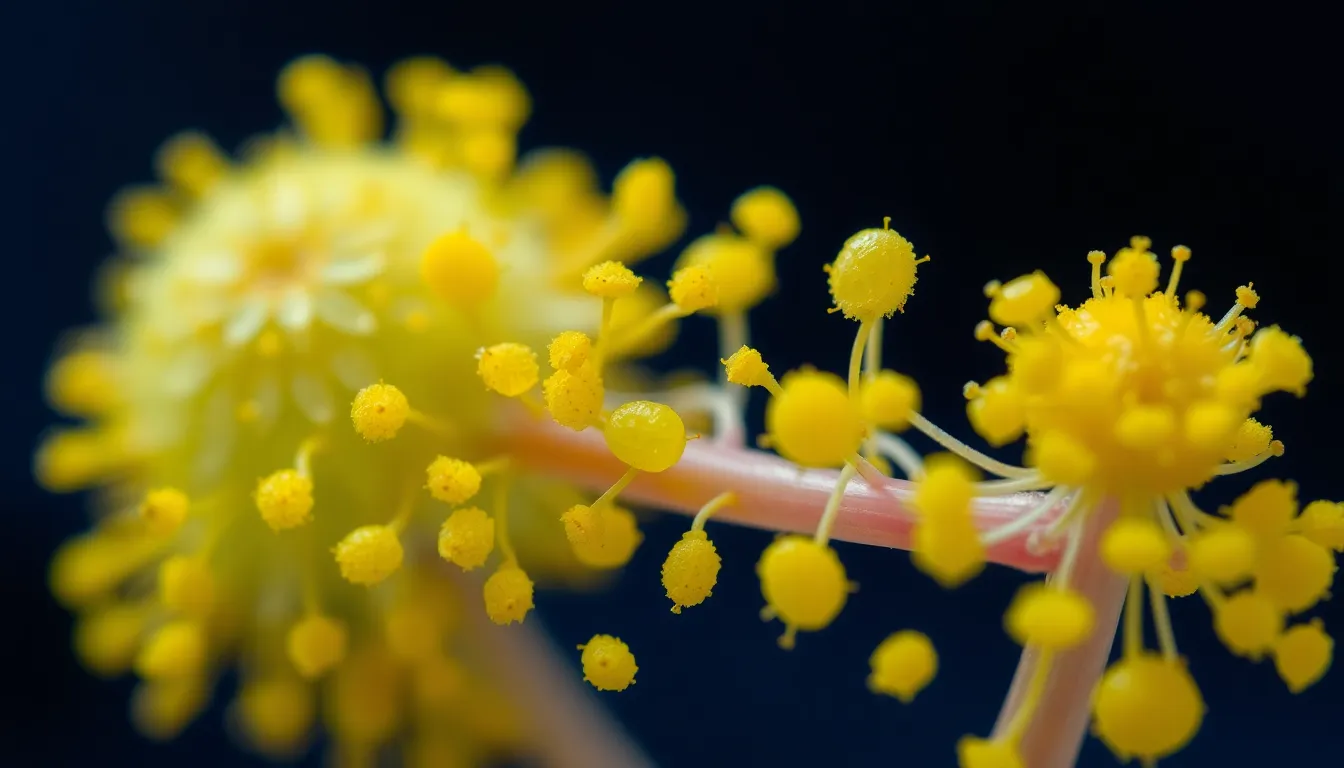
An extraordinary microscopic image of pollen grains from a flowering plant, captured with a Leica Q3, 28mm f/1.7 Summilux lens. The lighting is achieved using a ring light for even illumination, enhancing the colors and details of the pollen. The depth of field is shallow at f/2, allowing the viewer to appreciate the details while softly blurring the background. The color palette features vibrant yellows and greens, reflecting the natural hues of flower pollen. The composition employs a rule of thirds arrangement, prominently featuring the pollen grains against a contrasting dark blue background that emphasizes their vibrant colors and textures.
16:9
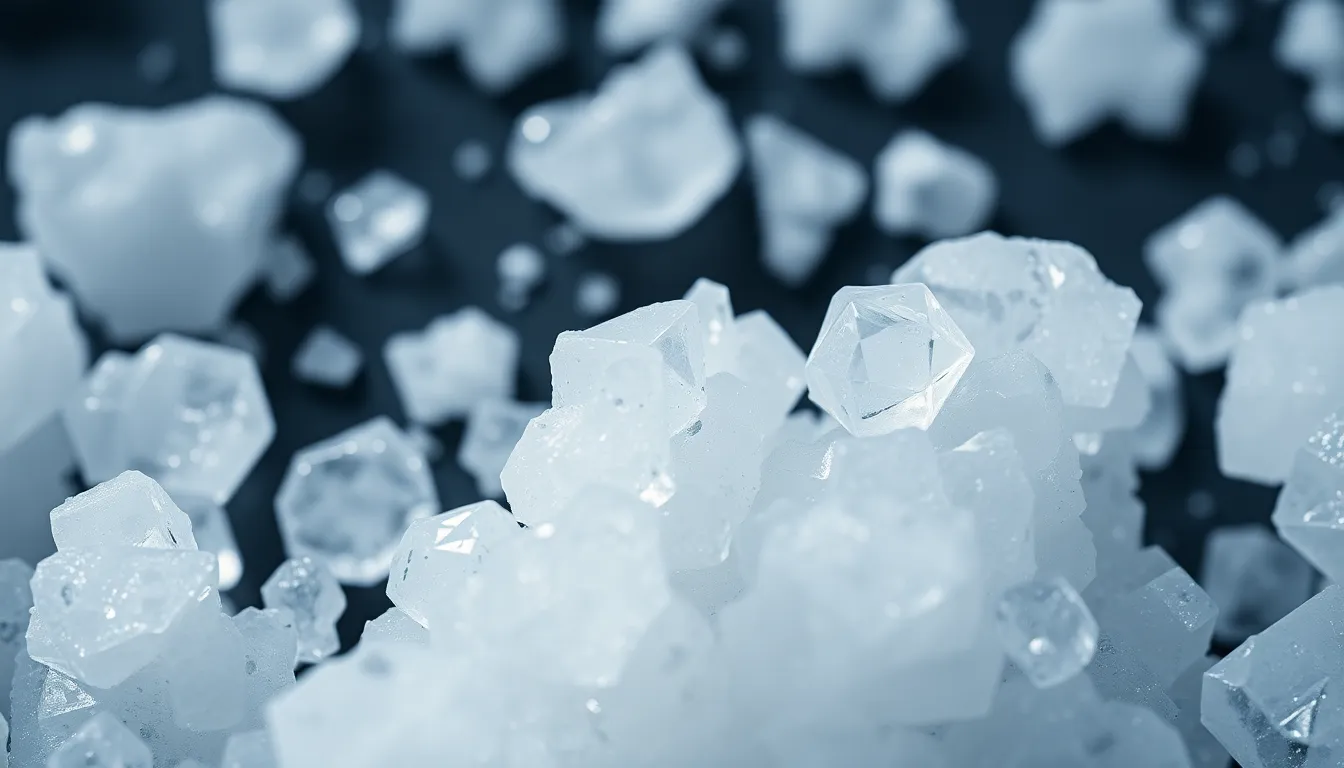
A detailed microscopic representation of crystalline structures in salt, captured with a Hasselblad X2D 100C, 90mm f/2.5 medium format lens. The lighting uses side lighting to accentuate the sharp edges of the crystals and create striking highlights. Depth of field is set to f/8, providing a tack-sharp image from foreground to background. The color palette consists of clear whites and soft blues, reflecting the natural colors of salt crystals. The composition is centered, showcasing the geometric patterns of the crystals against a dark slate background, enhancing their brilliance. The texture highlights the sharp, faceted surfaces of the crystals.
16:9
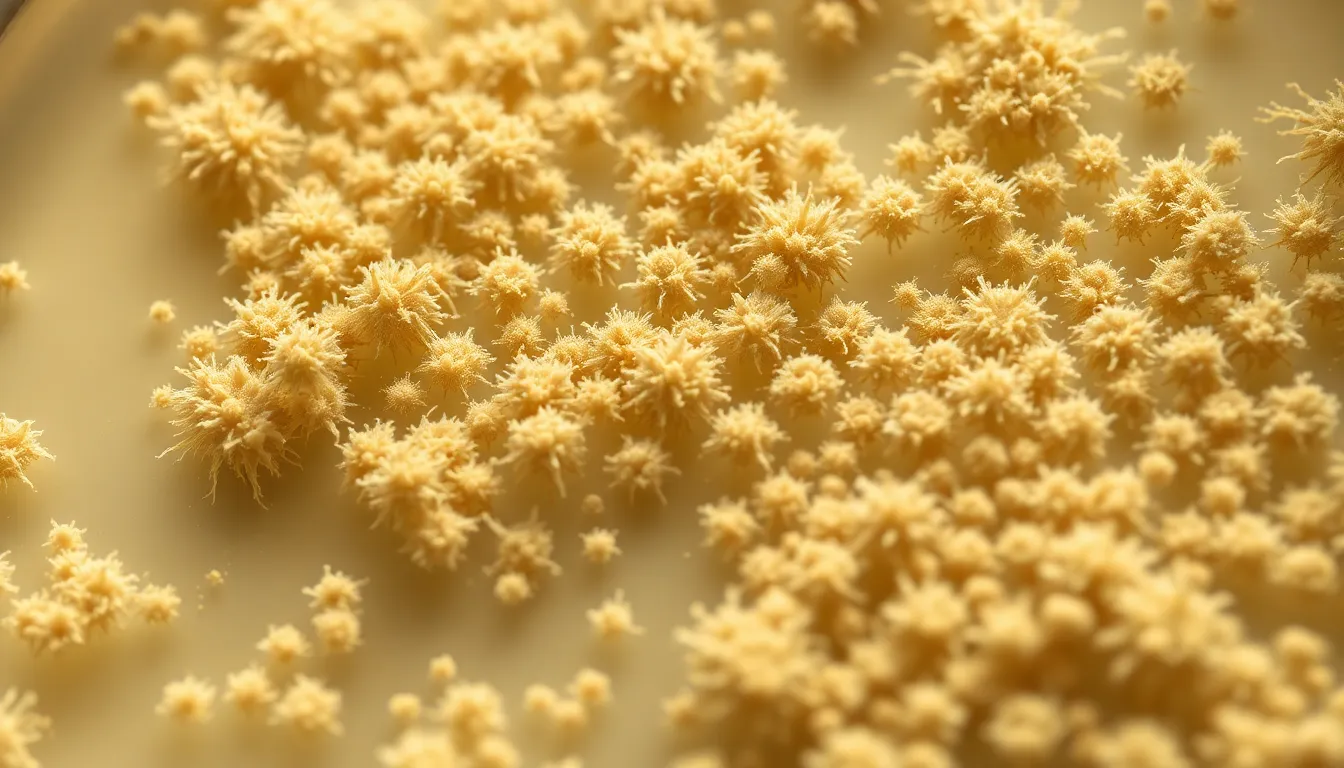
An intricate microscopic view of mold spores on a petri dish, captured with a Fujifilm GFX 100S, 110mm f/2 macro lens. The lighting is soft and diffused, mimicking natural daylight, while depth of field is shallow at f/2.8, bringing the spores into sharp focus against a blurred background. The colors are natural and muted, showcasing earth tones of beige and green. The composition employs leading lines, drawing the eye along the patterns formed by the spores, enhancing the organic feel. The surface texture of the mold is visible, revealing fine details and fuzziness.
16:9
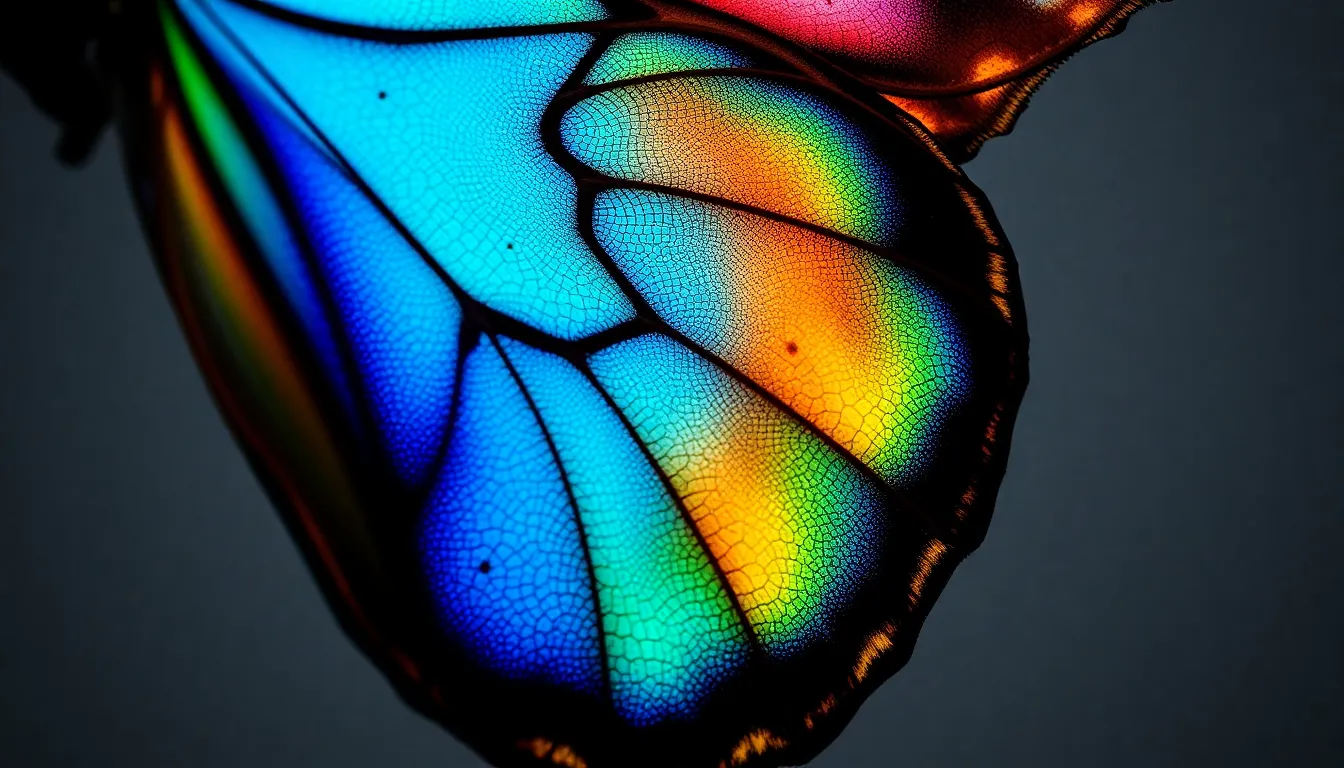
A stunning micrograph of a butterfly wing, showcasing the intricate scales and colors, captured with a Canon EOS R5, 24-70mm f/2.8L at 50mm. The lighting is achieved through a focused spotlight, creating dramatic shadows and highlighting the vibrant iridescence of the scales. Depth of field is set to f/4, keeping the entire wing in crisp focus. The color palette features bright blues and greens with hints of orange, contributing to an enchanting visual. The composition follows the rule of thirds, with an emphasis on the detailed patterns of the scales against a soft gray background.
16:9

A vibrant and colorful microscopic view of human blood cells, captured with a Nikon Z9, 70-200mm f/2.8 telephoto at 135mm. The lighting features a soft, diffused backlight illuminating the cells with subtle highlights, while the depth of field is shallow at f/2.8, creating a creamy bokeh effect in the background. The color palette consists of rich reds and soft pinks with a slight bluish tint. The composition uses a centered arrangement, highlighting the intricate details of the cells against a dark background. The texture shows the natural translucency and surface details of the blood cells, emphasizing their unique shapes.
16:9
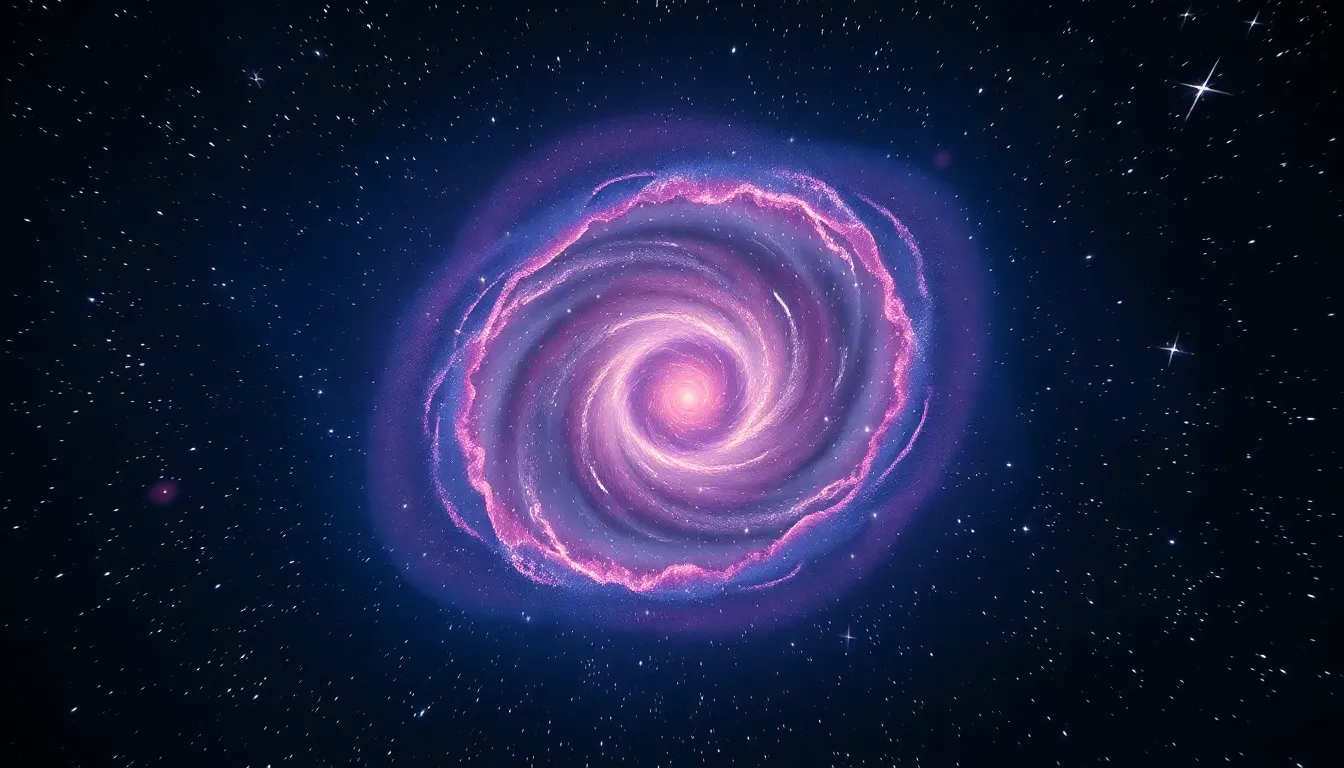
Filmed on Hasselblad X2D 100C, 90mm f/2.5 medium format, this stunning image depicts a vivid visualization of Einstein's theory of relativity featuring a swirling galaxy against a starry backdrop. The scene is illuminated with natural starlight, creating a mystical atmosphere with deep shadows and sparkling highlights. Utilizing a shallow depth of field at f/2.5, the swirling galaxy is in focus while the stars blur into a dreamy backdrop. The color palette is a striking combination of cosmic purples and blues, evoking a sense of wonder and exploration. The centered composition draws the viewer's eye directly into the heart of the galaxy, enhancing the sense of motion and gravitational pull.
16:9
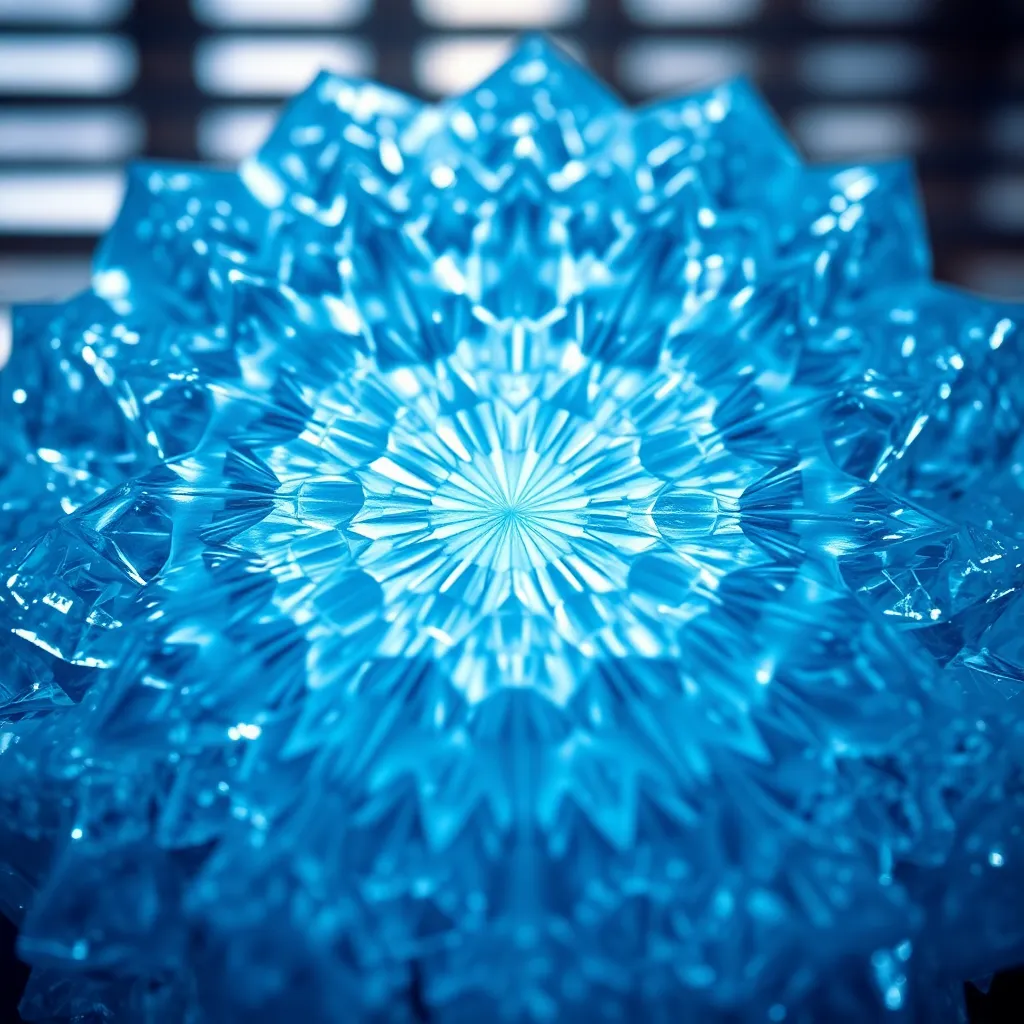
Using Fujifilm GFX 100S, 110mm f/2 macro lens, this detailed image captures the intricate surface of a crystal lattice under a microscope. Soft diffused daylight filtering through blinds provides gentle illumination, highlighting the textures and colors of the crystal facets. With a shallow depth of field at f/2, the viewer can see the detailed patterns of the lattice while the background softly fades into abstraction. The color palette showcases pure blues and whites, emphasizing the clarity and beauty of the crystal structure. The composition centers the crystal, creating a striking visual impact as the viewer is drawn into its complexity.
1:1
Captured with Nikon Z9, 70-200mm f/2.8 telephoto at 100mm, this landscape illustrates a stunning sunset over a physics-themed outdoor science festival. Dramatic clouds painted in shades of orange and purple reflect the colors of the event, where children and adults interact with kinetic sculptures and demonstrations. The image features a hyperfocal distance at f/8, ensuring clarity across the entire scene from the foreground sculptures to the distant sunset. Natural muted tones evoke a peaceful atmosphere, while the composition employs leading lines from the path leading to the festival, guiding the viewer’s gaze through the vibrant setting.
16:9

Shot on Sony A7R V with 85mm f/1.4 GM lens, this stunning portrait captures a young physicist deep in thought, surrounded by a library filled with old physics books. The warm tungsten desk lamp casts a directional pool of light, highlighting the subject’s face and creating soft shadows around them. Utilized at f/1.4, the shallow depth of field blurs the background, accentuating the details of the subject's thoughtful expression and natural skin texture. The color palette features rich amber tones, emphasizing the cozy and intellectual atmosphere. Compositionally, the subject is framed in the left power point of the image, inviting the viewer's eye.
3:4
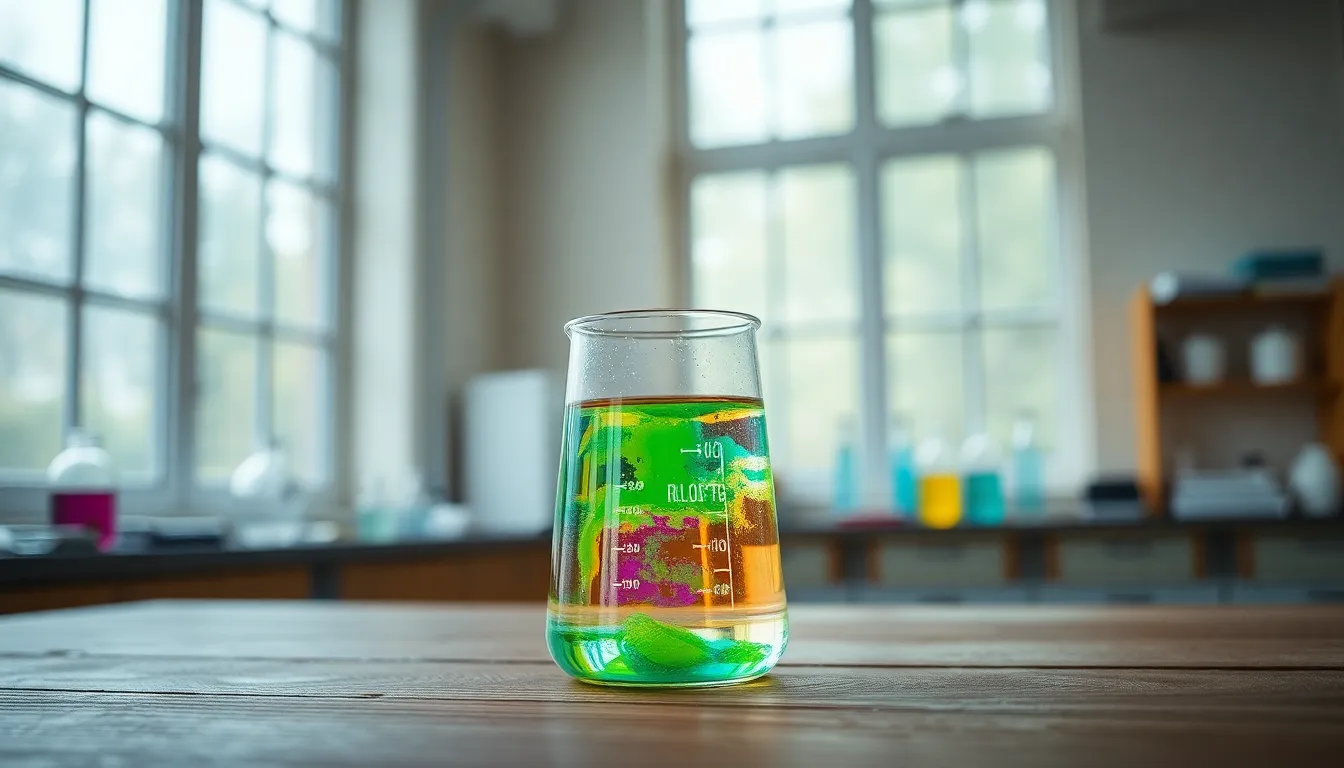
Captured with Canon EOS R5, 24-70mm f/2.8L at 50mm, this dynamic scene depicts a physics experiment showcasing a colorful reaction in a glass beaker. Overhead, natural diffused daylight from large windows softly illuminates the setup, creating a bright atmosphere. Shallow depth of field at f/2.8 focuses on the vibrant colors of the chemical reaction, while the background gently melts into bokeh. The color palette features vivid greens and yellows with subtle reflections on the glass surfaces. The composition adheres to the rule of thirds, placing the beaker slightly off-center, against a textured wooden lab table with visible grain.
16:9
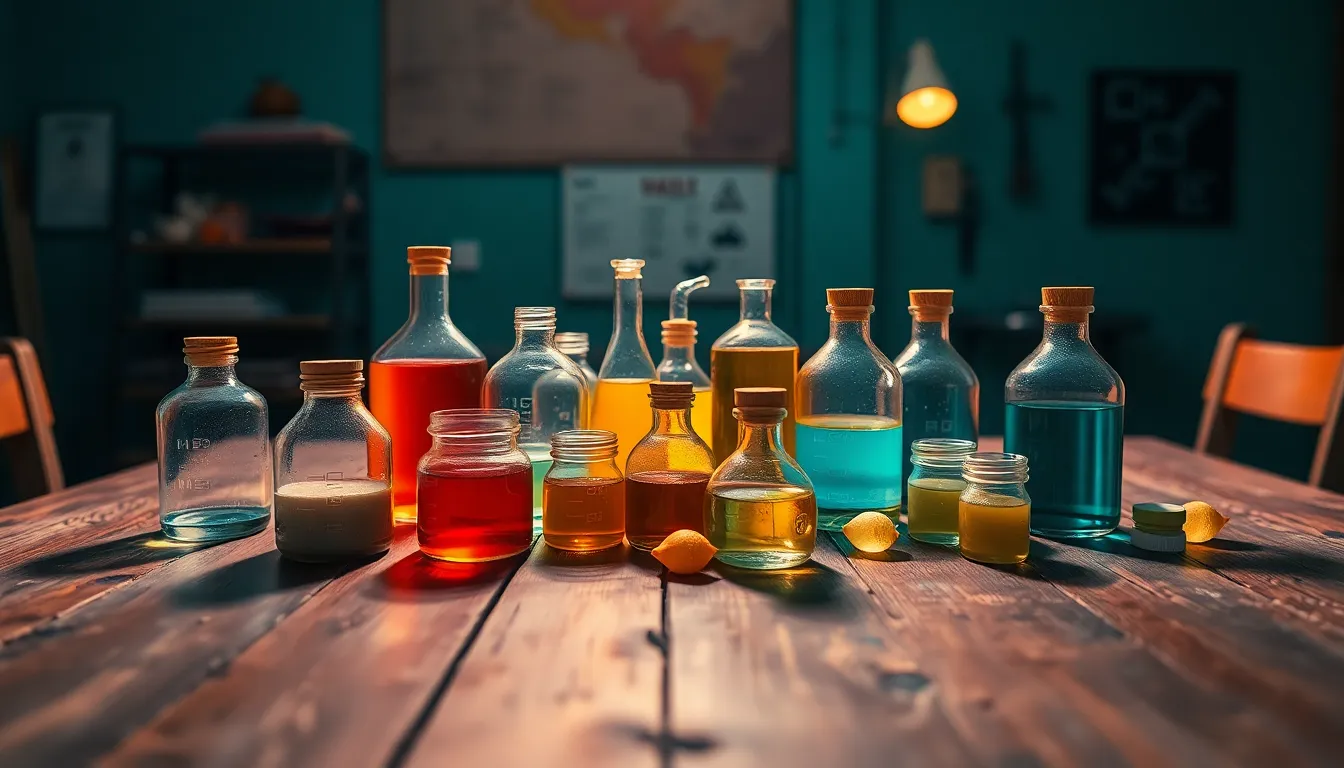
Fujifilm GFX 100S, 110mm f/2 macro, warm tungsten light illuminating a collection of chemical reaction ingredients arranged artfully on a weathered wooden table, hyperfocal distance at f/8 for sharp focus across the entire scene, cinematic teal and orange color grading highlighting the vibrant hues of the ingredients, leading lines created by the arrangement guide the viewer’s eye through the composition.
16:9

Hasselblad X2D 100C, 90mm f/2.5 medium format, dappled sunlight filtering through leaves casting playful shadows on an open chemistry textbook surrounded by natural elements, shallow depth of field at f/2.5 focusing on the text with soft bokeh of the background, natural muted tones with hints of green and brown, foreground framing using the surrounding natural foliage creates an inviting organic feel.
16:9
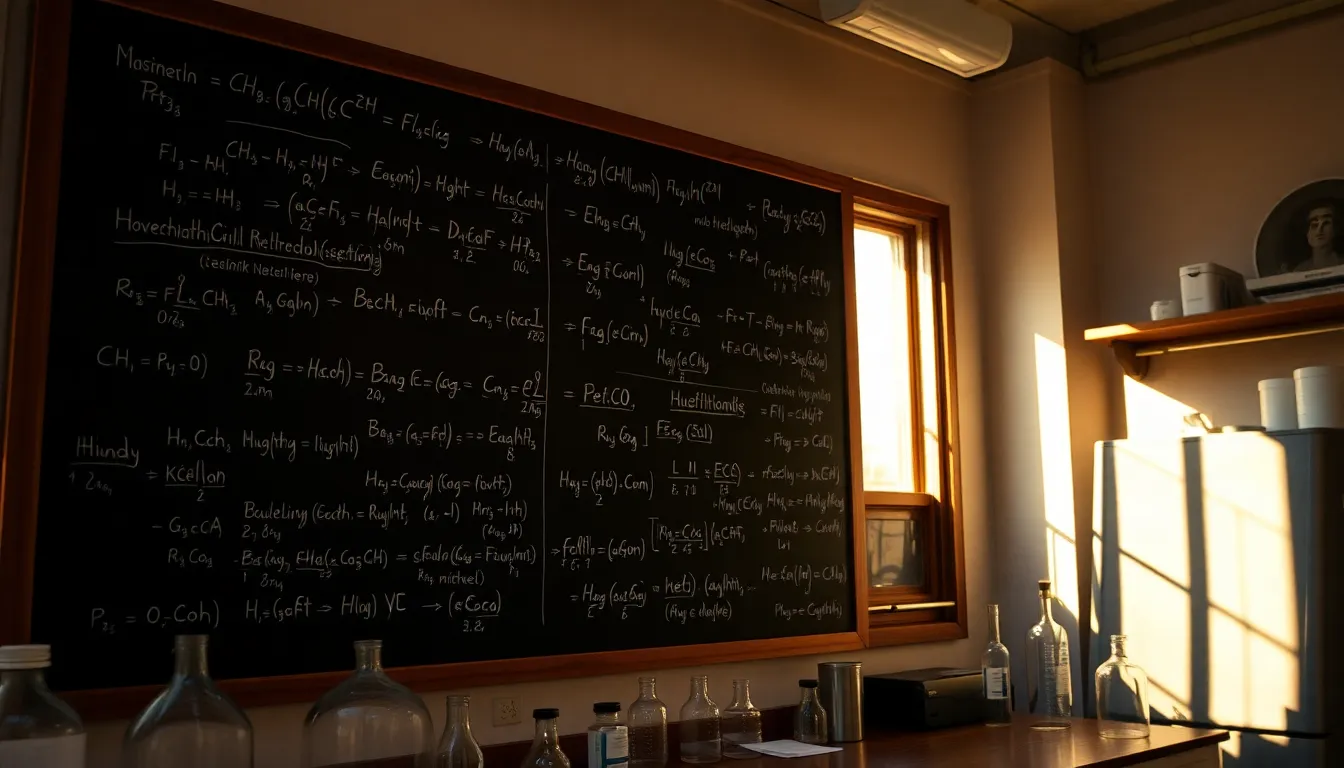
Nikon Z9, 70-200mm f/2.8 telephoto at 135mm, golden hour light streaming through a window reflecting off a chalkboard filled with chemical equations, hyperfocal distance at f/8 capturing sharp details of both the board and the surrounding laboratory items, Kodak Portra 400 color palette giving a nostalgic warmth to the scene, leading lines of the chalkboard draw the viewer's eye through the composition.
16:9
shot on Sony A7R V with 85mm f/1.4 GM lens, dramatic backlighting from a single overhead light creating high contrast shadows in a chemistry lab, selective focus on a colorful chemical reaction in a flask while the background fades into a dreamy bokeh, Fujifilm Velvia-inspired saturated colors emphasizing the vibrant hues of the chemicals, centered symmetrical composition highlighting the flask in the foreground and lab equipment surrounding it.
16:9

captured with Canon EOS R5, 24-70mm f/2.8L at 50mm, overcast diffused daylight illuminating a chemist in a lab, shallow depth of field at f/2.8 focusing on her thoughtful expression with laboratory glassware blurred in the background, natural muted tones with desaturated earth colors, rule of thirds composition with the chemist positioned at a power point, textured surfaces of glass beakers and bubbling liquids reflect the soft light.
16:9
shot on Leica Q3, 28mm f/1.7 Summilux, neon signage reflecting on wet pavement in a city, warm tungsten light enhancing the vibrant colors of the signs, tilt-shift miniature effect with narrow band of focus on the puddle, Fujifilm Velvia-inspired saturated colors showcasing deep blues and rich greens, dynamic Dutch angle creating a sense of movement, detailed wet pavement highlighting reflections and textures.
16:9
Fujifilm GFX 100S, 110mm f/2 macro, morning dew droplets on a spider web in soft morning light, shallow depth of field at f/2 with creamy circular bokeh in the background, natural muted tones with desaturated earth colors creating a calm, early morning ambiance, leading lines of the web drawing the viewer's eye to the center where a dew drop rests, intricate threads of the web showcasing textures and patterns.
9:16

Hasselblad X2D 100C, 90mm f/2.5 medium format, three-point studio setup with key softbox at 45° and edge light for hair separation, selective focus on a biologist examining a petri dish, natural skin texture with visible pores, warm skin tones from a Kodak Portra 400 color palette, centered symmetrical composition highlighting the subject's focused expression, surrounding lab equipment in soft focus to emphasize the biologist's task.
4:3
captured with Nikon Z9, 70-200mm f/2.8 telephoto at 135mm, overcast diffused daylight illuminating a flock of migrating birds in flight, hyperfocal distance — everything from foreground to infinity tack-sharp at f/8, cinematic teal and orange color grading enhancing the mood of the scene, rule of thirds with birds positioned in the upper third of the frame creating a sense of movement and freedom, clouds visible with subtle texture and depth contrasting against the birds.
16:9
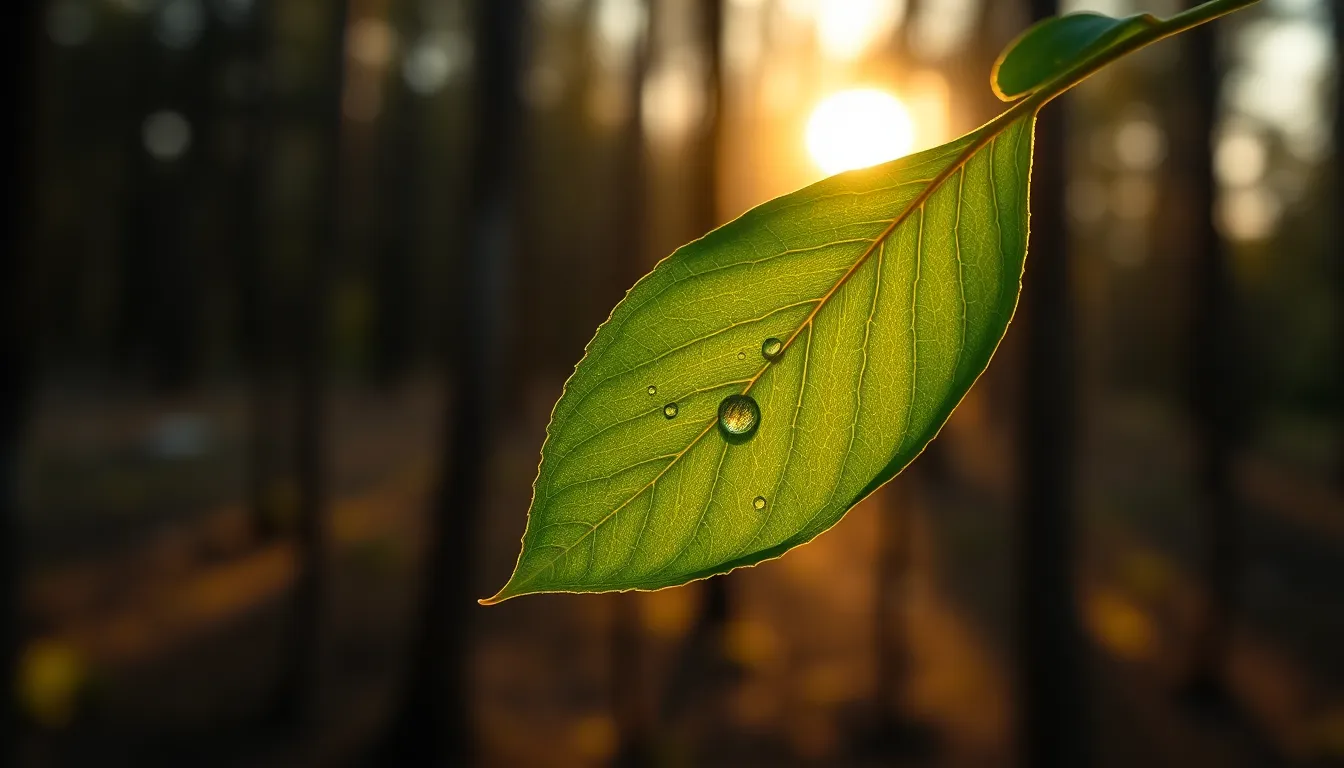
shot on Canon EOS R5, 24-70mm f/2.8L at 50mm, golden hour natural backlighting with warm rim light and soft fill from a reflector, shallow depth of field at f/2.8 showcasing a vibrant green leaf with dew droplets, natural muted tones with desaturated earth colors, centered symmetrical composition highlighting the leaf against a blurred forest backdrop, visible leaf veins with water droplets glistening in the sunlight.
16:9
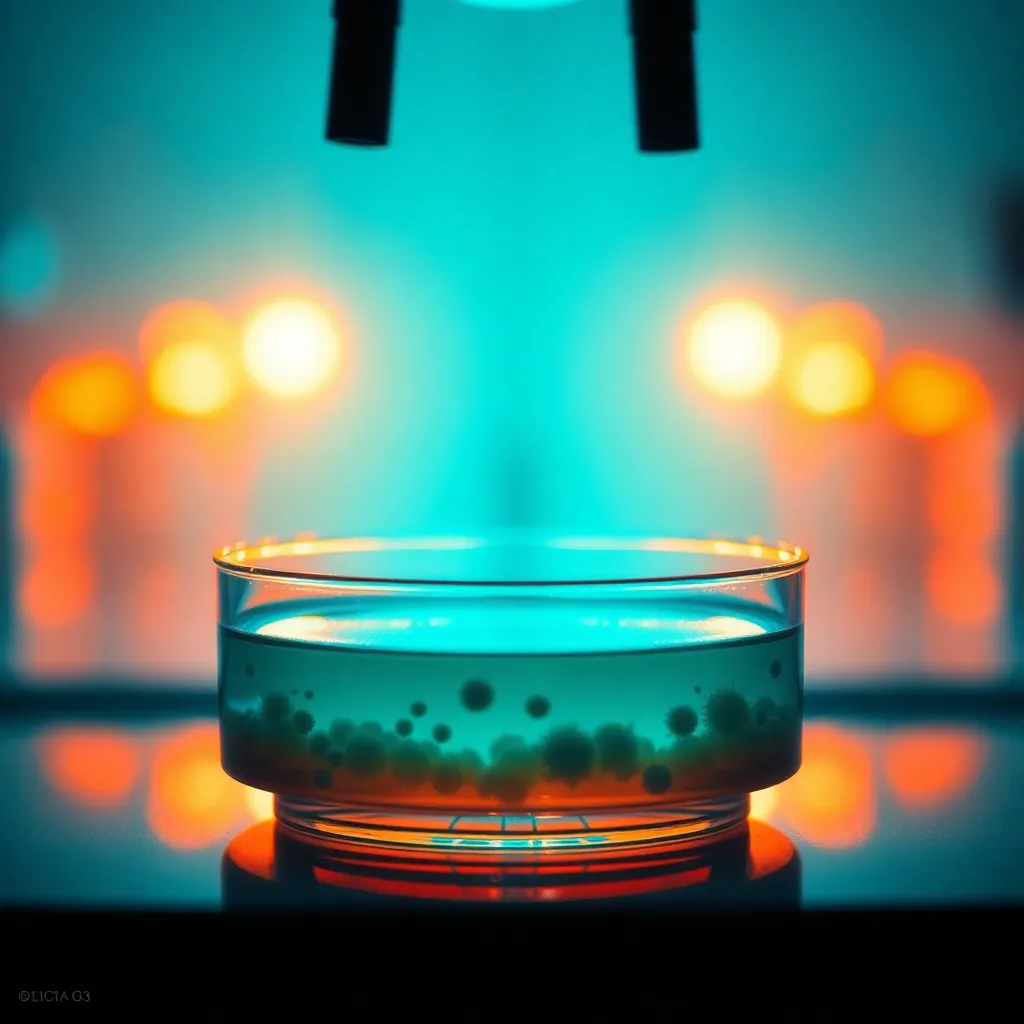
shot on Leica Q3, 28mm f/1.7 Summilux, dramatic backlighting illuminating a petri dish under scrutiny, shallow depth of field creating a soft glow around the dish, cinematic teal and orange color grading to enhance the experimental atmosphere, centered symmetrical composition with the petri dish in sharp focus, revealing cellular structures against the background.
1:1
captured with Hasselblad X2D 100C, 90mm f/2.5 medium format, soft daylight filtering through frosted glass providing an even illumination, hyperfocal distance ensuring sharp details from foreground to background, natural muted tones with desaturated earth colors, rule of thirds composition featuring a scientist carefully pouring liquid from one beaker to another, emphasizing the fluidity and precision of the process.
2:3
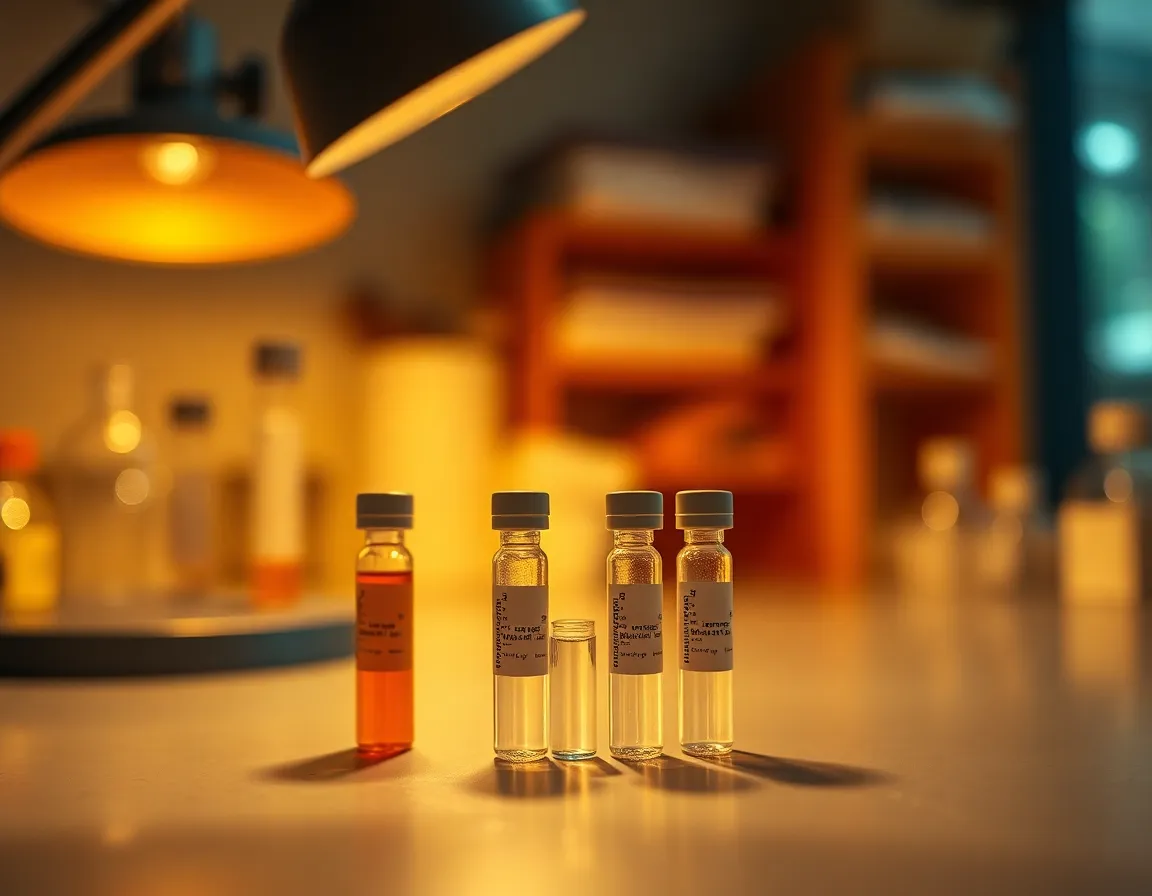
shot on Fujifilm GFX 100S, 110mm f/2 macro, warm tungsten desk lamp casting soft directional light on sample vials, selective focus on the vials while background melts into painterly bokeh, Kodak Portra 400 color palette emphasizing warm skin tones and creamy highlights, leading lines drawing the eye toward the vials arranged artistically on a textured lab countertop.
4:3
captured with Nikon Z9, 70-200mm f/2.8 telephoto at 135mm, dramatic artificial lighting with key light illuminating a chemist in focus, shallow depth of field at f/2.8 creating a soft bokeh effect, cinematic teal and orange color grading enhancing the contrast, centered symmetrical composition of the chemist working with a microscope, revealing intricate details of the equipment.
3:2
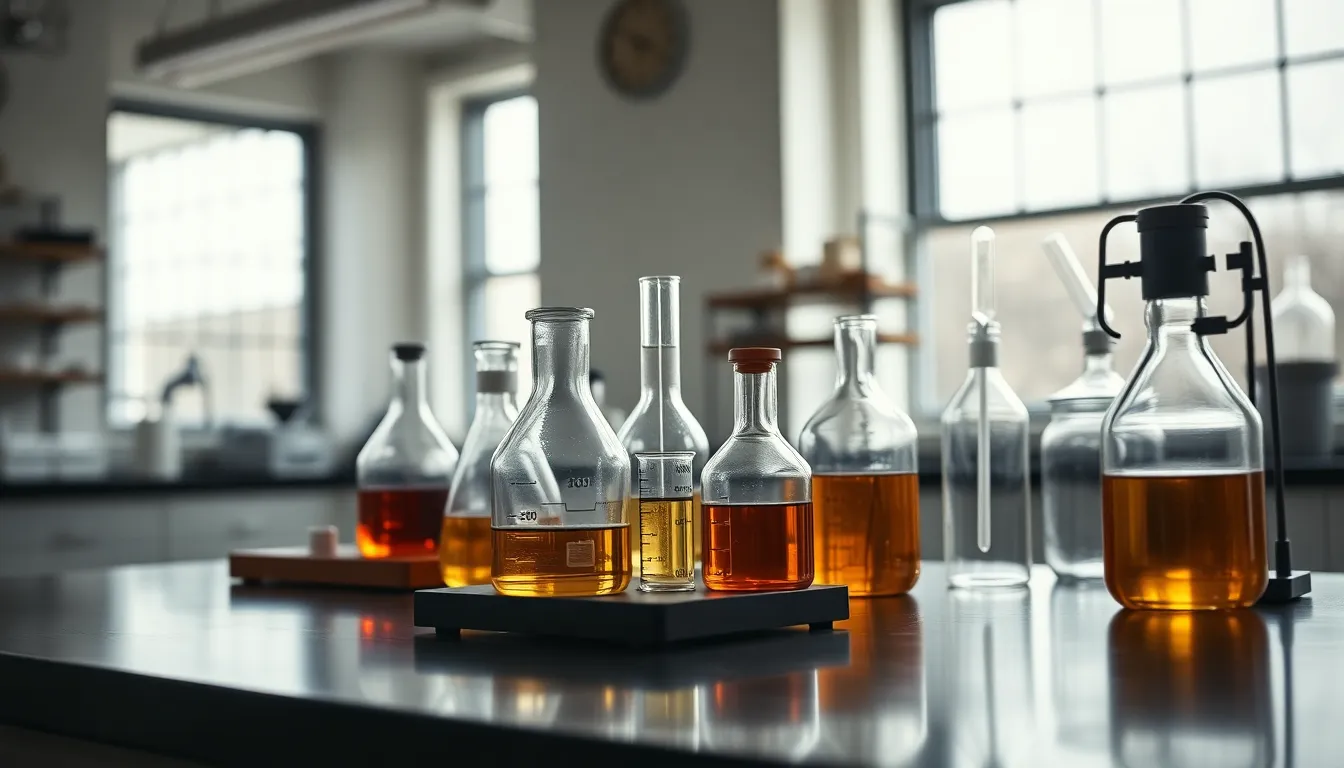
shot on Canon EOS R5, 24-70mm f/2.8L at 50mm, bright overcast diffused daylight through laboratory windows, hyperfocal distance ensuring sharpness from foreground to infinity, natural muted tones with desaturated earth colors, rule of thirds composition with scientific equipment arranged artfully on a polished lab table, glass beakers and pipettes reflecting soft highlights and shadows.
16:9
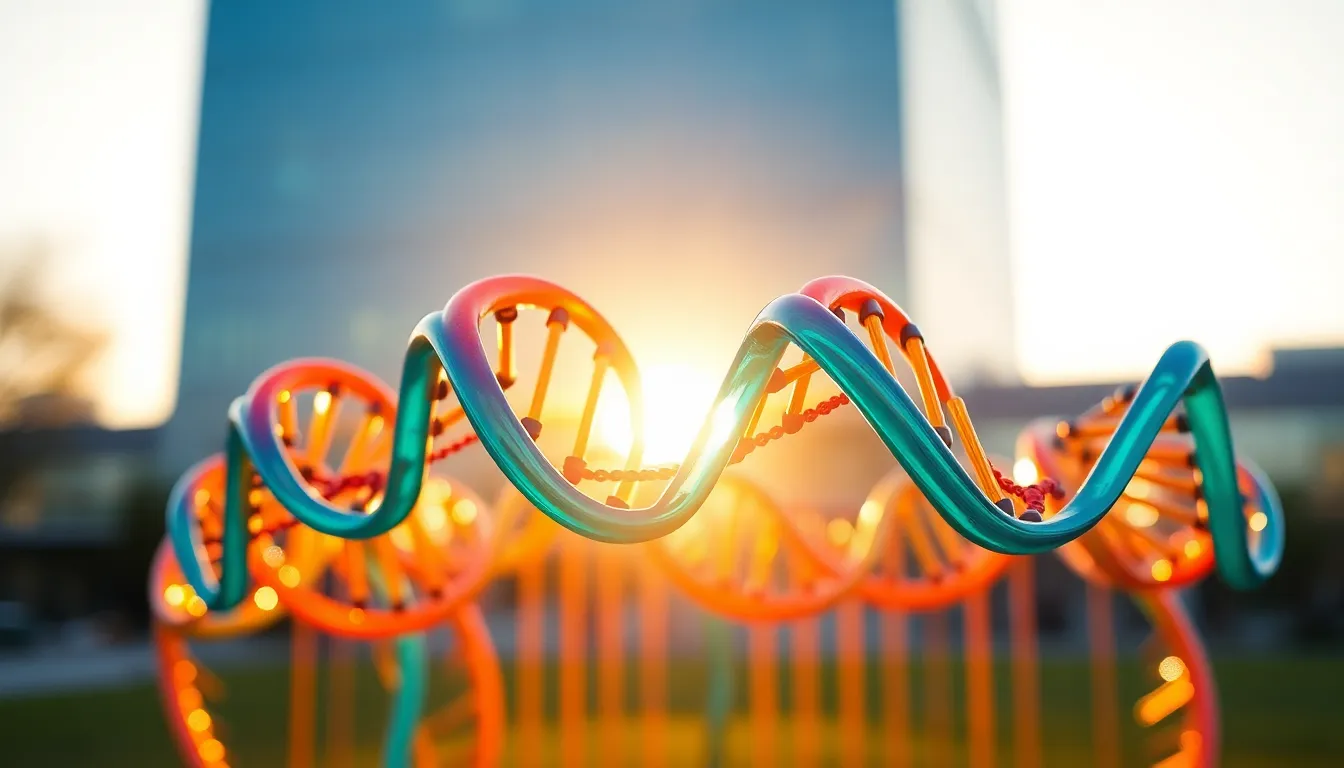
shot on Leica Q3, 28mm f/1.7 Summilux, during the golden hour with backlighting that creates warm rim light around the DNA installation. The scene features a contemporary art installation inspired by DNA structures, made with colorful acrylic tubes and illuminated by the setting sun. The depth of field is shallow at f/1.7, producing a soft bokeh backdrop that enhances the vivid colors of the installation. The color grading draws on cinematic teal and orange hues, creating a striking contrast. The composition is centered, highlighting the installation's dynamic lines and forms against the golden backdrop.
16:9
captured with Hasselblad X2D 100C, 90mm f/2.5 medium format, during overcast daylight, which provides a soft, gentle light across a natural scene. The image features a person sitting under a tree, reviewing a book on genetics with a clear view of double helix illustrations. The depth of field is slightly soft at f/4, allowing the subject and book to stand out while the tree background merges into a gentle blur. The color palette utilizes natural muted tones, reflecting a tranquil ambiance. The composition employs leading lines from the tree branches to guide the viewer's eye toward the subject.
3:4
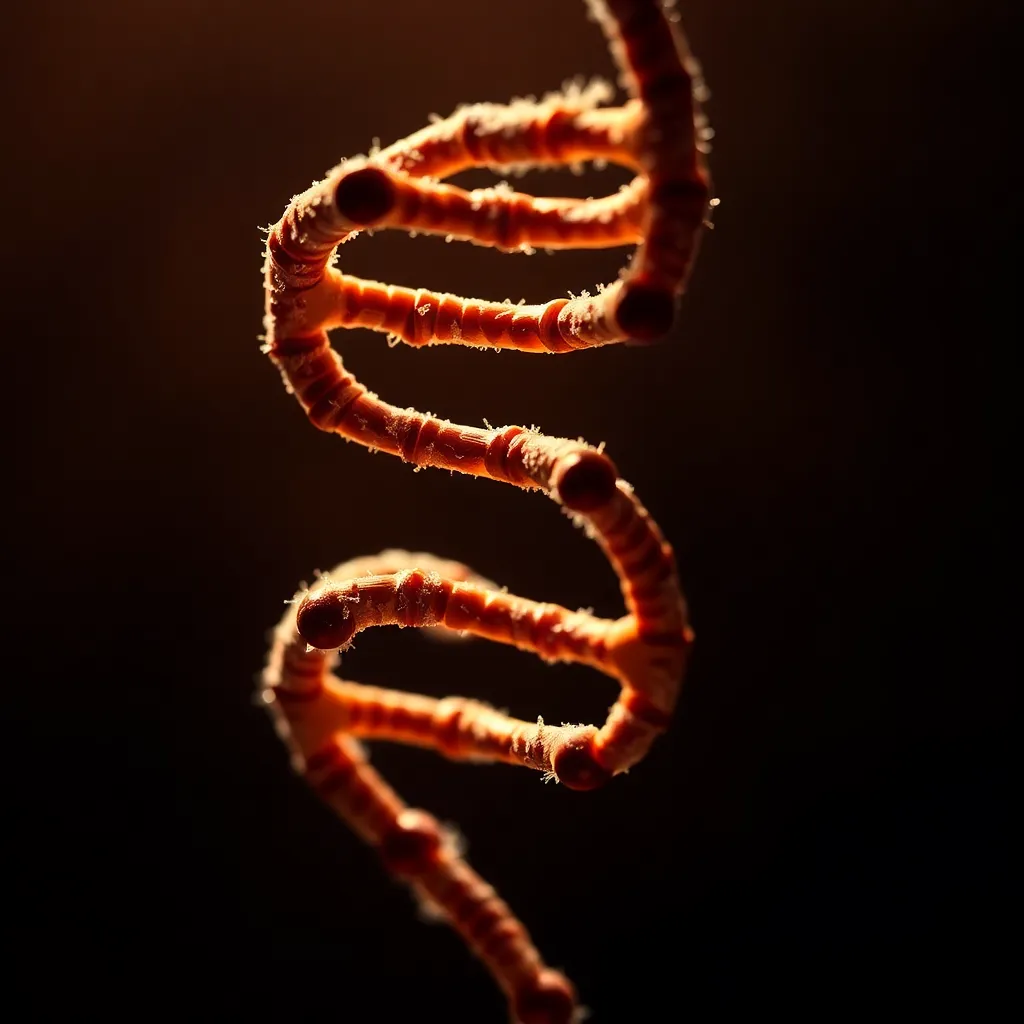
shot on Fujifilm GFX 100S, 110mm f/2 macro, with highly directional studio lighting creating sharp contrasts. The image displays a close-up of a double helix structure made from molecular models, featuring intricate textures and colors. Depth of field is extremely shallow at f/2, providing a creamy bokeh that enhances the central focus on the model. The color science draws inspiration from Kodak Portra 400, giving warm skin tones to the model and a soft, inviting look. The composition is centered, emphasizing the delicate spiral of the DNA strand against a softly blurred background.
1:1
captured with Nikon Z9, 70-200mm f/2.8 telephoto at 135mm, under soft daylight filtering through laboratory windows, creating an inviting atmosphere. The image features a scientist in a lab coat, studying a DNA sequencer, wearing glasses highlighting intense focus. The depth of field is hyperfocal, ensuring clarity across the entire scene. The color palette is natural with muted tones, emphasizing the sterile environment. The composition follows the rule of thirds, with the scientist on one side and the sequencer elegantly framed by laboratory equipment in the background.
3:2
shot on Canon EOS R5, 24-70mm f/2.8L at 50mm, with dramatic underlighting casting dynamic shadows across the surface. The image captures a 3D model of a DNA helix, meticulously detailed with vibrant blue and green colors highlighting each nucleotide. The depth of field is shallow at f/2.8, creating a soft bokeh effect in the background, which features a textured black surface for contrast. Compositionally, the helix is centered with a slight tilt, emphasizing its spiral structure. High-resolution captures all the minuscule surface details, reflecting a glossy finish on each strand.
16:9
Leica Q3, 28mm f/1.7 Summilux, capturing late afternoon sunlight casting long shadows in a botanical garden, hyperfocal distance ensuring sharp detail from the foreground flowers to distant trees, bright and fresh colors with an emphasis on vibrant yellows and soft pinks, leading lines created by flower beds guiding the eye through the lush garden, showcasing the delicate petals and textures of various blooms.
16:9

Fujifilm GFX 100S, 110mm f/2 macro, using natural soft light filtering through a forest canopy, shallow depth of field at f/2.8 emphasizing the textures of moss and mushrooms on a decaying log, natural muted tones with earthy greens and browns creating a harmonious palette, composition focusing on foreground framing with the log as a leading element into the background depth, capturing the intricate details of fungal growth.
16:9
Hasselblad X2D 100C, 90mm f/2.5 medium format, with natural golden hour backlighting creating a halo effect around a butterfly perched on a flower, selective focus on the butterfly's intricate wing patterns while the flower fades into a soft painterly bokeh, vibrant saturated colors emphasizing the butterfly's iridescence against soft pastels, composition framed with leading lines of flower petals guiding the eye toward the insect.
16:9
captured with Nikon Z9, 70-200mm f/2.8 telephoto at 135mm, featuring warm tungsten light from an overhead lab lamp, hyperfocal distance ensuring everything from foreground to infinity is tack-sharp at f/8, rich warm tones with a focus on deep browns and soft yellows, centered symmetrical composition highlighting a scientist observing a petri dish under a microscope, showcasing detailed lab equipment with glass beakers and culture samples.
16:9
shot on Canon EOS R5, 24-70mm f/2.8L at 50mm, lit with overcast diffused daylight streaming through greenhouse glass, shallow depth of field at f/2.8 creating a soft bokeh effect in the background, natural muted tones with desaturated earth colors, composition utilizing the rule of thirds with a vibrant green fern prominently featured on the left, capturing the delicate texture of the fronds with visible dew droplets glistening in the light.
16:9
Fujifilm GFX 100S, 110mm f/2 macro, during golden hour with warm sunlight filtering through soft clouds. The image captures the fine details of a leaf covered in morning dew, creating a serene atmosphere. The color palette features rich greens and soft yellows, emphasizing nature's beauty. Using a centered symmetrical composition, the textural details of the leaf veins and droplets glisten in the light, highlighting nature's artistry.
3:4
Hasselblad X2D 100C, 90mm f/2.5 medium format, in a studio environment with butterfly lighting directly above. The shot focuses on a vibrant arrangement of different fruits, creating a dynamic still life. Natural skin tones of the fruits contrast beautifully with a muted earthy color palette. The butterfly lighting adds a soft glow to the fruits' surfaces, while a shallow depth of field creates a creamy background. The composition centers the fruits for a classic still life look, with rich textures of the fruit skins highlighted.
1:1
Nikon Z9, 70-200mm f/2.8 telephoto at 150mm, shot during a sunny day with vivid blue skies. Hyperfocal distance captures a stunning close-up of a honeybee on a sunflower with everything in sharp focus. The Fujifilm Velvia-inspired color palette emphasizes the bright yellows of the sunflower and the golden tones of the bee. The composition follows the rule of thirds, placing the bee close to the left power point, maximizing visual interest.
3:2
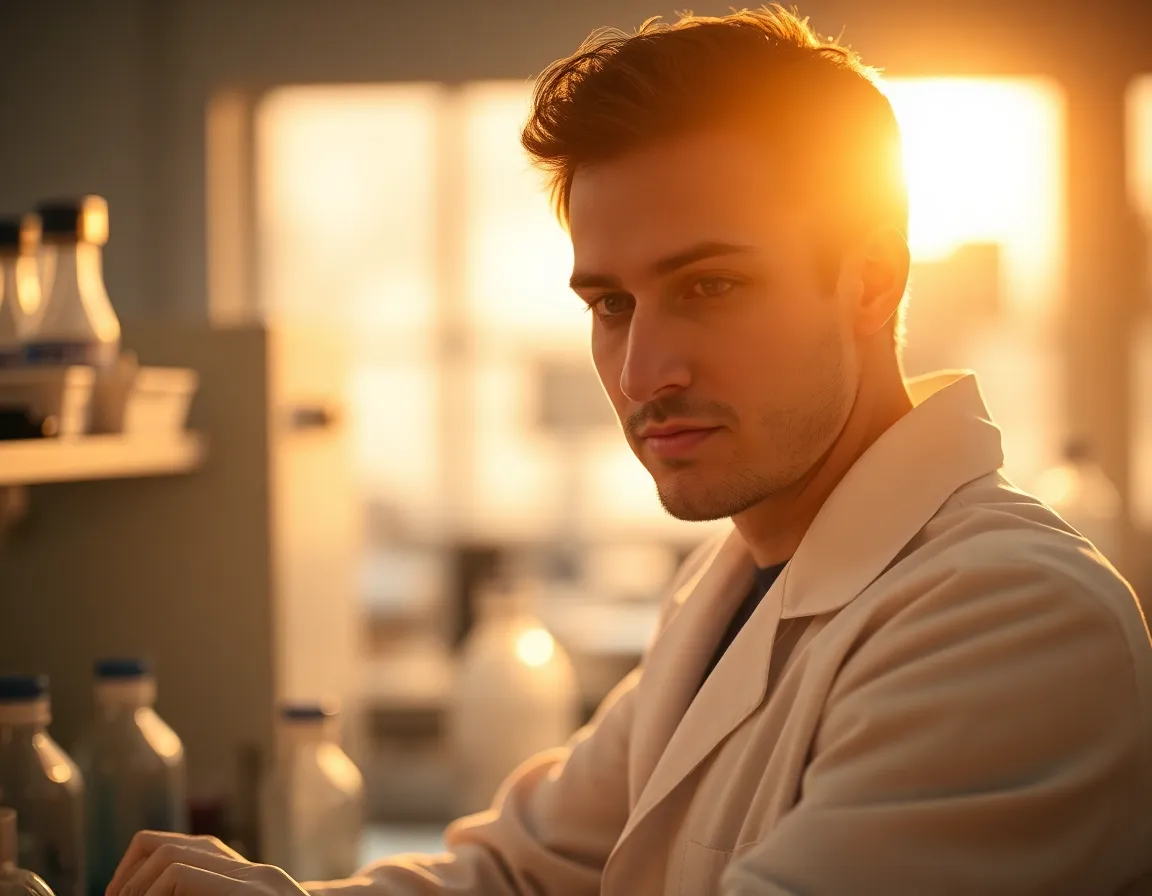
shot on Sony A7R V with 85mm f/1.4 GM lens, using golden hour backlighting to create warm rim light around a scientist working in a lab. Selective focus on the scientist's intent gaze while the background shows laboratory equipment softly out of focus. The color palette features warm skin tones with a gentle golden glow. The composition places the subject off-center for a dynamic feel, with textures of lab equipment visible in the background.
4:3
captured with Canon EOS R5, 24-70mm f/2.8L at 50mm, under overcast diffused daylight filtering through trees. Shallow depth of field at f/2.8 with soft bokeh in the background. Natural muted tones with desaturated greens and browns create a serene feel. The composition utilizes leading lines of branches framing a lush patch of moss. Textured details of the moss and tree bark are highlighted, showcasing nature's intricacies.
16:9
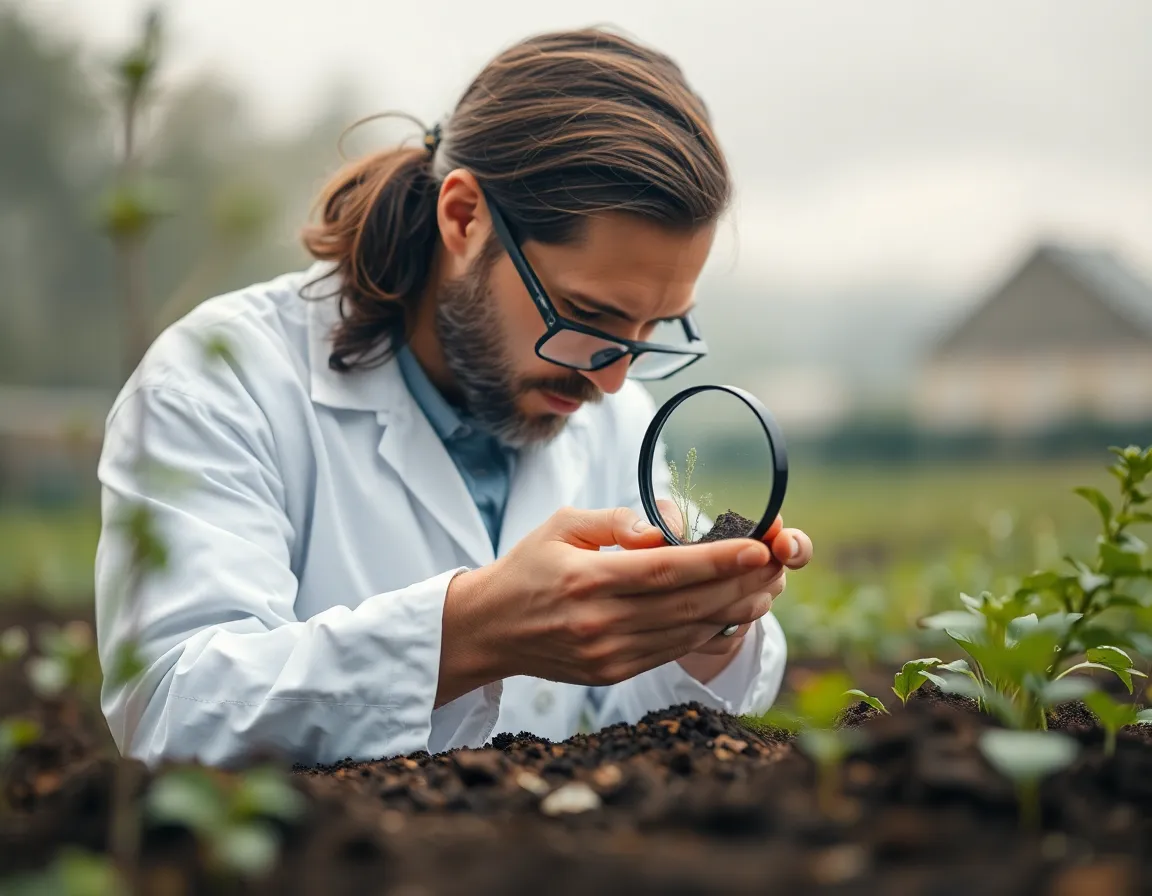
Hasselblad X2D 100C, 90mm f/2.5 medium format, overcast diffused daylight illuminating a scientist examining soil samples with a magnifying glass, shallow depth of field at f/2.5 with background fading into soft bokeh, natural muted tones with earthy colors creating a calming mood, rule of thirds composition placing the scientist at the right power point surrounded by soil and plants.
4:3
shot on Canon EOS R5, 24-70mm f/2.8L at 35mm, golden hour backlighting with warm rim light enhancing the edges of a butterfly perched on a flower, hyperfocal distance — everything from foreground to infinity tack-sharp at f/8, Fujifilm Velvia-inspired saturated colors with deep blues and rich greens, leading lines created by the flower stems drawing the eye toward the butterfly.
16:9
captured with Nikon Z9, 70-200mm f/2.8 telephoto at 135mm, warm tungsten desk lamp casting directional pool of light on a vibrant green leaf, shallow depth of field at f/2.8 with creamy circular bokeh, Kodak Portra 400 color palette showcasing lush green tones and soft highlights, centered symmetrical composition highlighting the leaf’s veins and droplets of water.
3:4
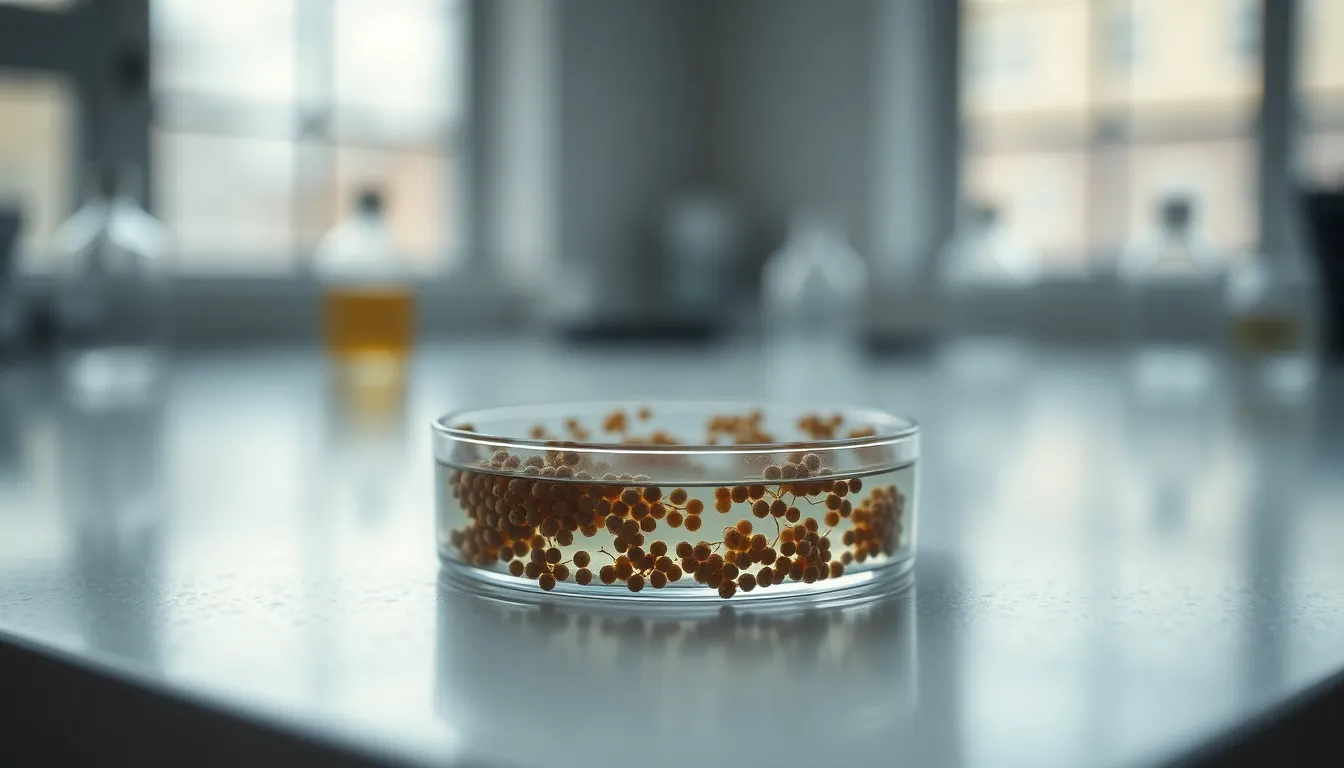
shot on Fujifilm GFX 100S with 110mm f/2 macro, natural overcast diffused daylight filtering through laboratory windows, selective focus on a petri dish containing growing bacterial cultures, natural muted tones with desaturated earth colors, rule of thirds composition with the dish placed at left power point, textured glass surface reflecting soft highlights and tiny details of the culture growth.
16:9
shot on Leica Q3, 28mm f/1.7 Summilux, featuring a serene underwater scene showcasing a school of tropical fish swimming among coral reefs. Captured in bright, clear water during a sunny afternoon, the natural sunlight creates dappled patterns on the ocean floor, enhancing the overall vibrancy. A shallow depth of field at f/1.7 isolates the fish from the coral background, giving a dreamy quality to the scene. The color palette is rich with blues, greens, and pops of color from the fish. The composition uses leading lines formed by the coral branches, guiding the eye through the aquatic environment.
16:9
captured with Hasselblad X2D 100C, 90mm f/2.5 medium format, showcasing a macro image of a honeycomb with bees at work. The warm tungsten lighting from a nearby source casts directional light across the honeycomb, creating a rich contrast and bringing out the intricate details of the wax and honey. The hyperfocal distance provides clarity across the entire frame. The color palette consists of warm golden and amber tones, enhancing the sweetness associated with honey. The composition centers on the honeycomb, revealing bees busily moving around, with a slight Dutch angle to add dynamic tension.
3:4
shot on Fujifilm GFX 100S, 110mm f/2 macro, presenting a highly detailed view of a crystal-clear water droplet perched on a vibrant green leaf post-rain. The scene is naturally lit with overcast daylight, providing even illumination and soft shadows. Using a shallow depth of field at f/2, the droplet is sharply focused while the background fades to a soft bokeh, enhancing the sense of depth. The color science employs natural muted tones with desaturated earth colors, making the droplet's clarity pop. The composition utilizes leading lines from the leaf edges directing the viewer's gaze to the droplet.
3:2
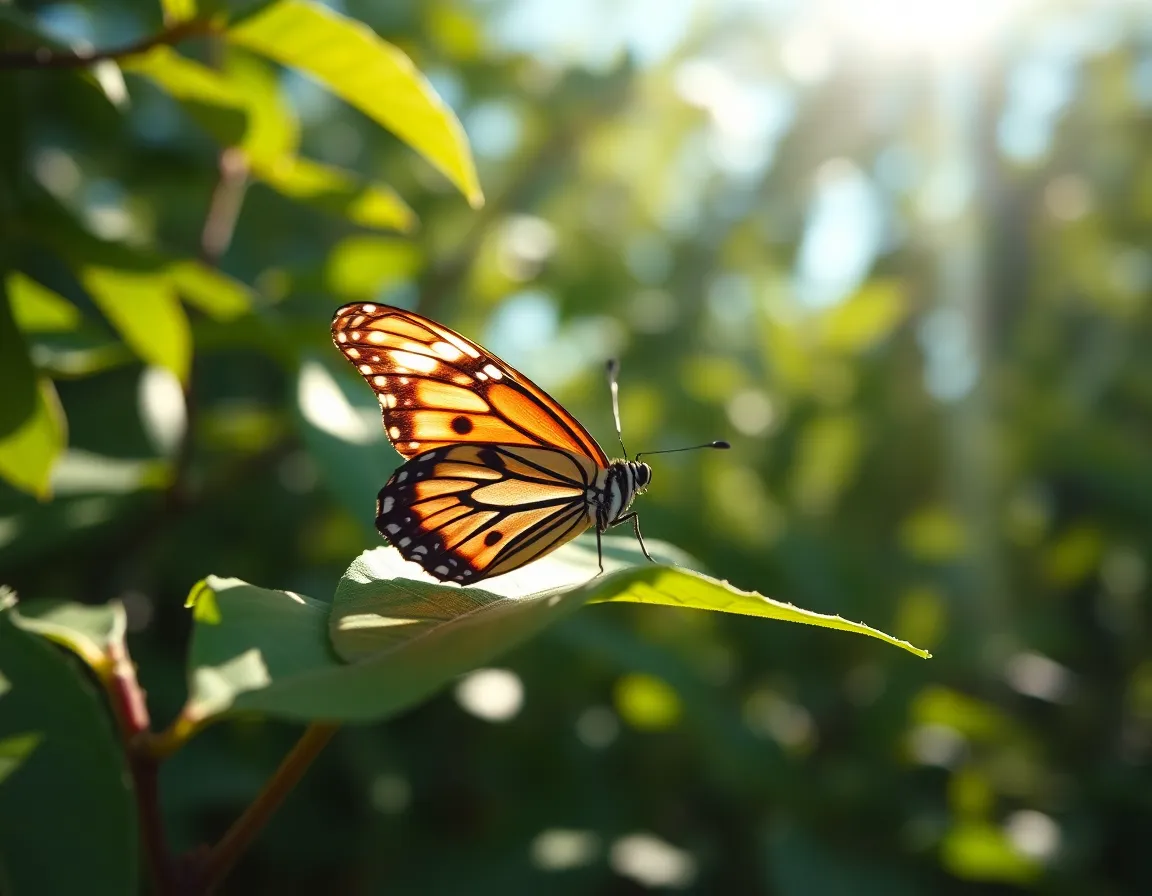
captured with Canon EOS R5, 24-70mm f/2.8L at 35mm, featuring an intricate close-up of a butterfly resting on a leaf with sunlight filtering through the surrounding foliage. The natural diffused daylight creates gentle highlights and shadows, while a hyperfocal distance ensures sharp focus from foreground to infinity. The color palette draws inspiration from Kodak Portra 400, with warm skin tones and creamy highlights, enhancing the butterfly's delicate patterns. The composition highlights the butterfly centered in the frame, leading the eye through the natural elements surrounding it.
4:3
shot on Nikon Z9, 70-200mm f/2.8 telephoto at 135mm, showcasing a vibrant field of wildflowers in bloom during golden hour. The scene is lit with warm backlighting creating a soft glow around each flower, while a shallow depth of field at f/2.8 isolates the foreground blossoms against a beautifully blurred background. The color science reflects rich, saturated tones of yellows, pinks, and purples, reminiscent of Fujifilm Velvia film. The composition follows the rule of thirds, with a single daisy strategically positioned at the left power point, while the surrounding foliage adds texture with its intricate green details.
16:9
Fujifilm GFX 100S, 110mm f/2 macro, capturing a close-up of a honeybee interacting with a vibrant sunflower, natural daylight providing soft fill light, selective focus on the bee with creamy bokeh on petals, natural muted tones with vibrant yellow and brown accents drawing attention to the bee, rule of thirds composition placing the bee at a power point, visible hair and wing textures adding depth.
2:3
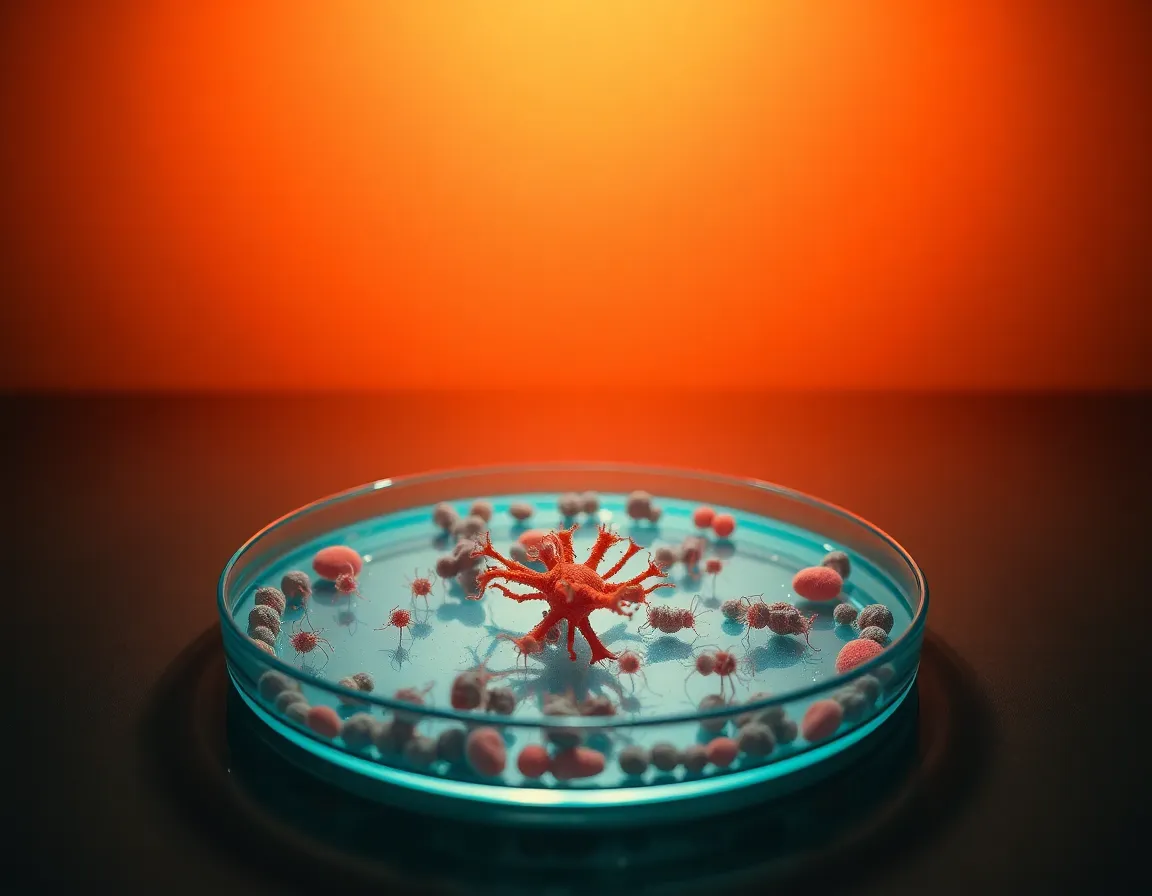
Hasselblad X2D 100C, 90mm f/2.5 medium format, dramatic studio lighting with three-point setup creating high contrast on a specimen plate with bacteria cultures, shallow depth of field at f/2.5 focusing sharply on bacterial details while softening the background, cinematic teal and orange color grading adding visual interest, centered symmetrical composition highlighting intricate bacteria shapes, smooth glass surface of the plate reflecting the vibrant colors.
4:3
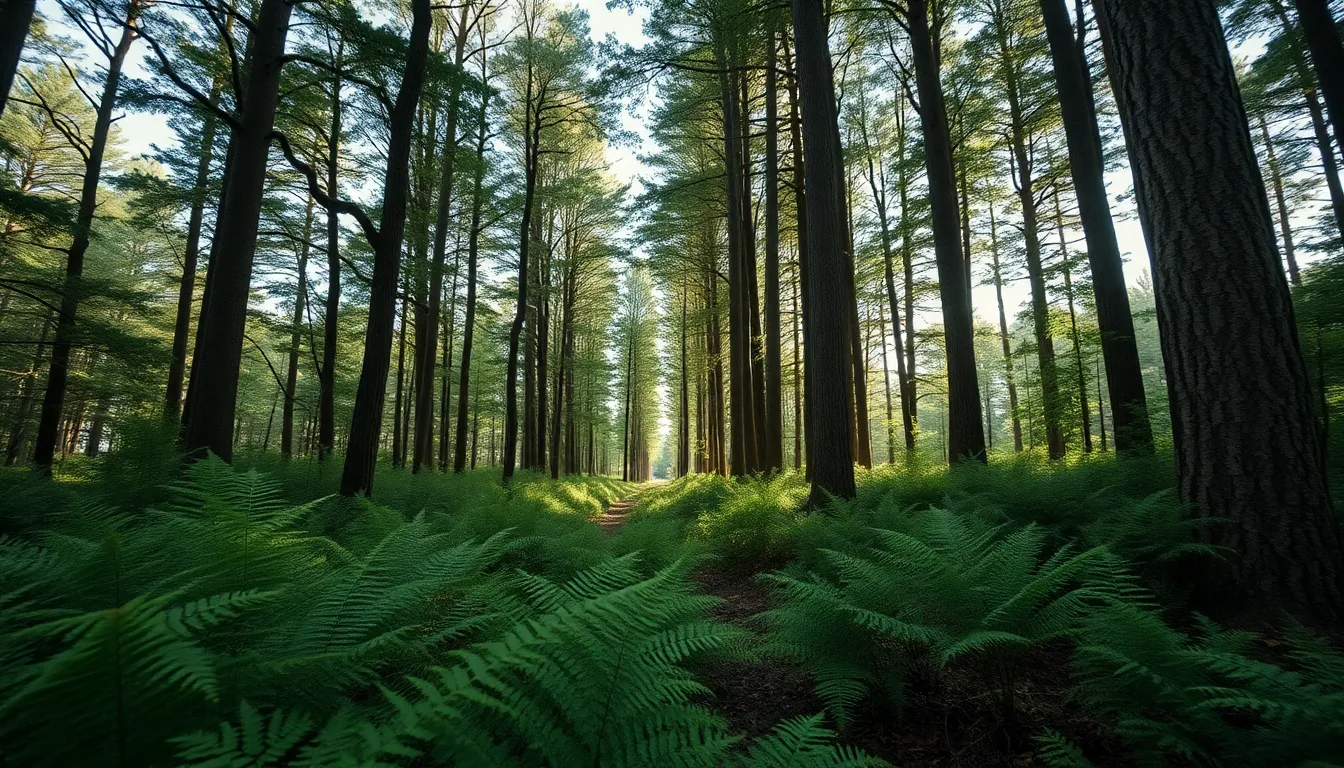
captured with Canon EOS R5, 24-70mm f/2.8L at 35mm, natural sunlight filtering through a dense forest canopy, hyperfocal distance ensuring everything from foreground ferns to distant trees is tack-sharp at f/8, natural muted tones with desaturated earth colors creating a calm atmosphere, leading lines formed by the path guiding the viewer's eye through the scene, visible textures of bark and foliage enhancing realism.
16:9
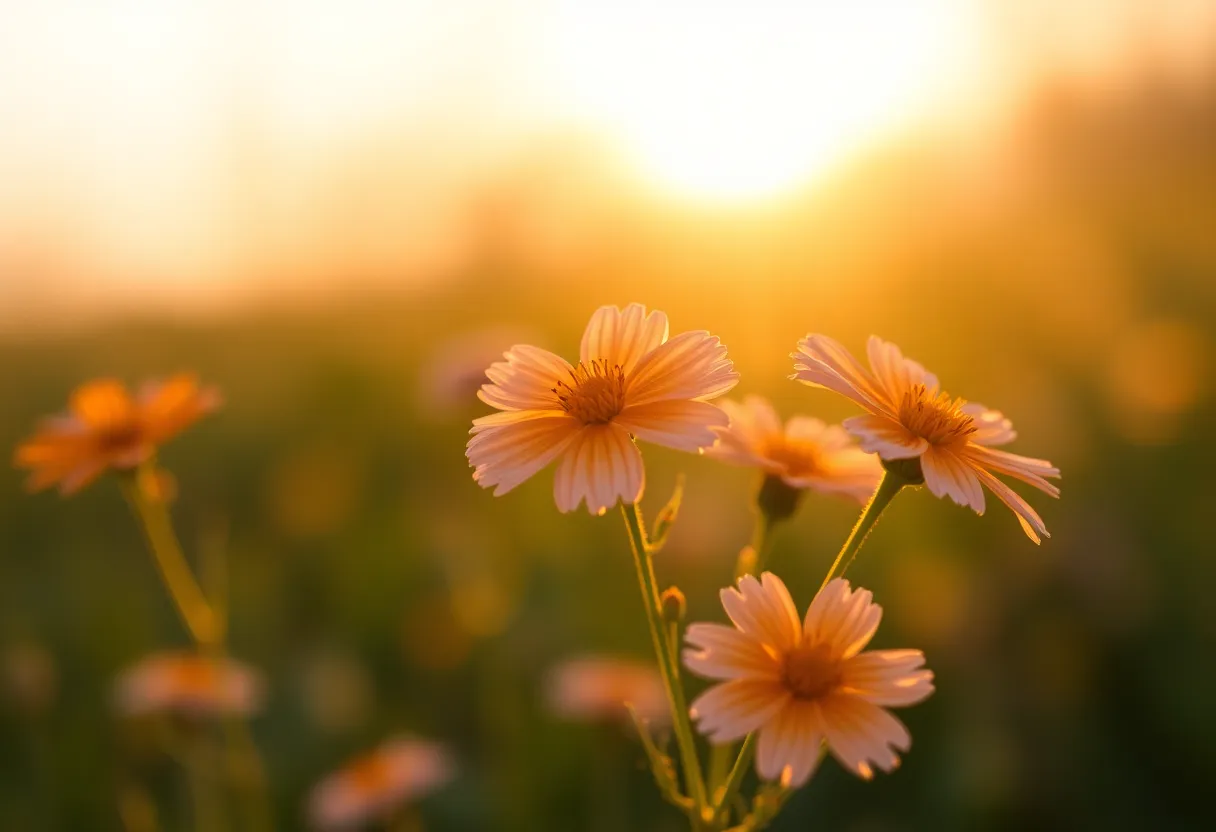
shot on Sony A7R V with 85mm f/1.4 GM lens, golden hour backlighting creating a warm rim light on a cluster of wildflowers, selective focus on flowers' delicate petals with a dreamy bokeh background, Kodak Portra 400 color palette enhancing warm skin tones and creamy highlights, centered symmetrical composition showcasing vibrant flower colors and natural beauty, visible dew droplets on petals adding texture.
3:2
captured with Nikon Z9, 70-200mm f/2.8 telephoto at 135mm, overcast diffused daylight illuminating a vibrant coral reef scene, shallow depth of field at f/2.8 with soft bokeh of distant fish, Fujifilm Velvia-inspired saturated colors enhancing blues and greens, rule of thirds with coral formations at left power point, intricate textures of coral and the smooth surface of the water reflecting light.
16:9
shot on Hasselblad X2D 100C, 90mm f/2.5 medium format, illuminated by soft box light creating delicate highlights, hyperfocal distance with everything in focus at f/8, employing cinematic teal and orange color grading for modern aesthetic, composition features a detailed 3D printed DNA structure on a professional lab table, with smooth plastic texture contrasting against a brushed steel background.
16:9
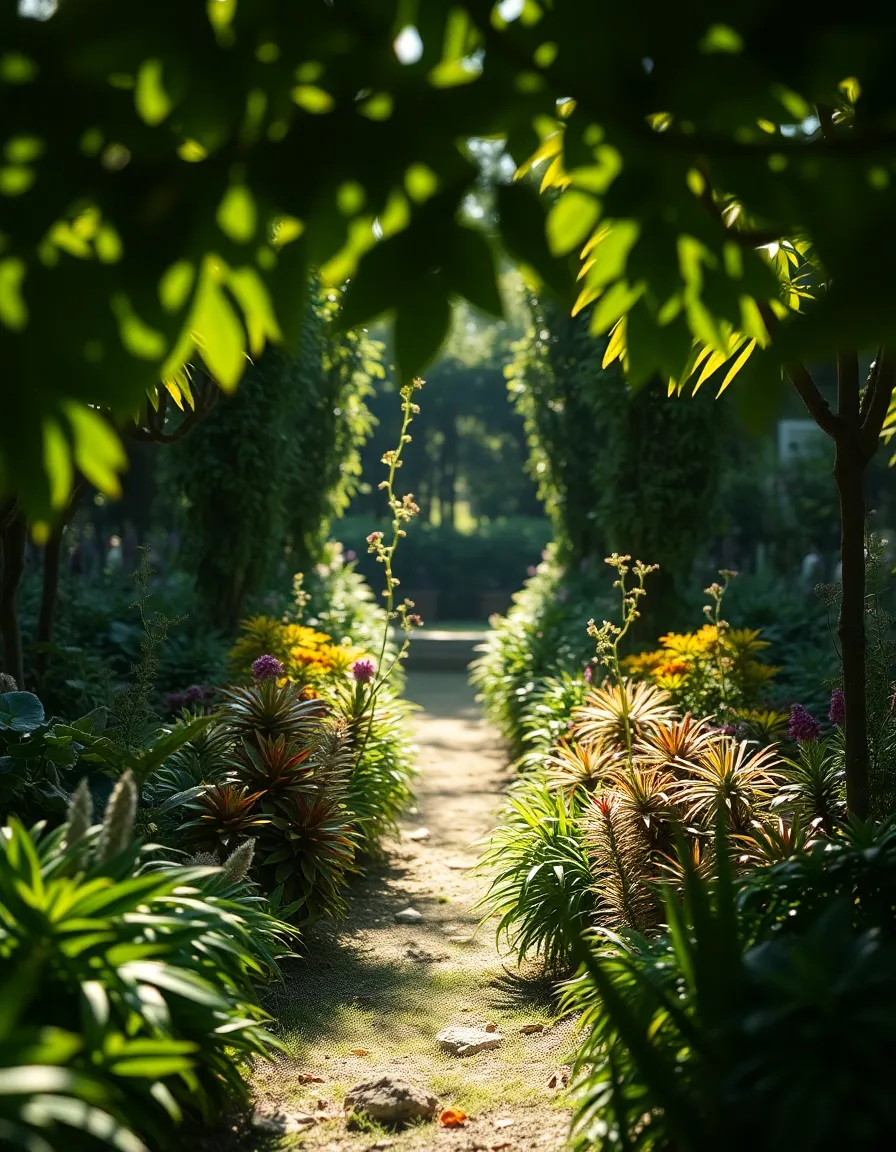
captured with Leica Q3, 28mm f/1.7 Summilux, dappled sunlight filtering through leaves creating a natural spotlight, shallow depth of field at f/1.7 focusing on a vibrant display of plant-based DNA models, employing a natural color palette with muted greens and soft browns, composition featuring leading lines of the garden path guiding the viewer’s eye toward the intriguing models set among colorful flora.
3:4
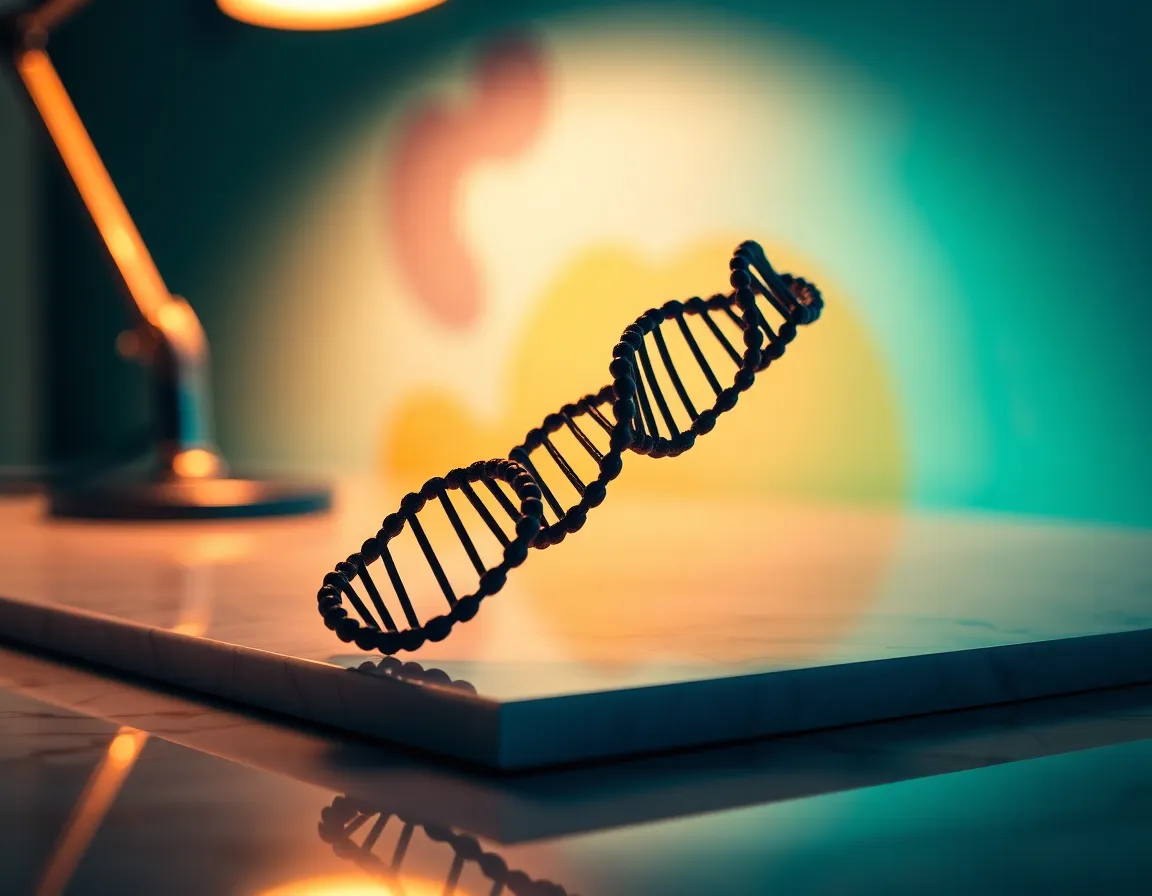
shot on Fujifilm GFX 100S, 110mm f/2 macro, illuminated by warm tungsten desk lamp casting direct light, selective focus on a double helix model with the background softly blurred into painterly shapes, utilizing vibrant, saturated colors inspired by Fujifilm Velvia for deep blues and rich greens, composition includes angled view of the DNA model on sleek marble surface, emphasizing texture of both the model and the backdrop.
4:3
captured with Nikon Z9, 70-200mm f/2.8 telephoto at 135mm, dramatic backlighting creates sharp contrasts against a cloudy sunset sky, hyperfocal distance with everything from foreground to infinity tack-sharp at f/8, employing Kodak Portra 400 color palette for warm tones and creamy highlights, composition featuring a close-up of a scientist's hands manipulating DNA samples in a lab setting with subtle reflections in glassware.
3:2
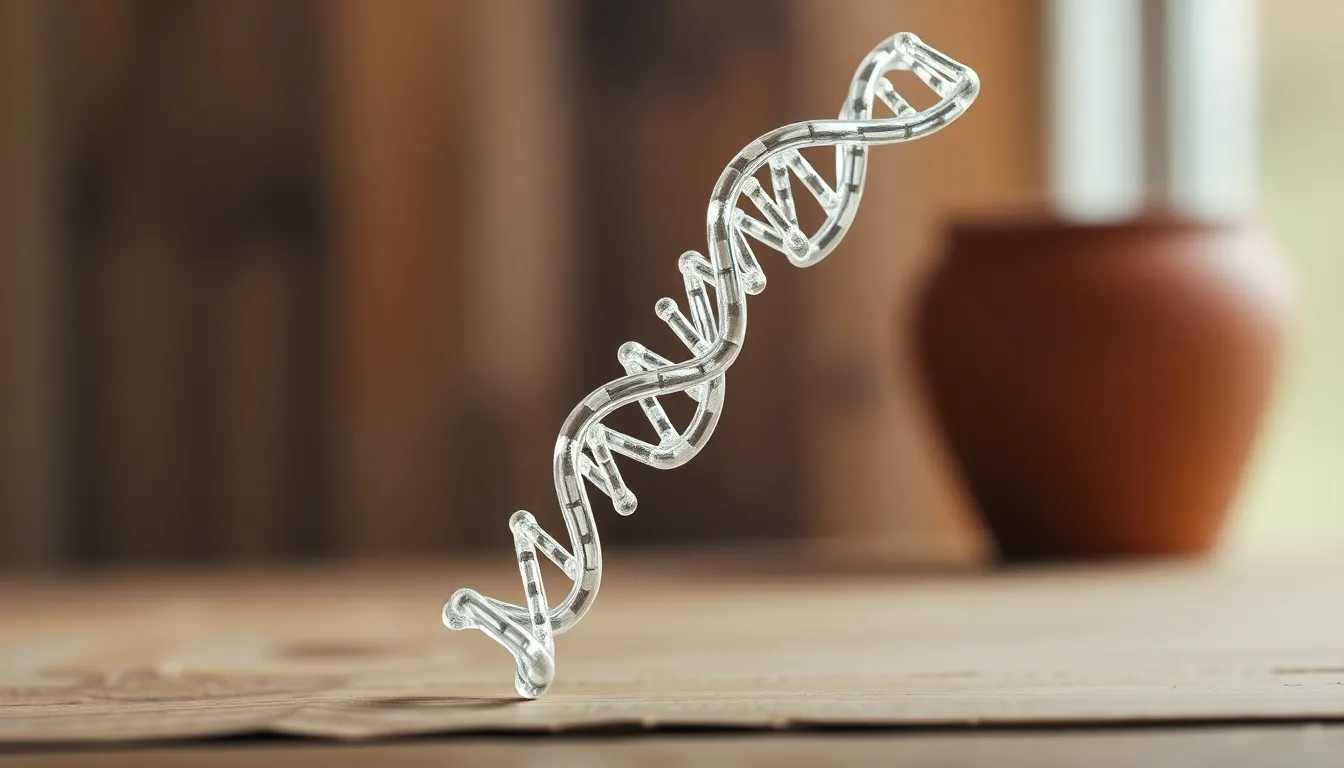
shot on Canon EOS R5, 24-70mm f/2.8L at 35mm, illuminated by soft overcast daylight filtering through glass, shallow depth of field at f/2.8 with a creamy bokeh background, utilizing a natural muted tones color palette with desaturated earth colors, composition centered on an intricate glass model of DNA strands, highlighting the clarity of the glass structure against a textured wooden background.
16:9
captured with Hasselblad X2D 100C, 90mm f/2.5 medium format, presenting an artistic representation of a DNA helix made from translucent materials in a studio setting. The soft box lighting creates a dramatic effect with subtle highlights and deep shadows, enhancing the depth of the structure. The image utilizes a shallow depth of field at f/2.5, focusing on the helix while the background softly blurs away. The color palette features deep blues and rich greens, drawing inspiration from nature. The composition is centered, creating a strong visual impact that emphasizes the beauty of the DNA structure.
1:1
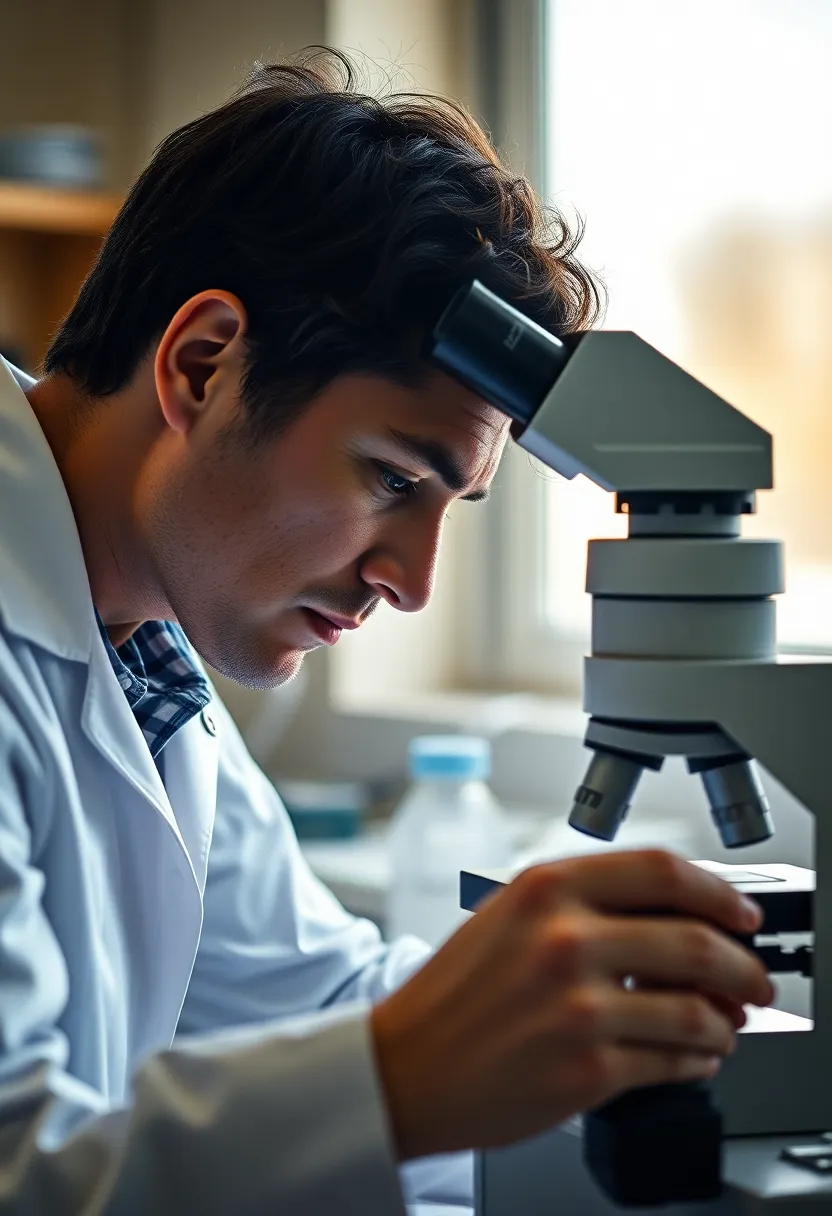
shot on Sony A7R V with 85mm f/1.4 GM lens, capturing a focused researcher using a microscope to study DNA samples, with overcast diffused daylight filtering through the lab windows. The image features hyperfocal distance, keeping everything from the foreground to infinity tack-sharp. The color palette is reminiscent of Kodak Portra 400, with warm skin tones and creamy highlights that lend a human touch to the scientific environment. The composition places the researcher at the left power point, while rich textures of laboratory materials are visible in the scene.
2:3
shot on Fujifilm GFX 100S, 110mm f/2 macro, showcasing a vibrant garden with a focus on flora that symbolizes genetic diversity. The scene is bathed in soft morning light, with warm rim light highlighting the edges of flowers. The depth of field is shallow at f/2, creating a creamy bokeh that enhances the colors of the flowers. A natural, muted color palette evokes a sense of calmness, while the composition uses leading lines formed by the garden paths, guiding the viewer's eye through the scene. The texture of the petals is rich and palpable, enhancing the image's tactile quality.
3:2
captured with Nikon Z9, 70-200mm f/2.8 telephoto at 135mm, featuring a close-up shot of illuminated DNA strands against a dark, textured background. The strands are highlighted with a warm tungsten glow, casting soft shadows and enhancing their three-dimensional appearance. This scene employs a shallow depth of field at f/2.8, creating a striking contrast between the subject and the background. The color palette is inspired by the cinematic teal and orange color grading, emphasizing the scientific theme. Compositionally, the DNA strands are centered, providing a powerful focal point for the viewer.
4:3

shot on Canon EOS R5, 24-70mm f/2.8L at 50mm, featuring a laboratory setting with soft, diffused daylight coming through large windows, creating a serene atmosphere. The image captures a scientist examining a DNA structure model with a selective focus on the model's intricate details, while the background gently melts into a soft bokeh. The color palette features natural muted tones with desaturated earth colors, enhancing the professional and academic feel. The composition uses the rule of thirds, with the subject placed at the left power point, and the textured surfaces of lab equipment visible throughout.
16:9
Hasselblad X2D 100C, 90mm f/2.5 medium format, three-point studio setup with key softbox at 45°, edge light creating hair separation, and subtle fill, cinematic teal and orange color grading, shallow depth of field at f/2 with subject's eyes in sharp focus, centered composition of a scientist holding a DNA helix model, crisp detail on the strands and the smooth material of the model.
2:3

Fujifilm GFX 100S, 110mm f/2 macro, dappled sunlight filtering through tree canopy creating bokeh highlights, shallow depth of field at f/2 with creamy circular bokeh in background, natural muted tones with desaturated earth colors, leading lines formed by winding roots drawing the eye toward a hidden mushroom growing in the forest floor, detailed textures of the mushroom surface and moss.
3:2
Nikon Z9, 70-200mm f/2.8 telephoto at 135mm, golden hour backlighting with warm rim light and soft fill from a reflector, hyperfocal distance with everything from foreground to infinity tack-sharp at f/8, Kodak Portra 400 color palette with warm skin tones and lifted shadows, centered symmetrical composition of a coral reef underwater scene, clear blue water revealing intricate coral textures.
16:9
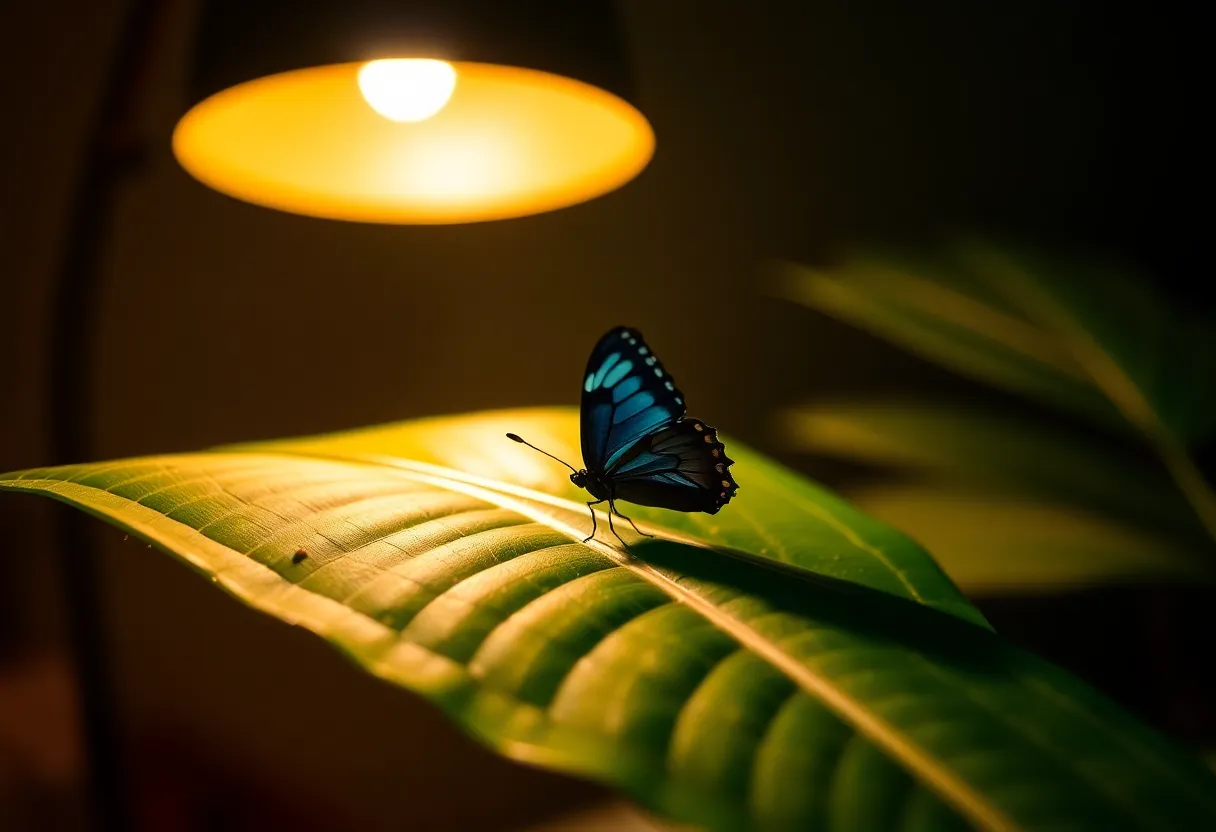
shot on Sony A7R V with 85mm f/1.4 GM lens, warm tungsten desk lamp casting directional pool of light, selective focus on a butterfly resting on a leaf, Fujifilm Velvia-inspired saturated colors with deep blues and rich greens, leading lines drawing the eye toward the butterfly, delicate leaf texture accentuated by sharp detail.
3:2
captured with Canon EOS R5, 24-70mm f/2.8L at 35mm, natural overcast diffused daylight filtering through glass, shallow depth of field at f/2.8 with soft bokeh, natural muted tones with desaturated earth colors, rule of thirds with a scientist examining a petri dish in the center, smooth glass surface reflecting subtle details.
16:9
captured with Hasselblad X2D 100C, 90mm f/2.5 medium format, warm tungsten desk lamp casting directional pool of light, hyperfocal distance — everything from foreground to infinity tack-sharp at f/8, cinematic teal and orange color grading, leading lines created by stacked books and tools directing eye toward an open biology textbook featuring a detailed illustration of cell structures.
16:9
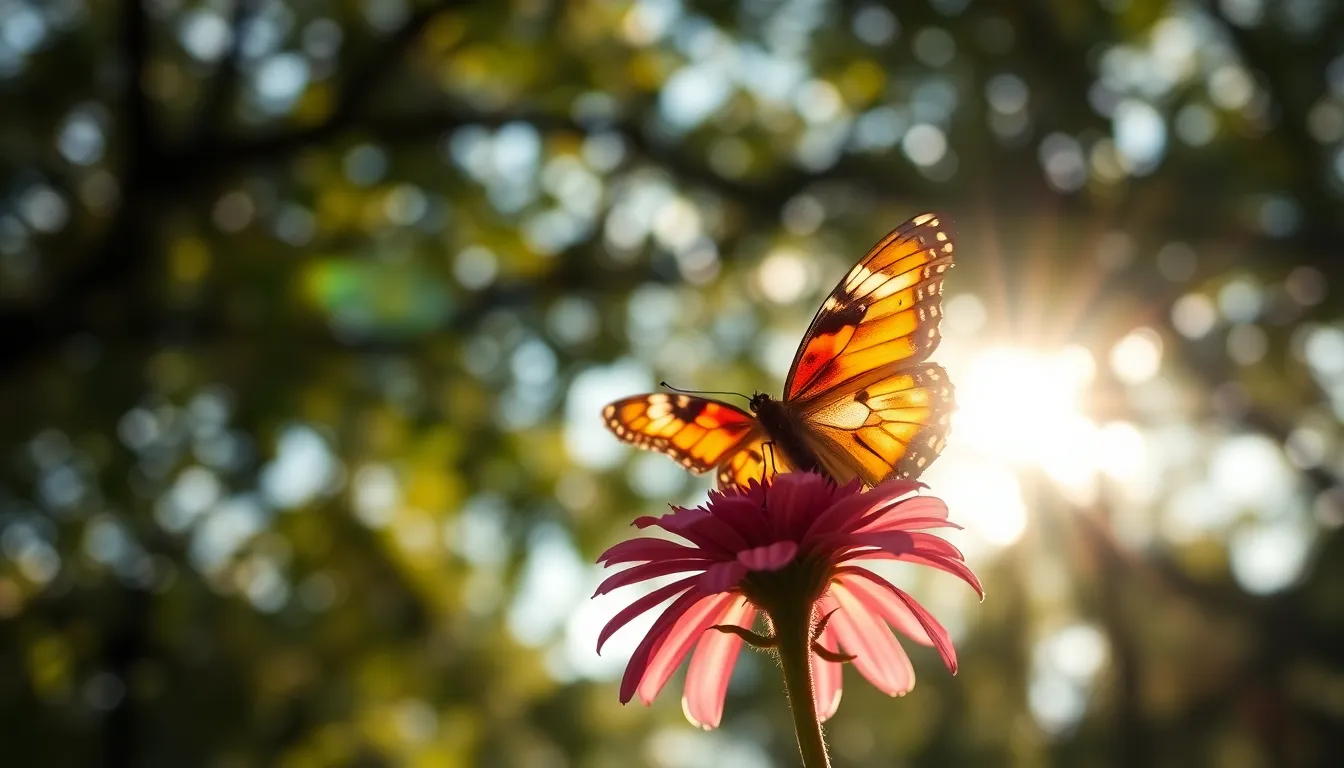
shot on Fujifilm GFX 100S, 110mm f/2 macro, dappled sunlight filtering through tree canopy creating bokeh highlights, shallow depth of field at f/2.8 focusing on a butterfly resting on a flower, natural muted tones with desaturated earth colors, centered composition showcasing the intricate details of the butterfly’s wings against vibrant petals.
16:9
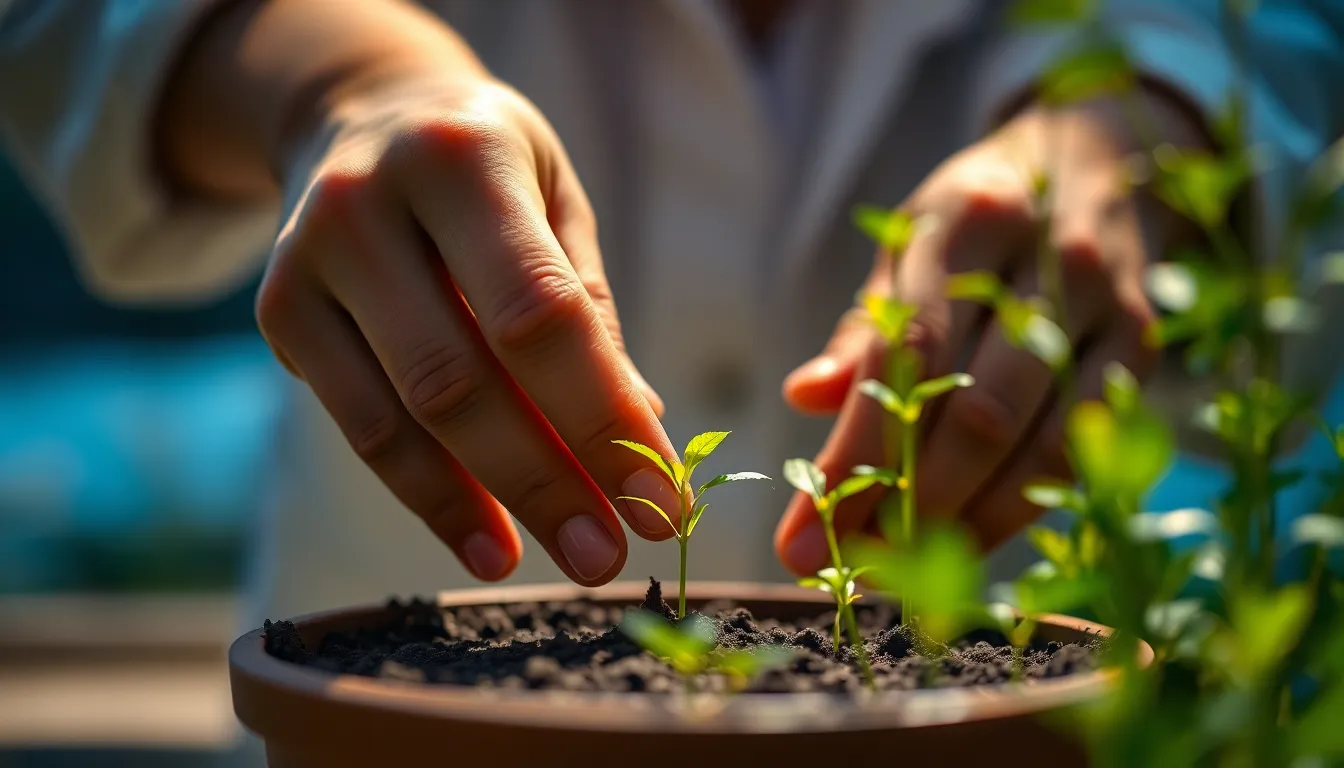
captured with Canon EOS R5, 24-70mm f/2.8L at 35mm, butterfly lighting with beauty dish directly above, selective focus on the subject's hands, background melting into soft painterly bokeh, Fujifilm Velvia-inspired saturated colors with deep blues and rich greens, rule of thirds composition with a close-up of a scientist planting seeds in a biodegradable pot.
16:9
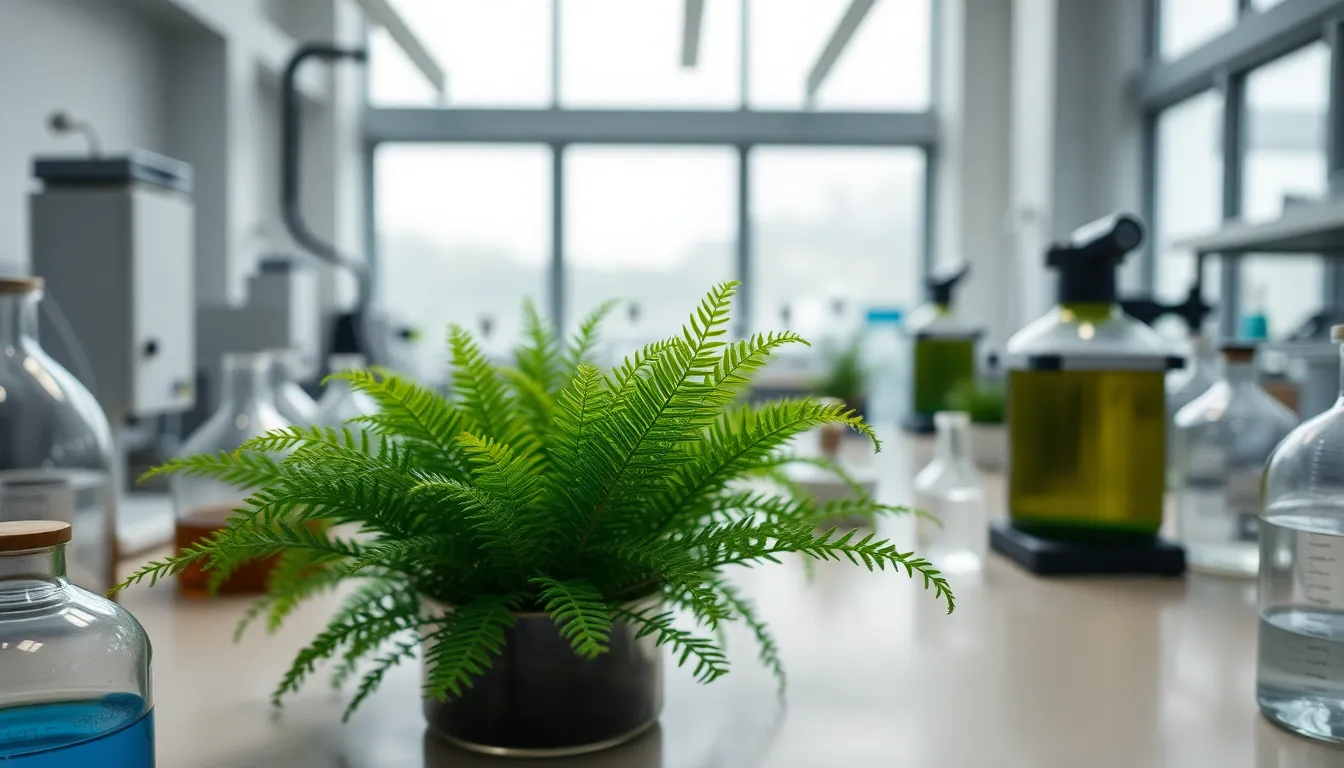
shot on Sony A7R V with 85mm f/1.4 GM lens, overcast diffused daylight through floor-to-ceiling windows, hyperfocal distance — everything from foreground to infinity tack-sharp at f/8, natural muted tones with desaturated earth colors, leading lines drawing eye toward a vibrant green fern in a laboratory setting surrounded by glass containers and scientific equipment.
16:9
captured with Nikon Z9, 70-200mm f/2.8 telephoto at 135mm, golden hour backlighting with warm rim light and soft fill from a reflector, shallow depth of field at f/2.8 with creamy circular bokeh in background, Kodak Portra 400 color palette — warm skin tones, rule of thirds with subject at left power point, natural skin texture with visible pores on a researcher wearing a white lab coat, examining a petri dish filled with vibrant bacterial cultures.
16:9
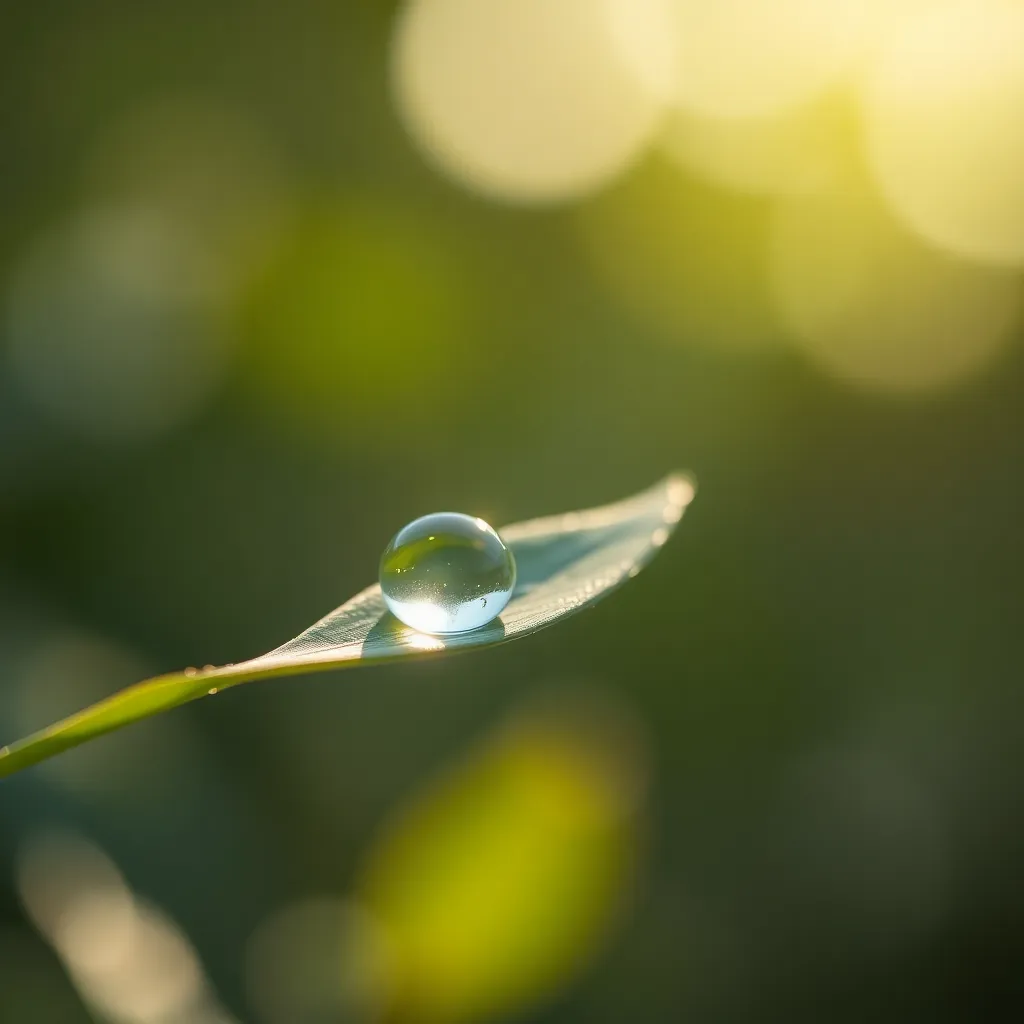
Fujifilm GFX 100S, 110mm f/2 macro, soft morning light illuminating a water droplet perched on a leaf, creating glistening highlights, shallow depth of field with creamy bokeh behind, natural muted tones with rich greens and soft earth colors, rule of thirds with the leaf positioned at the lower right power point, emphasizing the delicate balance of nature and the beauty of small details.
1:1
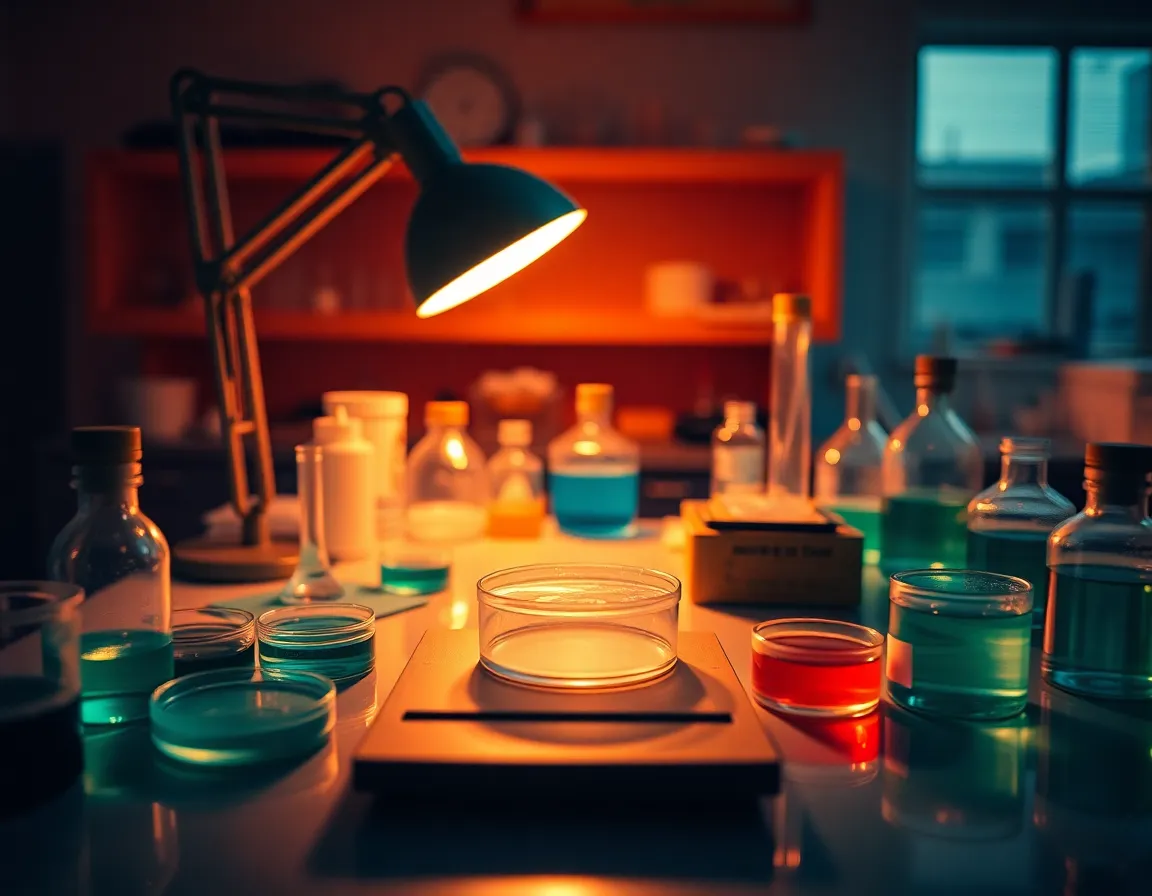
Hasselblad X2D 100C, 90mm f/2.5 medium format, warm tungsten desk lamp casting directional light on a lab table filled with petri dishes and scientific equipment, butterfly lighting creating soft shadows, shallow depth of field at f/2.5 with a prominent focus on a petri dish, cinematic teal and orange color grading enhancing the mood, centered symmetrical composition emphasizing the methodical nature of scientific exploration.
4:3
Nikon Z9, 70-200mm f/2.8 telephoto at 135mm, bright overcast diffused daylight illuminating a field of wildflowers, hyperfocal distance with everything from foreground to infinity tack-sharp at f/8, natural muted tones with soft pastel color palette, leading lines created by the wildflowers drawing the viewer's eye across the frame, capturing the essence of a vast meadow in springtime bloom.
16:9
shot on Sony A7R V with 85mm f/1.4 GM lens, golden hour backlighting with warm rim light, selective focus on the butterfly’s wings, capturing rich hues inspired by Fujifilm Velvia, centered symmetrical composition with the butterfly perched on a vibrant flower, showcasing delicate wing textures and intricate patterns, creating a striking contrast with the soft background.
3:2
captured with Canon EOS R5, 24-70mm f/2.8L at 35mm, dappled sunlight filtering through a lush forest canopy, shallow depth of field at f/2.8 with soft bokeh in the background, natural muted tones with desaturated earth colors, rule of thirds with a vibrant green fern positioned at left power point, morning dew droplets glistening on the fern leaves, creating a serene and tranquil atmosphere.
16:9
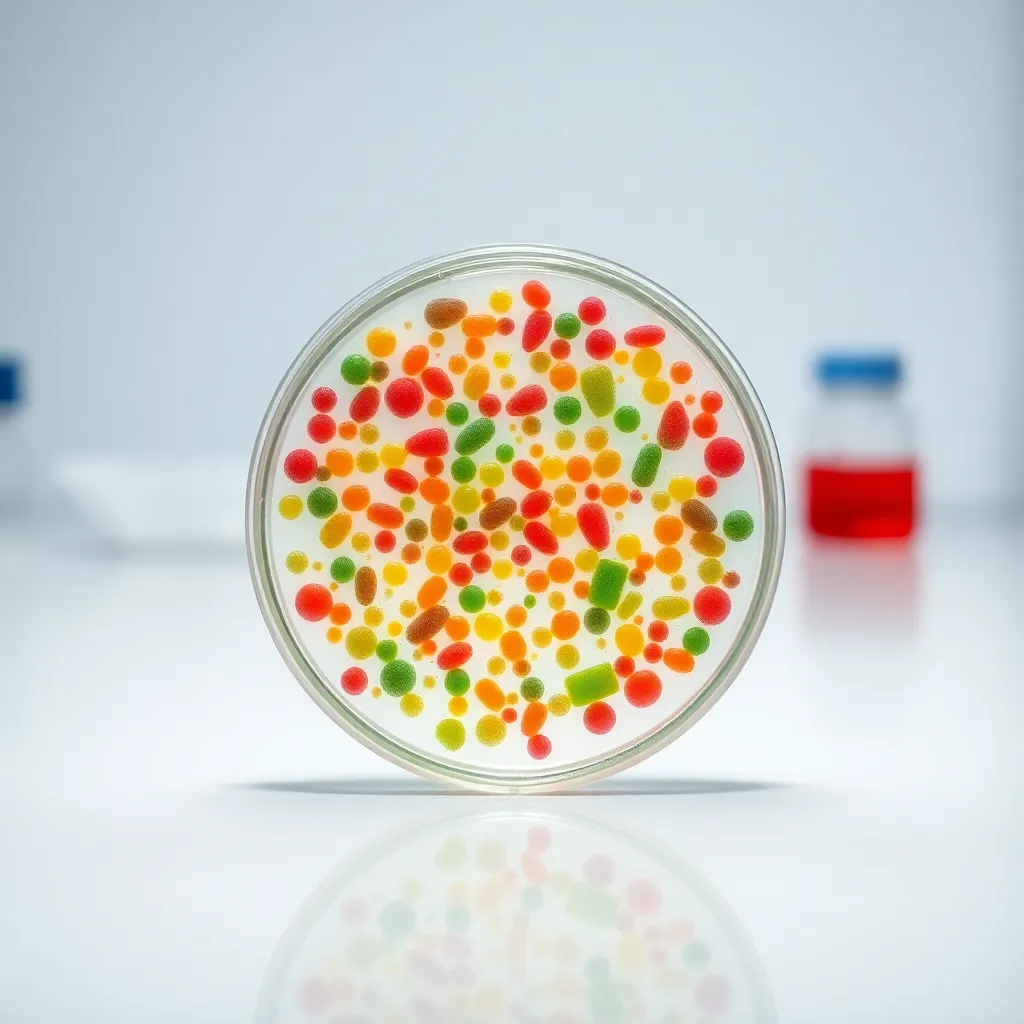
Fujifilm GFX 100S, 110mm f/2 macro, captured in a laboratory setting with bright, even studio lighting to highlight a Petri dish filled with colorful bacterial cultures. Hyperfocal distance keeps the entire dish sharp and in focus, with a rich color palette of vibrant reds, greens, and yellows from the cultures against a clean white background. The composition is a centered symmetrical view, emphasizing the intricacies and patterns formed by the growth of the cultures. The glossy surface of the dish adds a reflective quality, showcasing the vivid details.
1:1

Hasselblad X2D 100C, 90mm f/2.5 medium format, under a bright sunny sky with soft shadows, beautifully showcasing a detailed potted succulent arrangement on a weathered wooden table. Shallow depth of field at f/2.5 enhances the rich textures of the succulent leaves against a gently blurred rustic background. The color palette is natural and muted, featuring greens, browns, and earth tones. The composition is centered, allowing the diverse shapes and textures of the succulents to captivate the viewer.
3:2
Nikon Z9, 70-200mm f/2.8 telephoto at 150mm, captured during golden hour with warm backlighting highlighting a group of African elephants in the savannah. Hyperfocal distance ensures sharp detail from the foreground grasses to the elephants, with a gradient of warm orange and soft greens in the sky. The composition utilizes leading lines of the grass to draw the eye towards the elephants. The dust kicked up by their feet adds texture and a sense of motion.
16:9
shot on Sony A7R V with 85mm f/1.4 GM lens, warm tungsten light casts a golden glow over a detailed close-up of a honeybee resting on a sunflower. Selective focus on the bee's delicate wings and antennae, with a soft, painterly bokeh background. Color science mimics Kodak Portra 400, enhancing the warm yellows and browns of the flower and bee. The composition highlights the bee in the center, emphasizing its importance to the ecosystem, while the textured petals and pollen granules provide depth.
4:3
captured with Canon EOS R5, 24-70mm f/2.8L at 50mm, overcast diffused daylight illuminating a vibrant coral reef. Shallow depth of field at f/2.8 creates a soft bokeh effect with gentle waves in the background. The color palette features vivid blues of the ocean and rich reds and oranges of coral. Rule of thirds composition places the reef off-center, giving a dynamic view. Surface details of coral textures are sharply defined, with schools of fish adding movement and life.
16:9
Shot on Sony A7R V with 85mm f/1.4 GM lens, this image presents a serene forest landscape at dawn, showcasing a variety of fungi on fallen logs. The golden hour lighting bathes the scene in warm hues, while soft mist creates an ethereal atmosphere. The depth of field is shallow at f/2, keeping the closer mushrooms in sharp detail while blurring the surrounding foliage. The composition follows leading lines formed by the fallen logs, guiding the viewer’s eye through the tranquil scene. Rich textures of the logs and delicate gills of the fungi add to the photographic realism.
16:9
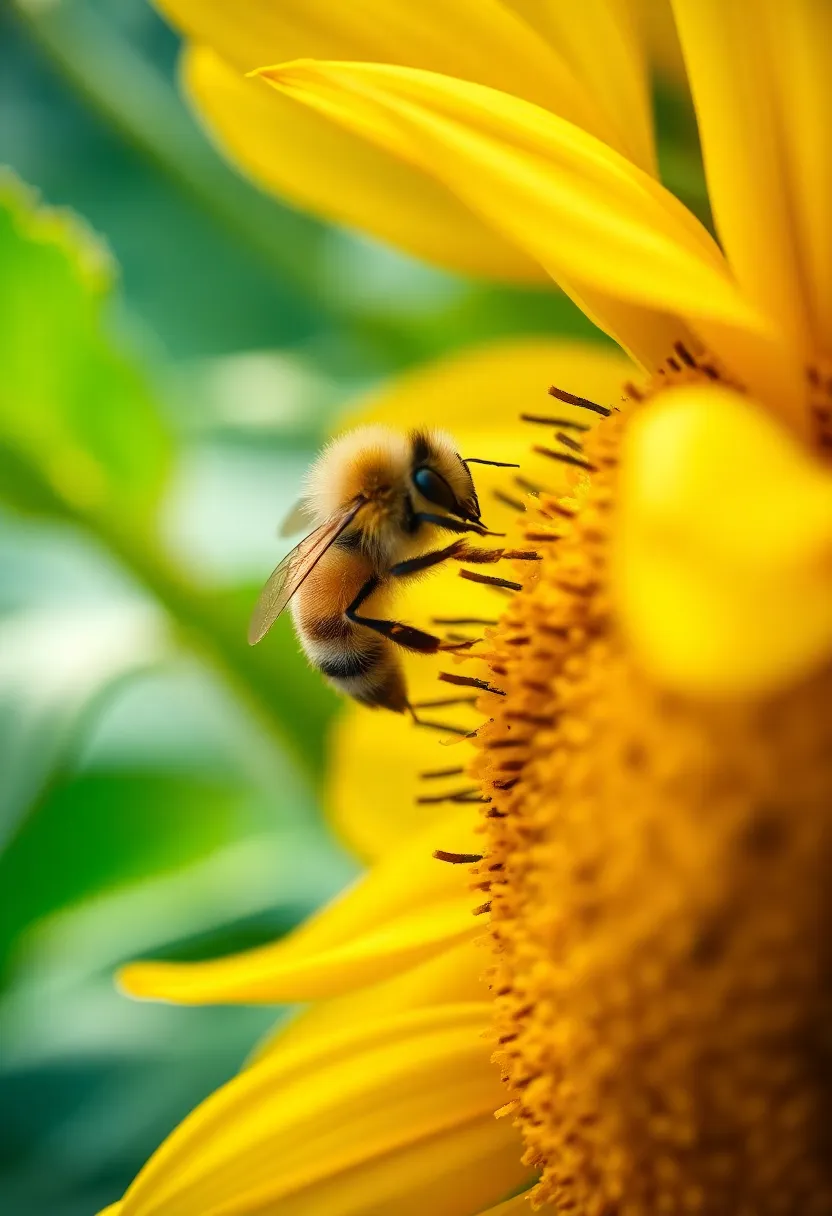
Captured with Fujifilm GFX 100S, 110mm f/2 macro, this macro image of a honeybee pollinating a sunflower showcases intense detail. The natural light creates vibrant colors, making the yellow petals pop against the dark green leaves. The depth of field is extremely shallow at f/2, isolating the bee and flower while creating a soft, dreamy background. The composition utilizes the rule of thirds, with the bee positioned at the right power point. The texture of the sunflower petals and the fuzzy body of the bee are rendered with stunning clarity.
2:3
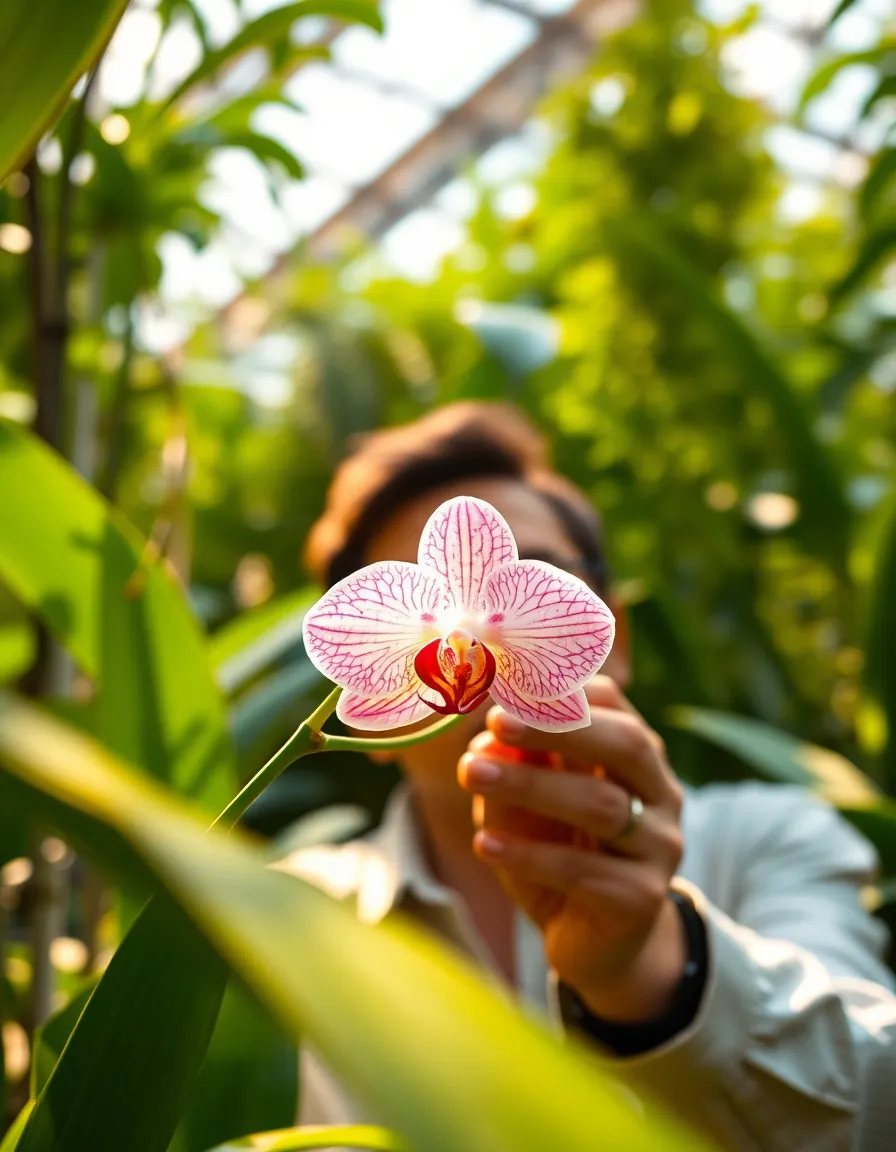
Photographed on a Hasselblad X2D 100C with a 90mm f/2.5 medium format lens, this image depicts a botanist examining a rare orchid in a lush greenhouse. The warm, natural light streaming in from overhead creates a serene and inviting atmosphere. The composition is centered with the orchid prominently displayed, surrounded by rich green foliage. The depth of field is shallow, focusing on the delicate petals of the flower, while soft hints of bokeh from the surrounding plants add depth. Texture details showcase the intricate patterns on the orchid's petals.
3:4
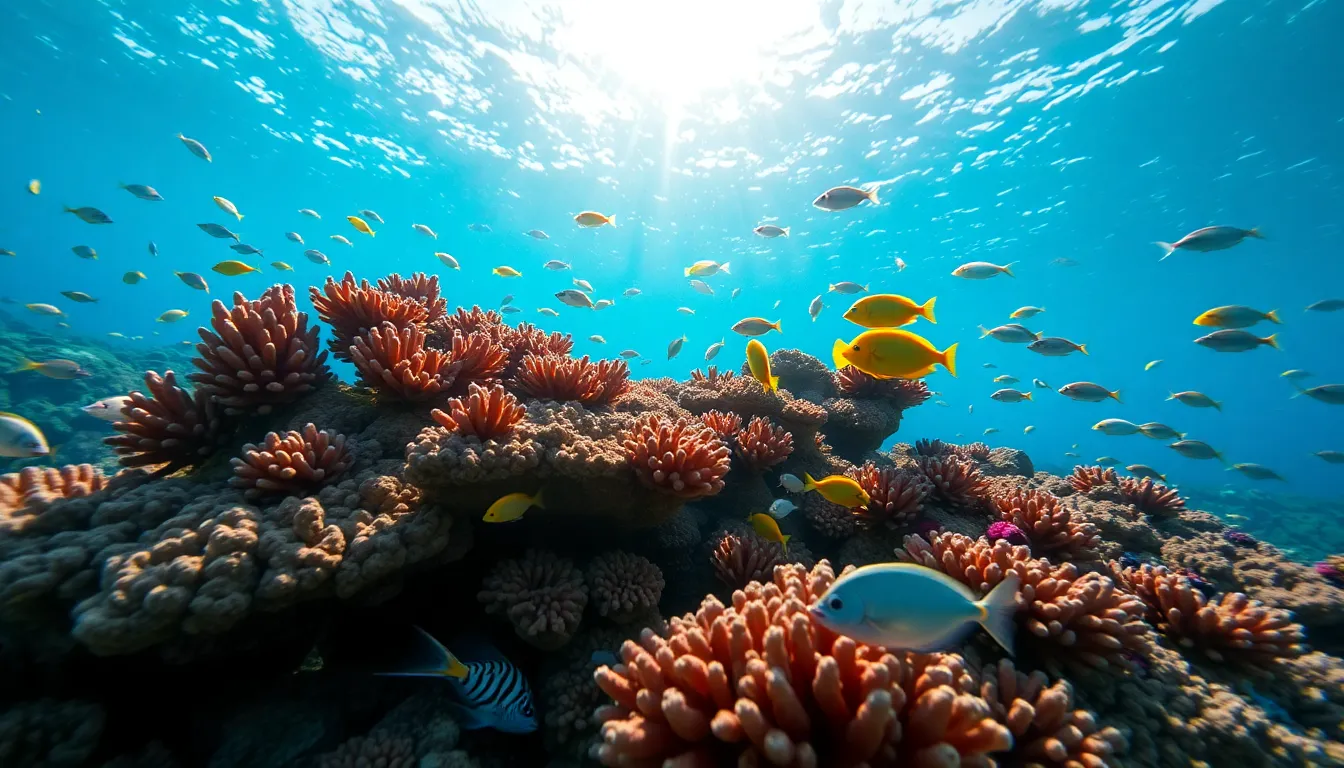
Captured with Canon EOS R5, 24-70mm f/2.8L at 35mm, this image features a close-up of a vibrant coral reef teeming with diverse marine life. The sunlight penetrates the water, creating dappled patterns on the coral, while the vibrant colors of fish contrast beautifully against the bright blues of the ocean. With a shallow depth of field at f/4, the coral remains sharp, while gently blurred fish swim in the background. The composition emphasizes the busy ecosystem, with elements leading the viewer's eye through the underwater scene.
16:9

Shot on Nikon Z9 with 70-200mm f/2.8 telephoto at 135mm, this image captures a scientist analyzing petri dishes under natural diffused daylight from a large window. The shallow depth of field at f/2.8 creates a creamy bokeh, keeping the subject in sharp focus while the background blurs softly. The color palette is warm and inviting with earthy tones, while the composition follows the rule of thirds, placing the scientist slightly off-center. The texture details of the lab coat and the smooth surface of the glass dishes enhance the realism of the scene.
16:9
captured with Hasselblad X2D 100C, 90mm f/2.5 medium format, showcasing a digital artwork of a DNA sequence on a large screen in a modern lab. Overcast daylight evenly lights the art, providing natural saturation and clarity. Hyperfocal distance ensures that both the artwork and a researcher analyzing it are in sharp focus, creating a compelling narrative. The color palette features cool tones dominated by blues and whites, with a sleek, minimalistic composition that emphasizes the fusion of technology and biology.
16:9

shot on Sony A7R V with 85mm f/1.4 GM lens, in an outdoor setting during golden hour with warm backlighting creating a soft rim light around a researcher holding a DNA model. Selective focus on the subject's expressive face captures the excitement of scientific discovery, while a creamy bokeh blurs the surrounding greenery. The soft, warm color palette enhances the emotional warmth of the scene. The composition employs a diagonal angle that conveys dynamism and engagement with the environment.
9:16
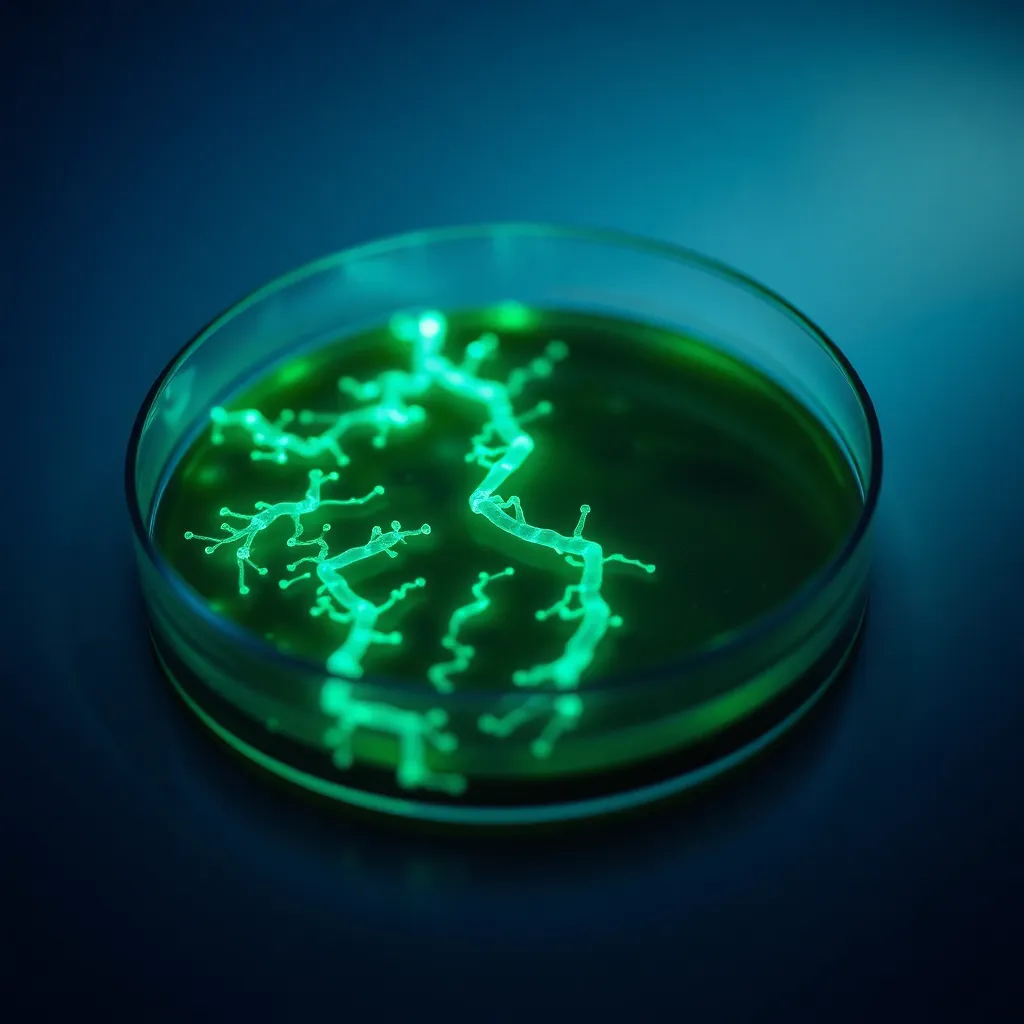
photographed with Fujifilm GFX 100S, 110mm f/2 macro lens, using a three-point studio lighting setup with key softbox illuminating from the right. The shallow depth of field at f/2 creates a soft bokeh effect that draws attention to a petri dish filled with glowing bioluminescent bacteria that resemble DNA strands. The color science employs a vibrant palette of greens and blues, evoking a sense of discovery and wonder. The leading lines of the petri dish's circular edge guide the viewer's eye towards the captivating microorganisms.
1:1

captured with Canon EOS R5, 24-70mm f/2.8L at 35mm, using natural diffused daylight streaming through a laboratory window. Hyperfocal distance ensures everything from the foreground to infinity is tack sharp, revealing intricate details of an open genetics textbook with a DNA strand diagram. The color palette features serene earth tones, with muted greens and browns. The composition follows the rule of thirds, placing the book slightly off-center amidst a backdrop of lab equipment, emphasizing a scholarly environment.
3:2
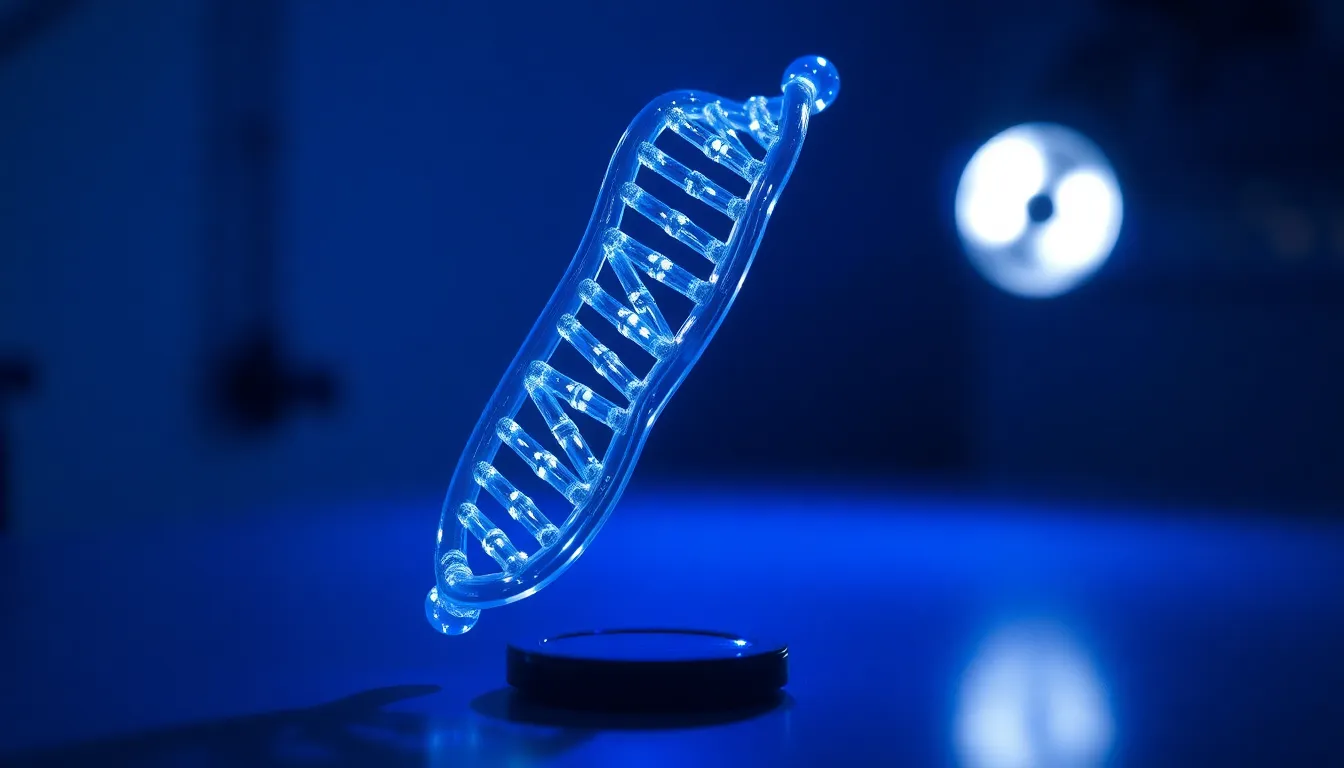
shot on Nikon Z9, 70-200mm f/2.8 telephoto at 135mm, illuminated with dramatic side lighting from a laboratory lamp with a cool blue filter. Shallow depth of field at f/2.8 creates a dreamy bokeh effect, emphasizing a 3D double helix model composed of clear acrylic with intricate internal structures. The color palette is dominated by deep blues and luminous whites, mimicking the molecular world. Centered symmetrical composition enhances the elegance of the DNA structure, while the smooth transparent surface reflects the lamp's glow, adding a scientific ambiance.
16:9

Leica Q3, 28mm f/1.7 Summilux, featuring a stunning overhead view of a scientist examining DNA sequences on a laptop surrounded by open textbooks and molecular models, illuminated with soft natural light from a nearby window, shallow depth of field at f/1.7 creating a creamy bokeh effect, Fujifilm Velvia-inspired colors to enhance the vibrancy of the scene, composition incorporates elements of leading lines from the textbooks pointing towards the laptop for dynamic engagement.
3:2
Hasselblad X2D 100C, 90mm f/2.5 medium format, capturing a vibrant illustration of DNA structure drawn on a chalkboard in a classroom, illuminated by warm tungsten lighting, depth of field at f/4 to keep the chalkboard details in focus while softly blurring the background elements of desks and chairs, natural muted tones with pops of color from chalk highlights, composition featuring a dynamic angle to create interest and energy.
3:4
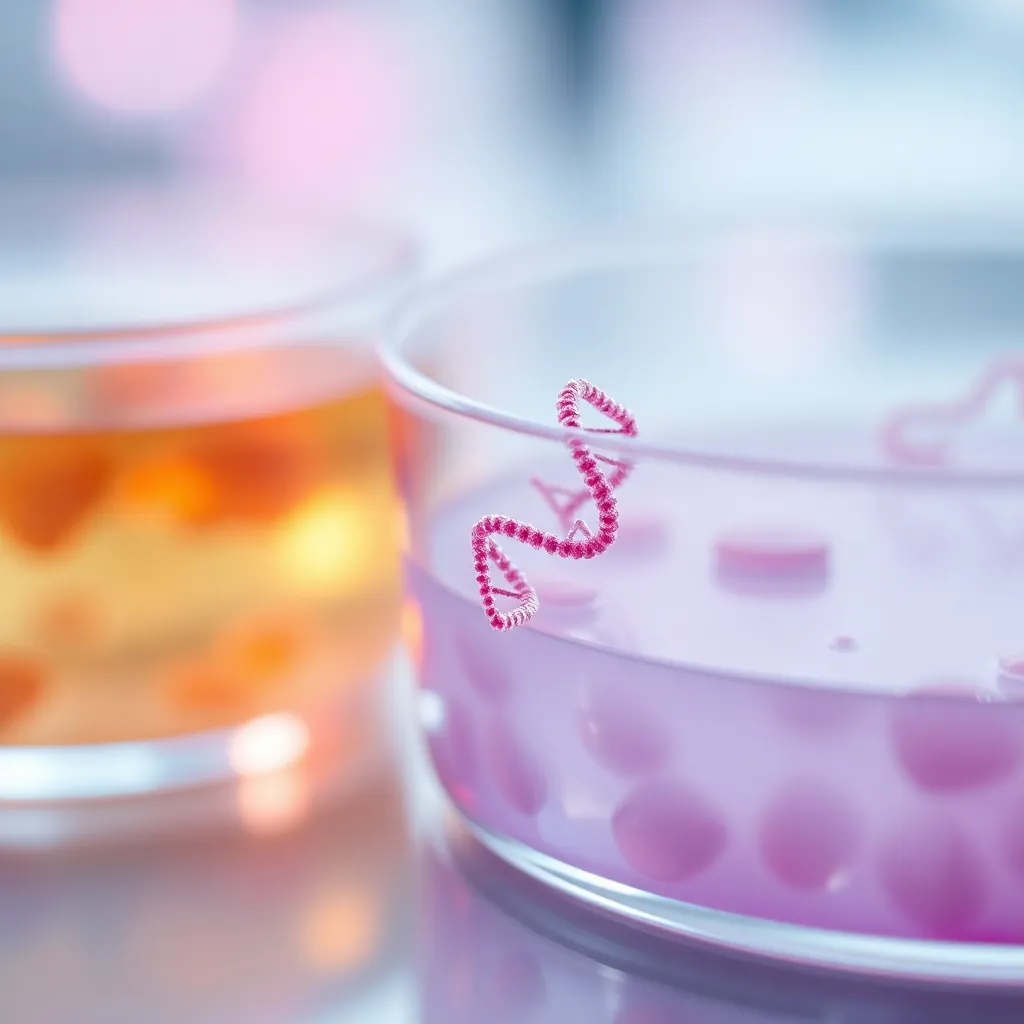
Fujifilm GFX 100S, 110mm f/2 macro, capturing minute details of DNA strands alongside a petri dish filled with culture media, lit with soft but focused studio lighting emphasizing textures, selective focus on the DNA helix while the background melts into soft painterly bokeh, natural colors with a vibrant yet soft palette, composition using the rule of thirds to balance the elements elegantly.
1:1
captured with Canon EOS R5, 24-70mm f/2.8L at 50mm, featuring soft diffused daylight filtering through laboratory windows, hyperfocal distance at f/8 to ensure clarity from foreground to infinity, natural muted tones with desaturated earth colors creating a calm atmosphere, leading lines of laboratory tables guiding the eye towards an engaging DNA model made of colorful beads and wires.
4:3
shot on Nikon Z9, 70-200mm f/2.8 telephoto at 135mm, illuminated with dramatic backlighting creating a halo effect around DNA strands twisting against a dark background, shallow depth of field at f/2.8 isolating the subject, cinematic teal and orange color grading for a striking contrast, centered symmetrical composition of the DNA helix, with intricate details showcasing the molecular structure and reflections on glass surfaces.
16:9
captured with Hasselblad X2D 100C, 90mm f/2.5 medium format during a clear day with bright, diffused sunlight creating soft shadows. Natural muted tones in the color palette enhance the calmness of the scene. Hyperfocal distance keeps the entire structure of an ancient tree sharp, with its textured bark exhibiting intricate patterns. The composition employs centered symmetry to emphasize the tree's majesty within a tranquil environment.
16:9
shot on Canon EOS R5, 24-70mm f/2.8L at 35mm, utilizing warm tungsten lighting from overhead fixtures creating a cozy atmosphere within a greenhouse. The color grading emulates Kodak Portra 400 with warm tones and creamy highlights. The depth of field is shallow at f/2.8, focusing on a vibrant bouquet of mixed flowers placed centrally while the background gently blurs. The composition features a Dutch angle for an artistic, dynamic tension.
3:4
captured with Fujifilm GFX 100S, 110mm f/2 macro, during the early morning with overcast lighting softly illuminating the scene. The color palette showcases natural muted tones, emphasizing the earth's browns and greens. Hyperfocal distance ensures the entire composition remains sharp, displaying a vibrant ecosystem of fungi growing on a damp log. The composition uses leading lines formed by the log to guide the viewer's eye through the intricate details.
4:3

shot on Sony A7R V with 85mm f/1.4 GM lens, featuring filled natural daylight from overcast skies diffusing through laboratory windows. Natural muted tones create a calming effect on the scene. Depth of field is shallow at f/1.4, with selective focus on a scientist's hands working with a microscope, while the surroundings melt into a soft bokeh. The composition is centered, showcasing detailed textures of skin and equipment.
3:2
captured with Nikon Z9, 70-200mm f/2.8 telephoto at 135mm, featuring golden hour backlighting with warm rim light and soft fill from a reflector. Shallow depth of field at f/2.8 creates creamy bokeh in the background, with a color palette mimicking Fujifilm Velvia—rich greens and deep blues. The composition utilizes the rule of thirds, placing a vibrant green leaf with dew droplets at a left power point, emphasizing texture with visible water beads reflecting light.
16:9
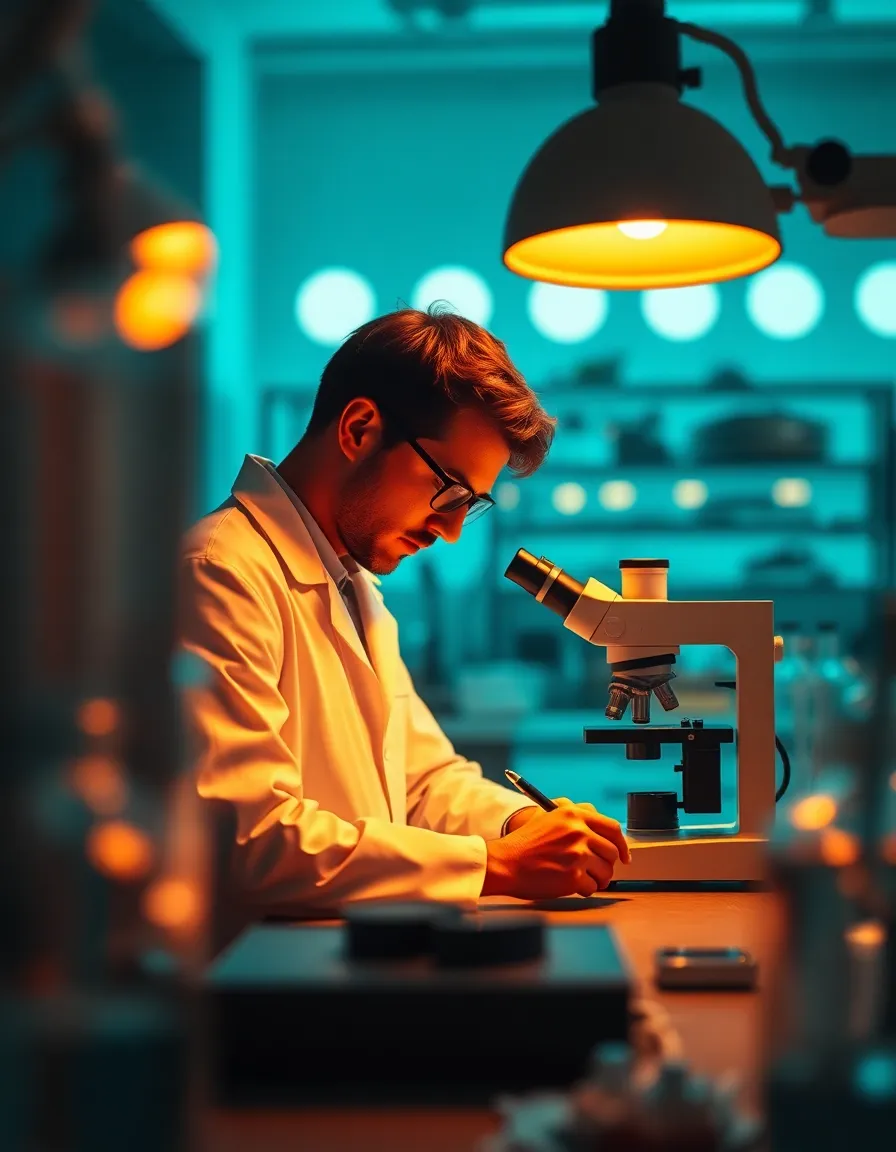
Captured on Leica Q3, 28mm f/1.7 Summilux, utilizing warm tungsten lighting from a lab bench lamp, casting a directional pool of light on the subject. The depth of field is shallow at f/1.7 with soft circular bokeh in the background. The color grading is cinematic with teal and orange tones that evoke a scientific atmosphere. Composition includes a laboratory scene with a researcher in a lab coat writing notes beside a microscope, framed by reflective glass surfaces displaying lab instruments, emphasizing the delicate interplay of light and shadow.
3:4
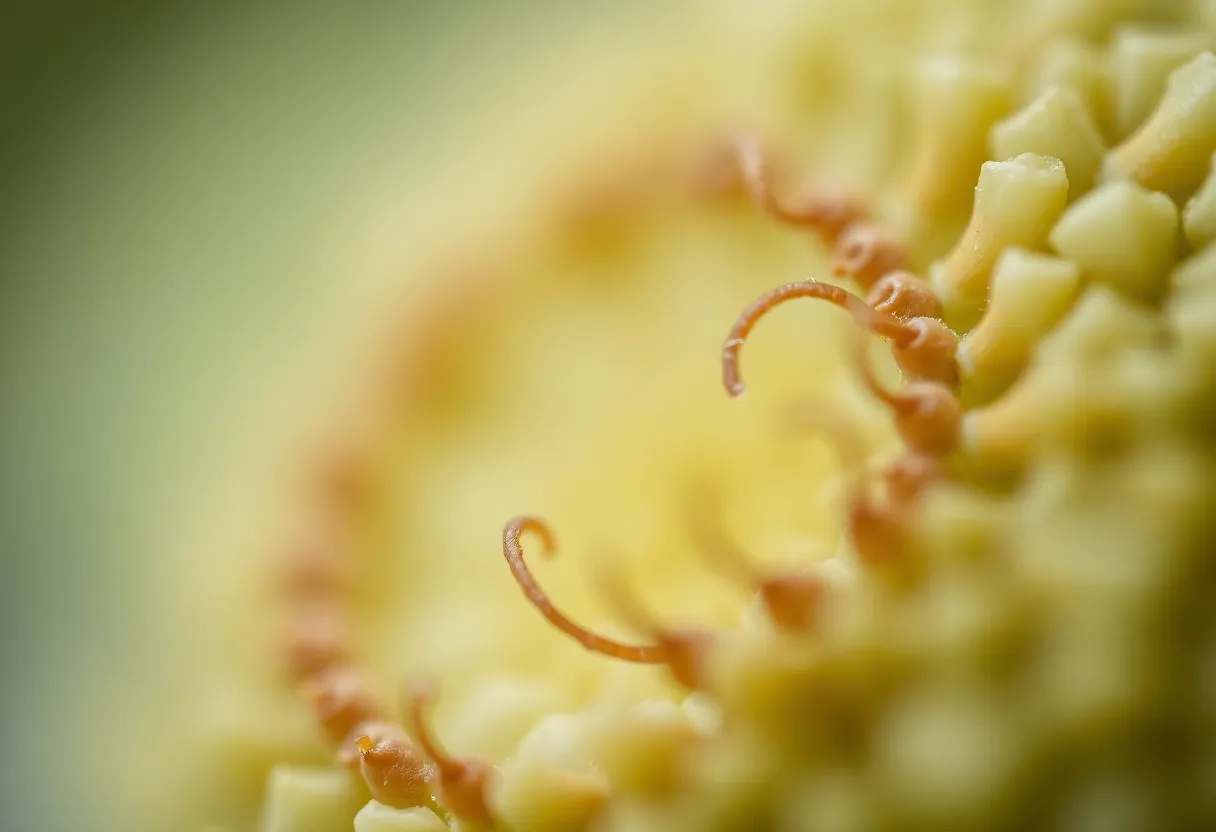
Shot on Fujifilm GFX 100S, 110mm f/2 macro, with overcast diffused daylight providing soft and even lighting across the composition. The focus is on the intricate structure of a plant cell, captured at a microscopic level, creating a shallow depth of field at f/2.5 to isolate the subject. The color palette is natural and muted, highlighting the earth tones of the plant's cellular structure. Composition utilizes the rule of thirds, placing the cell at the right power point while retaining ample negative space to evoke a feeling of discovery.
3:2
Captured with Hasselblad X2D 100C, 90mm f/2.5 medium format, featuring butterfly lighting directly above, creating elegant highlights on the specimen. The depth of field is shallow at f/2.5, which results in a soft background. The color grading is inspired by Fujifilm Velvia, yielding rich greens and deep blues that enhance the colour of the specimen. Composition is centered symmetrically, focusing on a beautifully preserved butterfly pinned against a dark velvet background, while its delicate wings showcase intricate patterns and textures.
4:3
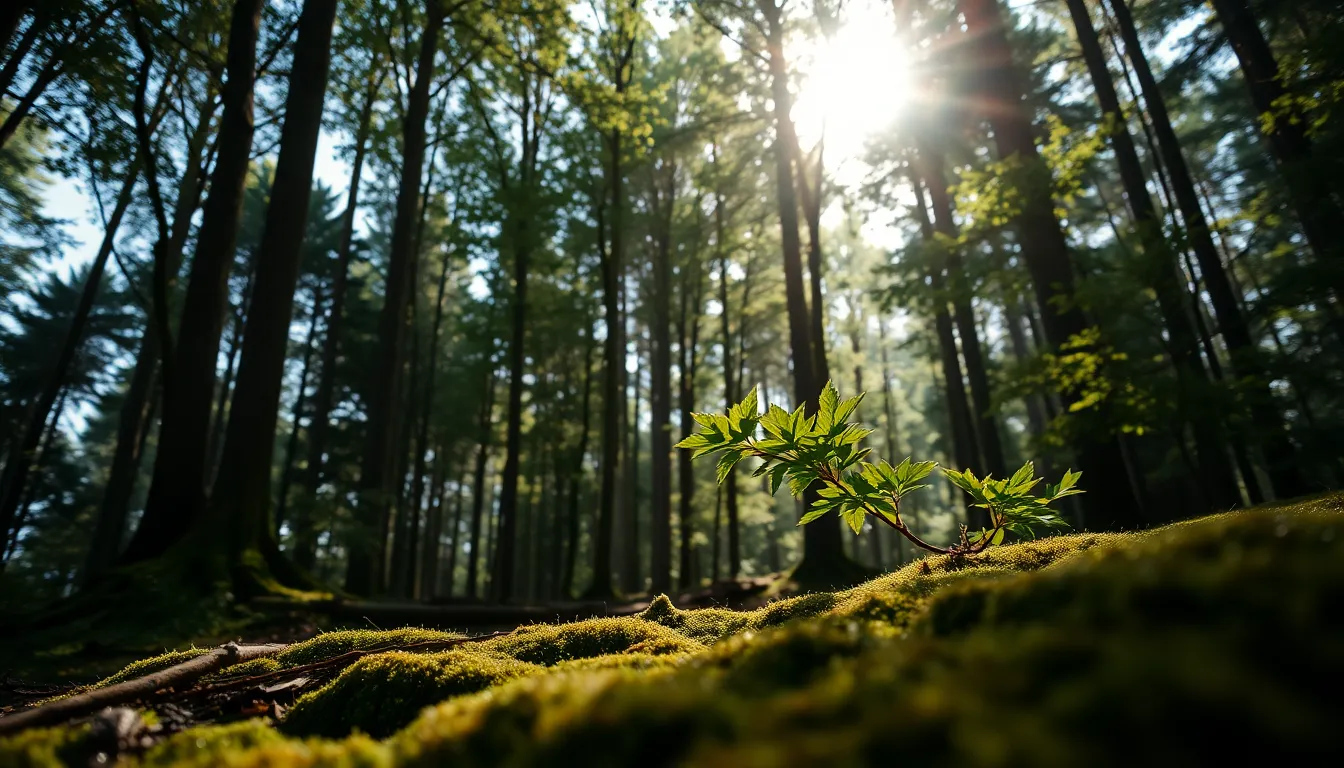
Shot on Nikon Z9, 70-200mm f/2.8 telephoto at 135mm, utilizing dappled sunlight filtering through a tree canopy to create bokeh highlights. Hyperfocal distance ensures everything from the moss-covered ground to the towering trees is tack-sharp at f/8. The image utilizes a natural muted tone color palette, with desaturated earth colors emphasizing the biological diversity within a forest. Composition employs leading lines formed by the tree trunks drawing the eye into the lush wilderness, while dew droplets on leaves catch the light.
16:9
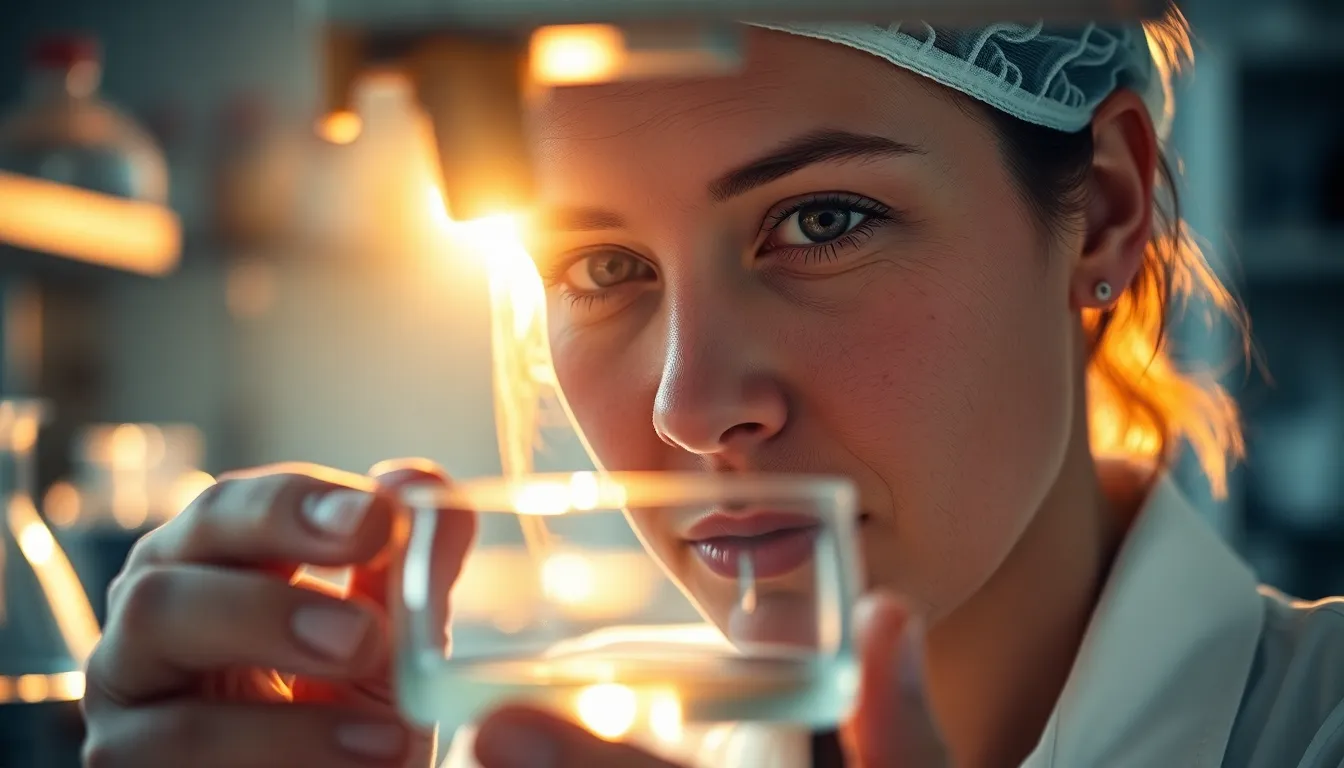
Captured with a Canon EOS R5, 24-70mm f/2.8L at 50mm, featuring golden hour backlighting with warm rim light and soft fill from a reflector. The shallow depth of field at f/2.8 creates creamy bokeh in the background. The color palette is inspired by Kodak Portra 400, giving warm skin tones and lifted shadows. Composition follows the rule of thirds, with a microbiologist examining a petri dish, framed by lab equipment, showcasing natural skin texture with visible pores. The glass surface of the petri dish reflects light, adding to the image's vibrancy.
16:9
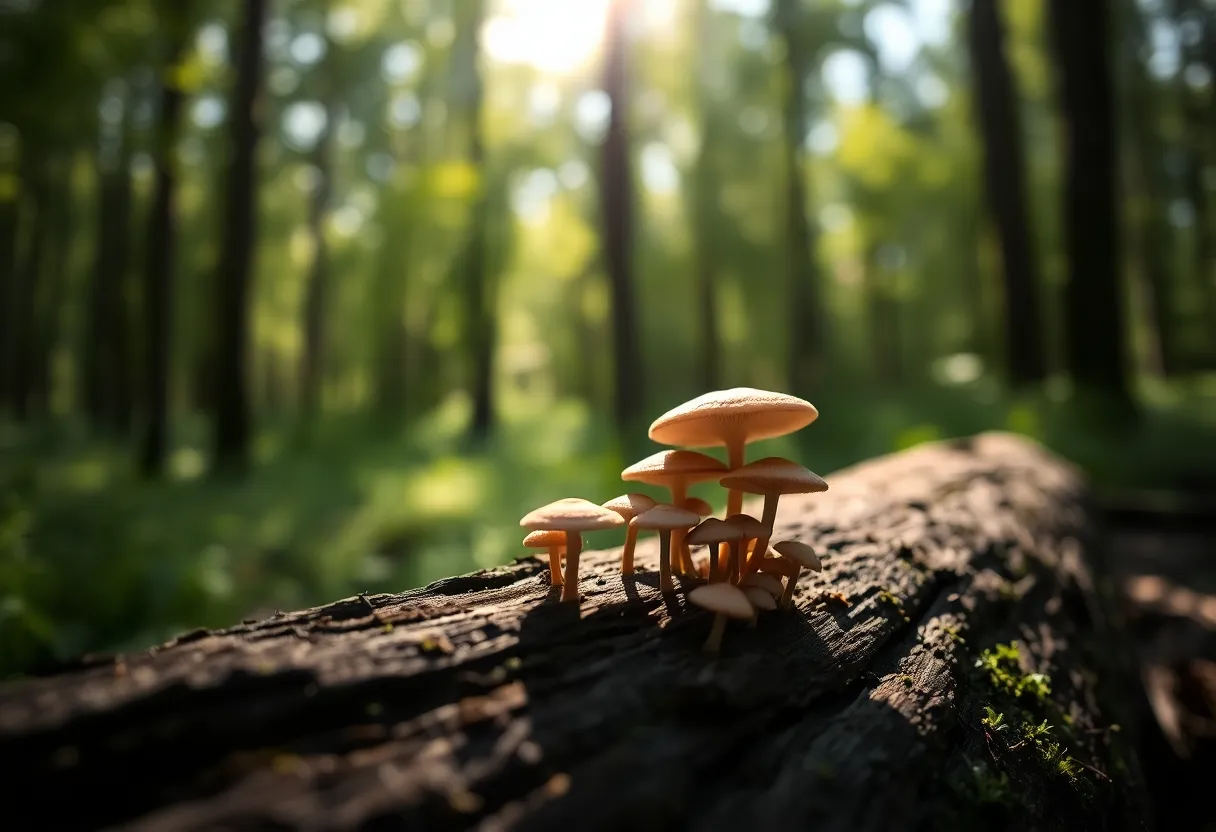
captured with Leica Q3, 28mm f/1.7 Summilux, featuring a tranquil forest scene with mushrooms growing on a log, illuminated by dappled sunlight filtering through the trees. The natural lighting creates interesting shadows and highlights on the textured surface of the log and mushrooms. Using shallow depth of field at f/1.7, the foreground mushrooms are crisp and detailed while the background softly fades into green bokeh. The composition follows the rule of thirds, drawing attention to the mushrooms' intricate details against a lush, blurred backdrop.
3:2
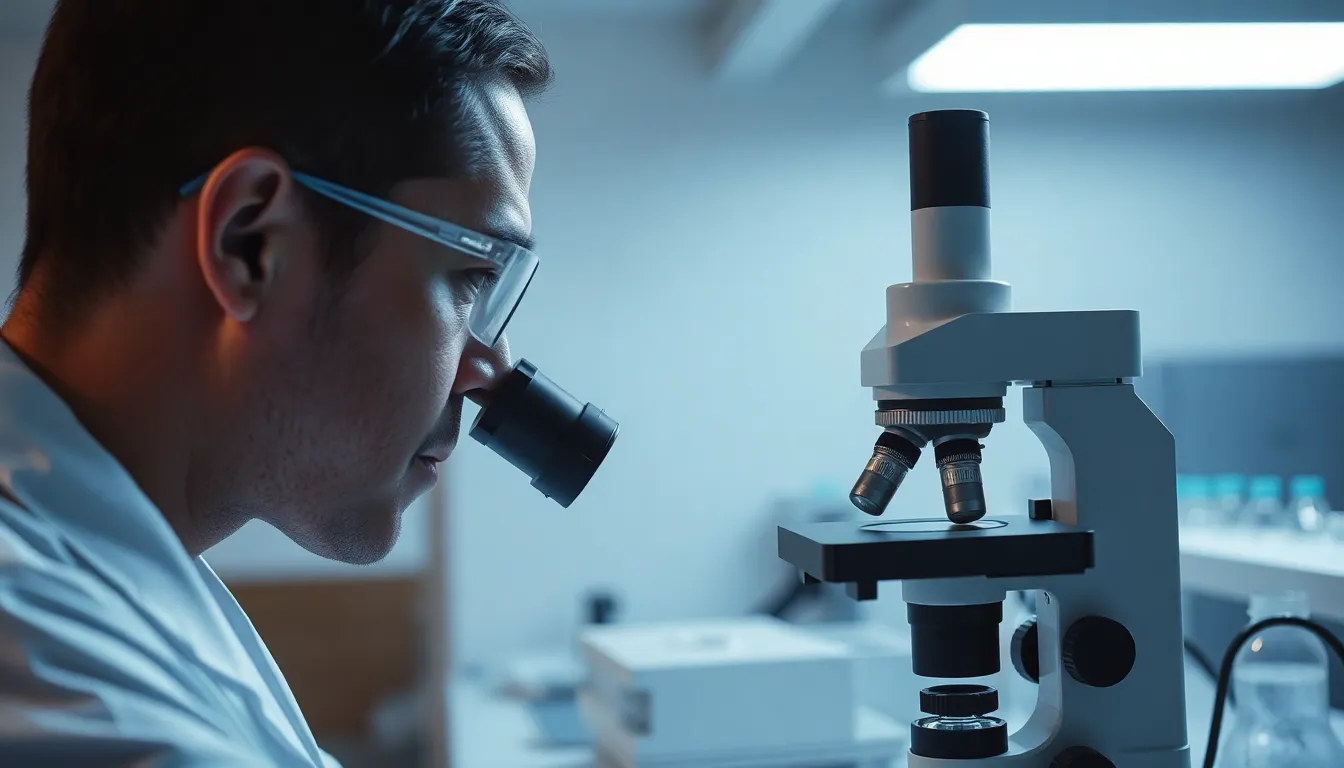
Fujifilm GFX 100S, 110mm f/2 macro, showcasing a laboratory setting with a scientist examining a slide under a microscope. Studio lighting with three-point setup illuminates the scene, bringing out the intricate details of the microscope and the scientist’s focused expression. Hyperfocal distance ensures the entire scene is sharp. The color palette includes cool blues and whites, enhancing the clinical atmosphere of the lab. The composition follows leading lines, directing attention towards the microscope while incorporating the scientist in action.
16:9
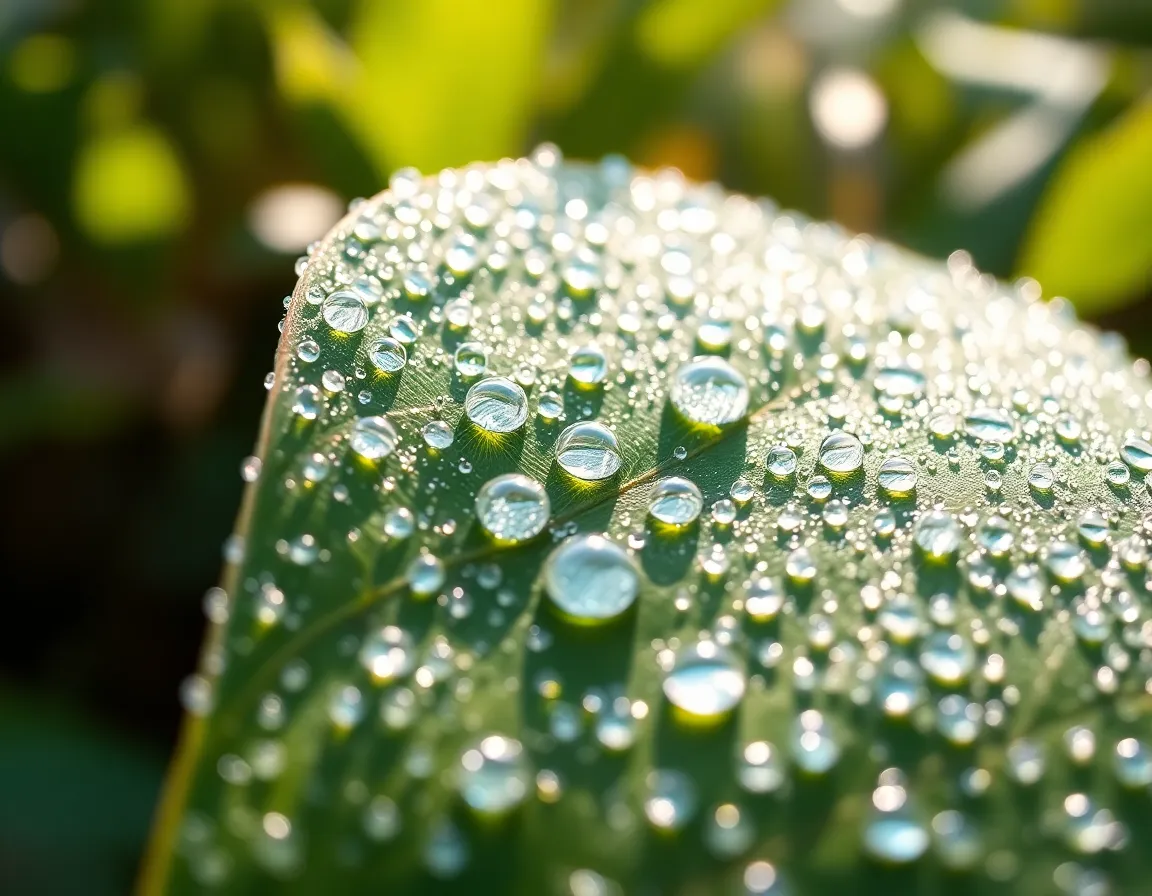
Nikon Z9, 70-200mm f/2.8 telephoto at 135mm, capturing a breathtaking macro of a leaf covered in morning dew. Natural diffused daylight illuminates the leaf, creating soft highlights and deep shadows. The hyperfocal distance ensures everything from the droplet detail to the background foliage is sharp. The color science is natural, with vibrant greens and subtle earthy tones. The composition follows the rule of thirds, with a close-up focus on the leaf's texture, revealing intricate veins and droplets reflecting light.
4:3
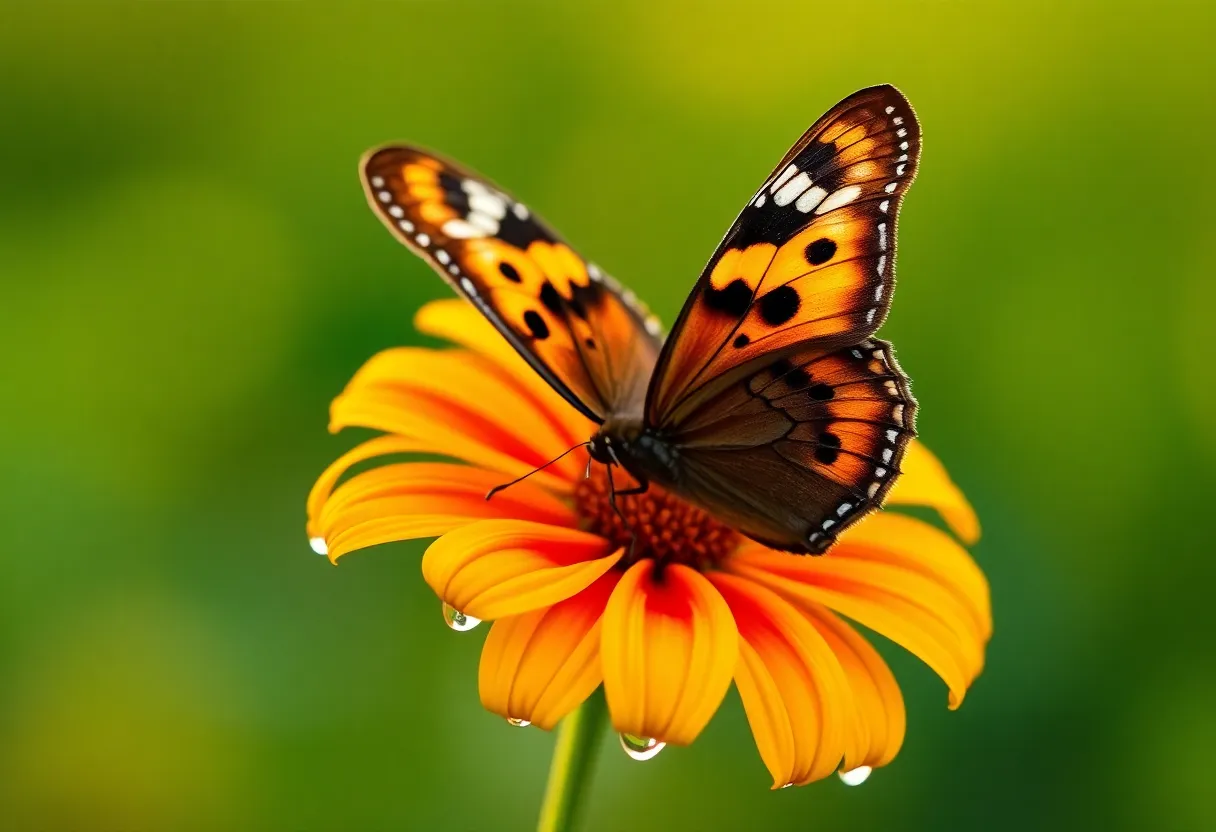
shot on Sony A7R V with 85mm f/1.4 GM lens during golden hour, capturing a close-up of a butterfly perched on a vibrant flower. The background is a soft green bokeh, achieved with shallow depth of field at f/1.4. The color palette features warm hues of orange, yellow, and green, reflecting the hues of a sunset. The composition uses a centered symmetrical approach to highlight the butterfly's intricate wing patterns against the colorful petals, while dew droplets on the flower add a refreshing texture.
3:2
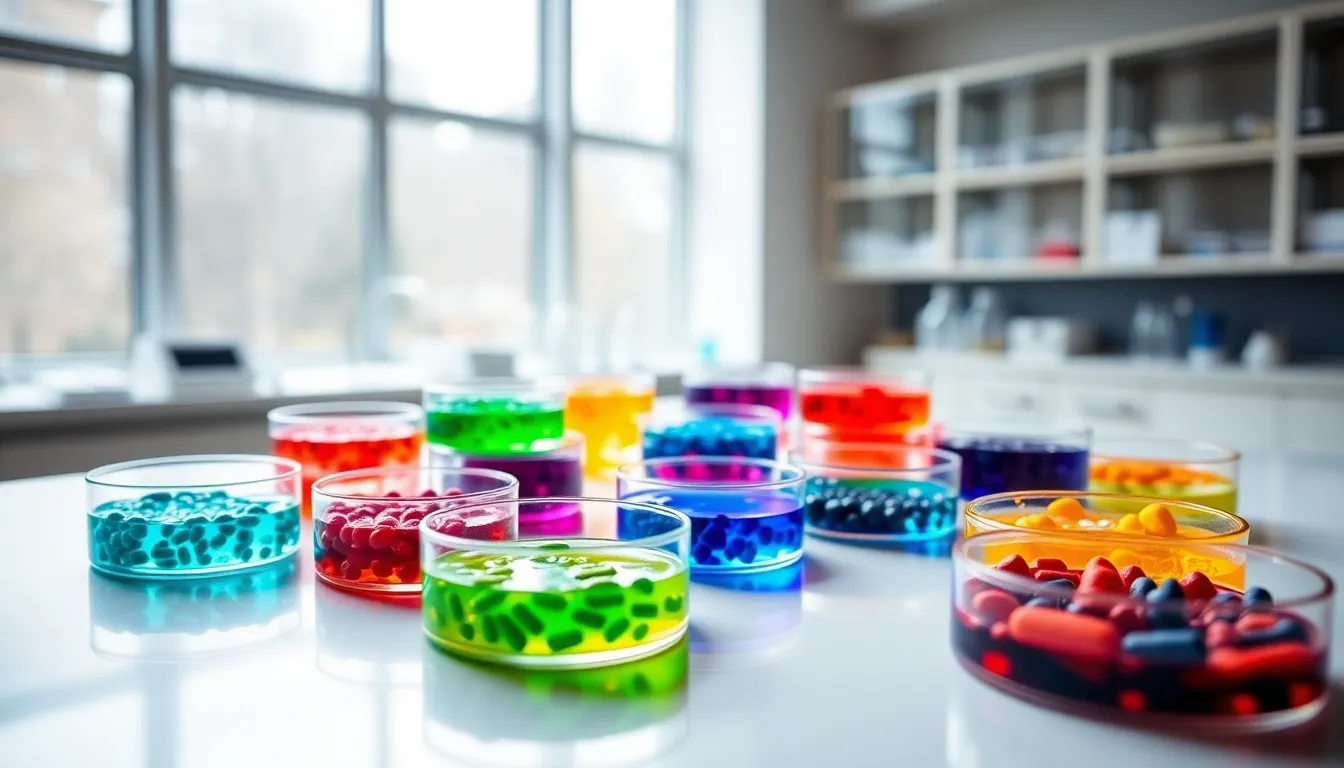
captured with Canon EOS R5, 24-70mm f/2.8L at 50mm, natural overcast diffused daylight filtering through large lab windows. Shallow depth of field at f/2.8 with bokeh highlights softly blurring the laboratory background. The image features vibrant colors showcasing a variety of colorful petri dishes filled with different microbial samples. Rule of thirds composition with the dishes arranged creatively on a white lab table, highlighting their textures and colors against the clean backdrop. Details of the glass surfaces and reflections add to the biological study atmosphere.
16:9
Hasselblad X2D 100C, 90mm f/2.5 medium format, captured in vibrant fluorescent lights reflecting off glossy laboratory surfaces, shallow depth of field at f/2.5 with vibrant colors, Fujifilm Velvia-inspired saturated colors with deep blues and rich greens, centered composition showcasing a series of colorful reagents neatly arranged in a lab setting.
16:9

shot on Sony A7R V with 85mm f/1.4 GM lens, illuminated by warm tungsten lighting creating a cozy ambiance in the lab, selective focus on the lab technician’s eyes with a softly blurred background, Kodak Portra 400 color palette — warm skin tones, lifted shadows, creamy highlights, leading lines from laboratory shelves directing the view toward the subject.
16:9
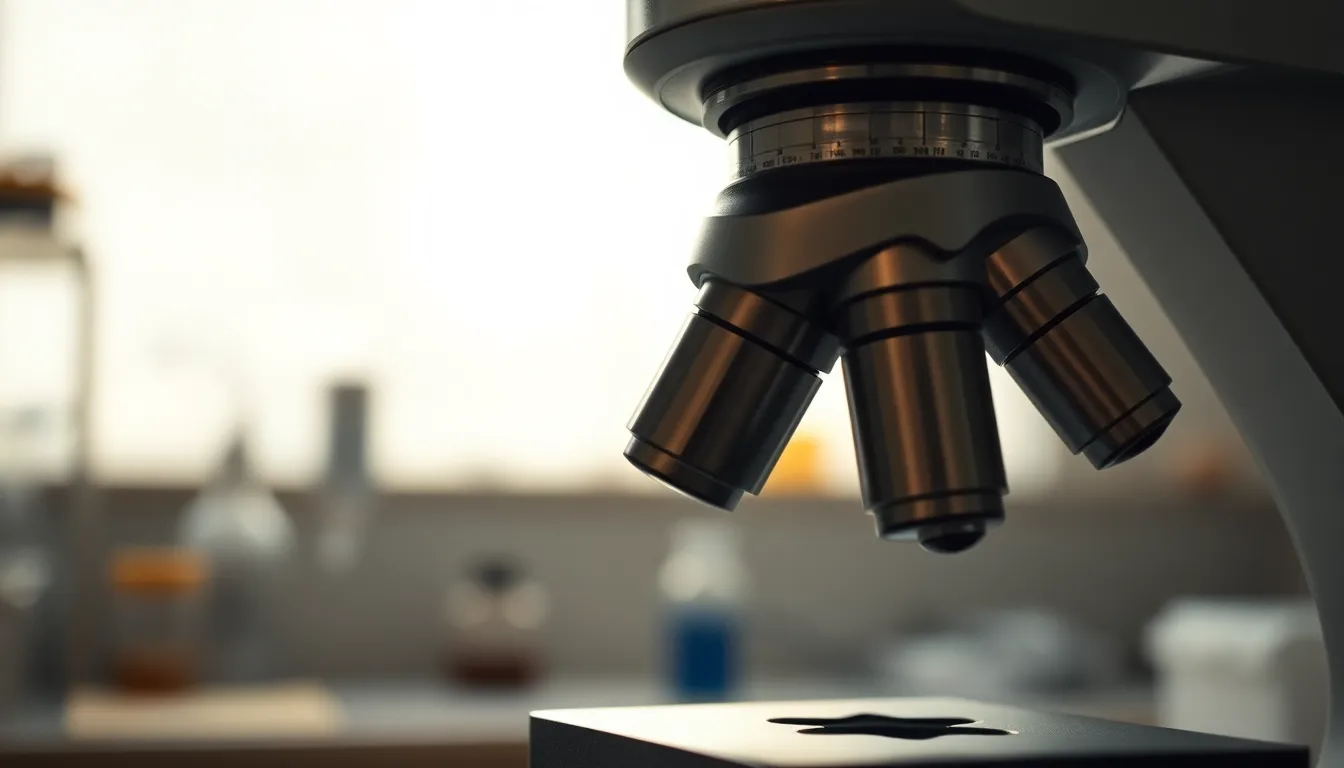
Fujifilm GFX 100S, 110mm f/2 macro, bathed in soft diffused light from an overhead softbox, shallow depth of field at f/2 with soft bokeh of laboratory background, natural muted tones with desaturated earth colors, rule of thirds with the microscope at lower power point, featuring polished metal surfaces that gleam subtly in the light.
16:9
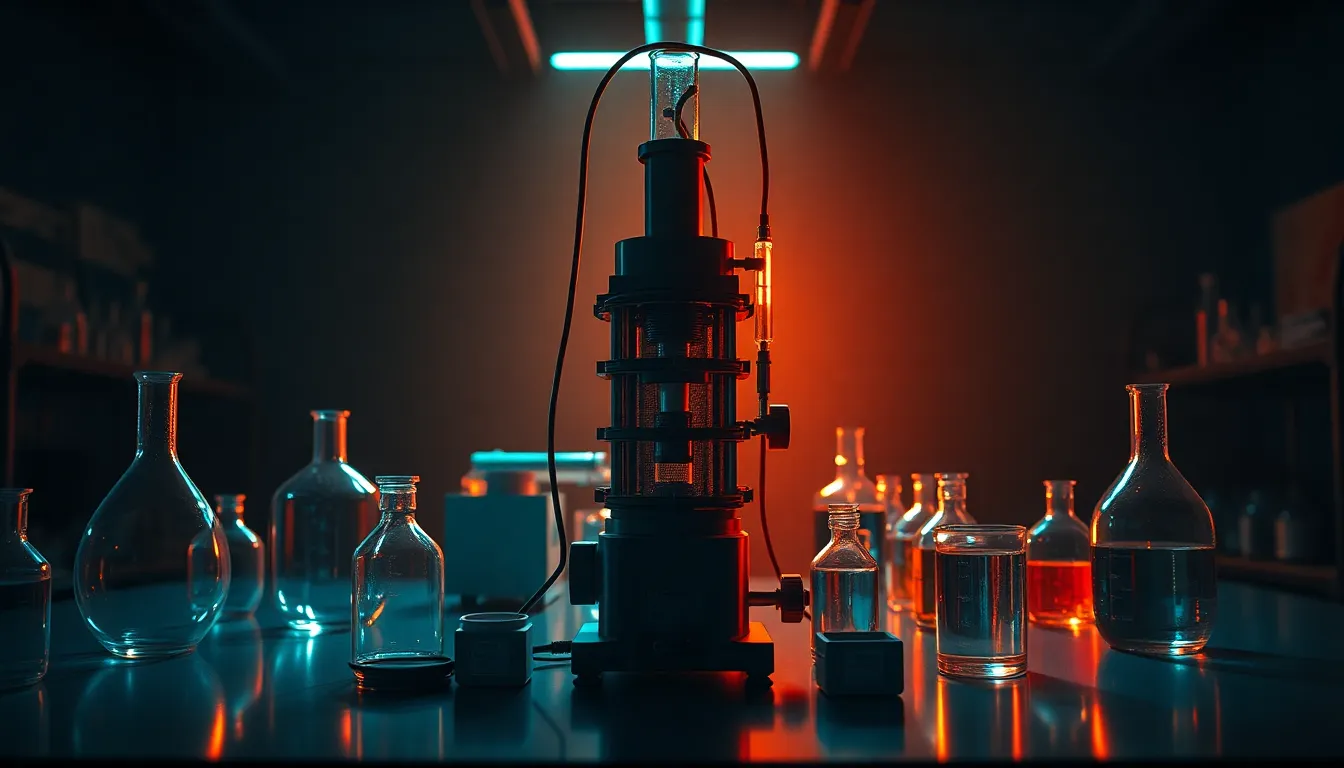
captured with Canon EOS R5, 24-70mm f/2.8L at 35mm, under dramatic theatrical lighting with strong shadows creating a contrasty atmosphere, hyperfocal distance — everything from foreground to infinity tack-sharp at f/8, cinematic teal and orange color grading, centered symmetrical composition featuring an intricate piece of laboratory equipment surrounded by chemical glassware.
16:9
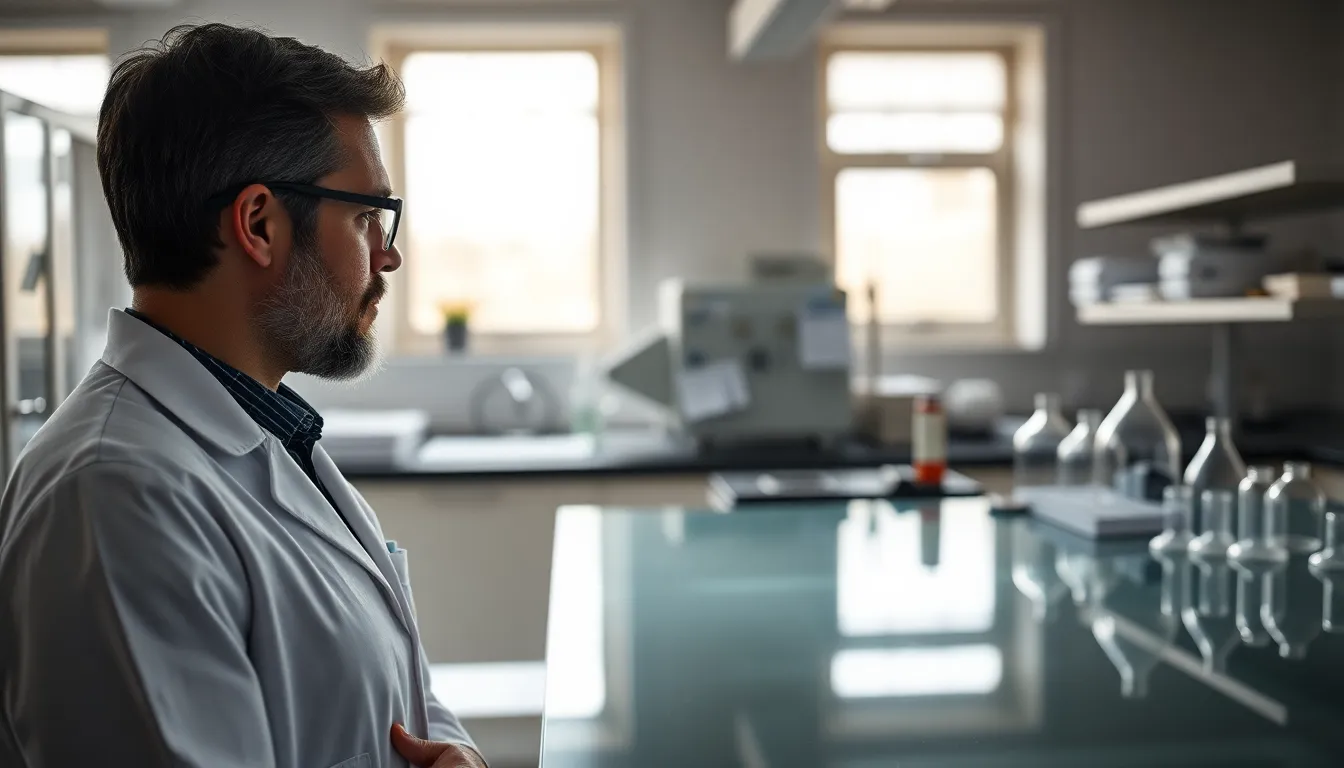
shot on Nikon Z9, 70-200mm f/2.8 telephoto at 135mm, illuminated by soft overcast daylight filtering through laboratory windows, shallow depth of field at f/2.8 with a creamy bokeh background, natural muted tones with desaturated earth colors, rule of thirds with the scientist at left power point, featuring a glass countertop showing fine scratches and reflections of laboratory equipment.
16:9

shot on Leica Q3, 28mm f/1.7 Summilux, depicting a detailed illustration of a DNA structure on a chalkboard surrounded by scattered biology textbooks and colorful markers. The overhead classroom lighting casts a warm glow, highlighting the intricate chalk details of the DNA diagram. Shallow depth of field captures the chalkboard in sharp focus while blurring the surrounding learning materials, creating a cozy, educational atmosphere. The composition uses a centered symmetrical approach to bring the viewer's attention directly to the DNA illustration, with textures showing the grain of the chalk and paper.
4:3
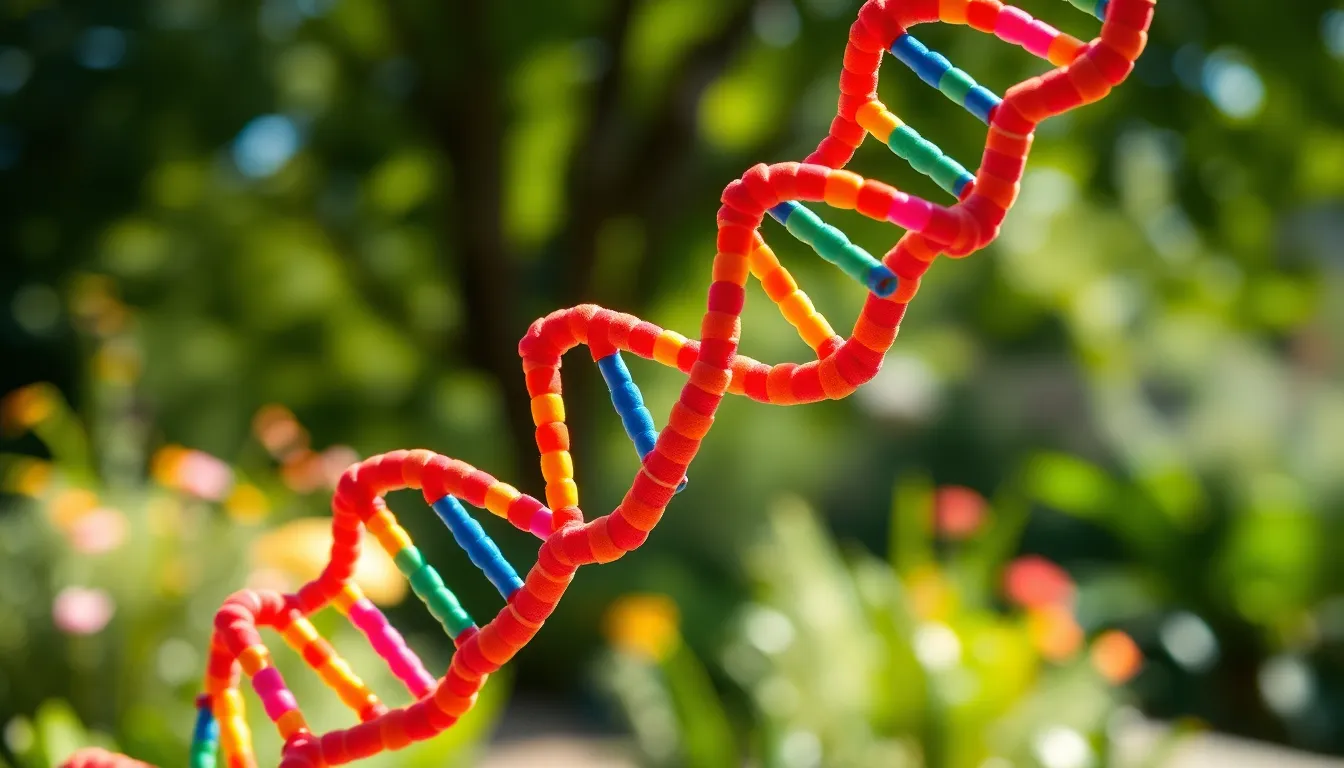
captured with Fujifilm GFX 100S, 110mm f/2 macro. The image features a vibrant, oversized model of a DNA strand set against a blurred outdoor garden background under dappled sunlight. Depth of field is shallow at f/2, giving a creamy bokeh effect that highlights the colorful model. The Fujifilm Velvia-inspired saturated colors bring out the rich hues of the DNA model while soft greens and earthy tones provide contrast. The composition uses a diagonal angle, enhancing the sense of movement in the strand's helical structure.
16:9
shot on Sony A7R V with 85mm f/1.4 GM lens, featuring a close-up of colorful petri dishes containing various DNA samples. The warm tungsten desk lamp casts a gentle light, creating defined shadows and highlights on the glossy surfaces. Shallow depth of field at f/1.4 isolates the dishes against a soft-focus background of laboratory walls. The Kodak Portra 400 color palette enhances natural skin tones in reflections while providing creamy highlights on the glass surfaces. The composition is centered, drawing attention to the vibrant colors and textures of the DNA samples.
1:1

captured with Canon EOS R5, 24-70mm f/2.8L at 35mm, in a modern laboratory setting with overcast diffused daylight streaming through large windows. The scene shows a scientist analyzing a DNA sequencing chip, with visible details of the chip structure and biological samples surrounding them. A hyperfocal distance at f/8 keeps everything sharp, highlighting the intricate textures of the lab equipment and materials. The natural muted tones and desaturated colors create a professional yet inviting atmosphere. The composition features leading lines from the lab benches converging towards the scientist's focused gaze.
16:9
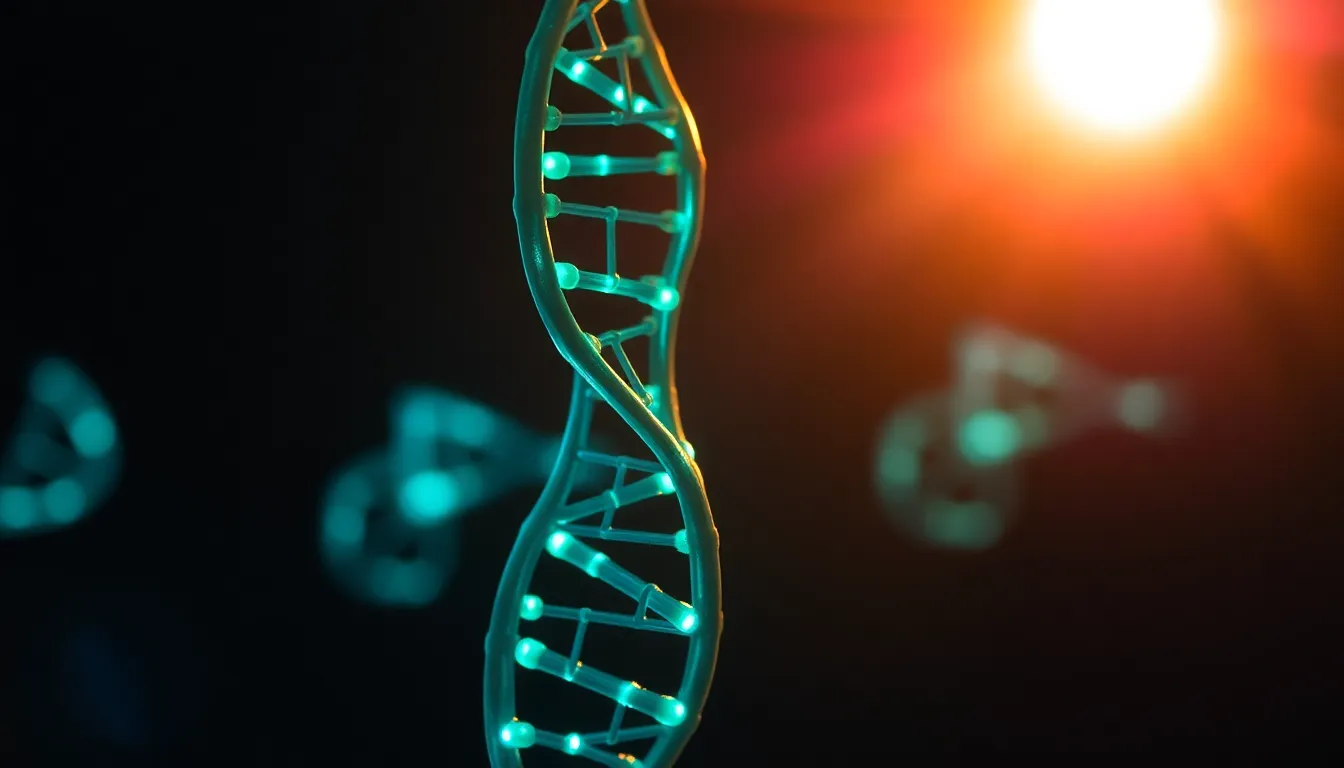
shot on Nikon Z9, 70-200mm f/2.8 telephoto at 135mm, with dramatic backlighting creating a halo effect around a double helix structure made of glowing blue and green lights. Deep shadows contrast with highlighted strands, creating a mysterious atmosphere. Shallow depth of field at f/2.8 results in a soft bokeh in the background, emphasizing the DNA model. The cinematic teal and orange color grading adds vibrance while maintaining scientific accuracy. Composition follows the rule of thirds, placing the helix slightly off-center. Textures include the smooth, translucent surfaces of the helix against a matte black backdrop.
16:9
Fujifilm GFX 100S, 110mm f/2 macro, natural lighting with dappled sunlight filtering through leaves, capturing a close-up of a spider web draped with morning dew drops, which catch the light beautifully. The macro shot is at a shallow depth of field at f/2, allowing the web to be sharply focused while the surrounding foliage softly blurs into green hues. The soft, natural color palette features muted earth tones and glistening droplets, creating an ethereal and tranquil mood. The rule of thirds composition balances the web within the frame, highlighting its delicate craftsmanship.
3:4

Hasselblad X2D 100C, 90mm f/2.5 medium format, studio lighting with a sophisticated three-point setup illuminates a striking still life of colorful fruits arranged on a rustic wooden table. The shot is composed with butterfly lighting, creating soft highlights and shadows that enhance the textures of the fruit surfaces. The natural color palette features saturated reds, yellows, and greens reminiscent of Kodak Portra 400 film, while a shallow depth of field at f/2.5 keeps the fruit in sharp focus against a softly blurred background. Centered symmetrical composition emphasizes the beauty and abundance of the fruit arrangement.
4:3
Nikon Z9, 70-200mm f/2.8 telephoto at 135mm, natural lighting with overcast diffused daylight, capturing a lush green rainforest scene with vibrant tropical plants and wildlife. Hyperfocal distance at f/8 ensures everything from foreground leaves to distant trees is in sharp focus. The color palette features deep greens and bright floral accents, creating a vivid representation of biodiversity. Leading lines formed by the paths of the foliage draw the viewer’s eye into the dense jungle, emphasizing the depth of this rich habitat.
16:9
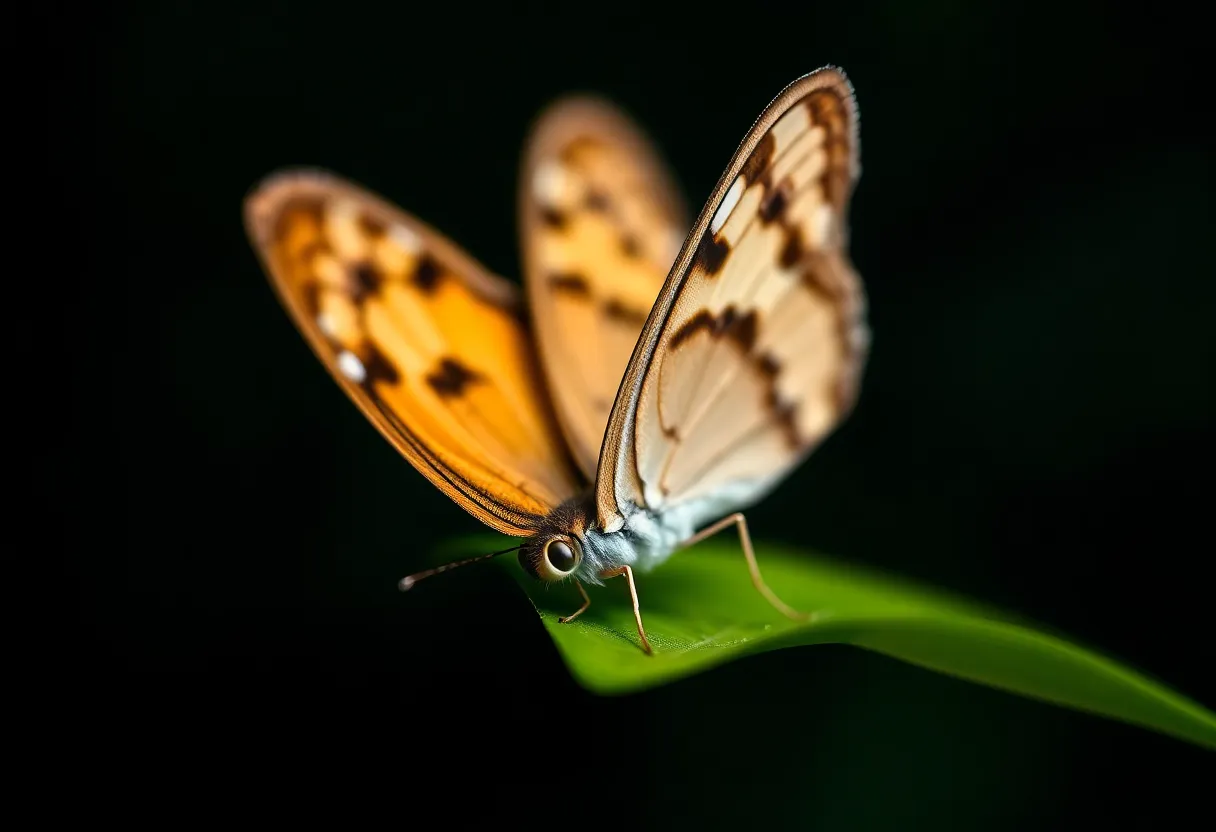
shot on Sony A7R V with 85mm f/1.4 GM lens, studio lighting with Rembrandt lighting setup to create dramatic shadows on a macro close-up of a butterfly resting on a leaf, shallow depth of field at f/2, focusing on the butterfly's intricate wing patterns and textures while the background fades into dark greens. The color palette showcases natural muted tones with rich earthy colors that reflect the butterfly's environment. The composition employs selective focus on the butterfly's eyes, creating a striking allure.
3:2
captured with Canon EOS R5, 24-70mm f/2.8L at 50mm, natural backlighting during golden hour, creating warm rim light around a vibrant coral reef underwater scene, shallow depth of field at f/2.8 highlighting colorful fish in sharp focus while background blurs into soft blue tones. The shot features a stunning array of corals with intricate textures and details, all encompassed in the rich colors reminiscent of Fujifilm Velvia film. Rule of thirds composition places the vibrant fish near a power point, leading the viewer's eye through the bustling marine ecosystem.
16:9
shot on Sony A7R V with 85mm f/1.4 GM lens, capturing a detailed microscopic view of DNA strands under a microscope. The scene is illuminated with soft, focused lighting to highlight the intricate patterns of the DNA. A shallow depth of field at f/1.4 enhances the clarity of the strands, with a painterly bokeh in shades of teal and orange surrounding the subject. The color science refers to cinematic grading, providing a striking contrast against the complex textures of the DNA. The composition features the DNA strands centrally placed, drawing immediate attention to their beauty.
16:9
captured with Hasselblad X2D 100C, 90mm f/2.5 medium format lens, this image portrays a vibrant outdoor science fair with a focus on a large, colorful DNA sculpture made of recycled materials. The dappled sunlight filters through surrounding trees, creating soft highlights and shadows across the sculpture. The depth of field is hyperfocal, capturing the entire scene in sharp detail. The color palette features bright, saturated colors, reflecting the innovative spirit of environmental consciousness. A centered symmetrical composition focuses the viewer's attention on the striking sculpture against a lively fair backdrop.
16:9
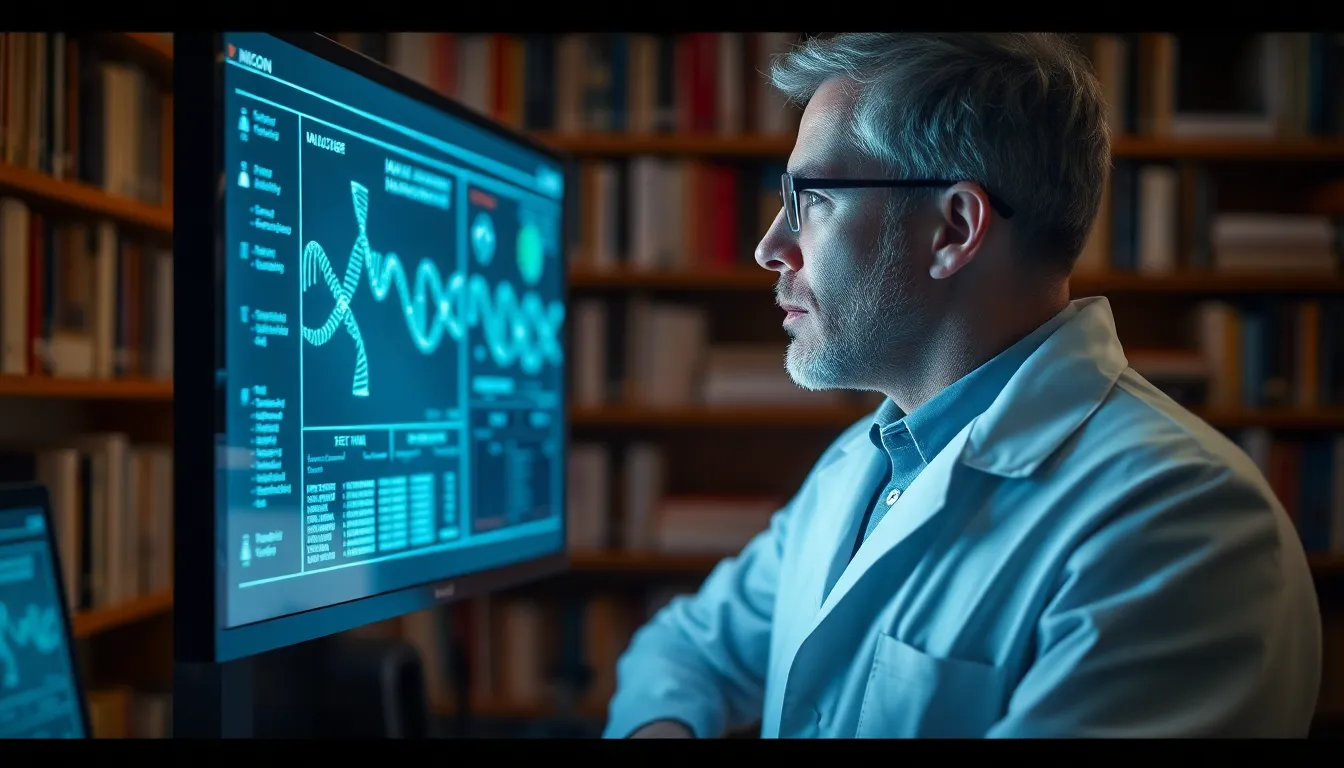
shot on Nikon Z9, 70-200mm f/2.8 telephoto at 150mm. The image features a scientist in a lab coat examining a digital DNA analysis display on a screen, captured with dramatic Rembrandt lighting highlighting their thoughtful expression. The depth of field is shallow at f/2.8, allowing the background of shelves filled with scientific books to softly blur, emphasizing the scientist. The color palette includes warm tones, contrasting the cool colors of the screen, creating an engaging visual narrative. The composition utilizes the rule of thirds, positioning the scientist to the left, engaging viewers.
16:9
captured with Fujifilm GFX 100S, 110mm f/2 macro lens, showcasing a close-up of a DNA sequencing gel with vivid colored bands illuminated by a backlight. The lighting highlights the gel’s texture and the vibrant streaks of color ranging from deep red to bright green. Utilizing a hyperfocal distance, the image maintains sharpness across the entire gel surface, while the background fades into a soft blur. The color grading mimics the saturated tones of Fujifilm Velvia, enhancing the scientific visual appeal. The composition centers on the gel, drawing the eye to its intricate details.
16:9
shot on Canon EOS R5, 24-70mm f/2.8L at 50mm, featuring soft diffused daylight through laboratory windows illuminating a clear, intricate DNA double helix model. The scene is captured with shallow depth of field at f/2.8, creating a creamy bokeh in the background. The color palette is dominated by cool blue and green tones, conveying a sense of scientific precision. Compositionally, the DNA model is placed off-center, allowing space for laboratory equipment in the blurred background, enhancing the research environment. The glass of the DNA model reflects subtle highlights, emphasizing its complexity.
16:9

captured with Leica Q3, 28mm f/1.7 Summilux, focusing on a stylized infographics display on a wall illustrating the structure of DNA in a modern office setting. The warm tungsten desk lamp casts directional pools of light onto the display, illuminating the vibrant colors. The shallow depth of field at f/1.7 creates a soft bokeh effect around the edges, making the infographic pop. The color palette is bright and engaging, with a blend of saturated colors. Compositionally, the infographic is offset to create a dynamic visual flow.
3:4
shot on Hasselblad X2D 100C, 90mm f/2.5 medium format, of a detailed 3D printed model of DNA showing intricate features and color gradients. The lighting is a three-point studio setup, enhancing the textures and edges of the model. Using a shallow depth of field at f/2.5, the background fades softly, focusing attention on the model's structure. The color grading follows a cinematic teal and orange theme, creating a striking visual contrast. The composition centers the DNA model, emphasizing its scientific significance.
4:3
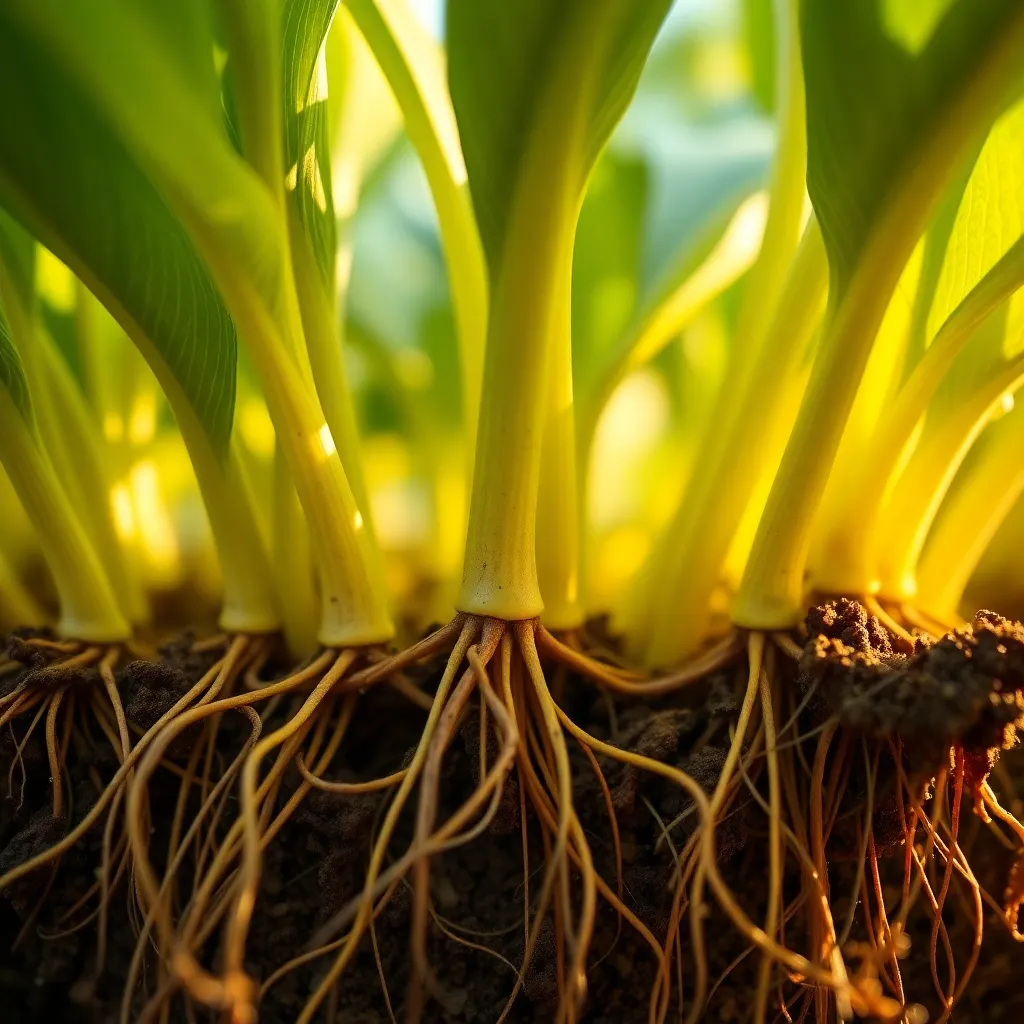
photographed on Fujifilm GFX 100S, 110mm f/2 macro, showcasing a close-up of genetically modified plants with visible DNA strands in the roots. The lighting is natural, illuminated by early morning sunlight, casting golden glows across the leaves. A selective focus on the roots sharpens the detailed DNA strands, while the background blurs into soft greenery bokeh. The color palette features fresh greens and earthy browns, creating a natural, vivid appeal. Compositionally, the roots are centered, creating a symmetrical balance within the frame.
1:1
captured with Nikon Z9, 70-200mm f/2.8 telephoto at 135mm, focusing on a scientist in a lab examining a DNA sequencing result on a laptop. The overcast diffused daylight through large laboratory windows casts a soft light on the scene. The depth of field is hyperfocal at f/8, ensuring both the scientist and the laptop's screen are sharp. Using a natural muted tone palette, the image projects a clinical yet inviting vibe. Compositionally, the subject is framed by laboratory equipment, directing focus toward the examination process.
3:2
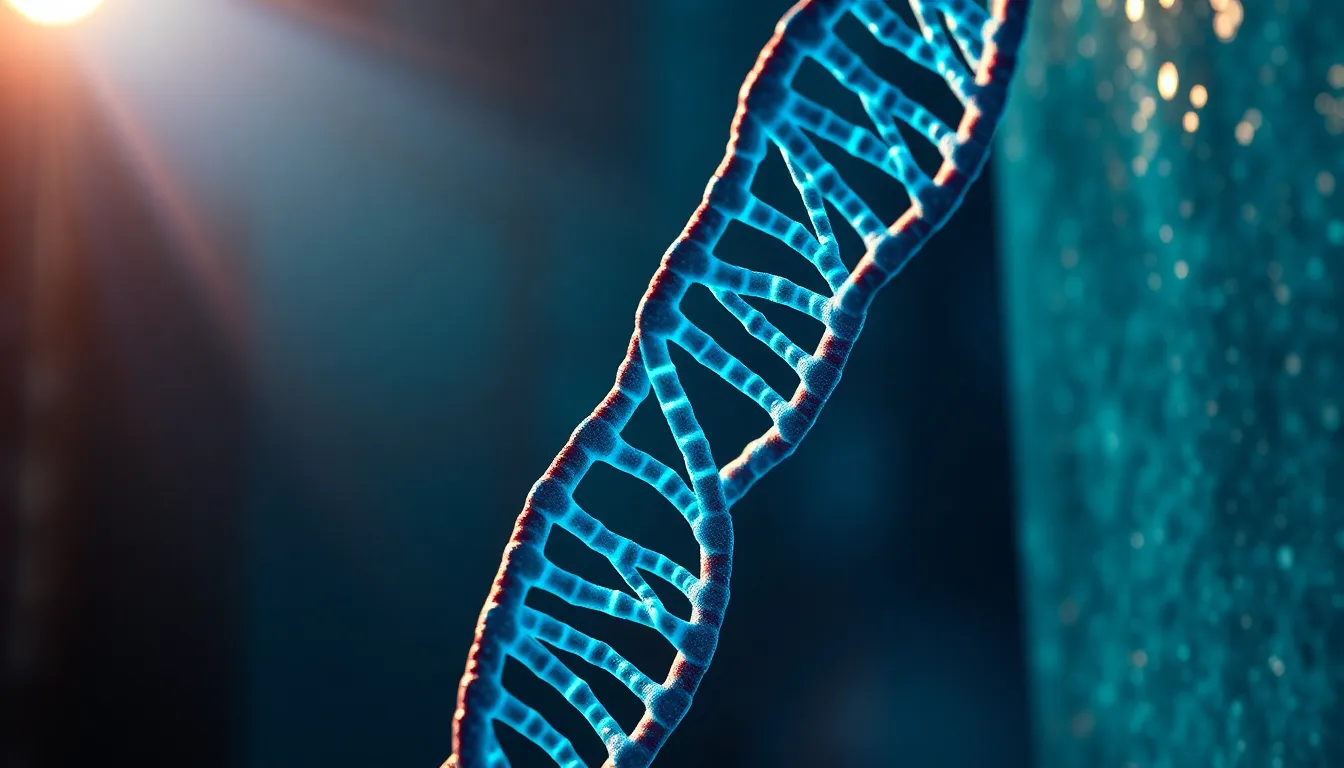
shot on Canon EOS R5, 24-70mm f/2.8L at 35mm, showcasing a vibrant double helix structure of DNA under dramatic studio lighting with an edge light emphasizing its curves and a soft fill light. The shallow depth of field at f/2.8 creates a creamy bokeh backdrop. The color palette features vivid blues and greens, inspired by Fujifilm Velvia, amplifying the subject’s biological intrigue. The composition follows the rule of thirds, placing the DNA strand at the right power point, surrounded by soft, textured glass panels reflecting light.
16:9
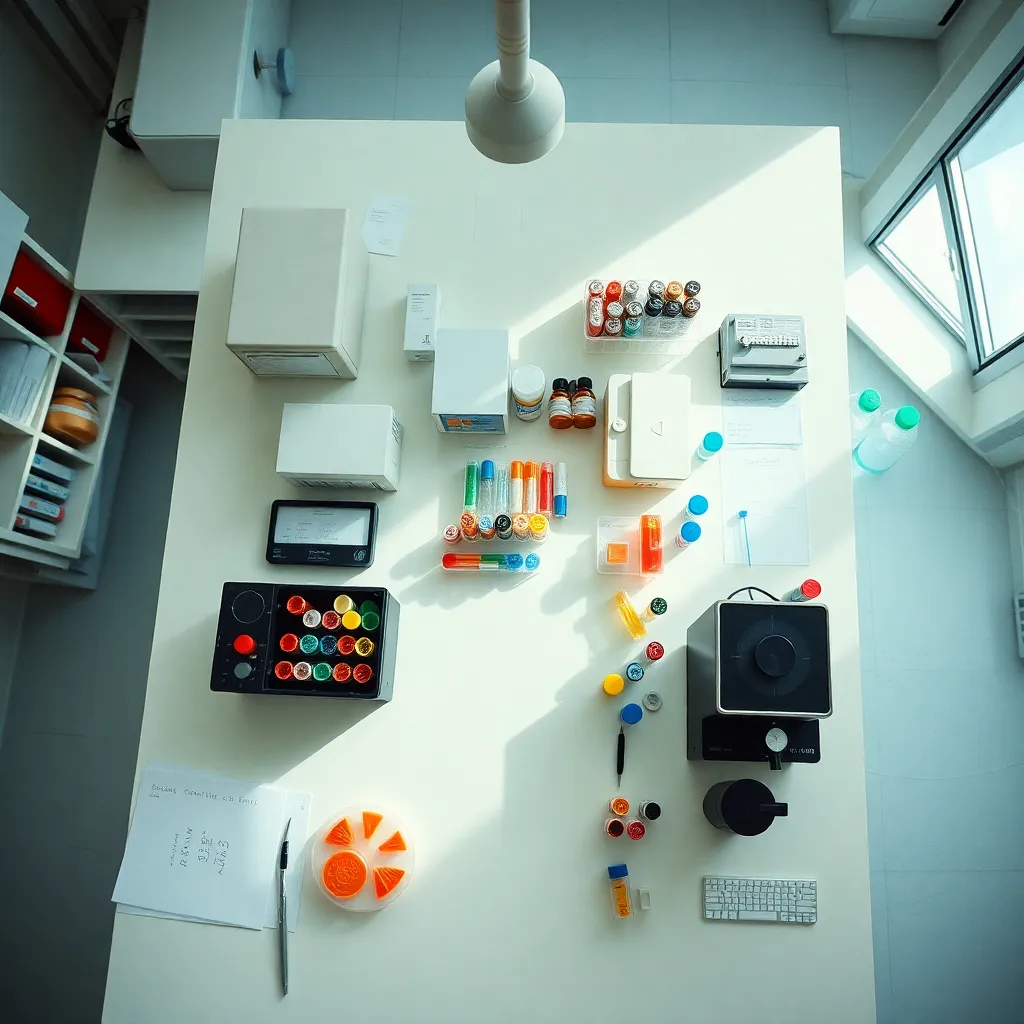
shot with Hasselblad X2D 100C, 90mm f/2.5 medium format, capturing an overhead view of a laboratory table with organized samples and tools. The natural diffused daylight provides perfect illumination, lifting the mood of the scene. The depth of field is broad, ensuring that every detail of the table is in sharp focus, from the colorful test tubes to the texture of the table’s surface. The film look utilizes Kodak Portra 400 color palette, rendering the scene with warm tones and creamy highlights. The composition employs an overhead symmetrical arrangement, inviting a sense of order and professionalism.
1:1
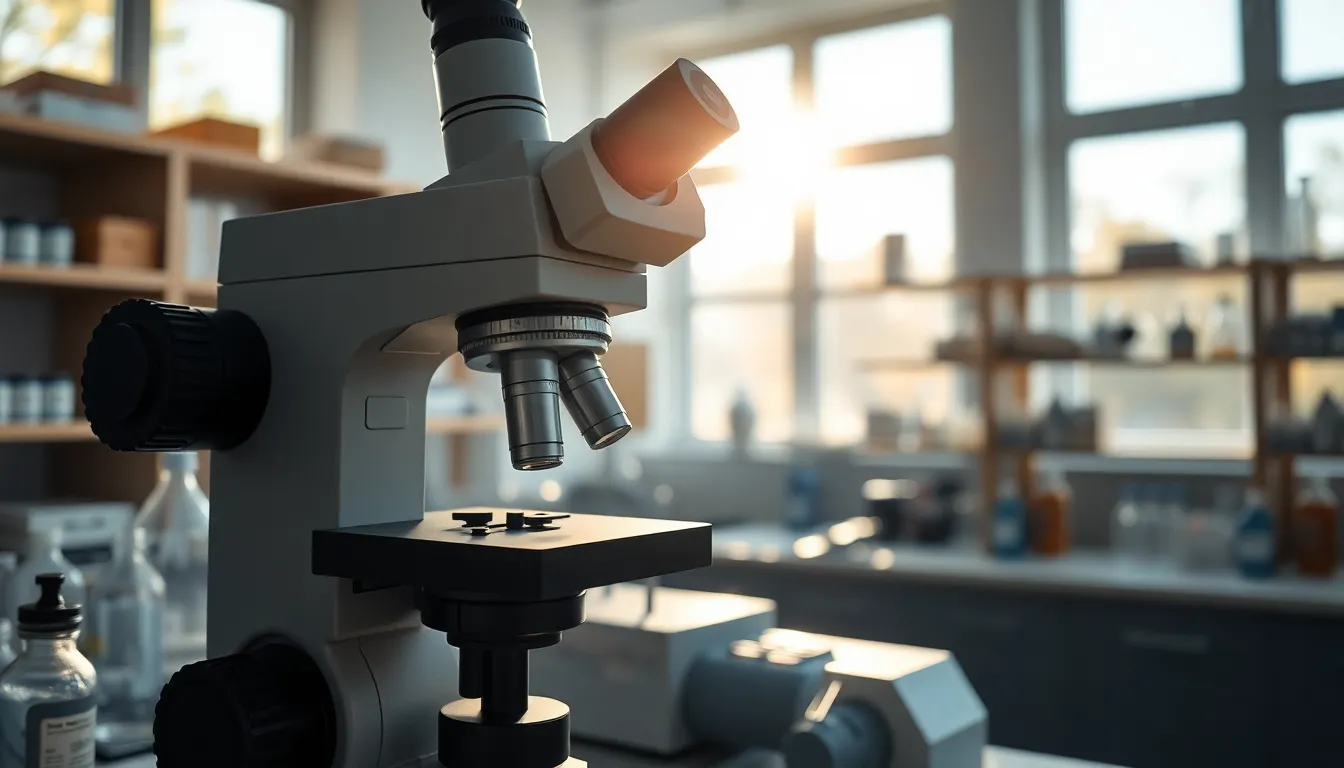
photographed with Fujifilm GFX 100S, 110mm f/2 macro lens, capturing fine details of lab equipment surrounded by natural morning light streaming in through windows. Using hyperfocal distance at f/8, the entire scene from the equipment to the softly blurred laboratory shelves remains sharp. The color palette is a mix of cool greys and warm sunlight, providing an inviting atmosphere. Rule of thirds composition places the microscope slightly off-center, drawing the viewer's eye towards the intricate details of its design.
16:9
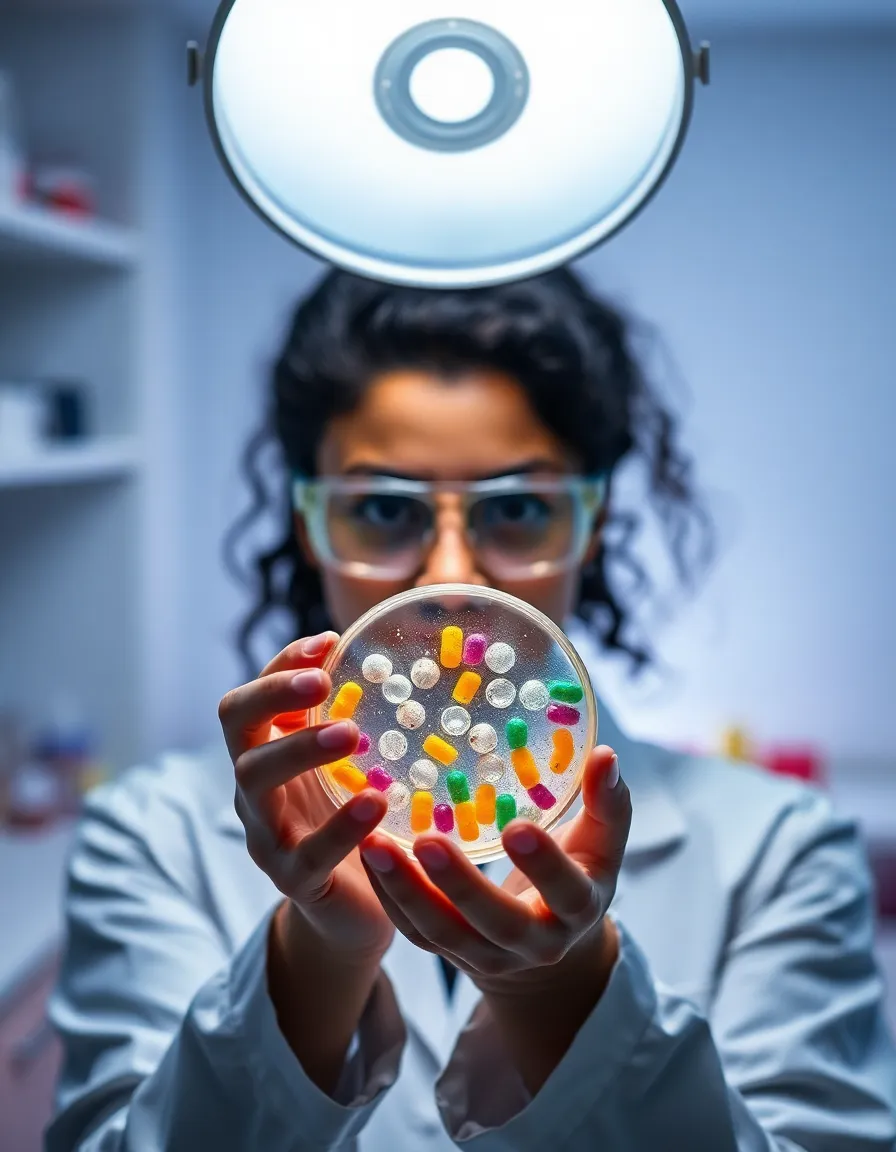
shot on Sony A7R V with 85mm f/1.4 GM lens, utilizing butterfly lighting with a beauty dish positioned above to focus on a researcher holding a petri dish. The shallow depth of field at f/1.4 highlights the intricate details of the dish's cultured samples, while the softly blurred laboratory backdrop adds context without distraction. The palette incorporates colorful samples against sterile white surfaces, enhancing the clinical yet vibrant atmosphere. The composition is framed centrally, allowing the viewer’s gaze to rest on the researcher’s focus and meticulous handling of the experiment.
3:4
captured with Nikon Z9, 70-200mm f/2.8 telephoto at 100mm, the ambient light from the sunlight filtering through tall windows illuminates a chemist at work under ambient diffused daylight. The focus is selective on the chemist's concentrated expression as they analyze a sample, while the background fades into soft painterly bokeh. The natural muted tones of the laboratory environment, combined with dramatic shadows, captures both a serene and intense atmosphere. The centered composition highlights the subject's engagement with their work, emphasizing the dedication to scientific discovery.
3:2

shot on Canon EOS R5, 24-70mm f/2.8L at 50mm, with bright overhead LED laboratory lights casting clear illumination on glass vials and pipettes. The shallow depth of field at f/2.8 keeps the focused subjects sharp while blurring the sterile environment softly in the background. Utilizing a natural muted tones color palette, the scene captures the cool blues and greens of liquid samples. Rule of thirds composition places colorful vials on one side, leading the viewer’s eye across the workspace. Glass surfaces reflect the light beautifully, adding depth and allure to the image.
16:9
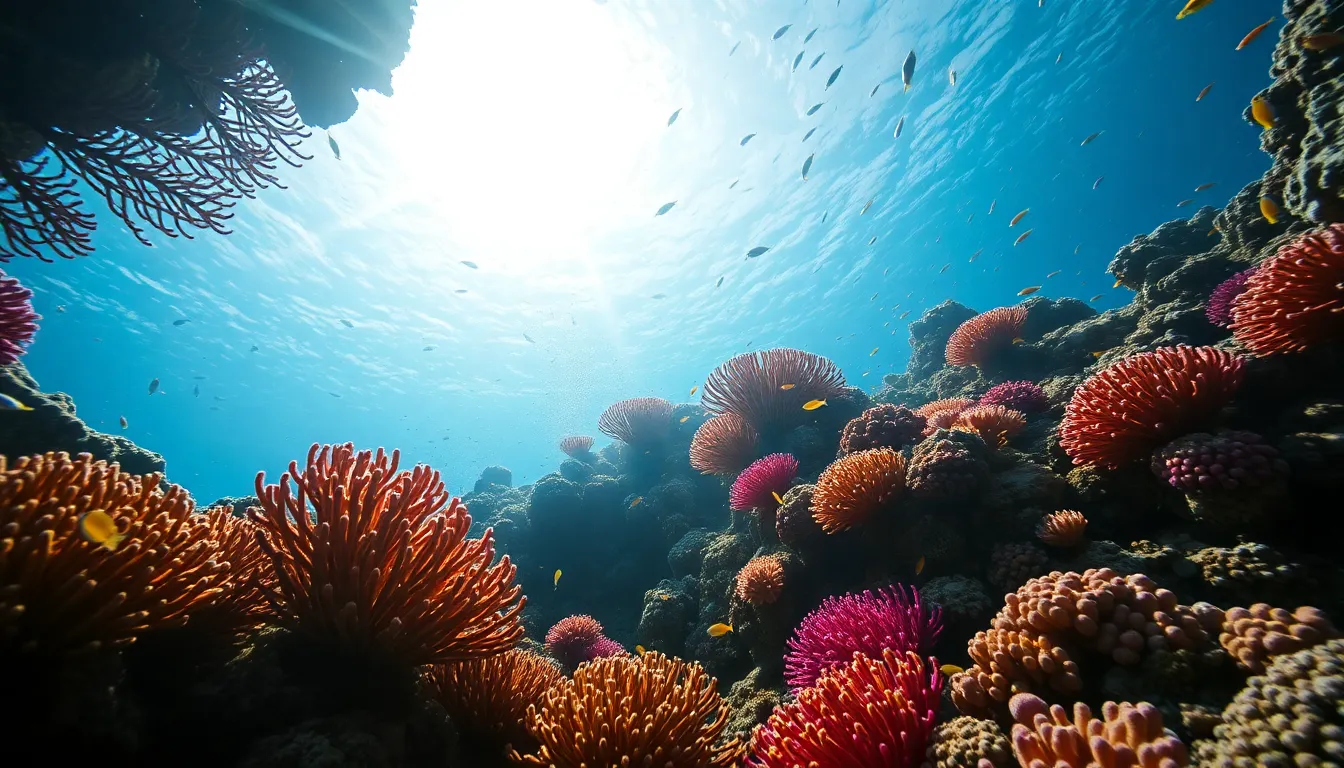
Shot on Hasselblad X2D 100C, 90mm f/2.5 medium format, a stunning view of a coral reef teeming with colorful marine life. Bright, diffused sunlight filters down through the water, illuminating the vibrant corals and fishes beneath the surface. The depth of field is hyperfocal, ensuring that every detail from the coral to tiny fish is sharp and clear. The composition utilizes leading lines formed by the coral structures, guiding the viewer's eye through the underwater scenery. The vibrant colors of the reef are captured in rich, saturated detail.
16:9
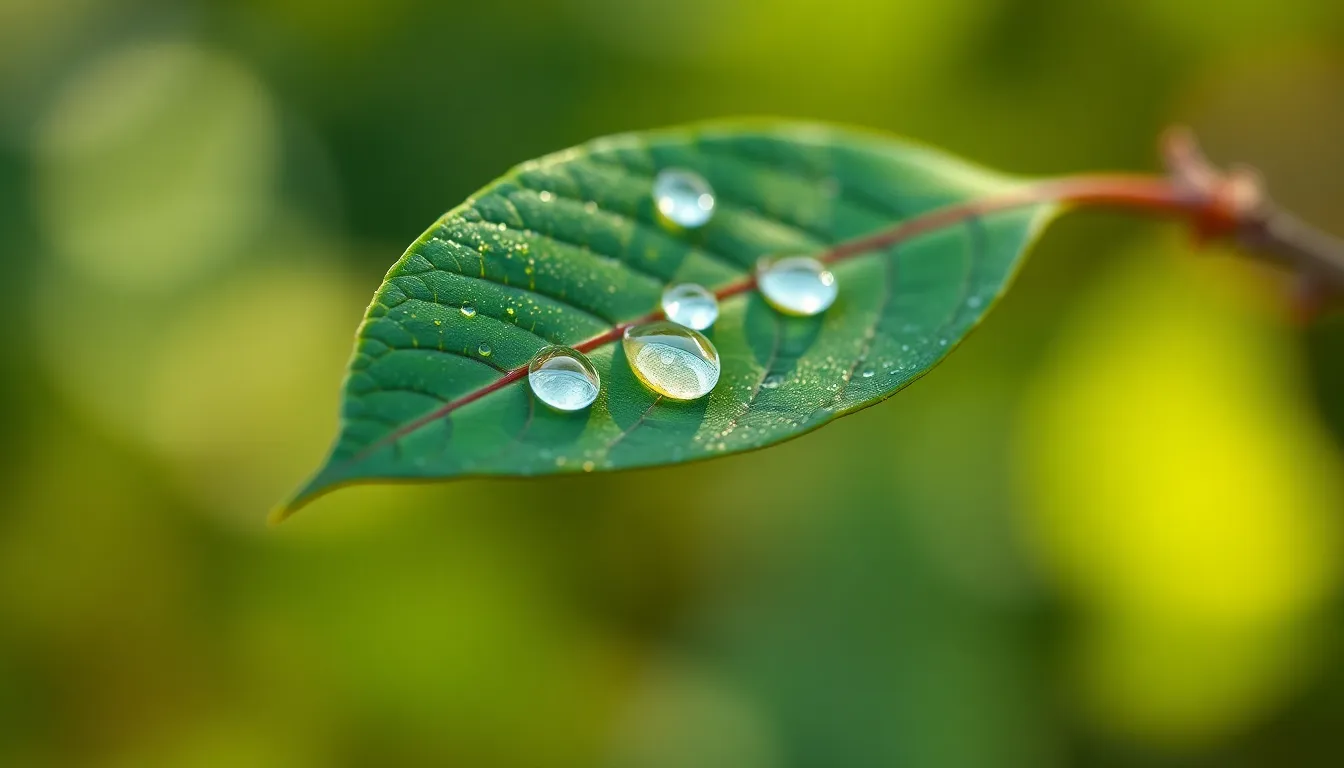
Photographed with Fujifilm GFX 100S, 110mm f/2 macro, a detailed shot of a single leaf with morning dew droplets glistening on its surface. Natural diffused daylight illuminates the scene, enhancing the leaf's vibrant greens and the sparkling waterdrops. A shallow depth of field at f/2 results in a softly blurred background, allowing the leaf to stand out. The composition centers the leaf in the frame, capturing the delicate textures of its surface against a bokeh backdrop filled with soft greens and browns.
16:9
Captured with Canon EOS R5, 24-70mm f/2.8L at 35mm, an aerial view of a dense forest canopy during autumn, showcasing a breathtaking array of red, orange, and yellow foliage. The warm sunlight filters through the trees, creating dappled light patterns on the forest floor. Hyperfocal depth of field ensures that every detail from the treetops to the ground is sharply in focus. The composition emphasizes natural patterns formed by the trees and leaves, inviting viewers to explore the vibrant, textured landscape.
16:9
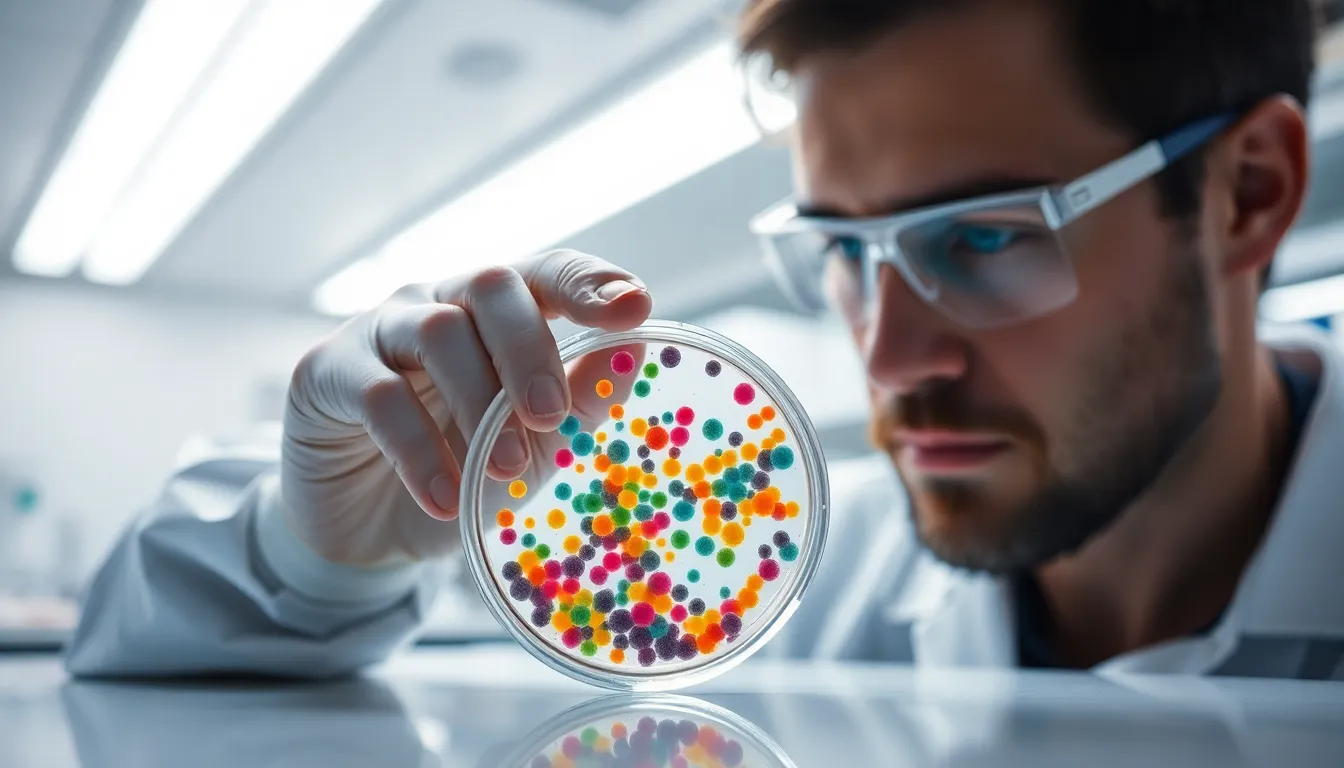
Shot on Sony A7R V with 85mm f/1.4 GM lens, a scientist in a modern laboratory examines a petri dish filled with colorful bacterial colonies. Overhead fluorescent lights create a bright, clinical environment, while a shallow depth of field highlights the dish while softly blurring the lab equipment in the background. The color palette reflects the vivid colors of the bacterial growth, set against the sterile white surface. The composition includes leading lines from the lab equipment, directing the viewer's attention toward the dish.
16:9
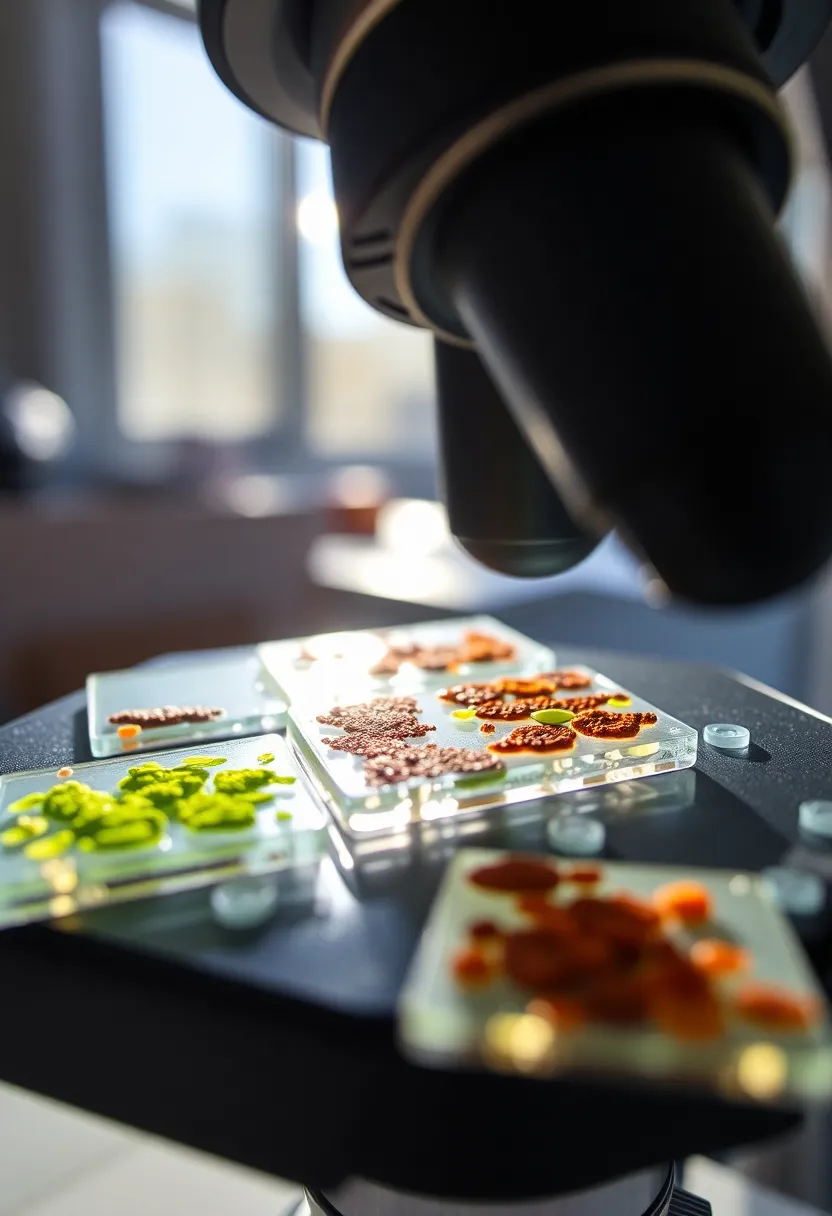
Fujifilm GFX 100S, 110mm f/2 macro, capturing intricate details of biological samples placed on glass slides under a powerful microscope. The lighting employs a combination of natural sunlight and diffused reflection, creating a bright and inquisitive atmosphere. The depth of field is shallow at f/2, allowing for vivid focus on the sample textures while blurring the microscope body. The color palette highlights rich greens and browns, emphasizing the organic nature of the samples. Composed using the Dutch angle for a dynamic perspective, this image draws the viewer into the world of microscopic biology with its captivating details.
2:3
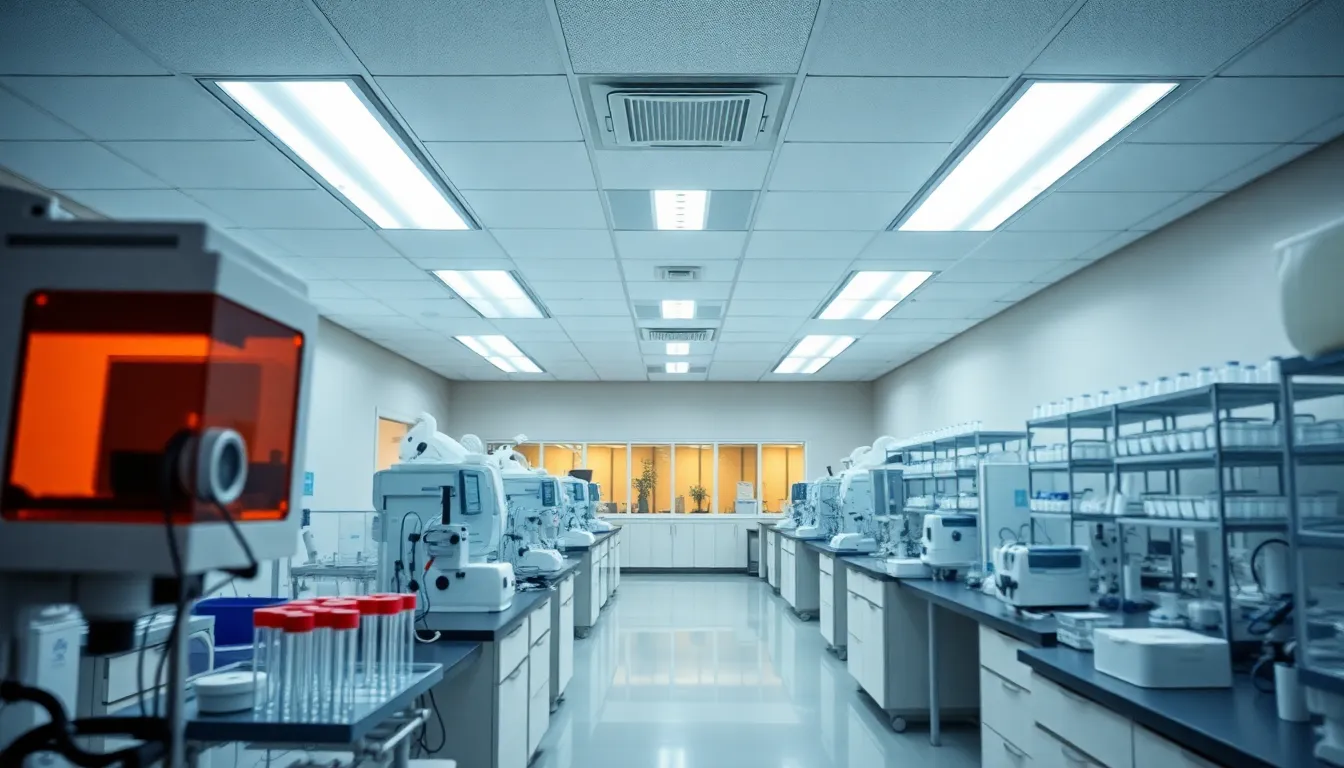
Hasselblad X2D 100C, 90mm f/2.5 medium format lens, showcasing a sterile laboratory environment filled with state-of-the-art medical equipment. The scene is illuminated by overhead fluorescent lights, creating a cool, clinical atmosphere. The depth of field is hyperfocal at f/8, ensuring everything from the foreground to the background remains in sharp focus. The color grading leans toward desaturated earth tones, giving a professional yet inviting feel. The composition employs symmetry, with rows of neatly arranged test tubes and medical instruments, reflecting meticulous organization and precision in the lab.
16:9
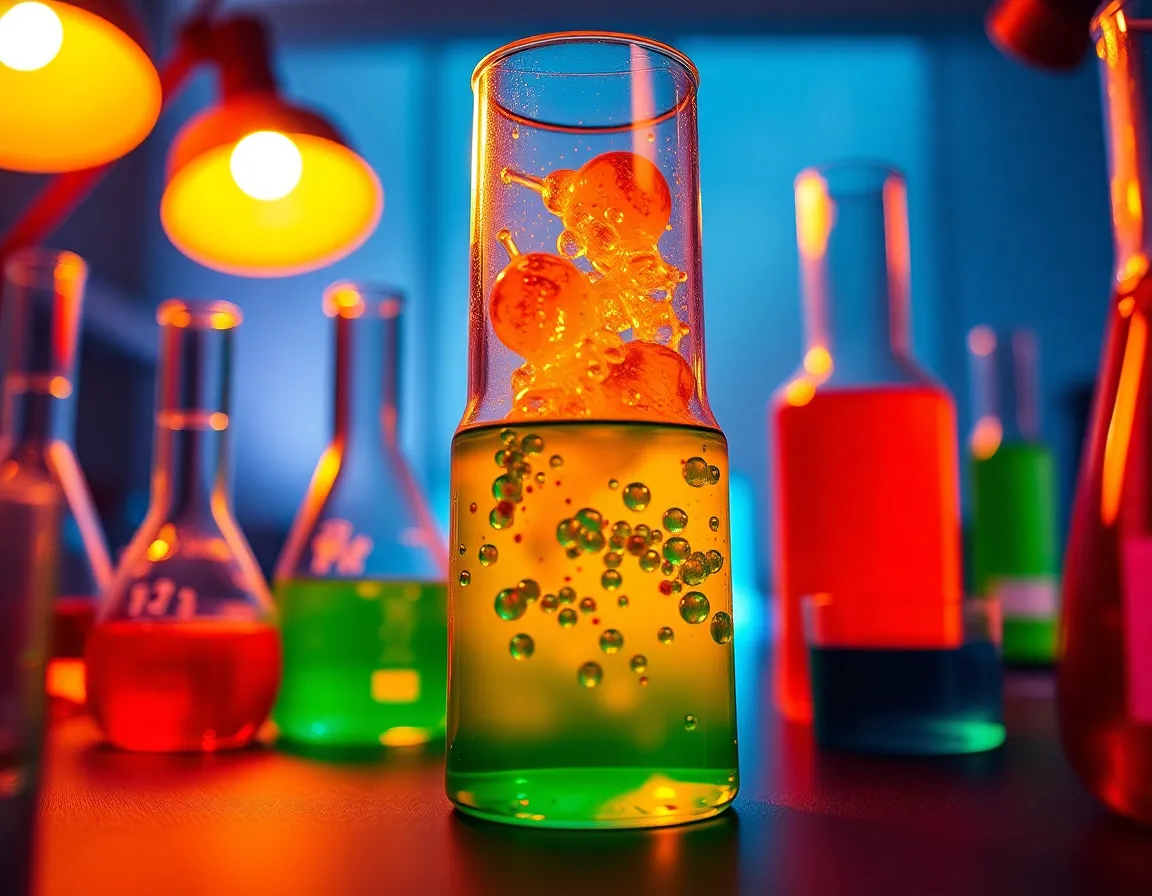
Nikon Z9, 70-200mm f/2.8 telephoto at 135mm, capturing the vibrant colors of a laboratory experiment involving different chemical reactions in glass beakers. The lighting consists of warm tungsten desk lamps casting directional light onto the beakers, highlighting the bubbling solutions inside. The depth of field is selective, focusing on the most visually dynamic beaker while the others fade into a painterly bokeh. The color palette is a vivid mix of reds, yellows, and greens, creating a dynamic atmosphere. Compositionally, leading lines created by the beakers draw the viewer's attention toward the main reaction, showcasing the beauty of science.
4:3
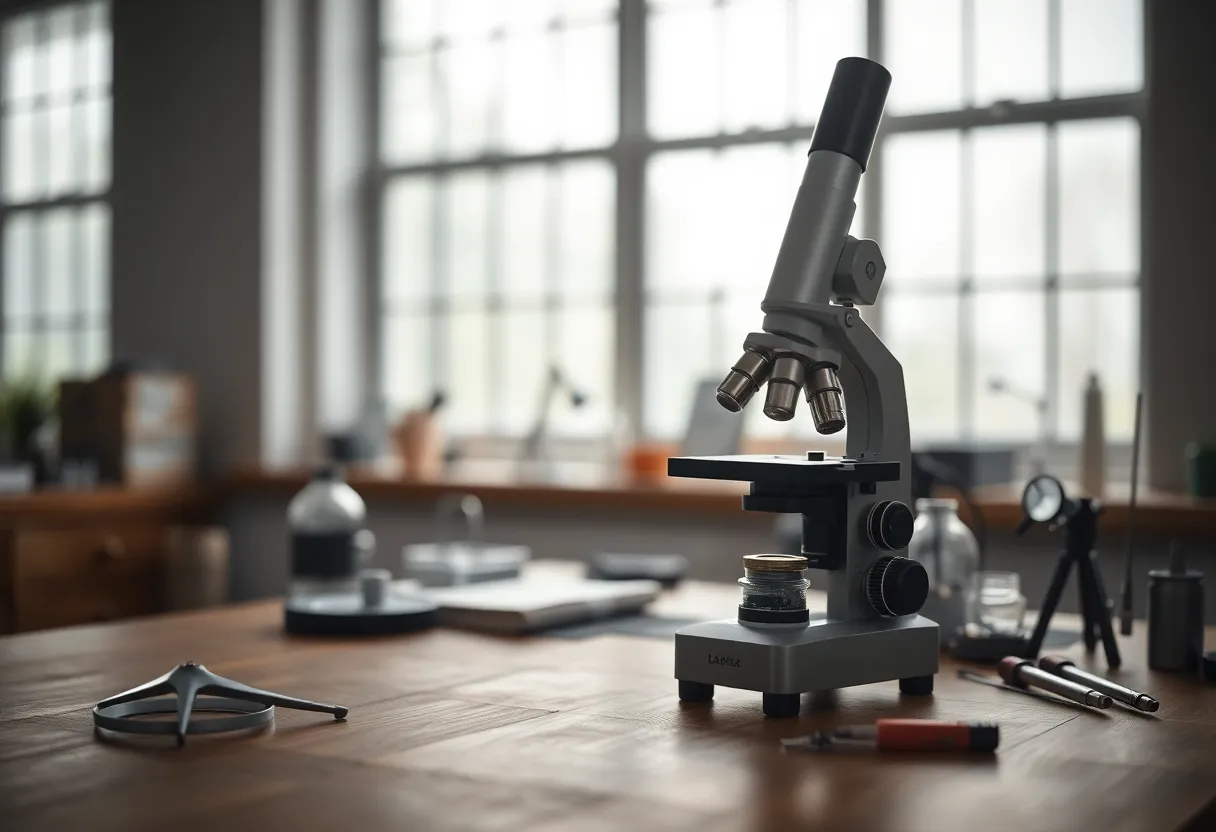
shot on Sony A7R V with 85mm f/1.4 GM lens, using overcast diffused daylight streaming through large windows, softly illuminating a microscope on a wooden laboratory table. The image has a shallow depth of field at f/1.4, creating an abstract background while keeping the microscope in sharp focus. The color grading utilizes natural muted tones, bringing warmth to the hardwood surface. Compositionally, the microscope is placed according to the rule of thirds, inviting the viewer's eye to explore the scientific tools surrounding it, with fine details of glass optics and metal mechanisms visible.
3:2

captured with Canon EOS R5, 24-70mm f/2.8L at 50mm, featuring a three-point studio setup with key softbox illuminating a scientist in a lab coat, edge light accentuating the subject’s features, and subtle fill on the background. The depth of field is shallow at f/2.8, creating a creamy bokeh effect behind the subject. The color palette is rich with cool blues and greens, evoking a sterile and professional environment. The composition centers the scientist, presenting a focused expression as they examine a test tube, with details of lab equipment in the background including pipettes and beakers on a polished stainless steel table.
16:9

captured with Leica Q3, 28mm f/1.7 Summilux, portraying a vibrant outdoor science festival scene with children engaging in a hands-on DNA activity. Warm sunlight creates dappled light effects through tree canopies, enhancing the joyful atmosphere. The image features a shallow depth of field at f/1.7, isolating the children while blurring the vibrant festival booths in the background. The Fujifilm Velvia-inspired saturated colors bring out the lively reds, greens, and blues, emphasizing the excitement of the event. Composition uses leading lines from the booths directing the viewer’s eye toward the engaging activity.
16:9
shot on Sony A7R V with 85mm f/1.4 GM lens, featuring dramatic backlighting that outlines a scientist observing a digital DNA model on a transparent screen in a modern lab setting. The background is softly blurred to create depth, while the focus remains sharply on the scientist's thoughtful expression. The color palette combines deep blues of the digital interface with the warm golden tones of the ambient light, creating a contrast that emphasizes innovation. The composition utilizes the rule of thirds, placing the scientist at a power point, and the glass screen adds a sleek, futuristic texture.
3:4
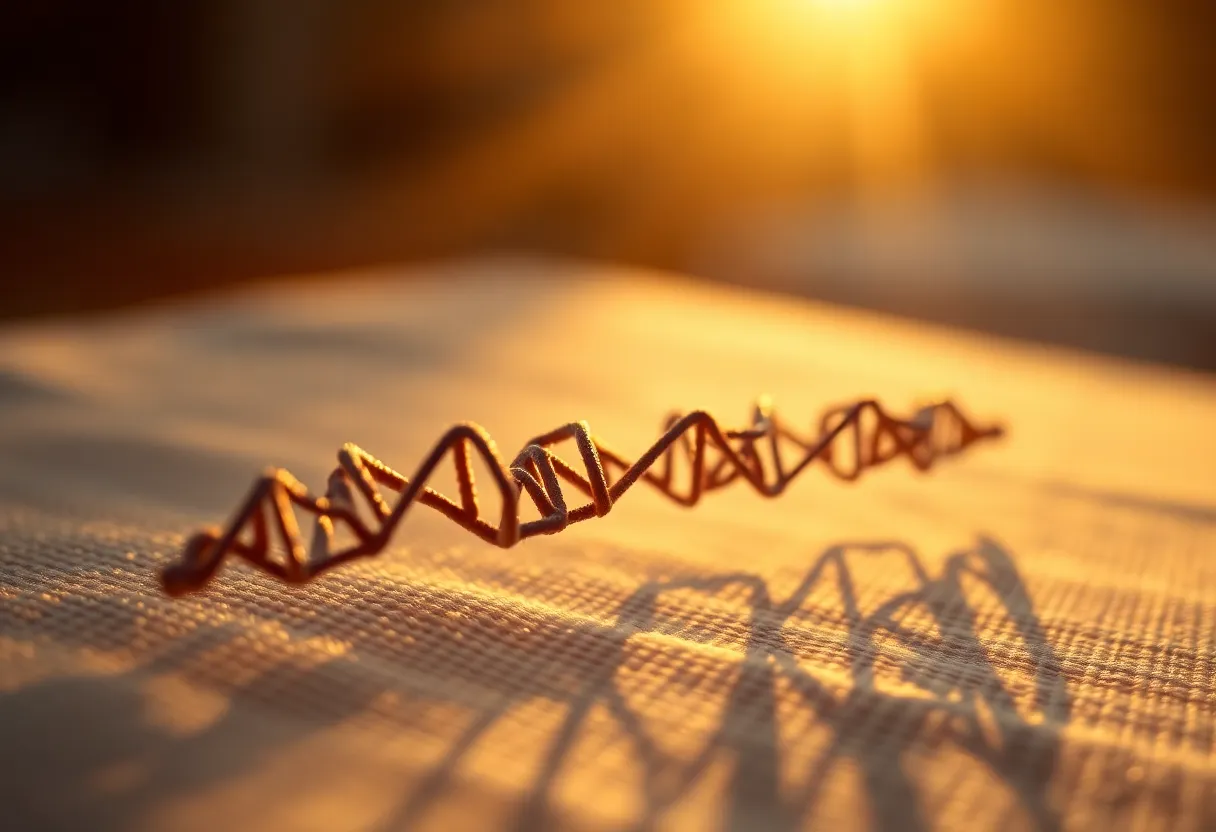
Fujifilm GFX 100S, 110mm f/2 macro, captured during a golden hour with warm sunlight creating a soft glow around DNA strands placed on a textured linen background. The selective focus on the DNA strands highlights their delicate structure while the soft background fades into a creamy bokeh. The image features a Kodak Portra 400 color palette enhancing warm skin tones and creamy highlights, giving it a natural feel. Composition is centered with the DNA strands leading the eye through the frame, while the linen's weave adds an organic touch to the setting.
3:2
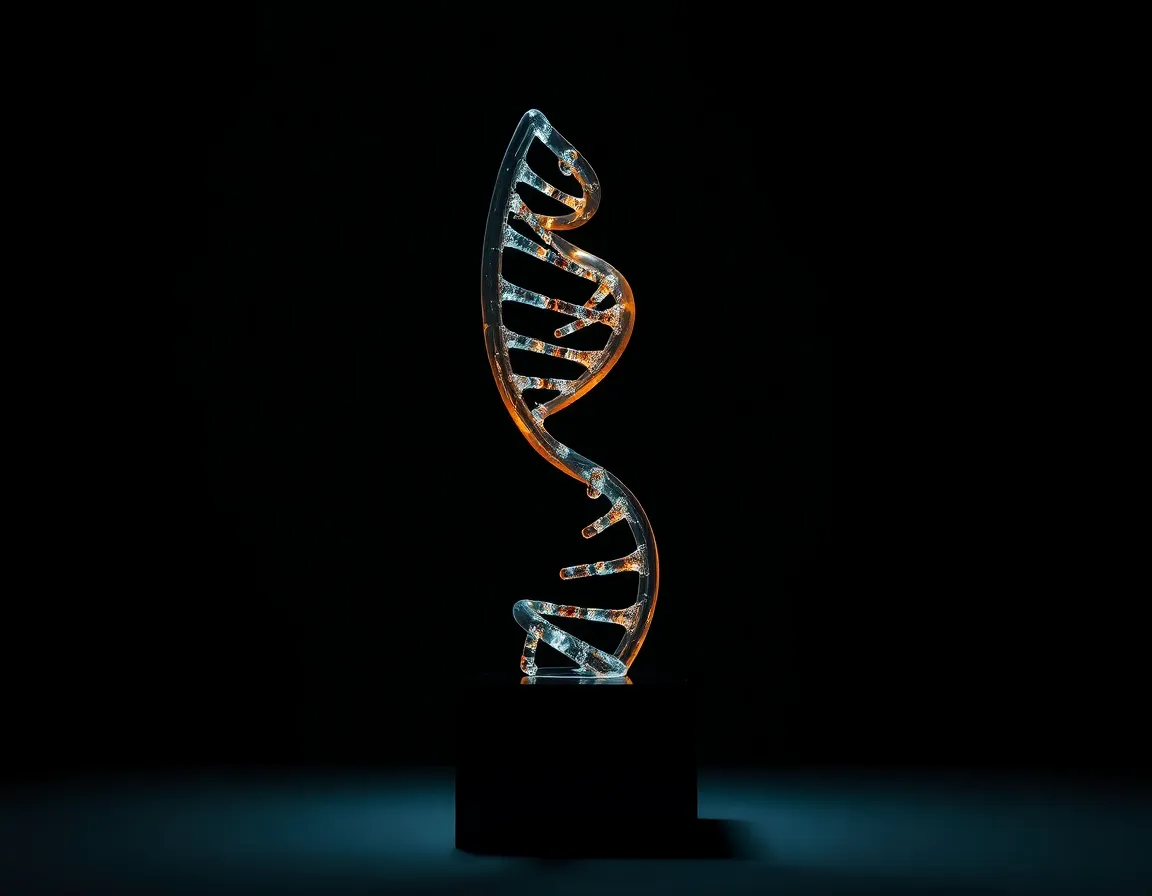
captured with Canon EOS R5, 24-70mm f/2.8L at 35mm, employing three-point studio setup with key softbox at 45°, creating dramatic highlights and shadows on a glass DNA helix sculpture. Hyperfocal distance at f/8 ensures everything from foreground to infinity is sharp, giving a clear view of the textures in the glass. The cinematic teal and orange color grading adds a modern touch to the composition. The sculpture stands tall on a sleek black pedestal against a black backdrop, emphasizing the intricate craftsmanship of the DNA structure with sharp lines and curves.
4:3
shot on Nikon Z9, 70-200mm f/2.8 telephoto at 135mm, illuminated with soft diffused daylight through large windows creating a serene atmosphere. Shallow depth of field at f/2.8 highlights a 3D-printed DNA model in vivid detail, showcasing the intricate double helix structure. The color palette features natural muted tones with desaturated earth colors, enhancing the organic feel of the scene. Composition focuses on a close-up of the DNA model placed on a rustic wooden table, with a blurred laboratory background softly fading into bokeh. The texture reveals a smooth plastic surface with subtle sheen catching the light.
16:9
captured with Leica Q3, 28mm f/1.7 Summilux, featuring a vibrant display of various plant specimens arranged in a botanical garden. Natural diffused daylight filters in through the overhead glass roof, casting soft shadows and highlighting the textures of the different leaves and flowers. The depth of field is shallow at f/2.8, bringing a few key specimens into sharp focus while creating a soft blur around the rest. The color palette is a harmonious blend of greens, pinks, and yellows. The composition employs a centered symmetrical arrangement that draws the viewer's eye to the vibrant display.
4:3
shot on Fujifilm GFX 100S, 110mm f/2 macro lens, depicting a single honeybee delicately perched on a vibrant sunflower, gathering nectar. The overcast diffused daylight provides soft, even lighting that reveals the exquisite details of the bee's wings and the sunflower's texture. Using shallow depth of field at f/2, the background melts into a soft painterly bokeh. The color palette is saturated, with vivid yellow sunflower petals contrasting against the soft browns and golds of the bee. The composition captures the beauty of pollination in action.
3:2
captured with Canon EOS R5, 24-70mm f/2.8L at 35mm during golden hour, revealing a lush forest ecosystem with a diverse array of plant life. The warm sunlight backlights the foliage, creating a magical glow around the leaves. The depth is hyperfocal at f/8, ensuring everything from foreground ferns to distant trees is in sharp focus. The color palette features vibrant greens and soft golden highlights. The composition includes leading lines formed by a winding path that draws the viewer into the scene.
16:9
shot on Sony A7R V with 85mm f/1.4 GM lens, featuring a close-up of a biologist examining a petri dish filled with bacteria cultures. The warm tungsten desk lamp casts a focused pool of light, highlighting the intricate patterns of bacterial growth. The depth of field is shallow at f/1.4, producing a dreamy bokeh that isolates the scientist's hands. The color palette consists of muted earth tones, drawing attention to the dish's textured surface. The composition follows the rule of thirds, with the dish placed off-center for dynamic interest.
3:4
captured with Nikon Z9, 70-200mm f/2.8 telephoto at 135mm, showcasing a vibrant coral reef teeming with life under crystal clear water. Natural sunlight cascades down from the surface, illuminating the colorful corals and fish. Shallow depth of field at f/2.8 creates a soft bokeh effect for the background, enhancing the focus on a clownfish nestled among anemones. The color palette features rich blues and vivid oranges, emphasizing the underwater vibrancy. The composition uses leading lines formed by coral formations to guide the viewer’s eye into the frame.
16:9
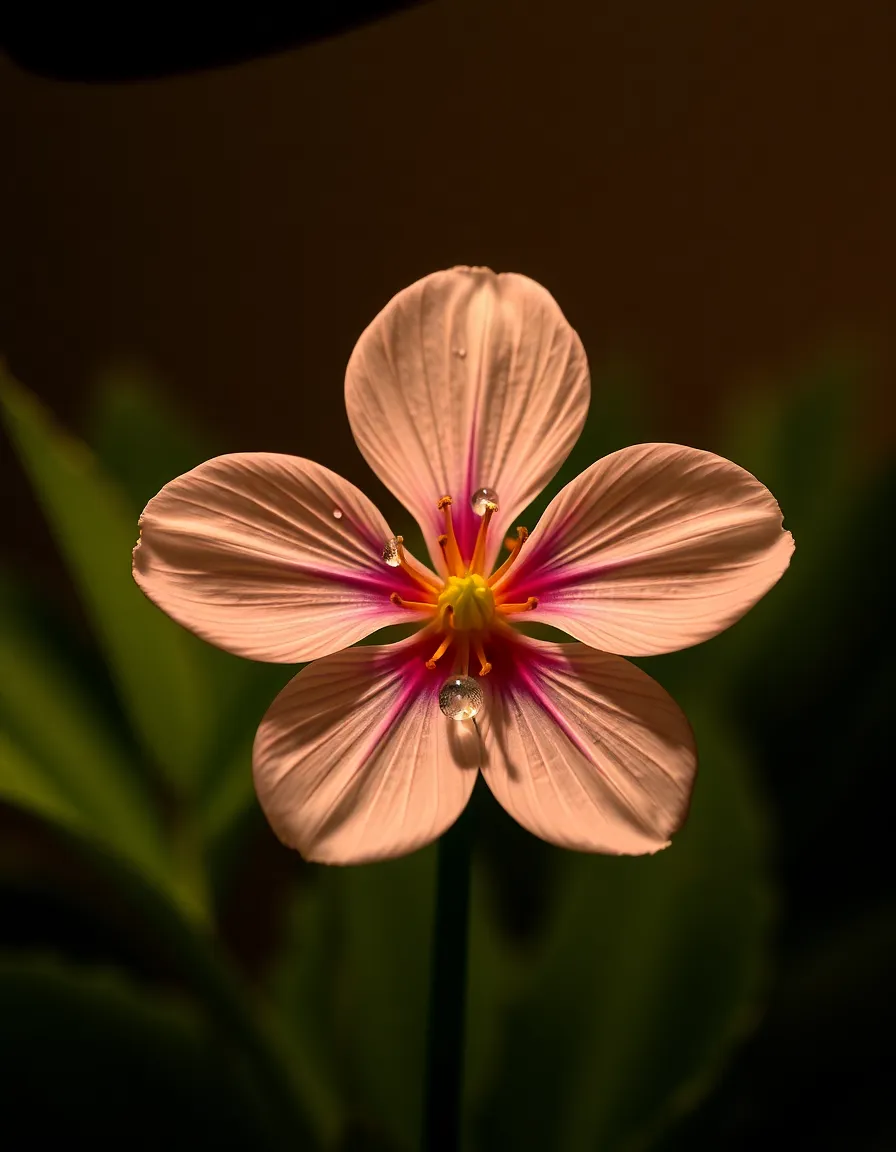
captured with Fujifilm GFX 100S, 110mm f/2 macro, warm tungsten desk lamp casting directional pool of light, shallow depth of field at f/2 focusing on a delicate flower displaying intricate petal details and dewdrops, natural muted tones with desaturated earth colors, centered symmetrical composition emphasizes the flower's beauty against a softly blurred background of green foliage, highlighting the velvety texture of the petals.
3:4
shot on Hasselblad X2D 100C, 90mm f/2.5 medium format, golden hour backlighting with warm rim light, selective focus on colorful coral reef teeming with diverse marine life, cinematic teal and orange color grading enhancing the vivid underwater scene, rule of thirds composition with the coral positioned to one side, showcasing intricate textures of coral surfaces and the vibrant colors of fish darting among them.
16:9
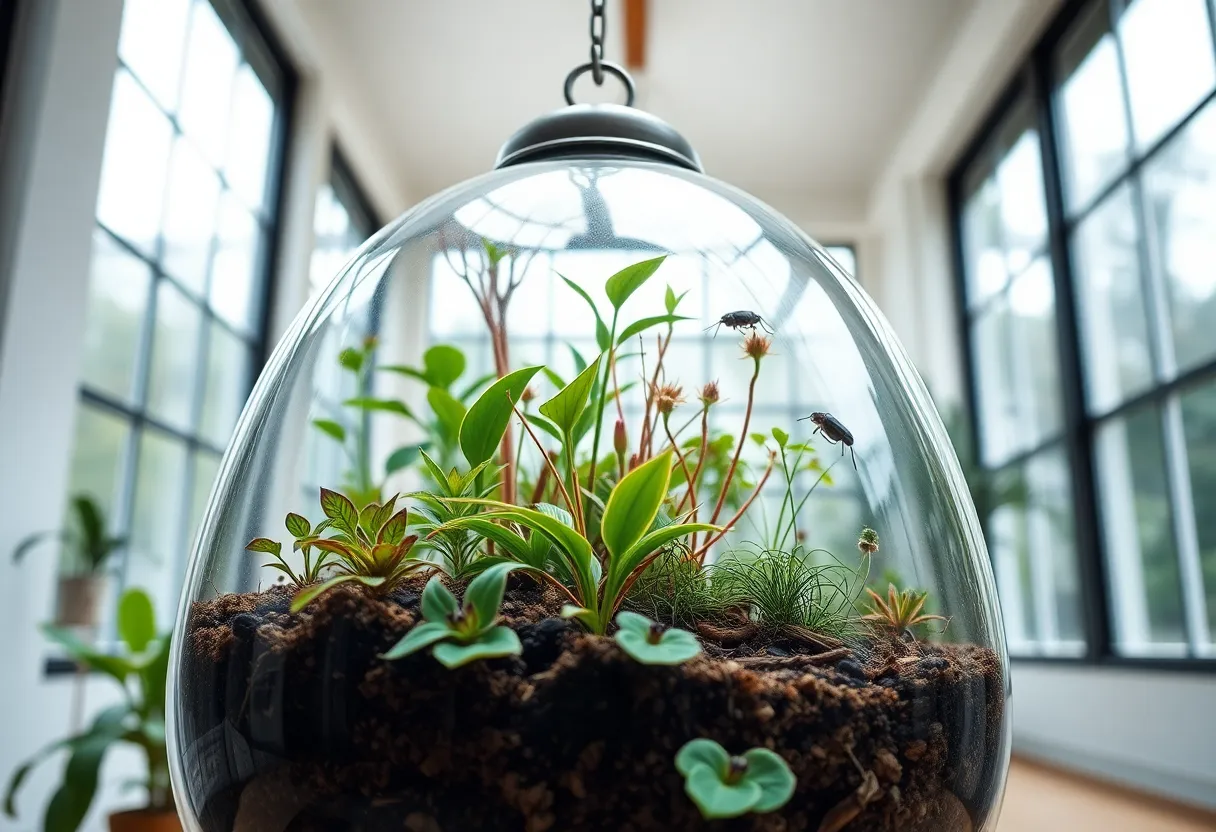
captured with Canon EOS R5, 24-70mm f/2.8L at 35mm, overcast diffused daylight through floor-to-ceiling windows, hyperfocal distance — everything from foreground to infinity tack-sharp at f/8, natural muted tones with desaturated earth colors, leading lines composition drawing the eye toward a vibrant terrarium filled with diverse plant species and small insects, showing intricate leaf textures and subtle details of the terrarium's ecosystem.
3:2
shot on Sony A7R V with 85mm f/1.4 GM lens, warm tungsten desk lamp casting directional pool of light, shallow depth of field at f/1.4 highlighting a detailed anatomical model of the human heart, natural muted tones with desaturated earth colors, rule of thirds composition with the heart model positioned off-center surrounded by anatomical textbooks and tools, showcasing smooth plastic surface and fine details of the model's chambers and vessels.
4:3
captured with Nikon Z9, 70-200mm f/2.8 telephoto at 135mm, dappled sunlight filtering through tree canopy creating bokeh highlights, shallow depth of field at f/2.8 isolating a vibrant red fox nestled in lush green underbrush, Fujifilm Velvia-inspired saturated colors with deep greens and earthy browns, centered composition with the fox gazing curiously towards the camera, natural fur texture showing intricate patterns and soft light reflecting off its coat.
16:9
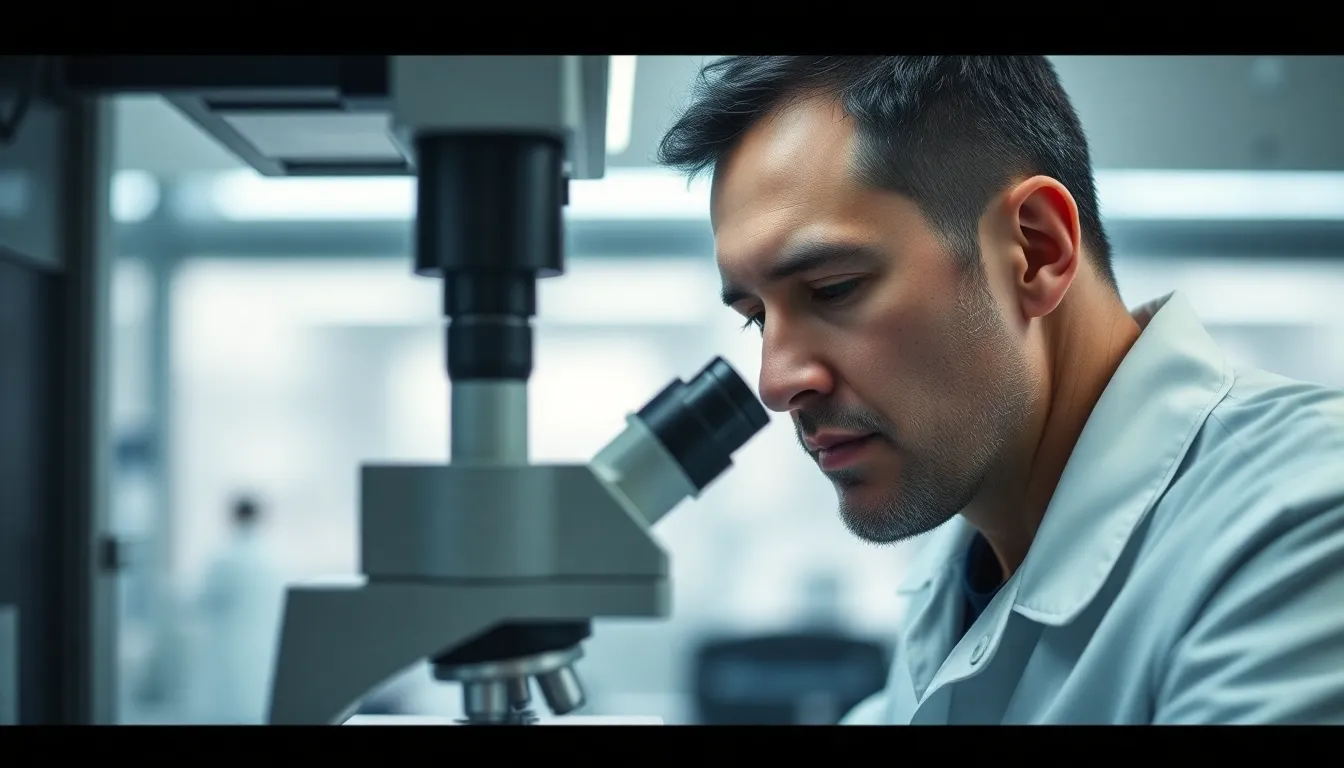
shot on Leica Q3, 28mm f/1.7 Summilux lens, featuring overcast diffused daylight illuminating a lab technician meticulously examining samples under a microscope. The depth of field is shallow at f/1.7, bringing the technician's focused expression into sharp clarity while the background gently blurs into painterly bokeh. The color palette is composed of cool, muted tones, evoking a serious, contemplative mood. Compositionally, the image follows the rule of thirds, placing the technician on the right power point, while leading lines draw attention toward the microscope. The texture of the lab coat and the equipment is finely detailed, enhancing the realism of the scene.
16:9
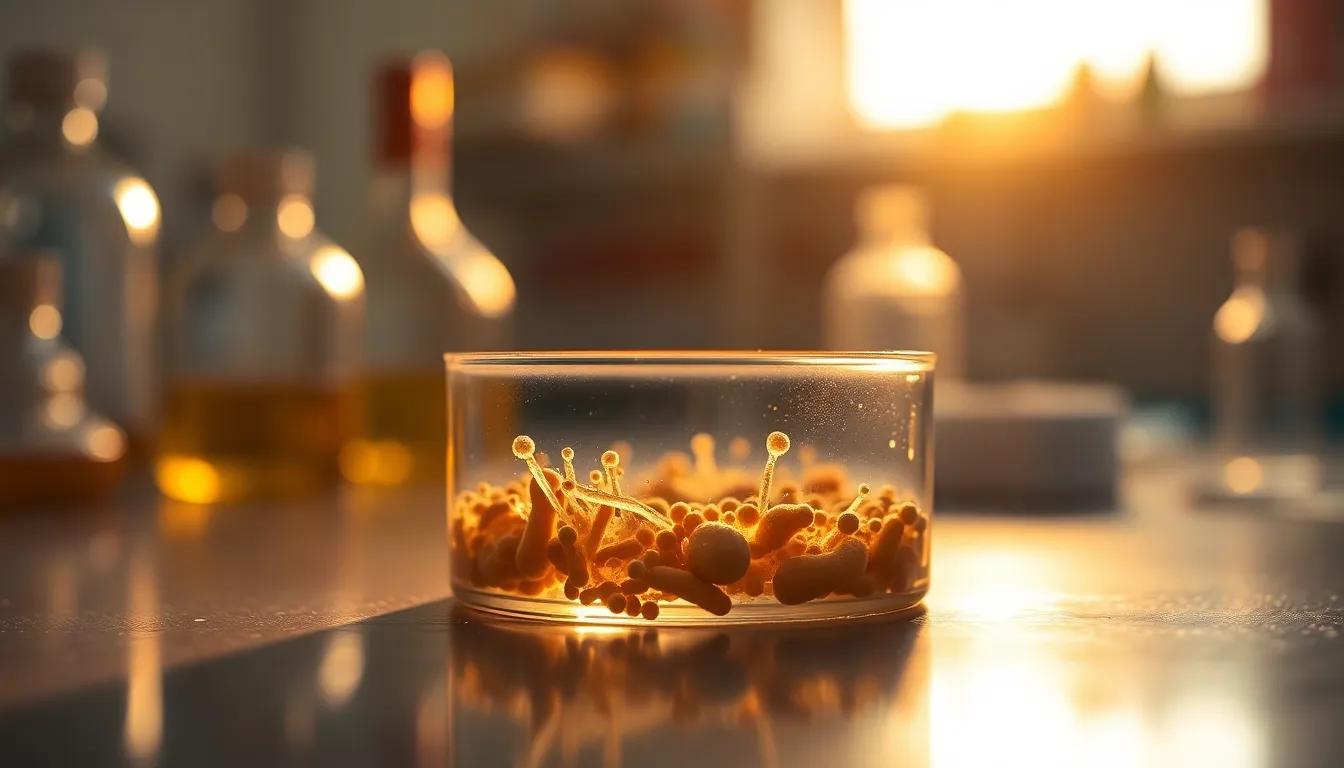
captured with Fujifilm GFX 100S, 110mm f/2 macro lens, during the golden hour with warm backlighting creating a luminous atmosphere in the lab. The depth of field is shallow at f/2, elegantly isolating a petri dish filled with bacterial culture while softly blurring the background. The color palette features warm earthy tones, enhancing the organic feel of the microbial growth. The composition employs centered symmetry, placing the petri dish at the heart of the frame, while textures of the dish and cultures are highlighted by the warm light filtering in. The surface of the lab table shows subtle reflections and detail, adding richness to the image.
16:9
shot on Hasselblad X2D 100C, 90mm f/2.5 medium format lens, utilizing a three-point studio setup with key softbox creating soft highlighting on the lab equipment. The image features a shallow depth of field at f/2.5 focusing on a colorful array of chemical solutions in glass vials. The color palette boasts vibrant shades of red, blue, and green, creating a striking visual impact against a dark background. The composition centers around the vials, using foreground framing to draw the eye into the vibrant colors. The smooth glass texture contrasts beautifully with the matte surface of the lab table, enhancing the overall richness of the image.
16:9
captured with Nikon Z9, 70-200mm f/2.8 telephoto at 135mm, featuring natural daylight streaming through large windows, creating dynamic shadows and highlights within the laboratory setting. The depth of field is hyperfocal at f/8, ensuring everything from the microscope to the distant shelves is in sharp focus. The image is awash in natural muted tones with desaturated greens and browns. The composition uses rule of thirds, placing the microscope in the left power point and allowing space for light to create an inviting atmosphere. The wooden tables showcase visible grain and a sense of warmth amid the clinical environment.
16:9
shot on Canon EOS R5, 24-70mm f/2.8L at 50mm, illuminated with cool white LED lights creating stark contrasts against a sterile backdrop. The image features shallow depth of field at f/2.8, focusing on a scientist's hand carefully holding a pipette, with the background softly blurred. The color palette emphasizes clinical blues and whites, enhancing the sterile laboratory atmosphere. Compositionally, it captures a close-up view of the researcher in a centered framing with leading lines drawing attention to the pipette. The textured glass beakers on the lab bench reflect the bright lighting, adding depth and detail to the scene.
16:9
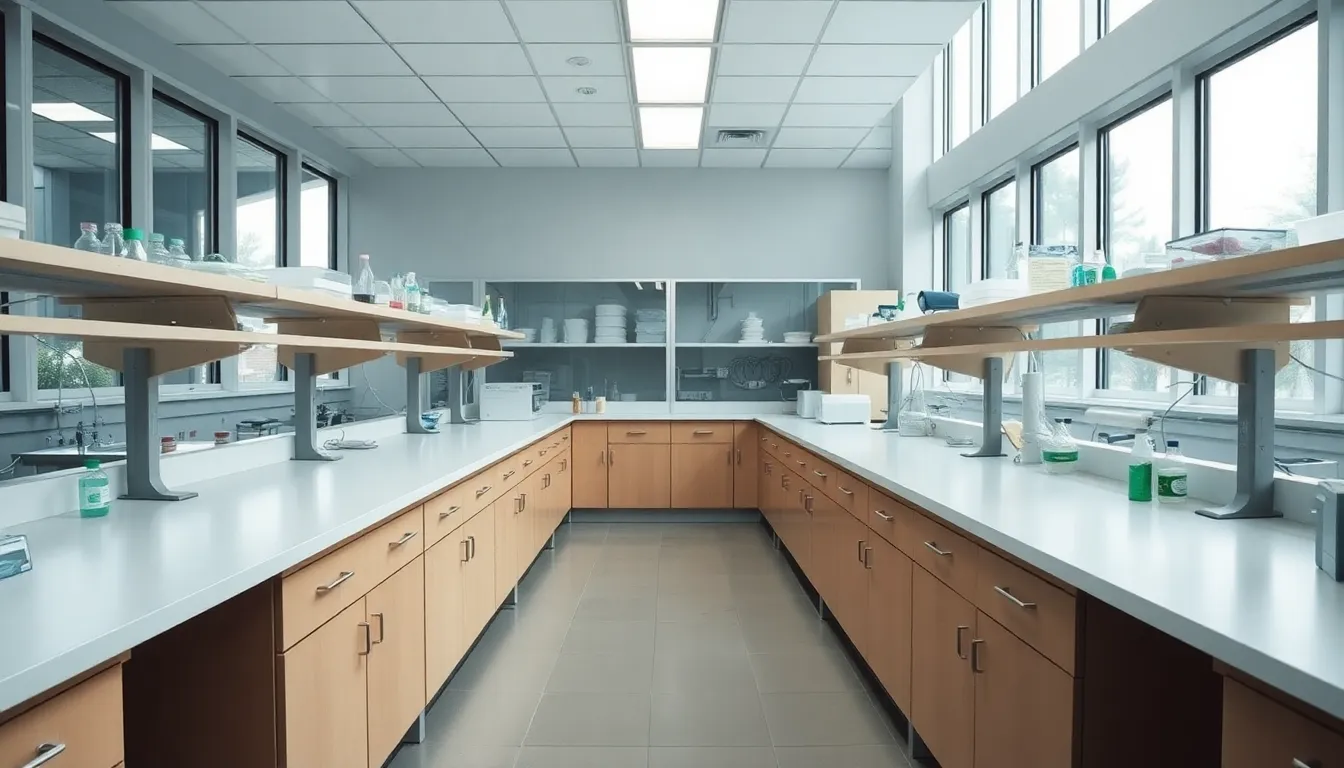
shot on Sony A7R V with 85mm f/1.4 GM lens, overcast diffused daylight from large windows providing soft even lighting, hyperfocal distance at f/8 capturing a wide view of the lab, natural muted tones with an emphasis on greens and whites for a clean and fresh appearance, composition using leading lines created by rows of lab benches drawing the eye through the scene, visible textures of laboratory counters and equipment showing careful wear.
16:9
captured with Hasselblad X2D 100C, 90mm f/2.5 medium format, practical warm tungsten lighting from a desk lamp creating a cozy atmosphere, shallow depth of field at f/2 focusing on a stack of open scientific journals, natural muted tones with deep browns and golds enhancing the sense of a scholarly environment, Dutch angle for dynamic tension emphasizing the stacks of papers and laboratory tools arranged aesthetically, visible texture of aged paper and metal lab instruments.
4:3
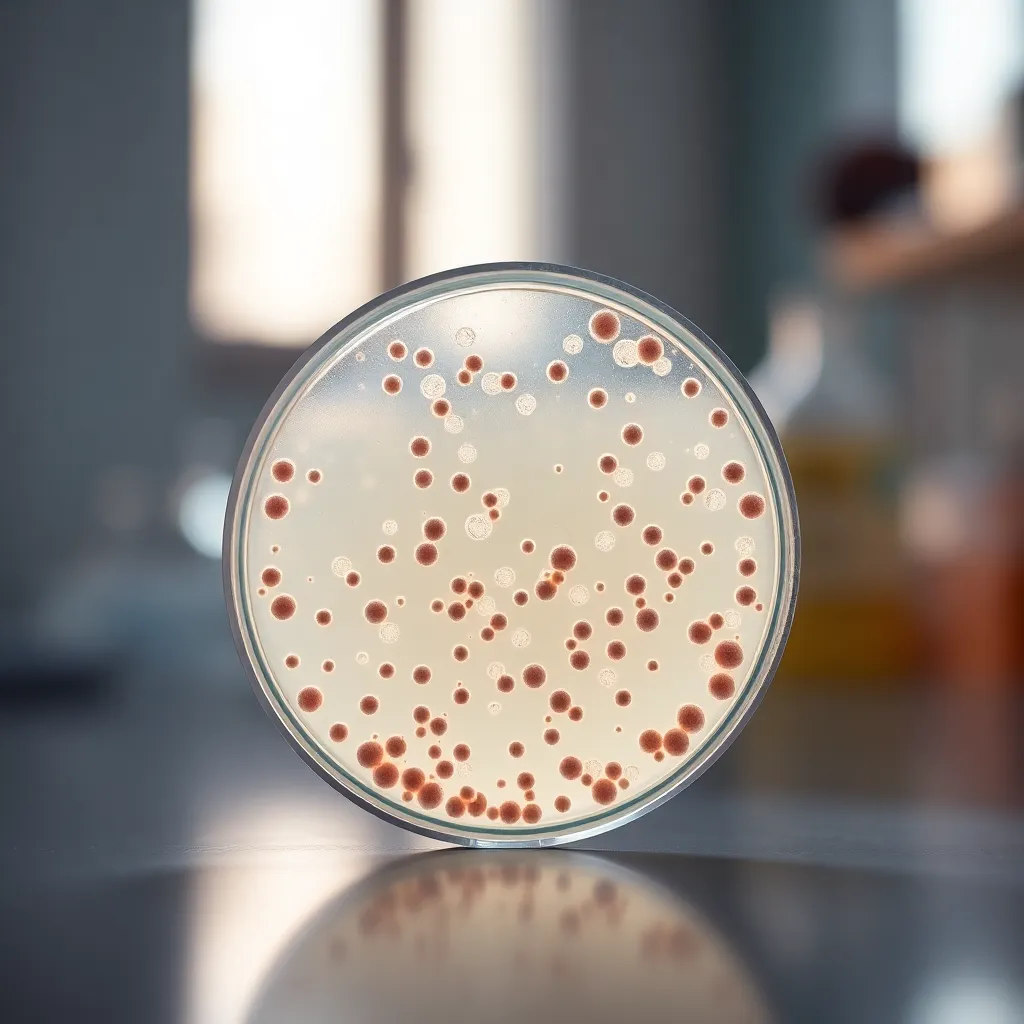
shot on Fujifilm GFX 100S, 110mm f/2 macro, natural backlighting with soft fill light from a nearby window, selective focus on a petri dish showcasing bacterial cultures with a creamy bokeh background, natural muted tones with desaturated earth colors reflecting the laboratory environment, rule of thirds with the petri dish positioned at a power point, visible texture of the agar surface with distinct colonies.
1:1
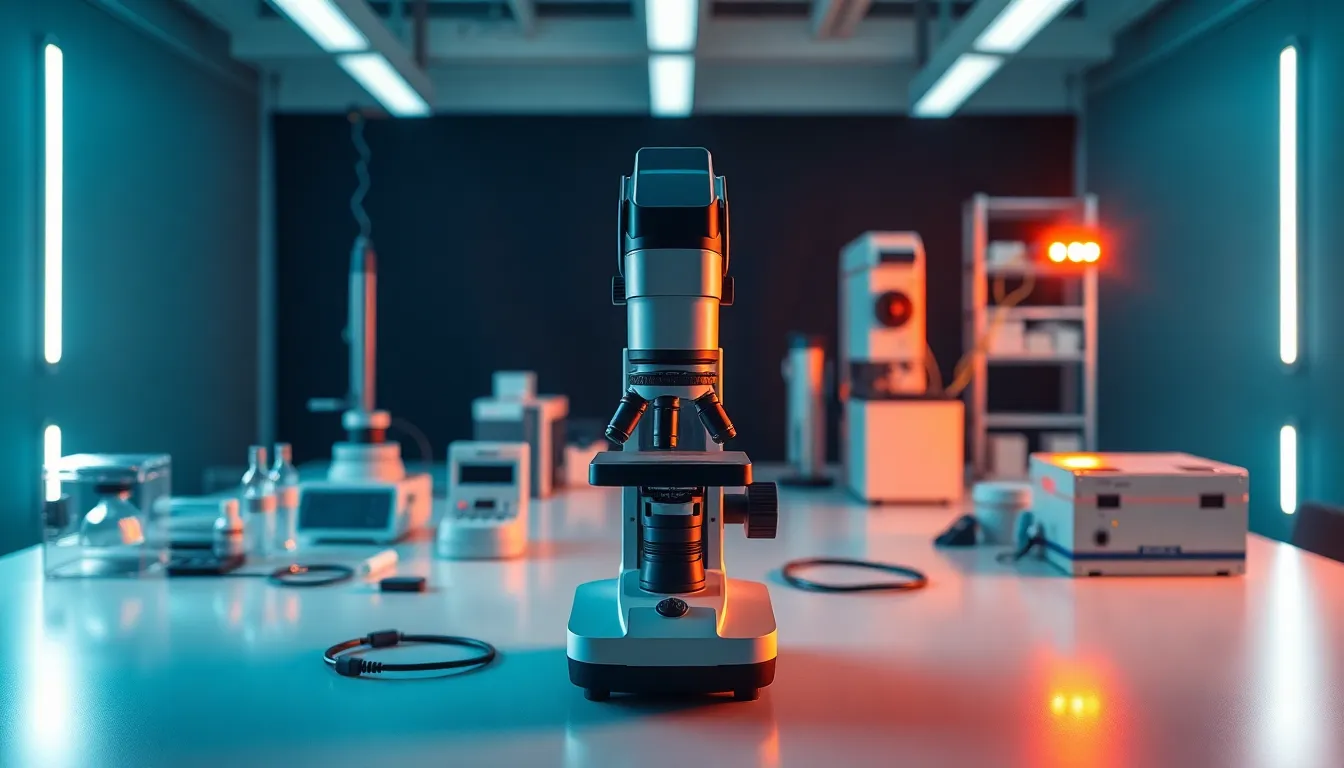
captured with Canon EOS R5, 24-70mm f/2.8L at 35mm, studio setup with high-key lighting illuminating the scene with minimal shadows, hyperfocal distance at f/8 keeping all elements sharp, cinematic teal and orange color grading enhancing the modern contrast, centered symmetrical composition with a digital microscope surrounded by high-tech lab equipment, surfaces of plastic and metal gleaming with precise detail.
16:9

shot on Nikon Z9, 70-200mm f/2.8 telephoto at 135mm, natural diffused daylight from overhead windows creating soft shadows, shallow depth of field at f/2.8 focusing on lab equipment, vibrant color palette with glass reflections highlighting blues and greens, composition featuring a leading line of glass beakers drawing the eye toward a focal flask, visible surface texture of polished glass and stainless steel, subtle steam rising from the flask creating a dynamic atmosphere.
16:9
Photographed with Leica Q3, 28mm f/1.7 Summilux, this striking image showcases a vibrant rainforest ecosystem during golden hour, emphasizing the rich biodiversity. The scene is bathed in warm golden light, highlighting the rich greens of foliage and the variety of plants. A hyperfocal distance of f/8 keeps everything from the foreground to infinity in sharp focus, allowing for clarity across the landscape. The color palette draws from natural muted tones, capturing the earthy greens and browns of the rainforest. Composition employs leading lines, with pathways in the ecosystem drawing the viewer's eye through dense vegetation. Textures include the rough bark of trees and the soft moss covering the forest floor.
16:9
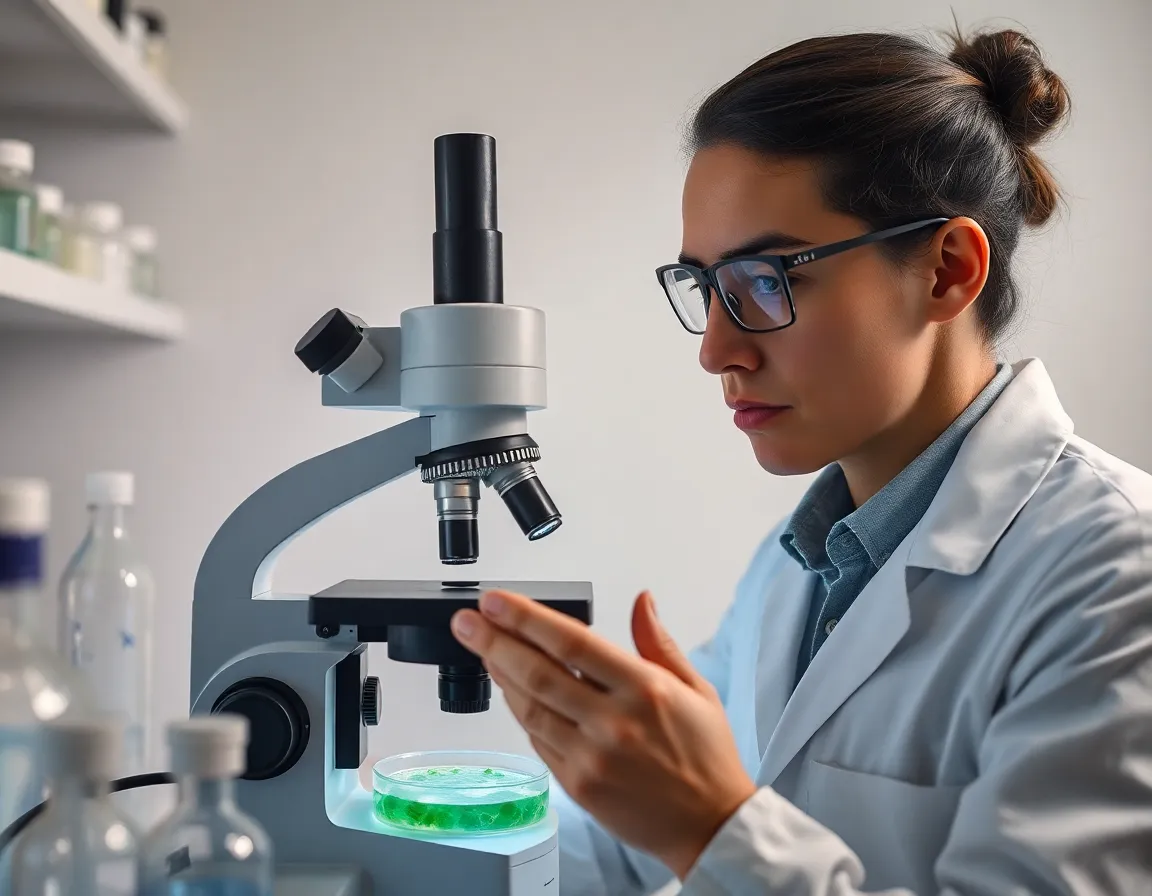
Taken with a Hasselblad X2D 100C, 90mm f/2.5 medium format, this image artfully depicts a biologist in a lab setting, examining a petri dish under a microscope. The lighting is a three-point studio setup with a key softbox providing gentle illumination, ensuring the subject's facial features are well-defined. Hyperfocal distance is used to keep both the biologist and the equipment sharply focused, revealing intricate details of the microscope and petri dish. The color palette features natural muted tones, with a focus on whites, grays, and hints of green from the samples. Composition follows a centered approach, emphasizing the lab environment. Textures include the smooth surfaces of lab equipment contrasted with the soft fabric of the biologist's lab coat.
4:3
Captured with Fujifilm GFX 100S, 110mm f/2 macro, this image features a detailed study of insect anatomy, showcasing a vibrant green beetle perched on a leaf. The lighting is natural, with soft diffused daylight illuminating the scene, highlighting the beetle's intricate features. A shallow depth of field at f/2 creates a soft bokeh effect, emphasizing the beetle while the leaf remains slightly blurred. The color palette is richly saturated, featuring deep greens and metallic highlights on the beetle. The composition centers on the insect, placing it strategically off-center for visual interest. Textures include the smooth surface of the beetle's exoskeleton and the rough texture of the leaf.
3:2
Shot on a Nikon Z9, 70-200mm f/2.8 telephoto at 135mm, this close-up image features a stunning macro shot of a blooming orchid. Lighting is provided by soft diffused daylight coming through a window, enhancing the delicate textures of the petals. A shallow depth of field at f/2.8 creates a creamy bokeh background, allowing the intricate details of the orchid to stand out. The color palette is inspired by Kodak Portra 400, emphasizing warm pinks and whites. The composition centers on the orchid, emphasizing its symmetry and beauty. Textures showcase the velvety feel of the petals contrasted with the smooth surface of the background.
3:2
Captured with Canon EOS R5, 24-70mm f/2.8L at 35mm, this image features a vibrant coral reef teeming with life. The scene is lit by soft, dappled sunlight filtering through the water's surface, creating a shimmering effect. A shallow depth of field at f/2.8 allows the vivid colors of the coral and fish to pop against a softly blurred background. The image uses a vibrant color palette, highlighting the bright oranges, blues, and greens typical of coral ecosystems. Composition follows the rule of thirds, placing coral formations at the left and schooling fish in the right frame. Textural details include the intricate patterns of coral polyps and the scales of the fish gleaming in the light.
16:9
Leica Q3, 28mm f/1.7 Summilux capturing a forest scene during misty dawn. The image features a carpet of ferns and dew-covered grass, with soft, diffused daylight streaming through the trees. A hyperfocal distance at f/8 keeps the entire forest scene in sharp focus. The color palette consists of natural muted tones, with greens and browns dominating the scene. The composition employs leading lines formed by tree trunks guiding the viewer's eye into the depth of the forest.
16:9
Fujifilm GFX 100S, 110mm f/2 macro, presenting a detailed shot of a butterfly perched on a vibrant flower. The scene is bathed in soft golden hour sunlight, creating ethereal warm rim lighting around the butterfly's wings. A shallow depth of field at f/2 isolates the butterfly against a dreamy, bokeh background. The color palette combines vibrant hues of yellow, orange, and teal, enhancing the visual impact. The composition follows the rule of thirds, placing the butterfly slightly off-center to create balance and movement.
3:2
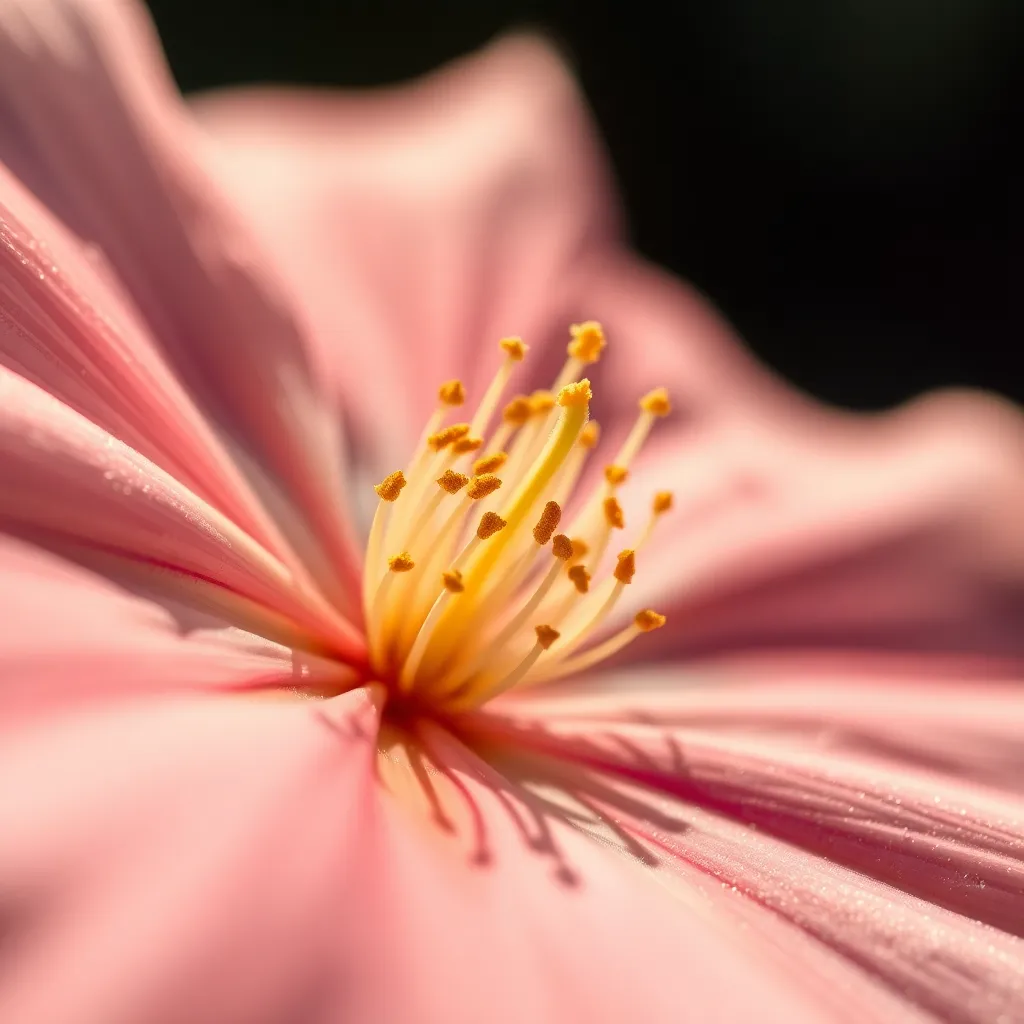
Hasselblad X2D 100C, 90mm f/2.5 medium format, showcasing a close-up of a flowering plant with intricate details of its petals and pollen. Soft morning light enhances the natural colors, creating a warm glow that highlights the textures of the petals. A shallow depth of field at f/2.5 beautifully blurs the background, emphasizing the delicate features of the flower. The color palette consists of soft pastel shades, adding to the ethereal atmosphere. The composition uses a centered symmetrical approach, drawing focus to the flower's radiant beauty.
1:1
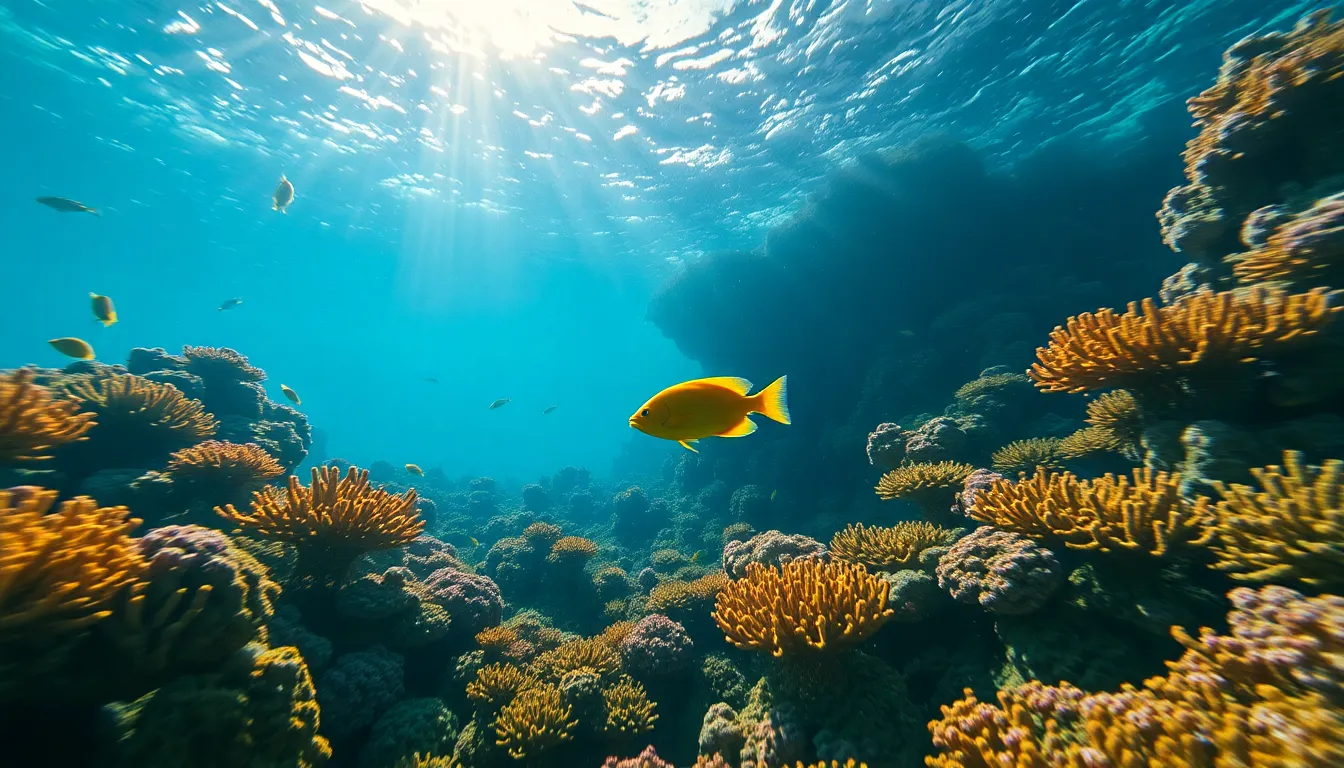
captured with Canon EOS R5, 24-70mm f/2.8L at 35mm, displaying a vibrant undersea ecosystem teeming with colorful coral reefs and diverse marine life. The scene is illuminated by dappled sunlight filtering through the water's surface, creating natural highlights on the coral. A hyperfocal distance at f/8 ensures everything from the foreground fish to the distant reef is in sharp focus. The color palette bursts with saturated blues, oranges, and yellows reminiscent of tropical waters. The composition emphasizes leading lines of the reef drawing the viewer's eye into the underwater scene.
16:9

shot on Nikon Z9, 70-200mm f/2.8 telephoto at 135mm, featuring a scientist in a lab coat observing a petri dish under a microscope. The scene is illuminated by cool fluorescent lab lighting, creating a stark contrast with warm skin tones. A shallow depth of field at f/2.8 foregrounds the scientist while softly blurring the lab equipment in the background. The color palette features muted blues and greens, reflecting a sterile laboratory environment. The composition employs the rule of thirds, positioning the scientist at the left power point with intricate lab details creating depth between foreground and background.
16:9
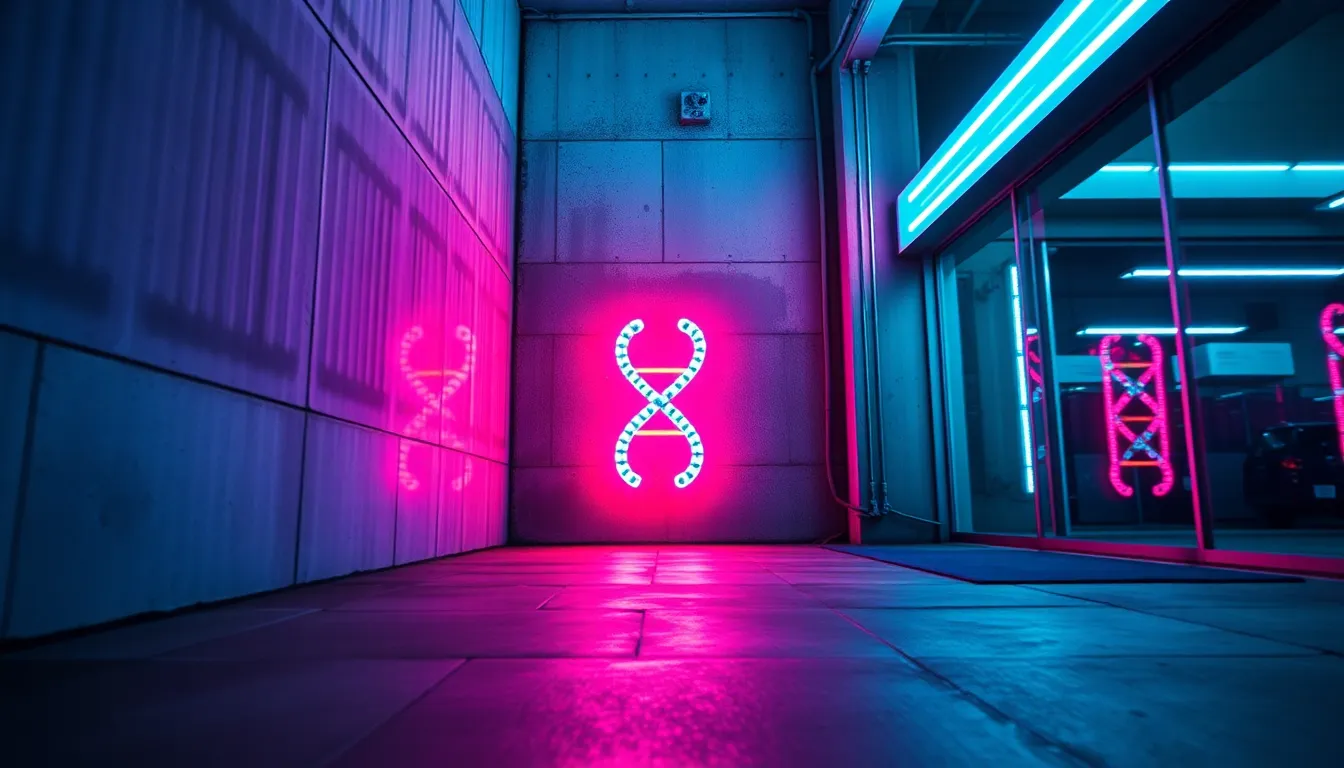
shot on Leica Q3, 28mm f/1.7 Summilux, illuminated by neon signage casting blue and magenta reflections on a concrete wall, shallow depth of field at f/1.7 creating soft bokeh. The cinematic teal and orange color grading enhances the futuristic vibe of the scene, which features a stylized representation of DNA in a vibrant urban environment, creatively composed with leading lines drawing the eye toward the artwork.
16:9
captured with Hasselblad X2D 100C, 90mm f/2.5 medium format, using a three-point studio setup with key softbox at 45°, creating Rembrandt lighting on the subject's face. The depth of field is shallow at f/2.5, focusing on a scientist holding a digital tablet displaying a 3D DNA structure, vibrant colors of the screen contrasting with muted studio tones. The composition focuses on the scientist's expressive face and hands, guiding the viewer's attention to the tablet.
3:4
shot on Fujifilm GFX 100S, 110mm f/2 macro, illuminated by dappled sunlight filtering through tree canopy, selective focus on a single leaf with DNA-like veins, cinematic teal and orange color grading for vibrant contrast. The composition employs a centered symmetrical layout, emphasizing the organic patterns reminiscent of DNA.
4:3
captured with Nikon Z9, 70-200mm f/2.8 telephoto at 135mm, under overcast diffused daylight filtering through glass walls, hyperfocal distance for sharpness from foreground to infinity, natural muted tones with desaturated earth colors. The composition features a close-up of a translucent petri dish with DNA strands against a laboratory backdrop, with atmospheric perspective enhancing the clean, modern feel.
3:2
shot on Canon EOS R5, 24-70mm f/2.8L at 50mm, featuring warm tungsten desk lamp casting directional light with a soft gradient, shallow depth of field at f/2.8 creating creamy bokeh in the background, Kodak Portra 400 color palette with warm skin tones and creamy highlights. The composition utilizes leading lines, focusing on a scientist’s hands as they manipulate a double helix model made of vibrant colors and a polished wood table reflecting soft highlights.
16:9

Hasselblad X2D 100C, 90mm f/2.5 medium format, utilizing butterfly lighting with a beauty dish directly above to illuminate a model dressed in a futuristic space suit against a backdrop of a starry night. The high dynamic range captures rich details and textures of the suit, with a color palette dominated by deep blues and silvery whites. The composition features a centered symmetrical arrangement, drawing the viewer's eye towards the striking contrast of the model against the galactic backdrop.
3:2
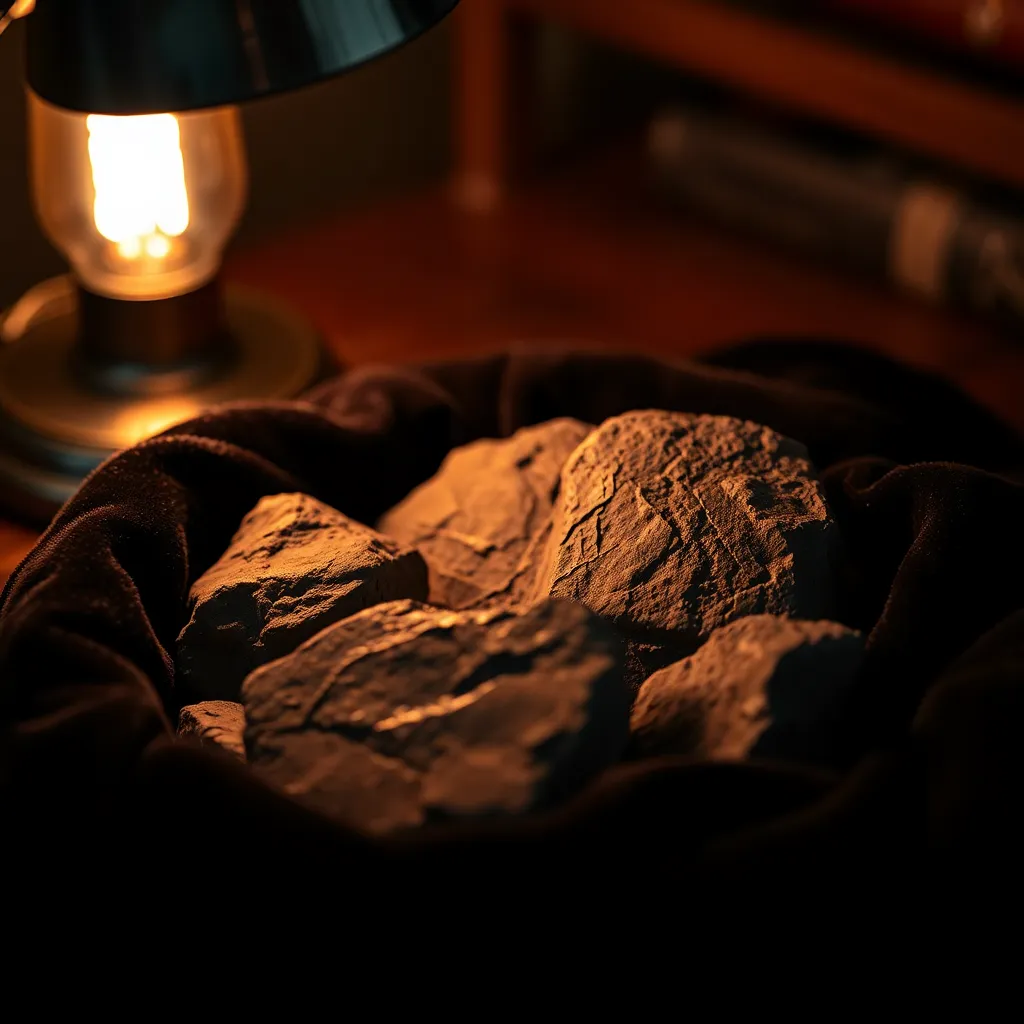
Fujifilm GFX 100S, 110mm f/2 macro, with warm tungsten desk lamp casting a directional pool of light over a stunning close-up of meteorites nestled in a dark velvet cloth. The macro lens captures intricate surface details and textures of the meteorites, highlighted by the warm color palette reminiscent of vintage photography. The selective focus brings attention to the unique patterns on each stone, while the composition places the main subject off-center, creating a sense of elegance.
1:1
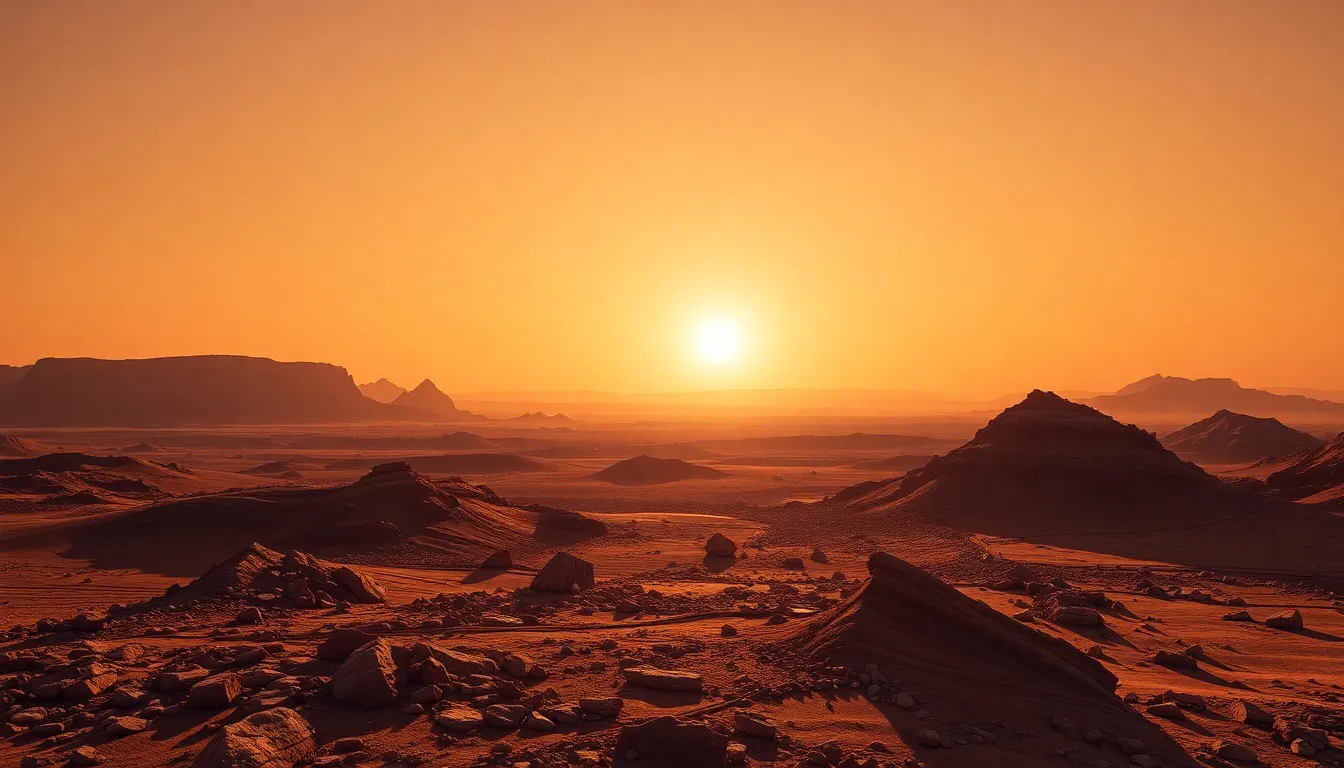
Nikon Z9, 70-200mm f/2.8 telephoto at 135mm, capturing dappled sunlight filtering through the thin atmosphere of Mars at dawn. The hyperfocal distance ensures everything from the foreground to infinity is tack-sharp at f/8, showcasing the rugged Martian terrain and rocky outcrops. The color palette features natural muted tones of dusty reds and ochres, while the composition utilizes leading lines formed by ridges directing the eye to the distant horizon.
16:9
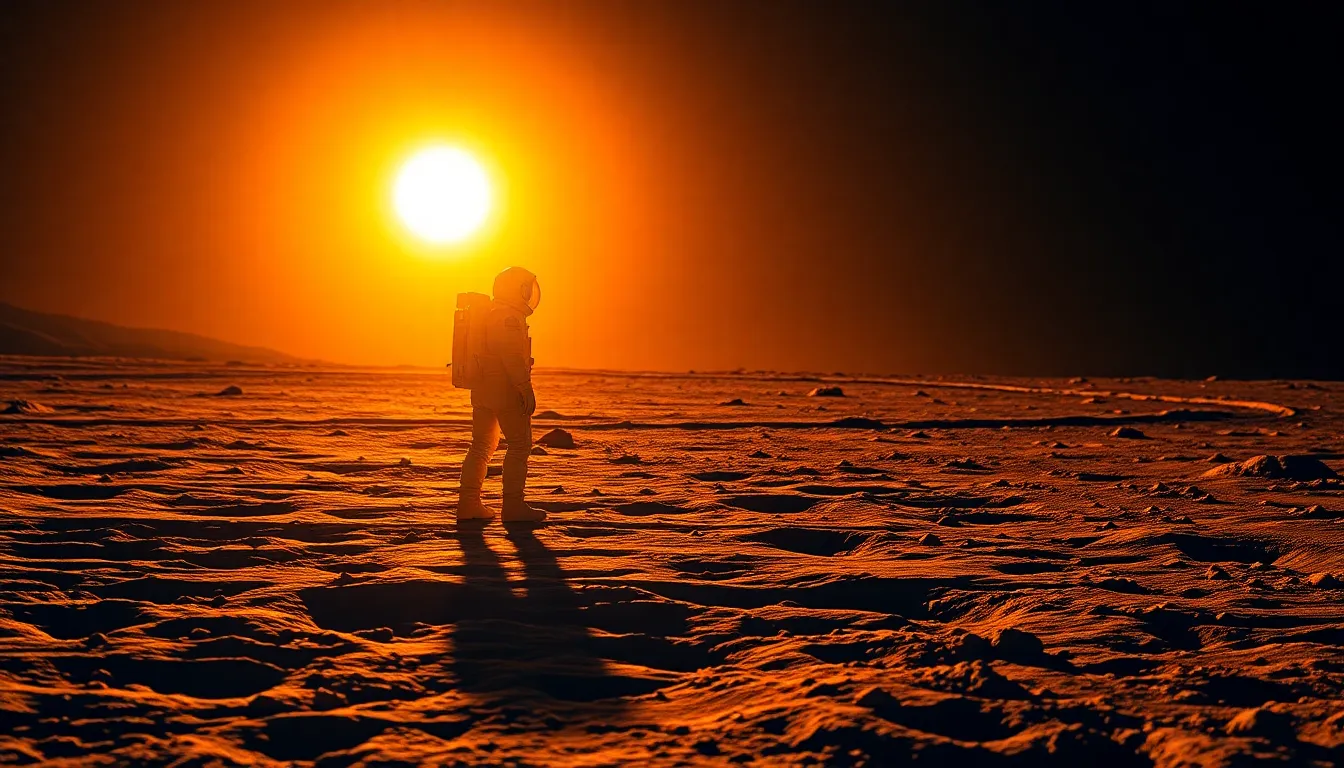
shot on Sony A7R V with 85mm f/1.4 GM lens, utilizing golden hour backlighting with warm rim light creating a breathtaking silhouette of an astronaut on the moon's surface. The shallow depth of field at f/1.4 elegantly blurs the cratered lunar landscape, while the warm color palette of oranges and soft browns evokes a nostalgic feel. The composition employs the rule of thirds, with the astronaut positioned at the left power point against the vast expanse of space.
16:9
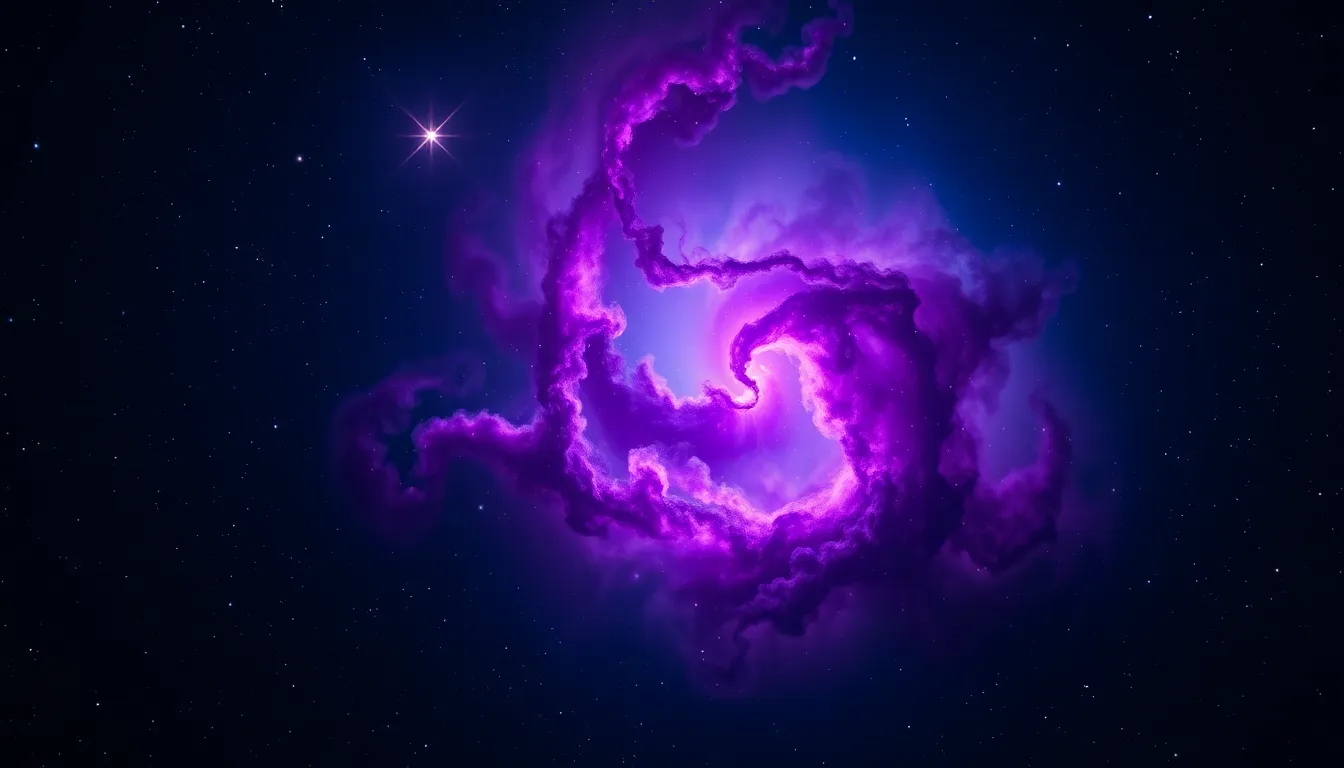
captured with Canon EOS R5, 24-70mm f/2.8L at 35mm, featuring overcast diffused daylight through floor-to-ceiling windows. A shallow depth of field at f/2.8 highlights vibrant nebula clouds in a deep space scene, with a color palette of rich purples, blues, and hints of golden stars. The composition features a centered symmetrical arrangement of swirling gases and cosmic dust, with detailed textures showcasing the ethereal nature of space phenomena.
16:9

Shot on Hasselblad X2D 100C, 90mm f/2.5 medium format, an expansive view of a solar energy farm at sunset. The vibrant orange and purple hues of the sky reflect off the solar panels, creating a dramatic effect. The scene is captured in hyperfocal distance at f/8, ensuring a sharp focus from foreground to horizon. The color palette features warm tones of sunset contrasting with the sleek blue of the panels. Compositionally, leading lines of the panel rows draw the eye towards the sunset horizon. Textures include the smooth surface of the solar panels and the rough terrain of the field.
16:9

Captured using Leica Q3, 28mm f/1.7 Summilux, an outdoor field study of entomologists observing insects. The scene is illuminated by warm afternoon sunlight casting long shadows, enhancing the golden tones of the grass. Selective focus on the entomologists, whose expressions are focused and curious, while the background gently blurs into bokeh. The color palette consists of golden tones and gentle greens. The composition follows the rule of thirds, placing the entomologists off-center, surrounded by nature. Textures include the delicate details of the grass and the clothing of the researchers.
3:2
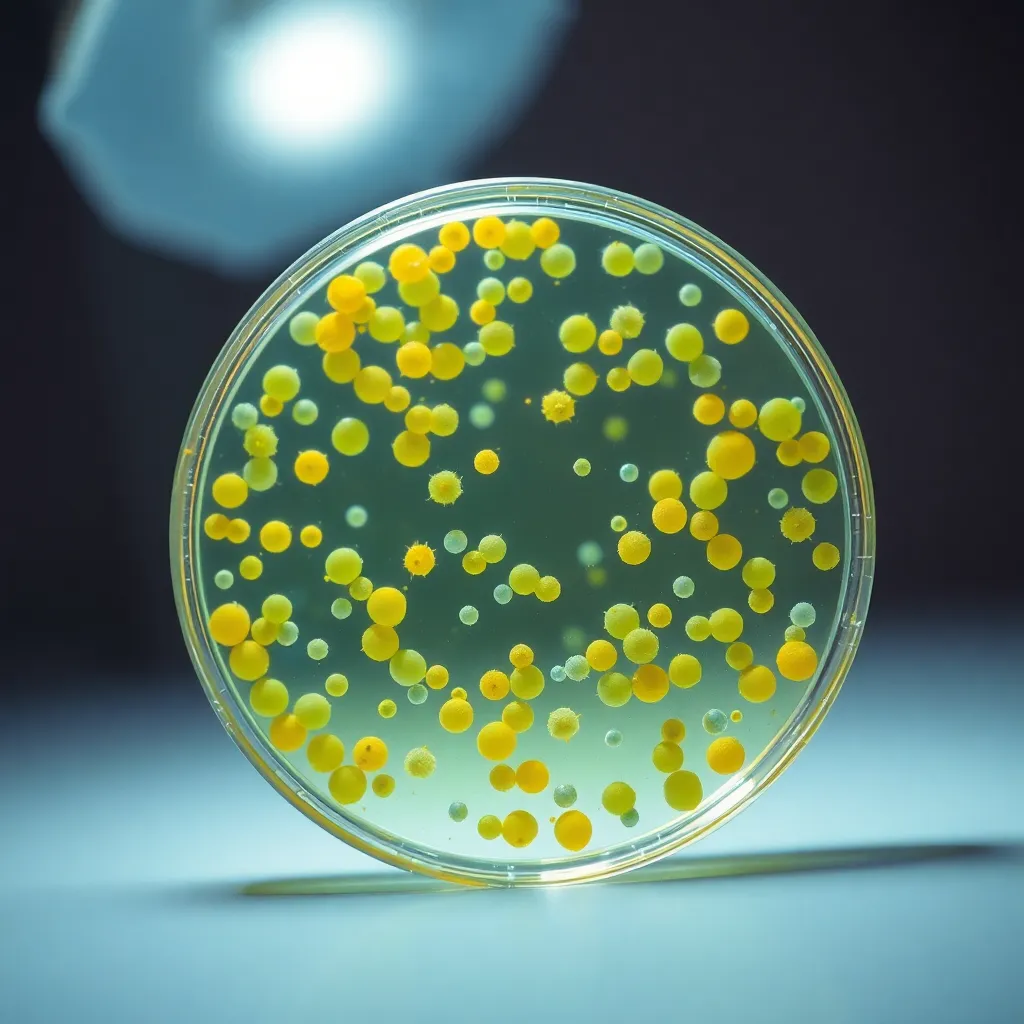
Shot on Fujifilm GFX 100S, 110mm f/2 macro, a close-up of a petri dish showcasing live bacterial cultures. Soft backlighting from an overhead lamp enhances the translucent colors of the cultures. Shallow depth of field at f/2 creates a soft bokeh background that emphasizes the intricacy of the cultures. The color palette is a vivid array of yellows, greens, and blues reminiscent of a science fiction aesthetic. The composition centers the petri dish, with a clean white surface beneath it. Textures are incredibly detailed, highlighting the gelatinous consistency of the cultures.
1:1
Captured with Canon EOS R5, 24-70mm f/2.8L at 35mm, an artist's studio filled with botanical specimens and scientific illustrations. Natural light diffuses through large windows, casting soft shadows across the room. Hyperfocal distance at f/8 ensures everything from the foreground to background is sharply in focus. The color palette features natural muted tones with desaturated earth colors. The composition is rule of thirds, with vibrant green plants in the foreground, inviting the viewer into the creative space. Textures include the rough canvas of the walls and the smooth surfaces of wooden tables.
4:3

Shot on Nikon Z9, 70-200mm f/2.8 telephoto at 135mm, a group of scientists in a laboratory, engaged in research. The scene is illuminated by cool overhead fluorescent lights, creating a sterile atmosphere. Narrow depth of field at f/2.8 with a softly blurred background of laboratory equipment. The color palette is cool with blues and greens. Composition features leading lines of lab tables directing toward the scientists, who are wearing white coats, focused on their work. Textures include glass beakers and polished metal instruments that glint under the lights.
16:9
Fujifilm GFX 100S, 110mm f/2 macro, dappled sunlight filtering through leaves illuminating a close-up of a scientific scale balanced with weights, hyperfocal distance giving sharpness from foreground to infinity, natural muted tones and earthy colors creating a serene mood, rule of thirds composition with the scale off-center, textured metal surface showing fine scratches and reflections.
2:3
Hasselblad X2D 100C, 90mm f/2.5 medium format, golden hour backlighting illuminating a spectrum of colors refracted through a glass prism, shallow depth of field with a creamy bokeh background, Kodak Portra 400 color palette enhancing the warmth of the scene, centered symmetrical composition drawing attention to the prism and the resulting rainbow, smooth glass textures contrasting with the natural surroundings.
3:2
Nikon Z9, 70-200mm f/2.8 telephoto at 135mm, warm tungsten desk lamp casting directional light on a pendulum swinging in a dark room, selective focus on the pendulum's metallic surface, deep shadows and warm highlights create a dramatic atmosphere, natural skin tones with lifted shadows evoking curiosity, leading lines formed by the string guiding the viewer's eye toward the motion.
16:9
captured with Canon EOS R5, 24-70mm f/2.8L at 35mm, natural overcast daylight illuminating a classroom filled with physics students engaged in an experiment, hyperfocal distance achieving sharpness from foreground to infinity, natural muted tones with desaturated earth colors, centered symmetrical composition highlighting students and their equipment on lab tables, wooden desks showing distinct grain and texture.
4:3
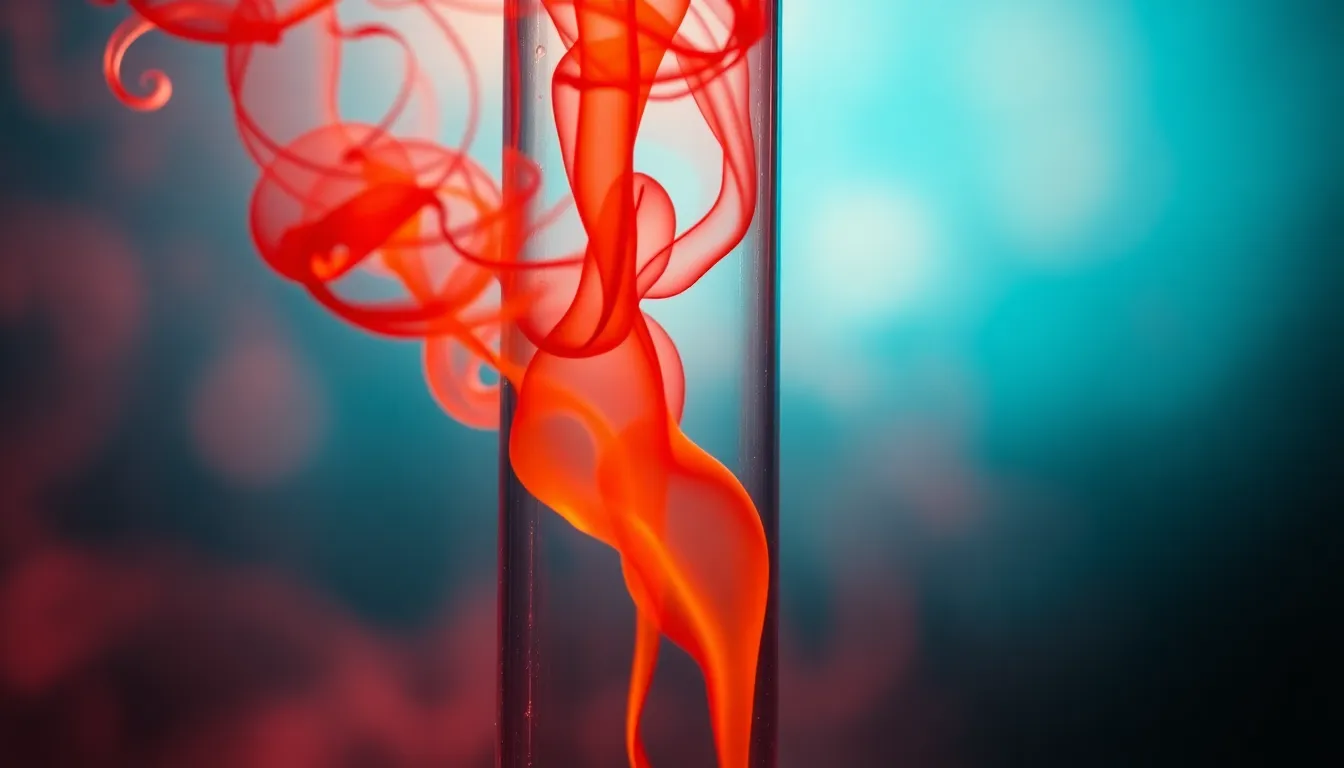
shot on Sony A7R V with 85mm f/1.4 GM lens, dramatic chiaroscuro lighting accentuating the swirling colors of smoke in a glass tube demonstrating fluid dynamics, shallow depth of field at f/1.4 with creamy bokeh background, cinematic teal and orange color grading, rule of thirds composition with smoke spiraling from the left, smooth glass texture reflecting ambient light.
16:9
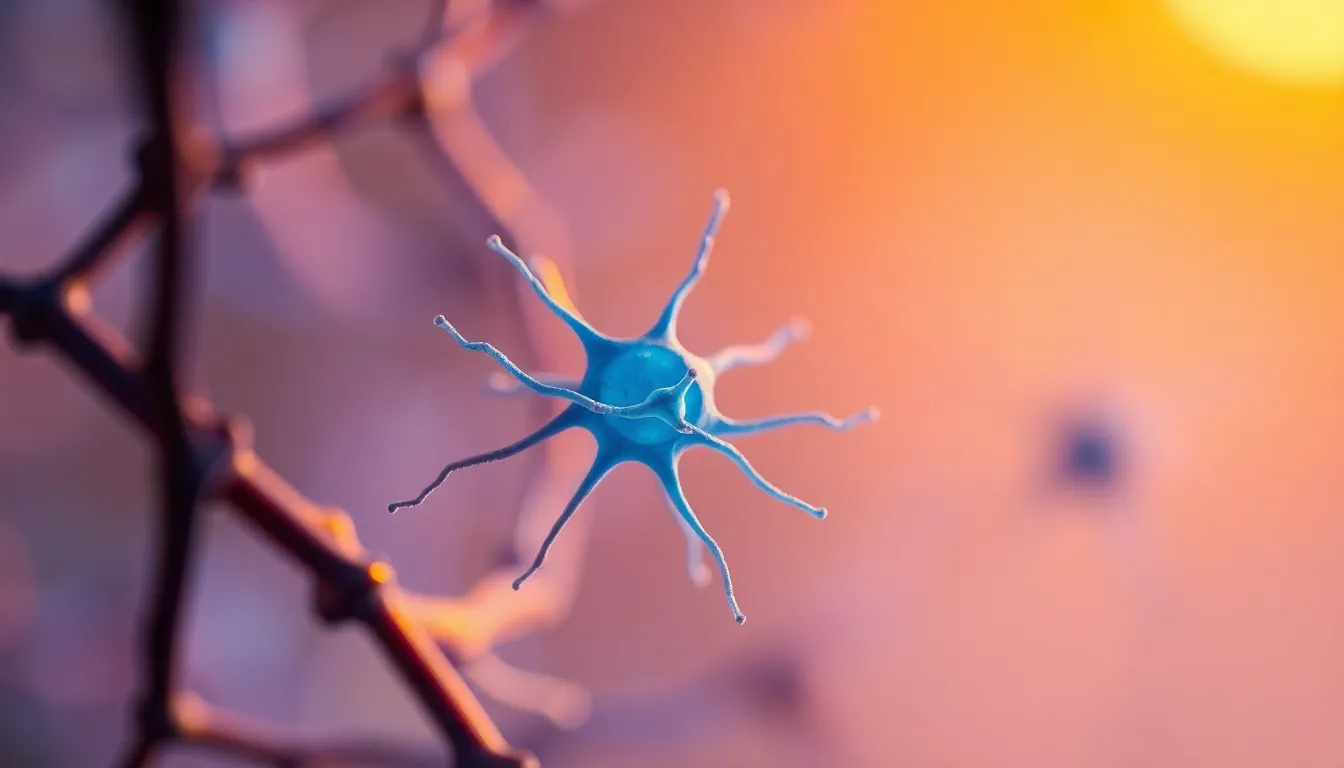
A captivating image of a single neuron under the microscope, captured with Leica Q3, 28mm f/1.7 Summilux lens. The lighting is a combination of natural sunlight and a warm tungsten desk lamp, creating a unique blend of colors and shadows. The depth of field is shallow at f/1.7, resulting in a soft, creamy background that emphasizes the neuron in exquisite detail. The color palette features cool blues with warm undertones, creating visual contrast. The composition follows a centered layout, drawing attention to the elegance of the neuron's structure.
16:9
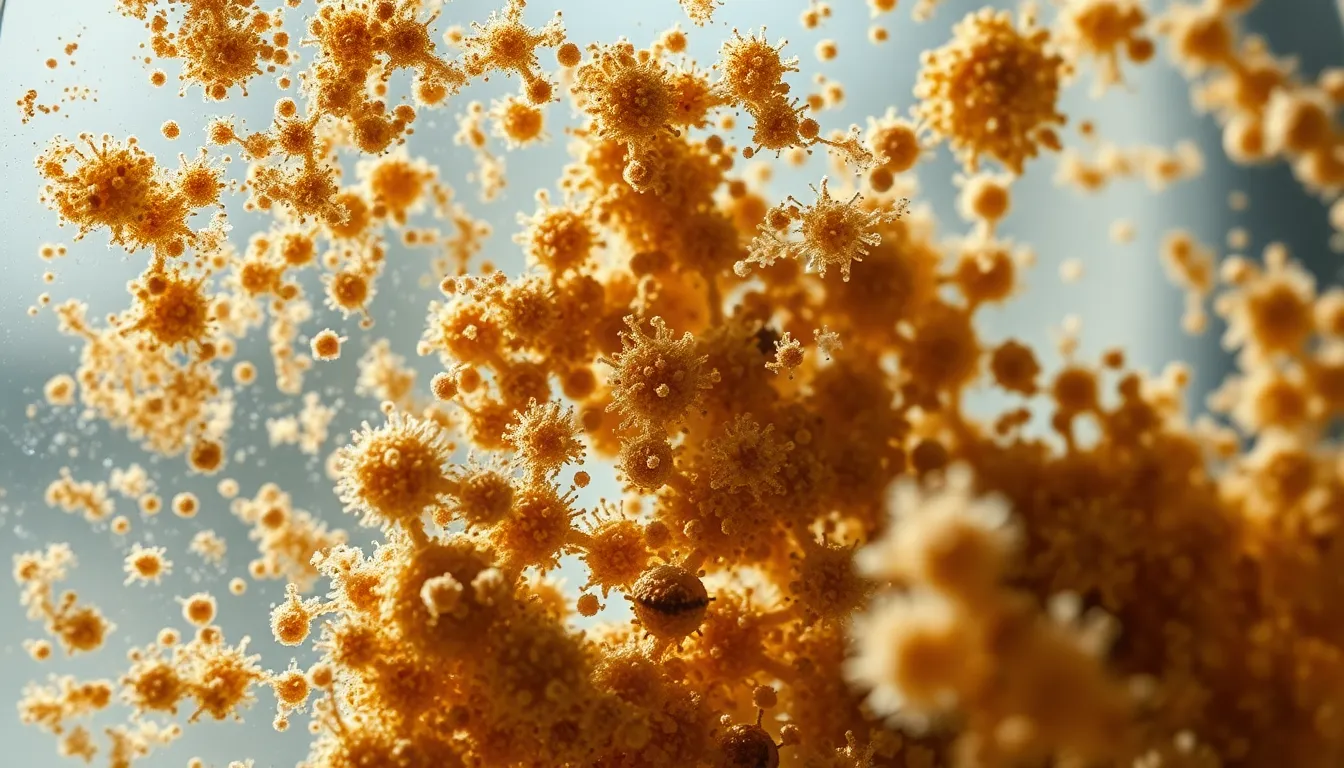
A detailed view of mold spores captured on a glass slide, photographed using Hasselblad X2D 100C, 90mm f/2.5 medium format lens. The setup features natural lighting with bright ambient daylight filtering through a window, resulting in crisp, clear textures. A hyperfocal distance setting at f/8 ensures clarity across the entire frame, showcasing the various sizes and shapes of the spores. The color palette consists of earthy browns and muted yellows, which convey a sense of organic decay. The rule of thirds composition places the most prominent spores at the left power point, enhancing visual interest.
16:9
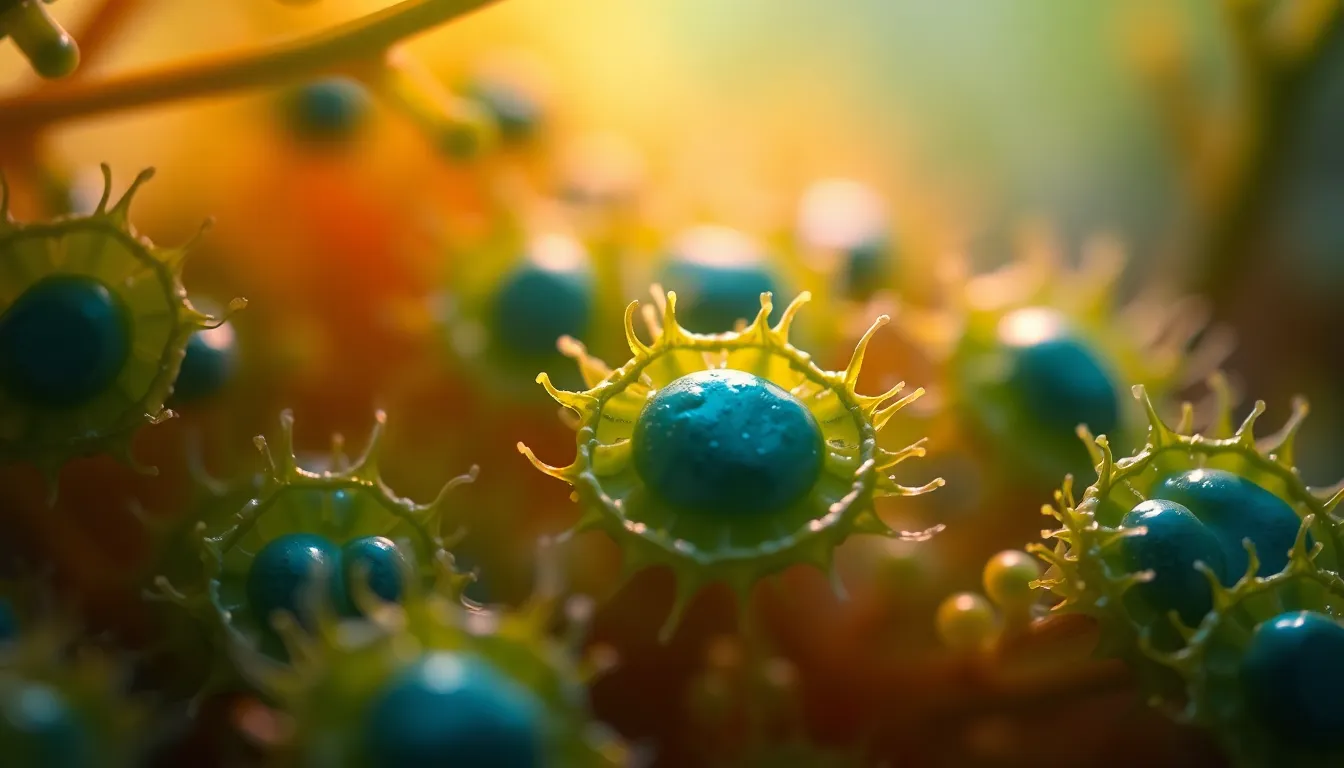
An artistic view of plant cells under a microscope, captured using Fujifilm GFX 100S, 110mm f/2 macro lens. The scene is illuminated with a softbox providing gentle Rembrandt lighting, creating depth through shadows. The shallow depth of field at f/2 highlights the detailed cell walls and chloroplasts against a soft, blurred background. This image employs a Fujifilm Velvia-inspired color palette with saturated greens and blues. The composition utilizes leading lines to draw the eye through the image, reflecting the structured nature of plant life.
16:9
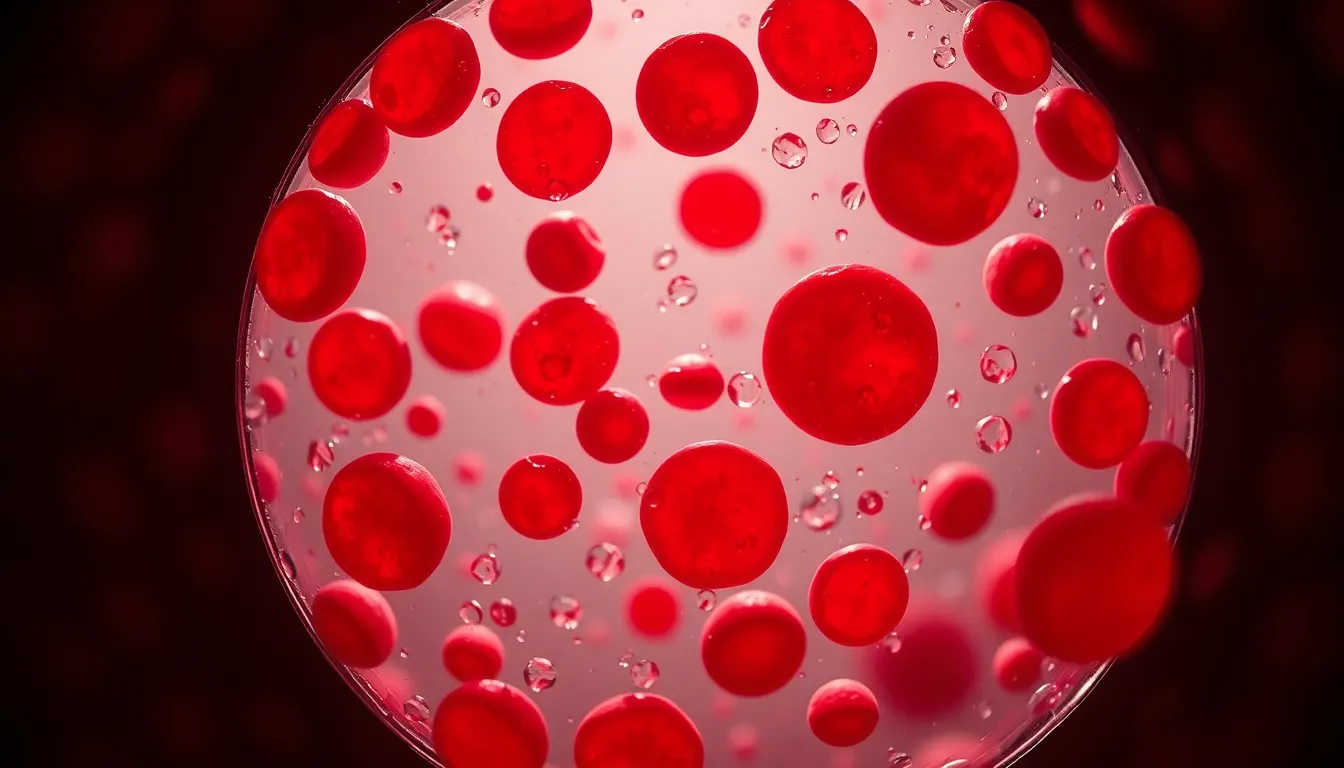
A dynamic image of human blood cells under a microscope, shot on Nikon Z9, 70-200mm f/2.8 telephoto at 100mm. The scene is lit with a diffused daylight setup, allowing natural colors to emerge vividly. Utilizing hyperfocal distance at f/8, the detail of the red blood cells and the textures of the glass slide are all in sharp focus. The image features a natural muted color palette with soft reds and earthy tones. A centered symmetrical composition draws direct attention to the blood cells, portraying their biological significance.
16:9
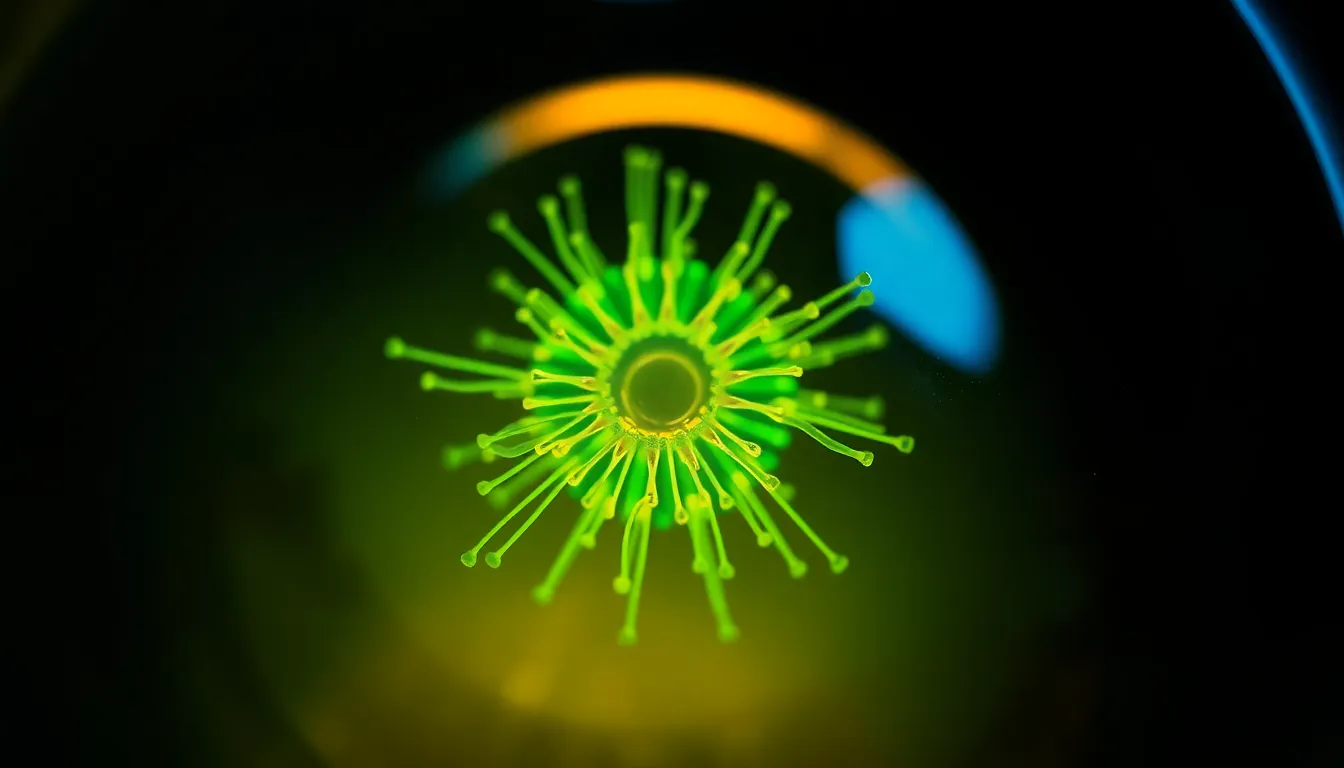
A close-up of a vibrant diatom viewed under a microscope, captured with Canon EOS R5, 24-70mm f/2.8L at 50mm. The illumination is achieved with a bright LED ring light, creating sharp contrast on the intricate details of the silica structure. A shallow depth of field at f/2.8 emphasizes the subject, allowing the surrounding glass slide to melt into a soft blur. The color palette features rich greens and yellows, reminiscent of natural flora. The composition follows the rule of thirds, placing the diatom slightly off-center, while the textured surface of the glass reflects subtle highlights.
16:9
shot on Hasselblad X2D 100C, 90mm f/2.5 medium format, under natural sunlight filtering through laboratory windows, creating a warm and inviting atmosphere. Hyperfocal distance ensures everything from the foreground to infinity is tack-sharp, revealing intricate details in the lab setup. Natural muted tones with desaturated colors reflect a calm, focused mood, while leading lines of lab tables guide the viewer's eye through the scene. Textured surfaces of lab materials are accented by the soft sunlight.
16:9
captured with Fujifilm GFX 100S, 110mm f/2 macro lens, featuring warm rim light from a rear softbox creating depth around petri dishes filled with vibrant cultures. Selective focus is utilized to highlight one dish in the foreground while maintaining a soft bokeh in the background. Fujifilm Velvia-inspired saturated colors bring out the vivid hues of the cultures, with a symmetrical composition centering the petri dishes on a sleek black lab table.
3:2
shot on Sony A7R V with 85mm f/1.4 GM lens, utilizing overcast diffused daylight coming through large windows, creating soft, even illumination. Shallow depth of field at f/1.4 blurs the laboratory backdrop, emphasizing a microscope in sharp focus. Natural muted tones with desaturated greens and browns reflect a lively yet professional atmosphere. Rule of thirds composition positions the microscope prominently, with scattered notes and tools framing the subject.
4:3
captured with Nikon Z9, 70-200mm f/2.8 telephoto at 100mm, with warm tungsten desk lamp casting a directional pool of light on a scientist observing reactions. Hyperfocal distance ensures both the scientist and background equipment remain tack-sharp. Kodak Portra 400 color palette enriches skin tones while highlighting the vibrant colors of chemical reactions. A centered symmetrical composition focuses on the scientist's engagement with the experiment, while glossy liquid surfaces reflect ambient light.
3:4
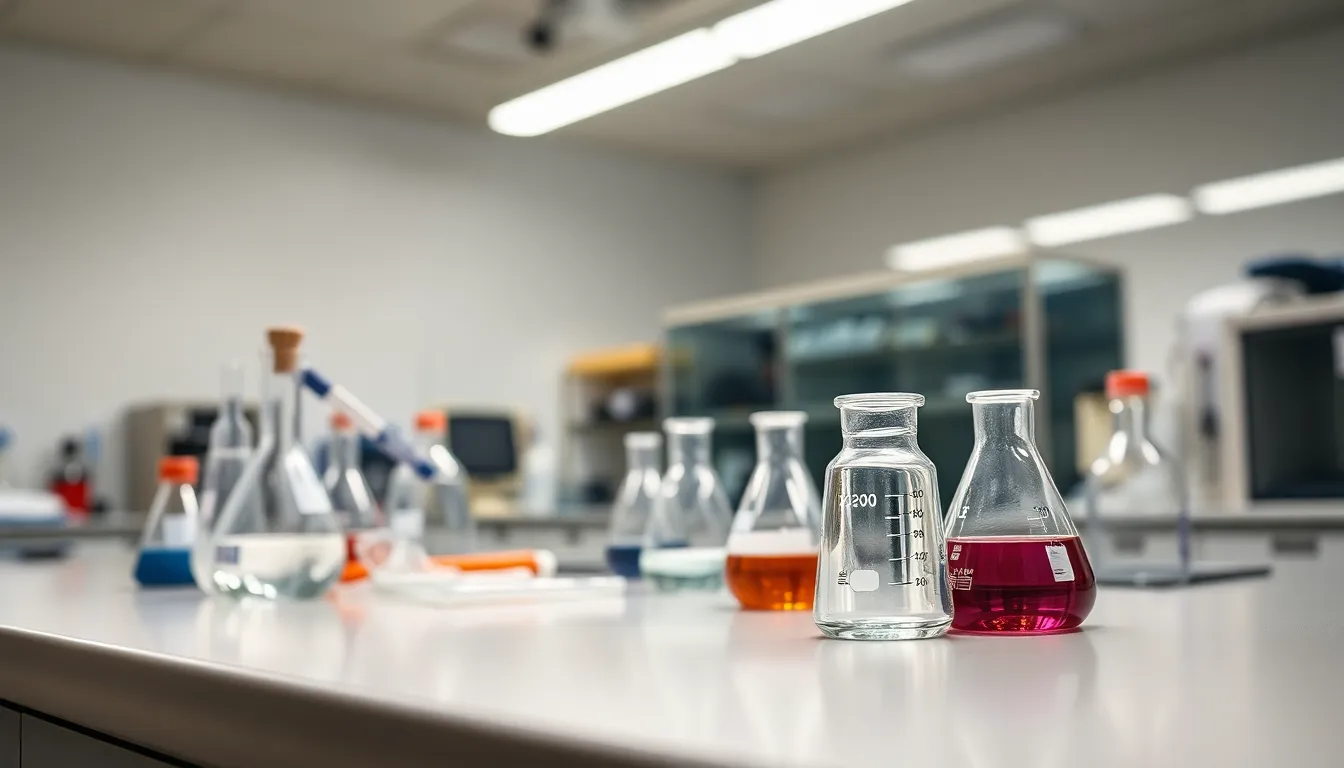
shot on Canon EOS R5, 24-70mm f/2.8L at 50mm, under bright fluorescent lighting casting even shadows across surfaces. Shallow depth of field at f/2.8 isolates equipment, creating soft bokeh in background. Natural muted tones with desaturated earth colors enhance the sterile atmosphere. Composition follows the rule of thirds, showcasing various laboratory tools like beakers and pipettes on a clean, white countertop. Smooth glass surfaces reflect highlights, while detailed labels on beakers offer clarity.
16:9
shot on Leica Q3, 28mm f/1.7 Summilux, featuring a scientist in a lab coat working with DNA sequencing equipment, captured during overcast daylight that diffuses evenly through large windows. The image presents a sharp focus on the scientist's intelligent expression and hands manipulating the samples, while the background showcases shelves filled with scientific books, softly blurred to create an inviting atmosphere. The color palette leans towards natural muted tones, reflecting a professional yet approachable setting.
3:4
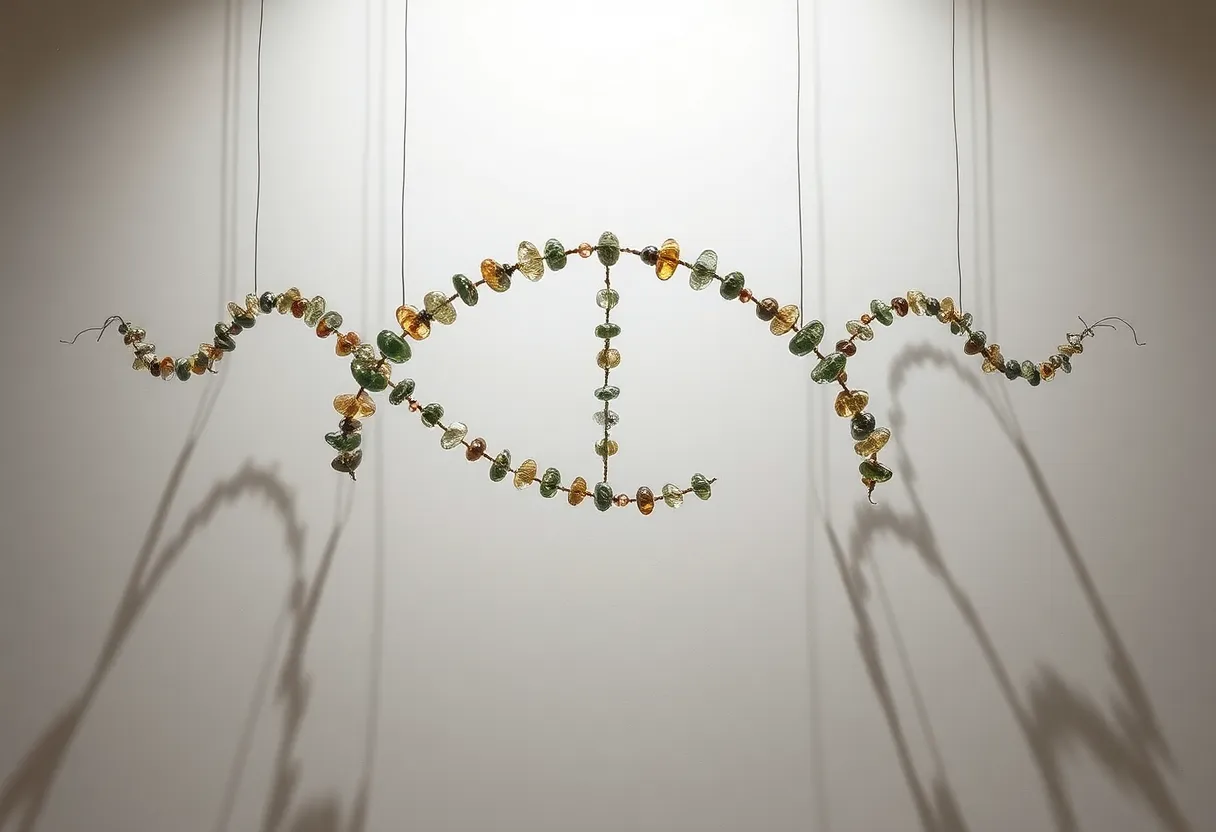
captured using Hasselblad X2D 100C, 90mm f/2.5 medium format, showcasing an artistic installation of intertwining DNA strands made from recycled glass and metal. The studio lighting creates dramatic shadows and highlights that emphasize the textures of the materials used. A butterfly lighting technique casts soft, direct light, while the natural muted tones highlight the environmental message of the artwork. The centered symmetrical composition draws the viewer's eye directly to the captivating structure.
3:2
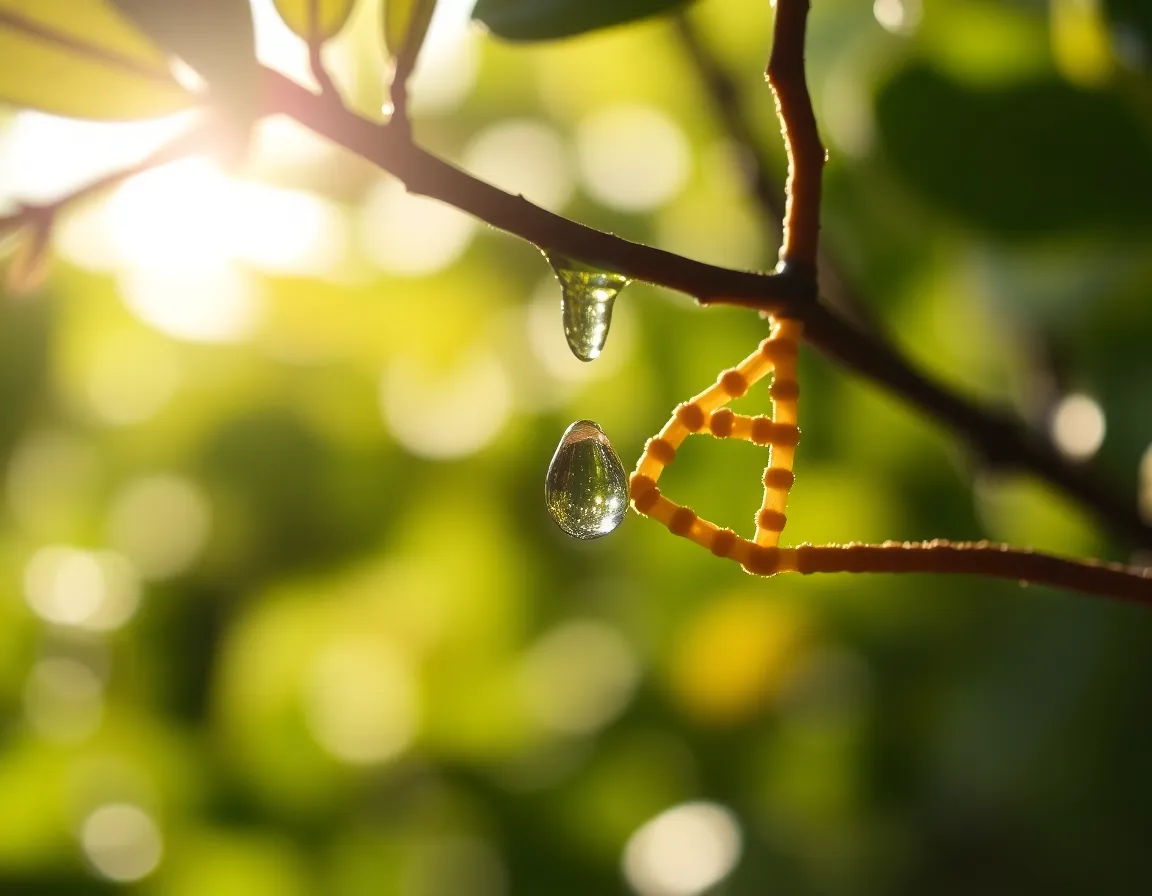
shot on Fujifilm GFX 100S, 110mm f/2 macro, focusing on a close-up of a single DNA strand with a drop of water clinging to its structure, enhanced by natural sunlight filtering through leaves. The shallow depth of field at f/2 creates a beautiful circular bokeh of green foliage, giving the impression of a lush, organic environment. The colors are natural with muted earth tones, evoking a sense of life and vitality in the subject, framed within a rule of thirds composition.
4:3
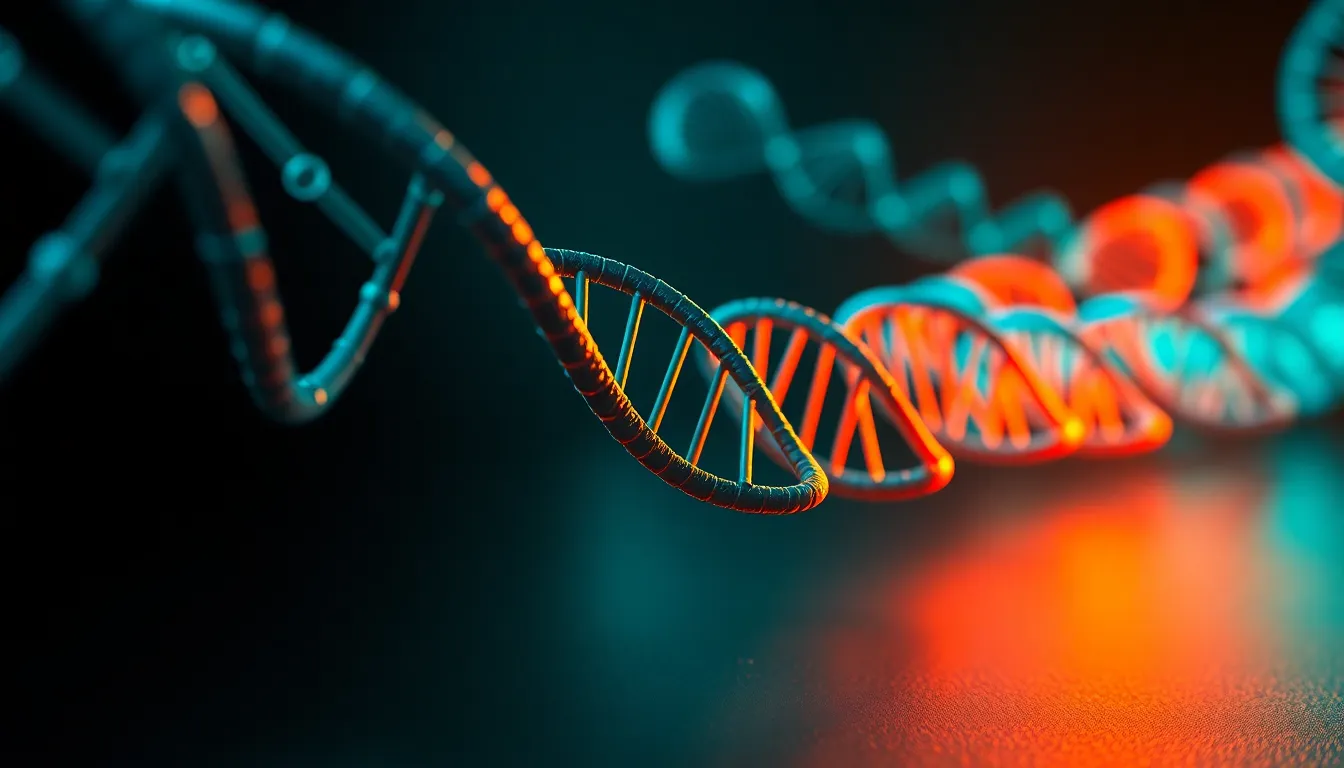
captured with Canon EOS R5, 24-70mm f/2.8L at 35mm, showcasing a vibrant 3D rendering of DNA strands against a dark backdrop, illuminated by focused colored LEDs in shades of blue and green. The hyperfocal distance ensures sharpness from foreground to infinity, emphasizing the intricate genetic details along the spirals. The cinematic teal and orange color grading encapsulates a dynamic feel, while the texture of the digital surface mimics glossy materials frequently found in scientific visuals.
16:9
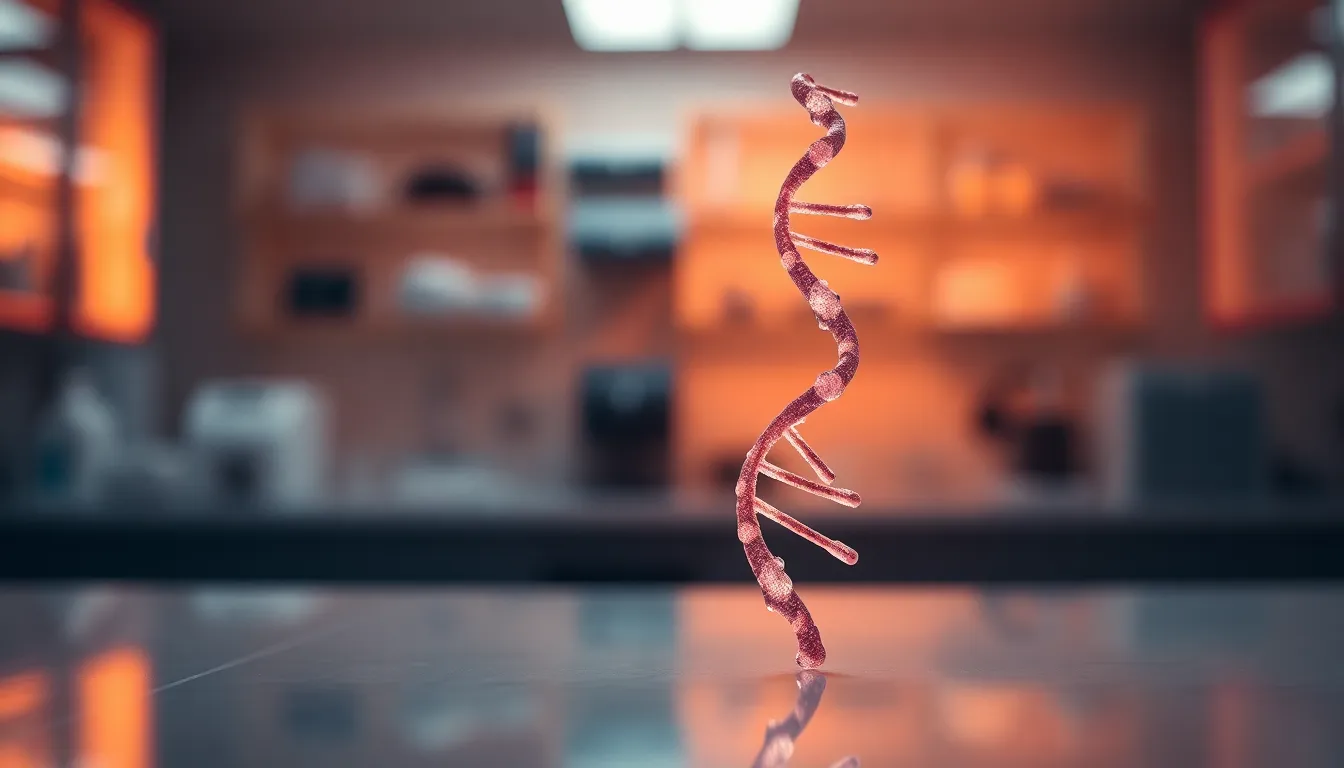
shot on Nikon Z9, 70-200mm f/2.8 telephoto at 135mm, featuring ethereal backlighting with a soft glow illuminating strands of DNA in a laboratory setting. The shallow depth of field at f/2.8 creates a dreamy bokeh effect in the background, while the warm, muted tones evoke a sense of serenity. The composition focuses on the double helix structure, with leading lines drawing the eye towards the central DNA strands, set against a polished quartz countertop reflecting light beautifully.
16:9
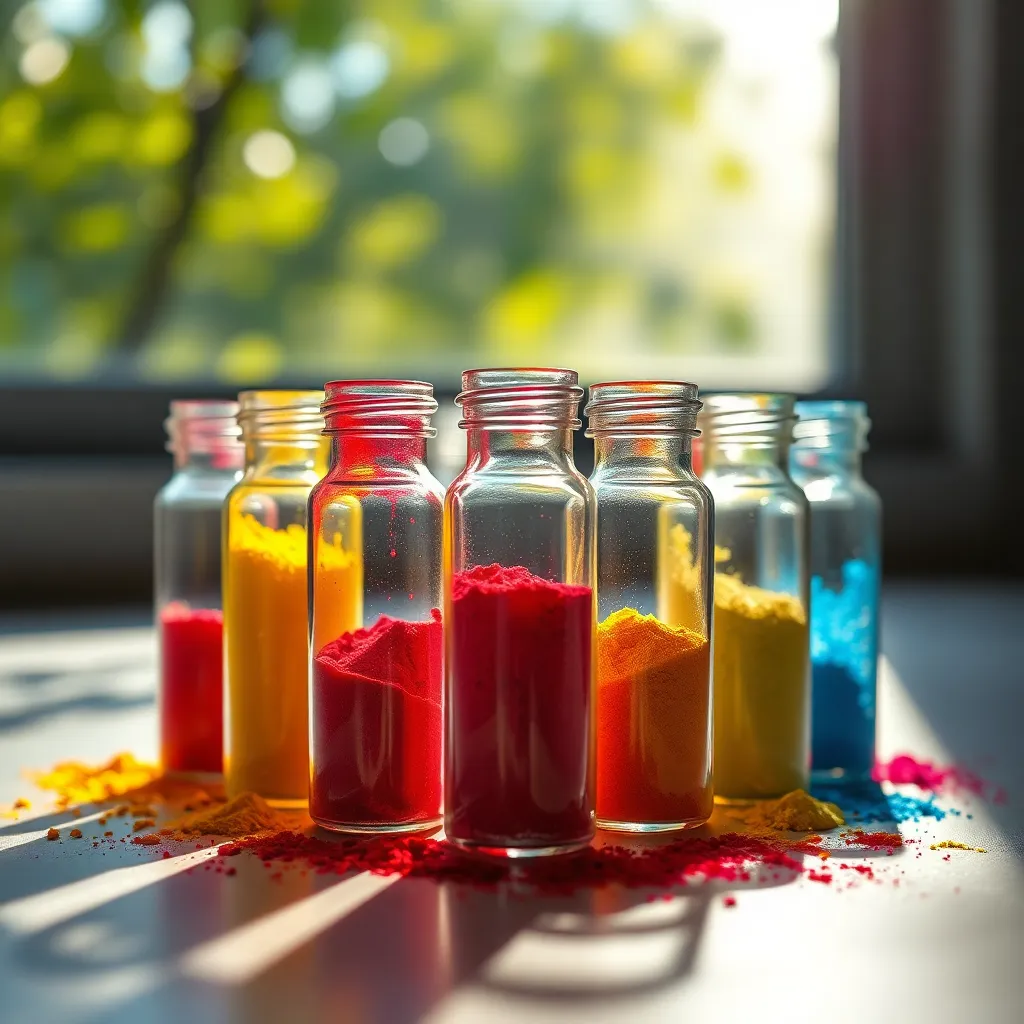
Hasselblad X2D 100C, 90mm f/2.5 medium format, photographs a series of colorful powdered chemicals in neat glass vials. The setup utilizes dappled sunlight streaming through a window, casting soft shadows and highlights on the vials. The depth of field is shallow at f/2.5, with a focus on the vibrant colors of the powders. The color palette features rich reds, yellows, and blues, embodying a lively and artistic take on chemistry. The composition is centered and symmetrical, emphasizing the organization and beauty of the materials, with textured glass and smooth powder surfaces creating visual interest.
1:1
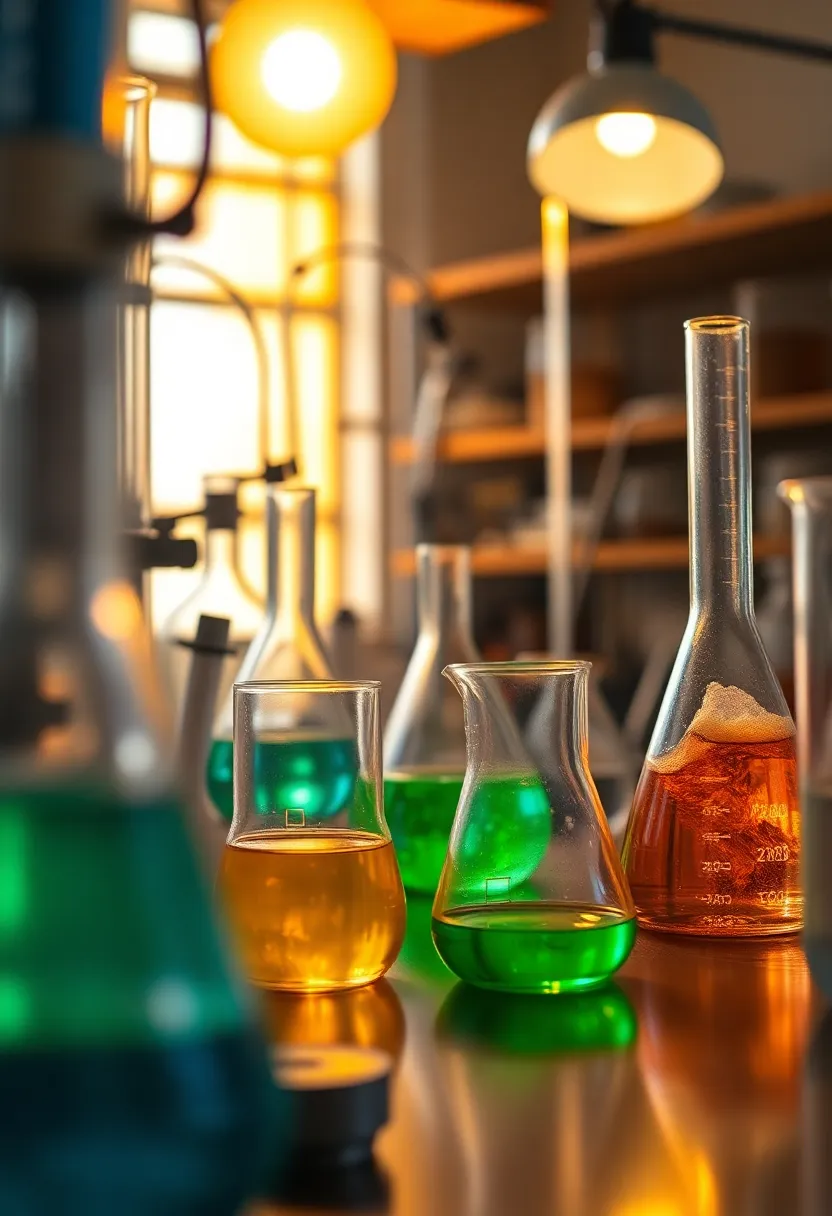
Fujifilm GFX 100S, 110mm f/2 macro, reveals a laboratory setting with detailed equipment and chemical reactions taking place in beakers. The lighting combines practical tungsten lamps with daylight to create a warm atmosphere that highlights the reflective glass surfaces. The depth of field is shallow at f/2, emphasizing the vibrant colors of the liquids swirling in the beakers. The color science follows a natural palette with warm browns and soft greens. A dynamic composition utilizes leading lines from the equipment towards the reactions, capturing a sense of movement and activity.
2:3
Nikon Z9, 70-200mm f/2.8 telephoto at 100mm, captures a close-up of microscopic images of cells interacting with chemical compounds. The lighting is studio-based, with a softbox providing even, diffused illumination, eliminating harsh shadows. The depth of field is hyperfocal at f/8, ensuring sharp detail throughout. The color palette features bright contrasts in greens, blues, and purples, creating a vibrant look. It's a centered symmetrical composition, emphasizing the beauty of biological structures on a textured glass slide that showcases the intricate details of cellular life.
4:3

Shot on Sony A7R V with 85mm f/1.4 GM lens, the scene features a chemist in a white lab coat, pouring a colorful solution into a flask. The natural window light creates soft shadows and highlights the subject against a backdrop of abstract chemical formulas on a chalkboard. The depth of field is very shallow at f/1.4, softly blurring the board. The warm color palette includes deep reds and vibrant yellows from the liquids. The composition centers the chemist, with leading lines from the flask directing the viewer's eye, and the visible texture of the lab coat's fabric adds detail.
3:2
Captured with Canon EOS R5, 24-70mm f/2.8L at 50mm, the scene showcases a laboratory with a focus on a glass beaker filled with vibrant blue liquid. The lighting is overhead fluorescent, creating a stark, clinical ambiance with reflections on the glass surface. Depth of field is shallow at f/2.8, blurring the background where chemical equipment is lined up. The color palette is cool-toned with various shades of blue and white. The composition follows the rule of thirds, placing the beaker off-center to highlight the lab's organized chaos. The beaker’s glass surface exhibits fine scratches and polished areas, reflecting the sterile environment.
16:9
Hasselblad X2D 100C, 90mm f/2.5 medium format, warm tungsten light highlighting intricate areas of a fossilized dinosaur bone. Shallow depth of field at f/2.5 captures detailed textures of the bone while blurring the surrounding exhibit space. The color palette features rich warm browns and earthy tones that evoke a sense of history. Composition utilizes foreground framing with the fossil bone emphasized at the center, creating a focal point that draws the viewer in.
3:2
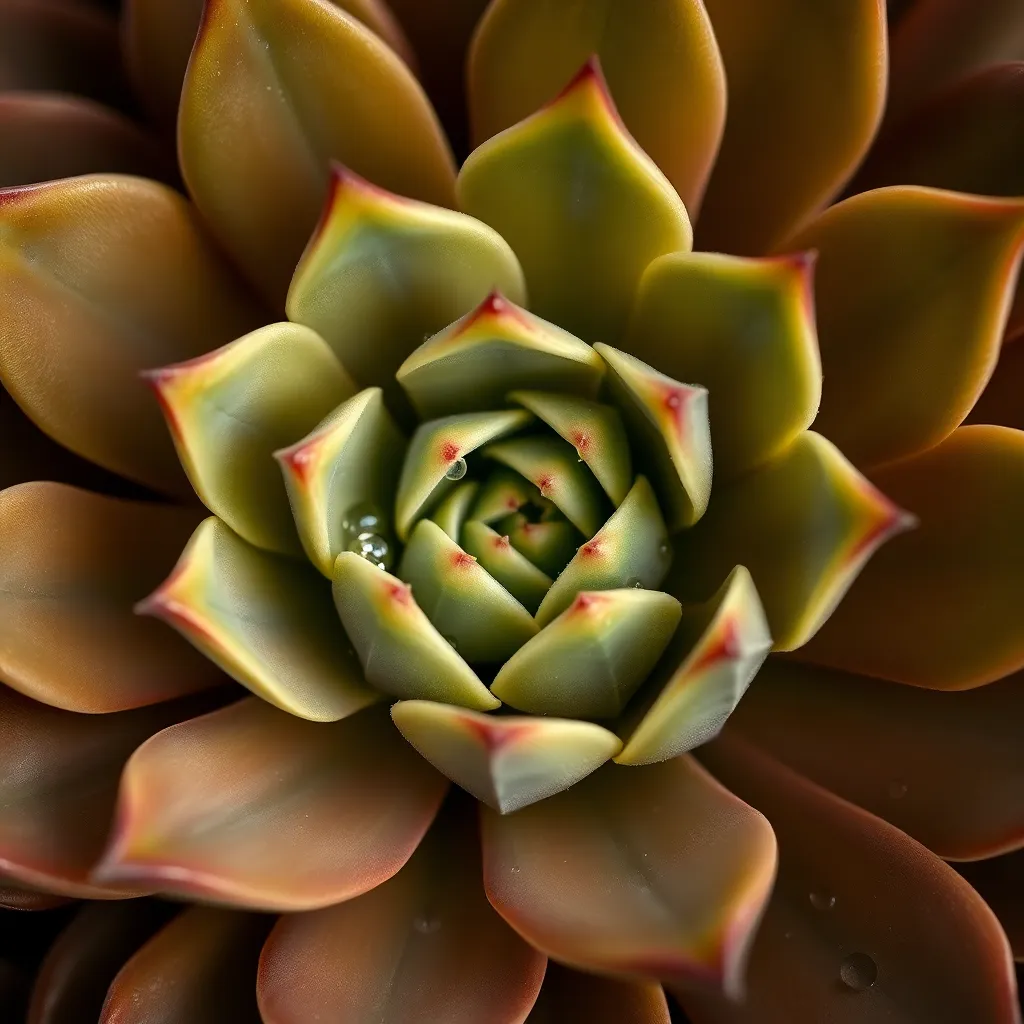
Fujifilm GFX 100S, 110mm f/2 macro, overcast daylight casting soft, diffused light on a close-up of a succulent plant with visible dew droplets. Using hyperfocal distance at f/8 for tack-sharp detail throughout the image, the color palette combines muted earth tones with pops of vibrant greens. The composition features a centered symmetrical arrangement of the succulent, emphasizing its intricate details and textures, while the dew adds a fresh touch.
1:1
Nikon Z9, 70-200mm f/2.8 telephoto at 135mm, golden hour backlighting casting warm rim light around a butterfly perched on a flower. Shallow depth of field at f/2.8, focusing on the butterfly while the floral background melts into soft painterly bokeh. The color palette emphasizes warm tones of golden yellows and soft greens, radiating a peaceful, serene mood. Composition follows the rule of thirds, placing the butterfly off-centre for balance and visual intrigue.
3:4
shot on Sony A7R V with 85mm f/1.4 GM lens, warm tungsten desk lamp casting directional light on a petri dish filled with bacterial cultures. Hyperfocal distance at f/8 ensuring everything from the petri dish to the background is sharp. Utilizing a natural muted tone palette with earthy colors, the composition incorporates leading lines from the table edge, drawing focus to the dish. Textures of the agar medium are clearly visible, revealing microbial growth details.
4:3
captured with Canon EOS R5, 24-70mm f/2.8L at 50mm, overcast diffused daylight illuminating a vibrant coral reef with schools of colorful fish. Shallow depth of field at f/2.8, emphasizing the foreground coral textures while the fish swim in soft bokeh. The color palette features rich blues and greens, evoking a sense of underwater serenity. The composition follows the rule of thirds, with coral formations drawn at the left power point, creating dynamic visual interest.
16:9
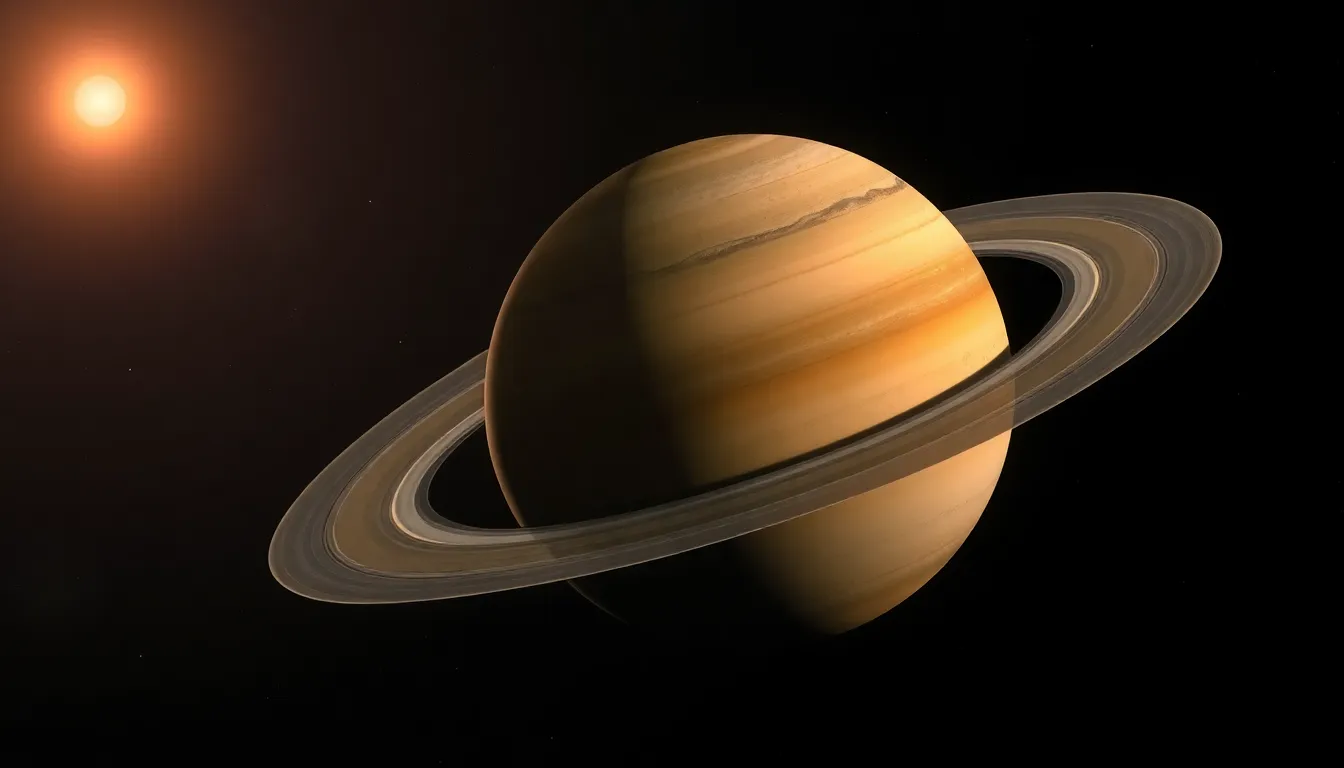
Shot on Hasselblad X2D 100C, 90mm f/2.5 medium format, an artisan model of the solar system displayed in a softly lit studio. The planets are crafted from various materials — some textured like stone, others polished glass — creating a visually stunning contrast. The lighting setup features a three-point configuration, highlighting the planets' reflective surfaces while maintaining soft shadows. A shallow depth of field emphasizes focus on the model, with the background blending into gentle bokeh. The pleasing color palette incorporates rich blues, yellows, and earthy tones, designed to evoke the essence of the solar system. The composition utilizes the rule of thirds, positioning the planets strategically within the frame.
4:3
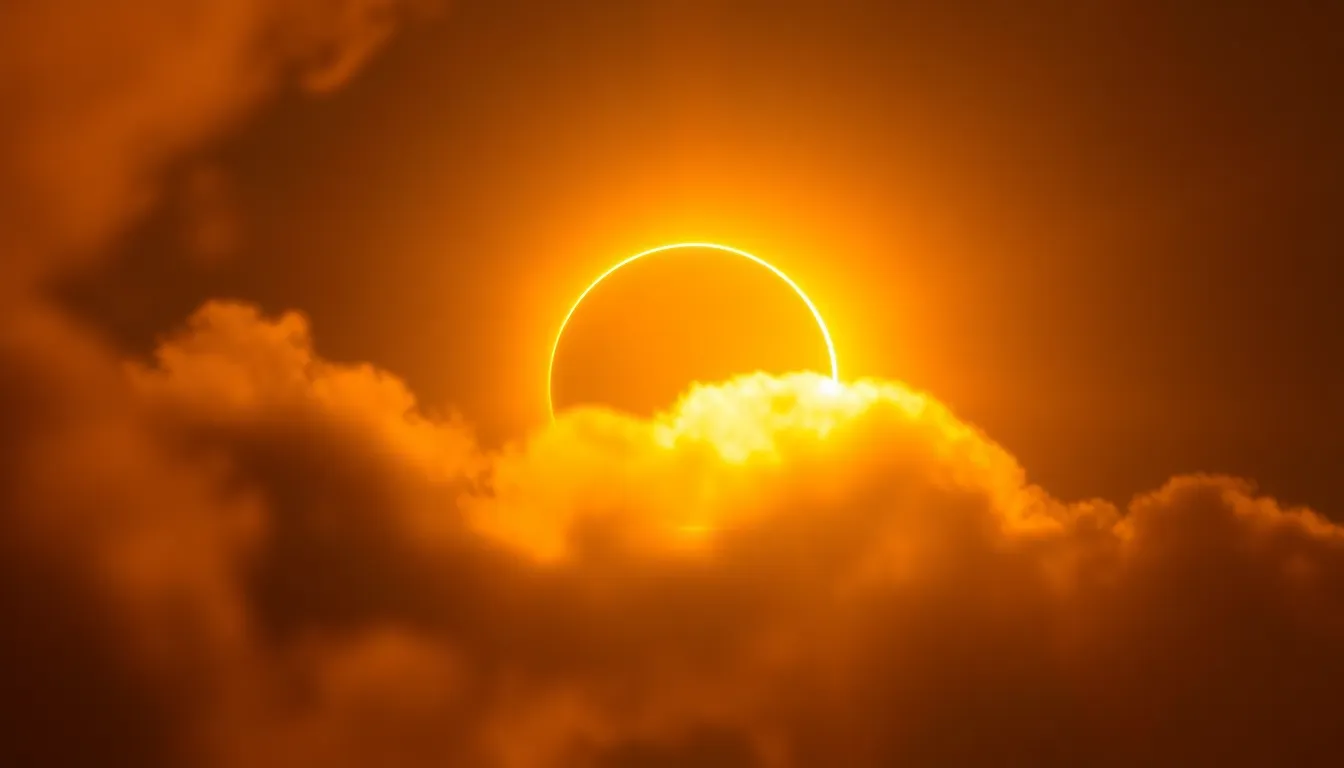
Captured with Leica Q3, 28mm f/1.7 Summilux, a stunning view of a solar eclipse, with the sun partially obscured by the moon, creating a halo effect. Emphasizing the dramatic scene, the sunlight streams through the atmospheric haze, creating a warm and vibrant golden ring. The image captures a shallow depth of field to highlight the eclipse while gently blurring the edges of the surrounding cloud. The color palette embraces rich golds and deep oranges, evoking a sense of wonder. The composition features a centered view of the eclipse, drawing the viewer's eyes towards the celestial event.
16:9
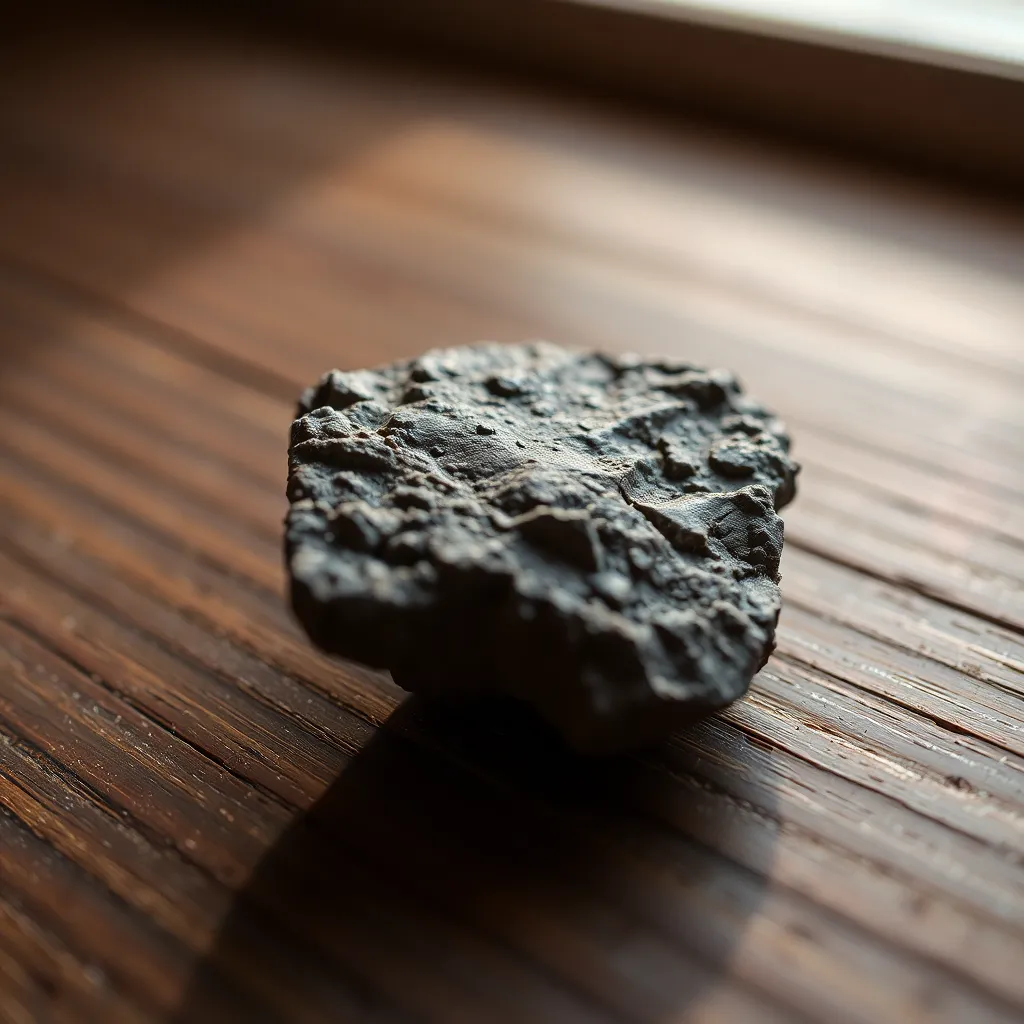
Photographed using Fujifilm GFX 100S, 110mm f/2 macro, a close-up of a meteorite fragment resting on a textured wooden surface. The fragment shows intricate details, with a rough, pitted surface reflecting the soft light from a nearby window. Natural muted tones emphasize the unique browns and grays of the meteorite, while soft shadows add depth and dimension to the texture. A shallow depth of field isolates the meteorite, creating a sense of intimacy with this piece of the cosmos. The composition centers on the meteorite fragment, the wooden surface providing a warm contrast to the cold nature of space.
1:1

Captured with Canon EOS R5, 24-70mm f/2.8L at 35mm, an astronaut floating in the vastness of space, tethered to the International Space Station. Soft diffused daylight provides even illumination, revealing intricate details of the astronaut's suit. A hyperfocal distance ensures clarity throughout the frame, showcasing both the astronaut in crisp focus and the station with its reflective metallic surfaces in the background. The color palette features crisp whites and deep blacks against the brilliant blues of Earth below. The composition employs leading lines from the tether, guiding the viewer's eye from the astronaut to the station.
16:9
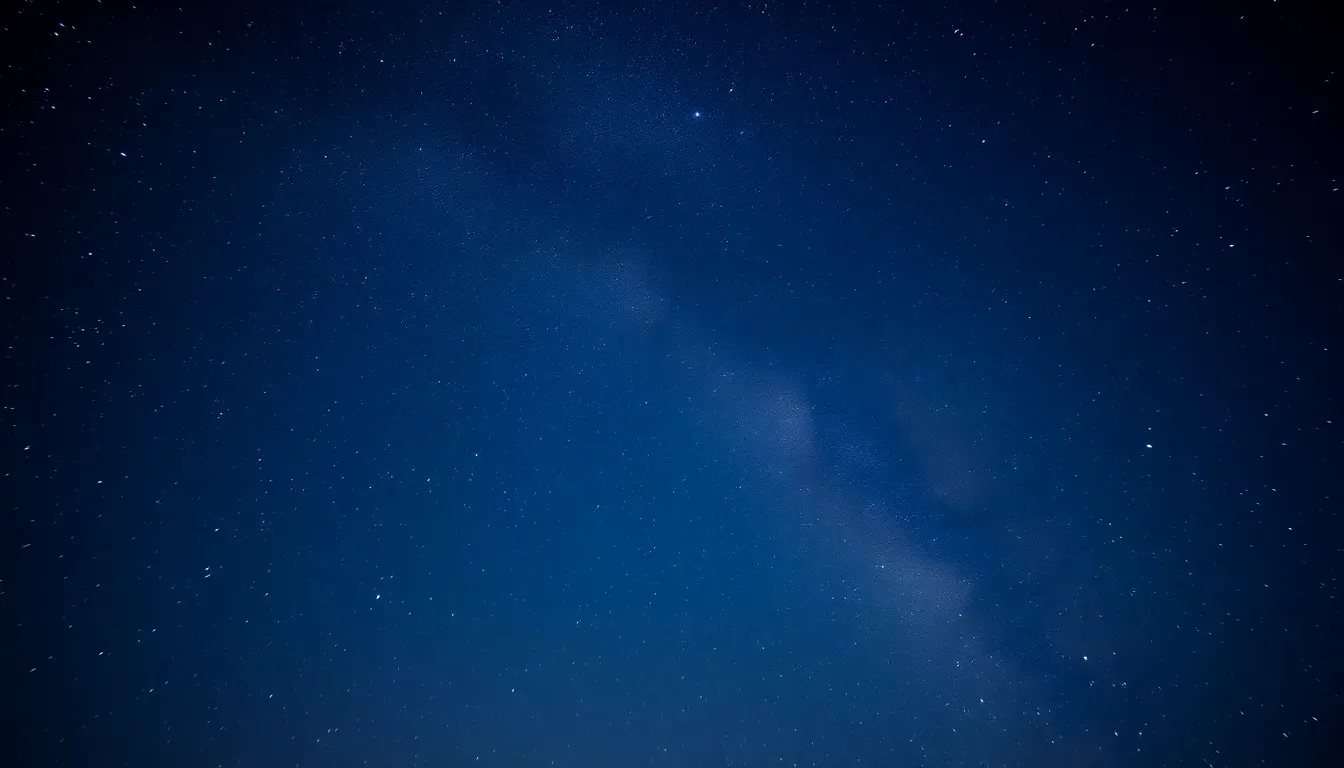
Shot on Nikon Z9 with 70-200mm f/2.8 telephoto at 135mm, a breathtaking view of a distant galaxy captured during a clear night sky. The stars twinkle against a deep indigo canvas, with the Milky Way arching majestically across the upper third of the frame. Natural muted tones create a serene yet awe-inspiring atmosphere, while a shallow depth of field blurs the ground, focusing on the celestial wonders above. The image profile features natural whites and cool tones, enhancing the scene's celestial feel. Compositionally, the galaxy is positioned in the upper left power point, drawing the viewer's gaze into the depths of space.
16:9
shot on Hasselblad X2D 100C, 90mm f/2.5 medium format, at sunset in a serene botanical garden, with warm golden hour light filtering through the leaves. The depth of field is shallow at f/2.5, beautifully blurring the colorful flowers in the foreground while the subject, a biologist studying a plant, remains in sharp focus. The color palette features vibrant greens and rich floral hues, creating a lively yet calming scene. Centered composition highlights the biologist in action, surrounded by a natural tapestry of flora.
3:4
Fujifilm GFX 100S, 110mm f/2 macro, captured in the early morning dew on a spider web, with soft diffused daylight illuminating the scene. The macro lens creates a stunning shallow depth of field, with the glistening droplets in sharp focus against a blurred green backdrop. The color palette features natural muted tones with desaturated greens and soft whites, evoking tranquility. The composition employs a centered symmetrical approach, with the web creating intricate patterns enhancing the beauty found in nature’s details.
4:3

captured with Canon EOS R5, 24-70mm f/2.8L at 35mm, in a state-of-the-art research facility with overhead LED lights providing bright, even lighting across an array of advanced robotics. The hyperfocal distance captures everything in focus at f/8, showcasing the intricate details of each robotic component. The color palette leans towards cool metallic blues and silvers, alluding to the technology theme. The composition centers on a robot arm reaching out, with leading lines created by the lab benches guiding the viewer's eye through the scene.
16:9
shot on Sony A7R V with 85mm f/1.4 GM lens, during golden hour backlighting casting warm rim light on a young woman standing amidst a field of wildflowers, with buttery smooth bokeh highlighting her vibrant floral dress. Using a shallow depth of field at f/1.4, this composition beautifully isolates her figure against the rich greens and yellows of the backdrop. The color palette incorporates soft pastels with warm skin tones, evoking a serene and peaceful mood. The scene uses leading lines formed by the flower rows to draw the viewer's eye toward the subject.
3:2
captured with Leica Q3, 28mm f/1.7 Summilux, featuring a dynamic shot of a physics classroom filled with students engaged in a hands-on experiment involving pendulums. The butterfly lighting directly above creates bright catchlights in their eyes and enhances their expressions of curiosity. The shallow depth of field at f/1.7 softly blurs the background rows of desks. The color grading follows a cinematic teal and orange palette. Compositionally, the image uses a center-framed approach focusing on student interaction, while textures range from the smooth desktop surface to the fabric of their clothing.
16:9
shot on Fujifilm GFX 100S, 110mm f/2 macro, featuring breathtaking dappled sunlight filtering through a canopy of trees, illuminating a network of spider silk in a forest. The depth of field is shallow at f/2, creating a painterly bokeh effect in the background, while the intricate details of the silk structures are sharp and crisp. The color palette is inspired by natural muted earth tones. Compositionally, the spider silk is centered, with leading lines formed by the strands directing the eye throughout the frame. Textures include the glistening silk and the rough bark of surrounding trees.
16:9
captured with Nikon Z9, 70-200mm f/2.8 telephoto at 135mm, featuring overcast diffused daylight streaming through laboratory windows. The image portrays a scientist observing a suspension of colorful liquids in glass beakers, with hyperfocal distance making everything from foreground to infinity tack-sharp at f/8. The color palette showcases saturated colors and contrasts. The composition centers on the scientist, with leading lines from the table's edge guiding the eye towards the colorful beakers. Textures include the glossy surfaces of beakers and the clear liquid inside.
16:9

shot on Sony A7R V with 85mm f/1.4 GM lens, featuring natural golden hour backlighting casting warm highlights on a young girl experimenting with a homemade rocket in a field. The shallow depth of field at f/1.4 creates creamy bokeh in the background, emphasizing her joyful expression. The color palette is inspired by Kodak Portra 400, with warm skin tones and lifted shadows. Compositionally, the rule of thirds is applied, with the girl positioned to the left and the rocket taking center stage. Grass blades and dirt show texture under the soft sunlight.
16:9
captured with Canon EOS R5, 24-70mm f/2.8L at 35mm, featuring dramatic Rembrandt lighting from a single softbox at camera left. The scene captures a physicist in a lab, focused intently on a holographic model of an atom, with a shallow depth of field at f/2.8 allowing the background to melt into a soft bokeh. The color palette features muted tones with pops of bright colors highlighting the model. The composition utilizes the rule of thirds, placing the physicist to the right while the model occupies the left power point. Textured surfaces include polished lab equipment and a chalkboard filled with complex equations.
16:9
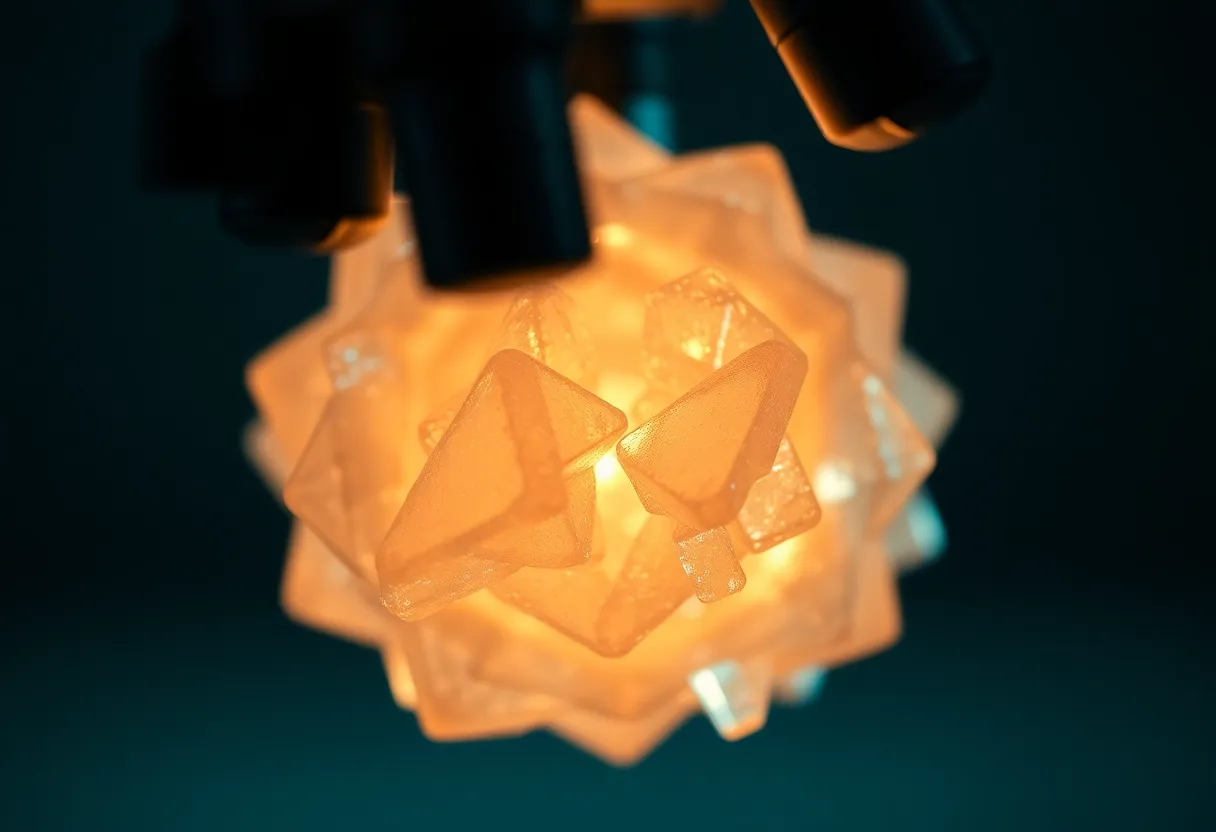
shot on Leica Q3, 28mm f/1.7 Summilux, with Rembrandt lighting achieved using a single octabox positioned at 45 degrees, shallow depth of field at f/1.7 for a soft background, employing a cinematic teal and orange color grading to create a dramatic mood, the composition uses a centered symmetrical approach to highlight a detailed close-up of a crystal structure under a microscope, showcasing the intricate textures and facets of the crystal.
3:2
captured with Hasselblad X2D 100C, 90mm f/2.5 medium format, illuminated by soft natural light filtering through trees creating dappled patterns, depth of field at f/5.6 ensuring a sharp focus across the whole scene, using natural muted tones with desaturated earth colors to reflect a serene environment, composition encompasses leading lines of tree branches guiding the eye towards a vibrant microcosm of fungal structures on a decaying log, emphasizing the textures of the fungi and wood.
16:9
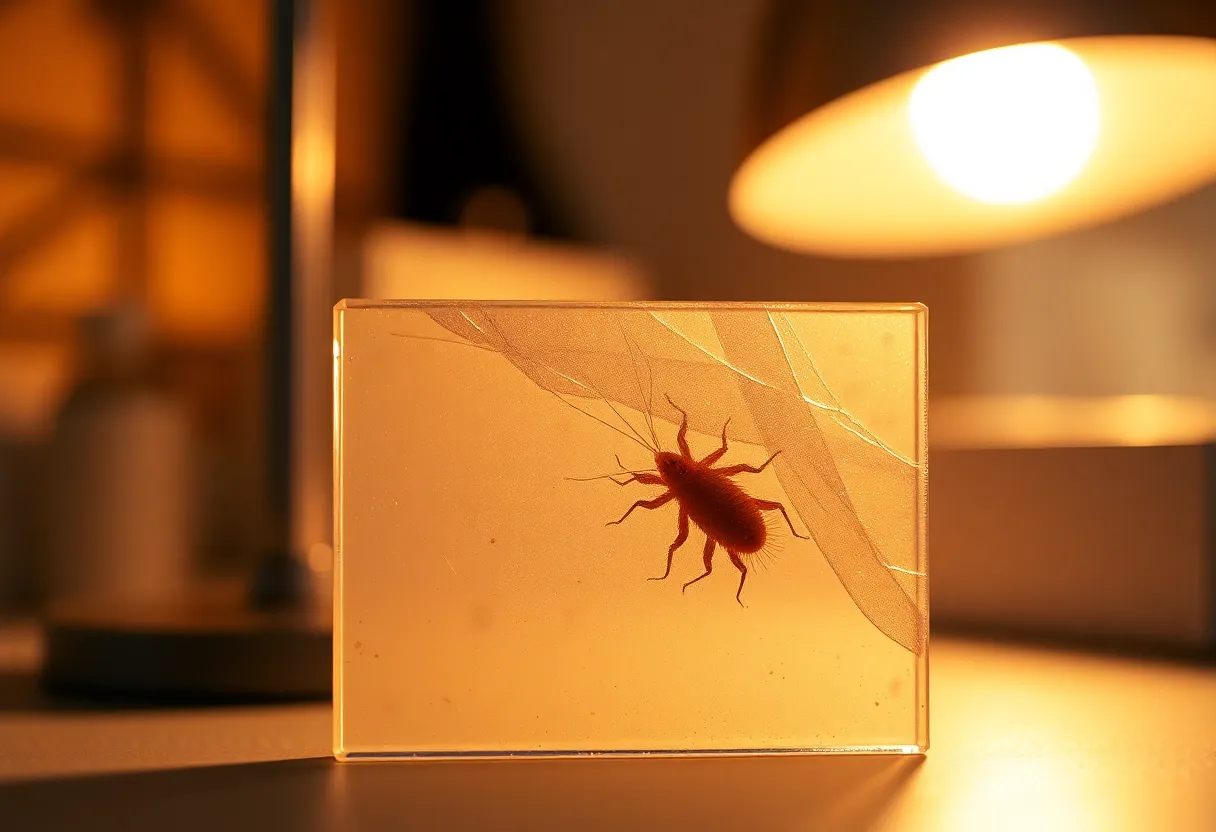
shot on Fujifilm GFX 100S, 110mm f/2 macro lens, illuminated with a warm tungsten desk lamp casting directional light, shallow depth of field at f/2 creating beautiful bokeh, using a Kodak Portra 400 color palette to enhance warm skin tones and soft highlights, the composition employs rule of thirds with a focus on a single specimen slide featuring a unique microorganism, showcasing the texture of the slide’s surface and the organism's fine details.
3:2
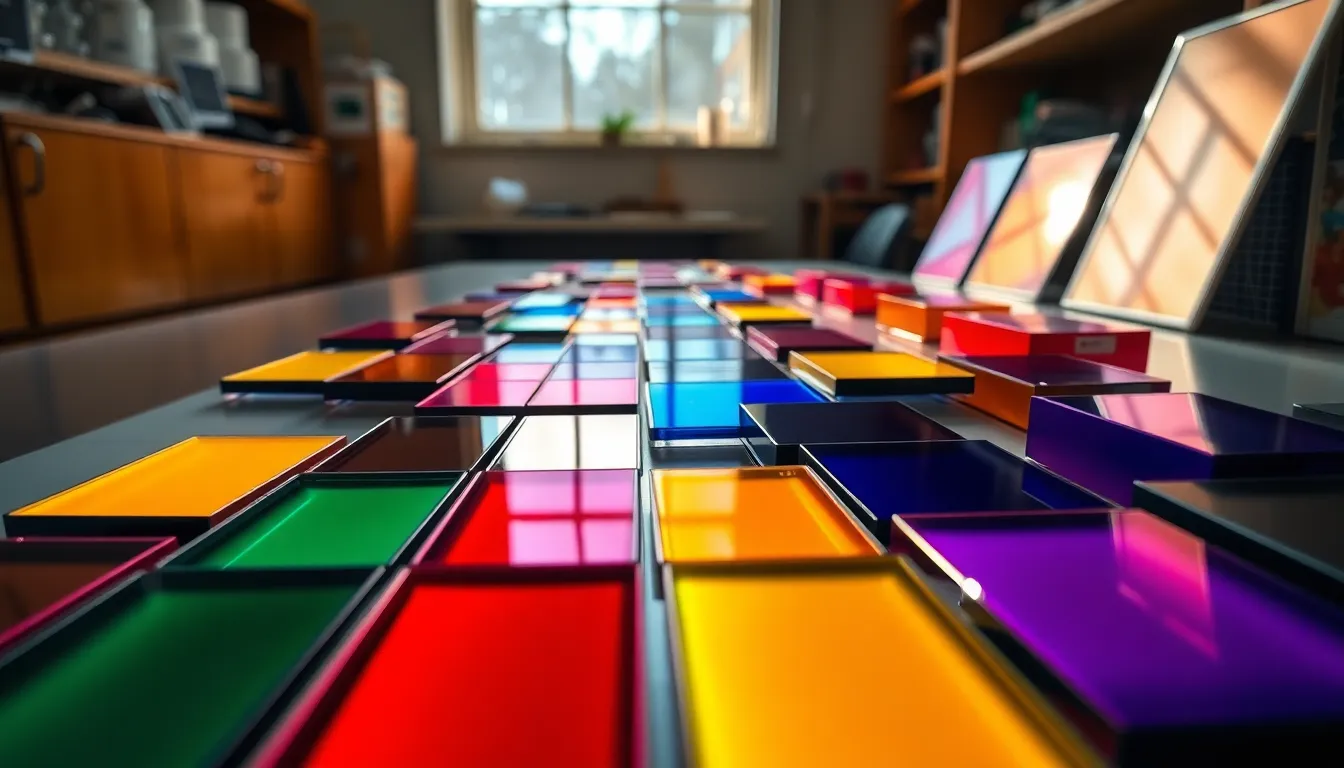
captured with Canon EOS R5, 24-70mm f/2.8L at 50mm, lit with soft diffused daylight from an overhead window, hyperfocal distance ensuring everything from the samples to the background remains tack-sharp at f/8, utilizing a Fujifilm Velvia-inspired saturated colors approach to highlight the vivid pigments, composition utilizing leading lines that draw the eye toward a range of colorful stained slides arranged on a table, with smooth glass surfaces reflecting light.
16:9
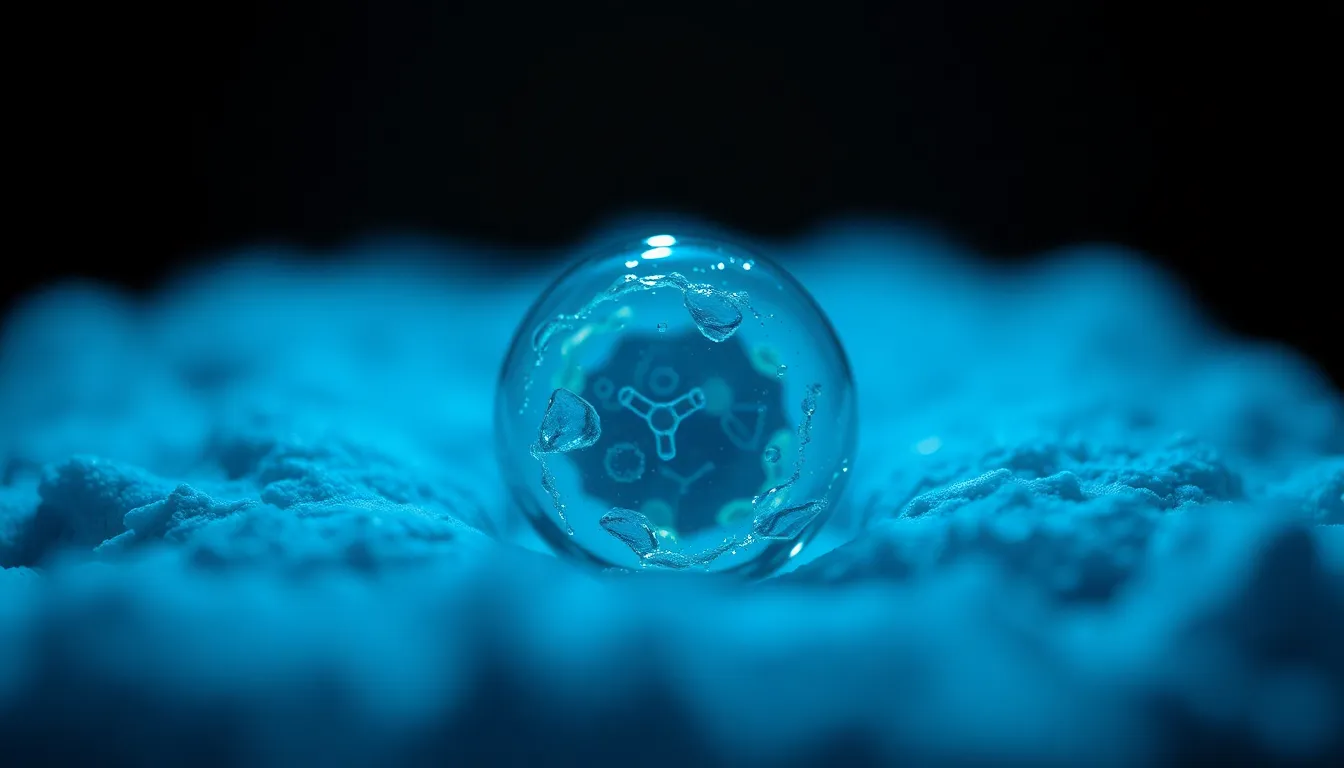
shot on Nikon Z9, 70-200mm f/2.8 telephoto at 100mm, illuminated with cold LED lighting for stark contrast, shallow depth of field at f/2.8 creating a soft bokeh that isolates the subject, using a natural muted tones color palette that emphasizes blues and greens, centered symmetrical composition highlighting a single cell structure with intricate details, surface textures like the roughness of cell membranes and fluidity of cytoplasm evident.
16:9
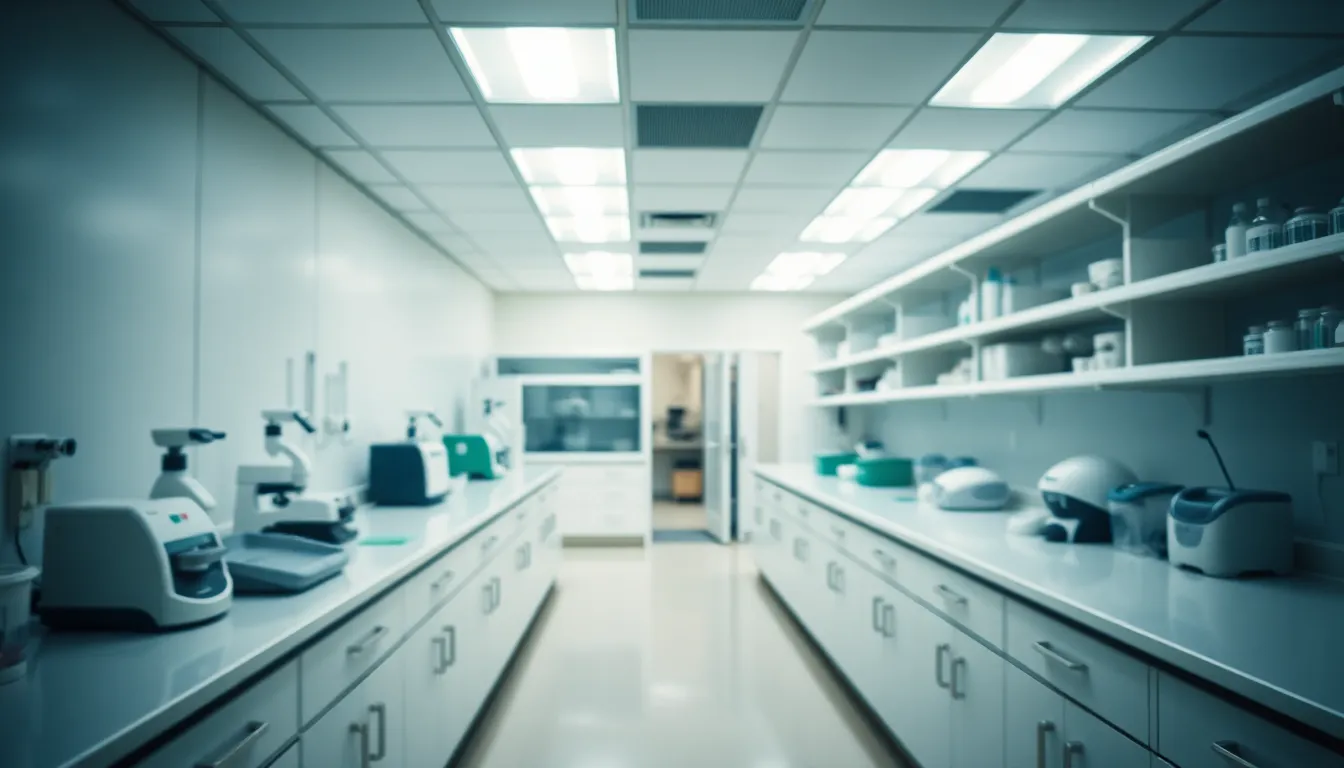
shot on Leica Q3, 28mm f/1.7 Summilux, under cool fluorescent lab lights offering a clinical feel, hyperfocal distance creating a sharp foreground with a blurred background, natural muted tones with clinical whites and greens, composition emphasizing the sterile environment with equipment lined neatly on the countertops.
16:9
captured with Hasselblad X2D 100C, 90mm f/2.5 medium format, illuminated by dappled sunlight filtering through trees outside the lab, tight focus on glass flasks with a shallow depth of field, using Kodak Portra 400 color palette for warm, inviting tones, leading lines with lab shelves guiding the eye toward the clustered glassware.
3:2
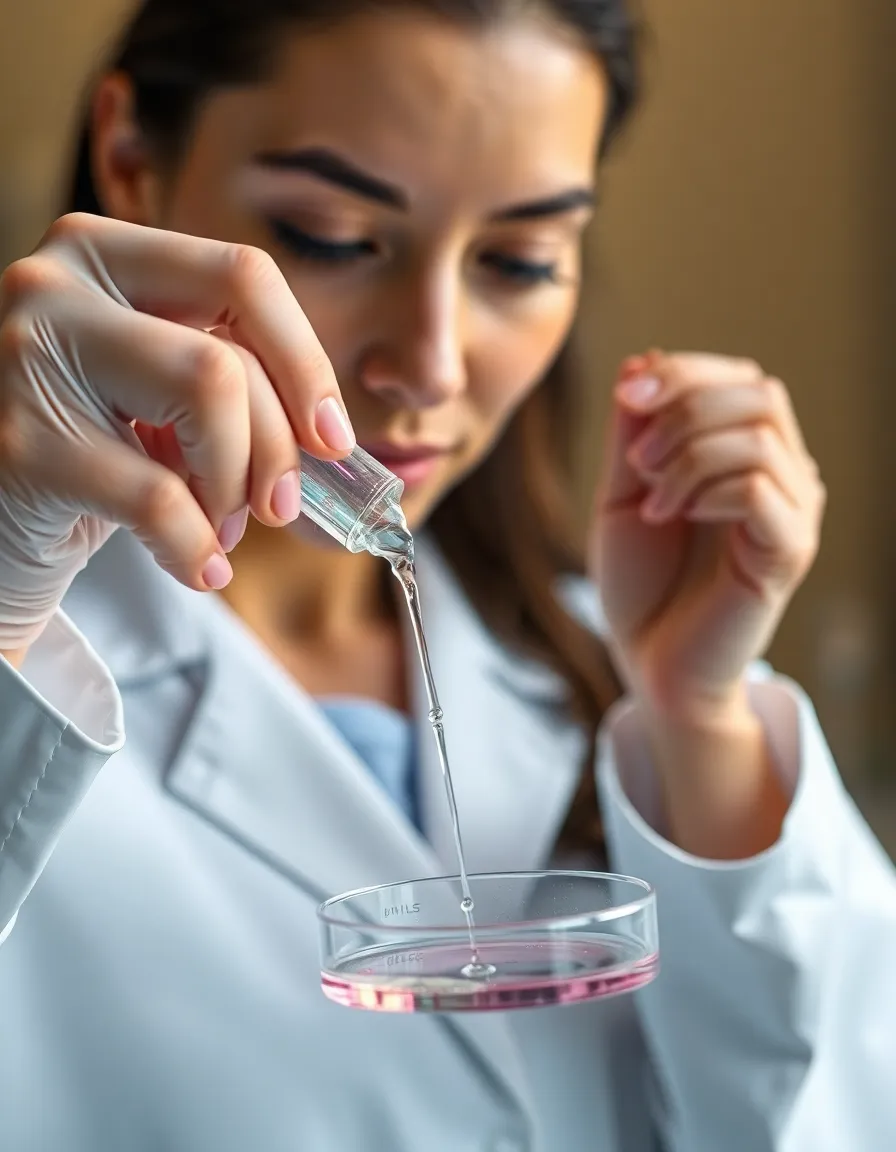
shot on Fujifilm GFX 100S, 110mm f/2 macro, with studio butterfly lighting to enhance the subject, shallow depth of field at f/2 creating a creamy bokeh, natural tones with a warm skin palette, composition featuring a female scientist in a lab coat pouring a reagent into a petri dish, highlighting skin texture and the details of her focused expression.
3:4
captured with Nikon Z9, 70-200mm f/2.8 telephoto at 105mm, with warm tungsten laboratory lights creating dramatic shadows, hyperfocal distance ensuring sharp focus from foreground to infinity, cinematic teal and orange color grading, centered symmetrical composition showcasing a laboratory workstation with test tubes and an embedded computer screen, textures highlighted through reflections on the glass and steel surfaces.
16:9
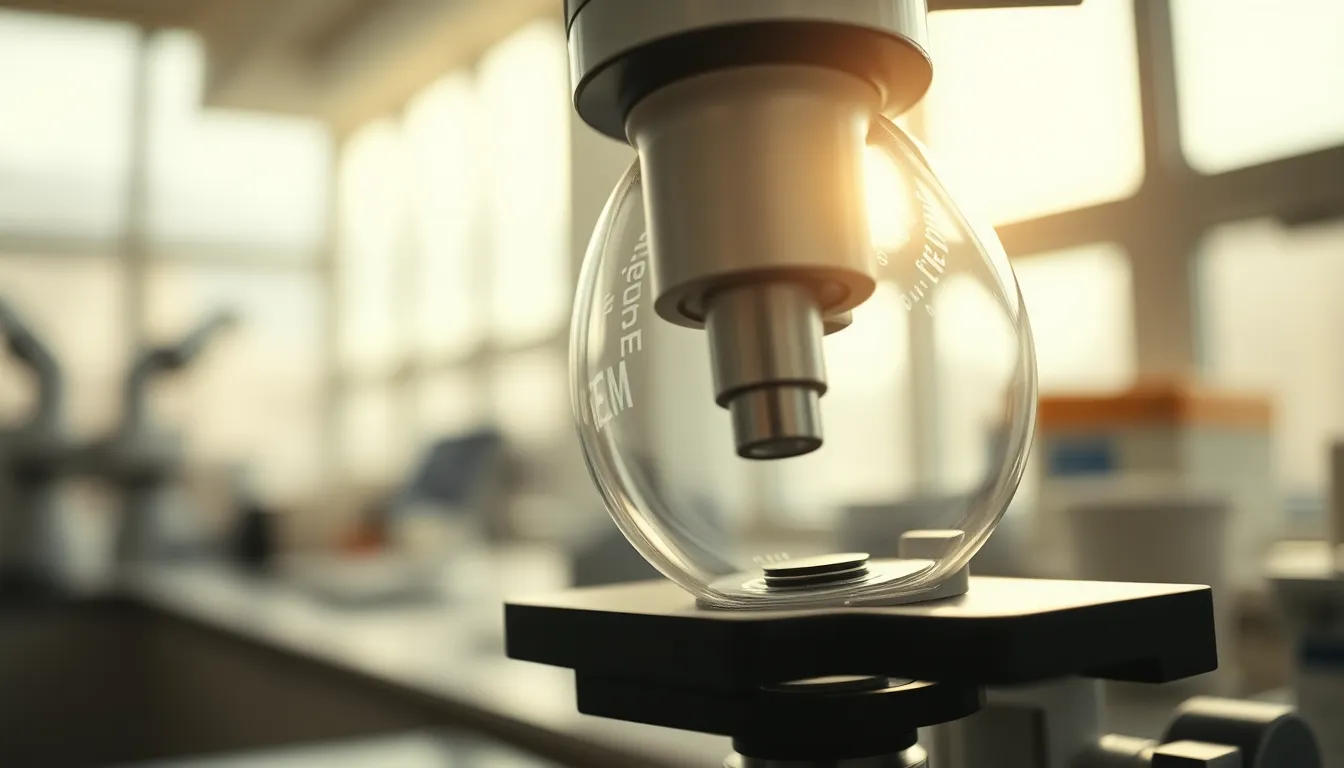
shot on Canon EOS R5, 24-70mm f/2.8L at 50mm, captured with overcast diffused daylight streaming through large laboratory windows, shallow depth of field at f/2.8 creating a soft bokeh, natural muted tones with desaturated earth colors, rule of thirds composition with a glass microscope at the right power point, showcasing intricate surface details with light reflections on the glass and metallic parts.
16:9

captured with Leica Q3, 28mm f/1.7 Summilux, showcasing a researcher studying DNA sequences on a high-resolution monitor in a dimly lit lab, illuminated by the soft glow of the screen. The image employs a selective focus technique on the researcher while the background features a gently blurred DNA sequence. Using a natural muted tone palette, the scene evokes a deep focus on the study of genetics. The composition adheres to the rule of thirds, placing the researcher at the left power point, emphasizing concentration and dedication. Textures on the researcher’s lab coat are visible, showing fabric details amidst the soft light.
16:9
shot on Hasselblad X2D 100C, 90mm f/2.5 medium format, under cool, clinical studio lighting with a single octabox at camera left for high-contrast Rembrandt lighting effect on a 3D printed DNA model. Utilizing a shallow depth of field at f/2.5, the main focus is on the model, while the background fades into a soft monochrome gradient. A cinematic teal and orange color grading adds a modern touch to the scientific subject. The composition is centered and symmetrical, emphasizing the structured design of the DNA model and the polished texture of its surface.
16:9
photographed with Fujifilm GFX 100S, 110mm f/2 macro lens, utilizing dappled sunlight filtering through a tree canopy to illuminate delicate DNA strands arranged in a natural setting. The image employs a shallow depth of field at f/2, creating creamy bokeh that accentuates the strands while softening the lush greenery behind them. A natural color palette featuring greens and browns enhances the organic aspect, while the composition highlights the DNA as a primary focal point, framed by surrounding foliage. The texture of the leaves and the intricate details of the DNA are both in harmony in this serene scene.
16:9
captured with Nikon Z9, 70-200mm f/2.8 telephoto at 135mm during a golden hour with soft, warm backlighting illuminating a strand of DNA on a lab table. The image uses hyperfocal distance to keep both the DNA and surrounding lab equipment sharply in focus at f/8. The natural color palette embraces muted earth tones with a touch of gold, enhancing the organic feel of the setting. Compositionally, the DNA strand is placed on the left power point, while laboratory tools create leading lines toward the subject. The brushed metal of the lab equipment subtly reflects golden light.
16:9
shot on Canon EOS R5, 24-70mm f/2.8L at 50mm, illuminated with a three-point studio setup featuring a key softbox at 45°, edge light for hair separation, and subtle fill to enhance details. Achieving a shallow depth of field at f/2.8, the focus rests sharply on a model holding a translucent DNA helix. Rich, saturated colors reminiscent of Fujifilm Velvia give a vibrant feel, while the composition centers the model within the frame. Textures of the model’s skin are natural, highlighting pores and freckles against the smooth, glassy surface of the DNA strand.
16:9
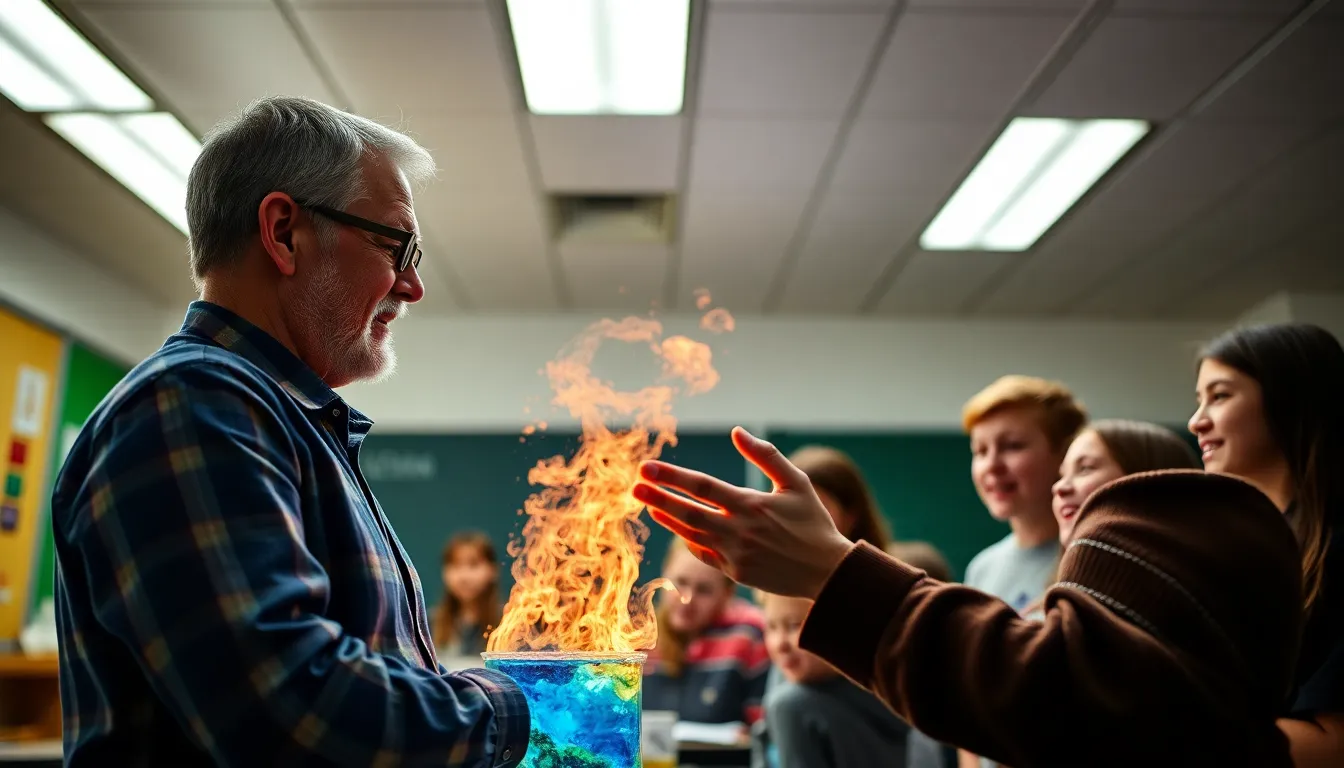
shot on Leica Q3, 28mm f/1.7 Summilux, capturing a dynamic scene of a teacher demonstrating a chemical reaction with vibrant colors in front of a classroom. Overhead fluorescent lighting provides bright, even illumination, highlighting the excitement in the students’ faces. The depth of field is shallow at f/1.7, focusing on the teacher’s engaged expression while the classroom fades into a soft bokeh. The composition captures the lively atmosphere, emphasizing the interaction between the teacher and students.
16:9
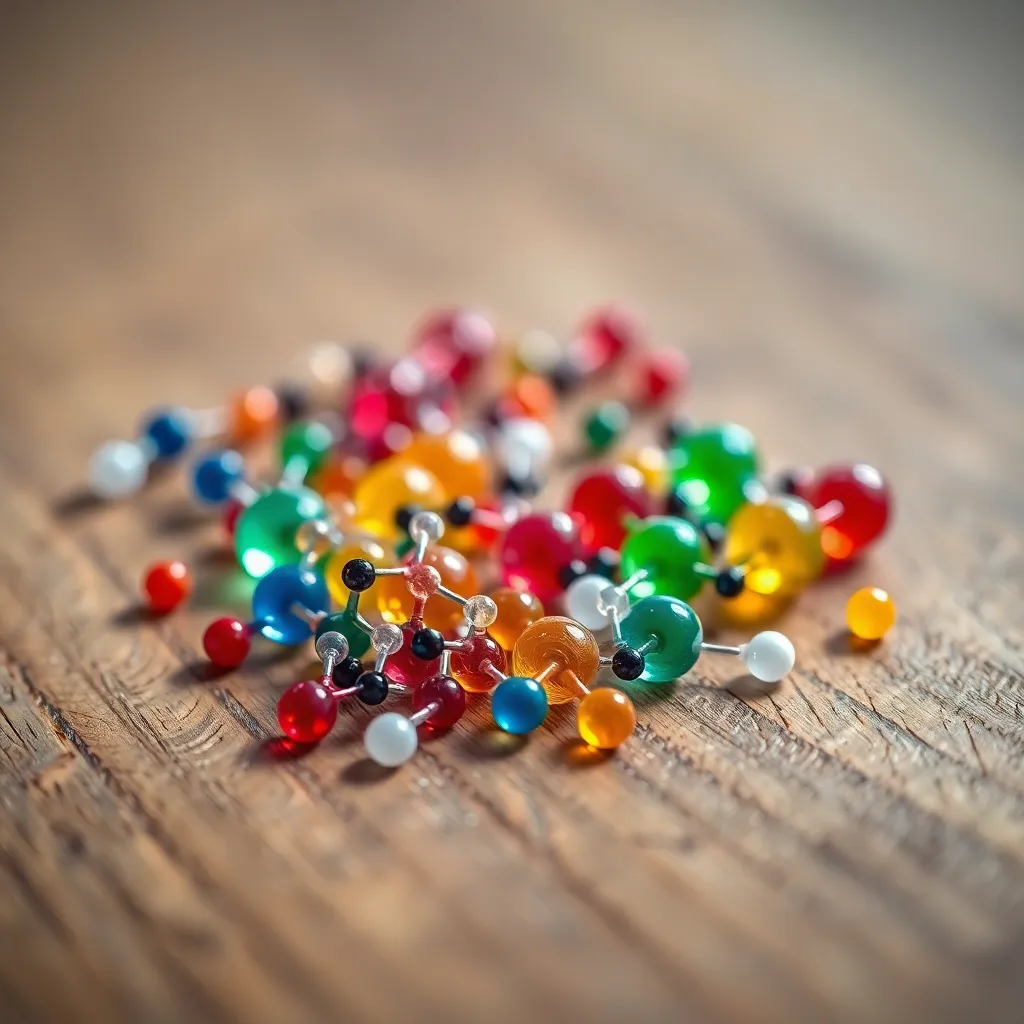
captured with Fujifilm GFX 100S, 110mm f/2 macro, showcasing a close-up of colorful chemical compounds meticulously arranged on a textured wooden surface. The lighting consists of soft diffused daylight that enhances the rich colors of the chemicals, creating a natural yet vibrant atmosphere. With a shallow depth of field at f/2, the foreground compounds are sharp while the background fades into a soft blur. The composition emphasizes the details of the compounds, inviting viewers to explore their textures.
1:1
shot on Hasselblad X2D 100C, 90mm f/2.5 medium format, with dramatic Rembrandt lighting casting deep shadows on a chemist in a lab coat, intently analyzing a chemical reaction in a petri dish. The shallow depth of field at f/2.5 isolates the chemist against a blurred backdrop of lab equipment. The color grading features a cinematic palette, with warm skin tones contrasting against cool laboratory colors. The composition centers on the chemist's focused expression and hands, creating an intimate connection.
3:4
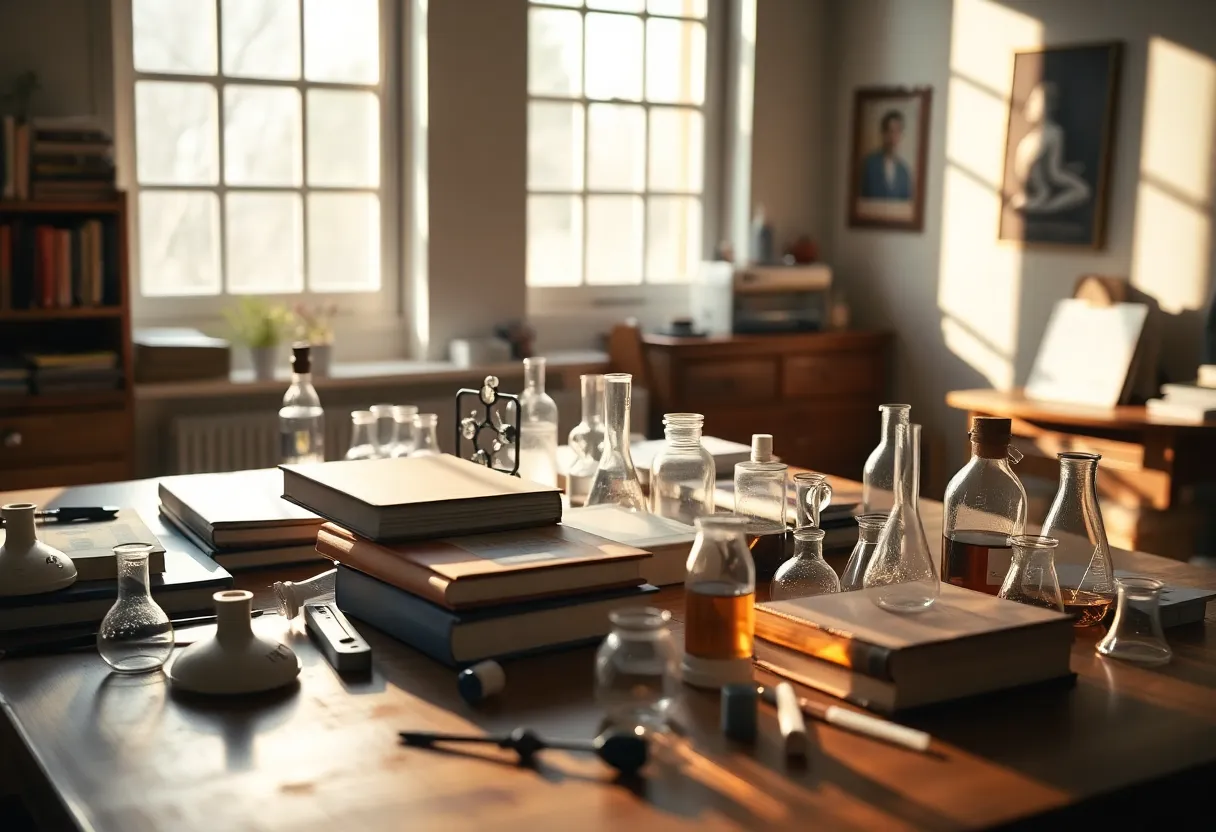
captured with Canon EOS R5, 24-70mm f/2.8L at 35mm, soft afternoon sunlight streaming through a window, casting gentle light across a table scattered with chemistry textbooks, molecular models, and tools. Natural light creates a warm, inviting atmosphere with muted tones and soft shadows. Hyperfocal distance ensures everything from foreground to infinity is tack-sharp at f/8. The composition emphasizes the tabletop's texture while placing elements strategically across the frame for balance.
3:2

shot on Nikon Z9, 70-200mm f/2.8 telephoto at 135mm, bright laboratory lighting illuminating an array of colorful glass beakers and flasks filled with vibrant liquids. Shallow depth of field at f/2.8 creates a creamy bokeh effect, with sharp focus on the foreground beakers. The color palette features vibrant blues, greens, and reds contrasting against the sterile white lab background. Composition utilizes leading lines created by the lab bench, drawing the viewer's eye across the scene. Glass surfaces reflect highlights, showcasing their intricate details.
16:9
Hasselblad X2D 100C, 90mm f/2.5 medium format, illuminated by three-point studio setup with key softbox creating soft shadows, butterfly lighting accentuating the textures of a human hand holding delicate flower petals, shallow depth of field at f/2.5 creating creamy bokeh in the background, natural muted tones with desaturated pastels emphasizing the gentle theme, composition highlights the hand's natural skin texture against the vibrant colors of the petals, evoking a sense of connection between human and nature.
16:9
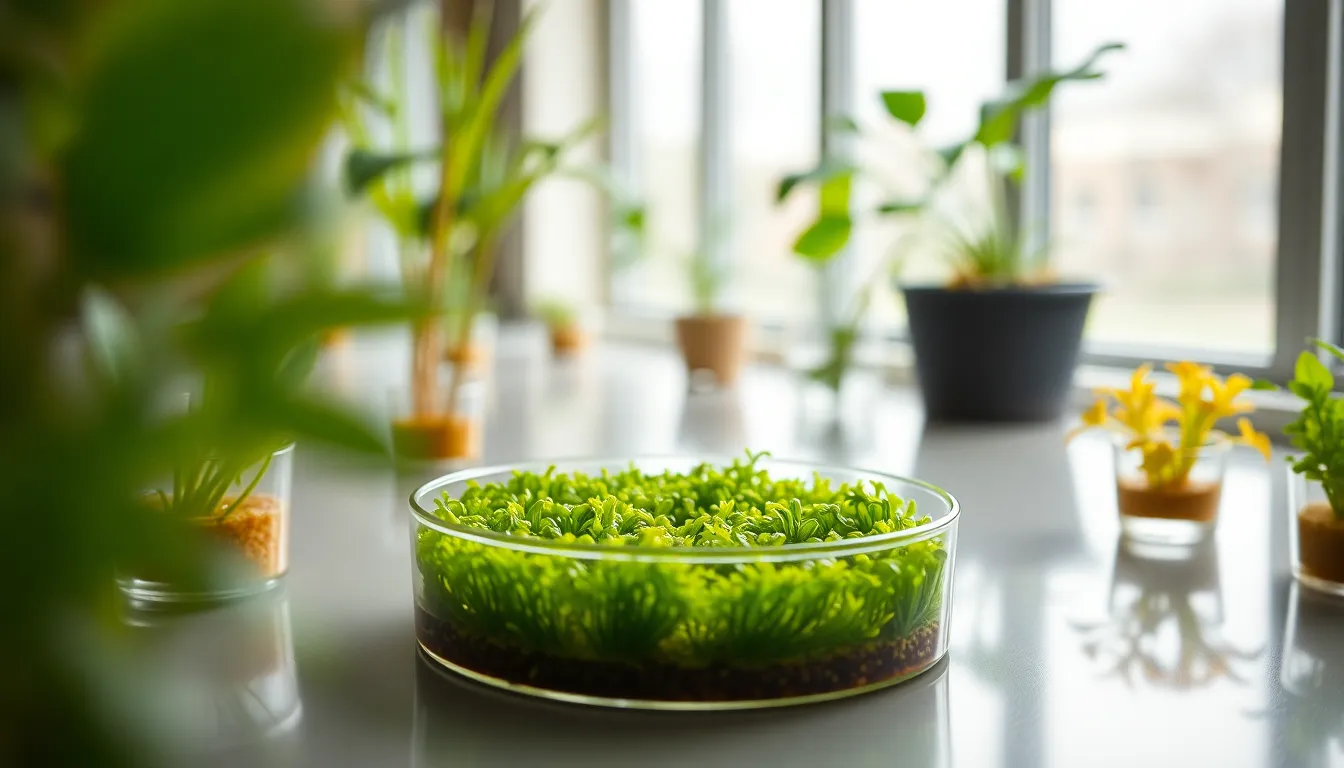
Fujifilm GFX 100S, 110mm f/2 macro, taken in a softly lit indoor environment with overcast diffused daylight pouring through large windows, hyperfocal distance ensuring all botanical details are sharply in focus at f/8, Kodak Portra 400 color palette enhancing warm skin tones and natural greens of laboratory plants, center composition showcasing a petri dish with vibrant green algae growing, with visible textures creating a fascinating biological study in the stillness of a lab setting.
16:9

shot on Sony A7R V with 85mm f/1.4 GM lens, dimly lit lab with warm tungsten bulbs casting soft pools of light, hyperfocal distance keeping all elements in focus at f/8, natural muted tones with desaturated earth colors emphasizing the intricate details of various fungi on a rustic wooden table, composition arranged in an organic, circular pattern to mimic nature, with textures like the velvety surface of the mushrooms and the rough grain of the wood creating a sense of earthy connection.
16:9
captured with Canon EOS R5, 24-70mm f/2.8L at 50mm, natural backlighting from a late afternoon sun filtering through the trees, shallow depth of field at f/2.8 with soft bokeh, Fujifilm Velvia-inspired saturated colors highlighting a butterfly perched delicately on a vibrant flower, composition emphasizes the butterfly centered with leading lines of petals drawing the eye in, showcasing the intricate patterns on the butterfly's wings and the textured petals of the flower.
16:9