Satellites
90 images
Fujifilm GFX 100S, 110mm f/2 macro, capturing a detail-rich image of a satellite dish against a vibrant blue sky, with dappled sunlight filtering through nearby trees. The macro shot reveals the texture of the dish’s surface, showcasing its intricate design and material. A shallow depth of field blurs the background, drawing attention to the dish while maintaining the beauty of the surrounding nature. The color palette features rich greens and blues, inspired by nature and technology blending harmoniously. The composition employs centered symmetry, with the dish prominent in the foreground against the clear sky. Textural details include the smooth metal surface of the dish contrasted with the natural leaves and branches around.
16:9

Hasselblad X2D 100C, 90mm f/2.5 medium format, showcasing a detailed view of satellite construction in a workshop with soft diffused daylight filtering through large windows. The warm light highlights the various materials like carbon fiber and aluminum, creating a blend of soft shadows and bright accents. The depth of field is shallow at f/2.5, softly blurring the surrounding tools and equipment, while a natural muted tones palette enhances the industrial feel. The composition centers on a group of engineers collaborating around a satellite shell, framed by tools on a workbench, emphasizing teamwork and innovation. Textural notes include the smooth finish of the satellite and the rough surfaces of the workshop environment.
16:9
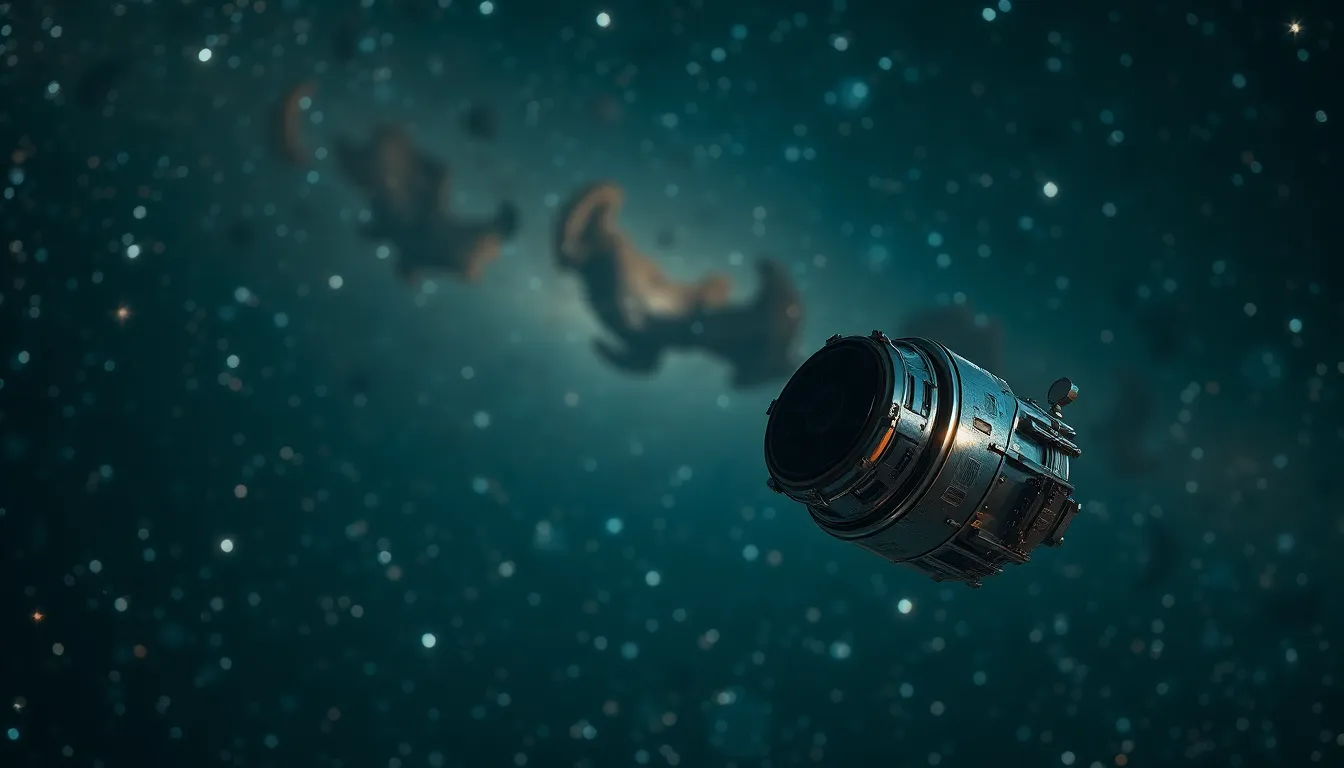
Nikon Z9, 70-200mm f/2.8 telephoto at 135mm, capturing a close-up of a satellite in space, lit by the sun with sharp highlights and deep shadows creating a dramatic effect. The focus on the satellite's intricate solar panels is selective, with a creamy bokeh background of distant stars. A Fujifilm Velvia-inspired saturated colors palette enhances the vibrancy of the satellite against the blackness of space. The composition uses a centered symmetrical format, emphasizing the satellite’s design and technology. Detailed textures include the metallic surface of the satellite and the subtle details of its solar cells.
16:9
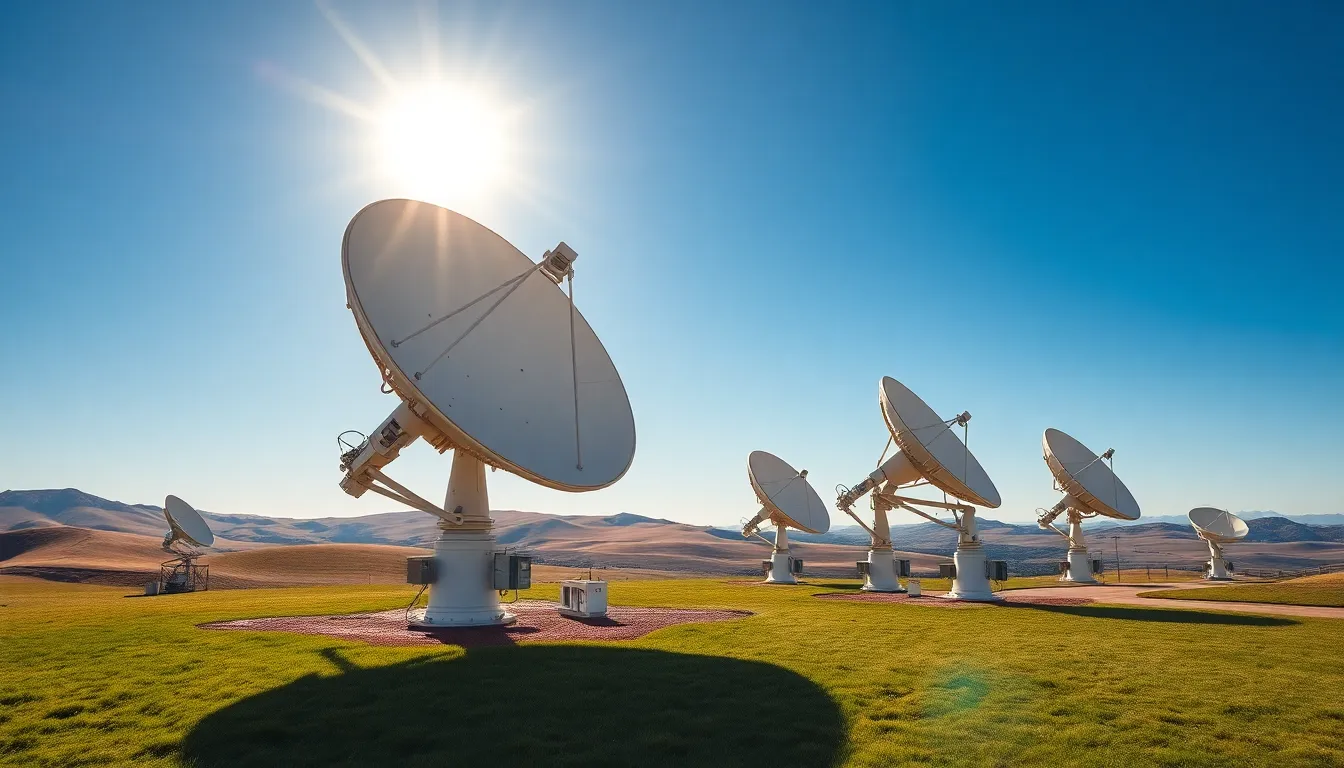
shot on Sony A7R V with 85mm f/1.4 GM lens, utilizing bright midday sunlight to highlight a satellite ground station. The light creates sharp contrasts and vibrant colors, showcasing the intricate details of the dishes and equipment. A hyperfocal distance at f/8 keeps everything from the foreground to infinity tack-sharp, while a natural muted tones palette enhances the serene setting. The composition uses leading lines formed by the satellite dishes to draw the eye towards the horizon, where the blue sky meets distant rolling hills. Textural details include the weathered surfaces of the equipment and the rich green grass surrounding the station.
16:9

captured with Canon EOS R5, 24-70mm f/2.8L at 35mm, featuring dramatic sunset lighting that casts warm, golden hues across the scene. The satellite is in low earth orbit, with Earth visible below, showcasing vibrant greens and blues from the atmosphere. A shallow depth of field at f/2.8 creates bokeh in the sky, while a cinematic teal and orange color grading emphasizes the futuristic feel. The composition follows the rule of thirds, placing the satellite prominently off-center against a backdrop of twinkling stars and wispy clouds. Textured details include the metallic surface of the satellite and the smooth curvature of the Earth below.
16:9
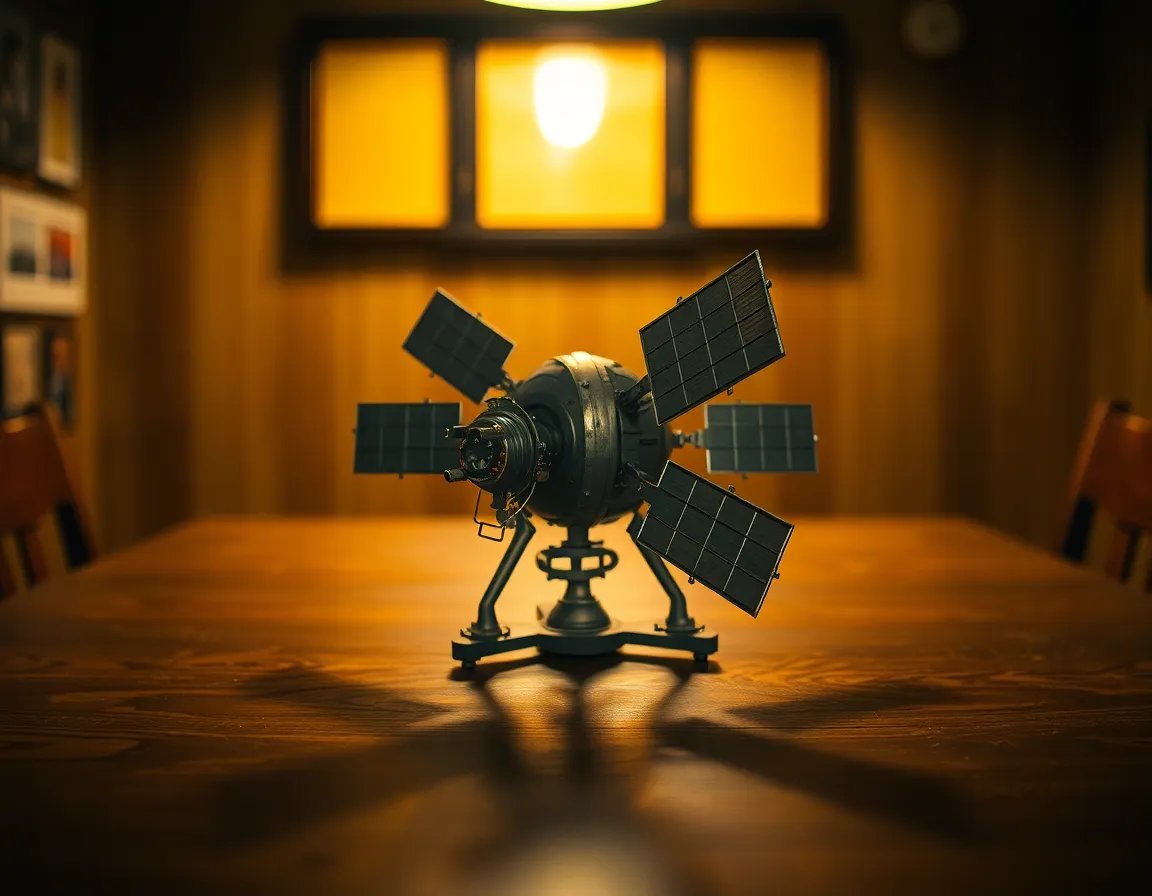
shot on Hasselblad X2D 100C, 90mm f/2.5 medium format, depicting a vintage satellite model displayed on a wooden table, under warm tungsten light. The depth of field is shallow, emphasizing the satellite’s intricate details and weathered textures. The color palette consists of rich browns and soft yellows, evoking a nostalgic feel. The composition features a centered symmetrical arrangement, with the satellite model framed by soft shadows cast by the lighting, highlighting its vintage craftsmanship against the smooth surface of the table.
4:3

captured with Fujifilm GFX 100S, 110mm f/2 macro, featuring a detailed aerial view of multiple satellites in orbit around Earth during a vibrant sunset. The shot showcases the metallic textures of the satellites against the warm palette of the setting sun, with hues of orange, pink, and deep purple creating a stunning backdrop. Using a shallow depth of field at f/2, the satellites are sharply in focus while the distant horizon blurs softly into color. The composition is balanced with a cluster of satellites placed in the upper third, allowing the sunset to fill the rest of the frame.
16:9
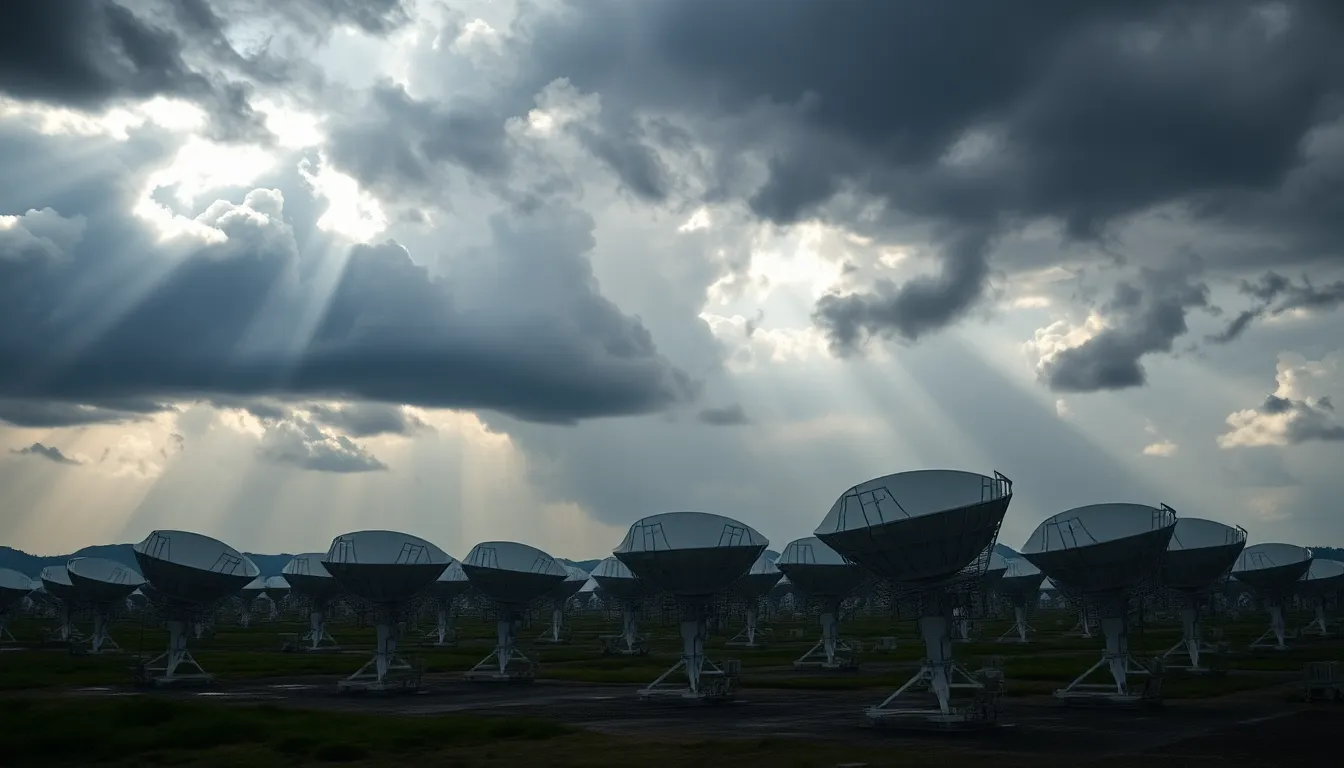
Nikon Z9, 70-200mm f/2.8 telephoto at 135mm, depicting a dramatic landscape of satellites arrayed in a ground station during a stormy afternoon, with dark clouds swirling overhead and occasional beams of sunlight breaking through. The depth of field is hyperfocal at f/8, ensuring sharpness from foreground to background. The color palette embraces the moody grays of the storm clouds contrasted with the bright metallic surfaces of the satellites. The composition uses a rule of thirds, placing the satellite array off-center to capture the menacing sky behind them.
16:9
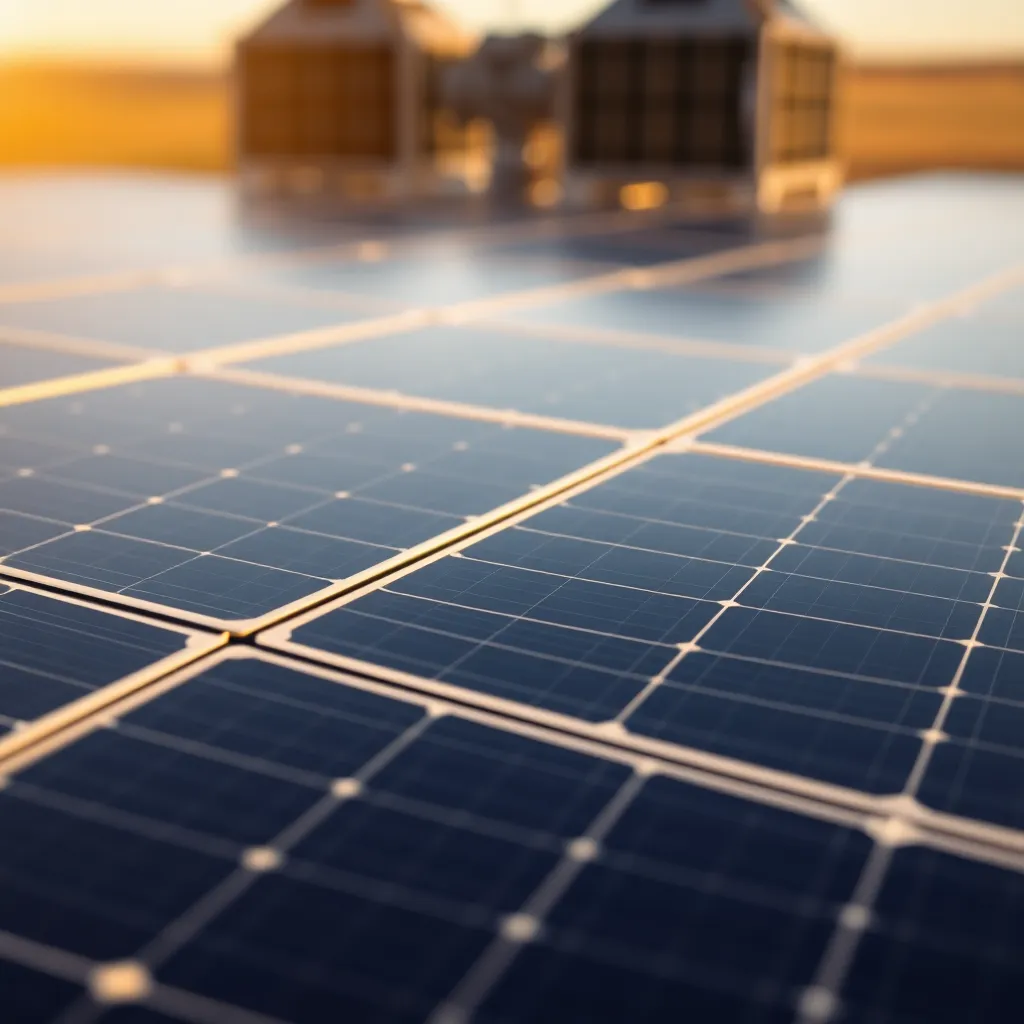
shot on Sony A7R V with 85mm f/1.4 GM lens, featuring an intricate close-up of satellite solar panels, illuminated by warm afternoon sunlight. The image captures the subtle textures of the panels, showcasing their reflective surfaces and intricate grid patterns. Using a shallow depth of field at f/1.4, the background melts into creamy bokeh, emphasizing the subject. The color palette includes rich golds and deep blues, reminiscent of high-tech machinery, while the composition emphasizes symmetry with a centered focus on the solar panels.
1:1
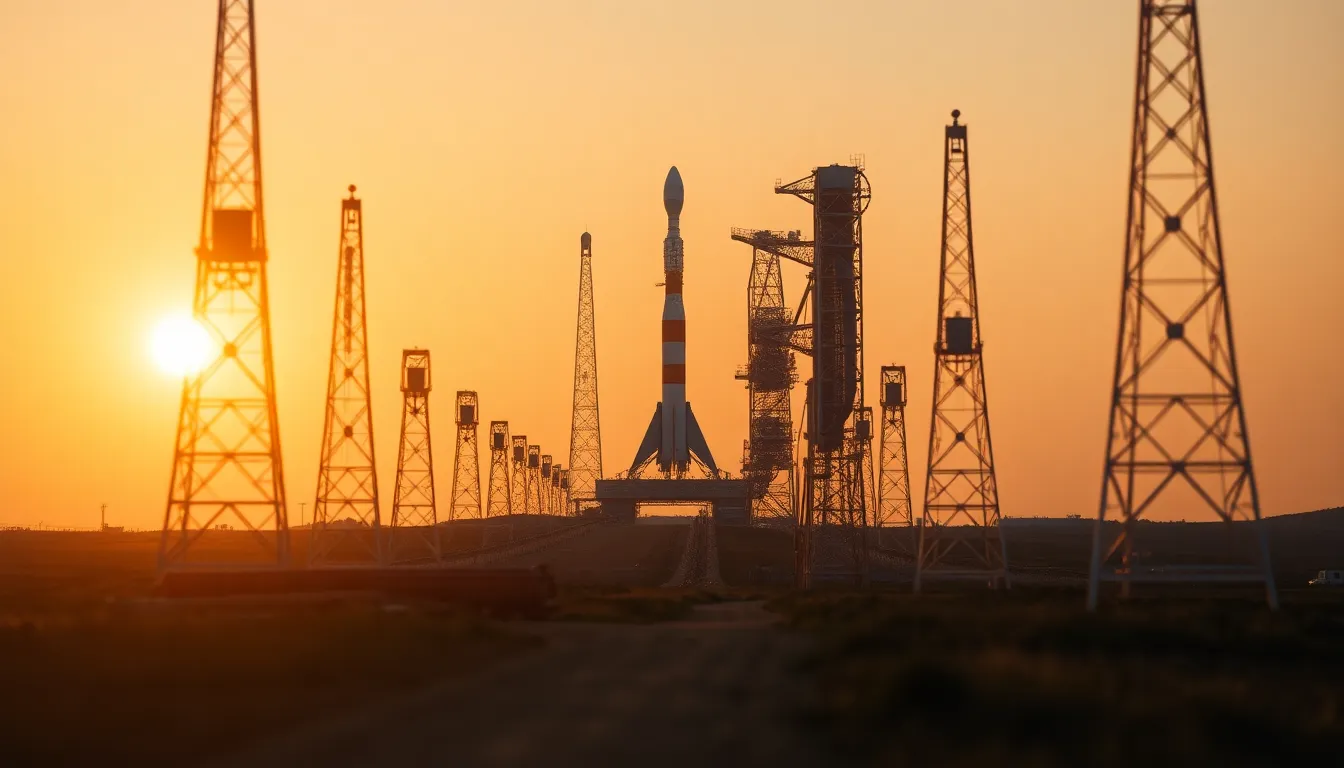
captured with Canon EOS R5, 24-70mm f/2.8L at 35mm, depicting a high-tech satellite gracefully orbiting Earth during twilight, backlit by the fading sun casting deep blues and purples across the sky. The scene features a shallow depth of field at f/2.8, creating a dreamy bokeh effect on nearby stars. The color palette showcases vibrant ceruleans and violets, with soft reflections illuminating the satellite's metallic surface. The composition uses leading lines from the curvature of the Earth to direct the viewer's gaze to the satellite, set against a backdrop of twinkling stars.
16:9

Fujifilm GFX 100S, 110mm f/2 macro capturing the intricate details of satellite solar panels, overcast diffused daylight providing soft and even lighting, selective focus on the textured surface of the solar panels with a blurred background of space, natural muted tones with desaturated blues and greys for realism, composition using foreground framing to highlight the panels while creating a sense of depth.
16:9
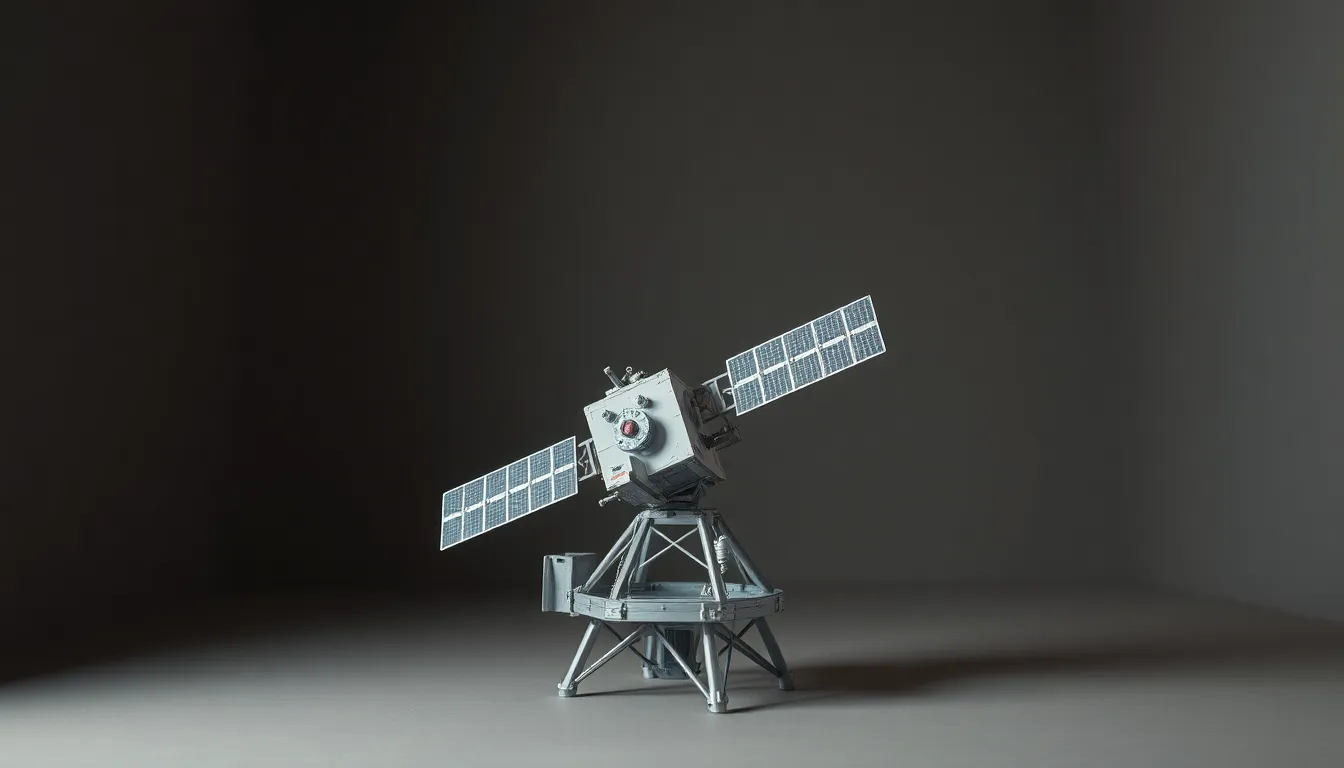
Hasselblad X2D 100C, 90mm f/2.5 medium format shot of a communication satellite model in a studio setting, three-point studio setup with key softbox providing high contrast light on the satellite, the subject is sharp with a shallow depth of field at f/2.5, natural muted tones with desaturated earth colors, centered composition to keep the focus entirely on the model with visible details of its structure and texture.
16:9
Nikon Z9, 70-200mm f/2.8 telephoto at 135mm capturing a low earth orbit satellite zoomed in against a starry night sky, natural starlight illuminating the satellite's metallic surface, sharp focus on the satellite with a vast field of stars melting into soft bokeh around it, cinematic teal and orange color grading enhancing the visual drama of the space setting, rule of thirds with the satellite positioned at one of the power points to create dynamic tension.
16:9
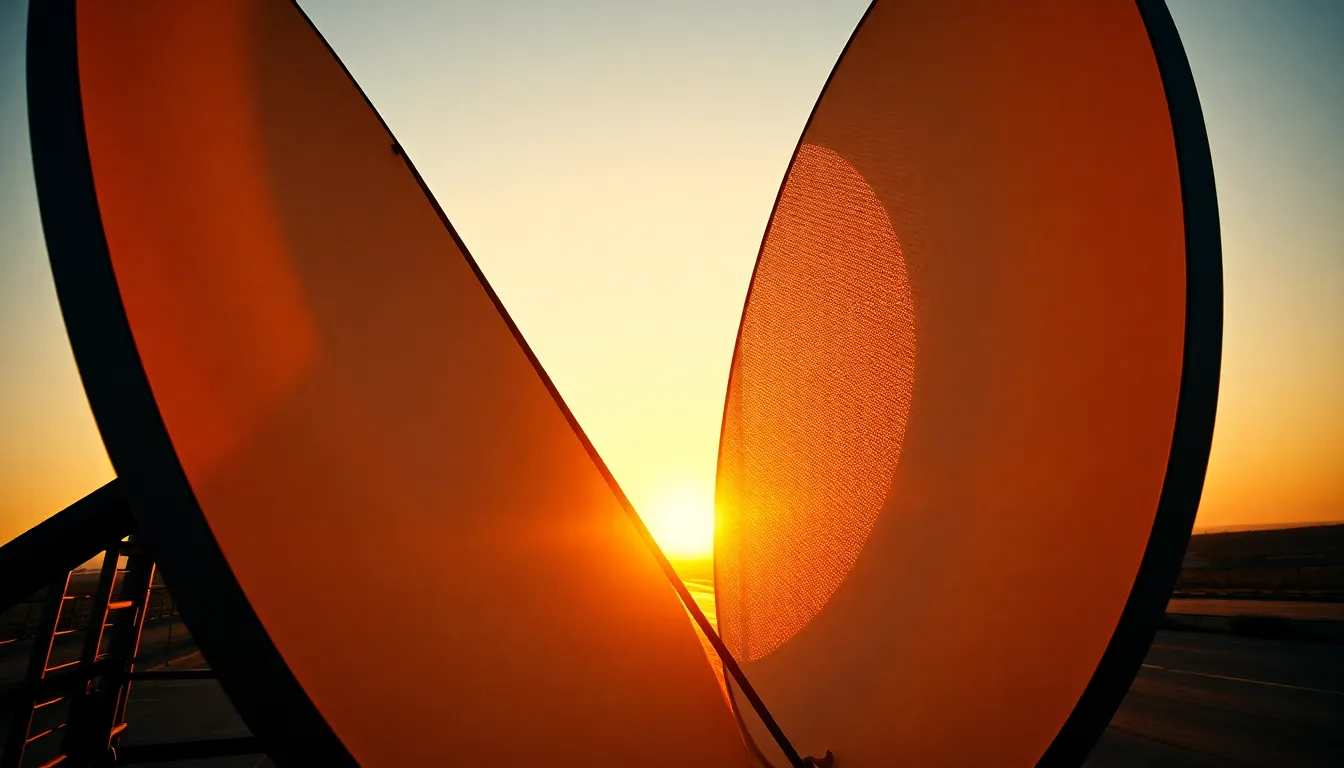
shot on Sony A7R V with 85mm f/1.4 GM lens, golden hour backlighting creating a warm rim light on a satellite dish, hyperfocal distance ensuring everything from the dish to the horizon is tack-sharp at f/8, Kodak Portra 400 color palette emphasizing warm skin tones and creamy highlights, leading lines of the dish's structure drawing the eye towards the sunset horizon, the textured surface of the dish showing detailed grime and wear from years of exposure.
16:9
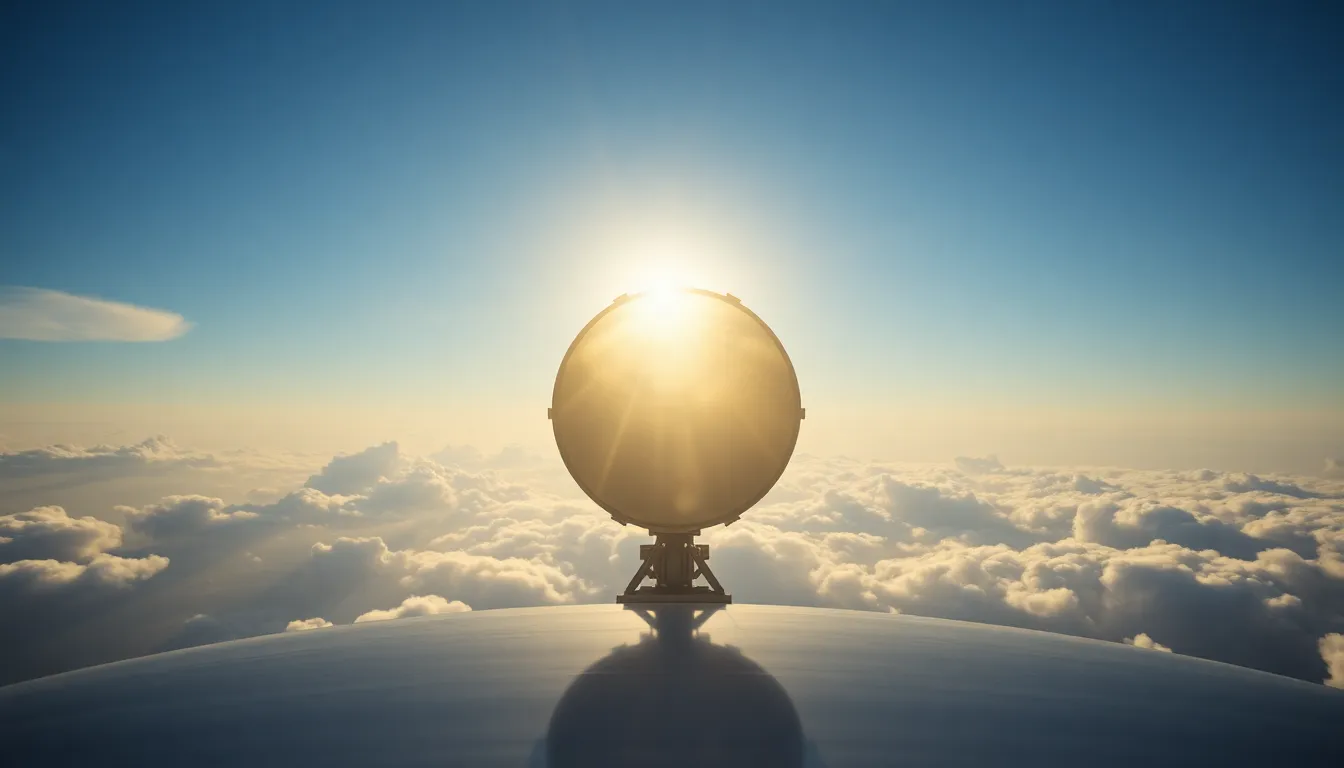
captured with Canon EOS R5, 24-70mm f/2.8L at 50mm, dappled sunlight filtering through a high-altitude stratospheric cloud creating a unique atmospheric effect, shallow depth of field at f/2.8 with a soft bokeh of clouds in the background, natural muted tones with desaturated earth colors, centered symmetrical composition showcasing a high-tech satellite poised against the backdrop of soft blue skies, polished aluminum surface reflecting ambient light and cloud textures.
16:9
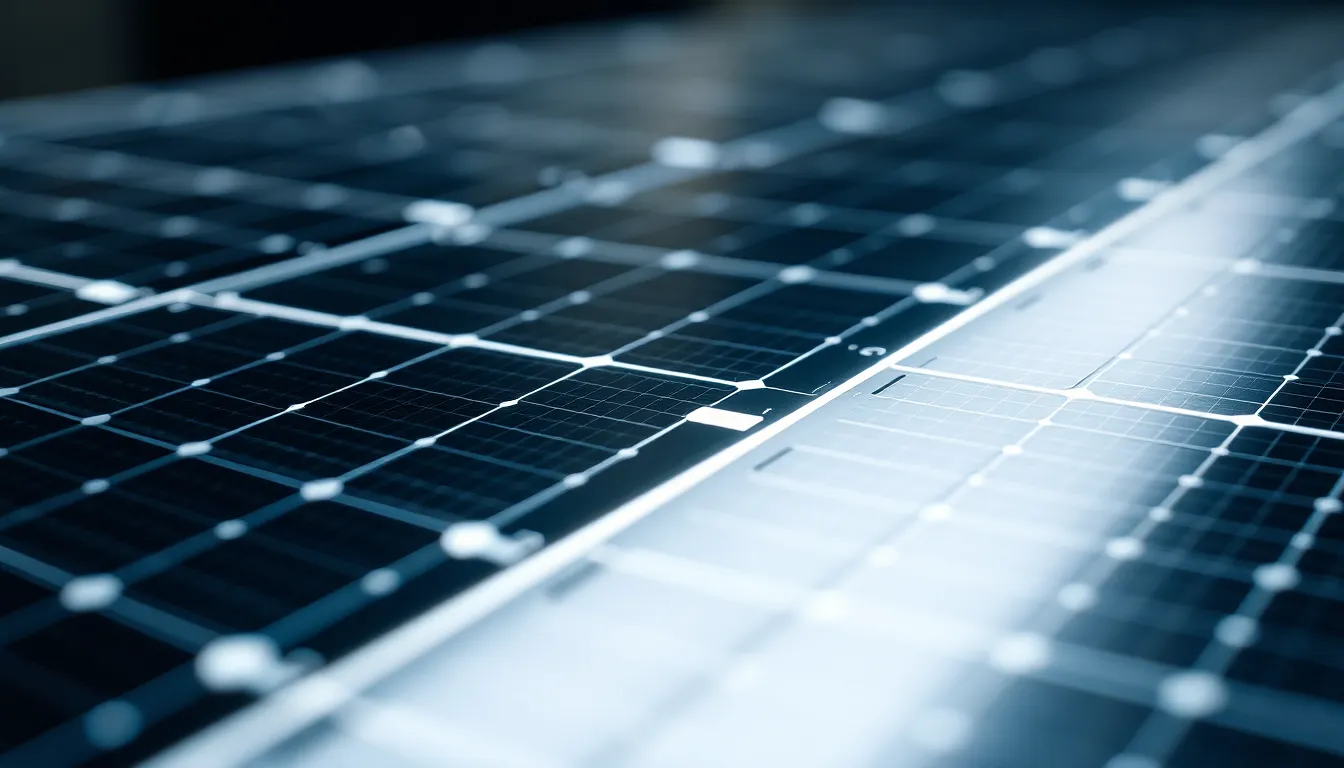
A detailed close-up of a satellite's solar panel, captured with a Hasselblad X2D 100C, 90mm f/2.5 medium format lens. The scene is lit with diffused natural daylight, enhancing the textures and intricate grid patterns of the solar cells. The depth of field is shallow at f/2.5, allowing the focus to remain on the solar panel while creating a soft, dreamy bokeh in the background. The color palette includes deep blacks and metallic silvers, emphasizing the technology's elegance. The composition is centered, highlighting the delicate details of the solar panel structure.
16:9
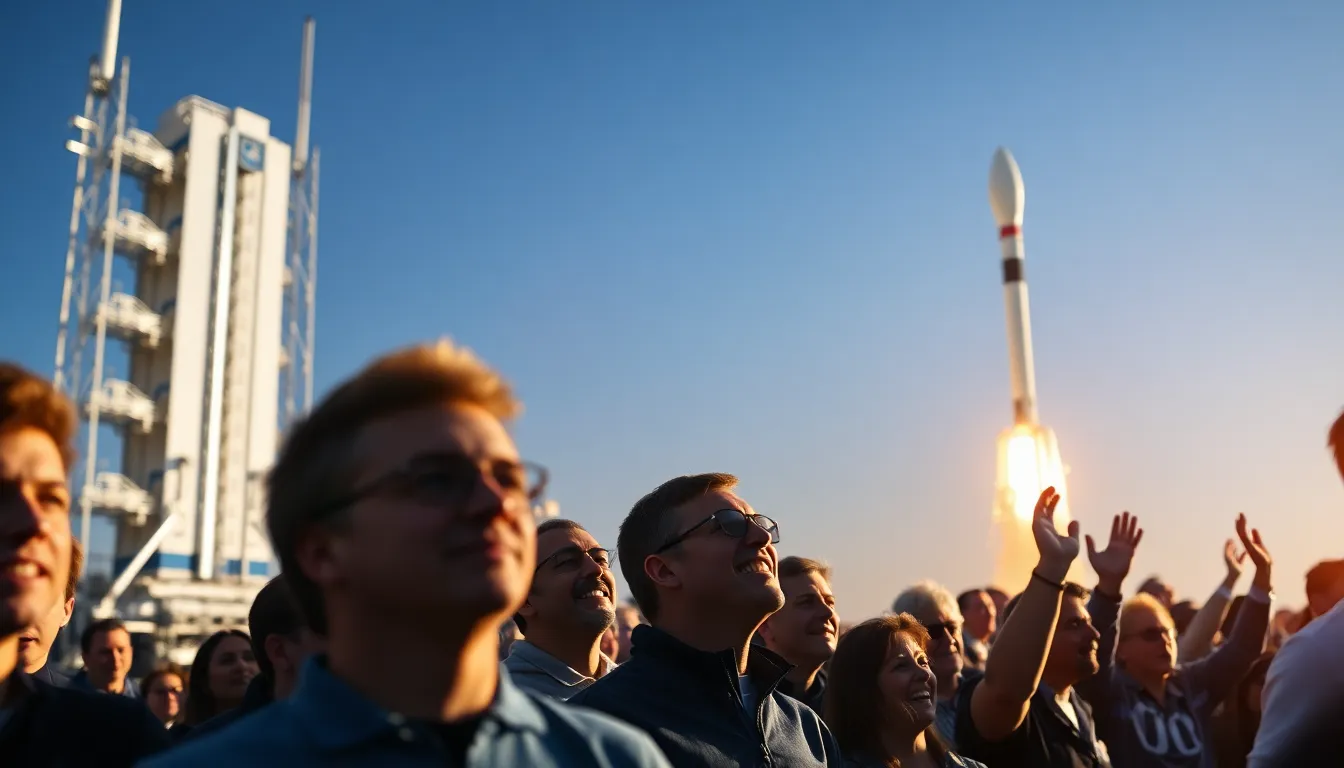
A satellite launch event captured with a Leica Q3, 28mm f/1.7 Summilux, showcasing the excitement of a crowd gathering as a rocket is prepared for launch. Natural daylight illuminates the scene, creating bright highlights and sharp contrasts against the sky. The depth of field is shallow at f/1.7, focusing sharply on the enthusiastic faces of the crowd while the rocket stands tall in the background, softly blurred. The color palette is rich in blues and whites, reflecting the rocket's features and the bright sky. The composition follows the rule of thirds with the rocket positioned to the right side, allowing room for the cheering crowd on the left.
16:9

An illustration of satellite technology in a futuristic urban environment at night, captured using a Fujifilm GFX 100S, 110mm f/2 macro. The scene features glowing satellite dishes installed atop skyscrapers, lit by neon lights and digital screens. The depth of field is shallow at f/2, blurring the background cityscape into an abstract bokeh of lights. The color palette is vibrant, with electric blues, pinks, and purples dominating the scene. The composition is centered, focusing on the satellites, while reflections of city lights on glass surfaces add depth and intrigue.
16:9
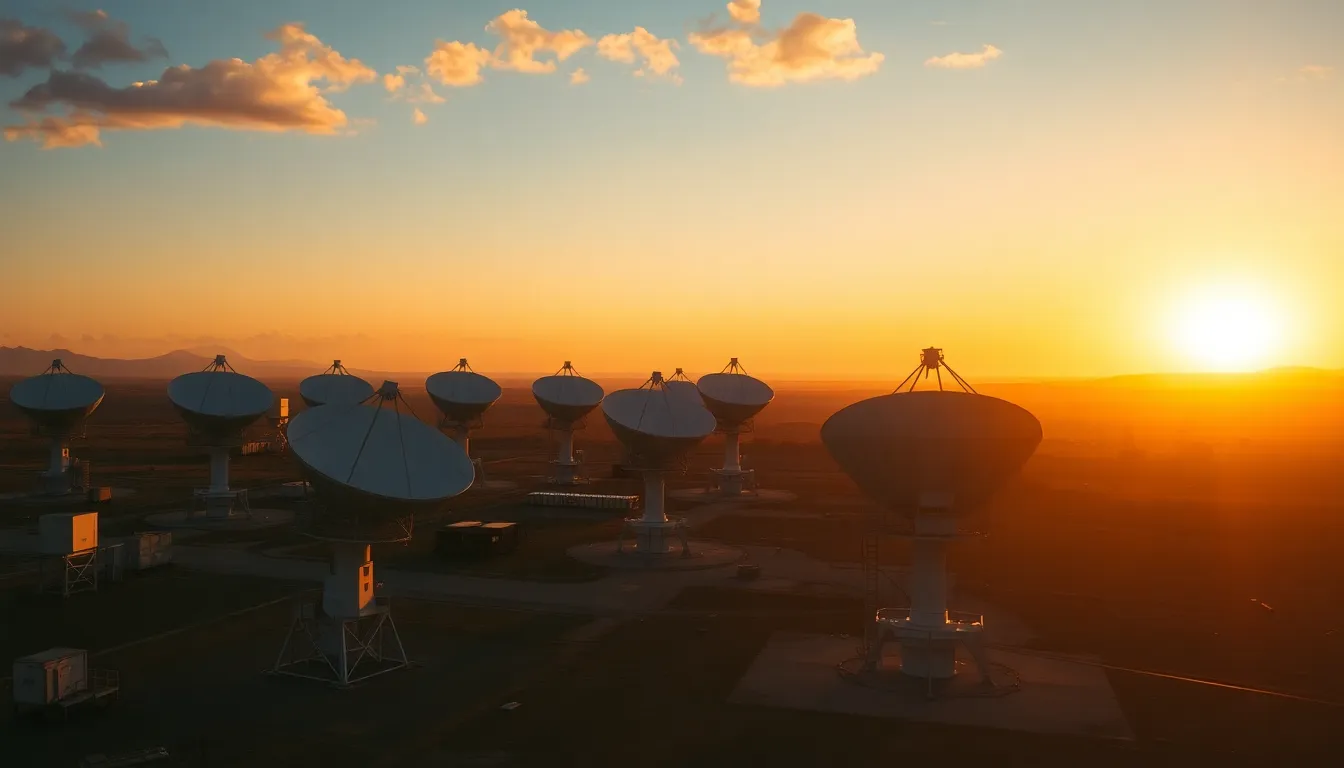
Aerial view of a large satellite ground station under a sunset sky, captured using the Canon EOS R5, 24-70mm f/2.8L at 35mm. The scene is dramatically lit by warm golden hour light, creating rich shadows and highlights on the dishes. The depth of field is hyperfocal at f/8, ensuring everything from the foreground antennas to the distant horizon is in focus. The color palette captures the warm oranges and soft blues of the sunset sky. The composition features leading lines formed by the antennas pointing towards the horizon, drawing viewers' eyes through the image.
16:9
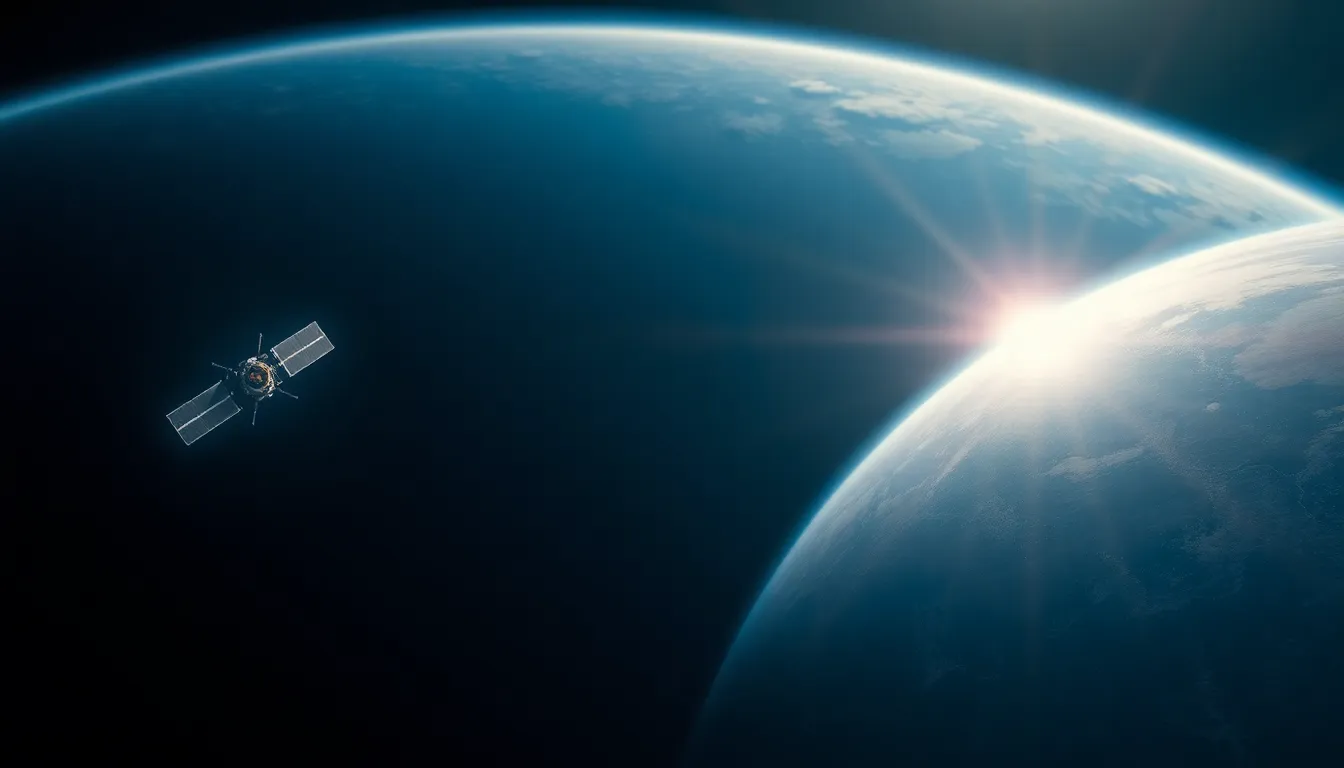
A stunning view of a satellite orbiting Earth, captured with a Nikon Z9, 70-200mm f/2.8 telephoto at 135mm. The image showcases the satellite illuminated by the sun against the deep blue of space, with Earth visible in the background. The scene is lit with natural sunlight, producing a vibrant contrast of dark and bright areas. The depth of field is shallow at f/2.8, ensuring that the satellite is in sharp focus while the curvature of Earth softly blurs into the background. The color palette features deep space blues and bright whites. The composition follows the rule of thirds, placing the satellite in the left section of the frame, while fine textures of the satellite's surface are highlighted by the sunlight.
16:9
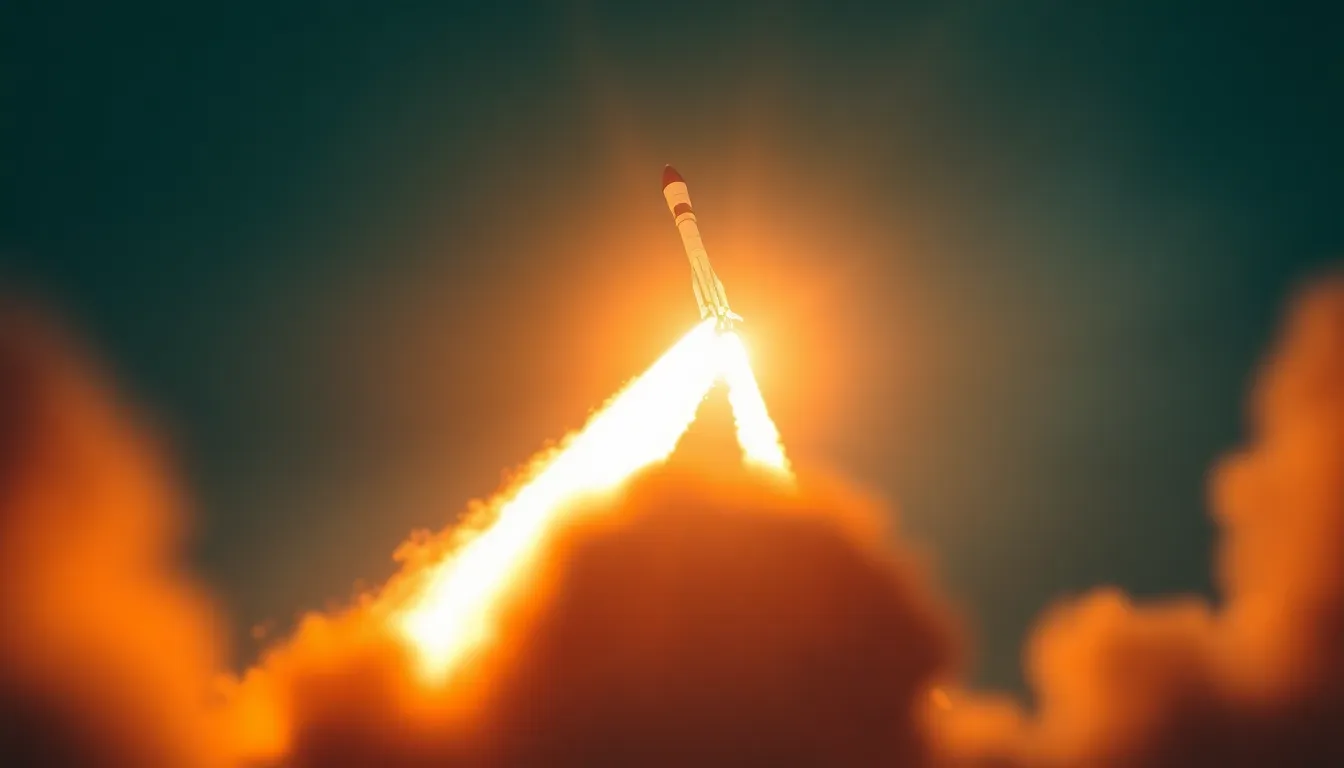
A satellite launch captured in mid-flight, shot on Sony A7R V with an 85mm f/1.4 GM lens. The powerful scene is illuminated by the bright flames of the rocket engines, creating dramatic highlights and deep shadows. The image features a shallow depth of field at f/1.4, isolating the satellite against a blurred sky. The cinematic teal and orange color grading enhances the intensity of the launch. The composition showcases the rocket ascending diagonally, creating a sense of motion and urgency as it breaks through the atmosphere.
16:9

A close-up of a satellite's solar panel, captured with a Fujifilm GFX 100S, 110mm f/2 macro. The scene is lit by soft afternoon light filtering through nearby trees, creating dappled patches of light. A shallow depth of field at f/2 allows the intricate textures of the solar cells to stand out against a soft bokeh of greenery. The colors are presented in a natural muted palette, enhancing the details of the panel's surface. The composition uses a close crop that emphasizes the patterns and textures of the solar panel, drawing the viewer into the technology.
1:1
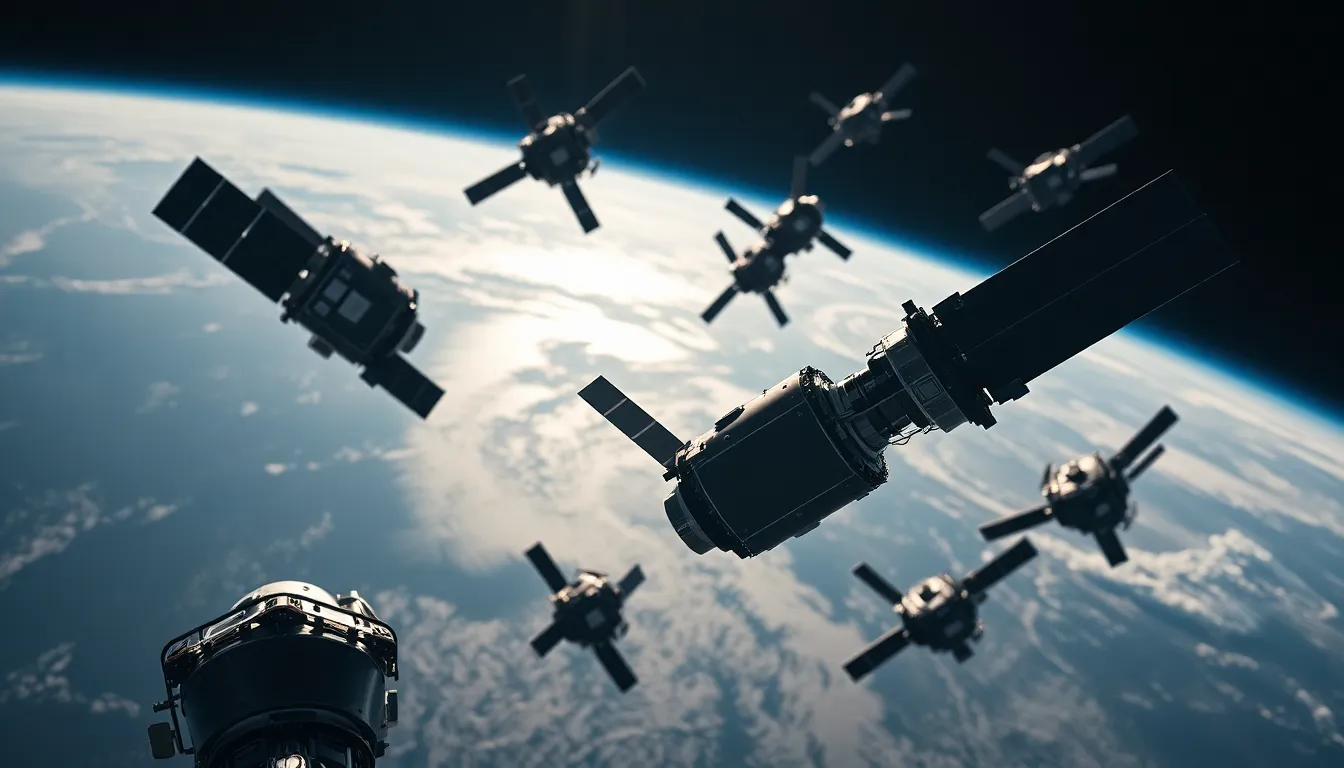
A stunning view of multiple satellites deployed in space, shot on a Hasselblad X2D 100C, 90mm f/2.5 medium format. The scene is illuminated by natural sunlight, creating strong contrasts and shadow play among the satellites. The hyperfocal distance brings everything from the satellites to the distant Earth into sharp focus. Natural muted tones of blue and gray provide a serene backdrop to the dynamic shapes of the satellites. The composition features a diagonal layout, leading the viewer's eye from one satellite to another in a captivating arrangement.
16:9

An artist's conceptual rendering of a satellite communicating with Earth, captured on a Nikon Z9, 70-200mm f/2.8 telephoto at 135mm. The scene is lit by ambient light from a digital screen, giving off a cool blue hue. A selective focus highlights the satellite's antenna while the background fades into a soft bokeh. The colors are inspired by Fujifilm Velvia, featuring deep blues and rich metallics. The composition utilizes a centered symmetry, where the satellite dominates the frame, against a backdrop of starry digital displays.
3:2
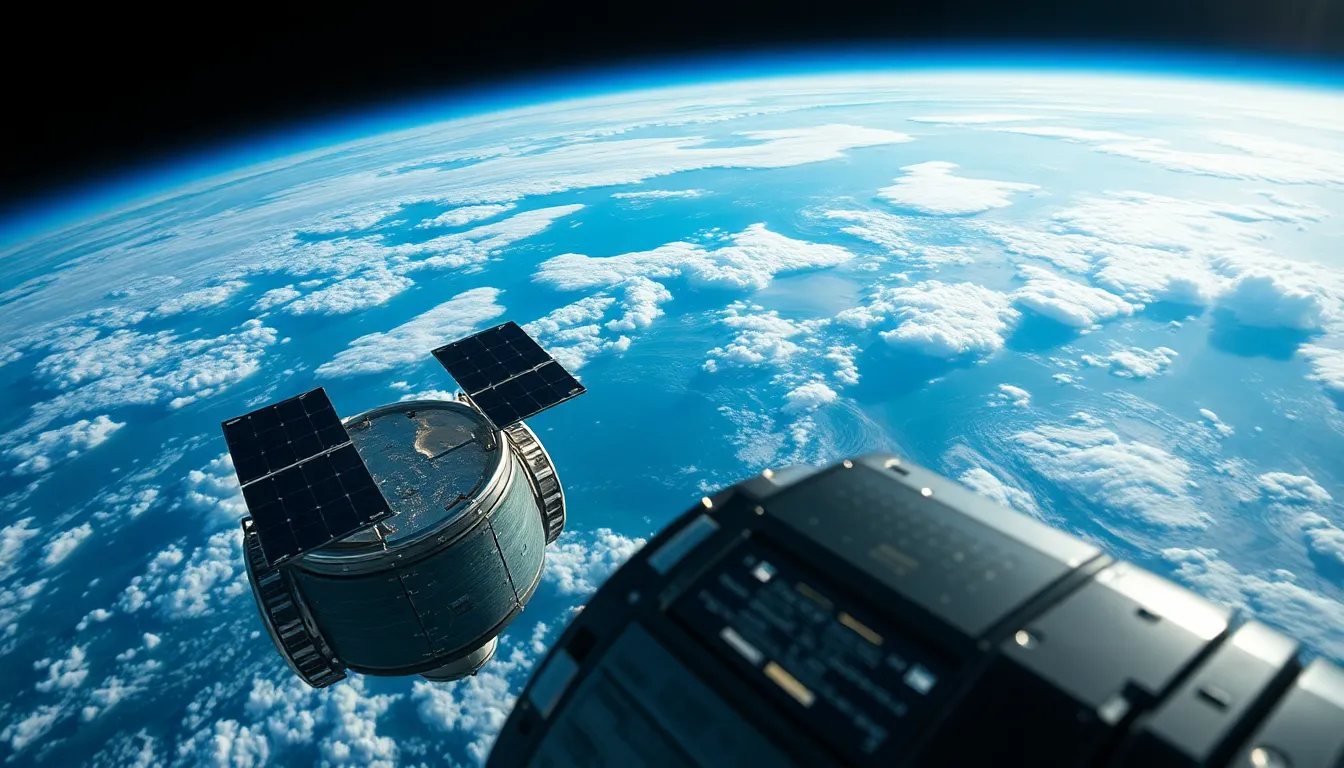
A breathtaking view of a satellite orbiting Earth, captured with a Canon EOS R5, 24-70mm f/2.8L at 35mm. The scene is illuminated by stark sunlight, casting long shadows across the satellite's solar panels. A shallow depth of field at f/2.8 creates a soft bokeh of the planet's surface below, while a blue and green color palette evokes the beauty of Earth from space. The composition showcases the satellite in the foreground against a backdrop of swirling clouds. The metallic surface of the satellite contrasts with the vibrant colors of the planet and the deep blackness of space.
16:9

Hasselblad X2D 100C, 90mm f/2.5 medium format, dramatic low-angle shot capturing a large satellite under a blue sky, vibrant daylight filling the scene, hyperfocal distance ensuring everything from the satellite to the distant clouds remains sharp, natural colors with a slightly desaturated palette to emphasize the contrast of the satellite against the sky, Dutch angle composition adding a sense of dynamism to the scene, showcasing the satellite's large solar panels and antennas in detail.
16:9

Fujifilm GFX 100S, 110mm f/2 macro, featuring natural sunlight streaming through a window, creating a warm, inviting atmosphere, shallow depth of field at f/2 with a sharp focus on a satellite model placed on a textured wooden table, cinematic teal and orange color grading to enhance the mood, centered composition focusing directly on the satellite, revealing fine details of the model’s surface and intricate design.
1:1

captured with Canon EOS R5, 24-70mm f/2.8L at 35mm, using practical lighting from a flickering LED light mimicking the glow of satellite control panels, selective focus on the satellite with background elements melting into soft bokeh, natural muted tones with desaturated earth colors creating an industrial feel, leading lines composition drawing the eye toward the satellite from the edges of the frame, showcasing the weathered aluminum texture of the satellite's surface.
16:9
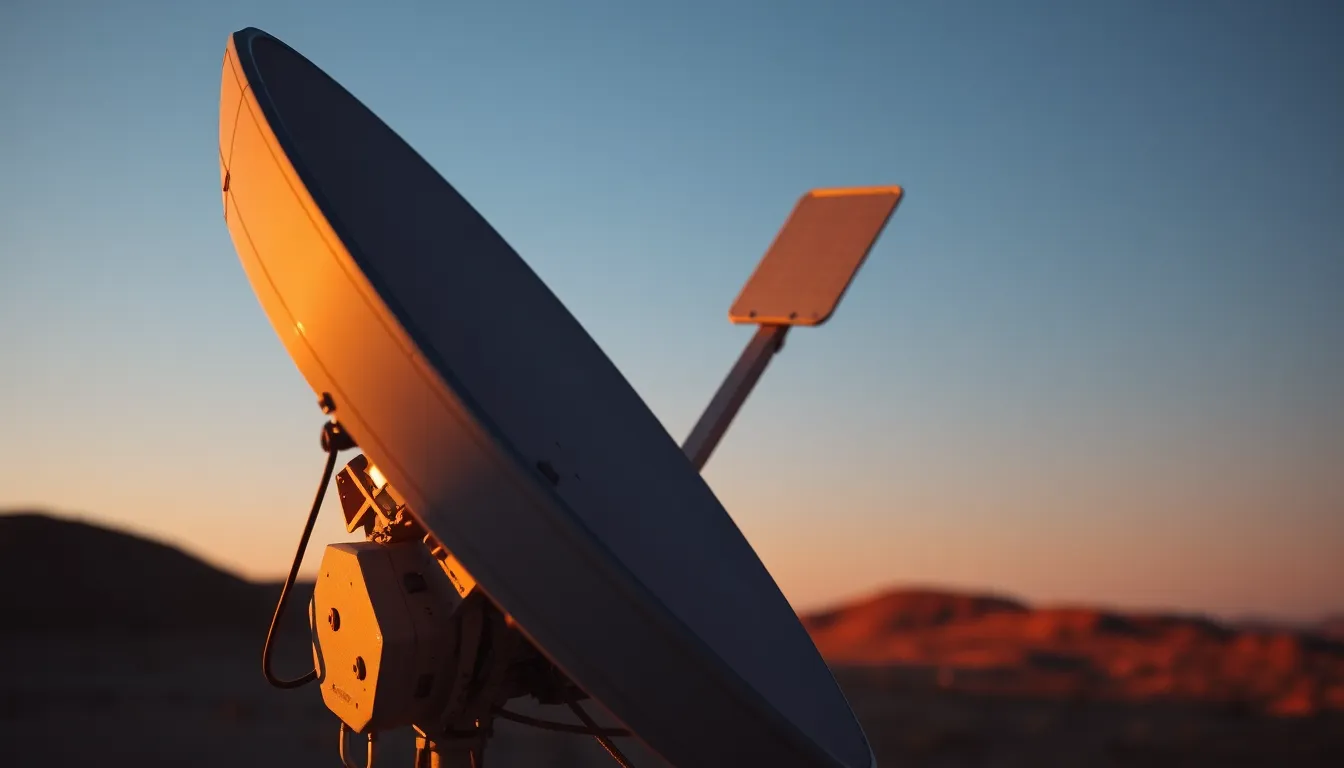
shot on Sony A7R V with 85mm f/1.4 GM lens, illuminated by natural golden hour light creating dramatic shadows, hyperfocal distance achieving a sharp focus from the satellite in the foreground to the distant stars in the background, utilizing a Kodak Portra 400 color palette for warm skin tones and creamy highlights, rule of thirds composition positioning the satellite in the left power point with a night sky backdrop, detailing the satellite's structure with visible bolts and panel seams.
16:9

captured with Nikon Z9, 70-200mm f/2.8 telephoto at 135mm, dramatic overcast sunrise light casting soft highlights on a satellite orbiting Earth, shallow depth of field at f/2.8 with blurred planet surface below, cinematic teal and orange color grading emphasizing the contrast between the cold metal of the satellite and the warm glow of Earth, centered composition highlighting the satellite against a starry background, surface details showing the satellite's metallic texture and solar panels glinting subtly.
16:9
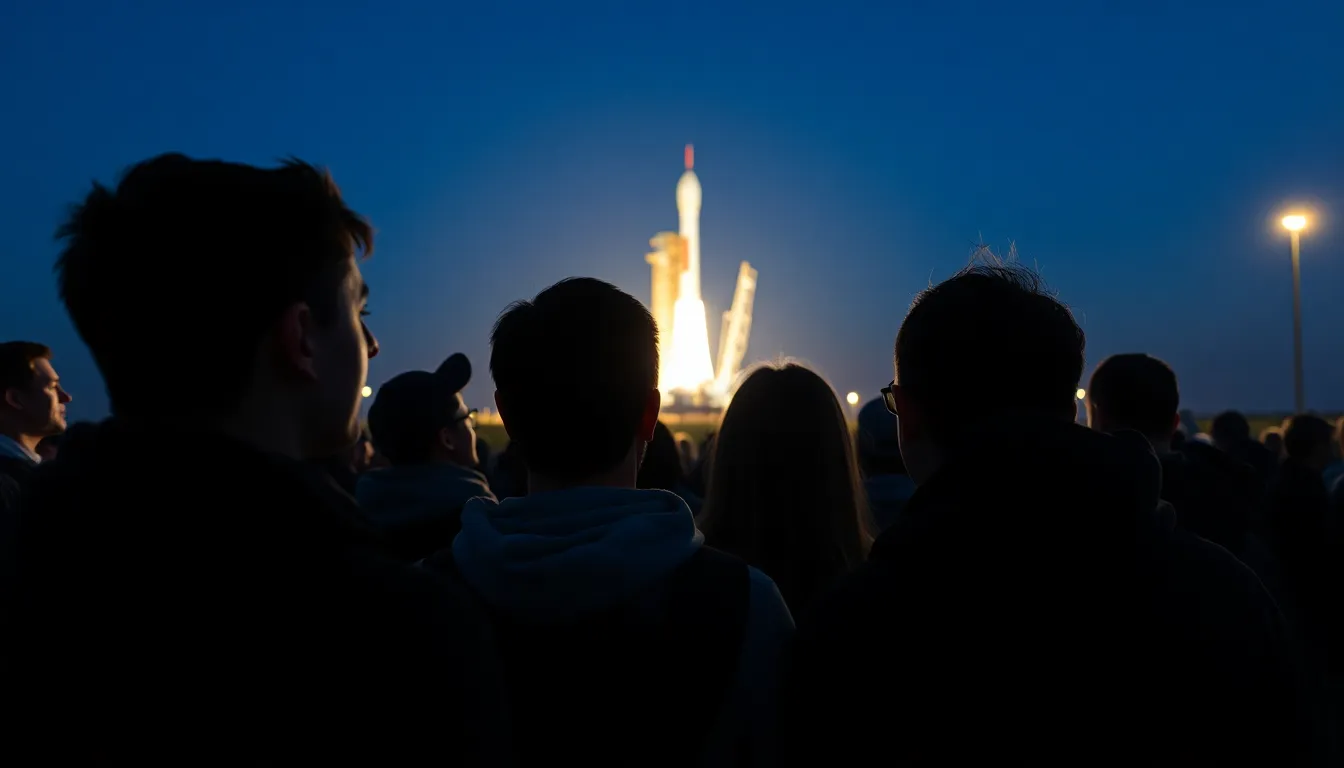
A group of students observing a satellite launch, captured with a Leica Q3, 28mm f/1.7 Summilux. The scene is illuminated by the bright launch pad lights at dusk, casting dramatic shadows and reflections on the students' faces. The depth of field is shallow at f/1.7, allowing the background launch pad to blur softly, while keeping the students sharp. The color grading is cinematic with cool blues contrasted by warm highlights from the launch lights. The composition uses leading lines from the crowd toward the rocket, creating a sense of anticipation and excitement.
16:9

A close-up view of a satellite's camera lens captured with a Hasselblad X2D 100C, 90mm f/2.5 medium format. The image is bathed in diffused daylight from a nearby window, giving it a clean and crisp feel. A shallow depth of field at f/2.5 creates a creamy bokeh that isolates the lens from the technical details surrounding it. The color palette is muted, focusing on the subtle grays and silvers of the camera components. The composition adheres to the rule of thirds, placing the lens off-center while texture details highlight the polished glass and intricate mechanical parts of the satellite camera.
1:1

An illustration of a futuristic satellite network in space, generated with a Fujifilm GFX 100S, 110mm f/2 macro. This image emphasizes the intricate details of the multiple satellites linked in a web-like formation. It utilizes dramatic studio lighting to highlight the metallic surfaces of the satellites, creating sharp highlights and deep shadows. A shallow depth of field at f/2 provides a painterly effect, isolating the satellites from the ethereal backdrop of stars. The color scheme follows a vibrant Fujifilm Velvia-inspired palette, enhancing the celestial beauty with rich blues and silvers. The composition is dynamic with a slight diagonal leading line, imparting motion to the arrangement.
16:9
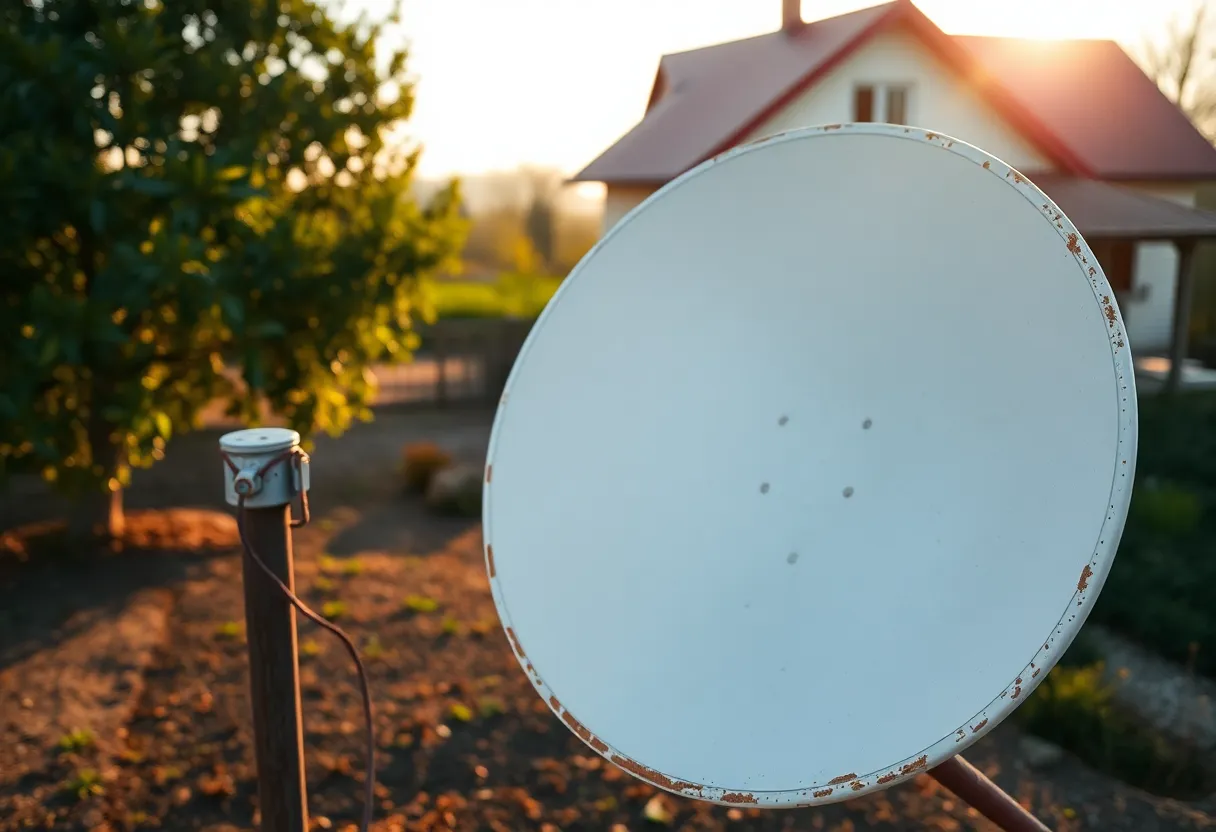
A satellite dish on a rural house captured with a Canon EOS R5, 24-70mm f/2.8L at 35mm. The scene is lit by warm afternoon sunlight, casting soft shadows and highlighting the dish's surface. The depth of field is hyperfocal at f/8, ensuring clarity throughout the composition. A natural muted color palette features soft earth tones and the warm glow of the sun. The composition follows the rule of thirds, placing the dish in the left power point, with the house and garden framing the right side, while texture details convey the weathered paint and rust on the dish.
3:2
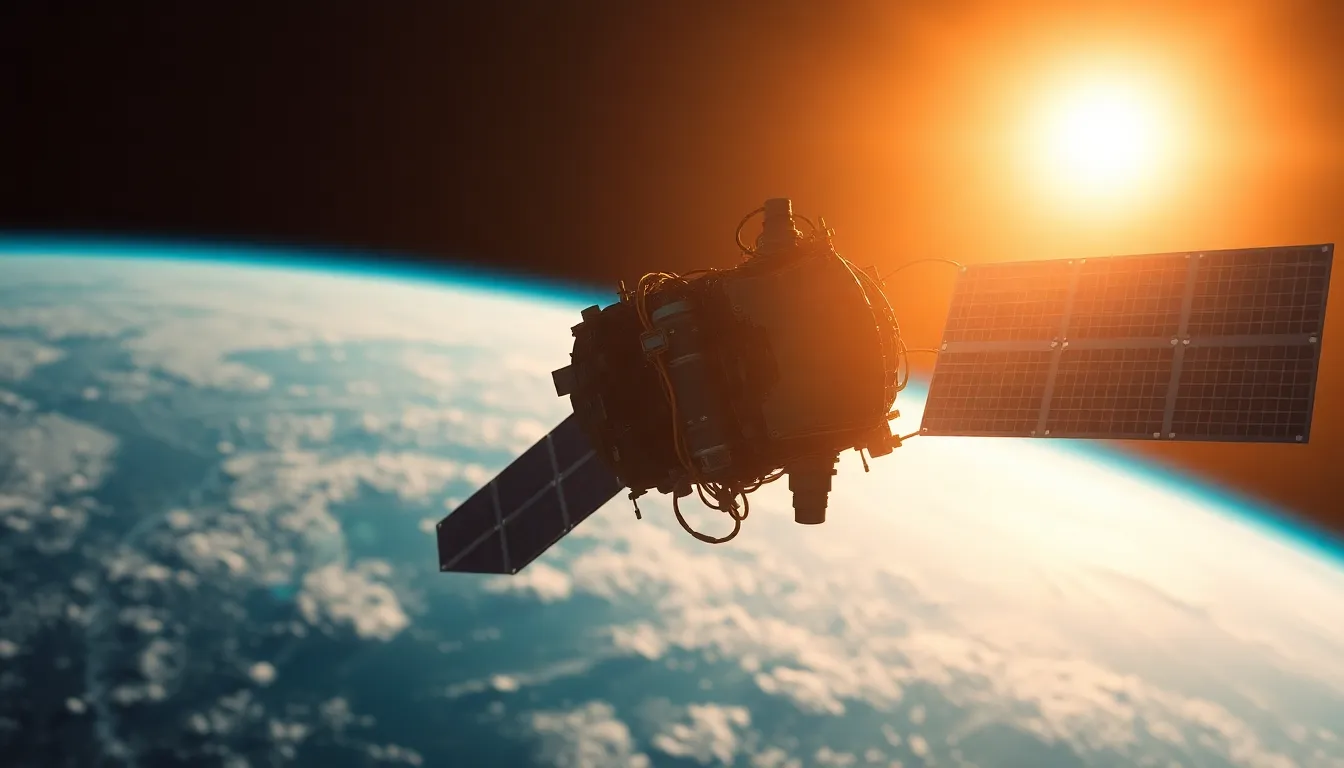
A high-tech satellite orbiting the Earth captured with a Nikon Z9, 70-200mm f/2.8 telephoto at 135mm. The image features dramatic backlighting from the sun illuminating the satellite's solar panels, creating a beautiful halo effect. The depth of field is shallow at f/2.8, blurring the Earth’s atmosphere providing a dreamy background. The color palette employs cinematic teal and orange grading, enhancing the contrast between the satellite and the planet. The composition centers the satellite symmetrically against the vastness of space, with texture details showcasing the intricate metalwork and wiring on the satellite's surface.
16:9
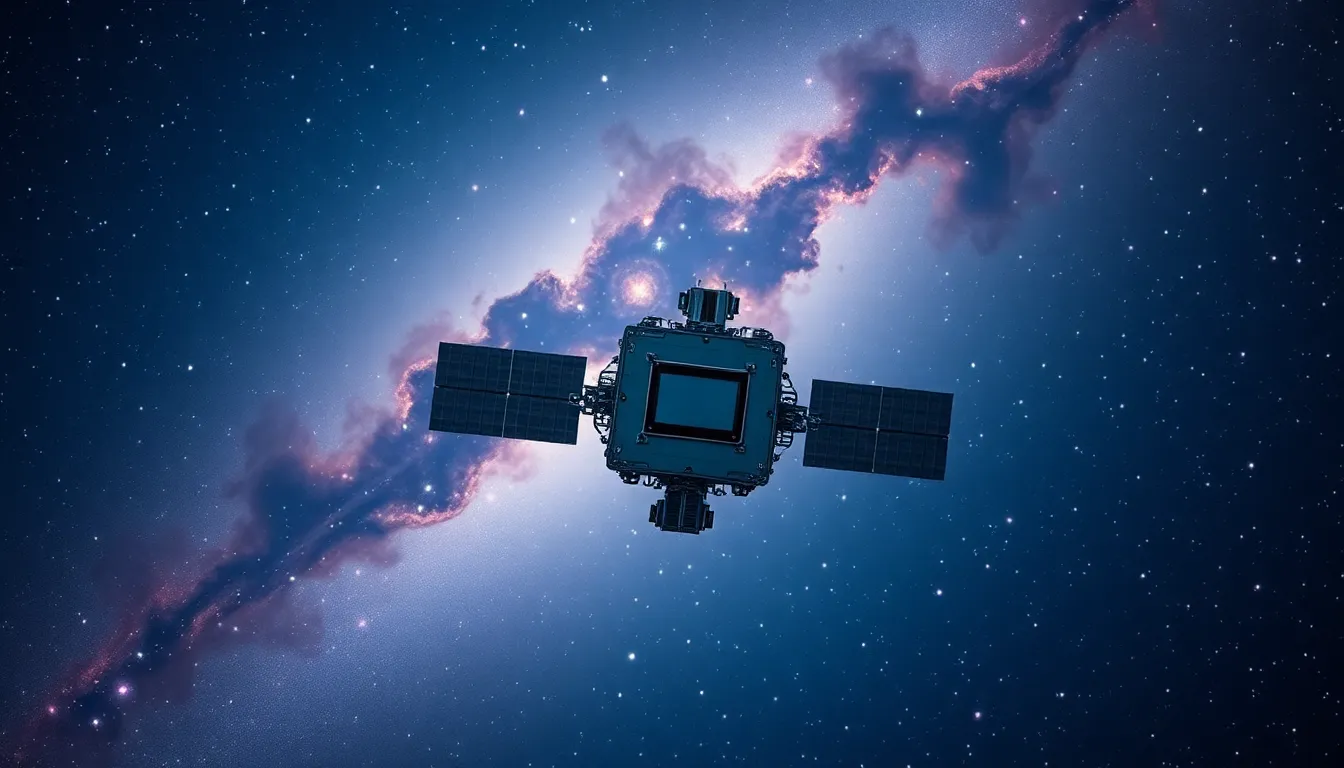
Hasselblad X2D 100C, 90mm f/2.5 medium format, illustrating a satellite in the midst of space against a backdrop of distant galaxies and nebulae. The scene features soft ambient lighting from the stars, creating a sense of depth and dimension. Hyperfocal distance ensures crisp details from the satellite to the cosmic background. The color palette is inspired by Fujifilm Velvia, featuring vibrant blues, purples, and pinks of the celestial backdrop. The composition uses a centered symmetrical approach, emphasizing the satellite's form against the vastness of space. The textures illustrate the satellite's exterior features, with subtle shadows and highlights enhancing its three-dimensional form.
16:9

Fujifilm GFX 100S, 110mm f/2 macro, featuring a detailed view of a satellite dish on a rooftop during a sunset. The scene is bathed in warm, golden light, casting long shadows and emphasizing the dish’s metallic texture. A shallow depth of field creates a soft background bokeh that highlights the dish’s reflective surface. The color palette consists of warm hues and soft pastels from the setting sun. The composition follows the rule of thirds, positioning the dish to the right, drawing the eye towards the sun sinking on the horizon. Textures include the smooth metal of the dish contrasted with the rough rooftop surface.
3:2
Nikon Z9, 70-200mm f/2.8 telephoto at 135mm, capturing a satellite launch at dawn with vibrant orange and pink skies in the backdrop. The lighting conditions highlight the flames and smoke billowing from the rocket as it ascends, while providing a dramatic silhouette of the launch pad and satellite. The depth of field is hyperfocal, rendering both the satellite and the ground details sharply in focus. The color palette features striking warm tones contrasting against the cool blues of the approaching day. The composition uses a centered perspective to convey the power and majesty of the rocket launch, with textures showcasing the rough surface of the launch pad and the sleek body of the satellite.
16:9

shot on Sony A7R V with 85mm f/1.4 GM lens, depicting a close-up view of a satellite's intricate circuitry and antennas in a high-tech lab setting. The lighting is provided by a series of cool white LED lights, illuminating the metallic textures and fine details of the components. Selective focus on the antennas highlights their delicate design, while the background remains softly blurred. The color palette is natural with desaturated tones, creating a clinical and professional atmosphere. The composition utilizes leading lines to guide the viewer’s eye towards the intricate details of the satellite's design, with textures showing the sheen of metal and subtle imperfections.
4:3

captured with Canon EOS R5, 24-70mm f/2.8L at 35mm, showcasing a high-resolution view of a satellite orbiting Earth during the twilight hours. The scene features dramatic golden hour lighting with a soft glow illuminating the satellite against a deep blue and violet sky. A shallow depth of field creates a creamy bokeh effect in the background, emphasizing the satellite's sleek metallic surface and solar panels. The color palette draws inspiration from cinematic teal and orange grading, enhancing the contrast between the cold space and warm Earth. The composition adheres to the rule of thirds, placing the satellite slightly off-center to draw the eye. Textures of the satellite include brushed metal and reflective solar panels, reflecting the vastness of space around it.
16:9
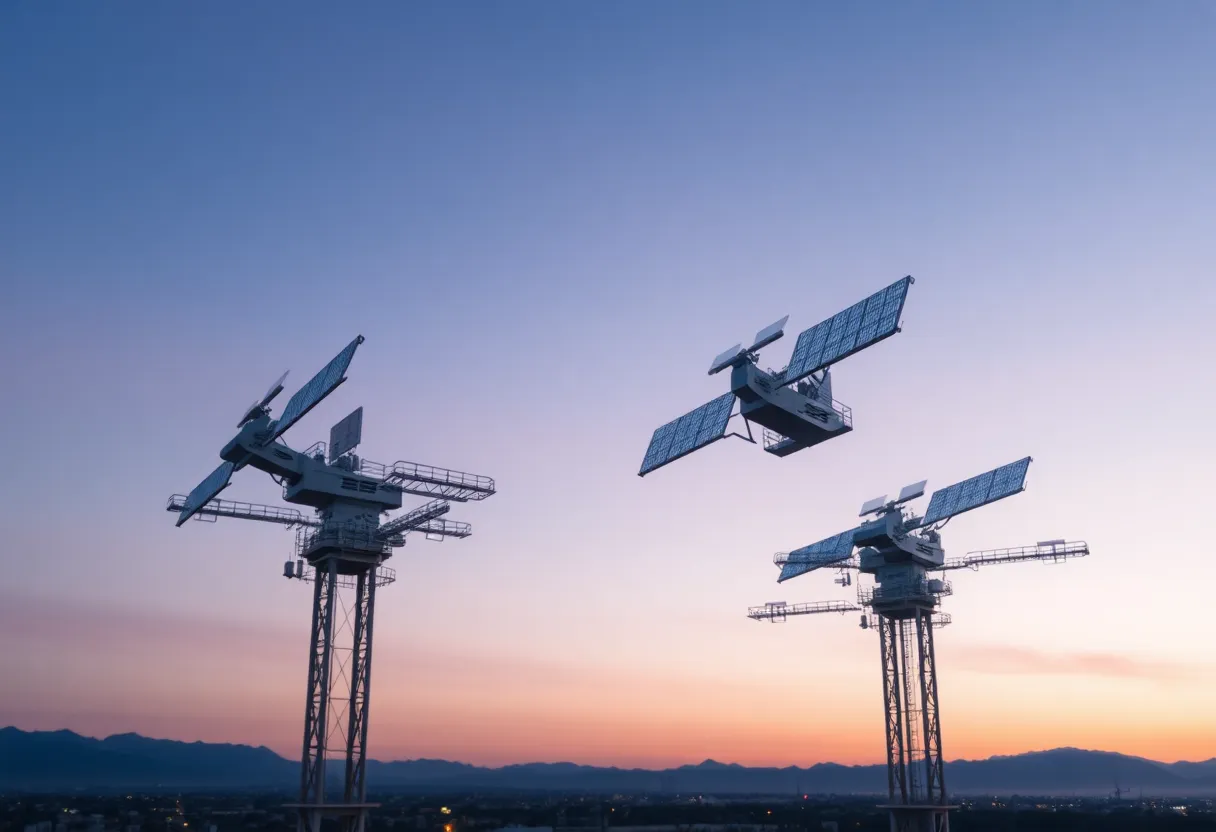
A futuristic satellite network in a twilight sky, captured with Leica Q3, 28mm f/1.7 Summilux. The scene is illuminated by soft twilight, casting gentle hues of purple and blue, providing an ethereal quality to the satellite designs. The photograph adopts a shallow depth of field at f/2.0, focusing on the satellite structures while the background melts into soft painterly bokeh. The color grading features natural muted tones with desaturated earth colors, enhancing the futuristic aesthetic. The composition employs a centered symmetrical layout, drawing the viewer's attention to the harmonious design of the satellite network against the twilight sky.
3:2
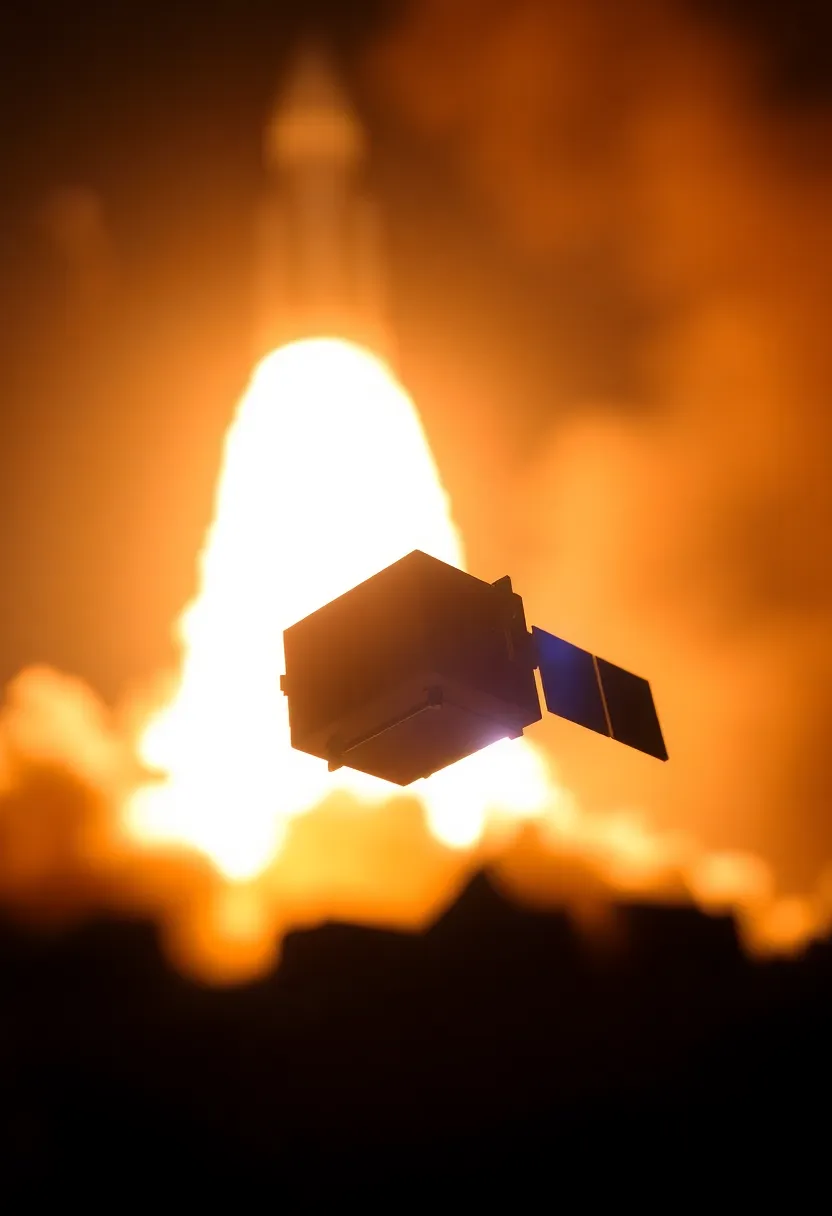
An artistic representation of a satellite being launched into space, captured with Fujifilm GFX 100S, 110mm f/2 macro. The image uses dramatic backlighting from the rocket's flames, highlighting the satellite's contours and textures amidst the chaos of the launch. Employing a selective focus on the satellite, the background blurs into a fiery explosion of color, with deep oranges and yellows contrasting against the dark silhouette of the satellite. The composition balances the satellite against the upward trajectory of the rocket, emphasizing motion and energy. The textures of the satellite and flames reveal intricate details and vivid contrast.
2:3
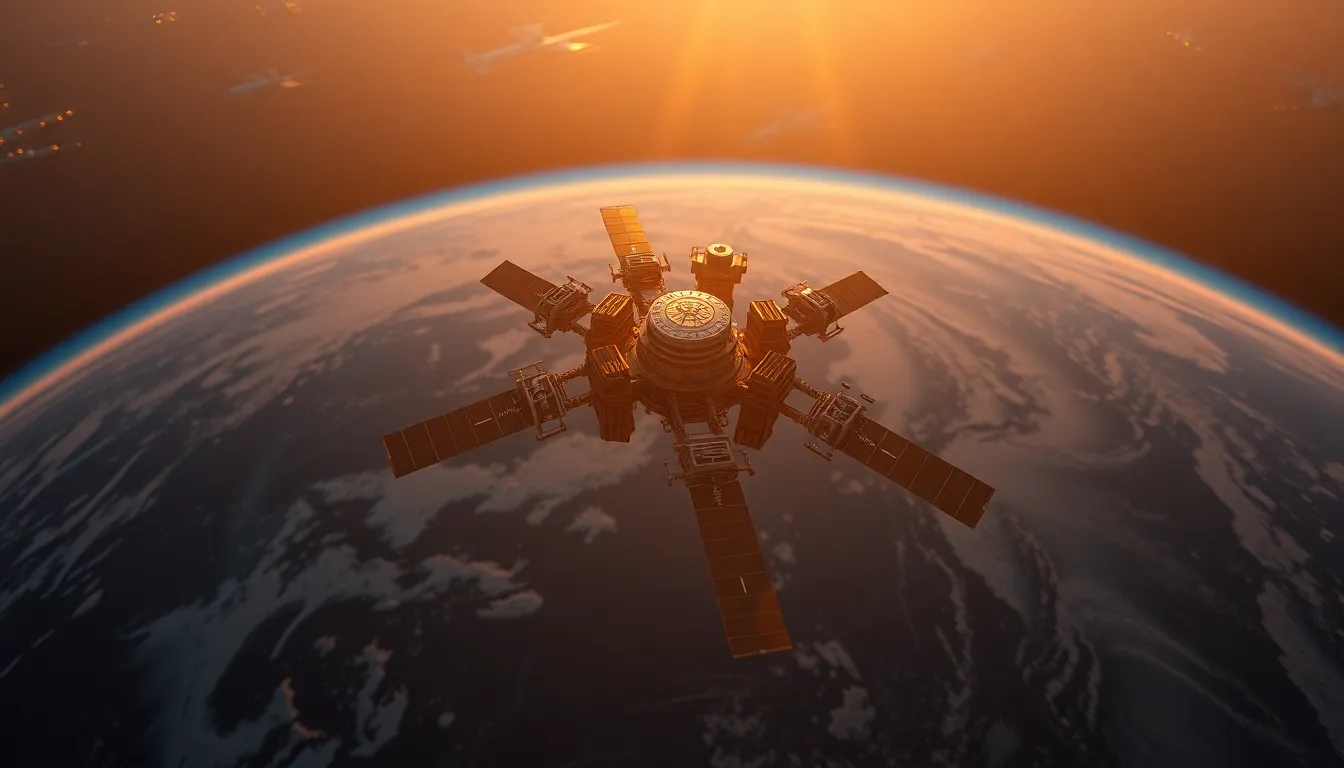
A high-altitude view of satellites deployed in a clustered formation around Earth, shot on Sony A7R V with 85mm f/1.4 GM lens. The scene is bathed in golden hour light, casting warm rim light on the satellites, while a soft fill illuminates the Earth below. This image utilizes a shallow depth of field at f/2.8, producing a creamy bokeh effect that highlights the satellites against their blue planet backdrop. The color palette reflects warm skin tones and golden hues, evoking a feeling of tranquility and innovation. The composition uses leading lines to draw the viewer's eye toward the clustered satellites, enhancing the sense of depth.
16:9
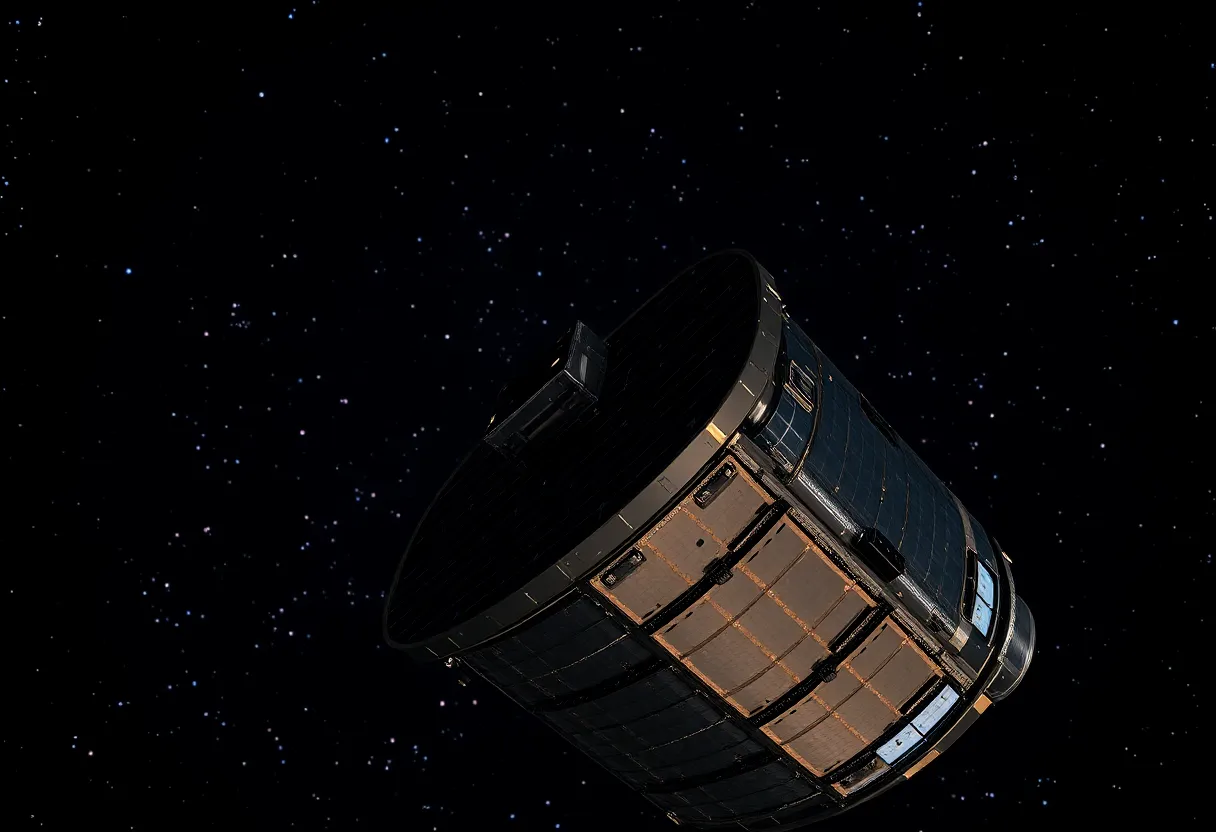
An intricate view of a satellite's solar panel array against a starry backdrop, captured with Nikon Z9, 70-200mm f/2.8 telephoto at 135mm. The scene is illuminated using the soft glow of distant stars, providing dramatic backlighting and emphasizing the texture of the solar panels. This image employs hyperfocal distance at f/8, ensuring everything from the satellite to the distant stars remains sharp and clear. The color palette is a mix of deep blacks from space and the metallic sheen of the solar panels, creating a striking contrast. The composition centers the satellite in the frame, with the star-filled sky enhancing its majesty.
3:2
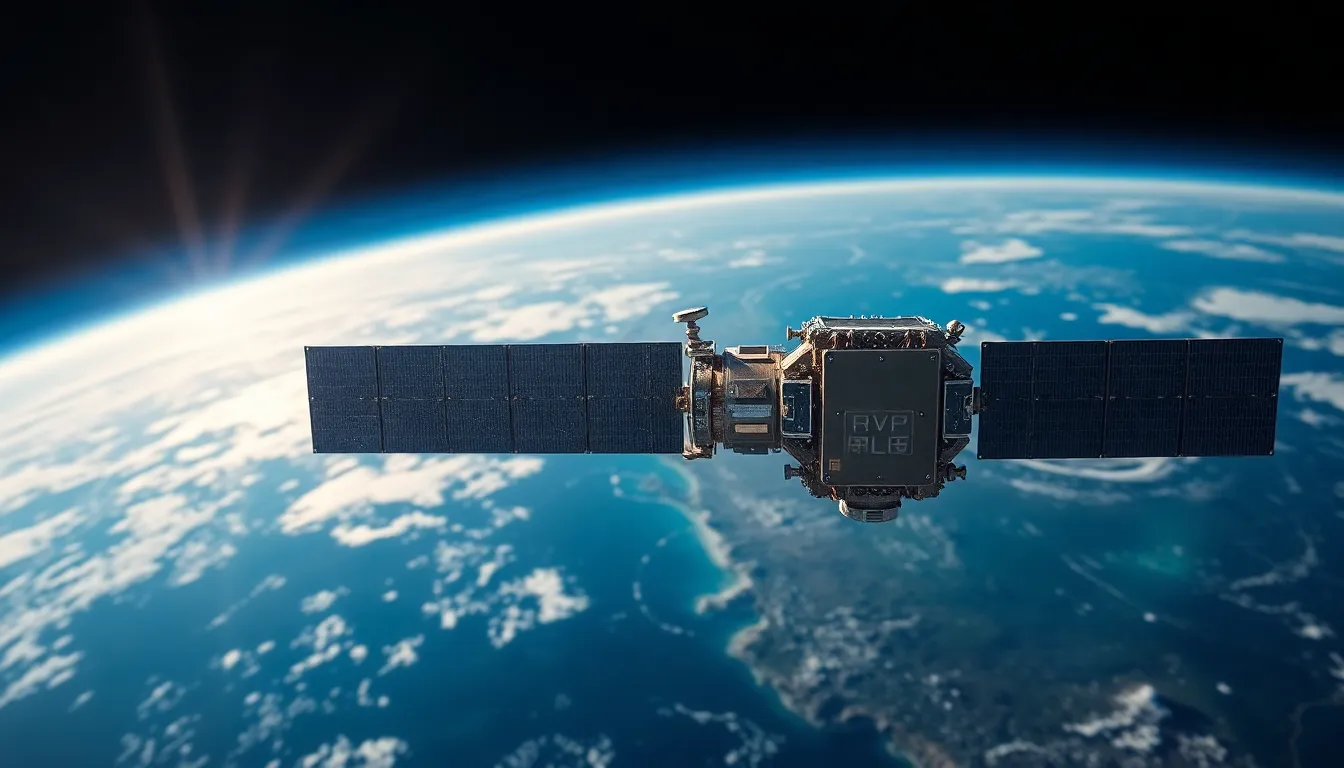
A stunning satellite in orbit over Earth, captured with Canon EOS R5, 24-70mm f/2.8L at 35mm. The scene is illuminated by bright sunlight, creating sharp shadows and highlights against the satellite's metallic surface. The photograph features a shallow depth of field at f/2.8, focusing on the intricate details of the satellite while the soft blue tones of the planet provide a serene background. The image showcases natural colors, emphasizing the contrast between the satellite's silver and Earth's vibrant blue and green. The composition follows the rule of thirds, with the satellite positioned in the upper left corner, creating a dynamic visual balance.
16:9
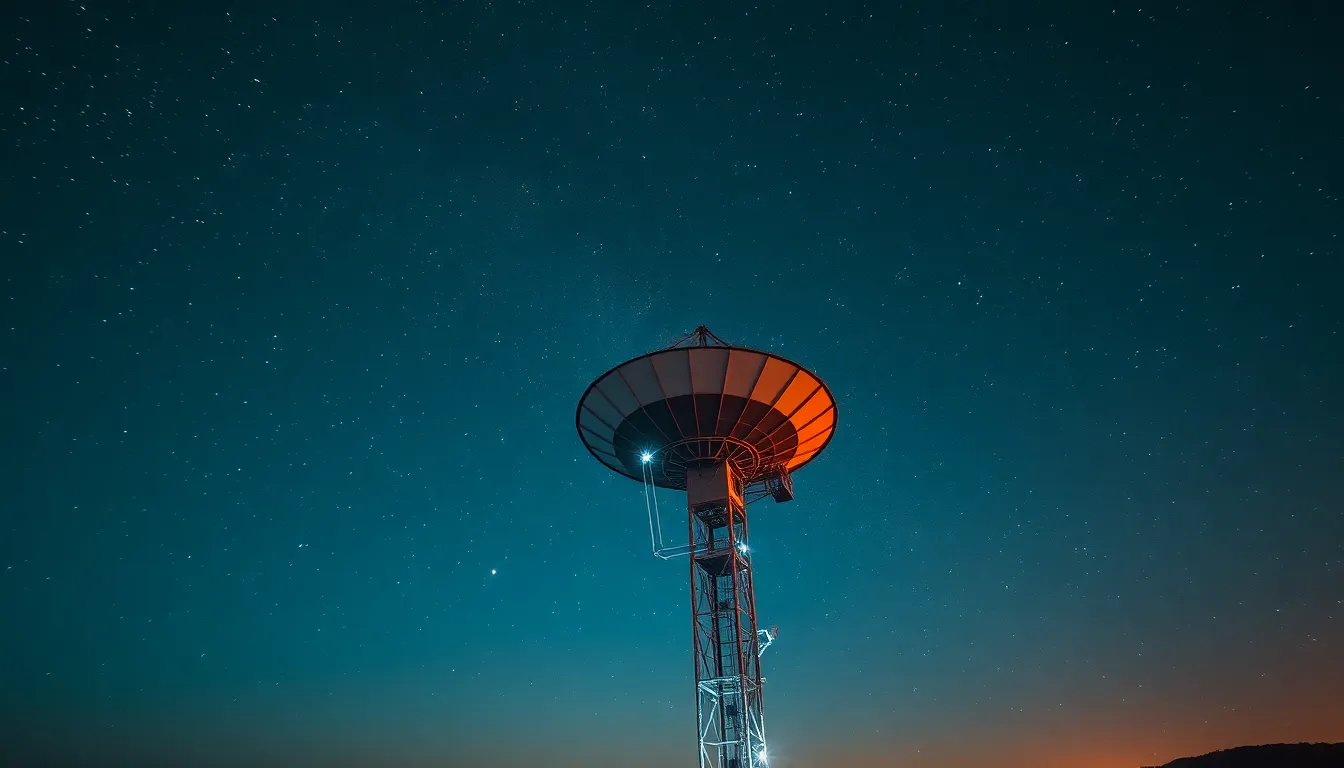
Hasselblad X2D 100C, 90mm f/2.5 medium format, shot at twilight with a dramatic sky filled with stars overhead, showcasing a large communication satellite against a backdrop of the universe. The hyperfocal distance keeps everything sharp from the satellite to the stars. The color palette features a cinematic teal and orange grading, enhancing the cosmic atmosphere. The composition utilizes a centered symmetrical approach, emphasizing the satellite's significance within the vastness of space.
16:9

Fujifilm GFX 100S, 110mm f/2 macro, captured with warm tungsten desk lamp casting directional light over an intricate satellite component on a wooden table. The shallow depth of field creates creamy bokeh while focusing sharply on the metallic textures and engraved details of the component. The color palette features warm golden hues, enhancing the luxurious feel of the materials. The composition centers on the component, showcasing its significance in a larger technological context.
1:1
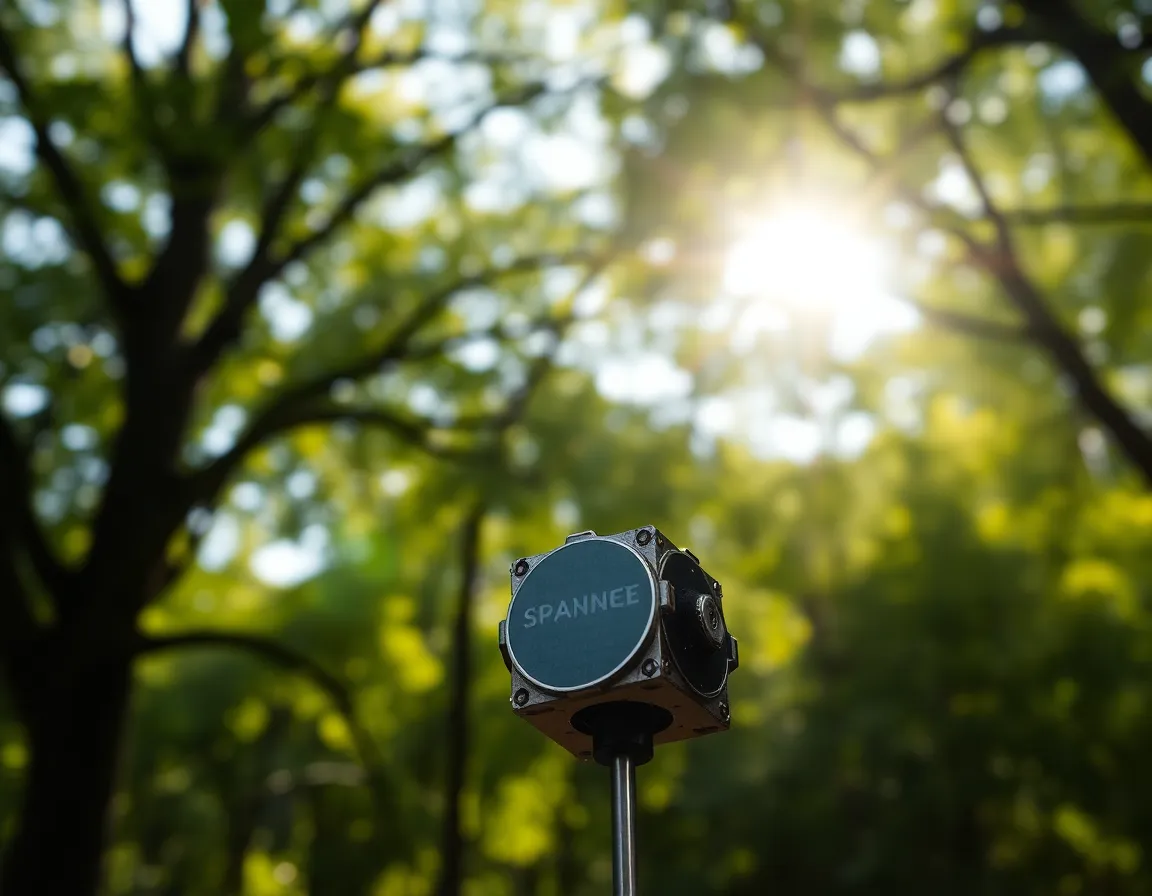
Nikon Z9, 70-200mm f/2.8 telephoto at 135mm, dappled sunlight filtering through tree canopy highlighting a small satellite model displayed in a natural setting. Selective focus on the satellite's surface shows fine details, with the background transitioning into soft painterly bokeh. The color scheme features vibrant greens and soft browns. The composition features a centered symmetrical approach, giving a sense of balanced harmony with nature.
4:3
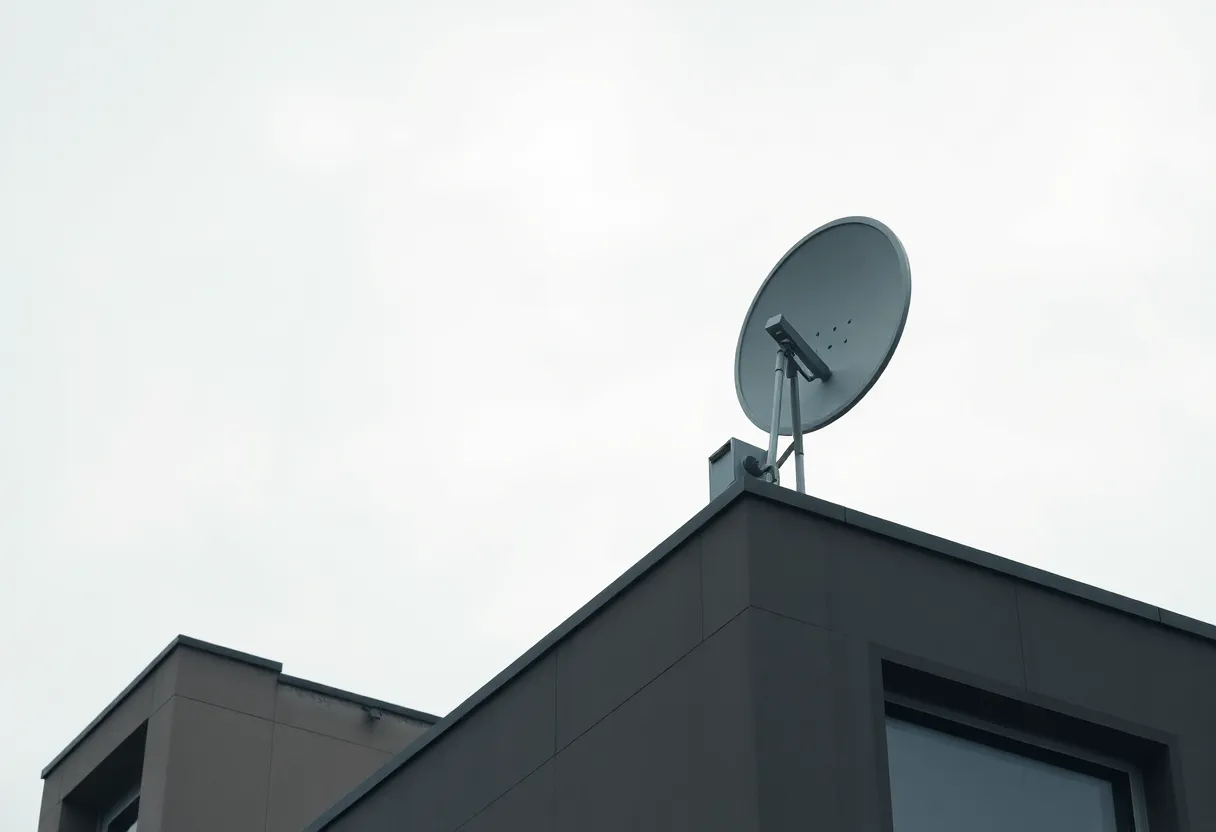
shot on Sony A7R V with 85mm f/1.4 GM lens, overcast diffused daylight illuminating a satellite dish atop a building. Hyperfocal distance keeps the entire scene in sharp focus. The color palette features muted grays and soft whites, creating a serene atmosphere. The composition utilizes leading lines from the building's architecture to draw the eye toward the satellite, which exhibits detailed textures of metal and plastic. Subtle shadows add depth to the image.
3:2
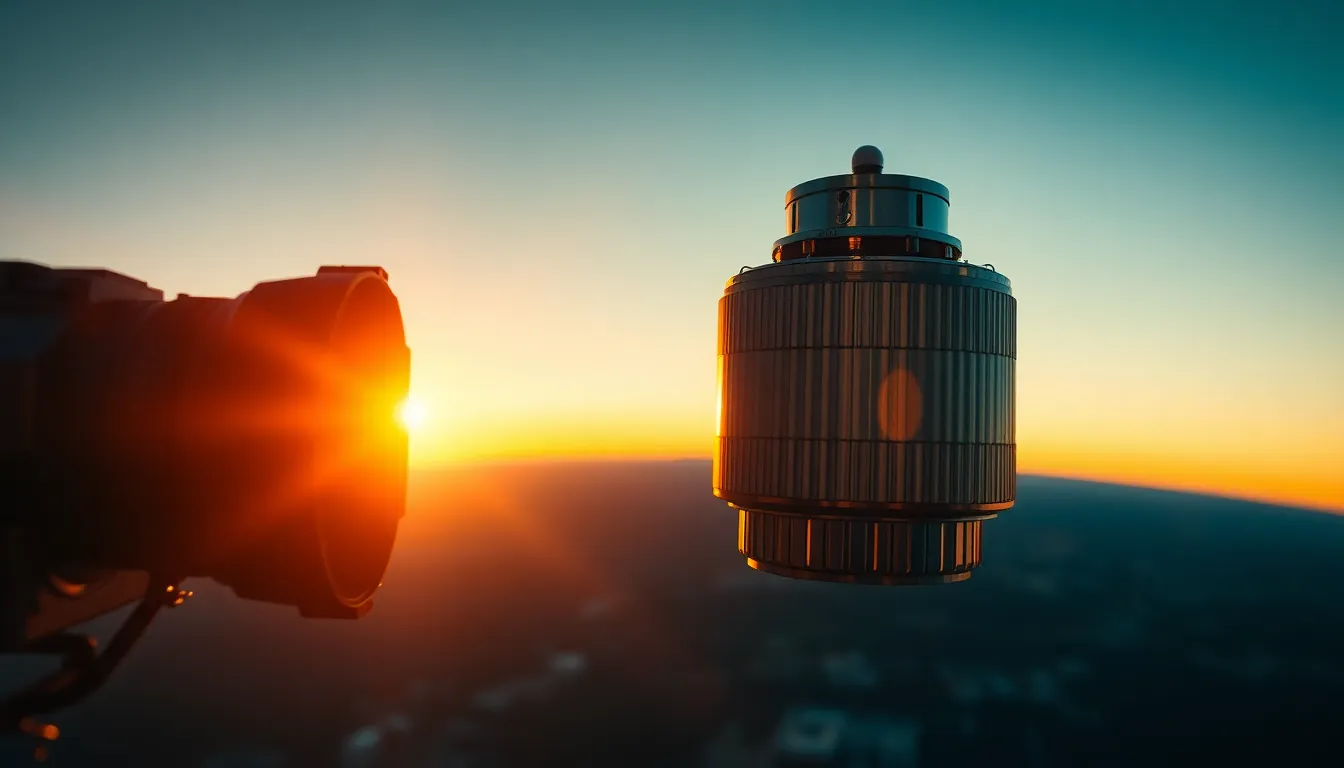
captured with Canon EOS R5, 24-70mm f/2.8L at 35mm, golden hour backlighting creating a warm rim light on the satellite, shallow depth of field at f/2.8 with the background melting into soft bokeh. The color palette features warm oranges and soft blues, emphasizing the evening sky. Composition follows the rule of thirds with the satellite positioned at the left power point, while the Earth’s curve is visible in the background. The satellite shows textured metal surfaces reflecting the sunlight, adding realism to the scene.
16:9
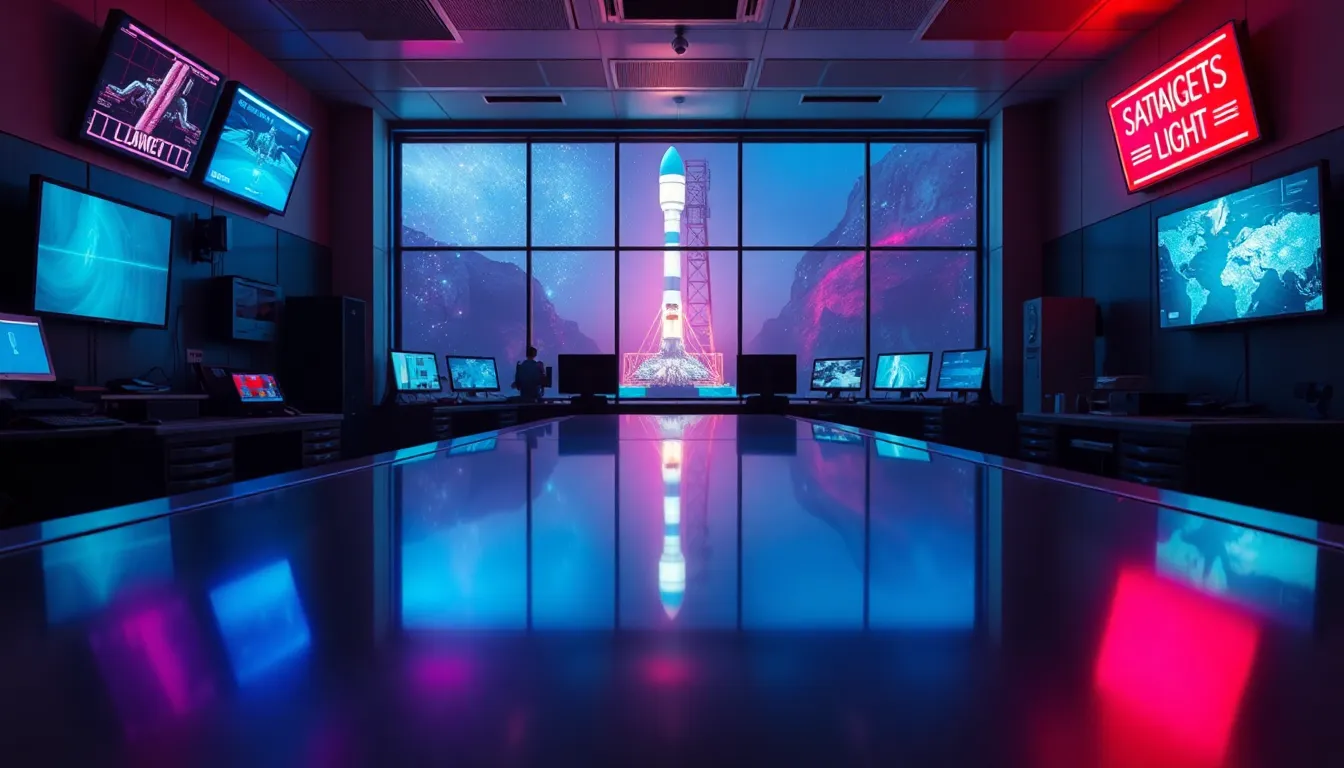
captured with Hasselblad X2D 100C, 90mm f/2.5 medium format, neon signage reflecting blue and magenta on the sleek surface of a satellite control room filled with technology, three-point studio setup with key softbox creating defined shadows, cinematic teal and orange color grading adds depth, foreground framing through large window showing the satellite launchpad, focusing on the high-tech environment and textural contrasts of glossy surfaces and matte equipment
16:9

shot on Fujifilm GFX 100S, 110mm f/2 macro, dappled sunlight filtering through the trees onto a satellite dish in a lush garden, selective focus on the dish with background melting into soft painterly bokeh, Fujifilm Velvia-inspired saturated colors enhance the rich greens and blues, rule of thirds composition with the dish at a power point surrounded by vibrant foliage, capturing the smooth surface texture of the dish against the organic environment
3:2

captured with Canon EOS R5, 24-70mm f/2.8L at 35mm, firelight casting warm shadows in a darkened room where a satellite model is displayed, shallow depth of field at f/2.8 focusing on the model, natural skin tones with warm highlights reflecting on metal surfaces, leading lines drawing the viewer's eye towards the satellite model, showcasing its intricate craftsmanship and textures
4:3
shot on Sony A7R V with 85mm f/1.4 GM lens, overcast diffused daylight filtering through clouds, hyperfocal distance ensuring everything from the satellite to the distant stars is in sharp focus at f/8, natural muted tones with desaturated earth colors for a realistic space ambiance, rule of thirds composition with the satellite positioned at the left power point against a starry background, showcasing surface details and textures of the satellite
16:9
captured with Nikon Z9, 70-200mm f/2.8 telephoto at 135mm, golden hour backlighting with warm rim light illuminating the satellite's surface, shallow depth of field at f/2.8 with soft bokeh of clouds in the background, cinematic teal and orange color grading to enhance the dramatic sky, centered symmetrical composition of the satellite against the backdrop of Earth, showcasing metallic textures and intricate satellite details with visible reflections of sunlight
16:9
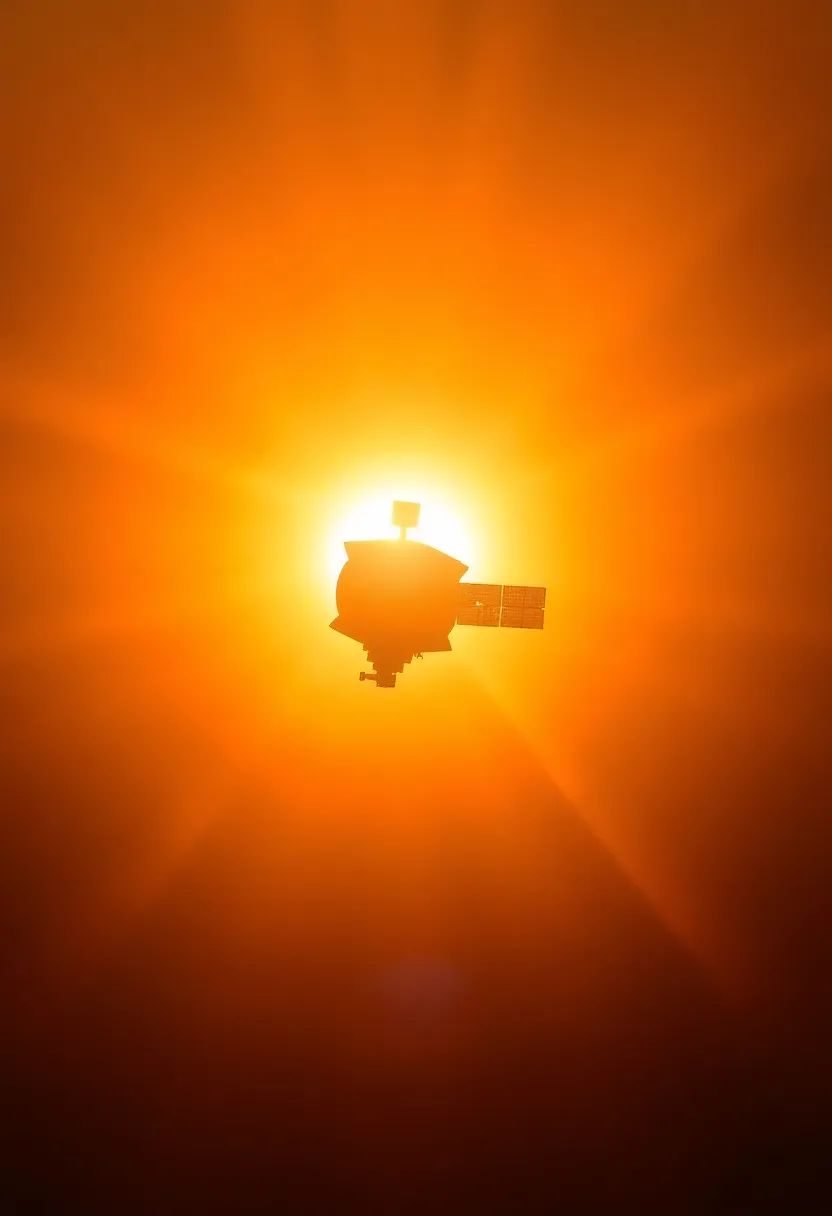
Captured with Leica Q3, 28mm f/1.7 Summilux, this image displays a satellite silhouetted against a bright sunrise, with warm rays piercing through the atmosphere. The sun casts a golden glow, creating a halo effect around the satellite. The depth of field is selective, focusing on the satellite while the surrounding horizon melts into soft painterly bokeh. The color palette showcases natural hues with warm oranges and cool blues, creating a dreamy morning atmosphere. The composition uses a Dutch angle, adding dynamic tension to the scene and making the satellite appear as if it’s soaring into the dawn.
2:3
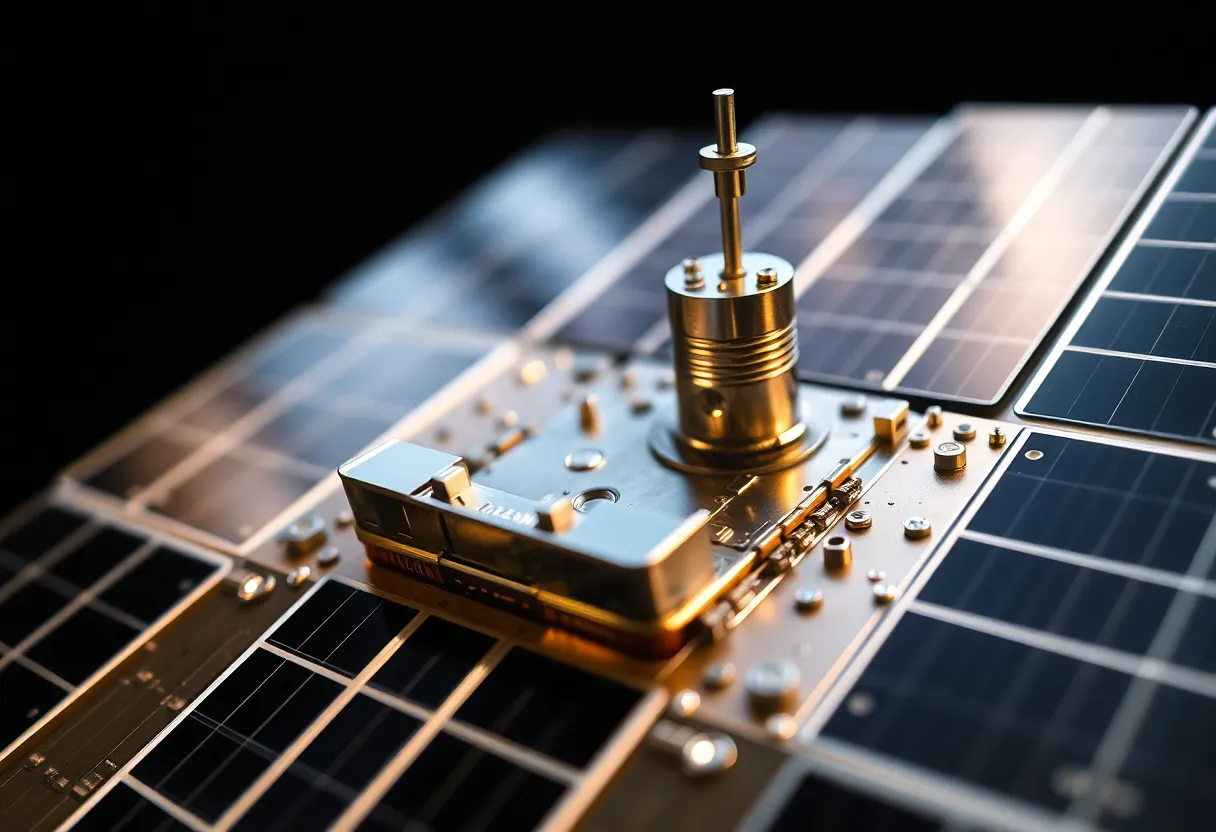
Using Fujifilm GFX 100S, 110mm f/2 macro, this image captures intricate details of a satellite’s surface, highlighting its solar panels and communication antennas. The studio setup utilizes a three-point lighting scheme, creating depth with soft shadows and textures that enhance the realism of the materials. A shallow depth of field at f/2 allows the focus to be on the satellite's components while blurring the studio backdrop. The color palette features Kodak Portra 400 tones, giving a warm and inviting feel to the metallic surfaces. The composition is a centered symmetrical layout, showcasing the satellite’s design elegantly.
3:2
Captured with Nikon Z9, 70-200mm f/2.8 telephoto at 135mm, this image features a cluster of satellites against a clear blue sky, with dappled sunlight filtering through light clouds. The depth of field is hyperfocal at f/8, ensuring clarity from the foreground to infinity, allowing each satellite’s details to pop vividly. The color palette reflects natural muted tones with desaturated blues, highlighting the serene midday atmosphere. The symmetrical composition centers the satellites, presenting them as a harmonious cluster floating in space.
16:9
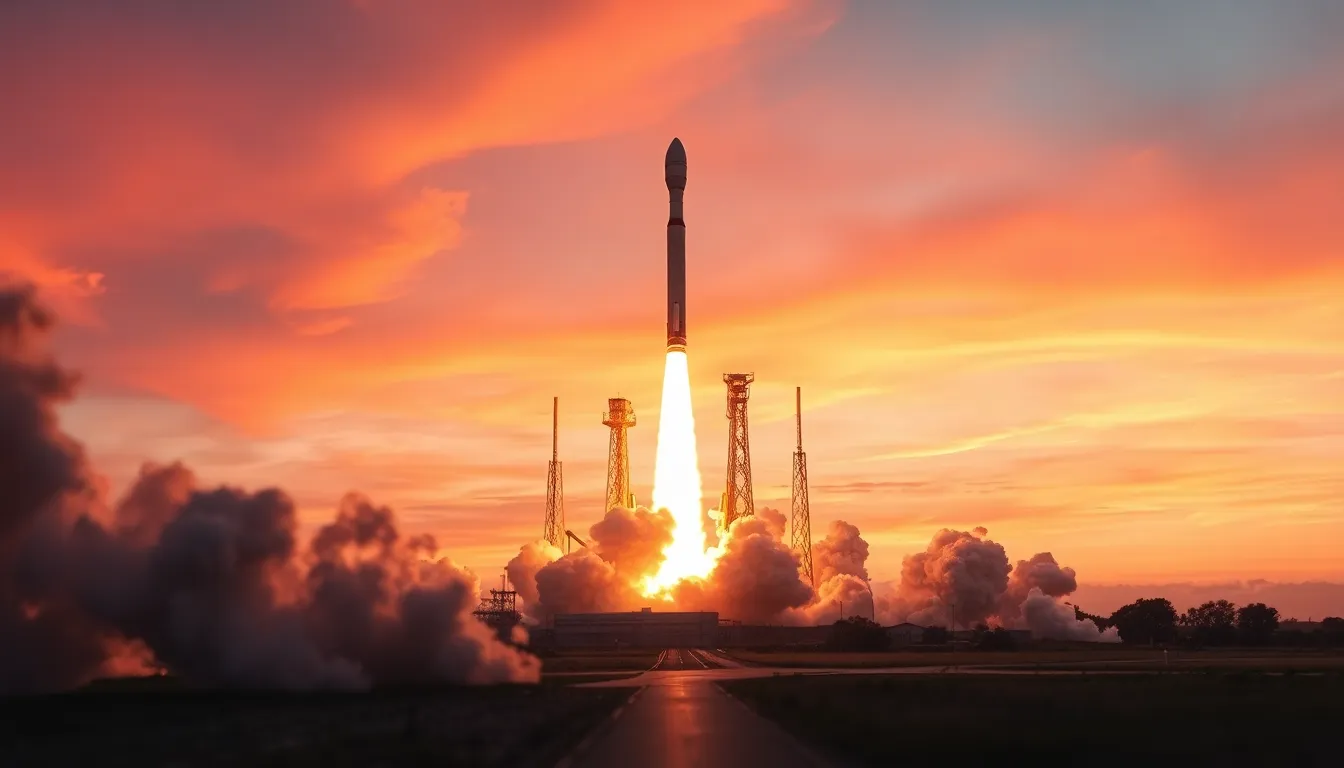
Shot on Sony A7R V with 85mm f/1.4 GM lens, this image captures a satellite launch during the golden hour, with warm rim light accentuating the rocket's surface details. The dramatic sky is filled with hues of orange and pink, while the ground is illuminated by explosions of flames and smoke. Using a shallow depth of field at f/1.4, the satellite's silhouette stands out against the blurred background. The composition aligns with leading lines created by the launch pad and smoke trails, guiding the viewer's eye toward the ascending rocket.
16:9

Captured with Canon EOS R5, 24-70mm f/2.8L at 35mm, the image showcases a sleek satellite orbiting Earth against a backdrop of a dark starry sky. Utilizing overcast daylight to highlight surface details, the satellite shimmers with metallic textures and intricate circuitry. The depth of field is shallow at f/2.8, with a creamy bokeh of stars softly blurred behind. It employs a cinematic teal and orange color grading, enhancing the contrast between the satellite and cosmic backdrop. The composition follows the rule of thirds, positioning the satellite off-center to create a dynamic visual appeal.
16:9
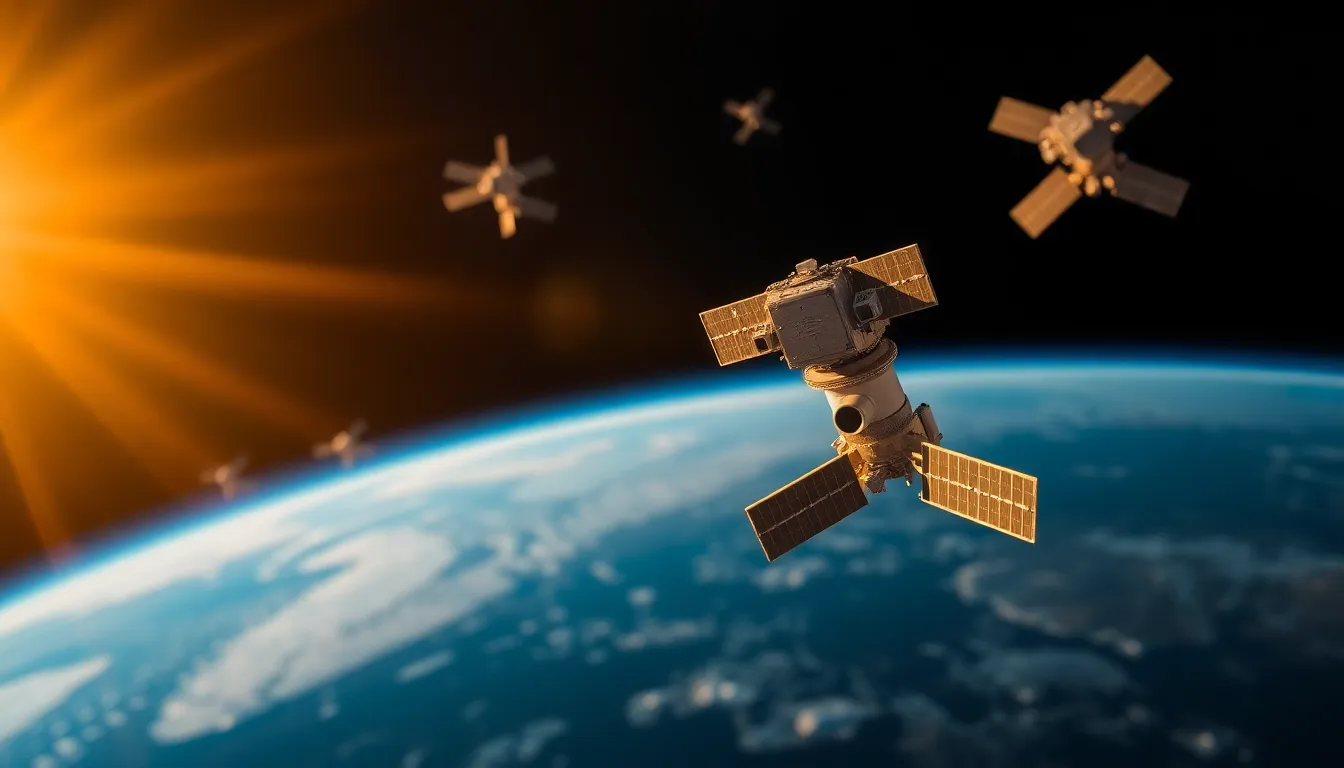
A satellite constellation in orbit captured from a distance, using Fujifilm GFX 100S, 110mm f/2 macro. The shot showcases multiple satellites against the curvature of the Earth, illuminated by a soft golden hour light. The depth of field is moderately shallow, focusing on the nearest satellites while the background shows a blurred Earth below. The color palette highlights golden hues and deep blue oceans, evoking a sense of unity in technology and nature. The composition uses a centered approach, capturing the majesty of satellites harmoniously positioned in space.
16:9
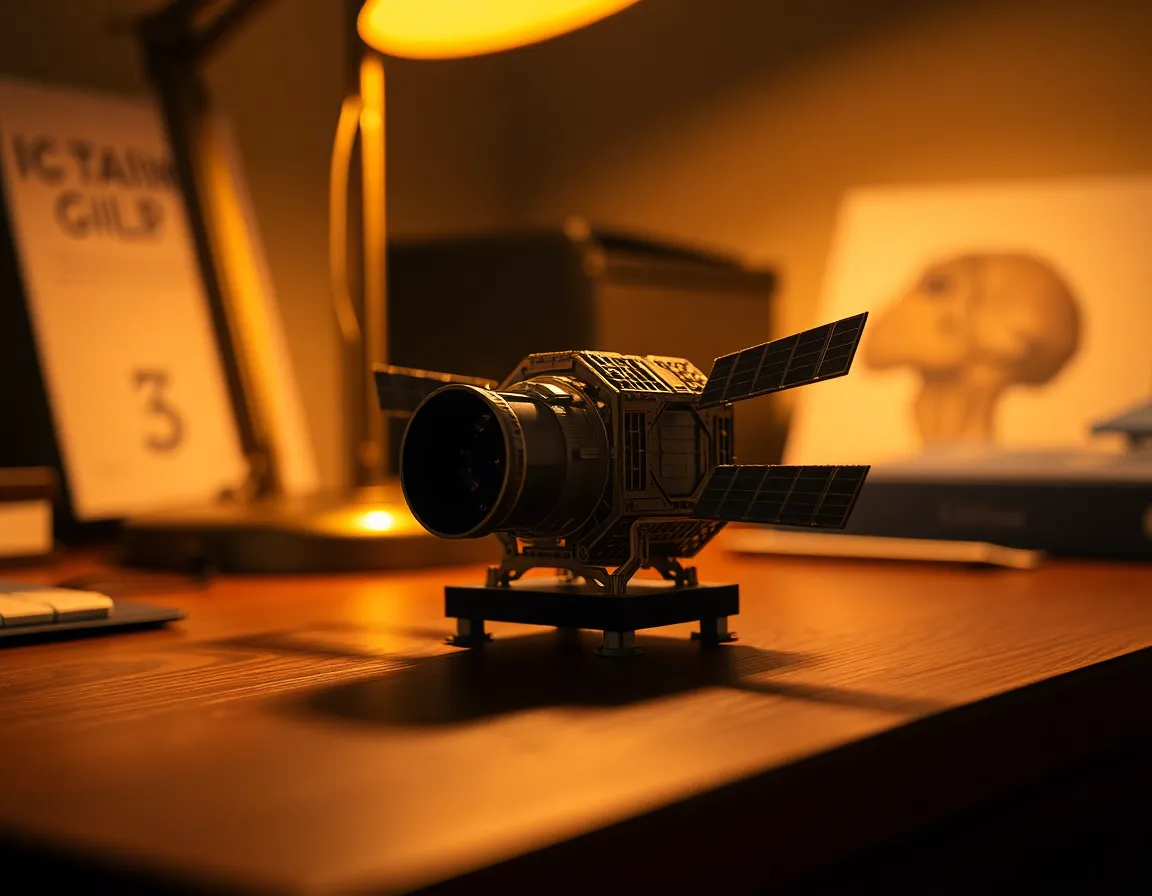
An intricate model of a satellite on a wooden desk, captured using Leica Q3, 28mm f/1.7 Summilux. The setting is warmly lit by a practical tungsten desk lamp, creating dramatic highlights and shadows across the model. The depth of field is very shallow, softly blurring the background, focusing on the detailed craftsmanship of the satellite. The color palette features rich browns and golds, evoking warmth and intricacy. Compositionally, the model is off-center, with a leading line created by the desk edge guiding the viewer's eye.
4:3
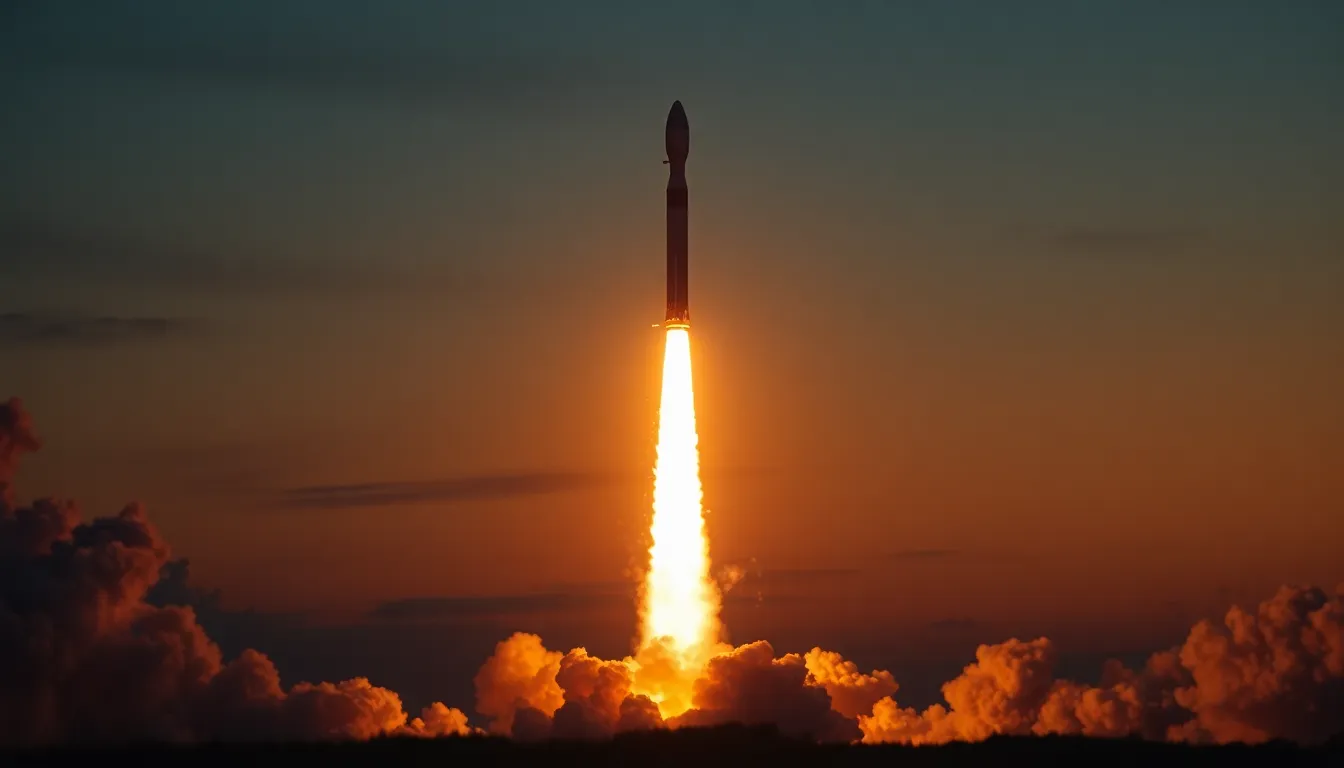
A satellite launching into space, captured using Hasselblad X2D 100C, 90mm f/2.5 medium format. The scene is bathed in warm tungsten light from the rocket's engines, accentuating the fiery blastoff. The depth of field is shallow, creating a dramatic focus on the rocket as it ascends against a twilight sky. The color palette is dominated by fiery oranges and deep blues, evoking a sense of excitement and adventure. The composition centers the rocket within the frame, with trailing smoke creating dynamic lines that draw the eye upward.
16:9

A futuristic satellite control room bustling with activity, captured with Canon EOS R5, 24-70mm f/2.8L at 35mm. The room is illuminated by soft, diffused daylight filtering through large windows, casting natural light across the workspace. The depth of field is hyperfocal, keeping everything in sharp focus, from the control panels to the operators' expressions. The color palette features muted grays and blues, with pops of vibrant screen colors creating a technological atmosphere. Compositionally, the image uses leading lines from desks towards the central control screen, emphasizing teamwork and precision.
16:9

A sleek, metallic satellite orbiting Earth, captured with Nikon Z9, 70-200mm f/2.8 telephoto at 135mm. Illuminated by the soft glow of sunlight reflecting off its surface, the scene is set against a dark, starry backdrop of the universe. The depth of field is shallow, focusing sharply on the satellite while the Earth appears blurred beneath. The color palette features cool blues and silvers, evoking a sense of technology and exploration. Compositionally, the satellite is placed slightly off-center, creating a dynamic visual flow through space. The surface texture of the satellite reveals intricate panel details and glowing solar cells.
16:9
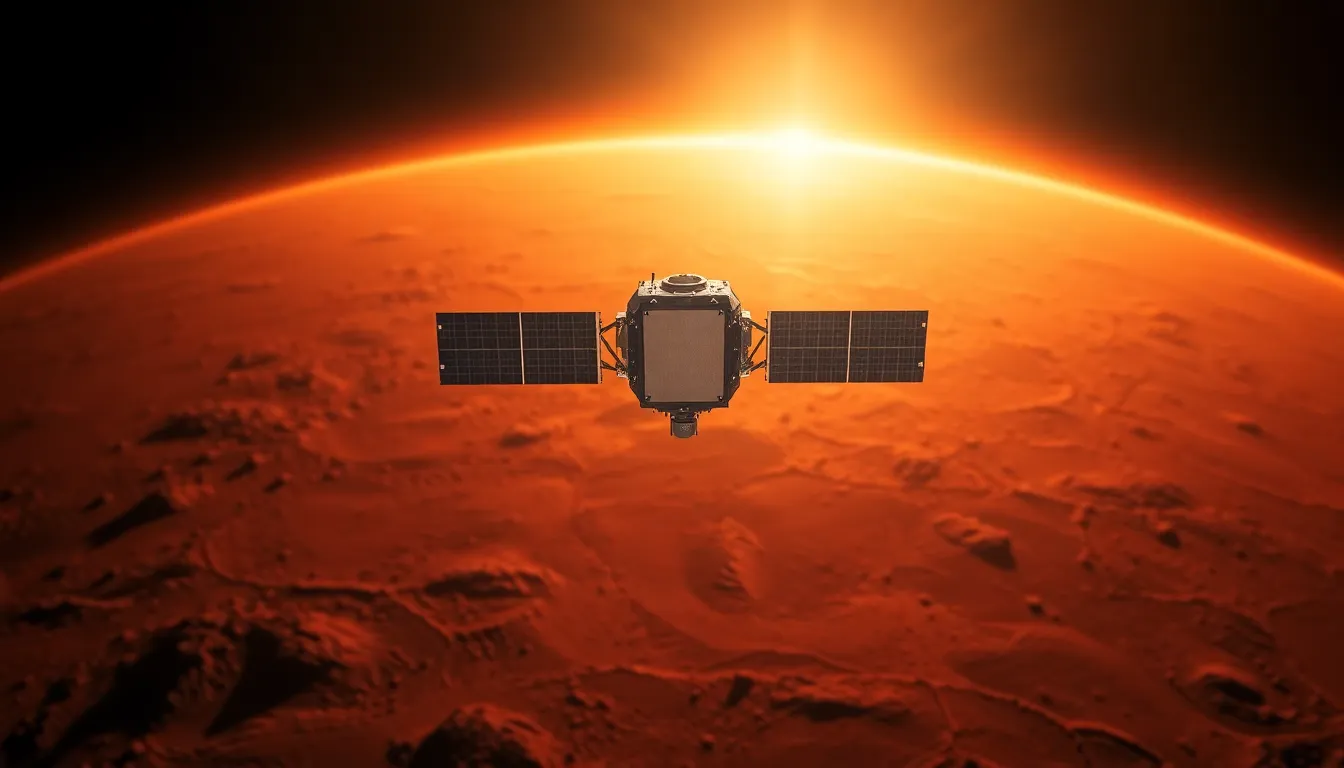
A conceptual rendering of a satellite orbiting Mars, created with Leica Q3, 28mm f/1.7 Summilux. The lighting is dramatic with a diffused yet intense sunlight bathing the landscape. A shallow depth of field at f/1.7 focuses sharply on the satellite while the Martian surface blurs into a painterly backdrop. The color palette captures the reds and oranges of Mars contrasting with the silver-gray of the satellite. The composition employs centered symmetry, situating the satellite above the planet’s surface to symbolize exploration. Textures include the rugged, dusty surface of Mars against the sleek design of the satellite.
16:9
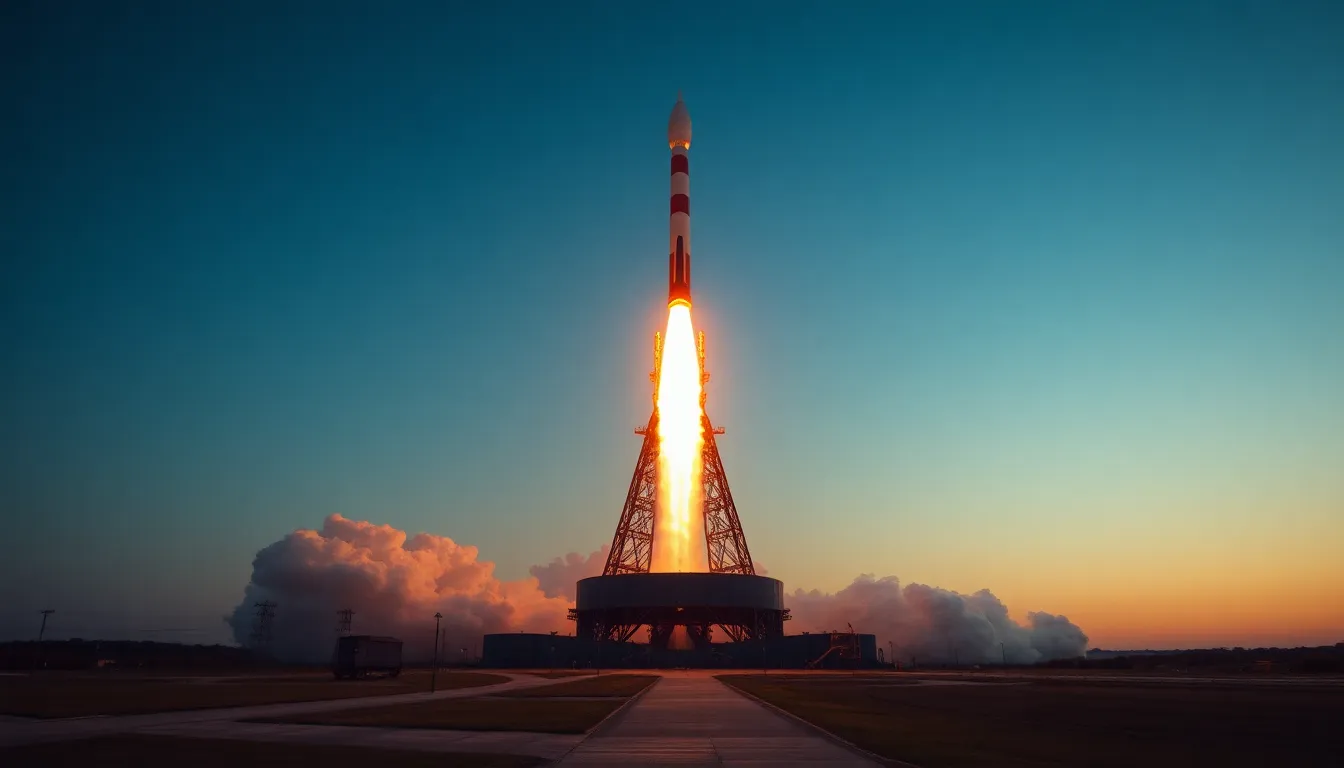
An artistic aerial view of a satellite taking off from a launch pad, shot with a Hasselblad X2D 100C, 90mm f/2.5 medium format. The lighting includes the golden hour, creating dramatic side lighting that enhances the textures of the rocket. A shallow depth of field at f/2.5 isolates the rocket while leaving the launch pad and surroundings slightly blurred. The color palette boasts warm oranges and yellows against the blue sky. The composition captures the rocket ascending from the center of the frame, evoking a sense of motion and excitement. Textures include the metallic finish of the rocket and the rough surface of the launch pad.
16:9

A nighttime view of a satellite illuminated by city lights below, taken with a Fujifilm GFX 100S, 110mm f/2 macro. The lighting is practical, stemming from twinkling city lights that reflect on the satellite's surface. A shallow depth of field at f/2 creates a dreamy, bokeh effect with urban lights blending into circular shapes. The color palette features deep blues and pops of warm yellows and oranges from the cityscape. The composition utilizes leading lines from city lights drawing the viewer’s gaze towards the satellite, creating a sense of connection. Textures include the polished surface of the satellite contrasted with the rough urban landscape below.
16:9

A close-up shot of a satellite dish against a cloudy sky, captured with a Nikon Z9, 70-200mm f/2.8 telephoto at 135mm. The lighting is overcast, providing soft, diffused daylight that minimizes harsh shadows. A hyperfocal distance of f/8 ensures everything from the dish to the clouds is in sharp focus. The color palette is muted with grays and whites, emphasizing the moody atmosphere. The composition centers the dish in the frame, allowing the clouds to form a dramatic backdrop. Textures include the rough surface of the dish and the smoothness of the sky.
4:3

A detailed shot of a satellite in orbit against the backdrop of Earth, captured with a Canon EOS R5, 24-70mm f/2.8L at 35mm. The lighting features natural sunlight illuminating the satellite’s metallic surface, creating reflections and shadows that enhance the detail. A shallow depth of field at f/2.8 blurs the distant Earth, while the satellite remains in sharp focus. The color palette consists of vibrant blues and greens of the Earth contrasting with the silver and gray of the satellite. The composition follows the rule of thirds, with the satellite positioned towards the upper left, creating a dynamic effect. Textures include the satellite's smooth metal and the Earth’s varying surface textures.
16:9
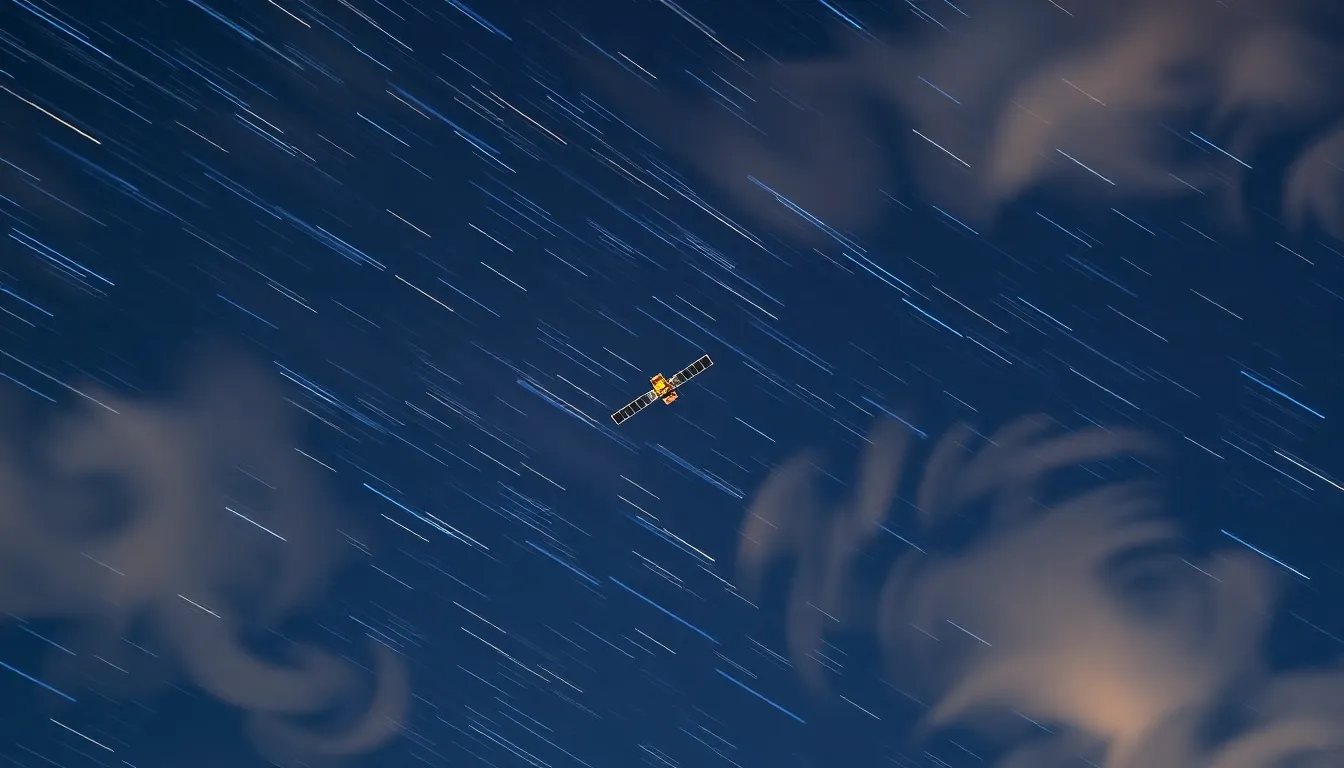
shot on Leica Q3, 28mm f/1.7 Summilux, during a dramatic meteor shower at night, capturing a satellite moving through the night sky alongside shooting stars. The image uses a long exposure technique to create trails behind the satellite, conveying motion in a beautiful way. The color palette is enhanced with deep blues and vibrant white streaks against the dark sky, while atmospheric details include wispy clouds illuminated by the meteor trails, creating a textured background that complements the space theme.
16:9
captured with Hasselblad X2D 100C, 90mm f/2.5 medium format, during sunrise, featuring a satellite constellation orbiting the Earth, each satellite emitting a soft light amidst the warm golden hues of sunrise. The composition features a centered symmetrical arrangement of satellites, with sweeping curves of their trajectories providing dynamic visual interest. A blurred Earth in the background adds depth, while natural textures of atmospheric clouds allow for a rich, detailed look at the scene.
16:9
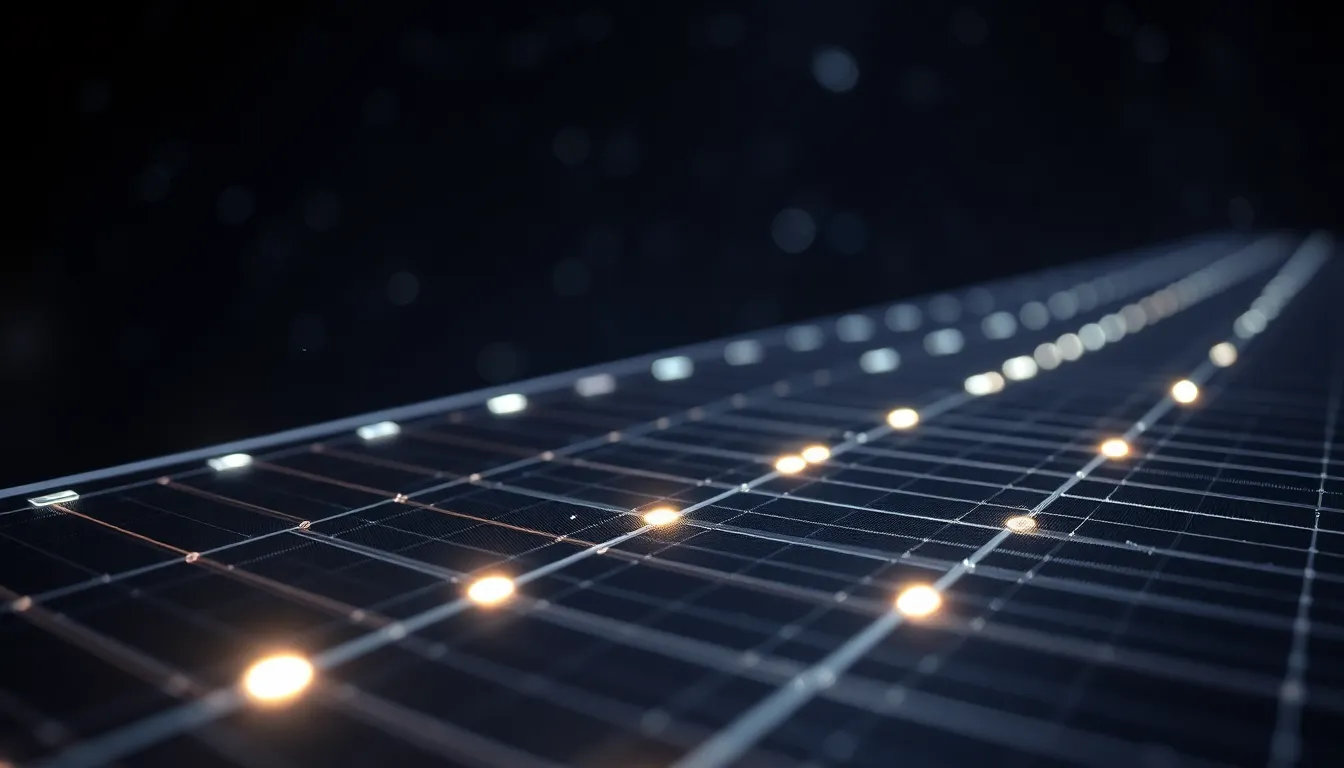
shot on Fujifilm GFX 100S, 110mm f/2 macro, at night with a backdrop of star-filled skies, featuring a close-up of a satellite's solar panel, illuminated by the soft glow of LED lights. The image employs a shallow depth of field that isolates the intricacies of the solar cells against a dreamy bokeh of stars, creating a tranquil, ethereal atmosphere. The color palette features deep blacks and shimmering silvers, emphasizing the technological beauty and complex textures of the satellite.
16:9
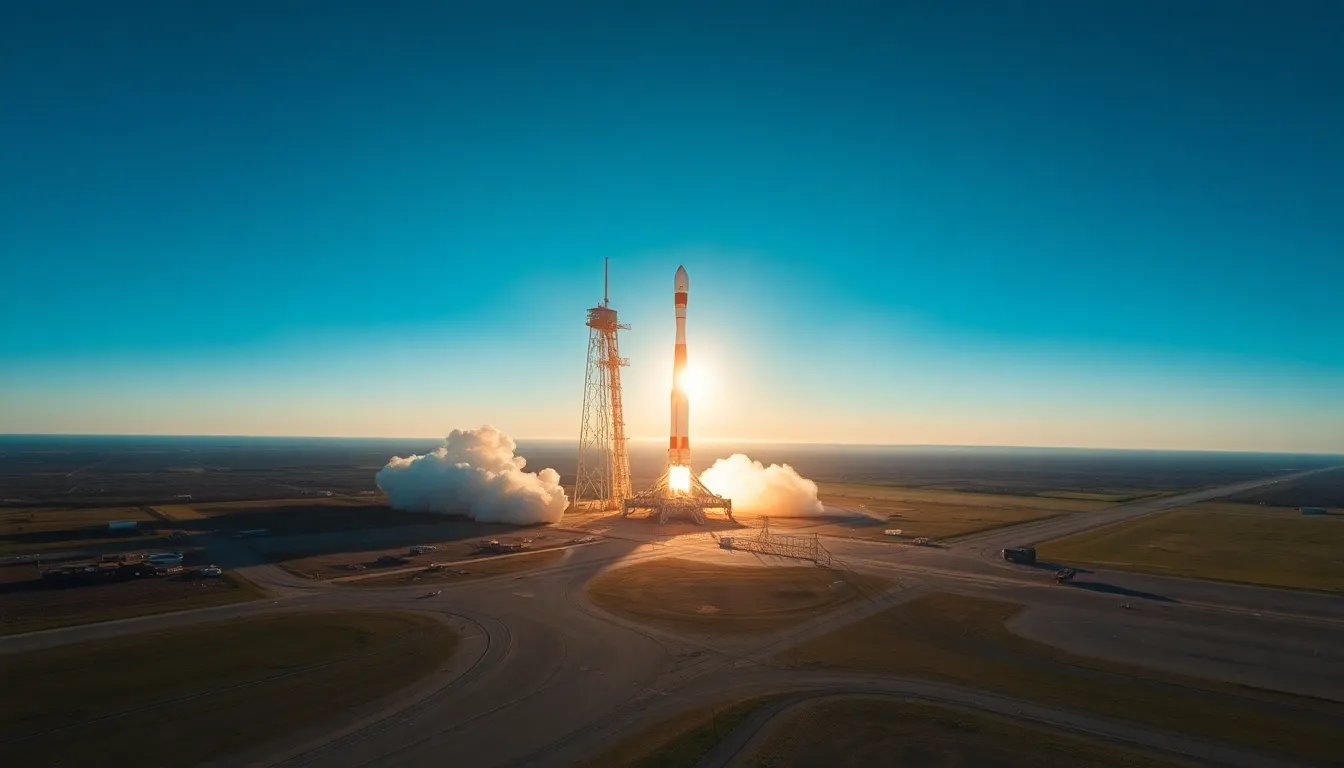
captured with Canon EOS R5, 24-70mm f/2.8L at 35mm, in a high-altitude scene with crisp blue skies at noon, featuring a satellite being launched from a pad, sunlight hitting the rocket's fuselage creating harsh shadows and brilliant highlights. Hyperfocal distance ensures sharp focus from the rocket to the distant horizon, while the vivid color palette captures the bright whites and deep blues of the sky. The composition includes leading lines that direct the viewer’s gaze towards the rocket, emphasizing its ascent.
16:9
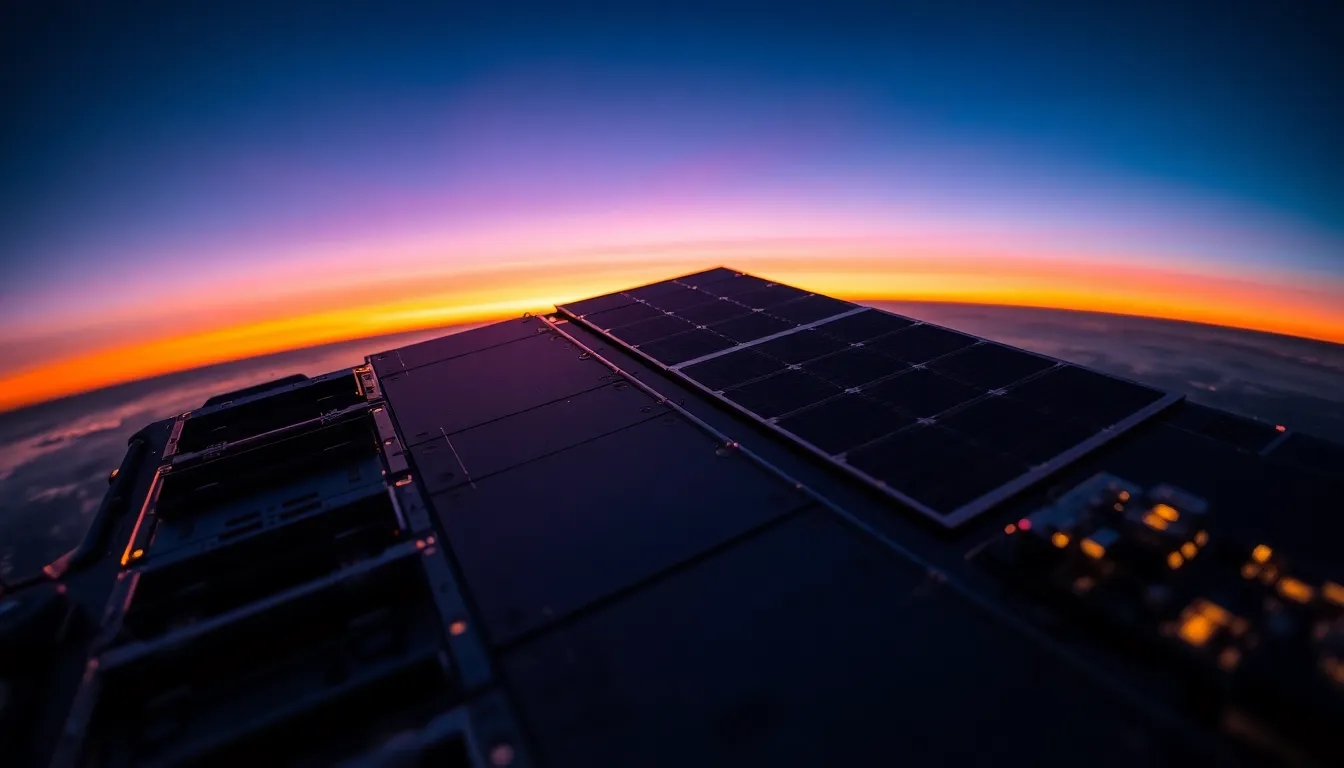
shot on Nikon Z9, 70-200mm f/2.8 telephoto at 135mm, captured during dusk with vivid orange and purple twilight colors illuminating the satellite's structure, shallow depth of field at f/2.8 creating a soft bokeh of the Earth below, and a steep angle composition showcasing the satellite's intricate details against the fading light. The satellite's metallic surface reflects the ambient glow, showcasing a blend of textures from polished aluminium to rugged solar panels and detailed circuitry visible in close focus.
16:9
captured with Hasselblad X2D 100C, 90mm f/2.5 medium format, showing a breathtaking view of satellites in low Earth orbit taken from a vantage point on a mountain. The scene is bathed in golden hour light, illuminating the Earth below and the satellites above. Using a hyperfocal distance at f/8, everything from the foreground mountain texture to the distant satellites is sharply in focus, creating depth. The color grading mirrors the warmth of the golden hour with rich oranges and soft blues. The composition uses a wide-angle perspective to enhance the majesty of both the Earth and the technology above it.
16:9

shot on Fujifilm GFX 100S, 110mm f/2 macro lens, capturing a detailed view of a satellite circuit board, showcasing intricate designs and tiny components. The lighting is provided by a soft natural light from a window, casting gentle highlights across the metallic surfaces. A shallow depth of field at f/2 creates a dreamy background, highlighting the textures and details of the circuit board. The color palette is natural and muted, with earthy greens and silvers predominating, while the composition uses a centered symmetrical layout to enhance the precision of the technology.
4:3
captured with Canon EOS R5, 24-70mm f/2.8L at 35mm, depicting a satellite launch site at dawn. The early morning light casts a golden hue over the scene, illuminating the rocket and satellite awaiting launch. The composition uses leading lines formed by ground support structures directing the viewer's eye toward the rocket. A hyperfocal distance at f/8 ensures all elements from the foreground to the distant horizon are sharp. The color palette is warm, with soft oranges and yellows contrasted against the cool steel of the rocket, embodying a sense of hope and adventure.
16:9
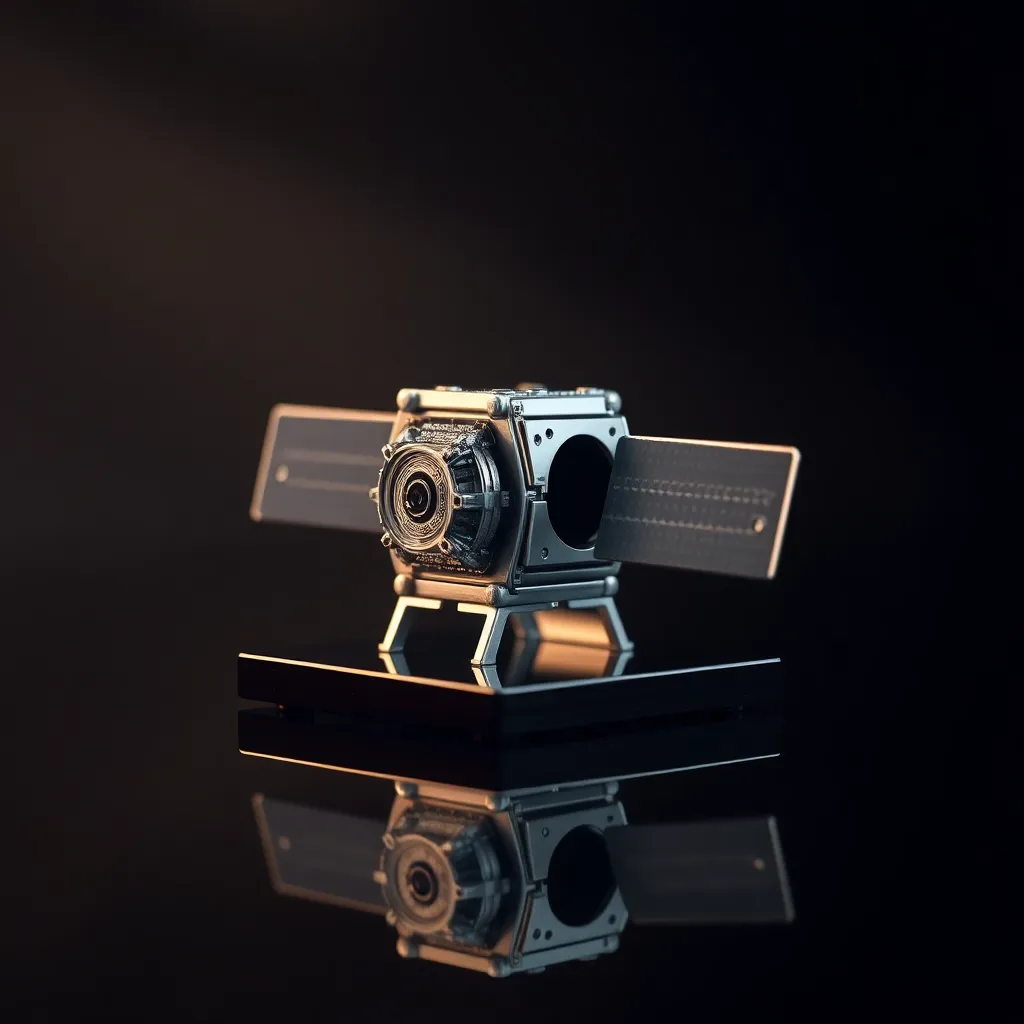
shot on Sony A7R V with 85mm f/1.4 GM lens, illustrating a close-up of a model satellite designed for educational purposes, placed on a polished black acrylic surface. The setup is illuminated with soft, diffused studio lighting, creating gentle shadows and highlights that enhance the model's intricate details. A shallow depth of field at f/1.4 produces a creamy bokeh that emphasizes the satellite while making the background softly indistinct. The color palette is warm and inviting with rich blacks and metallic silver tones, while the composition is centered, drawing the viewer's eye to the craftsmanship of the satellite.
1:1
captured with Nikon Z9, 70-200mm f/2.8 telephoto at 135mm, showcasing a satellite orbiting Earth in the foreground against a backdrop of deep space. The scene is lit by the distant glow of stars, creating a mystical atmosphere with cool blue and purple hues. Utilizing a shallow depth of field at f/2.8, the satellite is in crisp focus while the starfield melts into soft bokeh. The color palette draws inspiration from deep space imagery, emphasizing blues and blacks with bursts of white light. The composition follows the rule of thirds, placing the satellite dynamically off-center, while the vastness of space surrounds it, conveying isolation and wonder.
16:9
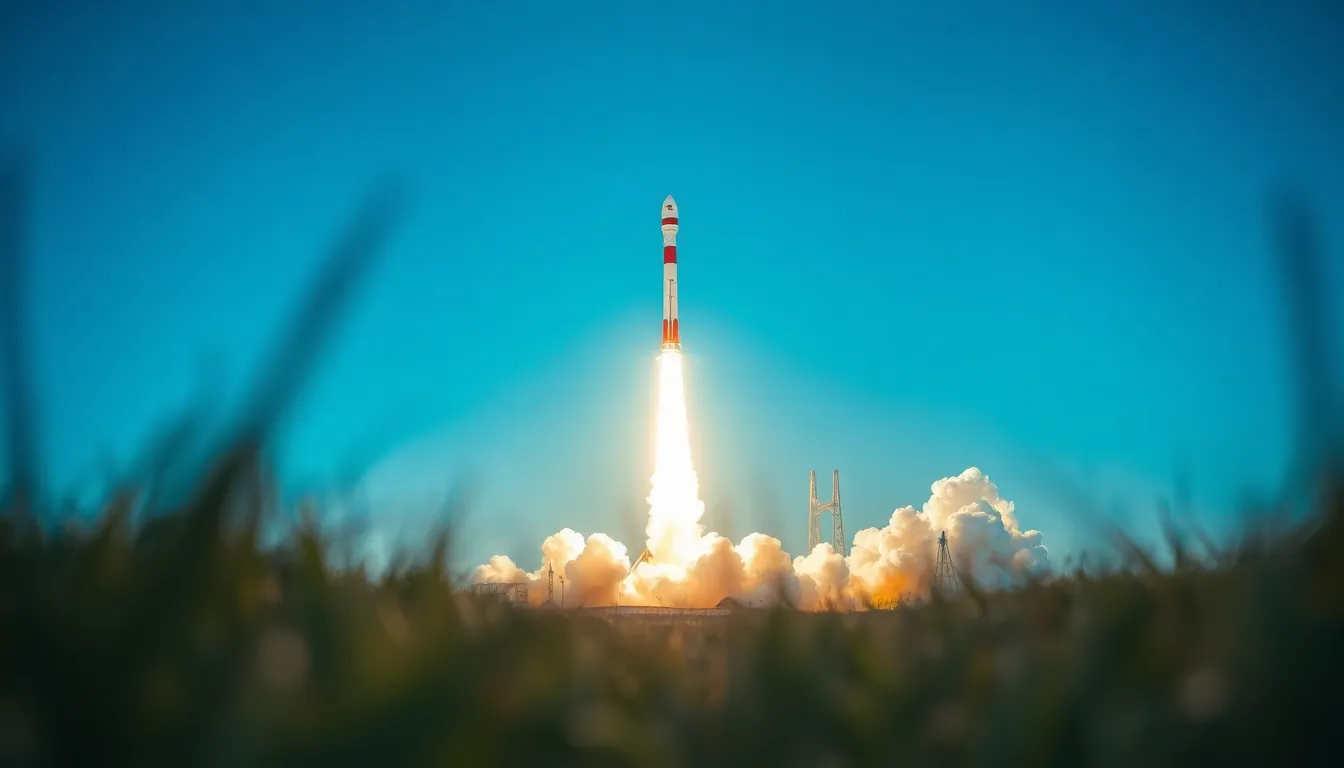
Hasselblad X2D 100C, 90mm f/2.5 medium format capturing a satellite launch from a distance, with the rocket lifting off against a bright blue sky. The scene is lit with natural daylight, emphasizing the vibrant colors of the rocket as it ascends. The depth of field is hyperfocal, ensuring all elements from the foreground to the sky remain sharp. The color palette features vivid reds, whites, and blues, capturing the excitement of the launch. The composition places the rocket off-center, utilizing leading lines of smoke and exhaust to draw the viewer’s eye upward.
16:9
Fujifilm GFX 100S, 110mm f/2 macro capturing a detailed shot of satellite solar panels reflecting sunlight. The lighting is bright and direct, highlighting the glossy surface of the panels, with a soft gradient of blue sky in the background. The depth of field is shallow at f/2, creating a dreamy bokeh that accentuates the solar panels. The color science is inspired by Kodak Portra 400, emphasizing warm reflections and soft contrasts. The composition focuses closely on the solar panels, utilizing macro perspectives to reveal intricate textures and details of the material.
1:1
Nikon Z9, 70-200mm f/2.8 telephoto at 135mm, capturing a large communication satellite in a cleanroom environment. Bright overhead LED lighting creates even illumination that highlights the intricate mechanical details of the satellite, casting soft shadows. The image has a hyperfocal depth of field, ensuring both the satellite and its surrounding equipment are in sharp focus. The color palette is natural, featuring metallic silvers, whites, and blues. The composition features a slight angle, drawing the viewer’s eye along the length of the satellite, emphasizing its engineering complexity.
3:2

shot on Sony A7R V with 85mm f/1.4 GM lens, presenting a close-up of a satellite dish mounted on a rooftop during a storm at night. The scene is illuminated by sporadic lightning, providing dramatic and high-contrast lighting. The depth of field is shallow at f/1.4, creating a creamy bokeh effect around the vivid raindrops clinging to the dish. The color palette consists of dark blues and grays, with the occasional bright white flash of lightning. The composition captures the dish centrally, creating a striking symmetry against the chaotic background of the storm.
4:3
captured with Canon EOS R5, 24-70mm f/2.8L at 35mm, showcasing a satellite in low Earth orbit against a backdrop of the Earth’s curvature during a sunset. The scene is illuminated with golden hour lighting, creating vibrant hues of orange and pink in the atmosphere. The depth of field is shallow at f/2.8, softly blurring the horizon while maintaining sharp focus on the satellite. Fujifilm Velvia-inspired color grading enhances the saturation, emphasizing the blue of the planet and the gleaming metallic texture of the satellite. The composition utilizes the rule of thirds, positioning the satellite off-center, with wispy clouds forming leading lines toward it.
16:9
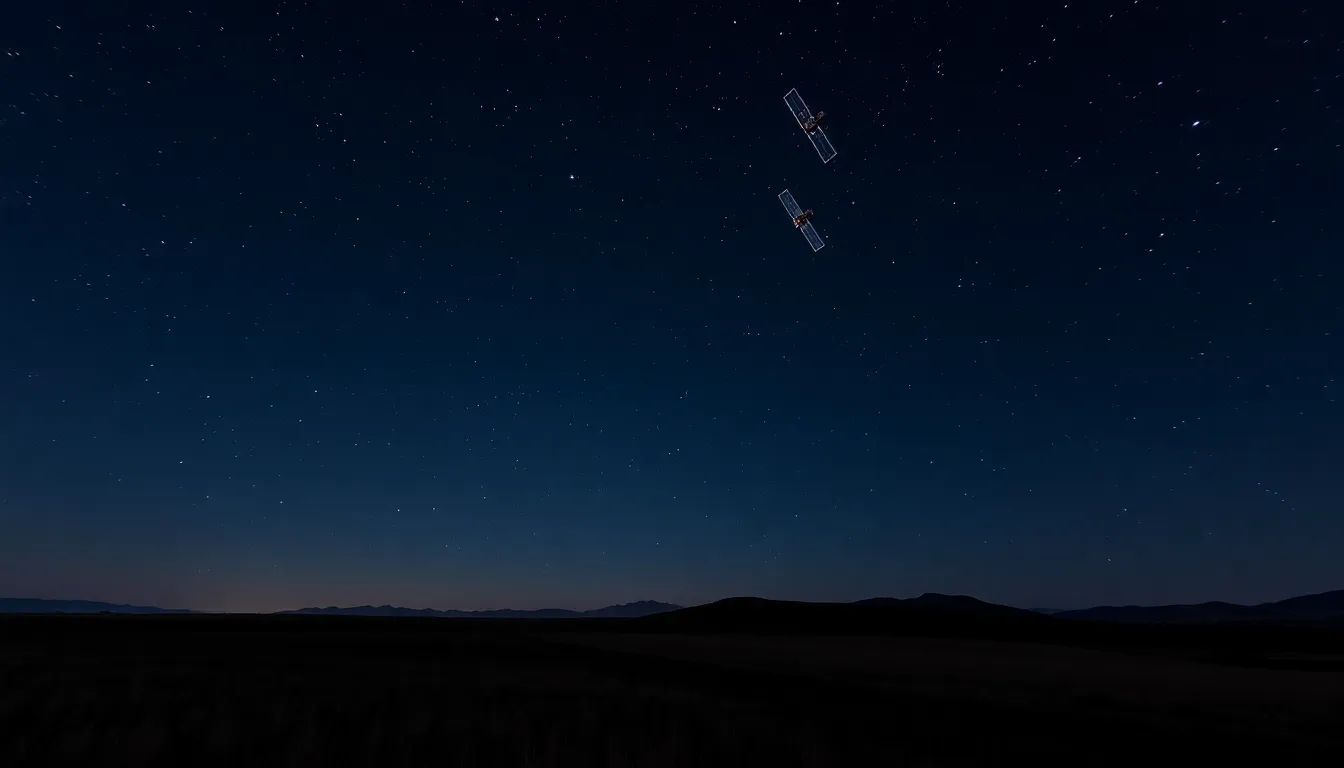
A satellite orbiting in a starry night sky over a serene landscape, captured with a Hasselblad X2D 100C, 90mm f/2.5 medium format. The scene showcases a clear night sky filled with bright stars, using natural moonlight to create a soft, ethereal glow on the landscape below. The color palette consists of natural muted tones with deep blues and blacks, enhancing the calmness of the night. The composition places the satellite in the upper third of the frame, while the tranquil landscape occupies the lower two-thirds, reflecting the vastness of space above and the peacefulness below.
16:9
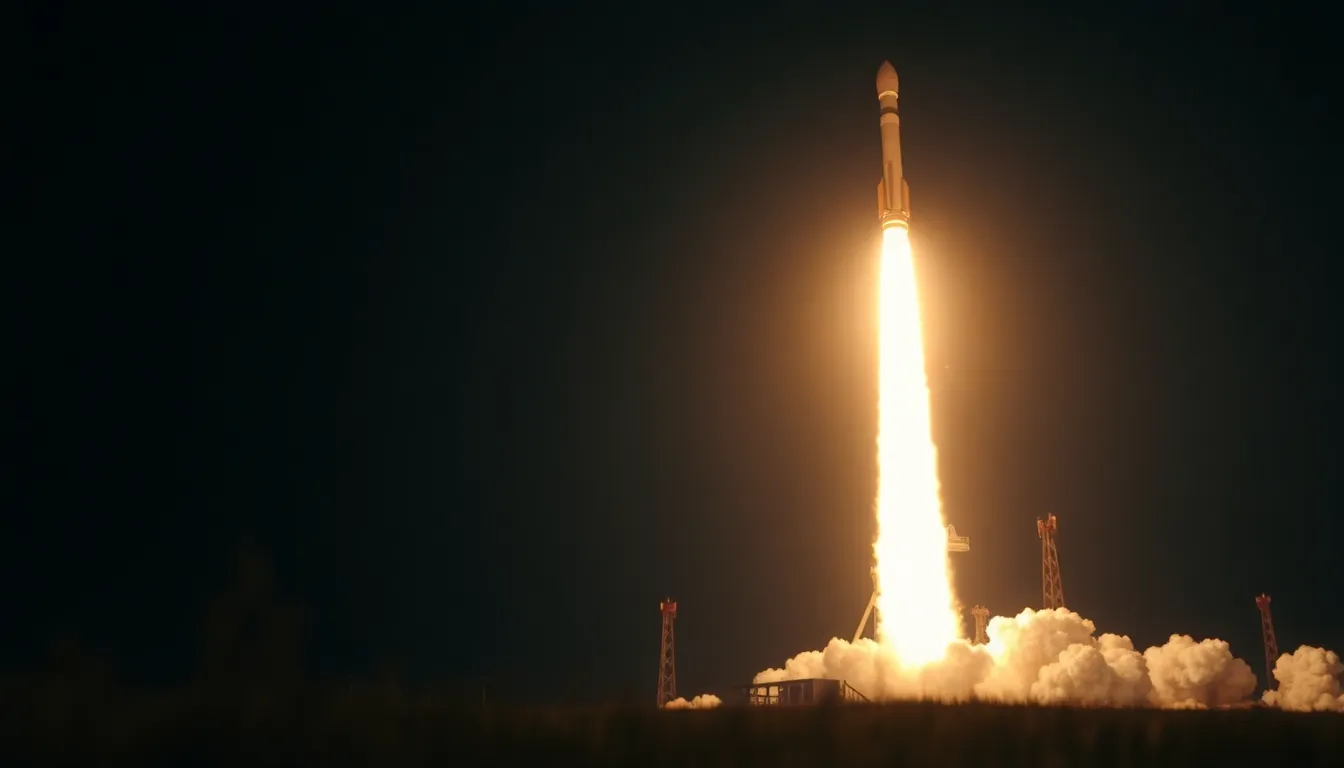
An artistic rendition of a satellite launching into space, shot on a Leica Q3, 28mm f/1.7 Summilux. The scene features dramatic backlighting from the rocket's exhaust flames, creating a fiery glow against the dark sky. The color science leans toward cinematic teal and orange grading, echoing the energy of the launch. The depth of field is shallow at f/1.7, blurring the rocket's launch pad while the rocket remains in crisp focus. The composition employs a dynamic Dutch angle to enhance the sense of movement and excitement as the satellite soars into the unknown.
16:9
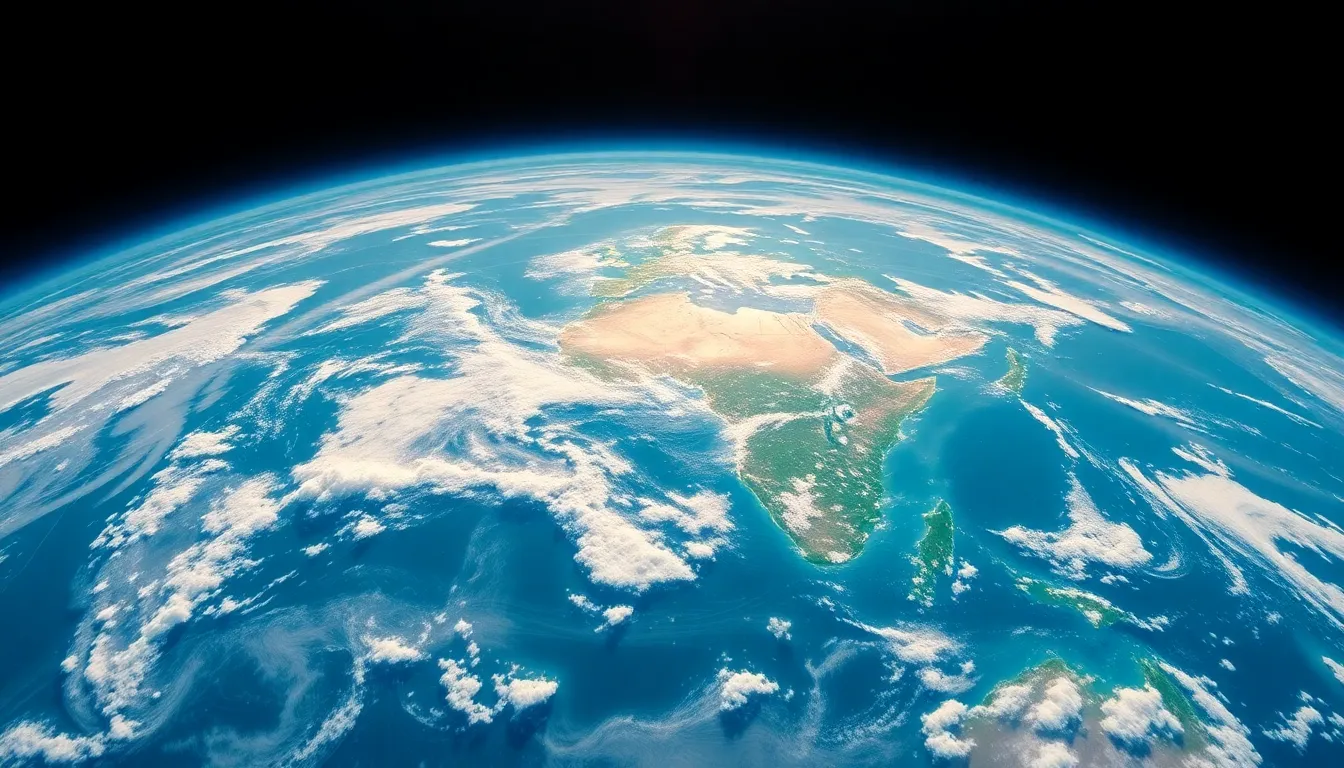
A breathtaking view of Earth from a satellite perspective, captured with a Canon EOS R5, 24-70mm f/2.8L at 35mm. The image features vibrant, saturated colors with the Fujifilm Velvia-inspired palette, highlighting the deep blues of the oceans and lush greens of the continents. It's shot during the day with natural sunlight creating highlights on the ocean surface. The hyperfocal distance ensures everything from the foreground clouds to distant continents is sharply in focus. The composition is centered and symmetrical, evoking a sense of harmony and global connectivity.
16:9
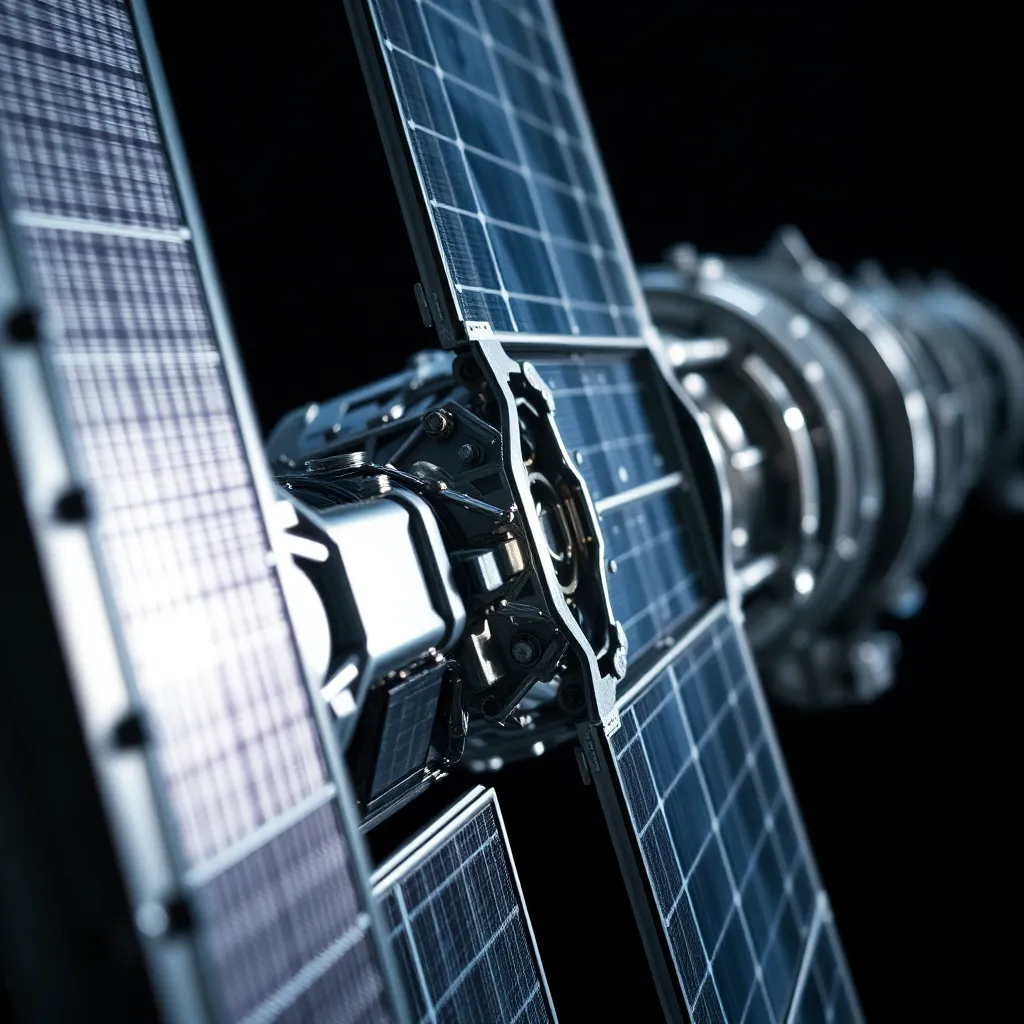
A close-up shot of a satellite array on a space station, shot on a Fujifilm GFX 100S, 110mm f/2 macro. The studio lighting accentuates the intricate details and textures of the satellite's solar panels, utilizing a three-point studio setup with key light highlighting the panels' metallic sheen. The color accuracy mimics natural muted tones, emphasizing the silvery blue and grey hues of the spacecraft. The composition follows the rule of thirds, placing the satellite array at the left power point, capturing its design complexity and technological elegance.
1:1
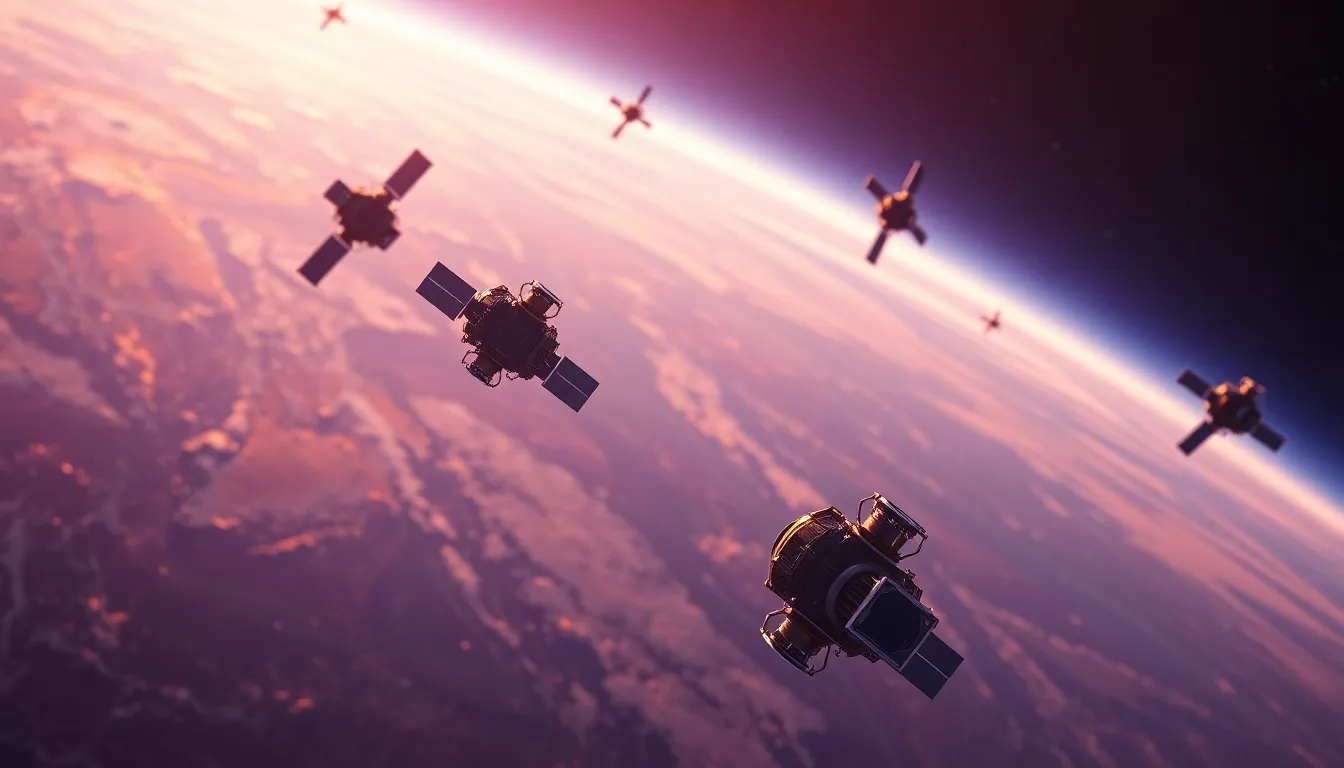
A stunning photorealistic rendering of a group of satellites in geostationary orbit, captured with a Nikon Z9, 70-200mm f/2.8 telephoto at 135mm. The scene is bathed in soft, diffused sunlight from the Earth’s atmosphere during twilight, creating a harmonious mix of purple and orange hues. A shallow depth of field at f/2.8 isolates the satellites against a blurred Earth backdrop. The color palette features warm oranges and cool purples, invoking a sense of serenity and wonder. The composition employs leading lines created by satellite trajectories, with sharp metallic textures reflecting the sky's colors beautifully.
16:9