Planets
110 images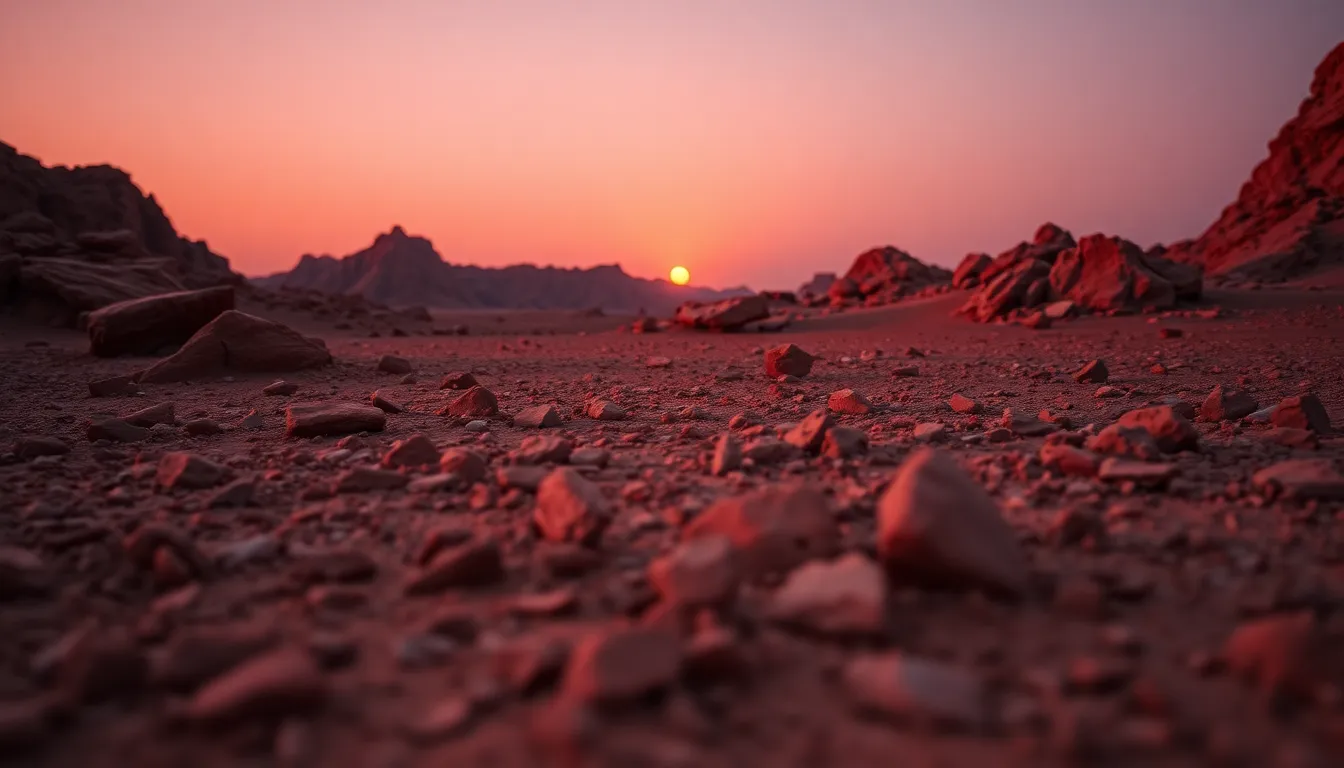
the surface of a red desert planet at dusk, shot on Leica Q3, 28mm f/1.7 Summilux. The scene captures the warm, fading light of the setting sun casting long shadows over the rocky terrain, highlighting the textured surface of red rocks. The color palette features rich reds and soft oranges merging into twilight blues. Shallow depth of field at f/1.7 creates a dreamy bokeh surrounding the rocky landscape. The composition places the horizon at the lower third, showcasing the vastness of the desert expanse.
16:9
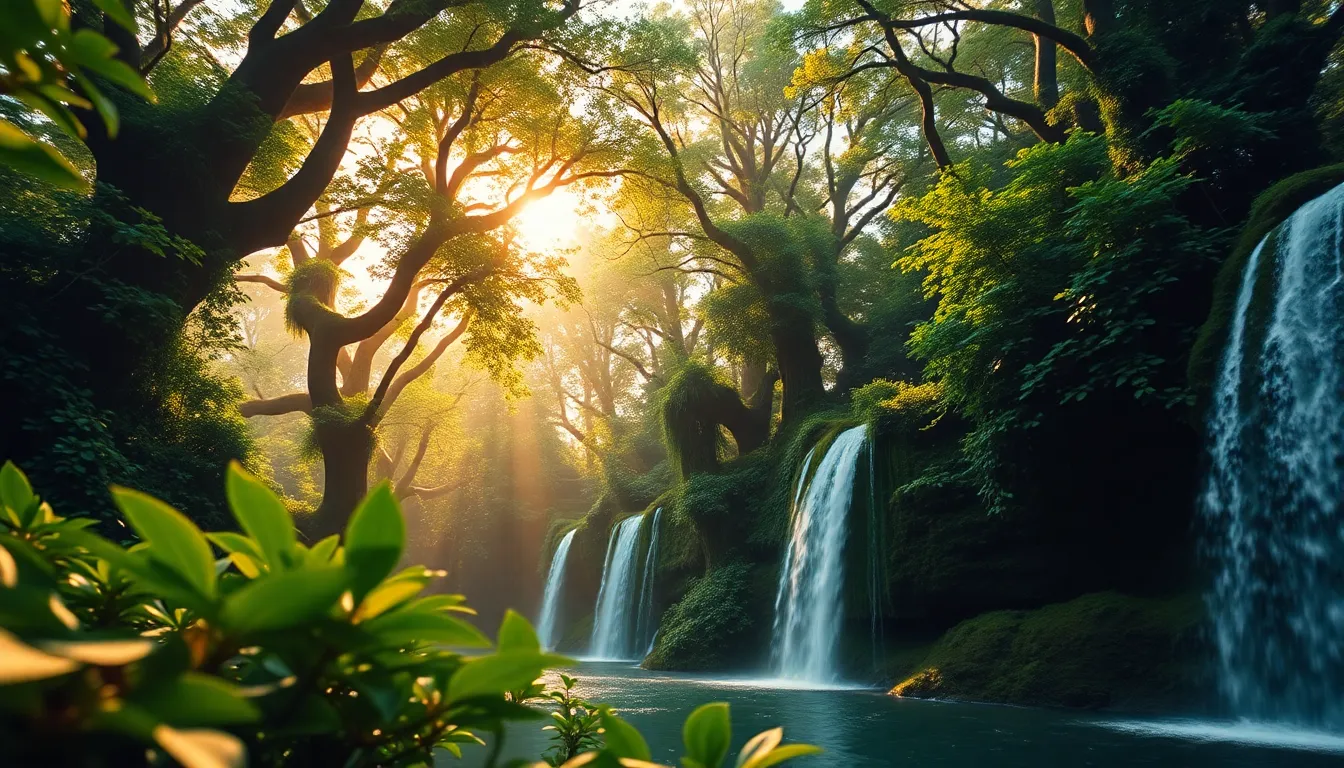
a lush green planet with large trees and waterfalls, captured with Fujifilm GFX 100S, 110mm f/2 macro. The warm, diffused sunlight filters through the trees, highlighting the vibrant greens and reflecting off the water. Soft focus on the distant canopy creates a sense of depth, emphasizing the foreground details of leaves. The color palette is rich in natural greens, with hints of blue from the water. The composition uses leading lines created by the waterfalls, guiding the viewer’s eye into the lush landscape.
16:9
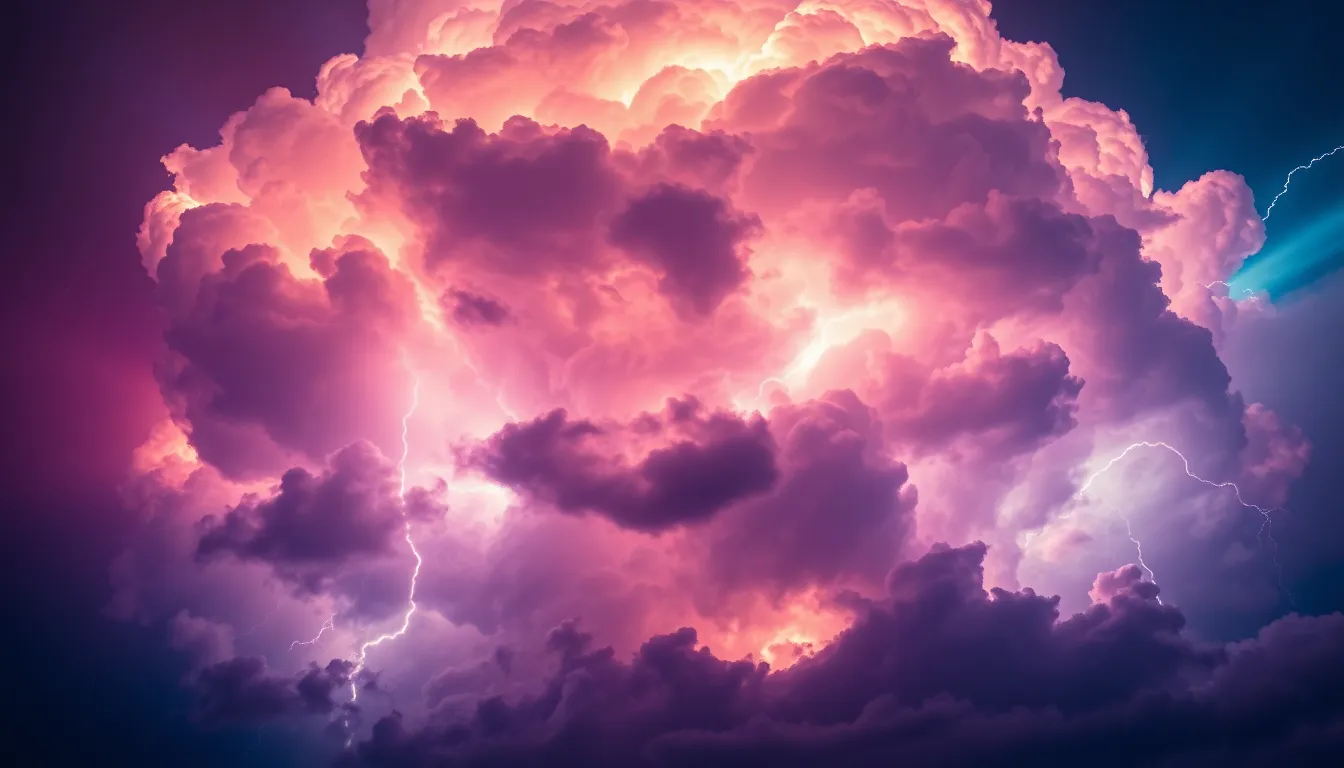
a vibrant storm on a distant planet, shot on Hasselblad X2D 100C, 90mm f/2.5 medium format. The lighting captures dynamic cloud formations illuminated by flashes of lightning, creating dramatic highlights and shadows. The color palette is a vivid mix of deep purples and electric blues. A shallow depth of field at f/2.5 isolates the storm from the background, creating an intense focus. The composition is centered, showcasing the tumultuous nature of the storm with swirling clouds that seem to burst from the frame.
16:9
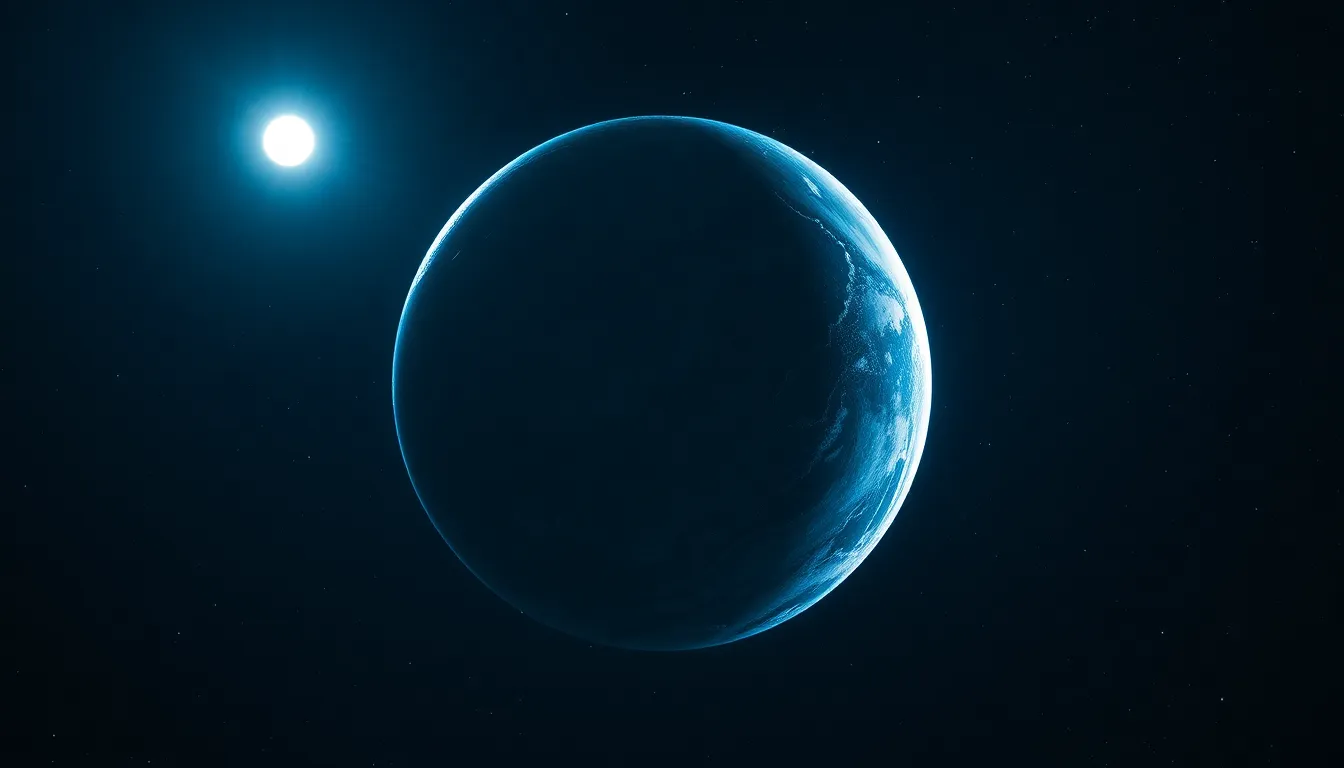
an icy exoplanet orbiting a distant star, captured with Canon EOS R5, 24-70mm f/2.8L at 35mm. The scene is lit by cool, bluish white light emanating from the star, with subtle reflective highlights on the ice surface. Hyperfocal distance used to keep everything from foreground to infinity sharp at f/8. Color palette features muted blues and whites, emphasizing the cold atmosphere. The composition centers on the planet, framed by the black void of space and sprinkled with stardust, creating a sense of isolation.
16:9
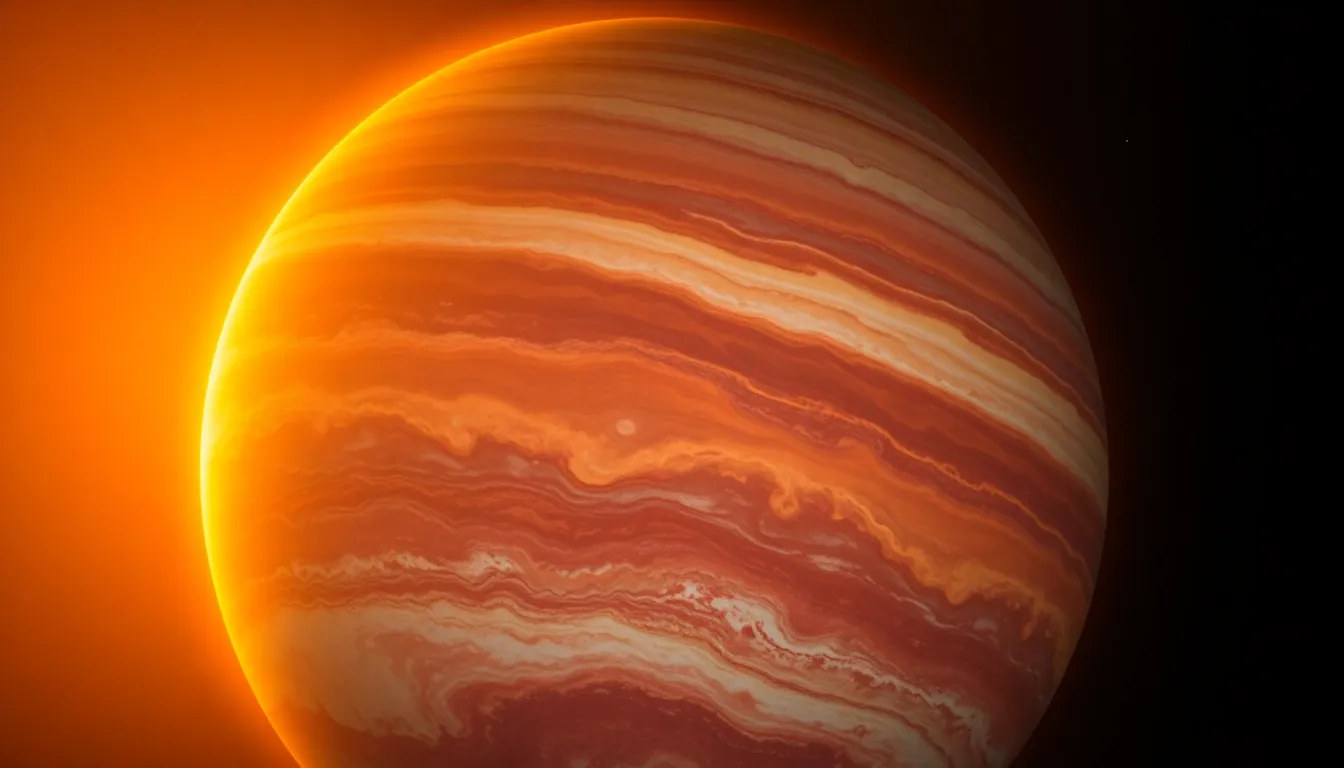
a stunning view of a gas giant with vibrant swirling clouds, shot on Nikon Z9, 70-200mm f/2.8 telephoto at 135mm, during a dramatic sunset. The planet is illuminated by a warm golden light with deep shadows accentuating the gaseous textures and layers. Shallow depth of field at f/2.8 creates a dreamy bokeh effect in the background. Color palette features rich oranges and blues, with contrasting dark space. The composition utilizes rule of thirds, placing the planet slightly off-center to draw the eye, with stars softly twinkling in the distance.
16:9
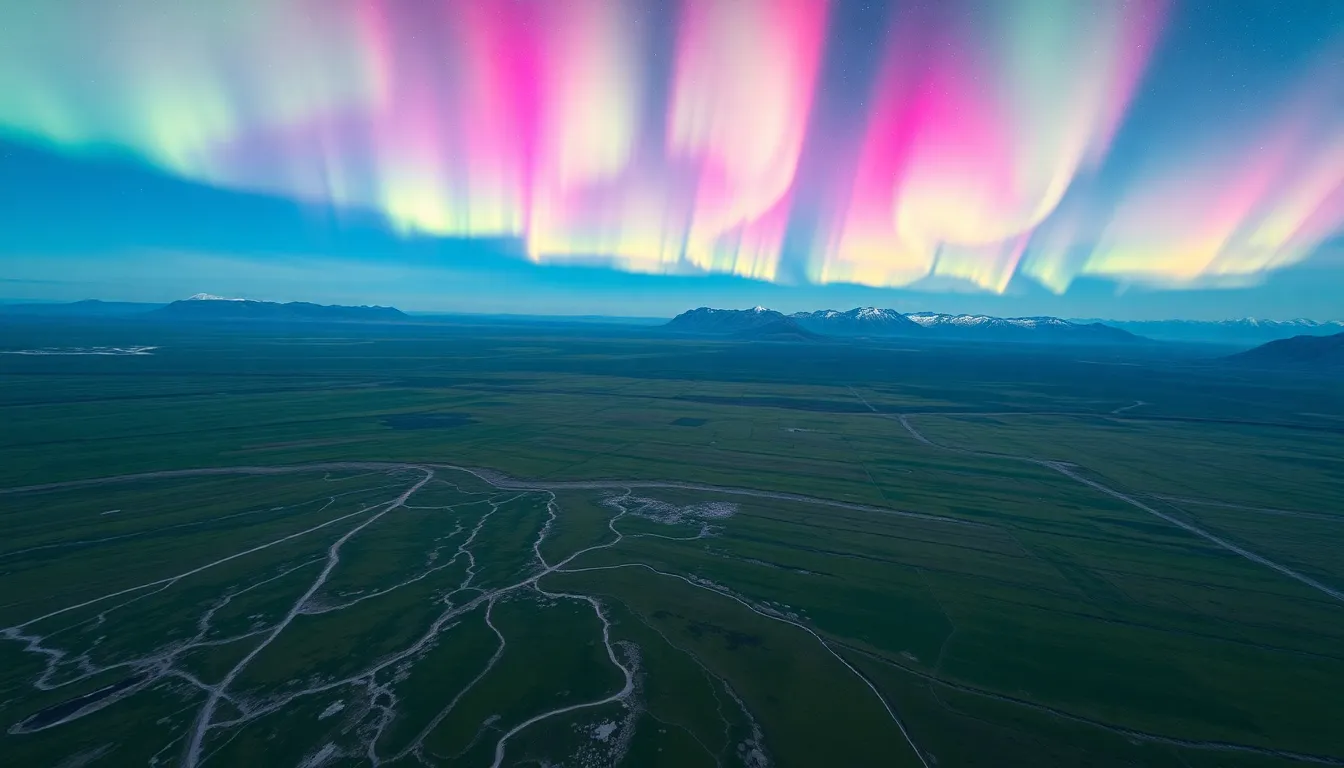
Captured on Leica Q3, 28mm f/1.7 Summilux, this image presents a breathtaking landscape of an alien planet’s surface viewed from high above, showcasing vast plains and distant mountains under a colorful aurora. The natural sunlight provides soft lighting, enhancing the vibrant colors of the aurora that dances across the sky. The depth of field is set at hyperfocal distance, ensuring everything from the foreground terrain to the mountains in the background is sharp. Rich greens and blues dominate the color palette, creating a surreal contrast. Compositionally, the horizon is placed at the lower third, giving a sense of vastness and wonder to the expansive terrain below.
16:9
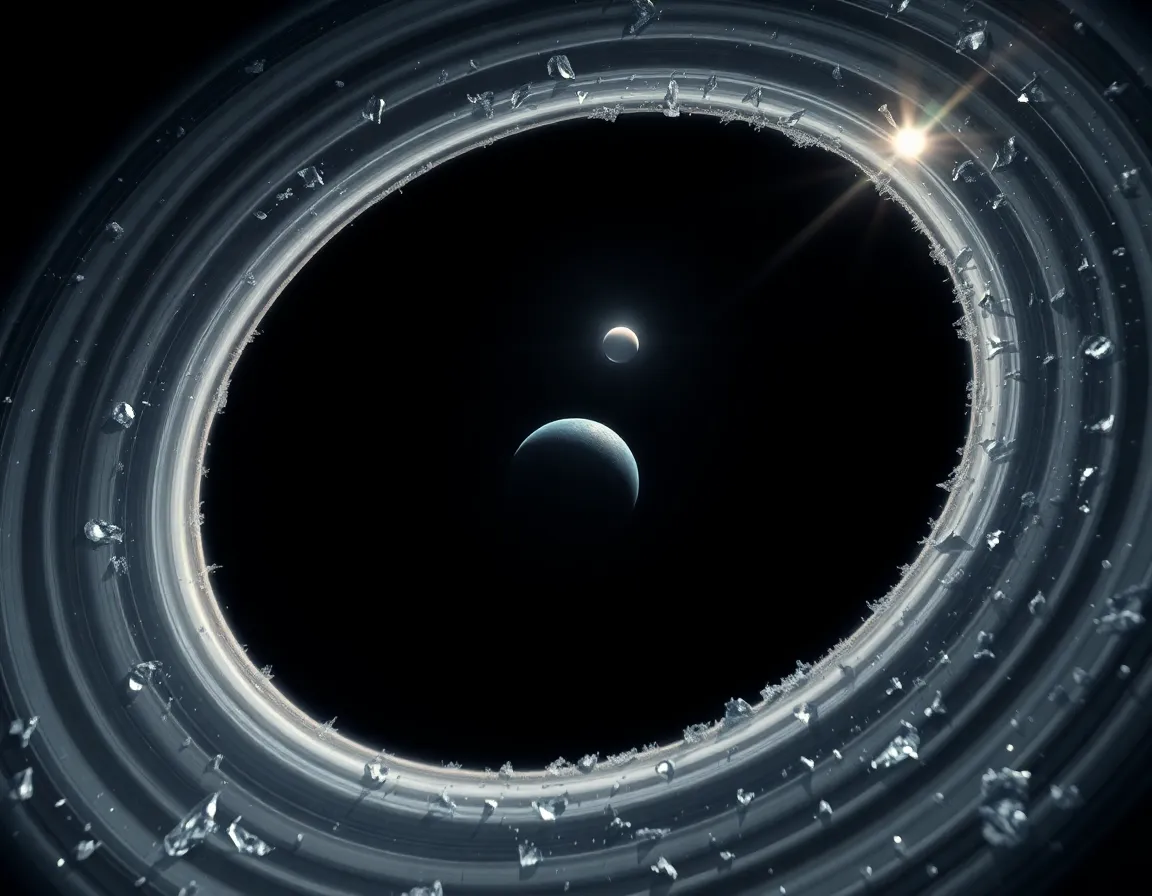
Photographed with Fujifilm GFX 100S, 110mm f/2 macro, this image captures a stunning view of a planet's rings composed of icy particles and rocky debris. Soft, diffused lighting from a nearby star creates a gentle glow across the rings, illuminating their intricate textures. The depth of field is shallow at f/2, rendering the rings sharply focused while the distant planet remains softly blurred. The color palette includes shimmering whites and blues with hints of silvery reflections. The composition features a tight crop of the rings spiraling towards the planet, creating a dynamic and engaging visual flow.
4:3
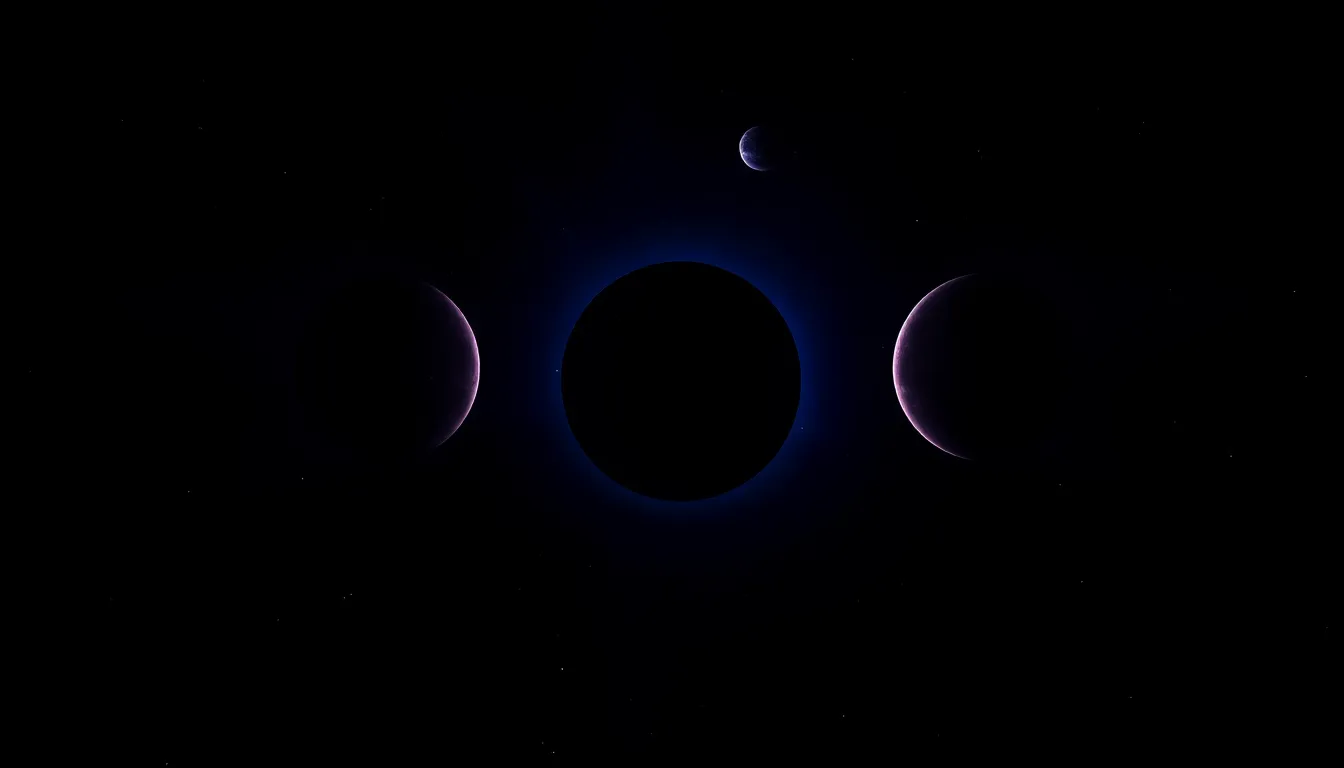
Captured with Canon EOS R5, 24-70mm f/2.8L at 35mm, this image portrays a vibrant view of two moons eclipsing a distant planet in a dark cosmic setting. The dramatic lighting from the planet casts sharp shadows on the moons, creating a mysterious and captivating atmosphere. The depth of field is set at f/4, ensuring both moons and the planet are sharply defined against a deep black background speckled with stars. The color palette features deep purples, blues, and blacks, enhancing the celestial theme. The composition places the planets in a triangular formation, drawing the viewer's eye across the scene.
16:9
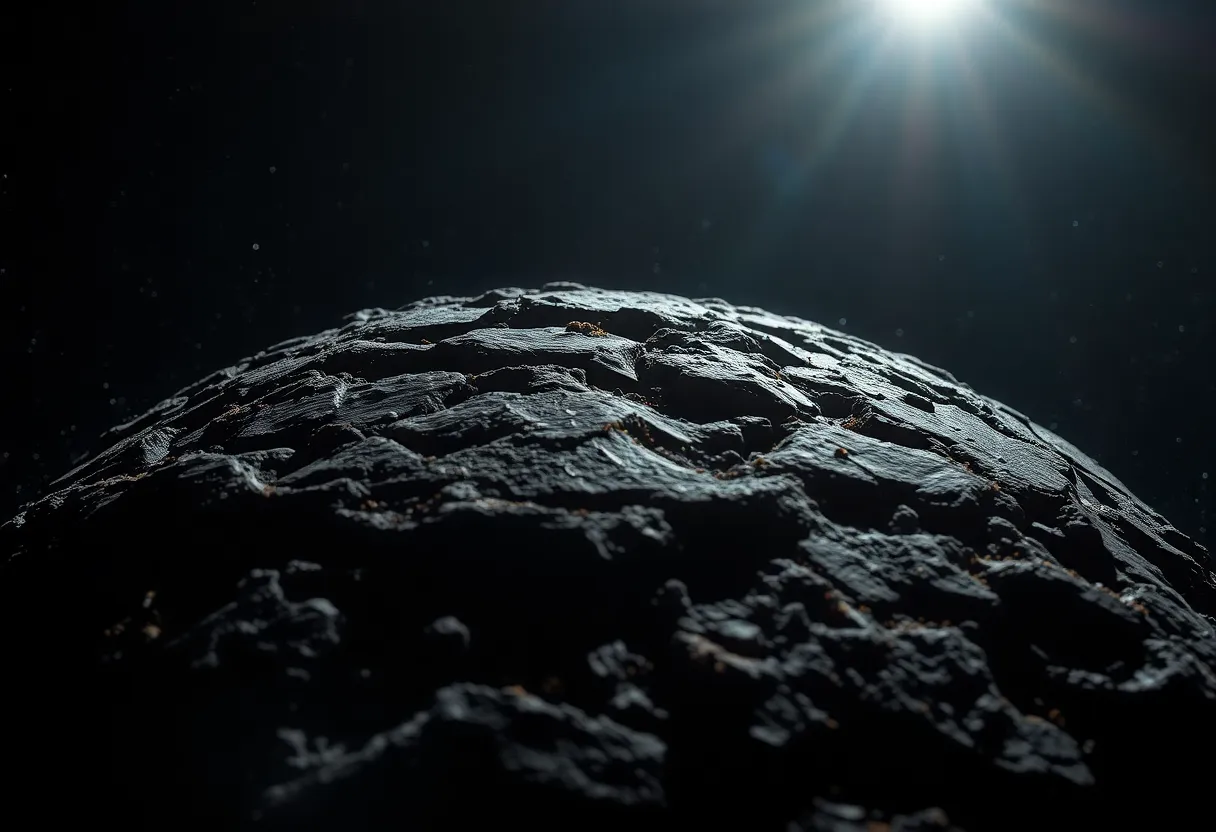
Shot on Sony A7R V with 85mm f/1.4 GM lens, this close-up image showcases a detailed view of a rocky, cratered exoplanet's surface under bright starlight. The harsh direct lighting creates strong shadows that highlight the rocky textures and fine details of the craters. Depth of field is shallow at f/1.4, creating a smooth bokeh effect in the background of stars and distant galaxies. The color palette reflects cool greys with specks of warm, rust-like minerals. The composition centers on the planet's rugged surface while positioning the stars in a staggered pattern, emphasizing the vast emptiness of space surrounding it.
3:2
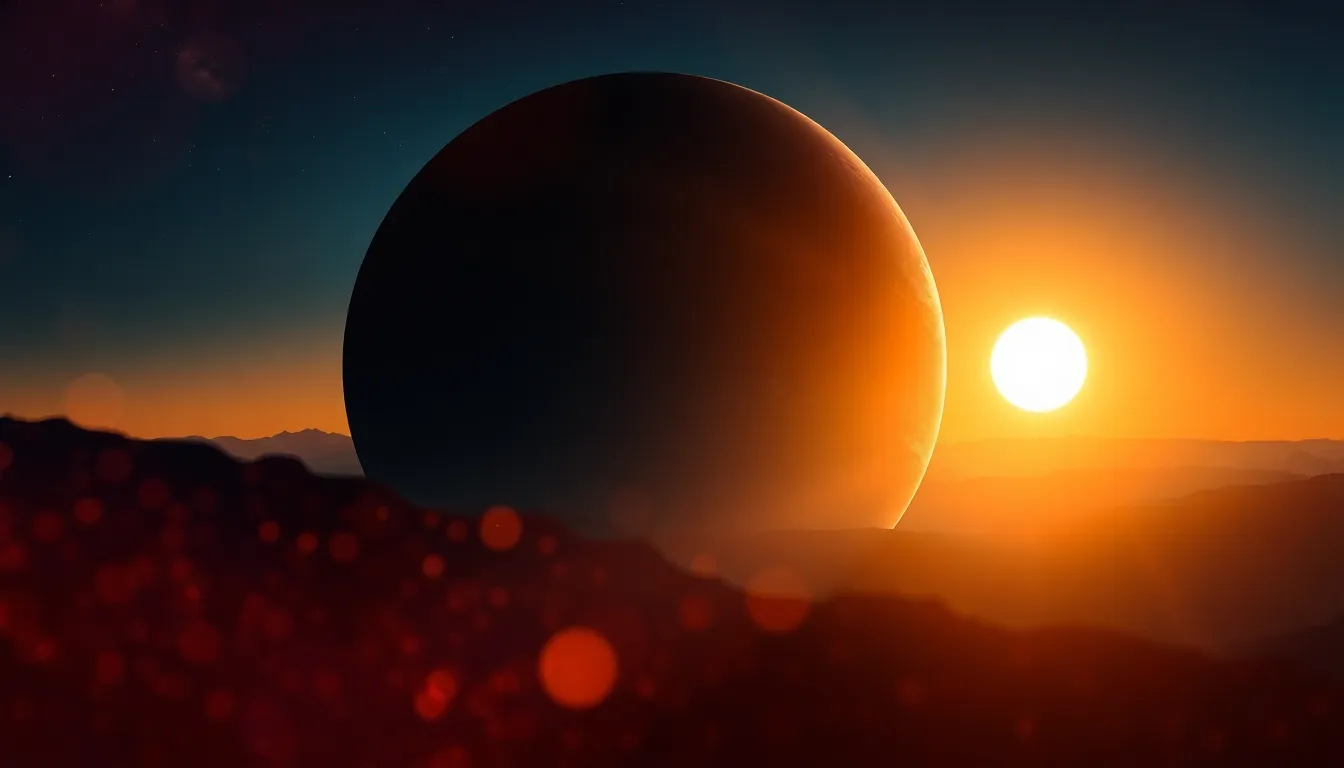
Captured with Nikon Z9, 70-200mm f/2.8 telephoto at 135mm, this image showcases a dramatic view of a massive gas giant looming in the background, illuminated by a distant sun. The twilight setting creates a soft, diffused light with long shadows and ethereal hues. Depth of field is shallow at f/2.8, blurring the foreground with colorful nebulae, drawing focus to the planet's swirling atmosphere. Color grading emphasizes vibrant blues and oranges, reminiscent of a cosmic sunset. Compositionally, the planet occupies the right power point, with leading lines of stardust pulling the viewer's eye towards it, while the texture reveals the planet's dynamic gaseous surface.
16:9
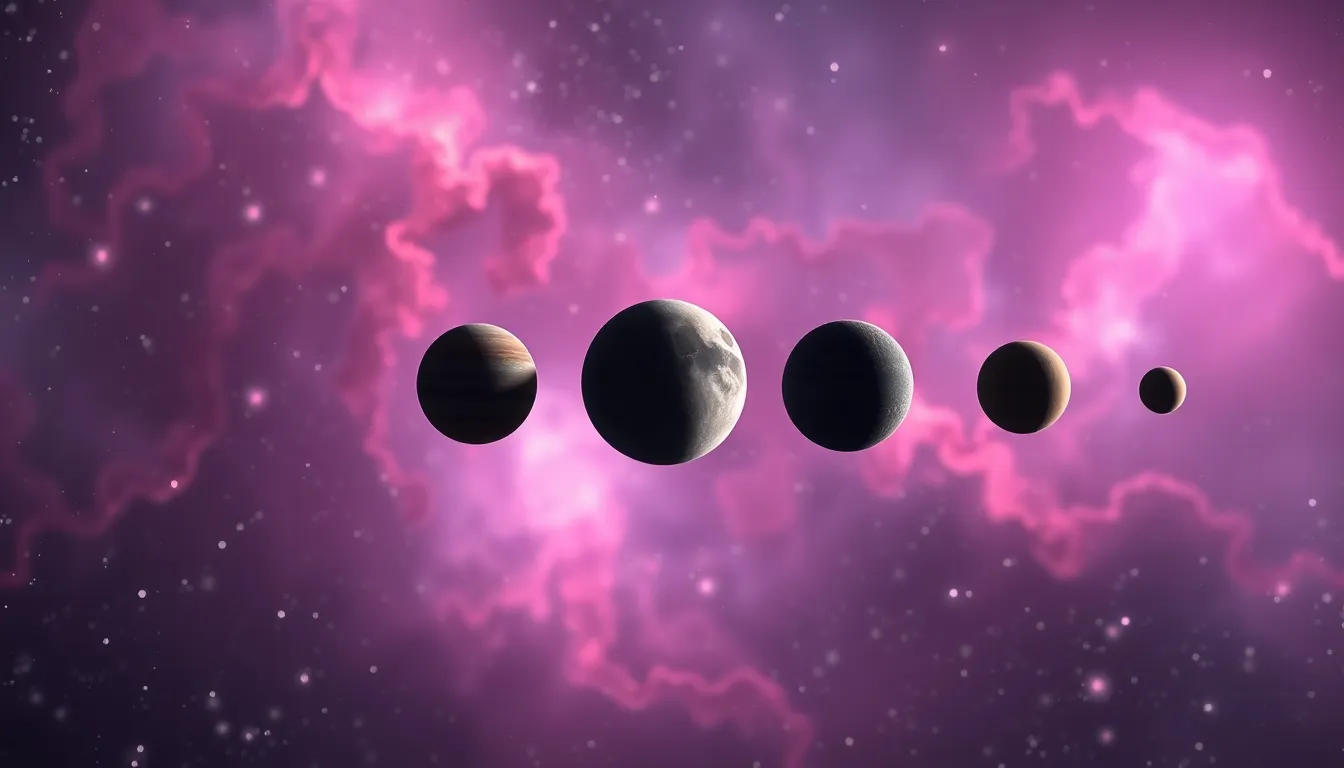
shot on Leica Q3, 28mm f/1.7 Summilux, depicting a celestial phenomenon with multiple planets in alignment against a breathtaking nebula background filled with swirling colors of pink, purple, and blue. The lighting captures the ethereal glow of the nebula, enhancing the planets’ features with soft highlights. The image utilizes a shallow depth of field, focusing on the planets, while the nebula dissolves into a colorful bokeh. The color palette emphasizes the vibrant hues of the nebula, creating a dreamlike quality. The composition positions the planets in a diagonal line, accentuating their relative sizes and distances.
16:9
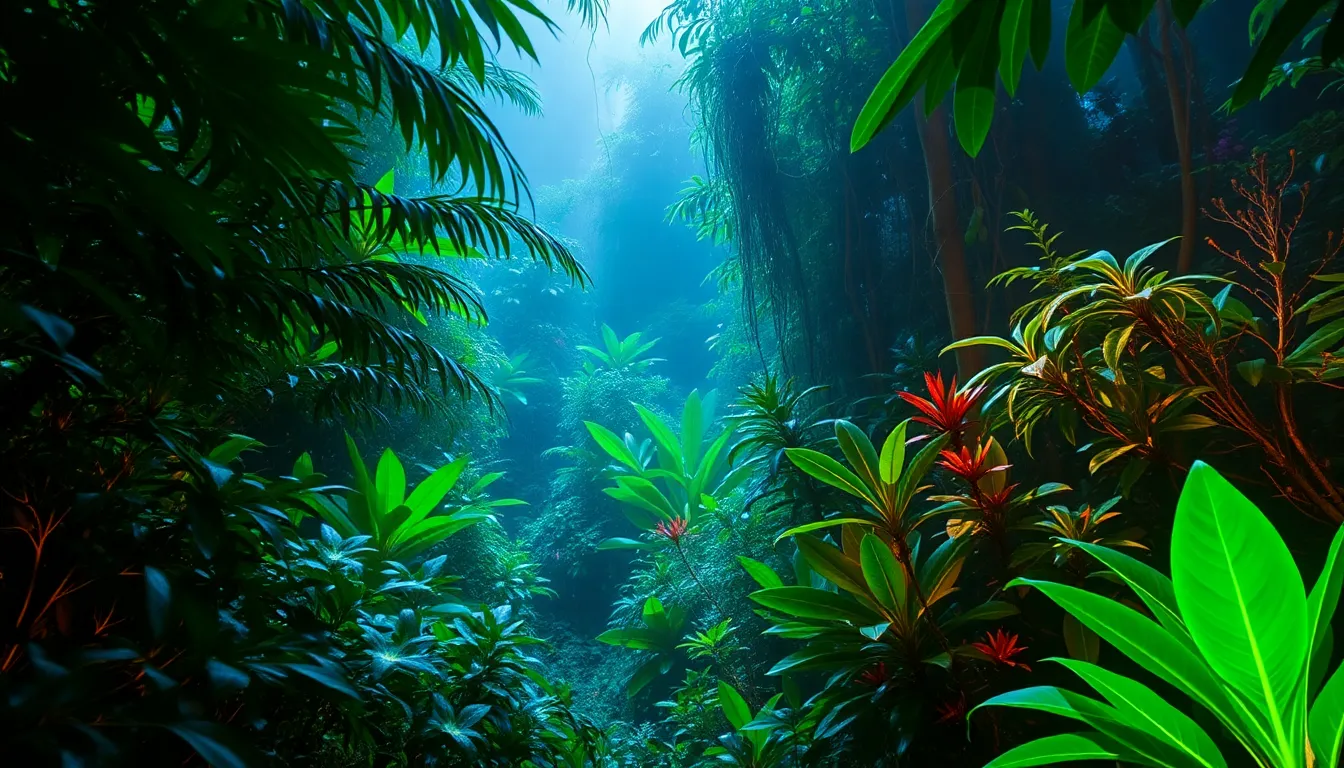
captured with Hasselblad X2D 100C, 90mm f/2.5 medium format, featuring a lush extraterrestrial jungle on a distant planet, with bioluminescent flora illuminating the scene in vibrant greens and blues. Soft, natural lighting filters through the foliage, creating dappled shadows on the ground. The depth of field is shallow, highlighting a variety of alien plants while letting the background fade into a soft bokeh. The color palette includes rich greens, glowing blues, and hints of purples, evoking a sense of wonder. The composition uses leading lines formed by plant branches to draw attention to the vibrant jungle life.
16:9
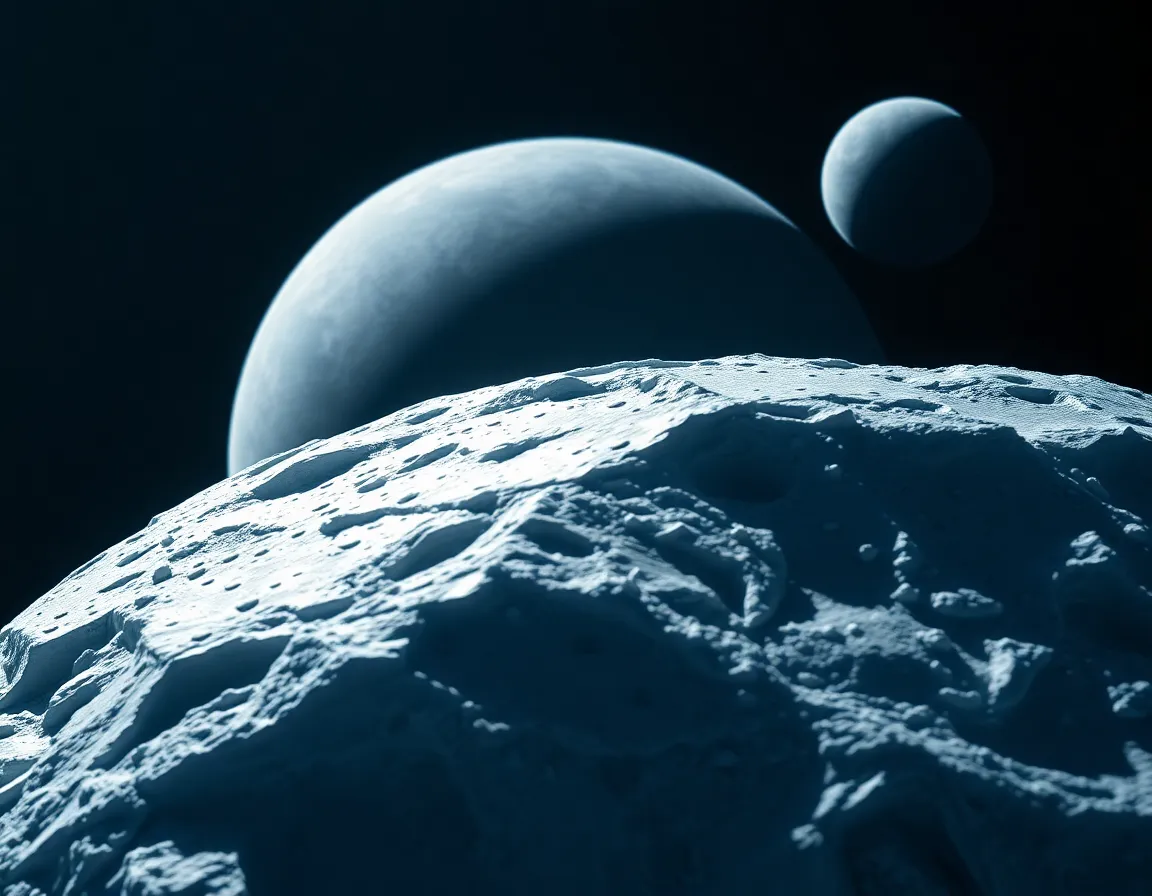
shot on Fujifilm GFX 100S, 110mm f/2 macro, illustrating an icy moon orbiting a distant planet, characterized by a barren, crater-filled surface glistening under bright sunlight. The lighting showcases sharp contrasts between shadows and highlights, emphasizing the rough textures of the ice and rock. The depth of field is hyperfocal, keeping both the moon's surface and the distant planet in crisp focus. The color palette features bright whites and soft blues, reflecting a cold, extraterrestrial atmosphere. The composition captures the moon from a low angle, enhancing its imposing presence against the planetary backdrop.
4:3
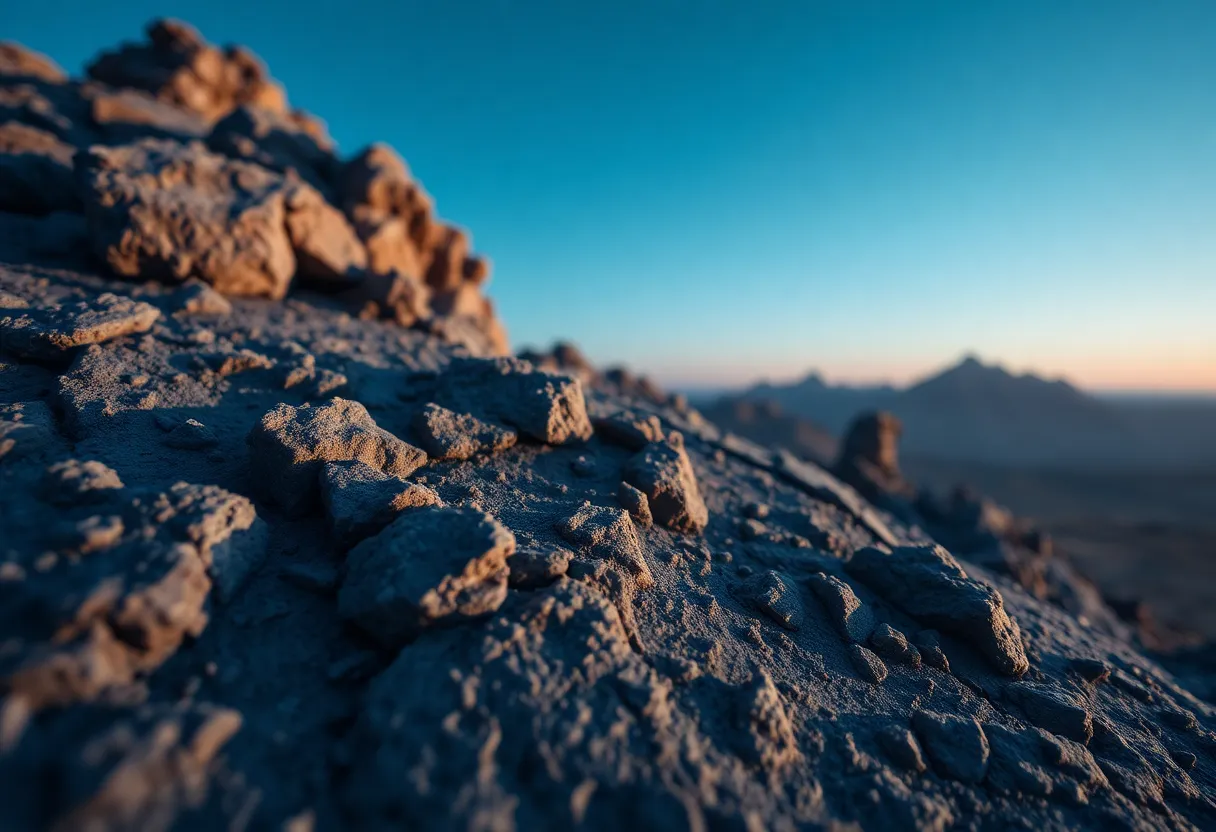
captured with Canon EOS R5, 24-70mm f/2.8L at 35mm, featuring a close-up view of a rocky exoplanet's surface with rugged terrain and mineral deposits glistening under a fading blue twilight sky. Soft, diffused lighting enhances the textures of the rocks while subtle shadows add depth. The depth of field is shallow, emphasizing the detailed surface while fading the horizon into a creamy bokeh. The color scheme includes cool blues and subtle purples, evoking feelings of mystery. The composition focuses on the planet's uneven terrain, showcasing the unique geological features.
3:2
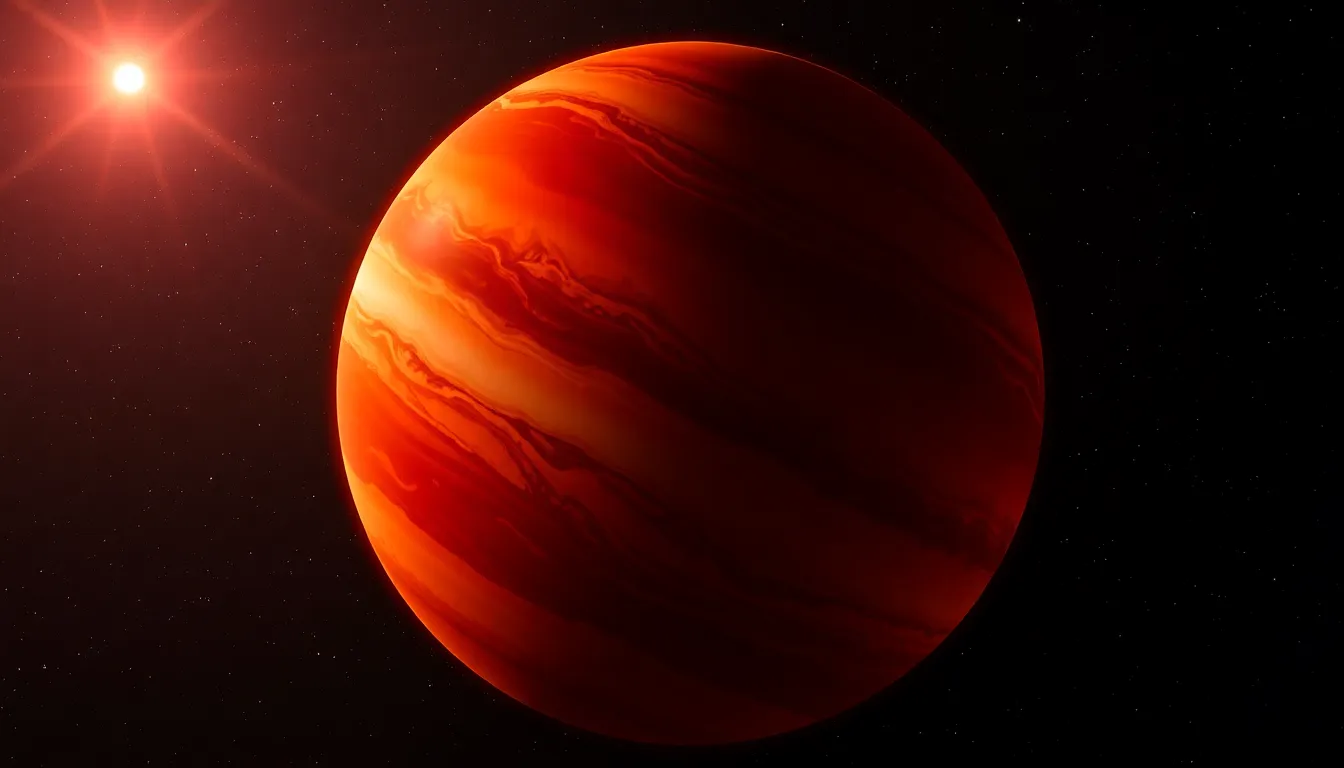
shot on Nikon Z9, 70-200mm f/2.8 telephoto at 135mm, showcasing a vibrant gas giant planet with swirling clouds in deep reds and oranges, illuminated by a distant star. The lighting creates dramatic shadows across the planet's surface. Depth of field captures the planet in sharp focus while the star field fades into a soft bokeh. The color palette resembles a cosmic sunset with rich saturation. The composition centers the planet against a backdrop of twinkling stars, creating a sense of depth and vastness. The surface texture reveals dynamic cloud patterns with hints of glowing gases.
16:9
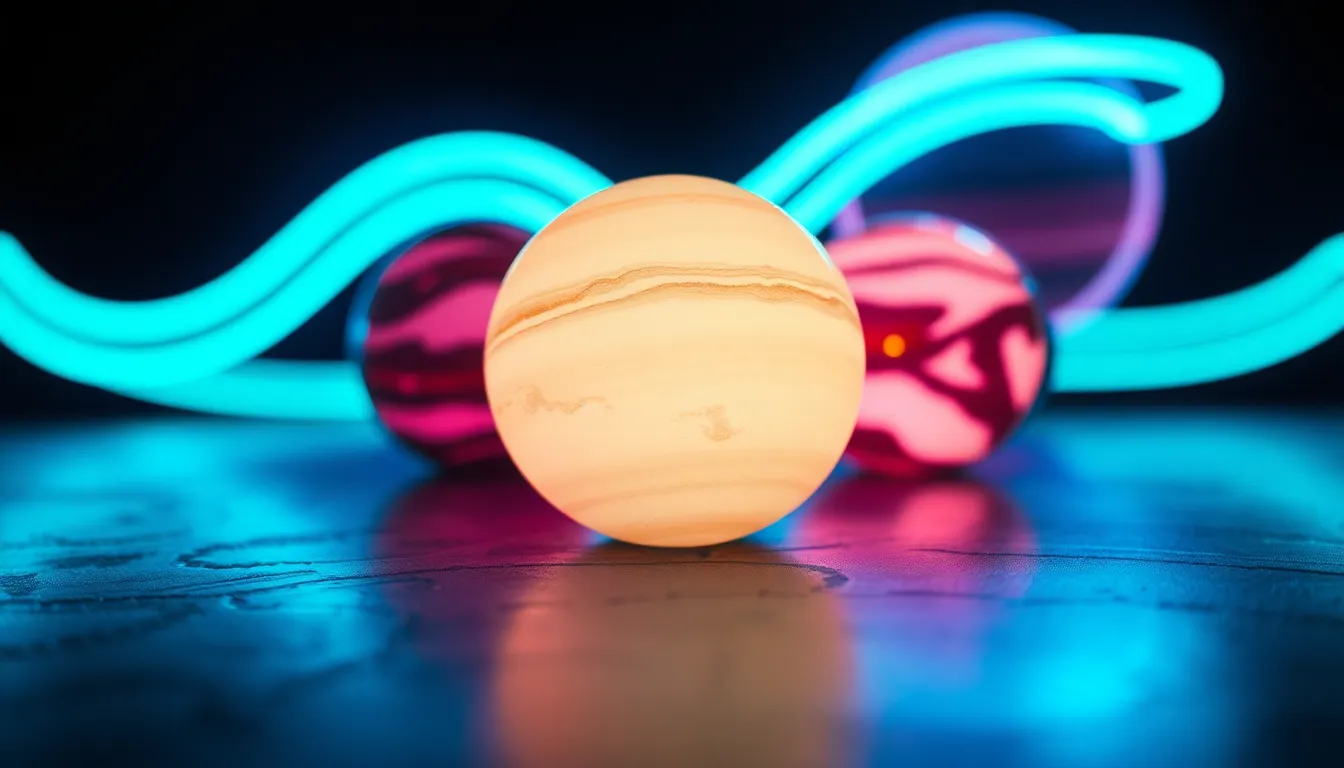
captured with Leica Q3, 28mm f/1.7 Summilux, utilizing a practical approach with neon signage reflecting vibrant colors onto a dark cosmic surface. The depth of field is shallow at f/1.7, creating a creamy bokeh that enhances the illuminated planets in the foreground. The color palette is vibrant, featuring striking contrasts of neon blues and greens against the deep dark space. The composition follows a centered symmetrical layout, emphasizing the planets as the main subjects with the neon glow surrounding them. Textures include the illuminated surfaces of the planets with a rich detail that pops against the dark background.
16:9
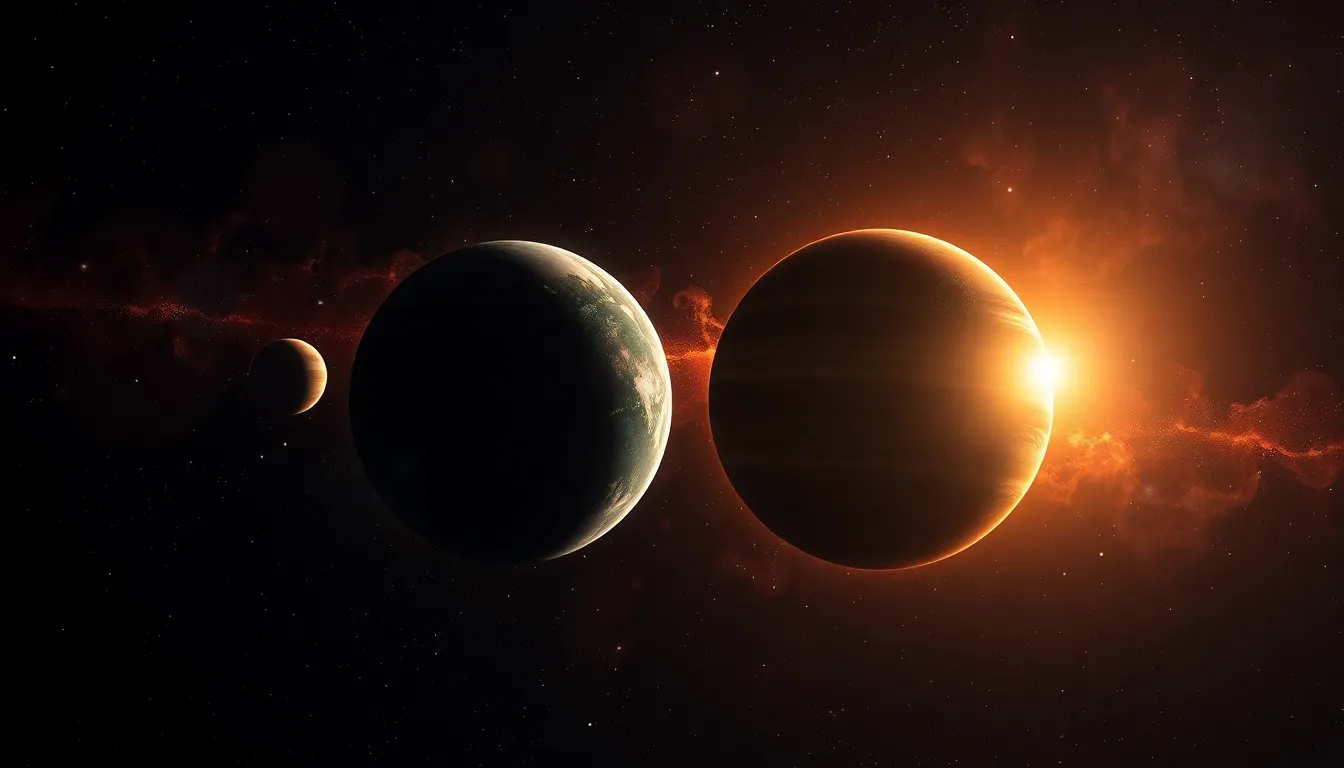
shot with Fujifilm GFX 100S, 110mm f/2 macro, featuring dappled sunlight filtering through a nebula, illuminating the planets against a dark and vibrant cosmic backdrop. The depth of field is at f/2, creating a soft, painterly bokeh effect that emphasizes the planets. The image is color graded with natural muted tones, focusing on earthy colors that provide a unique contrast to the bright celestial bodies. The composition is centered with a Dutch angle to add dynamic tension, creating a visually arresting image. Textures reveal the intricate gaseous details swirling around each planet.
16:9
captured with Canon EOS R5, 24-70mm f/2.8L at 35mm, featuring natural golden hour backlighting that casts a warm glow over the planetary landscape. The depth of field is set at f/8 for hyperfocal clarity, ensuring everything from the planets to the distant stars is sharp and clear. The color palette incorporates soft pastels with hints of orange and pink reminiscent of twilight. The composition leverages leading lines, with asteroid belts guiding the viewer's eye toward the larger planets in the center of the frame. Textures highlight the rough surface of asteroids juxtaposed against the smoothness of planetary atmospheres.
16:9
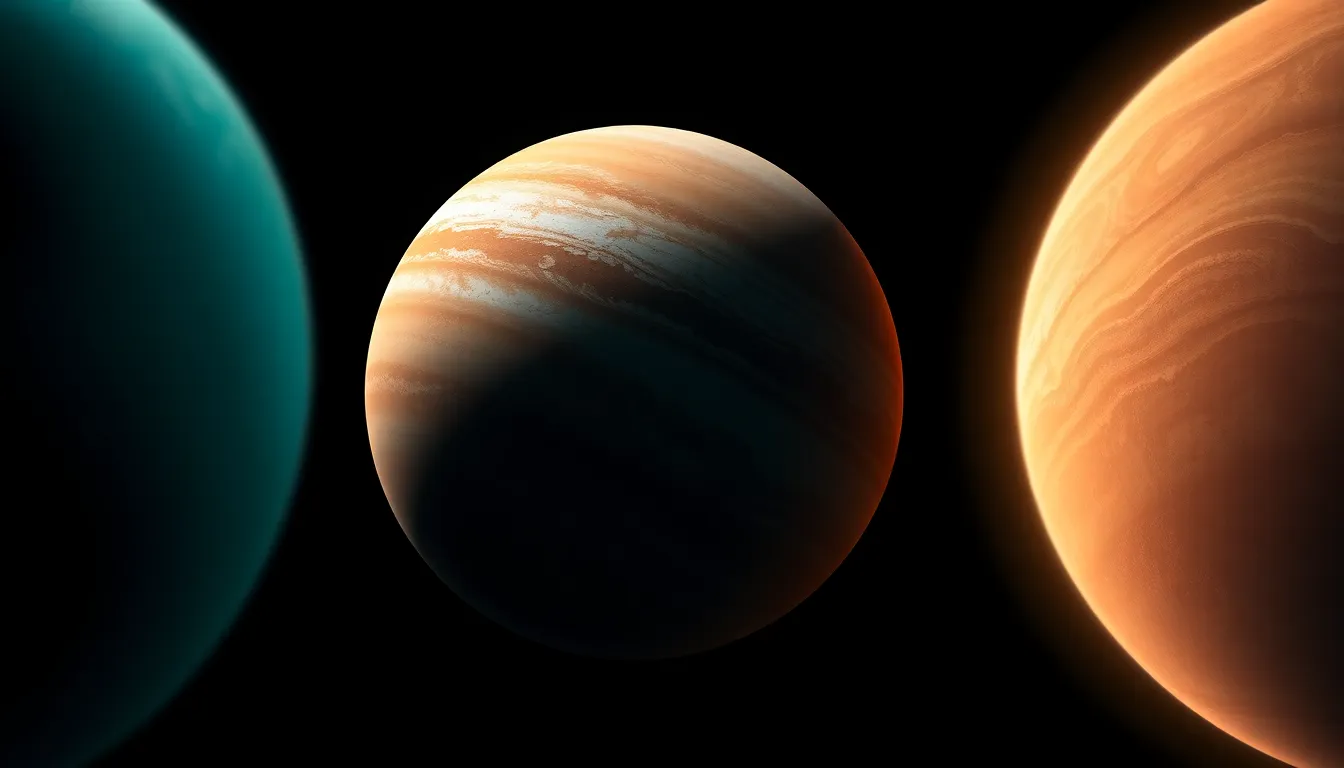
shot on Sony A7R V with 85mm f/1.4 GM lens, utilizing dramatic studio lighting with a single softbox and dramatic shadows to create a stark contrast. The planets are rendered with hyper-realism and the depth of field is set at f/1.4, resulting in a soft, creamy background that enhances the focus on the planetary features. Color grading mimics a cinematic teal and orange palette, further enhancing the otherworldly vibe. The composition utilizes a rule of thirds approach, placing the largest planet at one of the power points, surrounded by smaller celestial bodies. Textures display rich atmospheric details, including polar ice caps and swirling storms.
16:9
captured with Nikon Z9, 70-200mm f/2.8 telephoto at 135mm, featuring natural overcast diffused daylight giving a soft, ethereal glow to the scene. The planets are beautifully illuminated against a star-speckled background with shallow depth of field at f/2.8, creating a dreamy bokeh effect. The color palette includes deep blues and purples, emphasizing the vastness of space. The composition is centered symmetrically, highlighting a large planet with swirling clouds in the foreground and faint halos of distant celestial bodies. Textures include detailed surface features of the planets along with shimmering star light particles.
16:9
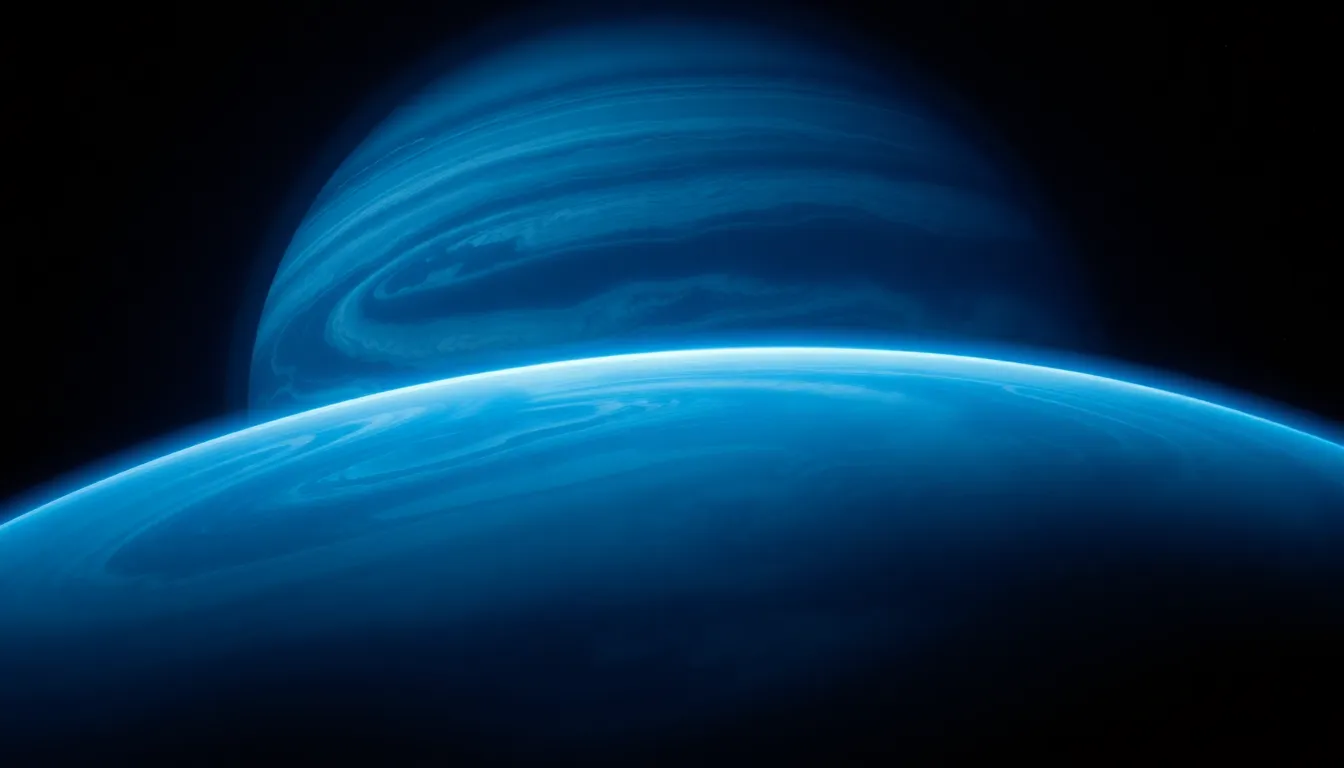
A stunning panoramic view of Neptune captured with Leica Q3, 28mm f/1.7 Summilux lens. The scene is illuminated by a soft, diffused light typical of space, occlusion creating a moody atmosphere. The depth of field is hyperfocal at f/8, ensuring that the entire image remains sharp. The color palette consists of deep blues and vibrant aquamarines, evoking the mystery of this distant planet. The composition highlights the planet's swirling clouds and storms, utilizing leading lines that draw the viewer’s gaze toward the center.
16:9
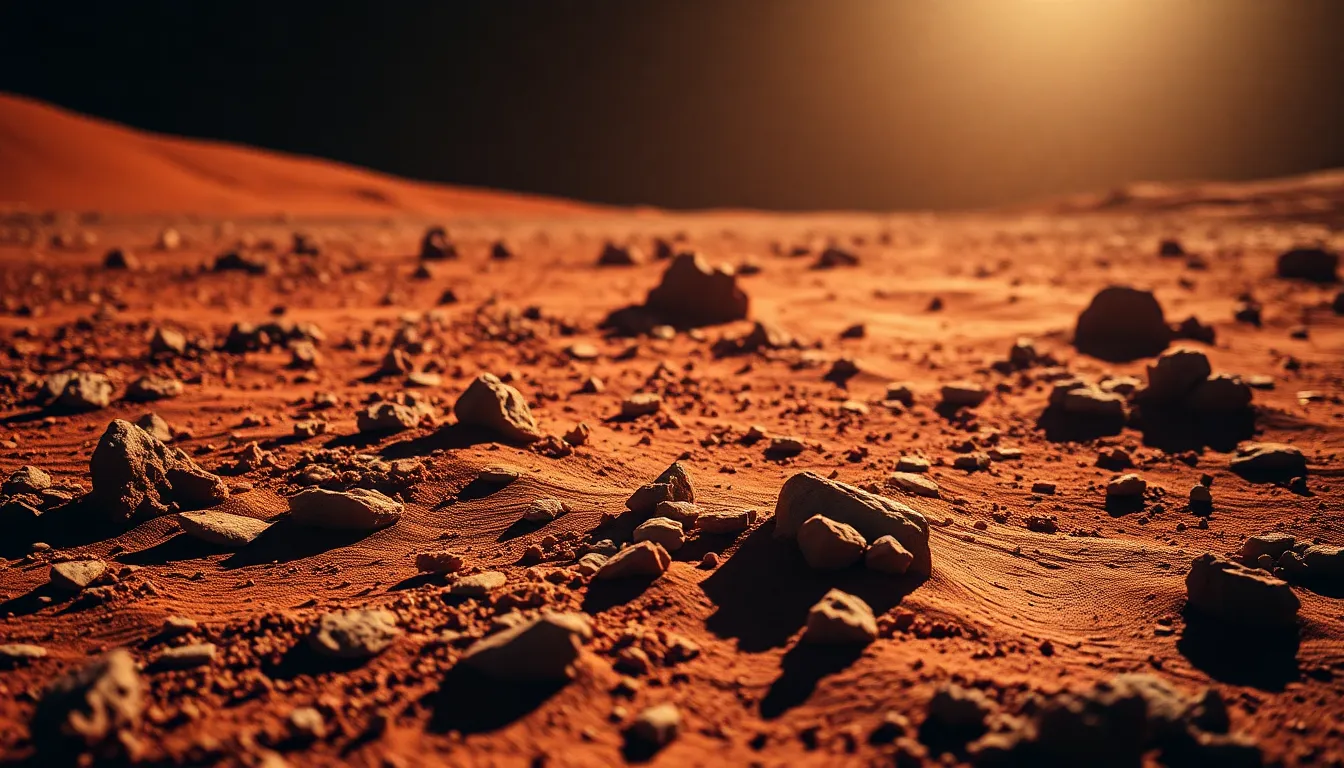
A close-up of Mars' surface, shot on Hasselblad X2D 100C, 90mm f/2.5 medium format lens. The image is illuminated by harsh sunlight, creating strong contrasts and sharp shadows across the Martian terrain. The depth of field is shallow at f/2.5, emphasizing the intricate textures of the dusty surface while the background fades softly. The color palette is dominated by rusty reds and muted browns, giving a raw, unfiltered look at Mars' environment. The composition utilizes a centered view, focusing on the detailed surface features and rocky formations.
16:9
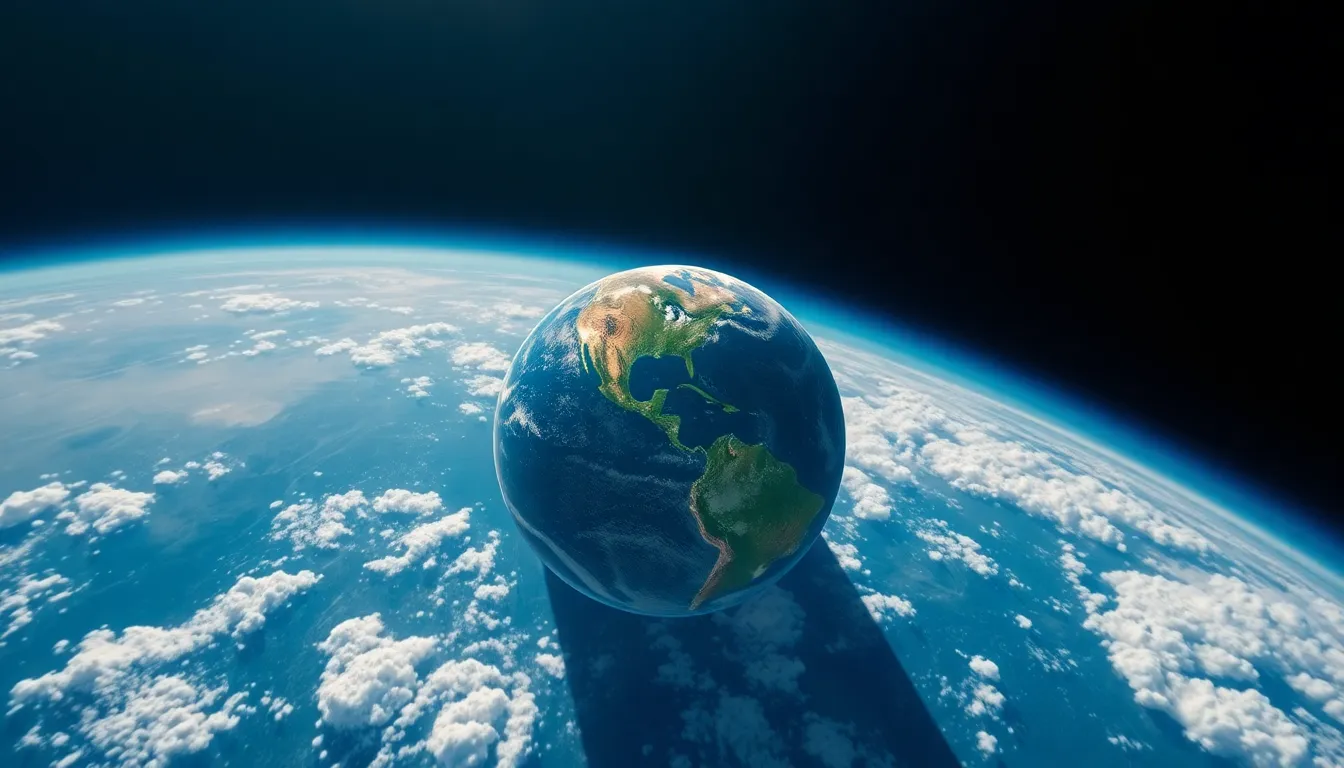
A breathtaking view of Earth from space, captured by Canon EOS R5, 24-70mm f/2.8L at 35mm. The image displays natural sunlight filtered through the atmosphere, casting a gentle, ethereal glow on the planet's surface. The focus is set at hyperfocal distance, keeping everything from the horizon to the foreground sharp and clear. The color palette features deep blues and vibrant greens alongside soft white clouds. The rule of thirds composition places Earth prominently in the frame with the curvature visible, evoking a sense of unity and fragility.
16:9
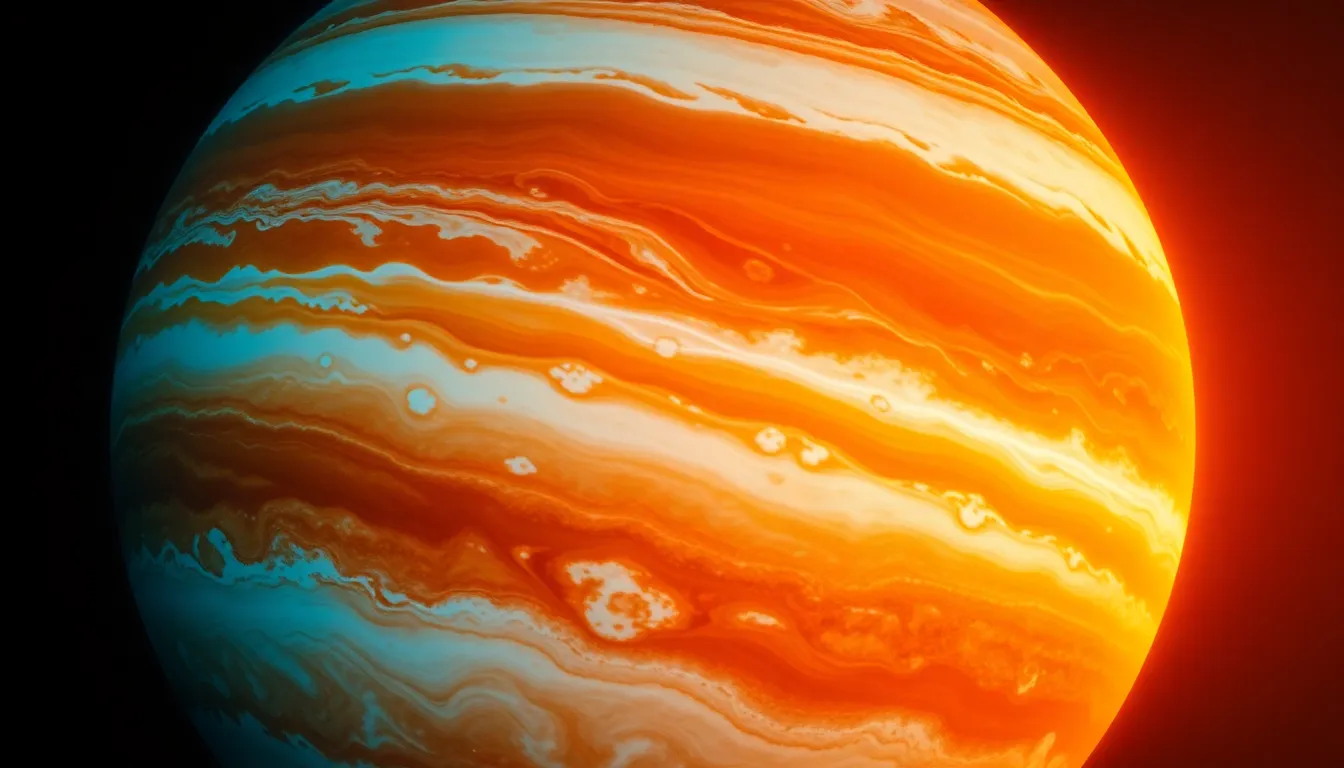
A colorful artistic representation of Jupiter captured from a low angle perspective using Fujifilm GFX 100S, 110mm f/2 macro lens. The warm glow from bilateral auroras at Jupiter's poles contributes to a soft, ambient light effect. Depth of field is shallow at f/2, focusing sharply on the swirling clouds, while the background fades softly. The color palette is vibrant, with deep oranges, whites, and blues, creating a dramatic effect. A diagonal composition leads the eye through the dynamic cloud patterns, emphasizing the planet's immense scale.
16:9
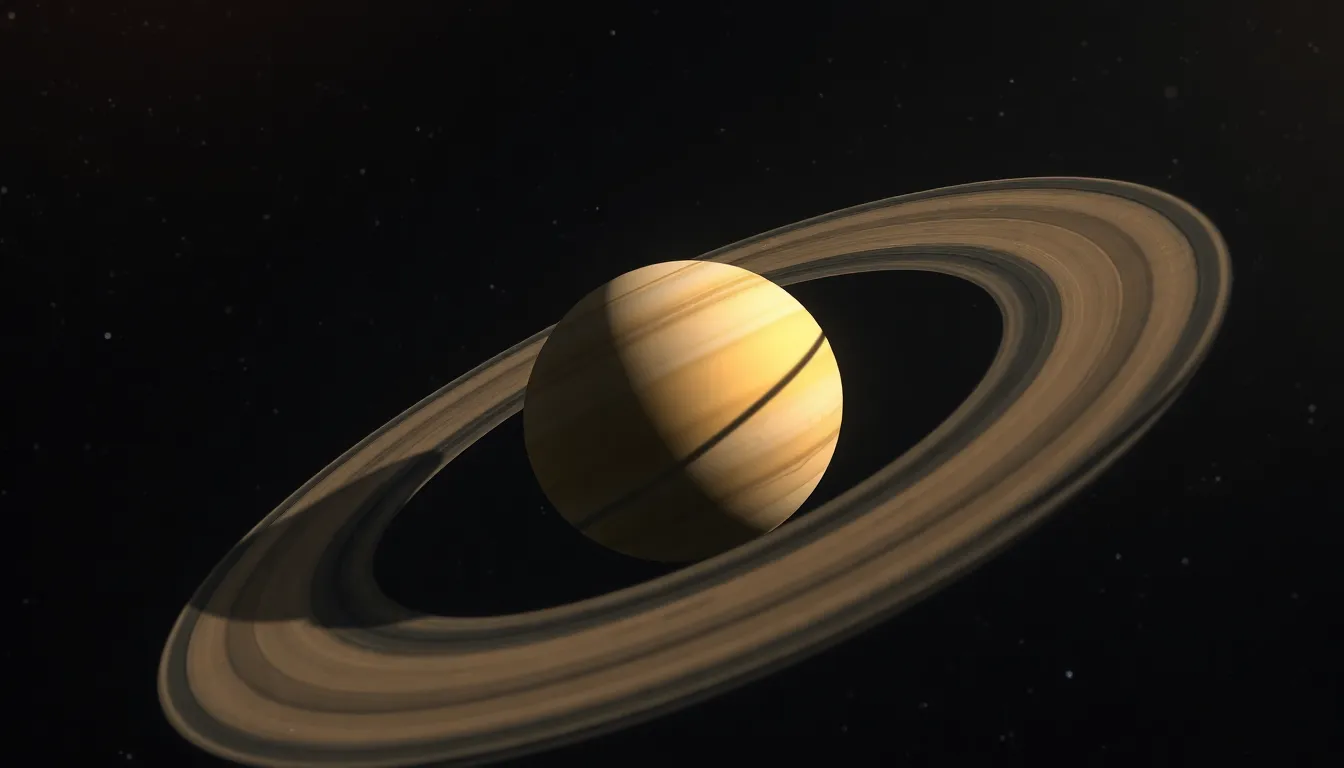
A distant view of Saturn with its magnificent rings, shot on Nikon Z9, 70-200mm f/2.8 telephoto at 135mm, illuminated by soft sunlight casting delicate shadows across the rings. The depth of field is shallow at f/4, blurring the starlit background into creamy bokeh. The color palette features rich golds and deep blues, reminiscent of a cosmic panorama. A centered composition highlights Saturn as the focal point against the vastness of space, while textures of the rings show icy particles reflecting light.
16:9
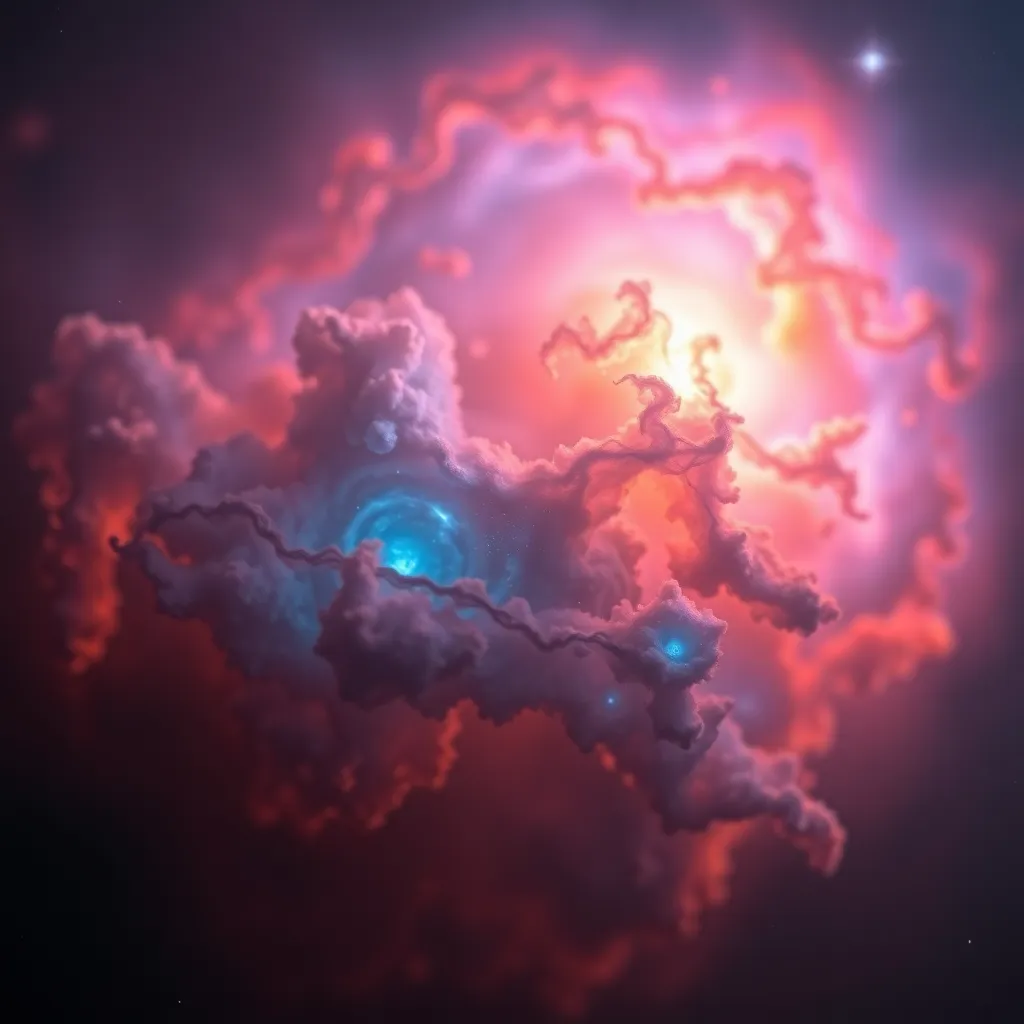
Fujifilm GFX 100S, 110mm f/2 macro, presenting a detailed close-up of a planetary nebula, showcasing vibrant colors and intricate gas formations. The lighting is soft and diffused, mimicking the gentle glow of starlight filtering through the nebula's gases. With a shallow depth of field at f/2, the focus is sharp on the vibrant gas clouds while the background fades into a dreamy bokeh. The color palette features rich blues and purples, inspired by a cinematic teal and orange grading for dramatic contrast. The composition draws attention to the swirling gas patterns, creating a sense of cosmic wonder.
1:1
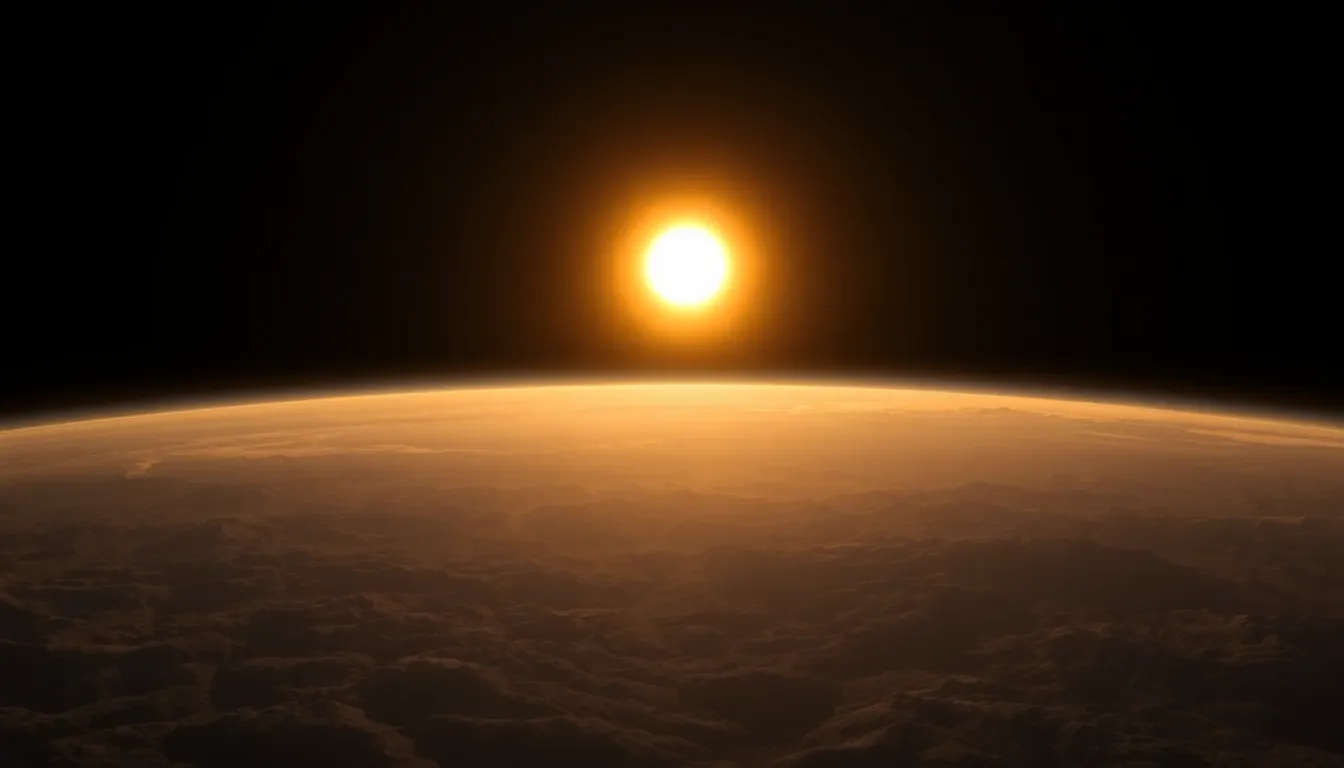
Hasselblad X2D 100C, 90mm f/2.5 medium format, capturing a breathtaking view of a distant exoplanet set against the backdrop of its host star. The dramatic lighting from the star casts a warm golden glow on the surface of the planet, creating rich shadows that enhance the terrain's features. Using hyperfocal distance at f/8, the image remains sharp from foreground to infinity. The natural muted tones and desaturated earth colors lend a realistic atmosphere, while leading lines formed by valleys guide the viewer's gaze across the landscape. The texture of the planet's surface reveals craters and ridges, offering insight into its geological history.
16:9
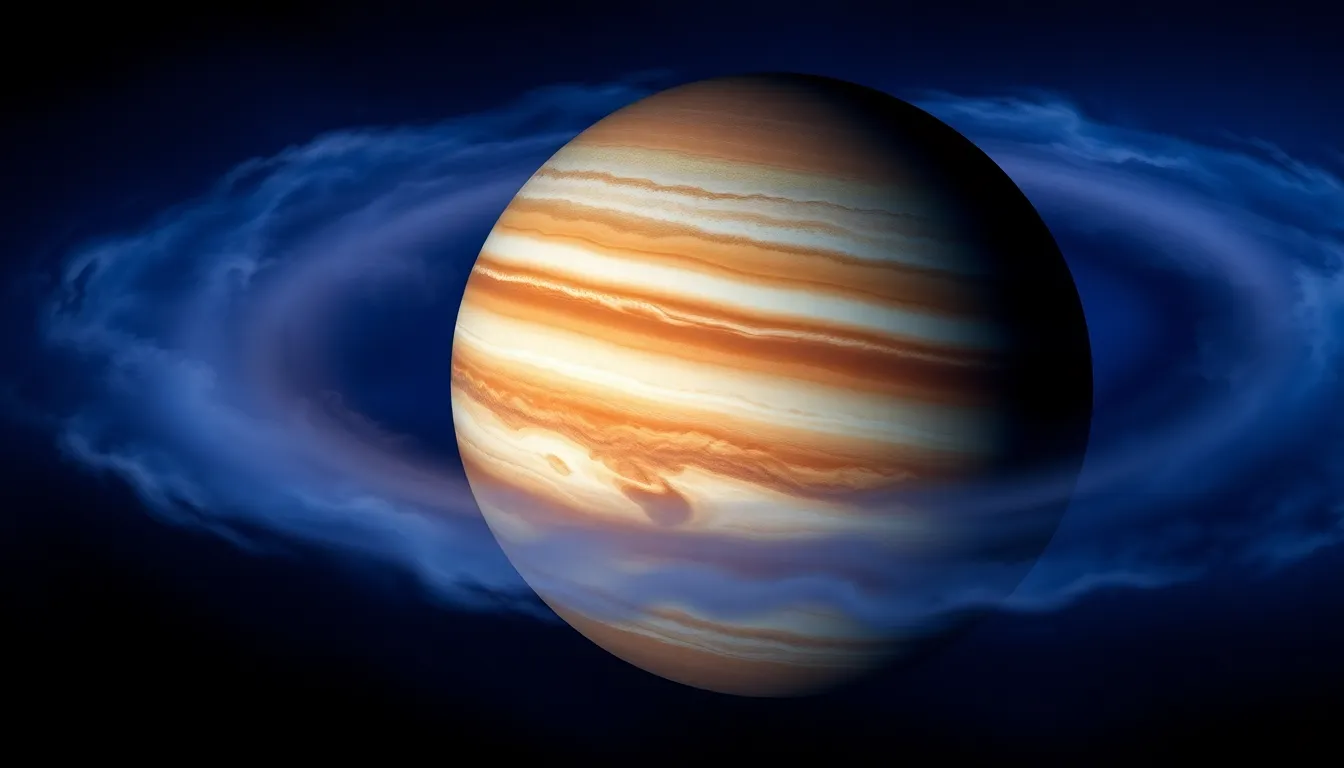
captured with Canon EOS R5, 24-70mm f/2.8L at 35mm, illustrating a breathtaking view of Jupiter with its swirling storms and vibrant atmosphere. The image is taken during twilight, casting soft blue and purple hues across the planet. The lighting captures the planet's layers, with the Great Red Spot prominently featured. Using selective focus on the storms while blurring the edges creates a dynamic sense of movement. The color palette is inspired by Fujifilm Velvia, resulting in saturated colors with deep contrast. The composition adheres to the rule of thirds, placing Jupiter slightly off-center as storm clouds appear to swirl around the planet.
16:9
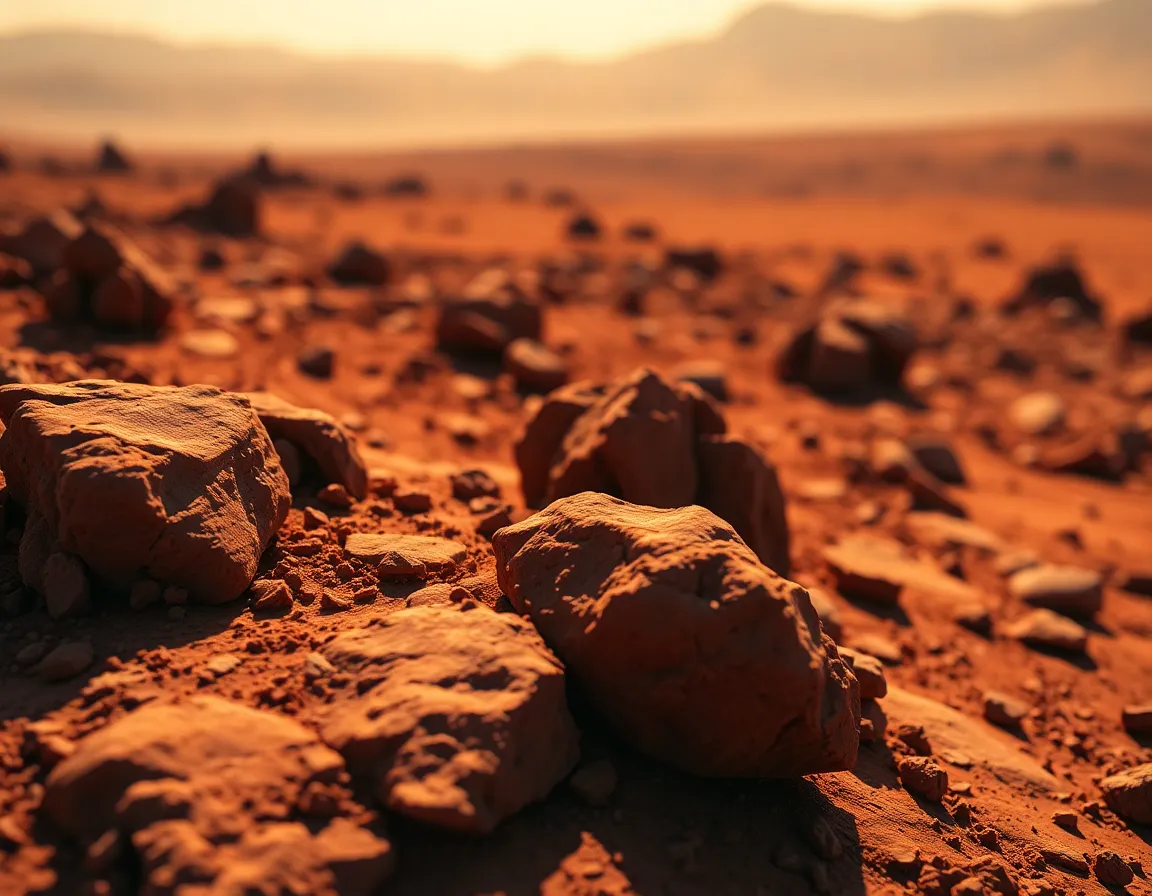
shot on Sony A7R V with 85mm f/1.4 GM lens, depicting a close-up of Mars' surface texture, rich with red and orange hues reflecting the planet's iron oxide soil. The lighting captures the warm afternoon light on Mars, creating dramatic shadows that highlight the rugged terrain. Achieving a shallow depth of field at f/1.4, the foreground rocks are in sharp focus while the background fades into a soft blur. The color palette is derived from Kodak Portra 400, providing warm tones and lifted shadows. The composition utilizes leading lines of the rock formations guiding the viewer's eye toward the horizon's edge.
4:3
captured with Nikon Z9, 70-200mm f/2.8 telephoto at 135mm, showcasing a vivid view of Saturn against a starry night sky. The warm glow of Saturn's rings contrasts against the deep black of space, with subtle nebula clouds adding depth. Focusing on Saturn with shallow depth of field at f/2.8 creates a soft bokeh for distant stars. Utilizing a cinematic teal and orange color grading enhances the scene's otherworldly feel. The composition centers on Saturn, with a hint of its moons framing the planet's grandeur, while the texture of the detailed ring system appears sharp, showing icy particles glistening in the starlight.
16:9
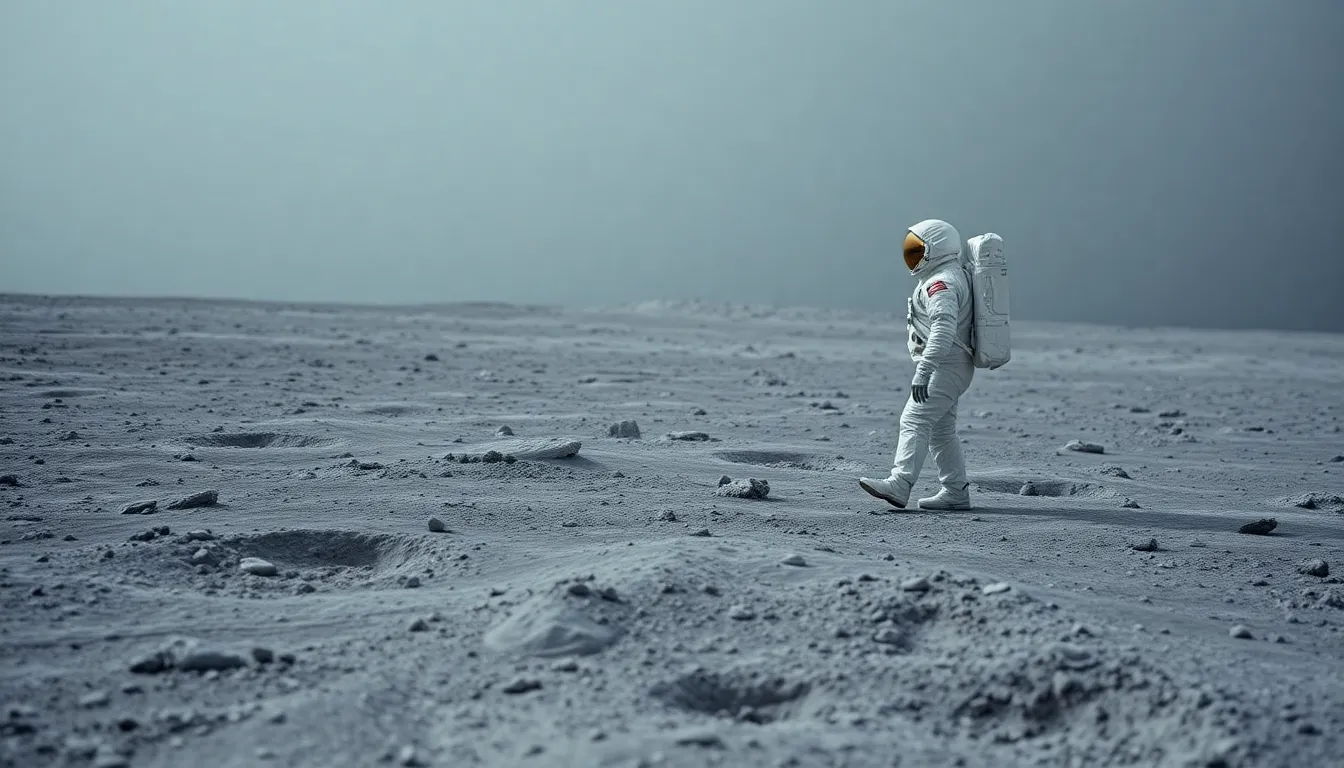
shot on Hasselblad X2D 100C, 90mm f/2.5 medium format, portraying an astronaut exploring the surface of a known moon of Jupiter, overcast lighting creates an atmospheric feel, shallow depth of field at f/2.5 to isolate the astronaut, natural skin tones contrasted against the gray surface of the moon, rule of thirds with the astronaut positioned to one side, with intricate textures of the lunar surface and footprints visible.
16:9
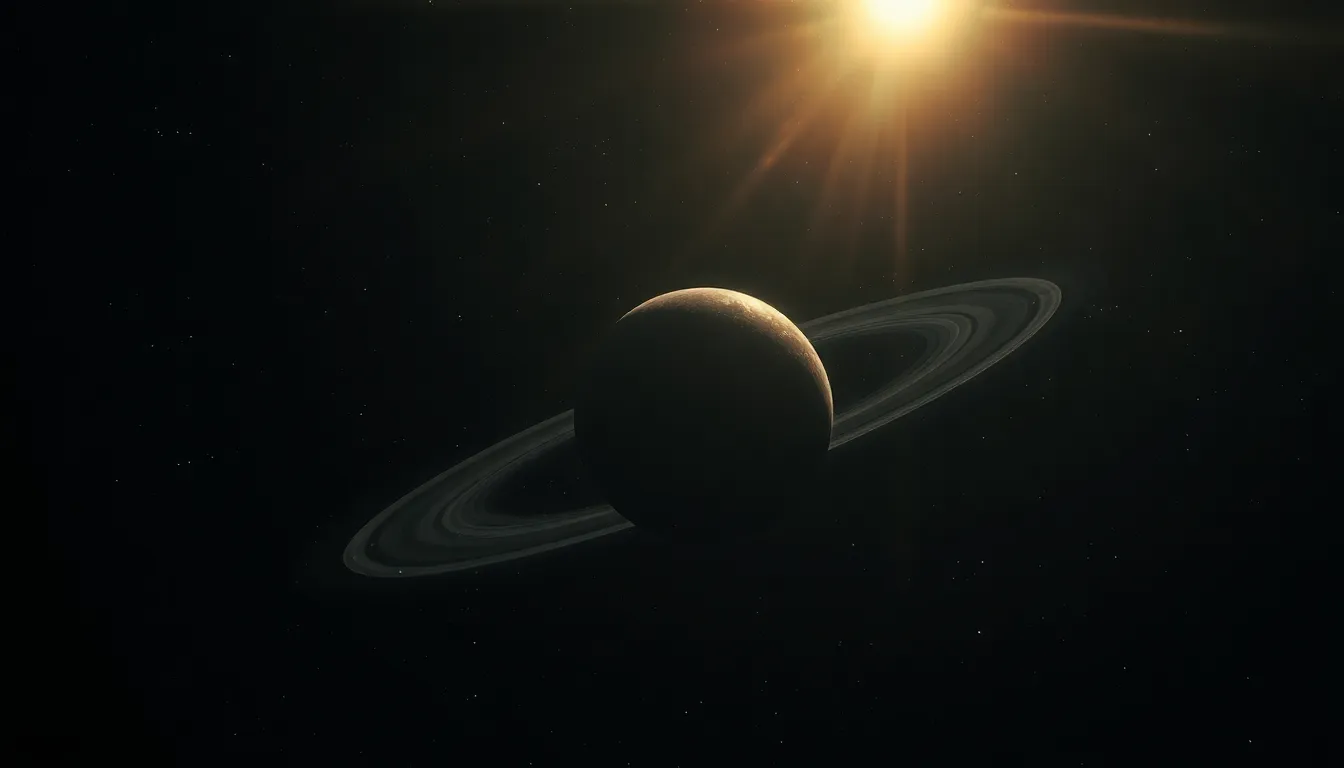
captured with Fujifilm GFX 100S, 110mm f/2 macro, featuring an orbiting exoplanet surrounded by distant stars, dappled sunlight filtering through space dust creating subtle light rays, hyperfocal distance with everything in focus, natural muted tones accentuating the darkness of space with slight glows from stars, dynamic Dutch angle accentuating the motion of the orbit, with textures of the planetary surface highlighted.
16:9
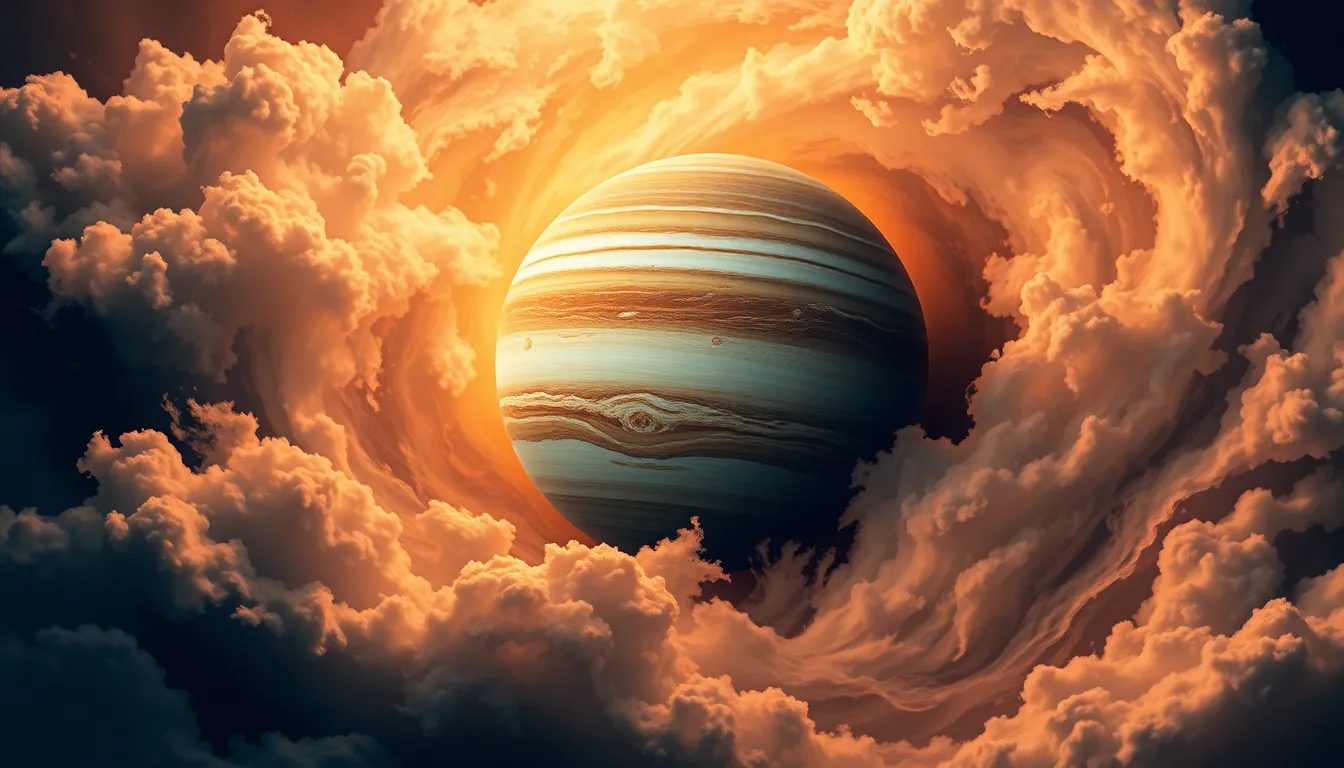
shot on Sony A7R V with 85mm f/1.4 GM lens, displaying an artist's conceptual painting of Jupiter surrounded by swirling storms, warm tungsten desk lamp casting soft directional light, shallow depth of field at f/1.4 creating creamy bokeh for the background, Fujifilm Velvia-inspired saturated colors enhances the vividness of the storms, rule of thirds with Jupiter off-center and clouds flowing in the frame, emphasizing texture in the clouds and the vibrancy of the colors.
16:9
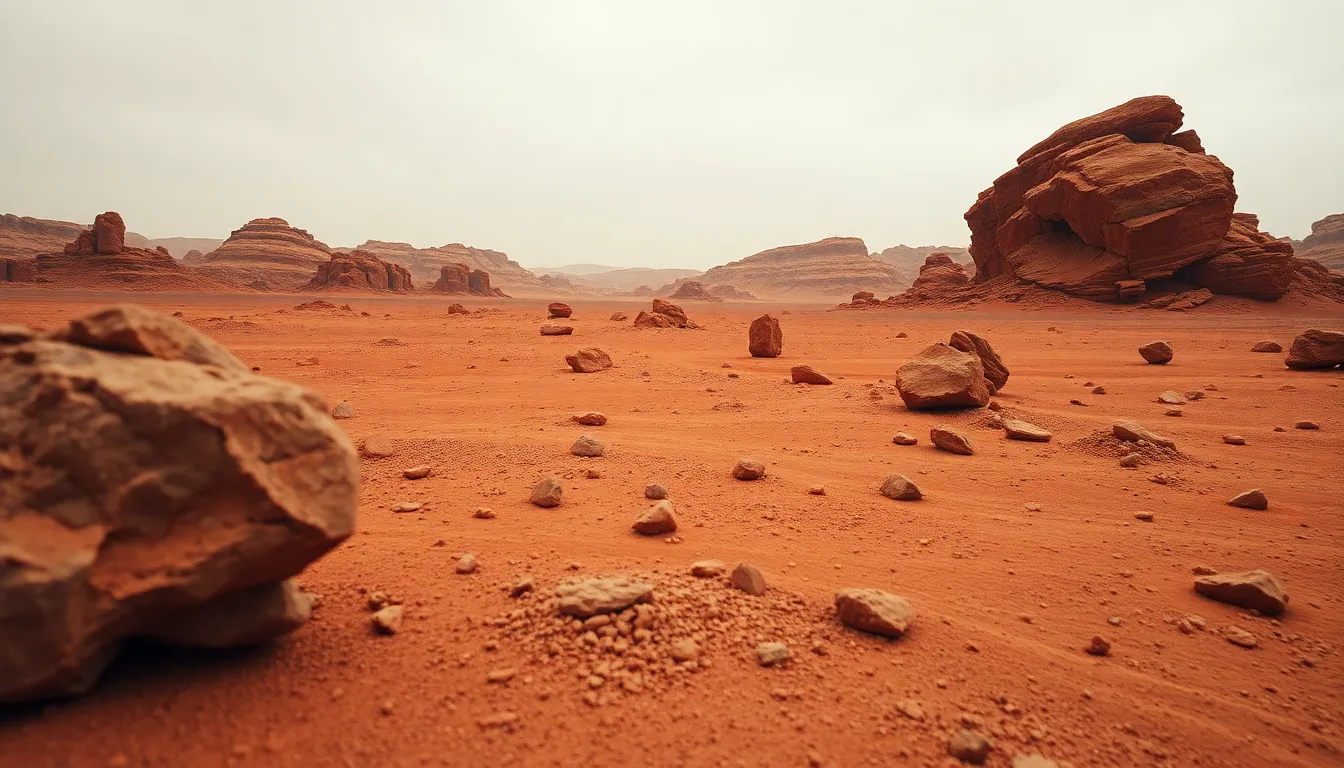
captured with Canon EOS R5, 24-70mm f/2.8L at 35mm, a close-up of Mars' surface showcasing its red rocks and dusty plains, overcast diffused daylight providing soft lighting with minimal shadows, hyperfocal distance creating a tack-sharp image from foreground to infinity, natural muted tones with desaturated earth colors, leading lines in the terrain drawing the eye into the distance, with textures revealing fine grains and rugged rock formations.
16:9
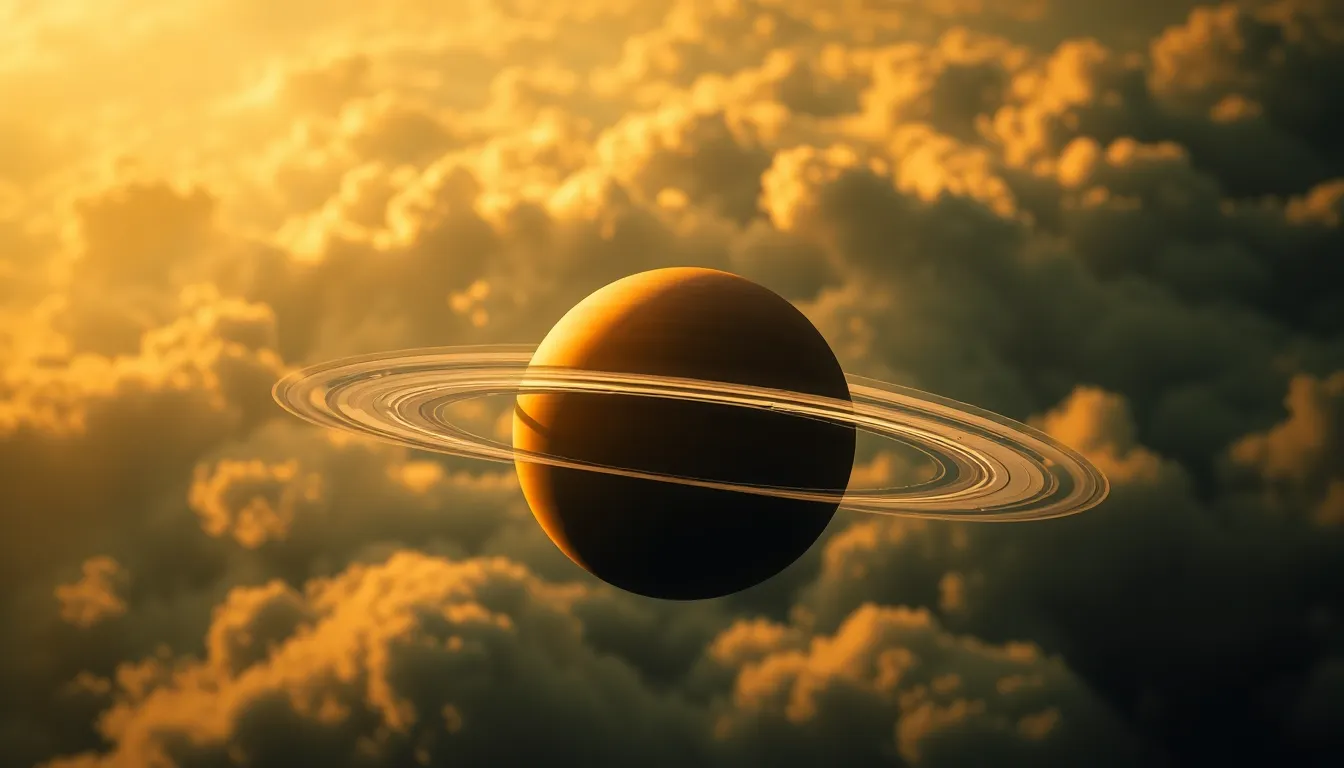
shot on Nikon Z9, 70-200mm f/2.8 telephoto at 135mm, capturing a distant view of Saturn with its rings, golden hour lighting illuminating the planet's clouds, selective focus on the rings with soft painterly bokeh background, cinematic teal and orange color grading, centered symmetrical composition, and texture details emphasizing the swirling clouds and icy rings.
16:9
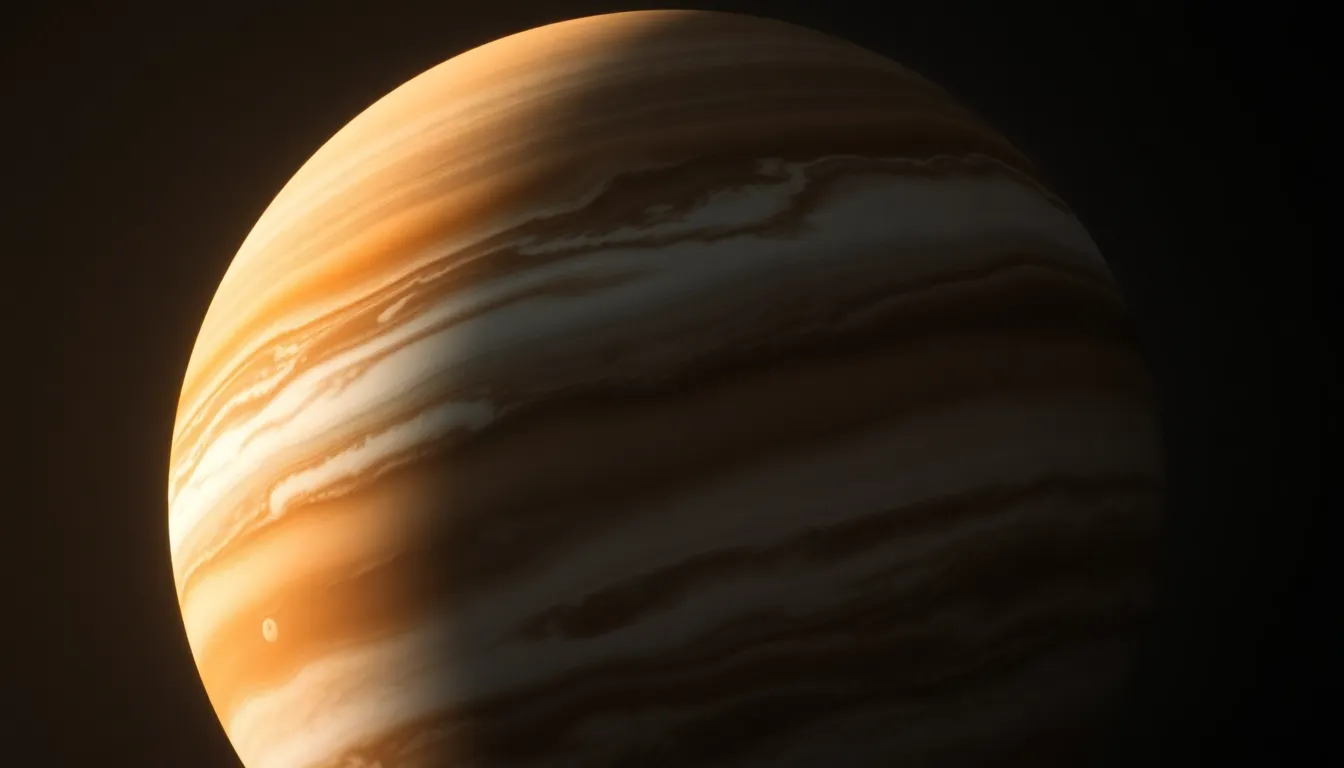
A wide view of the gas giant Jupiter with its iconic Great Red Spot, captured with Leica Q3, 28mm f/1.7 Summilux. The scene is rendered in soft twilight, with natural sunlight illuminating the swirling clouds and storms across the planet’s surface. A shallow depth of field focuses on the Great Red Spot while allowing the surrounding cloud bands to melt into painterly bokeh. The color palette features rich browns, deep reds, and soft whites, providing a natural representation of Jupiter. Compositionally, the planet is centered, with the swirling cloud formations creating a dynamic yet harmonious flow.
16:9
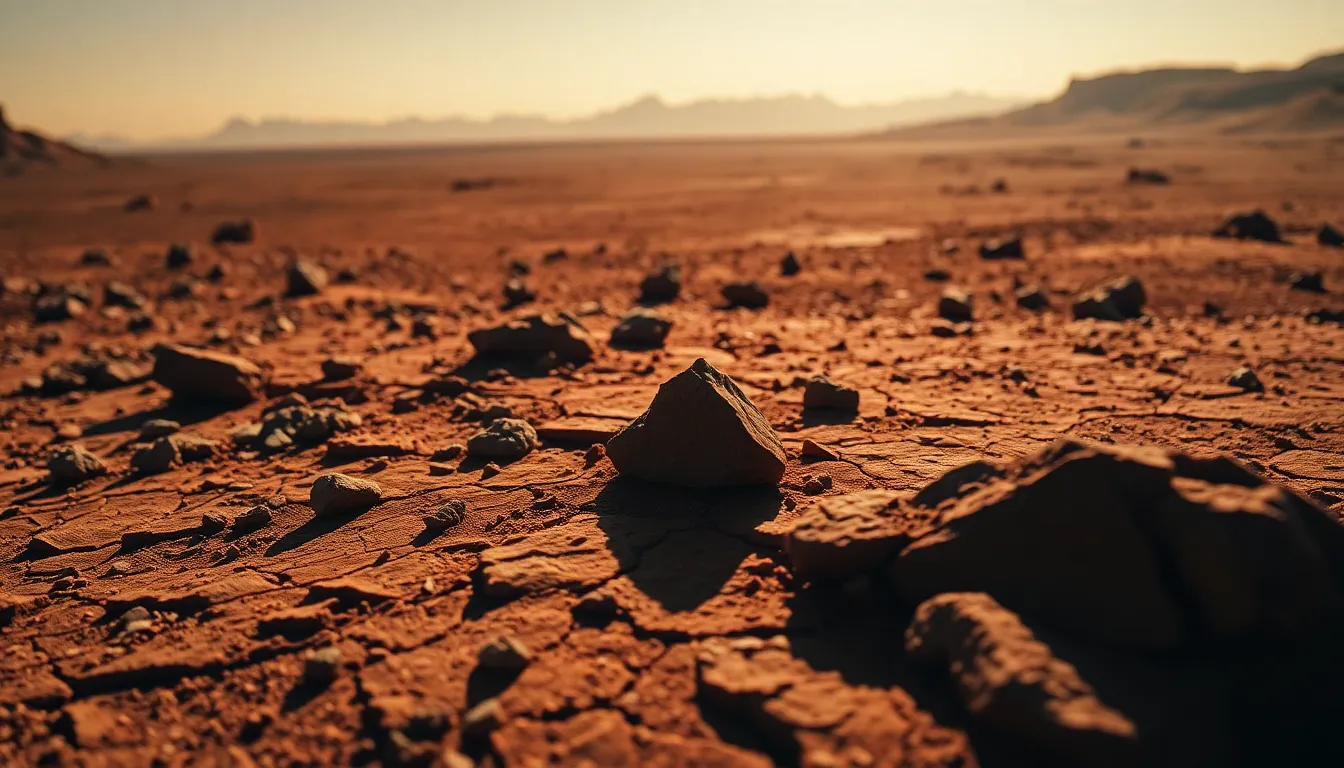
A breathtaking landscape of Mars as seen from a spacecraft, shot on Fujifilm GFX 100S, 110mm f/2 macro. The scene showcases the planet's red surface textures, with dry, cracked soil and small rocky formations illuminated by natural sunlight, casting sharp shadows. The depth of field is hyperfocal, capturing every detail from the rugged foreground to the distant Martian horizon. The color palette features natural muted tones and desaturated earth colors, echoing Mars' unique landscape. Compositionally, the rocky foreground leads the eye toward the fading horizon, providing a sense of depth.
16:9
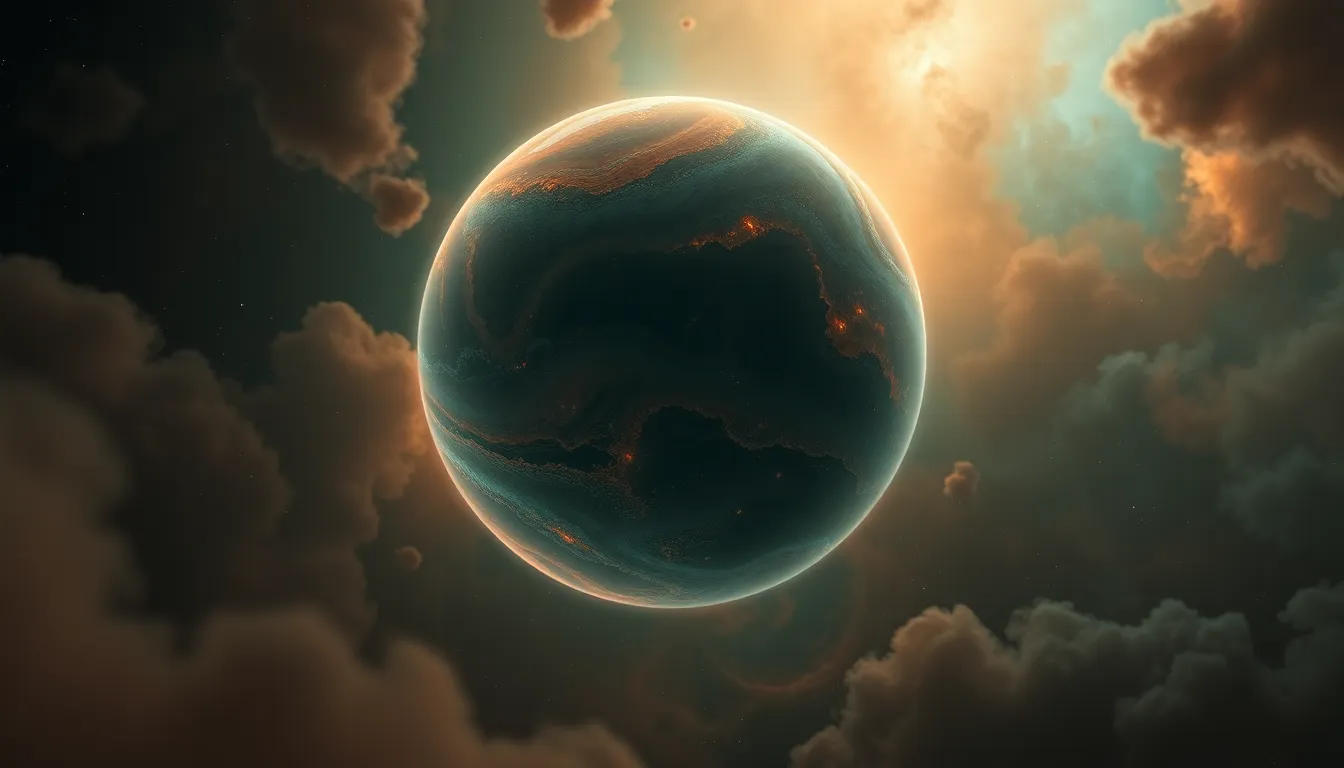
An artistic representation of a gas giant exoplanet floating in a nebula, captured with Hasselblad X2D 100C, 90mm f/2.5 medium format. The scene is dramatically illuminated by the soft, diffused light of surrounding cosmic clouds, creating an ethereal glow around the planet. A shallow depth of field accentuates the textures on the planet's surface, with vibrant gas colors intermingling in swirling patterns. The color science is cinematic teal and orange, providing a dramatic flare. The composition features the planet centered with the nebula serving as a vibrant backdrop, enhancing the sense of wonder.
16:9
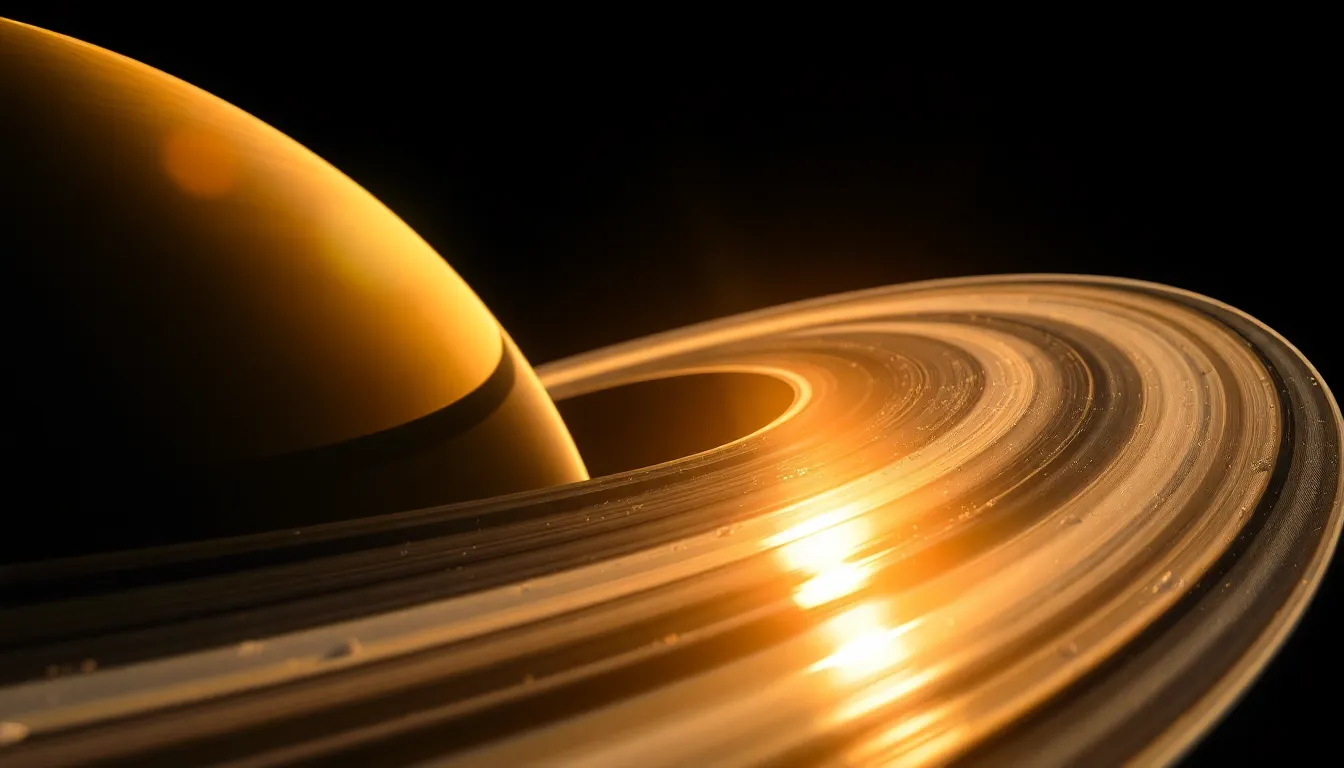
A vivid close-up of Saturn's rings, shot on Canon EOS R5, 24-70mm f/2.8L at 35mm, showcasing intricate details in the ice and rock particles that form the rings. The scene is backlit by distant sunlight, creating a stunning contrast that highlights the rings’ textures and depth. Using a hyperfocal distance, this image captures everything from the textured rings to the blurred backdrop of space. The color grading is inspired by Fujifilm Velvia with rich blues and golden hues. The composition centers on the rings, emphasizing their delicate formation against the dark space.
16:9
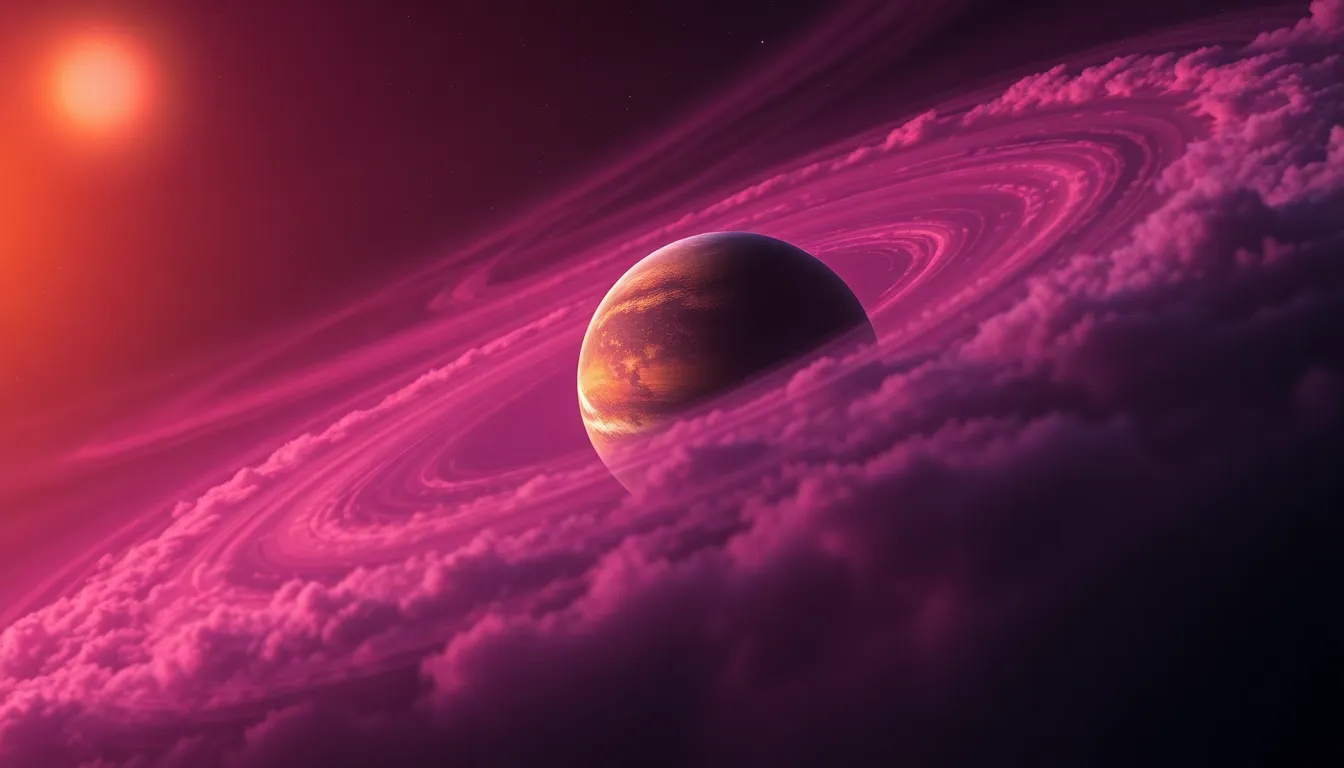
A mesmerizing view of a distant exoplanet with swirling clouds and vivid colors, captured with Nikon Z9, 70-200mm f/2.8 telephoto at 135mm. The scene is illuminated by the soft, ethereal light of a nearby star, providing a dramatic contrast between the planet's vibrant surface and the dark void of space. The depth of field is shallow, focusing on the planet's detailed atmospheric texture, which features dynamic patterns. The color palette is a striking mix of deep purples and bright oranges, reminiscent of a sunset. The composition places the planet off-center, drawing the eye across the expanse of space.
16:9
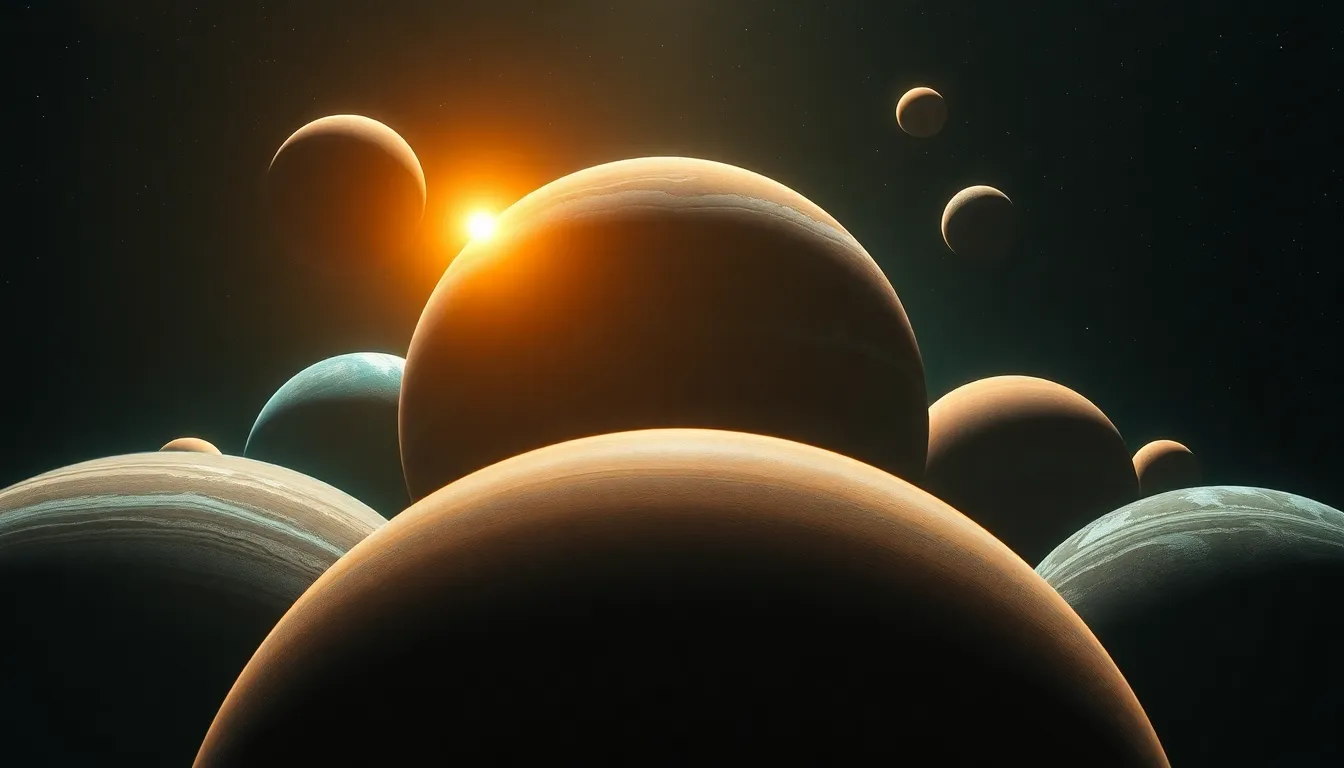
A stunning view of a planetary system featuring multiple planets, taken with Fujifilm GFX 100S, 110mm f/2 macro. The scene is illuminated by dramatic starlight, casting a soft glow on the surfaces of the planets. A hyperfocal distance at f/8 captures sharp details across the entire scene. The cinematic teal and orange grading accentuates the vibrancy of each planet's unique colors, while the composition features a centered symmetrical arrangement of the planets, creating a sense of balance and harmony in the celestial display. Textures reveal surfaces of rocky craters and gaseous swirls, enhancing the realism.
16:9
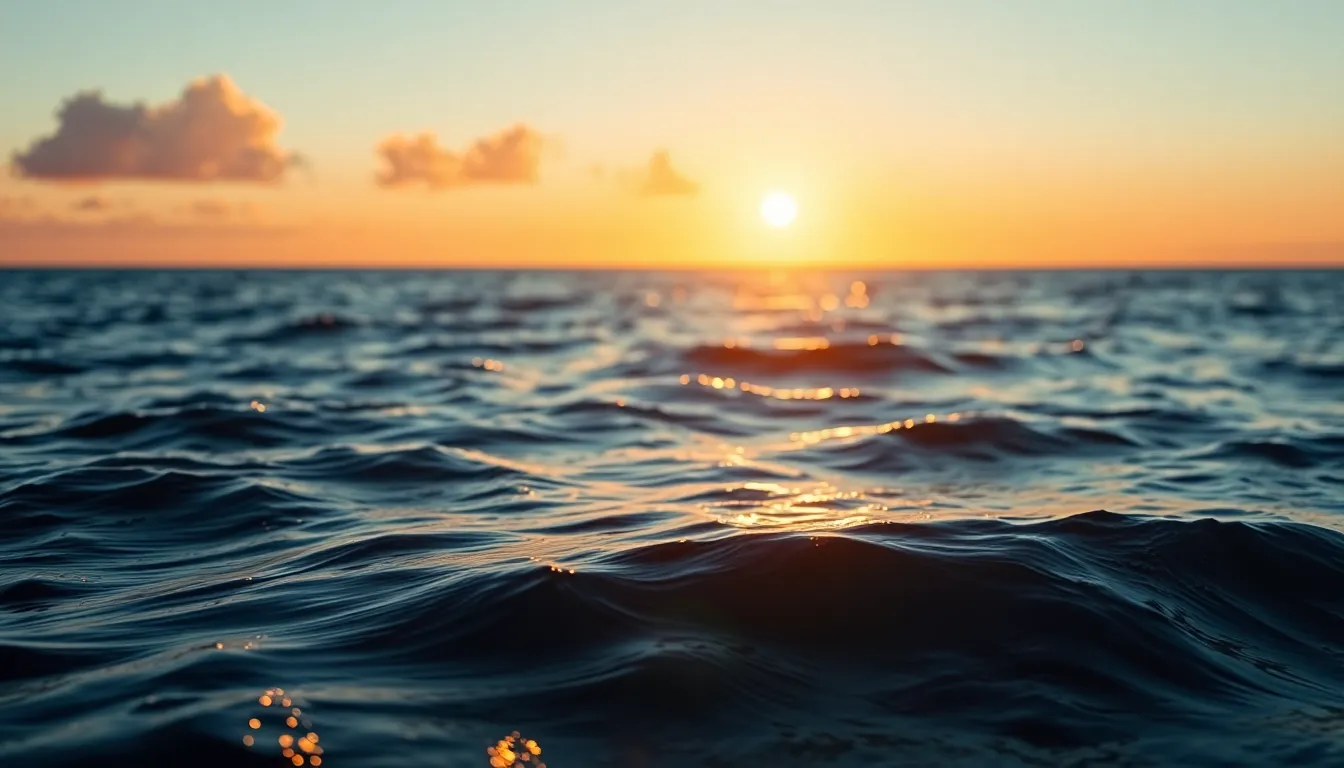
A serene view of a planet with a mesmerizing ocean, shot on Sony A7R V with 85mm f/1.4 GM lens. The scene is illuminated by soft golden hour backlighting, creating a warm rim light on the ocean waves. A shallow depth of field at f/1.4 highlights the texture of the water, while the background fades into a soft bokeh of distant stars. The color palette is inspired by Kodak Portra 400, featuring warm skin tones in the clouds and creamy highlights reflecting off the ocean surface. The composition is centered, emphasizing the tranquil interplay of water and sky in a beautiful harmony.
16:9
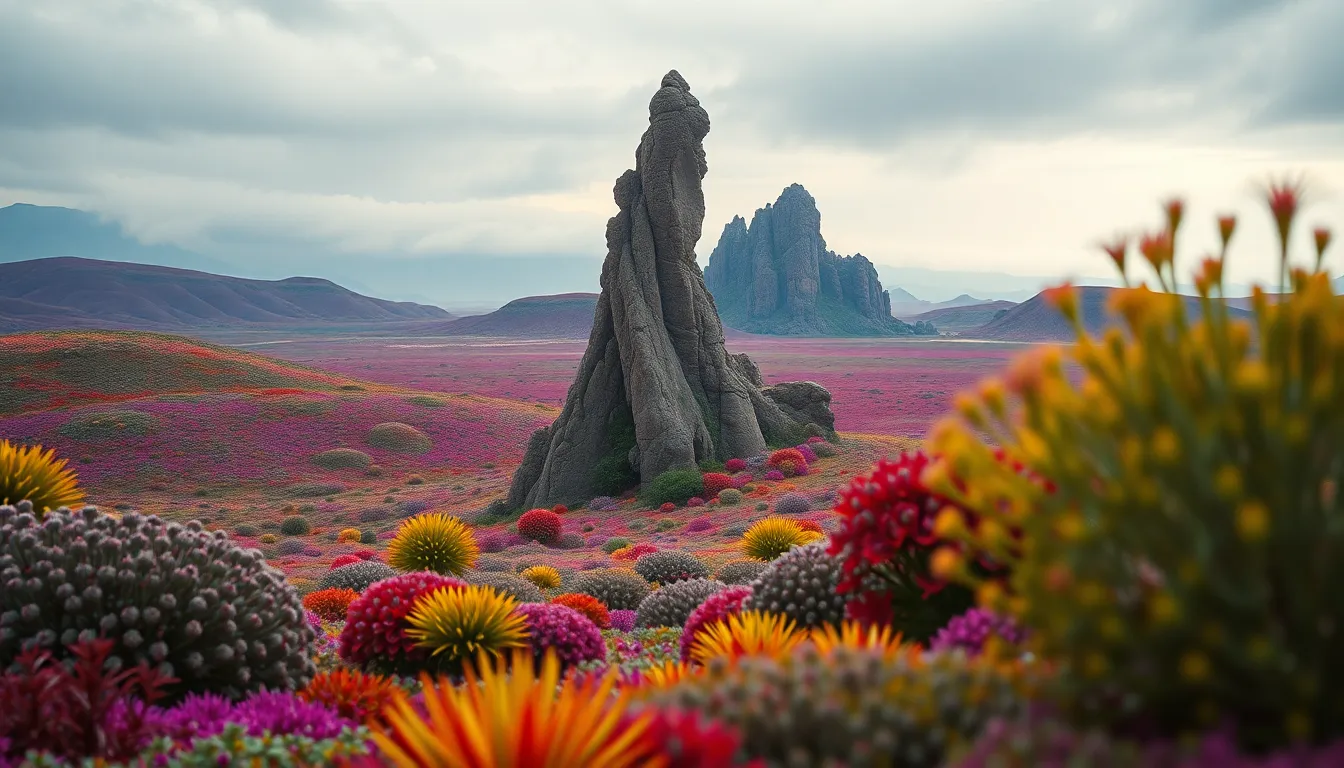
An imaginative landscape of a vibrant alien planet, captured with Canon EOS R5, 24-70mm f/2.8L at 35mm. The scene uses overcast diffused daylight, creating soft, even lighting across the multicolored terrain. A shallow depth of field at f/2.8 provides a dreamy backdrop while keeping the foreground flora in sharp focus. The color palette is inspired by Fujifilm Velvia, featuring saturated colors with deep purples, greens, and reds that highlight the bizarre alien vegetation. The composition incorporates rule of thirds, placing a towering, peculiar rock formation at a power point, creating a sense of intrigue and adventure.
16:9
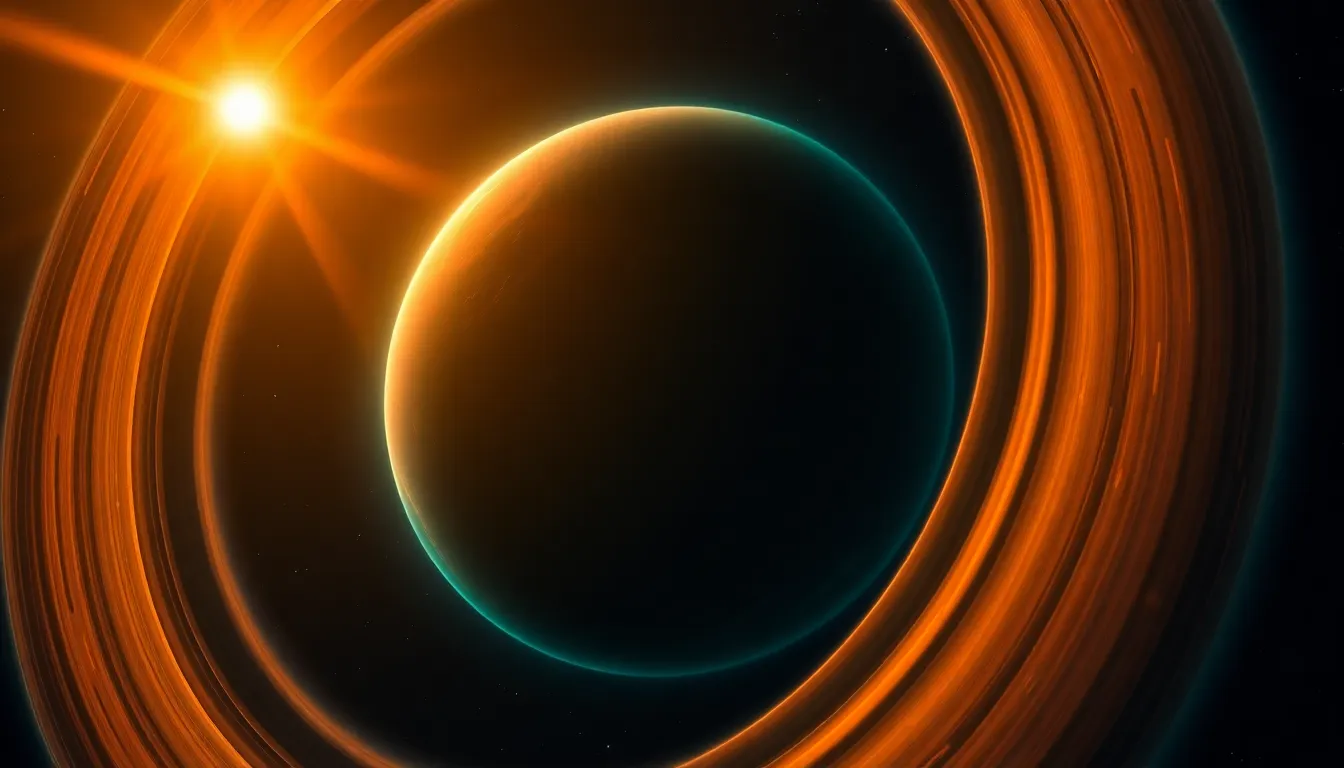
A breathtaking close-up of the rings of a giant gas planet, captured with Nikon Z9, 70-200mm f/2.8 telephoto at 135mm. The image features dramatic backlighting from a nearby star, creating a radiant halo effect around the rings. Using a hyperfocal distance at f/8 ensures crisp details from the rings to the background stars. The color science employs a cinematic teal and orange grading that brings out the vibrant hues of the gaseous surface, while the composition utilizes leading lines created by the rings drawing the eye inward. Fine details reveal swirling gas clouds and intricate ring structures, showcasing the planet's grandeur.
16:9
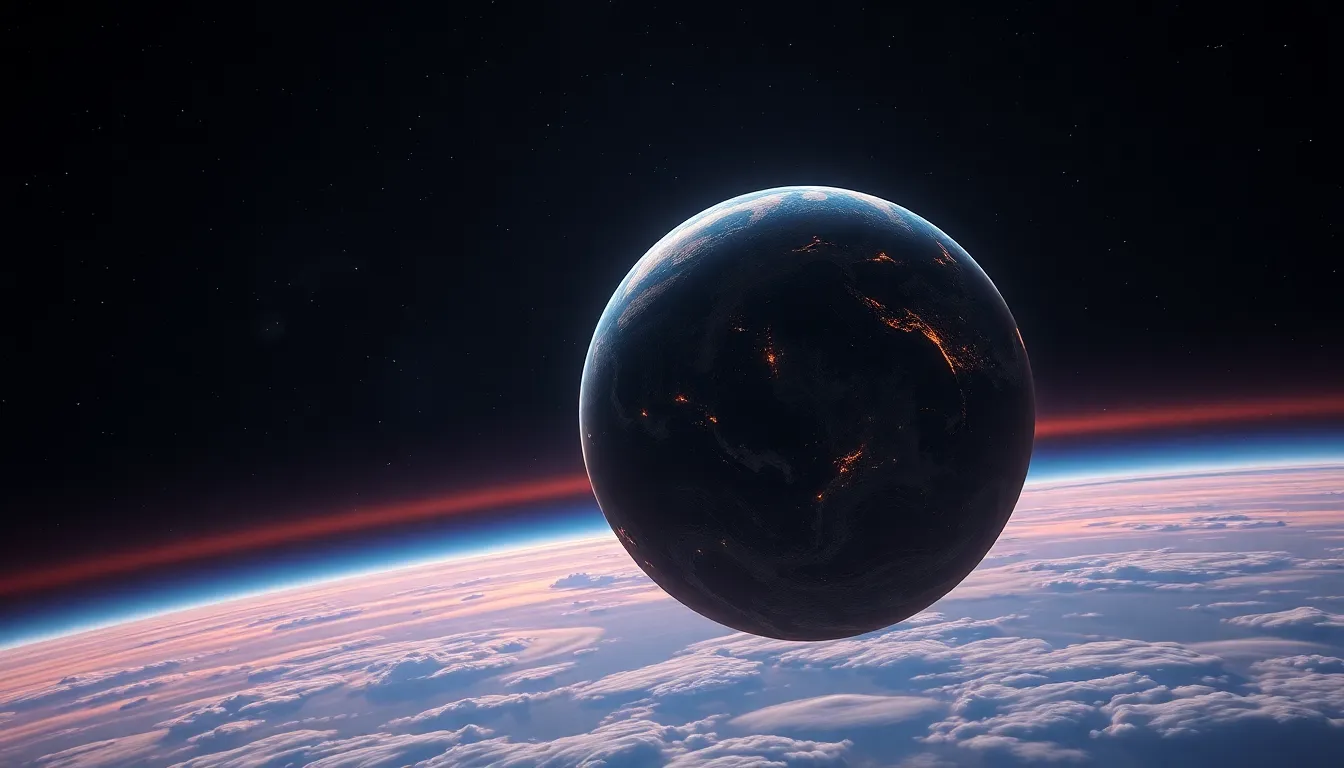
A breathtaking view of a distant planet resembling Earth, captured with Hasselblad X2D 100C, 90mm f/2.5 medium format. The scene features dramatic twilight lighting with glowing oranges and purples illuminating the horizon. A shallow depth of field at f/2.5 gives a gentle bokeh effect to the stars twinkling in the background. The color palette captures the warm earth tones juxtaposed with the deep blue of space, while the composition centers the planet in the frame, emphasizing its illuminated surface textures showing mountains and valleys. The image showcases fine details like swirling clouds and shimmering water bodies reflecting the twilight ambiance.
16:9
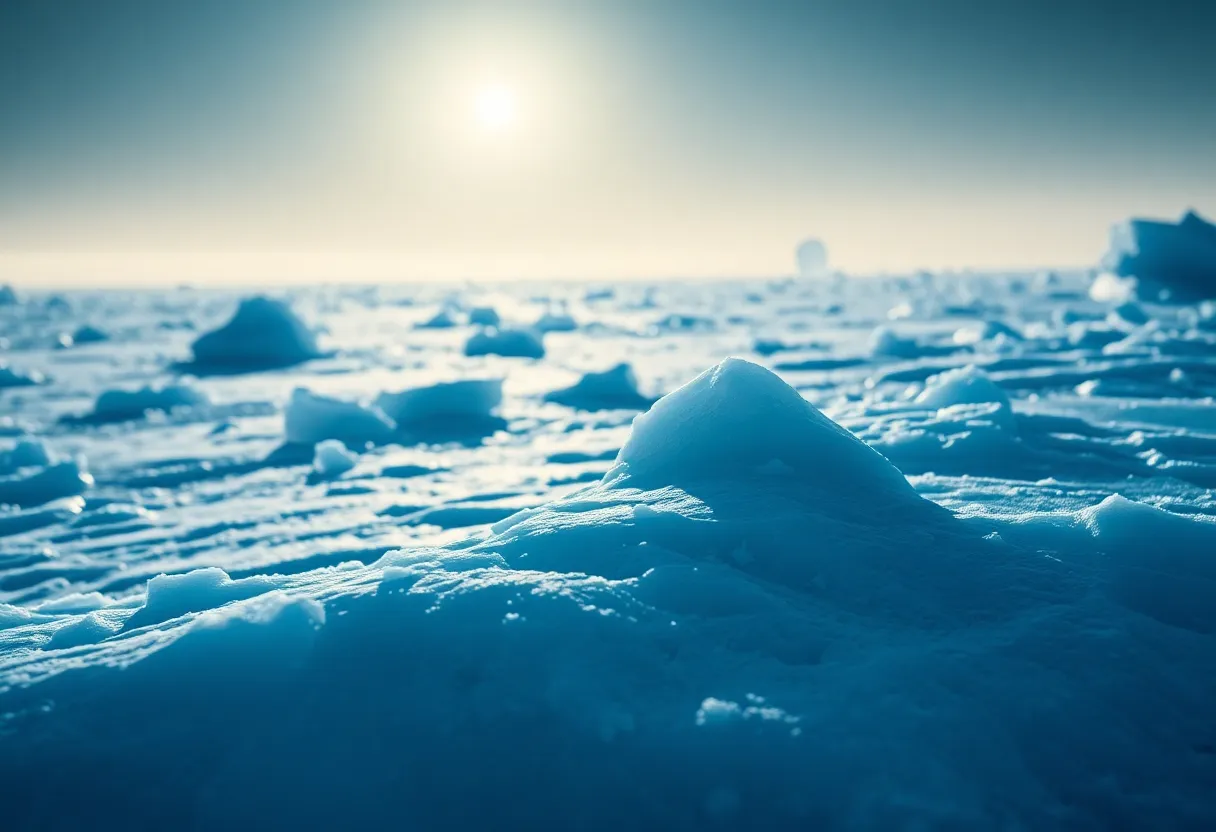
captured with Leica Q3, 28mm f/1.7 Summilux, showing a distant view of a frozen planet with icy surface textures and cascading icebergs. The scene is lit by a cold, harsh light from a nearby star, casting dramatic shadows across the icy landscape. The shallow depth of field at f/1.7 creates a crisp foreground, with soft bokeh in the distance. The color palette features cool blues and whites, emphasizing the stark beauty of the frozen world. The composition follows the rule of thirds, placing the icy terrain at one power point while the distant planet clings to the horizon.
3:2
shot on Hasselblad X2D 100C, 90mm f/2.5 medium format, depicting a surreal scene of a planet with a striking ring system in foreground focus against the soft glow of a nebula. The nebula's ethereal colors create a beautiful backdrop, while the planet's surface is illuminated by distant starlight. The image has a shallow depth of field at f/2.5, isolating the planet in crisp detail while the nebula melts into soft hues of pinks and blues. The color palette is inspired by celestial phenomena—deep magentas, soft blues, and rich purples. The composition is centered, with the planet commanding attention against the sweeping nebula.
16:9
captured with Canon EOS R5, 24-70mm f/2.8L at 35mm, illustrating an artist's concept of an Earth-like exoplanet orbiting a distant star. The setting is illuminated by a vibrant array of colors from the nearby star, casting a warm glow on the planet's surface. The image features hyperfocal distance, ensuring both the foreground details of the planet's terrain and the distant celestial backdrop are in sharp focus. The natural muted tones of greens and browns depict an Earth-like landscape, while the colorful star adds a captivating hue. The composition utilizes leading lines from the surface to the star, enhancing the sense of depth.
3:2
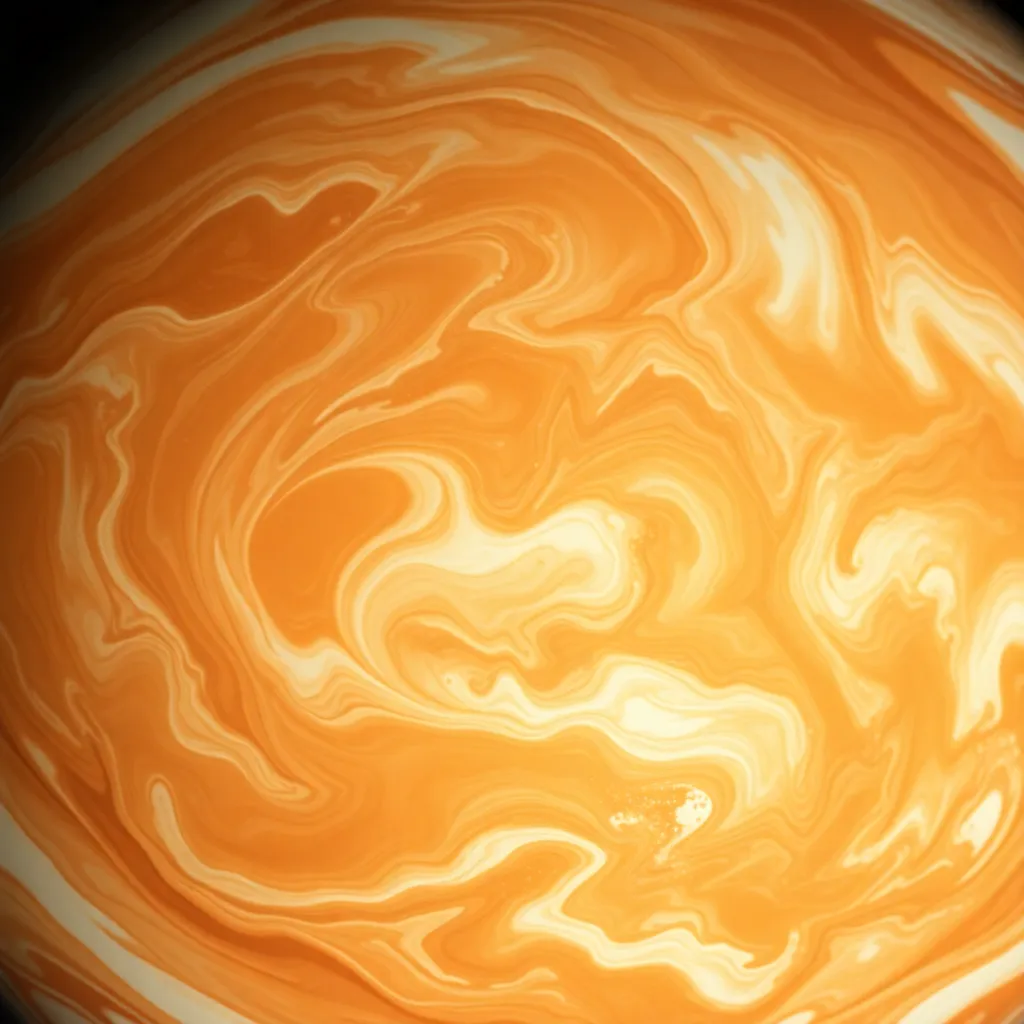
shot on Fujifilm GFX 100S, 110mm f/2 macro, showcasing a close-up of a vibrant, swirling gas giant reminiscent of Jupiter. The scene is illuminated with soft, diffuse natural light to highlight the intricate cloud formations and textures. The depth of field is shallow at f/2, creating a creamy bokeh of color that enhances the planet's surface detail. The colors are inspired by the Fujifilm Velvia film, featuring intensified reds, browns, and whites. A centered symmetrical composition emphasizes the planet's swirling patterns and elaborate atmospheric details.
1:1
captured with Nikon Z9, 70-200mm f/2.8 telephoto at 135mm, showcasing a distant view of Saturn surrounded by its majestic rings. The scene is illuminated with ethereal soft light from a distant star, creating a breathtaking contrast against the dark backdrop of space. The image features a shallow depth of field at f/2.8, emphasizing Saturn while softening the background stars into dreamy bokeh. The color palette includes rich, deep blues and glowing oranges, accentuating the planet's golden hues. The composition follows the rule of thirds, placing Saturn off-center, while the reflective texture of its rings catches the light dramatically.
16:9
Shot on Hasselblad X2D 100C, 90mm f/2.5 medium format, this dramatic image depicts a distant gas giant shrouded in vibrant storm clouds illuminated by distant stars. The lighting is dramatic with strong contrasts, highlighting the swirling patterns in the gas. A hyperfocal distance keeps everything in focus at f/8, revealing the grandeur of both the planet and the starlit sky. The color palette showcases deep blues, vibrant yellows, and hints of orange, creating a dynamic visual experience. The composition follows a leading line approach, guiding the viewer's eye along the swirling clouds, emphasizing the planet's scale against the vastness of space.
16:9
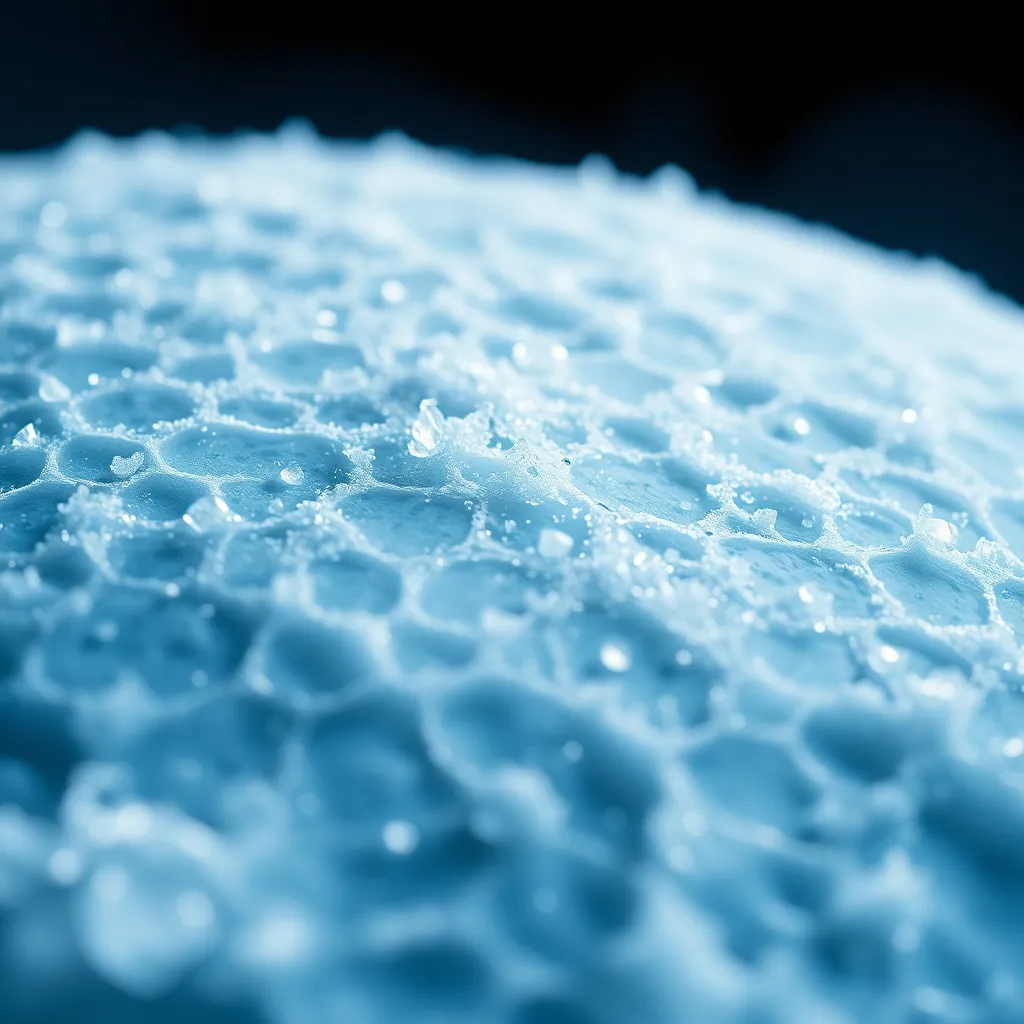
Utilizing Fujifilm GFX 100S, 110mm f/2 macro, this stunning macro shot features the surface of a fictional icy moon with intricate frost patterns. The lighting is soft and diffused, mimicking natural moonlight which creates a cool, serene ambiance. A shallow depth of field at f/2 blurs the edges of the image, drawing attention to the crystalline textures in the center. The color palette is dominated by icy blues and whites, evoking a sense of tranquility and cold. The composition employs a centered arrangement to highlight the fascinating details of the frost, creating an immersive experience that feels as if one is standing on the moon.
1:1
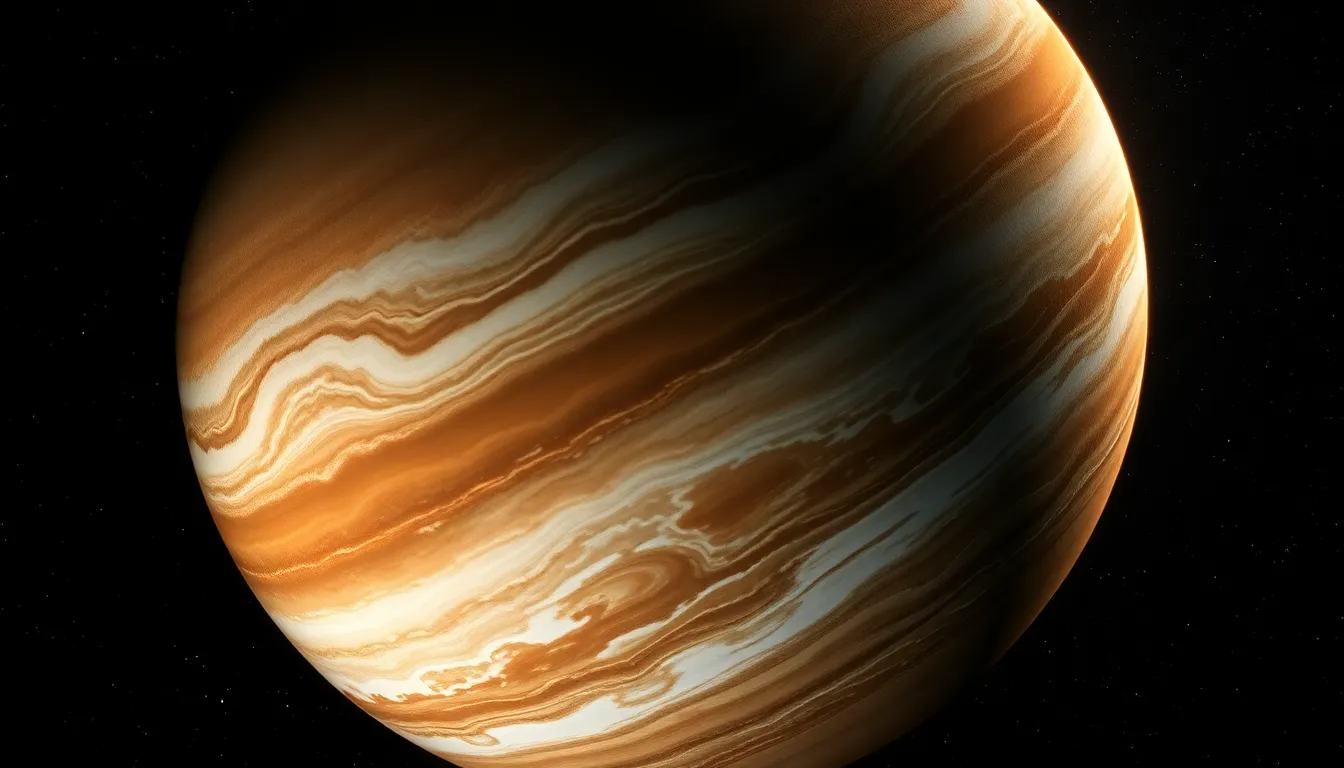
Captured using Nikon Z9, 70-200mm f/2.8 telephoto at 135mm, this image of Jupiter juxtaposes its swirling storms against a backdrop of starry expanse. The lighting is harsh yet dramatic, emphasizing the planet's Great Red Spot and its tumultuous atmosphere. A hyperfocal depth of field ensures everything from the foreground to the distant stars is tack-sharp at f/8, revealing the intricate details of cloud bands. The color palette features deep browns, creams, and subtle hints of red, contributing to a rich, textured look. The composition follows a diagonal leading line, guiding the viewer's eye across the frame, making the planet the focal point amidst a sea of stars.
16:9
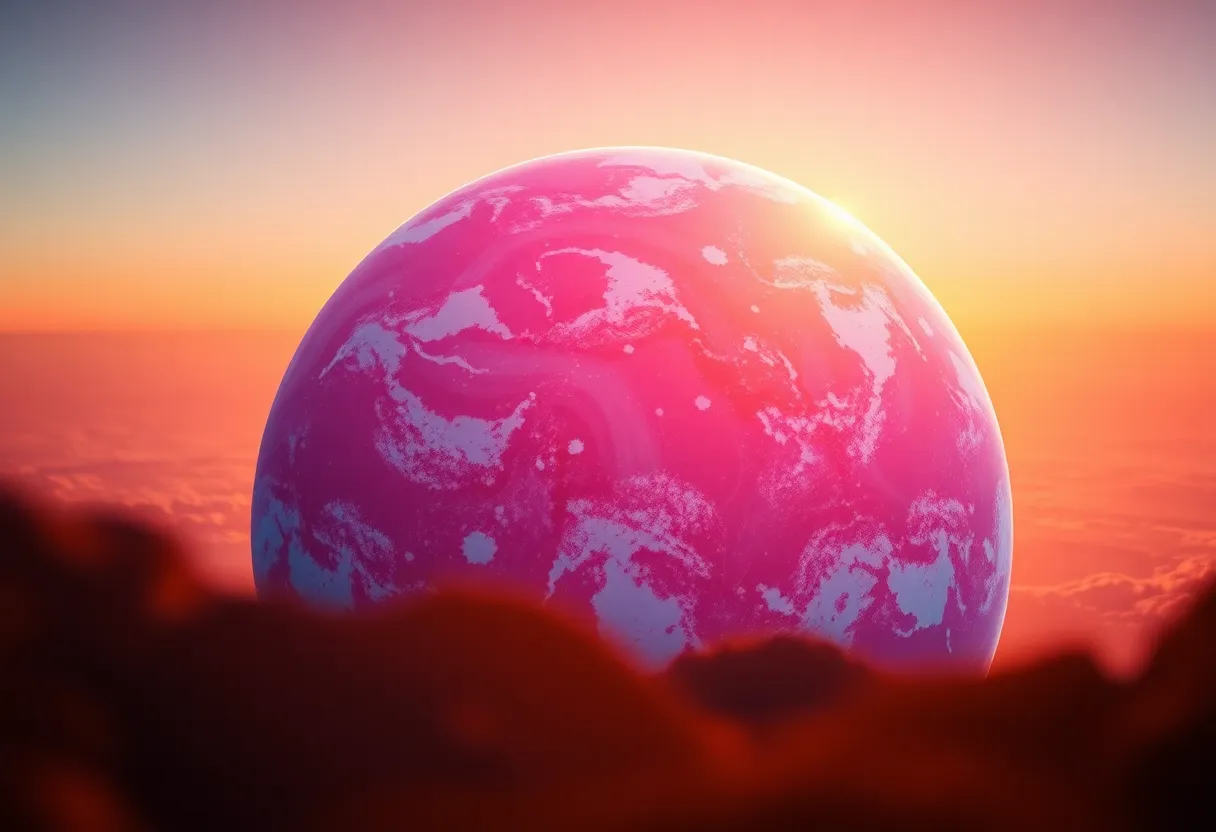
Shot on Sony A7R V with 85mm f/1.4 GM lens, this ethereal image captures a close-up of a fictional exoplanet resembling Earth but with vibrant pink oceans and a golden sky. The lighting is soft and warm, simulating a sunset, casting golden hues over the planet's surface. A shallow depth of field at f/1.4 blurs the foreground, emphasizing the vivid colors and crisp details of the planet’s features. The color palette is dominated by pinks, golds, and deep blues, creating a surreal atmosphere. The composition uses a centered approach to highlight the planet as the main subject, while subtle textures are evident in the surface ripples of the oceans.
3:2
Captured with Canon EOS R5, 24-70mm f/2.8L at 35mm, this stunning scene showcases Saturn with its magnificent rings against a backdrop of deep space. The lighting is a dramatic mix of soft illumination from distant stars and the ethereal glow of Saturn's atmosphere. A shallow depth of field at f/2.8 creates a dreamy bokeh effect in the background, while the color palette leans towards rich purples and blues, enhanced by high contrast. The composition employs the rule of thirds, with Saturn positioned at the left power point, allowing the vastness of space to envelop the scene. Fine details include the textured surface of Saturn's bands and the faint twinkling of stars in the distance.
16:9
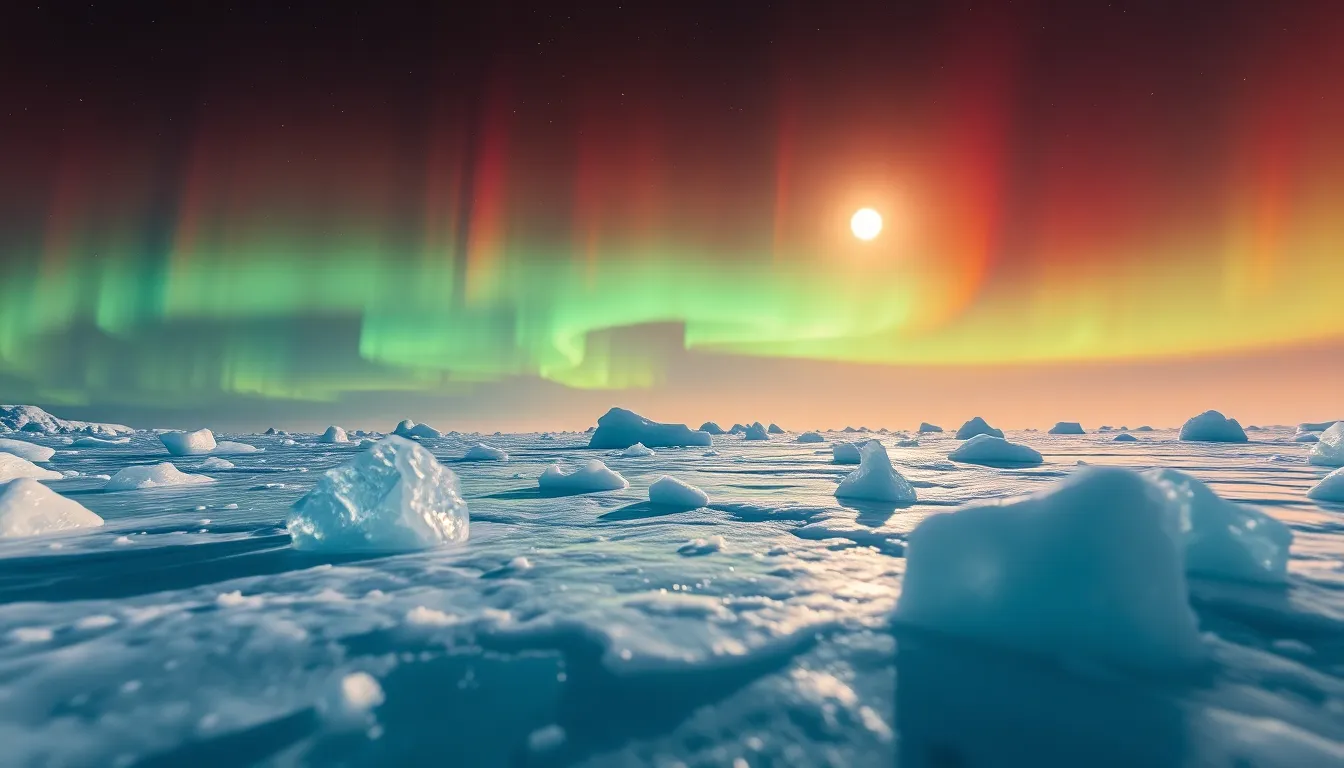
shot on Leica Q3, 28mm f/1.7 Summilux, with vivid auroras dancing across a planet's icy surface, illuminated by the glow of distant stars, soft moonlight casting gentle shadows, shallow depth of field at f/1.7 emphasizing the foreground ice formations, cinematic teal and orange color grading enhancing the scene's ethereal quality, rule of thirds composition placing the auroras in the upper third while the icy surface leads the viewer's eye, capturing the enchanting beauty of this celestial location.
16:9
captured with Hasselblad X2D 100C, 90mm f/2.5 medium format, depicting a gas giant planet against a backdrop of swirling galaxies, dramatic backlighting accentuating the planet's rings, hyperfocal distance to keep galaxies sharp in the background while the planet remains in focus at f/8, natural muted tones with desaturated earth colors, leading lines created by the galaxy arms drawing attention toward the central planet, showcasing the vastness of space.
16:9
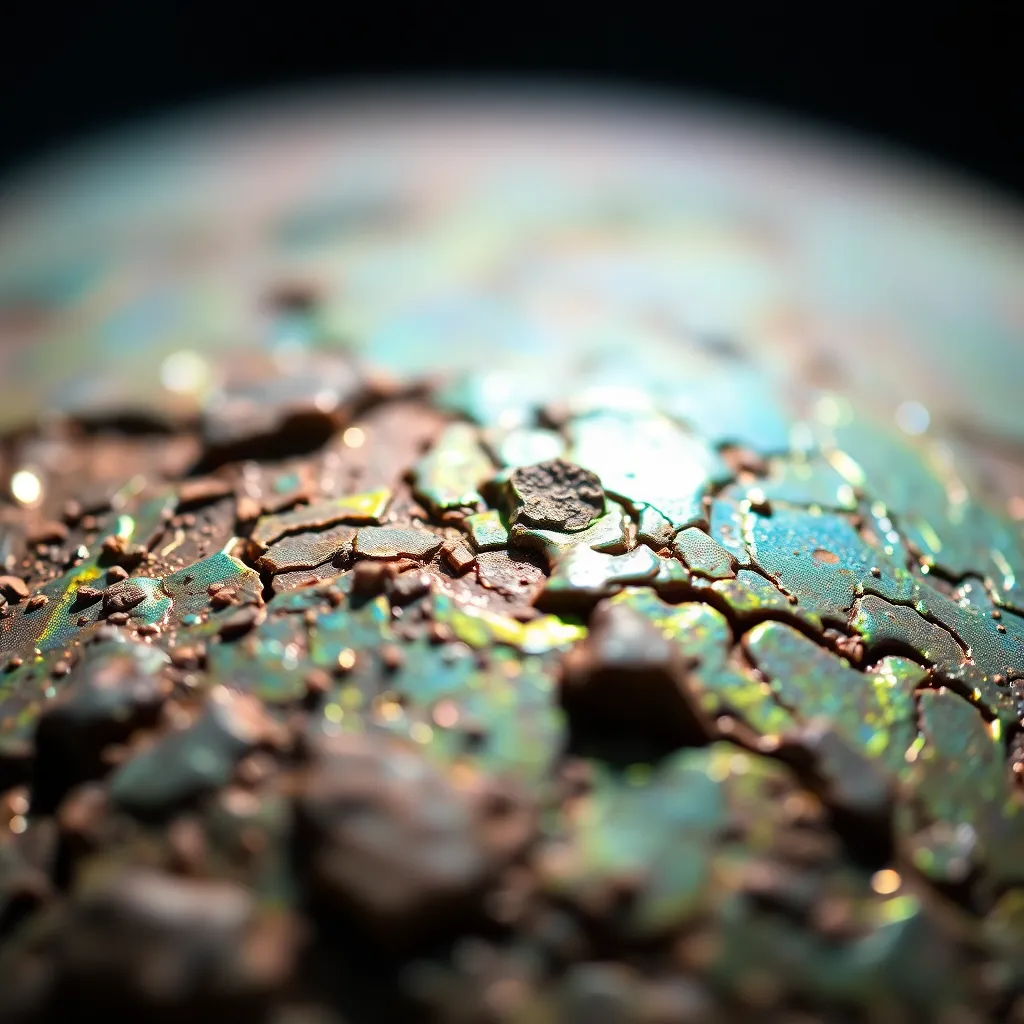
shot on Fujifilm GFX 100S, 110mm f/2 macro, featuring a close-up of an alien planet's iridescent surface, soft fill lighting emphasizing the vibrant colors, shallow depth of field at f/2 creating creamy bokeh in the background, Fujifilm Velvia-inspired saturated colors with deep blues and rich greens, selective focus showcasing intricate surface textures and mineral formations, enhancing the mysterious beauty of this extraterrestrial world.
1:1
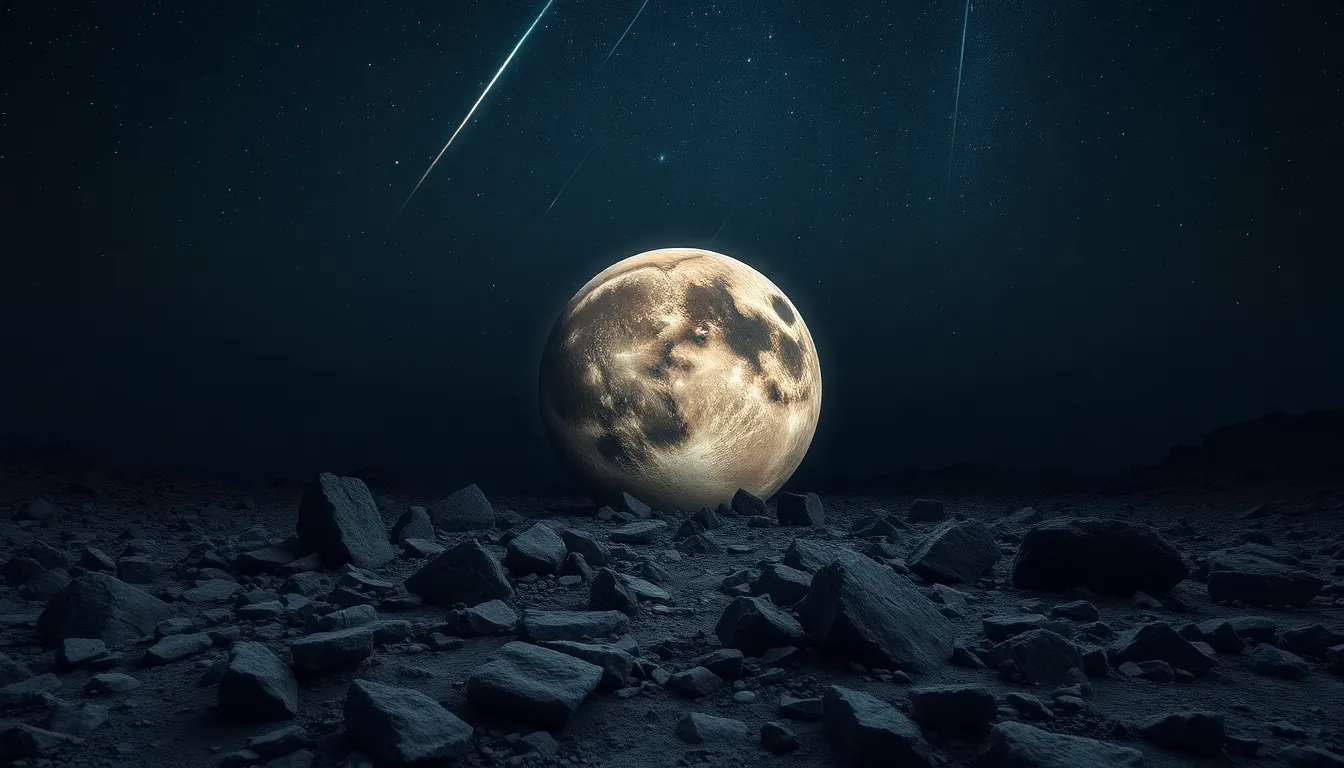
captured with Canon EOS R5, 24-70mm f/2.8L at 50mm, set during a meteor shower with beams of light streaking across the sky, hyperfocal distance making everything from foreground rocks to distant planets tack-sharp at f/8, natural muted tones with desaturated earth colors, centered symmetrical composition of a rugged planet resting in a darkened void, rocky surface texture showcasing craters and canyons, adding realism to this extraterrestrial landscape.
16:9
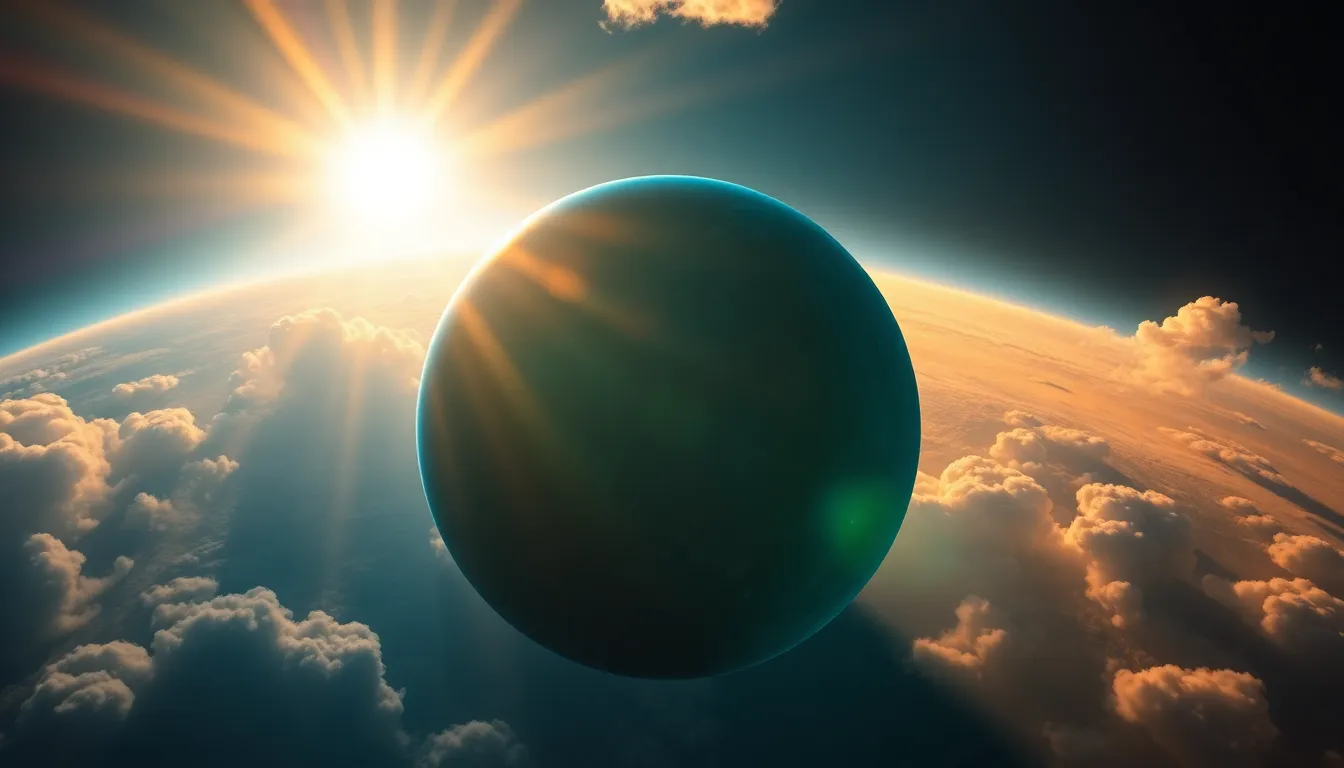
shot on Nikon Z9, 70-200mm f/2.8 telephoto at 200mm, with dappled sunlight filtering through clouds, creating dramatic highlights on the planet’s surface, shallow depth of field at f/2.8 focusing on the planet's vibrant blue atmosphere, cinematic teal and orange color grading enhancing the scene, rule of thirds composition with the planet positioned at the right power point, surface texture displaying swirling cloud formations and oceanic details across the planet's visible side.
16:9
captured with Hasselblad X2D 100C, 90mm f/2.5 medium format, featuring an artistic rendering of distant exoplanets in a nebula, illuminated by soft, ethereal light. The depth of field is hyperfocal at f/8, ensuring clarity across the scene. The color palette is a mix of cinematic teal and orange, enhancing the otherworldly feel. The composition is dynamic, using a Dutch angle to create tension and interest, while the intricate textures of the nebula’s gaseous clouds and exoplanet surfaces are richly detailed, conveying a sense of depth and mystery.
16:9
shot on Fujifilm GFX 100S, 110mm f/2 macro, illustrating a detailed view of Earth from orbit, showcasing vibrant green forests and deep blue oceans under bright midday light. The depth of field is shallow at f/2, blurring the vastness of space in the background while keeping Earth's surface in sharp focus. The color palette captures natural muted tones, with vibrant greens and blues reflecting the beauty of the planet. The composition uses a symmetrical arrangement with Earth centered, providing a sense of balance. Textural details of the clouds and landmasses exhibit complexity and depth, making Earth appear vibrant and alive.
16:9
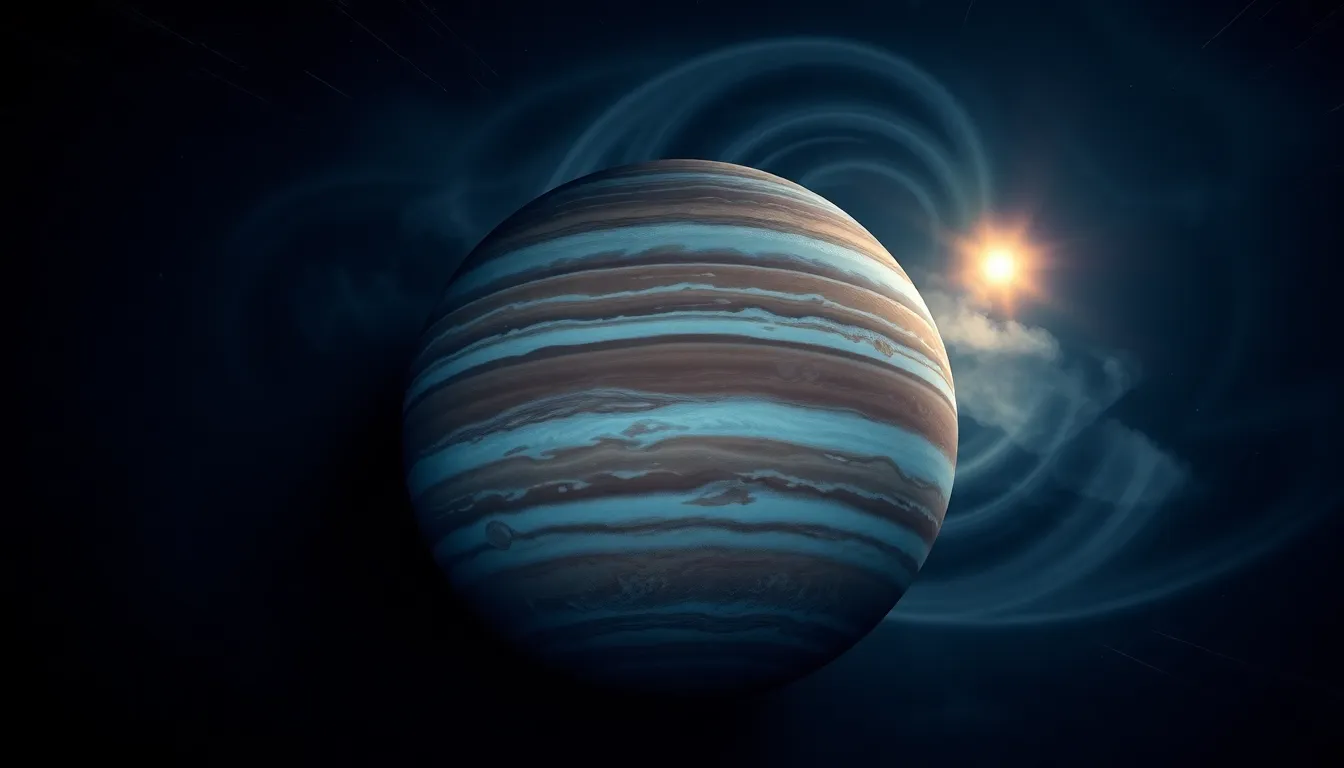
captured with Canon EOS R5, 24-70mm f/2.8L at 35mm, depicting the stunning gas giant Jupiter enveloped in swirling clouds, shot at twilight with diffused natural light from a nearby star. The depth of field is hyperfocal at f/8, ensuring both the planet and surrounding cosmic elements remain in sharp focus. The color palette employs Fujifilm Velvia-inspired saturation, with deep blues, browns, and whites creating a dramatic contrast. Compositionally, Jupiter is centered with star trails framing the image to suggest motion. The textures of its gaseous bands are vividly illustrated, showing complex detail within the swirling clouds.
16:9
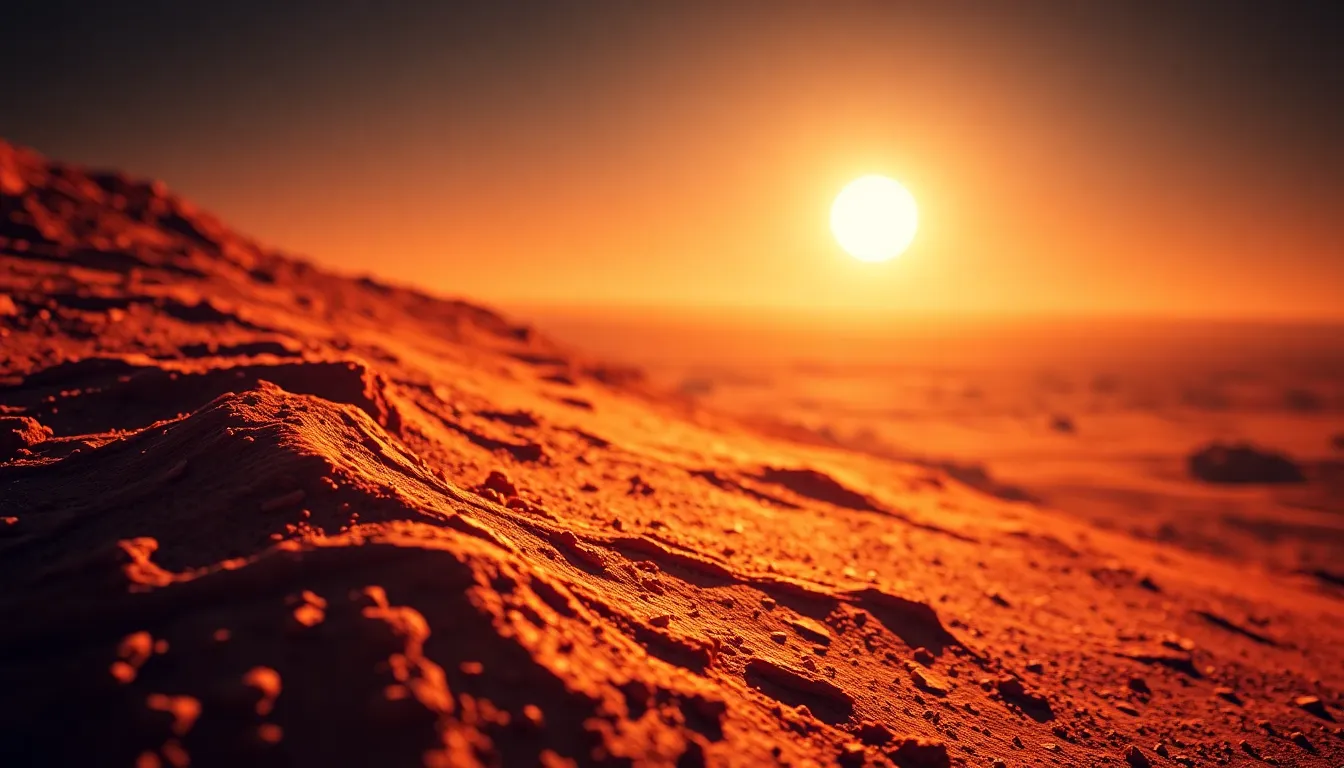
shot on Sony A7R V with 85mm f/1.4 GM lens, featuring a close-up view of Mars’ surface highlighting its red rocky terrain illuminated by the sun's harsh light during midday. The depth of field is extremely shallow at f/1.4, creating a creamy, circular bokeh effect in the background that blurs out the horizon. The color palette is dominated by rich reds and oranges alongside muted browns reminiscent of Martian soil. The composition utilizes leading lines formed by the ridges and valleys of the terrain, guiding the eye toward the horizon. Textural details of the rocky surface reveal fine granules and deep shadows.
16:9
captured with Nikon Z9, 70-200mm f/2.8 telephoto at 135mm, showcasing a distant view of Saturn against a starry backdrop, with golden hour lighting illuminating the planet's rings. The depth of field is shallow at f/2.8, allowing Saturn to stand out sharply against a soft bokeh of twinkling stars. The color palette features deep blacks and vibrant yellows, enhancing the contrast between the planet and the cosmic void. Compositionally, Saturn is positioned using the rule of thirds, drawing the viewer's eye to its intricate details. Textures of the planet's rings are highlighted, revealing icy particles and dust grains.
16:9
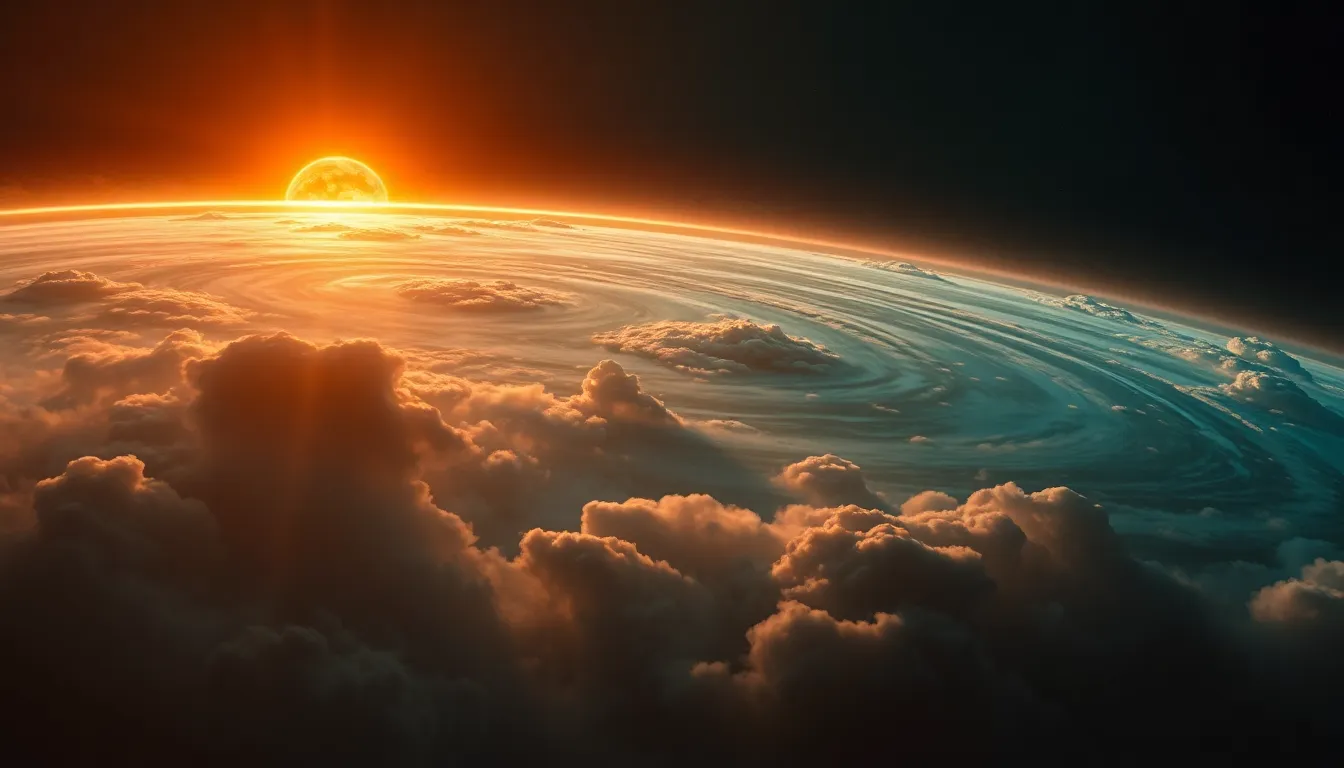
A breathtaking view of Jupiter's Great Red Spot, with swirling clouds and storms, captured with Hasselblad X2D 100C, 90mm f/2.5 medium format. The scene features dramatic backlighting, highlighting the contours of the clouds and the intensity of the storms. The color grading draws from cinematic teal and orange themes, enhancing the dynamic nature of Jupiter's atmosphere. The composition focuses on the Great Red Spot, using the rule of thirds to place it prominently in the frame, surrounded by the swirling bands of clouds.
16:9
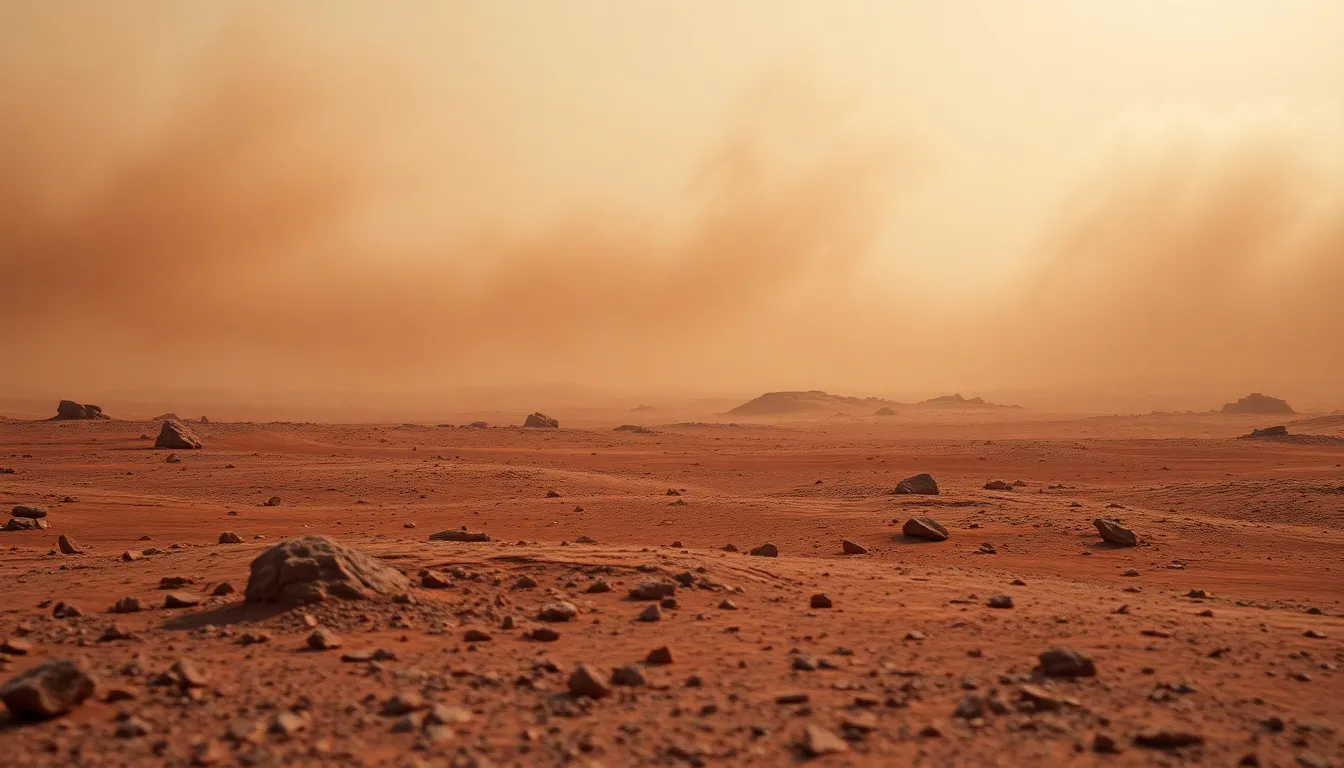
A distant view of Mars during a dust storm, with swirling dust clouds dancing across the Martian surface, captured using Fujifilm GFX 100S, 110mm f/2 macro. The lighting is muted, reflecting the somber atmosphere of the storm with natural desaturated earth colors dominating the scene. The hyperfocal distance keeps the entire landscape in focus, showcasing the rocky textures and patterns of the planet's surface. Compositionally, the dust clouds create dynamic leading lines that draw the eye through the frame, emphasizing the vastness of the Martian landscape.
16:9
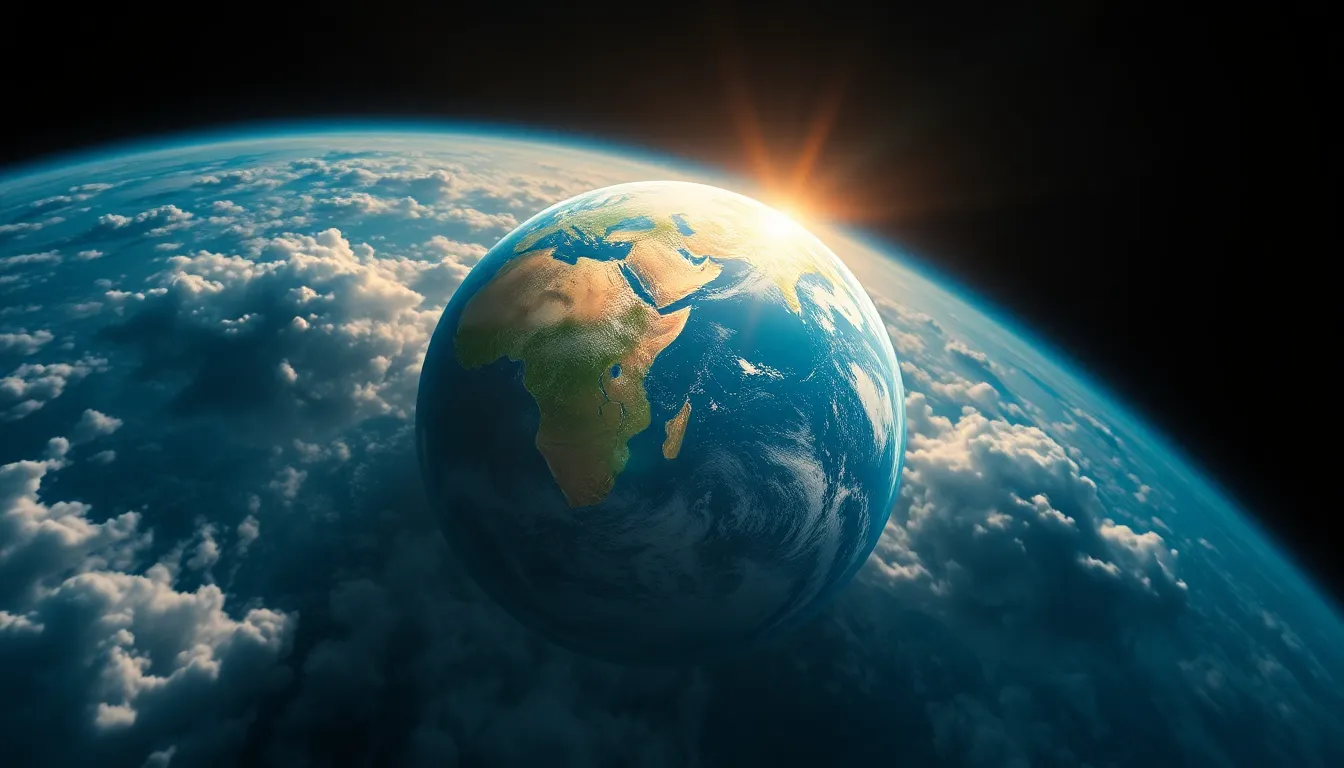
A stunning view of Earth from space, featuring the planet illuminated by bright sunlight and enveloped in atmospheric clouds, shot on Sony A7R V with 85mm f/1.4 GM lens. The illumination creates bold contrasts with deep blues and whites, maintaining a cinematic teal and orange color grading. The composition utilizes a centered symmetrical approach, with Earth showcasing its vibrant surface details. The texture of the clouds is highlighted by the sunlight, giving a feeling of depth and dimensionality to the planet. The overall effect captures the breathtaking beauty of our home planet.
16:9
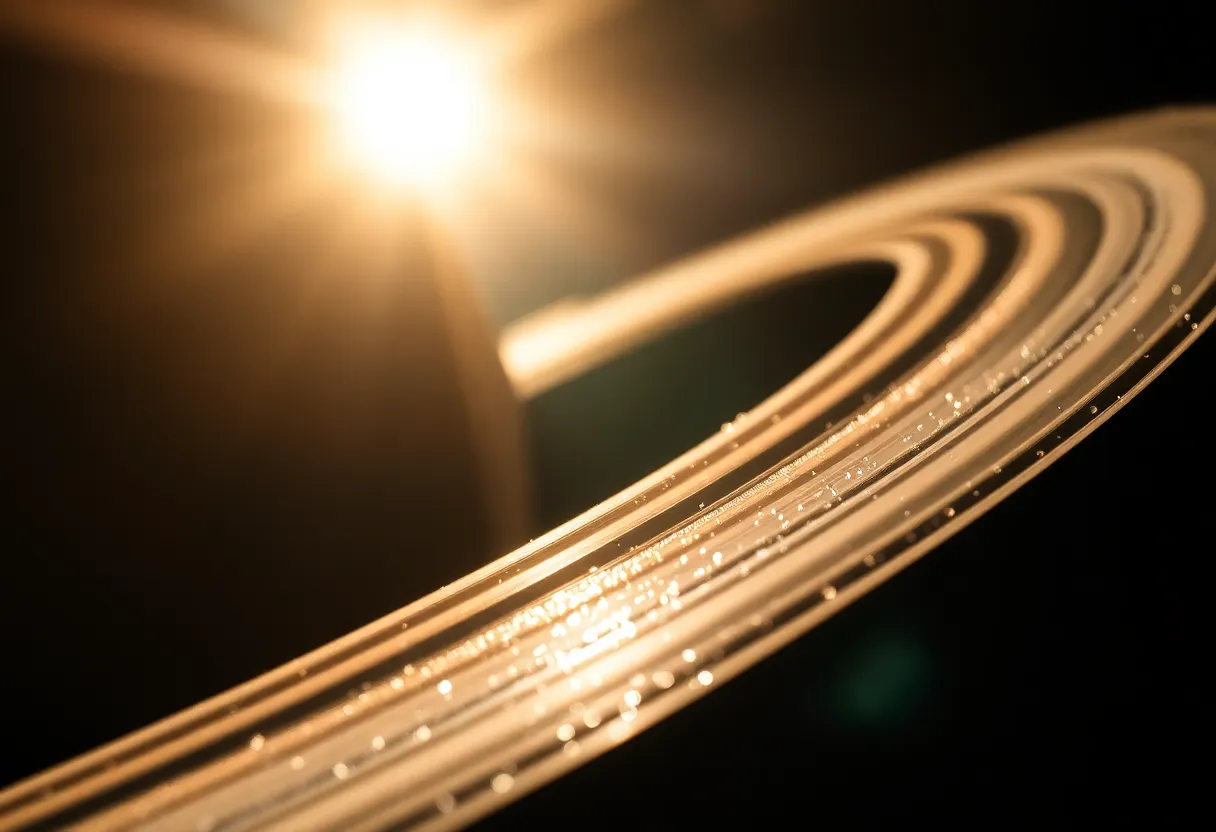
A close-up view of Saturn's rings, focusing on the icy particles and shadows, captured with Canon EOS R5, 24-70mm f/2.8L at 35mm. The scene benefits from soft natural light that highlights the textures of the rings while dappled sunlight creates a captivating bokeh effect in the background. A shallow depth of field at f/2.8 ensures the rings are in sharp focus while the background softly melts away. The image has a Kodak Portra 400 color palette, enhancing the warm tones of the icy particles. The composition follows the rule of thirds with Saturn's rings creating a diagonal line across the frame.
3:2
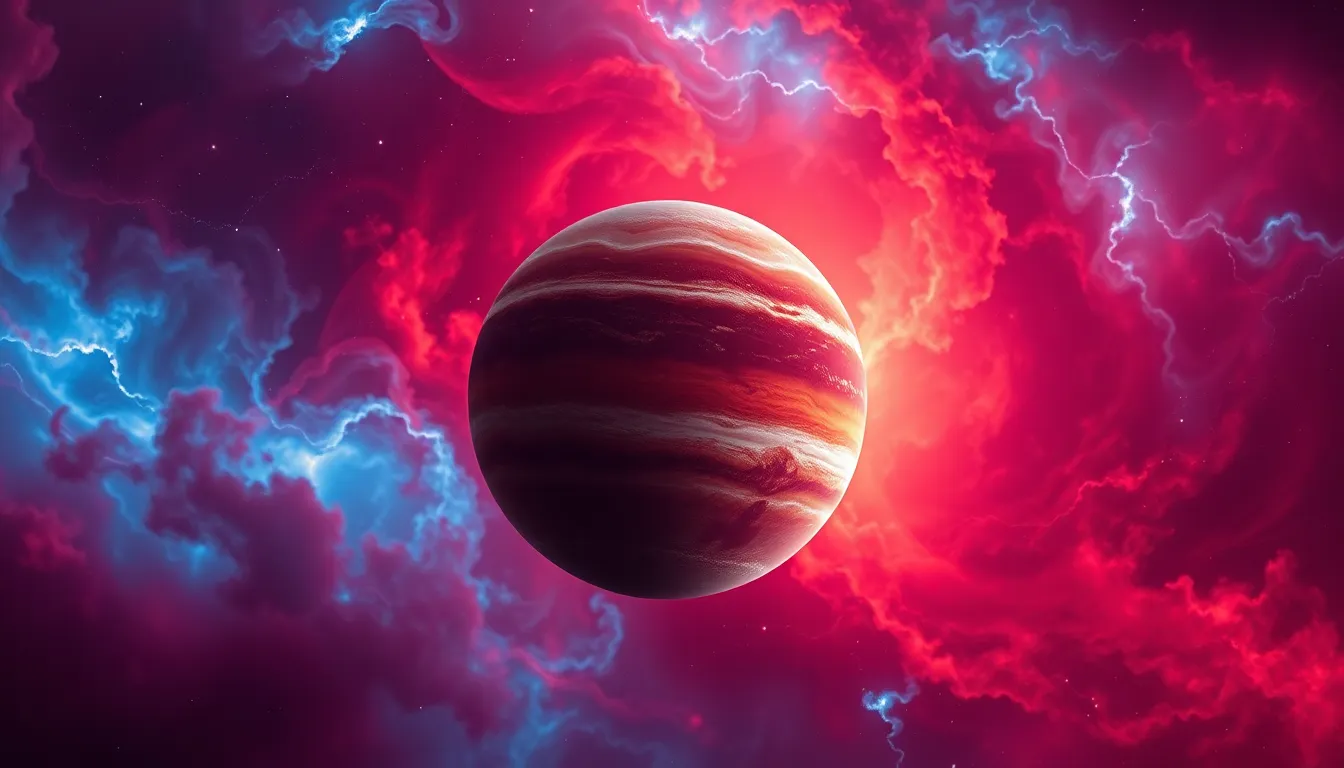
A vibrant gas giant planet in a nebula with swirling colorful clouds, shot on Nikon Z9, 70-200mm f/2.8 telephoto at 135mm. The scene is illuminated by ethereal ambient light, with deep reds and blues showcasing the planet's surface textures. Hyperfocal distance captures all elements from the foreground to infinity in sharp detail. The color palette resembles Fujifilm Velvia-inspired saturated colors, emphasizing the rich tones of the nebula. The composition features the planet off-center, allowing the nebula to dominate the background, creating a sense of depth and wonder.
16:9
Hasselblad X2D 100C, 90mm f/2.5 medium format, capturing a celestial scene with multiple planets aligned in the night sky. The stark contrast of the dark sky against the brilliant colors of the planets creates an awe-inspiring view. The lighting emphasizes the illumination from each planet, showcasing their vibrant hues—green, red, and yellow. The composition uses the rule of thirds to place the planets diagonally across the frame, creating visual interest. Atmospheric textures are palpable, highlighting the vastness of space.
16:9
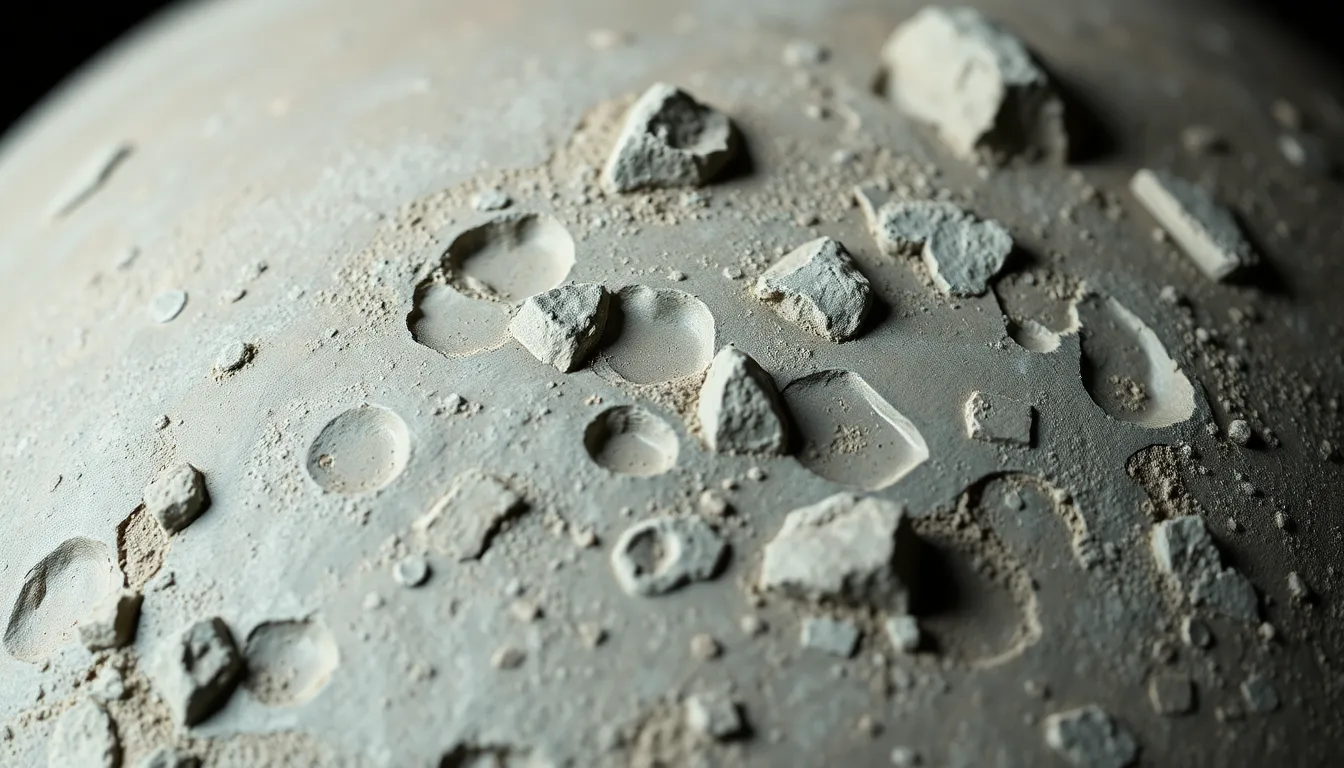
Fujifilm GFX 100S, 110mm f/2 macro, featuring a close-up of a planet's surface with detailed textures of craters and rocks. The lighting is soft and diffused, capturing the nuances of the surface colors in muted earth tones. A natural color palette highlights the gray, brown, and subtle green elements of the terrain. The composition is centered to emphasize the intricate details, while the shallow depth of field creates a soft background bokeh that enhances the focus on the planet’s surface.
16:9
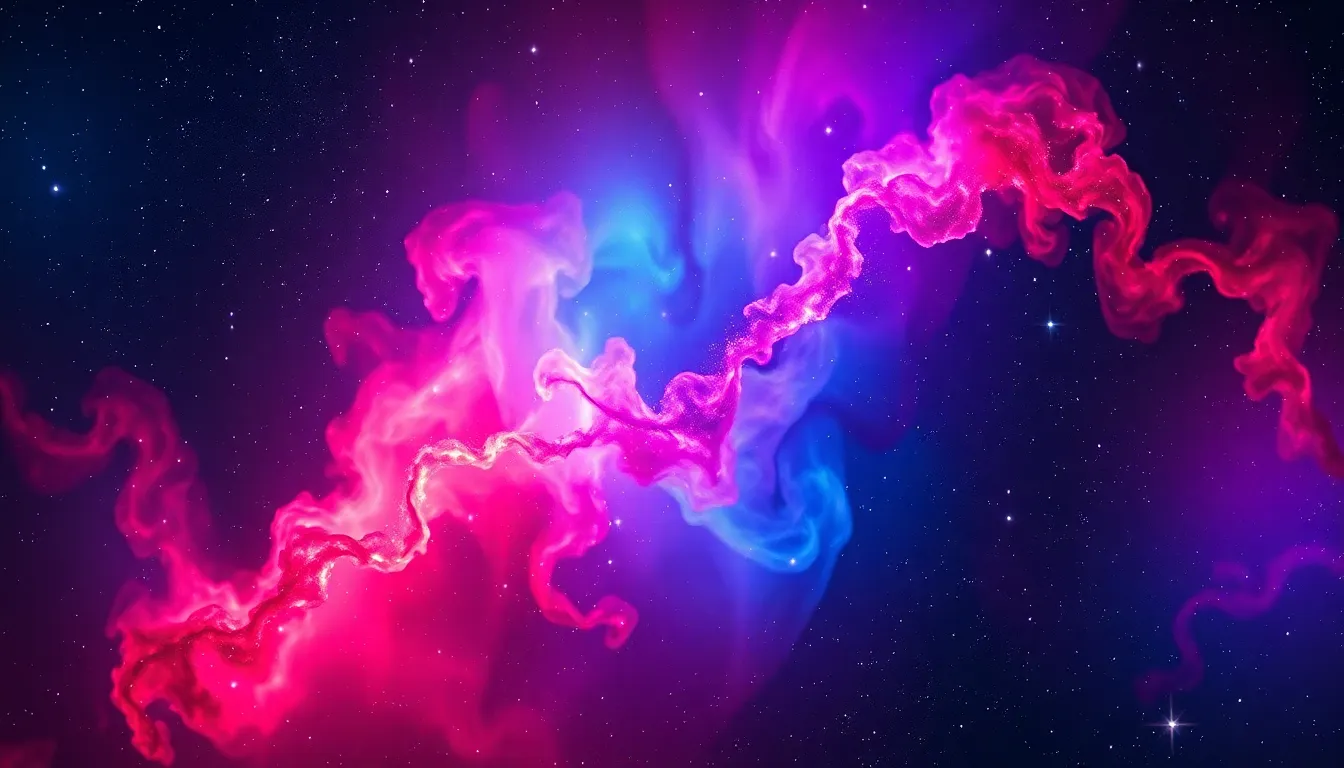
Nikon Z9, 70-200mm f/2.8 telephoto at 135mm, showcasing a vibrant nebula with stars. The lighting highlights the colorful gases, creating a cosmic explosion of reds, blues, and purples. Using an ultra-saturated color palette, the scene feels dynamic and alive. The composition employs leading lines from the nebula's wispy tendrils guiding the viewer’s eye through the vast space. Textures are rich and detailed, portraying the swirling gases and sparkling starlight.
16:9
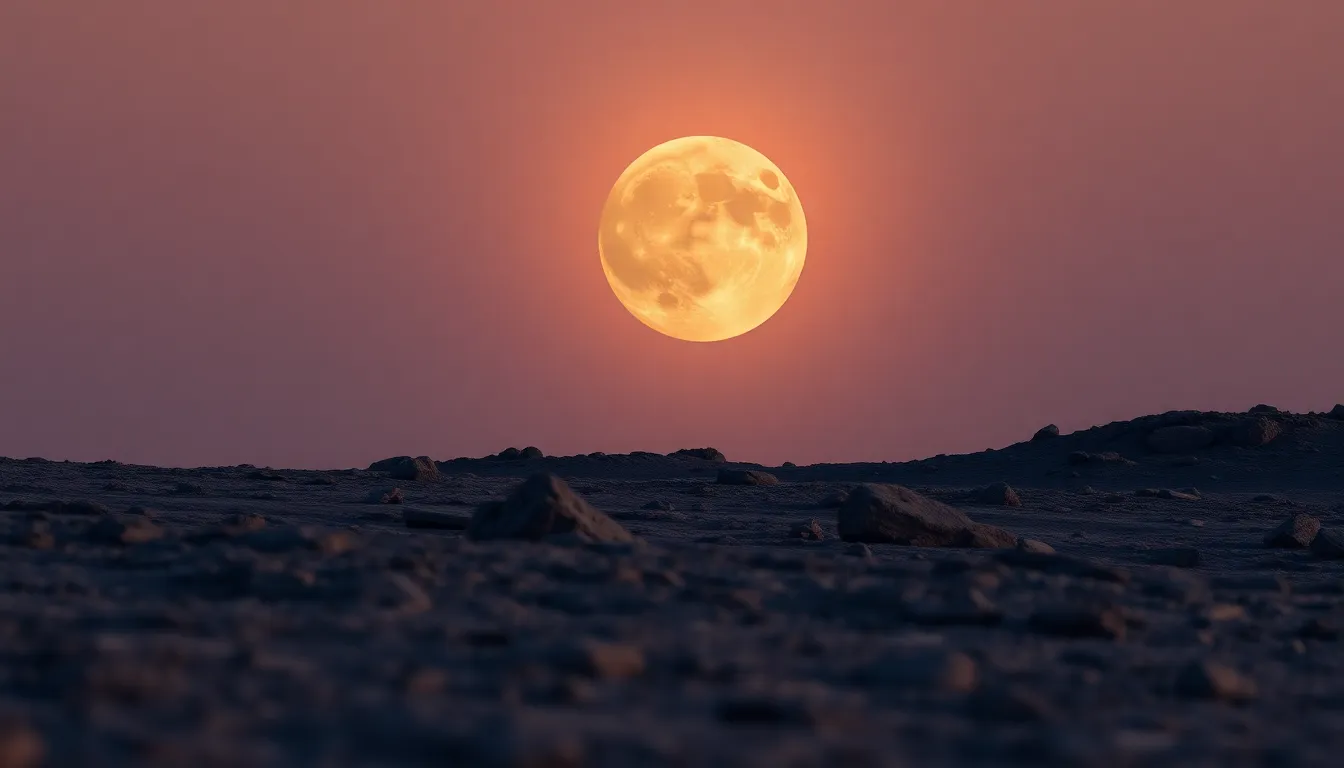
shot on Sony A7R V with 85mm f/1.4 GM lens, capturing a serene lunar landscape during the golden hour. The lighting creates warm rim light around the moon's craters, highlighting rocky textures. The scene employs a natural color palette with muted grays and soft purples, giving a calm, ethereal feel. The moon is positioned at the upper third of the frame, with a blurred foreground of rugged terrain creating depth. Textures of the lunar surface are highly detailed, with visible dust and rock granules.
16:9
captured with Canon EOS R5, 24-70mm f/2.8L at 35mm, featuring dramatic backlighting with a distant star creating a halo effect around a gas giant planet. The focus is sharp on the planet's textured atmosphere, showcasing swirling clouds and rich colors. This scene uses vibrant blue and orange tones reminiscent of a high-quality digital rendering. The composition centers the planet in the frame, with a slight tilt to enhance depth. The textures of the gaseous layers are detailed, revealing nuances in color and light.
16:9
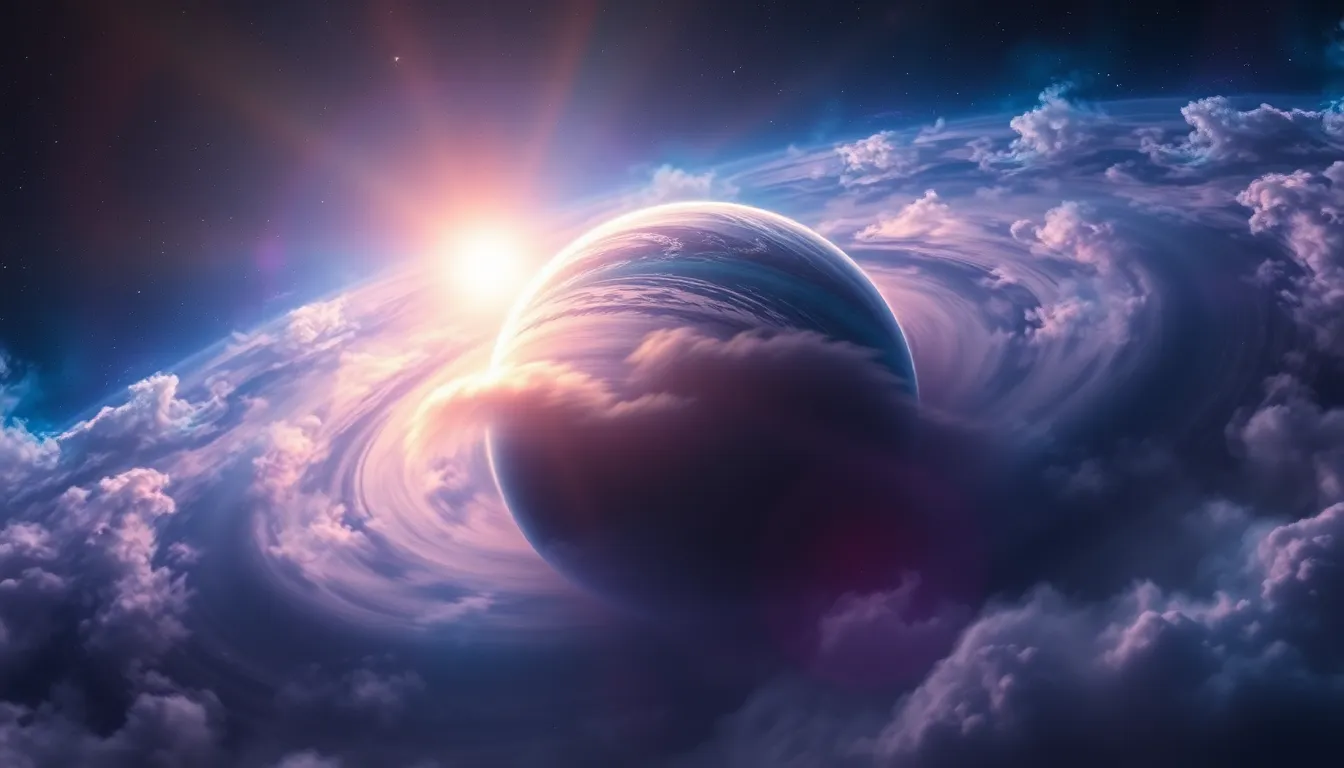
Utilizing Hasselblad X2D 100C, 90mm f/2.5 medium format, this image features a stunning artistic rendition of an exoplanet with a colorful atmosphere viewed from a distant star system. The lighting reflects a cosmic glow, with a vibrant color palette of deep blues, purples, and hints of gold. The depth of field is carefully controlled, with a selective focus on the planet's swirling clouds, creating a dreamlike effect. The composition employs a centered symmetrical layout, embodying the beauty of alien worlds, enhanced by texture details of gaseous layers swirling in the atmosphere.
16:9
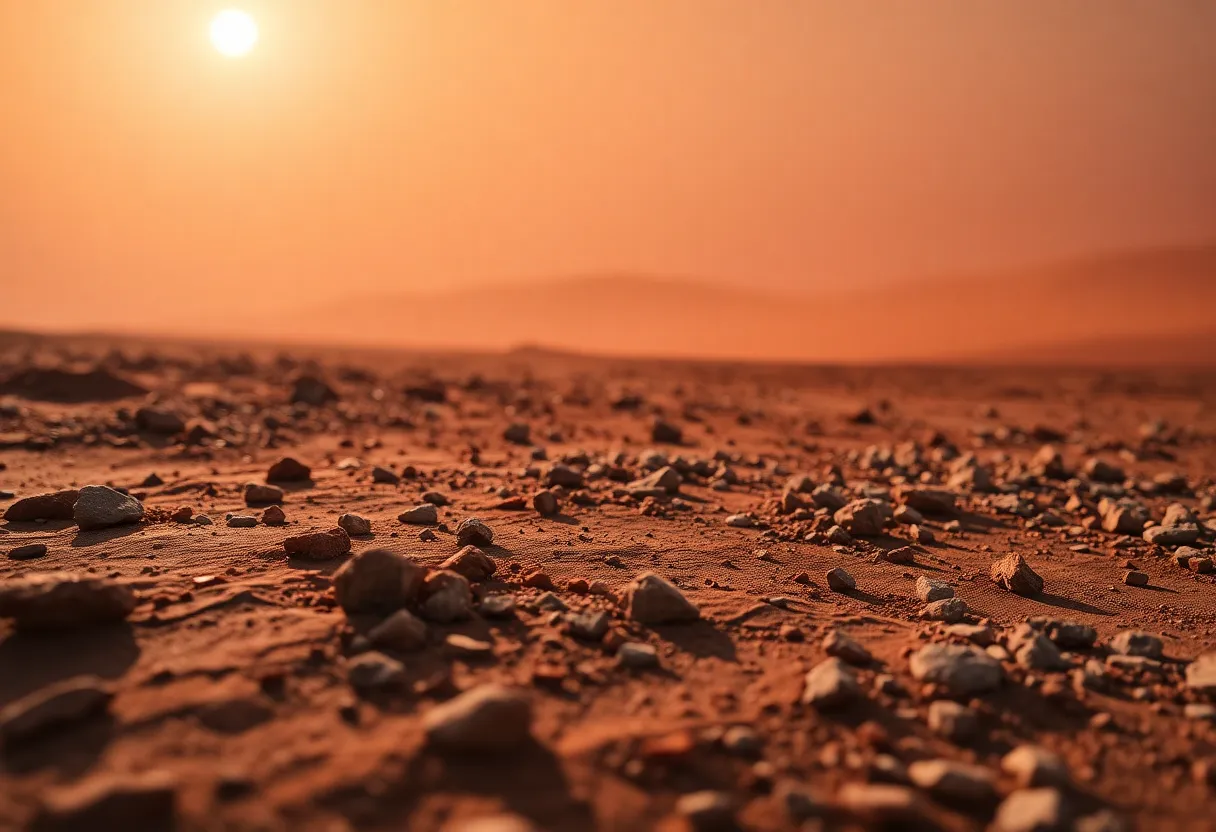
Photographed using Fujifilm GFX 100S, 110mm f/2 macro, this image captures a highly detailed view of Mars' surface, showcasing its rocky terrain and reddish-orange hues under a soft, diffused sunset light. The delicate textures of the Martian soil and scattered pebbles are sharply in focus, with a shallow depth of field at f/2 creating an ethereal bokeh of distant dust. The composition features leading lines formed by natural ridges in the landscape, drawing the viewer's gaze towards the horizon. The natural muted tones of Mars contrast beautifully with soft lighting, creating a peaceful yet haunting atmosphere.
3:2
Captured with Canon EOS R5, 24-70mm f/2.8L at 35mm, this image features a stunning view of Earth from space, showing the vibrant blue oceans, swirling clouds, and a hint of landmasses. The lighting mimics natural sunlight illuminating the planet from an angle, enhancing earth's colors. The depth of field is hyperfocal at f/8, ensuring every detail is crisp, from the texture of clouds to the surface of the waters. The composition adheres to the rule of thirds, with Earth positioned slightly off-center, imparting a sense of movement and dynamism within the vast emptiness of space.
16:9
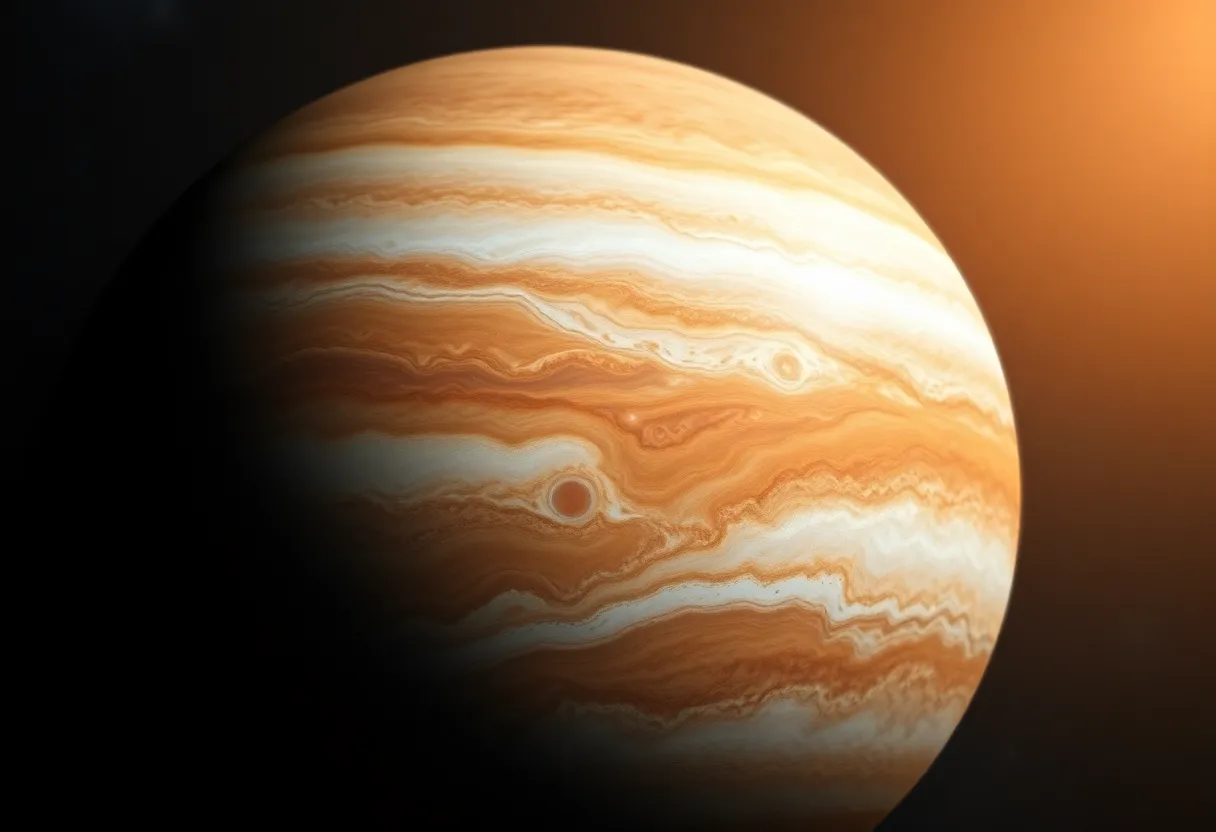
Shot on Sony A7R V with 85mm f/1.4 GM lens, this image captures a close-up view of Jupiter's swirling atmosphere, with intricate details of its cloud bands and the Great Red Spot. The lighting mimics the soft glow of distant starlight, enhancing the vibrant browns, reds, and whites of the gas giant. A shallow depth of field at f/1.4 creates a dreamy bokeh effect in the background, emphasizing the planet's textures. The composition is centered, drawing attention directly to the striking surface features of Jupiter, making it feel as if one could almost reach out and touch it.
3:2
Captured with Nikon Z9, 70-200mm f/2.8 telephoto at 135mm, this image showcases a vivid Saturn rising above a rocky desert landscape in a dramatic twilight scene. The orange and purple hues of the sunset create a celestial backdrop, while Saturn's rings are sharply in focus, enhancing the space theme. The foreground features textured red rock formations, leading the eye into the scene. The overall composition utilizes the rule of thirds, placing Saturn off-center against the vibrant sky, imparting a sense of vastness and wonder. Natural muted tones complement the bright colors of the planet, creating a magical atmosphere.
16:9
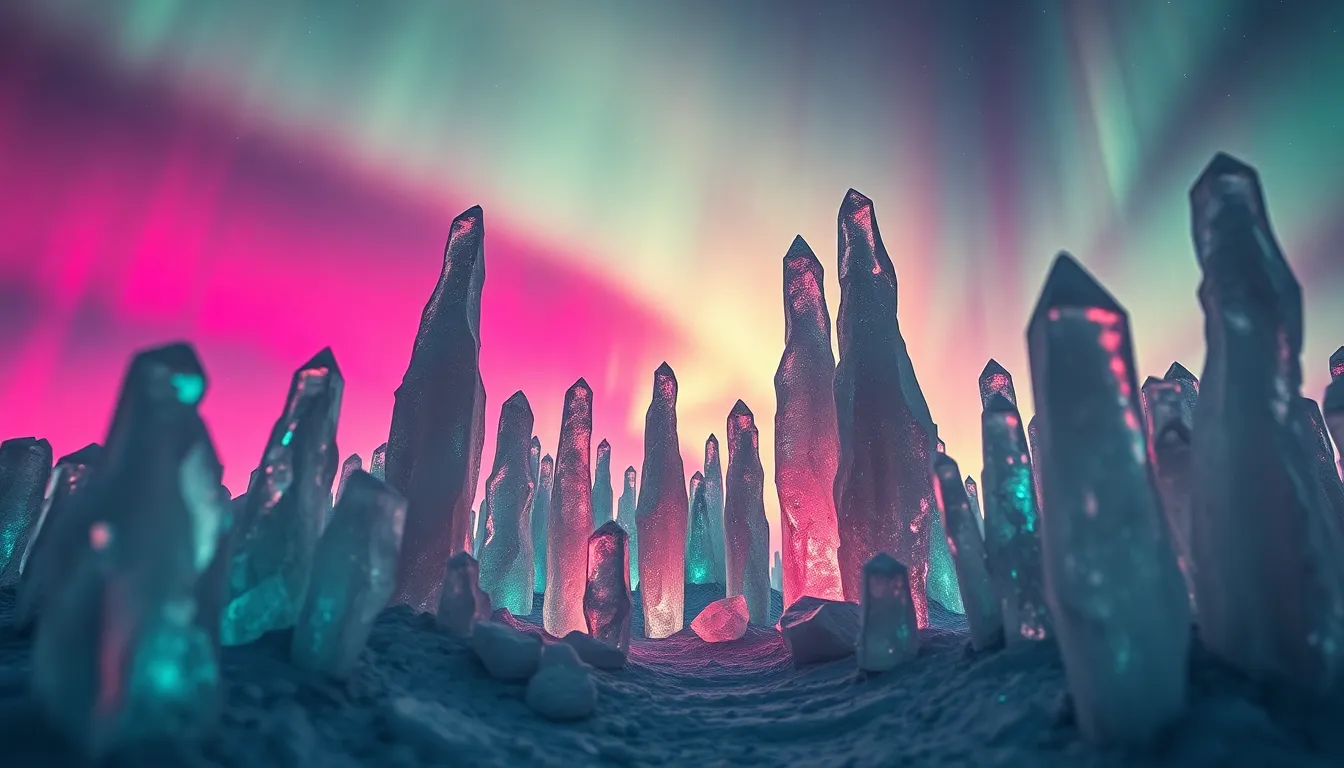
captured using Hasselblad X2D 100C, 90mm f/2.5 medium format, depicting an alien planet with towering crystal formations under a vibrant aurora. The scene is illuminated by the iridescent colors of the aurora cascading across the sky, creating a surreal atmosphere with vibrant pinks, greens, and blues. The depth of field creates a hyperfocal distance, keeping the crystals in sharp detail while softly blurring the background. The composition employs leading lines from the crystal formations, guiding the viewer's gaze toward the mesmerizing aurora above.
16:9
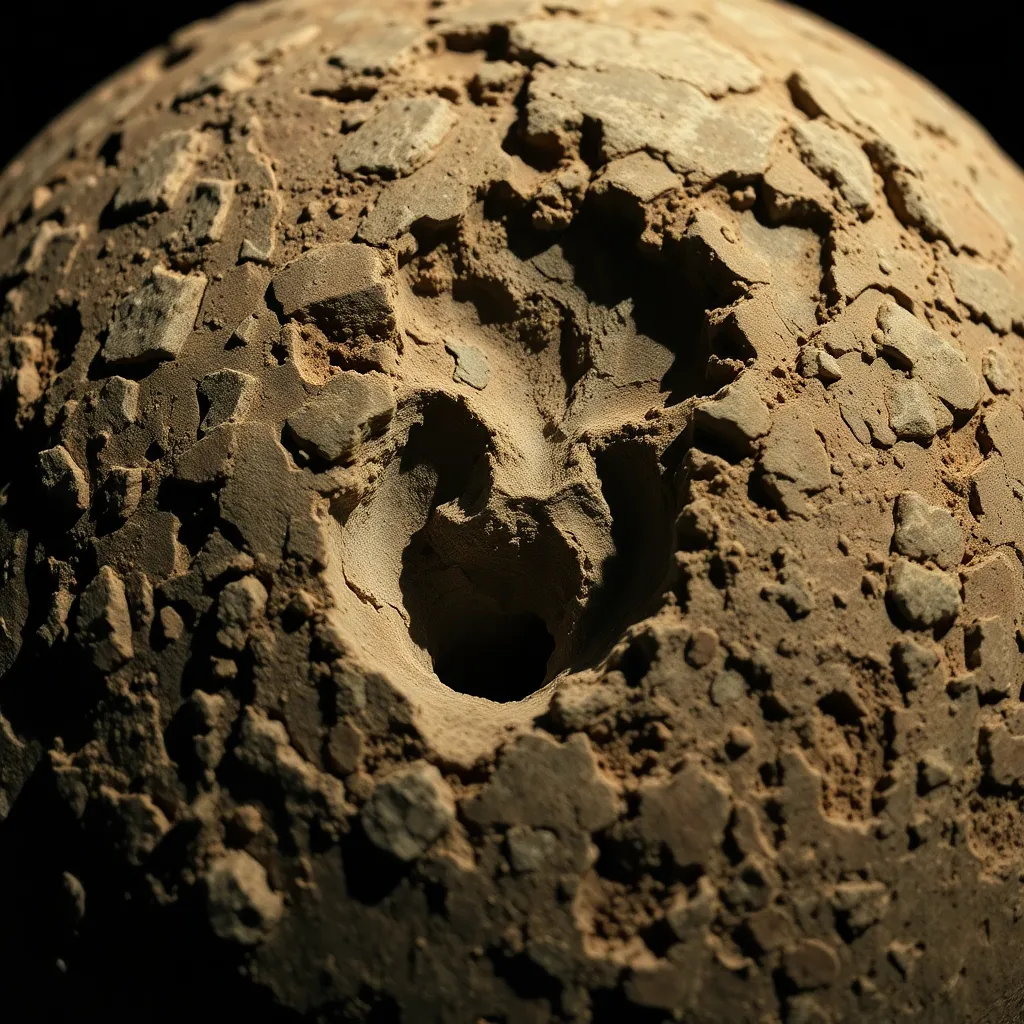
shot using Fujifilm GFX 100S, 110mm f/2 macro, depicting a highly detailed close-up of a planet's rocky surface, showcasing intricate textures and mineral formations. The lighting casts dramatic shadows that reveal depth, with a natural muted tone palette highlighting earthy colors—greens, browns, and grays. The shallow depth of field emphasizes the sharp details of the rocky terrain while softly blurring the background. The composition centers on a crater, utilizing a centered symmetrical approach to create a powerful focus on the planet's surface.
1:1
captured with Canon EOS R5, 24-70mm f/2.8L at 35mm, featuring a distant view of multiple colorful planets arranged in a diagonal line across the star-speckled cosmos. The lighting from each planet casts soft reflections, creating a dreamy atmosphere filled with vibrant hues of turquoise, magenta, and gold. The depth of field maintains sharpness across the entire scene, ensuring all planets are in focus. The natural muted tones create a harmonious blend, and the composition utilizes leading lines, guiding the viewer's eye through the vastness of space.
16:9
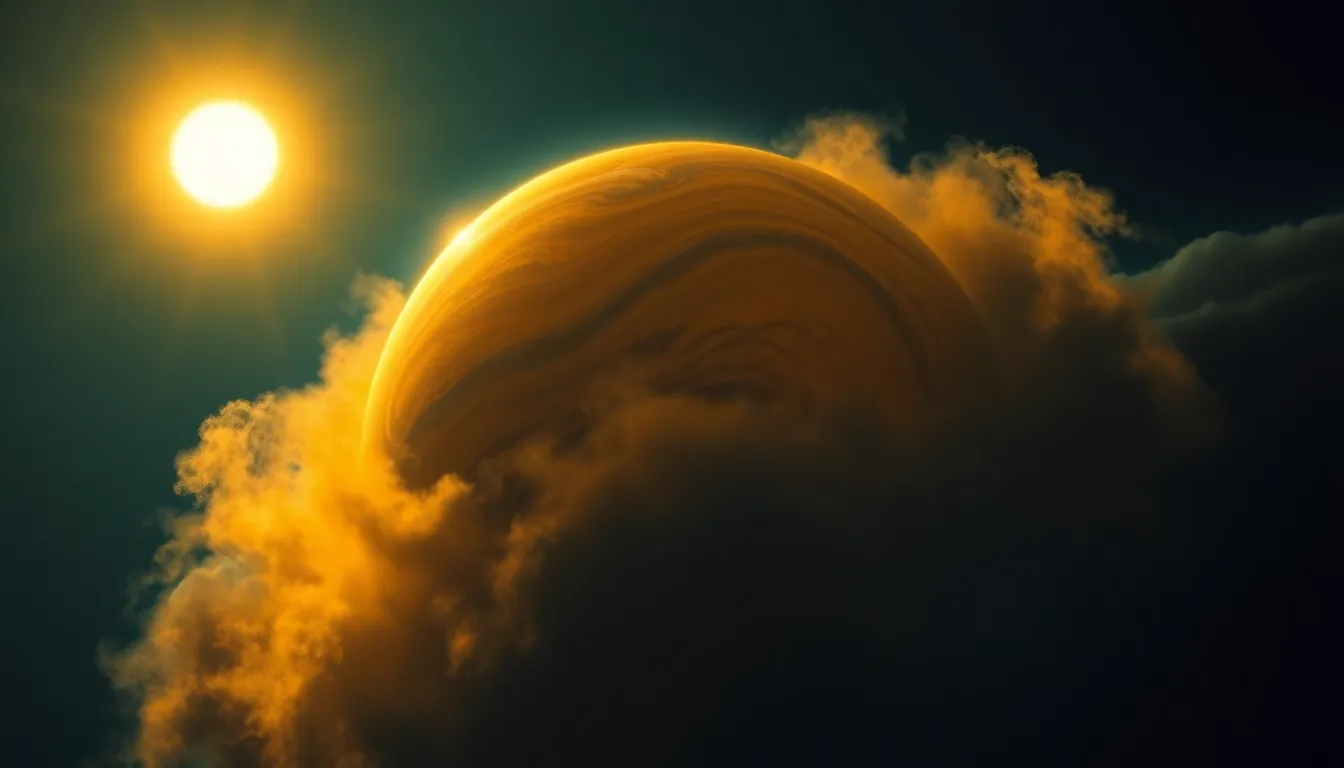
shot on Sony A7R V with 85mm f/1.4 GM lens, showcasing a large gas giant planet, its swirling storm clouds vividly colored in shades of orange and yellow, illuminated by a nearby sun. The lighting creates dramatic shadows across the planet’s surface, enhancing the texture of the clouds and revealing turbulent winds. A shallow depth of field at f/1.4 provides creamy bokeh in the background, while the main subject is sharp and detailed. The cinematic teal and orange color grading enriches the visual appeal, and the centered symmetrical composition draws focus to the planet's mesmerizing storm eye.
16:9
captured with Nikon Z9, 70-200mm f/2.8 telephoto at 135mm, featuring an otherworldly planet looming in the dark void of space, illuminated by distant stars. The scene is enhanced by a soft glow around the planet's atmosphere, with deep blues and purples contrasting against the dark backdrop. A hyperfocal distance creates sharp detail in the planet's rocky surface and swirling clouds, while gentle highlights suggest a gaseous composition. Texture details reveal craters and valleys, creating a sense of realism. Composition follows the rule of thirds, with the planet positioned at the right power point and stars filling the background.
16:9
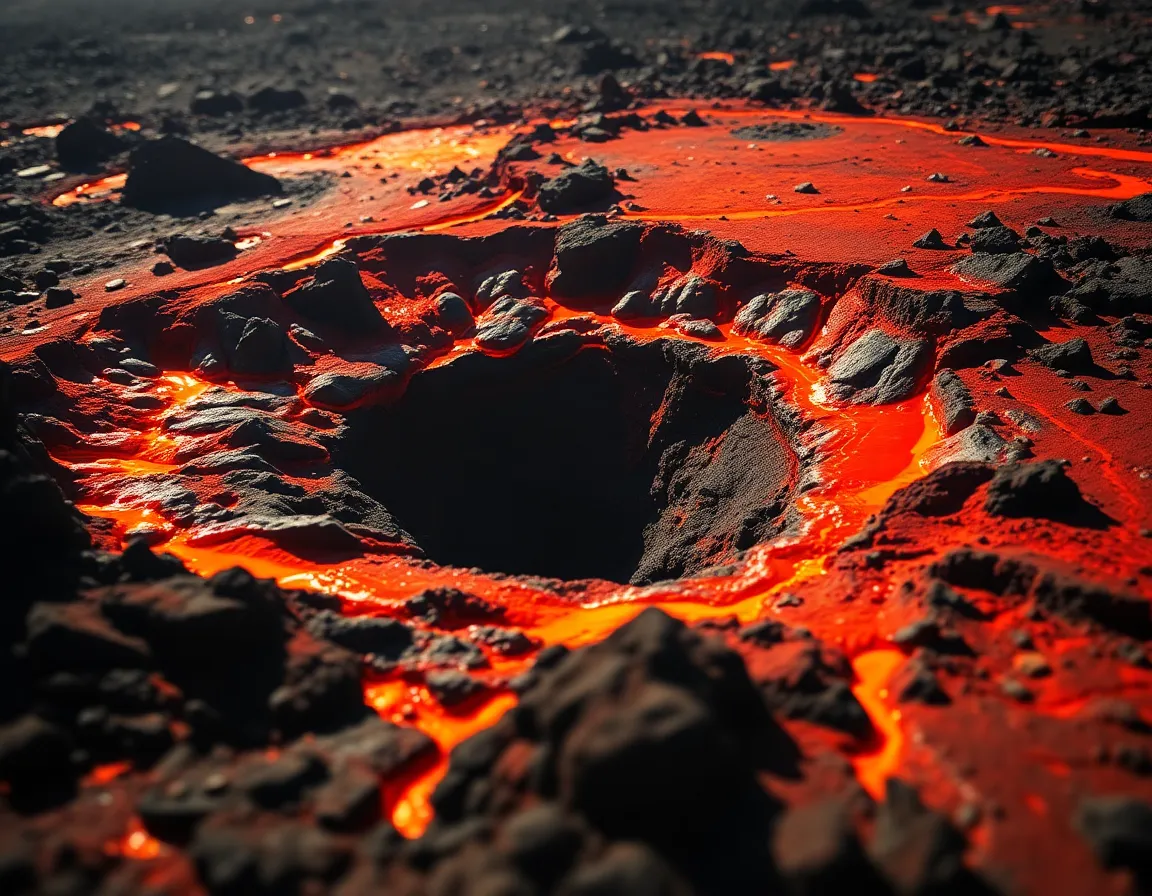
Fujifilm GFX 100S, 110mm f/2 macro, showcasing a detailed view of a vibrant planet's surface, featuring colorful volcanic terrains and shimmering lava flows. The lighting is natural, with sunlight glinting off the molten areas, creating an intense highlight against the darker surroundings. A shallow depth of field at f/2 blurs the background slightly, focusing attention on the vivid details of the terrain. The color palette combines fiery reds and oranges with deep blacks and browns, evoking a sense of energy and unpredictability. The composition centers on a striking volcanic crater, surrounded by rugged terrain that draws the viewer's eye around the landscape.
4:3
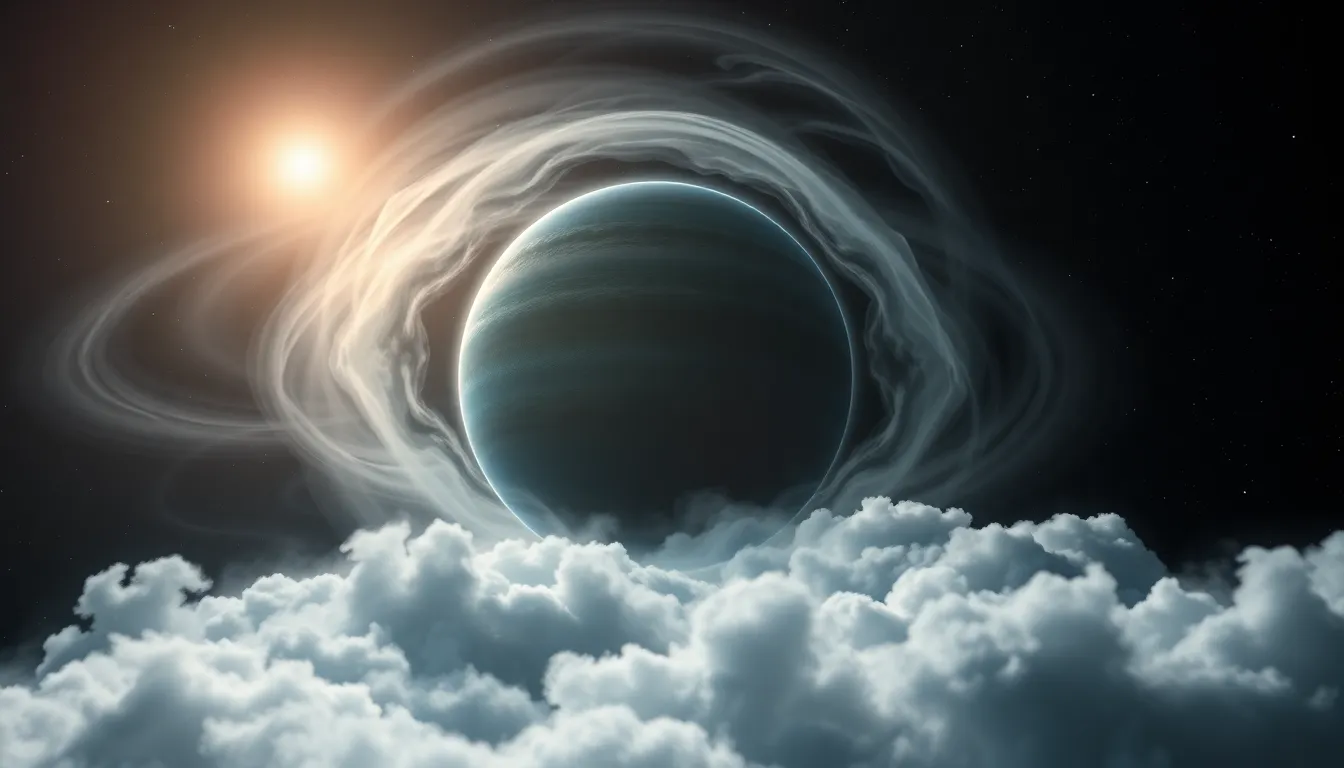
Hasselblad X2D 100C, 90mm f/2.5 medium format, depicting a distant ice giant planet surrounded by swirling clouds of methane and ammonia. The scene is softly backlit by its sun, casting an ethereal glow on the planet’s surface. A hyperfocal distance at f/8 keeps the entire planet in focus, while the color palette highlights cool blues and greens against a dark starry background. The composition uses leading lines from the cloud formations to guide the viewer's eye toward the planet, emphasizing its grandeur among the cosmos.
16:9
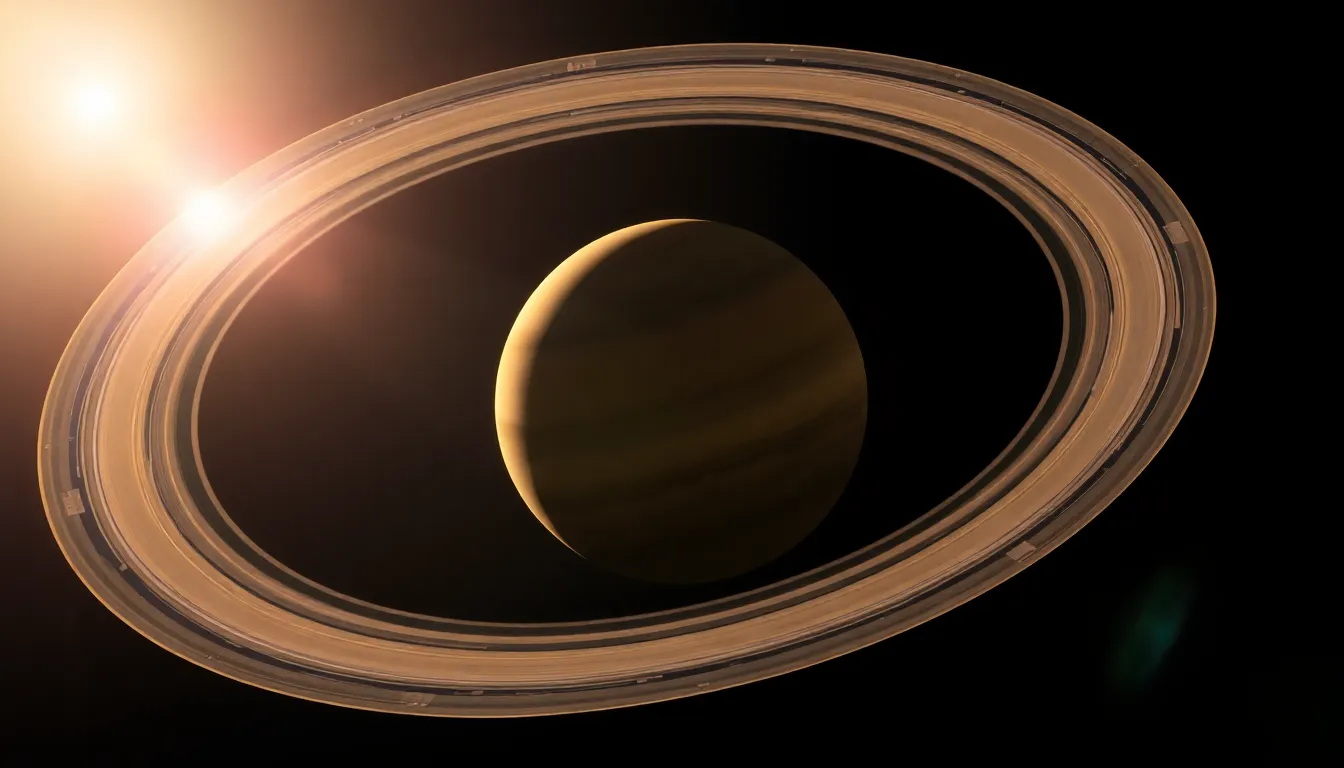
Nikon Z9, 70-200mm f/2.8 telephoto at 135mm, capturing a view of Saturn's rings in breathtaking detail. The scene is illuminated by a backlit sun, creating a stunning halo effect around the rings. A shallow depth of field at f/2.8 provides creamy bokeh in the background, emphasizing the planet's brilliance. The color science mimics the rich, saturated hues of the planet's features alongside the soft pastel colors of the rings. The composition is centered as Saturn looms large, with the rings elegantly framing the planet, creating a dynamic and captivating image.
16:9
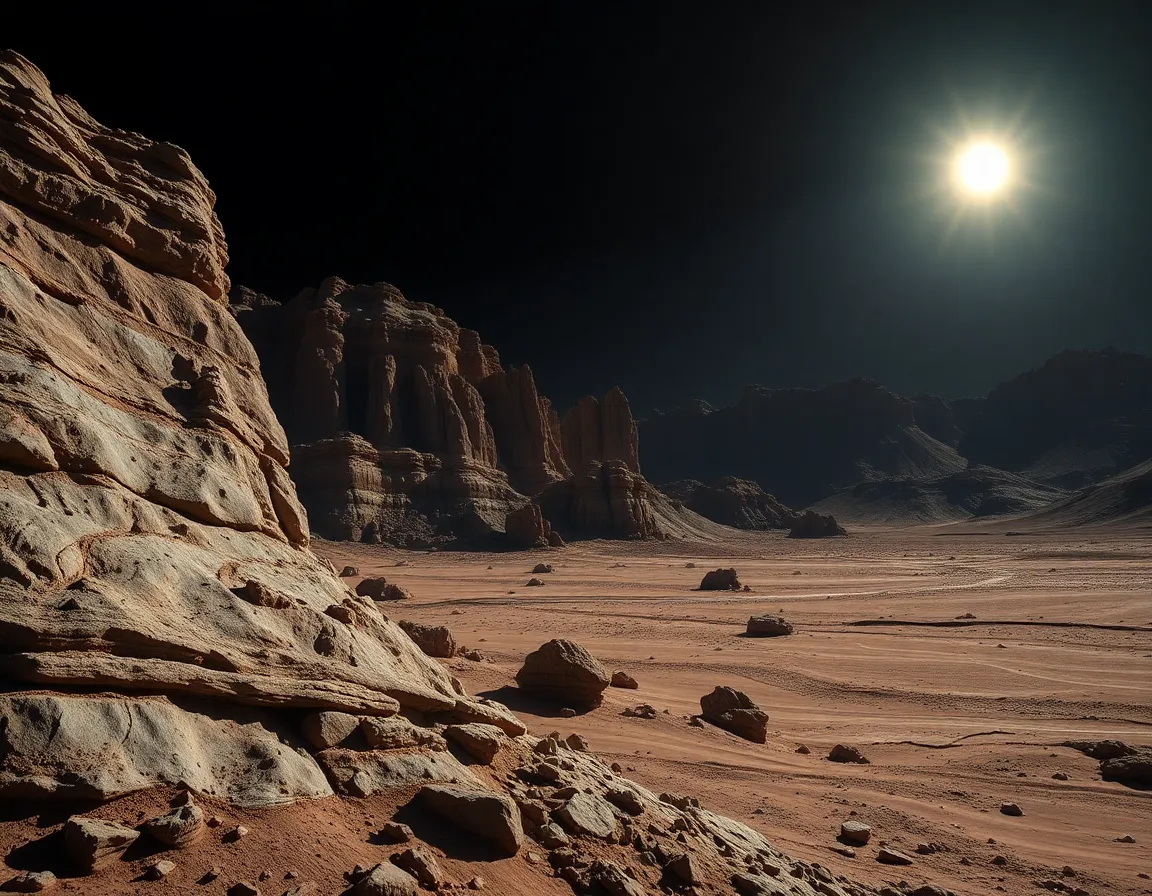
shot on Sony A7R V with 85mm f/1.4 GM lens, portraying a close-up of a rocky exoplanet covered in intricate geological formations. The lighting is harsh, mimicking the intense rays of a nearby star with stark shadows and bright highlights. A hyperfocal distance at f/8 keeps all textures sharp, revealing the planet's surface details. The color palette includes muted earthy tones, reflecting a desolate yet intriguing atmosphere. The composition follows the rule of thirds, with a prominent rock formation on the left and expansive barren landscape stretching toward the horizon.
4:3
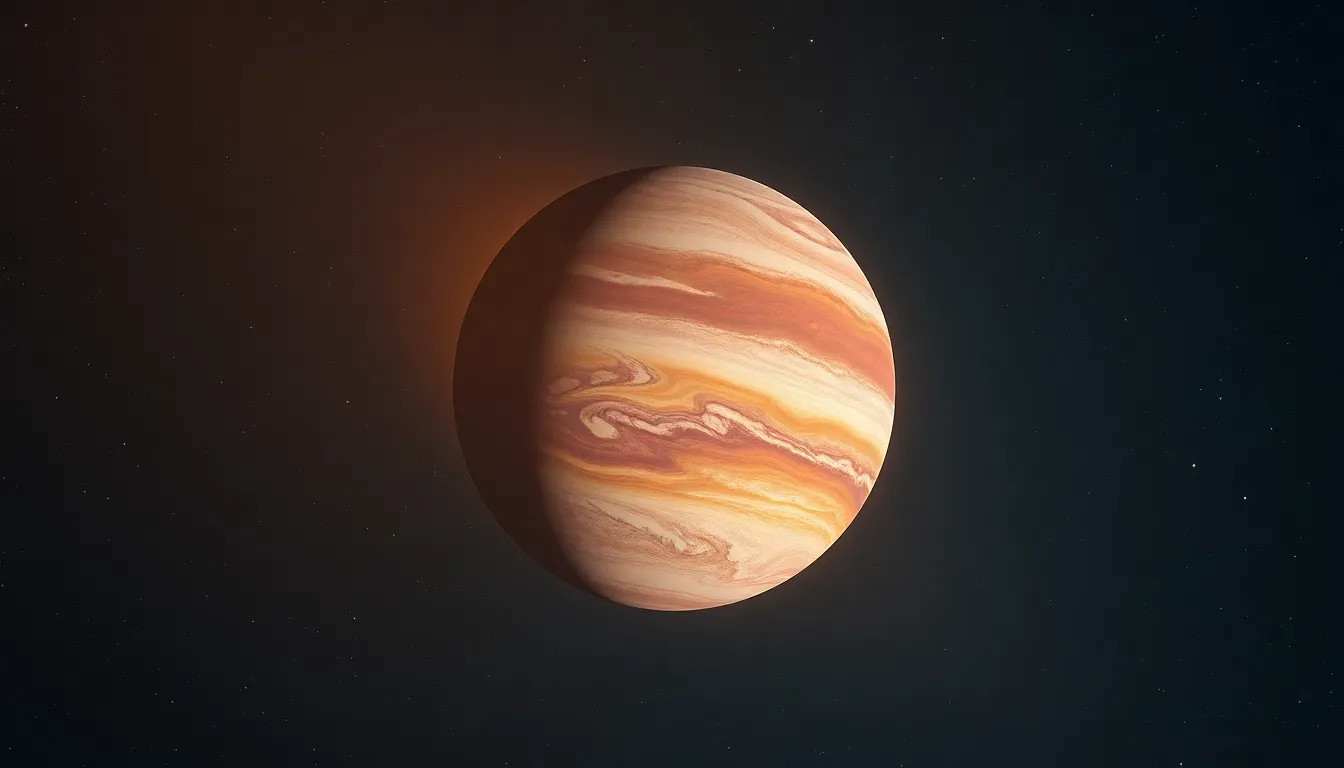
captured with Canon EOS R5, 24-70mm f/2.8L at 35mm, showcasing a distant gas giant planet with vibrant swirling clouds. The scene is illuminated by soft, diffused light from a nearby sun, creating a gentle glow on the planet's surface. A shallow depth of field at f/2.8 blurs the stars in the background, enhancing the planet's grandeur. The color palette features rich blues and fiery oranges, reminiscent of a cinematic look. The composition centers the planet in the frame, with leading lines of starlight guiding the viewer's gaze towards it and a speckled velvet sky adding texture around the edges.
16:9
captured with Hasselblad X2D 100C, 90mm f/2.5 medium format, showing Earth from space with swirling clouds and deep blue oceans during the golden hour. The lighting is natural and warm, casting a soft glow on Earth’s surface. Hyperfocal distance at f/8 sharpens the entire scene, highlighting the intricate details of cloud patterns and ocean reflections. The color palette features vibrant blues and whites against a soft golden hue, creating a harmonious balance. The composition centers on the Earth, framed by a star-speckled backdrop, evoking a sense of unity and peace in the vast universe.
16:9
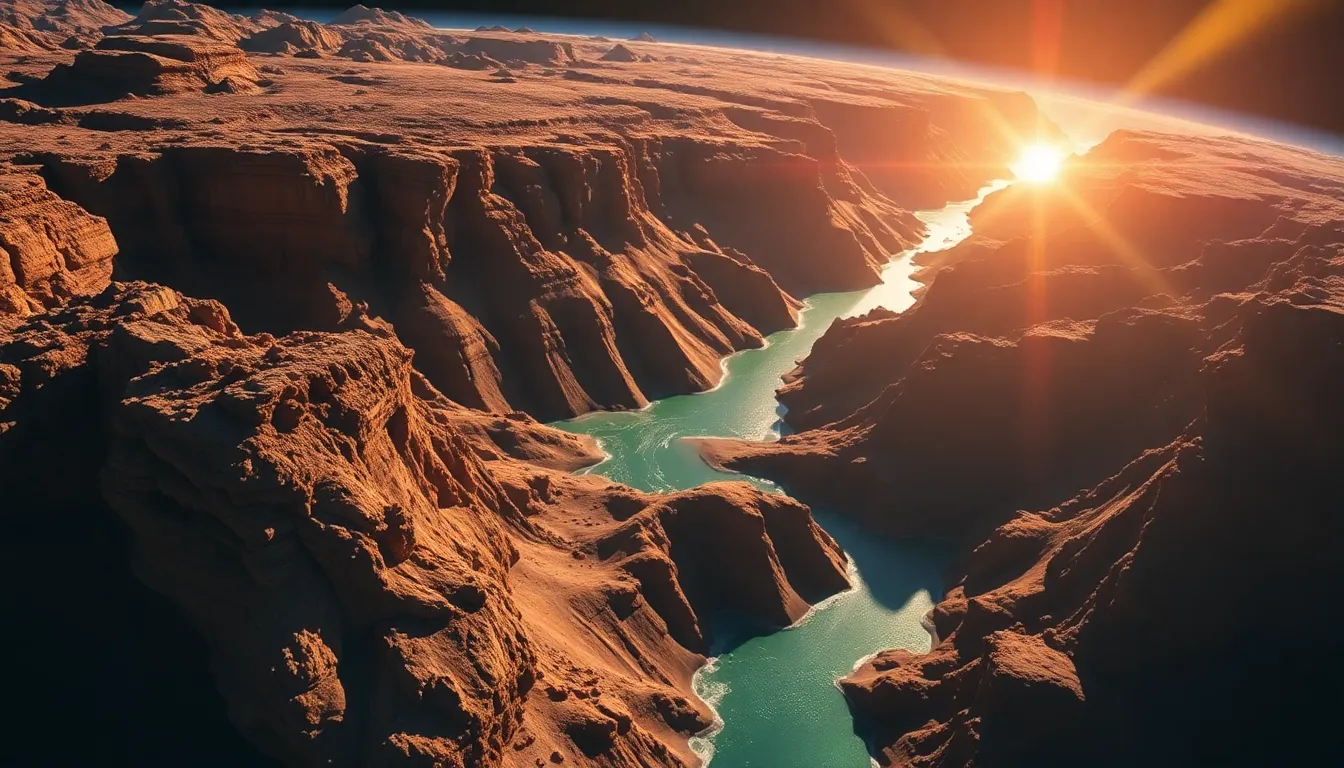
shot on Fujifilm GFX 100S, 110mm f/2 macro, capturing a close-up of the surface of a distant exoplanet, showcasing its unique terrain with deep canyons and glimmering lakes under strong sunlight. The lighting is high-key and vibrant, revealing texture details such as rocky surfaces and reflective water surfaces. A shallow depth of field at f/2 creates a dreamy effect while keeping the focus on the intricate textures of the planet's surface. The rich color palette features earthy browns, greens, and blues, indicating a potentially habitable environment. The composition highlights the rugged terrain, centered in the frame to emphasize its unique features.
16:9
captured with Canon EOS R5, 24-70mm f/2.8L at 35mm, illustrating Mars at dusk with a soft pink and purple sky. The lighting is natural, diffused through space dust, creating a dreamy atmosphere around the red planet. Hyperfocal distance is achieved at f/7.1 to ensure sharpness from foreground to infinity, allowing the rugged Martian surface to be detailed and crisp. The color palette is dominated by reds, pinks, and purples, evoking a sense of otherworldly beauty. The composition utilizes leading lines, directing the eye towards Mars, framed by a scattering of stars.
16:9
shot on Sony A7R V with 85mm f/1.4 GM lens, depicting the majestic rings of Saturn illuminated by the sun at dawn. The scene is captured under conditions of soft, golden hour lighting, enhancing the ethereal glow of the rings. A selective focus on the rings keeps the planet slightly blurred, while the background space remains dark and filled with stars. The color palette features soft yellows, creams, and deep blacks, evoking a sense of tranquility. The composition centers on Saturn, with its rings elegantly leading the viewer's eye outward into the cosmos.
16:9
captured with Nikon Z9, 70-200mm f/2.8 telephoto at 135mm, showcasing Jupiter's swirling atmosphere against a backdrop of deep space. The scene is illuminated by the soft glows of distant stars, highlighting the planet's vibrant orange and brown bands. A shallow depth of field at f/2.8 creates a dreamy bokeh effect with the stars sparkling softly in the background. The color palette features rich oranges and browns, combined with deep blacks of space, creating a striking contrast. The composition uses the rule of thirds, placing Jupiter off-center and surrounded by a star-speckled expanse, showcasing its grandeur.
16:9
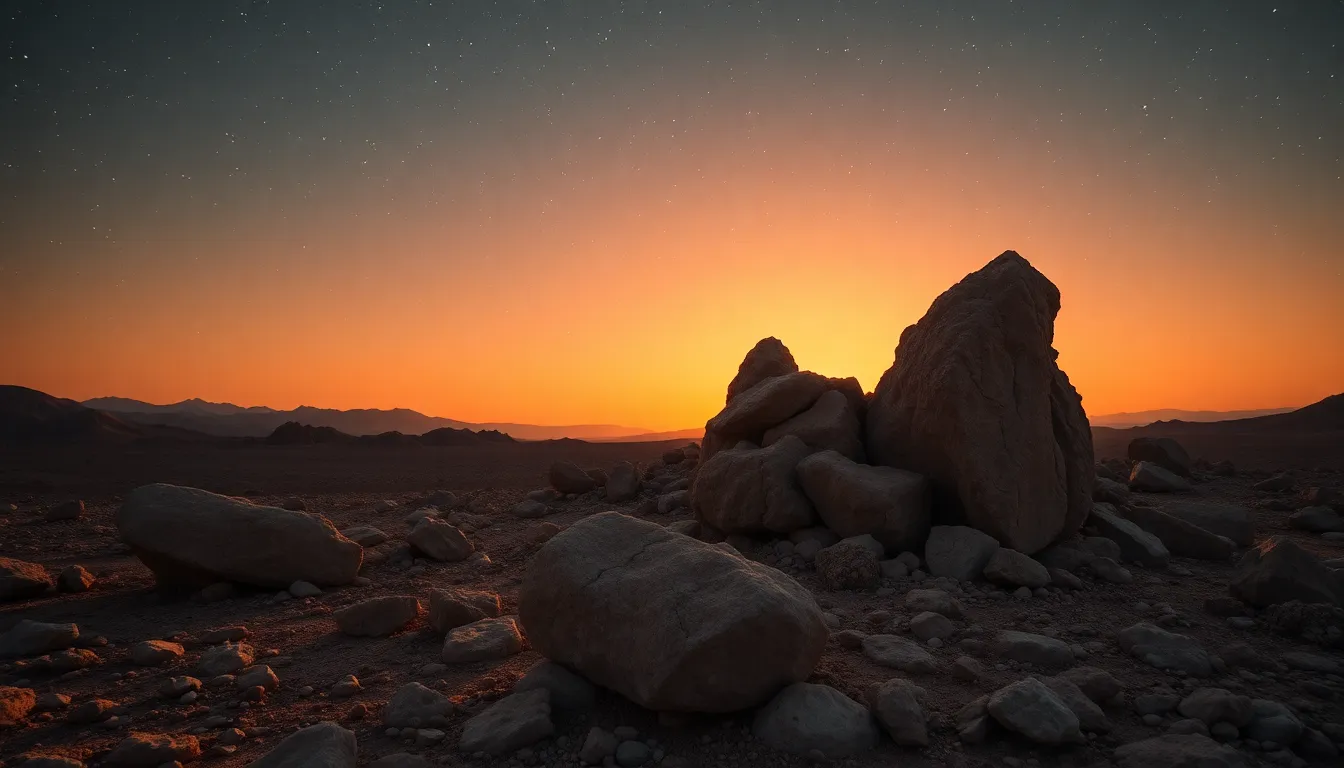
A barren exoplanet under a starry sky, shot on Sony A7R V with 85mm f/1.4 GM lens. The fading light of sunset casts a warm glow over the rugged terrain, emphasizing every detail in the rocky landscape. The depth of field is shallow, focusing sharply on the foreground rocks while the starry sky softly blurs. The color palette reflects natural muted tones, with desaturated earth colors contrasting against the deep indigo of the stars. The composition utilizes the rule of thirds, placing a prominent rock formation in the foreground, leading toward the horizon.
16:9
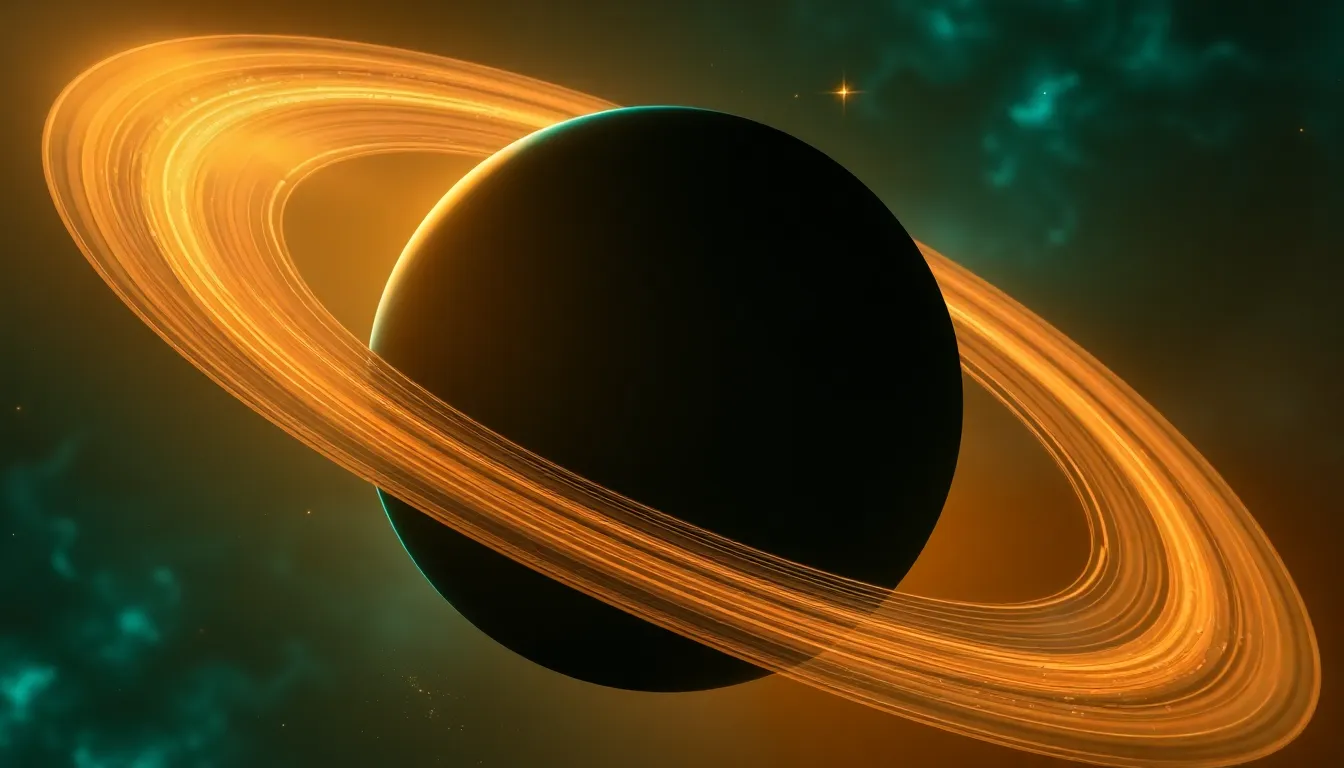
A ringed planet in a cosmic setting, captured with Hasselblad X2D 100C, 90mm f/2.5 medium format. The scene is lit by a distant star, creating high contrast shadows that accentuate the rings' texture. Using selective focus, the rings glisten while the planet itself blurs gently into the background. The color science evokes a cinematic teal and orange grading, enhancing the dramatic effect. The composition employs leading lines formed by the rings themselves, guiding the viewer's attention around the planet.
16:9
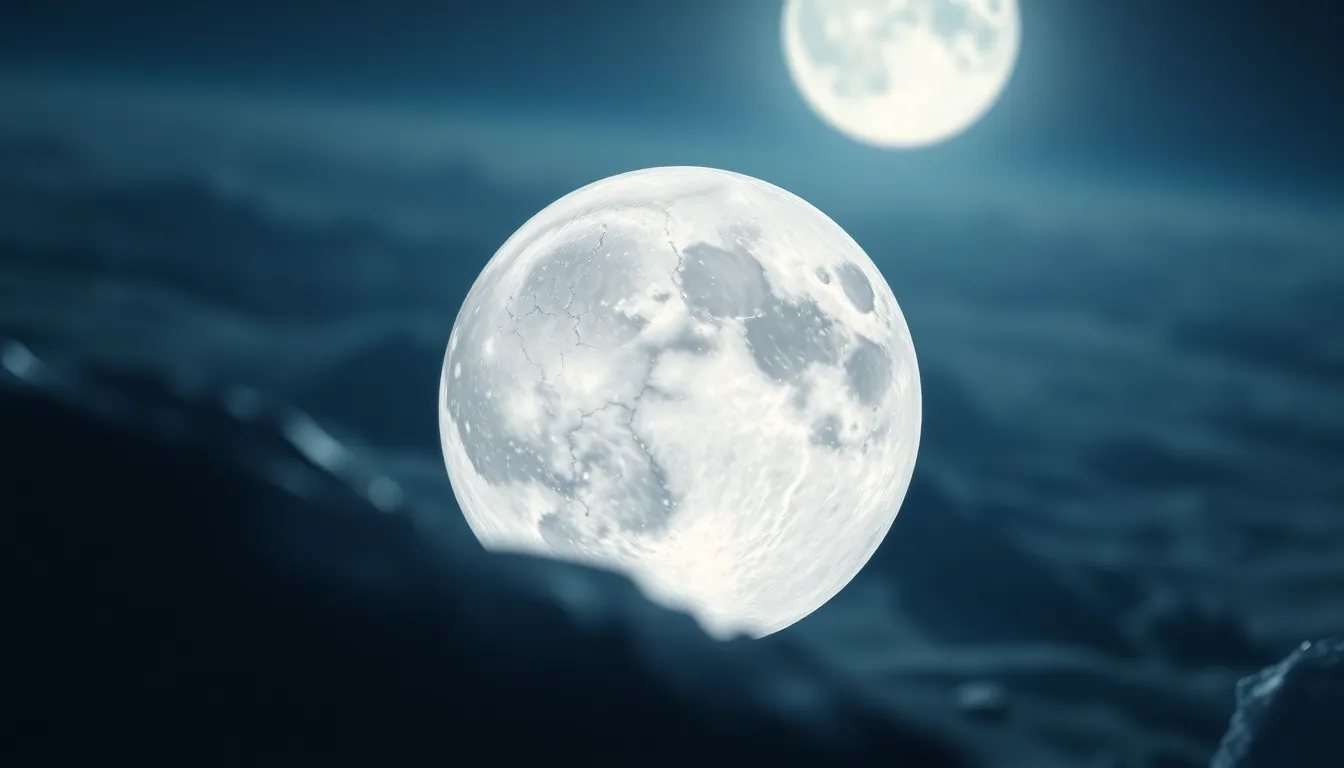
An icy moon orbiting a distant planet, shot on Fujifilm GFX 100S, 110mm f/2 macro. The scene is bathed in ethereal moonlight, highlighting the icy surface and detailed textures that resemble cracked ice. The depth of field is hyperfocused, capturing sharp details in the foreground while the background remains gently blurred. The color palette features natural muted tones with desaturated blues and whites, resembling a cold, desolate landscape. The composition includes a centered symmetrical framing, emphasizing the moon's textures and the vastness of space around it.
16:9
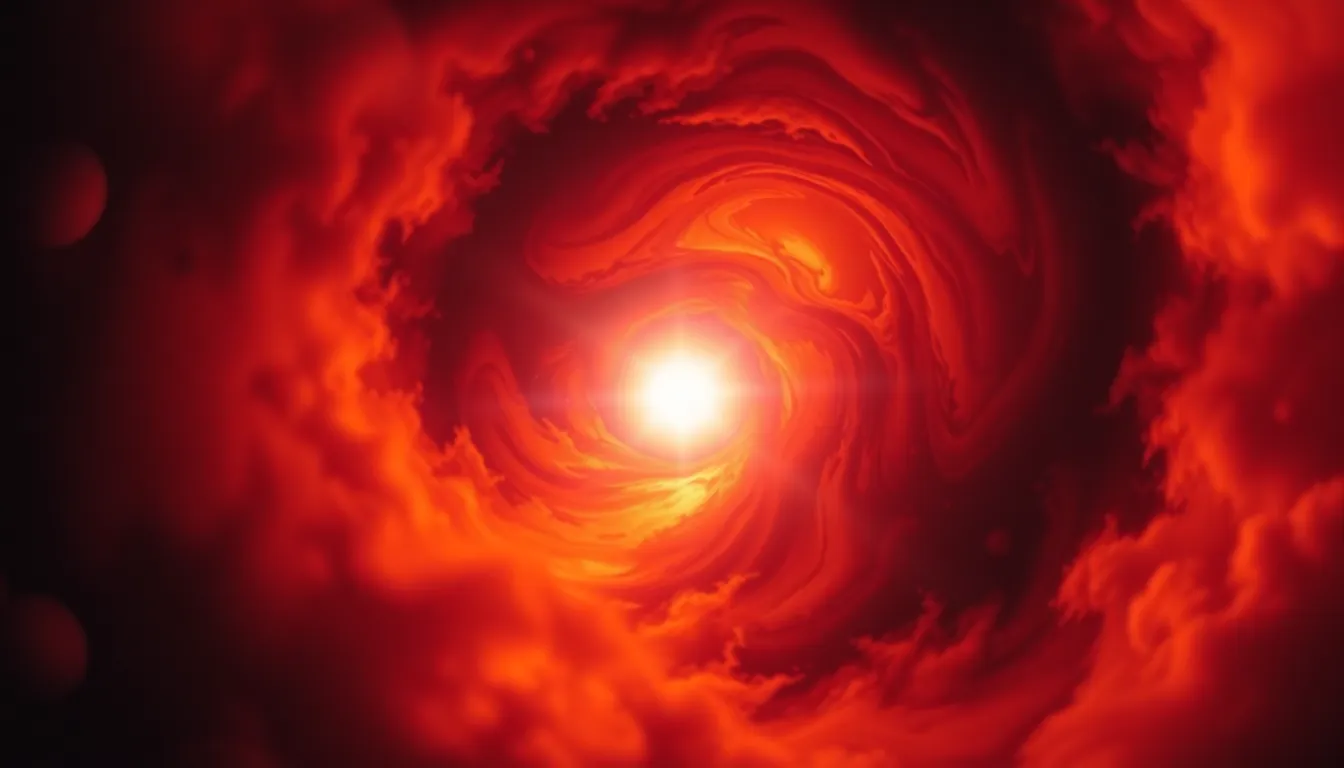
A vibrant gas giant with swirling clouds, captured with Canon EOS R5, 24-70mm f/2.8L at 35mm. The dramatic lighting showcases the planet's atmospheric features, with dynamic shadows and highlights enhancing its depth. Using shallow depth of field, the foreground details blend into soft bokeh, keeping the focus on the planet. The color palette is inspired by Fujifilm Velvia, showcasing vivid, saturated colors with intense oranges and deep reds. The composition features leading lines of light radiating from the planet's center, drawing the viewer's gaze inward.
16:9
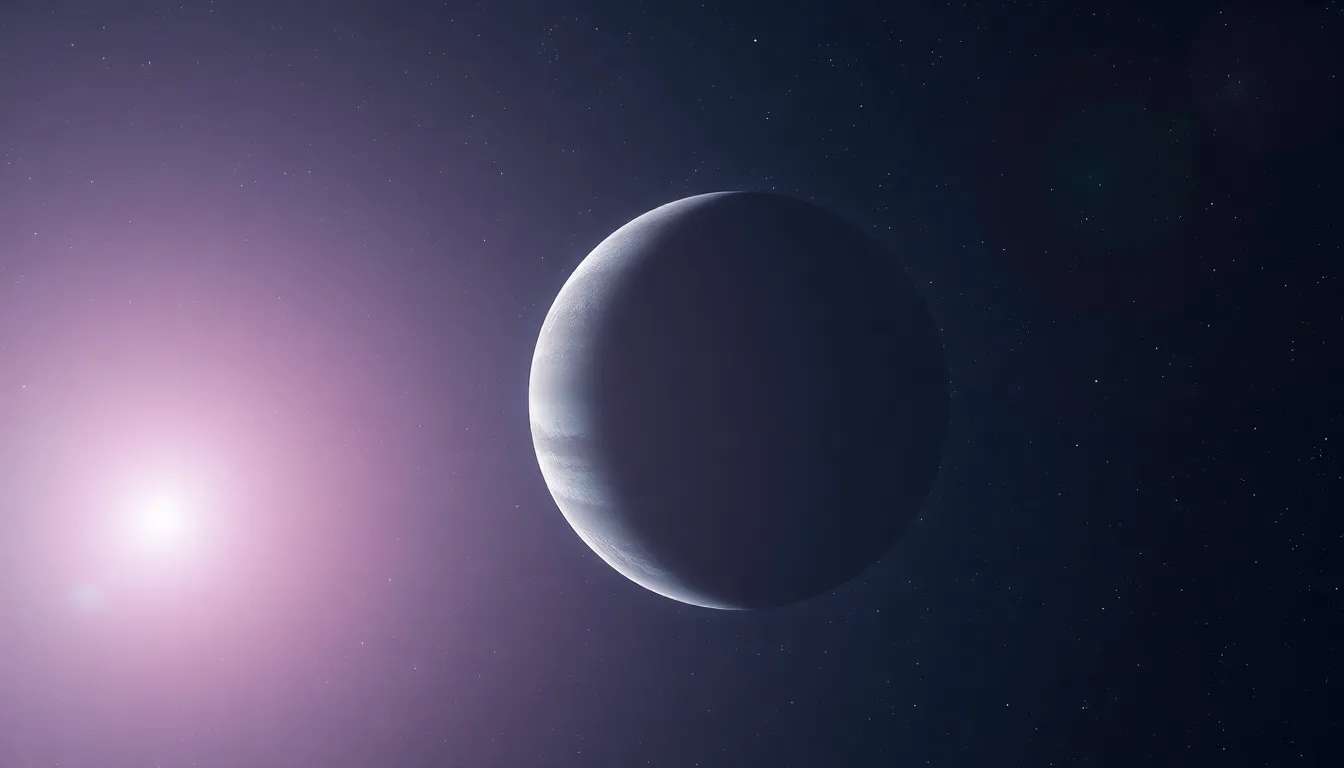
A breathtaking view of a distant planet set against the vastness of space, shot on Nikon Z9, 70-200mm f/2.8 telephoto at 135mm. The scene is illuminated by the soft glow of a nearby star, casting a subtle light on the planet's textured surface. The depth of field is shallow, highlighting the planet while the stars fade softly into the background. The color palette reflects deep blues and rich purples with shimmering starlight. The composition follows the rule of thirds, placing the planet off-center, surrounded by cosmic dust and bright stars.
16:9
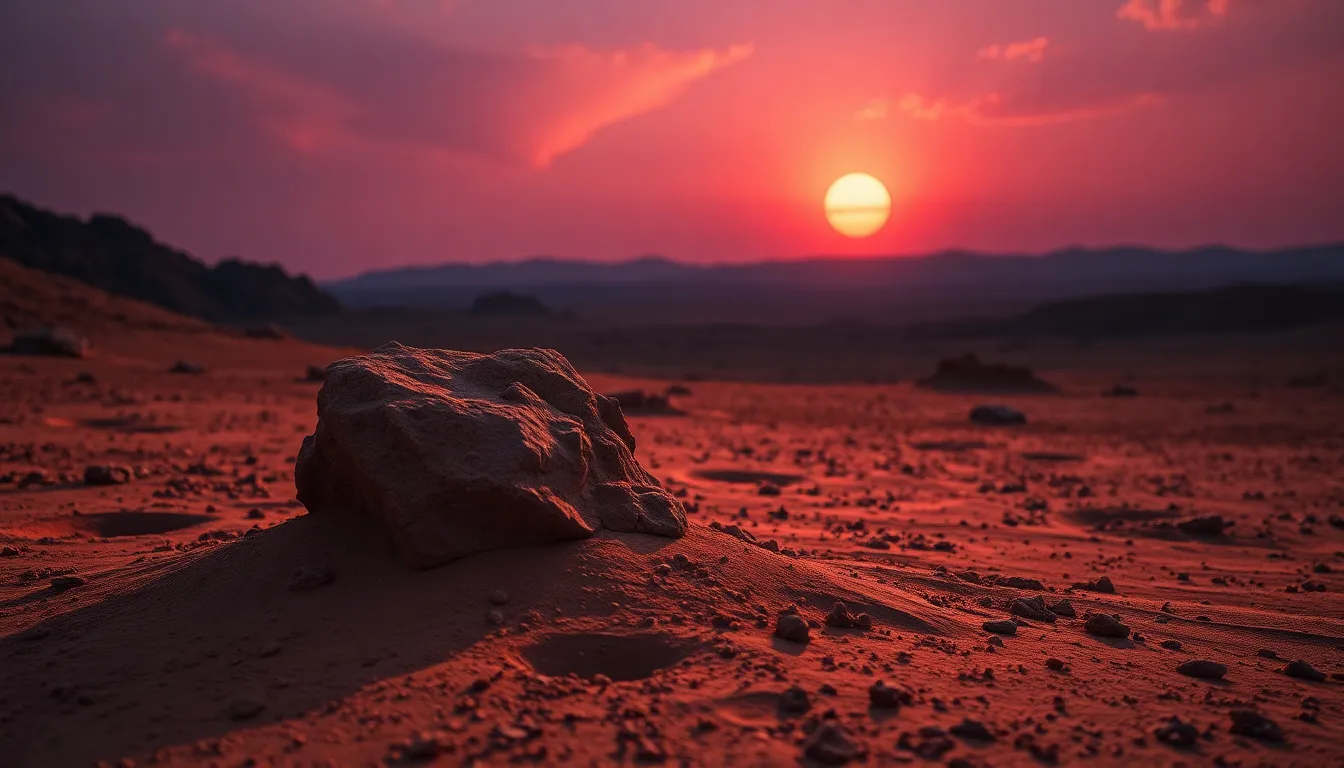
An artistic representation of Mars' surface captured with a Leica Q3, 28mm f/1.7 Summilux lens. The dusty red terrain features craters and rocky formations under a dramatic sky filled with violet and orange hues from a setting sun. The lighting creates dynamic contrasts between shadows and highlights, capturing the texture of the Martian soil. The shallow depth of field at f/1.7 draws attention to a foreground rock formation while the background melts into a dreamy bokeh. The color palette is inspired by natural muted tones, evoking a sense of isolation and exploration.
16:9
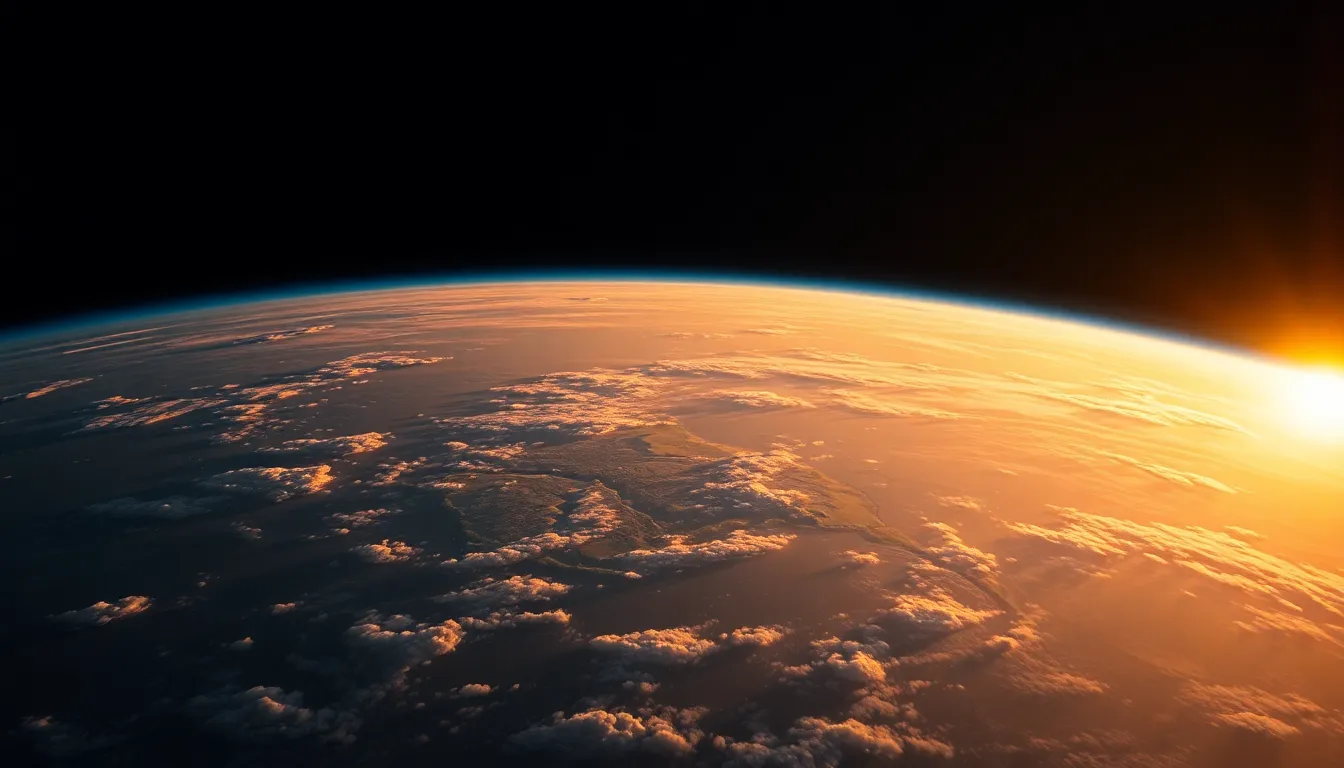
A serene view of Earth from space during sunset, captured on a Hasselblad X2D 100C, 90mm f/2.5 medium format. The planet appears vibrant with lush greens, deep blues, and wisps of white clouds illuminated by the golden light of the setting sun. The composition follows the rule of thirds, with Earth offset against the dark expanse of space. Using a hyperfocal distance technique at f/8 keeps all elements in sharp focus, while the smooth texture of the atmosphere contrasts with the rugged surface details of the continents. The cinematic color grading enhances the warm tones of golden light and the cool shadows of space.
16:9
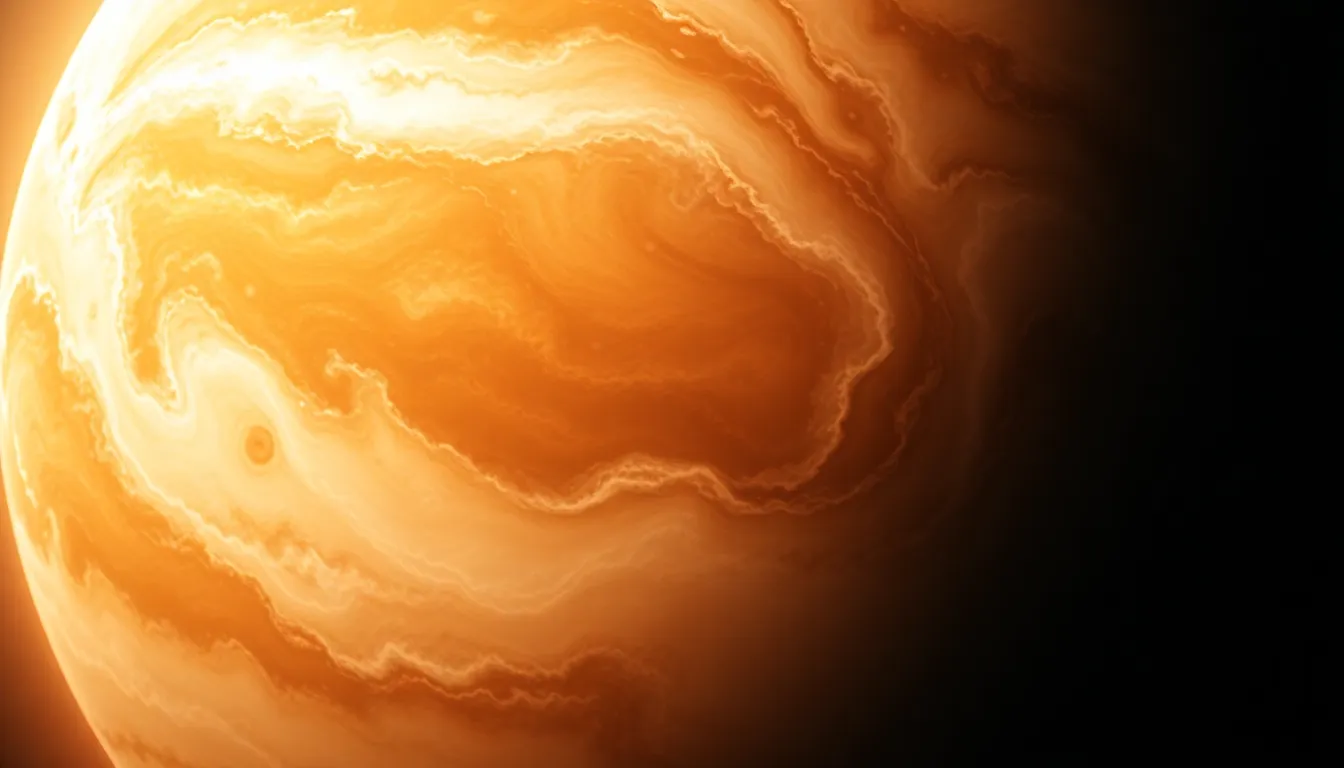
A dramatic portrayal of Jupiter's swirling storms, captured using a Fujifilm GFX 100S, 110mm f/2 macro lens. The image showcases the planet's Great Red Spot and turbulent cloud formations under bright natural sunlight, giving a realistic feel to its expansive atmosphere. A shallow depth of field at f/2 highlights the fierce storms while the background blends into soft hues of brown and orange. The film look follows the Kodak Portra 400 color palette, emphasizing warm tones and textures of gas layers, creating depth and drama in the composition.
16:9
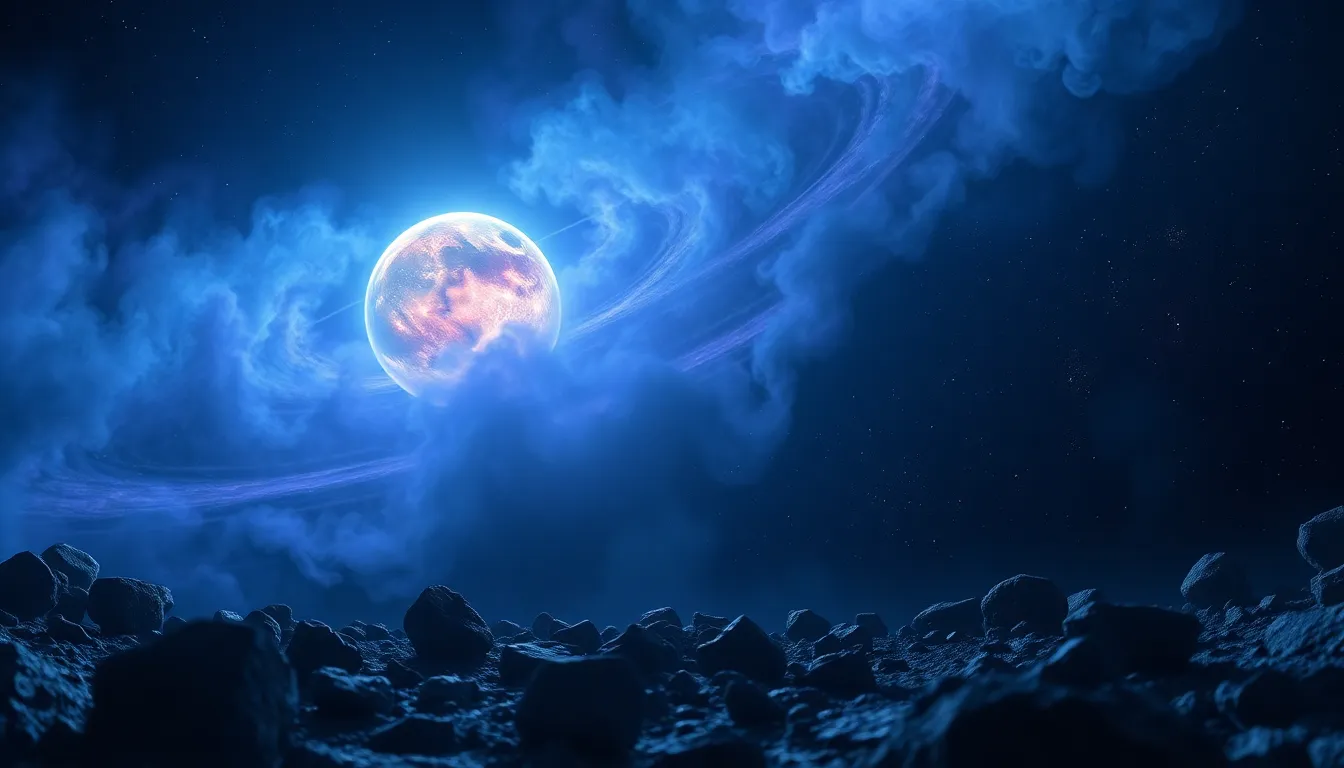
An imaginative depiction of a distant exoplanet captured with a Canon EOS R5, 24-70mm f/2.8L at 35mm. The planet, glowing in ethereal blues and vibrant purples, is surrounded by a swirling nebula of gas and dust. The lighting emphasizes the luminous atmosphere of the planet, enhanced by reflectors simulating interstellar light. The hyperfocal distance at f/8 ensures sharpness from the foreground of asteroids to the distant galaxy. A natural muted tone color palette gives it a dreamy, otherworldly feel, with textural details of rocky surfaces and gaseous formations adding depth to the composition.
16:9
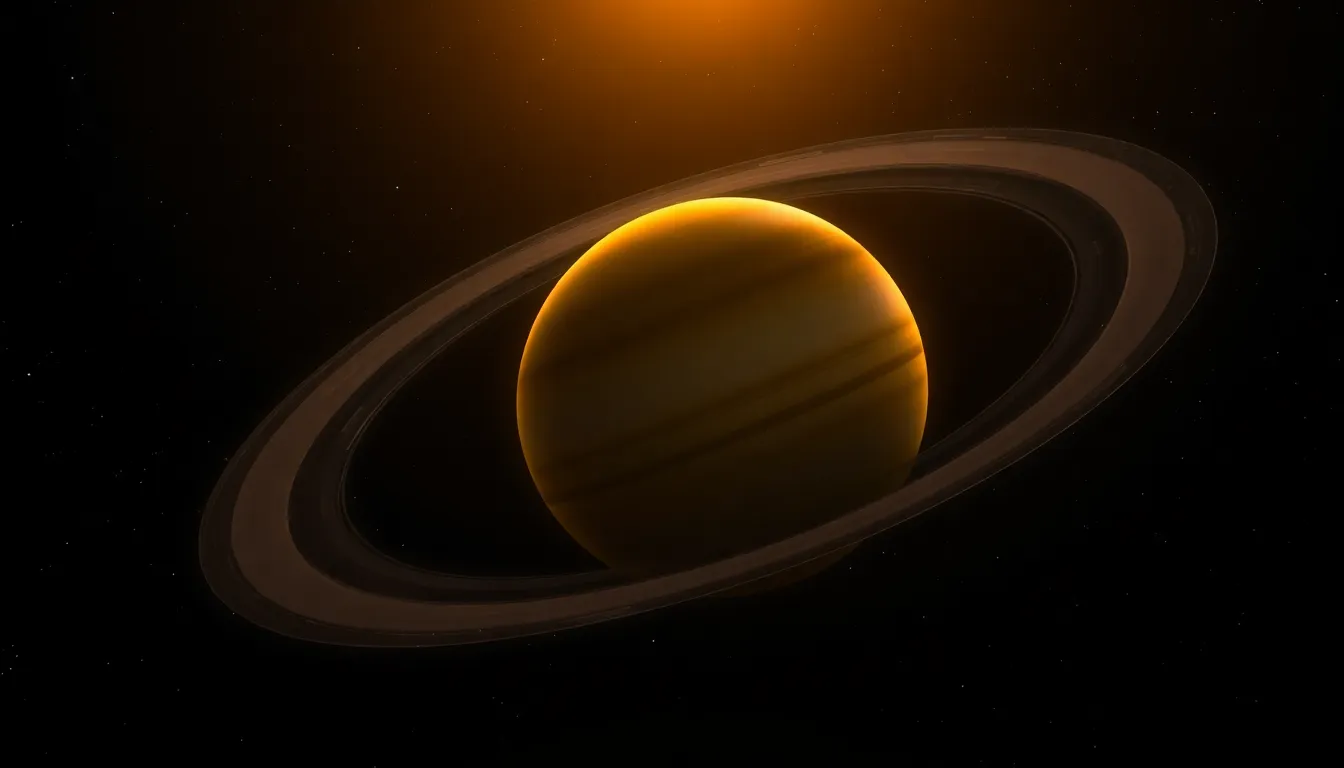
A stunning view of Saturn captured with a Nikon Z9, 70-200mm f/2.8 telephoto at 135mm. The planet's rings are illuminated by soft, diffused sunlight creating a gradient of colors from golden to silver. The composition features Saturn off-center, with starry space filling the background in deep velvety black. A shallow depth of field at f/2.8 gives a creamy bokeh effect, highlighting the planet while the distant stars melt softly into the backdrop. The image utilizes a cinematic teal and orange color grading to enhance the contrast and depth, evoking a sense of wonder and exploration.
16:9
captured with Hasselblad X2D 100C, 90mm f/2.5 medium format, revealing a breathtaking view of Jupiter with swirling storms and vibrant bands of color. The lighting is natural, illuminated by the gentle glow of sunlight filtering through the gas giant's atmosphere, creating soft highlights and shadows. Employing hyperfocal distance at f/8, the image ensures sharp focus across the entire scene. The color palette features striking oranges, whites, and deep browns, evoking the dynamic patterns of Jupiter. The composition is centered, allowing the viewer to absorb the majestic beauty of the planet in its entirety.
16:9
shot on Fujifilm GFX 100S, 110mm f/2 macro, capturing a detailed texture of Mars' surface with its red rocky terrain and intricate craters. The lighting features dramatic shadows cast by low sunlight, enhancing the rugged surface details. Utilizing a shallow depth of field at f/2, the foreground rocks are sharply in focus while the background blurs into a soft bokeh. The color palette consists of warm reds, deep oranges, and hints of dusty browns, evoking the harsh yet beautiful Martian landscape. The composition focuses on one prominent rock formation, using rule of thirds to create visual tension.
16:9
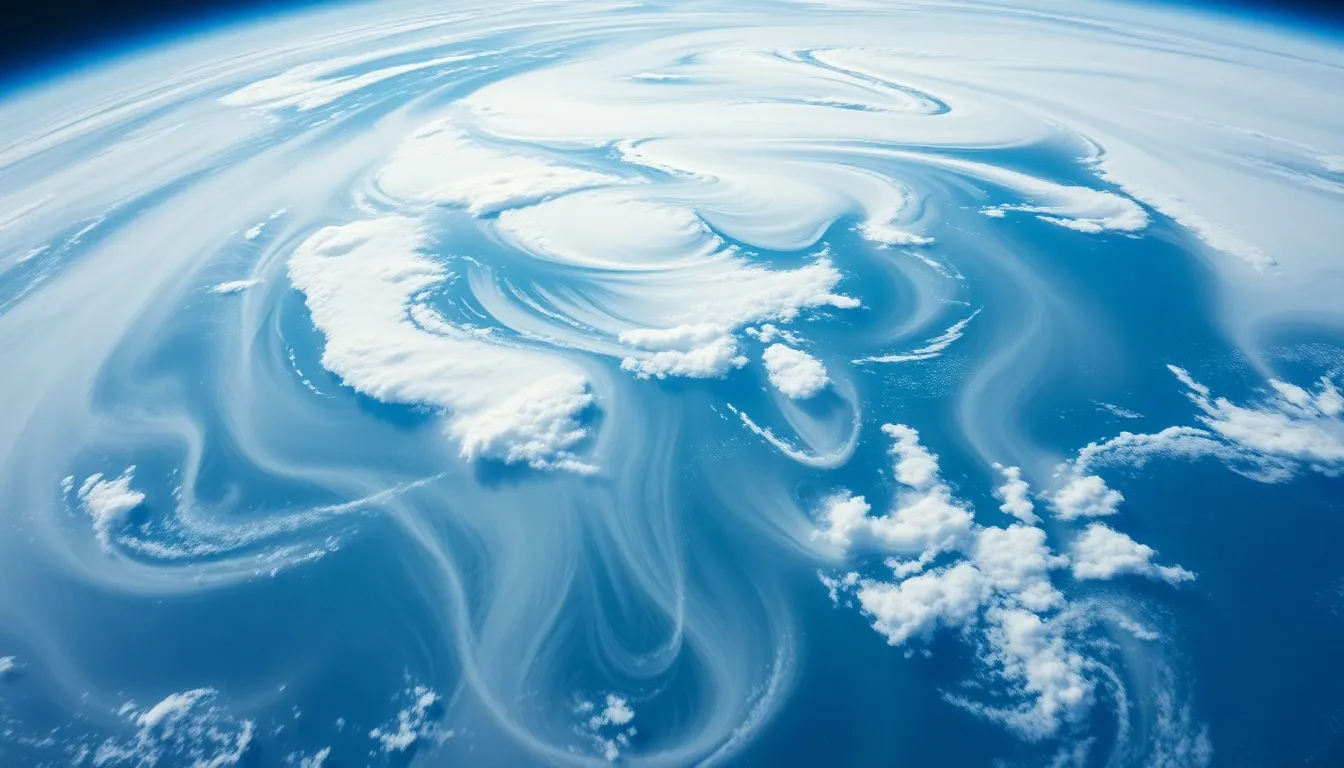
captured with Canon EOS R5, 24-70mm f/2.8L at 35mm, portraying a stunning visualization of Earth from space, showcasing swirling clouds and vibrant blue oceans. The image features overcast diffused daylight, softening the overall color tones and creating a serene atmosphere. Utilizing hyperfocal distance at f/8, the entire scene remains tack-sharp from the edge of the atmosphere to the surface. The color palette consists of rich blues, soft whites, and subtle greens, highlighting Earth's natural beauty. The composition employs leading lines, directing the viewer's gaze towards the curvature of the planet.
16:9
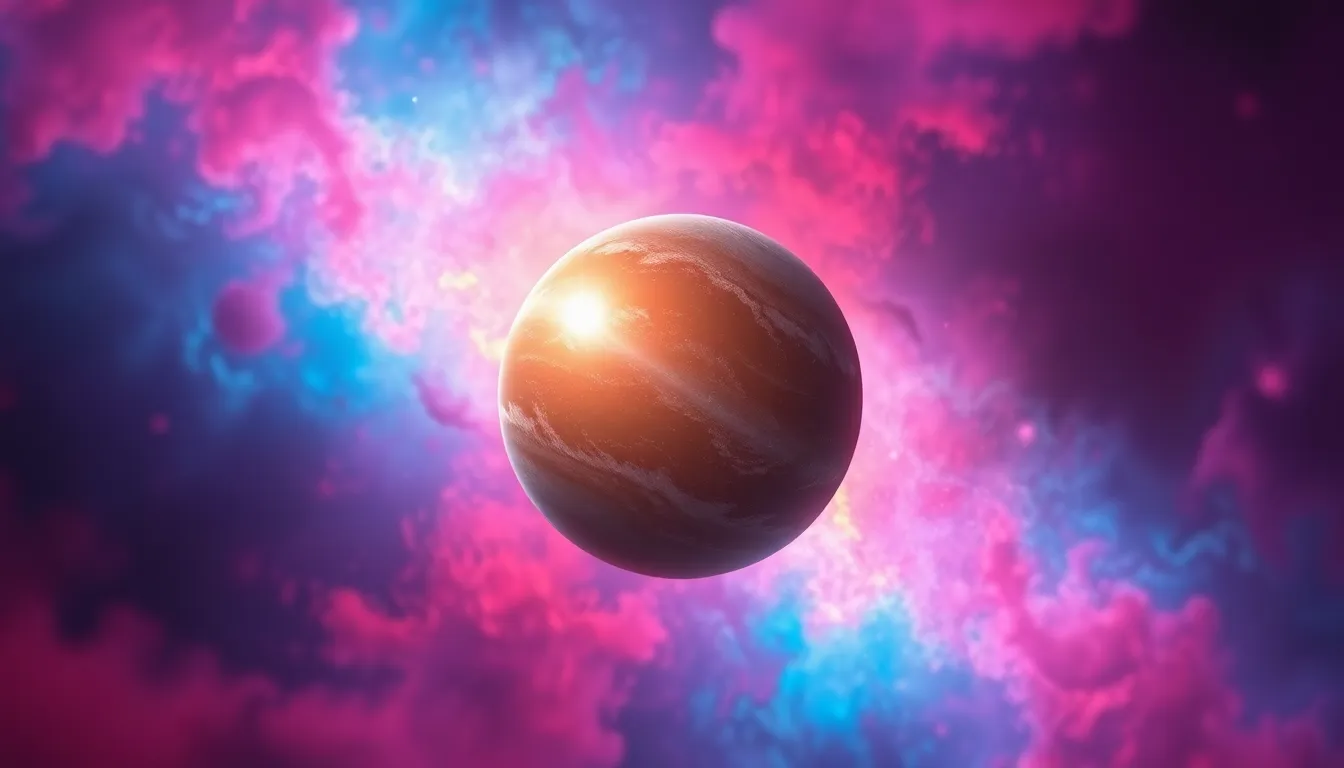
shot on Sony A7R V with 85mm f/1.4 GM lens, focusing on a vibrant close-up of a distant exoplanet surrounded by colorful nebulae. The lighting captures radiant highlights from the planet's atmosphere, creating a glow as if the surface is alive. Utilizing a shallow depth of field, the exoplanet is sharply in focus while the nebula swirls into a soft, dreamy bokeh. The color science reflects a surreal palette featuring bright cyan, magenta, and violet, immersing the viewer in a fantastical universe. The composition highlights the planet positioned off-center within the frame, drawing the eye through the colorful clouds of gas.
16:9
captured with Nikon Z9, 70-200mm f/2.8 telephoto at 135mm, showcasing a distant view of Saturn with its rings illuminated by sunlight. The scene employs dramatic backlighting, creating a halo effect around the planet's rings, while stars twinkle in the dark expanse of space. A shallow depth of field at f/2.8 highlights Saturn, with a creamy bokeh of stars, showcasing details of the planet's texture and light patterns. The color palette features deep blacks, rich golds, and soft whites, evoking a sense of wonder and grandeur. The composition centers Saturn in the frame, using negative space to convey the vastness of space.
16:9