Physics
85 images
Fujifilm GFX 100S, 110mm f/2 macro, focusing on a detailed close-up of a physics textbook laying open on a rustic wooden desk, with scattered notes and a vintage magnifying glass. The soft natural light filtering through a window creates gentle highlights across the pages, enhancing the texture of the paper. The use of shallow depth of field at f/2 allows for exquisite detail on the text and diagrams while the background dissolves softly. This composition uses the rule of thirds, placing the textbook slightly off-center for visual interest. The color palette features natural muted tones with subtle earth colors.
1:1
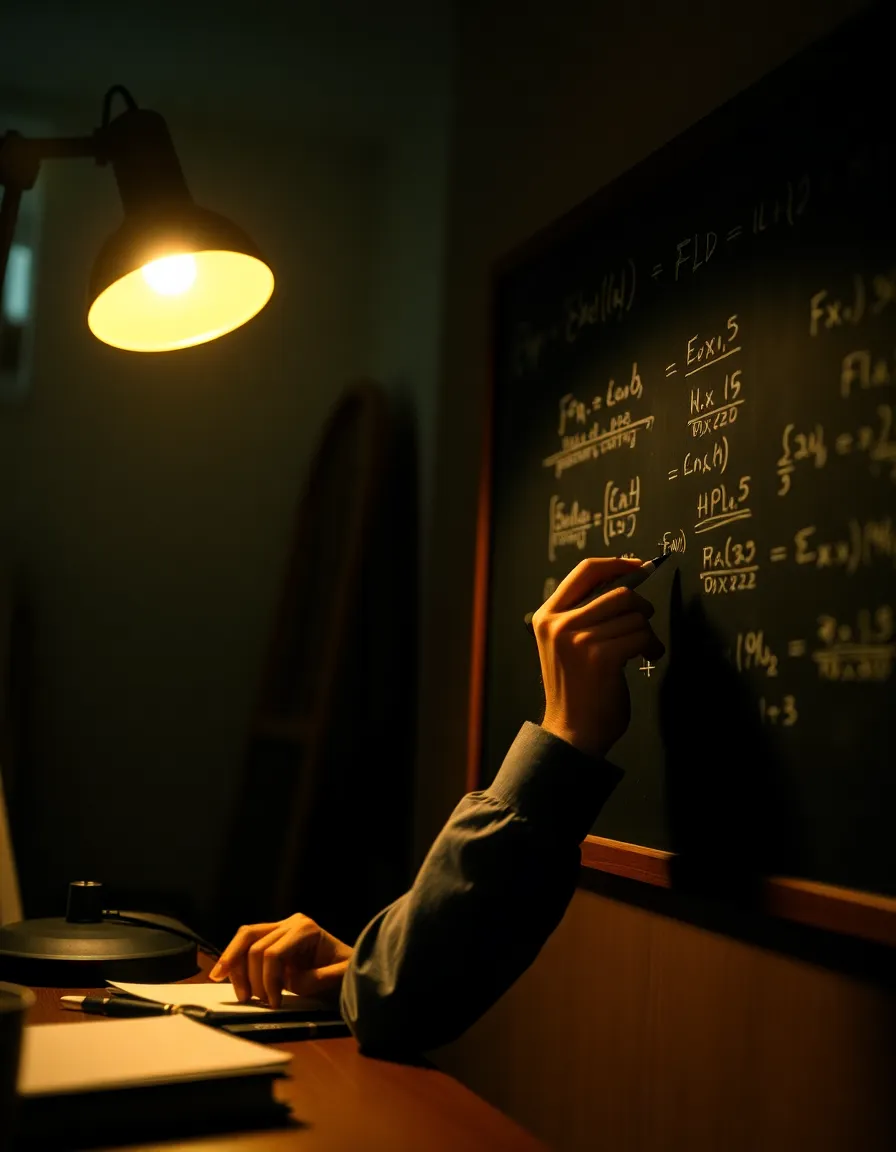
Hasselblad X2D 100C, 90mm f/2.5 medium format lens, capturing a close-up of a physicist writing complex equations on a chalkboard in their office. The warm glow from a practical desk lamp creates a focused area of light, contrasting with the darker, shadowy corners of the room. The image uses shallow depth of field at f/2.5 to highlight the chalkboard while the background melts into soft bokeh. A Kodak Portra 400 color palette emphasizes warm skin tones and creamy highlights, enhancing the personal feel. The composition follows a centered symmetrical layout, drawing attention to the physicist’s concentration and expertise.
3:4
Nikon Z9, 70-200mm f/2.8 telephoto at 135mm, capturing an expansive view of a physics experiment outdoors, featuring a solar system model. The scene is bathed in golden hour backlighting, creating warm rim light around the planets and a soft fill from the ambient sunlight. A hyperfocal distance at f/8 ensures everything from the foreground details of the planet models to the distant horizon remains sharp. The image is enriched with a Fujifilm Velvia-inspired saturated color palette, enhancing the vibrant hues of the models against the clear blue sky. The composition features leading lines provided by a pathway drawing the viewer's eye towards the solar system display.
16:9
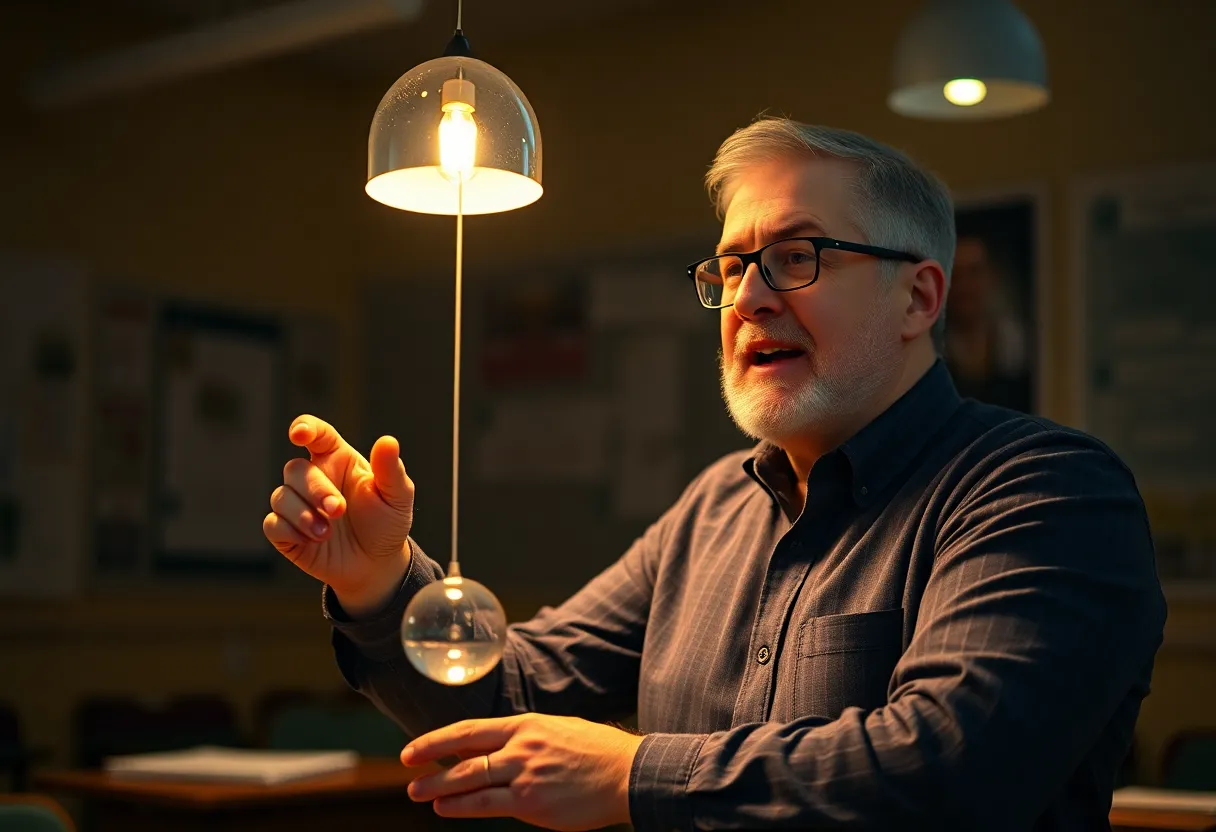
shot on Sony A7R V with 85mm f/1.4 GM lens that captures a dramatic moment of a physics teacher demonstrating an experiment with a pendulum. The classroom's warm tungsten desk lamp casts a spotlight on the teacher, creating a warm, inviting atmosphere while the rest of the room fades into slight darkness. Utilizing a selective focus on the teacher’s expressive face and the pendulum, the background dissolves into soft bokeh. The color palette features warm tones with rich highlights emphasizing the excitement of the lesson. The composition follows the rule of thirds, positioning the teacher at the right power point.
3:2
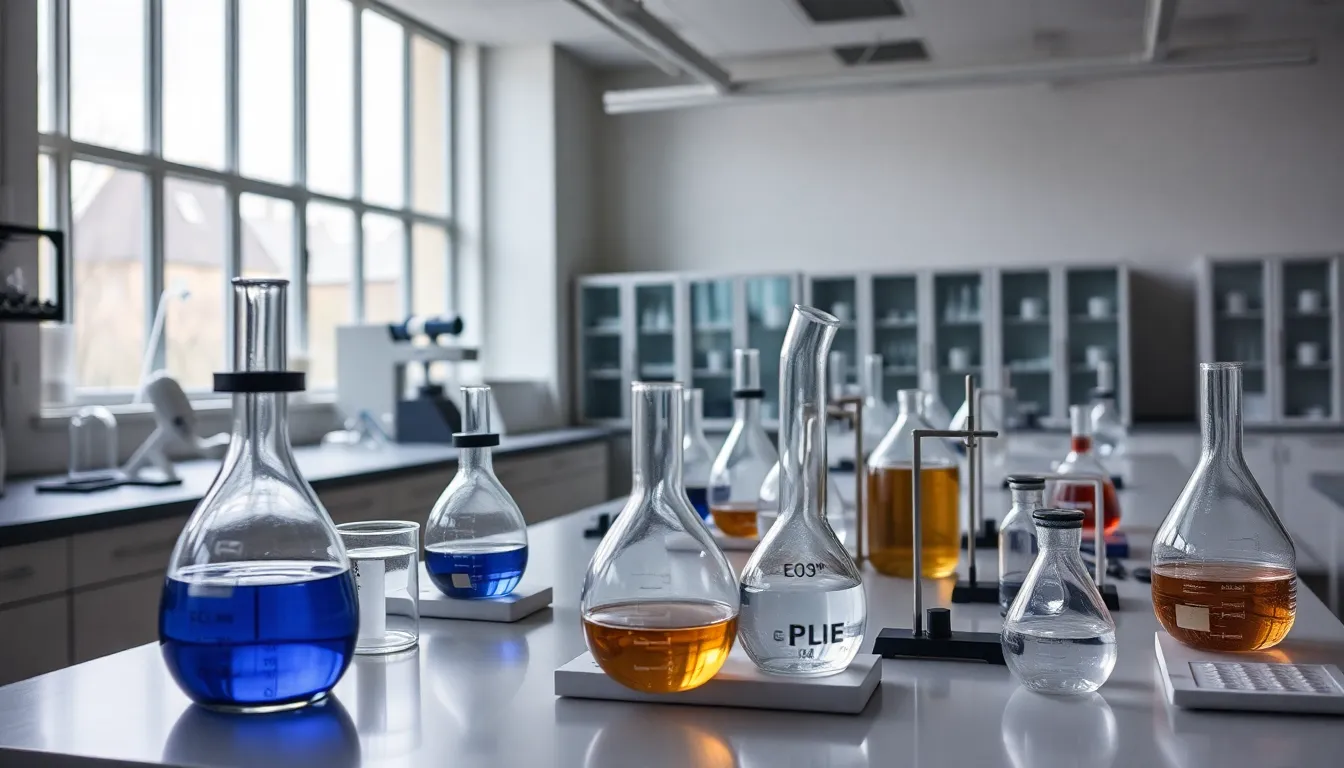
captured with Canon EOS R5, 24-70mm f/2.8L at 35mm, showcasing an intricate setup of physics experiments in a lab. The scene is illuminated by overcast diffused daylight coming through large windows, creating an even distribution of light. A shallow depth of field at f/2.8 emphasizes the details of glass beakers and scientific instruments while the background softly blurs into a creamy bokeh. The image features a natural muted tone palette with desaturated earth colors, highlighting the sterile environment of the lab. The composition uses leading lines of laboratory tables directing attention toward the engaging experiments being conducted.
16:9
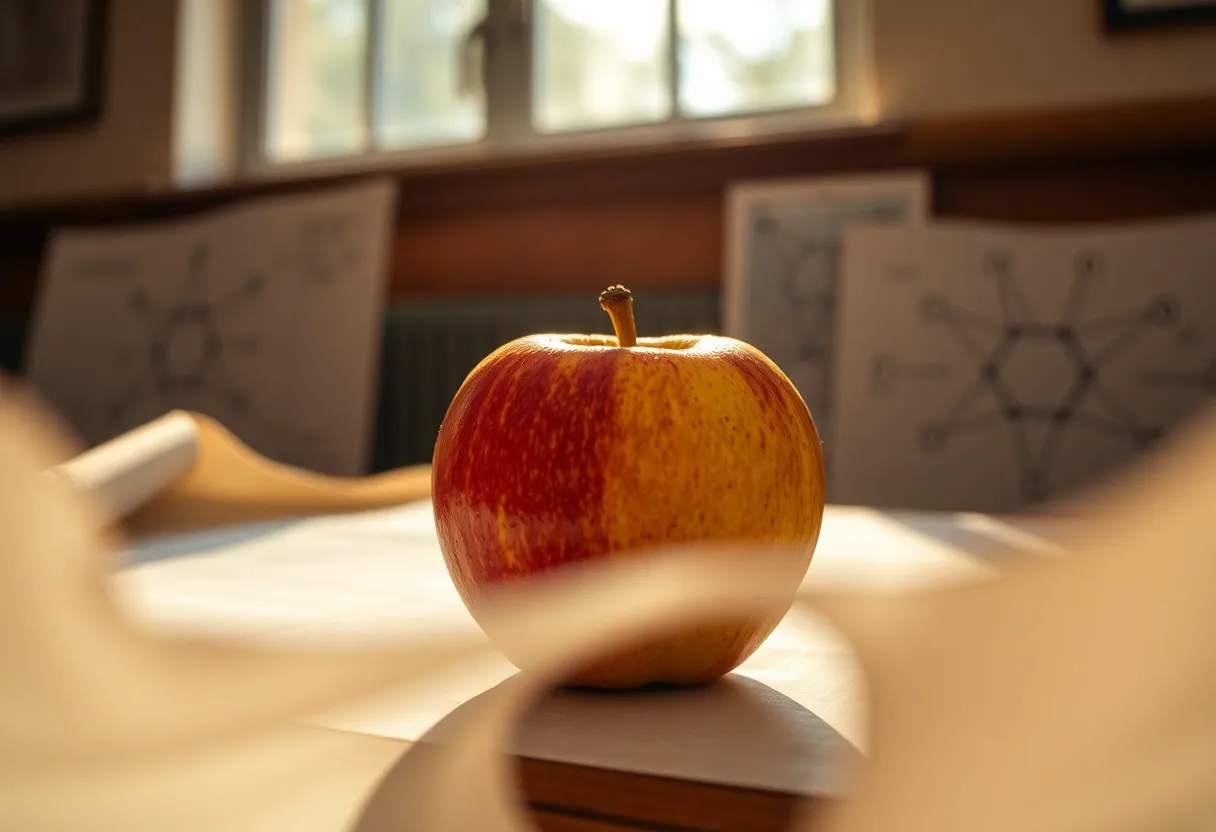
Fujifilm GFX 100S, 110mm f/2 macro, beautifully capturing a fresh and detailed apple resting on a wooden table, surrounded by scientific diagrams of atomic structures. Natural sunlight filters through nearby windows, creating a soft, warm light that enhances the apple's texture. The depth of field is shallow at f/2, making the apple pop against the blurred diagrams, while a natural muted color palette emphasizes earth tones. The composition features foreground framing with diagrams wrapping around the apple.
3:2

Hasselblad X2D 100C, 90mm f/2.5 medium format, capturing a close-up of a colorful Newton's Cradle sitting on a polished black surface. The image is illuminated by soft studio lighting with a key softbox at 45°, creating reflective highlights on the steel balls. The depth of field is shallow at f/2.5, isolating the cradle against a blurred background. A cinematic teal and orange color grading adds mood, enhancing the vivid colors of the balls and the glossy finish of the surface.
1:1
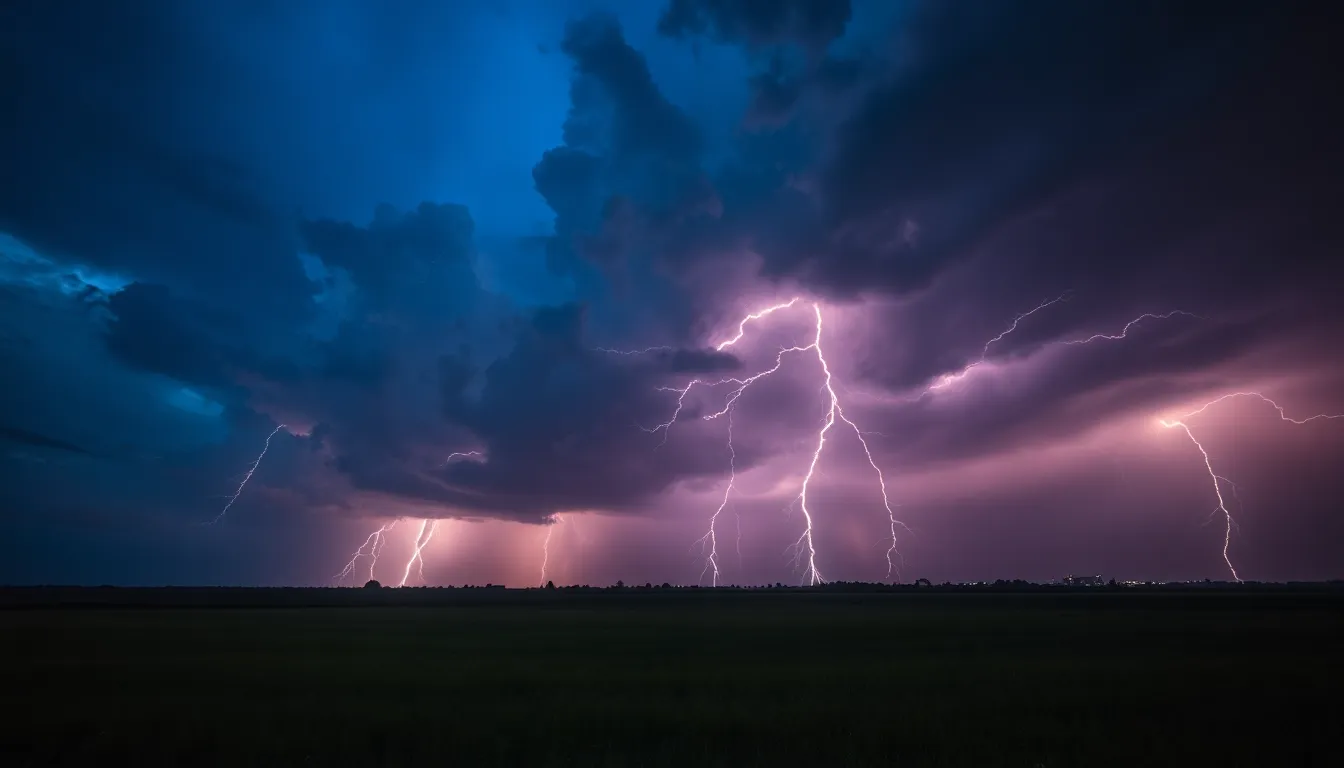
Nikon Z9, 70-200mm f/2.8 telephoto at 135mm, capturing a dramatic thunderstorm with lightning striking an open field during twilight. The scene features deep blue and rich purple hues dominating the sky, with the foreground slightly illuminated by flashes of lightning. The composition utilizes a centered symmetrical approach, emphasizing the power of nature and the physics of electricity, while the texture of the storm clouds is portrayed in sharp detail against the illuminated landscape.
16:9

captured with Sony A7R V with 85mm f/1.4 GM lens, featuring warm tungsten desk lamp casting directional pool of light in a cozy home study, with physics textbooks and notebooks scattered on an old wooden desk. The composition employs the rule of thirds with a focus on an open book displaying equations, while the background falls into soft, creamy bokeh. The warm color palette adds to the inviting atmosphere, with rich details in the wood grain and paper texture.
4:3

shot on Canon EOS R5, 24-70mm f/2.8L at 35mm, natural overcast diffused daylight through floor-to-ceiling windows illuminating a laboratory filled with various scientific equipment. Shallow depth of field at f/2.8 creates a creamy bokeh in the background with bright, vibrant colors from glass beakers and chemical reactions. The composition features leading lines from the table edges toward the focal point of a bubbling flask, showcasing rich textures of metal and glass reflecting soft highlights.
16:9

captured with Leica Q3, 28mm f/1.7 Summilux, this image showcases a scientist in a lab, manipulating a high-tech laser apparatus. The scene is illuminated by cool blue fluorescent lighting, enhancing the clinical atmosphere. A shallow depth of field at f/1.7 isolates the scientist, while the background blurs into a soft haze of lab equipment. The color grading is cinematic with teal highlights and orange undertones, creating a modern, sleek feel. The composition centers the scientist in action, engaged with the laser, visually representing the intersection of physics and technology.
3:4
shot on Hasselblad X2D 100C, 90mm f/2.5 medium format, this image captures a serene landscape of rolling hills under a starry night sky. The scene is lit by a crescent moon, providing soft ambient light that reveals the contours of the hills. A hyperfocal depth of field at f/8 keeps the entire scene in sharp focus, showcasing a rich tapestry of greens and blues. The color science leans towards natural muted tones, creating a tranquil mood. The composition incorporates leading lines of the hills leading toward the star-filled sky, enhancing the vastness of the scene.
16:9

photographed with Fujifilm GFX 100S, 110mm f/2 macro, showcasing a close-up of a vintage 19th-century barometer resting on a weathered wooden table. Natural light filtering through a nearby window casts soft shadows, enhancing the texture of the wood grain. The depth of field is set to f/2 for a shallow focus, bringing attention to the intricate brass details of the barometer while the background softly fades into bokeh. The color palette features warm earth tones that evoke a sense of nostalgia, captured in a centered symmetric composition.
3:2
captured with Canon EOS R5, 24-70mm f/2.8L at 35mm, this image features a close-up of a clear glass prism refracting light into a spectrum of colors. Overcast diffused daylight provides soft, balanced lighting without harsh shadows. The hyperfocal depth of field ensures everything from the foreground prism to the blurred background is sharp at f/8. The color grading showcases vibrant reds, blues, and greens against a soft, neutral background. The composition centers around the prism, creating leading lines from the light rays to enhance visual interest.
1:1

shot on Nikon Z9, 70-200mm f/2.8 telephoto at 135mm, captured during golden hour with warm backlighting creating a halo effect around a physics teacher demonstrating a pendulum experiment. Shallow depth of field at f/2.8 blurs the background into a creamy bokeh. The color palette features warm tones of orange and gold, accentuating the teacher's joyful expression as they engage with students. Composition follows the rule of thirds, placing the subject off-center, while chalk dust lingers in the warm light, enhancing the classroom atmosphere.
16:9
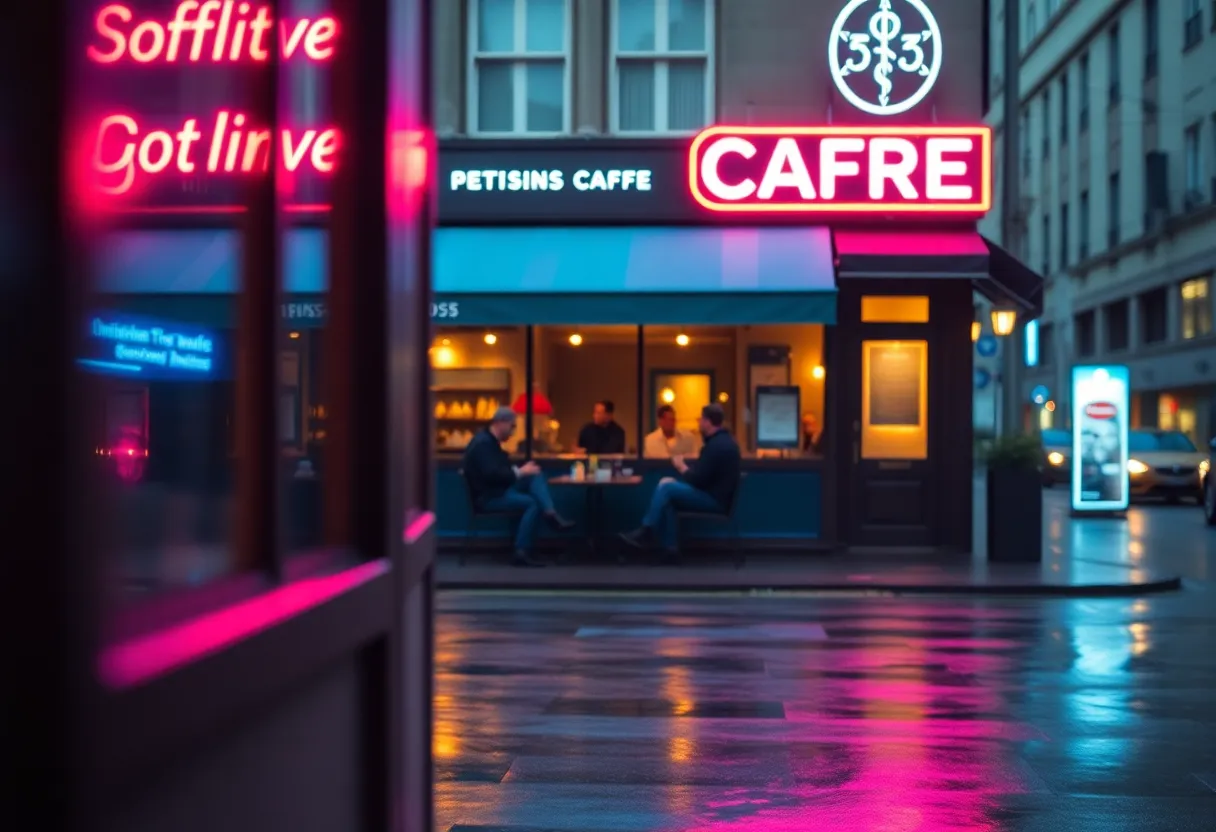
Leica Q3, 28mm f/1.7 Summilux, captured during a rainy day with neon signage reflecting blue and magenta on wet pavement, selective focus on a physics-themed café with patrons discussing in the background, cinematic teal and orange color grading, foreground framing through café windows to create depth, capturing the cozy atmosphere of intellectual conversation
3:2
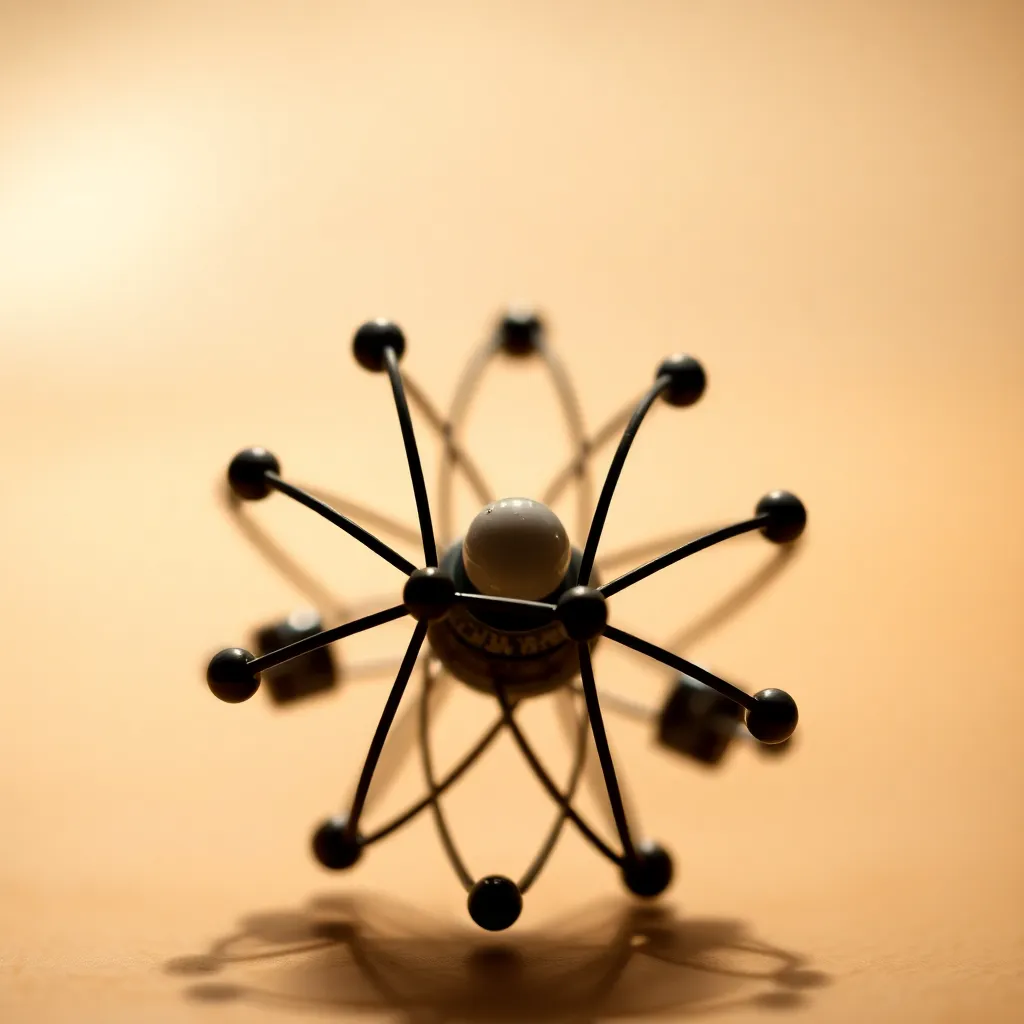
Fujifilm GFX 100S, 110mm f/2 macro, studio three-point lighting setup with a key softbox at 45° and subtle fill, shallow depth of field at f/2 with creamy bokeh of a physics model showcasing atomic structure, natural muted tones with desaturated earth colors creating a classic scientific feel, rule of thirds composition with focus on the detailed atomic model
1:1

Nikon Z9, 70-200mm f/2.8 telephoto at 135mm, captured during golden hour backlighting with warm rim light and soft fill from a reflector, hyperfocal distance — everything from foreground to infinity tack-sharp at f/8, cinematic teal and orange color grading enhances the dramatic effect, leading lines of a physics lab with equipment drawing the eye toward the main subject, showcasing glass beakers and apparatus
16:9

shot on Sony A7R V with 85mm f/1.4 GM lens, lighting from a warm tungsten desk lamp casting directional pool of light, selective focus on a set of physics equations scribbled on a chalkboard with soft bokeh, Kodak Portra 400 color palette — warm skin tones, lifted shadows, centered symmetrical composition featuring equations and notes, with chalk dust visible in the air
4:3

captured with Canon EOS R5, 24-70mm f/2.8L at 35mm, natural overcast diffused daylight through floor-to-ceiling windows, shallow depth of field at f/2.8 with soft bokeh in the background, natural muted tones with desaturated earth colors, rule of thirds with a physics book open on a weathered oak table, visible paper texture and ink details on the pages
16:9
Hasselblad X2D 100C, 90mm f/2.5 medium format capturing the intricate details of a vintage physics textbook opened to a page filled with formulas and diagrams. Soft diffused daylight from a nearby window spills over the page, enhancing the natural texture of the aged paper. Hyperfocal at f/8 allows sharp details throughout the entire spread. The natural muted tones of the page complement the warm hues of the wooden desk beneath, creating a scholarly ambiance. Composition focuses on an overhead view of the open textbook, framed by scattered pencils and a globe in the background.
3:2

shot on Sony A7R V with 85mm f/1.4 GM lens, illustrating a stunning physics classroom where students engage with interactive models of atoms and molecules. Natural light from large windows illuminates the vibrant colors of educational materials, creating a welcoming atmosphere. Shallow depth of field at f/2.0 focuses on a group of diverse students working together, while the background blurs into soft bokeh. The warm color palette enhances the inviting feel of the space. Composition features a centered group of students, with leading lines formed by tables guiding the viewer's eye.
4:3

Nikon D850, 85mm f/1.4, this image features a close-up of a physicist's hands conducting an intricate experiment with colorful liquids in beakers. Warm tungsten desk lamps provide focused light, creating a dramatic interplay of shadows and highlights. Shallow depth of field at f/1.4 isolates the hands and beakers, while the vibrant colors of the liquids create a lively color palette. The composition centers on the hands as they delicately pour, framed by a wooden laboratory bench with visible grain and texture.
1:1
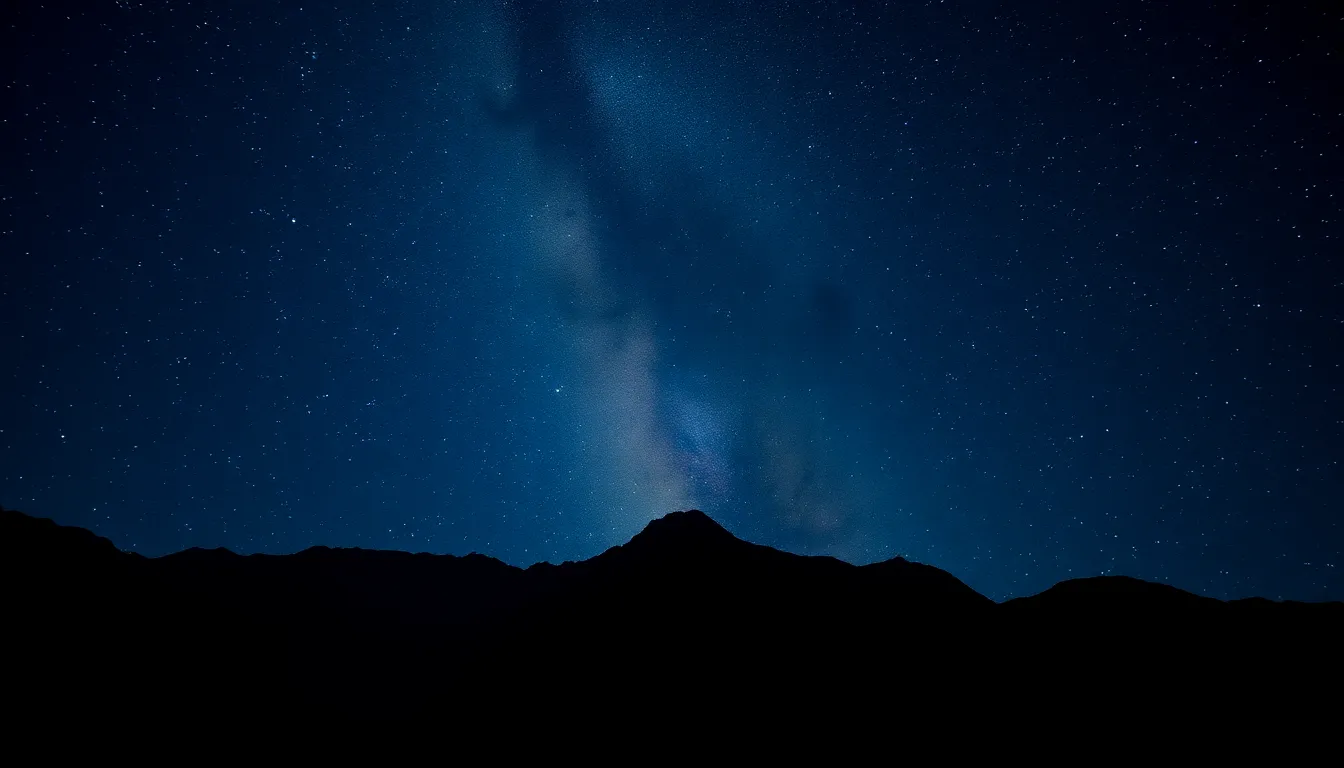
captured with Nikon Z9, 70-200mm f/2.8 telephoto at 135mm, depicting a dramatic night sky filled with stars and the Milky Way. The scene is illuminated by soft moonlight casting a cool glow over a mountain silhouette in the foreground. Hyperfocal distance at f/8 ensures sharp focus from the stars to the mountains, with rich deep blues and vibrant whites dominating the color palette. The composition centers on the Milky Way, utilizing leading lines formed by the mountain ridges that draw the viewer's gaze upward.
16:9

shot on Canon EOS R5, 24-70mm f/2.8L at 35mm, showcasing a large, spherical glass globe representing the Earth, positioned in a bright, modern laboratory. The scene is illuminated by cool fluorescent lighting, creating a sterile atmosphere. Shallow depth of field at f/2.8 focuses on the globe while blurring the lab equipment in the background. The color palette features vivid greens and blues of the Earth contrasting against the metallic silver of laboratory instruments. Composition follows the rule of thirds with the globe placed at a left power point, surrounded by reflective stainless steel surfaces that enhance the scientific feel.
16:9
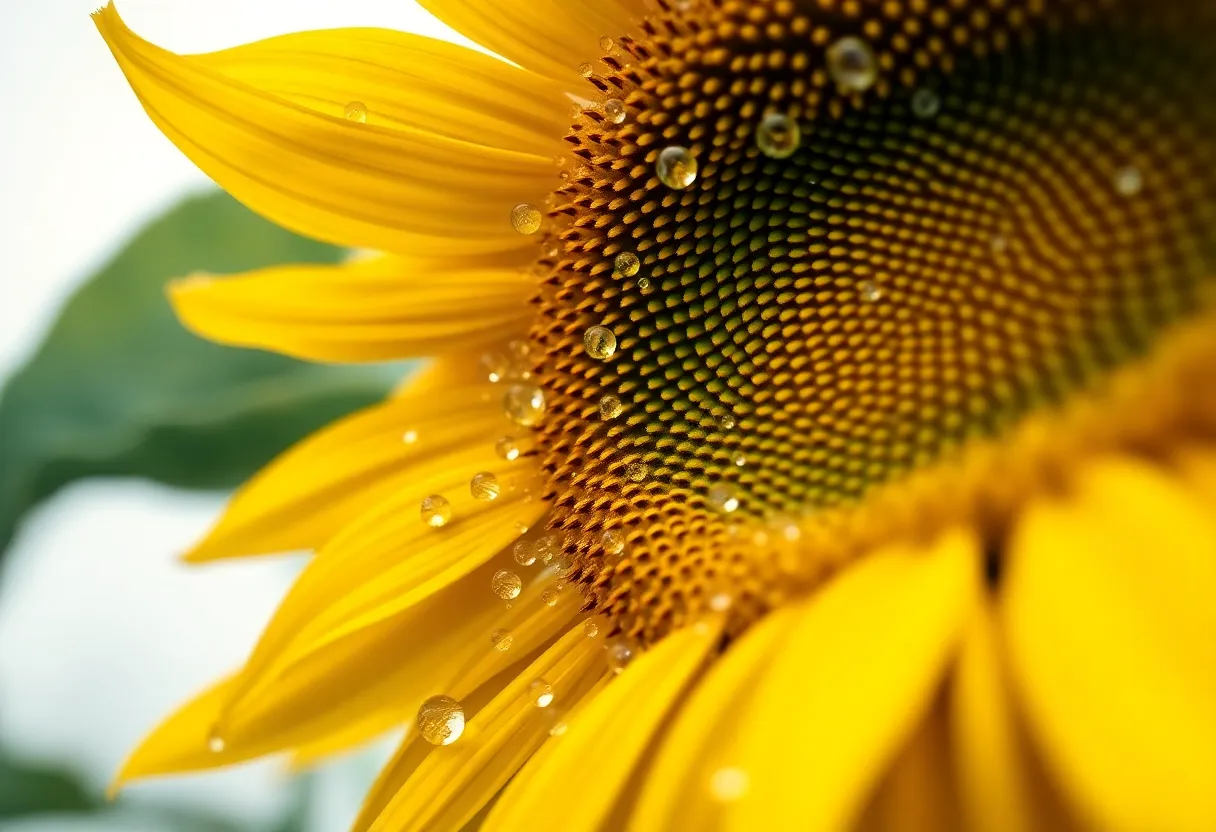
Fujifilm GFX 100S, 110mm f/2 macro, captures a detailed close-up of a sunflower head covered in droplets of water after a rain shower. Soft diffused daylight permeates through the cloudy sky, creating muted colors with rich greens and yellows. The image employs a hyperfocal distance at f/8, keeping sharp focus on the flower's intricate textures while the background remains softly blurred. The dew droplets catch light, enhancing the natural beauty of the flower, with the composition featuring a slight angle to give a dynamic view.
3:2
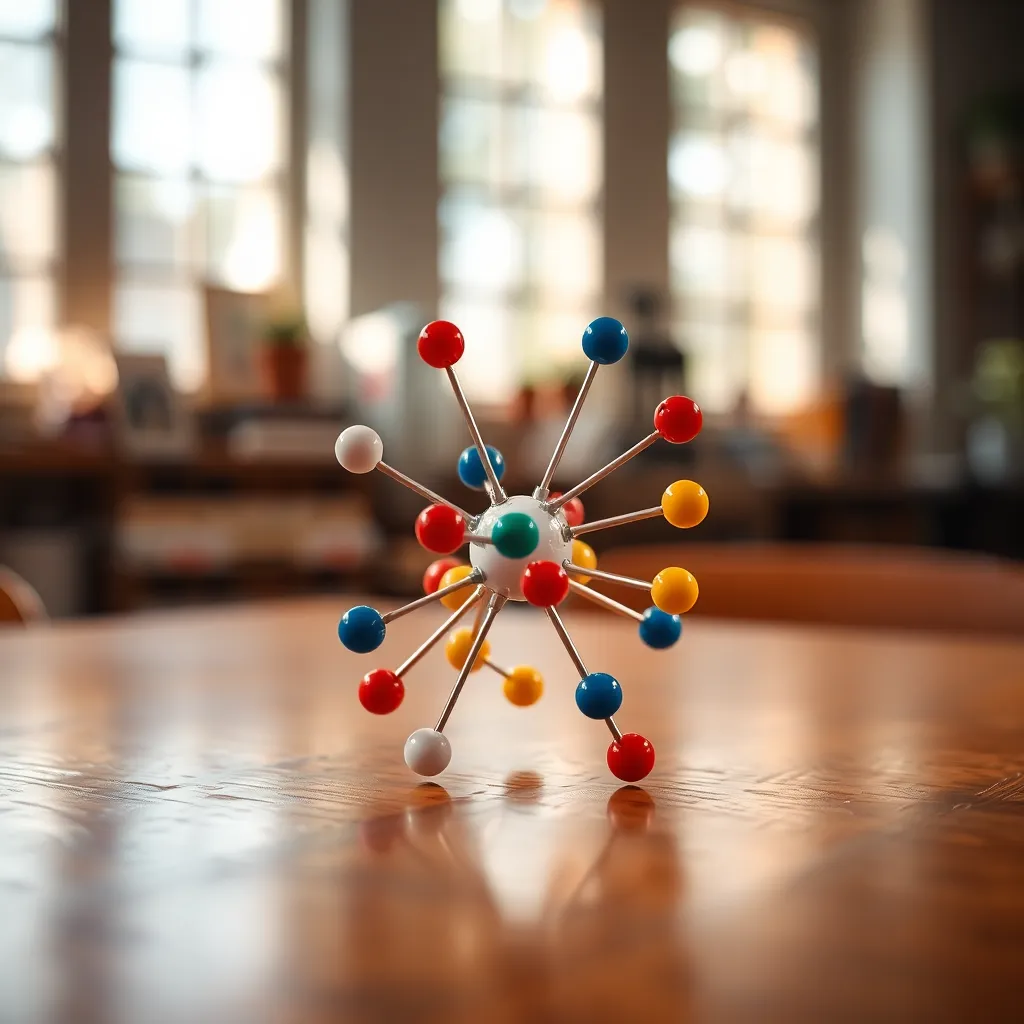
Hasselblad X2D 100C, 90mm f/2.5 medium format, features an intricate close-up of an atomic model made from colorful balls and sticks arranged on a polished wooden table. Soft diffused natural light pours in through nearby windows, ensuring the details are beautifully rendered with soft shadows. The image employs a shallow depth of field at f/2.5, focusing on the molecular structure while the background melts into a gentle bokeh. The warm brown tones of the wood contrast with the vibrant colors of the atomic model, creating a striking visual.
1:1
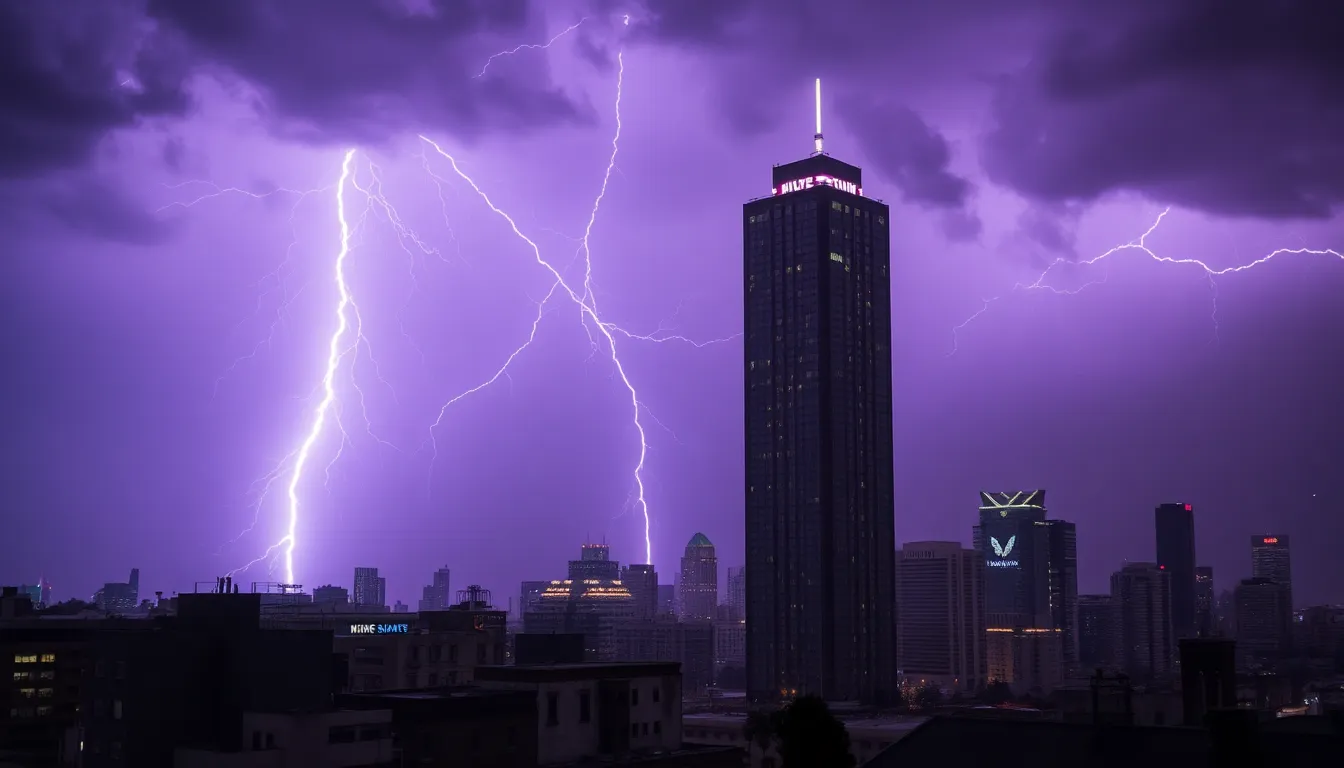
Nikon Z9, 70-200mm f/2.8 telephoto at 135mm, shot during a dramatic thunderstorm, captures lightning striking a tall building in the city center. The scene is illuminated by vivid flashes, creating stark contrasts between elements in the environment. Hyperfocal distance ensures everything from the foreground to the skyline remains sharp at f/8. The color palette features dark stormy grays and blues, punctuated by the bright white and purple of the lightning strikes, enhancing the intensity of the moment.
16:9
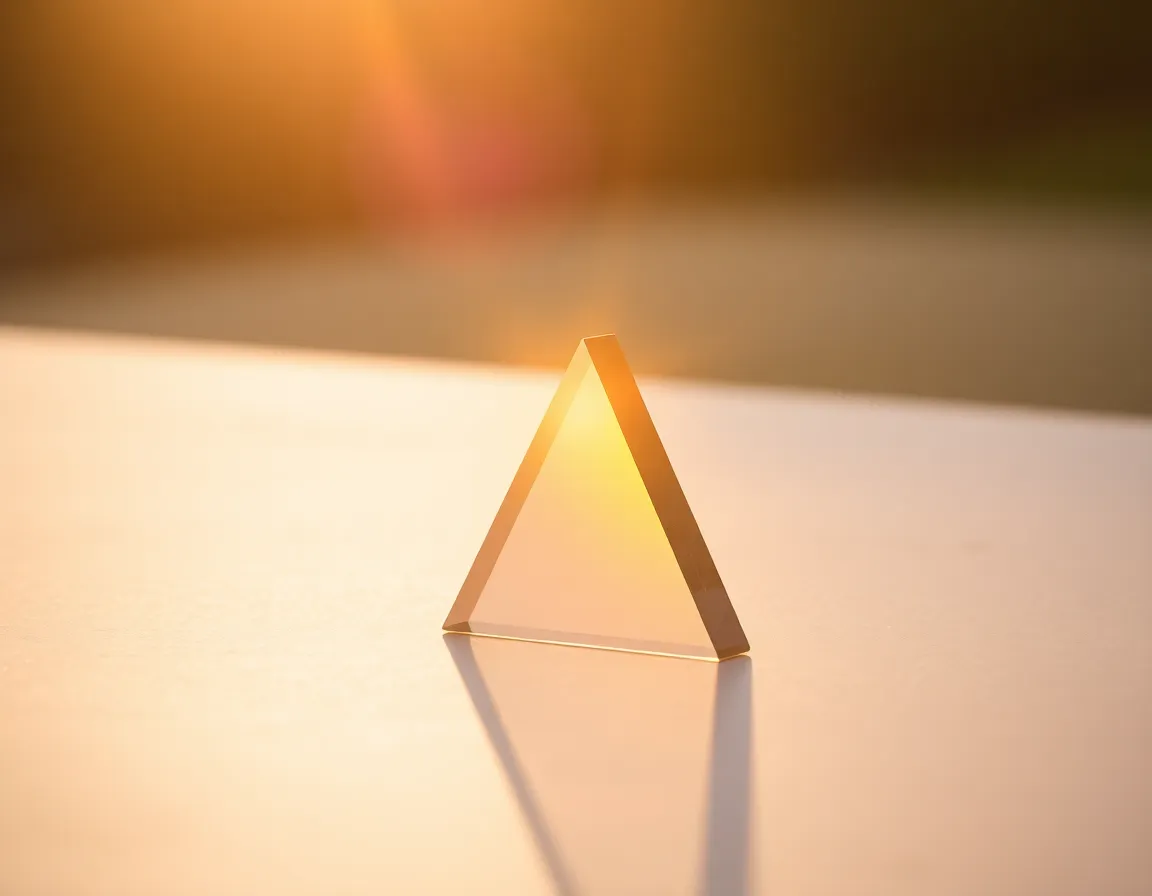
shot on Sony A7R V with 85mm f/1.4 GM lens, natural backlighting with golden hour sunlight streaming through a prism, creating a rainbow effect on a white background. The image features the prism positioned at a slight angle, showcasing the spectrum of light radiating from it. A shallow depth of field at f/1.4 gently blurs the background, focusing on the refracted colors. The warm tones from the sunlight mix beautifully with the cool hues of the spectrum, forming a harmonious juxtaposition in this artistic shot.
4:3
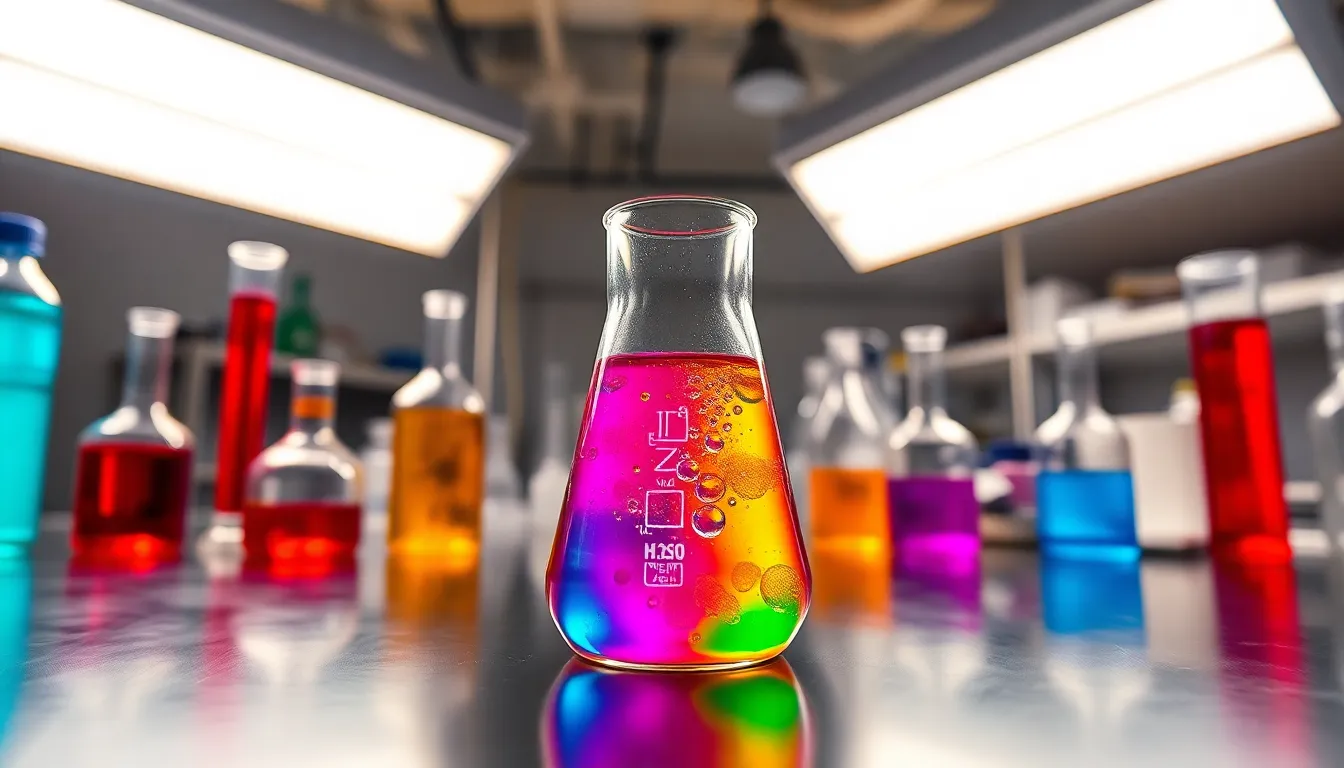
captured with Canon EOS R5, 24-70mm f/2.8L at 35mm, illuminated by sharp overhead fluorescent lights creating high contrast on a laboratory bench. Shallow depth of field at f/2.8 keeps the focus on a glass beaker filled with colorful liquids, showcasing a spectrum of bright, saturated colors reminiscent of a chemical reaction. The composition uses leading lines from the lab equipment to draw the eye toward the beaker, highlighting the intricate bubbles forming inside. The surface of the bench is polished stainless steel, reflecting some of the vibrant colors from the beaker.
16:9
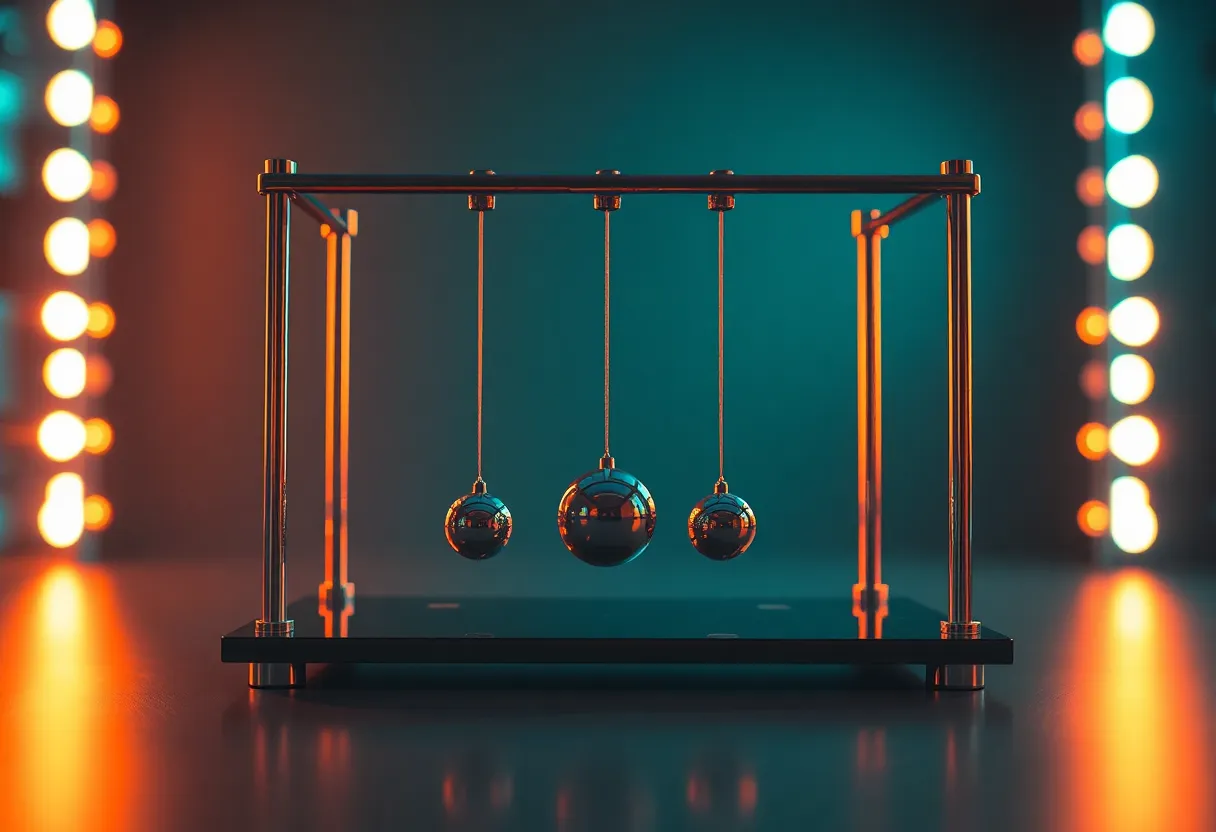
Photographed with a Leica Q3, 28mm f/1.7 Summilux lens, this image features a dynamic representation of Newton's Cradle in motion. The scene is illuminated with cool studio lighting that creates a dramatic contrast with shadows, highlighting the kinetic energy of the swinging spheres. A shallow depth of field at f/1.7 softens the background, allowing the viewer's focus to rest on the motion of the pendulums. The cinematic teal and orange color grading enhances the image's vibrancy, while the composition places the cradle centrally, showcasing its rhythmic movement within the context of a minimalist, high-tech environment.
3:2
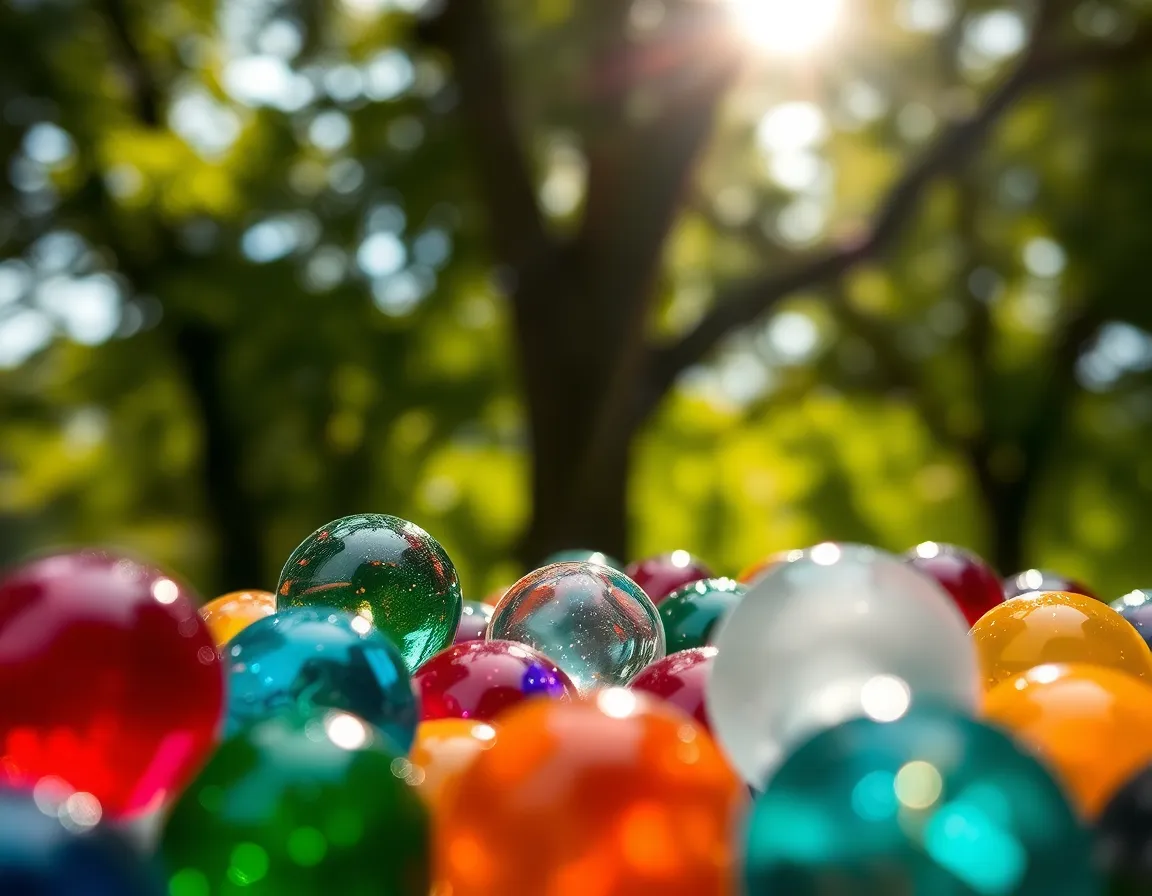
Captured on a Fujifilm GFX 100S, 110mm f/2 macro, this image portrays colorful glass marbles under natural dappled sunlight filtering through a tree canopy. The shallow depth of field at f/2 creates a blurred background, emphasizing the vibrant colors and textures of the marbles. The image utilizes natural muted tones, with a focus on the rich greens of the foliage and the bright hues of the marbles. Compositionally, the marbles are arranged in a cascade, leading the eye naturally through the image, while the moisture in the air adds an ethereal quality with faint glimmering dust particles.
4:3
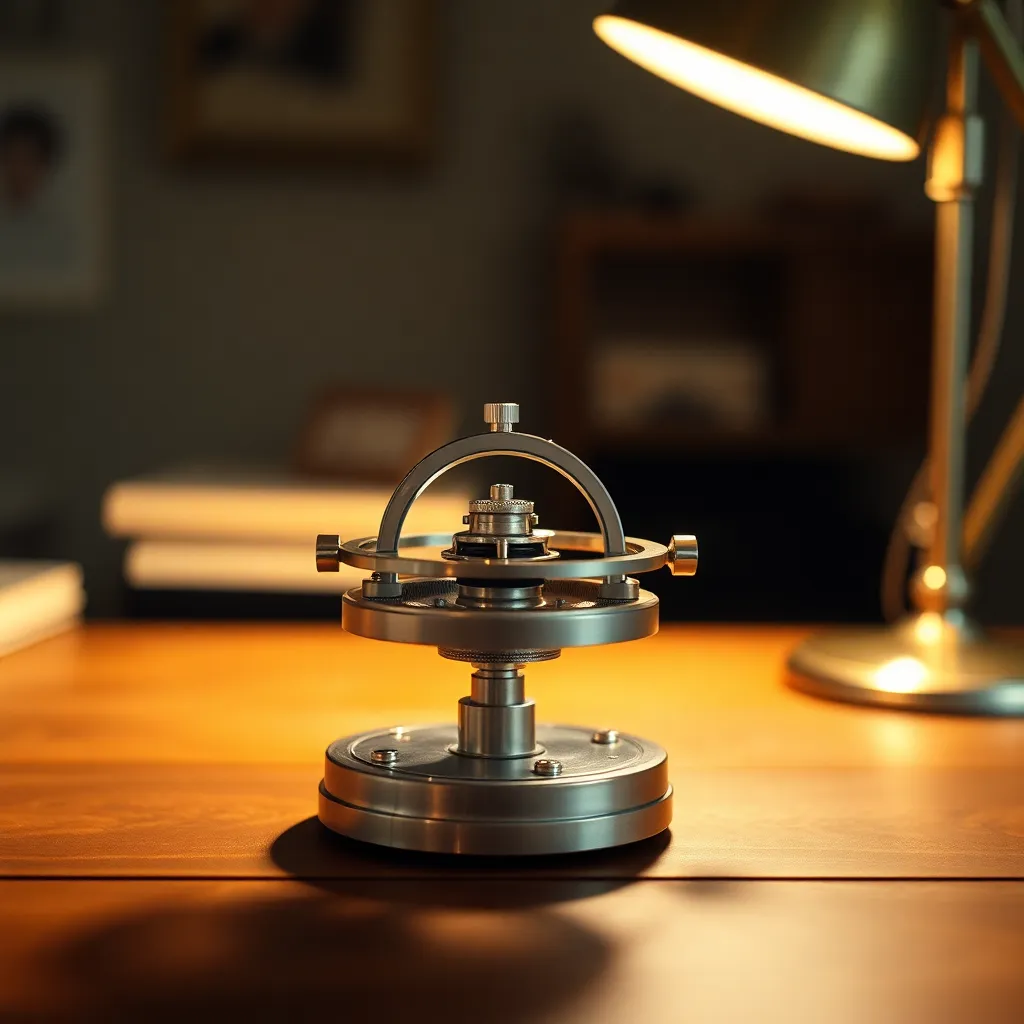
Photographed with a Hasselblad X2D 100C, 90mm f/2.5 medium format, the image showcases a stunning close-up of a high-precision gyroscope on a wooden table. The lighting consists of a practical warm tungsten desk lamp casting a focused pool of light that accentuates the metallic textures and intricate details of the gyroscope. Employing a shallow depth of field at f/2.5, the background blurs softly into creamy bokeh, enhancing the subject's visibility. The Kodak Portra 400 color palette provides warm tones and natural highlights, with the composition centered symmetrically to draw attention to the gyroscope's design.
1:1
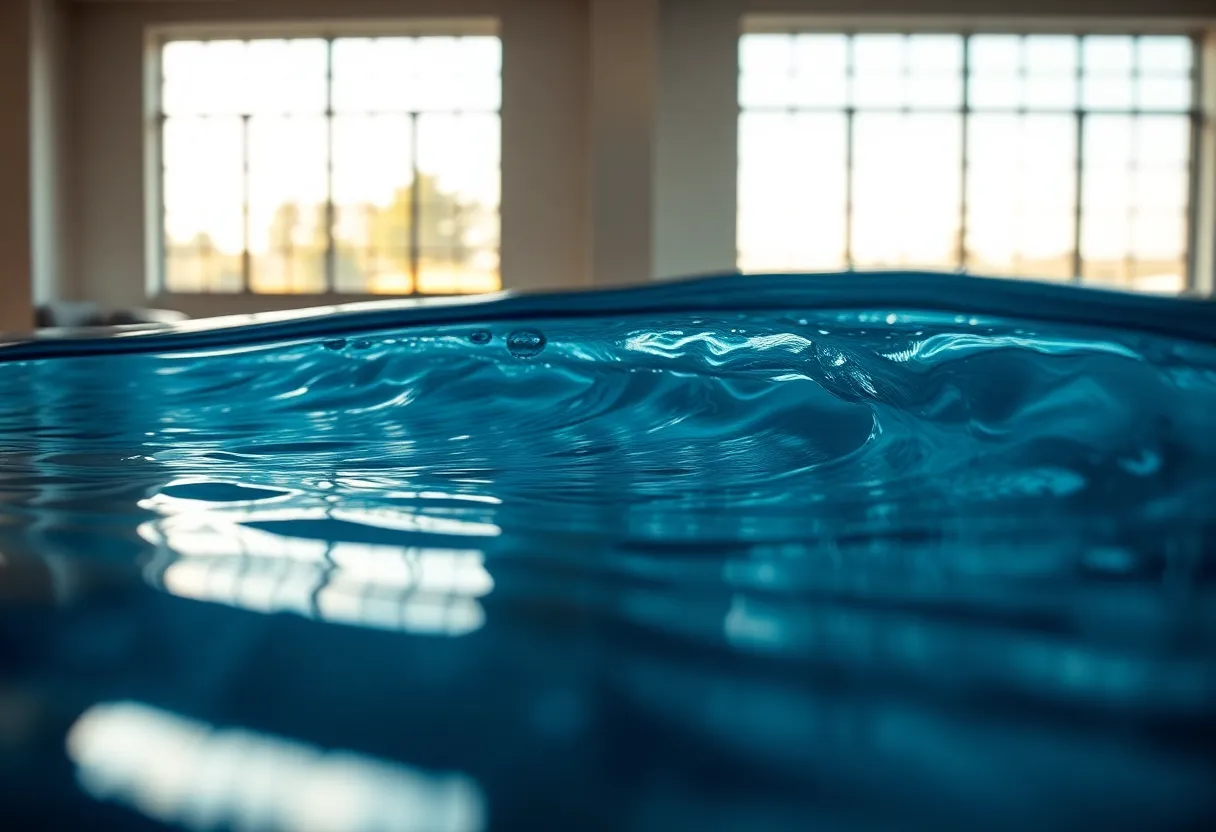
Shot on a Nikon Z9, 70-200mm f/2.8 telephoto at 135mm, this image illustrates the concept of gravitational waves with an artistic twist. The scene captures ripples in a water surface under soft, diffused daylight through large windows. A subtle combination of Rembrandt lighting highlights the texture of the water, while a hyperfocal depth of field ensures that the entire image is tack-sharp at f/8. The color science leans towards Fujifilm Velvia-inspired saturation with deep blues reflecting the water's motion, and the composition uses leading lines to draw viewers into the depth of the wave ripples.
3:2
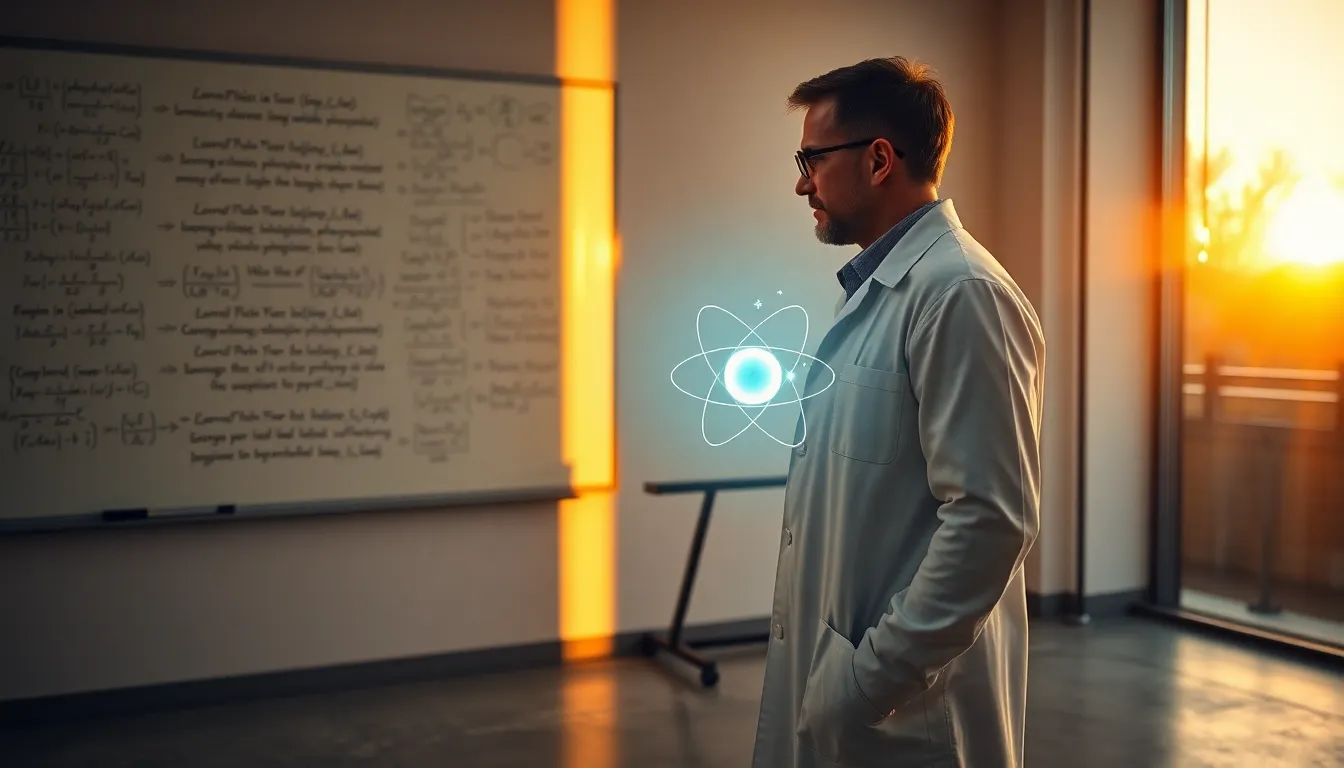
Captured using a Canon EOS R5, 24-70mm f/2.8L at 35mm, this dynamic scene features a physicist in a lab coat, surrounded by complex equations and physics models on a whiteboard. Golden hour backlighting enhances the scene, creating warm rim light around the subject while soft fill from reflected light adds depth. The image employs a shallow depth of field at f/2.8, producing a dreamy bokeh effect on the background. A natural muted color palette with earth tones gives an intellectual vibe, while the rule of thirds positions the physicist engaging with a holographic projection of an atom. The environment showcases a polished concrete floor and visible reflections from glass surfaces.
16:9
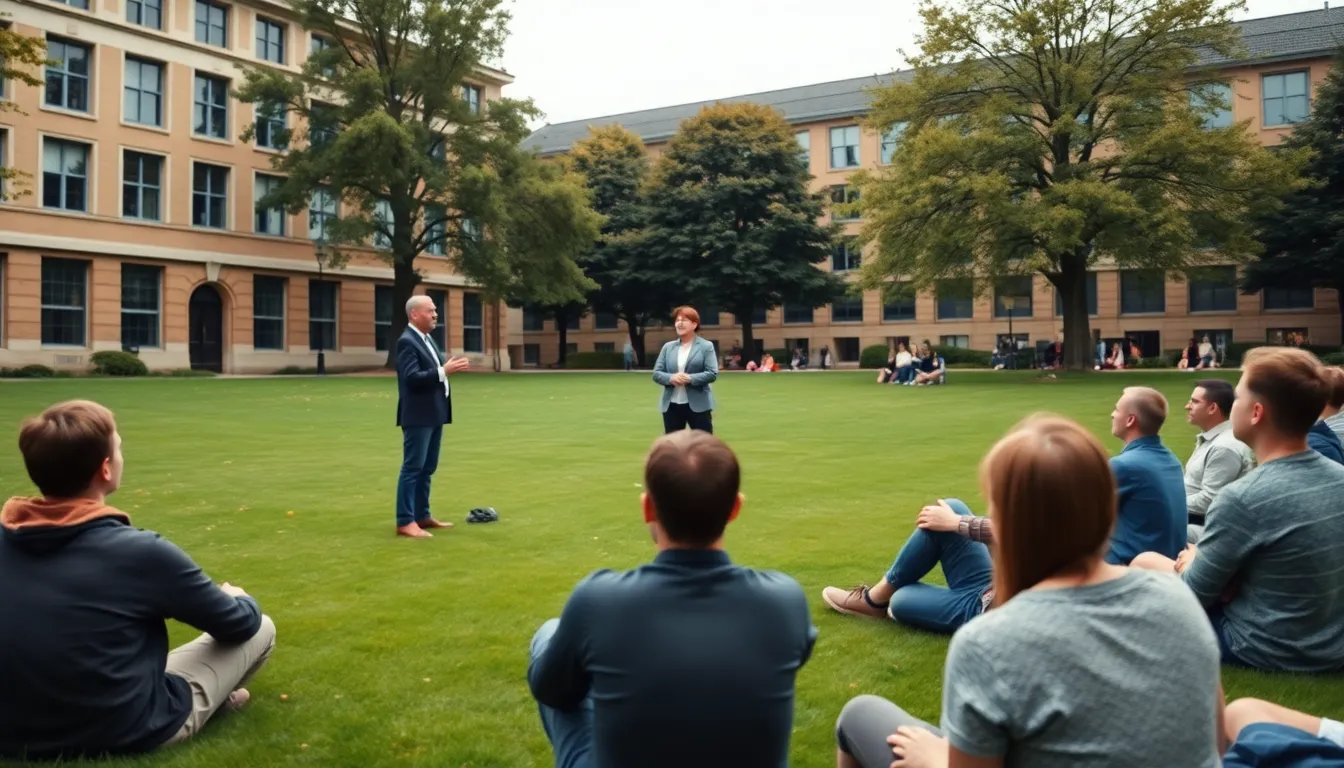
Leica Q3, 28mm f/1.7 Summilux captures an outdoor physics lecture on a university campus. The lighting is bright with overcast diffused daylight, providing even illumination across the scene. The depth of field is moderately shallow at f/2.8, keeping the lecturer in sharp focus while the audience gently blurs. The image features natural muted tones that reflect the calm academic setting. The composition follows the rule of thirds, with the lecturer positioned at a power point, engaging with students sitting on the grassy lawn.
16:9
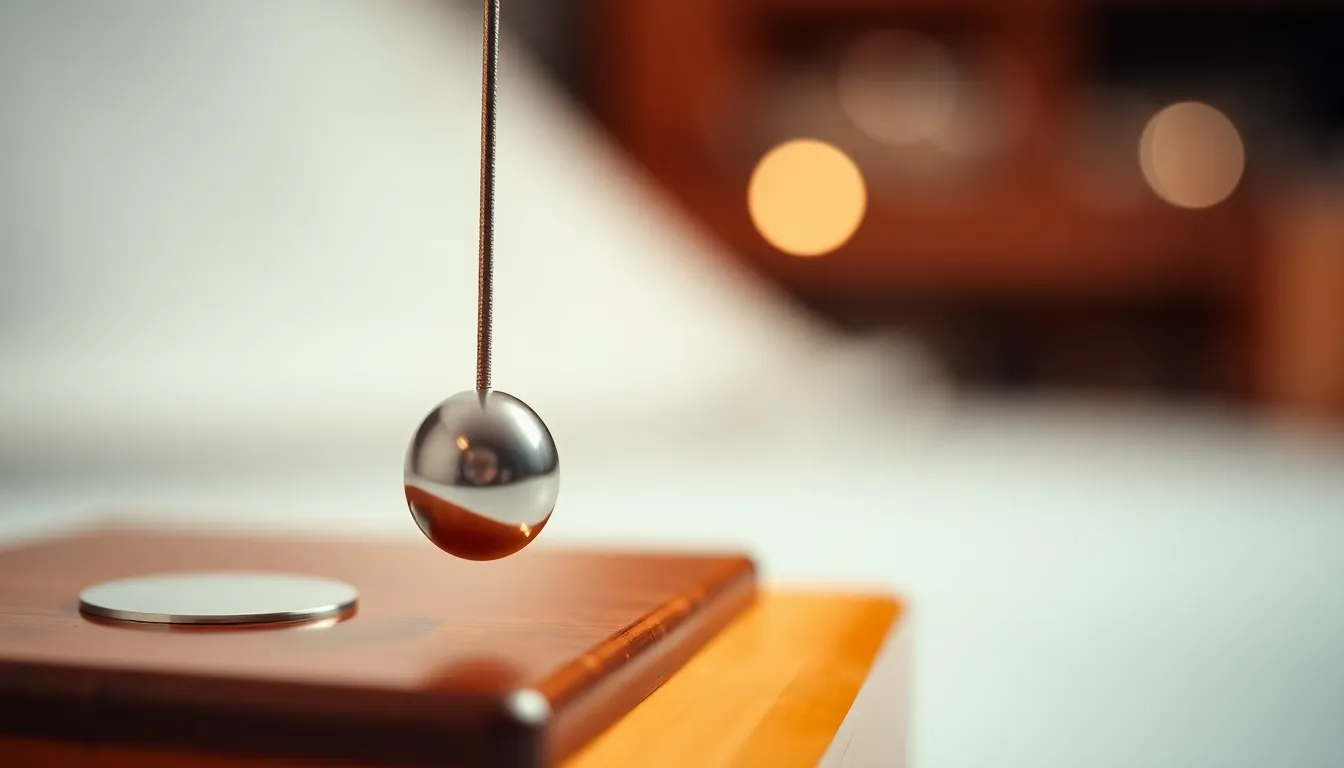
Captured with Fujifilm GFX 100S, 110mm f/2 macro lens, this image features a close-up of a physics-related experiment, specifically a pendulum in motion. The lighting is studio-based with a three-point setup, creating a dramatic highlight on the pendulum while allowing soft shadows to enhance depth. The shallow depth of field at f/2 invites focus on the pendulum's edge, with soft bokeh in the background. A warm color palette plays off the polished wooden base and metallic pendulum, creating an inviting mood. The composition employs a tight crop to focus on the swing of the pendulum, creating dynamic tension.
16:9
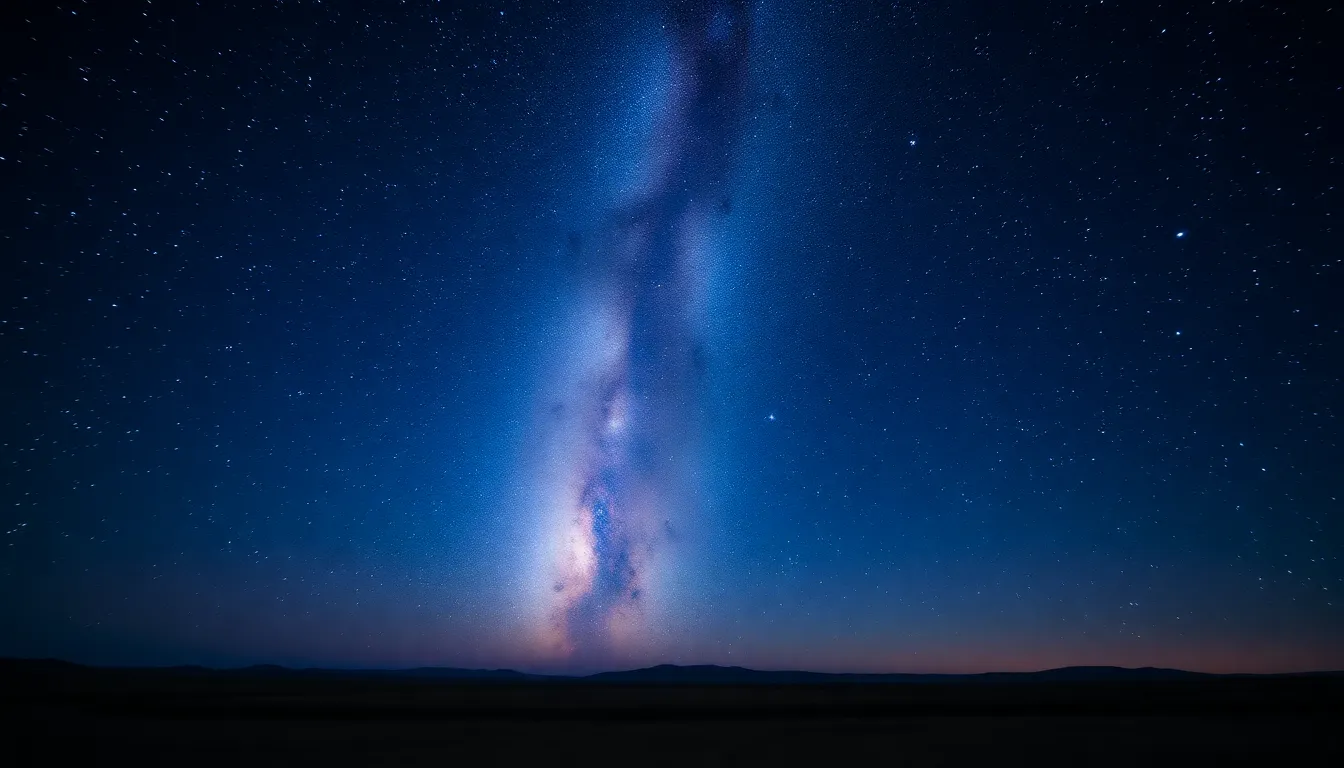
Nikon Z9, 70-200mm f/2.8 telephoto at 135mm captures a breathtaking astrophysics scene of stars and the Milky Way. The lighting is primarily natural with the glow of the stars illuminating the night sky. The image is taken with hyperfocal distance at f/8 to keep the landscape and stars in sharp focus. The color palette features deep blues and purples, enhancing the celestial theme. The composition utilizes a centered symmetrical approach, showcasing the grandeur of the Milky Way arching over a serene landscape below.
16:9

Shot on Sony A7R V with 85mm f/1.4 GM lens, this image depicts a physics demonstration featuring a high-speed marble run. The lighting is dramatic with spotlighting on the path of the marbles, casting sharp shadows that enhance the sense of motion. Using a shallow depth of field at f/1.4, the focus is on the marbles in motion, with the background beautifully blurred. The vibrant color palette features bright primary colors emphasizing the playful nature of physics experiments. The composition uses leading lines, drawing the viewer's eye along the run where marbles cascade through twists and turns.
16:9
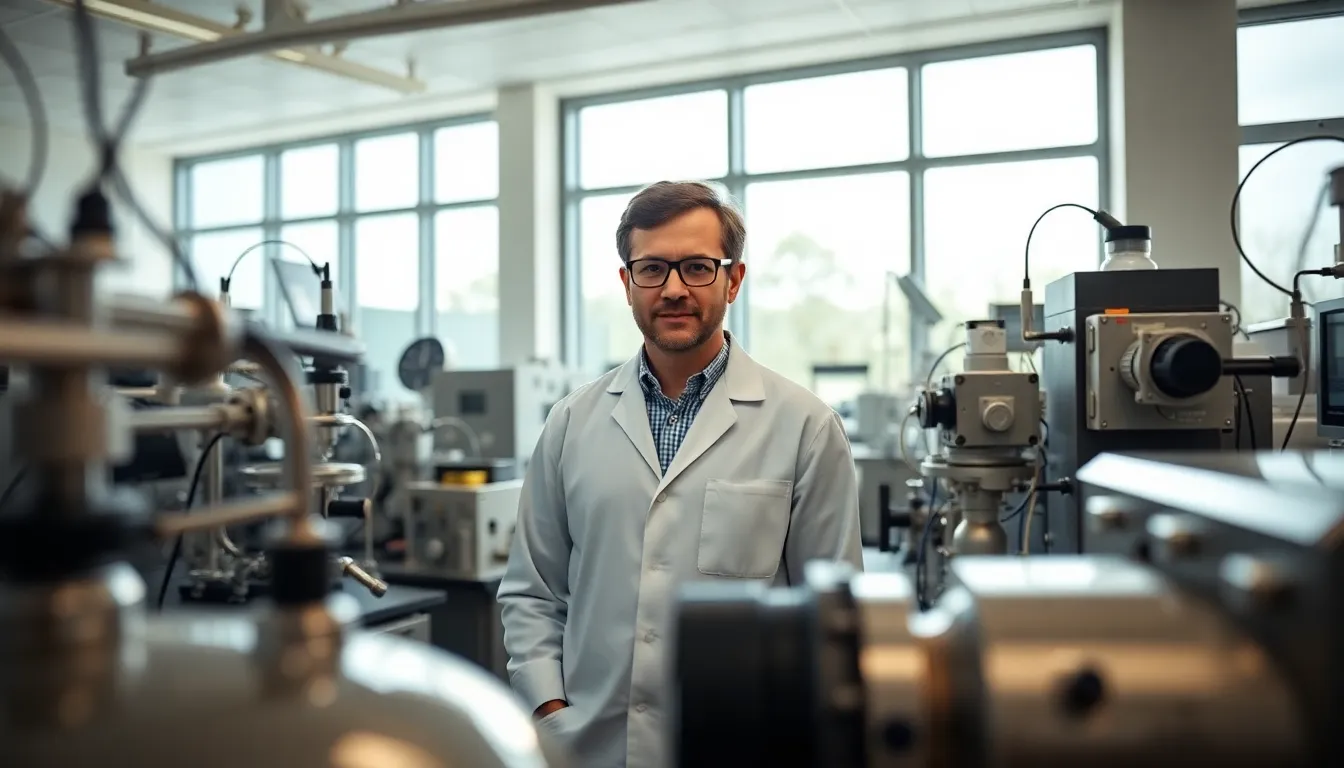
Captured with Canon EOS R5, 24-70mm f/2.8L at 35mm, this image features a physicist in a lab surrounded by complex equipment. The lighting is soft, diffused daylight filtering through large windows, creating a calm and focused atmosphere. The depth of field is shallow at f/2.8, with the subject in sharp focus and the background gently blurred. The color palette incorporates natural muted tones, emphasizing the sterile environment of the laboratory. The composition follows the rule of thirds, placing the physicist at a left power point, surrounded by intricate scientific apparatus reflecting polished surfaces.
16:9

captured with Leica Q3, 28mm f/1.7 Summilux, featuring a scientist in a lab observing a chemical reaction through safety goggles. The lighting is bright with clinical fluorescent lights, providing clear visibility of the scene. Utilizing a shallow depth of field at f/1.7, the scientist's focused expression is sharp while the laboratory background blurs softly. The color palette is clean, emphasizing the whites and blues of the lab equipment against the vibrant colors of the reaction. The composition uses a centered approach, placing the scientist prominently in the frame.
3:4
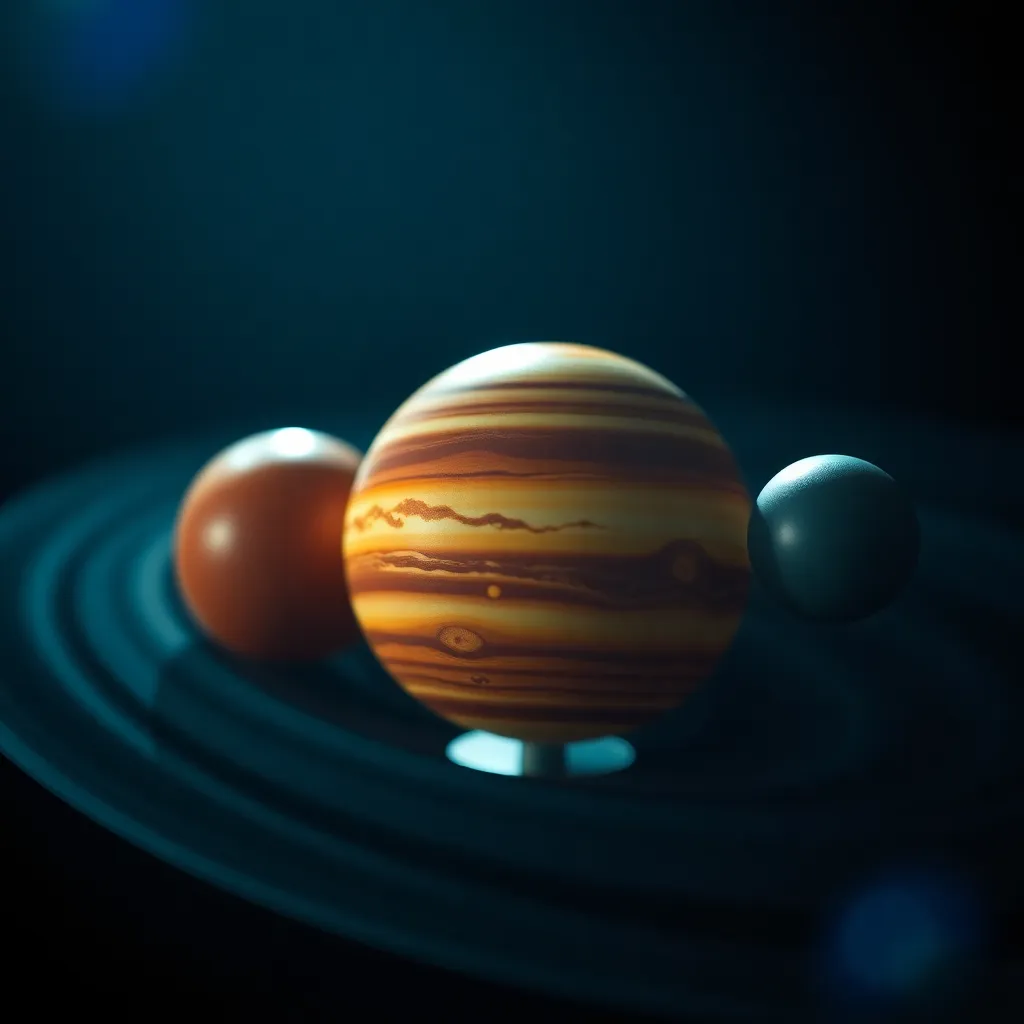
Hasselblad X2D 100C, 90mm f/2.5 medium format, featuring a close-up on a detailed model of the solar system. The image is lit by a single key light providing soft illumination, casting subtle shadows on the model's surfaces. The depth of field is shallow at f/2.5, isolating the planets while creating an ethereal glow around them. The vibrant colors of the planets pop against a dark backdrop, with a cinematic teal and orange color grading enhancing the visual impact. The composition frames the model centrally, showcasing its intricate details and textures.
1:1
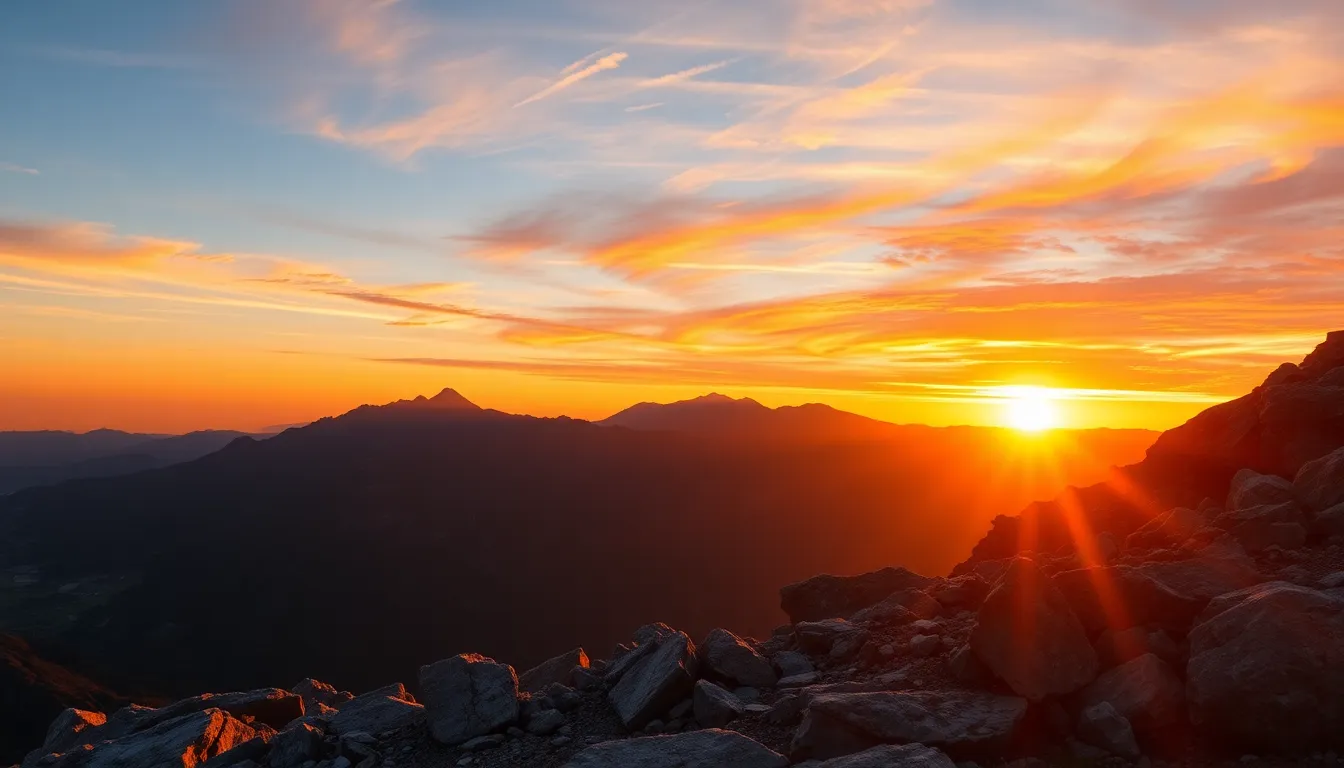
Nikon Z9, 70-200mm f/2.8 telephoto at 135mm, showcasing a beautiful sunset over a mountain range, where the physics of light and atmosphere create stunning effects. The lighting is natural, featuring the golden hour sun casting warm light across the peaks, with vibrant oranges and purples in the sky. Using a hyperfocal distance, the image ensures everything from foreground to infinity is tack-sharp at f/8. The composition employs leading lines of the mountains, drawing the eye towards the horizon where the sun sets, with rich textures in the rocky surface.
16:9

captured with Canon EOS R5, 24-70mm f/2.8L at 35mm, depicting a physics classroom with students engaged in an experiment. The scene is illuminated by warm tungsten overhead lights, creating a cozy atmosphere. The focal point is a student mixing liquids in a beaker, with shallow depth of field at f/2.8 accentuating their focused expression. The color palette features warm tones, with vibrant liquids contrasting against the neutral-colored classroom. The composition uses the rule of thirds, placing the student at a power point, surrounded by various scientific apparatus.
16:9
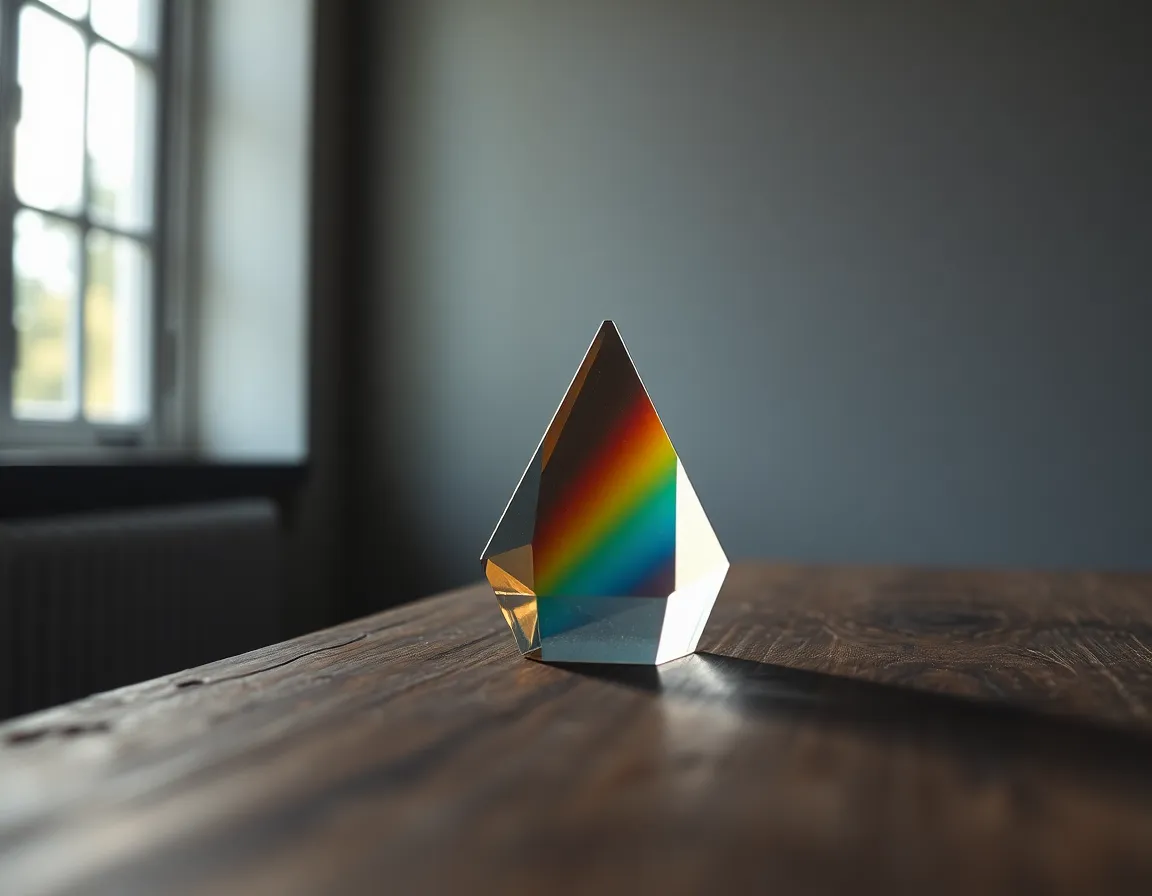
shot on Fujifilm GFX 100S, 110mm f/2 macro, capturing a close-up of a glass prism refracting light. The image is illuminated with soft, diffused daylight filtering through a large window, creating gentle highlights on the glass. The focus is sharp on the prism, with vibrant rainbow colors emerging against a muted background, utilizing a shallow depth of field at f/2. The composition centers on the prism set on a weathered oak table, showcasing its surface texture and reflections. Natural muted tones with desaturated earth colors enhance the serene atmosphere.
4:3
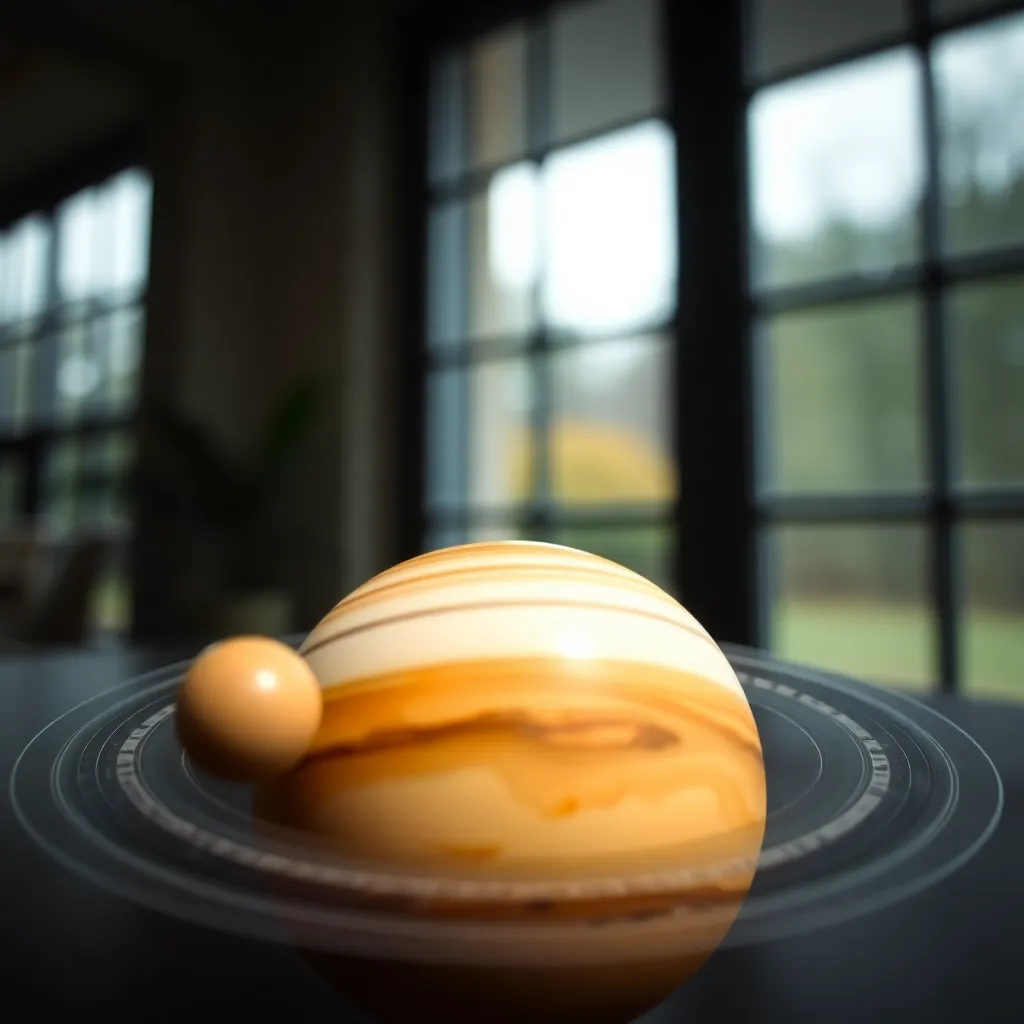
Fujifilm GFX 100S, 110mm f/2 macro, captured during overcast diffused daylight with natural light cascading through a glass window. Depth of field at f/4 focusing on a detailed model of the solar system, with the background gently blurred. The color palette features natural muted tones and soft shadows. The composition is centered around the model with texture details of each planetary surface vividly displayed, emphasizing the intricacies of scale and design.
1:1

Hasselblad X2D 100C, 90mm f/2.5 medium format, utilizing butterfly lighting directly above with catchlights in the subject's eyes. Shallow depth of field at f/2, isolating the subject against a softly graduated background. The color palette reflects warm skin tones and creamy highlights inspired by Kodak Portra 400 film. The composition features a physicist explaining concepts to a group of attentive students, with visible details in their expressions and clothing textures.
3:4
Nikon Z9, 70-200mm f/2.8 telephoto at 135mm, captured during golden hour backlighting with warm rim light. Selective focus on a rolling marble representing kinetic energy, background softening into a creamy bokeh. The color palette features warm hues of orange and gold. The composition centers on the marble with leading lines of motion trails, enhanced by the texture of the smooth surface.
3:2

shot on Sony A7R V with 85mm f/1.4 GM lens, warm tungsten desk lamp casting a directional pool of light. Hyperfocal depth of field capturing everything from foreground to infinity at f/8. The color science follows a cinematic teal and orange grading for a dramatic effect. Composition features a close-up of a physics textbook with notes scribbled in the margins, surrounded by scientific tools like a protractor and compass, showcasing a textured wooden desk surface.
4:3
captured with Canon EOS R5, 24-70mm f/2.8L at 35mm, natural overcast diffused daylight filtering through laboratory windows. Shallow depth of field at f/2.8 with soft bokeh in the background. Color palette reminiscent of natural muted tones with desaturated earth colors. The composition utilizes leading lines to direct the viewer's eye towards a scientist holding a glowing orb. The scene features glass laboratory equipment reflecting light, showcasing the intricate textures of the glass and the scientist's lab coat with visible fibers.
16:9
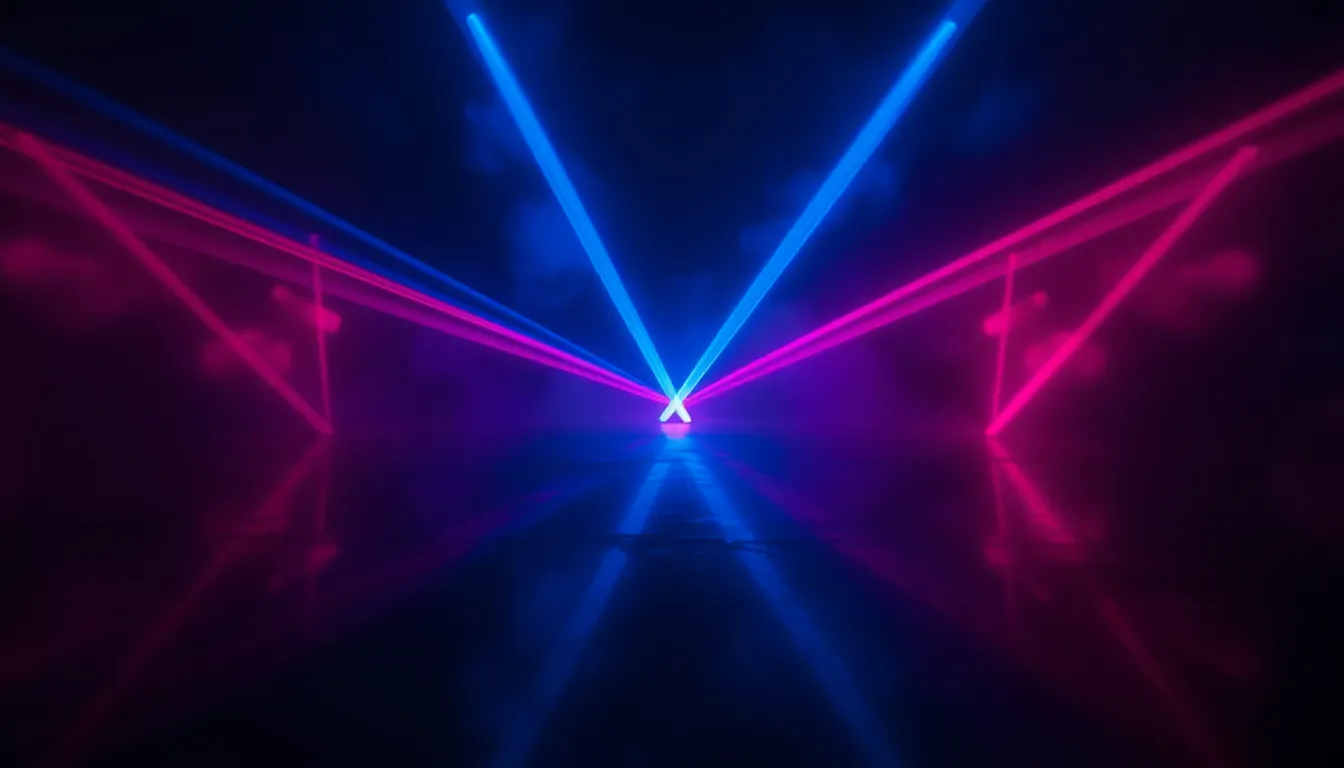
shot on Sony A7R V with 85mm f/1.4 GM lens in a dark room illuminated by neon lasers demonstrating wave interference patterns. The lighting features vibrant blue and magenta beams cutting through the darkness, casting dynamic reflections on the surfaces. Depth of field is shallow at f/1.4, focusing on the patterns created in a mist-filled air with soft bokeh in the background. The color science emphasizes high saturation and contrast, enhancing the electric atmosphere. The composition captures the swirling patterns as the light beams intersect.
16:9
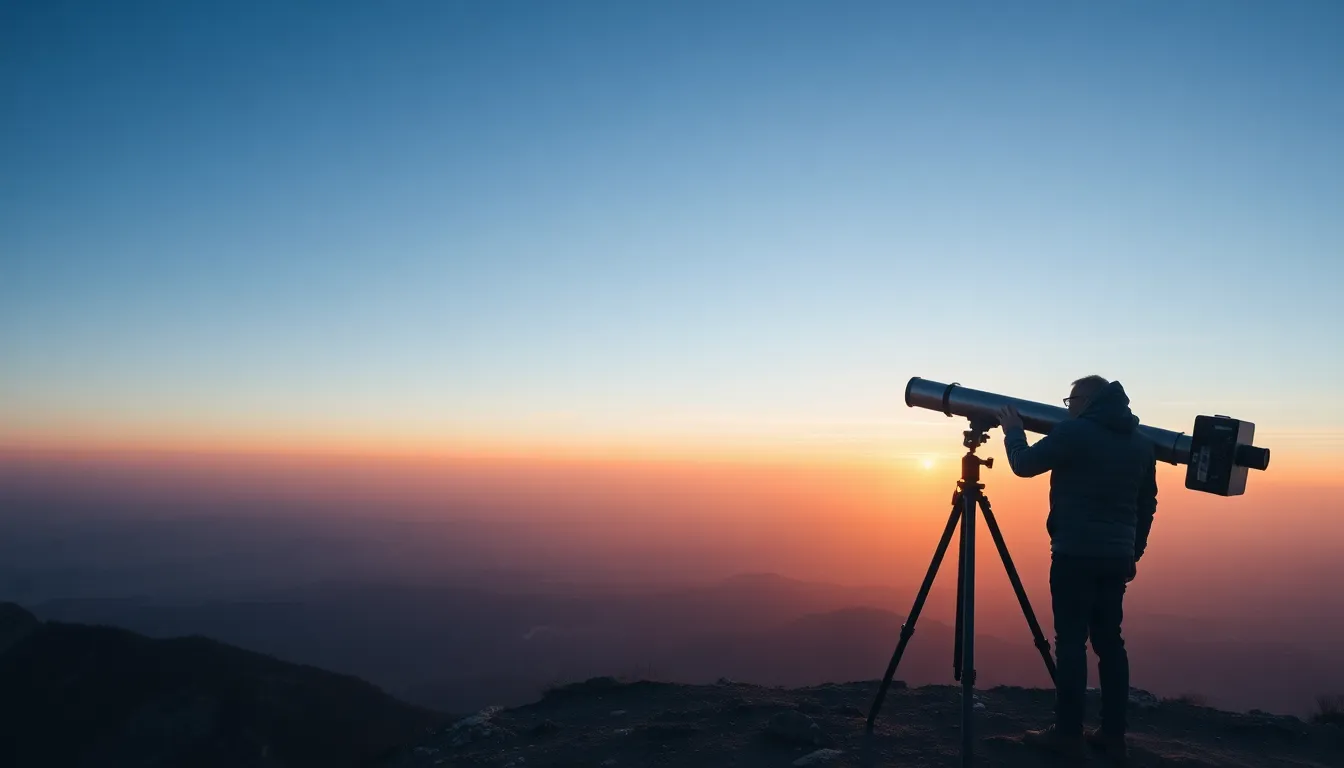
captured with Hasselblad X2D 100C, 90mm f/2.5 medium format during a clear sunrise on a mountain peak with a physicist observing the horizon through a telescope. The scene features hyperfocal depth at f/8 with the entire landscape crisp and sharp, showcasing a panoramic view of distant mountains and valleys. The color palette is soft and muted with blues and pinks of dawn lighting the sky. The composition places the physicist in the lower third, with leading lines of the mountain path guiding the eye to the observatory.
16:9
shot on FujiFilm GFX 100S, 110mm f/2 macro capturing a close-up of a carefully arranged set of gears and cogs on a textured metallic surface illuminated by a warm tungsten desk lamp. The depth of field is shallow at f/2 with the focus on the intricate details of the gears, showcasing visible surface textures and reflections. The color science features deep golds and rich browns, evoking a sense of vintage mechanical artistry. The composition centers on the largest gear, leading the eye through the interlocking pieces.
1:1

captured with Canon EOS R5, 24-70mm f/2.8L at 35mm during golden hour with warm rim lighting illuminating a student conducting an experiment with a Tesla coil. The depth of field is set at f/4, with the student’s focused expression sharp against a softly blurred background of swirling sparks. The color palette emphasizes warm oranges and yellows, evoking excitement and discovery. The composition captures both the coil's intricate design and the student's engagement with the experiment.
3:2
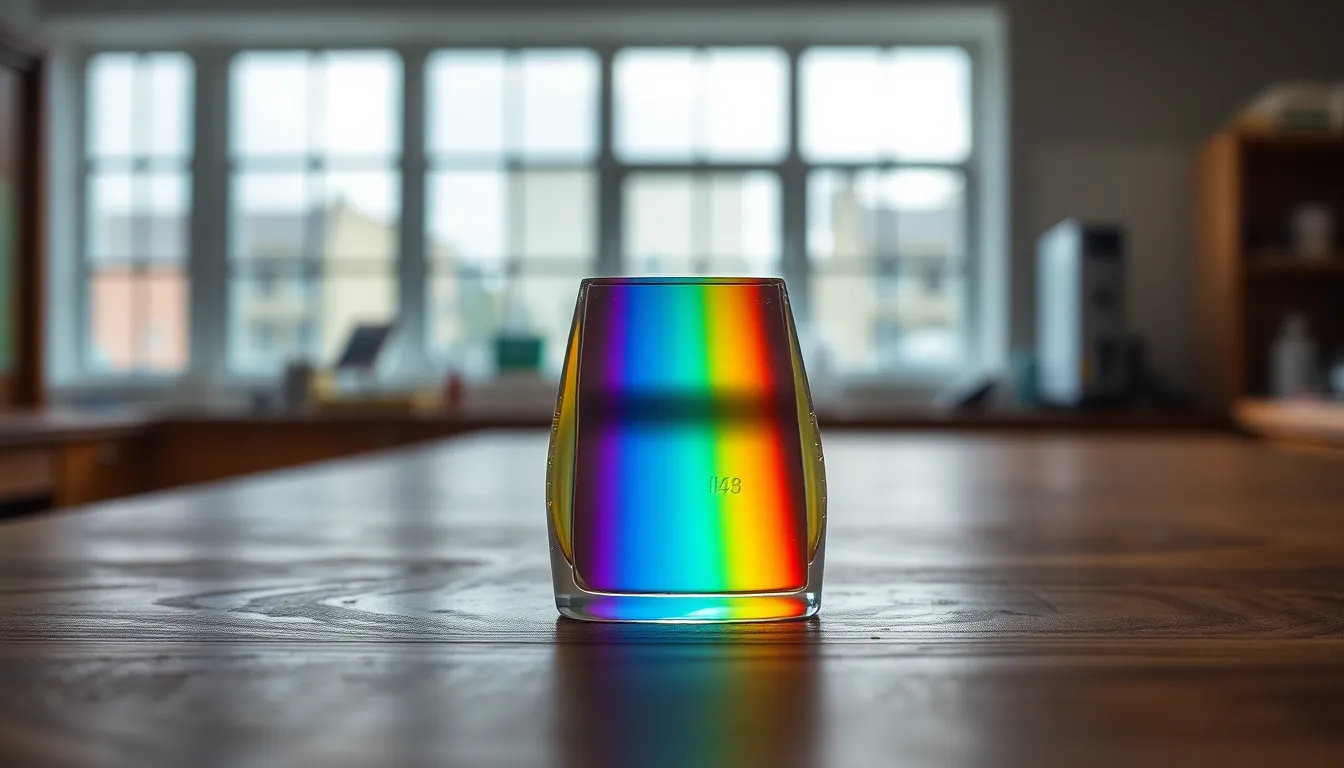
shot on Nikon Z9, 70-200mm f/2.8 telephoto at 135mm with overcast diffused daylight filtering through a physics laboratory window. The focus is on a glass prism creating a spectrum of colors on a wooden table surface, shallow depth of field at f/2.8 with creamy bokeh. The color palette features vibrant rainbow hues against muted wood tones. The composition positions the prism off-center with leading lines formed by light beams. The glass reflects intricate details, showcasing engravings on its surface.
16:9
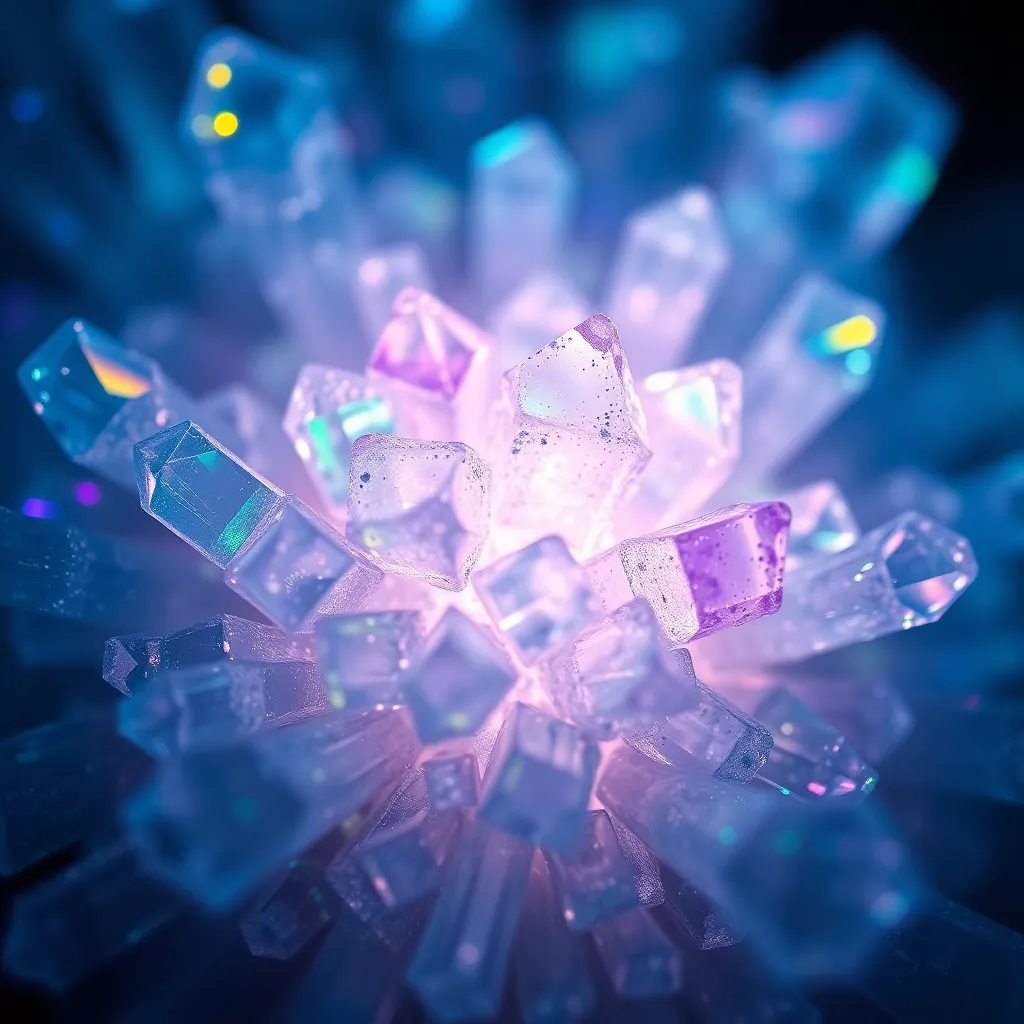
Fujifilm GFX 100S, 110mm f/2 macro presents a stunning close-up of a crystal structure under a microscope. Crystal formations sparkle under a diffuse light source, revealing intricate patterns and textures. The depth of field is extremely shallow at f/2, creating a dreamy effect where the surrounding area fades away. The color palette features vibrant, iridescent colors of blue, purple, and green, showcasing the beauty of scientific materials. The composition is centered, emphasizing the uniqueness of each crystal and inviting viewers into the microcosm of physics.
1:1
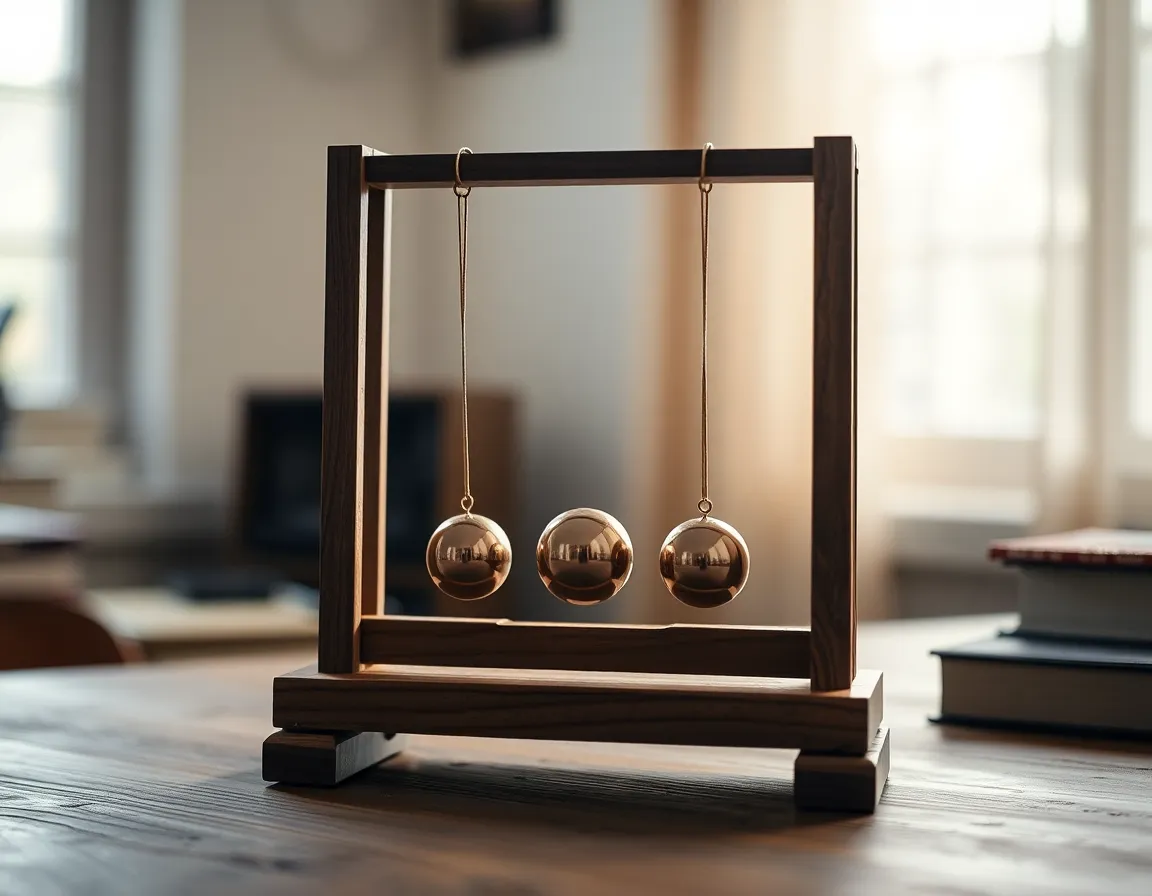
Hasselblad X2D 100C, 90mm f/2.5 medium format presents a dramatic depiction of Newton's cradle on a wooden desk, caught mid-swing with kinetic energy. The lighting is soft, with natural light filtering through a nearby window accentuating the texture of wood grain and metal balls. Shallow depth of field at f/2.5 blurs the desk background while keeping the cradle in crisp focus. The color palette is warm, with browns and bronze hues giving a nostalgic feel to the image. Centered composition allows for an intimate exploration of this classic physics experiment.
4:3
Nikon Z9, 70-200mm f/2.8 telephoto at 135mm captures a wide view of a solar eclipse over a vast desert landscape, with shadows stretching across the sand dunes. The scene is bathed in ethereal twilight hues of deep blue and burnt orange, creating an otherworldly atmosphere. The depth of field is hyperfocal at f/8, ensuring both the foreground dunes and distant horizon remain in sharp focus. The composition utilizes leading lines formed by the dunes to draw the viewer's eye towards the captivating eclipse, enhancing the impact of the natural phenomenon.
16:9
Shot on Sony A7R V with 85mm f/1.4 GM lens, this image depicts a close-up of a spinning gyroscope against a soft black background, illuminated by a warm spotlight that casts dramatic shadows. The depth of field is extremely shallow at f/1.4, allowing the gyroscope to pop with sharp focus while the rest of the frame melts into a silky bokeh. The color palette features rich metallic tones, highlighting the intricate details and textures of the gyroscope's surface. The centered composition draws the eye to the gyroscope's rotation, evoking a sense of motion and stability.
1:1
Captured with Canon EOS R5, 24-70mm f/2.8L at 35mm, this scene features a physicist in a lab wearing safety goggles and a lab coat. Ambient lab lights create dramatic shadows while the key light highlights a demonstration table filled with prisms and glass apparatus. Shallow depth of field at f/2.8 focuses on the physicist's expressive face, emphasizing deep-set eyes reflecting curiosity. The color palette includes cool blues and whites, evoking a sterile yet vibrant scientific atmosphere. The composition follows the rule of thirds, with the physicist positioned to the right, framing the glass tools on the table, enhancing the texture of polished glass and lab surfaces.
16:9
Captured with Leica Q3, 28mm f/1.7 Summilux, this image presents a unique perspective of a physics classroom with students engaged in an interactive demonstration of electromagnetism. Soft overhead lighting creates an inviting ambiance, with natural light filtering through the classroom windows. A selective focus on the students' excited expressions blurs the background into a soft painterly bokeh. The color palette features warm muted tones that evoke a sense of collaboration and learning. The composition centers on the group, using symmetry to convey a harmonious learning environment.
16:9
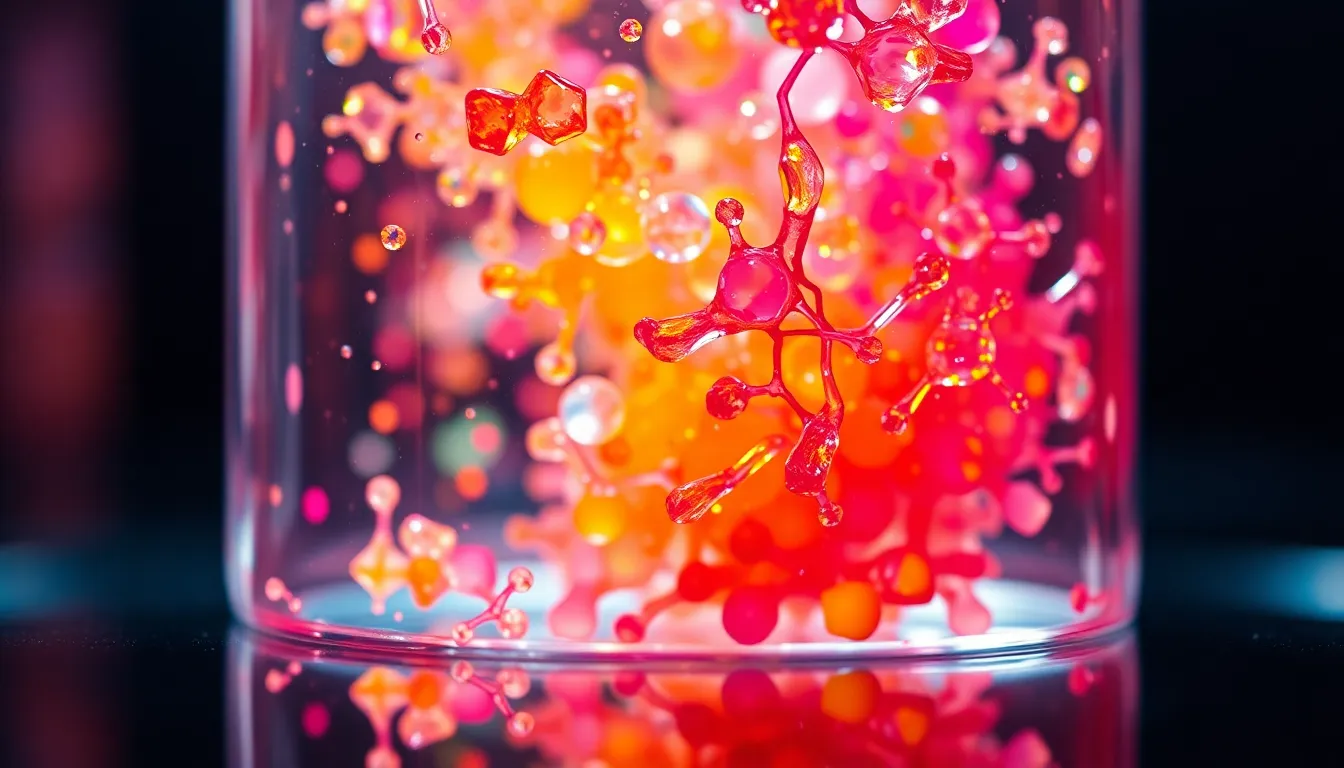
Shot with Fujifilm GFX 100S, 110mm f/2 macro, this close-up image showcases the intricate patterns of a physics experiment with liquid crystals on a glass surface. The studio lighting setup features a key softbox at 45°, creating a stunning contrast between the vibrant colors of the liquid crystals against the glass. A hyperfocal distance at f/8 ensures every detail of the crystalline structure is sharp and clear. Vibrant saturated colors inspired by Fujifilm Velvia bring life to the experiment. The composition captures the beauty of physics in an abstract manner, emphasizing texture and detail.
16:9
Captured with Nikon Z9, 70-200mm f/2.8 telephoto at 135mm, this serene outdoor scene features a physics professor demonstrating principles of gravity with a pendulum under a large oak tree. The warm golden hour backlighting casts a beautiful glow on the professor, creating an inspiring atmosphere. A shallow depth of field at f/2.8 produces creamy bokeh in the background, highlighting the professor's engaging expression and the swinging pendulum. Natural muted tones emphasize earthy colors, while the composition is carefully balanced with the professor positioned at the right power point.
16:9
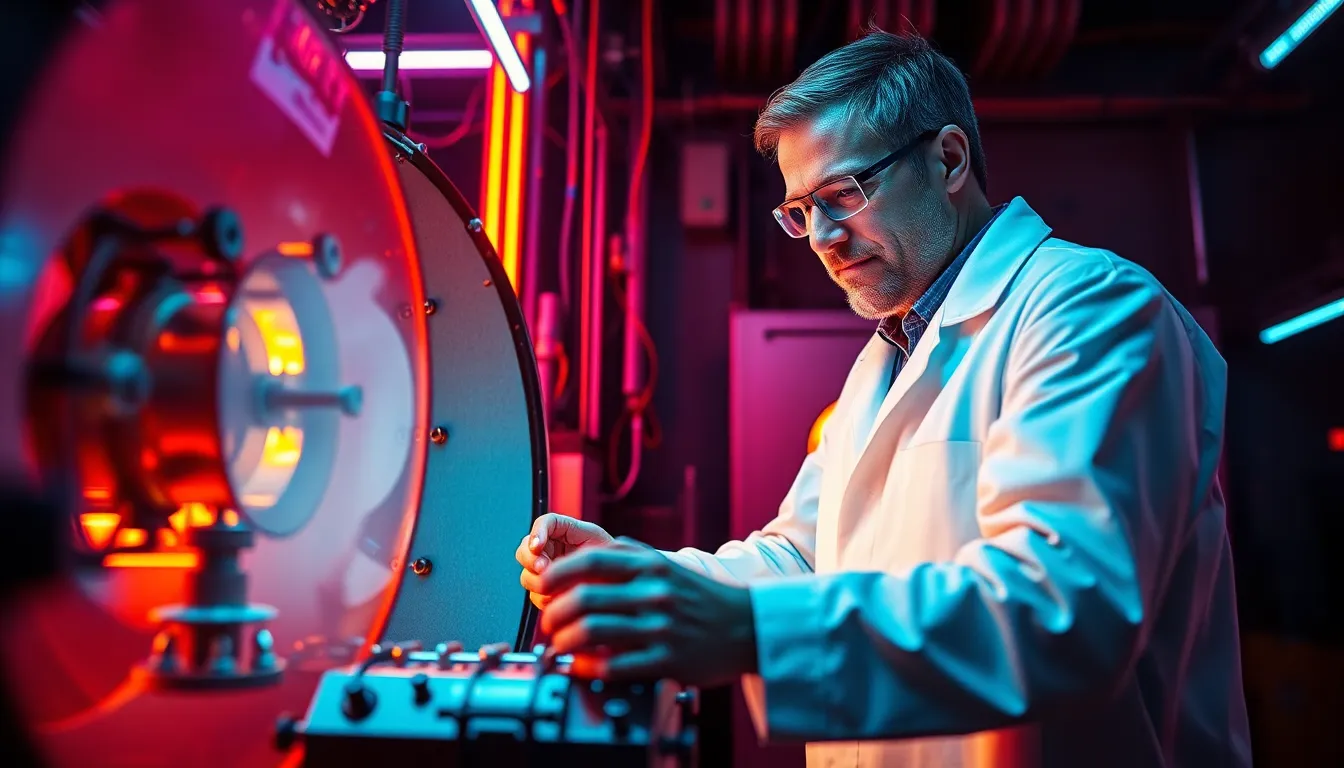
Shot on Sony A7R V with 85mm f/1.4 GM lens, this dramatic image depicts a scientist conducting an experiment with a particle accelerator. The scene is illuminated by vibrant neon lights, creating a colorful and electrifying atmosphere. A hyperfocal depth of field at f/8 ensures everything from the details of the machine to the scientist's expression is sharp. The cinematic teal and orange color grading adds to the dynamic mood. The composition leverages leading lines from the accelerator, drawing the viewer's eye towards the scientist passionately engaged in their work.
16:9
Captured with Canon EOS R5, 24-70mm f/2.8L at 35mm, this scene features a physicist in a modern laboratory surrounded by glowing scientific equipment. The lighting is a soft diffused daylight coming through large windows, creating an inviting yet focused atmosphere. A shallow depth of field at f/2.8 highlights the physicist's concentrated expression while blurring the busy lab background into a soft bokeh. Color tones evoke a natural palette with cool blues and whites. The composition uses the rule of thirds placing the subject off-center, with glass beakers and flashlights reflecting light in the foreground, adding texture.
16:9
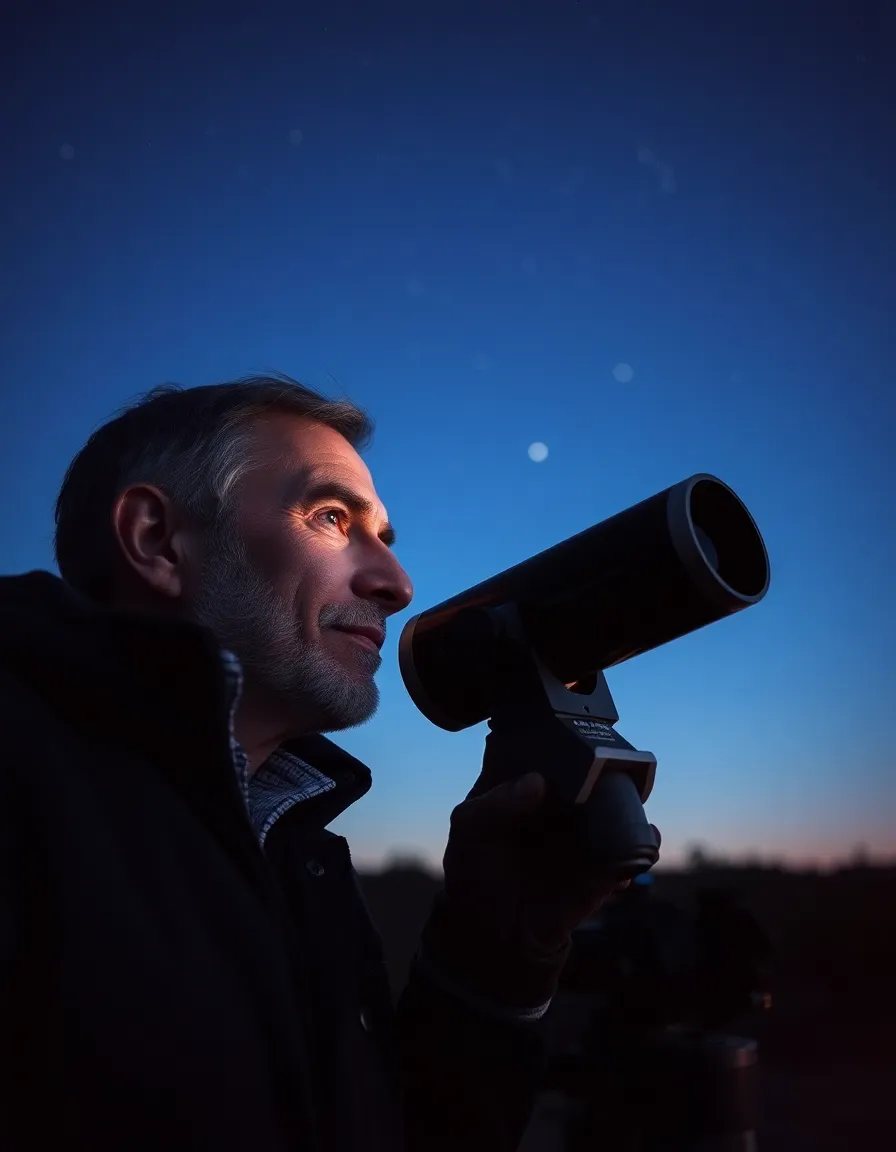
shot on Hasselblad X2D 100C, 90mm f/2.5 medium format, focusing on an astronomer observing stars through a telescope during twilight. The soft twilight light casts a serene glow on the astronomer's face, with a bokeh of distant stars in the background. The depth of field is shallow at f/2.5, keeping the astronomer's features sharp while softly blurring the sky. Fujifilm Velvia-inspired colors create rich blues and purples in the night sky. The composition utilizes a centered arrangement with a slight Dutch angle to add dynamic tension. Textures of the astronomer's clothing and the telescope material create an engaging visual narrative.
3:4
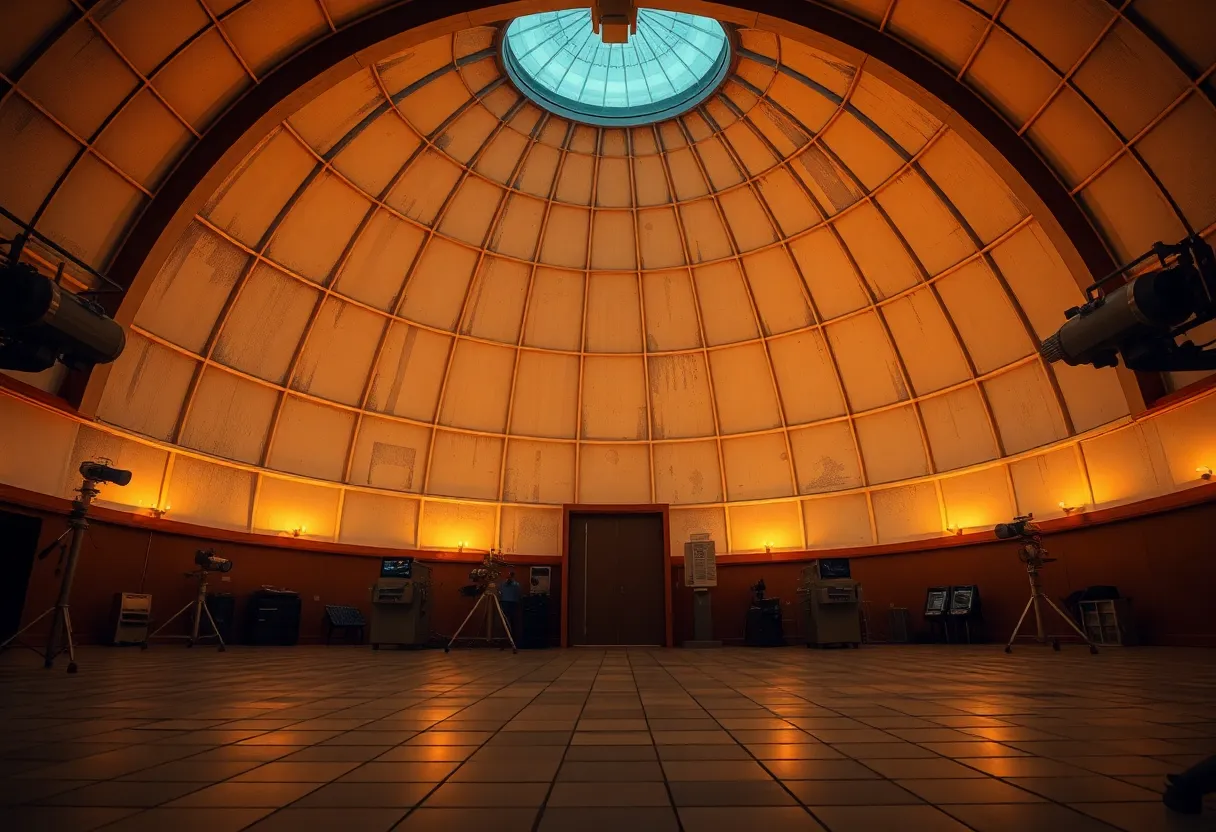
captured with Leica Q3, 28mm f/1.7 Summilux, depicting a large hemispherical dome in a physics observatory, bathed in warm tungsten light from internal sources. The composition centers on the dome with leading lines from the floor tiles guiding the viewer's eye upwards. The depth of field is shallow at f/1.7, providing a soft focus on the surrounding instruments while maintaining sharp details on the dome. The color grading features warm tones, enhancing the inviting atmosphere of the research space. The textures on the dome's surface are rich and detailed, showcasing the unique materials and engineering of the structure.
3:2

shot on Fujifilm GFX 100S, 110mm f/2 macro, featuring a close-up of a high-speed camera capturing the moment a water droplet impacts a surface, creating a mesmerizing splash. The natural sunlight backlighting enhances the crystal-clear details of the droplets and splash, with shallow depth of field blurring the background into a soft, dreamy bokeh. The color science leans toward natural muted tones with desaturated blues and greens accentuated by the sparkling water. Compositionally, the water droplet is centered, with the splash radiating outward, inviting the viewer to admire the physics of motion. Textures are emphasized through the clarity of the water and the surface it impacts.
1:1
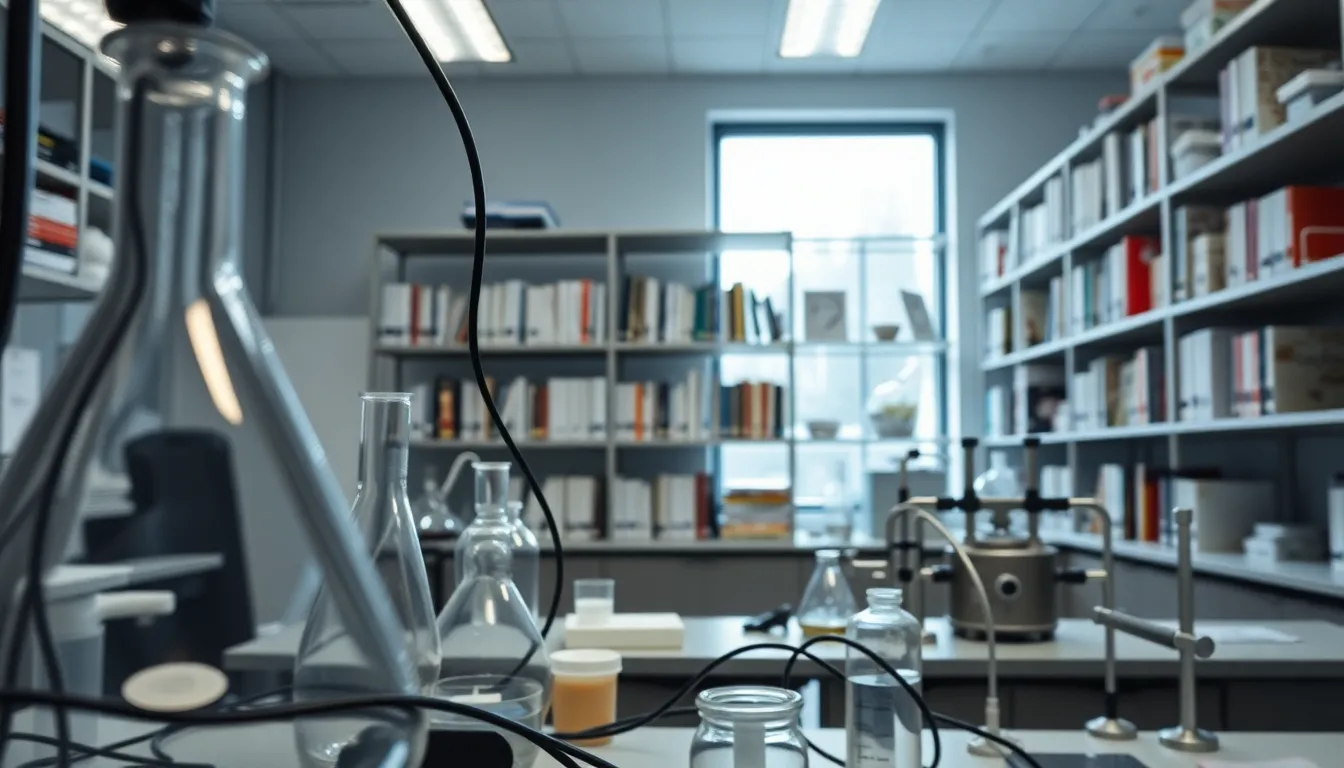
captured with Canon EOS R5, 24-70mm f/2.8L at 35mm, featuring soft overcast daylight filtering through a laboratory filled with scientific instruments. The hyperfocal distance is employed for sharp focus from the foreground elements—like beakers and wires—leading back to detailed shelves filled with textbooks and equipment. The muted color palette features soft grays and blues, providing a calm, academic atmosphere. The composition follows the rule of thirds, with a prominent beaker on the left and shelves in the background, creating depth and interest. Textures of glass and metal are highlighted with gentle reflections and sheen from the soft light.
16:9
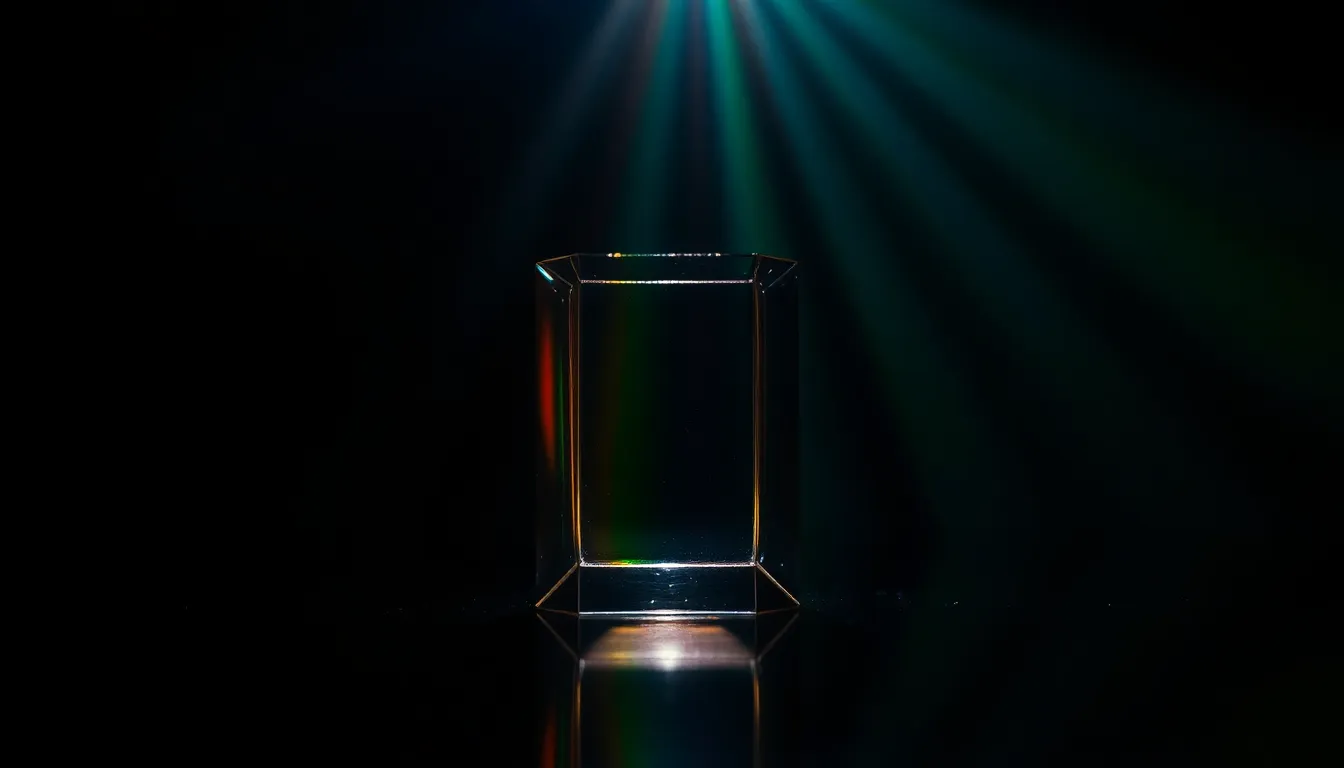
shot on Nikon Z9, 70-200mm f/2.8 telephoto at 135mm, featuring dramatic chiaroscuro lighting with a focused spotlight accentuating a glass prism refracting light into a spectrum of colors. The shallow depth of field at f/2.8 provides a dreamy bokeh effect, blurring the background into soft pastel hues. The color palette showcases vibrant rainbow colors contrasted against deep black, creating a striking visual impact. Compositionally, the prism is centered with leading lines from the rays of light directing the viewer's gaze. The glass surface shimmer exhibits intricate reflections and refractions, emphasizing the physics of light manipulation.
16:9
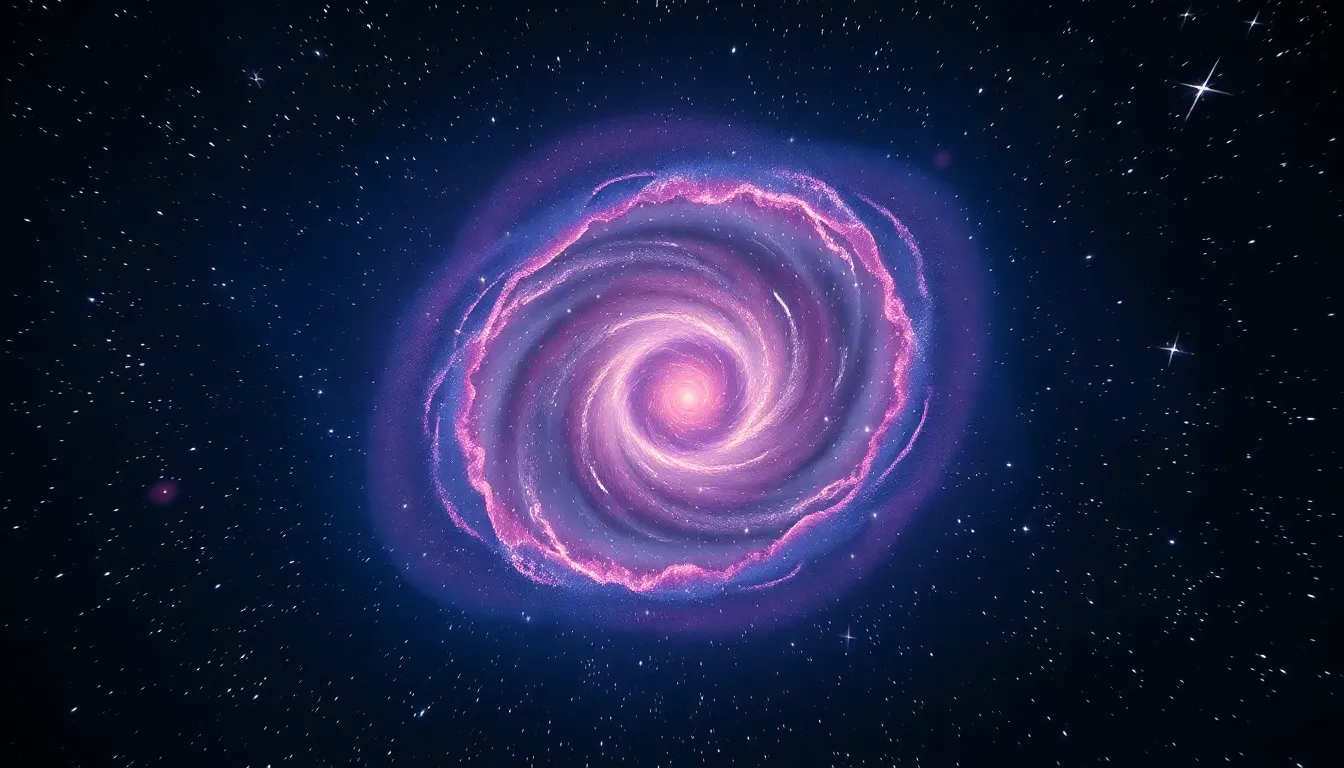
Filmed on Hasselblad X2D 100C, 90mm f/2.5 medium format, this stunning image depicts a vivid visualization of Einstein's theory of relativity featuring a swirling galaxy against a starry backdrop. The scene is illuminated with natural starlight, creating a mystical atmosphere with deep shadows and sparkling highlights. Utilizing a shallow depth of field at f/2.5, the swirling galaxy is in focus while the stars blur into a dreamy backdrop. The color palette is a striking combination of cosmic purples and blues, evoking a sense of wonder and exploration. The centered composition draws the viewer's eye directly into the heart of the galaxy, enhancing the sense of motion and gravitational pull.
16:9
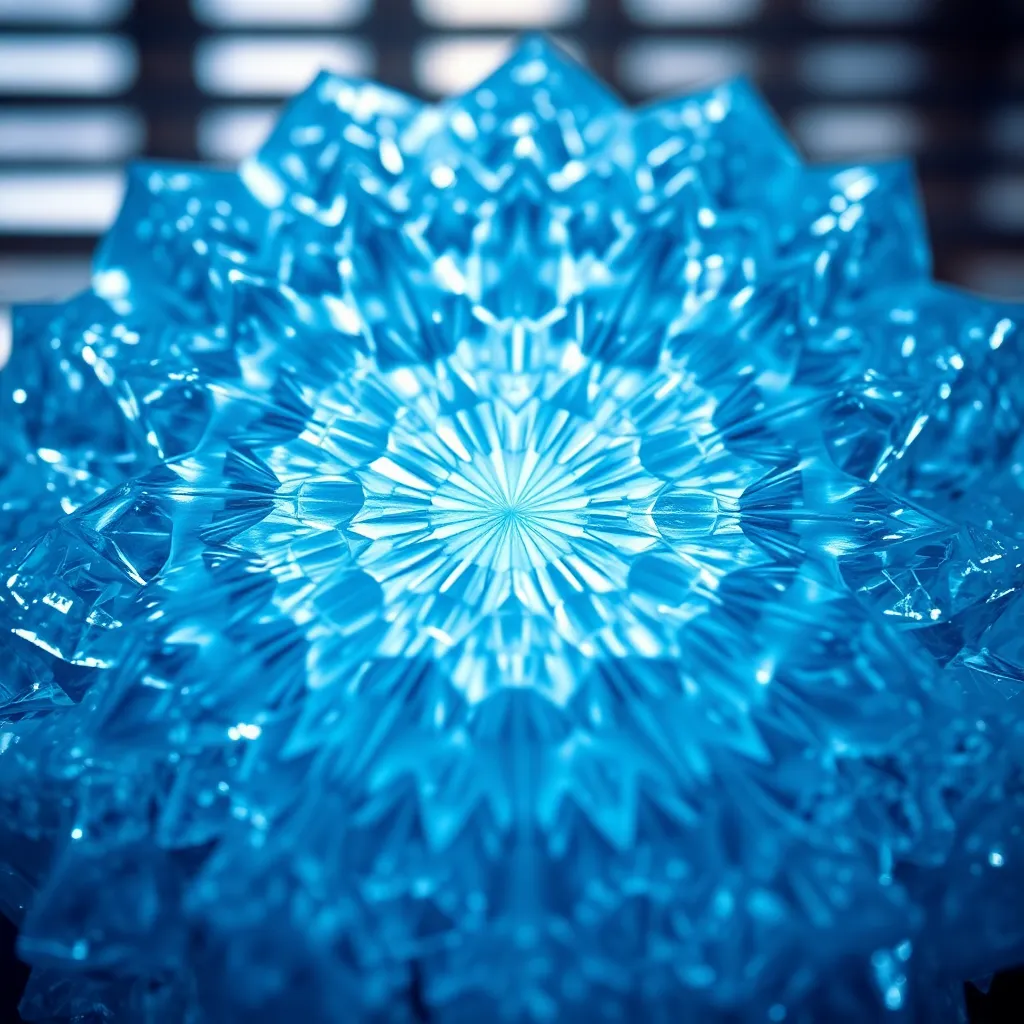
Using Fujifilm GFX 100S, 110mm f/2 macro lens, this detailed image captures the intricate surface of a crystal lattice under a microscope. Soft diffused daylight filtering through blinds provides gentle illumination, highlighting the textures and colors of the crystal facets. With a shallow depth of field at f/2, the viewer can see the detailed patterns of the lattice while the background softly fades into abstraction. The color palette showcases pure blues and whites, emphasizing the clarity and beauty of the crystal structure. The composition centers the crystal, creating a striking visual impact as the viewer is drawn into its complexity.
1:1
Captured with Nikon Z9, 70-200mm f/2.8 telephoto at 100mm, this landscape illustrates a stunning sunset over a physics-themed outdoor science festival. Dramatic clouds painted in shades of orange and purple reflect the colors of the event, where children and adults interact with kinetic sculptures and demonstrations. The image features a hyperfocal distance at f/8, ensuring clarity across the entire scene from the foreground sculptures to the distant sunset. Natural muted tones evoke a peaceful atmosphere, while the composition employs leading lines from the path leading to the festival, guiding the viewer’s gaze through the vibrant setting.
16:9

Shot on Sony A7R V with 85mm f/1.4 GM lens, this stunning portrait captures a young physicist deep in thought, surrounded by a library filled with old physics books. The warm tungsten desk lamp casts a directional pool of light, highlighting the subject’s face and creating soft shadows around them. Utilized at f/1.4, the shallow depth of field blurs the background, accentuating the details of the subject's thoughtful expression and natural skin texture. The color palette features rich amber tones, emphasizing the cozy and intellectual atmosphere. Compositionally, the subject is framed in the left power point of the image, inviting the viewer's eye.
3:4
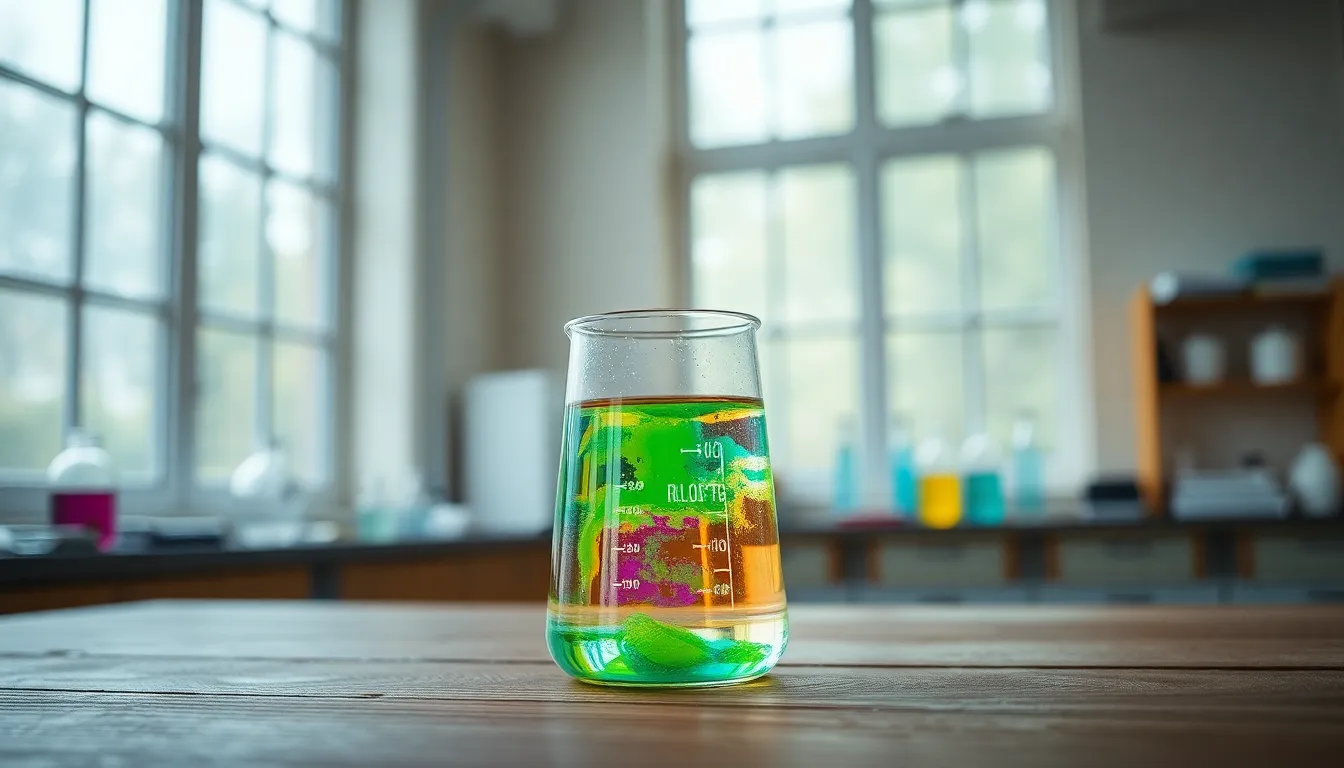
Captured with Canon EOS R5, 24-70mm f/2.8L at 50mm, this dynamic scene depicts a physics experiment showcasing a colorful reaction in a glass beaker. Overhead, natural diffused daylight from large windows softly illuminates the setup, creating a bright atmosphere. Shallow depth of field at f/2.8 focuses on the vibrant colors of the chemical reaction, while the background gently melts into bokeh. The color palette features vivid greens and yellows with subtle reflections on the glass surfaces. The composition adheres to the rule of thirds, placing the beaker slightly off-center, against a textured wooden lab table with visible grain.
16:9
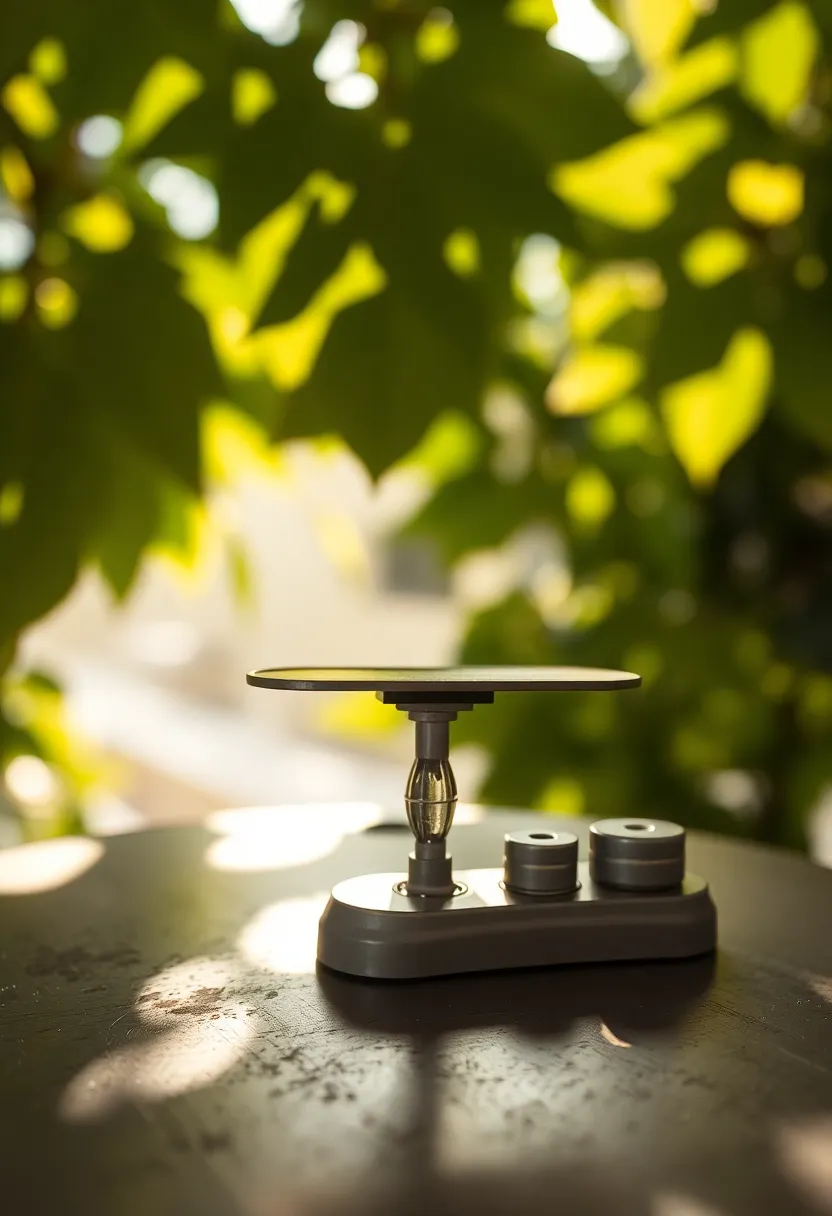
Fujifilm GFX 100S, 110mm f/2 macro, dappled sunlight filtering through leaves illuminating a close-up of a scientific scale balanced with weights, hyperfocal distance giving sharpness from foreground to infinity, natural muted tones and earthy colors creating a serene mood, rule of thirds composition with the scale off-center, textured metal surface showing fine scratches and reflections.
2:3
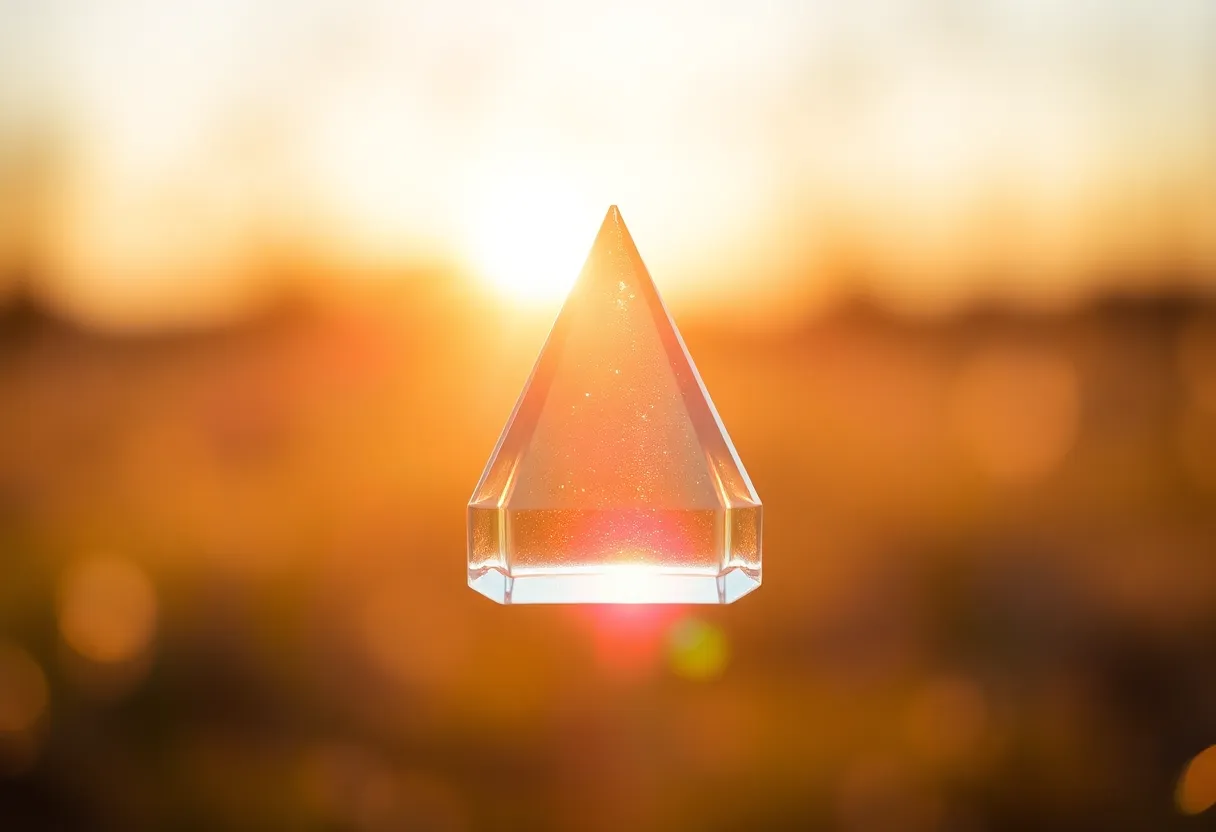
Hasselblad X2D 100C, 90mm f/2.5 medium format, golden hour backlighting illuminating a spectrum of colors refracted through a glass prism, shallow depth of field with a creamy bokeh background, Kodak Portra 400 color palette enhancing the warmth of the scene, centered symmetrical composition drawing attention to the prism and the resulting rainbow, smooth glass textures contrasting with the natural surroundings.
3:2
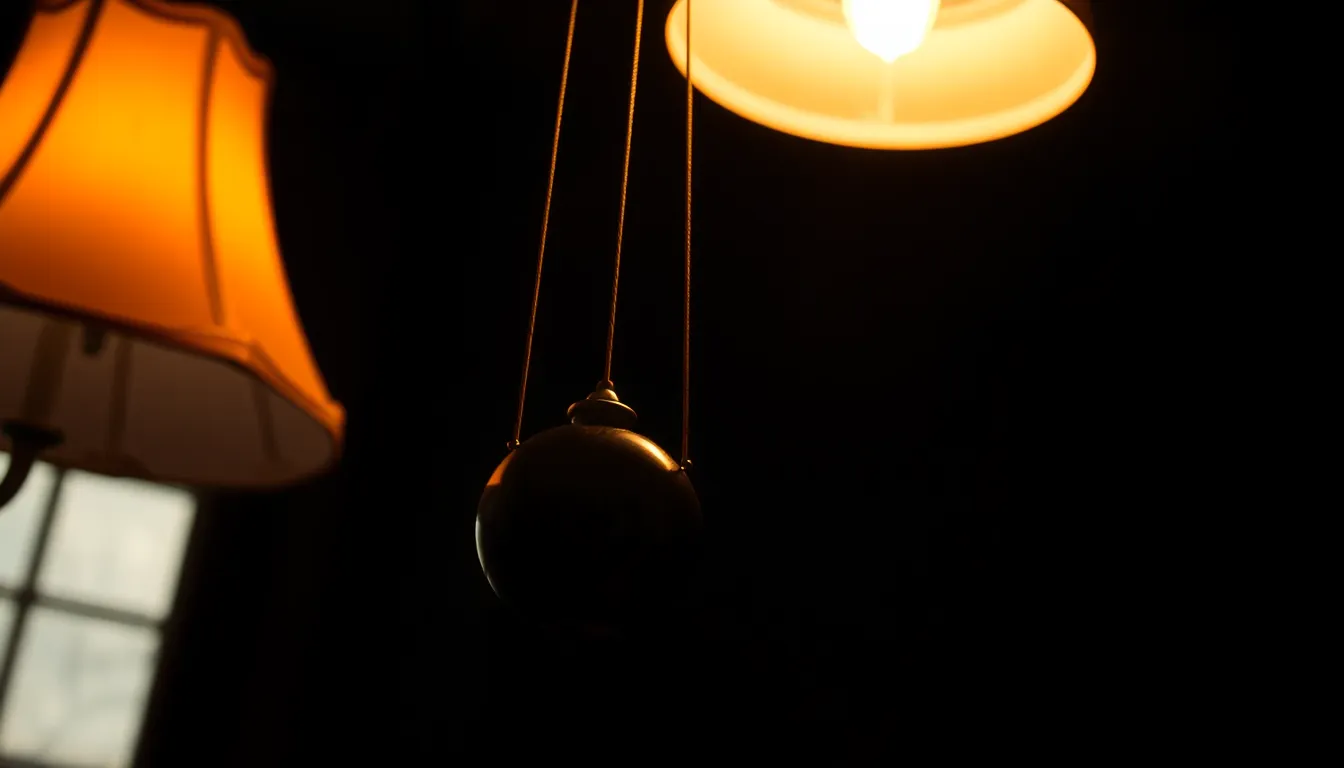
Nikon Z9, 70-200mm f/2.8 telephoto at 135mm, warm tungsten desk lamp casting directional light on a pendulum swinging in a dark room, selective focus on the pendulum's metallic surface, deep shadows and warm highlights create a dramatic atmosphere, natural skin tones with lifted shadows evoking curiosity, leading lines formed by the string guiding the viewer's eye toward the motion.
16:9
captured with Canon EOS R5, 24-70mm f/2.8L at 35mm, natural overcast daylight illuminating a classroom filled with physics students engaged in an experiment, hyperfocal distance achieving sharpness from foreground to infinity, natural muted tones with desaturated earth colors, centered symmetrical composition highlighting students and their equipment on lab tables, wooden desks showing distinct grain and texture.
4:3
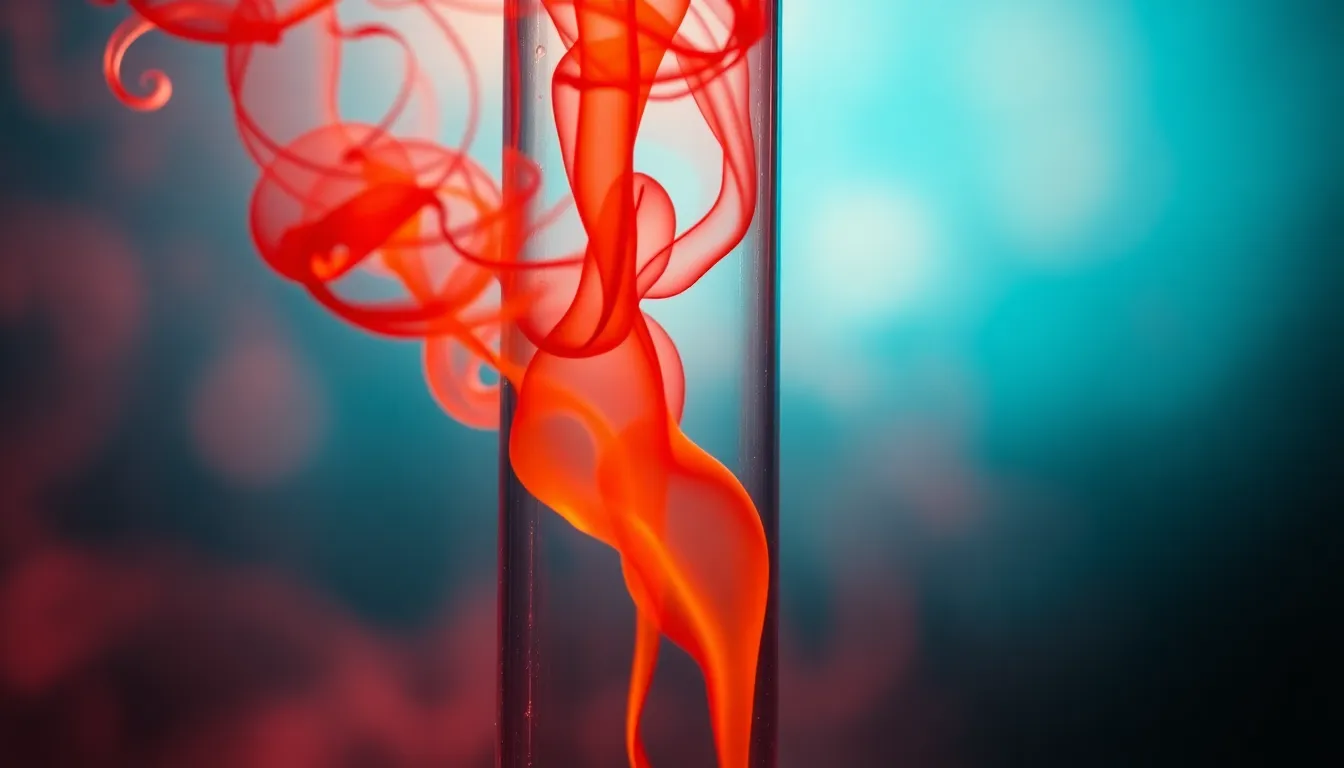
shot on Sony A7R V with 85mm f/1.4 GM lens, dramatic chiaroscuro lighting accentuating the swirling colors of smoke in a glass tube demonstrating fluid dynamics, shallow depth of field at f/1.4 with creamy bokeh background, cinematic teal and orange color grading, rule of thirds composition with smoke spiraling from the left, smooth glass texture reflecting ambient light.
16:9
captured with Leica Q3, 28mm f/1.7 Summilux, featuring a dynamic shot of a physics classroom filled with students engaged in a hands-on experiment involving pendulums. The butterfly lighting directly above creates bright catchlights in their eyes and enhances their expressions of curiosity. The shallow depth of field at f/1.7 softly blurs the background rows of desks. The color grading follows a cinematic teal and orange palette. Compositionally, the image uses a center-framed approach focusing on student interaction, while textures range from the smooth desktop surface to the fabric of their clothing.
16:9
shot on Fujifilm GFX 100S, 110mm f/2 macro, featuring breathtaking dappled sunlight filtering through a canopy of trees, illuminating a network of spider silk in a forest. The depth of field is shallow at f/2, creating a painterly bokeh effect in the background, while the intricate details of the silk structures are sharp and crisp. The color palette is inspired by natural muted earth tones. Compositionally, the spider silk is centered, with leading lines formed by the strands directing the eye throughout the frame. Textures include the glistening silk and the rough bark of surrounding trees.
16:9
captured with Nikon Z9, 70-200mm f/2.8 telephoto at 135mm, featuring overcast diffused daylight streaming through laboratory windows. The image portrays a scientist observing a suspension of colorful liquids in glass beakers, with hyperfocal distance making everything from foreground to infinity tack-sharp at f/8. The color palette showcases saturated colors and contrasts. The composition centers on the scientist, with leading lines from the table's edge guiding the eye towards the colorful beakers. Textures include the glossy surfaces of beakers and the clear liquid inside.
16:9

shot on Sony A7R V with 85mm f/1.4 GM lens, featuring natural golden hour backlighting casting warm highlights on a young girl experimenting with a homemade rocket in a field. The shallow depth of field at f/1.4 creates creamy bokeh in the background, emphasizing her joyful expression. The color palette is inspired by Kodak Portra 400, with warm skin tones and lifted shadows. Compositionally, the rule of thirds is applied, with the girl positioned to the left and the rocket taking center stage. Grass blades and dirt show texture under the soft sunlight.
16:9
captured with Canon EOS R5, 24-70mm f/2.8L at 35mm, featuring dramatic Rembrandt lighting from a single softbox at camera left. The scene captures a physicist in a lab, focused intently on a holographic model of an atom, with a shallow depth of field at f/2.8 allowing the background to melt into a soft bokeh. The color palette features muted tones with pops of bright colors highlighting the model. The composition utilizes the rule of thirds, placing the physicist to the right while the model occupies the left power point. Textured surfaces include polished lab equipment and a chalkboard filled with complex equations.
16:9