Laboratory
85 images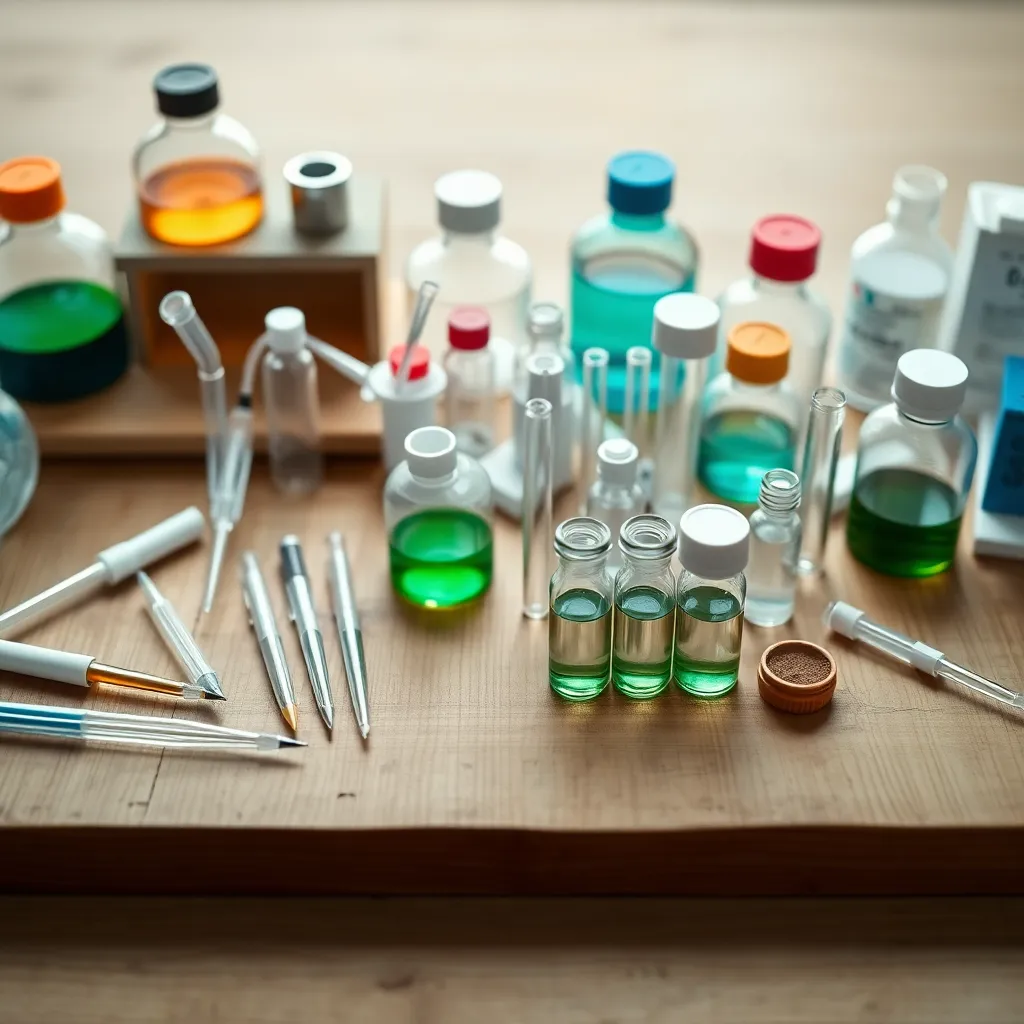
captured with Leica Q3, 28mm f/1.7 Summilux, showcasing a detailed flat lay of laboratory tools on a wooden surface during overcast diffused daylight. The scene includes pipettes, test tubes, and chemical containers arranged methodically, with a mild depth of field at f/2 creating a soft separation between foreground and background. The color palette features natural muted tones with a focus on the wooden texture. The composition uses the rule of thirds to create balance and organization among the scientific tools.
1:1
shot on Hasselblad X2D 100C, 90mm f/2.5 medium format, capturing a laboratory's sleek interior with dappled sunlight filtering through large windows and creating a warm atmosphere. A researcher stands at a lab bench, surrounded by high-tech equipment, using a laptop to analyze data, with selective focus on the researcher’s engaged expression. The color palette emphasizes earthy tones with bright spotlights on equipment. The composition utilizes the symmetry of the lab layout to create a balanced visual while highlighting the texture of the counter and equipment.
16:9
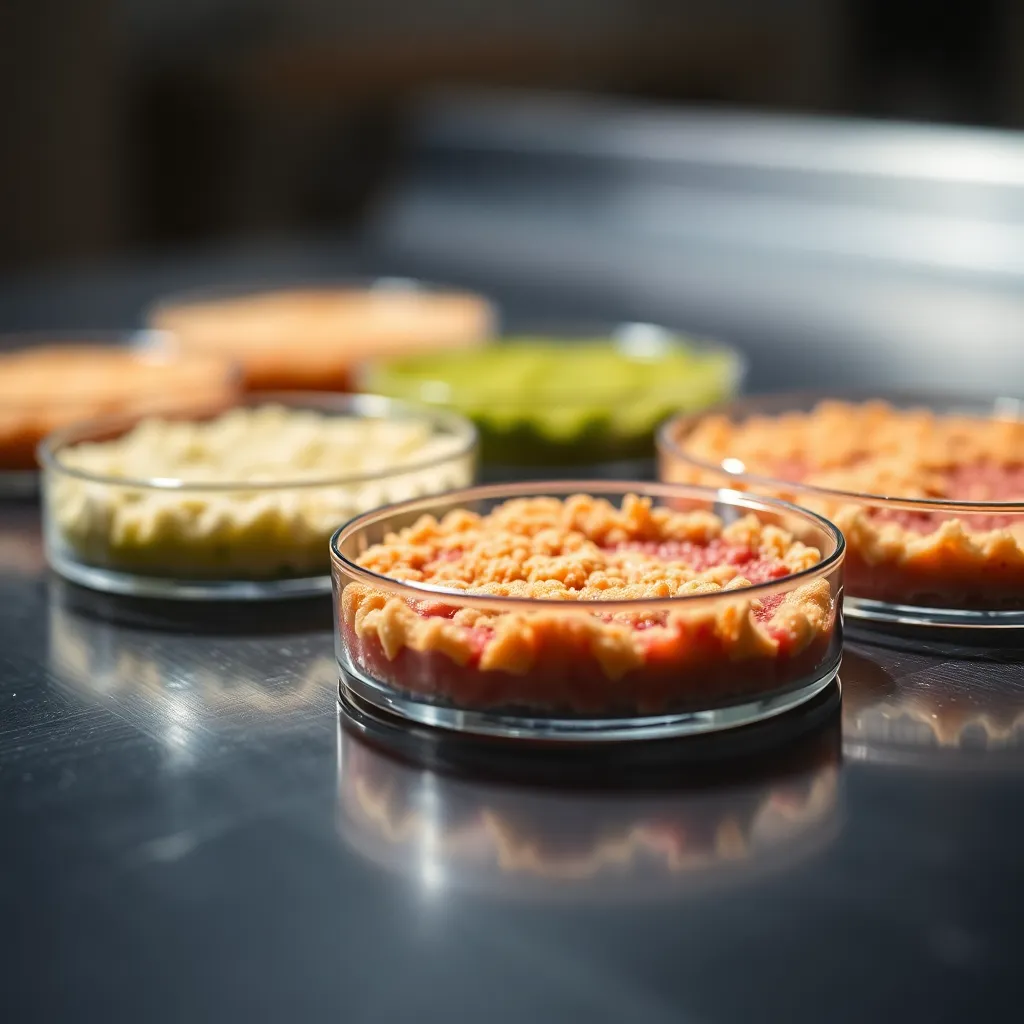
taken with Fujifilm GFX 100S, 110mm f/2 macro lens, showcasing a close-up of petri dishes on a stainless steel surface under a three-point studio setup with key softbox at 45°, creating shadows that highlight the textures. The shallow depth of field at f/2 renders the petri dishes crisp while the background softly blurs into bokeh. The color grading follows a natural palette with muted earth tones contrasting against the vibrant colors of the growing cultures. The composition underscores the details of each dish, focusing on unique growth patterns.
1:1
captured with Nikon Z9, 70-200mm f/2.8 telephoto at 135mm, during golden hour with warm rim light highlighting the edges of the lab equipment. A technician is carefully examining a sample under a microscope, with hyperfocal distance to keep both the subject and the intricate equipment in focus at f/8. The natural muted tones of the scene emphasize the professionalism of the laboratory. The composition places the technician off-center according to the rule of thirds, while the smooth surfaces of the microscope and glassware are rendered in striking detail.
16:9
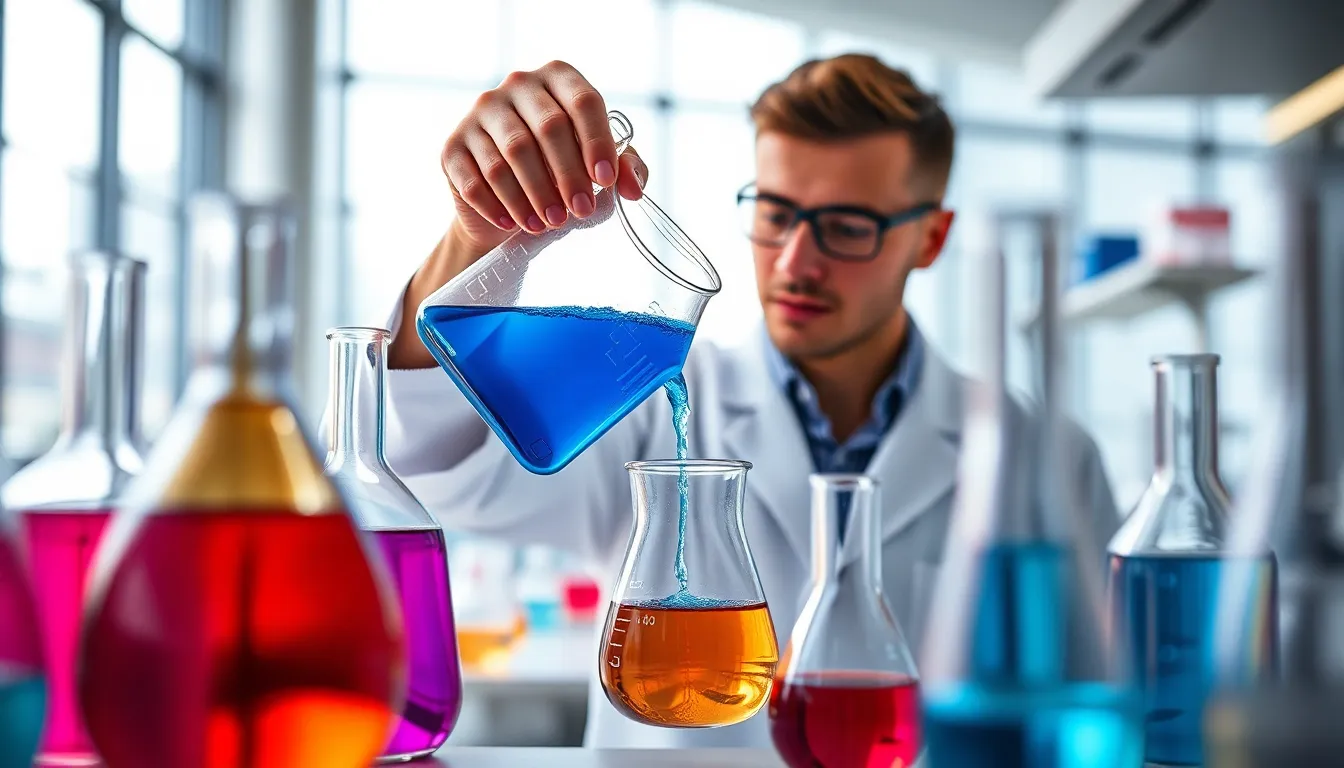
shot on Canon EOS R5, 24-70mm f/2.8L at 35mm, captured in an overcast diffused daylight through floor-to-ceiling windows. The scene features a modern laboratory with multiple glass beakers filled with colorful liquids, creating a vibrant atmosphere. A scientist in a white lab coat is pouring a blue solution into a beaker, with shallow depth of field at f/2.8 blurring the background. The color palette highlights warm skin tones against the cool tones of the glassware. Using leading lines of the lab benches to draw attention to the subject, the texture of the glass and the fluid's surface is captured in intricate detail.
16:9
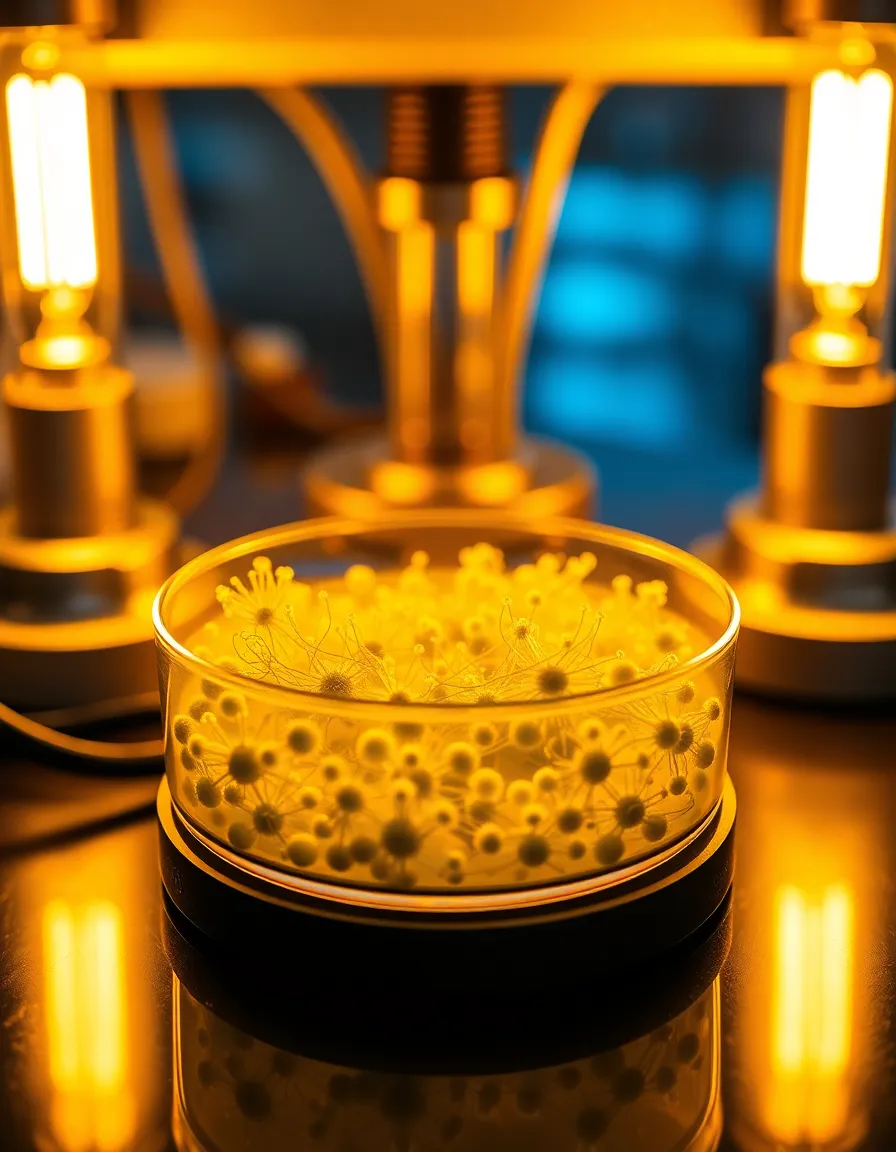
shot on Leica Q3, 28mm f/1.7 Summilux, illuminated by warm tungsten lab bulbs creating a cozy environment with ambient lighting. Selective focus on a petri dish filled with vibrant microbial cultures, with the surrounding equipment fading into a soft blur. The color palette is warm and inviting, showcasing rich yellows and greens of the cultures against the soft golden timbre of the lab surroundings. Composition frames the petri dish using the rule of thirds, highlighting the delicate details of microbial growth. Texture details include the smooth surface of the petri dish contrasted with the organic forms of the cultures.
3:4
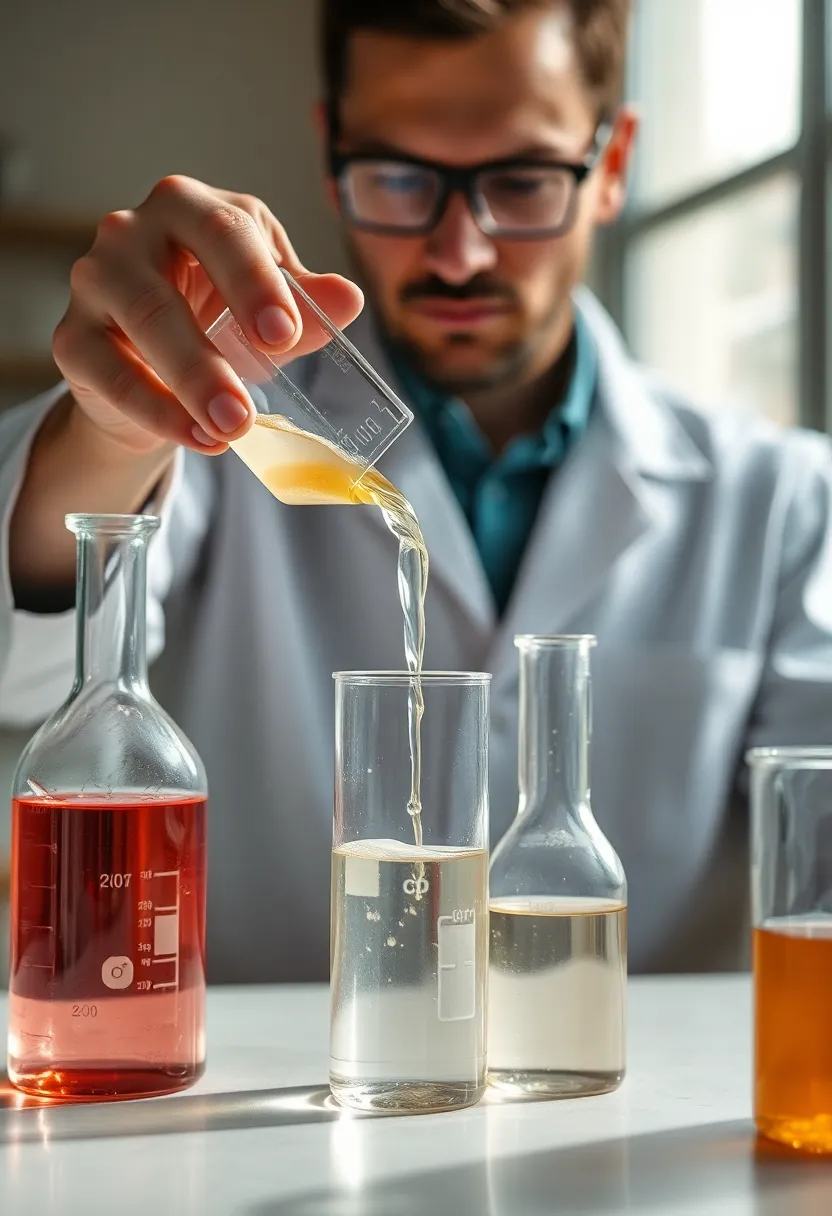
captured with Hasselblad X2D 100C, 90mm f/2.5 medium format, using diffused natural daylight streaming from a nearby window, creating a bright and inviting atmosphere. Depth of field is hyperfocal, ensuring crisp focus on all elements of the experiment setup. The color palette features soft earth tones with hints of green from lab plants. Composition follows leading lines, guiding the eye toward a vibrant experiment in progress at the foreground. Textural elements include the roughness of laboratory table wood and the softness of plant leaves in the background.
4:3
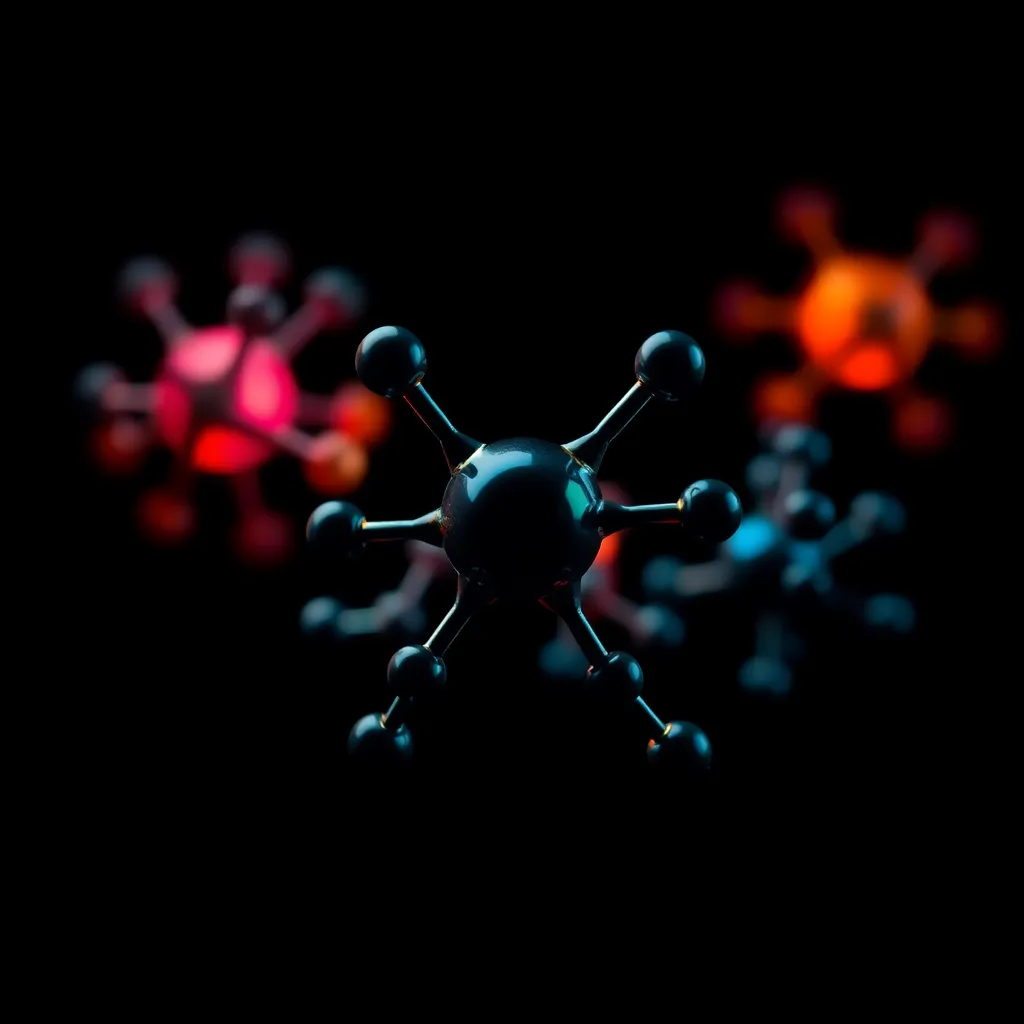
shot on Fujifilm GFX 100S, 110mm f/2 macro, with dramatic low-key studio lighting highlighting the intricate details of chemical compounds on a black background. Shallow depth of field at f/2 creates a soft bokeh around complex molecular models. The color scheme is predominantly dark, with vibrant, glowing colors of the models contrasting against the black backdrop. Composition employs a centered symmetrical layout, emphasizing the intricate structure of the molecular model with fantastic detail. Textures include the glossy surface of the models and the matte finish of the background.
1:1
captured with Nikon Z9, 70-200mm f/2.8 telephoto at 135mm, utilizing natural morning light filtering through large windows, casting soft shadows across the lab bench. Hyperfocal distance ensures all elements, from equipment to the researcher, are in sharp focus. The image features a muted color palette with cool tones and hints of pastel blues and greens. Composition is centered, showcasing a female scientist in a white lab coat, peering through a microscope with an expression of concentration. Textural details include the fine fibers of her lab coat and the polished metal of the microscope.
3:2
shot on Canon EOS R5, 24-70mm f/2.8L at 50mm, illuminated with bright overhead LED lighting creating even illumination across the workspace. Shallow depth of field at f/2.8, softly blurring the background of shelves filled with colorful reagents. The color palette is vibrant, highlighting the vivid hues of liquids in glass beakers. Composition follows the rule of thirds, placing the focal point on a light blue flask at the center, surrounded by a swirl of colorful liquid. Texture details include the smooth glass of the vials and the reflective surface of the lab table covered in subtle scratches.
16:9
Fujifilm GFX 100S, 110mm f/2 macro reveals a stunning close-up of intricate chemical glassware filled with colorful liquids placed on a reflective black lab bench. The studio lighting setup employs a key softbox to create soft, diffused highlights, enhancing the textures and colors of the glass and liquids. The shallow depth of field at f/2 blurs the background into soft bokeh, emphasizing the vibrant hues of the liquids. The Fujifilm Velvia-inspired color palette amplifies saturated colors, creating an eye-catching scene. The composition utilizes centered symmetry to draw attention to the vivid, scientific beauty of the glassware.
1:1
Hasselblad X2D 100C, 90mm f/2.5 medium format captures a laboratory setting in soft overcast daylight, producing an even and soft light across the scene. The image focuses on a large microscope at the center of a cluttered desk, with books, notes, and lab reports creating an authentic scholarly vibe. The depth of field is shallow at f/2.5, isolating the microscope while the background softly fades. The natural muted tones with desaturated earth colors enhance the scholarly atmosphere. The composition centers the microscope, while the surrounding chaos of papers adds storytelling.
4:3
Nikon Z9, 70-200mm f/2.8 telephoto at 100mm captures a wide shot of a high-tech laboratory filled with advanced scientific equipment. The lighting is a mix of cool white from fluorescent lights and warm reflections from various surfaces, ensuring a balanced and professional mood. The depth of field is hyperfocal at f/8, allowing for sharp details from foreground to background. A cinematic teal and orange color grading adds a modern touch while emphasizing the sleek and sterile environment. The composition features leading lines from lab benches directing the viewer's eye through the workspace filled with machines and researchers.
16:9
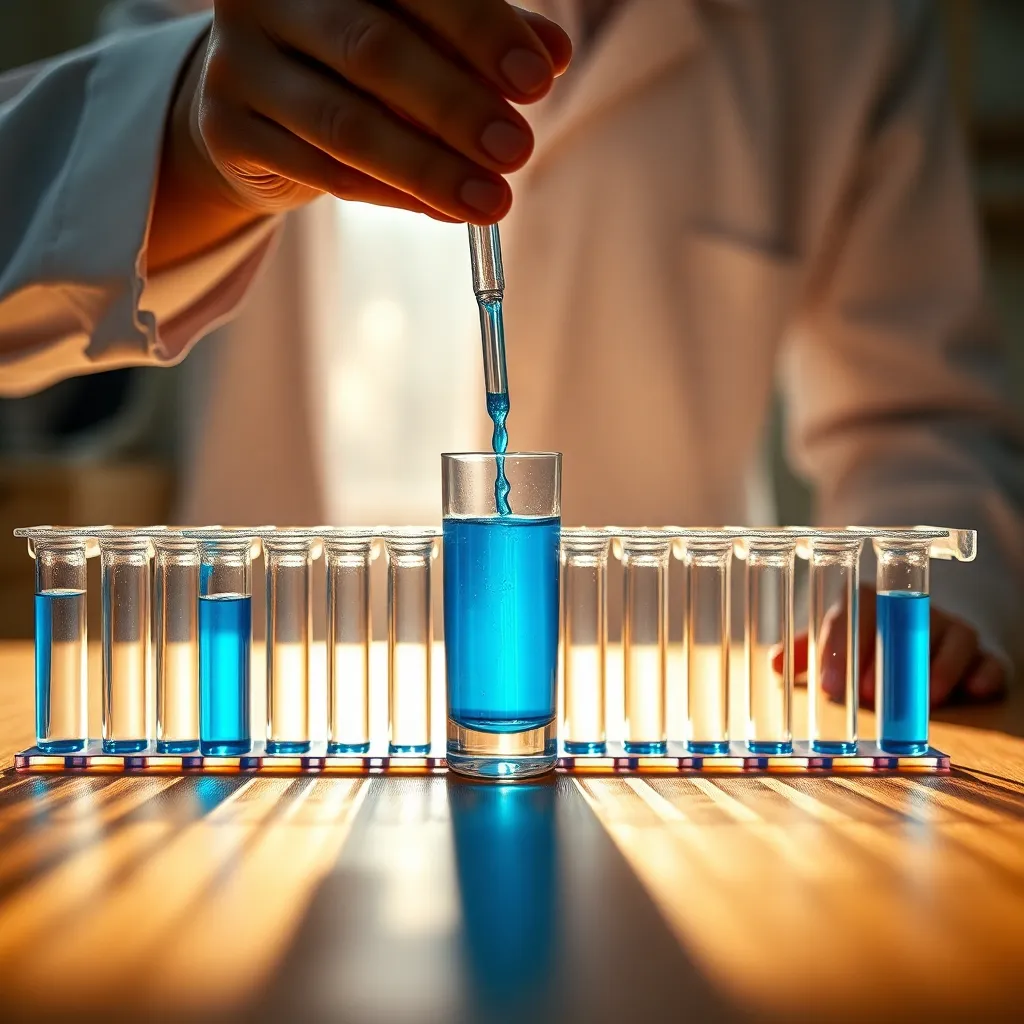
shot on Sony A7R V with 85mm f/1.4 GM lens, this image features a close-up of a scientist's hands carefully pipetting a blue liquid into test tubes arranged on a wooden table. The lighting is soft and warm, with sunlight streaming through a nearby window, creating a natural glow that highlights the glass and liquid textures. The depth of field is shallow at f/1.4, bringing attention to the liquid’s vibrant color while softly blurring the background. A Kodak Portra 400 color palette enhances the warm skin tones and soft highlights. The composition uses centered symmetry, inviting the viewer to focus on the hands and glassware.
1:1
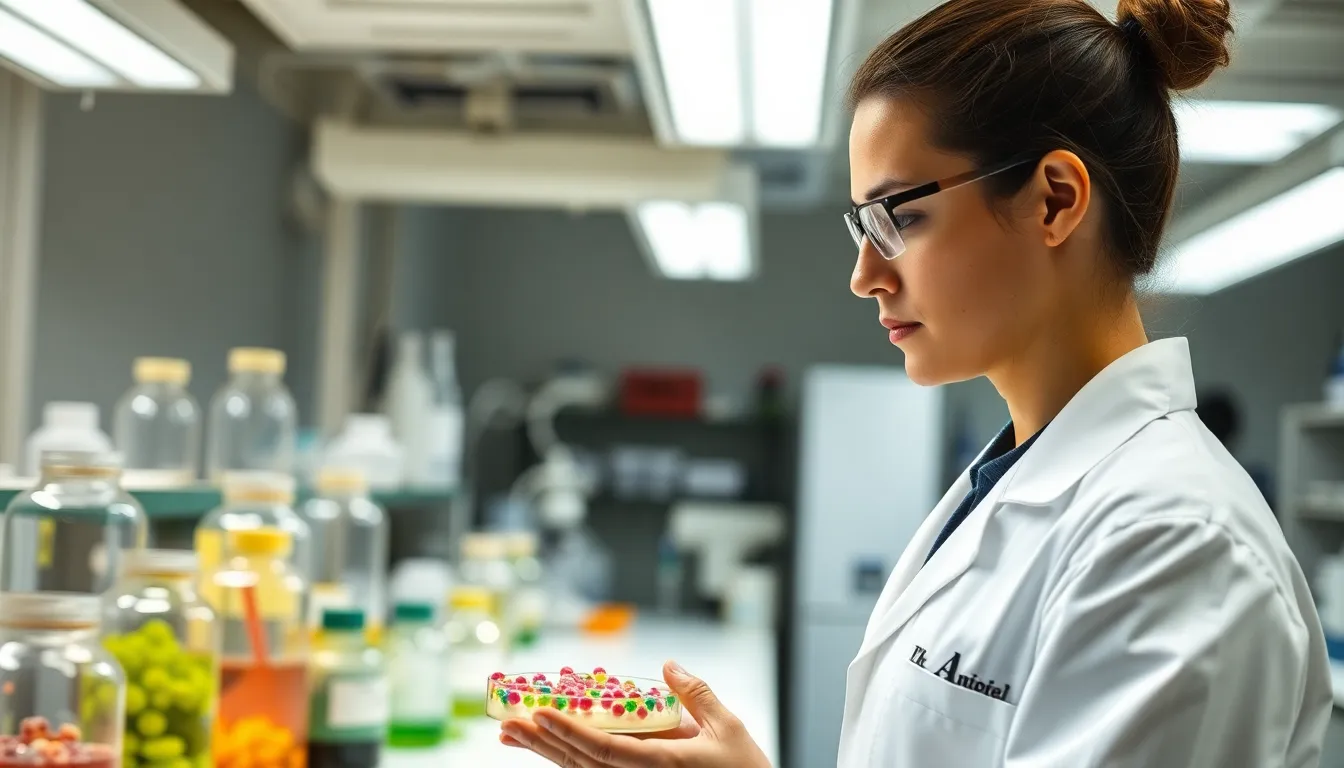
captured with Canon EOS R5, 24-70mm f/2.8L at 50mm, the scene features a well-organized laboratory workspace illuminated by overhead LED panels, creating bright, even lighting with minimal shadows. The depth of field is shallow at f/2.8, focusing on a scientist wearing a white lab coat examining a petri dish with colorful bacterial growth while a blurred background of glass jars and equipment adds context. The color palette leans into natural muted tones accented by vibrant hues of the cultures. The composition employs the rule of thirds, placing the subject to the right, enhancing visual interest. Textures include the smooth glass surfaces and the matte finish of the lab coat.
16:9

Hasselblad X2D 100C, 90mm f/2.5 medium format, showcasing a modern robotics lab filled with sleek equipment and robotic arms in operation, lit by overhead fluorescent lights. The image adopts a natural muted tone with desaturated earth colors, creating a professional atmosphere. A tilt-shift miniature effect gives a unique perspective, making the entire scene resemble a detailed model. The symmetrical composition centers on a robotic arm delicately performing tasks, capturing the fusion of technology and precision.
16:9
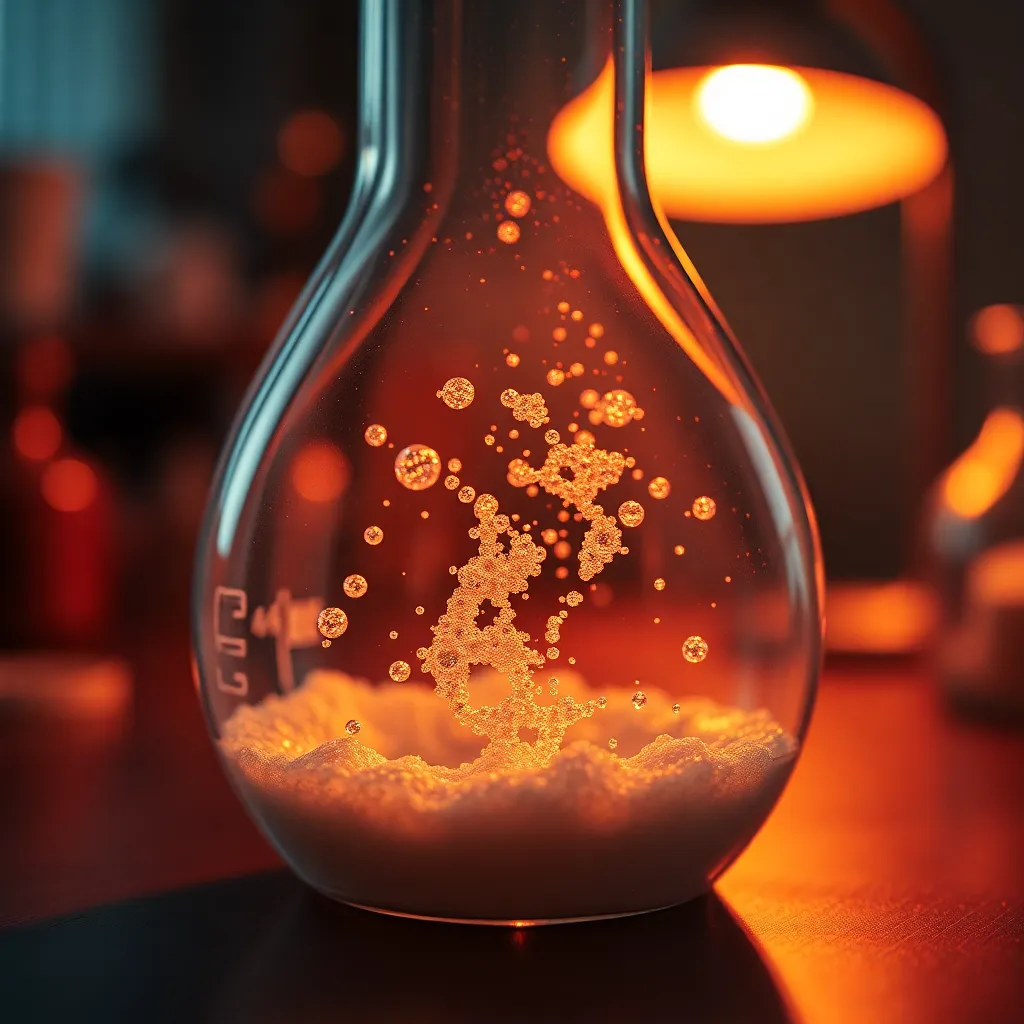
Fujifilm GFX 100S, 110mm f/2 macro, highlighting a close-up of a chemical reaction in a beaker, illuminated by warm tungsten lighting from a nearby lamp. The image showcases a high level of detail with a shallow depth of field at f/2, blurring the surrounding elements into a painterly bokeh. The rich colors are inspired by a Kodak Portra 400 color palette, enhancing the organic shapes and textures of the fizzing reaction. A centered composition emphasizes the mesmerizing interaction of the substances as they produce intricate patterns.
1:1
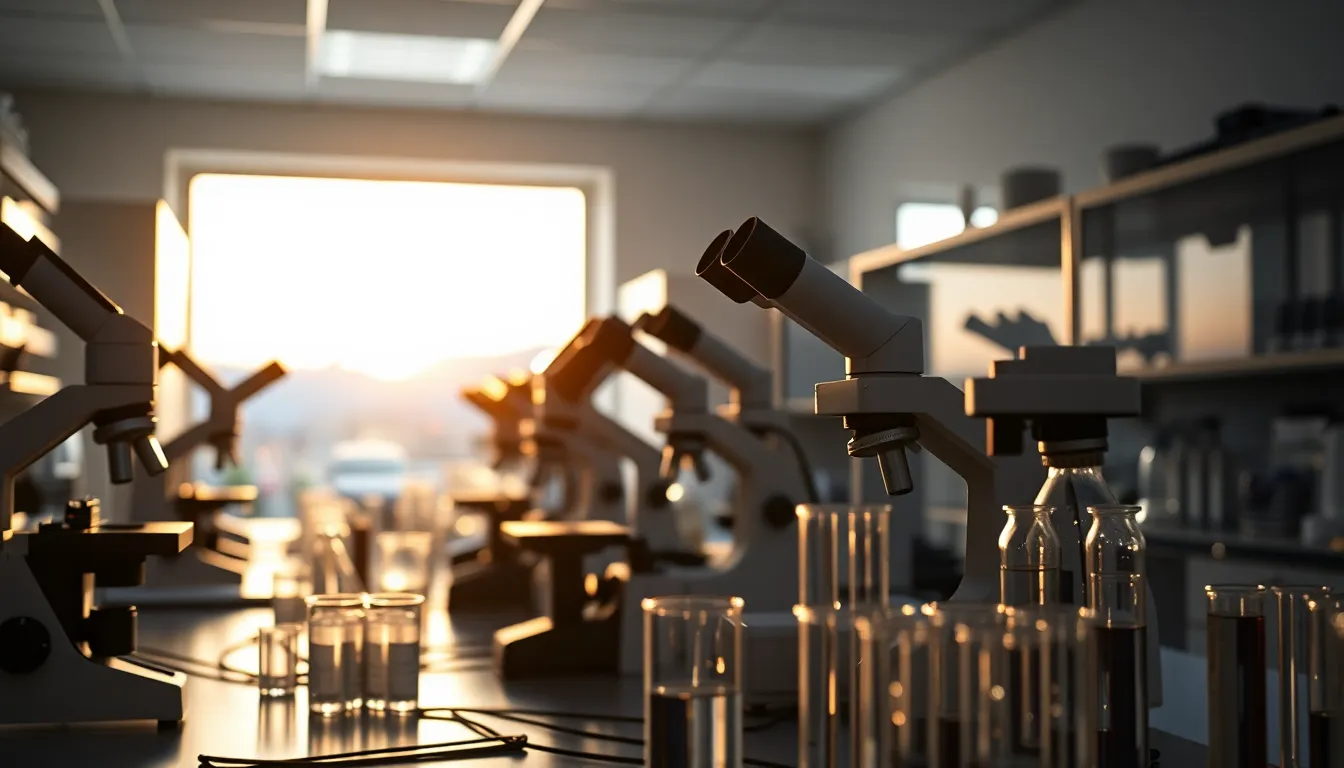
Nikon Z9, 70-200mm f/2.8 telephoto at 135mm, featuring natural evening light with soft shadows and a warm color palette. The foreground displays various lab instruments, including microscopes and test tubes, with subtle reflections on polished surfaces. A hyperfocal distance ensures everything from foreground to background is sharp, creating a rich sense of depth. A leading lines composition draws the eye through the laboratory space towards a bright window with a twilight sky, demonstrating a calm end to a busy day.
16:9
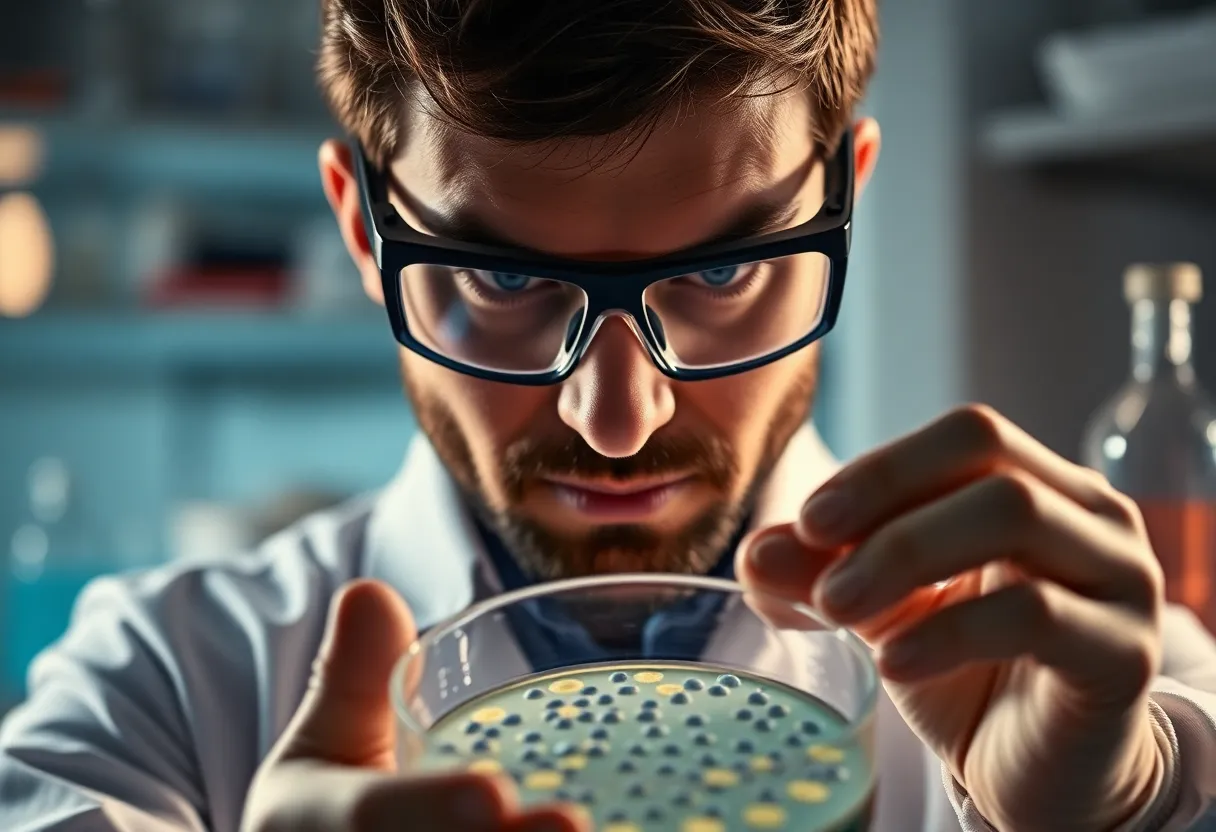
shot on Sony A7R V with 85mm f/1.4 GM lens, featuring dramatic Rembrandt lighting with a single softbox positioned above, casting soft shadows on the subject's face. The focus is on a lab technician wearing safety goggles, meticulously handling a petri dish containing bacterial cultures. The image showcases rich, saturated colors reminiscent of Fujifilm Velvia, emphasizing the details of the bacterial colonies. Centered symmetrical composition draws the viewer's eye directly to the action taking place, with textured lab equipment blurred softly in the background.
3:2
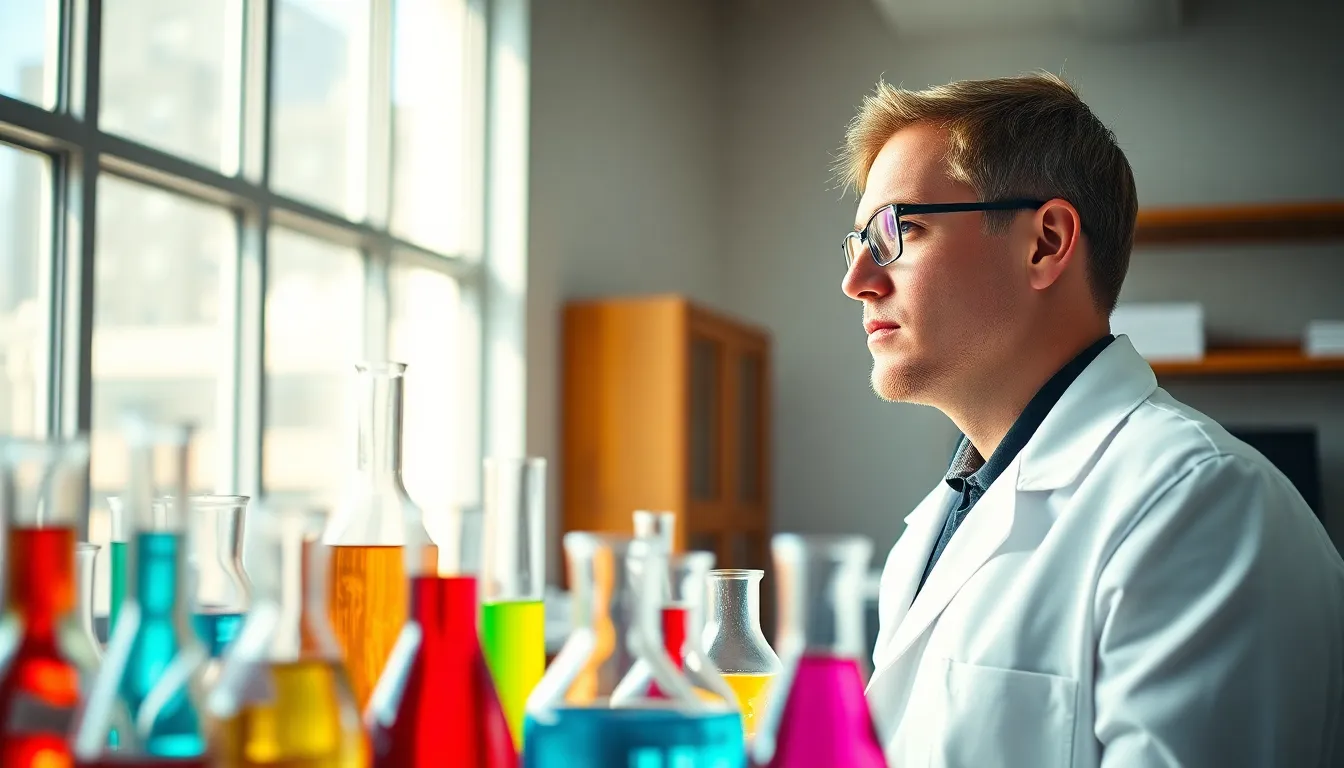
captured with Canon EOS R5, 24-70mm f/2.8L at 50mm, illuminated by soft, diffused daylight streaming through large laboratory windows, creating a serene atmosphere. Shallow depth of field at f/2.8, emphasizing the vivid colors of various glass beakers filled with colorful solutions. The image features a natural color palette inspired by Kodak Portra 400, showcasing warm skin tones of a scientist in a lab coat. A rule of thirds composition positions the scientist toward the right, with the colorful beakers creating a vibrant foreground texture against a clean, white background.
16:9
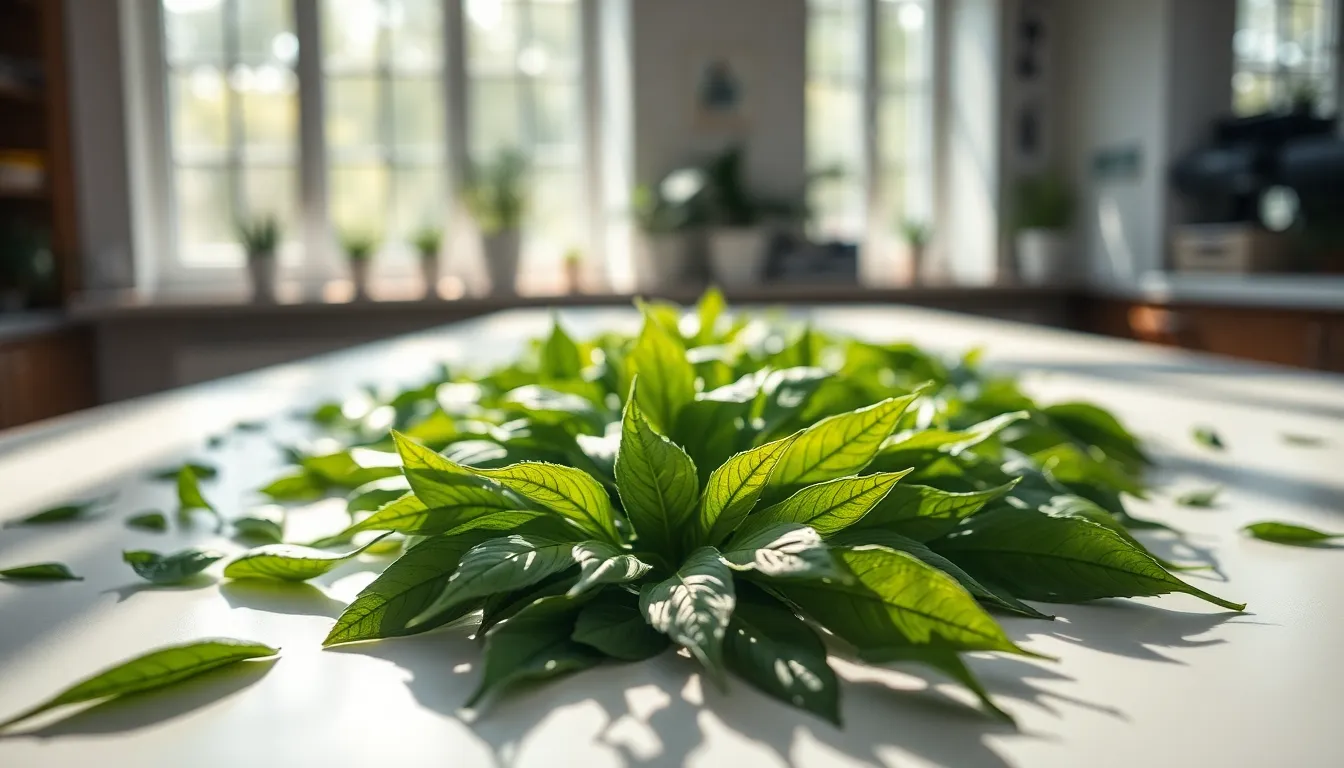
Nikon Z9, 70-200mm f/2.8 telephoto at 100mm; dappled sunlight filtering through windows creating highlights; shallow depth of field at f/2.8 with subject sharply in focus; natural muted tones with greens and soft whites; centered symmetrical composition of plant samples on a lab table, carefully arranged for examination; the texture of leaves glistening with moisture, emphasizing freshness and vibrant health.
16:9
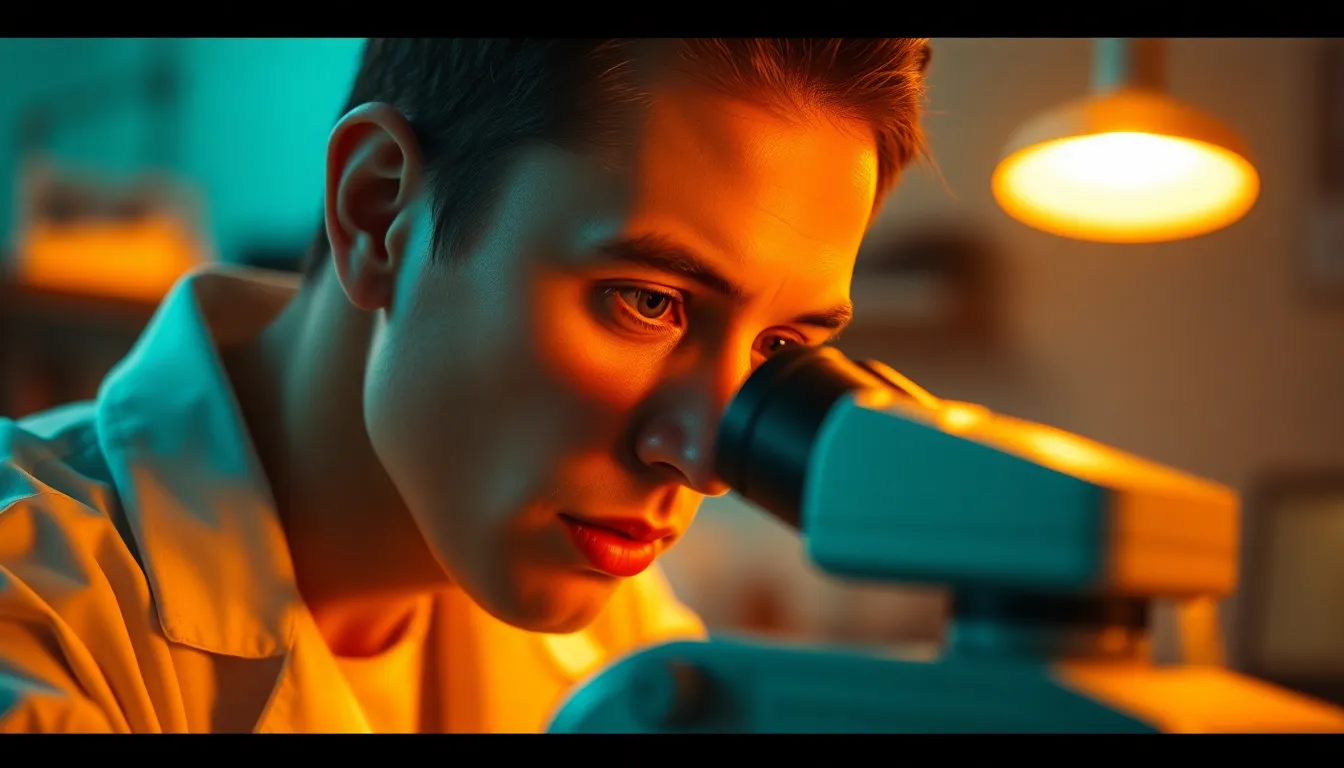
captured with Leica Q3, 28mm f/1.7 Summilux; practical warm tungsten lamp casting directional light; selective focus on a scientist in action, background softly melting into bokeh; cinematic teal and orange color grading enhancing mood and emotions; rule of thirds with the subject positioned at a power point; visible skin texture and emotions of concentration on the scientist’s face as they peer into a microscope.
16:9
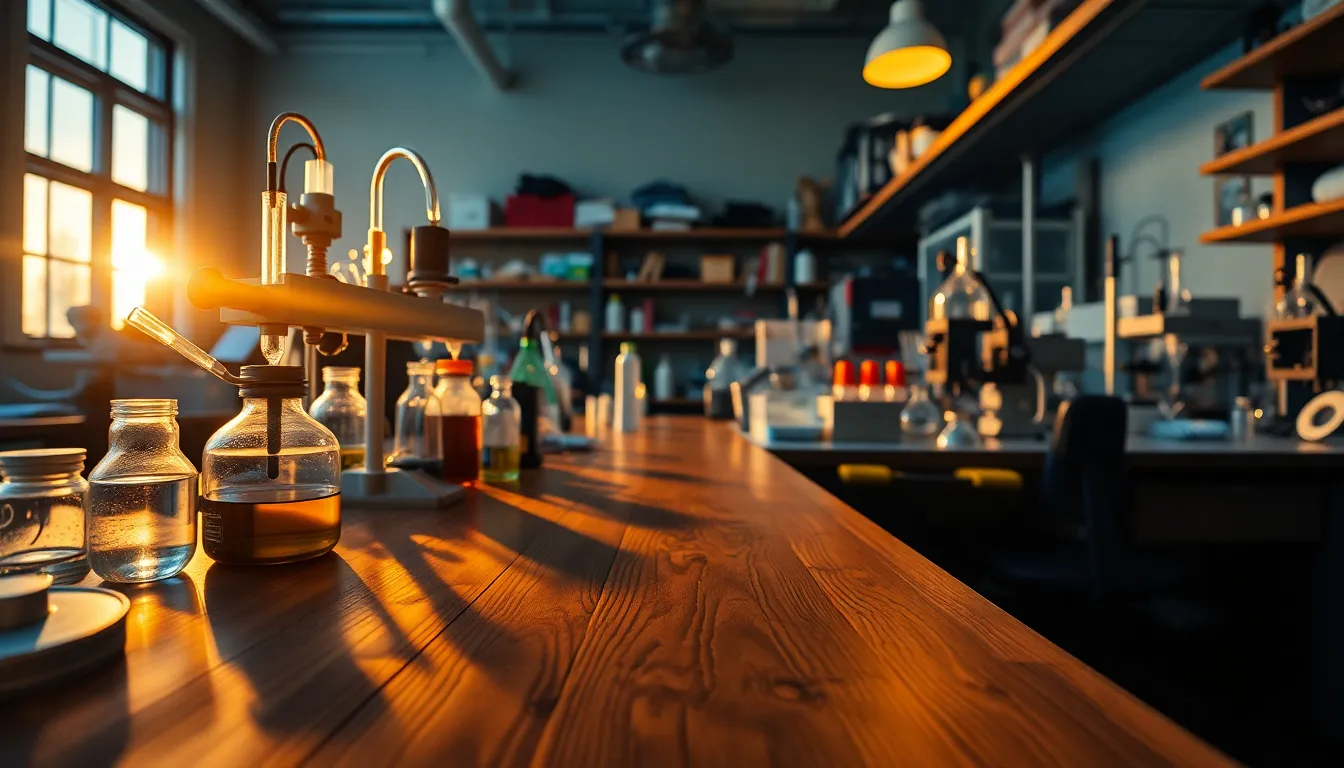
shot on Fujifilm GFX 100S, 110mm f/2 macro; golden hour backlighting with warm rim light; hyperfocal distance — everything from foreground to infinity tack-sharp at f/8; Fujifilm Velvia-inspired saturated colors with deep blues and rich greens; leading lines drawing the eye towards the laboratory workspace filled with intricate equipment; wooden table showing natural grain and textures, juxtaposed against sleek metal lab tools.
16:9
captured with Nikon Z9, 70-200mm f/2.8 telephoto at 135mm; warm tungsten desk lamp casting directional light; selective focus on the lab equipment with the background softly blurred; Kodak Portra 400 color palette highlighting warm skin tones; centered symmetrical composition showcasing a row of glass apparatus on the lab bench; clear glass flasks displaying intricate chemical reactions with bubbles and colors.
16:9
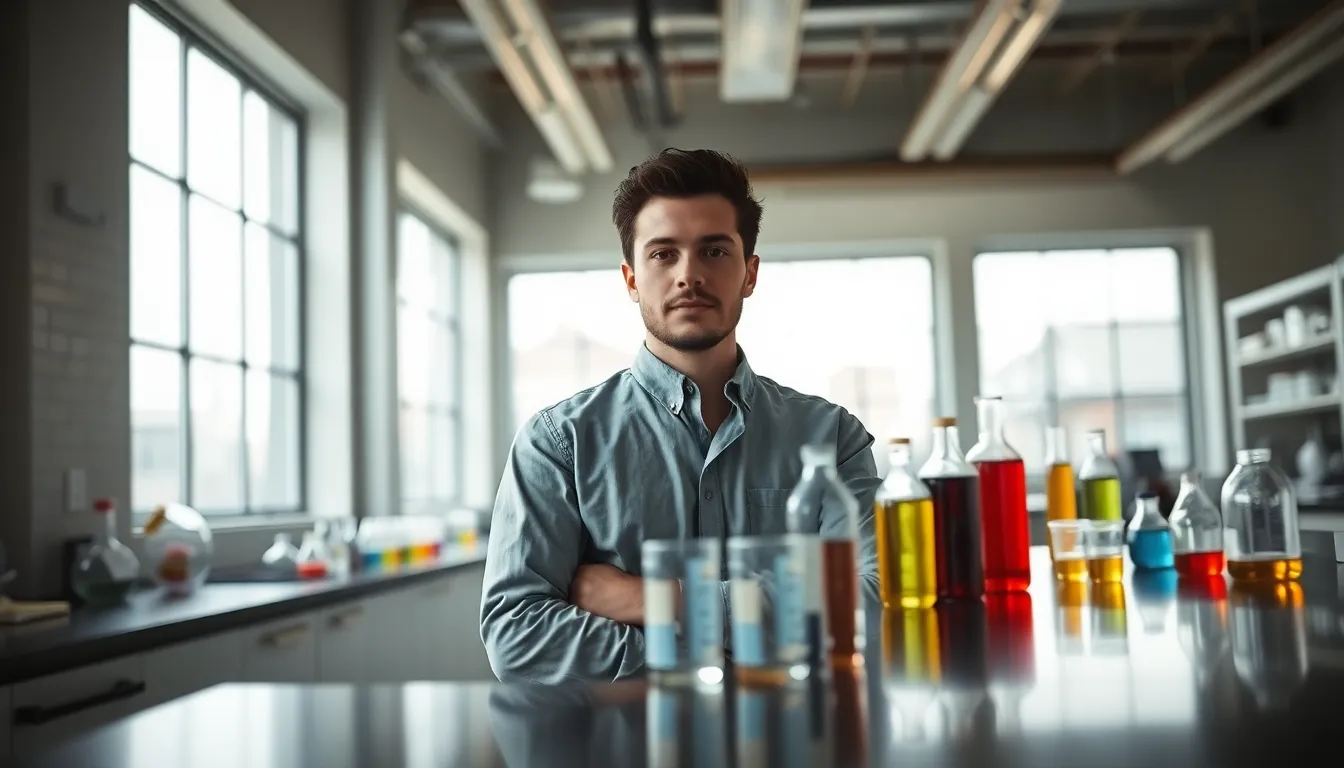
shot on Canon EOS R5, 24-70mm f/2.8L at 50mm; overcast diffused daylight through large windows creating soft light; shallow depth of field at f/2.8 with soft bokeh in the background; natural muted tones with desaturated earth colors; rule of thirds with the subject off-center; stainless steel laboratory bench showing reflections and glassware filled with colorful reagents.
16:9
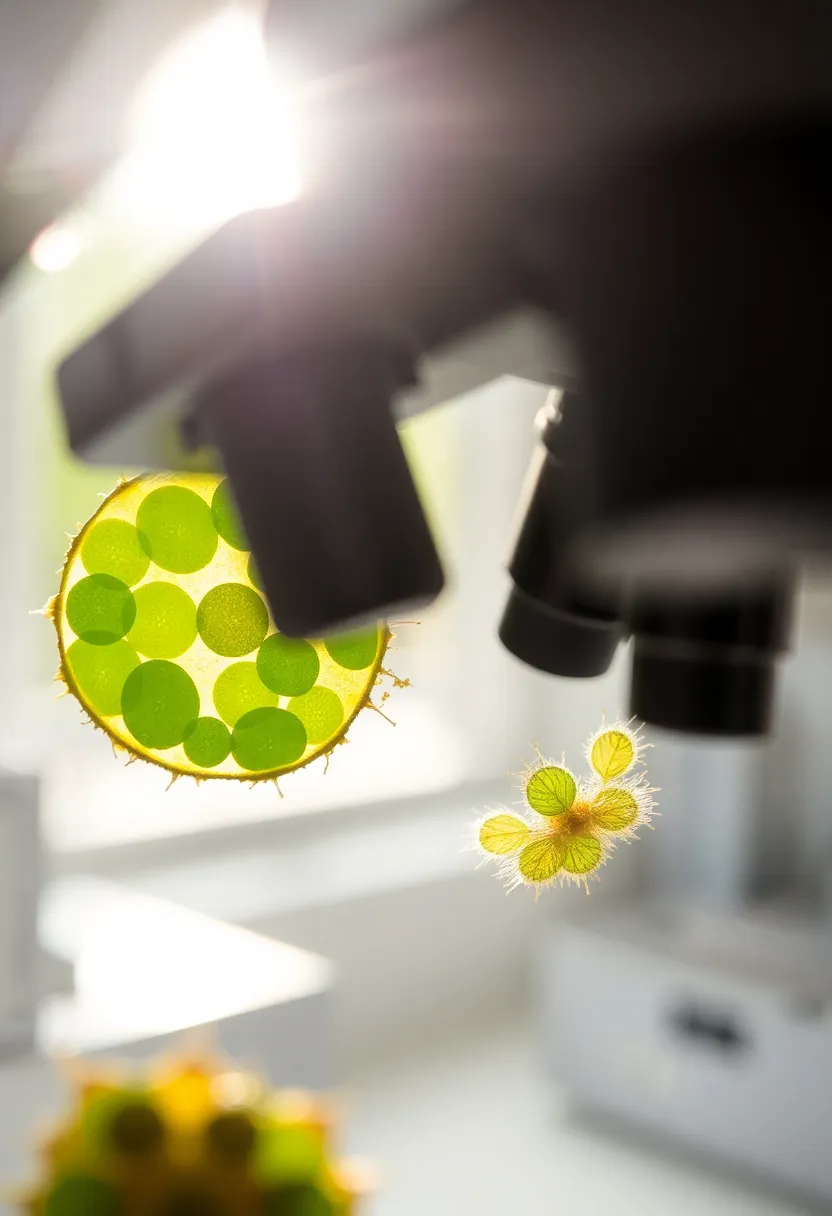
Fujifilm GFX 100S, 110mm f/2 macro, capturing an intricate view of plant samples under a microscope in a research lab. Natural daylight streaming through the window creates a bright, fresh ambiance. The selective focus on the plant cells showcases their vibrant colors and textures, while the background becomes a soft painterly bokeh. The color palette features saturated greens and earth tones, reflecting the organic nature of the samples. The composition highlights the dynamic shapes of the cells, drawing the viewer into the microscopic world. Textures reveal the delicate structures of the plant cells and the smooth glass of the microscope slides.
2:3
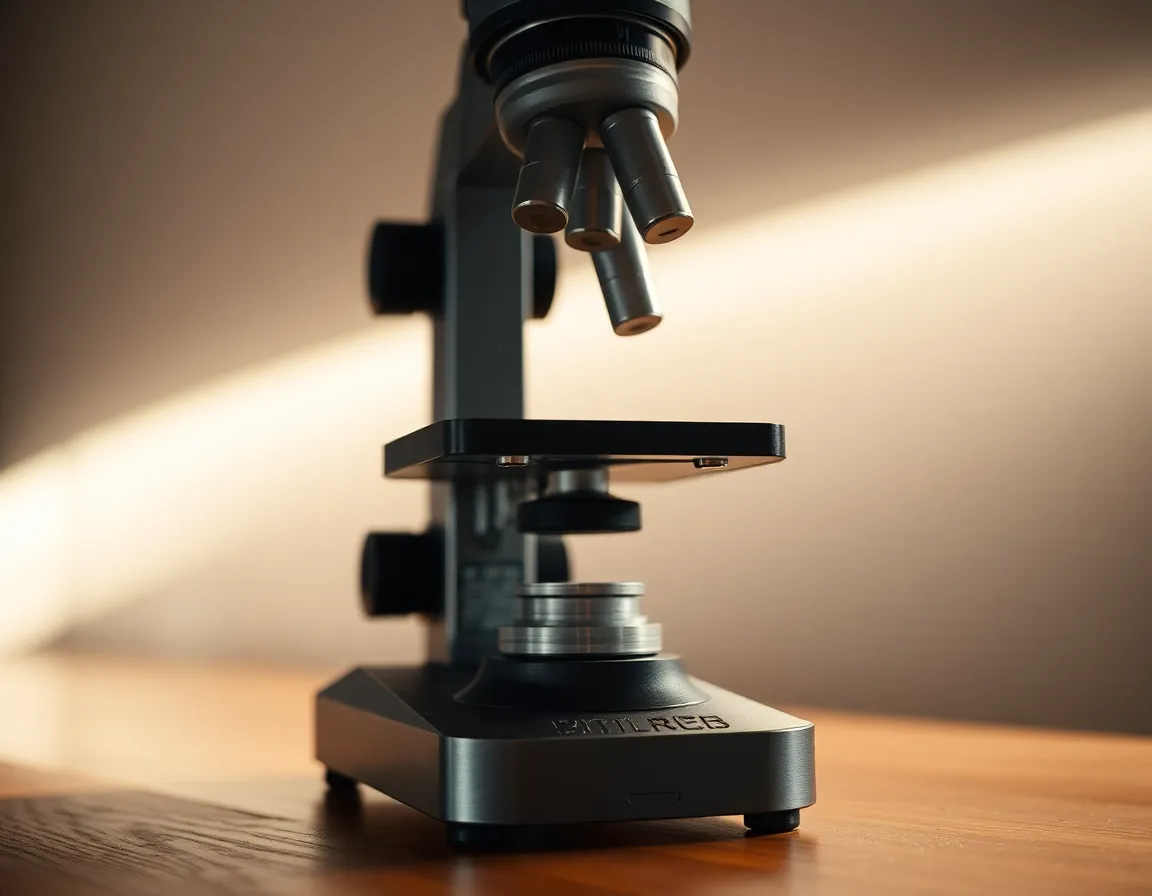
Hasselblad X2D 100C, 90mm f/2.5 medium format, capturing a detailed shot of a laboratory microscope on a wooden table. Soft, diffused studio lighting creates an even illumination without harsh shadows. The depth of field is shallow at f/2.5, resulting in an exquisite focus on the microscope while the background blurs into a warm glow. The color palette is natural muted tones, emphasizing the subtle beauty of the microscope’s metal and glass components. The composition captures the symmetry of the microscope and incorporates leading lines from the table’s edges. Textures highlight the polished metal and smooth glass surfaces.
4:3
captured with Nikon Z9, 70-200mm f/2.8 telephoto at 100mm, showcasing a lab technician pipetting samples during dusk. The warm evening light filters through the glass laboratory walls, providing a natural, golden hue. The hyperfocal distance ensures everything from the technician to the soft-focus equipment in the background remains sharp. The color palette leans towards natural muted tones, with warm oranges and browns. The composition uses leading lines of the lab bench to direct the viewer's eye toward the technician, enhancing the scene's focus on precision and care. Textures include the smooth surface of the pipette and the technician's crisp lab coat.
3:2
shot on Sony A7R V with 85mm f/1.4 GM lens, featuring a close-up of chemical reactions in test tubes under warm tungsten lighting. The shallow depth of field at f/1.4 creates a striking isolation of the vivid colors of the liquids. The film-look showcases Fujifilm Velvia-inspired saturated colors, enhancing the reds, blues, and greens of the chemicals. A centered symmetrical composition draws the eye directly to the vibrant test tubes filled with bubbling liquid. Textures are rich, showing the glass surface of the test tubes and the delicate bubbles forming inside.
1:1
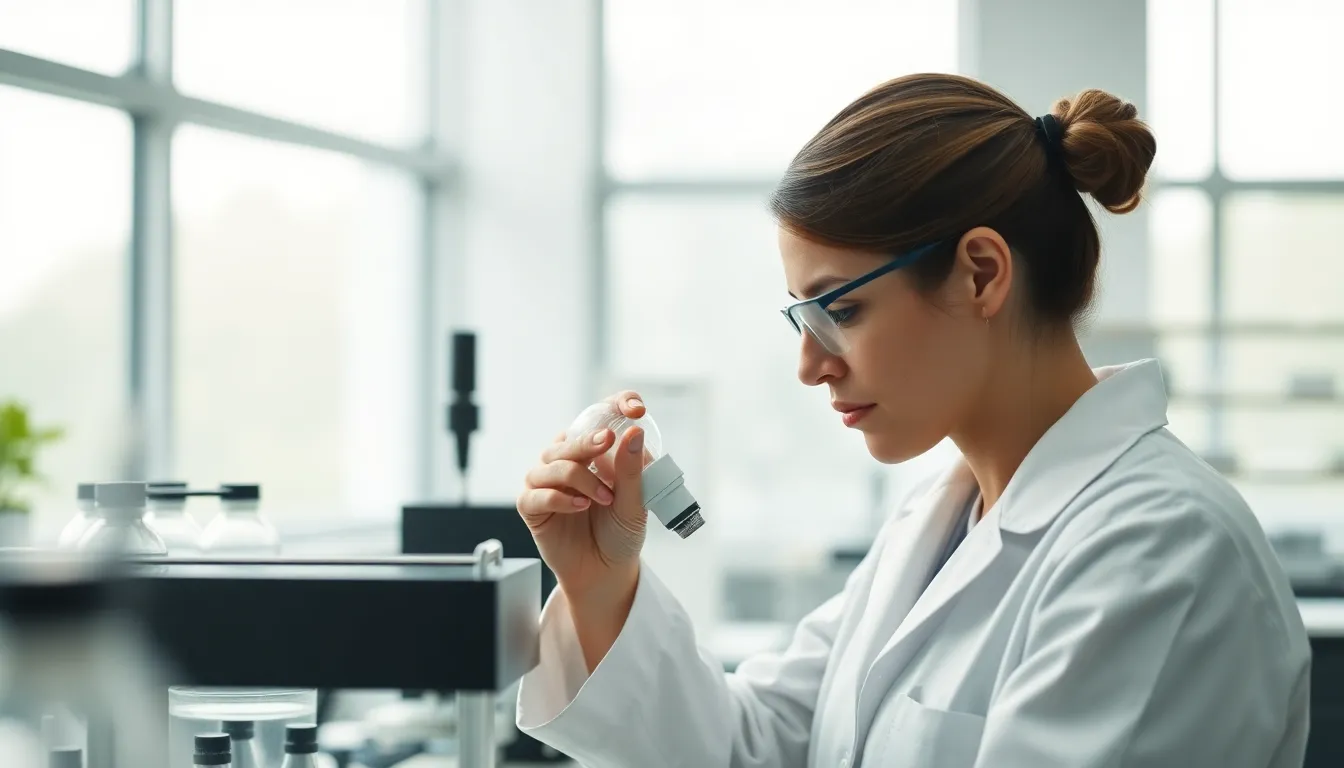
captured with Canon EOS R5, 24-70mm f/2.8L at 50mm, in a bright laboratory setting with overcast diffused daylight through large windows. Shallow depth of field at f/2.8 highlights a researcher examining a petri dish, while the background softly blurs into creamy bokeh. The color palette features natural muted tones with desaturated greens and blues, creating a calm and focused atmosphere. The composition follows the rule of thirds, placing the subject at the right power point, enhancing the visual balance. Textures include the smooth glass of lab equipment and the subtle weave of the researcher’s lab coat.
16:9
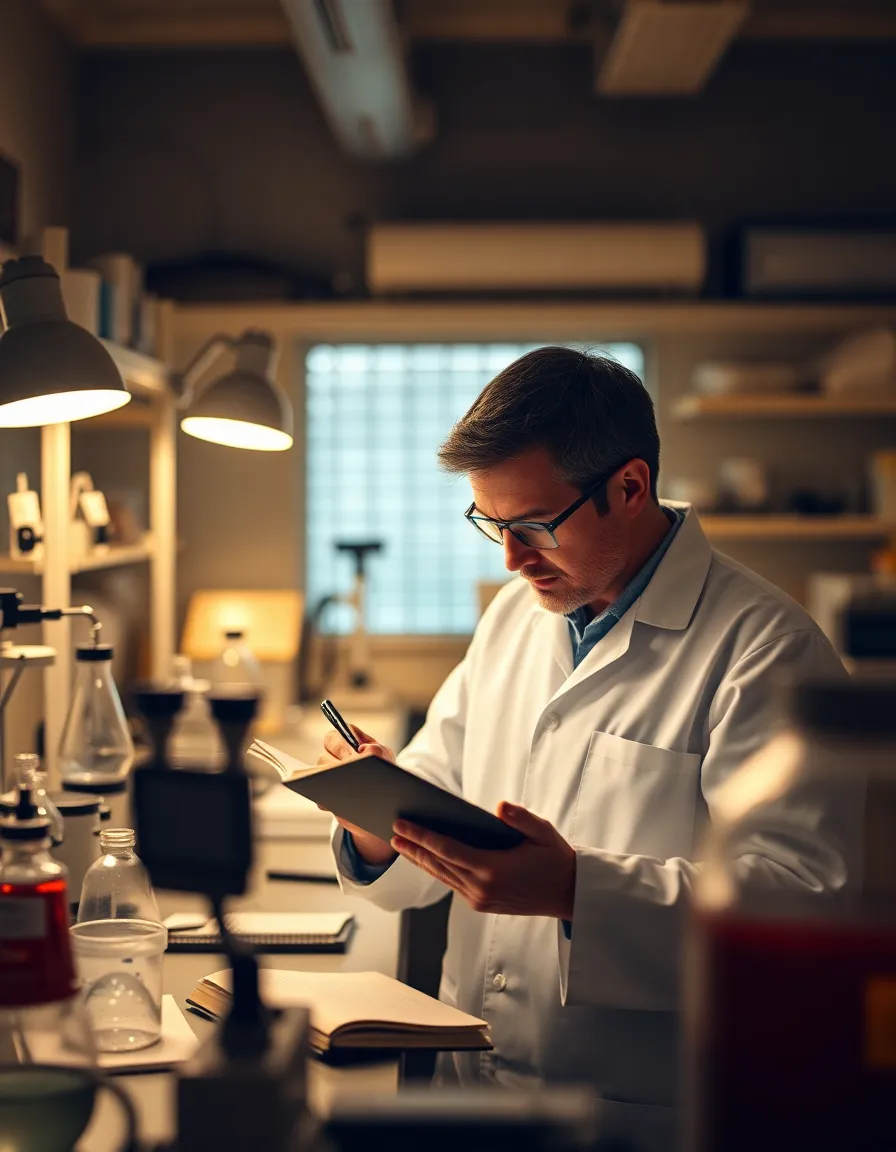
shot on Leica Q3, 28mm f/1.7 Summilux, using practical warm tungsten desk lamps casting directional light pools across the lab space. The candid scene depicts a researcher jotting down notes in a notebook, surrounded by scientific instruments and equipment. The depth of field is shallow at f/1.7, creating a soft focus around the researcher. The color palette incorporates natural muted tones with earthy colors. The composition captures the rule of thirds, positioning the researcher in a contemplative pose, with instruments subtly framing the subject.
3:4
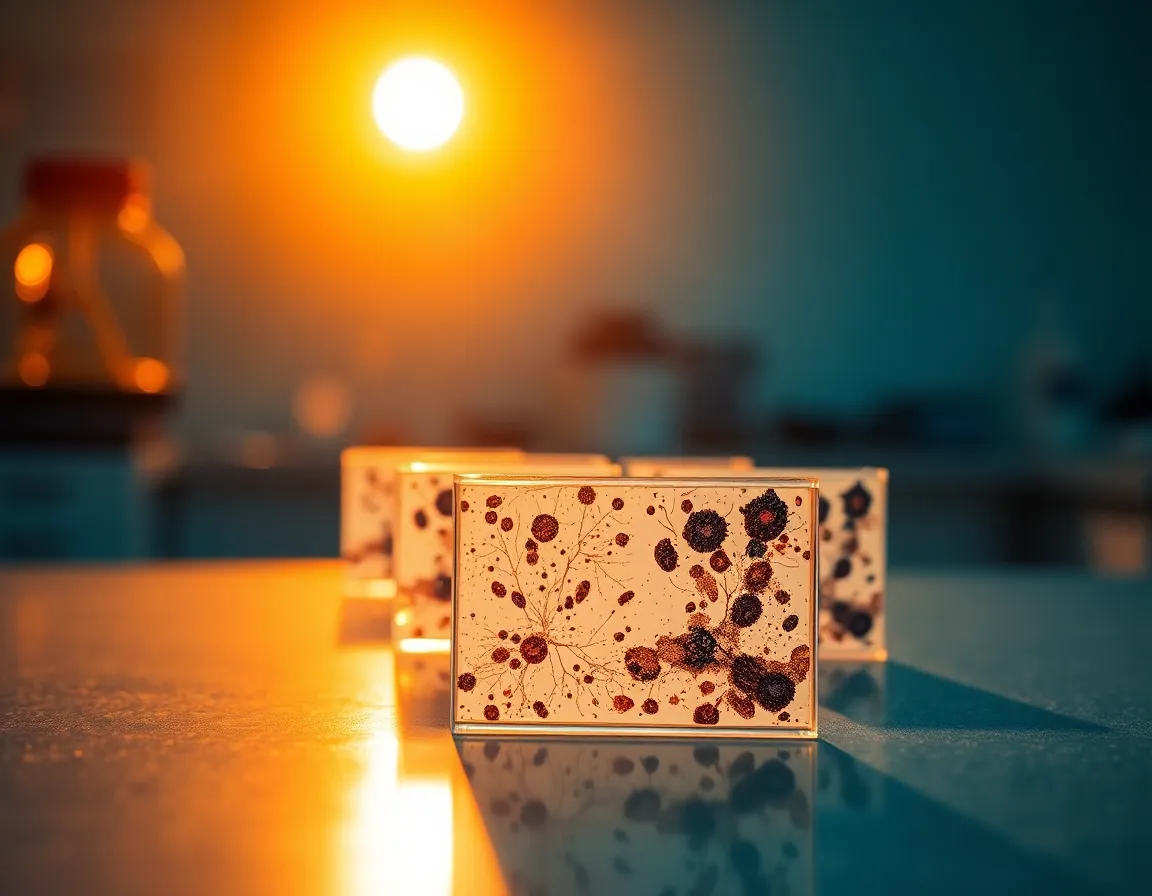
captured with Fujifilm GFX 100S, 110mm f/2 macro, under dramatic natural lighting with golden hour backlighting creating a warm rim light. The scene features microscopic slides displayed on a lab table, with intricate details highlighted by the lighting. The image utilizes a cinematic teal and orange color grading for visual impact. The selective focus on the slides shows the textures of the specimens, while the background melts into a soft painterly bokeh. Compositionally, the leading lines of the table draw the viewer's eye toward the focal slides.
4:3
shot on Hasselblad X2D 100C, 90mm f/2.5 medium format, utilizing a three-point studio setup with key softbox at 45° and subtle fill light. The subject is a glass vial filled with vibrant colored liquid, placed on a weathered oak table. The depth of field is shallow at f/2.5, isolating the vial while creating a dreamy bokeh background. The color science follows a Kodak Portra 400 palette, emphasizing warm tones and creamy highlights. Compositionally, the rule of thirds positions the vial off-center, highlighting the liquid's texture and details.
1:1
captured with Nikon Z9, 70-200mm f/2.8 telephoto at 135mm, under vivid overhead fluorescent lights providing sharp illumination, hyperfocal distance at f/8 ensuring everything from the lab table to the background is tack-sharp. The scene showcases a high-tech laboratory with advanced equipment, including microscopes and test tubes. The color grading mimics Fujifilm Velvia with saturated greens and blues. The centered symmetrical composition emphasizes the state-of-the-art technology on the lab bench, with glass surfaces reflecting light.
16:9
shot on Canon EOS R5, 24-70mm f/2.8L at 50mm, illuminated with overcast diffused daylight filtering through large laboratory windows, shallow depth of field at f/2.8 creating a soft bokeh background. The setting features a scientist in a white lab coat, examining a Petri dish with fine details of bacterial growth. The color palette incorporates natural muted tones with desaturated blues and greens. The composition uses the rule of thirds with the subject positioned at the right power point, while the texture of the laboratory surfaces reflects a clean, sterile environment.
16:9

captured with Leica Q3, 28mm f/1.7 Summilux lens, featuring a well-organized laboratory workspace illuminated by warm tungsten desk lamps. The composition centers on a neatly arranged workspace with various scientific instruments, papers, and a laptop. The natural skin texture of a scientist can be seen in the reflection on the laptop screen as they gaze thoughtfully at their notes. The texture of the wooden desk contrasts with smooth metallic tools, creating visual interest. The warm lighting enhances the inviting atmosphere of the scene.
16:9
shot on Hasselblad X2D 100C, 90mm f/2.5 medium format with Rembrandt lighting highlighting a group of research students gathered around a table, discussing their findings. The shallow depth of field at f/2.5 blurs the background, focusing on their engaged expressions and diverse clothing textures. The warm, inviting color palette emphasizes collaboration and creativity. Compositionally, the students are arranged in a semicircle, promoting interaction, while notes and equipment scattered on the table convey a sense of active learning.
16:9
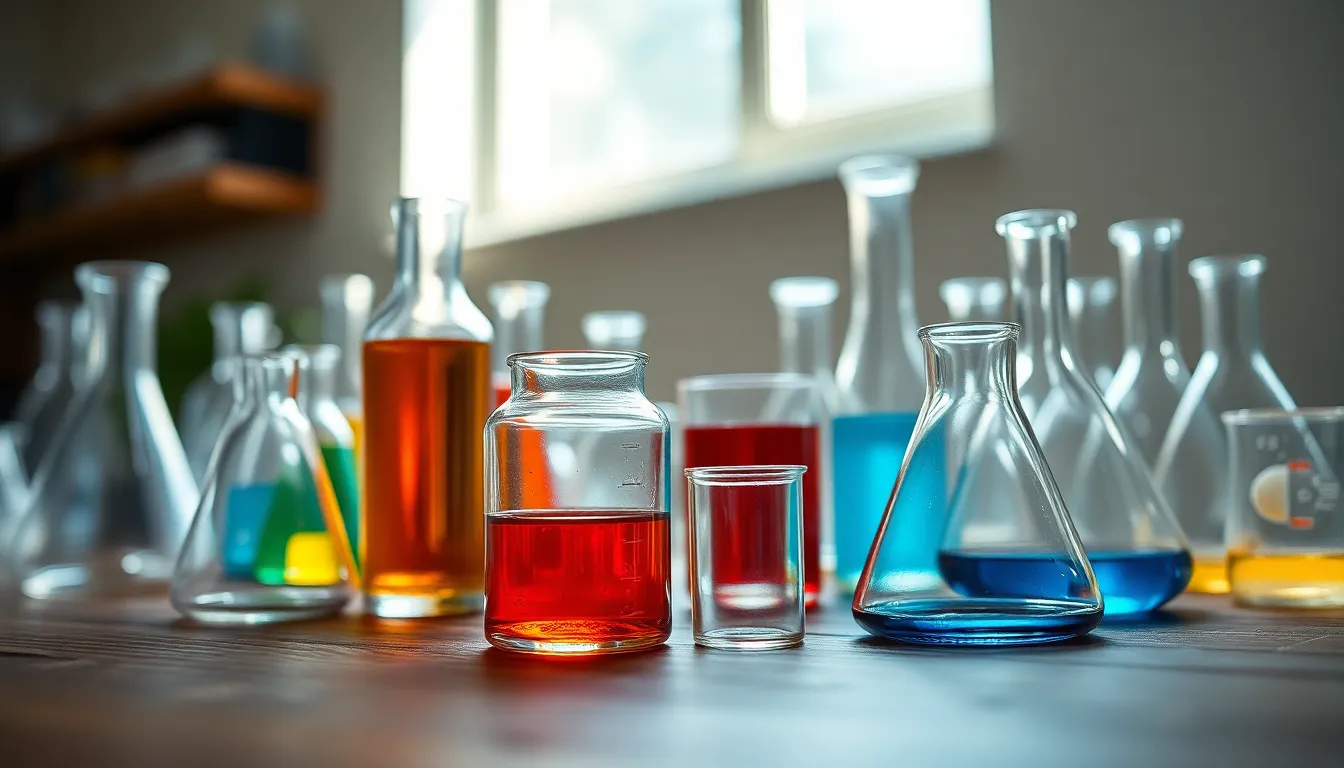
shot on Fujifilm GFX 100S, 110mm f/2 macro capturing intricate details of laboratory glassware arranged on a wooden table. Natural light filters through an overhead window, creating soft shadows. The selective focus showcases the textures of the glass and the vibrant colors of liquids inside. A calm, natural muted tone palette enhances the serenity of the scene. The composition emphasizes the arrangement of the glassware, leading the viewer's eye across the various shapes and colors, highlighting the beauty of scientific tools.
16:9
captured with Nikon Z9, 70-200mm f/2.8 telephoto at 135mm during the golden hour with warm backlighting illuminating a lab technician pouring a colorful chemical into a beaker. Hyperfocal distance ensures everything from foreground to infinity is sharp at f/8. The cinematic teal and orange color grading adds vitality to the scene. The composition highlights the action of pouring, capturing the technician in motion, with a bokeh background of shelves filled with glassware and equipment.
16:9
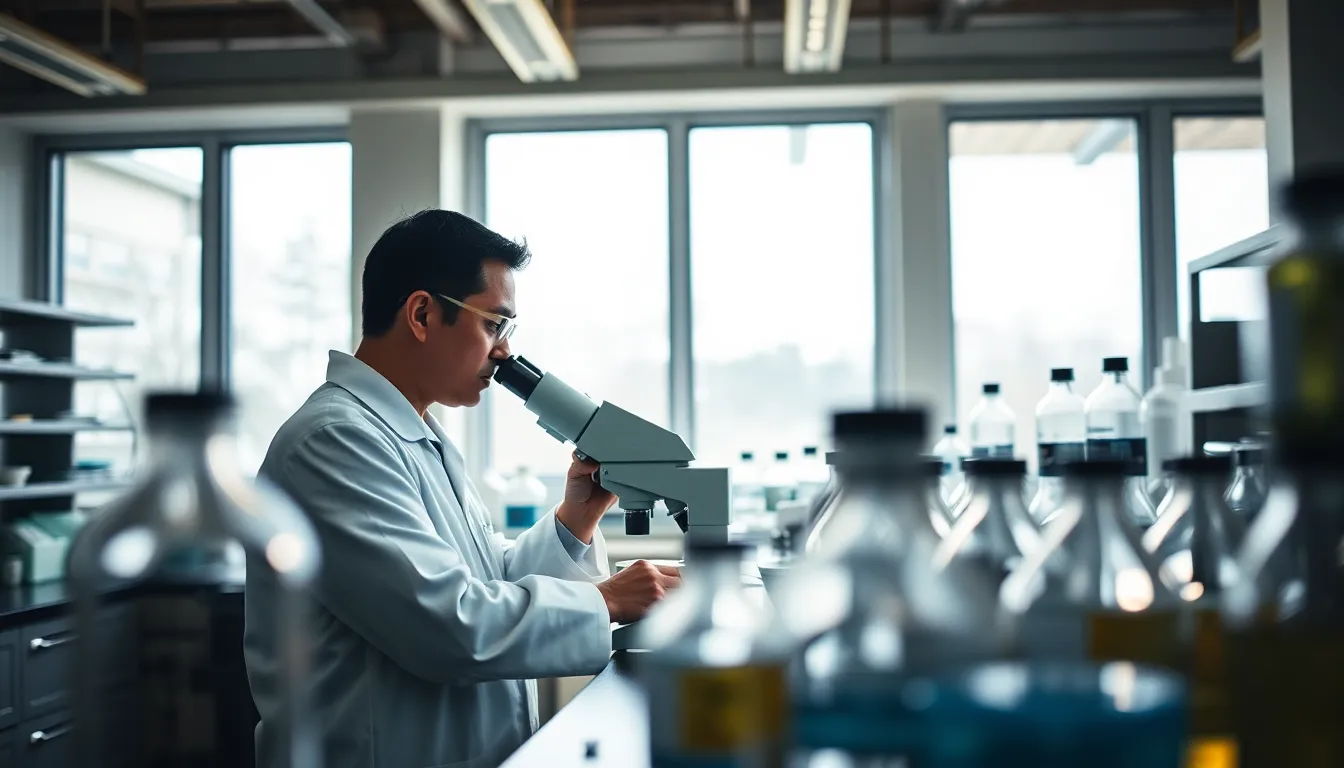
shot on Canon EOS R5, 24-70mm f/2.8L at 35mm with overcast diffused daylight streaming through large lab windows. Shallow depth of field at f/2.8, focusing on a scientist studying samples under a microscope. Natural muted tones with desaturated earth colors create a calm atmosphere. Composition follows the rule of thirds, with the scientist positioned slightly off-center, surrounded by various lab equipment. The polished metal and glass surfaces reflect soft highlights, capturing the cleanliness of the laboratory environment.
16:9
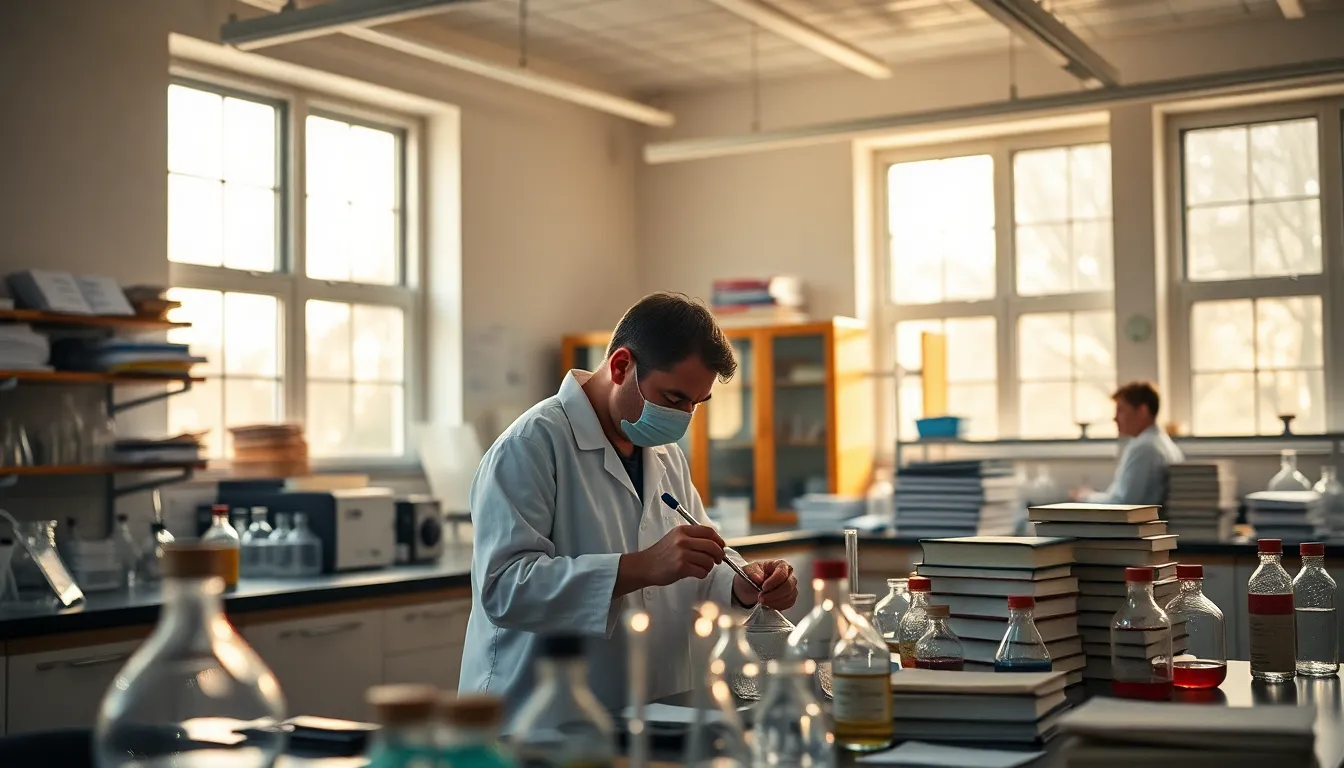
shot on Leica Q3, 28mm f/1.7 Summilux, in an organic chemistry lab with a chemist preparing experiments at a cluttered workstation. The natural morning sunlight streams through large windows, casting soft shadows and creating a warm atmosphere. The depth of field is shallow at f/1.7, with a soft bokeh effect behind the subject. The color palette features warm earth tones and soft highlights, reflecting a creative and dynamic space. The composition uses a dynamic angle, capturing the busy workstation filled with glassware and textbooks, inviting the viewer into the scene.
16:9
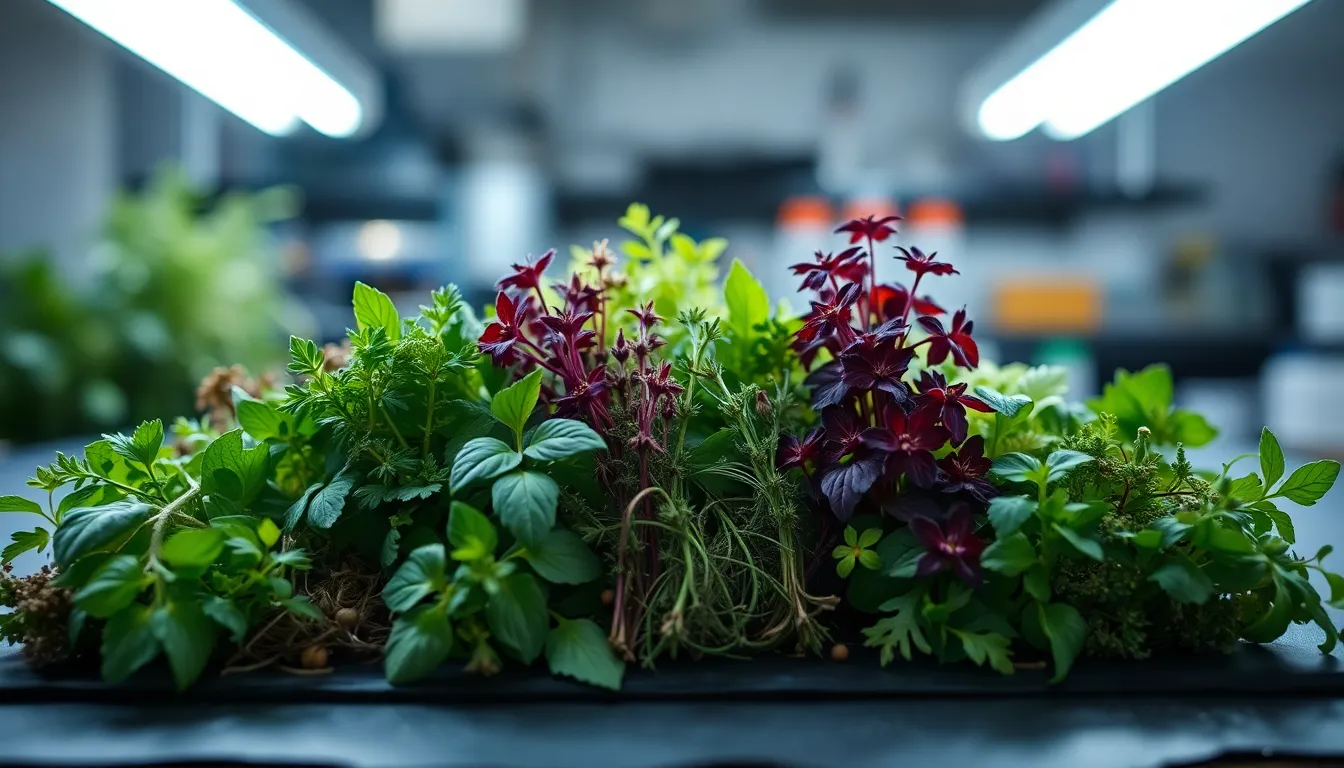
captured with Fujifilm GFX 100S, 110mm f/2 macro, depicting a striking arrangement of various herbs under vibrant fluorescent lab lights. The herbs are neatly organized on a dark slate surface, displaying their textures and colors vividly. The depth of field is shallow at f/2, focusing solely on the herbs with a soft bokeh behind. The color palette is rich with greens, purples, and earthy browns, creating a fresh and organic feel. The composition uses a centered arrangement to balance the visual elements and draw attention to the details of the herbs.
16:9
shot on Hasselblad X2D 100C, 90mm f/2.5 medium format, showcasing soft Rembrandt lighting illuminating a close-up of intricate lab equipment set against a dark background. The focus is on a high-precision microscope, its metallic surface reflecting warm highlights. The depth of field is shallow at f/2.5, creating soft bokeh towards the background. The color palette consists of muted earthy tones with delicate highlights, establishing an intimate atmosphere. The composition centers on the microscope, framed by surrounding tools, drawing attention to the precision of scientific inquiry.
16:9
captured with Nikon Z9, 70-200mm f/2.8 telephoto at 150mm, featuring natural light filtering through large windows illuminating a lab filled with chemical apparatuses. A chemist is pouring a bright blue solution into a beaker, surrounded by colorful liquids in glass containers. The depth of field is hyperfocal at f/8, ensuring all elements from the vibrant liquids to the chemist's focused expression are in sharp detail. The color palette is saturated with rich blues, greens, and yellows, creating a lively atmosphere. The composition employs leading lines of the lab equipment to draw the viewer’s eye toward the chemist’s action.
16:9
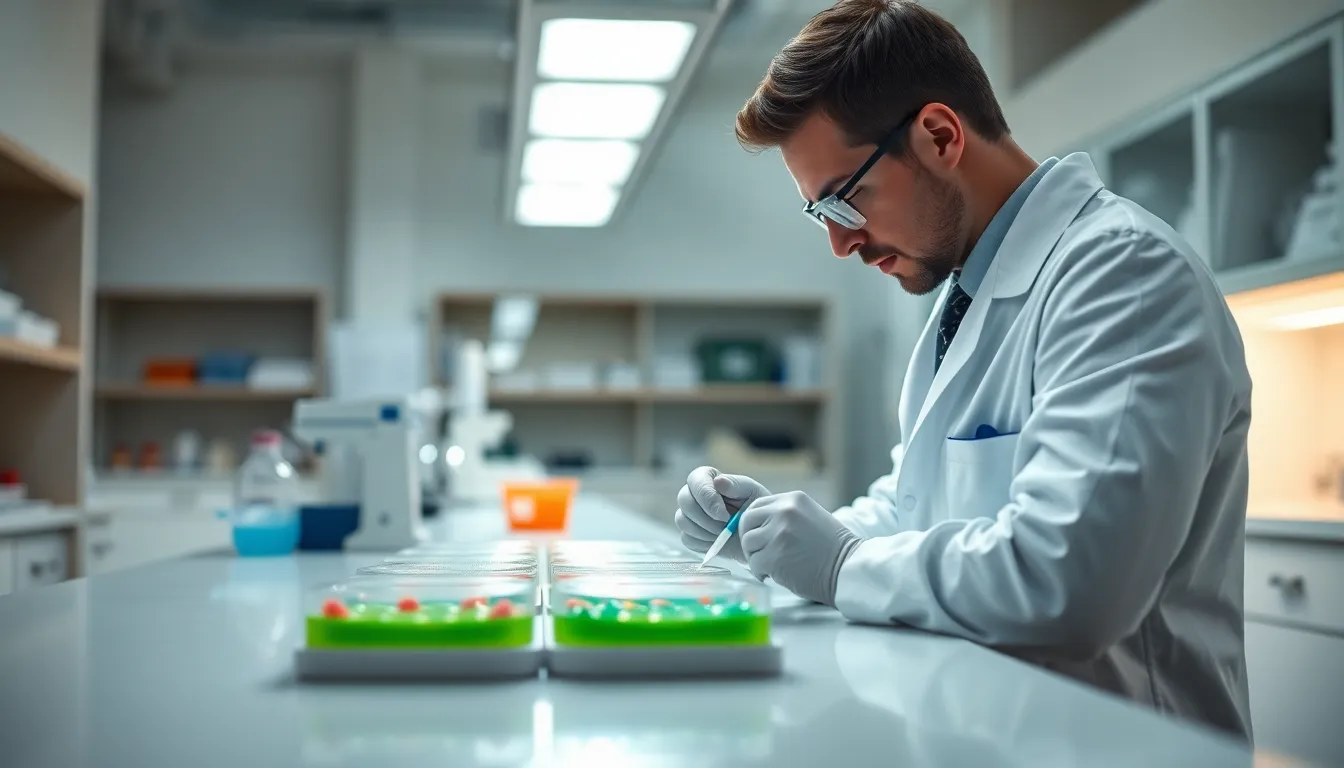
shot on Canon EOS R5, 24-70mm f/2.8L at 50mm, featuring dramatic overhead LED lighting that casts sharp shadows on a pristine white lab bench. The scene showcases a microbiologist in a lab coat examining petri dishes with a pipette, deep in concentration. The depth of field is shallow at f/2.8, creating a creamy bokeh of lab equipment in the background, while the color palette is clean and clinical with cool whites and blues. The composition follows the rule of thirds, positioning the scientist on the right, while the vibrant petri dishes add a pop of color in the foreground. The surface of the bench reflects the light, enhancing texture details of the materials used in the lab.
16:9
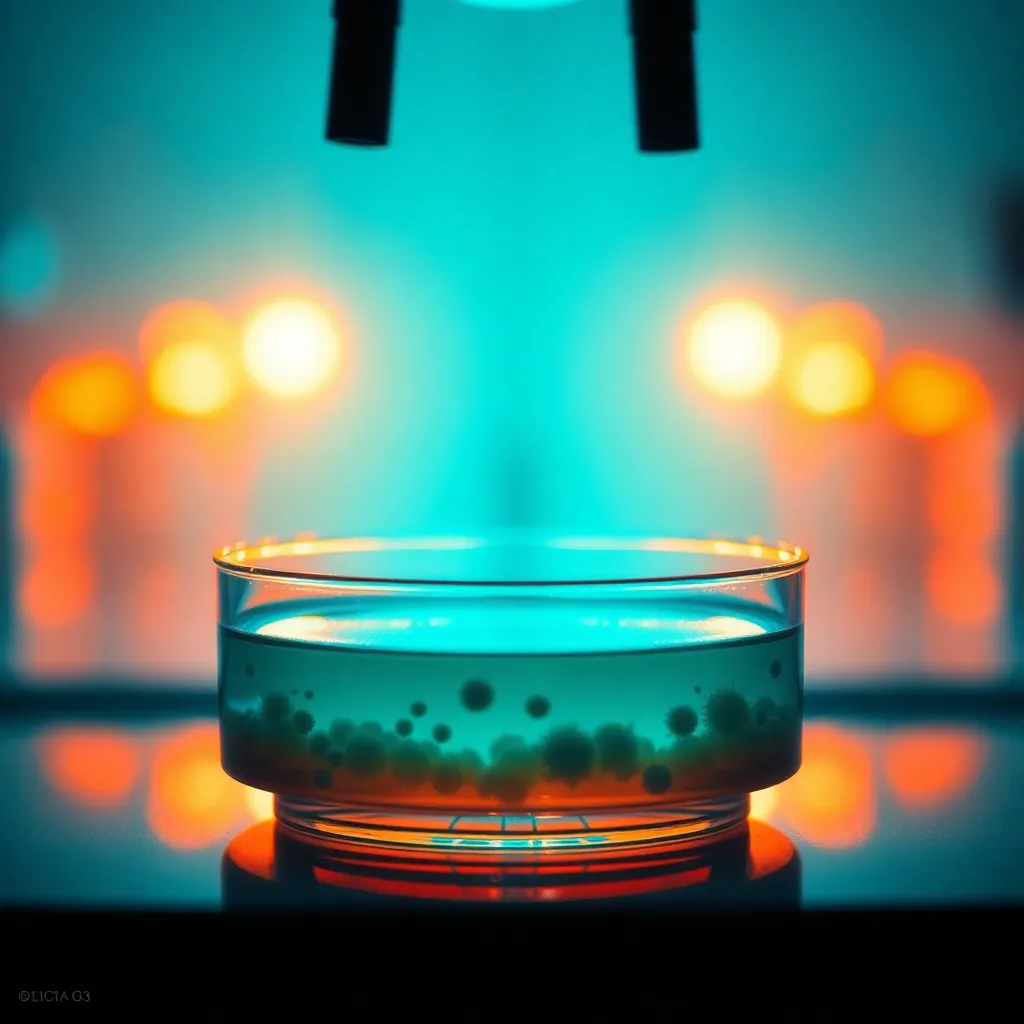
shot on Leica Q3, 28mm f/1.7 Summilux, dramatic backlighting illuminating a petri dish under scrutiny, shallow depth of field creating a soft glow around the dish, cinematic teal and orange color grading to enhance the experimental atmosphere, centered symmetrical composition with the petri dish in sharp focus, revealing cellular structures against the background.
1:1
captured with Hasselblad X2D 100C, 90mm f/2.5 medium format, soft daylight filtering through frosted glass providing an even illumination, hyperfocal distance ensuring sharp details from foreground to background, natural muted tones with desaturated earth colors, rule of thirds composition featuring a scientist carefully pouring liquid from one beaker to another, emphasizing the fluidity and precision of the process.
2:3
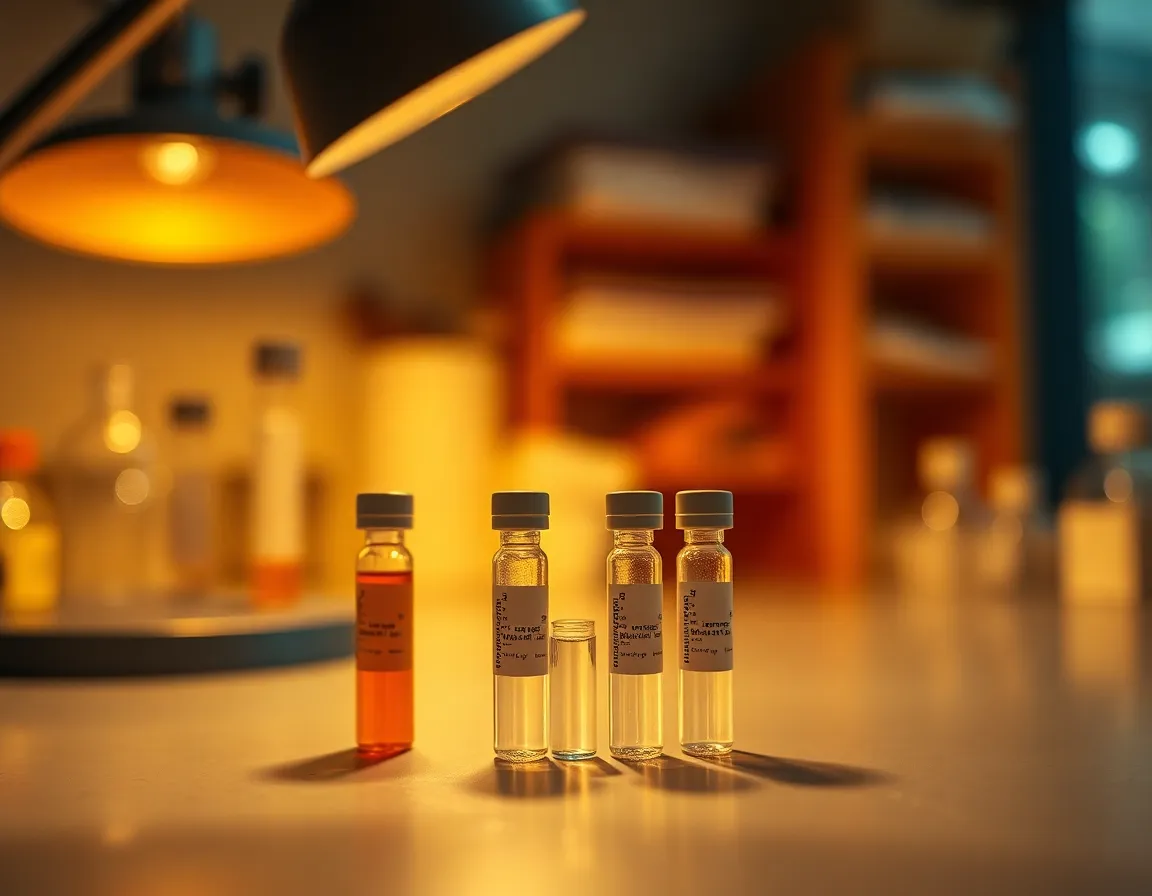
shot on Fujifilm GFX 100S, 110mm f/2 macro, warm tungsten desk lamp casting soft directional light on sample vials, selective focus on the vials while background melts into painterly bokeh, Kodak Portra 400 color palette emphasizing warm skin tones and creamy highlights, leading lines drawing the eye toward the vials arranged artistically on a textured lab countertop.
4:3
captured with Nikon Z9, 70-200mm f/2.8 telephoto at 135mm, dramatic artificial lighting with key light illuminating a chemist in focus, shallow depth of field at f/2.8 creating a soft bokeh effect, cinematic teal and orange color grading enhancing the contrast, centered symmetrical composition of the chemist working with a microscope, revealing intricate details of the equipment.
3:2
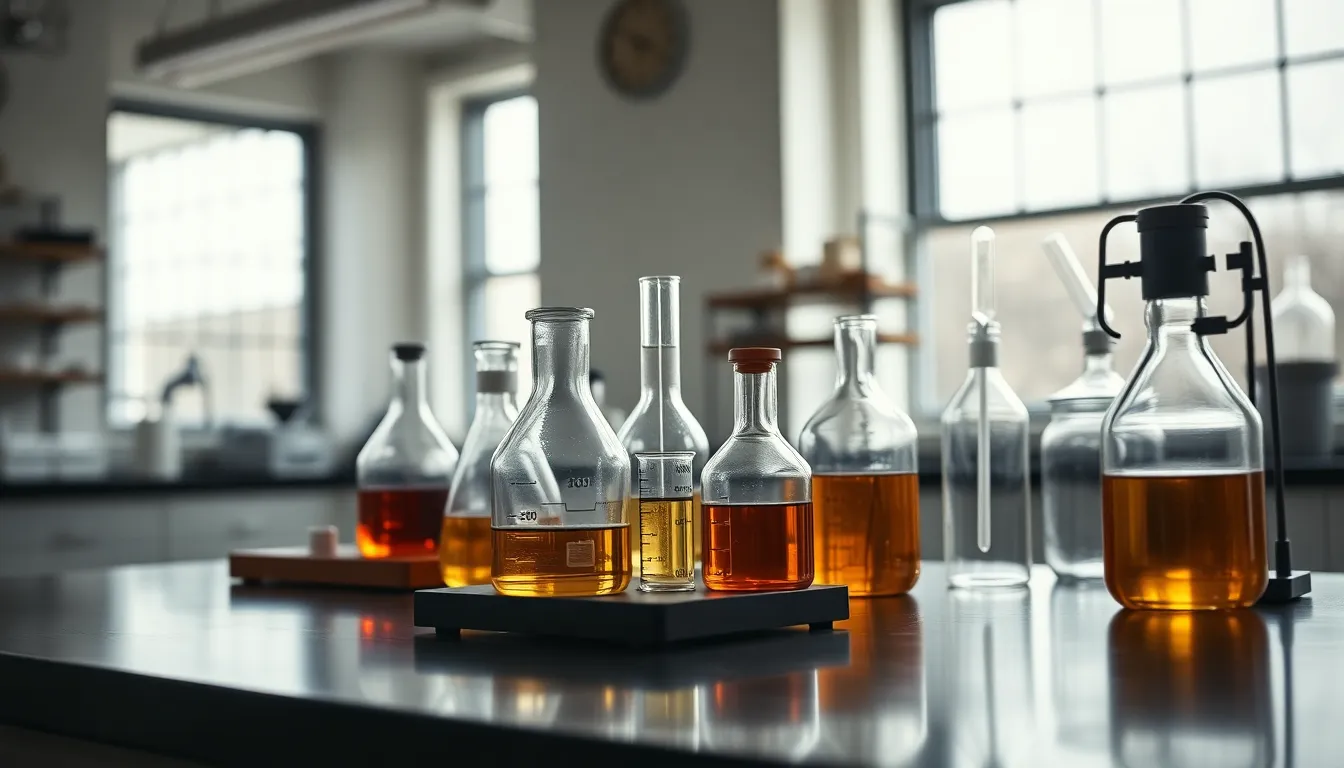
shot on Canon EOS R5, 24-70mm f/2.8L at 50mm, bright overcast diffused daylight through laboratory windows, hyperfocal distance ensuring sharpness from foreground to infinity, natural muted tones with desaturated earth colors, rule of thirds composition with scientific equipment arranged artfully on a polished lab table, glass beakers and pipettes reflecting soft highlights and shadows.
16:9
Hasselblad X2D 100C, 90mm f/2.5 medium format, captured in vibrant fluorescent lights reflecting off glossy laboratory surfaces, shallow depth of field at f/2.5 with vibrant colors, Fujifilm Velvia-inspired saturated colors with deep blues and rich greens, centered composition showcasing a series of colorful reagents neatly arranged in a lab setting.
16:9
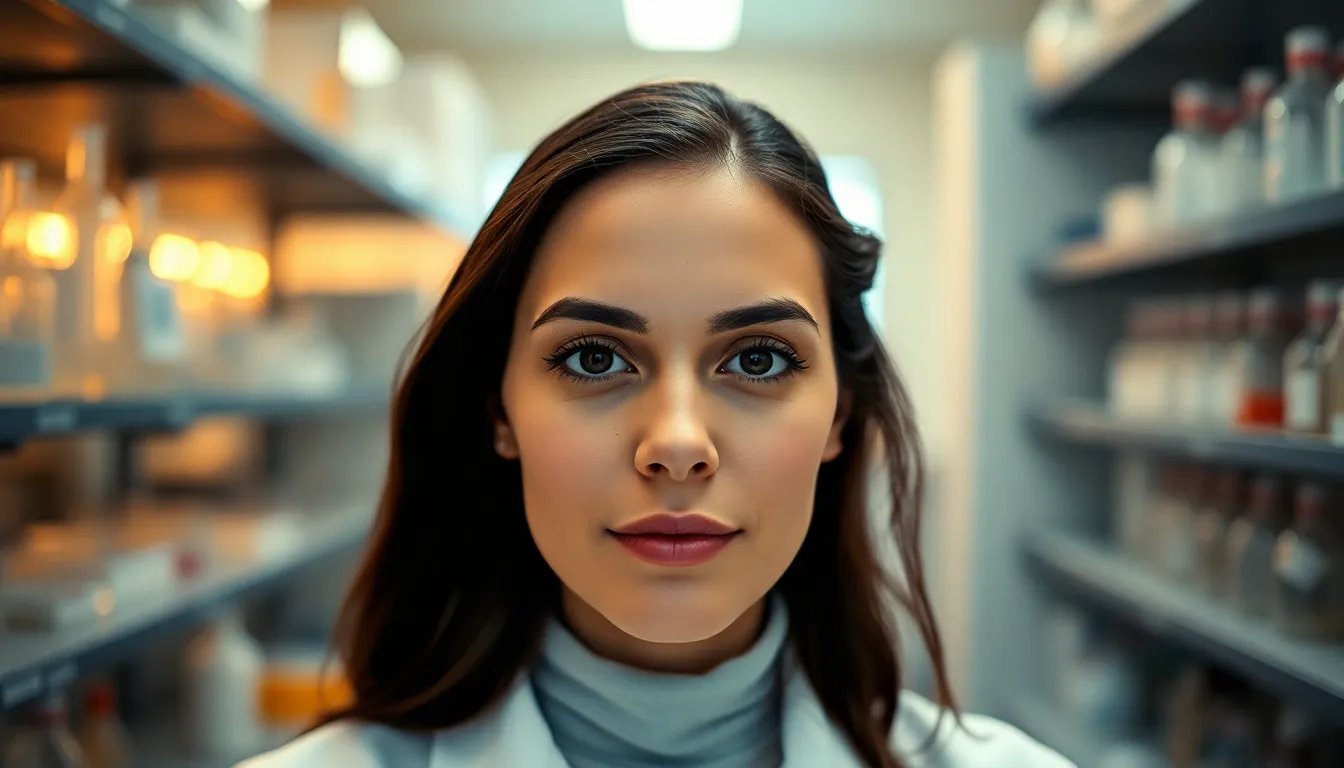
shot on Sony A7R V with 85mm f/1.4 GM lens, illuminated by warm tungsten lighting creating a cozy ambiance in the lab, selective focus on the lab technician’s eyes with a softly blurred background, Kodak Portra 400 color palette — warm skin tones, lifted shadows, creamy highlights, leading lines from laboratory shelves directing the view toward the subject.
16:9
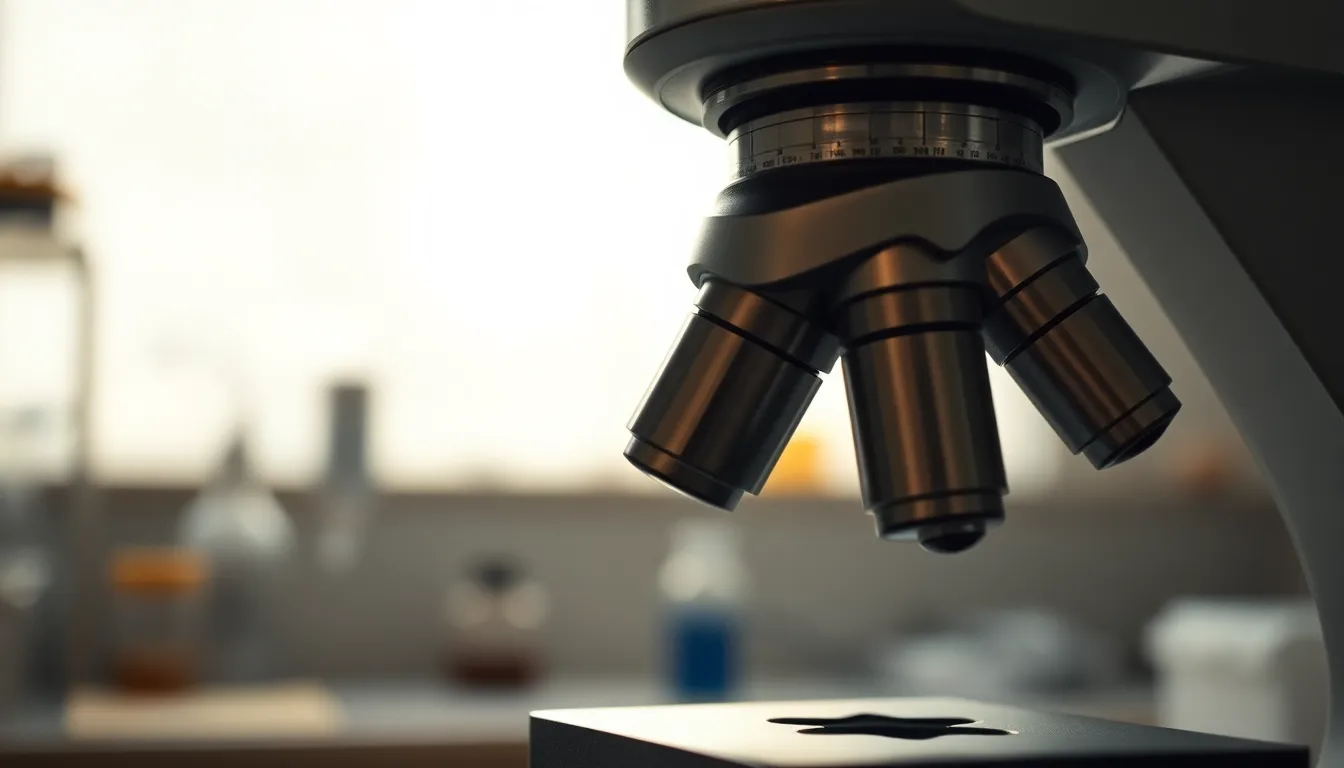
Fujifilm GFX 100S, 110mm f/2 macro, bathed in soft diffused light from an overhead softbox, shallow depth of field at f/2 with soft bokeh of laboratory background, natural muted tones with desaturated earth colors, rule of thirds with the microscope at lower power point, featuring polished metal surfaces that gleam subtly in the light.
16:9
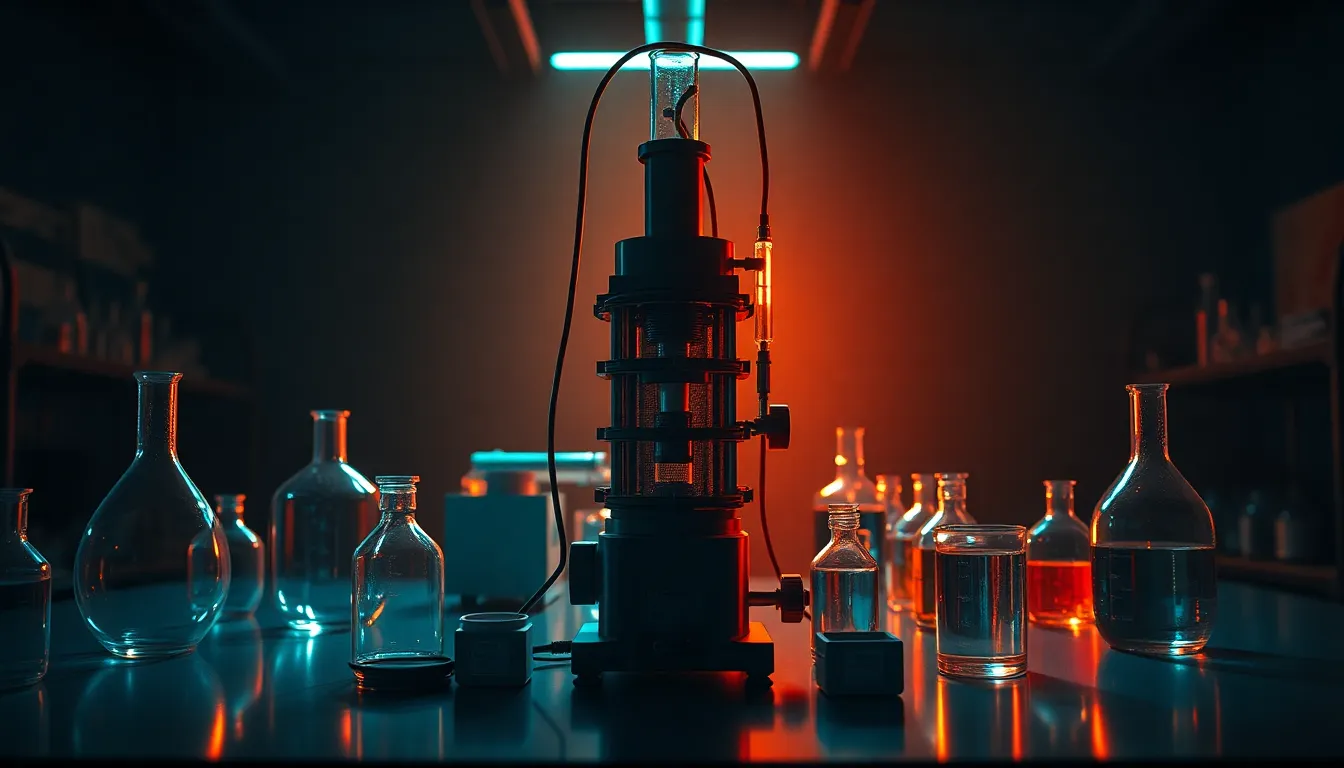
captured with Canon EOS R5, 24-70mm f/2.8L at 35mm, under dramatic theatrical lighting with strong shadows creating a contrasty atmosphere, hyperfocal distance — everything from foreground to infinity tack-sharp at f/8, cinematic teal and orange color grading, centered symmetrical composition featuring an intricate piece of laboratory equipment surrounded by chemical glassware.
16:9
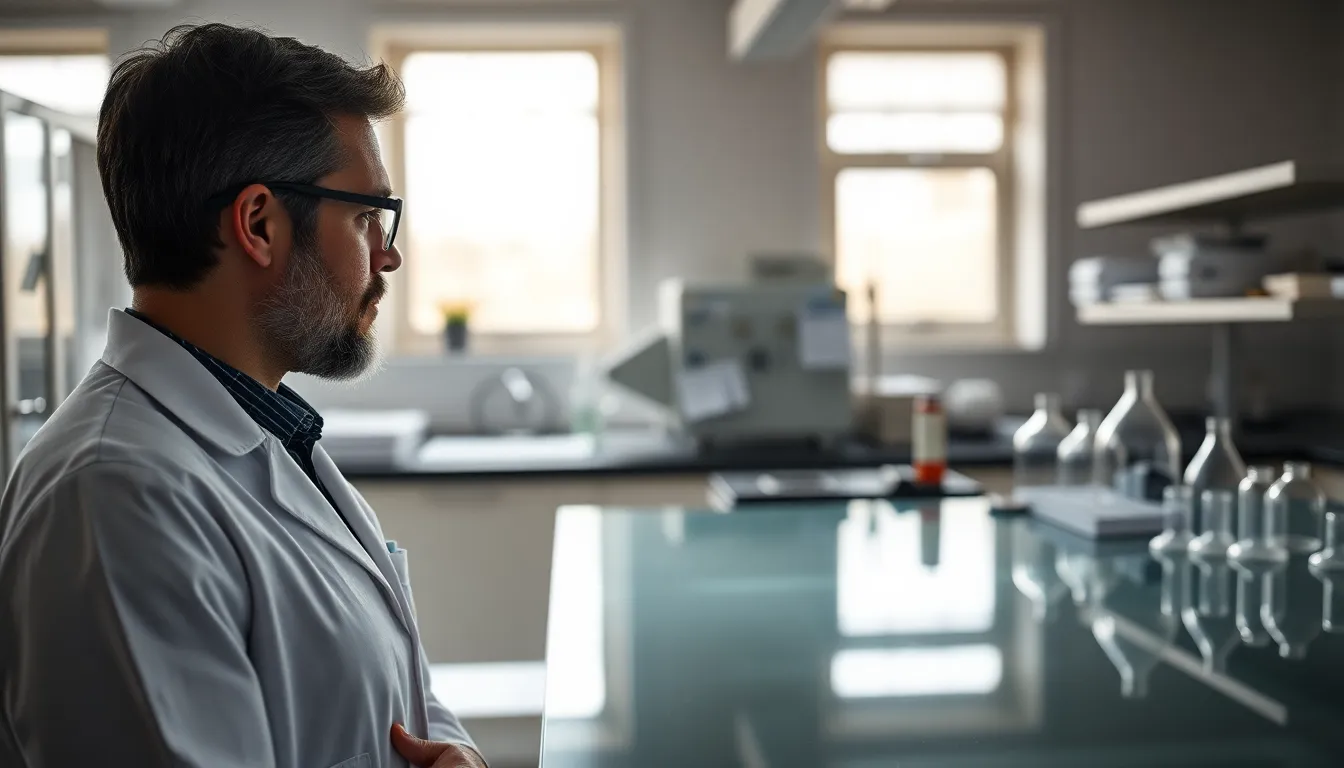
shot on Nikon Z9, 70-200mm f/2.8 telephoto at 135mm, illuminated by soft overcast daylight filtering through laboratory windows, shallow depth of field at f/2.8 with a creamy bokeh background, natural muted tones with desaturated earth colors, rule of thirds with the scientist at left power point, featuring a glass countertop showing fine scratches and reflections of laboratory equipment.
16:9
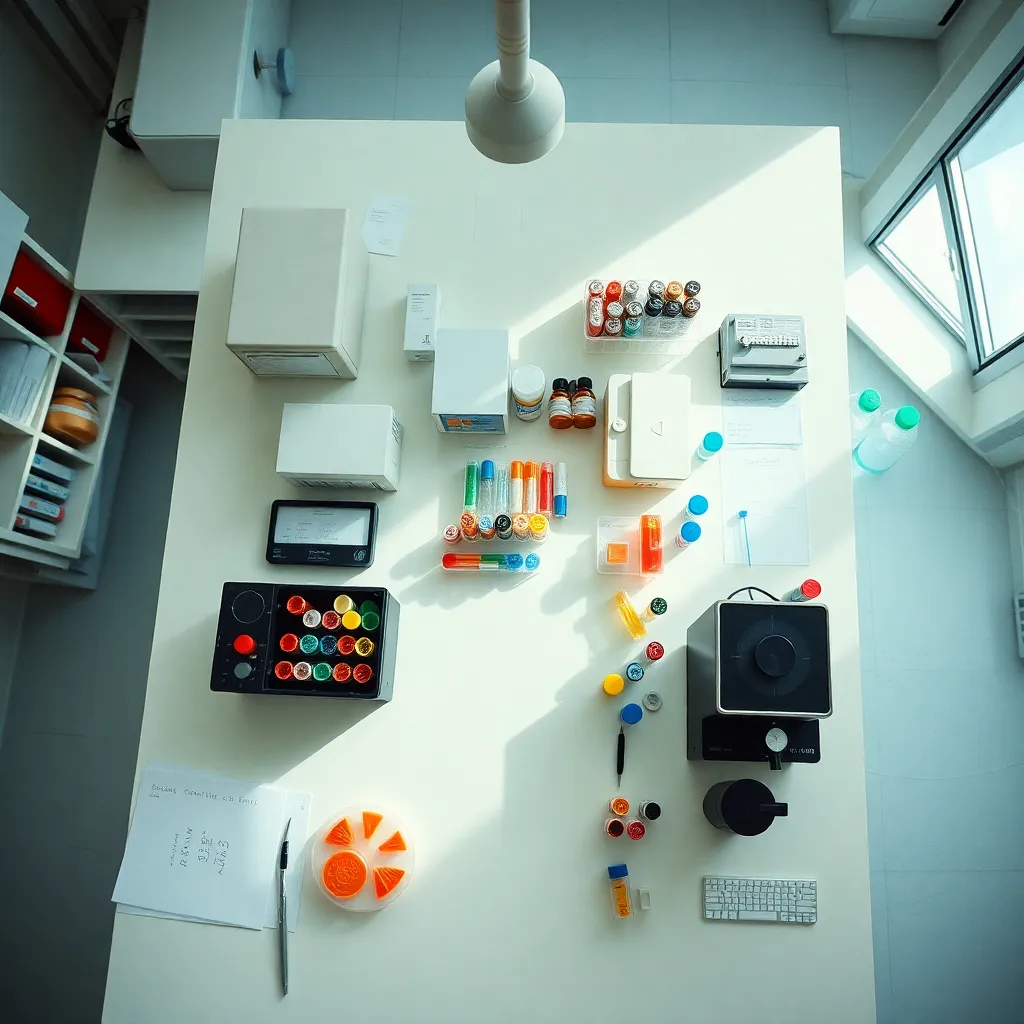
shot with Hasselblad X2D 100C, 90mm f/2.5 medium format, capturing an overhead view of a laboratory table with organized samples and tools. The natural diffused daylight provides perfect illumination, lifting the mood of the scene. The depth of field is broad, ensuring that every detail of the table is in sharp focus, from the colorful test tubes to the texture of the table’s surface. The film look utilizes Kodak Portra 400 color palette, rendering the scene with warm tones and creamy highlights. The composition employs an overhead symmetrical arrangement, inviting a sense of order and professionalism.
1:1
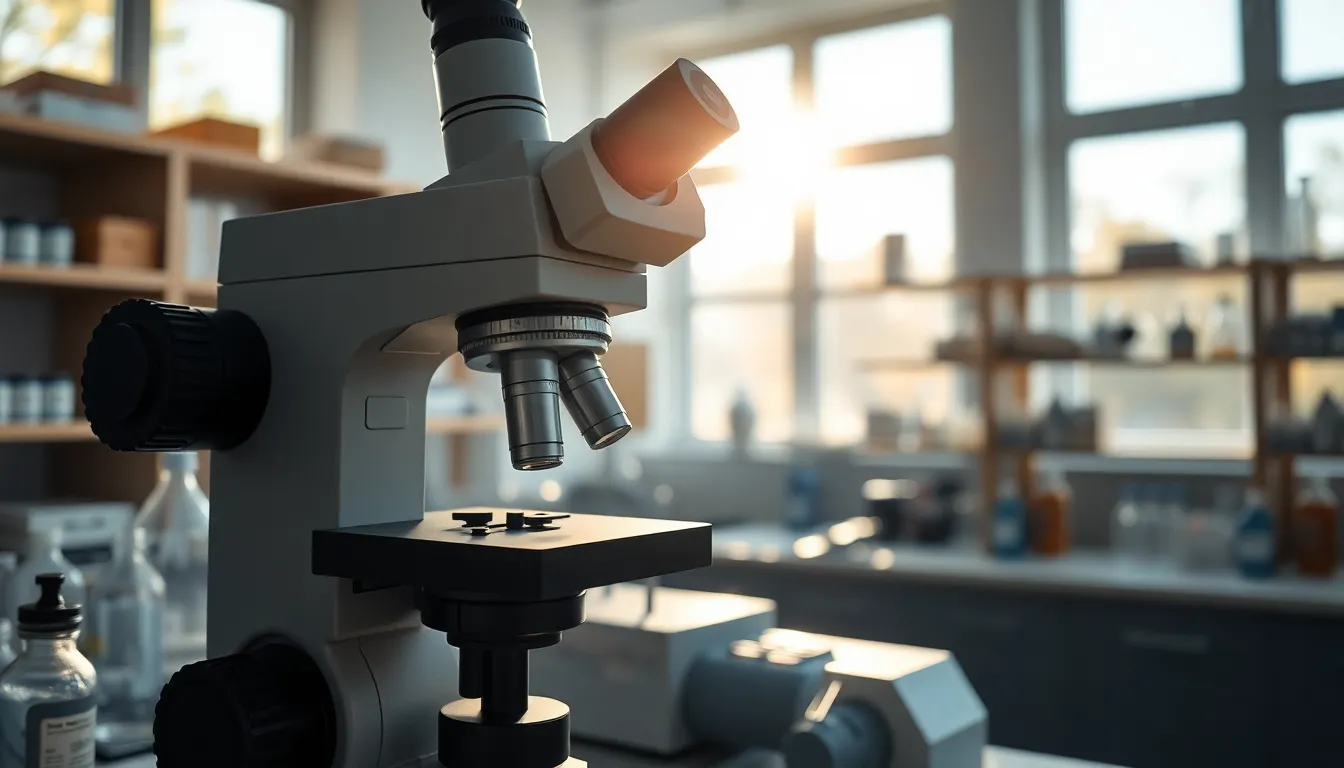
photographed with Fujifilm GFX 100S, 110mm f/2 macro lens, capturing fine details of lab equipment surrounded by natural morning light streaming in through windows. Using hyperfocal distance at f/8, the entire scene from the equipment to the softly blurred laboratory shelves remains sharp. The color palette is a mix of cool greys and warm sunlight, providing an inviting atmosphere. Rule of thirds composition places the microscope slightly off-center, drawing the viewer's eye towards the intricate details of its design.
16:9
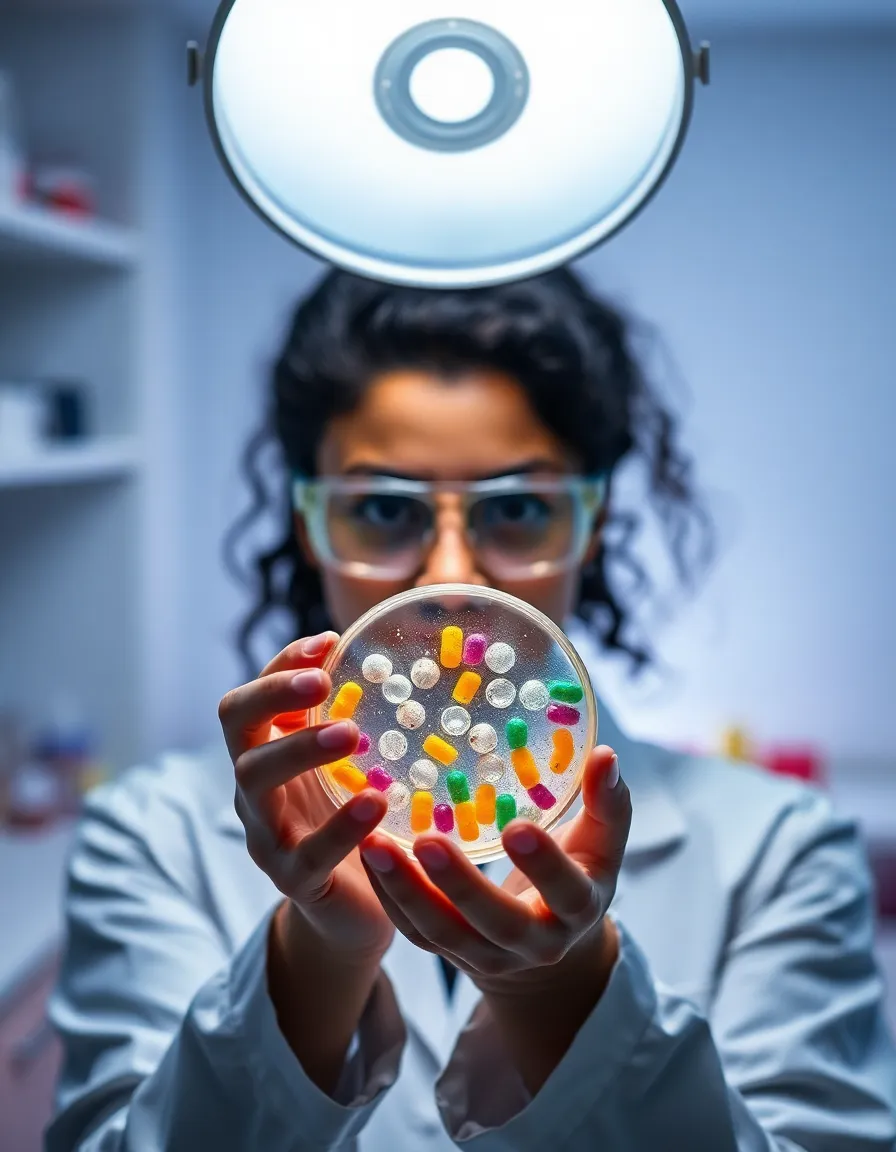
shot on Sony A7R V with 85mm f/1.4 GM lens, utilizing butterfly lighting with a beauty dish positioned above to focus on a researcher holding a petri dish. The shallow depth of field at f/1.4 highlights the intricate details of the dish's cultured samples, while the softly blurred laboratory backdrop adds context without distraction. The palette incorporates colorful samples against sterile white surfaces, enhancing the clinical yet vibrant atmosphere. The composition is framed centrally, allowing the viewer’s gaze to rest on the researcher’s focus and meticulous handling of the experiment.
3:4
captured with Nikon Z9, 70-200mm f/2.8 telephoto at 100mm, the ambient light from the sunlight filtering through tall windows illuminates a chemist at work under ambient diffused daylight. The focus is selective on the chemist's concentrated expression as they analyze a sample, while the background fades into soft painterly bokeh. The natural muted tones of the laboratory environment, combined with dramatic shadows, captures both a serene and intense atmosphere. The centered composition highlights the subject's engagement with their work, emphasizing the dedication to scientific discovery.
3:2
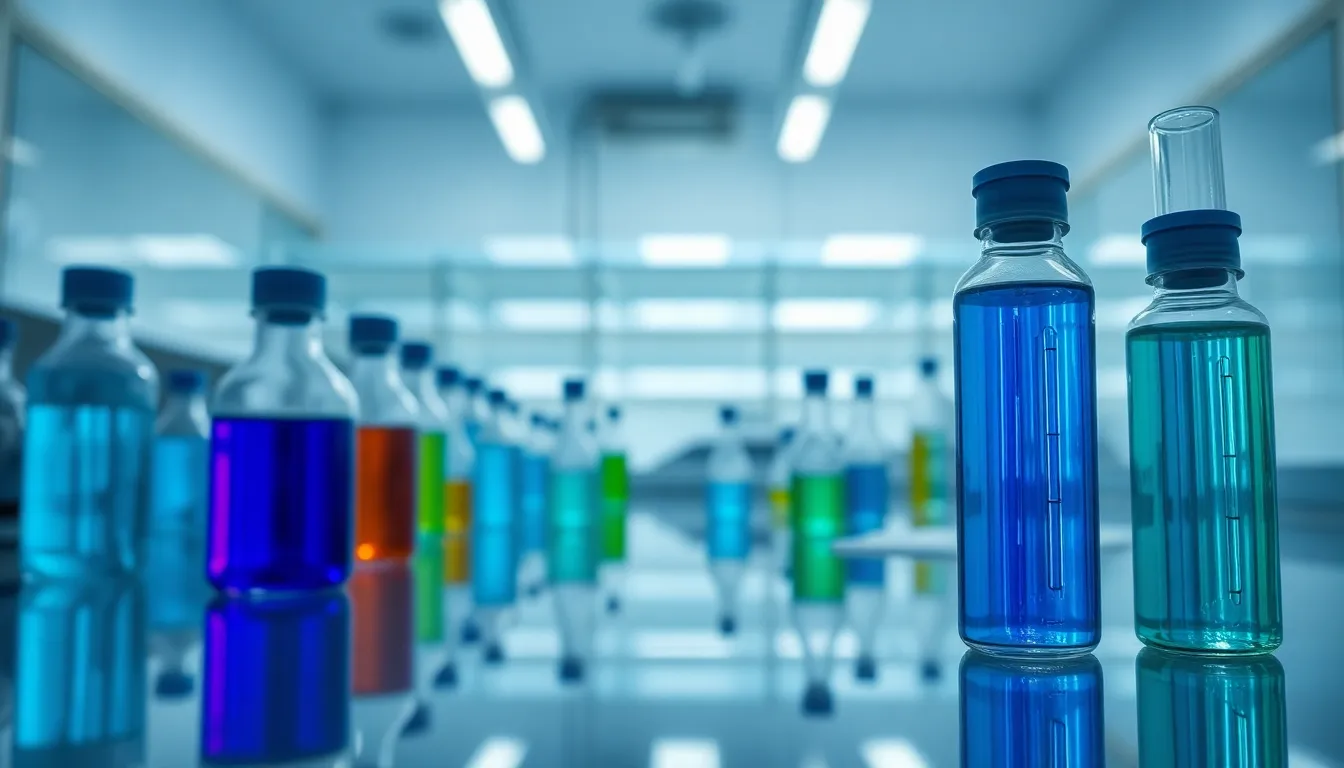
shot on Canon EOS R5, 24-70mm f/2.8L at 50mm, with bright overhead LED laboratory lights casting clear illumination on glass vials and pipettes. The shallow depth of field at f/2.8 keeps the focused subjects sharp while blurring the sterile environment softly in the background. Utilizing a natural muted tones color palette, the scene captures the cool blues and greens of liquid samples. Rule of thirds composition places colorful vials on one side, leading the viewer’s eye across the workspace. Glass surfaces reflect the light beautifully, adding depth and allure to the image.
16:9
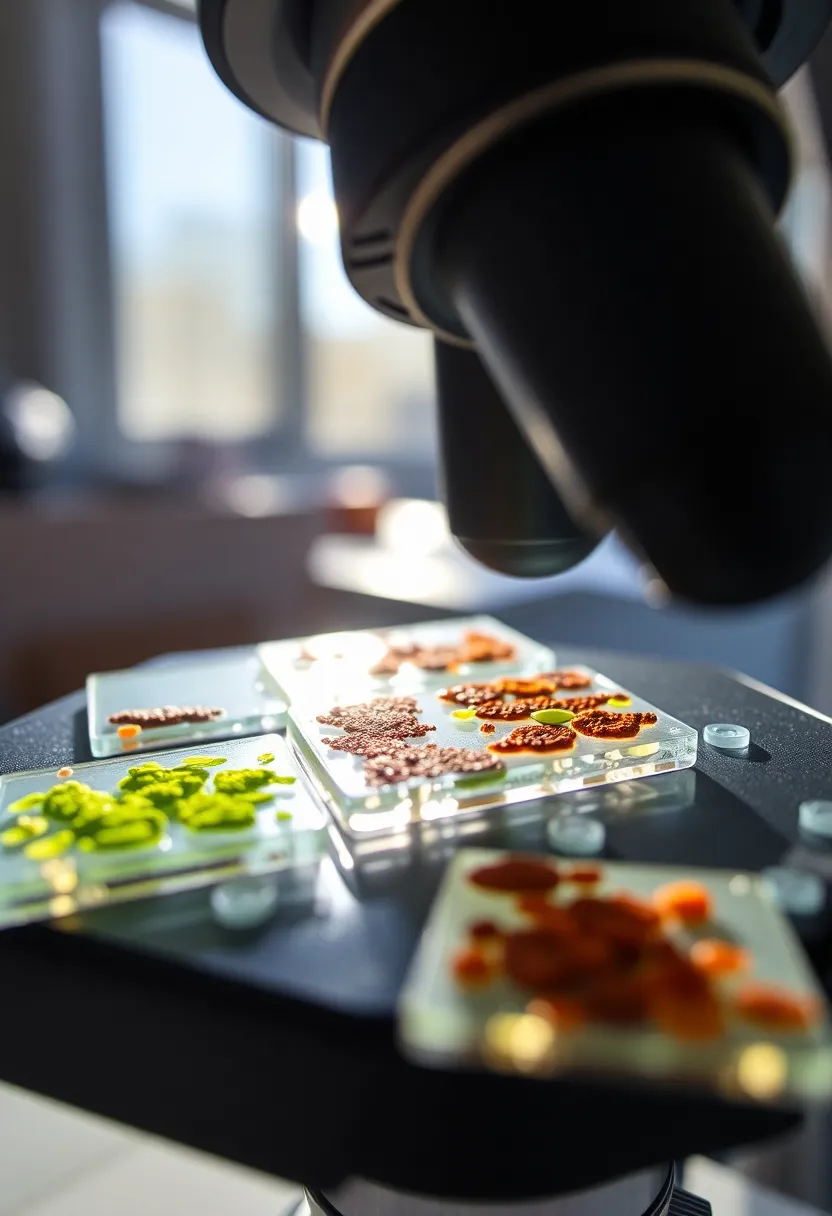
Fujifilm GFX 100S, 110mm f/2 macro, capturing intricate details of biological samples placed on glass slides under a powerful microscope. The lighting employs a combination of natural sunlight and diffused reflection, creating a bright and inquisitive atmosphere. The depth of field is shallow at f/2, allowing for vivid focus on the sample textures while blurring the microscope body. The color palette highlights rich greens and browns, emphasizing the organic nature of the samples. Composed using the Dutch angle for a dynamic perspective, this image draws the viewer into the world of microscopic biology with its captivating details.
2:3
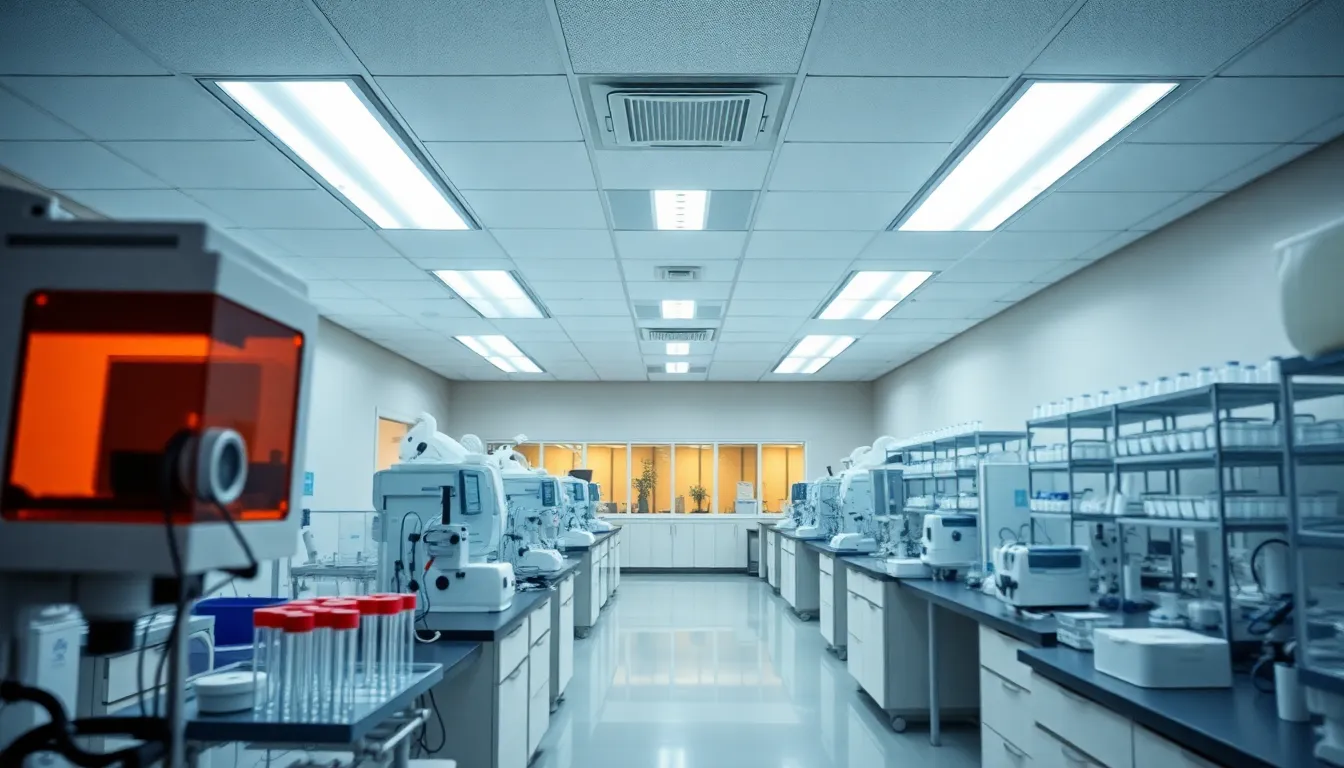
Hasselblad X2D 100C, 90mm f/2.5 medium format lens, showcasing a sterile laboratory environment filled with state-of-the-art medical equipment. The scene is illuminated by overhead fluorescent lights, creating a cool, clinical atmosphere. The depth of field is hyperfocal at f/8, ensuring everything from the foreground to the background remains in sharp focus. The color grading leans toward desaturated earth tones, giving a professional yet inviting feel. The composition employs symmetry, with rows of neatly arranged test tubes and medical instruments, reflecting meticulous organization and precision in the lab.
16:9
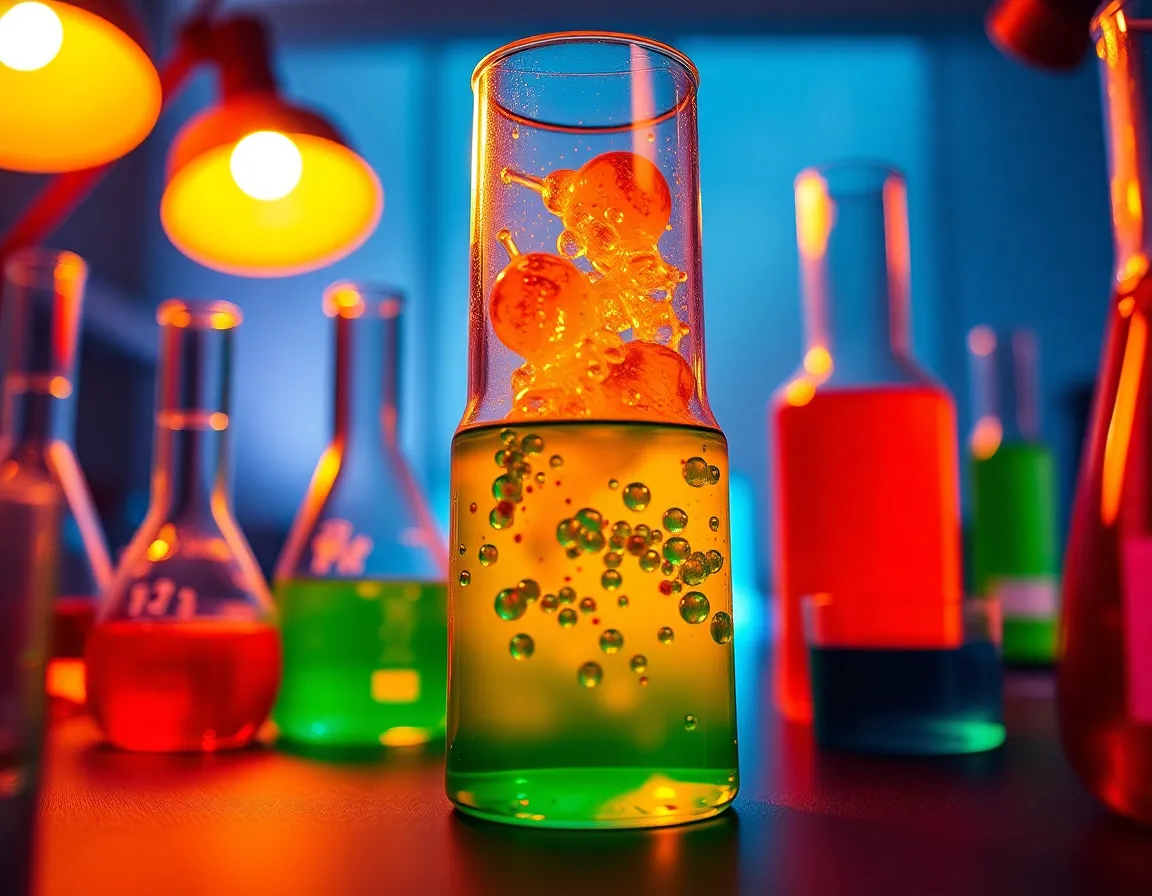
Nikon Z9, 70-200mm f/2.8 telephoto at 135mm, capturing the vibrant colors of a laboratory experiment involving different chemical reactions in glass beakers. The lighting consists of warm tungsten desk lamps casting directional light onto the beakers, highlighting the bubbling solutions inside. The depth of field is selective, focusing on the most visually dynamic beaker while the others fade into a painterly bokeh. The color palette is a vivid mix of reds, yellows, and greens, creating a dynamic atmosphere. Compositionally, leading lines created by the beakers draw the viewer's attention toward the main reaction, showcasing the beauty of science.
4:3
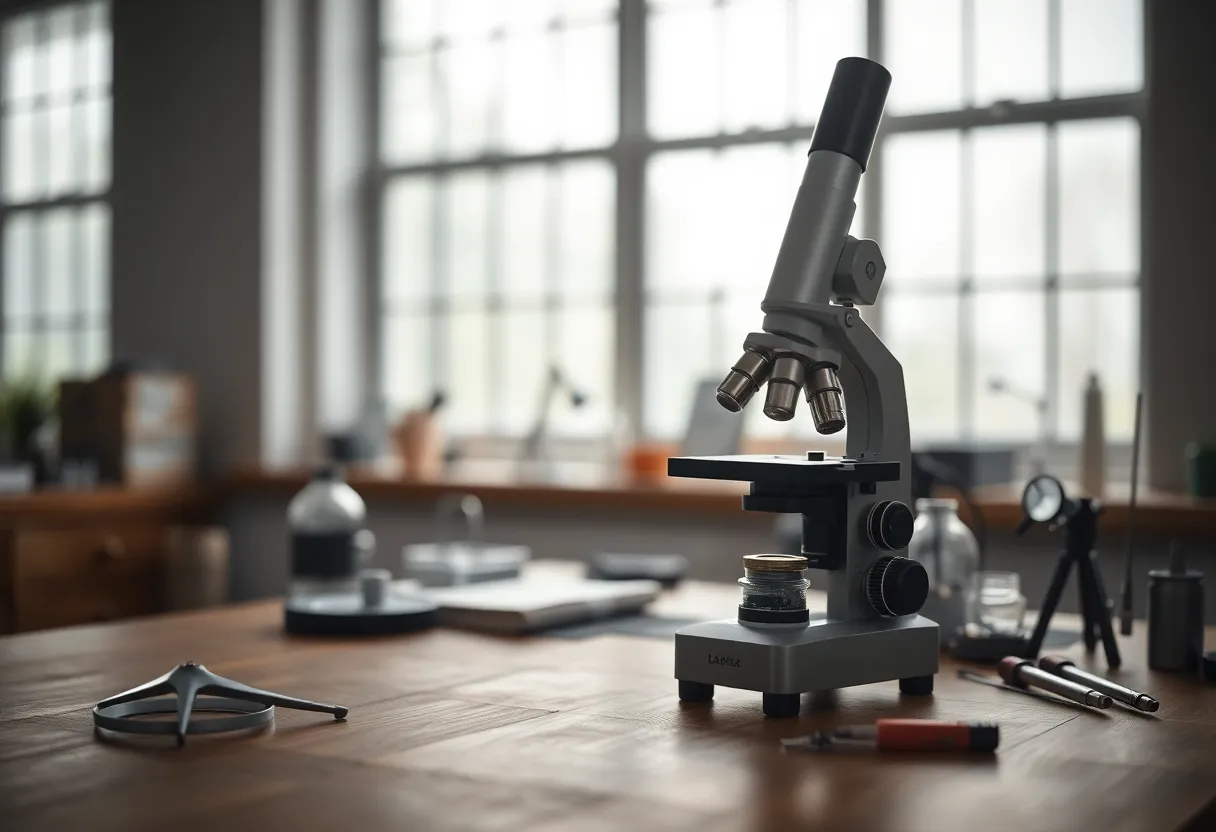
shot on Sony A7R V with 85mm f/1.4 GM lens, using overcast diffused daylight streaming through large windows, softly illuminating a microscope on a wooden laboratory table. The image has a shallow depth of field at f/1.4, creating an abstract background while keeping the microscope in sharp focus. The color grading utilizes natural muted tones, bringing warmth to the hardwood surface. Compositionally, the microscope is placed according to the rule of thirds, inviting the viewer's eye to explore the scientific tools surrounding it, with fine details of glass optics and metal mechanisms visible.
3:2
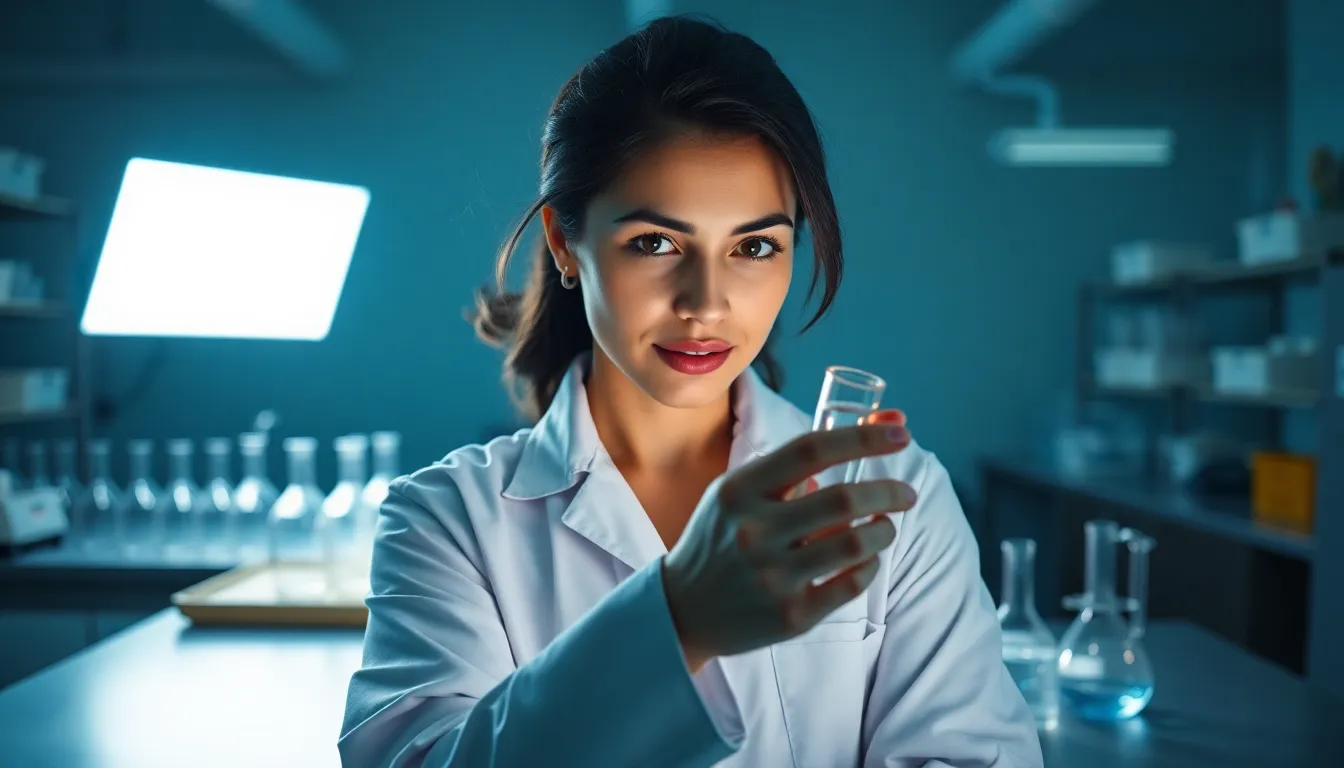
captured with Canon EOS R5, 24-70mm f/2.8L at 50mm, featuring a three-point studio setup with key softbox illuminating a scientist in a lab coat, edge light accentuating the subject’s features, and subtle fill on the background. The depth of field is shallow at f/2.8, creating a creamy bokeh effect behind the subject. The color palette is rich with cool blues and greens, evoking a sterile and professional environment. The composition centers the scientist, presenting a focused expression as they examine a test tube, with details of lab equipment in the background including pipettes and beakers on a polished stainless steel table.
16:9
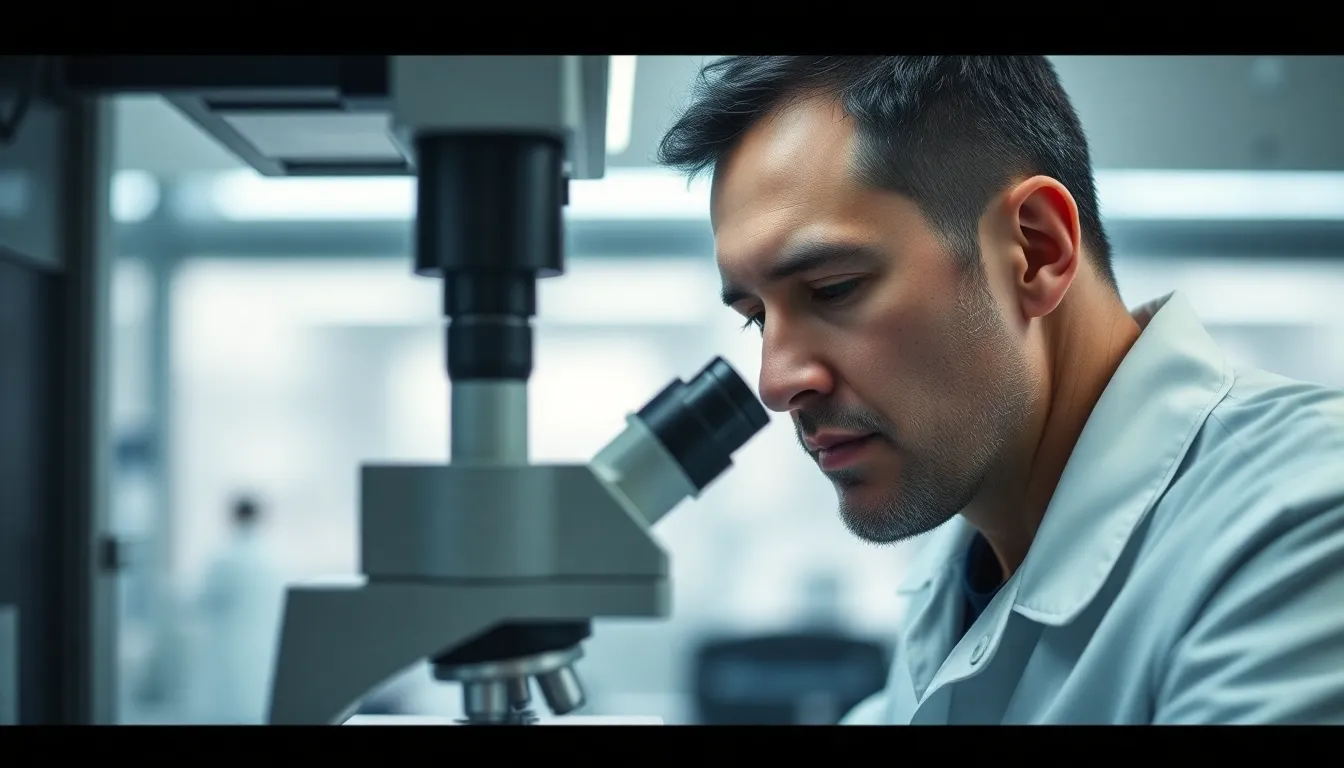
shot on Leica Q3, 28mm f/1.7 Summilux lens, featuring overcast diffused daylight illuminating a lab technician meticulously examining samples under a microscope. The depth of field is shallow at f/1.7, bringing the technician's focused expression into sharp clarity while the background gently blurs into painterly bokeh. The color palette is composed of cool, muted tones, evoking a serious, contemplative mood. Compositionally, the image follows the rule of thirds, placing the technician on the right power point, while leading lines draw attention toward the microscope. The texture of the lab coat and the equipment is finely detailed, enhancing the realism of the scene.
16:9
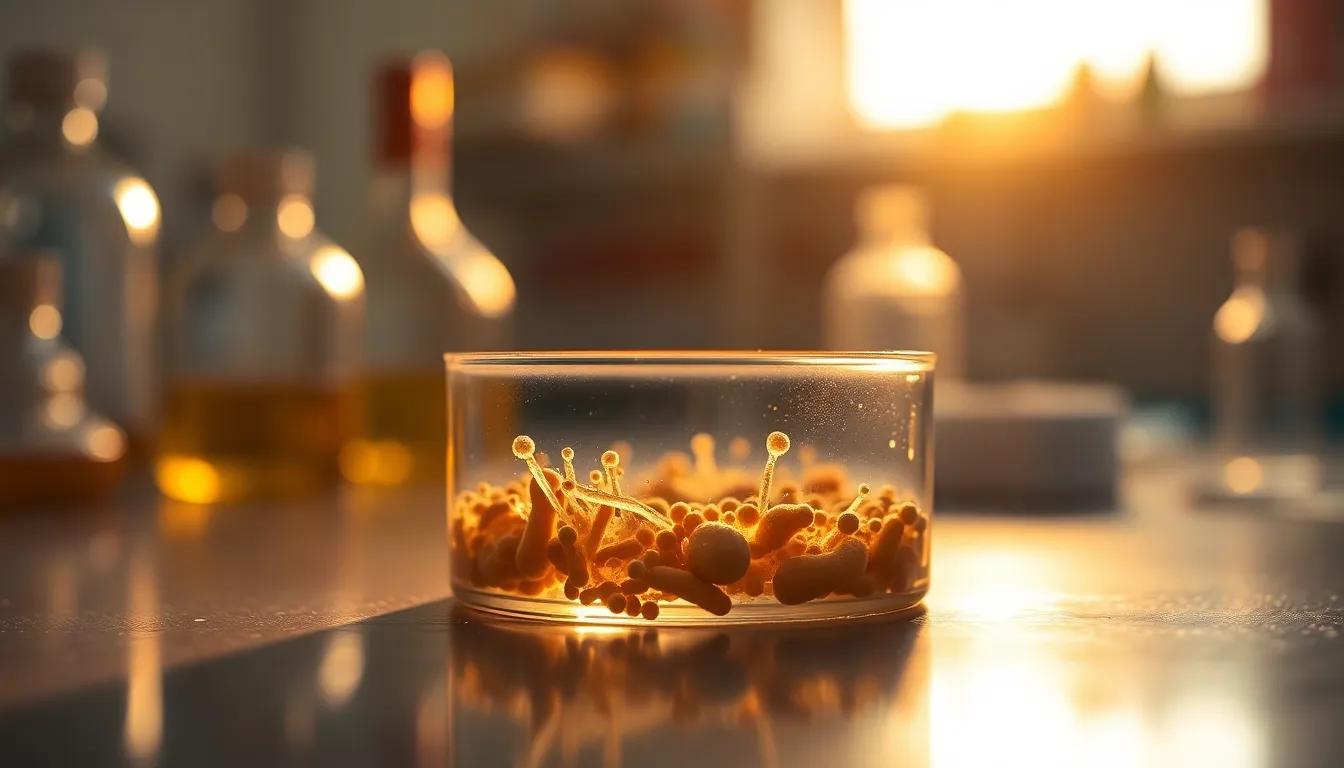
captured with Fujifilm GFX 100S, 110mm f/2 macro lens, during the golden hour with warm backlighting creating a luminous atmosphere in the lab. The depth of field is shallow at f/2, elegantly isolating a petri dish filled with bacterial culture while softly blurring the background. The color palette features warm earthy tones, enhancing the organic feel of the microbial growth. The composition employs centered symmetry, placing the petri dish at the heart of the frame, while textures of the dish and cultures are highlighted by the warm light filtering in. The surface of the lab table shows subtle reflections and detail, adding richness to the image.
16:9
shot on Hasselblad X2D 100C, 90mm f/2.5 medium format lens, utilizing a three-point studio setup with key softbox creating soft highlighting on the lab equipment. The image features a shallow depth of field at f/2.5 focusing on a colorful array of chemical solutions in glass vials. The color palette boasts vibrant shades of red, blue, and green, creating a striking visual impact against a dark background. The composition centers around the vials, using foreground framing to draw the eye into the vibrant colors. The smooth glass texture contrasts beautifully with the matte surface of the lab table, enhancing the overall richness of the image.
16:9
captured with Nikon Z9, 70-200mm f/2.8 telephoto at 135mm, featuring natural daylight streaming through large windows, creating dynamic shadows and highlights within the laboratory setting. The depth of field is hyperfocal at f/8, ensuring everything from the microscope to the distant shelves is in sharp focus. The image is awash in natural muted tones with desaturated greens and browns. The composition uses rule of thirds, placing the microscope in the left power point and allowing space for light to create an inviting atmosphere. The wooden tables showcase visible grain and a sense of warmth amid the clinical environment.
16:9
shot on Canon EOS R5, 24-70mm f/2.8L at 50mm, illuminated with cool white LED lights creating stark contrasts against a sterile backdrop. The image features shallow depth of field at f/2.8, focusing on a scientist's hand carefully holding a pipette, with the background softly blurred. The color palette emphasizes clinical blues and whites, enhancing the sterile laboratory atmosphere. Compositionally, it captures a close-up view of the researcher in a centered framing with leading lines drawing attention to the pipette. The textured glass beakers on the lab bench reflect the bright lighting, adding depth and detail to the scene.
16:9
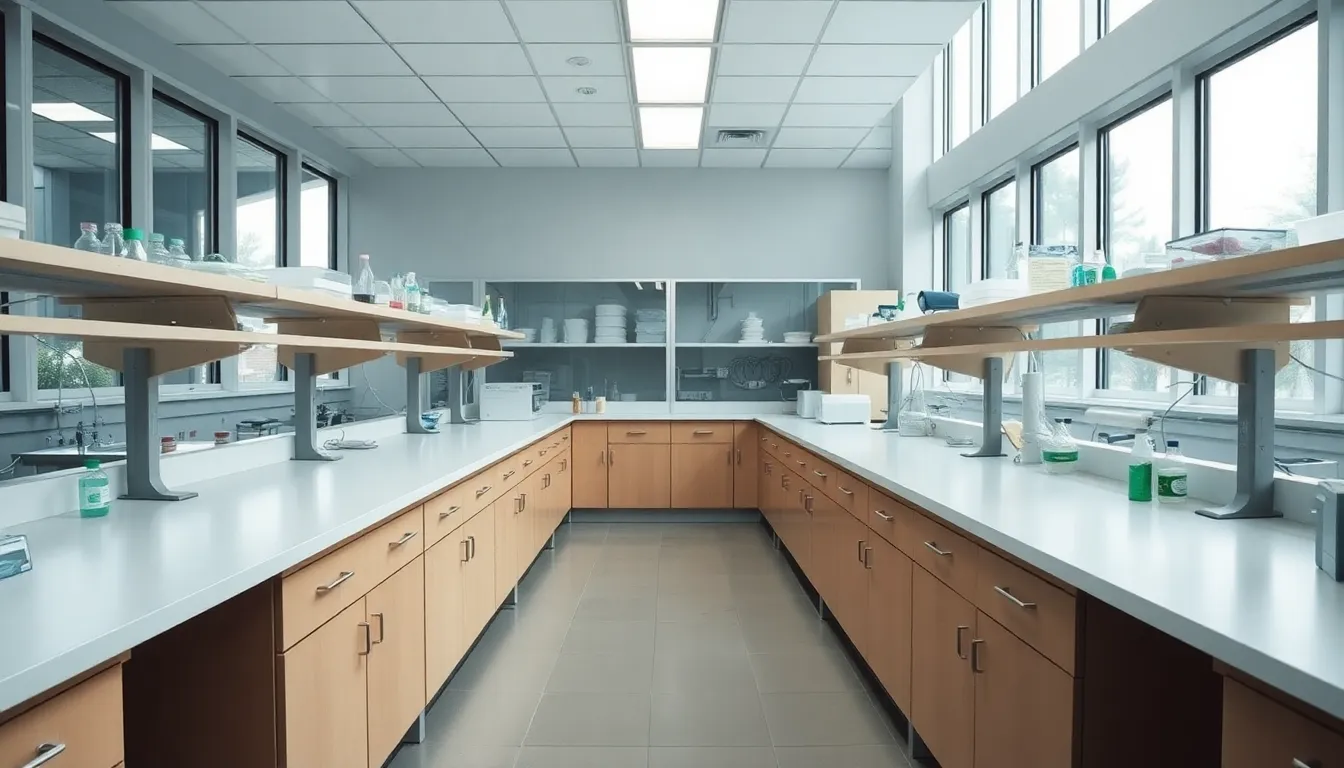
shot on Sony A7R V with 85mm f/1.4 GM lens, overcast diffused daylight from large windows providing soft even lighting, hyperfocal distance at f/8 capturing a wide view of the lab, natural muted tones with an emphasis on greens and whites for a clean and fresh appearance, composition using leading lines created by rows of lab benches drawing the eye through the scene, visible textures of laboratory counters and equipment showing careful wear.
16:9
captured with Hasselblad X2D 100C, 90mm f/2.5 medium format, practical warm tungsten lighting from a desk lamp creating a cozy atmosphere, shallow depth of field at f/2 focusing on a stack of open scientific journals, natural muted tones with deep browns and golds enhancing the sense of a scholarly environment, Dutch angle for dynamic tension emphasizing the stacks of papers and laboratory tools arranged aesthetically, visible texture of aged paper and metal lab instruments.
4:3
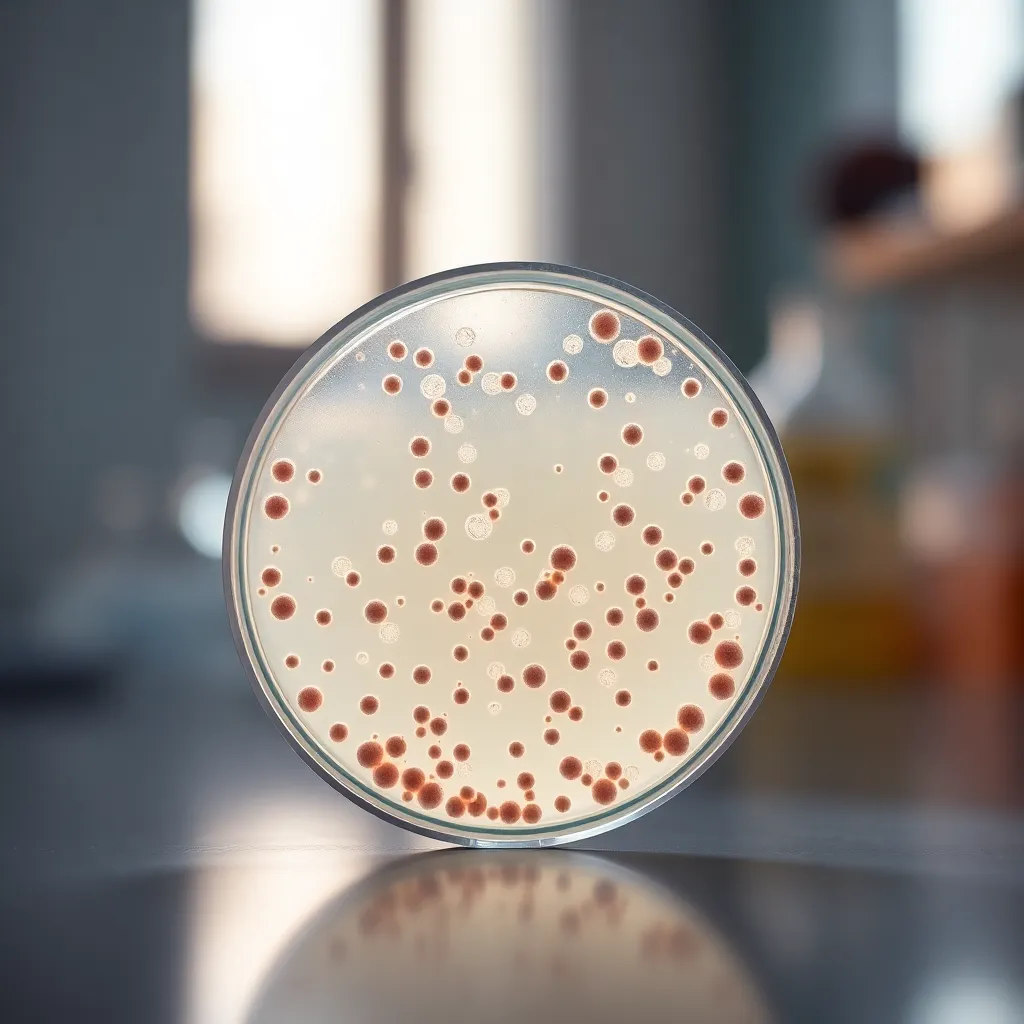
shot on Fujifilm GFX 100S, 110mm f/2 macro, natural backlighting with soft fill light from a nearby window, selective focus on a petri dish showcasing bacterial cultures with a creamy bokeh background, natural muted tones with desaturated earth colors reflecting the laboratory environment, rule of thirds with the petri dish positioned at a power point, visible texture of the agar surface with distinct colonies.
1:1
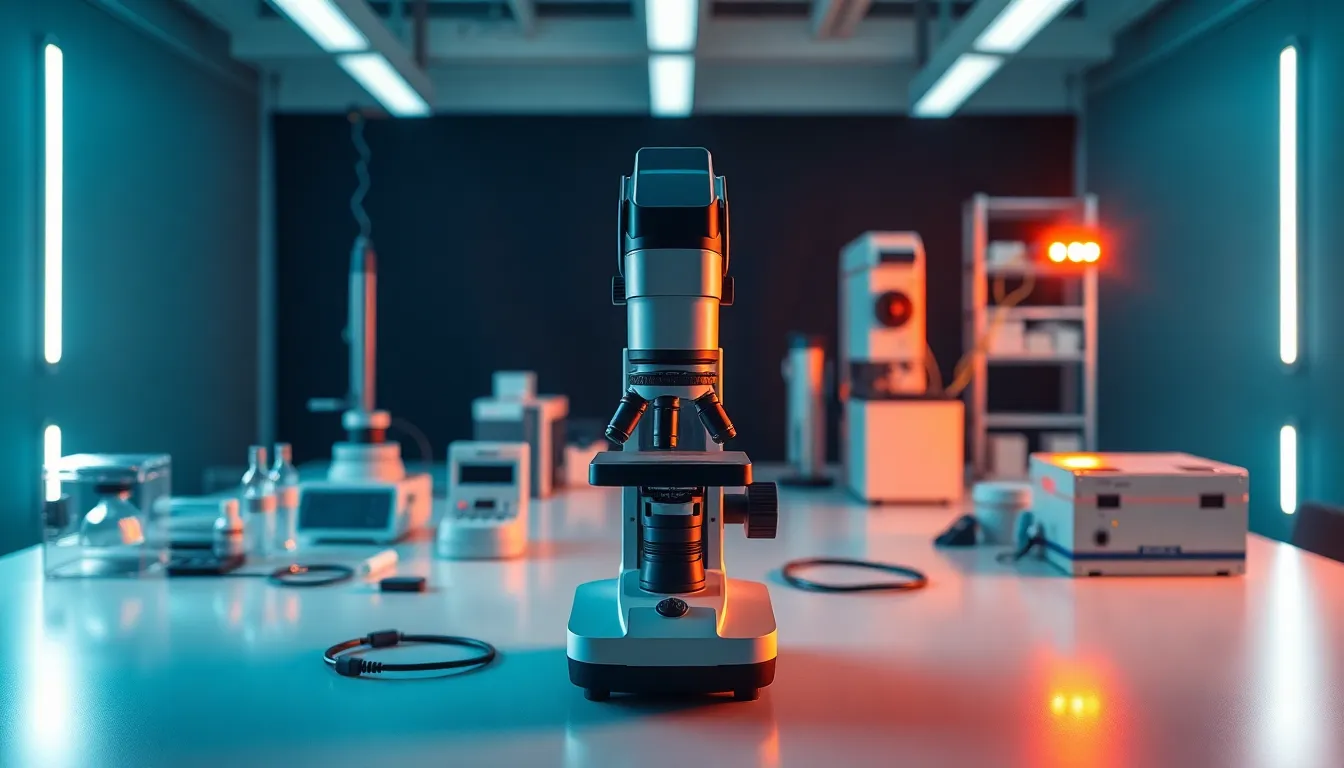
captured with Canon EOS R5, 24-70mm f/2.8L at 35mm, studio setup with high-key lighting illuminating the scene with minimal shadows, hyperfocal distance at f/8 keeping all elements sharp, cinematic teal and orange color grading enhancing the modern contrast, centered symmetrical composition with a digital microscope surrounded by high-tech lab equipment, surfaces of plastic and metal gleaming with precise detail.
16:9
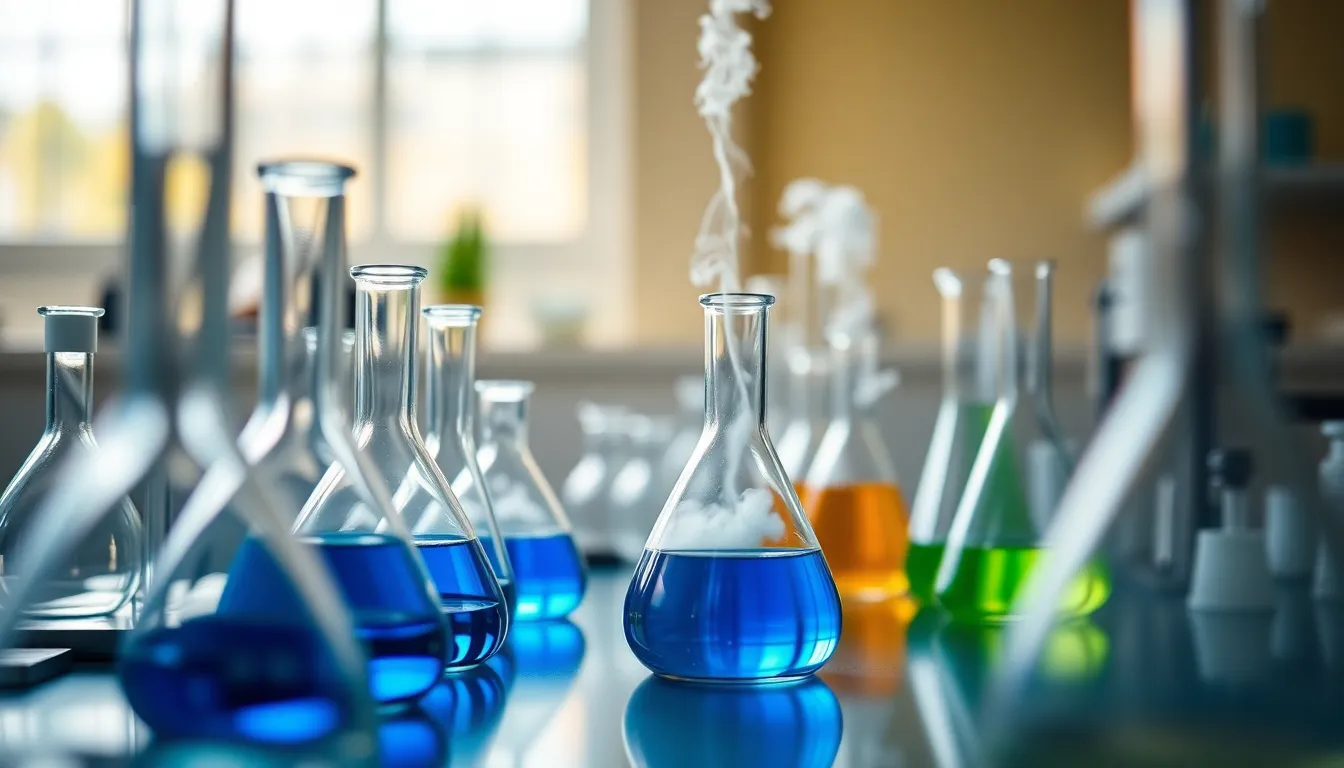
shot on Nikon Z9, 70-200mm f/2.8 telephoto at 135mm, natural diffused daylight from overhead windows creating soft shadows, shallow depth of field at f/2.8 focusing on lab equipment, vibrant color palette with glass reflections highlighting blues and greens, composition featuring a leading line of glass beakers drawing the eye toward a focal flask, visible surface texture of polished glass and stainless steel, subtle steam rising from the flask creating a dynamic atmosphere.
16:9
shot on Hasselblad X2D 100C, 90mm f/2.5 medium format, under natural sunlight filtering through laboratory windows, creating a warm and inviting atmosphere. Hyperfocal distance ensures everything from the foreground to infinity is tack-sharp, revealing intricate details in the lab setup. Natural muted tones with desaturated colors reflect a calm, focused mood, while leading lines of lab tables guide the viewer's eye through the scene. Textured surfaces of lab materials are accented by the soft sunlight.
16:9
captured with Fujifilm GFX 100S, 110mm f/2 macro lens, featuring warm rim light from a rear softbox creating depth around petri dishes filled with vibrant cultures. Selective focus is utilized to highlight one dish in the foreground while maintaining a soft bokeh in the background. Fujifilm Velvia-inspired saturated colors bring out the vivid hues of the cultures, with a symmetrical composition centering the petri dishes on a sleek black lab table.
3:2
shot on Sony A7R V with 85mm f/1.4 GM lens, utilizing overcast diffused daylight coming through large windows, creating soft, even illumination. Shallow depth of field at f/1.4 blurs the laboratory backdrop, emphasizing a microscope in sharp focus. Natural muted tones with desaturated greens and browns reflect a lively yet professional atmosphere. Rule of thirds composition positions the microscope prominently, with scattered notes and tools framing the subject.
4:3
captured with Nikon Z9, 70-200mm f/2.8 telephoto at 100mm, with warm tungsten desk lamp casting a directional pool of light on a scientist observing reactions. Hyperfocal distance ensures both the scientist and background equipment remain tack-sharp. Kodak Portra 400 color palette enriches skin tones while highlighting the vibrant colors of chemical reactions. A centered symmetrical composition focuses on the scientist's engagement with the experiment, while glossy liquid surfaces reflect ambient light.
3:4
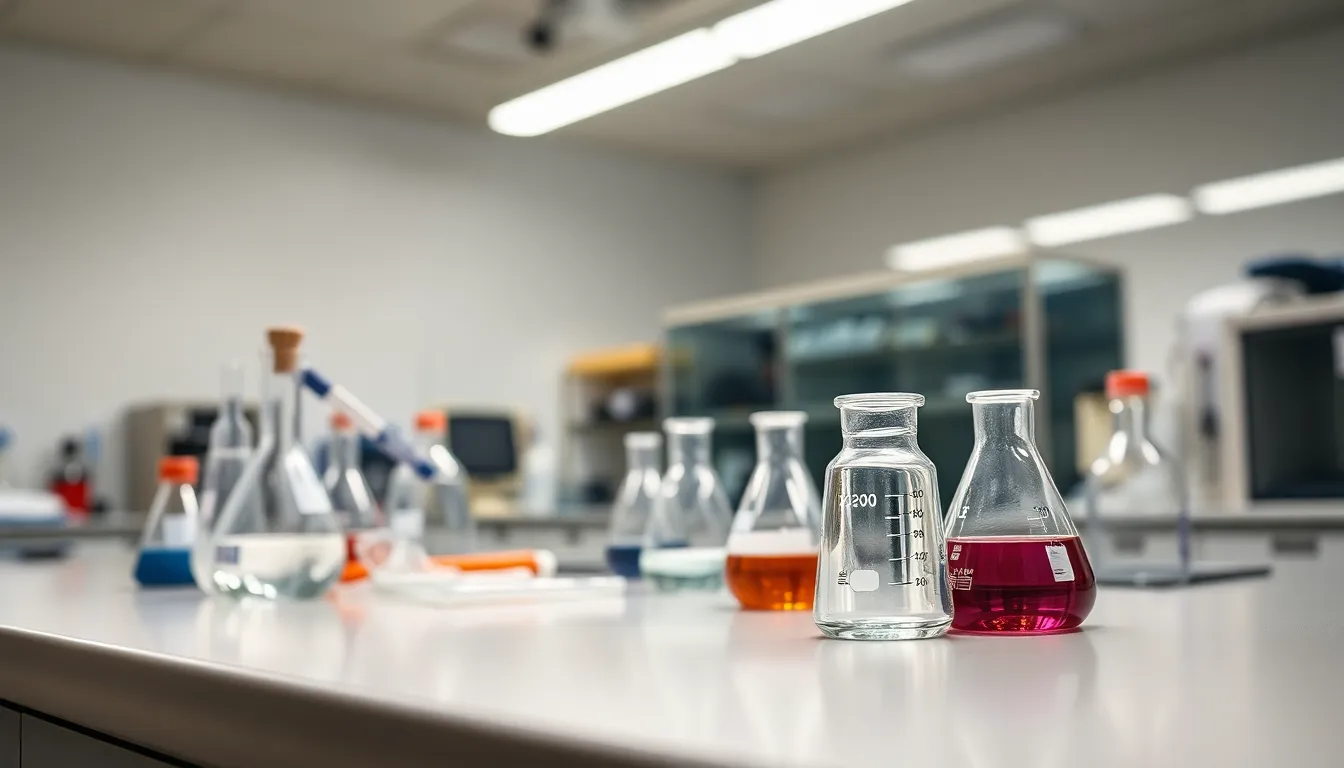
shot on Canon EOS R5, 24-70mm f/2.8L at 50mm, under bright fluorescent lighting casting even shadows across surfaces. Shallow depth of field at f/2.8 isolates equipment, creating soft bokeh in background. Natural muted tones with desaturated earth colors enhance the sterile atmosphere. Composition follows the rule of thirds, showcasing various laboratory tools like beakers and pipettes on a clean, white countertop. Smooth glass surfaces reflect highlights, while detailed labels on beakers offer clarity.
16:9
shot on Leica Q3, 28mm f/1.7 Summilux, under cool fluorescent lab lights offering a clinical feel, hyperfocal distance creating a sharp foreground with a blurred background, natural muted tones with clinical whites and greens, composition emphasizing the sterile environment with equipment lined neatly on the countertops.
16:9
captured with Hasselblad X2D 100C, 90mm f/2.5 medium format, illuminated by dappled sunlight filtering through trees outside the lab, tight focus on glass flasks with a shallow depth of field, using Kodak Portra 400 color palette for warm, inviting tones, leading lines with lab shelves guiding the eye toward the clustered glassware.
3:2
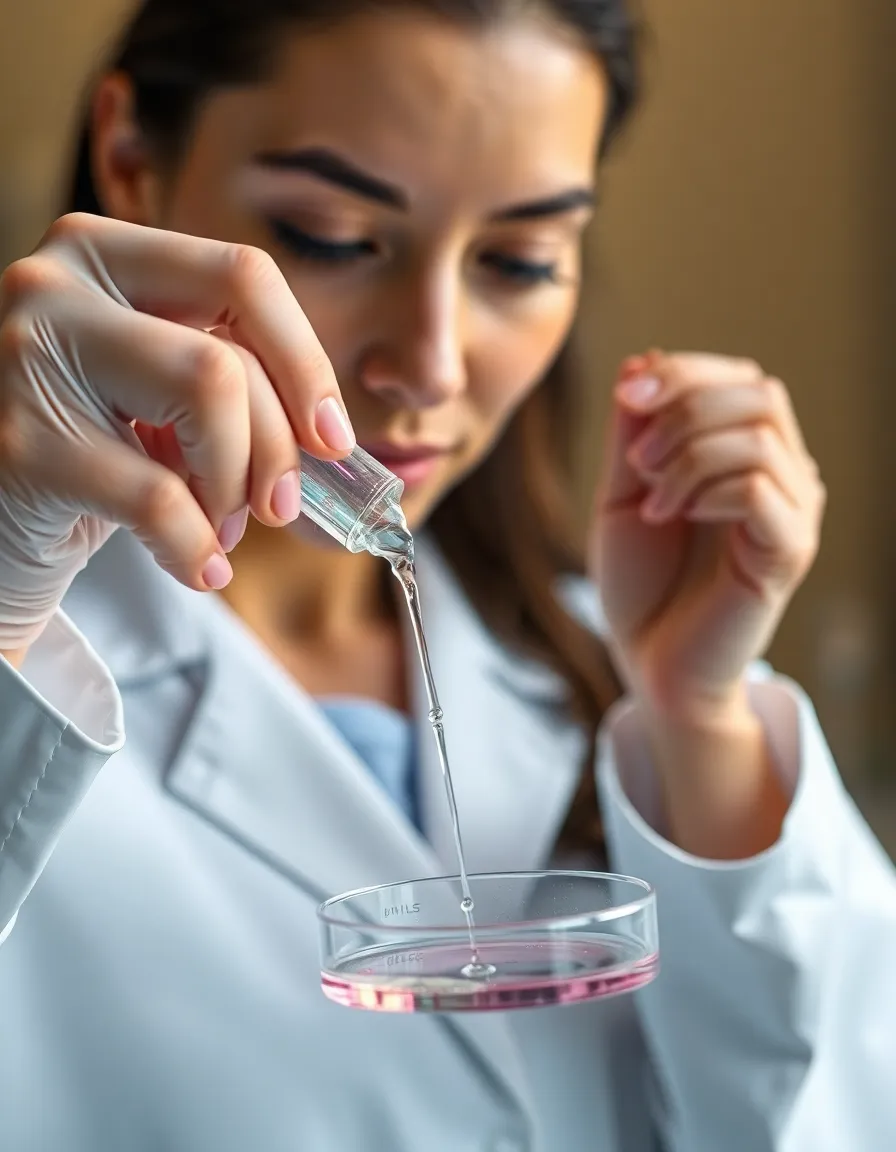
shot on Fujifilm GFX 100S, 110mm f/2 macro, with studio butterfly lighting to enhance the subject, shallow depth of field at f/2 creating a creamy bokeh, natural tones with a warm skin palette, composition featuring a female scientist in a lab coat pouring a reagent into a petri dish, highlighting skin texture and the details of her focused expression.
3:4
captured with Nikon Z9, 70-200mm f/2.8 telephoto at 105mm, with warm tungsten laboratory lights creating dramatic shadows, hyperfocal distance ensuring sharp focus from foreground to infinity, cinematic teal and orange color grading, centered symmetrical composition showcasing a laboratory workstation with test tubes and an embedded computer screen, textures highlighted through reflections on the glass and steel surfaces.
16:9
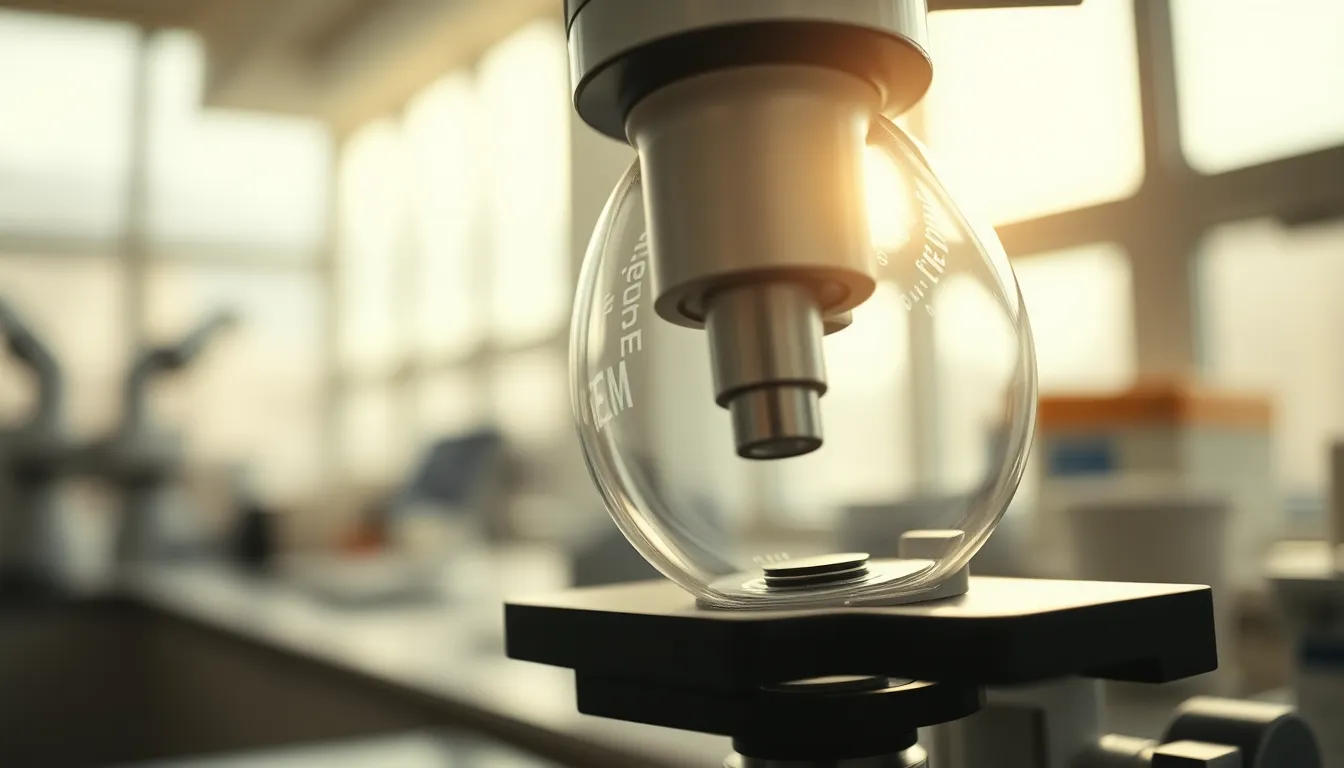
shot on Canon EOS R5, 24-70mm f/2.8L at 50mm, captured with overcast diffused daylight streaming through large laboratory windows, shallow depth of field at f/2.8 creating a soft bokeh, natural muted tones with desaturated earth colors, rule of thirds composition with a glass microscope at the right power point, showcasing intricate surface details with light reflections on the glass and metallic parts.
16:9