Galaxies
85 images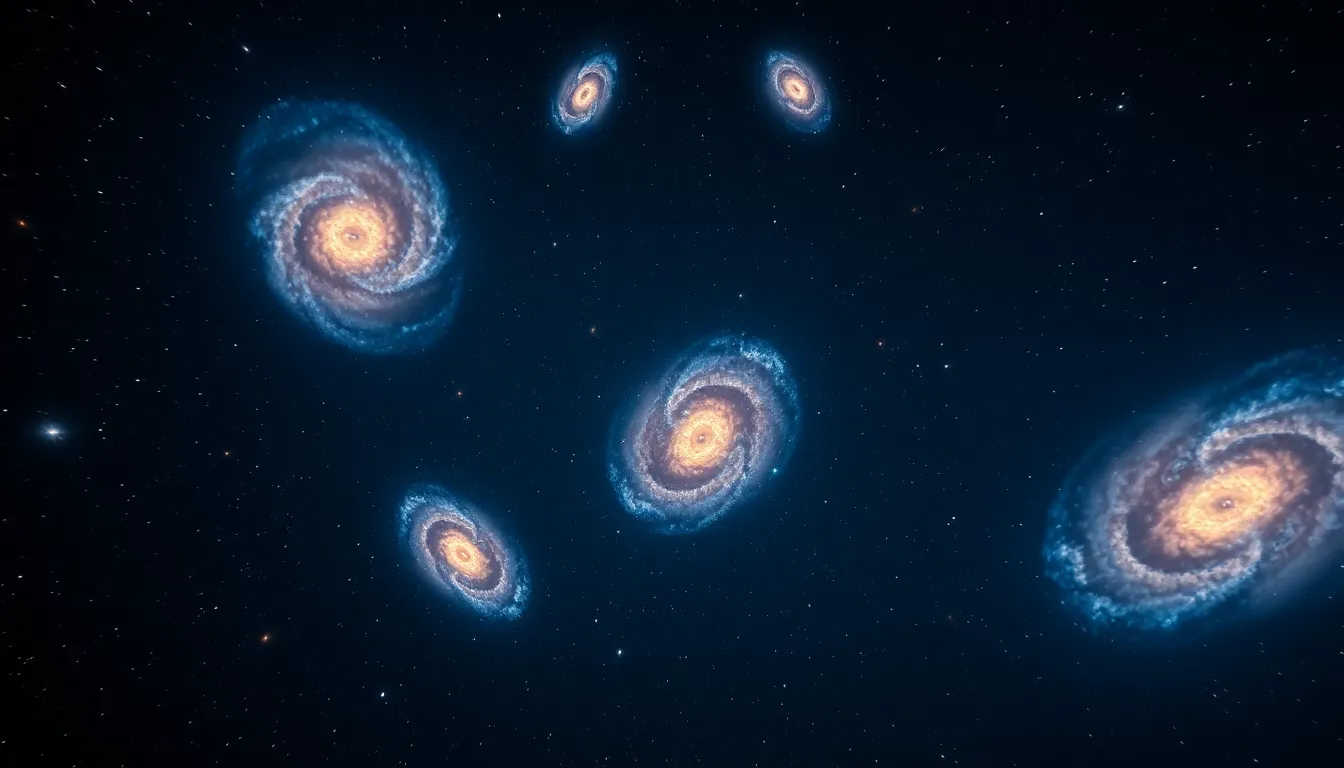
Leica Q3, 28mm f/1.7 Summilux, capturing a celestial landscape of multiple galaxies swirling in a cosmic dance. The lighting features soft glows from each galaxy, illuminating their unique colors in a harmonious display. The depth of field is shallow at f/1.7, ensuring that the galaxies remain in sharp focus while the surrounding space melts into a painterly bokeh. The composition employs a centered symmetry, allowing the galaxies to dominate the frame, creating a visually arresting cosmic scene.
16:9
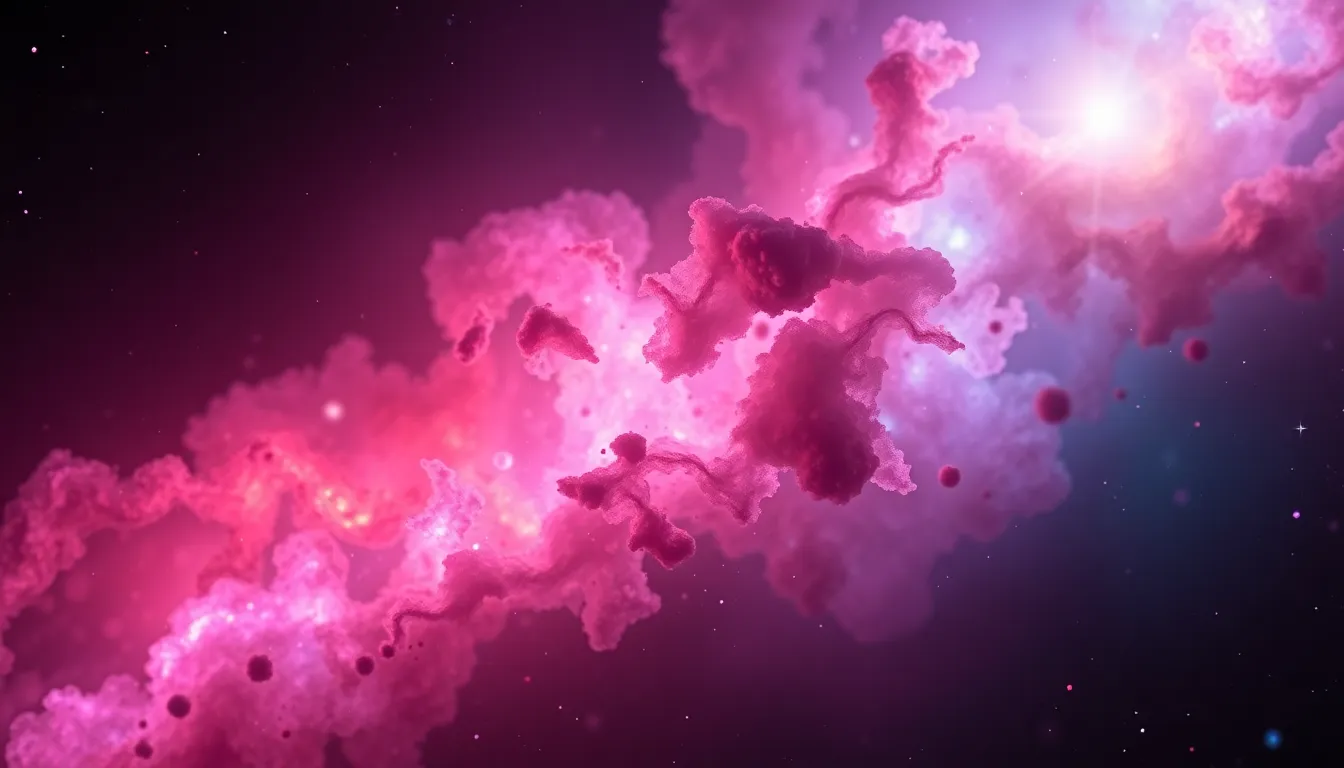
Fujifilm GFX 100S, 110mm f/2 macro, showcasing a close-up view of a nebula with intricate details. The lighting is dramatic with backlit colors illuminating the gas and dust, creating a sense of depth and texture. The depth of field is shallow at f/2, allowing the vibrant colors of the nebula to pop against a darker backdrop, inviting viewers to explore its complexity. The composition centers on the nebula, with richly saturated hues of pink, purple, and teal creating an otherworldly feel.
16:9
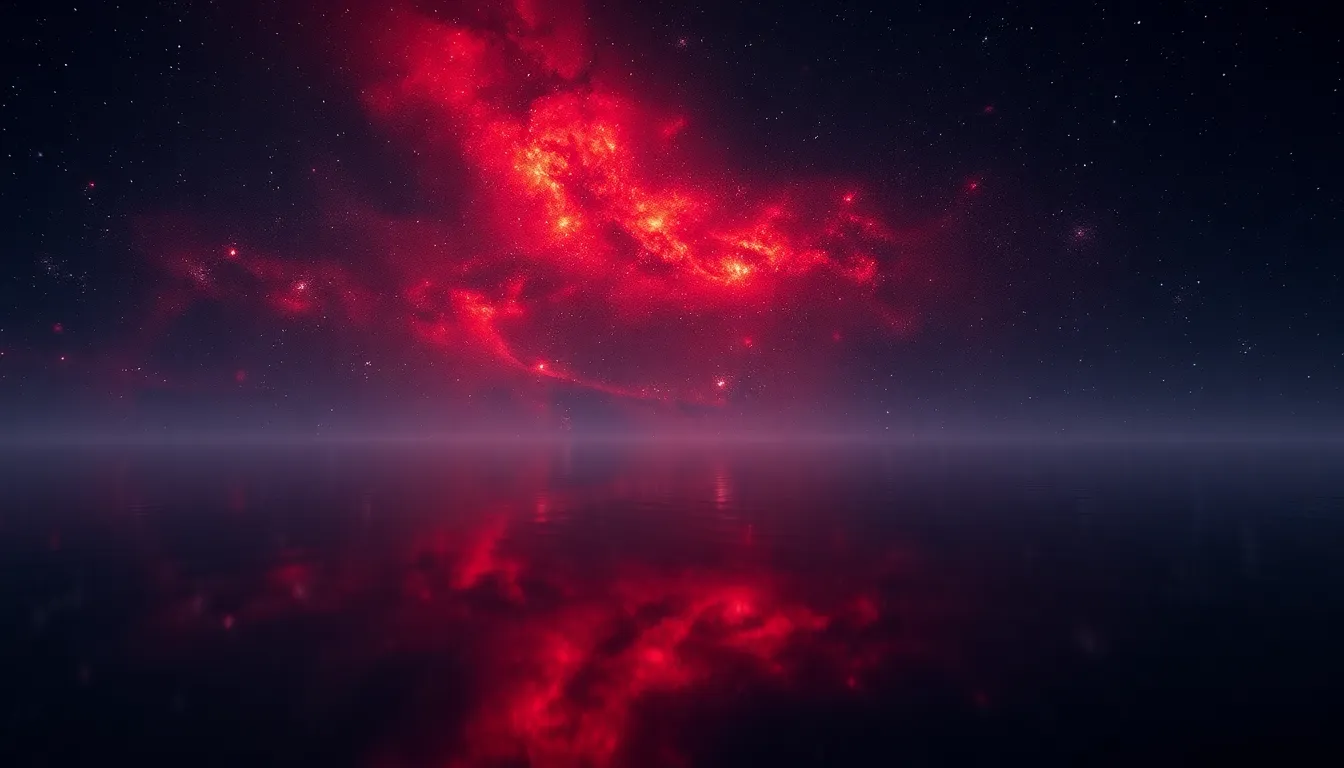
Hasselblad X2D 100C, 90mm f/2.5 medium format, creating a majestic view of a vibrant red galaxy reflected in a tranquil space lake. The lighting features subtle ambient light casting a soft glow on the water surface, creating an ethereal mood. The depth is shallow at f/2.5, isolating the galaxy's reflection while the surrounding space fades into soft bokeh. The composition uses leading lines to draw the eye from the foreground water to the galaxy above, with rich reds and oranges contrasting against deep indigo of space.
16:9
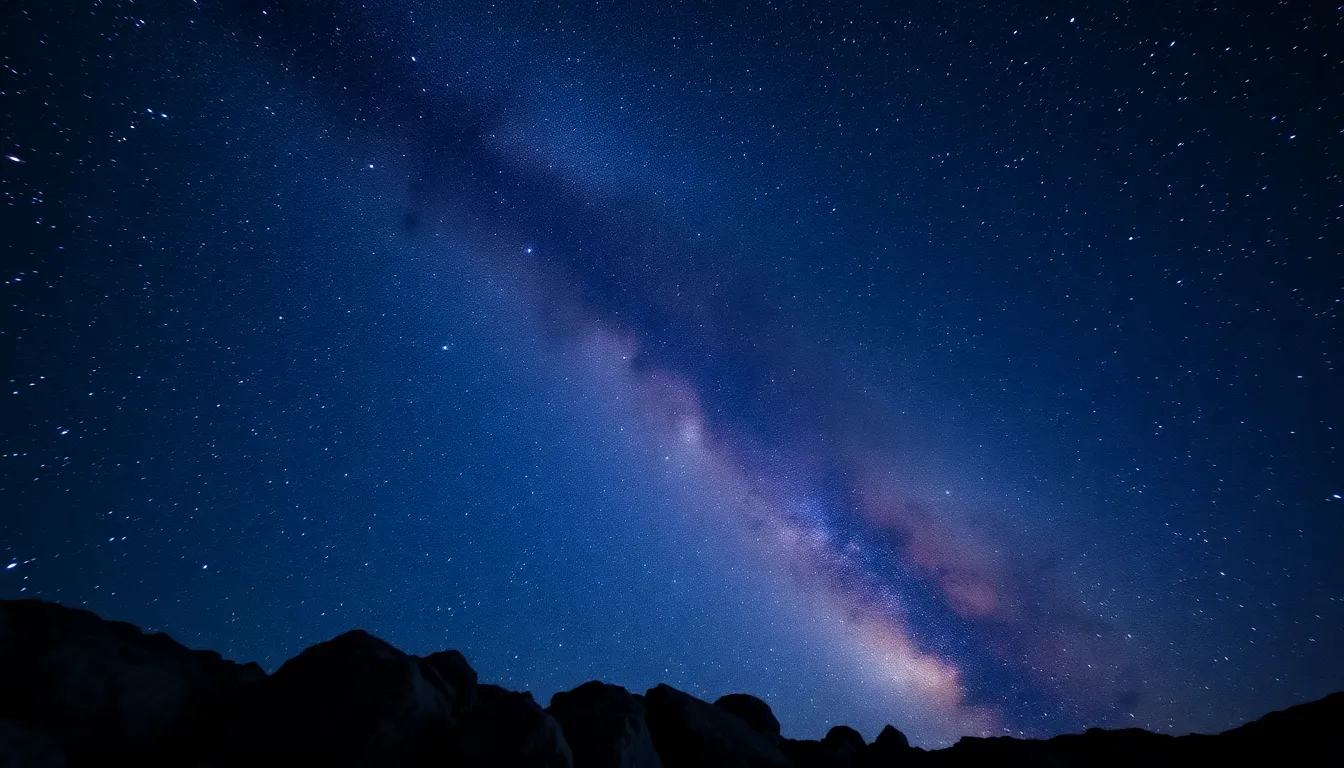
captured with Canon EOS R5, 24-70mm f/2.8L at 35mm, featuring a star field filled with multiple galaxies viewed from a vantage point under a dark sky. The lighting is natural, enhanced by the soft glow of the Milky Way arching overhead, creating a serene atmosphere. The image employs hyperfocal distance to keep both foreground rocky textures and distant galaxies sharp. The color palette is a mix of deep blues and purples with twinkling white stars, enhancing the dreamy quality of the scene.
16:9
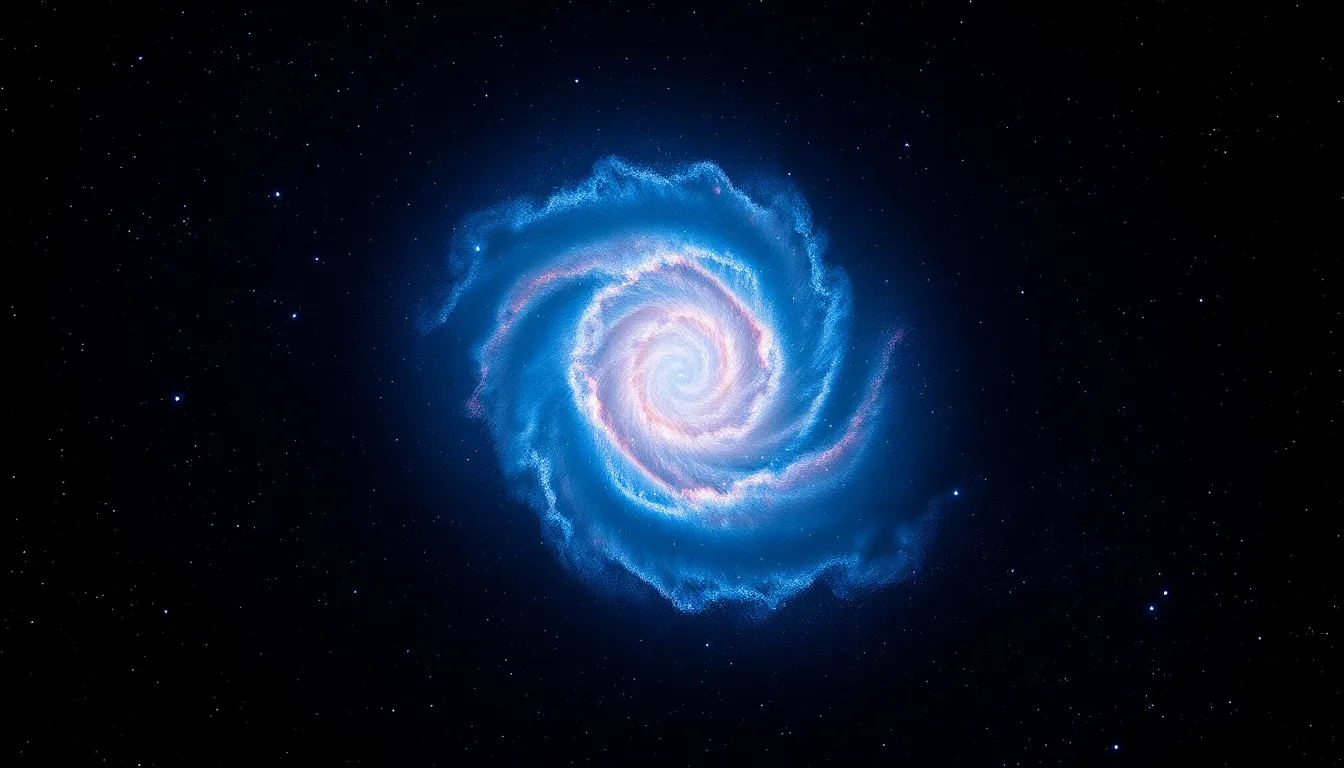
shot on Nikon Z9, 70-200mm f/2.8 telephoto at 135mm, featuring dramatic overexposed lighting illuminating a vibrant spiral galaxy against a dark starry background. The depth of field is shallow at f/2.8, creating a sharp focus on the galaxy's swirling colors of blue, pink, and white, while the stars fade into a soft bokeh. The composition centers around the galaxy, utilizing the rule of thirds to emphasize its dynamic spiraling arms. The texture reveals intricate gas clouds and star clusters with a mesmerizing cosmic feel.
16:9
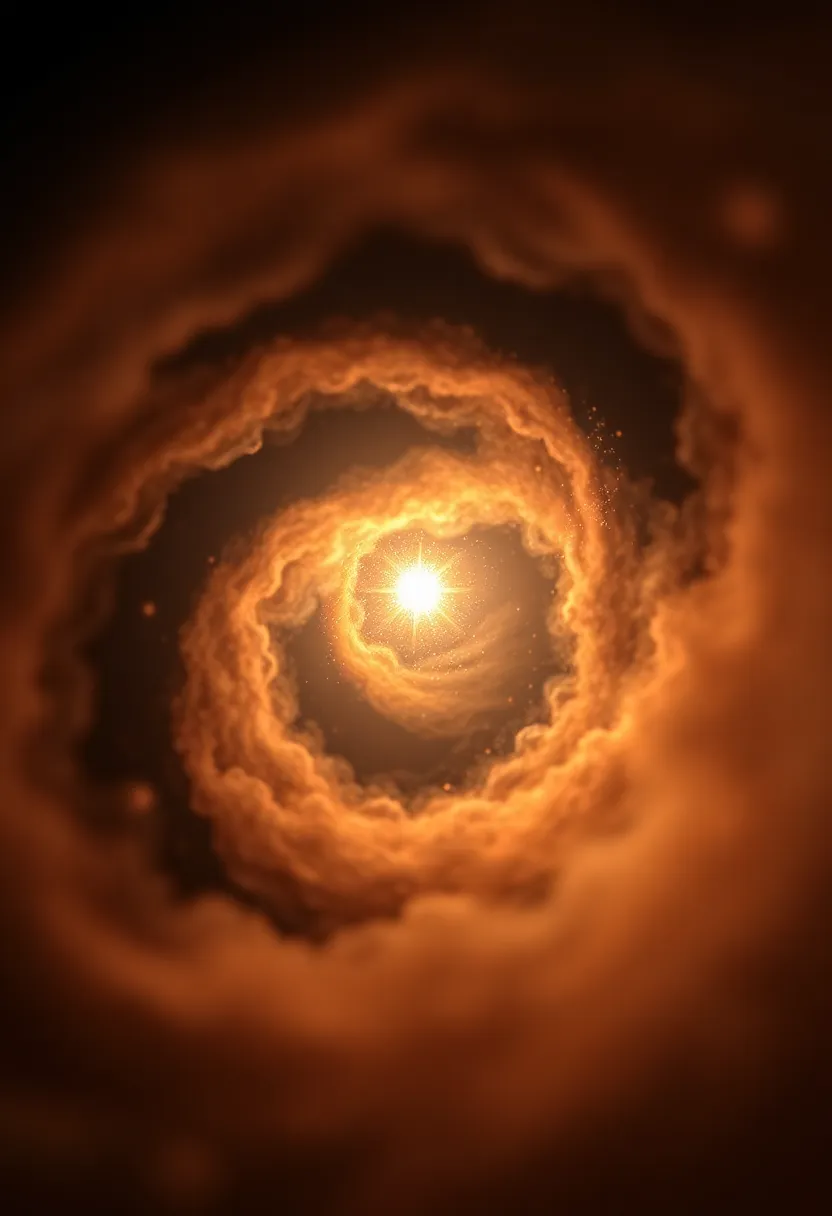
captured with Fujifilm GFX 100S, 110mm f/2 macro, showcasing an intricate close-up of a cosmic dust cloud enveloping a newly forming star. The scene is lit with natural starlight, creating a soft glow around the dust particles. With a shallow depth of field at f/2, the focus on the star and surrounding dust creates a dramatic separation from the blurred background. Utilizing a color palette of deep reds and soft golds, the image evokes a sense of warmth and mystery. The composition centers on the newly forming star, with swirling dust creating a dynamic circular frame around it.
2:3
shot on Hasselblad X2D 100C, 90mm f/2.5 medium format, presenting a breathtaking wide view of a spiral galaxy with detailed stellar arms stretching outwards. Captured during twilight, the scene is defined by a gradient twilight sky illuminating the galaxy with a warm glow. A hyperfocal distance at f/8 keeps everything from asteroids in the foreground to the galaxy itself in sharp focus. Utilizing natural muted tones, the palette includes soft blues, purples, and hints of gold. The composition adheres to the rule of thirds, placing the galaxy off-center, providing a sense of movement and dynamism.
16:9
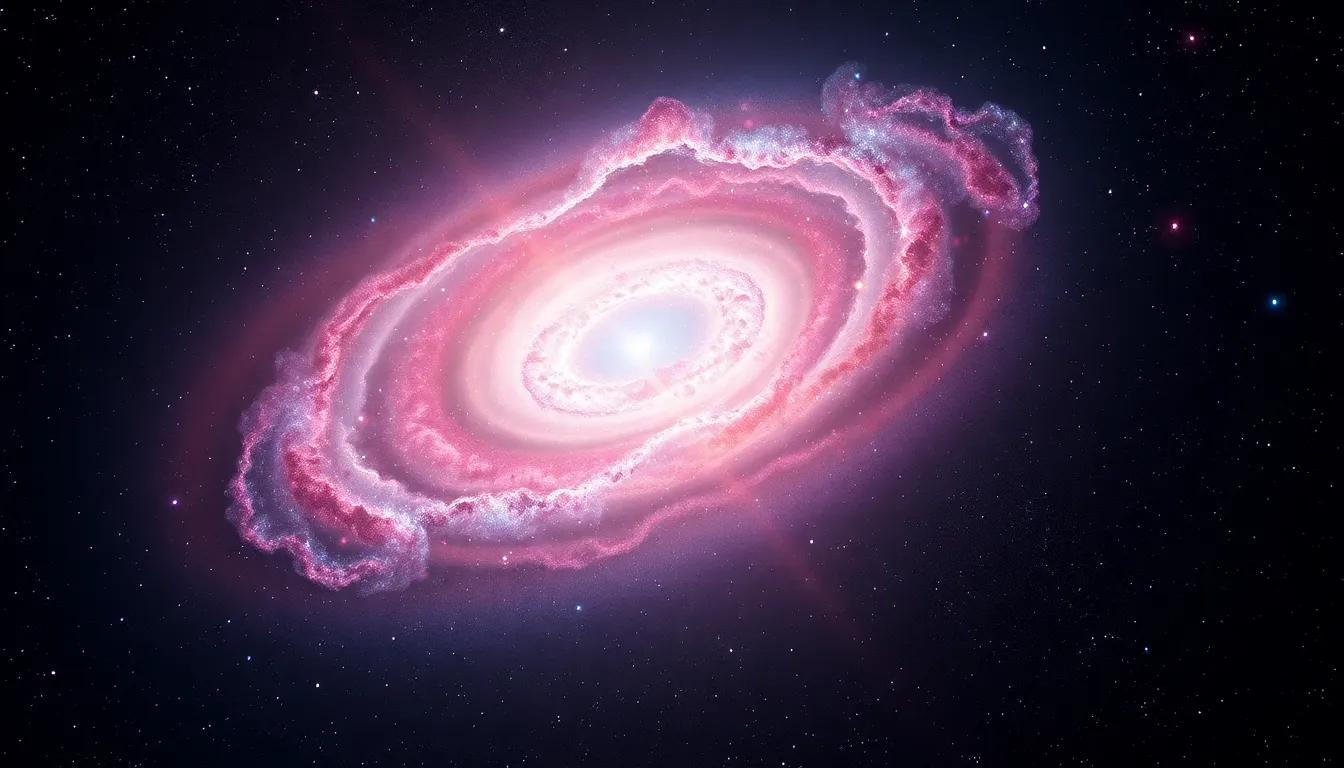
captured with Nikon Z9, 70-200mm f/2.8 telephoto at 135mm, depicting a stunning cosmic collision of two galaxies merging. The scene is illuminated by soft ambient light from nearby stars, giving the collision a glowing effect. Using hyperfocal distance at f/8, the entire expanse from the foreground asteroids to the background galaxies is tack-sharp. The color palette features vibrant pinks and blues, with a natural muted tone for a realistic effect. The composition uses leading lines created by stellar arms, drawing the eye toward the dynamic center of the image, where the galaxies collide.
16:9
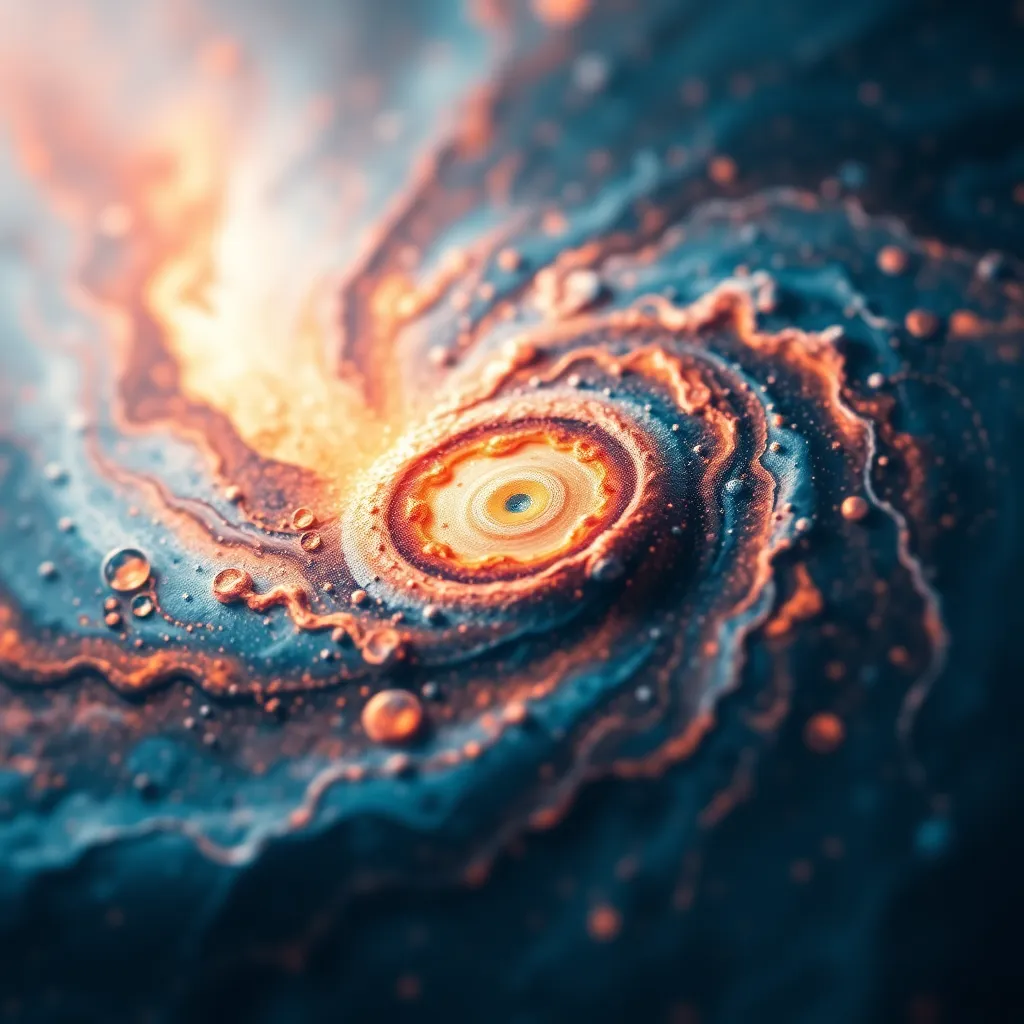
shot on Sony A7R V with 85mm f/1.4 GM lens, revealing an abstract interpretation of a galaxy using highly detailed textures and patterns. Soft strobe lighting creates dramatic shadows, emphasizing the swirling shapes and textures of vibrant colors that mimic cosmic phenomena. With a shallow depth of field at f/1.4, focus resides on the intricate textures while the background melts into a soft painterly blur. The color science embraces a cinematic teal and orange grading, providing a captivating contrast. The composition is centered, with flowing lines leading the viewer's eye through the colorful patterns.
1:1
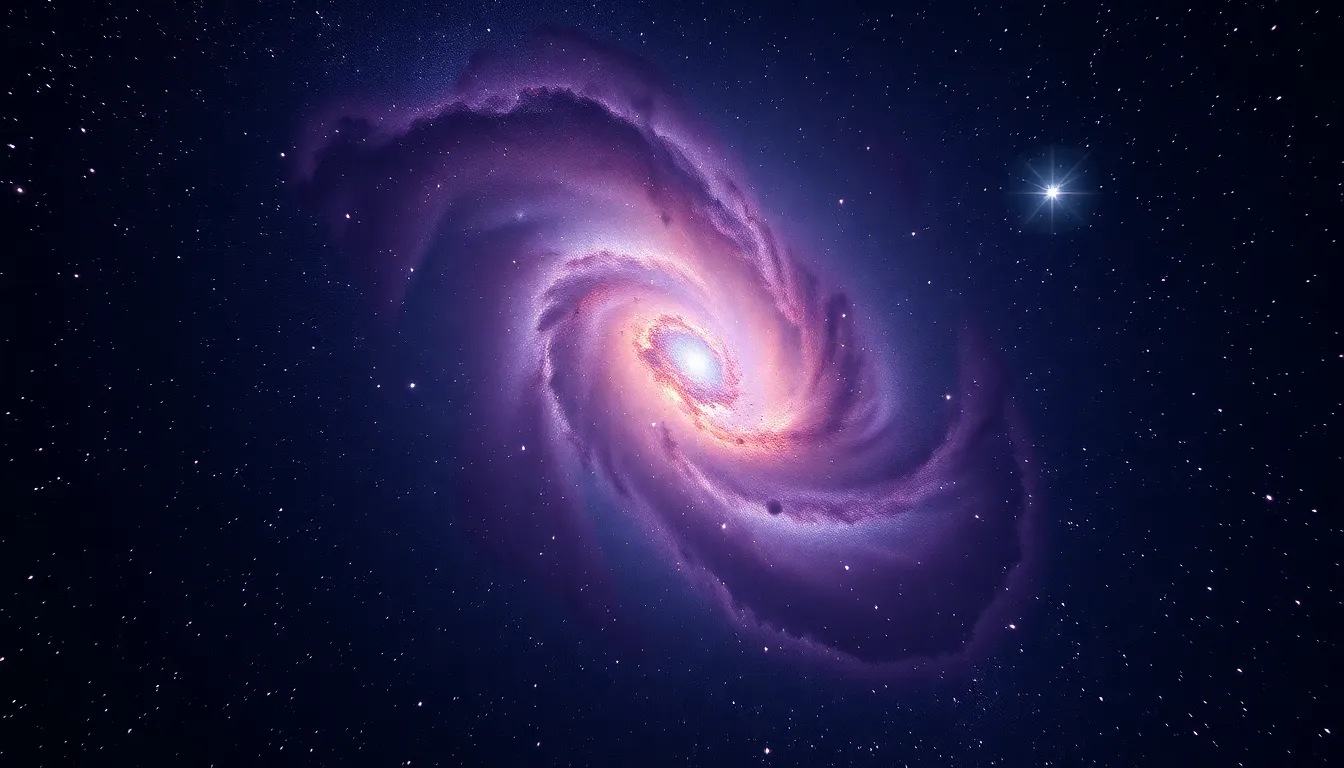
captured with Canon EOS R5, 24-70mm f/2.8L at 35mm, showcasing a breathtaking view of a vast galaxy swirling with cosmic dust and bright stars. The scene is illuminated by distant starlight, creating ethereal highlights against the dark void of space. Using a shallow depth of field at f/2.8, the foreground nebula is sharply focused while the background transitions into a dreamy bokeh. The color palette features deep purples and blues, reminiscent of nebulous clouds. The composition follows the rule of thirds, with the galaxy centered, surrounded by twinkling stars, enhancing the feeling of depth and beauty in the cosmos. Textured details include interstellar particles glowing softly in the backdrop.
16:9
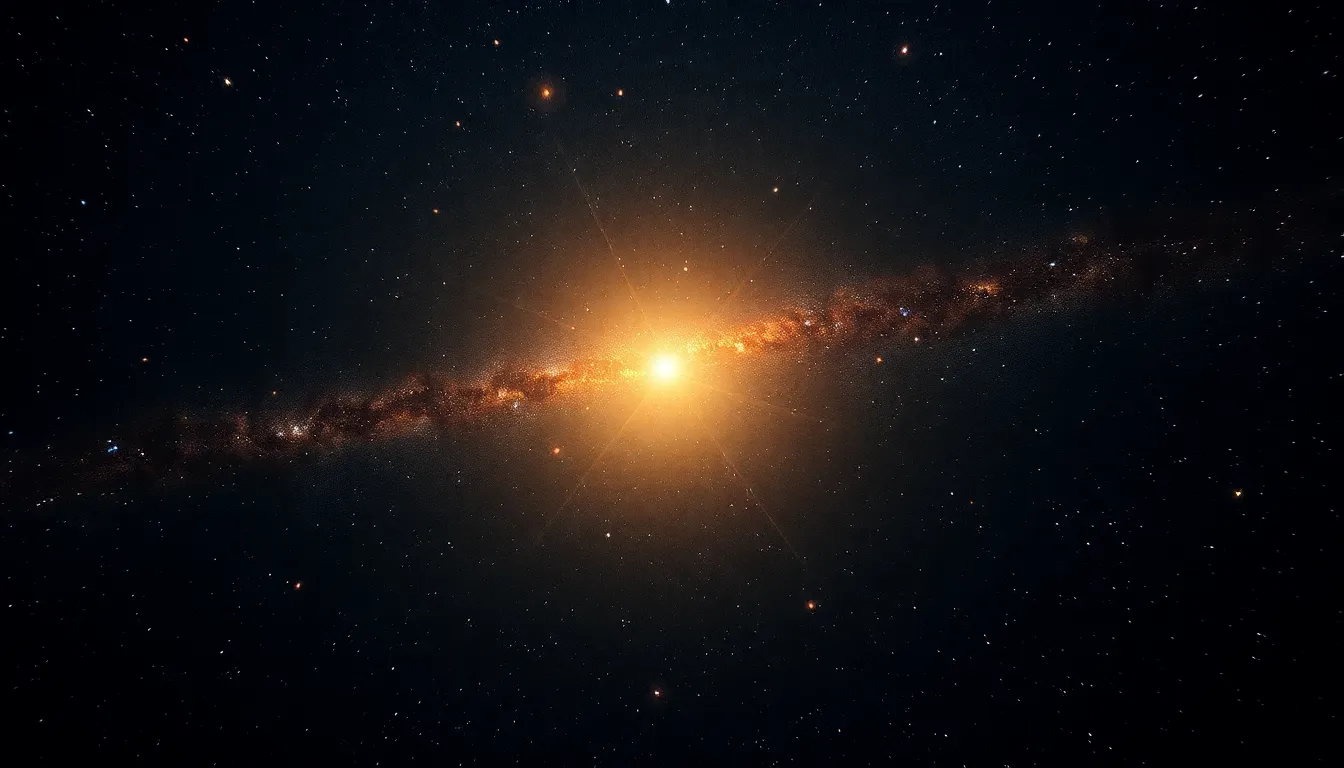
captured using Hasselblad X2D 100C, 90mm f/2.5 medium format, focusing on a distant quasar shining brightly among a field of galaxies. The scene is illuminated by the quasar's intense light, casting a surreal glow on the neighboring cosmic structures. Hyperfocal distance allows for sharp details across the scene at f/8. The natural muted tones with desaturated earth colors provide a mysterious atmosphere. A centered symmetrical composition emphasizes the quasar's brilliance amidst the galaxy backdrop, enhancing the scene's cosmic depth.
16:9

shot on Fujifilm GFX 100S, 110mm f/2 macro, focusing on a stellar nebula with vibrant gaseous colors illuminating the surrounding darkness. The scene is lighted by distant stars, offering a soft, diffused night glow. Shallow depth of field at f/2 creates a dreamy effect while keeping the nebula sharply in focus, leading to a soft painterly bokeh. Cinematic teal and orange color grading emphasizes the nebula's fiery core and cooler peripheral gases. The composition centers the nebula while surrounding stars create a natural frame, enhancing the scene's depth.
16:9
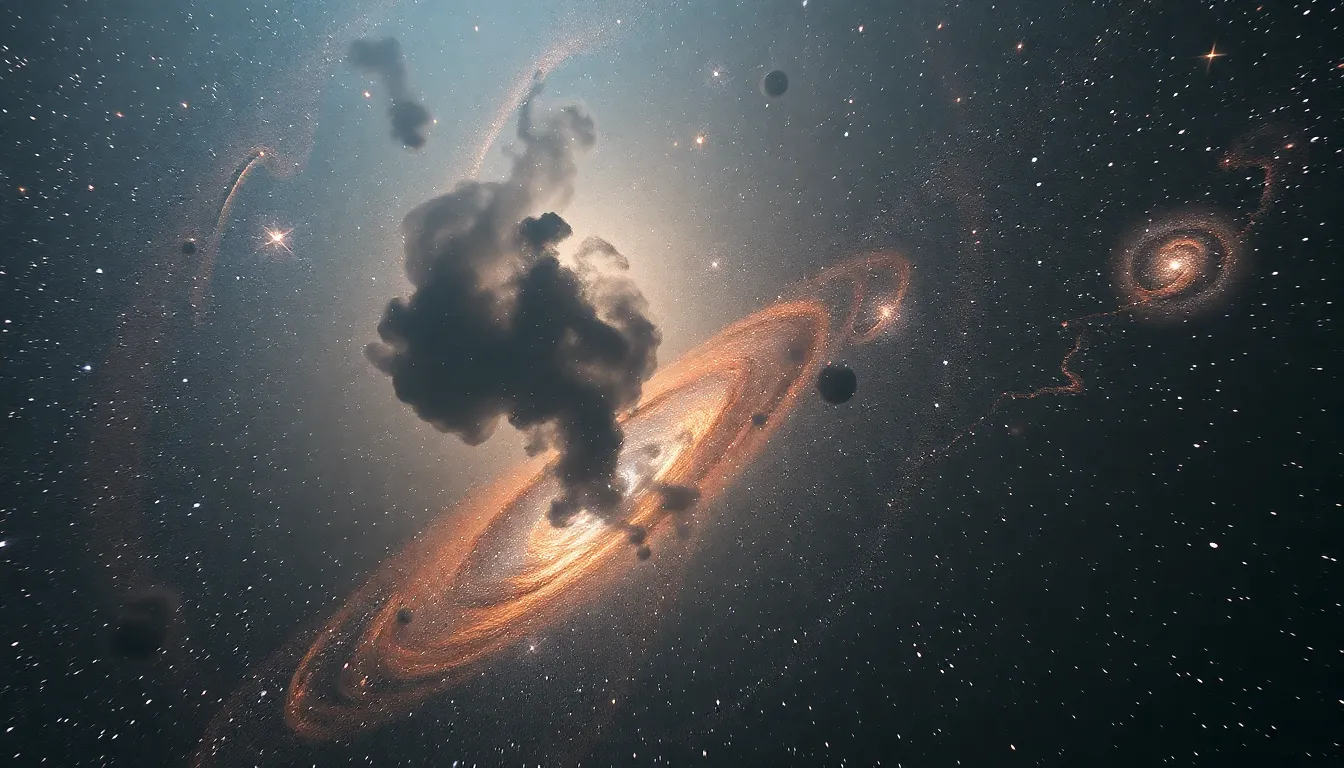
captured with Canon EOS R5, 24-70mm f/2.8L at 35mm, revealing the breathtaking beauty of a galaxy cluster with interconnected galaxies and cosmic dust. The scene is bathed in soft, overcast daylight, enhancing the ethereal qualities of the galaxies. A wide depth of field at f/8 keeps the entire scene sharp, emphasizing the vastness and complexity of space. The natural muted tones with desaturated earth colors provide a calming aesthetic. Leading lines formed by the arrangement of galaxies guide the viewer’s eye through the composition, showcasing the intricate details of each galaxy.
16:9
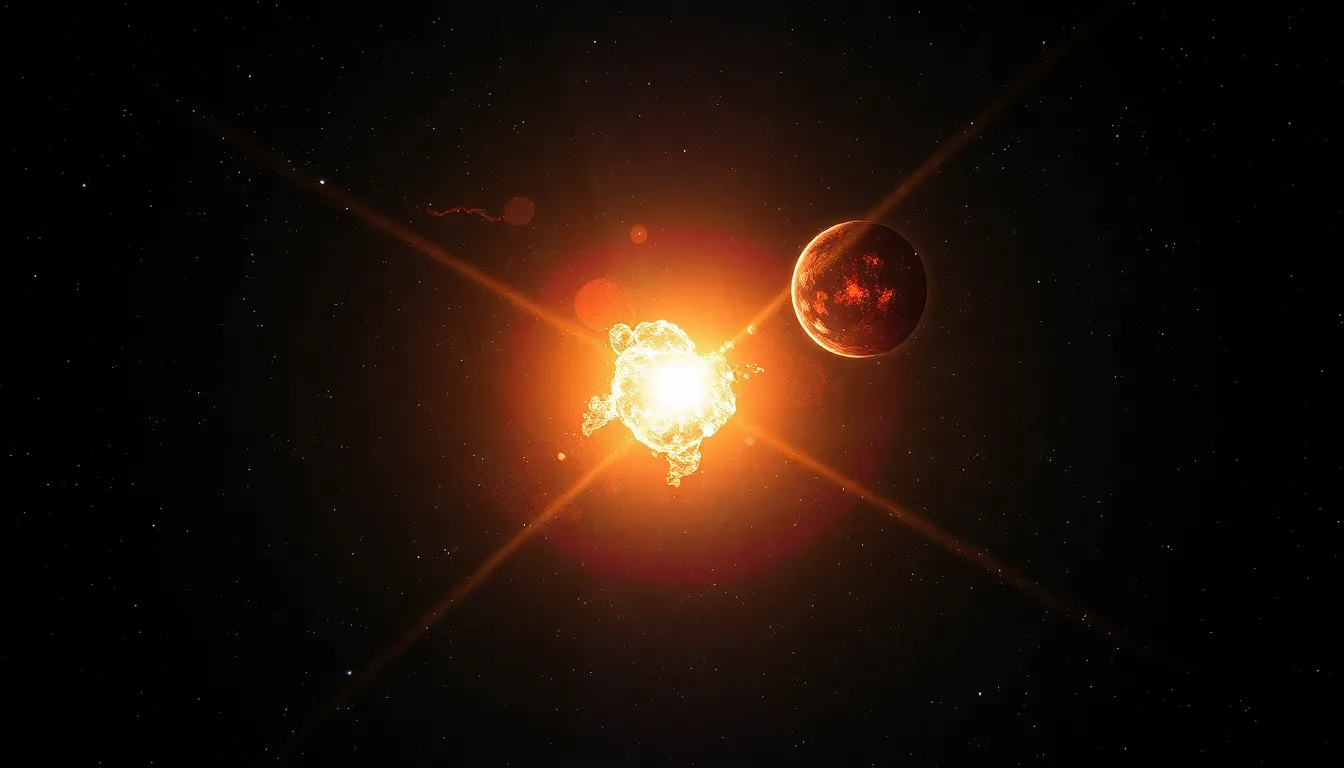
shot on Sony A7R V with 85mm f/1.4 GM lens, focusing on a brilliant supernova explosion brilliantly illuminating surrounding star fields. The lighting is dynamic, with the explosion acting as a key light source casting dramatic shadows on nearby celestial bodies. Hyperfocal distance ensures everything from the supernova to distant stars remains tack-sharp at f/8. The Kodak Portra 400 color palette enhances warm golds and fiery reds, creating a cinematic feel. The rule of thirds composition positions the supernova off-center, allowing room for scattered stars that add depth and intrigue.
16:9
captured with Nikon Z9, 70-200mm f/2.8 telephoto at 135mm, showcasing a vibrant galaxy with swirling stars and nebulae against a deep black sky. The scene is illuminated by light from distant stars, creating a stunning contrast of bright whites and soft purples. Shallow depth of field at f/2.8 keeps the galaxy sharp while blurring surrounding space. The color science mimics Fujifilm Velvia-inspired saturation, enhancing the deep blues and rich reds. Centered symmetrical composition emphasizes the galaxy’s spiral structure with twinkling stars in the foreground, adding texture of celestial dust and gas clouds.
16:9
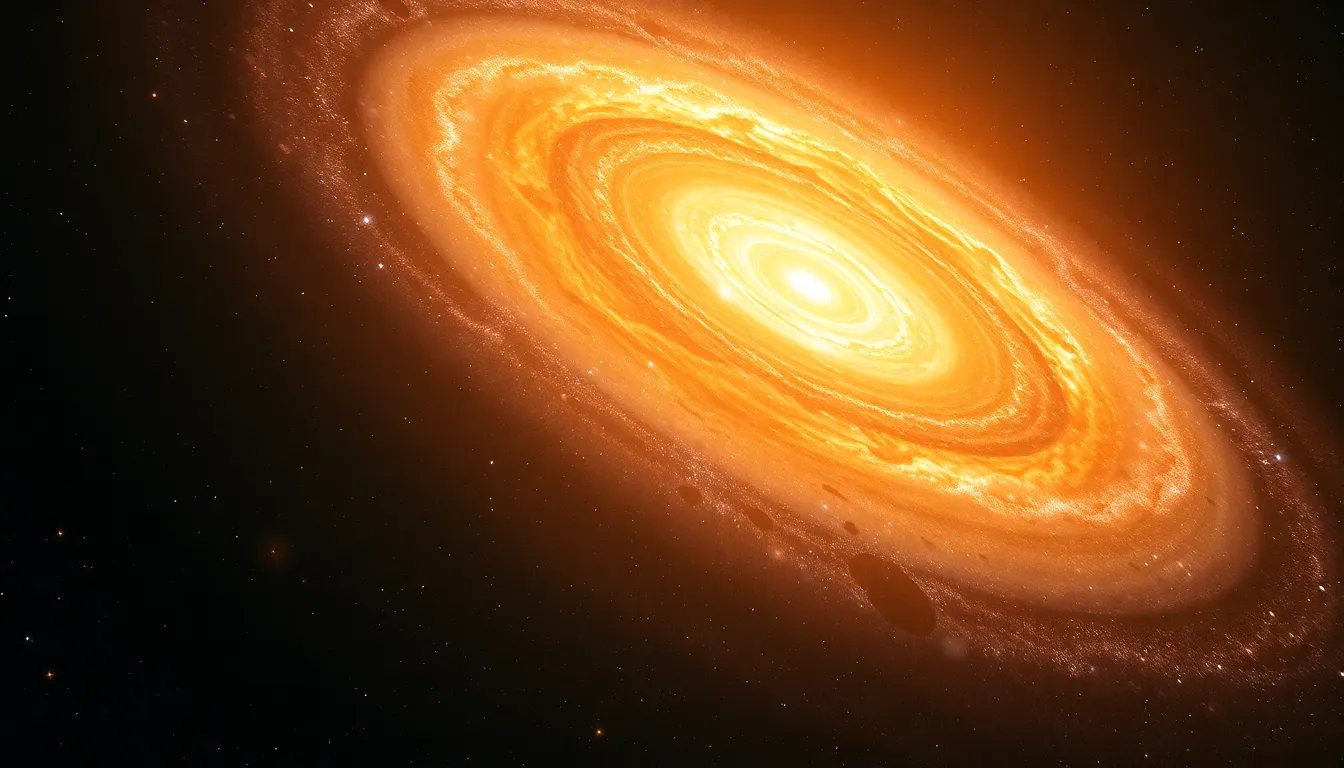
captured with Hasselblad X2D 100C, 90mm f/2.5 medium format, depicting an ancient galaxy merging with another, illustrated by cosmic tendrils and colorful star clusters. The lighting is simulated as overcast diffused daylight, creating a soft glow that highlights the cosmic details. The depth of field is set to a hyperfocal distance at f/8, ensuring sharp focus throughout the scene. The color palette features natural muted tones with desaturated earth colors, lending a timeless feel to the image. The composition follows a leading lines style, guiding the viewer’s gaze through the merging galaxies and emphasizing their grandeur and beauty, while the textures of the cosmic tendrils are finely detailed.
16:9

shot on Fujifilm GFX 100S, 110mm f/2 macro, creating an extreme close-up of a nebula swirling with colorful gases and stardust. The lighting is practical, with a warm tungsten glow symbolizing a cosmic event. The depth of field is very shallow at f/2, isolating the intricate details of the nebula against a smooth, dark background. The color palette is vivid and dreamy, inspired by cinematic teal and orange grading, enhancing the hues of the nebula. The composition is centered, focusing closely on the textures of the swirling gases and stardust, creating a mesmerizing effect.
16:9
captured with Canon EOS R5, 24-70mm f/2.8L at 35mm, showcasing an expansive view of a distant galaxy where bright star formations shimmer against a dark background. The scene is illuminated by soft, dappled sunlight simulated from various angles, enhancing the vivid colors of the galaxy. The depth of field is set to a hyperfocal distance at f/8, allowing everything from the foreground to infinity to be in sharp focus. The color scheme features natural muted tones with desaturated earth colors, emphasizing the mystique of space. The composition utilizes leading lines from star trails drawing the viewer’s eye towards the galaxy, creating a sense of depth and grandeur. The texture of the star formations is rendered in remarkable detail.
16:9
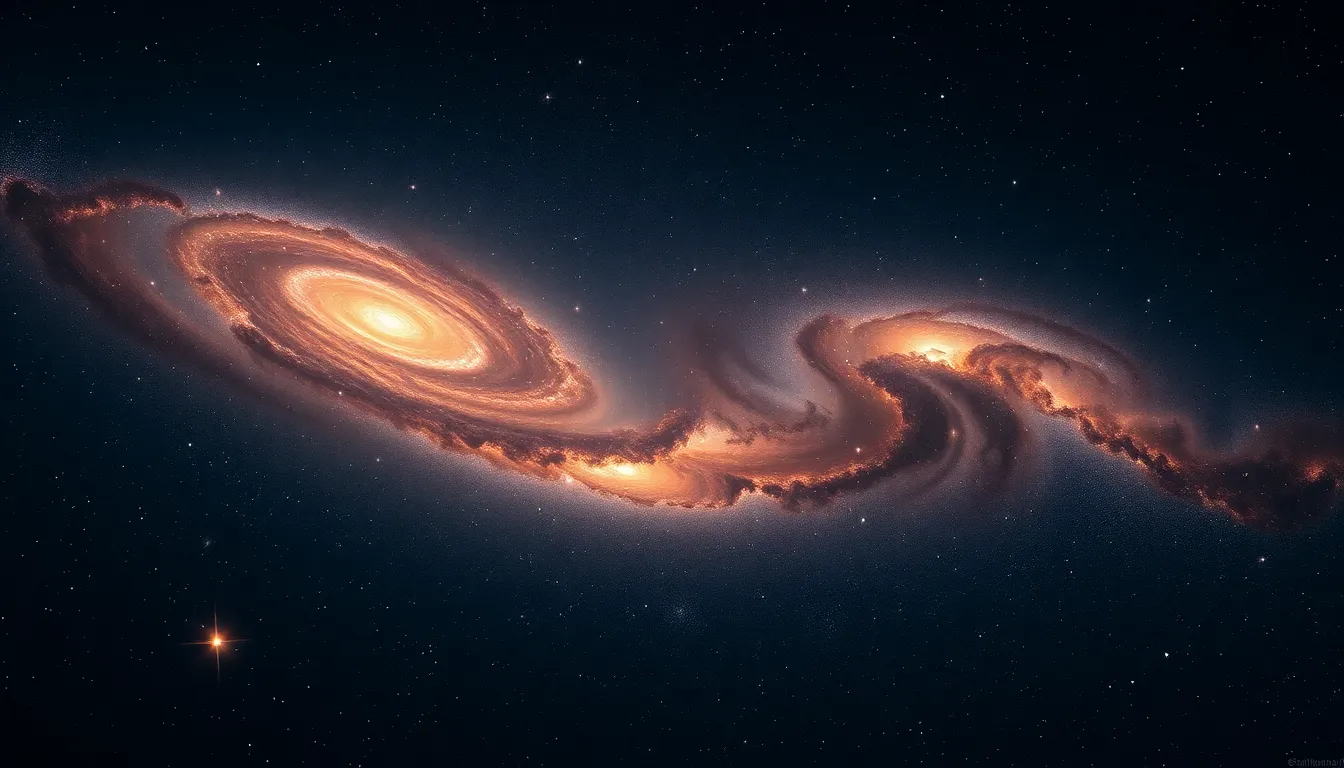
shot on Sony A7R V with 85mm f/1.4 GM lens, capturing a detailed view of a nearby galaxy cluster illuminated by an intense explosion of colors. The lighting mimics natural golden hour backlighting, with warm hues illuminating the edges of the galaxies. The depth of field is shallow at f/1.4, creating a creamy bokeh that softens the distant background stars. The color palette is inspired by Kodak Portra 400, enhancing warm skin tones and giving a soft glow. The composition employs a centered symmetrical arrangement, highlighting the dynamic patterns of the galaxies and their radiant colors. Textures of cosmic gases and debris are captured in vivid detail.
16:9
captured with Nikon Z9, 70-200mm f/2.8 telephoto at 135mm, featuring a stunning spiral galaxy illuminated by a vibrant backdrop of stars. The shot is set against the depths of space, using overcast diffused daylight simulation to create a soft ethereal light. There's a hyperfocal depth of field, ensuring that the foreground stars and the galaxy remain tack-sharp. The colors follow a Fujifilm Velvia-inspired palette, showcasing rich blues and purples of cosmic dust. The composition follows a rule of thirds, placing the galaxy at a power point, with swirling stars leading the viewer's eye. Tiny space dust particles are visible, enhancing the texture of the scene.
16:9
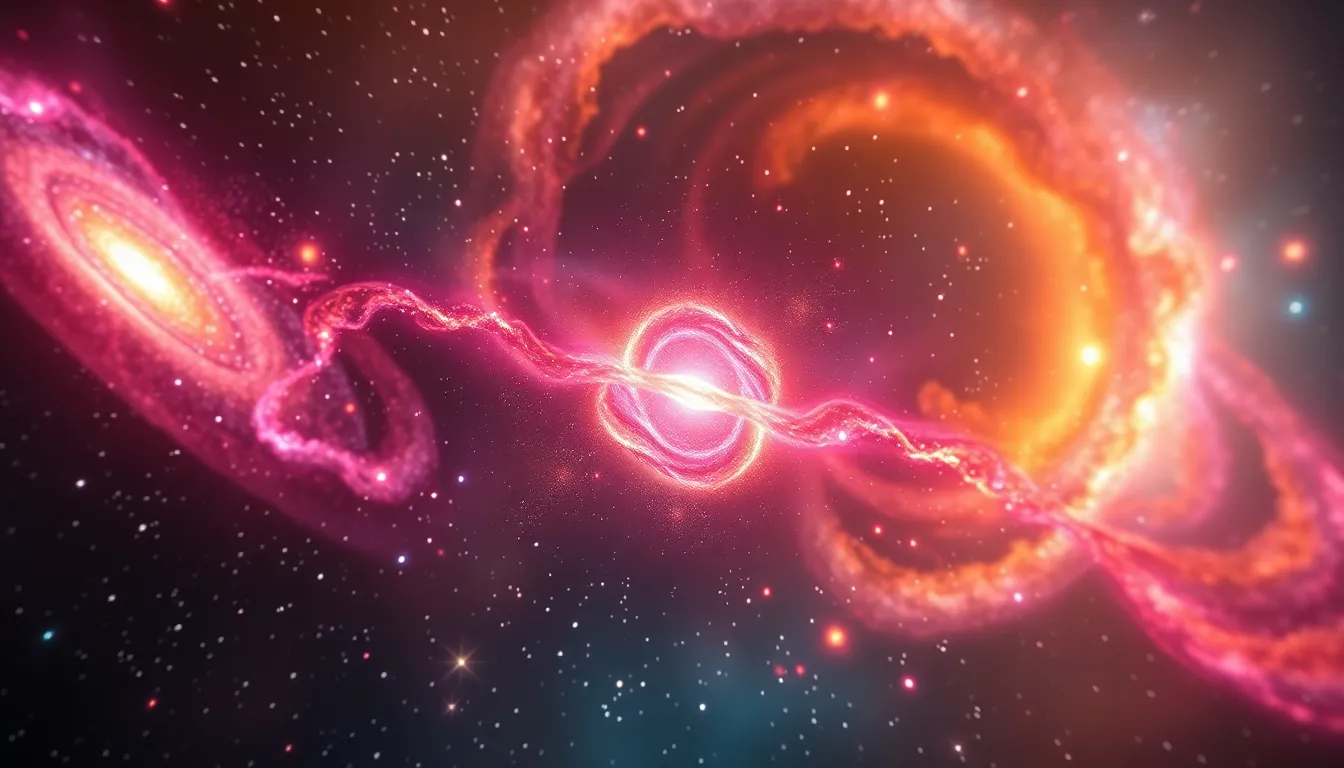
captured with Fujifilm GFX 100S, 110mm f/2 macro, this image showcases an ethereal view of distant galaxies colliding, with vivid colors of pink, purple, and yellow melding together. The cosmic collision is illuminated by bright star formations, creating a celestial light show effect. The depth of field is shallow at f/2, allowing the galaxies to pop against a softly blurred backdrop of stars. The color palette is inspired by cinematic teal and orange grading, enhancing the drama of the galactic clash. The composition uses a centered symmetrical layout that emphasizes the scale and power of the colliding galaxies, while the texture of gas and stars adds depth.
16:9
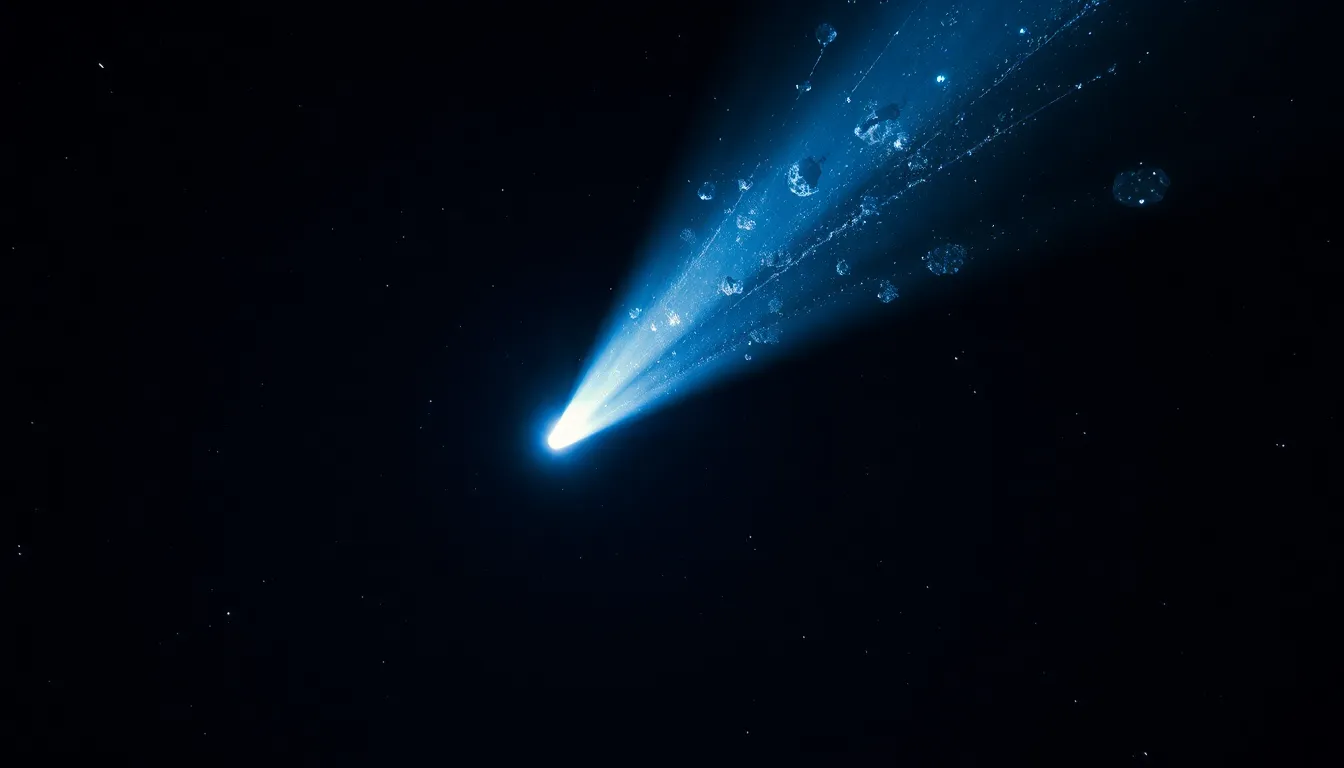
shot on Leica Q3, 28mm f/1.7 Summilux, this dynamic shot features a close-up of a comet streaking through a starry sky, its icy tail glowing in shades of blue and white. The lighting is naturally illuminated by starlight reflecting off the comet's surface, creating a sparkling effect. The depth of field is shallow at f/1.7, which allows for a soft, dreamy background of twinkling stars. The color palette emphasizes the icy blues and whites of the comet against the deep black of space, adding to the ethereal vibe. The composition centers the comet, with its tail leading the viewer's eye through the frame.
16:9
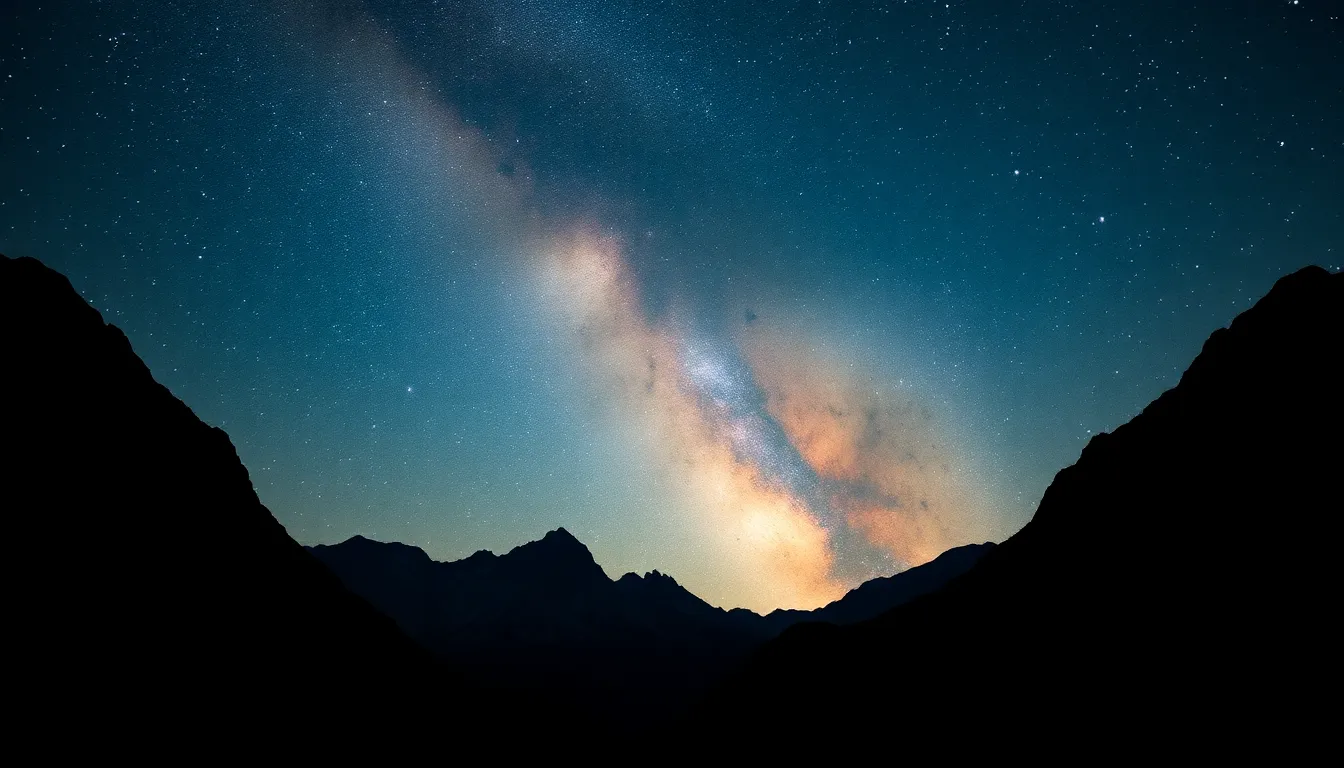
captured with Canon EOS R5, 24-70mm f/2.8L at 35mm, this image presents a stunning view of the Milky Way stretching across a clear night sky, with the foreground featuring silhouetted mountain peaks. The scene is illuminated by natural moonlight casting soft shadows on the mountains, enhancing the dramatic landscape. Using hyperfocal distance at f/8, everything from the foreground to the stars is tack-sharp. The color palette is natural, featuring desaturated earth tones in the mountains and a vibrant display of stars. The composition utilizes leading lines from the mountain ridges to draw the viewer's eye toward the celestial display.
16:9
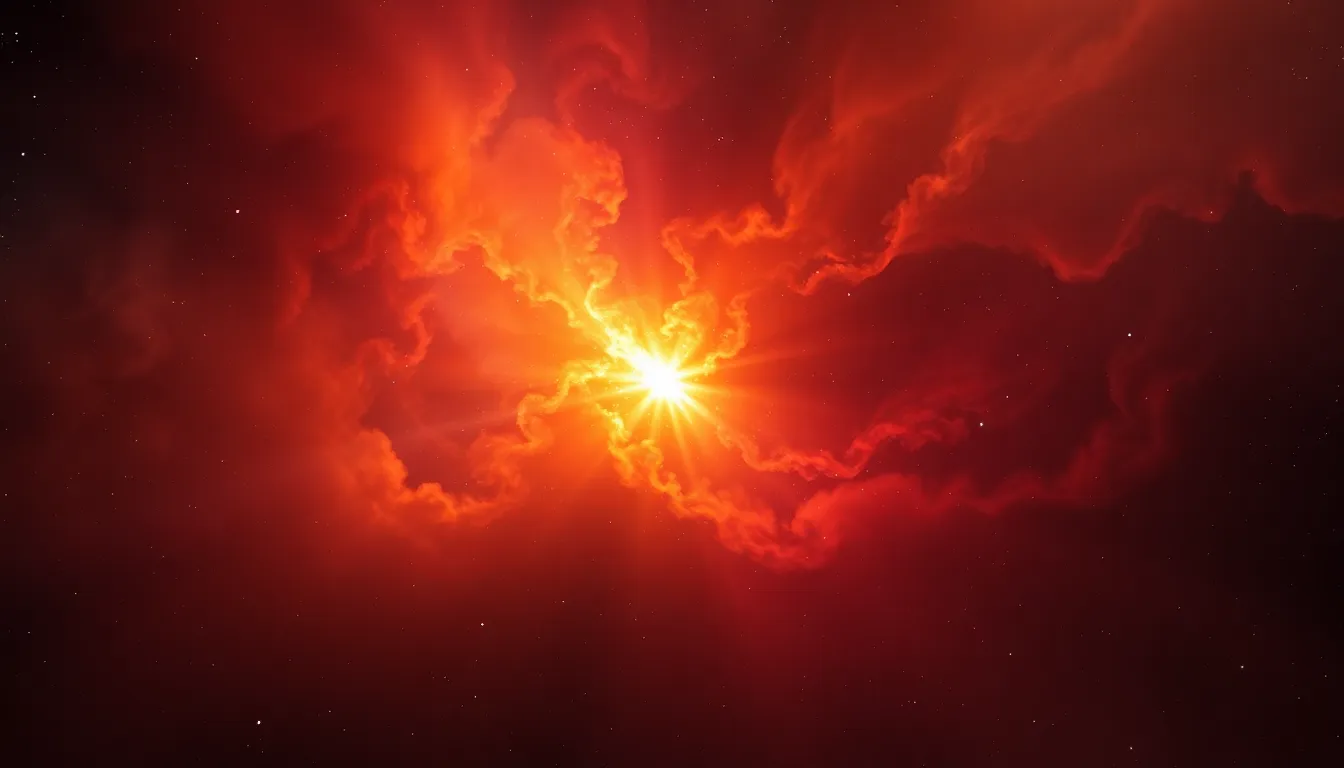
shot on Sony A7R V with 85mm f/1.4 GM lens, this image depicts a vibrant nebula surrounding a newly formed star, with brilliant colors of red, orange, and yellow. Soft diffused lighting highlights the swirling gas and dust, giving the impression of a celestial blaze. Using a shallow depth of field at f/1.4 isolates the nebula while creating a creamy bokeh in the background. The color palette is rich with Kodak Portra 400 tones, lending warmth to the scene. The composition follows the rule of thirds, with the nebula off-center, allowing the star's brightness to draw the viewer's eye. Textures of gas clouds and sparkles of new stars enrich the image's allure.
16:9
captured with Nikon Z9, 70-200mm f/2.8 telephoto at 135mm, showcasing a breathtaking spiral galaxy against a pristine black background. The scene is illuminated by distant starlight, creating a cosmic glow that highlights the galaxy's vibrant hues of blue and purple. Shallow depth of field at f/2.8 allows the foreground stars to softly blur, enhancing the focus on the galaxy. The color palette is inspired by Fujifilm Velvia, saturated with deep blacks and luminous blues. The composition features a centered symmetrical layout, emphasizing the galaxy's swirling arms. Textures are sharply defined, with sparkling star clusters and wispy gas clouds enhancing the image's depth.
16:9
captured with Hasselblad X2D 100C, 90mm f/2.5 medium format, featuring a breathtaking view of an enigmatic elliptical galaxy. The scene is drenched in the golden hour light, with warm tones casting a gentle glow over the galaxy's surface. A hyperfocal depth of field ensures every detail, from the galaxy's core to its outer stars, is in focus. The cinematic teal and orange grading adds a touch of drama, intensifying the scene's allure. Compositionally, a dynamic Dutch angle creates tension and excitement, while subtle textures of the galaxy’s gas clouds are sharply defined against the softer background of space.
16:9
shot on Fujifilm GFX 100S, 110mm f/2 macro, focusing on the fine details of cosmic dust within a galaxy. The lighting is natural, highlighting the subtle glimmers of starlight reflecting off tiny particles of dust. A shallow depth of field at f/2 isolates the dust, creating a soft and inviting bokeh in the background. The color science involves a Kodak Portra 400 palette with warm skin tones, lifted shadows, and creamy highlights that render a soft, dreamy atmosphere. The composition employs a centered symmetrical approach, drawing the eye to the intricate patterns formed by the dust clouds which appear like delicate brushstrokes.
16:9
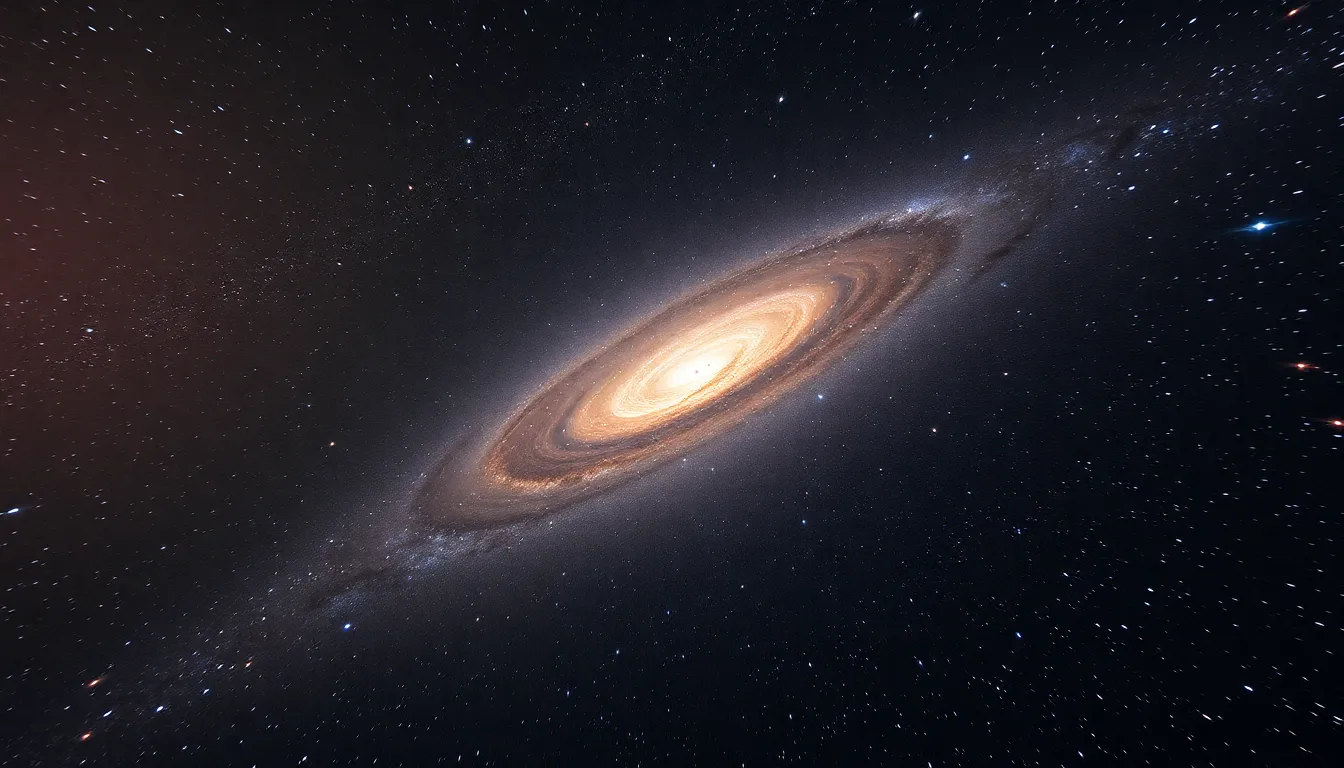
captured with Canon EOS R5, 24-70mm f/2.8L at 35mm, illustrating a panoramic view of a galaxy cluster in deep space. The lighting is aided by soft ambient light from surrounding galaxies, casting a subtle glow over the scene. A hyperfocal depth of field at f/8 ensures everything from the nearest galaxies to distant star fields is sharply in focus. The color palette features natural muted tones with desaturated earth colors, enhancing the sense of depth and vastness. The composition utilizes leading lines from galaxies pointing toward a centralized cluster, creating a dynamic and engaging perspective.
16:9
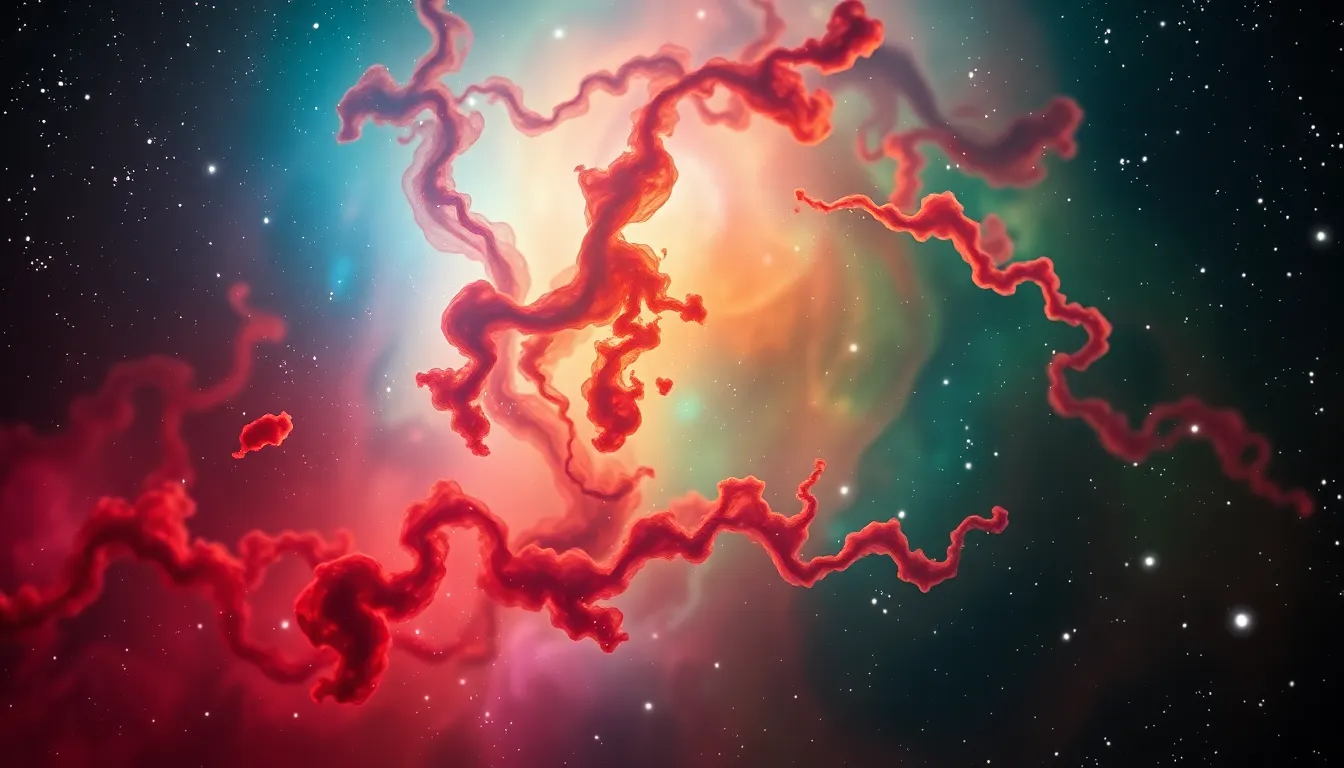
shot on Sony A7R V with 85mm f/1.4 GM lens, depicting a close-up of colorful nebulae swirling in a vast galaxy. The lighting is natural, enhanced by luminous gas clumps illuminated by distant stars, creating a mystical ambiance. Using a shallow depth of field at f/1.4, the foreground nebula is in sharp focus while the background blurs into a creamy bokeh. The color science draws from a Fujifilm Velvia-inspired palette, featuring saturated reds, greens, and blues. The composition captures the intricate details of the nebula, with swirling textures and gas clouds, making the viewer feel immersed in the galactic scene.
16:9
captured with Nikon Z9, 70-200mm f/2.8 telephoto at 135mm, showcasing a vibrant spiral galaxy against a backdrop of stars. The scene is illuminated by soft starlight, with the galaxy's arms glowing in rich purples and blues, rendering a dreamy, ethereal quality. A shallow depth of field at f/2.8 creates a soft bokeh effect around the star field, enhancing the focus on the galaxy's swirling core. The color palette features deep blues, vivid purples, and sparkling white highlights, while the composition follows the rule of thirds, placing the galaxy prominently in the right third. The textures of the galaxy's gas and dust clouds are delicately portrayed, revealing intricate details and subtle gradients.
16:9
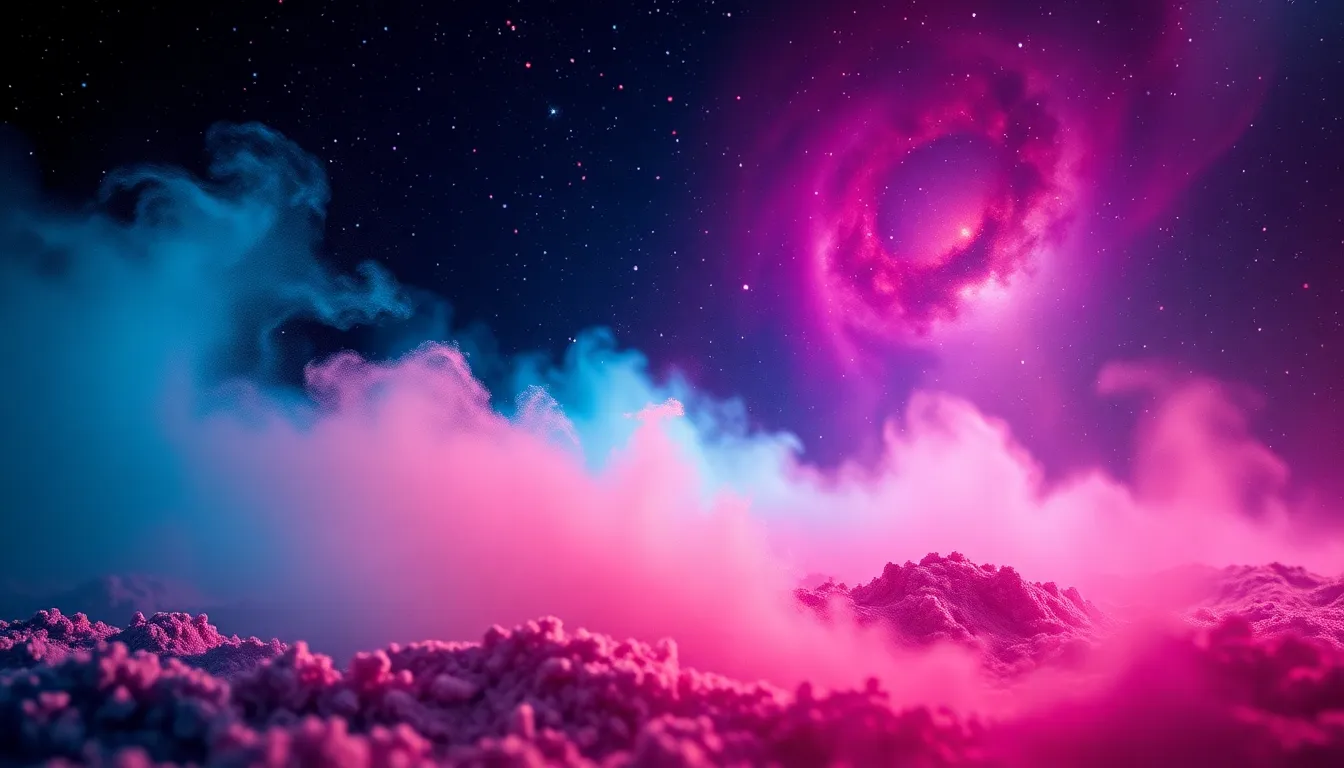
Fujifilm GFX 100S, 110mm f/2 macro, illuminated by the scattered light of a vibrant cosmic dust cloud, using hyperfocal distance to maintain sharpness from the colorful dust to the distant stars at f/8, employing a Fujifilm Velvia-inspired saturated color palette rich in deep blues and bright pinks, composition features a textured foreground of cosmic dust leading towards a galactic vista, inviting viewers into the depths of space with its vibrant colors and intricate details.
16:9
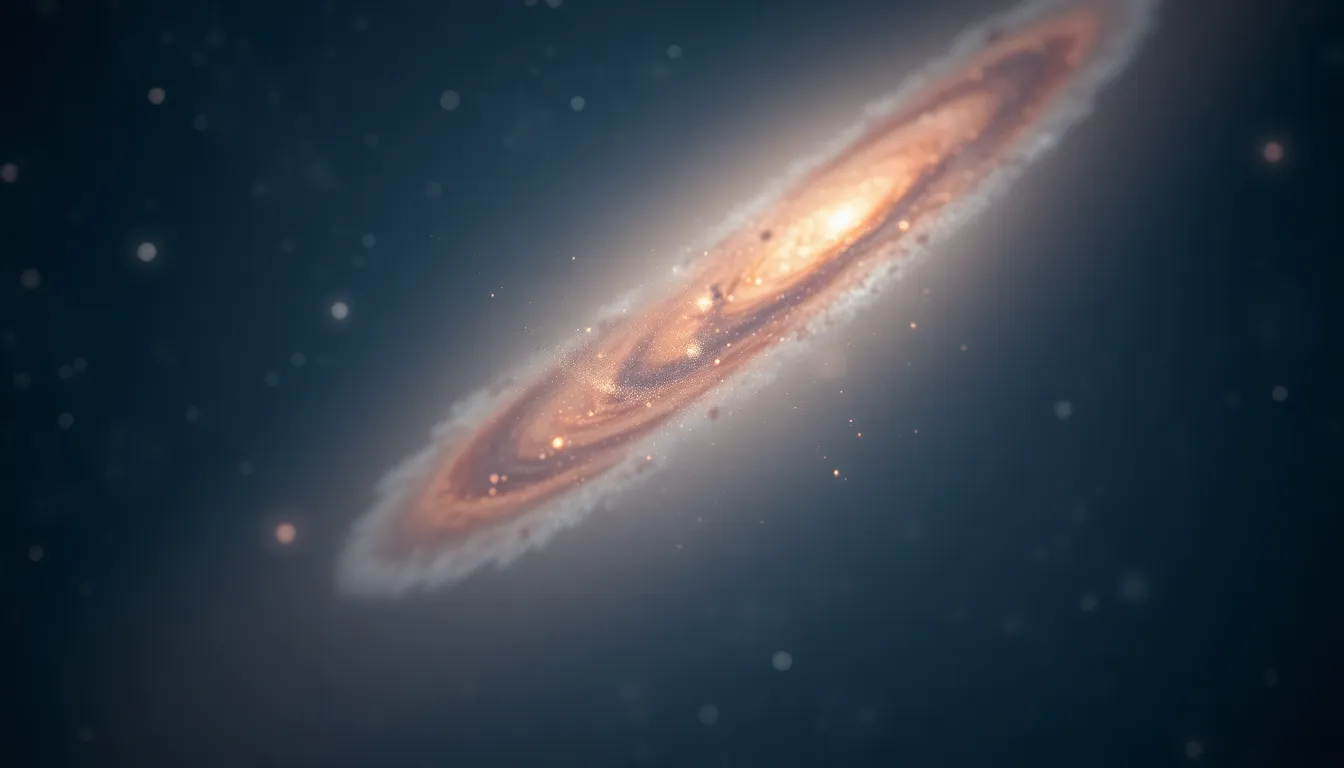
Hasselblad X2D 100C, 90mm f/2.5 medium format, utilizing the soft ambient light from the faint glow of nearby star clusters creating a serene ambiance, with a narrow depth of field at f/2.5 to draw attention to the intricate textures of a distant galaxy while the background gently blurs into a painterly bokeh, employing natural muted tones with desaturated earth colors to evoke a calming mood, composition features a distant galaxy framed against a field of stars, creating a sense of vastness.
16:9
Nikon Z9, 70-200mm f/2.8 telephoto at 135mm, under a blanket of dark skies illuminated only by the soft glow of a distant supernova with contrasting shadows casting mysterious shapes across the cosmos, employing a cinematic teal and orange color grading that enhances the dramatic feel of the scene, utilizing shallow depth of field at f/2.8 for crisp focus on the supernova while the surrounding space melts into soft bokeh, the composition features the supernova emerging as a focal point with swirling star trails leading toward it.
16:9
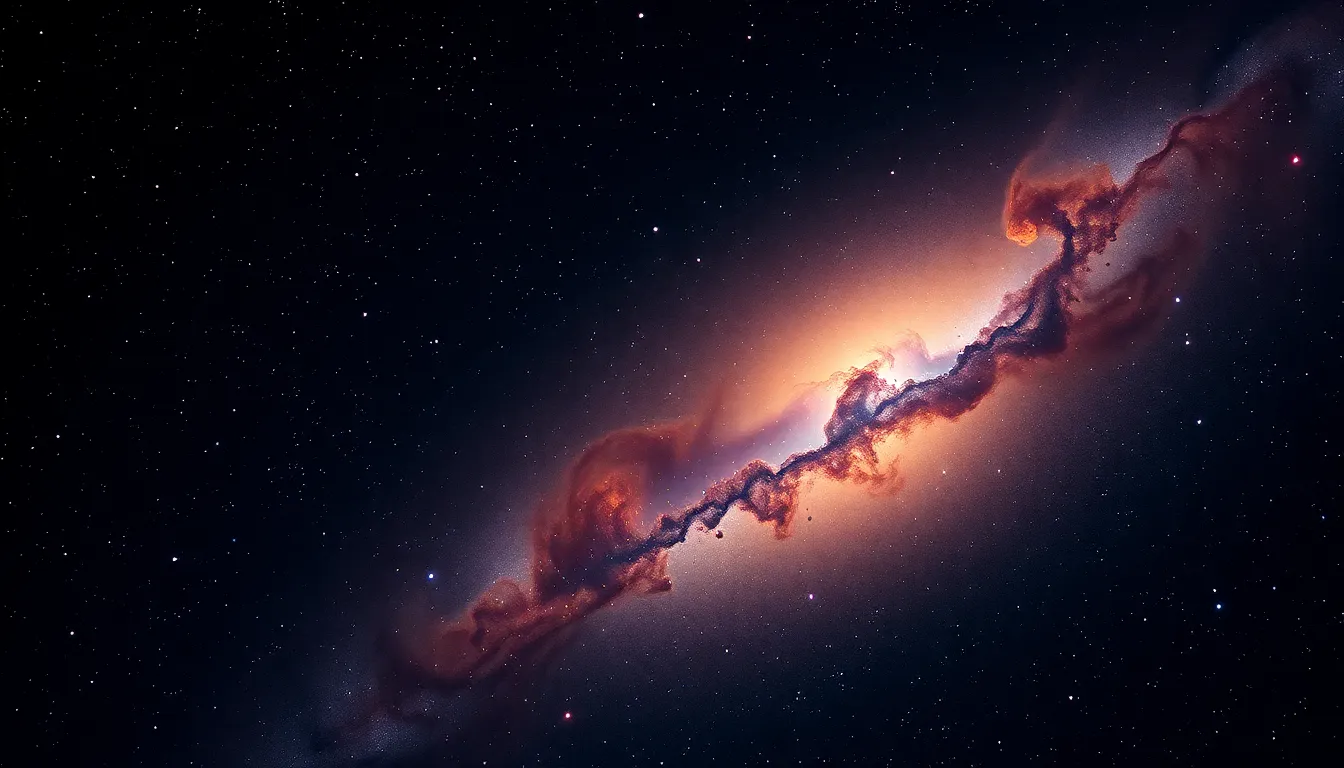
shot on Sony A7R V with 85mm f/1.4 GM lens, illuminated by the soft glow of distant stars with a dramatic contrast between dark space and bright celestial objects, hyperfocal distance ensuring everything from the colorful star clusters to the faint galactic dust is sharp at f/8, utilizing a Kodak Portra 400 color palette for warm tones and subtle gradients, composition features a close-up of a nebula with intricate details and textures of gas clouds swirling within it.
16:9
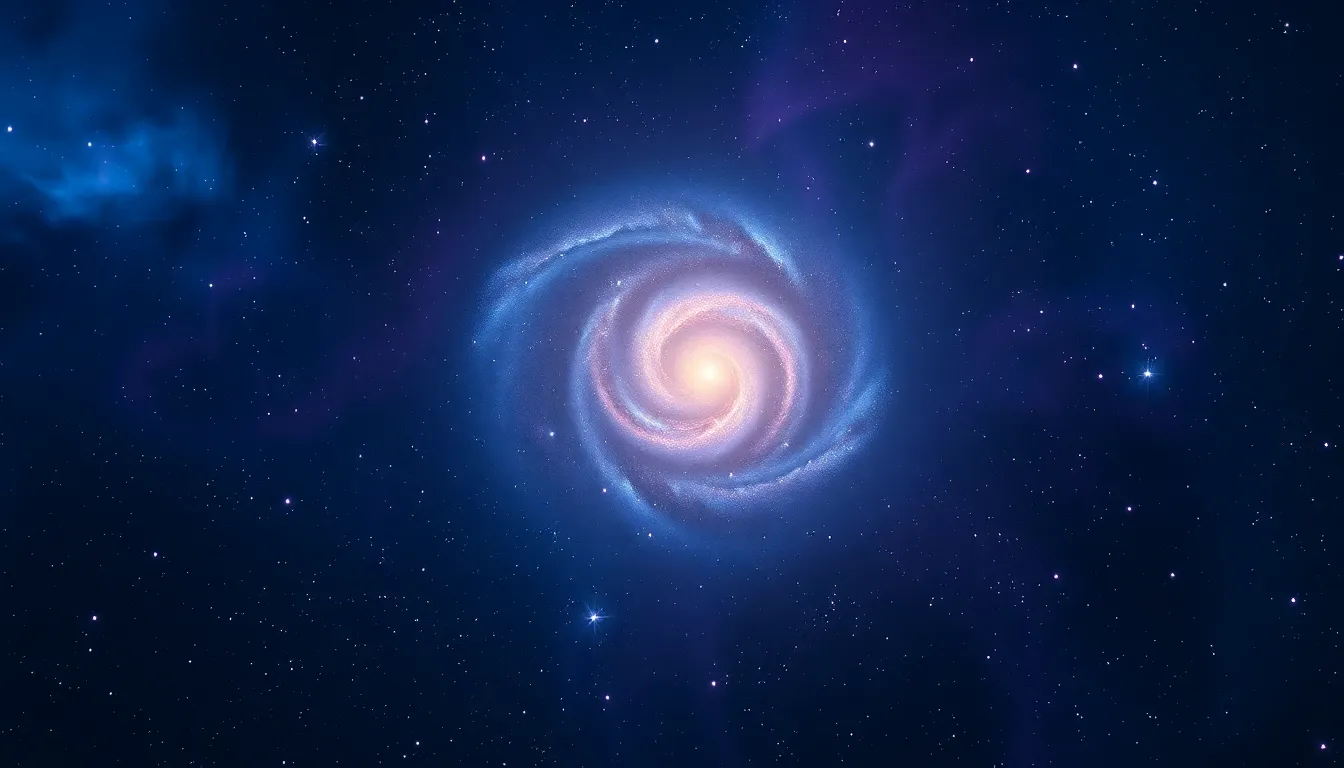
captured with Canon EOS R5, 24-70mm f/2.8L at 35mm, bathed in ethereal blue and purple lighting from surrounding nebulae with soft diffused light scattering throughout, shallow depth of field at f/2.8 creating a dreamy, cosmic bokeh effect, featuring deep space with luminous stars against rich violet and navy backgrounds, composition centered on a spiral galaxy with a leading line of starlight guiding the eye towards it, with fine textures of cosmic gases swirling in the foreground.
16:9
captured with Hasselblad X2D 100C, 90mm f/2.5 medium format, a wide-angle view of a galaxy emerging from the cosmic dawn, illuminated by the first light of dawn casting soft hues across the galaxy, hyperfocal distance keeping everything sharply in focus from nearby stars to the distant galaxy, cinematic teal and orange color grading enhancing the contrast, composition utilizes leading lines from star trails drawing the eye toward the emerging galaxy, textures display the ethereal glow of cosmic dust and star formations.
16:9
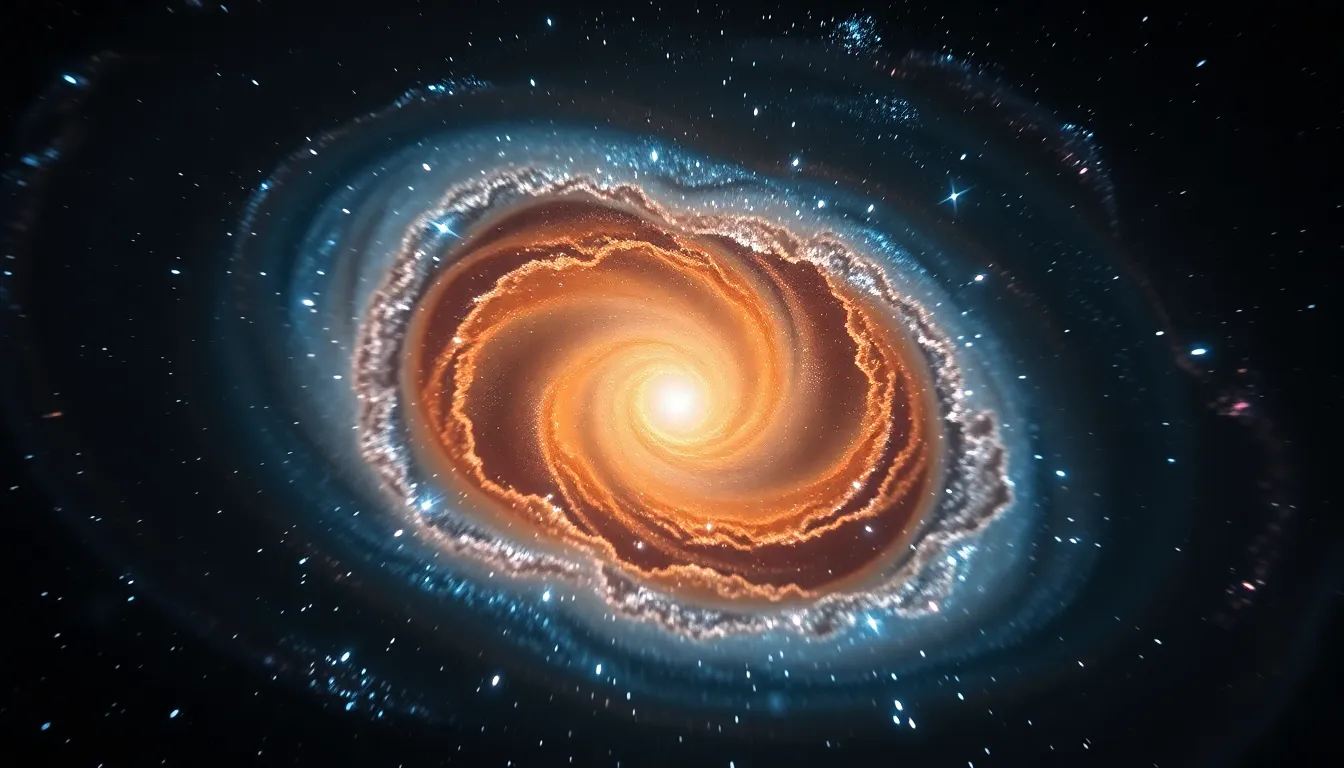
shot on Fujifilm GFX 100S, 110mm f/2 macro, a breathtaking close-up of a galaxy's core showcasing bright stars and swirling gas clouds, illuminated by natural light reflecting across the cosmic dust, shallow depth of field with the core in sharp focus while the background fades into a soft swirl of colors, natural muted tones with desaturated earth colors enhancing the ethereal feel of the scene, centered symmetrical composition emphasizing the galaxy's core, textures reveal the fine details of gaseous clouds and glittering star formations.
16:9
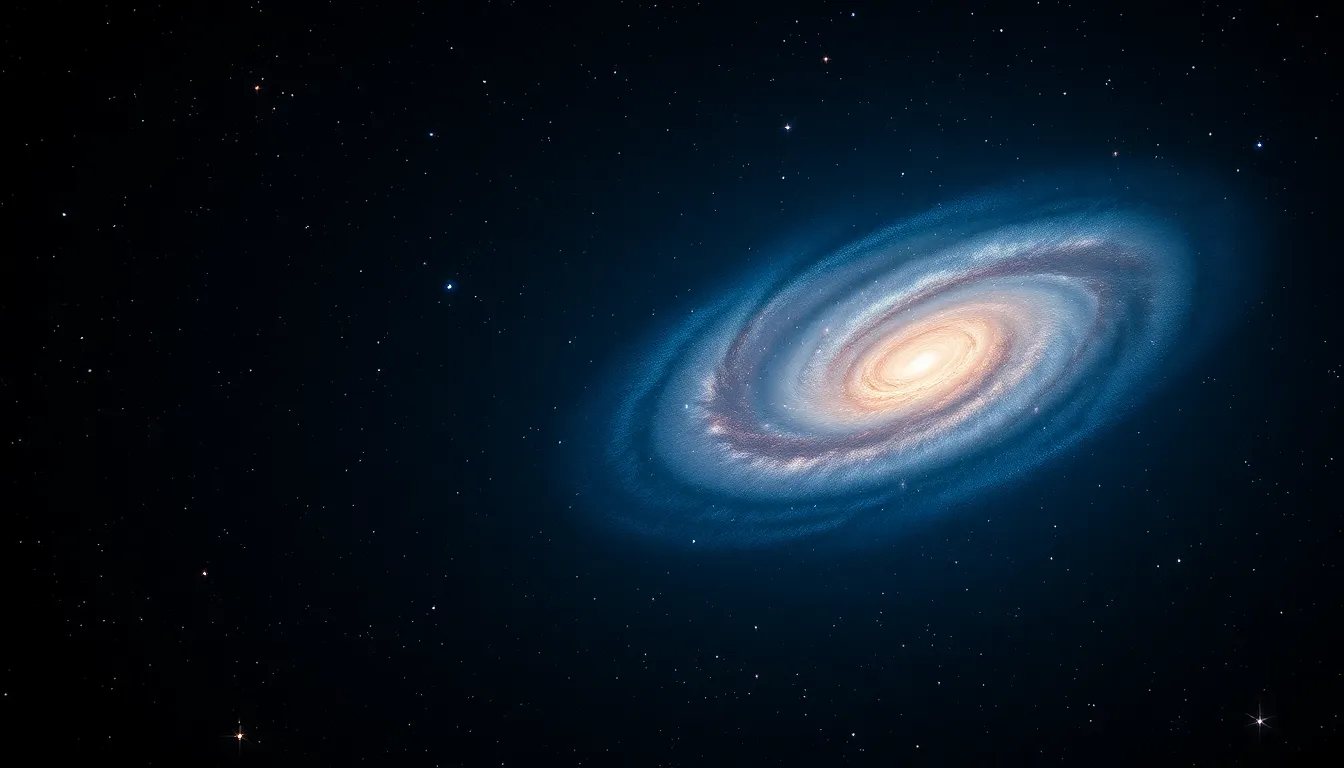
captured with Canon EOS R5, 24-70mm f/2.8L at 35mm, a majestic image of a distant galaxy with swirling arms visible against the dark void of space, natural backlighting from bright stars illuminating the galaxy's edges, shallow depth of field at f/4 with the galaxy sharply in focus, color grading inspired by Fujifilm Velvia for vivid saturation with deep blues and purples, composition highlights the galaxy in the upper third, creating tension and a sense of depth, texture showcasing the glowing gas clouds and bright celestial bodies.
16:9
shot on Sony A7R V with 85mm f/1.4 GM lens, capturing a breathtaking view of a galaxy cluster with multiple galaxies forming intricate patterns, illuminated by the light of thousands of stars and cosmic dust, overcast diffused daylight creating a subtle glow over the scene, hyperfocal distance ensuring everything from nearby stars to distant galaxies is in sharp focus, colors reminiscent of Kodak Portra 400 with warm skin tones in the star glow, ruled composition featuring the galaxy cluster slightly off-center, textures show the intricate details of cosmic dust and star formations.
16:9
captured with Nikon Z9, 70-200mm f/2.8 telephoto at 135mm, bright starlit sky showcasing a stunning spiral galaxy with vibrant colors, natural illumination from distant stars casting a soft glow on surrounding nebulae, shallow depth of field at f/2.8 with the galaxy sharply in focus and a dramatic bokeh effect in the foreground, cinematic teal and orange color grading enhancing the contrast of the galaxy against the dark space, composition features the galaxy centered with a leading star trail guiding the viewer's eye, textures include the gaseous clouds of the nebula visibly swirling with dynamic motion.
16:9
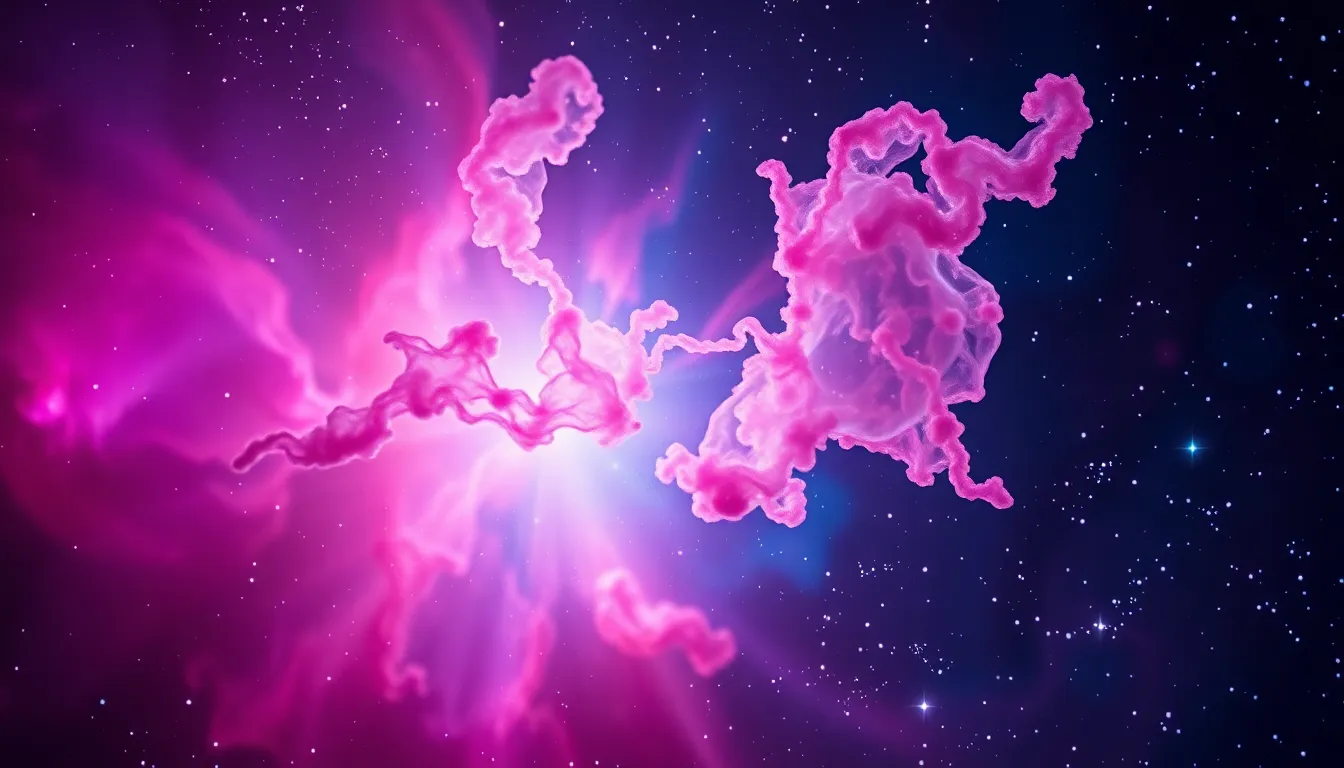
captured with Fujifilm GFX 100S, 110mm f/2 macro, focusing on a nebula as a galactic nursery, vibrant with color. The scene showcases a close-up of the nebula, revealing intricate tendrils of gas and dust illuminated by nearby stars. The soft, diffused lighting creates a dreamy atmosphere, enhancing the vibrant color palette dominated by pinks, purples, and deep blues. A shallow depth of field at f/2 allows the textures of gas and dust to stand out with remarkable clarity against an abstract starry background. The composition employs a centered arrangement, drawing attention to the colorful complexity of the nebula's formation.
16:9
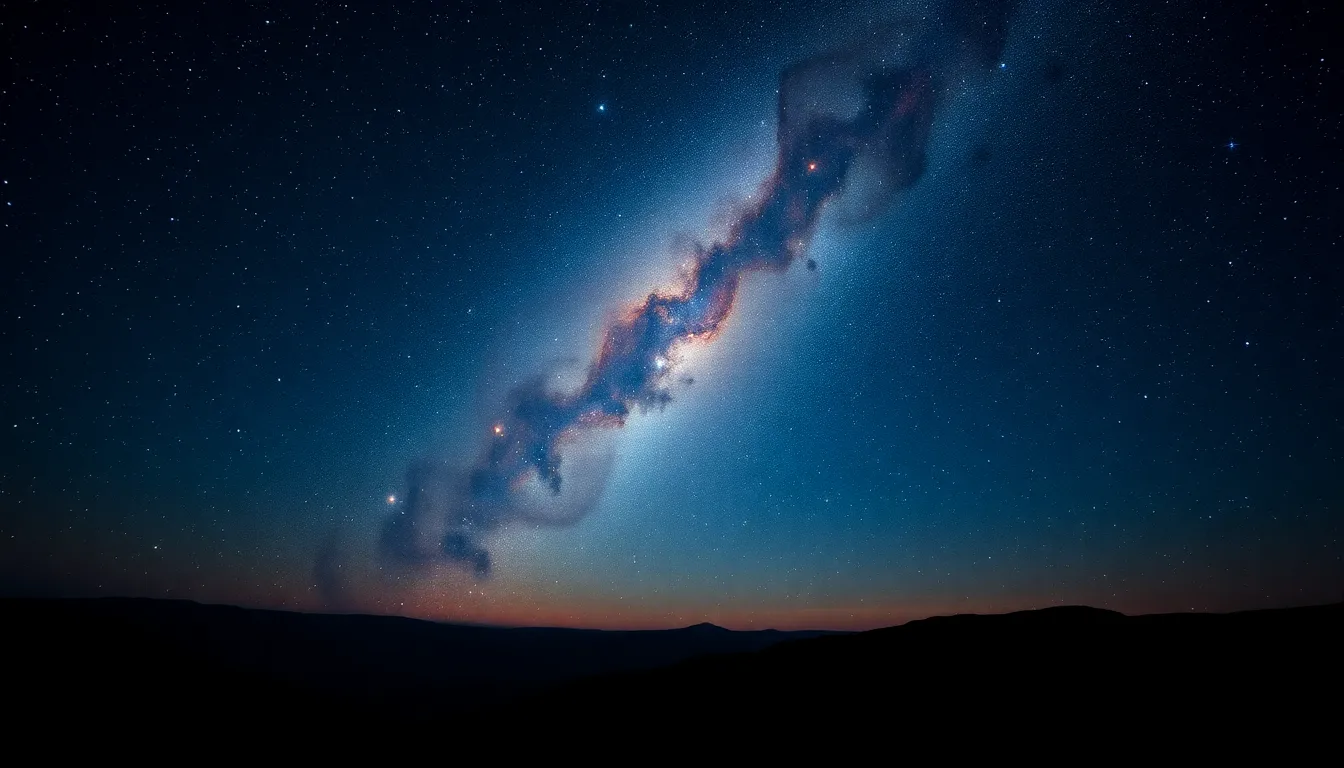
photographed with Hasselblad X2D 100C, 90mm f/2.5 medium format, revealing a breathtaking panoramic view of a galaxy cluster. Captured during the twilight hours, the image depicts a vast array of galaxies intertwined in a celestial dance against the fading light of space. Overcast diffused daylight enhances the ethereal ambiance, giving a soft glow to distant galaxies. An aspect of hyperfocal distance at f/8 sharpens all elements within the frame, while natural muted tones with desaturated earth colors lend an otherworldly feel. The composition showcases a wide landscape view, perfectly capturing the grandeur and scale of the galaxy cluster.
16:9
captured with Canon EOS R5, 24-70mm f/2.8L at 35mm, illustrating a dramatic cosmic scene of a galaxy colliding with another. The image captures swirling clouds of gas emitting vivid colors, highlighted by dramatic backlighting from stars and cosmic energies. A hyperfocal depth of field at f/8 ensures everything from the foreground to infinity is tack-sharp. The color science leans into cinematic teal and orange, enhancing the emotional intensity of the scene. Utilizing leading lines, the galactic arms draw the viewer's eye towards the center of the collision, creating a sensational focal point. Textures of cosmic gas and the interplay of light add depth and richness to the image.
16:9
shot on Sony A7R V with 85mm f/1.4 GM lens, depicting a close-up of a spiral galaxy with intricate details. The scene captures the galaxy's core glowing with an intense golden hue, surrounded by vibrant blue and red star formations. Soft golden hour lighting enhances the warm tones of the core while providing gentle rim lights to the edges of the galaxy. A shallow depth of field at f/1.4 ensures the galaxy is sharply focused against a dreamy backdrop of stardust. The composition incorporates a centered symmetrical balance, emphasizing the galaxy's spiral arms, while fine textures of cosmic gas and dust are rendered in stunning clarity.
16:9
captured with Nikon Z9, 70-200mm f/2.8 telephoto at 135mm, featuring vibrant starlight illuminating a swirling galaxy. The scene is set against the black void of space, with soft luminescent colors creating a stunning backdrop. A hyperfocal depth of field at f/8 ensures the galaxy structure is sharp, while a slight bokeh effect in the foreground enhances the depth. The color palette leans toward deep blues and purples with specks of bright white starlight. Composed using the rule of thirds, the galaxy is positioned to the right while a shooting star trails across the left, adding dynamic motion to the scene. The texture of the galaxy exhibits fine details of cosmic dust and star clusters.
16:9
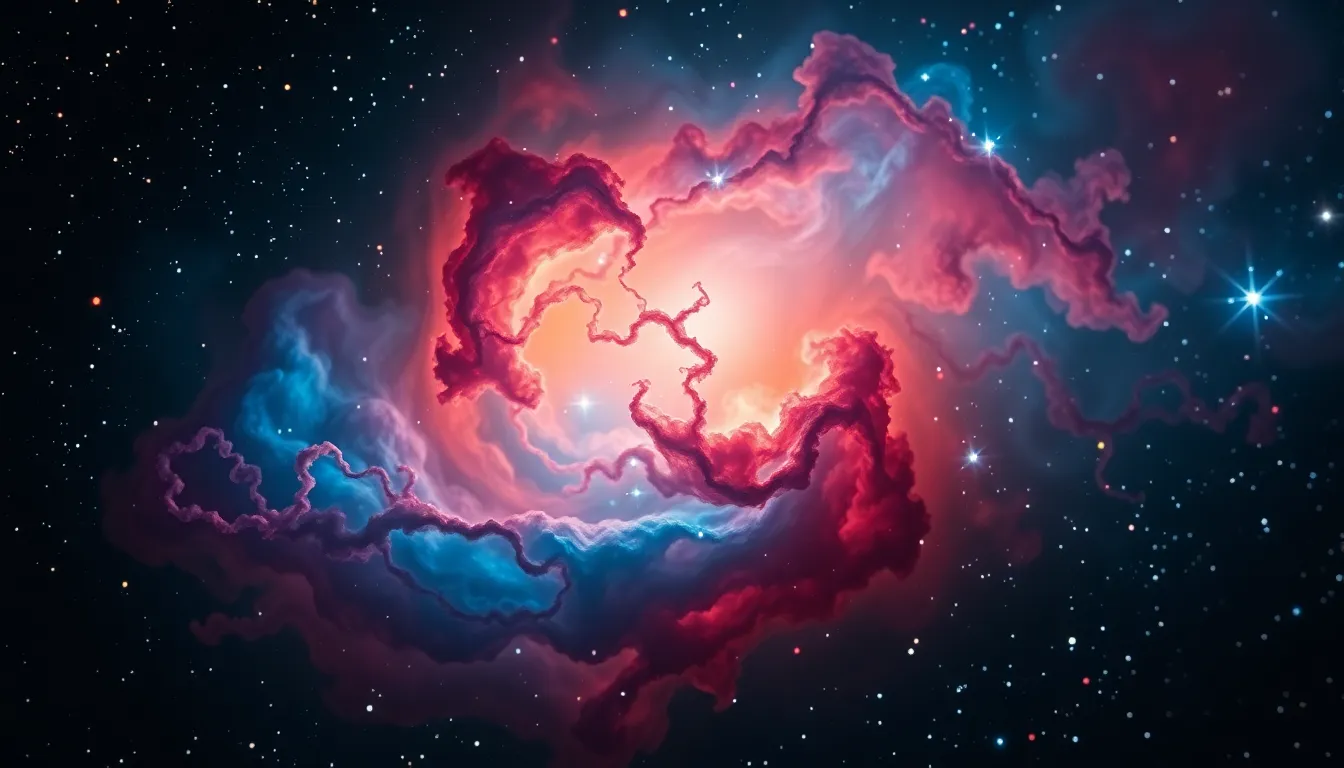
Fujifilm GFX 100S, 110mm f/2 macro; captured with a focus on the texture of a nebula, the image showcases intricate details and the beauty of cosmic gas swirling in the depths of space, illuminated by intense starlight. The lighting is dramatic, highlighting the translucid and ethereal quality of the nebula. The shallow depth of field creates a painterly bokeh effect, isolating the nebula against a backdrop of stars. The color palette is a blend of vivid blues, reds, and occasional greens, creating a depth of color that captivates the viewer. Composition is centered around the nebula, allowing the textures to draw viewers in.
16:9
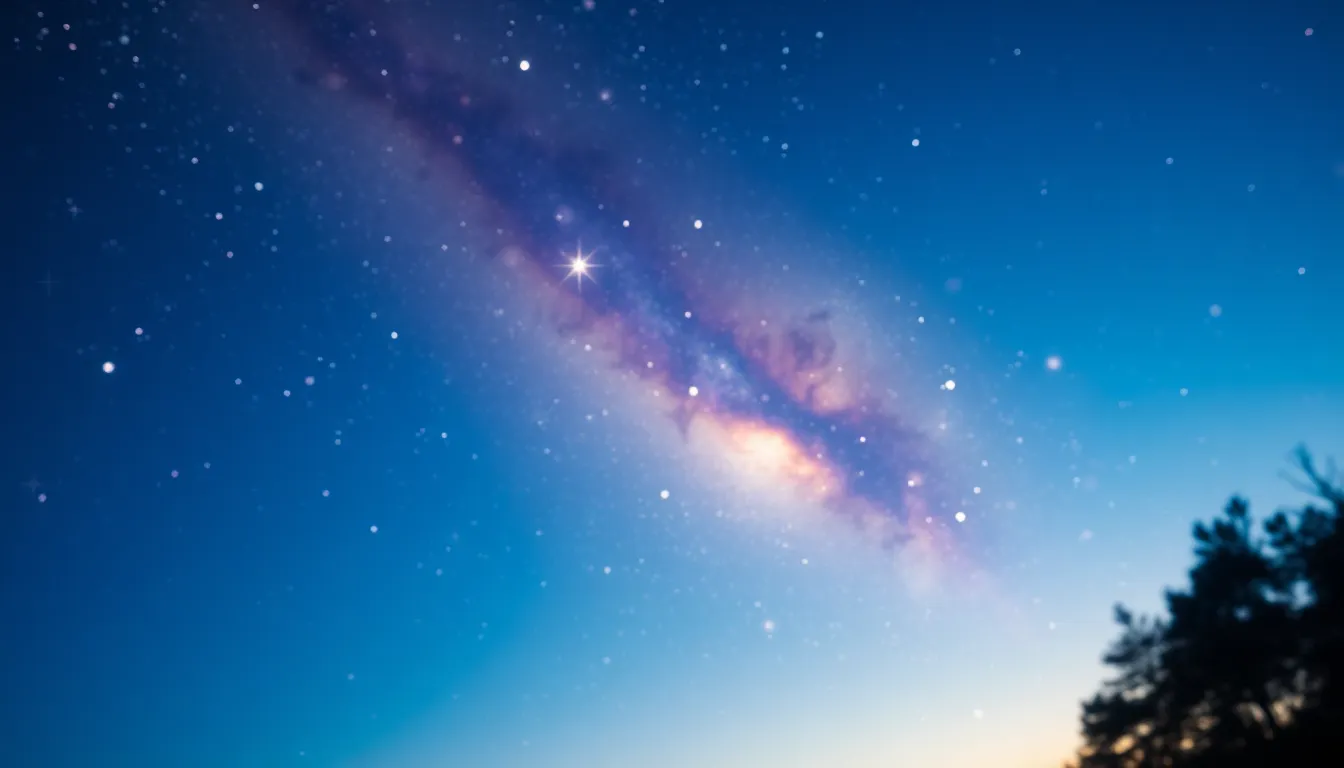
Hasselblad X2D 100C, 90mm f/2.5 medium format; the scene is captured during twilight, where the deep blue of the sky meets the warmth of fading sunlight, creating a magical backdrop. The galaxy appears vividly, with soft colors and smooth gradients that illuminate the surrounding dark space. The depth of field is hyperfocal, ensuring a wide focus from the foreground to the distant stars. The color palette consists of rich purples, blues, and soft gold accents, enhancing the galaxy's ethereal quality. Compositionally, the galaxy is framed at an angle, adding intrigue and movement.
16:9
Nikon Z9, 70-200mm f/2.8 telephoto at 135mm; captured during a clear night with brilliant starlight illuminating a vibrant cosmic scene. A cluster of galaxies is visible, with distinct formations and colors highlighted by a sleek, high-contrast lighting. The depth of field is set to hyperfocal distance, ensuring crispness across the entire frame. The color palette leans towards a cinematic teal and orange grading, enhancing the beauty of the galaxies. The composition utilizes diagonal lines from starlight trails to add motion and life to the static cosmos.
16:9
shot on Sony A7R V with 85mm f/1.4 GM lens; the scene is illuminated by soft moonlight, casting a serene glow over a distant galaxy viewable through the atmospheric haze of Earth. The depth of field is shallow at f/1.4, with starry foreground bokeh creating a beautiful contrast to the crisp detail of the galaxy in the background. The color palette features muted earth tones and soft silvery whites, giving a calm and ethereal feel. The composition includes a silhouetted mountaintop in the foreground, providing a natural frame that leads the viewer's gaze upward towards the galaxy.
16:9
captured with Canon EOS R5, 24-70mm f/2.8L at 35mm; overcast diffused daylight creates a soft glow over the scene. The image features a mesmerizing swirl of a spiral galaxy, with detailed star clusters and gaseous nebulae. Depth of field is set to hyperfocal distance, ensuring everything is sharp from foreground stars to the galaxy's core. The color palette includes deep blues and purples with hints of vibrant pink and yellow. Composition follows the rule of thirds, putting the galaxy off-center with leading lines of stardust creating a dynamic flow throughout. The texture of the image showcases intricate details of star formations and wispy cosmic clouds.
16:9
Fujifilm GFX 100S, 110mm f/2 macro lens capturing a breathtaking view of a distant galaxy through a telescope, with intricate details of cosmic dust and light. The scene is illuminated by the galaxy's own luminescence, creating a captivating effect. The depth of field is shallow at f/2, providing a soft bokeh effect in the foreground. The color palette is derived from a Fujifilm Velvia-inspired saturation, with vivid purples, blues, and hints of gold. The composition features leading lines created by the telescope's structure, drawing the viewer’s gaze toward the stunning galaxy beyond.
16:9
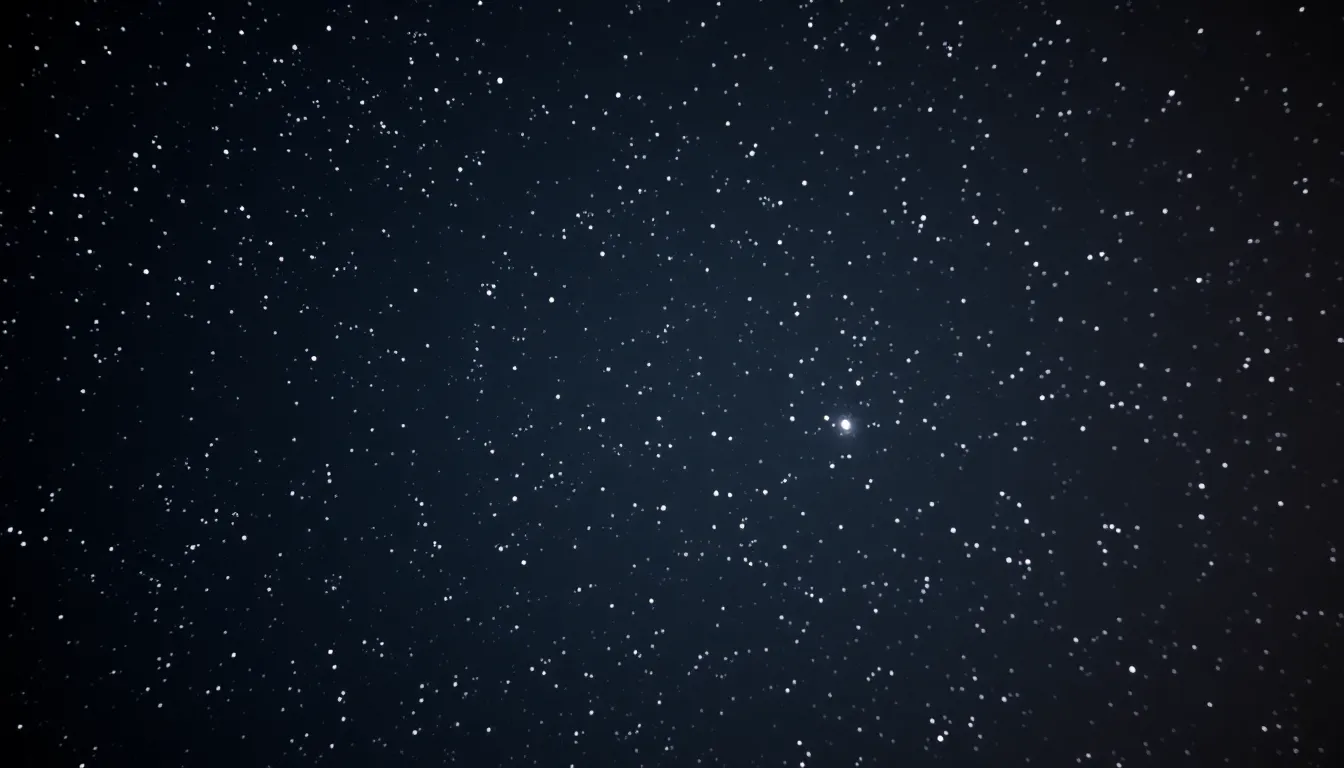
Hasselblad X2D 100C, 90mm f/2.5 medium format shot showcasing a detailed view of a star field with deep space background. The lighting is natural, with the light from countless stars providing a twinkling effect. The image features a shallow depth of field at f/2.5 to highlight select constellations while the background dissolves into soft bokeh. The color palette focuses on muted tones with desaturated earth colors to create a serene and contemplative mood. The composition utilizes a centered symmetrical arrangement, drawing the viewer’s gaze to a prominent constellation amidst the vastness of stars.
16:9
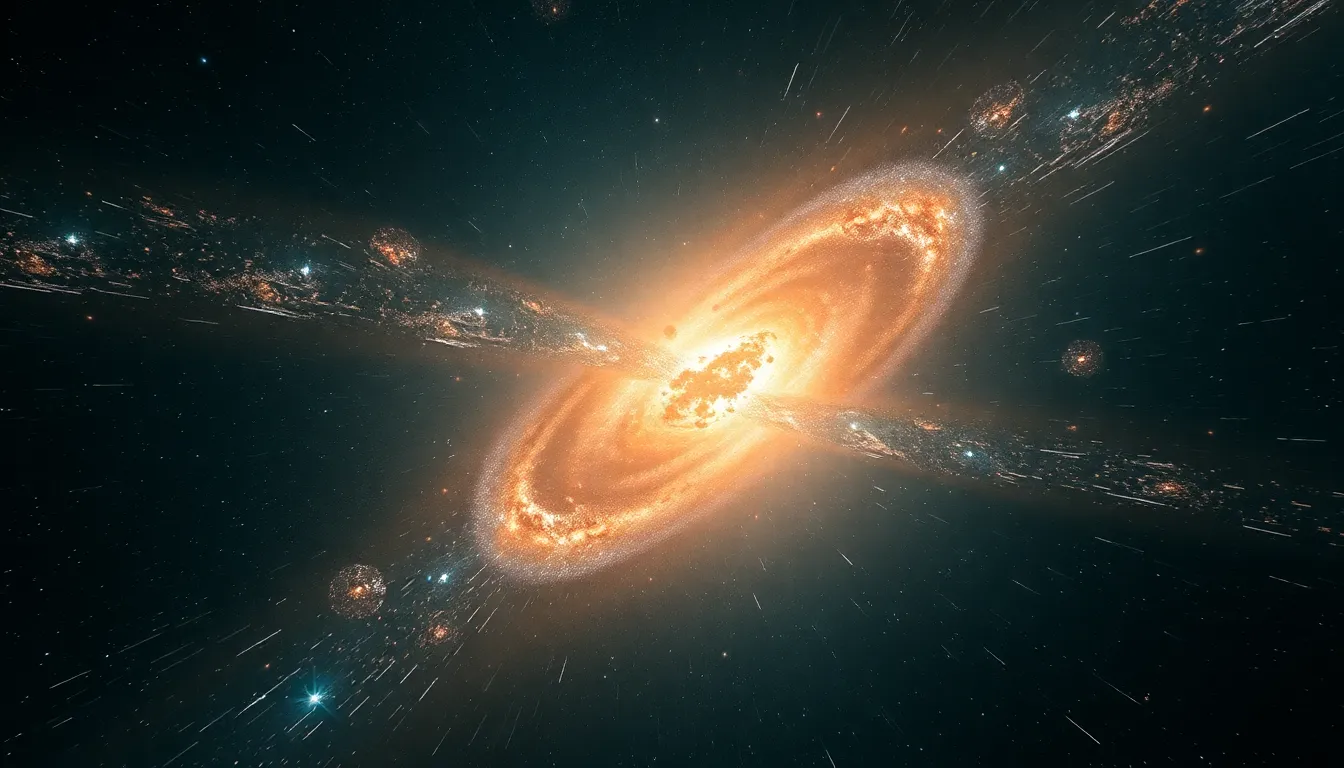
captured with Canon EOS R5, 24-70mm f/2.8L at 35mm, displaying a cosmic collision of galaxies in a stunning cosmic tableau. The scene is vividly lit by the explosive energy released during the collision, creating a dramatic and dynamic atmosphere. A hyperfocal distance is achieved at f/8 ensuring everything from the foreground to infinity is sharp. The color science leans towards cinematic teal and orange, heightening the visual impact. The composition strategically places the collision at the center, with trailing star streams framing the action, creating a powerful visual narrative.
16:9
shot on Sony A7R V with 85mm f/1.4 GM lens, depicting a close-up of a nebula with intricate details resembling swirling clouds of gas and dust. The lighting is ethereal, with bioluminescent colors illuminating the nebula's core. Utilizing a shallow depth of field at f/1.4, the focus is sharp on the neon edges while the background melts into a soft, painterly bokeh. The color palette is a mix of electric pinks and deep blues, creating a surreal and captivating scene. The composition incorporates leading lines that guide the eye into the heart of the nebula, emphasizing its complexity and beauty.
16:9
captured with Nikon Z9, 70-200mm f/2.8 telephoto at 135mm, showcasing a vibrant spiral galaxy against a backdrop of deep space. The scene is illuminated by distant stars providing a soft twinkle, complemented by the gradient of the cosmos. Depth of field is shallow at f/2.8, creating a dreamy bokeh effect in the background. The color palette features rich purples and blues, evoking a sense of wonder and mystery. The composition follows the rule of thirds, placing the galaxy off-center while including surrounding star fields for depth. Micro-details highlight the galaxy's swirling arms against the velvety darkness of space.
16:9
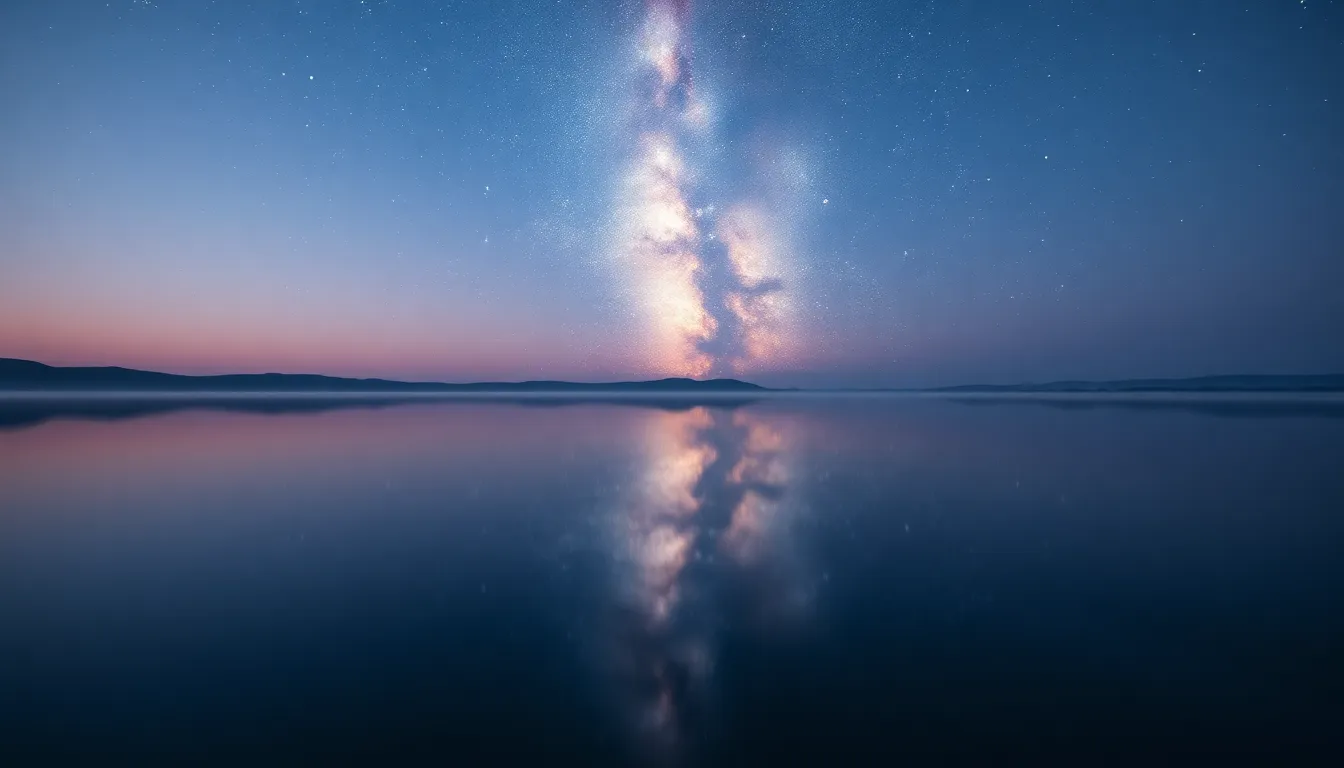
shot on Leica Q3, 28mm f/1.7 Summilux, showcasing a breathtaking view of a galaxy reflecting in a calm lake during twilight. The soft ambient lighting enhances the serene mood, with the galaxy's vivid colors mirrored perfectly in the water. The palette features muted blues, gentle purples, and soft whites, creating a dreamlike atmosphere. A shallow depth of field at f/1.7 draws focus to the lake's surface, making the galaxy appear almost tangible. The composition employs symmetry as both the sky and its reflection align perfectly in the frame, allowing the viewer to appreciate the harmony of nature and the cosmos.
16:9
captured with Hasselblad X2D 100C, 90mm f/2.5 medium format, featuring an ethereal view of a distant galaxy as seen through a large telescope. The scene depicts the metallic surface of the telescope reflecting starlight, while the galaxy illuminates the dark sky with small bright clusters and wispy trails of cosmic dust. The lighting is a blend of natural starlight and soft highlights, enhancing the surface details of the telescope. The color palette consists of deep blacks, silvers, and white glimmers of starlight. The composition utilizes a centered symmetrical design to emphasize the connection between technology and the cosmos, celebrating the art of exploration.
16:9
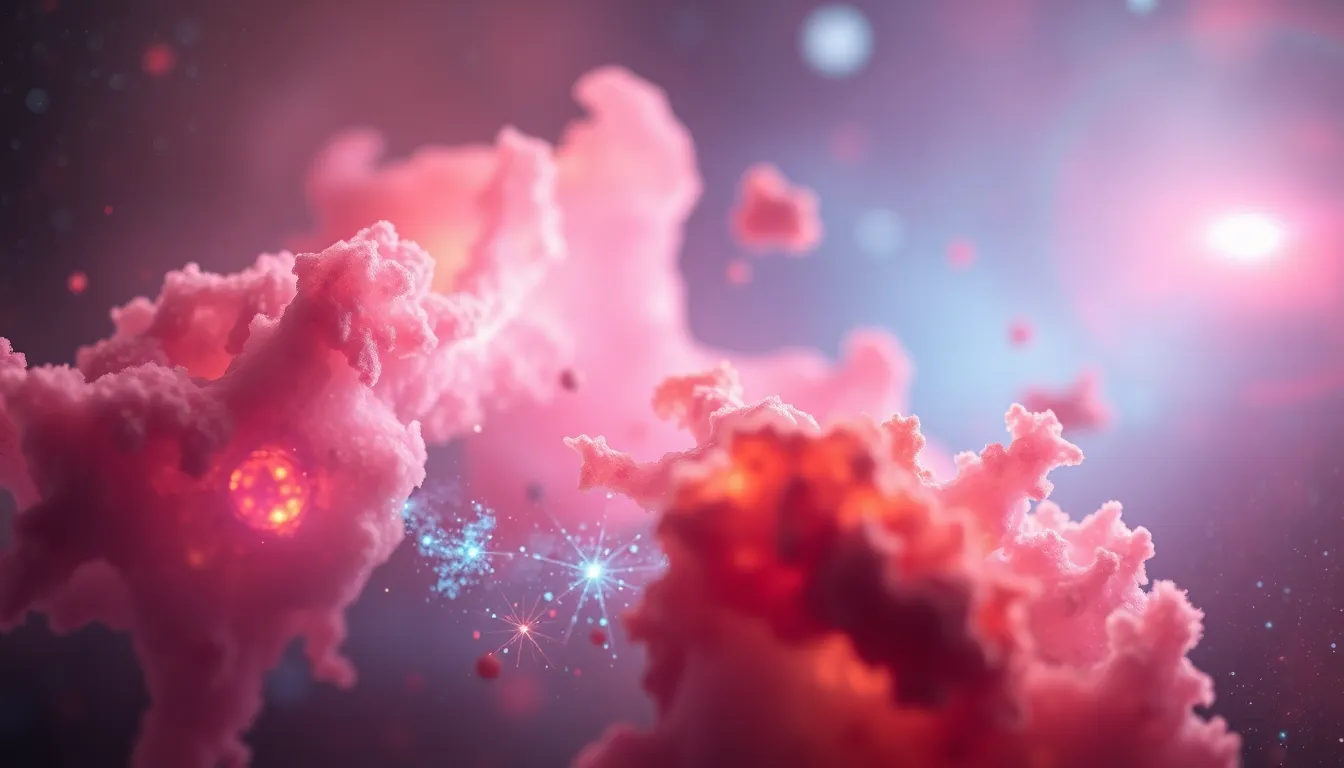
shot on Fujifilm GFX 100S, 110mm f/2 macro, illustrating the intricate details of a cosmic nebula bursting with colors and textures. The scene is bathed in ethereal lighting reminiscent of a distant starbirth event, emphasizing soft pinks, vibrant oranges, and deep blues. A shallow depth of field at f/2 isolates the nebula's textures while creating a painterly bokeh effect in the background. The composition focuses closely on the nebula's swirling gases and dust, highlighting its complexity and beauty, while the rich color palette evokes a sense of wonder and mystery.
16:9
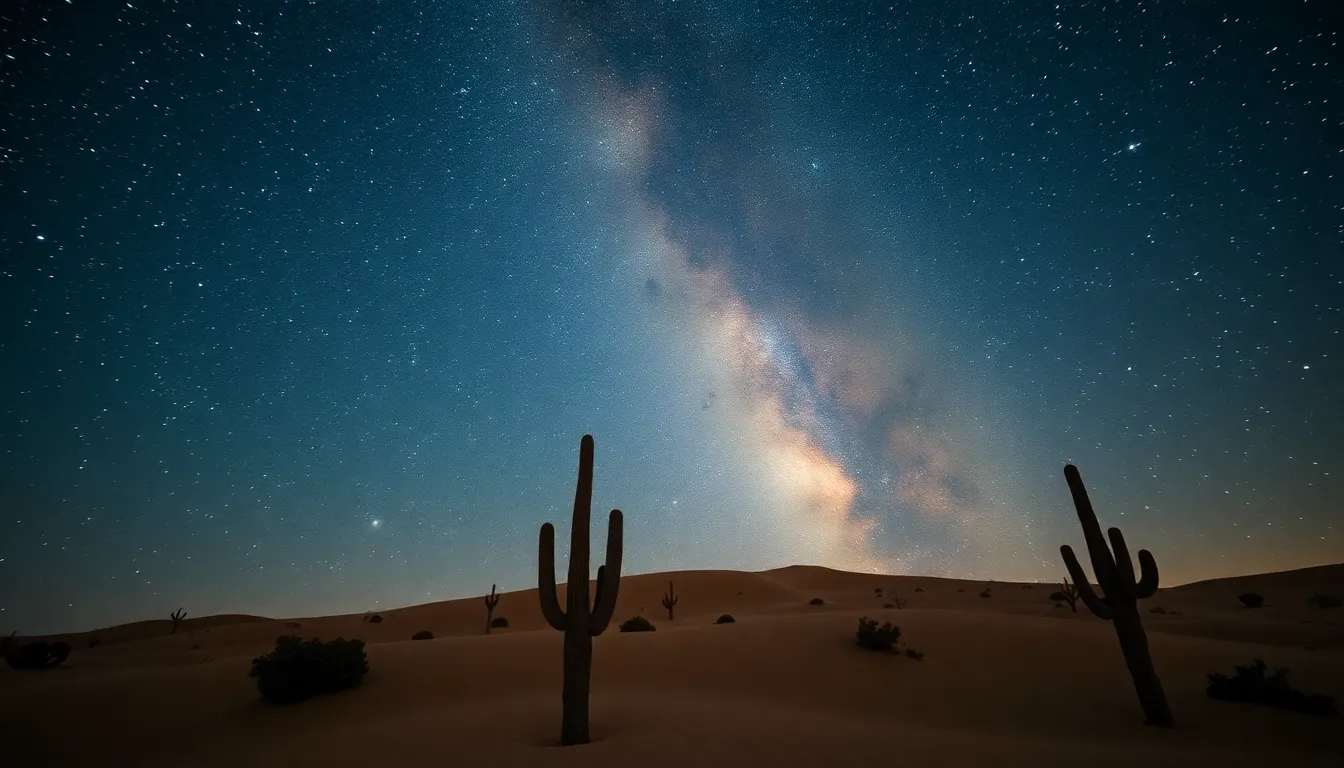
captured with Canon EOS R5, 24-70mm f/2.8L at 35mm, highlighting a breathtaking view of the Milky Way as seen from a remote desert landscape during a clear summer night. The stars are twinkling vividly, with the Milky Way arching across the sky, exuding a sense of depth and vastness. The natural light from the stars creates a soft illumination on the sandy dunes below, scattered with cacti in silhouette. The color grading reflects cool blues and warm earth tones, while a shallow depth of field at f/2.8 draws attention to the foreground textures of sand and cacti. The composition utilizes leading lines from the dunes to guide the eye toward the galaxy.
16:9
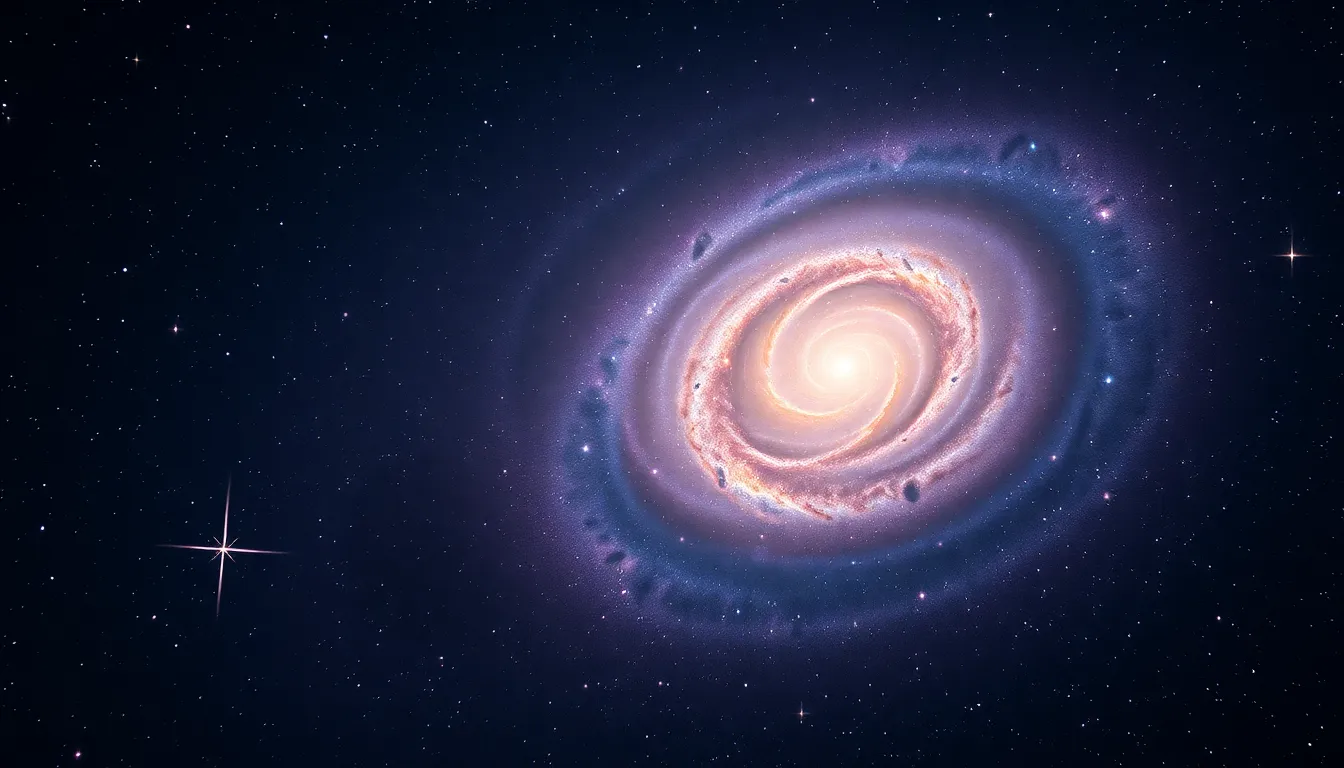
shot on Nikon Z9, 70-200mm f/2.8 telephoto at 135mm capturing the vibrant spiral arms of a distant galaxy against a backdrop of deep space. The scene features subtle starlight illuminating the galactic core, with gentle fog surrounding the edges. The color palette includes rich purples, blues, and scattered white star points, creating a cosmic dreamscape. A hyperfocal depth of field ensures everything from the foreground star clusters to the galaxy remains in sharp focus. Textural details highlight the swirling gases and dust within the galaxy, while the composition follows the rule of thirds, showcasing the galaxy off-center, inviting the viewer's eye.
16:9
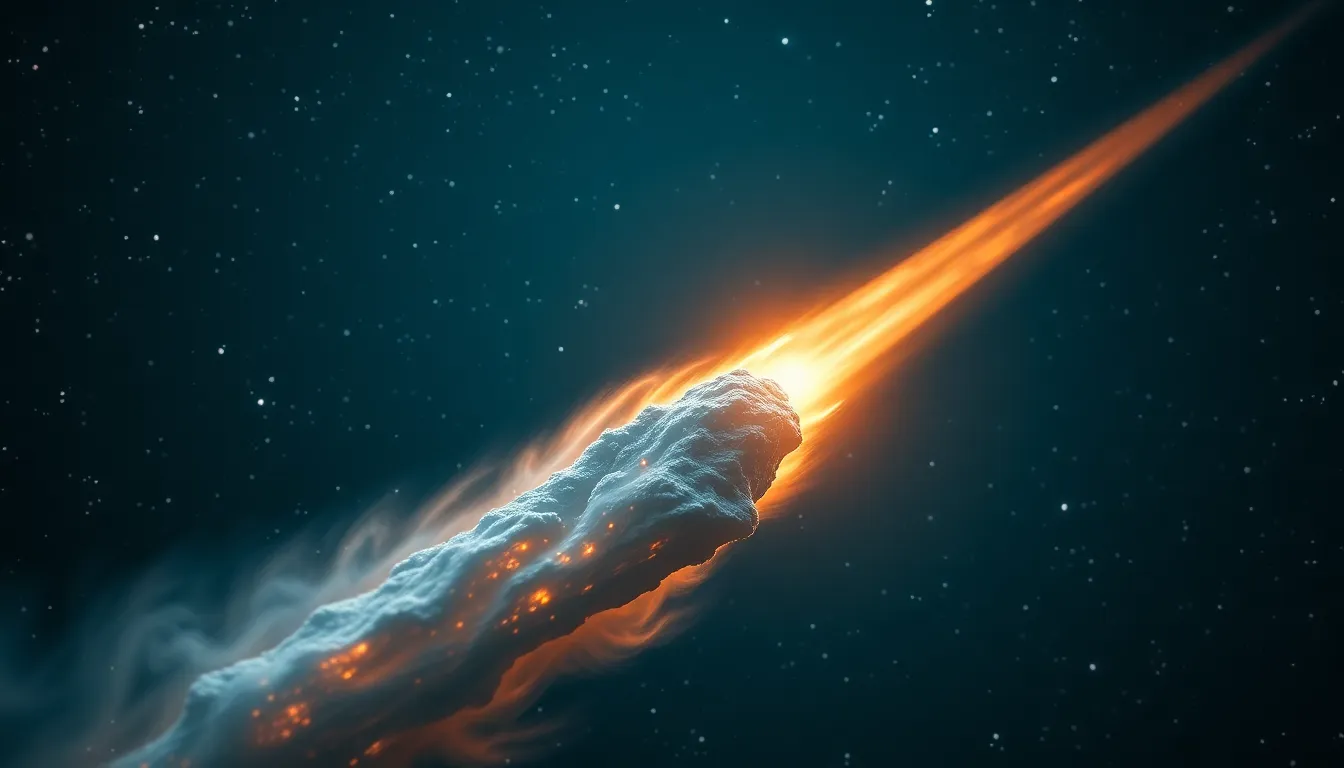
Fujifilm GFX 100S, 110mm f/2 macro; high-resolution detail of a comet streaking through the cosmos with a radiant tail; overcast diffused daylight illuminating the icy surface of the comet; hyperfocal distance providing sharp clarity from the comet's surface to the star-filled backdrop; cinematic teal and orange color grading accentuating the comet's tail against the darker universe; centered composition focusing on the comet as the main subject in its journey.
16:9
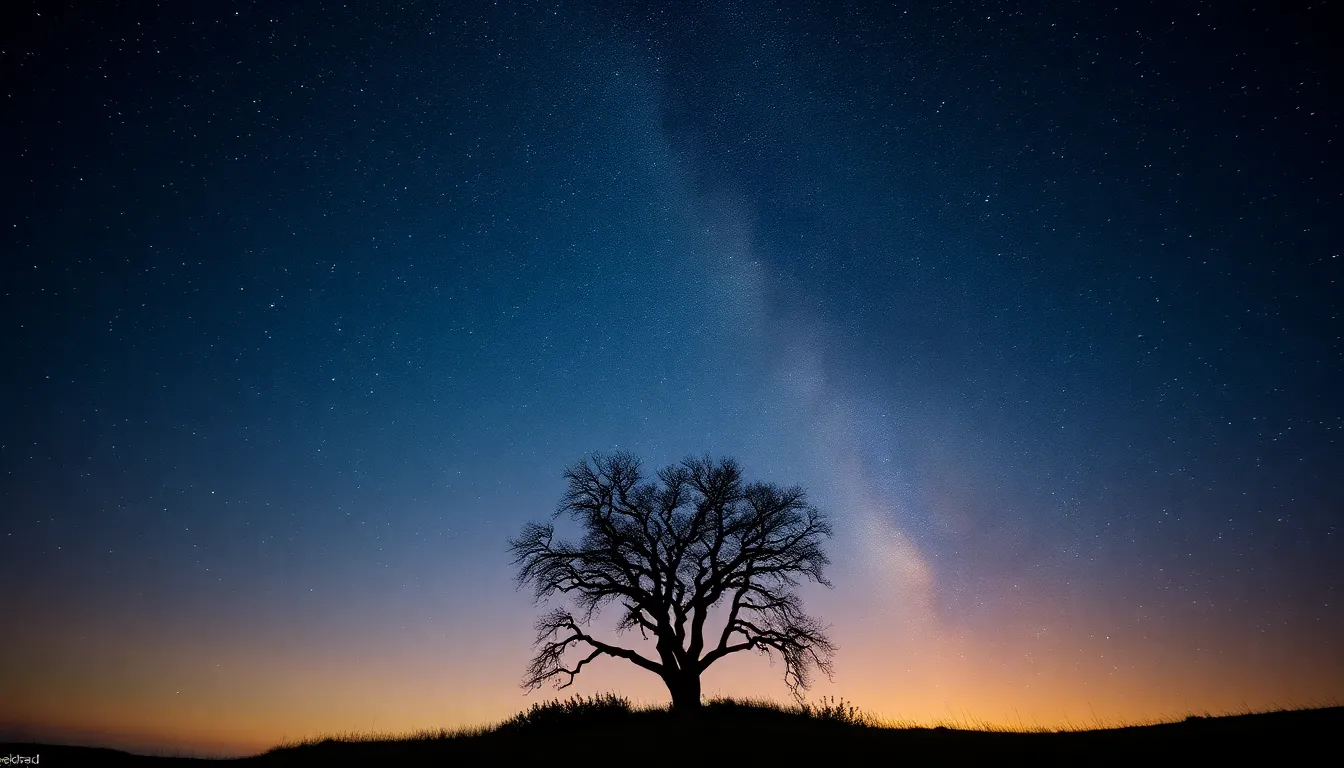
Hasselblad X2D 100C, 90mm f/2.5 medium format; twilight sky transitioning to night with the Milky Way arching overhead; natural muted tones with desaturated earth colors that enhance the celestial contrast; shallow depth of field at f/2.5 focusing on the silhouette of a lone tree in the foreground against the starry backdrop; dramatic Dutch angle composition creating a sense of movement through the expansive night sky.
16:9
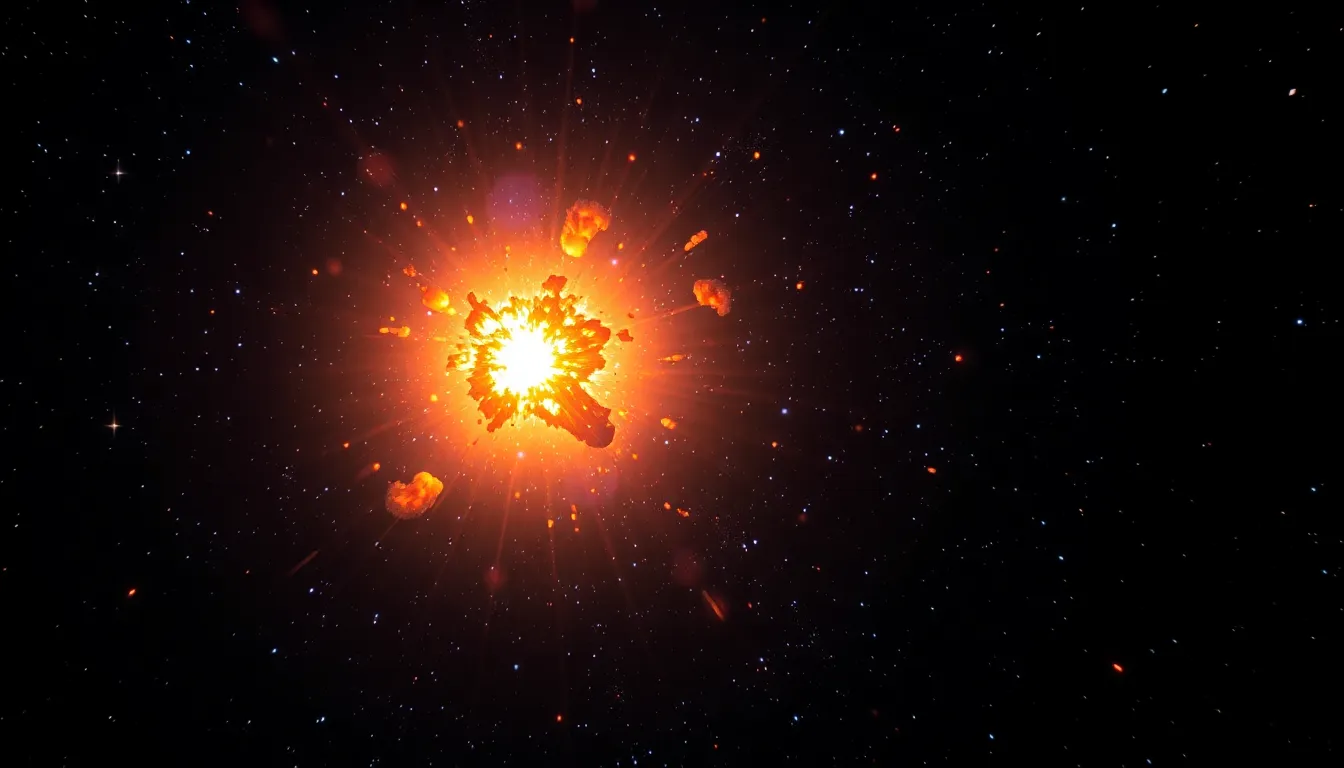
Nikon Z9, 70-200mm f/2.8 telephoto at 135mm; dramatic backlighting from a supernova explosion illuminating surrounding stellar remnants; selective focus on the vibrant colors of the explosion with a soft painterly bokeh in the background; Fujifilm Velvia-inspired saturated colors enhance the contrast between the bright explosion and dark cosmos; dynamic composition using leading lines created by the debris radiating from the supernova.
16:9
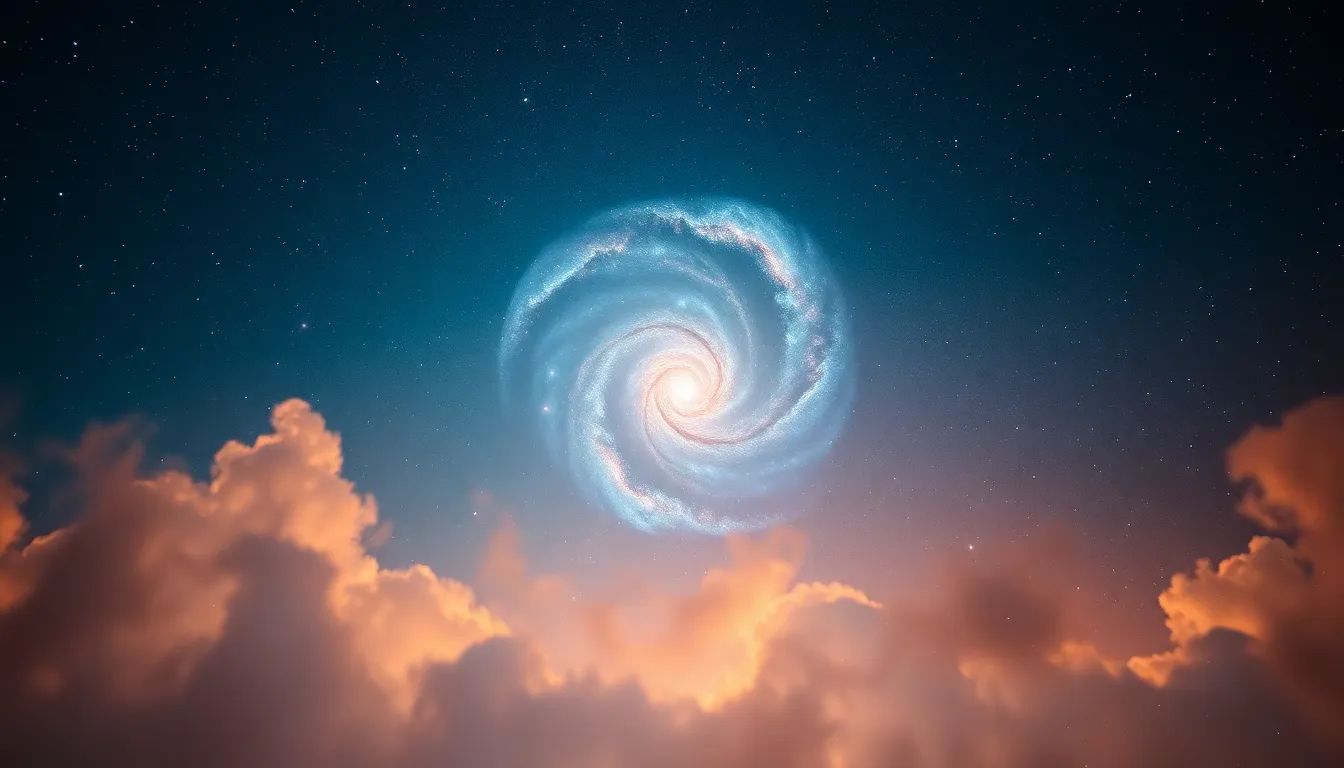
shot on Sony A7R V with 85mm f/1.4 GM lens; soft ambient light from a nearby nebula casting an ethereal aura; hyperfocal distance—everything from foreground stars to the distant galaxy remains tack-sharp at f/8; Kodak Portra 400 color palette enriches the warm skin tones of gas clouds against the cool starry backdrop; centered symmetrical composition focusing on a mesmerizing spiral galaxy surrounded by luminous star formations.
16:9
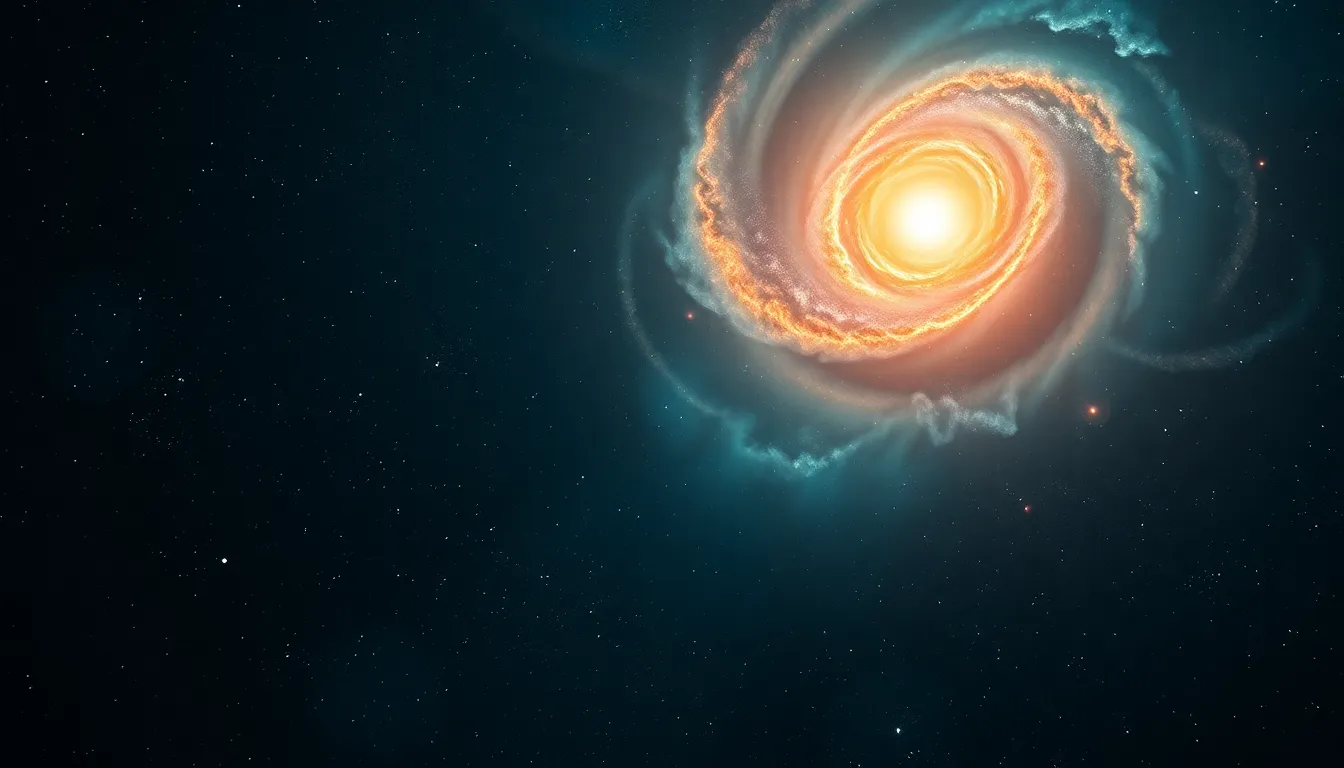
captured with Canon EOS R5, 24-70mm f/2.8L at 35mm; deep space illumination from a distant quasar creating a mystical glow; shallow depth of field at f/2.8 with stars softly blurred in the background; cinematic teal and orange color grading enhances the cosmic drama; rule of thirds with swirling galaxy positioned at a power point; textured dark void of space contrasted with vibrant galactic dust clouds and twinkling stars.
16:9
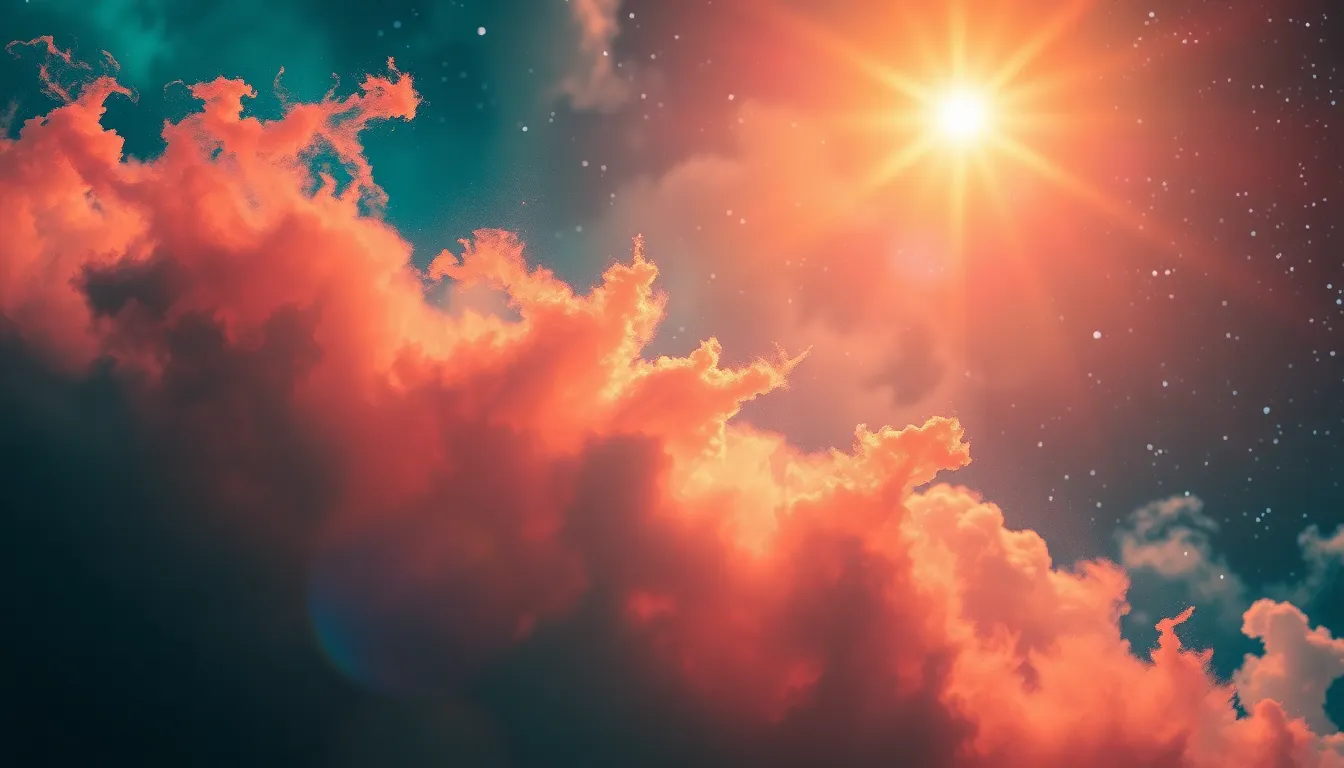
Fujifilm GFX 100S, 110mm f/2 macro, vibrant cosmic dust clouds illuminated by radiant starlight, hyperfocal distance bringing every detail from the colorful dust to distant celestial objects into sharp focus at f/8, cinematic teal and orange color grading enhancing the magical atmosphere, composition using rule of thirds with colorful clouds positioned at left power point, showcasing the intricate textures of space dust and light reflections.
16:9
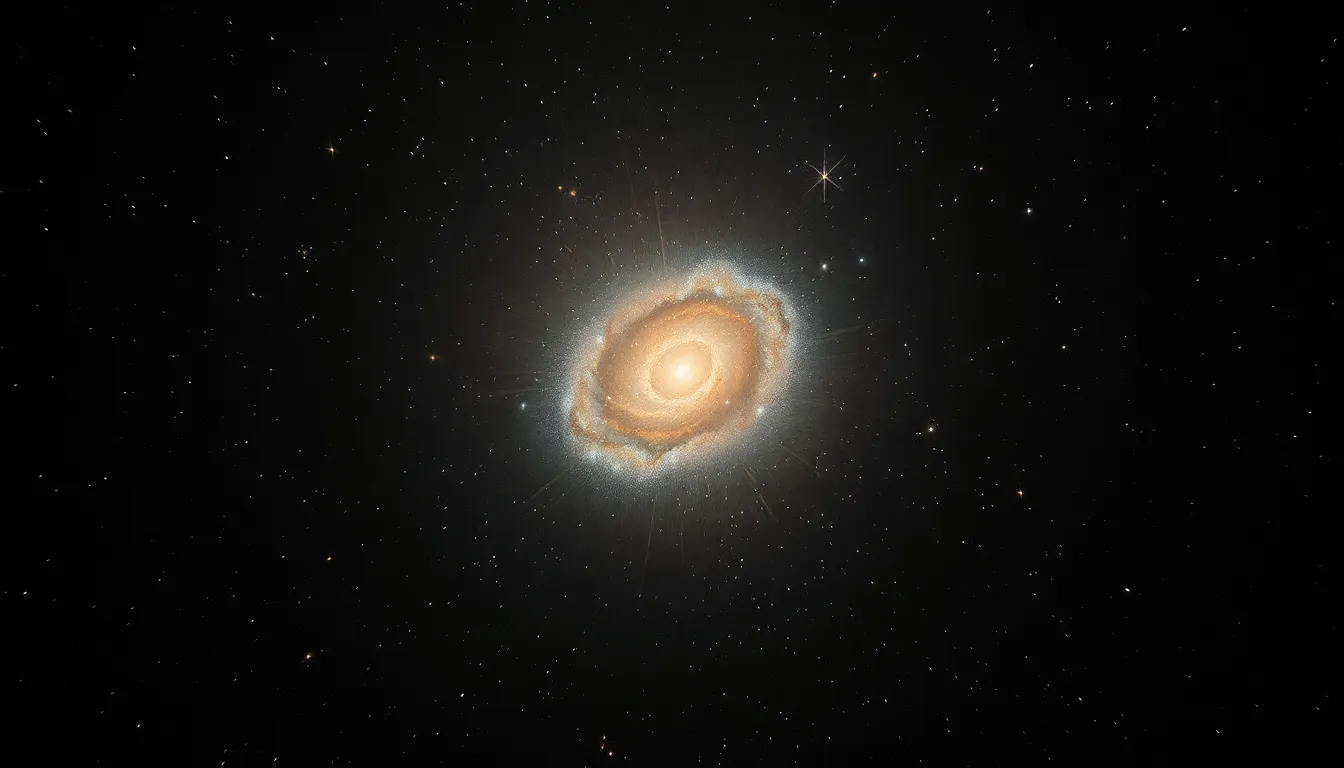
Hasselblad X2D 100C, 90mm f/2.5 medium format, dramatic backlighting from distant stars creating a halo effect around the galaxy, shallow depth of field at f/2.5 with rich, creamy bokeh of stellar bodies, natural muted tones with desaturated earth colors giving a mysterious atmosphere, symmetrical composition with galaxy at the center, showcasing the luminescent textures of cosmic dust and stellar gases.
16:9
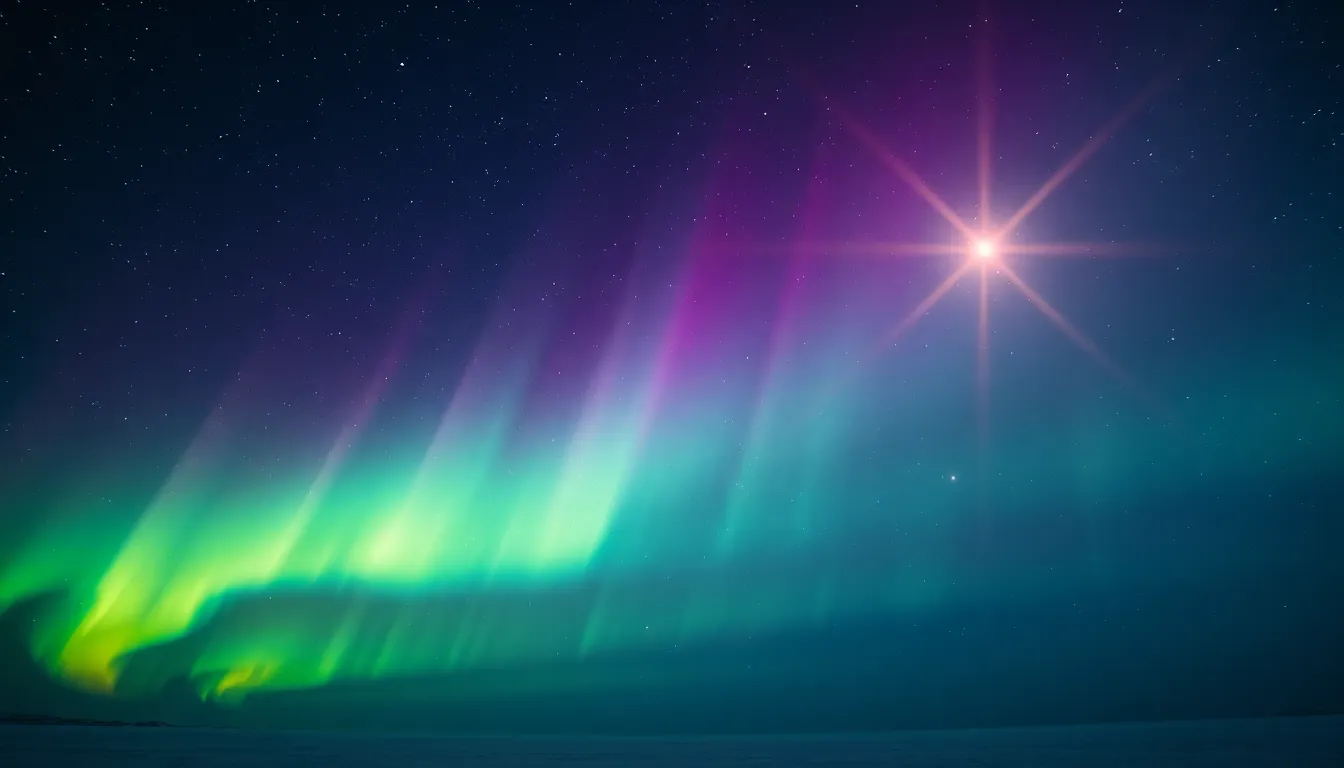
captured with Canon EOS R5, 24-70mm f/2.8L at 35mm, vibrant starlit sky illuminated by faint auroras, selective focus on the flipping auroras, background stars melting into painterly bokeh, Fujifilm Velvia-inspired saturated colors enriching greens and blues of auroras, composition using leading lines from the earth's horizon guiding towards the universe above.
16:9
shot on Sony A7R V with 85mm f/1.4 GM lens, illuminated by the soft glow of nearby stars, hyperfocal distance rendering everything from the galaxies to distant cosmic dust tack-sharp at f/8, Kodak Portra 400 color palette creating warm skin tones, composition featuring an ethereal nebula centered with stars radiating outward, intricate details of the nebula's gaseous textures and color gradients.
16:9
captured with Nikon Z9, 70-200mm f/2.8 telephoto at 135mm, dappled moonlight illuminating swirling galactic clouds, shallow depth of field at f/2.8 with soft bokeh stars in the background, cinematic teal and orange color grading, composition with the Milky Way forming a diagonal line across the upper third, ethereal textures of gaseous clouds contrasting against sharp celestial bodies.
16:9
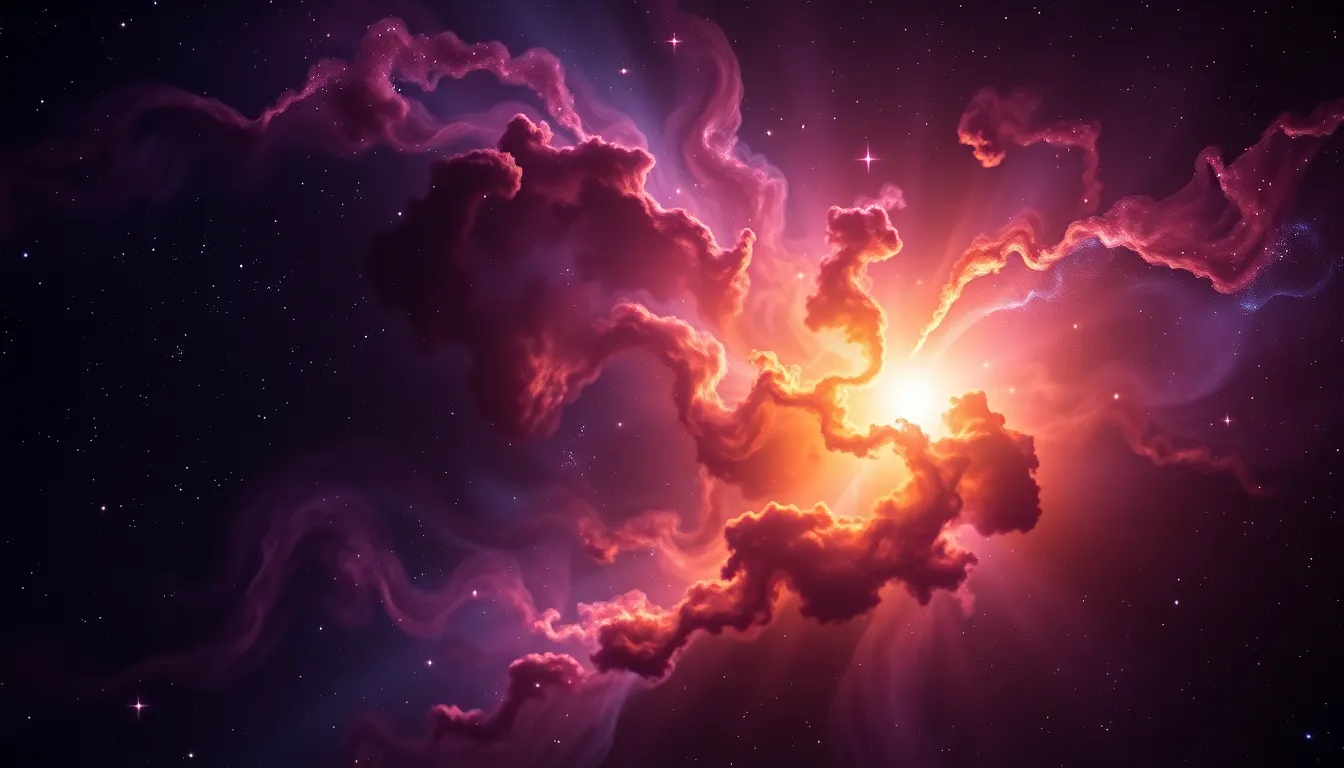
Fujifilm GFX 100S, 110mm f/2 macro, capturing a detailed view of a star-forming region within a nebula, highlighting swirling gases and young stars. The lighting is dramatic, with soft highlights created by the surrounding starlight illuminating the gas clouds. The depth of field is extremely shallow at f/2, allowing the colors and textures of the gases to pop against a softly blurred cosmic backdrop. The color palette is vibrant, featuring rich purples, blues, and hints of fiery oranges. The composition employs a dynamic angle to showcase the intricate textures and details of this cosmic wonder.
16:9
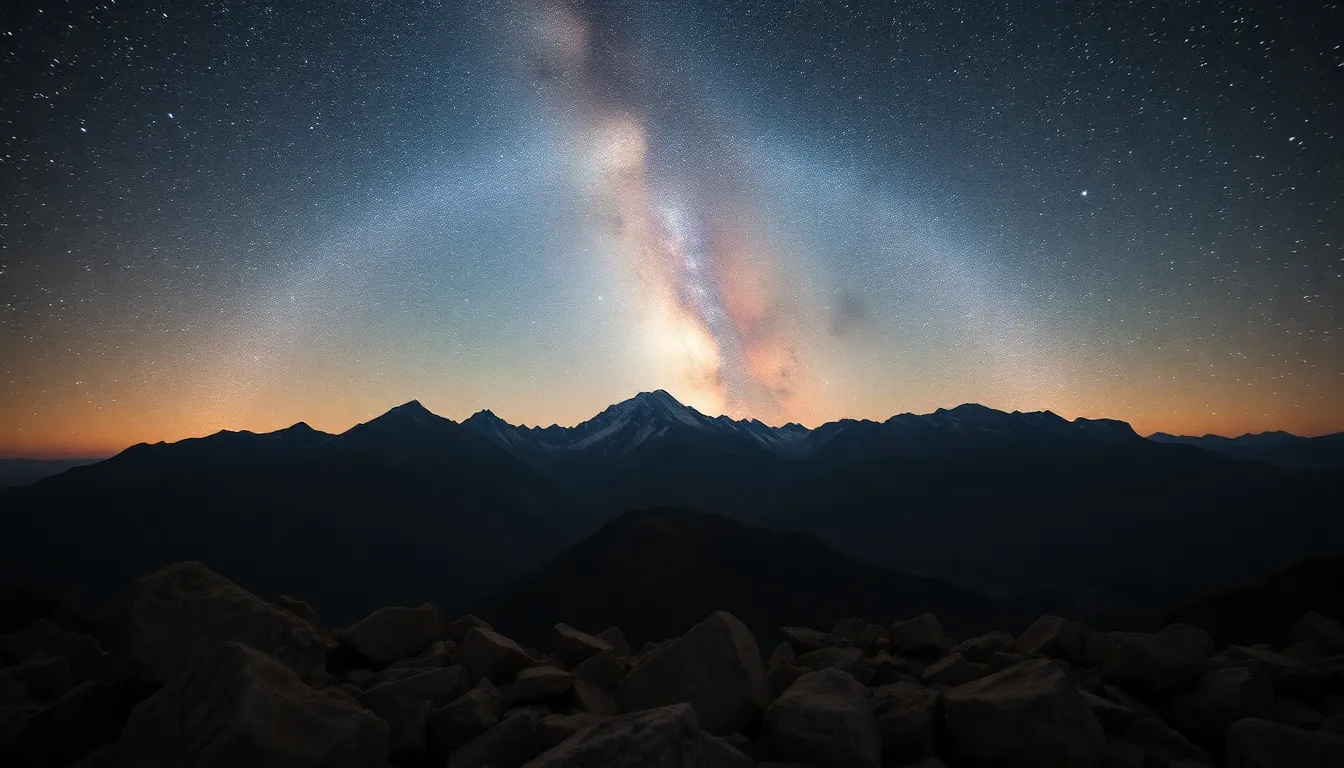
Hasselblad X2D 100C, 90mm f/2.5 medium format, portraying an expansive view of the Milky Way galaxy arching majestically over a mountain range during a starry night. The lighting is soft and ambient, subtly illuminating the landscape under the moonlight. The scene is shot at a hyperfocal distance; everything from the foreground boulders to the distant galaxy is in sharp focus at f/8. The color palette is enriched with natural muted tones, deep blues, and hints of silver. The composition features a centered symmetrical alignment of the Milky Way above the peaks, providing a serene balance to the composition.
16:9
captured with Canon EOS R5, 24-70mm f/2.8L at 35mm, depicting a striking view of a galaxy cluster against a backdrop of swirling nebulae. The lighting is dramatic, with sharp contrasts between illuminated clusters and dark space, highlighting the intricate textures of celestial formations. The hyperfocal distance ensures everything from foreground cosmic dust to background galaxies is crystal clear at f/8. The color palette features a cinematic teal and orange grading, enhancing the cosmic drama. The composition utilizes leading lines from nebulae to guide the viewer's gaze towards the cluster.
16:9
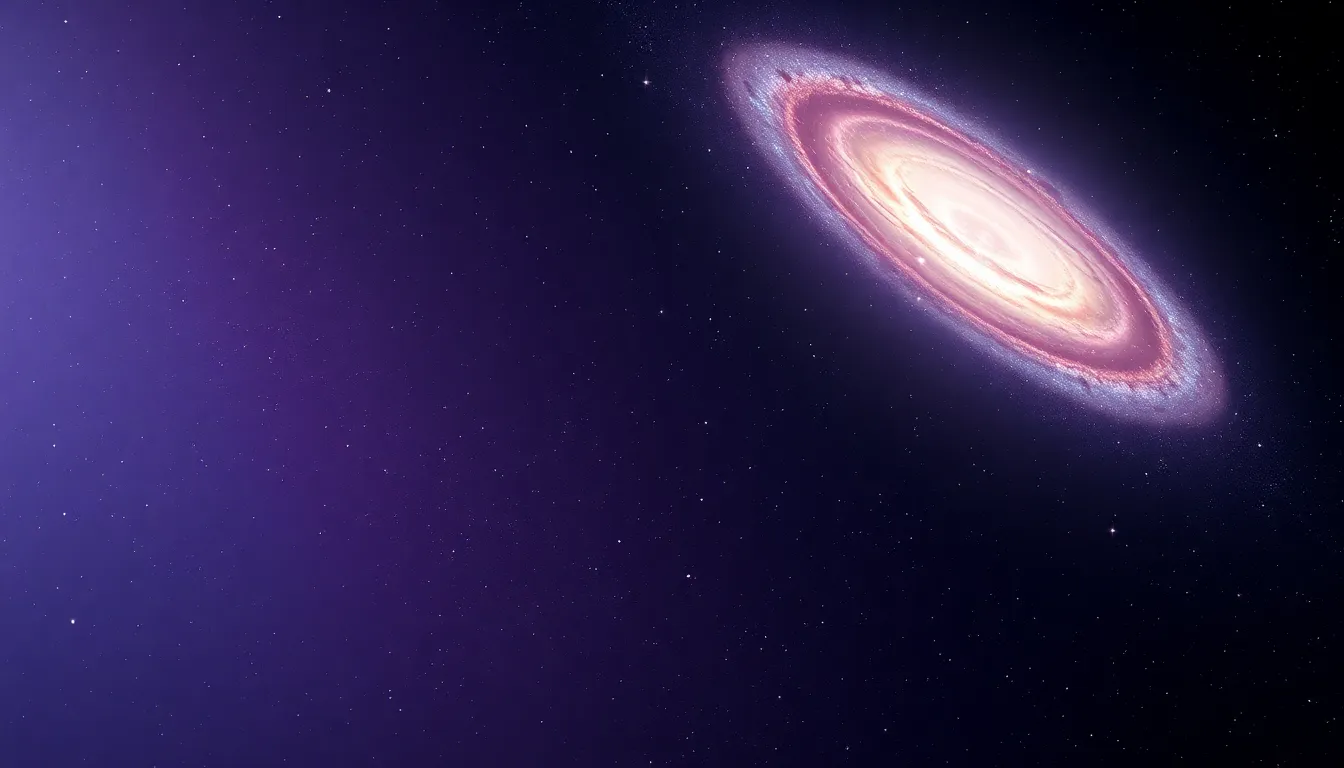
shot on Sony A7R V with 85mm f/1.4 GM lens, featuring a breathtaking view of a distant elliptical galaxy bathed in a soft, ethereal glow. The lighting is a gentle backlight that enhances the galaxy's shape and highlights surrounding cosmic phenomena. A shallow depth of field at f/1.4 creates an enchanting blur of nearby stars while keeping the galaxy in crisp focus. The color palette features a dreamy blend of pastel purples and blues, evoking a sense of tranquility. The composition follows the rule of thirds, with the galaxy offset to the right, enhancing its visual impact against the dark expanse.
16:9
captured with Nikon Z9, 70-200mm f/2.8 telephoto at 135mm, showcasing a vibrant spiral galaxy illuminated by radiant starlight against a velvety black cosmos. The lighting highlights celestial dust and gas clouds with dappled lighting effects, creating a sense of depth. The image features a shallow depth of field at f/2.8, with soft bokeh of distant stars in the background. Color grading is inspired by Fujifilm Velvia, rich in deep blues and bright whites. The composition emphasizes the galaxy placed slightly off-center, drawing the eye towards its spiral arms, with intricate textures of gaseous formations captured in detail.
16:9
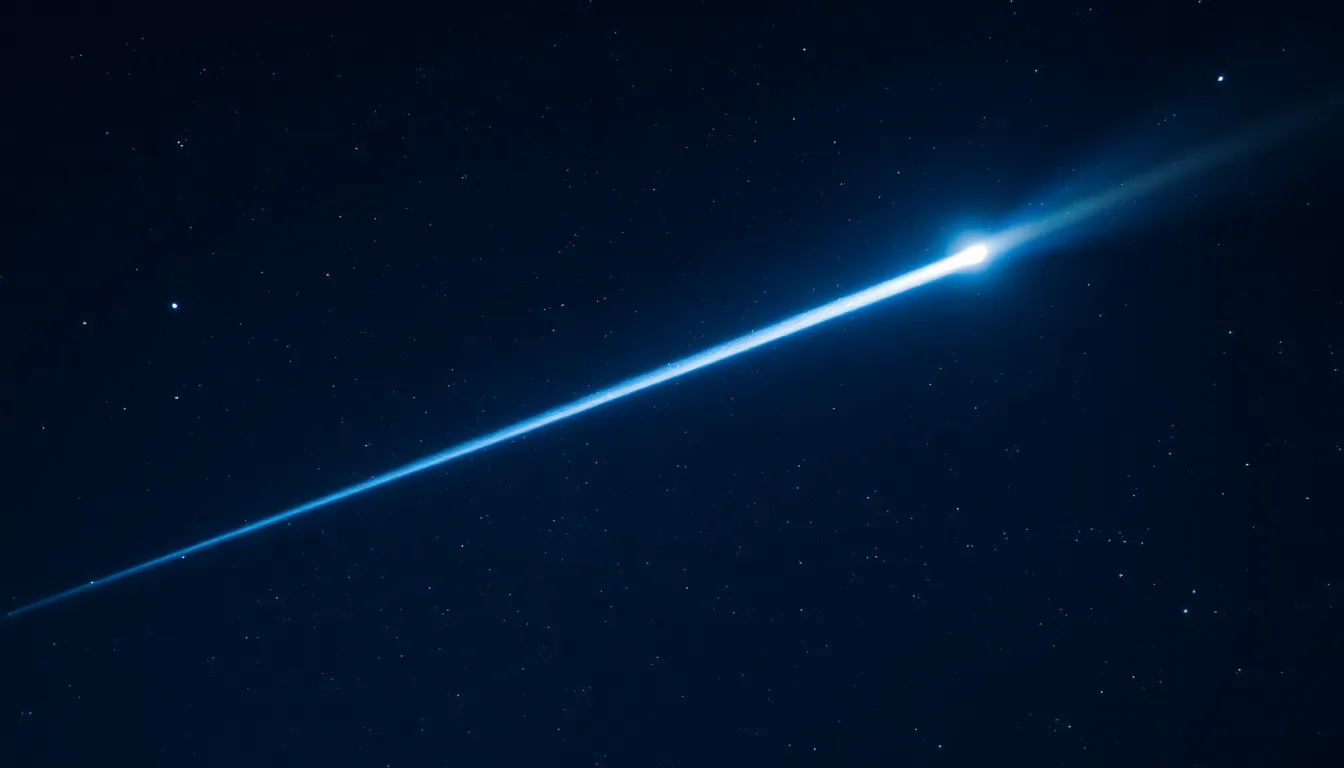
shot on Leica Q3, 28mm f/1.7 Summilux, illustrating a comet streaking across the night sky, with a luminous tail glowing as it travels through the cosmos. The lighting comes from the comet itself, casting a cool light across the surrounding stars. A shallow depth of field at f/1.7 blurs the distant stars into a soft bokeh, drawing focus to the comet. The color palette is a blend of icy blues and silvery whites, contrasting beautifully with the dark night sky. A dynamic composition employs a Dutch angle, creating tension and energy as the comet moves through the frame.
16:9
captured with Hasselblad X2D 100C, 90mm f/2.5 medium format, showcasing an expanse of the night sky filled with countless stars. The lighting is a soft, natural moonlight illuminating the stars against a deep black canvas. A hyperfocal distance ensures that every star is crisply defined against the night sky. The color science leans towards natural muted tones with desaturated earth colors emphasizing the vastness. The composition embraces leading lines created by the Milky Way’s arc sweeping across the frame. The texture showcases crisp star points and subtle gradients between dark and light areas.
16:9
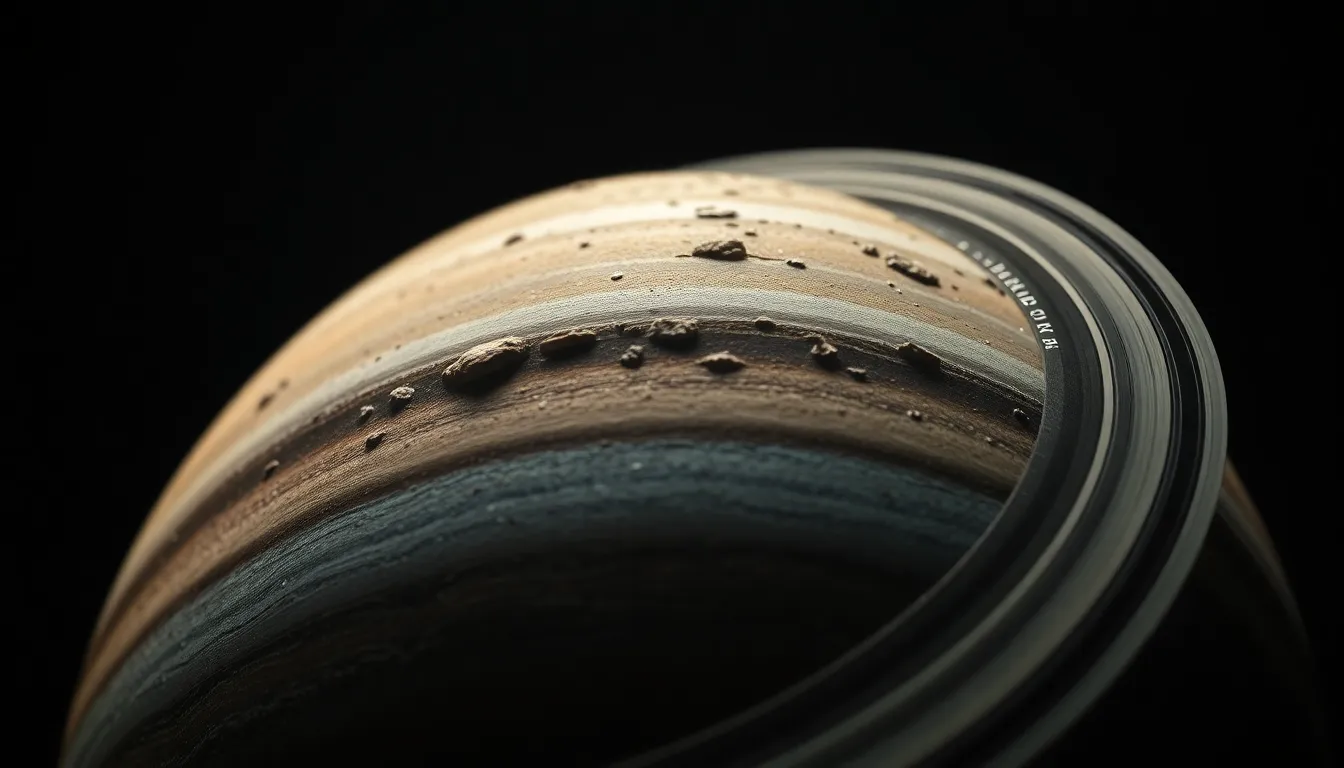
shot on Fujifilm GFX 100S, 110mm f/2 macro, revealing the intricate surface details of a celestial object resembling a planet with rings. The lighting is diffused daylight simulating distant star light, casting soft highlights and gradients across the surface. A shallow depth of field at f/2 creates a creamy bokeh effect on the outer parts of the frame. The color palette features muted earthy tones with hints of iridescent colors from the rings. A rule of thirds composition places the planet off-center, allowing the rings to flow elegantly across the image, while textures emphasize the rocky surface and reflective materials of the rings.
16:9
captured with Canon EOS R5, 24-70mm f/2.8L at 35mm, depicting a vibrant nebula with swirling clouds of gas and dust illuminated by nearby stars. The lighting is celestial and soft, creating a dramatic contrast against the shadowed regions of the nebula. The focus is hyperfocal at f/8, ensuring everything from the intricate details of the nebula to distant stars appears sharp. Color science pulls from Fujifilm Velvia for saturated pinks, blues, and greens. The composition uses leading lines created by gas streams to draw the eye toward the central star cluster, while the texture shows wispy gas layers and twinkling starlight throughout.
16:9
shot on Nikon Z9, 70-200mm f/2.8 telephoto at 135mm, capturing the sweeping arms of a distant galaxy illuminated by the cosmic glow of stars. The scene is set against a backdrop of deep space with scattered galaxies and nebulae. The lighting is sourced from the glow of the galaxy itself, creating a dramatic ethereal effect. A shallow depth of field at f/2.8 gives a soft bokeh to the background, emphasizing the spiral structure of the galaxy. The color palette features vibrant purples and blues, including sparkling whites of stars. A centered symmetrical composition highlights the galaxy's iconic spiral structure, while cosmic dust adds texture to the void of space.
16:9
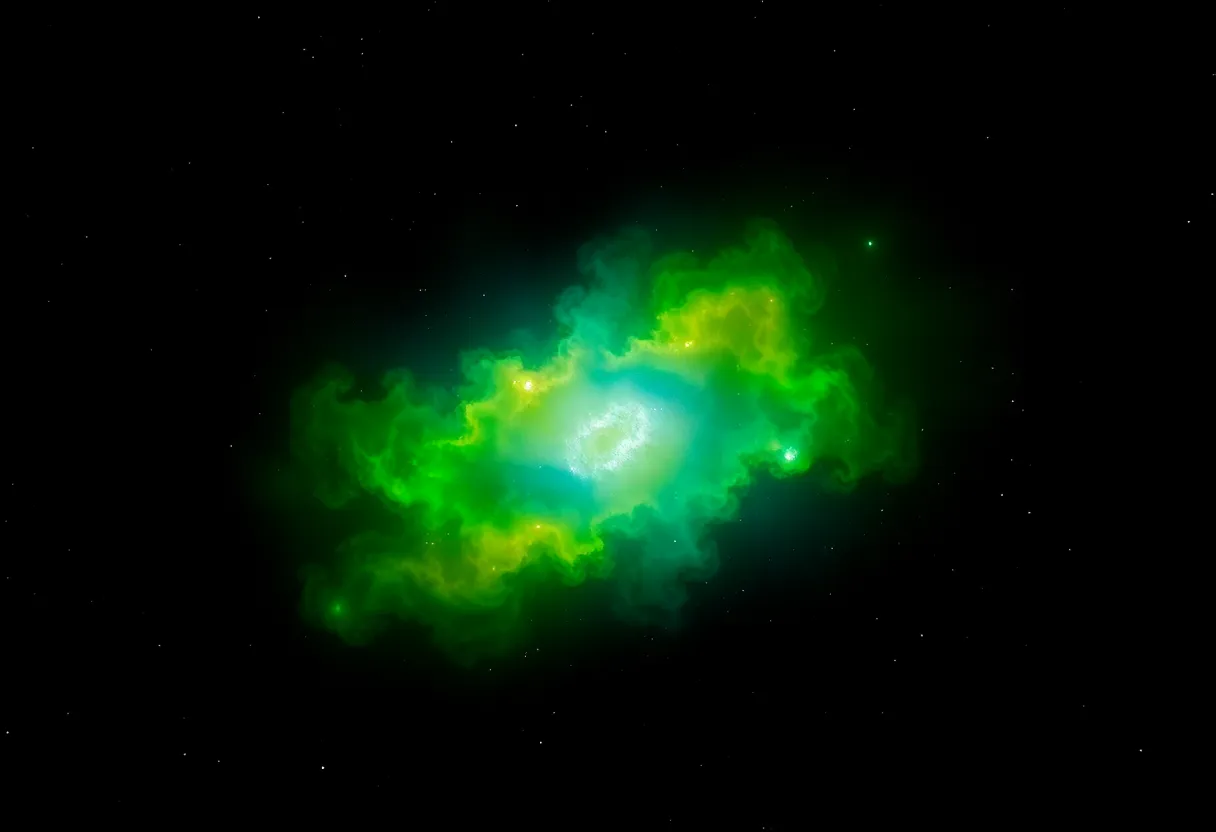
captured using Fujifilm GFX 100S, 110mm f/2 macro, featuring a vibrant depiction of the Crab Nebula in a darkened sky. The colors pop with bright greens and yellows, showcasing the nebula's dynamic energies. Ambient light from nearby stars highlights the intricacies of the gas clouds, creating a soft glow. The shallow depth of field at f/2 isolates the nebula while allowing for gentle bokeh in the background. The composition uses a centered symmetrical approach, emphasizing the stunning formation of the nebula in a vast cosmic expanse.
3:2
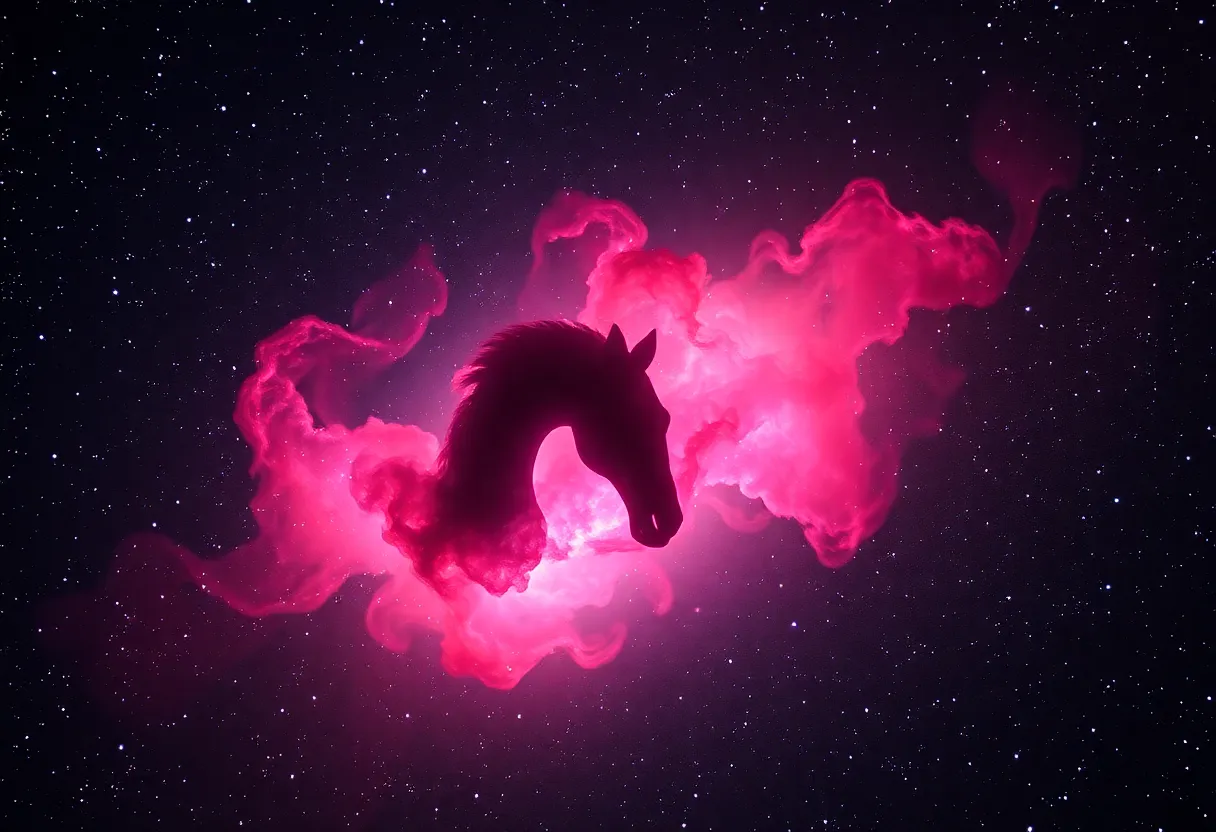
shot on Hasselblad X2D 100C, 90mm f/2.5 medium format, depicting a detailed view of the Horsehead Nebula against a backdrop of scattered stars. The image highlights the contrasting dark silhouette of the Horsehead amidst bright pink and purple gases. Soft backlighting from the surrounding stars creates a delicate glow around the nebula, enhancing its ethereal quality. The hyperfocal distance ensures clarity from foreground to infinity, while the natural muted tones provide realism. The composition centers the Horsehead Nebula, creating a calm yet captivating focal point.
3:2
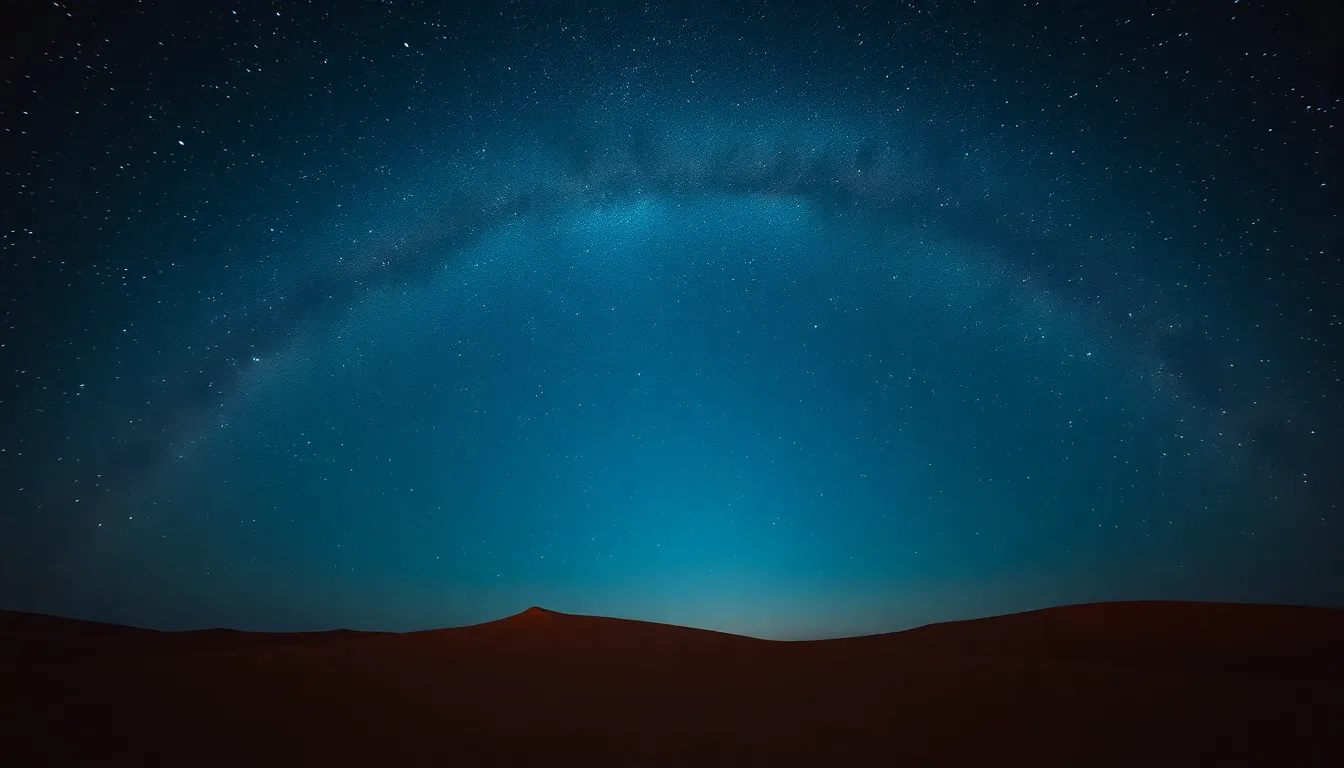
captured with Canon EOS R5, 24-70mm f/2.8L at 35mm during twilight, presenting a wide view of the Milky Way arching over a tranquil desert landscape. The deep indigo sky is dotted with stars, creating a stunning backdrop against the silhouette of desert dunes. The scene is lit by soft ambient twilight, conveying a sense of calm. Utilizing a cinematic teal and orange color grading, the warm desert tones contrast beautifully with the cool night sky. The composition employs a rule of thirds approach, with the Milky Way dominating the upper third of the frame.
16:9
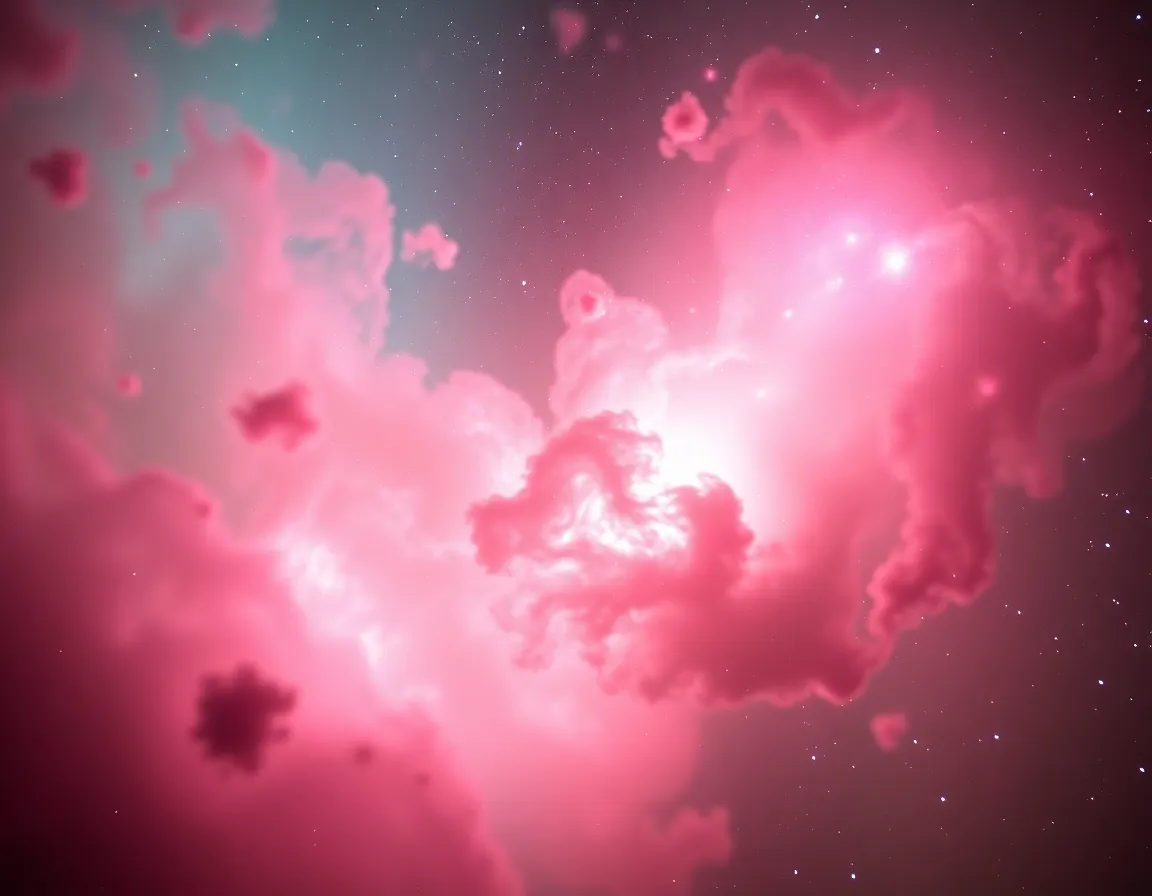
shot on Sony A7R V with 85mm f/1.4 GM lens, illustrating a close-up of the swirling gas and dust of the Orion Nebula. The image captures the nebula’s vibrant colors, with soft pinks and luminous greens blending seamlessly. Lighting from a distant star is scattered through the gas, creating a glowing effect. With a shallow depth of field at f/1.4, the foreground gas textures are crisply defined, while the background smooths into a painterly blur. The composition emphasizes the intricate details of the nebula, framed beautifully in the viewfinder.
4:3
captured with Nikon Z9, 70-200mm f/2.8 telephoto at 135mm during a starlit night, showcasing the majestic Andromeda Galaxy. Backlit by thousands of stars, the scene presents deep navy hues with sparkling white starlight. A shallow depth of field at f/2.8 creates a dreamy background, softening celestial bodies into delicious bokeh. Utilizing a Fujifilm Velvia-inspired palette, vibrant purples and blues contrast beautifully against the inky black sky. Composition centers on the galaxy with leading lines from surrounding stars to draw the eye towards the cosmic spectacle.
16:9