DNA
85 images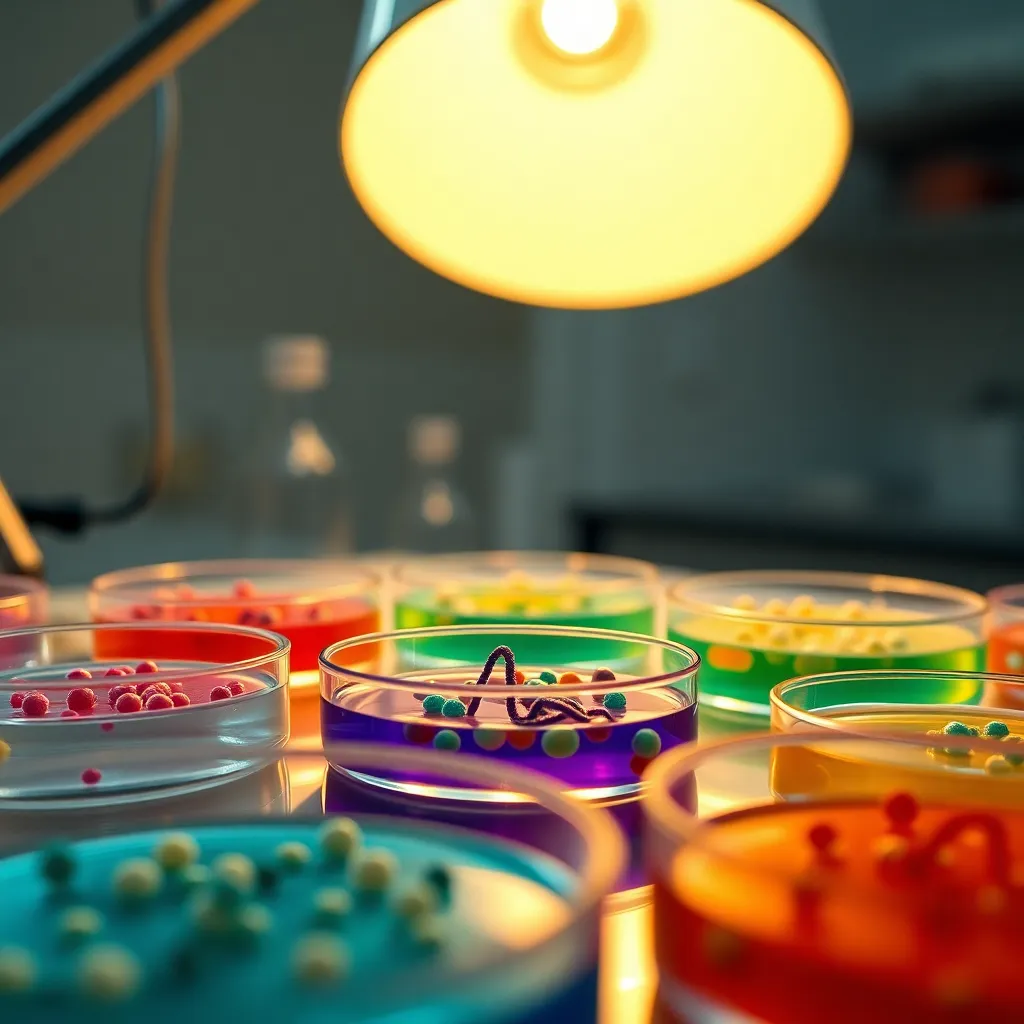
shot on Sony A7R V with 85mm f/1.4 GM lens, featuring a dynamic infographic on DNA sequencing displayed on a modern office wall. The scene is illuminated by soft LED lighting, creating a clean, bright environment. The image uses hyperfocal distance to maintain clarity from foreground to background, ensuring the infographic details are fully sharp. The color palette includes cool blues and crisp whites, reflecting a professional atmosphere. Compositionally, the infographic is centered, framed by sleek office furniture, accentuating a modern scientific setting.
16:9
captured with Hasselblad X2D 100C, 90mm f/2.5 medium format, showcasing an artistic representation of DNA strands made of nature-inspired elements such as leaves and flowers intertwined. The setting is outdoors, illuminated by warm golden hour light, creating soft glows and interesting shadow patterns. Using a shallow depth of field at f/2.5, the strands appear sharp while a creamy bokeh envelops them. The color palette is vibrant with greens, yellows, and soft florals, evoking a sense of harmony. The composition uses leading lines to guide the viewer’s eye along the winding DNA shape formed by nature.
3:4
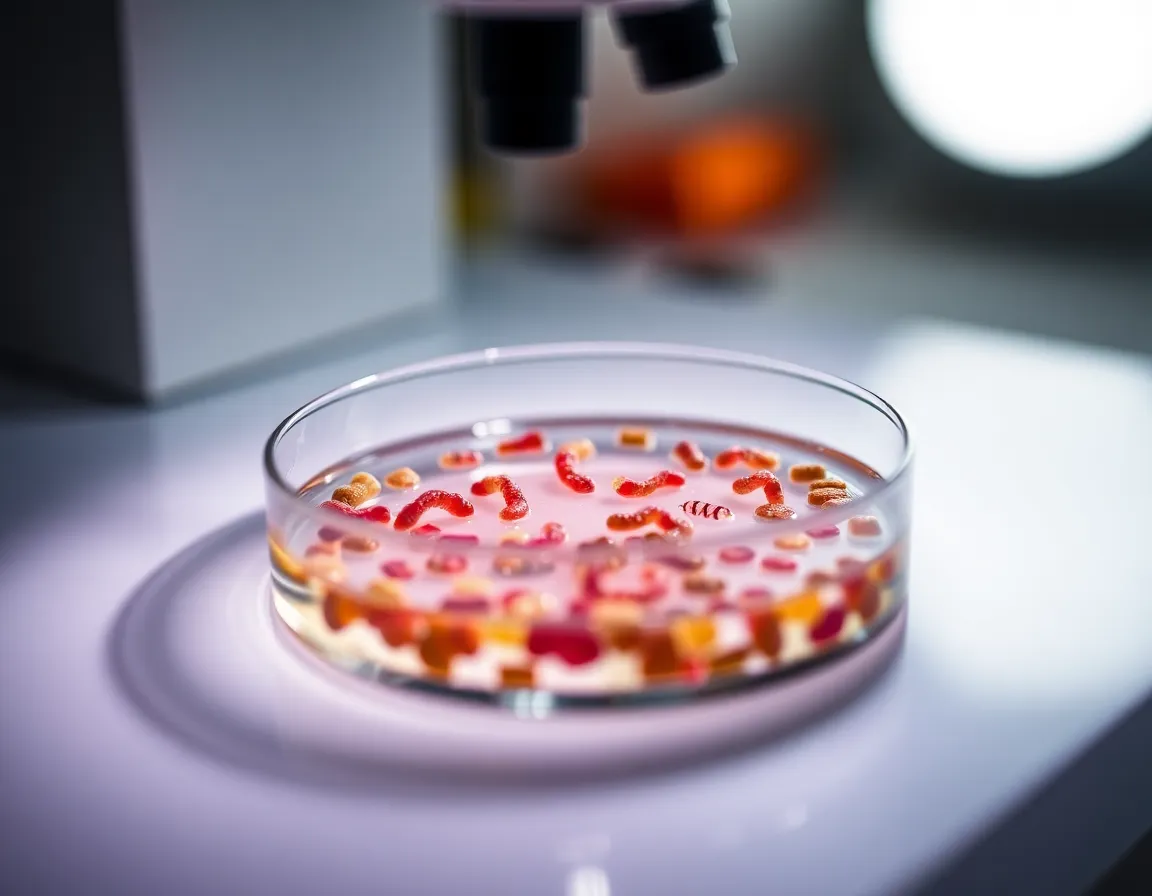
shot on Fujifilm GFX 100S, 110mm f/2 macro, capturing a petri dish containing cultured cells showcasing DNA strands under a microscope. The scene is illuminated by a focused overhead light, which creates dramatic contrast against the glass surface of the dish. Utilizing selective focus on the DNA strands, the background softly melts into pleasing bokeh. The color science leans towards natural muted tones, emphasizing earthy colors of the cultured media. The composition leverages centered symmetry, placing the petri dish at the core, while the texture of the glass and cellular growths adds an intriguing element to the image.
4:3

captured with Canon EOS R5, 24-70mm f/2.8L at 35mm, featuring a close-up of a researcher analyzing DNA sequences on a digital tablet. The environment is illuminated with warm, natural daylight streaming through large windows, creating a soft and welcoming atmosphere. A hyperfocal distance ensures that both the researcher’s intently focused expression and the tablet's colorful graphics remain sharp. The color palette includes earthy tones with highlights of vibrant colors from the tablet screen. The composition emphasizes the subject's face on a slight angle, enhancing the genuine curiosity and dedication evident in their expression.
3:2
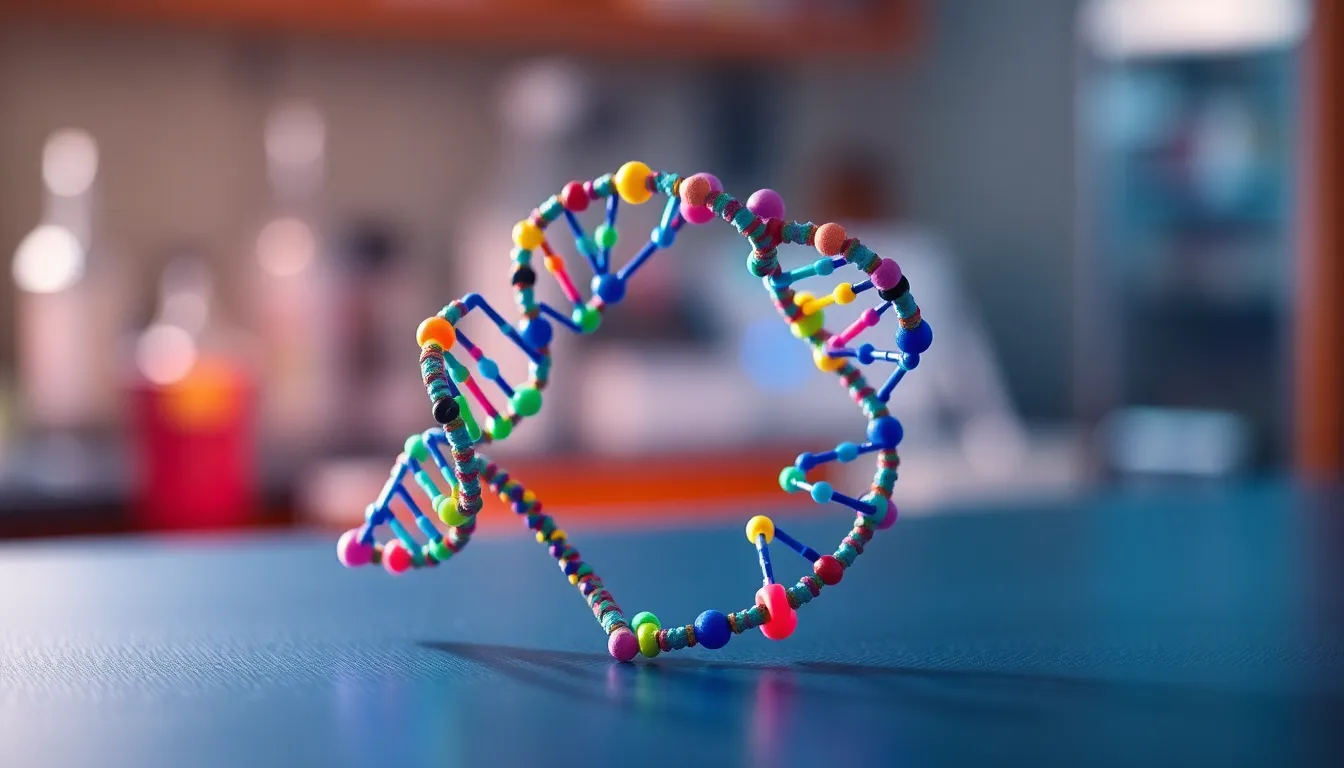
shot on Nikon Z9, 70-200mm f/2.8 telephoto at 135mm, showcasing a DNA double helix model made from colorful molecular structures. The scene is illuminated by soft, diffused studio lighting to ensure even exposure. Using a shallow depth of field at f/2.8, the background gracefully blurs into soft colors, accentuating the intricate details of the DNA strands. The color palette features vibrant blues, greens, and purples, creating a lively atmosphere. Compositionally, the image utilizes the rule of thirds, placing the DNA model at a power point, while the textured surface of the scientific table adds depth and interest.
16:9

Fujifilm GFX 100S, 110mm f/2 macro, utilizing butterfly lighting directly above the subject for a dramatic effect, soft catchlights visible in the eyes of the scientist. The image is shot with a shallow depth of field at f/2, highlighting a female scientist in lab gear holding a digital tablet displaying DNA data against a backdrop of scientific posters. The cinematic teal and orange color grading enhances the mood, while the composition features her centered in the frame, with soft textures of her lab coat rendering beautifully.
16:9

Hasselblad X2D 100C, 90mm f/2.5 medium format, featuring overcast diffused daylight that softens the colors, with hyperfocal distance ensuring everything from foreground to infinity is sharp. The color palette reflects natural muted tones, with a laboratory scene depicted. Researchers are collaborating over a large digital screen displaying DNA sequences and data analysis, set against clean, white lab walls adorned with plants for a touch of nature. The composition captures the interaction between the scientists, emphasizing teamwork and innovation.
16:9
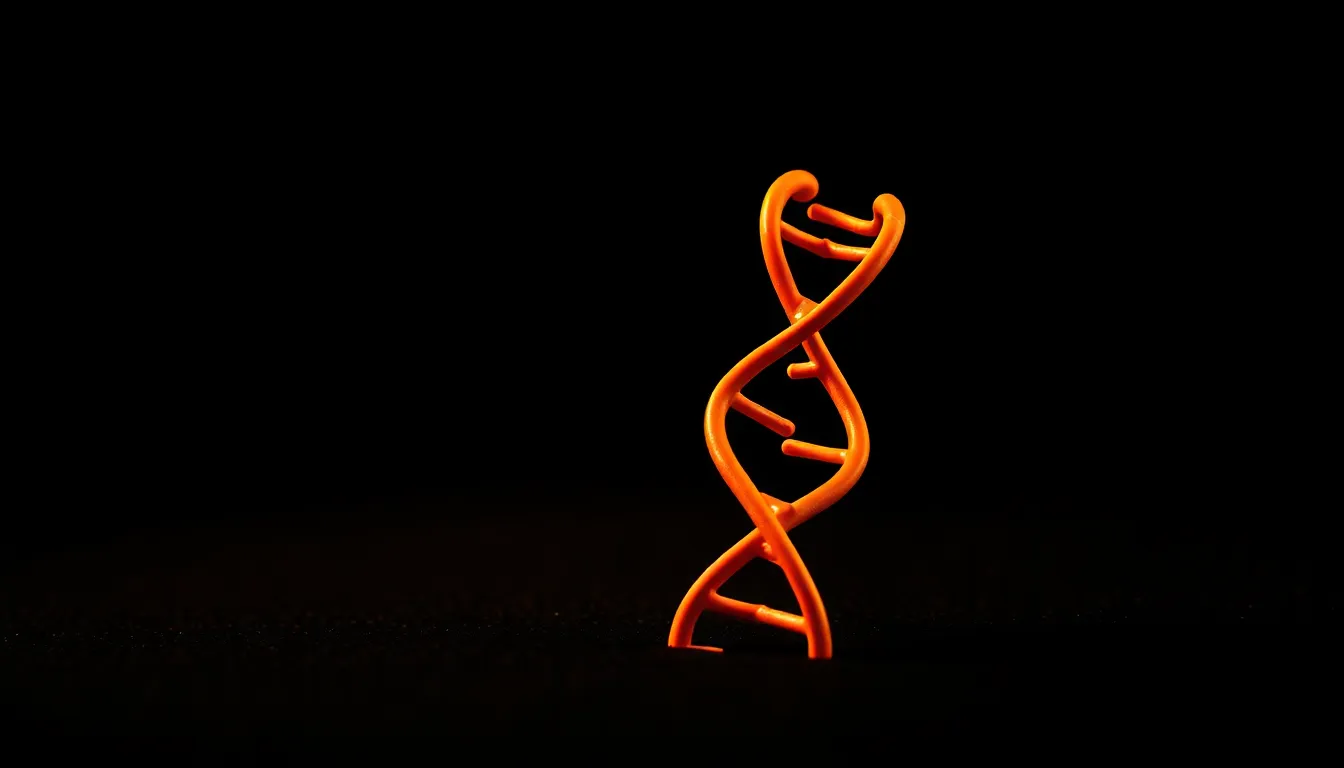
Nikon Z9, 70-200mm f/2.8 telephoto at 135mm, utilizing warm tungsten lighting from an overhead lamp casting directed light on the subject. The image is composed with a shallow depth of field at f/2.8, highlighting a close-up of a DNA strand representation, with vibrant, saturated colors inspired by Kodak Portra 400. The strand stands against a textured black velvet background that offers contrast and depth, while the composition follows leading lines that draw the eye along the curves of the DNA model.
16:9
captured with Canon EOS R5, 24-70mm f/2.8L at 35mm, featuring soft diffused daylight filtering through floor-to-ceiling windows. The image has a hyperfocal distance achieving sharpness from foreground to infinity, with natural muted tones and earth colors throughout. A biologist is seen examining a DNA sequencing machine in a modern lab setting, with sleek stainless steel surfaces reflecting soft light. The composition follows the rule of thirds, placing the subject on the left power point with various lab equipment framing the background.
16:9
shot on Sony A7R V with 85mm f/1.4 GM lens, featuring dramatic Rembrandt lighting with a single softbox at camera left, shallow depth of field at f/1.4 creating creamy bokeh in the background. The image showcases a vibrant teal and orange color palette, with high detail on a human hand delicately holding a glass model of a DNA double helix. The composition is centered with the model slightly off-center to create interest, surrounded by a textured wooden table surface that adds warmth to the overall feel.
16:9
Hasselblad X2D 100C, 90mm f/2.5 medium format, capturing a vibrant outdoor science fair scene where children are engaged in a hands-on DNA experiment. The scene is bathed in golden hour backlight, creating a warm glow around the participants and enhancing the colors of their lab coats. The depth of field is shallow at f/2.5, softening the backgrounds and emphasizing the children’s joy. The color palette features warm yellows, soft greens, and bright pastels. The composition uses leading lines formed by tables and activity areas, drawing the eye into the bustling fair atmosphere. The fabric of the lab coats and the playfulness of the experiment create a tactile experience.
16:9
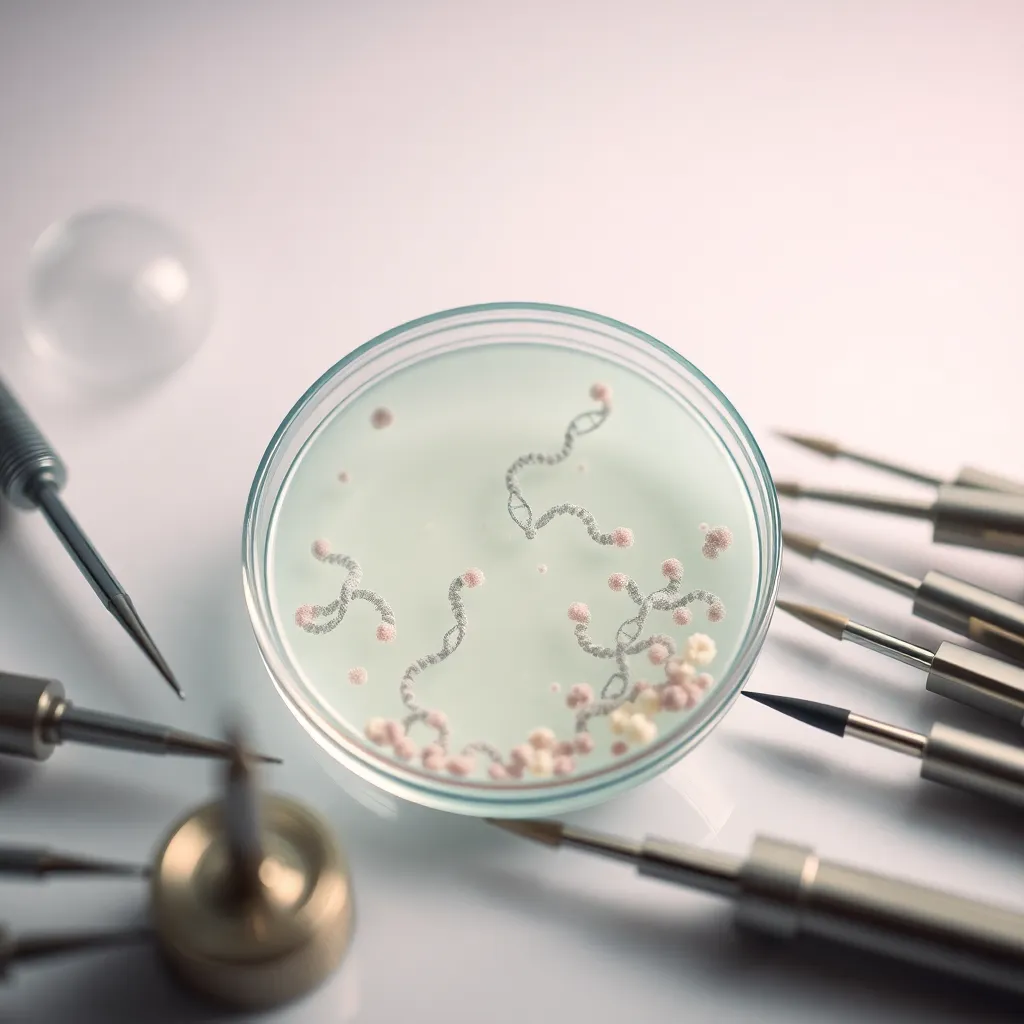
Fujifilm GFX 100S, 110mm f/2 macro, with soft, diffused lighting capturing a petri dish featuring a DNA culture surrounded by scientific instruments. The macro lens allows for exquisite detail, showcasing the texture and subtle coloring of the DNA strands with a shallow depth of field at f/2 creating a dreamy background. The color palette highlights the delicacy of the scene with pastel colors punctuated by the instruments' metallic sheen. The composition is centered, with the petri dish taking up the majority of the frame while featuring carefully arranged instruments around it to create interest. Textural details include the smooth glass of the petri dish and the finely rendered instruments.
1:1
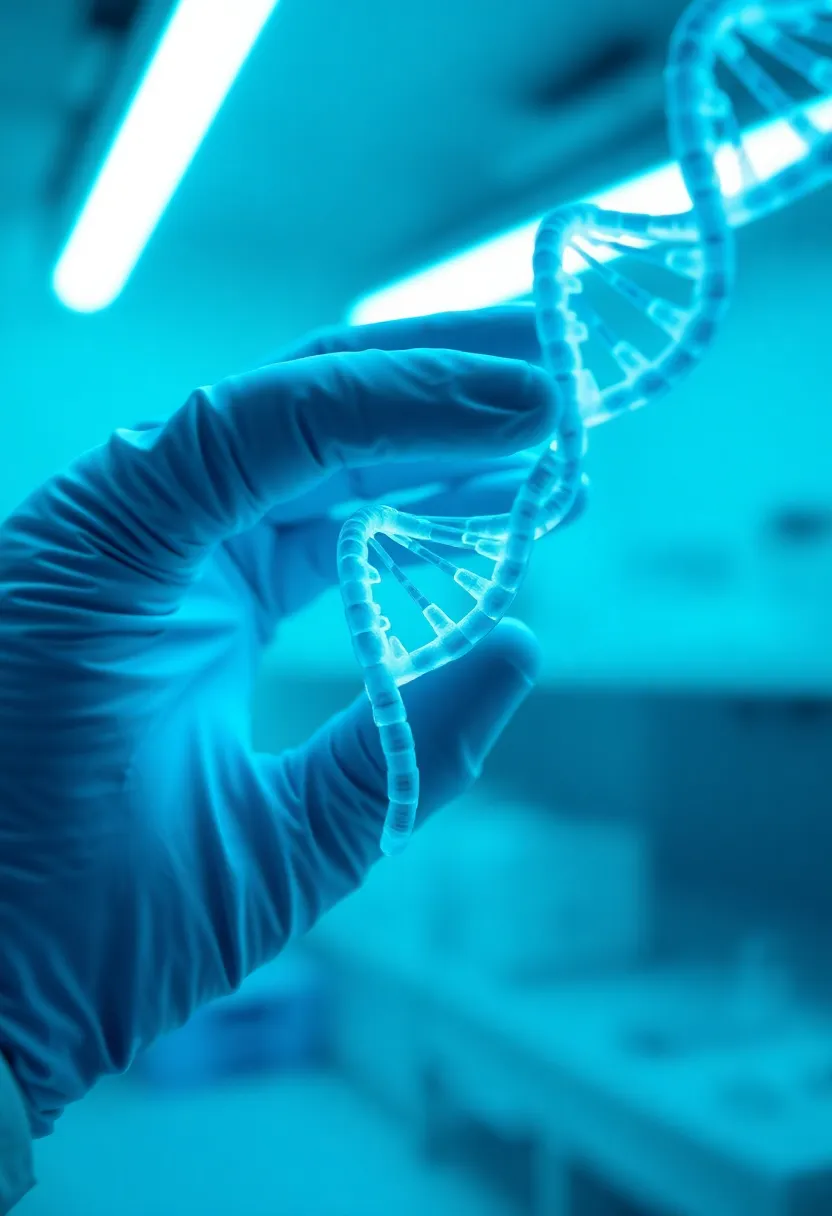
Nikon Z9, 70-200mm f/2.8 telephoto at 150mm, capturing a close-up of a researcher’s hand manipulating strands of DNA in a laboratory setting. The image is illuminated with bright fluorescent lighting that creates a clinical atmosphere, showcasing every detail of the DNA strands with hyperfocal distance for sharpness. The color palette exhibits cool blues and greens, typical of a scientific lab. The composition utilizes leading lines formed by the DNA strands, directing the viewer’s eye towards the focus point. The texture of the lab gloves and the glossy surfaces of the DNA provide a tactile quality to the image.
2:3

shot on Sony A7R V with 85mm f/1.4 GM lens, showcasing a scientist in a lab coat examining a DNA sequencer under natural diffused daylight from a large window. The scene captures the concentration on the scientist's face as well as the intricate details of the lab equipment with a shallow depth of field at f/1.4, giving a creamy bokeh effect in the background. The color palette features soft whites and greens with warm tones from the sunlight. The composition includes the scientist positioned towards the right third of the frame, while the sequencer occupies the left. The texture of the lab coat and the metallic surfaces of the equipment add to the realism.
3:4
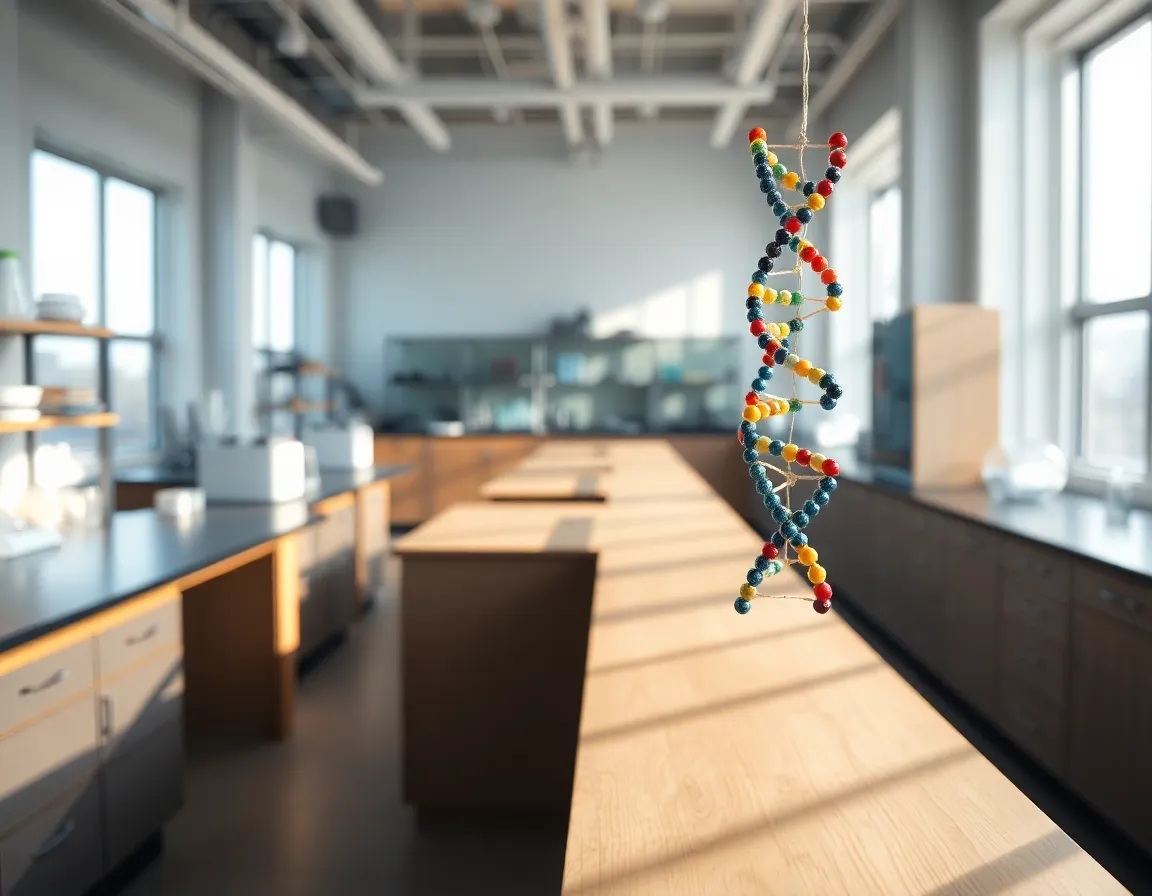
captured with Canon EOS R5, 24-70mm f/2.8L at 50mm, featuring dramatic overhead lighting with a softbox creating highlights on the subject. The scene showcases a double helix DNA model made of colorful glass against a sleek black background with a shallow depth of field at f/2.8, rendering the DNA strands sharp and the background beautifully blurred. The color palette includes vibrant reds, blues, and greens reflecting off the glass surfaces. The composition follows the rule of thirds, positioning the DNA model off-center for visual interest. The surface texture of the glass reveals intricate details and reflections, enhancing the scientific focus of the image.
16:9

shot on Leica Q3, 28mm f/1.7 Summilux, featuring a scientist in a lab setting gazing at a holographic DNA model projected in front of him. Soft, diffused daylight from overhead LEDs creates a warm environment. Shallow depth of field at f/1.7 focuses on the scientist's expression of curiosity, blurring the background lab equipment into a soft wash of colors. The warm color palette creates an inviting atmosphere, while the composition uses the rule of thirds, placing the hologram at one power point for visual interest.
2:3
captured with Hasselblad X2D 100C, 90mm f/2.5 medium format, depicting an artistic visualization of DNA double helix with a backdrop of swirling colors representing genetic data analysis. Studio lighting with two softboxes creates even, professional illumination, emphasizing the texture of each strand. The color palette is vibrant, featuring hues of blue, green, and gold. The composition uses symmetrical arrangement, drawing the eye along the twisting forms of the DNA helix, capturing the essence of life and innovation.
16:9
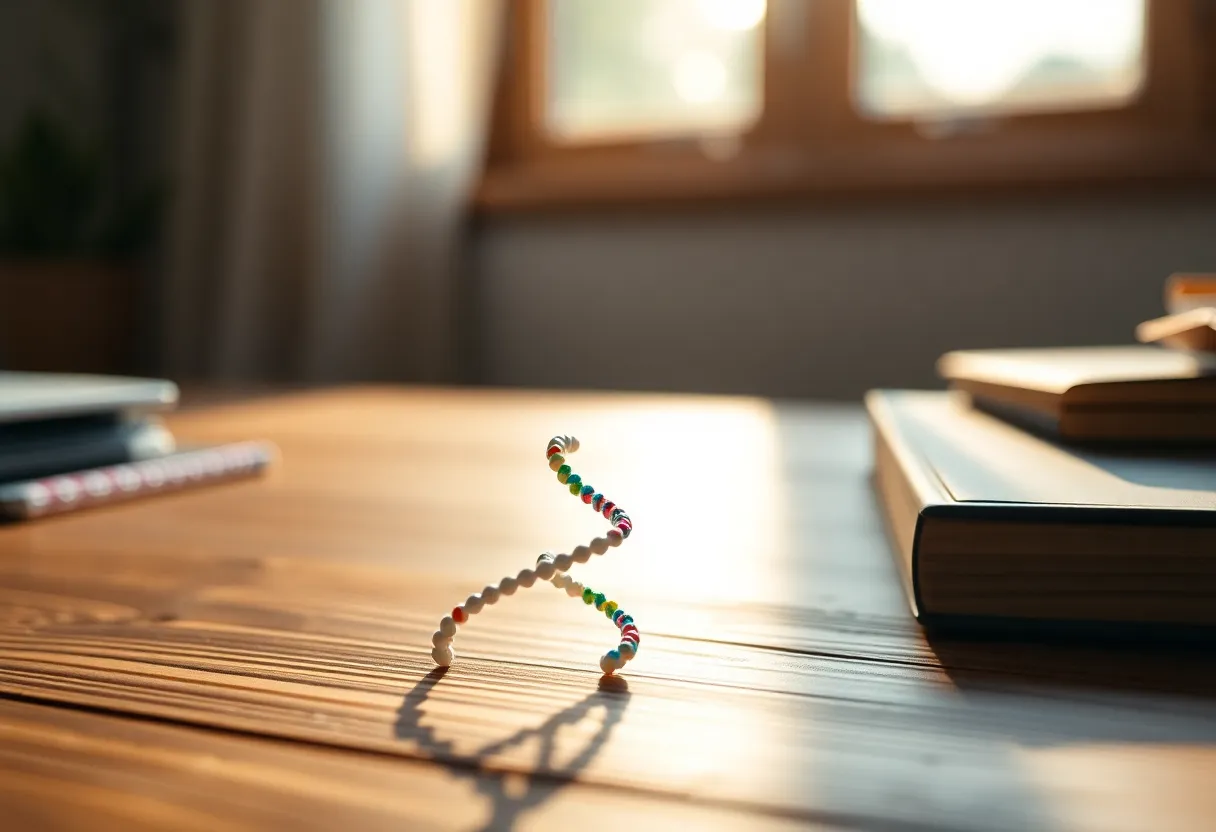
shot on Fujifilm GFX 100S, 110mm f/2 macro, featuring a 3D printed DNA molecule on a wooden desk. Soft, natural daylight pours through a window, creating a warm glow that highlights the intricate details of the model. Shallow depth of field at f/2 with a creamy bokeh enhances the focus on the DNA structure surrounded by subtle textures of the desk. The color palette includes earthy tones with hints of vivid color on the printed model. The composition follows the rule of thirds, placing the DNA model off-center for a modern artistic touch.
3:2
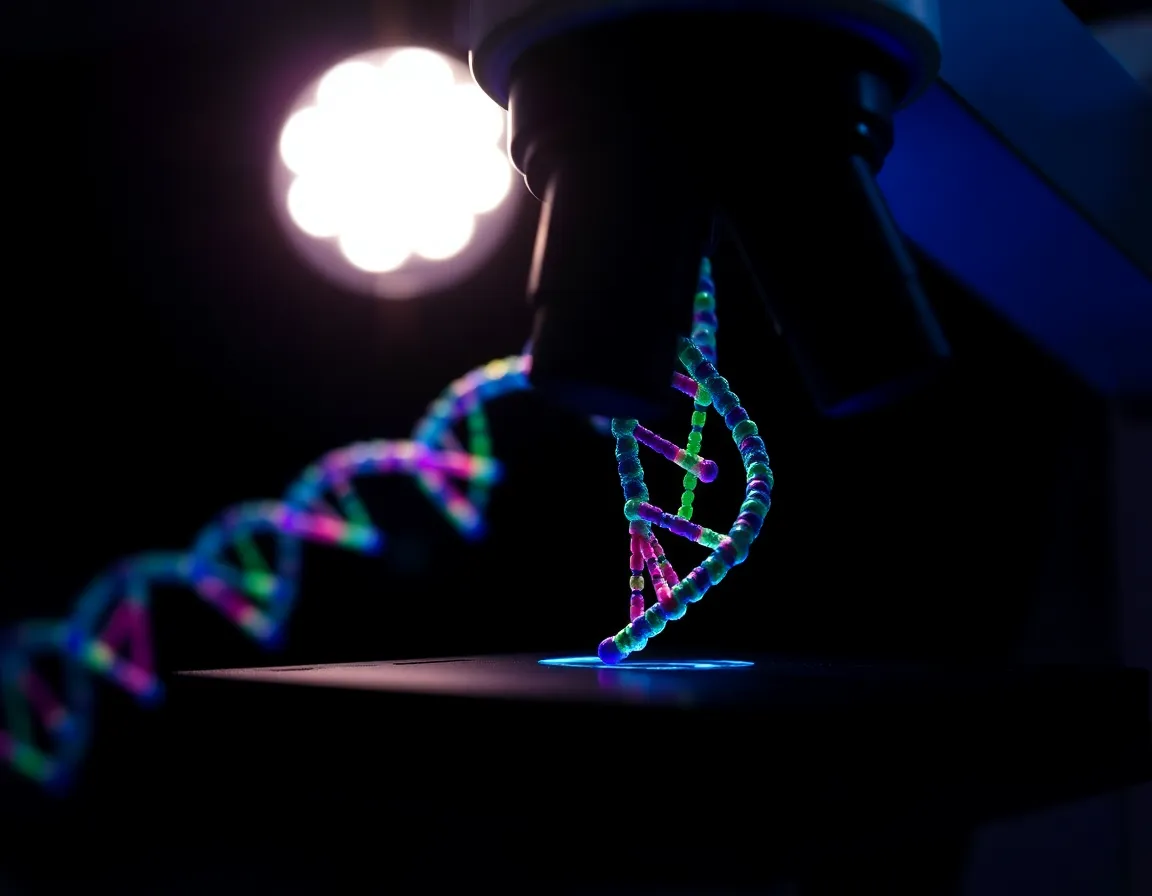
captured with Nikon Z9, 70-200mm f/2.8 telephoto at 100mm, showcasing a close-up of colorful DNA strands under a microscope in a dark room lit by a single overhead LED light. Moderate depth of field at f/4 focuses on the intricate details of the DNA structure while softening the background shadows. The vibrant color palette features deep blues, purples, and greens that pop against the dark surroundings. The composition centers on the microscope stage with a slight angle for dynamic appeal, emphasizing the beauty of the science.
4:3
shot on Canon EOS R5, 24-70mm f/2.8L at 50mm with dramatic backlighting through a glass lab window, highlighting a scientist in a white lab coat examining a DNA helix model. Shallow depth of field at f/2.8 creates a soft bokeh of laboratory equipment in the background. The image features a cool color palette with hints of vibrant blue and green reflecting off the glass. The composition uses leading lines with the lab bench drawing the eye to the scientist, surrounded by sleek stainless steel surfaces and vivid plastic models.
16:9

shot on Leica Q3, 28mm f/1.7 Summilux, during a twilight setting with the last rays of sunlight creating a dramatic silhouette effect against a lab backdrop, butterfly lighting highlighting the subject's face, shallow depth of field at f/1.7, natural muted tones with desaturated earth colors creating a contemplative mood, composition centers on a researcher observing a DNA strand with soft shadows playing across their features.
16:9
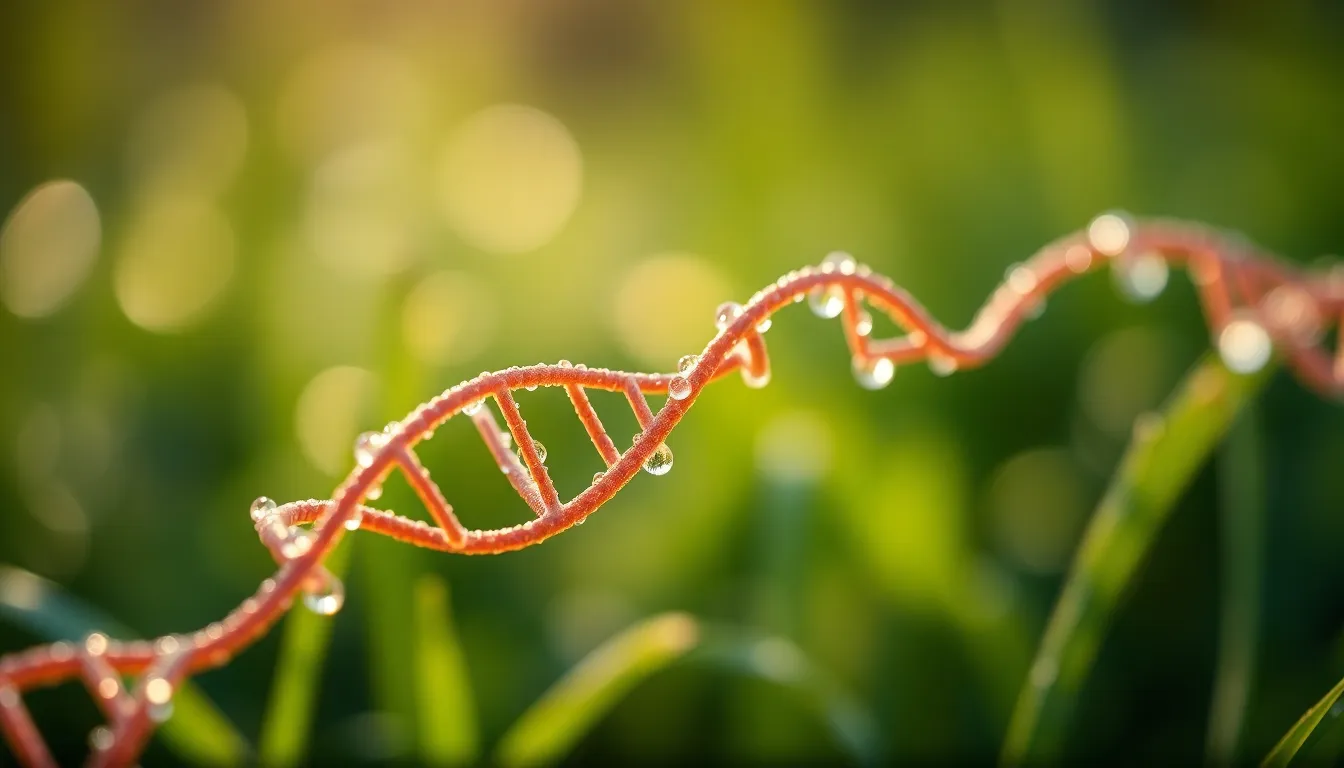
captured with Fujifilm GFX 100S, 110mm f/2 macro, during early morning with soft diffused sunlight creating gentle highlights on the surface, selective focus on the DNA strands with background melting into soft painterly bokeh, Kodak Portra 400 color palette providing warm skin tones and creamy highlights, composition emphasizes the natural beauty of the strands set against a lush green backdrop with dew droplets catching the light.
16:9
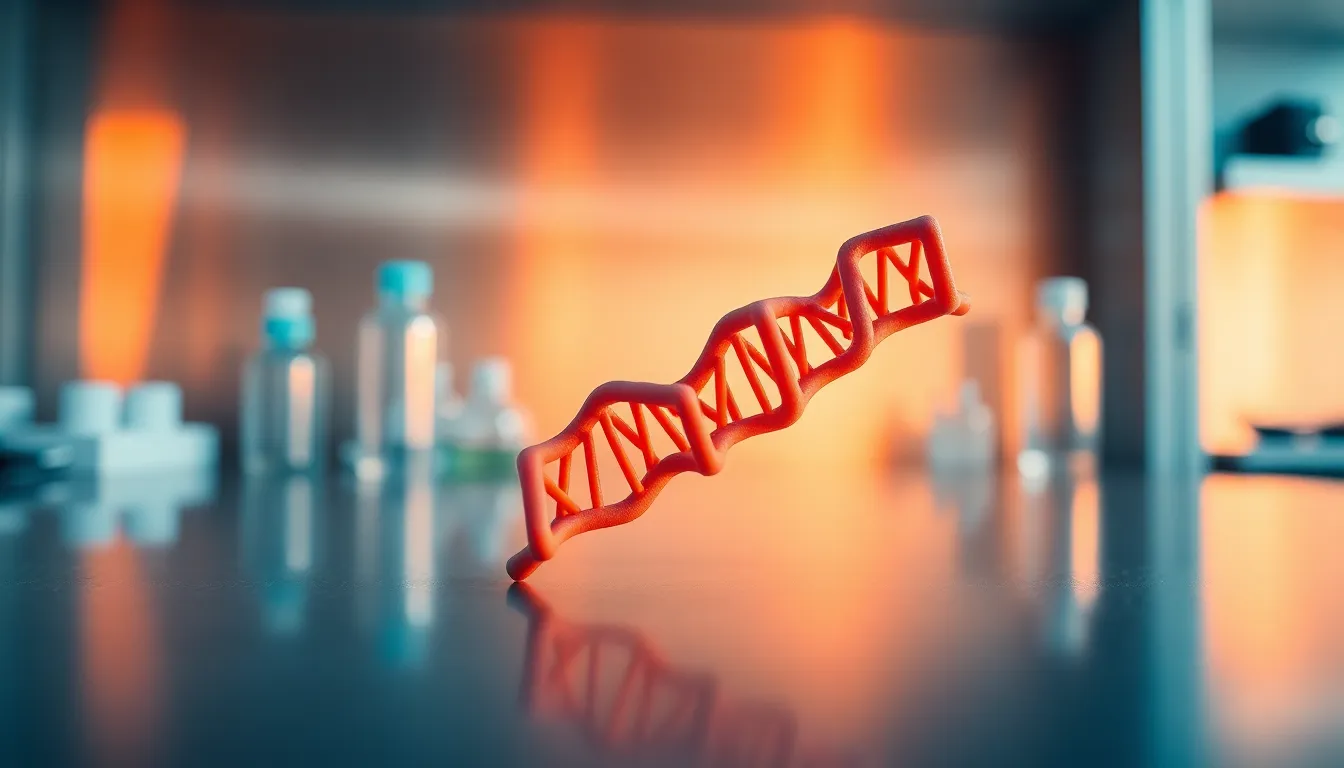
shot on Hasselblad X2D 100C, 90mm f/2.5 medium format, using warm ambient natural light filtering through large windows creating a soft glow, shallow depth of field at f/2.5 isolating the DNA model in focus, cinematic teal and orange color grading emphasizing the serene ambiance, composition features the DNA strand elegantly positioned on a rustic wooden table with soft shadows enhancing texture details in the wood grain.
16:9
captured with Nikon Z9, 70-200mm f/2.8 telephoto at 135mm, under clinical bright fluorescent lighting that creates sharp shadows, hyperfocal distance ensuring everything from foreground to infinity is tack-sharp at f/8, natural muted tones with desaturated earth colors giving a sterile laboratory feel, composition highlights a scientist observing a DNA sequencing readout on a computer screen, with glass surfaces reflecting the laboratory instruments.
16:9
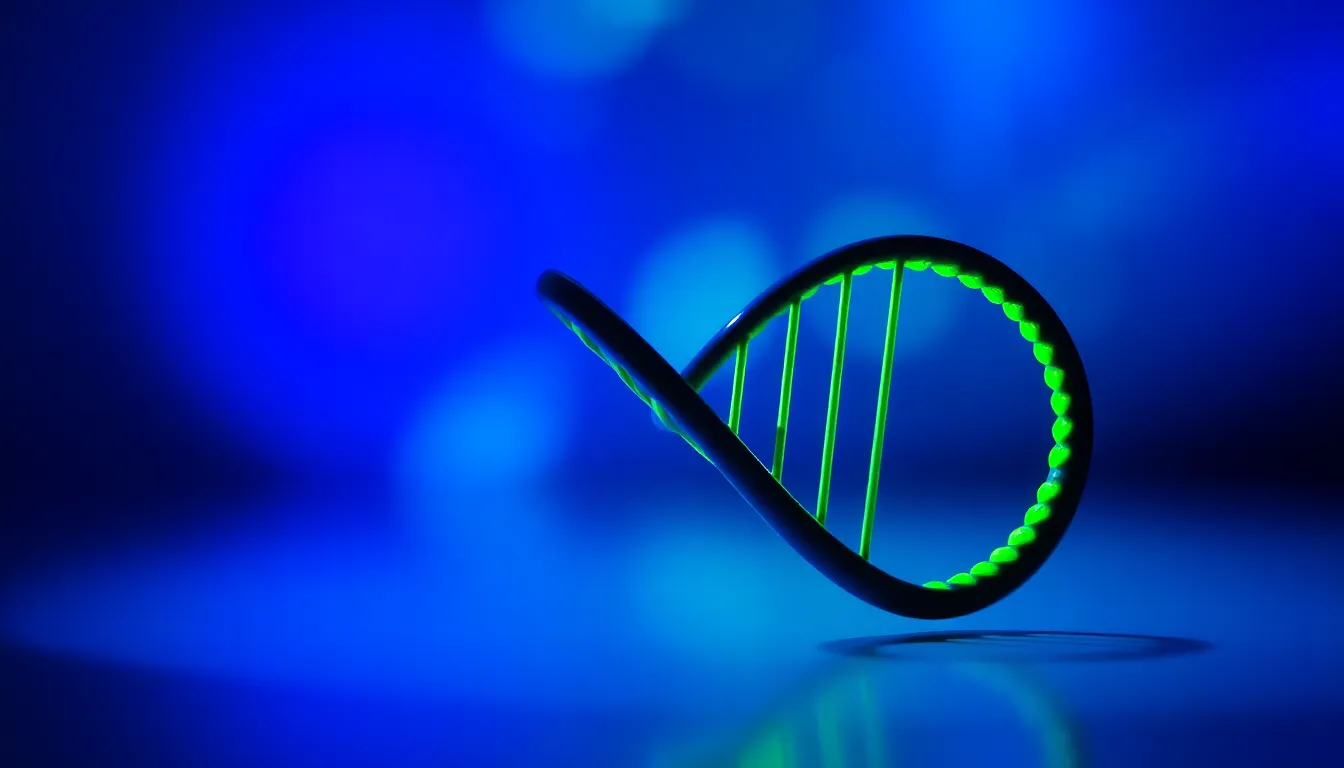
shot on Canon EOS R5, 24-70mm f/2.8L at 50mm, illuminated by dramatic blue and green backlighting creating an ethereal glow around the DNA double helix model, shallow depth of field at f/2.8 with soft bokeh effect emphasizing the helix, Fujifilm Velvia-inspired saturated colors presenting rich blues and greens, composition emphasizes the helix centered in the frame with a slight tilt for dynamic interest, texture includes glossy surface of the model and fine details of the nucleotide bases.
16:9
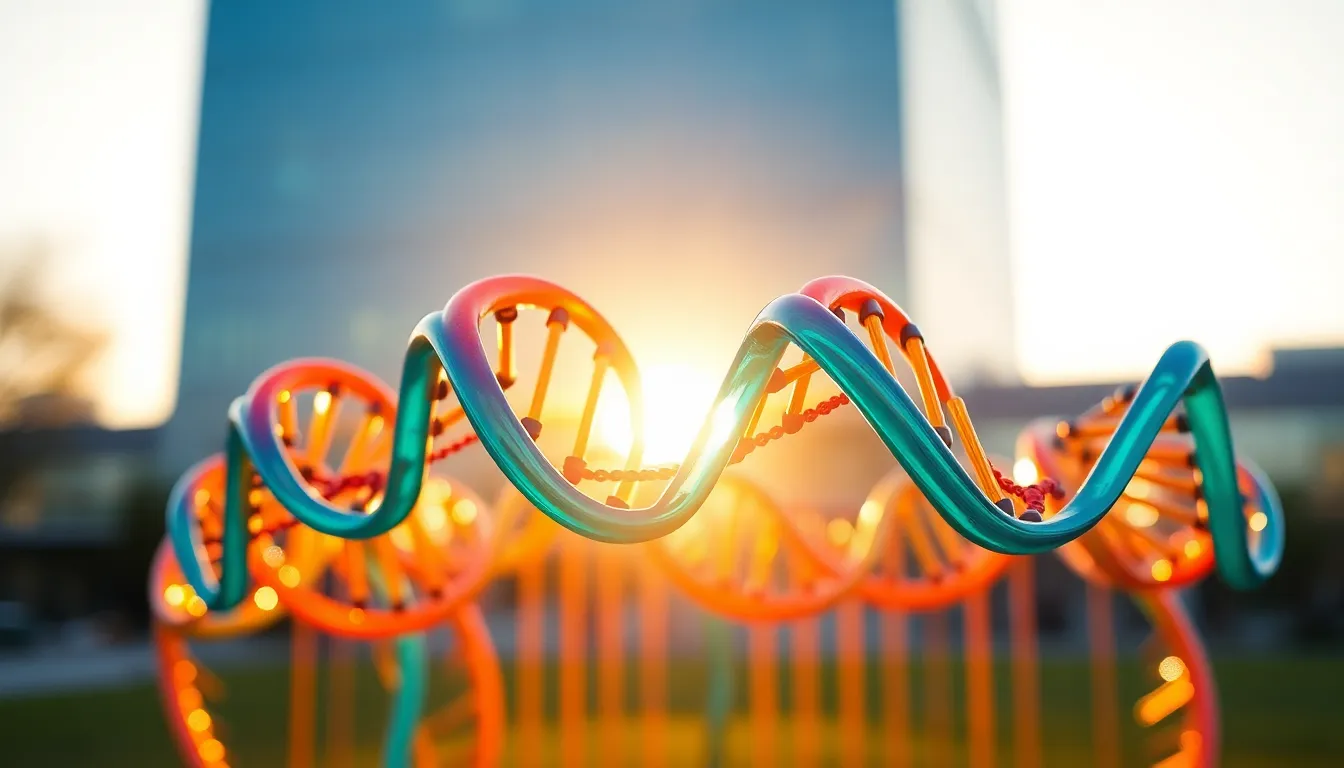
shot on Leica Q3, 28mm f/1.7 Summilux, during the golden hour with backlighting that creates warm rim light around the DNA installation. The scene features a contemporary art installation inspired by DNA structures, made with colorful acrylic tubes and illuminated by the setting sun. The depth of field is shallow at f/1.7, producing a soft bokeh backdrop that enhances the vivid colors of the installation. The color grading draws on cinematic teal and orange hues, creating a striking contrast. The composition is centered, highlighting the installation's dynamic lines and forms against the golden backdrop.
16:9
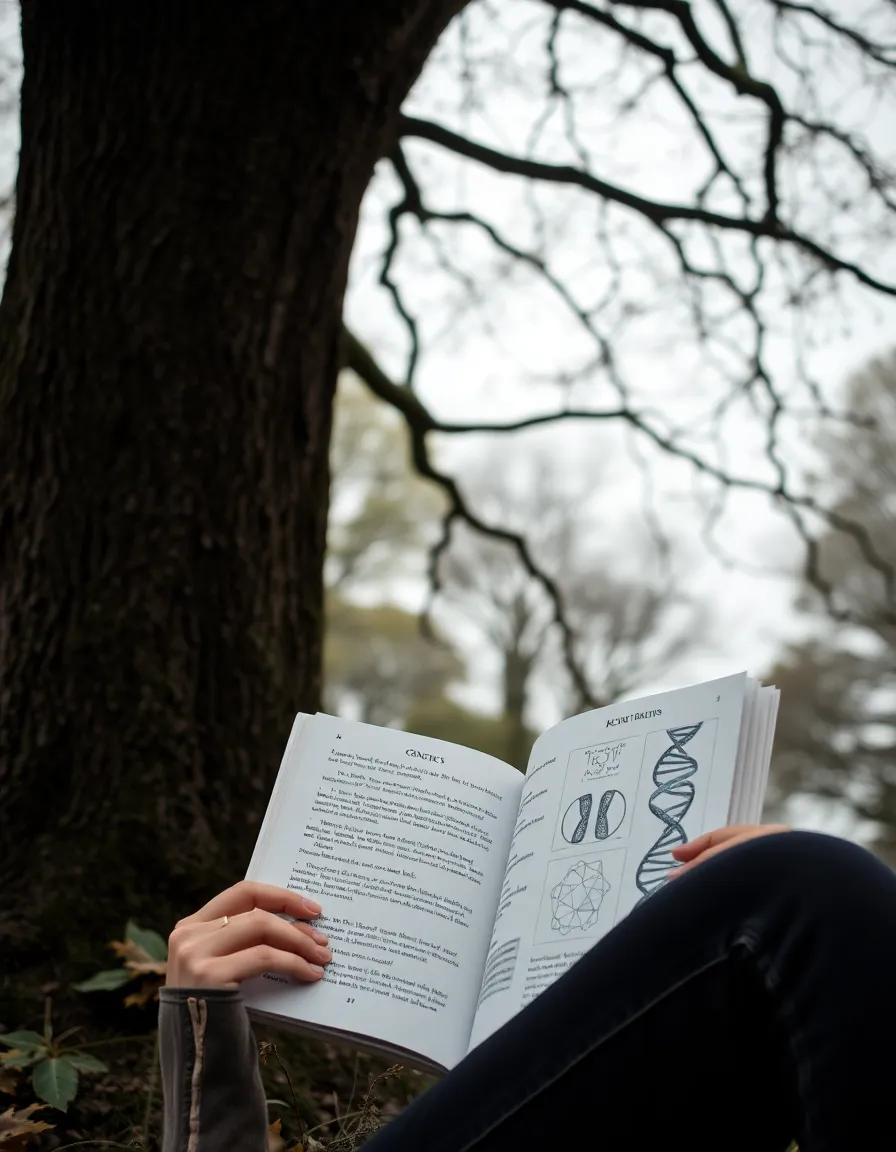
captured with Hasselblad X2D 100C, 90mm f/2.5 medium format, during overcast daylight, which provides a soft, gentle light across a natural scene. The image features a person sitting under a tree, reviewing a book on genetics with a clear view of double helix illustrations. The depth of field is slightly soft at f/4, allowing the subject and book to stand out while the tree background merges into a gentle blur. The color palette utilizes natural muted tones, reflecting a tranquil ambiance. The composition employs leading lines from the tree branches to guide the viewer's eye toward the subject.
3:4
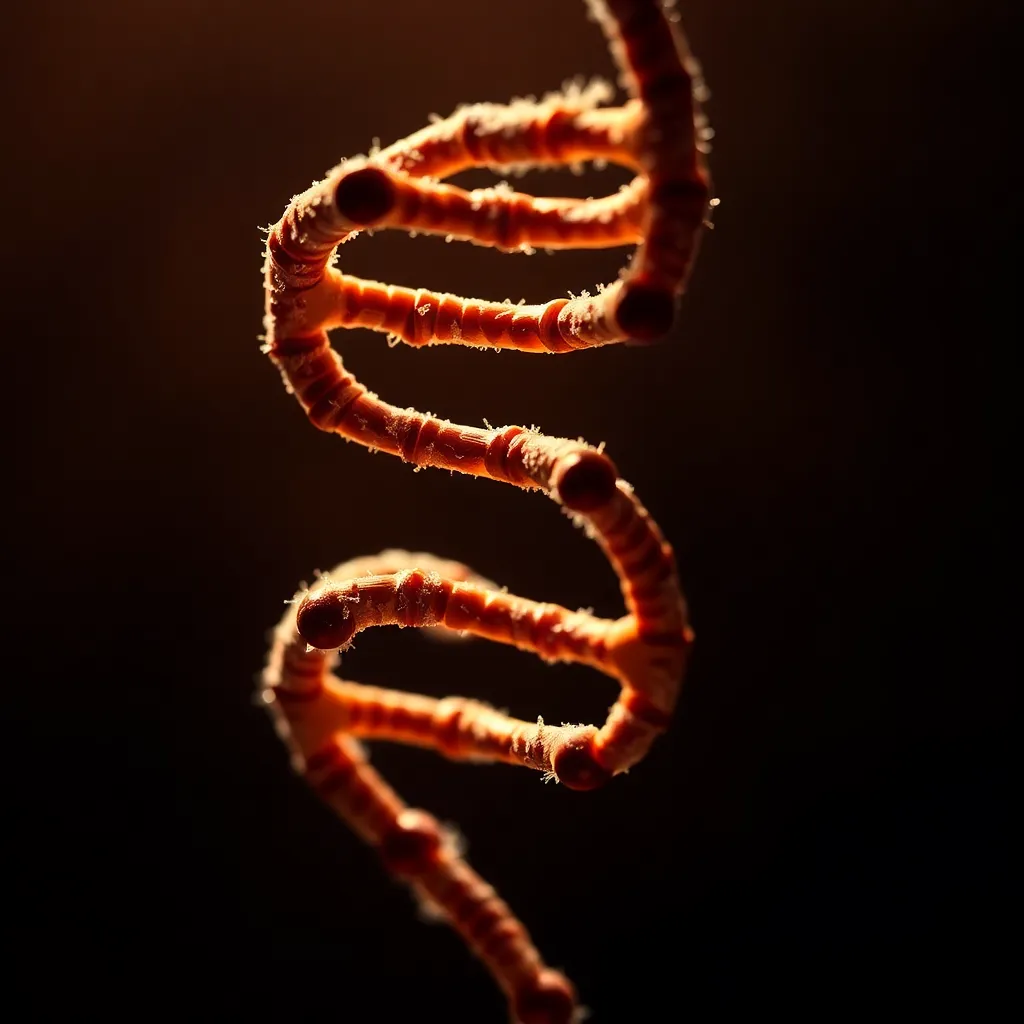
shot on Fujifilm GFX 100S, 110mm f/2 macro, with highly directional studio lighting creating sharp contrasts. The image displays a close-up of a double helix structure made from molecular models, featuring intricate textures and colors. Depth of field is extremely shallow at f/2, providing a creamy bokeh that enhances the central focus on the model. The color science draws inspiration from Kodak Portra 400, giving warm skin tones to the model and a soft, inviting look. The composition is centered, emphasizing the delicate spiral of the DNA strand against a softly blurred background.
1:1
captured with Nikon Z9, 70-200mm f/2.8 telephoto at 135mm, under soft daylight filtering through laboratory windows, creating an inviting atmosphere. The image features a scientist in a lab coat, studying a DNA sequencer, wearing glasses highlighting intense focus. The depth of field is hyperfocal, ensuring clarity across the entire scene. The color palette is natural with muted tones, emphasizing the sterile environment. The composition follows the rule of thirds, with the scientist on one side and the sequencer elegantly framed by laboratory equipment in the background.
3:2
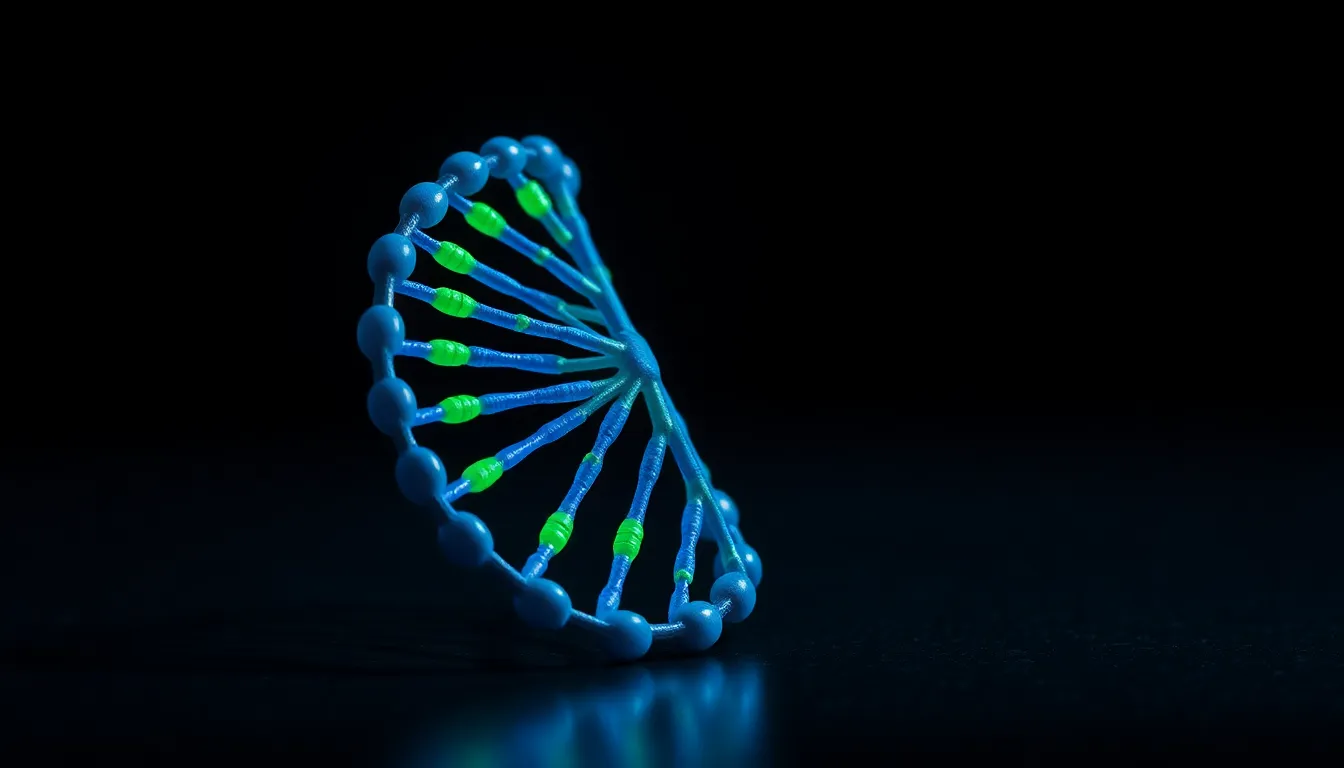
shot on Canon EOS R5, 24-70mm f/2.8L at 50mm, with dramatic underlighting casting dynamic shadows across the surface. The image captures a 3D model of a DNA helix, meticulously detailed with vibrant blue and green colors highlighting each nucleotide. The depth of field is shallow at f/2.8, creating a soft bokeh effect in the background, which features a textured black surface for contrast. Compositionally, the helix is centered with a slight tilt, emphasizing its spiral structure. High-resolution captures all the minuscule surface details, reflecting a glossy finish on each strand.
16:9
shot on Hasselblad X2D 100C, 90mm f/2.5 medium format, illuminated by soft box light creating delicate highlights, hyperfocal distance with everything in focus at f/8, employing cinematic teal and orange color grading for modern aesthetic, composition features a detailed 3D printed DNA structure on a professional lab table, with smooth plastic texture contrasting against a brushed steel background.
16:9
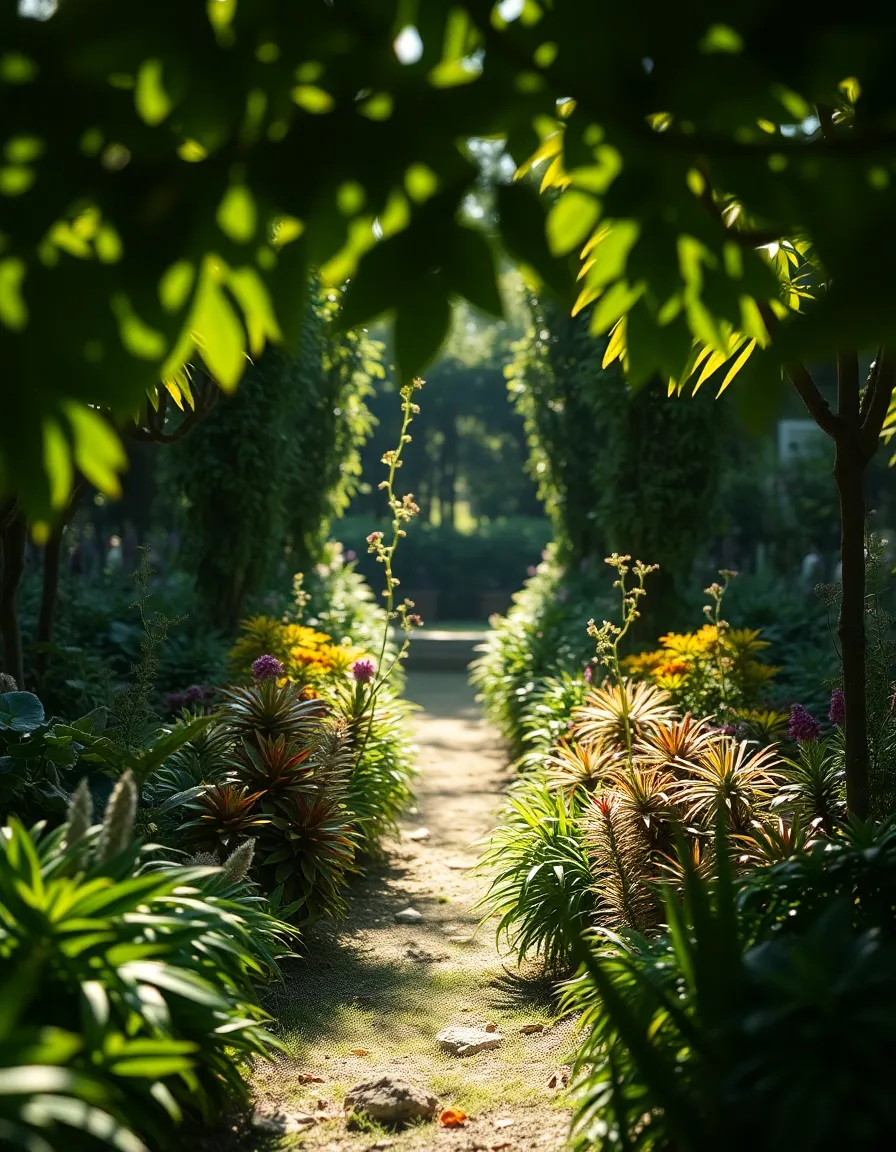
captured with Leica Q3, 28mm f/1.7 Summilux, dappled sunlight filtering through leaves creating a natural spotlight, shallow depth of field at f/1.7 focusing on a vibrant display of plant-based DNA models, employing a natural color palette with muted greens and soft browns, composition featuring leading lines of the garden path guiding the viewer’s eye toward the intriguing models set among colorful flora.
3:4
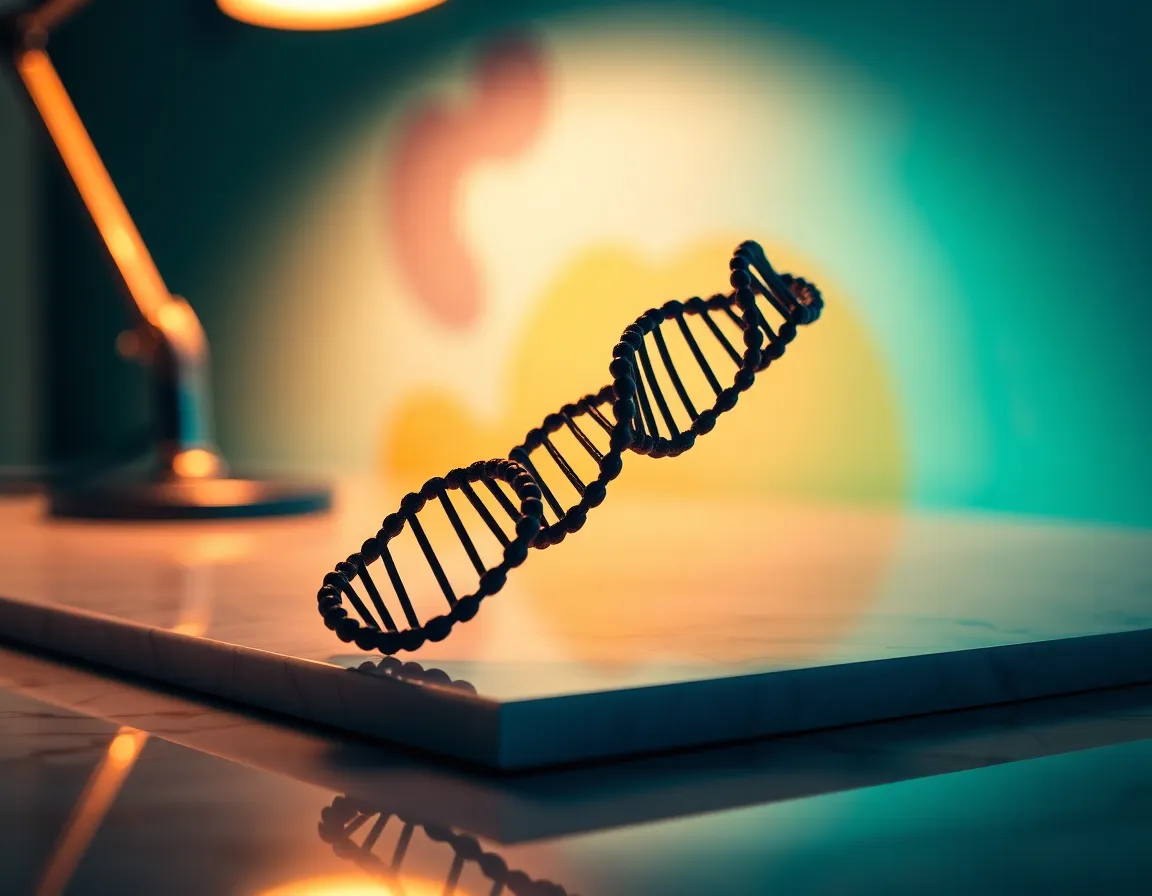
shot on Fujifilm GFX 100S, 110mm f/2 macro, illuminated by warm tungsten desk lamp casting direct light, selective focus on a double helix model with the background softly blurred into painterly shapes, utilizing vibrant, saturated colors inspired by Fujifilm Velvia for deep blues and rich greens, composition includes angled view of the DNA model on sleek marble surface, emphasizing texture of both the model and the backdrop.
4:3
captured with Nikon Z9, 70-200mm f/2.8 telephoto at 135mm, dramatic backlighting creates sharp contrasts against a cloudy sunset sky, hyperfocal distance with everything from foreground to infinity tack-sharp at f/8, employing Kodak Portra 400 color palette for warm tones and creamy highlights, composition featuring a close-up of a scientist's hands manipulating DNA samples in a lab setting with subtle reflections in glassware.
3:2
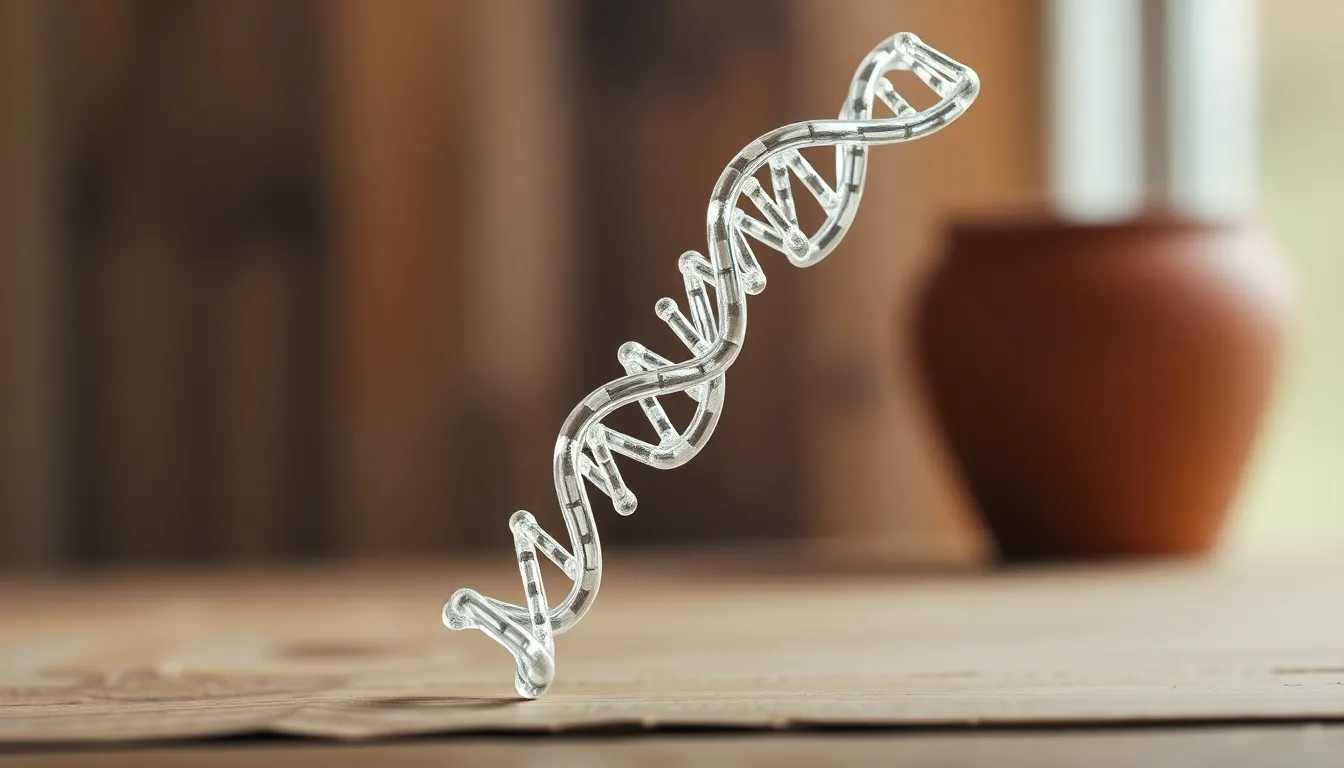
shot on Canon EOS R5, 24-70mm f/2.8L at 35mm, illuminated by soft overcast daylight filtering through glass, shallow depth of field at f/2.8 with a creamy bokeh background, utilizing a natural muted tones color palette with desaturated earth colors, composition centered on an intricate glass model of DNA strands, highlighting the clarity of the glass structure against a textured wooden background.
16:9
captured with Hasselblad X2D 100C, 90mm f/2.5 medium format, presenting an artistic representation of a DNA helix made from translucent materials in a studio setting. The soft box lighting creates a dramatic effect with subtle highlights and deep shadows, enhancing the depth of the structure. The image utilizes a shallow depth of field at f/2.5, focusing on the helix while the background softly blurs away. The color palette features deep blues and rich greens, drawing inspiration from nature. The composition is centered, creating a strong visual impact that emphasizes the beauty of the DNA structure.
1:1

shot on Sony A7R V with 85mm f/1.4 GM lens, capturing a focused researcher using a microscope to study DNA samples, with overcast diffused daylight filtering through the lab windows. The image features hyperfocal distance, keeping everything from the foreground to infinity tack-sharp. The color palette is reminiscent of Kodak Portra 400, with warm skin tones and creamy highlights that lend a human touch to the scientific environment. The composition places the researcher at the left power point, while rich textures of laboratory materials are visible in the scene.
2:3
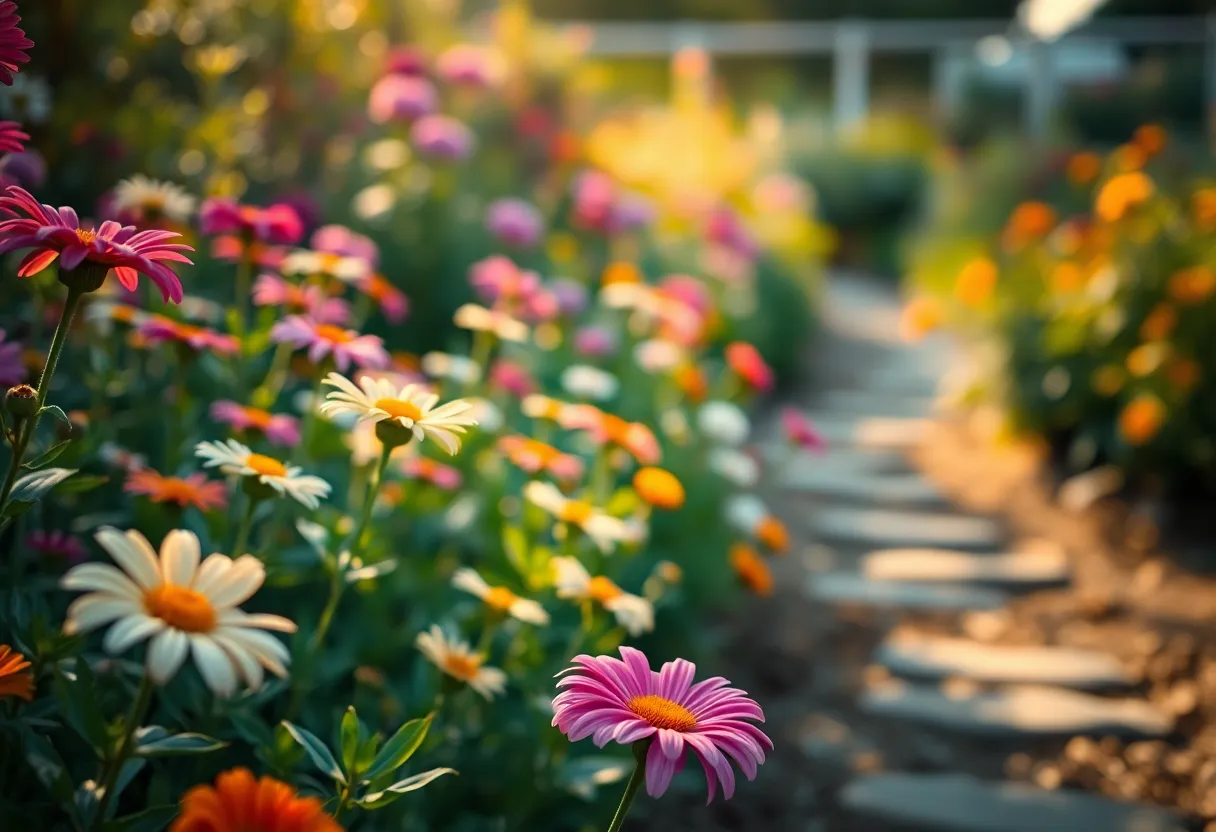
shot on Fujifilm GFX 100S, 110mm f/2 macro, showcasing a vibrant garden with a focus on flora that symbolizes genetic diversity. The scene is bathed in soft morning light, with warm rim light highlighting the edges of flowers. The depth of field is shallow at f/2, creating a creamy bokeh that enhances the colors of the flowers. A natural, muted color palette evokes a sense of calmness, while the composition uses leading lines formed by the garden paths, guiding the viewer's eye through the scene. The texture of the petals is rich and palpable, enhancing the image's tactile quality.
3:2
captured with Nikon Z9, 70-200mm f/2.8 telephoto at 135mm, featuring a close-up shot of illuminated DNA strands against a dark, textured background. The strands are highlighted with a warm tungsten glow, casting soft shadows and enhancing their three-dimensional appearance. This scene employs a shallow depth of field at f/2.8, creating a striking contrast between the subject and the background. The color palette is inspired by the cinematic teal and orange color grading, emphasizing the scientific theme. Compositionally, the DNA strands are centered, providing a powerful focal point for the viewer.
4:3

shot on Canon EOS R5, 24-70mm f/2.8L at 50mm, featuring a laboratory setting with soft, diffused daylight coming through large windows, creating a serene atmosphere. The image captures a scientist examining a DNA structure model with a selective focus on the model's intricate details, while the background gently melts into a soft bokeh. The color palette features natural muted tones with desaturated earth colors, enhancing the professional and academic feel. The composition uses the rule of thirds, with the subject placed at the left power point, and the textured surfaces of lab equipment visible throughout.
16:9
captured with Hasselblad X2D 100C, 90mm f/2.5 medium format, showcasing a digital artwork of a DNA sequence on a large screen in a modern lab. Overcast daylight evenly lights the art, providing natural saturation and clarity. Hyperfocal distance ensures that both the artwork and a researcher analyzing it are in sharp focus, creating a compelling narrative. The color palette features cool tones dominated by blues and whites, with a sleek, minimalistic composition that emphasizes the fusion of technology and biology.
16:9

shot on Sony A7R V with 85mm f/1.4 GM lens, in an outdoor setting during golden hour with warm backlighting creating a soft rim light around a researcher holding a DNA model. Selective focus on the subject's expressive face captures the excitement of scientific discovery, while a creamy bokeh blurs the surrounding greenery. The soft, warm color palette enhances the emotional warmth of the scene. The composition employs a diagonal angle that conveys dynamism and engagement with the environment.
9:16
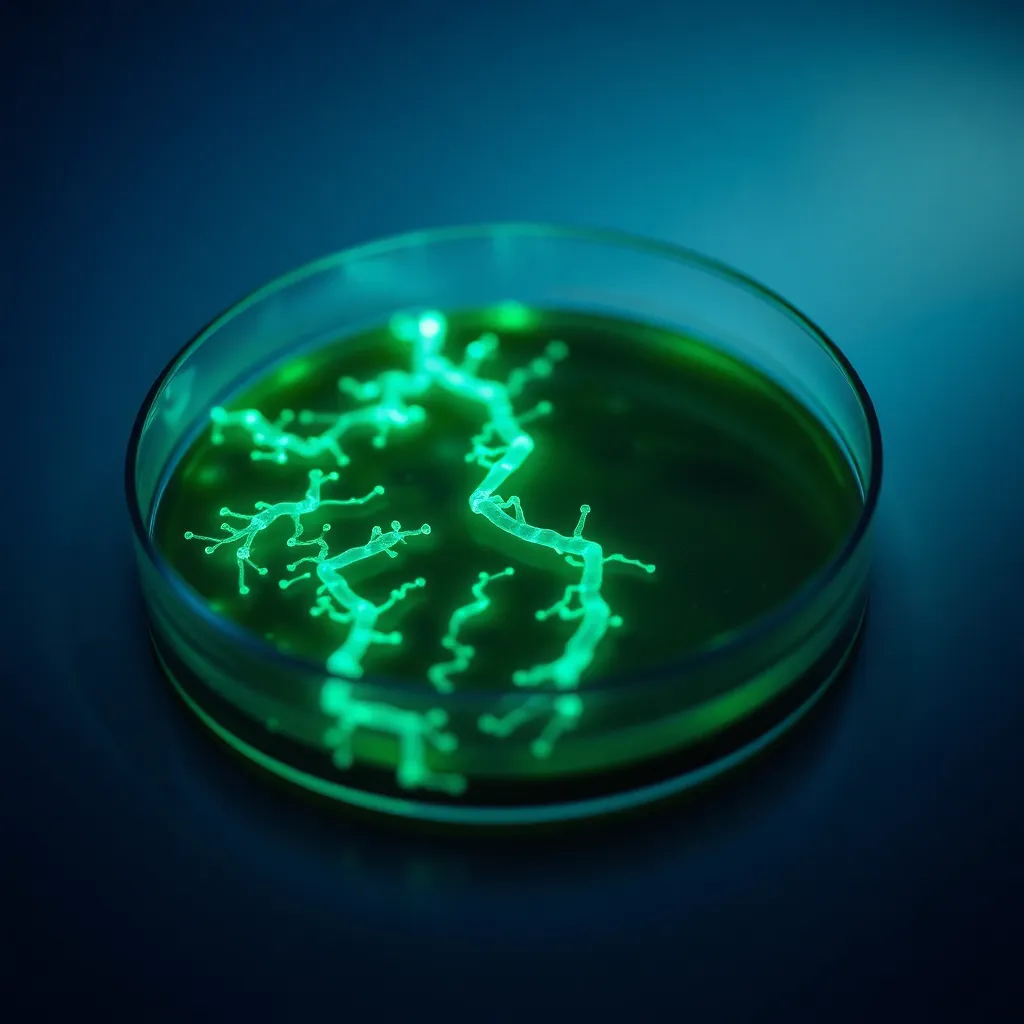
photographed with Fujifilm GFX 100S, 110mm f/2 macro lens, using a three-point studio lighting setup with key softbox illuminating from the right. The shallow depth of field at f/2 creates a soft bokeh effect that draws attention to a petri dish filled with glowing bioluminescent bacteria that resemble DNA strands. The color science employs a vibrant palette of greens and blues, evoking a sense of discovery and wonder. The leading lines of the petri dish's circular edge guide the viewer's eye towards the captivating microorganisms.
1:1

captured with Canon EOS R5, 24-70mm f/2.8L at 35mm, using natural diffused daylight streaming through a laboratory window. Hyperfocal distance ensures everything from the foreground to infinity is tack sharp, revealing intricate details of an open genetics textbook with a DNA strand diagram. The color palette features serene earth tones, with muted greens and browns. The composition follows the rule of thirds, placing the book slightly off-center amidst a backdrop of lab equipment, emphasizing a scholarly environment.
3:2
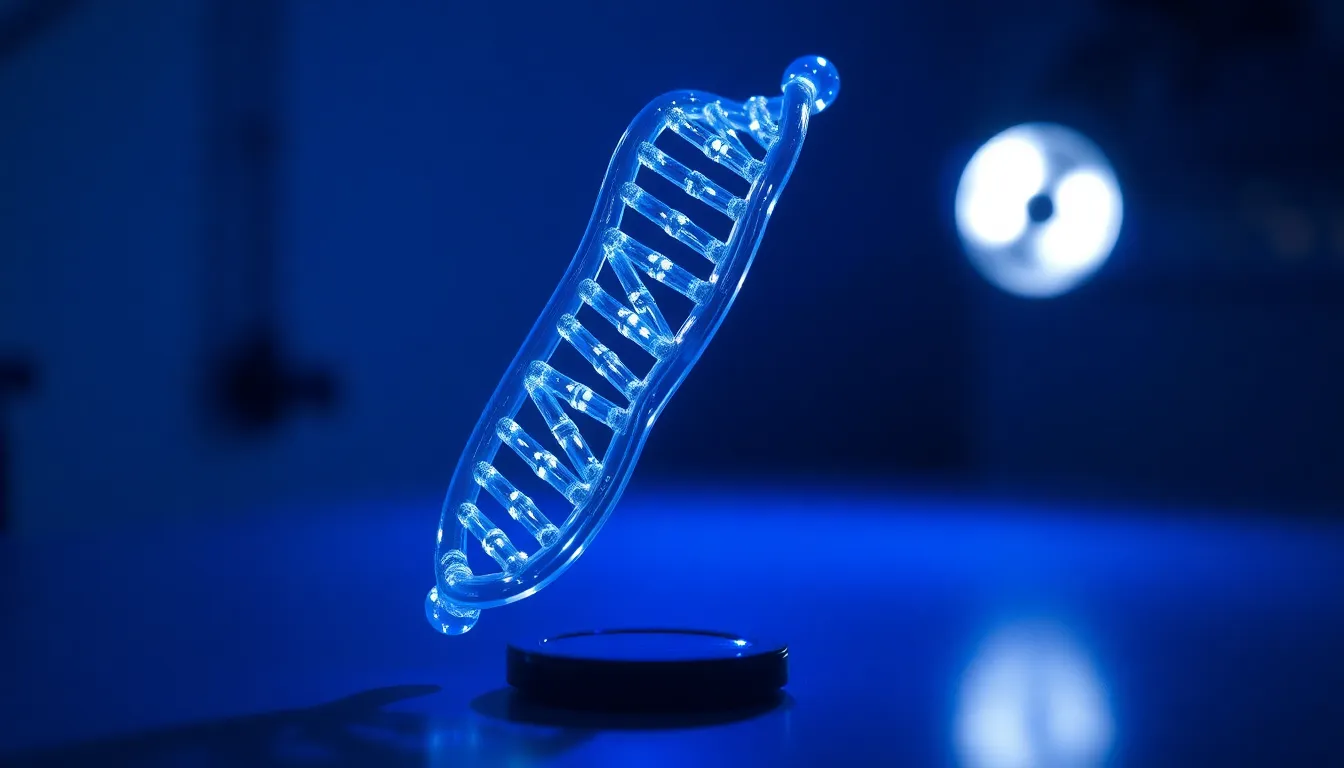
shot on Nikon Z9, 70-200mm f/2.8 telephoto at 135mm, illuminated with dramatic side lighting from a laboratory lamp with a cool blue filter. Shallow depth of field at f/2.8 creates a dreamy bokeh effect, emphasizing a 3D double helix model composed of clear acrylic with intricate internal structures. The color palette is dominated by deep blues and luminous whites, mimicking the molecular world. Centered symmetrical composition enhances the elegance of the DNA structure, while the smooth transparent surface reflects the lamp's glow, adding a scientific ambiance.
16:9

Leica Q3, 28mm f/1.7 Summilux, featuring a stunning overhead view of a scientist examining DNA sequences on a laptop surrounded by open textbooks and molecular models, illuminated with soft natural light from a nearby window, shallow depth of field at f/1.7 creating a creamy bokeh effect, Fujifilm Velvia-inspired colors to enhance the vibrancy of the scene, composition incorporates elements of leading lines from the textbooks pointing towards the laptop for dynamic engagement.
3:2
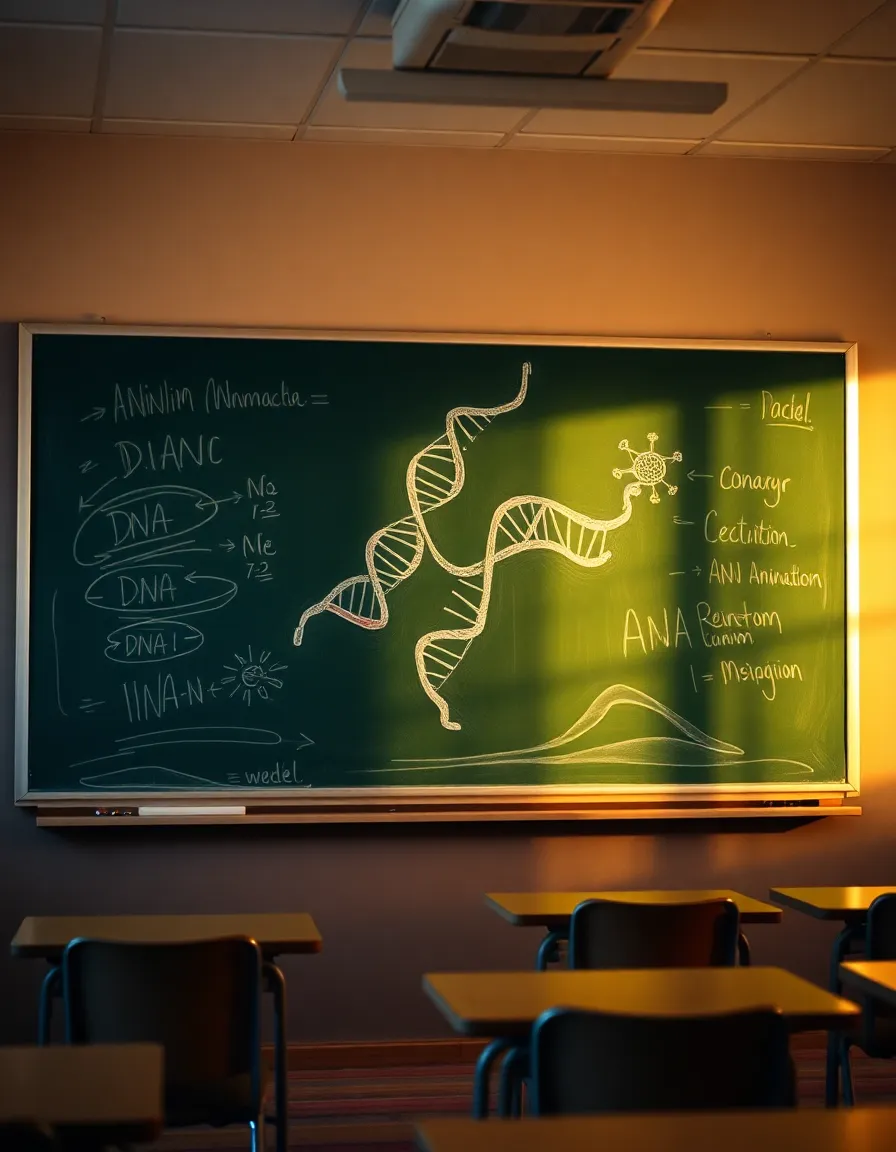
Hasselblad X2D 100C, 90mm f/2.5 medium format, capturing a vibrant illustration of DNA structure drawn on a chalkboard in a classroom, illuminated by warm tungsten lighting, depth of field at f/4 to keep the chalkboard details in focus while softly blurring the background elements of desks and chairs, natural muted tones with pops of color from chalk highlights, composition featuring a dynamic angle to create interest and energy.
3:4
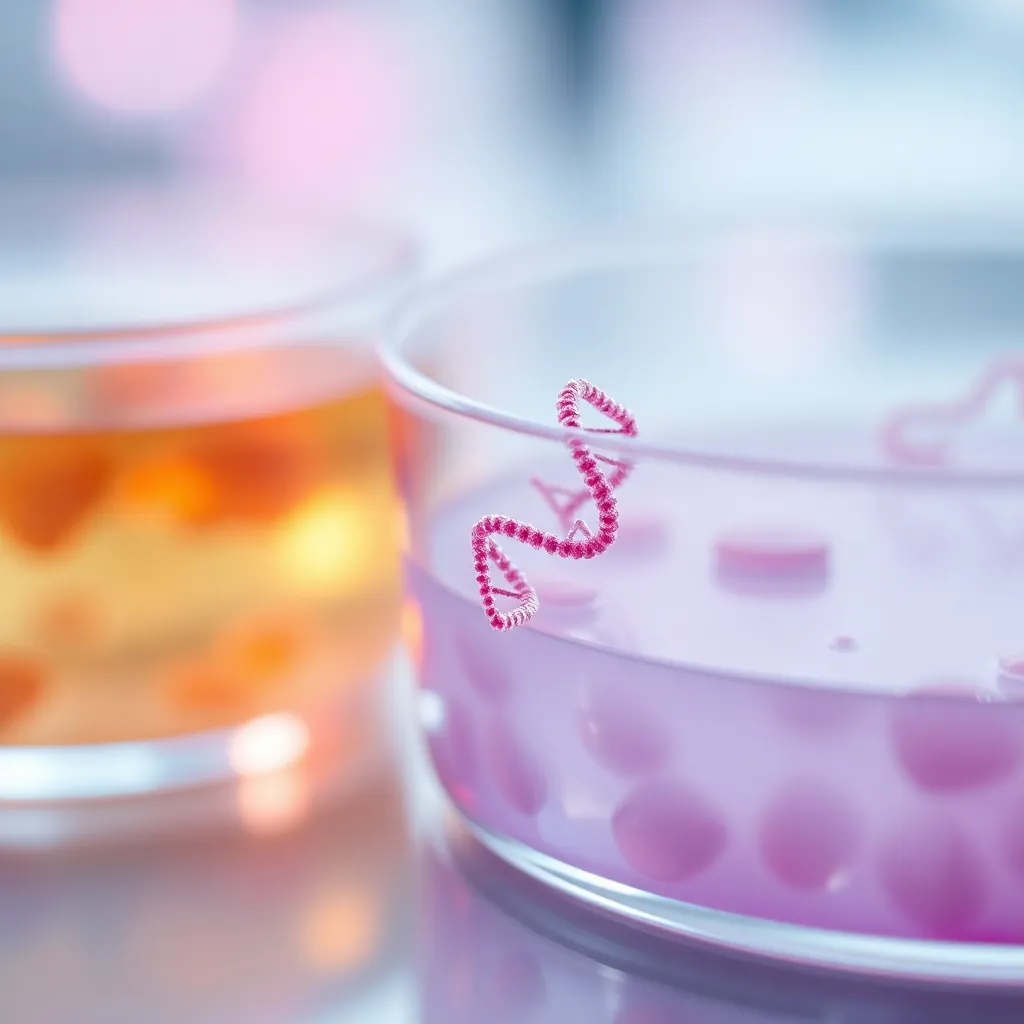
Fujifilm GFX 100S, 110mm f/2 macro, capturing minute details of DNA strands alongside a petri dish filled with culture media, lit with soft but focused studio lighting emphasizing textures, selective focus on the DNA helix while the background melts into soft painterly bokeh, natural colors with a vibrant yet soft palette, composition using the rule of thirds to balance the elements elegantly.
1:1
captured with Canon EOS R5, 24-70mm f/2.8L at 50mm, featuring soft diffused daylight filtering through laboratory windows, hyperfocal distance at f/8 to ensure clarity from foreground to infinity, natural muted tones with desaturated earth colors creating a calm atmosphere, leading lines of laboratory tables guiding the eye towards an engaging DNA model made of colorful beads and wires.
4:3
shot on Nikon Z9, 70-200mm f/2.8 telephoto at 135mm, illuminated with dramatic backlighting creating a halo effect around DNA strands twisting against a dark background, shallow depth of field at f/2.8 isolating the subject, cinematic teal and orange color grading for a striking contrast, centered symmetrical composition of the DNA helix, with intricate details showcasing the molecular structure and reflections on glass surfaces.
16:9
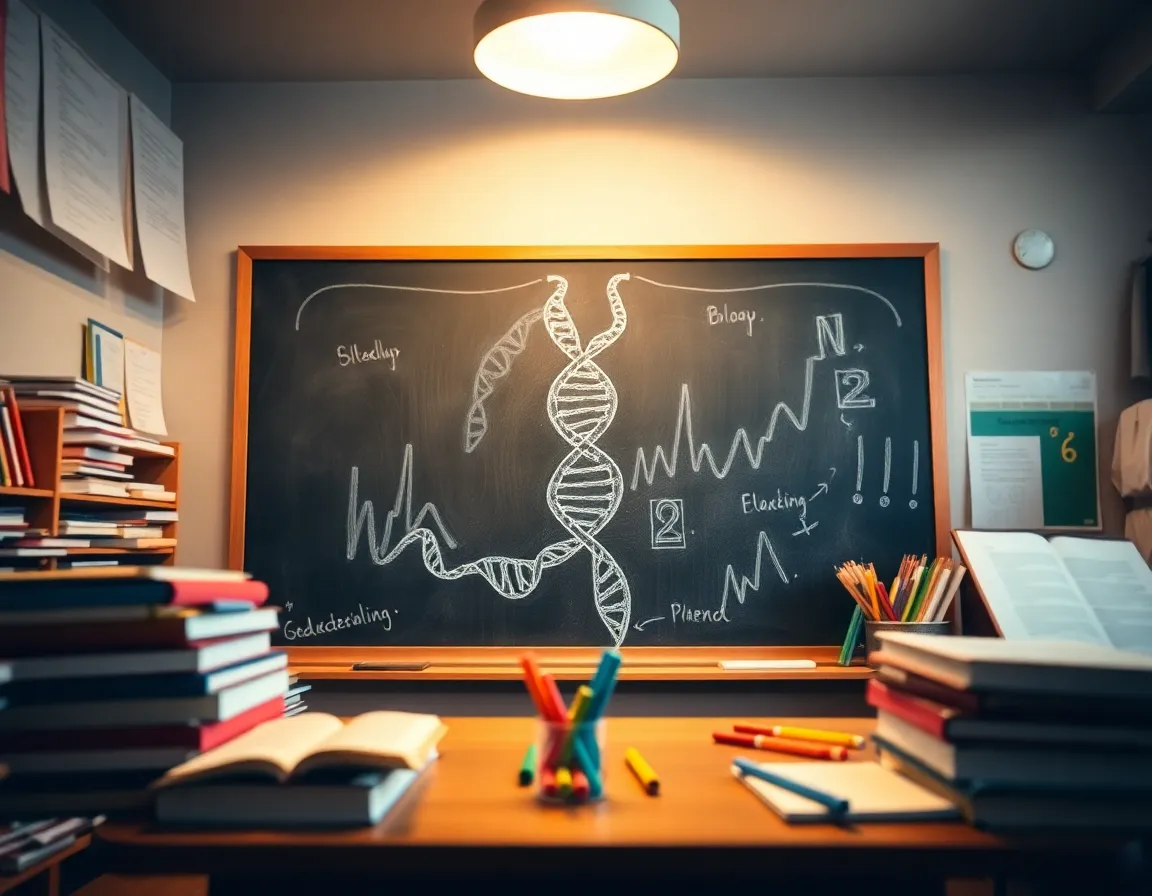
shot on Leica Q3, 28mm f/1.7 Summilux, depicting a detailed illustration of a DNA structure on a chalkboard surrounded by scattered biology textbooks and colorful markers. The overhead classroom lighting casts a warm glow, highlighting the intricate chalk details of the DNA diagram. Shallow depth of field captures the chalkboard in sharp focus while blurring the surrounding learning materials, creating a cozy, educational atmosphere. The composition uses a centered symmetrical approach to bring the viewer's attention directly to the DNA illustration, with textures showing the grain of the chalk and paper.
4:3
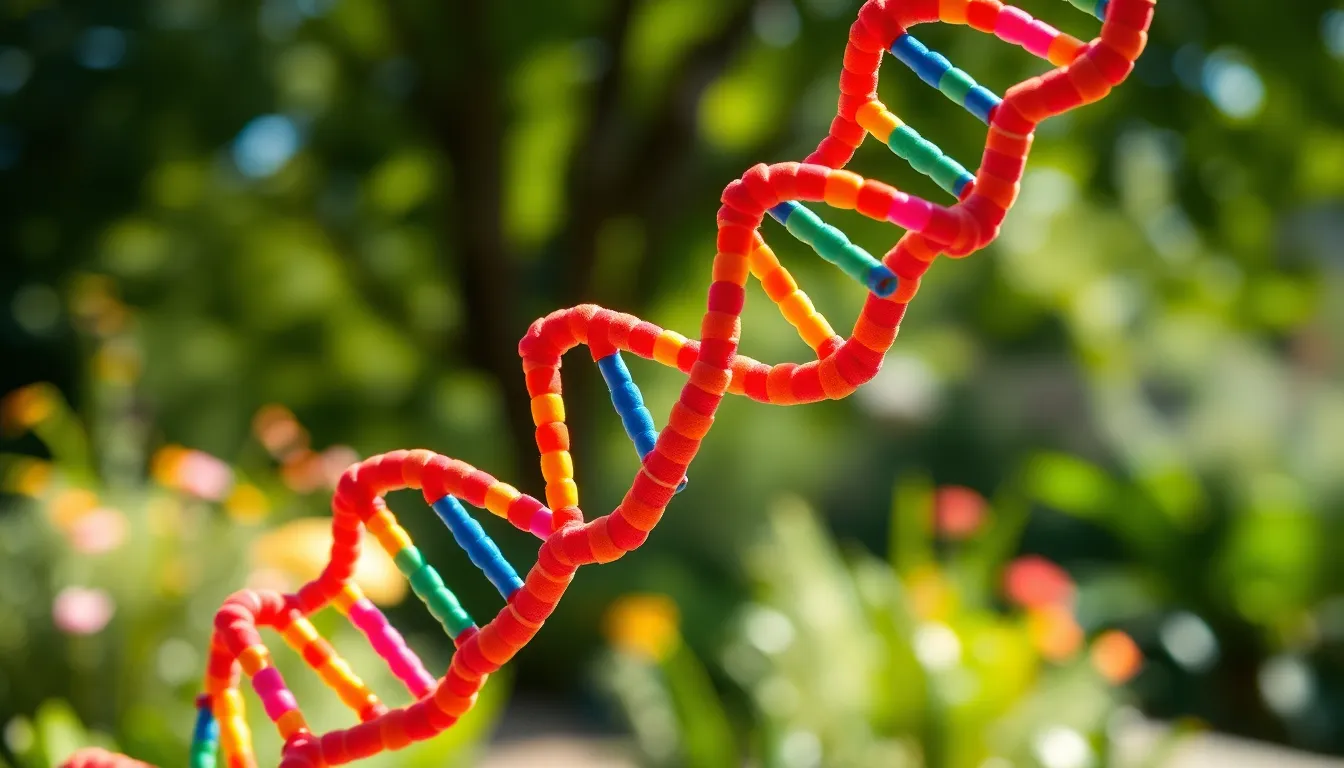
captured with Fujifilm GFX 100S, 110mm f/2 macro. The image features a vibrant, oversized model of a DNA strand set against a blurred outdoor garden background under dappled sunlight. Depth of field is shallow at f/2, giving a creamy bokeh effect that highlights the colorful model. The Fujifilm Velvia-inspired saturated colors bring out the rich hues of the DNA model while soft greens and earthy tones provide contrast. The composition uses a diagonal angle, enhancing the sense of movement in the strand's helical structure.
16:9
shot on Sony A7R V with 85mm f/1.4 GM lens, featuring a close-up of colorful petri dishes containing various DNA samples. The warm tungsten desk lamp casts a gentle light, creating defined shadows and highlights on the glossy surfaces. Shallow depth of field at f/1.4 isolates the dishes against a soft-focus background of laboratory walls. The Kodak Portra 400 color palette enhances natural skin tones in reflections while providing creamy highlights on the glass surfaces. The composition is centered, drawing attention to the vibrant colors and textures of the DNA samples.
1:1

captured with Canon EOS R5, 24-70mm f/2.8L at 35mm, in a modern laboratory setting with overcast diffused daylight streaming through large windows. The scene shows a scientist analyzing a DNA sequencing chip, with visible details of the chip structure and biological samples surrounding them. A hyperfocal distance at f/8 keeps everything sharp, highlighting the intricate textures of the lab equipment and materials. The natural muted tones and desaturated colors create a professional yet inviting atmosphere. The composition features leading lines from the lab benches converging towards the scientist's focused gaze.
16:9
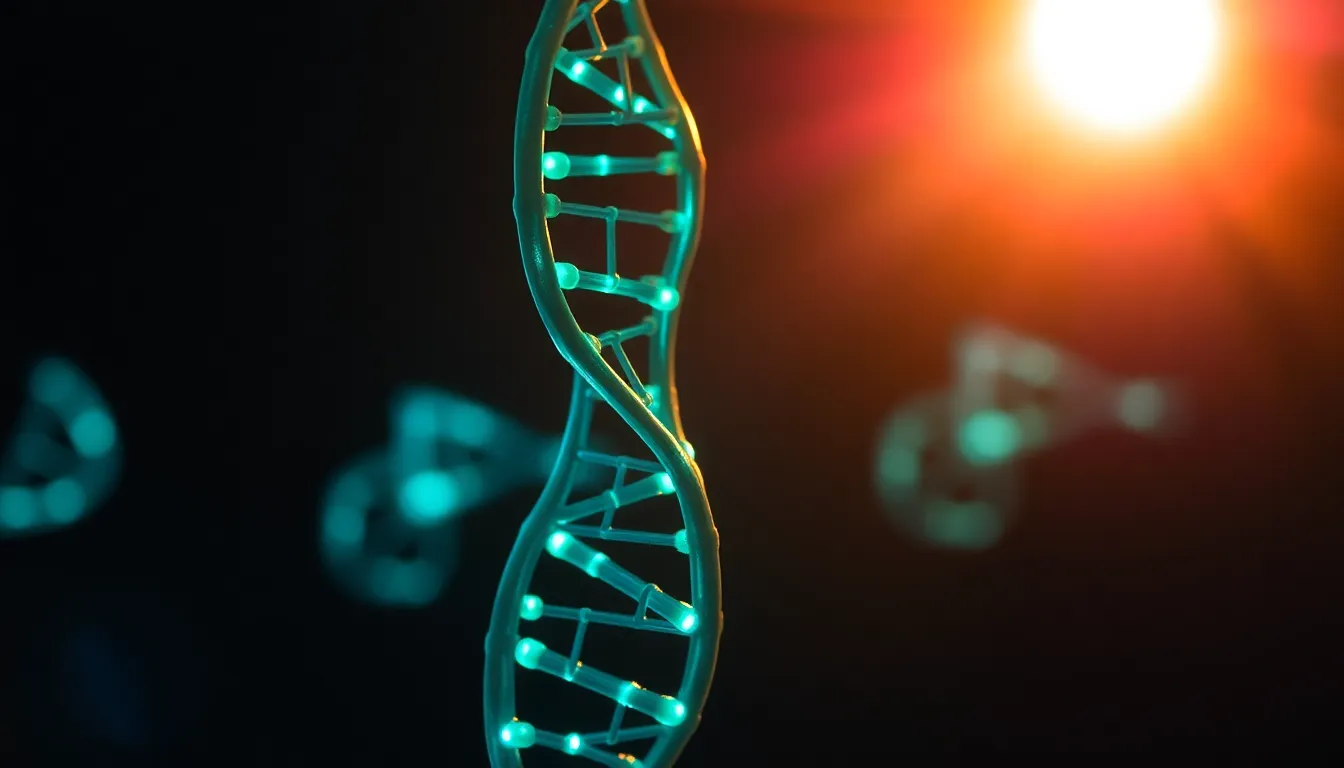
shot on Nikon Z9, 70-200mm f/2.8 telephoto at 135mm, with dramatic backlighting creating a halo effect around a double helix structure made of glowing blue and green lights. Deep shadows contrast with highlighted strands, creating a mysterious atmosphere. Shallow depth of field at f/2.8 results in a soft bokeh in the background, emphasizing the DNA model. The cinematic teal and orange color grading adds vibrance while maintaining scientific accuracy. Composition follows the rule of thirds, placing the helix slightly off-center. Textures include the smooth, translucent surfaces of the helix against a matte black backdrop.
16:9
shot on Sony A7R V with 85mm f/1.4 GM lens, capturing a detailed microscopic view of DNA strands under a microscope. The scene is illuminated with soft, focused lighting to highlight the intricate patterns of the DNA. A shallow depth of field at f/1.4 enhances the clarity of the strands, with a painterly bokeh in shades of teal and orange surrounding the subject. The color science refers to cinematic grading, providing a striking contrast against the complex textures of the DNA. The composition features the DNA strands centrally placed, drawing immediate attention to their beauty.
16:9
captured with Hasselblad X2D 100C, 90mm f/2.5 medium format lens, this image portrays a vibrant outdoor science fair with a focus on a large, colorful DNA sculpture made of recycled materials. The dappled sunlight filters through surrounding trees, creating soft highlights and shadows across the sculpture. The depth of field is hyperfocal, capturing the entire scene in sharp detail. The color palette features bright, saturated colors, reflecting the innovative spirit of environmental consciousness. A centered symmetrical composition focuses the viewer's attention on the striking sculpture against a lively fair backdrop.
16:9
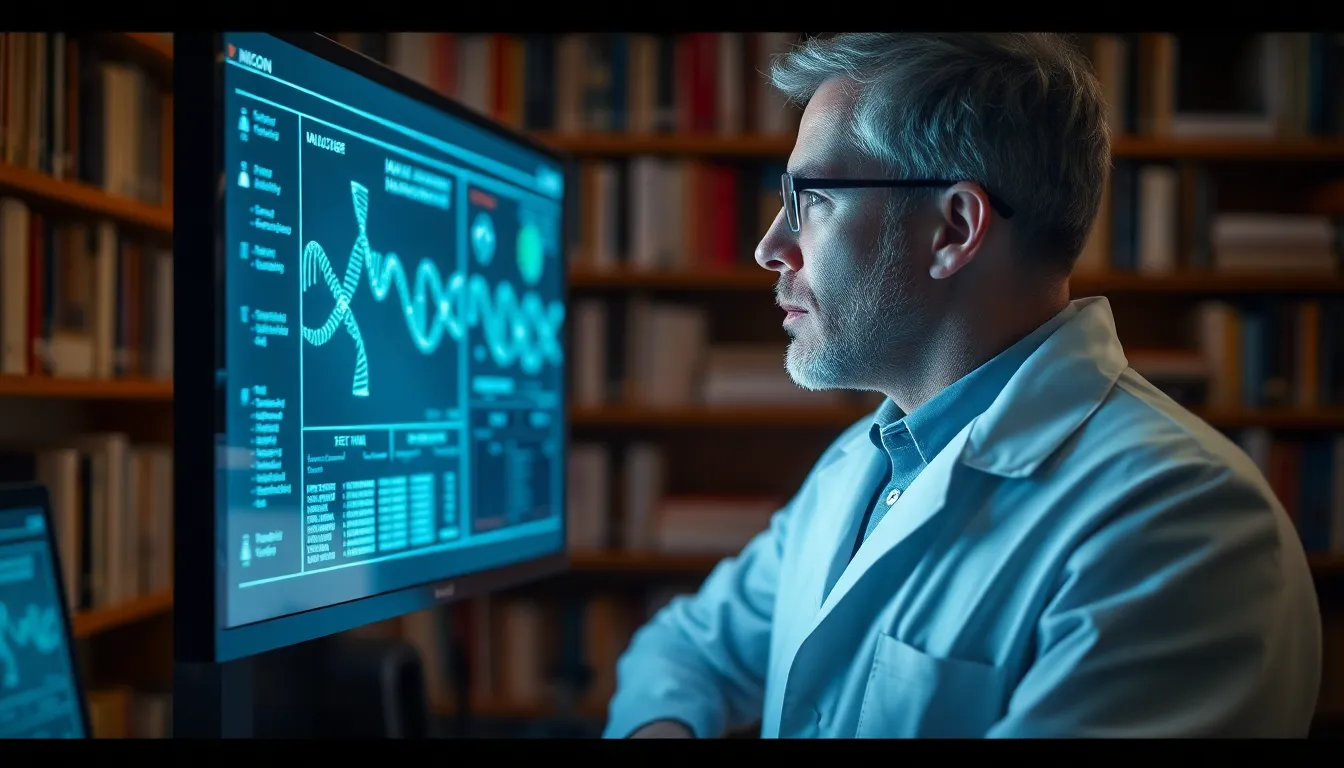
shot on Nikon Z9, 70-200mm f/2.8 telephoto at 150mm. The image features a scientist in a lab coat examining a digital DNA analysis display on a screen, captured with dramatic Rembrandt lighting highlighting their thoughtful expression. The depth of field is shallow at f/2.8, allowing the background of shelves filled with scientific books to softly blur, emphasizing the scientist. The color palette includes warm tones, contrasting the cool colors of the screen, creating an engaging visual narrative. The composition utilizes the rule of thirds, positioning the scientist to the left, engaging viewers.
16:9
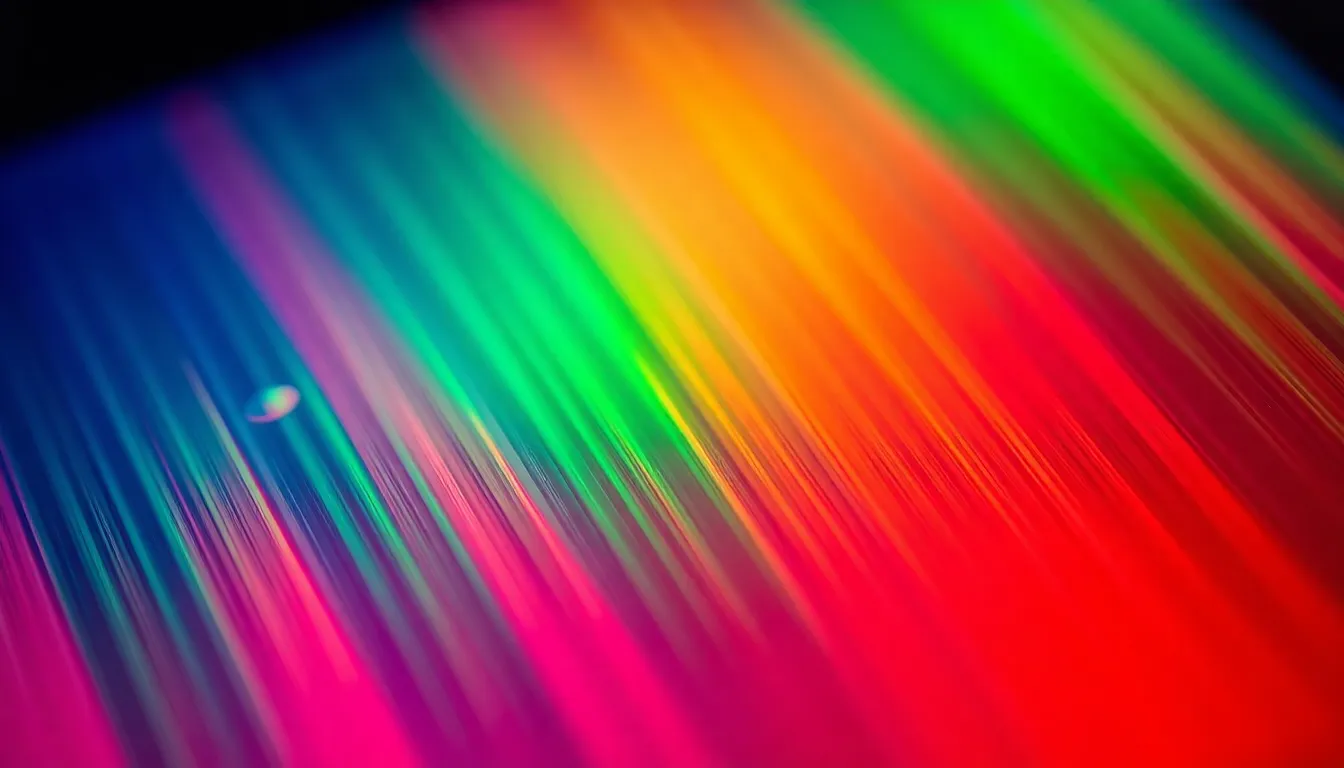
captured with Fujifilm GFX 100S, 110mm f/2 macro lens, showcasing a close-up of a DNA sequencing gel with vivid colored bands illuminated by a backlight. The lighting highlights the gel’s texture and the vibrant streaks of color ranging from deep red to bright green. Utilizing a hyperfocal distance, the image maintains sharpness across the entire gel surface, while the background fades into a soft blur. The color grading mimics the saturated tones of Fujifilm Velvia, enhancing the scientific visual appeal. The composition centers on the gel, drawing the eye to its intricate details.
16:9
shot on Canon EOS R5, 24-70mm f/2.8L at 50mm, featuring soft diffused daylight through laboratory windows illuminating a clear, intricate DNA double helix model. The scene is captured with shallow depth of field at f/2.8, creating a creamy bokeh in the background. The color palette is dominated by cool blue and green tones, conveying a sense of scientific precision. Compositionally, the DNA model is placed off-center, allowing space for laboratory equipment in the blurred background, enhancing the research environment. The glass of the DNA model reflects subtle highlights, emphasizing its complexity.
16:9

captured with Leica Q3, 28mm f/1.7 Summilux, focusing on a stylized infographics display on a wall illustrating the structure of DNA in a modern office setting. The warm tungsten desk lamp casts directional pools of light onto the display, illuminating the vibrant colors. The shallow depth of field at f/1.7 creates a soft bokeh effect around the edges, making the infographic pop. The color palette is bright and engaging, with a blend of saturated colors. Compositionally, the infographic is offset to create a dynamic visual flow.
3:4
shot on Hasselblad X2D 100C, 90mm f/2.5 medium format, of a detailed 3D printed model of DNA showing intricate features and color gradients. The lighting is a three-point studio setup, enhancing the textures and edges of the model. Using a shallow depth of field at f/2.5, the background fades softly, focusing attention on the model's structure. The color grading follows a cinematic teal and orange theme, creating a striking visual contrast. The composition centers the DNA model, emphasizing its scientific significance.
4:3
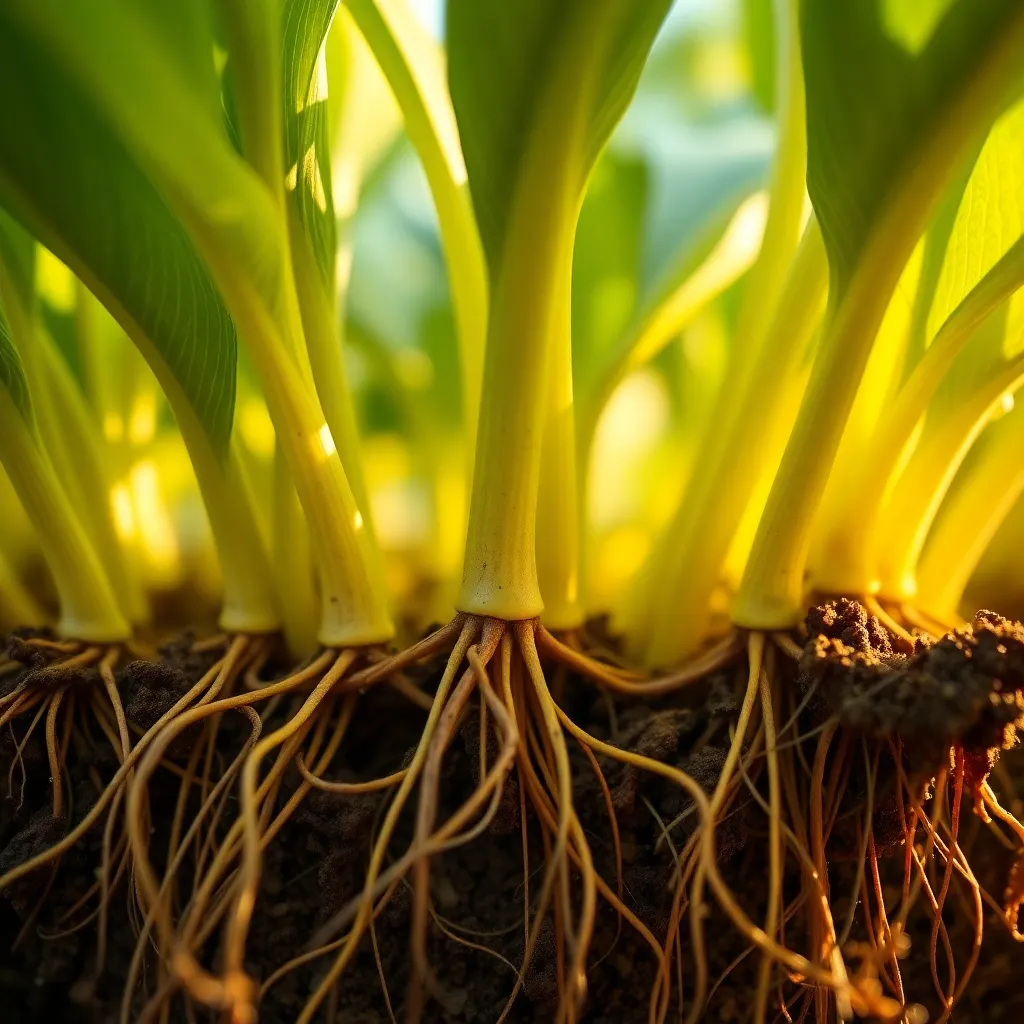
photographed on Fujifilm GFX 100S, 110mm f/2 macro, showcasing a close-up of genetically modified plants with visible DNA strands in the roots. The lighting is natural, illuminated by early morning sunlight, casting golden glows across the leaves. A selective focus on the roots sharpens the detailed DNA strands, while the background blurs into soft greenery bokeh. The color palette features fresh greens and earthy browns, creating a natural, vivid appeal. Compositionally, the roots are centered, creating a symmetrical balance within the frame.
1:1
captured with Nikon Z9, 70-200mm f/2.8 telephoto at 135mm, focusing on a scientist in a lab examining a DNA sequencing result on a laptop. The overcast diffused daylight through large laboratory windows casts a soft light on the scene. The depth of field is hyperfocal at f/8, ensuring both the scientist and the laptop's screen are sharp. Using a natural muted tone palette, the image projects a clinical yet inviting vibe. Compositionally, the subject is framed by laboratory equipment, directing focus toward the examination process.
3:2
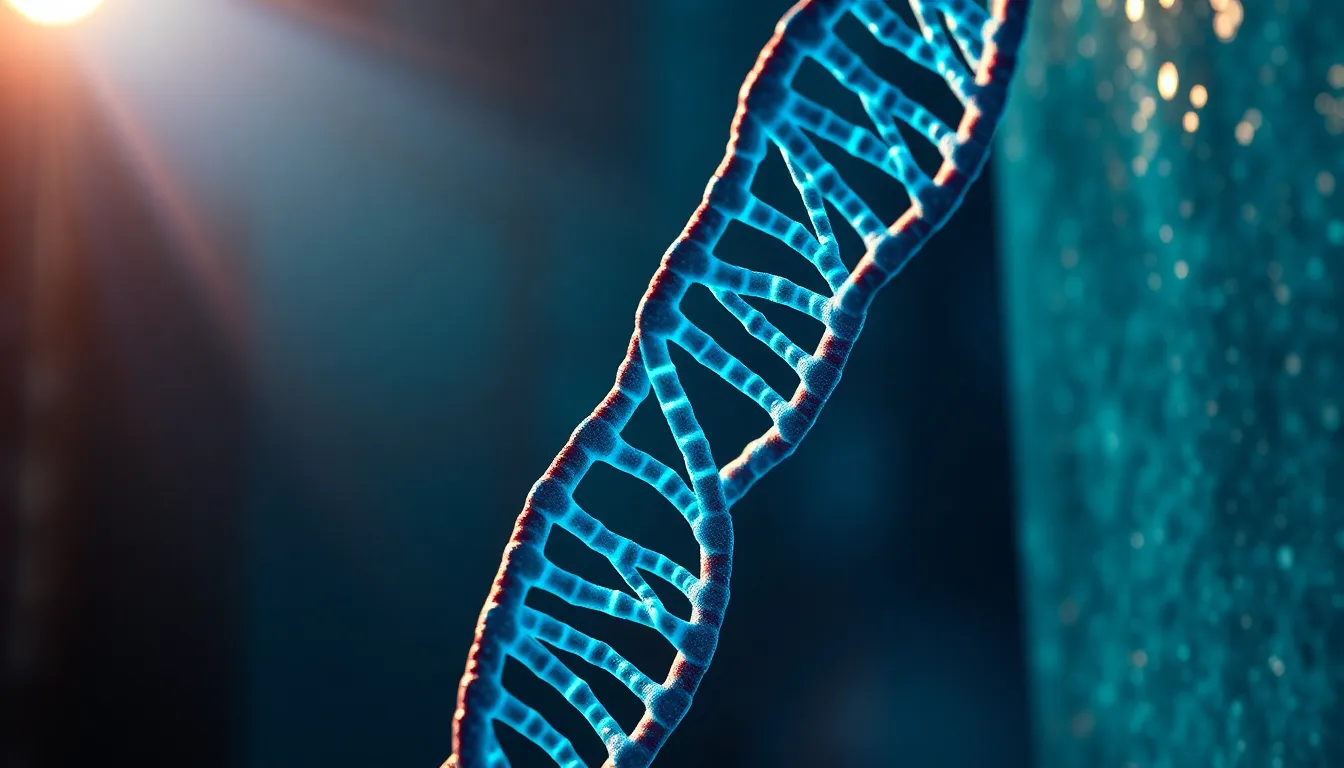
shot on Canon EOS R5, 24-70mm f/2.8L at 35mm, showcasing a vibrant double helix structure of DNA under dramatic studio lighting with an edge light emphasizing its curves and a soft fill light. The shallow depth of field at f/2.8 creates a creamy bokeh backdrop. The color palette features vivid blues and greens, inspired by Fujifilm Velvia, amplifying the subject’s biological intrigue. The composition follows the rule of thirds, placing the DNA strand at the right power point, surrounded by soft, textured glass panels reflecting light.
16:9

captured with Leica Q3, 28mm f/1.7 Summilux, portraying a vibrant outdoor science festival scene with children engaging in a hands-on DNA activity. Warm sunlight creates dappled light effects through tree canopies, enhancing the joyful atmosphere. The image features a shallow depth of field at f/1.7, isolating the children while blurring the vibrant festival booths in the background. The Fujifilm Velvia-inspired saturated colors bring out the lively reds, greens, and blues, emphasizing the excitement of the event. Composition uses leading lines from the booths directing the viewer’s eye toward the engaging activity.
16:9
shot on Sony A7R V with 85mm f/1.4 GM lens, featuring dramatic backlighting that outlines a scientist observing a digital DNA model on a transparent screen in a modern lab setting. The background is softly blurred to create depth, while the focus remains sharply on the scientist's thoughtful expression. The color palette combines deep blues of the digital interface with the warm golden tones of the ambient light, creating a contrast that emphasizes innovation. The composition utilizes the rule of thirds, placing the scientist at a power point, and the glass screen adds a sleek, futuristic texture.
3:4
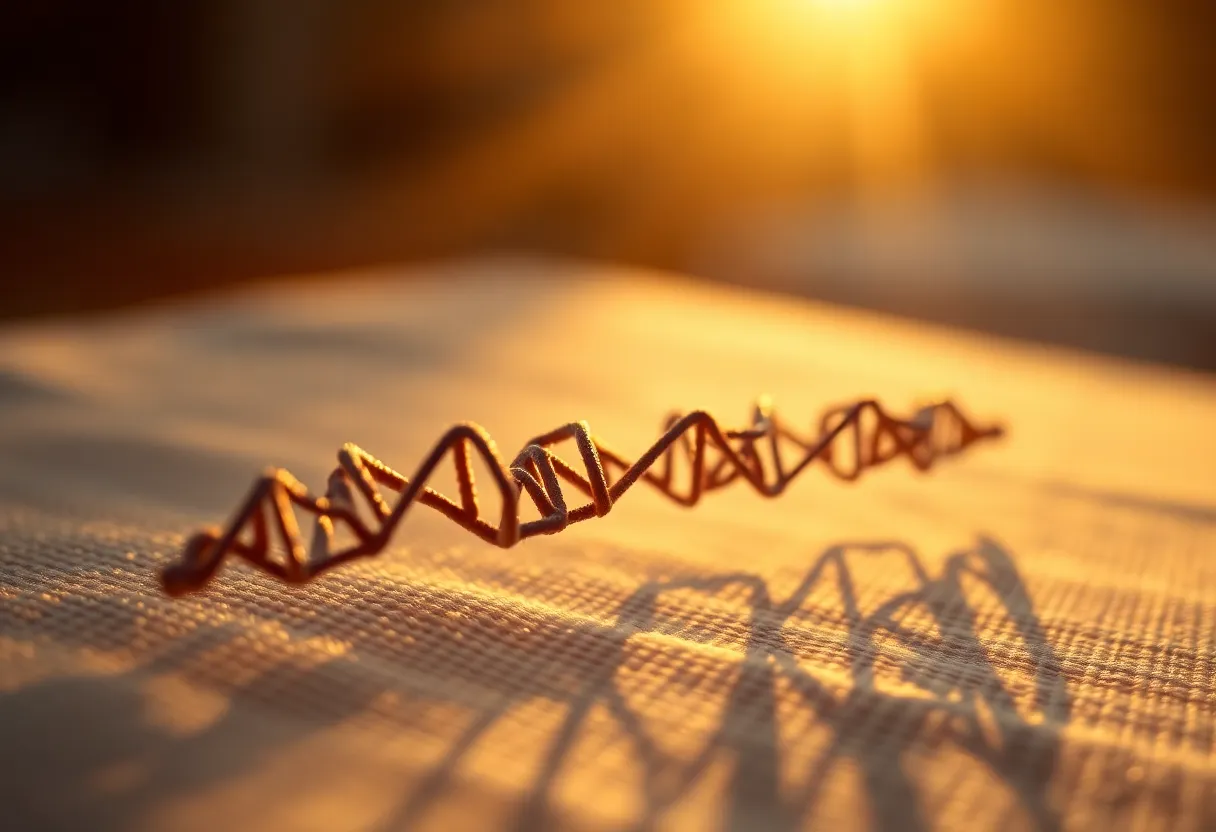
Fujifilm GFX 100S, 110mm f/2 macro, captured during a golden hour with warm sunlight creating a soft glow around DNA strands placed on a textured linen background. The selective focus on the DNA strands highlights their delicate structure while the soft background fades into a creamy bokeh. The image features a Kodak Portra 400 color palette enhancing warm skin tones and creamy highlights, giving it a natural feel. Composition is centered with the DNA strands leading the eye through the frame, while the linen's weave adds an organic touch to the setting.
3:2
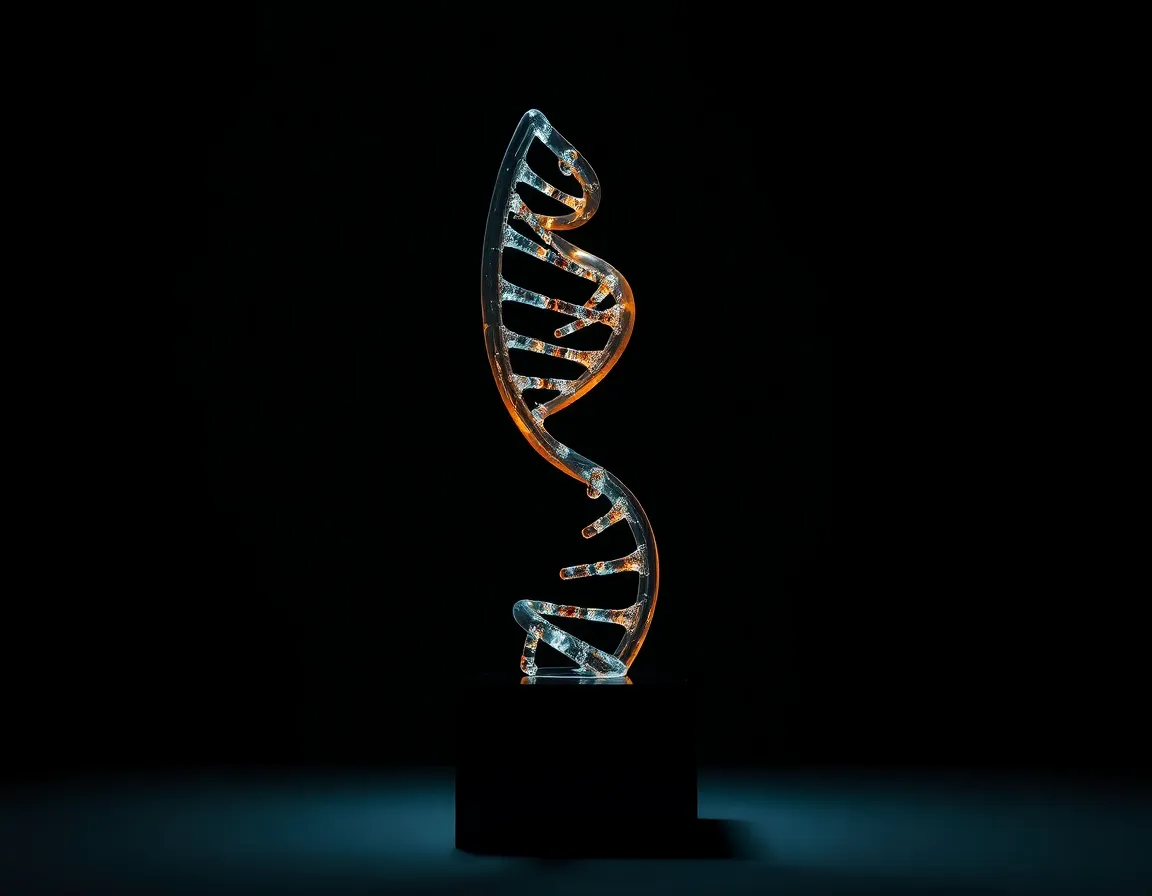
captured with Canon EOS R5, 24-70mm f/2.8L at 35mm, employing three-point studio setup with key softbox at 45°, creating dramatic highlights and shadows on a glass DNA helix sculpture. Hyperfocal distance at f/8 ensures everything from foreground to infinity is sharp, giving a clear view of the textures in the glass. The cinematic teal and orange color grading adds a modern touch to the composition. The sculpture stands tall on a sleek black pedestal against a black backdrop, emphasizing the intricate craftsmanship of the DNA structure with sharp lines and curves.
4:3
shot on Nikon Z9, 70-200mm f/2.8 telephoto at 135mm, illuminated with soft diffused daylight through large windows creating a serene atmosphere. Shallow depth of field at f/2.8 highlights a 3D-printed DNA model in vivid detail, showcasing the intricate double helix structure. The color palette features natural muted tones with desaturated earth colors, enhancing the organic feel of the scene. Composition focuses on a close-up of the DNA model placed on a rustic wooden table, with a blurred laboratory background softly fading into bokeh. The texture reveals a smooth plastic surface with subtle sheen catching the light.
16:9
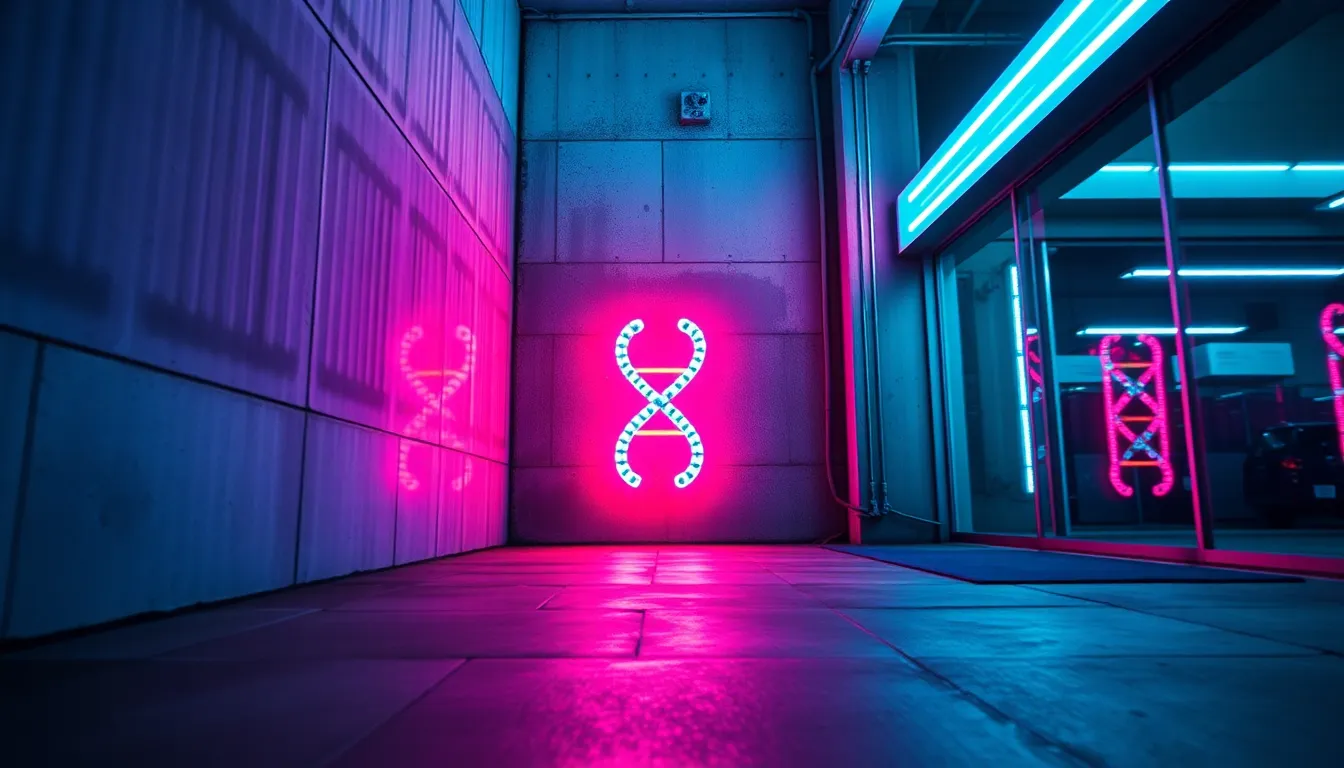
shot on Leica Q3, 28mm f/1.7 Summilux, illuminated by neon signage casting blue and magenta reflections on a concrete wall, shallow depth of field at f/1.7 creating soft bokeh. The cinematic teal and orange color grading enhances the futuristic vibe of the scene, which features a stylized representation of DNA in a vibrant urban environment, creatively composed with leading lines drawing the eye toward the artwork.
16:9
captured with Hasselblad X2D 100C, 90mm f/2.5 medium format, using a three-point studio setup with key softbox at 45°, creating Rembrandt lighting on the subject's face. The depth of field is shallow at f/2.5, focusing on a scientist holding a digital tablet displaying a 3D DNA structure, vibrant colors of the screen contrasting with muted studio tones. The composition focuses on the scientist's expressive face and hands, guiding the viewer's attention to the tablet.
3:4
shot on Fujifilm GFX 100S, 110mm f/2 macro, illuminated by dappled sunlight filtering through tree canopy, selective focus on a single leaf with DNA-like veins, cinematic teal and orange color grading for vibrant contrast. The composition employs a centered symmetrical layout, emphasizing the organic patterns reminiscent of DNA.
4:3
captured with Nikon Z9, 70-200mm f/2.8 telephoto at 135mm, under overcast diffused daylight filtering through glass walls, hyperfocal distance for sharpness from foreground to infinity, natural muted tones with desaturated earth colors. The composition features a close-up of a translucent petri dish with DNA strands against a laboratory backdrop, with atmospheric perspective enhancing the clean, modern feel.
3:2
shot on Canon EOS R5, 24-70mm f/2.8L at 50mm, featuring warm tungsten desk lamp casting directional light with a soft gradient, shallow depth of field at f/2.8 creating creamy bokeh in the background, Kodak Portra 400 color palette with warm skin tones and creamy highlights. The composition utilizes leading lines, focusing on a scientist’s hands as they manipulate a double helix model made of vibrant colors and a polished wood table reflecting soft highlights.
16:9
shot on Leica Q3, 28mm f/1.7 Summilux, featuring a scientist in a lab coat working with DNA sequencing equipment, captured during overcast daylight that diffuses evenly through large windows. The image presents a sharp focus on the scientist's intelligent expression and hands manipulating the samples, while the background showcases shelves filled with scientific books, softly blurred to create an inviting atmosphere. The color palette leans towards natural muted tones, reflecting a professional yet approachable setting.
3:4
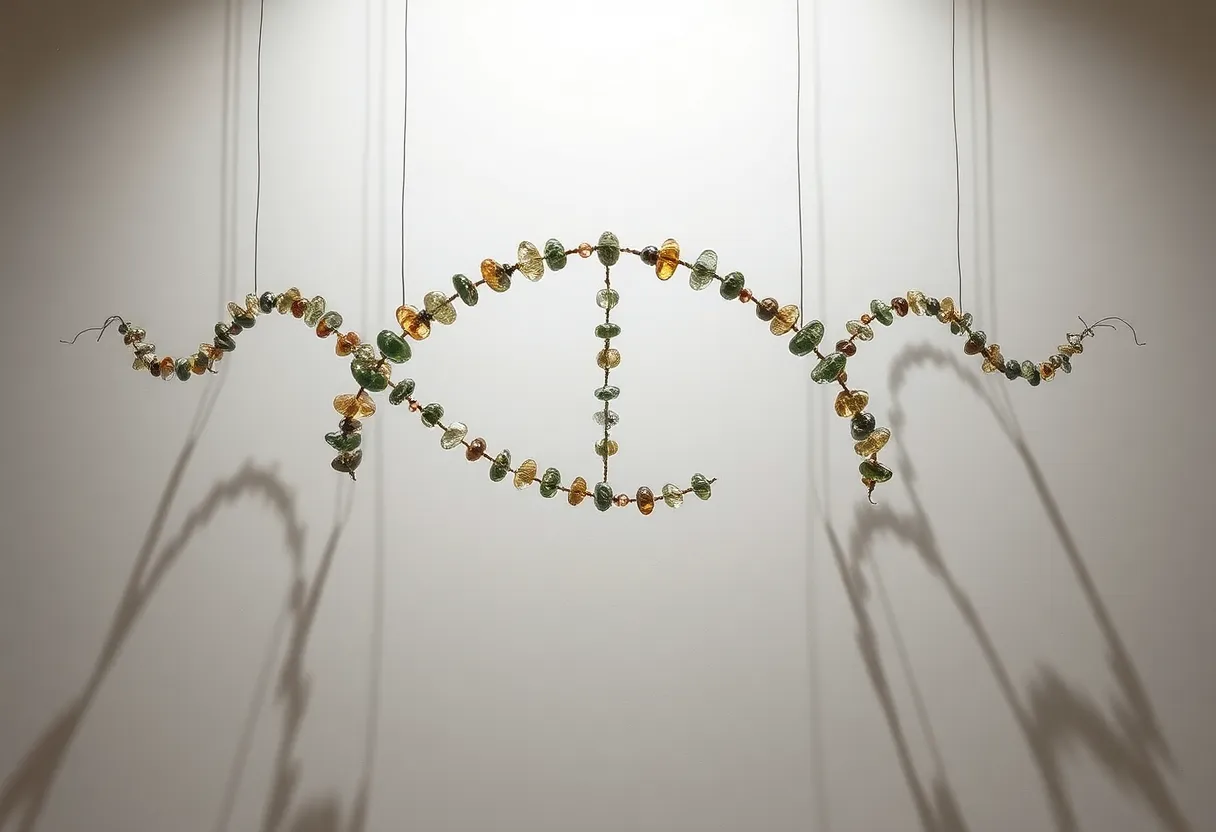
captured using Hasselblad X2D 100C, 90mm f/2.5 medium format, showcasing an artistic installation of intertwining DNA strands made from recycled glass and metal. The studio lighting creates dramatic shadows and highlights that emphasize the textures of the materials used. A butterfly lighting technique casts soft, direct light, while the natural muted tones highlight the environmental message of the artwork. The centered symmetrical composition draws the viewer's eye directly to the captivating structure.
3:2
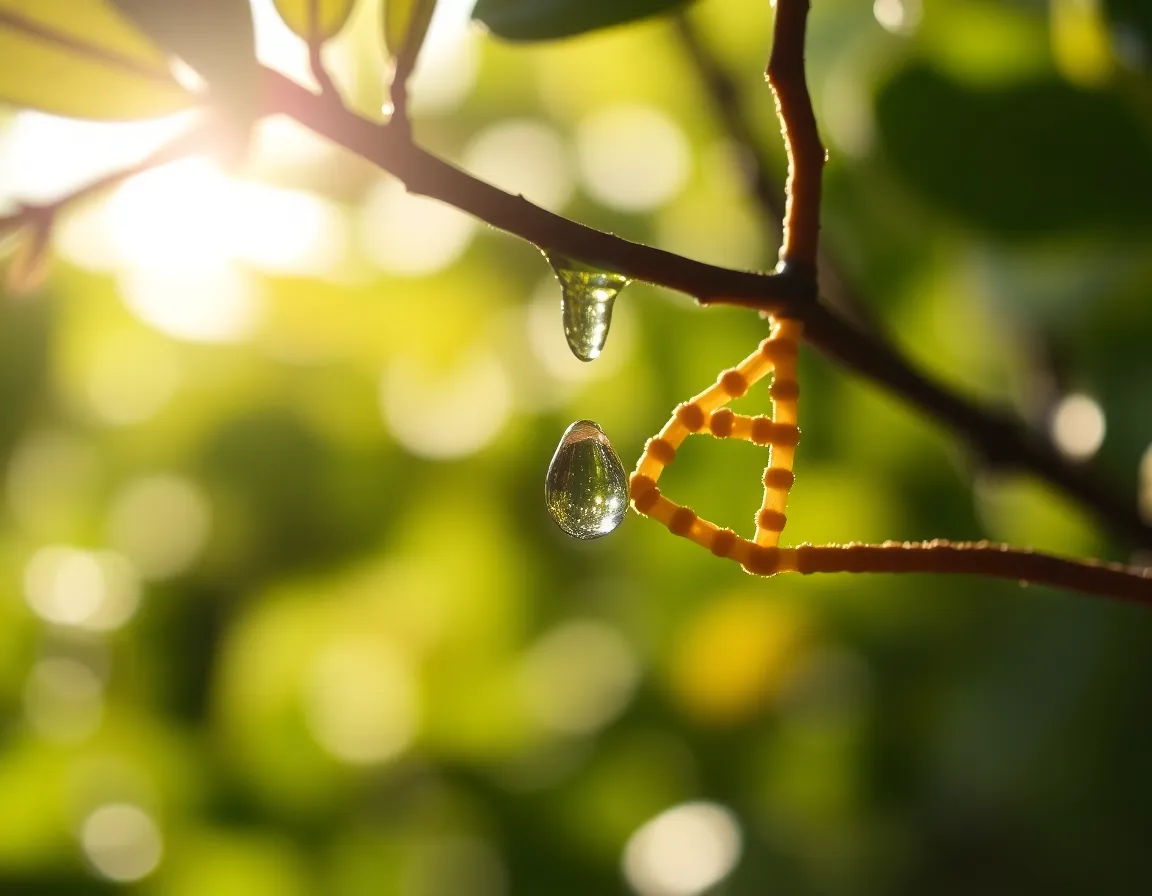
shot on Fujifilm GFX 100S, 110mm f/2 macro, focusing on a close-up of a single DNA strand with a drop of water clinging to its structure, enhanced by natural sunlight filtering through leaves. The shallow depth of field at f/2 creates a beautiful circular bokeh of green foliage, giving the impression of a lush, organic environment. The colors are natural with muted earth tones, evoking a sense of life and vitality in the subject, framed within a rule of thirds composition.
4:3
captured with Canon EOS R5, 24-70mm f/2.8L at 35mm, showcasing a vibrant 3D rendering of DNA strands against a dark backdrop, illuminated by focused colored LEDs in shades of blue and green. The hyperfocal distance ensures sharpness from foreground to infinity, emphasizing the intricate genetic details along the spirals. The cinematic teal and orange color grading encapsulates a dynamic feel, while the texture of the digital surface mimics glossy materials frequently found in scientific visuals.
16:9
shot on Nikon Z9, 70-200mm f/2.8 telephoto at 135mm, featuring ethereal backlighting with a soft glow illuminating strands of DNA in a laboratory setting. The shallow depth of field at f/2.8 creates a dreamy bokeh effect in the background, while the warm, muted tones evoke a sense of serenity. The composition focuses on the double helix structure, with leading lines drawing the eye towards the central DNA strands, set against a polished quartz countertop reflecting light beautifully.
16:9
captured with Leica Q3, 28mm f/1.7 Summilux, showcasing a researcher studying DNA sequences on a high-resolution monitor in a dimly lit lab, illuminated by the soft glow of the screen. The image employs a selective focus technique on the researcher while the background features a gently blurred DNA sequence. Using a natural muted tone palette, the scene evokes a deep focus on the study of genetics. The composition adheres to the rule of thirds, placing the researcher at the left power point, emphasizing concentration and dedication. Textures on the researcher’s lab coat are visible, showing fabric details amidst the soft light.
16:9
shot on Hasselblad X2D 100C, 90mm f/2.5 medium format, under cool, clinical studio lighting with a single octabox at camera left for high-contrast Rembrandt lighting effect on a 3D printed DNA model. Utilizing a shallow depth of field at f/2.5, the main focus is on the model, while the background fades into a soft monochrome gradient. A cinematic teal and orange color grading adds a modern touch to the scientific subject. The composition is centered and symmetrical, emphasizing the structured design of the DNA model and the polished texture of its surface.
16:9
photographed with Fujifilm GFX 100S, 110mm f/2 macro lens, utilizing dappled sunlight filtering through a tree canopy to illuminate delicate DNA strands arranged in a natural setting. The image employs a shallow depth of field at f/2, creating creamy bokeh that accentuates the strands while softening the lush greenery behind them. A natural color palette featuring greens and browns enhances the organic aspect, while the composition highlights the DNA as a primary focal point, framed by surrounding foliage. The texture of the leaves and the intricate details of the DNA are both in harmony in this serene scene.
16:9
captured with Nikon Z9, 70-200mm f/2.8 telephoto at 135mm during a golden hour with soft, warm backlighting illuminating a strand of DNA on a lab table. The image uses hyperfocal distance to keep both the DNA and surrounding lab equipment sharply in focus at f/8. The natural color palette embraces muted earth tones with a touch of gold, enhancing the organic feel of the setting. Compositionally, the DNA strand is placed on the left power point, while laboratory tools create leading lines toward the subject. The brushed metal of the lab equipment subtly reflects golden light.
16:9
shot on Canon EOS R5, 24-70mm f/2.8L at 50mm, illuminated with a three-point studio setup featuring a key softbox at 45°, edge light for hair separation, and subtle fill to enhance details. Achieving a shallow depth of field at f/2.8, the focus rests sharply on a model holding a translucent DNA helix. Rich, saturated colors reminiscent of Fujifilm Velvia give a vibrant feel, while the composition centers the model within the frame. Textures of the model’s skin are natural, highlighting pores and freckles against the smooth, glassy surface of the DNA strand.
16:9