Chemistry
89 images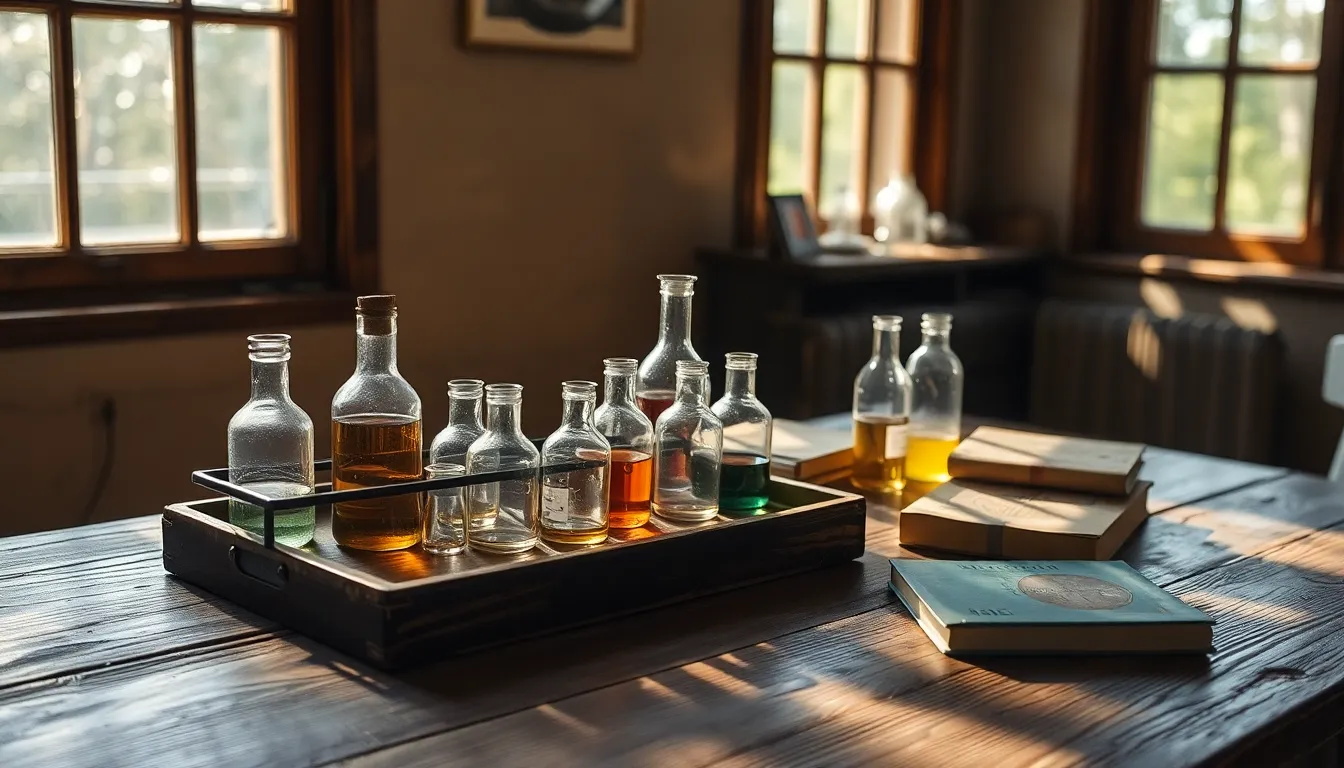
Taken with a Hasselblad X2D 100C, 90mm f/2.5 medium format, this image depicts a vintage chemistry set on a weathered wooden table. Natural light from a nearby window creates dappled sunlight patterns on the surface, adding warmth. Hyperfocal distance keeps all elements in focus, from the aged glass vials to the scattered chemical books. The color palette leans towards warm, muted tones with rich browns and greens, evoking nostalgia. The composition adheres to the rule of thirds, placing the chemistry set at a key point while allowing the textured wooden table to frame the scene.
16:9
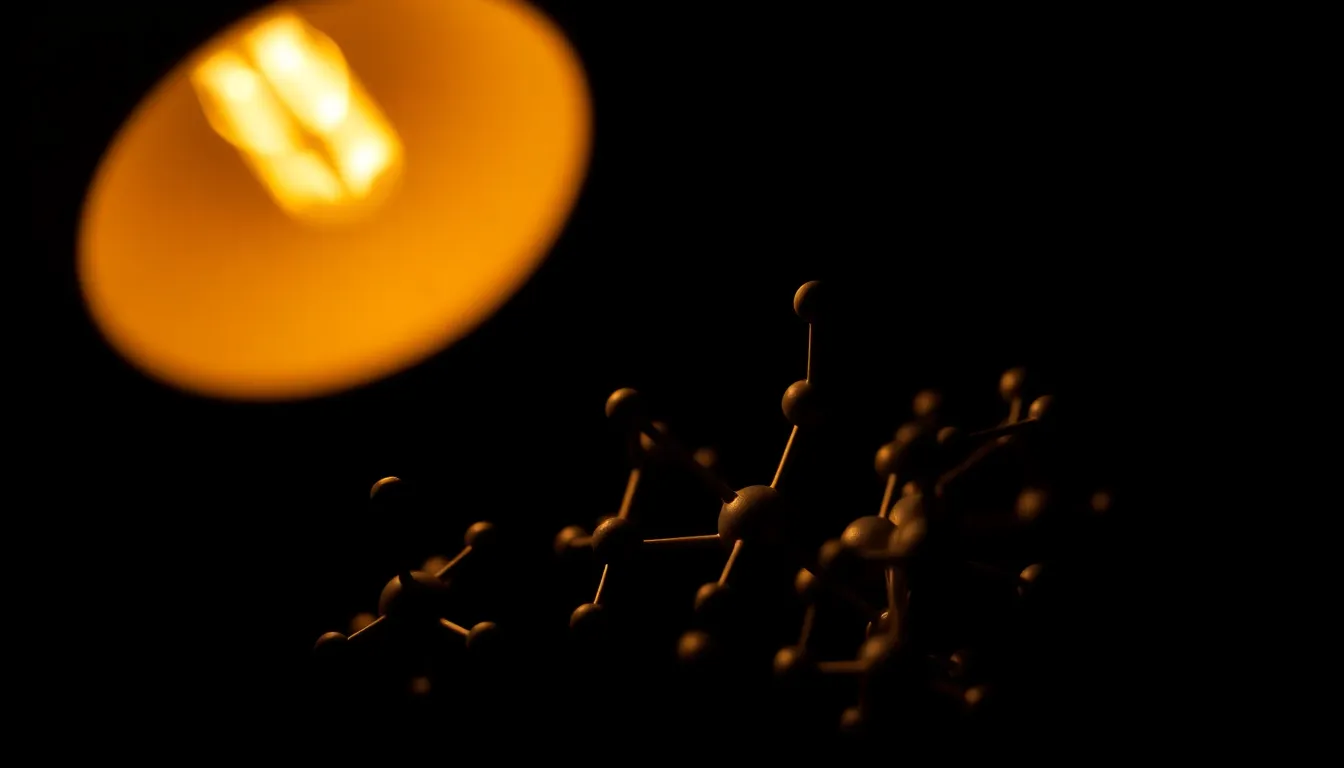
Photographed using a Fujifilm GFX 100S, 110mm f/2 macro lens, this close-up captures intricate molecular structures on a black background. A warm tungsten desk lamp casts a dramatic pool of light, highlighting the textures of the molecules. The shallow depth of field at f/2 blurs the background, bringing sharp focus to the intricate details of the molecular model. The color palette embraces natural muted tones against stark black, creating a striking contrast. The composition is centered, emphasizing the complexity and beauty of chemical structures.
16:9
Captured with Nikon Z9, 70-200mm f/2.8 telephoto at 135mm, this image showcases colorful chemical reactions in a glass beaker. Overcast diffused daylight enters the laboratory through large windows, offering soft lighting that enhances the colors. Hyperfocal distance ensures everything from the beaker to the distant shelves is sharp. The vibrant colors of the reacting liquids are reminiscent of a Fujifilm Velvia-inspired palette with deep blues and rich greens. The composition features a centered symmetrical layout, highlighting the beaker against a clean, white countertop.
16:9
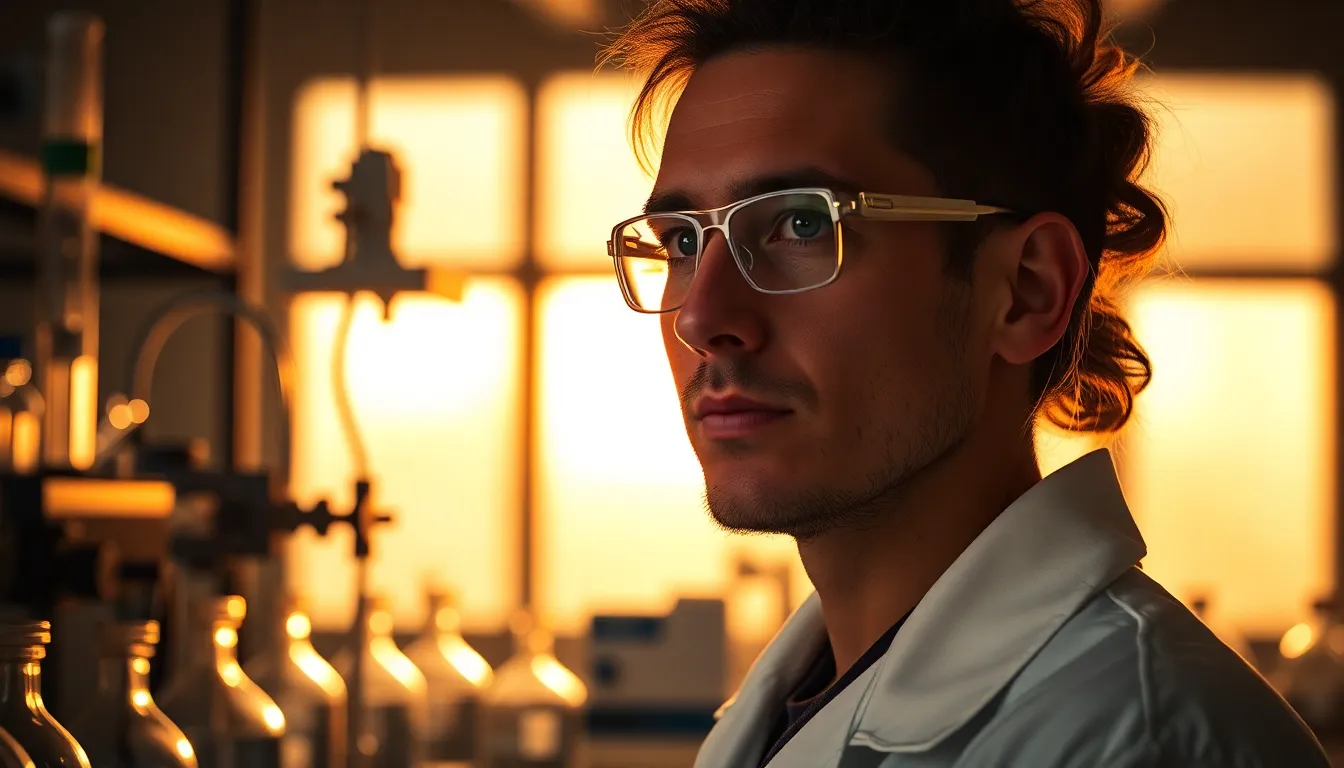
Shot on Canon EOS R5, 24-70mm f/2.8L at 50mm, capturing a chemist in a modern laboratory. Golden hour backlighting creates a warm glow while a soft fill from a diffuser highlights the subject’s details. Shallow depth of field at f/2.8 allows the background equipment to softly blur, enhancing focus on the subject. The color palette features natural muted tones with desaturated earth colors, evoking a calm and professional atmosphere. The composition is ruled by thirds, with the chemist at a left power point, surrounded by glass vials and lab instruments reflecting meticulous detail and clarity.
16:9
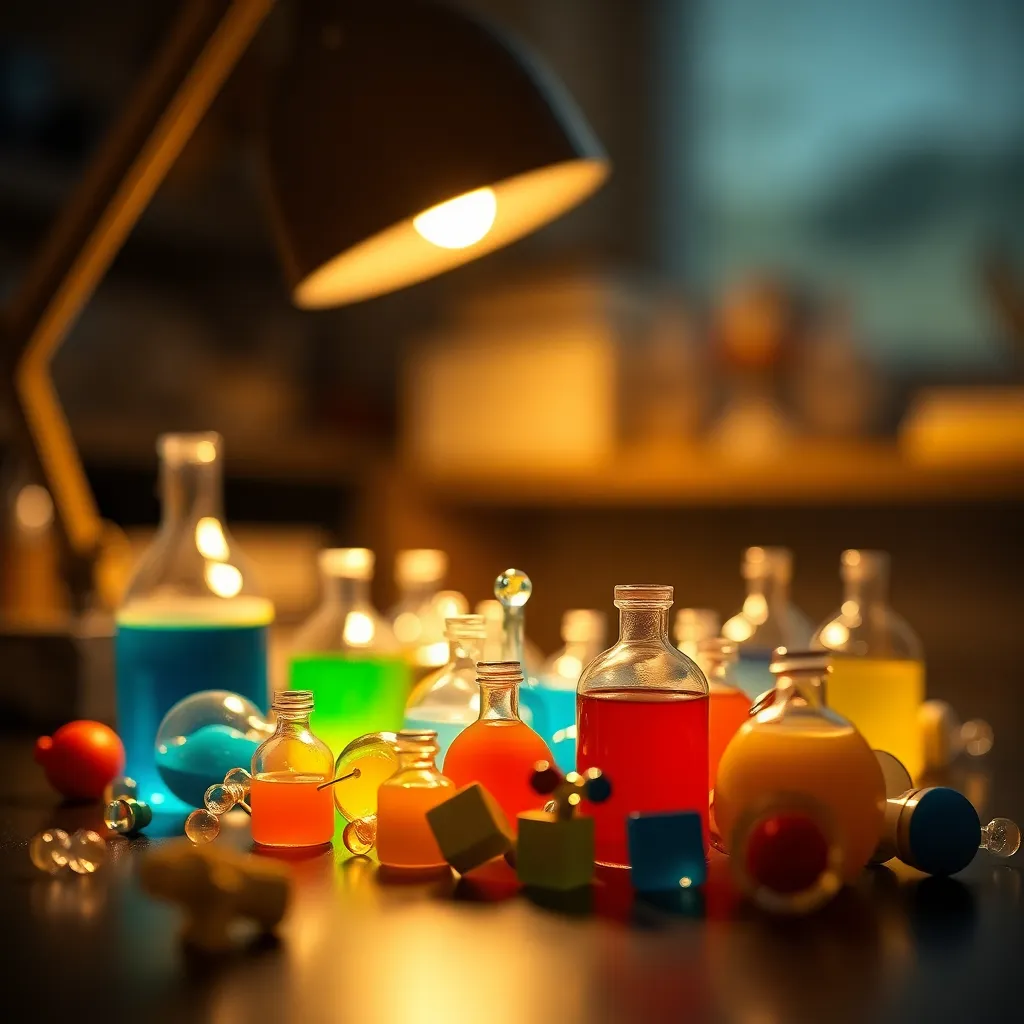
Fujifilm GFX 100S, 110mm f/2 macro, warm tungsten desk lamp casting a directional pool of light on a chemical compound display. Selective focus on vibrant colored compounds, with the background melting into soft painterly bokeh. The color palette reflects Kodak Portra 400, with warm skin tones and creamy highlights enhancing the subject’s surfaces. The composition employs a rule of thirds approach, creating balance between the compounds and the surrounding dark table surface that showcases their vivid colors.
1:1
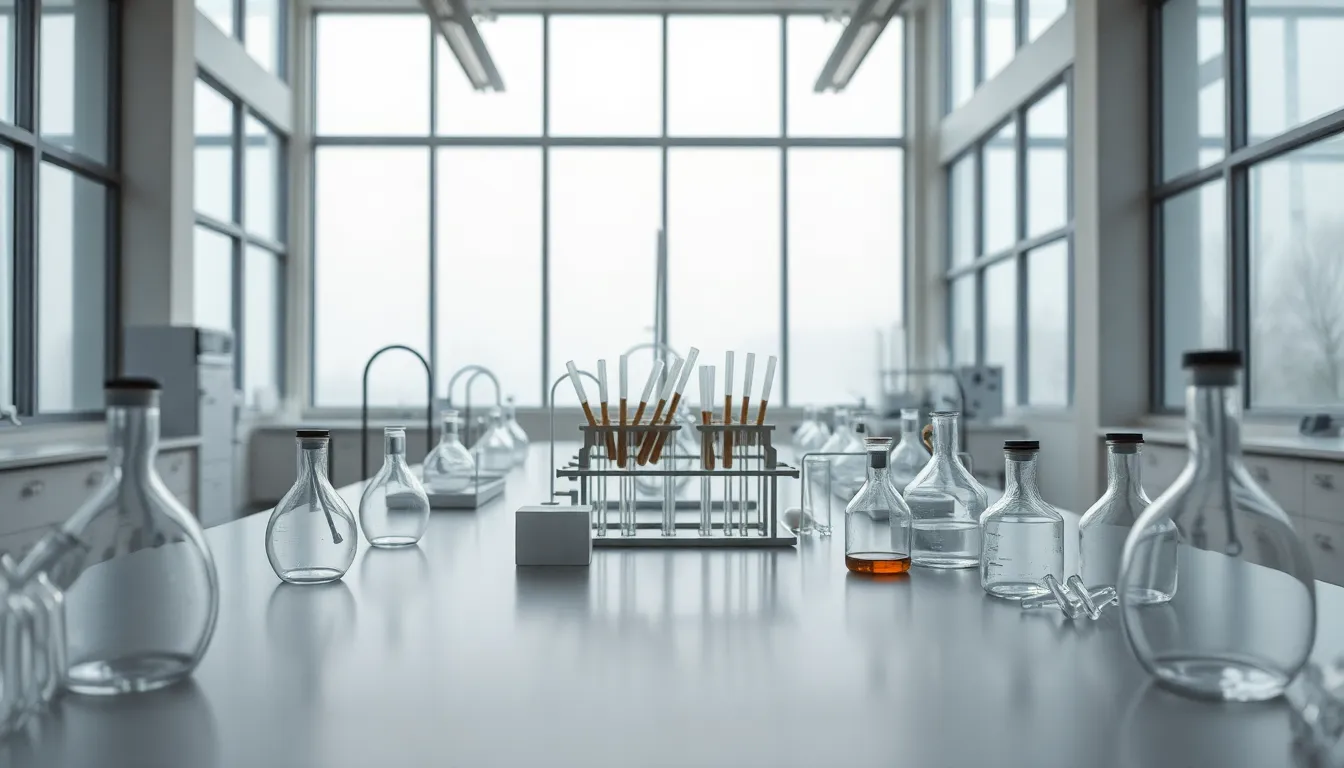
Hasselblad X2D 100C, 90mm f/2.5 medium format, utilizing overcast diffused daylight streaming through large windows to create an even exposure. Hyperfocal distance ensures everything from foreground to infinity is in focus at f/8, revealing intricate details of various laboratory instruments. The color palette consists of natural muted tones, emphasizing the minimalist aesthetic of the setting. The composition is characterized by a leading line formed by a long laboratory table displaying an organized array of glass flasks and pipettes.
16:9
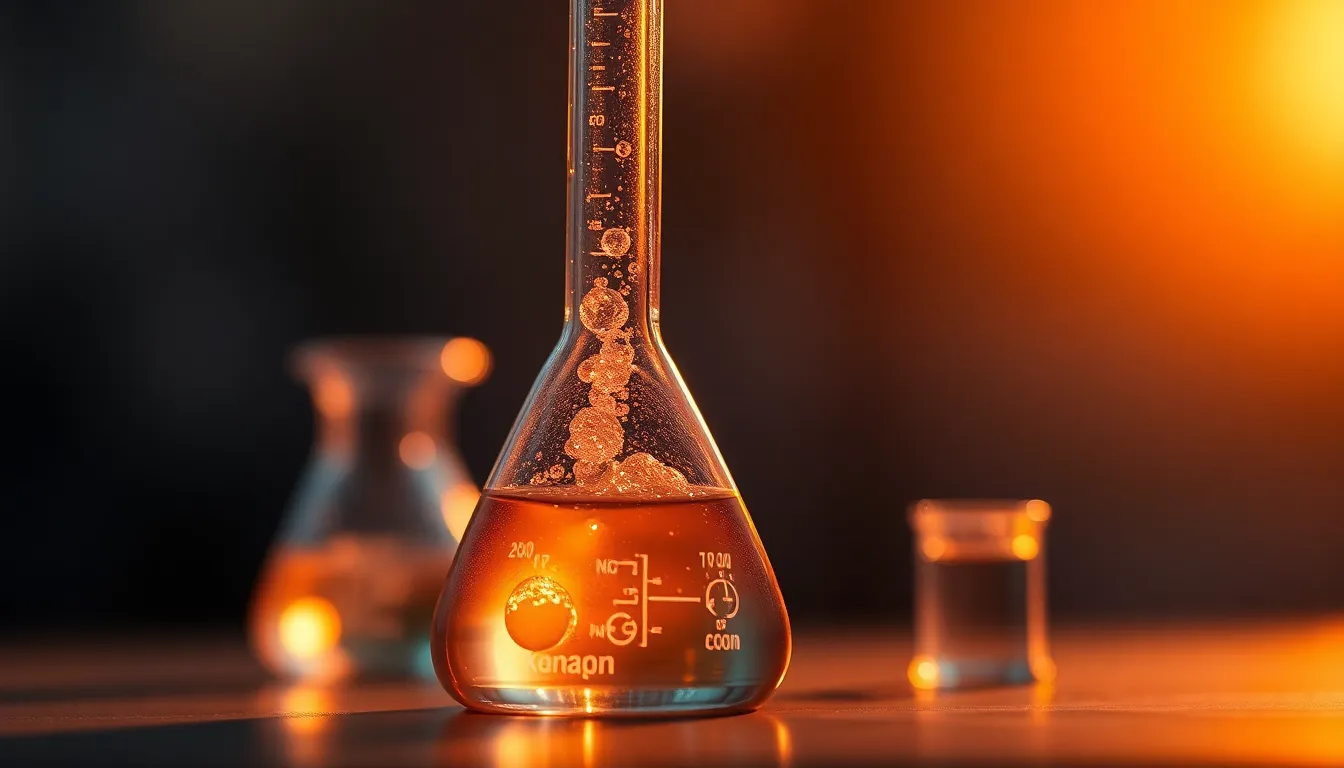
Nikon Z9, 70-200mm f/2.8 telephoto at 100mm, golden hour backlighting with warm rim light around the chemical apparatus. Shallow depth of field at f/2.8 creates a dreamy background, while the warm colors of the sunset add ethereal quality. The composition follows leading lines that draw the viewer's eye toward the intricate details of the glassware and the bubbling liquid inside. The texture of the glass reflects the soft hues of the sunset, enhancing the visual impact.
16:9
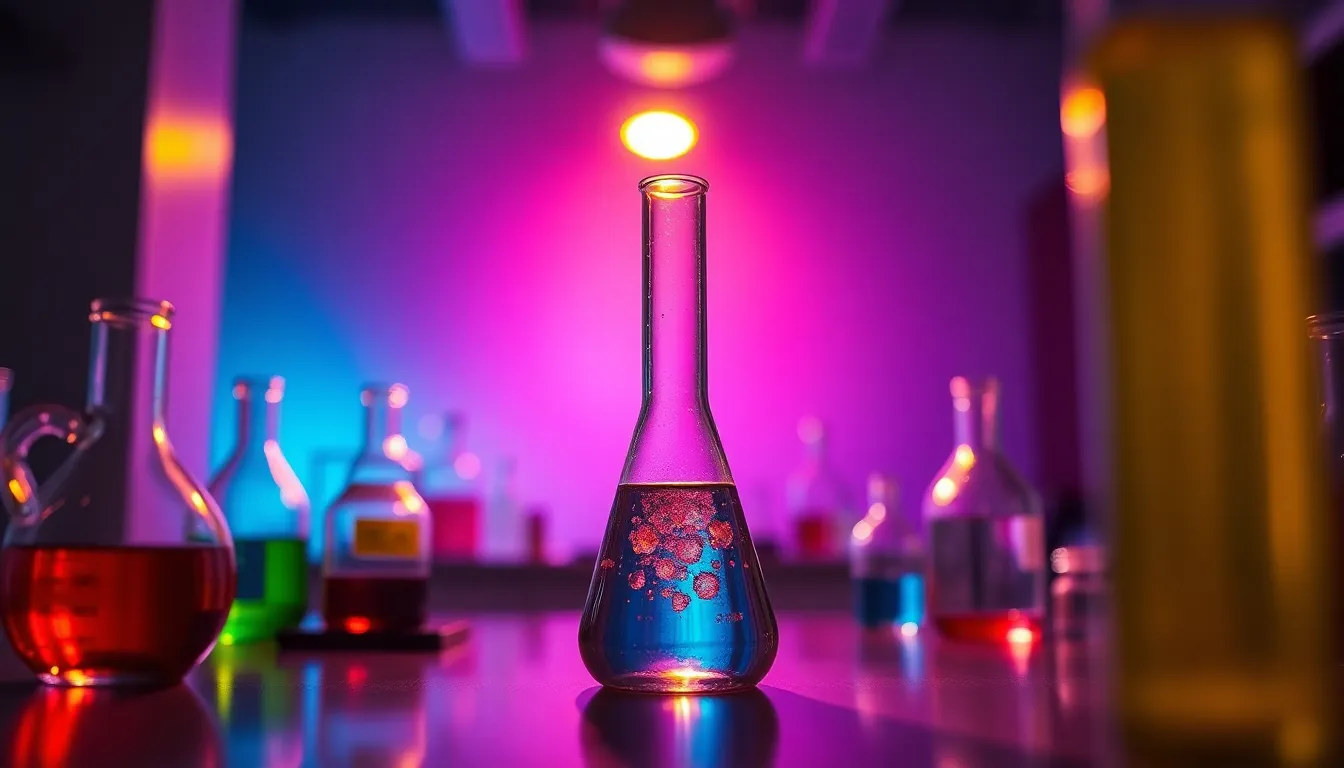
shot on Sony A7R V with 85mm f/1.4 GM lens, dramatic studio lighting with a single key softbox at 45° creating sharp shadows and highlighting the subject's details. Hyperfocal distance ensures everything from foreground to infinity is tack-sharp at f/8. The color palette reflects cinematic teal and orange grading, giving the scene an intense mood. The composition takes a centered approach, showcasing a chemist in a lab coat holding a beaker filled with a colorful solution, with books and lab equipment in the background.
3:2
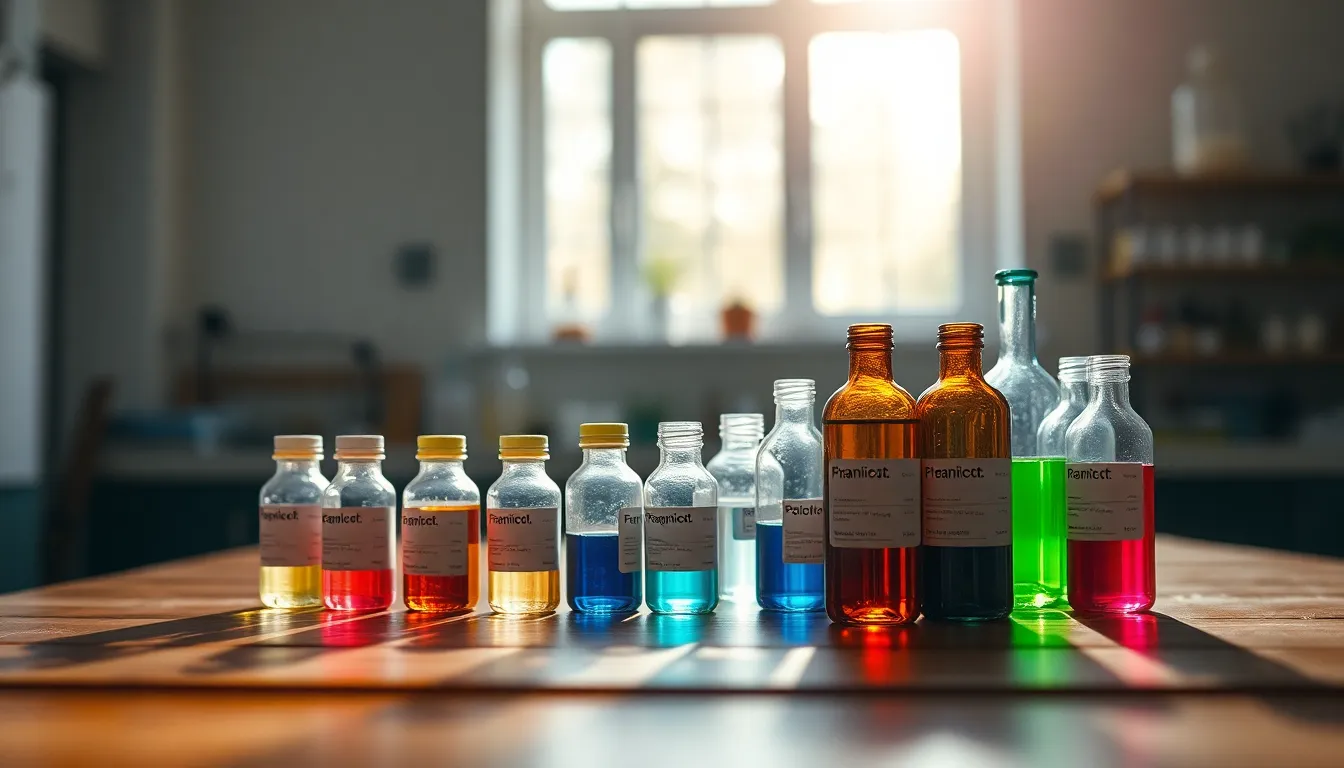
captured with Canon EOS R5, 24-70mm f/2.8L at 50mm, soft natural light from a large window creating a bright, inviting atmosphere. Shallow depth of field at f/2.8 with smooth bokeh blurring the background. Natural muted tones with desaturated earth colors dominate the image. The composition follows the rule of thirds, with a colorful array of chemical reagents nestled on a polished wooden table. Each glass vial shows subtle reflections, and the labels are meticulously arranged for clarity.
16:9
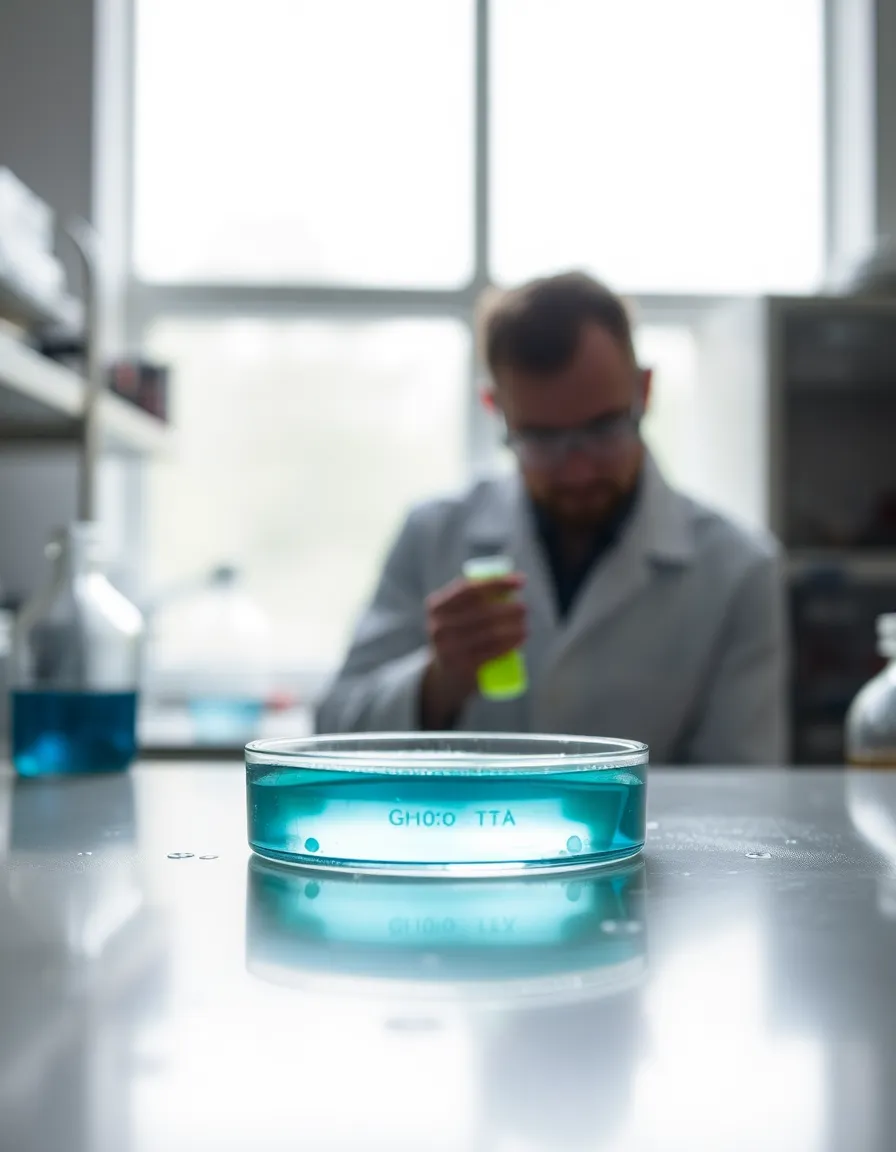
captured with Leica Q3, 28mm f/1.7 Summilux, featuring a close-up of glasses and beakers arranged for a chemistry demonstration with a backdrop of chalkboard equations. Warm tungsten lighting from the side casts dramatic shadows and creates a cozy atmosphere. The shallow depth of field at f/2 highlights the foreground glassware while gently blurring the detailed chalkboard behind. The color palette is rich with warm tones, contrasting the glass's clarity against the dark board. Composition centers on the glassware, with leading lines from the lab table helping to navigate the viewer's eye towards the action.
2:3
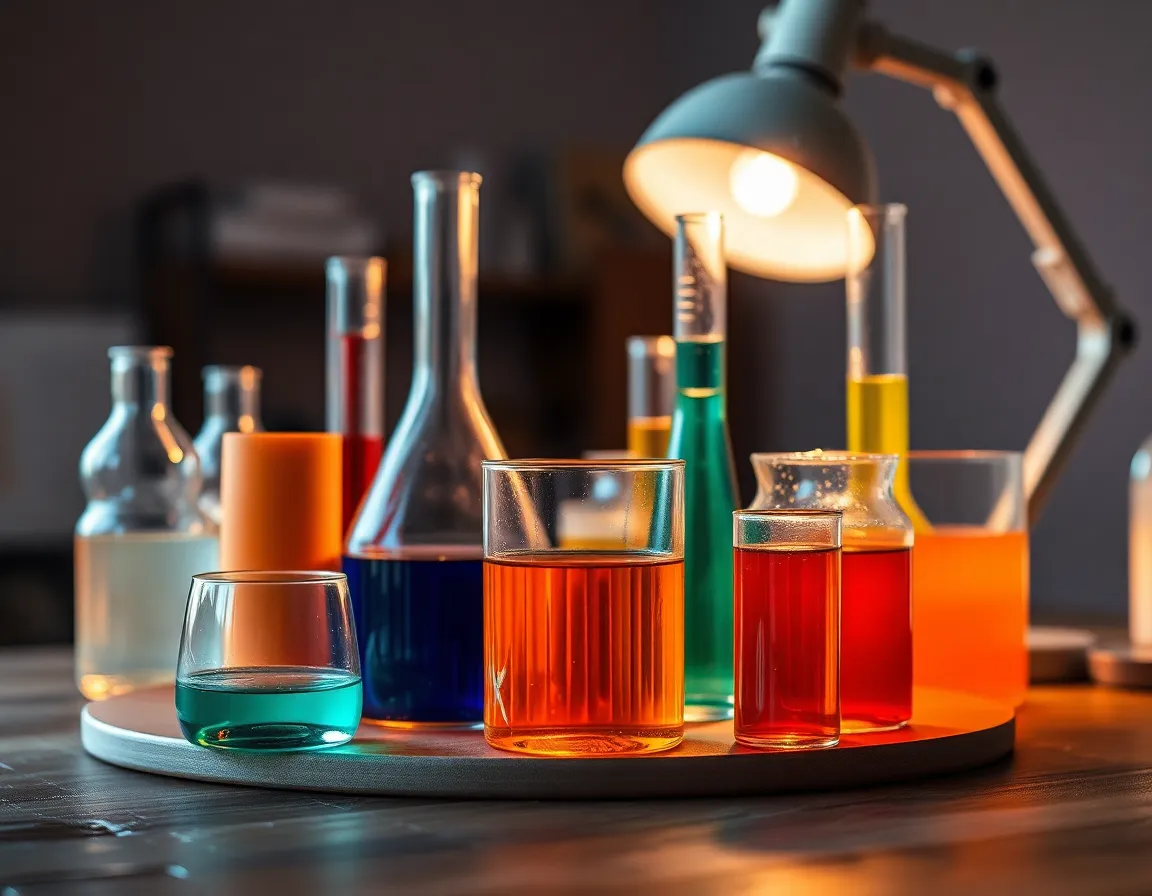
shot on Hasselblad X2D 100C, 90mm f/2.5 medium format, depicting a serene outdoor chemistry experiment involving crystal growth on a laboratory bench surrounded by greenery. Dappled sunlight filters through leaves, creating a soft, natural ambiance. The depth of field is selective, highlighting the shimmering crystals while the background blurs into a beautiful, painterly bokeh. The color palette features earthy greens and blues, in harmony with the surrounding nature. Composition employs the rule of thirds, with the crystals placed on the left, drawing attention to their intricate details complemented by a natural setting.
3:4
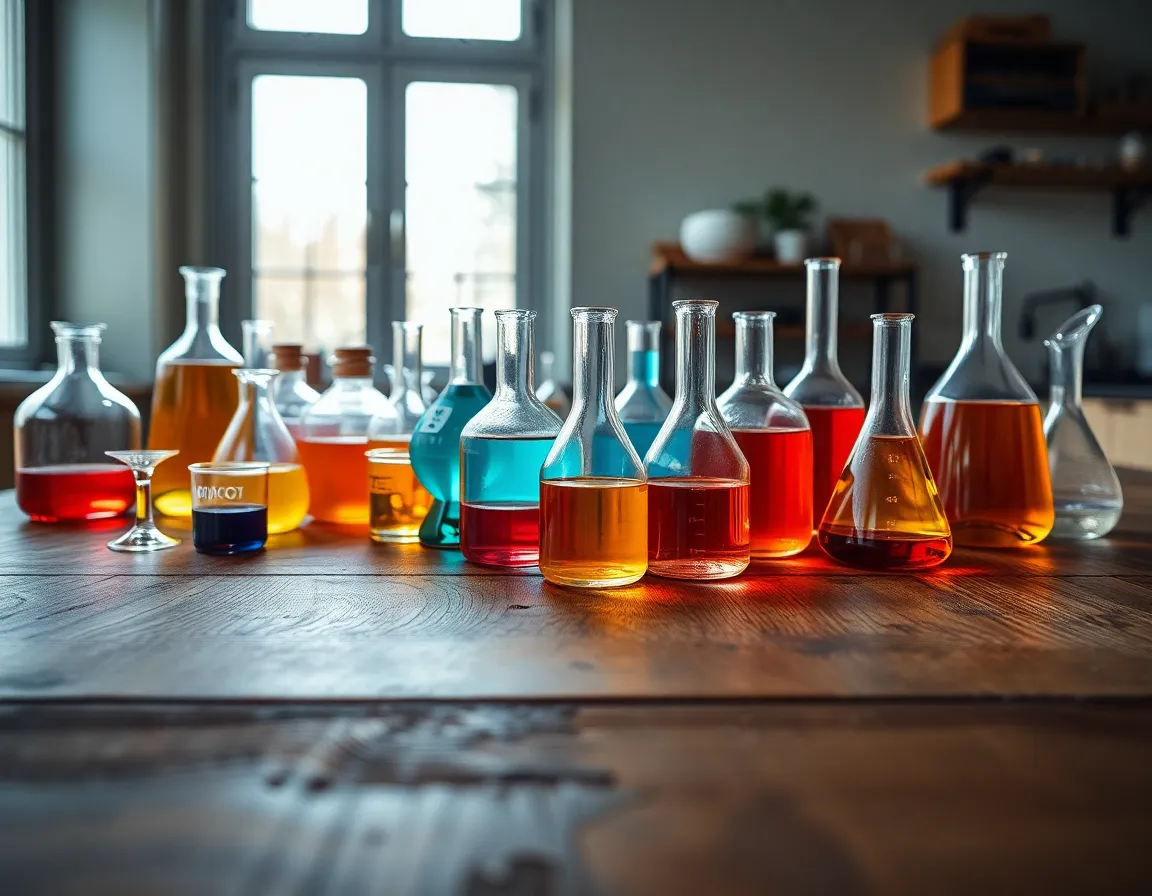
shot on Fujifilm GFX 100S, 110mm f/2 macro, zeroing in on a meticulously arranged set of laboratory glassware filled with various colorful chemical solutions on a textured wooden table. Soft diffused daylight from the nearby window creates an inviting atmosphere with gentle shadows. Hyperfocal distance ensures sharpness throughout the scene, capturing every detail of the glass and the reflections of light bouncing off the surfaces. The color palette is a mix of warm earth tones with vibrant pops of color from the chemicals. The composition uses leading lines from the table's grain to guide the viewer's eye across the arrangement.
4:3
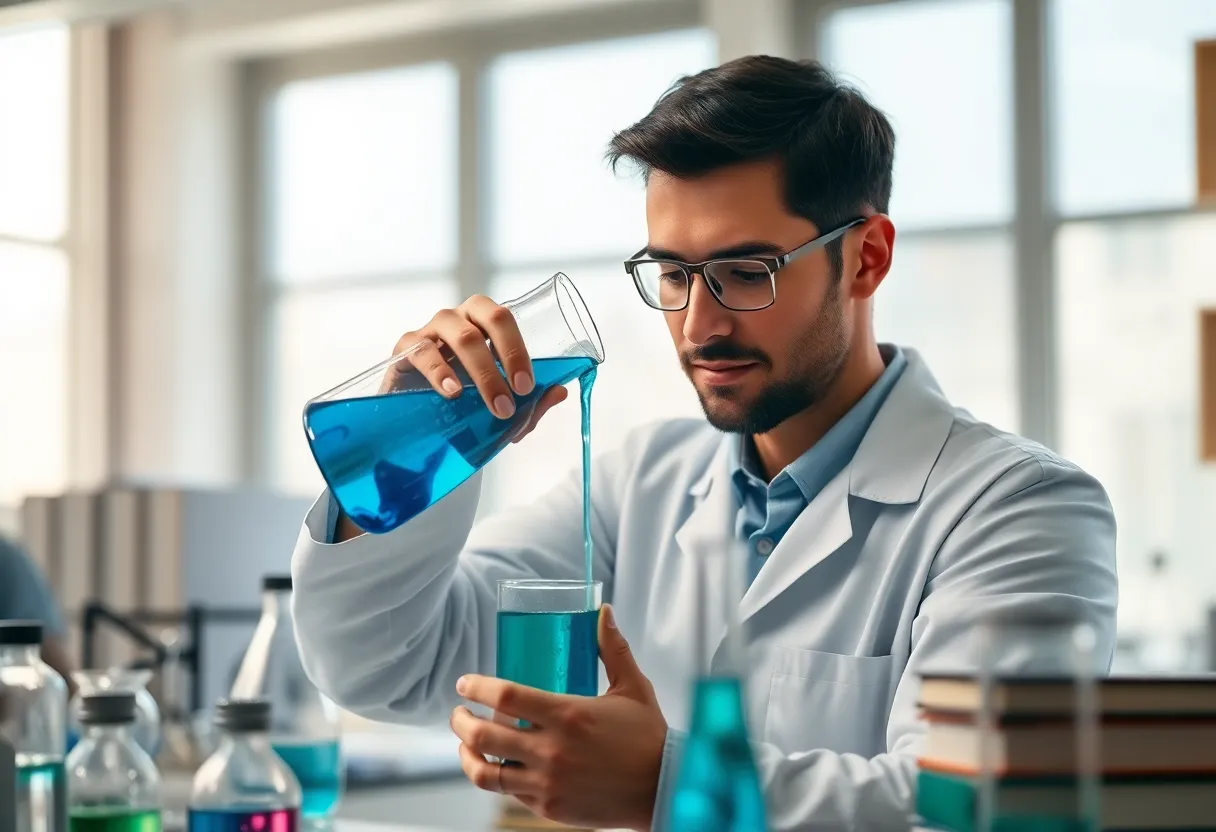
captured with Nikon Z9, 70-200mm f/2.8 telephoto at 135mm, focusing on a chemist pouring a vibrant blue liquid into a flask in a professional lab setting. Soft natural light filters through large windows, creating a high-key effect that brightens the scene. Depth of field at f/4 allows the chemist's focused expression to stand out, while the background fades gently into soft bokeh. The color palette is predominantly cool tones with sparkling blues and greens highlighting the liquids. Centered composition emphasizes the action of the pour, while lab equipment and books frame the scene.
3:2
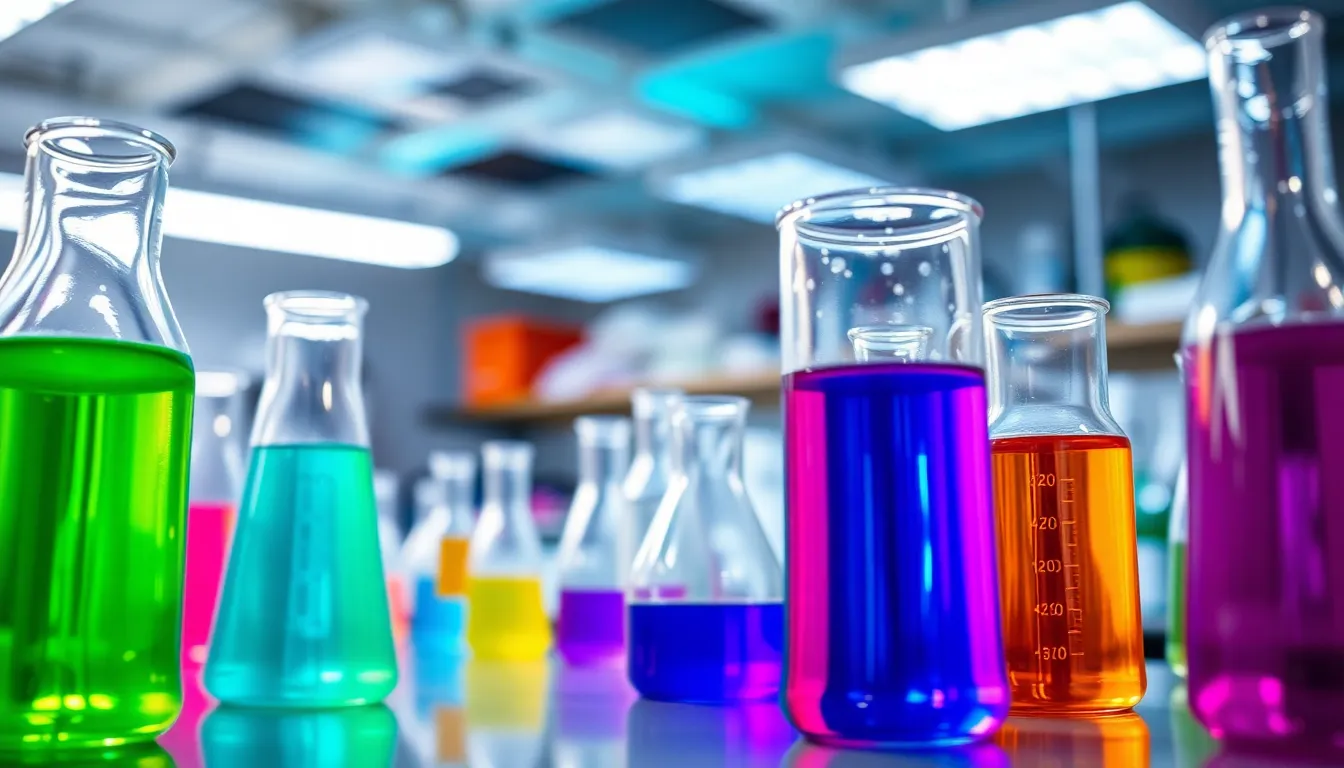
shot on Canon EOS R5, 24-70mm f/2.8L at 35mm, capturing a vibrant chemistry lab scene filled with colorful liquids in glass beakers. Overhead fluorescent lighting provides bright, even illumination, accentuating the rich hues of the chemicals. Shallow depth of field at f/2.8 creates a creamy bokeh that softens the background clutter of lab equipment. The color palette features vivid greens, blues, and yellows reminiscent of a high-energy environment. Composition follows the rule of thirds, placing the most visually striking beaker in the left third, while detailed reflections on the glassware enhance the overall texture and realism.
16:9
Shot on Hasselblad X2D 100C, 90mm f/2.5 medium format, this image displays a scientist wearing protective gear analyzing samples in a fume hood. The lighting is bright and clinical, with cool tones dominating the scene. The depth of field is hyperfocal, ensuring sharpness from foreground to background. The image is composed symmetrically, emphasizing the precision of the scientific process. The texture of the fume hood materials and the scientist’s gear adds realism, showcasing the importance of safety in chemistry.
2:3
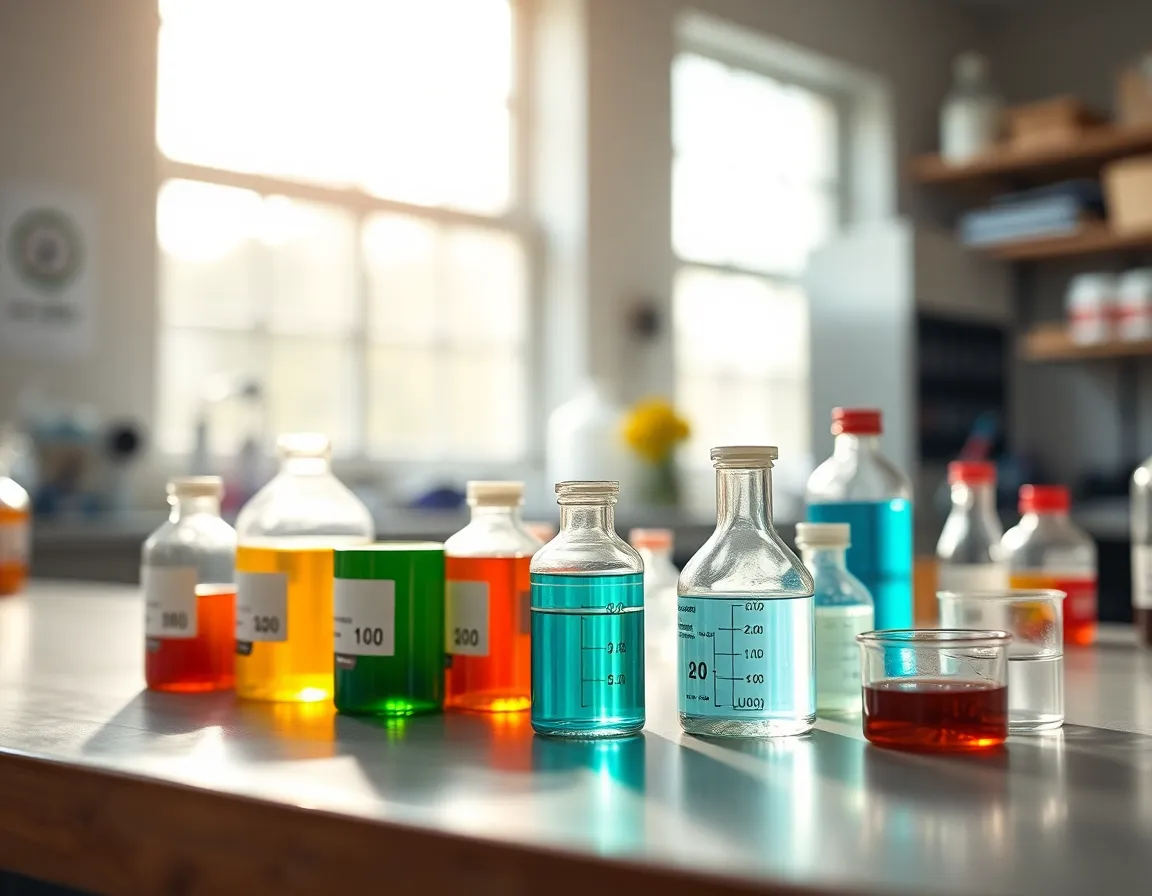
Captured with Fujifilm GFX 100S, 110mm f/2 macro lens, this image features a detailed shot of chemical compounds on a lab table. Soft diffused daylight filtering through windows bathes the scene in natural light, enhancing the colors of the compound containers. The depth of field is shallow, keeping the focus on the intricate details of the compounds while the background softly blurs into a painterly effect. The natural palette evokes an organic feel, and the composition employs leading lines from the containers towards the focal point.
4:3
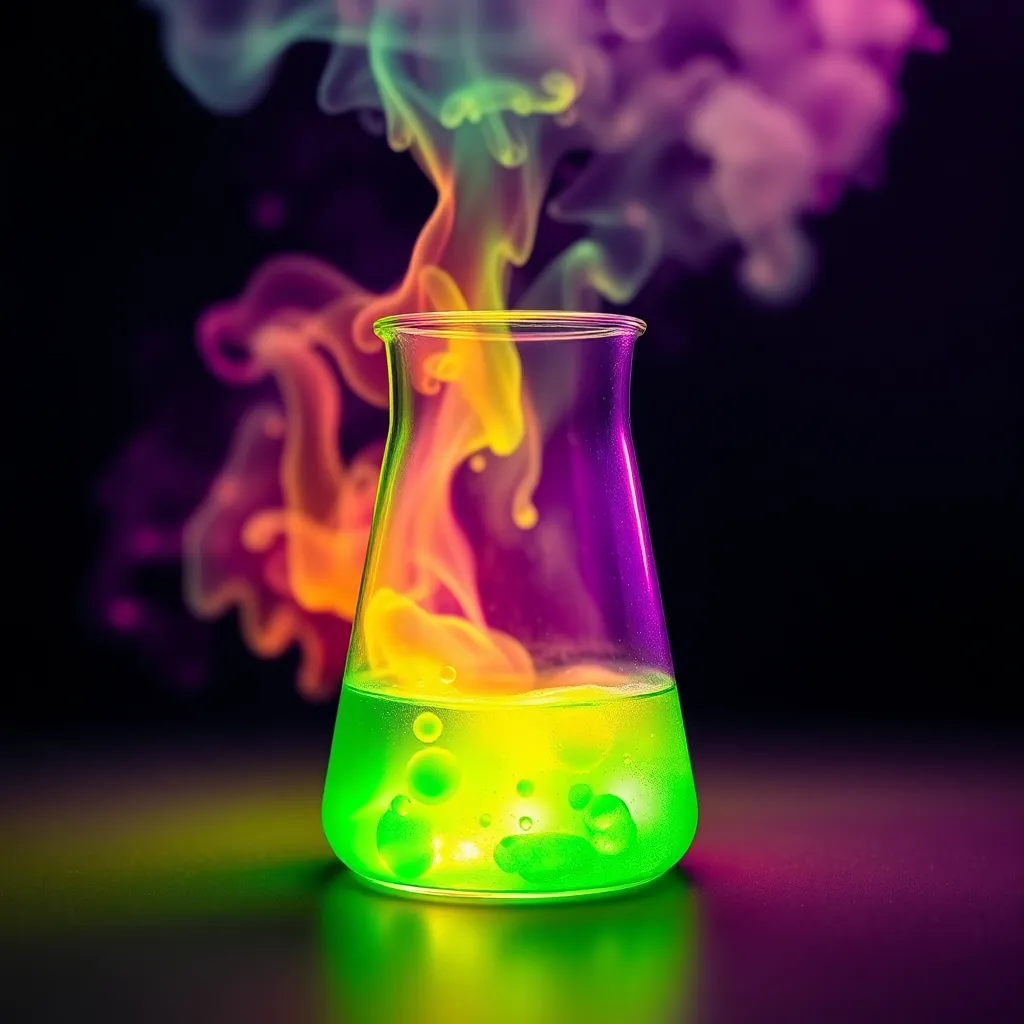
Photographed using Nikon Z9, 70-200mm f/2.8 telephoto at 100mm, this image captures a close-up of a chemical reaction in a beaker producing bright colorful gas. The lighting is dramatic, with a single spotlight highlighting the beaker against a dark backdrop. The colors are saturated with vivid greens and purples, creating a striking visual contrast. The composition utilizes a centered layout, drawing attention to the dynamic reaction. Surface textures of the glass beaker and bubbling liquid add depth to the image.
1:1
Shot on Sony A7R V with 85mm f/1.4 GM lens, this image showcases a chemist in a white lab coat examining a molecular model. Soft natural light from a window illuminates the scene, creating a warm and inviting ambiance. The shallow depth of field emphasizes the chemist’s focused expression and the colorful model in their hands. Colors are vibrant against the neutral backdrop, and the composition employs the rule of thirds with the chemist positioned to the right. Texture details are evident in the lab coat fabric and molecular model materials.
3:2
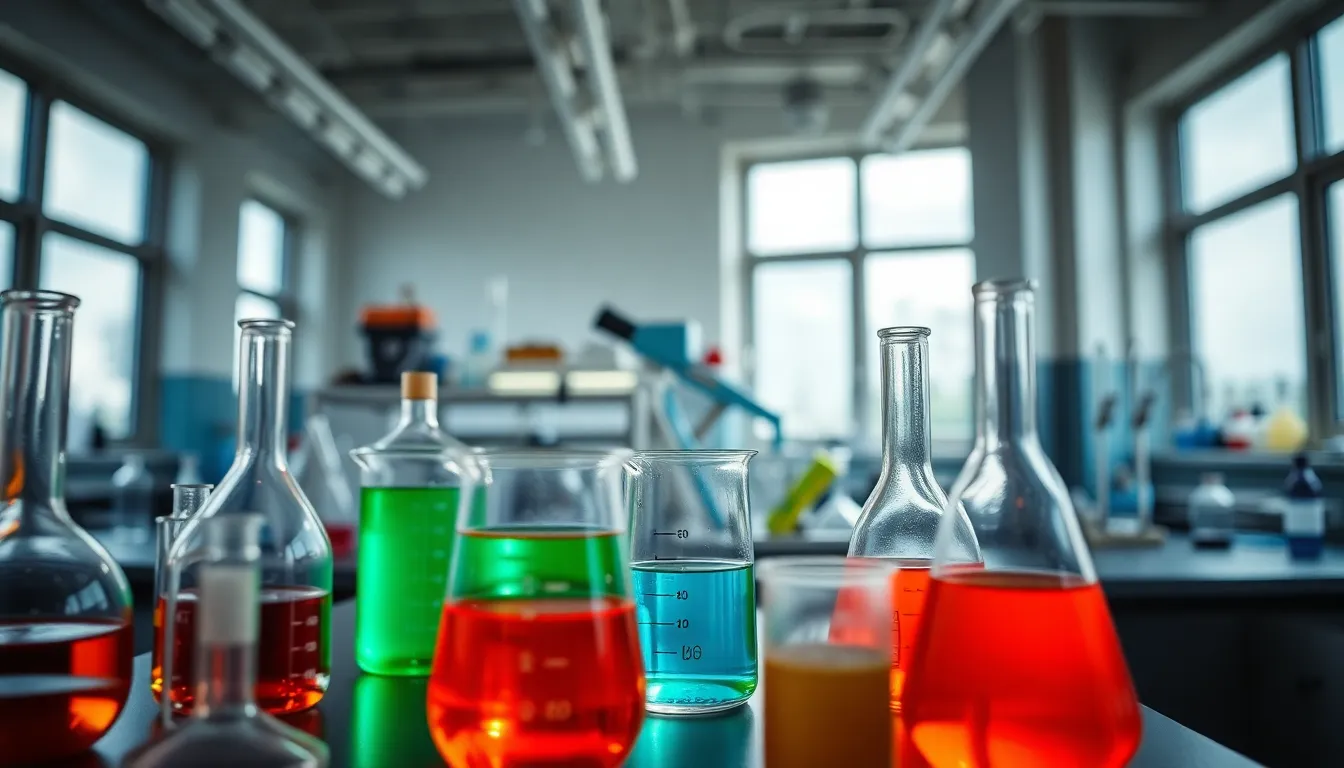
Captured with Canon EOS R5, 24-70mm f/2.8L at 50mm, this image features a clean laboratory environment with bright overhead fluorescent lights creating even illumination. Shallow depth of field at f/2.8 focuses on a glass beaker filled with a vibrant blue liquid, surrounded by various pipettes and lab equipment. The color palette reflects cool tones, emphasizing the scientific atmosphere. Compositionally, the beaker is positioned off-center with leading lines from the pipettes guiding the viewer’s eye. The glass surface displays intricate reflections and subtle textures of the lab countertop.
16:9
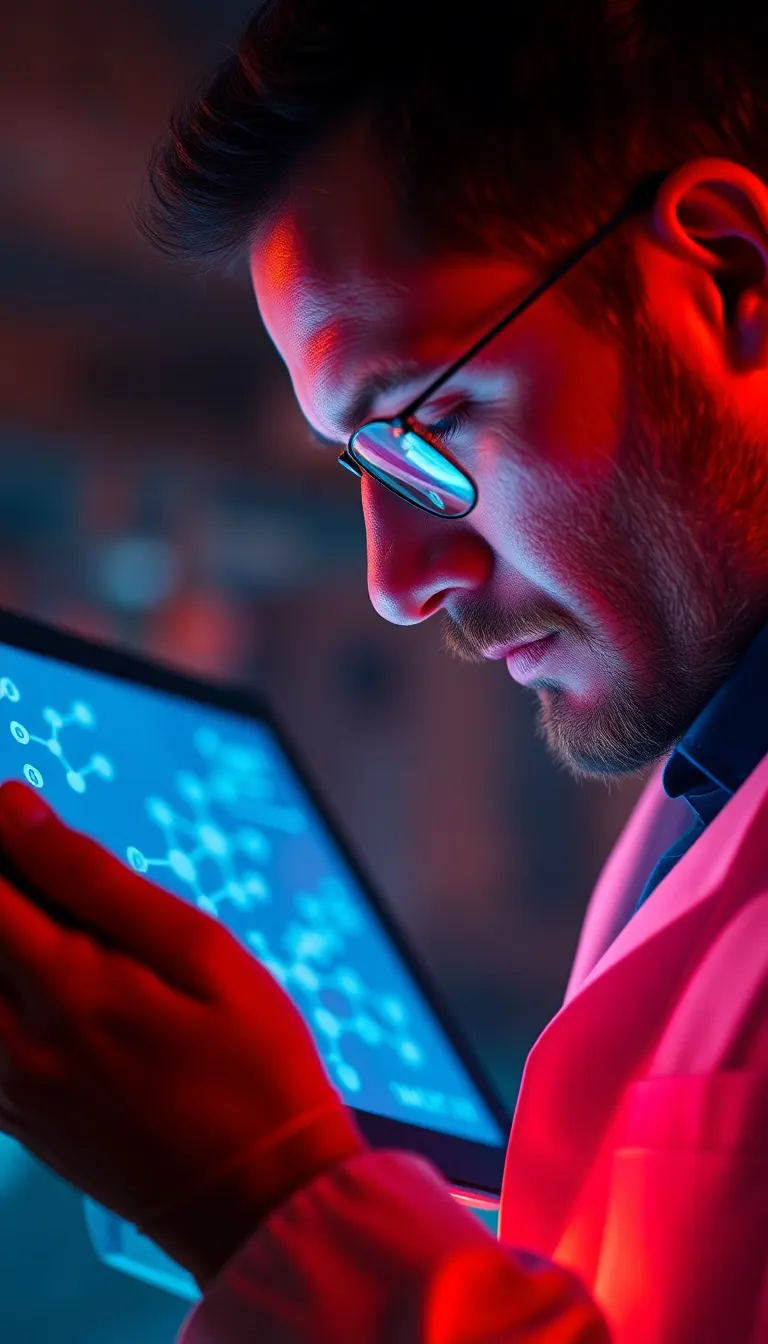
shot on Sony A7R V with 85mm f/1.4 GM lens, featuring a close-up of a chemist analyzing molecular structures on a digital tablet, illuminated by a cool blue LED light. The depth of field is shallow at f/1.4, creating a creamy bokeh that enhances the focus on the tablet's screen. The color palette features cinematic teal and orange grading, contrasting the warm tones of the chemist's skin against the cool colors of the device. The composition uses a diagonal angle, adding dynamism to the scene.
9:16
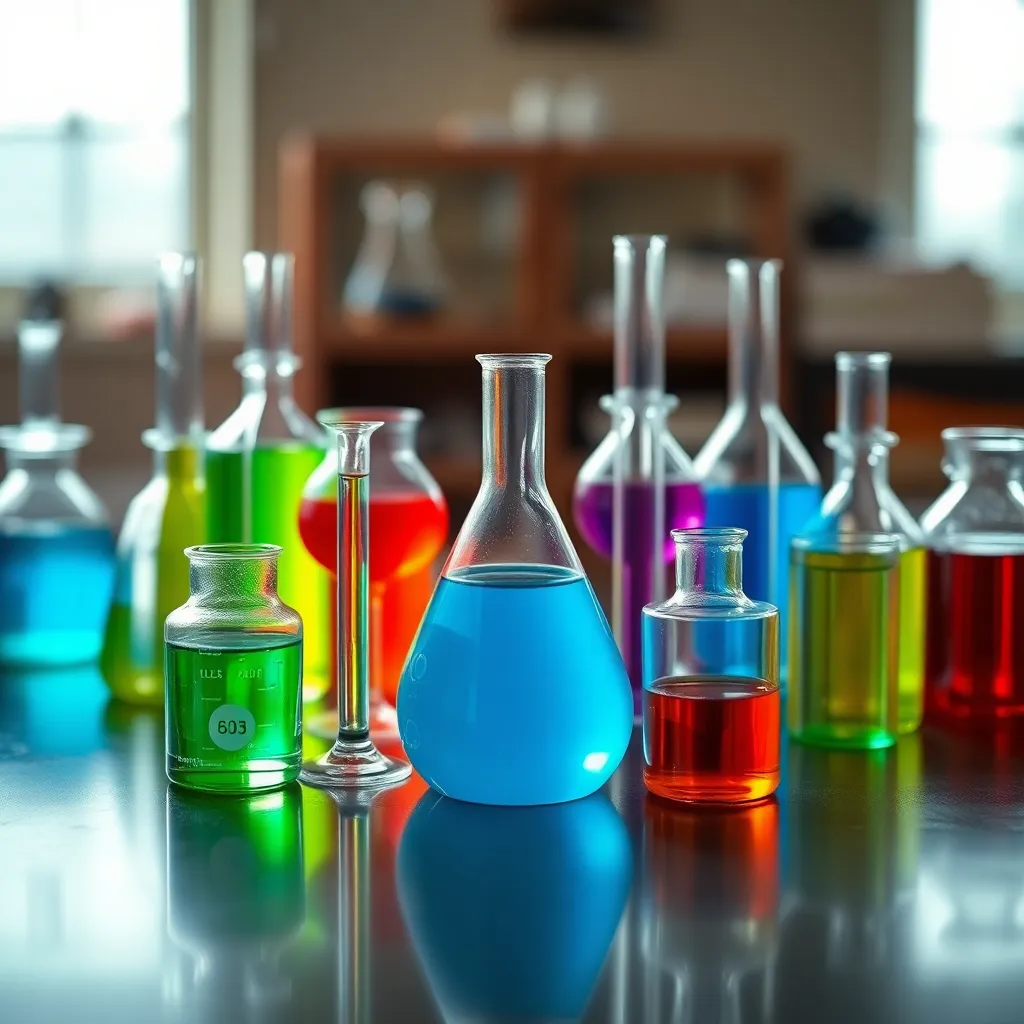
Hasselblad X2D 100C, 90mm f/2.5 medium format, capturing an elegantly arranged display of chemical glassware filled with various colorful liquids. The setup is bathed in overcast diffused natural daylight, allowing for rich color tones and even lighting across the surface. The depth of field is shallow, with a soft bokeh effect in the background. The color palette consists of desaturated earth tones with pops of bright colors from the liquids. The composition uses a centered symmetrical layout, enhancing the visual appeal of the scene.
1:1
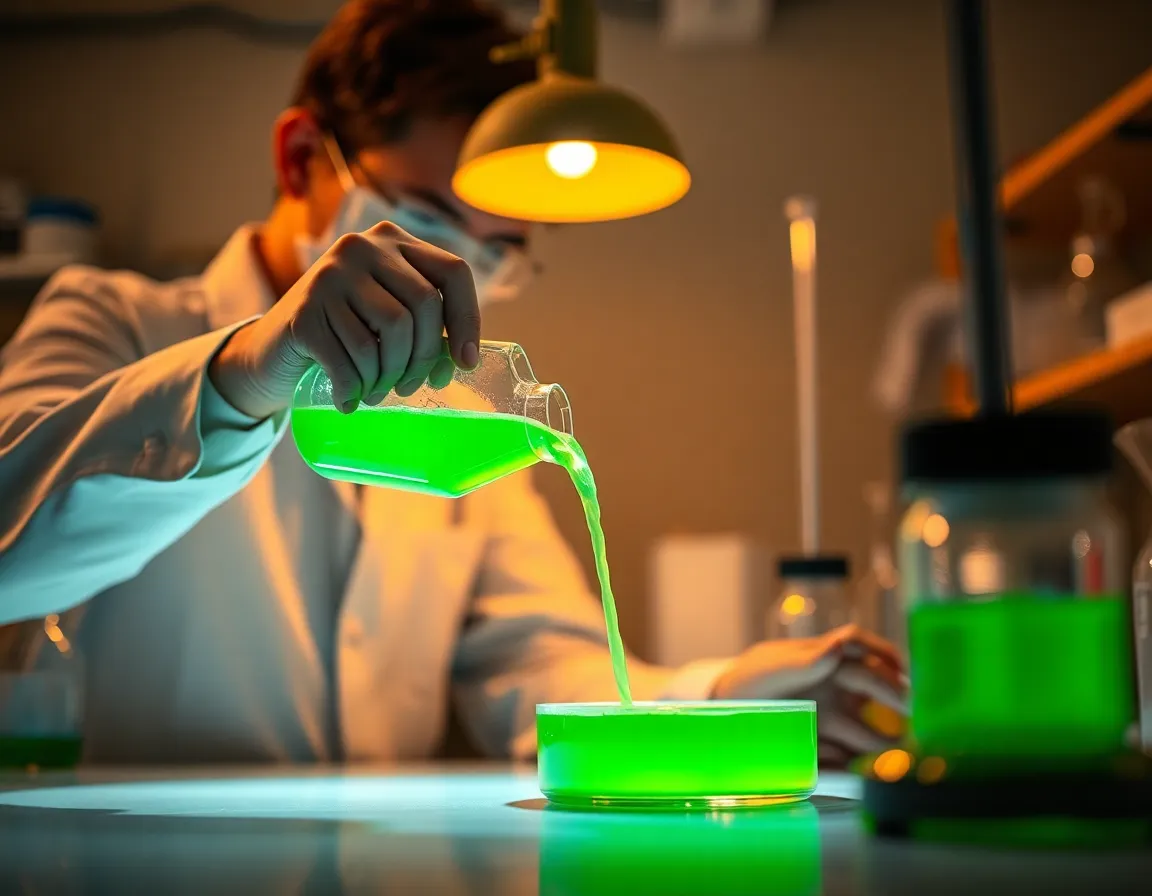
Nikon Z9, 70-200mm f/2.8 telephoto at 100mm, showcasing a scientist in a lab coat pouring a bright green solution into a petri dish under warm tungsten light from a hanging lamp. The shot features a hyperfocal depth of field, capturing both the scientist's intense focus and the vibrant liquid. Natural muted tones dominate, with rich greens and earth colors. Composition focuses on the leading lines created by the lab equipment, guiding the viewer's eye to the action in the dish.
4:3
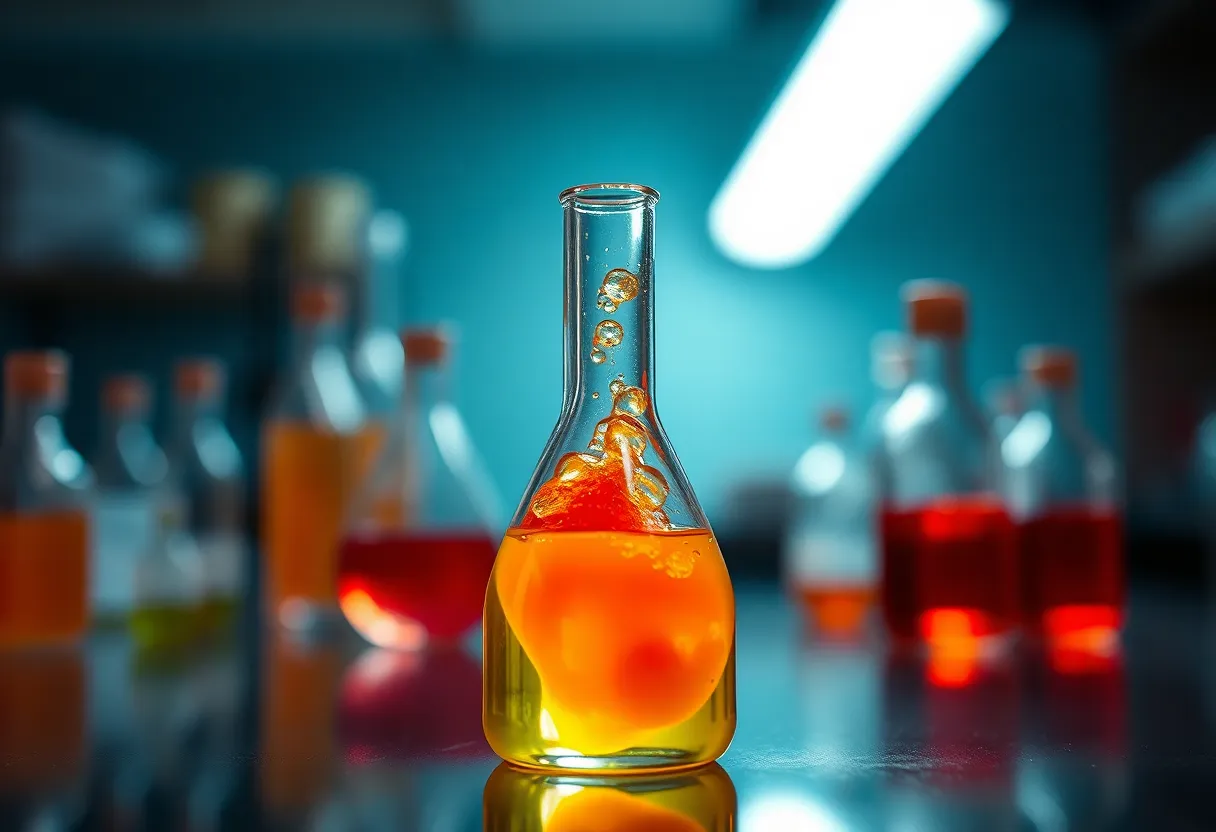
captured with Fujifilm GFX 100S, 110mm f/2 macro, featuring dramatic Rembrandt lighting with a single softbox positioned to the side of a chemical reaction between two colorful liquids in a flask. The image has a hyperfocus on the bubbling reaction, with a shallow depth of field blurring the laboratory background. Colors pop with a Fujifilm Velvia-inspired palette, emphasizing the vivid reds and yellows of the liquids. The composition centers on the flask, creating striking symmetry and contrast.
3:2
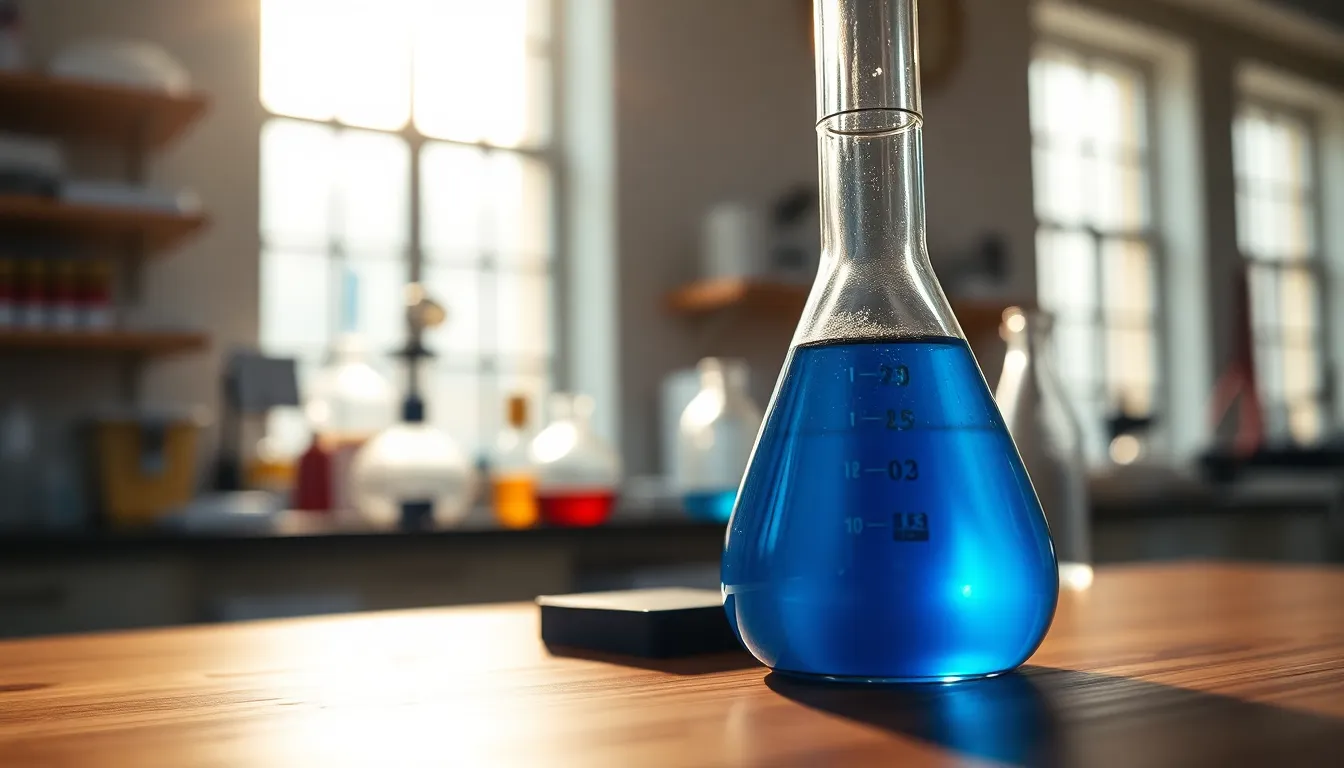
shot on Canon EOS R5, 24-70mm f/2.8L at 50mm, illuminated by soft diffused daylight coming through large laboratory windows, shallow depth of field at f/2.8 focusing on a glass beaker filled with vibrant blue liquid. The bokeh background features laboratory equipment in soft focus. The color palette is inspired by Kodak Portra 400, showcasing warm skin tones and creamy highlights. The composition uses the rule of thirds with the beaker placed at the right power point, while the wooden lab table shows natural grain texture.
16:9
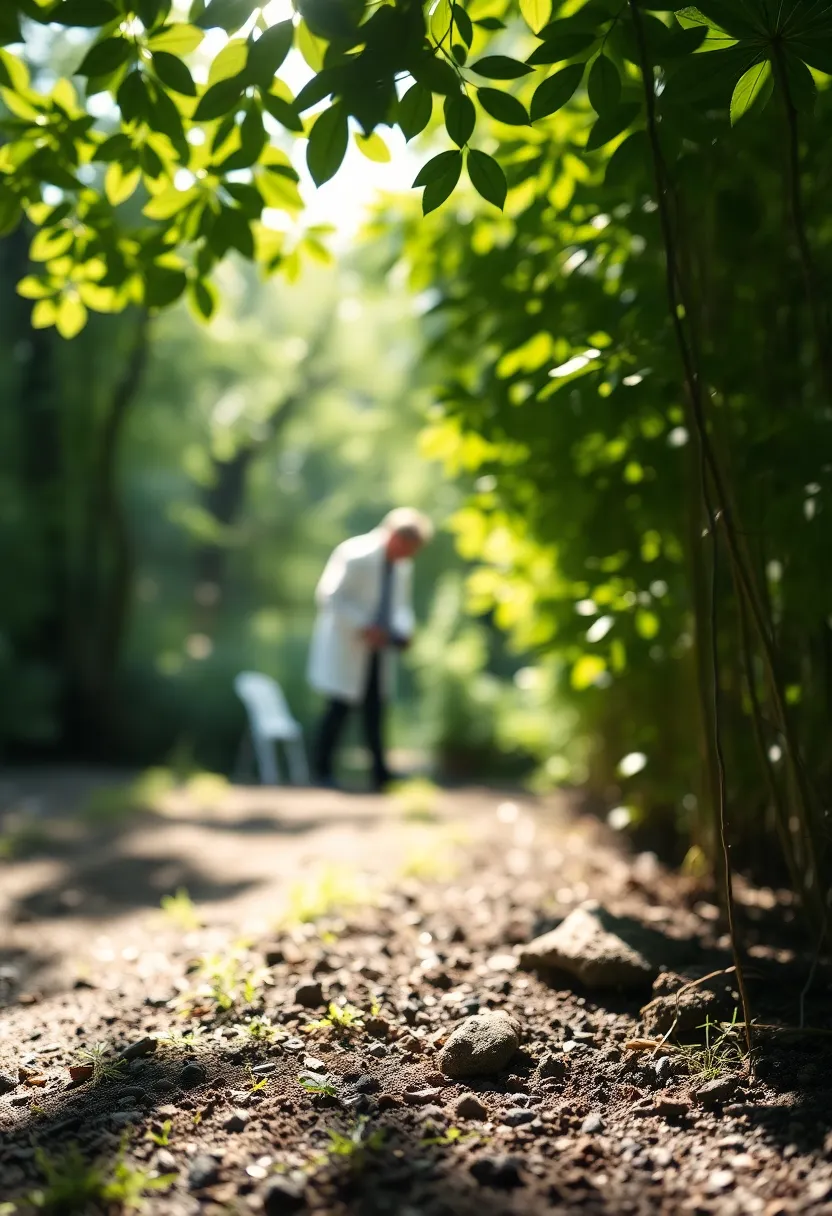
Leica Q3, 28mm f/1.7 Summilux, taken during early morning light in a botanical garden. The focus is on a scientist collecting soil samples, with natural sunlight filtering through the leaves, creating dappled patterns on the ground. The depth of field at f/1.7 isolates the subject sharply against a blurred background of lush greenery. The color palette is rich in muted earth tones, reflecting the organic nature of the laboratory work being conducted outdoors. The composition follows the rule of thirds, placing the scientist at one power point while the surrounding foliage draws the viewer’s eye.
2:3
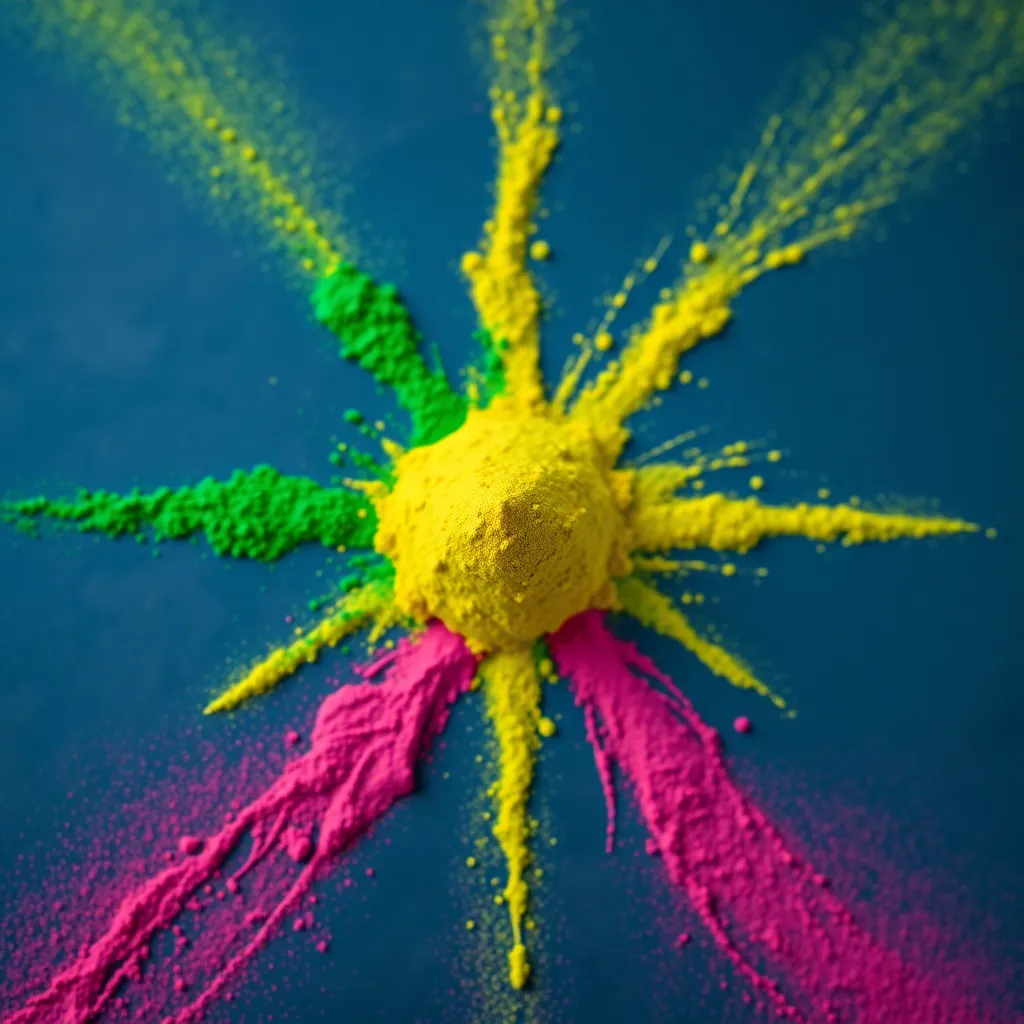
Fujifilm GFX 100S, 110mm f/2 macro, utilizing soft box lighting to create a high-key effect over a close-up of colorful powdered chemicals arranged artistically on a slate background. The composition uses a centered symmetrical layout, enhancing the vibrant colors of the powders – bright greens, yellows, and pinks. The shallow depth of field at f/2 creates an ethereal effect, with the texture of the powders sharply in focus against a softly blurred background. The color palette is punchy and vivid, emphasizing the communication of creativity in science.
1:1
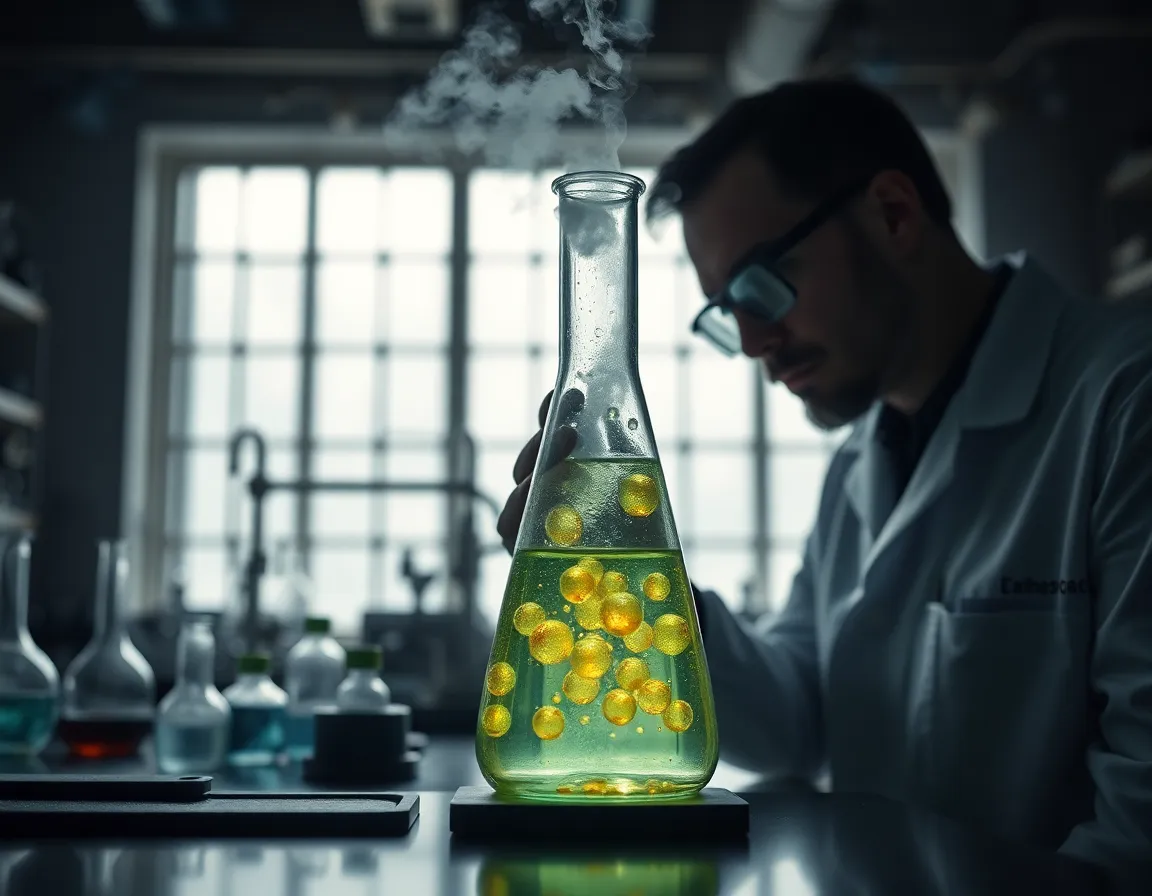
Nikon Z9, 70-200mm f/2.8 telephoto at 135mm, captured in an industrial lab with overcast diffused daylight pouring through large windows. A chemist is observing a powerful chemical reaction in a flask, adorned with smoke and vivid bubbles. The focus is on the flask, with the lab equipment softly blurred in the background, giving a hyperfocal distance effect. The color palette of cool greens and steely grays creates a moody atmosphere that reflects the intrigue of scientific discovery. The composition is centered, emphasizing the dramatic reaction happening within the flask, while surfaces exhibit rich textures of glass and polished metal.
4:3
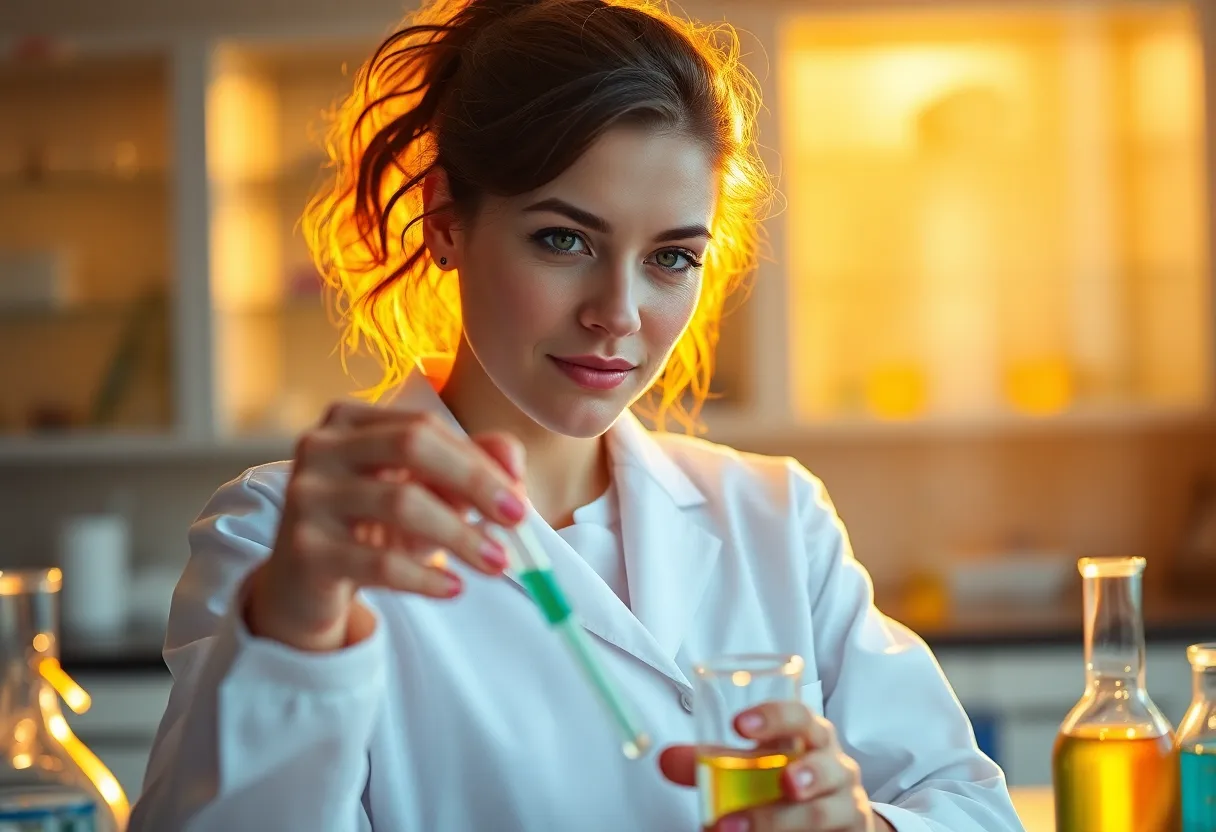
Shot on Sony A7R V with 85mm f/1.4 GM lens, using natural backlighting during the golden hour to illuminate a scientist in a lab coat mixing colorful chemicals. The soft light creates a warm rim light around her figure, enhancing the texture of her coat and the glassware. The focus is on her expressive face, with a shallow depth of field at f/1.4 giving a creamy bokeh to the lab background. The color palette features warm tones of orange and yellow, contrasting with the cooler colors of the glassware. A leading line composition guides the viewer's eye toward the subject, creating an engaging scene.
3:2
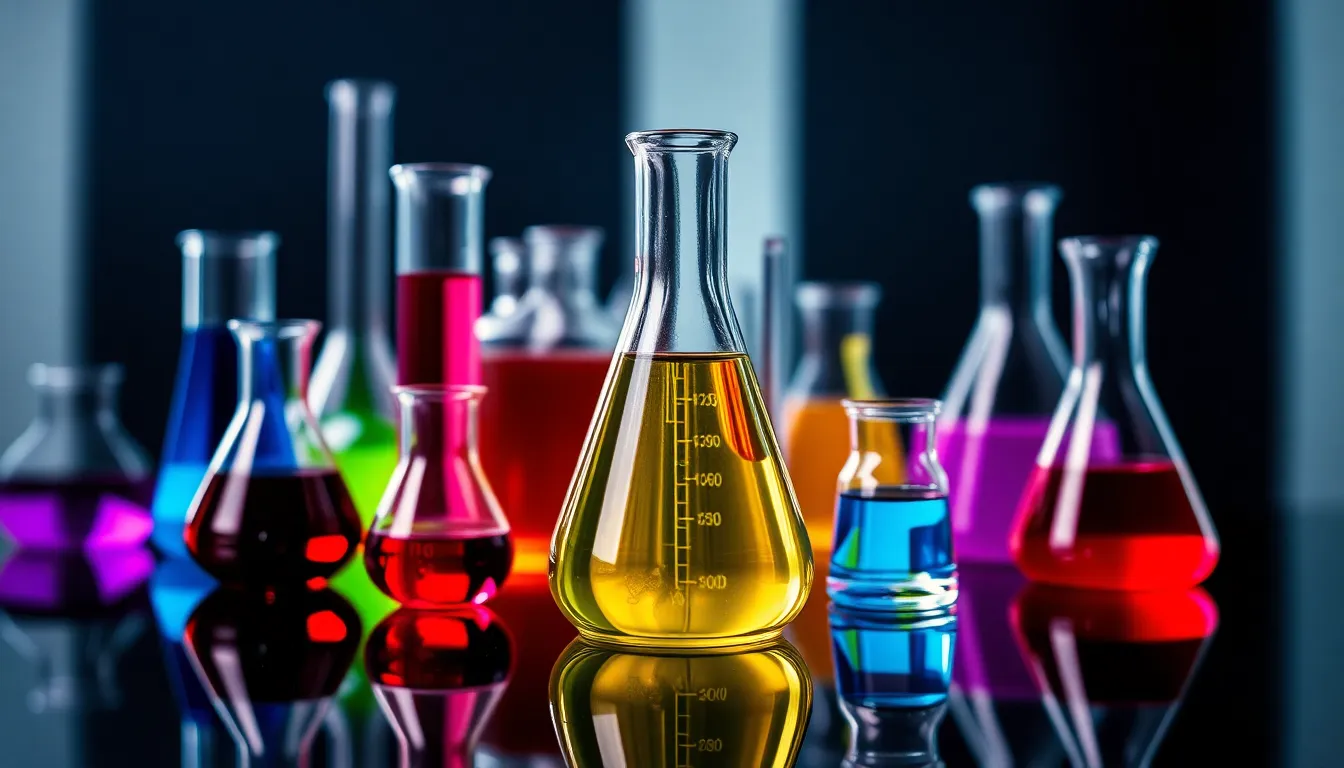
Captured with Canon EOS R5, 24-70mm f/2.8L at 50mm, featuring dramatic side lighting from a single softbox. The scene showcases a colorful array of chemical glassware filled with vibrant liquids, arranged on a polished black surface reflecting their hues. Shallow depth of field at f/2.8 creates a dreamy bokeh background. The color palette is a mix of deep blues, vivid reds, and bright yellows, contrasting against the dark surface. The composition follows the rule of thirds, highlighting the central flask while the surrounding beakers create a sense of balance. Visible texture in the glassware enhances the realism with subtle reflections and highlights.
16:9
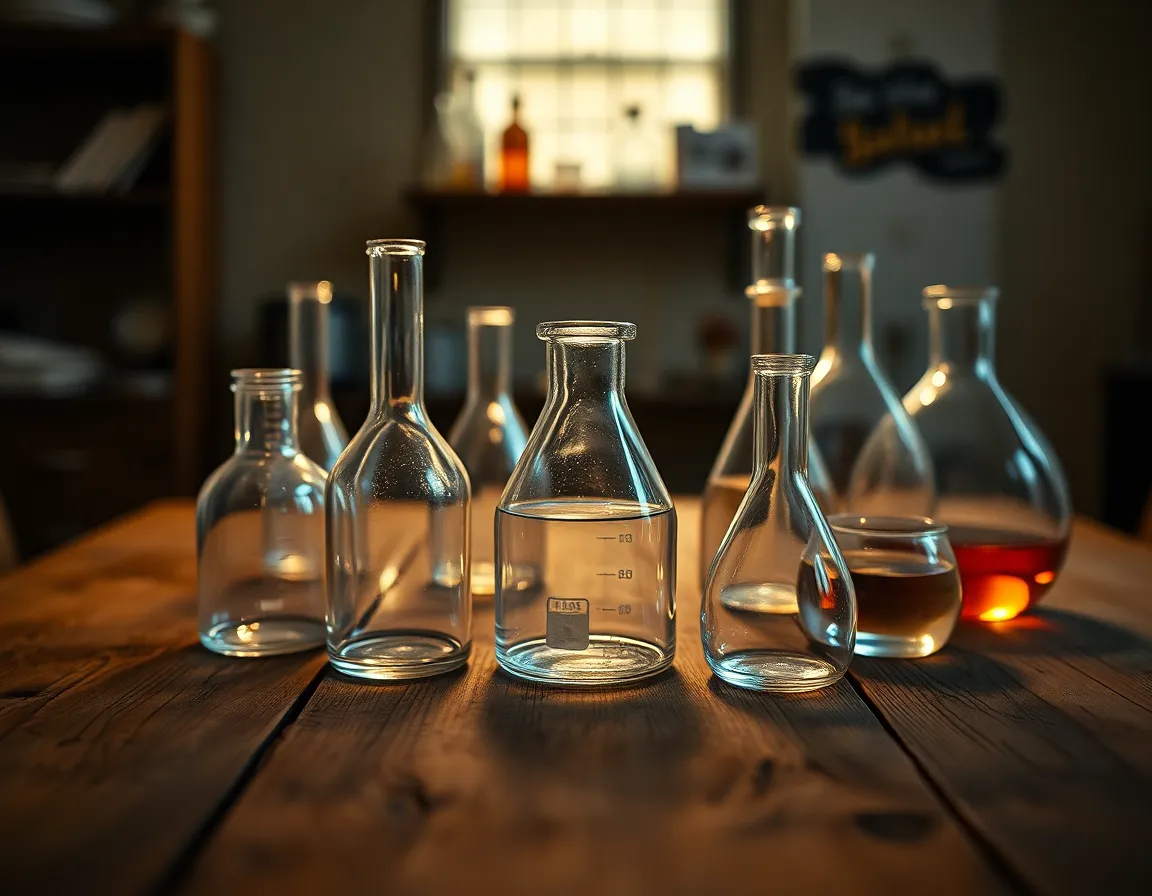
Hasselblad X2D 100C, 90mm f/2.5 medium format captures a wide shot of a chemistry classroom filled with students observing an experiment. The scene is bathed in soft, diffused daylight from large windows, creating an inviting atmosphere. The composition follows leading lines of tables directing the viewer's gaze towards the front of the room where the experiment is taking place. Textures of wooden desks and metal lab equipment add depth, while natural colors establish a calm, studious environment.
16:9
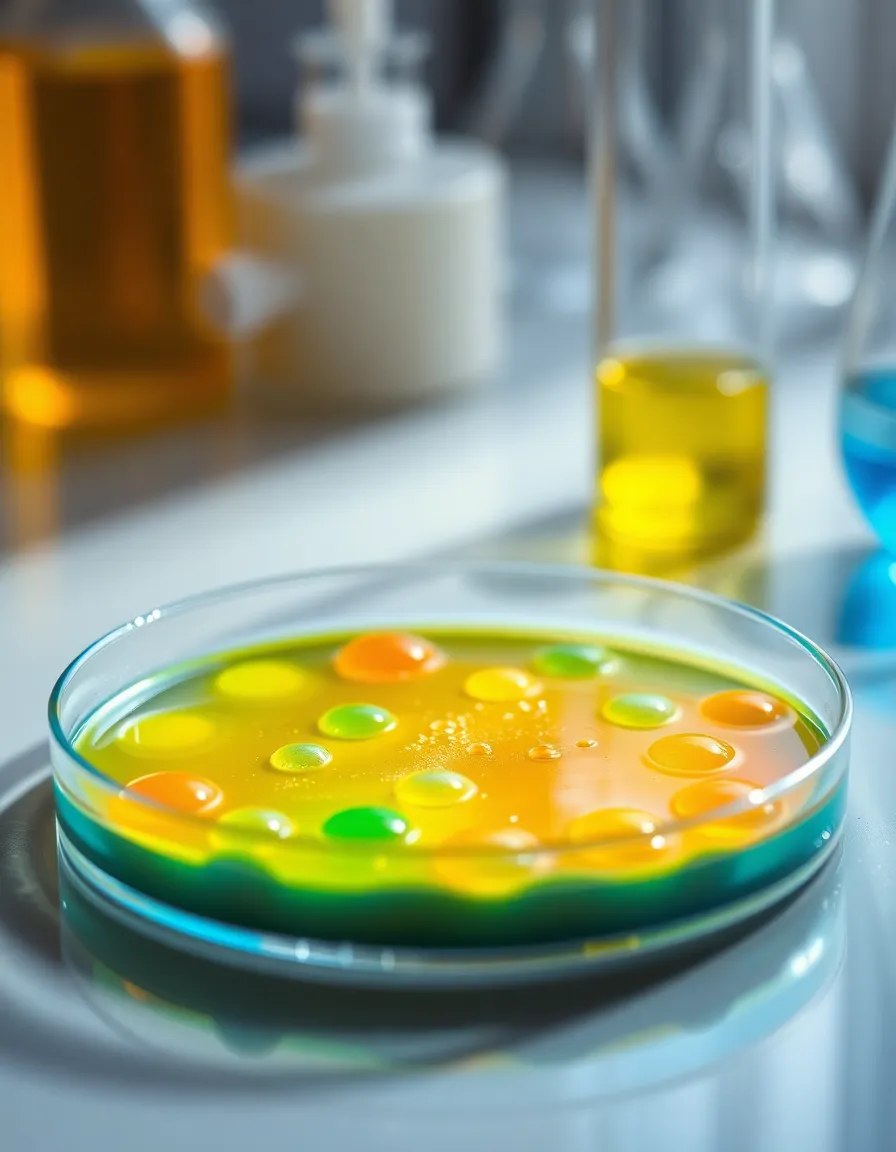
Fujifilm GFX 100S, 110mm f/2 macro captures a detailed view of chemical reactions in a petri dish, illuminated by natural diffused daylight. The scene showcases vibrant colors emerging as chemicals interact, with a hyperfocal depth of field allowing both foreground and background to remain sharply defined. The color palette features bright yellows, greens, and blues. The composition leads the eye from the top left corner, where the light enters, down to the reactions taking place at the dish's center, creating a sense of exploration.
3:4
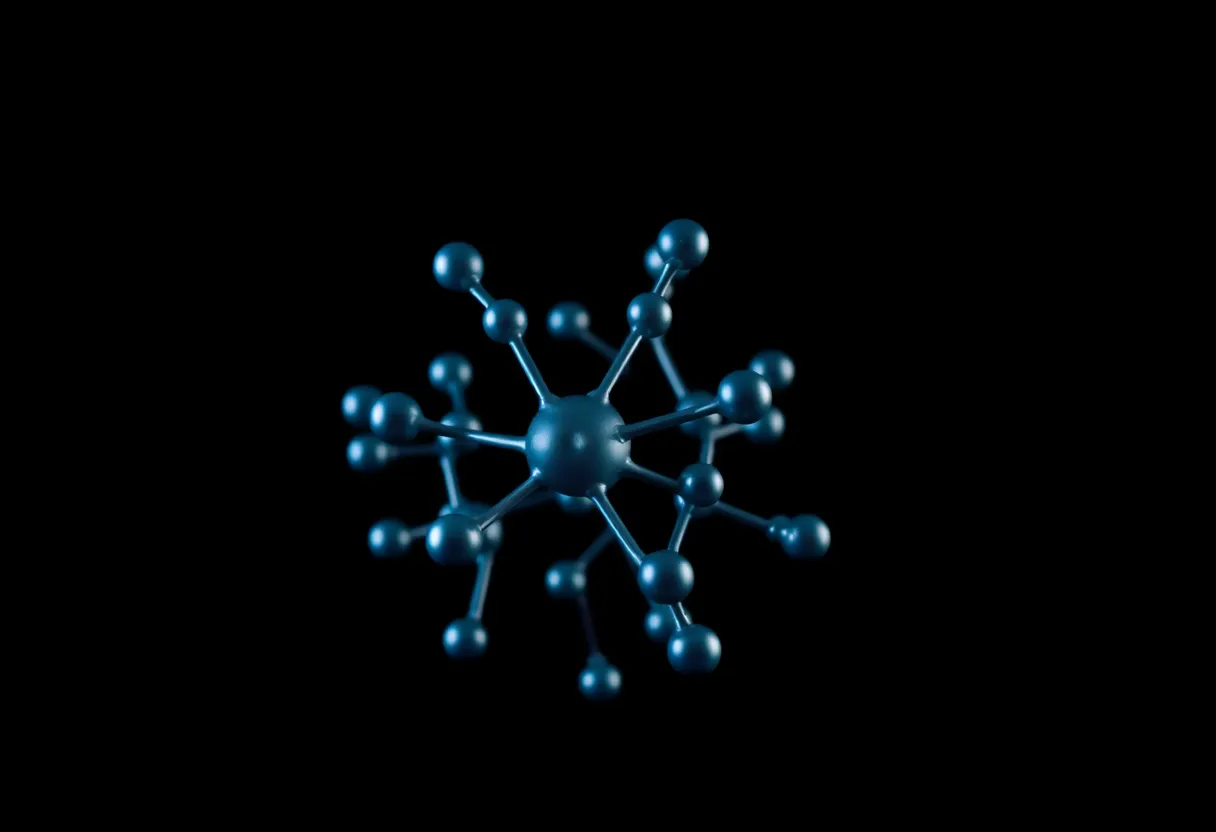
Nikon Z9, 70-200mm f/2.8 telephoto at 100mm captures a molecular structure model against a dark backdrop. Using dramatic Rembrandt lighting with a single octabox, the image emphasizes the depth and complexity of the model, highlighting the reflective surfaces. The color palette employs dark blues and silvers, producing a sleek, high-tech appearance. The composition is centered, drawing the eye directly to the molecular model while keeping the background minimally detailed, enhancing focus.
3:2
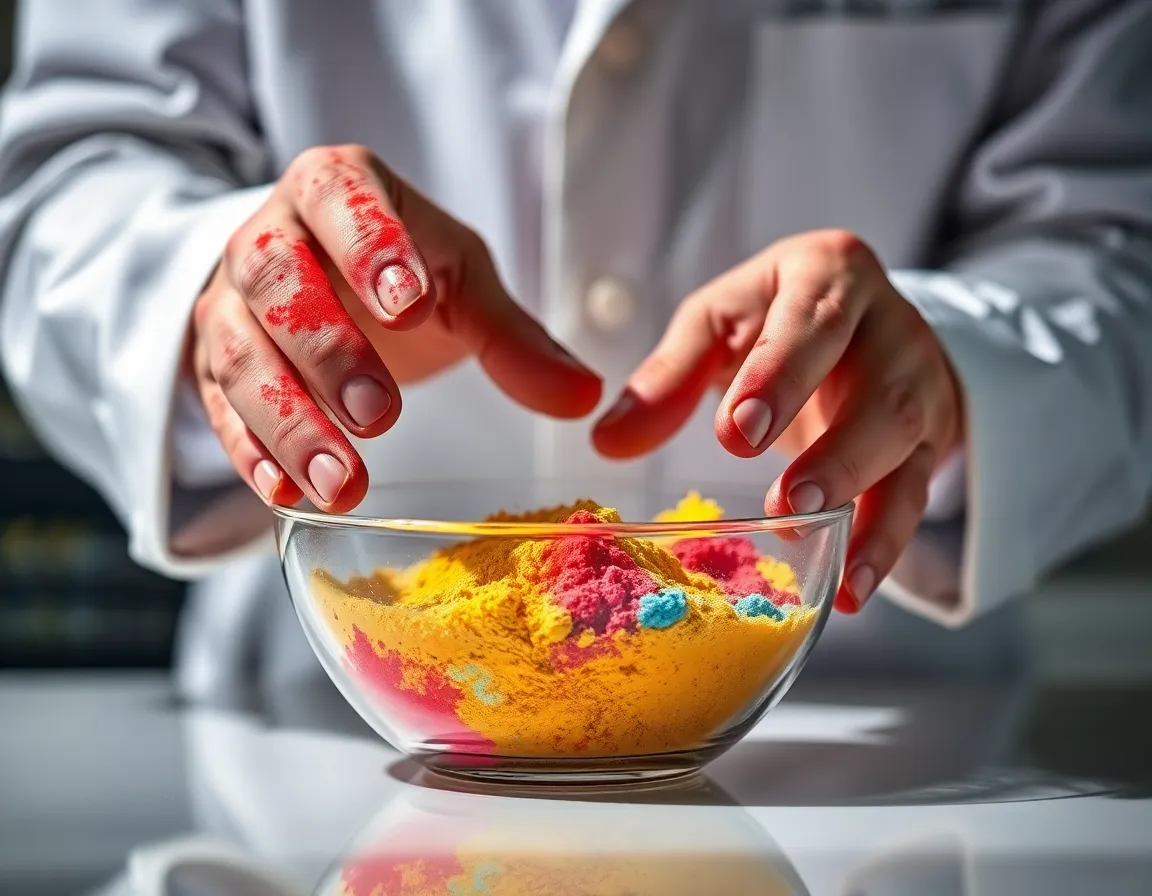
Shot on Sony A7R V with 85mm f/1.4 GM lens, this image captures a close-up of a chemist's hands mixing vibrant-colored powders in a glass bowl. The lighting is bright and direct, highlighting the rich texture of the powders and the delicate skin of the hands. A shallow depth of field at f/1.4 renders the background into a creamy bokeh, focusing the viewer's attention on the action. The color palette is energetic, featuring reds, yellows, and blues blended together, creating a sense of experimentation.
4:3
Captured with Canon EOS R5, 24-70mm f/2.8L at 50mm, this image features a laboratory setting illuminated by a warm tungsten desk lamp, casting dramatic shadows. The shallow depth of field at f/2.8 creates a dreamy blur of the background while the lab equipment in sharp focus showcases intricate details. The color palette embodies deep greens and browns indicative of glassware and solutions. The composition follows the rule of thirds with a striking beaker at the left power point, its textured surface glinting under the lamp's glow.
16:9
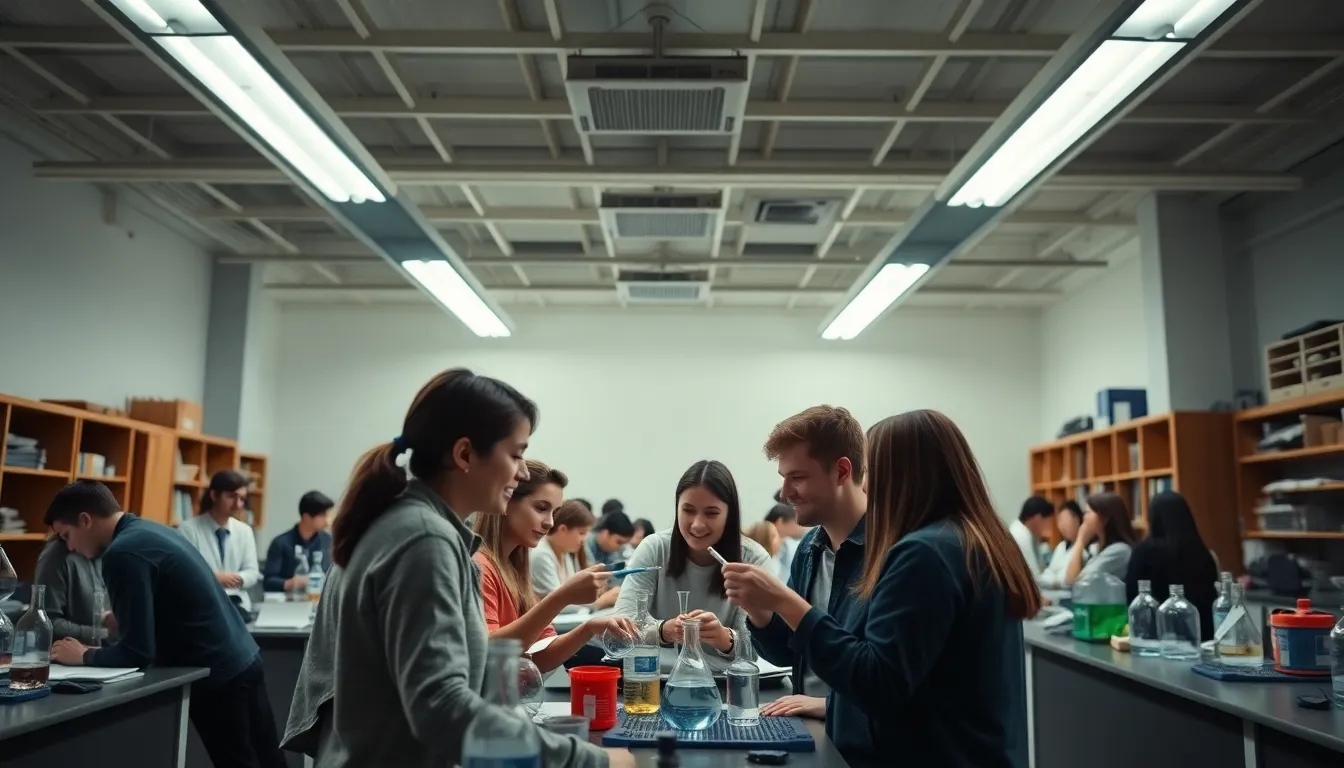
Leica Q3, 28mm f/1.7 Summilux providing a dramatic perspective of a chemistry classroom filled with students. Overhead fluorescent lights create directional lighting on the students working on their experiments. Using shallow depth of field at f/1.7, the focus is on a group of students enthusiastically collaborating over a reaction while the background fades into a soft blur. The color palette is natural muted tones, fostering an academic atmosphere. The composition captures the interaction and engagement among students immersed in their studies amidst various lab setups and equipment.
16:9
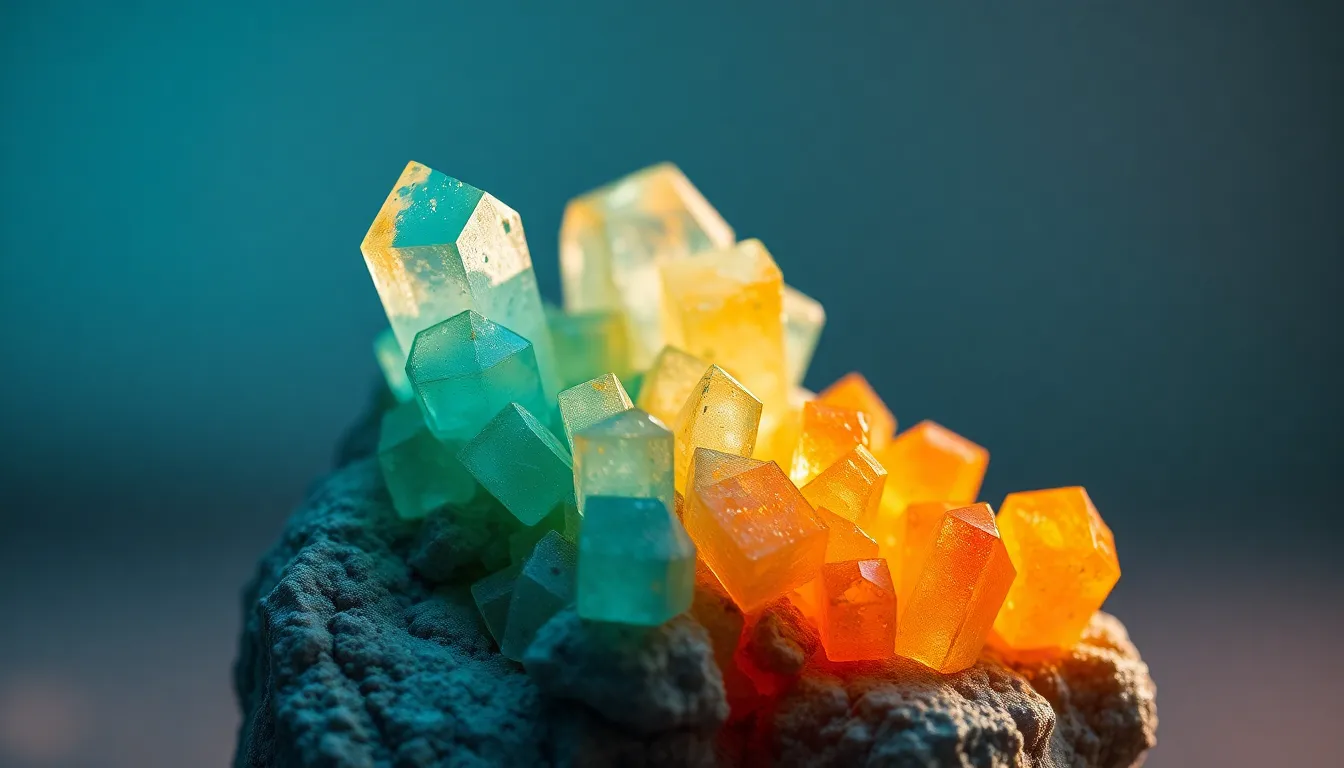
Fujifilm GFX 100S, 110mm f/2 macro, showcasing soft lighting from a single softbox providing even illumination. Hyperfocal distance ensures sharp detail in both the specimen and its surroundings. The color science features a cinematic teal and orange grading that adds contrast. The composition uses a rule of thirds, placing the vibrant crystal structure of a mineral specimen at the left power point. Textures of the mineral, with sharp facets and smooth surfaces reflecting light, contrast against a soft, blurred studio background.
16:9
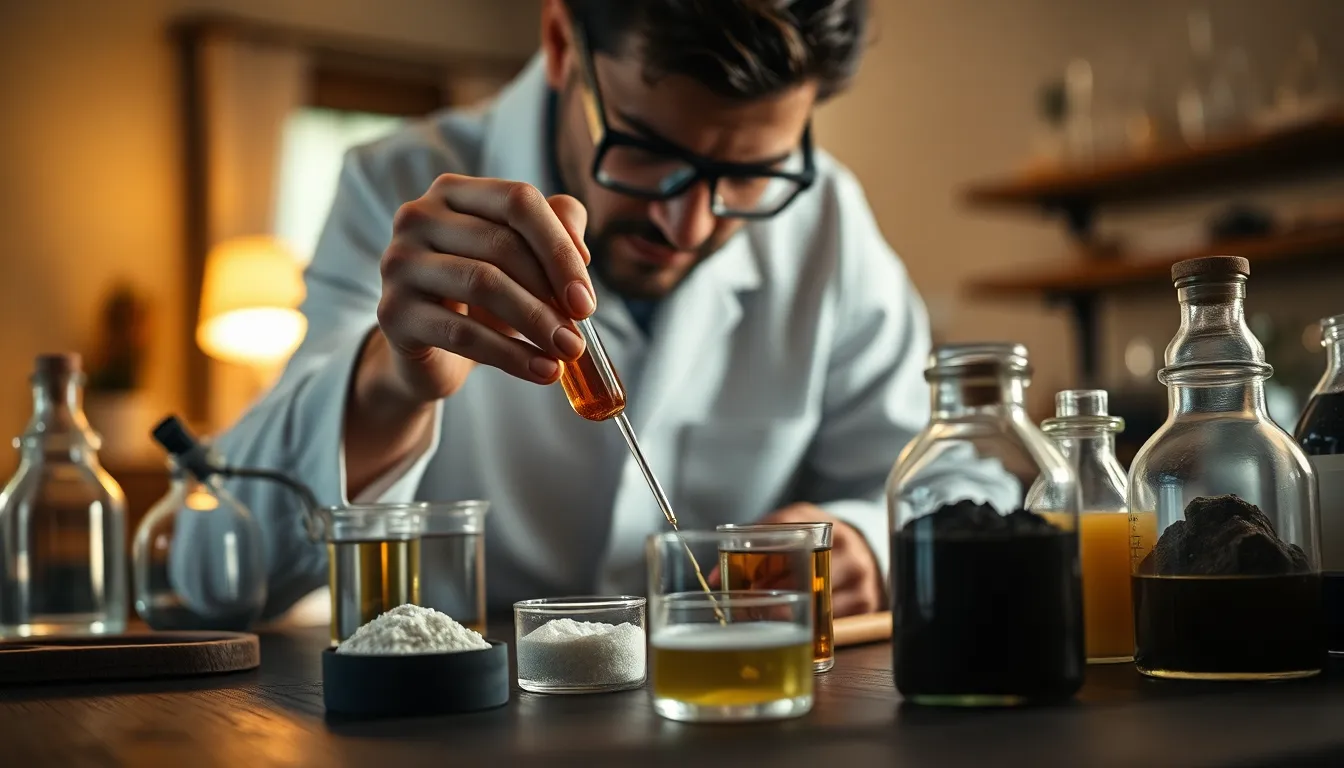
Nikon Z9, 70-200mm f/2.8 telephoto at 100mm, captured with warm tungsten light from a nearby lamp creating a cozy atmosphere. Shallow depth of field at f/2.8 with soft focus on the background elements. The color grading is natural muted tones featuring desaturated earth colors, giving a calm, focused mood. The composition is centered, with a chemist meticulously measuring substances on a dark wooden table with fine detail visible in the textures of ingredients and tools. The wooden grain contrasts beautifully with the sleek glass containers, emphasizing the nature of experimentation.
16:9
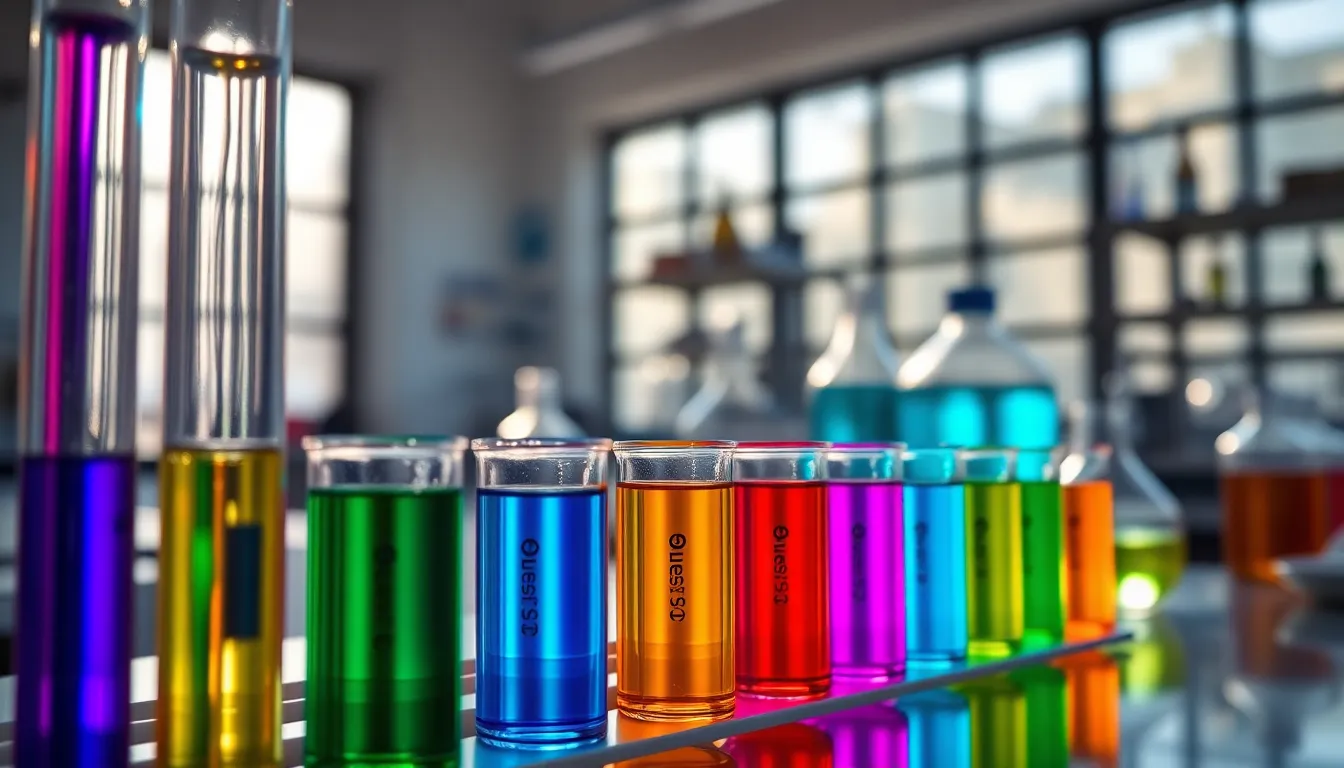
Shot on Sony A7R V with 85mm f/1.4 GM lens, illuminated by natural diffused daylight streaming through large windows. Hyperfocal distance at f/8, ensuring everything from the colorful chemical reactions in foreground test tubes to the lab's equipment in the background is sharp. The color palette reflects Fujifilm Velvia-inspired saturated colors, enhancing vibrant liquid hues. The composition uses leading lines from the test tube rack to guide the viewer's eye toward an experiment in progress, creating a sense of exploration and discovery. The smooth glass surfaces of the test tubes glimmer with light, showing off the vivid colors of the chemicals inside.
16:9
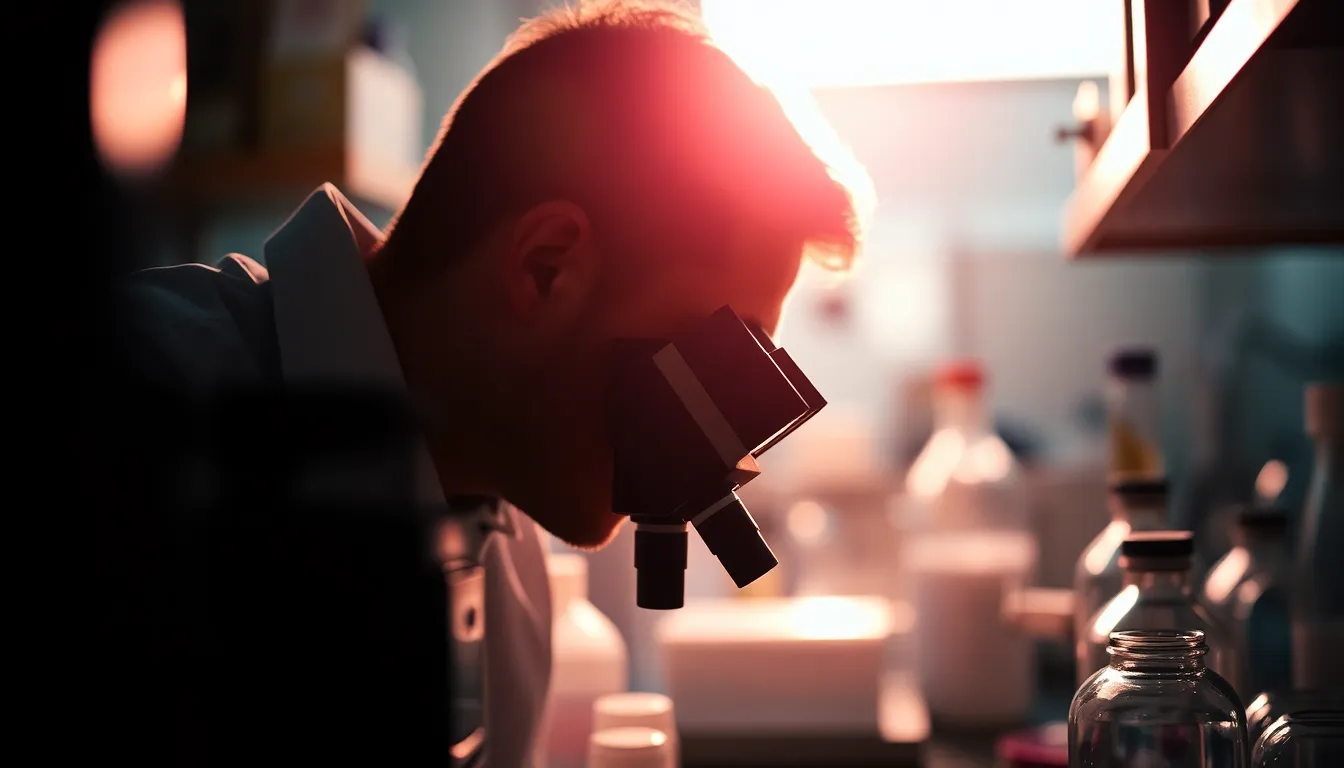
Captured with Canon EOS R5, 24-70mm f/2.8L at 50mm, dramatic backlighting from a lab overhead light, creating sharp contrasts. Shallow depth of field at f/2.8 with soft bokeh in the background. Color palette inspired by Kodak Portra 400, featuring warm hues and rich deep tones. The composition features a scientist looking through a microscope positioned at the right power point, with lab equipment blurred in the background. The glass and metal textures of the lab equipment glisten under the light, adding depth and realism.
16:9
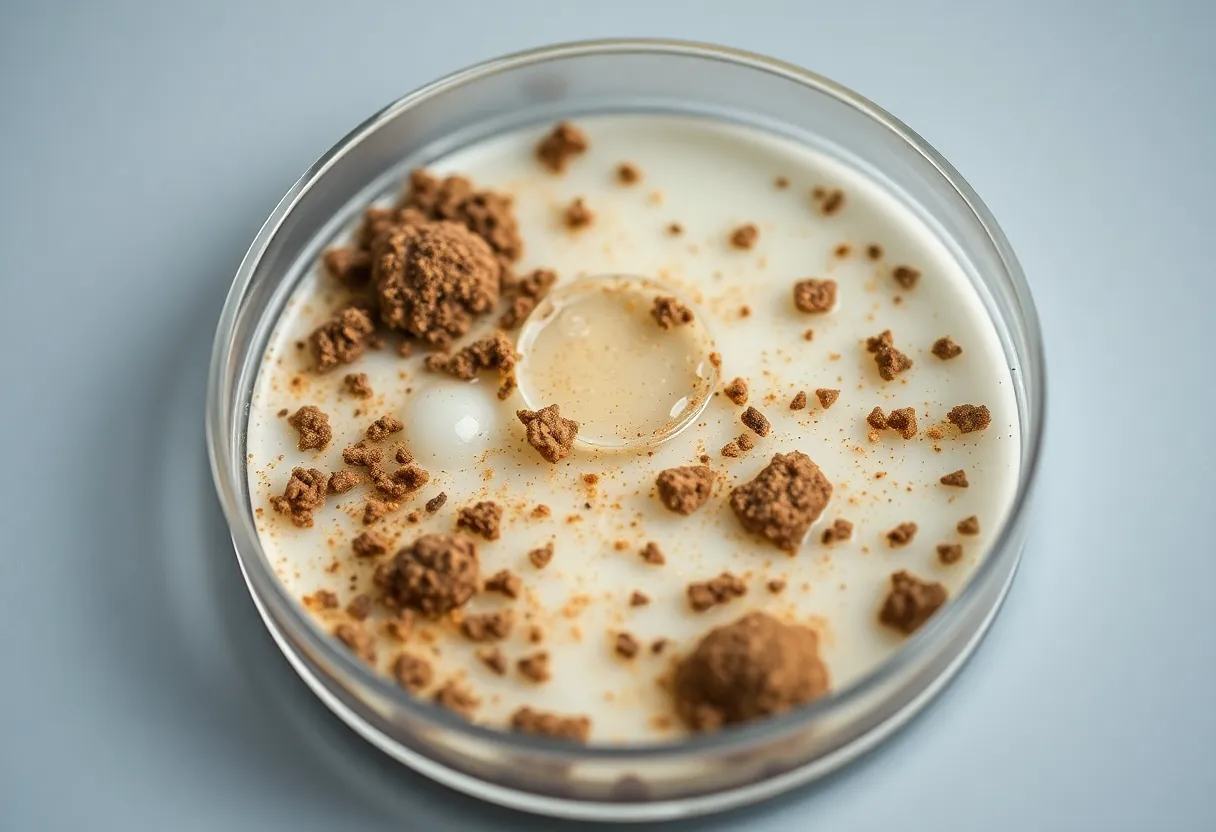
Fujifilm GFX 100S, 110mm f/2 macro, capturing the intricate details of a chemical reaction in a petri dish. Overcast diffused daylight provides even lighting, minimizing harsh shadows and highlighting the textures of the contents. The shallow depth of field at f/2 creates a painterly effect, blurring the edges while keeping the reaction's core sharp. The muted earth tones of the substances contrast beautifully against the white dish, emphasizing the scientific exploration theme. The composition centers the dish in the frame, drawing the viewer's attention directly to the reaction.
3:2
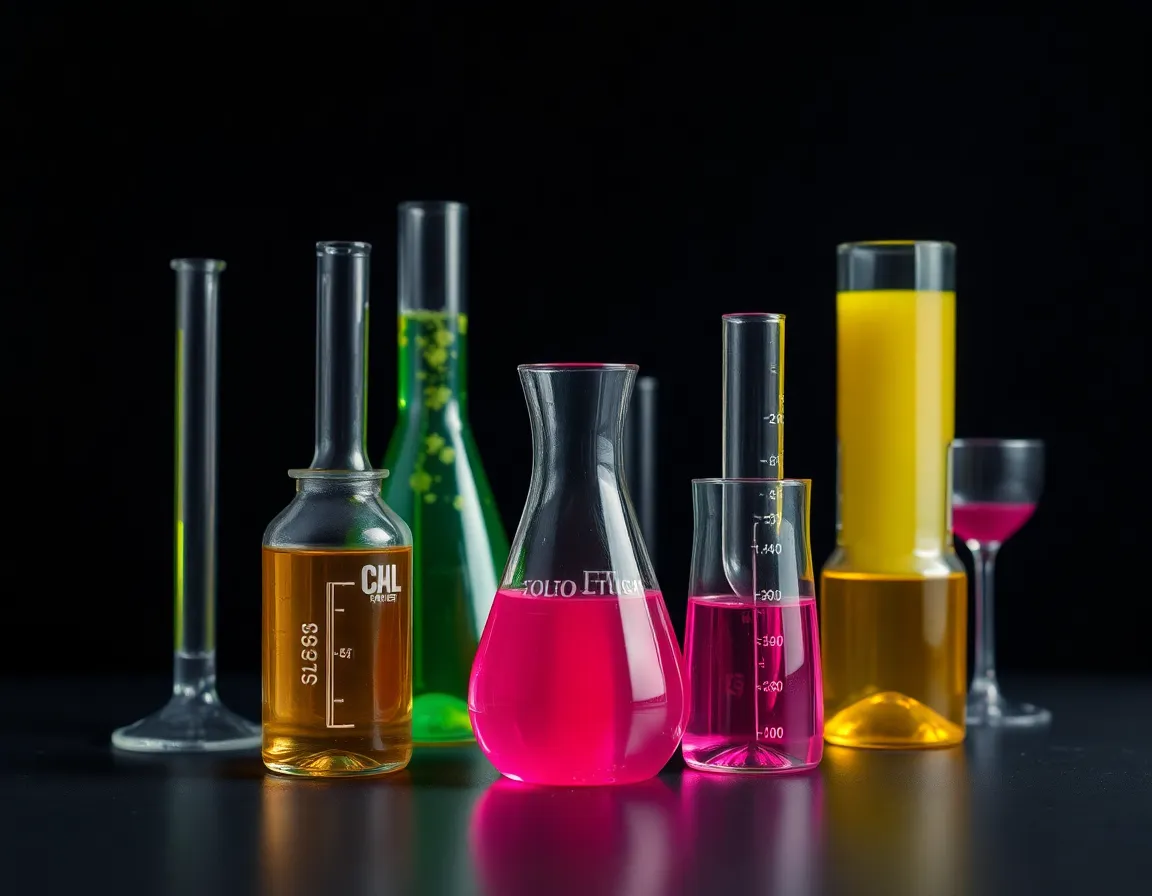
Hasselblad X2D 100C, 90mm f/2.5 medium format, portraying a stylized still life of assorted lab glassware filled with colorful liquids, set against a dark background. Soft Rembrandt lighting from the side creates depth and texture, highlighting the glass surfaces and fluid contents. The depth of field isolates the glassware with a soft bokeh background. Vibrant colors such as yellows, greens, and pinks leap from the glass, creating an eye-catching tableau. The centered symmetrical composition allows for a clear view of each element.
4:3
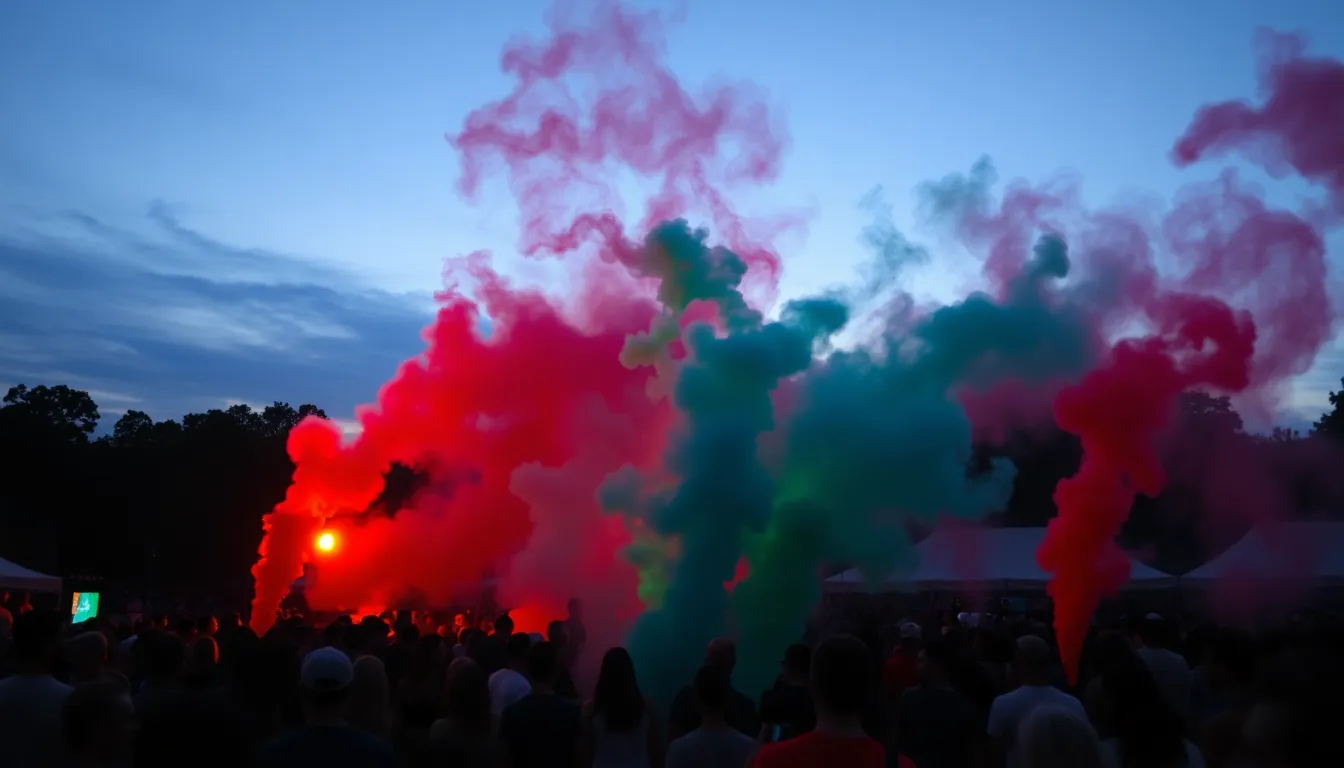
Nikon Z9, 70-200mm f/2.8 telephoto at 100mm, capturing an outdoor chemistry demonstration featuring colorful smoke bombs. Dusk lighting creates dramatic shadows and highlights while vibrant colored smoke rises against the darkening sky. The hyperfocal distance ensures everything from the foreground crowd to the smoke trails is tack-sharp. The color palette is rich with reds, greens, and blues, creating an exhilarating atmosphere. The composition utilizes dynamic angles, with the smoke leading the eye beyond the frame.
16:9
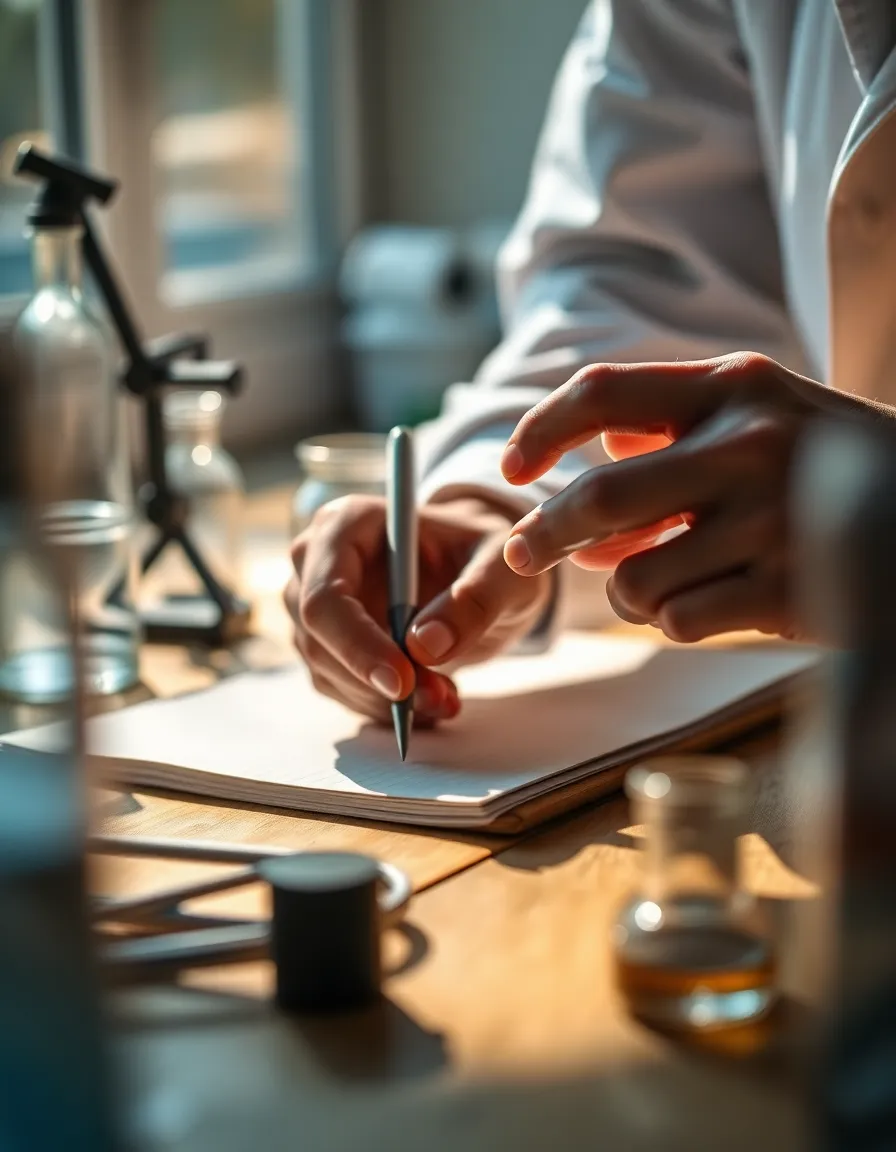
Shot on Sony A7R V with 85mm f/1.4 GM lens, capturing a close-up of a scientist's hands conducting an experiment. Natural light from a nearby window creates soft shadows and highlights on the textured notebook and lab tools. The shallow depth of field at f/1.4 accentuates the hands and equipment, while the background melts into a soft bokeh. The color palette features earthy tones of wood and glass, evoking a warm, inviting atmosphere in the lab. The composition follows the rule of thirds, with hands positioned at the right power point.
3:4
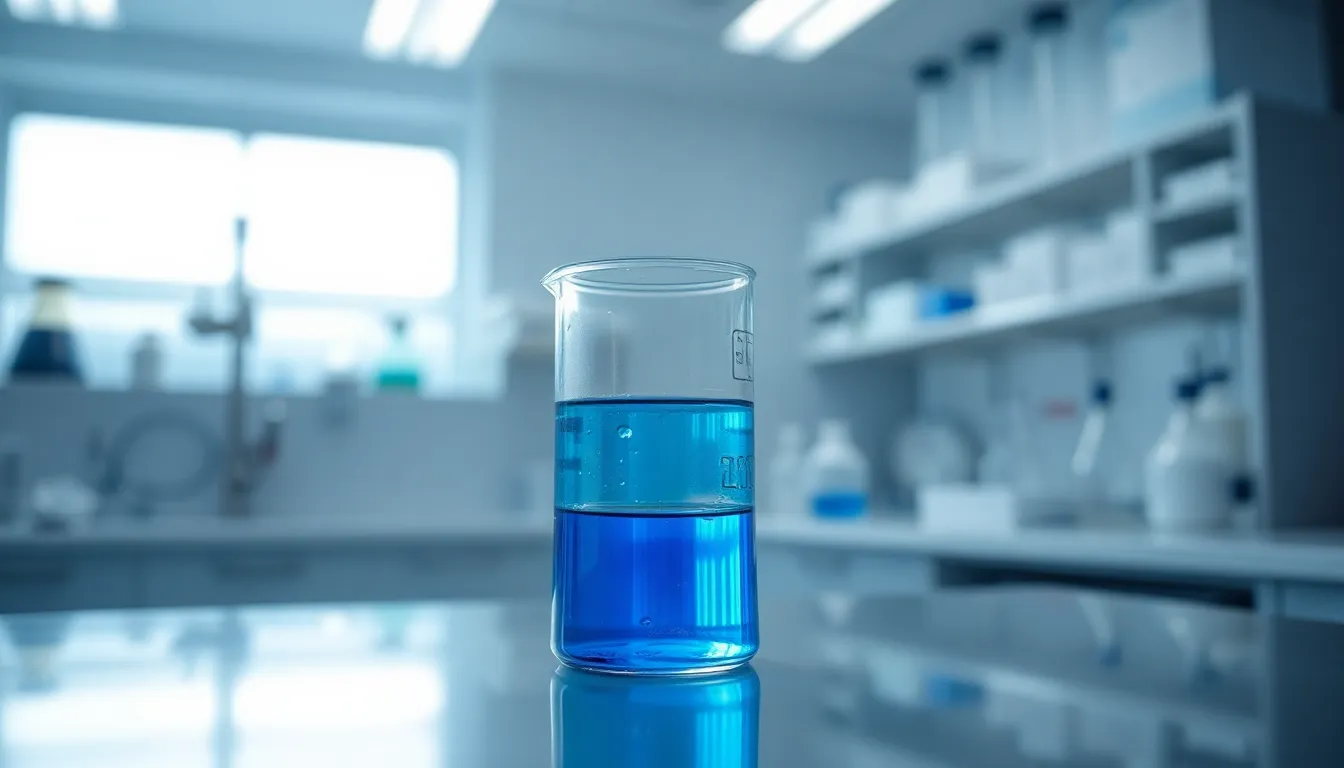
Captured with Canon EOS R5, 24-70mm f/2.8L at 50mm, showcasing a laboratory scene illuminated by overhead LED lights casting a bright, sterile glow. Selective focus on a glass beaker filled with vibrant blue liquid, with soft bokeh of lab equipment in the background. The color palette features clear blues and whites, creating a clean scientific atmosphere. The composition emphasizes the beaker as the central subject, with leading lines from the countertop directing the viewer's eye. Reflective glass surfaces enhance texture, showcasing the liquid's movement and details.
16:9
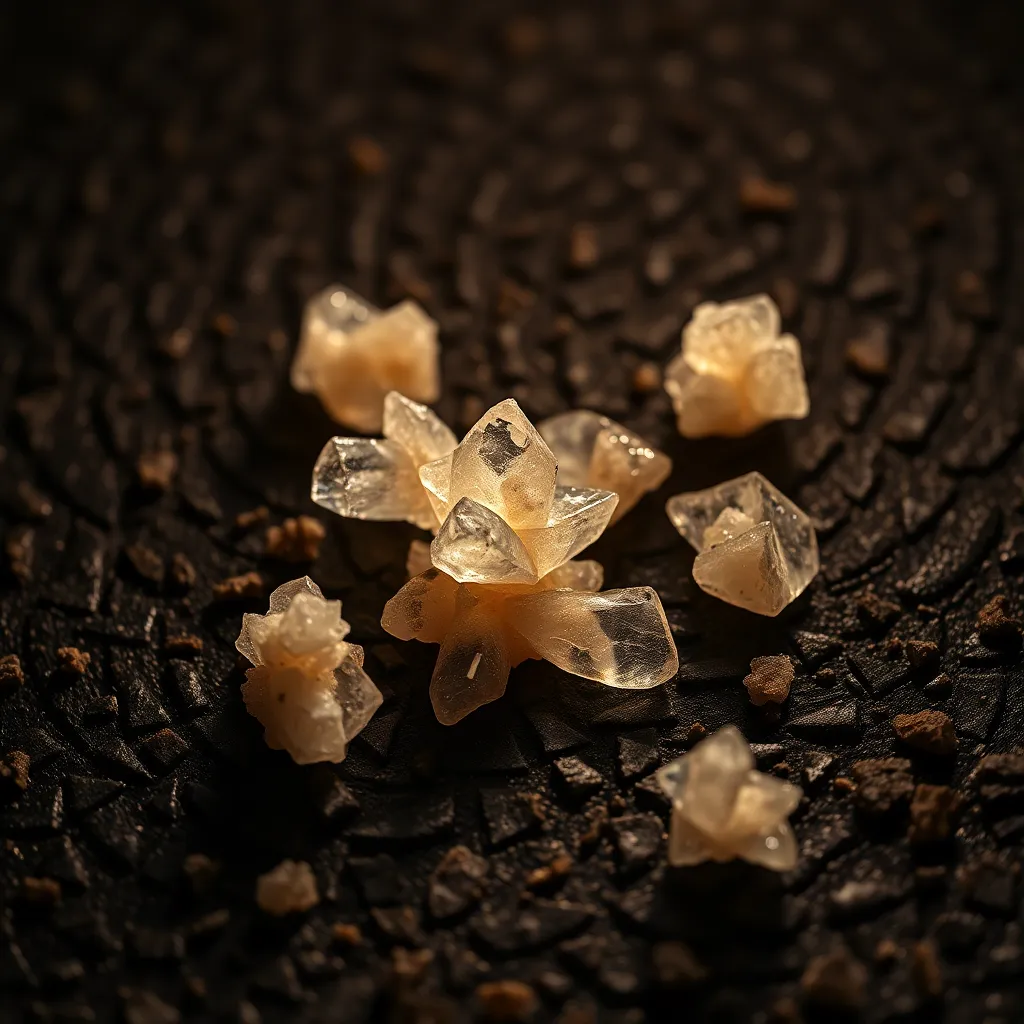
Fujifilm GFX 100S, 110mm f/2 macro, captures microscopic details of chemical crystals on a textured dark background. The lighting is provided by a focused LED ring light, creating highlights and shadows that reveal the intricate structures of the crystals. The shallow depth of field at f/2 isolates the crystals with exquisite detail, while the color palette features natural muted tones with desaturated earth colors. The composition features a centered symmetrical arrangement, showcasing the beauty and complexity of chemistry at a microscopic level.
1:1
Hasselblad X2D 100C, 90mm f/2.5 medium format, captures a striking still life of laboratory glassware on a weathered oak table. Soft, warm tungsten lighting casts a cozy glow, revealing the intricate textures of the glass and the wooden surface beneath. The depth of field is selective, focusing on the glassware while the background fades gently into bokeh. The Kodak Portra 400 color palette enhances the warm skin tones and creamy highlights, creating an inviting atmosphere. The composition employs centered symmetry, with glass beakers and flasks arranged artfully around the oak surface.
4:3
Nikon Z9, 70-200mm f/2.8 telephoto at 100mm, captures a breathtaking outdoor chemistry demonstration under a clear blue sky. The vibrant natural lighting highlights the vivid colors of the smoke produced by the chemical reactions. Achieving hyperfocal distance at f/8 ensures both the foreground and background are sharp, showcasing excited onlookers and the vibrant landscape. The cinematic teal and orange color grading enhances the dramatic effect of the colored smoke. The composition features a dynamic angle, with the chemical reactions positioned in the lower third of the frame, drawing the viewer's eye across the landscape.
16:9
Shot on Sony A7R V with 85mm f/1.4 GM lens, this image showcases a close-up of a scientist's hands mixing chemicals in a glass beaker. The dramatic studio lighting uses Rembrandt style with a single softbox that creates striking shadows and highlights on the skin and glass. Achieving a shallow depth of field at f/1.4, the focus is on the scientist's hands while the background softens into an abstract blur. The colors are naturally muted, with earthy tones emphasizing the organic feel of the lab environment. The composition centers around the beaker, employing leading lines from the hands to guide the viewer’s eye.
3:2
Captured with Canon EOS R5, 24-70mm f/2.8L at 50mm, this image features a vibrant laboratory scene illuminated by overcast diffused daylight through large windows. A shallow depth of field at f/2.8 highlights colorful chemical reagents in beakers, creating a striking contrast against the blurred workstation. The Fujifilm Velvia-inspired color palette showcases saturated hues of blue, green, and orange, emphasizing the lively environment. The composition adheres to the rule of thirds with the main subject slightly off-center, surrounded by glassware and lab equipment displaying textures of glass and metal surfaces.
16:9
shot on Hasselblad X2D 100C, 90mm f/2.5 medium format, utilizing golden hour backlighting which casts a warm glow on the scene, enhancing the vivid colors. The depth of field is shallow at f/2.5, providing a painterly bokeh that envelops the background. The scene captures a variety of chemical elements displayed artistically on a white marble table, with textures ranging from shiny metal to rough glass. The composition is centered, creating a balanced and harmonious arrangement.
16:9
captured with Leica Q3, 28mm f/1.7 Summilux, featuring overcast diffused daylight filtering through laboratory windows providing a soft, even light across the scene. The composition uses leading lines that draw the viewer's eye toward a scientist observing a chemical reaction in a petri dish. Natural muted tones with a focus on the cool blues and greens of the chemicals add a calming effect. The texture detail emphasizes the surface of the petri dish, showcasing condensation and reflections.
3:4
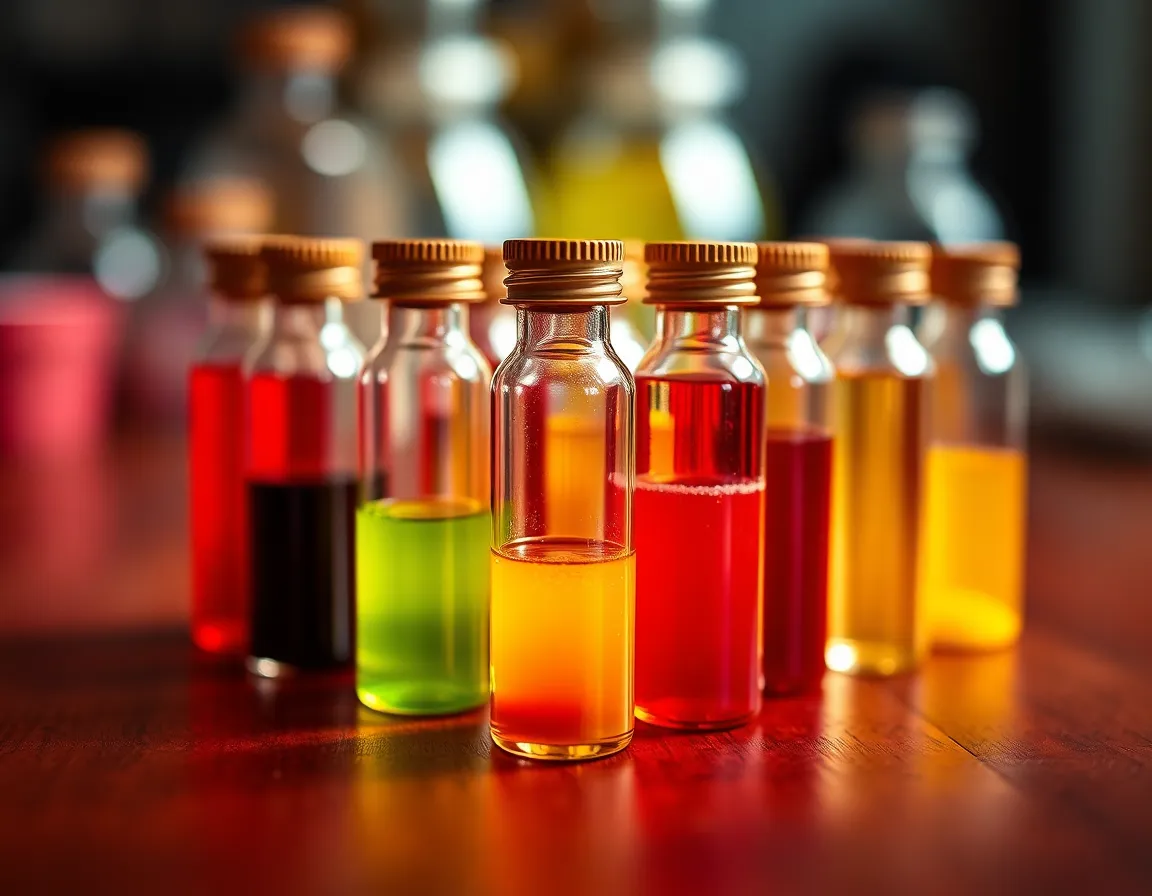
shot on Fujifilm GFX 100S, 110mm f/2 macro, with soft studio lighting via a softbox at 45° creating flattering highlights on the subjects. Shallow depth of field at f/2 with creamy bokeh isolating the chemical compounds in focus. The color palette is rich with vibrant shades of red and yellow, reminiscent of classic film photography. The composition captures multiple glass vials containing colorful chemical substances, arranged artfully with a rich wooden surface providing texture and contrast.
4:3
captured with Nikon Z9, 70-200mm f/2.8 telephoto at 100mm, illuminated by natural sunlight streaming through a laboratory window, creating a soft and warm atmosphere. Hyperfocal depth where everything remains sharp from foreground to background at f/8. The color palette features muted earth tones with a hint of warm golden light. The composition centers on a chemist, wearing a white lab coat, carefully pipetting a liquid into a test tube, framed by laboratory shelves filled with glassware.
3:2
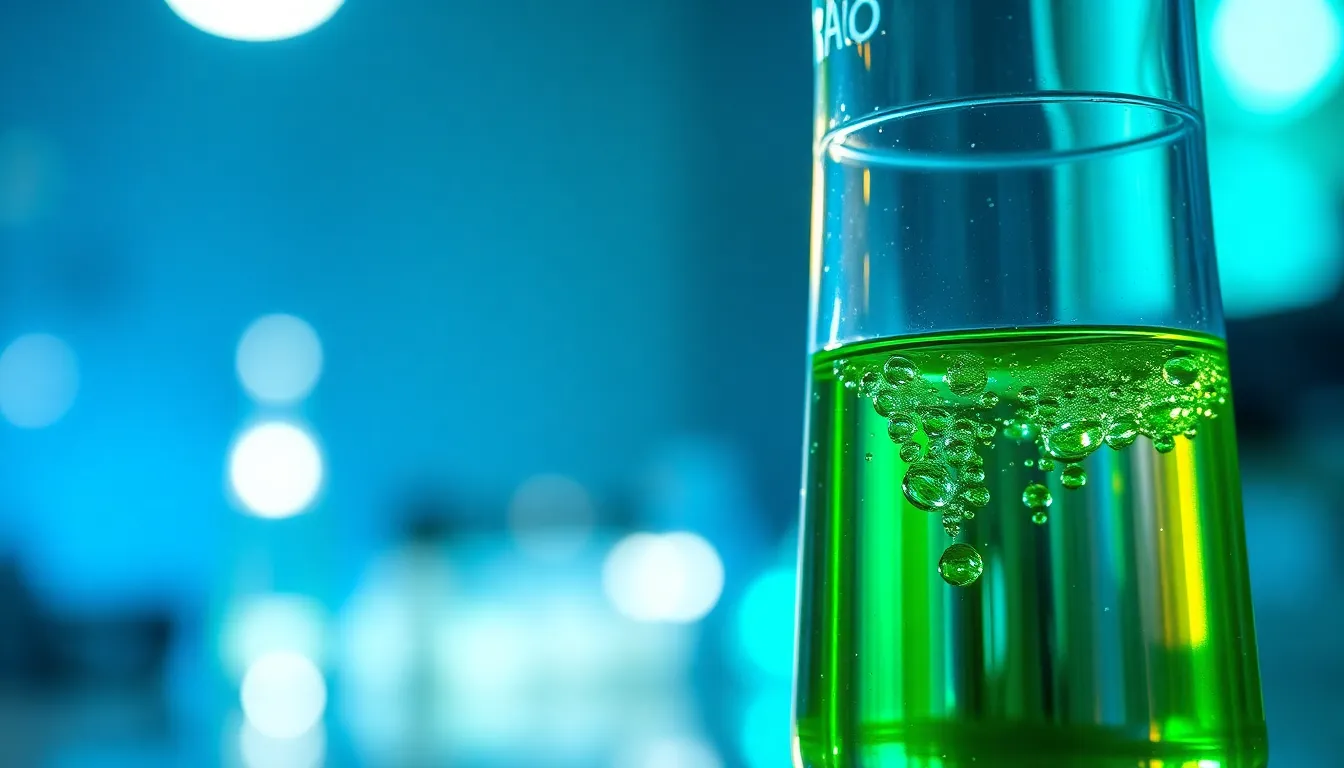
shot on Canon EOS R5, 24-70mm f/2.8L at 50mm, captured with dramatic side lighting from a laboratory overhead lamp creating sharp contrasts and highlights. Shallow depth of field at f/2.8 with soft bokeh in the background, showcasing a vibrant color palette of blues and greens. Composition follows the rule of thirds with a glass beaker filled with a bubbling chemical mixture prominently placed on the right. The surface of the beaker reflects intricate light patterns, while droplets of liquid catch the light, emphasizing its texture.
16:9
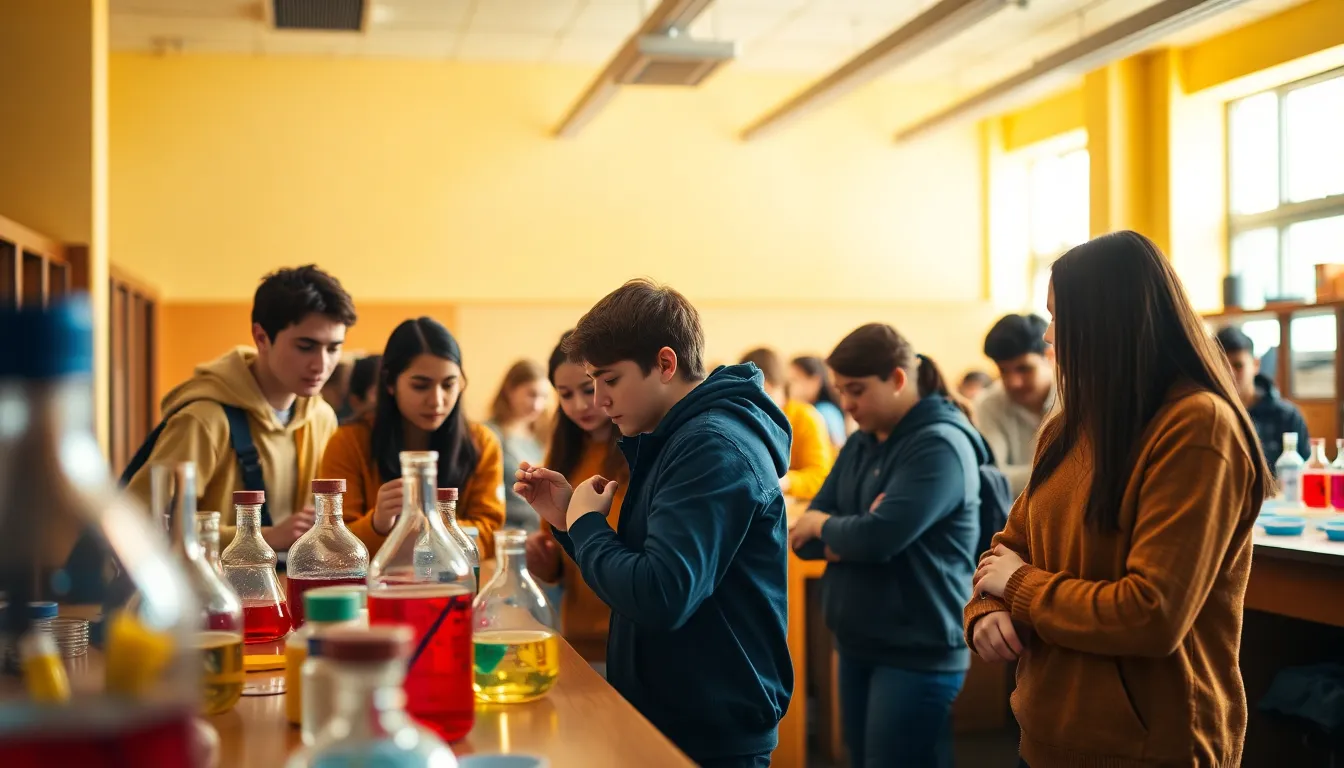
Taken with Leica Q3, 28mm f/1.7 Summilux, this image depicts a vibrant chemistry classroom filled with students engaged in an experiment. The warm tungsten lighting creates a cozy atmosphere, highlighting students' focused expressions as they work together. The depth of field is shallow at f/1.7, bringing clarity to the students while softly blurring the colorful materials and equipment around them. The color palette features warm yellows and browns, enhancing the feeling of collaboration and learning. The composition uses leading lines from the lab benches to draw the viewer's eye toward the students, encapsulating the essence of scientific exploration in an educational setting.
16:9
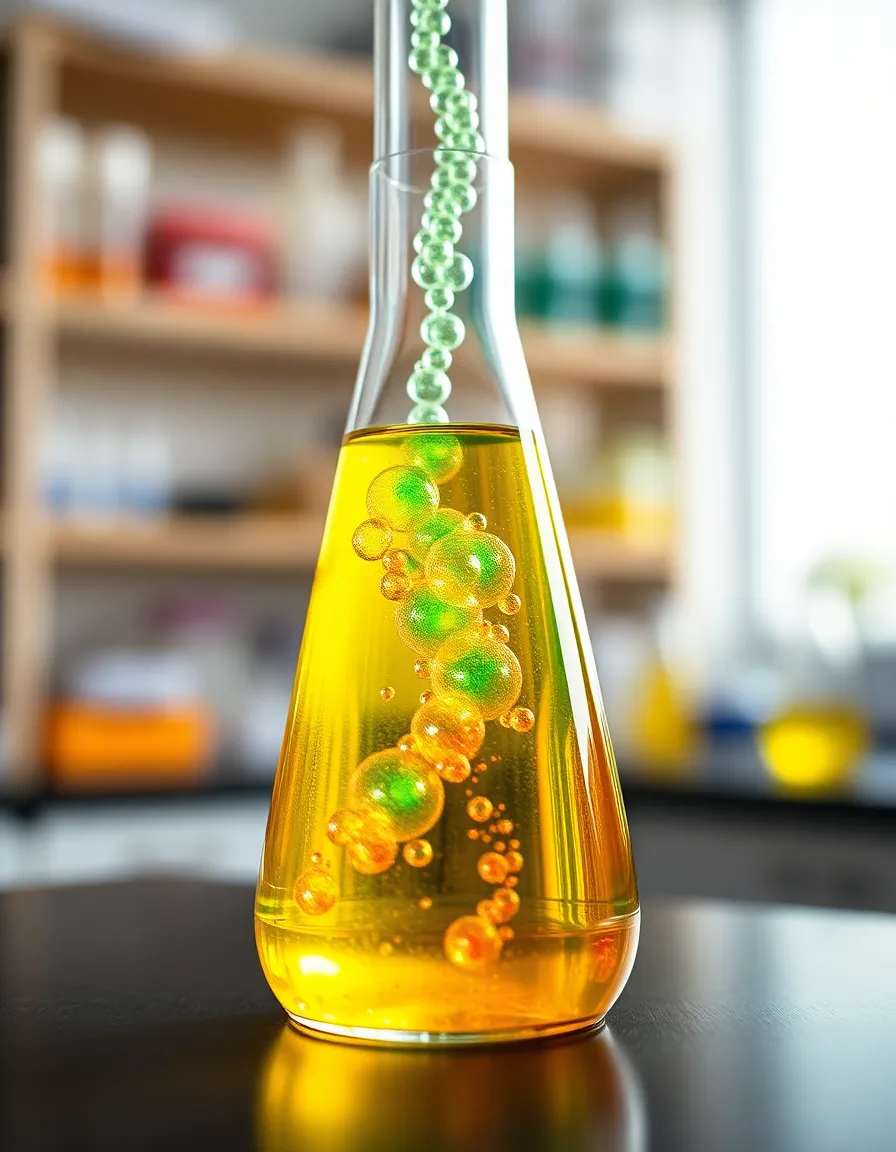
Photographed with Fujifilm GFX 100S, 110mm f/2 macro, the scene captures a laboratory flask with a delicate chemical reaction producing colorful gas bubbles. The lighting is a bright, diffused daylight that enhances the transparency of the fluid, showcasing its vibrant colors. The depth of field is shallow, isolating the flask against a softly blurred background of laboratory shelves. The color palette features bright shades of yellow, green, and blue, evoking a sense of excitement. The composition adheres to the rule of thirds, with the flask strategically placed off-center, guiding the viewer’s gaze toward the captivating reaction. Textures of glass and the bubbling liquid give a sense of realism and movement, inviting curiosity.
3:4
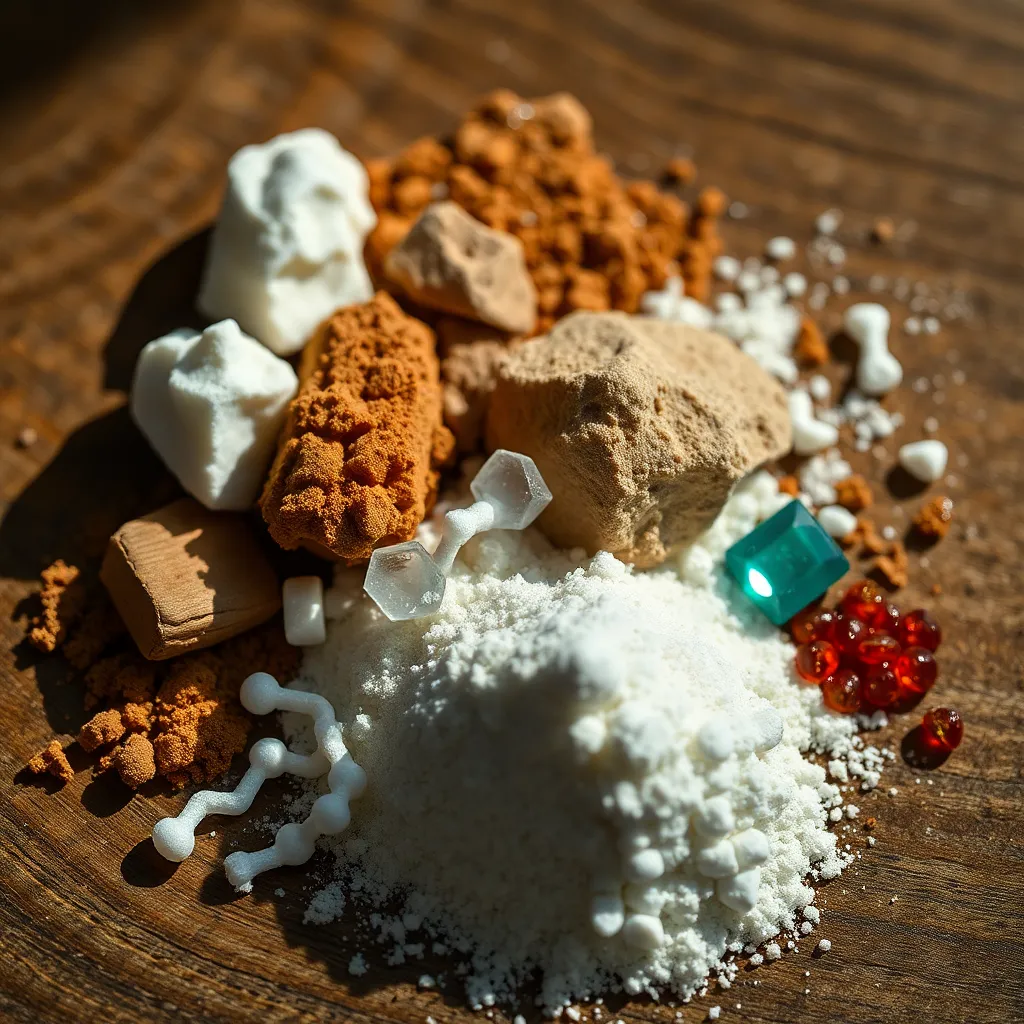
Taken using Hasselblad X2D 100C, 90mm f/2.5 medium format, this image presents a close-up of chemical compounds arranged on a textured wooden surface. Dramatic Rembrandt lighting creates sharp contrasts that highlight the crystalline structures and powders, with soft shadows adding depth. Utilizing a shallow depth of field at f/2.5 brings the compounds into sharp focus while blurring the background, which is subtly detailed with wood grain. The color palette consists of soft whites, earthy browns, and vibrant jewel tones, enhancing the organic feel of the scene. The composition is centered, with the intricate details of the compounds inviting exploration and analysis, showcasing the beauty of chemistry at a micro level.
1:1
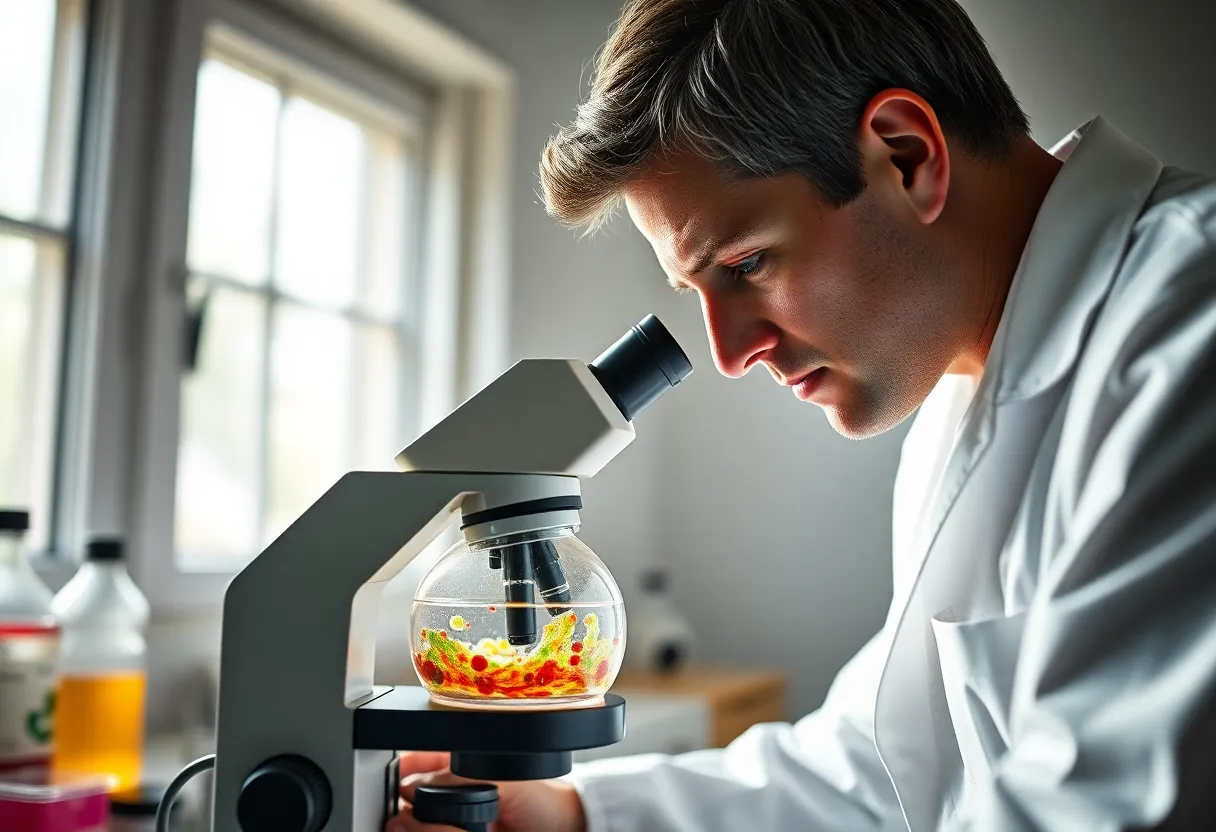
Captured with Canon EOS R5, 24-70mm f/2.8L at 35mm, this image depicts a scientist in a white lab coat examining a petri dish under a microscope. Natural daylight from a window provides soft, diffused lighting, illuminating the workspace. The depth of field is shallow at f/2.8, focusing on the scientist's intense gaze and the intricate details of the dish. The color palette is composed of muted earth tones with splashes of vivid colors from the culture within the dish. The composition follows the rule of thirds, with the scientist positioned on one side and the microscope prominently featured, emphasizing the action of discovery. Details of the microscope and lab equipment reflect the precision of scientific inquiry.
3:2
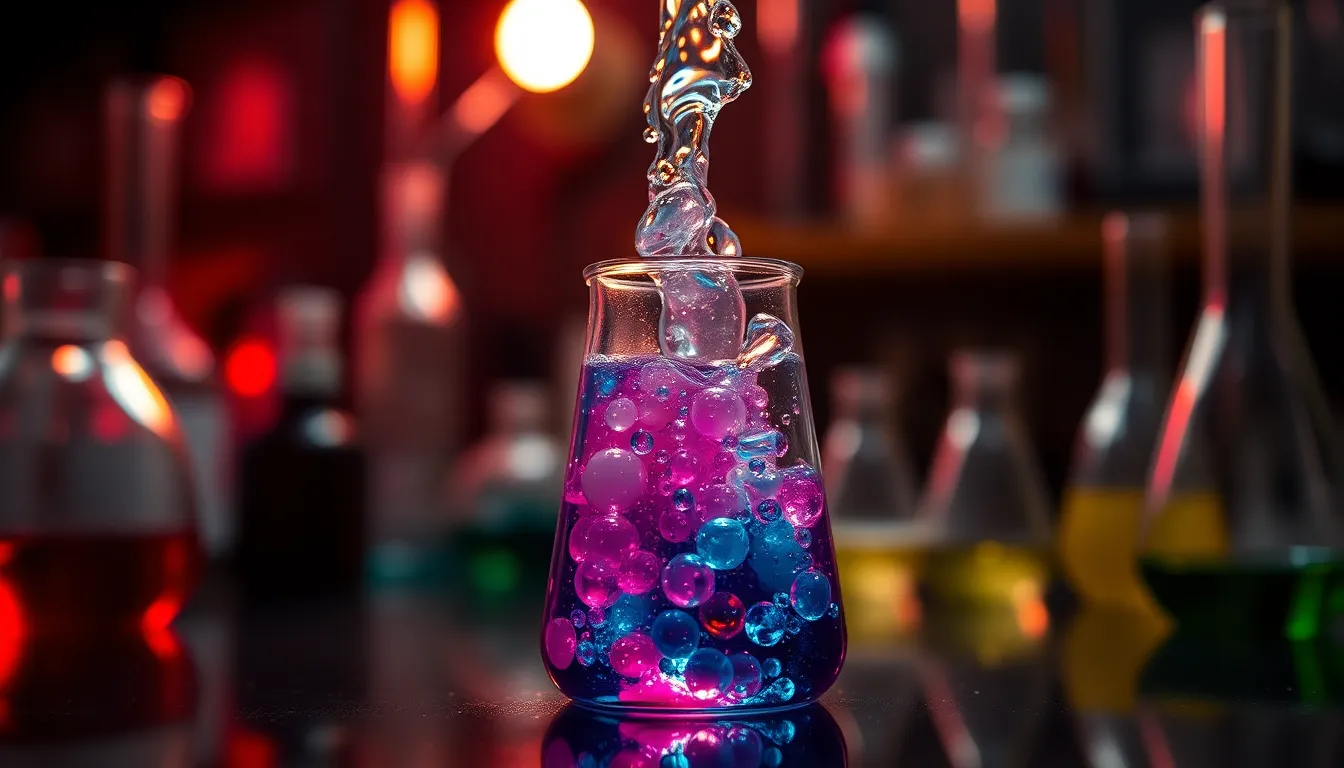
Shot on Nikon Z9, 70-200mm f/2.8 telephoto at 135mm, the image features a glass beaker overflowing with colorful bubbling liquids in a dimly lit laboratory. Soft, ambient lighting creates a dramatic atmosphere, with highlights reflecting off the glass surfaces. The shallow depth of field at f/2.8 keeps the focus on the beaker, while the background fades into a soft bokeh of laboratory tools. The color palette is vibrant, with rich reds, blues, and greens accentuated against a dark backdrop. The composition is dynamic, with the beaker placed slightly off-center, allowing the viewer's eye to travel through the scene. Fine textures of glass and liquid create a sense of realism, capturing the essence of chemistry in action.
16:9
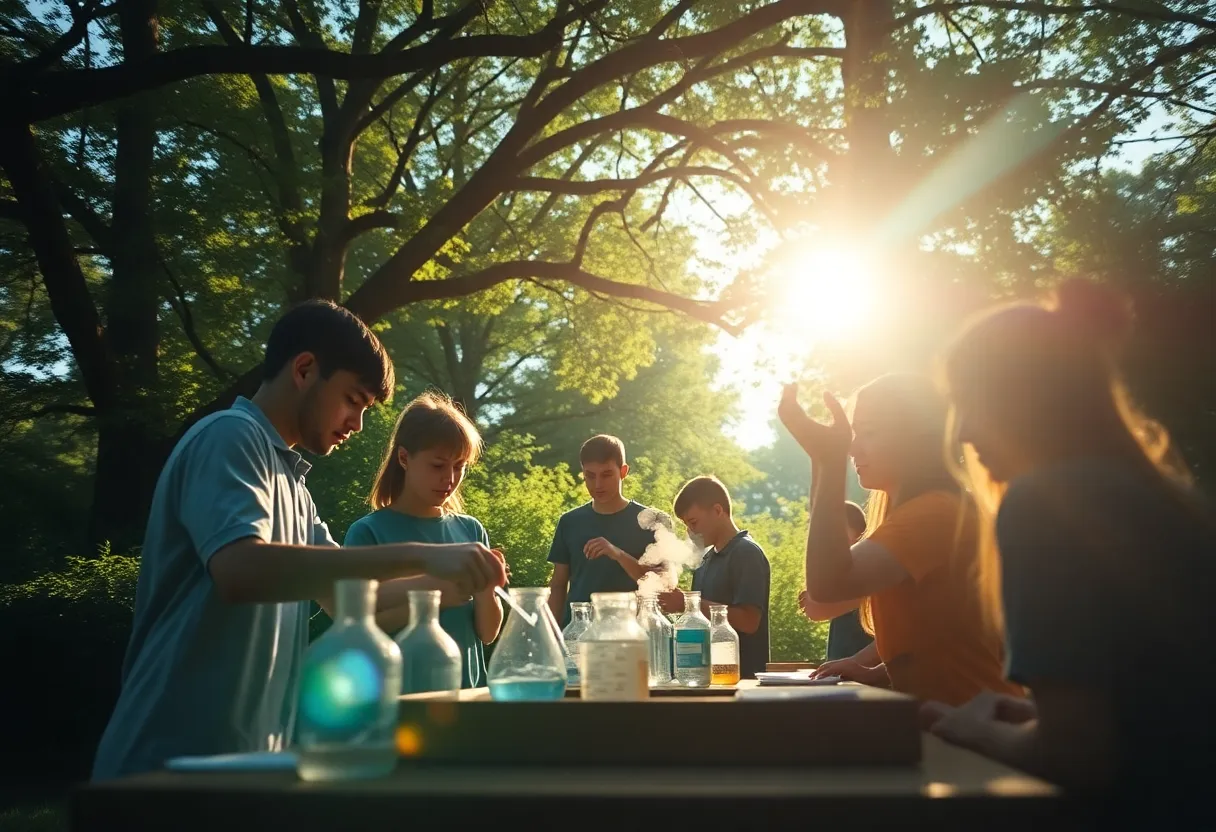
captured with Leica Q3, 28mm f/1.7 Summilux, dappled sunlight filtering through tree canopy creating a serene outdoor chemistry class setting, shallow depth of field at f/1.7 focusing on students interacting with natural materials, cinematic teal and orange color grading invoking a creative and engaging mood, rule of thirds with students positioned naturally throughout the frame amidst lush greenery.
3:2
shot on Hasselblad X2D 100C, 90mm f/2.5 medium format with warm tungsten desk lamp casting directional light, presenting a tabletop still life of laboratory glassware filled with colorful solutions, hyperfocal distance ensuring all elements from foreground to background remain sharp, natural muted tones with hints of saturation reflecting the liquid colors, creative composition showcasing the glassware with an elegant arrangement on a textured wooden table.
4:3
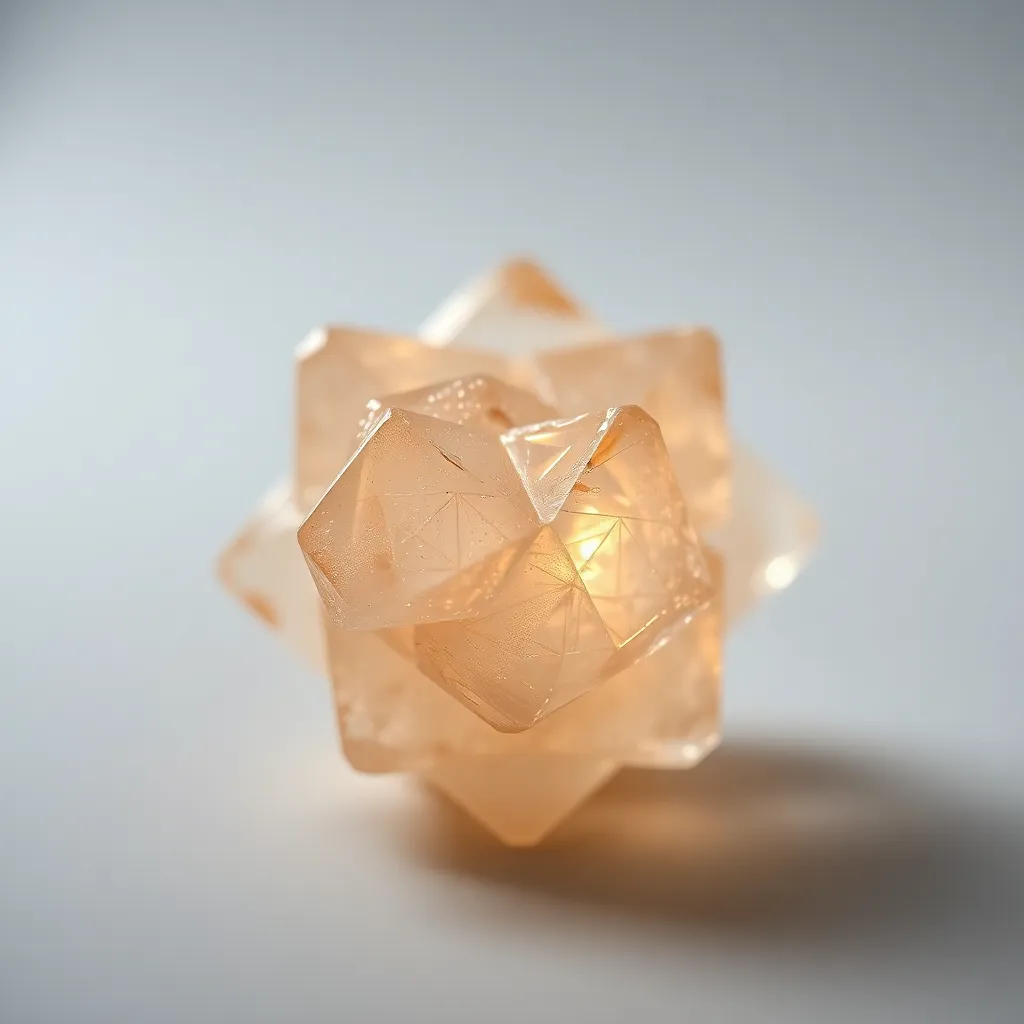
Fujifilm GFX 100S, 110mm f/2 macro capturing a detailed close-up of a crystal structure under soft studio lighting, selective focus on the crystalline surface showcasing intricate patterns, using Kodak Portra 400 color palette to emphasize warm hues and creamy highlights, centered symmetrical composition where the crystal takes prominence against a soft gray background that highlights its details.
1:1
captured with Nikon Z9, 70-200mm f/2.8 telephoto at 135mm, golden hour backlighting creates warm rim light around colorful chemical reactions, hyperfocal distance ensuring everything from foreground test tubes to distant lab shelves is perfectly sharp, Fujifilm Velvia-inspired saturated colors enhance the vivid hues of the liquids, leading lines guide the eye from the foreground test tubes to the chemist's engaged expression.
16:9
shot on Canon EOS R5, 24-70mm f/2.8L at 50mm, illuminated by an overcast diffused daylight through floor-to-ceiling windows, shallow depth of field at f/2.8 with a soft bokeh of laboratory equipment in the background, natural muted tones with desaturated earth colors, rule of thirds composition featuring a chemist in a white lab coat conducting an experiment, highlighting the glossy surface of glass beakers and pipettes.
16:9
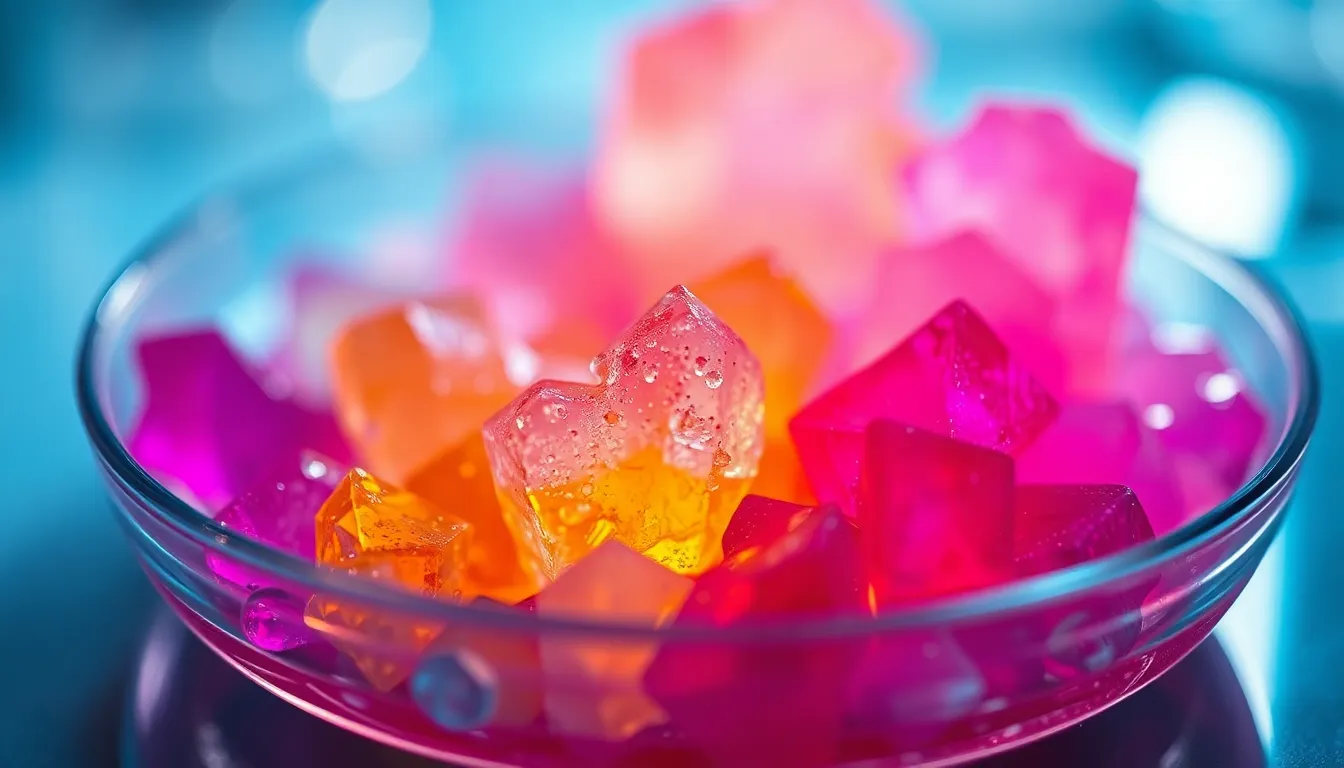
Fujifilm GFX 100S, 110mm f/2 macro, captures the intricate details of a chemical experiment involving crystal formations in a shallow dish. The vibrant colors of the crystals are enhanced by diffused daylight coming from above, revealing textures and patterns within the transparent materials. The shallow depth of field at f/2 creates a beautiful bokeh effect that highlights the centerpiece of the crystals while the background blurs softly into indistinct shapes. The color palette is vibrant and saturated, reminiscent of a scientific jewel. The composition follows the rule of thirds with the crystals positioned at a power point, creating a striking visual impact.
16:9
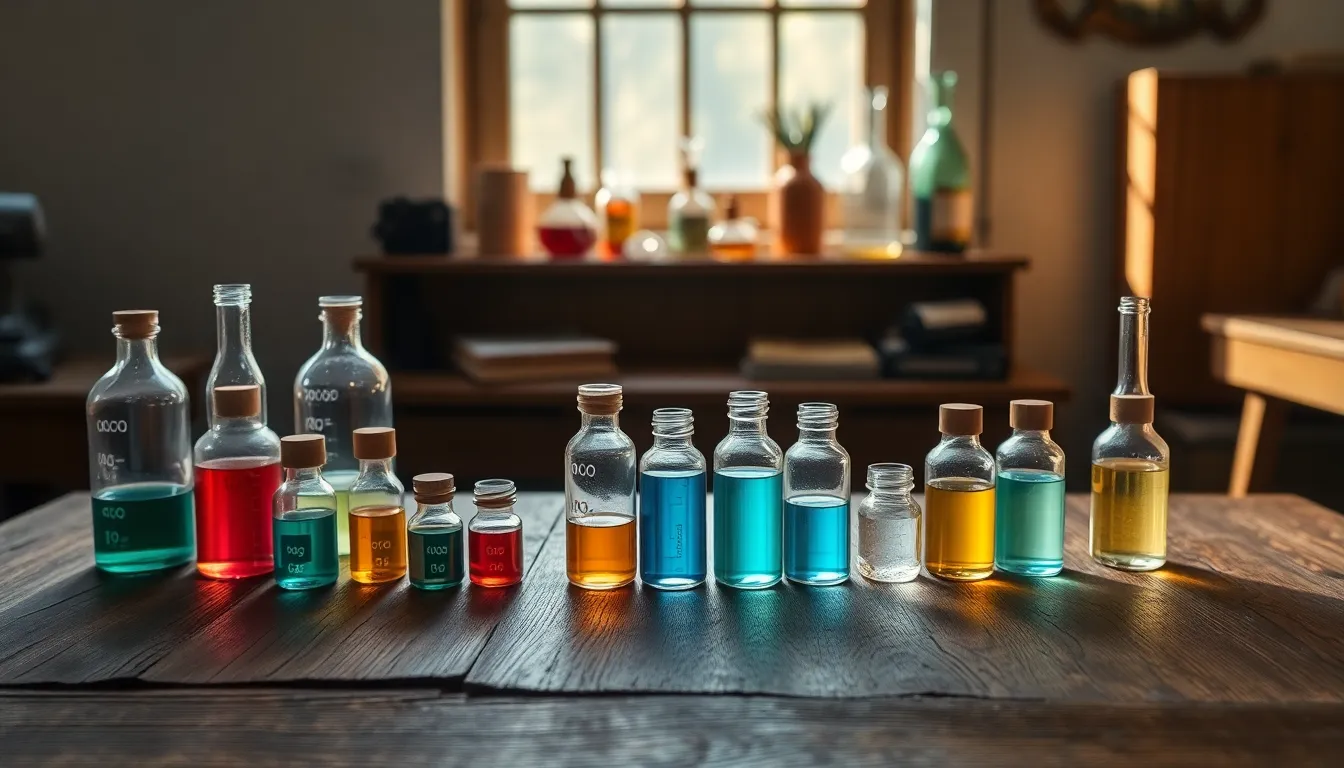
Hasselblad X2D 100C, 90mm f/2.5 medium format, depicts a neatly arranged scene of various chemical compounds in glass vials on a weathered oak table. The soft natural light from a nearby window casts gentle shadows, and the shallow depth of field keeps the foreground in focus while the background blurs into soft warmth. The rich color palette features earthy tones with vibrant accent colors from the compounds, evoking a sense of organic discovery. The composition employs a centered symmetrical layout, showcasing the beauty of the scientific materials and inviting the viewer's curiosity.
16:9
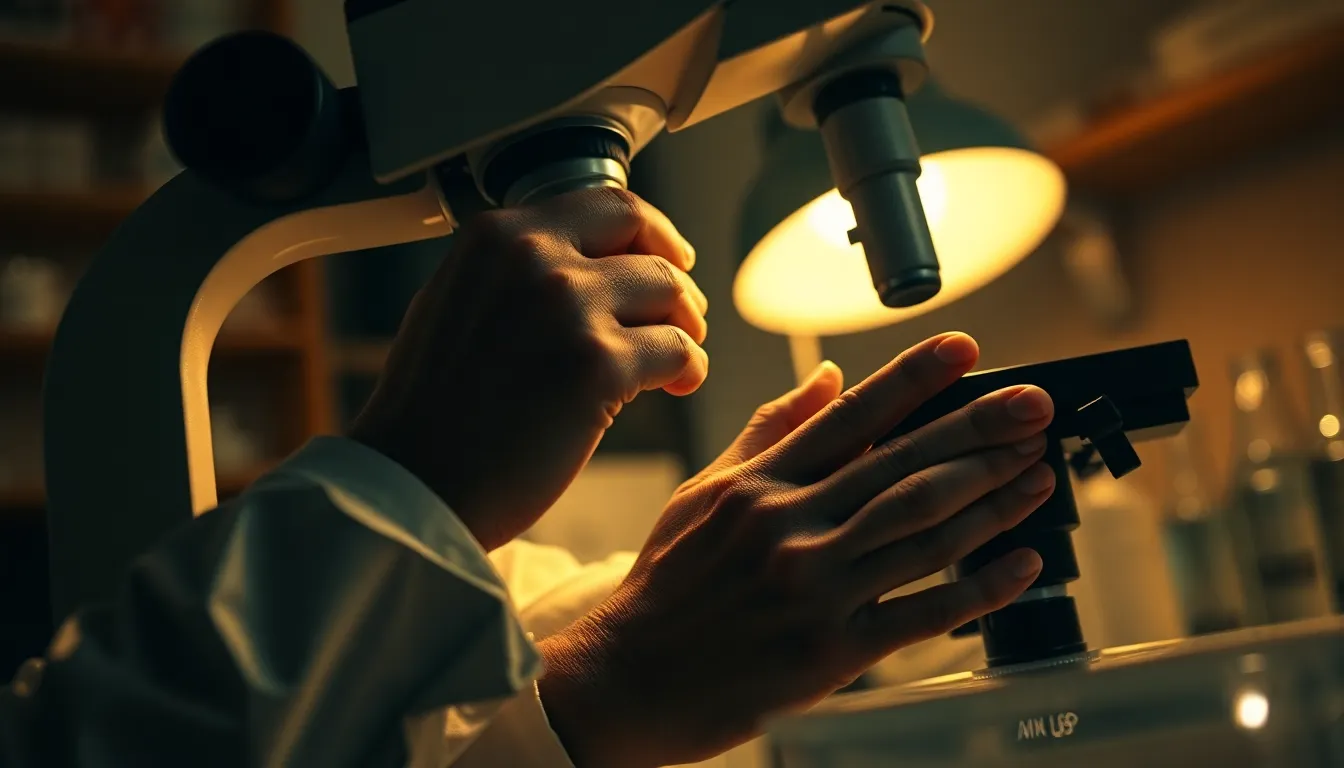
Nikon Z9, 70-200mm f/2.8 telephoto at 135mm, capturing a close-up shot of a chemist's hands working with a microscope in a dimly lit lab, illuminated by a warm tungsten desk lamp. The hyperfocal distance keeps all elements sharp, creating an intimate atmosphere. The color science features muted tones with desaturated earth colors, focusing on the textures of the skin and equipment. The composition uses leading lines from the microscope's arm toward the chemist's hands, emphasizing the delicate precision of scientific work. Surface details of the microscope and glass slides convey a feeling of professionalism and care.
16:9
shot on Sony A7R V with 85mm f/1.4 GM lens, capturing the essence of an outdoor chemistry experiment during golden hour. Warm rim light highlights the subject, a young scientist wearing a lab coat, as they carefully mix colorful powders in a small petri dish. The shallow depth of field at f/1.4 blurs the vibrant garden background, creating a dreamy effect with soft circular bokeh. The color palette is warm and inviting, with natural sunlight illuminating the rich colors of the powders. The composition centers around the subject's focused expression, illustrating enthusiasm and curiosity in science.
16:9
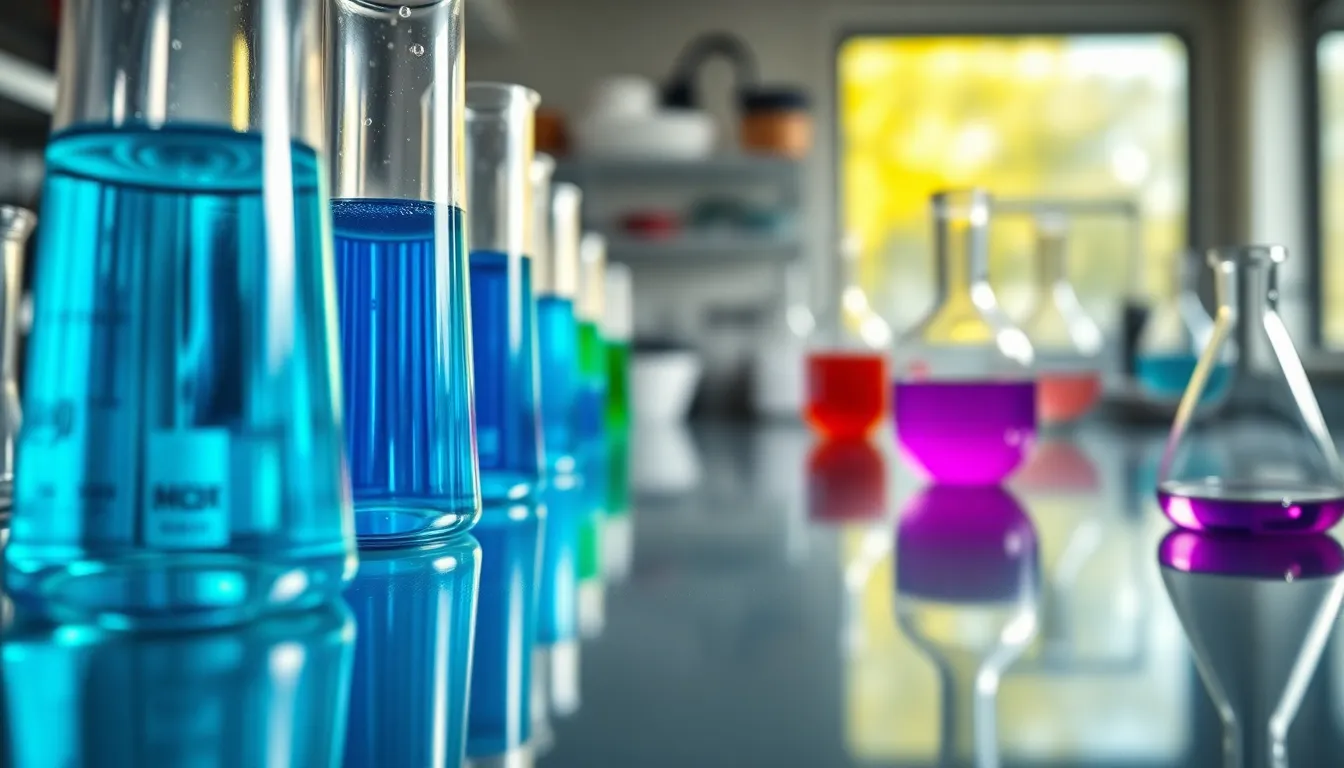
captured with Canon EOS R5, 24-70mm f/2.8L at 50mm, under bright overcast diffused daylight filtering through laboratory windows. Shallow depth of field at f/2.8 highlights the details of colorful chemical reactions in glass beakers, with a focus on vibrant blues and greens. The composition follows the rule of thirds with the beakers on the left power point, reflecting a sterile lab environment with polished stainless steel surfaces. The color palette features bright, saturated hues reminiscent of a scientific discovery, showcasing the textures of the glass and liquid. Tiny bubbles and reactive substances create additional visual intrigue.
16:9
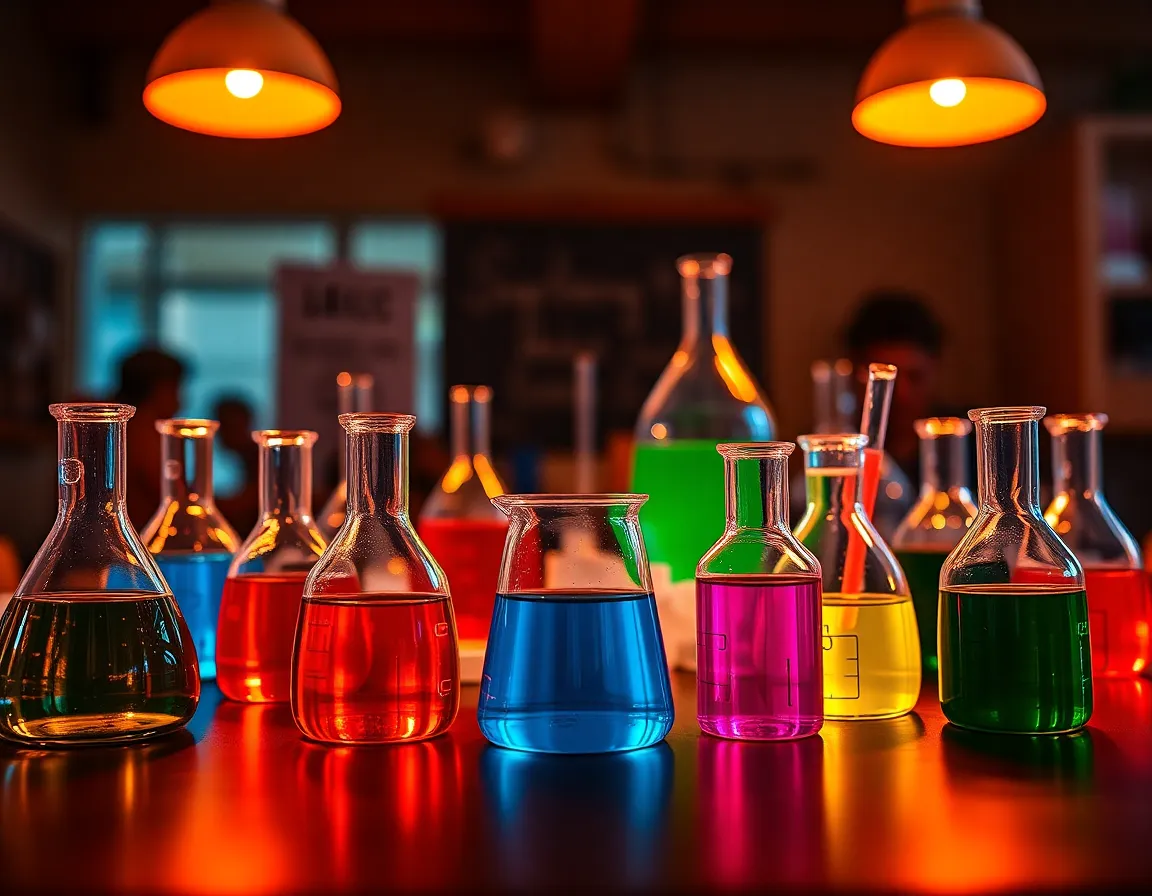
shot on Leica Q3, 28mm f/1.7 Summilux, featuring a beautifully arranged chemistry-themed table setting for a demonstration, with glass beakers, pipettes, and colorful liquid solutions. The practical lighting consists of warm tungsten lamps casting inviting glows while enhancing the vibrant colors of the chemicals. Using a shallow depth of field at f/1.7, the foreground is sharp while the background transitions into soft bokeh. The color palette features warm orangey tones complemented by vivid hues from the liquid solutions. Composition utilizes leading lines formed by the arrangement of the glassware, drawing the viewer’s eye through the scene.
4:3
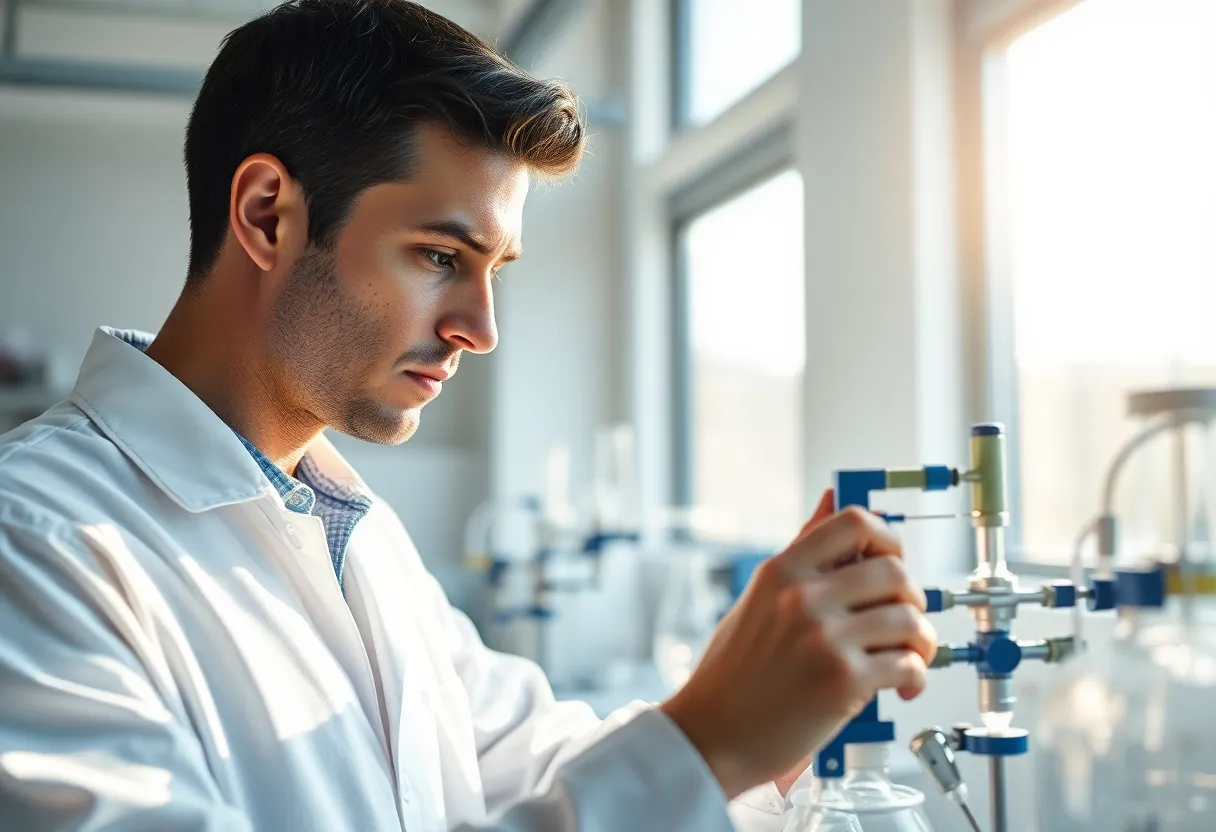
captured with Hasselblad X2D 100C, 90mm f/2.5 medium format, depicting a scientist adjusting a laboratory apparatus under natural light streaming in through large windows. The lighting creates a beautiful interplay of soft shadows and highlights, enhancing the scene's depth. Using a selective focus technique, the image draws attention to the scientist's concentrated expression and detailed lab coat fabric while softly blurring the equipment in the background. The color palette is bright and airy, with whites and light blues dominating. Composition is framed using the rule of thirds, with the scientist positioned in the left third, emphasizing their focus and the complexity of the lab environment.
3:2
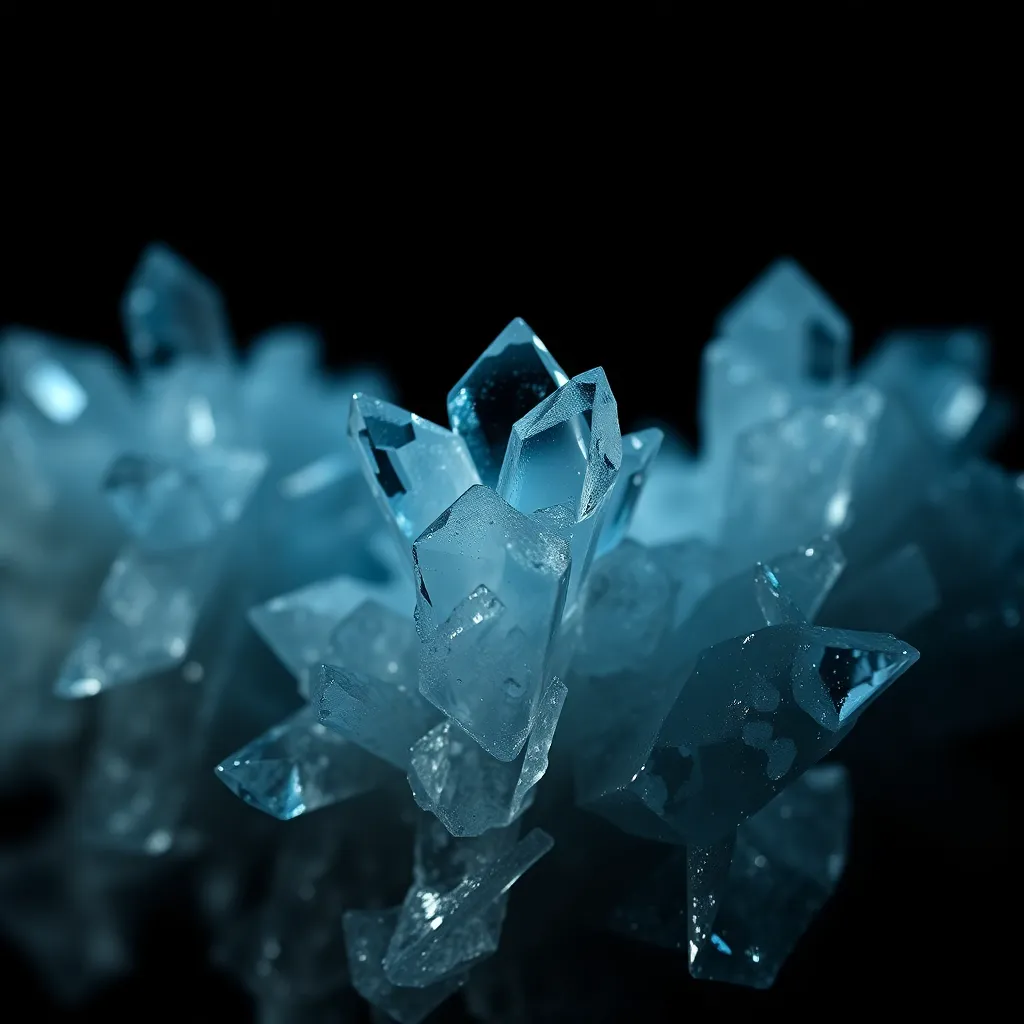
shot on Fujifilm GFX 100S, 110mm f/2 macro, featuring a close-up of chemical crystals on a dark background. The natural side lighting emphasizes the intricate details and sharp edges of the crystals, creating a dramatic contrast against the inky backdrop. A shallow depth of field at f/2 creates a dreamy bokeh, isolating the subject effectively. The image employs a natural muted color palette with deep blues and subtle iridescence from the crystals. The centered symmetrical composition showcases the beauty of the crystal formations, inviting viewers to explore their intricate textures.
1:1
captured with Nikon Z9, 70-200mm f/2.8 telephoto at 135mm, in a dimly lit research lab illuminated by fluorescents casting a cool blue light. Hyperfocal distance provides tack-sharp detail from the foreground to the background, showcasing an array of scientific instruments. The color palette is dominated by muted metallic tones and deep shadows, creating an atmosphere of intrigue. Composition utilizes leading lines formed by lab counters directing the eye toward an analysis machine. Surfaces of glass and metal reflect the ambient lighting, enhancing the high-tech feel of the scene.
16:9
shot on Canon EOS R5, 24-70mm f/2.8L at 50mm, captured during a well-lit laboratory scene with high-key lighting that enhances the reflective surfaces of glassware. Shallow depth of field at f/2.8 highlights colorful liquid reactions while the background softly blurs into bokeh. The color palette features vibrant blues and greens from chemical solutions contrasting with the clear glass. Composition follows the rule of thirds, with a beaker filled with a reactive liquid positioned in the lower right power point. The table surface is glossy white, reflecting the vivid hues of the liquids, creating an engaging visual narrative.
16:9
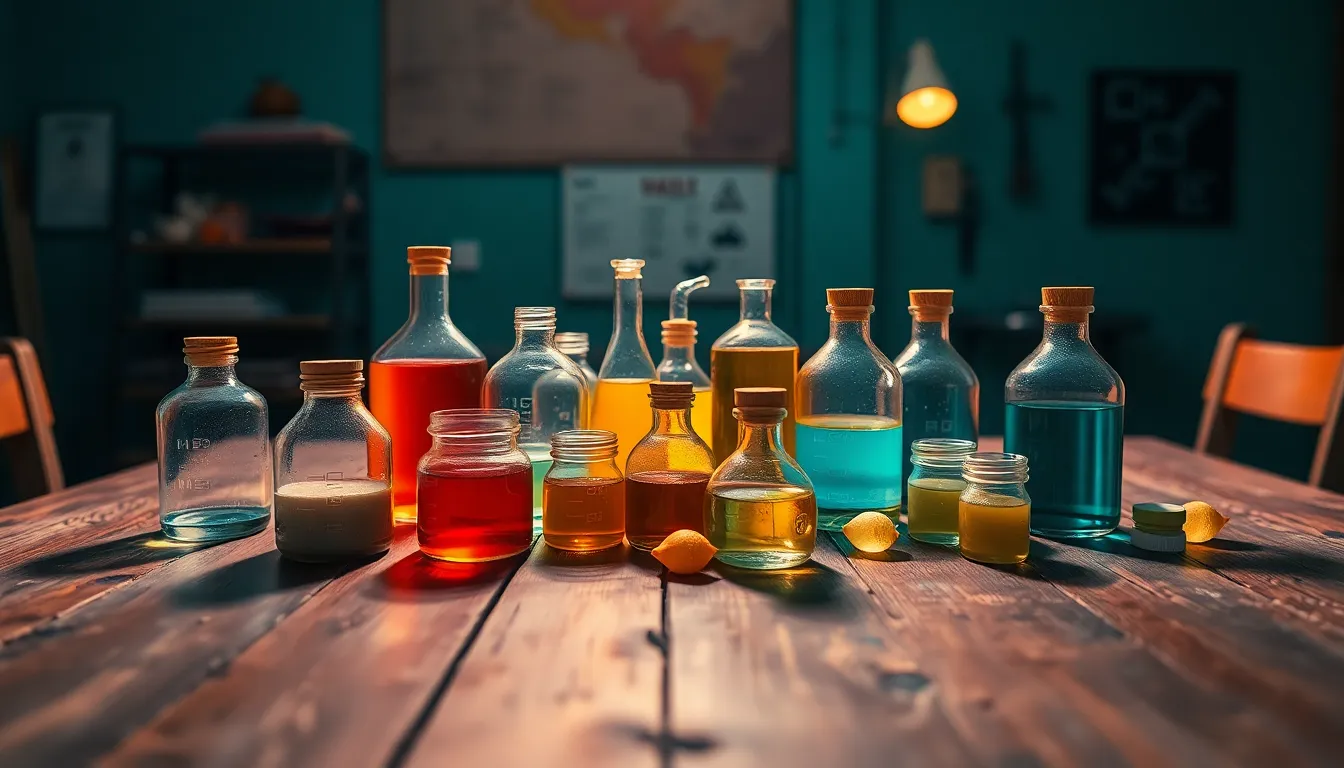
Fujifilm GFX 100S, 110mm f/2 macro, warm tungsten light illuminating a collection of chemical reaction ingredients arranged artfully on a weathered wooden table, hyperfocal distance at f/8 for sharp focus across the entire scene, cinematic teal and orange color grading highlighting the vibrant hues of the ingredients, leading lines created by the arrangement guide the viewer’s eye through the composition.
16:9
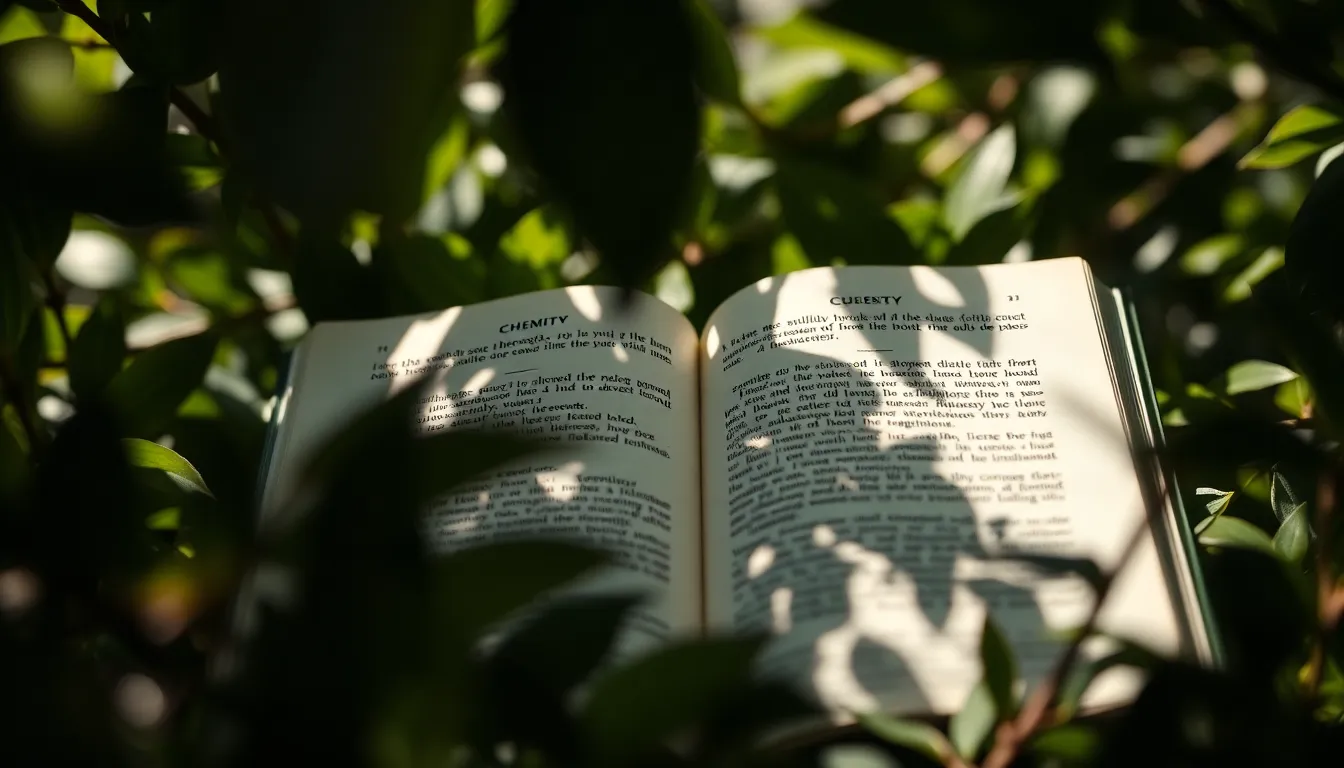
Hasselblad X2D 100C, 90mm f/2.5 medium format, dappled sunlight filtering through leaves casting playful shadows on an open chemistry textbook surrounded by natural elements, shallow depth of field at f/2.5 focusing on the text with soft bokeh of the background, natural muted tones with hints of green and brown, foreground framing using the surrounding natural foliage creates an inviting organic feel.
16:9
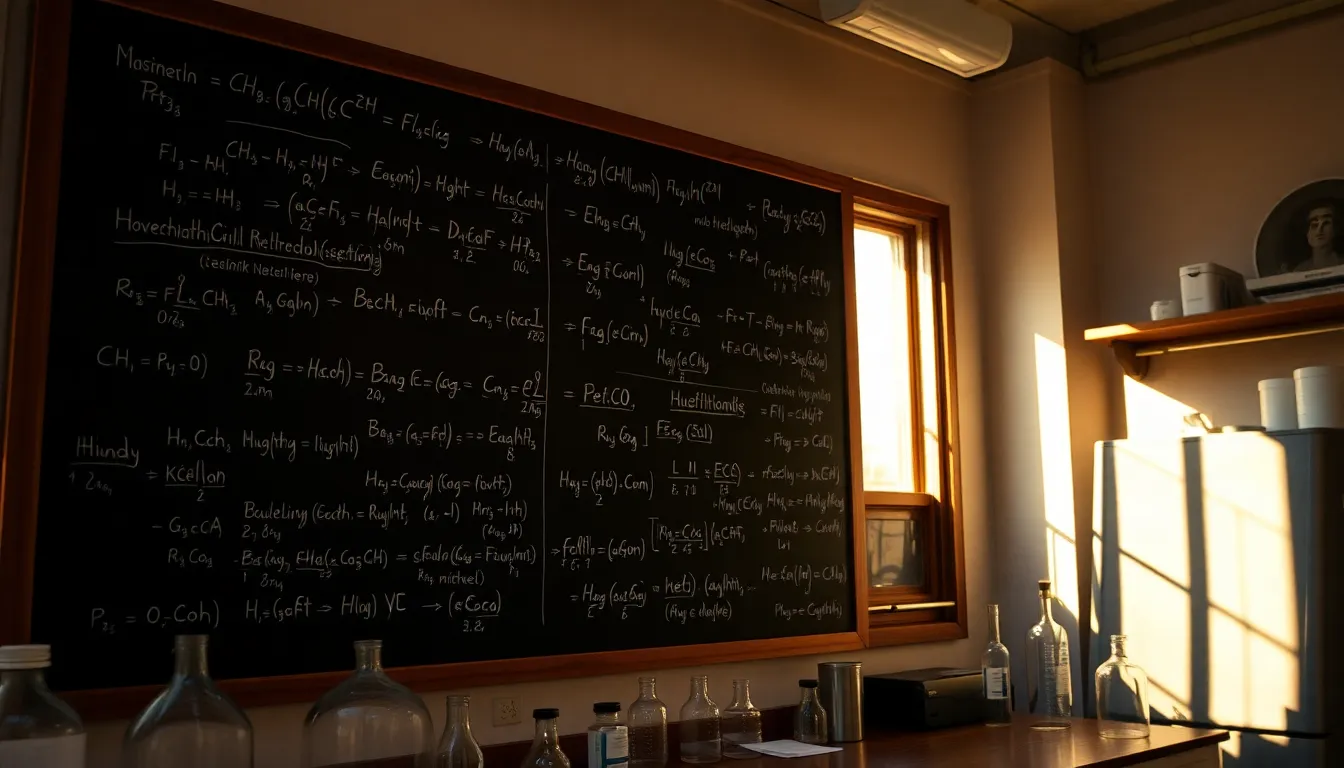
Nikon Z9, 70-200mm f/2.8 telephoto at 135mm, golden hour light streaming through a window reflecting off a chalkboard filled with chemical equations, hyperfocal distance at f/8 capturing sharp details of both the board and the surrounding laboratory items, Kodak Portra 400 color palette giving a nostalgic warmth to the scene, leading lines of the chalkboard draw the viewer's eye through the composition.
16:9
shot on Sony A7R V with 85mm f/1.4 GM lens, dramatic backlighting from a single overhead light creating high contrast shadows in a chemistry lab, selective focus on a colorful chemical reaction in a flask while the background fades into a dreamy bokeh, Fujifilm Velvia-inspired saturated colors emphasizing the vibrant hues of the chemicals, centered symmetrical composition highlighting the flask in the foreground and lab equipment surrounding it.
16:9
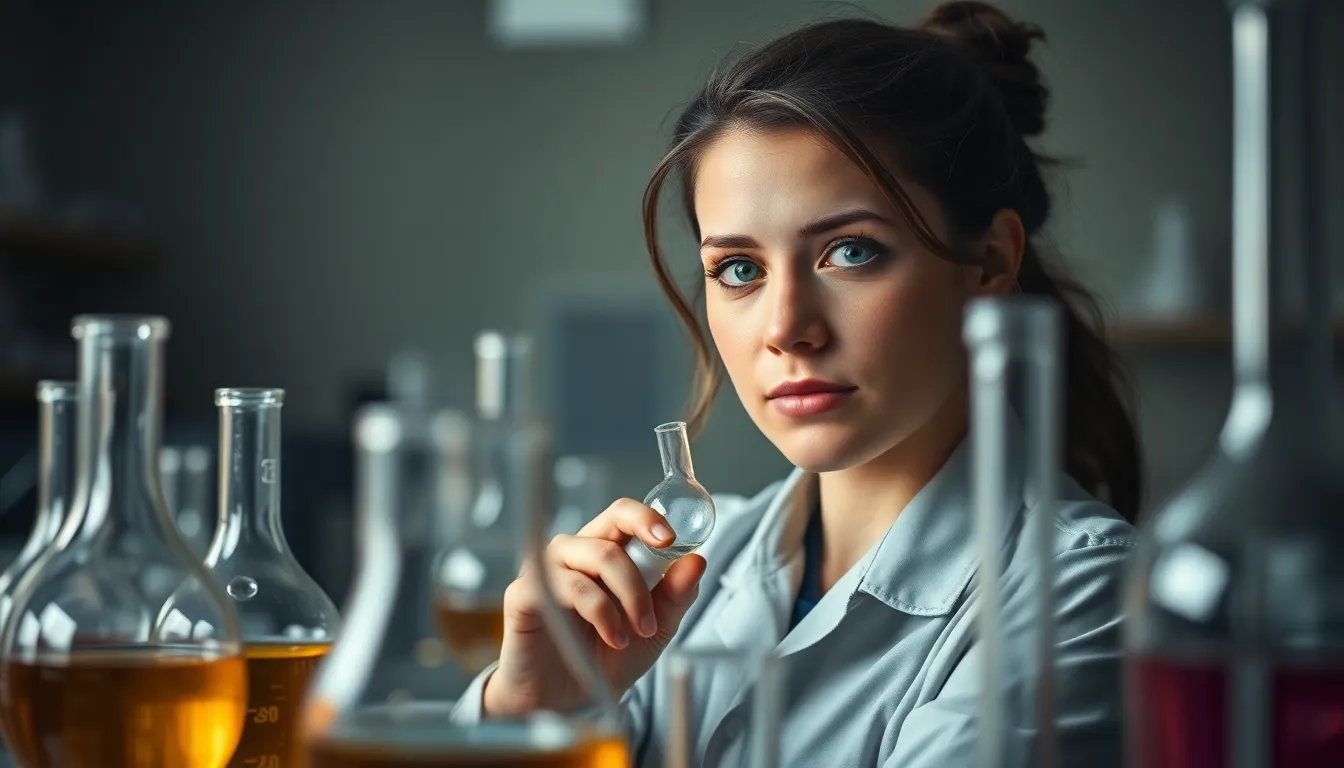
captured with Canon EOS R5, 24-70mm f/2.8L at 50mm, overcast diffused daylight illuminating a chemist in a lab, shallow depth of field at f/2.8 focusing on her thoughtful expression with laboratory glassware blurred in the background, natural muted tones with desaturated earth colors, rule of thirds composition with the chemist positioned at a power point, textured surfaces of glass beakers and bubbling liquids reflect the soft light.
16:9
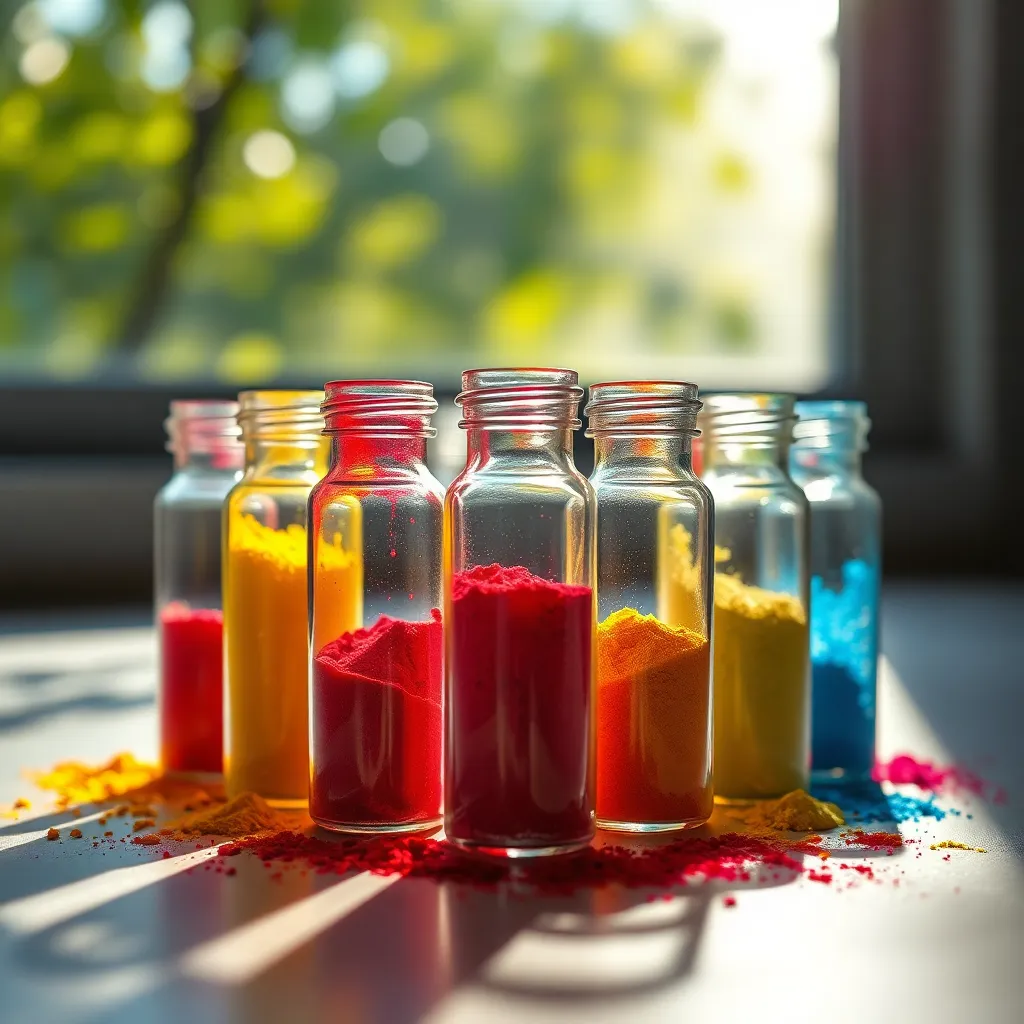
Hasselblad X2D 100C, 90mm f/2.5 medium format, photographs a series of colorful powdered chemicals in neat glass vials. The setup utilizes dappled sunlight streaming through a window, casting soft shadows and highlights on the vials. The depth of field is shallow at f/2.5, with a focus on the vibrant colors of the powders. The color palette features rich reds, yellows, and blues, embodying a lively and artistic take on chemistry. The composition is centered and symmetrical, emphasizing the organization and beauty of the materials, with textured glass and smooth powder surfaces creating visual interest.
1:1
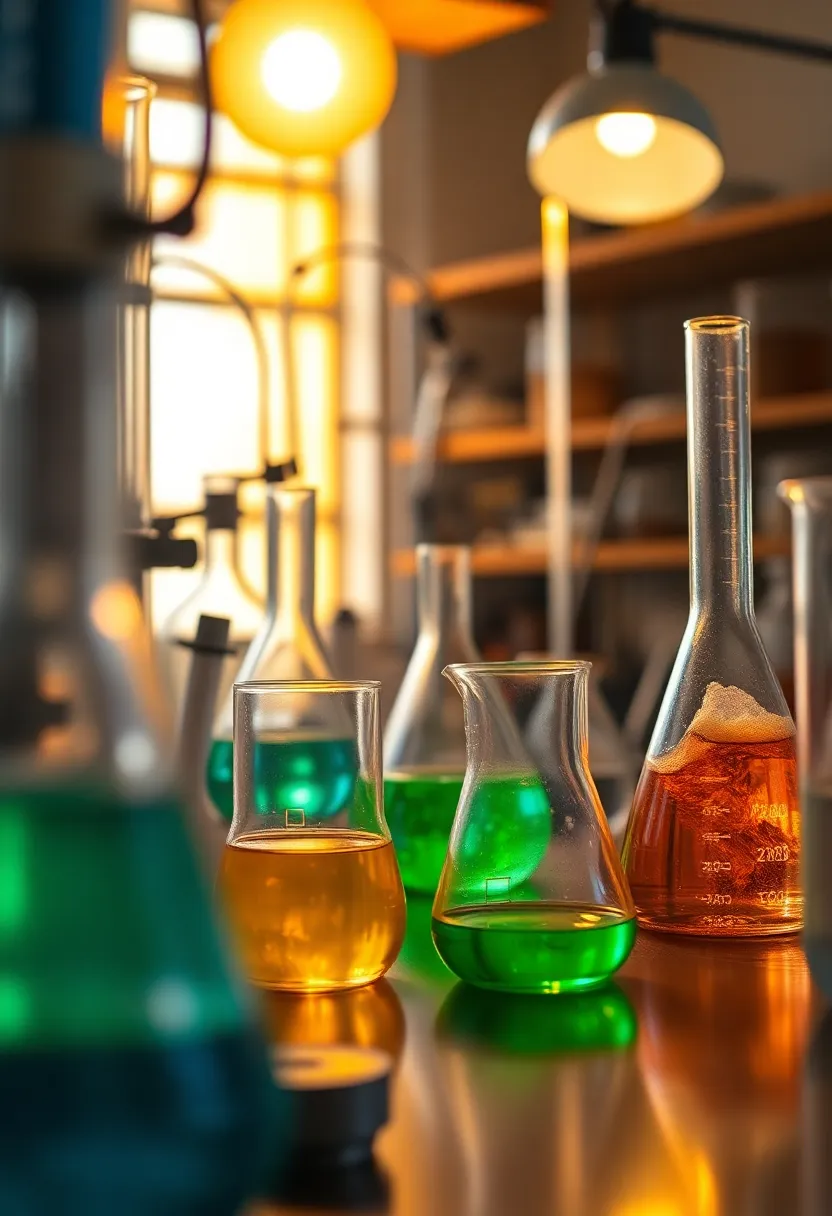
Fujifilm GFX 100S, 110mm f/2 macro, reveals a laboratory setting with detailed equipment and chemical reactions taking place in beakers. The lighting combines practical tungsten lamps with daylight to create a warm atmosphere that highlights the reflective glass surfaces. The depth of field is shallow at f/2, emphasizing the vibrant colors of the liquids swirling in the beakers. The color science follows a natural palette with warm browns and soft greens. A dynamic composition utilizes leading lines from the equipment towards the reactions, capturing a sense of movement and activity.
2:3
Nikon Z9, 70-200mm f/2.8 telephoto at 100mm, captures a close-up of microscopic images of cells interacting with chemical compounds. The lighting is studio-based, with a softbox providing even, diffused illumination, eliminating harsh shadows. The depth of field is hyperfocal at f/8, ensuring sharp detail throughout. The color palette features bright contrasts in greens, blues, and purples, creating a vibrant look. It's a centered symmetrical composition, emphasizing the beauty of biological structures on a textured glass slide that showcases the intricate details of cellular life.
4:3
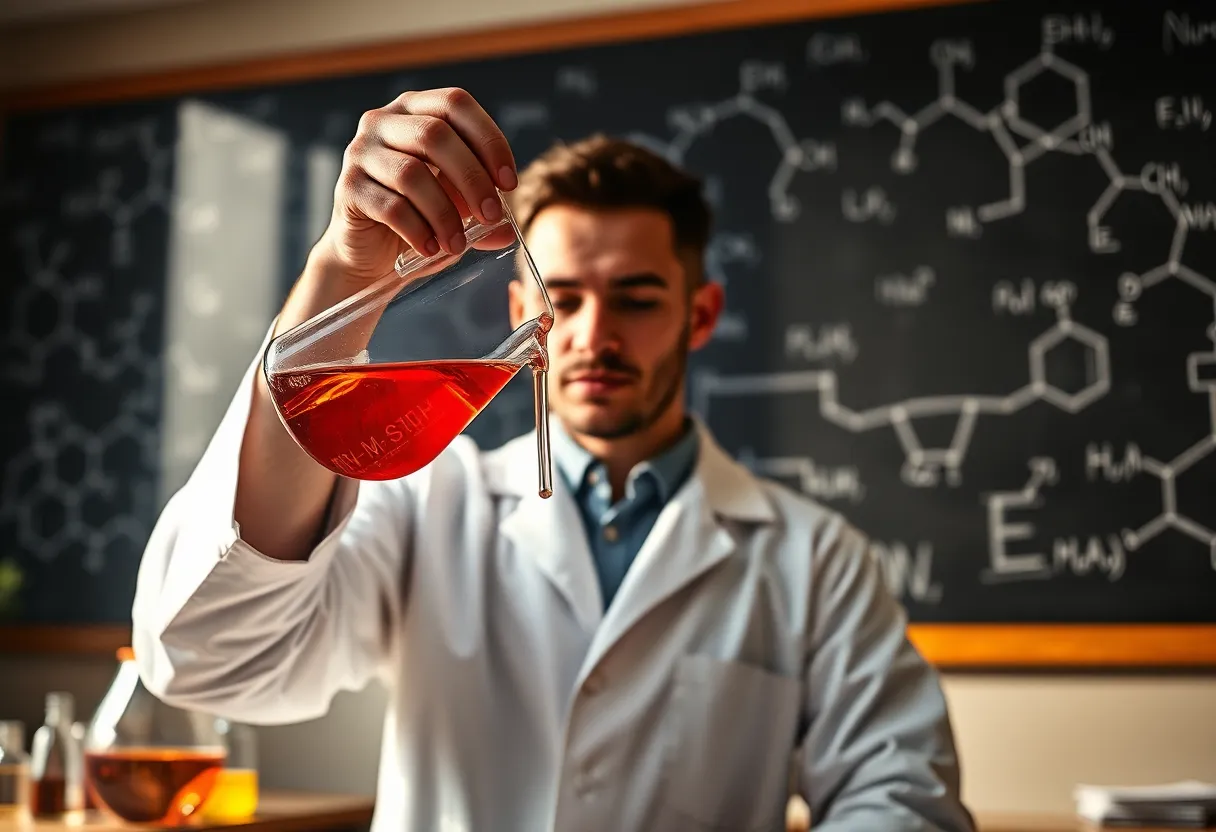
Shot on Sony A7R V with 85mm f/1.4 GM lens, the scene features a chemist in a white lab coat, pouring a colorful solution into a flask. The natural window light creates soft shadows and highlights the subject against a backdrop of abstract chemical formulas on a chalkboard. The depth of field is very shallow at f/1.4, softly blurring the board. The warm color palette includes deep reds and vibrant yellows from the liquids. The composition centers the chemist, with leading lines from the flask directing the viewer's eye, and the visible texture of the lab coat's fabric adds detail.
3:2
Captured with Canon EOS R5, 24-70mm f/2.8L at 50mm, the scene showcases a laboratory with a focus on a glass beaker filled with vibrant blue liquid. The lighting is overhead fluorescent, creating a stark, clinical ambiance with reflections on the glass surface. Depth of field is shallow at f/2.8, blurring the background where chemical equipment is lined up. The color palette is cool-toned with various shades of blue and white. The composition follows the rule of thirds, placing the beaker off-center to highlight the lab's organized chaos. The beaker’s glass surface exhibits fine scratches and polished areas, reflecting the sterile environment.
16:9
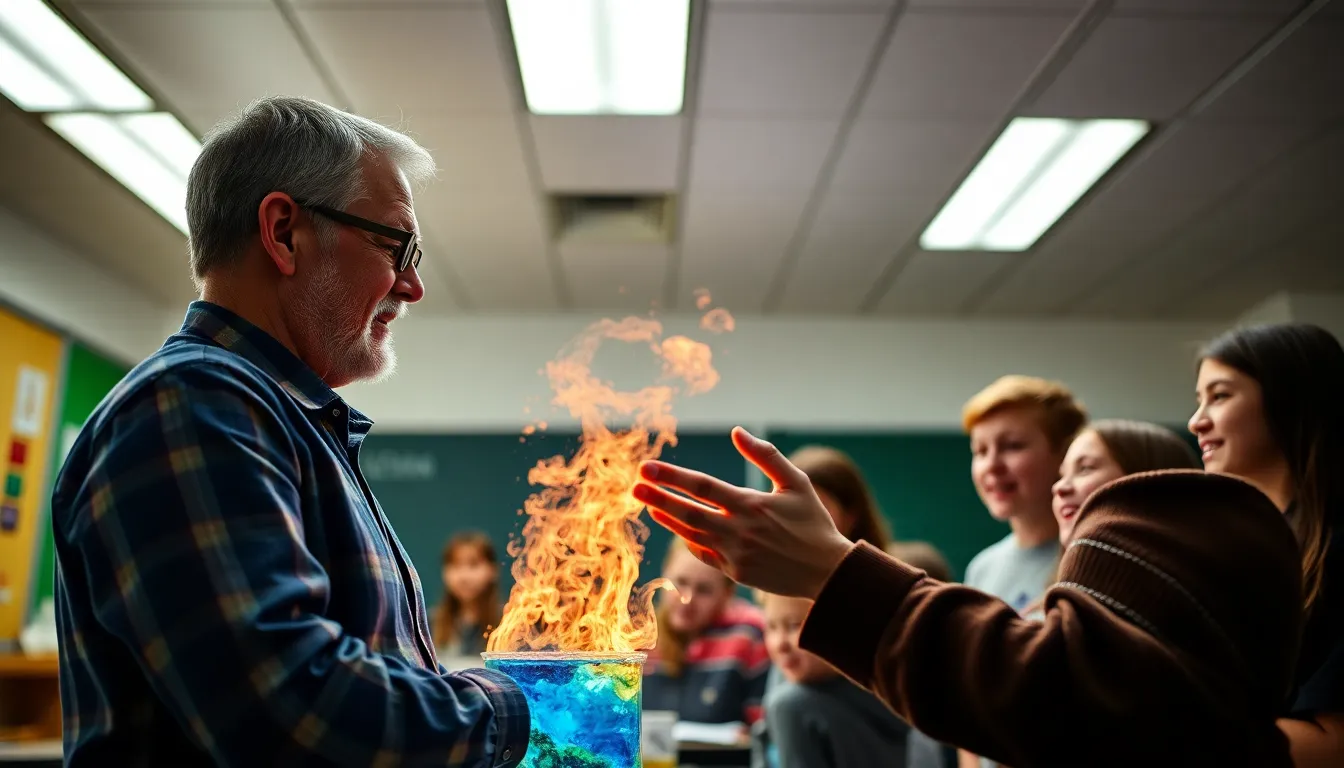
shot on Leica Q3, 28mm f/1.7 Summilux, capturing a dynamic scene of a teacher demonstrating a chemical reaction with vibrant colors in front of a classroom. Overhead fluorescent lighting provides bright, even illumination, highlighting the excitement in the students’ faces. The depth of field is shallow at f/1.7, focusing on the teacher’s engaged expression while the classroom fades into a soft bokeh. The composition captures the lively atmosphere, emphasizing the interaction between the teacher and students.
16:9
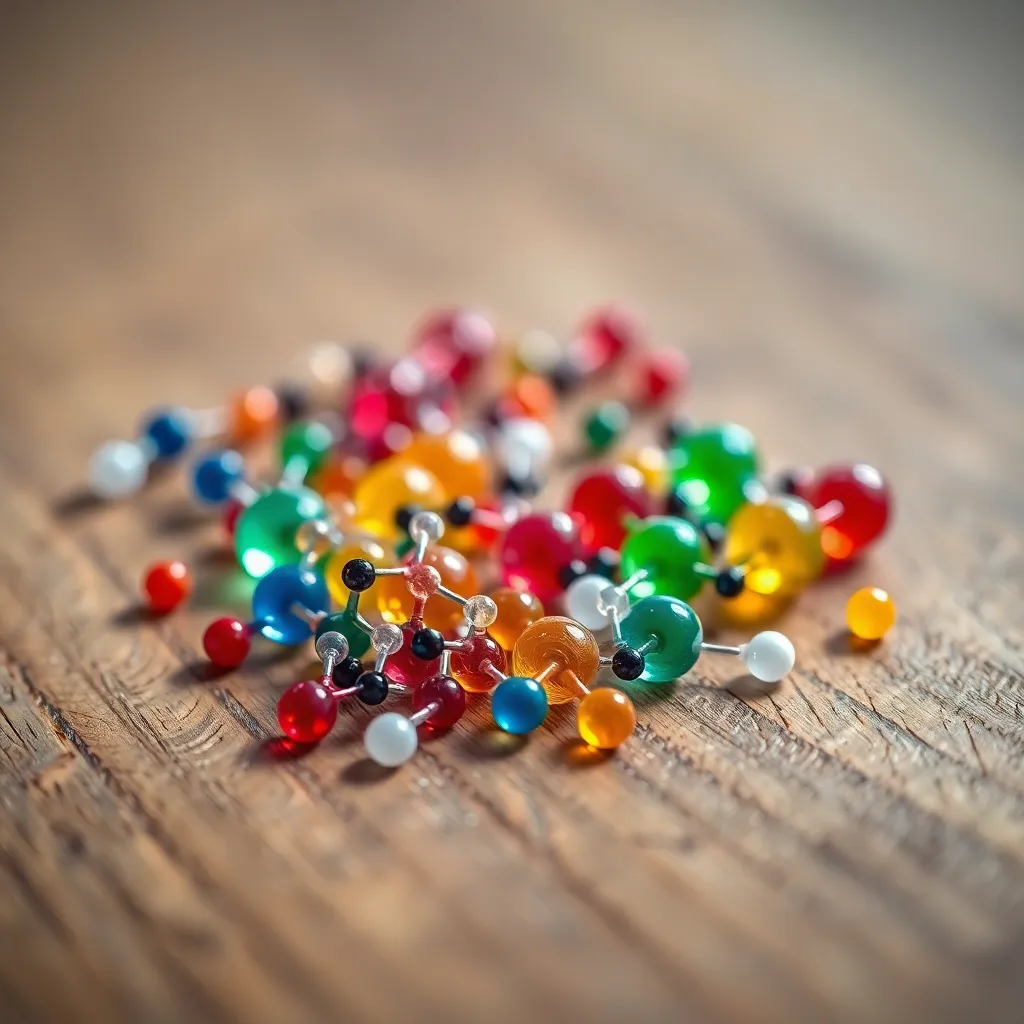
captured with Fujifilm GFX 100S, 110mm f/2 macro, showcasing a close-up of colorful chemical compounds meticulously arranged on a textured wooden surface. The lighting consists of soft diffused daylight that enhances the rich colors of the chemicals, creating a natural yet vibrant atmosphere. With a shallow depth of field at f/2, the foreground compounds are sharp while the background fades into a soft blur. The composition emphasizes the details of the compounds, inviting viewers to explore their textures.
1:1
shot on Hasselblad X2D 100C, 90mm f/2.5 medium format, with dramatic Rembrandt lighting casting deep shadows on a chemist in a lab coat, intently analyzing a chemical reaction in a petri dish. The shallow depth of field at f/2.5 isolates the chemist against a blurred backdrop of lab equipment. The color grading features a cinematic palette, with warm skin tones contrasting against cool laboratory colors. The composition centers on the chemist's focused expression and hands, creating an intimate connection.
3:4
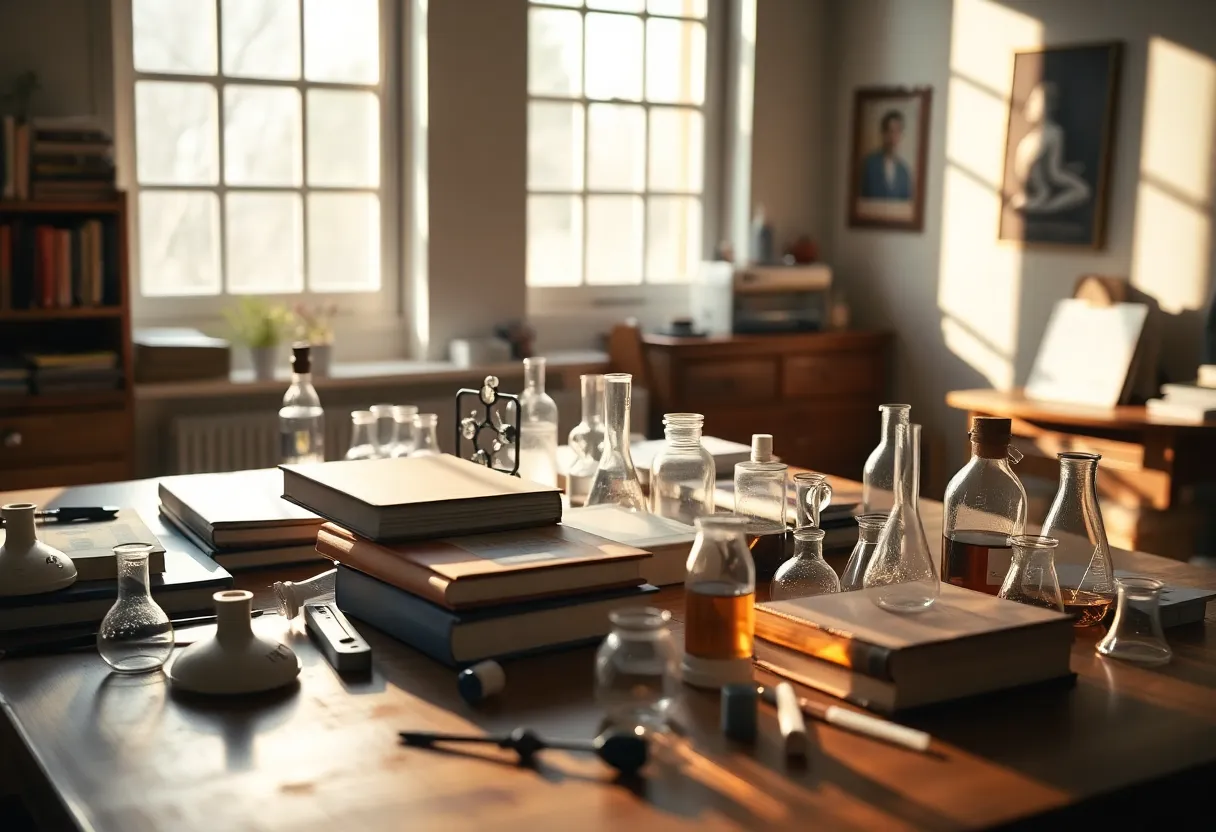
captured with Canon EOS R5, 24-70mm f/2.8L at 35mm, soft afternoon sunlight streaming through a window, casting gentle light across a table scattered with chemistry textbooks, molecular models, and tools. Natural light creates a warm, inviting atmosphere with muted tones and soft shadows. Hyperfocal distance ensures everything from foreground to infinity is tack-sharp at f/8. The composition emphasizes the tabletop's texture while placing elements strategically across the frame for balance.
3:2
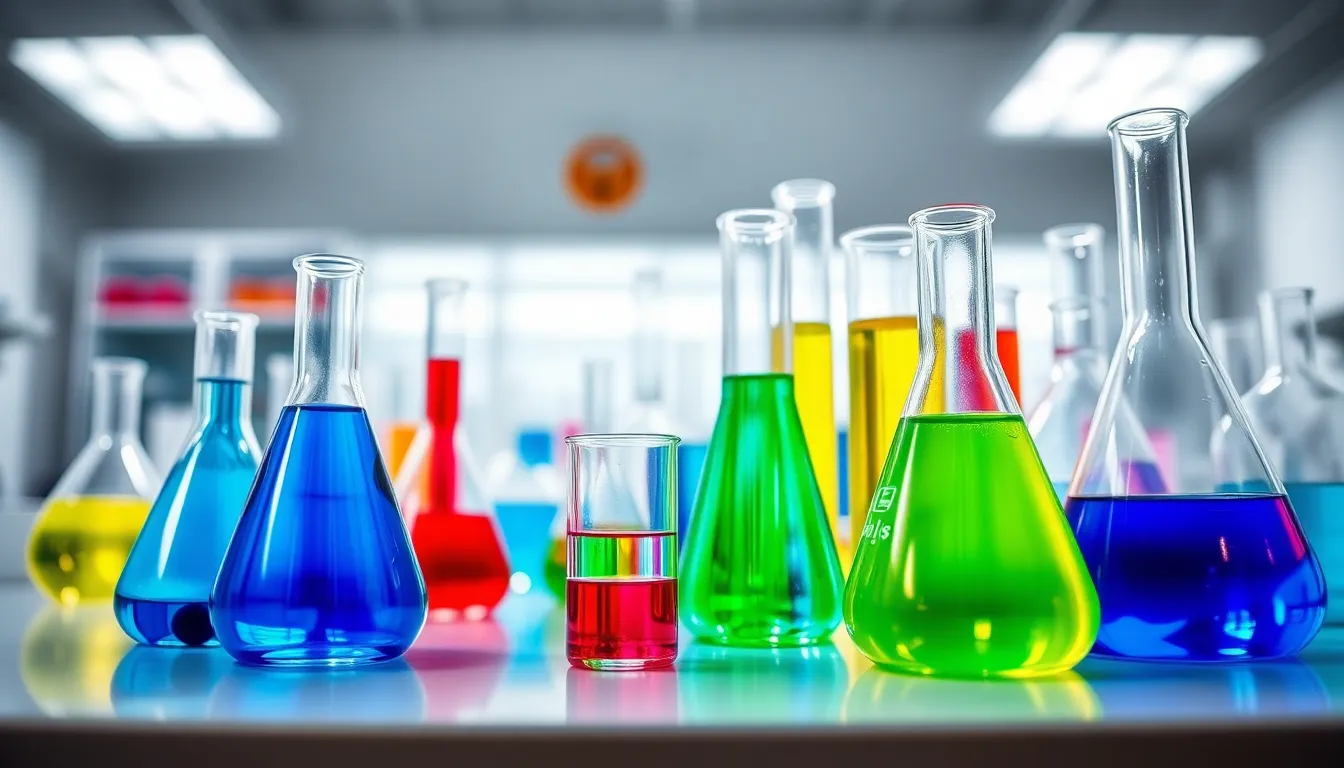
shot on Nikon Z9, 70-200mm f/2.8 telephoto at 135mm, bright laboratory lighting illuminating an array of colorful glass beakers and flasks filled with vibrant liquids. Shallow depth of field at f/2.8 creates a creamy bokeh effect, with sharp focus on the foreground beakers. The color palette features vibrant blues, greens, and reds contrasting against the sterile white lab background. Composition utilizes leading lines created by the lab bench, drawing the viewer's eye across the scene. Glass surfaces reflect highlights, showcasing their intricate details.
16:9